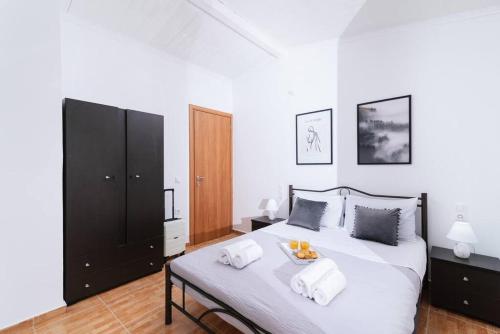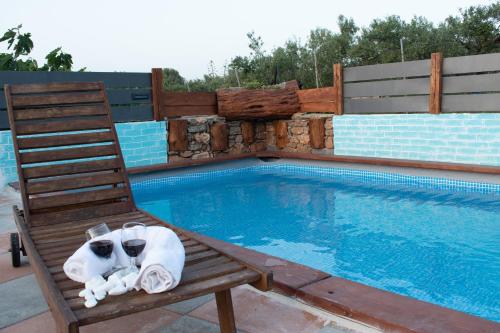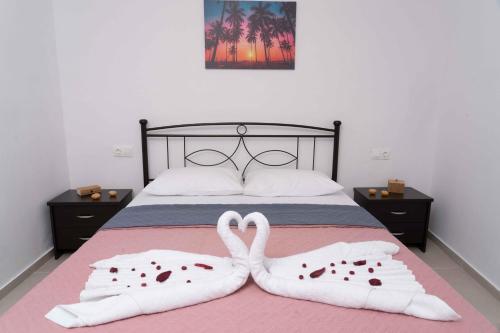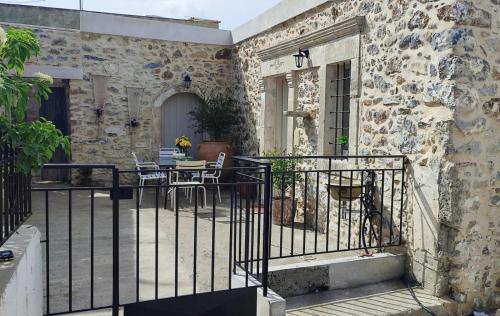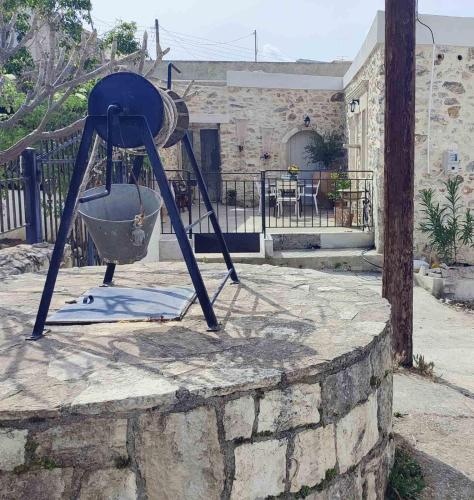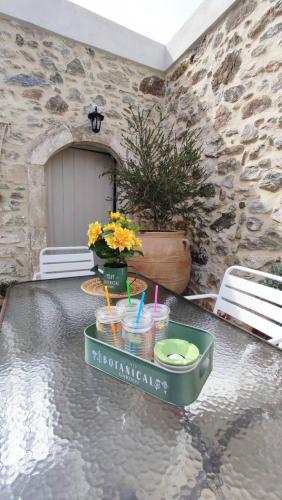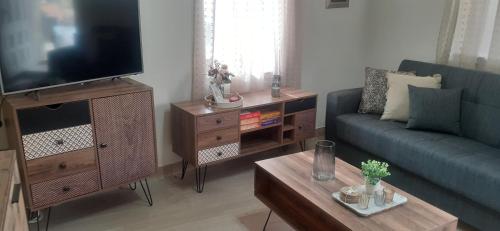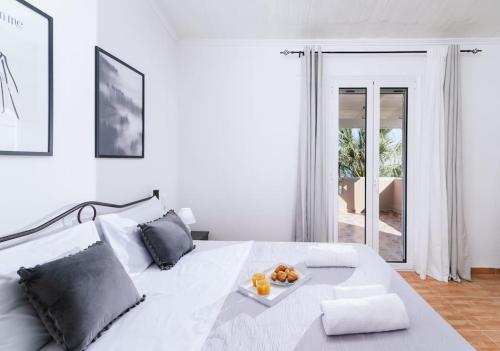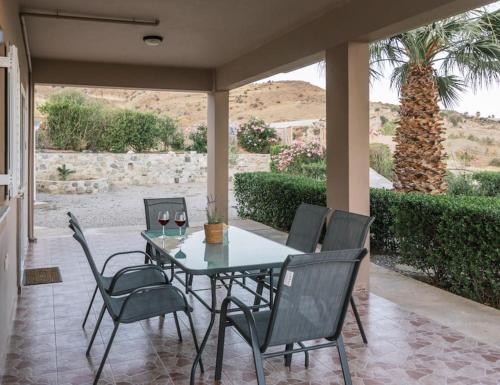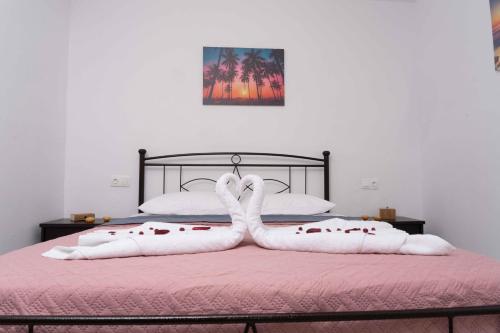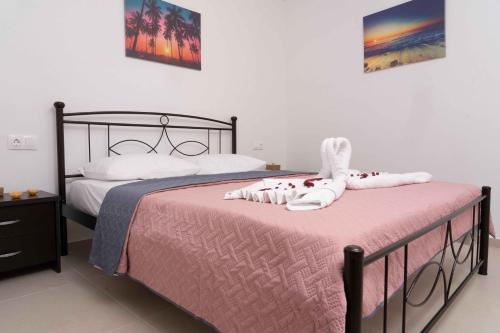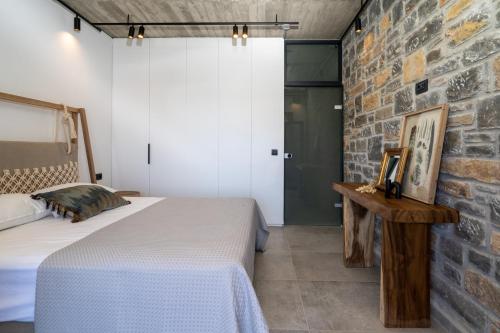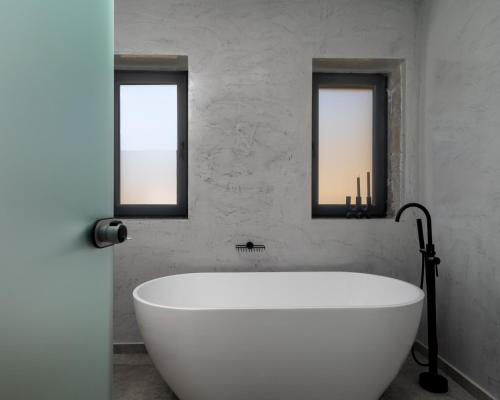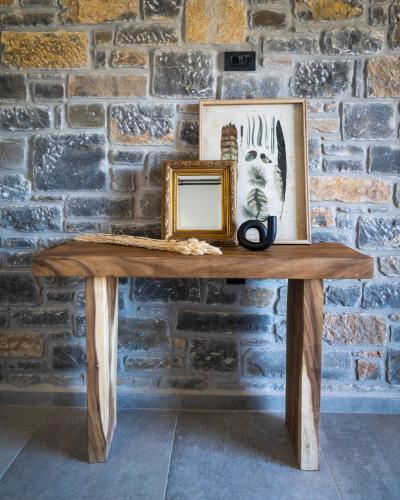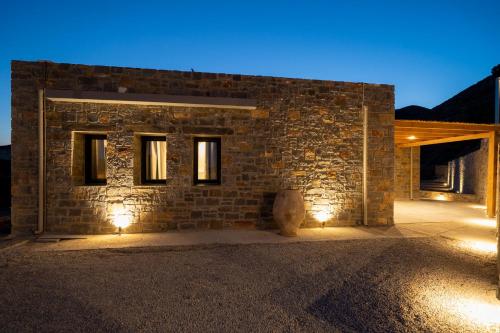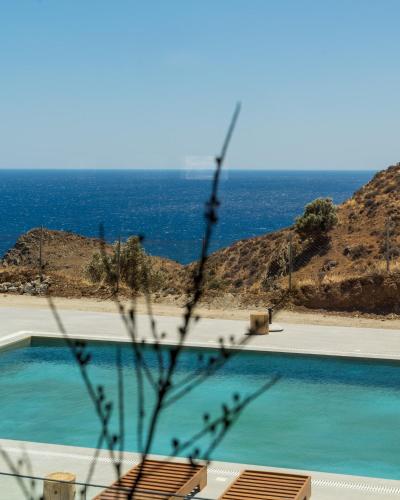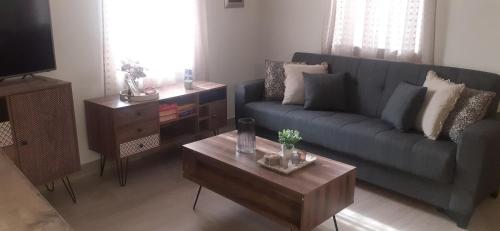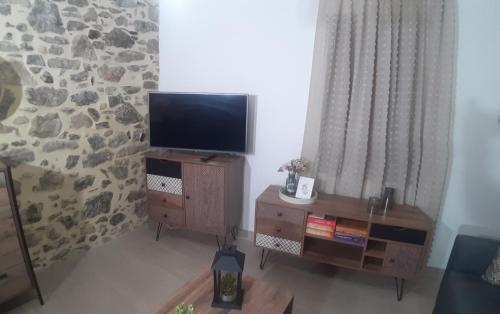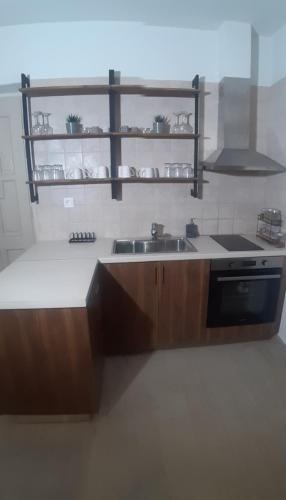
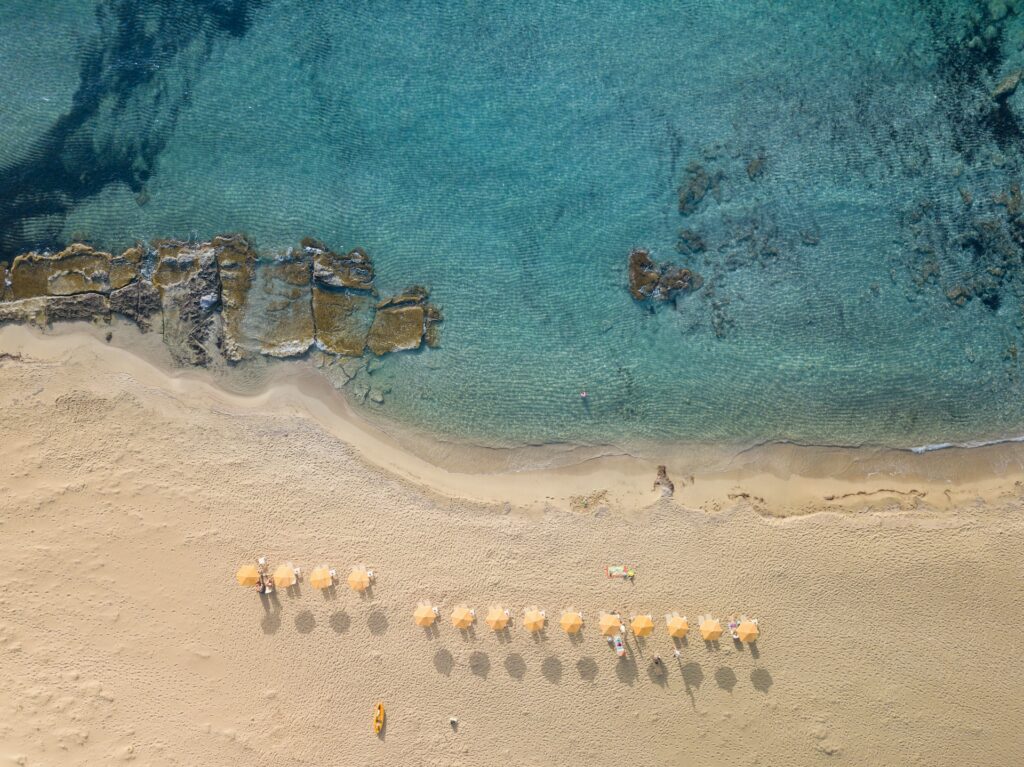
Boasting sea views, Katerina’s Lux Home offers accommodation with a balcony and a coffee machine, around 1.8 km from Limanaki Beach. This beachfront property offers access to a terrace and free private parking.
With free WiFi, this apartment features a flat-screen TV, a washing machine and a kitchen with an oven and fridge. Towels and bed linen are offered in the apartment.
Guests can also relax in the garden.
Phaistos is 32 km from the apartment, while Museum of Cretan Ethnology is 32 km from the property. The nearest airport is Heraklion International Airport, 69 km from Katerina’s Lux Home.
from
€153
/night
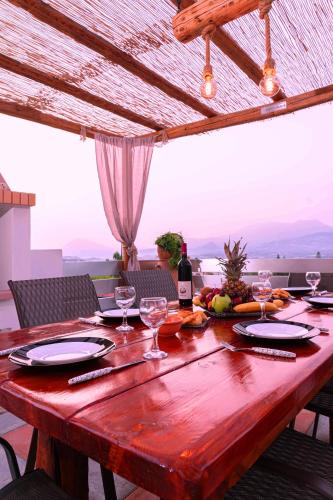
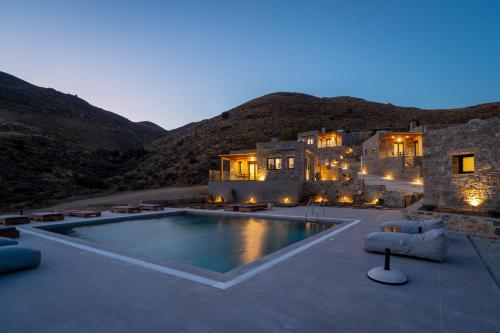
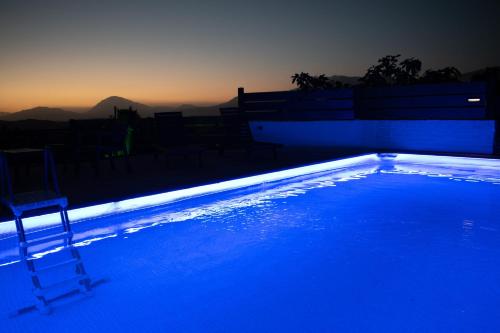
Boasting air-conditioned accommodation with a rooftop pool, mountain view and a patio, Villa Melpomeni is set in Andiskárion. This beachfront property offers access to a balcony, free private parking and free WiFi.
The villa with a terrace and sea views has 4 bedrooms, a living room, a flat-screen TV, an equipped kitchen with an oven and a fridge, and 2 bathrooms with a shower. Towels and bed linen are offered in the villa.
The villa offers a picnic area. A car rental service is available at Villa Melpomeni.
Psili Ammos Beach is 1.1 km from the accommodation, while Kokkines Plakes Beach is 2.5 km from the property. The nearest airport is Heraklion International Airport, 69 km from Villa Melpomeni.
from
€266
/night
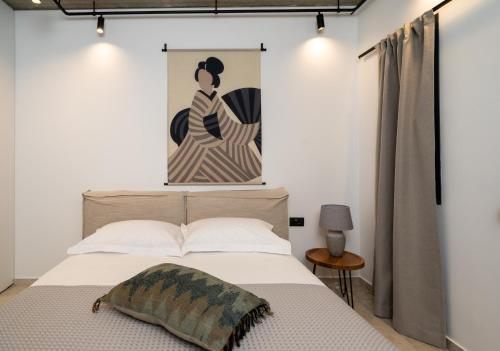
Located in Léntas in the Crete region with Lenta Beach nearby, Marina apartments provides accommodation with free private parking.
Each unit comes with a terrace offering sea views, a flat-screen TV, a well-fitted kitchen and a private bathroom with bath and a hair dryer. A balcony with mountain views is offered in each unit.
Guests can also relax in the garden.
Phaistos is 31 km from the villa, while Museum of Cretan Ethnology is 31 km away. The nearest airport is Heraklion International Airport, 67 km from Marina apartments.
from
€85
/night
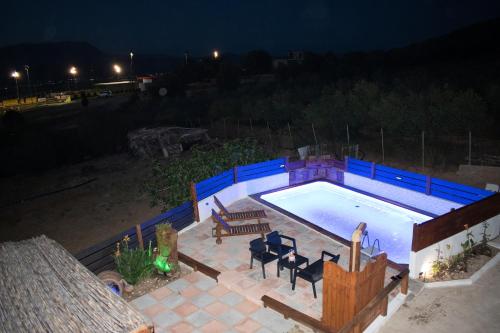
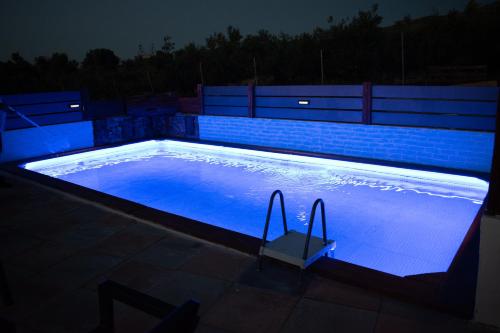
Featuring garden views, Haritos Holidays Home offers accommodation with a patio and a coffee machine, around 11 km from Phaistos. This holiday home features a private pool, a garden, barbecue facilities, free WiFi and free private parking.
The holiday home is fitted with 4 bedrooms, 2 bathrooms, bed linen, towels, a flat-screen TV with streaming services, a fully equipped kitchen, and a terrace with mountain views.
Museum of Cretan Ethnology is 12 km from the holiday home, while Pankritio Stadium is 49 km away. The nearest airport is Heraklion International Airport, 54 km from Haritos Holidays Home.
from
€145
/night
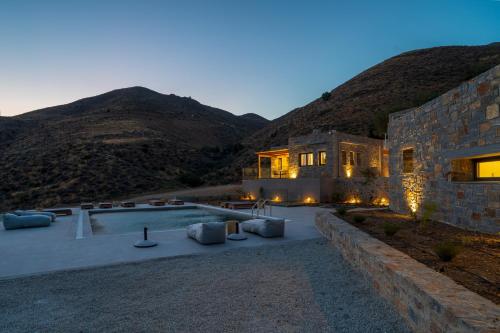
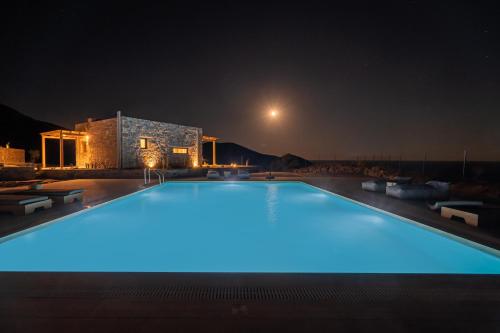
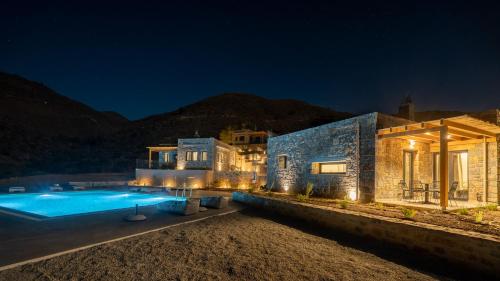
Celine Private Residences features mountain views, free WiFi and free private parking, located in Léntas, less than 1 km from Lenta Beach.
The villa provides guests with a terrace, sea views, a seating area, satellite flat-screen TV, a fully equipped kitchen with an oven and a toaster, and a private bathroom with shower and bathrobes. A fridge, a stovetop and kitchenware are also provided, as well as a coffee machine and a kettle.
Guests can enjoy the infinity pool and garden at Celine Private Residences.
Phaistos is 38 km from the accommodation, while Museum of Cretan Ethnology is 39 km away. The nearest airport is Heraklion International Airport, 75 km from Celine Private Residences.
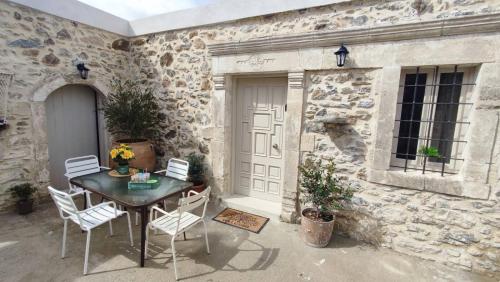
Featuring inner courtyard views, Namaste Family House provides accommodation with a patio and a kettle, around 11 km from Phaistos. It features a garden, a terrace, garden views and free WiFithroughout the property.
The air-conditioned holiday home consists of 2 bedrooms, a living room, a fully equipped kitchen with an oven and a coffee machine, and 1 bathroom with a walk-in shower and a hair dryer. Towels and bed linen are provided in the holiday home.
A a baby safety gate is also available for guests at the holiday home.
Museum of Cretan Ethnology is 11 km from Namaste Family House, while Pankritio Stadium is 49 km away. The nearest airport is Heraklion International Airport, 54 km from the accommodation.
from
€74
/night
No results available
Southern Crete is a natural beauty which begs to be explored, while the region’s turbulent history has left behind some of the most beautiful remains. Come with us on a day trip with no planned destinations and let us explore together the hidden gems of this magnificent part of Crete!
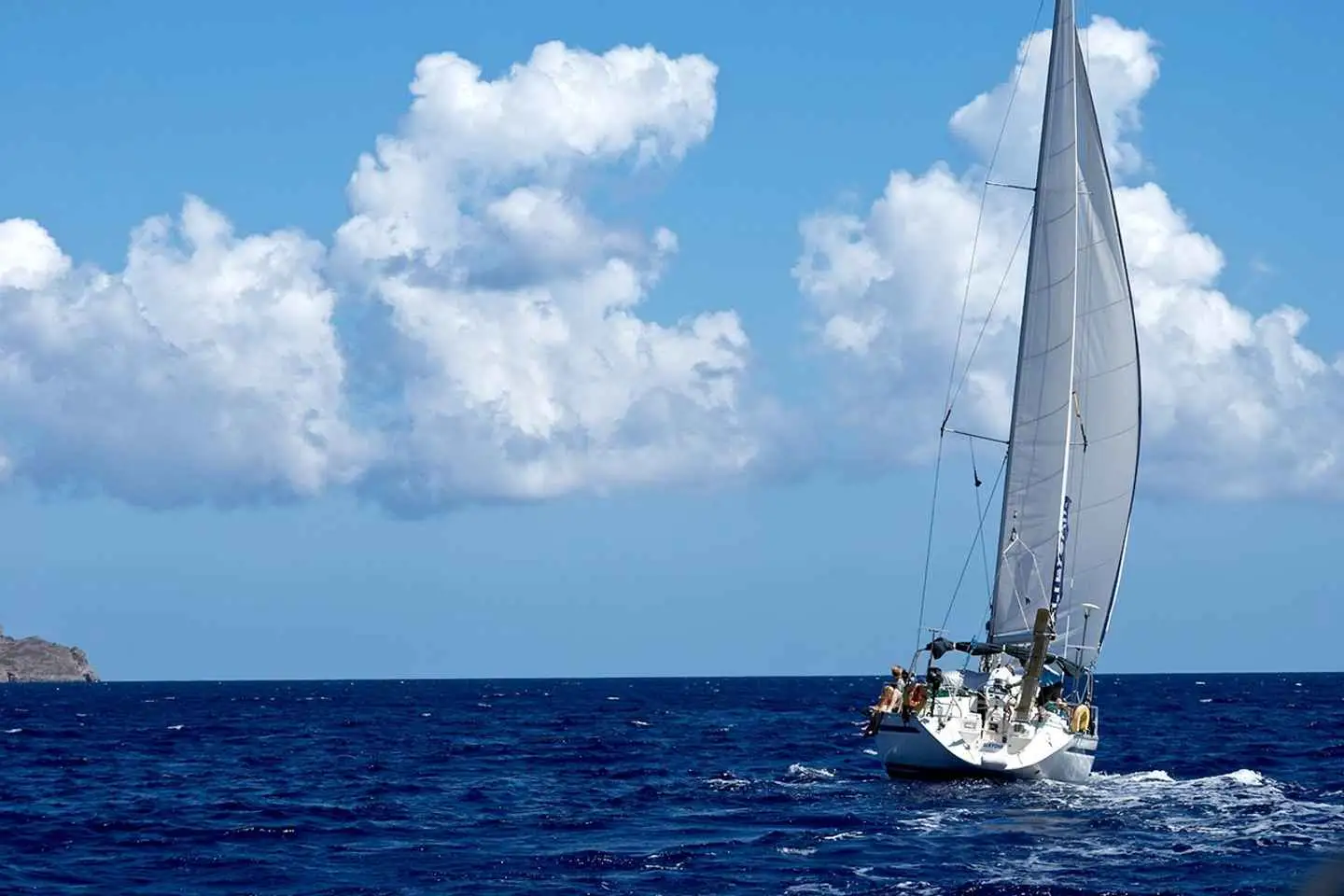
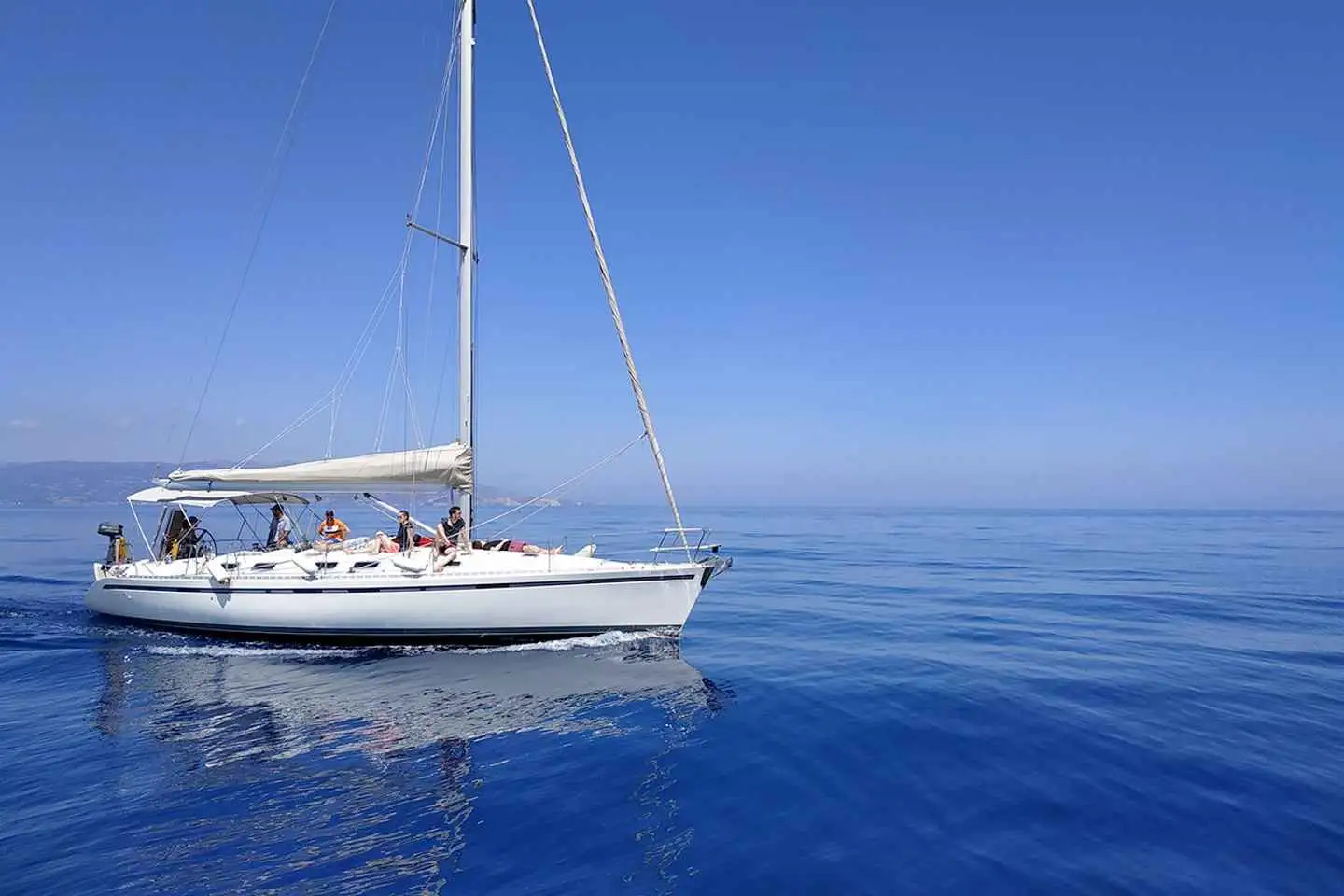
Our crew will meet you at Agia Galini port and welcome you on board, where you will be given a briefing about safety and boat handling. We set our sails to the unexplored beaches of South Crete.
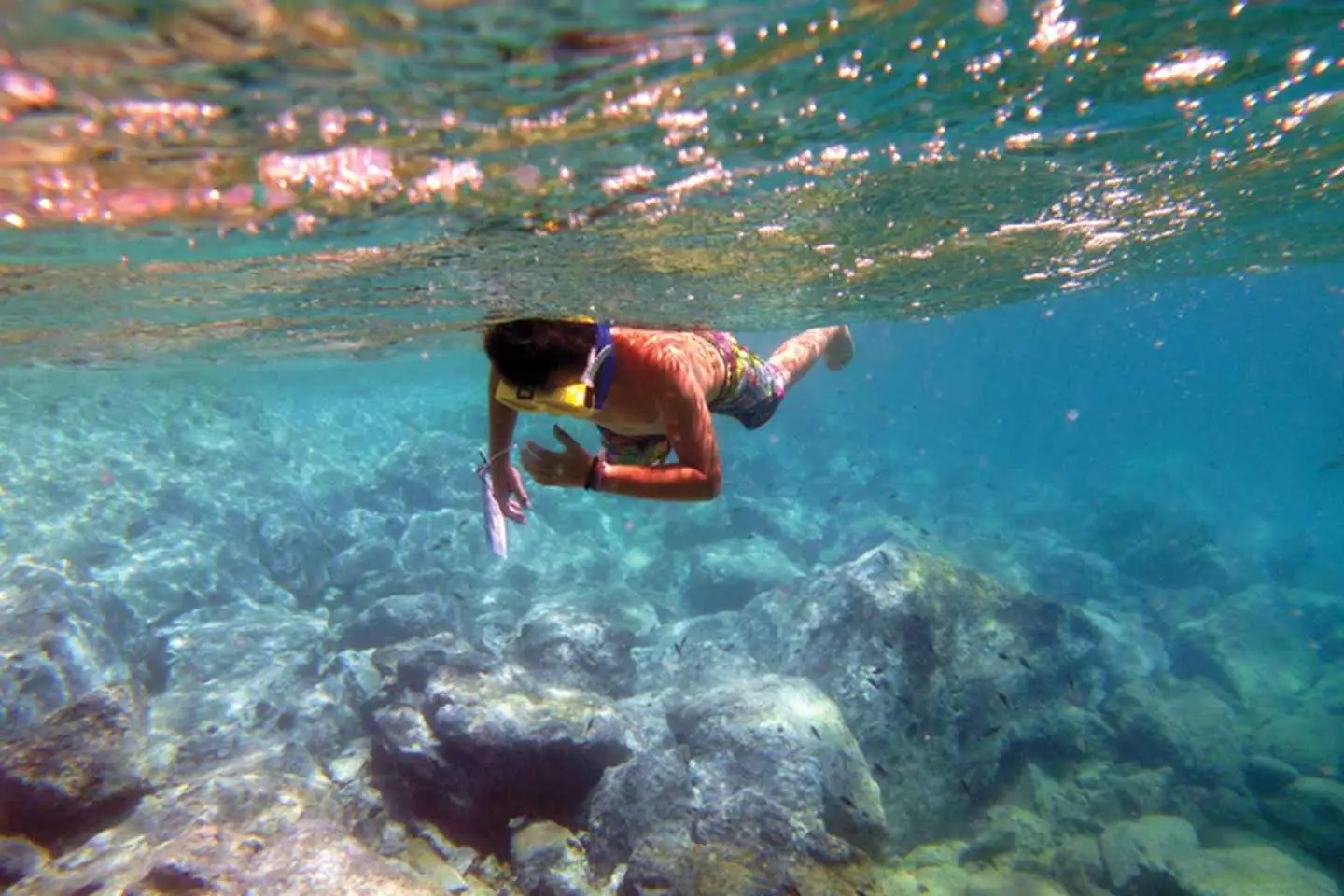
We arrive at the beach of our choice. We drop our anchor and you will have free time for swimming, snorkelling, enjoying the sun and nature. We carefully approach the coves that are surrounded by the protected wildlife.
Our team will tell you everything about the history and the myths of the places we will visit while a delicious meal from fresh and local organic ingredients is being prepared.
After your lunch and perhaps after a quick dive, we will set our sails again to return back to Agia Galini port.
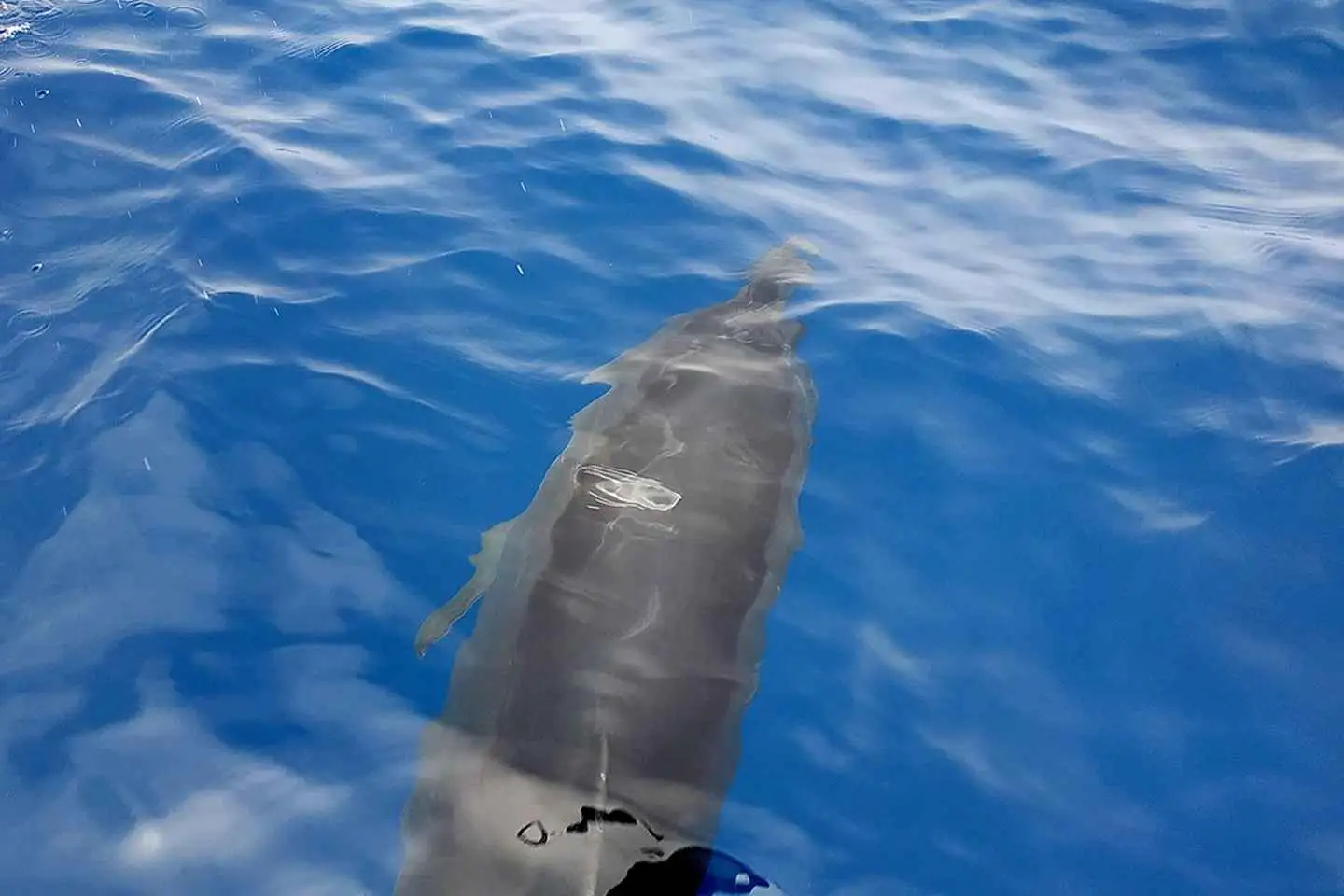
We only wish to see the dolphins on the way back!
Places of interest: Agios Georgios, Agios Pavlos, Triopetra, Preveli, Komos Beach, Matala, Kokkini Ammos (Red Beach), Vathi Beach, Akra Lithino, Martsalo, Agiofarago, Kaloi Limenes.
**Please note that the itinerary might change due to the weather condition and the duration of the trip!
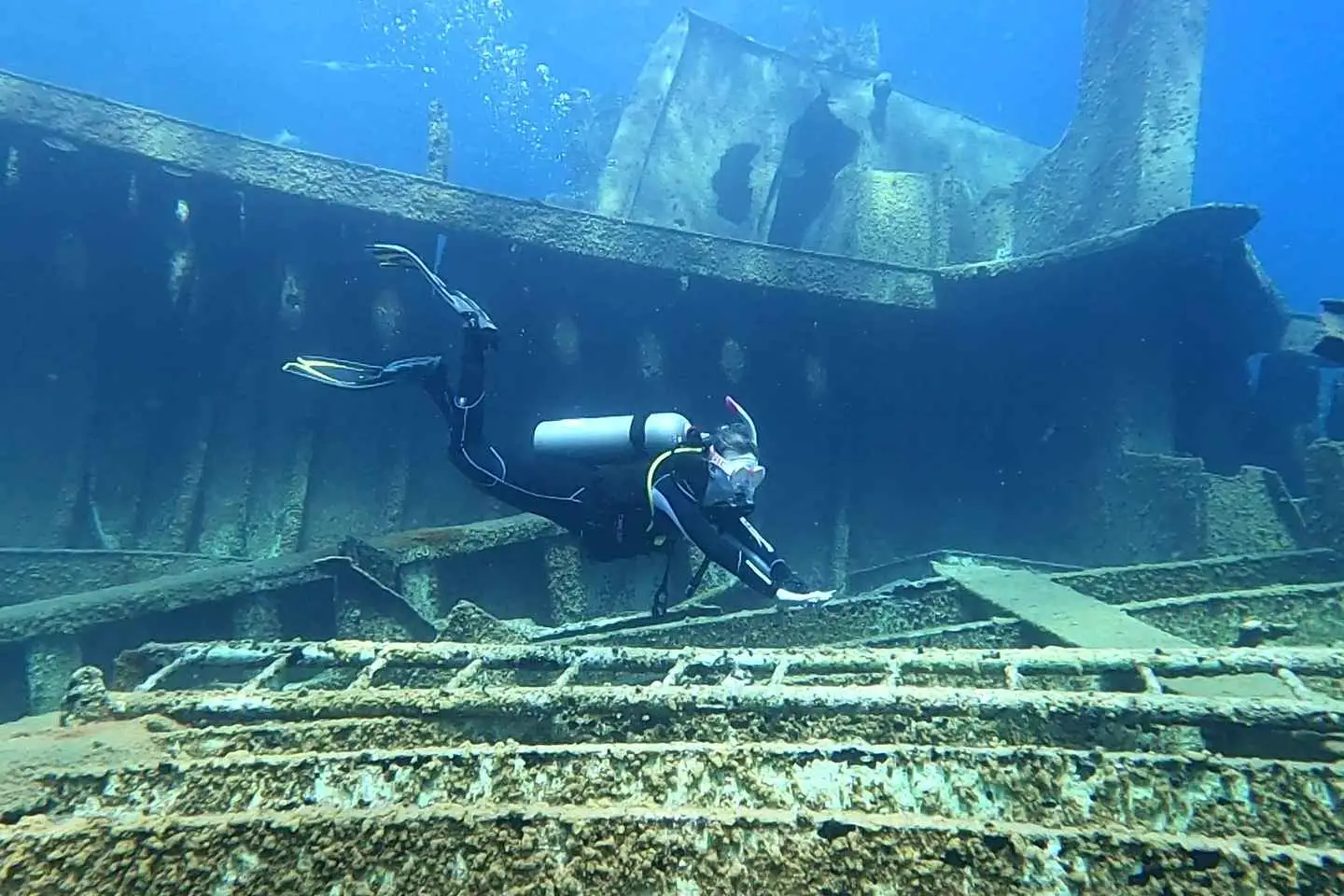


Discover a shipwreck during 2 scuba dives with an experienced instructor. Head over to South Crete , crossing amazing landscapes , gear up and swim through the now bustling aquatic life living around the cargo ship wreck. Tuck into local snacks in between your dives, reenergizing yourself.
Drive through varying landscapes, past mountains and traditional villages before arriving at the South Coast, where the “Byron I” cargo ship wreck is laying down on the sea floor.
During your dive briefing learn the history of the wreck. The “Byron I” was a cargo ship carrying 11,000 tons of sugar. On January 17, 1985 the ship sunk in bad weather conditions, dropping its sugary cargo around it. Luckily, the crew managed to survive and was saved from the wreck.
Nowadays. this 100-meter ship wreck is home to divers aquatic life, from groupers to octopuses, and from moray eels to lionfish, and more. Dive in crystal clear waters with great visibility, making this dive site a unique place for underwater photography.
Tuck into a delicious local snack with fruits and drinks between your 2 dives, and enjoy a debrief with your instructor after both dives, as your dive log is filled out.
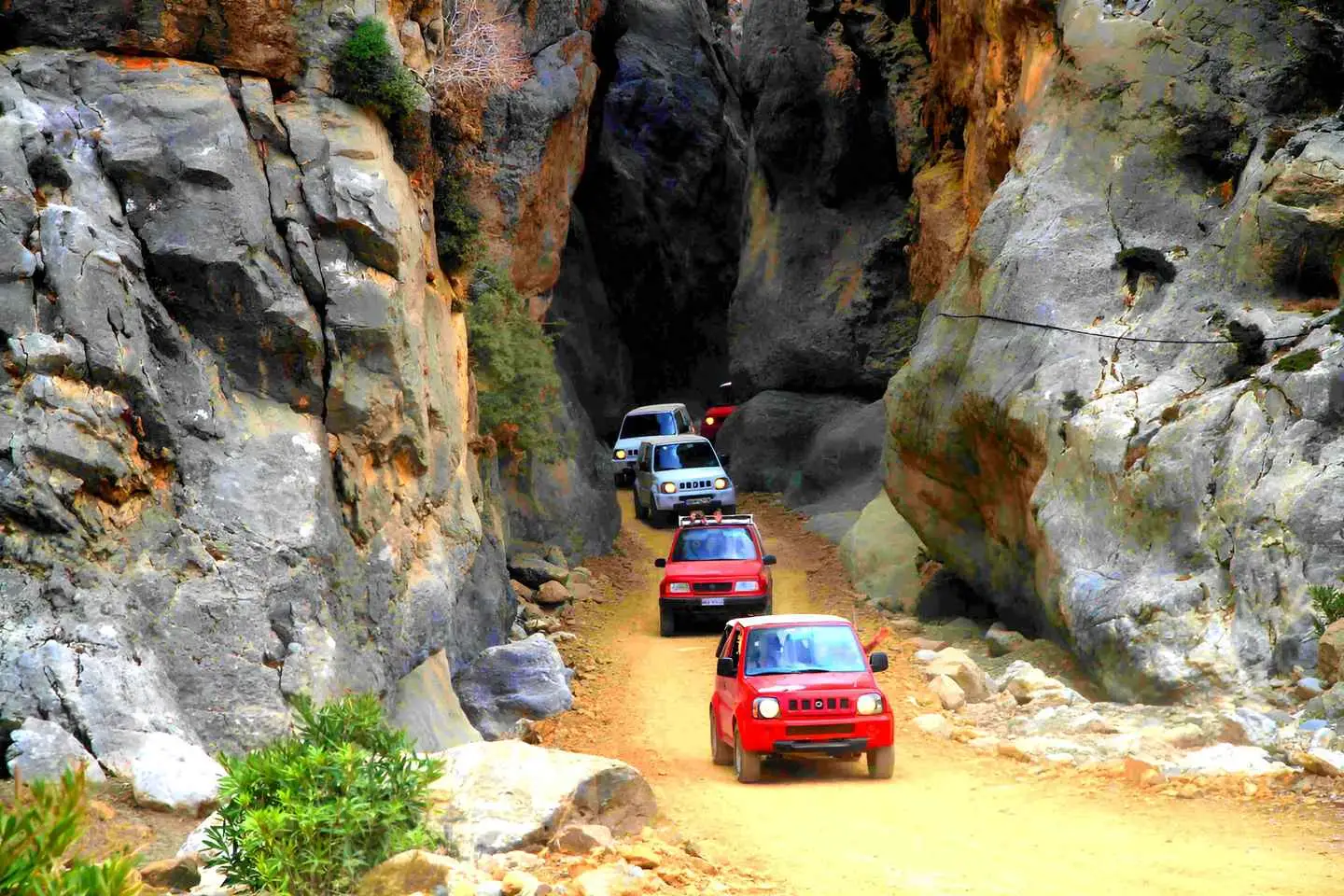
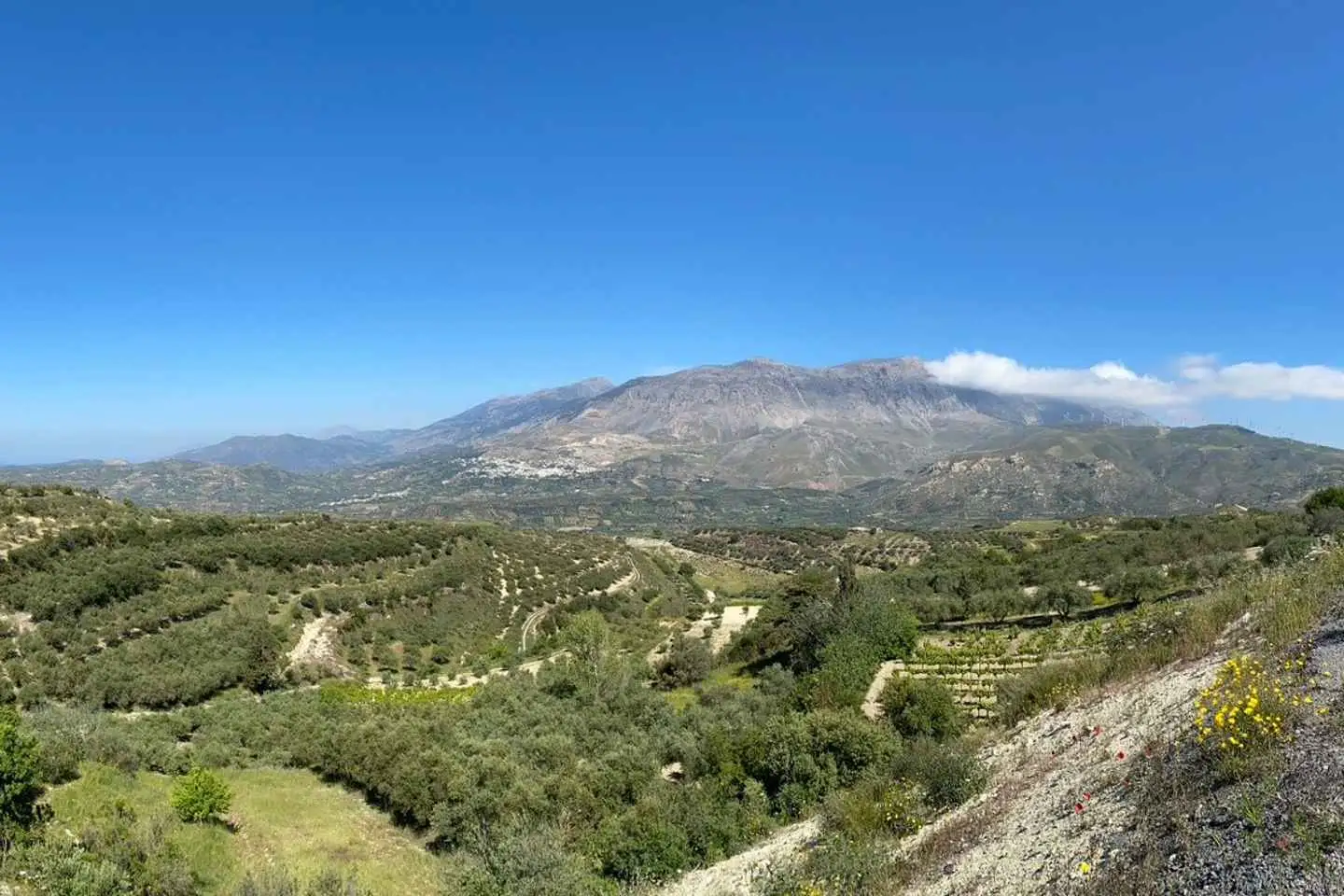
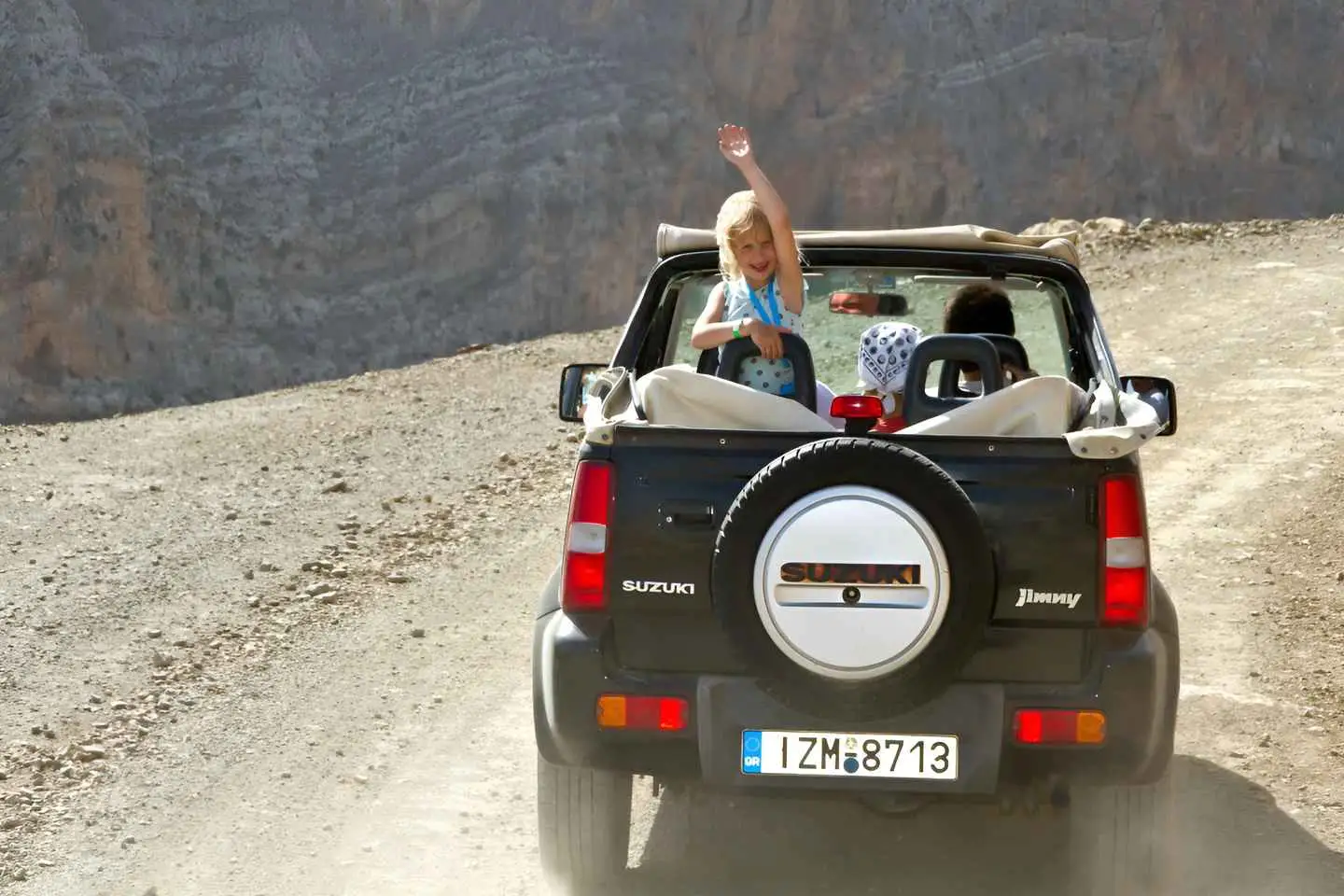
Join us on an unforgettable adventure through the stunning valleys of Malevizi and Messara, home to millions of olive trees. Experience the thrill of an off-road jeep ride through the Asterousia mountain range, exploring rarely seen areas, and stopping at an observation deck at the peak of the mountains to admire eagles and the breathtaking canyon and Libyan Sea in the background.
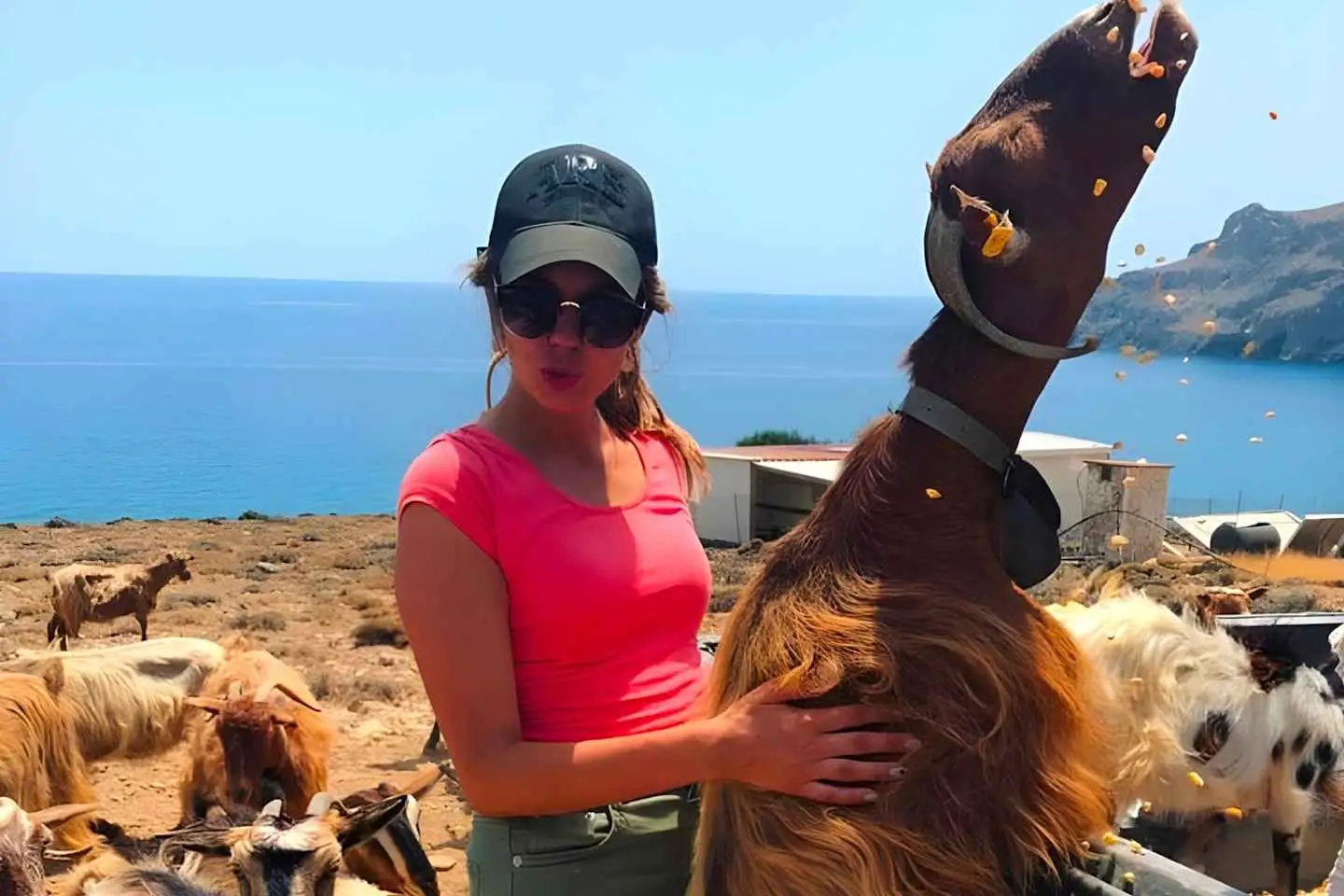
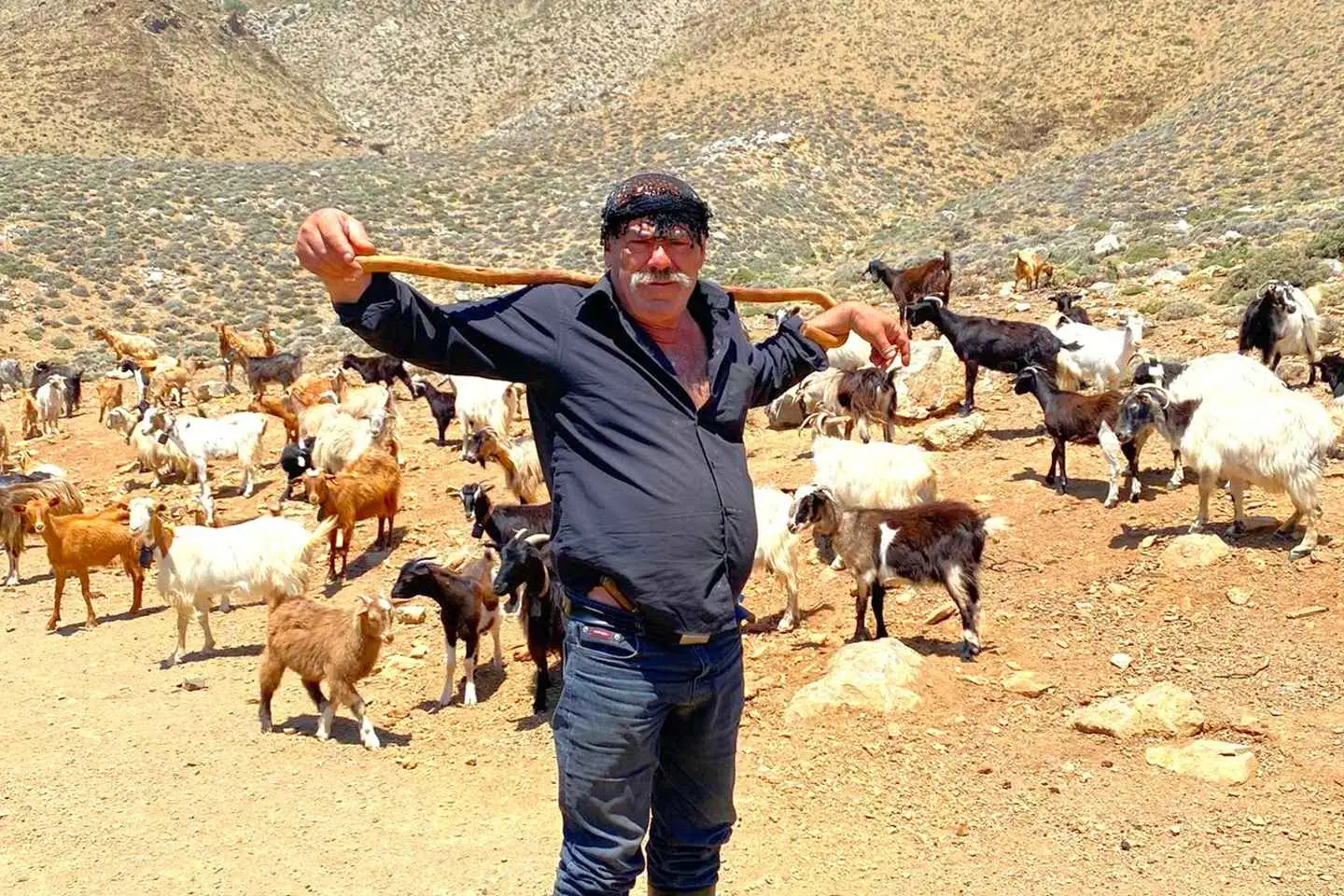
During our trip to southern Crete, you’ll learn about the local tradition of goat-keeping from a shepherd. He’ll show you how to feed, milk, and catch goats. Then, you’ll cook Cretan goat cheese with him inside a cave, which is a unique experience. Finally, you’ll get to taste the delicious cheese you made together.
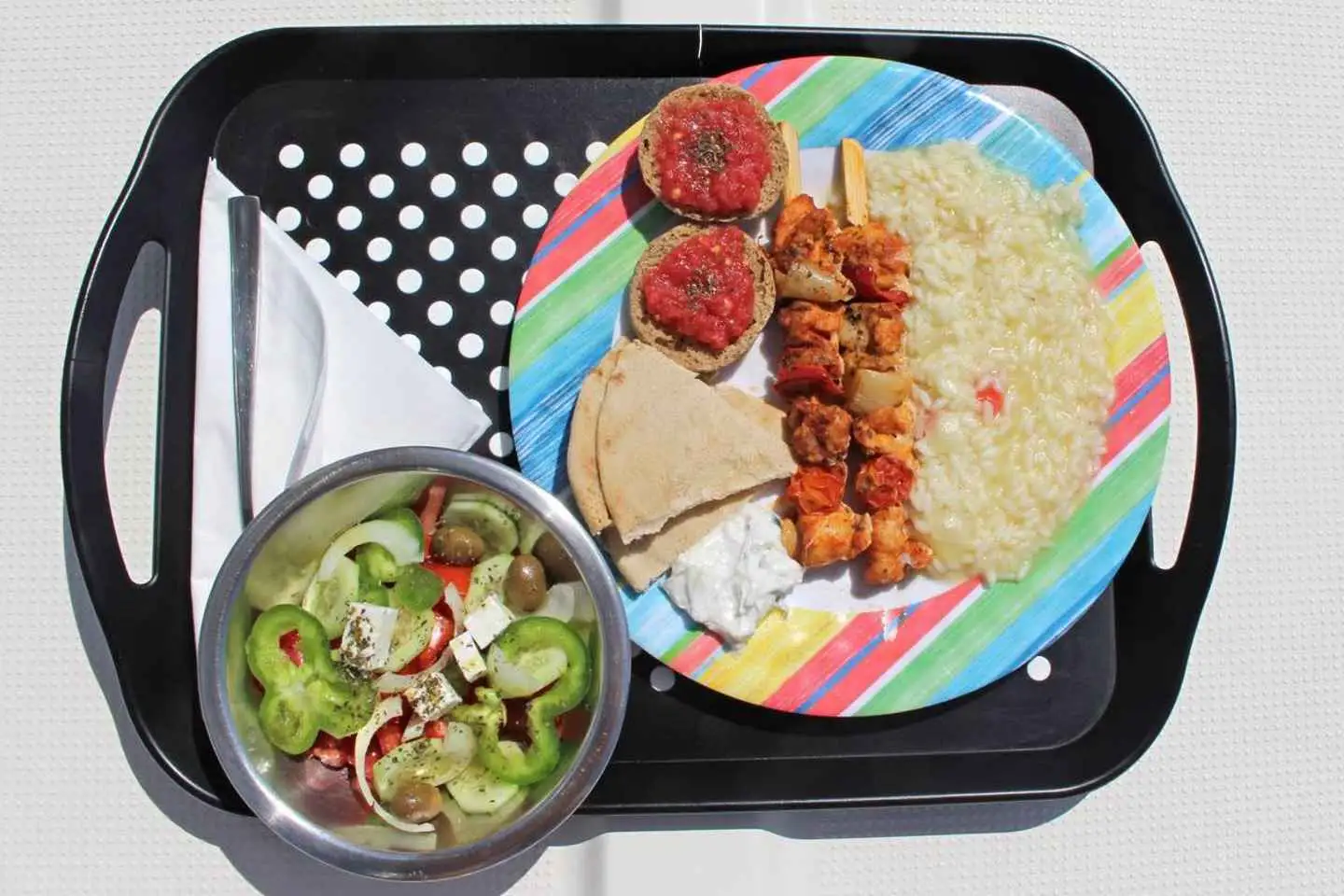
We’ll have lunch at a charming seaside tavern, take a refreshing swim at the tranquil Tripitis beach, make a wish at a picturesque church, and experience a true Cretan farewell with the hospitable old man who owns the tavern and takes care of the church.
This adventure is perfect for anyone looking for an exciting and unique experience in Crete. Book your trip with us now and let us take you on an unforgettable journey.
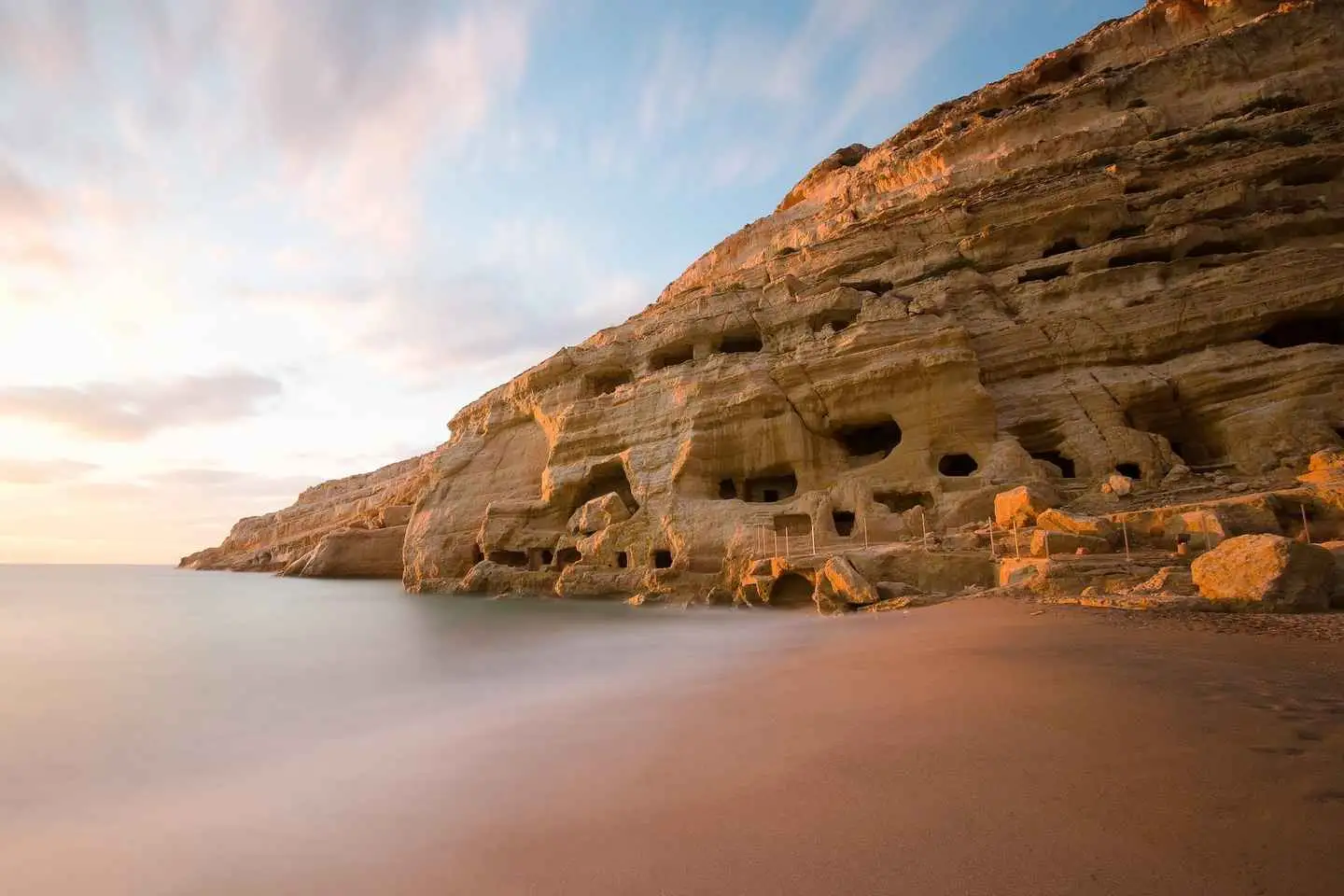
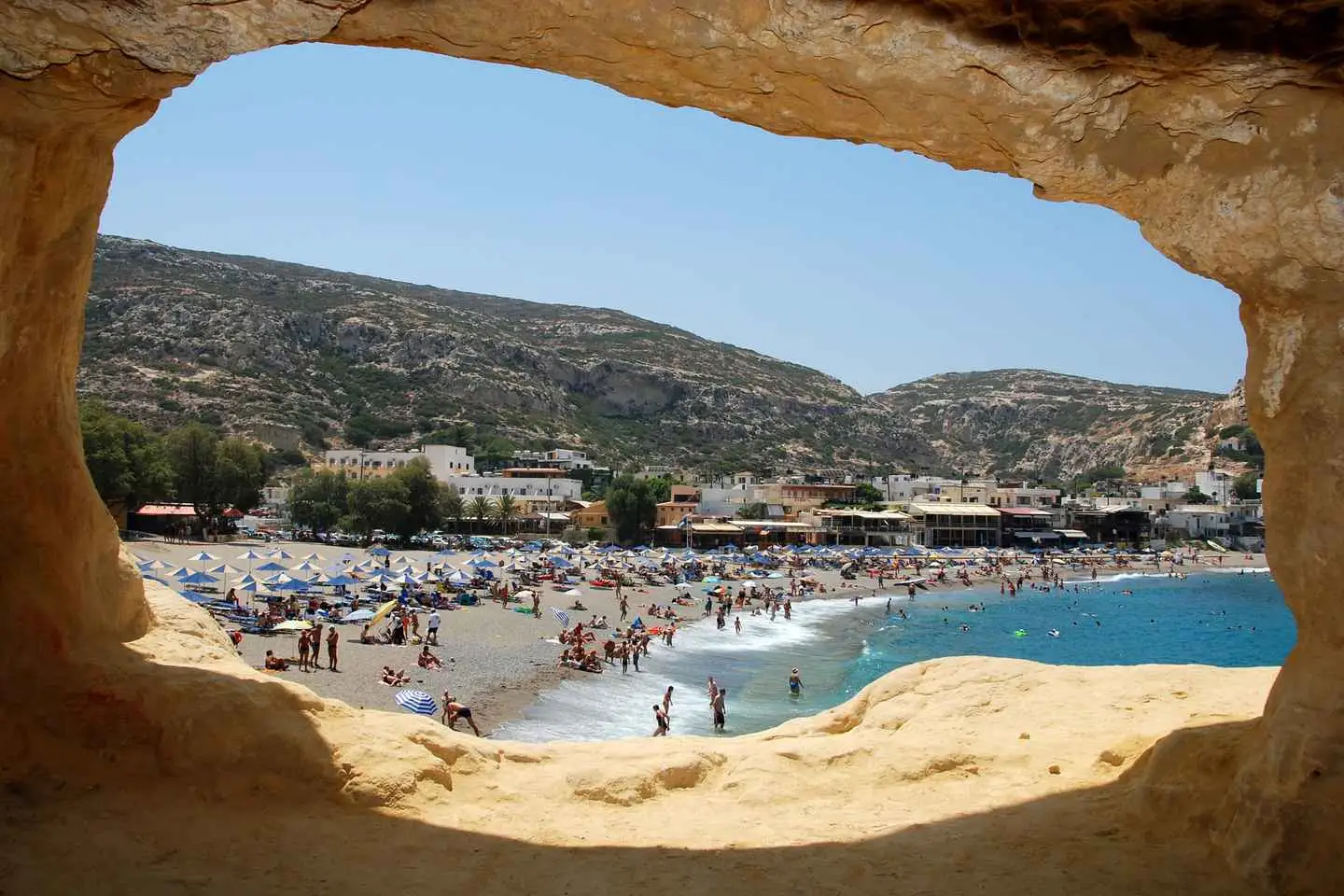
After a short drive through the Messara plain you reach Matala. Known for the colony of hippies in the Sixties, where they lived in large holes formed on the mountain. The rocks are holes with a Roman burial. In Matala you will have time for a refreshing dip in the water, eat something or just enjoy a drink on the beach. This is the place where Zeus, having taken the form a bull, swam ashore with Europa on his back before dragging her off to Gortys. Both, the Minoans and the Romans used the place as their harbor. Nevertheless, for most people, Matala means only one thing: hippies. Back in the late 1960s – 1970s, this little town was a colony of the “flower children”, who lived in the caves that used to be former Roman tombs
Explore the highlights of southern Crete on a guided full-day trip from Heraklion. Enjoy a small-group tour of some of the region’s most popular sights.
Meet your guide at your hotel and hop on the bus that will take you to your first stop, Phaistos. Along the way, take in scenic views of the Messara winegrowing region’s mountains and vineyards. At Phaistos, explore the ruins of a medieval city and the second-largest palace in Crete. Learn more about the history of the complex from your guide and enjoy panoramic views of the Ida Mountains and the Lassithi Massif.
Afterward, swim in the crystal-clear waters of the Libyan Sea in the former fishing village of Matala and take a walk to the world-famous cliffside caves. Then, tuck into a delicious lunch with views over the bay.
On the way back to Heraklion, stop at the monastery of Odigitria. Here, witness 2 tholos tombs and let yourself be enchanted by the monastery’s charm before heading back to your hotel.
Hop down to the heart of Central Crete, the beloved land of our ancestors, and let the wonders of the Minoan world collide on this luxurious passage of time.
From the comfort of a premium chauffeured vehicle & escorted by our top local insider, revel in the endless luxuries of the ancient Messara plain where wine-red fertile soils treasure lavish vineyards & the oldest olive groves stretch perennially toward the horizon.
Visit a family award-winning winery set on the peak of alluring panoramas & let our passionate winemakers immerse you into their intoxicating world. Luxuriate in ages, unearthing the Bronze Age palaces of Phaistos & Gortyna along with storied villages & monasteries.
In the afternoon, tuck in the bohemian vibe of Matala that captivated Bob Dylan & Janis Joplin. Bask in the turquoise waters of the Libyan Sea & unwind in the charming village, irresistible for its freshly caught grilled fish & finest ouzo.
To us, travel means putting fire in your soul with the best stories.
No results available
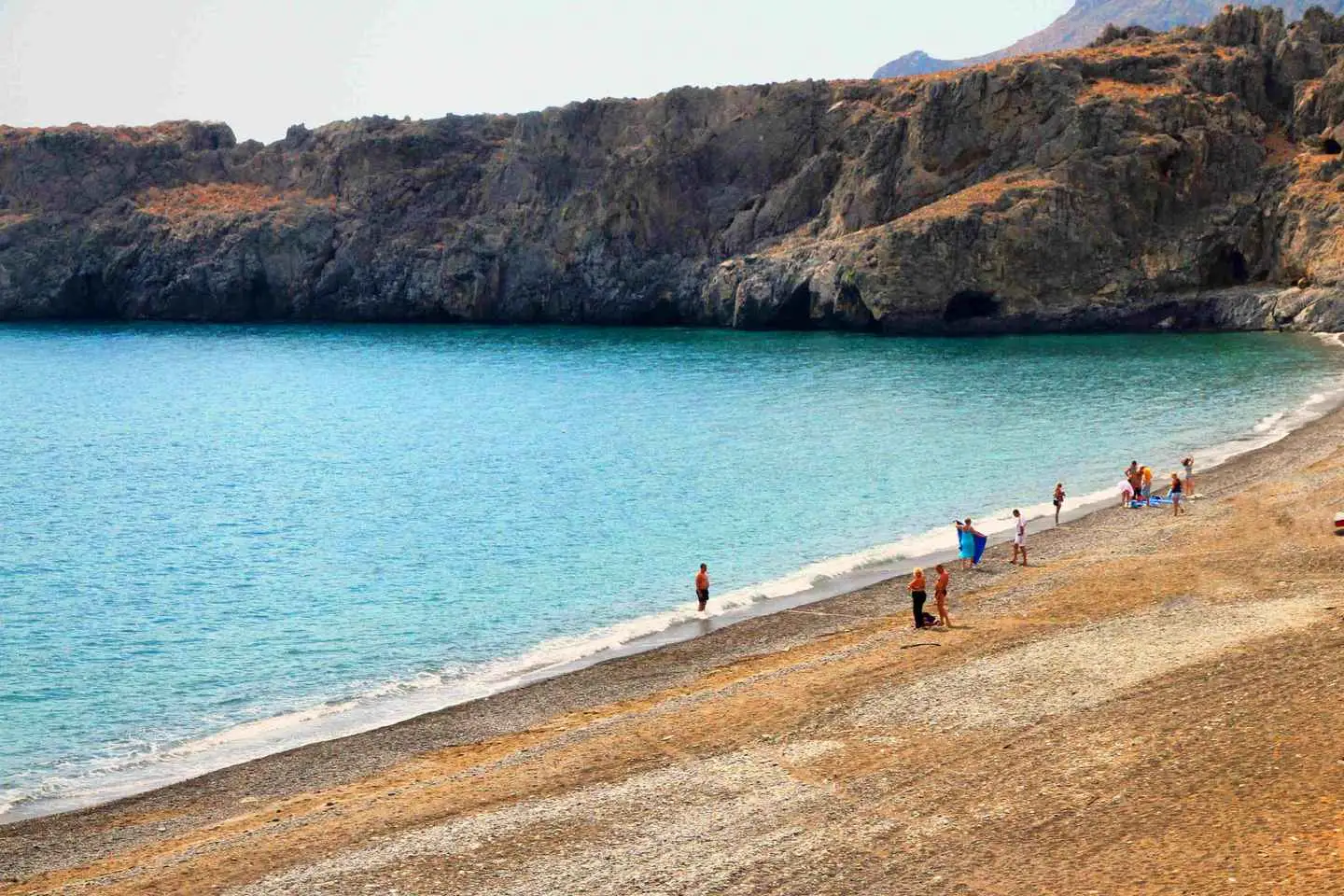
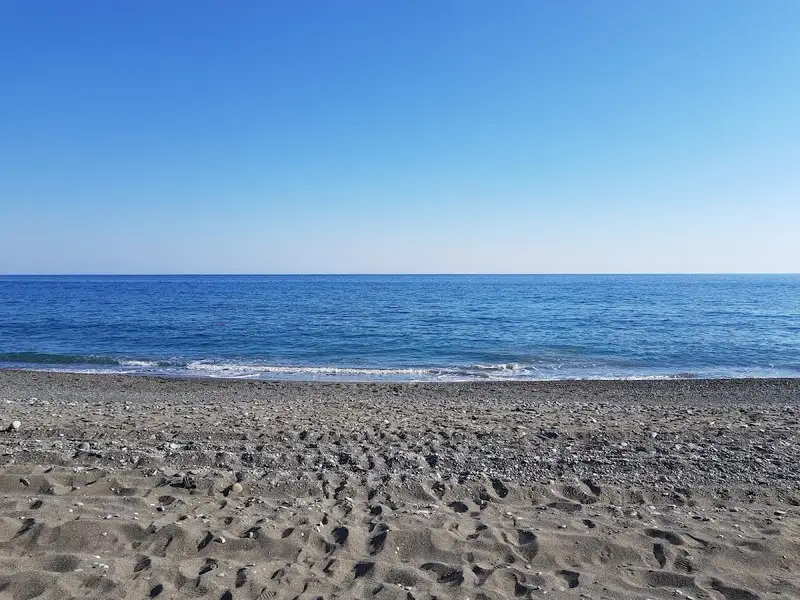
The longest beach in the region, Psili Ammos, is situated to the east of the village Platia Peramata. This secluded and stunning beach does not cater well to camping due to the lack of tree shade. Still, at the eastern extremity, one can find large white rocks known as Asproharaki, which provide shade to those fortunate enough to claim them. The beach was thrust into prominence in 2010 when a significant Russian oil tanker was stranded there during a storm. Thankfully, no one was at risk and no environmental harm was done.
Paliomandra beach
On your way to Psili Ammos from Tsigounas, you will encounter several minor beaches. The furthest east cove, reachable via a dirt road, is known as Paliomandra and is rather secluded. The beach features coarse sand and a rocky seabed, making it ideal for fishing and snorkeling.
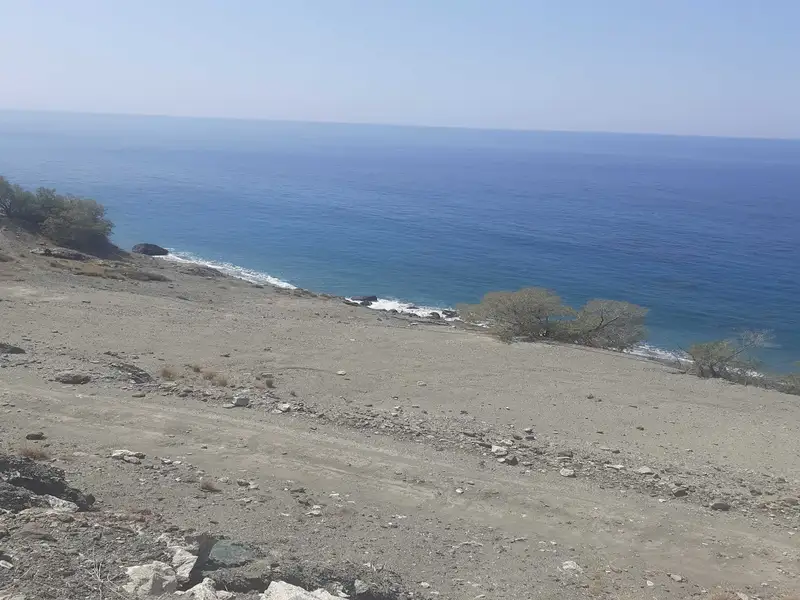
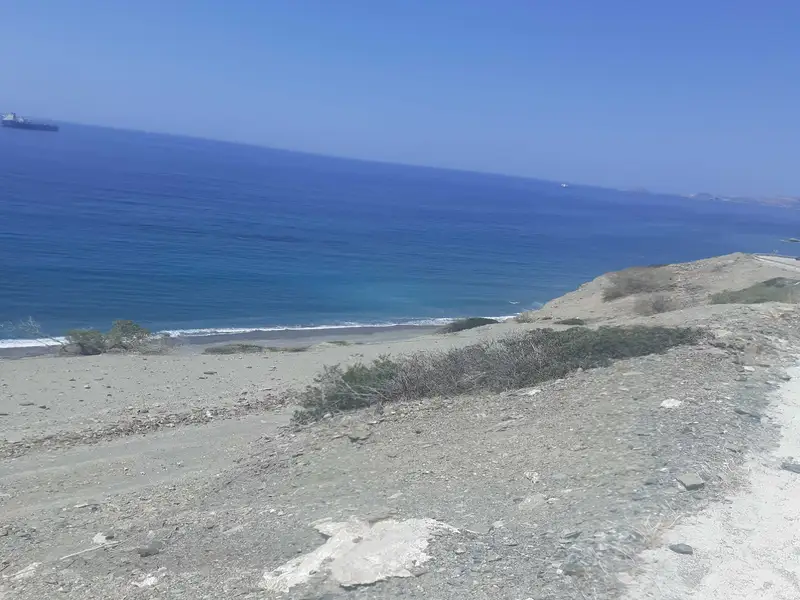
Platia Peramata, a quaint village situated 69km south of Heraklion and 7km east of both Kali Limenes and Lendas, nestles at the exit of a small, fertile valley that cuts through the rugged Asterousia Mountains. This valley begins at Antiskari village and concludes in a settlement, its rich soil used for growing early vegetables like tomatoes, cucumbers, and peppers in greenhouses due to the consistently high temperatures.
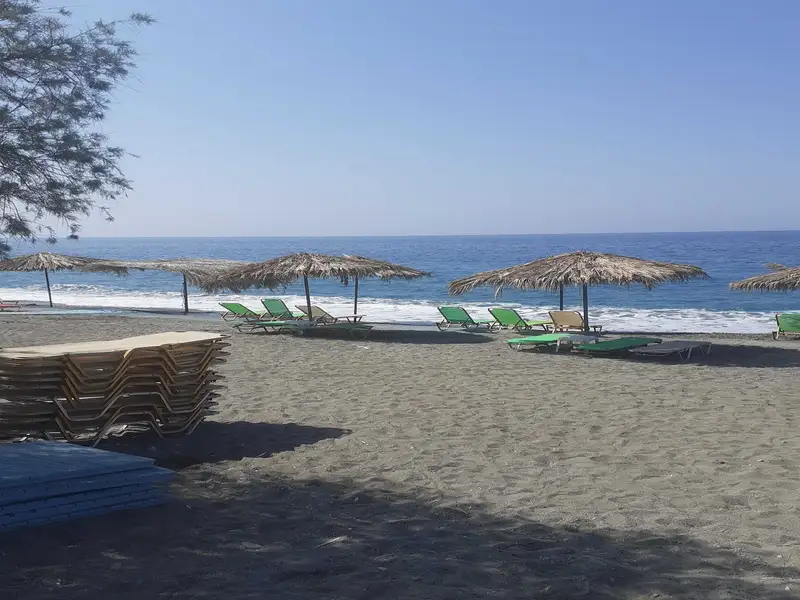
The region features numerous adjacent bays that form serene and picturesque beaches, frequented primarily by locals. At the heart of the settlement lies the small beach of Platia Peramata, known for its fine pebbles which are predominantly used to moor the locals’ boats. Despite the beach’s lack of extensive facilities, a handful of tavernas and rooms are available nearby. Tamarisk trees line the beach and are often used as camping spots. To the east of the settlement, East Platia Peramata beach, less favored by swimmers, offers another pebbly shoreline.
To the west of Lendas, you’ll encounter the quaint village of Tsigounas, which is home to the modest beach of Limanaki that serves as a local harbour due to its safeguarded orientation. The village of Tsigounas derives its name from the term ‘tsigounis’, meaning ‘stingy’, which is a reference to a local spring that produces a limited amount of water.
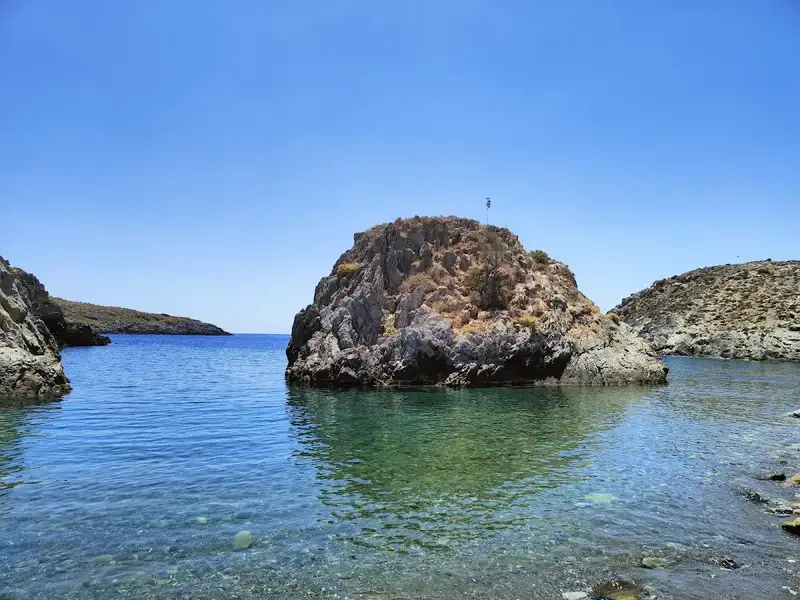


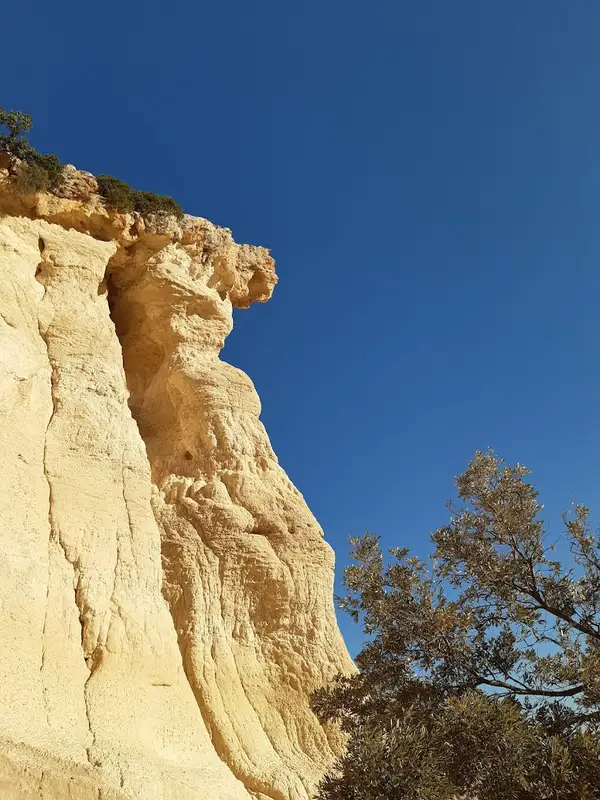
To the west of the village of Platia Peramata, you’ll discover the humble settlement known as Krigioi, with its array of unlawfully constructed homes and cottages. A brief drive along the local stream leads you to a stunning beach adorned with fine pebbles and crystal clear water. The uniqueness of Krigi lies in its numerous miniature beaches that stretch along the coast to Platia Peramata and the awe-inspiring soft limestone formations.
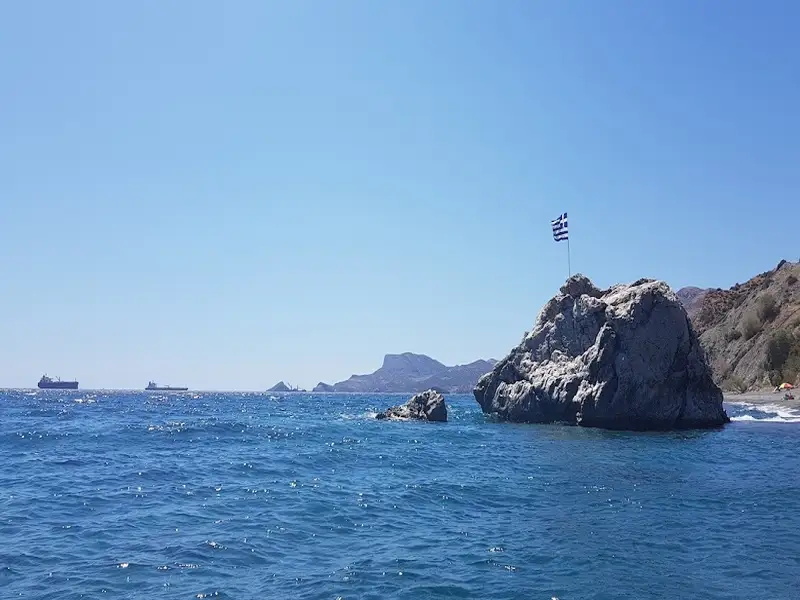
Overlooking Krigi is the quaint chapel of Saint Demetrius. To its west, you will find another secluded pebbly beach, Aspros Harakas, or White Rock, named for the pale rocks at its western end. However, Aspros Harakas may not appeal to everyone as it can only be reached by boat, boasts large stones and lacks shade.
Venturing further westward, you’ll stumble upon the three consecutive beaches of Kokkines Plakes, or Red Rocks. True to their name, these beaches are surrounded by reddish rocks and are primarily accessible via the sea.
No results available
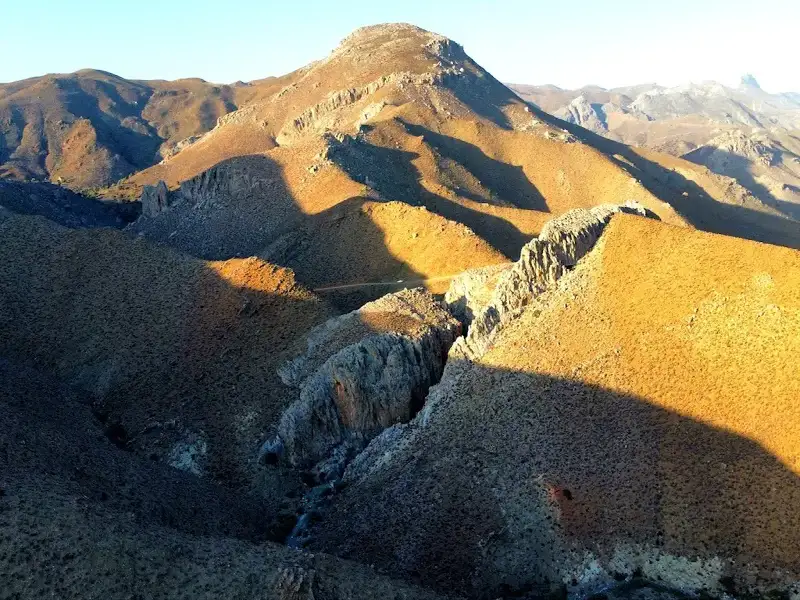
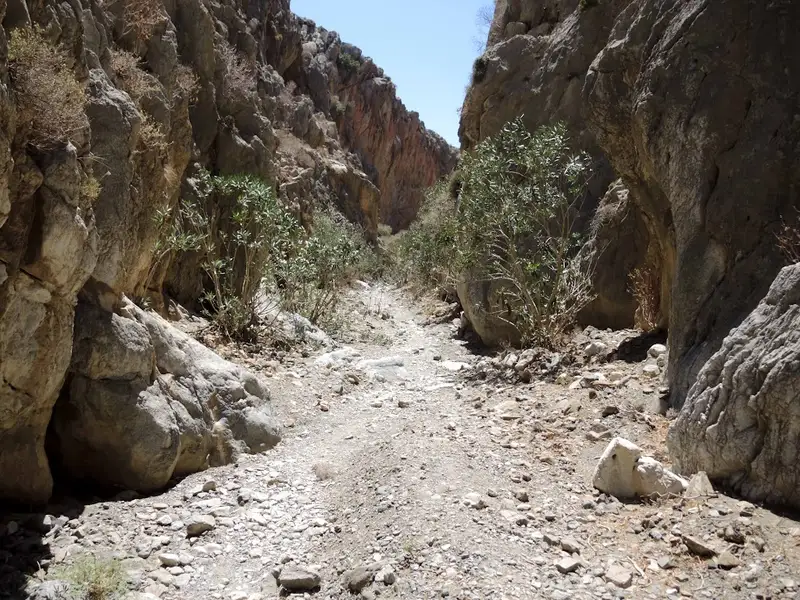
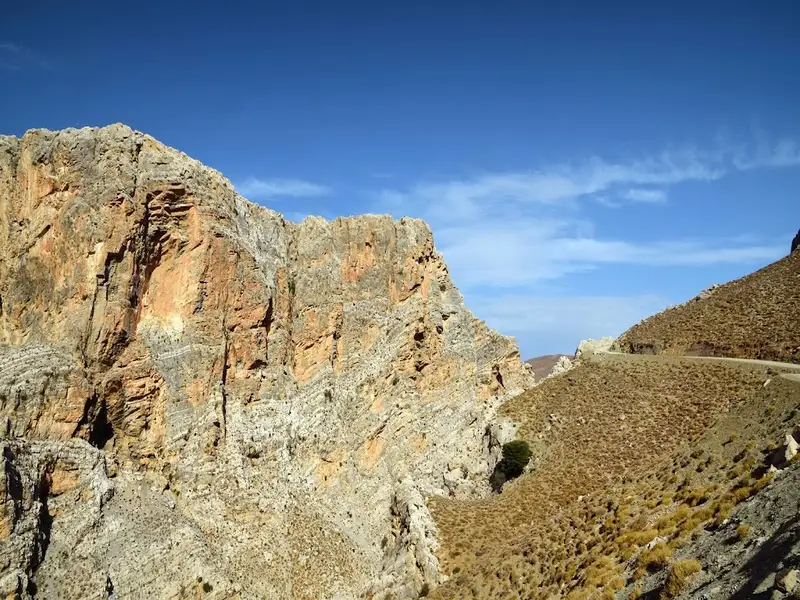
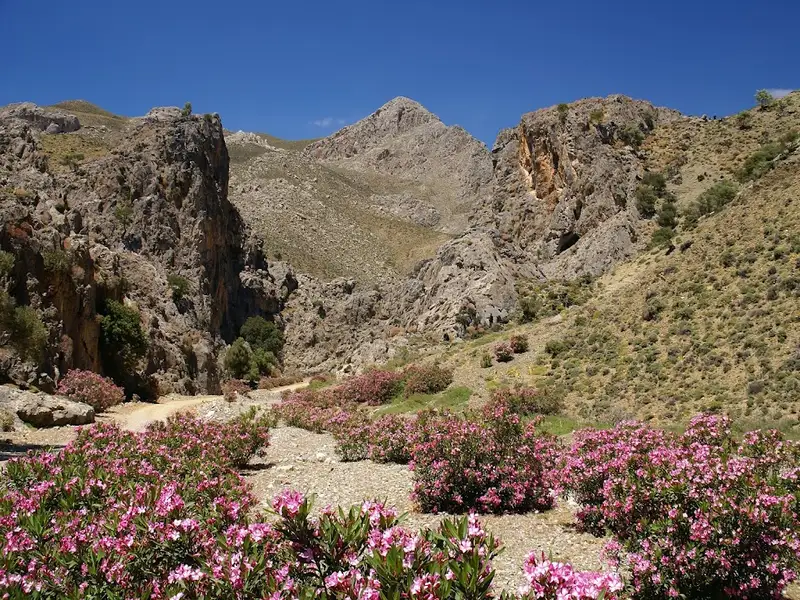
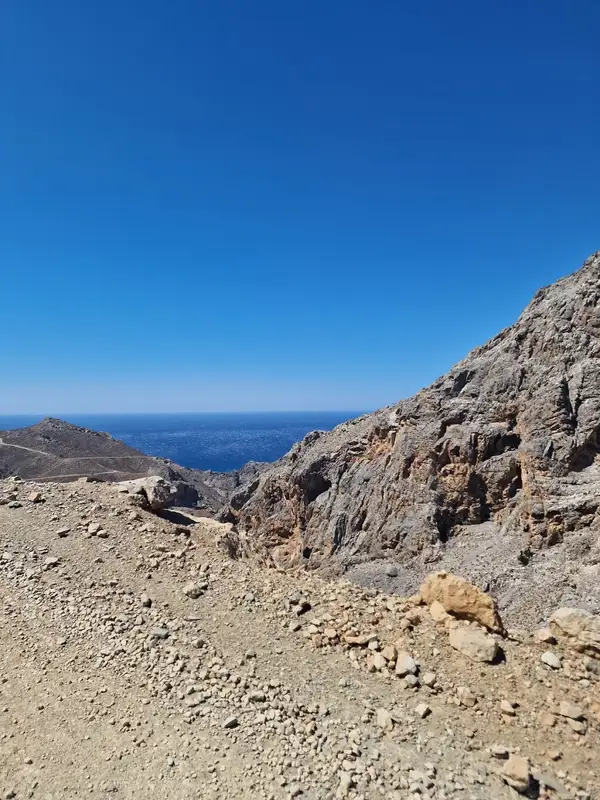
The Trafoulas Gorge, located in the Asterousia Range, begins southeast of Krotos village and concludes at the Psili Ammos beach on the southern coast of the Cretan Sea. The majority of trekkers only explore a small portion of the gorge, typically from where they park their vehicle to the beach, despite the gorge’s origin being at a greater altitude. Even this limited section of the gorge is quite striking, characterized by narrow walls and towering rocks. According to local lore, the most narrow section of the gorge is referred to as the Pidimatou Gorge, or Jumping Gorge, given that a goat could feasibly leap from one side to the other.
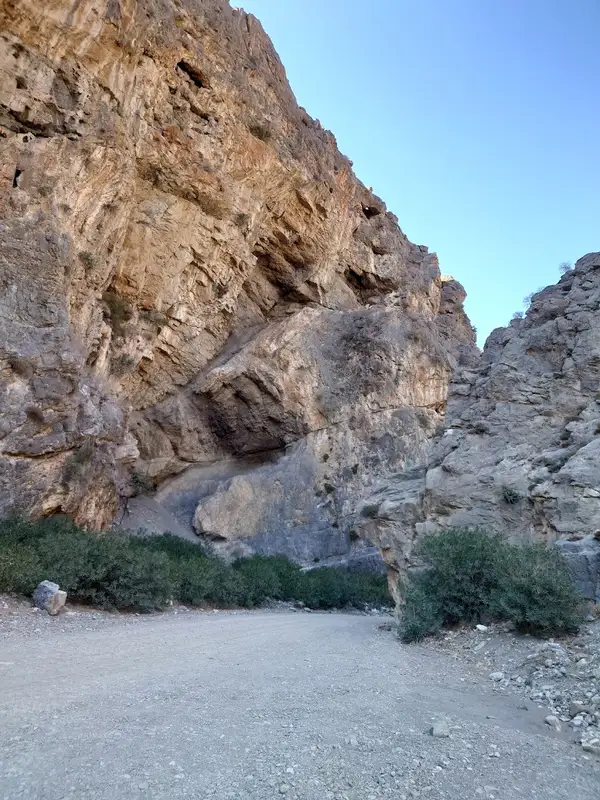
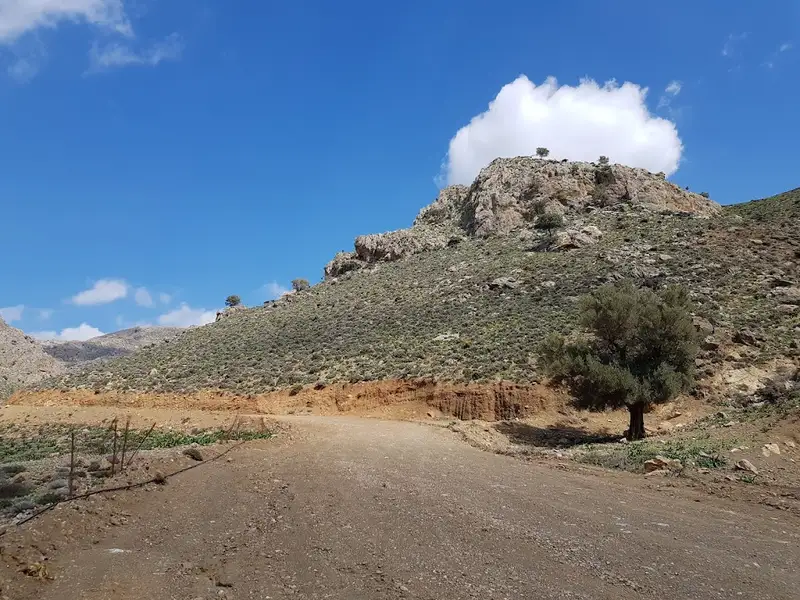
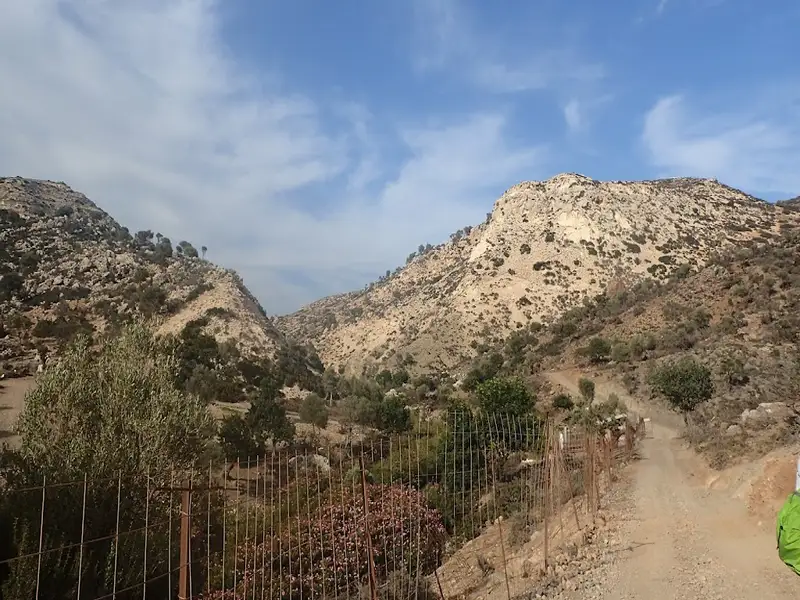
The Trypiti Gorge, nestled in the Asterousia mountain range, lies south of Vassiliki village and channels water from the valley east of Miamou village through the Agiosavvitis river. Stretching over 4 km, the gorge ends in a stunning pebble beach named Tripiti. A dirt road, running along the eastern side of the gorge, provides access to the beach, following several kilometers before reaching the riverbed at the sea’s edge.
The gorge narrows near Saint Paraskevi church, situated at an elevation of 655m. The initial section of the gorge houses steep waterfalls, making it inaccessible without technical expertise and canyoneering equipment. The western side, in particular, is incredibly steep and dangerous. The Prophet Elijah church is a prominent feature at Katsakne, the peak of the western slopes. This church can be accessed via another dirt road that begins about half a kilometer before the gorge’s entrance.
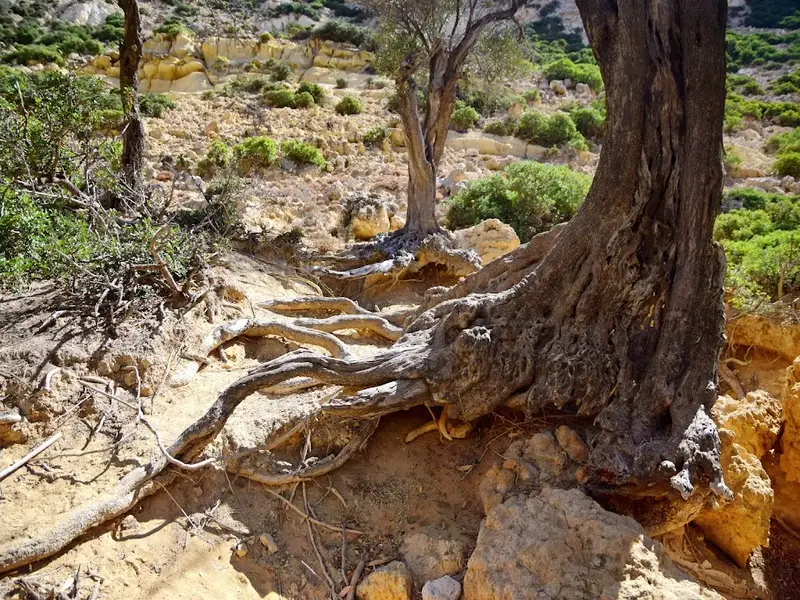
Midway through the gorge, close to the dirt road, lies the Saint Savas church, surrounded by wild olive trees. The unique feature of this woodland is its wild, uncultivated olive trees, offering a glimpse into the natural habitat of these trees. The gorge is also home to an array of wildlife and bird species.
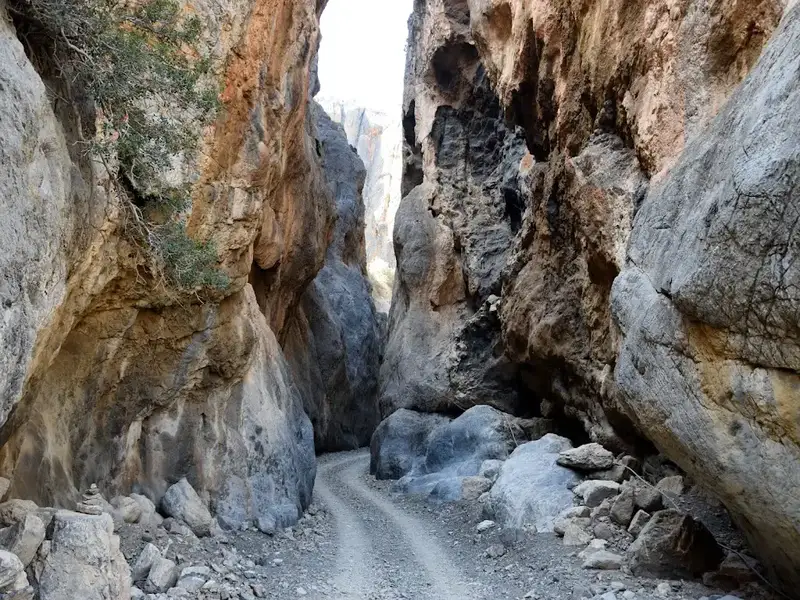
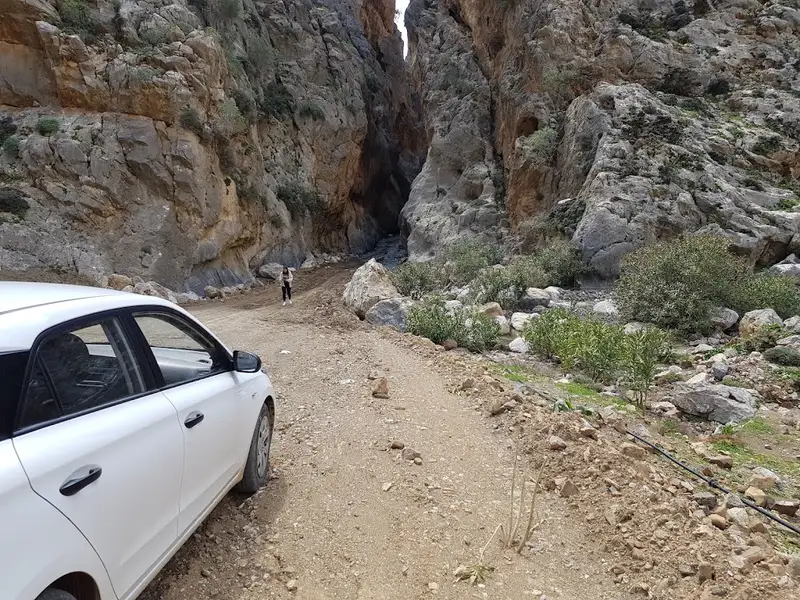
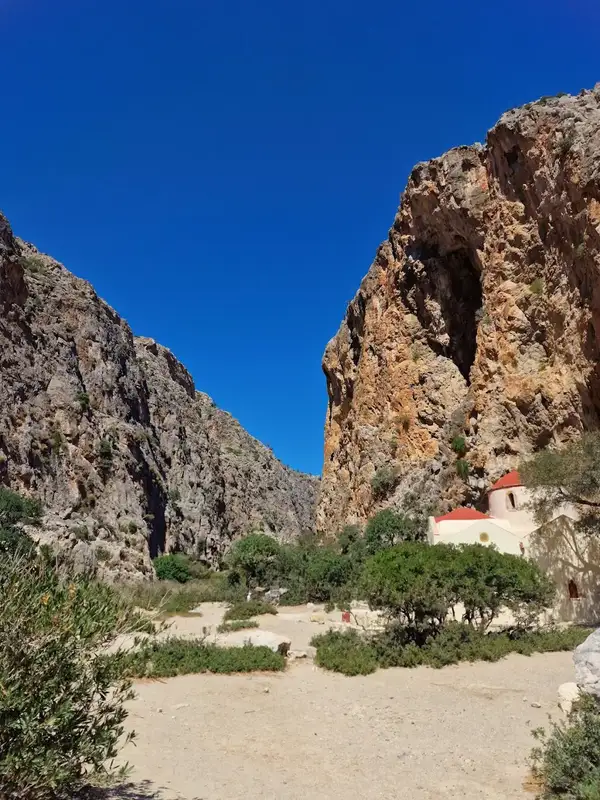
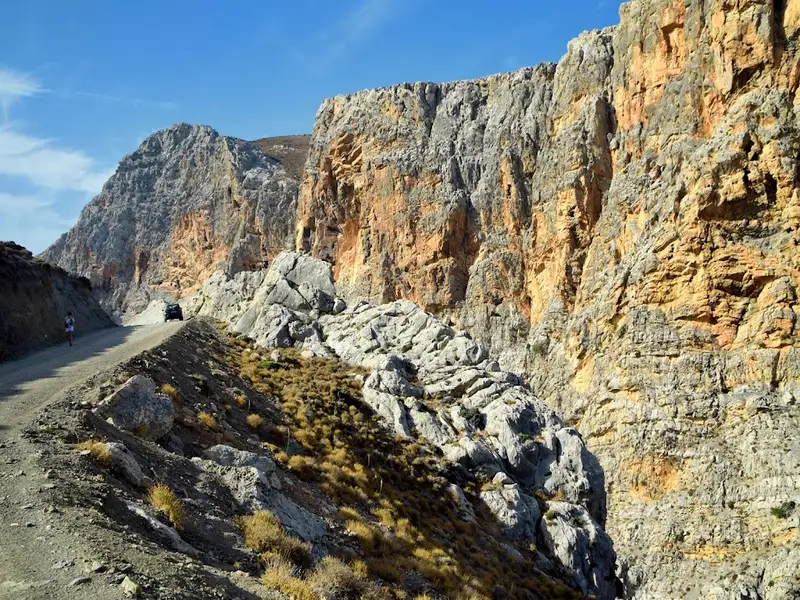
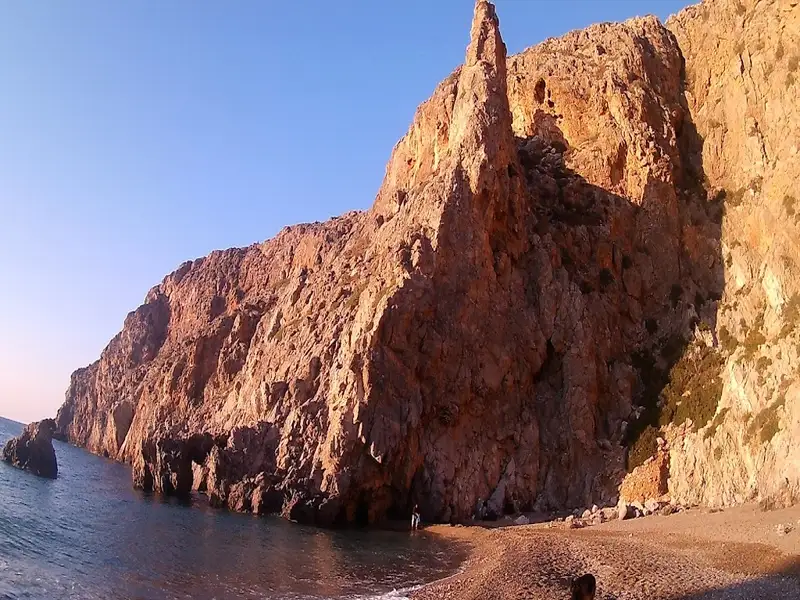
As you continue towards the sea, the road merges with the ravine and soon leads to the most picturesque part of the gorge: the narrow canyon, also known as Steno Faragi. Here, the sides of the gorge come so close together that they appear to touch. A road, just wide enough for a car, passes through this narrow gap. At the end of this narrow section, next to the beach, you’ll find the Panagia Tripiti church, built inside a cave, that celebrates its feast on September 1st.
The Trypiti Gorge is known by various other names, including Saint Savas Gorge, Katsakne, and Lavri. On the eastern side’s Papouri hill, archaeologists have uncovered a significant Preminoan settlement. Additionally, vaulted graves have been discovered at the Kalokambos location.
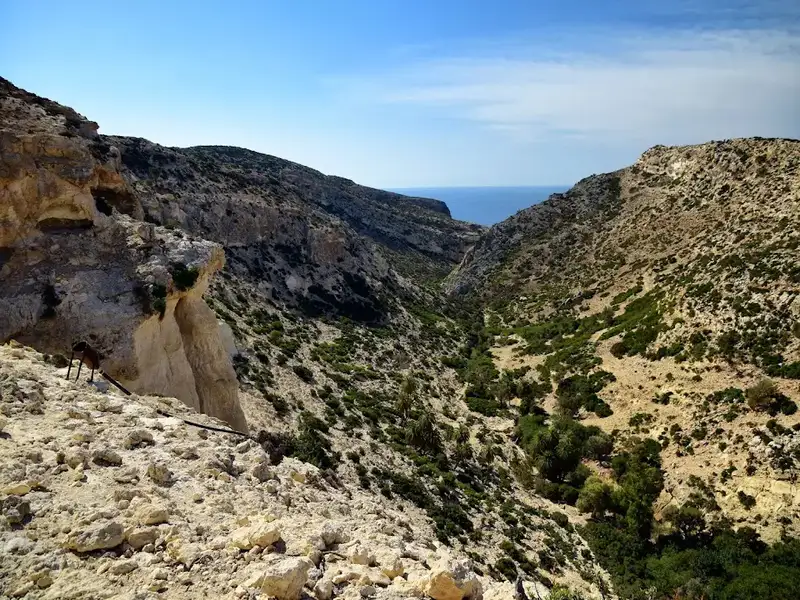
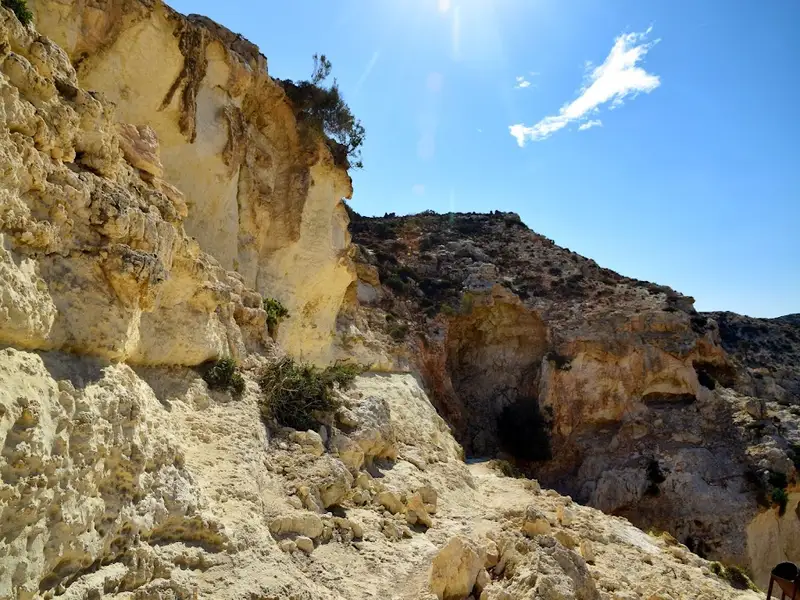
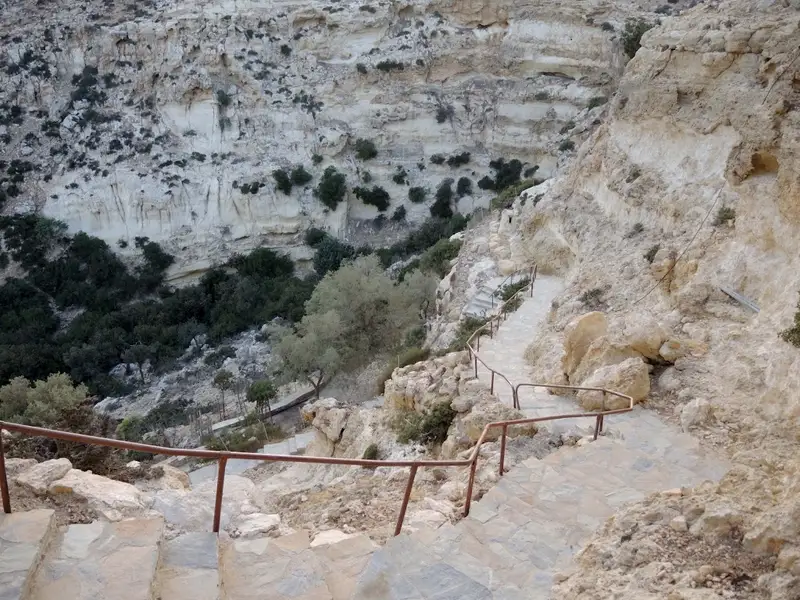
The Agiofarago Gorge, situated to the south of the Panagia Odigitria Monastery, was formed near two stream beds. One stream originates from the north-northeast of Gyalomonochoro, while the other begins west of Pigaidakia village. These two streams converge near Saint Kiriaki’s chapel, and after a fairly gentle course, they form the main Agiofarago Gorge that terminates at the stunning Agiofarago beach. The gorge features vertical cliffs with caves, but the path along the flat stream bed is quite easy to traverse. Just before reaching the sea, there’s a climbing field where climbers are often spotted.
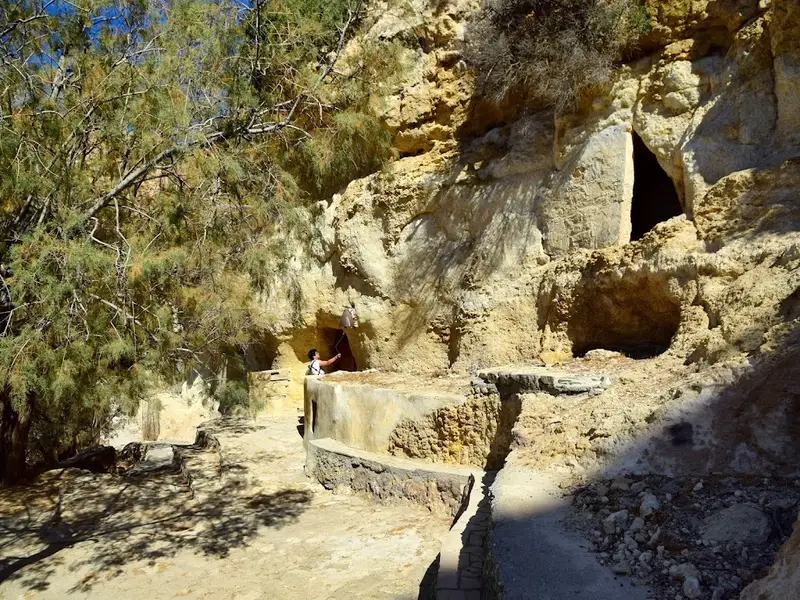
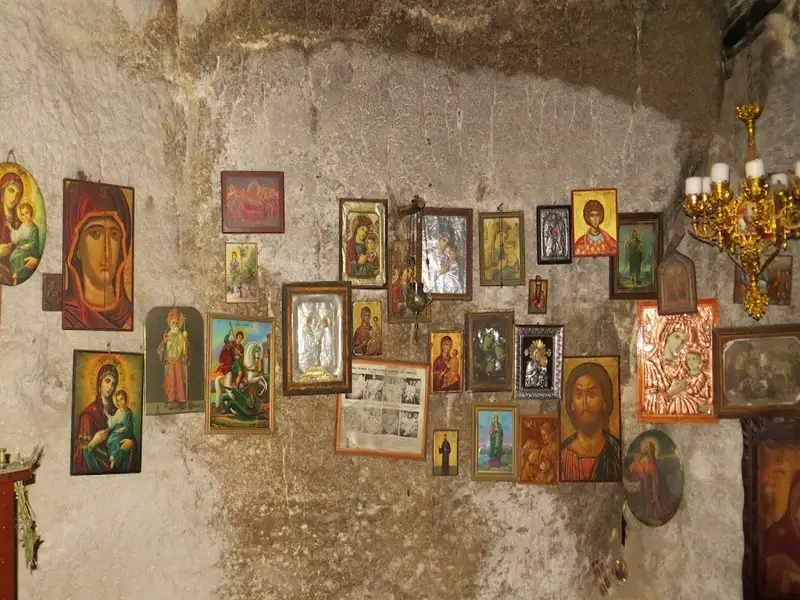
Agiofarago, meaning Gorge of Saints, is named after the hermits who established a significant hermitage in Central Crete during the early Christian era, following Saint Paul’s visit to the region. As per a legend, around 300 hermits lived here in complete solitude, only gathering once a year in the Cave Goumenospilios to count their numbers and see who had died in the past year. The church of Saint Anthony (Agios Antonios), encountered on the way to the cave Goumenospilios, became the hub of the area’s asceticism when the hermits began forming a religious community. The church, believed to have been renovated three times, initially started as a small church in a rock cave. As the hermit population grew, the church was expanded. The final renovation is thought to have occurred in the 14th or 15th century. A small well outside the church supplied the hermits with water as there was no nearby spring. A circular Minoan tomb on a small hill south of the church indicates human presence from the Minoan era.
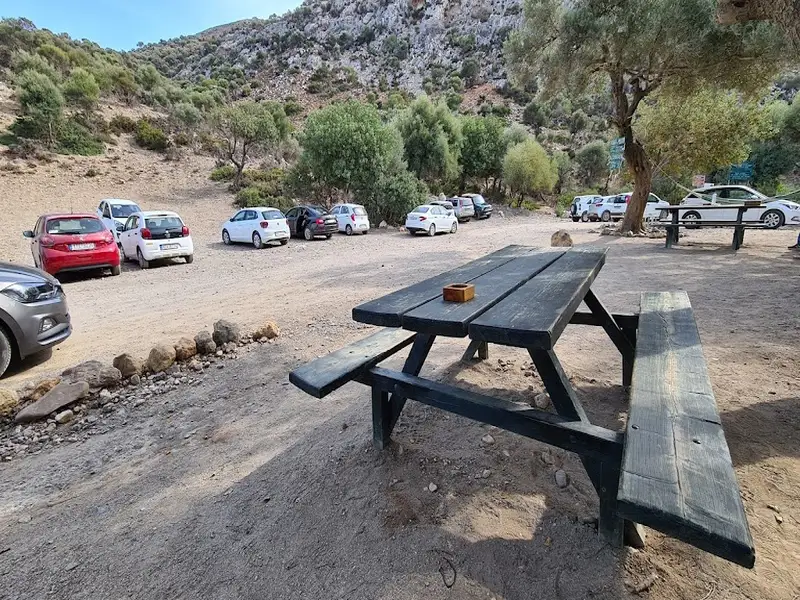
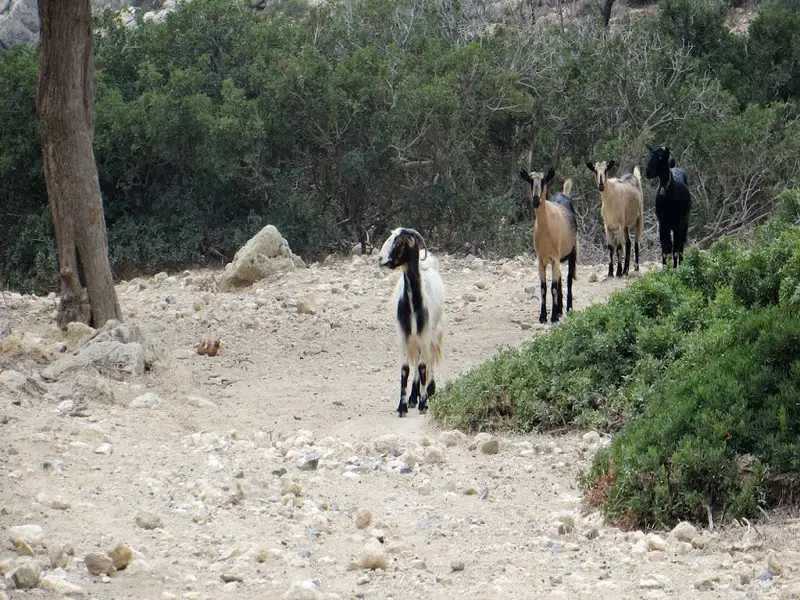
You can reach Agiofarago in several ways. You can take a boat from the ports of Kokkinos Pirgos, Agia Galini, or Kali Limenes, or you can take a dirt road starting from the historic Monastery of Odigitria near Sivas, which the area is a part of. From the monastery, follow the signs to Agiofarago, descend into the gorge, and continue until you reach a dead-end and a small parking area. Be cautious not to park your car under the trees as goats might climb on the roof to eat the leaves, causing damage. The hike from the parking area to the sea through the gorge takes approximately 25-35 minutes.
The Martsalo Gorge, stretching around 2km, is nestled on the southern coast of the rugged Asterousia Range. It collects rainwater from the Aginara region, near the Panagia Odigitria Monastery and eventually flows out onto Martsalo beach. Initially, a well-kept short trail leads from the closest dirt road to the historic church of Panagia Martsaliani. This ancient church, dating back to the early Christian era, is believed to have served as a catacomb, providing refuge for the first Christians. Surrounding the church, one can find hermit cells carved into the rocks and remnants of old structures.
From this point, it’s a relatively easy descent into the gorge’s bed, leading to the picturesque Martsalo beach. According to local lore, the Apostle Paul briefly landed here during his journey to Rome. The path to the beach is dotted with clusters of Cretan date palm trees, forming the second largest colony in Asterousia, only surpassed by the palm forest of Agios Nikitas.
No results available
No results available
No results available
© All rights reserved. Crete Locals