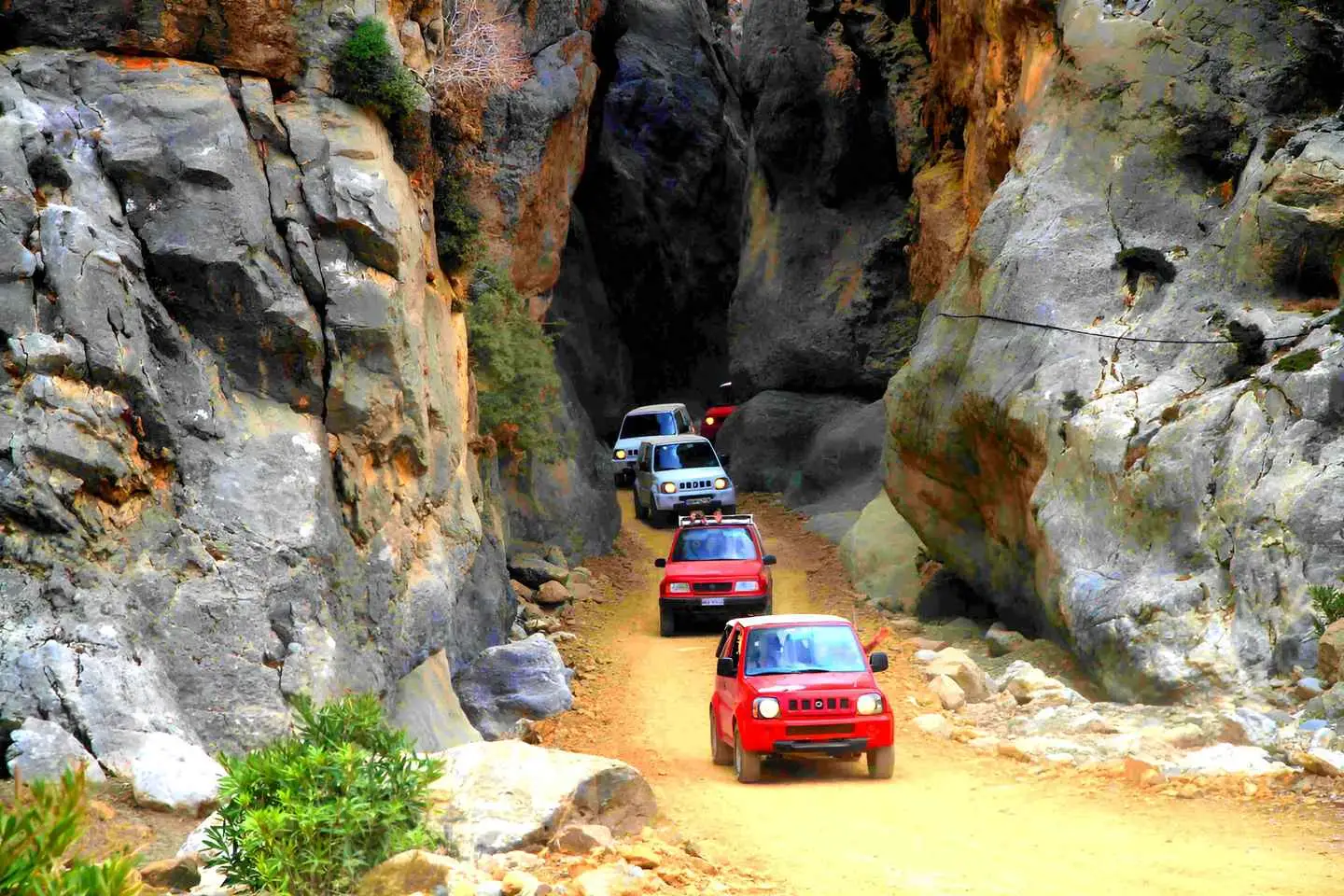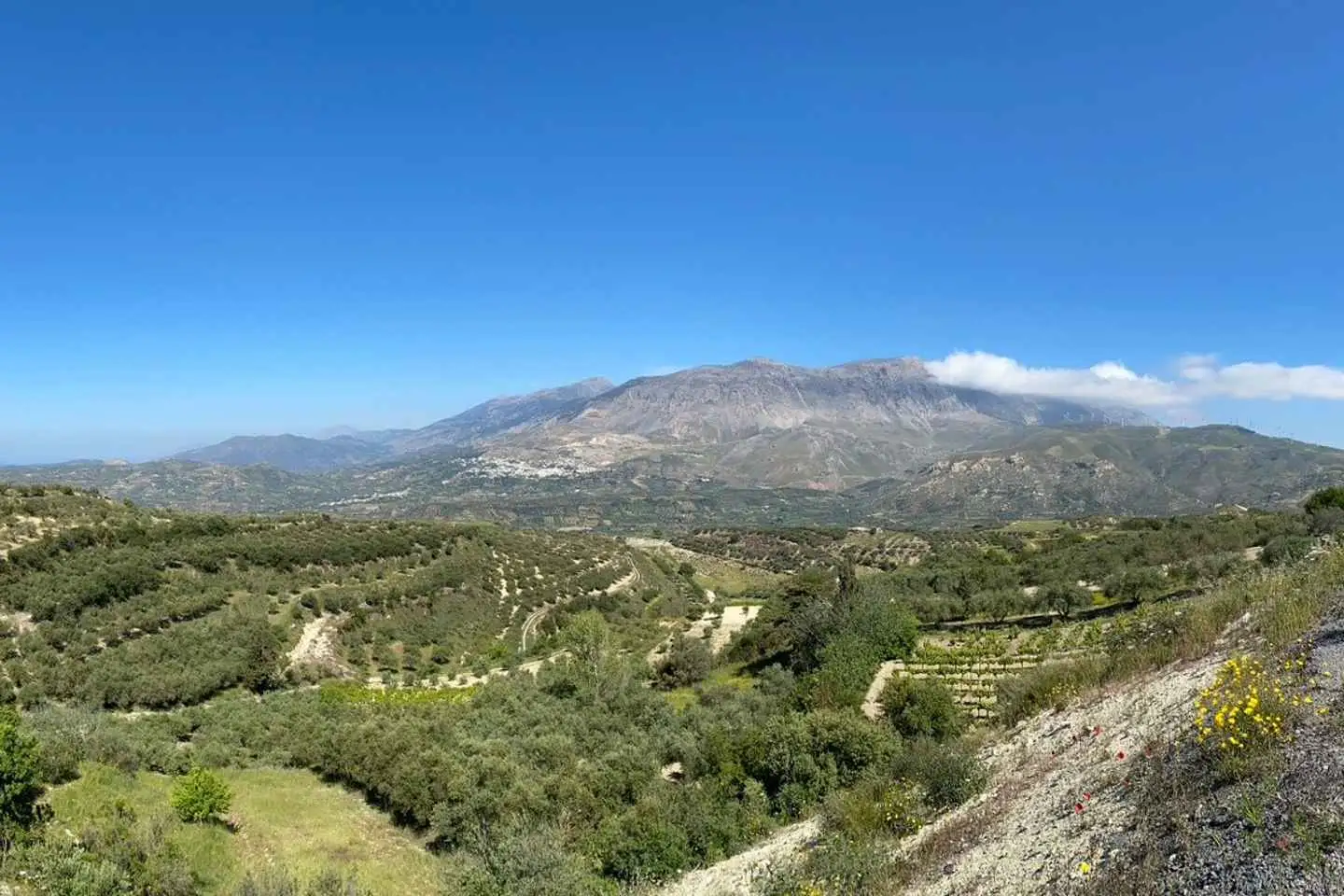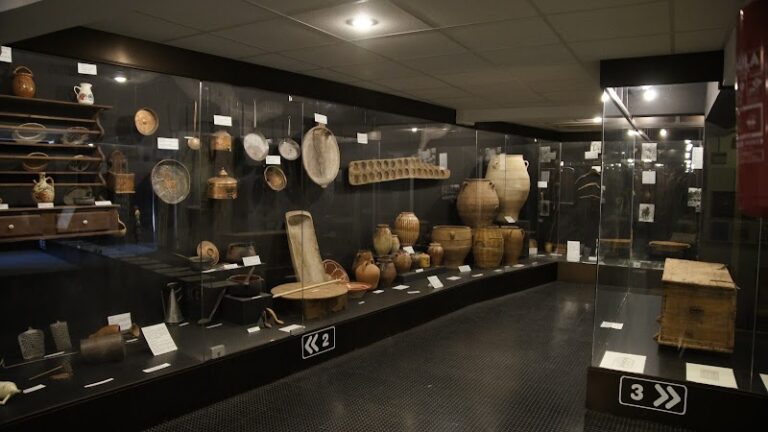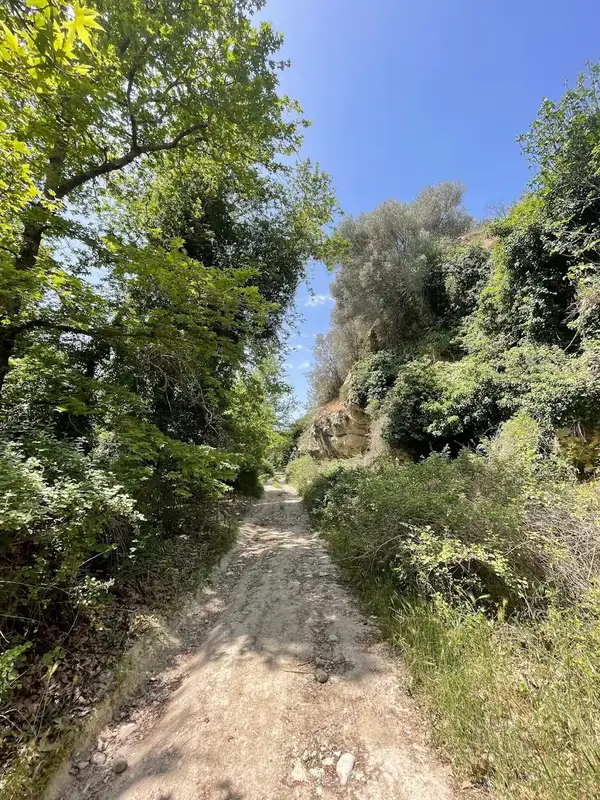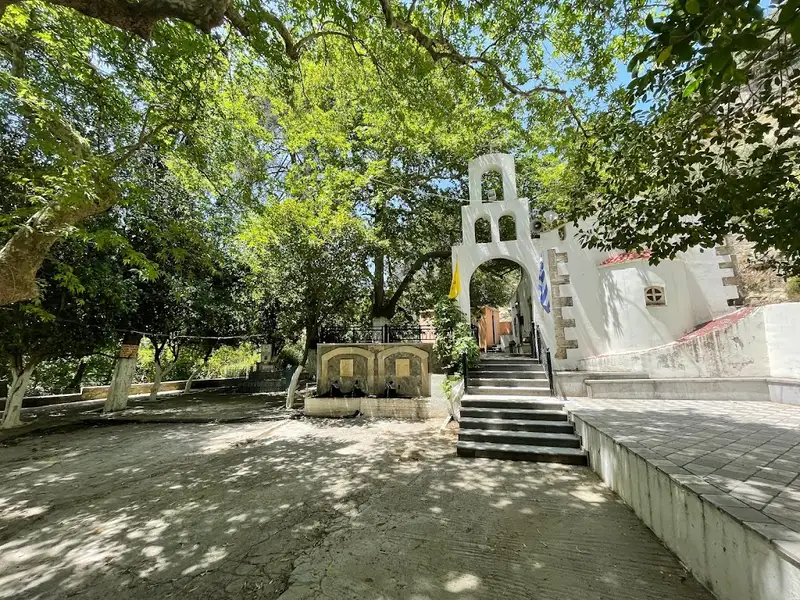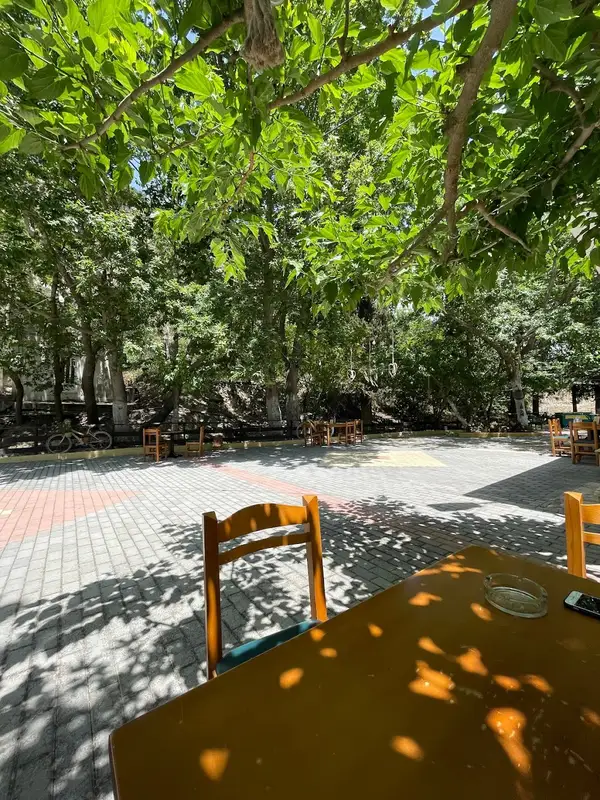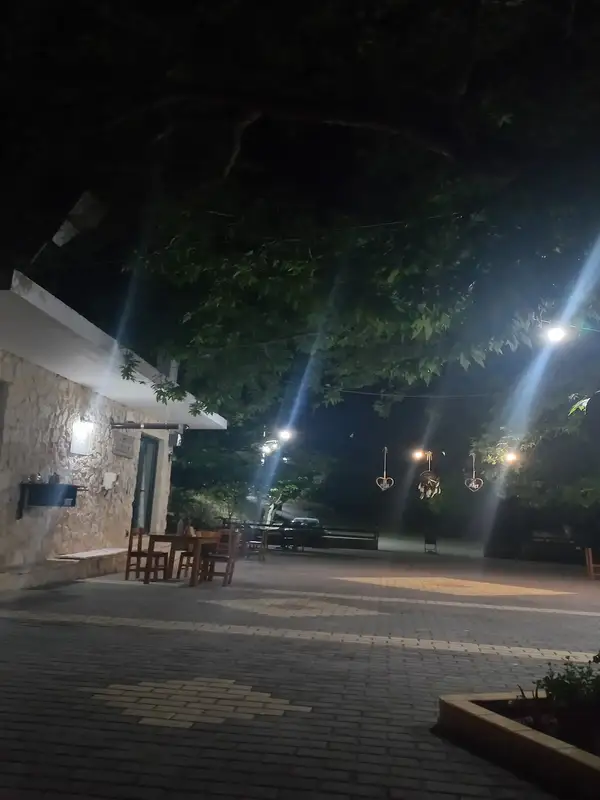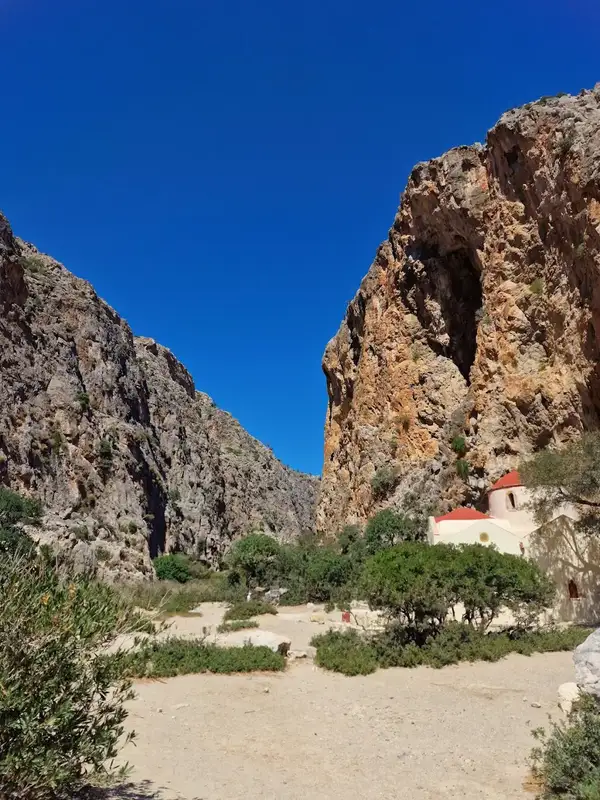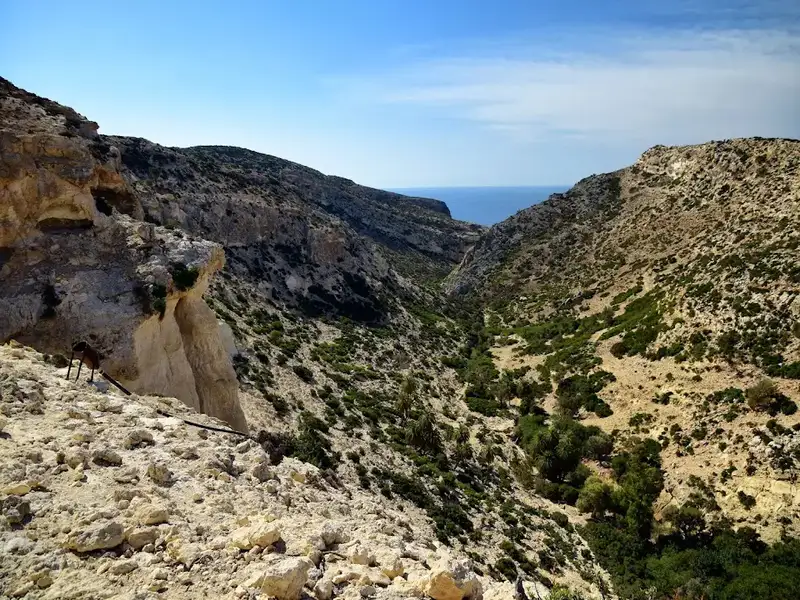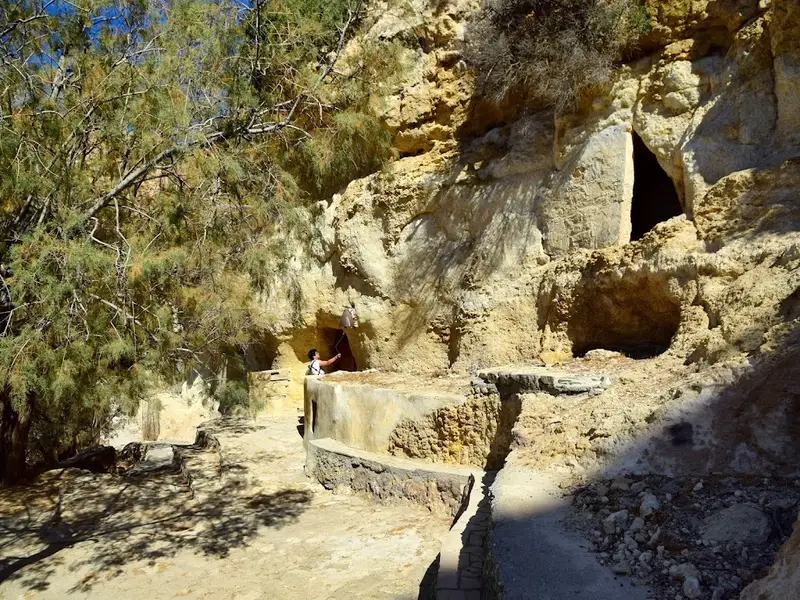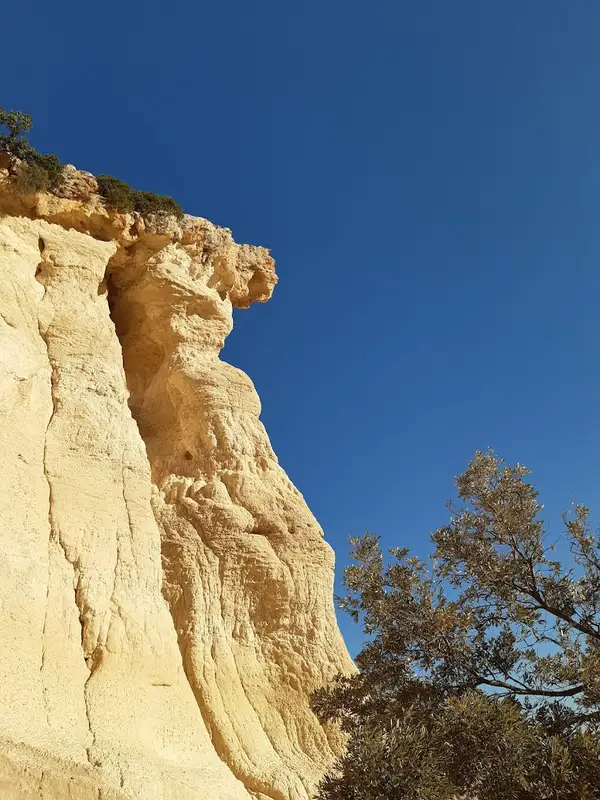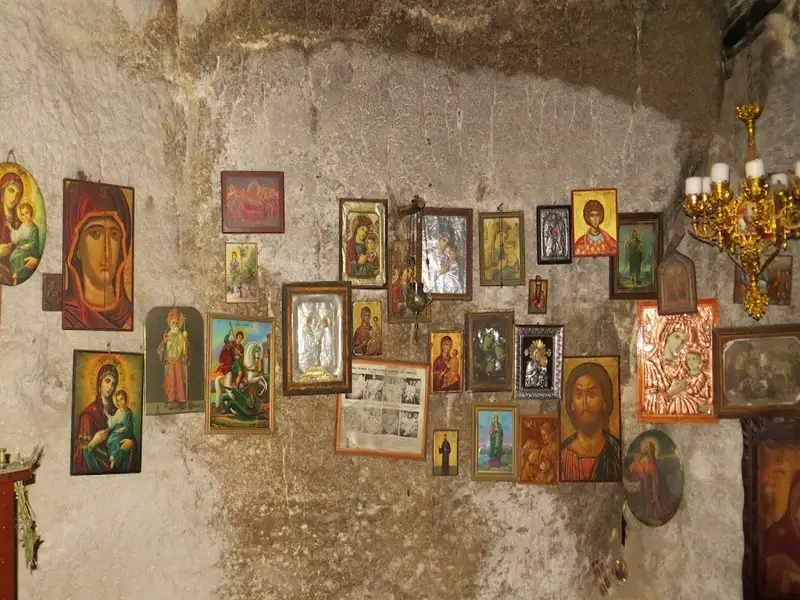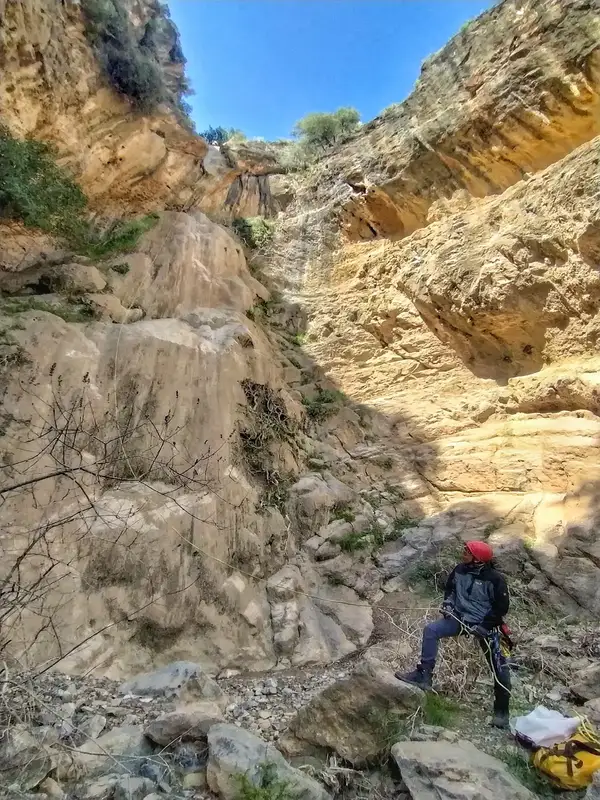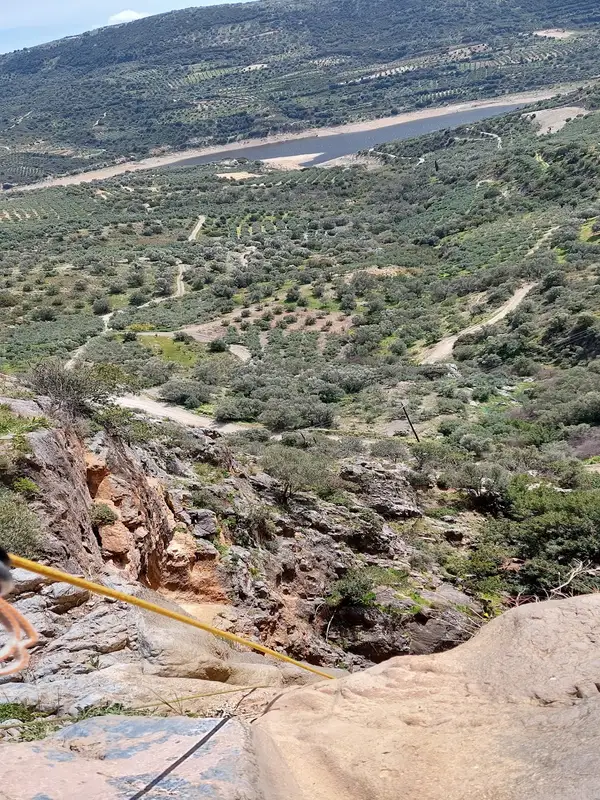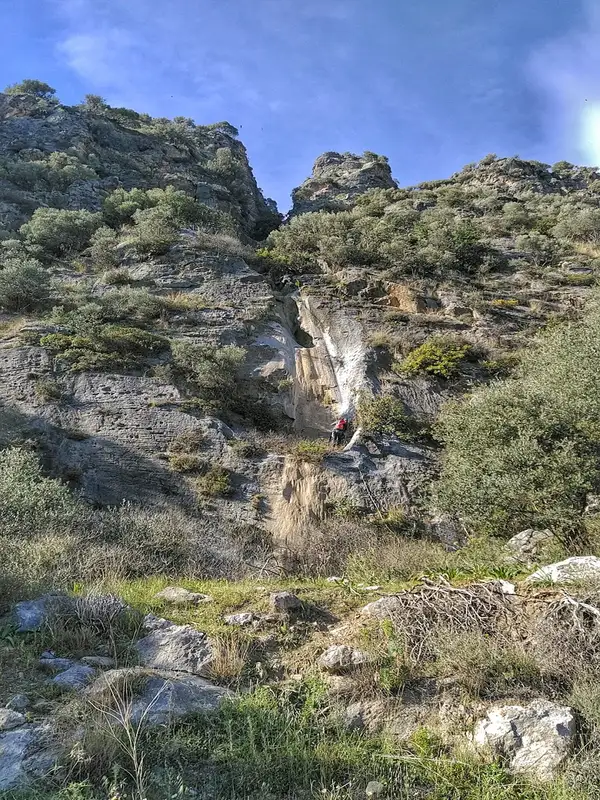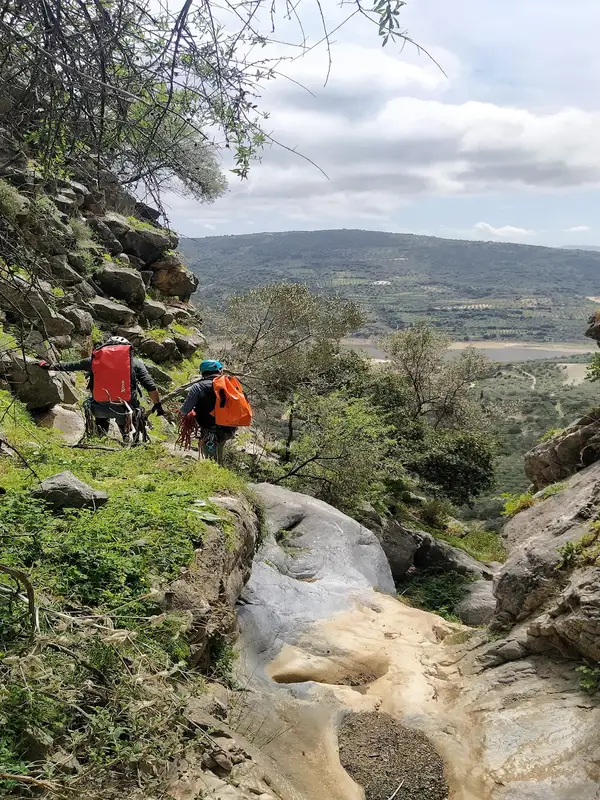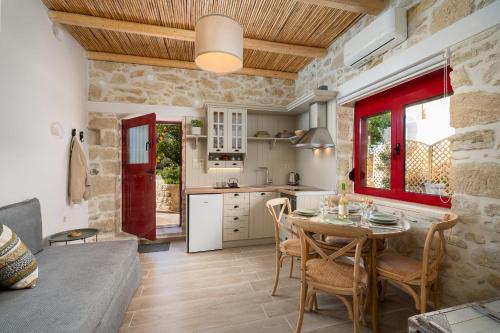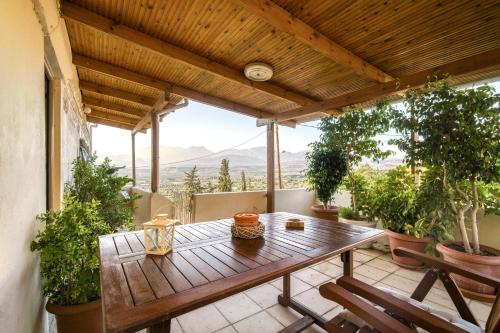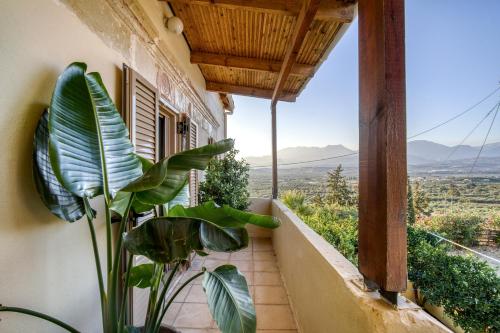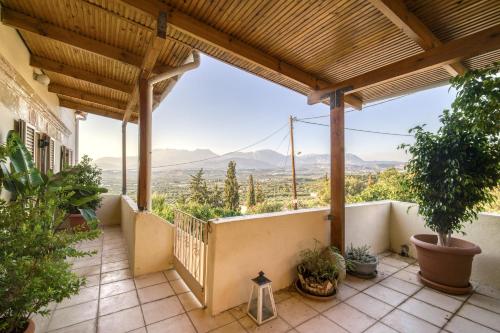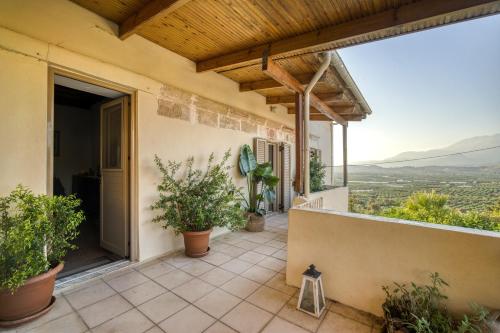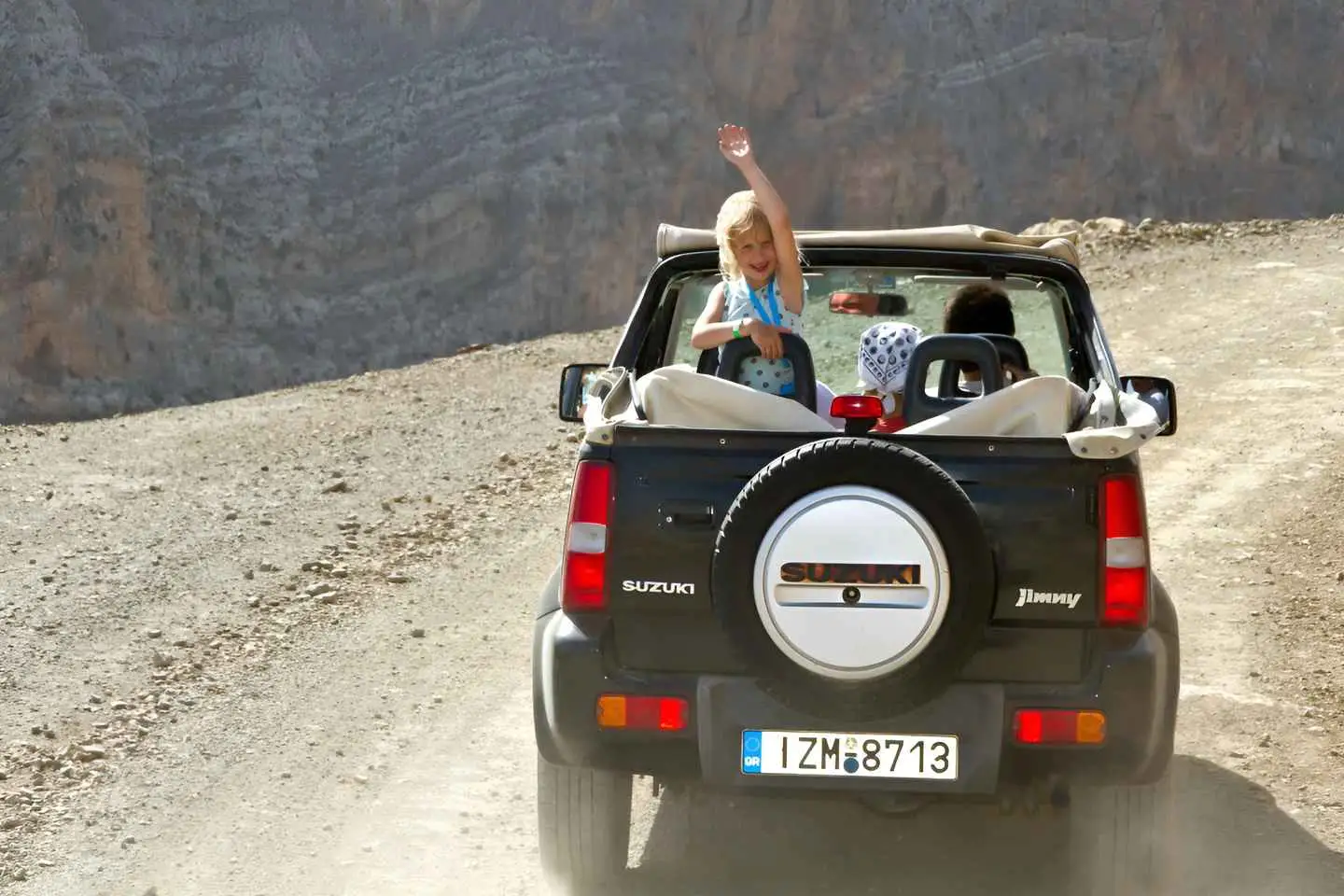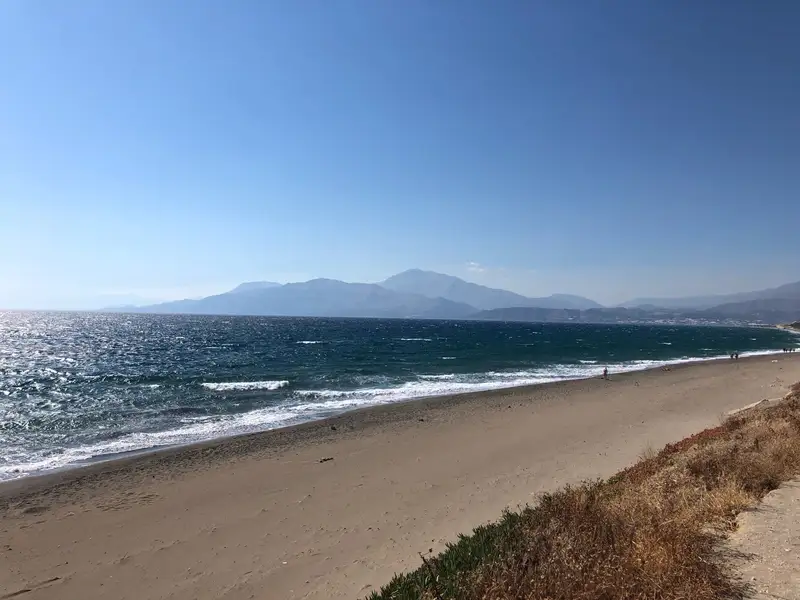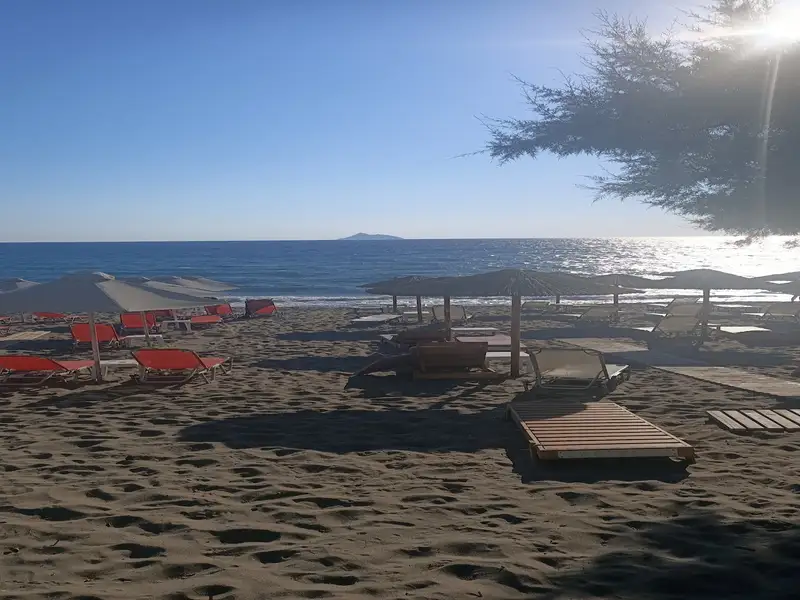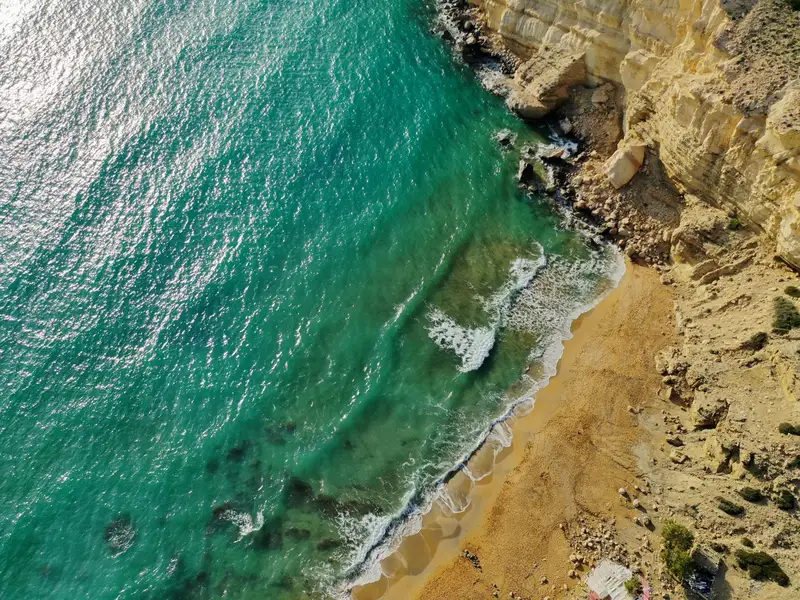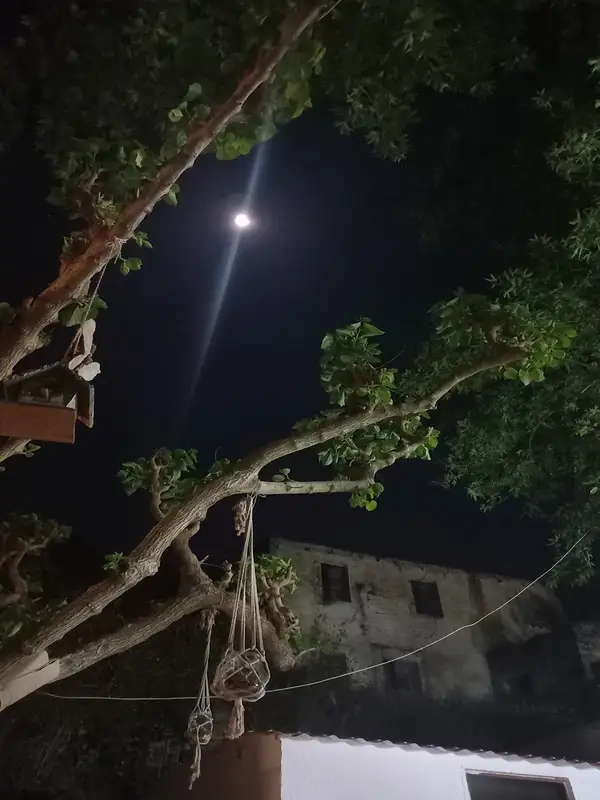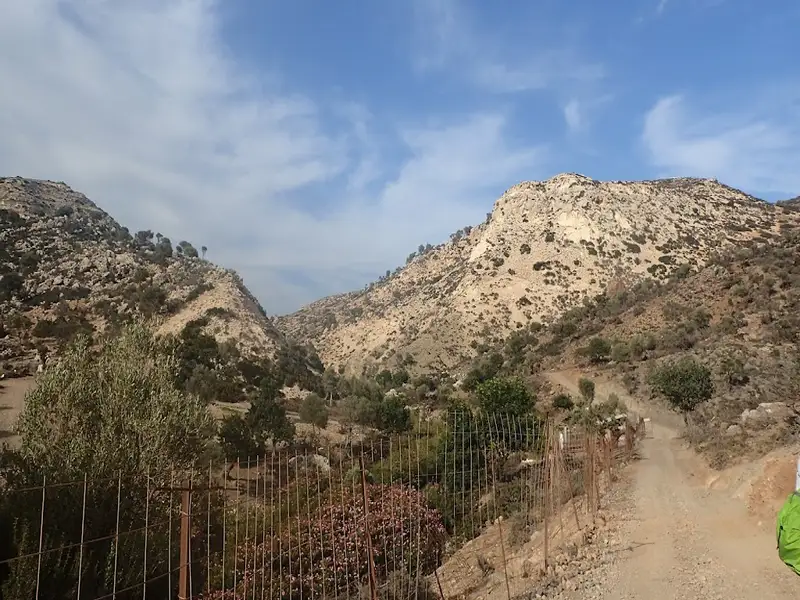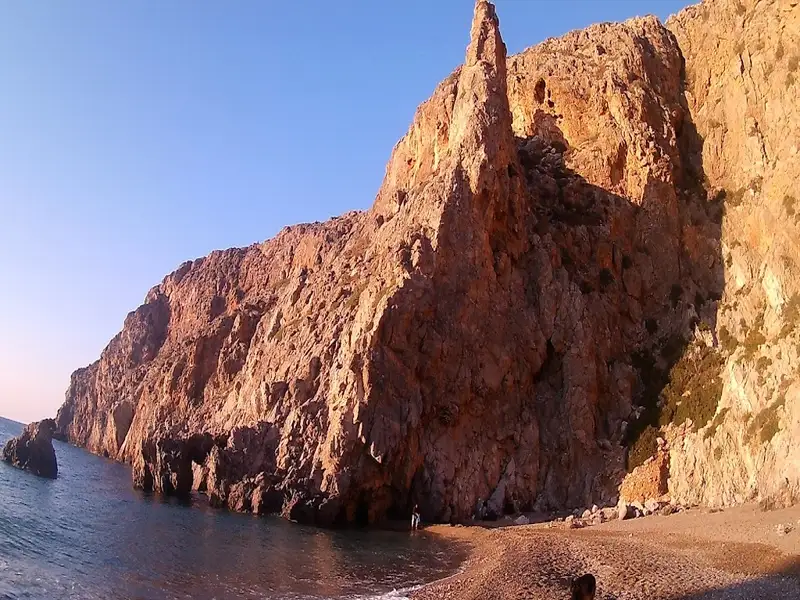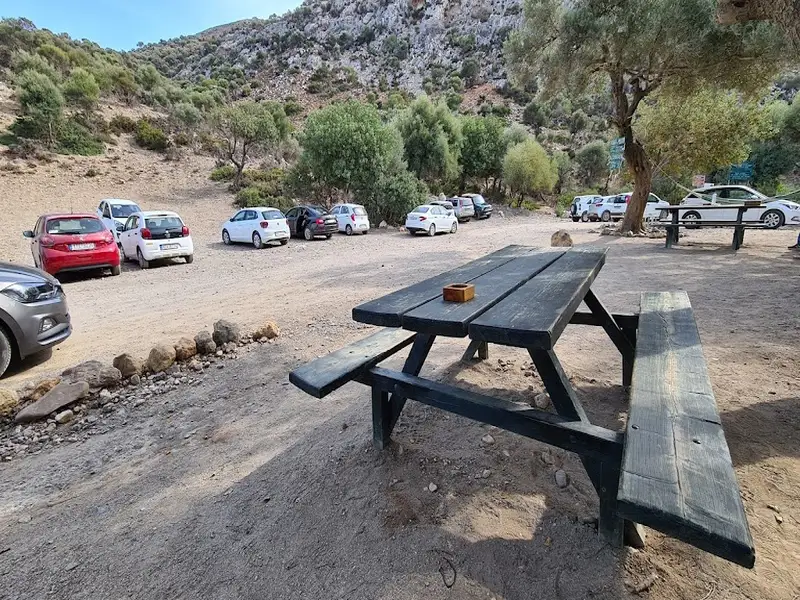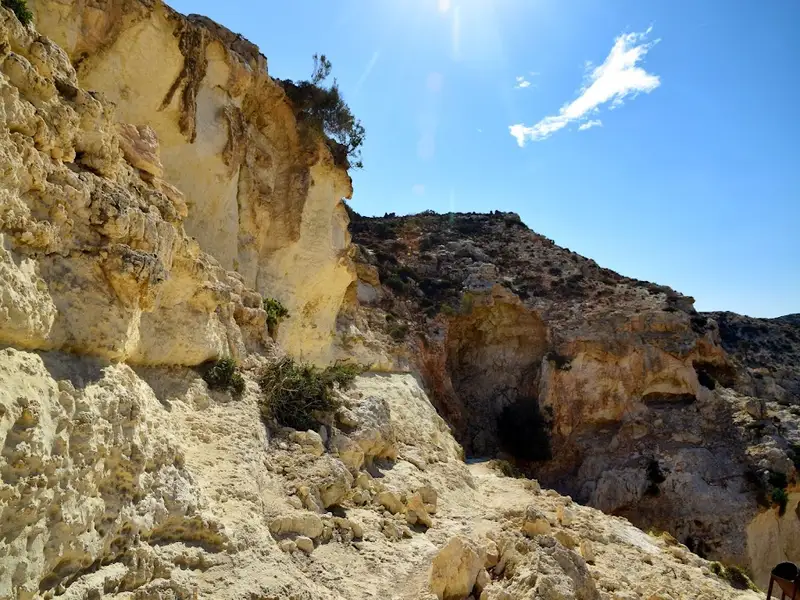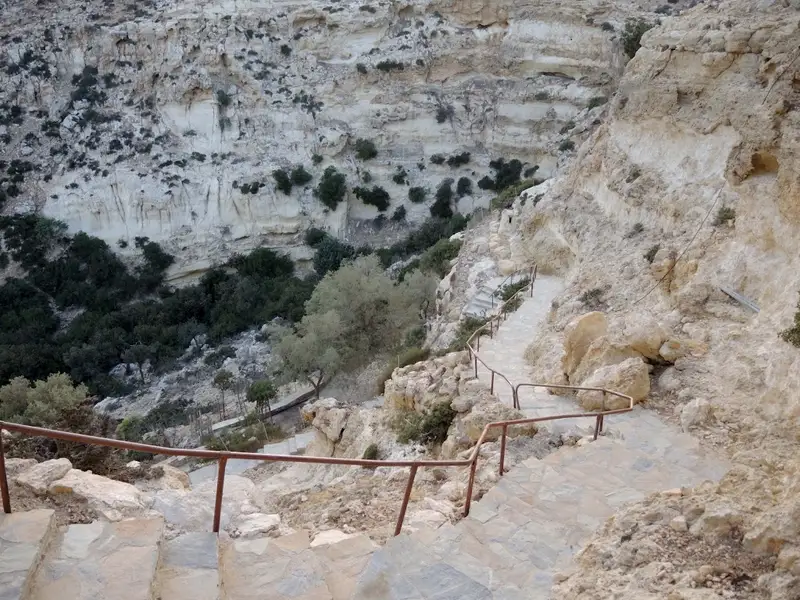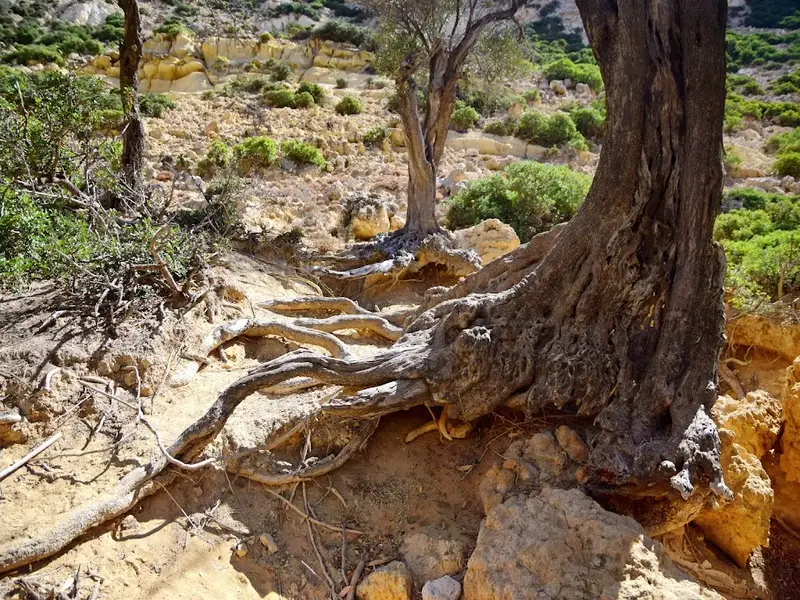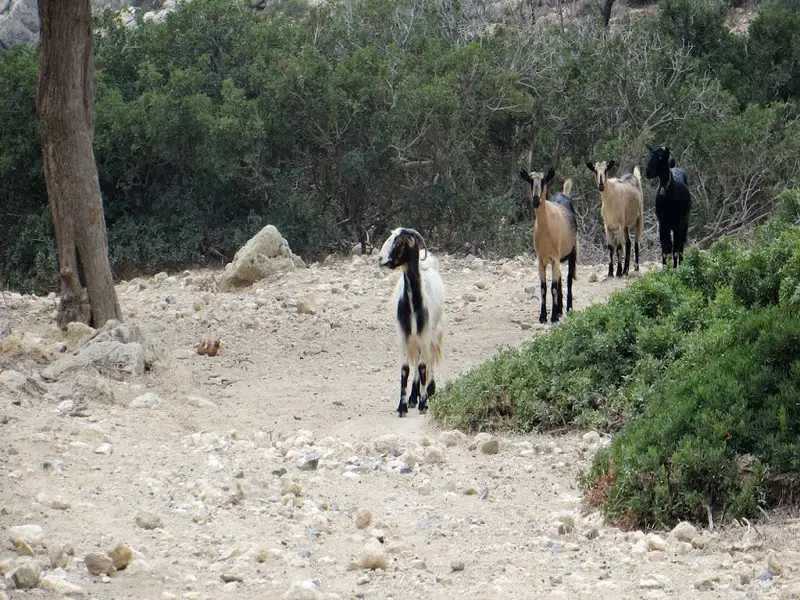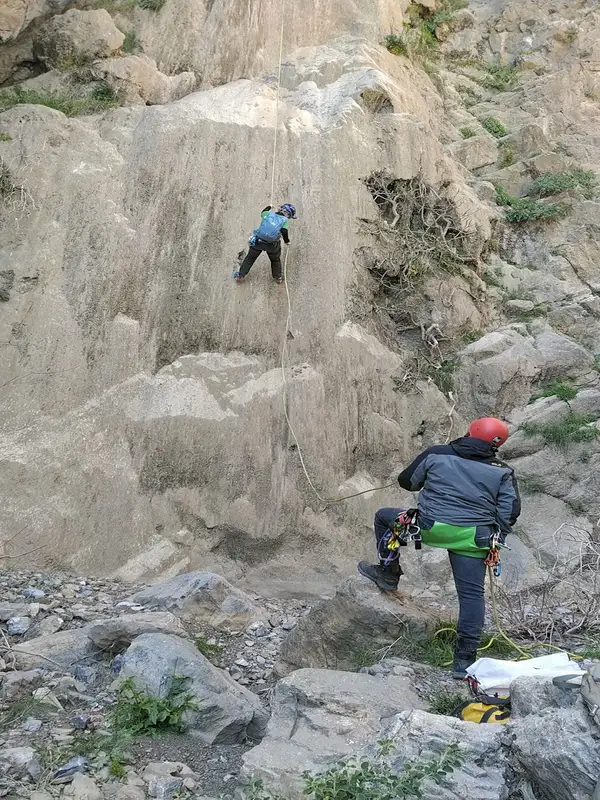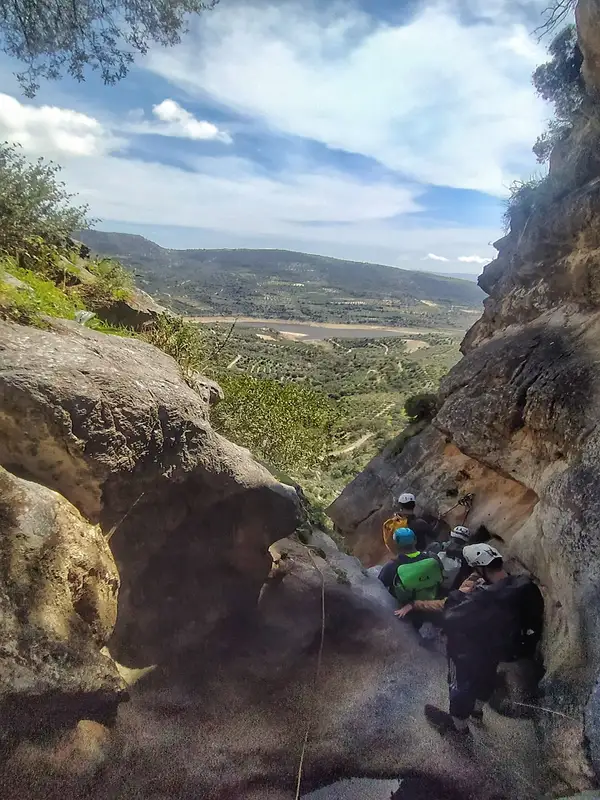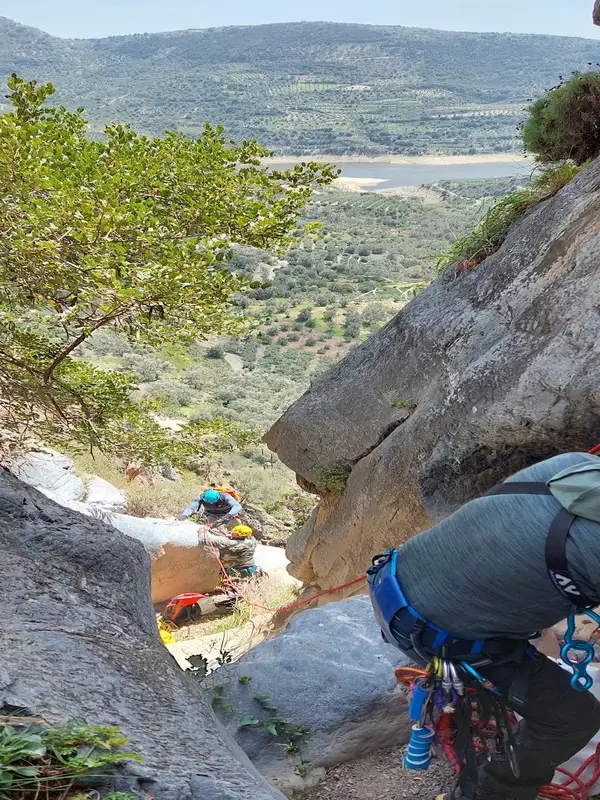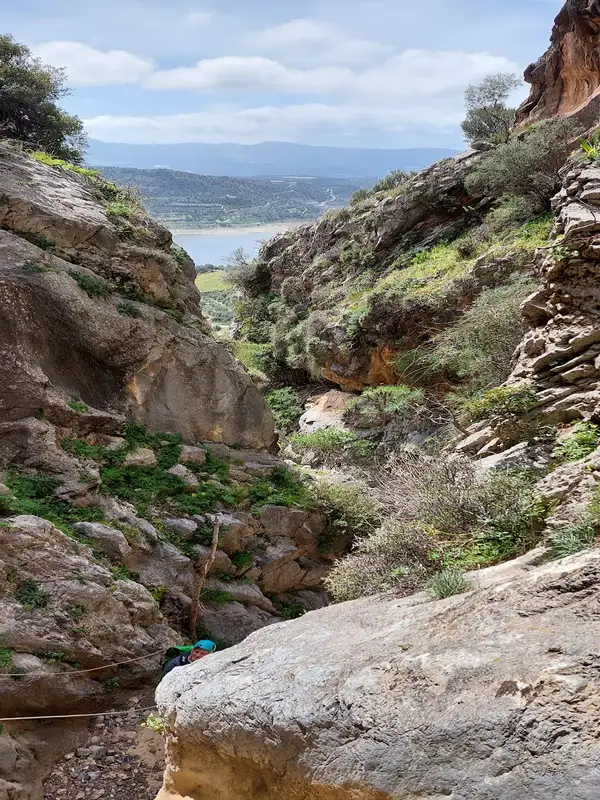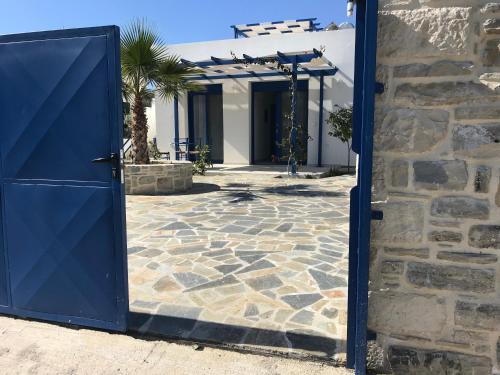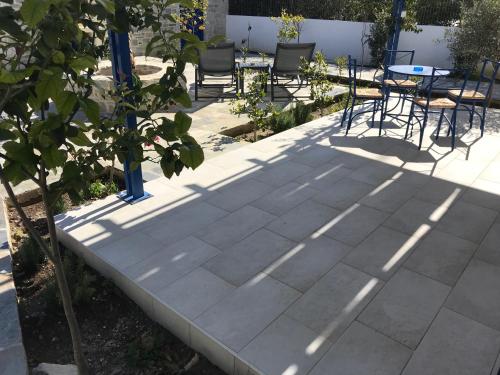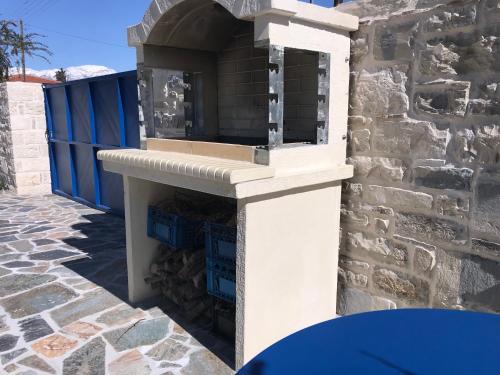
Join us on an unforgettable adventure through the stunning valleys of Malevizi and Messara, home to millions of olive trees. Experience the thrill of an off-road jeep ride through the Asterousia mountain range, exploring rarely seen areas, and stopping at an observation deck at the peak of the mountains to admire eagles and the breathtaking canyon and Libyan Sea in the background.
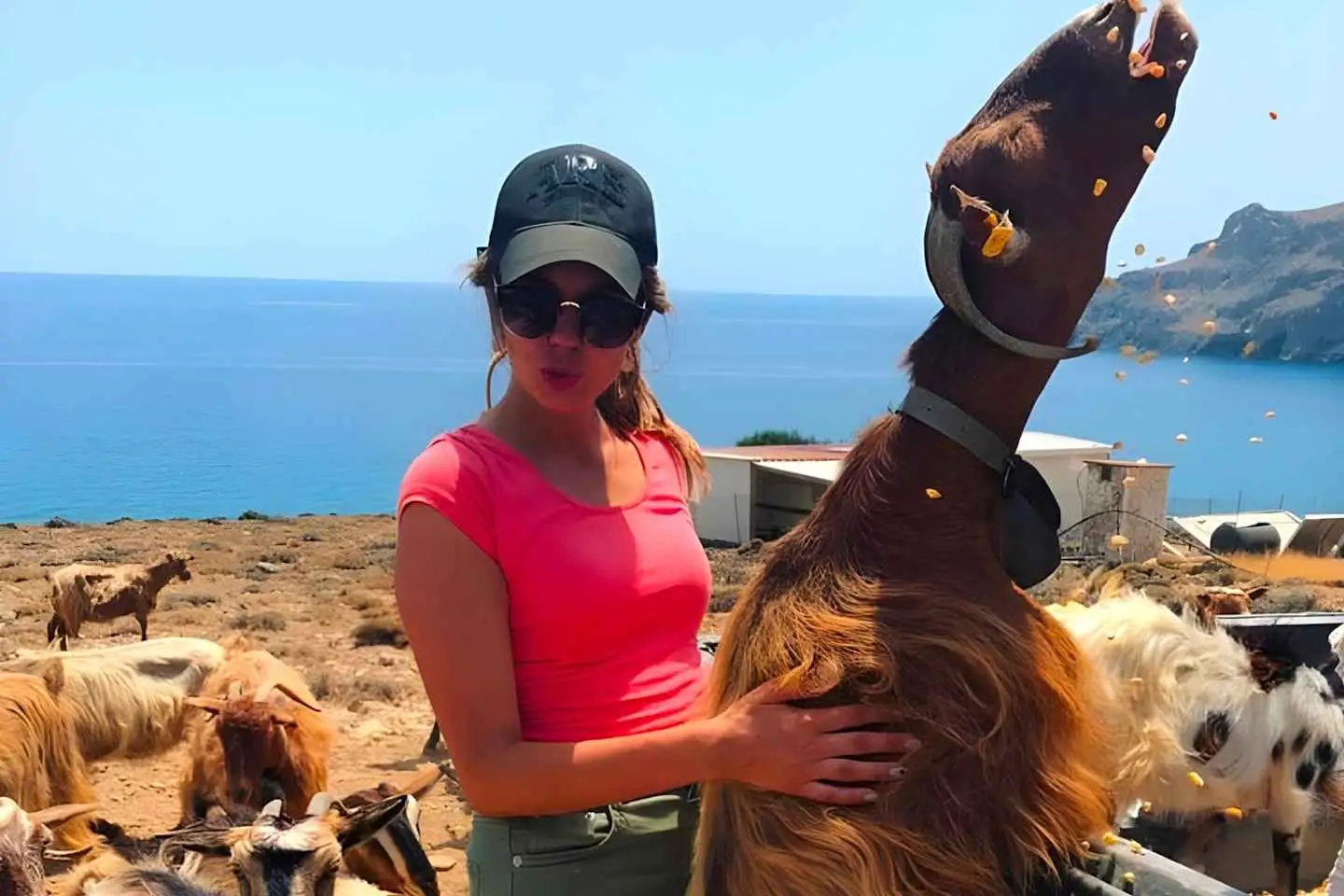
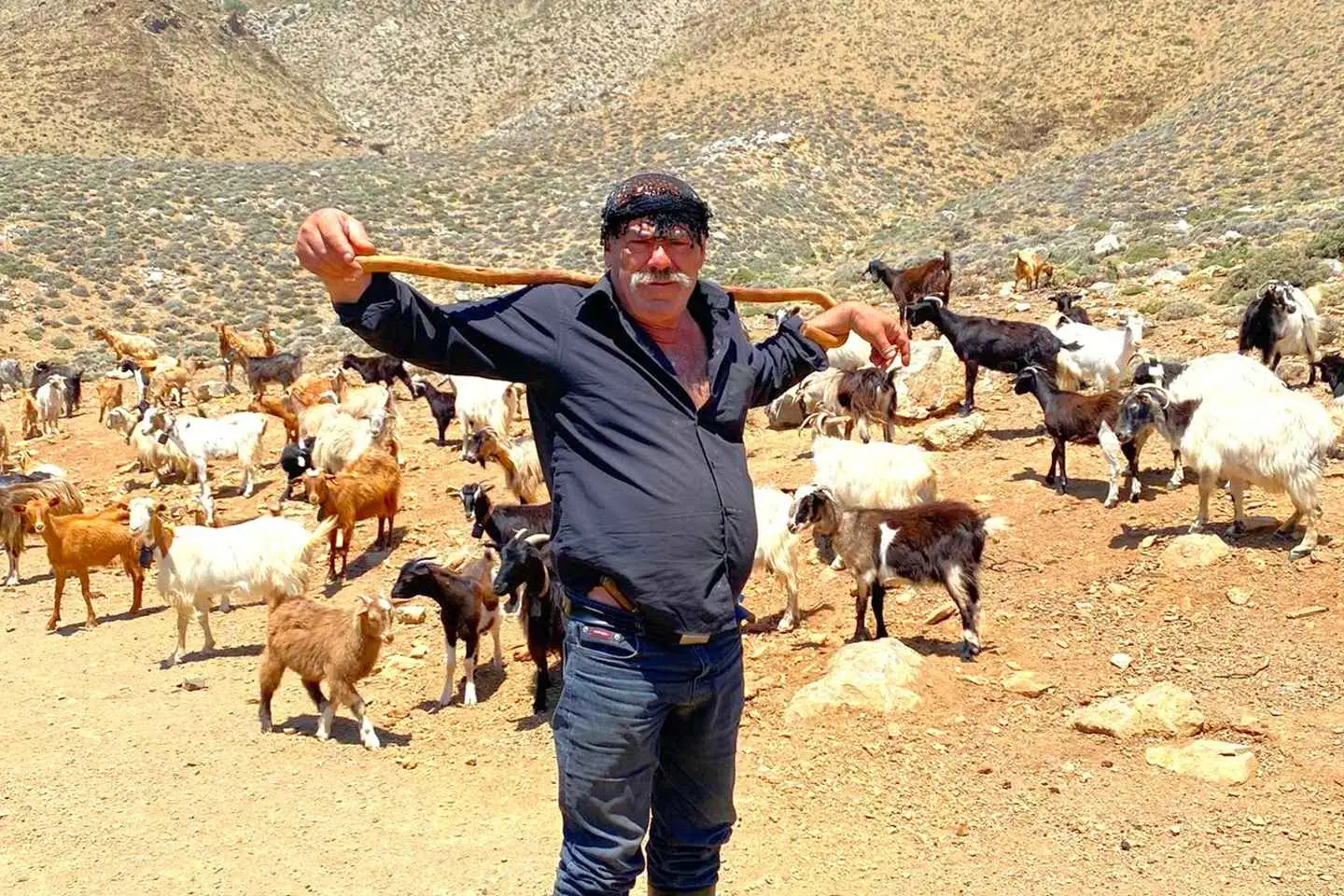
During our trip to southern Crete, you’ll learn about the local tradition of goat-keeping from a shepherd. He’ll show you how to feed, milk, and catch goats. Then, you’ll cook Cretan goat cheese with him inside a cave, which is a unique experience. Finally, you’ll get to taste the delicious cheese you made together.
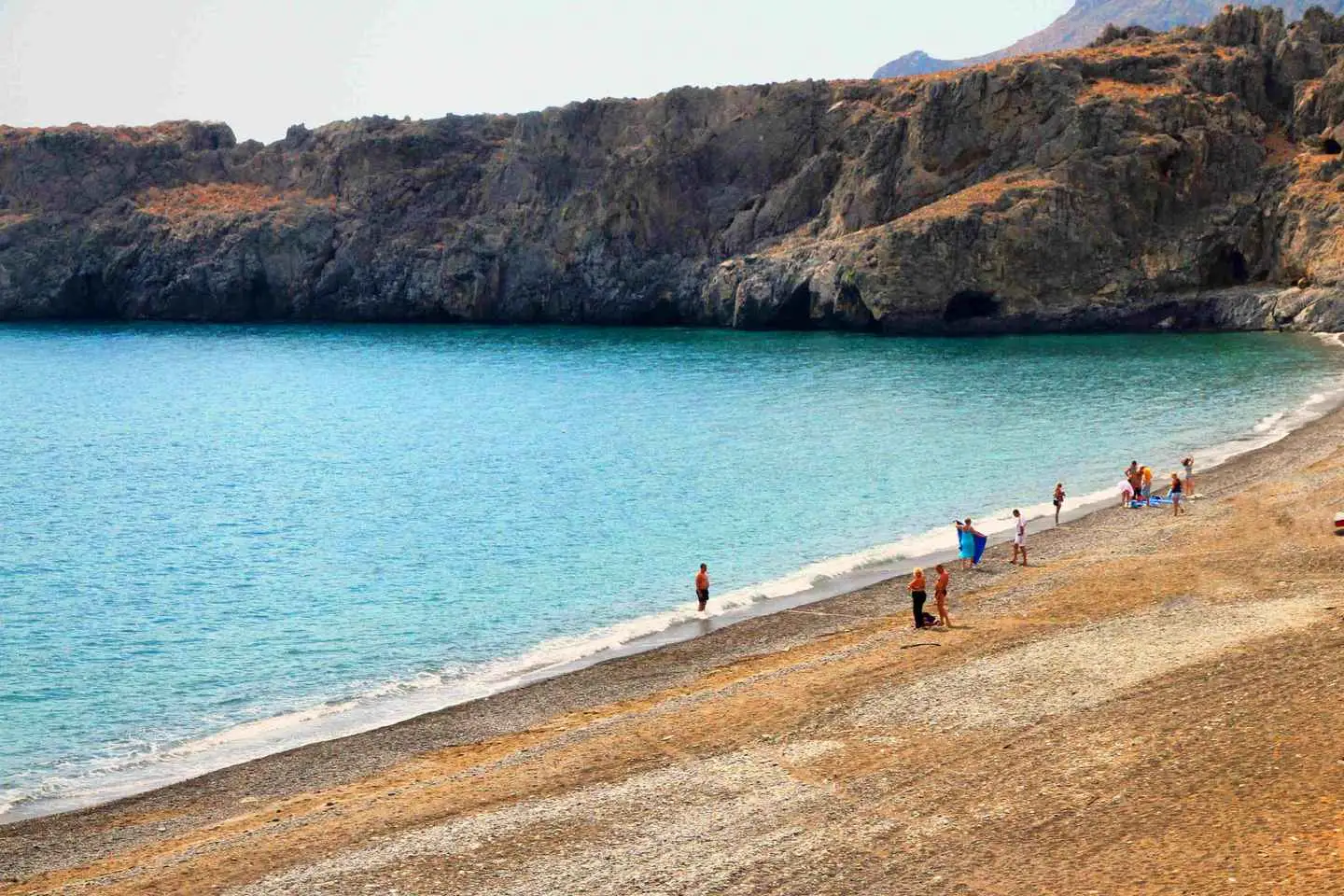
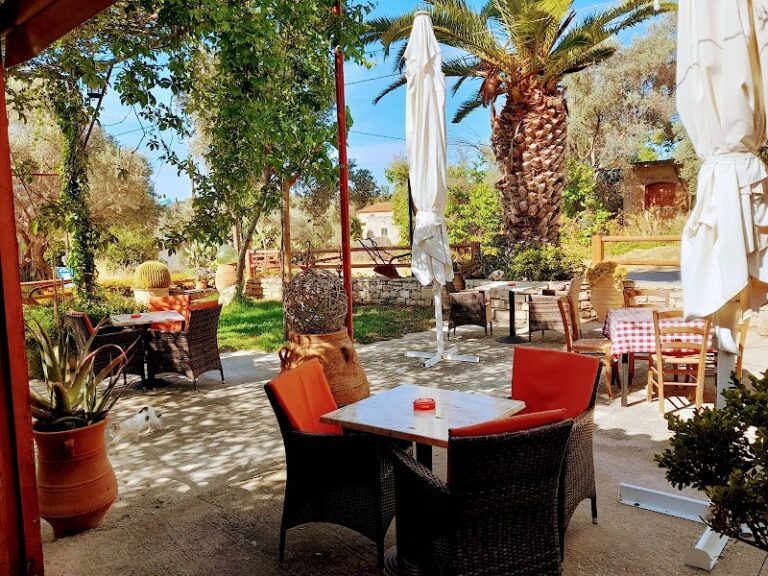
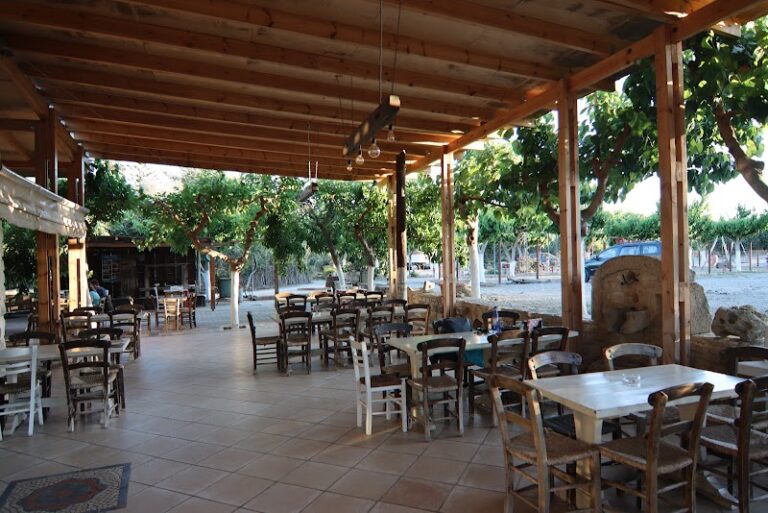
We’ll have lunch at a charming seaside tavern, take a refreshing swim at the tranquil Tripitis beach, make a wish at a picturesque church, and experience a true Cretan farewell with the hospitable old man who owns the tavern and takes care of the church.
This adventure is perfect for anyone looking for an exciting and unique experience in Crete. Book your trip with us now and let us take you on an unforgettable journey.
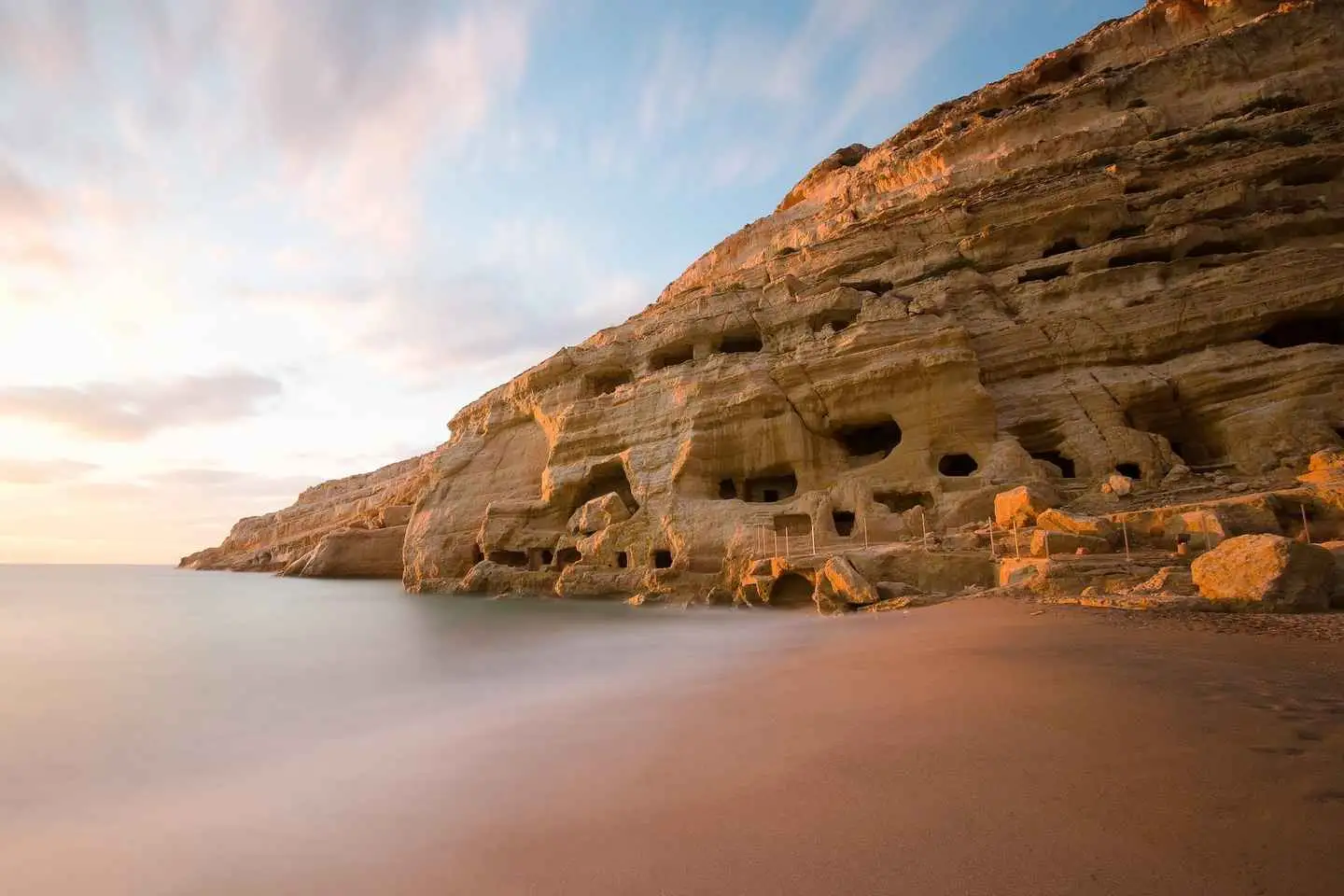
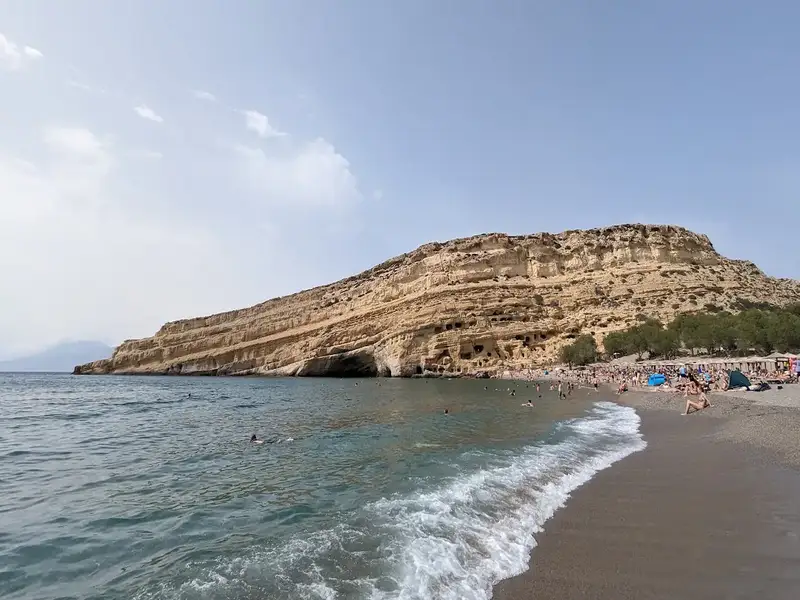
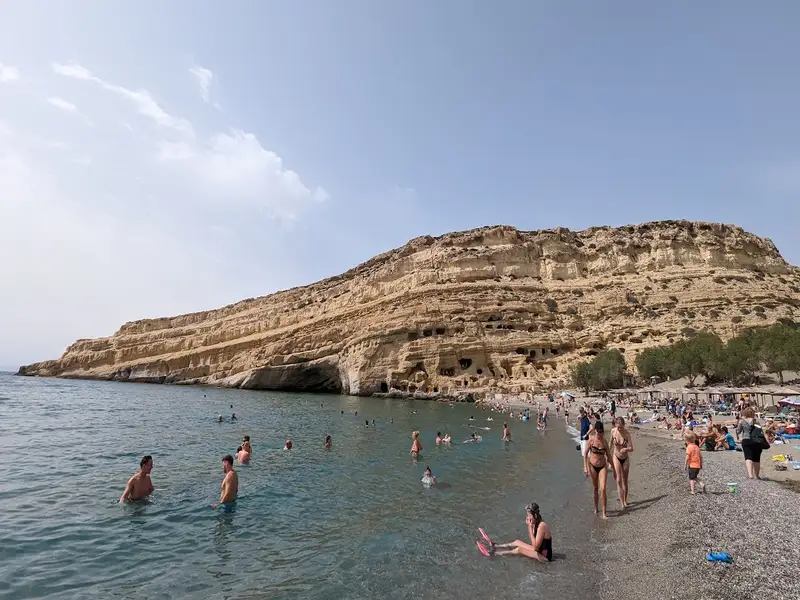
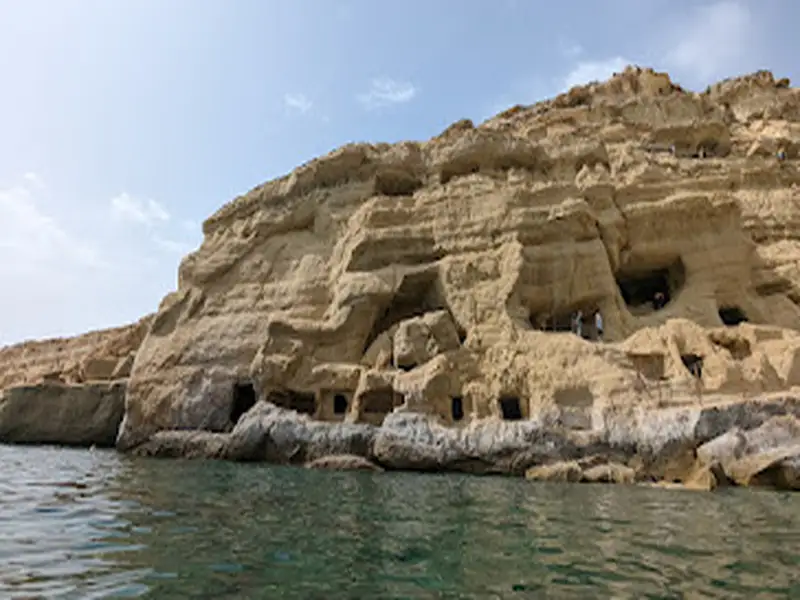
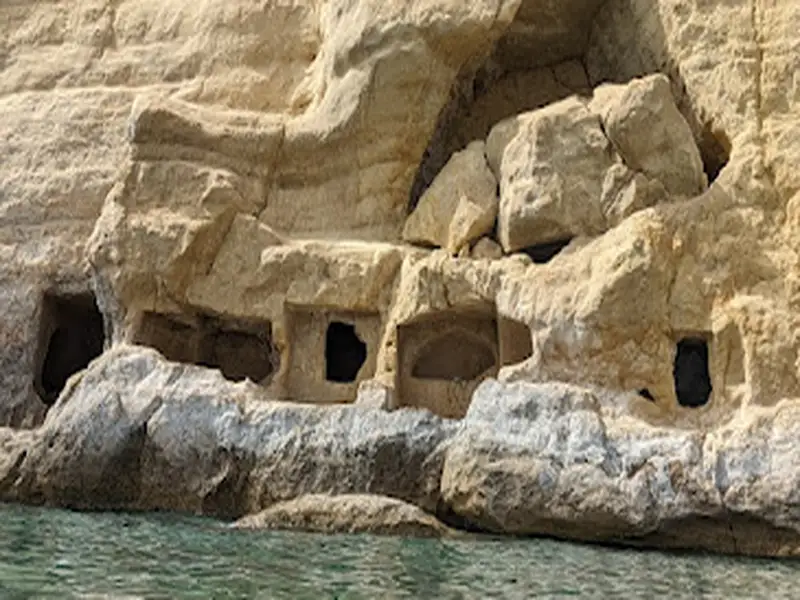
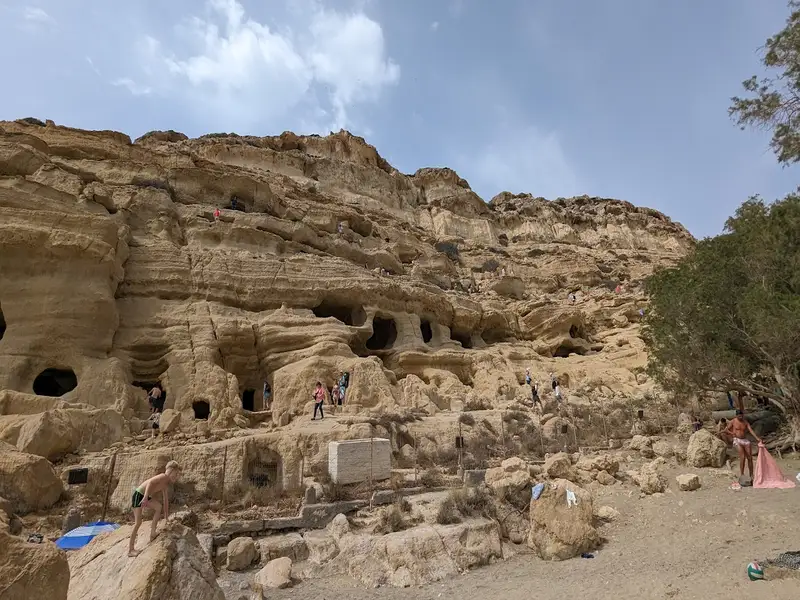
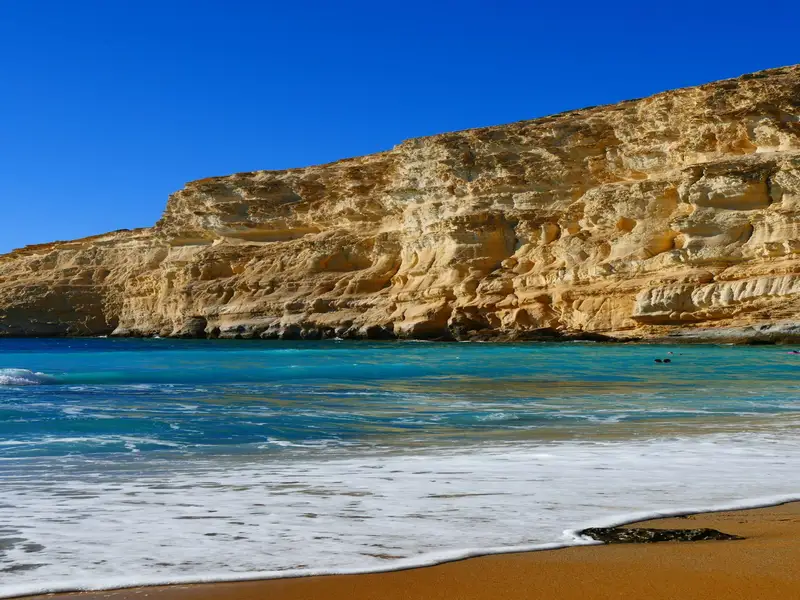
After a short drive through the Messara plain you reach Matala. Known for the colony of hippies in the Sixties, where they lived in large holes formed on the mountain. The rocks are holes with a Roman burial. In Matala you will have time for a refreshing dip in the water, eat something or just enjoy a drink on the beach. This is the place where Zeus, having taken the form a bull, swam ashore with Europa on his back before dragging her off to Gortys. Both, the Minoans and the Romans used the place as their harbor. Nevertheless, for most people, Matala means only one thing: hippies. Back in the late 1960s – 1970s, this little town was a colony of the “flower children”, who lived in the caves that used to be former Roman tombs
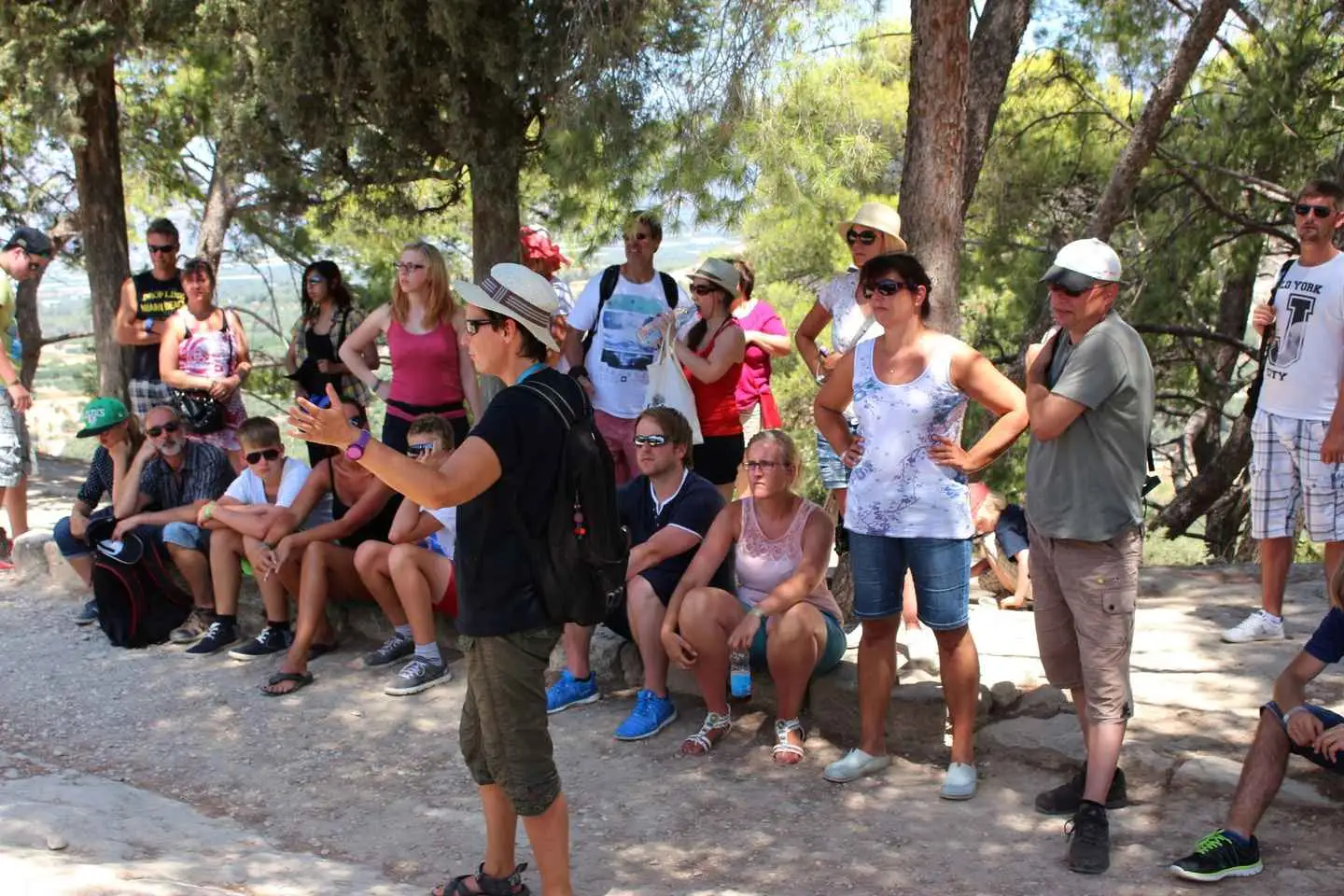
Explore the highlights of southern Crete on a guided full-day trip from Heraklion. Enjoy a small-group tour of some of the region’s most popular sights.
Meet your guide at your hotel and hop on the bus that will take you to your first stop, Phaistos. Along the way, take in scenic views of the Messara winegrowing region’s mountains and vineyards. At Phaistos, explore the ruins of a medieval city and the second-largest palace in Crete. Learn more about the history of the complex from your guide and enjoy panoramic views of the Ida Mountains and the Lassithi Massif.
Afterward, swim in the crystal-clear waters of the Libyan Sea in the former fishing village of Matala and take a walk to the world-famous cliffside caves. Then, tuck into a delicious lunch with views over the bay.
On the way back to Heraklion, stop at the monastery of Odigitria. Here, witness 2 tholos tombs and let yourself be enchanted by the monastery’s charm before heading back to your hotel.
Hop down to the heart of Central Crete, the beloved land of our ancestors, and let the wonders of the Minoan world collide on this luxurious passage of time.
From the comfort of a premium chauffeured vehicle & escorted by our top local insider, revel in the endless luxuries of the ancient Messara plain where wine-red fertile soils treasure lavish vineyards & the oldest olive groves stretch perennially toward the horizon.
Visit a family award-winning winery set on the peak of alluring panoramas & let our passionate winemakers immerse you into their intoxicating world. Luxuriate in ages, unearthing the Bronze Age palaces of Phaistos & Gortyna along with storied villages & monasteries.
In the afternoon, tuck in the bohemian vibe of Matala that captivated Bob Dylan & Janis Joplin. Bask in the turquoise waters of the Libyan Sea & unwind in the charming village, irresistible for its freshly caught grilled fish & finest ouzo.
To us, travel means putting fire in your soul with the best stories.
No results available
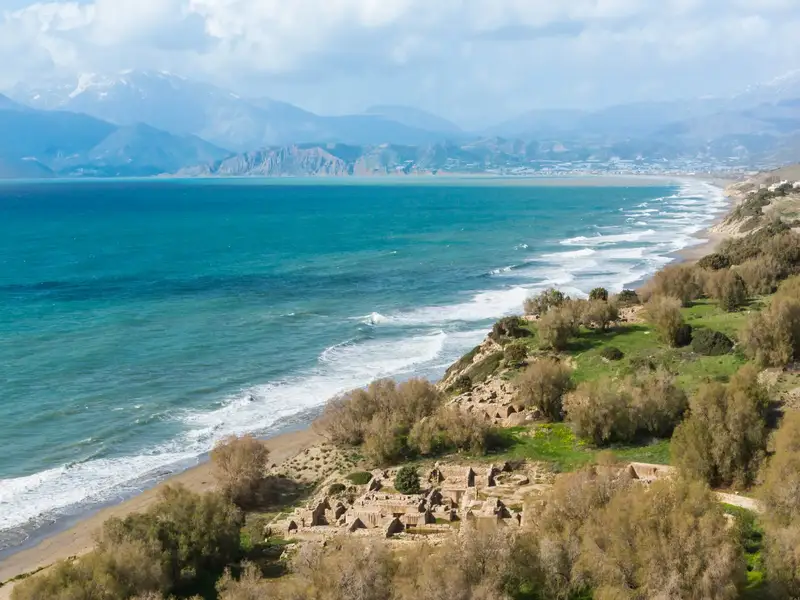
Situated 66km southwest of Heraklion, Kommos (or Komos) lies a mere 2km north of Matala and in close proximity to Pitsidia village. It stands as the southernmost and remotest section of the extensive beachfront of Messara Bay. Once serving as the port of Phaestus, the remnants of the ancient port of Kommos can still be observed on the beach. It can be reached by driving towards Matala and following a sign to Kommos near Pitsidia.
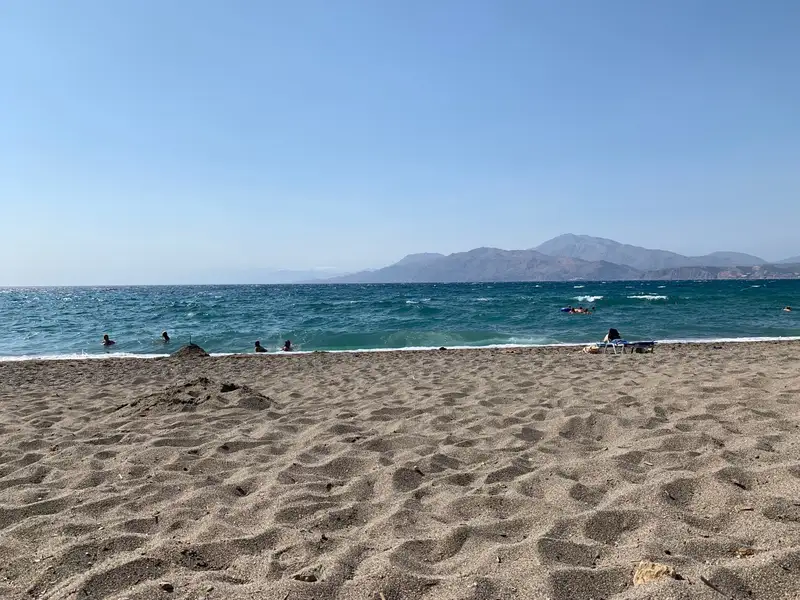
The entire beachfront of Messara is exposed to the prevalent westerly winds. Visitors should exercise caution as the seabed can be rocky in certain areas. The beach also serves as a nesting ground for the protected loggerhead sea turtles (Caretta caretta) between the months of May and September.
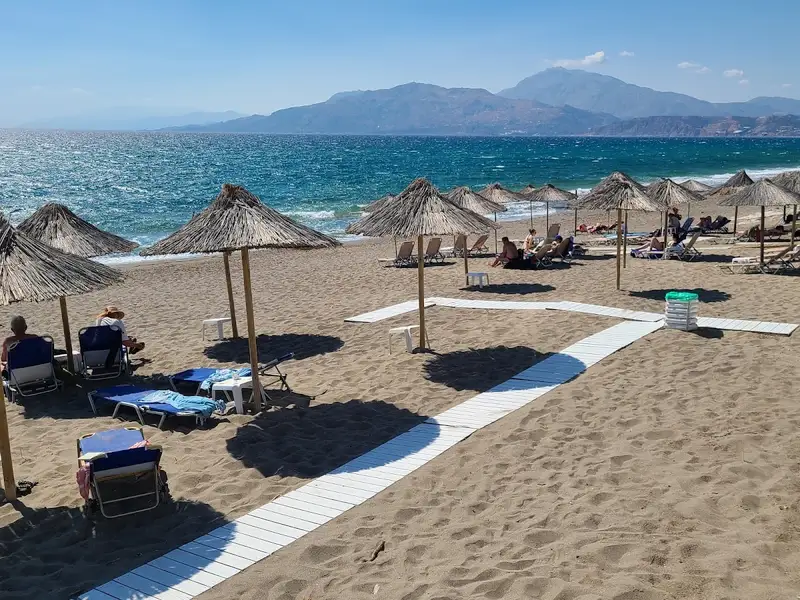
Potamos or Potamoserma, the northern section of Kommos, is a popular spot among naturists, dating back to when hippies frequented the area. The location is dotted with sparse tamarisk trees and devoid of buildings due to its protected archaeological status, restricting construction. Next to the archaeological site in the south, there is a developed beach equipped with amenities such as umbrellas, sun beds, a toilet, showers, a canteen and a lifeguard. Surrounding sand dunes are home to white sand lilies that mark the end of summer. Nearby Kalamaki or Pitsidia and Matala offer options for accommodation and dining.
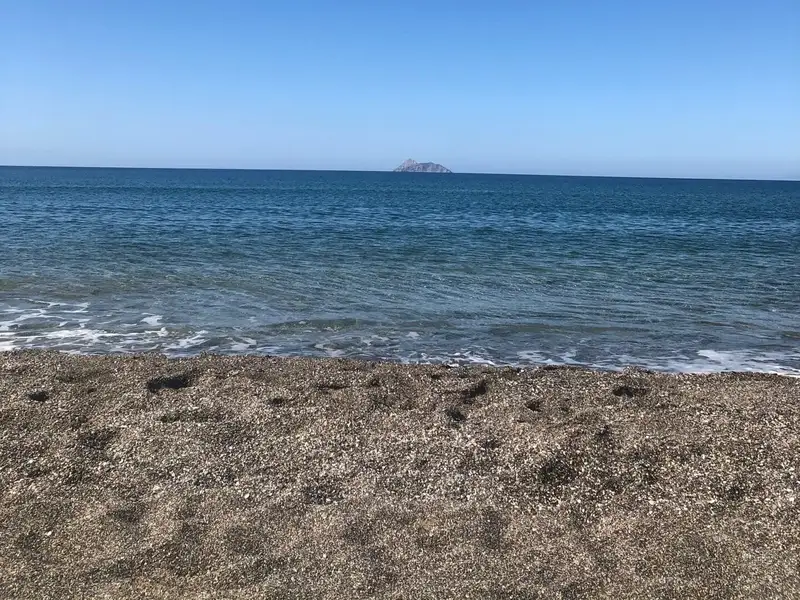
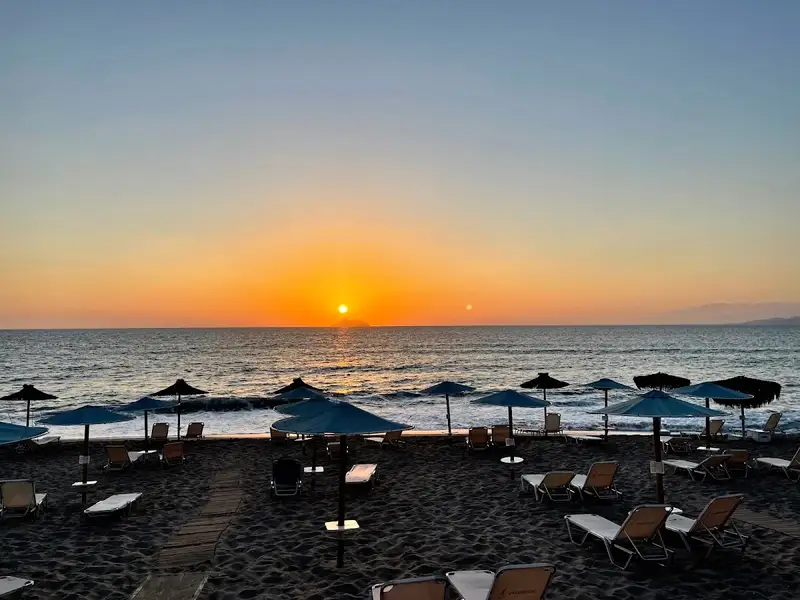
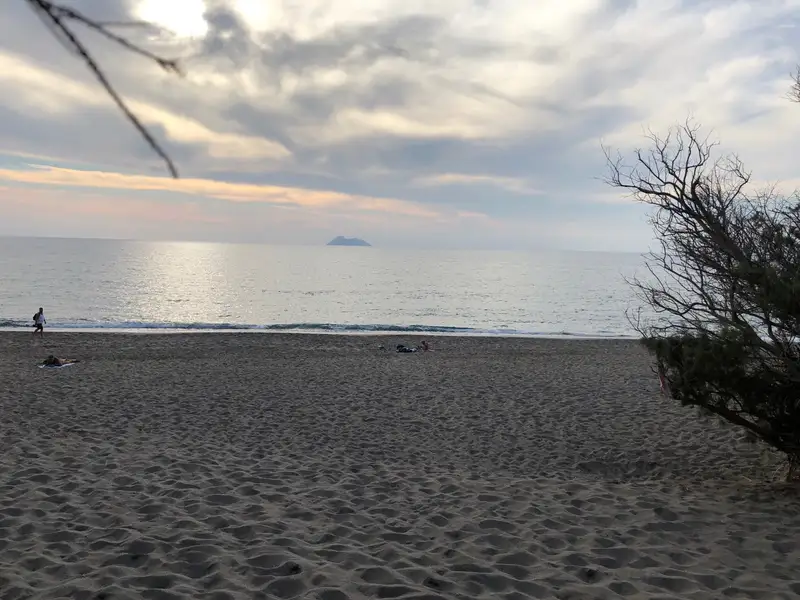
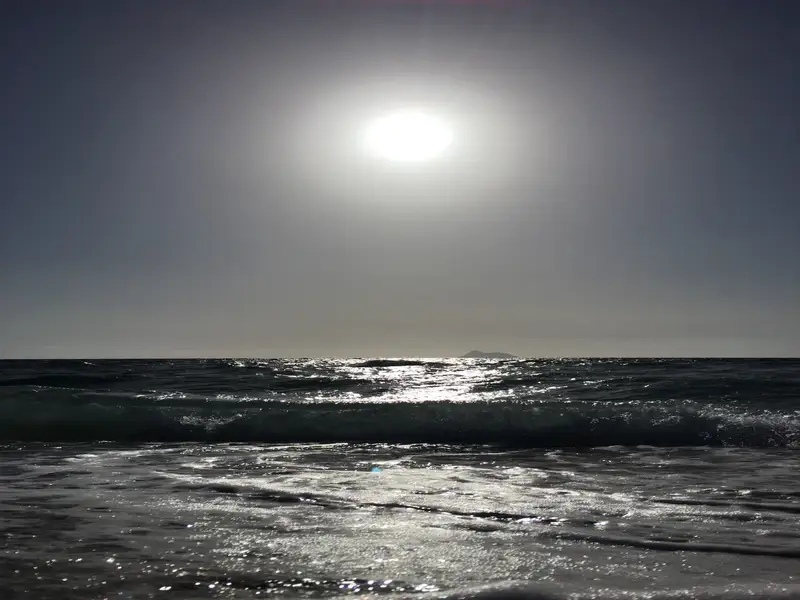
The sight of Paximadia islets during sunset is breathtaking. A large rock, known locally as Volakas, stands 300m out at sea, opposite the archaeological site. According to local lore, this rock is the tip of the boulder that the blinded Cyclops Polyphemus hurled at Odysseus’ ship to prevent his escape, following Odysseus and his crew’s escape from Polyphemus’ cave.
Kommos, the ancient port of Phaestus, was established around 200BC. However, it was subsequently destroyed by an earthquake and then rebuilt at the same location. The archaeological site of Komos, not open to the public, houses a Minoan harbour, public buildings, warehouses, oil presses, shipyards and a large courtyard. Archaeologists have uncovered a small temple, constructed on the ruins of an older one.
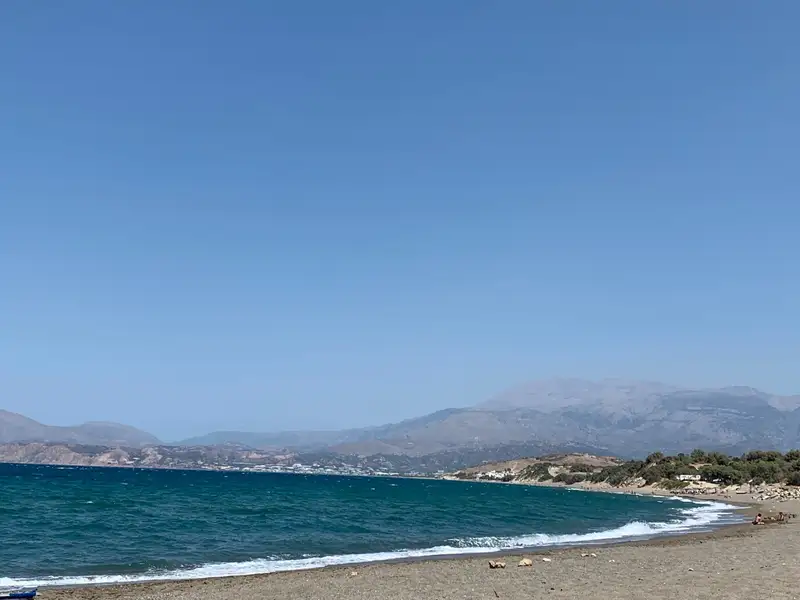
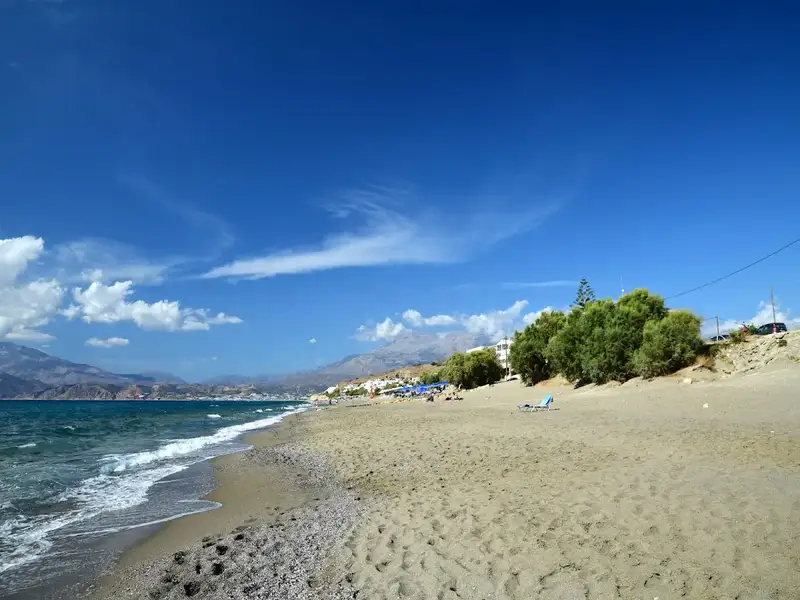
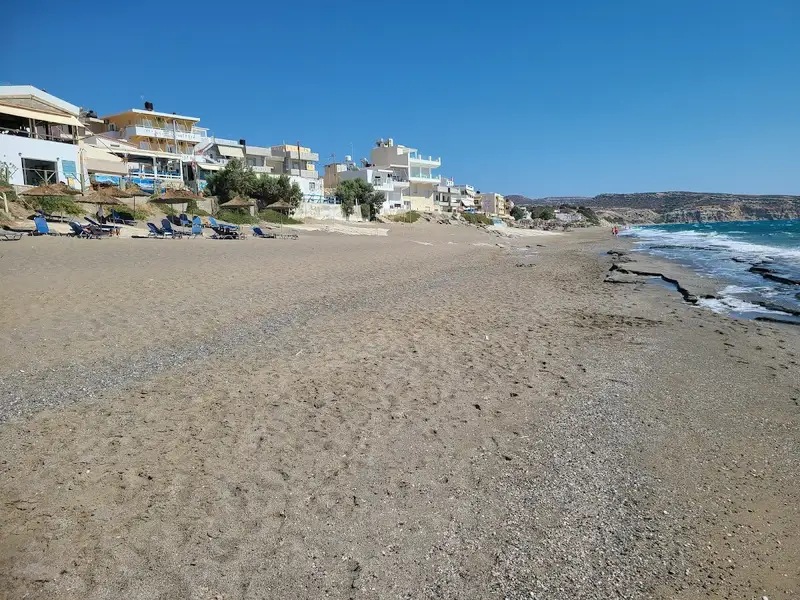
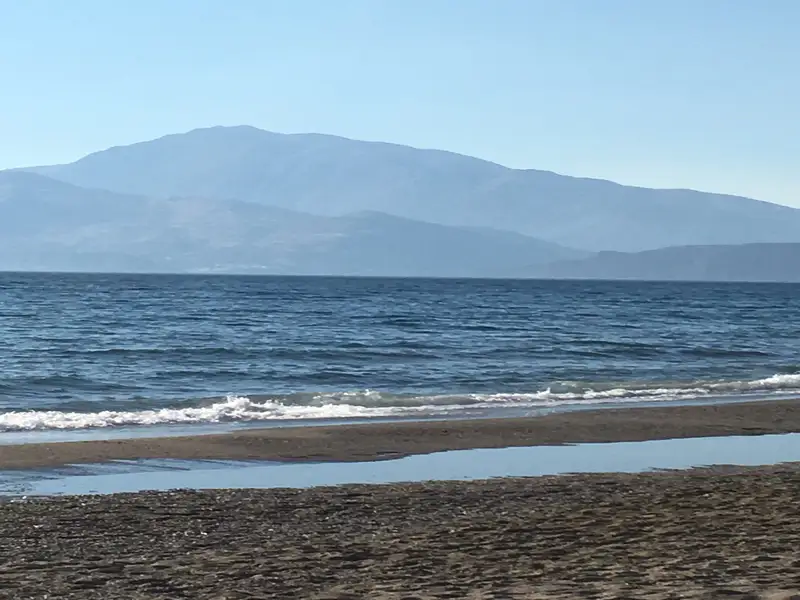
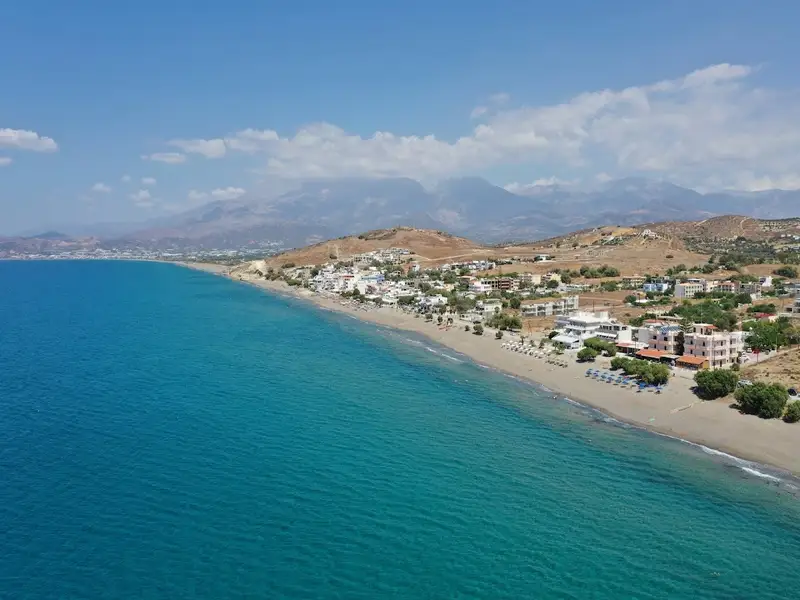
Kalamaki, a quaint seaside hamlet, is nestled between Matala and Kokkinos Pirgos, 65km southwest of Heraklion. The beach, a 2.5km stretch of the vast Messara Bay coastline, graces the village’s front. Its sandy shore is kissed by the sea, which conceals a slick, flat rock bed beneath its surface. It features large waves, usually stirred by northwest winds, making beach access challenging at times due to the rocky seabed.
The village-facing part of the beach is well-equipped with sunbeds, umbrellas, eateries, accommodation, a lifeguard, playground, and water sports. For a more isolated experience, head southeast towards Kommos beach, a favorite among nudists.
To the north, you’ll find Afratias and the Pahia Ammos beach, which features patches of rocks. Devoid of amenities, the beach does boast a small park used for hosting cultural events like concerts during summer months.
Further north lies the Timbaki military airport, now serving as a resort for Greek Air Force staff. Although the beachfront is accessible, trespassing beyond the fence is prohibited and could lead to arrest. Sometimes, parachuters and skydivers can be spotted descending from small aircraft, courtesy of a local club based at the airport. In 2008, a small plane crashed into the Kalamaki sea, with the pilot miraculously surviving the ordeal. The Tymbaki airport holds ecological significance for the Mesara plains as it’s intersected by the Geropotamos River, which flows out to the beach. This river, the area’s largest, serves as a sanctuary for hundreds of rare birds across its numerous ponds.
The sandy coast of Messara Bay is a protected breeding ground for the loggerhead sea turtle. To prevent nest destruction and avoid frightening these creatures, it’s best not to roam the beach’s darker areas during summer nights.
Although Kalamaki doesn’t boast a significant history due to its relatively new establishment, it’s a popular seaside resort for Kamilari locals. Some believe it once served as a small harbor for Phaestus or Gortys in ancient times, though no concrete evidence supports this claim.
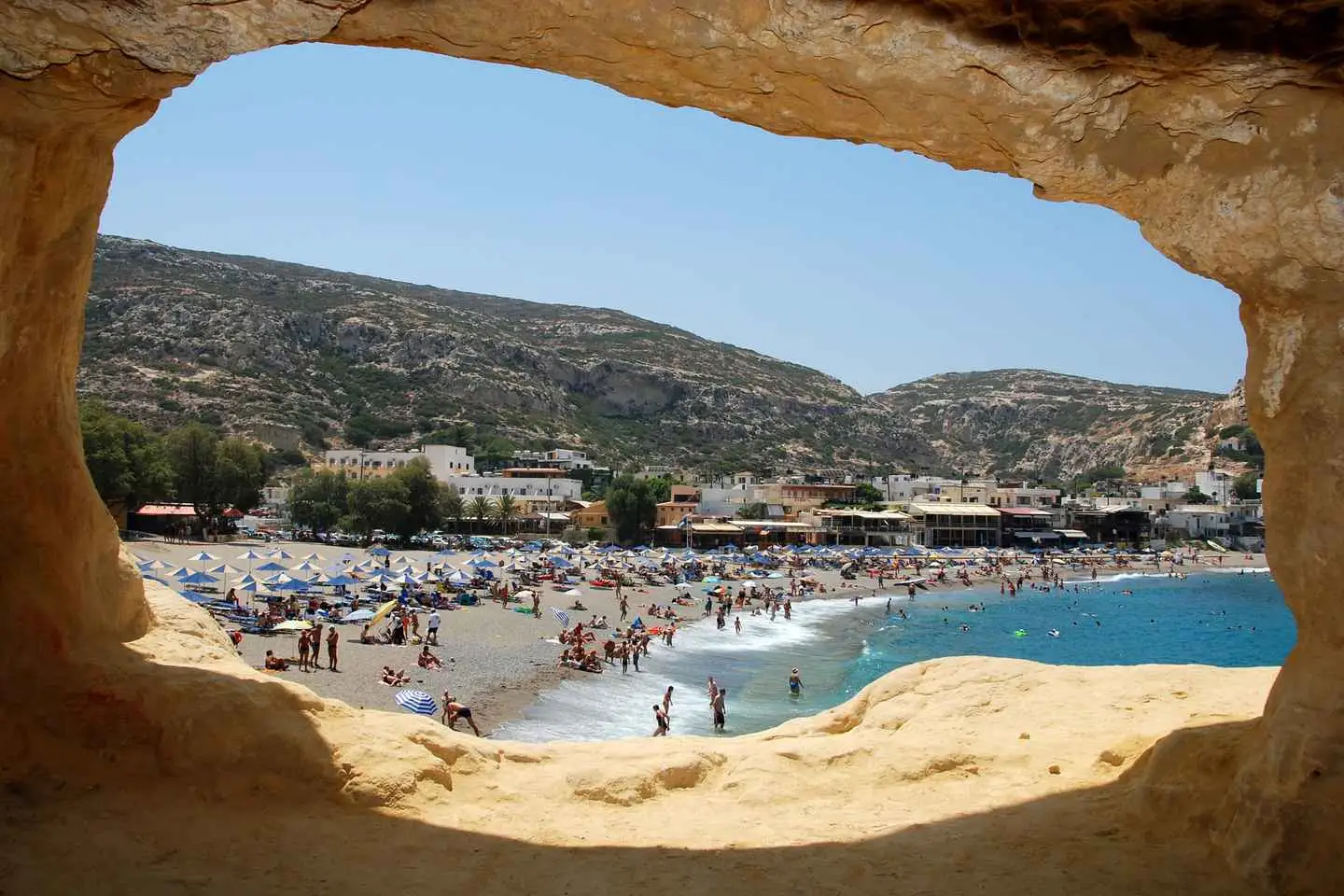
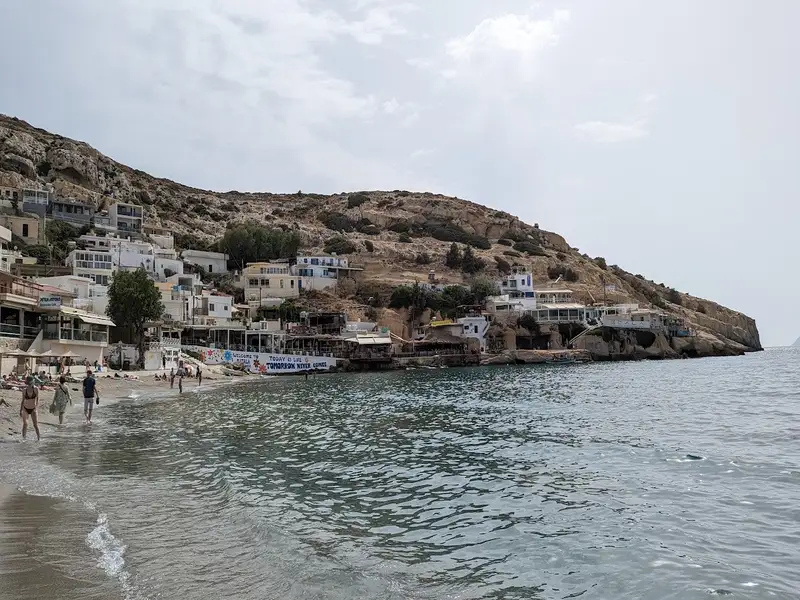
The beach of Matala is situated 68km southwest of Heraklion, where the Messara plain and Asteroussia Mountains intersect. It is one of the most frequented tourist spots in Crete and the most well-known beach in the southern region of the Heraklion prefecture. Matala is notable for its rock-carved caves and its association with the hippie culture of the 1970s. It lies in close proximity to Phaestus, the second largest palace of the Minoan civilization, having once served as its port. During the era of the Romans, Matala transformed into a port for Gortyn.
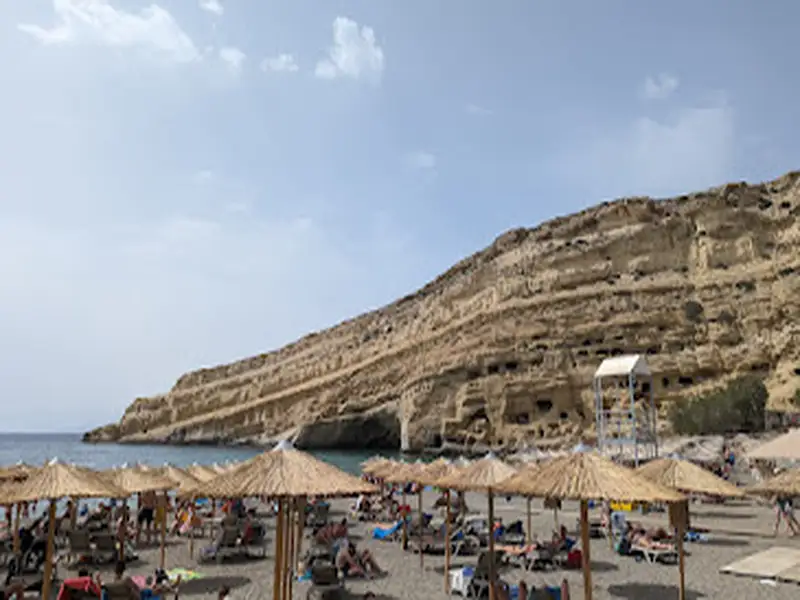
Nestled at the end of a small valley, Matala overlooks an enclosed bay with a picturesque view of the Paximadia islands. The beach spans 300m and features beautiful sandy shores, fine gravel, and crystal-clear deep waters. However, parts of the seabed, particularly the central area, are quite rocky and waves are common due to frequent westerly winds. A large cave can be found on the northern part of the beach, from which some thrill-seekers dive.
Matala beach is well-equipped with amenities such as umbrellas, restrooms, showers, lifeguards, first aid facilities, beach volleyball courts, snack bars, water sports, excursion boats, and a camping site. The surrounding area of Matala offers a range of accommodation, dining, and entertainment options. The beach is largely shaded by tamarisk trees, providing a respite from the sun. Come evening, the beach bars are brimming with people, both locals and tourists. The internationally acclaimed Matala Festival draws large crowds every June.
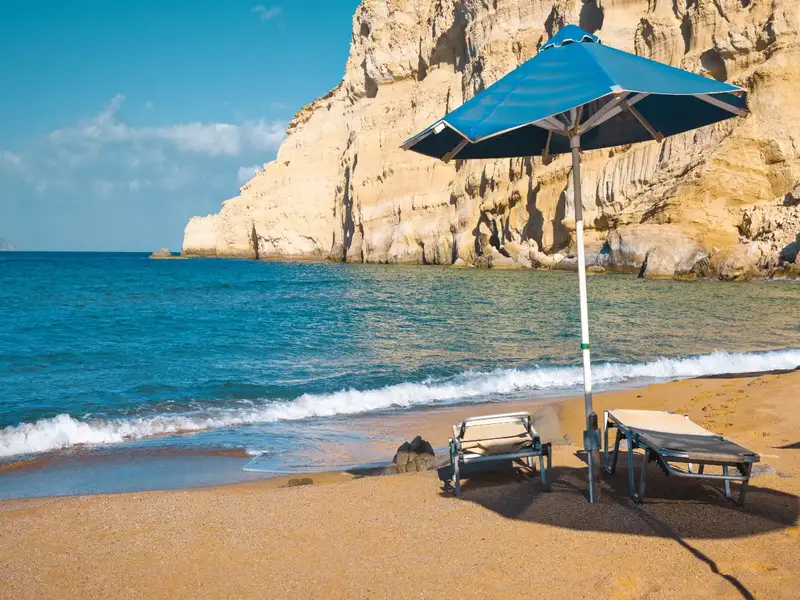
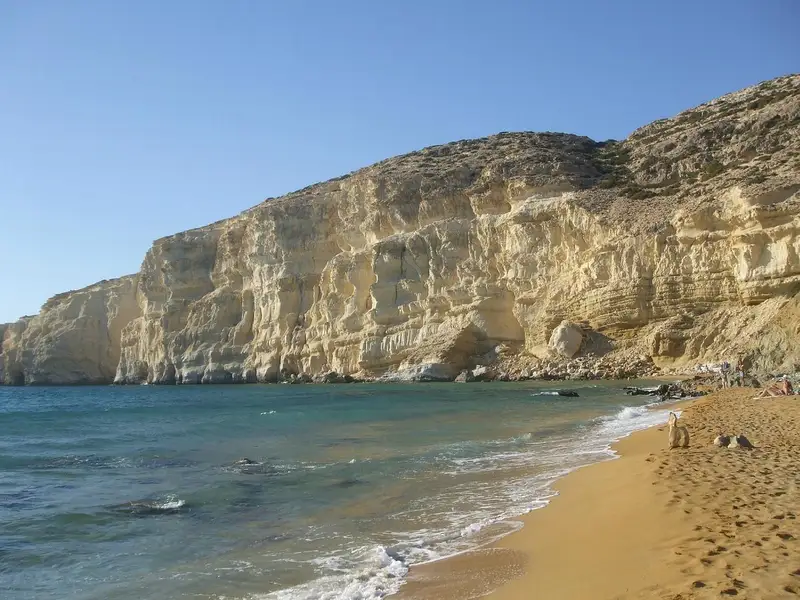
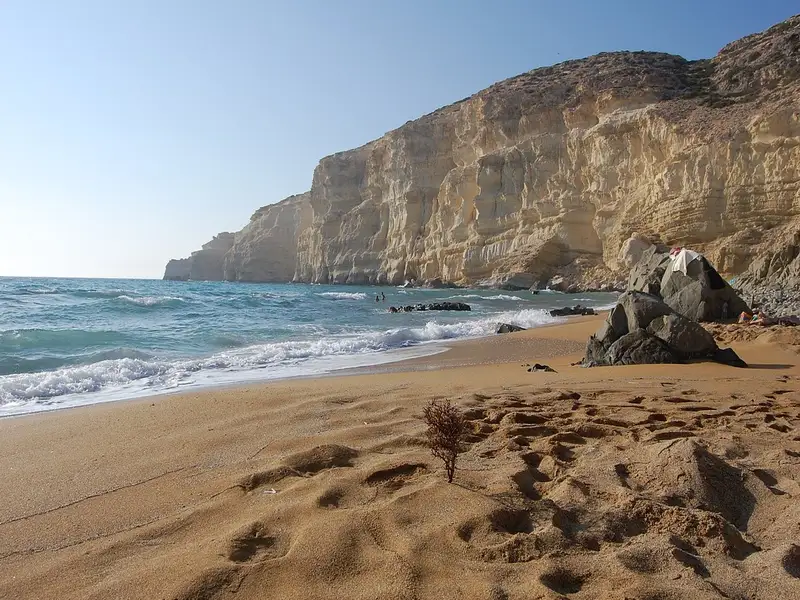
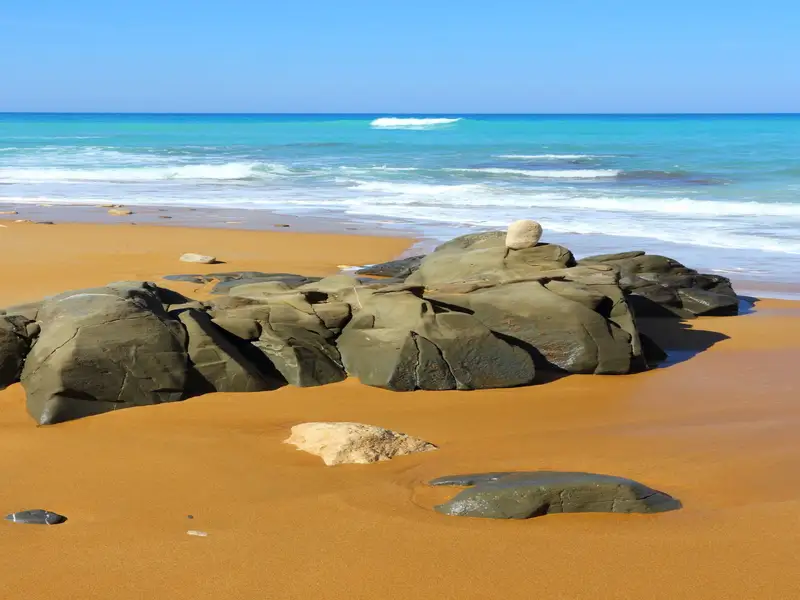
Red Beach, known in Greek as Kokkini Ammos, is a red-sand beach on the south coast of Crete, about 800 metres south of Matala and 68 kilometres southwest of Heraklion. You reach it on foot over Kastri hill or by boat from Matala harbour. The rust-red sand comes from the local geology and sets off a blue-green sea, which is what makes the beach so striking.
The beach is remote and unorganised. It has no road access, so it stays quiet even in high season, and it is open to the western winds that blow across this part of the coast.
Most visitors walk from Matala on a marked trail that crosses Kastri hill north of the village. The walk takes about 15 to 25 minutes one way and involves some rock scrambling at the start and a steep descent near the end, so wear proper walking shoes rather than sandals. The route is clear but rough underfoot.
Follow these steps from Matala:
You can take a boat from Matala harbour for a small fee of around 5 euros each way if you would rather not hike. A car makes the wider Matala area much easier to reach, since the beach sits on the exposed south coast with no road nearby, so you can compare options for a hire car in Crete.
Red Beach has very few facilities. There is a simple stone-wall coffee shop that opens occasionally for food and drinks, plus a small number of umbrellas that fill up quickly. The only natural shade comes from a few tamarisk trees near the canteen, so it is worth bringing your own mat, umbrella, water, and snacks.
You can swim here, but the beach faces the prevailing western winds and the sea is often wavy, so take care on windier days. The reward for the effort is a quiet bay with panoramic views, clear water, and wide sunset views over the sea.
Red Beach was a favourite of hippies in the 1960s and 1970s, and enthusiasts have kept visiting ever since. The northern part of the beach is known as a nudist-friendly area and has an international reputation for it. The beach and its surroundings are protected under the Natura 2000 programme because of their ecological value.
At the northern end, a long limestone formation resembles the rock of Matala. It is decorated with carvings of Minoan and Egyptian sea figures made by Gerard, a Belgian admirer of Matala, and these sculptures have become part of the beach’s character.
Between Matala and Red Beach stands a large rock called Theosini, which gives wide views over Messara Bay. The sea has eroded it into a marine cave known as Kouroupi, reachable only by boat. The cave shelters endangered Mediterranean monk seals and several species of wild pigeon.
Walk the marked trail from the northern edge of Matala over Kastri hill, which takes about 15 to 25 minutes and includes some rock scrambling and a steep final descent. Alternatively, take a boat from Matala harbour for around 5 euros each way.
Yes, you can swim at Red Beach, but it faces the western winds and the sea is often wavy, so swim with care on windy days. Calmer conditions give clear blue-green water.
Red Beach rewards the short hike with rust-red sand, clear water, panoramic views, and quiet sunsets. Its limestone carvings and protected setting make it more than an ordinary swim stop.
Yes. The northern part of Red Beach is well known as a nudist-friendly area and has an international reputation for it.
Facilities are minimal: an occasional stone-wall coffee shop and a few umbrellas. Bring your own mat, umbrella, water, and food, since the only natural shade comes from a few tamarisk trees.
No. Red Beach has rust-red sand from the local rock, not pink sand. The pink-tinted sand Crete is famous for is at Elafonisi, in the southwest of the island.
No results available
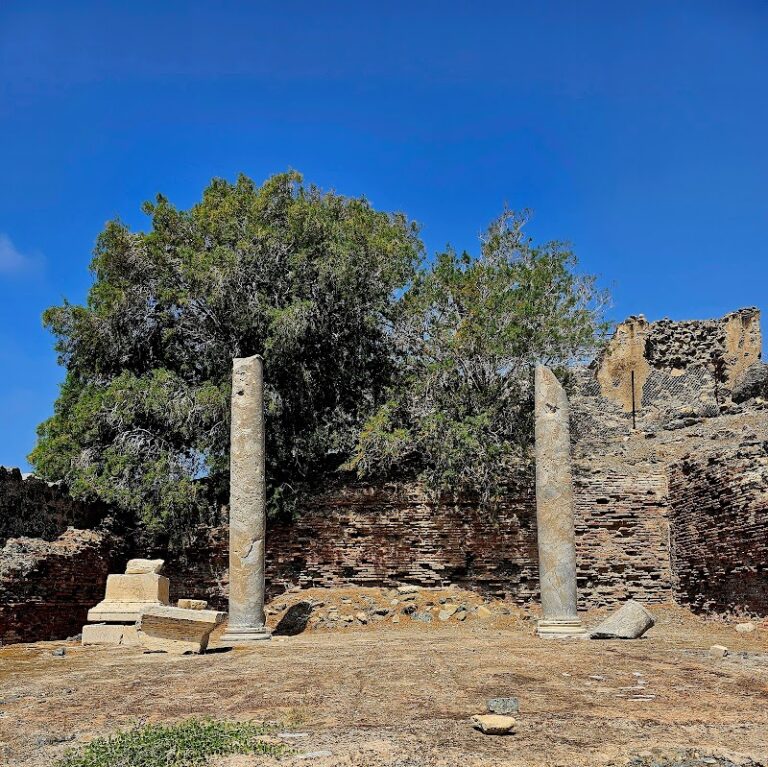
Lendas is located where the ancient city of Levina once stood, 74km south of Heraklion, nestled amidst the breathtaking Asterousia Mountains. The name “Levina” is believed to stem from the Phoenician word “Lavi,” meaning “Lion.” This reference is evident in a nearby cape shaped like a lion’s head, considered one of the lions that once drew goddess Rhea’s chariot and turned to stone. Another theory proposes the name originates from the Phoenician term “levina,” indicating the pale hue of the region’s rocks. The present name, Lendas, evolves from the Greek “Leondas,” translating to “lion.” This lion-shaped cape is an esteemed archaeological site, with a short 15-minute trek offering a mesmerizing sunset view.
Archaeological excavations have unveiled Minoan graves and a settlement here, revealing ties to ancient Egypt. Levina prospered during the Hellenistic and Roman periods, operating as a port for Gortys, Crete’s predominant city at the time.
To Lendas’ east lies a therapeutic spring, reputed for its curative properties, especially for stomach issues, blood disorders, and bleeding tendencies. This led to the establishment of a grand temple in the 4th century AC, dedicated to the revered physician deity, Asclepius, and the goddess Hygeia Sotira. This temple was renowned for its hydrotherapy, physiotherapy, and psychiatric treatments, attracting patients from regions as far as Libya. From this sanctuary, remnants like the altar, two marble pillars, and Asclepius’s statue base remain visible. Using materials from this temple, a Byzantine church was later constructed, dedicated to Agios Ioannis Theologos. Additionally, Roman bath ruins have been found near the springs.
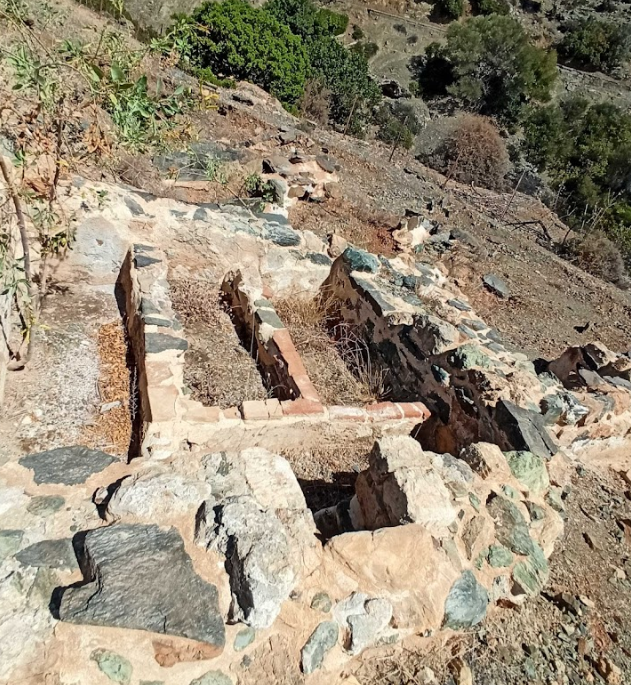
Lassea was one of the ports of the Roman city Gortyn, the capital of Crete in the Roman Era, and is located at the site of the current settlement Chrysostomos. Lassea was rich in copper deposits, which were used for trading copper. Saint Paul mentions the town in his Acts for his stay on Crete.
On the west end of the beach of Chrisostomos, there is a “line” of rocks that heads towards the small islet Trafos. This is the old dock of the ancient town Lassea. The rocks were in that place since the 1960s when they were used for the construction of the Oil Tanks in Kali Limenes. On the island and on the beach, opposite Trafos, you can still see remains of the ancient town of Lasea. A bit further to the west, tombs have been identified.
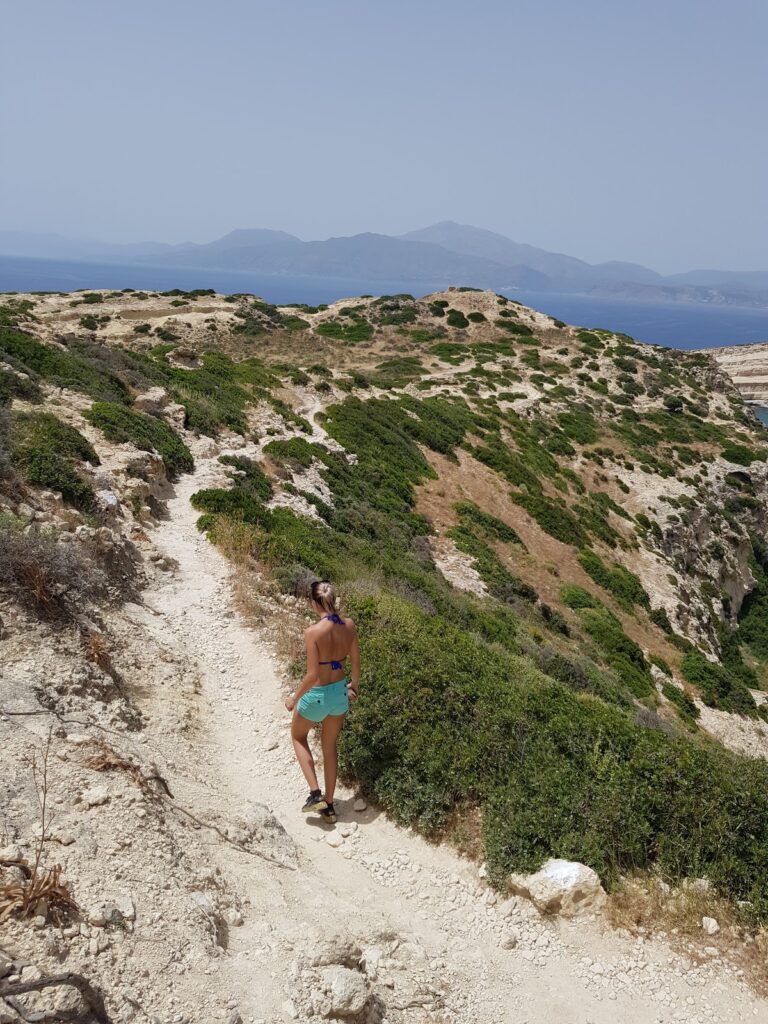
Matala, originally known as Matelon, functioned as a port for Phaestus and Gortyn and is famous for its carved caves, which were used as graves during the Grecoroman era. The cape to the south of Matala has been identified as Cape Nysos, the site where Menelaus’ ships were wrecked, as mentioned in the Odyssey.
Excavations in the 1980s at the archaeological site near the village, which was the heart of the ancient town, revealed large buildings and workshops for metallurgy, pottery, and woodworking. The town appeared to have thrived from the 6th century BC until the 7th century AD but was never deserted.
Remnants of an ancient temple can be found southeast of the village, and a marble urn was discovered near the beach of Matala. The town’s acropolis was situated on a nearby hilltop, where a Turkish tower, known as a koules, was later constructed.
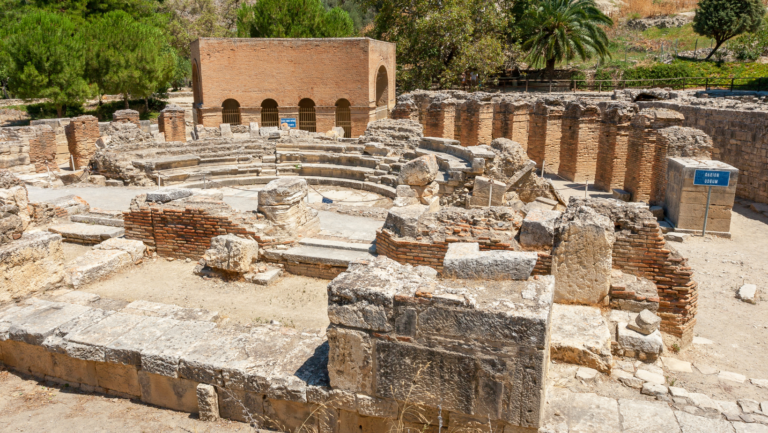
The archaeological site of Gortyna (Gortyn or Gortys) can be found 45km south of Heraklion, close to the village Agii Deka and next to the road connecting Agii Deka with Mires. The city covered a large area on the sides of the river Mitropolianos (or Litheos), even today surrounded by the ancient olive grove of Gortyna.
People have inhabited the area since 3000 BC, while during the Minoan era it evolved as one of the largest cities of Crete. In the 3rd century BC, it surpassed Phaestus and managed to possess the harbor of Matala, while retaining its port in Levina (current Lentas) and Lassea (current Chrysostomos). The town reached its peak during the Roman Empire when the Romans moved the capital of Crete and Cyrenaica (today’s Libya) to Gortyna. The city was finally destroyed by the Arabs in 828 AD, after around ten centuries of prosperity.
Gortyna is one of the most important archaeological sites in Greece. The first archaeological works started in 1884 by archaeologists Federico Halbherr and Stefanos Xanthoudides, after they discovered the Great Inscription of Gortyna. In 1898 the first excavations started, which continue until today.
Inside the main archaeological site (near the road) still stands a small part of the imposing basilica dedicated to the first bishop of Crete, Saint Titus. The temple was built in the 6th-7th century and was dedicated to Saint Titus after the destruction of the larger basilica of Saint Titus located nearby. The small part that has survived is currently used for the worship of Panagia (Virgin Mary). Around the church, several stone sarcophagi have been identified, used for burying the priests.
The Roman Odeon is the largest Odeon in ancient Crete, which is actually an indoor Roman theater. It was a very important part of the ancient city, where the Romans watched performances and talks. The auditorium has been maintained in quite good condition, as well as the semicircular orchestra and the stage which was decorated with statues. Next to the theater, there was the Agora and temple of Asclepius.
Next to the small theater, Halbherr discovered in 1884 four stone columns in the Doric dialect, where the civil law of Gortyna was engraved in boustrophedon script (bi-directional / alternation writing direction per line). Later, parts of the rest eight columns were found, some of them embedded on walls of houses in the village Agii Deka(!), thus completing the puzzle of the Law of Gortyn. The twelve columns (deltas) of Gortyna had about 640 verses, 605 of which have been found. The very progressive laws refer to 450 BC and were inspired by Minoan elements. The Law of Gortyn is the oldest surviving law in ancient Greece.
Near the parking place, a small room houses the Roman sculptures found in Gortyna. One of the most important statues probably depicts the emperor Antoninus Pius.
At the back side of the archaeological site, you will find a tall plane tree, which has something very rare. It is evergreen, unlike other deciduous plane trees, and has been the center of a fabulous myth. According to Greek Mythology, this is the perennial plane tree of Gortyna under which Zeus and Europe mated. From this union, the three kings of Crete were born (Minos, Rhadamanthys, and Sarpedon). Indeed, it is no coincidence that at Gortyna, several coins were found depicting Europe and Minos (or Zeus). Moreover, the name of Gortyna is believed to be related to Gortyna, the son of Radamanthys.
Within walking distance from the city (northwest) and atop a hill, you can visit the ruins of the acropolis of Gortyna. The hill was inhabited until 6000 BC, but after the Dorian invasion (1100 BC) it was fortified with a polygonal wall with towers at its corners. On the Acropolis, the archaeologists have identified the ruins of a Byzantine basilica (6th century AD) built on the site of an older Greek temple dedicated to Athena (7th century BC).
Within walking distance from the main archaeological site of Gortyna and south from the main road, there is the Praetorium (1st century AD). The Praetorium was a large, luxurious, and imposing building used as the headquarters of the Roman Province of Crete and Cyrenaica. It is still interesting to see the elaborate luxury marble floors, columns, and statues. In the complex, there were Roman baths, a courtyard with columns, a temple for the deified Augustus, courts, and other public buildings. During the Byzantine period, the building housed a monastery.
The Romans, as in every place they went, they built their favorite spas. As expected, in Gortyna they built a large complex of spas (thermae) with several auxiliary rooms and toilets. Like most Roman baths, in Gortyna there were warm baths, baths of intermediate temperature, and cold baths. The ruins of the spas in Gortyna have not been fully excavated, but still, the visitor can get a good feel for the area (near Praetorium).
The ruins of the Great Basilica of Gortyna are located 200m south of the main archaeological site, on the way to Mitropoli village. The five-aisled temple, discovered accidentally in 1978, was the largest church in Crete. The temple was dedicated to Saint Titus, but after its destruction by an earthquake (670 AD), it was moved to the temple inside the current archaeological site.
A few meters north of the Great Basilica, you can follow the path that leads to the Praetorium and will soon meet the sanctuary of the Pythian Apollo (7th century BC), discovered in 1887. The temple was the largest temple of Gortyna before the advent of Christianity in Crete (and the building of the church of Saint Titus). Next to the church, there was a small theater, an aqueduct, and some houses.
Near the Temple of Apollo, you will also see the temple of Isis, Sarapis, and Hermanubis. This temple is the only temple in ancient Crete dedicated to Egyptian deities. The temple was equipped with an underground crypt and a cistern.
No results available
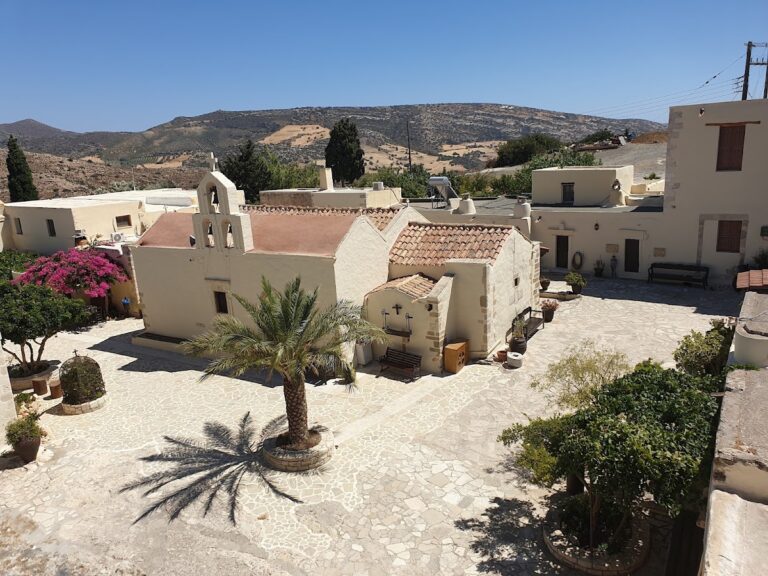
The male monastery of Panagia Odigitria is nestled in the protected area of the Asterousia Mountains, at an elevation of 250m. Accessible through the village of Sivas, it is one of the most historic monasteries in Crete, boasting a vast estate with numerous chapels and extensive land holdings.
Asterousia has long been a significant center for asceticism in Crete, particularly in the sacred gorges of Agiofarago and Martsalo, which are now part of the monastery’s domain. The area is often referred to as the Mount Athos of Crete, after the renowned monastic state in Northern Greece. The strong monastic tradition in the region is believed to be connected to the Apostle Paul, who is said to have stopped in the area during his journey to Rome.
In this hallowed location, hermits constructed the monastery of Odigitria in the 14th century. Its name is likely derived from a copy of the renowned icon of the Monastery Odigon in Constantinople, which is attributed to the evangelist Luke and was one of the most famous miraculous icons in the Byzantine Empire. A 14th-century cross-roofed narthex still partially remains, with important frescoes such as two scenes from the synaxari of Agios Antonios and Paul of Thebes, as well as the 16 houses from the Akathist Hymn. The pictorial decoration also features a scene of monk Gregory and other monks being blessed by Christ.
The monastery’s architecture resembles a fortress, with part of its wall still visible. The complex’s buildings encircle the central two-aisled church, which is dedicated to the Dormition of the Virgin Mary (Kimisis) and the Apostles Peter and Paul. A third aisle, once devoted to Saint Fanourios, has since been demolished. Near the main entrance, visitors can find the legendary Tower of Xopateras and its fascinating story. Other notable features include the baking house, the olive mill, the wine press, several warehouses, the cheese cellar, a small well used during sieges, the guest house (formerly the abbot’s cell), the abbot’s cell with the library, the monks’ cells, and the graves of the monastery’s abbots. Additionally, four icons created by the famous 15th-century Cretan artist Angelos have survived to this day.
At one time, the monastery was home to brothers Parthenios and Eumenios, who later founded the monastery of Koudoumas and are now honored as saints. During the Turkish occupation, the monastery became stavropegic (directly governed by the Patriarch) in order to preserve its property. The monastery is also home to some of the oldest chapels in Asterousia, which feature remarkable frescoes. Among these are the cavernous chapel of Agia Kiriaki (celebrated on July 7), the church of Saint Anthony in Agiofarago Gorge, the Panagia chapel in Martsalo canyon, and the chapels of Saints Eftychiani (celebrated on August 17), Saint Andrew (November 30), and Saint John the Baptist (August 29) in the Vathys Lagos area.
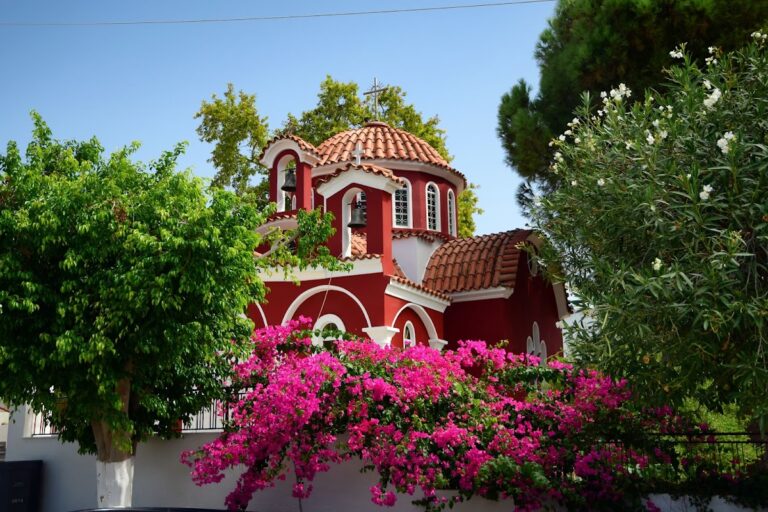
The Panagia Kalyviani Monastery is situated at a height of 80m, approximately 60km south of Heraklion, close to the villages of Mires and Kalyvia. This relatively new monastery was constructed on the remains of an older one.
In 1873, the current church was built on the site of the previous monastery, and the icon of Panagia (Virgin Mary) was discovered in the same year. The Kalyviani complex includes the old church as well as the new temple, which was constructed in 1924 and houses the ancient icon. The new church features three aisles dedicated to the Nativity, the Annunciation, and the Assumption of the Virgin Mary (celebrated on August 15). Additionally, there is a small church dedicated to Saint Haralambos, who was a monk in the monastery and is celebrated on August 23.
Kalyviani exemplifies a foundation that provides assistance and charity to the poor and disadvantaged. In 1956, Bishop Timothy Papoutsakis established a Christian Foundation at the monastery. He constructed an orphanage, hospice, housekeeping school for girls, elementary school, kindergarten, summer camps, and workshops for weaving, knitting, and vestment-making, among other things.
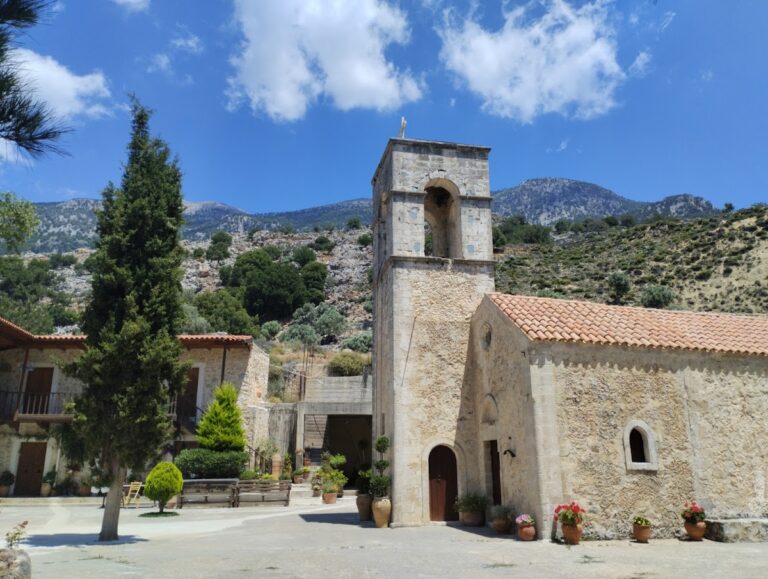
The Vrontissi Monastery can be found 49km southwest of Heraklion, situated near Vorizia Gorge and nestled between the villages of Zaros and Vorizia. From this vantage point, one can enjoy panoramic views of Vorizia village and the Messara plain. Dedicated to Saint Anthony, the monastery is among the oldest in Crete.
While the exact date of its construction remains unknown, it is believed that the monastery’s name comes from its founder. Initially, Vrontissi was a dependency of the nearby Valsamonero Monastery, but it eventually grew so wealthy that it surpassed its parent monastery and became one of Crete’s most significant monastic centers.
According to tradition, Michael Damaskinos and El Greco, two prominent figures in the Cretan School of Iconography, lived and worked at Vrontissi Monastery. In fact, six of Damaskinos’ icons, now on display at the Museum of St. Catherine in Heraklion, were once housed at Vrontissi. The surviving 14th-century frescoes in the church, which show influences from the Renaissance, demonstrate the high level of artistic expression that developed at the monastery.
The church itself is a two-aisled structure dedicated to St. Anthony (celebrated on January 17) and St. Thomas (celebrated on the first Sunday after Easter). Its bell tower, built in Venetian architectural style, stands as a separate structure. Several frescoes are preserved in the south aisle, including the Supper at Emmaus, the Apostles, Minologia, and Saint Symeon holding baby Jesus. The church also houses the 16th-century icon of Ambelos, created by Cretan artist Angelo.
Despite once being fortified, the monastery’s walls were eventually demolished in the name of modernization. The most striking remnant of the monastery’s former glory is the impressive 15th-century fountain that features depictions of Adam and Eve. At the feet of these figures, four others release water from their mouths, symbolizing the four rivers of Eden. This fountain is considered the most beautiful provincial example of fountains in Crete. The Turks referred to Vrondisi as Santrivanli Monastir, meaning Fountain Monastery.
Today, the Vrontissi Monastery serves as the International Village of Cretan Youth.
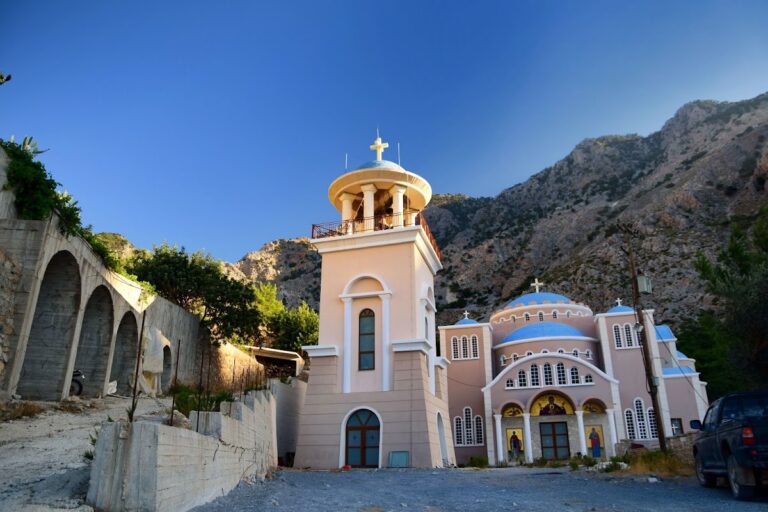
Agios Nikolaos Monastery (Saint Nicholas) can be found at the end of the stunning Gafaris (or Rouvas) canyon, approximately 48km southwest of Heraklion and 3km north of Zaros village. In 1994, a massive fire destroyed much of the gorge’s beautiful pine forest, and the monastery is located near this site.
Visitors can reach the monastery by car from Zaros, taking the path that leads to the gorge (20 minutes north of Lake Zaros). Regrettably, the monastery’s architecture is a modern and unattractive anomaly within this landscape. The only points of interest for visitors are the old church of St. Nicholas, featuring 14th-century Paleologean-style frescoes, and the restored temple of Agia Paraskevi.
Originally, the monastery functioned as a secondary monastery of Varsamonero Monastery. It was later abandoned but has since been repurposed as a monastery for Old Calendarists. They have constructed a large modern temple and various cells, utility rooms, and other facilities. The current temple is dedicated to the Resurrection of Christ and Agia Kiriaki, while the bell tower houses eight bells, the heaviest of which weighs 12 tons.
In the surrounding area, visitors can also explore the ancient cavernous church of St. Efthimios, adorned with numerous frescoes and featuring an inscription dating back to 1438.
No results available
No results available
No results available
No results available
No results available
The Apolychnos Gorge, situated just a few kilometers north of the town of Mires, is nestled in an area abundant with olive groves. This gorge is essentially a narrow valley that traces the path of a river, which in certain areas deepens and is surrounded by thick vegetation. The Tourki stream that flows through it carries water from a valley that begins west of Makres village to the Geropotamos river. The gorge, which is roughly 3 km long, begins near the village of Panagia and concludes at the traditional settlement of Agios Antonios (Vrelis). It’s conveniently accessible, particularly near its exit close to Agios Antonios, as it’s adjacent to the main road from Mires.
The gorge is named after the deserted village of Apolychnos, which is situated within the gorge at an elevation of 220m. This village, enveloped by verdant trees and bubbling springs, is home to the stunning Byzantine church of Saint Panteleimon, located in the village square.
The Agiofarago Gorge, situated to the south of the Panagia Odigitria Monastery, was formed near two stream beds. One stream originates from the north-northeast of Gyalomonochoro, while the other begins west of Pigaidakia village. These two streams converge near Saint Kiriaki’s chapel, and after a fairly gentle course, they form the main Agiofarago Gorge that terminates at the stunning Agiofarago beach. The gorge features vertical cliffs with caves, but the path along the flat stream bed is quite easy to traverse. Just before reaching the sea, there’s a climbing field where climbers are often spotted.
Agiofarago, meaning Gorge of Saints, is named after the hermits who established a significant hermitage in Central Crete during the early Christian era, following Saint Paul’s visit to the region. As per a legend, around 300 hermits lived here in complete solitude, only gathering once a year in the Cave Goumenospilios to count their numbers and see who had died in the past year. The church of Saint Anthony (Agios Antonios), encountered on the way to the cave Goumenospilios, became the hub of the area’s asceticism when the hermits began forming a religious community. The church, believed to have been renovated three times, initially started as a small church in a rock cave. As the hermit population grew, the church was expanded. The final renovation is thought to have occurred in the 14th or 15th century. A small well outside the church supplied the hermits with water as there was no nearby spring. A circular Minoan tomb on a small hill south of the church indicates human presence from the Minoan era.
You can reach Agiofarago in several ways. You can take a boat from the ports of Kokkinos Pirgos, Agia Galini, or Kali Limenes, or you can take a dirt road starting from the historic Monastery of Odigitria near Sivas, which the area is a part of. From the monastery, follow the signs to Agiofarago, descend into the gorge, and continue until you reach a dead-end and a small parking area. Be cautious not to park your car under the trees as goats might climb on the roof to eat the leaves, causing damage. The hike from the parking area to the sea through the gorge takes approximately 25-35 minutes.
The Martsalo Gorge, stretching around 2km, is nestled on the southern coast of the rugged Asterousia Range. It collects rainwater from the Aginara region, near the Panagia Odigitria Monastery and eventually flows out onto Martsalo beach. Initially, a well-kept short trail leads from the closest dirt road to the historic church of Panagia Martsaliani. This ancient church, dating back to the early Christian era, is believed to have served as a catacomb, providing refuge for the first Christians. Surrounding the church, one can find hermit cells carved into the rocks and remnants of old structures.
From this point, it’s a relatively easy descent into the gorge’s bed, leading to the picturesque Martsalo beach. According to local lore, the Apostle Paul briefly landed here during his journey to Rome. The path to the beach is dotted with clusters of Cretan date palm trees, forming the second largest colony in Asterousia, only surpassed by the palm forest of Agios Nikitas.
On the southeastern flank of Mount Sanida, near the quaint village of Skourvoula, you’ll find a petite yet wildly untamed chasm known as Rizopetro. This gorge culminates in a striking 60m waterfall that cascades into the lake of the Faneromeni dam, a sight to behold especially after heavy downpours.
No results available
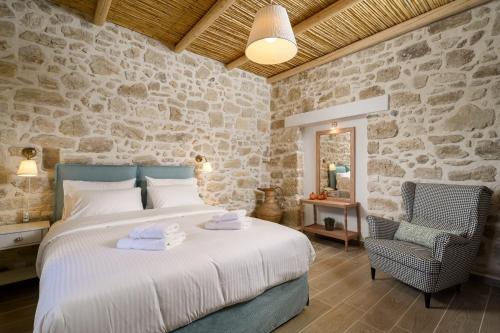
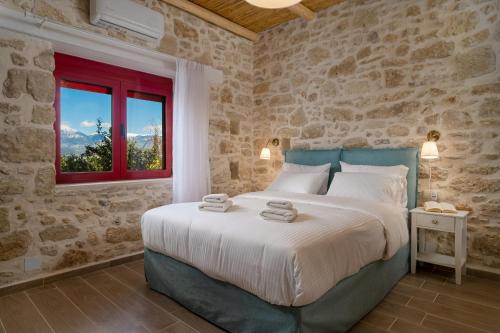
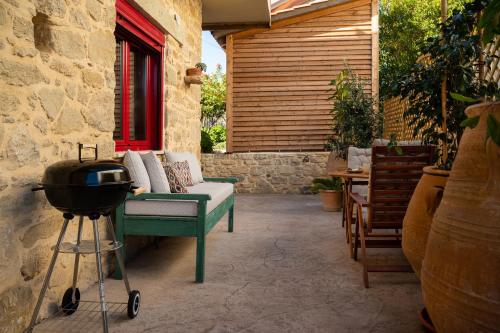
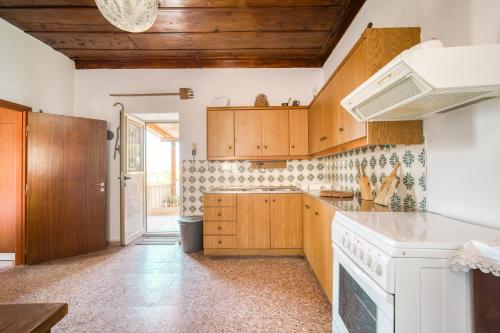
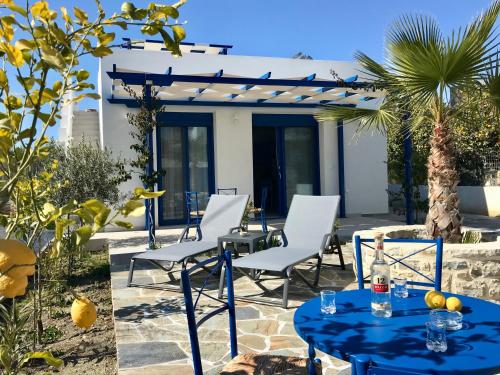
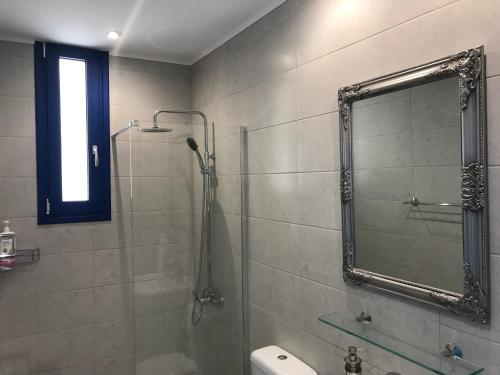
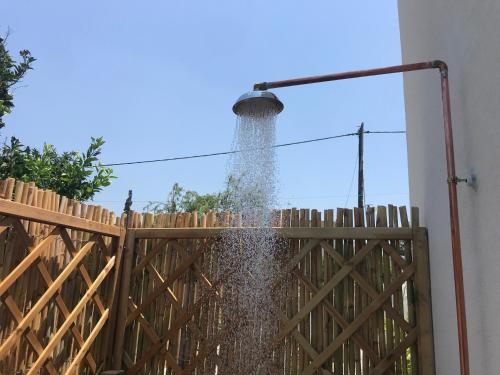
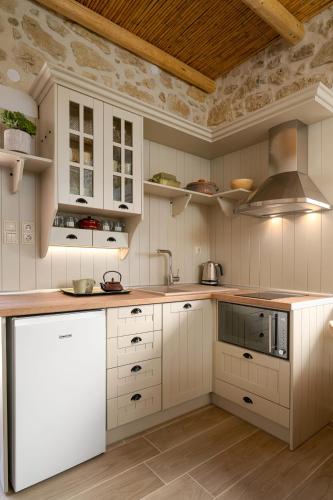
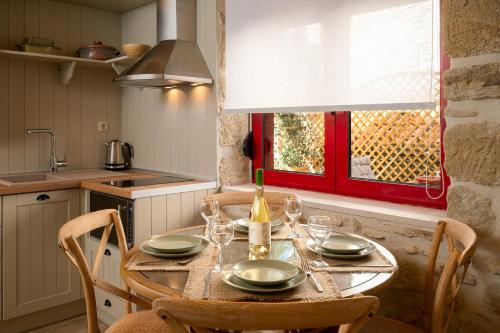
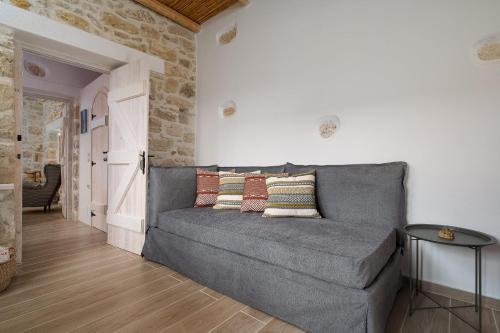
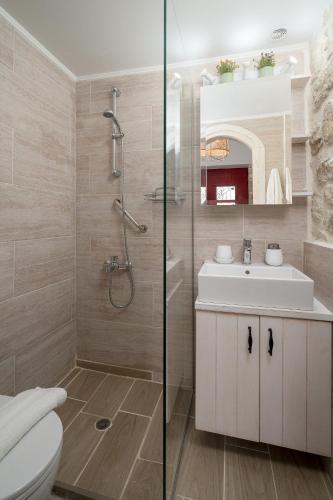
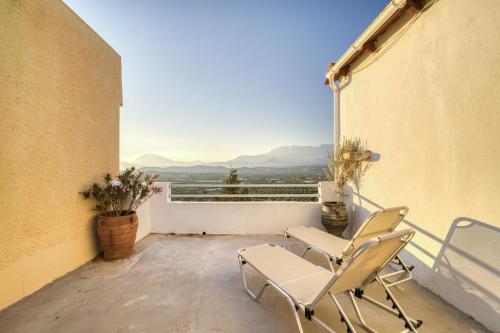
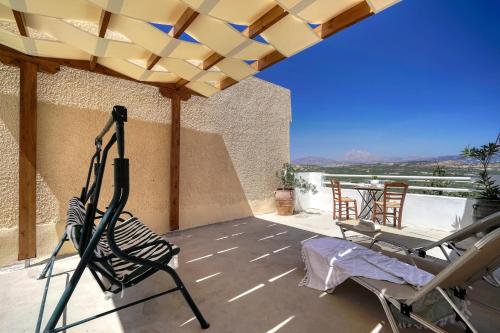
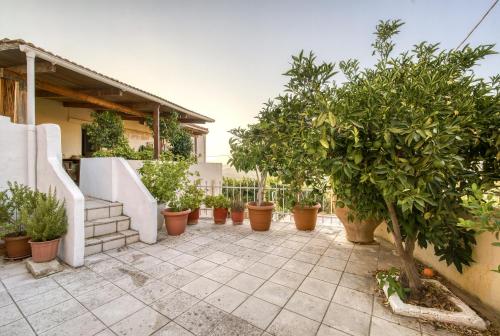
Located in Kousés, 7.6 km from Phaistos and 7.8 km from Museum of Cretan Ethnology, Physis Country House 2 near Matala beach & Faistos provides air-conditioned accommodation with a terrace and free WiFi. With mountain views, this accommodation offers a patio.
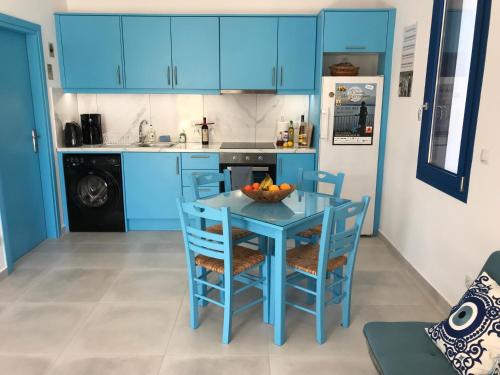
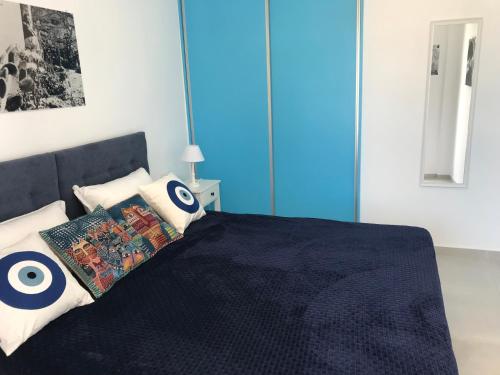
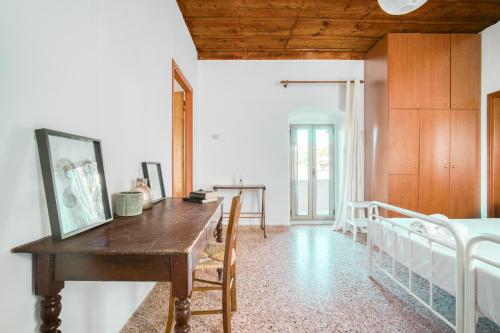
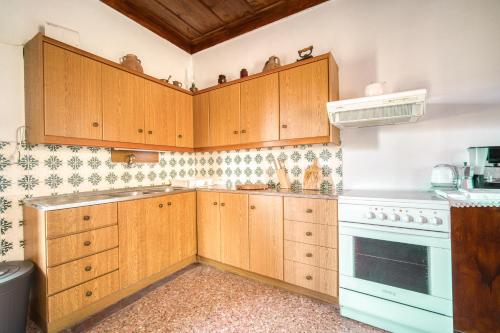
The apartment is located on the ground floor and comes with 1 bedroom, a flat-screen TV with satellite channels and a fully equipped kitchen that provides guests with an oven, a microwave, a washing machine, a fridge and a stovetop. Towels and bed linen are provided in the apartment.
Guests can also relax in the garden.
The nearest airport is Heraklion International Airport, 56 km from the apartment.
from
€67
/night
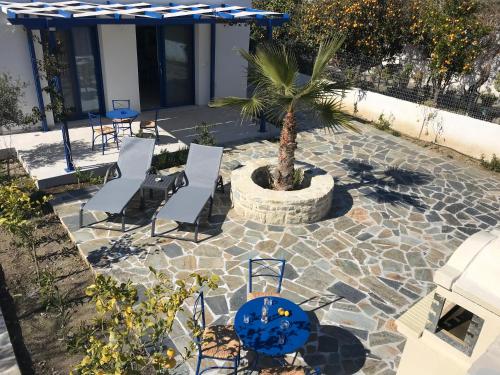
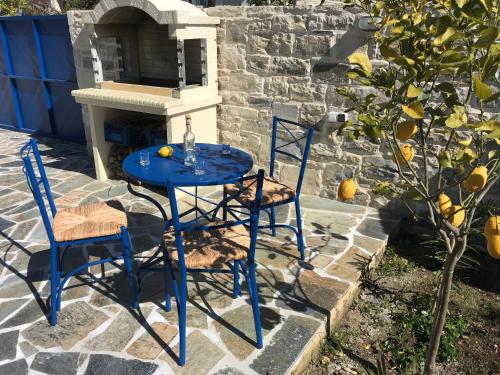
Offering a garden and inner courtyard view, Serenity View – traditional village apartment is situated in Kousés, 7.6 km from Phaistos and 7.9 km from Museum of Cretan Ethnology. This property offers access to a patio, free private parking and free WiFi.
Providing access to a balcony with garden views, the air-conditioned holiday home consists of 2 bedrooms. Featuring a terrace with mountain views, this holiday home also comes with a well-equipped kitchen with an oven, a fridge and a stovetop, as well as 1 bathroom with a shower and a hair dryer.
The nearest airport is Heraklion International Airport, 56 km from the holiday home.
from
€68
/night
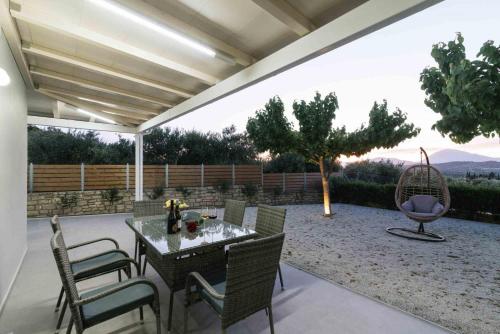
Featuring mountain views, Amfithea Villas Petrokefali in Petrokefálion features accommodation, a garden and a terrace. Complimentary WiFi is availablethroughout the property.
Each unit is fitted with air conditioning, private bathroom and a kitchen including a dishwasher, oven, toaster and a fridge. A stovetop and kettle are also provided.
A car rental service is available at the holiday home.
Phaistos is 6.3 km from Amfithea Villas Petrokefali, while Museum of Cretan Ethnology is 6.6 km from the property. The nearest airport is Heraklion International, 55 km from the accommodation, and the property offers a paid airport shuttle service.
from
€134
/night
UTOPIA RESIDENCES Kazantzakis House offers accommodation in Petrokefálion, 6.1 km from Phaistos and 6.4 km from Museum of Cretan Ethnology. This property offers access to a terrace, free private parking and free WiFi.
The air-conditioned holiday home consists of 1 bedroom, a living room, a fully equipped kitchen with an oven and a coffee machine, and 1 bathroom with a shower and free toiletries. Towels and bed linen are provided in the holiday home.
The holiday home offers a picnic area. A outdoor play equipment is also available at UTOPIA RESIDENCES Kazantzakis House, while guests can also relax in the garden.
The nearest airport is Heraklion International Airport, 55 km from the accommodation.
from
€59
/night
No results available
Connect with thousands of Crete visitors and boost your bookings.
No results available
© All rights reserved. Crete Locals