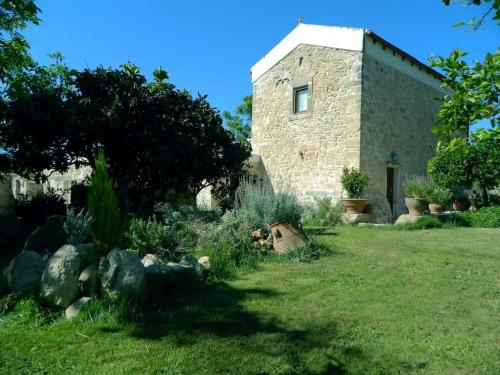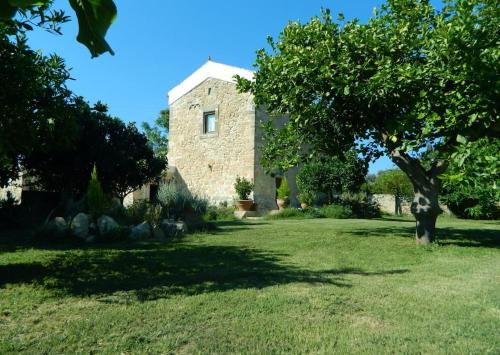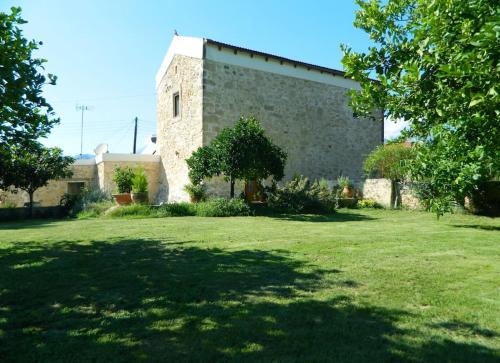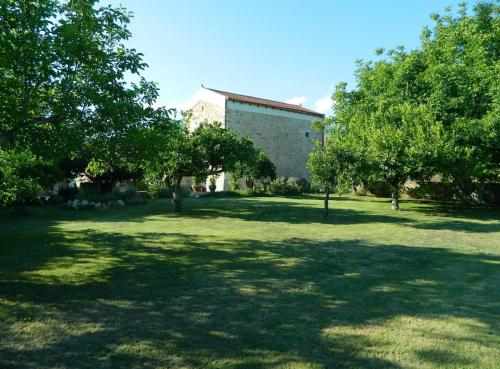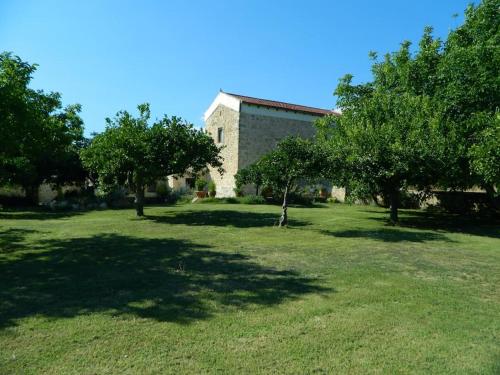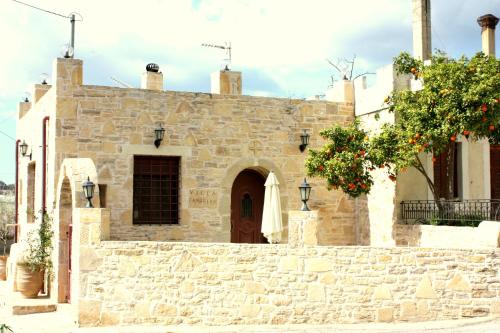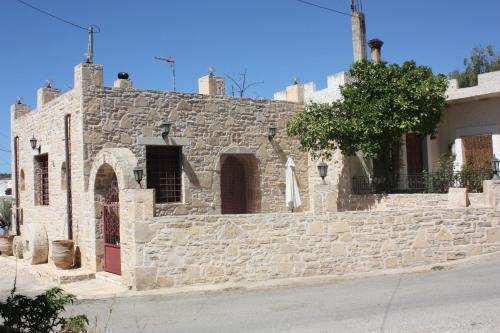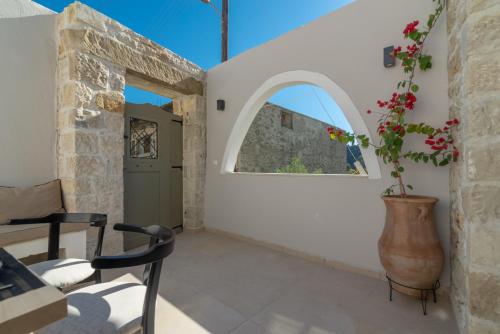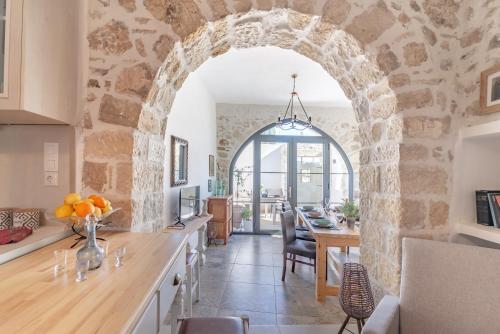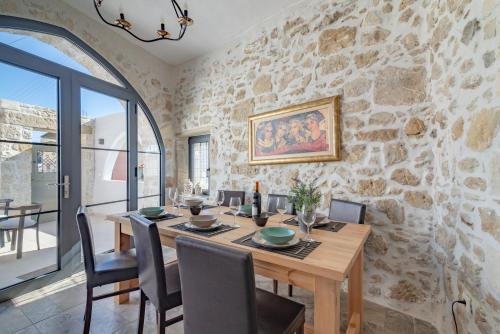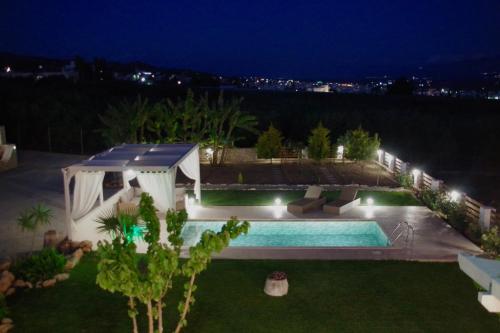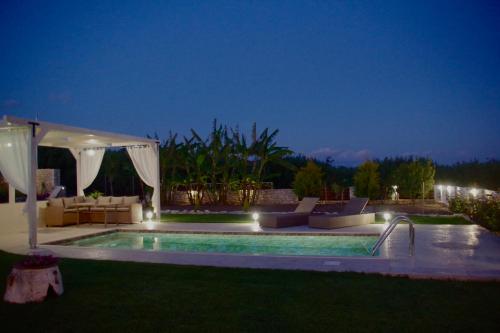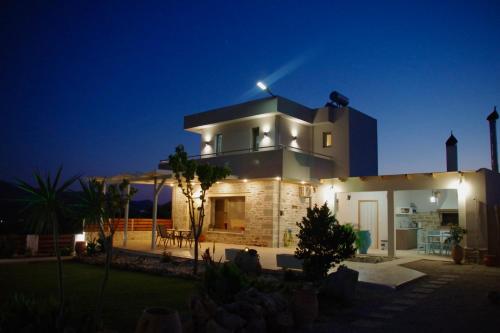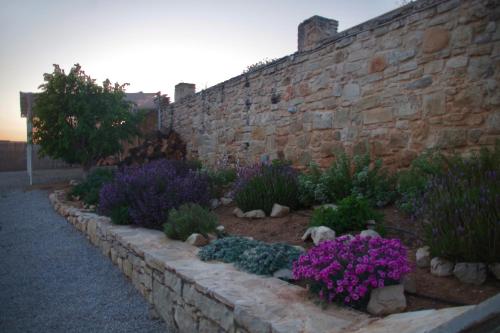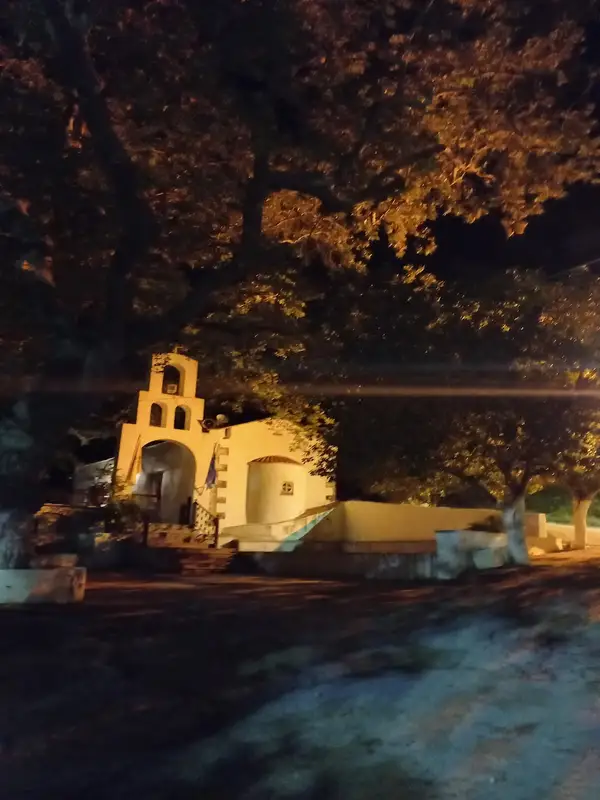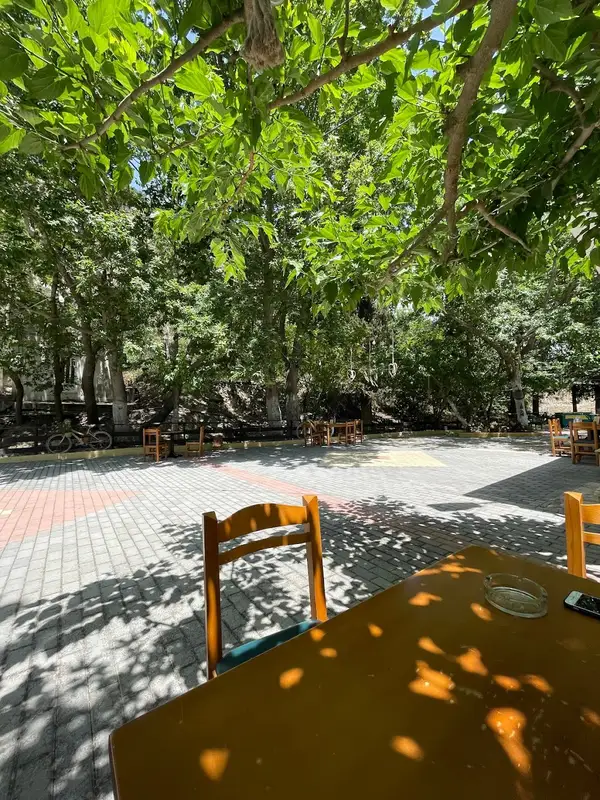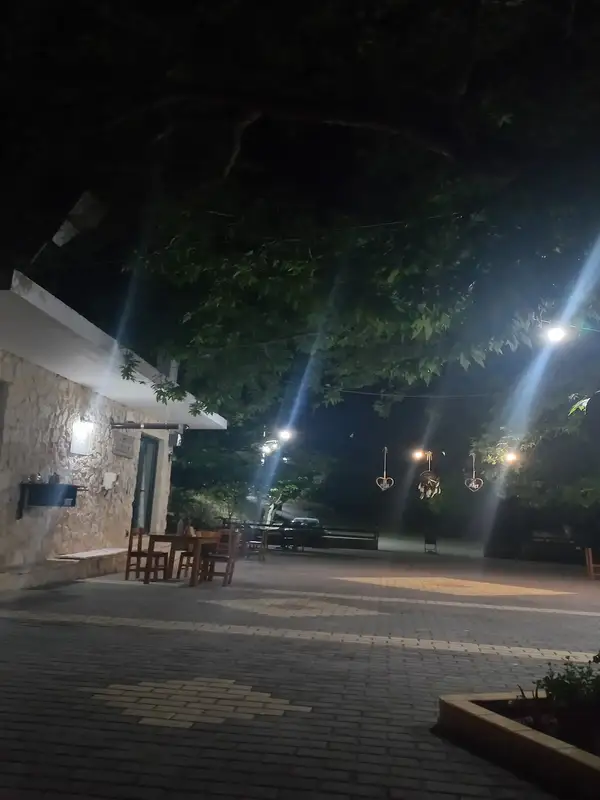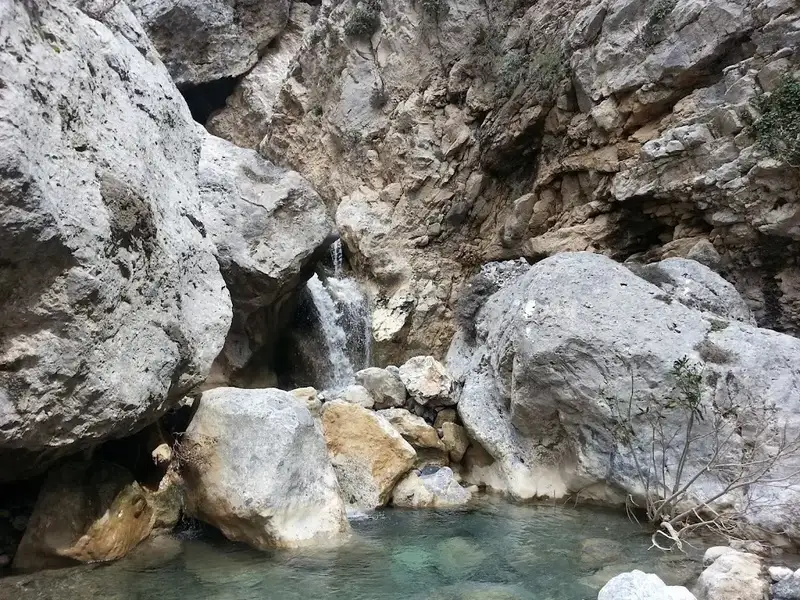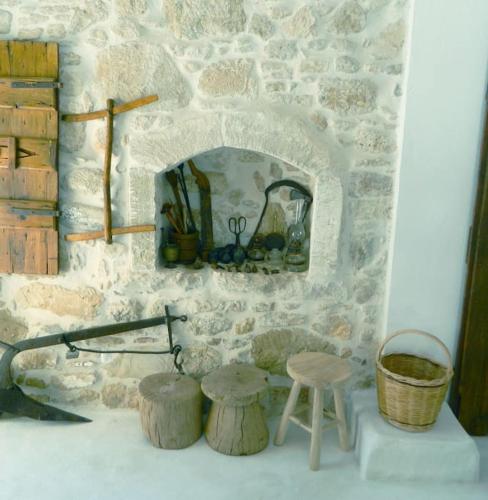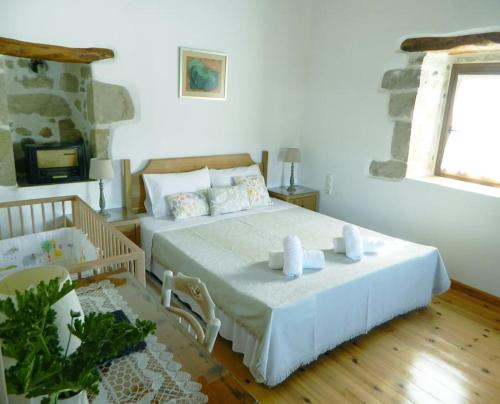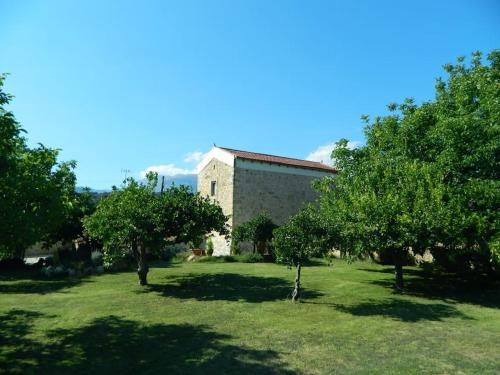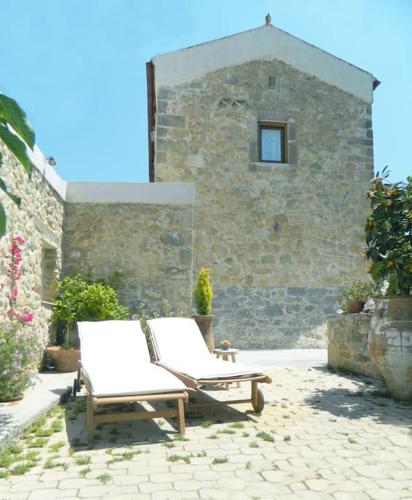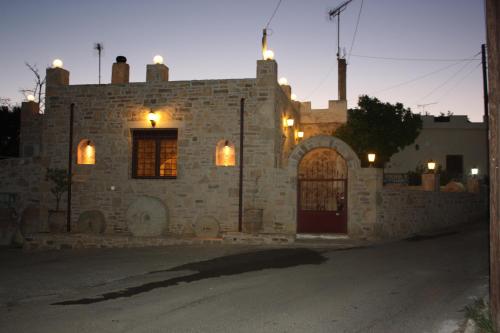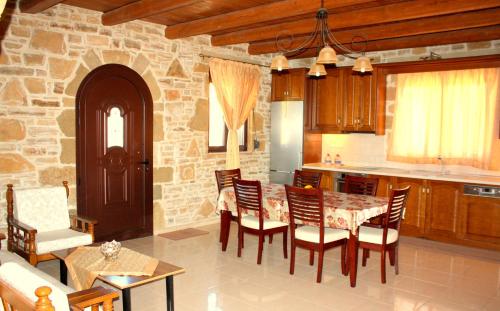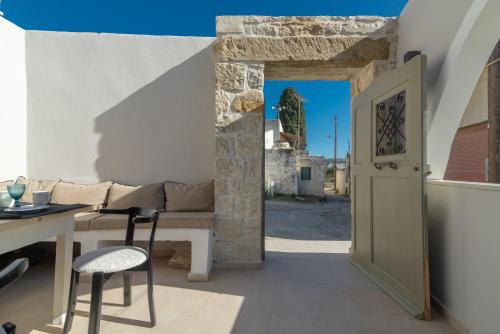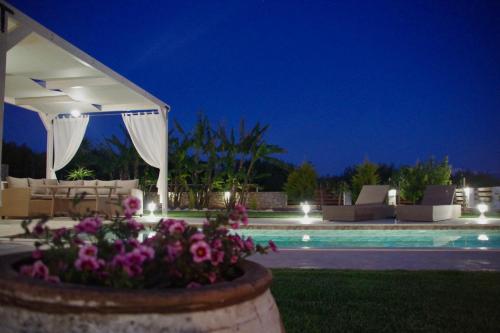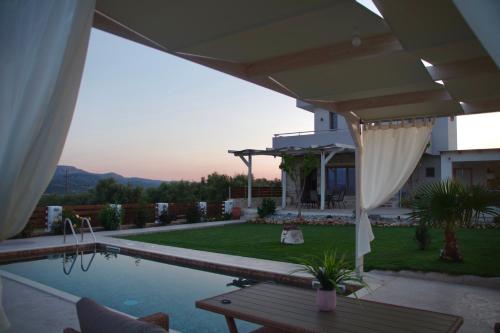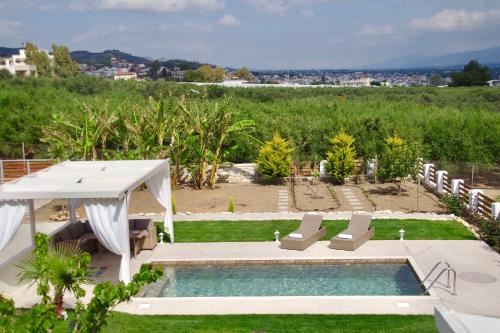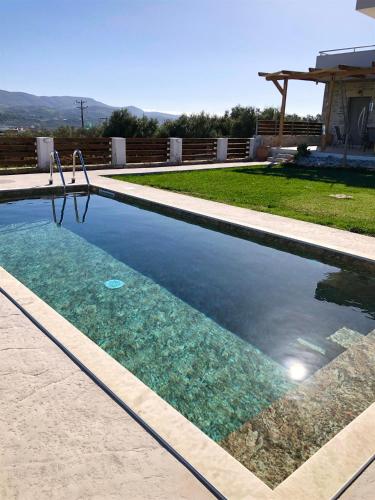


Featuring garden views, Villa Venetico stone retreat with garden provides accommodation with a patio and a kettle, around 50 km from Psiloritis National Park. This property offers access to a balcony, free private parking and free WiFi.
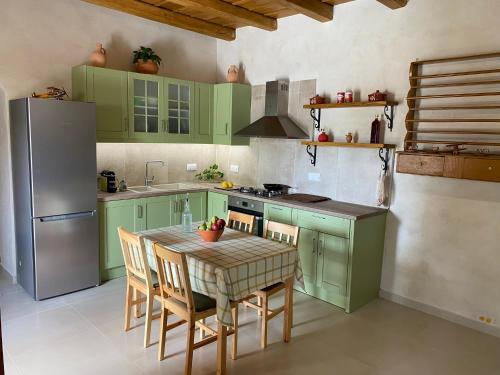
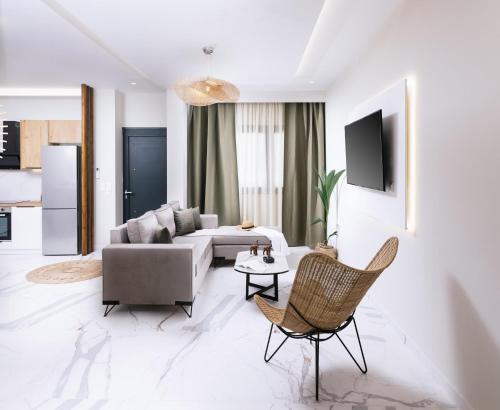
The villa is equipped with 2 bedrooms, 2 bathrooms, bed linen, towels, a flat-screen TV with cable channels, a dining area, a fully equipped kitchen, and a terrace with mountain views.
A a baby safety gate is also available at the villa, while guests can also relax in the garden.
Museum of Cretan Ethnology is 2.4 km from Villa Venetico stone retreat with garden, while Phaistos is 5 km away. The nearest airport is Heraklion International Airport, 59 km from the accommodation.
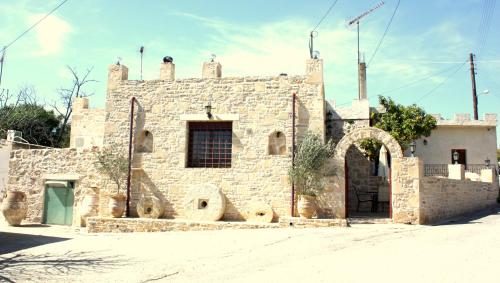
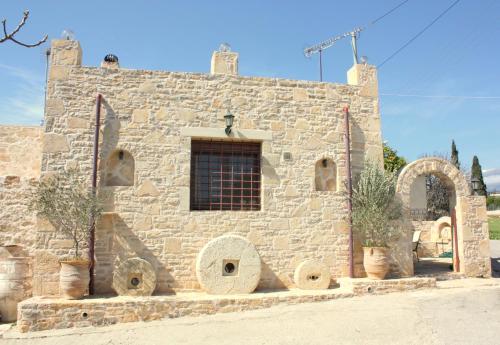
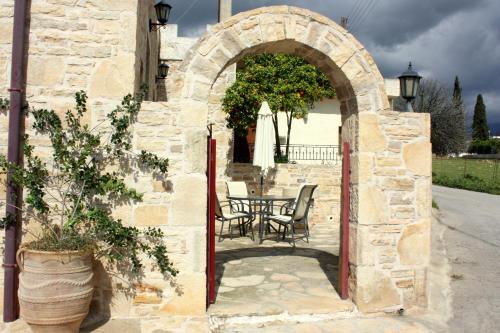
Τhe stone-built Villa Fabrika is quietly located in Faneromeni Village in the Crete Region, 60 km from Heraklio Town. A private, furnished courtyard is offered. Free WiFi is featured throughout the property.
The property features a seating area, a dining area and a kitchen. Two bedrooms and a private bathroom are offered. Towels and bed linen are available at Villa Fabrika. The holiday home offers free private parking on-site. Guests can enjoy the outdoor grill.
Guests will find supermarkets, traditional markets, a pharmacy and banks in the nearby area.
Vori Village is 2 km from Villa Fabrika, while Timbaki Town is 8 km away. Heraklion International Airport is 61 km from the property.
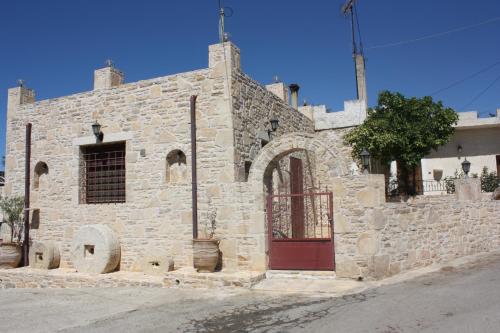
Located in Vóroi, 48 km from Psiloritis National Park and 300 metres from Museum of Cretan Ethnology, Avli House Vori offers air conditioning. It features barbecue facilities, inner courtyard views and free WiFithroughout the property.
The holiday home is equipped with 2 bedrooms, 2 bathrooms, bed linen, towels, a flat-screen TV with streaming services, a dining area, a fully equipped kitchen, and a patio with garden views.
A a baby safety gate is also available at the holiday home, while guests can also relax on the sun terrace.
Phaistos is 2.9 km from Avli House Vori, while Arkadi Monastery is 49 km away. The nearest airport is Heraklion International Airport, 57 km from the accommodation.
from
€87
/night
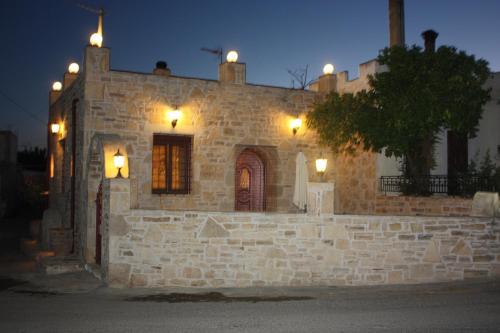
Arbona Apartment II, a property with a garden, is situated in Vóroi, 47 km from Psiloritis National Park, 200 metres from Museum of Cretan Ethnology, as well as 2.7 km from Phaistos. This property offers access to a terrace, free private parking and free WiFi.
The air-conditioned apartment is composed of 2 separate bedrooms, a fully equipped kitchen with an oven and a fridge, and 1 bathroom. Towels and bed linen are available in the apartment.
Arkadi Monastery is 48 km from the apartment. The nearest airport is Heraklion International Airport, 57 km from Arbona Apartment II.
from
€98
/night
Situated in Vóroi, 47 km from Psiloritis National Park and 600 metres from Museum of Cretan Ethnology, Stonehouse South Crete features air-conditioned accommodation with a patio and free WiFi. The property features inner courtyard views and is 3 km from Phaistos and 48 km from Arkadi Monastery.
The holiday home with a terrace and mountain views has 2 bedrooms, a living room, a flat-screen TV, an equipped kitchen with an oven and a fridge, and 1 bathroom with an a bath or shower.
Hiking can be enjoyed nearby.
The nearest airport is Heraklion International Airport, 57 km from the holiday home.
from
€91
/night
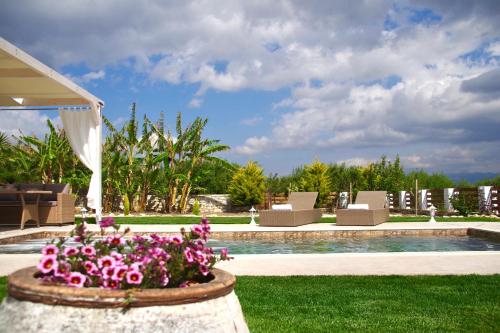
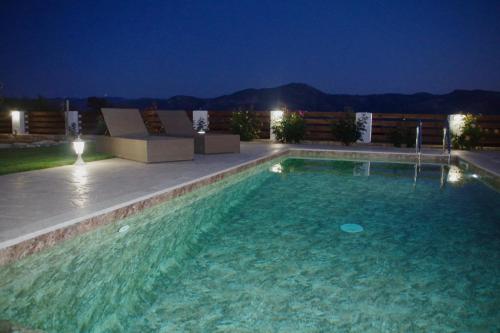
Featuring air-conditioned accommodation with a private pool, pool view and a patio, Private Villa Freedom is set in Moírai. This property offers access to a balcony, free private parking and free WiFi.
The villa is fitted with 1 bedroom, 2 bathrooms, bed linen, towels, a flat-screen TV with streaming services, a dining area, a fully equipped kitchen, and a terrace with mountain views.
The villa offers a hot tub. Guests at Private Villa Freedom can enjoy hiking nearby, or make the most of the garden.
Venetian Walls is 48 km from the accommodation, while Heraklion Archaeological Museum is 49 km away. The nearest airport is Heraklion International Airport, 51 km from Private Villa Freedom.
from
€175
/night
No results available
Flexible Private Tour in Crete. Four choices of Tour/Daytrip directions ……………… Have a unique experience, sightseeing and traveling in a Classic Mercedes without missing any of the comforts you need! Ice cold AC, plush leather seats, modern sound system ect, all while driving around in classic! Very experienced local driver, fluent in English and very knowledgable of the island and its hidden jewels …………………. East Crete: Ag. Nikolaos-Elounda-Plaka-Spinalonga: Made famous also by Victoria Hishop’s homonymous novel, Spinalonga (The island) bears way more history than its size would ever suggest. Being a Venetian Fortress overseeing the Bay – Port of Elounda as well as a later leper Colony, “The island” is basically a nutshell full of our past! Elounda being one of the most beautiful places / beaches of the north of Crete, and St. Nicolas with its famous narrow walking streets will definitely complete the experience of a nice day’s trip.
…………………. East Crete: Kera-Lasithi Plateau-Cave of Zeus: One of Pithagoras’s favorite meditation sights, the “Cave of Zeus” has been the subject of myths and stories alike, for millennia… Today you’ll probably not find Zeus himself in the cave, but you’ll certainly be awarded with spectacular views, both on the way, and on top of the Cave’s mount. Through traditional Villages, mountain trails and the Plateau of Lasithi, you’ll probably find yourself on a trip worth remembering.
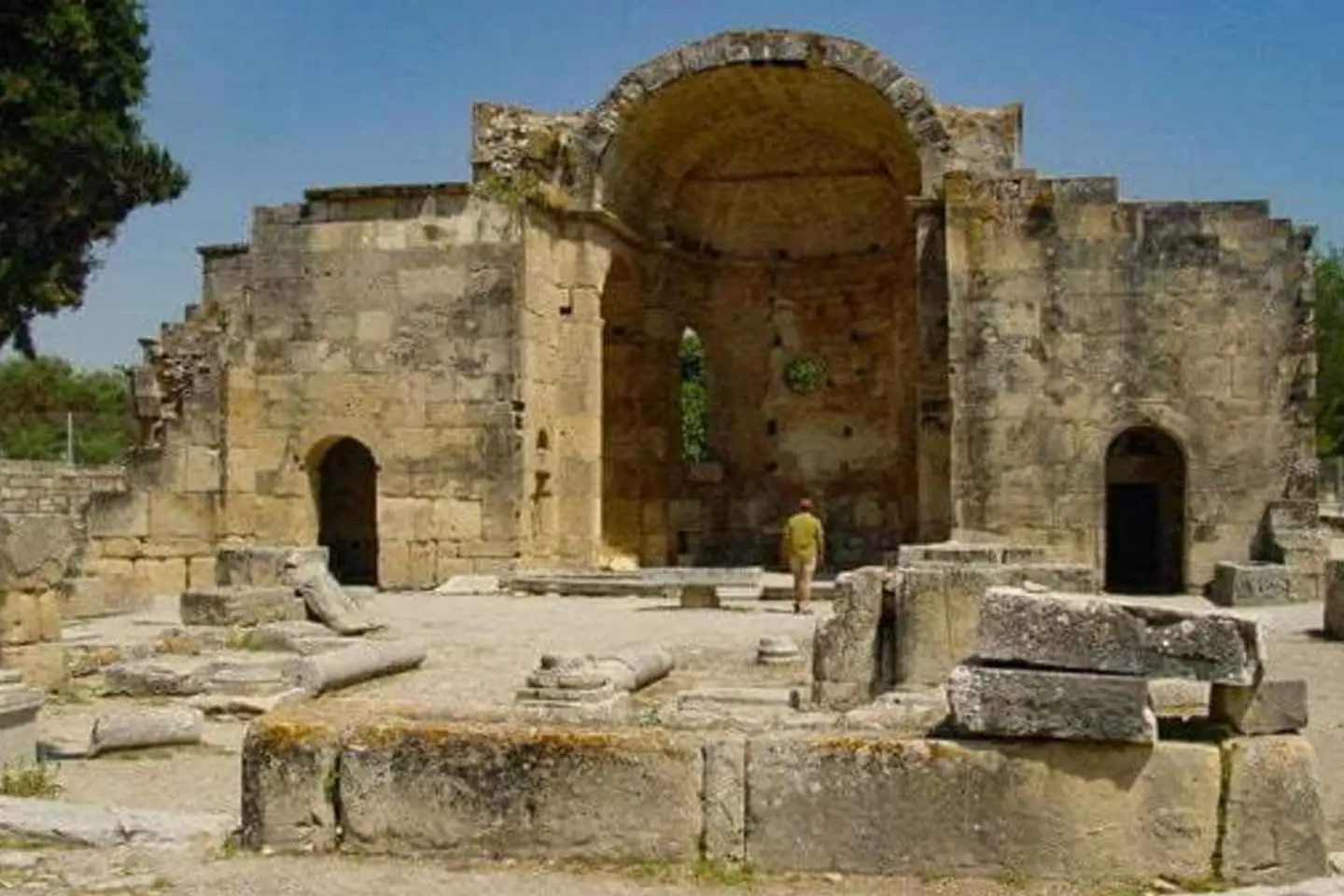
………………… South Crete: Faistos Palace-Gortyna-Matala: The second of the four Minoan Palaces to have been found on the island, Festos makes a good fit for the connoisseur’s kind of choice… Lacking the famous red pillars of Knossos, it nevertheless offers a more authentic bare-bones experience, due to the simple fact that it has not been reconstructed! Also the original home of the famous Festos’s Disk! Gortyn. Home of most major civilizations to ever pass from Crete, also served as the Praetorium for the Roman Governor of Crete! Matala! The beach of the hippies! A tripping and relaxing way to complete a nice day trip, enjoy the beach, the caves and the hippie vibes. ……………….. Heraklion: Knossos Palace-Spilia-Arc. Museum-Heraklion City: Experience Heraklion, one of the most intimidating “star – fortress” cities of its time, that managed to endure 21 years of Ottoman siege! Now a modern city, with all the positives and negatives of such…
Knossos Palace, basically the headquarter of Europe’s first, known, advanced civilization, along with the Archeological Museum of Heraklion, will definitely paint a vivid picture of how and where the “West” started!
St. Irene of Spilia, one of the many hidden Jewels of Crete just three minutes from Knossos, an imposing Roman aqueduct and an overall stunning place to spend some time and enjoy nature.
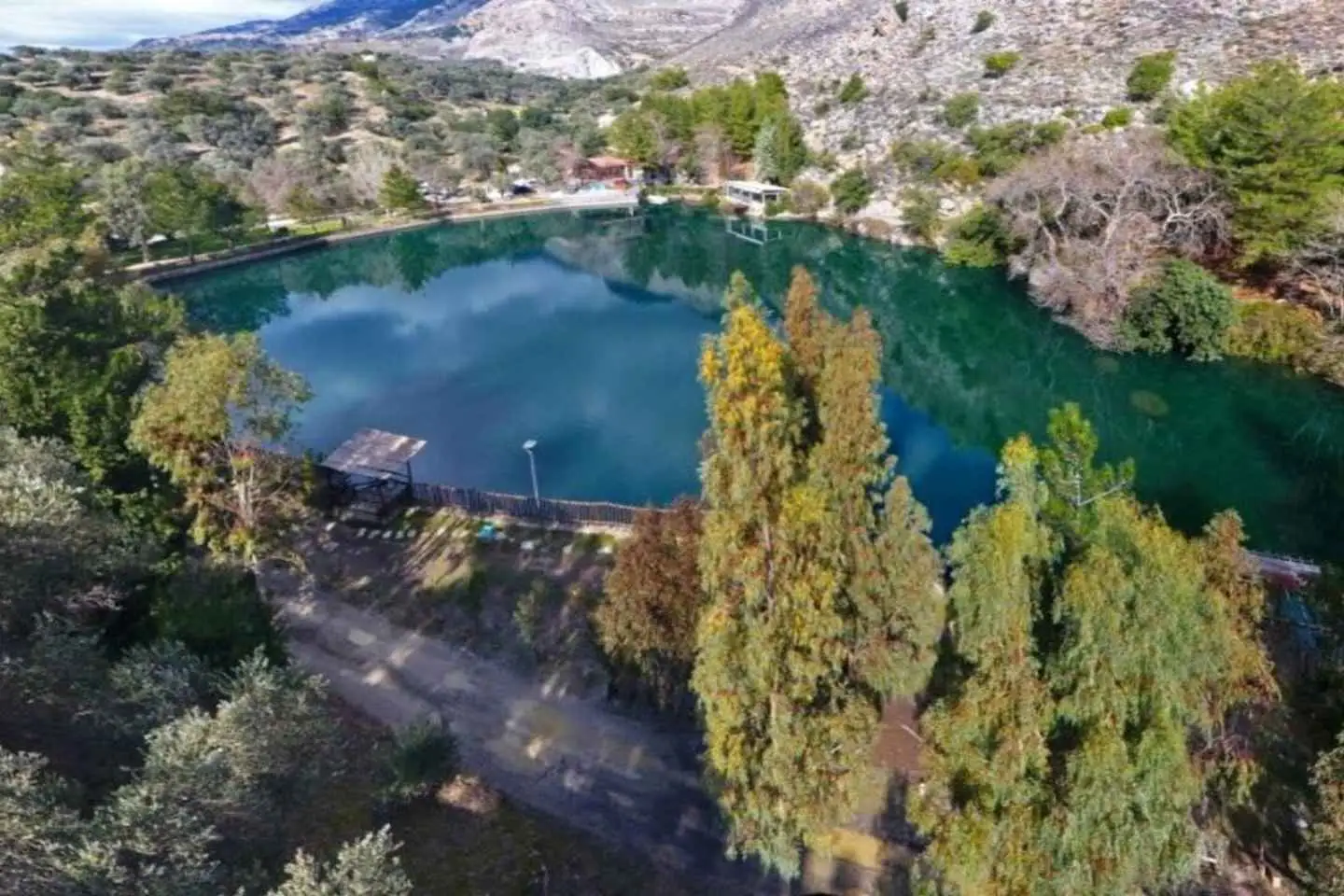
Meet with your guide at the terminal of Cretan Spiti Travel at Eleftherias Square in front of Astoria Capsis Hotel at 08.30, we drive to Gortyna, the Roman capital of Crete and Cyrenaica and was first inhabited around 3200 BC. After the visit of Gortyna, we drive through valley of Mesara to visit the archaeological site of Phaistos and its palace, the most important center of the Minoan civilization, and the most wealthy and powerful city in southern Crete. After our visit to Phaistos, we drive to Matala where you will enjoy some free time to swim in the crystal clear waters and optional lunch. Finally we arrive to Zaros, attractive, refreshingly unspoiled village famous for its spring water, which is now bottled and sold all over Greece, and an ideal base for walkers to explore the beautiful nature. Zaros also has some fine Byzantine monasteries, and delicious farm-raised trout served up in tavernas around town and on emerald-green Lake Votomos which will be visited. Late in the afternoon at 17:00, we return to Heraklion at the terminal in front of Astoria Capsis Hotel.
Hop down to the heart of Central Crete, the beloved land of our ancestors, and let the wonders of the Minoan world collide on this luxurious passage of time.
From the comfort of a premium chauffeured vehicle & escorted by our top local insider, revel in the endless luxuries of the ancient Messara plain where wine-red fertile soils treasure lavish vineyards & the oldest olive groves stretch perennially toward the horizon.
Visit a family award-winning winery set on the peak of alluring panoramas & let our passionate winemakers immerse you into their intoxicating world. Luxuriate in ages, unearthing the Bronze Age palaces of Phaistos & Gortyna along with storied villages & monasteries.
In the afternoon, tuck in the bohemian vibe of Matala that captivated Bob Dylan & Janis Joplin. Bask in the turquoise waters of the Libyan Sea & unwind in the charming village, irresistible for its freshly caught grilled fish & finest ouzo.
To us, travel means putting fire in your soul with the best stories.
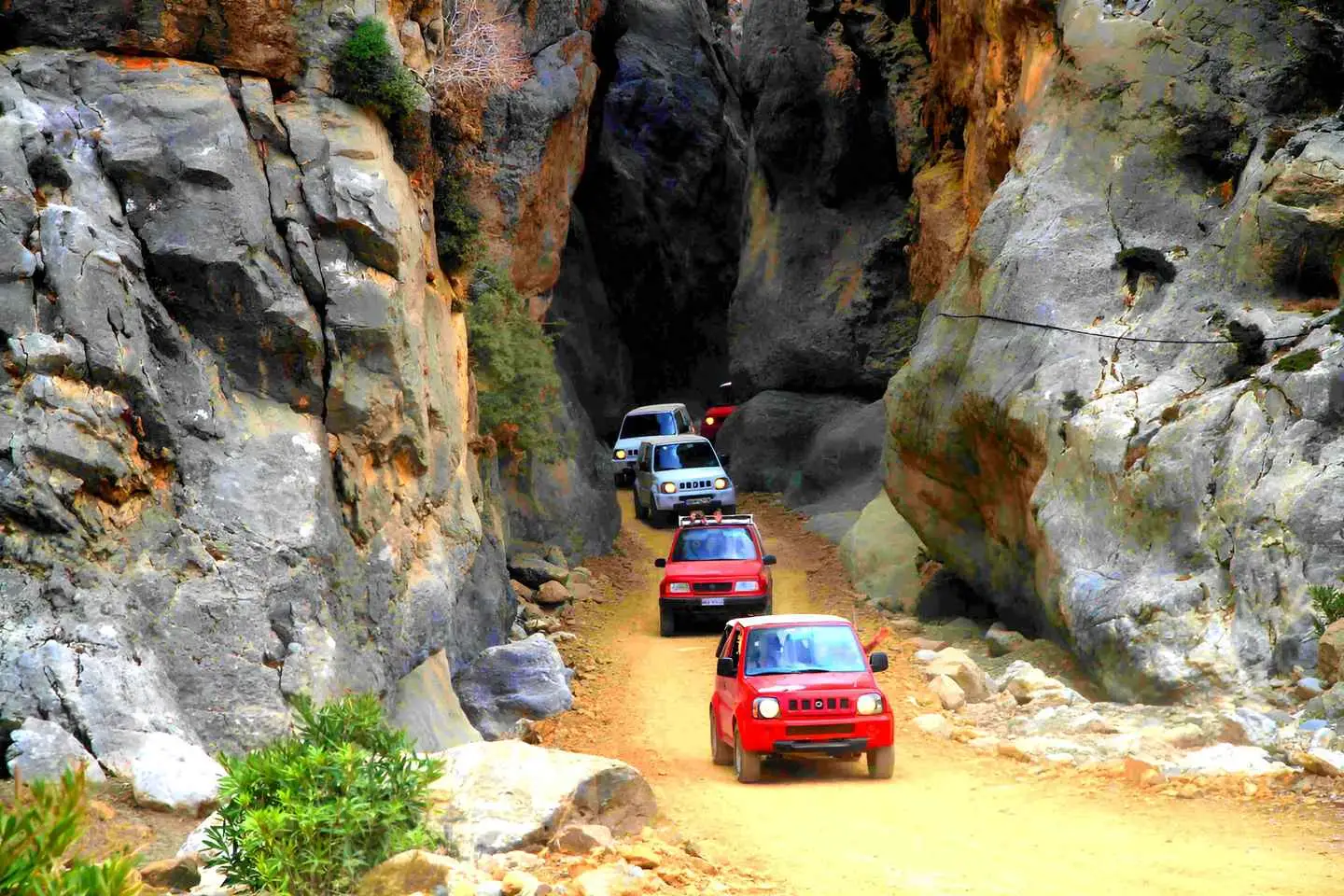
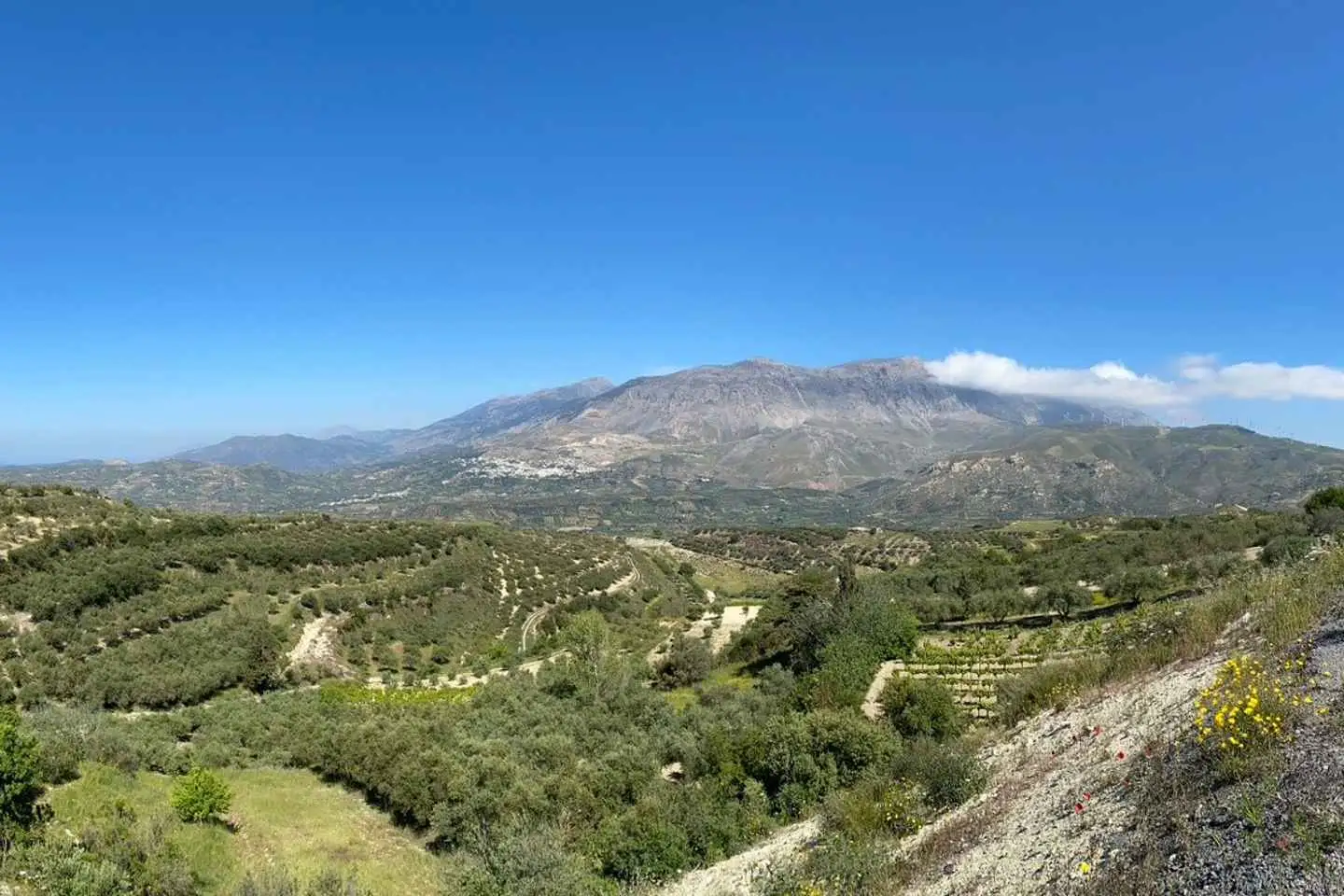
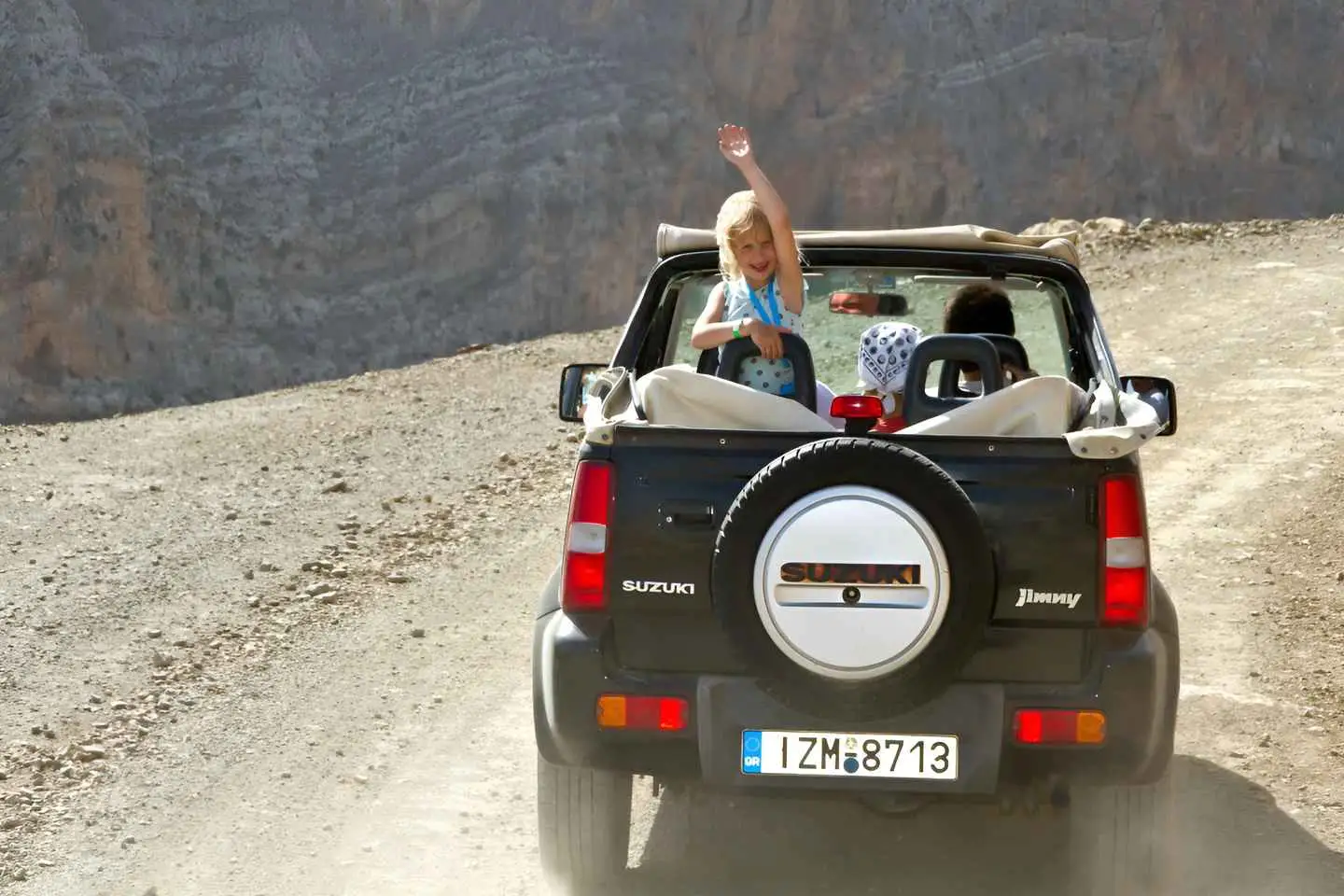
Join us on an unforgettable adventure through the stunning valleys of Malevizi and Messara, home to millions of olive trees. Experience the thrill of an off-road jeep ride through the Asterousia mountain range, exploring rarely seen areas, and stopping at an observation deck at the peak of the mountains to admire eagles and the breathtaking canyon and Libyan Sea in the background.
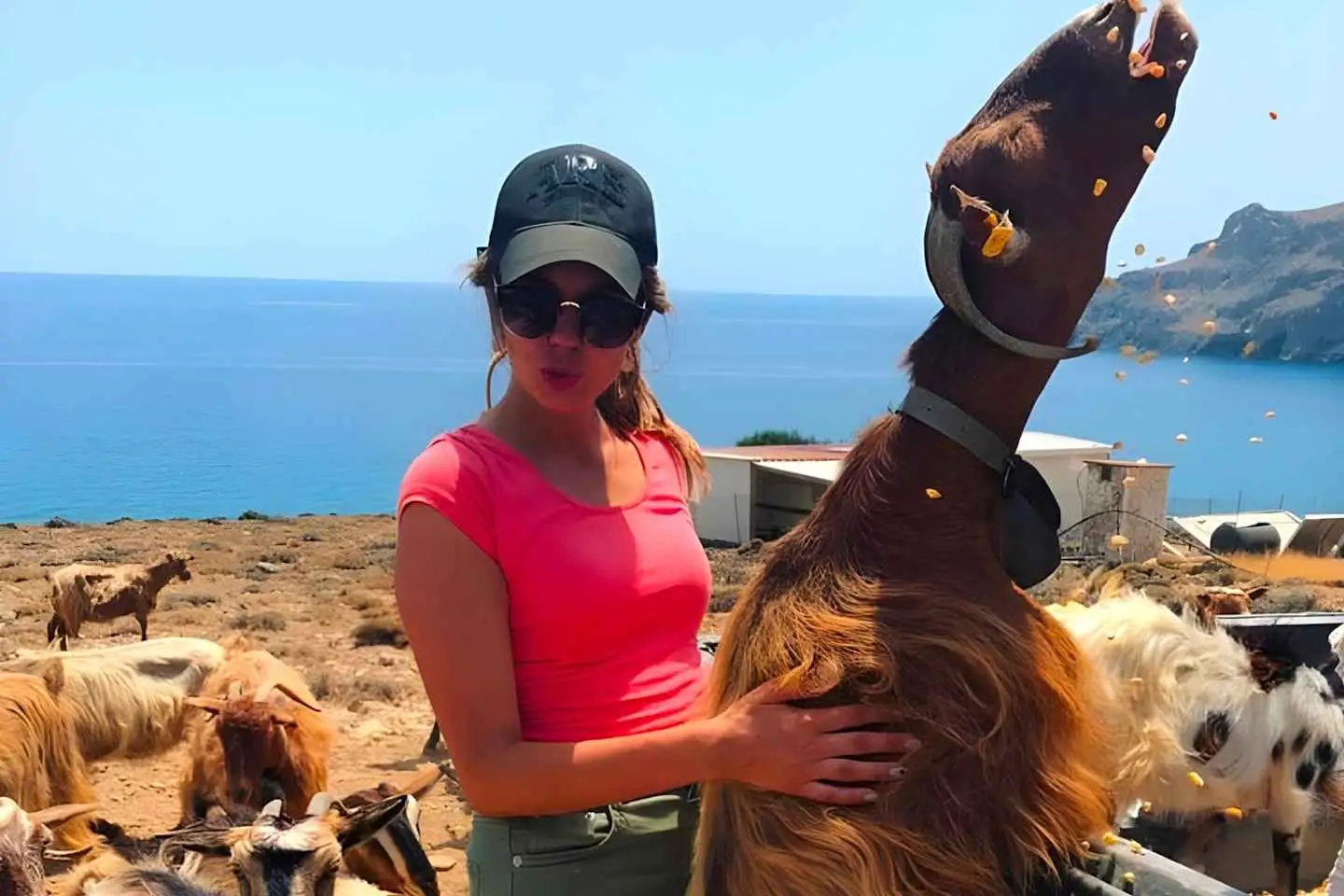
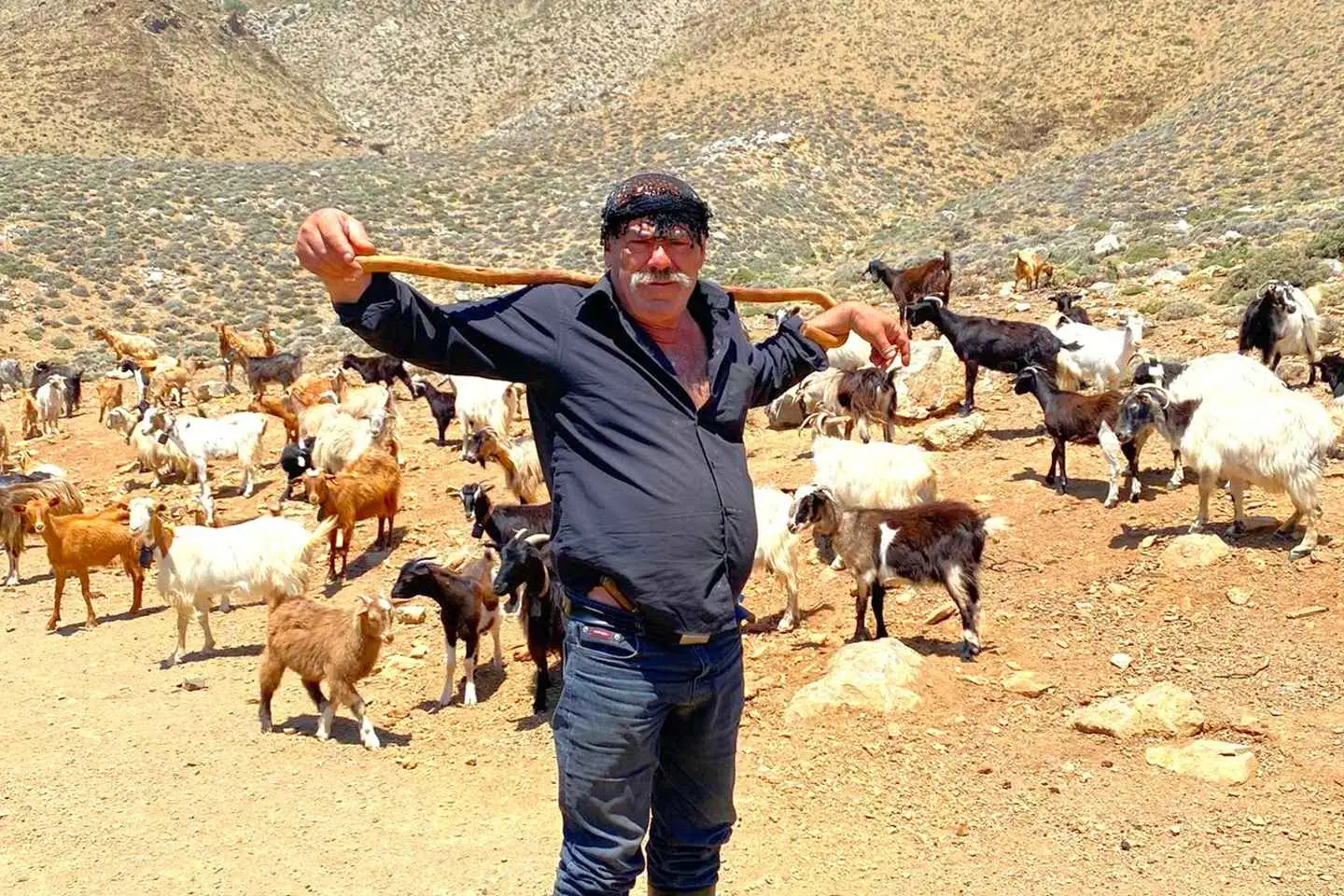
During our trip to southern Crete, you’ll learn about the local tradition of goat-keeping from a shepherd. He’ll show you how to feed, milk, and catch goats. Then, you’ll cook Cretan goat cheese with him inside a cave, which is a unique experience. Finally, you’ll get to taste the delicious cheese you made together.
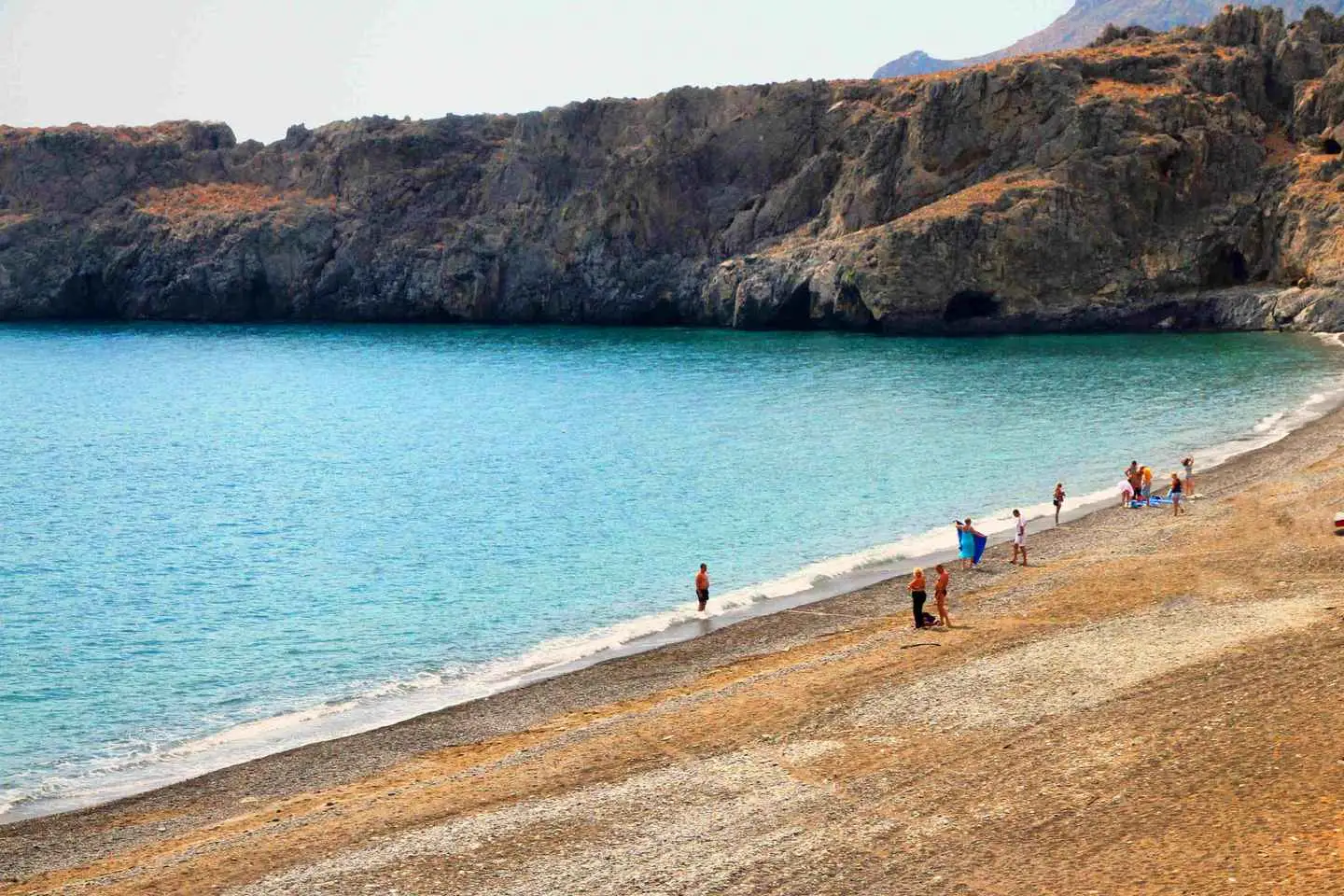
We’ll have lunch at a charming seaside tavern, take a refreshing swim at the tranquil Tripitis beach, make a wish at a picturesque church, and experience a true Cretan farewell with the hospitable old man who owns the tavern and takes care of the church.
This adventure is perfect for anyone looking for an exciting and unique experience in Crete. Book your trip with us now and let us take you on an unforgettable journey.
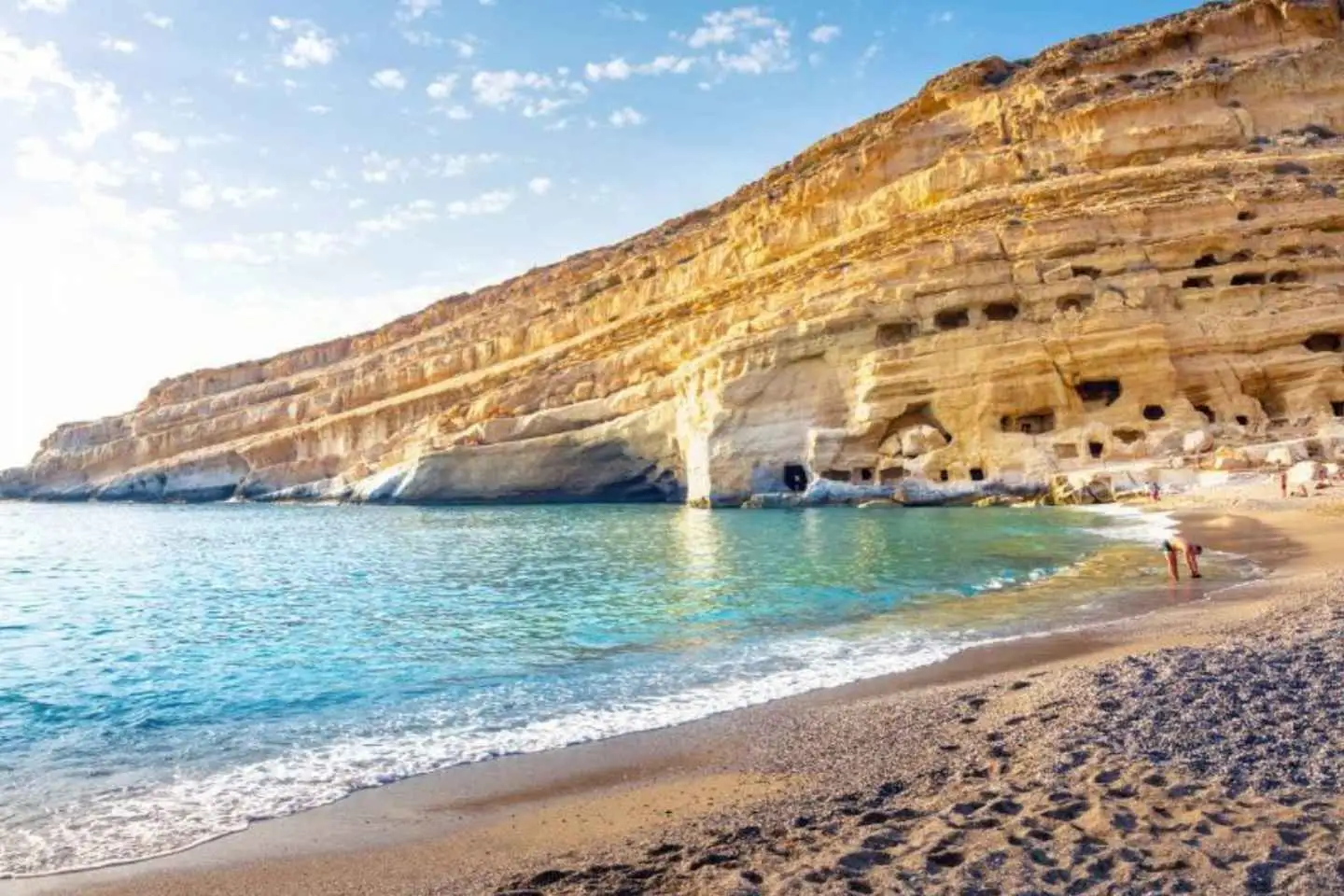
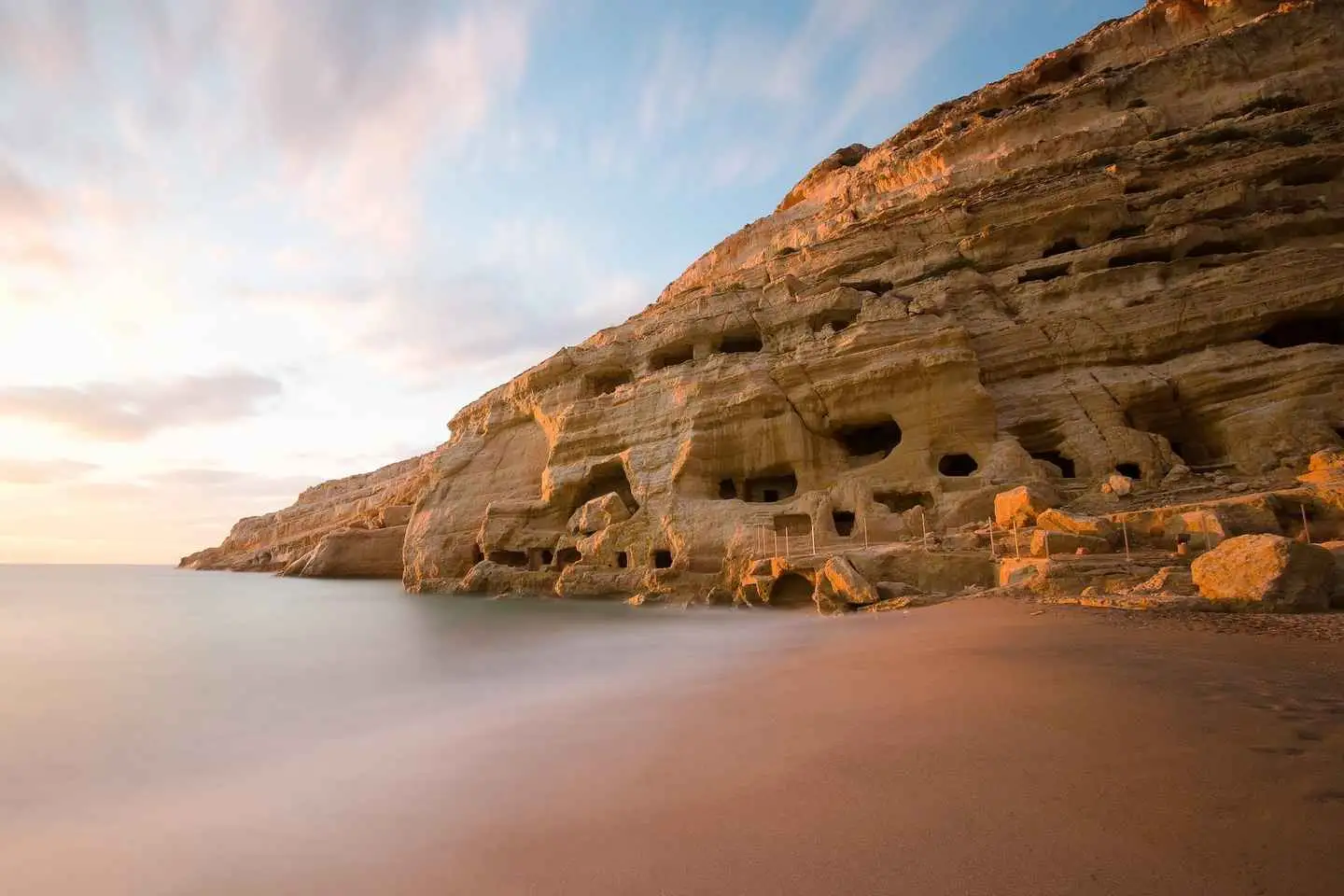
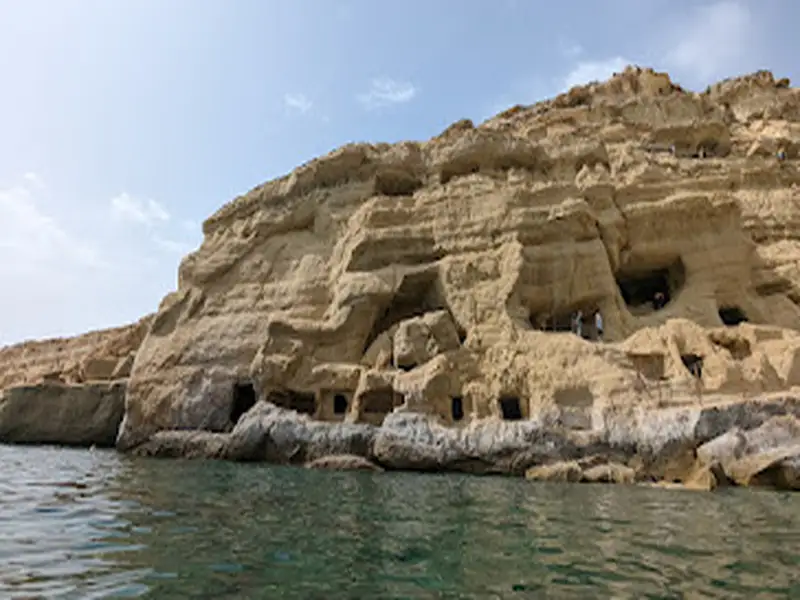
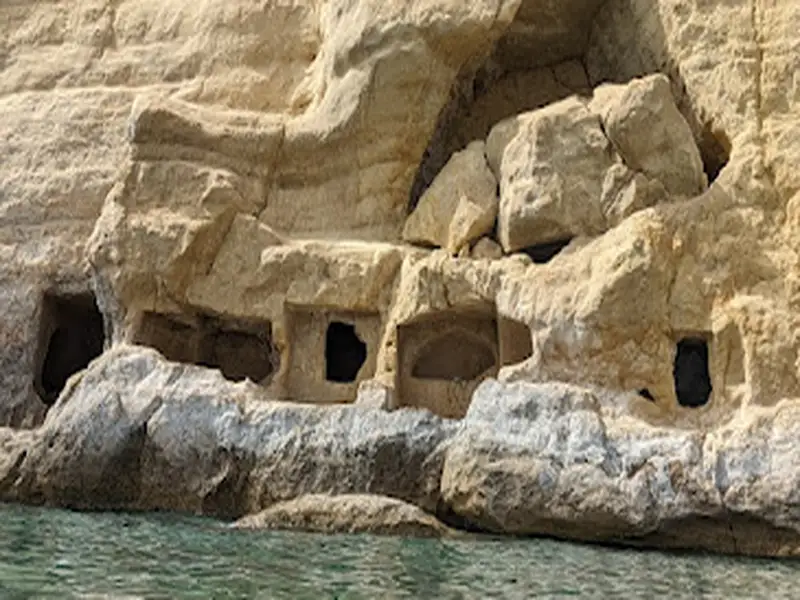
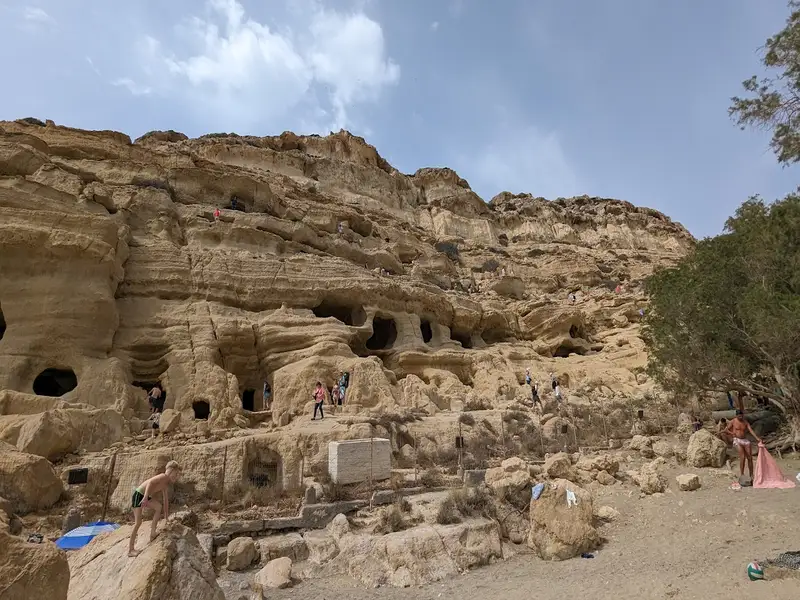
After a short drive through the Messara plain you reach Matala. Known for the colony of hippies in the Sixties, where they lived in large holes formed on the mountain. The rocks are holes with a Roman burial. In Matala you will have time for a refreshing dip in the water, eat something or just enjoy a drink on the beach. This is the place where Zeus, having taken the form a bull, swam ashore with Europa on his back before dragging her off to Gortys. Both, the Minoans and the Romans used the place as their harbor. Nevertheless, for most people, Matala means only one thing: hippies. Back in the late 1960s – 1970s, this little town was a colony of the “flower children”, who lived in the caves that used to be former Roman tombs
Explore the highlights of southern Crete on a guided full-day trip from Heraklion. Enjoy a small-group tour of some of the region’s most popular sights.
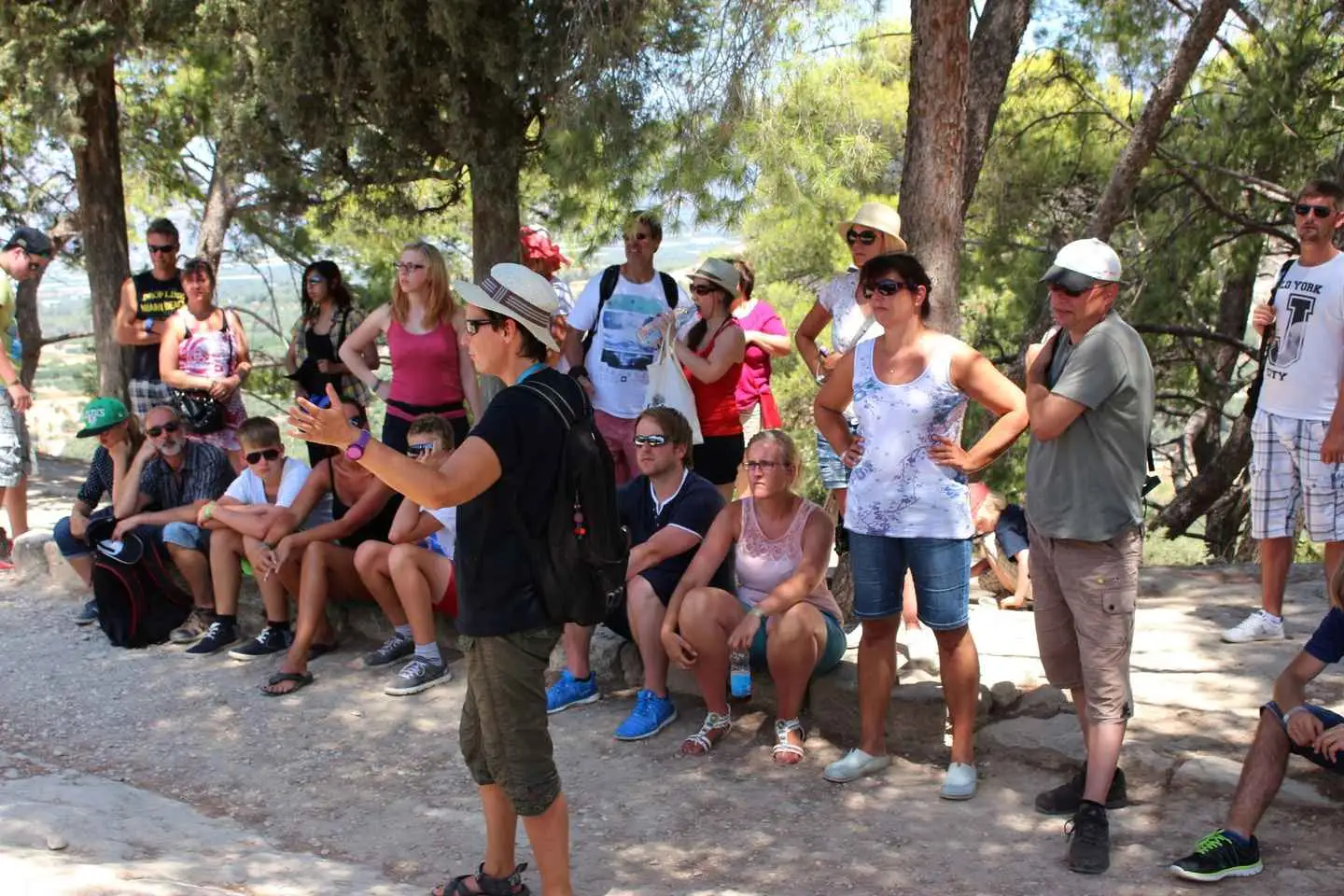
Meet your guide at your hotel and hop on the bus that will take you to your first stop, Phaistos. Along the way, take in scenic views of the Messara winegrowing region’s mountains and vineyards. At Phaistos, explore the ruins of a medieval city and the second-largest palace in Crete. Learn more about the history of the complex from your guide and enjoy panoramic views of the Ida Mountains and the Lassithi Massif.
Afterward, swim in the crystal-clear waters of the Libyan Sea in the former fishing village of Matala and take a walk to the world-famous cliffside caves. Then, tuck into a delicious lunch with views over the bay.
On the way back to Heraklion, stop at the monastery of Odigitria. Here, witness 2 tholos tombs and let yourself be enchanted by the monastery’s charm before heading back to your hotel.
No results available
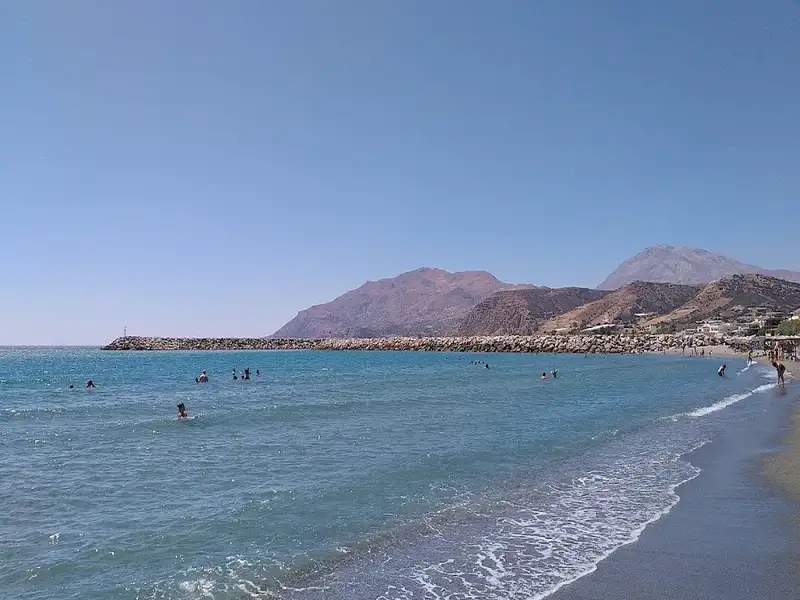
Kokkinos Pirgos, also known as Red Tower, resides 67km west of Heraklion, near the town of Tymbaki. Its name is derived from a tower constructed from red soil, situated at the mouth of the Geropotamos river. As the coastal village of Timbaki’s main port and a hotspot for tourism, Kokkinos Pirgos is home to numerous hotels, dining establishments, and cafes. The area’s climate is typically warm, enabling locals to cultivate fresh vegetables in greenhouses.
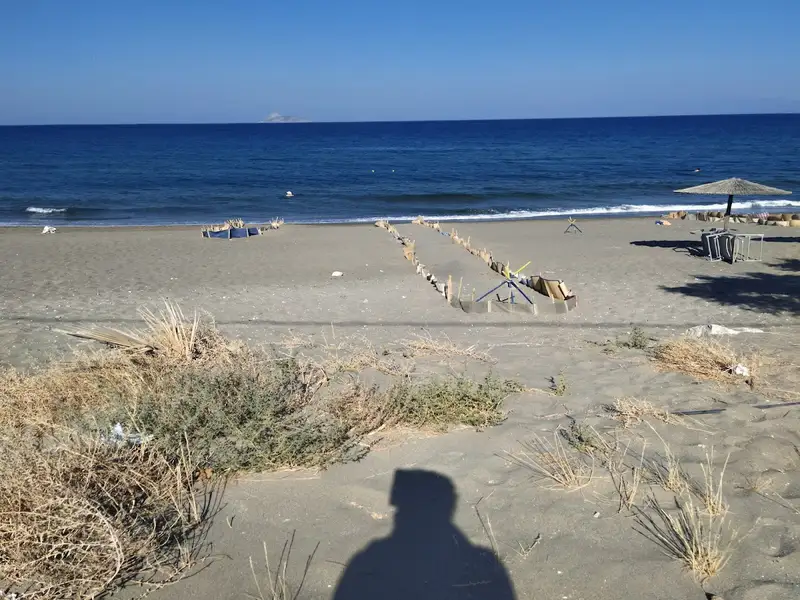
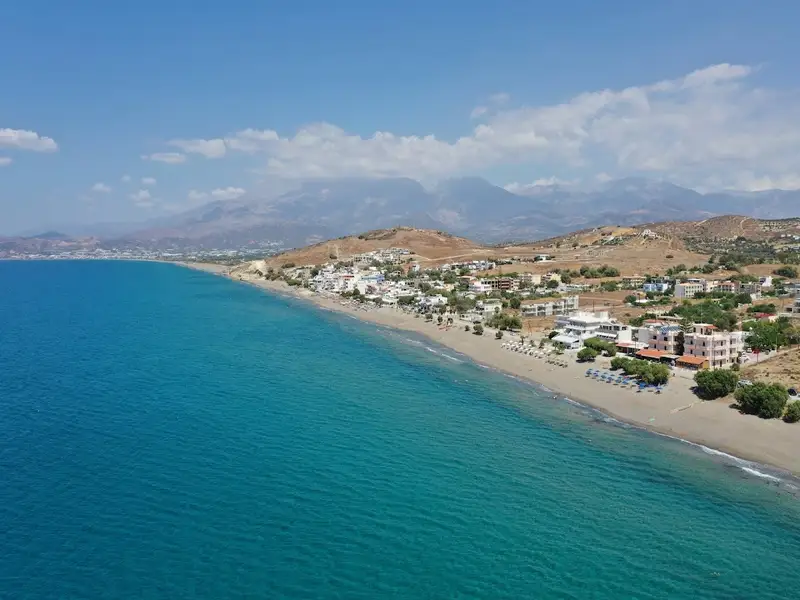
The village boasts a lengthy sandy beach that stretches southeast towards Kommos for several kilometres. This expansive beach is a nesting ground for loggerhead sea turtles (Carretta Carretta) during the summer months. Conservation organizations such as Archelon work to protect these sea turtles and their nests. The beach, which is susceptible to western winds, begins at Timbaki’s military airport wire fence on the east and extends to Agia Galini on the west.
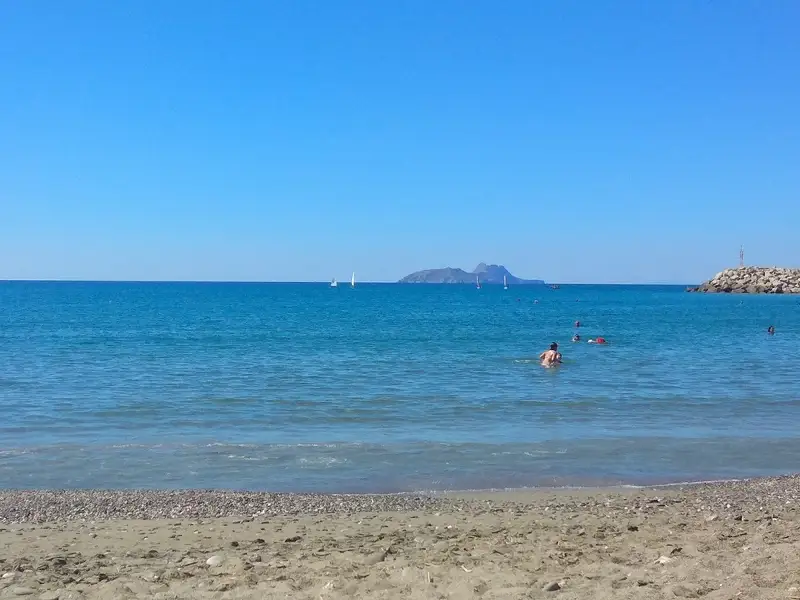
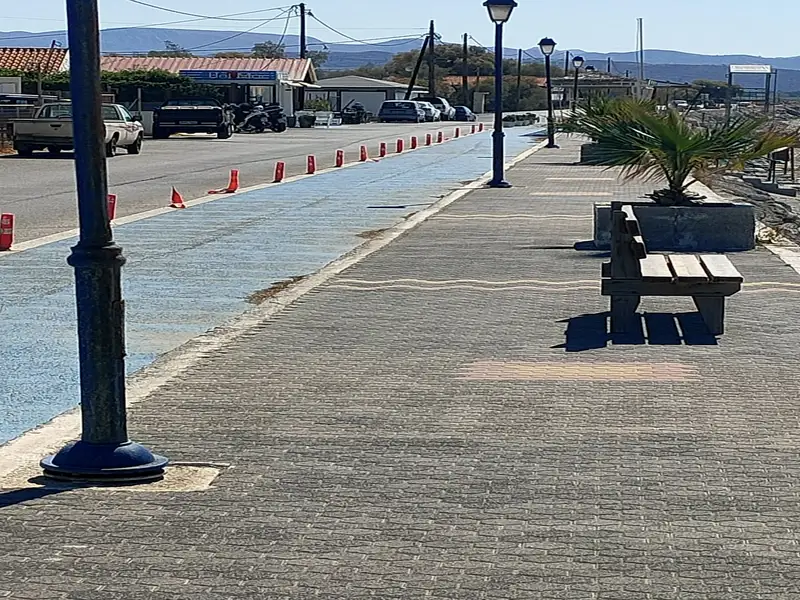
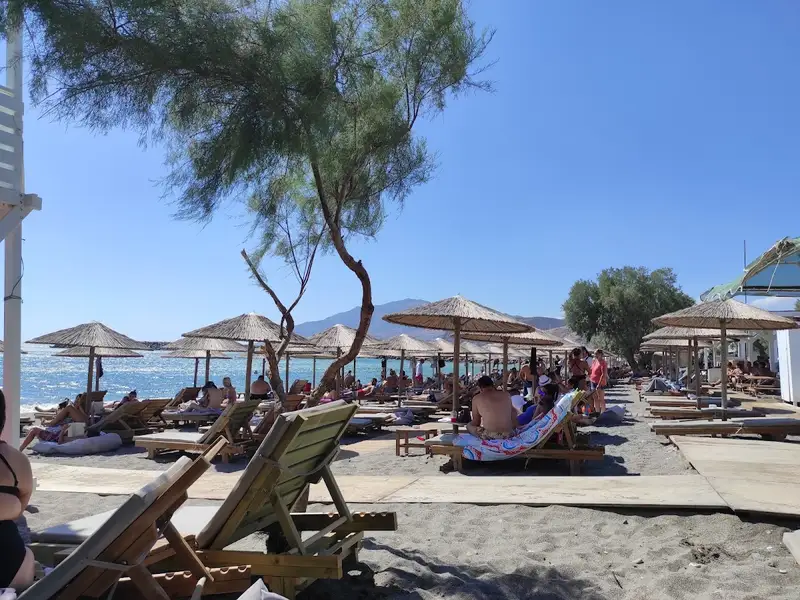
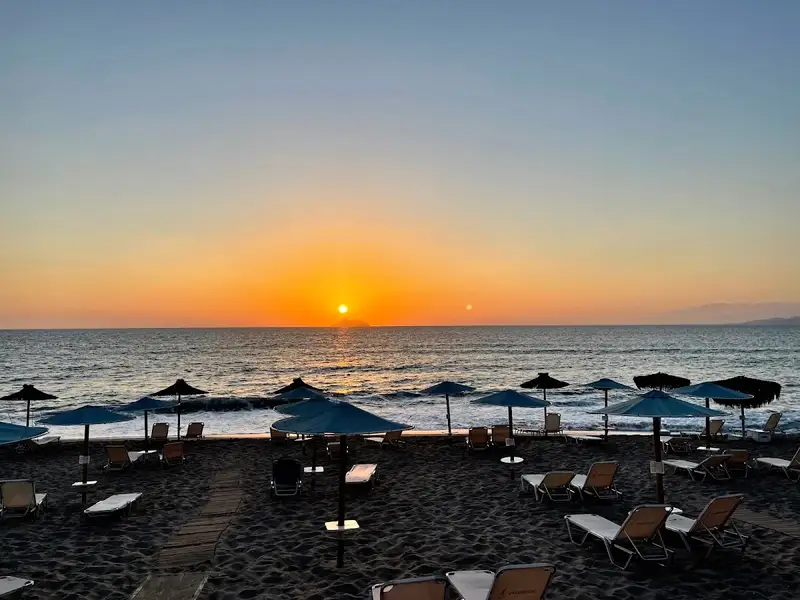
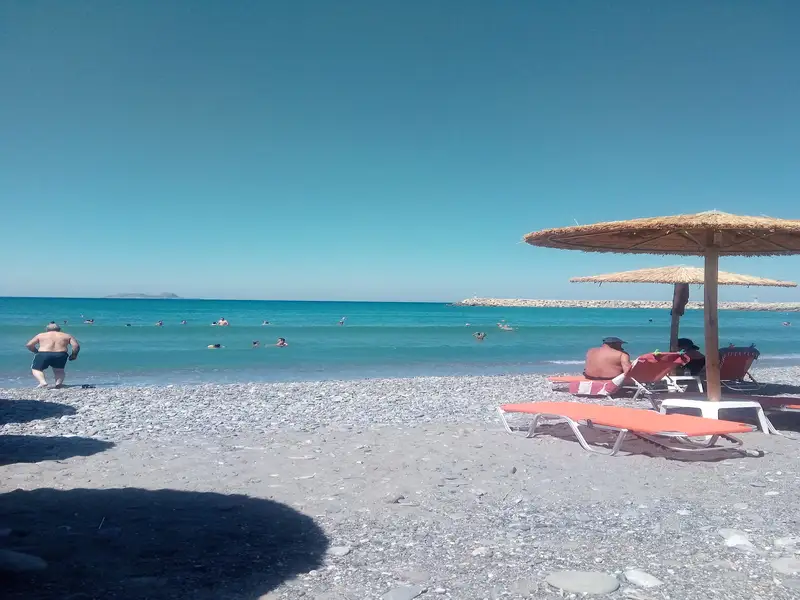
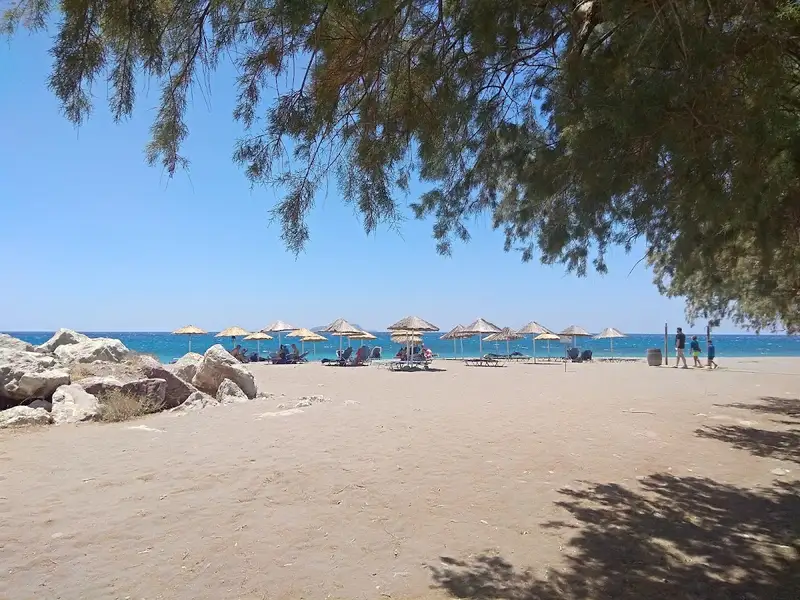
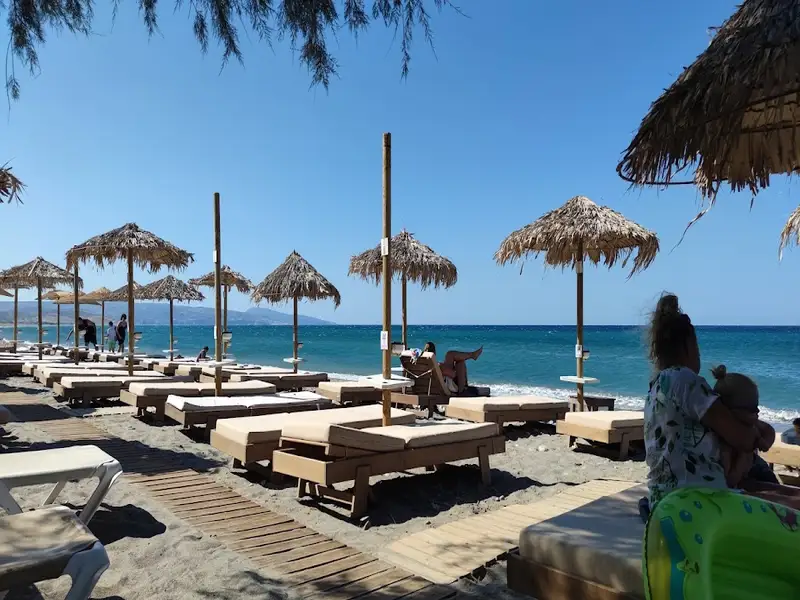
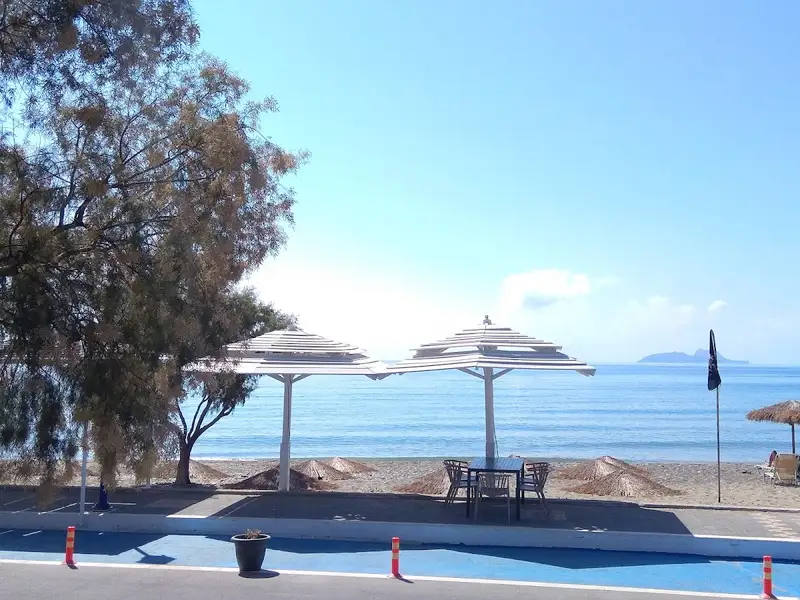
The beach’s eastern portion, stretching from the port to the airport, is known as Katalyki. This well-equipped beach features amenities such as umbrellas, sunbeds, lifeguards, and water sports. A coastal road lined with cafes and restaurants runs alongside the beach, making it a popular spot for refreshments. East of Katalyki lies a sizable marsh, a key wetland in the Mesara plain, which is irrigated by the Geropotamos River.
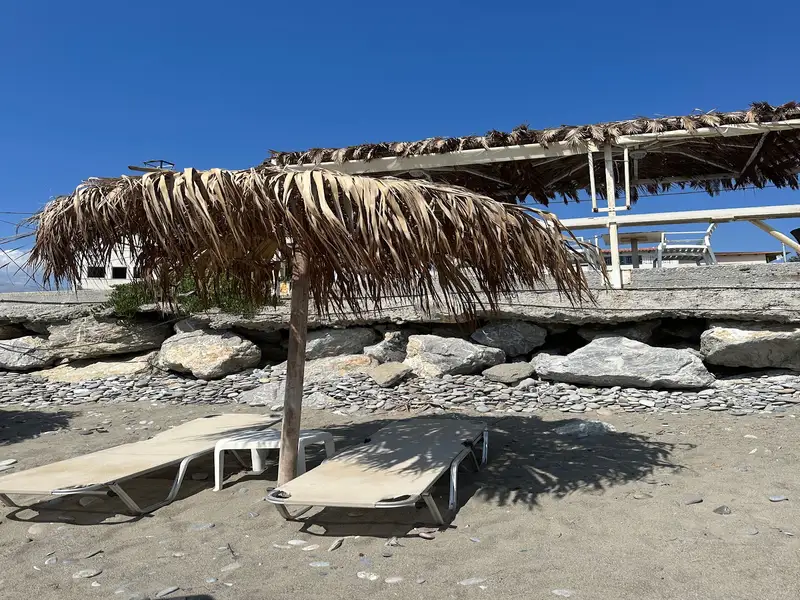
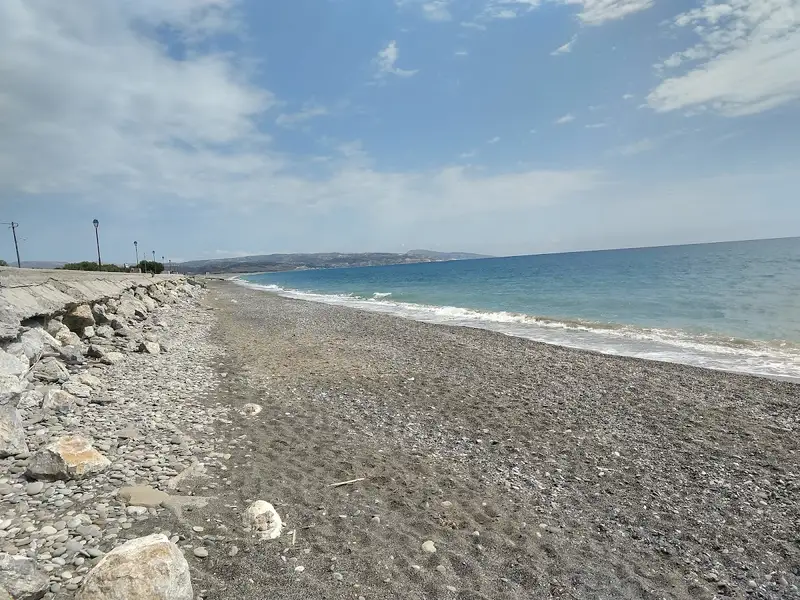
The beach area west of the harbor is known as Makrimaliana. The beach near Kokkinos Pirgos is relatively broad, but as it extends towards Agia Galini, gravel massifs encroach upon it, narrowing the beach and in some places, eliminating it during high tide. This unorganized, remote beach may not be extraordinary, but the wind and sea-carved rock formations that flank it are certainly impressive.
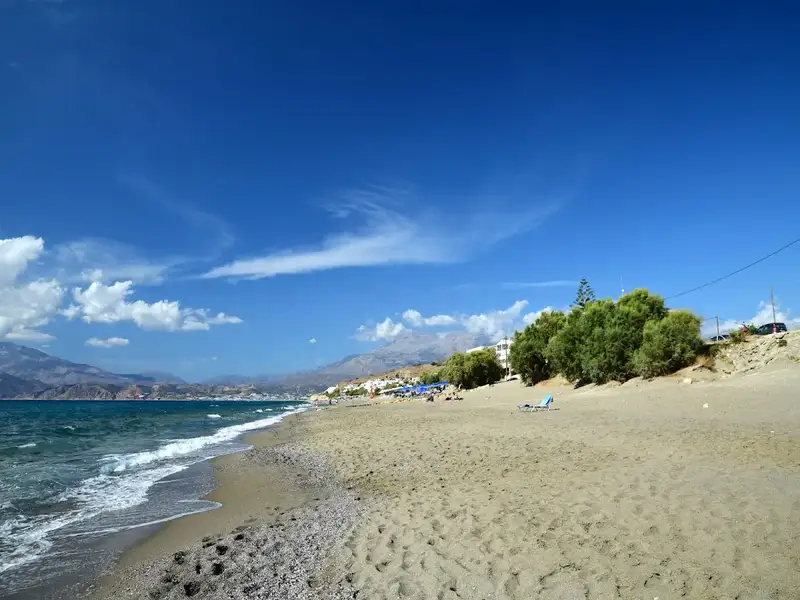
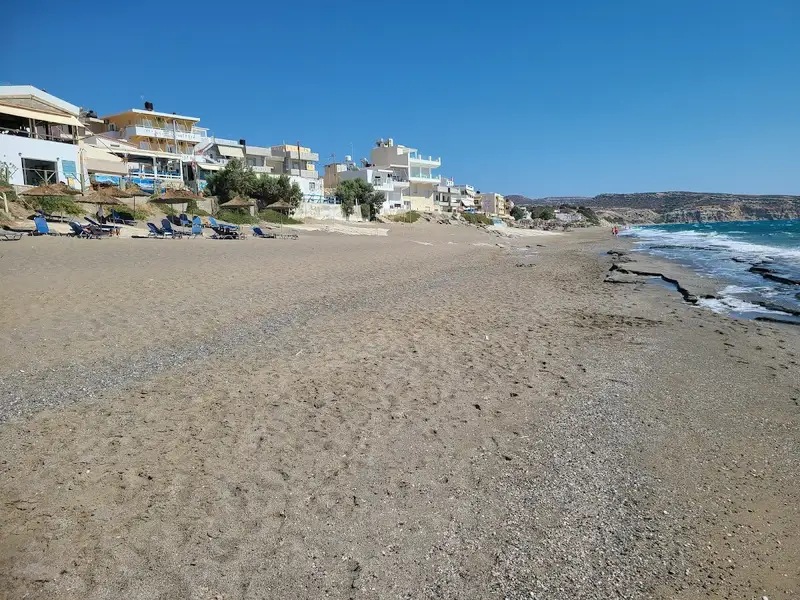
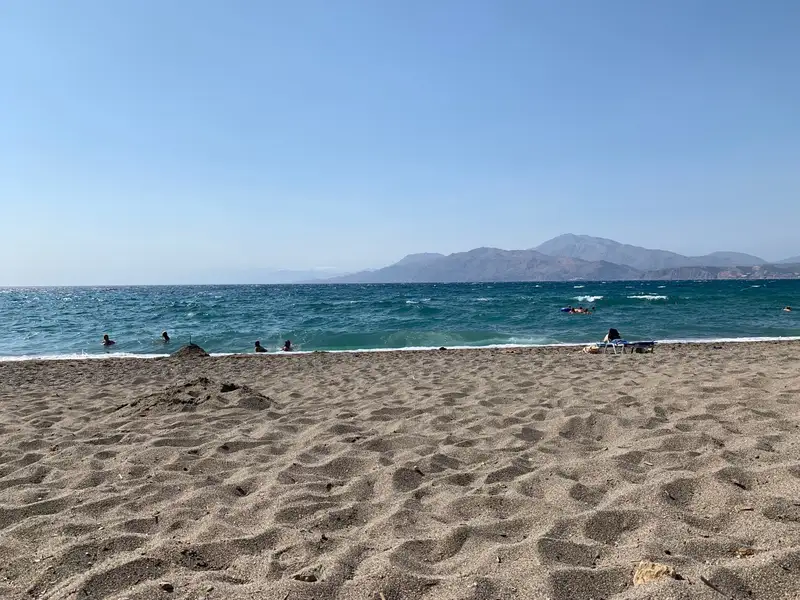
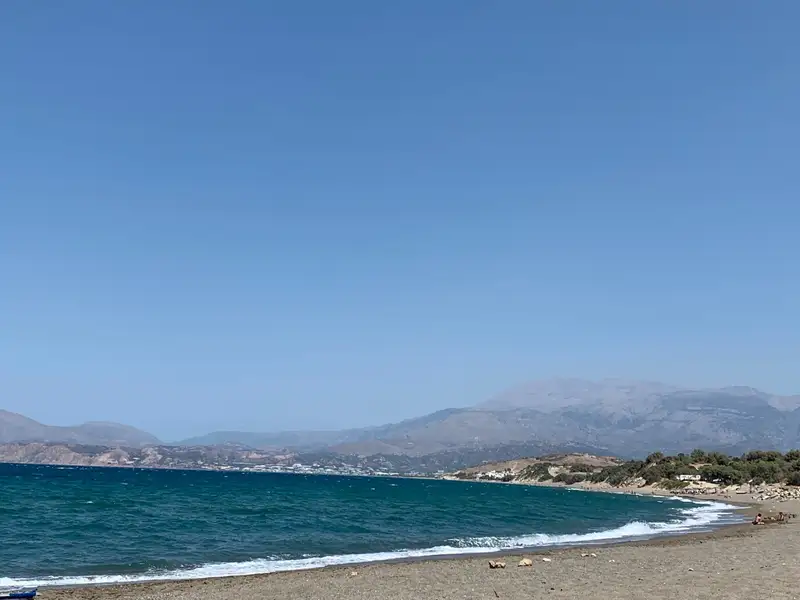
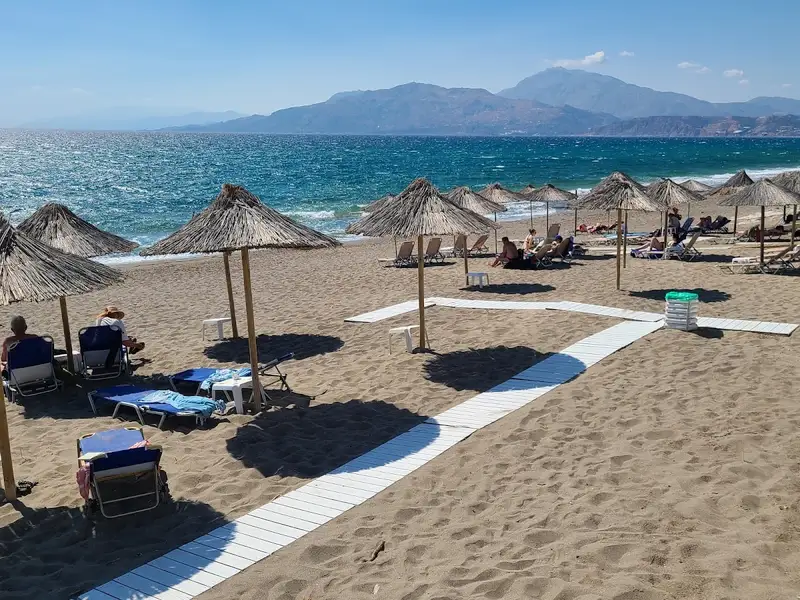
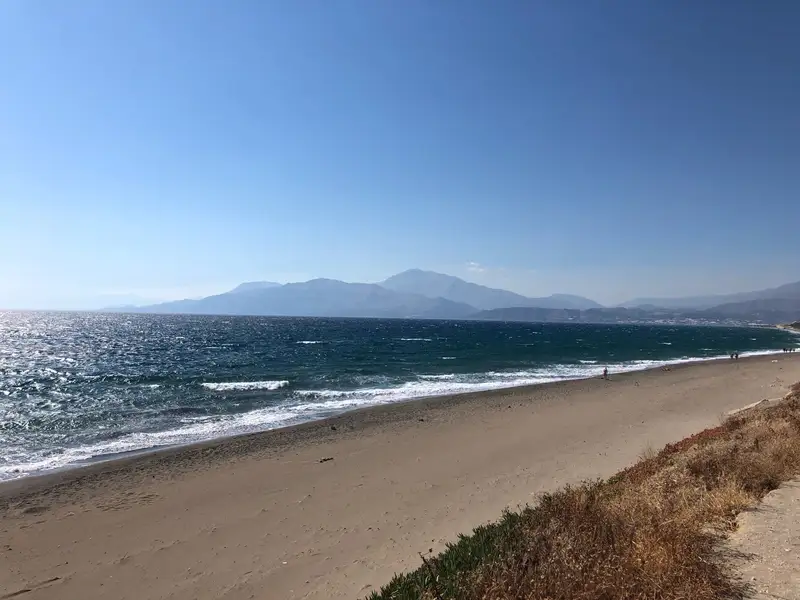
Kalamaki, a quaint seaside hamlet, is nestled between Matala and Kokkinos Pirgos, 65km southwest of Heraklion. The beach, a 2.5km stretch of the vast Messara Bay coastline, graces the village’s front. Its sandy shore is kissed by the sea, which conceals a slick, flat rock bed beneath its surface. It features large waves, usually stirred by northwest winds, making beach access challenging at times due to the rocky seabed.
The village-facing part of the beach is well-equipped with sunbeds, umbrellas, eateries, accommodation, a lifeguard, playground, and water sports. For a more isolated experience, head southeast towards Kommos beach, a favorite among nudists.
To the north, you’ll find Afratias and the Pahia Ammos beach, which features patches of rocks. Devoid of amenities, the beach does boast a small park used for hosting cultural events like concerts during summer months.
Further north lies the Timbaki military airport, now serving as a resort for Greek Air Force staff. Although the beachfront is accessible, trespassing beyond the fence is prohibited and could lead to arrest. Sometimes, parachuters and skydivers can be spotted descending from small aircraft, courtesy of a local club based at the airport. In 2008, a small plane crashed into the Kalamaki sea, with the pilot miraculously surviving the ordeal. The Tymbaki airport holds ecological significance for the Mesara plains as it’s intersected by the Geropotamos River, which flows out to the beach. This river, the area’s largest, serves as a sanctuary for hundreds of rare birds across its numerous ponds.
The sandy coast of Messara Bay is a protected breeding ground for the loggerhead sea turtle. To prevent nest destruction and avoid frightening these creatures, it’s best not to roam the beach’s darker areas during summer nights.
Although Kalamaki doesn’t boast a significant history due to its relatively new establishment, it’s a popular seaside resort for Kamilari locals. Some believe it once served as a small harbor for Phaestus or Gortys in ancient times, though no concrete evidence supports this claim.
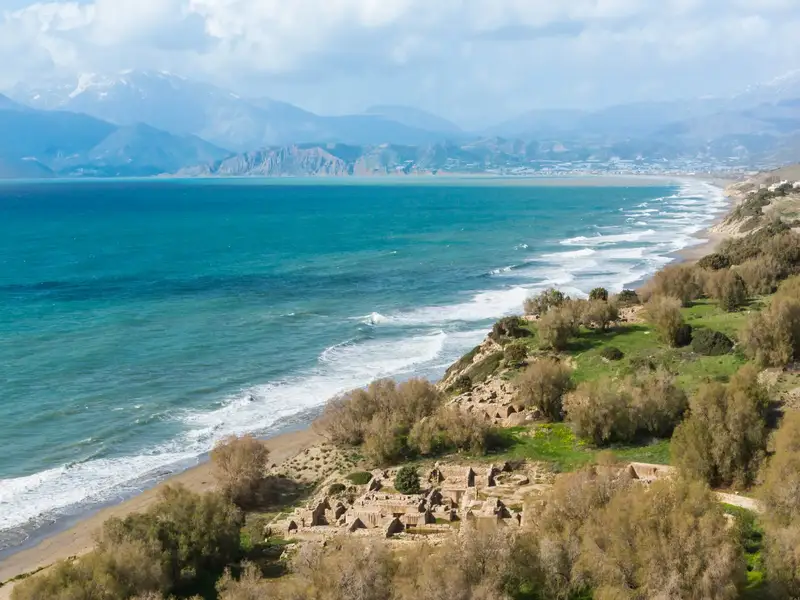
Situated 66km southwest of Heraklion, Kommos (or Komos) lies a mere 2km north of Matala and in close proximity to Pitsidia village. It stands as the southernmost and remotest section of the extensive beachfront of Messara Bay. Once serving as the port of Phaestus, the remnants of the ancient port of Kommos can still be observed on the beach. It can be reached by driving towards Matala and following a sign to Kommos near Pitsidia.
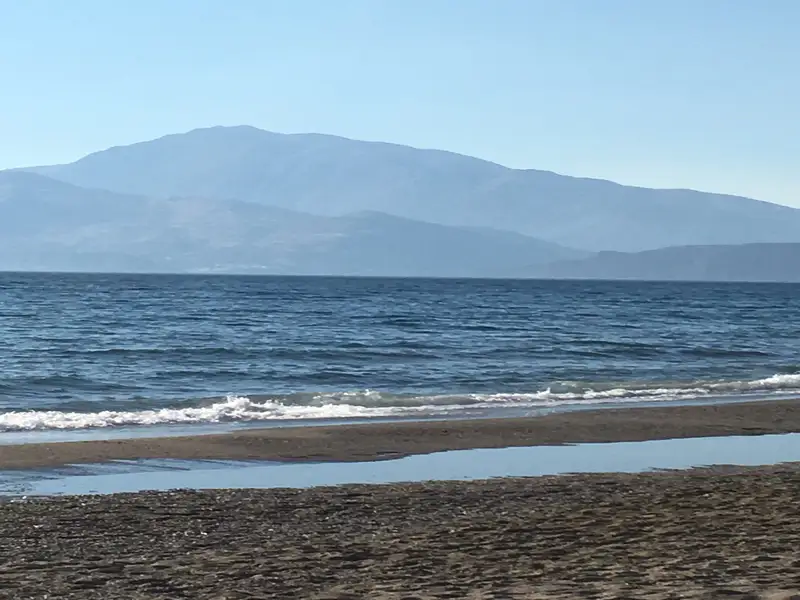
The entire beachfront of Messara is exposed to the prevalent westerly winds. Visitors should exercise caution as the seabed can be rocky in certain areas. The beach also serves as a nesting ground for the protected loggerhead sea turtles (Caretta caretta) between the months of May and September.
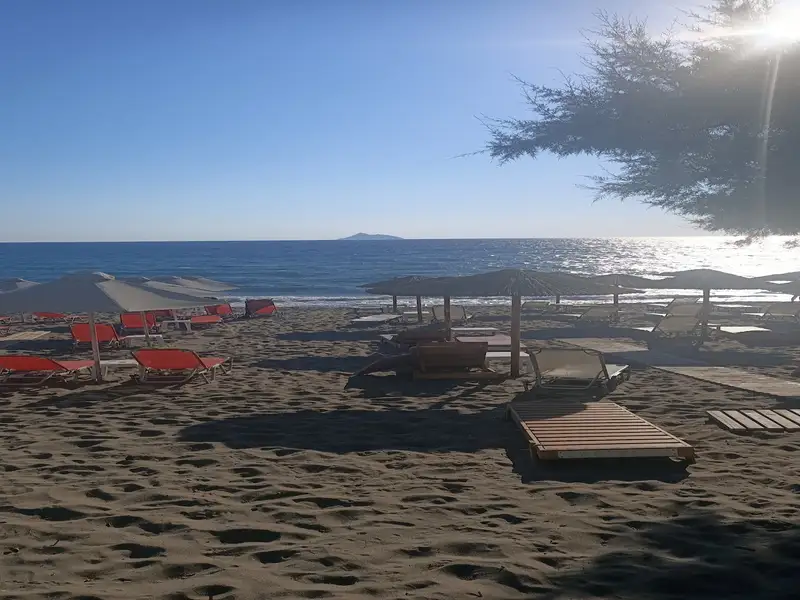
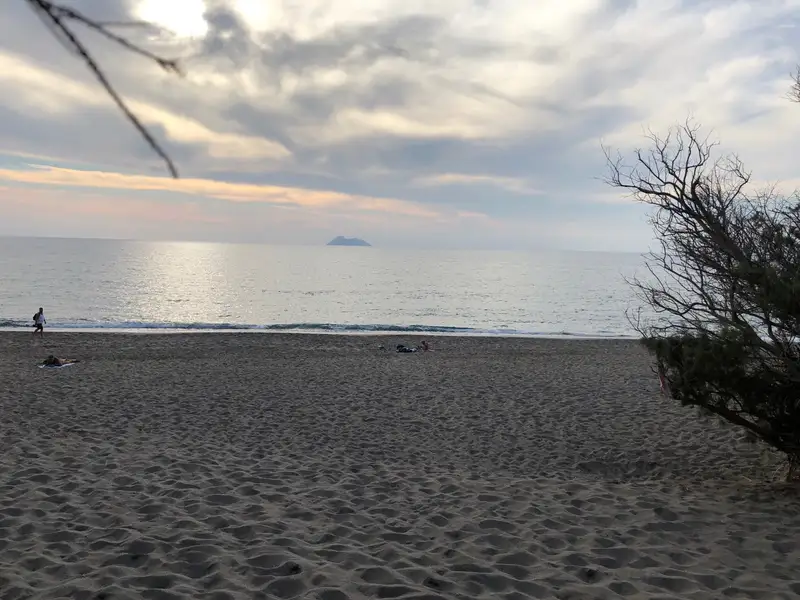
Potamos or Potamoserma, the northern section of Kommos, is a popular spot among naturists, dating back to when hippies frequented the area. The location is dotted with sparse tamarisk trees and devoid of buildings due to its protected archaeological status, restricting construction. Next to the archaeological site in the south, there is a developed beach equipped with amenities such as umbrellas, sun beds, a toilet, showers, a canteen and a lifeguard. Surrounding sand dunes are home to white sand lilies that mark the end of summer. Nearby Kalamaki or Pitsidia and Matala offer options for accommodation and dining.
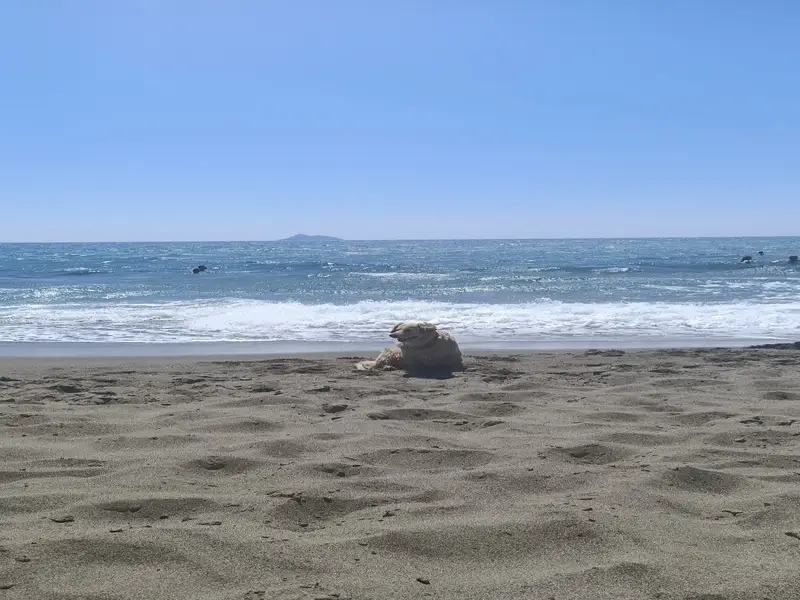
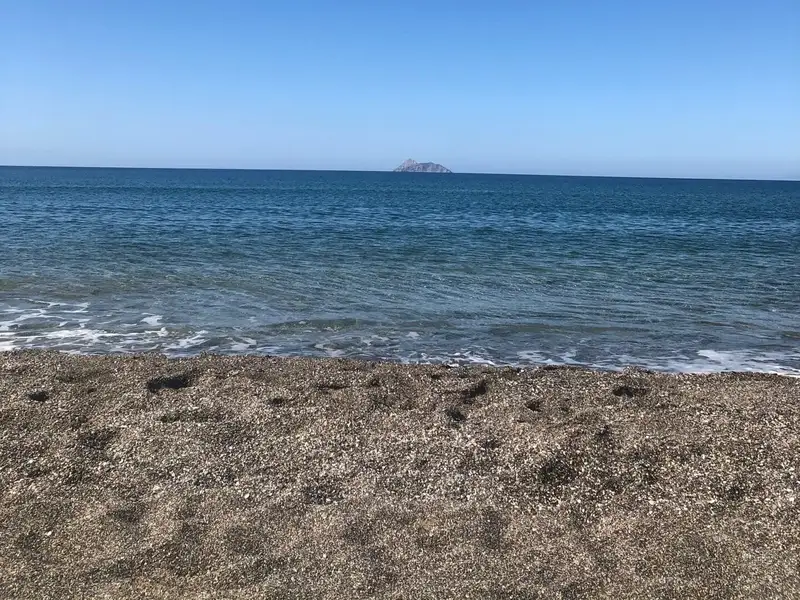
The sight of Paximadia islets during sunset is breathtaking. A large rock, known locally as Volakas, stands 300m out at sea, opposite the archaeological site. According to local lore, this rock is the tip of the boulder that the blinded Cyclops Polyphemus hurled at Odysseus’ ship to prevent his escape, following Odysseus and his crew’s escape from Polyphemus’ cave.
Kommos, the ancient port of Phaestus, was established around 200BC. However, it was subsequently destroyed by an earthquake and then rebuilt at the same location. The archaeological site of Komos, not open to the public, houses a Minoan harbour, public buildings, warehouses, oil presses, shipyards and a large courtyard. Archaeologists have uncovered a small temple, constructed on the ruins of an older one.
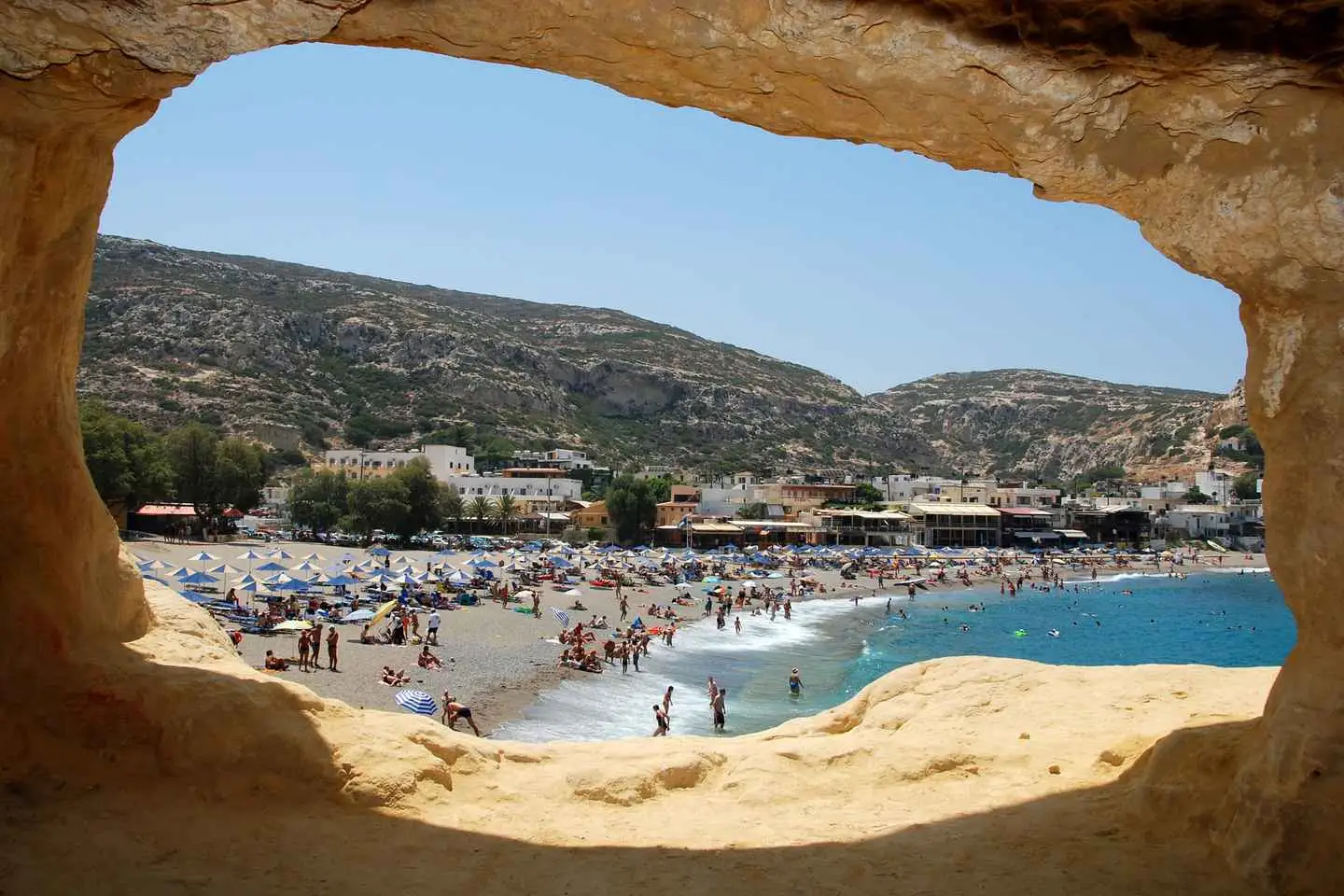
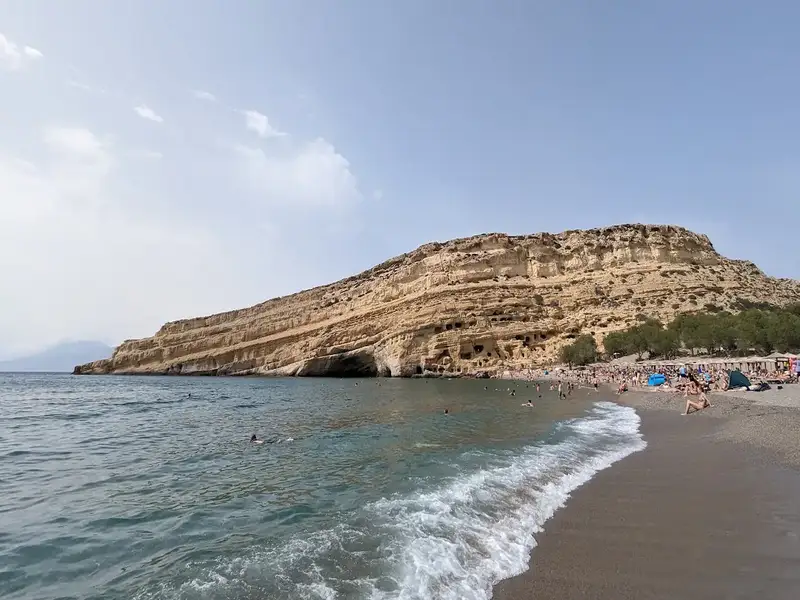
The beach of Matala is situated 68km southwest of Heraklion, where the Messara plain and Asteroussia Mountains intersect. It is one of the most frequented tourist spots in Crete and the most well-known beach in the southern region of the Heraklion prefecture. Matala is notable for its rock-carved caves and its association with the hippie culture of the 1970s. It lies in close proximity to Phaestus, the second largest palace of the Minoan civilization, having once served as its port. During the era of the Romans, Matala transformed into a port for Gortyn.
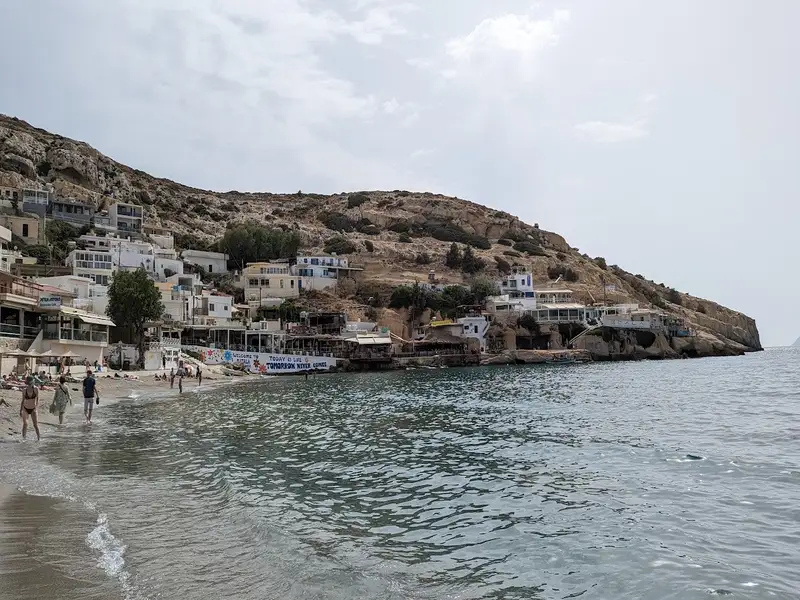
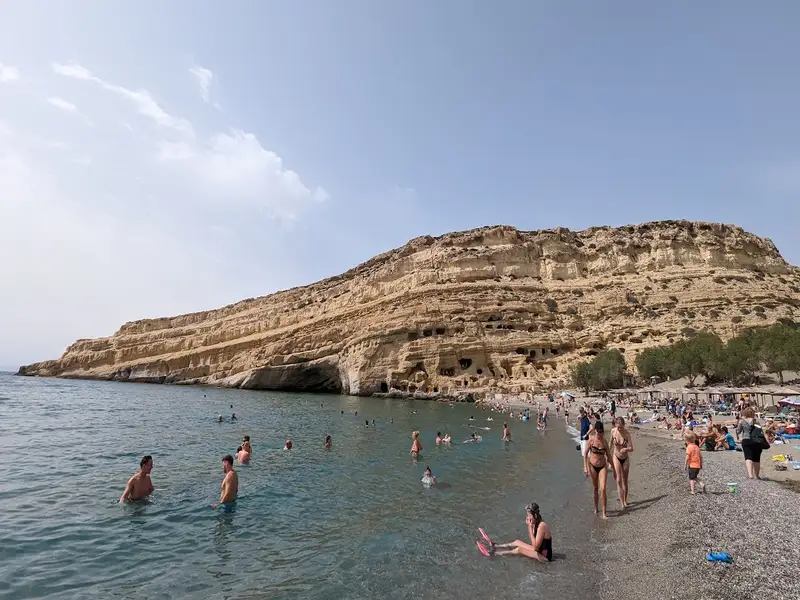
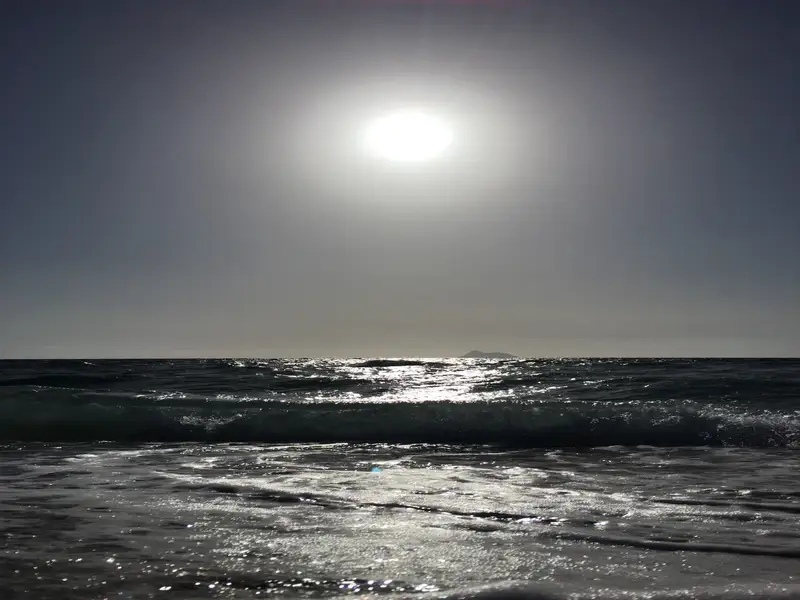
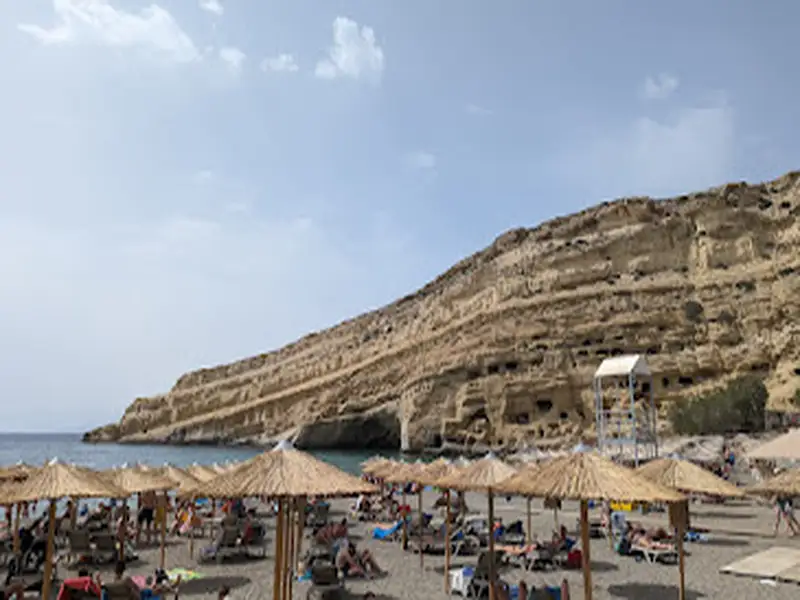
Nestled at the end of a small valley, Matala overlooks an enclosed bay with a picturesque view of the Paximadia islands. The beach spans 300m and features beautiful sandy shores, fine gravel, and crystal-clear deep waters. However, parts of the seabed, particularly the central area, are quite rocky and waves are common due to frequent westerly winds. A large cave can be found on the northern part of the beach, from which some thrill-seekers dive.
Matala beach is well-equipped with amenities such as umbrellas, restrooms, showers, lifeguards, first aid facilities, beach volleyball courts, snack bars, water sports, excursion boats, and a camping site. The surrounding area of Matala offers a range of accommodation, dining, and entertainment options. The beach is largely shaded by tamarisk trees, providing a respite from the sun. Come evening, the beach bars are brimming with people, both locals and tourists. The internationally acclaimed Matala Festival draws large crowds every June.
No results available
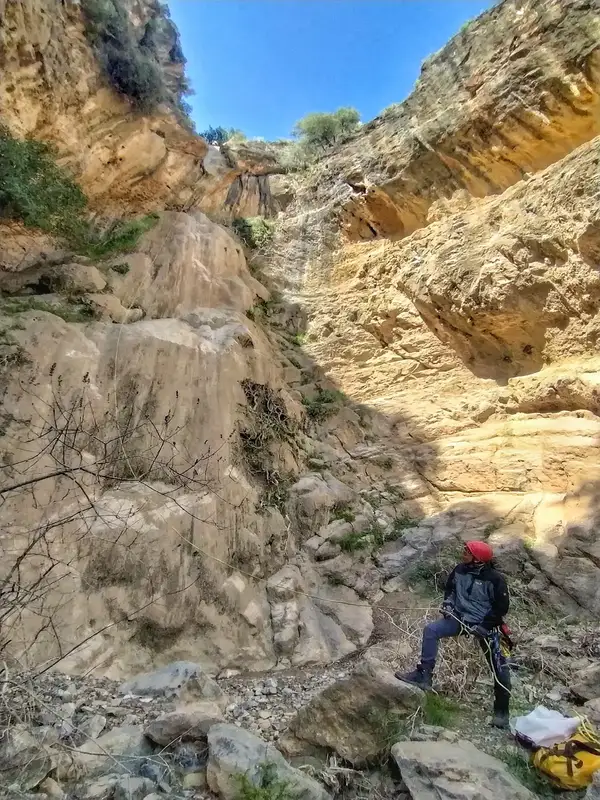
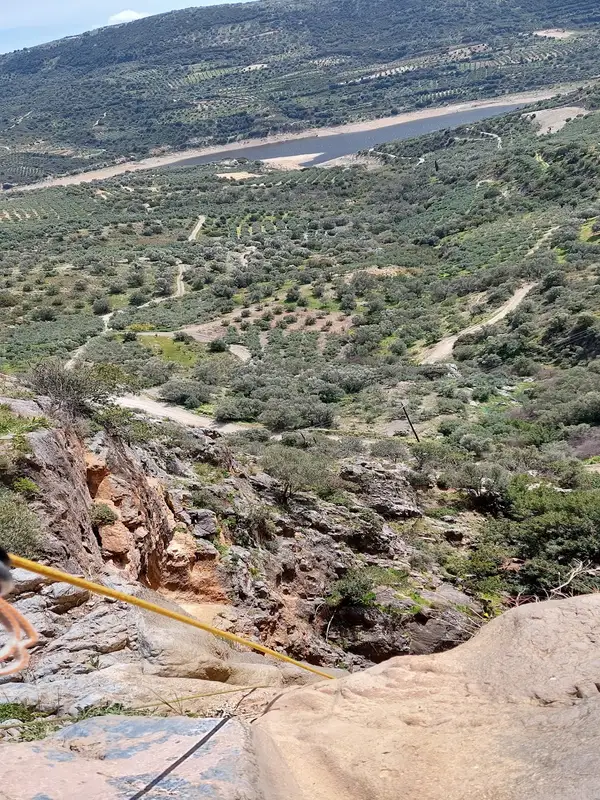
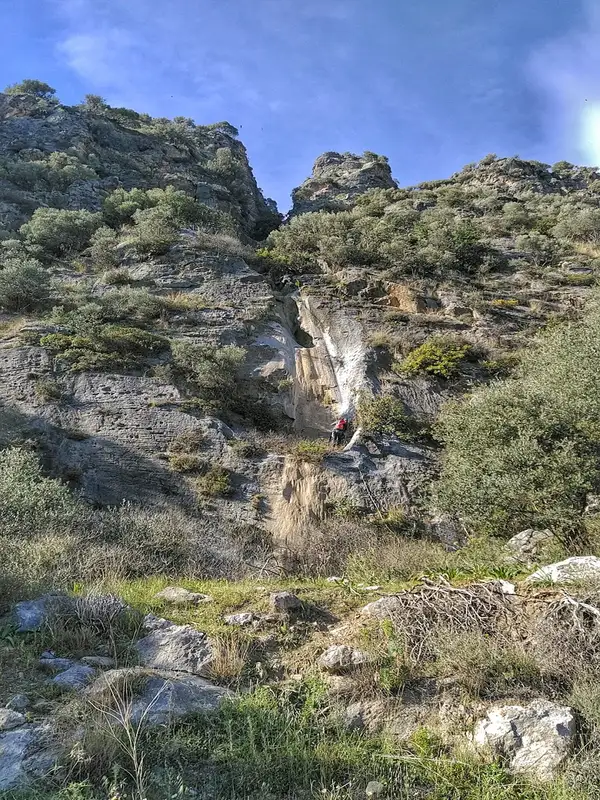
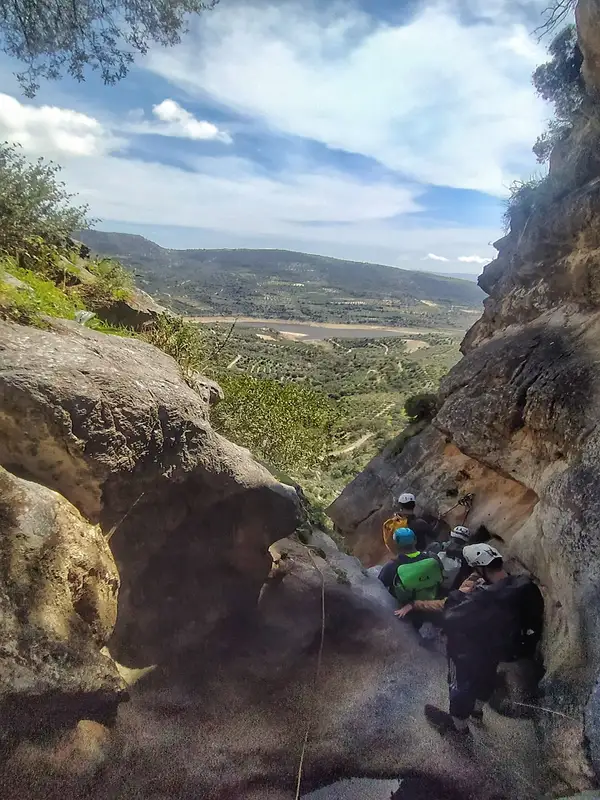
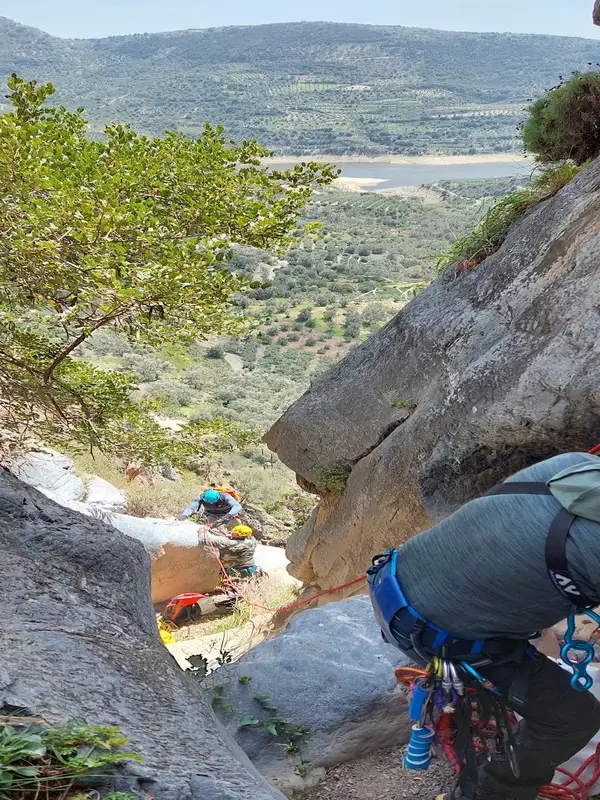
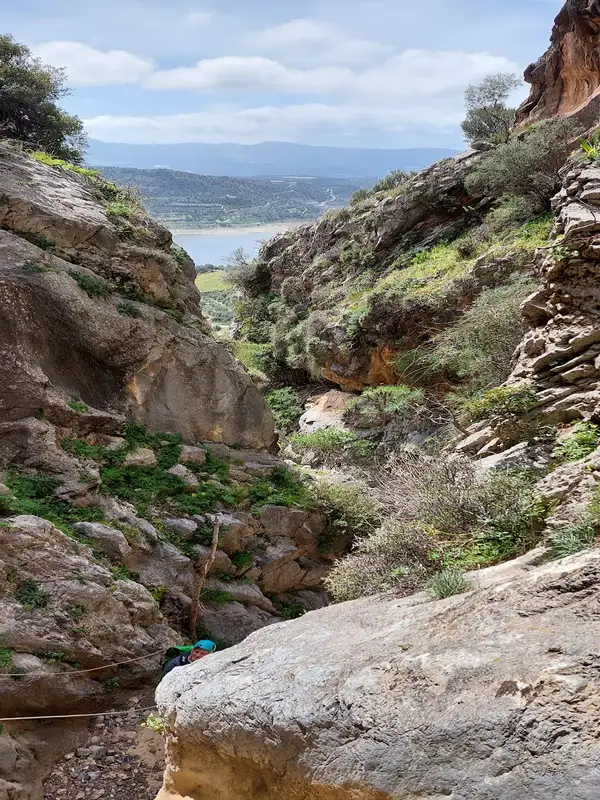
On the southeastern flank of Mount Sanida, near the quaint village of Skourvoula, you’ll find a petite yet wildly untamed chasm known as Rizopetro. This gorge culminates in a striking 60m waterfall that cascades into the lake of the Faneromeni dam, a sight to behold especially after heavy downpours.
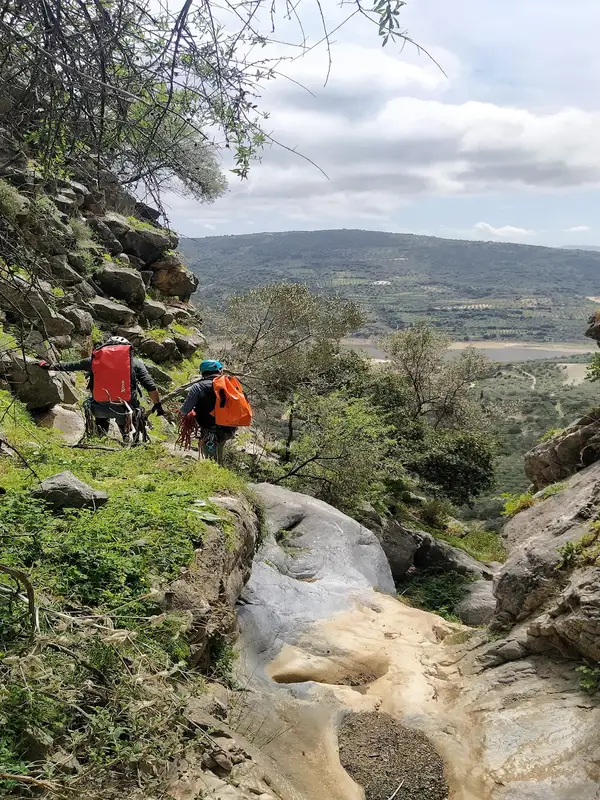
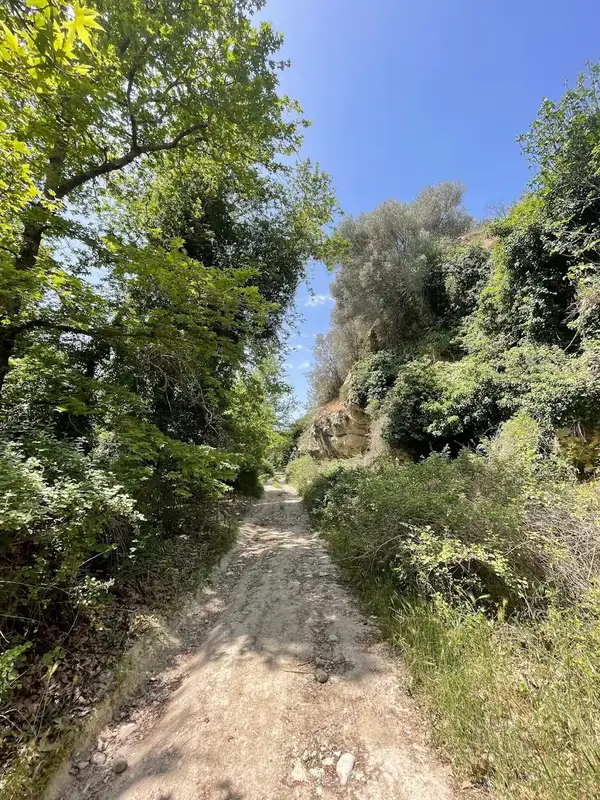
The Apolychnos Gorge, situated just a few kilometers north of the town of Mires, is nestled in an area abundant with olive groves. This gorge is essentially a narrow valley that traces the path of a river, which in certain areas deepens and is surrounded by thick vegetation. The Tourki stream that flows through it carries water from a valley that begins west of Makres village to the Geropotamos river. The gorge, which is roughly 3 km long, begins near the village of Panagia and concludes at the traditional settlement of Agios Antonios (Vrelis). It’s conveniently accessible, particularly near its exit close to Agios Antonios, as it’s adjacent to the main road from Mires.
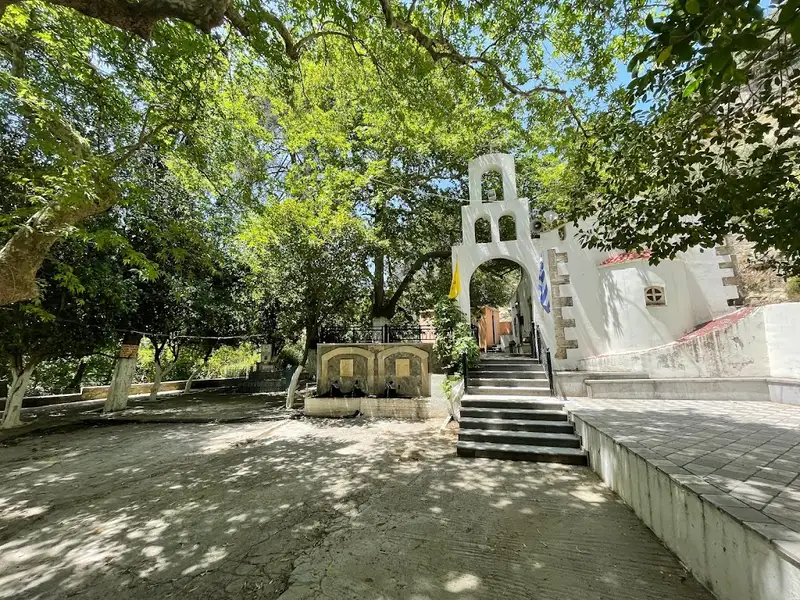
The gorge is named after the deserted village of Apolychnos, which is situated within the gorge at an elevation of 220m. This village, enveloped by verdant trees and bubbling springs, is home to the stunning Byzantine church of Saint Panteleimon, located in the village square.
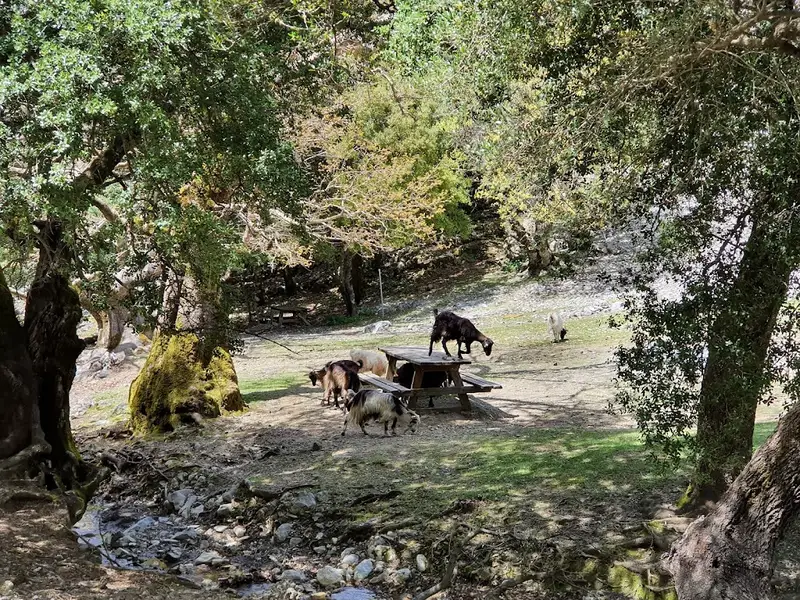
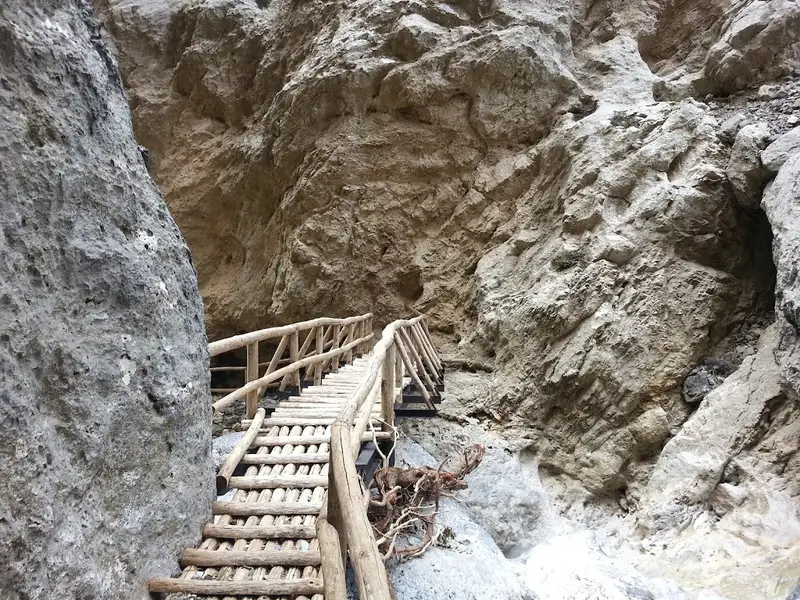
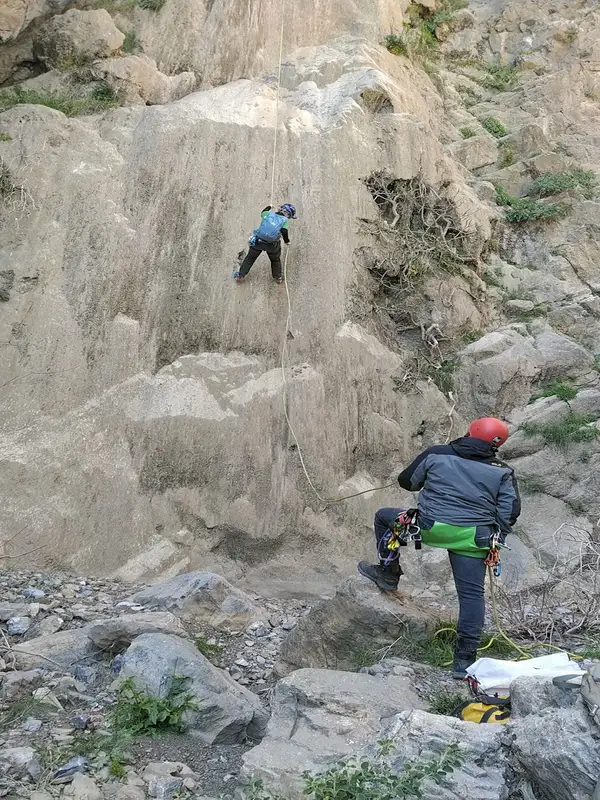
The Agios Nikolaos, Gafaris or Rouvas gorge is nestled between the Ambelakia and Samari peaks. This gorge, the most significant in Psiloritis and central Crete, is named after the St Nicholas monastery located near its exit at Zaros. This area is an ecosystem teeming with diverse flora and fauna, smaller canyons, and striking geological formations and cliffs. It spans 4 km, with 2.7 km developed by the Forest Service for activities like hiking, mountaineering, rock climbing, and wildlife observation. However, a fire in 1994 significantly damaged the beautiful Rouvas forest near the gorge’s south entrance.
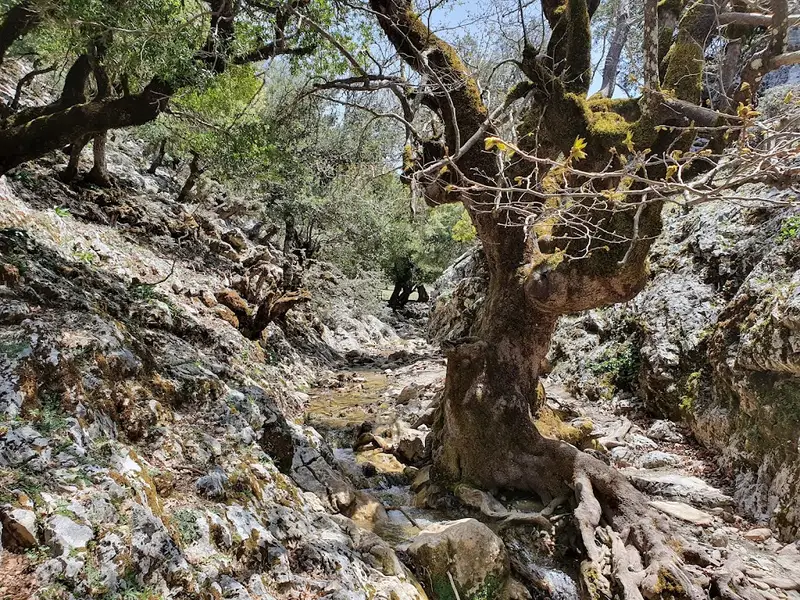
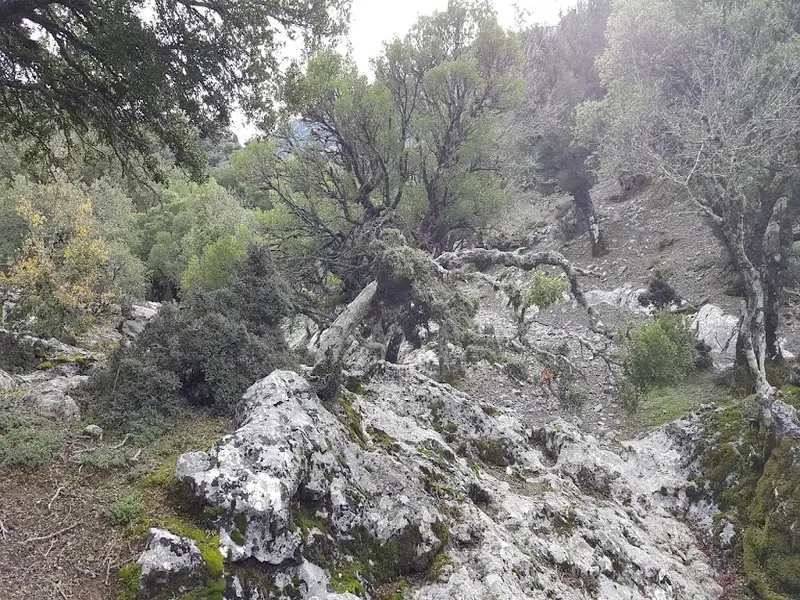
The Rouvas forest, located in the Saint Nicholas gorge, is a nationally significant ecosystem of holly trees. It covers the inner valley of Psiloritis, surrounded by the peaks of Ambelakia, Samari, Chalazokefala, Skinakas, Koudouni, and Giristi. The area’s trees are ancient, with some trunks exceeding 1 meter in diameter and reaching heights of 15 meters. They grow densely, forming a unique forest society, supplemented by various shrub species.
The forest houses other typical Cretan flora, such as aria, zelkova, cypress, pine, plane, and pear trees, covering approximately 30,000 acres. The uniqueness of the Rouvas forest lies in the holly trees’ unusual size and characteristics compared to their typical Greek counterparts. This is likely due to the absence of external factors that allowed these shrubby oaks to evolve into their current form. Around the forest, one can spot scattered “mitata” (shepherd houses), most of which are now abandoned.
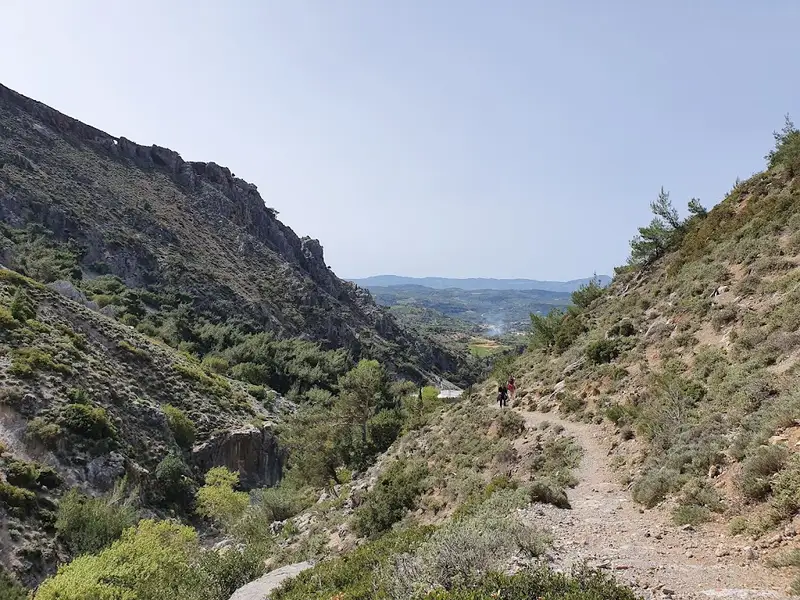
Recommended hiking routes include Zaros Lake to Saint John (a 2.5-hour return trip) and Psakofarago to Agios Ioannis to Lake Zaros (a 5-hour trip). The first route starts from Zaros Lake, leading to the St Nicholas monastery before entering the Rouvas gorge. The trail then ascends through the old burned forest, offering stunning views of the Zaros and Messara planes, before entering a narrow gorge filled with dense vegetation. The path follows the river bed, abundant with water in spring, leading to the heart of the forest, the Agios Ioannis area.
The second route begins north of Agios Ioannis at the Psakofarago gorge, the upper extension of the Rouvas gorge. The trail starts from the Holy Cross church and ends at Lake Zaros, passing through Agios Ioannis and the Rouvas gorge. This route requires a transfer to the Holy Cross church and a pick-up from Lake Zaros. Both routes offer the chance to experience the unique beauty of the Rouvas forest and its surroundings.
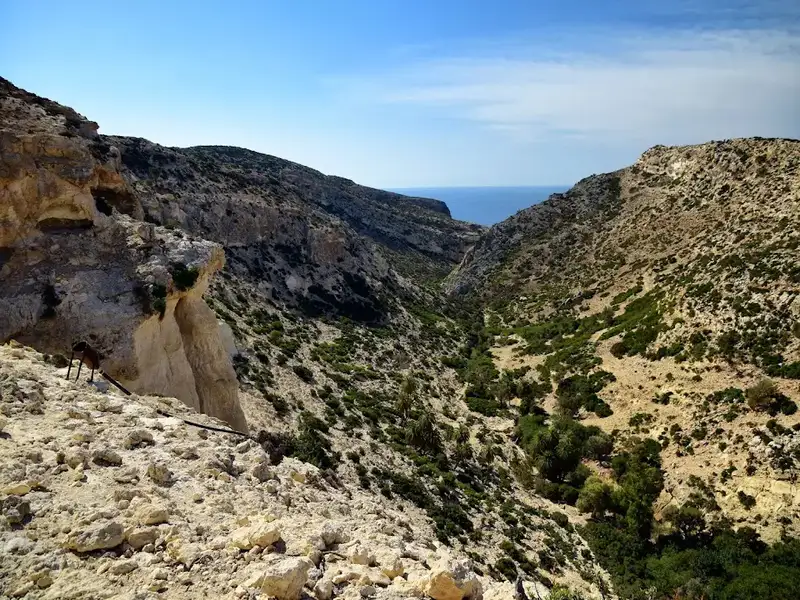
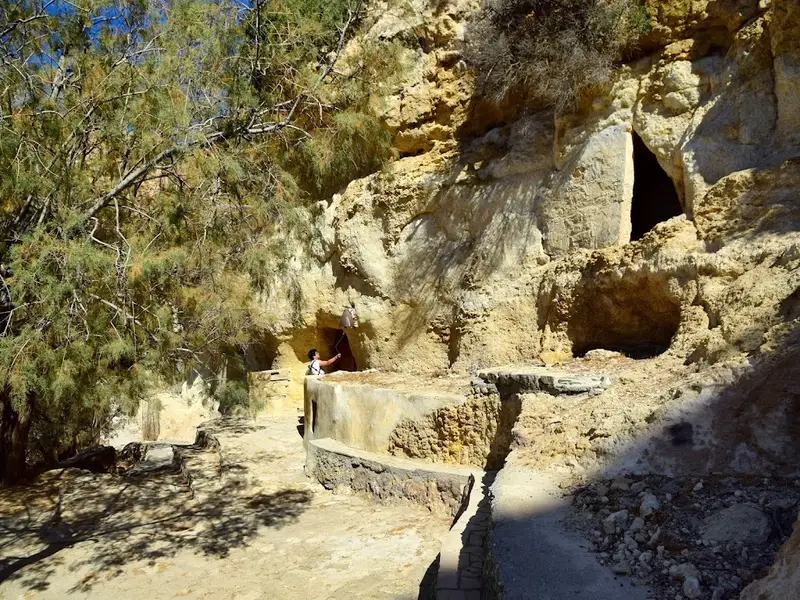
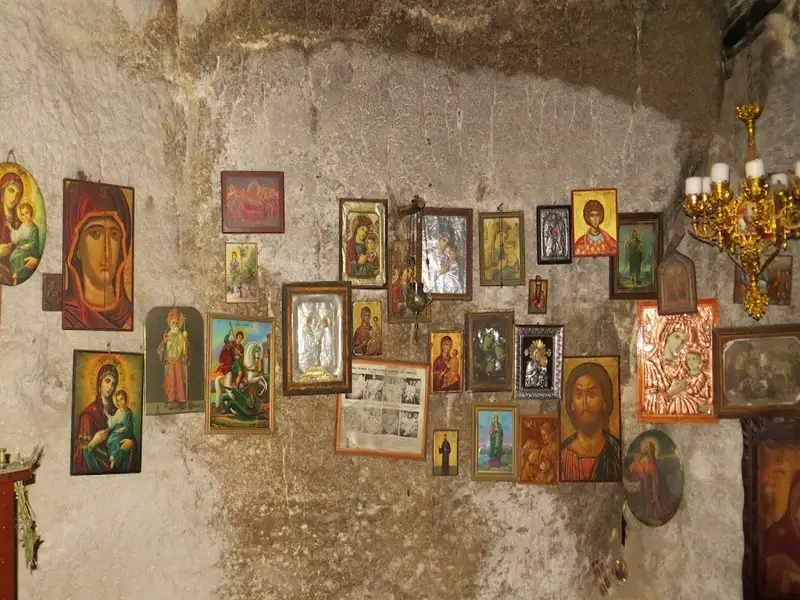
The Martsalo Gorge, stretching around 2km, is nestled on the southern coast of the rugged Asterousia Range. It collects rainwater from the Aginara region, near the Panagia Odigitria Monastery and eventually flows out onto Martsalo beach. Initially, a well-kept short trail leads from the closest dirt road to the historic church of Panagia Martsaliani. This ancient church, dating back to the early Christian era, is believed to have served as a catacomb, providing refuge for the first Christians. Surrounding the church, one can find hermit cells carved into the rocks and remnants of old structures.
From this point, it’s a relatively easy descent into the gorge’s bed, leading to the picturesque Martsalo beach. According to local lore, the Apostle Paul briefly landed here during his journey to Rome. The path to the beach is dotted with clusters of Cretan date palm trees, forming the second largest colony in Asterousia, only surpassed by the palm forest of Agios Nikitas.
No results available
No results available
No results available
© All rights reserved. Crete Locals