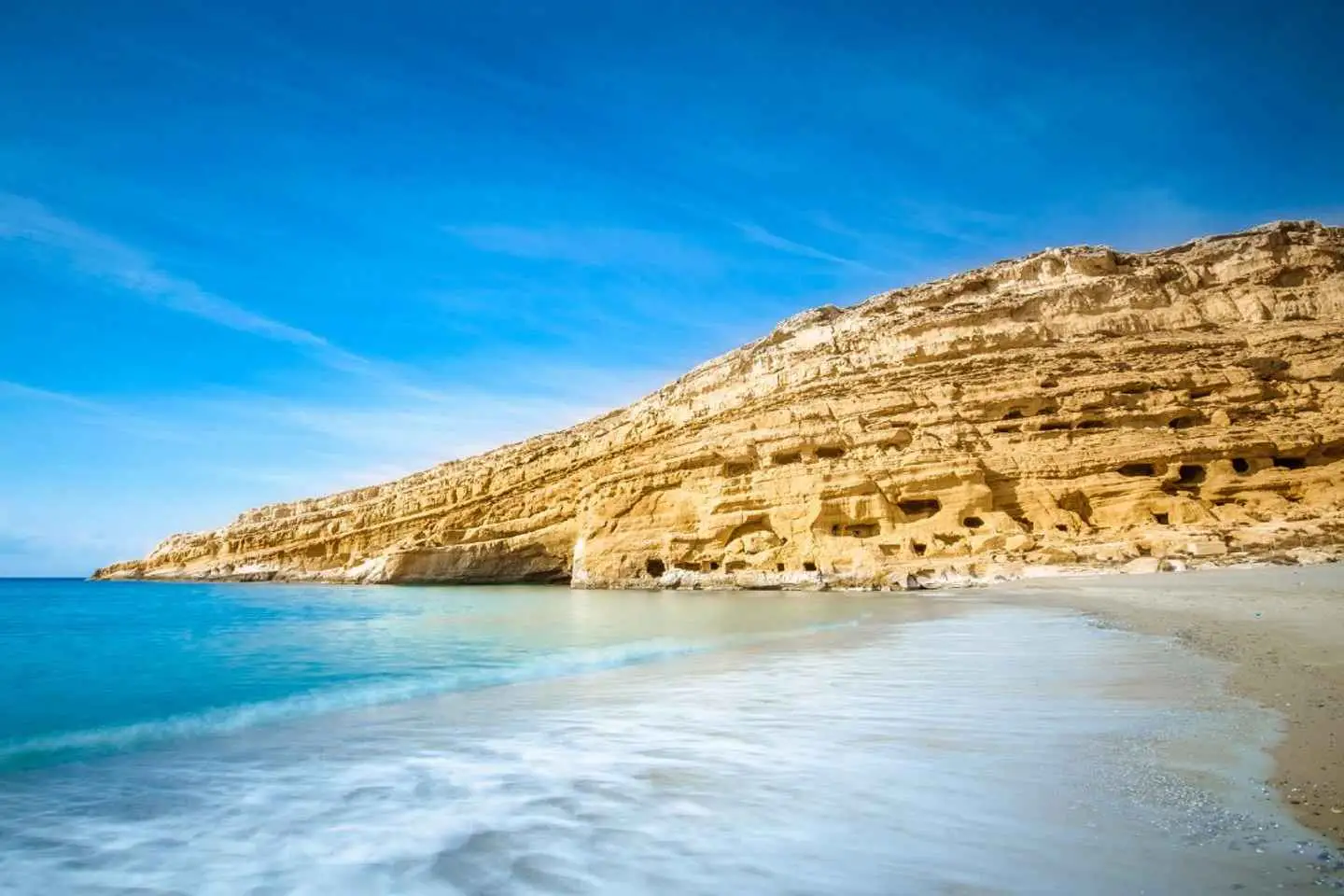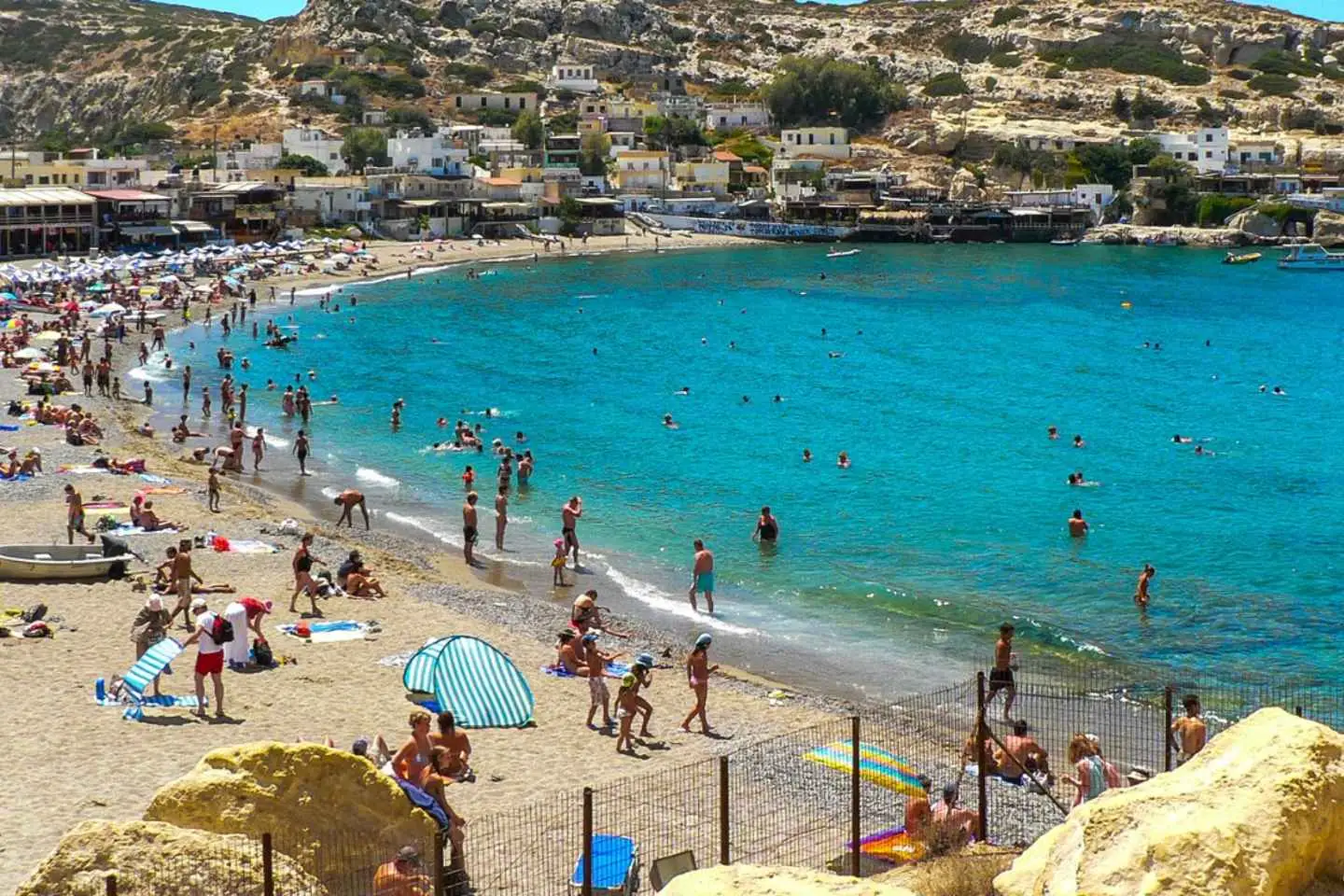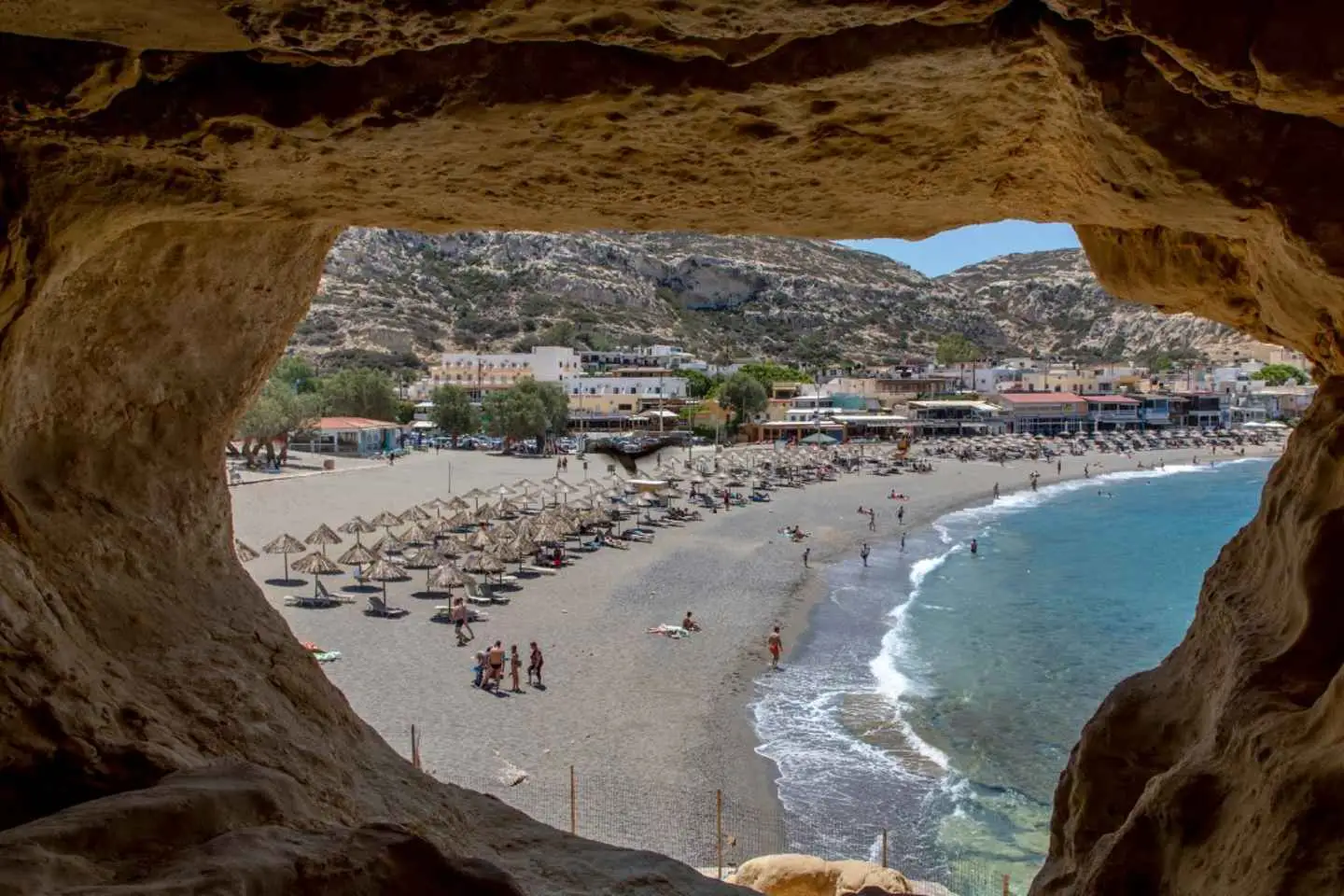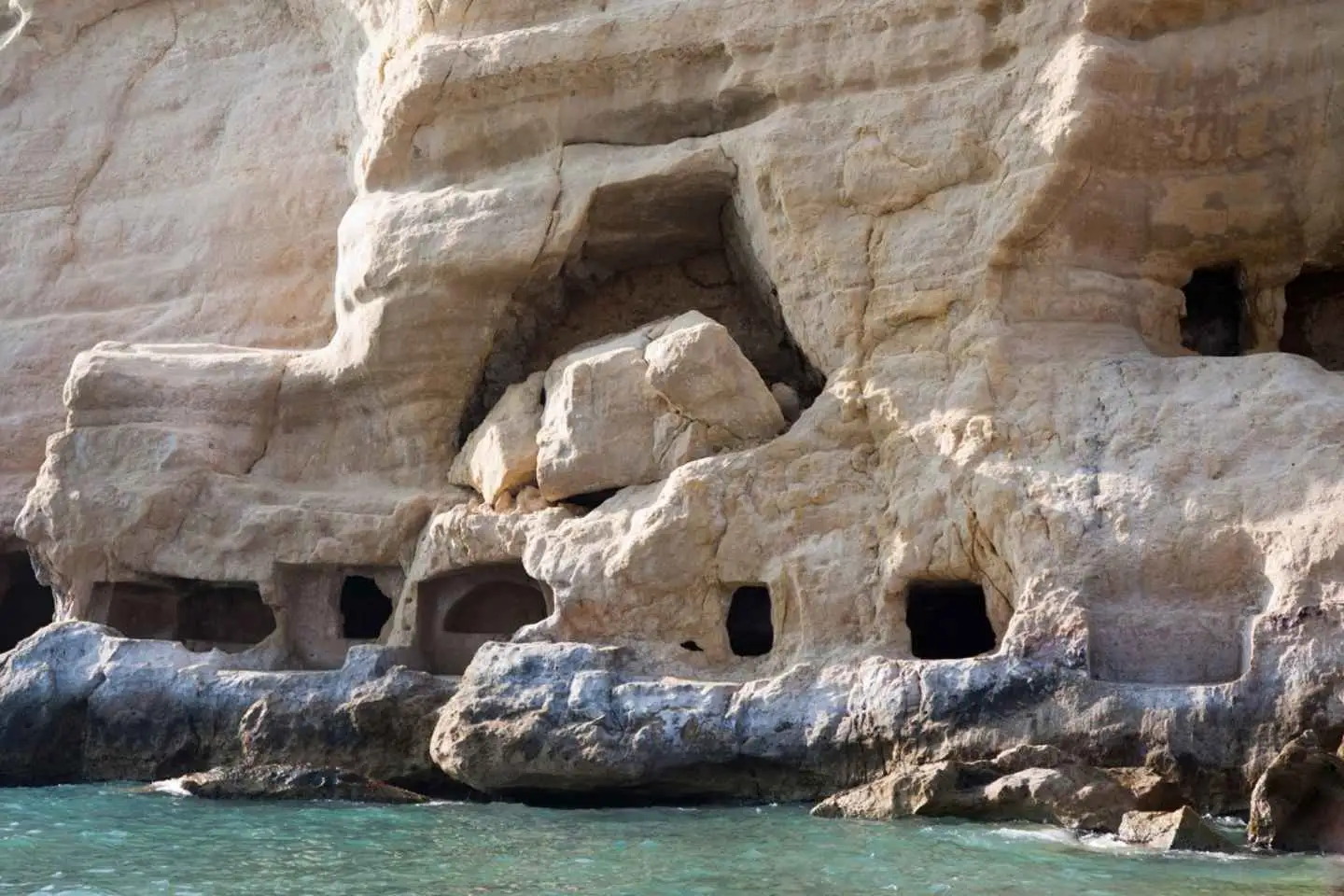
Take and airconditioned bus trip through South Crete on this day trip with pickup from Heraklion. Travel back in time as you explore Cretan history at the Gortys archeological site and have plenty of free time to soak up the vibes of at the colorful, seaside town of Matala.
Be picked up from the comfort of your accommodation in selected locations on Crete in the morning. Drive for 1.5 hours to the Gortys archeological site. Purchase a ticket to the site to uncover sights from 5000 years of Cretan history.
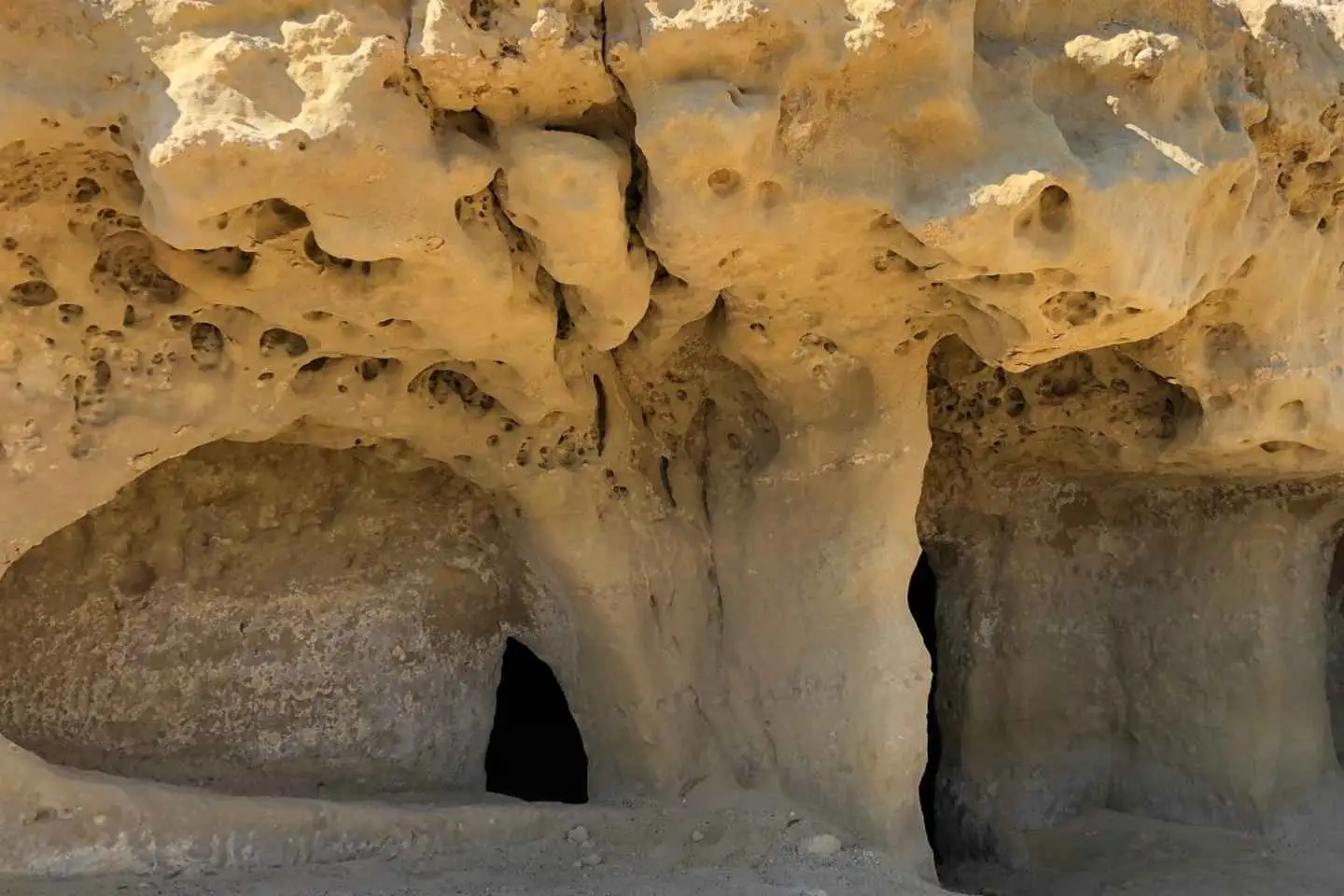
Take a short drive to Matala and spend 4.5 hours of free time where you can go swimming, sunbathe at the beach, purchase a ticket to the local caves or have lunch at a charming seaside café.
Return to your accommodation in Crete at the end of your free time in Matala.
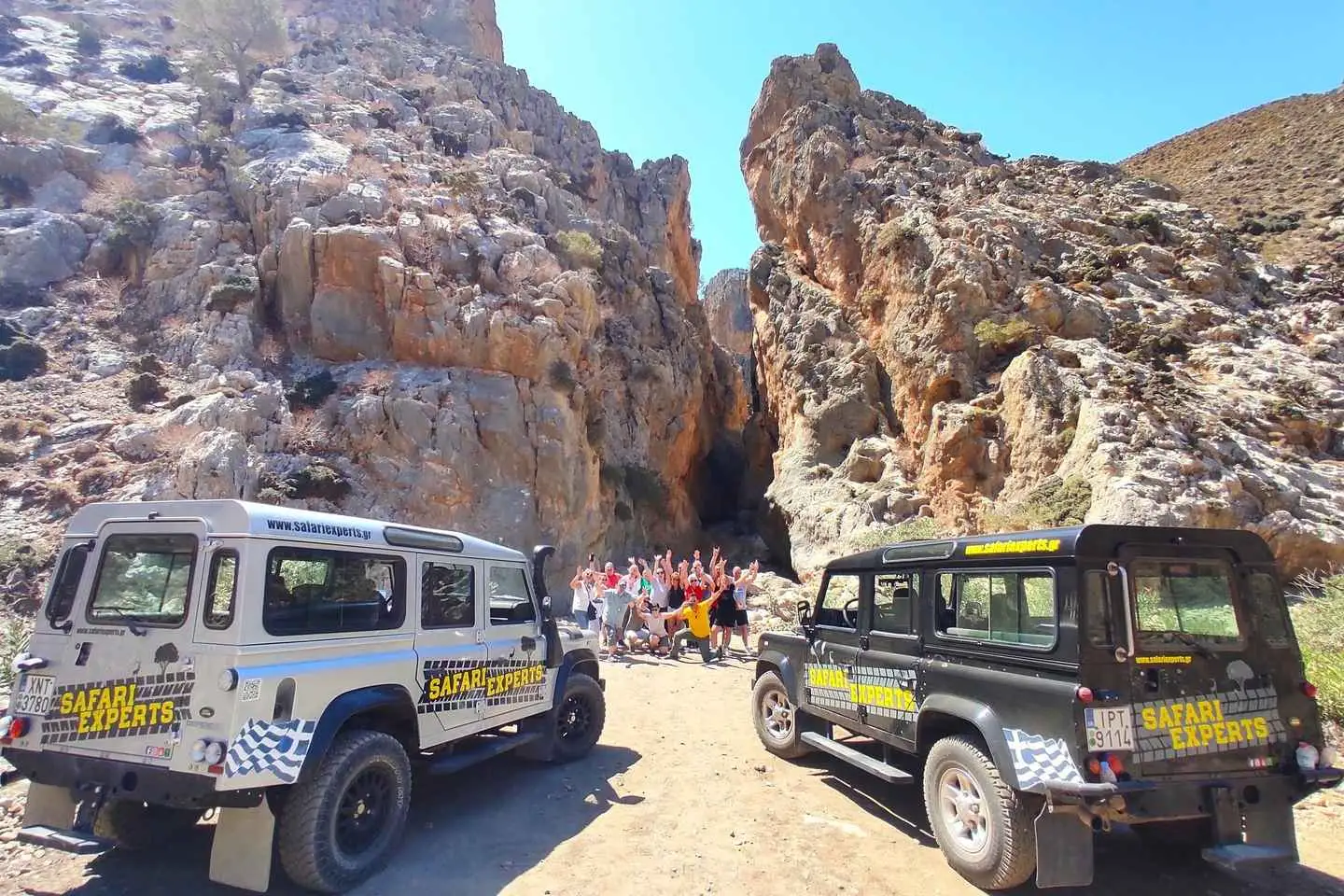
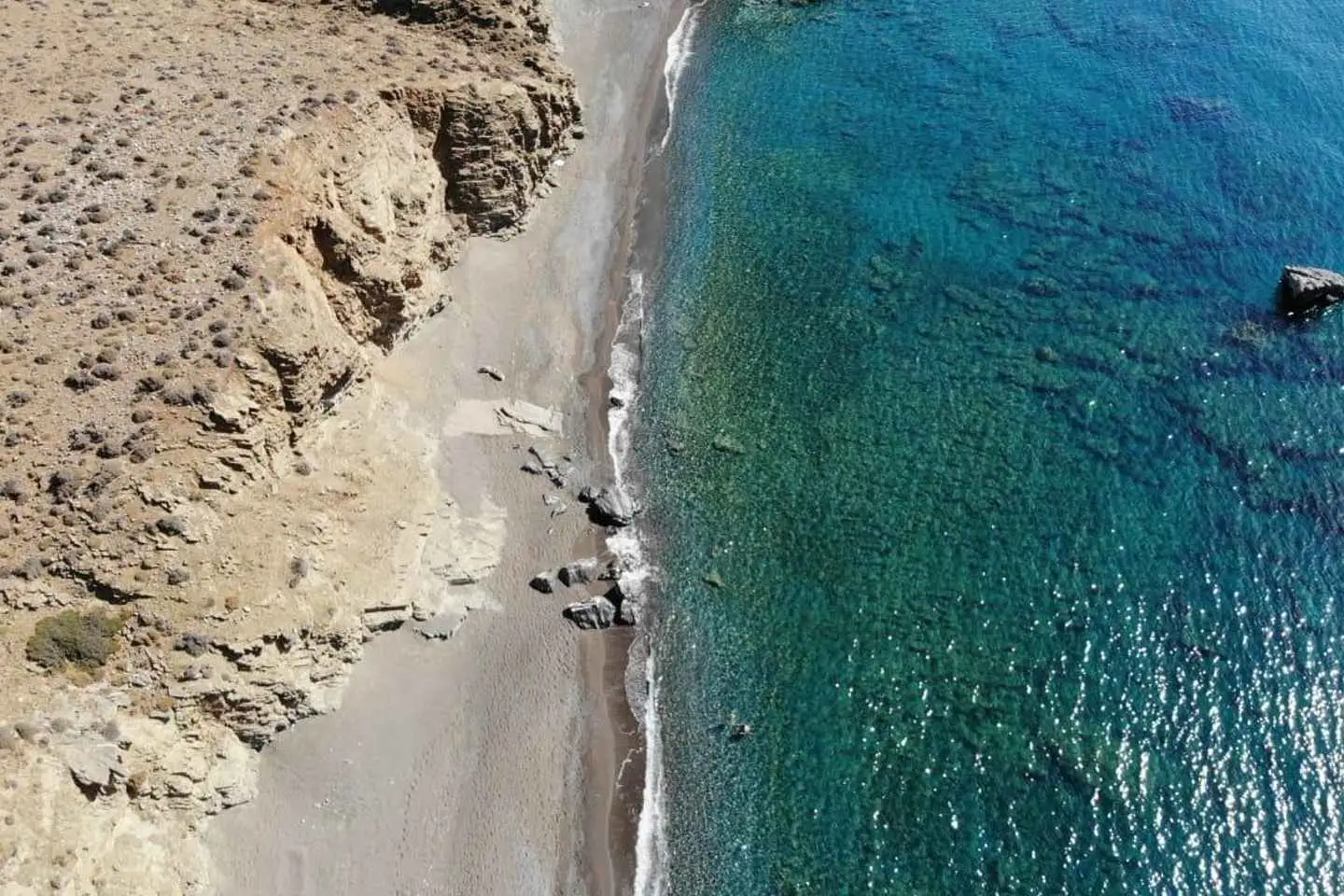
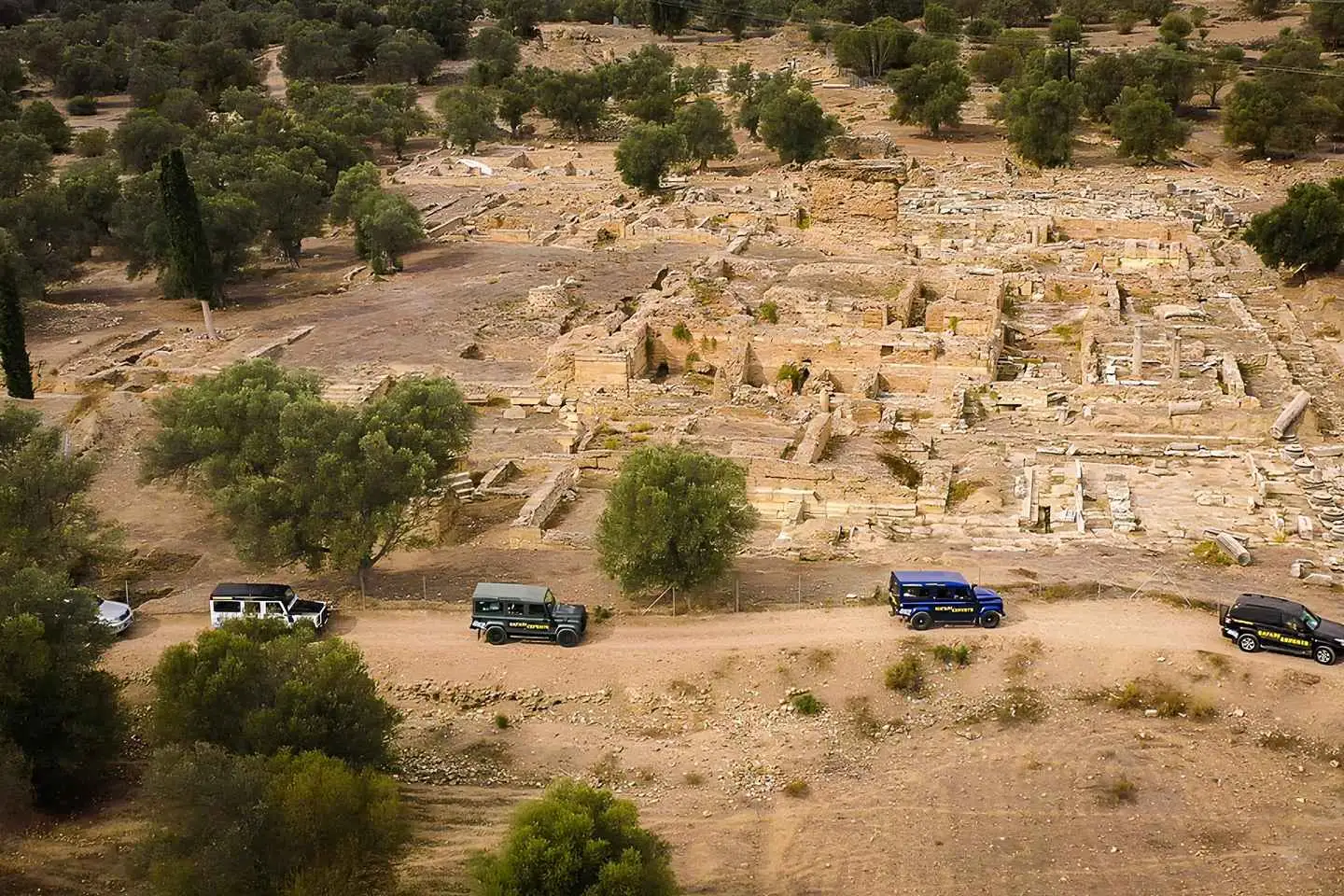
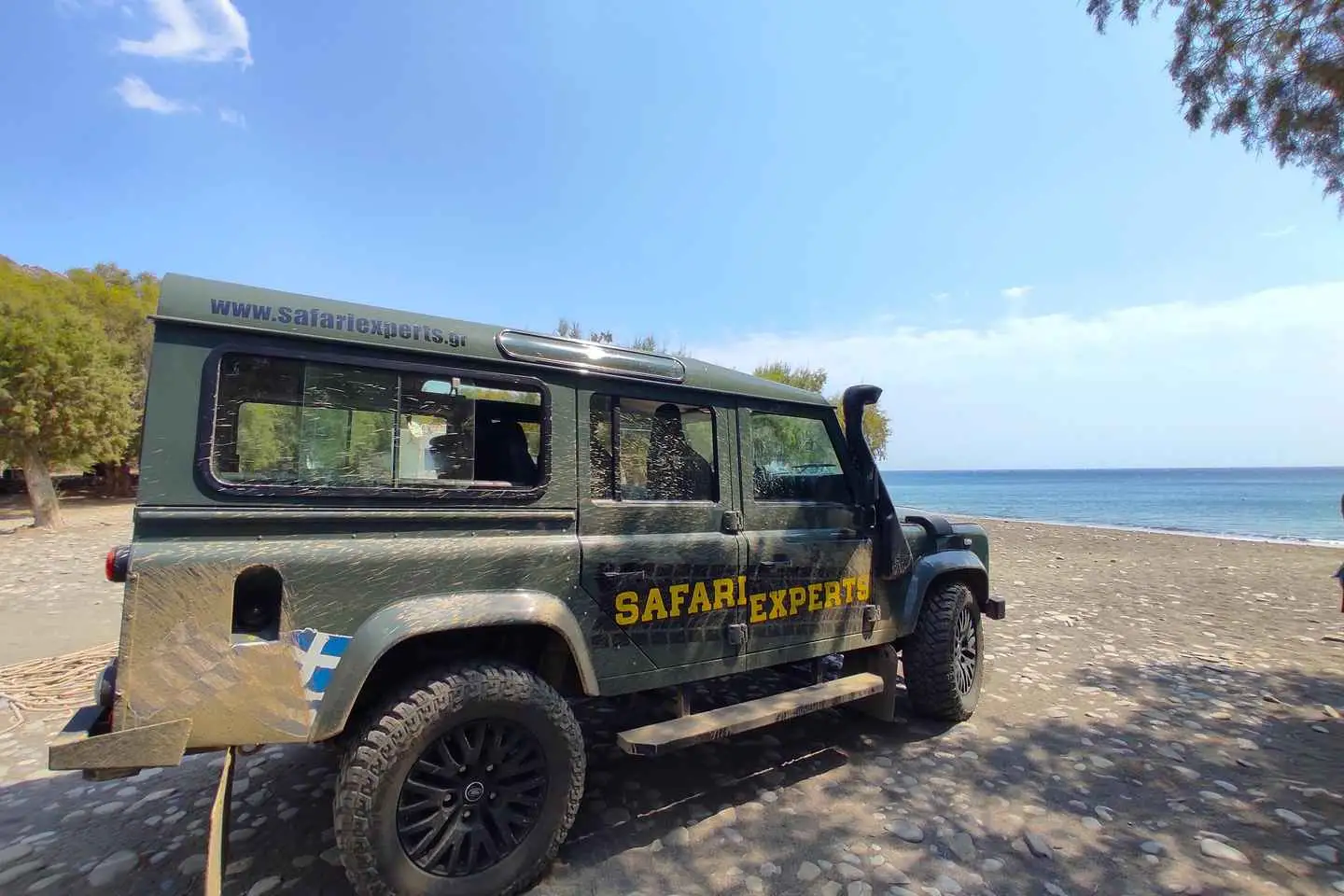
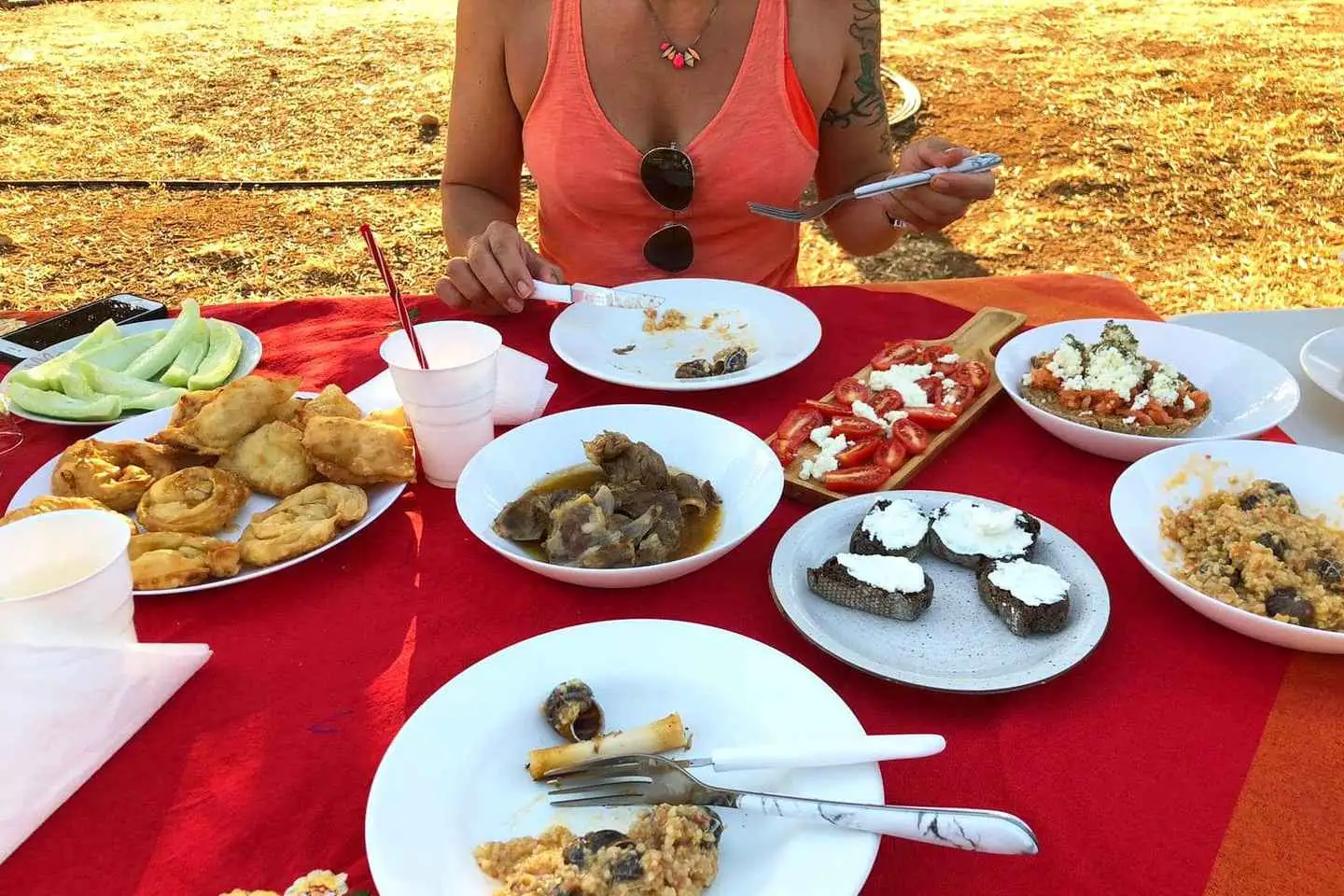
A special excursion to the South of the island, starting our exploration with a visit to the emblematic lake of incomparable beauty in Zaros in a highly impressive landscape in central Crete! Then driving among the biggest valley of Crete, Messara, where we drive through pre-Minoan, Minoan, ancient Greek, and Roman ruins. We continue to the gorge of Trypiti through the biggest valley of Crete, this of Messara where our descent inside the gorge and through huge vertical rocks ends at the well hidden and exotic beach of Trypiti. Landscape of incomparable natural beauty rich in flora and fauna. Arrival at the beach and time for swim in its crystal clear waters. Quiet beach for moments of relaxation just before our lunch with authentic Cretan food in the center of the wild olive tree forest in the canyon of St. Savvas. Satisfying experiences and good traditional food, we return to your hotel with the best memories !
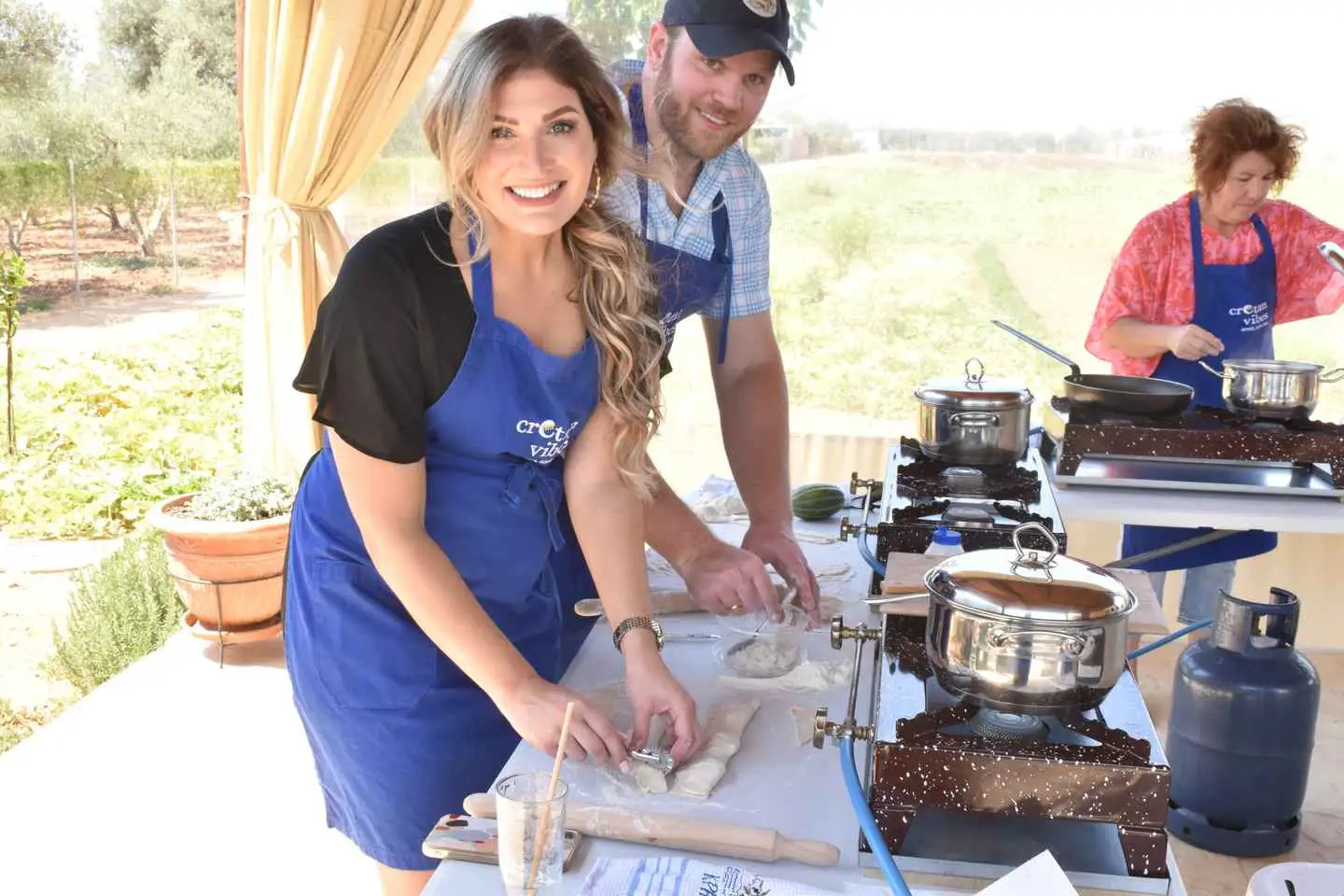
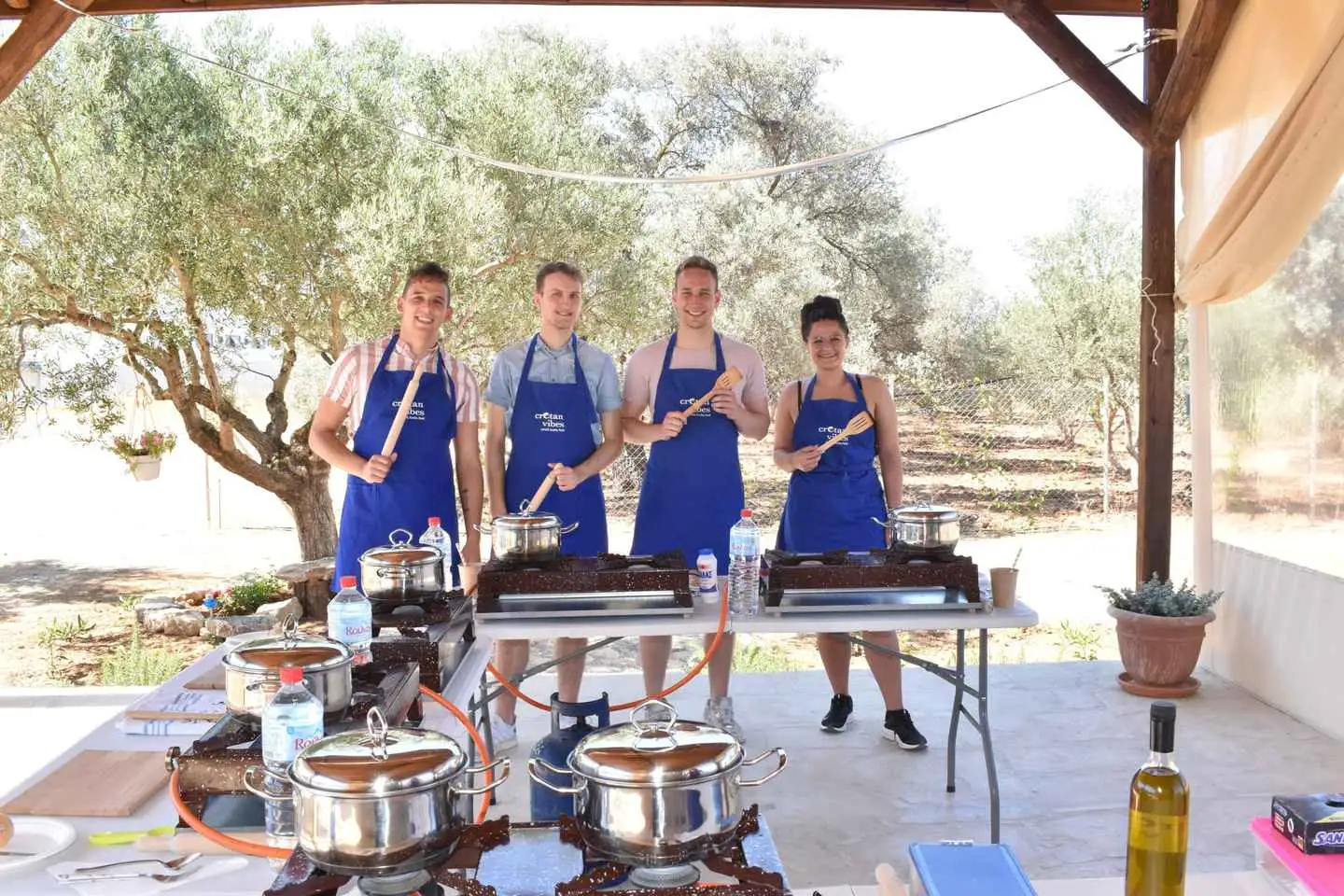
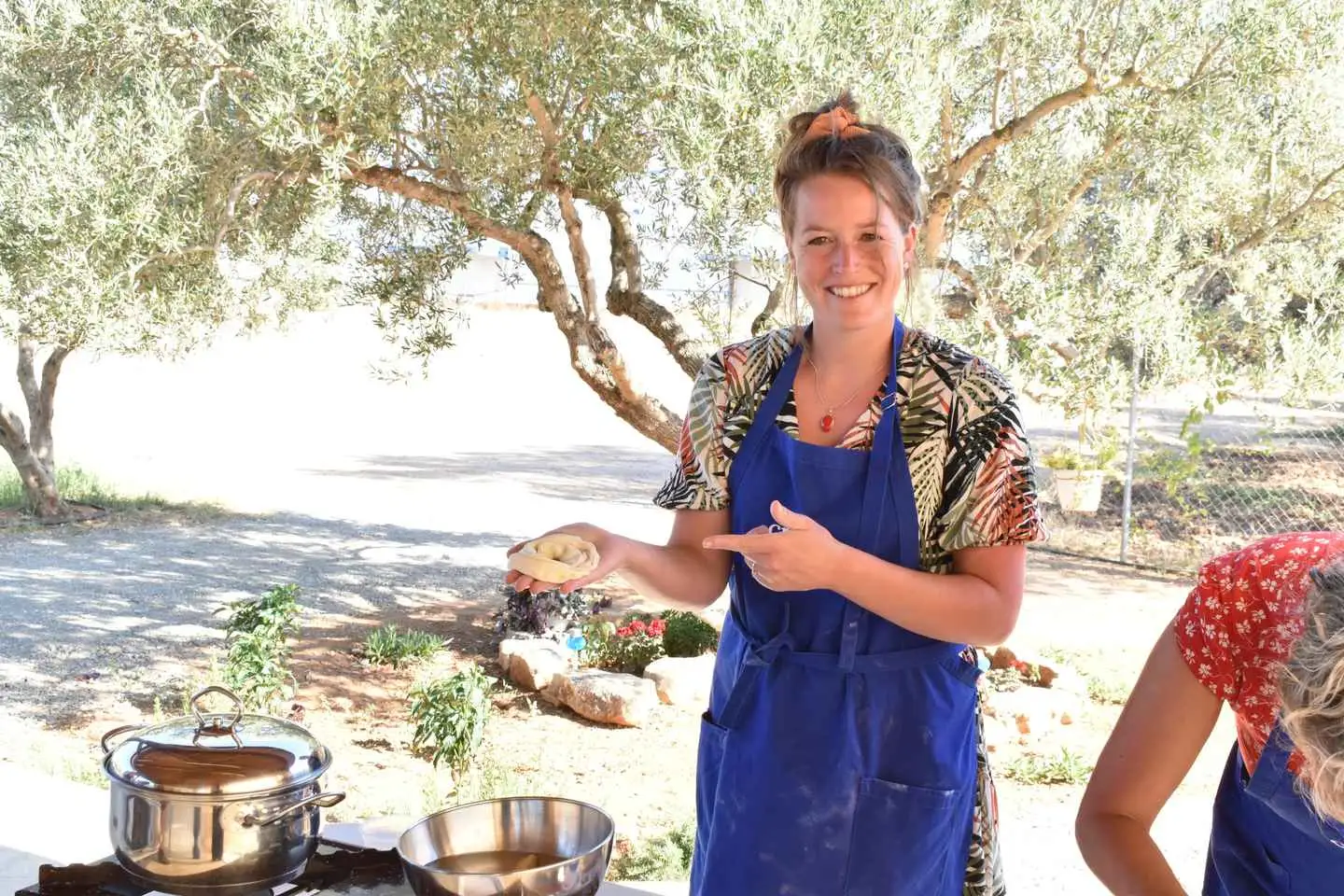
Our Cretan cooking class is a 100% hands-on experience, perfect for those eager to explore and indulge in the flavors of Cretan gastronomy. Whether you’re a beginner or an experienced cook, what truly matters is your open heart and eagerness to embrace the warmth of Cretan culture, becoming a cherished part of our family along the way!”
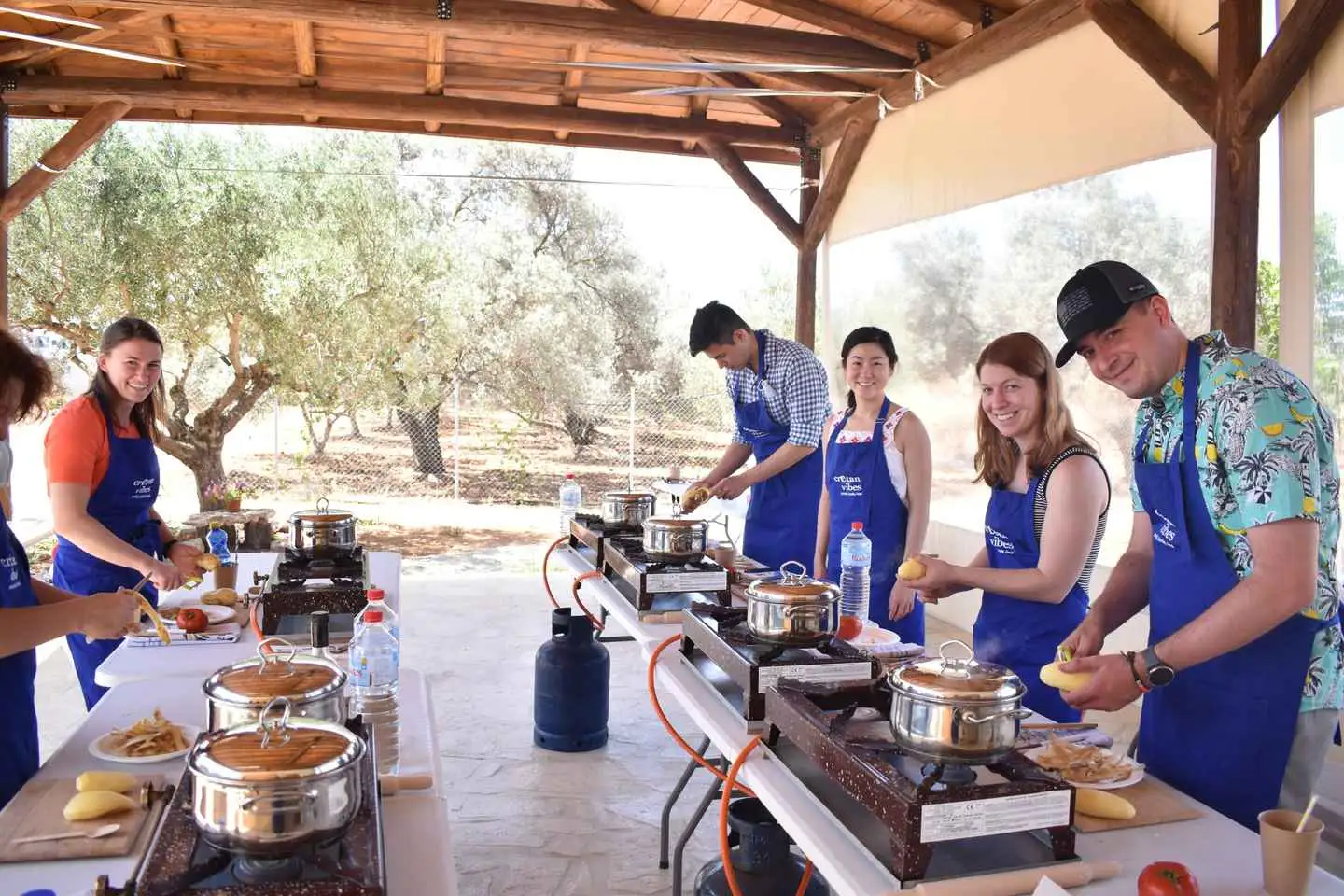
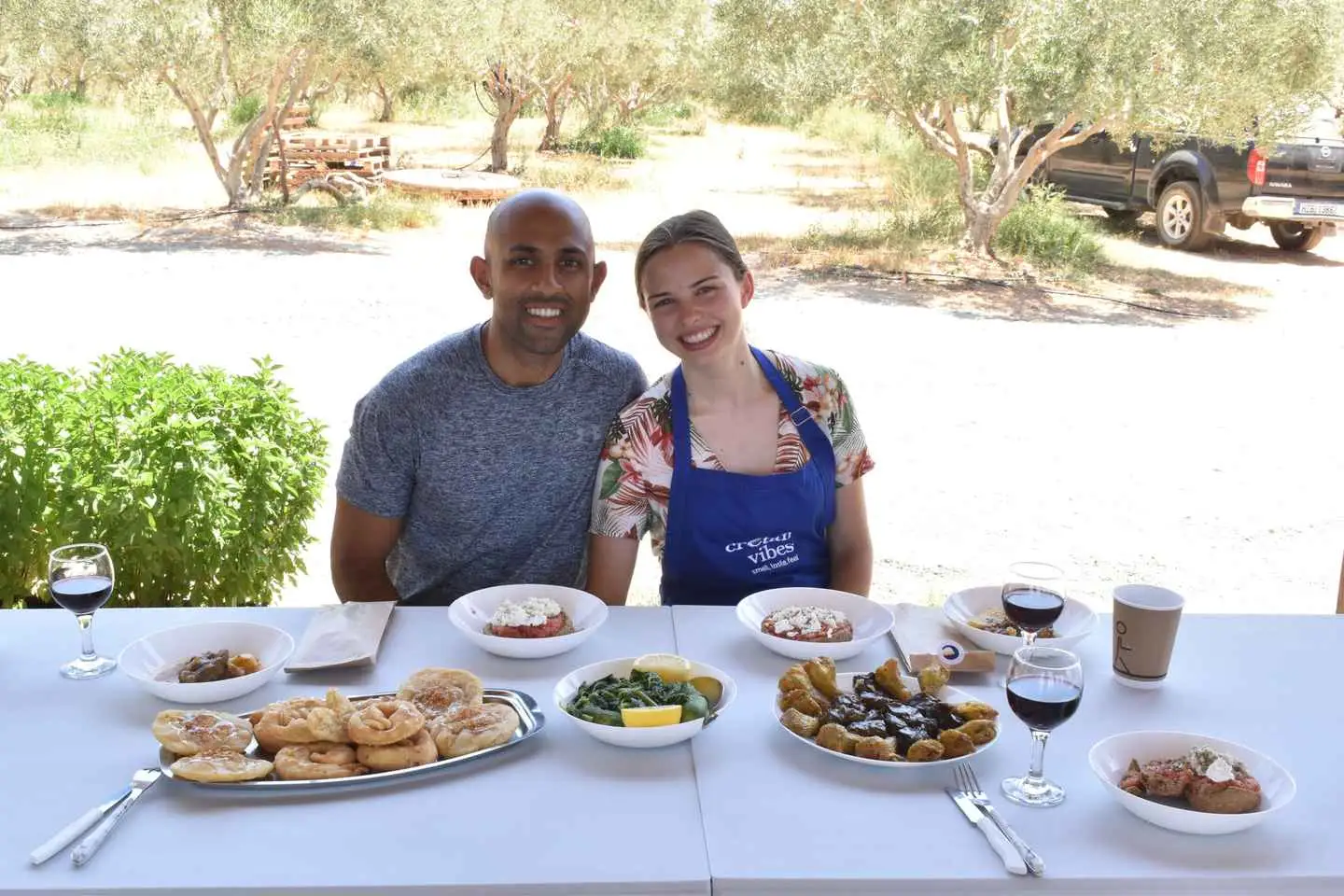
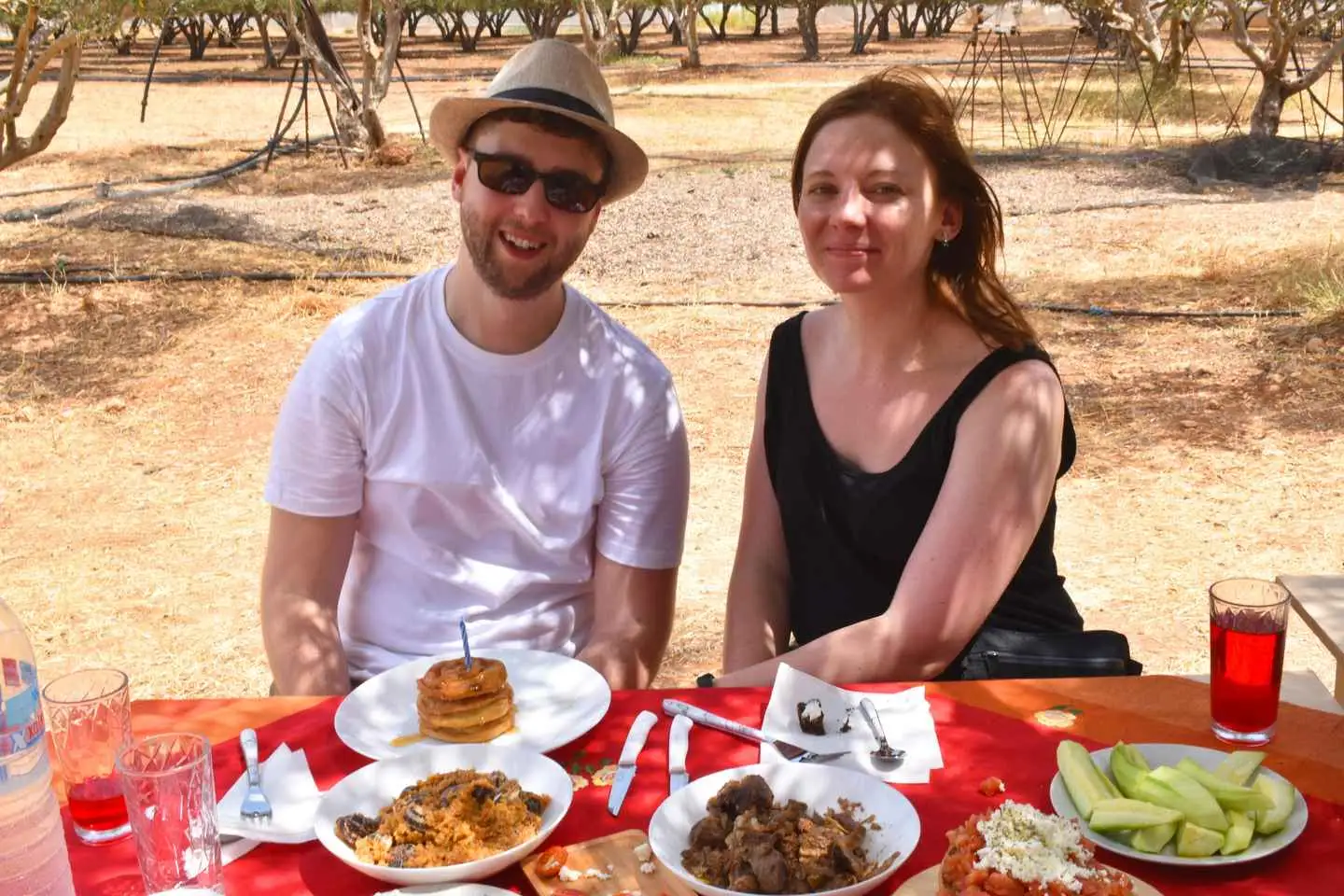
Mama Stella, my wonderful mum, loves to share her culinary knowledge and techniques with you! We will cook a 4-course meal, by providing all you need, from aprons to fresh, farm-sourced ingredients ensuring a 100% hands-on cooking experience! Local homemade refreshments and water will also be provided. After your cooking adventure, revel in the joy of your creations accompanied by local Cretan wine. Leftovers are carefully packed for you to take along.
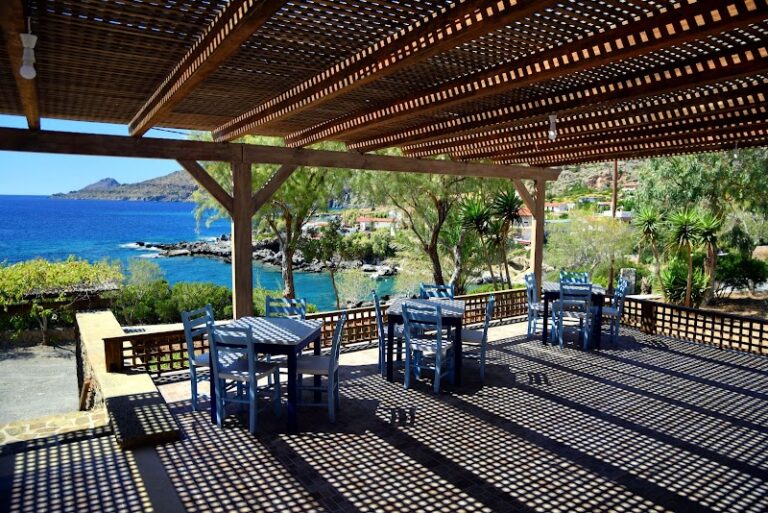
Immerse yourself in this unique, 3.5 to 4-hour experience at our olive oil farm. Cooking unfolds in an outdoor space beneath a beautiful wooden roof, surrounded by olive trees on one side and a lush garden on the other. Engage your senses—smell, taste, and feel our culture through a one-of-a-kind cooking adventure. Join us, cook with passion, and savor the moments!”
Born and raised in Crete, we would love to guide you through our way of life and explore the rural aspects of Crete!
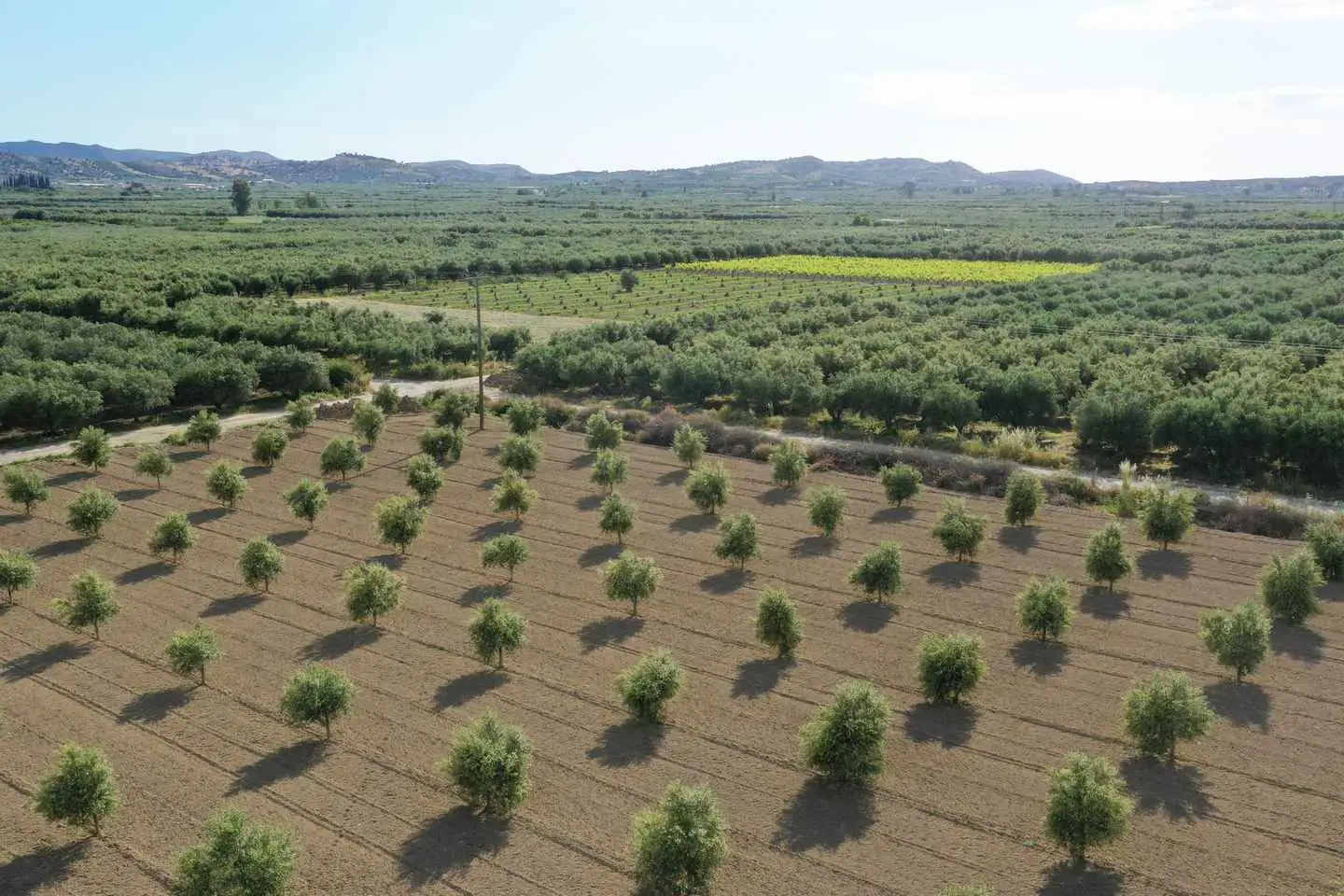
We carefully designed this tour for those who wish to see Crete through the eyes of a local family! The journey begins with an engaging walking tour in our family’s olive groves and greenhouses. Discover the secrets of olive cultivation, the meticulous process of harvesting, and the art of producing the finest extra virgin olive oil.
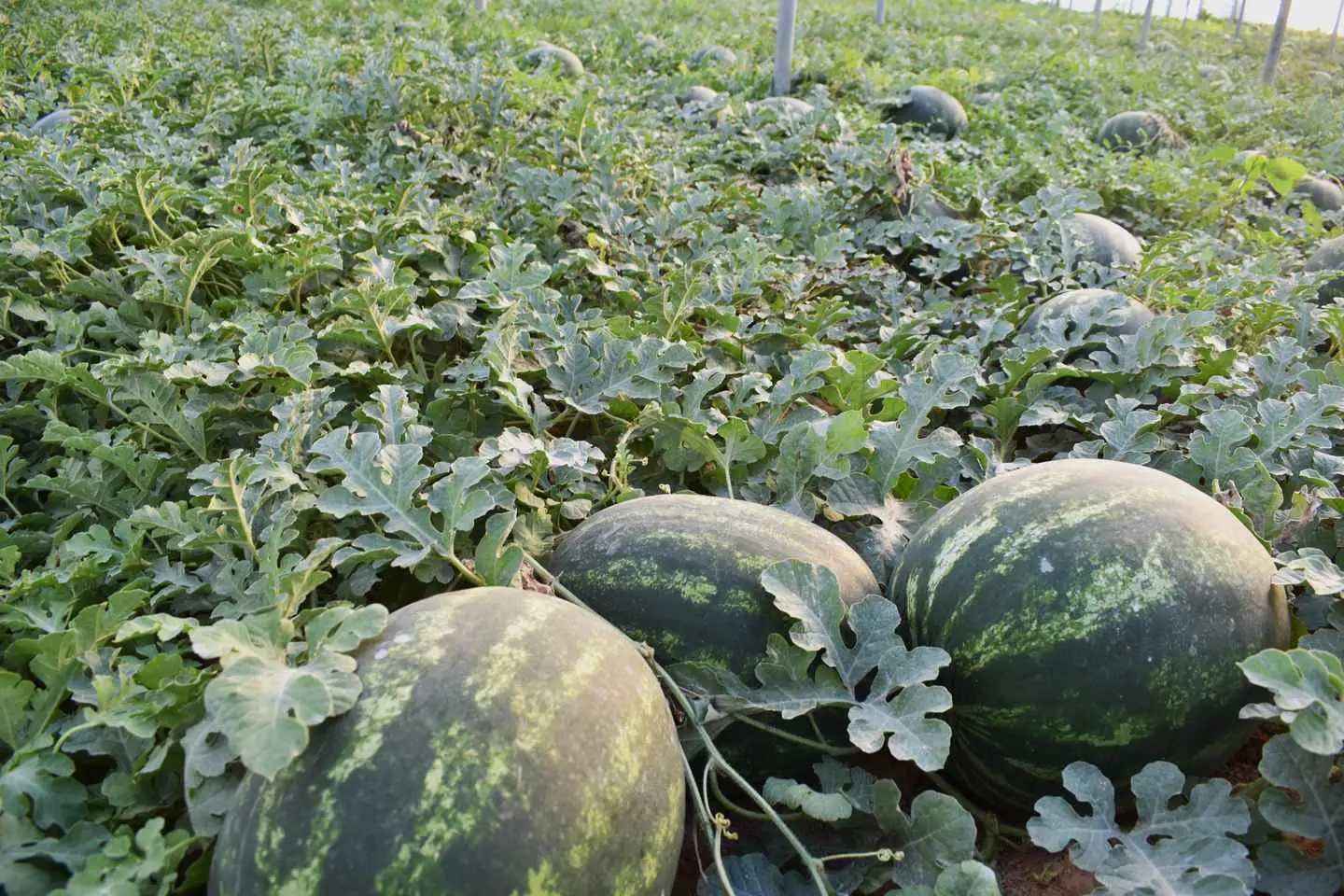
Explore how locals cultivate greenhouses, learn about the variety of vegetables and fruits grown, and understand why these local products hold significance not only for local markets but also for the metropolitan markets of Greece. We are eager to share this information and more with you!
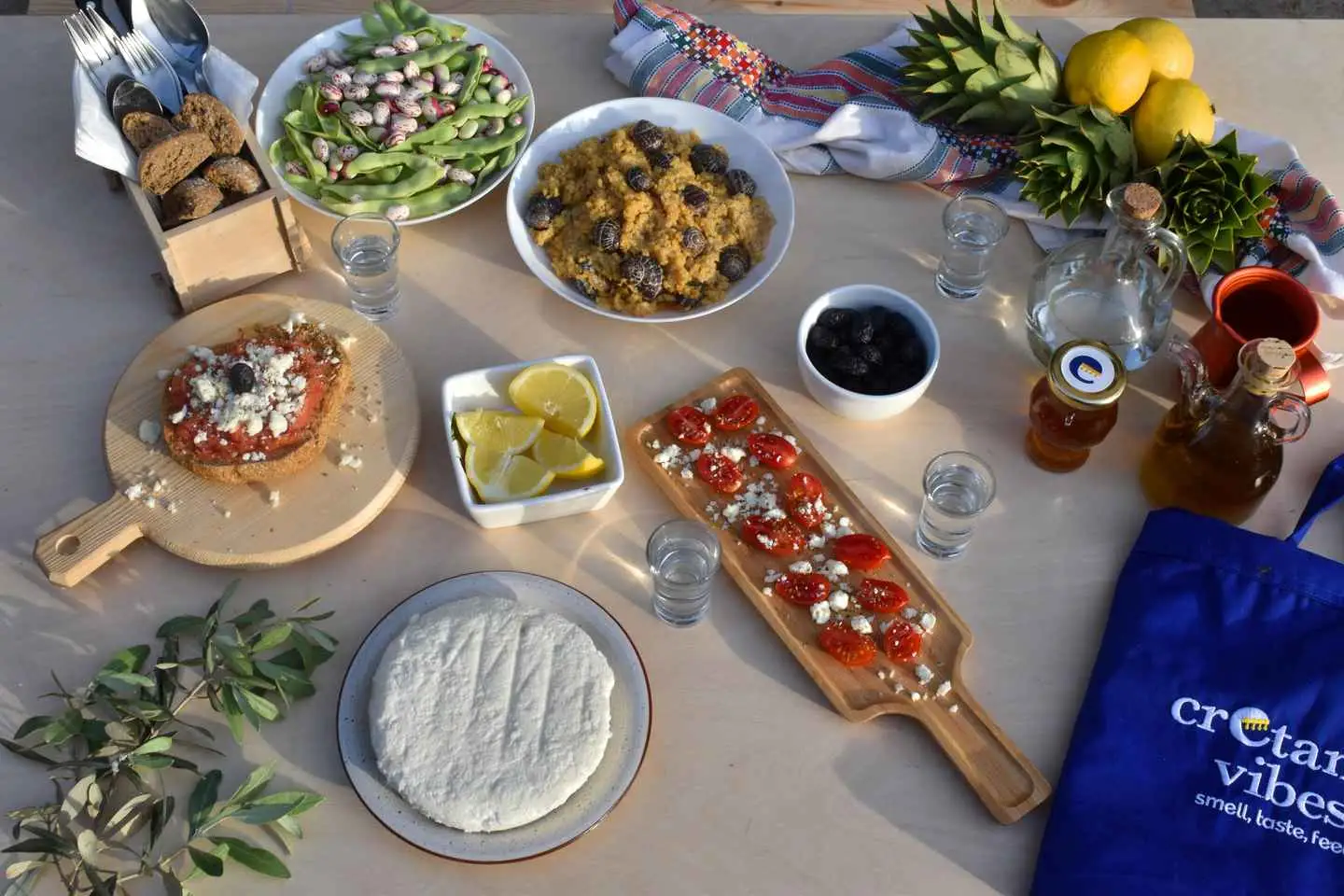
The walking tour concludes in an outdoor space beneath a beautiful wooden roof, surrounded by olive trees on one side and a lush garden on the other. There, we’ll have the pleasure of meeting my lovely mother, Mama Stela, and savoring authentic Cretan food prepared by her! Of course, the Cretan spirit, Raki, is an integral part of our meal! You might even get the chance to meet more members of my family.
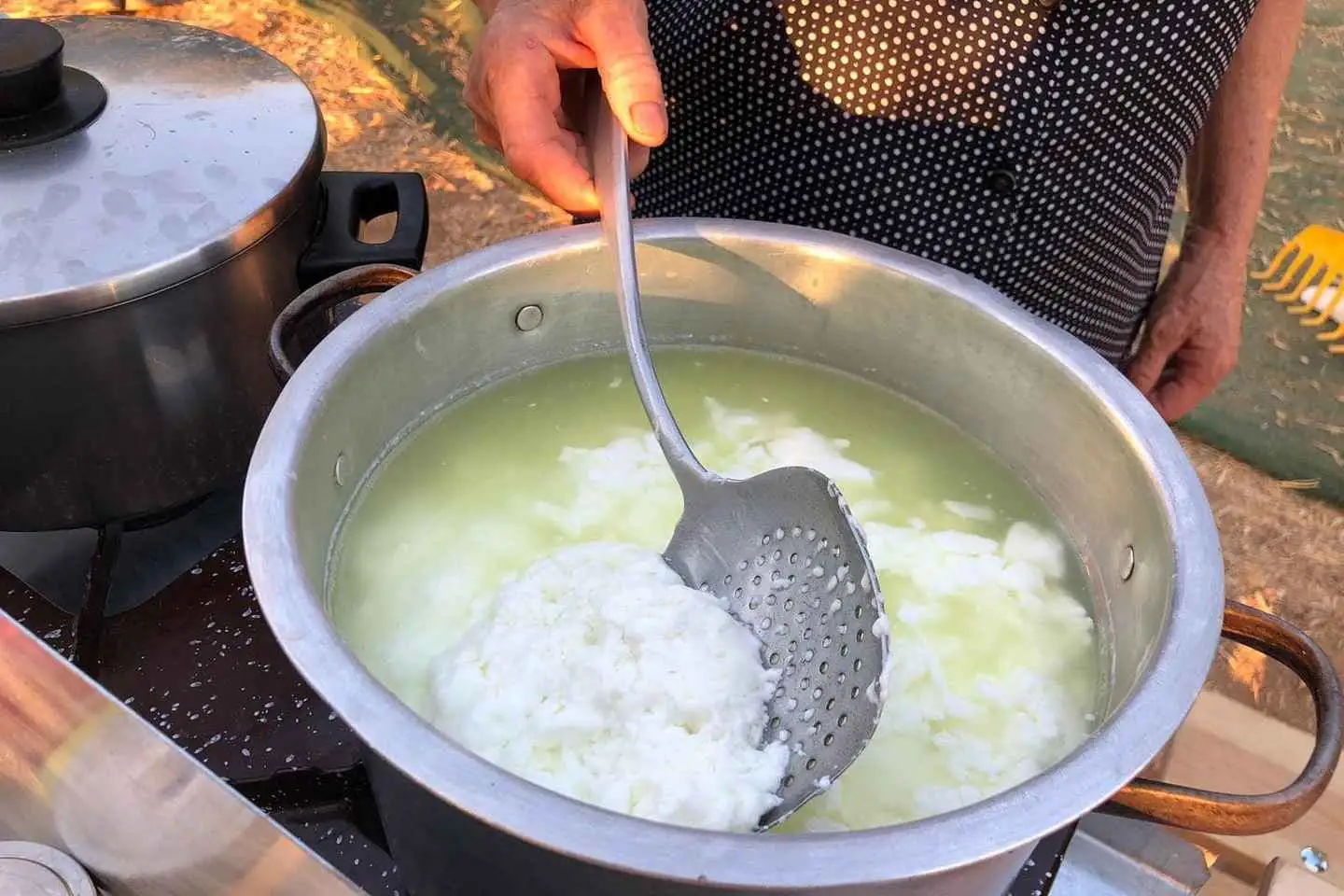
A standout moment during the food tour is witnessing my mom demonstrate the crafting of Cretan cheese, followed by the delightful experience of tasting it!
The entire event will last approximately 2.5 hours. Our sincere desire is for you to become a part of our world and immerse yourself in the authentic way of Cretan living!
No results available
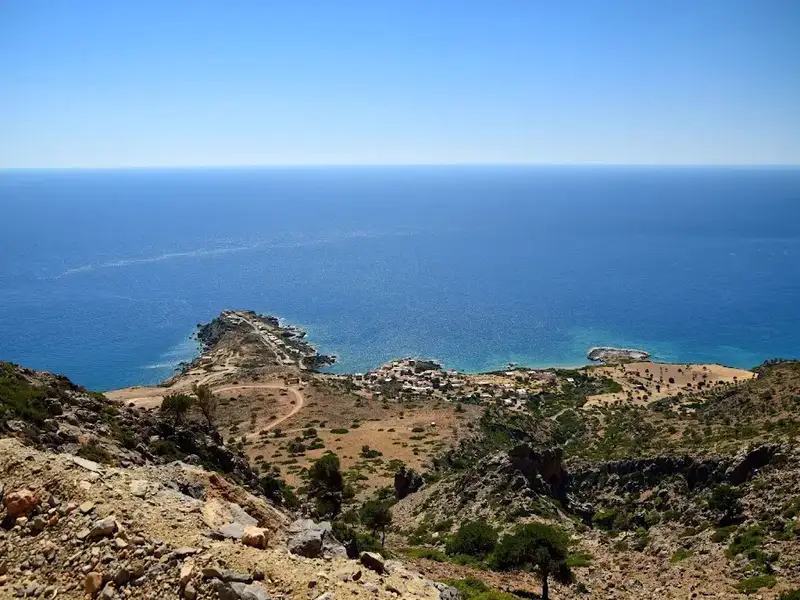
The quaint seaside village of Agios Ioannis, situated 73km south of Heraklion, lies just south of Kapetaniana village. Kapetaniana is nestled near the highest point of the Asterousia Mountains, the Kofinas Peak. It’s worth taking time to explore the Byzantine Church of the Panagia and the Church of the Holy Cross in Kapetaniana, or try your hand at the local climbing track.
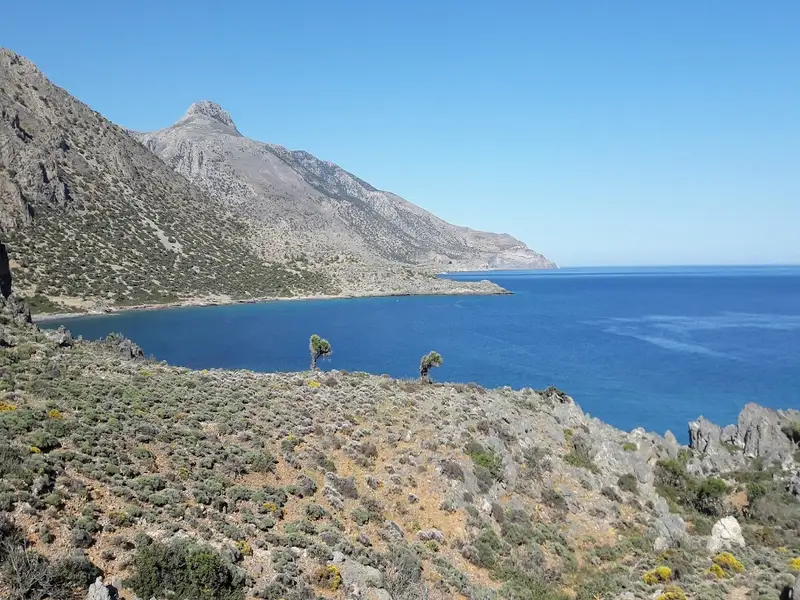
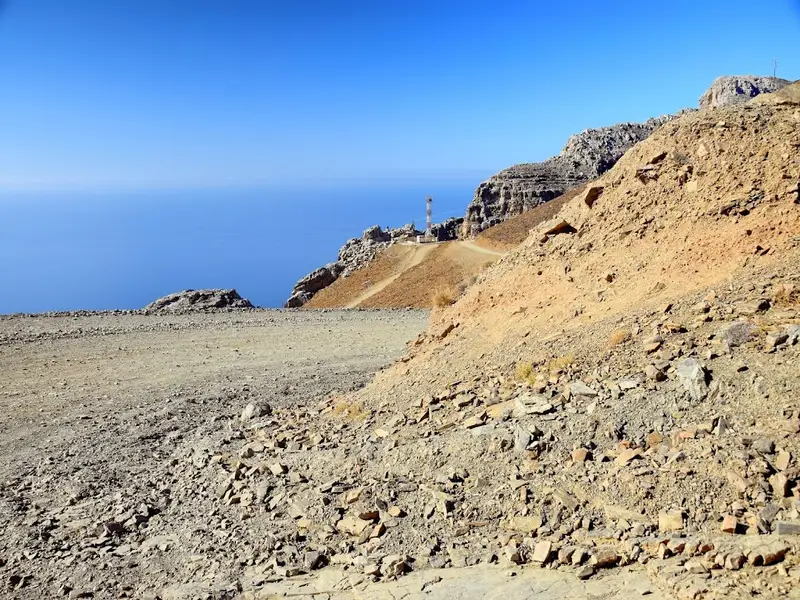
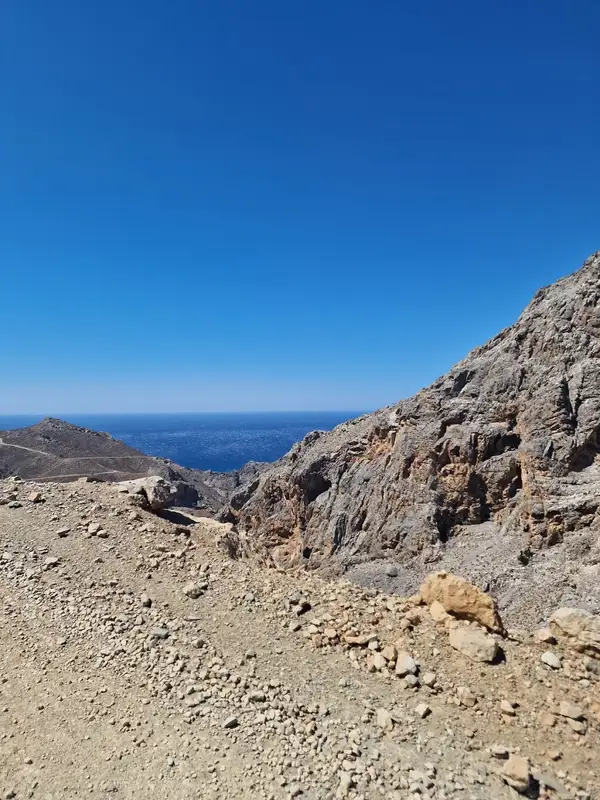
You can journey from Kapetaniana to Agios Ioannis via an 8km dirt road. Beginning at an elevation of 750m, the route offers breathtaking views of the South Cretan Sea and the rugged landscape of Asterousia. At the end of a dusty, bumpy ride, you’ll arrive at the settlement where residents, primarily from Kapetaniana, spend their summers. Unfortunately, illegal construction mars the splendid southern Cretan scenery. Agios Ioannis derives its name from the ancient cavernous monastery of Saint John, adorned with striking frescoes.
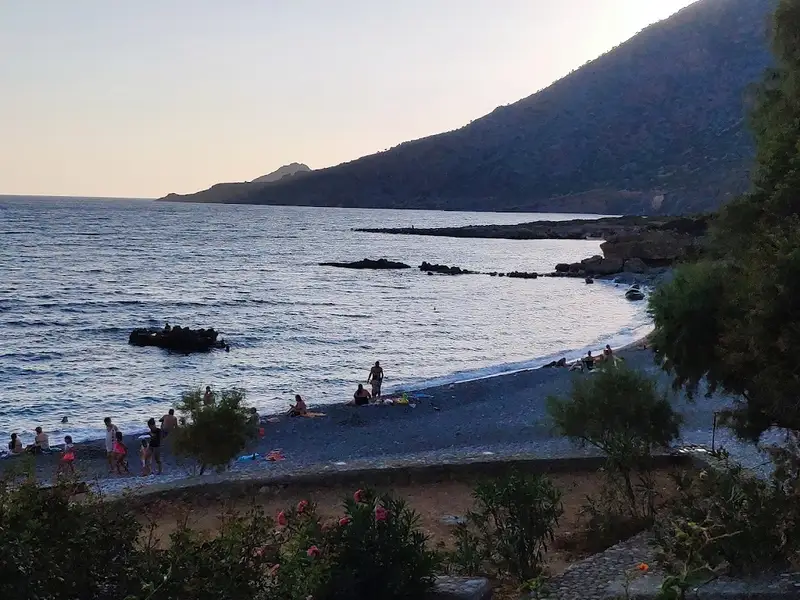
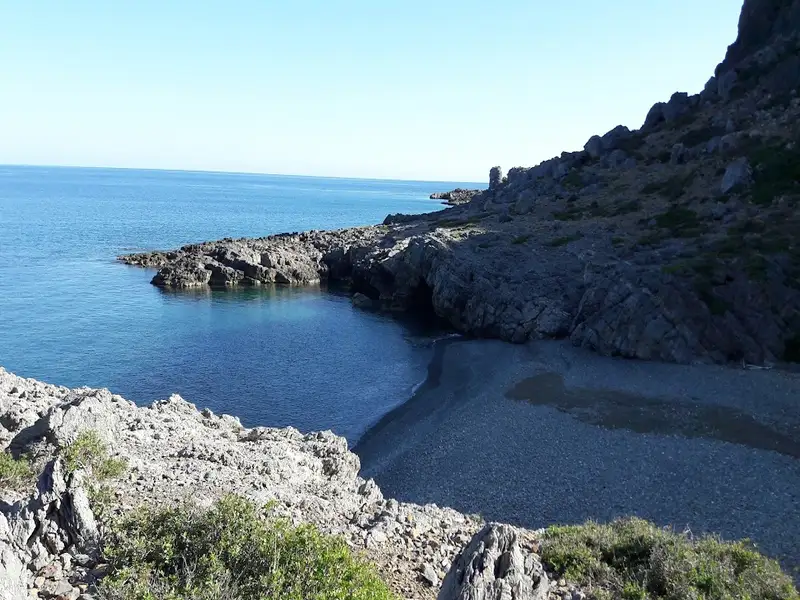
The village of Agios Ioannis is nestled at the base of and along the small Ponda peninsula. To the west of Ponda, lies the serene Agios Ioannis beach, a haven of small pebbles and vibrant turquoise waters. Its rocky seabed is ideal for fishing. While it’s not officially organized, you’ll still find locals enjoying the beach. A few taverns, a mini market, and some accommodation options are available. Camping is also a great way to enjoy the tranquility of the area.
If you prefer more solitude, the beach of Eligia to the east of the peninsula is a must-visit. This beautiful beach, adorned with fine pebbles, is rarely crowded. Located at the end of the Volahas gorge, named after the Cretan word for rock, volakas, Eligia houses a small cave rumored to contain a princess’s treasure after her demise, hence the name Princess cave. Locals, however, refer to it as Gourounospilios or Pig Cave, after the pigs that were once kept there. There’s also a remarkable well on the beach, known as Kakopigado, where you can drink fresh water all year round. For those seeking even more seclusion, Agios Antonios to the east is worth exploring.
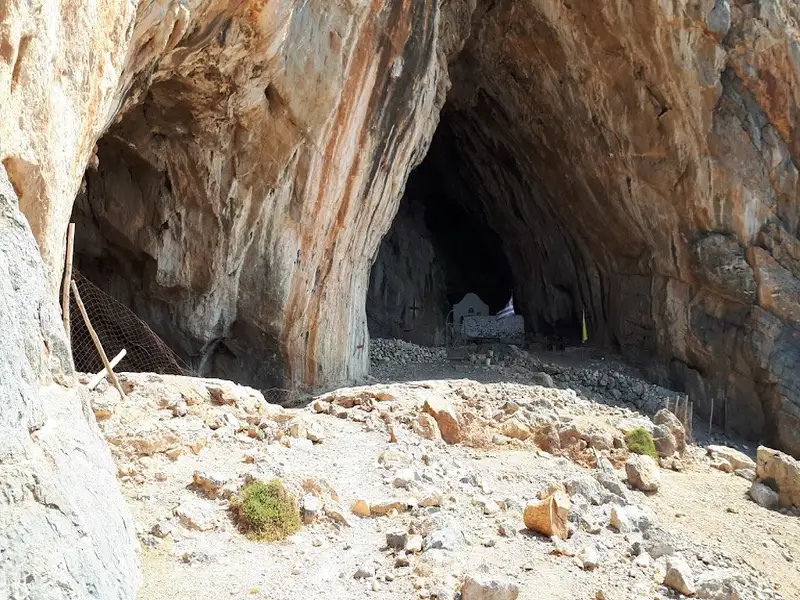
St. Anthony, also known as Agios Antonios, is situated 71 kilometers south of Heraklion, nestled between the village of Agios Ioannis and Koudoumas Monastery on Crete island. This secluded area is accessible only by a footpath linking Agios Ioannis to the monastery, meandering amid pine trees. Midway along the path (20′-30′), a Δ-shaped cave housing the quaint St. Anthony chapel can be observed from a distance. The cave, adorned with stalactites and stalagmites, drips holy water into three troughs. This cave was once a refuge for monks, including Saint Parthenios and Evmenios, the founders of Koudoumas Monastery.
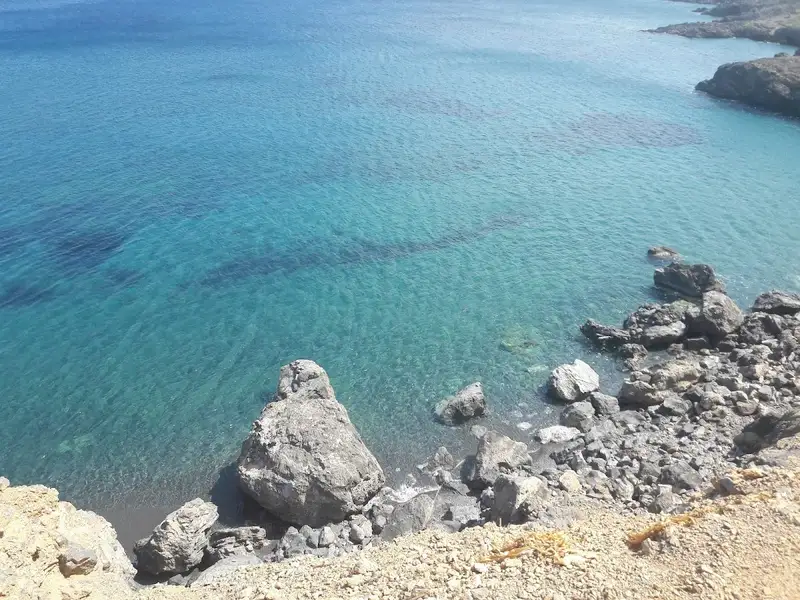
The surrounding landscape is dotted with several small bays that house pristine beaches with coarse sand and crystal-clear deep waters. These secluded beaches are encircled by towering cliffs and small caves providing shade. The remoteness and challenging access make this location perfect for those seeking solitude or for fishing enthusiasts, as it can only be accessed by swimming from the sides. The largest beach is named Agios Antonios or Green Beach, named after the nearby St. Anthony’s cave and the sea’s hues. The two smaller coves to the west are known as Small (Mikro) Agadiko and Big (Megalo) Agadiko, which are not directly visible from the trail. Additionally, the small cave of Hostospilios, located west of Agios Antonios and near Agadiko beaches, is also worth visiting.
The Salamia(s) Bay, situated 74km south of Heraklion and between Agios Ioannis and Tripiti, is one of Crete’s most secluded regions due to the absence of nearby roads. It can be accessed via boat or an easy walk from Agios Ioannis, following a crossing at the Avolakias beach. The bay’s name, Salamia, has its origins from the Italian word ‘salamentum’, meaning brine, which shares a root with the word salt – a product still harvested by locals in the Salamia area.
The Salamiano Gorge, one of several canyons found in the Asterousia Mountains, opens out at Salamias. At the gorge’s exit, numerous beaches with rough sand are formed. The area is adorned with a small grove of wild olive trees, providing a serene setting for swimming and fishing, particularly for those with a boat. As the area is often deserted, naturism is permissible.
The gorges surrounding Salamias (including Flomias, Koumos, Gerakia, Goula, Eligia, and others) serve as crucial habitats for a variety of rare avifauna and plants. These regions remain among the few places in Crete that are authentic and untouched by human activity.
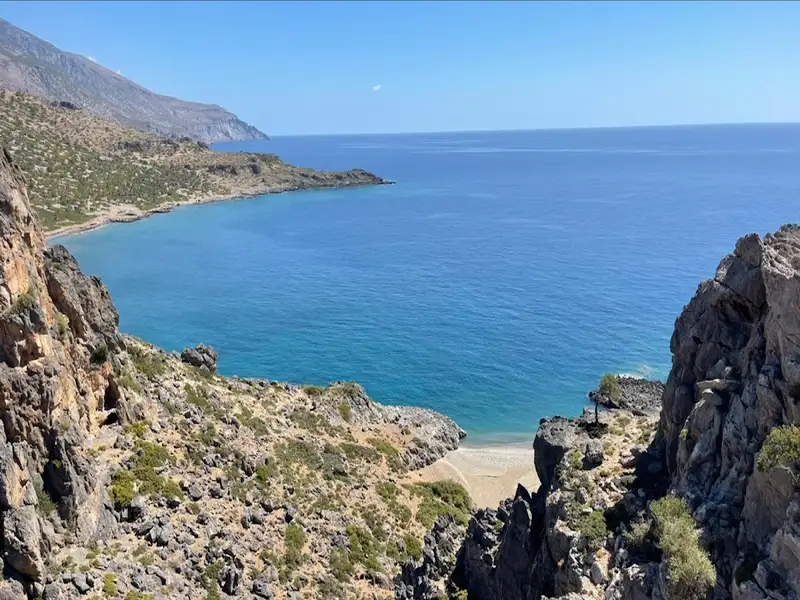


The petite stone-strewn beach, Vourlidia, situates at the termination point of the Flomias gorge, on the western region of Salamis bay, and at the bottom of Cape Oxa. This remarkable beach is accessible after a demanding hike from either the Agios Ioannis settlement to the east or from Tripiti beach to the west. The area surrounding the beach can be reached via a poorly maintained dirt path from the villages of Koumasa or Kapetaniana.
No results available
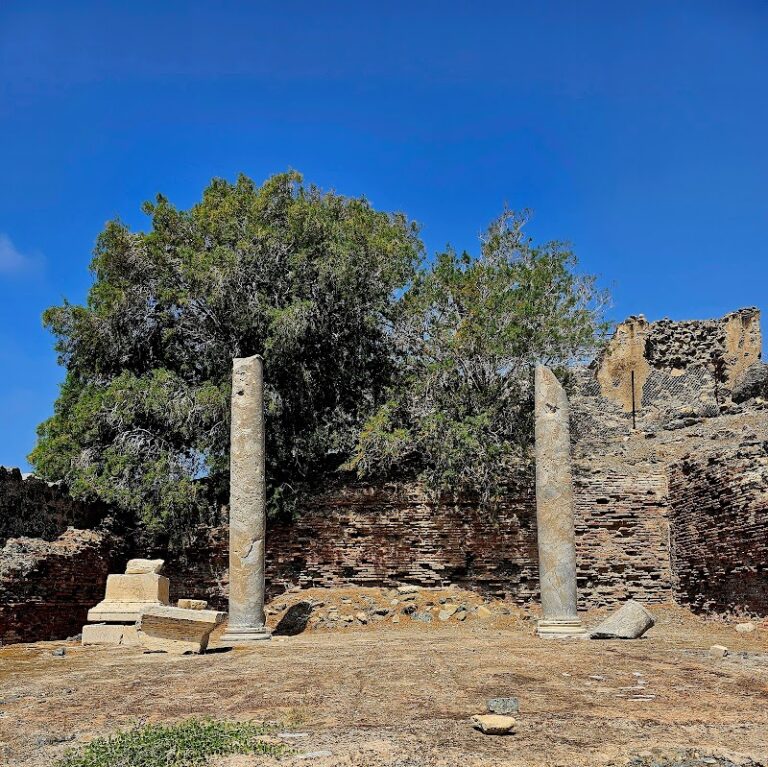
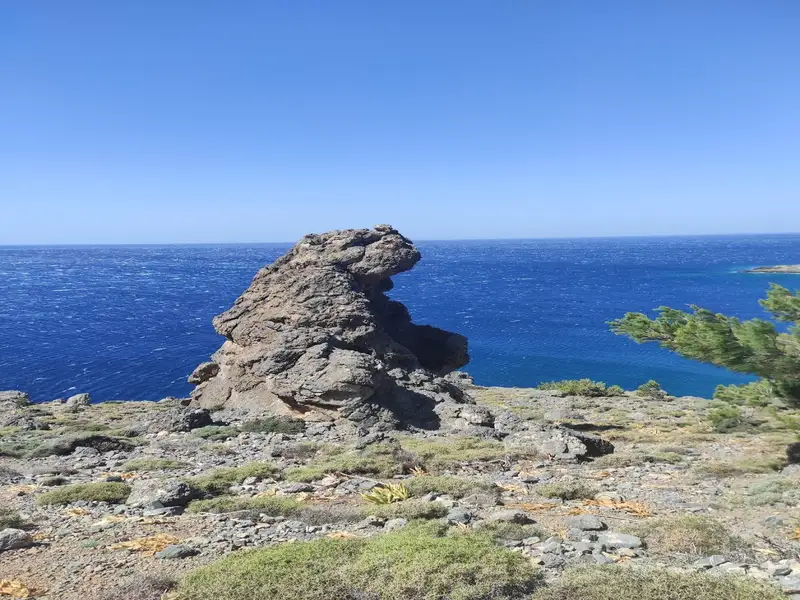
Lendas is located where the ancient city of Levina once stood, 74km south of Heraklion, nestled amidst the breathtaking Asterousia Mountains. The name “Levina” is believed to stem from the Phoenician word “Lavi,” meaning “Lion.” This reference is evident in a nearby cape shaped like a lion’s head, considered one of the lions that once drew goddess Rhea’s chariot and turned to stone. Another theory proposes the name originates from the Phoenician term “levina,” indicating the pale hue of the region’s rocks. The present name, Lendas, evolves from the Greek “Leondas,” translating to “lion.” This lion-shaped cape is an esteemed archaeological site, with a short 15-minute trek offering a mesmerizing sunset view.
Archaeological excavations have unveiled Minoan graves and a settlement here, revealing ties to ancient Egypt. Levina prospered during the Hellenistic and Roman periods, operating as a port for Gortys, Crete’s predominant city at the time.
To Lendas’ east lies a therapeutic spring, reputed for its curative properties, especially for stomach issues, blood disorders, and bleeding tendencies. This led to the establishment of a grand temple in the 4th century AC, dedicated to the revered physician deity, Asclepius, and the goddess Hygeia Sotira. This temple was renowned for its hydrotherapy, physiotherapy, and psychiatric treatments, attracting patients from regions as far as Libya. From this sanctuary, remnants like the altar, two marble pillars, and Asclepius’s statue base remain visible. Using materials from this temple, a Byzantine church was later constructed, dedicated to Agios Ioannis Theologos. Additionally, Roman bath ruins have been found near the springs.
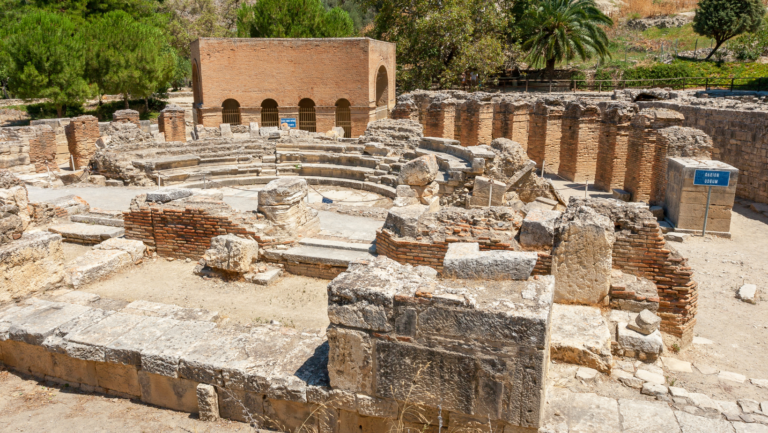
The archaeological site of Gortyna (Gortyn or Gortys) can be found 45km south of Heraklion, close to the village Agii Deka and next to the road connecting Agii Deka with Mires. The city covered a large area on the sides of the river Mitropolianos (or Litheos), even today surrounded by the ancient olive grove of Gortyna.
People have inhabited the area since 3000 BC, while during the Minoan era it evolved as one of the largest cities of Crete. In the 3rd century BC, it surpassed Phaestus and managed to possess the harbor of Matala, while retaining its port in Levina (current Lentas) and Lassea (current Chrysostomos). The town reached its peak during the Roman Empire when the Romans moved the capital of Crete and Cyrenaica (today’s Libya) to Gortyna. The city was finally destroyed by the Arabs in 828 AD, after around ten centuries of prosperity.
Gortyna is one of the most important archaeological sites in Greece. The first archaeological works started in 1884 by archaeologists Federico Halbherr and Stefanos Xanthoudides, after they discovered the Great Inscription of Gortyna. In 1898 the first excavations started, which continue until today.
Inside the main archaeological site (near the road) still stands a small part of the imposing basilica dedicated to the first bishop of Crete, Saint Titus. The temple was built in the 6th-7th century and was dedicated to Saint Titus after the destruction of the larger basilica of Saint Titus located nearby. The small part that has survived is currently used for the worship of Panagia (Virgin Mary). Around the church, several stone sarcophagi have been identified, used for burying the priests.
The Roman Odeon is the largest Odeon in ancient Crete, which is actually an indoor Roman theater. It was a very important part of the ancient city, where the Romans watched performances and talks. The auditorium has been maintained in quite good condition, as well as the semicircular orchestra and the stage which was decorated with statues. Next to the theater, there was the Agora and temple of Asclepius.
Next to the small theater, Halbherr discovered in 1884 four stone columns in the Doric dialect, where the civil law of Gortyna was engraved in boustrophedon script (bi-directional / alternation writing direction per line). Later, parts of the rest eight columns were found, some of them embedded on walls of houses in the village Agii Deka(!), thus completing the puzzle of the Law of Gortyn. The twelve columns (deltas) of Gortyna had about 640 verses, 605 of which have been found. The very progressive laws refer to 450 BC and were inspired by Minoan elements. The Law of Gortyn is the oldest surviving law in ancient Greece.
Near the parking place, a small room houses the Roman sculptures found in Gortyna. One of the most important statues probably depicts the emperor Antoninus Pius.
At the back side of the archaeological site, you will find a tall plane tree, which has something very rare. It is evergreen, unlike other deciduous plane trees, and has been the center of a fabulous myth. According to Greek Mythology, this is the perennial plane tree of Gortyna under which Zeus and Europe mated. From this union, the three kings of Crete were born (Minos, Rhadamanthys, and Sarpedon). Indeed, it is no coincidence that at Gortyna, several coins were found depicting Europe and Minos (or Zeus). Moreover, the name of Gortyna is believed to be related to Gortyna, the son of Radamanthys.
Within walking distance from the city (northwest) and atop a hill, you can visit the ruins of the acropolis of Gortyna. The hill was inhabited until 6000 BC, but after the Dorian invasion (1100 BC) it was fortified with a polygonal wall with towers at its corners. On the Acropolis, the archaeologists have identified the ruins of a Byzantine basilica (6th century AD) built on the site of an older Greek temple dedicated to Athena (7th century BC).
Within walking distance from the main archaeological site of Gortyna and south from the main road, there is the Praetorium (1st century AD). The Praetorium was a large, luxurious, and imposing building used as the headquarters of the Roman Province of Crete and Cyrenaica. It is still interesting to see the elaborate luxury marble floors, columns, and statues. In the complex, there were Roman baths, a courtyard with columns, a temple for the deified Augustus, courts, and other public buildings. During the Byzantine period, the building housed a monastery.
The Romans, as in every place they went, they built their favorite spas. As expected, in Gortyna they built a large complex of spas (thermae) with several auxiliary rooms and toilets. Like most Roman baths, in Gortyna there were warm baths, baths of intermediate temperature, and cold baths. The ruins of the spas in Gortyna have not been fully excavated, but still, the visitor can get a good feel for the area (near Praetorium).
The ruins of the Great Basilica of Gortyna are located 200m south of the main archaeological site, on the way to Mitropoli village. The five-aisled temple, discovered accidentally in 1978, was the largest church in Crete. The temple was dedicated to Saint Titus, but after its destruction by an earthquake (670 AD), it was moved to the temple inside the current archaeological site.
A few meters north of the Great Basilica, you can follow the path that leads to the Praetorium and will soon meet the sanctuary of the Pythian Apollo (7th century BC), discovered in 1887. The temple was the largest temple of Gortyna before the advent of Christianity in Crete (and the building of the church of Saint Titus). Next to the church, there was a small theater, an aqueduct, and some houses.
Near the Temple of Apollo, you will also see the temple of Isis, Sarapis, and Hermanubis. This temple is the only temple in ancient Crete dedicated to Egyptian deities. The temple was equipped with an underground crypt and a cistern.
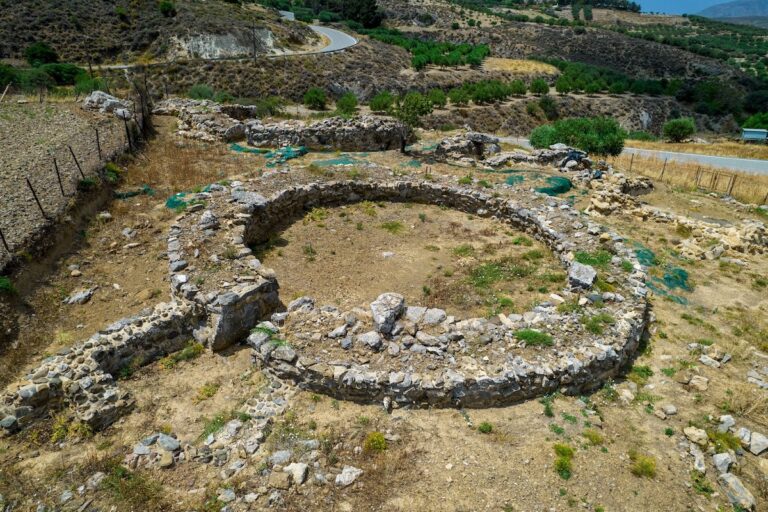
The prepalatial cemetery Koumasa is situated between the villages Loukia and Koumasa in the northern Asterousia range. This Minoan archaeological site was initially excavated by Stephanos Xanthoudides between 1904 and 1906, uncovering four graves (three vaulted graves and one rectangular). Each tomb contained various objects and burials from the Early Minoan Period.
Within the cemetery, remarkable pottery featuring rich dark decoration was discovered, and the style was named Koumasa style in honor of the location. The finds included clay and stone vessels, seals, figurines, tools, and three silver knives. A Minoan settlement, which has now been completely destroyed, was located above the tombs and included a sanctuary.
Minoan tholos, about 10 meters in diameter and a couple of meters in height, are believed to be the tombs of the elite and are often richly stocked with valuable objects. Although the site is primarily known for these sepulchral remains as part of Xanthoudides’ fundamental studies, the site extends further east. There, on the steep moundside and on top of the mound itself, Minoan archaeologists anticipate the location of the actual city and a precinct of bronze-age Koumasa.
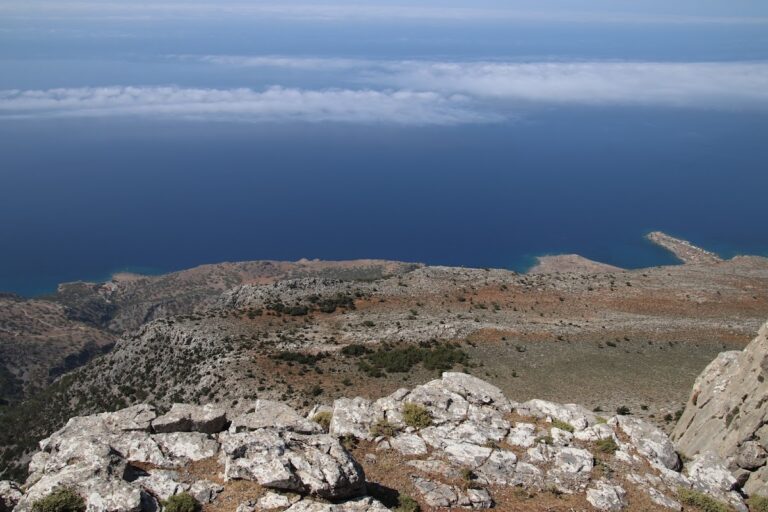
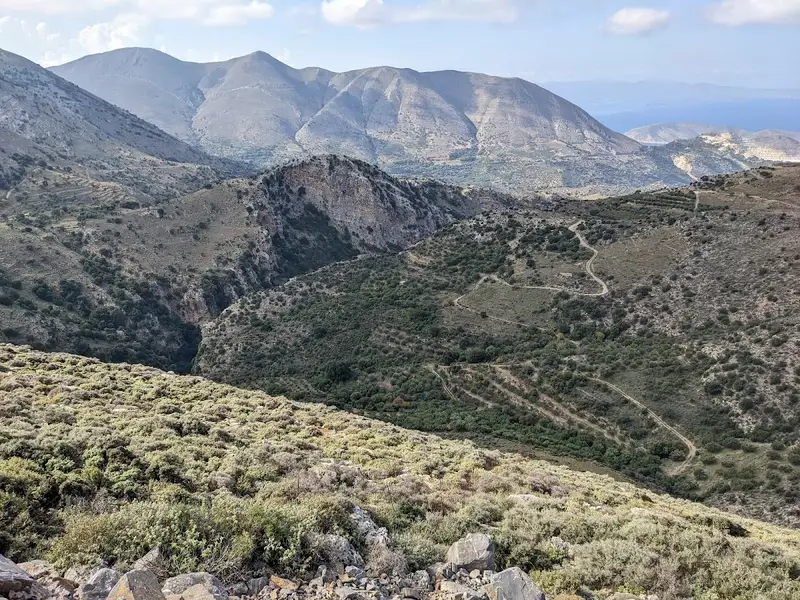
Kofinas, the highest peak in the untamed Asterousia Range, stands at an altitude of 1231m and is named after its inverted basket-like shape (known as kofini in Greek). The peak boasts breathtaking views of the South Cretan Sea and is now home to the Holy Cross (Timios Stavros) temple, which celebrates its feast day on September 14. During this celebration, an ancient dendrolatric (sacred tree) custom is observed, where whitebeams from three “sacred” trees are blessed and distributed to those in attendance.
Archaeologists uncovered perhaps the most significant Minoan peak sanctuary in south-central Crete in 1960. This sanctuary consists of a quadrilateral enclosure and stage, and it thrived between 1700 and 1600 BC. However, worship continued until the Roman Era, albeit with some interruptions. Excavations at the site have revealed clay signs, figurines, metal plates, seals, and other devotional offerings.
No results available
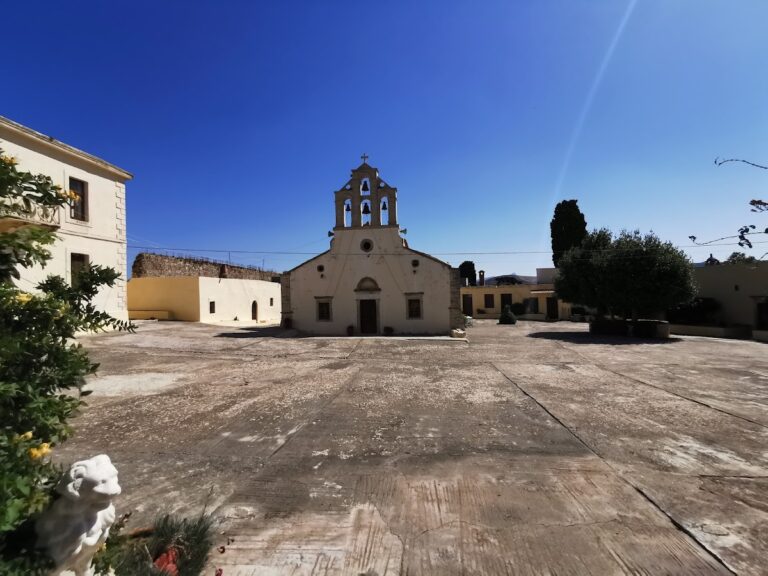
Located on a rocky plateau in the Asterousia Mountains at an altitude of 440m and approximately 63km south of Heraklion, the Monastery of St. Anthony in Apezanes or Apezana is a sight to behold. A short valley from this point leads from the village of Antiskari to the beachfront of Platia Peramata.
To access the monastery, visitors can take a dirt road either from Plora village or via the road that leads to Kala Limania from Pompia. In both instances, signs to Apezanes will be visible.
As a male monastery and one of the oldest in Crete, the Monastery of St. Anthony was built with fortress architecture. However, its fort-like character has undergone significant changes due to early 20th-century alterations. The fort was originally rectangular and formed by the external walls of the complex buildings. It was also protected by three towers with cannons, leading the Turks to call it the Toplou monastery (top = cannon), similar to the Toplou Monastery in Sitia.
The central church, situated on the edge of the building complex, is a three-aisled church constructed on the site of an older St. Anthony church. The three aisles are dedicated to St. Anthony (celebrated January 17), the Transfiguration (August 6), and the Three Hierarchs (January 30). The church’s magnificent carved iconostasis showcases the monastery’s former wealth. One of the icons is believed to be the work of El Greco, the most renowned Greek painter of the Renaissance. Additionally, the monastery houses the icon of St. Anthony, a creation by Michael Damaskinos, the second most famous Cretan religious painter after El Greco.
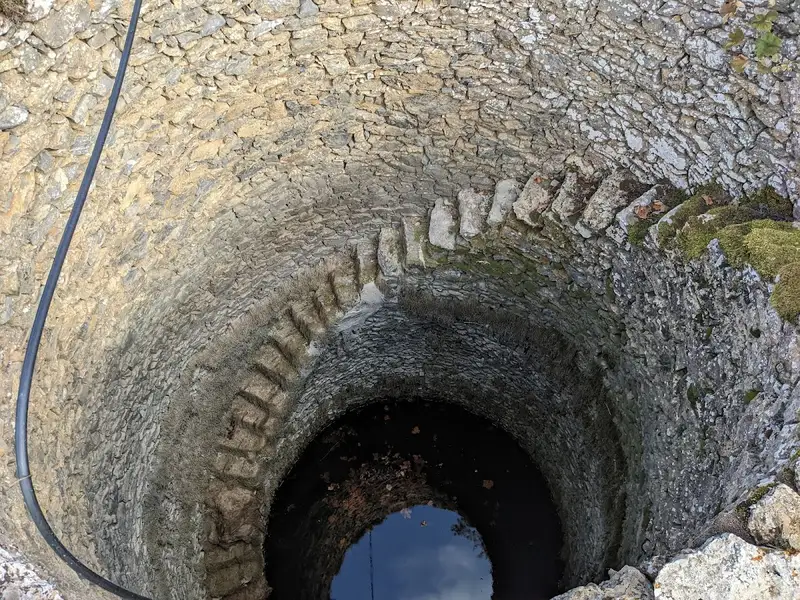
Next to the church stands the impressive two-story abbey, originally intended to house the Diocese of Arcadia but never did. Surrounding the area, visitors can find the monks’ cells, guest house, refectory, and the 25m deep well that provides water to Apezana. The monastery is home to valuable religious relics such as ancient vestments, gold and silver crosses, gospels, icons, relics of saints, and more.
During the Venetian period, the Abbey was Crete’s largest antipope center. It served as a significant center for literature and theology, but it became a humble rural monastery during the Ottoman Era. A small rural settlement grew alongside the monastery, which is also connected to the founding of Apanosifis Monastery.
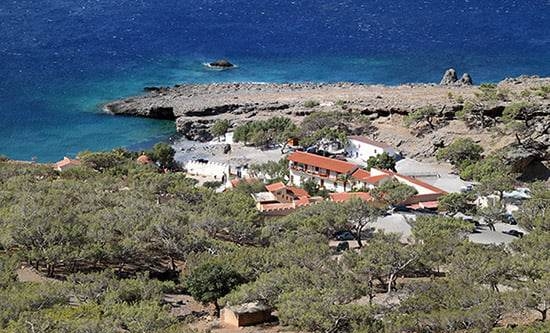
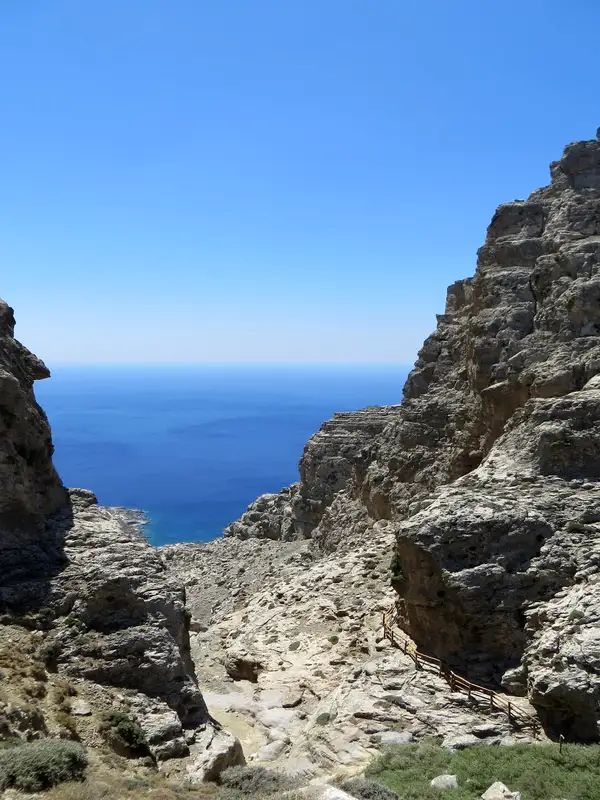
Located at the end of Katarraktis gorge in the Asterousia Mountains, Koudoumas Monastery is 80km south of Iraklion and just 40m away from a stunning beach. It is considered one of Crete’s most remote monasteries, as reaching it from Heraklion takes approximately 2.5 hours. A 24km safe dirt road begins at the village of Sternes (reachable from Charakas) and is situated at an altitude of 1000m near the peak of Kofinas (1231m). As you descend towards sea level, you’ll be treated to breathtaking (and slightly terrifying) views of the sea and cliffs that can induce vertigo. Along the way, you’ll pass the pine grove of Koudoumas and encounter numerous goats perched on the sharp, bare rocks.
In this quintessential Cretan landscape, you’ll discover the ancient male monastery of Koudoumas. The church, constructed within a cave, is dedicated to the Assumption (celebrated on August 15). The surrounding area is filled with caves, many of which are still inhabited by hermits. From the monastery, you can follow a fascinating trail leading to the cave of St. Anthony or another path that takes you to Avvakospilios Cave. Additionally, some nature enthusiasts prefer to reach Koudoumas by walking along the trail that starts from Sternes (3 hours) and meanders through a beautiful pine grove.
The name Koudoumas possibly originates from the monastery’s founder. A Venetian document from 1280 references the surname Cudhumano, which could be related to Koudoumas. The current monastery was constructed in 1870 by monks Parthenios and Eumenios Charitakis on the site of the previous, ruined monastery. It had been abandoned, like all other coastal monasteries in Crete, due to frequent pirate attacks on the island’s shores in the 15th century.
Every year on August 15, Koudoumas celebrates with pilgrims arriving from all over the Messara region. Many of them arrive on August 14 and spend the night either in the guest rooms or on the beach. The monastery also honors monks Eumenios and Pathenios, who re-established the monastery and have been recognized as Saints, with a celebration on July 10.
Koudoumas Monastery houses the icon of Our Lady of Kykkos of Dexiokratousa (Right Hand Holding), discovered in the house of Ali Pasha in Ioannina and donated to the monastery by Helen Skandalaki in 1957. Additionally, a chapel contains the icon of the Visitation, which is associated with a miracle that occurred in 1940 (see the history section below).
Renowned for their hospitality, the monks offer overnight accommodation to all visitors. Many locals reside here throughout the summer, enjoying the basic amenities (kitchen, water, bath, etc.) provided in the monastery’s small guest rooms. The monastery complex also features a welcome room, a refectory, a library, a small museum, and the monks’ cells.
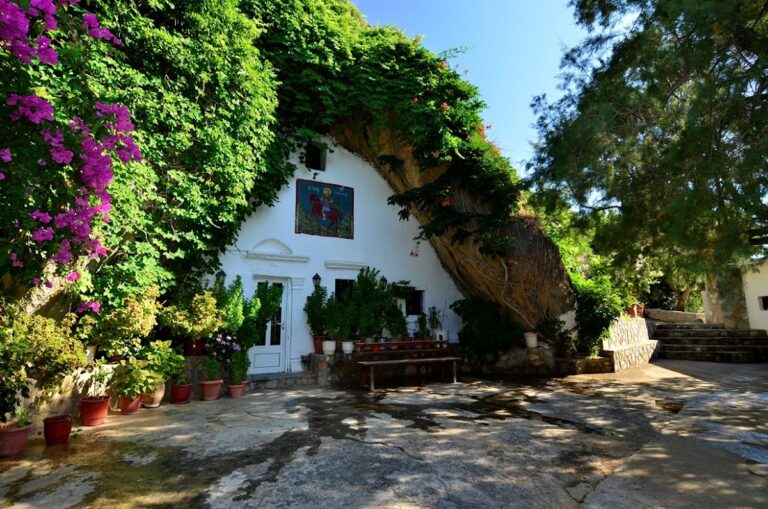
Located 65km south of Heraklion and nestled on the eastern side of the rugged Asterousia Mountains, Agios Nikitas is a stunning monastery that was once a hermitage for monks from Koudoumas Monastery. Perched atop a high hill, it offers breathtaking views of the Libyan Sea. The monastery’s church, which is dedicated to St. Nikitas (celebrated on September 15), is housed in a cave and dates back to 1640.
Within the church, visitors can admire ancient frescoes and a smoke-stained roof – a testament to the attacks by the Turks. Engravings from past visitors can also be found here. Additionally, a small stalactite in the sanctuary produces water, which is then shared with pilgrims as holy water. The monastery is believed to be miraculous and is home to hospitable monks who are always eager to share the monastery’s wonders, as well as offer coffee and fruit to visitors. Overnight stays in the cells are also possible.
Agios Nikitas serves as a verdant oasis amid the arid landscape of the Asterousia Mountains. The area’s dry climate allows for the growth of mango and avocado trees in the monastery’s gardens.
No results available
No results available
No results available
No results available
No results available
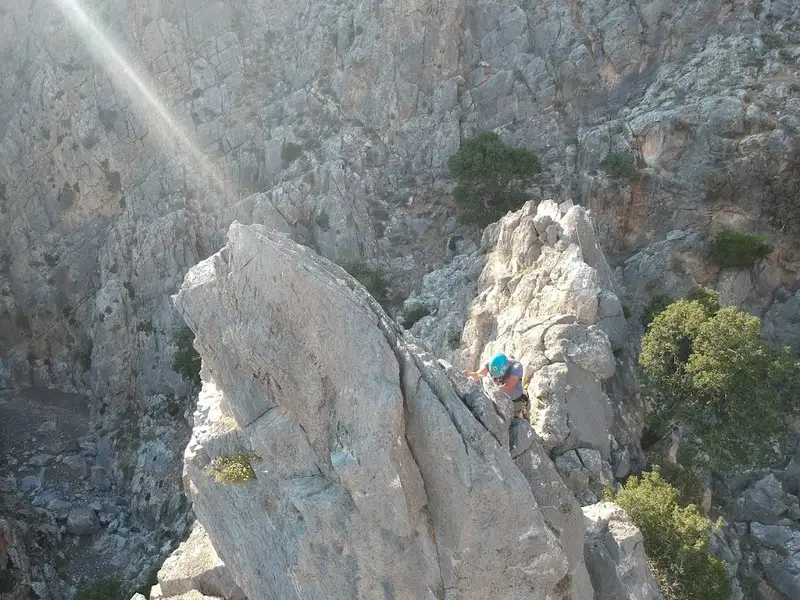
The Goula Gorge, a rugged canyon nestled in the Asterousia Range, begins just south of the village of Kapetaniana and concludes at the coastal settlement of Agios Ioannis. Like its counterparts in the area, such as Flomias, Salamiano, Koumos, Gerakia, and Valahas, it is untraversable without the correct canyoneering gear. Nonetheless, there is a hiking trail on the eastern side of the gorge that takes approximately 2 hours and 30 minutes to complete.
Entry to the gorge is via Kapetaniana, with the closest access point being the telephone antenna en route to Agios Ioannis. The gorge boasts 18 rappels, the tallest of which is 55m, and others measuring 25m, 15m, 13m, and smaller. The gorge spans roughly 1700m in length and a team of five would require around 4 and a half to 5 hours to traverse it.
The gorge’s beauty lies in its wild and haunting rocky landscape, caves, and rock shelters. The primary vegetation is pine trees. Although it is generally dry, the name “Goula” translates to “spring” in the local Cretan dialect. True to its name, Goula is home to the area’s main spring, which provides for the water needs of the Agios Ioannis settlement.
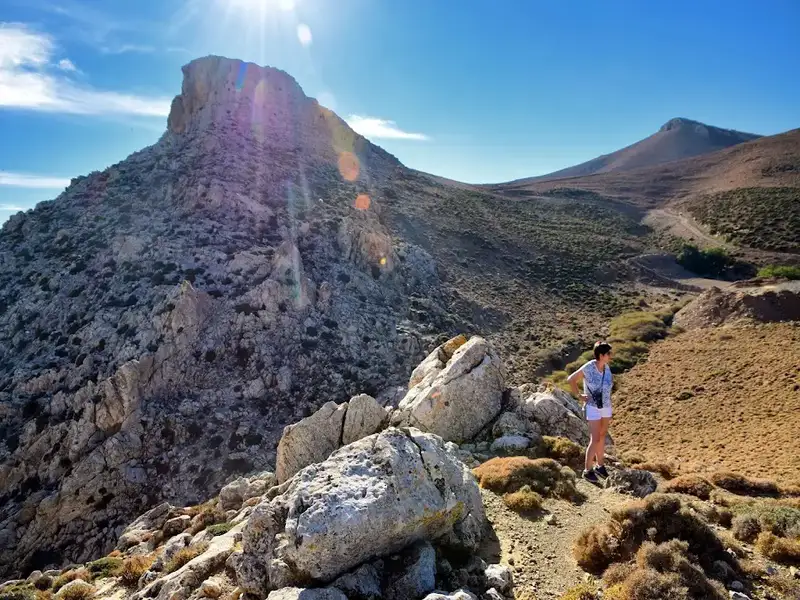
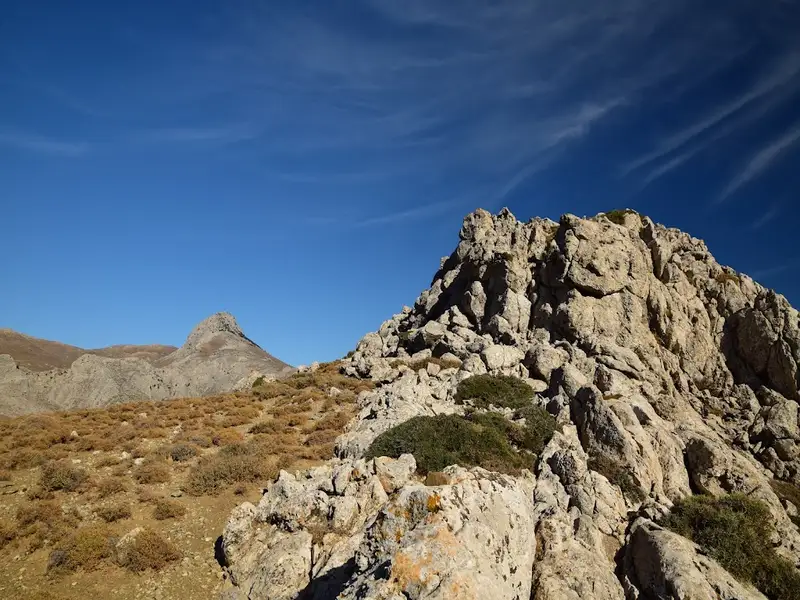
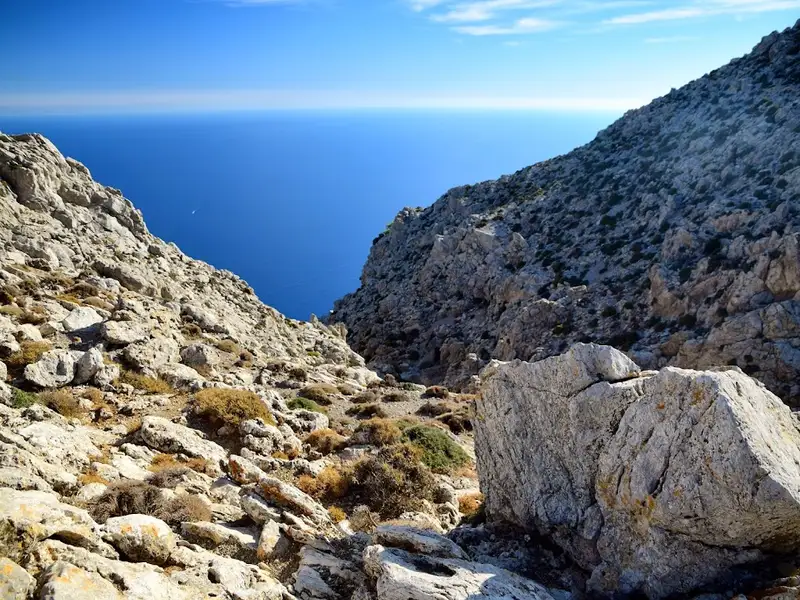

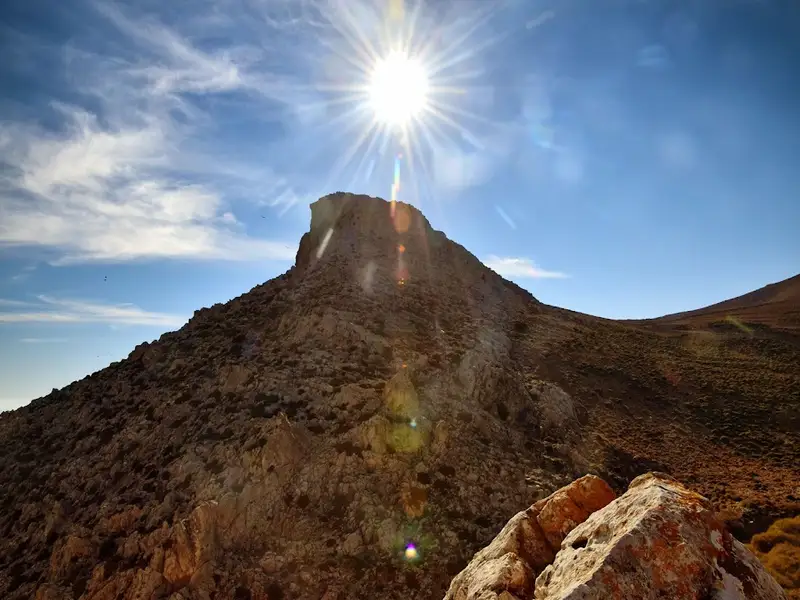
The Koumos Gorge, nestled in the Kapetaniana region, concludes near the coastal village of Agios Ioannis, amidst a landscape abundant with pine trees. This relatively undiscovered gorge requires technical equipment for access, making it exclusively passable for canyoning experts. Typically, the gorge remains dry, but intense rainfalls transform it into a spectacle of stunning waterfalls. The tallest waterfall reaches a height of 60m, accompanied by approximately 10 smaller cascades.
The Koudoumas or Kofinas gorge starts at an elevation of 1000m near the base of Kofinas, the tallest peak of the Asterousia Range, and concludes at the Koudoumas Monastery beach. Its initial segment is a technical gorge of exceptional beauty, locally known as Katarraktis (Waterfall) or Keadas (Kenad). The total descents in the gorge leading to Koudoumas monastery are 18, with the highest reaching 38m. The upper section is only accessible with canyoning gear and was first explored in 2004 by Kostas Psarakis and Manolis Kambourakis, and bolted in 2017 by the Asterusia Adventure Team (Manos Petrakis, George Makrygiannakis, Nikos Foukakis, Savvas Paragmaian, Giannis Aggelis, Christina Aggelidou, Savvas Eftychis, and Dimitris Karatarakis).
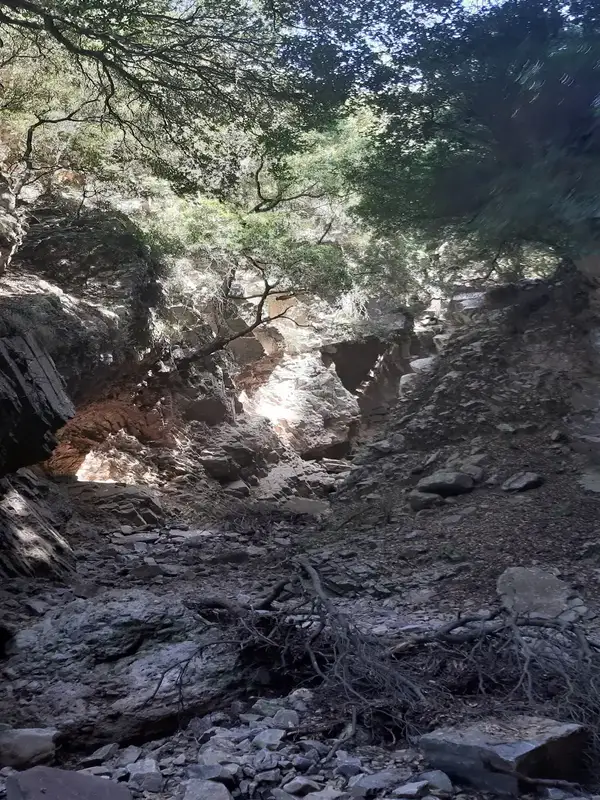
It is possible to descend the gorge without technical equipment by navigating around the Katarraktis section. However, caution is required due to the area’s steep slopes, unstable ground, and lack of marked trails, which can strain the knees.
As you descend, the initial vegetation is predominantly cypress and oak trees, but as you near sea level, pine trees become more prevalent.
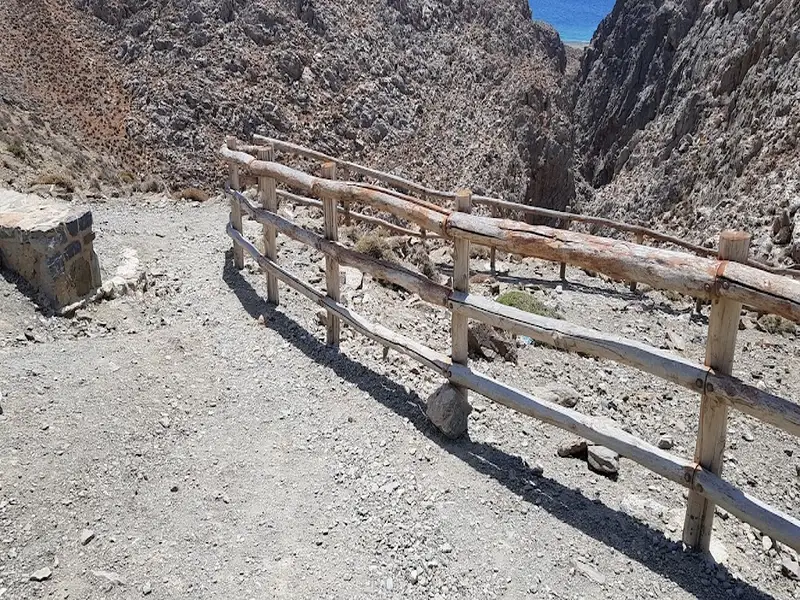
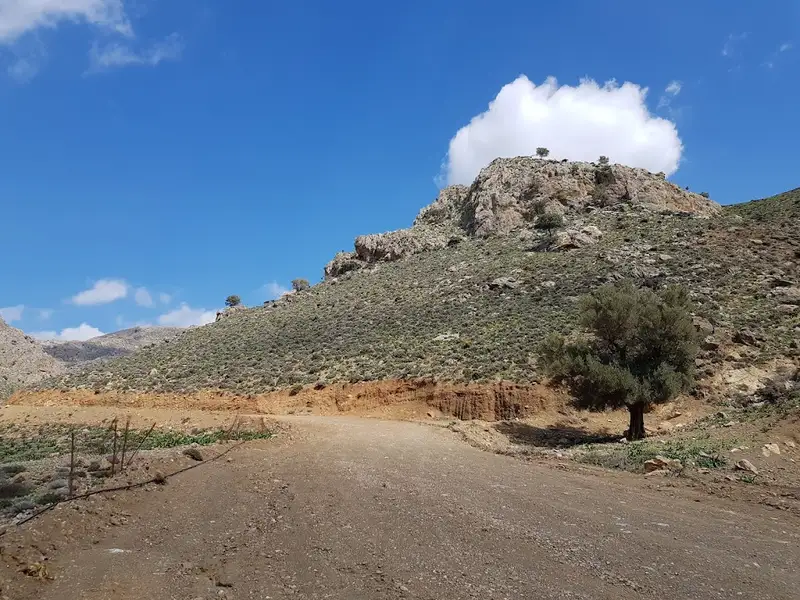
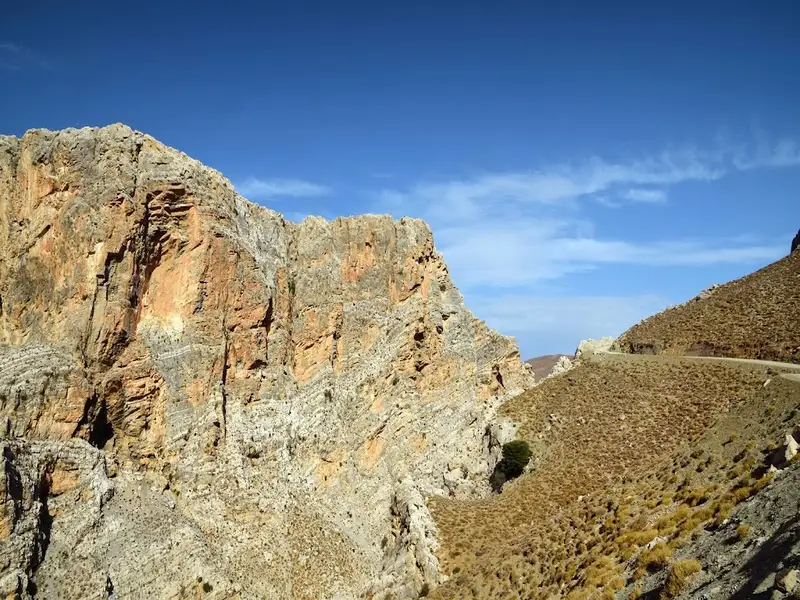
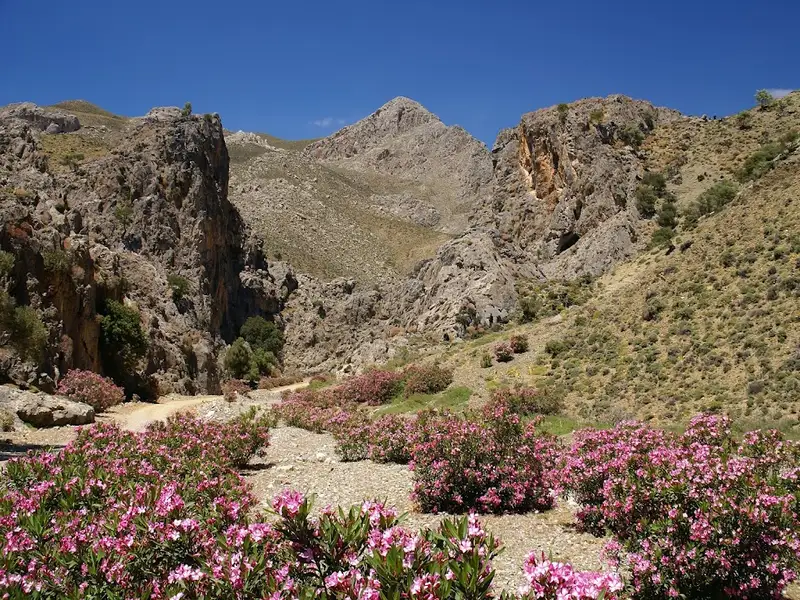
The Trypiti Gorge, nestled in the Asterousia mountain range, lies south of Vassiliki village and channels water from the valley east of Miamou village through the Agiosavvitis river. Stretching over 4 km, the gorge ends in a stunning pebble beach named Tripiti. A dirt road, running along the eastern side of the gorge, provides access to the beach, following several kilometers before reaching the riverbed at the sea’s edge.
The gorge narrows near Saint Paraskevi church, situated at an elevation of 655m. The initial section of the gorge houses steep waterfalls, making it inaccessible without technical expertise and canyoneering equipment. The western side, in particular, is incredibly steep and dangerous. The Prophet Elijah church is a prominent feature at Katsakne, the peak of the western slopes. This church can be accessed via another dirt road that begins about half a kilometer before the gorge’s entrance.
Midway through the gorge, close to the dirt road, lies the Saint Savas church, surrounded by wild olive trees. The unique feature of this woodland is its wild, uncultivated olive trees, offering a glimpse into the natural habitat of these trees. The gorge is also home to an array of wildlife and bird species.
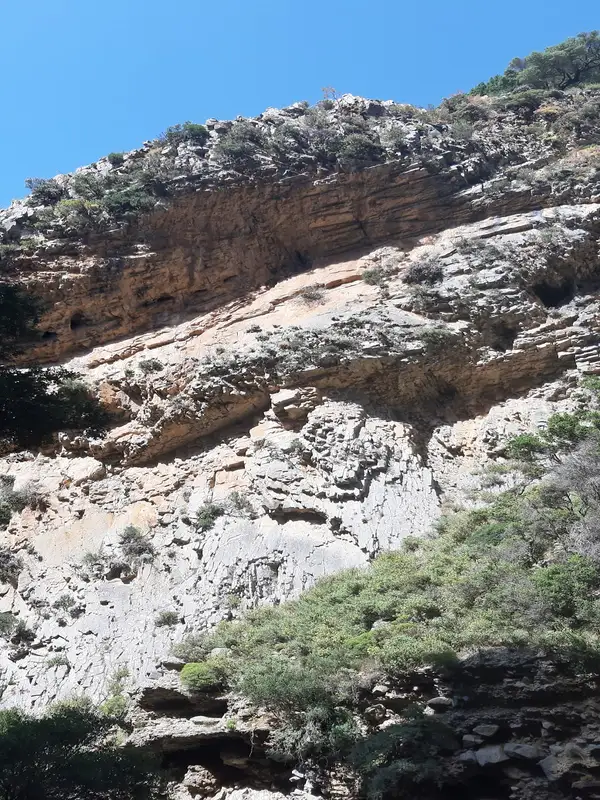
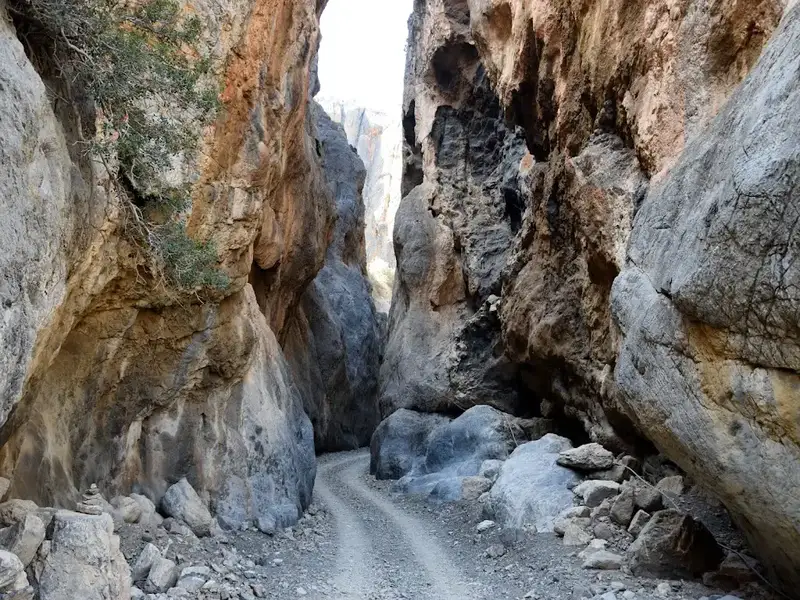
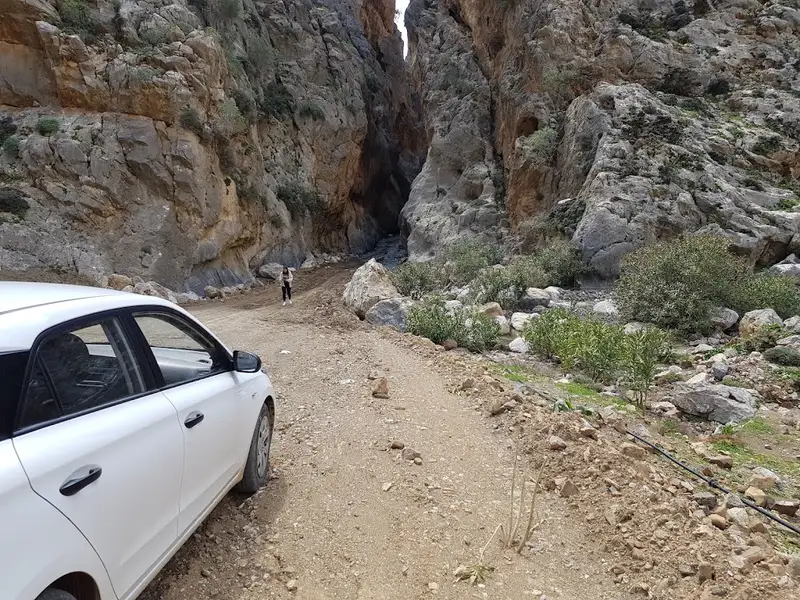
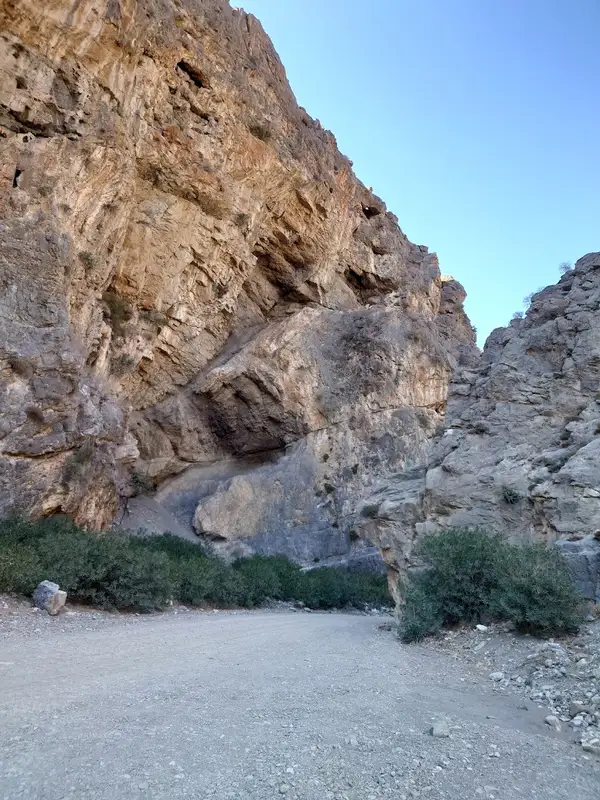
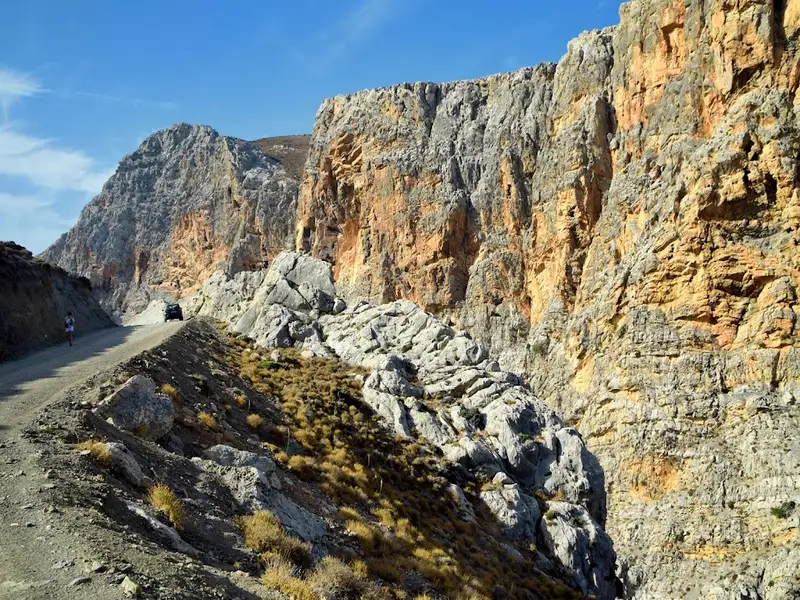
As you continue towards the sea, the road merges with the ravine and soon leads to the most picturesque part of the gorge: the narrow canyon, also known as Steno Faragi. Here, the sides of the gorge come so close together that they appear to touch. A road, just wide enough for a car, passes through this narrow gap. At the end of this narrow section, next to the beach, you’ll find the Panagia Tripiti church, built inside a cave, that celebrates its feast on September 1st.
The Trypiti Gorge is known by various other names, including Saint Savas Gorge, Katsakne, and Lavri. On the eastern side’s Papouri hill, archaeologists have uncovered a significant Preminoan settlement. Additionally, vaulted graves have been discovered at the Kalokambos location.
No results available
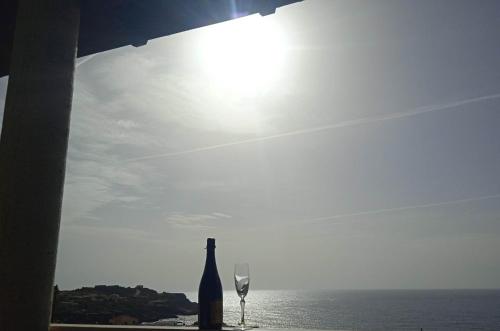
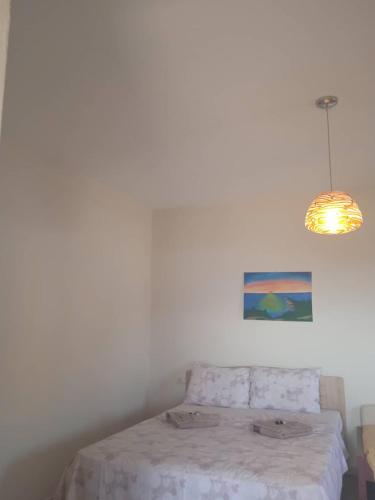
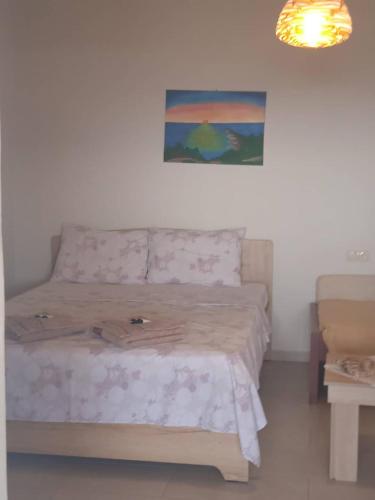
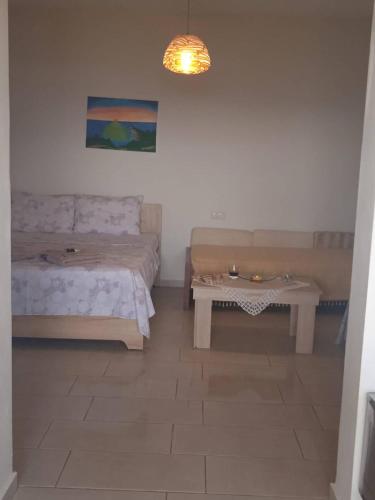
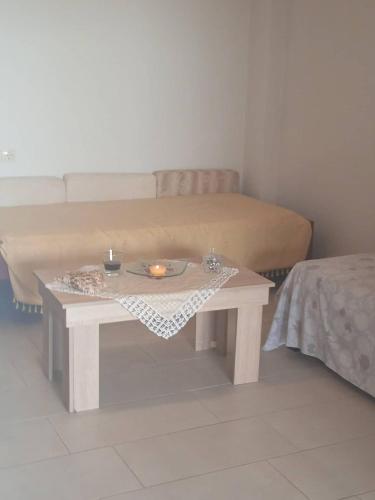
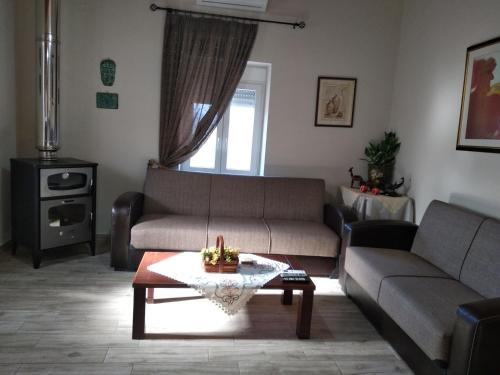
Studios Anna Maria has sea views, free WiFi and free private parking, set in Kapetanianá, 100 metres from Paralia Agios Ioannis.
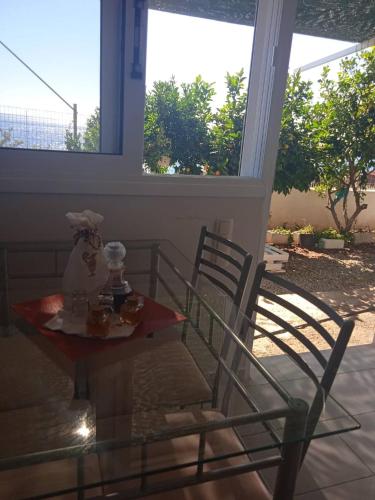
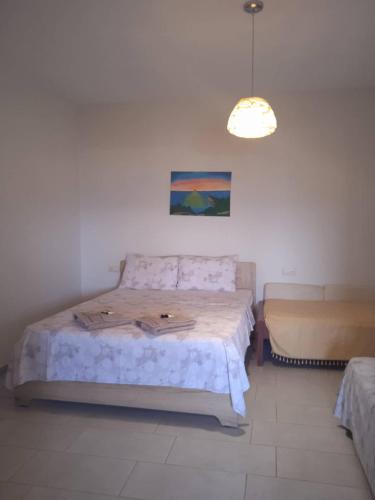
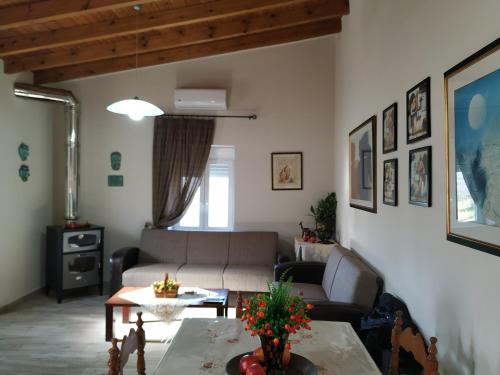
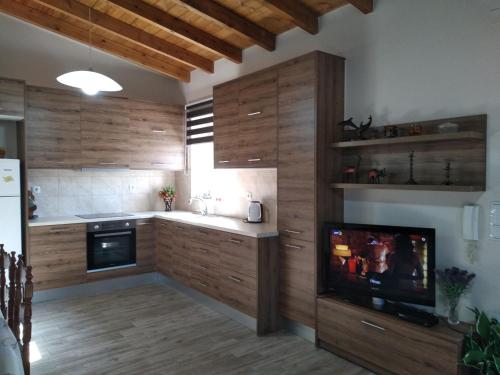
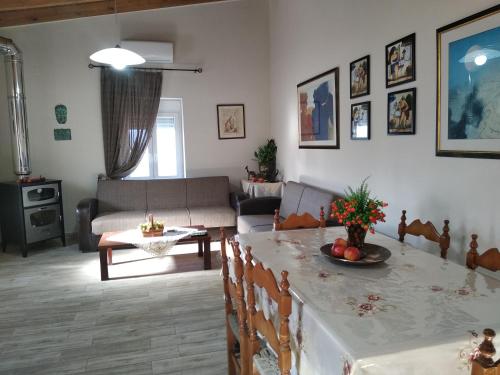
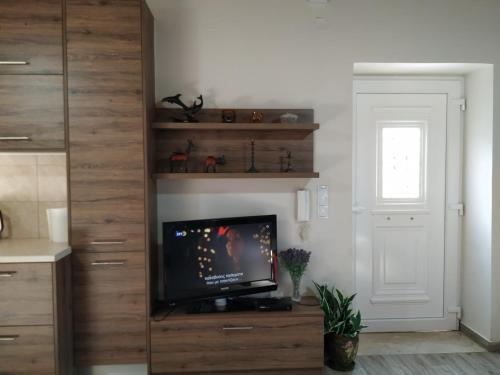
All units are air-conditioned and some of them feature a seating area with a flat-screen TV, and a fully equipped kitchen with a dining area. Some units have a terrace and/or a balcony with mountain or inner courtyard views.
Phaistos is 42 km from the apartment, while Museum of Cretan Ethnology is 43 km from the property. The nearest airport is Heraklion International Airport, 72 km from Studios Anna Maria.
from
€55
/night
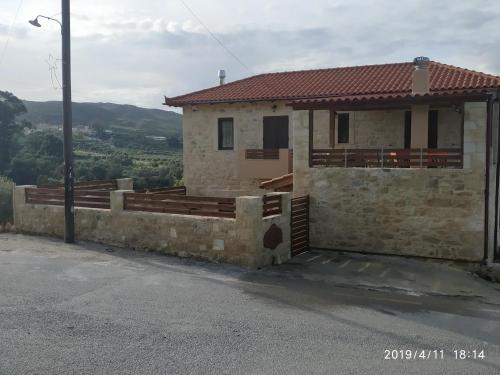
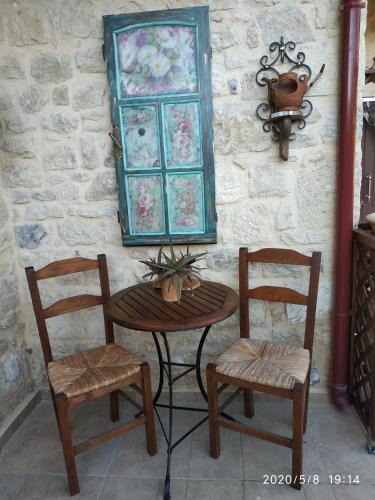
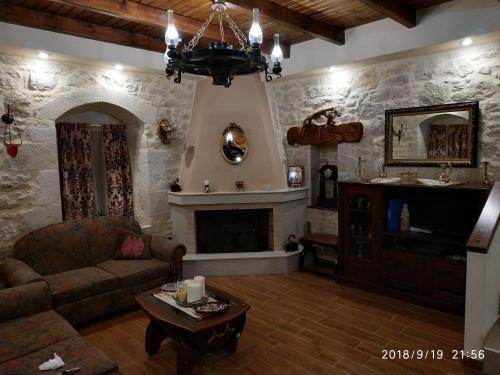
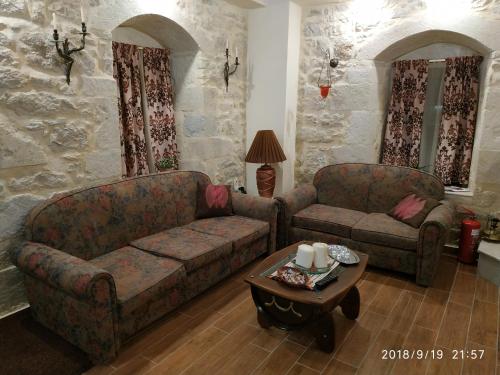
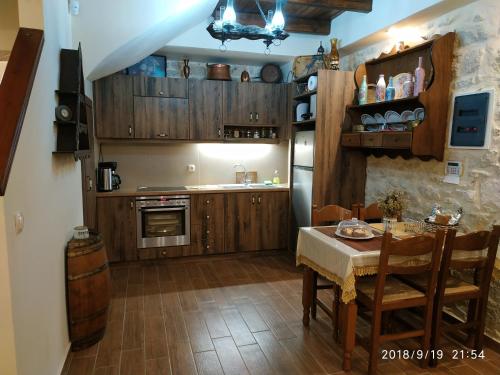
Surrounded by olive trees, in Vasiliki Village, the stone-built Amazing Stone Villa offers self-catering accommodation with free WiFi access and views over the lush surroundings. Guests will find traditional cafes, a mini market, a pharmacy and a gas station within a short drive.
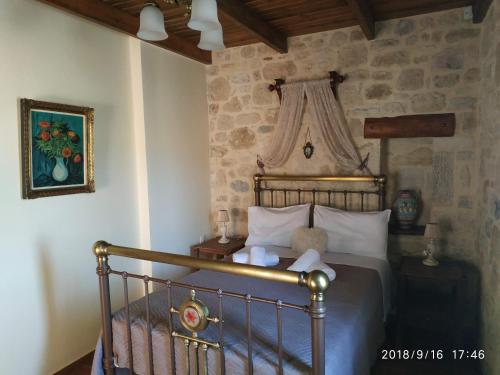
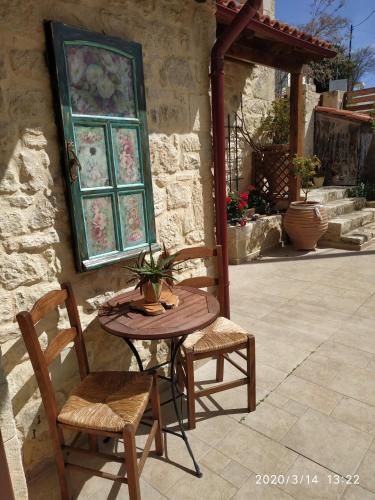
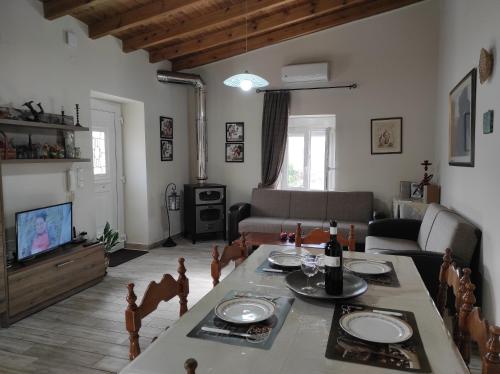
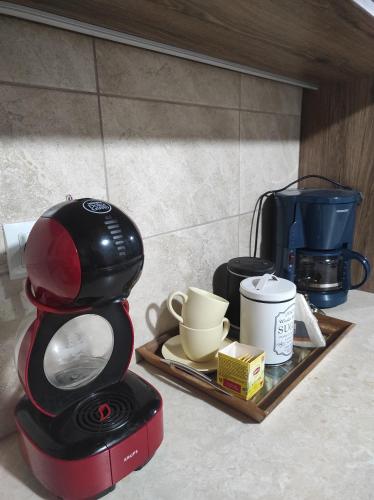
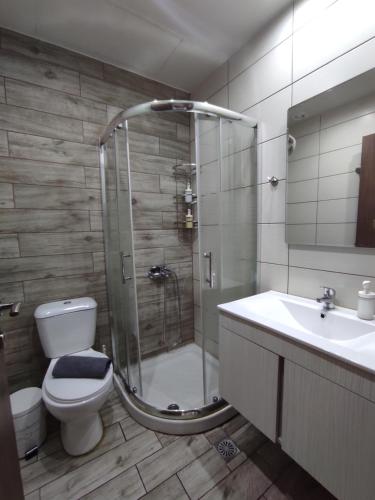
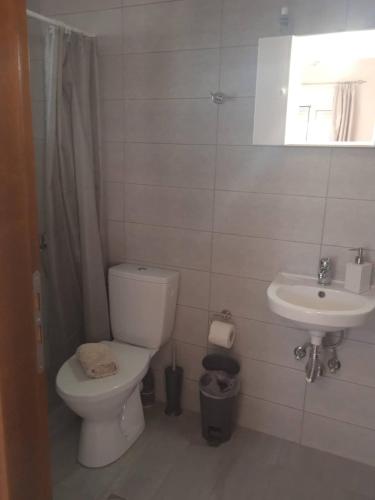
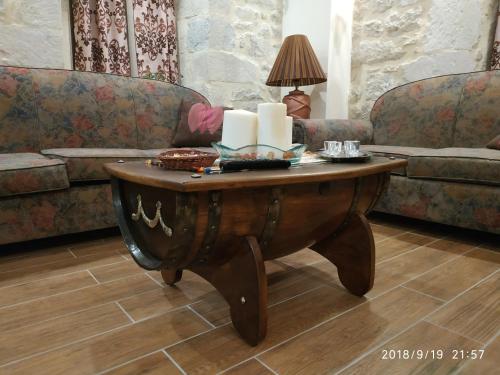
Featuring vintage furniture and decoration, all units come with a fully equipped kitchen, a living area and a bathroom with shower. Facilities include a TV, an oven, a fridge, and a stovetop. A bottle of olive oil and a bottle of local wine , produced by the owners are offered upon arrival.
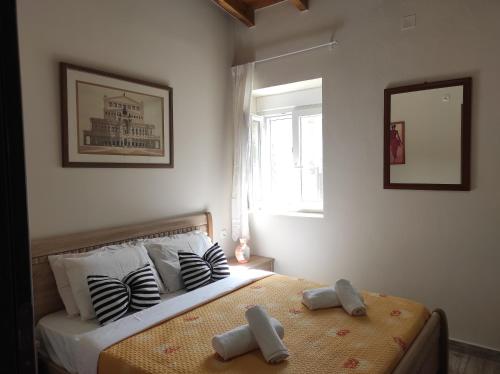
All bedrooms have air conditioning.
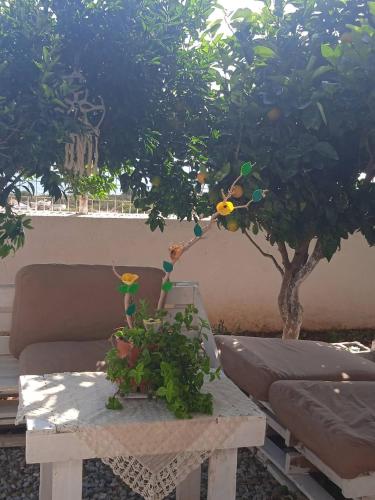
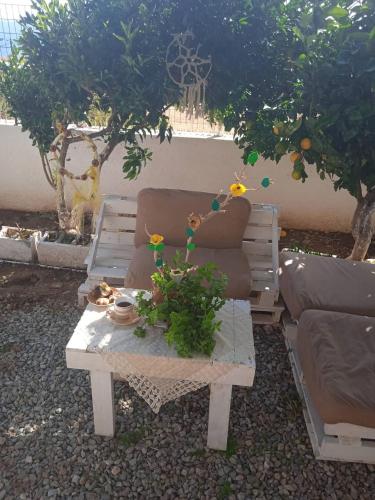
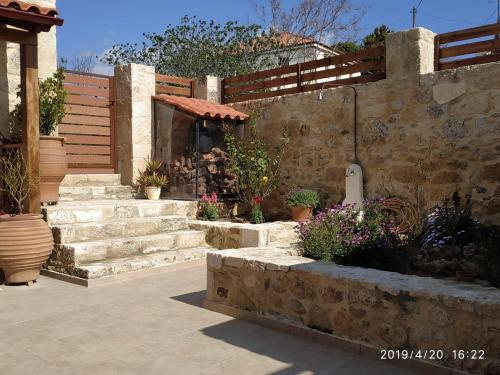
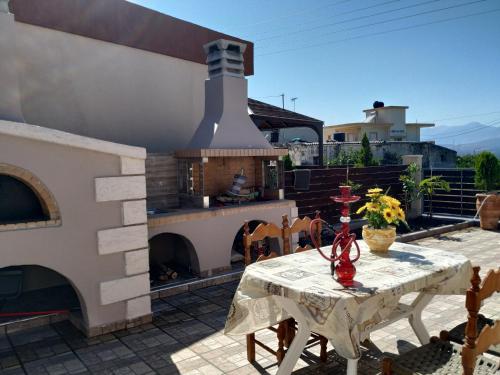
The property offers a large shared courtyard with flowers , BBQ and outdoor furniture.
The isolated sandy beach of Tripiti is 8 km from Amazing Stone Villa, while Matala is 25 km away. Heraklio Town is 41 km from the accommodation and Agia Galini is 30 km away. Heraklion International Airport is at a distance of 42 km.
from
€75
/night
Set in Stérnai, 42 km from The Palace of Knossos and 48 km from Venetian Walls, Villa Asterousia offers air-conditioned accommodation with a patio and free WiFi. The property features river and garden views, and is 49 km from Heraklion Archaeological Museum.
The villa with a terrace and mountain views has 2 bedrooms, a living room, a flat-screen TV, an equipped kitchen with an oven and a fridge, and 1 bathroom with a walk-in shower. Towels and bed linen are offered in the villa.
Staff at the villa are always available to provide information at the reception.
Villa Asterousia offers a picnic area. Barbecue facilities are at guests’ disposal and guests can also relax in the garden.
Phaistos is 34 km from the accommodation, while Museum of Cretan Ethnology is 34 km from the property. The nearest airport is Heraklion International Airport, 45 km from Villa Asterousia.
Situated in Paránimfoi and only 49 km from The Palace of Knossos, Livadi apt features accommodation with garden views, free WiFi and free private parking. This apartment is 41 km from Phaistos and 41 km from Museum of Cretan Ethnology.
The apartment features 1 bedroom, 1 bathroom, bed linen, towels, a flat-screen TV with streaming services, a fully equipped kitchen, and a patio with mountain views.
The apartment offers a terrace.
Nikos Kazantzakis Museum is 44 km from Livadi apt. The nearest airport is Heraklion International Airport, 52 km from the accommodation.
from
€55
/night
No results available
Connect with thousands of Crete visitors and boost your bookings.
© All rights reserved. Crete Locals