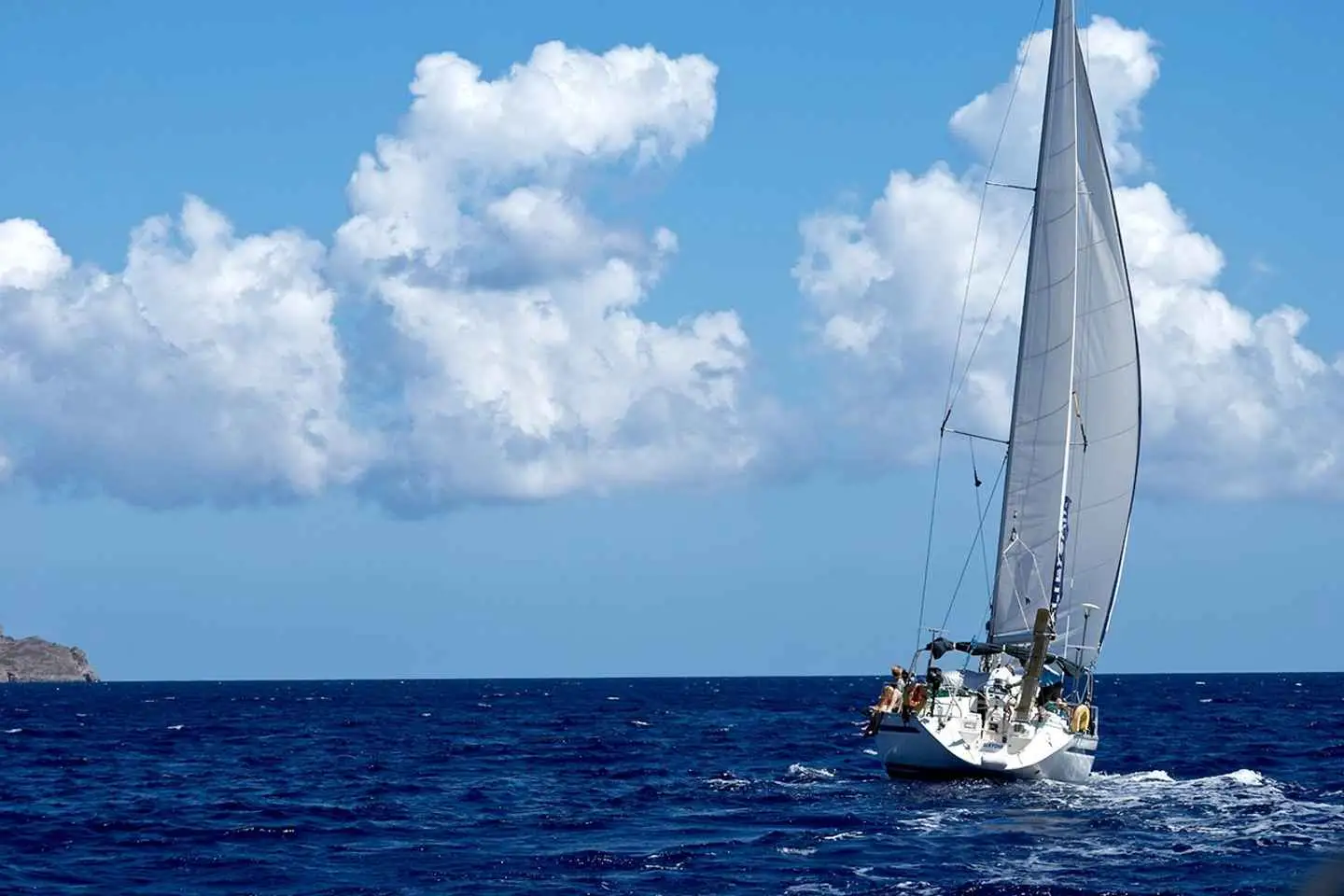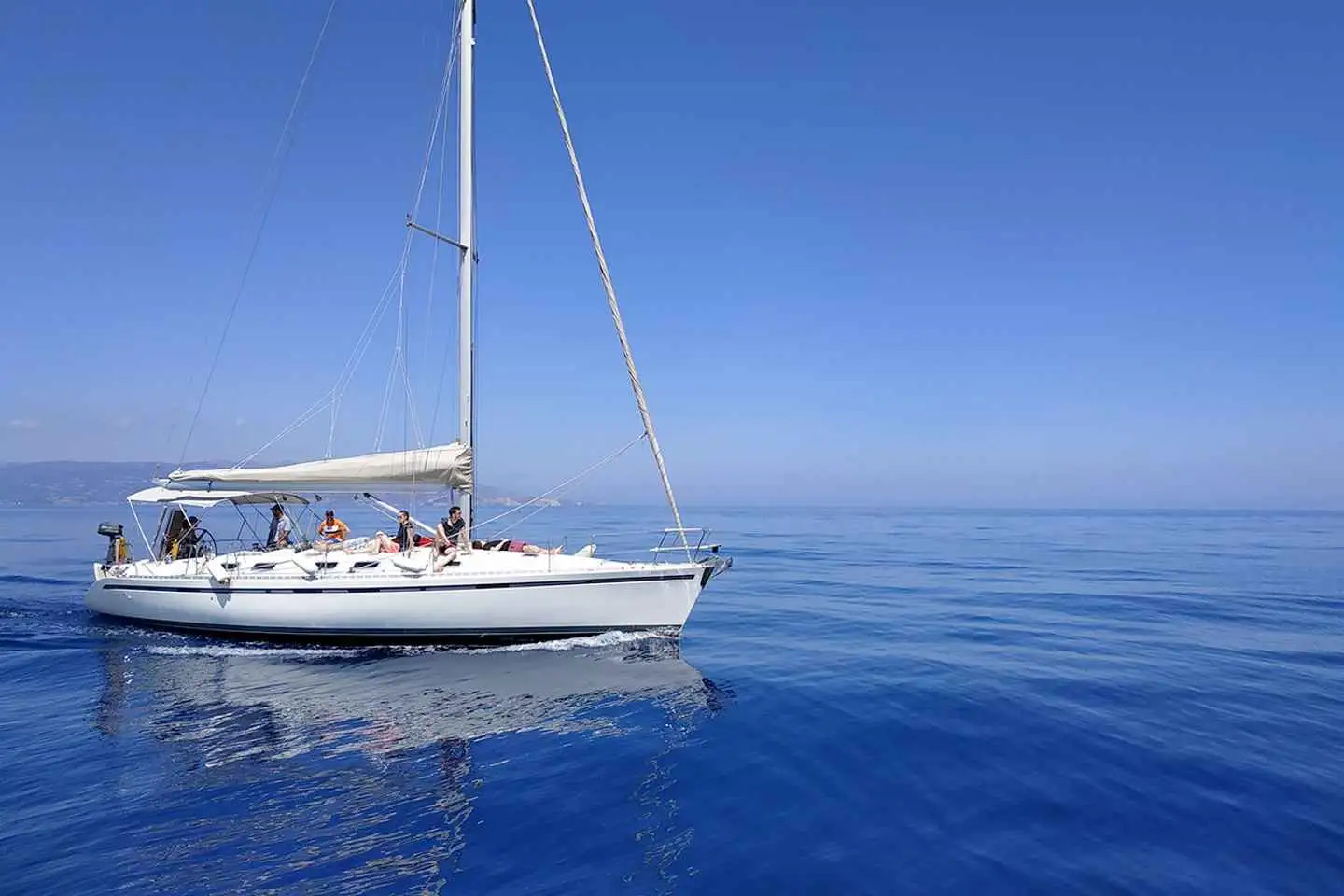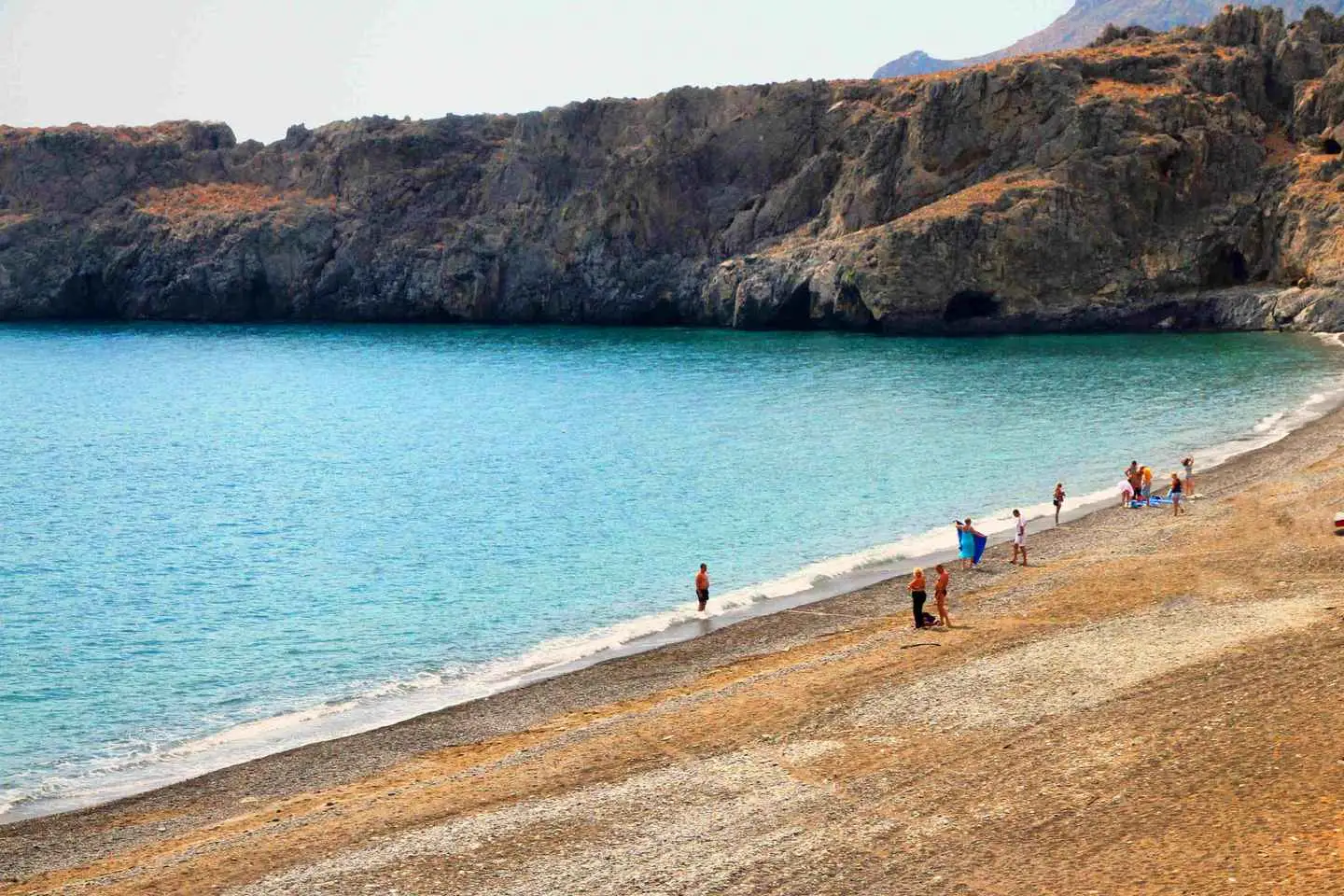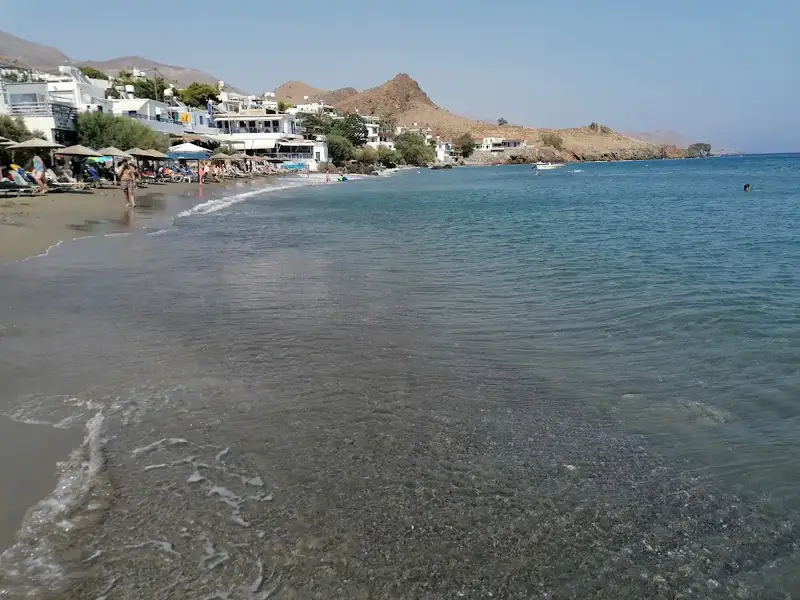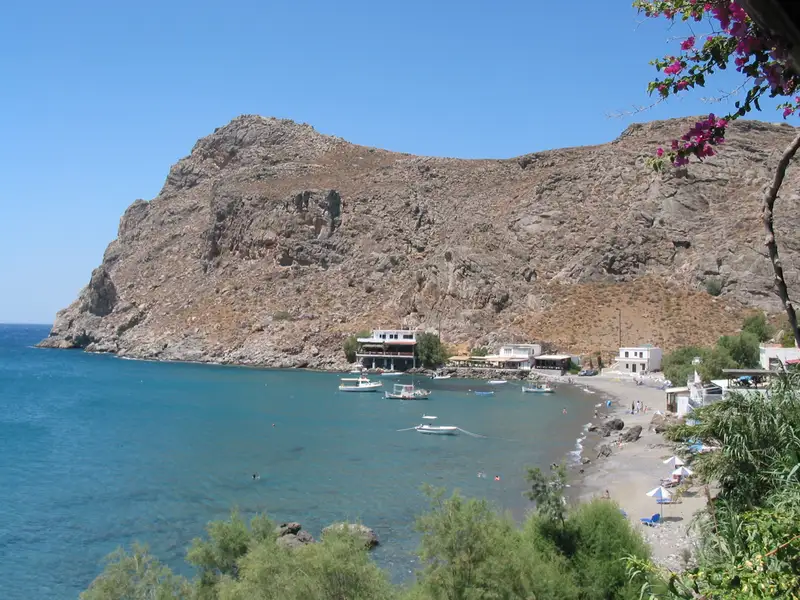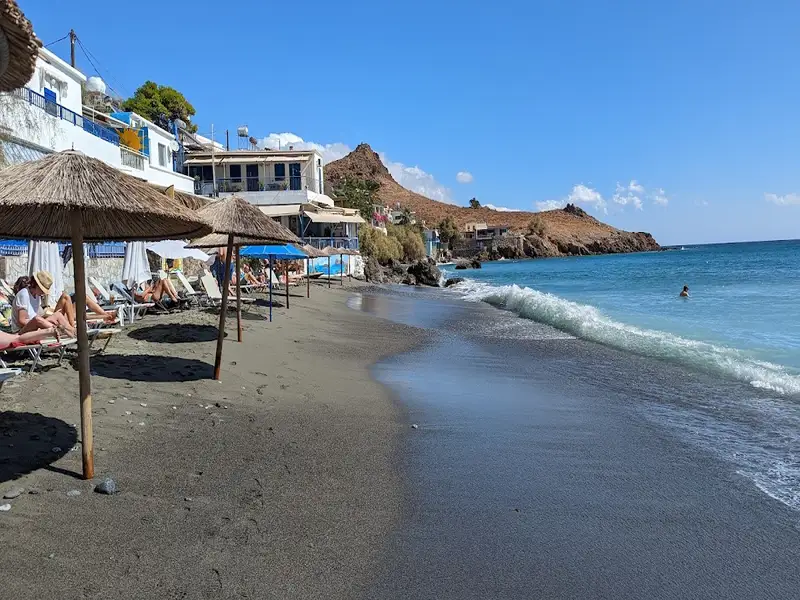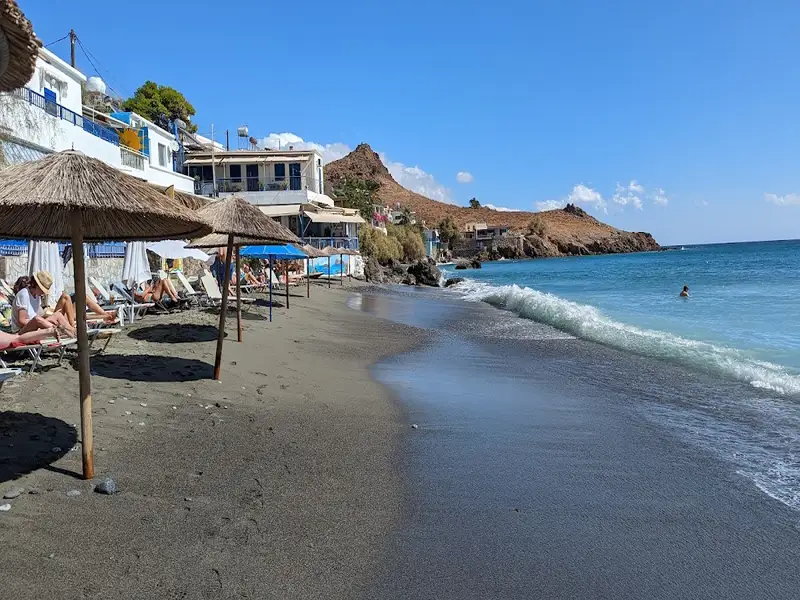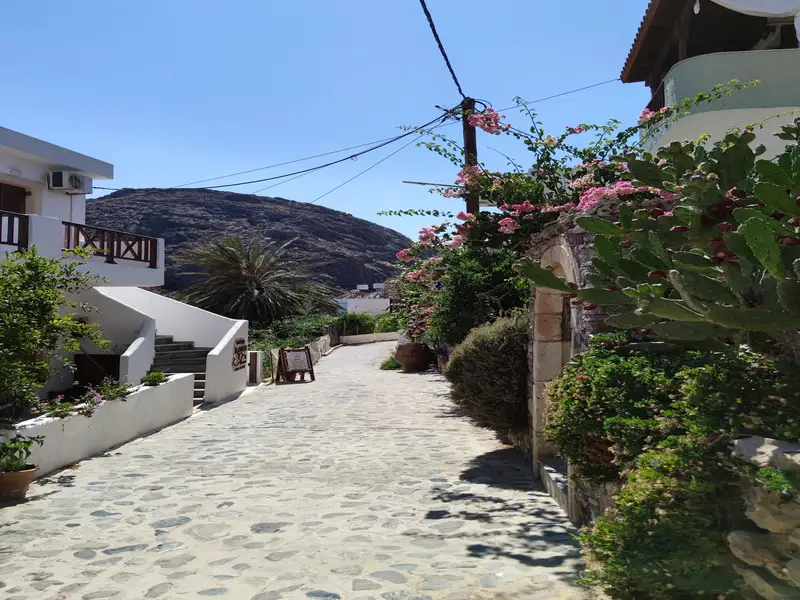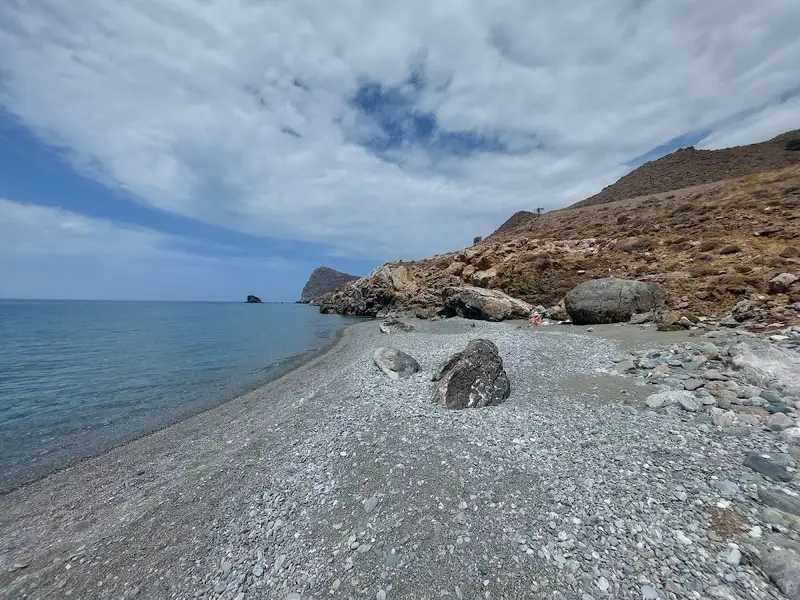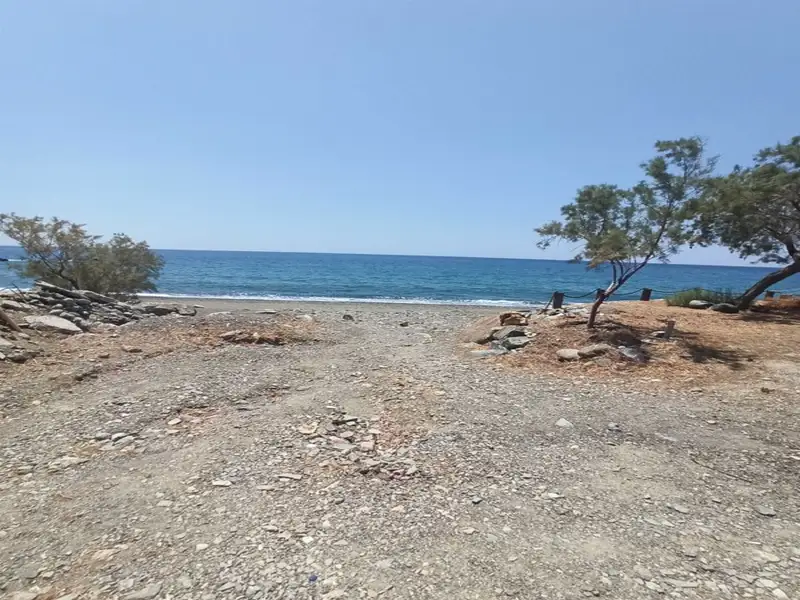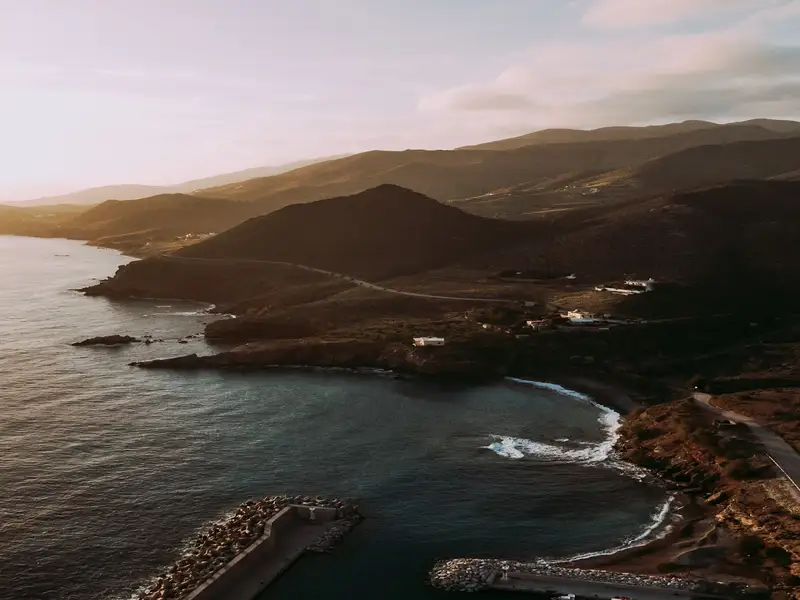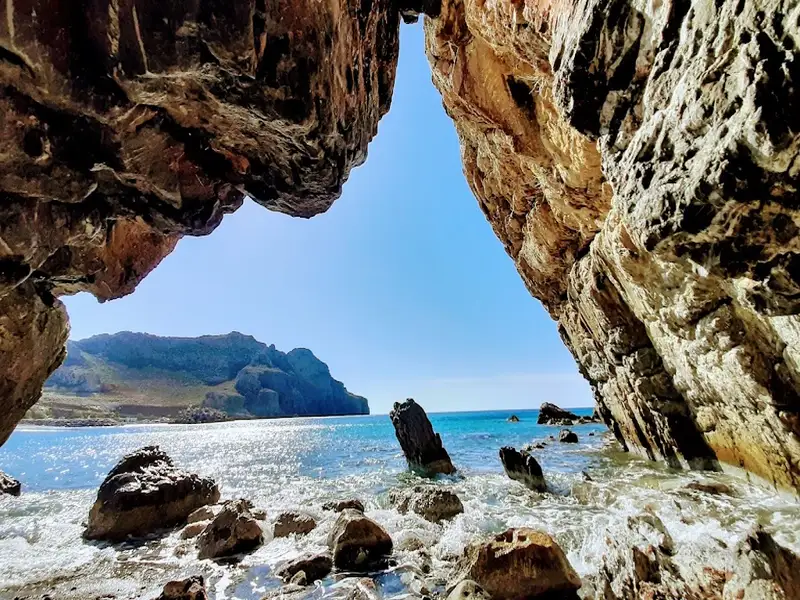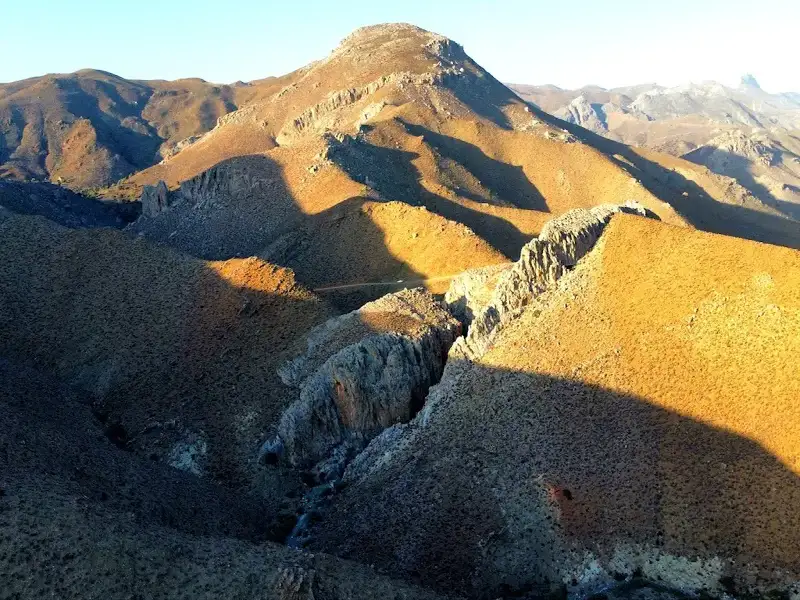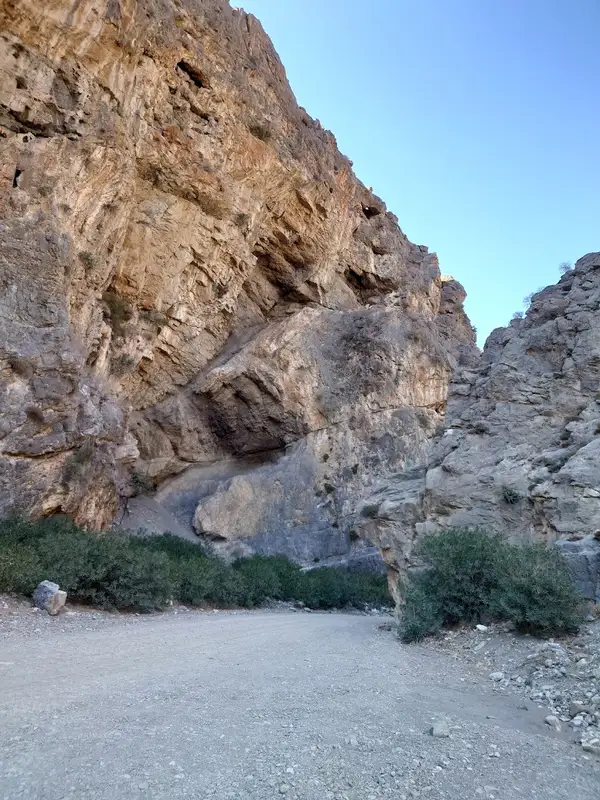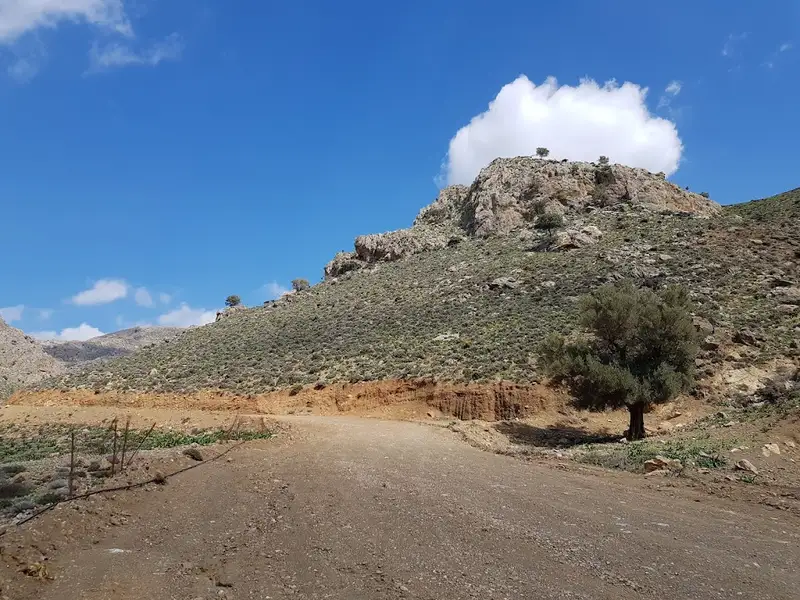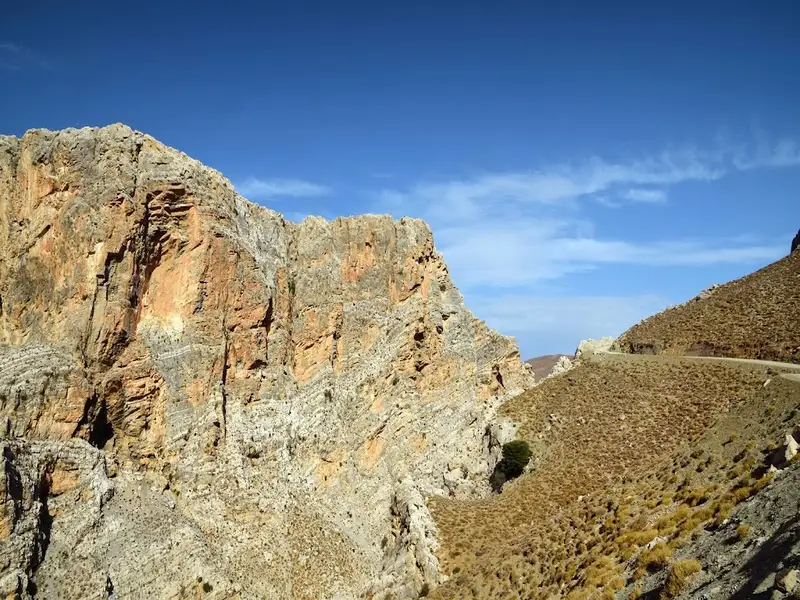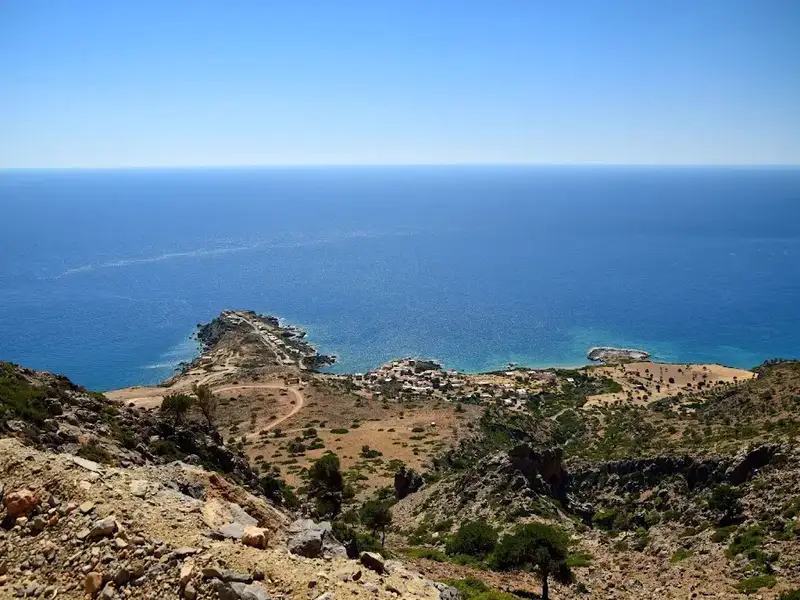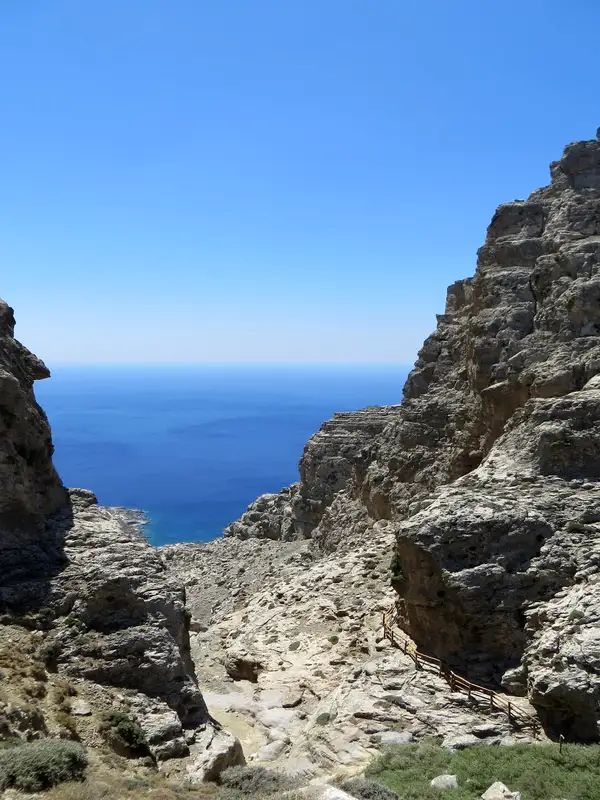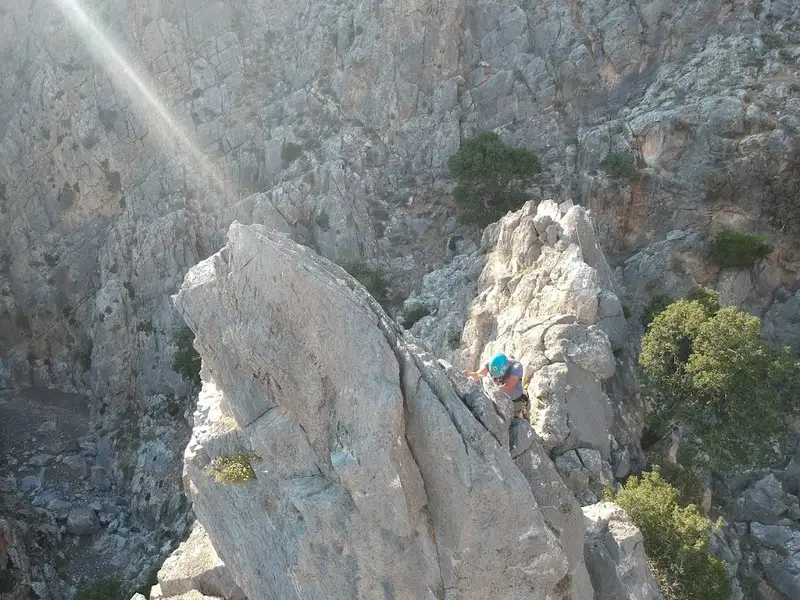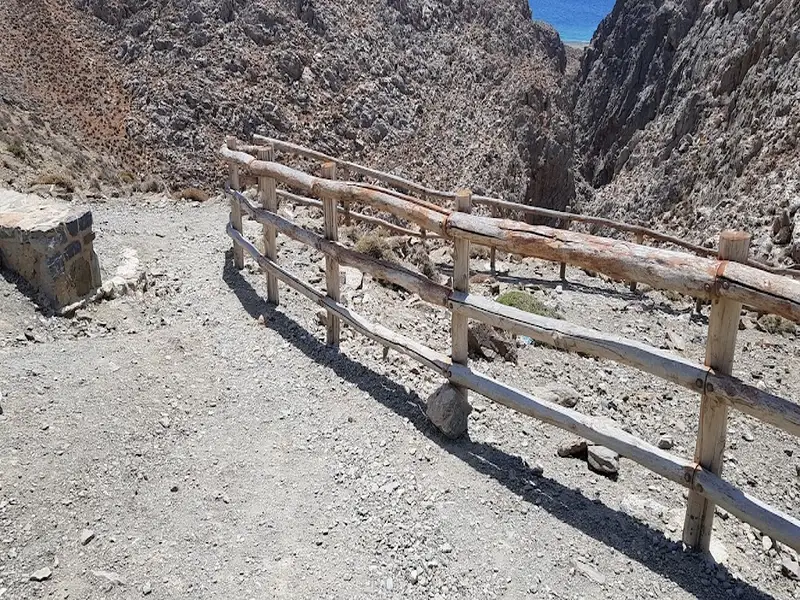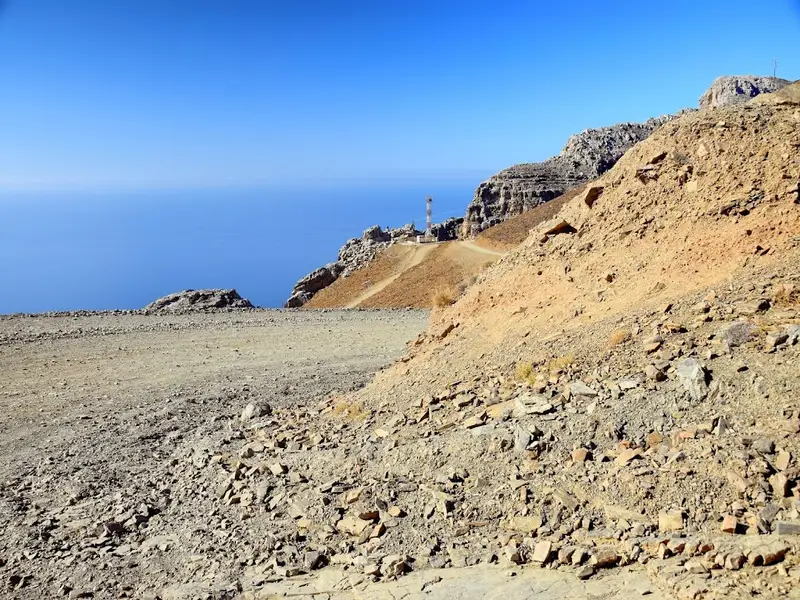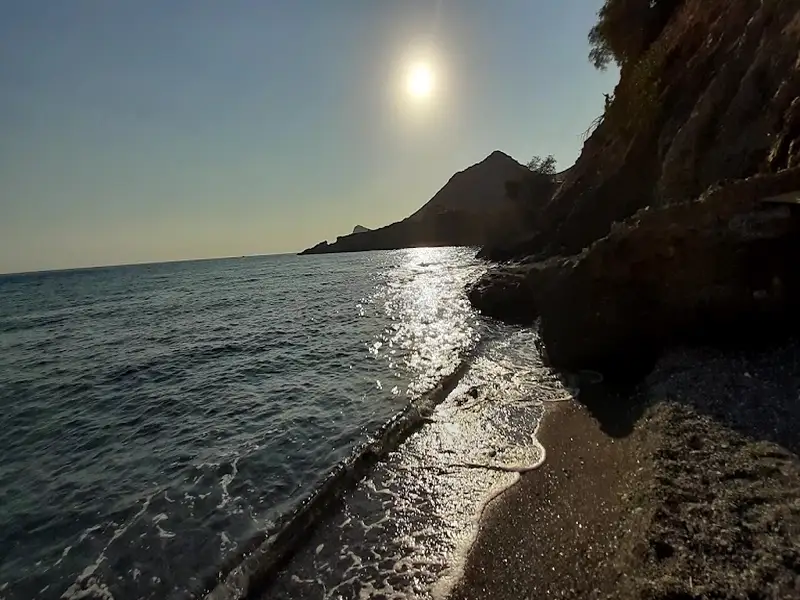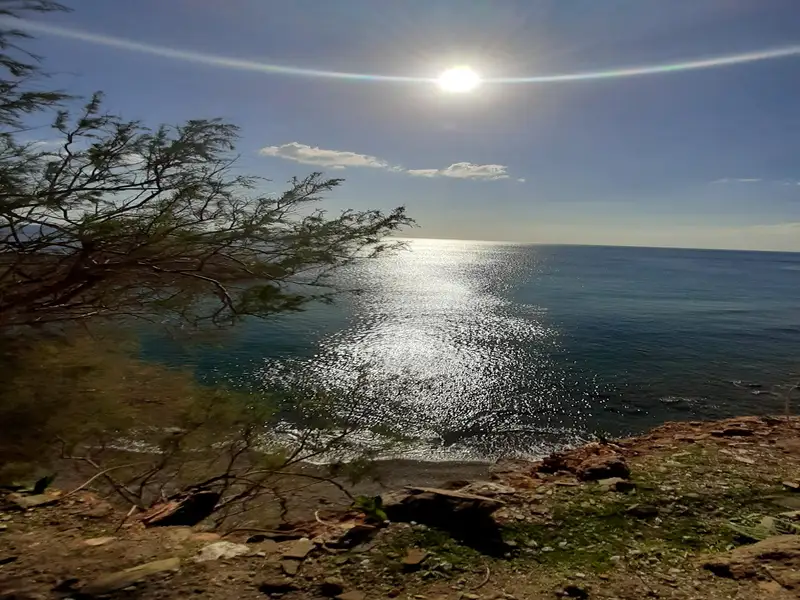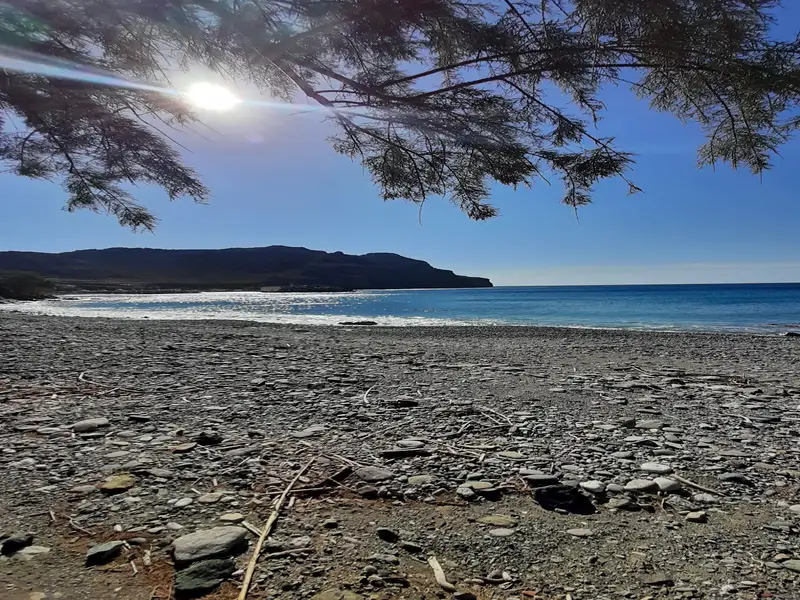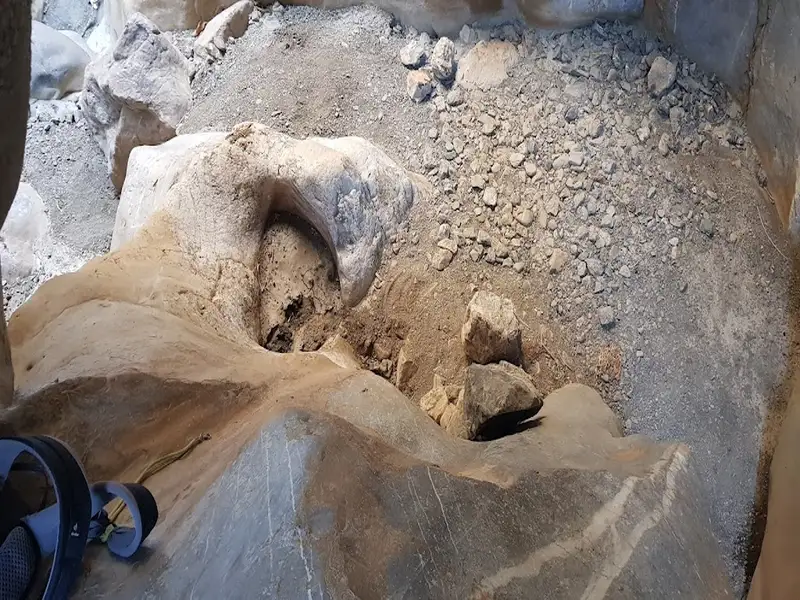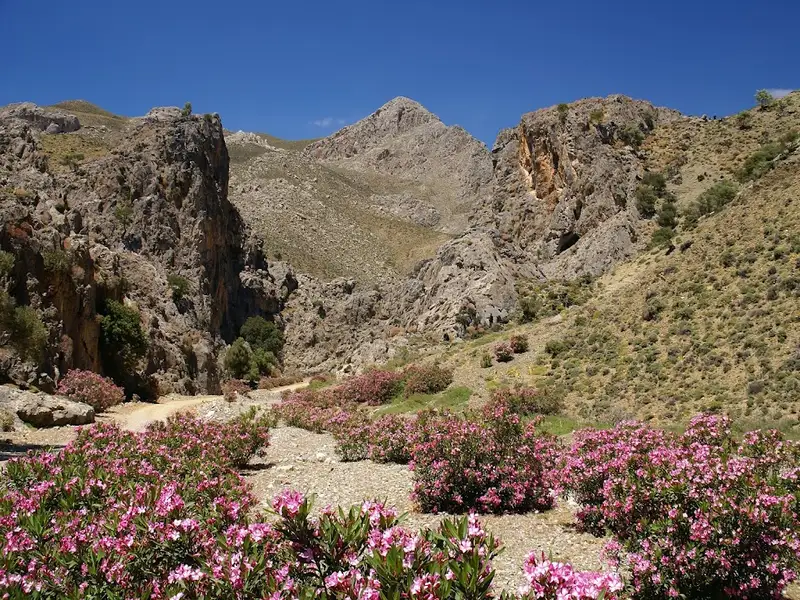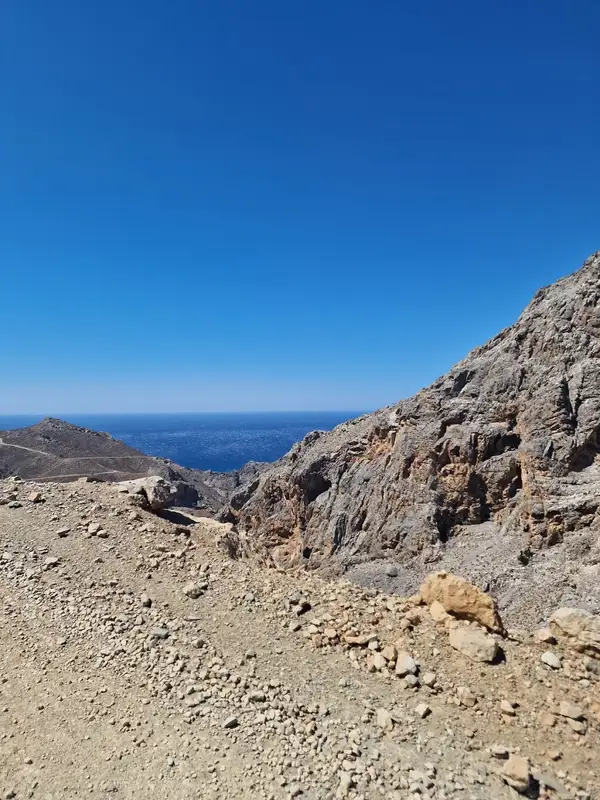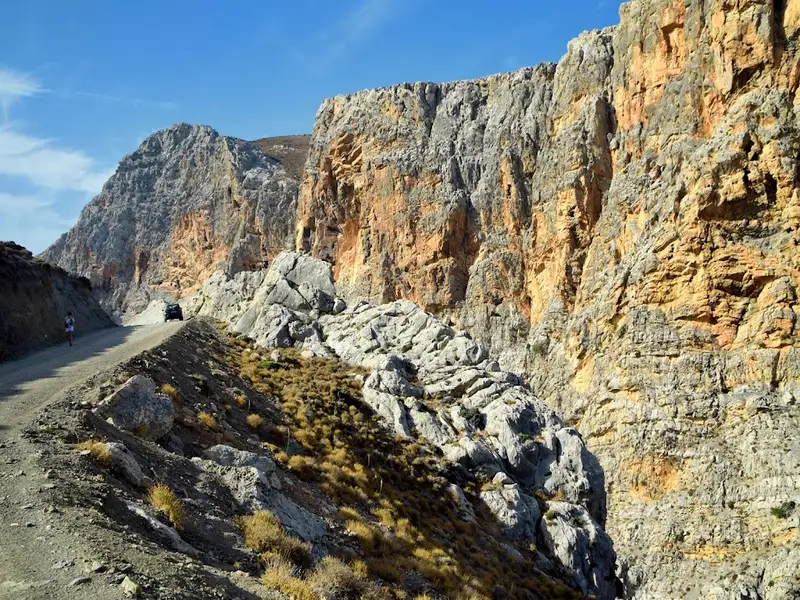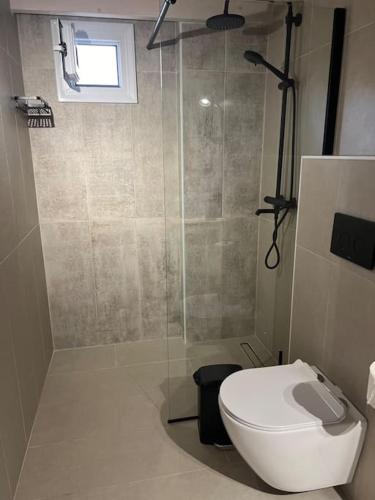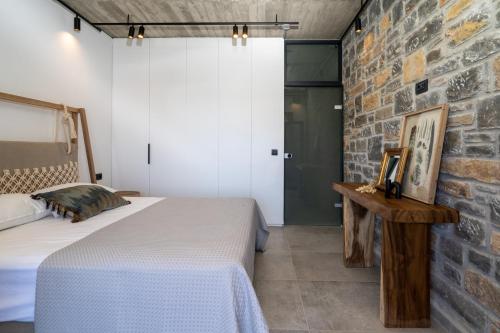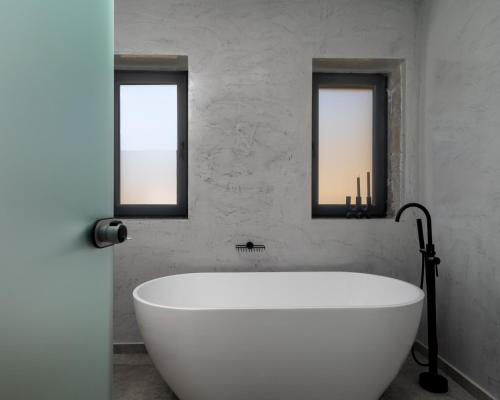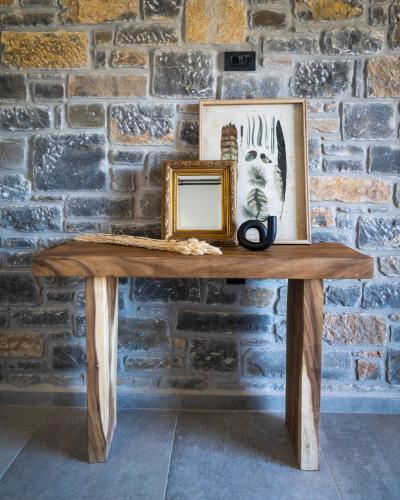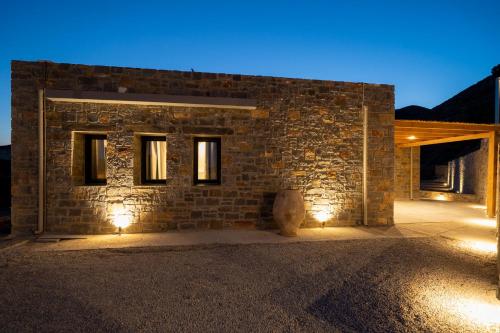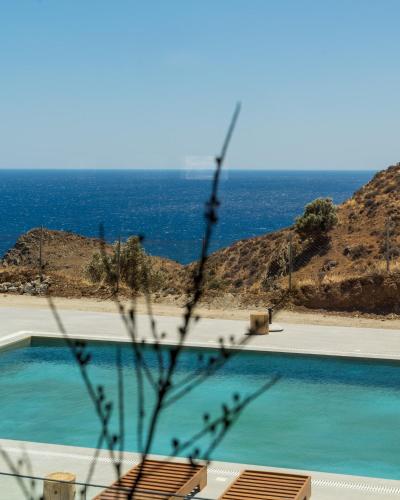
Southern Crete is a natural beauty which begs to be explored, while the region’s turbulent history has left behind some of the most beautiful remains. Come with us on a day trip with no planned destinations and let us explore together the hidden gems of this magnificent part of Crete!
Our crew will meet you at Agia Galini port and welcome you on board, where you will be given a briefing about safety and boat handling. We set our sails to the unexplored beaches of South Crete.
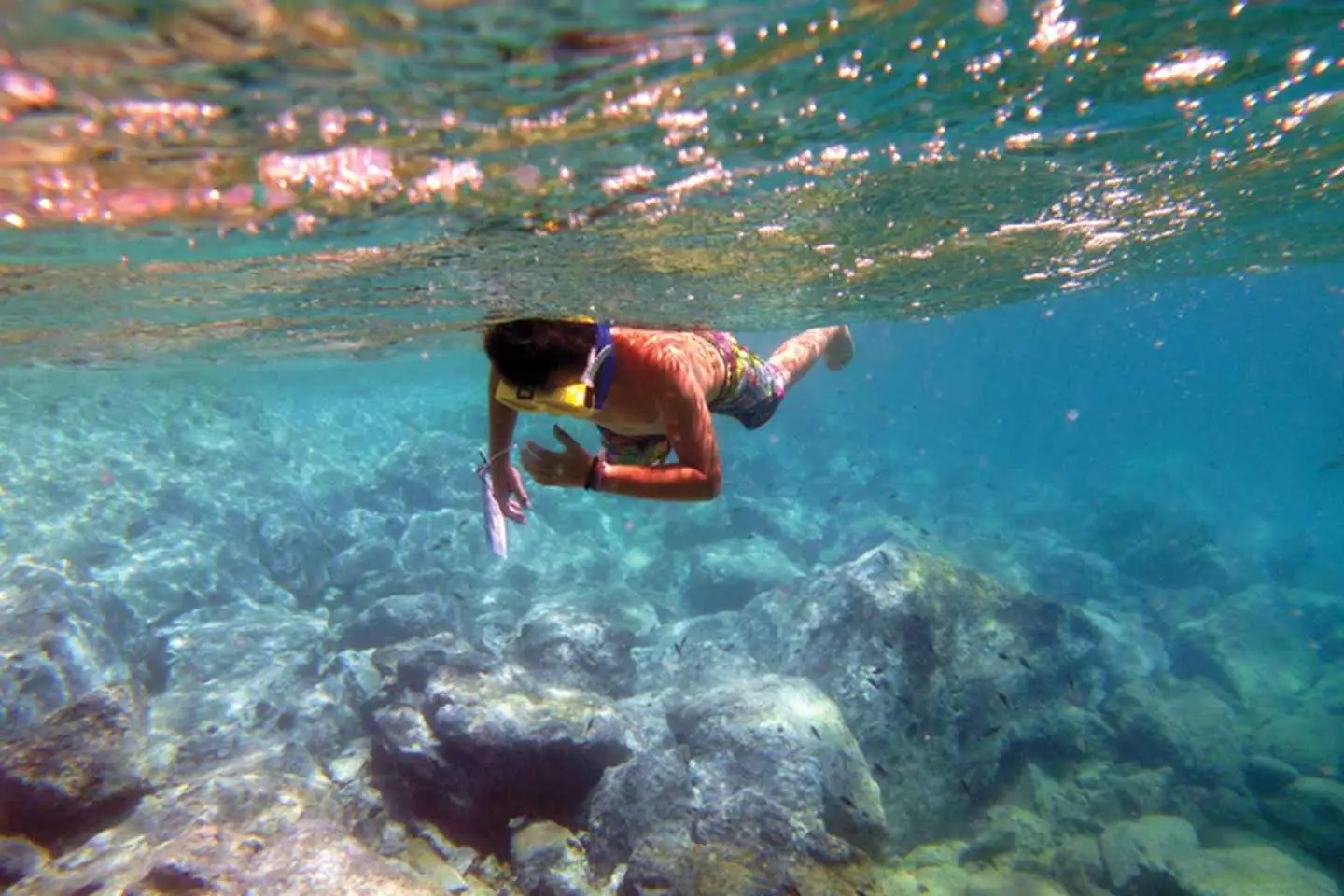
We arrive at the beach of our choice. We drop our anchor and you will have free time for swimming, snorkelling, enjoying the sun and nature. We carefully approach the coves that are surrounded by the protected wildlife.
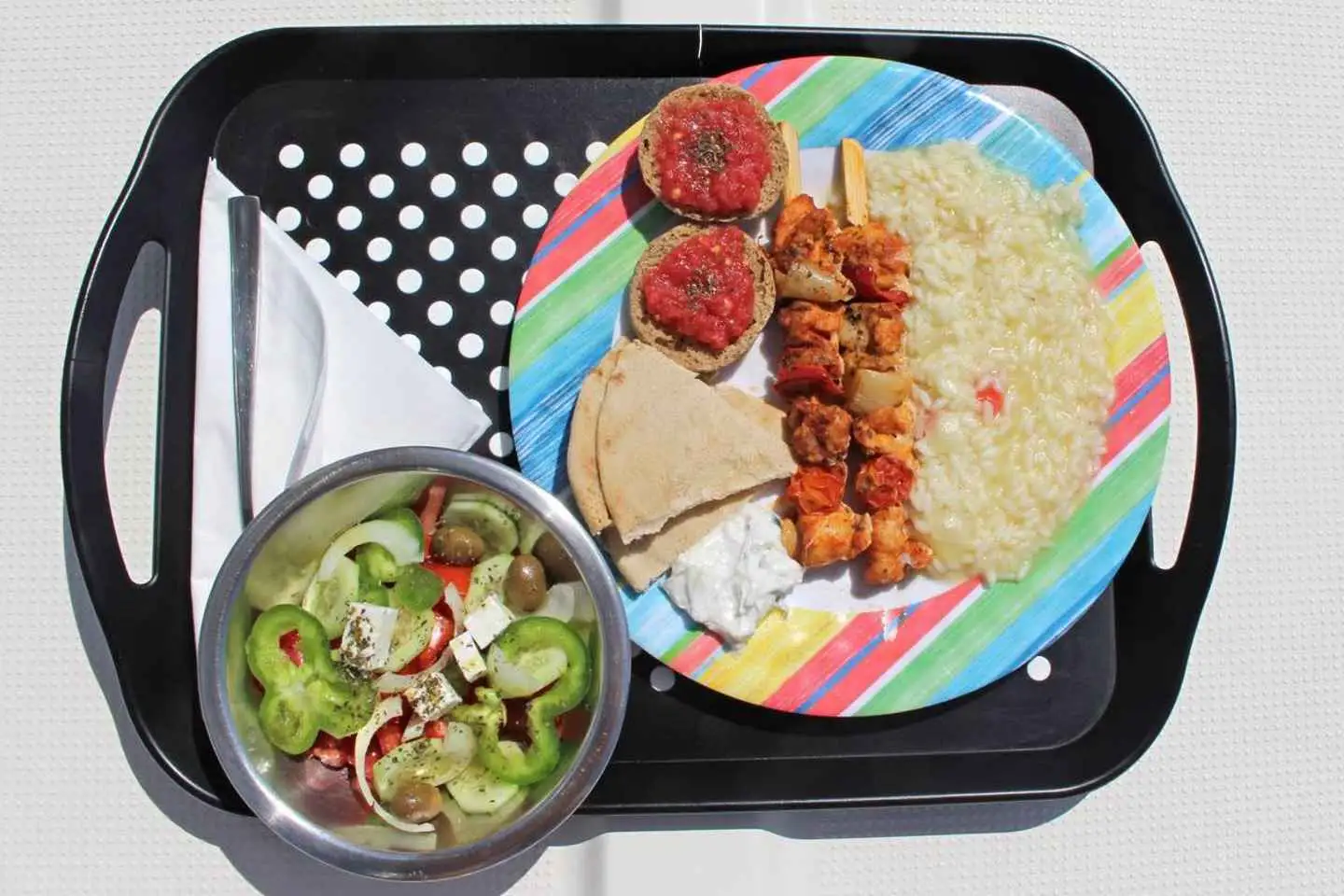
Our team will tell you everything about the history and the myths of the places we will visit while a delicious meal from fresh and local organic ingredients is being prepared.
After your lunch and perhaps after a quick dive, we will set our sails again to return back to Agia Galini port.
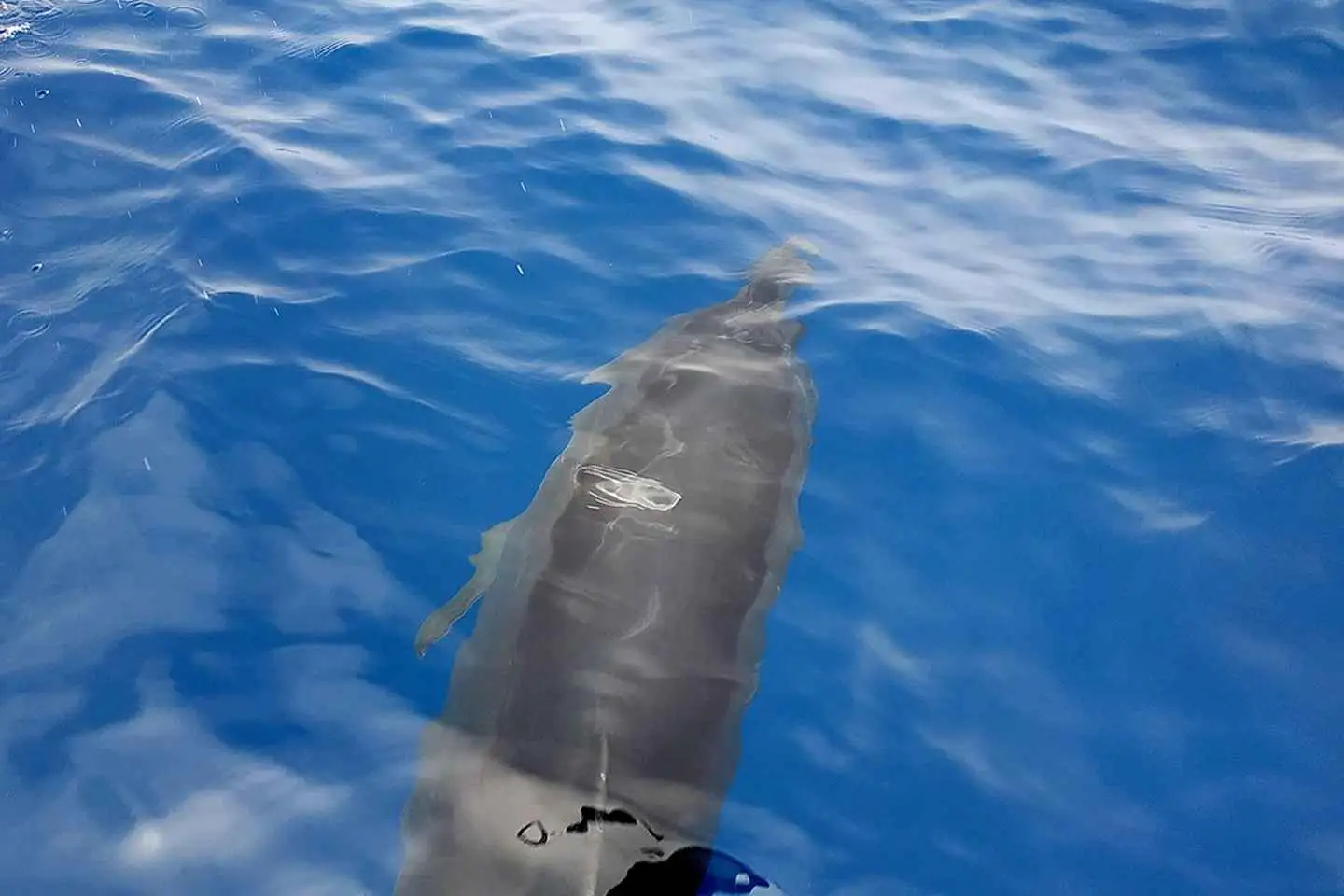
We only wish to see the dolphins on the way back!
Places of interest: Agios Georgios, Agios Pavlos, Triopetra, Preveli, Komos Beach, Matala, Kokkini Ammos (Red Beach), Vathi Beach, Akra Lithino, Martsalo, Agiofarago, Kaloi Limenes.
**Please note that the itinerary might change due to the weather condition and the duration of the trip!
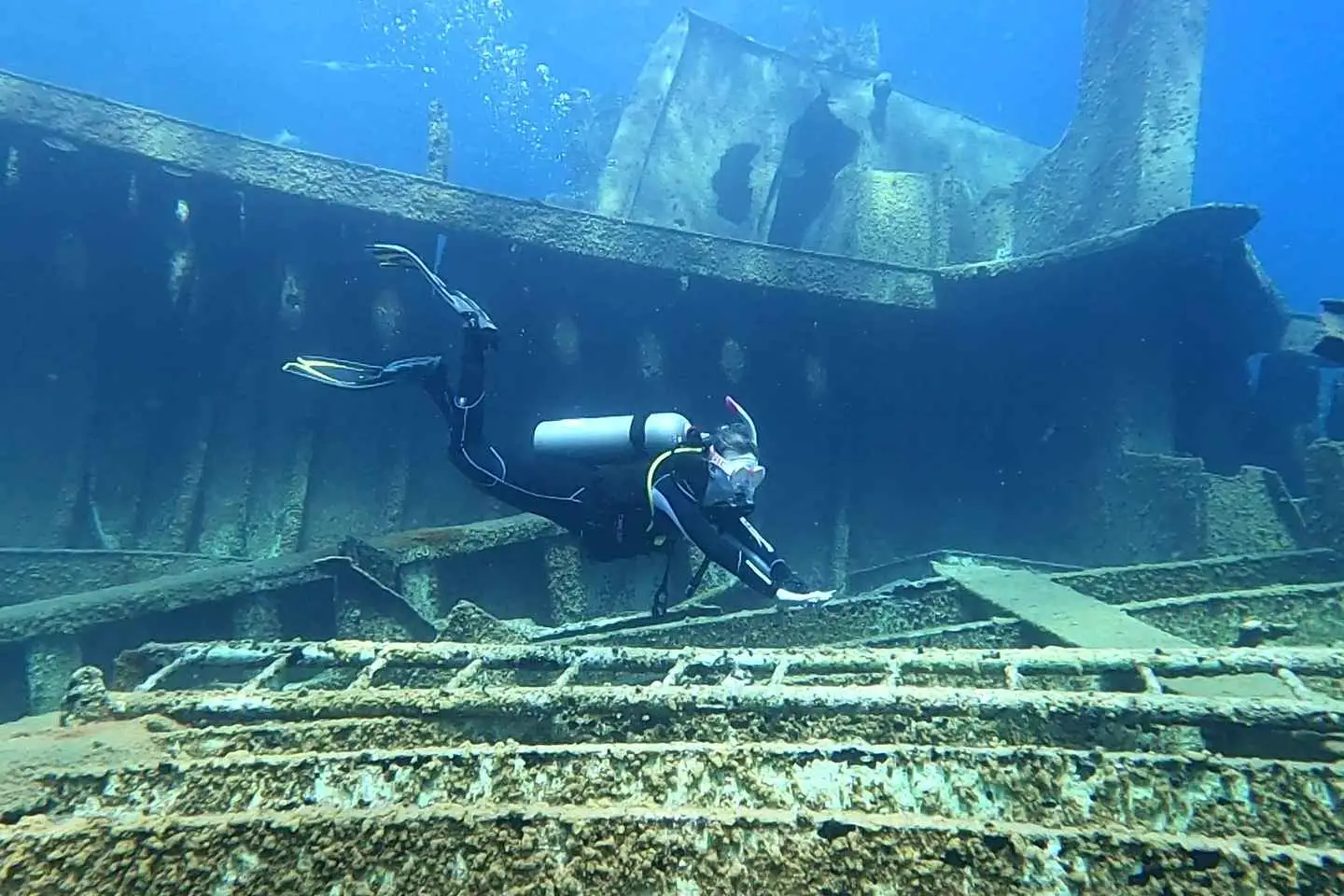


Discover a shipwreck during 2 scuba dives with an experienced instructor. Head over to South Crete , crossing amazing landscapes , gear up and swim through the now bustling aquatic life living around the cargo ship wreck. Tuck into local snacks in between your dives, reenergizing yourself.
Drive through varying landscapes, past mountains and traditional villages before arriving at the South Coast, where the “Byron I” cargo ship wreck is laying down on the sea floor.
During your dive briefing learn the history of the wreck. The “Byron I” was a cargo ship carrying 11,000 tons of sugar. On January 17, 1985 the ship sunk in bad weather conditions, dropping its sugary cargo around it. Luckily, the crew managed to survive and was saved from the wreck.
Nowadays. this 100-meter ship wreck is home to divers aquatic life, from groupers to octopuses, and from moray eels to lionfish, and more. Dive in crystal clear waters with great visibility, making this dive site a unique place for underwater photography.
Tuck into a delicious local snack with fruits and drinks between your 2 dives, and enjoy a debrief with your instructor after both dives, as your dive log is filled out.
Hop down to the heart of Central Crete, the beloved land of our ancestors, and let the wonders of the Minoan world collide on this luxurious passage of time.
From the comfort of a premium chauffeured vehicle & escorted by our top local insider, revel in the endless luxuries of the ancient Messara plain where wine-red fertile soils treasure lavish vineyards & the oldest olive groves stretch perennially toward the horizon.
Visit a family award-winning winery set on the peak of alluring panoramas & let our passionate winemakers immerse you into their intoxicating world. Luxuriate in ages, unearthing the Bronze Age palaces of Phaistos & Gortyna along with storied villages & monasteries.
In the afternoon, tuck in the bohemian vibe of Matala that captivated Bob Dylan & Janis Joplin. Bask in the turquoise waters of the Libyan Sea & unwind in the charming village, irresistible for its freshly caught grilled fish & finest ouzo.
To us, travel means putting fire in your soul with the best stories.
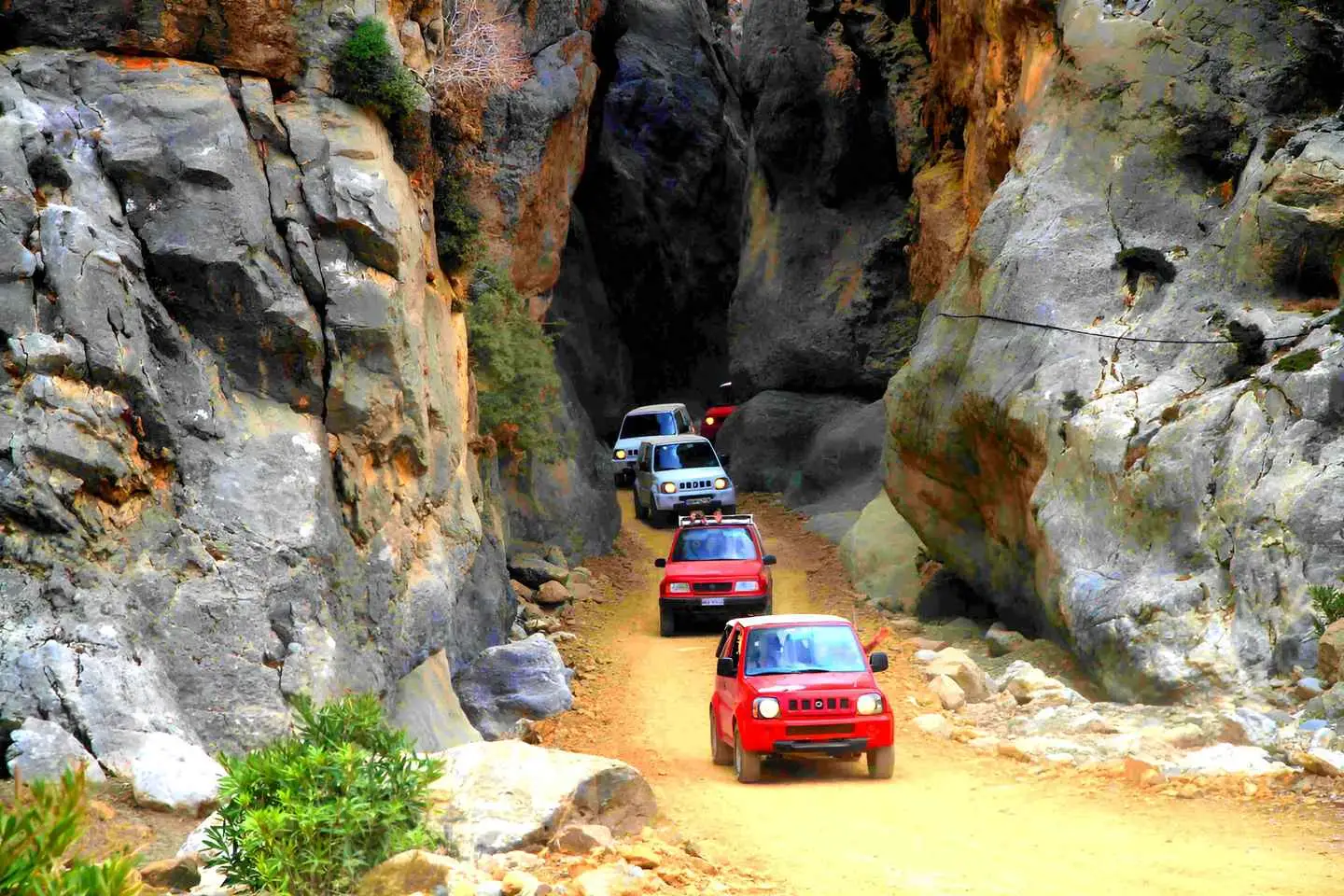
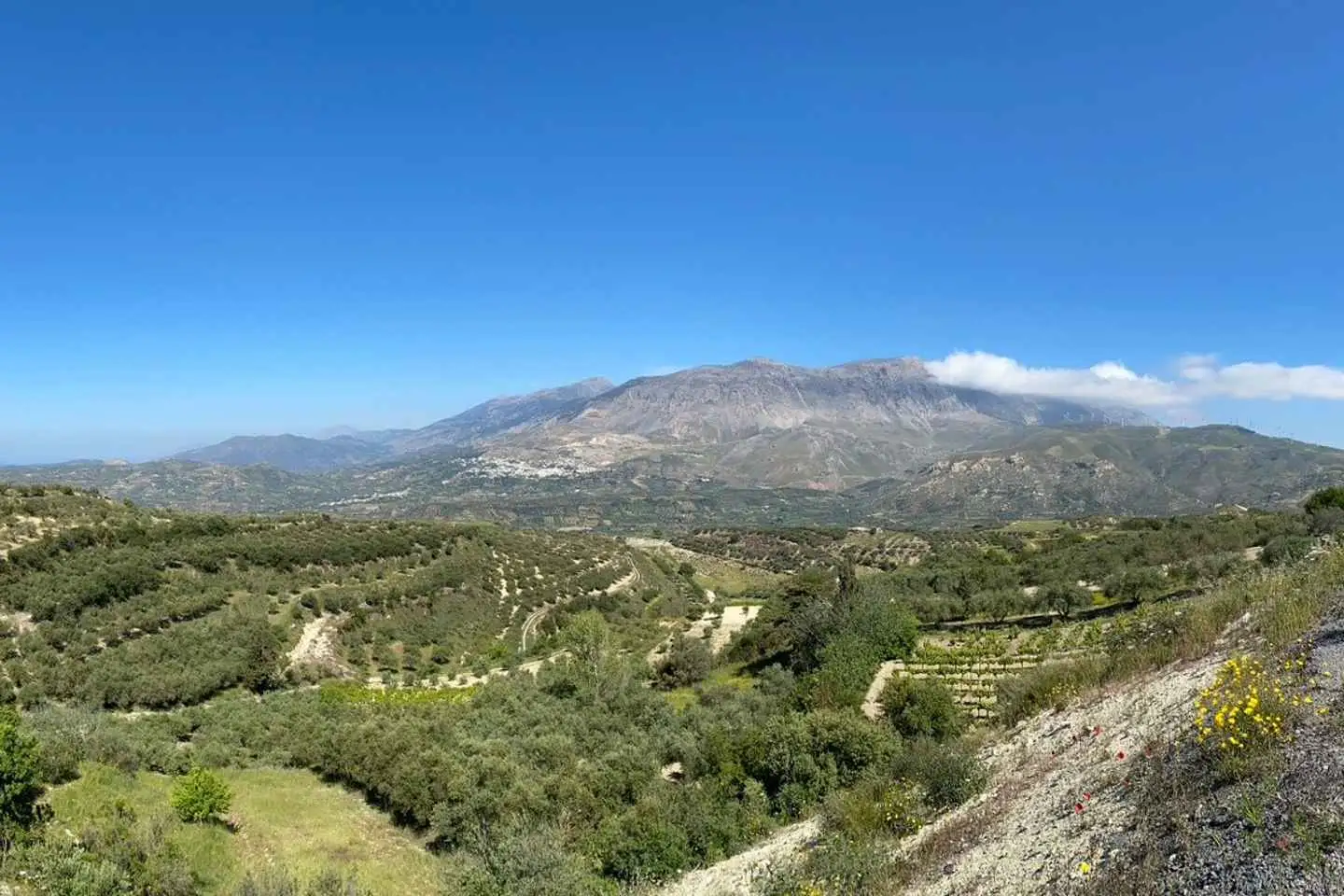
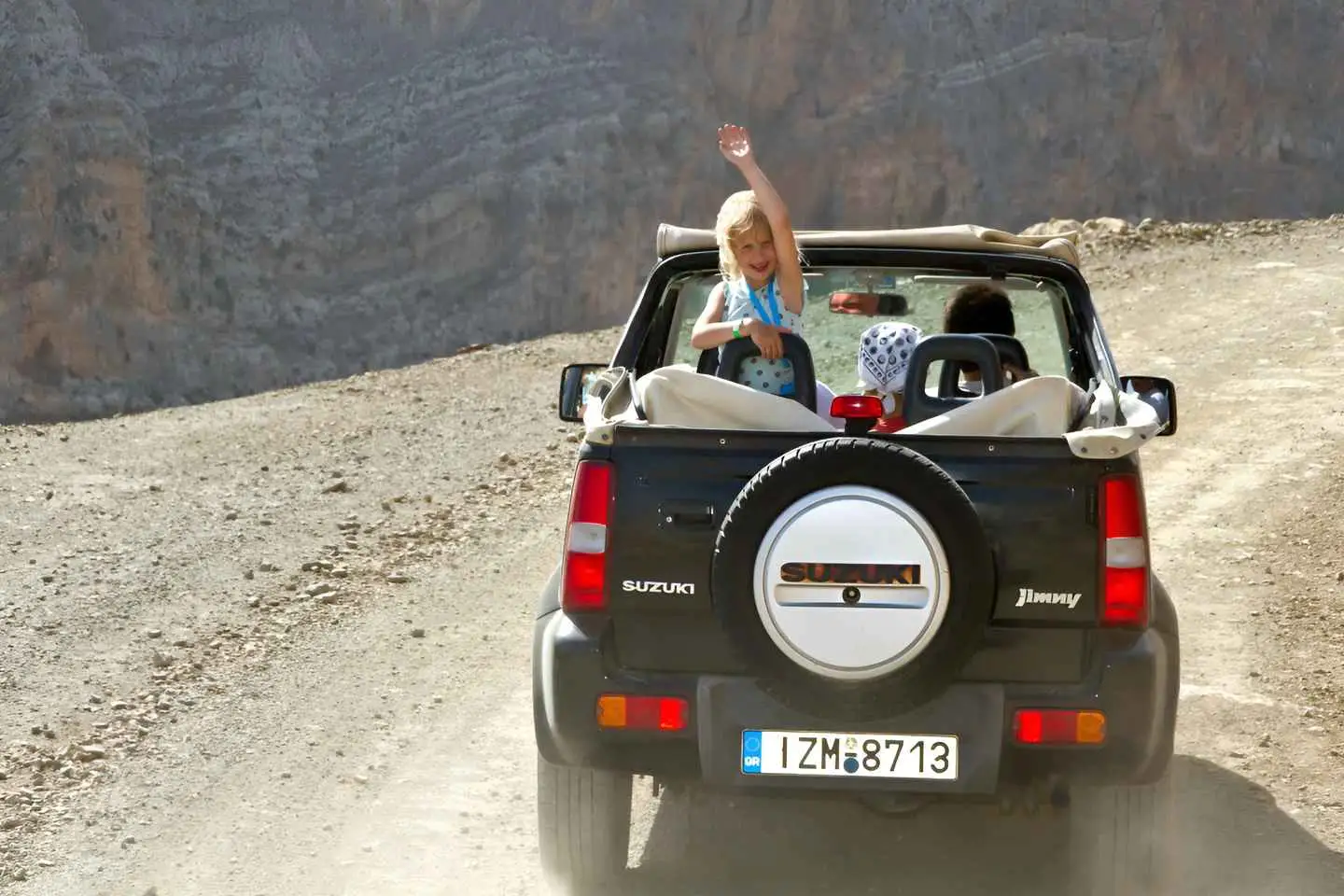
Join us on an unforgettable adventure through the stunning valleys of Malevizi and Messara, home to millions of olive trees. Experience the thrill of an off-road jeep ride through the Asterousia mountain range, exploring rarely seen areas, and stopping at an observation deck at the peak of the mountains to admire eagles and the breathtaking canyon and Libyan Sea in the background.
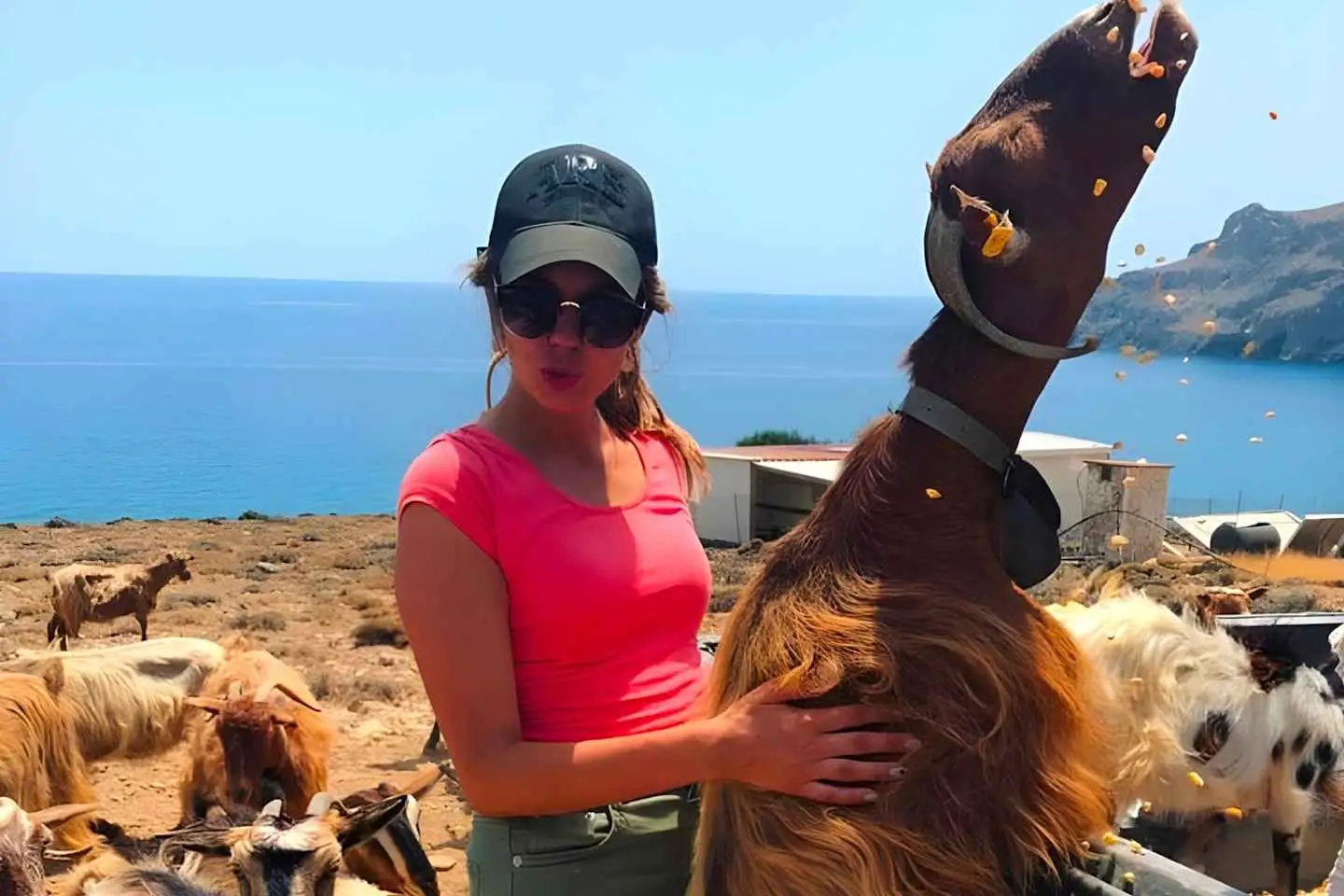
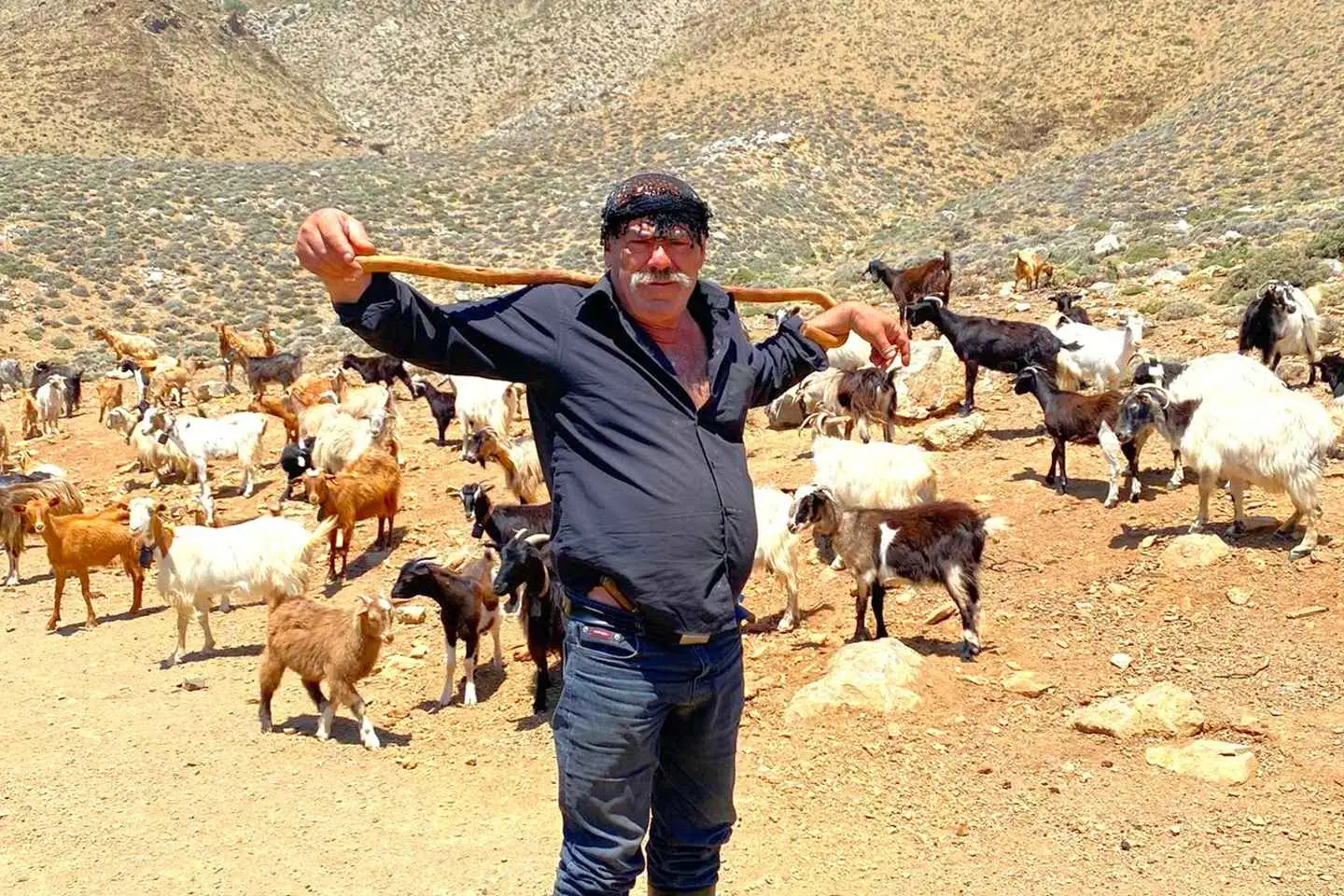
During our trip to southern Crete, you’ll learn about the local tradition of goat-keeping from a shepherd. He’ll show you how to feed, milk, and catch goats. Then, you’ll cook Cretan goat cheese with him inside a cave, which is a unique experience. Finally, you’ll get to taste the delicious cheese you made together.
We’ll have lunch at a charming seaside tavern, take a refreshing swim at the tranquil Tripitis beach, make a wish at a picturesque church, and experience a true Cretan farewell with the hospitable old man who owns the tavern and takes care of the church.
This adventure is perfect for anyone looking for an exciting and unique experience in Crete. Book your trip with us now and let us take you on an unforgettable journey.
No results available
Situated 74km south of Heraklion, on the southern fringes of the grand Asterousia Mountains, is the isolated seaside village of Lendas. This modestly designed tourist resort promises a serene vacation. The journey to Lendas, from Agii Deka near Mires town, via the village of Miamou, is via a narrow paved road that winds through the rough mountains, descending from an elevation of about 1000m to sea level, offering an awe-inspiring view of the Lendas sea.
The vicinity is scattered with beaches, popular among naturists. The beach in the village of Lendas, shielded on the east by Cape Psamidomouri and on the west by the renowned Cape Lion, was once the old port of Lendas, which has since been relocated to Loutra. This beach is the busiest in the area with basic amenities such as umbrellas, showers, sunbeds, and water sports. Beyond the beach, numerous taverns and rental rooms are available. The beach’s trademark is its ducks that wander freely. Additionally, the endangered loggerhead sea turtle lays its eggs on Lendas beach between May and September. For those seeking solitude, the secluded beaches of Dyskos and Loutra are ideal.
Lendas is established on the site of the ancient city Levina, a name believed to be derived from the Phoenician “Lavi” meaning Lion. A lion-like cape located west of the village supports this belief. Legend says this lion was one of the lions pulling goddess Rhea’s chariot and was turned into stone at this location. Another theory suggests the name originates from the Phoenician word “levina”, meaning white, describing the whitish hue of the local rocks. The modern name Lendas is derived from the Greek word “Leondas” meaning lion. This cape, also known as Lion, is an archaeological site that can be visited by a short 15-minute walk to its peak, where you can enjoy a beautiful sunset. Archaeologists have uncovered evidence of early Minoan graves and a settlement, which had ties with Egypt. The ancient city of Levina prospered in the Hellenistic and Roman era, serving as a port for Gortys, the most powerful town in Crete at the time.
East of Lentas, a spring with supposed healing properties can be found. Even today, studies suggest the water aids in healing stomach, blood, and bleeding disorders. Consequently, a massive temple dedicated to the divine doctor Asclepius and Hygeia Sotira was built in the 4th century AC. This temple gained fame as a center for hydrotherapy, physiotherapy, and psychiatry, attracting patients from distant places, such as Libya. Remnants of the temple, a Byzantine church dedicated to Agios Ioannis Theologos, and Roman baths can still be found in the area. Levina was presumably abandoned in the 7th-8th century due to frequent pirate attacks.
East of the village, opposite the Psamidomouri Cape, a rock resembling a crouching elephant can be seen, with another beach formed opposite the rock. Further on, Cape Trafoulas bears a resemblance to a crocodile from Lendas. According to a local legend, Cleopatra once visited Lendas with her favorite animals, namely a lion, a crocodile, and an elephant. She was so enchanted by the place that she left her animals behind when she returned to Egypt. To this day, these “animals” remain there, patiently waiting for Cleopatra’s return.
Situated 75km southwest of Heraklion, Dyskos, also known as Dytikos, is just a stone’s throw away from Lendas, separated only by the renowned Cape Lion. The legend says that Lion was one of the lions that served the goddess Rhea and was turned to stone at this location.
The settlement of Dyskos is nestled just west of Lion, where a sprawling beach with fine pebbles stretches out all the way to the village of Tsigounas. To reach this spot, one must travel the paved road from Lendas in the direction of Gerokambos. About a kilometer past Lendas, the beach will come into view on the left. In the absence of a car, one can still get to Dyskos by following the brief trail that skirts Cape Lion.
The eastern section of the beach, which lies in front of the village, is moderately developed with a handful of taverns and accommodation options. As one ventures westward, the beach becomes more secluded. The western area, close to Gerokambos, is particularly favored by nudists. In the past, Dyskos was a popular destination for hippies. For those seeking respite from the sun, numerous tamarisk trees line the beach providing ample shade.
Dyskos is also well-known for its breathtaking sunsets, with the sun disappearing behind the wild Asterousia mountains.
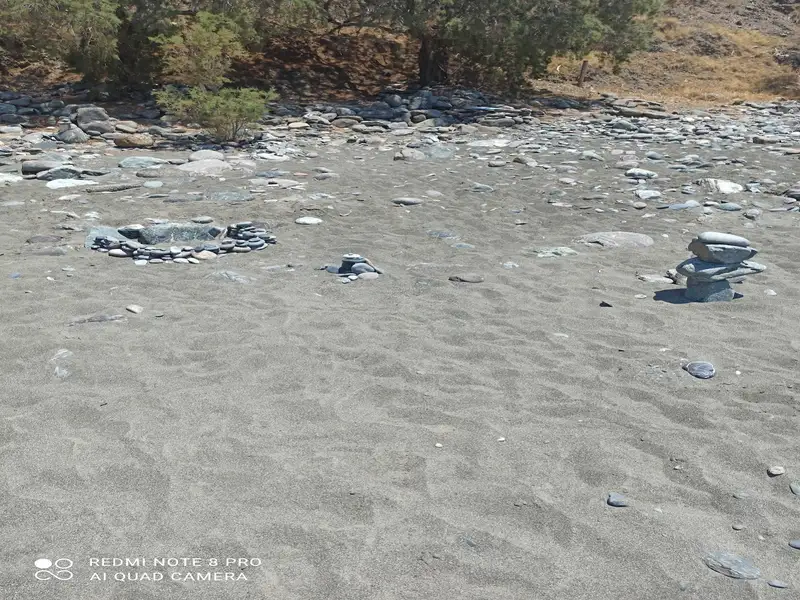
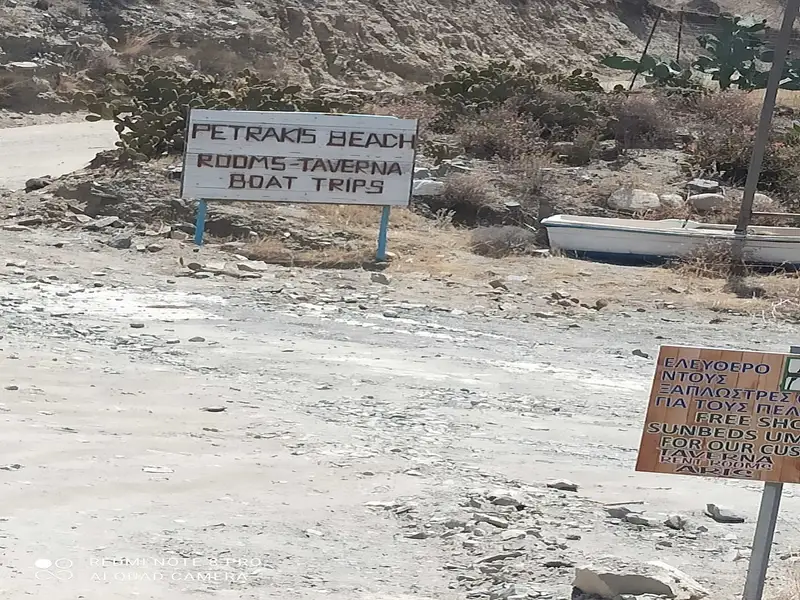
East Tsigounas, also known as Petrakis, is a serene beach situated 1km east of Lendas and 76km south of Heraklion on the foot of the rugged slopes of the Asterousia Mountains. The beach can be reached by car from Lendas via a road leading east to the local port. A section of it is referred to as Ostria, named after a small local hotel.
East Tsigounas is home to a quaint hamlet comprising 2-3 taverns with rooms and a handful of houses. The hamlet overlooks a lengthy beach adorned with beautiful round pebbles. Tamarisk trees line the beach, providing shade and an ideal spot for camping. Despite not being well-developed, the beach does offer a few umbrellas provided by the taverns.
Located just 3km to the east of the coastal village of Lendas, and 77km to the south of Heraklion, you’ll find Loutra. Known to locals as the home of the Lendas port, it’s safeguarded on the eastern side by Cape Trafoulas. Adjacent to the harbour, there are several coves with sandy and rocky sea beds, perfect for snorkelling and fishing. Although it’s relatively unorganised and not overly busy, there are a few nearby restaurants and rental rooms. Before the construction of Lendas’ port, Loutra was a favourite amongst naturists, but these days they tend to feel less at ease here.
West of the main beach and detached from the harbour is a small beach known as “Pasiphae’s Baths” or Hammam. Legend has it that this beach was the bathing place of choice for females, led by Queen Pasiphae, wife of the mythical King of Knossos, Minos. Minos and his male counterparts, however, would typically be found at Trafoulas beach.
Close by Loutra, there’s the charming Panaghia (Virgin Mary) Vithanos chapel, which is uniquely built into a rock. According to local folklore, a shepherd found a Panaghia icon in the rocks above Loutra near the canyon. After the icon was stolen from a church in the Plain of Mesara and went missing, the shepherd re-discovered it in the same spot. To express their gratitude for this miracle, the shepherd and his companions decided to construct a church at this site. They were faced with the difficult task of bringing water up from the valley, a task made possible by Panaghia who created a spring from the barren rock. This is the reason the church’s icons depict Panaghia surrounded by water.
No results available
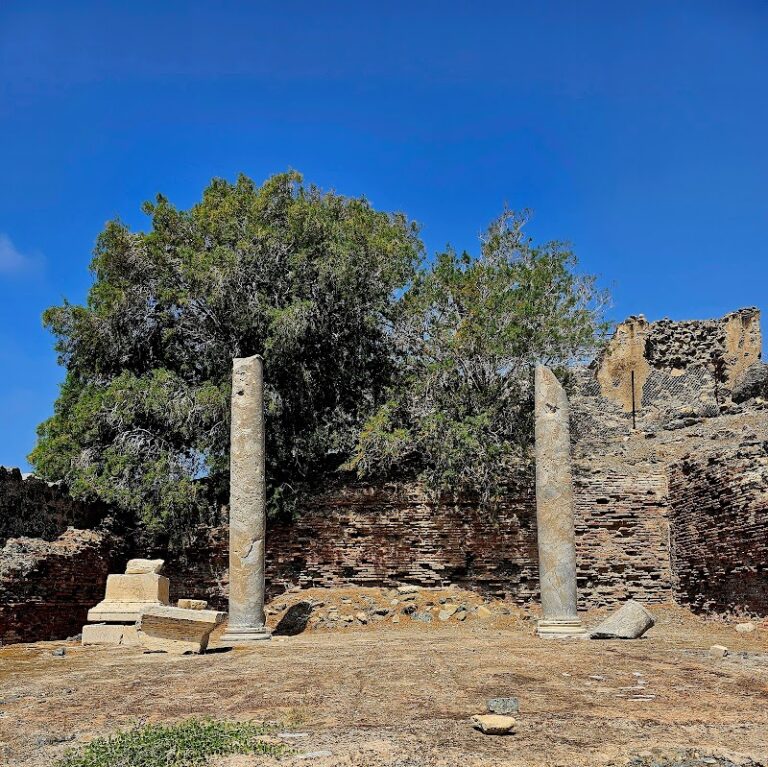
Lendas is located where the ancient city of Levina once stood, 74km south of Heraklion, nestled amidst the breathtaking Asterousia Mountains. The name “Levina” is believed to stem from the Phoenician word “Lavi,” meaning “Lion.” This reference is evident in a nearby cape shaped like a lion’s head, considered one of the lions that once drew goddess Rhea’s chariot and turned to stone. Another theory proposes the name originates from the Phoenician term “levina,” indicating the pale hue of the region’s rocks. The present name, Lendas, evolves from the Greek “Leondas,” translating to “lion.” This lion-shaped cape is an esteemed archaeological site, with a short 15-minute trek offering a mesmerizing sunset view.
Archaeological excavations have unveiled Minoan graves and a settlement here, revealing ties to ancient Egypt. Levina prospered during the Hellenistic and Roman periods, operating as a port for Gortys, Crete’s predominant city at the time.
To Lendas’ east lies a therapeutic spring, reputed for its curative properties, especially for stomach issues, blood disorders, and bleeding tendencies. This led to the establishment of a grand temple in the 4th century AC, dedicated to the revered physician deity, Asclepius, and the goddess Hygeia Sotira. This temple was renowned for its hydrotherapy, physiotherapy, and psychiatric treatments, attracting patients from regions as far as Libya. From this sanctuary, remnants like the altar, two marble pillars, and Asclepius’s statue base remain visible. Using materials from this temple, a Byzantine church was later constructed, dedicated to Agios Ioannis Theologos. Additionally, Roman bath ruins have been found near the springs.
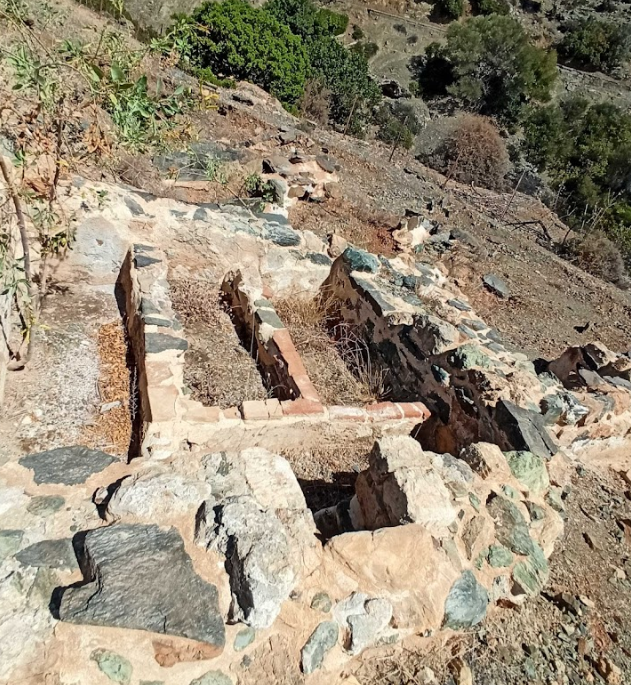
Lassea was one of the ports of the Roman city Gortyn, the capital of Crete in the Roman Era, and is located at the site of the current settlement Chrysostomos. Lassea was rich in copper deposits, which were used for trading copper. Saint Paul mentions the town in his Acts for his stay on Crete.
On the west end of the beach of Chrisostomos, there is a “line” of rocks that heads towards the small islet Trafos. This is the old dock of the ancient town Lassea. The rocks were in that place since the 1960s when they were used for the construction of the Oil Tanks in Kali Limenes. On the island and on the beach, opposite Trafos, you can still see remains of the ancient town of Lasea. A bit further to the west, tombs have been identified.
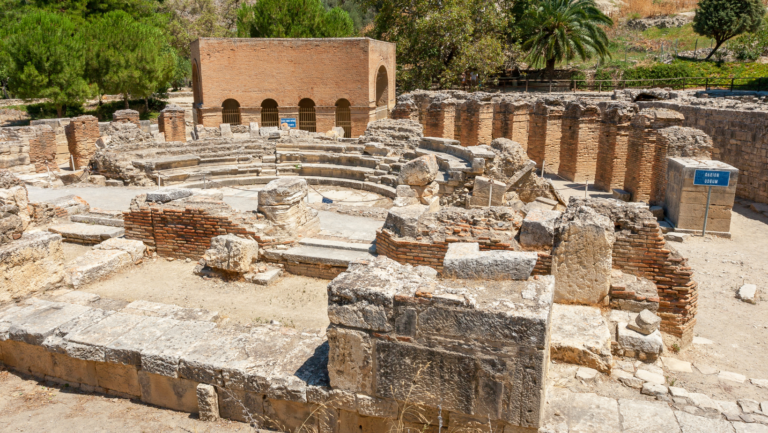
The archaeological site of Gortyna (Gortyn or Gortys) can be found 45km south of Heraklion, close to the village Agii Deka and next to the road connecting Agii Deka with Mires. The city covered a large area on the sides of the river Mitropolianos (or Litheos), even today surrounded by the ancient olive grove of Gortyna.
People have inhabited the area since 3000 BC, while during the Minoan era it evolved as one of the largest cities of Crete. In the 3rd century BC, it surpassed Phaestus and managed to possess the harbor of Matala, while retaining its port in Levina (current Lentas) and Lassea (current Chrysostomos). The town reached its peak during the Roman Empire when the Romans moved the capital of Crete and Cyrenaica (today’s Libya) to Gortyna. The city was finally destroyed by the Arabs in 828 AD, after around ten centuries of prosperity.
Gortyna is one of the most important archaeological sites in Greece. The first archaeological works started in 1884 by archaeologists Federico Halbherr and Stefanos Xanthoudides, after they discovered the Great Inscription of Gortyna. In 1898 the first excavations started, which continue until today.
Inside the main archaeological site (near the road) still stands a small part of the imposing basilica dedicated to the first bishop of Crete, Saint Titus. The temple was built in the 6th-7th century and was dedicated to Saint Titus after the destruction of the larger basilica of Saint Titus located nearby. The small part that has survived is currently used for the worship of Panagia (Virgin Mary). Around the church, several stone sarcophagi have been identified, used for burying the priests.
The Roman Odeon is the largest Odeon in ancient Crete, which is actually an indoor Roman theater. It was a very important part of the ancient city, where the Romans watched performances and talks. The auditorium has been maintained in quite good condition, as well as the semicircular orchestra and the stage which was decorated with statues. Next to the theater, there was the Agora and temple of Asclepius.
Next to the small theater, Halbherr discovered in 1884 four stone columns in the Doric dialect, where the civil law of Gortyna was engraved in boustrophedon script (bi-directional / alternation writing direction per line). Later, parts of the rest eight columns were found, some of them embedded on walls of houses in the village Agii Deka(!), thus completing the puzzle of the Law of Gortyn. The twelve columns (deltas) of Gortyna had about 640 verses, 605 of which have been found. The very progressive laws refer to 450 BC and were inspired by Minoan elements. The Law of Gortyn is the oldest surviving law in ancient Greece.
Near the parking place, a small room houses the Roman sculptures found in Gortyna. One of the most important statues probably depicts the emperor Antoninus Pius.
At the back side of the archaeological site, you will find a tall plane tree, which has something very rare. It is evergreen, unlike other deciduous plane trees, and has been the center of a fabulous myth. According to Greek Mythology, this is the perennial plane tree of Gortyna under which Zeus and Europe mated. From this union, the three kings of Crete were born (Minos, Rhadamanthys, and Sarpedon). Indeed, it is no coincidence that at Gortyna, several coins were found depicting Europe and Minos (or Zeus). Moreover, the name of Gortyna is believed to be related to Gortyna, the son of Radamanthys.
Within walking distance from the city (northwest) and atop a hill, you can visit the ruins of the acropolis of Gortyna. The hill was inhabited until 6000 BC, but after the Dorian invasion (1100 BC) it was fortified with a polygonal wall with towers at its corners. On the Acropolis, the archaeologists have identified the ruins of a Byzantine basilica (6th century AD) built on the site of an older Greek temple dedicated to Athena (7th century BC).
Within walking distance from the main archaeological site of Gortyna and south from the main road, there is the Praetorium (1st century AD). The Praetorium was a large, luxurious, and imposing building used as the headquarters of the Roman Province of Crete and Cyrenaica. It is still interesting to see the elaborate luxury marble floors, columns, and statues. In the complex, there were Roman baths, a courtyard with columns, a temple for the deified Augustus, courts, and other public buildings. During the Byzantine period, the building housed a monastery.
The Romans, as in every place they went, they built their favorite spas. As expected, in Gortyna they built a large complex of spas (thermae) with several auxiliary rooms and toilets. Like most Roman baths, in Gortyna there were warm baths, baths of intermediate temperature, and cold baths. The ruins of the spas in Gortyna have not been fully excavated, but still, the visitor can get a good feel for the area (near Praetorium).
The ruins of the Great Basilica of Gortyna are located 200m south of the main archaeological site, on the way to Mitropoli village. The five-aisled temple, discovered accidentally in 1978, was the largest church in Crete. The temple was dedicated to Saint Titus, but after its destruction by an earthquake (670 AD), it was moved to the temple inside the current archaeological site.
A few meters north of the Great Basilica, you can follow the path that leads to the Praetorium and will soon meet the sanctuary of the Pythian Apollo (7th century BC), discovered in 1887. The temple was the largest temple of Gortyna before the advent of Christianity in Crete (and the building of the church of Saint Titus). Next to the church, there was a small theater, an aqueduct, and some houses.
Near the Temple of Apollo, you will also see the temple of Isis, Sarapis, and Hermanubis. This temple is the only temple in ancient Crete dedicated to Egyptian deities. The temple was equipped with an underground crypt and a cistern.
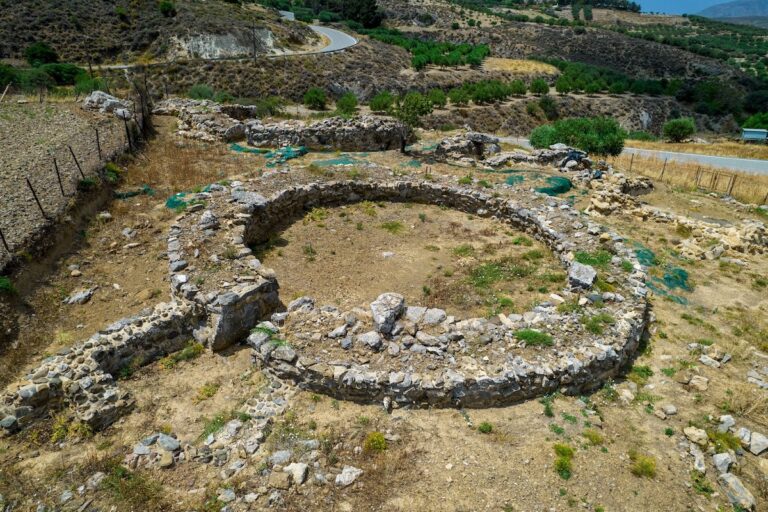
The prepalatial cemetery Koumasa is situated between the villages Loukia and Koumasa in the northern Asterousia range. This Minoan archaeological site was initially excavated by Stephanos Xanthoudides between 1904 and 1906, uncovering four graves (three vaulted graves and one rectangular). Each tomb contained various objects and burials from the Early Minoan Period.
Within the cemetery, remarkable pottery featuring rich dark decoration was discovered, and the style was named Koumasa style in honor of the location. The finds included clay and stone vessels, seals, figurines, tools, and three silver knives. A Minoan settlement, which has now been completely destroyed, was located above the tombs and included a sanctuary.
Minoan tholos, about 10 meters in diameter and a couple of meters in height, are believed to be the tombs of the elite and are often richly stocked with valuable objects. Although the site is primarily known for these sepulchral remains as part of Xanthoudides’ fundamental studies, the site extends further east. There, on the steep moundside and on top of the mound itself, Minoan archaeologists anticipate the location of the actual city and a precinct of bronze-age Koumasa.
No results available
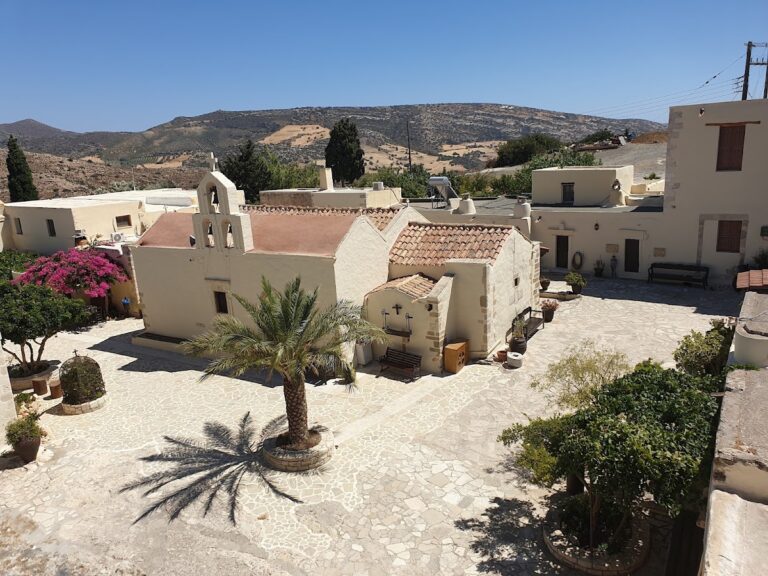
The male monastery of Panagia Odigitria is nestled in the protected area of the Asterousia Mountains, at an elevation of 250m. Accessible through the village of Sivas, it is one of the most historic monasteries in Crete, boasting a vast estate with numerous chapels and extensive land holdings.
Asterousia has long been a significant center for asceticism in Crete, particularly in the sacred gorges of Agiofarago and Martsalo, which are now part of the monastery’s domain. The area is often referred to as the Mount Athos of Crete, after the renowned monastic state in Northern Greece. The strong monastic tradition in the region is believed to be connected to the Apostle Paul, who is said to have stopped in the area during his journey to Rome.
In this hallowed location, hermits constructed the monastery of Odigitria in the 14th century. Its name is likely derived from a copy of the renowned icon of the Monastery Odigon in Constantinople, which is attributed to the evangelist Luke and was one of the most famous miraculous icons in the Byzantine Empire. A 14th-century cross-roofed narthex still partially remains, with important frescoes such as two scenes from the synaxari of Agios Antonios and Paul of Thebes, as well as the 16 houses from the Akathist Hymn. The pictorial decoration also features a scene of monk Gregory and other monks being blessed by Christ.
The monastery’s architecture resembles a fortress, with part of its wall still visible. The complex’s buildings encircle the central two-aisled church, which is dedicated to the Dormition of the Virgin Mary (Kimisis) and the Apostles Peter and Paul. A third aisle, once devoted to Saint Fanourios, has since been demolished. Near the main entrance, visitors can find the legendary Tower of Xopateras and its fascinating story. Other notable features include the baking house, the olive mill, the wine press, several warehouses, the cheese cellar, a small well used during sieges, the guest house (formerly the abbot’s cell), the abbot’s cell with the library, the monks’ cells, and the graves of the monastery’s abbots. Additionally, four icons created by the famous 15th-century Cretan artist Angelos have survived to this day.
At one time, the monastery was home to brothers Parthenios and Eumenios, who later founded the monastery of Koudoumas and are now honored as saints. During the Turkish occupation, the monastery became stavropegic (directly governed by the Patriarch) in order to preserve its property. The monastery is also home to some of the oldest chapels in Asterousia, which feature remarkable frescoes. Among these are the cavernous chapel of Agia Kiriaki (celebrated on July 7), the church of Saint Anthony in Agiofarago Gorge, the Panagia chapel in Martsalo canyon, and the chapels of Saints Eftychiani (celebrated on August 17), Saint Andrew (November 30), and Saint John the Baptist (August 29) in the Vathys Lagos area.
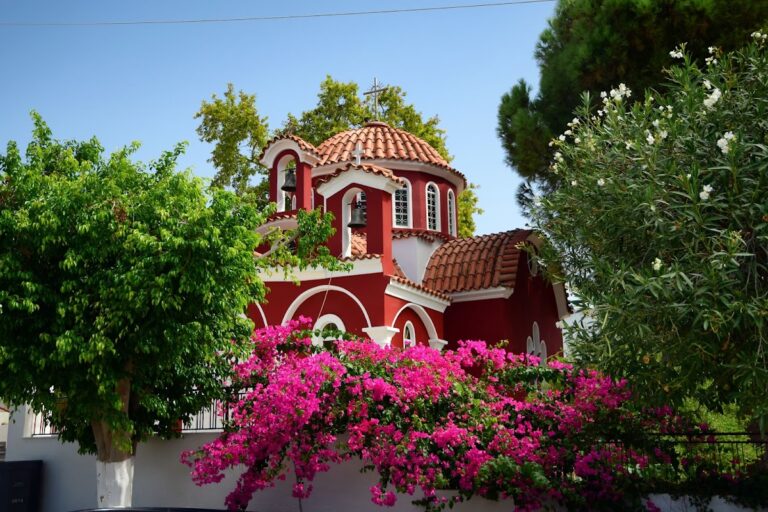
The Panagia Kalyviani Monastery is situated at a height of 80m, approximately 60km south of Heraklion, close to the villages of Mires and Kalyvia. This relatively new monastery was constructed on the remains of an older one.
In 1873, the current church was built on the site of the previous monastery, and the icon of Panagia (Virgin Mary) was discovered in the same year. The Kalyviani complex includes the old church as well as the new temple, which was constructed in 1924 and houses the ancient icon. The new church features three aisles dedicated to the Nativity, the Annunciation, and the Assumption of the Virgin Mary (celebrated on August 15). Additionally, there is a small church dedicated to Saint Haralambos, who was a monk in the monastery and is celebrated on August 23.
Kalyviani exemplifies a foundation that provides assistance and charity to the poor and disadvantaged. In 1956, Bishop Timothy Papoutsakis established a Christian Foundation at the monastery. He constructed an orphanage, hospice, housekeeping school for girls, elementary school, kindergarten, summer camps, and workshops for weaving, knitting, and vestment-making, among other things.
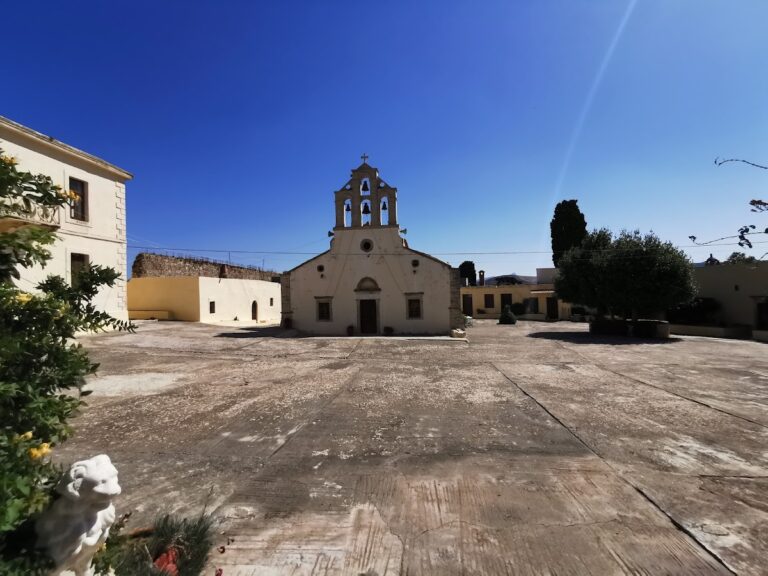
Located on a rocky plateau in the Asterousia Mountains at an altitude of 440m and approximately 63km south of Heraklion, the Monastery of St. Anthony in Apezanes or Apezana is a sight to behold. A short valley from this point leads from the village of Antiskari to the beachfront of Platia Peramata.
To access the monastery, visitors can take a dirt road either from Plora village or via the road that leads to Kala Limania from Pompia. In both instances, signs to Apezanes will be visible.
As a male monastery and one of the oldest in Crete, the Monastery of St. Anthony was built with fortress architecture. However, its fort-like character has undergone significant changes due to early 20th-century alterations. The fort was originally rectangular and formed by the external walls of the complex buildings. It was also protected by three towers with cannons, leading the Turks to call it the Toplou monastery (top = cannon), similar to the Toplou Monastery in Sitia.
The central church, situated on the edge of the building complex, is a three-aisled church constructed on the site of an older St. Anthony church. The three aisles are dedicated to St. Anthony (celebrated January 17), the Transfiguration (August 6), and the Three Hierarchs (January 30). The church’s magnificent carved iconostasis showcases the monastery’s former wealth. One of the icons is believed to be the work of El Greco, the most renowned Greek painter of the Renaissance. Additionally, the monastery houses the icon of St. Anthony, a creation by Michael Damaskinos, the second most famous Cretan religious painter after El Greco.
Next to the church stands the impressive two-story abbey, originally intended to house the Diocese of Arcadia but never did. Surrounding the area, visitors can find the monks’ cells, guest house, refectory, and the 25m deep well that provides water to Apezana. The monastery is home to valuable religious relics such as ancient vestments, gold and silver crosses, gospels, icons, relics of saints, and more.
During the Venetian period, the Abbey was Crete’s largest antipope center. It served as a significant center for literature and theology, but it became a humble rural monastery during the Ottoman Era. A small rural settlement grew alongside the monastery, which is also connected to the founding of Apanosifis Monastery.
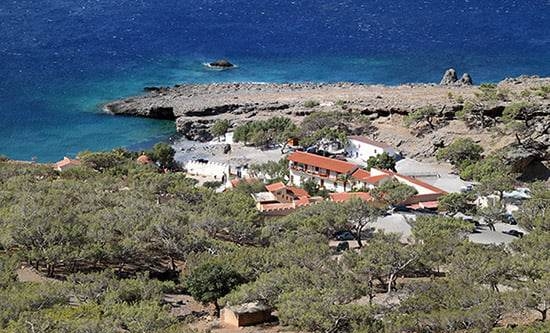
Located at the end of Katarraktis gorge in the Asterousia Mountains, Koudoumas Monastery is 80km south of Iraklion and just 40m away from a stunning beach. It is considered one of Crete’s most remote monasteries, as reaching it from Heraklion takes approximately 2.5 hours. A 24km safe dirt road begins at the village of Sternes (reachable from Charakas) and is situated at an altitude of 1000m near the peak of Kofinas (1231m). As you descend towards sea level, you’ll be treated to breathtaking (and slightly terrifying) views of the sea and cliffs that can induce vertigo. Along the way, you’ll pass the pine grove of Koudoumas and encounter numerous goats perched on the sharp, bare rocks.
In this quintessential Cretan landscape, you’ll discover the ancient male monastery of Koudoumas. The church, constructed within a cave, is dedicated to the Assumption (celebrated on August 15). The surrounding area is filled with caves, many of which are still inhabited by hermits. From the monastery, you can follow a fascinating trail leading to the cave of St. Anthony or another path that takes you to Avvakospilios Cave. Additionally, some nature enthusiasts prefer to reach Koudoumas by walking along the trail that starts from Sternes (3 hours) and meanders through a beautiful pine grove.
The name Koudoumas possibly originates from the monastery’s founder. A Venetian document from 1280 references the surname Cudhumano, which could be related to Koudoumas. The current monastery was constructed in 1870 by monks Parthenios and Eumenios Charitakis on the site of the previous, ruined monastery. It had been abandoned, like all other coastal monasteries in Crete, due to frequent pirate attacks on the island’s shores in the 15th century.
Every year on August 15, Koudoumas celebrates with pilgrims arriving from all over the Messara region. Many of them arrive on August 14 and spend the night either in the guest rooms or on the beach. The monastery also honors monks Eumenios and Pathenios, who re-established the monastery and have been recognized as Saints, with a celebration on July 10.
Koudoumas Monastery houses the icon of Our Lady of Kykkos of Dexiokratousa (Right Hand Holding), discovered in the house of Ali Pasha in Ioannina and donated to the monastery by Helen Skandalaki in 1957. Additionally, a chapel contains the icon of the Visitation, which is associated with a miracle that occurred in 1940 (see the history section below).
Renowned for their hospitality, the monks offer overnight accommodation to all visitors. Many locals reside here throughout the summer, enjoying the basic amenities (kitchen, water, bath, etc.) provided in the monastery’s small guest rooms. The monastery complex also features a welcome room, a refectory, a library, a small museum, and the monks’ cells.
No results available
No results available
No results available
No results available
No results available
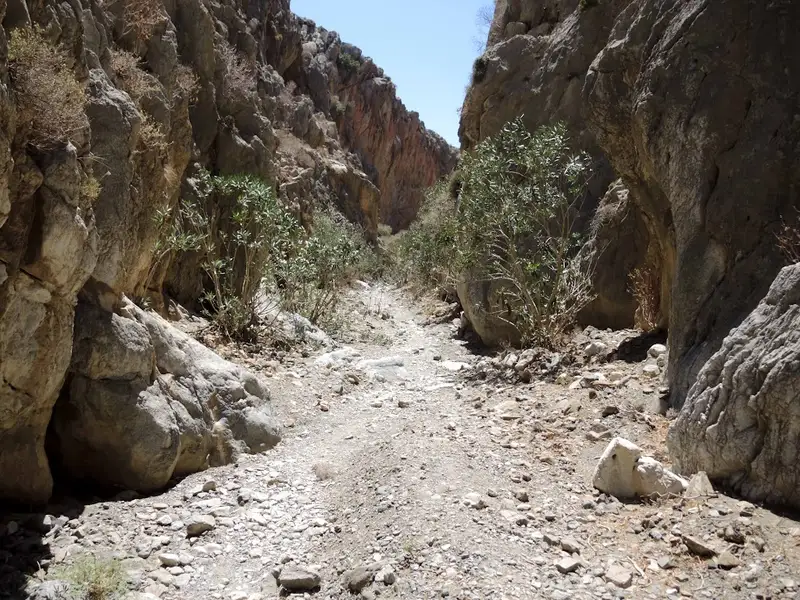
The Trafoulas Gorge, located in the Asterousia Range, begins southeast of Krotos village and concludes at the Psili Ammos beach on the southern coast of the Cretan Sea. The majority of trekkers only explore a small portion of the gorge, typically from where they park their vehicle to the beach, despite the gorge’s origin being at a greater altitude. Even this limited section of the gorge is quite striking, characterized by narrow walls and towering rocks. According to local lore, the most narrow section of the gorge is referred to as the Pidimatou Gorge, or Jumping Gorge, given that a goat could feasibly leap from one side to the other.
The Trypiti Gorge, nestled in the Asterousia mountain range, lies south of Vassiliki village and channels water from the valley east of Miamou village through the Agiosavvitis river. Stretching over 4 km, the gorge ends in a stunning pebble beach named Tripiti. A dirt road, running along the eastern side of the gorge, provides access to the beach, following several kilometers before reaching the riverbed at the sea’s edge.
The gorge narrows near Saint Paraskevi church, situated at an elevation of 655m. The initial section of the gorge houses steep waterfalls, making it inaccessible without technical expertise and canyoneering equipment. The western side, in particular, is incredibly steep and dangerous. The Prophet Elijah church is a prominent feature at Katsakne, the peak of the western slopes. This church can be accessed via another dirt road that begins about half a kilometer before the gorge’s entrance.
Midway through the gorge, close to the dirt road, lies the Saint Savas church, surrounded by wild olive trees. The unique feature of this woodland is its wild, uncultivated olive trees, offering a glimpse into the natural habitat of these trees. The gorge is also home to an array of wildlife and bird species.
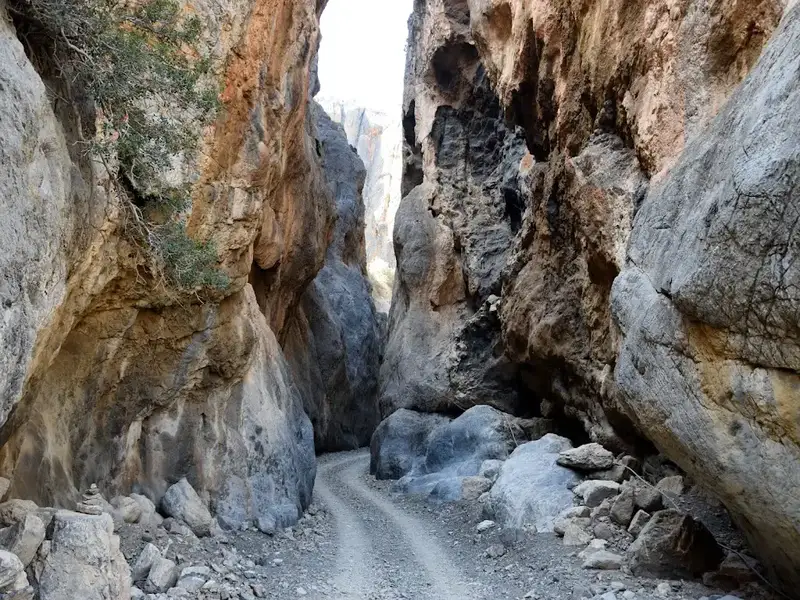
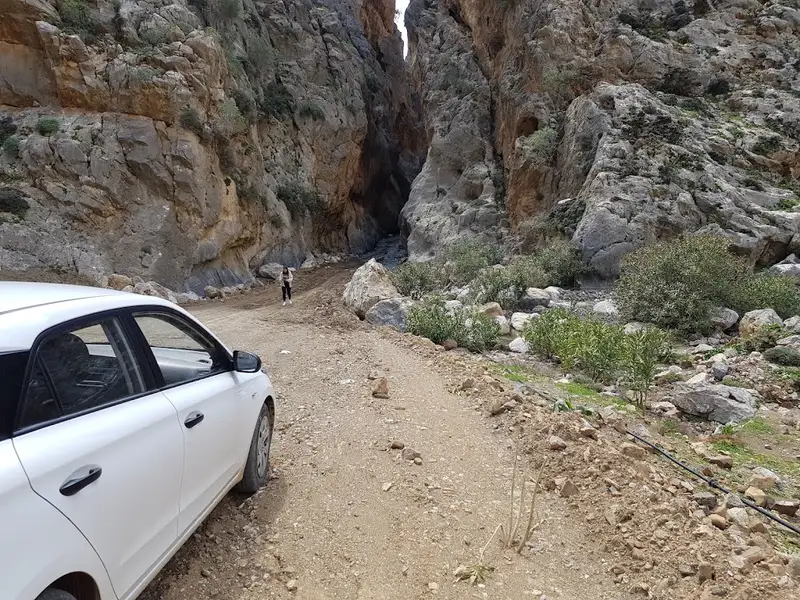
As you continue towards the sea, the road merges with the ravine and soon leads to the most picturesque part of the gorge: the narrow canyon, also known as Steno Faragi. Here, the sides of the gorge come so close together that they appear to touch. A road, just wide enough for a car, passes through this narrow gap. At the end of this narrow section, next to the beach, you’ll find the Panagia Tripiti church, built inside a cave, that celebrates its feast on September 1st.
The Trypiti Gorge is known by various other names, including Saint Savas Gorge, Katsakne, and Lavri. On the eastern side’s Papouri hill, archaeologists have uncovered a significant Preminoan settlement. Additionally, vaulted graves have been discovered at the Kalokambos location.
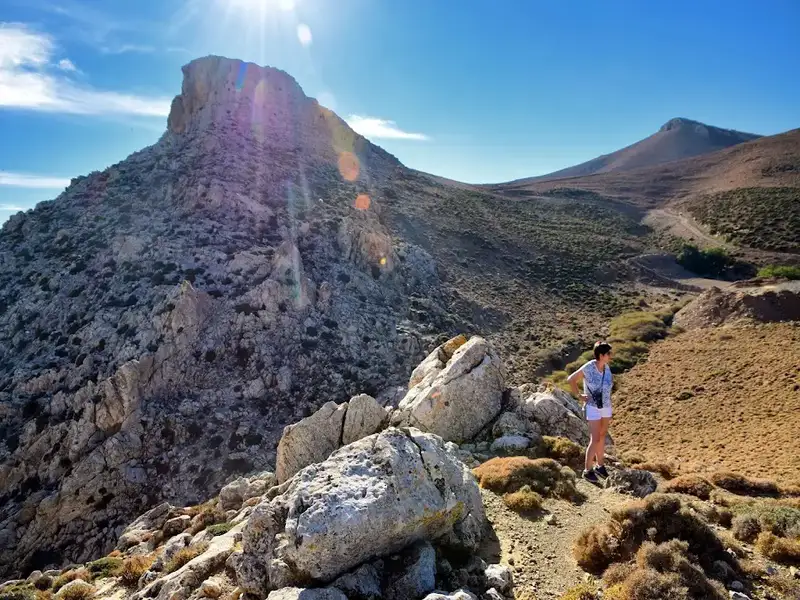
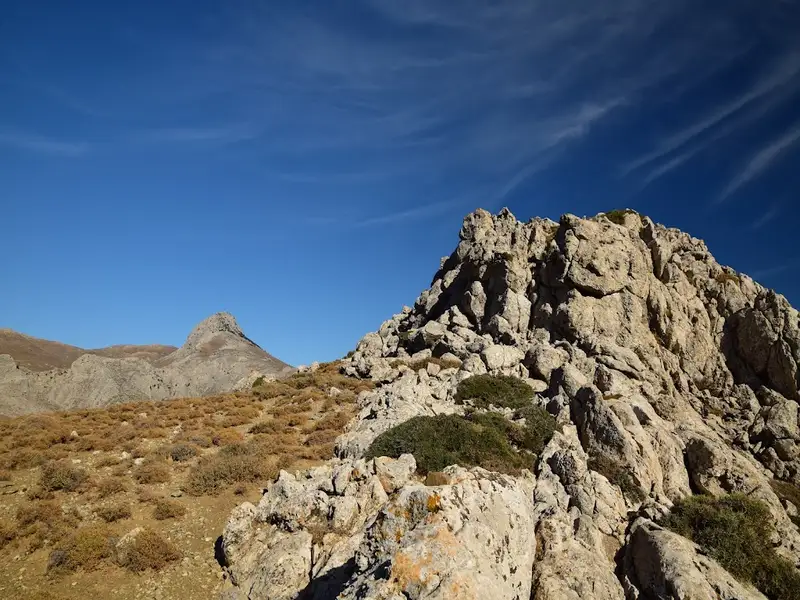
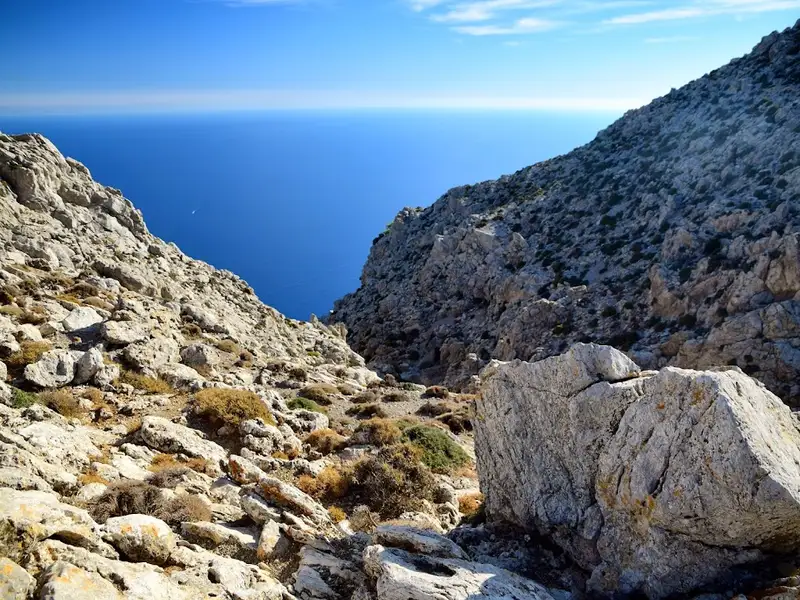

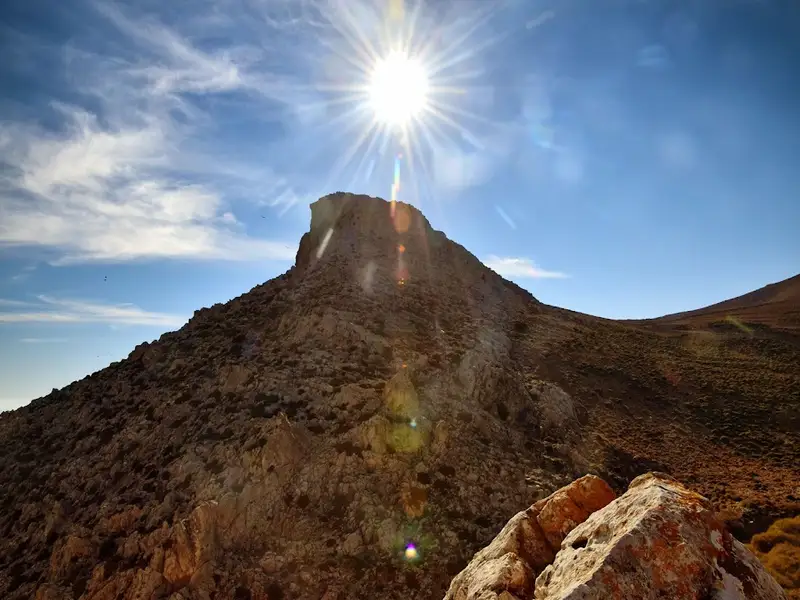
The Koumos Gorge, nestled in the Kapetaniana region, concludes near the coastal village of Agios Ioannis, amidst a landscape abundant with pine trees. This relatively undiscovered gorge requires technical equipment for access, making it exclusively passable for canyoning experts. Typically, the gorge remains dry, but intense rainfalls transform it into a spectacle of stunning waterfalls. The tallest waterfall reaches a height of 60m, accompanied by approximately 10 smaller cascades.
The Goula Gorge, a rugged canyon nestled in the Asterousia Range, begins just south of the village of Kapetaniana and concludes at the coastal settlement of Agios Ioannis. Like its counterparts in the area, such as Flomias, Salamiano, Koumos, Gerakia, and Valahas, it is untraversable without the correct canyoneering gear. Nonetheless, there is a hiking trail on the eastern side of the gorge that takes approximately 2 hours and 30 minutes to complete.
Entry to the gorge is via Kapetaniana, with the closest access point being the telephone antenna en route to Agios Ioannis. The gorge boasts 18 rappels, the tallest of which is 55m, and others measuring 25m, 15m, 13m, and smaller. The gorge spans roughly 1700m in length and a team of five would require around 4 and a half to 5 hours to traverse it.
The gorge’s beauty lies in its wild and haunting rocky landscape, caves, and rock shelters. The primary vegetation is pine trees. Although it is generally dry, the name “Goula” translates to “spring” in the local Cretan dialect. True to its name, Goula is home to the area’s main spring, which provides for the water needs of the Agios Ioannis settlement.
No results available
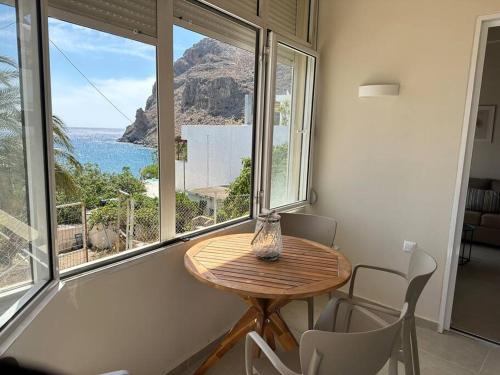
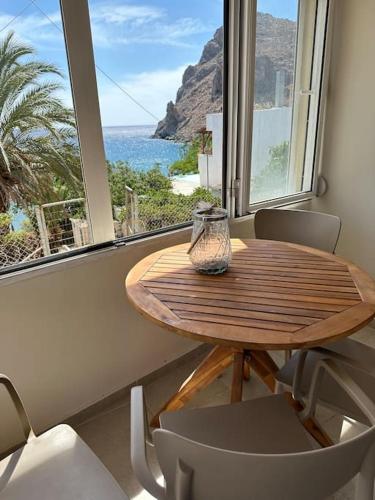
Panorama Luxury Apartment is a beachfront property located in Léntas, a few steps from Lenta Beach and 39 km from Phaistos. It features mountain views and free WiFithroughout the property.
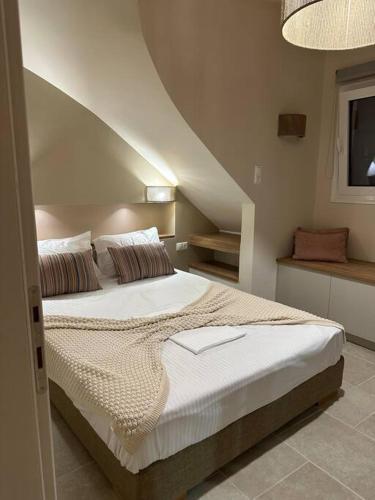
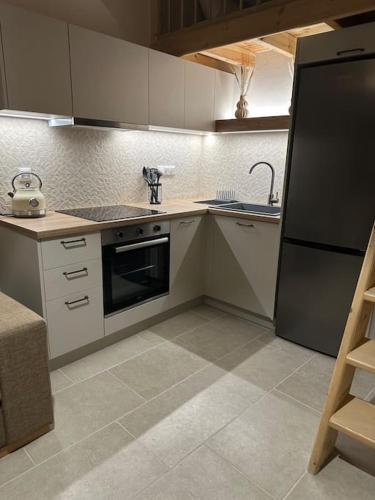
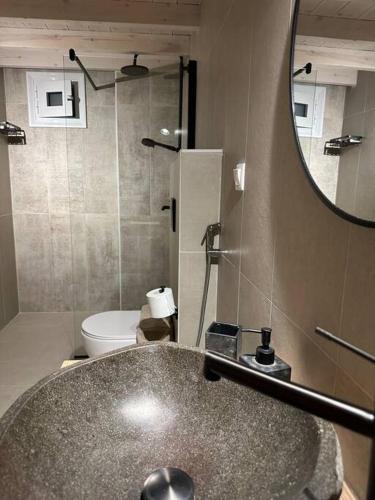
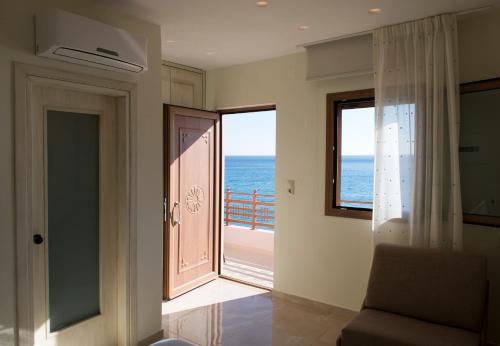
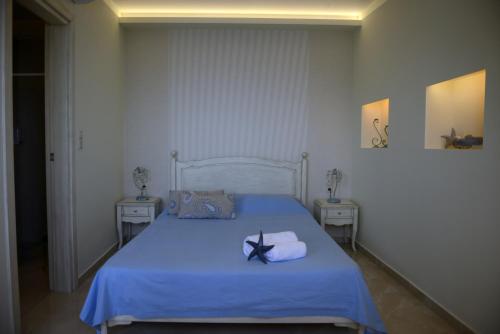
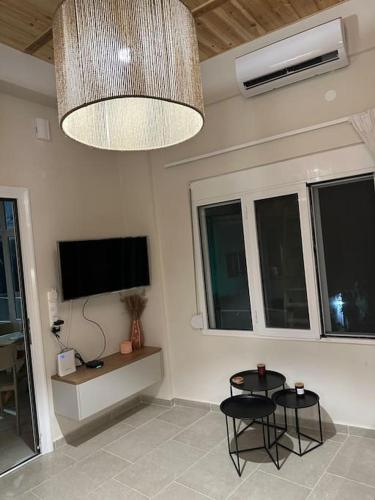
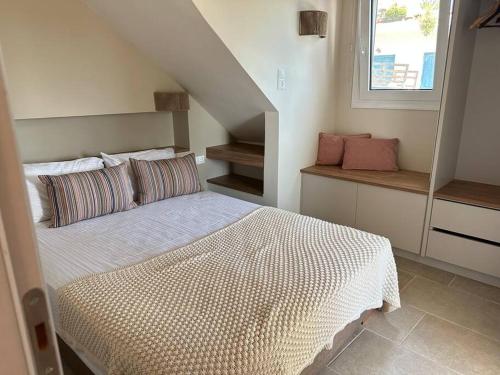
The apartment is equipped with 2 bedrooms, 1 bathroom, bed linen, towels, a flat-screen TV, a dining area, a fully equipped kitchen, and a terrace with sea views.
Museum of Cretan Ethnology is 39 km from the apartment. The nearest airport is Heraklion International Airport, 75 km from Panorama Luxury Apartment.
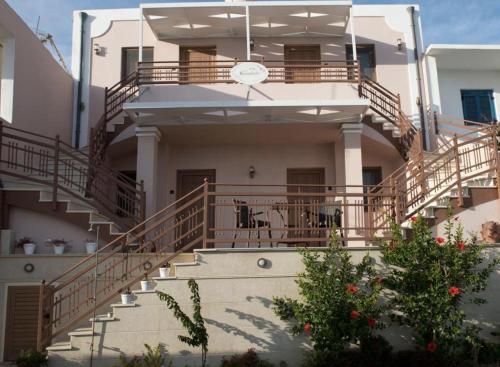
Featuring air-conditioned accommodation with a balcony, Villa Nostalgia Lentas No3 is located in Léntas. It features a garden, a terrace, sea views and free WiFithroughout the property.
Lenta Beach is 90 metres from the apartment, while Phaistos is 39 km away. The nearest airport is Heraklion International Airport, 75 km from Villa Nostalgia Lentas No3.
Celine Private Residences features mountain views, free WiFi and free private parking, located in Léntas, less than 1 km from Lenta Beach.
The villa provides guests with a terrace, sea views, a seating area, satellite flat-screen TV, a fully equipped kitchen with an oven and a toaster, and a private bathroom with shower and bathrobes. A fridge, a stovetop and kitchenware are also provided, as well as a coffee machine and a kettle.
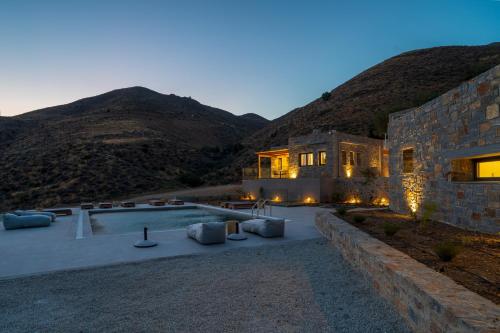
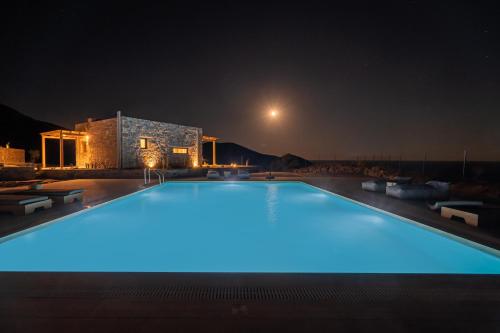
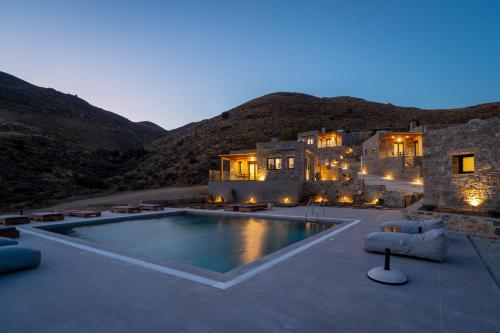
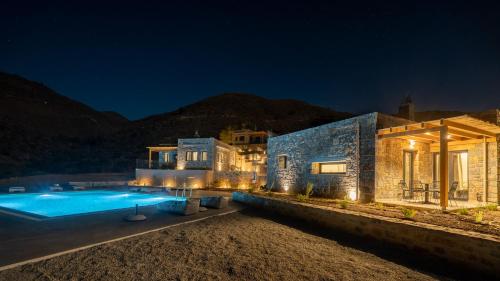
Guests can enjoy the infinity pool and garden at Celine Private Residences.
Phaistos is 38 km from the accommodation, while Museum of Cretan Ethnology is 39 km away. The nearest airport is Heraklion International Airport, 75 km from Celine Private Residences.
Located in Léntas in the Crete region with Lenta Beach nearby, Marina apartments provides accommodation with free private parking.
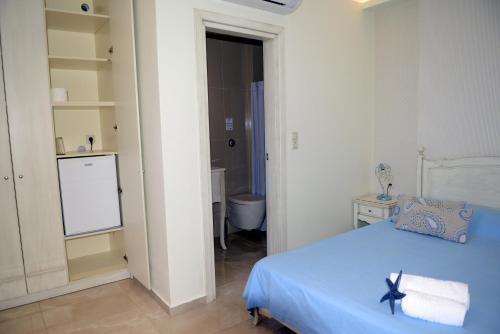
Each unit comes with a terrace offering sea views, a flat-screen TV, a well-fitted kitchen and a private bathroom with bath and a hair dryer. A balcony with mountain views is offered in each unit.
Guests can also relax in the garden.
Phaistos is 31 km from the villa, while Museum of Cretan Ethnology is 31 km away. The nearest airport is Heraklion International Airport, 67 km from Marina apartments.
from
€85
/night
No results available
Connect with thousands of Crete visitors and boost your bookings.
No results available
© All rights reserved. Crete Locals