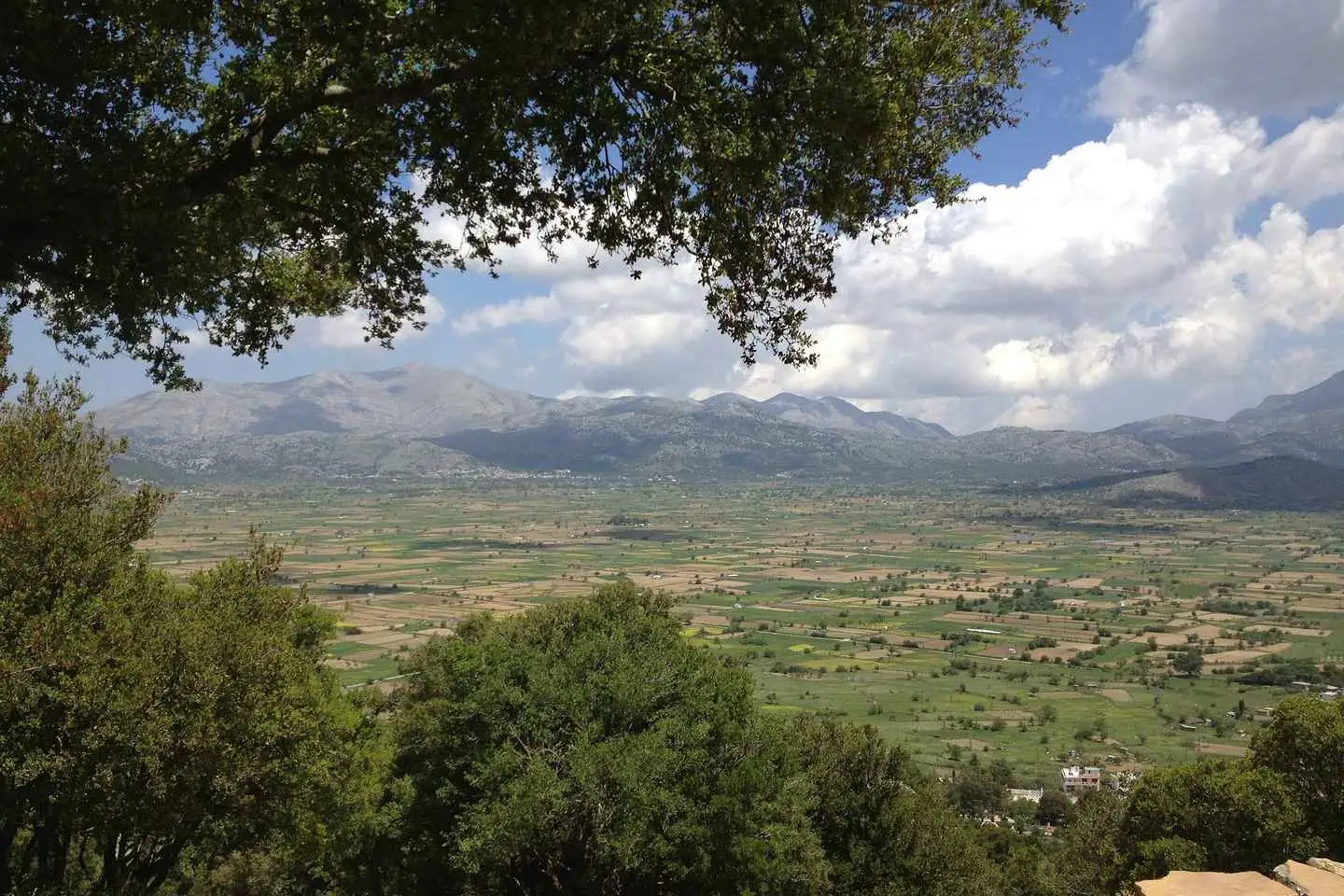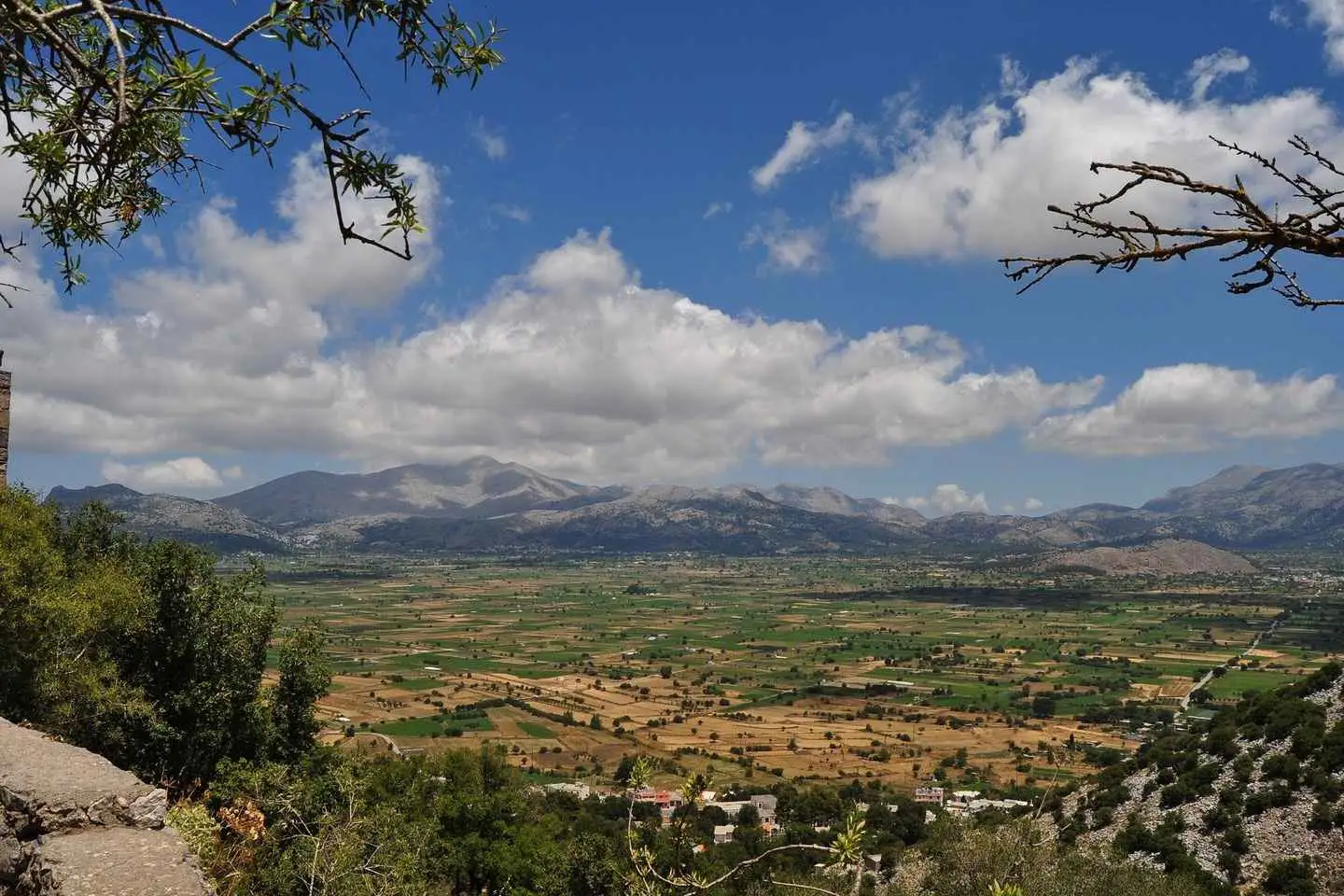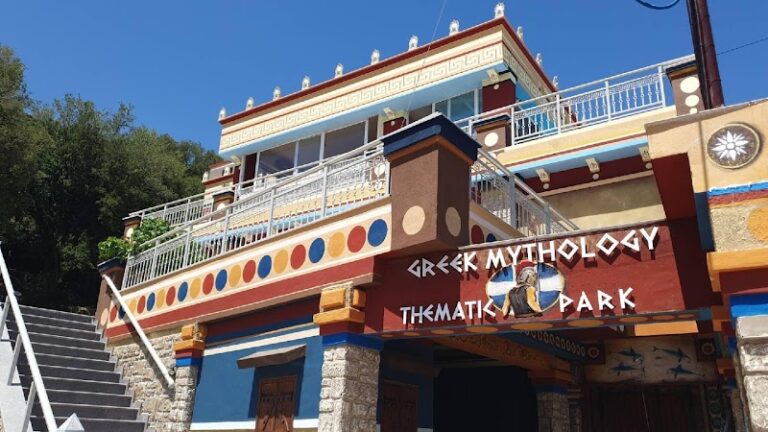
Discover traditional life in rural Crete by witnessing the daily activities of the locals and visiting the sites where Greek myths were born. Enjoy a tour of Potamies, Aposelemis dam, Empasa, the cave of Zeus, and the beautiful scenery of the plateau.
Start with pickup from your accommodation. Visit one of the most characteristic Cretan villages, Potamies, for a tour of a traditional local farm. See the process of milking and cheese-making, meet the animals, and sample their fresh cheese.
Next, head to the Aposelemis dam, the largest water supply project in Crete. See the village of Sfendili submerged in the waters of the dam with its impressive old houses fading on the surface of the water. Explore the natural wetlands and spot a unique variety of birds.
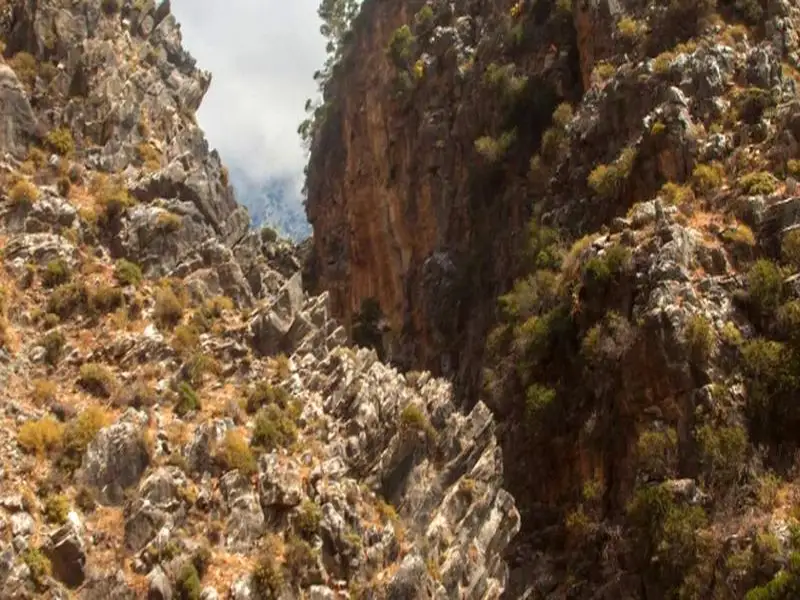
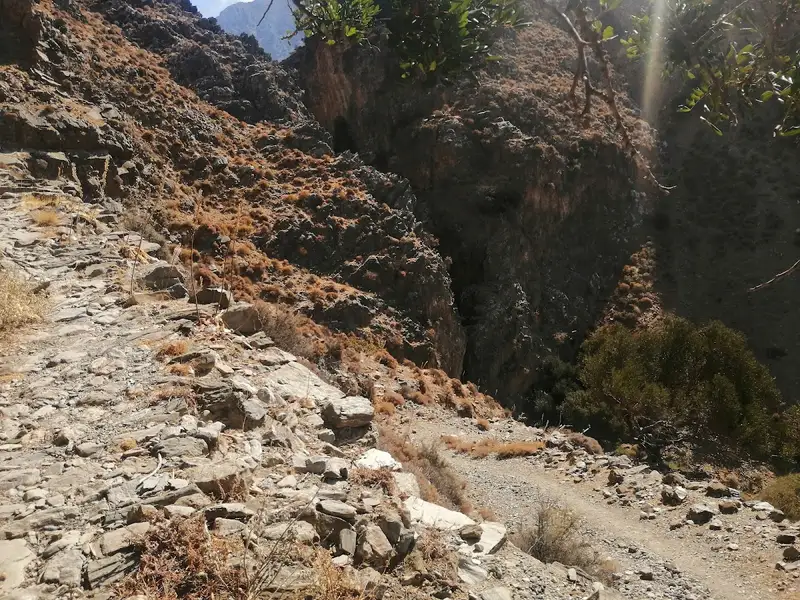
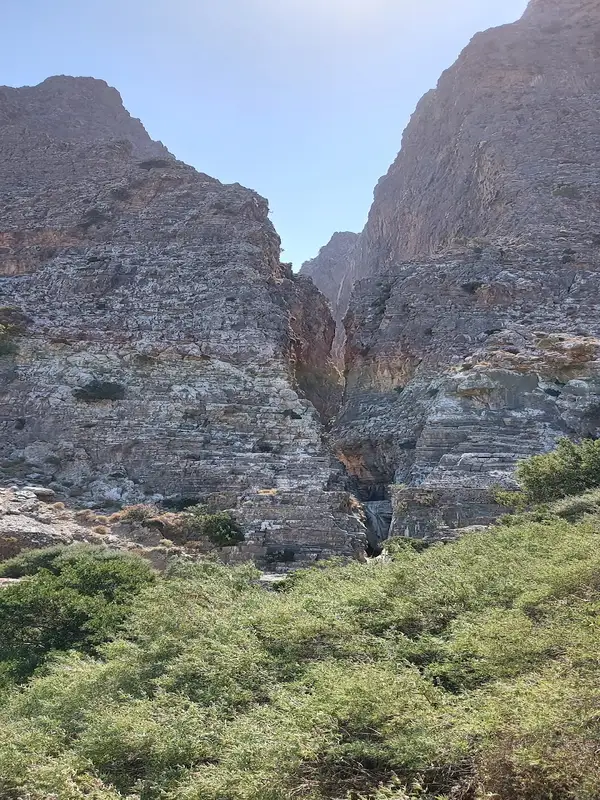
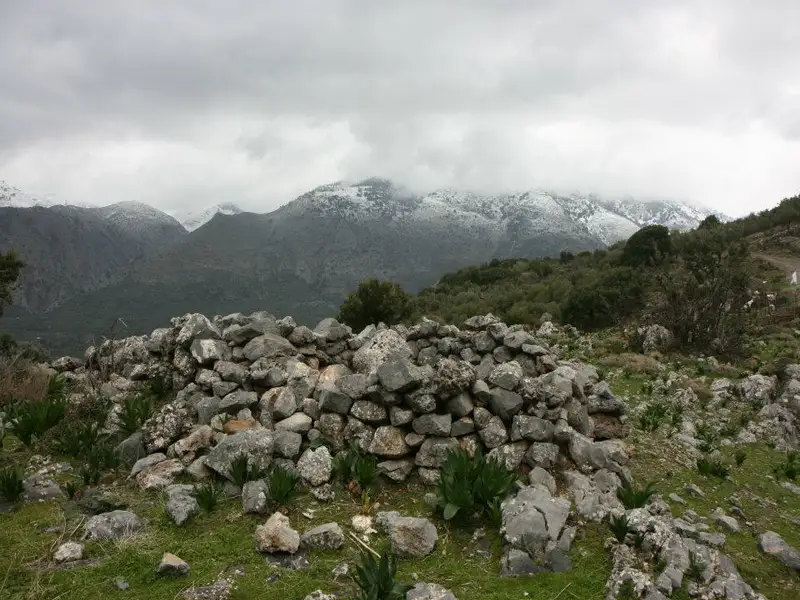
Continue uphill on the dirt roads to the gorge of Empasa. Enjoy the views of the mountainous landscape and thriving wildlife. Try your hand at foraging for native herbs or relax and take in the panoramic views.
Take a trip to Lassithi Plateau to enter Psychro Cave, the fabled birthplace of the Greek God Zeus. Follow the trails of the gods and after that take a tour around the plateau to get a sense of local life.
Finally, enjoy authentic food baked in the wood oven in one of the most celebrated taverns in the picturesque village of Krasi. Admire the town square filled with fountains and see imposing plane trees that are up to 2000 years old. Return to your hotel full of unforgettable memories of Crete.
Definitely one of our best off road-experience in Crete. Explore the mountains, forests and the gorge, enjoy the view & off roading in the inlands of Crete.
This amazing tour takes you to the inlands of Crete. After visiting a olive factory with tasting of the different qualities of oil we are heading direction the mountain village of Kritza. Along the old Minoan paths and civilizations to the unknown Crete. Pure Nature, wild landscapes and breathtaking views. One highlight on your tour is the protected mountain forest of Kroustas. than we heading over the mountains south where we will serve your lunch in a very nice taverna with mountain spring water, far away from civilization you will be able to meet our local host and feel what Cretan hospitality really means.
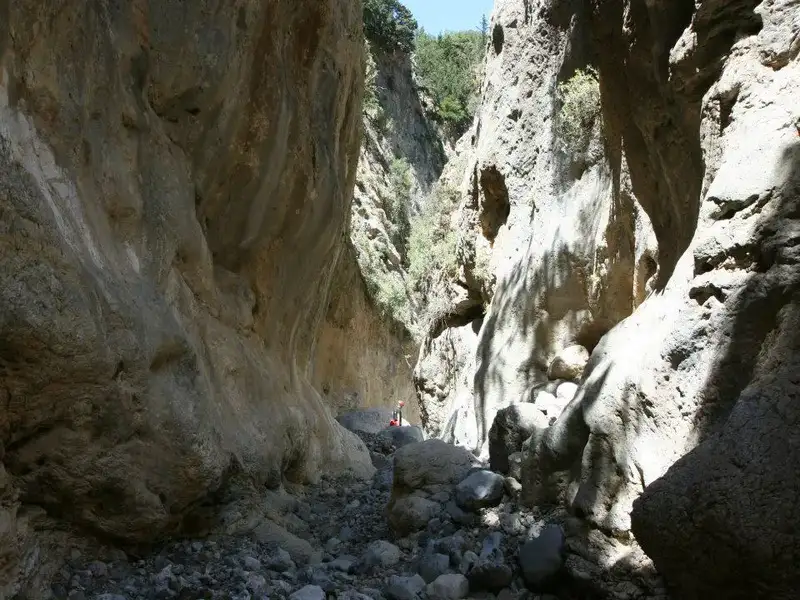
Next stop will be the amazing Gorge of Sarakina, where you can hike depending your skills and fitness.
A visit in Myrtos at the beach of the Lybian sea (with possibility to swim) ends this amazing day.
This tour gives you the opportunity to explore the real Crete in a small group.
We visit an olive oil factory to learn how olive oil is made now with modern machines and how used to be made in the olden days and of course we taste different kind of olive oil and honey.
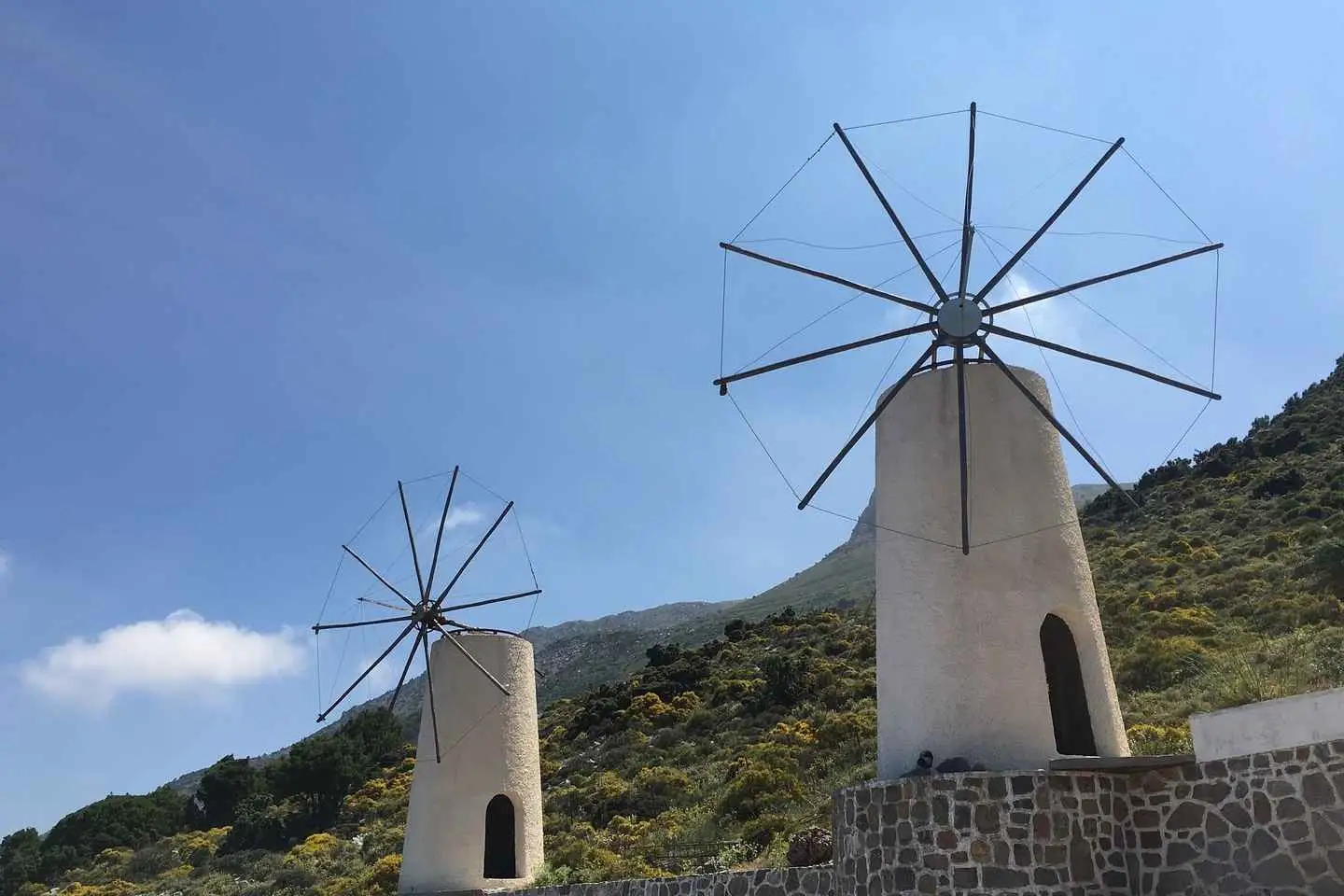
Next stop is at the old village of Krasi where we go for a walk around the village to see the oldest plane tree in Crete which is estimated around 2000 years old then we are off to Lasithii plateau where we learn about the old wind mills that were used in the past to pump the water up for irrigation and the old wind mills that were used for grinding to make flour.
Now it’s time to go and {meet Zeus } at his cave , well actually we can’t promise that because last time we visited his birthplace he wasn’t there ( had a day off ) …….. so no promises.
Then we drive around Lasithii Plateau through old villages where time seems to have stopped then we visit a family restaurant to enjoy some Cretan traditional food ….and some local house wine….( or local beer…) well let’s be local just for a day or two….. maybe you like it ( maybe you don’t but give it a go …..)
After enjoying our lunch and wine ( or local beer) it’s time to hit the road to go back to your hotel where we picked you .
Visit the monastery of Kera Kardiotissa and the Dictaean Cave. You’ll see panoramic views of the Lasithi Plateau and discover the epic Minoan Palace of Knossos.
Your first stop is the Monastery of Kera Kardiotissa, an Orthodox nunnery dedicated to the Virgin Mary, situated near the village of Kera. Famous for the icon of Mary, believed to be miraculous, it’s surrounded by fortified walls and the church features murals dating back to the 14th century.
The next stop is the village of Psychro, where you’ll take a walk to reach the Dictaean Cave, found above the village of Psychro at 1025 meters altitude. According to Greek mythology, it’s believed to be the place where Zeus, the father of Greek gods, was kept and fed from Amalthia, a goat, in secret to be protected from his father.
A most impressive sight is the lake at the lowest point, surrounded by massive stalactites and stalagmites.
The next stop is Seli Ambelou for lunch with a panoramic view of the Lassithi Plateau.
Stop in Krasi, a small traditional village set on the slope of Selena Mountain, and see its huge ancient plane tree, where the leaves and the branches of the tree provide shade all over the square in a unique and unspoiled environment.
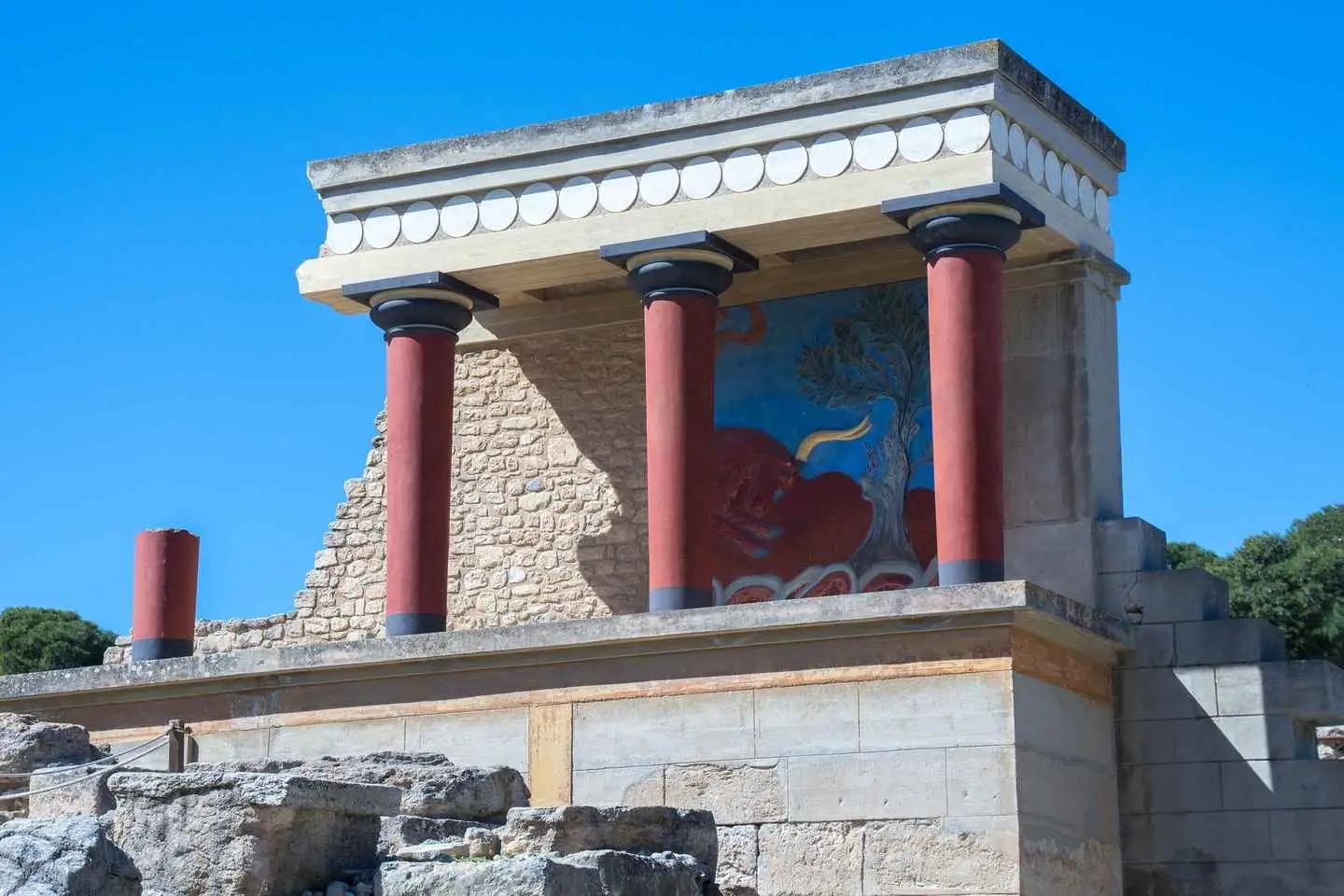
It’s then time for the final destination, a visit to Knossos Palace, the capital of Minoan civilization. You’ll walk through the ancient site and learn how the citizens, believed to be the first Europeans in an organized community, lived 4,000 years ago. You’ll explore the palace and learn about the throne room, the frescoes, and the Minoan columns.
No results available
Tertsa, a quaint village, is nestled 91km south of Iraklion and 54km southwest of Agios Nikolaos, positioned between Myrtos and Psari Forada. The village, situated in a lush valley carved by the Tsounas river, houses a fresh water spring within a small gorge formed by the river. The majority of the land in Tertsa is owned by settlers from the northern village of Sykologos, just 7.5km away. Originally, the structures in the settlement served as storage depots for carobs and citrus fruits harvested in the region. Presently, the handful of villagers continue their agricultural pursuits, their land teeming with greenhouses of bananas and fields of tomato, pepper, cucumber and more. The Byzantine church of St. George is a significant landmark near the village.
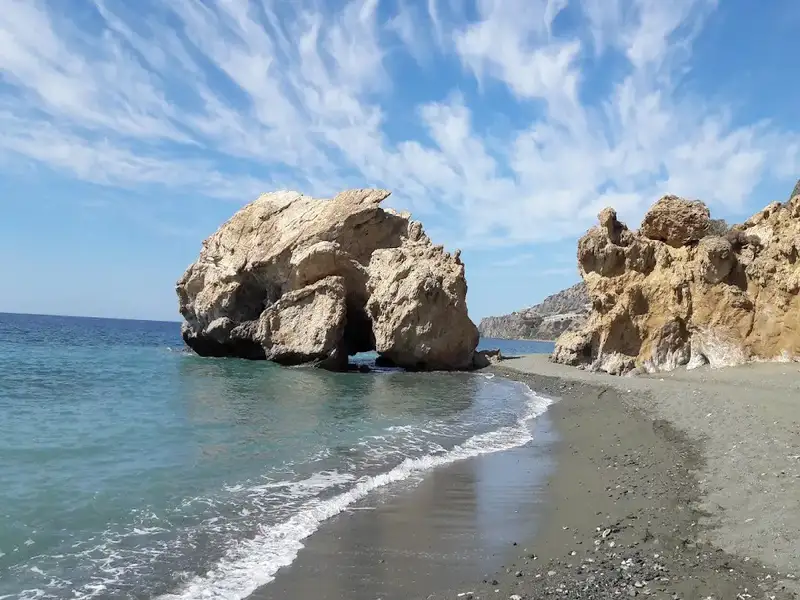
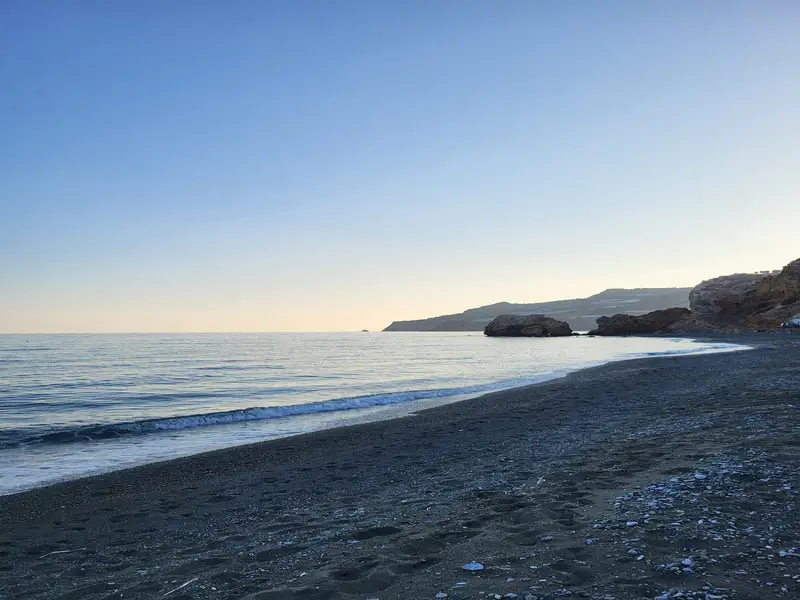
The village overlooks a tranquil beach adorned with rough grey sand. Despite its lack of development, Tertsa retains its traditional Cretan charm, with just a few taverns and rooms available. The settlement is shaded by several tamarisk trees. The beach extends westward to Vourdolakos bay, beyond the rock of Psaroharako. The beach beyond the rock, also named Psaroharako, is more secluded and beautiful than the one in front of the settlement.
The Kallikovrechtis beach, situated 19km west of Ierapetra and 4km east of the scenic town of Myrtos, can be accessed via an asphalt road from Myrtos or Tertsa. This beach is part of the Ghodia village outskirts and is created at the Kalikovrechtis stream’s exit, nestled between the peaks of Kolechtos and Kako Oros, right on the boundary that separates the counties of Heraklion and Lassithi.
Kallikovrechtis is home to only a handful of cottages, and the beach itself is entirely untouched. It boasts beautiful, fine, greyish pebbles, and the water is typically tranquil. A few tamarisk trees provide shade, and due to the high and steep slopes, the beach gets shaded early in the afternoon. The road linking Teresa and Myrtos runs directly above the beach, making access quite easy.


Situated 89km southeast of Iraklion, close to the village of Arvi, lies Faflagos. This small coastal community is nestled at the base of a valley traversed by the river Blavaris or Blavopotamos. The river is typically dry during the summer months and originates from Kato Symi. The village overlooks a sprawling beach scattered with peaceful inlets. The surrounding area is abundant with greenhouses cultivating bananas and fresh vegetables. The beach’s characteristic feature is its coarse grey sand. The village offers only basic amenities like a few rooms for rent, a canteen, and a handful of trees providing shade on the beach.
Adjacent to the west of Faflagos is the extensive beach of Latomia, fringed by greenhouses and open farms, primarily operated by Arvi’s inhabitants. The beach is primarily sandy with grey coarse sand and abundant rocky areas, making it an ideal spot for snorkeling and seclusion. Latomia stretches along the Xerokambos area, renowned for its magnificent marble rock formations previously exploited for commercial use. Reflecting its history, Latomia translates to quarries in Greek, a nod to the local stone extraction industry.
In close proximity to Faflagos stands the church of Agia Paraskevi. The site was formerly home to the Agios Prokopios monastery, which was devastated by the Arabs. This led the monks to abandon the coast and erect a new monastery dedicated to the Virgin Mary in 855, in a location concealed from the sea. The Panagia Keralimeniotissa monastery, translating to Virgin Mary – The Lady of the Ports, still stands majestically at the same spot and remains a notable attraction. Legend has it that pirates once stumbled upon the monastery, pillaged various relics, and then fled by ship. The monks beseeched Panagia to punish the pirates, resulting in a fierce storm. The pirates begged for mercy, promising to return the plundered goods and vowed to safeguard the monastery from other pirates. True to their word, they returned the stolen items and the weather subsided. Years later, they gifted a golden bell and a silver boat featuring Panagia at the helm with an inscription “To the Lady of the Ports”. Since then, all passing boats have stopped to pray to “The Lady of Ports”, giving the monastery its present name of Keralimeniotissa.
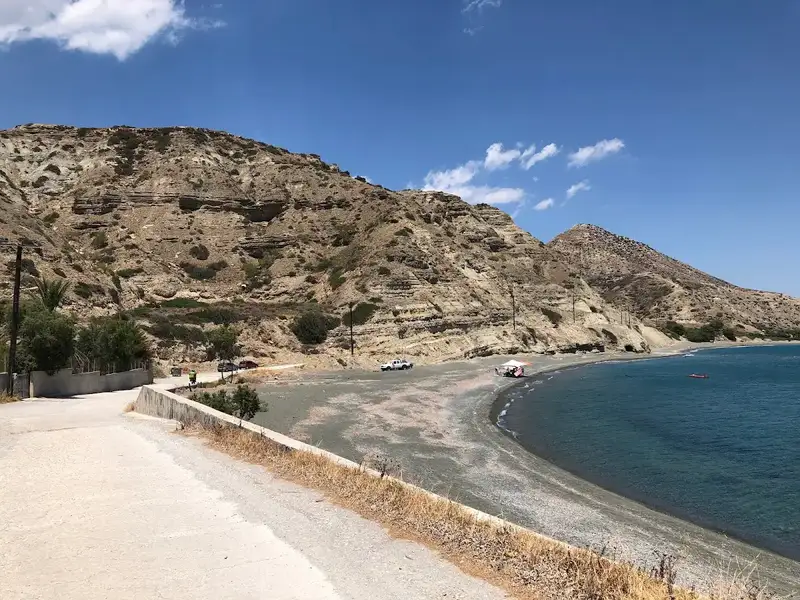
Vatos, a small settlement situated 18km west of Ierapetra and 3km east of Myrtos, falls within the jurisdiction of the village Gdohia. The village is accessible via the asphalt road that links Mirtos and Tertsa. Most of the locals earn their living by growing bananas and vegetables in the area’s greenhouses. Positioned at the entrance of a lush valley that starts in the north at Gdohia, the village boasts the expansive Vatos beach which extends east to Mirtos, featuring numerous secluded beaches along its coastline. The beach is distinguished by its unique grayish pebbles typical of southern Crete, and it’s known for its deep waters. As Vatos is not a developed area, the beach is usually tranquil, frequented mostly by locals. Some parts of the coast are adorned with tamarisk trees. To the west of Vatos, you’ll find the settlement of Kalikovrehtis, home to another pebbly beach.
If you happen to visit Vatos on July 27th, you’ll have the opportunity to participate in the feast day of the church of Saint Panteleimon. It’s also worth visiting the nearby village of Gdohia, with its narrow lanes and rejuvenating springs. A sad incident occurred in Gdohia in the autumn of 1943 when 43 residents were executed by the Nazis in revenge for the killing of two German soldiers in the village of Kato Simi. The village is also home to the ancient chapel of Annunciation, which houses rare Byzantine icons. Lastly, archaeologists have discovered traces of a pre-Minoan settlement between the beach and the village.
No results available
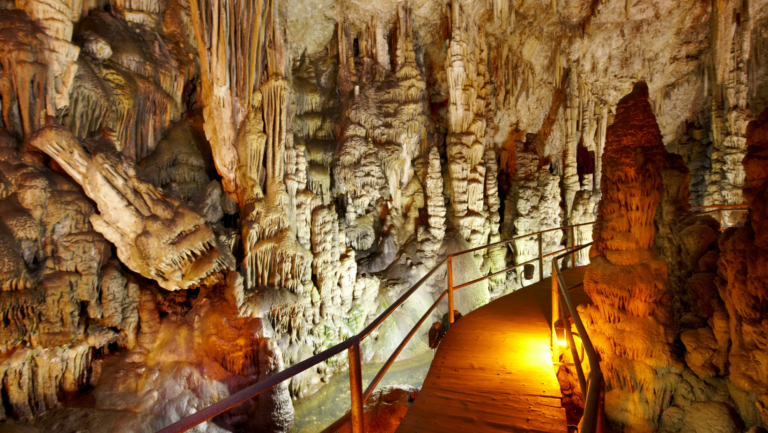
Cave of Zeus is a legendary sanctuary where, according to mythology, the Titaness Rhea hid her son Zeus to protect him from his father Cronus, who had a grim habit of devouring his children. It also serves as the backdrop for the mythological tale of Zeus and Princess Europa. Nestled on the rugged northern slopes of Mount Dikti, at an elevation of 1,025 meters near the village of Psychro, the cave – often referred to as the Dikteon Cave or Psychro Cave – is one of Crete’s most visited archaeological and mythological sites.
Begin your expedition from Stalida, Hersonissos, or Malia, traversing the winding road that ascends to the Lassithi plateau and onward to Psychro. The journey is scented with wild aromatic herbs and offers breathtaking panoramic views. A path bordered by oak trees leads to the cave’s entrance, inviting you to explore.
Upon entering, you’ll be greeted by the cave’s inhabitants: wild rock doves and bats, thriving in the cool darkness. A noticeable chill sets the scene for an exploration filled with wonder. Descend along a clearly defined trail to reach the central chamber after 250 meters, where millennia have sculpted a stunning display of stalactites and stalagmites. The highlight is a grand stalactite that hangs over the lake’s center, known as “Zeus’s cloak.” Evidence of the cave’s historical role as a worship site, including an altar, niches filled with votive offerings, and various archaeological discoveries, underscores its significance. Many of these sacred artifacts are now preserved in the Archaeological Museum of Heraklion.
Visitors can access the cave from 08:00 to 18:00 in the summer months and from 08:30 to 15:30 in the winter.
To explore the depths of the legendary Cave of Zeus, visitors are required to pay a nominal entrance fee of 6 Euros, with free admission for students and a 50% discount for all during the winter months.
Ancient Lyktos, also known as Littos, can be found near the settlement of Xidas. This city was one of the most powerful in ancient Crete, a perpetual rival of Knossos, and it controlled the port of Hersonissos. Many ancient historians have written about Lyktos, mentioning that it was the oldest city in Crete, well-organized and constructed, and the place where Rhea’s parents advised her to give birth to Zeus.
Lyktos was a colony of the Lacedaemonians, and the deity Karnian Apollo was worshiped here. The city participated in the Trojan War, during which the leader of the Lyktaeans, Kiranos, sacrificed himself to save Idomeneus from Hector’s spear.
Lyktos held dominance over Eastern Crete and was in continuous conflict with its archenemy, Knossos. In 343 BC, Knossos occupied Lyktos, but the Spartans assisted the Lyktaeans in regaining their city. However, in 220 BC, while Lyktos was at war with Ierapytna, Knossos invaded the unguarded city, destroyed it completely, and captured the women. The returning Lyktaeans were too afraid to enter the city and instead sought refuge in Lappa (present-day Argiroupolis). This event led to the formation of an alliance against Knossos and the beginning of the First Cretan War.
With Sparta’s help, Lyktos was rebuilt and once again became one of Crete’s strongest cities. During the Roman period, the city fiercely resisted the Roman general Metellus, who eventually occupied it. Statues of Marcus Aurelius and Trajan from Lyktos can be found in the Archaeological Museum of Heraklion.
To supply water to Lyktos, water from the Kournia spring, located between Kera and Krassi, was transported to the city via a massive aqueduct. A portion of this aqueduct still stands north of Kostamonitsa village, resembling a wall (tihos).
The emblem of Lyktos coins featured an eagle with open wings and the head of a wild boar, accompanied by the word ΛΥΤΤΙΩΝ (Lyktaeans). Numerous artifacts have been discovered, including sculptures and two inscriptions of the city’s laws written in boustrophedon (alternating text direction per line).
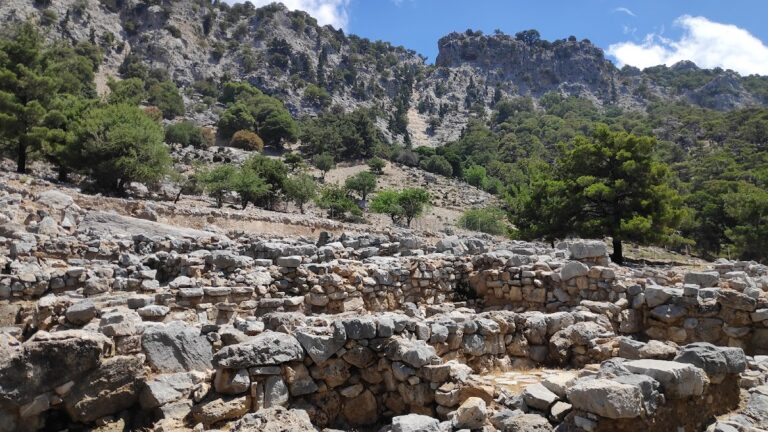
The Sanctuary of Hermes and Aphrodite can be found in a stunning location in the southern part of the Dikti mountain range, at an altitude of 1150m, near the Krya Vrysi spring, and about 5 km northeast of the village Kato Symi. The site spans 1.7 hectares, with only a portion having been excavated. To this day, it remains the most significant archaeological site in the Viannos province. Established around 2000 BC, like many other Minoan Peak Sanctuaries in Eastern Crete, worship at this sanctuary continued until Roman times, making it one of the most enduring sanctuaries of Greek Antiquity. Hermes was worshipped from the 7th century BC, while Aphrodite was worshipped during the Hellenistic Times (around 330BC). In the early Christian era, a small chapel was built at the site.
The sanctuary’s location is associated with the Ieron Oros (Holy Mountain), as according to Ptolemy, it was situated between the ancient Tsoutsouras (Inatos) and the ancient Ierapetra (Ierapytna). Due to its immense importance, it is believed to have been a point of contention among various powerful cities in the region. However, the respect that everyone had for the sanctuary is evident in the fact that it was never destroyed by vandalism, but only by natural causes.
Most archaeological findings from the 11th century BC include evidence of animal sacrifice and religious feasts, while animal replicas, tubular utensils, plates with male figures carrying or leading animals, clay cups, three swords, a golden ring-seal depicting a runner, and a hieroglyphic plate were discovered in the ashes. Ritual vessels and utensils do not display the typical female figures of the Minoans, so it has not been determined which deities the sanctuary was dedicated to during the Minoan times. After the 11th century BC, the vessels were replaced by figurines whose main theme was the coming of age of the visitors. According to inscriptions found at the sanctuary, the patron saint of adulthood was Hermes Kedritis, who was worshipped alongside the goddess Aphrodite. The most significant findings from the sanctuary are exhibited in the Archaeological Museum of Heraklion.
Excavations began in 1972 and continue sporadically. The site can be visited after contacting the guard. A forest dirt road leading to the sanctuary starts from Kato Symi and goes towards the Lapathos plateau.
No results available
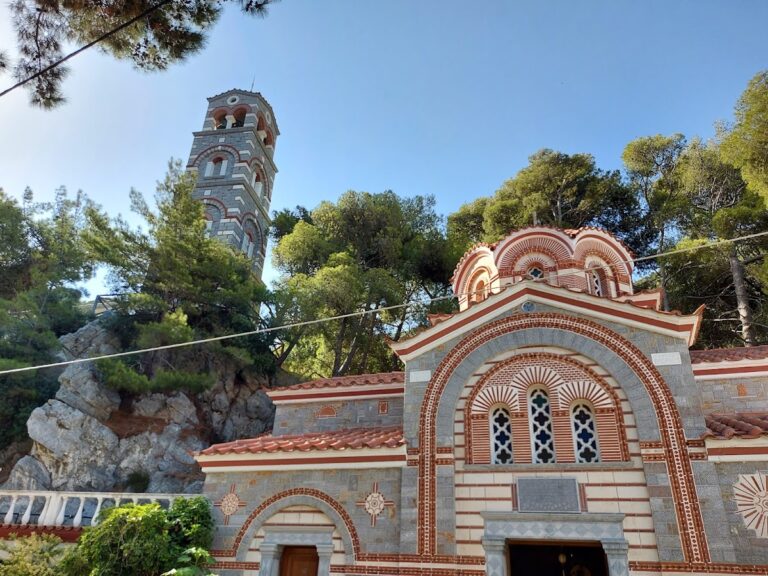
The male monastery of Saint George Selinaris is nestled in the heart of the Selinari gorge, close to Vrachasi village and Neapolis. The National Road, which connects Heraklion to Agios Nikolaos, runs alongside the monastery, making it a popular stop for many visitors daily. Cretans believe it is bad luck to pass through the canyon without stopping at St. George, a tradition that dates back to when travelers would stop to rest with their animals.
As per tradition, a monk from Rhodes named Nikolaos was guided by God to a location where he discovered the icon of St. George, leading him to build a church. Nikolaos resided at Selinari until his death, at which point he was buried in a small cave at the summit of Anavlohos mount, which he had carved himself. Several years after his passing, sailors from Rhodes were led to Nikolaos’ tomb by a shining star. Recognizing this as a divine sign, they transported his bones back to Rhodes. Anavlohos cave can be found on the eastern side of the gorge, directly opposite the monastery. The exact location can be identified by looking up at the gorge walls and spotting a large cross. While the cave is accessible by foot, climbing the steep path requires good physical fitness.
During the Ottoman Era, it is believed that the Turks attempted to destroy the monastery, as evidenced by the three bullets embedded in the old icon of Saint George, which is also considered miraculous.
A visit to the monastery is well worth it, as you can admire the stunning beauty of the lush canyon and cool off at the local spring. The monks are very welcoming and eager to share the history of the monastery. The central church’s main body is modern, as are the wall paintings in the chapel of St. George (the original temple built by Nikolaos). A modern nursing home also operates here, constructed on the ruins of the old monastery cells.
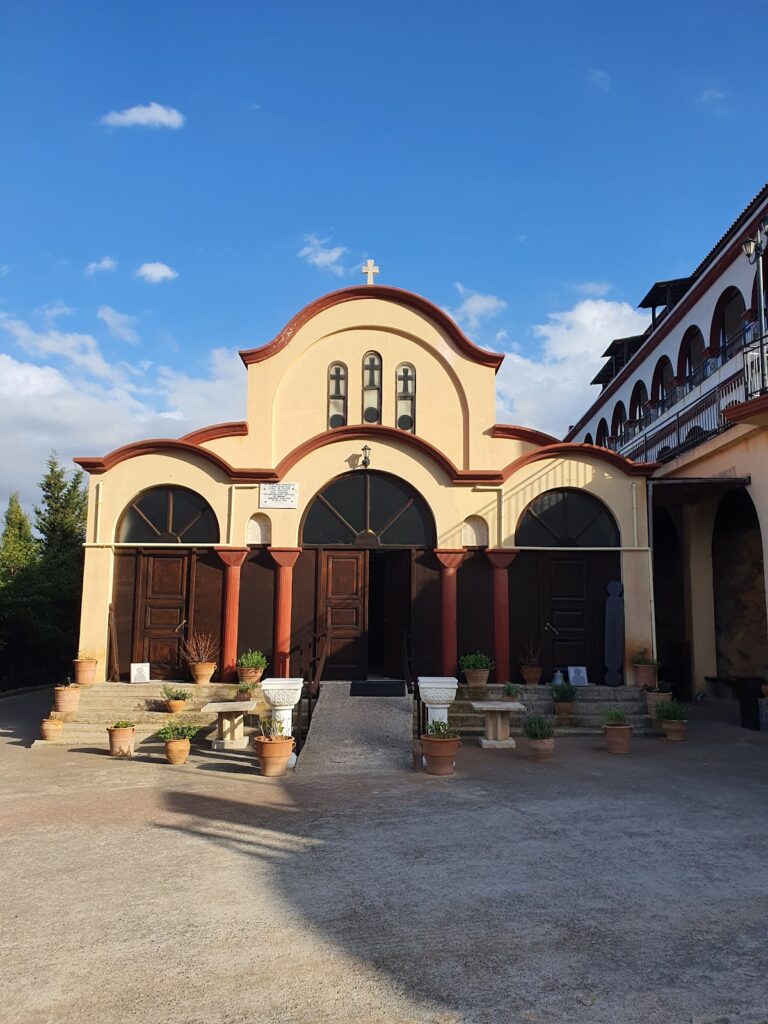
The Monastery of Virgin Mary Theogennitor, situated near Mohos, boasts a prime location overlooking the Stalis coastline. Despite being relatively new, this monastery has earned a significant reputation, primarily due to its founder, Father Apostolos. Previously a monk at the St. John Monastery in Anopolis, Apostolos was evicted in 2009 and subsequently established this monastery.
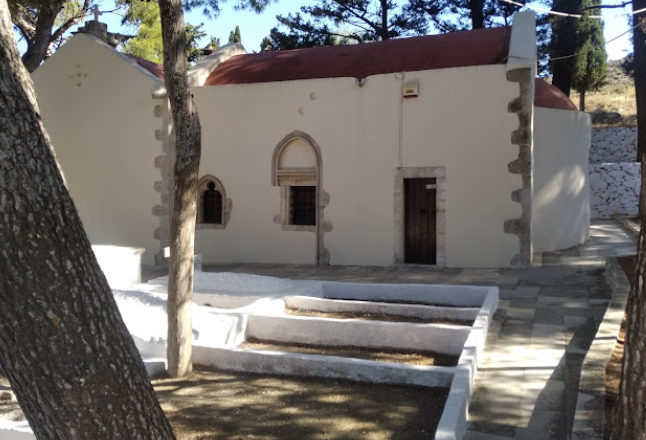
The Agia Moni (Holy Monastery) is situated approximately 60km east of Heraklion and 38km west of Ierapetra, close to Kavoussi Gorge. It is reachable through a brief road that begins at Ano Viannos and traverses a lush landscape.
Functioning as a male monastery, Agia Moni is small and ancient. The Monastery’s church, featuring a striking gate, is dedicated to the Assumption (celebrated on August 15). Surrounding the church are the monks’ quarters.
While the exact date of its establishment is uncertain, tradition holds that it was constructed by three Cypriot nuns who initially built the church of Agios Dimitrios in Keratokambos. Due to ongoing pirate attacks, they were compelled to relocate to the mainland, where they established Agia Moni at its present location. It is also believed that one of these nuns founded the Panagia Keralimeniotisa monastery near Psari Forada.
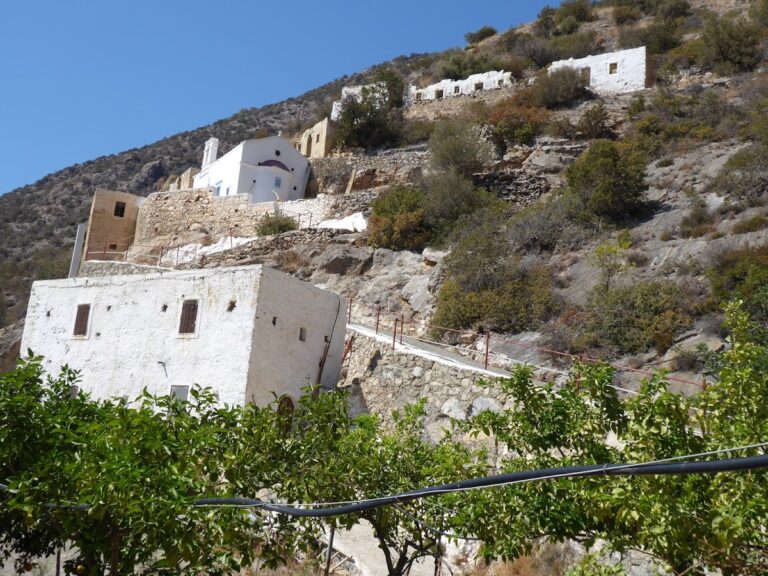
The Arvi Monastery is situated near the Arvi Gorge, atop a high vantage point with stunning views of the sea. Currently abandoned, the remaining monks’ cells provide a glimpse into its history.
It is thought that the monastery was initially constructed on the remnants of the ancient Temple of Arvian Zeus, located in the valley formed at the exit of the Arvi Gorge. However, due to the formation of marshes in the valley, it was eventually relocated to its present elevated location.
Within the monastery grounds, there are two churches – one quite old and the other relatively new – both dedicated to Saint Anthony.
No results available
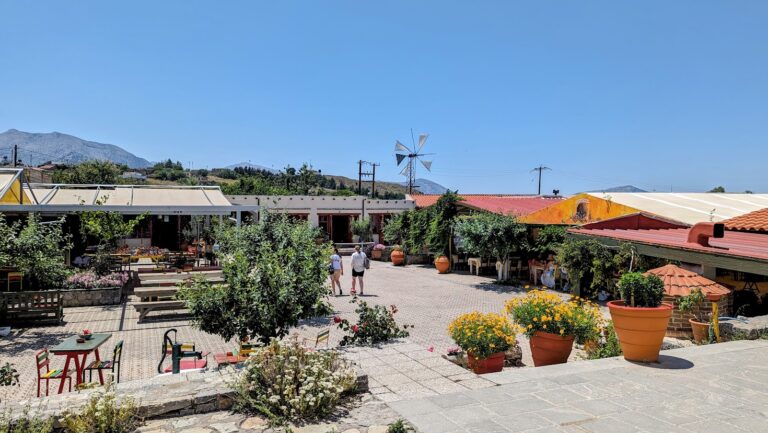
Nestled in the southeastern corner of the Lasithi Plateau, The Lasinthos Eco Park neighbours the charming village of Agios Georgios, blending seamlessly with the surrounding beauty.
This haven isn’t just for sightseeing; it’s an interactive journey. Collect nature’s bounty, and handcraft daily essentials, or dive into age-old crafts like pottery, weaving, and wood carving. Experience the artisanal magic of honey, wine, cheese-making, and more. Even better? Relish authentic Cretan dishes you’ve helped create.
The park’s lush expanse is dotted with fruit and vegetable fields and a farm boasting 20 varied animal species, waiting for your touch and play. Capture moments with these gentle beings for keepsakes.
In the heart of the park stands the Church of St. Ephraim, a testament to Greek Orthodoxy’s deep roots and the story of Saint Ephraim the New, a modern-day saint canonized for his faith and wonders. Light a candle, say a prayer, and feel the serenity envelop you.
Beyond exploration, Lasinthos offers a cosy retreat. Stay in one of the 15 quaint, 4-star village-style apartments, enjoying the breathtaking vistas of the Lasithi Valley all year round.
Before you leave, swing by the traditional store. From fragrant herbs and exquisite perfumes to the finest olive oil, raki, and unique Cretan delights, there’s something for everyone. The artistry doesn’t end at food – the handcrafted pottery, woven goods, and wood carvings are perfect mementoes or gifts.
Hungry from the day’s adventure? Settle down at the central square, grab a bite at the café, or feast on farm-fresh meals at the Taverna.
No results available
No results available
No results available
No results available
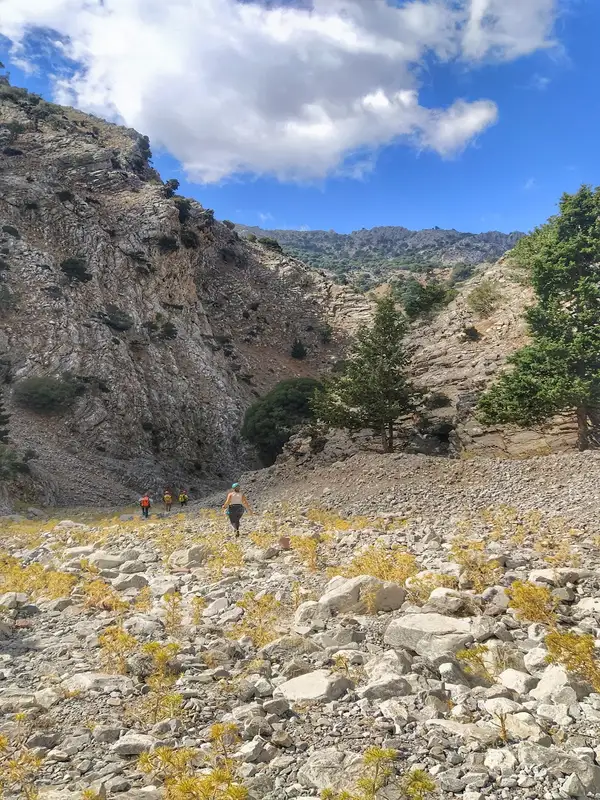
Situated between the peaks of Katharios Lakkos and Katharia Kefala in the Dikti Range, Havgas Gorge is a prominent long gorge on the Lassithi Plateau. The gorge is nourished by the Megalos or Xenikos river, which springs from the Katharo plateau, courses through the Lassithi Plateau, and then vanishes into the sinkhole Chonos. The water resurfaces from Fleves springs at Kastamonitsa or a man-made water pipe at Gonies and ultimately drains into the Aposelemis dam lake. The name “havgas”, along with its variants, is typically used to refer to gorges in Eastern Crete.
Spanning about 4 km, Havgas Gorge provides a leisurely walk, especially at the exit where it widens and showcases striking landslides on its flanks. As you advance, the gorge abruptly tightens, leading to the scenic Neraidokolimbos lake, situated at the foot of a charming waterfall with a round boulder. According to local folklore, the gorge’s fairies used to bathe in this lake.
Next to Neraidokolimbos is the Plystra side gorge, recognized for its successive waterfalls that flow into the main stream of Havgas. Above the gorge, there is a singular waterfall named after Plystra, known to drip water even during the dry summer months. As per the legend, this is where fairies used to wash their clothes.
The gorge, a part of the E4 trail, offers a tranquil landscape due to the lack of crowds. It is home to a variety of trees, mainly maples and holm oaks. The river is seasonal and only flows following substantial rain or snow, whereas Neraidokolymbos lake retains water throughout the year.
Travelers usually start their journey from the exit point near the reservoirs of Agios Georgios village. Another alternative is to commence from the Katharo plateau and descend along the riverbed. However, reaching Neraidokolymbos may necessitate a jump into the water or retracing one’s steps.
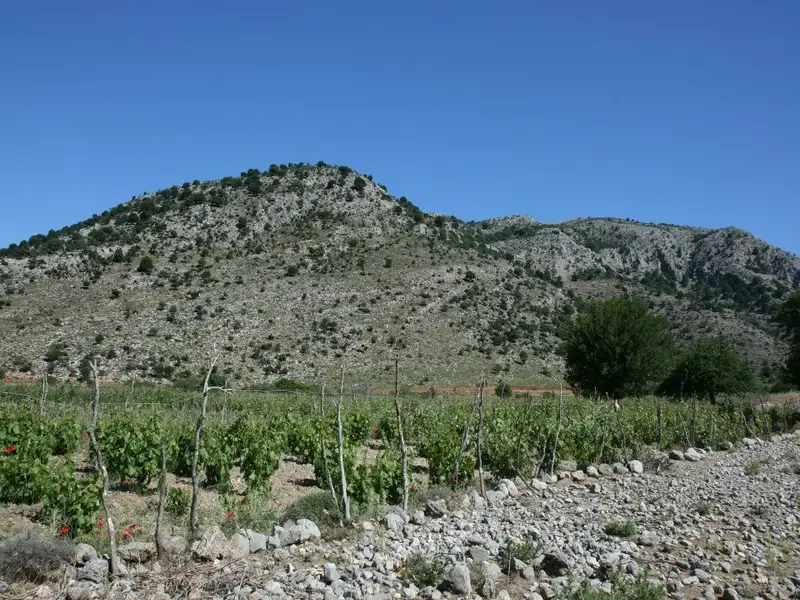
On the southeastern side of the Afendis Christos peak, nestled above the villages of Embaros, you’ll discover lush vineyards sprawled across the Erganos plateau at an elevation of 900 meters. The water, collected from the melting snow of the nearby slopes and numerous regional springs, contributes to the main tributary of the Anapodaris river, Baritis. This river traverses the Erganos plateau, carving out the striking Erganos canyon.
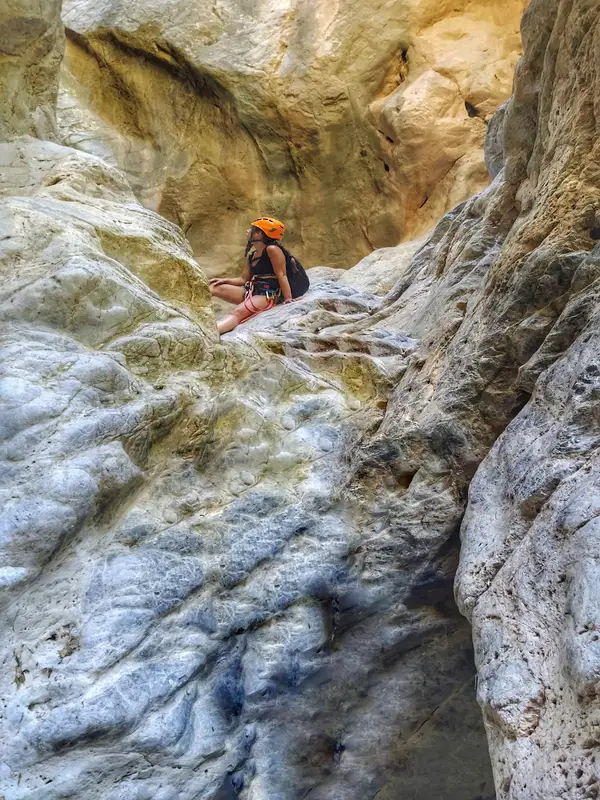
The Erganos canyon, adorned with flourishing plane trees, cypresses, and oaks, is a natural gem in this region. However, it is only navigable for a small portion, suitable for trekkers. After the initial 20-minute descent, the scenery transforms, revealing a unique natural sculpture with slender walls and spectacular waterfalls at nine different points. To navigate these areas, rappelling equipment is necessary.
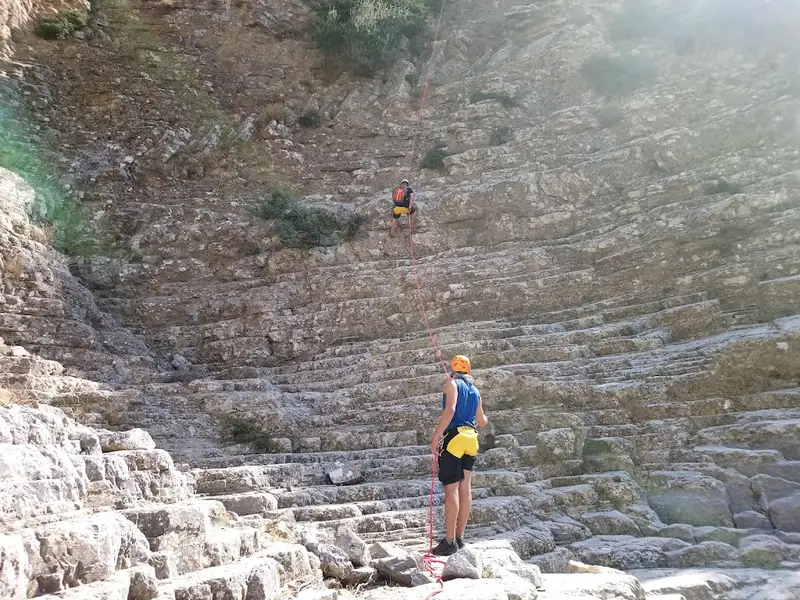
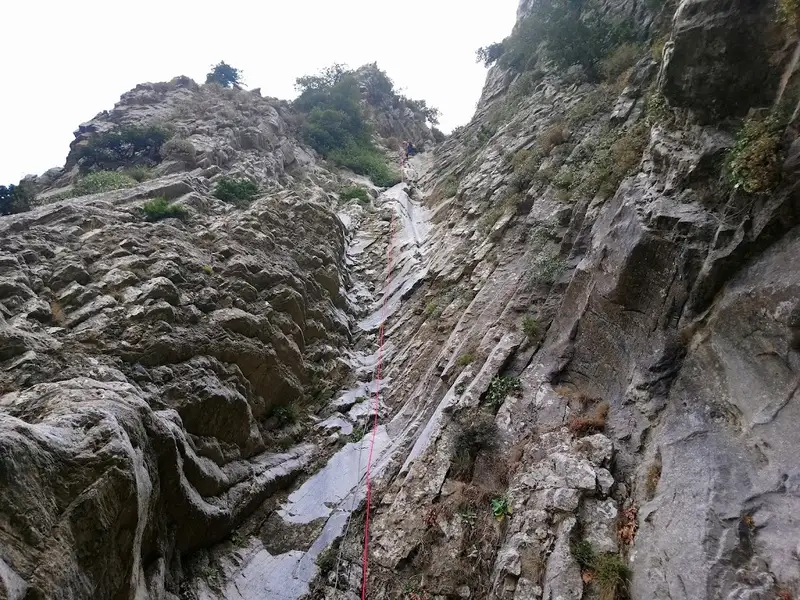
Eligas Gorge, a stunning natural monument, is nestled on the western side of Koupa Mountain, just above the village of Miliaradon in Embaros. This remarkable location boasts a towering waterfall with nine rappels, making it a perfect spot for canyoning. The altitude difference from the entrance to the exit is approximately 230m.
Eligas is just one of numerous waterfalls in the vicinity, standing tall at 150 meters. It cascades down in 5-6 stages, with the largest drop being 50 meters.
During the winter, the waterfall is fed by crystal clear water from the local ‘Papa Lagos’ springs. On exiting the gorge, it merges with the Baritis River, a primary tributary of the Anapodaris River.
In the Cretan dialect, Eligas translates to ‘waterfall’. The gorge is unique due to its distinctive formations, created by layers of limestone that resemble a vast open-air theatre with stone tiers.
A trail from Miliaradon village leads to the base of the waterfall. From there, visitors can ascend to its highest points, offering a breathtaking view of the impressive waterfall and the Baritis-irrigated plain villages.
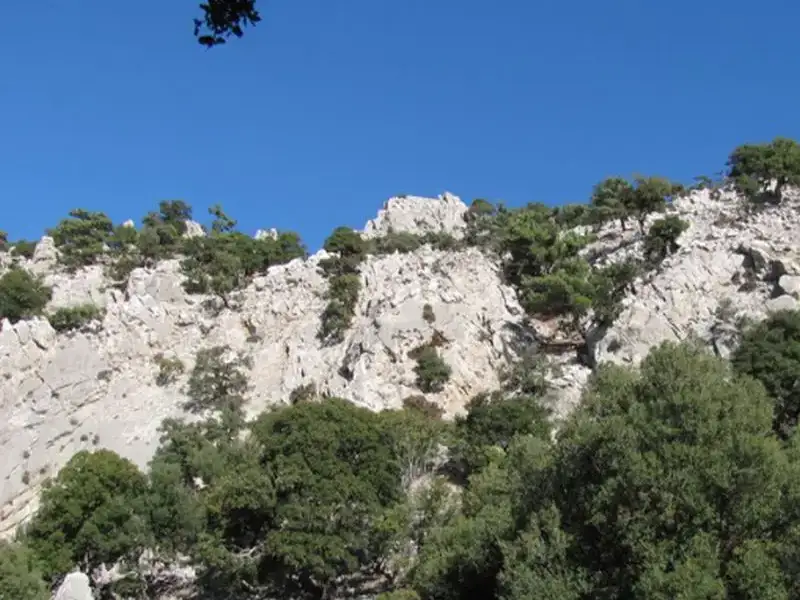
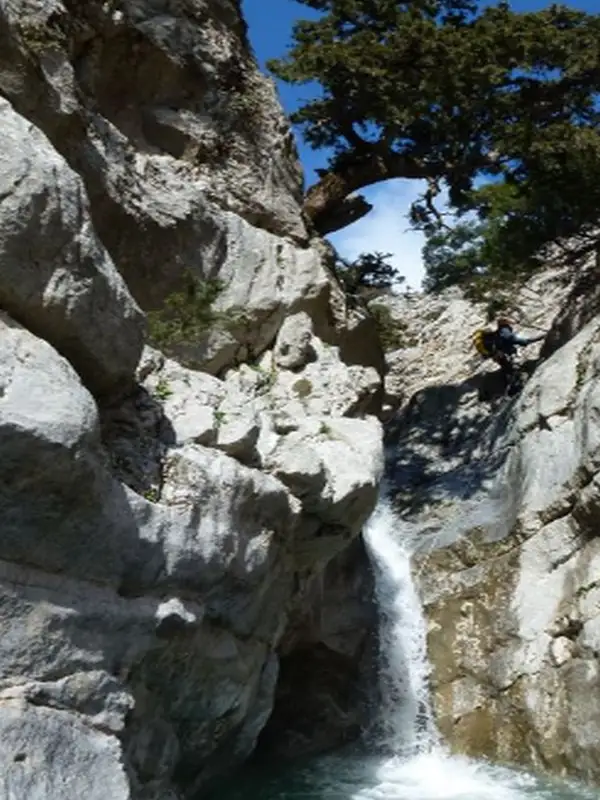
The Holy Apostles (Agii Apostoli) or Lapathos Gorge is situated on the southern part of Mount Dikti, 28km to the west of Ierapetra and 72km to the south of Heraklion, in the broader vicinity of the village of Kato Simi. This is a technical canyon, implying that crossing it necessitates technical gear and specific training. The Lapathos canyon is an ideal challenge for highly skilled canyoners. It spans approximately 4km and there is a height difference of about 900m between the start and finish points.
The canyon originates from the small plateau of Lapathos, where the Holy Apostles church stands, and concludes on the road that links the village of Pefkos with Ierapetra. Although it’s typically a dry canyon, in 2009, the team of seasoned canyoners Vassilis Vagias, Savvas Paragamian, and Giannis Skondinakis discovered it to contain surprisingly large amounts of water.
The gorge features 28 steep descents that demand excellent rappelling skills. The tallest rappel is 80m, making it one of the highest in all of Crete. The sheer walls of Lapathos serve as nesting grounds for a variety of birds including vultures, hawks, and crows. Towards the gorge’s exit, the vegetation is predominantly made up of pines and cypresses. Following the exit, the stream continues its journey to Tertsa beach.
No results available
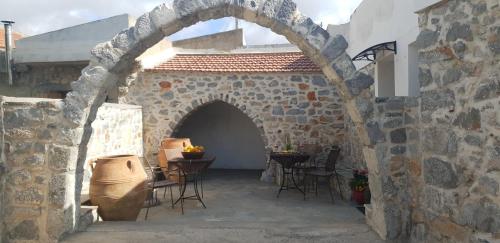
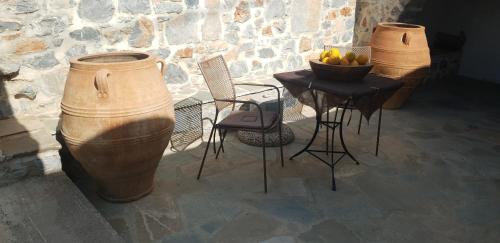
Featuring pool views, Double Bee Villa with private pool provides accommodation with a patio and a coffee machine, around 37 km from Lake Voulismeni. This property offers a private pool, free WiFi and free private parking.
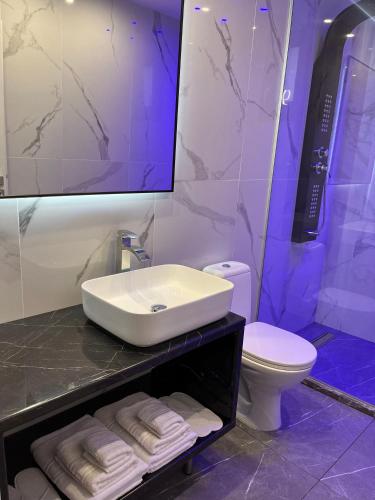
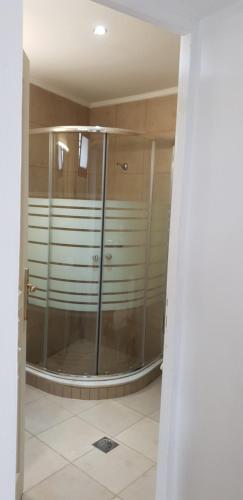
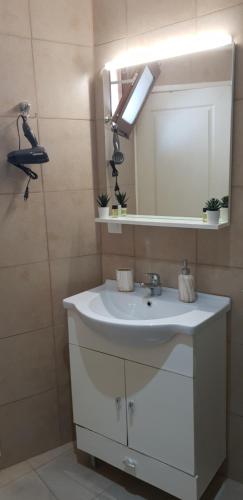
The villa with a terrace and mountain views features 1 bedroom, a living room, a flat-screen TV, an equipped kitchen with a dishwasher and an oven, and 1 bathroom with a shower. Towels and bed linen are provided in the villa.
At the villa guests are welcome to take advantage of a hot tub. A kids pool is also available at Double Bee Villa with private pool, while guests can also relax in the garden.
Cretaquarium Thalassocosmos is 40 km from the accommodation, while Acqua Plus Waterpark is 28 km away. The nearest airport is Heraklion International Airport, 48 km from Double Bee Villa with private pool.
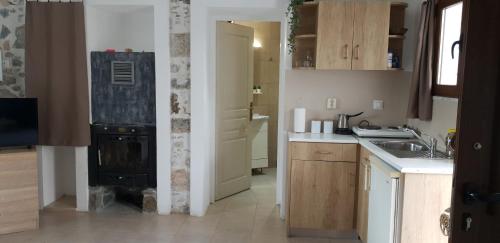
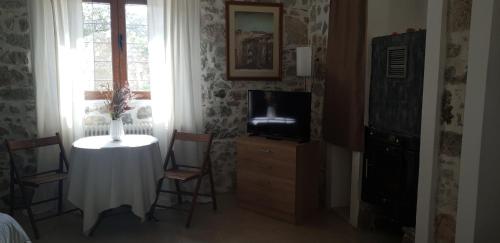
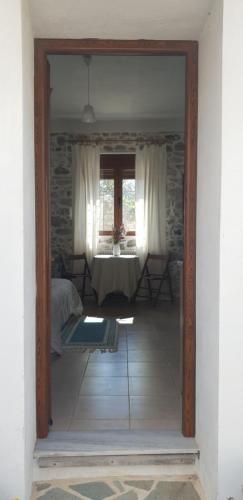
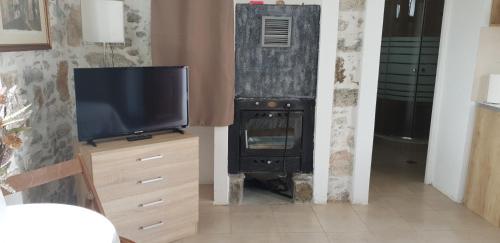
Boasting mountain views, Vilaeti Artemis features accommodation with a terrace and a coffee machine, around 37 km from Lake Voulismeni. The apartment has access to a restaurant and free WiFithroughout the property.
This apartment has 1 bedroom, a kitchenette with a fridge and a stovetop, a flat-screen TV, a seating area and 1 bathroom fitted with a walk-in shower. Towels and bed linen are offered in the apartment.
The apartment offers a children’s playground. Both a bicycle rental service and a car rental service are available at Vilaeti Artemis, while cycling and hiking can be enjoyed nearby.
Cretaquarium Thalassocosmos is 40 km from the accommodation, while Acqua Plus Waterpark is 28 km from the property. The nearest airport is Heraklion International Airport, 49 km from Vilaeti Artemis.
from
€51
/night
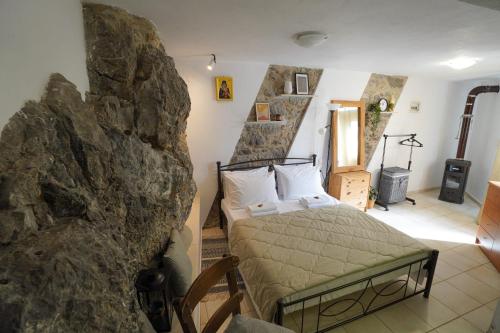
Set 36 km from Lake Voulismeni, 40 km from Cretaquarium Thalassocosmos and 28 km from Acqua Plus Waterpark, Vilaeti Stone House – Cretan Cozy Nest features accommodation situated in Agios Konstantinos. This holiday home is 32 km from Lixnostatis Folk Museum and 34 km from Aquaworld Aquarium.
With free WiFi, this holiday home offers a TV and a kitchen with an oven and fridge. Towels and bed linen are offered in the holiday home.
The Crete Golf Club is 28 km from the holiday home, while Labyrinth Park is 29 km from the property. The nearest airport is Heraklion International Airport, 48 km from Vilaeti Stone House – Cretan Cozy Nest.
from
€42
/night
Situated in Agios Konstantinos in the Lasithi region and Lake Voulismeni reachable within 36 km, Vasilikata features accommodation with free WiFi, a children’s playground, a garden and free private parking.
Some units have a terrace and/or a balcony with mountain or garden views.
Guests at the apartment can enjoy a continental or a vegetarian breakfast.
Vasilikata offers a picnic area.
If you would like to discover the area, skiing, cycling and hiking are possible in the surroundings and the accommodation can arrange a car rental service.
Cretaquarium Thalassocosmos is 40 km from Vasilikata, while Acqua Plus Waterpark is 28 km from the property. The nearest airport is Heraklion International, 48 km from the apartment, and the property offers a paid airport shuttle service.
from
€68
/night
No results available
Connect with thousands of Crete visitors and boost your bookings.
No results available
© All rights reserved. Crete Locals