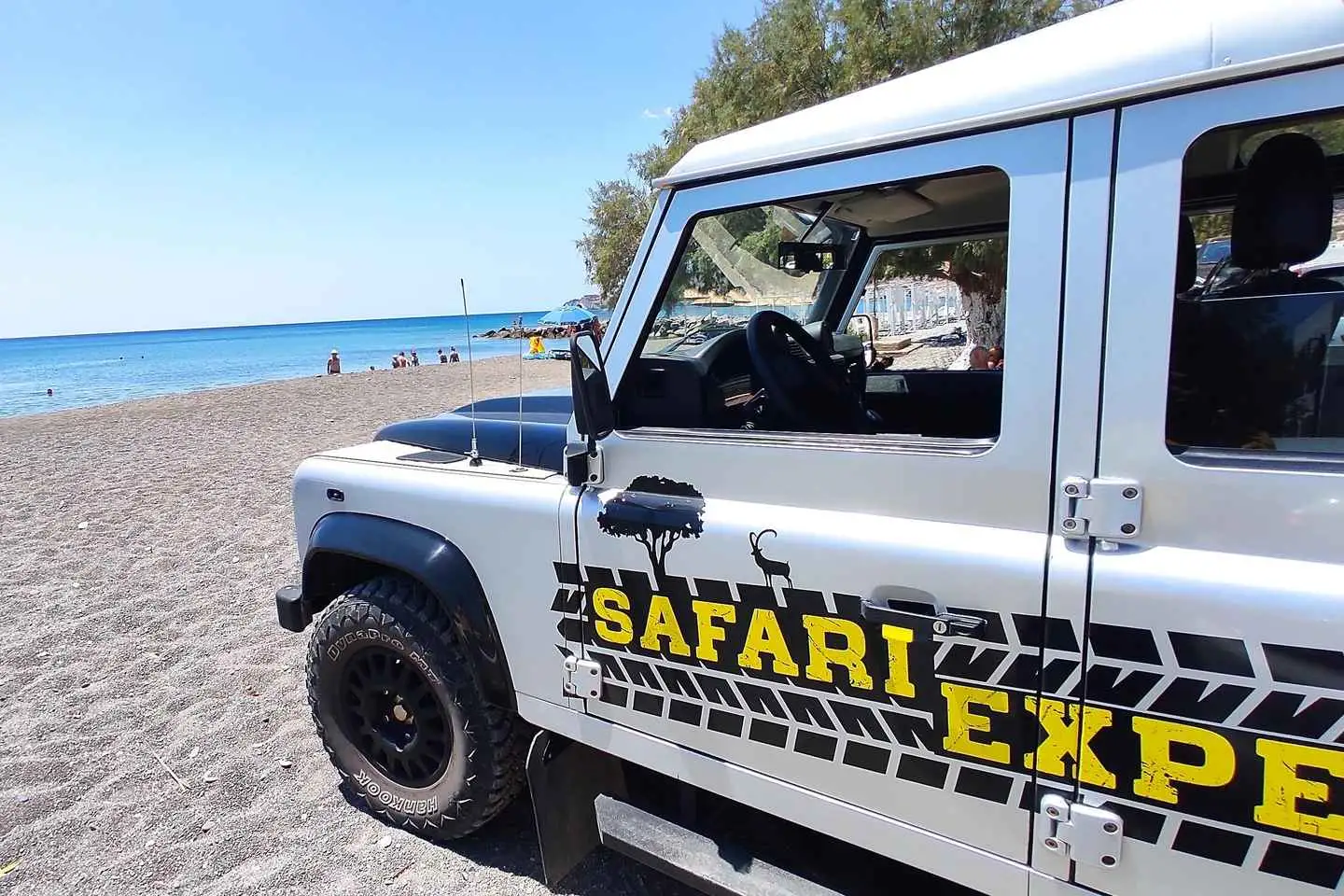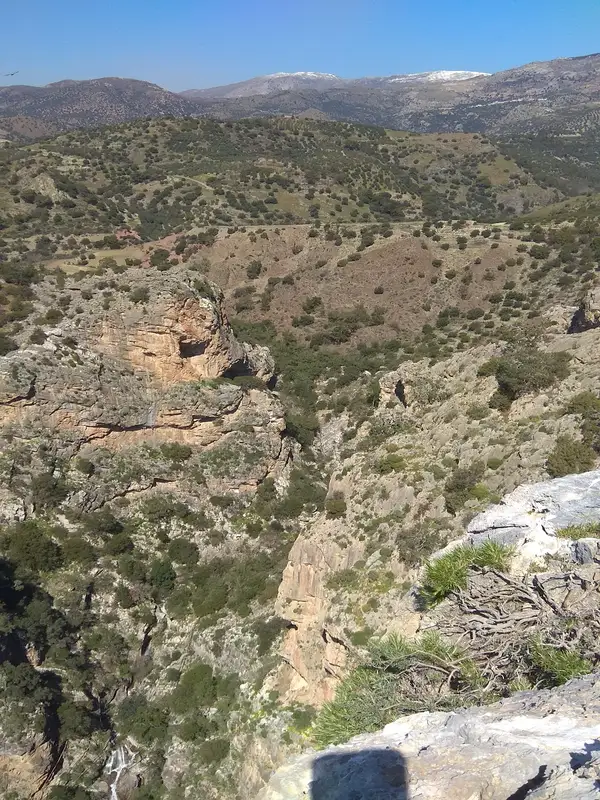
Discover the magic of South Crete on a Self-Drive Private Jeep Safari in Convoy with our Brand New & Fully air conditioned 4X4 Dacia Duster. Shared or Private!
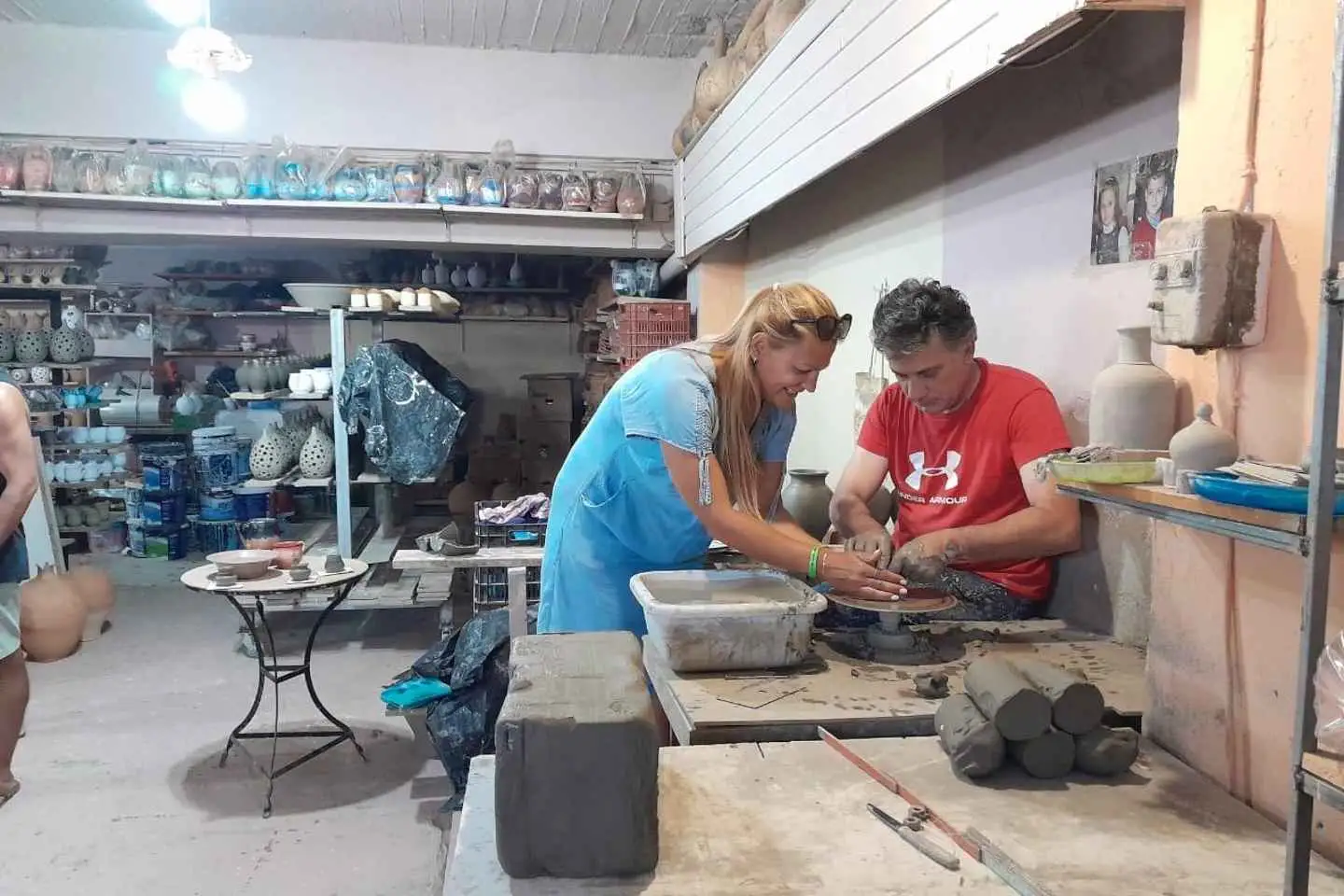
Feel the Off-road, Swim in the South, visit the local pottery workshop, create your ceramics and feel the authentic vibes of Crete! We start by exploring off the beaten paths through olive groves, traditional villages, scenic landscapes, and more! Then let’s uncover the art of pottery from ancient traditions to modern processes in the local workshop. We continue our adventure with an impressive off-road descent through the Gorge of Portela that is offering a breathtaking photo stop. Enjoy seaside driving along the Libyan Sea, Swim in the crystal-clear waters of Tsoutsouros beach and have your lunch by the sea. We end our day with panoramic views, letting the essence of Southern Crete captivate us! Take the wheel and let’s explore the South!
Through this route you will have the opportunity to take a wine tour at a local winery with tasting and information on wine production from ancient times to the present day. Also enjoy the route which combines impressive mountains, a panoramic view of southern Crete, the impressive gorge with the incomparably beautiful waterfall Richtra and the charming beaches of southern Crete.
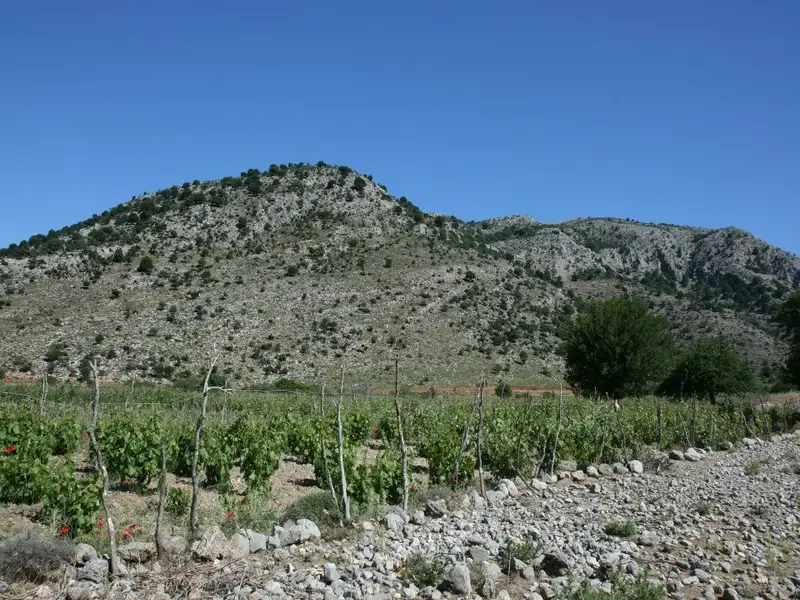
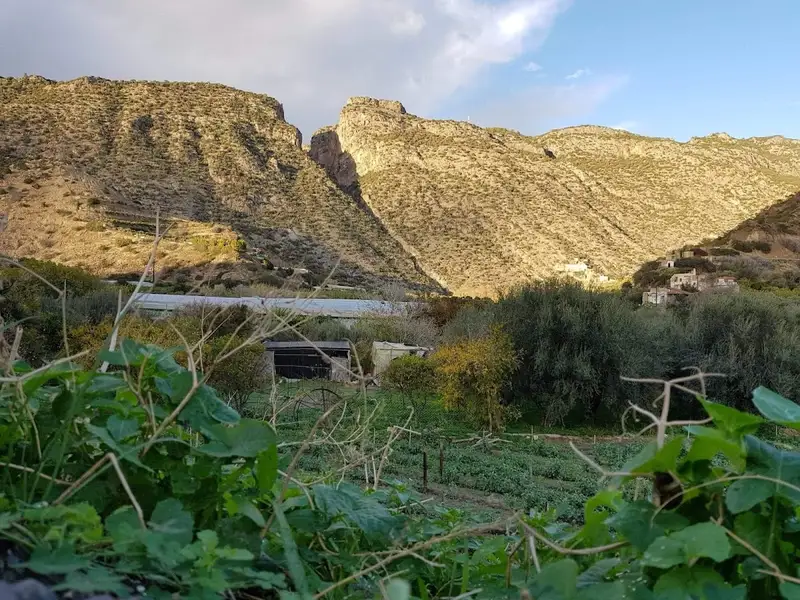
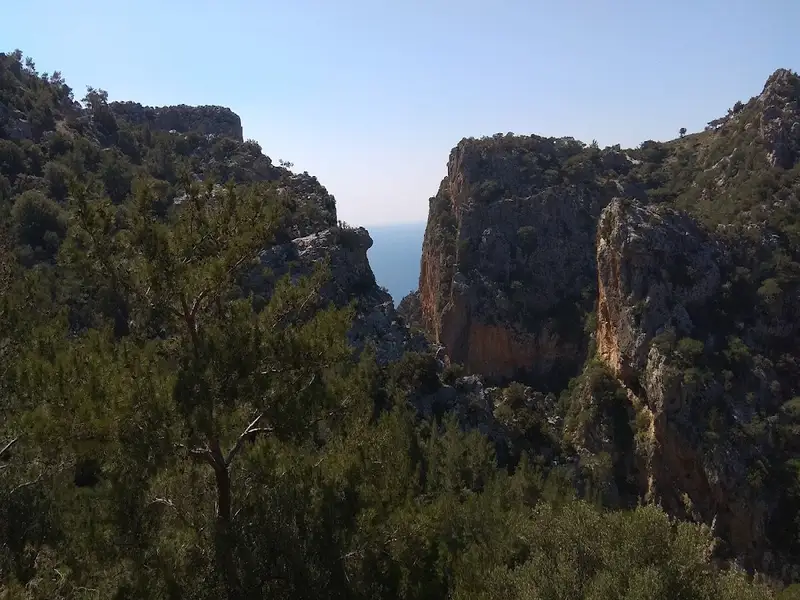
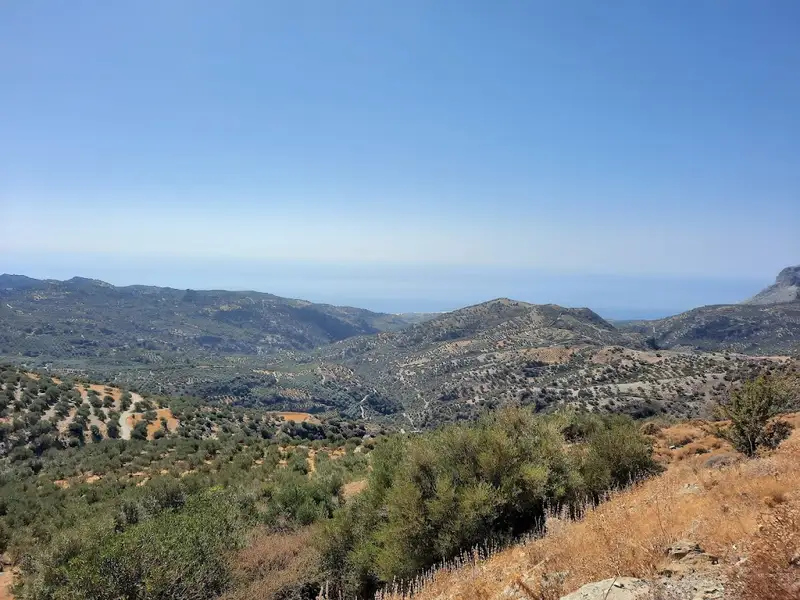
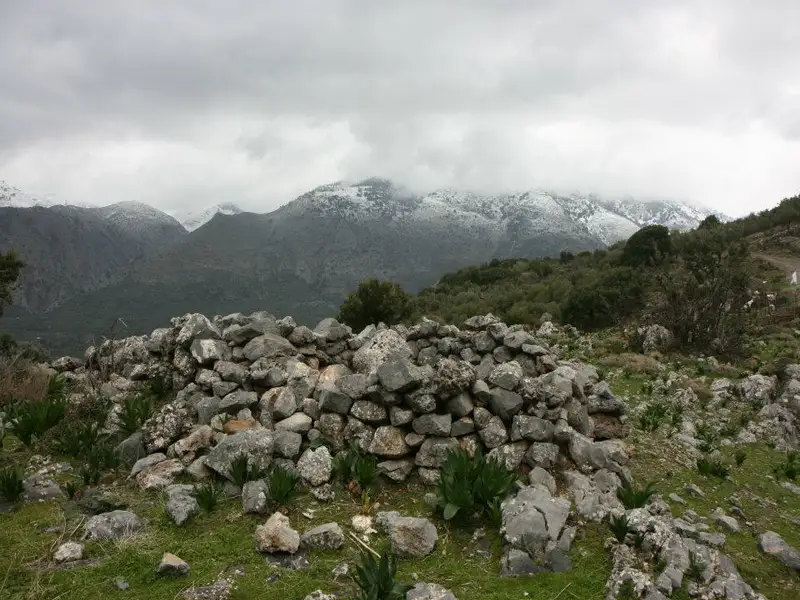
Starting from your hotel we head to the winery where the wine experts will introduce you to this special world of wine. You will have the opportunity to taste but also to learn all the secrets of production, of the varieties we have in Crete, as well as winemaking techniques of yesterday and today. Then we will cross a route through small traditional villages surrounded by verdant hills and olive groves. Just before our descent into the gorge we will make a photo stop at a spot with an incredibly beautiful panoramic view of the South Cretan sea that will amaze you!
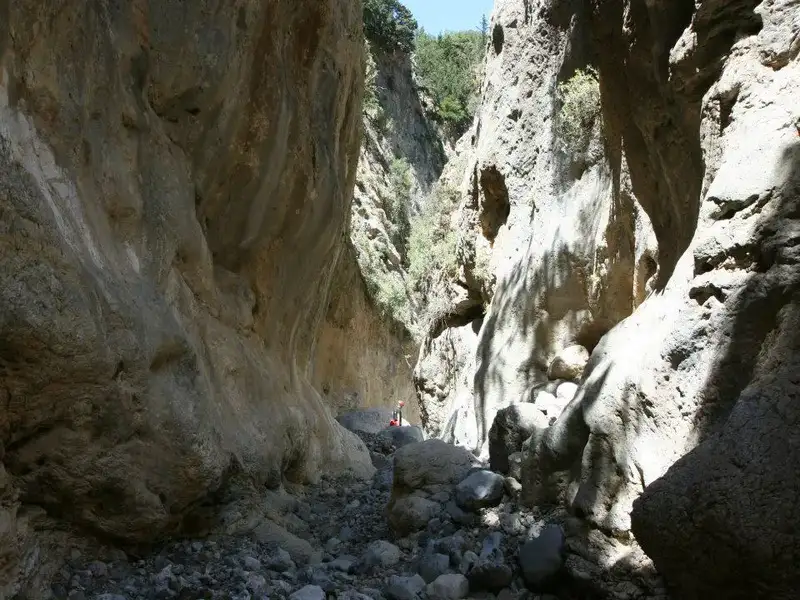
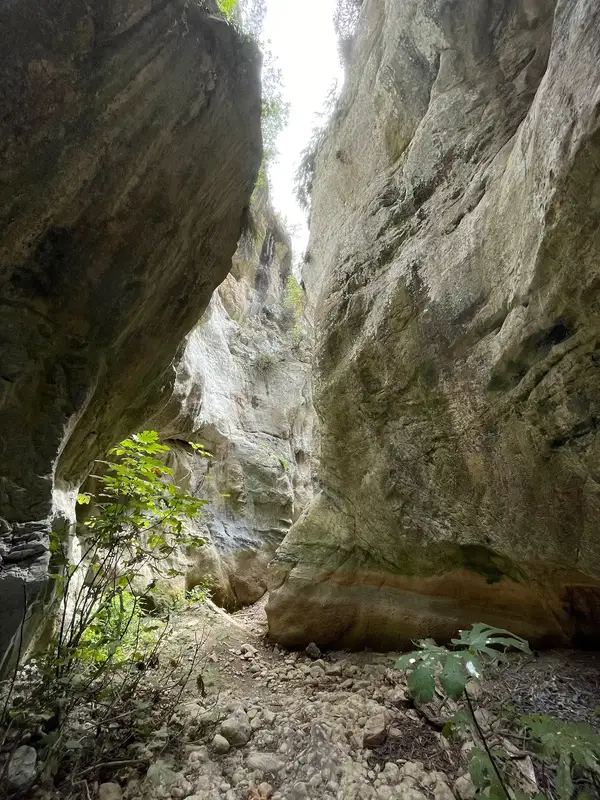
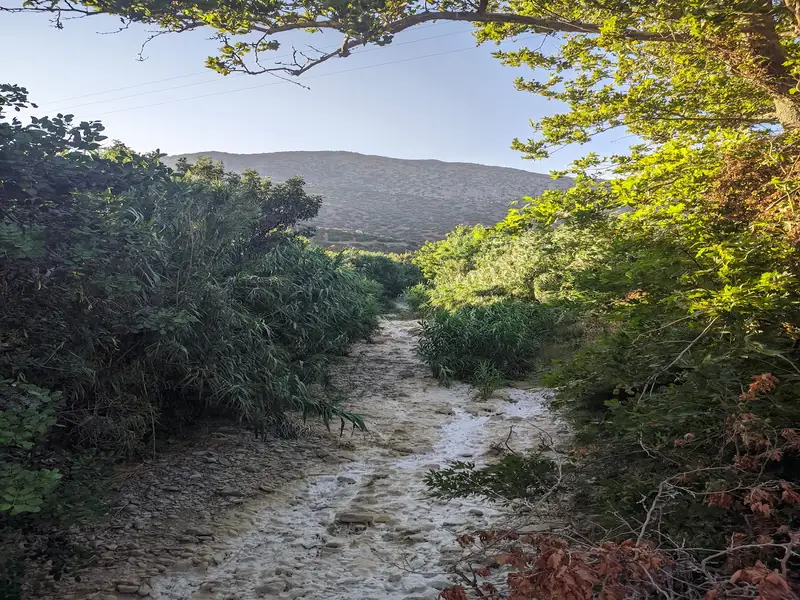
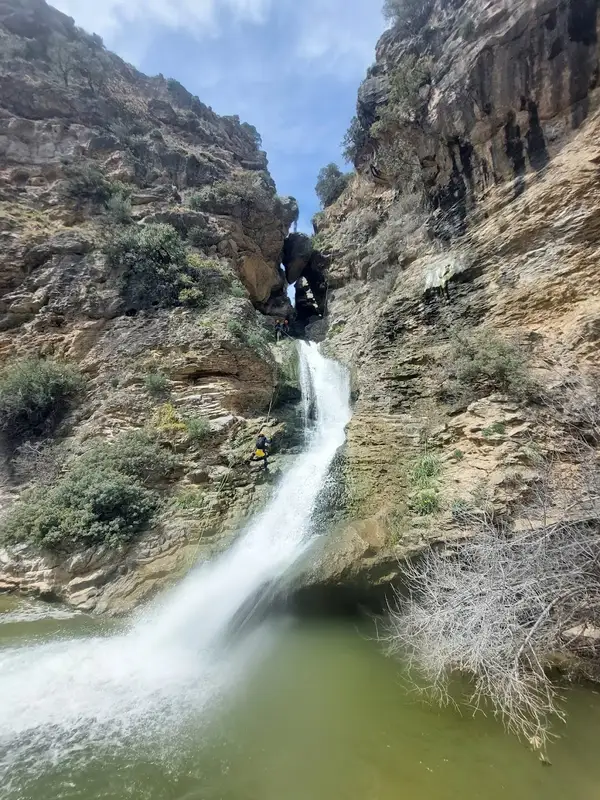
Then we will head to the local gorge by a highly impressive off-road descent with continuous spectacular views amidst nature. The Portela Gorge which has an extremely unspoiled landscape that will be deeply etched in your memory as its river passes through cliffs and sheer cliffs, rich in both flora and fauna ending in the spectacular Richtra waterfall with flowing water until the spring that ends in Keratokampos.
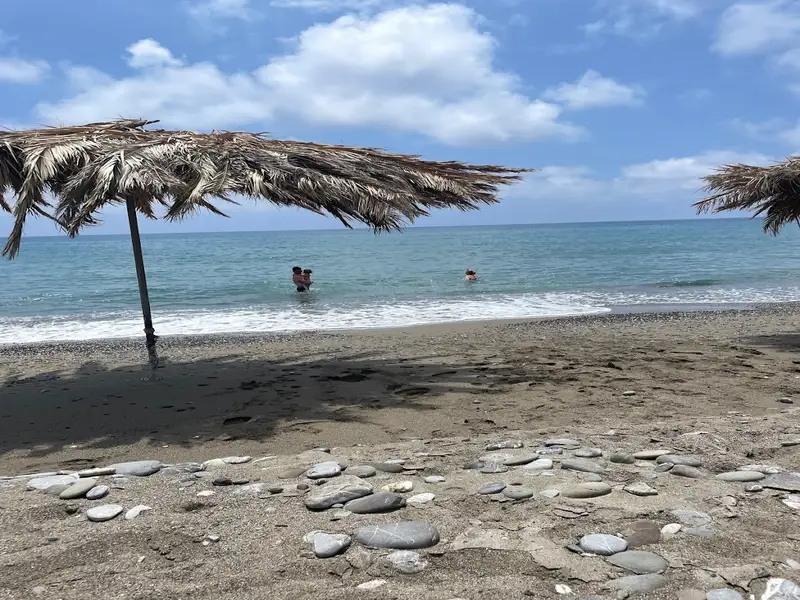
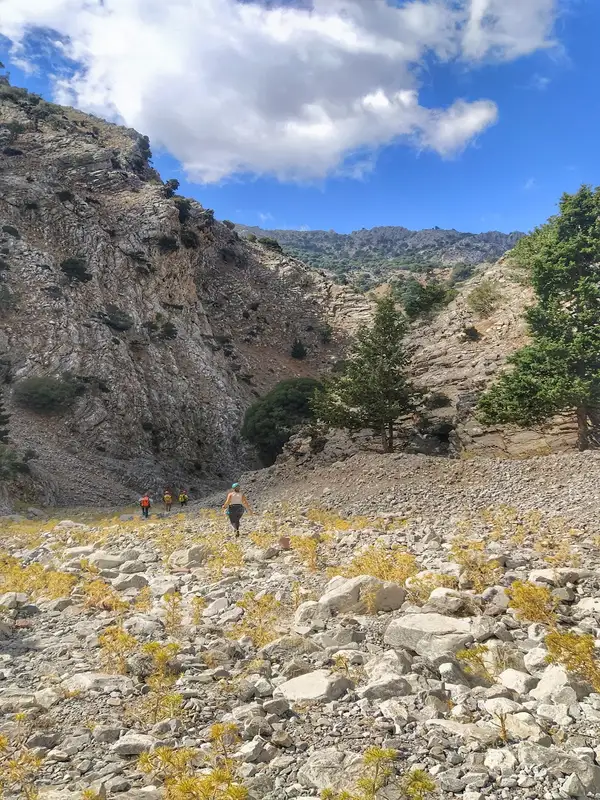
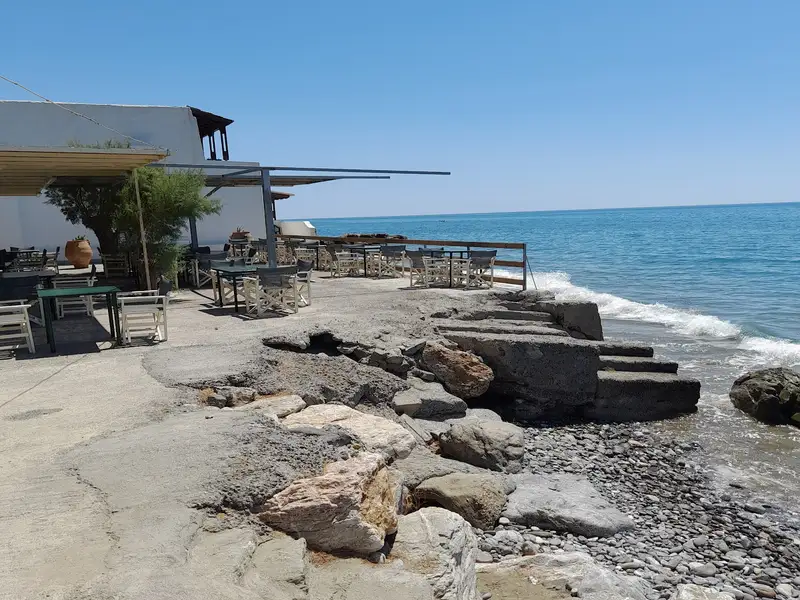
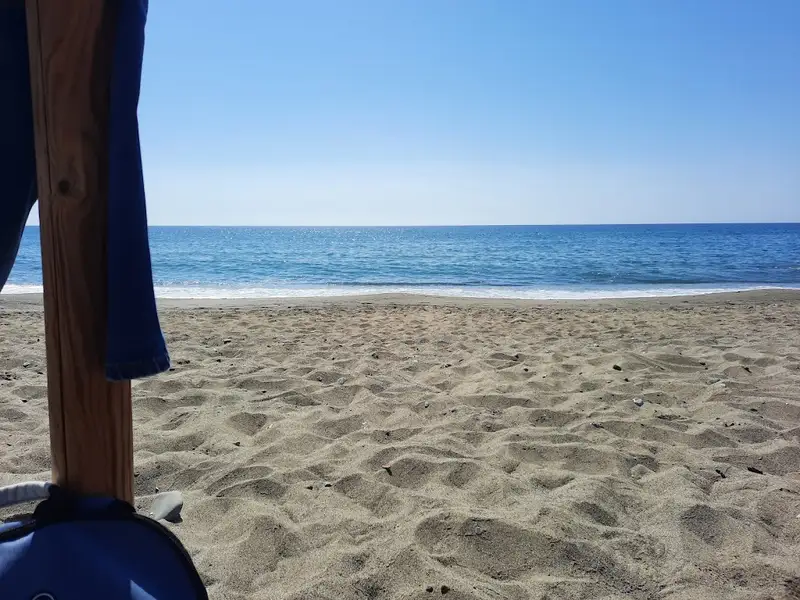
Having enjoyed our walking exploration among this magical landscape we will be transferred to the beach of Tsoutsouros, where you will have enough time to enjoy both the crystal clear waters of southern Crete and a wonderful bbq lunch by the sea. This quiet and welcoming place will enchant you and the photos you will take will be impressive.
Full of unique memories and images we take the way back having visited unique places and having experienced life experiences!
This tour gives you the opportunity to explore the real Crete in a small group.
We visit an olive oil factory to learn how olive oil is made now with modern machines and how used to be made in the olden days and of course we taste different kind of olive oil and honey.
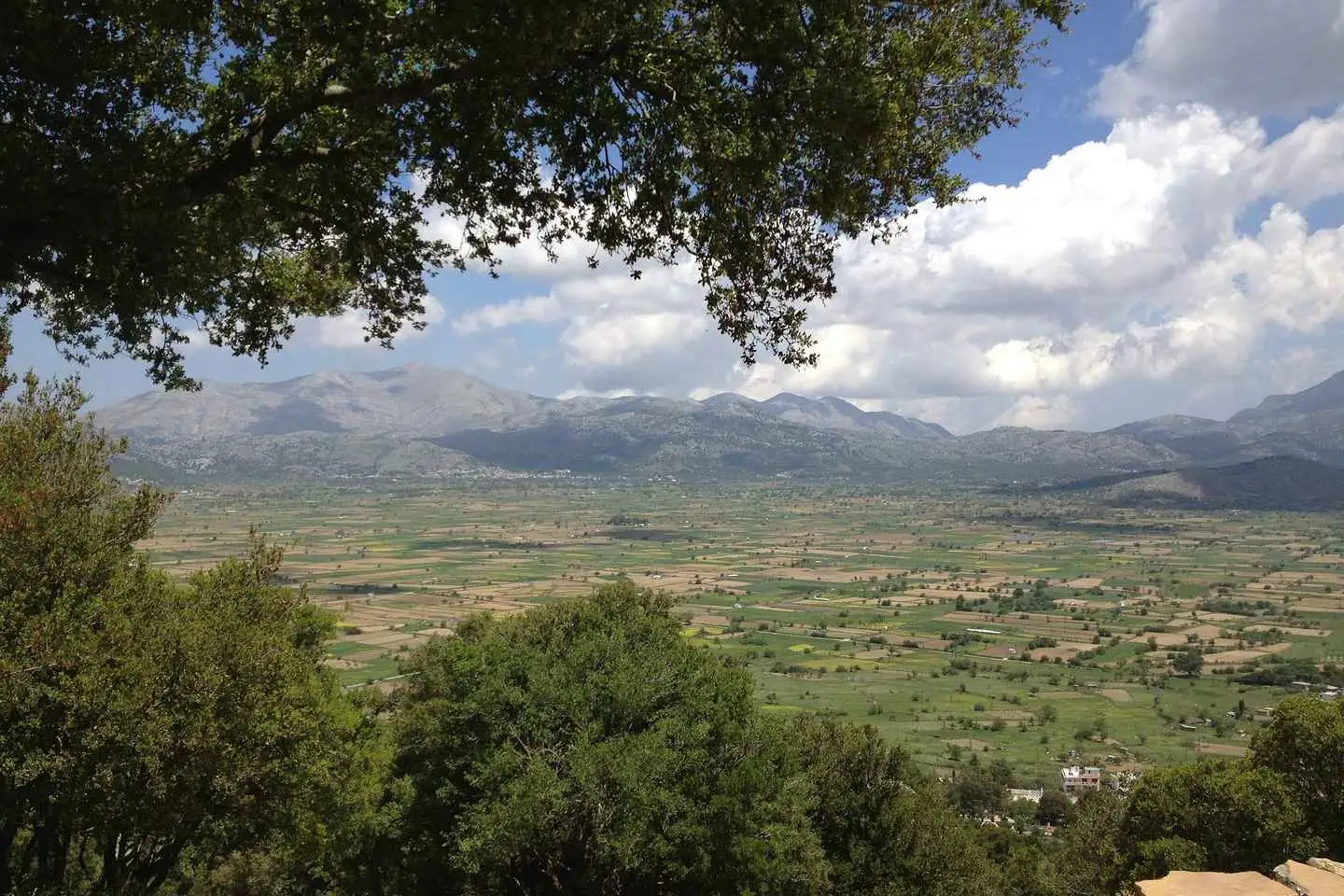
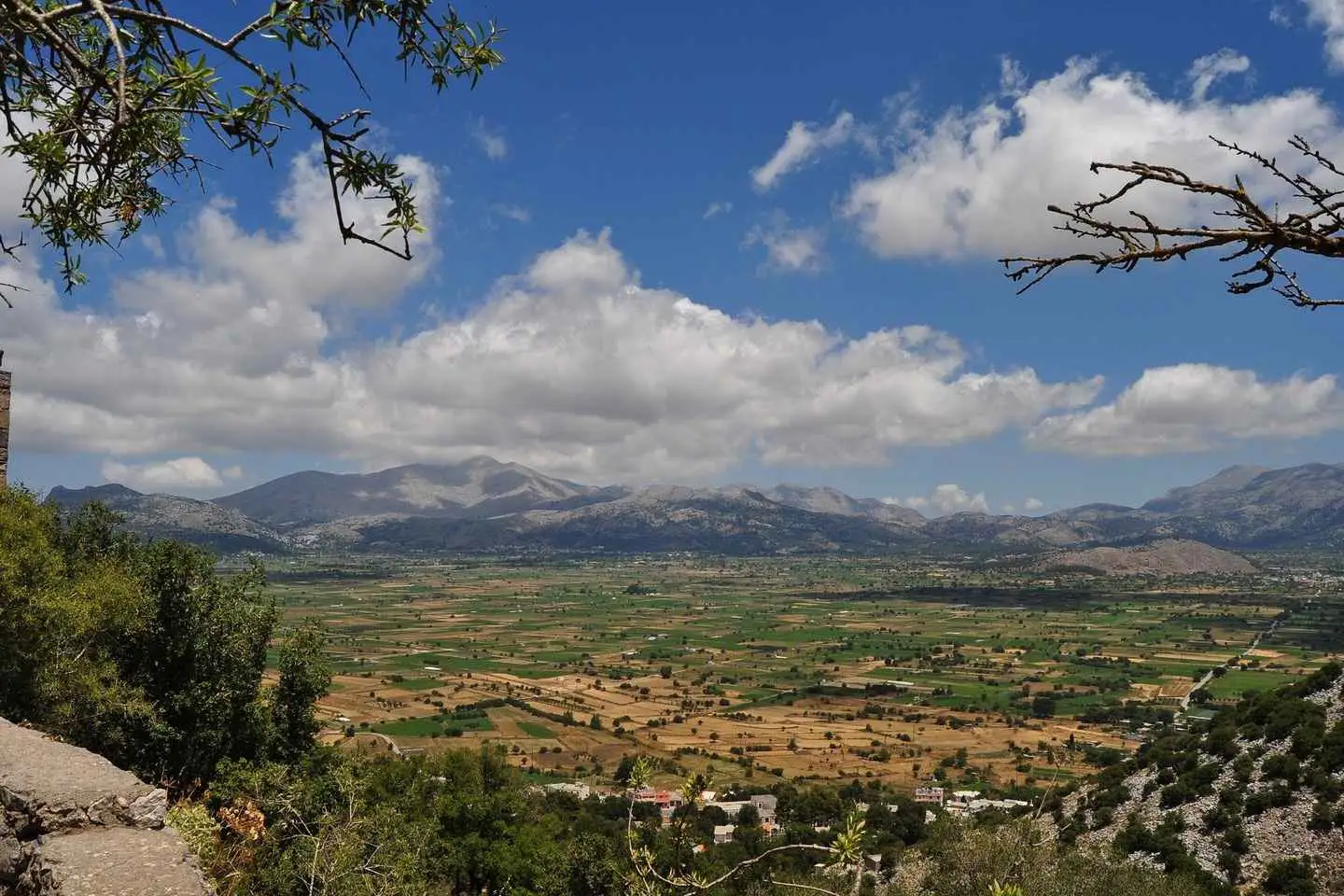
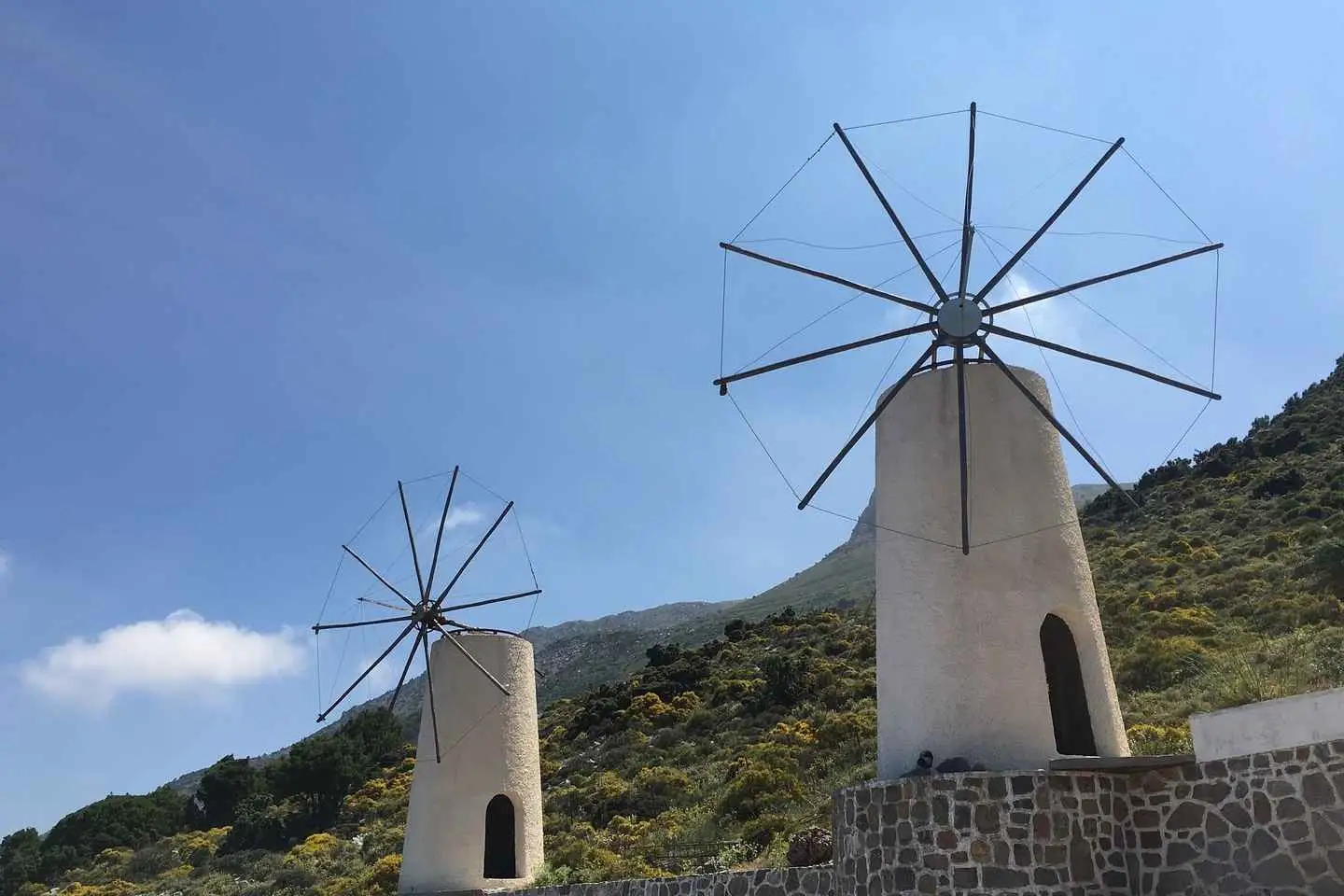
Next stop is at the old village of Krasi where we go for a walk around the village to see the oldest plane tree in Crete which is estimated around 2000 years old then we are off to Lasithii plateau where we learn about the old wind mills that were used in the past to pump the water up for irrigation and the old wind mills that were used for grinding to make flour.
Now it’s time to go and {meet Zeus } at his cave , well actually we can’t promise that because last time we visited his birthplace he wasn’t there ( had a day off ) …….. so no promises.
Then we drive around Lasithii Plateau through old villages where time seems to have stopped then we visit a family restaurant to enjoy some Cretan traditional food ….and some local house wine….( or local beer…) well let’s be local just for a day or two….. maybe you like it ( maybe you don’t but give it a go …..)
After enjoying our lunch and wine ( or local beer) it’s time to hit the road to go back to your hotel where we picked you .
Visit the monastery of Kera Kardiotissa and the Dictaean Cave. You’ll see panoramic views of the Lasithi Plateau and discover the epic Minoan Palace of Knossos.
Your first stop is the Monastery of Kera Kardiotissa, an Orthodox nunnery dedicated to the Virgin Mary, situated near the village of Kera. Famous for the icon of Mary, believed to be miraculous, it’s surrounded by fortified walls and the church features murals dating back to the 14th century.
The next stop is the village of Psychro, where you’ll take a walk to reach the Dictaean Cave, found above the village of Psychro at 1025 meters altitude. According to Greek mythology, it’s believed to be the place where Zeus, the father of Greek gods, was kept and fed from Amalthia, a goat, in secret to be protected from his father.
A most impressive sight is the lake at the lowest point, surrounded by massive stalactites and stalagmites.
The next stop is Seli Ambelou for lunch with a panoramic view of the Lassithi Plateau.
Stop in Krasi, a small traditional village set on the slope of Selena Mountain, and see its huge ancient plane tree, where the leaves and the branches of the tree provide shade all over the square in a unique and unspoiled environment.
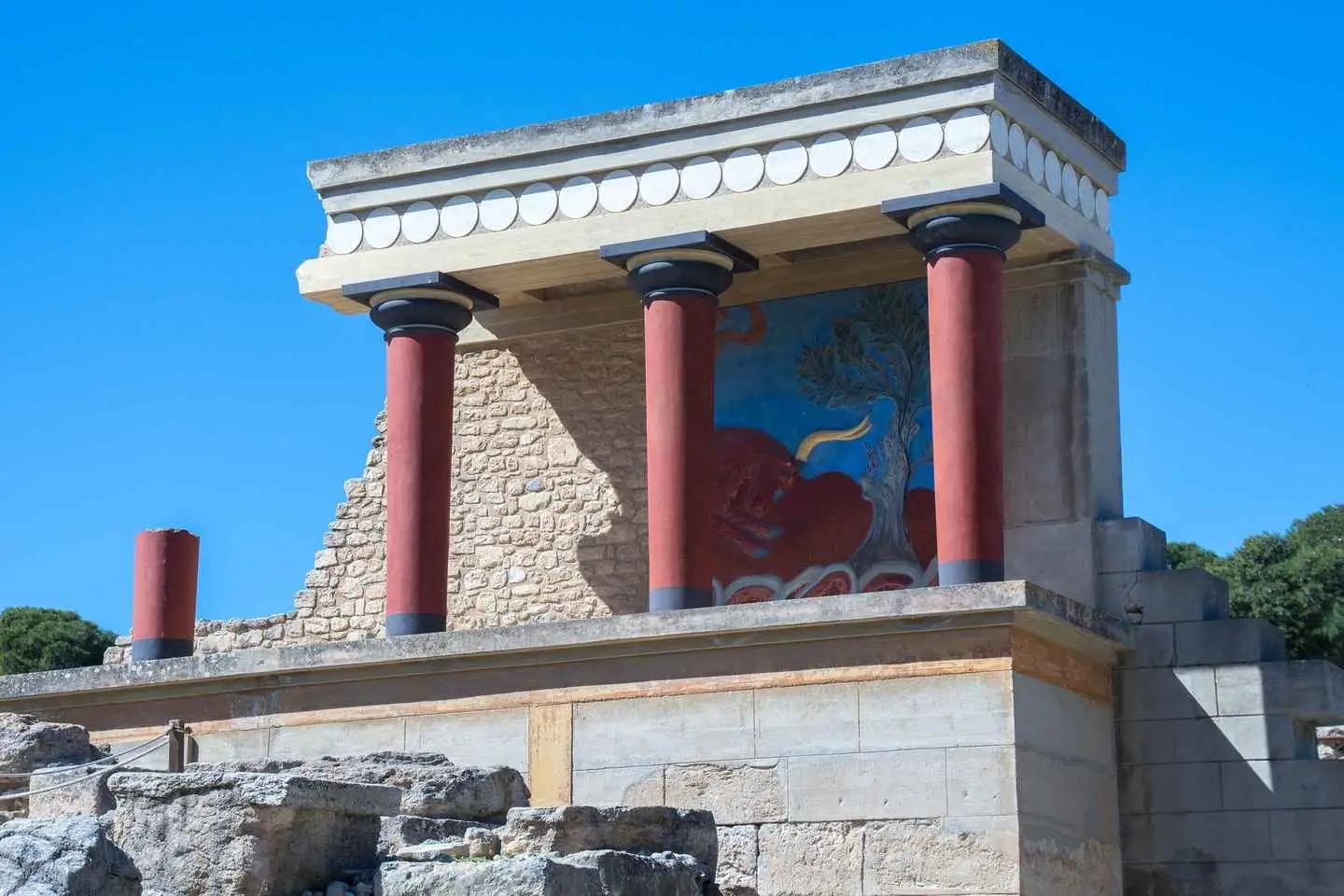
It’s then time for the final destination, a visit to Knossos Palace, the capital of Minoan civilization. You’ll walk through the ancient site and learn how the citizens, believed to be the first Europeans in an organized community, lived 4,000 years ago. You’ll explore the palace and learn about the throne room, the frescoes, and the Minoan columns.
No results available
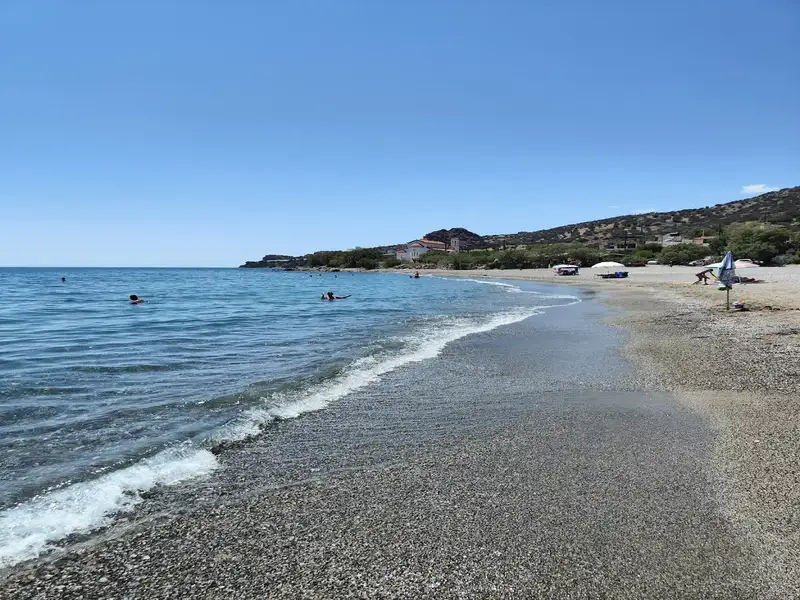
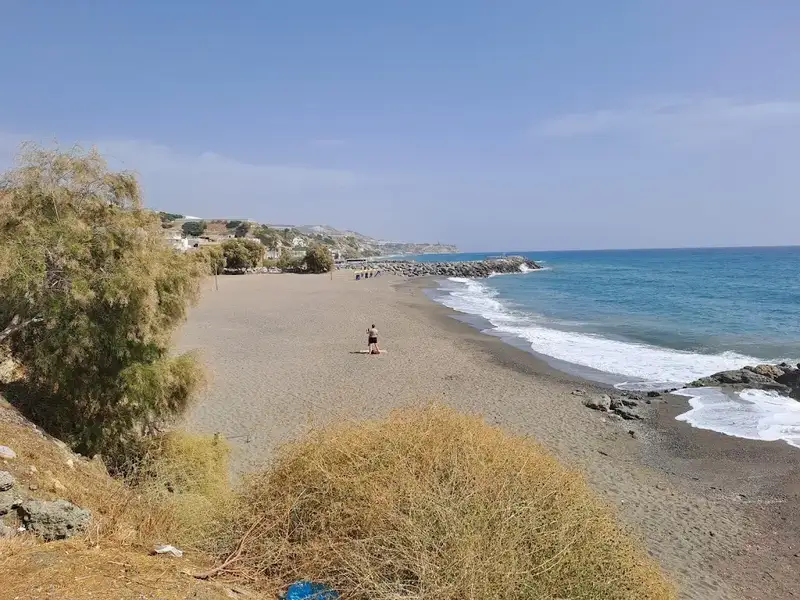
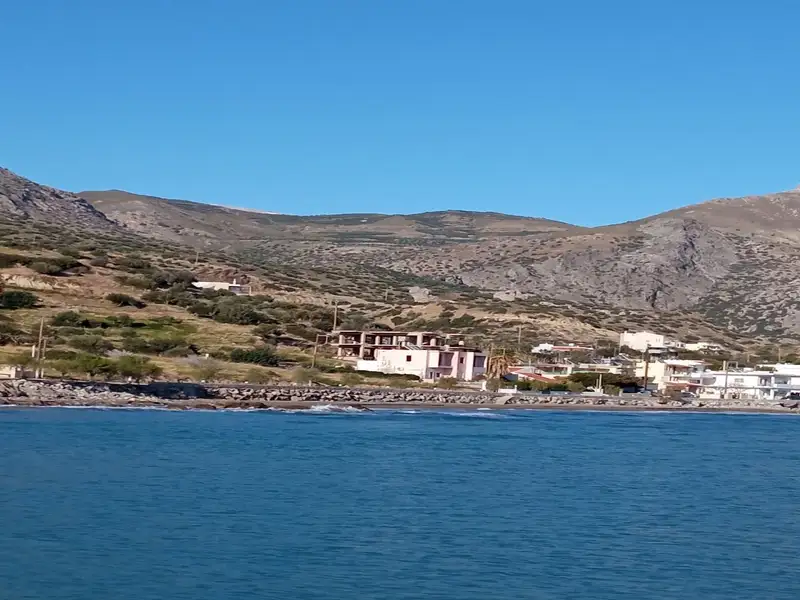
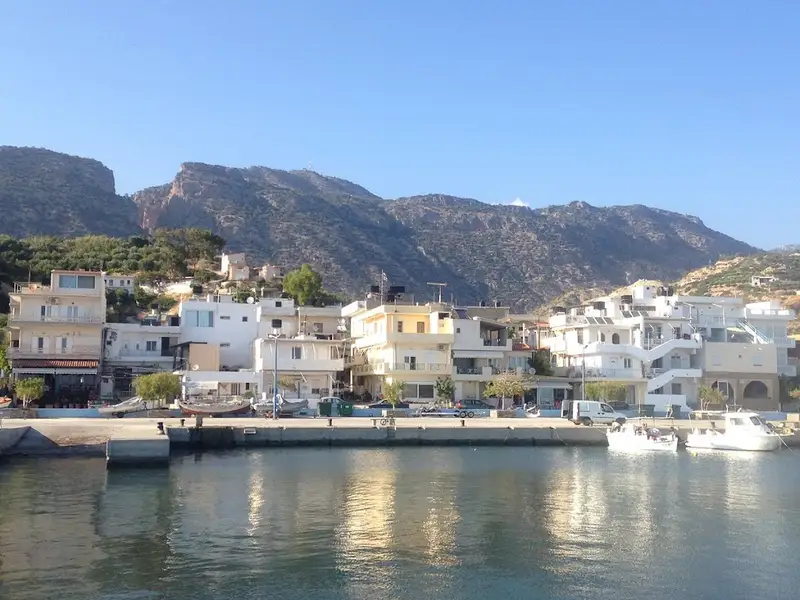
Located 72km southeast of Heraklion, the small seaside resort of Keratokambos, along with the nearby coastal settlement of Kastri, has evolved into a sought-after family destination over recent years. The village of Keratokambos is fronted by a lengthy sandy beach, extending for several kilometers in both directions.
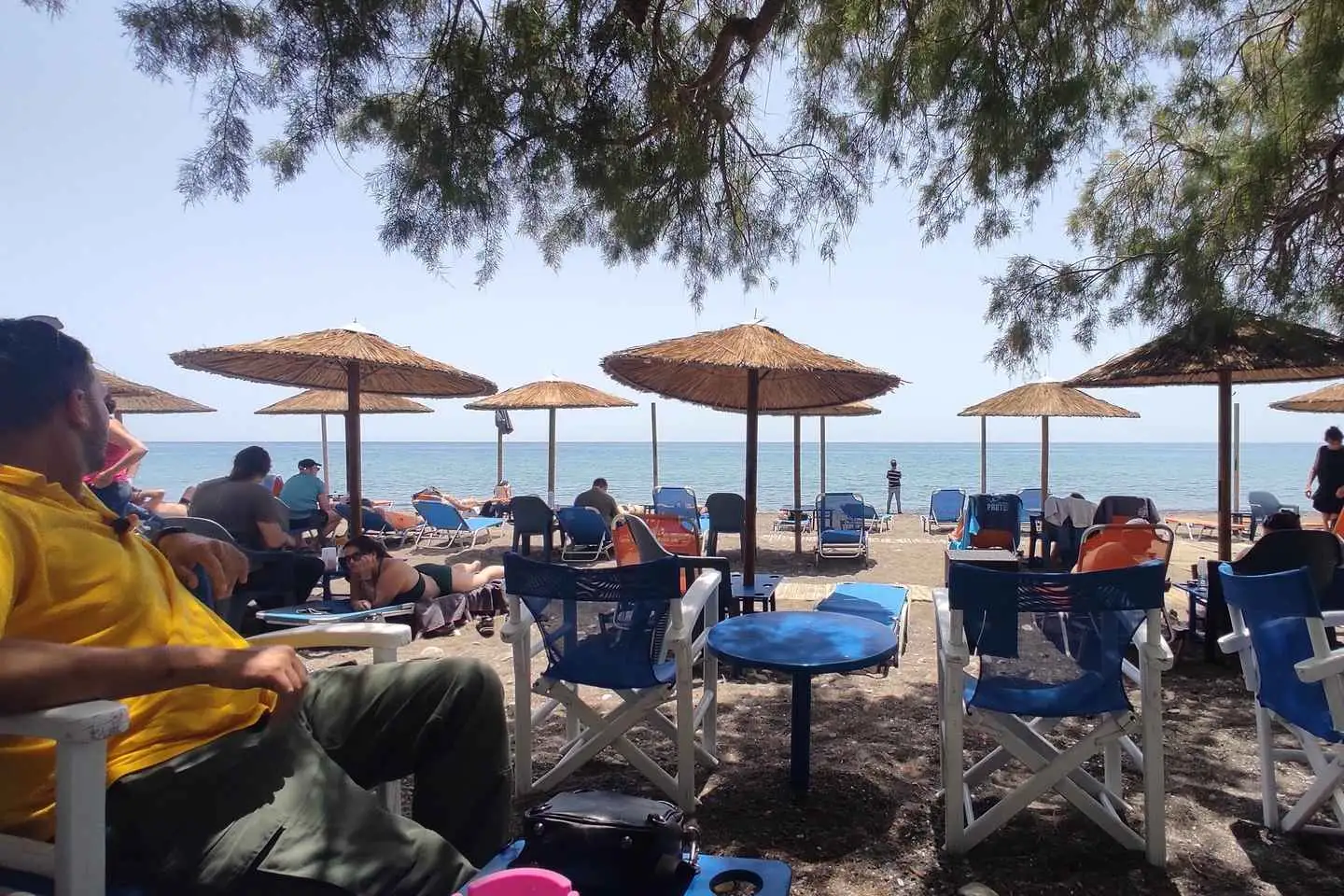
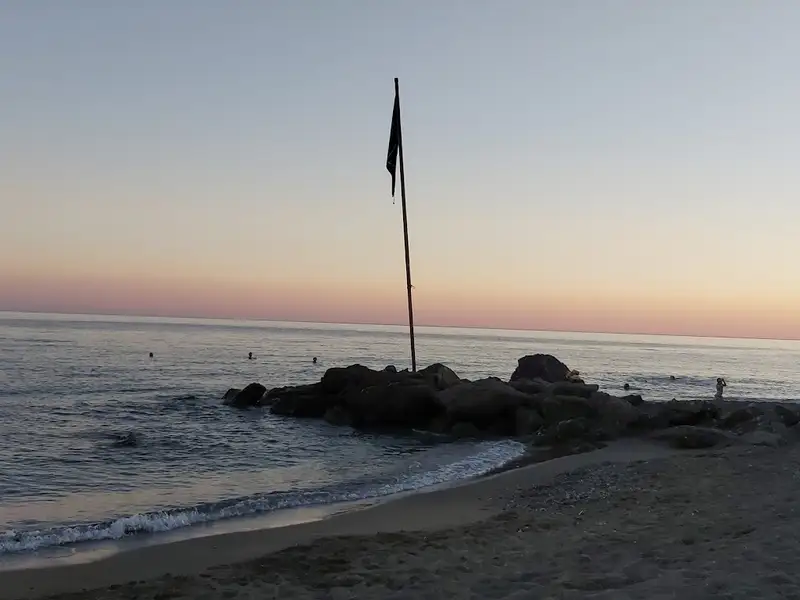
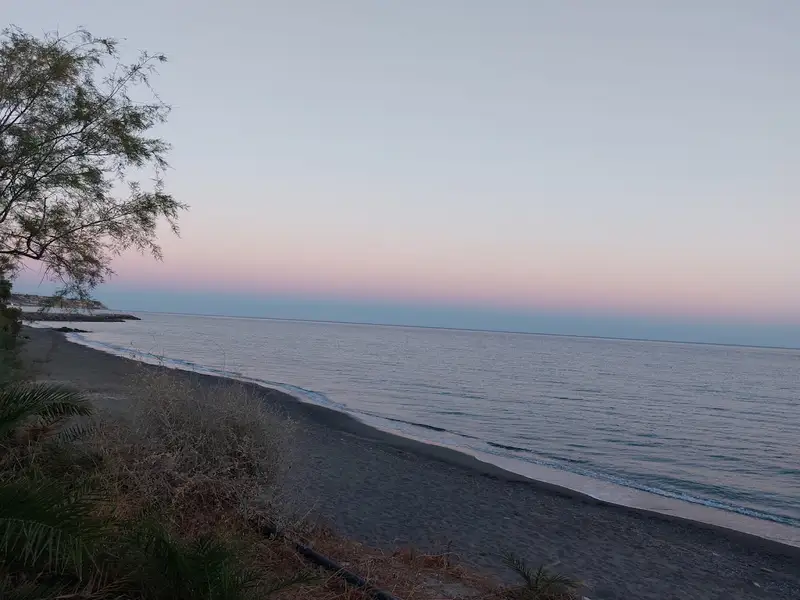
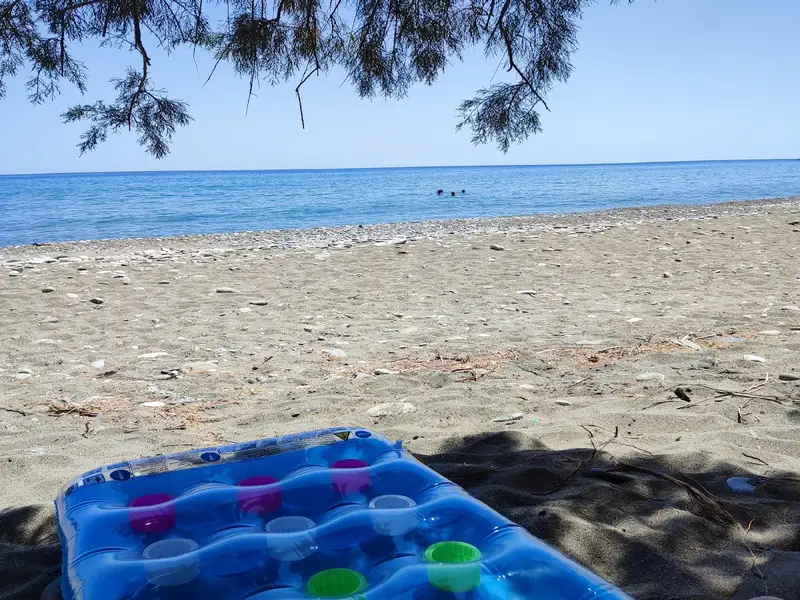
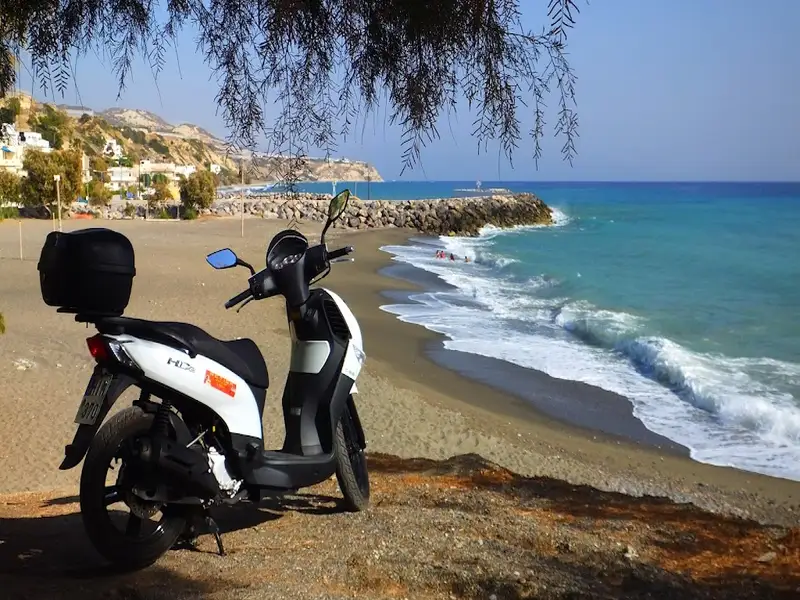
The village’s main beach is situated to the east of the local harbour, extending eastwards up to the Keratokambitis river. The beach is quite organized where it adjoins the village, and in some areas, it is strewn with large pebbles, making it a suitable spot for snorkelling. The beach becomes more peaceful and secluded as you move eastwards. Following this is Monobouka beach, located near the Kapsali settlement, and equipped with a few tourist facilities. Monobouka beach, with its sandy terrain and shallow waters, is perfect for children. The beach is dotted with many tamarisk trees, providing ample shade.
A brief overview of the Keratokambos area reveals that Keratokambos (and Kastri) function as the harbour for the inhabitants of the mountainous village of Ano Viannos, situated further north. In the 1950s, the area housed only warehouses for storage of products like carob, citrus, oil, etc. The local harbour was employed for transporting these products to urban centres via cargo ships, as there was no road network at that time. Today, Kastri and Keratokambos form a unified village, which has witnessed significant growth in tourism in recent years. The village boasts of a school, a clinic and a notable gallery.
The name Keratokambos translates to Carob Fields in Greek, a name derived from the locust trees grown in the region for producing carobs. Another interpretation suggests that the name comes from the Greek word ‘Kerato’, meaning horn, referring to the towering steep rock, called Kerato, located north of the village in the Vigla area. The top of Vigla houses the ruins of a Venetian fortress, while its base is home to a large cave with rich stalagmite decorations and numerous bats.
The villages of Keratokambos and Kastri are built in a valley formed by several wild gorges, with the Keratokambitis river cutting through the rugged Portela gorge. In the Richtra region, a beautiful 10m high waterfall can be found, which is worth a visit (especially in spring).
The Kavousi and Piskopi Pidima (Bishop’s Jump) gorges are other impressive natural formations of the area. The latter gets its name from a local legend of a bishop and his horse miraculously leaping across the gorge to escape from the Turks. As a tribute to this miracle, the bishop built the church of St. George near the gorge.
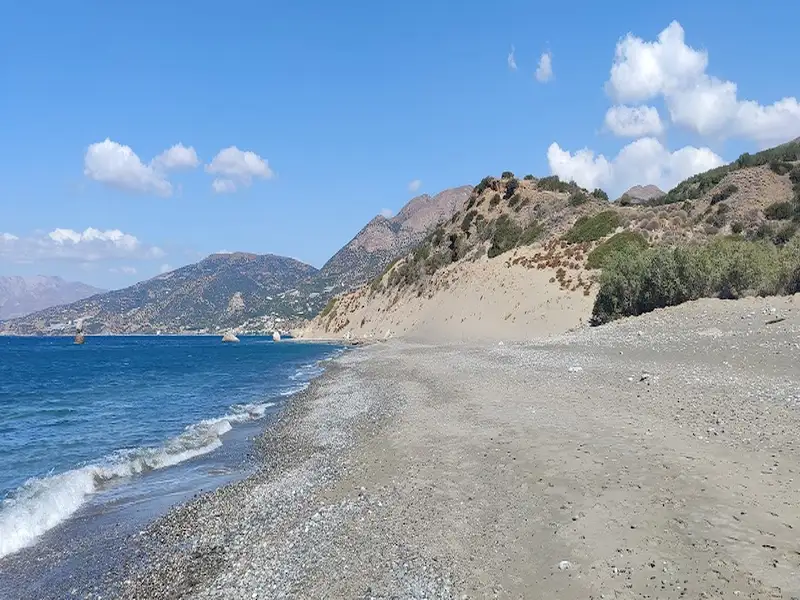
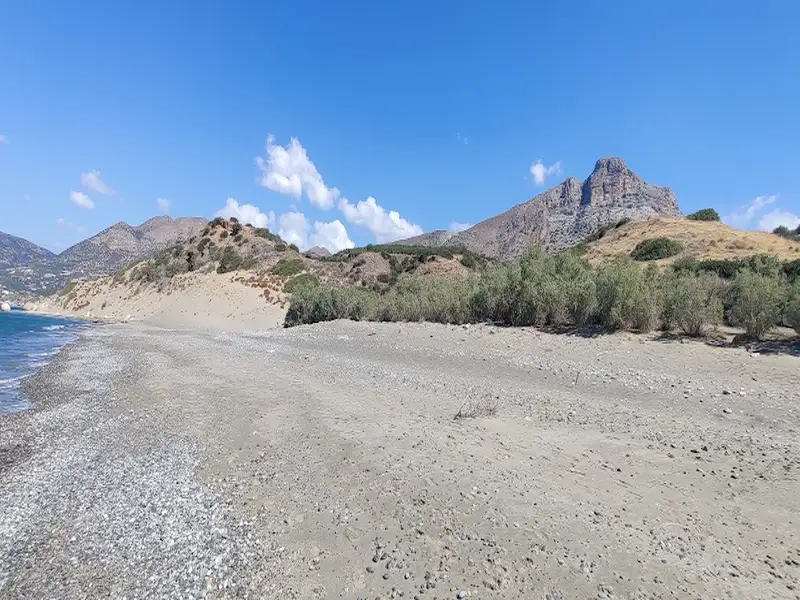
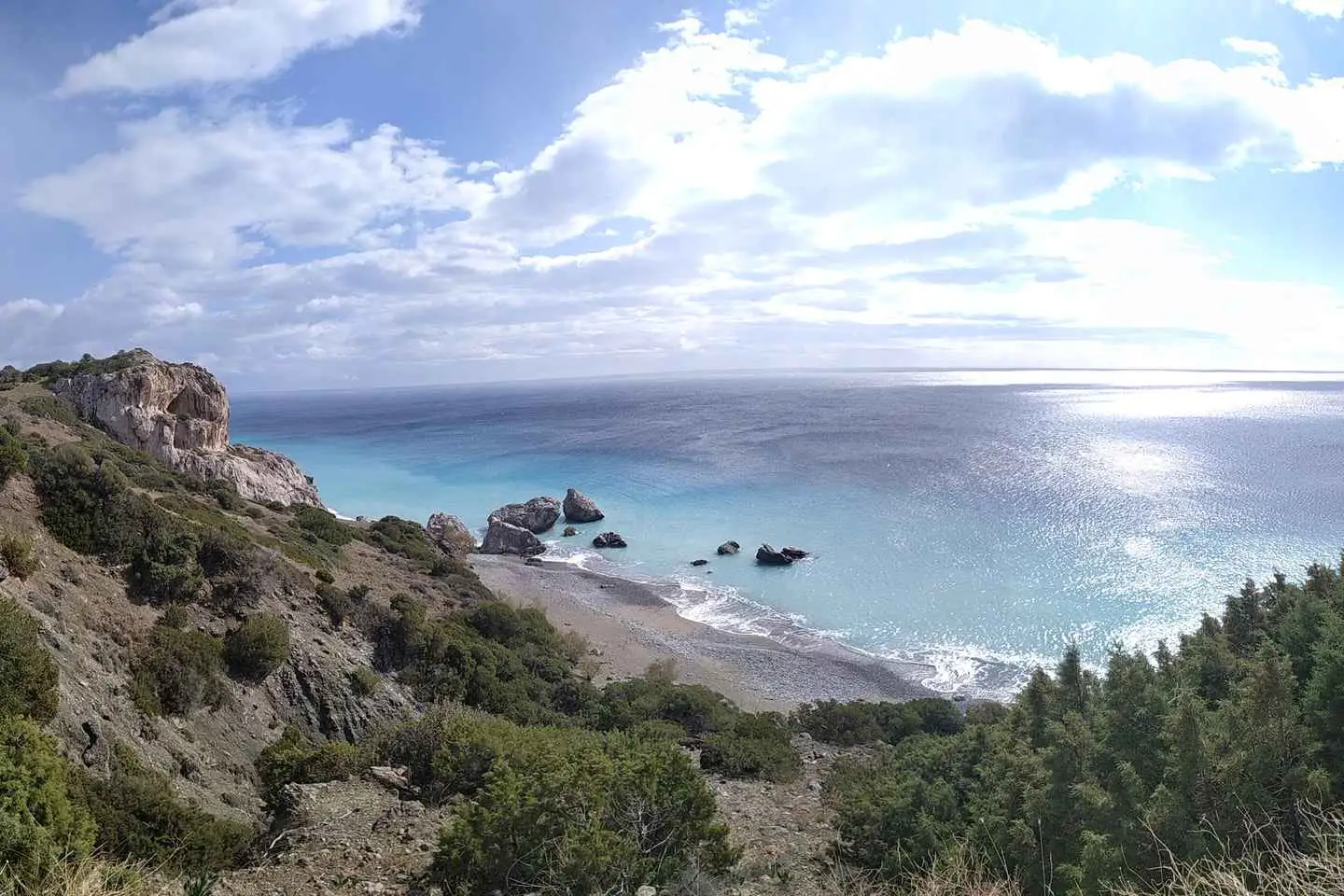
The beach of Armenopetra is nestled between the Skoutaris river to the east and the small village of Monobouka to the west, located 5km east of Keratokambos. This stunning beach is one of the most picturesque in the Keratokambos area. The name Armenopetra, translating to ‘Sailing Rock’ in Greek, is inspired by the large, distinct rock that sits in the middle of the beach. It boasts a mixture of petite pebbles and sand, and its waters are a captivating shade of blue. The area is relatively untouched, with only a few greenhouses cultivating bananas and vegetables. This allows for tranquil, secluded spots on the beach, potentially for those who prefer to sunbathe in the nude.
Just west of Armenopetra, you’ll discover the low sandhills known as Pahia Ammos or ‘thick sand’. Regrettably, these sandhills have experienced significant reduction due to prolonged exposure to irrigation pipes. This has resulted in hardened mud formations. These sand dunes are a unique and scarce ecosystem in Crete, inhabited by rare flora and fauna. If you’re fortunate, you might spot the rare white sand lilies, a sign that summer is drawing to a close.
As you transition from Keratokambos towards the Arvi area, the final stretch of beach you’ll encounter is Cape Peristerionas, situated below the Vahoudianos Xerokambos greenhouses. This beach is entirely uncommercialised and is almost always deserted. However, there’s no natural shade available, so bringing an umbrella is advisable. The beach consists of fine sand and a few small rocks on the eastern side.
Situated 72km southeast of Heraklion, within the sheltered Keratokambos bay, you’ll find Kastri – the larger of the two conjoined settlements in the region, the other being Keratokambos. Over recent years, tourism in Kastri has seen significant growth, driven largely by the appeal of its surrounding beaches. The serene and welcoming atmosphere attracts many families, some of whom visit multiple times a year. Kastri is accessible by car, with the drive from Ano Viannos to Heraklion taking between 45 to 55 minutes.
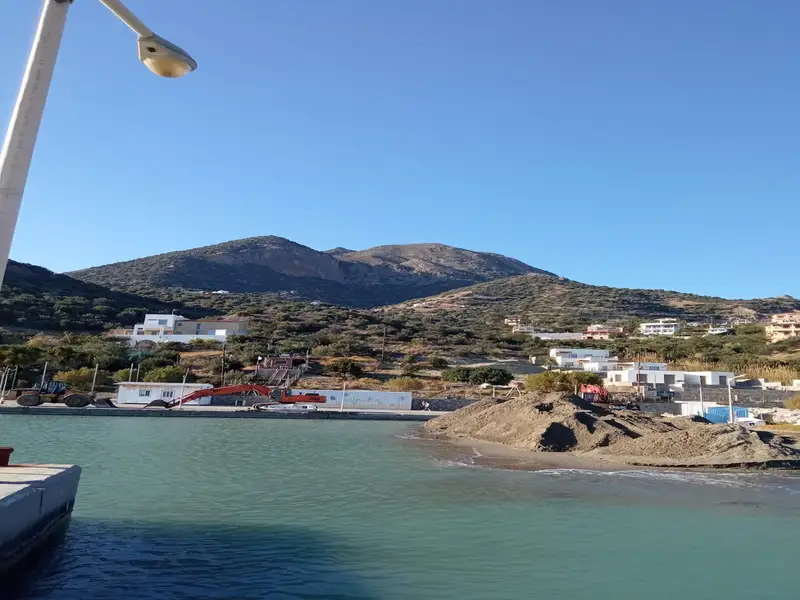
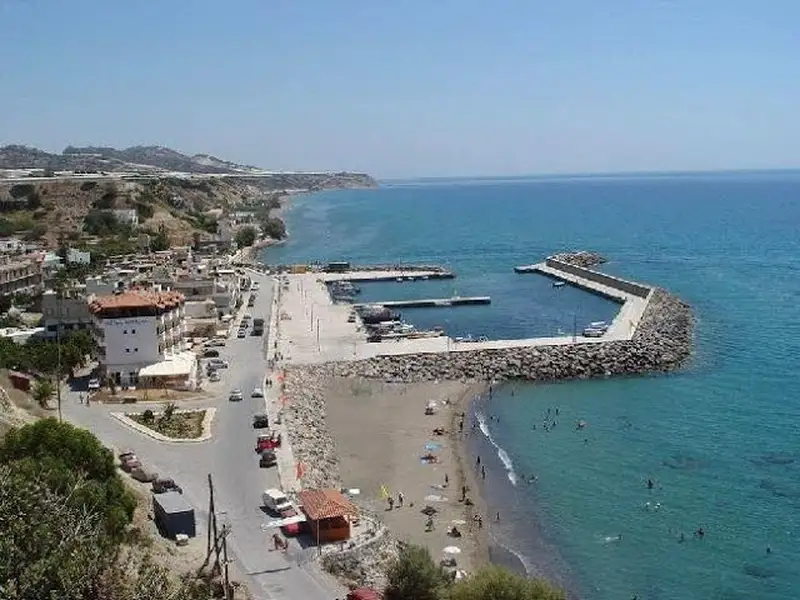
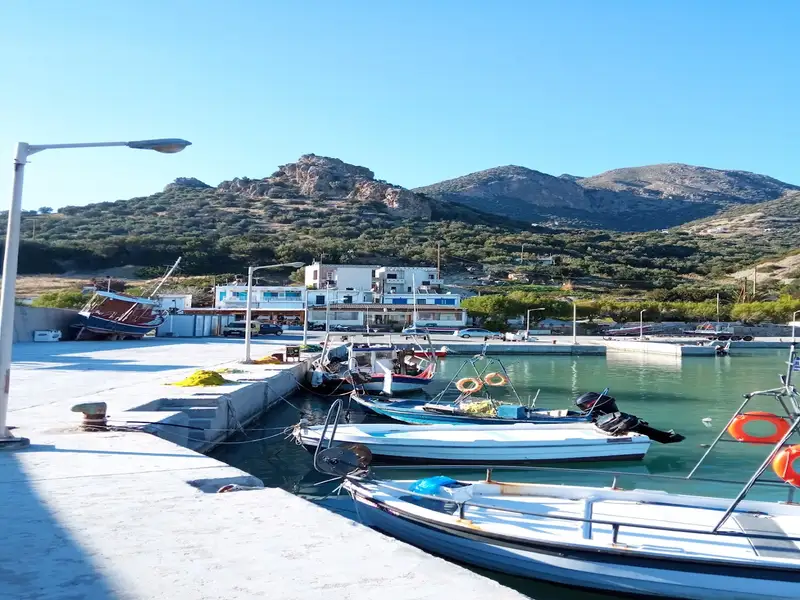
Kastri’s distinctive port serves the local fishing community and welcomes other boats. Adjacent to the port, towards the west, there’s a small but stunning sandy beach, adorned with tamarisk trees. Given its proximity to the village amenities, such as rooms, taverns, and shops, it’s one of the most popular beaches in the area. Further west of this beach, you’ll find the longest beach in Skouros.
While in Kastri, don’t miss the opportunity to visit the Church of St. Demetrius Galatoktistos, which used to be a monastery, and the chapel of St. George Vagionitis, set amidst a verdant garden.
Arvi, a sizable coastal community, lies 79km southeast of Heraklion and 35km west of Ierapetra, nestled in a small valley before the towering Arvi Gorge. The village is constructed on the site of the ancient city, Arvi. The valley and surrounding areas are home to numerous greenhouses, with the local population primarily engaged in agriculture. The region’s warm climate supports the cultivation of bananas, fresh vegetables, and olive oil. The Arvi bananas are distinctive for their aroma and unique taste, gaining nationwide fame in Greece after a banana import ban in 1981.
In recent years, Arvi has seen the development of its tourism sector, largely owing to its proximity to stunning beaches. The village is peaceful and family-friendly. The main beach, situated west of the small harbour, boasts coarse sand and occasional pebbles. It is well-equipped with amenities such as umbrellas and water sports, and there are plenty of options for accommodation and dining nearby. A short walk westward leads to a lengthy pebble-strewn beach, a more secluded spot near the main road to Amira’s village and adjacent to the pebble beach of Kolimbi settlement.
A five-minute walk west of Kolimbi takes you to the secluded sandy beach called Makis, also known as Vahoudianos Xerokambos. Nestled in a remote bay, this beach, with its fine sand and clear water, is a sanctuary for those seeking solitude.
Arvi’s history extends back at least to 2600 BC, as evidenced by Neolithic artefacts found in the area, likely attracted by the region’s favourable climate. During the Roman period, Arvi was a significant Mediterranean port. A Roman bath discovered near the Saint Panteleimon church and numerous tombs, unfortunately looted, bear testament to this era. The most notable discovery is a marble sarcophagus adorned with Dionysiac scenes, unearthed by locals near the sea in the 19th century. Regrettably, the sarcophagus was broken by locals in search of gold and is now displayed and restored at the Fitzwilliam Museum in Cambridge. A similar fate befell a second sarcophagus belonging to the region’s Roman ruler, which was broken to build the church’s altar, although its lid was saved and is also displayed in the same museum.
The village of Arvi derives its name from the temple of Arvios Zeus, worshipped on nearby Arvion Mount. It is believed that the sanctuary was constructed at the mouth of the wild Arvi Gorge, where the Monastery of Saint Anthony now stands. The monastery’s unique location on the steep slopes of the gorge is truly remarkable. Some scholars suggest that Arvi was the landing point for the Saracens when they took over Crete in 828 AC.
No results available
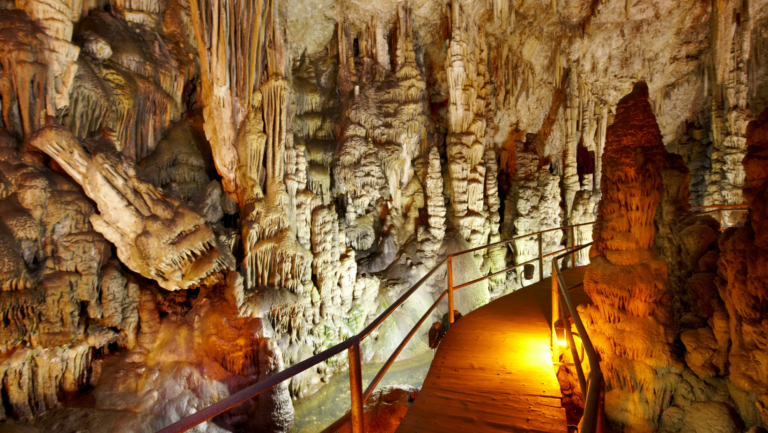
Cave of Zeus is a legendary sanctuary where, according to mythology, the Titaness Rhea hid her son Zeus to protect him from his father Cronus, who had a grim habit of devouring his children. It also serves as the backdrop for the mythological tale of Zeus and Princess Europa. Nestled on the rugged northern slopes of Mount Dikti, at an elevation of 1,025 meters near the village of Psychro, the cave – often referred to as the Dikteon Cave or Psychro Cave – is one of Crete’s most visited archaeological and mythological sites.
Begin your expedition from Stalida, Hersonissos, or Malia, traversing the winding road that ascends to the Lassithi plateau and onward to Psychro. The journey is scented with wild aromatic herbs and offers breathtaking panoramic views. A path bordered by oak trees leads to the cave’s entrance, inviting you to explore.
Upon entering, you’ll be greeted by the cave’s inhabitants: wild rock doves and bats, thriving in the cool darkness. A noticeable chill sets the scene for an exploration filled with wonder. Descend along a clearly defined trail to reach the central chamber after 250 meters, where millennia have sculpted a stunning display of stalactites and stalagmites. The highlight is a grand stalactite that hangs over the lake’s center, known as “Zeus’s cloak.” Evidence of the cave’s historical role as a worship site, including an altar, niches filled with votive offerings, and various archaeological discoveries, underscores its significance. Many of these sacred artifacts are now preserved in the Archaeological Museum of Heraklion.
Visitors can access the cave from 08:00 to 18:00 in the summer months and from 08:30 to 15:30 in the winter.
To explore the depths of the legendary Cave of Zeus, visitors are required to pay a nominal entrance fee of 6 Euros, with free admission for students and a 50% discount for all during the winter months.
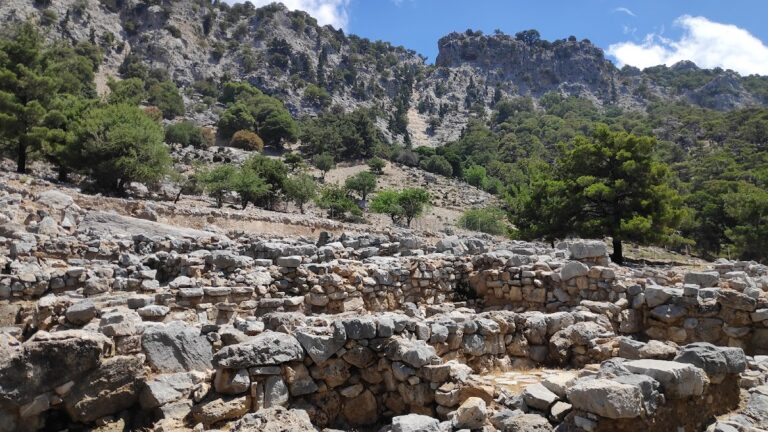
The Sanctuary of Hermes and Aphrodite can be found in a stunning location in the southern part of the Dikti mountain range, at an altitude of 1150m, near the Krya Vrysi spring, and about 5 km northeast of the village Kato Symi. The site spans 1.7 hectares, with only a portion having been excavated. To this day, it remains the most significant archaeological site in the Viannos province. Established around 2000 BC, like many other Minoan Peak Sanctuaries in Eastern Crete, worship at this sanctuary continued until Roman times, making it one of the most enduring sanctuaries of Greek Antiquity. Hermes was worshipped from the 7th century BC, while Aphrodite was worshipped during the Hellenistic Times (around 330BC). In the early Christian era, a small chapel was built at the site.
The sanctuary’s location is associated with the Ieron Oros (Holy Mountain), as according to Ptolemy, it was situated between the ancient Tsoutsouras (Inatos) and the ancient Ierapetra (Ierapytna). Due to its immense importance, it is believed to have been a point of contention among various powerful cities in the region. However, the respect that everyone had for the sanctuary is evident in the fact that it was never destroyed by vandalism, but only by natural causes.
Most archaeological findings from the 11th century BC include evidence of animal sacrifice and religious feasts, while animal replicas, tubular utensils, plates with male figures carrying or leading animals, clay cups, three swords, a golden ring-seal depicting a runner, and a hieroglyphic plate were discovered in the ashes. Ritual vessels and utensils do not display the typical female figures of the Minoans, so it has not been determined which deities the sanctuary was dedicated to during the Minoan times. After the 11th century BC, the vessels were replaced by figurines whose main theme was the coming of age of the visitors. According to inscriptions found at the sanctuary, the patron saint of adulthood was Hermes Kedritis, who was worshipped alongside the goddess Aphrodite. The most significant findings from the sanctuary are exhibited in the Archaeological Museum of Heraklion.
Excavations began in 1972 and continue sporadically. The site can be visited after contacting the guard. A forest dirt road leading to the sanctuary starts from Kato Symi and goes towards the Lapathos plateau.
No results available
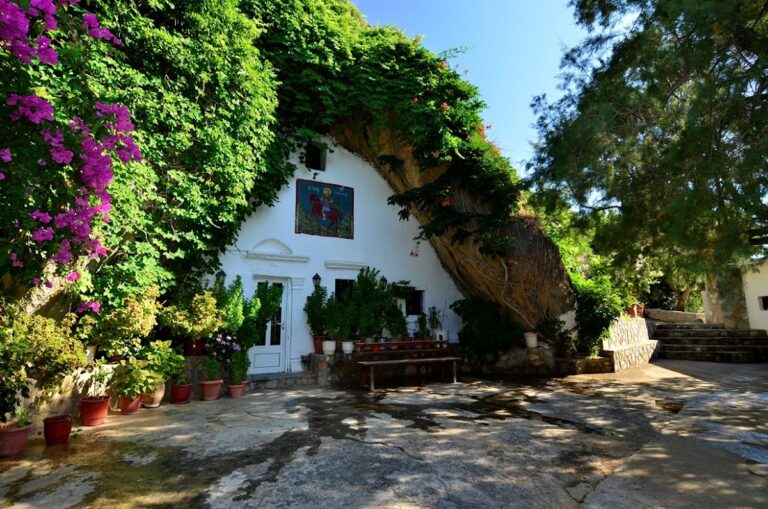
Located 65km south of Heraklion and nestled on the eastern side of the rugged Asterousia Mountains, Agios Nikitas is a stunning monastery that was once a hermitage for monks from Koudoumas Monastery. Perched atop a high hill, it offers breathtaking views of the Libyan Sea. The monastery’s church, which is dedicated to St. Nikitas (celebrated on September 15), is housed in a cave and dates back to 1640.
Within the church, visitors can admire ancient frescoes and a smoke-stained roof – a testament to the attacks by the Turks. Engravings from past visitors can also be found here. Additionally, a small stalactite in the sanctuary produces water, which is then shared with pilgrims as holy water. The monastery is believed to be miraculous and is home to hospitable monks who are always eager to share the monastery’s wonders, as well as offer coffee and fruit to visitors. Overnight stays in the cells are also possible.
Agios Nikitas serves as a verdant oasis amid the arid landscape of the Asterousia Mountains. The area’s dry climate allows for the growth of mango and avocado trees in the monastery’s gardens.
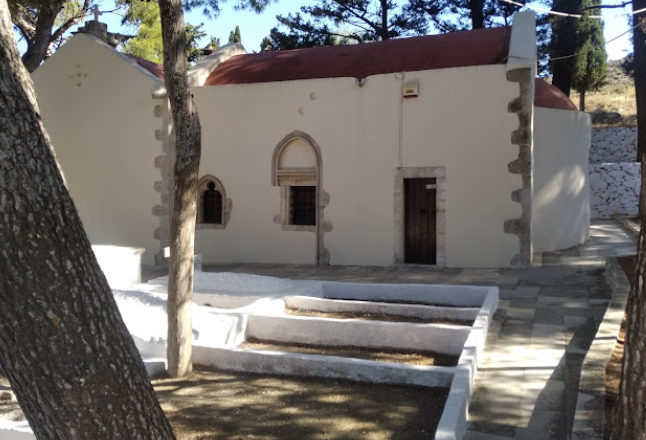
The Agia Moni (Holy Monastery) is situated approximately 60km east of Heraklion and 38km west of Ierapetra, close to Kavoussi Gorge. It is reachable through a brief road that begins at Ano Viannos and traverses a lush landscape.
Functioning as a male monastery, Agia Moni is small and ancient. The Monastery’s church, featuring a striking gate, is dedicated to the Assumption (celebrated on August 15). Surrounding the church are the monks’ quarters.
While the exact date of its establishment is uncertain, tradition holds that it was constructed by three Cypriot nuns who initially built the church of Agios Dimitrios in Keratokambos. Due to ongoing pirate attacks, they were compelled to relocate to the mainland, where they established Agia Moni at its present location. It is also believed that one of these nuns founded the Panagia Keralimeniotisa monastery near Psari Forada.
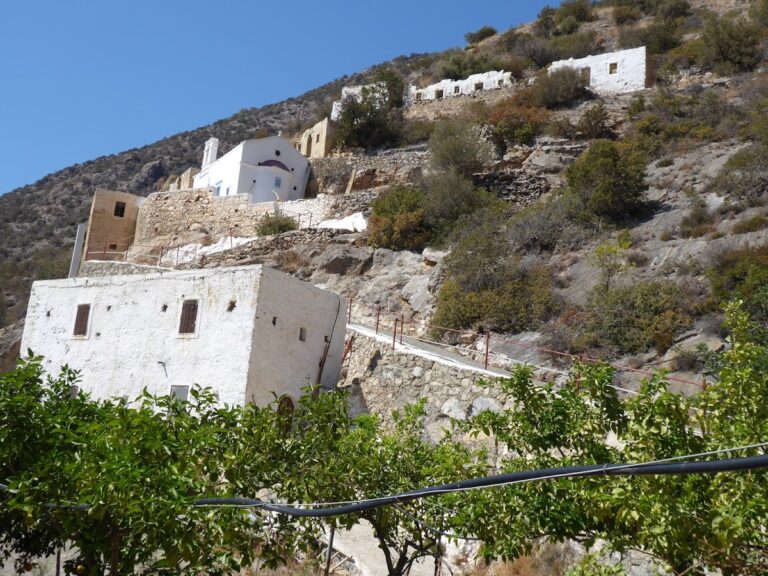
The Arvi Monastery is situated near the Arvi Gorge, atop a high vantage point with stunning views of the sea. Currently abandoned, the remaining monks’ cells provide a glimpse into its history.
It is thought that the monastery was initially constructed on the remnants of the ancient Temple of Arvian Zeus, located in the valley formed at the exit of the Arvi Gorge. However, due to the formation of marshes in the valley, it was eventually relocated to its present elevated location.
Within the monastery grounds, there are two churches – one quite old and the other relatively new – both dedicated to Saint Anthony.
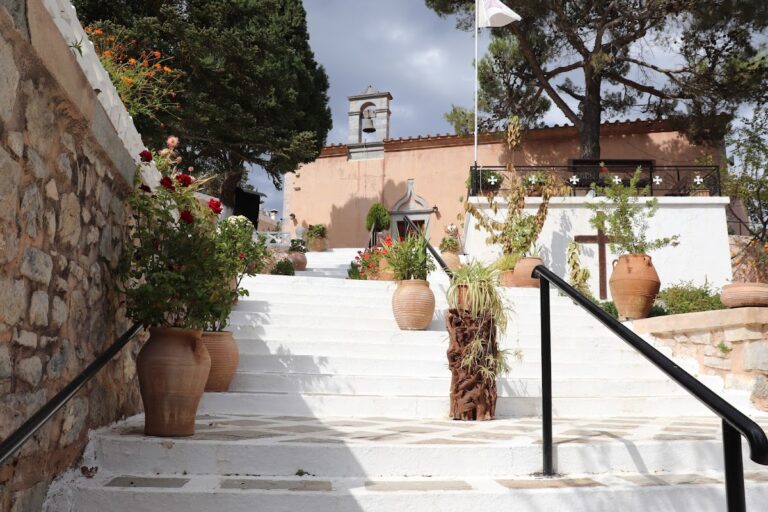
Located on a small hill adorned with oak trees near the villages of Agios Konstantinos and Marmaketo in the Lassithi Plateau, the Monastery of Panagia Kroustallenia is a historically significant site in Crete that is always worth exploring.
As per local tradition, the monastery’s name is believed to have originated either from its first founder, Kroustallenia, or from an icon of Panagia (Virgin Mary) discovered in a nearby cave, which was engraved on crystal (Kroustalenia also translates to “made of crystal” or “glass”).
The primary temple within the monastery is devoted to the Virgin Mary and observes its celebration on August 15. The monastery complex primarily features 20th-century buildings due to the multiple destructions it faced during the Turkish occupation.
No results available
No results available
No results available
No results available
No results available
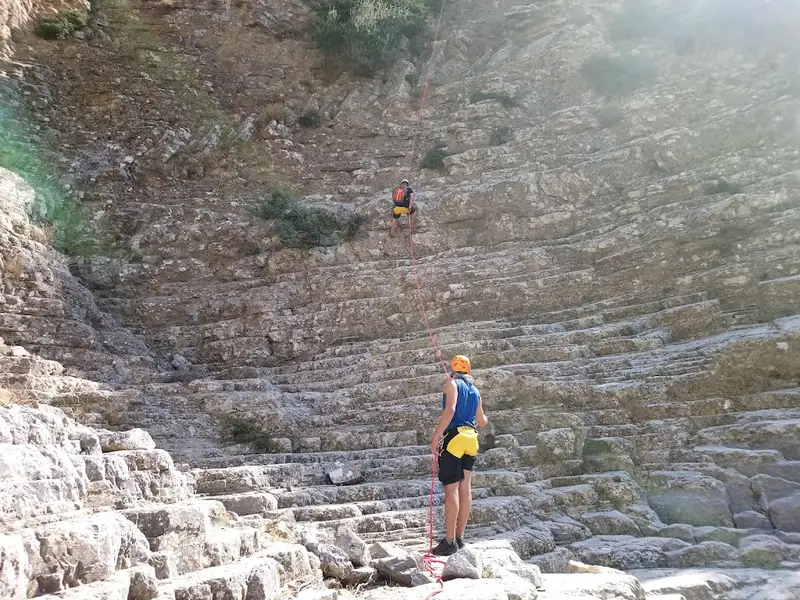
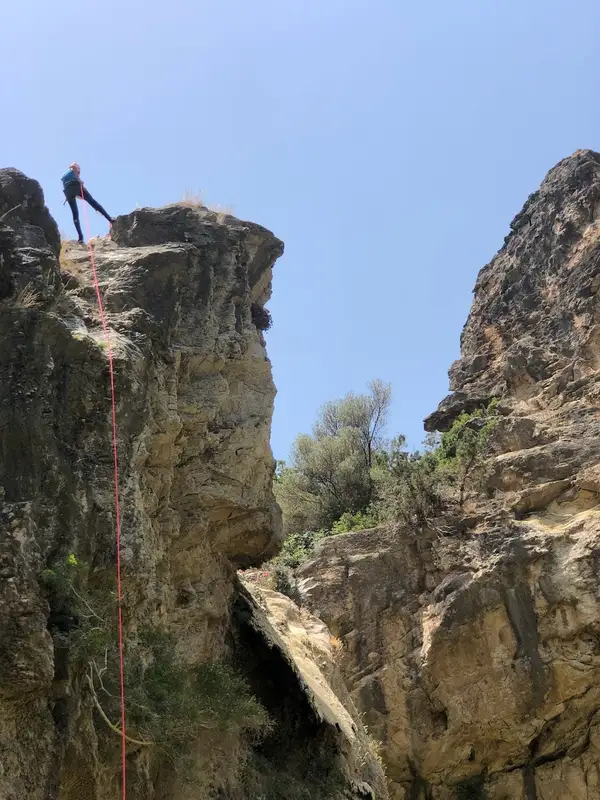
Eligas Gorge, a stunning natural monument, is nestled on the western side of Koupa Mountain, just above the village of Miliaradon in Embaros. This remarkable location boasts a towering waterfall with nine rappels, making it a perfect spot for canyoning. The altitude difference from the entrance to the exit is approximately 230m.
Eligas is just one of numerous waterfalls in the vicinity, standing tall at 150 meters. It cascades down in 5-6 stages, with the largest drop being 50 meters.
During the winter, the waterfall is fed by crystal clear water from the local ‘Papa Lagos’ springs. On exiting the gorge, it merges with the Baritis River, a primary tributary of the Anapodaris River.
In the Cretan dialect, Eligas translates to ‘waterfall’. The gorge is unique due to its distinctive formations, created by layers of limestone that resemble a vast open-air theatre with stone tiers.
A trail from Miliaradon village leads to the base of the waterfall. From there, visitors can ascend to its highest points, offering a breathtaking view of the impressive waterfall and the Baritis-irrigated plain villages.
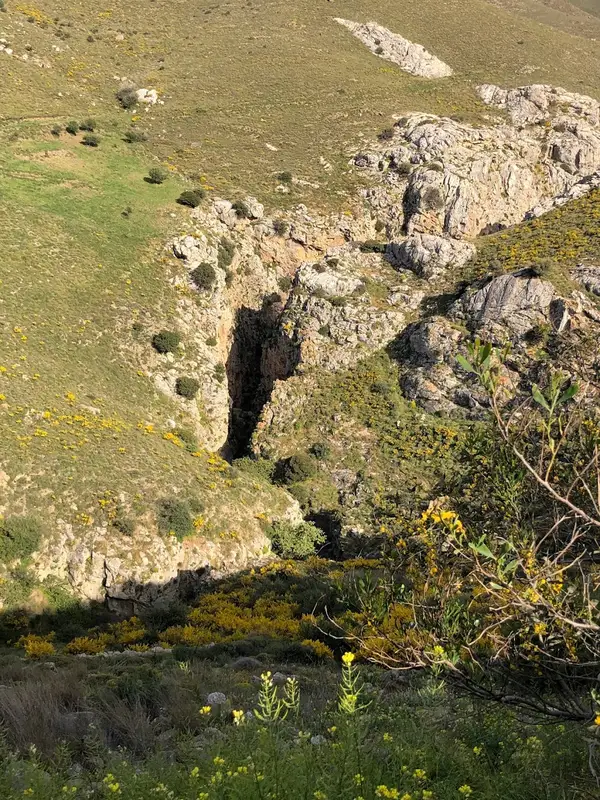
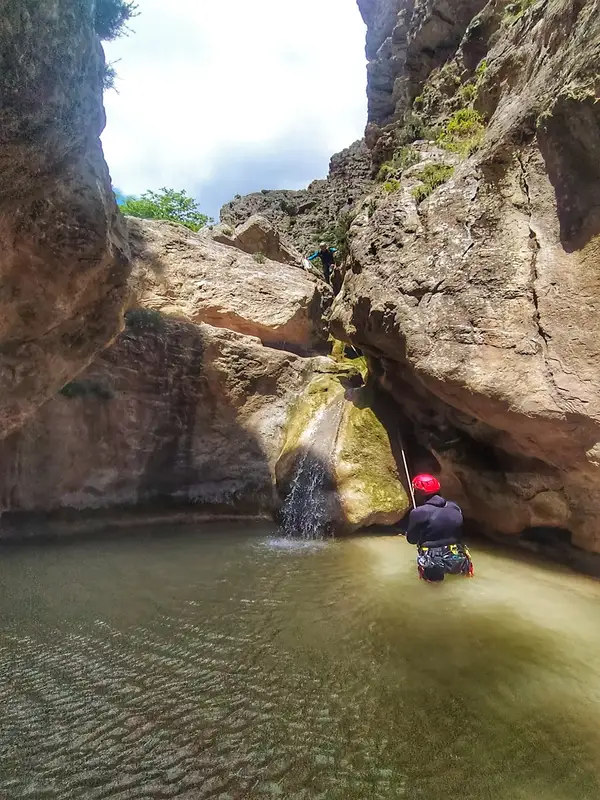
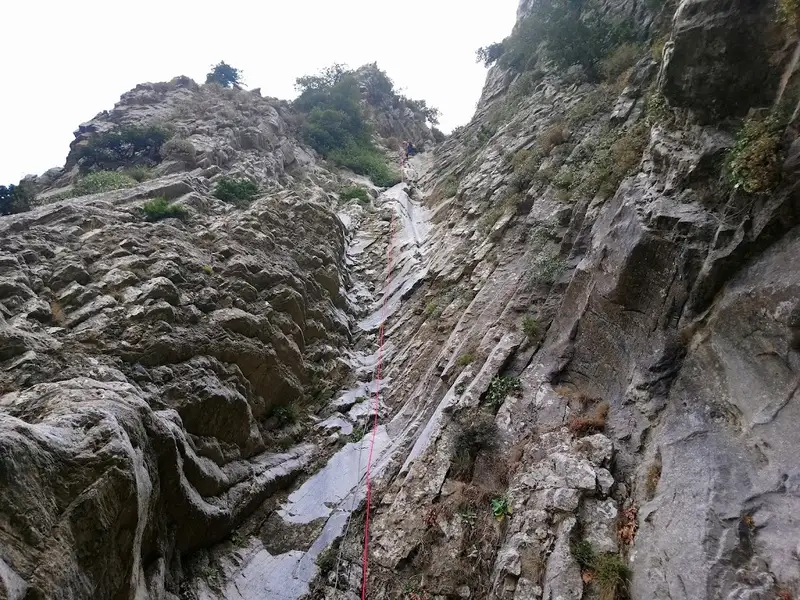
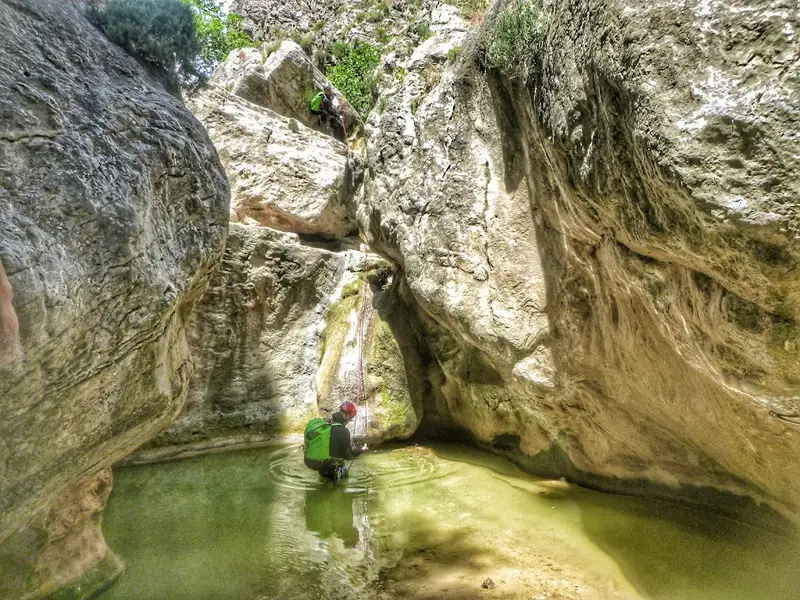
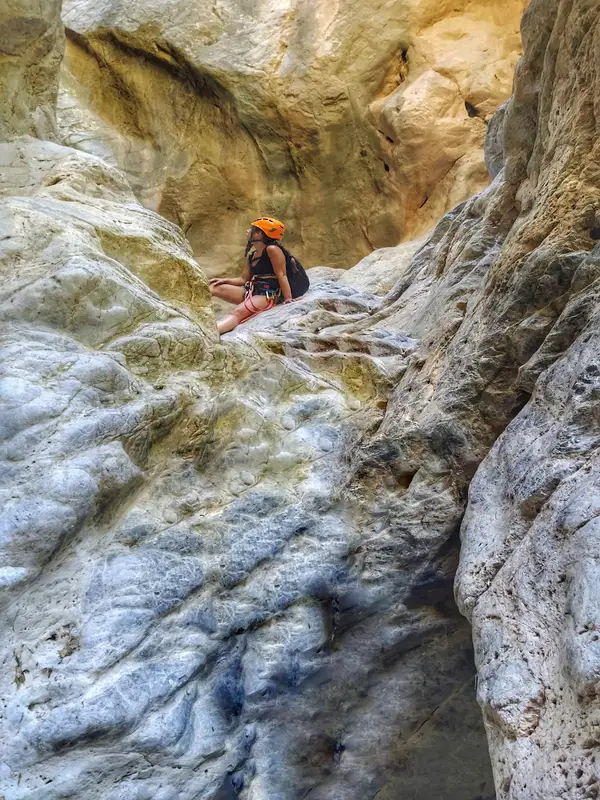
The Portela Gorge, positioned in the southern region of the Heraklion prefecture, serves as a drainage channel for the Ano Viannos basin, directing water towards the South Cretan Sea. The gateway to this gorge is situated at the Hondros village, and it leads out to Keratokambos. It ranks among Greece’s most perilous canyons, only to be traversed by seasoned canyoners. Particularly after heavy rainfall, the gorge can prove lethal. However, a passable trail and road run alongside the gorge, stretching from Hondros to Keratokambos, but they lack the allure of the canyon’s interior.
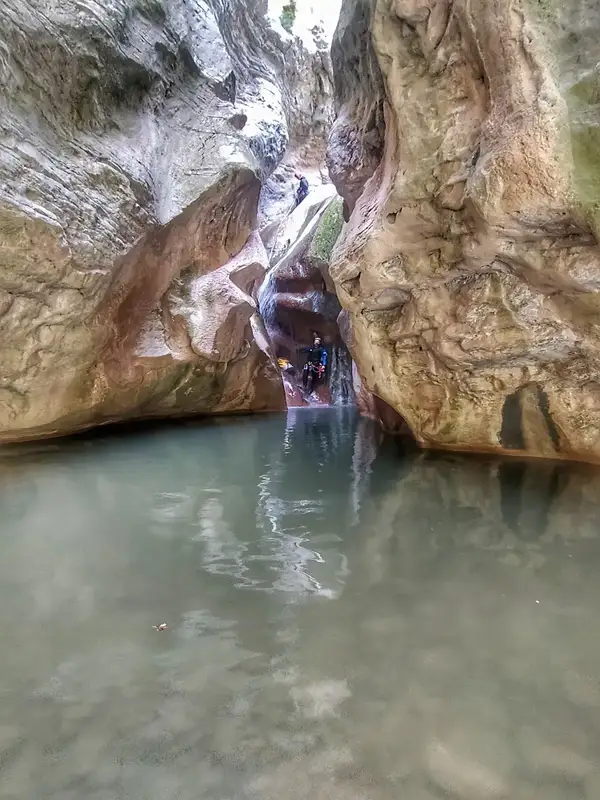
This gorge is a blend of beauty and wilderness, earning it legendary status in the region and ranking it among Crete’s most popular canyoning locations, alongside Ha and Arvi. It boasts the greatest water volume during winter and early spring compared to other local gorges. The canyon features 25 technical descents with the highest being 30m, and a 340m altitude difference between the entrance and exit. Owing to the area’s inaccessibility, locals are primarily familiar with the last waterfall, Richtra, at the gorge’s exit, which can be reached without any equipment.
Five faults intersect the canyon, contributing to its formation along with gully erosion. These faults divide Portela into three sections, resulting in a rich variety of plants and landscapes. A unique feature of this canyon is the abundance of mud it holds, possibly due to the “Viannos” rock formation visible before the gorge. This formation contains large amounts of clay, which is carried into the canyon by the water flow. The gorge’s signature feature is the stunning Sifoni, a large waterfall in a sinkhole, the “bottom” of which has been opened, allowing the waters to continue their journey.
On the southeastern side of the Afendis Christos peak, nestled above the villages of Embaros, you’ll discover lush vineyards sprawled across the Erganos plateau at an elevation of 900 meters. The water, collected from the melting snow of the nearby slopes and numerous regional springs, contributes to the main tributary of the Anapodaris river, Baritis. This river traverses the Erganos plateau, carving out the striking Erganos canyon.
The Erganos canyon, adorned with flourishing plane trees, cypresses, and oaks, is a natural gem in this region. However, it is only navigable for a small portion, suitable for trekkers. After the initial 20-minute descent, the scenery transforms, revealing a unique natural sculpture with slender walls and spectacular waterfalls at nine different points. To navigate these areas, rappelling equipment is necessary.
Crete is home to numerous stunning locations, but a select few can truly be classified as natural marvels. One such marvel is the Arvi gorge, which dramatically splits Arvion Mount in two. This is the location where the shrine of Zeus Arveios once stood. The Arvi and Cha gorges are considered the most awe-inspiring canyons in Crete. The Arvi gorge can be found to the north of the coastal village of Arvi, in the southern region of the Heraklion prefecture, and it has been carved out of the limestone of Mount Dikti.
This gorge is technical in nature, meaning it necessitates canyoning equipment and flashlights to navigate due to the presence of numerous waterfalls in succession. It is a truly perilous area, and any attempts to cross it by those unaccustomed to canyoning could result in tragedy. From winter until the onset of summer, the canyon is filled with water, which adds to its awe-inspiring beauty. The majority of this water originates from the perennial springs of Kefalovrysi. The Arvi gorge presents a high level of difficulty.
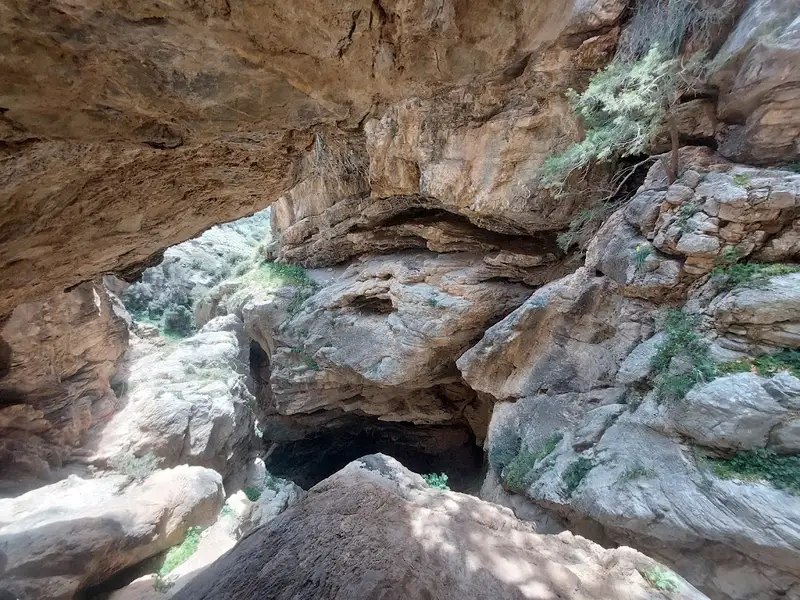
The entrance to the gorge is located in the Konisma (Icon) forest, named after a rock that resembles an icon of Christ. The gorge stretches across the Fournos area and features numerous descents, the most remarkable of which is an astounding 85-meter waterfall named Kapnistis (Smoker). This waterfall is named for its smoke-like water spray, which is a result of its incredible height. Kapnistis is one of Crete’s tallest and most impressive waterfalls. However, what truly sets this canyon apart from others in Greece is the section after the high rappel of Kapnistis, where the river flows into the earth for 150 meters, forming an underground river within a cave. In this underground section, the river continues to form waterfalls. Lighting equipment is necessary to navigate this completely dark area. After this dark section, the gorge remains incredibly narrow with extraordinary formations and large rocks, known as splines, beneath which we pass.
Following approximately 20 waterfalls, the gorge concludes and leads to the fertile plains of Arvi, renowned for their banana crops, and situated next to the monastery of Saint Anthony (Agios Antonios). The area at the gorge’s exit is humorously named Donkey’s Ass! In ancient times, a bountiful water spring existed here, but it has since dried up due to the construction of wells. This natural wonder has been a popular attraction for travelers since ancient times. The gorge’s river ends in the South Cretan Sea, but the water never reaches the sea due to its use for irrigation.
No results available
Situated in Áno Viánnos, 49 km from The Palace of Knossos and 41 km from Nikos Kazantzakis Museum, Skordalos mezoneta offers air conditioning. It has city views and free WiFithroughout the property.
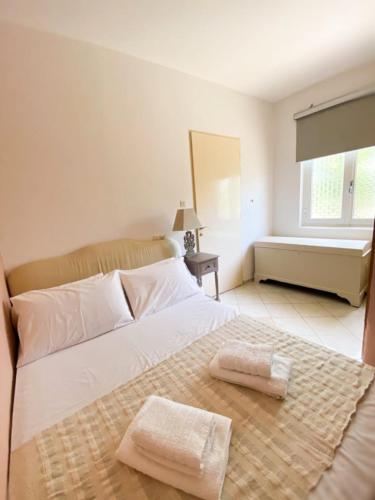
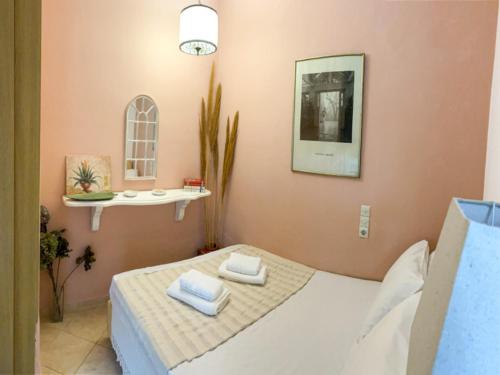
The apartment features 1 bedroom, 1 bathroom, bed linen, towels, a flat-screen TV with streaming services, a fully equipped kitchen, and a balcony with mountain views.
Acqua Plus Waterpark is 43 km from the apartment, while The Crete Golf Club is 43 km from the property. The nearest airport is Heraklion International Airport, 53 km from Skordalos mezoneta.
Situated in Káto Viánnos, 47 km from The Palace of Knossos, Villa Vienna features a garden and views of the garden. The property is around 39 km from Nikos Kazantzakis Museum, 40 km from Acqua Plus Waterpark and 41 km from The Crete Golf Club. Every room has a terrace with mountain views and free WiFi.
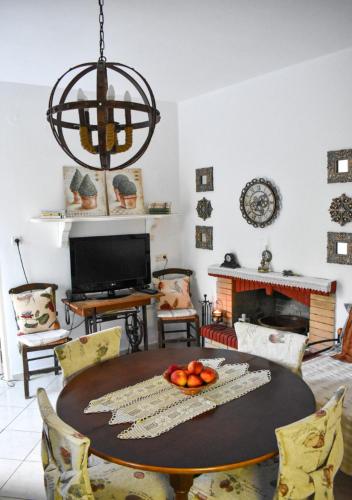
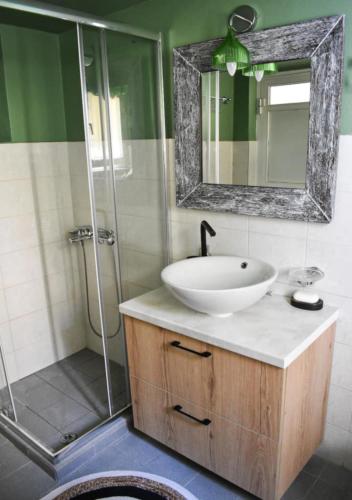
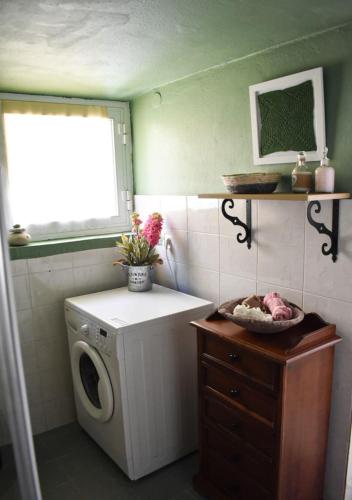
At the guest house rooms come with air conditioning, a seating area, a flat-screen TV with satellite channels, a kitchen, a dining area and a private bathroom with a hair dryer and a bath. Villa Vienna features some rooms that have a patio, and the rooms come with a coffee machine. At the accommodation all rooms are equipped with bed linen and towels.
Labyrinth Park is 42 km from Villa Vienna, while Lixnostatis Folk Museum is 48 km from the property. The nearest airport is Heraklion International Airport, 50 km from the guest house.
from
€67
/night
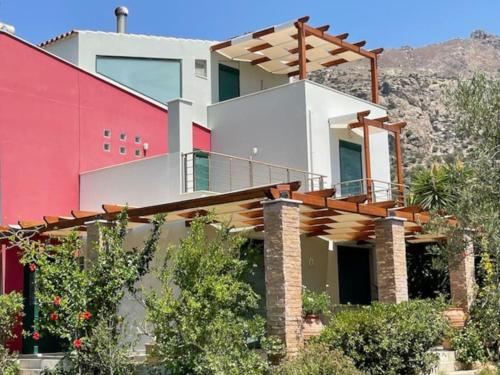
Located in Áno Viánnos and only less than 1 km from Keratokampos Beach, Villa Richtra provides accommodation with sea views, free WiFi and free private parking. With mountain views, this accommodation features a terrace.
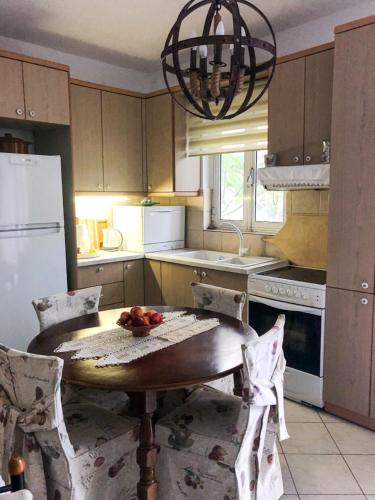
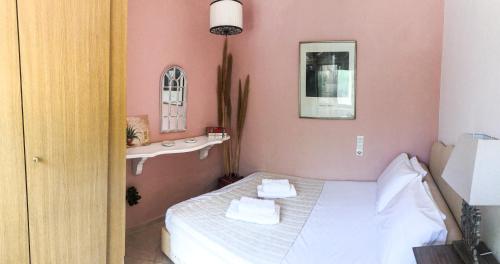
This air-conditioned apartment comes with a kitchen, a seating area, a dining area and a satellite flat-screen TV. Towels and bed linen are provided in the apartment.
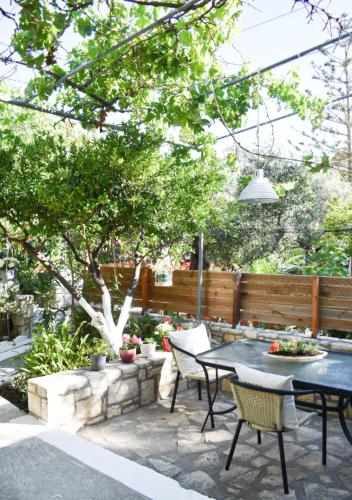
The apartment offers a picnic area. Guests can also relax in the garden.
Armenopetra Beach is 1.4 km from Villa Richtra, while Nikos Kazantzakis Museum is 48 km away. The nearest airport is Heraklion International Airport, 60 km from the accommodation.
Featuring garden views, Myrtia – Cretan Guest House offers accommodation with a garden, a terrace and barbecue facilities, around 1.6 km from Armenopetra Beach. The air-conditioned accommodation is less than 1 km from Keratokampos Beach, and guests benefit from complimentary WiFi and private parking available on site.
The holiday home with a patio and mountain views features 2 bedrooms, a living room, a flat-screen TV, an equipped kitchen with a dishwasher and an oven, and 2 bathrooms with a walk-in shower. Towels and bed linen are featured in the holiday home.
Nikos Kazantzakis Museum is 48 km from the holiday home, while Acqua Plus Waterpark is 49 km away. The nearest airport is Heraklion International Airport, 60 km from Myrtia – Cretan Guest House.
from
€58
/night
No results available
Connect with thousands of Crete visitors and boost your bookings.
No results available
© All rights reserved. Crete Locals