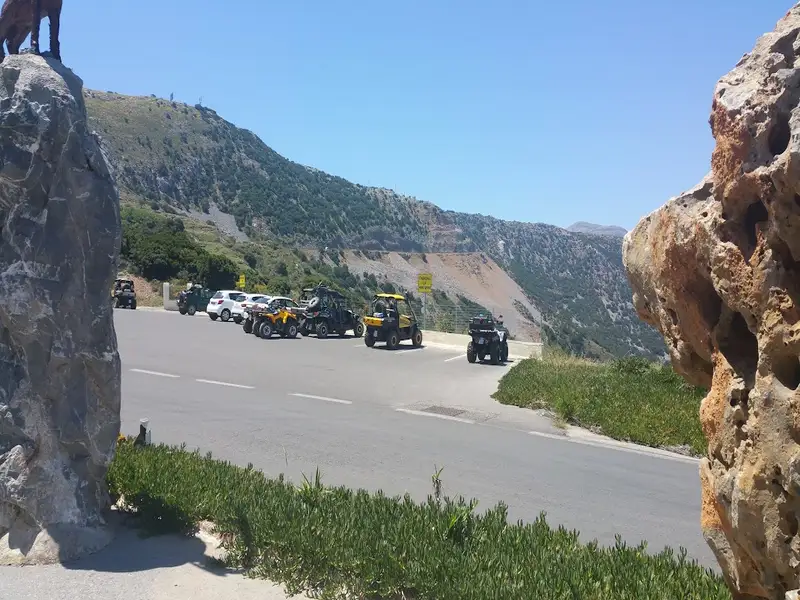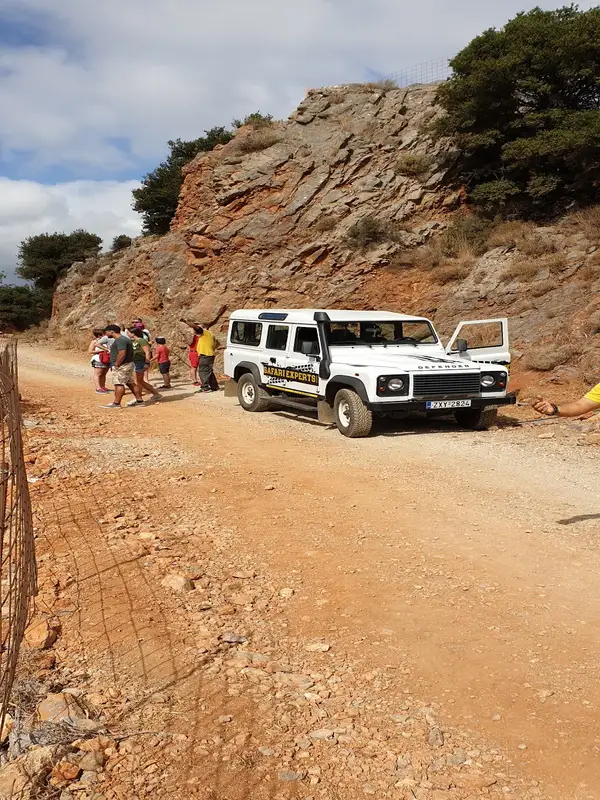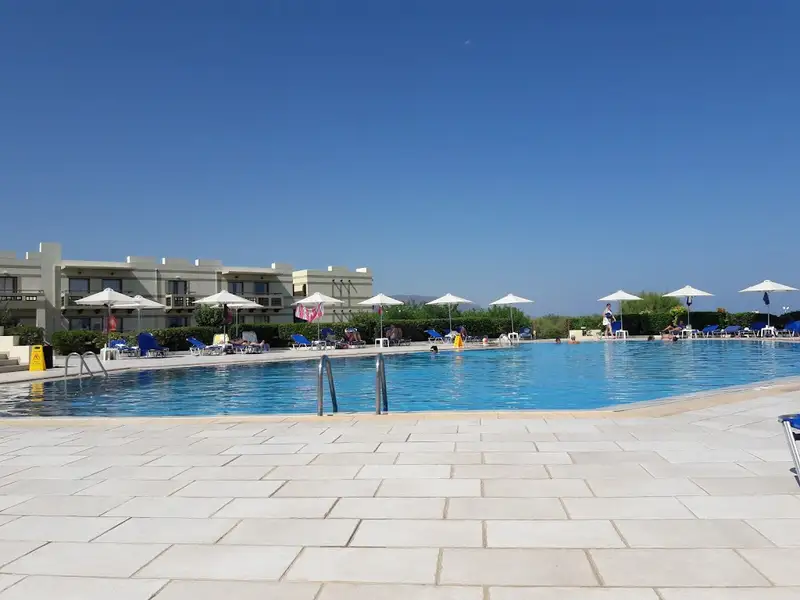
Explore the Cretan countryside on this tour to a farm in Potamies, the dam of Aposelemis, the gorge of Embasa, the Lassithi plateau, and the village of Krasi. Try farm fresh products, take a cooking and ceramics lesson, and tour an olive oil mill.
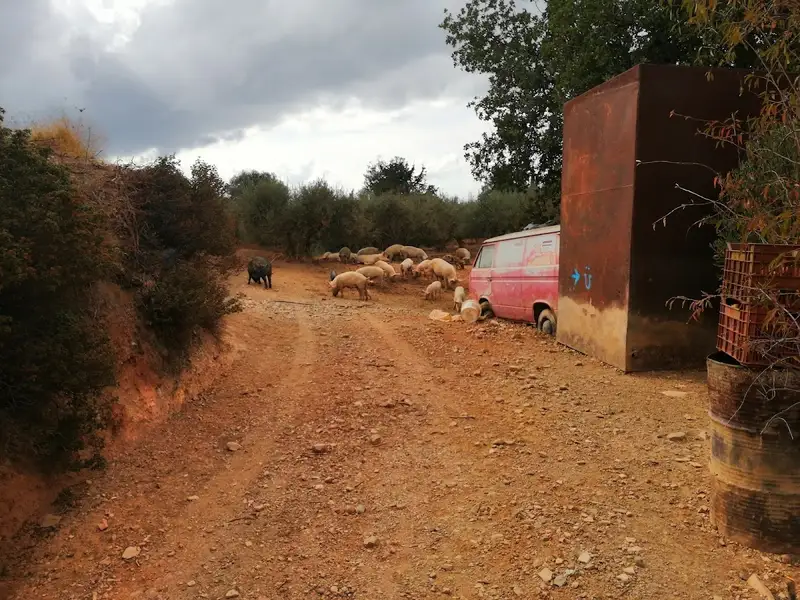
Be picked up from the comfort of your accommodation in Analipsi, Heraklion, Hersonissos, or Sisi. Sit back and enjoy the scenery on the way to a farm in the rural village of Potamies. Watch as a farmer milks the goats and savor some products made with the milk.
Continue to the dam of Aposelemis which is the largest water supply project in Crete. See the sight where the village of Sfendili is submerged in the waters of the dam. Capture pictures of half-submerged houses in this natural wetland with a variety of birds.
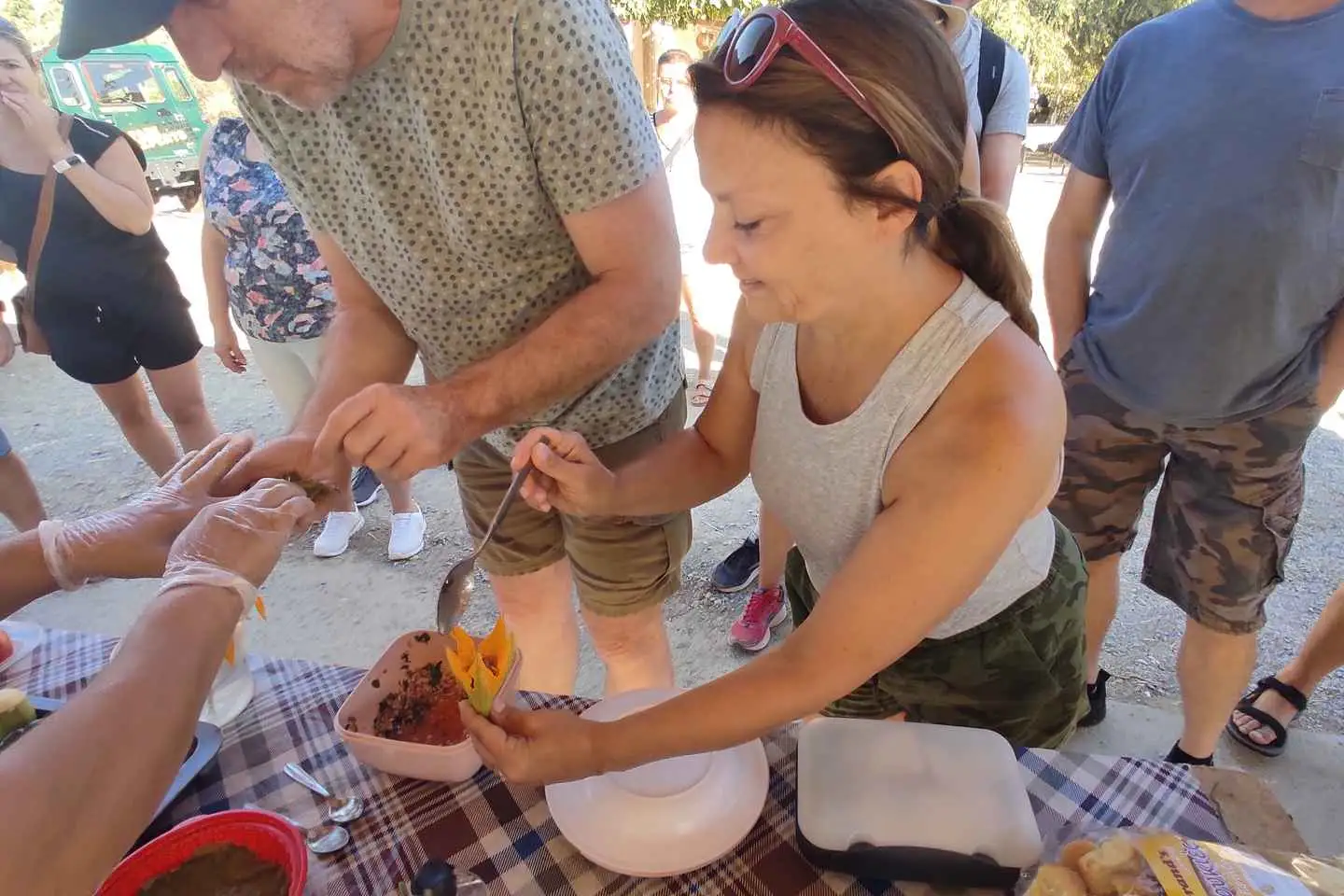
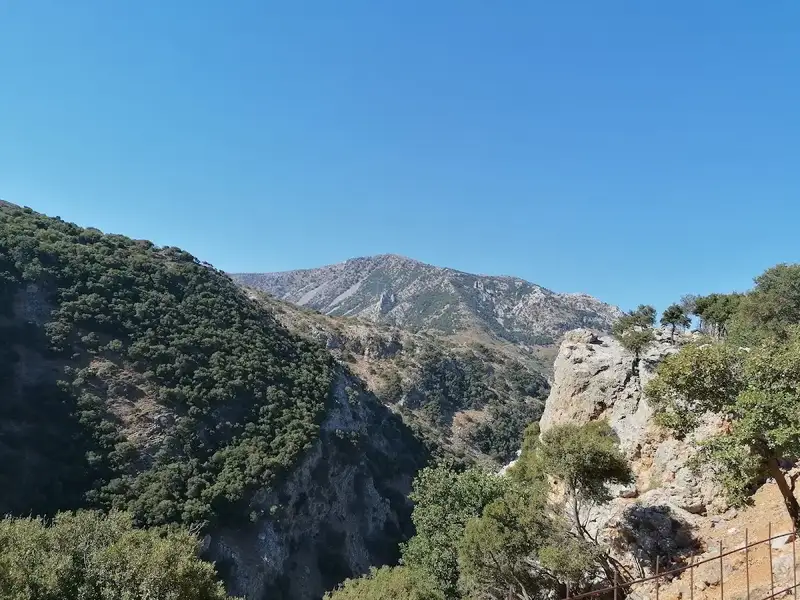
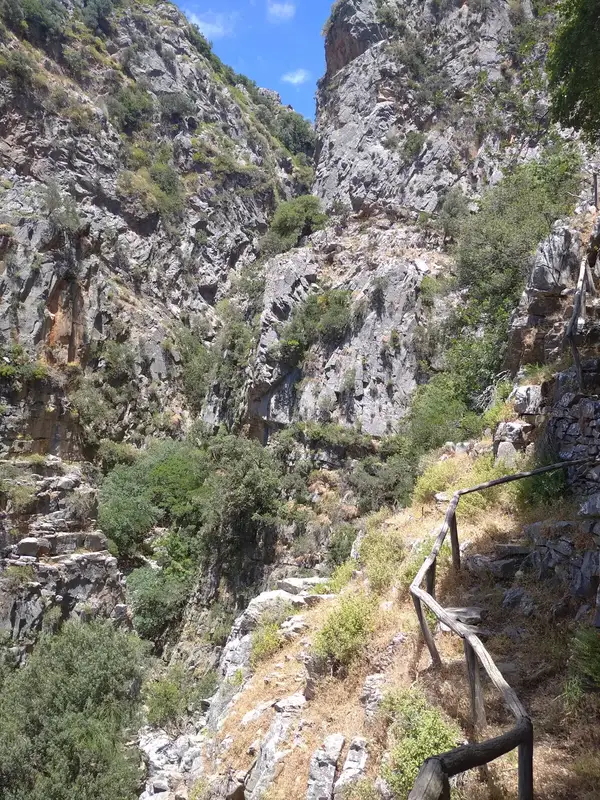
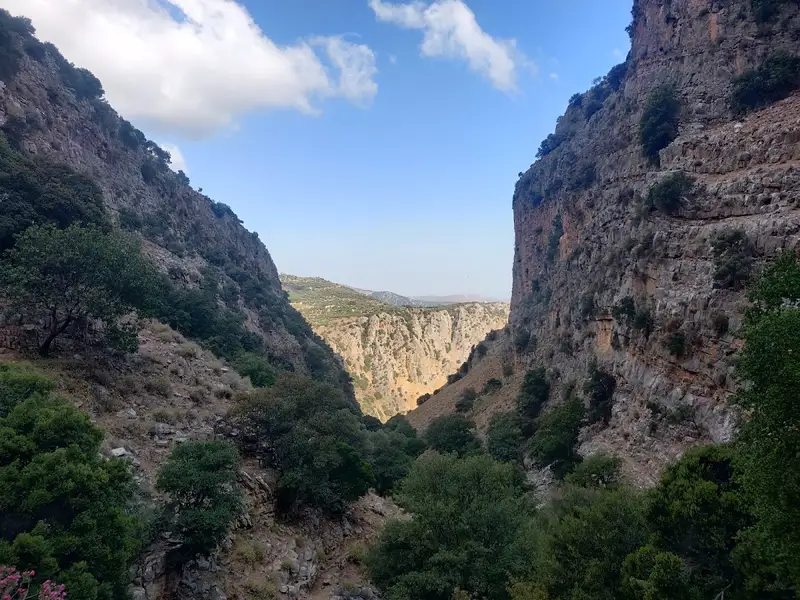
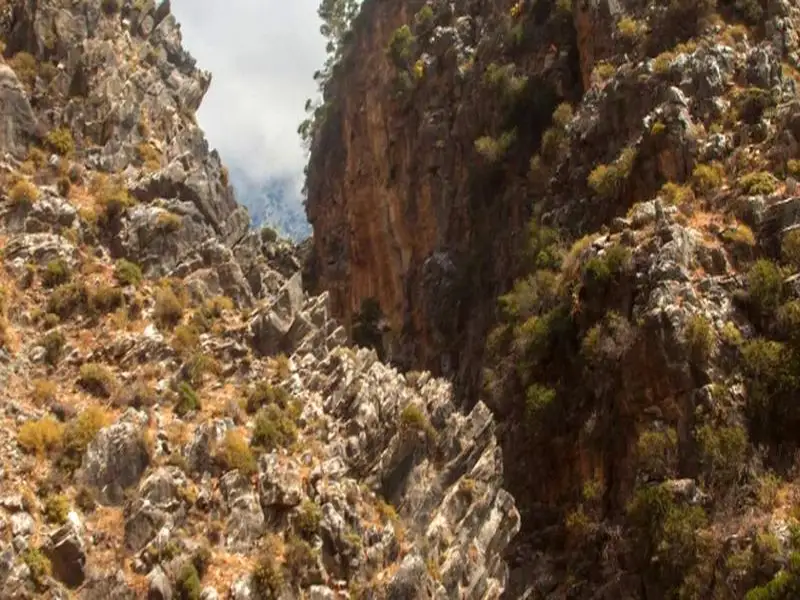
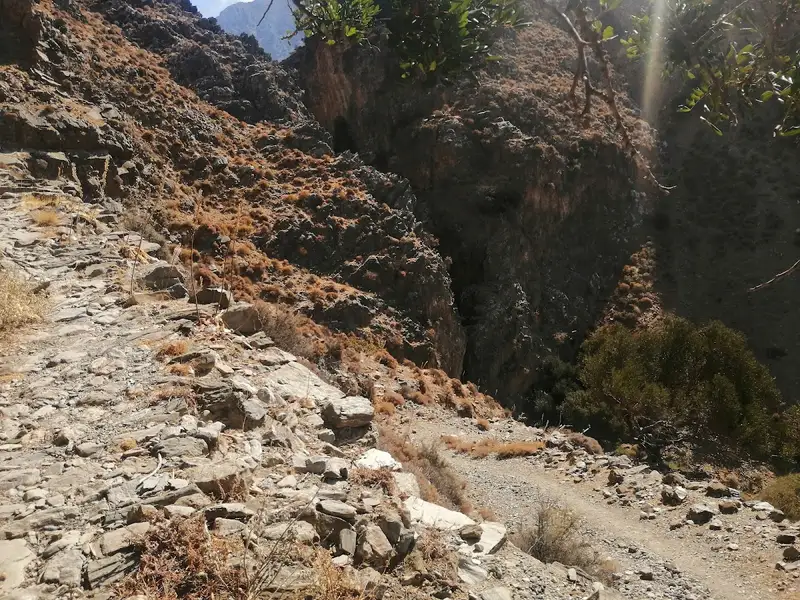
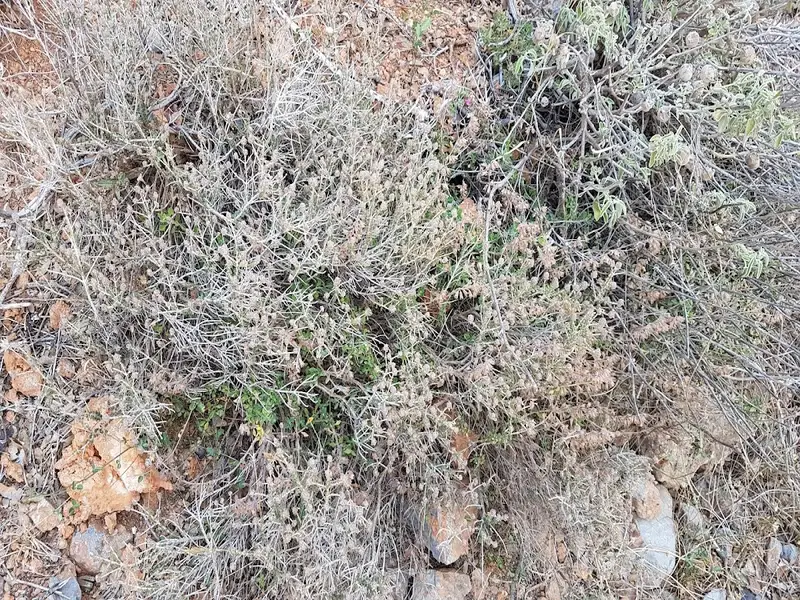
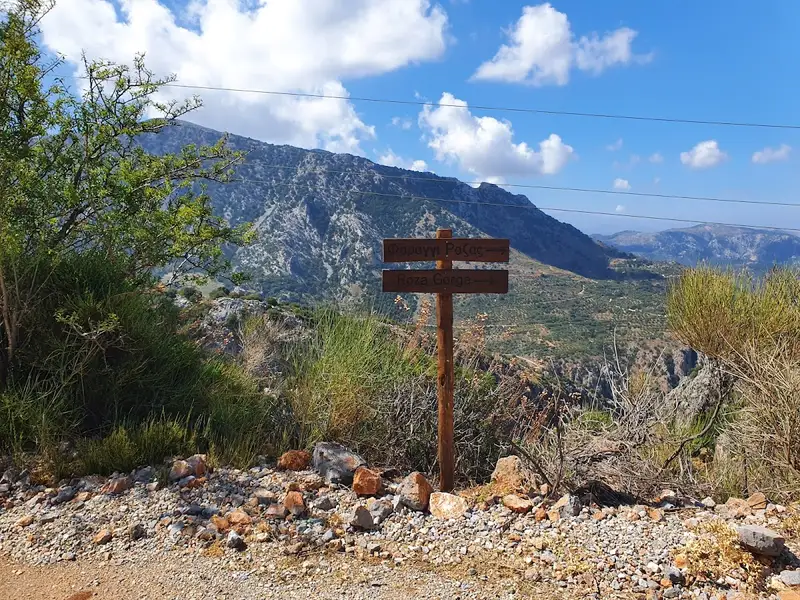
Drive uphill on dirt roads through the gorge of Embasa. Take in views of mountains and have the opportunity to pick local herbs. Learn how to cook like a local with step-by-step instructions. Prepare dishes from pure ingredients and local products.
Visit the Lassithi plateau and head to a pottery workshop to uncover the secrets of Cretan ceramic art. Create your own ceramic masterpiece. Tour the plateau and meet some of the local. Stop at the local cafeteria for a delicious meal baked in a wood oven.
Make your way to the picturesque village of Krasi. Stop to see a square with an 18th-century aqueduct and centuries-old plane trees. End your day trip with a tour of an olive oil factory. Learn how to produce olive oil and try some oil samples before returning to your accommodation.
Discover Crete with a drive through the plateaus. Follow the path of your choice and admire the rugged nature. Begin in the idyllic little town of Kastamonitsa at the foothills of the Afentis Mountains and enjoy a typical Cretan breakfast.
Drive through the unbelievably beautiful landscape, along rural roads and mountain passes and discover the diversity of animal life. At the next stop, enjoy a one-of-a-kind view of the Lassithi Plateau and the northern coast of Crete. Visit the Psychro Cave, the birthplace of Zeus, father of the gods.
Then enjoy a selection of local and regional specialties in a local tavern. Discover the Lassithi Plateau, where time seems to stand still. The local people are mostly farmers and still use donkeys in their daily lives.
Visit the little town of Krasi, known for its millennia-old sycamore trees and natural springs. On your way back, pass olive groves and admire the spectacular coast of Crete with its deep blue waters beyond.
Explore the beautiful Lasithi plateau, which is in the middle of the island and is surrounded by beautiful scenery and cute Cretan towns. Find out about the famous Dikteon Cave, which is where Zeus was born, and get lost in the world of old Greek myths and its interesting stories. Travel to the famous Palace of Knossos on an exciting adventure. There you can explore the ruins of the fascinating Minoan society and learn about its fascinating history. Explore the beauty of Crete with our expert guides, easy-to-use transport, and stunning locations. This trip you’ll never forget is a must for all travellers.
We will begin our trip at the beautiful and historic convent of Kera Kardiotissa, which is run by nuns. See the stunning beauty of the miraculous image of the Virgin Mary, as well as a stunning collection of paintings and other beautiful icons from the 1400s.
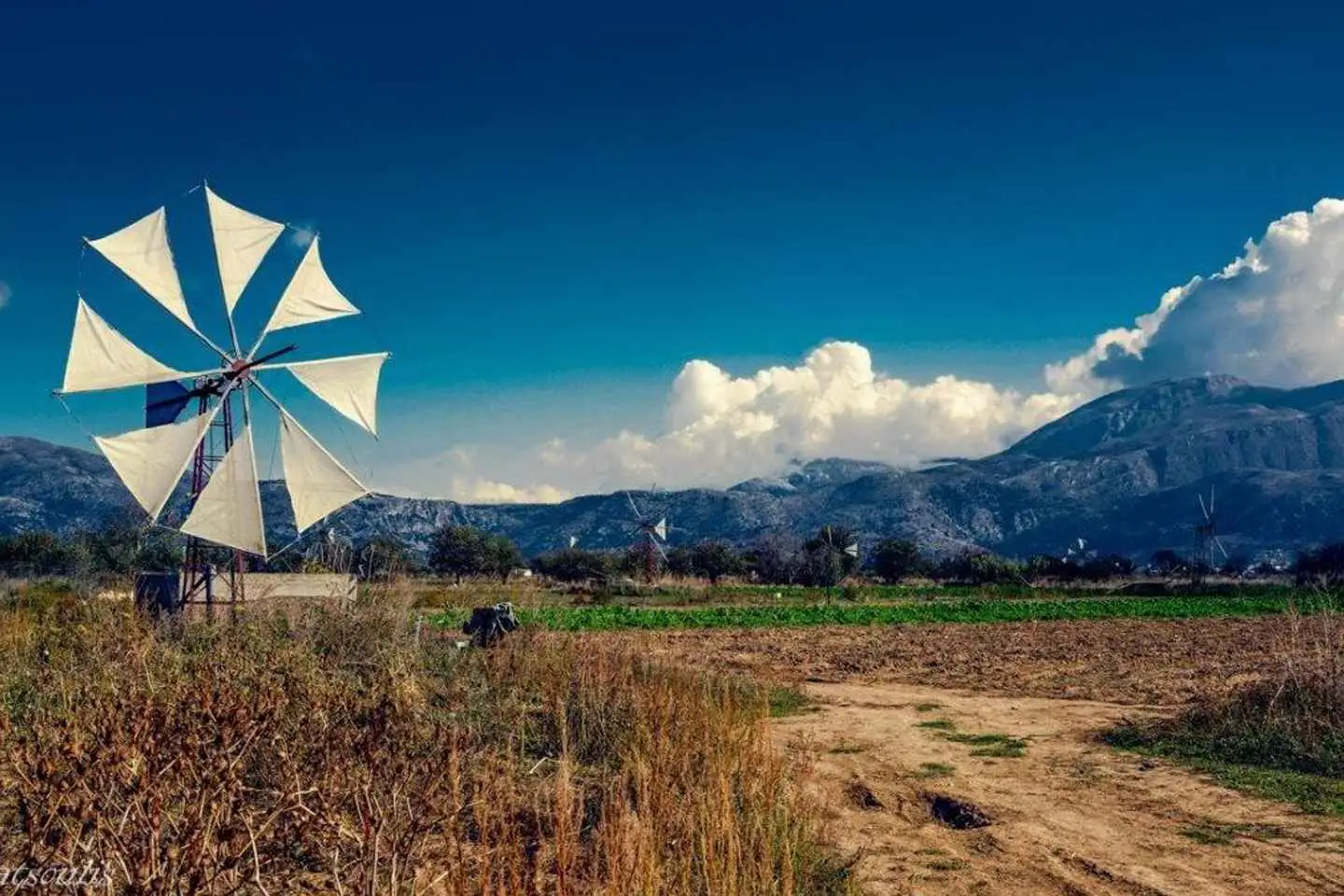
After that, we’ll go to the stunning Lasithi Plateau, which is 850 metres above sea level and really stands out. The Dikti Mountains and their eighteen charming towns make you feel like you’re back in a different time. Enjoy the beautiful windmills that are still standing and the complex system of Venetian ditches that drain the Plateau.
Our next stop will be the pretty town of Psychro. The Dicteon Cave is home to some of the most amazing stalactites and stalagmites. It is thought to be the supposed birthplace of Zeus. Psychro’s workshop, which is famous for making beautiful ceramics by hand, will stay with you long after your visit.
Get ready to be enchanted by Tzermiado’s untouched scenery, old architecture, and stunning natural settings. It is the capital of the towns on the hill. You can unwind and enjoy a tasty lunch at this local pub.
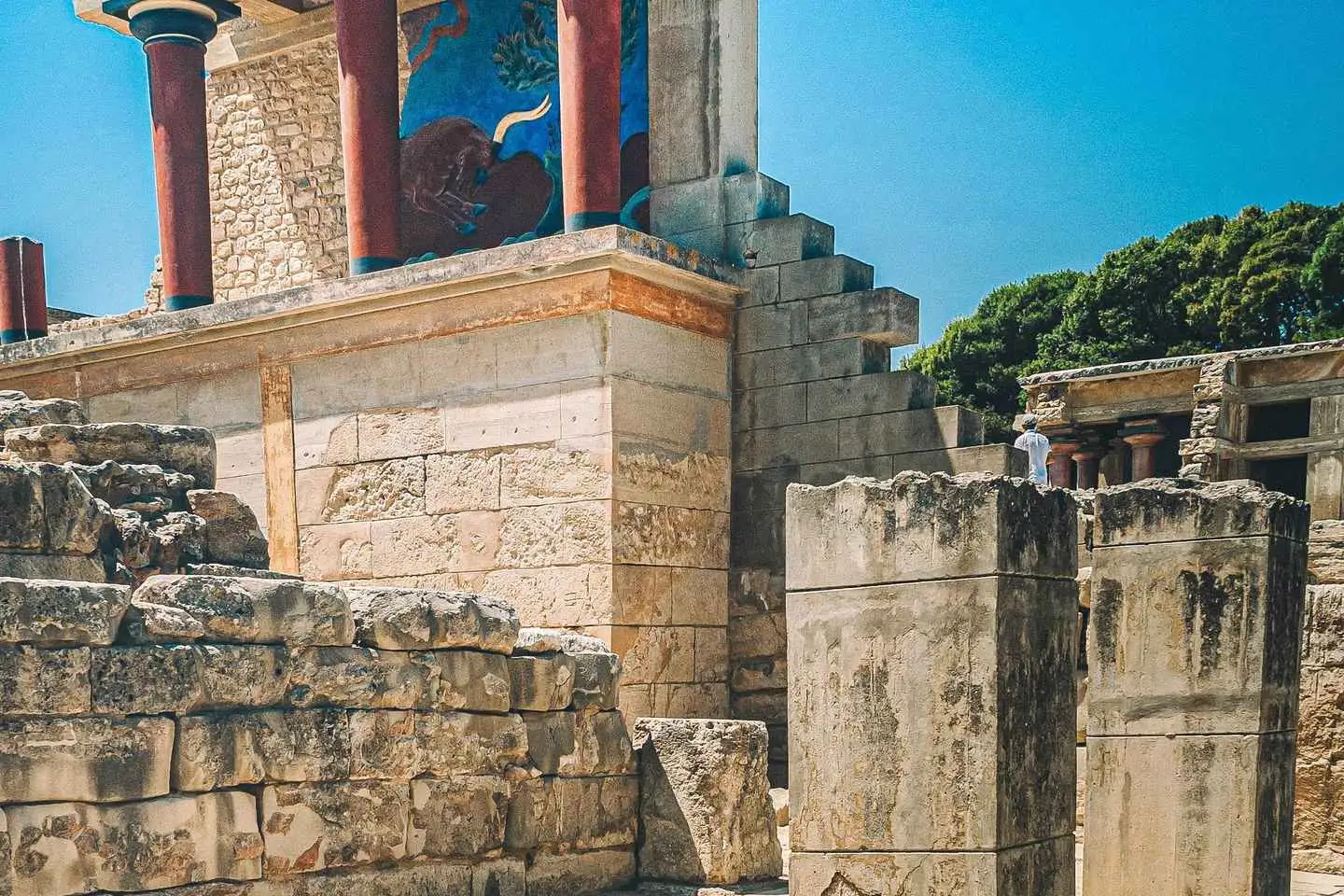
The palace of Knossos, which was the capital of the Minoan state and is thought to be the oldest society in Europe, is our last stop. You will have the chance to learn about interesting stories about King Minos, the Minotaur, the Labyrinth, and other things during your guided walk. There is a breathtaking view on the island of Crete that you simply must see!
The first stop is at the historical monastery of Kera Kardiotissa, a monastery inhabited and run by nuns, which is located in an idyllic landscape. Here you can admire the miraculous icon of the Virgin Mary, plenty of frescoes, and a variety of other icons, dating back to the 14th century.
Then, you head to Lasithi Plateau, one of the few areas in the Mediterranean with permanent inhabitants at an altitude of over 800 meters. It is surrounded by the Dikti Mountains and 18 quaint villages, which still retain the atmosphere of another era. You can admire the remaining famous windmills and the Venetian ditches, the drainage system of the Plateau.
The next stop will be the village of Psychro. You can visit the Dicteon Cave with the fantastic stalactites and stalagmites, where according to the myth God Zeus was born. Psychro is also well known for its handmade ceramics and the workshop there will leave you with the best impressions after your visit.
The last stop, Tzermiado, the capital of the villages on the plateau, will amaze you with its natural beauty, its traditional architecture, and its breathtaking views. Here you can take pictures of the wonderful landscape, rest for a while, and enjoy your lunch in one of the local taverns.
When seeking out unique and delicious local food on Crete Island, consider visiting a family-owned restaurant. These charming establishments offer authentic Cretan dishes made with love and tradition. The Lassithi Plateau is very famous for its local vegetable products and the taste of their fresh daily picked products will last forever in your mind.
No results available
Situated 35km to the east of Heraklion, Malia is a vibrant hub known for its dynamic nightlife and historic appeal with the third largest Minoan palace in Crete, the Malia Palace. Malia’s appeal is augmented by its sandy beaches, a key catalyst for its tourism development.
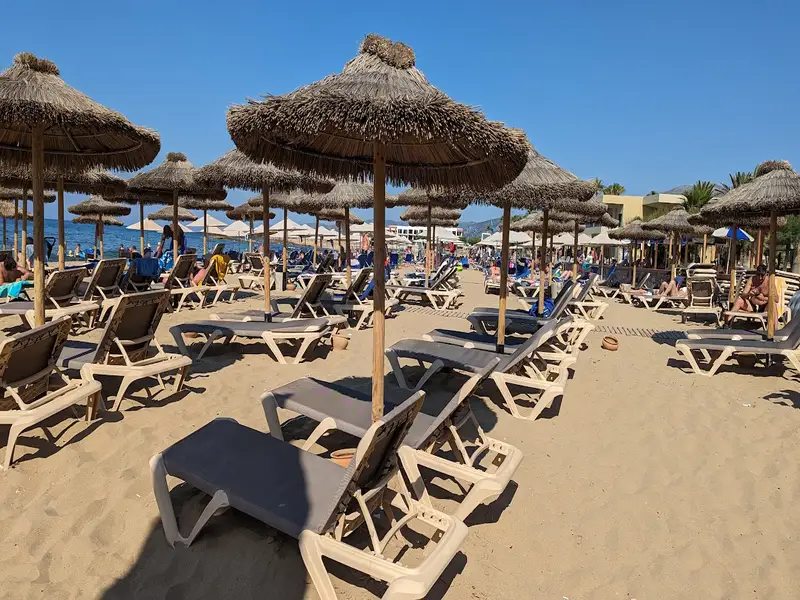
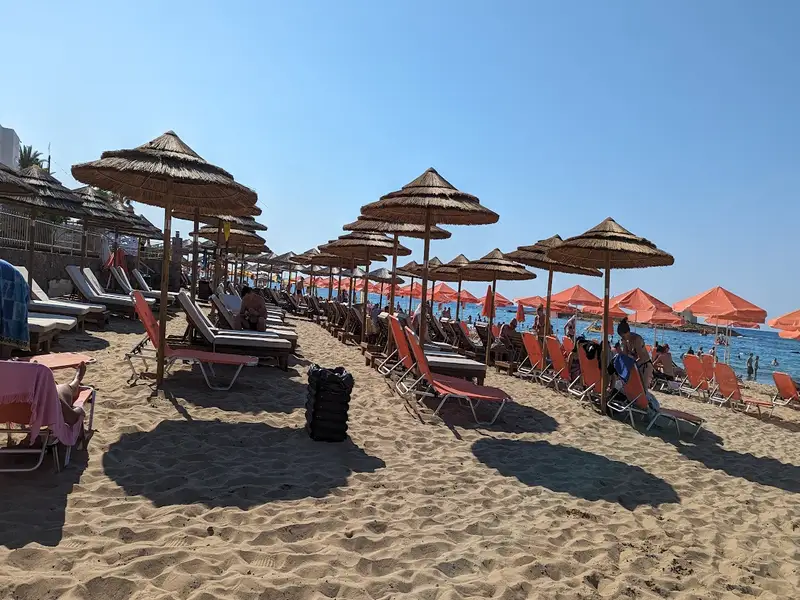
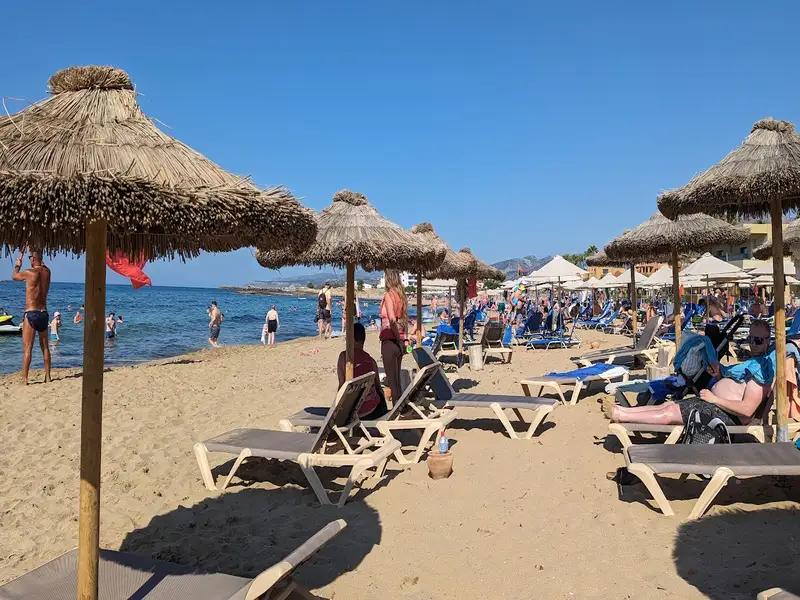
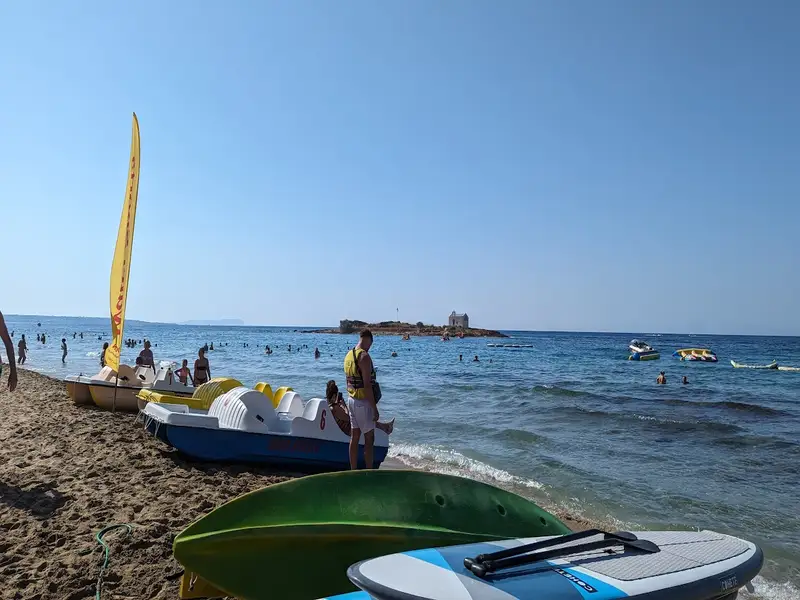
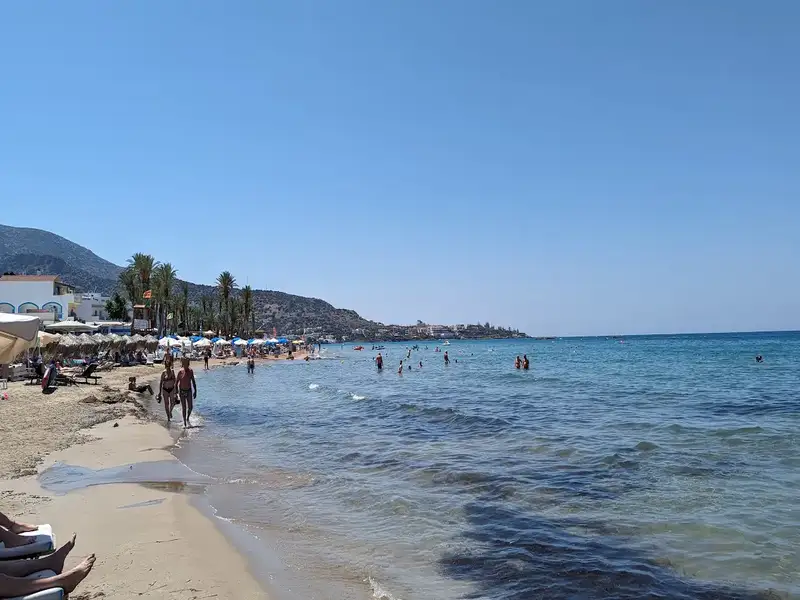
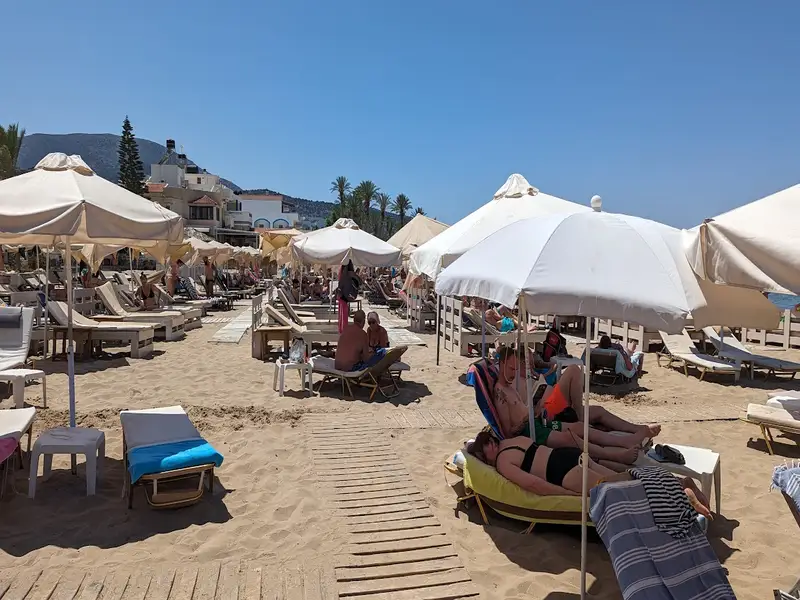
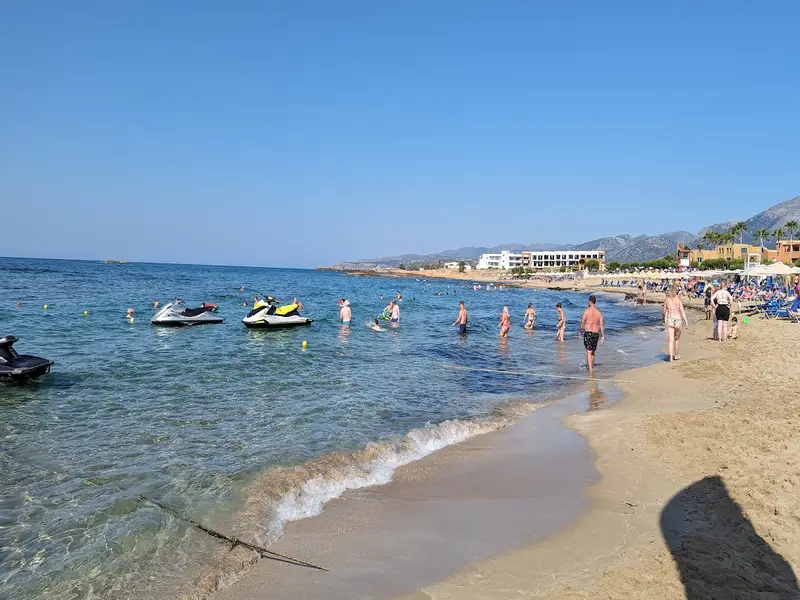
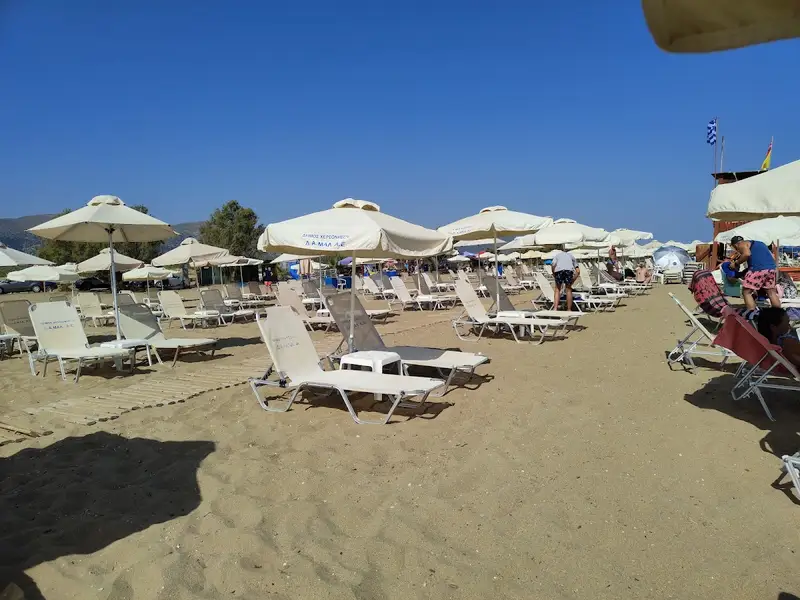
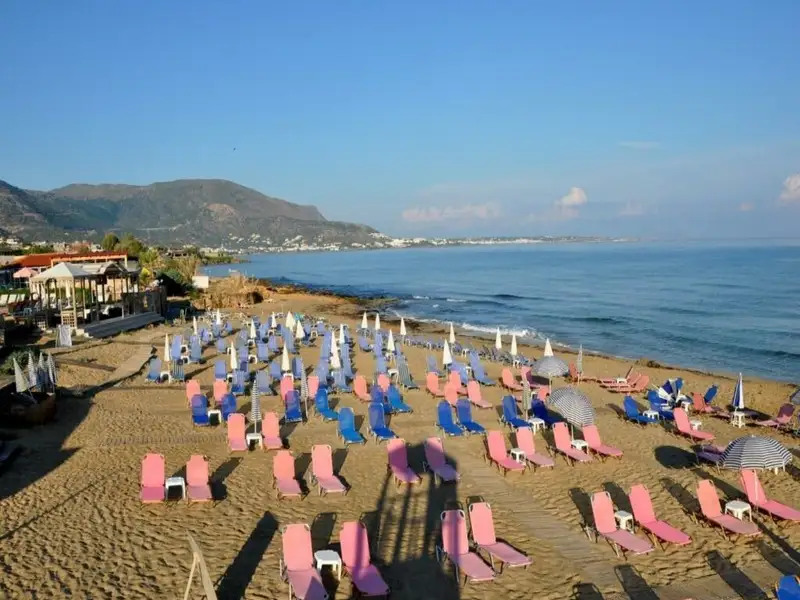
The main beach in Malia forms the eastern stretch of a 6km long bay commencing from Stalis. This vast beach boasts fine sand and shallow water, often thrumming with life, so much so that there’s barely a gap between sunbeds! Catering to all your comfort needs, the beach offers not only standard amenities such as umbrellas and water sports but also exclusive services like beachfront massage, a beach gym, pool bars at the hotels, and more.
However, if tranquillity is what you’re after, Malia might not be the best fit. You could consider venturing east, beyond the local port, towards the serene beaches of Pirgos and Potamos.
Opposite Malia’s main beach lies a stunning spectacle – the small islet of Afendi Christos, home to the Metamorphosis tou Sotiros church. This quaint church becomes a hub of activity on August 6th each year, as many people congregate to partake in the service and the church’s festivities.
Nearby, a spring is believed by locals to contain holy water, said to aid women wishing to conceive. Accessible by a short swim from the shore, this islet offers a unique and serene experience just off the coast.
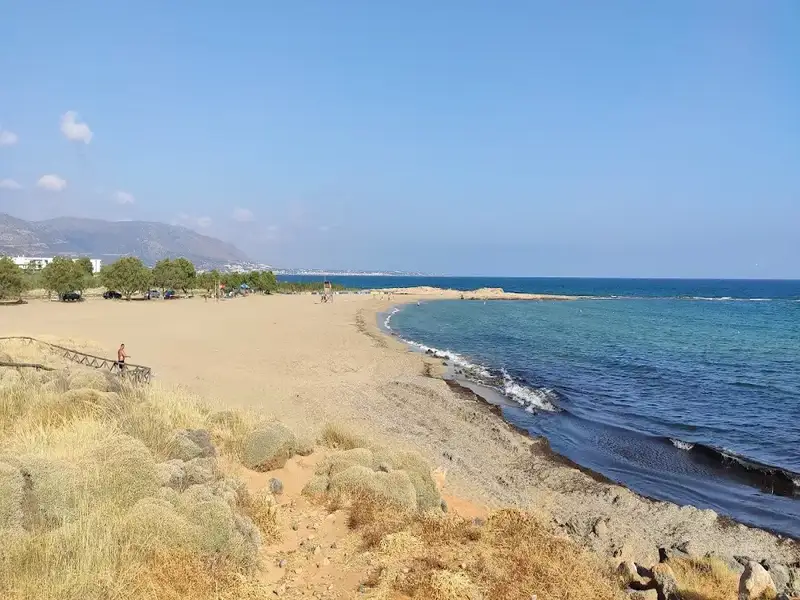
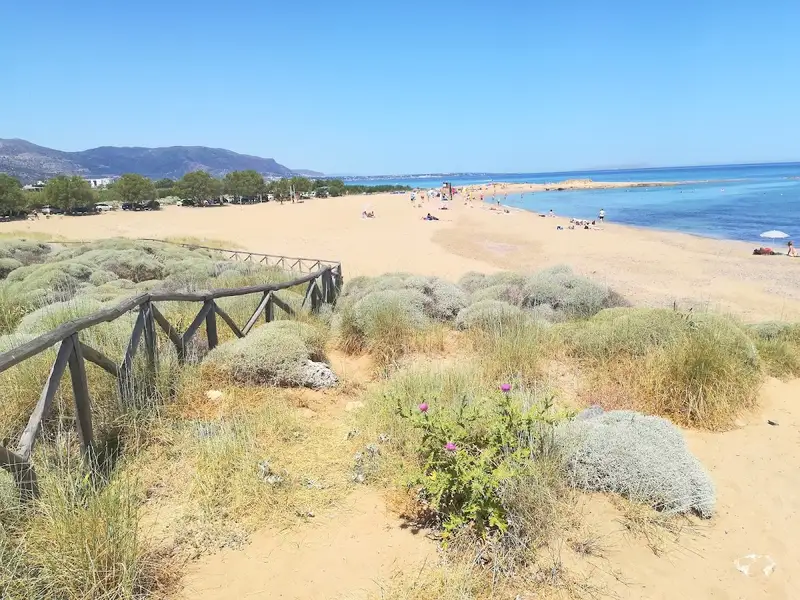
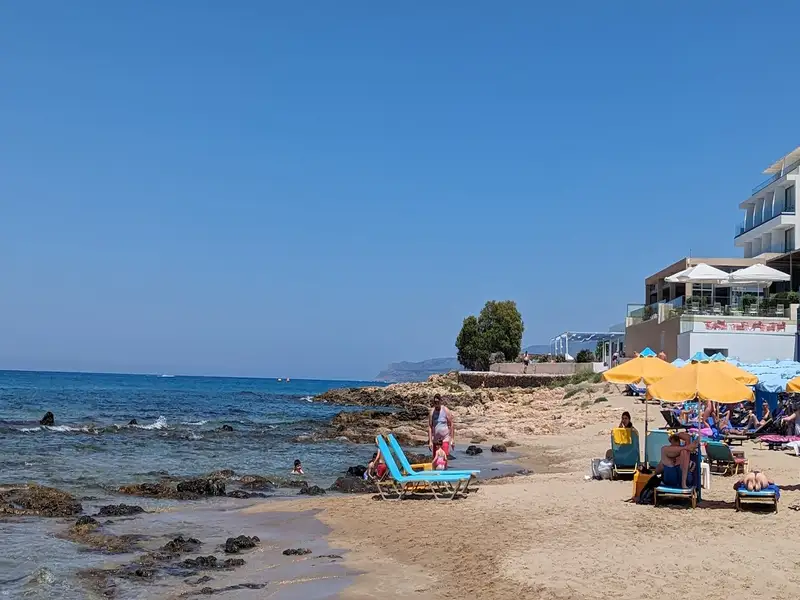
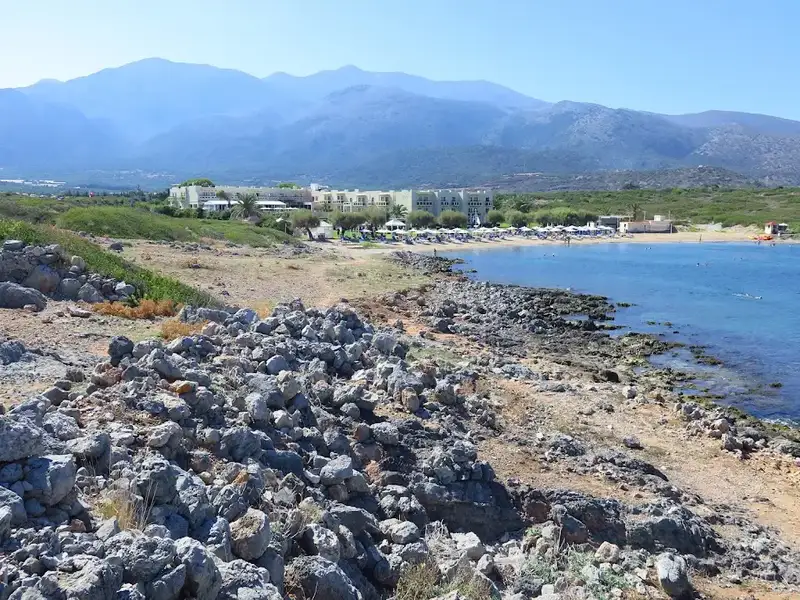
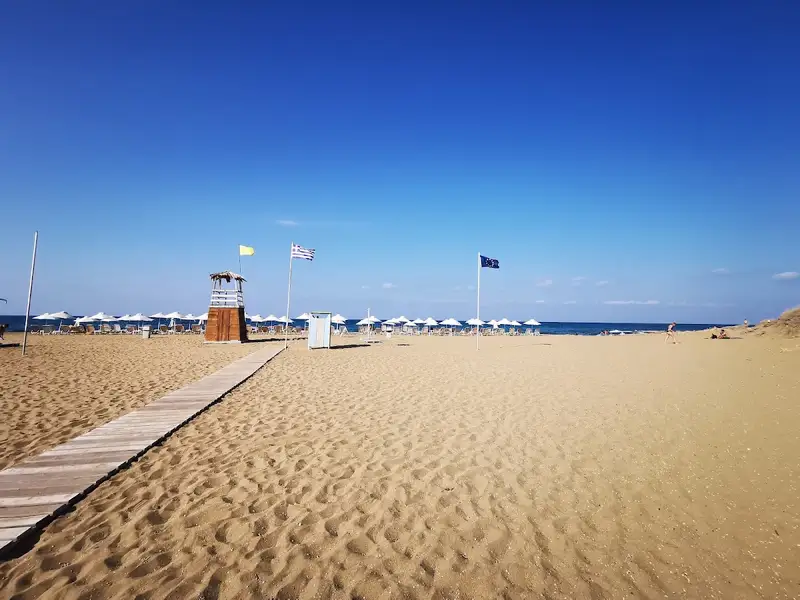
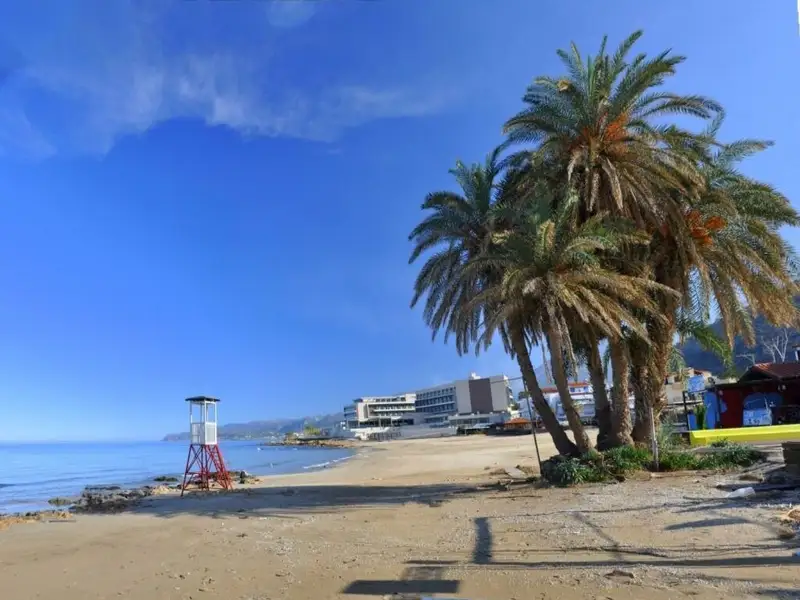
Potamos Beach is a quiet, sandy beach about 3 km east of Malia on the north coast of the Heraklion region of Crete, named after the small river that runs beside it. It sits just east of Malia’s port, next to the Malia wetland and the Minoan Palace of Malia, and stays calmer than Malia’s busy main beach. From Heraklion it is roughly a 30 to 35 minute drive east.
Potamos is a long, well kept stretch of sand that draws far fewer people than the main beach in the middle of Malia. The eastern end stays largely undeveloped because of the archaeological site and the protected wetland behind it, while a few hotels sit to the west, each with its own patch of sand.
The Malia wetland is an ecologically important reed bed that shelters many bird species and preserves coastal plants that have disappeared from much of Crete. Water flowing down from Mount Selena keeps a stream running here, turning into a small river close to the shore in winter and feeding clear water into the sea. The water is fresh enough that goats often come down from the hills to swim and drink at the edge of the beach. In autumn, white sand lilies bloom across the low dunes that back the shore.
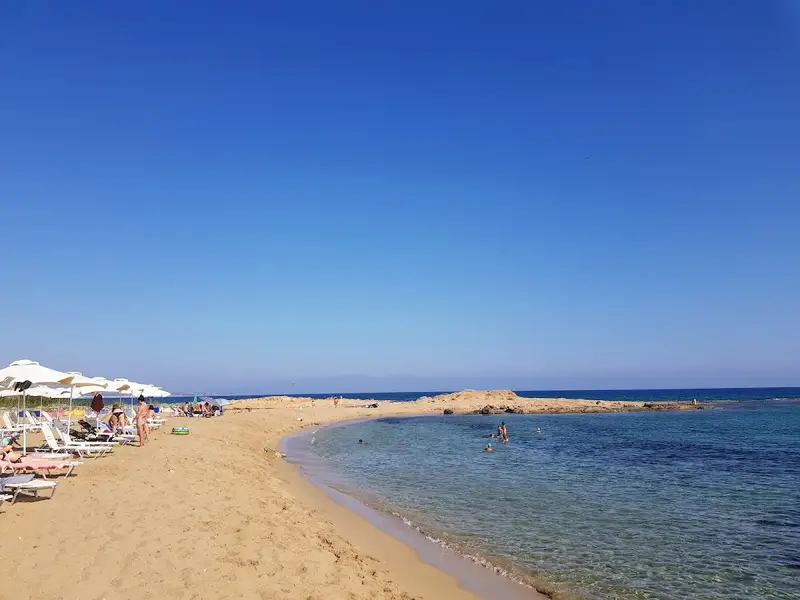
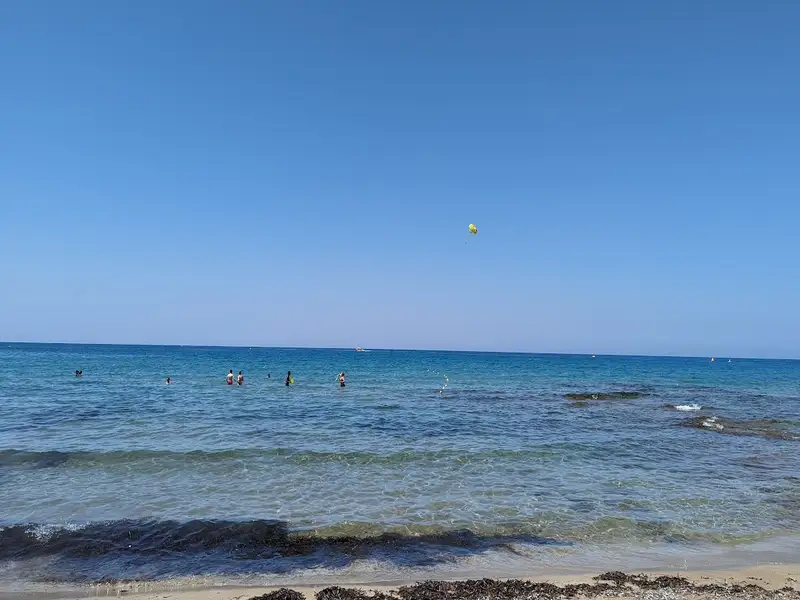
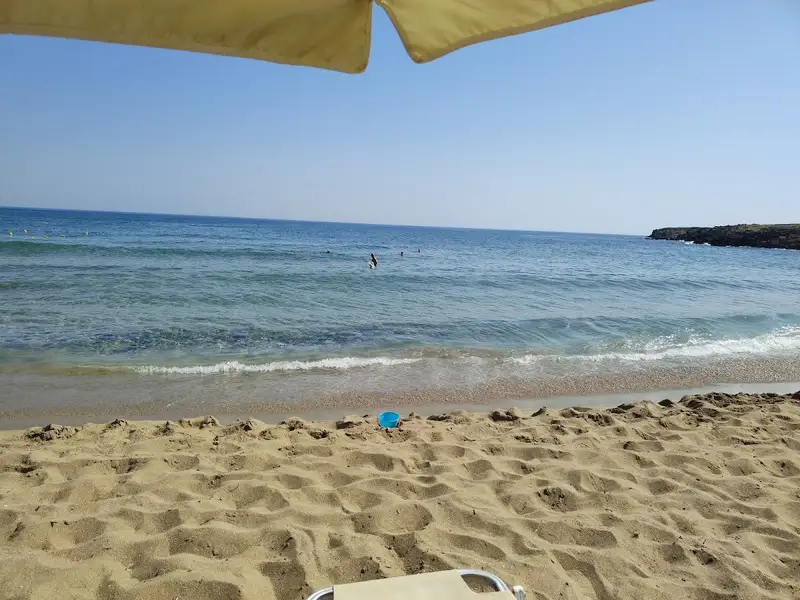
The beach is fine golden sand, and the sea is clear and shallow, deepening gently over a soft, sandy seabed. That makes it a good choice for families with young children, who can paddle safely close to shore.
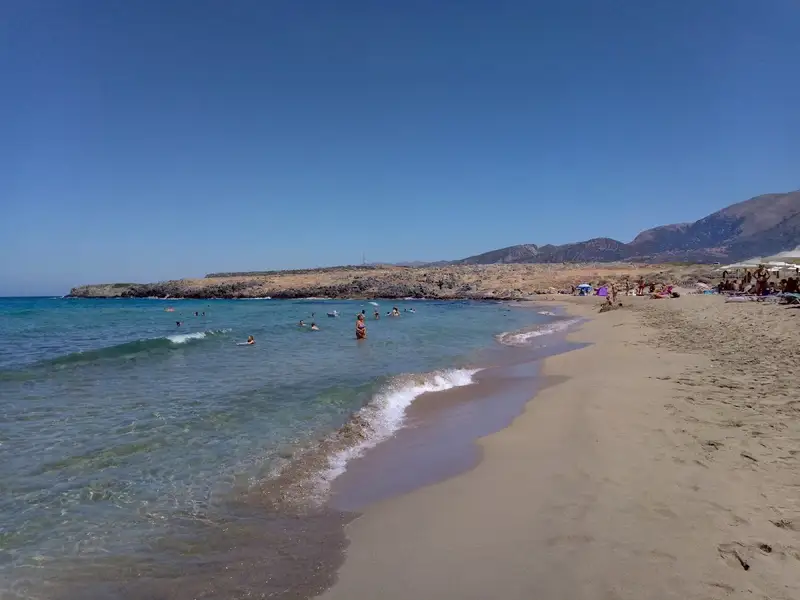
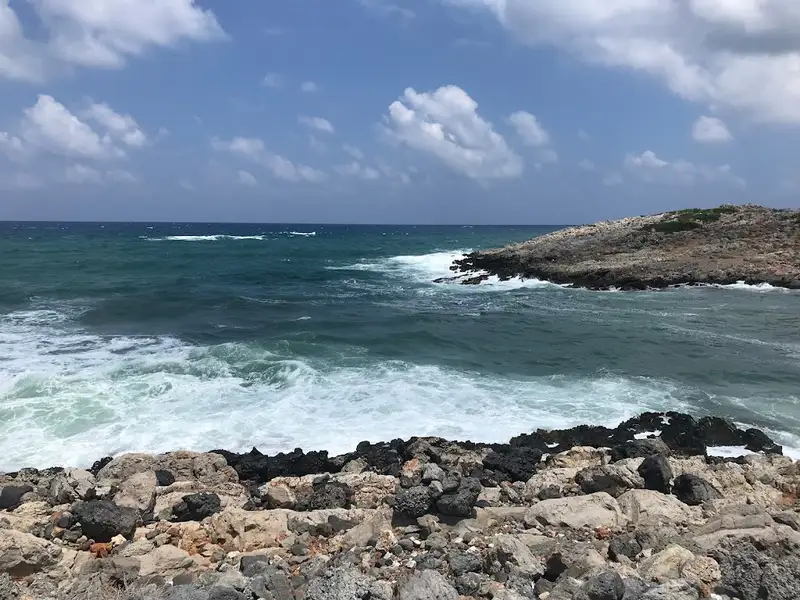
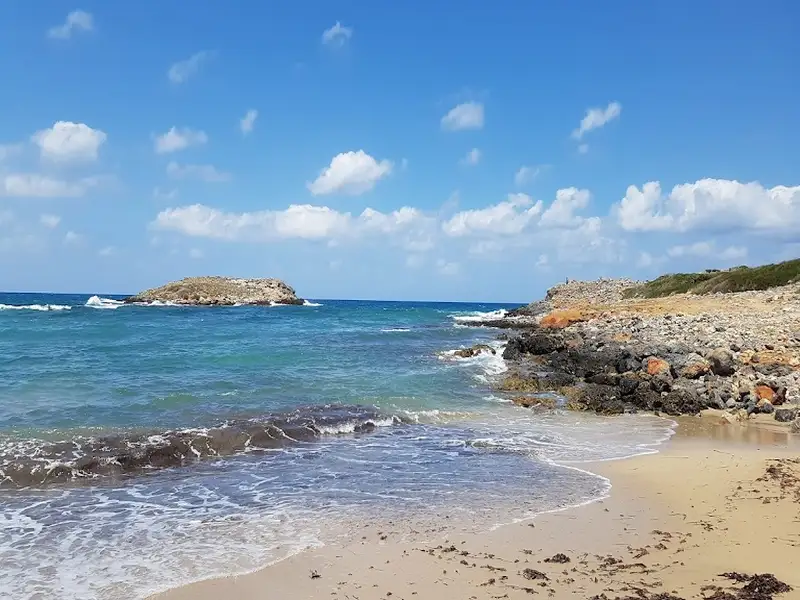
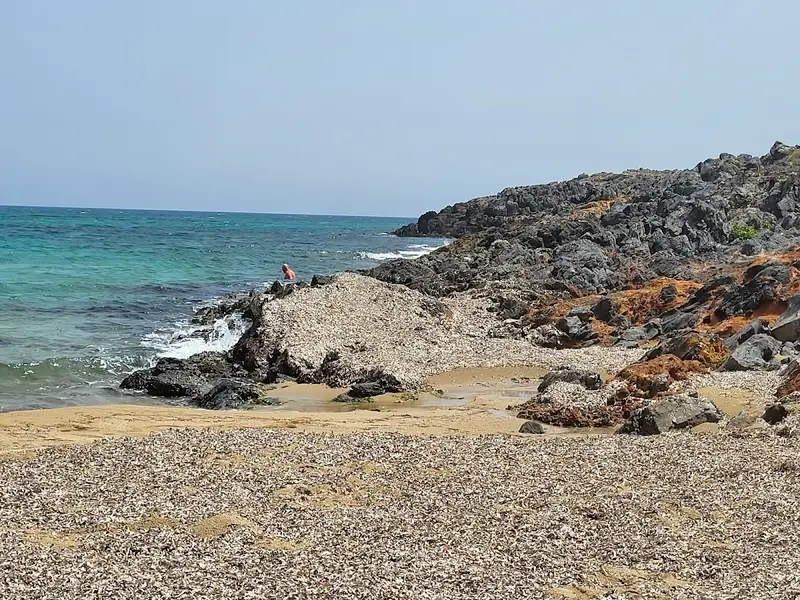
Potamos is really more than one beach: a couple of sandy stretches with small rocky coves in between. The eastern bay is more sheltered and calmer, while the longer western stretch catches the north and northwest winds and turns wavier, so pick your spot to match the day. The rocky coves between the sandy sections are good for snorkeling.
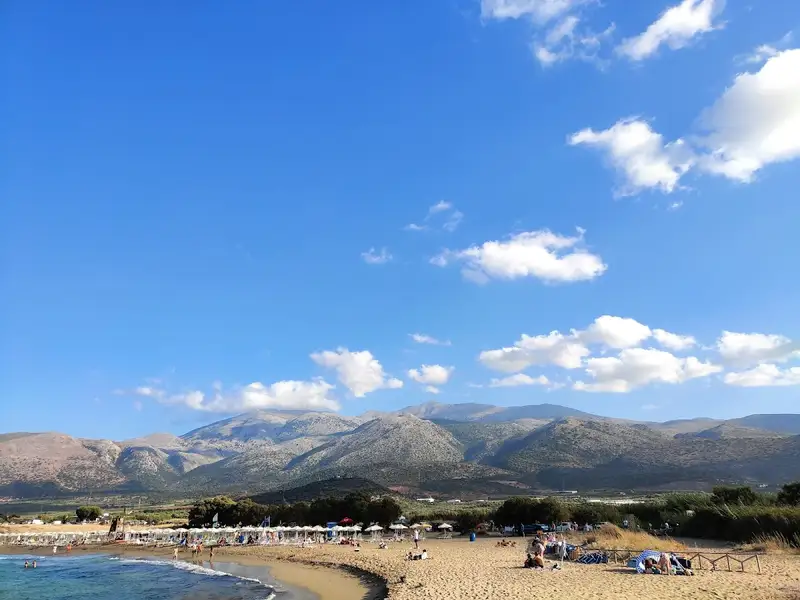
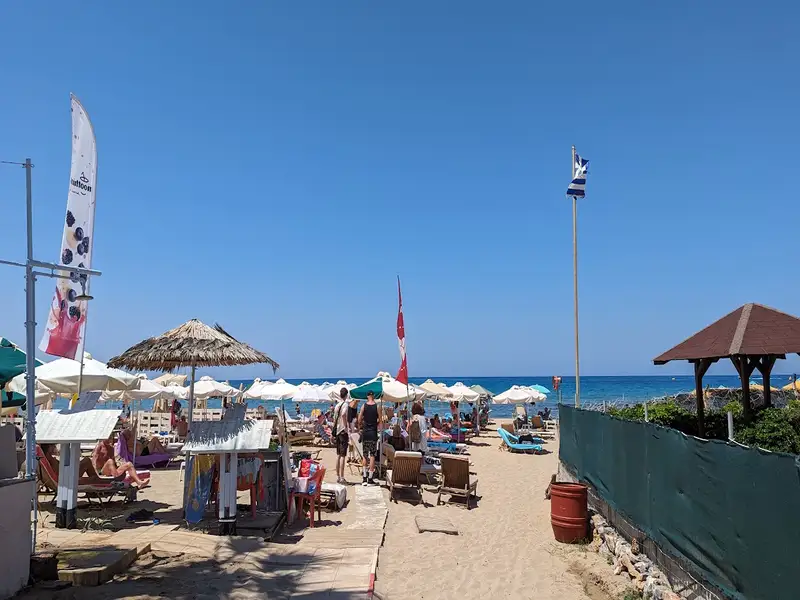
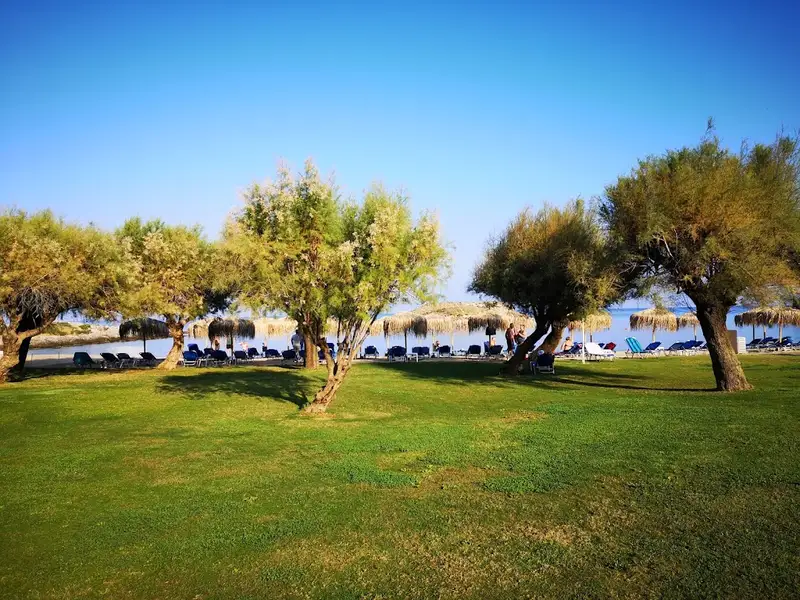
Sunbeds and umbrellas are available to rent, and there are showers and a lifeguard on duty in season. Tamarisk trees along the back of the beach give natural shade, which helps when the midday sun is strong, so bring sun protection as well. For food and drink there is a snack bar on the sand, plus tavernas and a few hotels on the western side. Potamos flies a Blue Flag for its water quality and organisation.
By car it is a short drive from Malia, with parking beside both main sections of the beach. By bus, the Heraklion to Malia and Agios Nikolaos service stops close by, near the Malia Palace, from where it is a short walk down to the shore. You can also walk from Malia in about 30 to 45 minutes along Machis Kritis or Grammatiki. If you would rather have a car for the day and reach the quieter coves and nearby villages easily, you can rent a car in Crete.
Potamos Beach sits within easy reach of several sights. It is a short walk from the Minoan Palace of Malia, one of the largest Minoan palace complexes on the island, so a beach day pairs easily with some history. The wetland right behind the sand is a good spot for a short nature walk and birdwatching.
A coastal path runs east over the headland to the next cove. That walk ends at the small, church-side Agia Varvara beach.
Potamos Beach is on the north coast of Crete, about 3 km east of Malia and roughly a 30 to 35 minute drive east of Heraklion. It takes its name from the small river that runs beside it, next to the Malia wetland.
You can drive from Malia in a few minutes and park beside the beach. The Heraklion to Malia and Agios Nikolaos bus stops nearby, close to the Malia Palace, and it is also walkable from Malia in about 30 to 45 minutes along Machis Kritis or Grammatiki.
Yes. The water is clear and shallow and deepens gently over a soft sandy seabed, which suits children. The eastern bay is the most sheltered, so it is the calmest part for young swimmers.
There are sunbeds and umbrellas to rent, showers, and a lifeguard on duty in season. Tamarisk trees give natural shade, and there is a snack bar on the beach with tavernas nearby on the western side.
Potamos is quieter than Malia’s main beach and keeps a relaxed feel. It is busiest in July and August, while June and September are calmer.
The long western stretch catches the north and northwest winds and can get wavy. The eastern bay is more sheltered, so head there on windier days.
Yes, Potamos Beach holds a Blue Flag, awarded for water quality and beach organisation.
The Minoan Palace of Malia is within walking distance, and the Malia wetland behind the beach is good for a nature walk and birdwatching. A short coastal walk east over the headland reaches Agia Varvara beach.
Stalida Beach (or Stalis) is located 30km east of Heraklion, between Malia and Hersonissos. Originally a small seaside village formed by the inhabitants of Mochos, it has now evolved into a bustling tourist destination, harmoniously blending into the neighbouring town of Malia. Stalis caters primarily to families seeking a tranquil retreat, and is beautifully equipped with a range of accommodations, eateries, bars, and taverns, not to mention an ATM and a pharmacy for convenience.
Stalida makes for a perfect base to explore the nearby attractions and engage in an array of activities. The locality is teeming with stunning beaches, enriching archaeological sites, and captivating cultural spots. A short 6km trip from the beach takes you to the Aquaworld Aquarium & Reptile Rescue Centre – a place where you can acquaint yourself with a variety of marine creatures and reptiles. Nearby, the Lychnostatis Open Air Museum offers a deep dive into Crete’s natural history and culture.
For those seeking aquatic thrills, the Acqua Plus waterpark, the island’s largest, is not far from the coastline. To the west, beyond Malia and Potamos Beach, lies the Malia Palace Archaeological Site, home to the third largest Minoan palace complex and steeped in millennia-old history. A further 20km south, the ancient Minoan settlement of Karfi offers another slice of history, believed to have been home to around 3,500 inhabitants.
For those with a passion for hiking, the Bulgarian trail, starting from Stalis and leading up to Mohos, is a must. Named after the Bulgarian prisoners of war who constructed it during WWII, this 5km trail, though lengthy and ascending, is an experience in itself. Along the way, you’ll cross a pedestrian bridge spanning the highway and encounter the contemporary Panagia Theogenitor Monastery. Once in Mohos, enjoy a leisurely stroll along narrow lanes, relax with a coffee in the spacious square, and enjoy the warm company of the locals. You can choose to return via the same trail or follow a different one leading from Mohos to Malia.
The Agia Varvara beach, positioned 41km to the east of Heraklion and nestled between Malia and Sissi, earns its name from a church in the east dedicated to Santa Barbara. This sandy haven forms a petite bay in front of a hotel, with the islet of Agia Varvara just across the bay, an ideal spot for swimming, although one should be careful of the strong currents. The beach is well-equipped with sunbeds and umbrellas, and tamarisk trees are scattered around for added shade. However, be aware that this beach, like many others in northern Crete, is often subject to the frequent northwest winds.
No results available
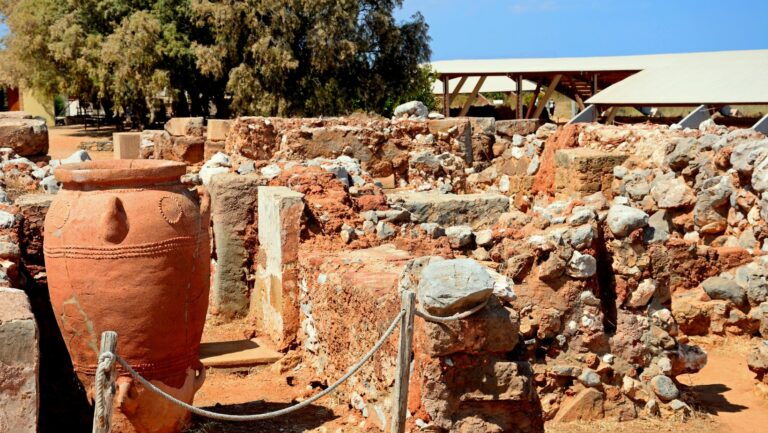
The Malia Palace is situated 3km east of Malia town, adjacent to the wetland and Potamos beach. It was a significant Minoan city that housed the third largest Minoan palace, following Knossos and Phaistos. According to mythology, Sarpedon ruled here, who was the brother of Minos and son of Zeus and Europa. Sarpedon was expelled by his brother Minos and then sought refuge in Lycia in Asia Minor.
Until 1880, the existence of the city was completely unknown when the landowner of the Chrysolakkos area discovered a few sheets of gold a few meters west of the palace. This led to excavations in the broader area by gold diggers. In 1915, Joseph Hatzidakis began excavations in the harbour, while in 1921, the French Archaeological School continued the works in Chrysolakkos, where they found one gold jewel depicting bees, which is considered the most important finding of Malia and is displayed in the Archaeological Museum of Heraklion.
The city’s name is still unknown, although it is probable that it was either Tarmaros or Milatos. The city minted its own coins depicting, on both sides, the goddess Athena and two dolphins. Moreover, the town covered an area of 1 square kilometre, with neighbourhoods built sparsely around the palace. The first palace was built around 1900BC occupying an area 8800sq.m., but it later destroyed in 1700BC. The palace had two floors with a central courtyard with a rectangular shape and four wings. The most important part was its west side. There were warehouses with many pots and jars, royal rooms, workshops, a weapons room (where the famous royal scepter was found) and altars. The palace was destroyed again in 1450BC, either by an earthquake or by attack.
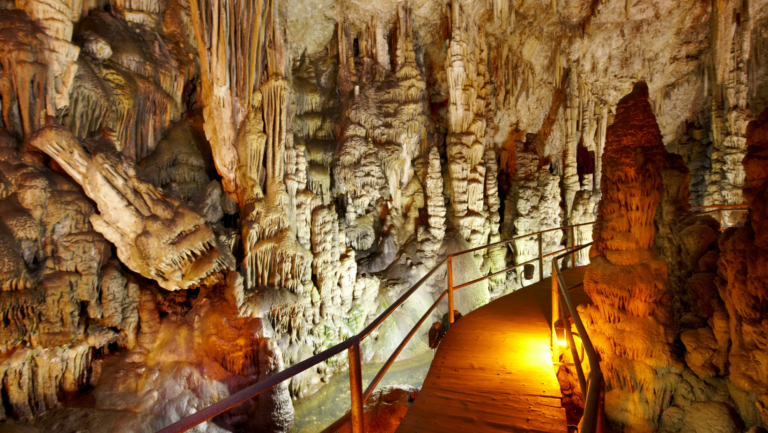
Cave of Zeus is a legendary sanctuary where, according to mythology, the Titaness Rhea hid her son Zeus to protect him from his father Cronus, who had a grim habit of devouring his children. It also serves as the backdrop for the mythological tale of Zeus and Princess Europa. Nestled on the rugged northern slopes of Mount Dikti, at an elevation of 1,025 meters near the village of Psychro, the cave – often referred to as the Dikteon Cave or Psychro Cave – is one of Crete’s most visited archaeological and mythological sites.
Begin your expedition from Stalida, Hersonissos, or Malia, traversing the winding road that ascends to the Lassithi plateau and onward to Psychro. The journey is scented with wild aromatic herbs and offers breathtaking panoramic views. A path bordered by oak trees leads to the cave’s entrance, inviting you to explore.
Upon entering, you’ll be greeted by the cave’s inhabitants: wild rock doves and bats, thriving in the cool darkness. A noticeable chill sets the scene for an exploration filled with wonder. Descend along a clearly defined trail to reach the central chamber after 250 meters, where millennia have sculpted a stunning display of stalactites and stalagmites. The highlight is a grand stalactite that hangs over the lake’s center, known as “Zeus’s cloak.” Evidence of the cave’s historical role as a worship site, including an altar, niches filled with votive offerings, and various archaeological discoveries, underscores its significance. Many of these sacred artifacts are now preserved in the Archaeological Museum of Heraklion.
Visitors can access the cave from 08:00 to 18:00 in the summer months and from 08:30 to 15:30 in the winter.
To explore the depths of the legendary Cave of Zeus, visitors are required to pay a nominal entrance fee of 6 Euros, with free admission for students and a 50% discount for all during the winter months.
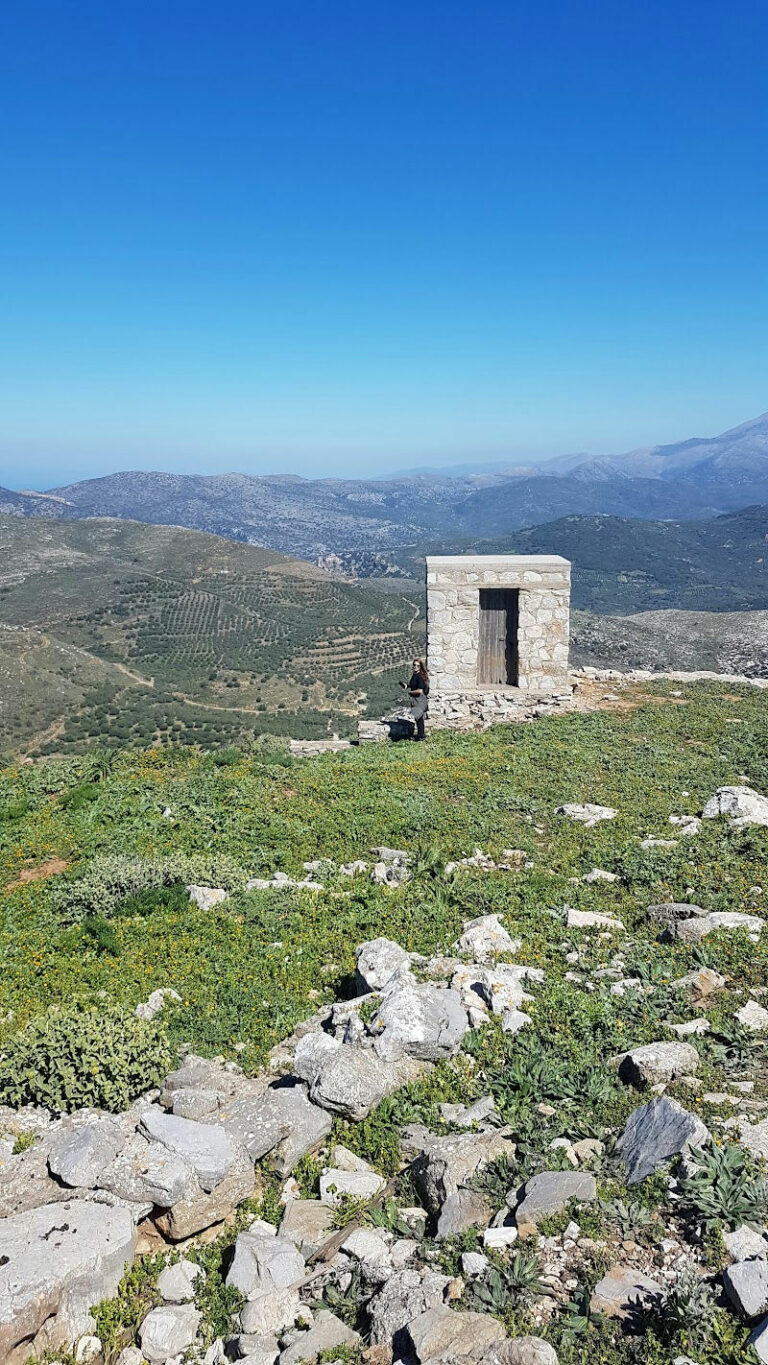
Perched atop the rocky hill of Prophet Elijah (Profitis Ilias) near Smari, at an elevation of 590 meters, lie the remnants of a fortress surrounded by a robust defensive wall. This location offers sweeping views over the fertile plains of Kasteli and Smari. Archaeologist Hadji-Vallianou believes this fortress to be the site of ancient Lyttos mentioned by Homer. The city was continuously inhabited from 1800 BC to 630 BC before being deserted by its residents.
Inside the city walls, three oblong structures can be found, and a sanctuary of Athena Ergani was identified on the northern side, confirmed by ceramic plates depicting the goddess Athena. These plates are considered the oldest representations of Athena in Crete. A settlement was constructed around the peak, enclosed within a secondary wall. A stone-paved street connects the village to the citadel. Large buildings, likely used as warehouses and workshops, were located outside the second wall.
The terraces outside the citadel are also fascinating, as they demonstrate how the city’s inhabitants managed to preserve the minimal soil in the area and cultivate wheat. Furthermore, the city’s development in such a rugged and rocky location would not have been possible without the presence of the water spring now found inside the Prophet Elijah church, situated just a few meters below the peak.
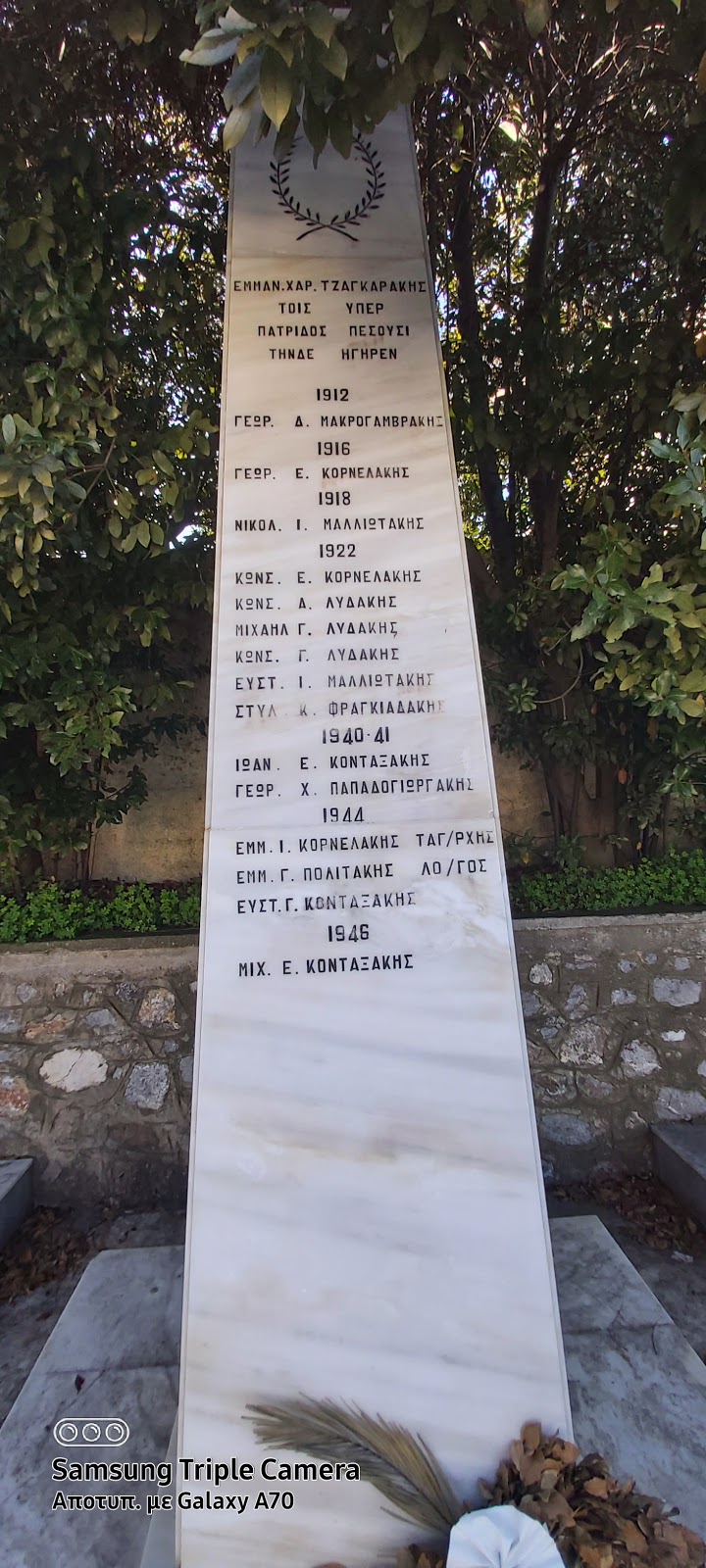
Ancient Lyktos, also known as Littos, can be found near the settlement of Xidas. This city was one of the most powerful in ancient Crete, a perpetual rival of Knossos, and it controlled the port of Hersonissos. Many ancient historians have written about Lyktos, mentioning that it was the oldest city in Crete, well-organized and constructed, and the place where Rhea’s parents advised her to give birth to Zeus.
Lyktos was a colony of the Lacedaemonians, and the deity Karnian Apollo was worshiped here. The city participated in the Trojan War, during which the leader of the Lyktaeans, Kiranos, sacrificed himself to save Idomeneus from Hector’s spear.
Lyktos held dominance over Eastern Crete and was in continuous conflict with its archenemy, Knossos. In 343 BC, Knossos occupied Lyktos, but the Spartans assisted the Lyktaeans in regaining their city. However, in 220 BC, while Lyktos was at war with Ierapytna, Knossos invaded the unguarded city, destroyed it completely, and captured the women. The returning Lyktaeans were too afraid to enter the city and instead sought refuge in Lappa (present-day Argiroupolis). This event led to the formation of an alliance against Knossos and the beginning of the First Cretan War.
With Sparta’s help, Lyktos was rebuilt and once again became one of Crete’s strongest cities. During the Roman period, the city fiercely resisted the Roman general Metellus, who eventually occupied it. Statues of Marcus Aurelius and Trajan from Lyktos can be found in the Archaeological Museum of Heraklion.
To supply water to Lyktos, water from the Kournia spring, located between Kera and Krassi, was transported to the city via a massive aqueduct. A portion of this aqueduct still stands north of Kostamonitsa village, resembling a wall (tihos).
The emblem of Lyktos coins featured an eagle with open wings and the head of a wild boar, accompanied by the word ΛΥΤΤΙΩΝ (Lyktaeans). Numerous artifacts have been discovered, including sculptures and two inscriptions of the city’s laws written in boustrophedon (alternating text direction per line).
No results available
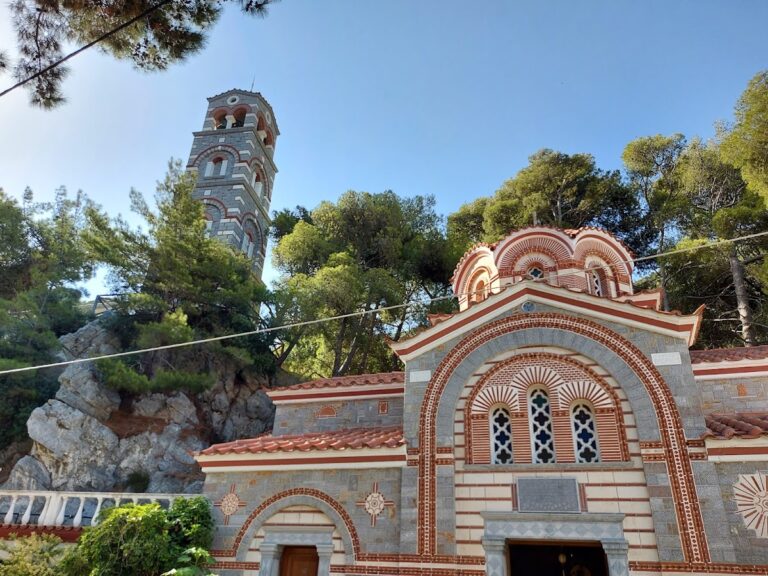
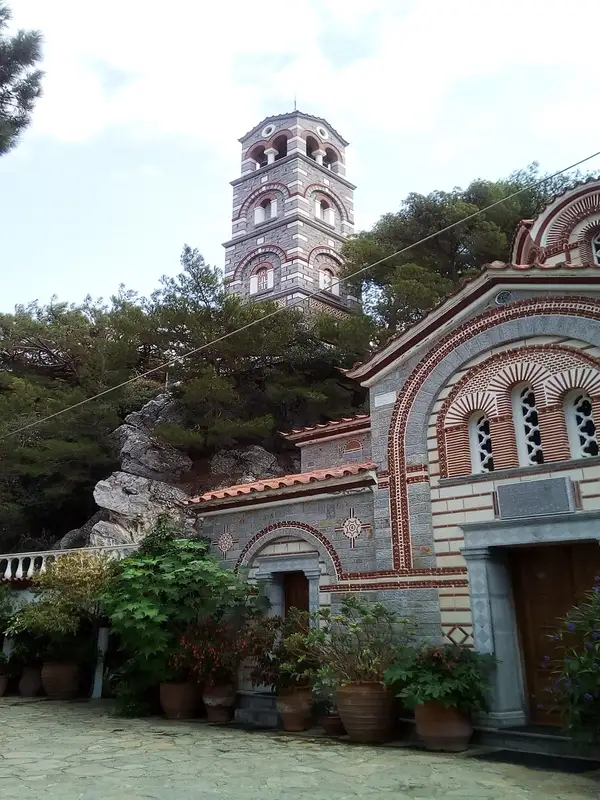
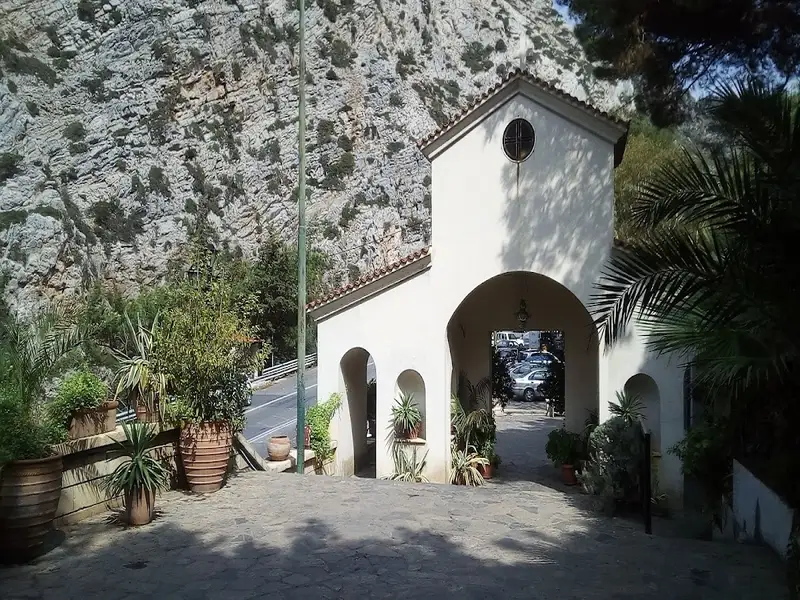
The male monastery of Saint George Selinaris is nestled in the heart of the Selinari gorge, close to Vrachasi village and Neapolis. The National Road, which connects Heraklion to Agios Nikolaos, runs alongside the monastery, making it a popular stop for many visitors daily. Cretans believe it is bad luck to pass through the canyon without stopping at St. George, a tradition that dates back to when travelers would stop to rest with their animals.
As per tradition, a monk from Rhodes named Nikolaos was guided by God to a location where he discovered the icon of St. George, leading him to build a church. Nikolaos resided at Selinari until his death, at which point he was buried in a small cave at the summit of Anavlohos mount, which he had carved himself. Several years after his passing, sailors from Rhodes were led to Nikolaos’ tomb by a shining star. Recognizing this as a divine sign, they transported his bones back to Rhodes. Anavlohos cave can be found on the eastern side of the gorge, directly opposite the monastery. The exact location can be identified by looking up at the gorge walls and spotting a large cross. While the cave is accessible by foot, climbing the steep path requires good physical fitness.
During the Ottoman Era, it is believed that the Turks attempted to destroy the monastery, as evidenced by the three bullets embedded in the old icon of Saint George, which is also considered miraculous.
A visit to the monastery is well worth it, as you can admire the stunning beauty of the lush canyon and cool off at the local spring. The monks are very welcoming and eager to share the history of the monastery. The central church’s main body is modern, as are the wall paintings in the chapel of St. George (the original temple built by Nikolaos). A modern nursing home also operates here, constructed on the ruins of the old monastery cells.
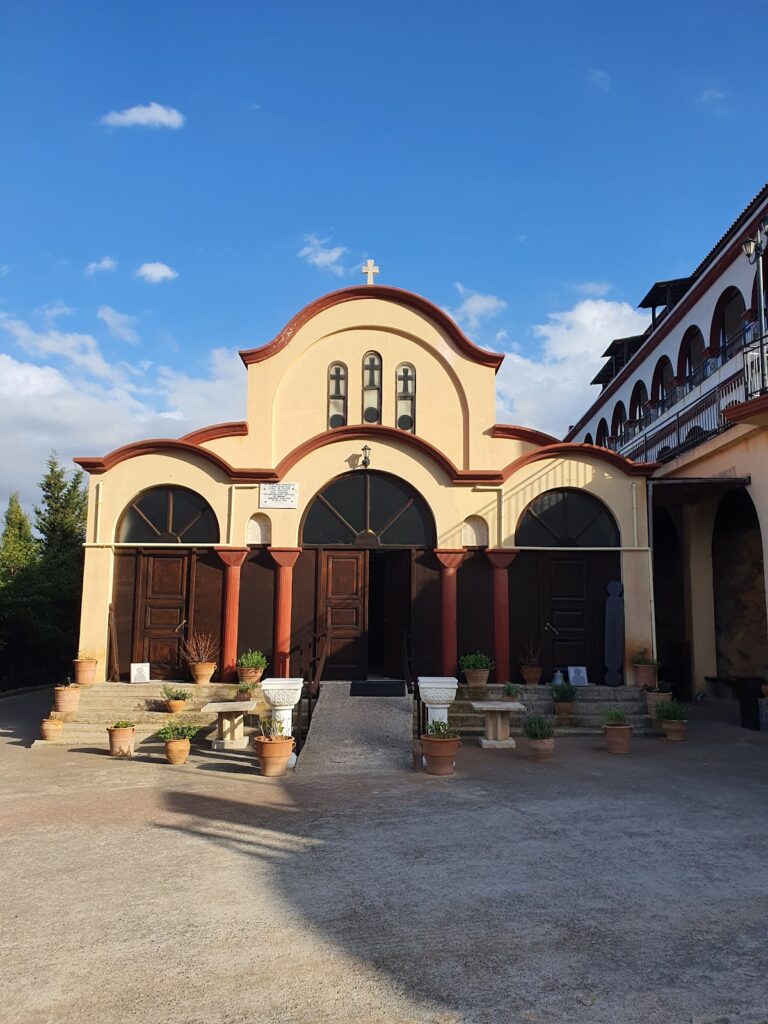
The Monastery of Virgin Mary Theogennitor, situated near Mohos, boasts a prime location overlooking the Stalis coastline. Despite being relatively new, this monastery has earned a significant reputation, primarily due to its founder, Father Apostolos. Previously a monk at the St. John Monastery in Anopolis, Apostolos was evicted in 2009 and subsequently established this monastery.
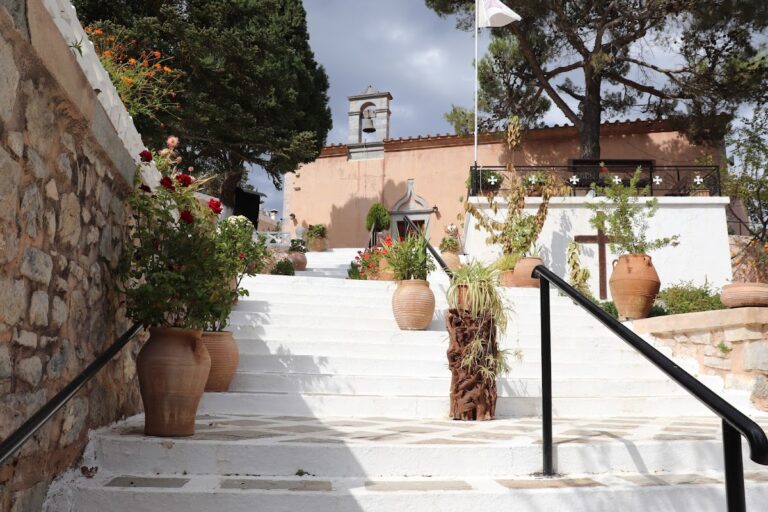
Located on a small hill adorned with oak trees near the villages of Agios Konstantinos and Marmaketo in the Lassithi Plateau, the Monastery of Panagia Kroustallenia is a historically significant site in Crete that is always worth exploring.
As per local tradition, the monastery’s name is believed to have originated either from its first founder, Kroustallenia, or from an icon of Panagia (Virgin Mary) discovered in a nearby cave, which was engraved on crystal (Kroustalenia also translates to “made of crystal” or “glass”).
The primary temple within the monastery is devoted to the Virgin Mary and observes its celebration on August 15. The monastery complex primarily features 20th-century buildings due to the multiple destructions it faced during the Turkish occupation.

Situated at the base of Louloudaki mountain, near the village of Kato Metohi in the Lassithi Plateau, the Vidiani Monastery is easily accessible as it lies just beside the plateau’s peripheral road.
Dedicated to Zoodochos Pigi (Life-Giving Spring), the monastery has been transformed from its previously abandoned state. The monk cells and other buildings within the complex have been restored, and it now functions as a male monastery. During the summer, flowers bloom throughout the grounds, and a small fountain in the courtyard, surrounded by towering cypress trees, symbolizes the spring of Life. Visitors can also enjoy a small café nestled under the shade of the trees. In partnership with the University of Crete, the monastery houses a modest natural history museum.
Constructed in the 19th century, both the monastery and the church are relatively new, likely built upon the ruins of an earlier monastery. The stone-built church features intricate masonry, stone-carved windows, and an exquisitely carved temple.
The area was once under the control of the Vidon family (hence the name Vidiani), who were descendants of a Venetian family that had been granted a portion of the plateau as a fief.
No results available
No results available
No results available
No results available
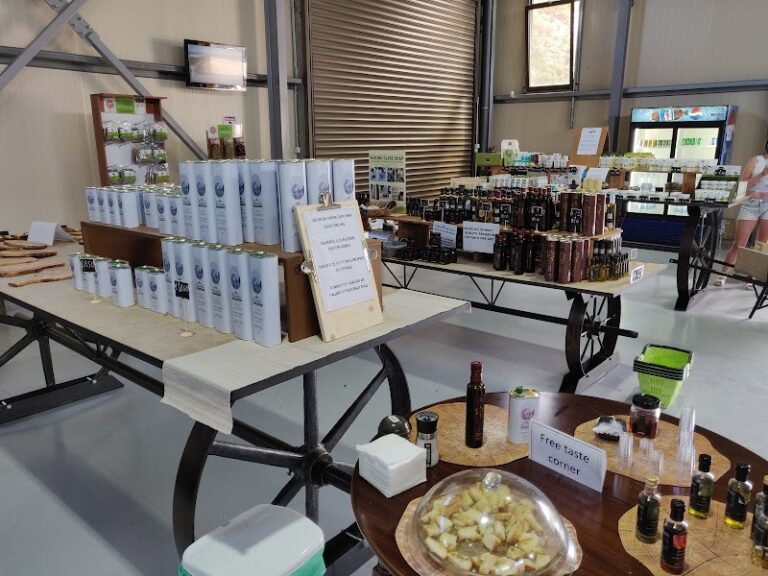
The Omalia Olive Press, a family-run business since 1925, is situated in Agias Marinas, Malia. This facility has a long history of producing virgin olive oil. A tour of the press, enhanced by videos and written guides, offers a comprehensive look at both contemporary and traditional methods of olive oil production. Visitors also have the opportunity to view the press’s historic machinery.
Additionally, the press features a shop where both bulk and individually packaged olive oil products are sold at wholesale prices. These make ideal gifts and souvenirs to bring back from your visit. Guests can learn about the various types of olive oils available and taste them to find their preferred choice before purchasing.
No results available
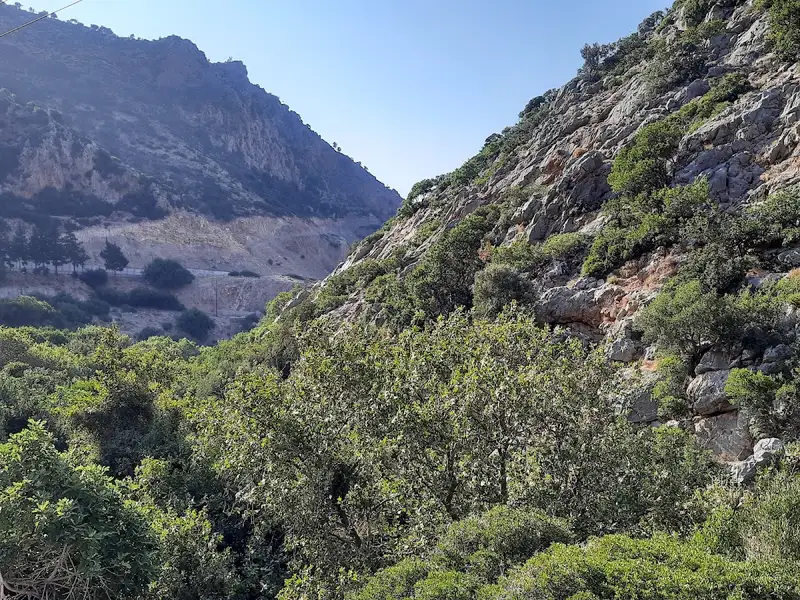
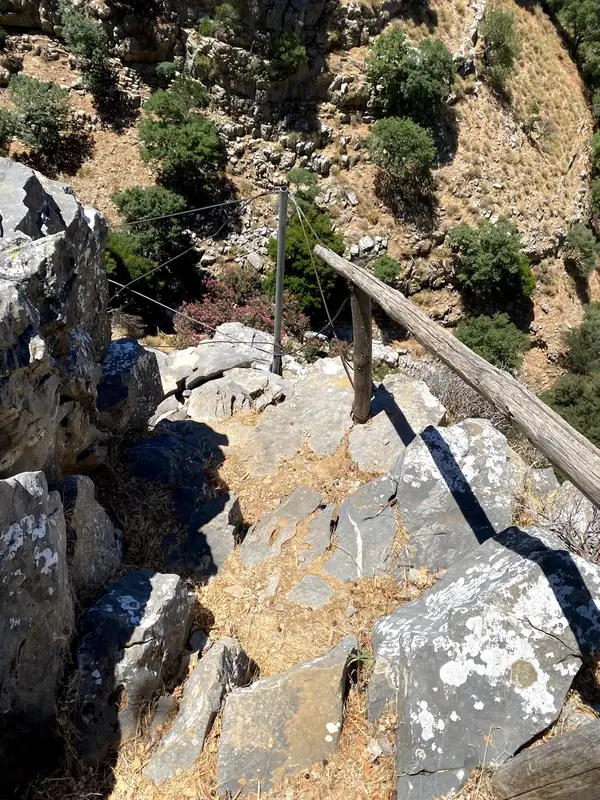
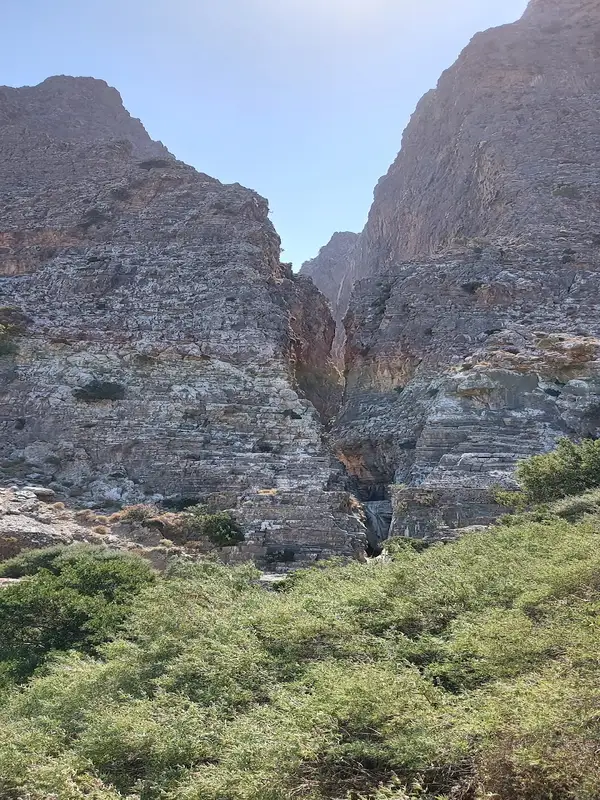
The Embasa Gorge, also known as Apotyposi, begins its journey from the village of Kato Kera in the Pediada province and concludes near the village of Gonies, spanning a length of approximately 2km. The upper section of the gorge is notably steep, giving rise to several waterfalls during the winter season, with the tallest one measuring around 20m in height. The largest waterfall is particularly intriguing due to its division into several smaller cascades. It is possible to reach all the waterfalls without any special equipment as they can be circumvented from the sides.
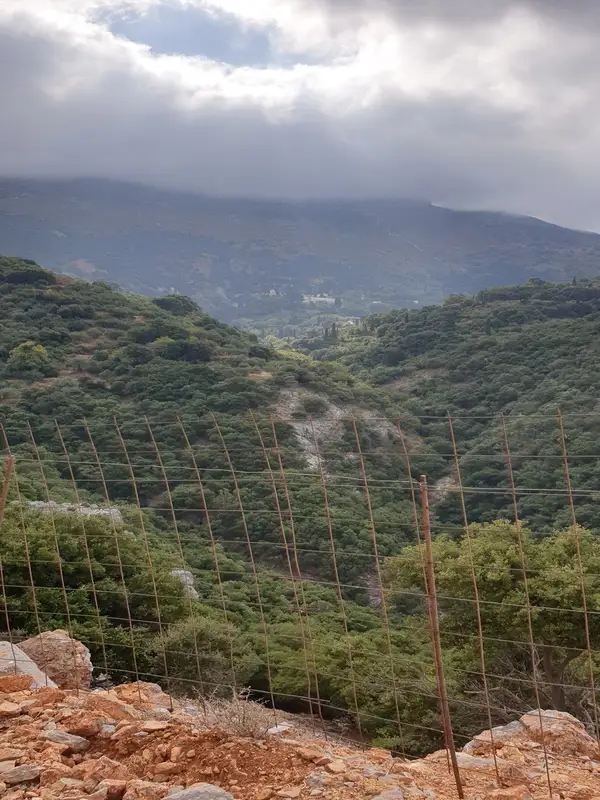
Ascending the canyon from Gonies provides easier access to the waterfalls. However, the dense vegetation and steep inclines may pose a challenge for beginners. The gorge is predominantly populated by oak trees, planes, and brambles. The Life-Giving Spring church (Zoodohos Pigi) is located on the edges of the gorge, above the largest waterfall. According to local lore, a natural rock formation resembling the Virgin Mary can be found above this church. Hence, the gorge is also referred to as Apotiposi (Depiction). The church serves as the nearest parking spot to the large waterfall and can be conveniently reached from here, provided one can first overcome the initial hurdle of the fence erected by local shepherds.
Roza Gorge, a branch of the larger Ambelos Gorge, originates near the Panagia Kera Kardiotissa Monastery in the Ano Kera region. It connects with the rural road that traverses the Ambelos Gorge close to the village of Gonies. Walking along the riverbed is not feasible due to the precipitous drops, but a well-marked hiking trail is available on the gorge’s sides. The gorge’s sides are visually striking, showcasing unique geological formations that captivate visitors. After heavy rainfall, surface water is visible in the gorge, evidenced by the growth of oleander plants in the riverbed.
The name ‘Roza’ is derived from the pinkish hue (‘roz’ translates to pink) of the gorge’s walls. Another theory suggests that the gorge was used as a disposal site for sterile animals like donkeys in the past. As a result, locals named it ‘Stira Za’ (meaning sterile animals), which eventually evolved into ‘Sti Roza’ (or in Roza).
Canyoning in the Roza Gorge
Roza Gorge is technical in nature, implying that hiking in its bed is not an option due to the numerous steep descents (rappels) that necessitate specific technical gear and training. For canyoning enthusiasts, it’s important to note that the largest rappel is approximately 18m high. The points are secured with relays from the speleological clubs of Crete, and the descent for a small group typically takes around 3 hours. The gorge’s proximity to Heraklion and easy accessibility make it a popular choice for canyoning schools.
Located approximately 45km east of Heraklion and 21km west of Agios Nikolaos, the Gorge Sellinari is nestled on the eastern slopes of Selena Mount, draining the valley west of Vrachassi. This gorge is a well-known location for all Cretans as the National Road from Heraklion to Agios Nikolaos runs along it. Historically, it served as the natural passage from the region of Lassithi to the fertile north coasts of Heraklion.
The dense vegetation of Selinari can be enjoyed either by car or by taking a leisurely walk until its exit near Milatos. A route worth exploring is the old National Road, which runs parallel to the New Road and winds through the gorge. The gorge walls and surrounding mountains provide a haven for many birds of prey. Selinari was once a refuge for the rare Cretan wild goat, but sadly, it is now extinct. Several springs are scattered around the area, but the most renowned attraction is the historic Saint George Monastery. For the Cretans, it is considered a bad omen to pass a gorge without stopping at the monastery. This belief stems from the past when the Selinari Monastery served as a rest stop for travelers and their animals.
Situated between the peaks of Katharios Lakkos and Katharia Kefala in the Dikti Range, Havgas Gorge is a prominent long gorge on the Lassithi Plateau. The gorge is nourished by the Megalos or Xenikos river, which springs from the Katharo plateau, courses through the Lassithi Plateau, and then vanishes into the sinkhole Chonos. The water resurfaces from Fleves springs at Kastamonitsa or a man-made water pipe at Gonies and ultimately drains into the Aposelemis dam lake. The name “havgas”, along with its variants, is typically used to refer to gorges in Eastern Crete.
Spanning about 4 km, Havgas Gorge provides a leisurely walk, especially at the exit where it widens and showcases striking landslides on its flanks. As you advance, the gorge abruptly tightens, leading to the scenic Neraidokolimbos lake, situated at the foot of a charming waterfall with a round boulder. According to local folklore, the gorge’s fairies used to bathe in this lake.
Next to Neraidokolimbos is the Plystra side gorge, recognized for its successive waterfalls that flow into the main stream of Havgas. Above the gorge, there is a singular waterfall named after Plystra, known to drip water even during the dry summer months. As per the legend, this is where fairies used to wash their clothes.
The gorge, a part of the E4 trail, offers a tranquil landscape due to the lack of crowds. It is home to a variety of trees, mainly maples and holm oaks. The river is seasonal and only flows following substantial rain or snow, whereas Neraidokolymbos lake retains water throughout the year.
Travelers usually start their journey from the exit point near the reservoirs of Agios Georgios village. Another alternative is to commence from the Katharo plateau and descend along the riverbed. However, reaching Neraidokolymbos may necessitate a jump into the water or retracing one’s steps.
No results available
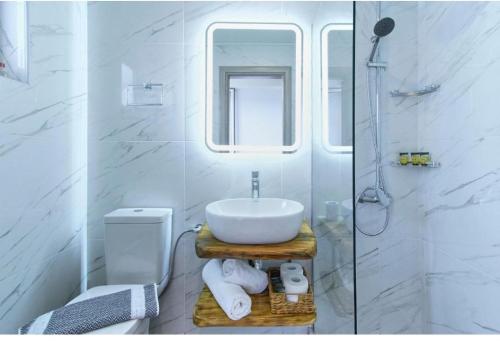
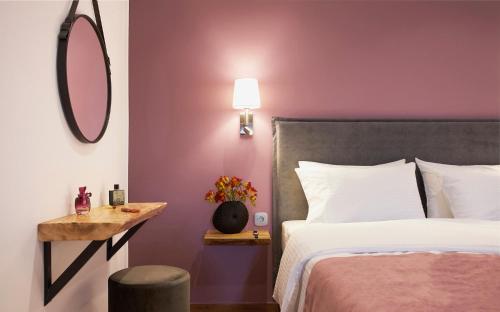
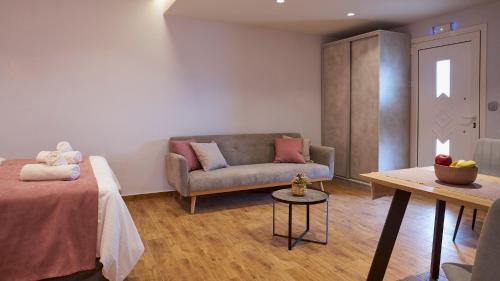
Set in Krásion, 39 km from Lake Voulismeni and 46 km from Heraklion Archaeological Museum, Stefanis Guest House offers air conditioning. The accommodation is 32 km from the Cretaquarium Thalassocosmos and features free WiFithroughout the property.
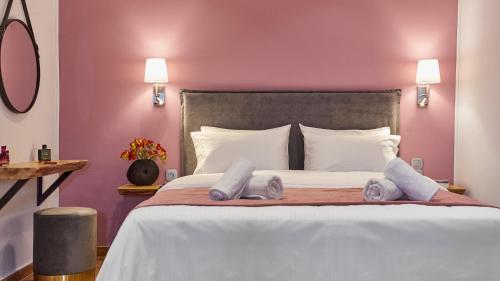
The apartment is fitted with 1 bedroom, 1 bathroom, bed linen, towels, a flat-screen TV with cable channels, a dining area, a fully equipped kitchen, and a terrace with quiet street views.
Venetian Walls is 47 km from the apartment, while The Palace of Knossos is 48 km away. The nearest airport is Heraklion International Airport, 40 km from Stefanis Guest House.
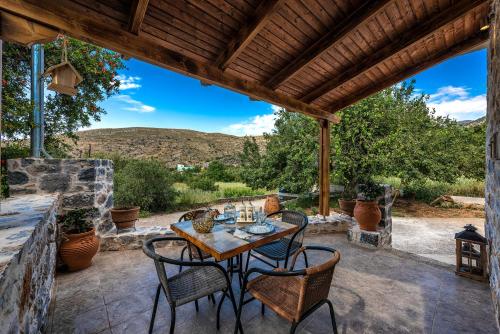
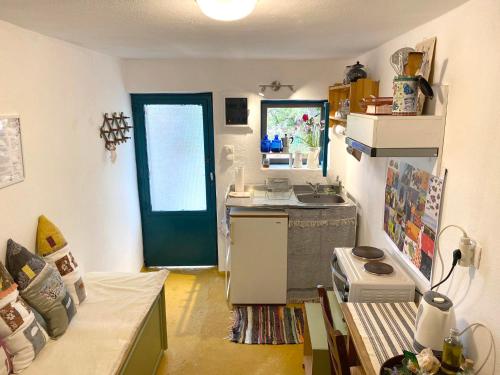
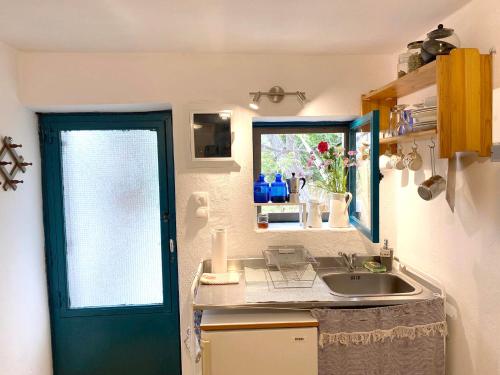
Offering inner courtyard views, tiny house EFROSSINI is an accommodation located in Krásion, 32 km from Cretaquarium Thalassocosmos and 39 km from Lake Voulismeni. It features a terrace, garden views and free WiFithroughout the property.
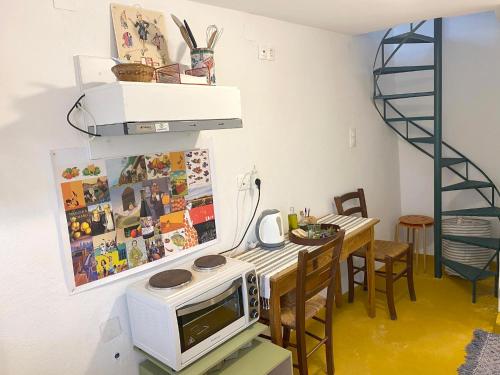
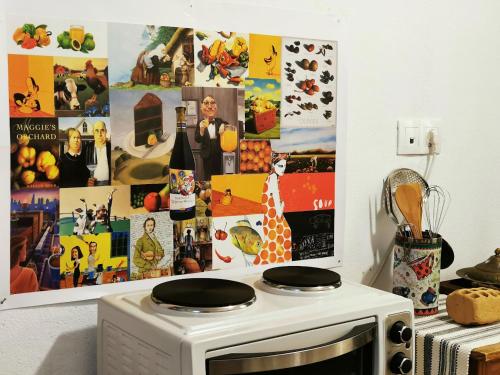
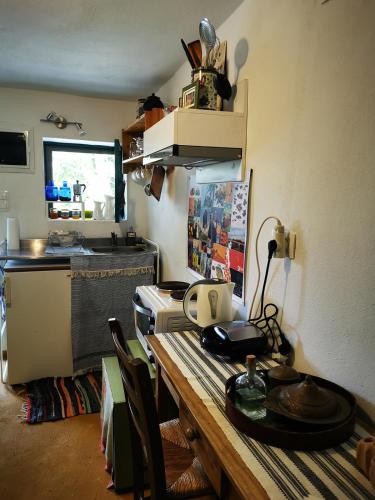
The holiday home consists of 1 bedroom, a living room, a fully equipped kitchenette with an oven, and 1 bathroom with a shower and free toiletries. Towels and bed linen are provided in the holiday home.
Heraklion Archaeological Museum is 46 km from the holiday home, while Venetian Walls is 47 km away. The nearest airport is Heraklion International Airport, 40 km from tiny house EFROSSINI.
from
€45
/night
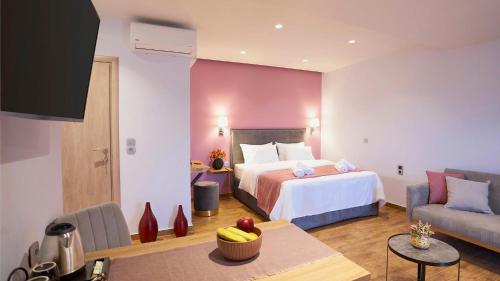
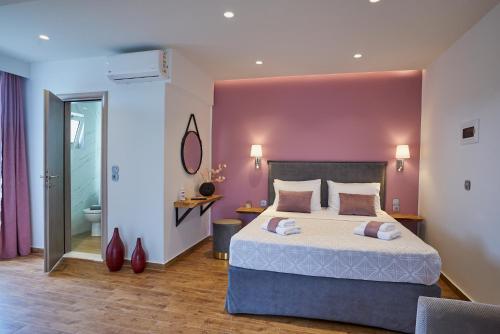
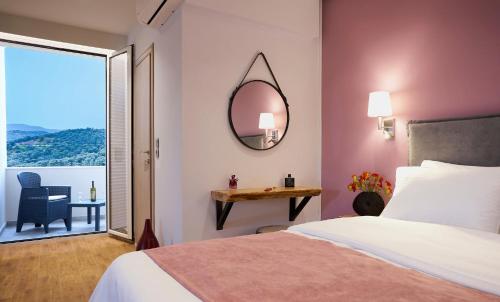
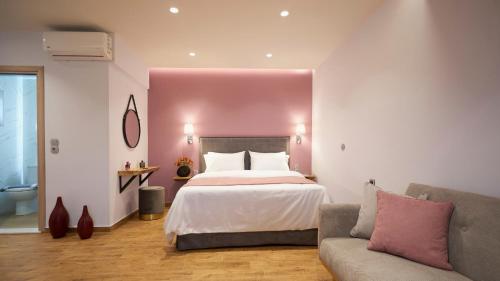
Krassopsychia Apartments is offering accommodation in Krasi. All rooms boast a kitchenette, a flat-screen TV with cable channels, and a private bathroom. Free WiFi is provided.
At the guest house, each room is equipped with a terrace. All rooms come with a seating area.
Heraklio Town is 32 km from Krassopsychia Apartments. The nearest airport is Heraklion International Airport, 29 km from the property.
from
€55
/night
Featuring lake views, Apartments Gonies – Afroditi provides accommodation with a balcony and a kettle, around 25 km from Cretaquarium Thalassocosmos. There is an on-site restaurant, plus free private parking and free WiFi are available.
The apartment is equipped with 1 bedroom, 1 bathroom, bed linen, towels, a flat-screen TV with streaming services, a dining area, a fully equipped kitchenette, and a terrace with mountain views.
A a baby safety gate is also available at the apartment, while guests can also relax in the garden.
Heraklion Archaeological Museum is 40 km from Apartments Gonies – Afroditi, while Venetian Walls is 41 km away. The nearest airport is Heraklion International Airport, 33 km from the accommodation.
from
€53
/night
No results available
Connect with thousands of Crete visitors and boost your bookings.
No results available
© All rights reserved. Crete Locals