

You can get married in Crete with a civil, religious, or symbolic ceremony, and foreign couples are welcome to marry on the island. Crete pairs a warm Mediterranean climate with beaches, resorts, historic churches, wineries, and mountain villages, so couples can match the setting to the day they want. This guide covers Cretan wedding customs, where to hold the ceremony, the legal steps, the best time of year, typical costs, and why a local planner helps.
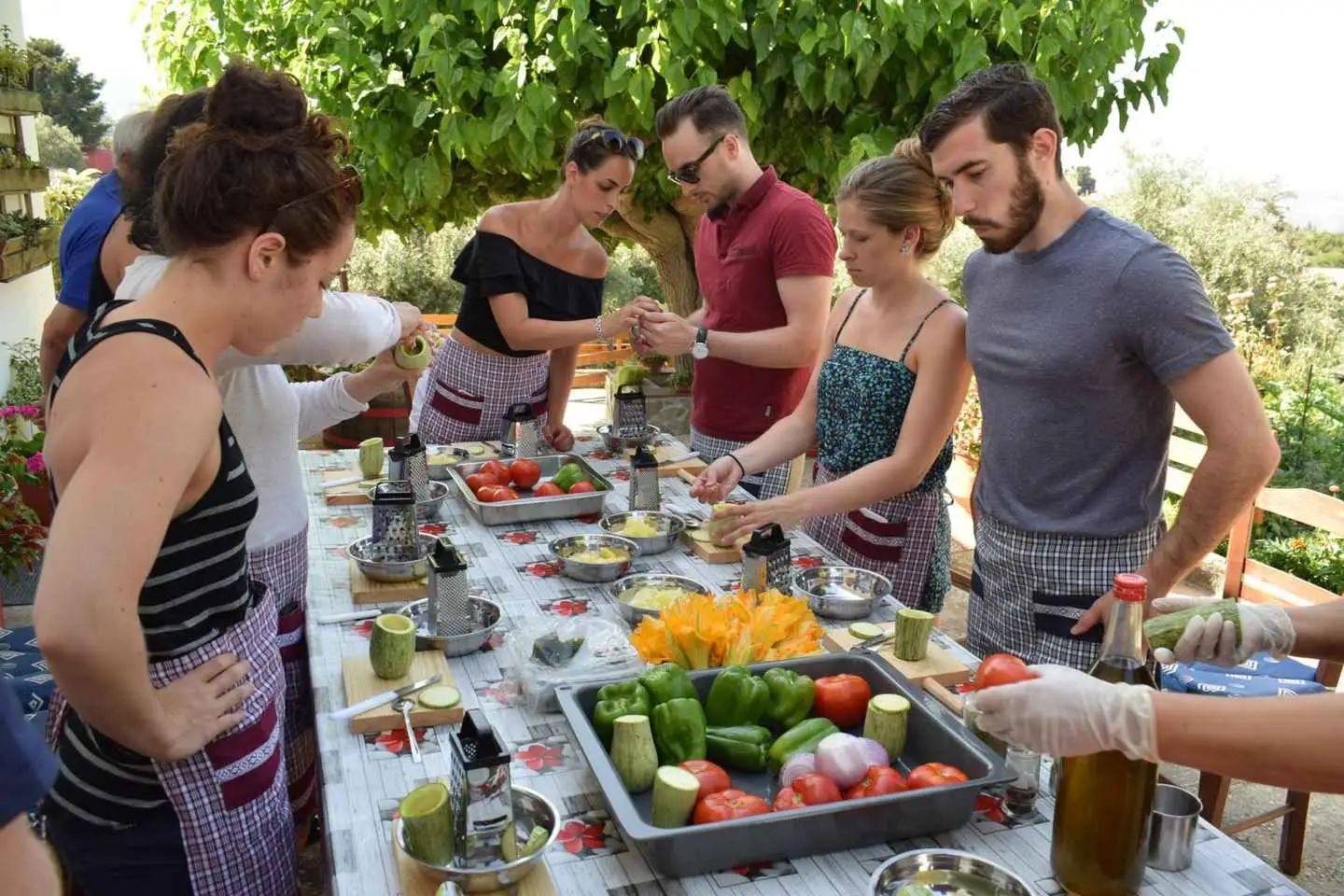
Cretan weddings carry customs you can fold into your own ceremony. Two dishes appear at almost every Cretan wedding: Gamokoulouro, a wedding bread, and Gamopilafo, a wedding pilaf cooked in meat broth. Guests wear a white scarf on the head or around the neck as a symbol of purity and fertility. The celebration usually closes with a Mantinada, a rhyming Cretan couplet that is often improvised on the spot.
Cretan family weddings are large by tradition. Locals describe a “small” wedding as around 300 guests, and a village wedding tied to a Cretan family can pass 800. Treat these numbers as a cultural note rather than a plan for your own guest list.
Crete supports four main ways to marry, so start by choosing the ceremony that fits you:
Same-sex couples can hold a symbolic ceremony in Crete. Greek law does not currently register a same-sex civil marriage, so the celebration is symbolic rather than legally binding, and it can be planned to the same standard as any other wedding.
Foreign couples can marry legally in Crete once their paperwork is in order. A local planner or the venue’s coordinator arranges your appointment at the town hall or registry office and submits the documents before the ceremony.
Couples are typically asked to provide:
Requirements vary by nationality, and documents often need official translation, so confirm the current list with your planner or the local registry well ahead of the date. If you marry a Greek citizen, check that they hold a valid residence document. Once the marriage is officially registered in Greece, it is generally recognised back home for couples from the UK and the EU. Both partners must be at least 18 years old.
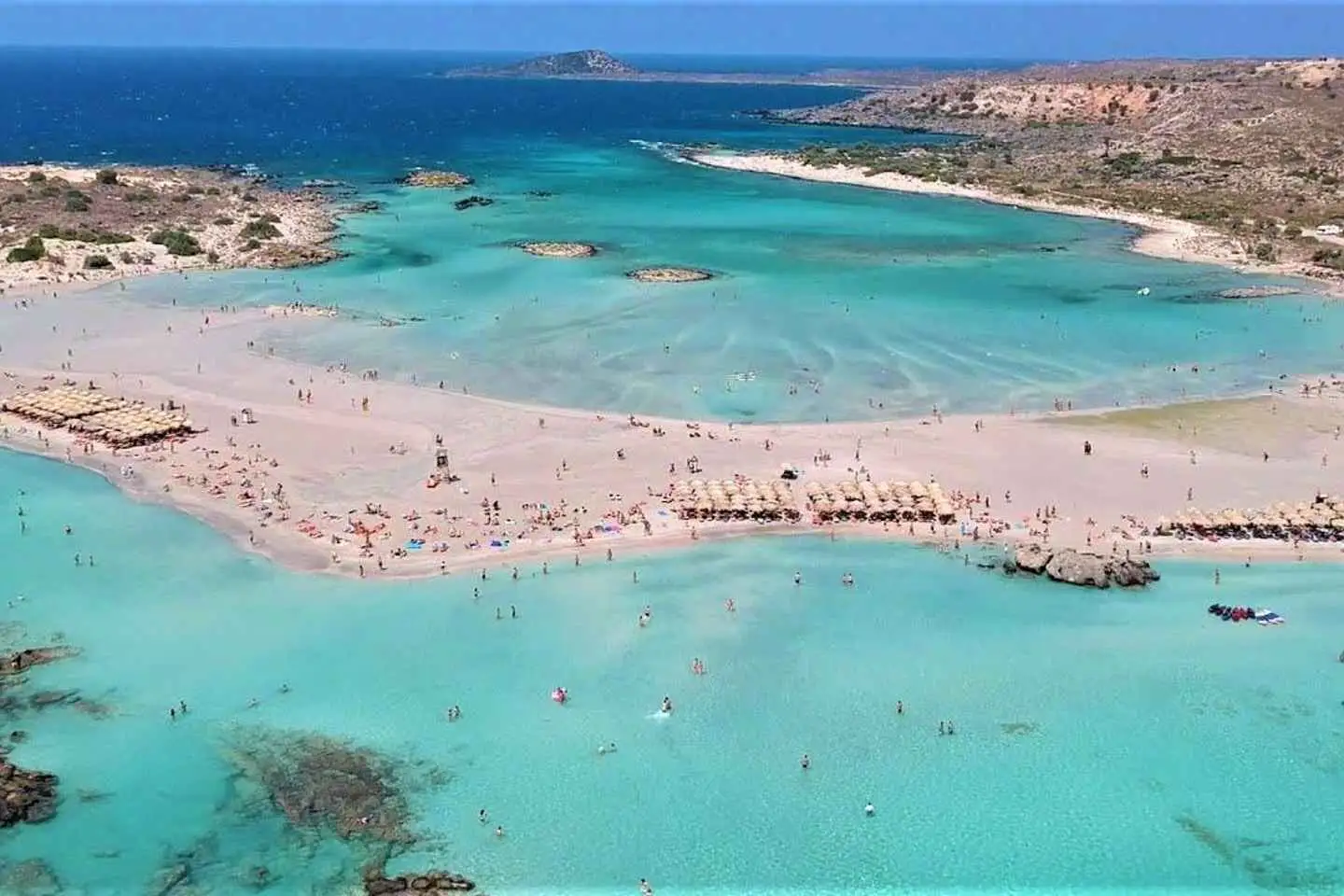
Crete is a strong choice for a beach wedding, with clear water, long sunsets, and coves that range from quiet to lively. The beaches give you settings from small and intimate to open and grand.


Chania holds some of the island’s well-known beaches for a seaside ceremony. Lively options include Platanias and Agia Marina, while Marathi and Stavros stay calmer and more secluded. The area also has planners and vendors who work on the coast regularly, which keeps the logistics manageable in the region of Chania.
Rethymno offers picturesque beaches, coastal villages, and wide sunset views. Its coastline runs from the busier Bali and Adelianos Kampos beaches to the quieter Souda and Triopetra, so couples can pick the mood they want across the region of Rethymno.
Beyond the beach, Crete offers venue types for most styles of wedding:

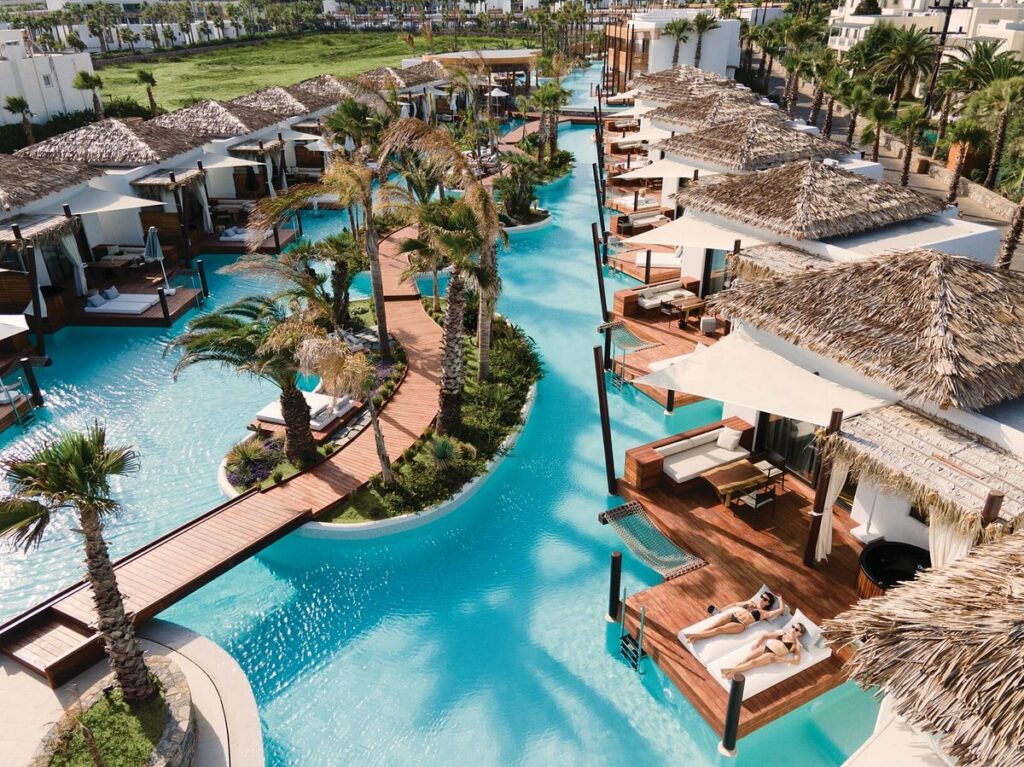
A few resorts and venues to inspire your shortlist:
A local planner is worth the cost for a destination wedding. Crete has many venues and vendors, and a planner narrows the choice, handles the paperwork, and manages problems on the day so you can relax.
A planner in Crete typically helps you:
Whether you want a beach ceremony, a mountain-village setting, or a traditional Orthodox wedding, a planner who knows the region can match you to the right venue and vendors.
Wedding packages give couples a starting point and stay flexible from there. You can choose a religious or a civil ceremony, an intimate elopement or a large celebration, and settings such as a beach, an olive grove, or a mountaintop.
Church weddings remain the most common route among locals, since religion holds a central place in Cretan culture, with a priest leading the ceremony and the reception following at a venue or resort. Civil weddings suit couples who want an outdoor setting such as a beach; a registrar can officiate at the chosen site and the reception can follow in the same place, which is convenient for you and your guests.
Budget is one of the first things to settle. The cost of a wedding in Crete depends on the ceremony type, the guest count, and the services you book. A civil ceremony usually costs less than a religious one because it involves fewer fees and less paperwork, and you may also need to budget for translation and documentation.

Beyond the ceremony, plan for transport, accommodation, and catering for your guests, plus any photographer, videographer, florist, and caterer you hire. A local planner can offset some of this by finding vendors within your budget and negotiating on your behalf. As a guide, a wedding in Crete usually runs between €15,000 and €30,000, though your final cost depends on your choices and your planner’s suggestions.
The wedding season in Crete runs from late spring to early autumn, roughly May to October, when the weather is warm and dry and outdoor ceremonies are reliable. July and August are the hottest and busiest months, with peak tourist crowds and higher prices. May, June, September, and early October are cooler and quieter, which many couples prefer for an outdoor ceremony and for guest comfort.
Crete is a large island, and venues, churches, and beaches are often spread across different regions. A hire car makes it easier to reach a coastal venue, move between the ceremony and reception, and help guests get around. Book early for summer dates through car rental in Crete.
Work through these steps as you plan:
Can foreigners get married in Crete, Greece? Yes. Foreign couples can marry legally in Crete once their documents are in order, and both partners must be at least 18. If you marry a Greek citizen, check that they hold a valid residence document.
How do you get legally married in Crete? You choose a civil or religious ceremony, then a planner or venue coordinator books your appointment at the town hall or registry office and submits your documents before the ceremony. Couples are usually asked for a valid passport or photo ID, a full birth certificate, and a certificate of no impediment for each partner. Requirements vary by nationality and documents often need official translation, so confirm the current list with your planner.
What are the traditional Cretan wedding customs? Cretan weddings often feature Gamokoulouro (a wedding bread) and Gamopilafo (a wedding pilaf), guests wearing a white scarf as a symbol of purity and fertility, and a closing Mantinada, a rhyming Cretan couplet that is often improvised. Family weddings are traditionally large.
How much does a wedding in Crete cost? A wedding in Crete usually costs between €15,000 and €30,000. A civil ceremony tends to cost less than a religious one, and your total depends on the guest count, the venue, and the services you book.
When is the best time to get married in Crete? The season runs from late spring to early autumn, roughly May to October. July and August are hottest and busiest, while May, June, September, and early October are cooler and quieter for outdoor ceremonies.
Can same-sex couples marry in Crete? Same-sex couples can hold a symbolic ceremony in Crete. Greek law does not currently register a same-sex civil marriage, so the celebration is symbolic rather than legally binding, and it can be planned to the same standard as any other wedding.