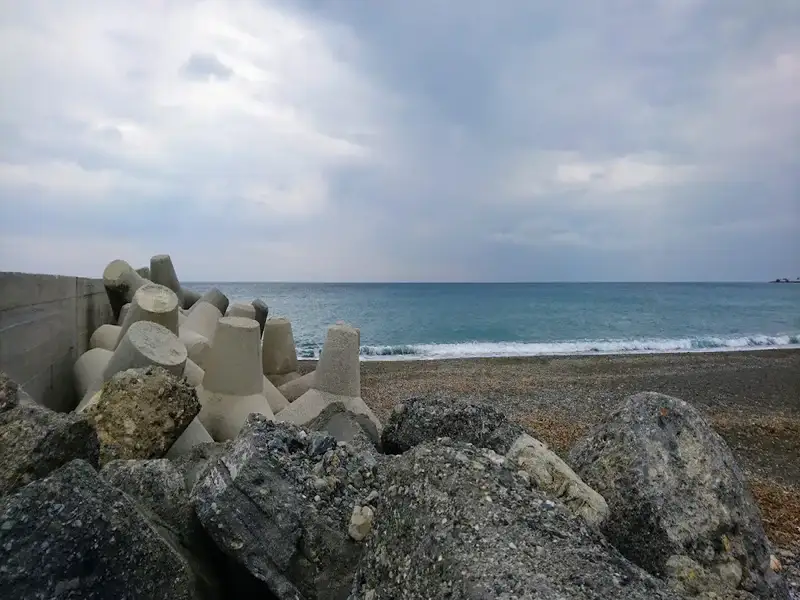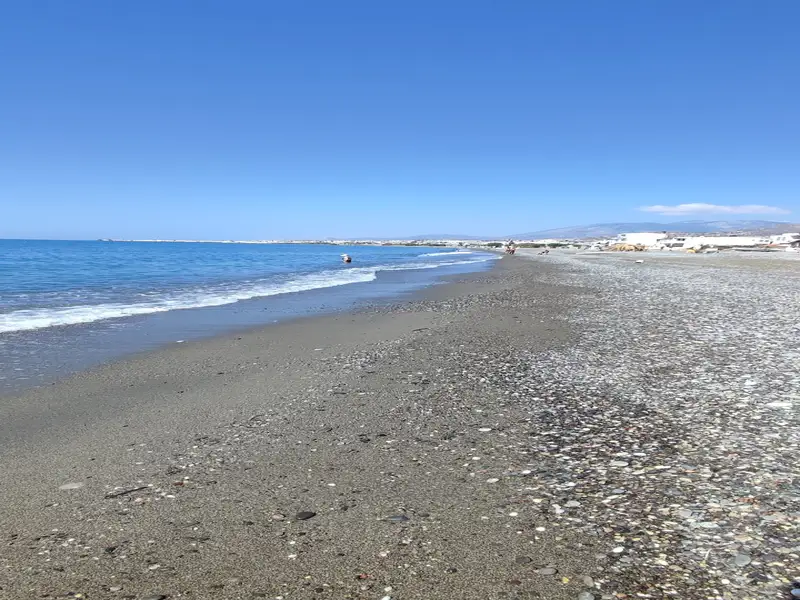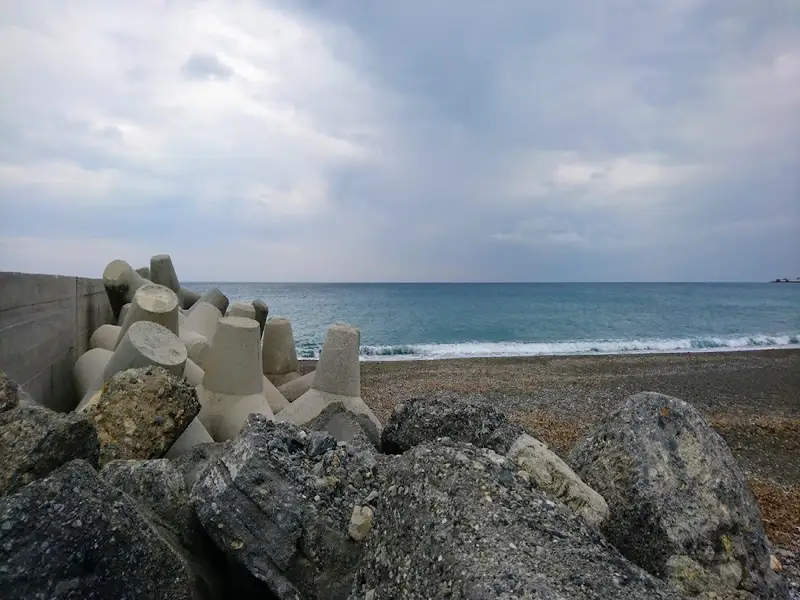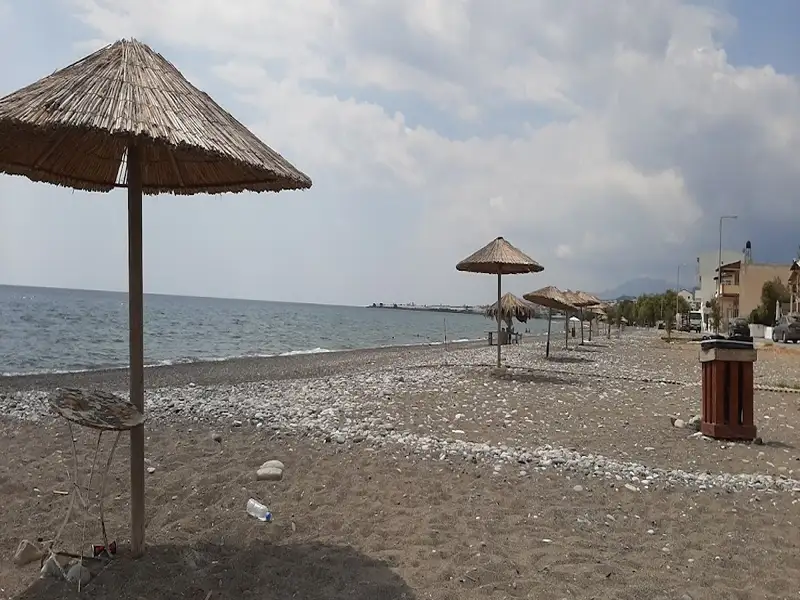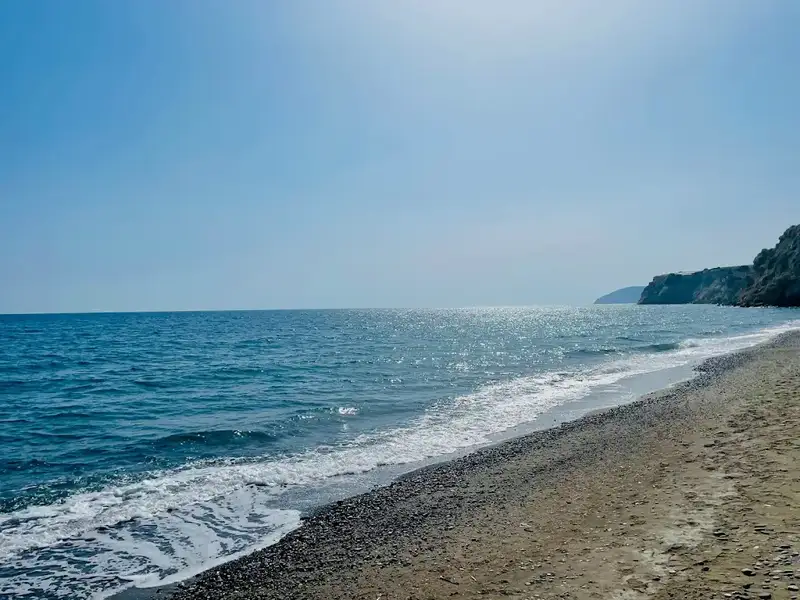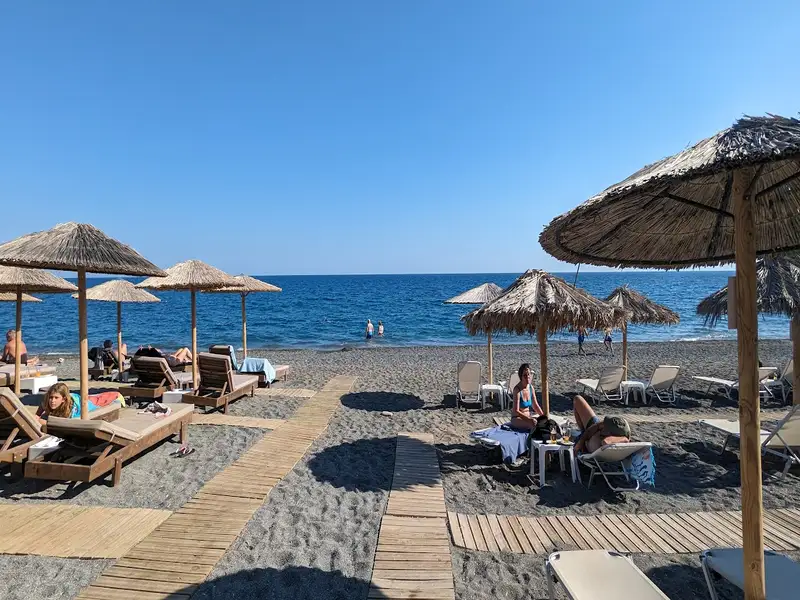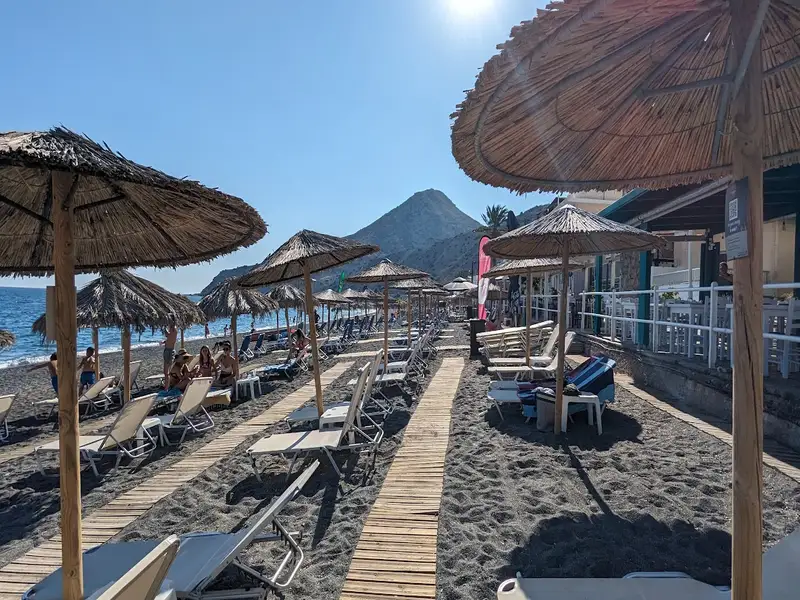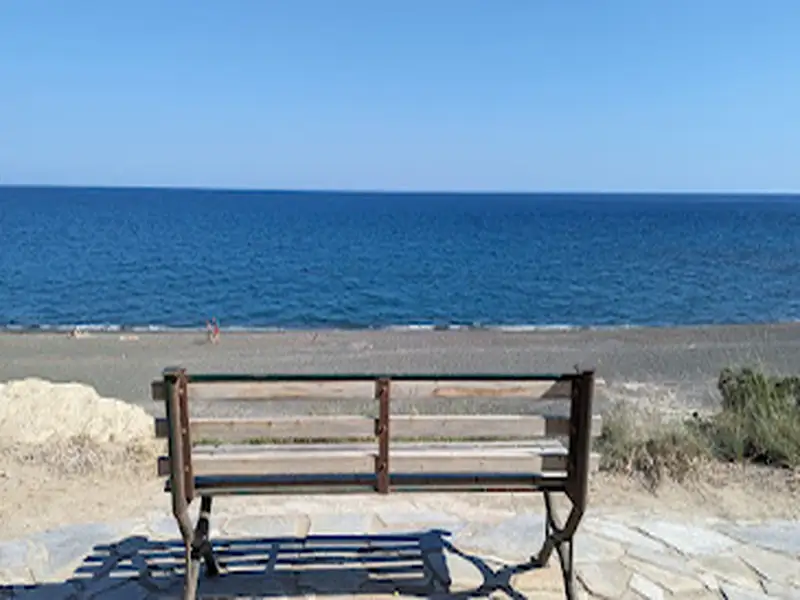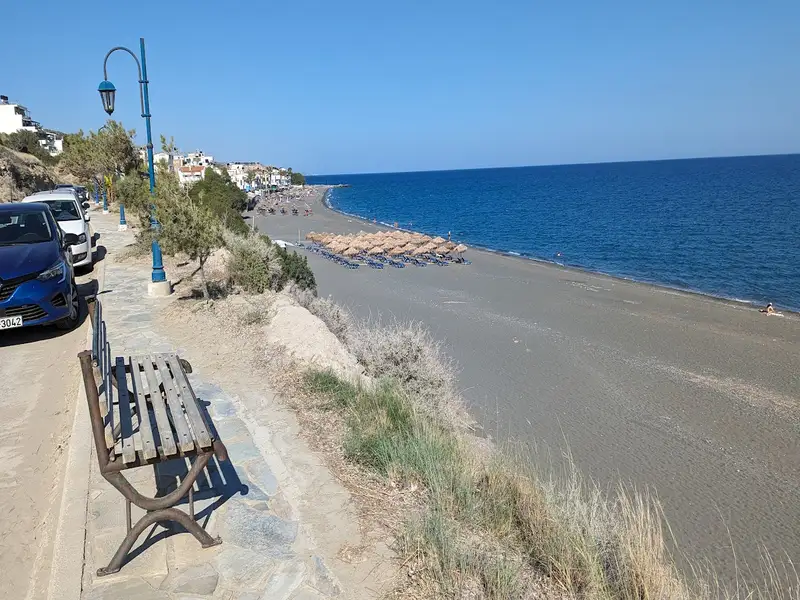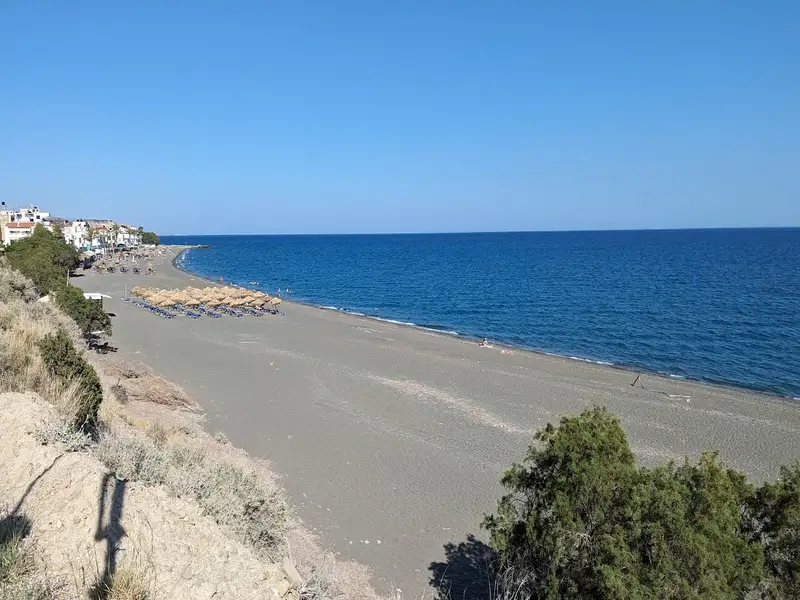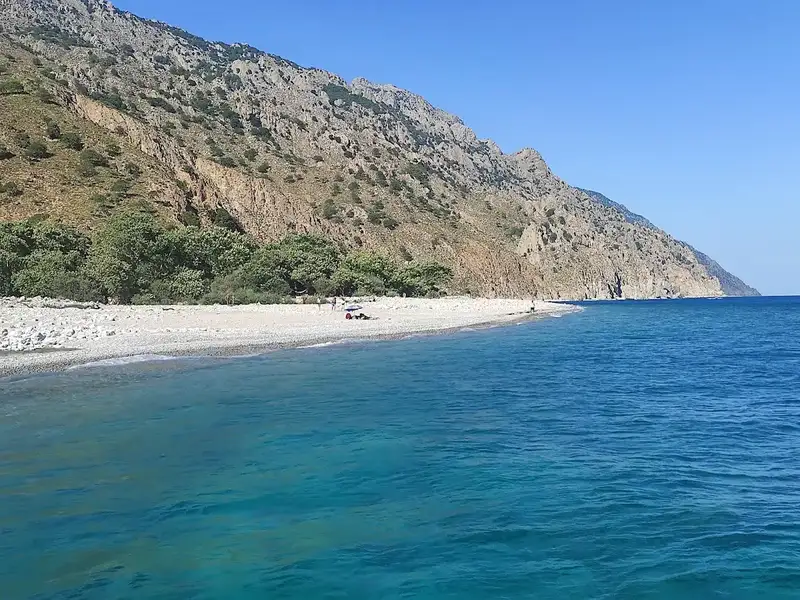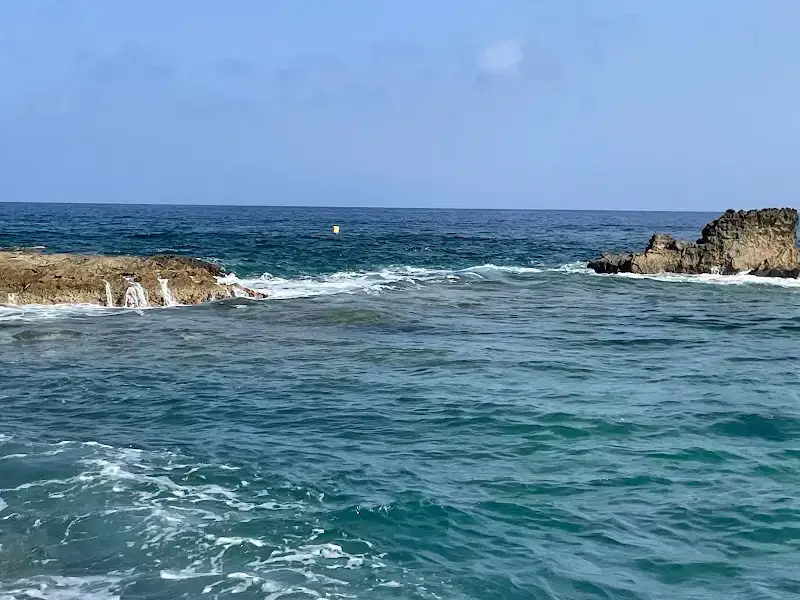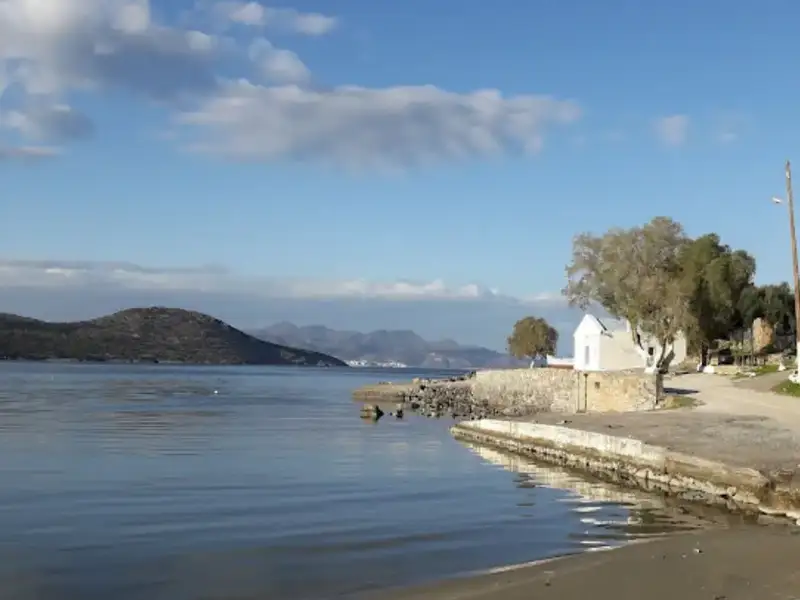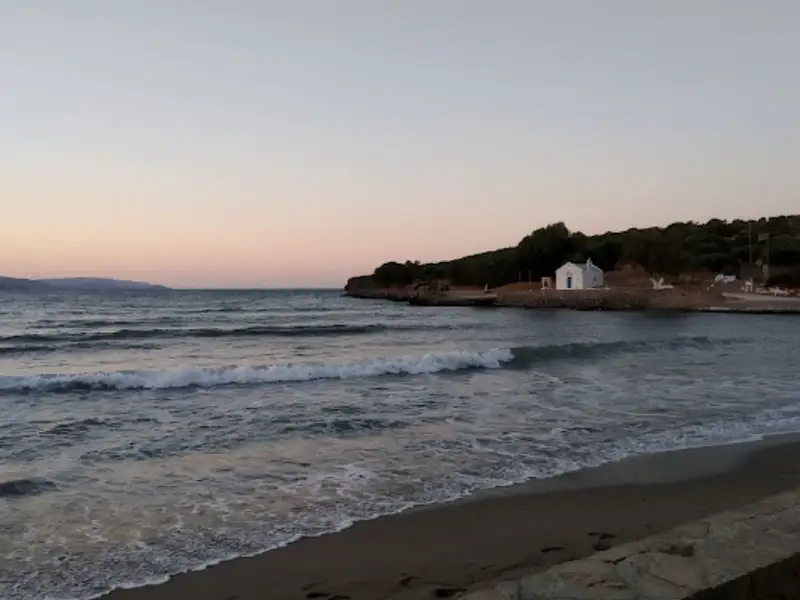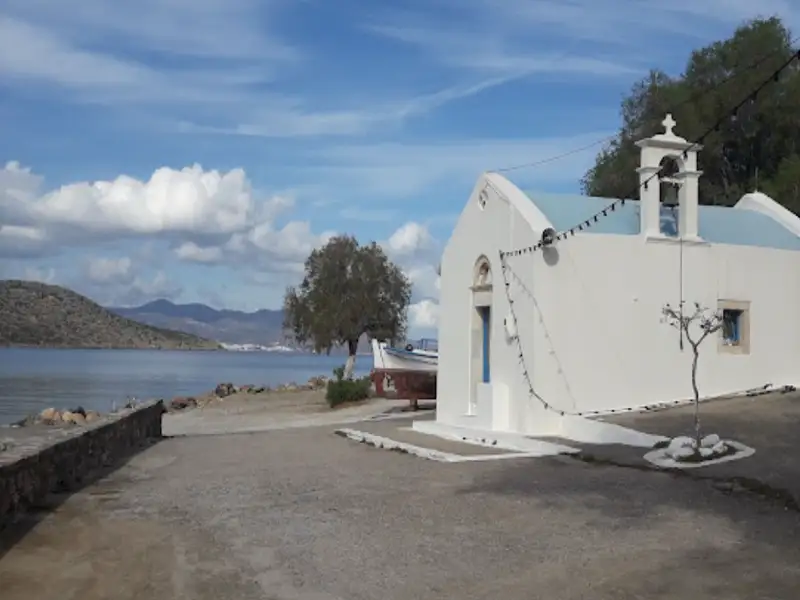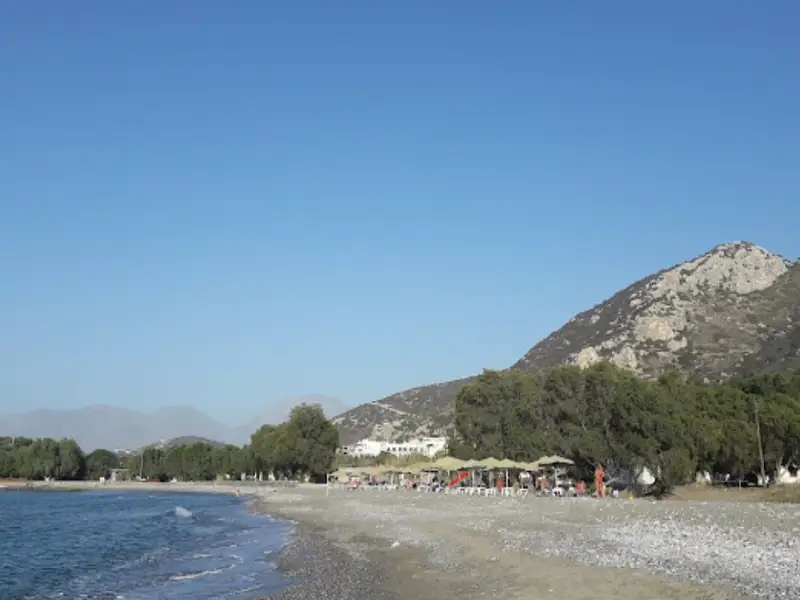
Gra Ligia is a coastal village located a short 5km journey to the west of Ierapetra and a 39km trip south from Agios Nikolaos. Nestled at the mouth of a rich valley, the village is surrounded by greenhouses filled with early-ripening vegetables. The locals of Gra Ligia were pioneers in the use of greenhouse agriculture, a practice that has since spread throughout the Ierapetra region. The profusion of greenhouses has even earned the village the nickname of “Silicon Valley of Greece”. The Bramiana dam, situated 2km north of the village, plays a crucial role in the area’s agriculture, supplying water to all Ierapetra crops and forming one of Crete’s key wetlands.
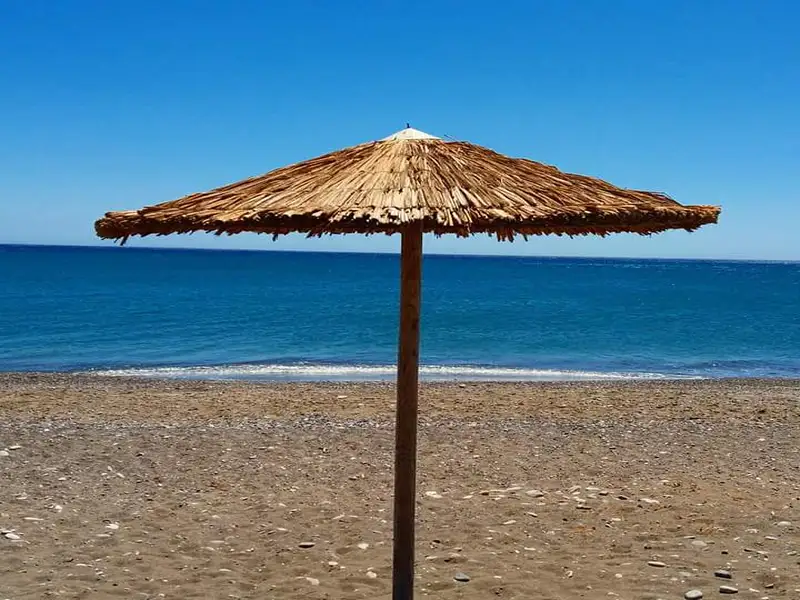
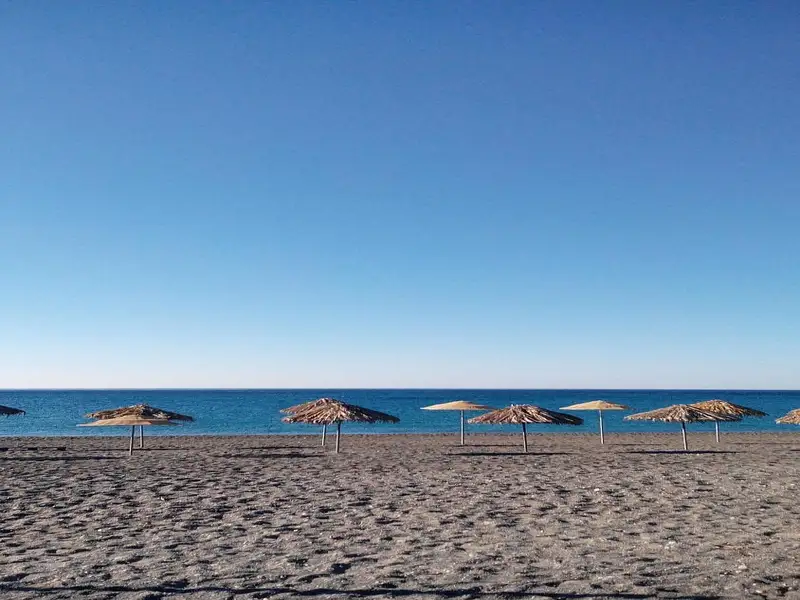
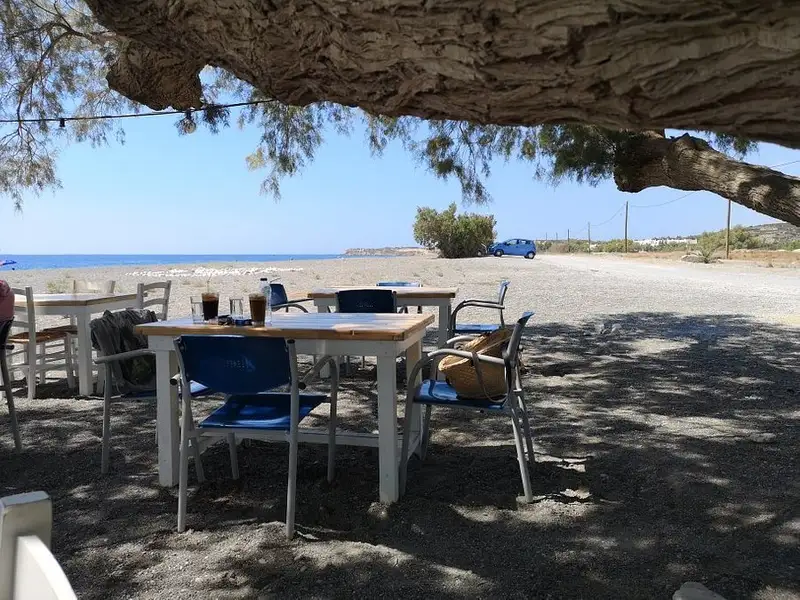
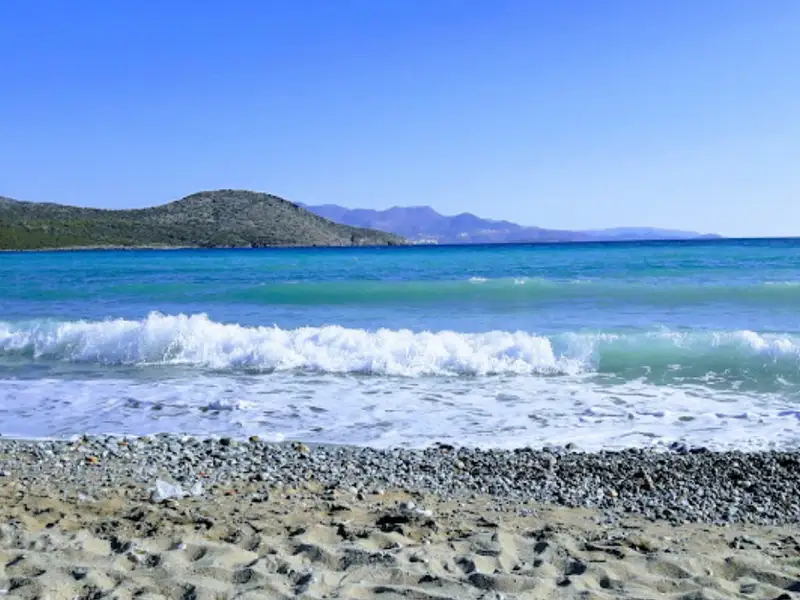
Aside from farming, tourism also forms an essential part of the local economy. Gra Ligia, with its recent mild growth, is among the newest holiday destinations on Crete. This growth has been facilitated by the appealing long beach, fringed with coarse sand that extends from Ierapetra to the Stomio region. The beach is known for its tranquil waters and is well-equipped with amenities like umbrellas and showers, albeit not on a large scale. Tamarisk trees pepper the landscape, providing shade and greenery. The beach is a popular spot for locals who enjoy swimming and fishing from their boats docked in the local harbour.
The beach is also a venue for local events such as beach soccer tournaments. If you’re fortunate, you might even have a chance to partake in the unique “xentomatiasmata” or tomato war, a tradition revived and celebrated in early summer. Gra Ligia is an ideal destination for those seeking a peaceful and relaxing holiday. In the evenings, visitors can unwind with a drink at local bars or take a short trip to Ierapetra. To reach Gra Ligia from Ierapetra, simply travel westward on the city road. Alternatively, there are bus services that pass through the village.
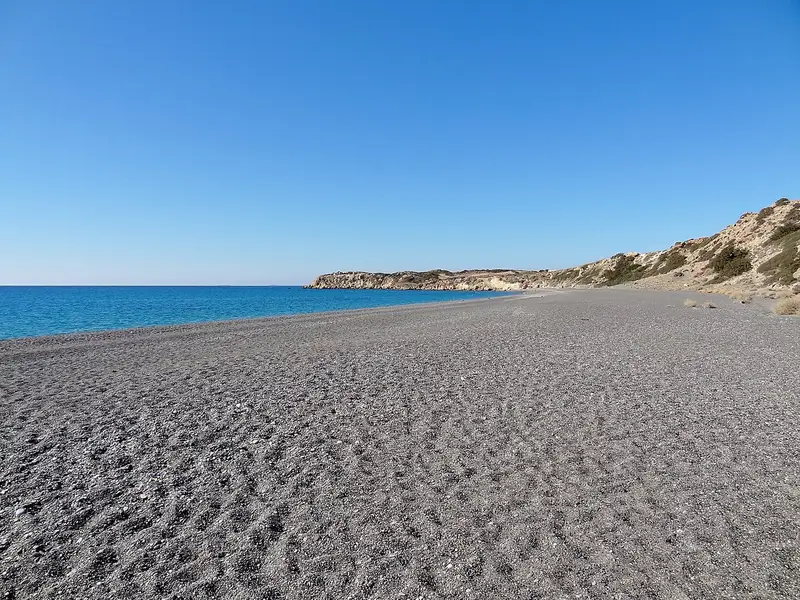
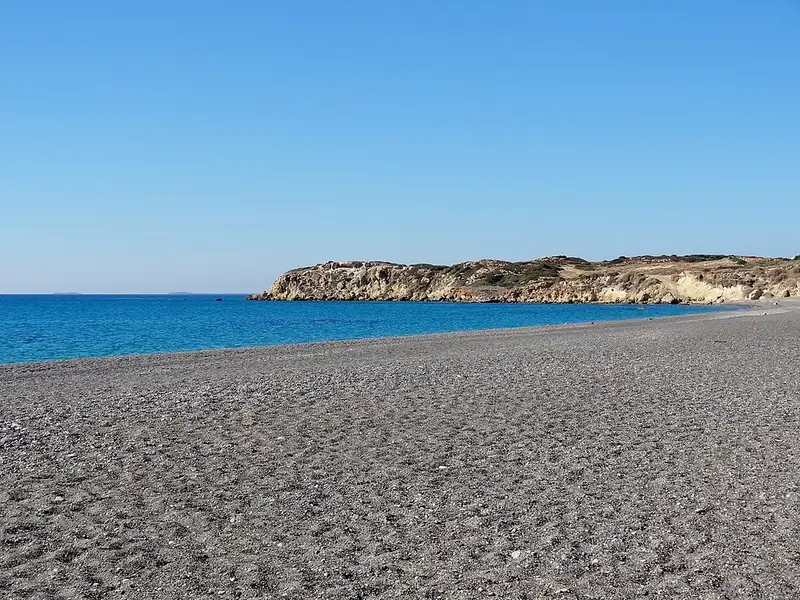
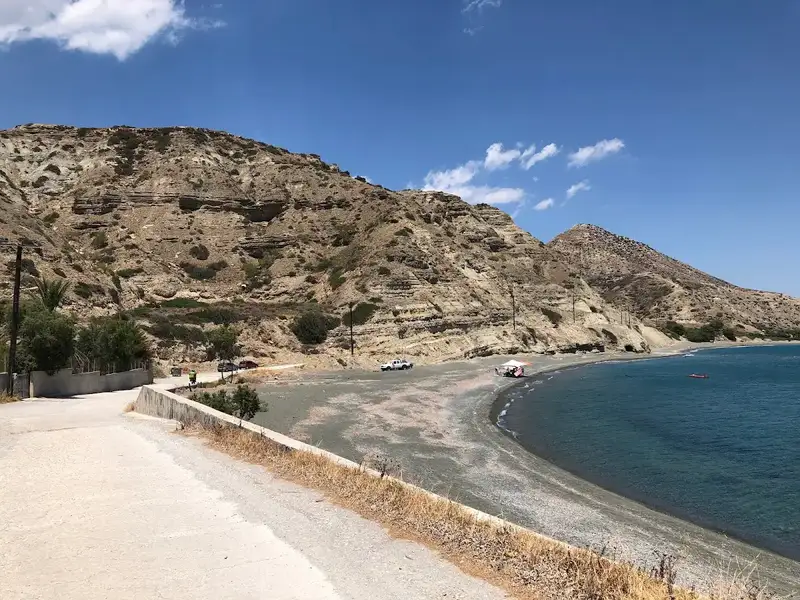
Ammoudares, a seaside location 8km west of Ierapetra and 45km south of Agios Nikolaos, shares its beachfront with nearby Nea Anatoli and Stomio. The Ammoudares coastline features a series of long beaches with coarse grey sand. They are mostly uncrowded and secluded, largely due to the surrounding greenhouses which may deter visitors due to potential pesticide use in the waters.
A kilometer east of the initial Ammoudares beach, you’ll encounter Kalamaki beach. Hidden from the main road and largely undiscovered by tourists, its sandy shores are a quiet haven. It’s also referred to as Kapelas, named after a renowned pizzeria once run by an American in the area. Kapelas translates to ‘tavern owner’ in Greek. The beach is nestled amidst towering cliffs adding to its tranquility.
Access to both Ammoudares and Kalamaki is possible via the main road from Ierapetra heading west. If you’re fortunate to visit the Ierapetra vicinity, there are numerous appealing beaches that warrant exploration. However, if solitude is what you’re seeking, both Ammoudares and Kalamaki offer a peaceful retreat.
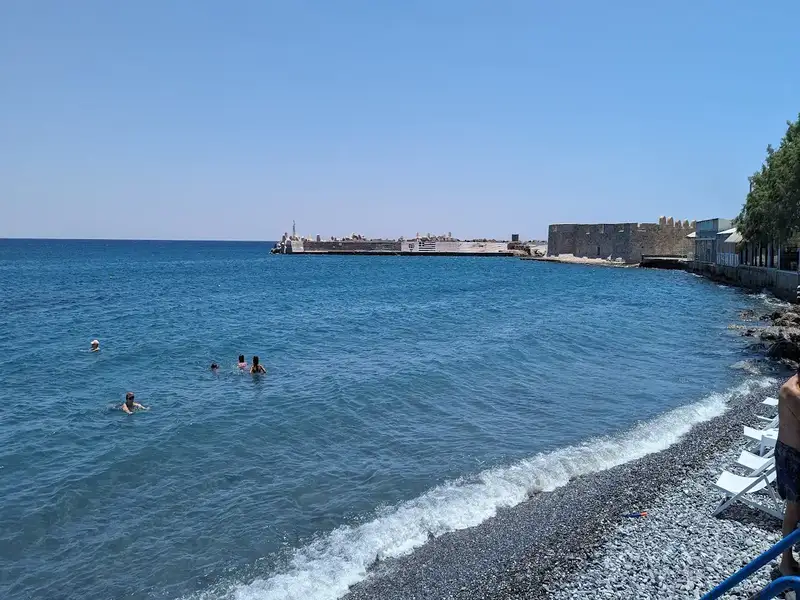


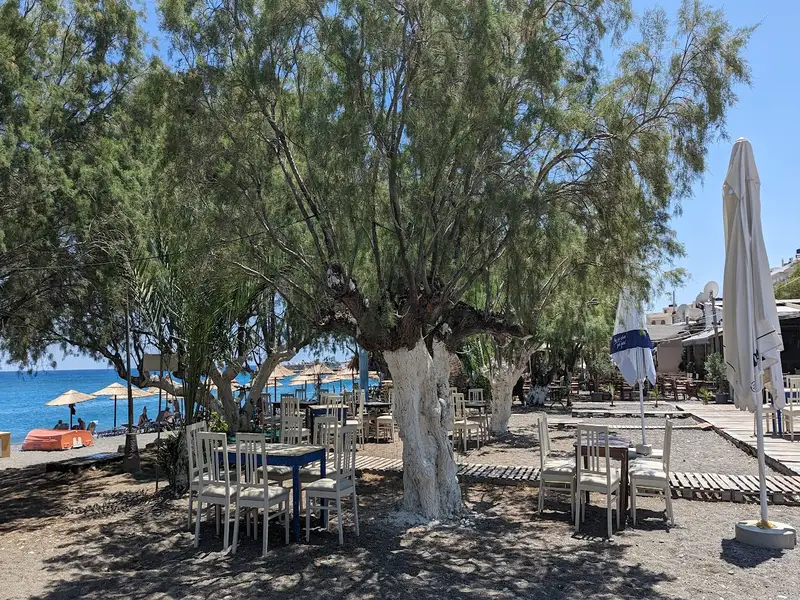

Ierapetra, the southernmost city of Greece, is nestled 35km southeast of Agios Nikolaos on Crete island. This city, located in one of the warmest regions of Crete, is a popular holiday destination, often frequented until late autumn. Ierapetra and its surrounding areas boast a vast beachfront, renowned for its stunning beaches adorned with unique fine black pebbles that do not stick to your feet, coupled with a typically calm sea.
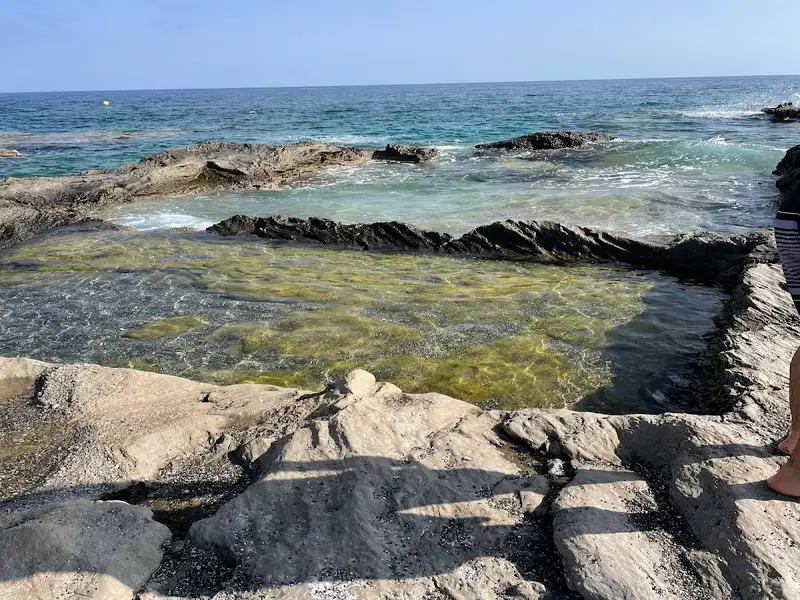
In proximity to the town, there are three primary beaches for swimming. Starting from the west, the first is Limanakia, situated west of the city next to the old mosque. The beach features coarse sand, patches of a rocky seabed, and shallow waters, offering a peaceful atmosphere. Given its closeness to the city, all necessities are readily available. Limanakia also hosts a channel in the middle of the beach that leads to a small man-made salt lake.
A short stroll eastward will bring you to the Fort of Kales, which guards the harbour of Ierapetra. Adjacent to it is Apovathra Beach, a sandy beach with shallow waters. This beach is well-equipped with numerous facilities for water sports and scuba diving, making it the most organized beach in the town.
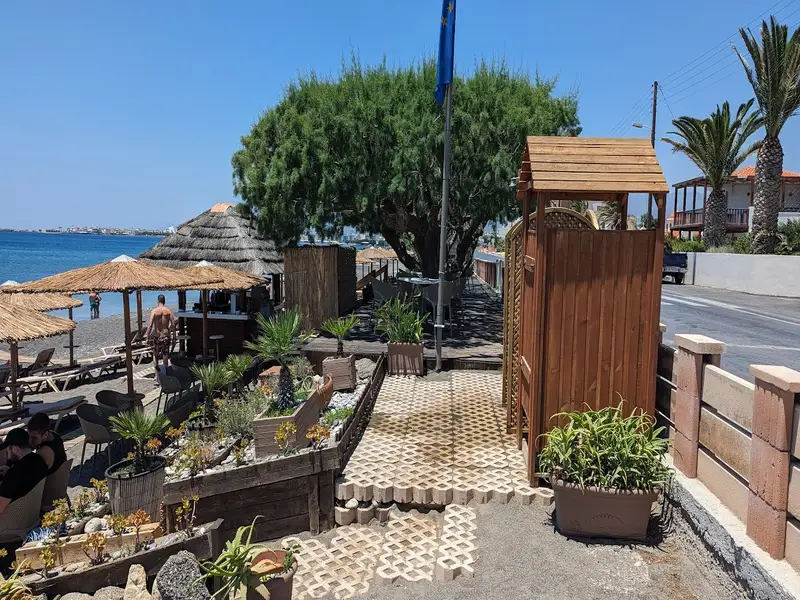
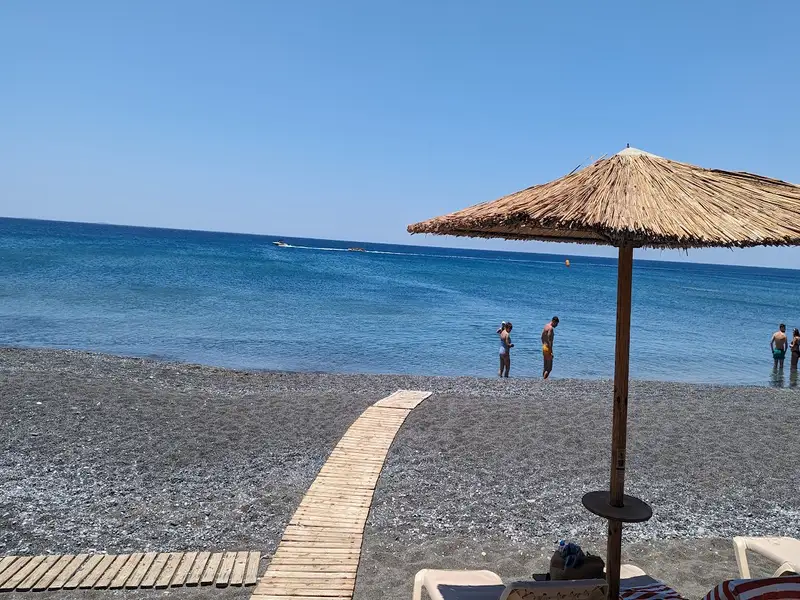
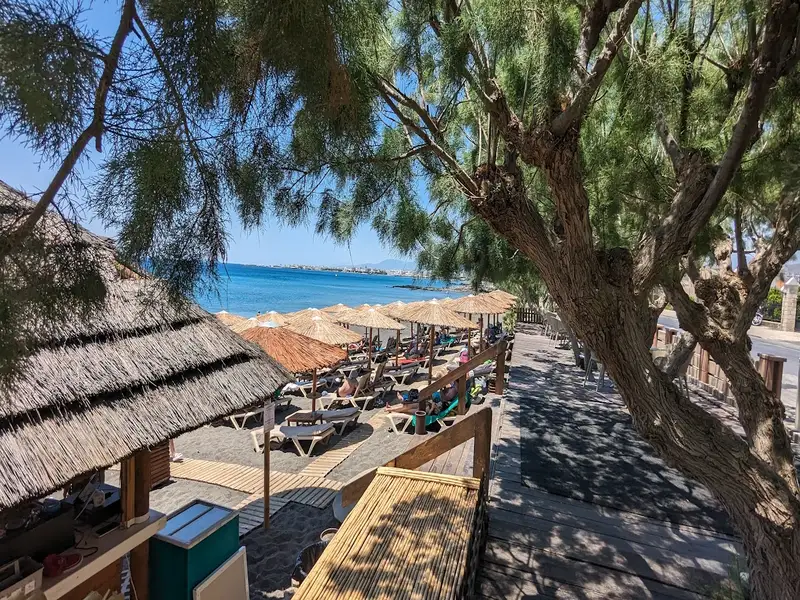
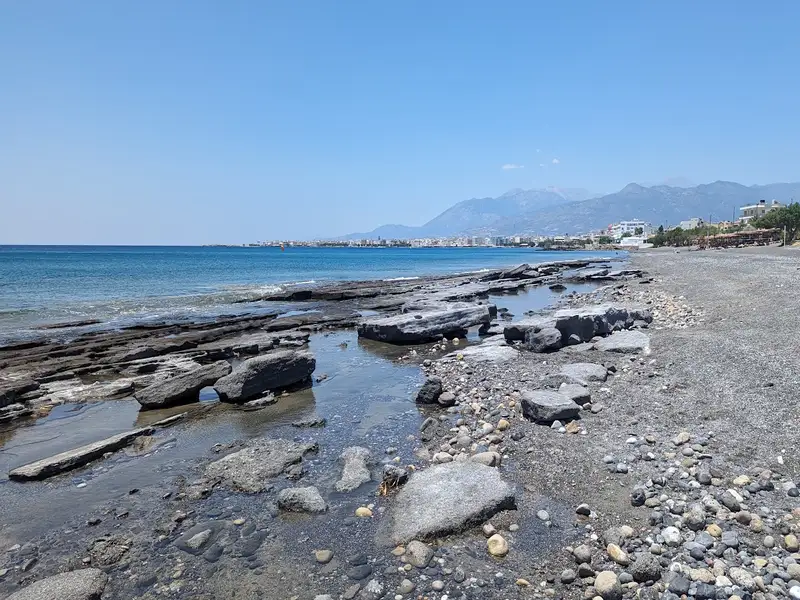
The city of Ierapetra, in close proximity to the Agia Fotini church, boasts the longest beach which spans 4km eastwards and is known as the East Beach of Agios Andreas. The name is derived from the Saint Andrew church, constructed at the exit point of the Kotovianou river. Initially, you will encounter the municipal beach, well-structured and surrounded by numerous large hotels. However, as you venture further east, the beach becomes more private. Despite this, it’s not suitable for nudists due to the main road that connects the city with Makrigialos and Sitia along the coast. The beach near the city center is sandy, but as you advance east, the sand gives way to small, grey pebbles and rocks, particularly up to the Livadia area.
The easternmost point of the extensive Ierapetra beach is known as Livadia, and beyond that, is named Peristeras. This secluded region is enveloped by towering cliffs. The beach itself is sandy, interspersed with several smooth rocks. The farthest part of Agios Andreas can be accessed by walking down the road. In addition to this, there is another sandy beach hidden behind the rocky end of the expansive beach in Peristeras, which can be reached via the road. This area is significantly shielded from onlookers, however, it’s quite rocky.
Myrtos, a quaint seaside village, lies 13km west of Ierapetra where the River Kryos meanders through the stunning Sarakina Gorge and into a valley abundant with greenhouses and citrus groves. Despite recent mild development, Myrtos has retained its traditional charm. Its appealing beaches, characterized by coarse grey sand that doesn’t stick to the skin, have amassed a global following. The village offers small hotels, bars, cafes, restaurants, supermarkets, a gas station, and a clinic, in addition to a nearby pharmacy and accessible bus route to Ierapetra.
The extensive beach, considered among the finest in southern Crete, is ideal for serene family vacations as it’s sheltered from strong winds. According to locals, Myrtos is where the wind never rages. The beach is well-equipped with lifeguards, umbrellas, showers, changing rooms, cafes, restaurants, water sports, and beach volleyball. As you head west, the beach widens and offers even more tranquility.
Take a leisurely stroll around Myrtos’ local harbor or wander through its traditional narrow streets filled with lush gardens and homes that echo Aegean landscapes. The surrounding nature and gorges are also worth exploring. Notably, you can visit two Minoan settlements, Fournou Korifi (near Nea Myrtos) and Pirgos (on the east shores of the River Kryos), which were uncovered during excavations. The Archaeological and Folk Art Museum of Myrtos, situated next to the old church of St. Anthony, is a point of interest. Lastly, a monument in the village commemorates the 18 victims who were executed by the Nazis in 1943 as retribution for the deaths of two Germans in the neighboring village of Symi.
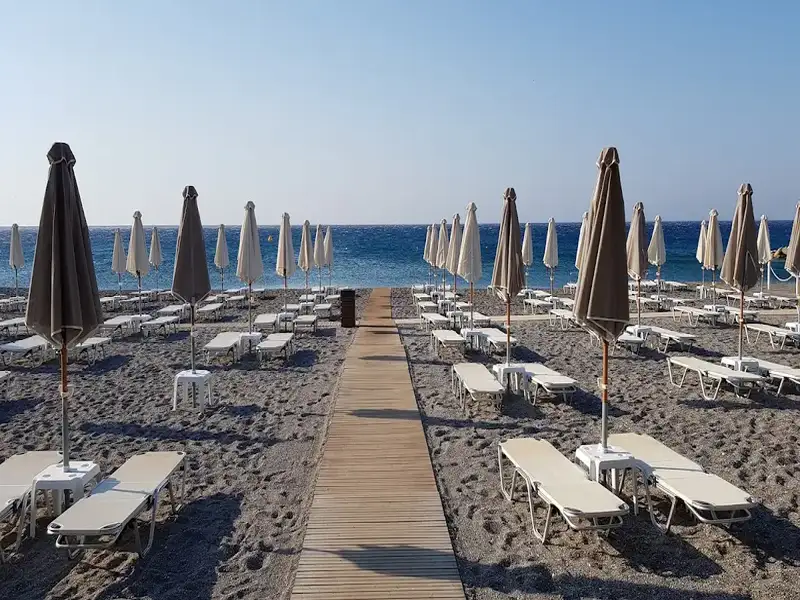

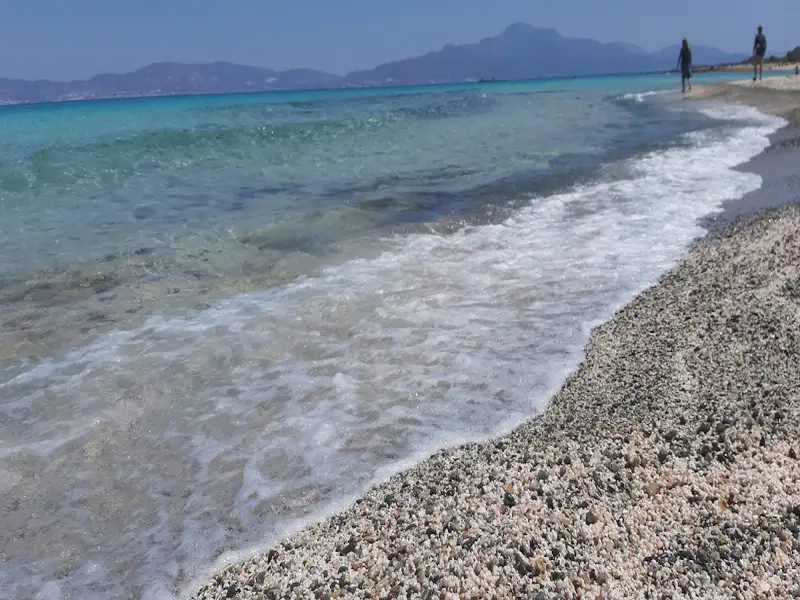
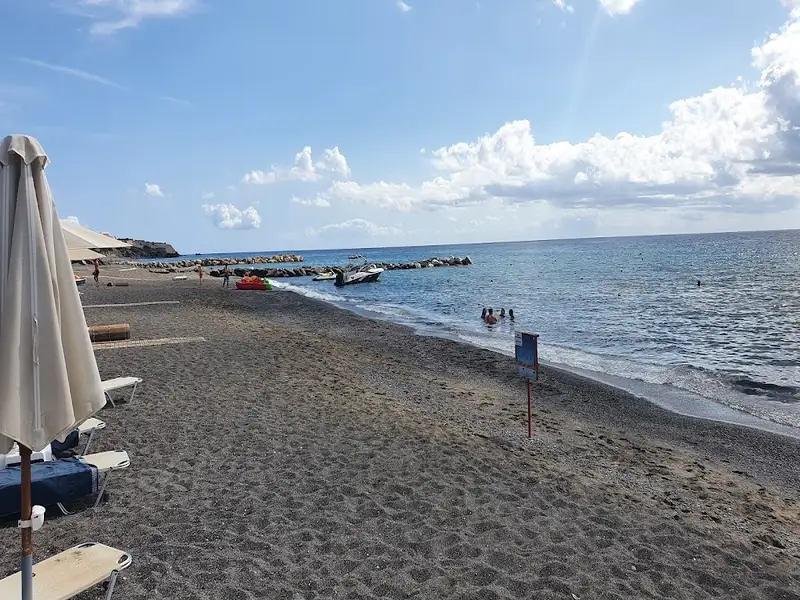
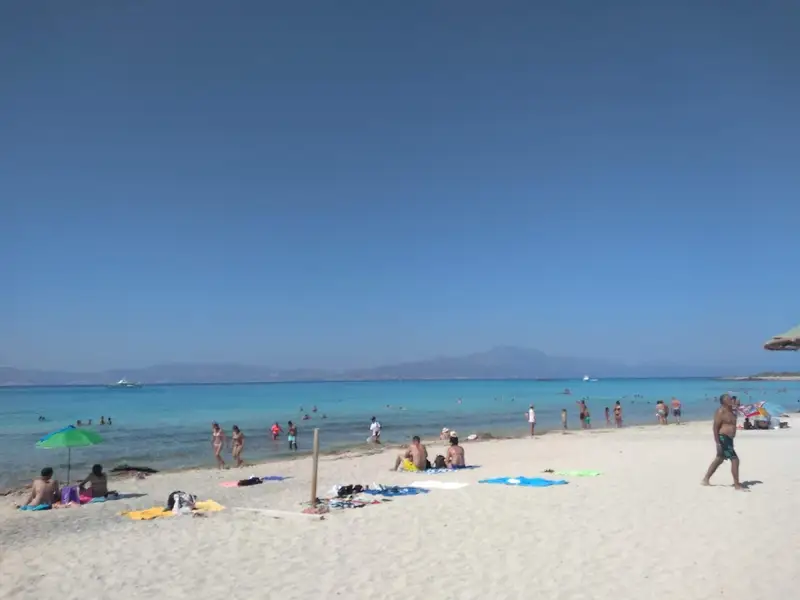
Just past the Peristeras suburb of Ierapetra begins the Katharades area, a chain of small beaches leading up to the popular coastline of the Koutsounari village. Known for its strong winds, it’s considered one of Crete’s windiest locations. The bays of this area are somewhat hidden, despite their proximity to the main road, leading to few visitors to the sequential bays. The area also goes by the name Paplinou, due to the nearby ancient Panagia Paplinou monastery.
The stunning landscape is shaped by numerous rock shelters and unique rock formations, a product of erosion on the conglomerate soil over time. There’s been a slight increase in development in recent years, mainly due to the construction of large hotels near the coast. Consequently, the main road between Ierapetra and Makrygialos boasts a few restaurants, mini markets, and accommodations.
The beach features coarse grey sand, and its seabed has large, smooth rocks interspersed with sandy areas. The surrounding area is dotted with tamarisk trees offering shade, and umbrellas are also available. The beach is well maintained by the nearby hotels and features a beach volleyball court, sunbeds, showers, and water sports facilities.
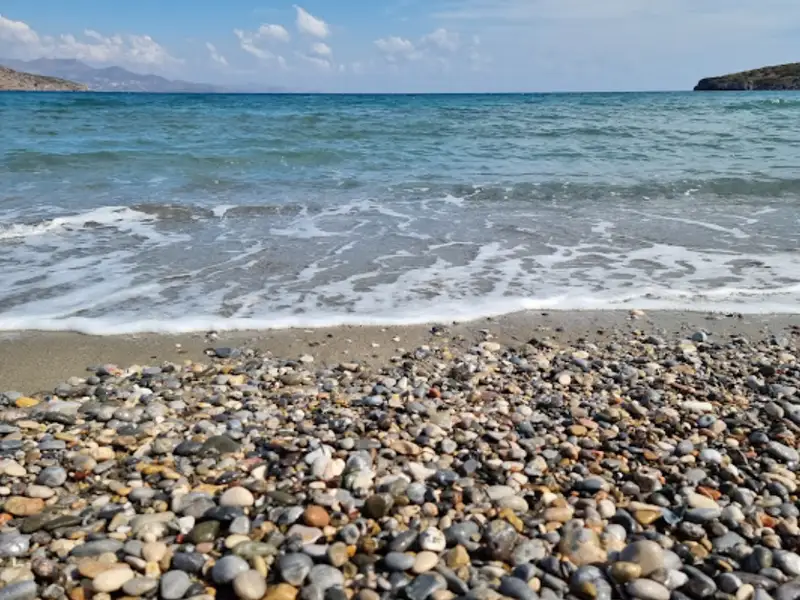
Vatos, a small settlement situated 18km west of Ierapetra and 3km east of Myrtos, falls within the jurisdiction of the village Gdohia. The village is accessible via the asphalt road that links Mirtos and Tertsa. Most of the locals earn their living by growing bananas and vegetables in the area’s greenhouses. Positioned at the entrance of a lush valley that starts in the north at Gdohia, the village boasts the expansive Vatos beach which extends east to Mirtos, featuring numerous secluded beaches along its coastline. The beach is distinguished by its unique grayish pebbles typical of southern Crete, and it’s known for its deep waters. As Vatos is not a developed area, the beach is usually tranquil, frequented mostly by locals. Some parts of the coast are adorned with tamarisk trees. To the west of Vatos, you’ll find the settlement of Kalikovrehtis, home to another pebbly beach.
If you happen to visit Vatos on July 27th, you’ll have the opportunity to participate in the feast day of the church of Saint Panteleimon. It’s also worth visiting the nearby village of Gdohia, with its narrow lanes and rejuvenating springs. A sad incident occurred in Gdohia in the autumn of 1943 when 43 residents were executed by the Nazis in revenge for the killing of two German soldiers in the village of Kato Simi. The village is also home to the ancient chapel of Annunciation, which houses rare Byzantine icons. Lastly, archaeologists have discovered traces of a pre-Minoan settlement between the beach and the village.
Koutsounari, a quaint seaside hamlet, lies 6km east of Ierapetra and 43km southeast of Agios Nikolaos. It nestles near the scenic village of Agios Ioannis, set against the backdrop of the Thripti Range. The village is perched on a verdant hill, surrounded by olive groves and pine trees, just a kilometer north of the South Cretan Sea coastline.
A kilometer to the south of Koutsounari is the expansive Long Beach of Agios Ioannis, stretching 5km, one of the longest in Crete. This broad, serene beach features the distinctive coarse grey sand typical of southern Crete. In many spots, tamarisk trees punctuate the landscape, and their length makes the beach appear deserted. The beach is somewhat organized in certain areas (near hotels) and is dotted with hotels, restaurants, mini markets, and a camping site.
If you venture eastward along the beach, you’ll encounter fewer swimmers. On the eastern end of Long Beach, a bay known as Psaropoula (named after an old local tavern) is shaped. Psaropoula features soft sand and tranquil waters, situated in front of a hotel, it is well-equipped with umbrellas, sunbeds, showers, and water sports. The sea here is typically calm, and the rocky seabed makes it a suitable spot for snorkelling.
Beyond Psaropoula lies another small cove boasting a well-appointed beach with umbrellas, showers, and water sports. This beach, located in front of the Kakkos Bay hotel, is called Villa Despot, translating to “Priest’s Villa” in Greek, named after a priest-owned building nestled between the two beaches. The beach is flanked by large rocks that provide a perfect spot for diving into the sea.
Visiting Long Beach in autumn offers a sight of the rare white sand lilies, signaling the summer’s end. These lilies are protected, so visitors are encouraged to appreciate their beauty from a distance without touching or picking them.
The Kallikovrechtis beach, situated 19km west of Ierapetra and 4km east of the scenic town of Myrtos, can be accessed via an asphalt road from Myrtos or Tertsa. This beach is part of the Ghodia village outskirts and is created at the Kalikovrechtis stream’s exit, nestled between the peaks of Kolechtos and Kako Oros, right on the boundary that separates the counties of Heraklion and Lassithi.
Kallikovrechtis is home to only a handful of cottages, and the beach itself is entirely untouched. It boasts beautiful, fine, greyish pebbles, and the water is typically tranquil. A few tamarisk trees provide shade, and due to the high and steep slopes, the beach gets shaded early in the afternoon. The road linking Teresa and Myrtos runs directly above the beach, making access quite easy.
Agios Panteleimon beach, nestled in Istro, a village 12km east of Agios Nikolaos en route to Sitia, owes its name to a petite church located nearby. Featuring both sandy and pebbly stretches, the beach is set against the backdrop of vibrant turquoise waters. As it doesn’t draw the same crowds as the neighboring Voulisma beach, Agios Panteleimon is the perfect spot for those seeking relaxation and serenity.
In the vicinity, you’ll also find Karavostasi beach. This sandy, unspoiled beach is tucked away in the western part of Istro’s largest gulf and provides the perfect setting for peaceful moments. The surrounding area is rich in tamarisk, carob, and olive trees, adding to the beach’s charm. Just east of Karavostasi, there’s a large rock bearing the remnants of the Minoan settlement Priniatikos Pirgos.
No results available
© All rights reserved. Crete Locals