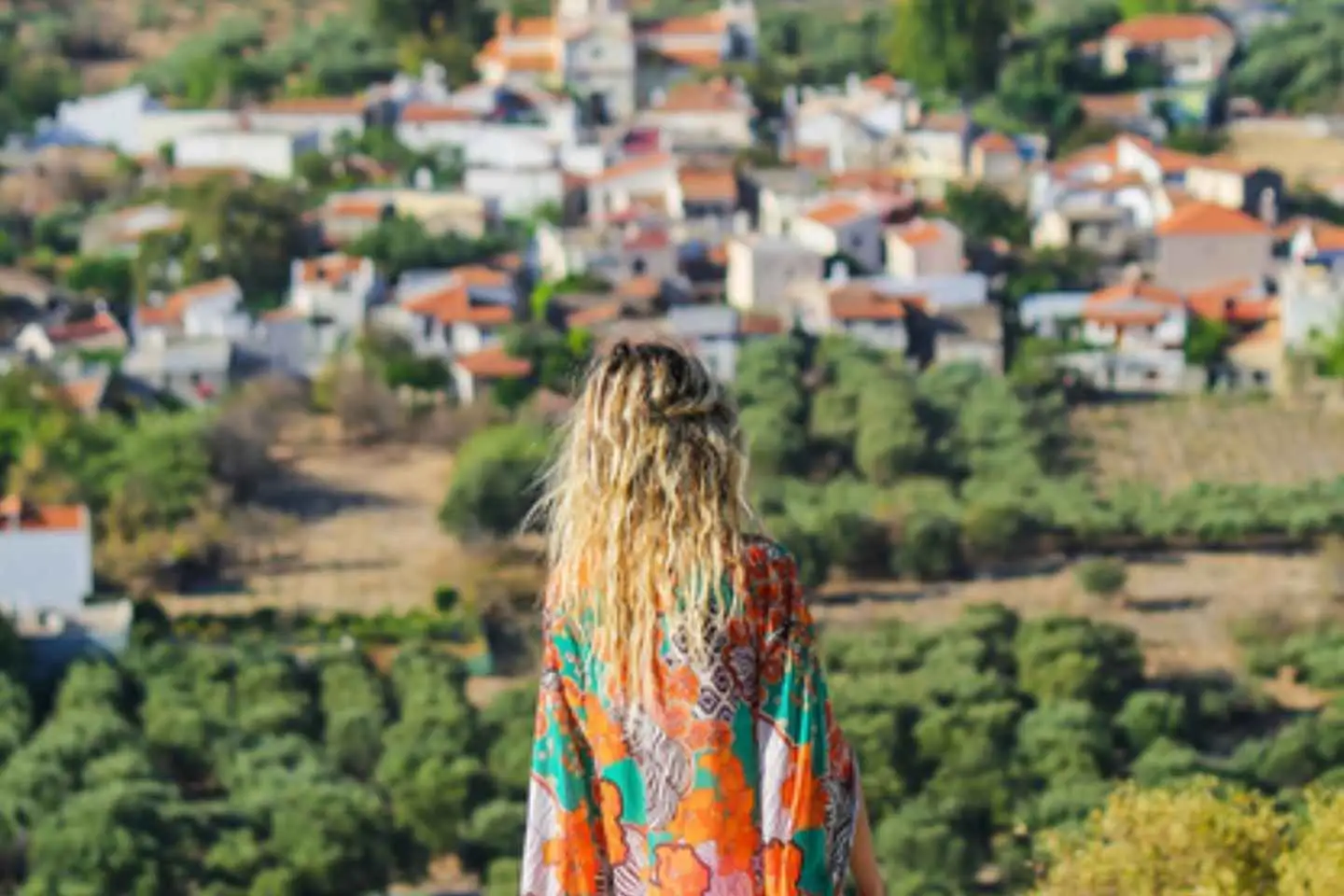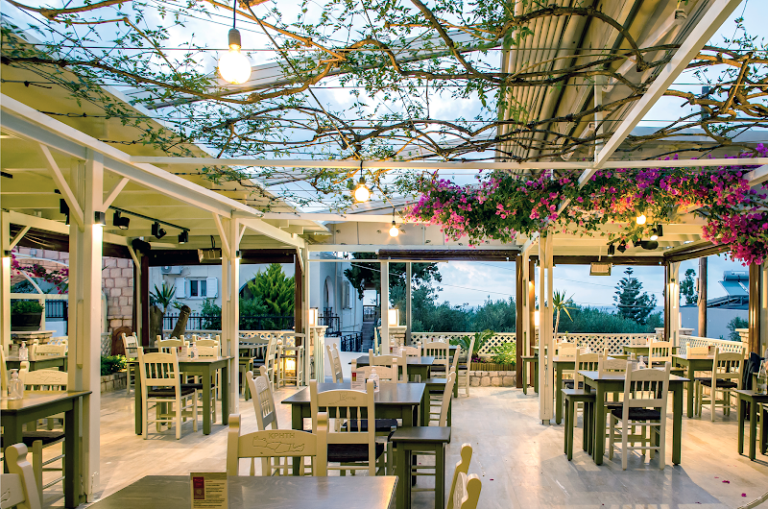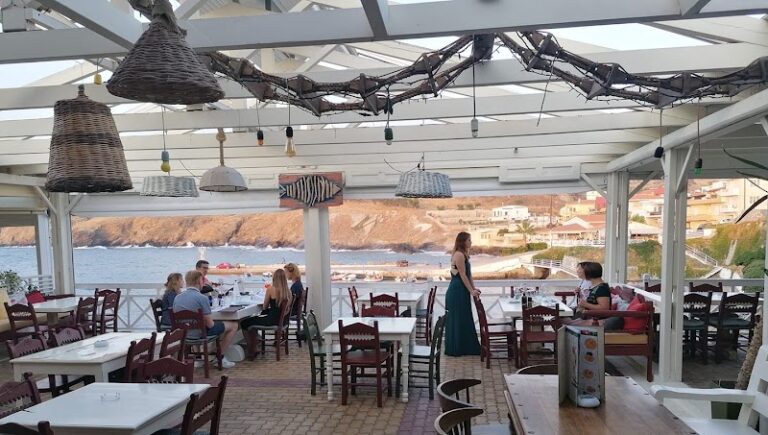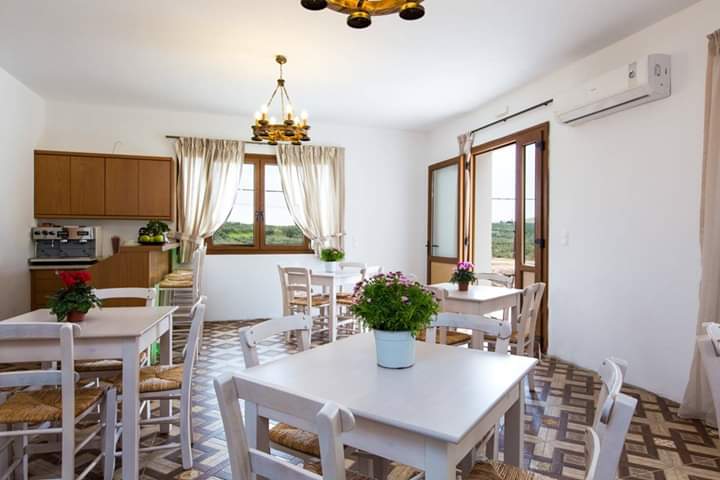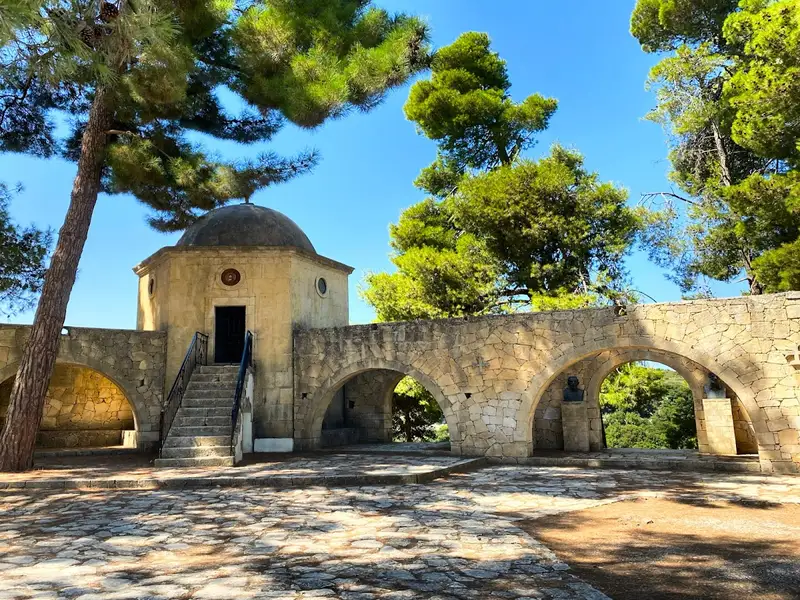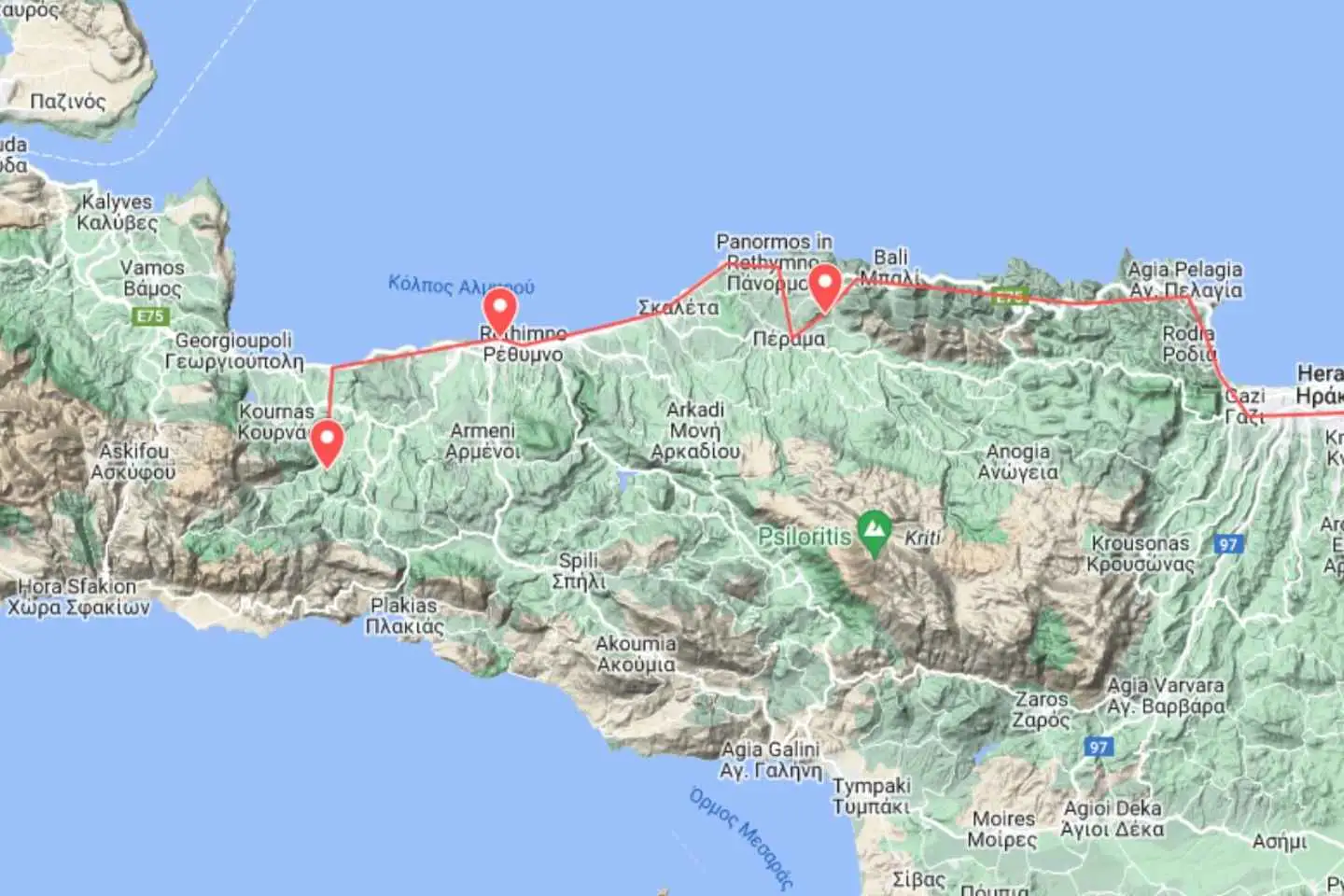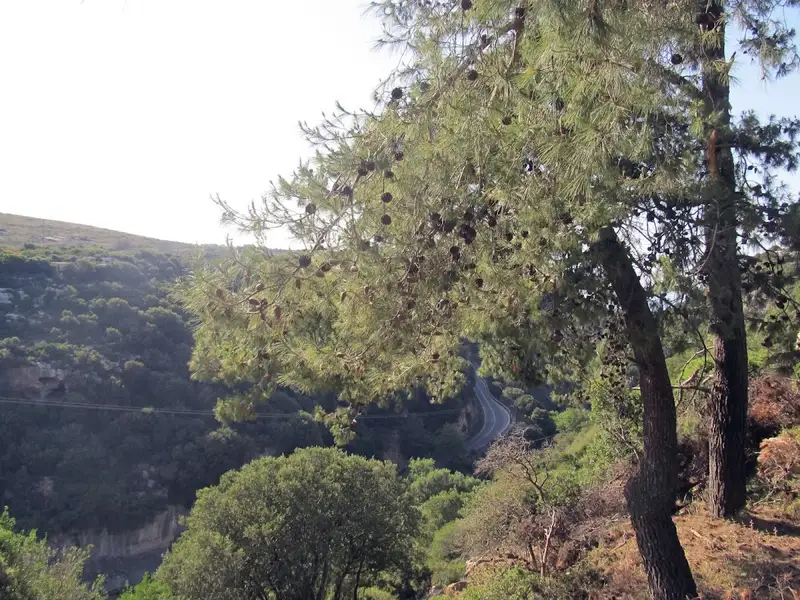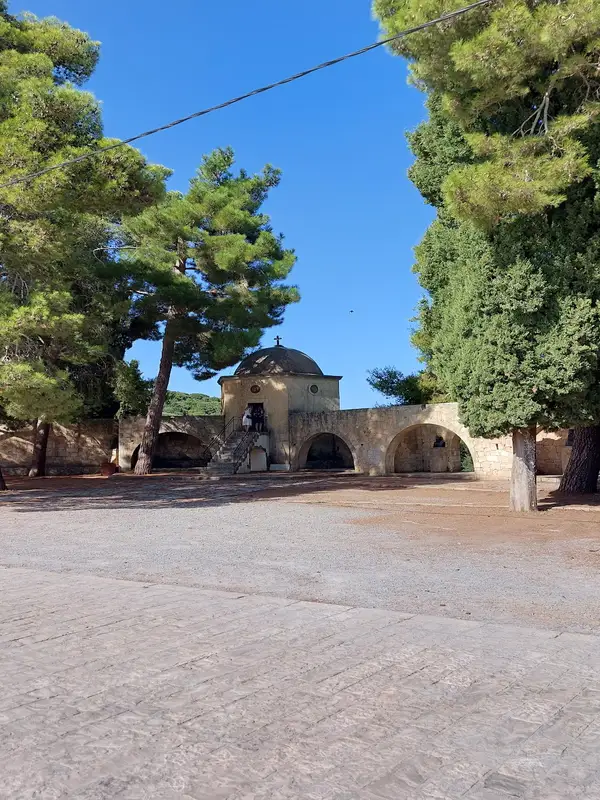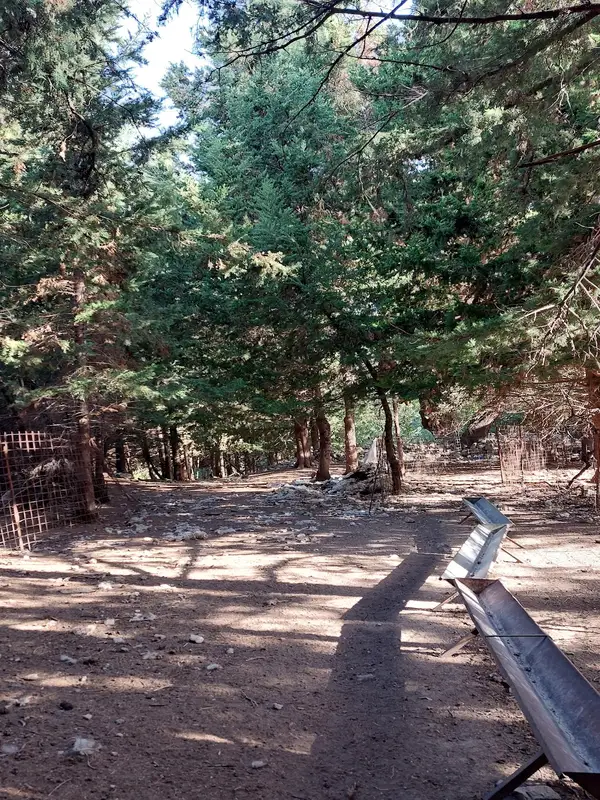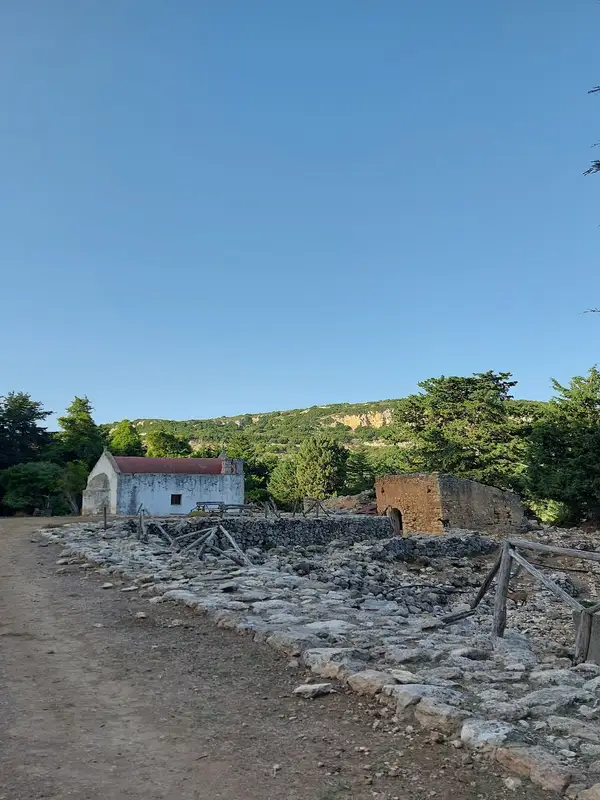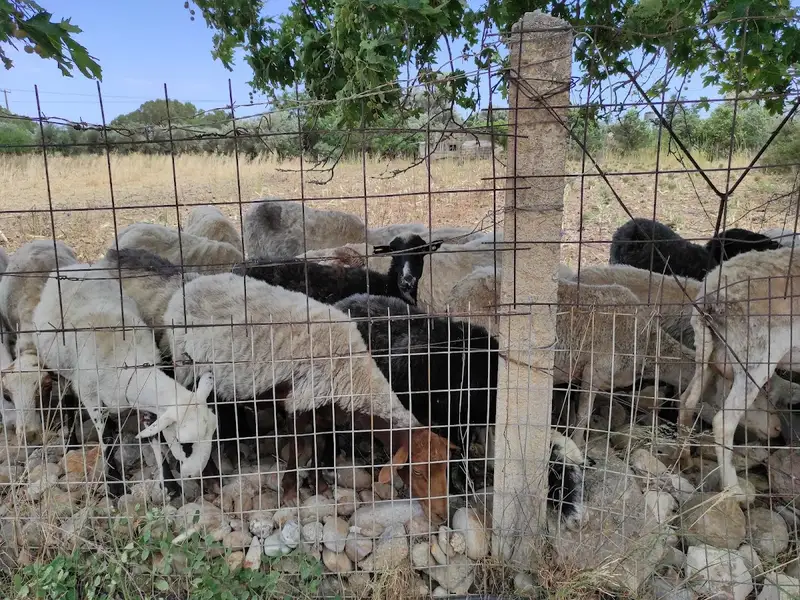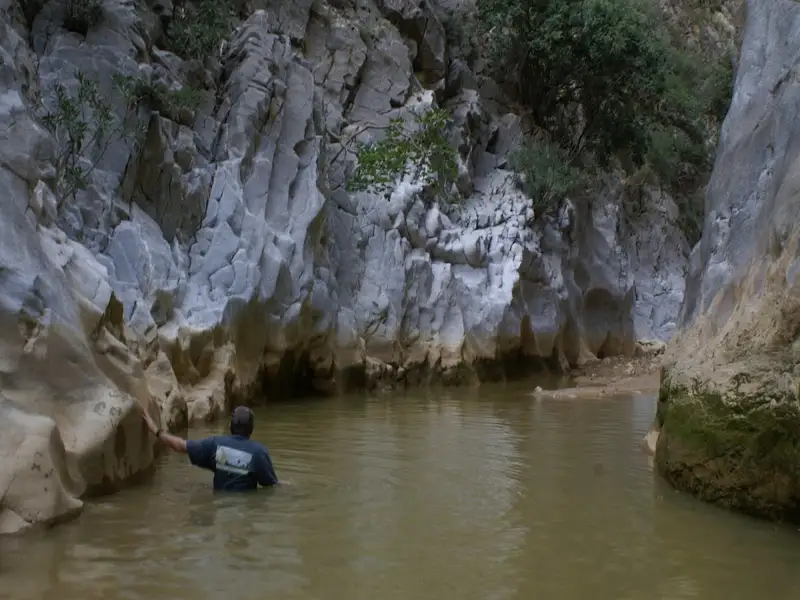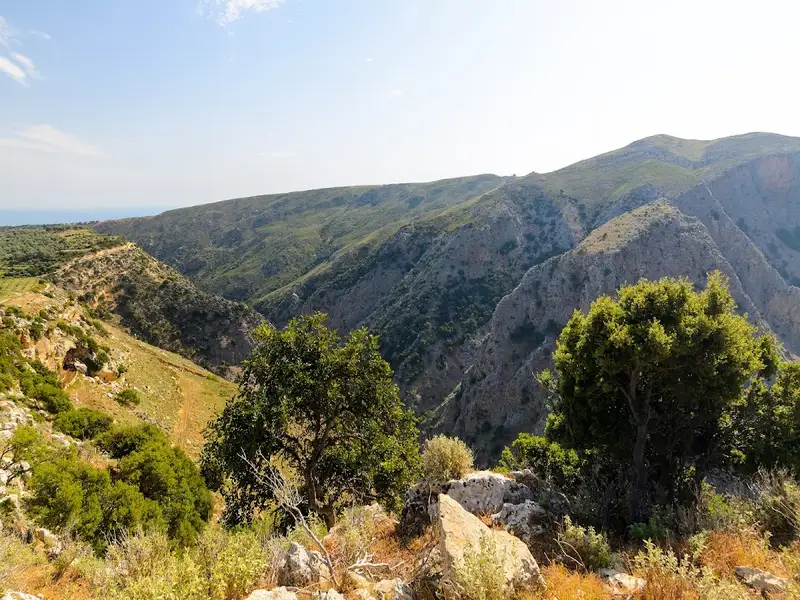
Benefit from pick-up at your hotel in the Rethymno area, and then explore the traditional lifestyle and historical legacy of Crete.
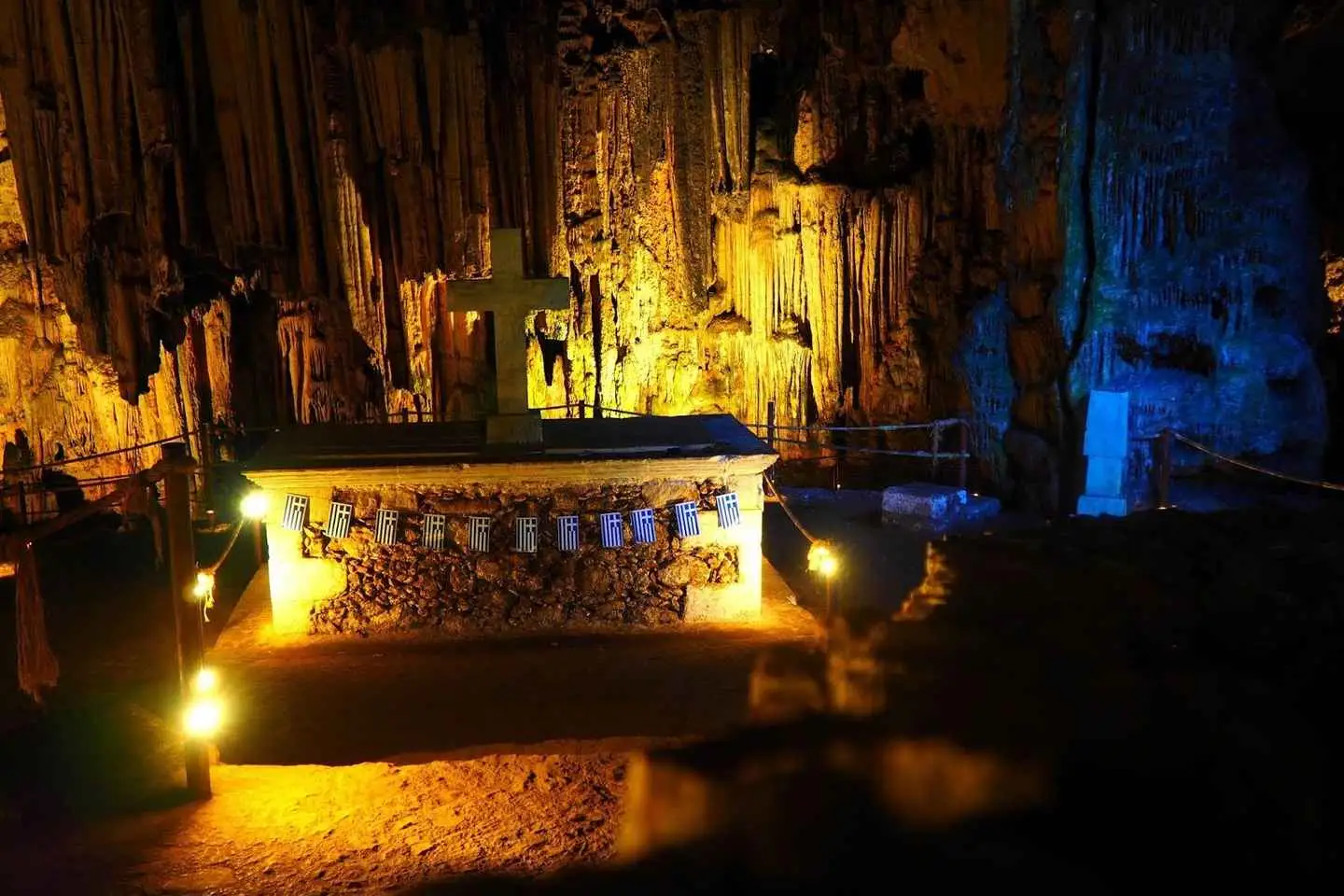
Learn the Neolithic history of the Melidoni Cave and discover the pottery traditions of the village of Margarites.
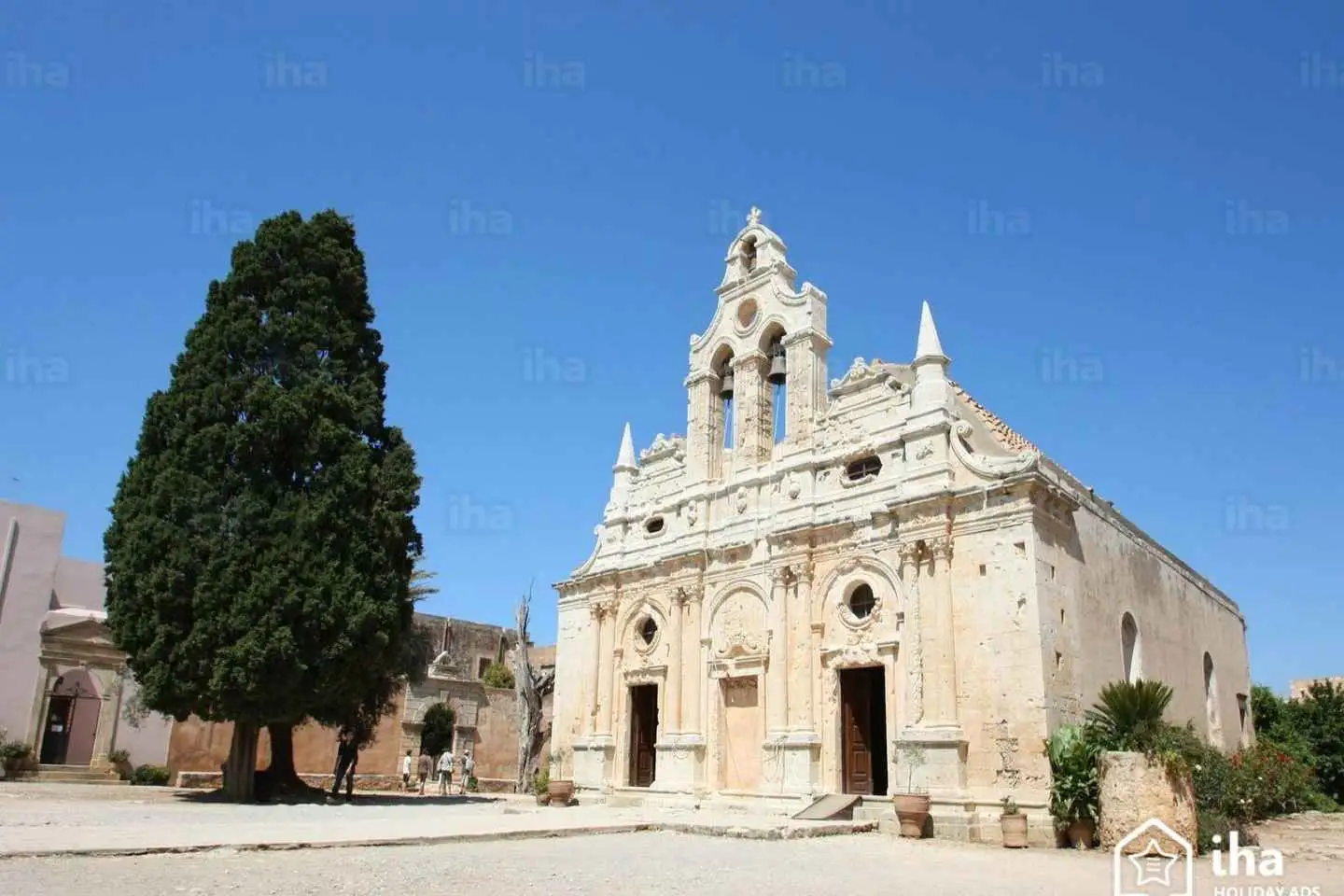
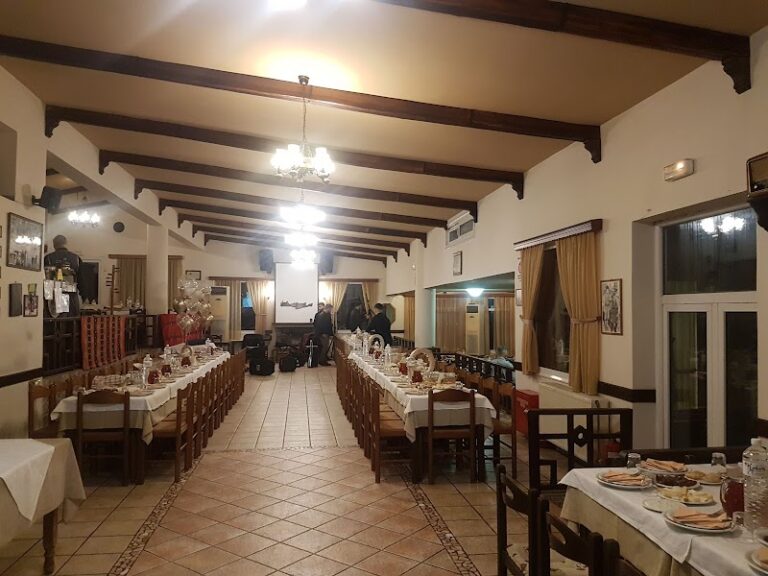
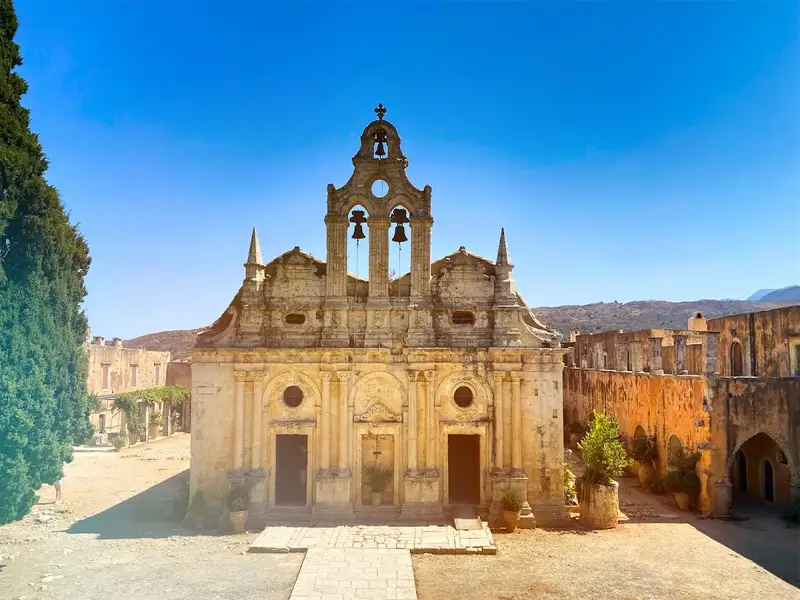
Discover the oldest monastery in Crete at the 16th-century Arkadi Monastery, and then go to the village of Apostoli to visit an old olive oil factory. Enjoy lunch in a traditional tavern and listen to the beautiful sound of live folk music before making your way to St. Antonios Gorge. Stop at the Fragma Potamon dam before making your way back to Rethymno.
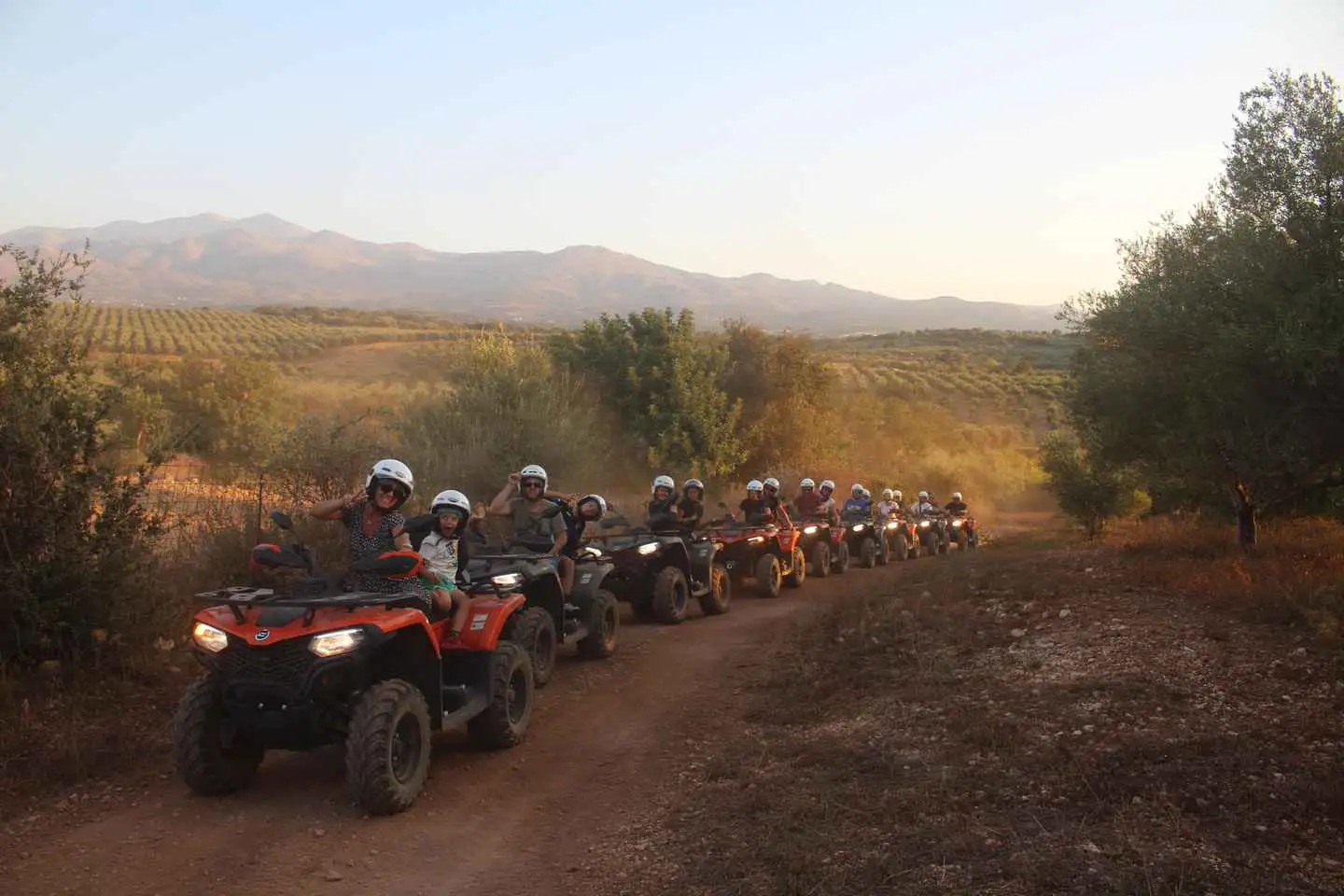
Experience the ultimate cross-country adventure with Nostos Safari. This unique cross-country real-off-road experience takes you from the coast to the mountains. Drive through off-road routes and pass through breathtaking landscapes, from traditional village alleys to stunning mountain passes. With Nostos Safari, you’ll have the freedom and adventure of a quad bike to explore the stunning natural landscapes of Crete. Discover the unforgettable experience of cross-country living and book your quad safari today with Nostos Safari.
We have designed this unforgettable trip to submerge you into an authentic way of life in one of the island’s most beautiful regions while gaining a deeper understanding of the relationship between history, stunning escapes, gastronomy, and the authentic Cretan local lifestyle.
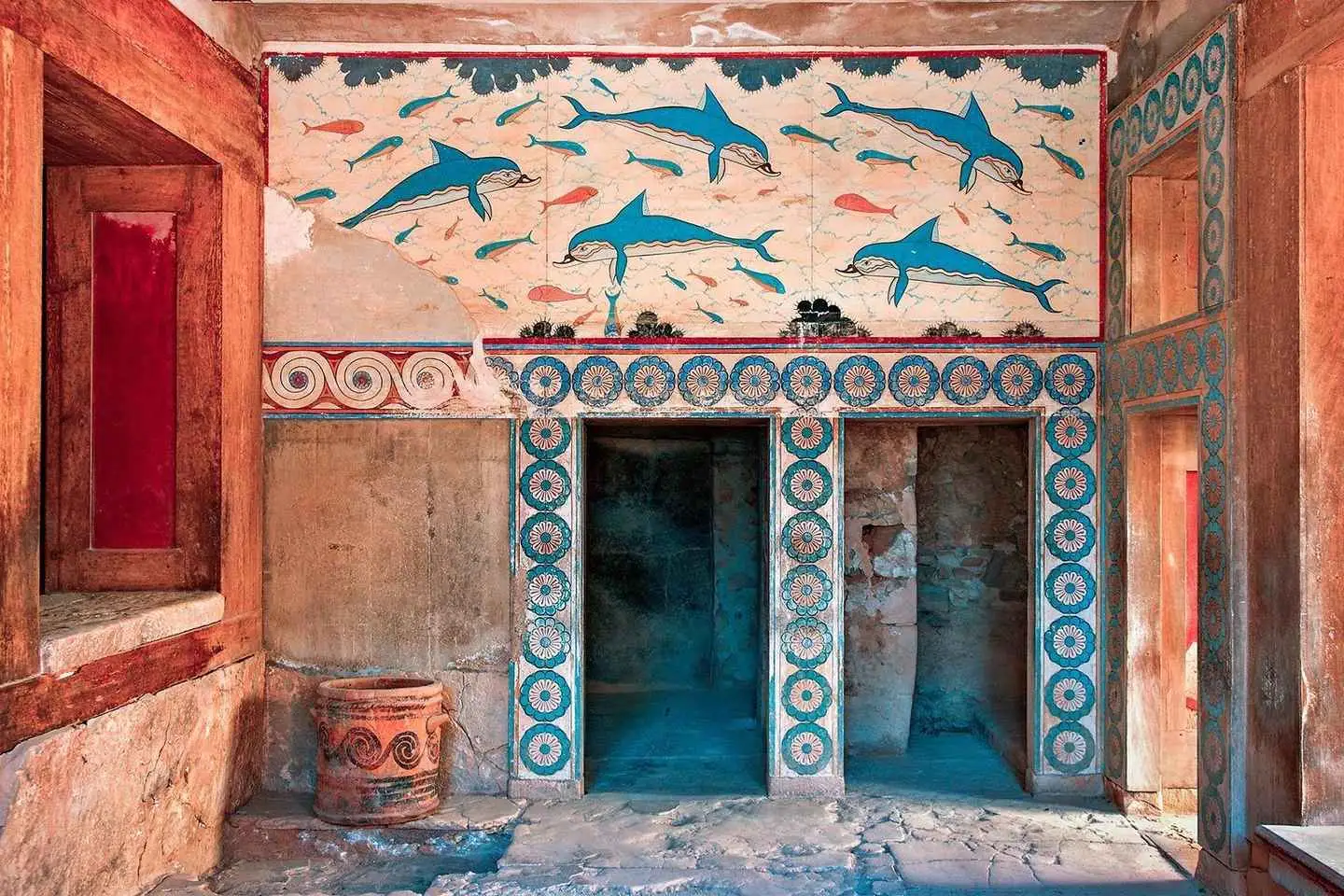
You will also visit the world-famous Palace of Knossos, where your expert guide will ensure skip-the-line access to all archaeological areas, key pieces of information, and extra-personalized attention.
Then, from the history and cultural experience, you will be immersed in another time wandering the unspoiled Cretan landscape along with authentic layers of flavors, wines, and village life of the island of Crete.
Enjoy personal pick-up and drop-off with a premium vehicle at your full-day disposal, like a true VIP.
Get in touch with the history and the art of the Cretan pottery on this tour from Rethymno. Learn about local honey and bees at the Honey Museum. See natural stalactites at Melidoni cave. Explore the villages and feel the cretan hospitality.
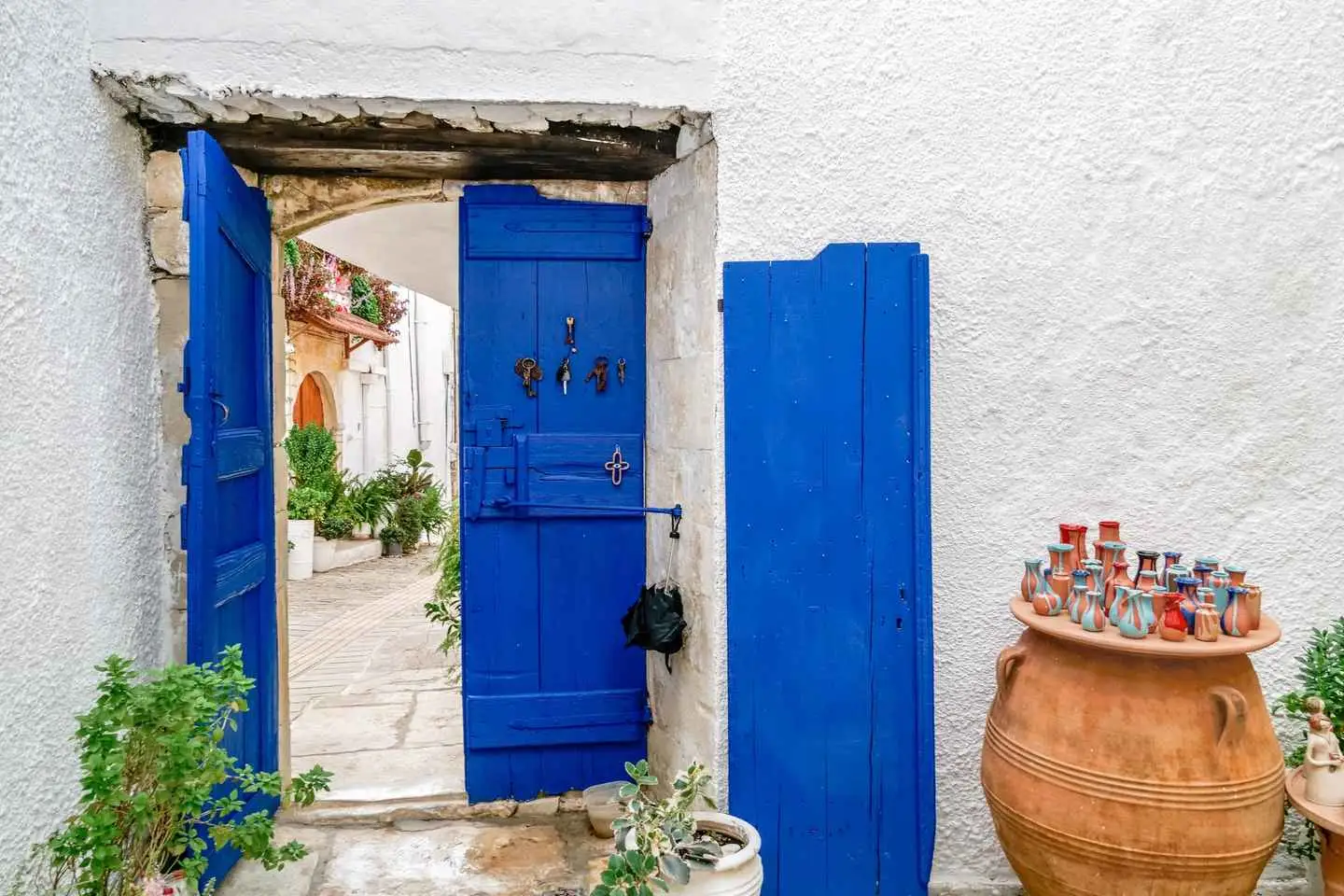
Enjoy the convenience of being picked up from your accommodation in Rethymno. Sit back and relax on a scenic drive through the countryside. Arrive in Margarites and take a tour of a ceramic shop. Immerse yourself in local crafts during pottery.
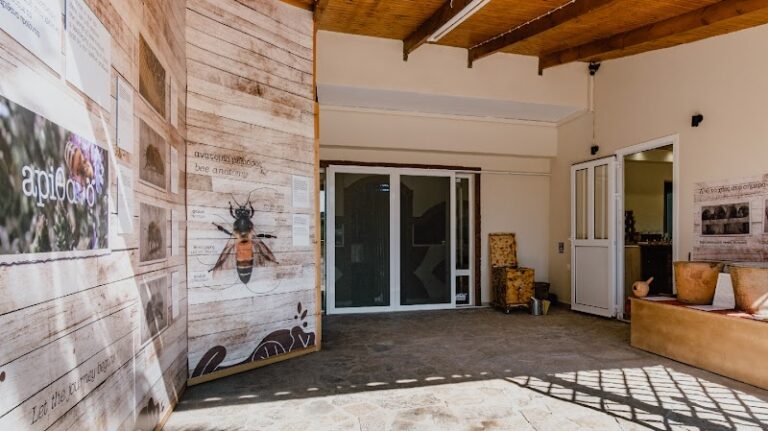
Take a guided tour of the Honey Museum to discover the secrets of one of Crete’s most popular foods. Travel to Melidoni to visit the subterranean chambers and stalactites in Melidoni cave. Hear about the fascinating history of this cave.
Finally return to your accommodation in Rethymno at the end of your tour.
No results available
Panormo, located approximately 20km east of the city of Rethymnon in the Milopotamos province, is a peaceful coastal village. It has experienced rapid growth in recent years while preserving its traditional charm. Its attractiveness lies in the untouched beauty of the Cretan countryside, the charming village, stunning beaches, and convenient accessibility.
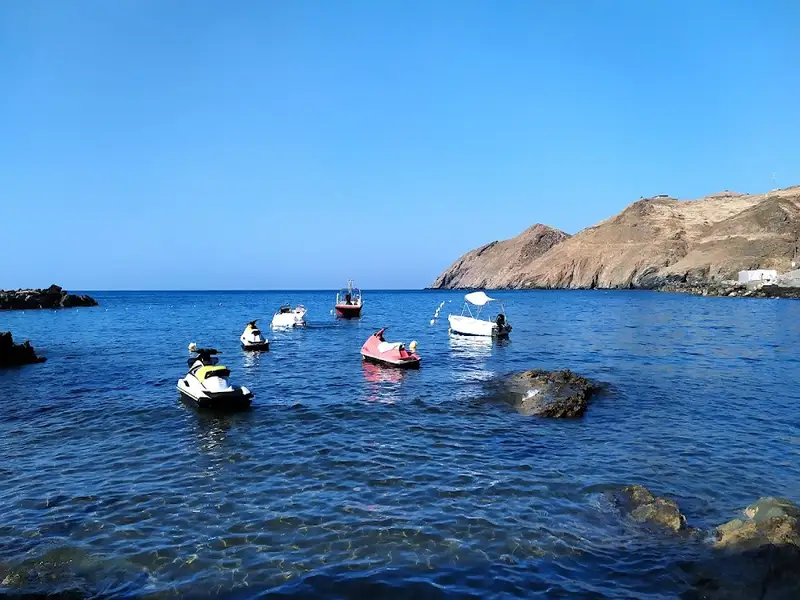
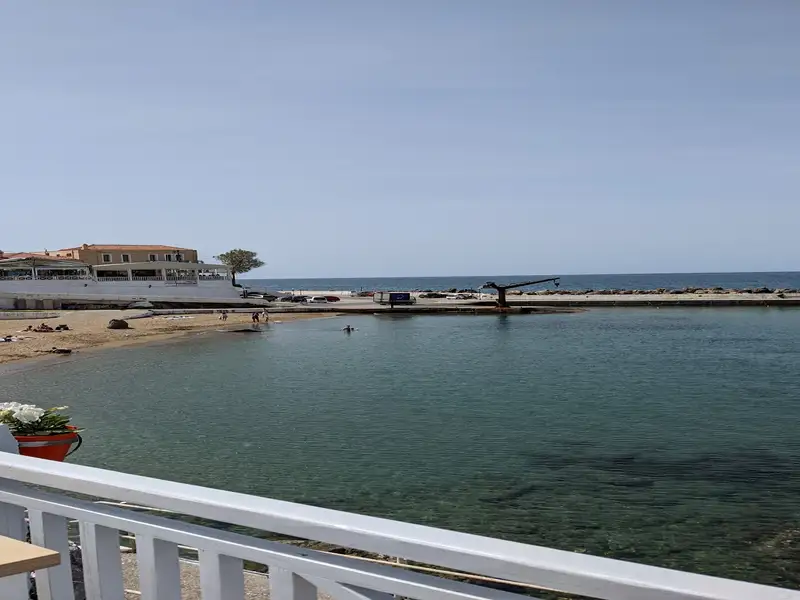
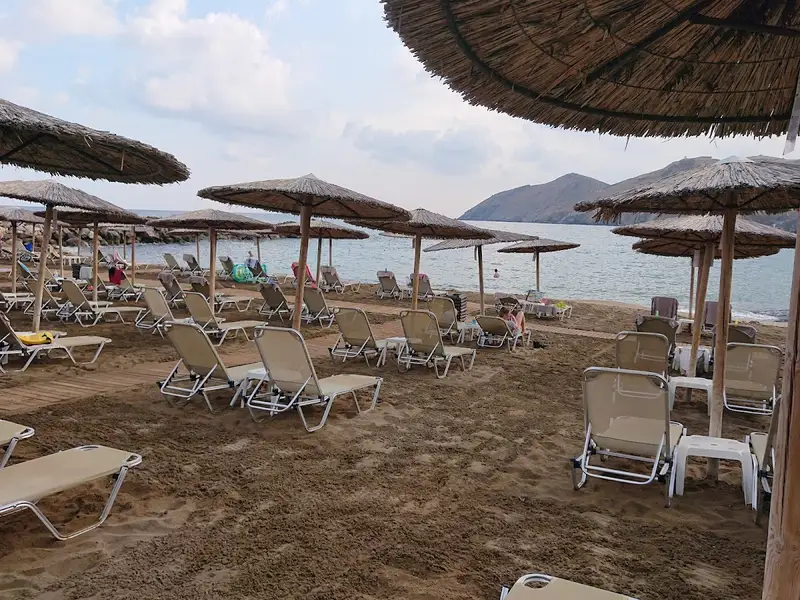
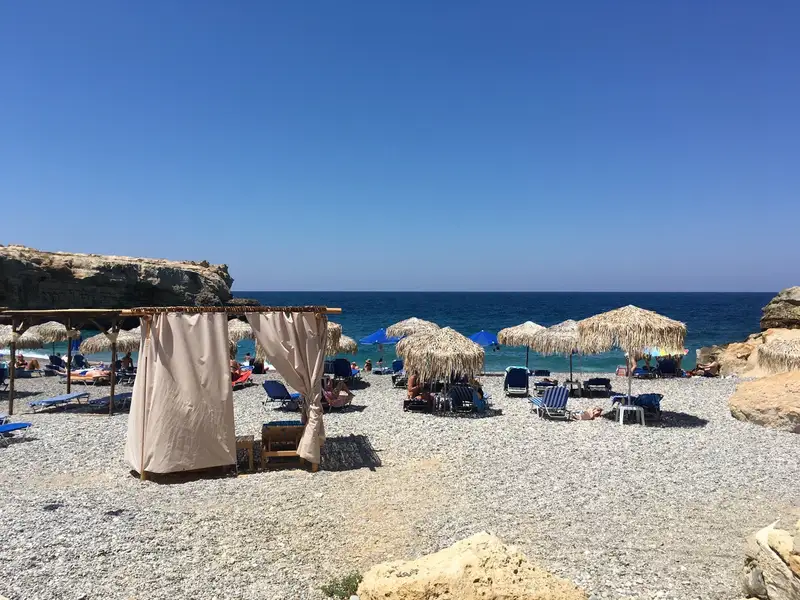
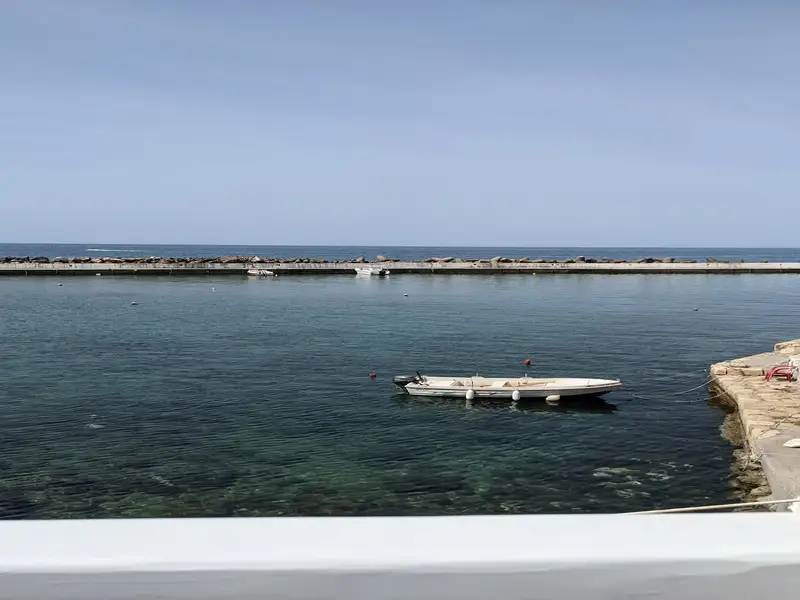
Panormo boasts two primary beaches and several smaller ones. The village’s Greek name, which translates to ‘a location with a natural port’, aptly describes Panormos as it is a natural harbour with tranquil waters. The beach at the harbour, known as Limanaki, serves as the region’s port. It’s sandy, with clear waters, making it perfect for families with young children due to its shallow waters and the protection from waves provided by a cement pier. The beach is well-equipped with umbrellas, showers, water sports facilities, and plenty of accommodation and dining options nearby. Adjacent to Limanaki is a smaller, less populated sandy beach.
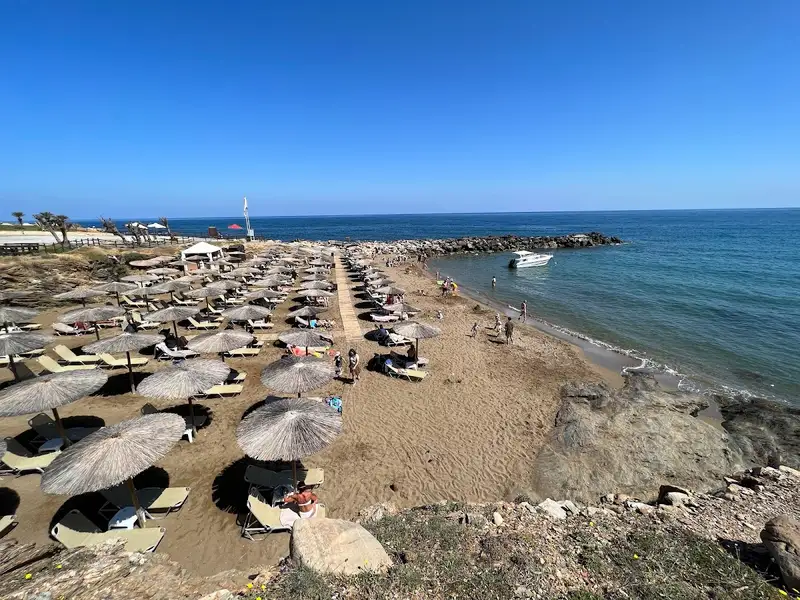
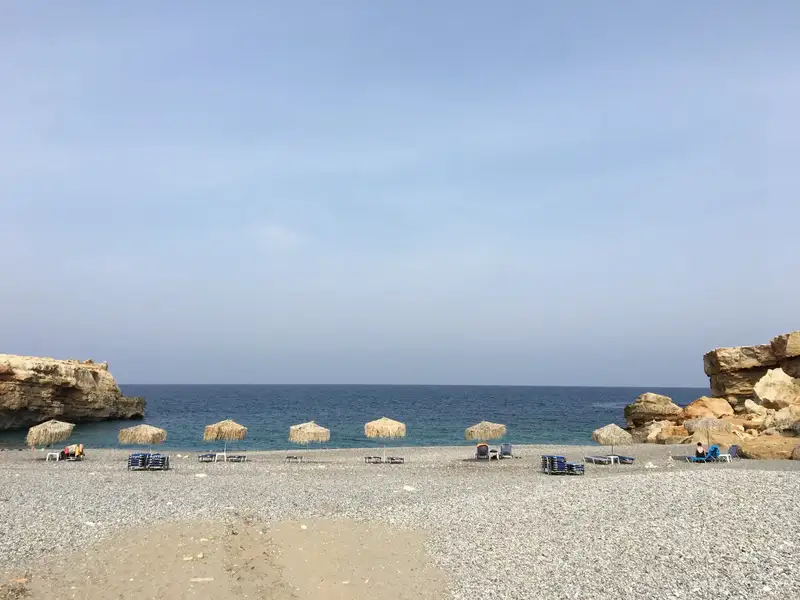
The second main beach, Limni, is situated just 200m west of the village. Similar to Limanaki, it is sandy and shielded by a rocky pier, essentially dividing it into two separate beaches. Further east, a small, secluded cove with a pebbly beach is perfect for undisturbed relaxation and snorkelling during calm seas. Panormo can be reached via direct bus services from Rethymnon or suburban bus services between Heraklion and Rethymnon. Excursion boats also operate from the local harbour.
A short history of the area
Panormo is historically significant and is thought to be located on the site of the ancient city of Panormus. The discovery of the impressive basilica of St. Sophia, dating back to the 6th century AD, confirms the presence of an ancient city. The basilica, situated 500m southwest of the village, is considered one of the largest Christian churches in Greece and the biggest in West Crete. The village is also known as Kastelli of Milopotamos, named after the fort built by the Genoese conquerors in 1206, which was later captured by the Venetians. Remnants of this fort can still be seen near the harbour.
In more recent history, Panormo served as a hub for transporting goods produced in the surrounding region, particularly olives and carobs. A renovated old carob mill, now used as a cultural centre, can still be visited. The village was bombed during the German Occupation. The construction of a new national road in the 1970s, adjacent to the village, and the building of a marina in 1980 has contributed to Panormo’s tourism growth. The village celebrates three festivals every year: Ascension, St. John on June 24, and St. Nicholas on December 6.
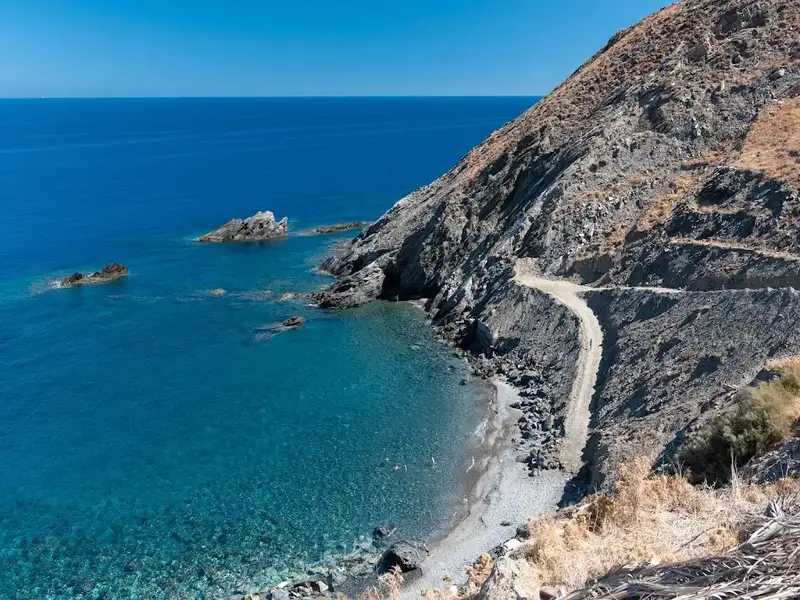
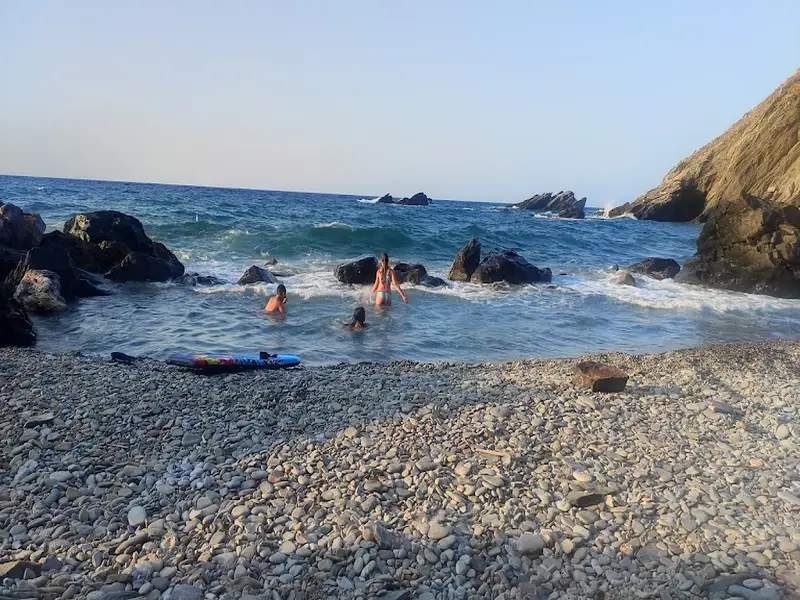
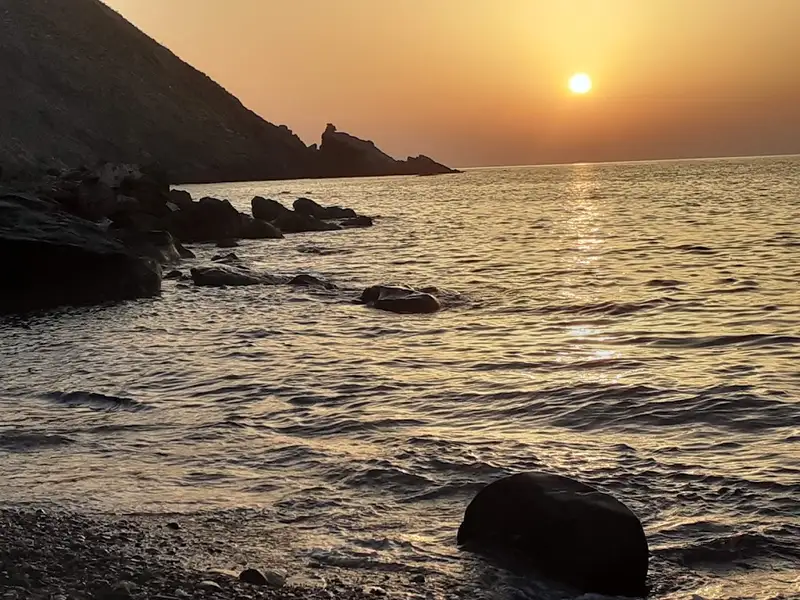
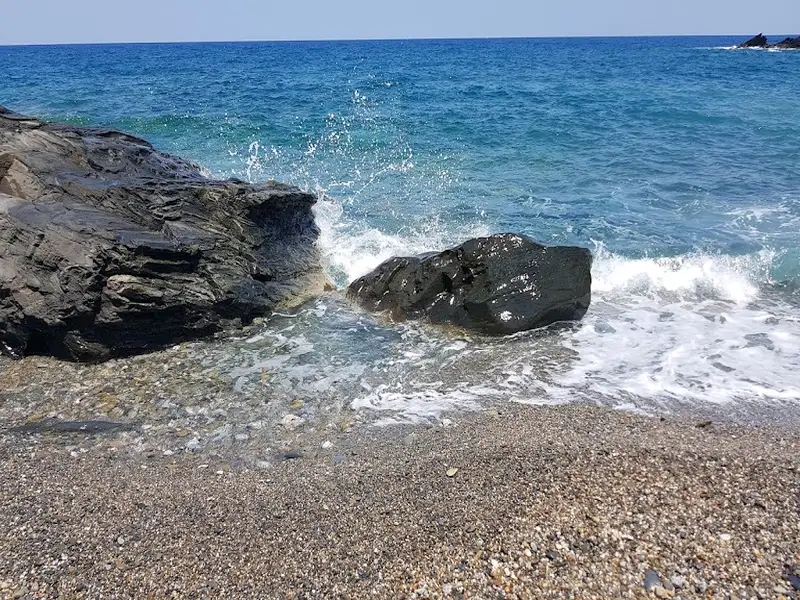
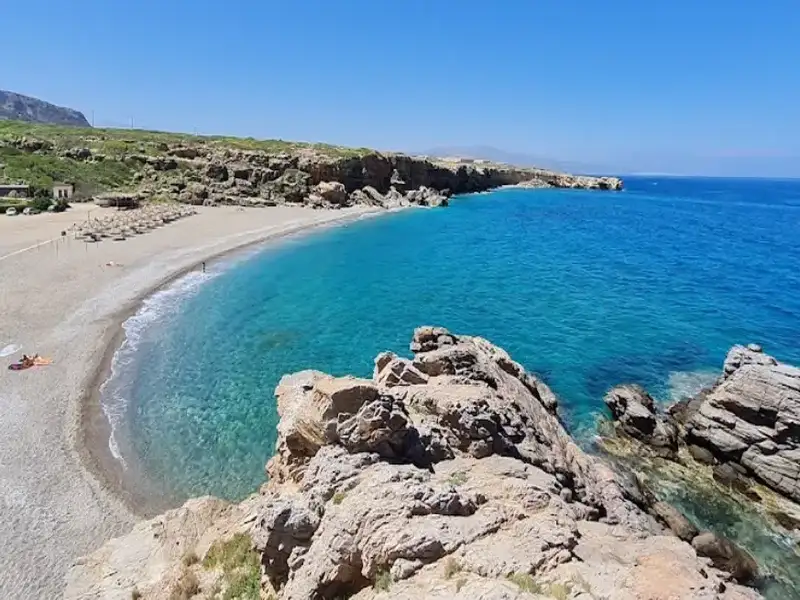
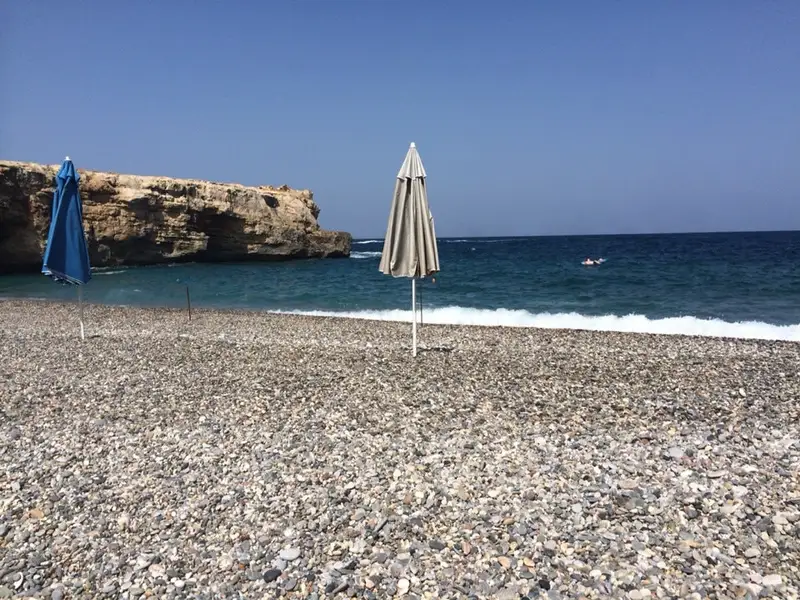
The Skepasti beaches, situated roughly 27km to the east of Rethymnon and a mere 2km eastward from the namesake village Skepasti in the Milopotamos province, are predominantly reachable via poor dirt roads that originate from the village. Among these beaches, the local population’s favourite is Koukistres. The Skepasti beaches, which are exposed to the northern winds, are characterized by their pebbly texture and deep waters. They are entirely unorganized and quite a distance from the closest hotels and eateries, which are located in Panormos. Thus, it’s essential to bring all necessities if you plan to visit. The surrounding terrain, marked by rugged Cretan landscapes and barren, rocky grounds, adds to the remote charm.
While here, it’s recommended to combine beach activities with a trip to the quaint, traditional village of Skepasti. The village derives its name from the Byzantine church of Panagia Skepasti, which has a fascinating legend associated with it that’s worth exploring.
Geropotamos, situated approximately 18km east of Rethymnon and 3km west of Panormo, is named after the eponymous river that empties into the eastern end of the beach. The beach, though small, is marked by its sandy terrain and crystal-clear, cool water, a result of the river that runs throughout the year, forming a small lake near the shore. The beach is minimally organized with umbrellas and a canteen that provides refreshments, coffee, water, and some basic food supplies. A luxurious hotel is also located adjacent to the river. Although easily accessible, the beach remains quiet and uncrowded. However, the orientation of the shore makes it susceptible to northern winds.
Geropotamos’ location on the main road connecting Heraklion and Rethymno makes it easily accessible. You can even reach it by bus by asking the driver to stop at Geropotamos. The area’s importance is underscored by its status as a natural shelter for rare birds and animals, courtesy of the Waterland. West of Geropotamos, the shore is riddled with cavities, home to the rare monk seals (Monachus monachus) and falcons.
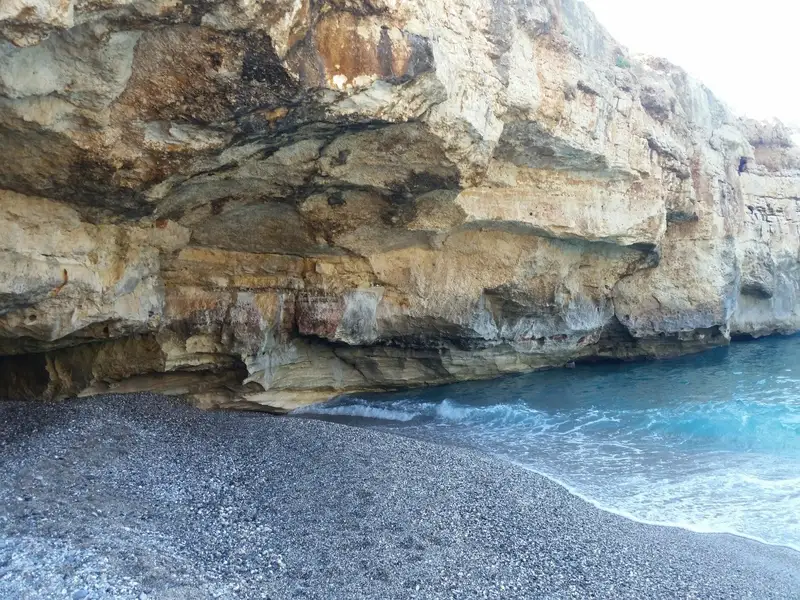
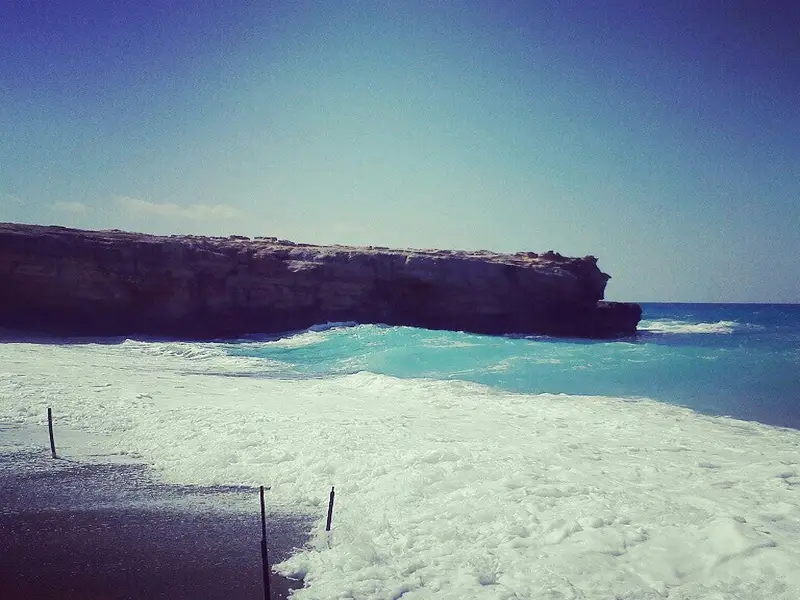
A few meters west of Geropotamos beach, you’ll find an extraordinary rocky arch known as Kamara. Beneath Kamara, there lies a small beach with sand, small pebbles, and crystal blue waters. The beach’s size makes it vulnerable to north winds, with waves almost covering it. However, on calm sea days, it is truly beautiful. The beach, surrounded by vertical cliffs that provide natural shade, is only accessible by boat. A fun activity on windless days is to swim from Geropotamos and snorkel en route.
Cape Lianos, the eastern end of Geropotamos beach, also known as the Lavris area, is a rocky cape with a luxury hotel built on it. In front of the hotel, there are some small artificial coves with piers protecting them from waves. Although they appear private, you can reach the coves via a footpath that begins near the Geropotamos beach and heads eastwards, even if you’re not a hotel guest.
The Lianos Cape area, along with the Geropotamos wetland, is protected under the European program “Natura 2000”. It is home to a variety of reptiles, birds, turtles, amphibians, mammals, and plants, some of which are indigenous or endangered.
No results available
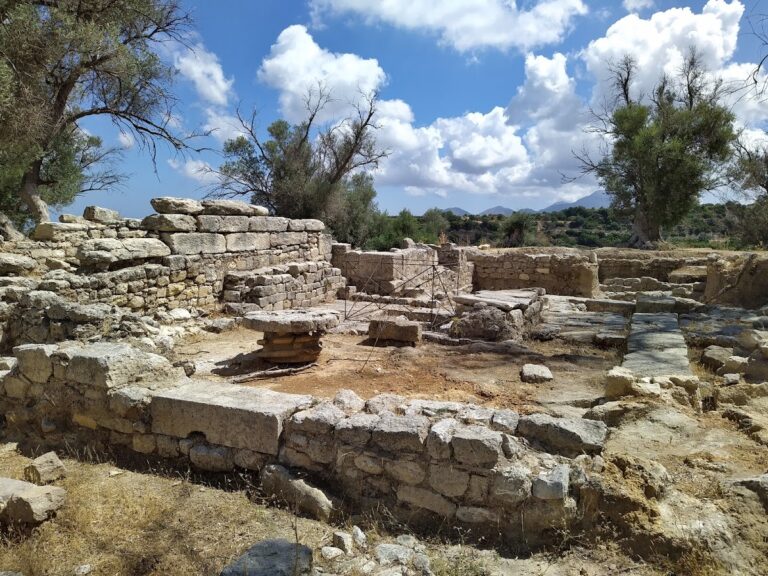
The ancient site of Eleftherna is situated 25km southeast of Rethymno and in close proximity to the Monastery of Arkadi. It is the most significant archaeological location in the Rethymno prefecture, with many areas still to be excavated. The University of Crete began the first organized excavations in 1985.
Eleftherna was established by the Dorians around the 9th century BC and was inhabited until the early Byzantine years. Its strategic location at an altitude of 380m, with roads connecting it to ancient Kydonia, Knossos, and Ida Mount, contributed to its long history. Findings have been discovered in three different positions on the same hill.
During the first Cretan War (205BC-200BC), Eleftherna sided with Macedonia against Knossos. The town resisted the Roman occupation, led by general Quintus Caecilius Metellus, until it eventually fell by treachery. In the Roman period, the city continued to prosper, with the construction of baths, cisterns, villas, public buildings, and towers. The Byzantine era marked the last period of the city before its destruction by the Arabs. It became a Diocese, and the great basilica, of which remains still stand today, was built. The significance of Eleftherna as an archaeological site led to the creation of the Archaeological Museum of Eleftherna above the site.
At the Orthi Petra position, a necropolis was discovered, becoming the most important part of Eleftherna with numerous findings (and still being excavated). Here, archaeologists found the “tomb of warriors” containing 480 vases, weapons, and the trench of warriors killed in battle.
In 2010, archaeologists discovered an unlooted tomb from 700BC. The tomb was a large lying jar, with its entrance blocked by an 800kg boulder. Inside the jar were the bones of a young couple, possibly siblings, covered with a gold cap made of 3000 gold sheets of different shapes. The girl wore gold jewelry depicting a bee, the first representation of a bee as a goddess in Crete. Interestingly, when the jewelry is turned upside down, the bee disappears, and a beautiful lily takes its place. In another jar, archaeologists found a golden, real-size eye among the bones. They named it “Tutankhamun’s eye” as it is identical to the one in the funerary mask of the Egyptian King.
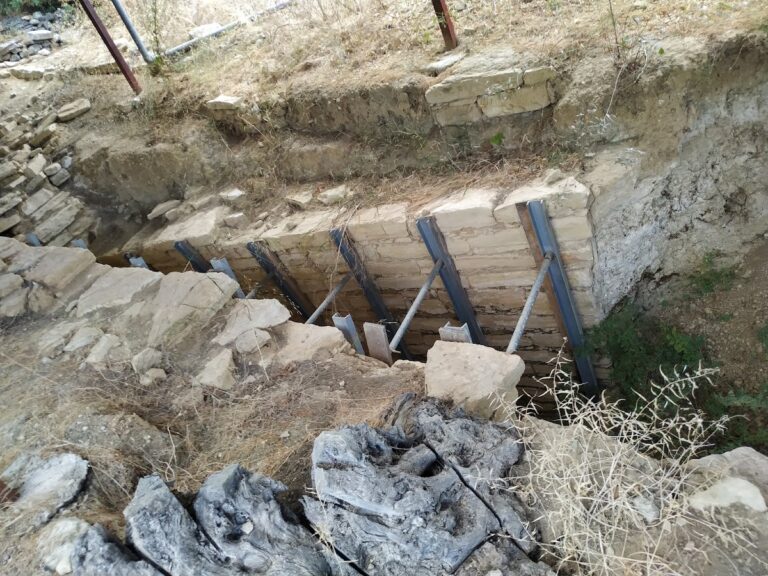
About 4 km northeast from the village Margarites, in the province of Milopotamos, a dirt road leads to the Late Minoan domed tomb of Margarties dating back to 1350 BC, which is considered one of the most important sites in the area. An aisle with carved stones leads to a circular domed tomb. Inside it, the bones of four adults and two children were discovered. The findings suggest that they belonged to a higher social and religious class.
No results available
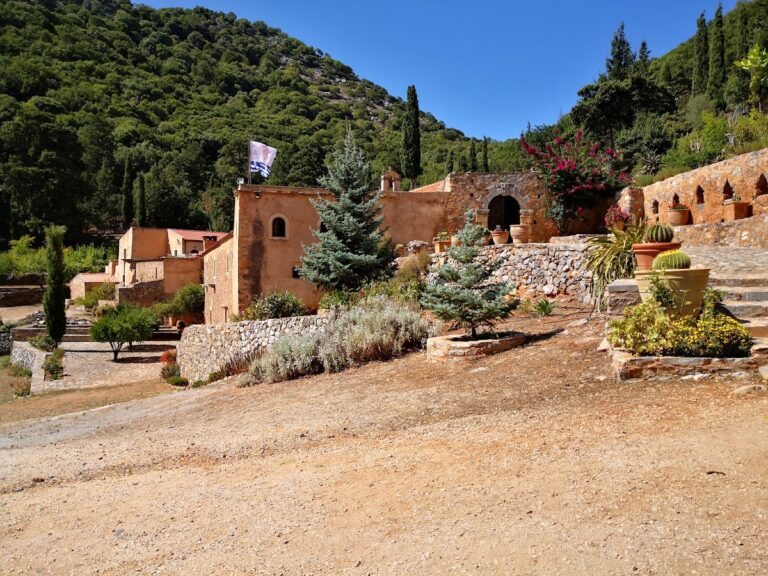
The Holy Cross Monastery (Timios Stavros) in Vosako is situated on a small plateau amidst the peaks of Koutroulis and Mesokofinas in the Talean Mountains, approximately 50km east of Rethymno. To reach the monastery, visitors can drive through the village of Doxaro, where they will be greeted by the stunning, rugged landscape. Alternatively, there is another route that begins in the village of Sisses.
The name Vossako is derived from the Greek words “vous” (buff) and “sakos” (fold), which translates to “cattle pen.” This is likely because the plateau was once used to feed cattle.
Constructed like a fortress, the monastery’s main temple (Katholiko) is dedicated to the Holy Cross. During celebrations, pilgrims embark on a challenging trek to the monastery from Kalo Horafi, near Panagia Charakiani in Bali, which takes around 2-3 hours.
Up until the late 20th century, the monastery lay in ruins and was completely abandoned. However, it has since been restored and now functions normally. The buildings are spread across two levels and feature two courtyards, with the main temple located in the southern courtyard. A beautiful Venetian fountain can be found outside the temple, while the main entrance is quite impressive.
Historically, the monastery played a significant role in the revolution against the Turks, leading to its destruction by them on two separate occasions.
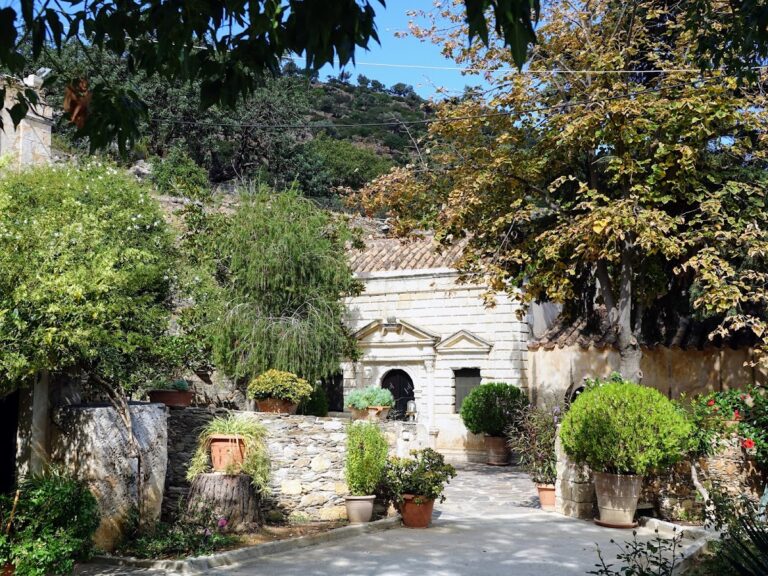
Attali Monastery, also known as Bali Monastery, is situated on the hill of Agia Ypakoi, to the west of Bali, offering stunning sea views and easy access to the main road connecting Rethymnon and Heraklion. Before the highway was built in 1970, the area was quite isolated, allowing monasticism and asceticism to thrive.
This male monastery is dedicated to Saint John the Baptist and features a two-level complex. Near the grand entrance, you’ll find the stables, and as you explore further, you’ll come across the old mill, a pottery workshop, a bakery, the monks’ cells, and the refectory adorned with frescoes.
Unlike most Cretan monasteries, the church is situated on the northeast side of the complex and outside it. To protect the monks from frequent pirate attacks, a heavy door was installed to isolate the stairs leading to the temple, creating a fortress-like structure. However, the temple remains outside of this protective barrier.
The Bali area has been significant in local history due to its bay being a crucial point for supplying rebels with ammunition and communication with liberated Greece. The Turks attempted to occupy the area multiple times, causing severe damage to the monastery. Interestingly, there is another monastery named Bali in Sifnos, where it is believed that the monks of Attali transferred the sacred icon of Our Lady to protect it from Turkish hands.
Although one of the lowest peaks in the Talean Mountains of Rethymno, the summit of Apakoui holds great archaeological significance. It is strategically located above Bali, offering unobstructed views of the sea, Pyrovolopetra (the port of ancient Astali), and the plains of North Milopotamos. The name Apakoui is derived from the Virgin Mary Gorgoepikoos, who is said to listen to prayers.
On the summit of Apakoui, you can find scattered broken pottery and the remnants of old walls on a small artificial plateau, which is all that remains of the chapel of Virgin Mary Gorgoepikoos. The church, built during early Christian times, was later destroyed, but its name lives on. A rough wooden cross stands nearby, signifying the area’s sacredness. The chapel was constructed on the site of a former Minoan Peak sanctuary, believed to have been the sanctuary of Astali. On the hill’s north side, a portion of the trail connecting Eleftherna to ancient Astali remains. The east side of Apakoui features a stone fountain that supplies water to Atali Monastery. However, the ascent to the summit is steep, dangerous, and the old path is damaged.
The monastery of St. John is home to the church of Panagia Charakiani, located just off the highway. According to tradition, a shepherd discovered the miraculous icon of Panagia in a cavernous rock (charaki). This icon is kept in the monastery and moved to Charakiani during August. Locals used to stay in reed huts for the first 15 days of August, leading up to the celebration of Panagia on August 15, though this tradition has declined in recent years. To the west of the church, you can find the blazon of the Kallergis family, the most influential Cretan family during the Venetian period.
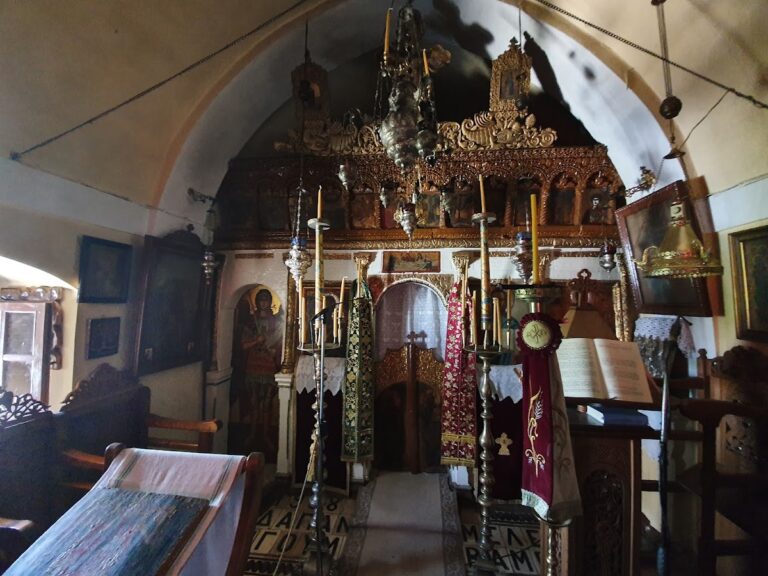
Located 43km east of Rethymnon, the Diskouri Monastery is regarded as one of Crete’s oldest monasteries, with the nearby ornately adorned Byzantine church of Saint John the Baptist attesting to its age.
Currently owned by the Halepa Monastery, the complex is thought to have been constructed on top of an ancient temple of Dioscuri, though this has yet to be confirmed. It took on its present form during the final years of Venetian rule when it resembled a fortress.
The church of Saint George sits at the center of the courtyard, and its old icon of Saint George is well-known among Cretan herders who swear on it when accused of stealing animals.
Having been severely damaged by the Turks and the unsightly interventions of the 20th century, the monastery has significantly changed from its original form. Bishops Parthenios and Meletios, as well as Arkadi Monastery’s chieftain Paul Dedidakis, were laid to rest in the courtyard.
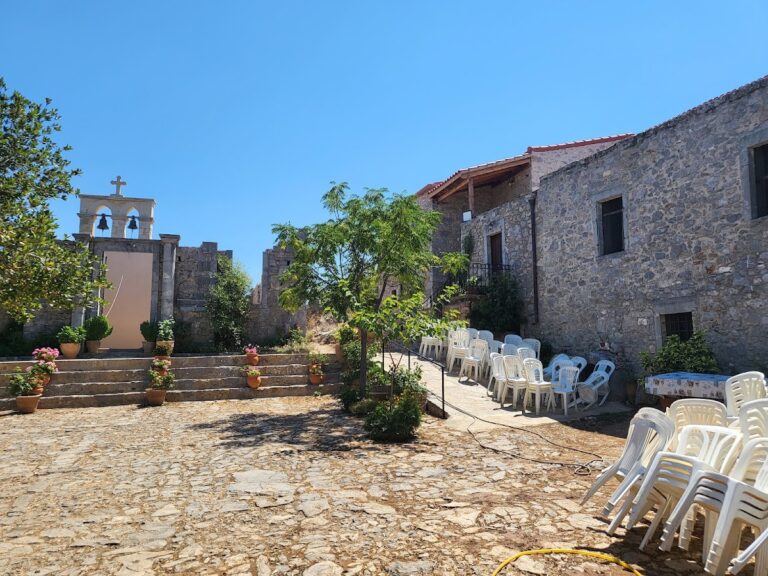
Perched atop a towering hill near the villages of Tsahiana and Veni, and 46km east of Rethymno, lies the Monastery of Christ the Savior of Chalepa. From this vantage point, visitors can enjoy breathtaking panoramic views of the Mylopotamos valley. Once a collection of ruins prior to 2000, the monastery has since been restored and now operates as one of the most picturesque monasteries in Crete.
The monastery’s surroundings are abundant with vineyards, olive trees, and in some areas, oak forests. Although the exact date of its establishment remains unknown, it is undoubtedly one of the oldest surviving monasteries in Crete, with its origins dating back to the Venetian period.
The main church, a two-aisled basilica without a dome, is dedicated to the Transfiguration of the Savior and the birth of Christ. Among the monastery’s highlights is the ancient relief fountain.
Located 300m outside the monastery, the Church of Agia Marina features old frescoes and the coat of arms of the Kallergis family, one of the most prominent families during the Venetian period. This suggests that the region was once part of their fiefdoms. The Kallergis family held such power that they were granted special privileges by the Venetians, which were unknown to other Cretans. Before relocating to its current site in 1673, the Halepa monastery initially functioned as a nunnery at this location.
Due to its strategic position and robust economic autonomy, the Halepa monastery served as the epicenter of numerous battles throughout the Ottoman period.
No results available
No results available
No results available
No results available
No results available
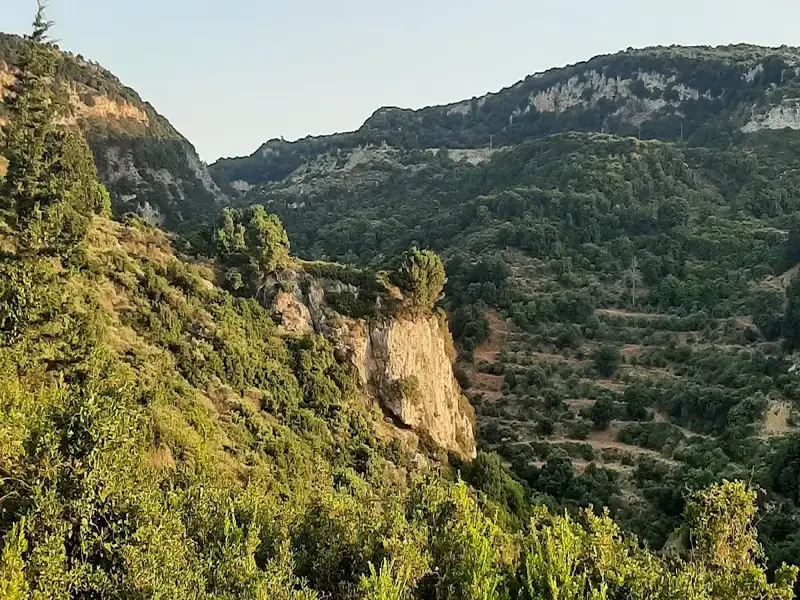
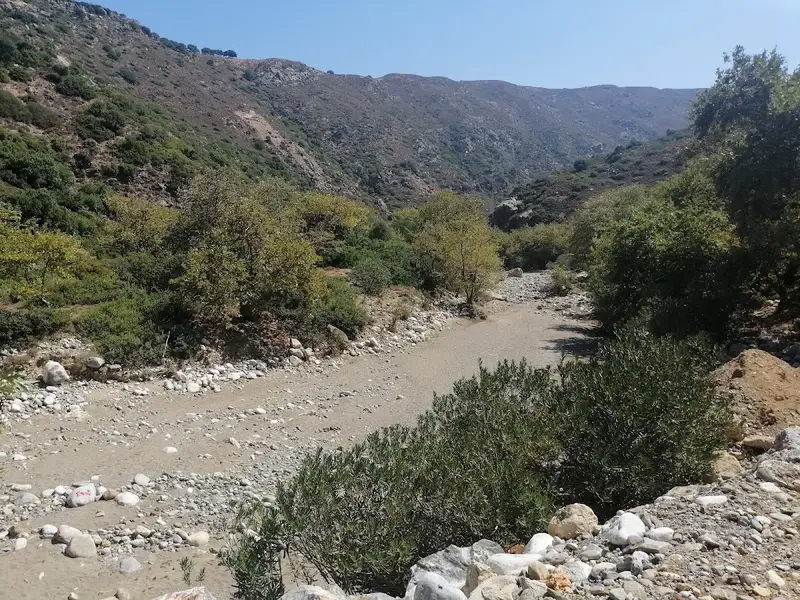
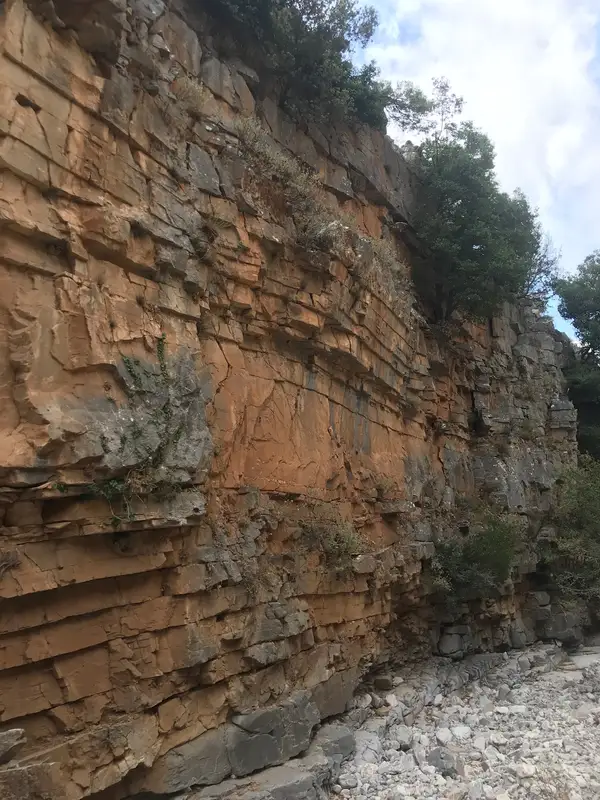
Margarites is a renowned village in the Milopotamos province, celebrated for its stunning architecture and traditional pottery. The broader region, encompassing the villages of Margarites, Orthe and Eleftherna, is characterized by a sequence of small, parallel gorges. Tiny watercourses like Margaritianos meander northwards, contributing to the Geropotamos River. These gorges are carved into the white-yellow marly limestone from the Upper Miocene era (8-10 million years ago), a result of the area’s uplift and water erosion.
The gorges’ most striking features are their abundant flora and extraordinary environment. Small groups of horizontally branched cypresses (Cupressus sempervirens var horizontal) blend with low shrubs, wildflowers, and aromatic plants. The local authorities have fashioned small trails that reveal the area’s beauty to visitors.
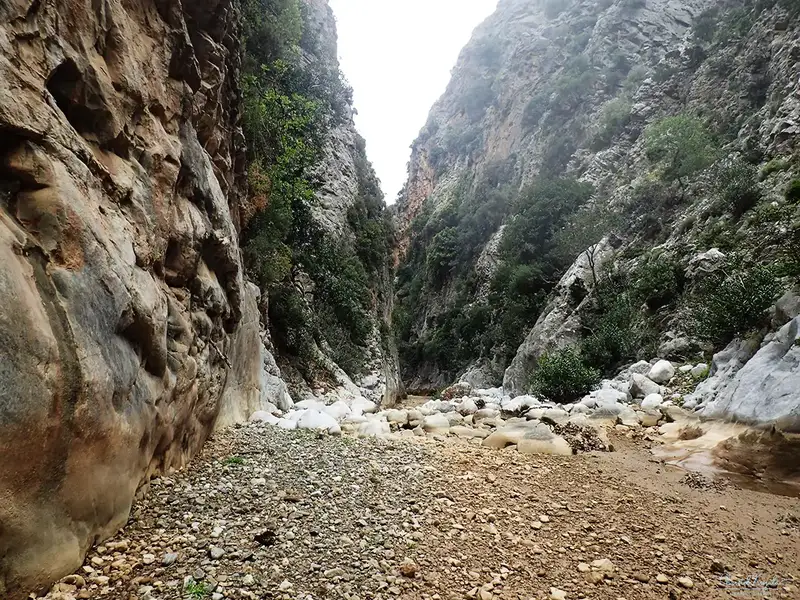
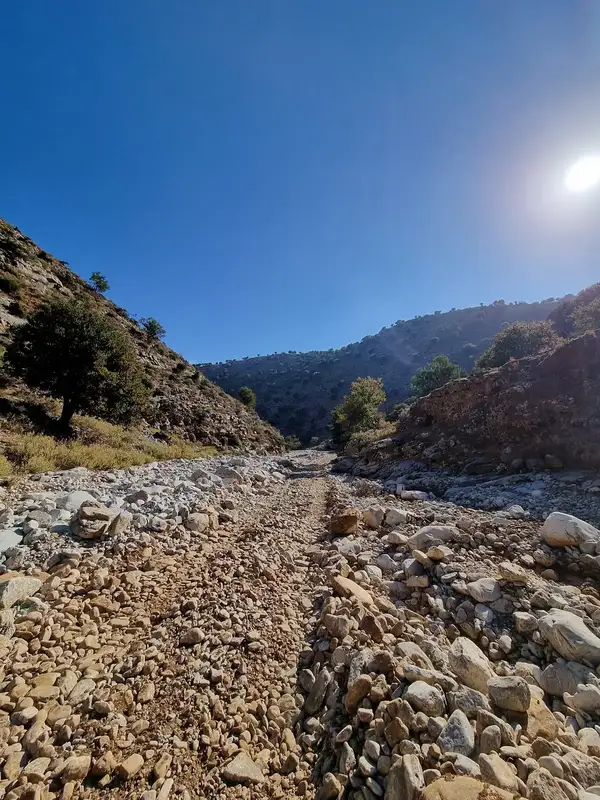
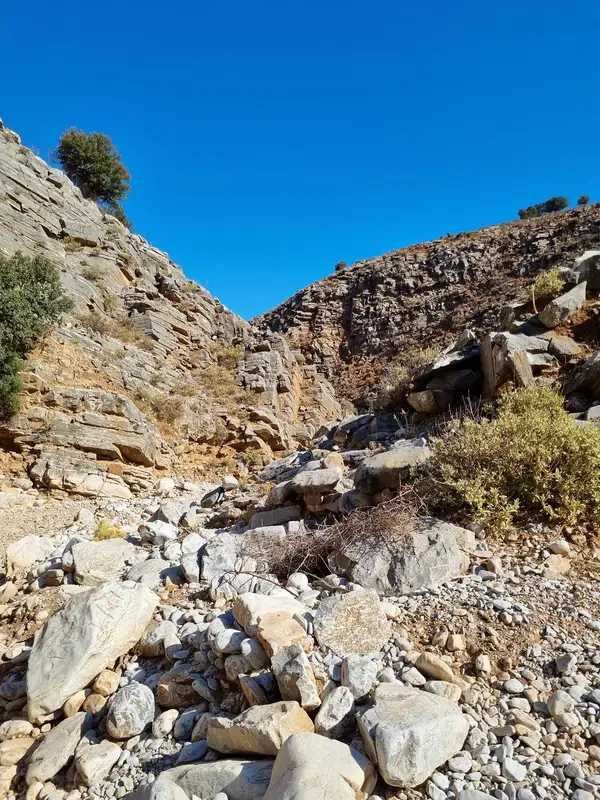
Arkadi Gorge is a moderate 4.5 km hike in the Rethymno region of Crete that starts just north of Arkadi Monastery and takes about 2 hours to walk. The route follows the eastern bank of a green, rocky ravine, ends near the village of Pikris where it meets the Gypofarago gorge, and pairs naturally with a visit to the historic monastery above it. There is no entrance fee and no facilities on the trail, so you carry your own water and food.This guide covers what the gorge is, how hard it is, how to reach the trailhead, what you see along the way, how to combine it with the monastery, and what to pack.
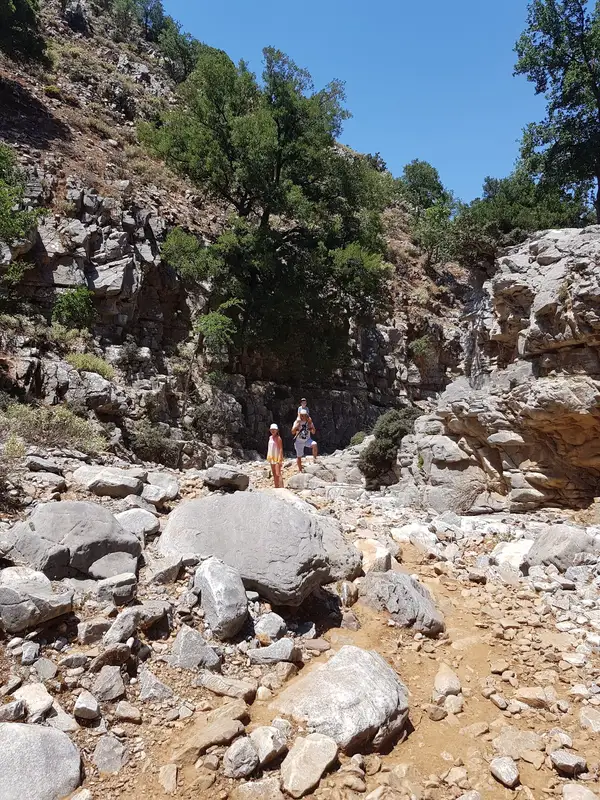
The untamed Prassano gorge, also known as the Gorge of Prasses, is situated 10 km southeast of Rethymnon. It commences south of the Prasses village and provides a captivating three-hour hike through enormous rocks and some fairly challenging passages, adding to the intrigue of the trek. The Prasano Gorge, currently serving as the “overflow” channel for the Potami dam, winds its way through the rocky hills of Gargana, with its stream terminating in the suburb of Platania, east of the city of Rethymnon. The river is engulfed by lush vegetation and towering plane trees, making it an ideal spot for a refreshing excursion.
The Prassano gorge can only be accessed from mid-June to mid-October due to the water flow. It is a crucial biotope of Crete, providing a habitat for buzzards and a small group of Bonelli’s eagles.
The Prasses Village
Set amidst the verdant Cretan landscape on the slopes of Vrysinas, Prasses serves as an entrance to the southern coast. This medieval village showcases the intermingling of diverse cultures that have traversed Crete, evident in the Venetian mansions, Turkish farmsteads, and Orthodox churches. The rich natural and cultural diversity make the village an ideal location for tours and walks. Heading south from Prasses, the road leads to the Potami valley, home to the dam of the same name.
The Zoniana canyon is situated to the south of Zoniana village within the Psiloritis Range. It begins at a height of 950m, gathering water from several streams that flow from the Zoniana mountains, and concludes at the village at a height of 650m. The “serpentine” river Oaxis, which carries water until spring and ultimately drains into the Geropotamos river, flows through this gorge.
This gorge is not only easily accessible but also safe for hiking due to its gentle slope. The rock formations in many areas are truly remarkable, made up of numerous layers, and there are stunning geological structures and trees clinging to the steep slopes and narrow points. As it nears the village, the canyon broadens and morphs into a slender valley.
No results available
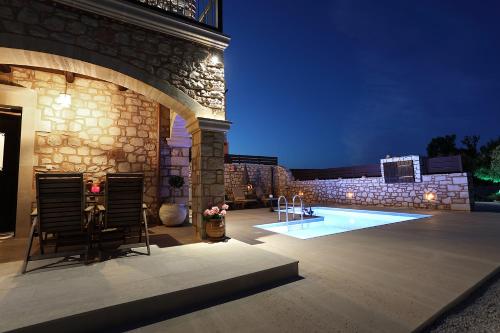
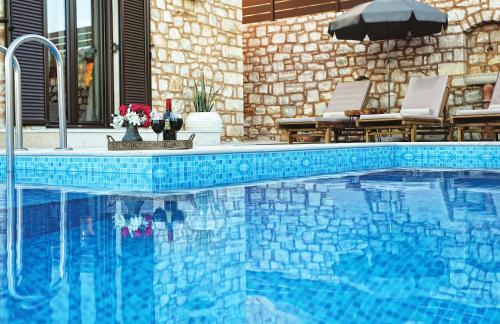
Featuring air-conditioned accommodation with a private pool, mountain view and a patio, LaCasa 1 Deluxe Villa with Pool and Jacuzzi is located in Roumelí. This beachfront property offers access to a balcony, free private parking and free WiFi.
The villa is equipped with 2 bedrooms, 2 bathrooms, bed linen, towels, a flat-screen TV with streaming services, a dining area, a fully equipped kitchen, and a terrace with sea views.
Staff at the villa are always available to provide guidance at the reception.
LaCasa 1 Deluxe Villa with Pool and Jacuzzi offers an outdoor fireplace. A kids pool is also available at the accommodation, while guests can also relax in the garden.
Panormos Beach is 2.1 km from LaCasa 1 Deluxe Villa with Pool and Jacuzzi, while Museum of Ancient Eleftherna is 14 km away. The nearest airport is Heraklion International Airport, 61 km from the villa.
from
€185
/night
Featuring air-conditioned accommodation with a private pool, mountain view and a patio, Deluxe Villa LaCasa 2 with Private Pool is located in Roumelí. This beachfront property offers access to a balcony, free private parking and free WiFi.
The villa comes with 2 bedrooms, 2 bathrooms, bed linen, towels, a flat-screen TV with streaming services, a dining area, a fully equipped kitchen, and a terrace with sea views.
The villa can conveniently provide information at the reception to help guests to get around the area.
Deluxe Villa LaCasa 2 with Private Pool offers an outdoor fireplace. If you would like to discover the area, cycling, fishing and hiking are possible in the surroundings.
Panormos Beach is 2.2 km from the accommodation, while Museum of Ancient Eleftherna is 15 km away. The nearest airport is Heraklion International Airport, 61 km from Deluxe Villa LaCasa 2 with Private Pool.
from
€185
/night
Featuring air-conditioned accommodation with a private pool, garden view and a balcony, A 3bedroom country house, with pool close to beach is set in Roumelí. This property offers access to a terrace, free private parking and free WiFi.
This villa is fitted with 3 bedrooms, a kitchen with a dishwasher and an oven, a flat-screen TV, a seating area and 2 bathrooms equipped with a shower. Towels and bed linen are featured in the villa.
The villa offers a picnic area. A car rental service is available at A 3bedroom country house, with pool close to beach.
Panormos Beach is 2 km from the accommodation, while Museum of Ancient Eleftherna is 15 km away. The nearest airport is Heraklion International, 61 km from A 3bedroom country house, with pool close to beach, and the property offers a paid airport shuttle service.
from
€216
/night
Located in Roumelí, 2.9 km from Panormos Beach and 14 km from Museum of Ancient Eleftherna, Villa Yucca Palm offers air conditioning. This villa features a private pool, a garden and free private parking.
With free WiFi, this 2-bedroom villa provides a flat-screen TV, a washing machine and a kitchen with a dishwasher and oven. Towels and bed linen are provided in the villa.
Archaeological Museum of Rethymno is 25 km from the villa, while Psiloritis National Park is 44 km away. The nearest airport is Heraklion International Airport, 61 km from Villa Yucca Palm.
No results available
Connect with thousands of Crete visitors and boost your bookings.
No results available
© All rights reserved. Crete Locals