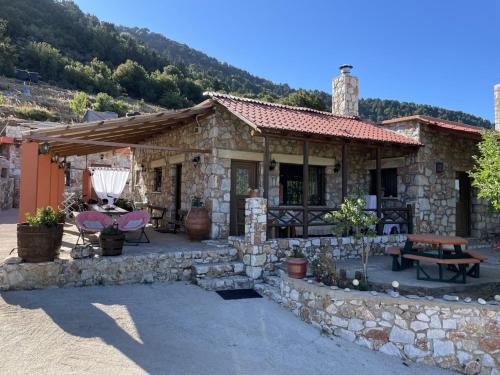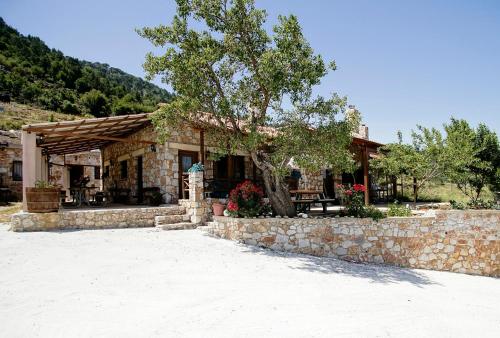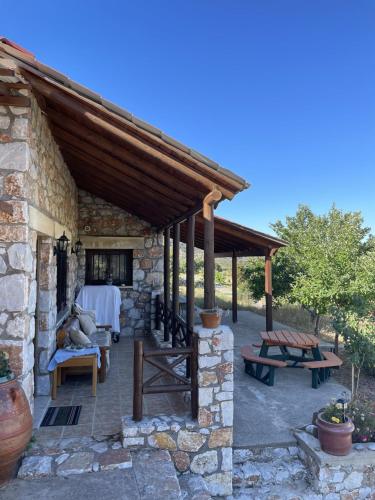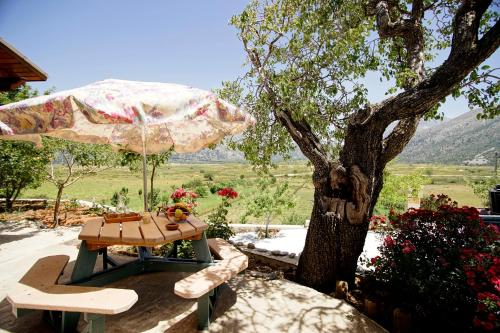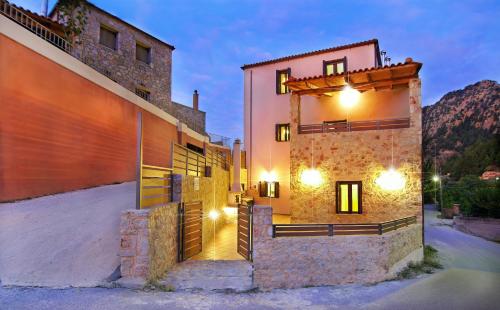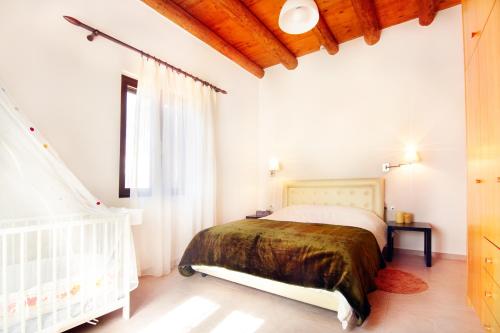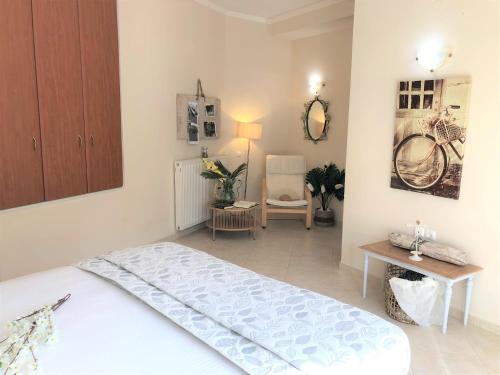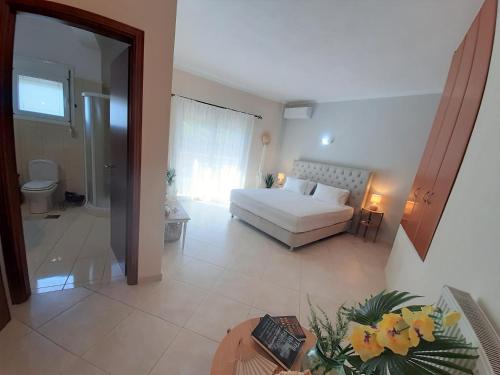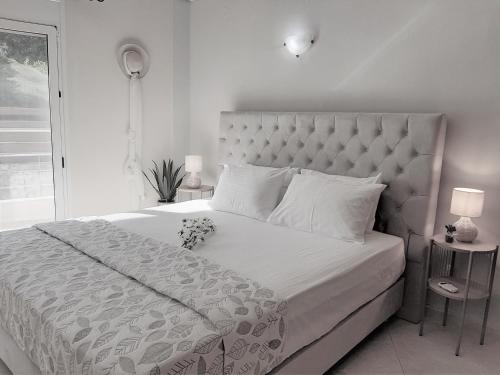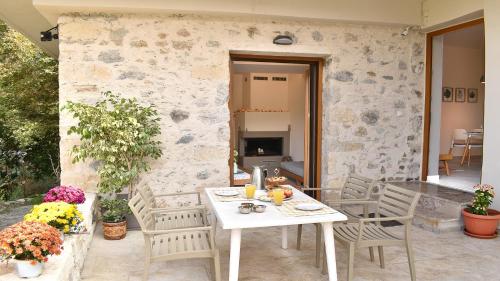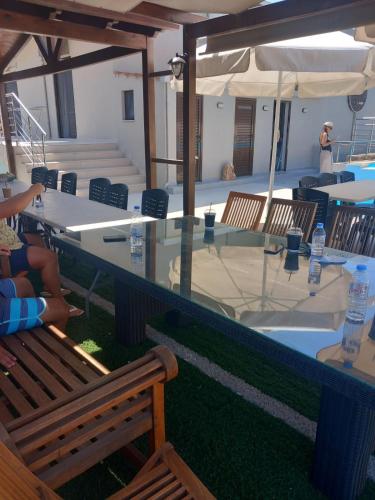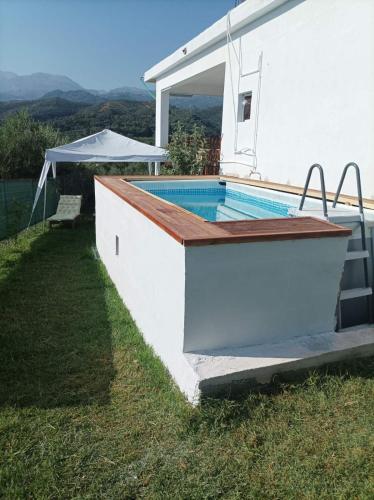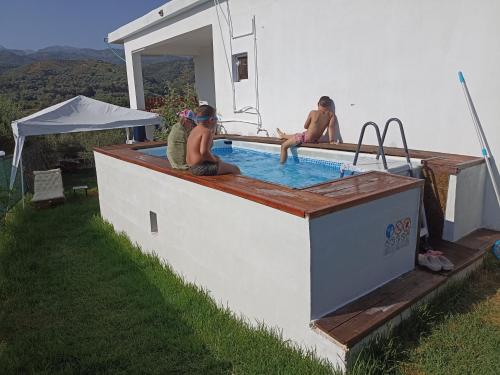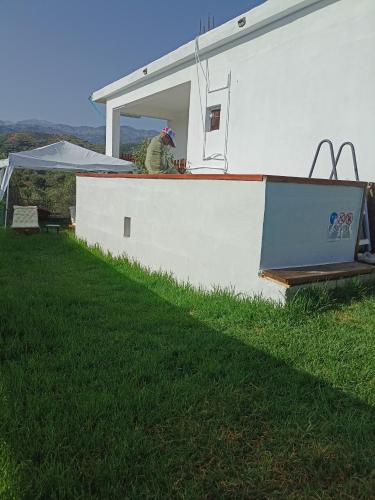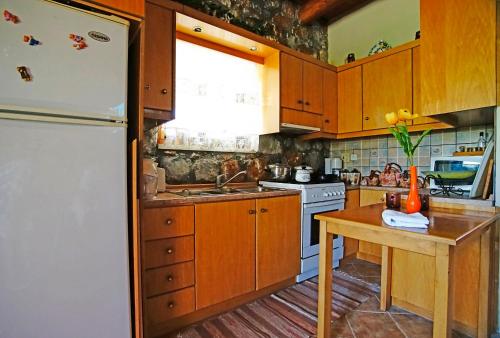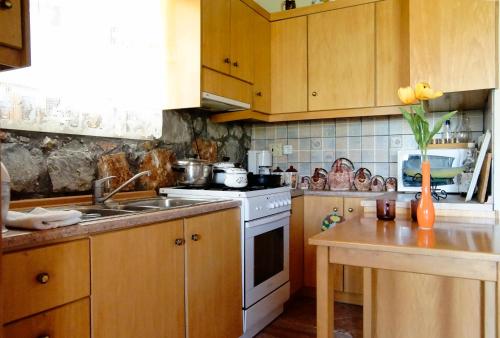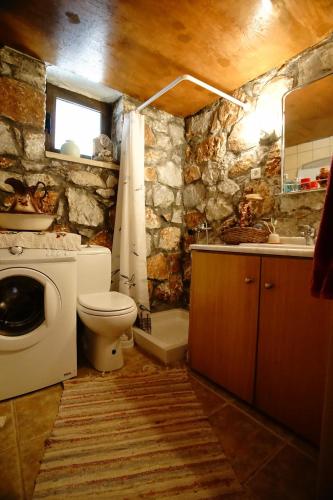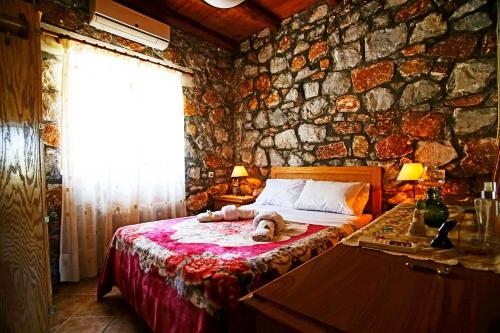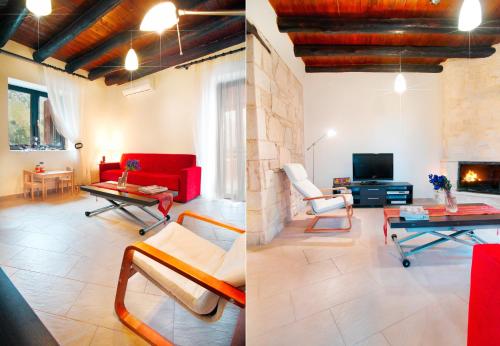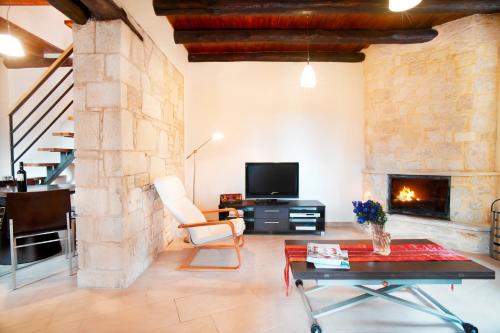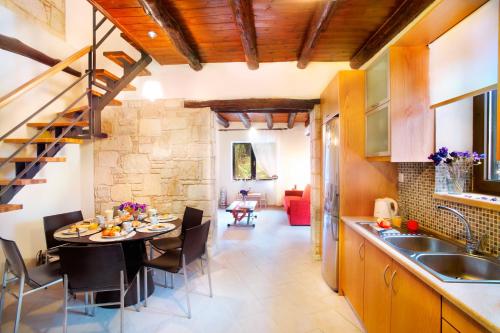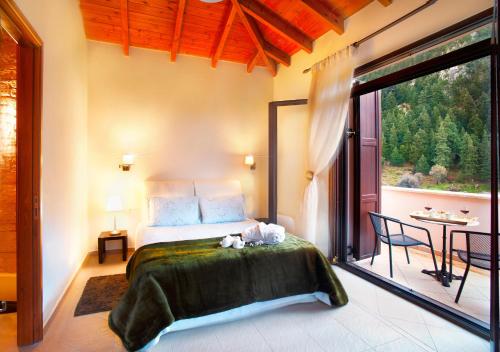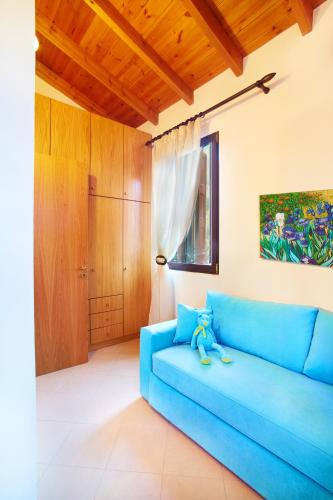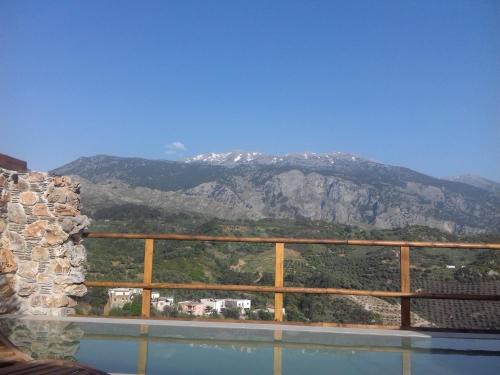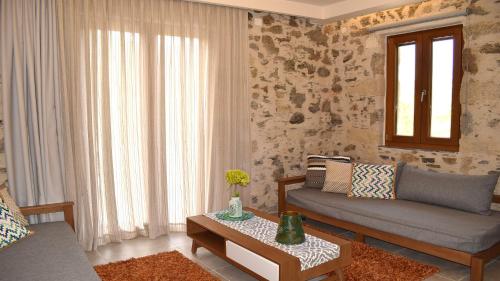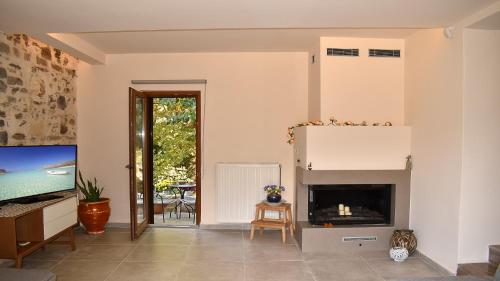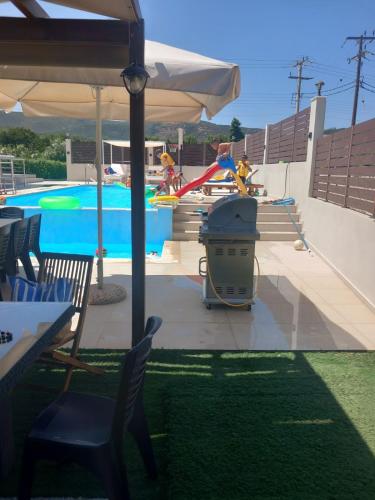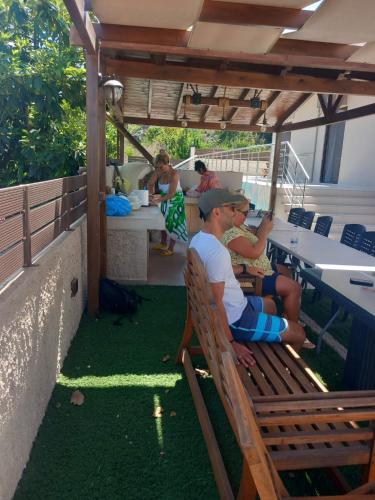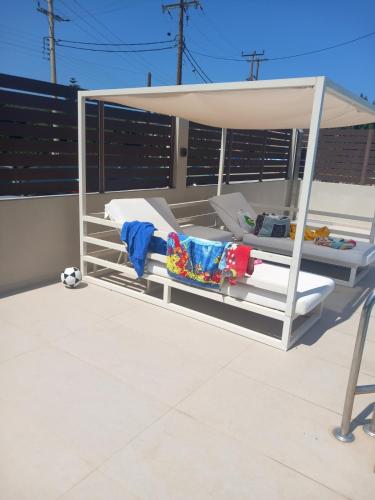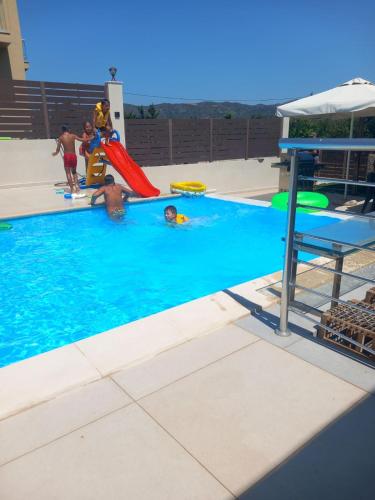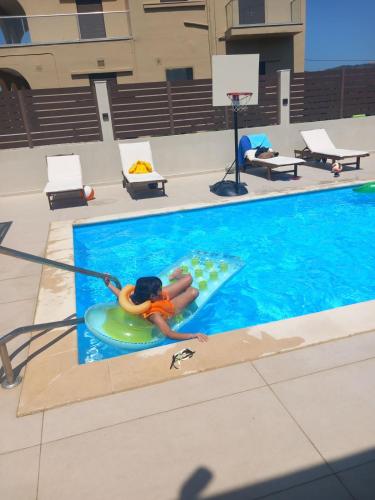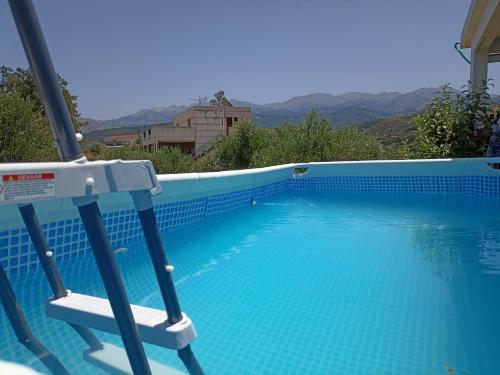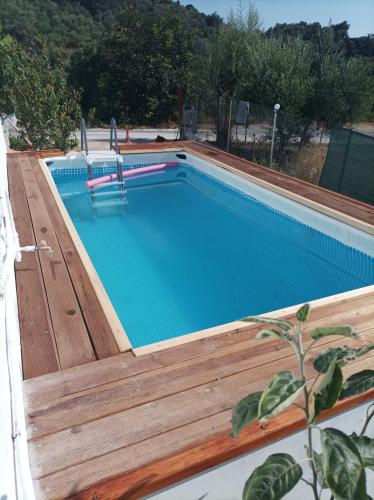


Mike Omalos Houses features lake views, free WiFi and free private parking, located in Omalós, 5.1 km from Samaria Gorge.
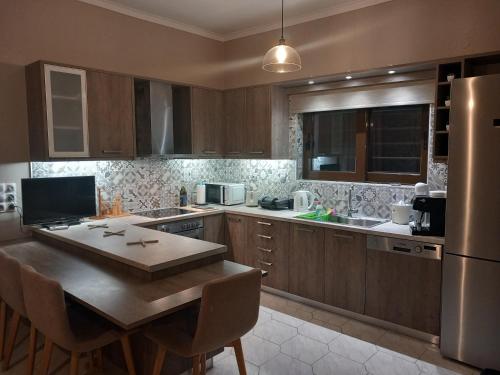
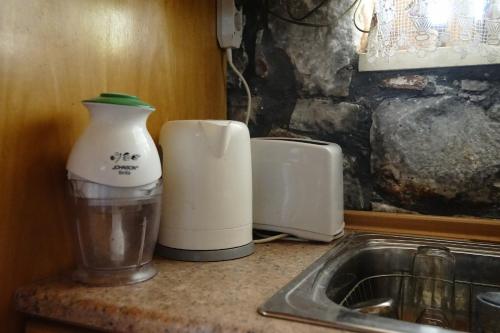
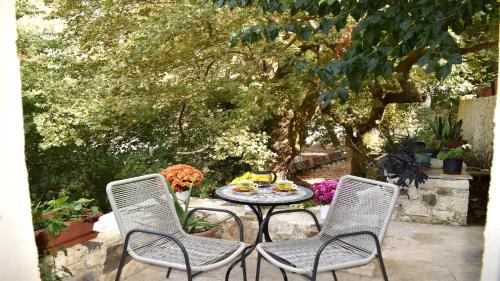
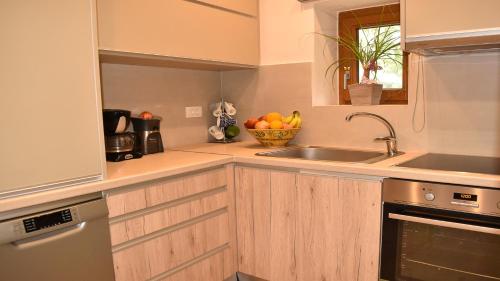
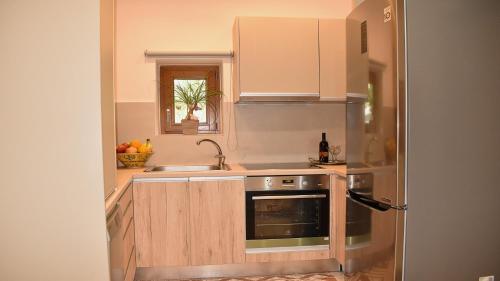
The holiday home provides guests with a terrace, mountain views, a seating area, cable flat-screen TV, a fully equipped kitchen with an oven and a microwave, and a private bathroom with shower and a hair dryer. A toaster, a fridge and stovetop are also featured, as well as a coffee machine and a kettle.
Mike Omalos Houses offers a picnic area.
Guests at the accommodation can enjoy hiking and bike tours nearby, or make the most of the garden.
Botanical Park & Gardens of Crete is 22 km from Mike Omalos Houses, while Limnoupolis is 36 km away. The nearest airport is Chania International Airport, 52 km from the holiday home.
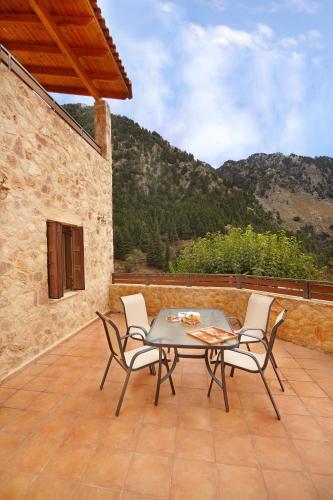
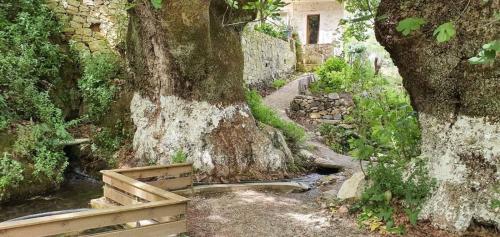
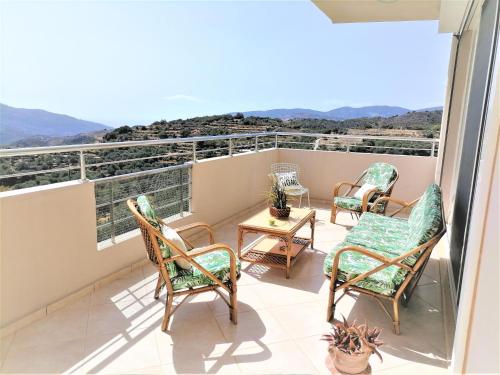
Villa Zourva is a self-catering accommodation located in the traditional village of Zourva. It offers unobstructed views of the surrounding mountains from its balconies. Chania Town is 23 km away.
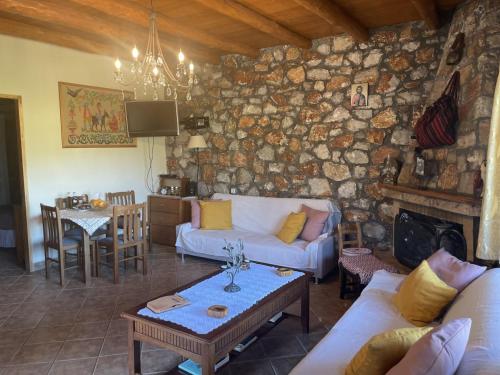
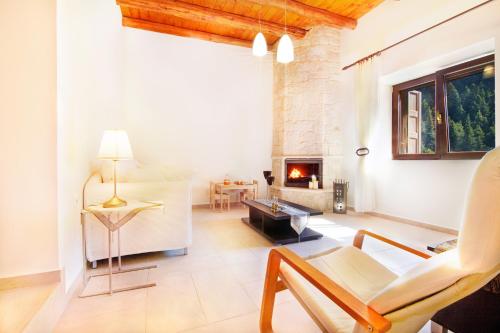
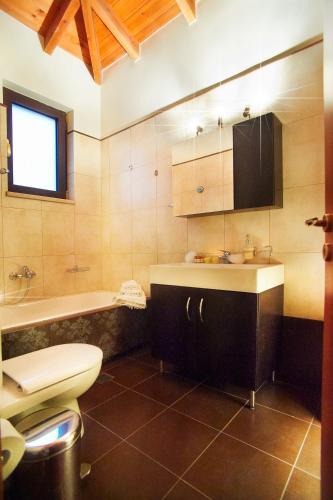
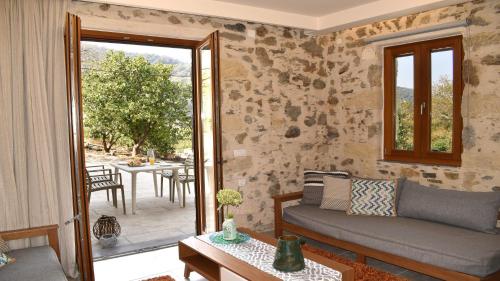
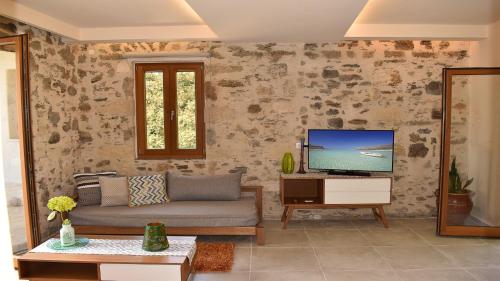
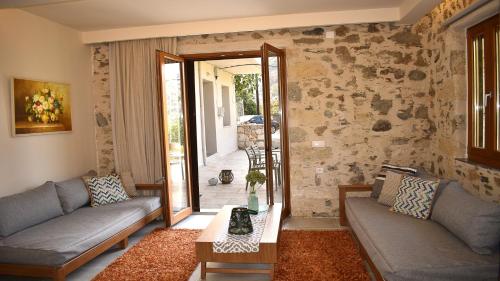
Including beamed ceilings and stone-built features, accommodation will provide you with a satellite, flat-screen TV, air conditioning and a fireplace. There are also a full kitchen with cooking equipment, and a bathroom with a bath and hairdryer.
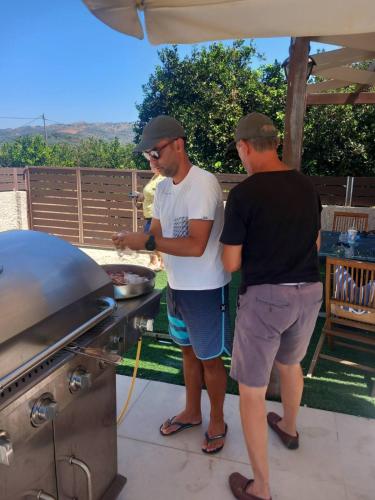
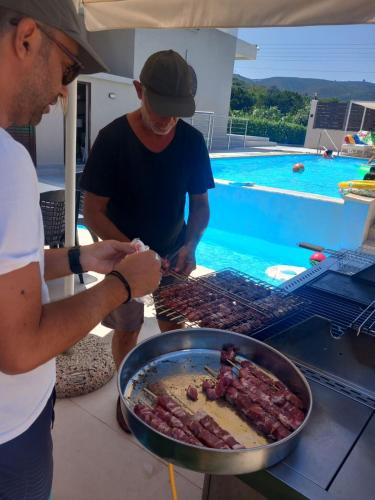
At Villa Zourva you will find BBQ facilities. A restaurant is just 20 metres away.
Souda Airport is within a distance of 40 km. The owners can help with car rentals. Parking is possible on site.
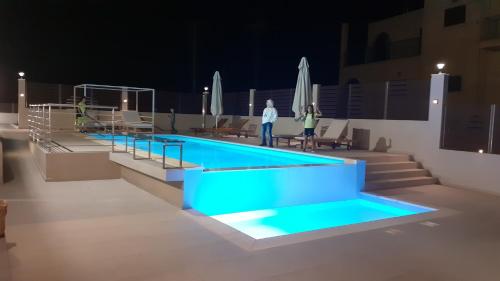
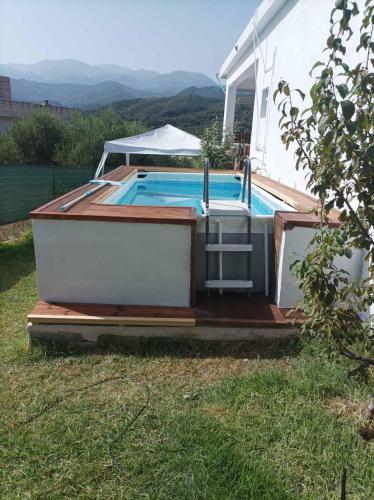
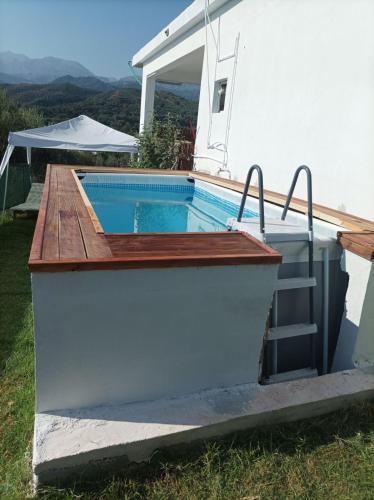
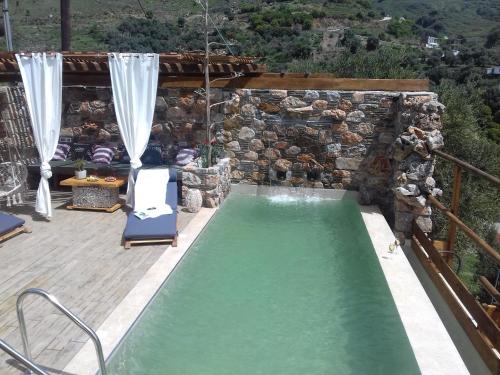
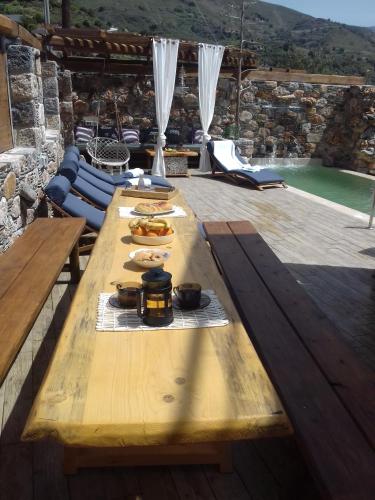
Featuring pool views, Villa Aeolus with private overflow, endless, heated pool offers accommodation with a balcony and a coffee machine, around 23 km from Samaria Gorge. This villa has a private pool, a garden, barbecue facilities, free WiFi and free private parking.
The villa with a terrace and mountain views features 3 bedrooms, a living room, a flat-screen TV, an equipped kitchen with a dishwasher and an oven, and 2 bathrooms with a bath. Towels and bed linen are featured in the villa.
The villa offers a picnic area.
Botanical Park & Gardens of Crete is 36 km from Villa Aeolus with private overflow, endless, heated pool, while Limnoupolis is 41 km away. The nearest airport is Chania International Airport, 58 km from the accommodation.
Situated in Mesklá, 7.2 km from Botanical Park & Gardens of Crete and 15 km from Limnoupolis, Platanus House features air-conditioned accommodation with a balcony and free WiFi. With garden views, this accommodation offers a patio.
The villa with a terrace and mountain views has 2 bedrooms, a living room, a flat-screen TV, an equipped kitchen with a dishwasher and an oven, and 2 bathrooms with a walk-in shower. Towels and bed linen are available in the villa.
The villa offers a picnic area. Guests can relax in the garden at the property.
Agios Dimitrios Church is 18 km from Platanus House, while Platanias Square is 18 km from the property. The nearest airport is Chania International Airport, 31 km from the accommodation.
Boasting air-conditioned accommodation with a private pool, pool view and a patio, Giannis Villa is set in Skinés. This property offers access to a balcony, free private parking and free WiFi.
The villa with a terrace and mountain views has 3 bedrooms, a living room, a flat-screen TV, an equipped kitchen with a dishwasher and an oven, and 3 bathrooms with a hot tub. Towels and bed linen are offered in the villa.
The reception at the villa can provide tips on the area.
Guests can relax in the garden at the property.
Botanical Park & Gardens of Crete is 5.5 km from Giannis Villa, while Limnoupolis is 11 km from the property. The nearest airport is Chania International Airport, 28 km from the accommodation.
from
€225
/night
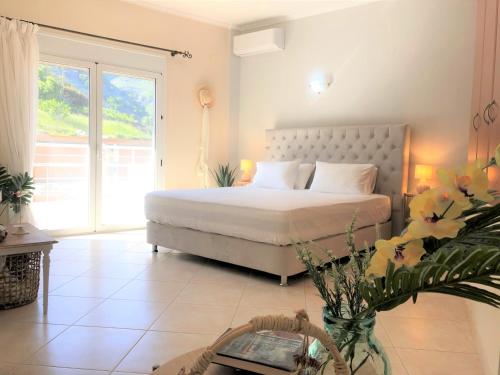
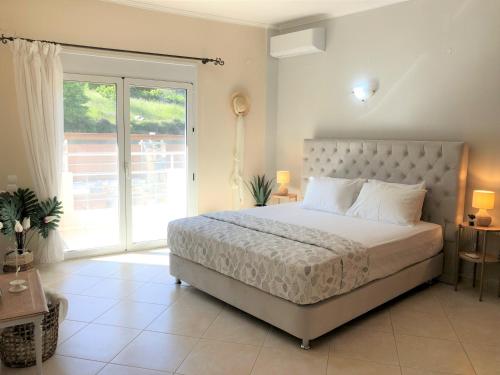
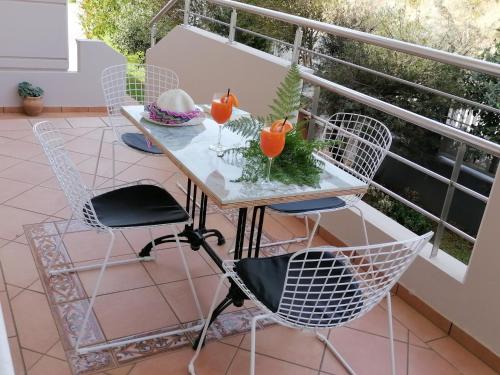
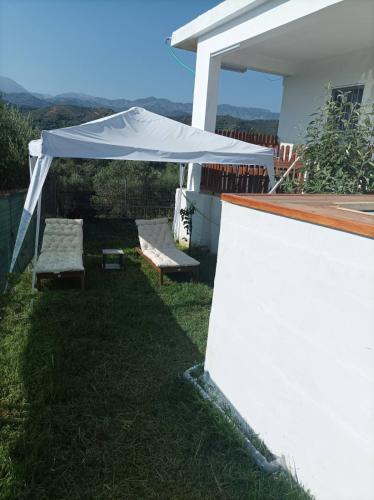
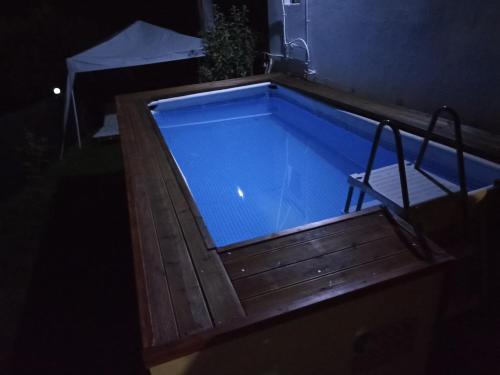
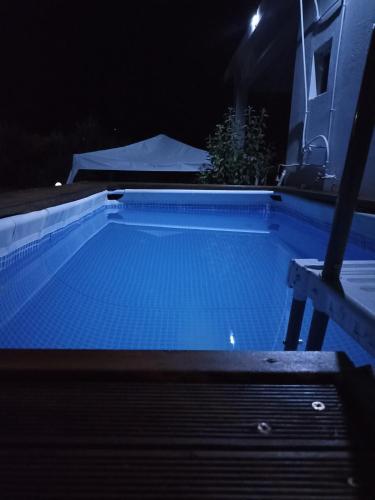
Boasting air-conditioned accommodation with a private pool, pool view and a balcony, Chania Mini Villas is situated in Skinés. This property offers access to a patio and free private parking.
The holiday home with a terrace and mountain views has 1 bedroom, a living room, a flat-screen TV, an equipped kitchen with an oven and a fridge, and 1 bathroom with a walk-in shower. Towels and bed linen are available in the holiday home.
Guests can also relax in the garden.
Botanical Park & Gardens of Crete is 6.4 km from the holiday home, while Limnoupolis is 12 km from the property. The nearest airport is Chania International Airport, 28 km from Chania Mini Villas.
from
€55
/night
No results available
Take a day trip from Rethymno to set out on an outdoor adventure into Samaria Gorge National Park. Hike at your own pace with a guide over rocks and stones, through a forest of thousand-year-old trees, along a river, and by fresh-water springs. Keep an eye out for mountain goats roaming in the wild.
Begin your full-day excursion to Samaria Gorge with pickup and a drive to Omalos, in the heart of the White Mountains, where you can enjoy breakfast before you start the hike. Challenge yourself with 18 kilometers of walking over rocky terrain.
Be accompanied by a mountain escort who speaks English, German, and French. Get briefed about your hike and get your tickets for the entrance and ferry boat from your escort. These fees have to be paid to the guide upon arrival.
After breakfast, enter the Samaria Gorge. Walk at your own pace as your guide will be at the end of the group to help out if you need them. At the end of the trek, visit the village of Agia Roumeli, where you’ll find a number of taverns, bars, and shops.
Enjoy some free time to take a swim or have some lunch. A meeting point will be arranged so you can collect your ferry tickets from your guide. Late in the afternoon, board a boat to go from Agia Roumeli to Sfakia, where the bus will be waiting to transfer you back to the pickup point.
Embark on a guided hike in the Samariá Gorge on a day trip from Rethymno or Chania. Get your daily dose of exercise, enjoy the panoramic views and take a swim.
Discover the longest gorge in Europe, an area of stunning natural beauty. See its many flowers and herbs and the crystal-clear spring waters that flow from the mountains.
Following an early morning pickup from the nearest point to your accommodation in Rethymno or Chania, travel through the mountains passing the plateau of Omalos.
Arrive at some wooden stairs at the start of Samariá Gorge. You can opt to start the walk straight away or get some breakfast at the taverna before you begin. Hike for approximately 6-7 hours and experience the magnificent landscape on a 16-kilometer walk.
Once you have finished the hike, there will be ample time for a swim and lunch at a taverna in Agia Roumeli.
Embark on a full-day guided trip to the Samaria Gorge from Chania. Arrive in Omalos in the heart of the White Mountains, and enjoy breakfast before trekking along the longest gorge in Europe, 4,000 feet above sea level.
After breakfast, enter the Samaria Gorge. Walk at your own pace with your English-speaking guide at the end of the group to help out if you need them.
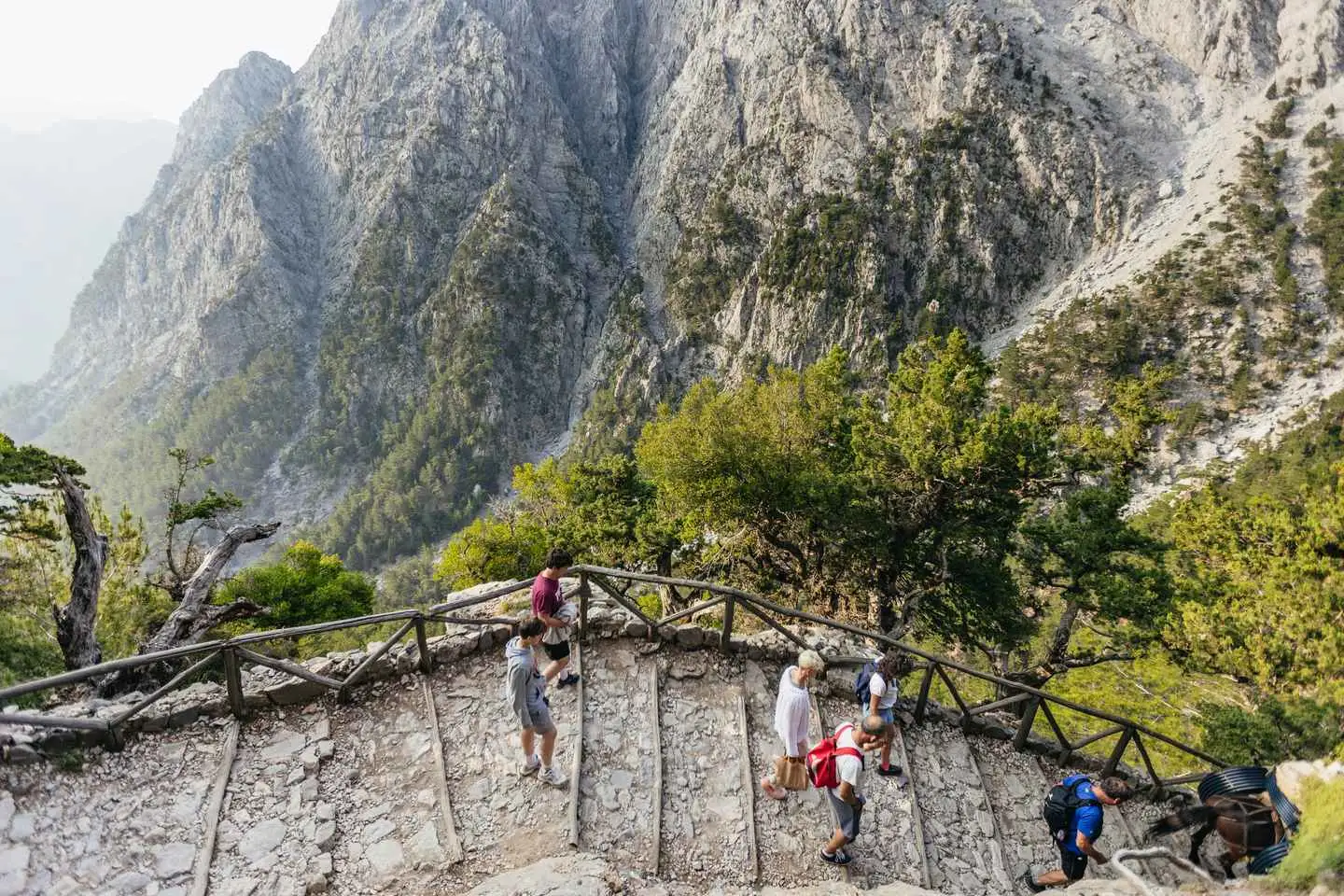
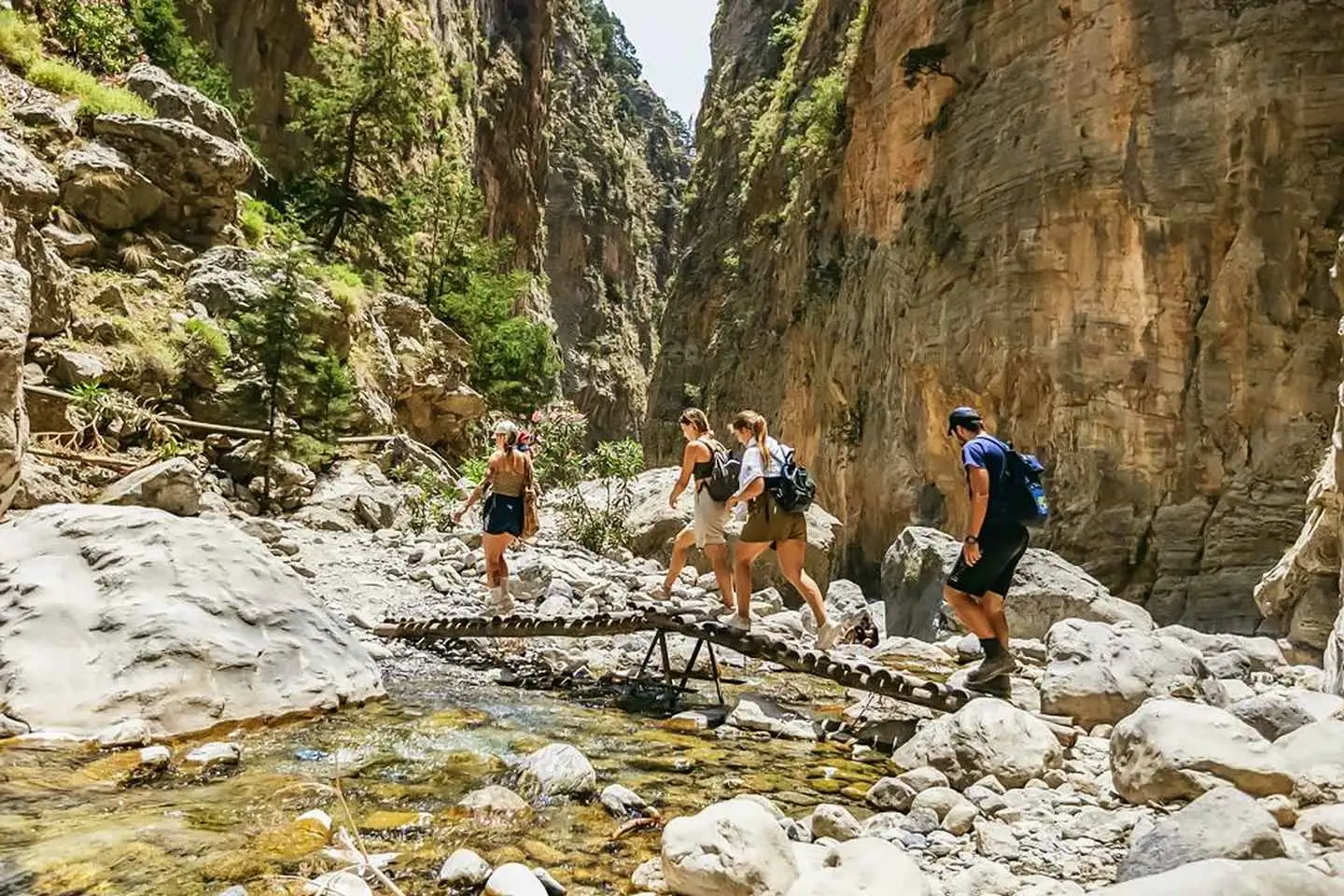
Hike over rocks and stones, through a forest of thousand-year-old trees and along a river, passing by fresh-water springs along the way. Enjoy views of Crete’s most beautiful mountain range and see mountain goats roaming in the wild. Feel the exhilaration of challenging yourself with a long hike.
At the end of the trek, visit the village of Agia Roumeli, where you’ll find a number of taverns, bars, and shops. Enjoy some free time to take a swim or have some lunch. A meeting point will be arranged so you can collect your ferry tickets from your guide.
Late in the afternoon, you’ll board a boat that will take you from Agia Roumeli to Sougia, where the bus will be waiting to transfer you back to the starting point about 7.30 PM.
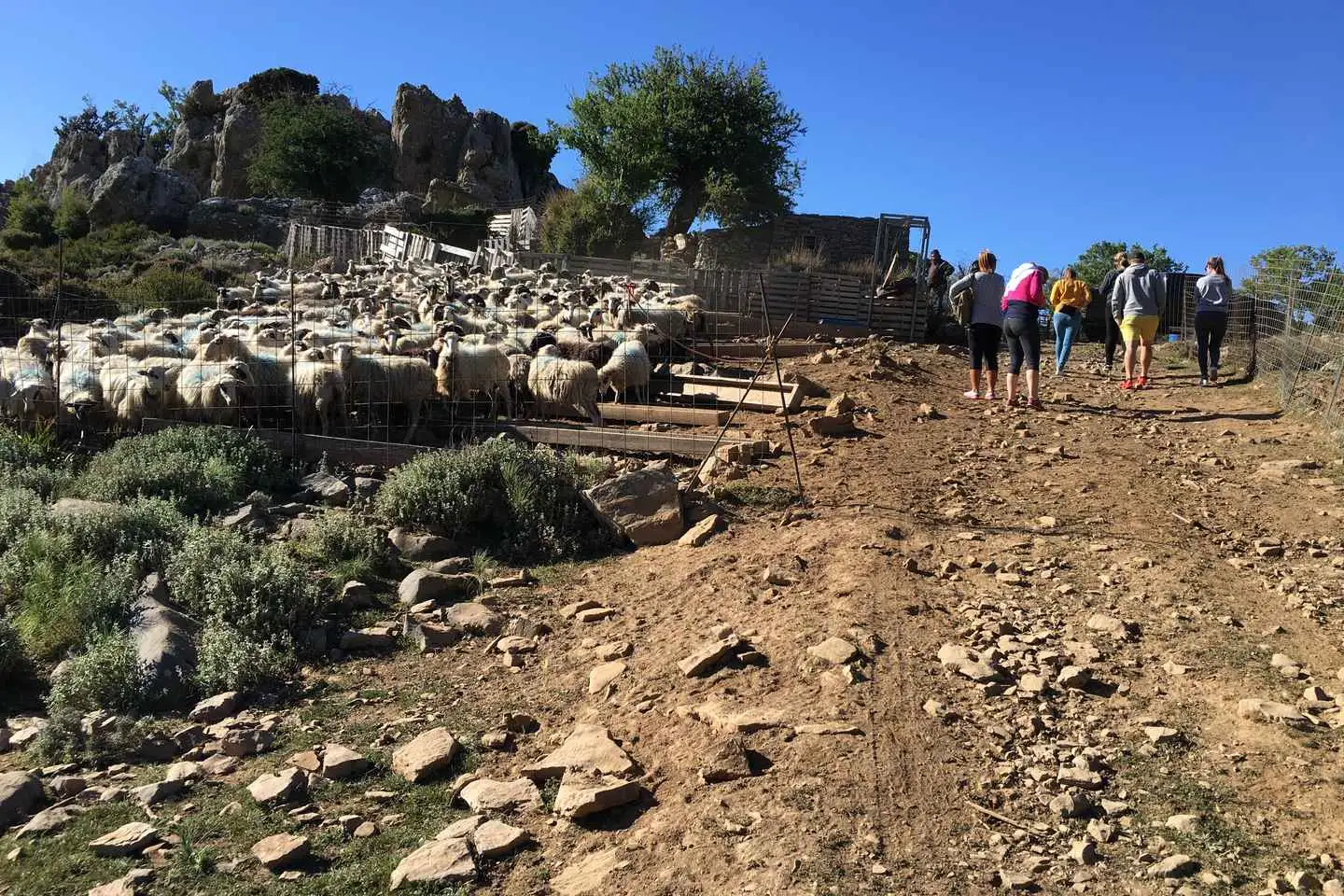
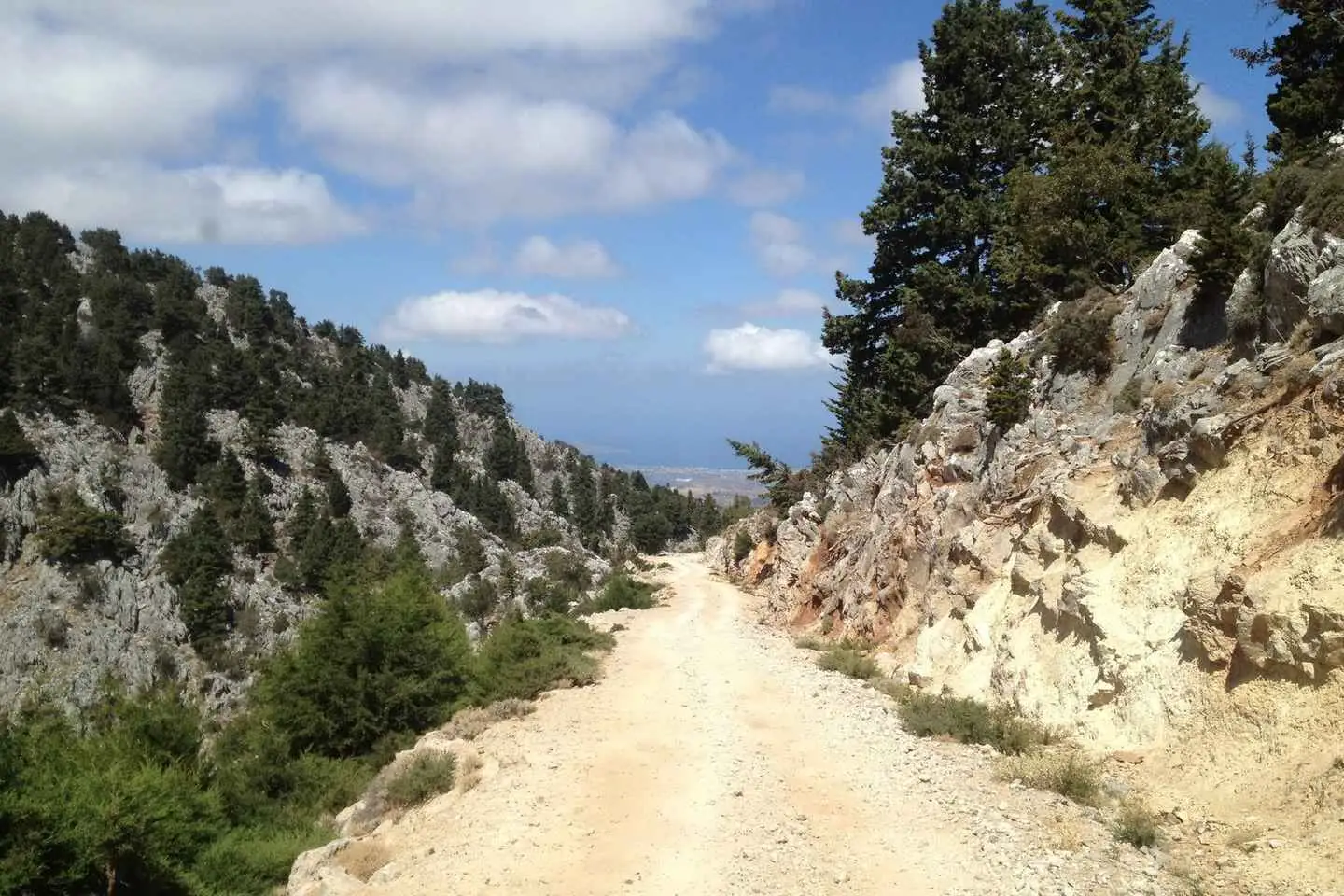
Our amazing off-road adventure begins by crossing a valley full of orange and avocado trees, and many vegetables gardens. Climbing up the foothills of the White Mountains where we make our coffee stop at Deres to enjoy our morning break. Continuing we drive through the Cretan villages of Vatolakos, Alikianos, Fournes, Meskla, Zourva and Therisso getting a taste of the mountainous Crete in the foot of the White Mountains, following an off road route up to the shepherd’s hut called “Mitato” far away from tourist areas. We are traveling on uncharted routes where only a four wheel drive can approach and we enjoy the magnificent panoramic views of northern Crete and, if lucky … to marvel some wild eagles and goats from up close giving us a good reason to stop and capture the moment. A small rocky road will lead us up to our trip’s highest point of 1350 meters altitude in the heart of the White Mountains of Crete, where you will find out all about the lifestyle of a shepherd. We will learn where the famous Cretan “Graviera” cheese was produced and explore an original Shepherd’s hut called “Mitato”.
On our way back we will enjoy the best panoramic view of Chania from above, until we arrive at Therisso village for a short walk in the historic village and a visit in a small Cretan family tavern for our lunch. After our lunch we will follow the road through the amazing gorge of Therisso that will lead us back to the city of Chania.
Start your experience with pickup from your hotel in Chania or the surrounding area and head towards the White Mountains. Admire the scenery as you follow unmarked routes across the landscape in an off-road vehicle.
Pass through orange and lemon tree orchards, and see the traditional villages of Patelari, Varipetro, Alikianos, and Vatolakkos. Arrive at a viewpoint overlooking Chania to enjoy panoramic views of the sunset.
Continue to Manousakis Winery for a wine tasting session, along with a platter of local delicacies to try. At the end of the tour, your driver will drop you off back at your hotel.
Get picked up from your accommodation in Crete and be driven through the countryside to the scenic village of Vatolakkos, where the Manousakis Winery is located. Upon arrival, be welcomed by the team to the tasting terrace, marking the beginning of your wine experience.
Taste five of Manousakis Winery’s excellent wines along with rusks and olive oil. Additionally, you can indulge in Cretan delicacies at their restaurant (restaurant rates apply). While these wines are exported worldwide, get the chance to purchase a bottle or two directly from the producer.
No results available
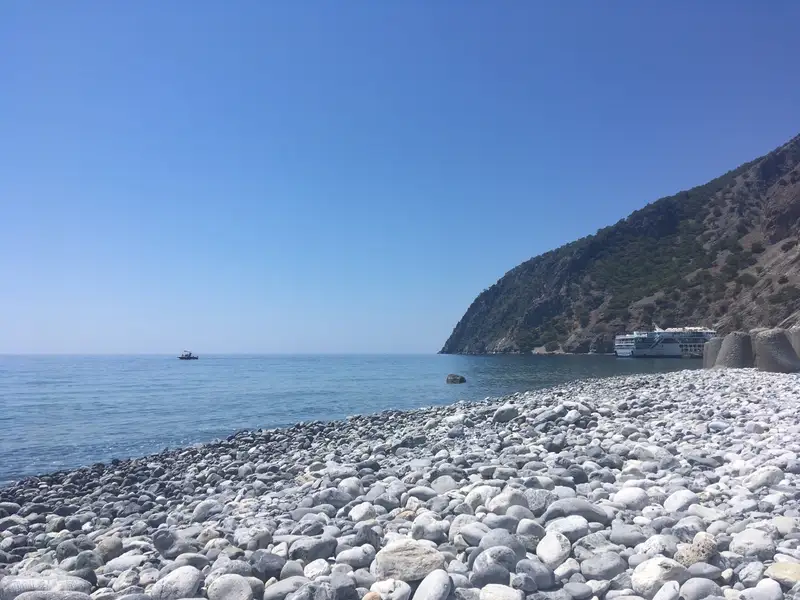
The rocky beach of Tripiti is located 5km east of Sougia and 68km south of Chania city, at the ending point of the wild gorge of Trypiti. It is absolutely secluded, like all the beaches of the wider Sfakia area. Access to Tripiti is possible either by boat or by walking on a difficult path from Sougia (three hours). The vertical cliffs near the beach provide natural shade. If you walk 500m east to the beach, you’ll meet the much nicer pebbly beach of Sendoni, used by beekeepers.
Tripiti is believed to be the site of the ancient town Pikilasos with the protected natural harbour. The port has been converted to a reef with incredible formations after some geological changes during the 4th AD century. Inscriptions have been discovered in the area, revealing the existence of a temple dedicated to Serapis (Greco-Egyptian god of antiquity). Moreover, archaeologists have discovered several tombs, carved in the rocks.
On the beach, there is a cistern with water, a goat pen and the picturesque church of Agios Nikolaos. If you are in the area on July 19, you can take part in the celebration of the Prophet Elijah, which celebrates on July 20. The pilgrims arrive by boat in the afternoon on the beach of Trypiti and then walk on the path leading to the chapel of Prophet Elijah, 400 meters above sea level. They spend the night there with food and traditional Cretan songs and leave the next day. On the peak of the same hill, there are the ruins of Fort Voukelasi.
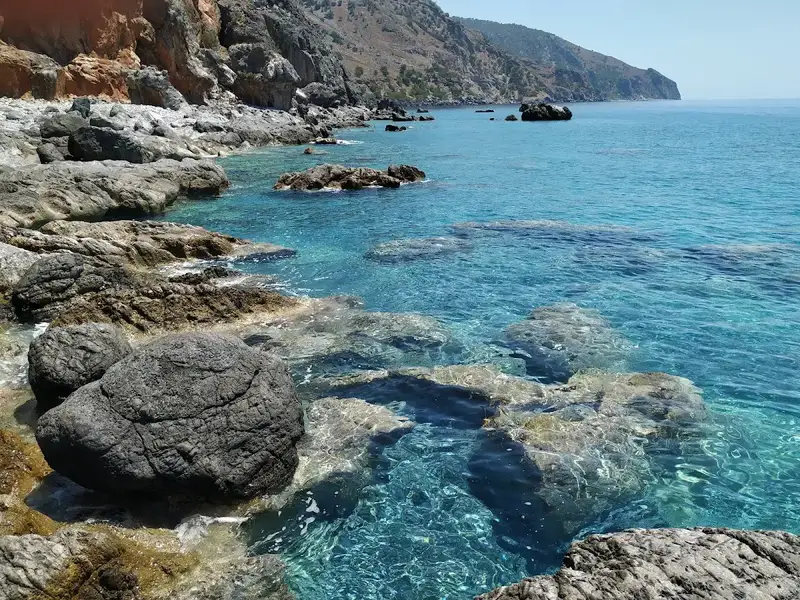
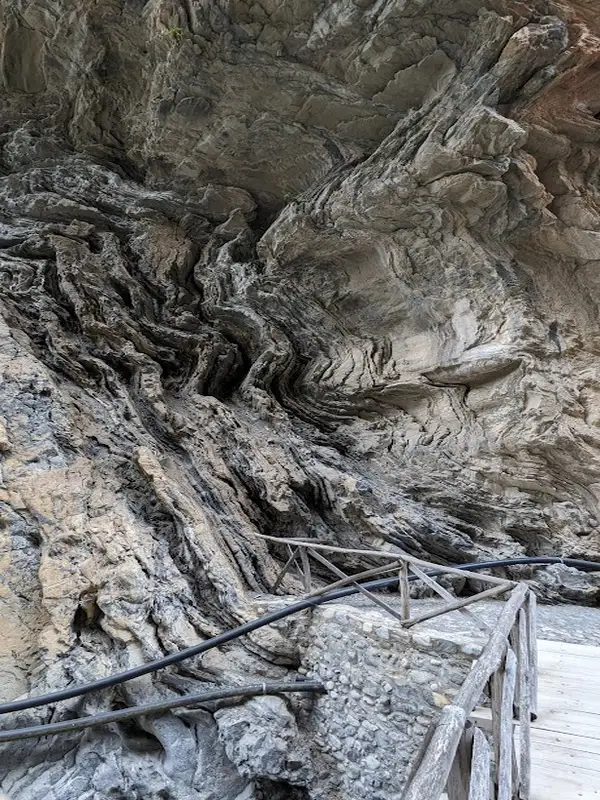
The picturesque Domata beach, positioned 7km east of Sougia and 58km south of Chania city, resides at Tseses. This beach marks the end of the Klados gorge, a wild and rugged landscape. Its unique natural beauty is a result of the erosive power of water. The name Domata, translating to “roofs”, is derived from the layered structure of the surrounding conglomerate rocks, reminiscent of enormous walls. The beach owes its creation to the large amounts of pebbles and dirt deposited by the gorge, and the continuous oscillation of the sea and air.
The beach is striking, with its fine pebbles and transparent blue waters. By digging in the sand, you can discover fresh water from subterranean springs. As anticipated, the area is devoid of roads and infrastructure. However, the abundant pine trees near the beach provide natural shade and ideal camping spots. The southernmost section of the beach, separated from the main beach of Domata by rocks, is known as Kolotrividis, named after the adjacent cape.
You can reach Domata via the E4 European trail, which heads east and guides you to Agia Roumeli (a 3 -4 hour walk). Be cautious though, as the trail ascends to an altitude of 700m, with some sections being steep and potentially hazardous.
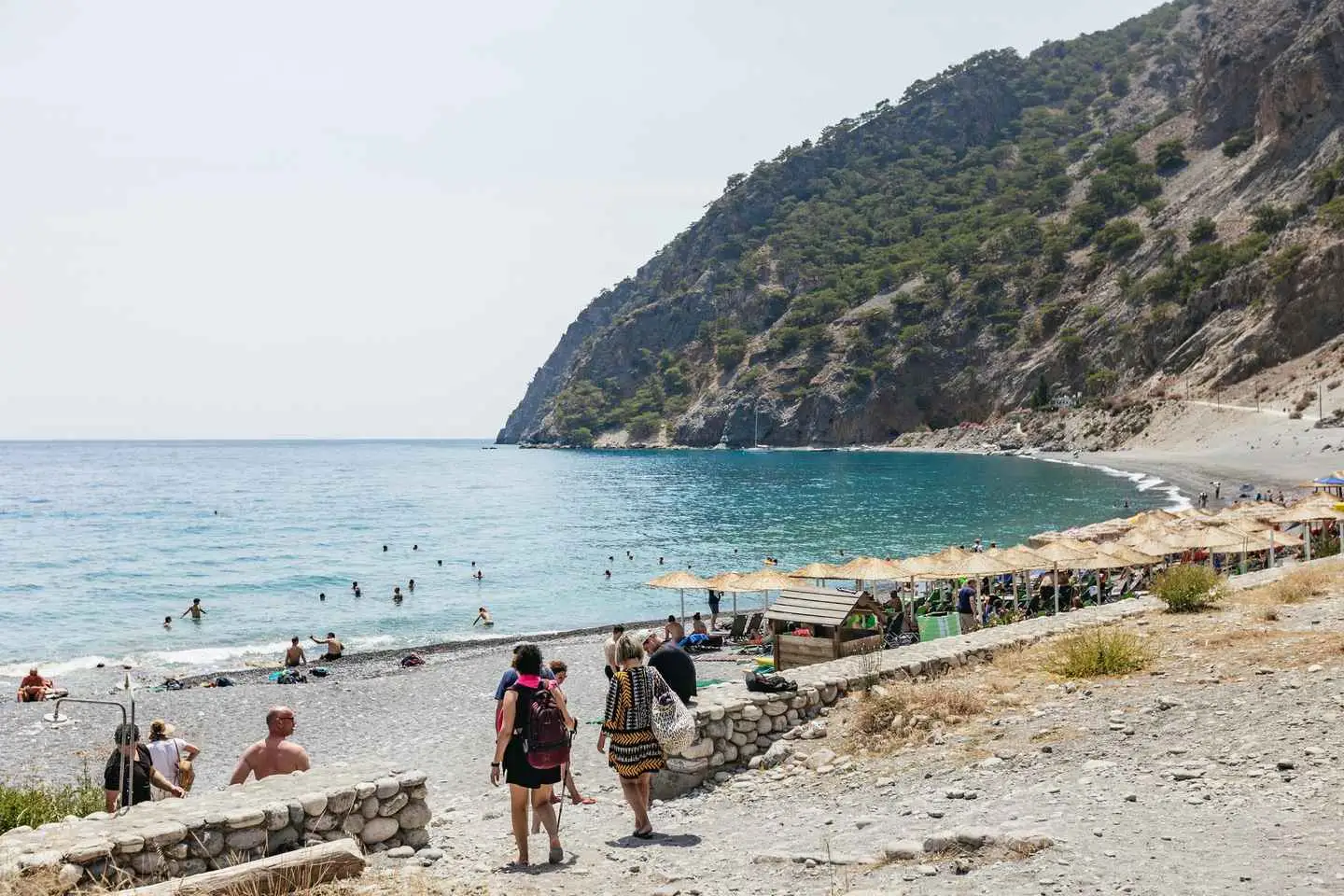
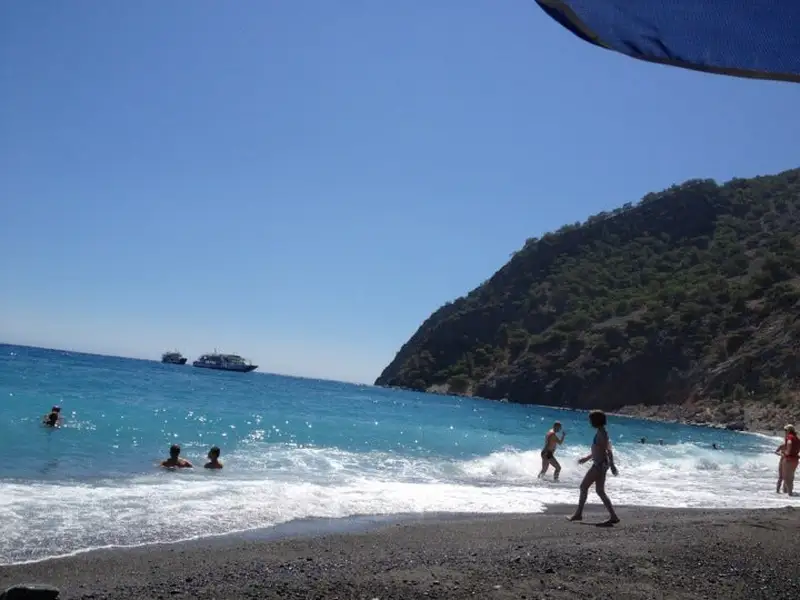
Situated 56km south of Chania city, Agia Roumeli is a quaint village nestled in the wide bay at the exit of Samaria Gorge. This serene village, set against the rugged and mountainous backdrop of Sfakia province, attracts thousands of visitors every day who descend through the gorge. The village can be reached either by trekking through the gorge or by taking a ferry from Chora Sfakia, Loutro, Paleochora, and Sougia. The village offers basic amenities like traditional taverns, accommodation facilities, cafes, a mini market, internet access, and a telephone.
From 13:00 to 16:00, the village and its beaches are bustling with visitors, but it regains its tranquillity after the departure of the ferries. An overnight stay in the village offers a unique opportunity to appreciate the beauty of this place, its warm-hearted inhabitants, delectable food, and breathtaking natural beauty.
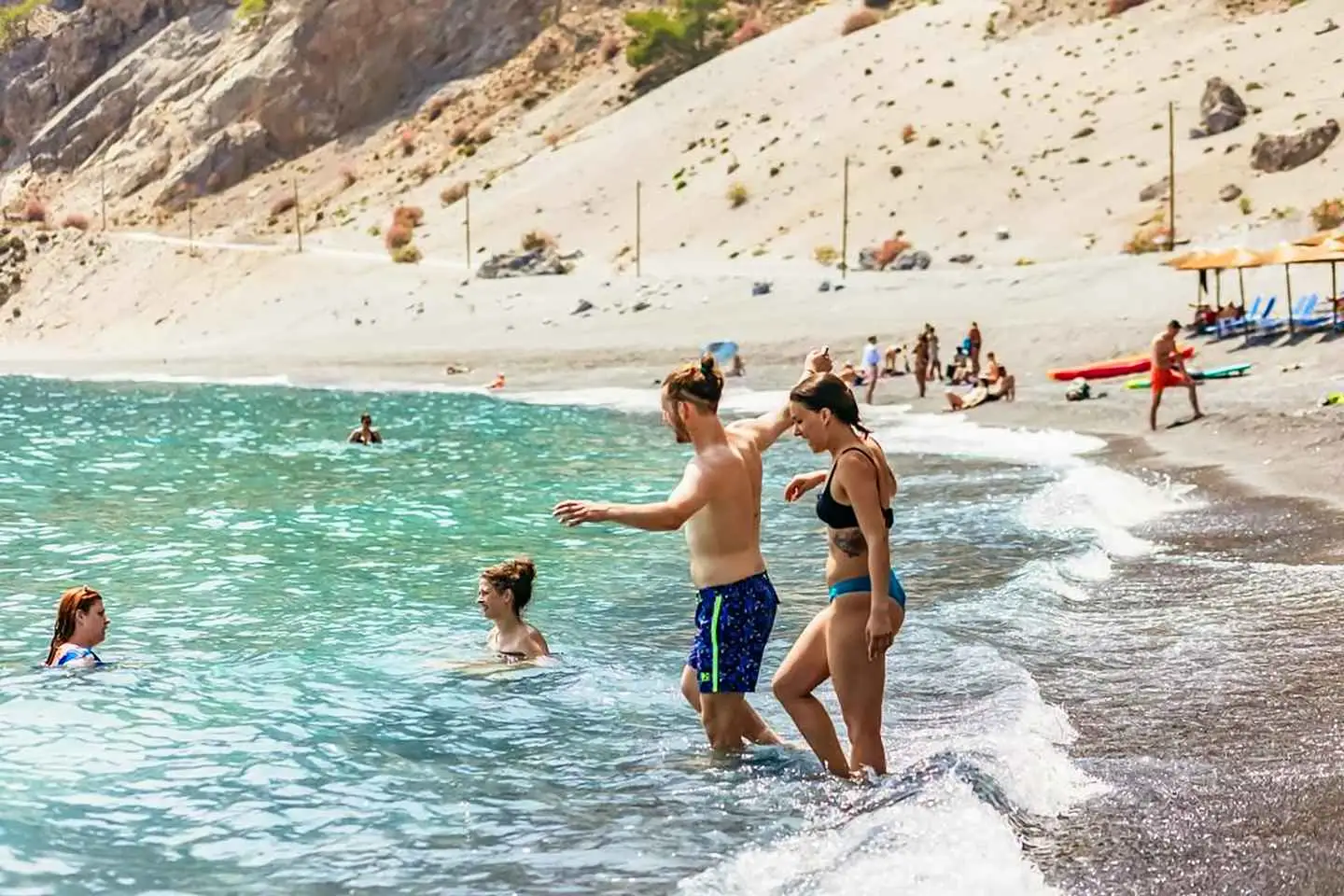
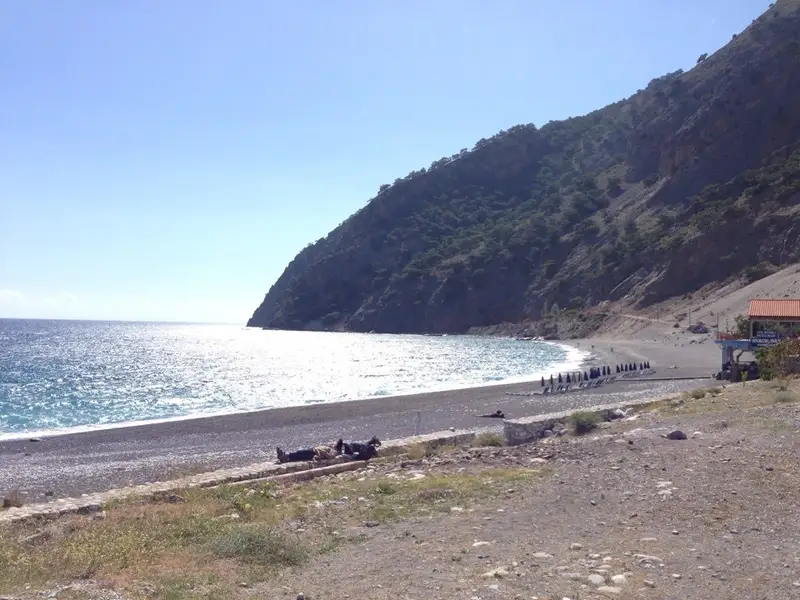
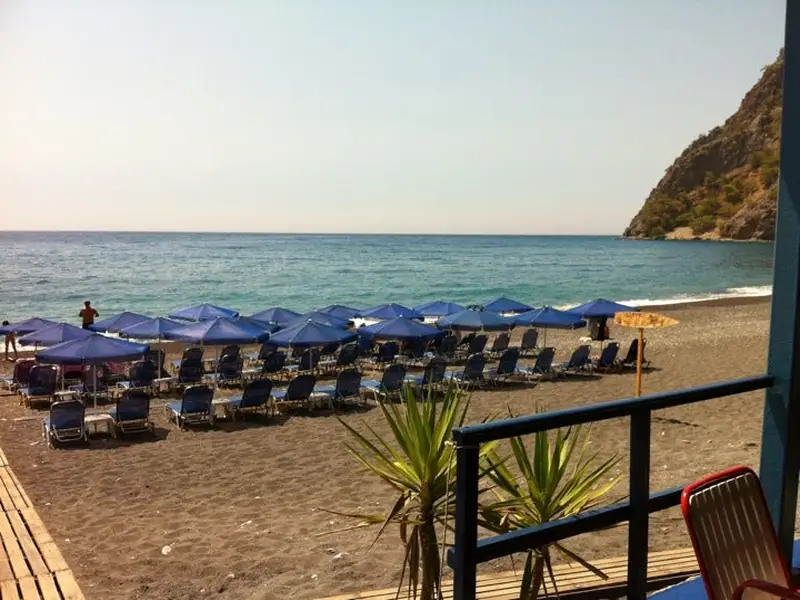
The magnificent beaches of Agia Roumeli spread over a length of 3km or more. The area near the village is more crowded and organized, with Gialos beach in front of the taverns being the most developed and crowded. Other beaches include beautiful pebbly beaches at Zeromouri, Mashali, and beaches near the caves known as Spilies sto Marmaro or Caves in Marble.
The Samaria Gorge, the longest in Europe at 18km, is a prime attraction, drawing thousands of tourists in summer who trek the distance in about 6 hours. Some tourists visit Crete specifically to traverse the majestic gorge. If time is a constraint, you can start from Agia Roumeli and walk backwards.
Agia Roumeli is built on the ruins of the Roman settlement, Tara. The ruins of the Temple of Apollo (or Artemis) and the old church of Panagia (Virgin Mary) built in 1500 can be found west of the village. A ruined Turkish castle (Kule), offering spectacular views of the village, the Libyan Sea, and the islands of Gavdos and Gavdopoula, sits atop the hill above the village. Nearby, you can visit the beautiful church of St. Anthony nestled in a rocky cavity.
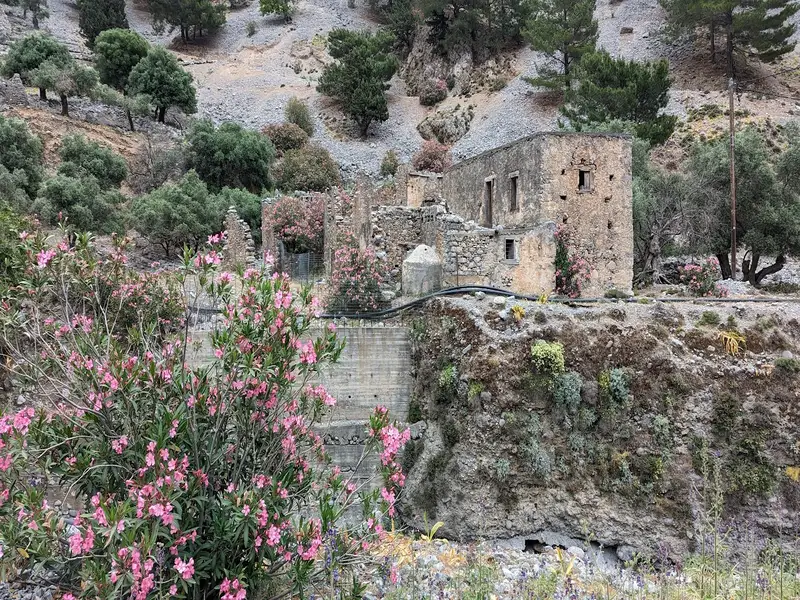
About 2km north of the village, within the gorge, lies the old village of Agia Roumeli, surrounded by greenery. Here, you can find ruins of old houses and some restored homes. The village, devastated by floods in 1954, was relocated to its current location in Agia Roumeli.
Agia Roumeli’s people and food are attractions in themselves. The locals are true Cretans, warm and welcoming, offering home-bred meat, cheese, vegetables, and honey in their restaurants. Despite the influx of tourism, Agia Roumeli has retained its authenticity and charm, offering visitors a chance to experience traditional Cretan hospitality, savor local delicacies, and enjoy the serenity of nature.
Agia Roumeli, a quaint isolated village, lies 56km to the south of Chania city, situated in a broad bay at the mouth of the Samaria Gorge. It’s a popular spot for tourists who descend the gorge daily, basking in the sun on the main beach, Gialos, which stretches before the taverns. More adventurous travellers can explore the serene and picturesque beaches in the vicinity, with Mashali, the western part of Agia Roumeli bay, being one of them.
A secondary boat dock, associated with a solitary tavern that offers rooms, is present. Two stunning beaches with fine pebbles are adjacent to this dock. The tavern provides complimentary sunbeds, umbrellas, and canoes. Large rocks on these beaches offer shade and privacy, making it a haven for nudists. Care must be taken while traversing the main road from the tavern to the dock, due to occasional stonefalls caused by mountain goats. While these stonefalls are not highly dangerous, it’s safer to walk on the left side, away from the mountain walls.
Venturing further from Mashali by swimming or kayaking beyond the beach’s western edge, leads to three caves. These caves are fronted by small pebbled beaches, referred to as Spilies to Marmaro, or ‘Caves in Marble’.
No results available
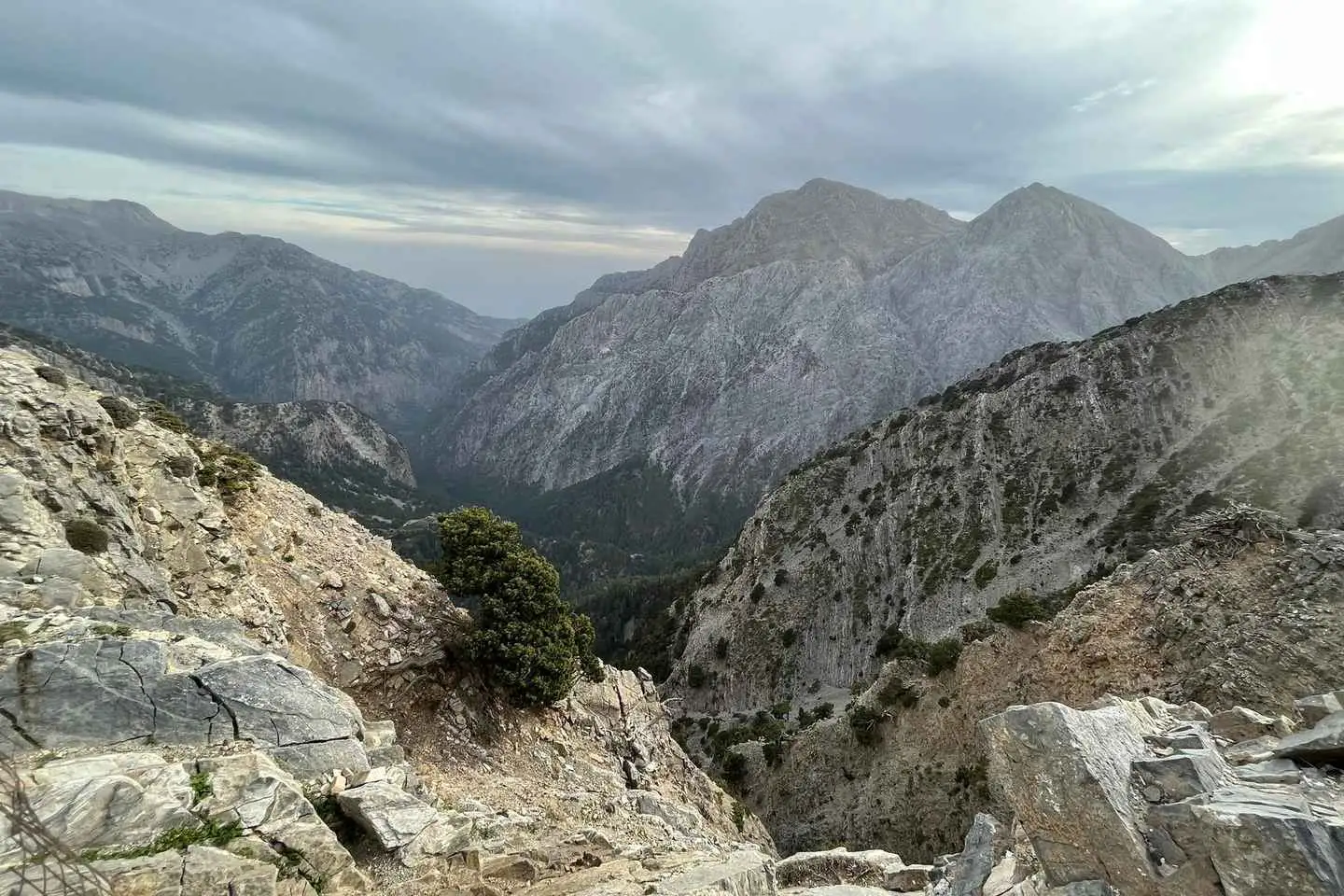
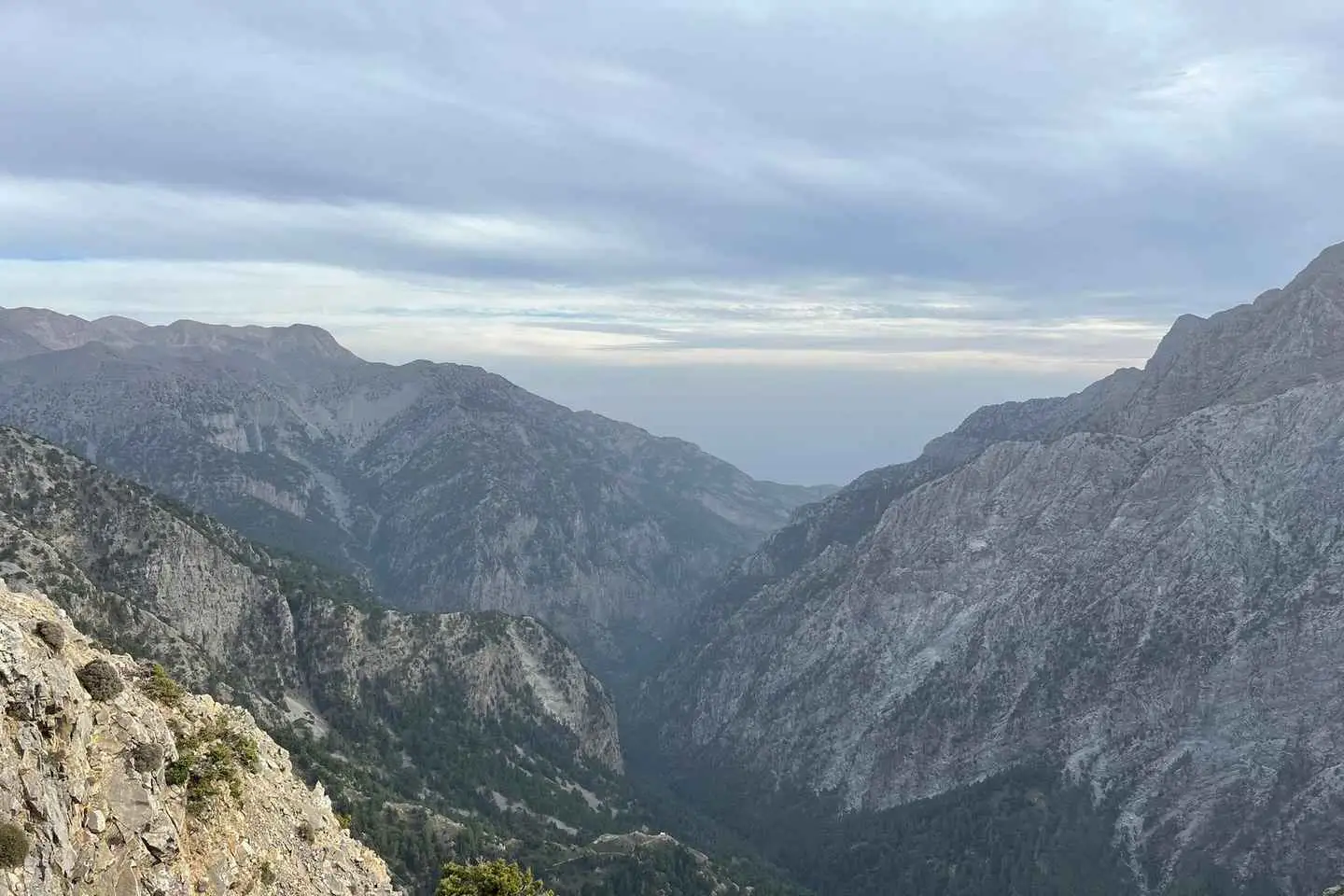
The gorge of Samaria is the most famous trekking gorge in Europe and a part of the European E4 hiking trail. Thousands of tourists flock here daily in the summer season to walk from the top to the bottom. For many visitors, it is the sole purpose of their visit to Crete. The length of the gorge reaches 13km and takes almost 5-7 hours to hike from Xyloskalo at Omalos plateau to Agia Roumeli beach, depending on the trekking pace.
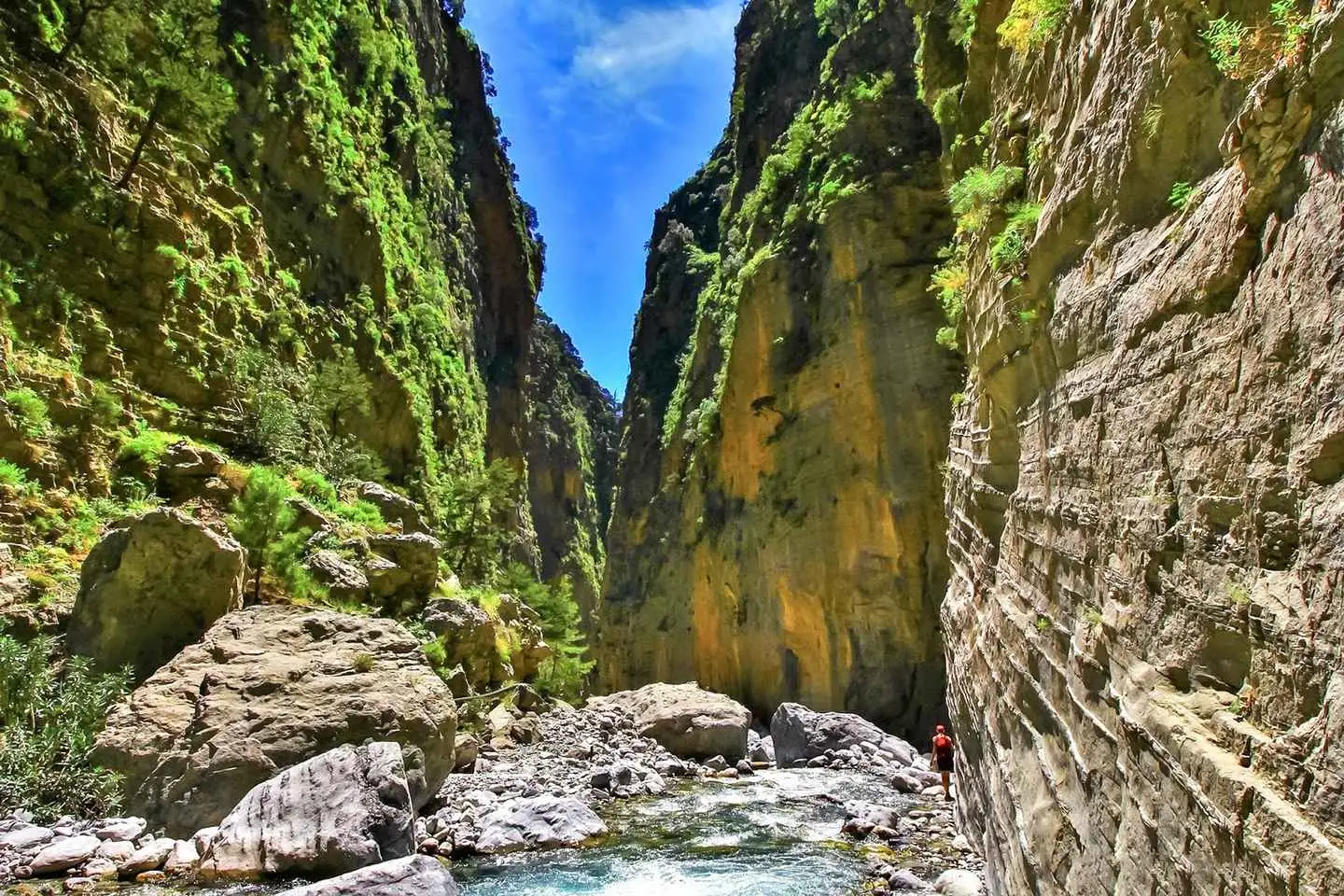
The gorge is located in the south of Chania Prefecture in the larger uninhabited area of Europe, where no roads even exist. It was created by the river flowing between the main massif of the White Mountains (Lefka Ori) and the range of Volakias. There are many smaller gorges vertical to Samaria Gorge, some of which have never been crossed by humans and require canyoning equipment. One of these, Perdika, has the highest waterfall in Crete (220m).
While the gorge is officially 15km long, this distance actually refers to the hiking distance between the settlement of Omalos on the northern side of the plateau Omalos and the village of Agia Roumeli. In fact, the gorge is 13 km long, starting at an altitude of 1,250m at the northern entrance, and ending at the shores of the South Cretan Sea in Agia Roumeli. The walk through Samaria Natural Park is 13 km long, i.e. from the ticket kiosk at Xyloskalo to the kiosk at Agia Roumeli old village, but you have to walk 1.5 more kilometres to reach the beach of Agia Roumeli, making the hike totally 14.5km.
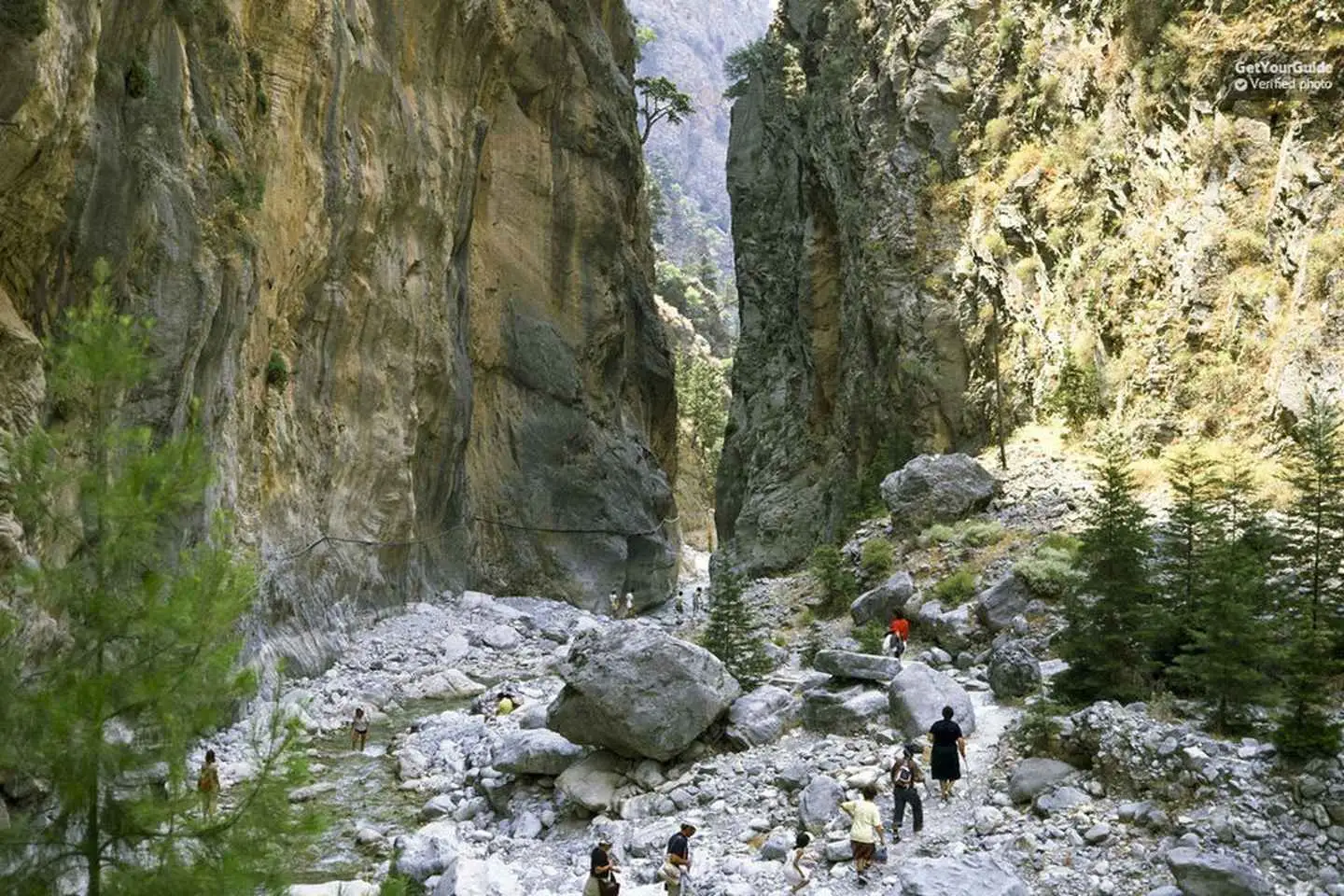
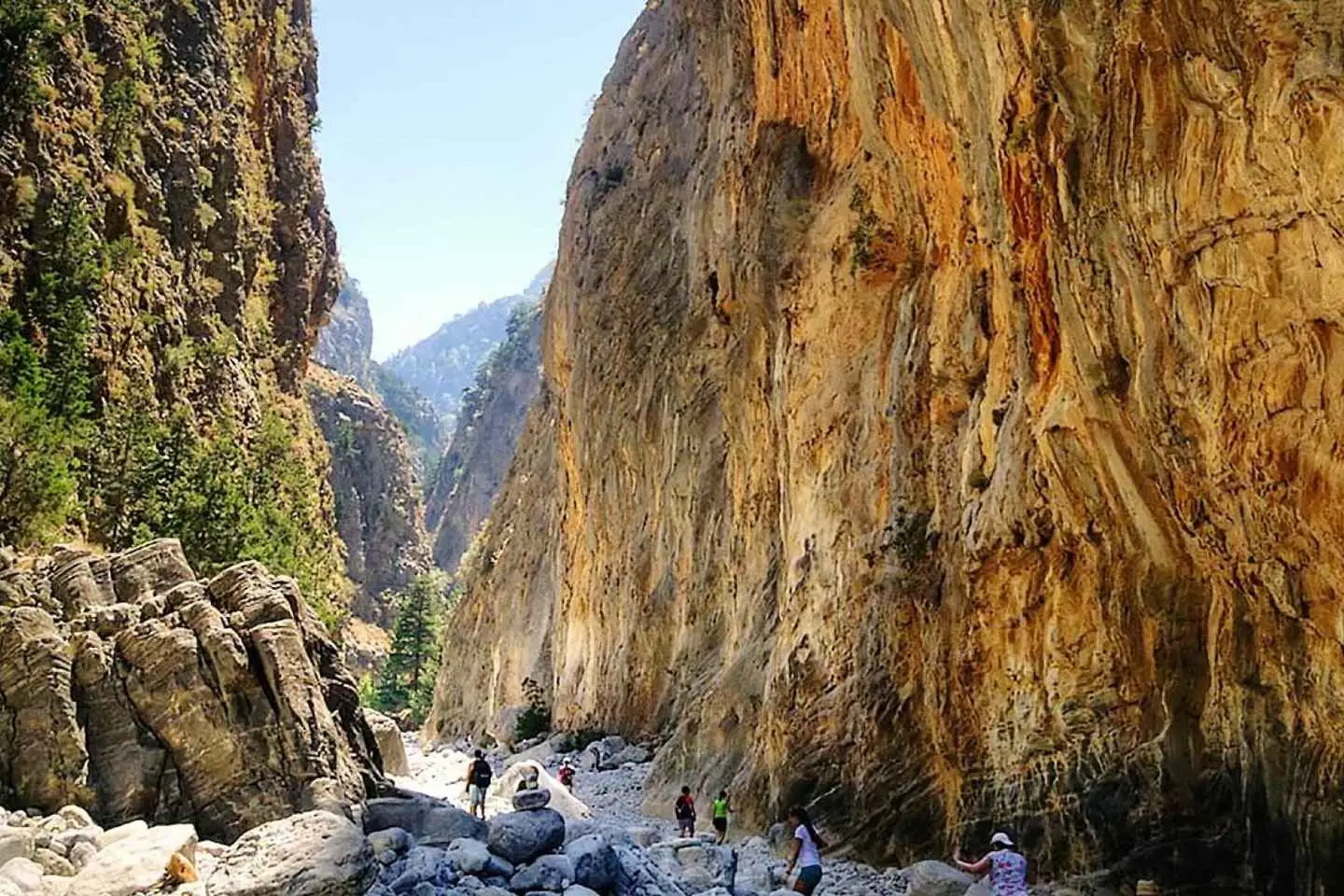
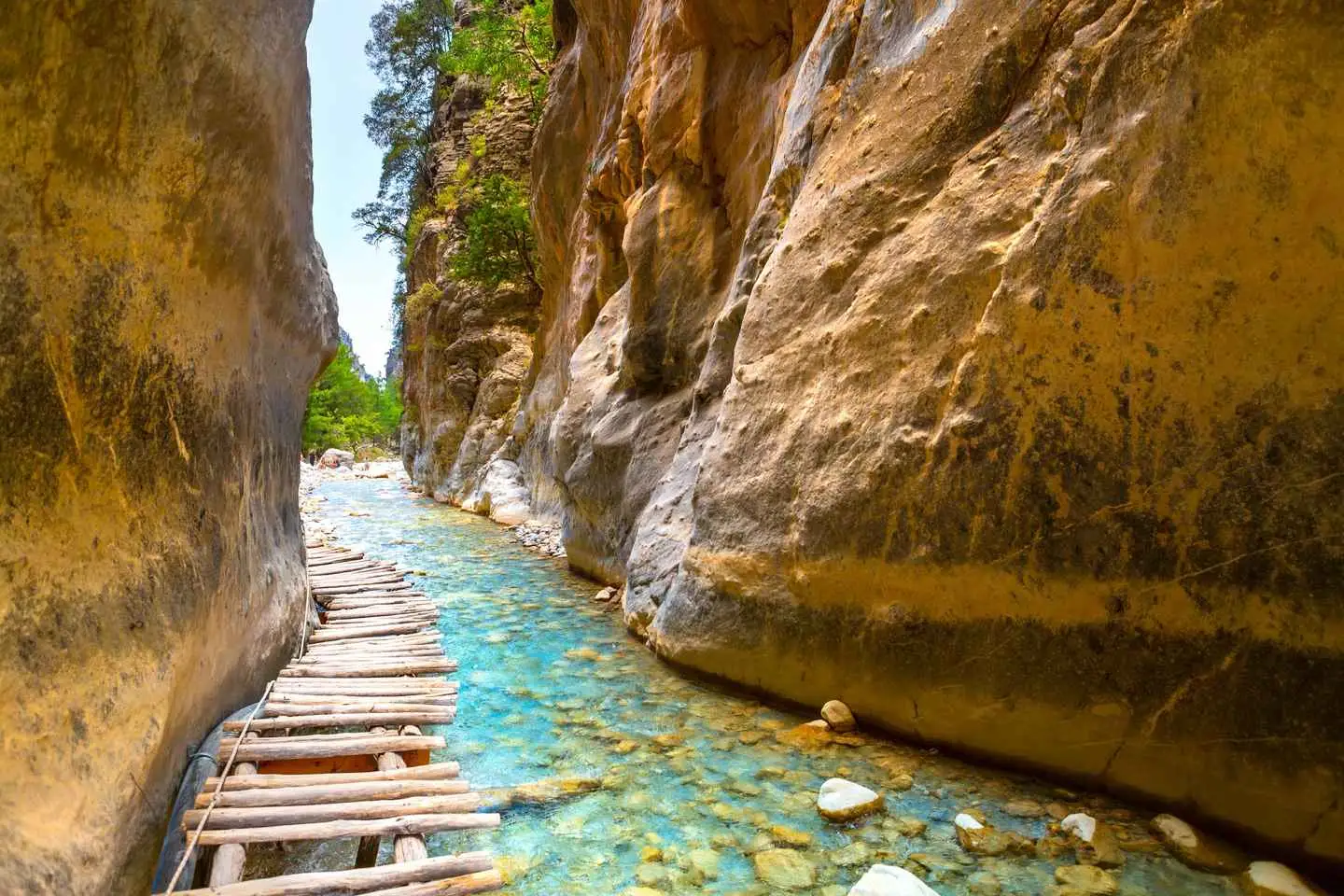
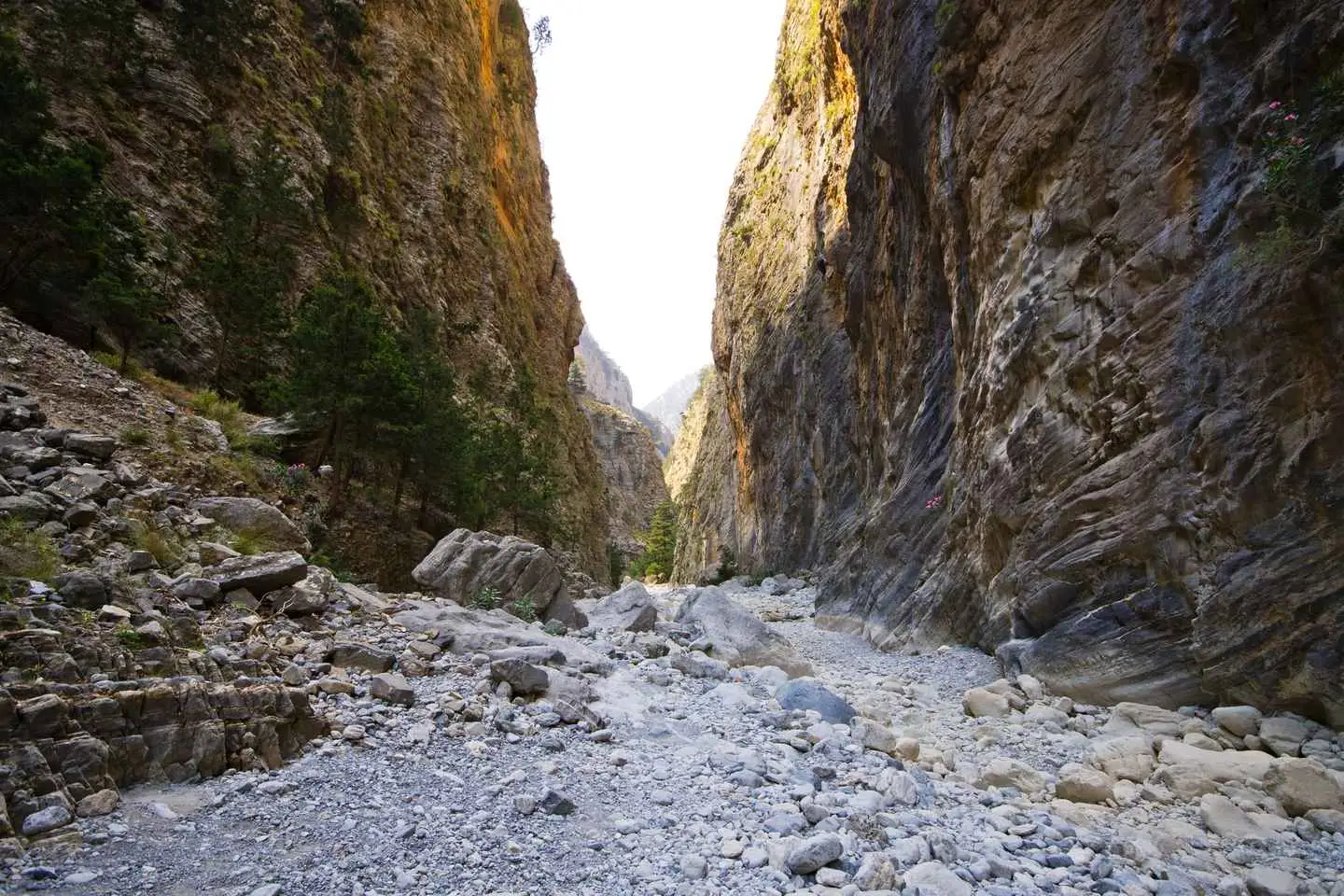
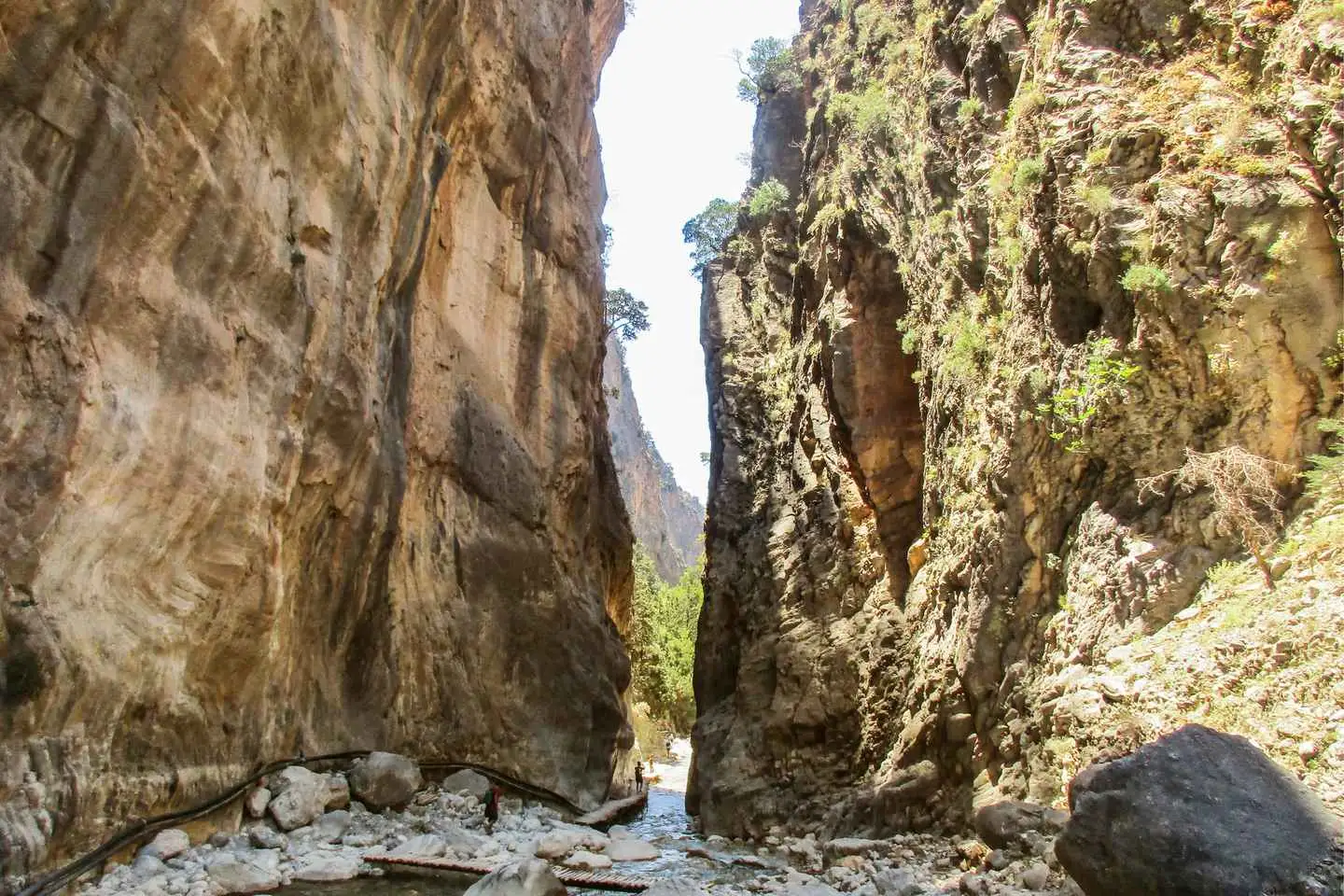
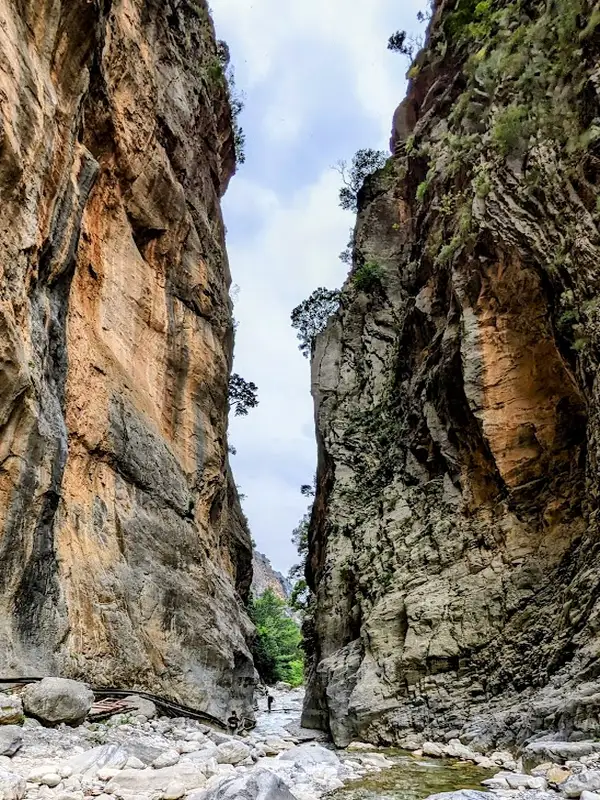
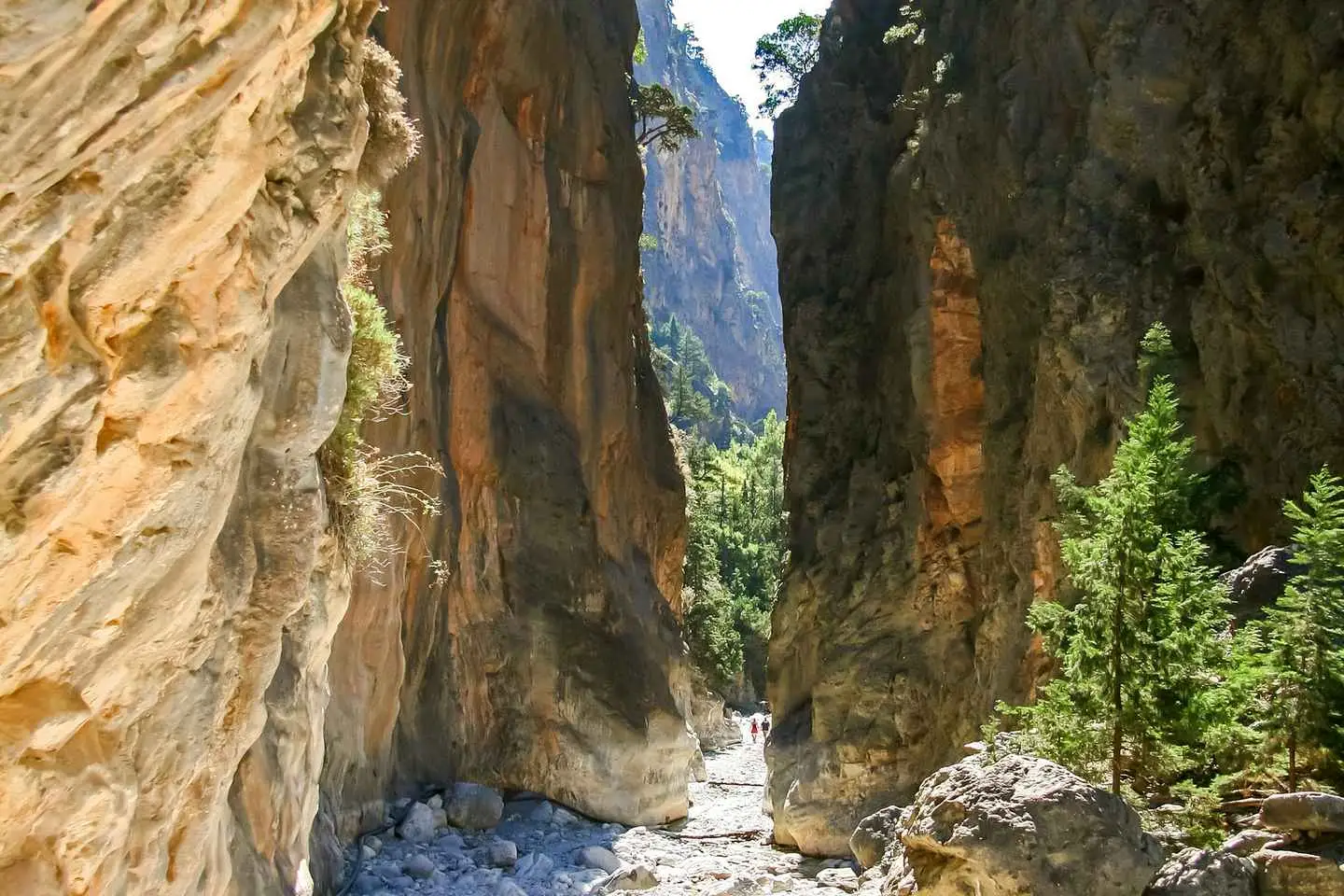
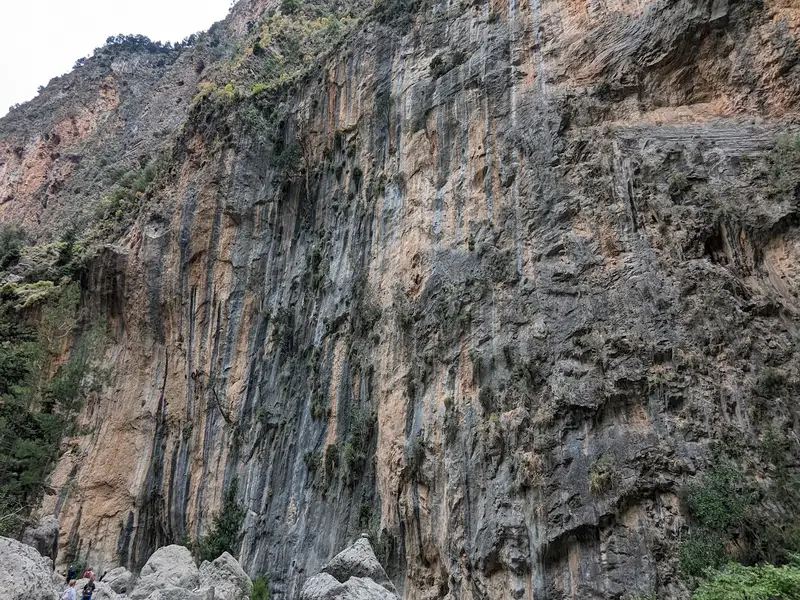
The most famous part of the gorge is the stretch known as the Iron Gates (Sideroportes), where the sides of the gorge close into a width of only four meters and soar up to a height of 500 m. The gorge became a national park in 1962, particularly as a refuge for the rare Cretan ibex, which is today restricted to the Lefka Ori National Park, the island Thodorou and several more islets. There are several endemic species of fauna and flora in the gorge and surrounding area.
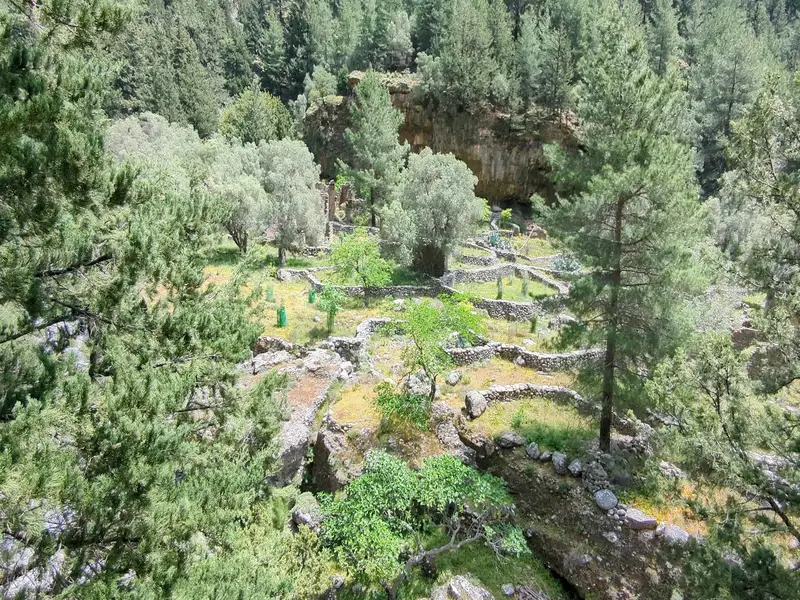
The desert village of Samaria lies just inside the gorge. It was finally abandoned by the last remaining inhabitants in 1962 to make way for the park. The village and the gorge are believed to take their names from the village’s old church of Mary of Egypt (Osia Maria).
A “must” for visitors to Crete is to complete the walk down the gorge from the Omalos plateau to Agia Roumeli on the South Cretan Sea. From there most visitors get the ferry to the port of Chora Sfakion and catch a coach back to Chania. The walk takes 4-7 hours and can be strenuous, especially at the peak of summer.
The problem with the gorge of Samaria is crowds. It has become one of the most popular attractions in Crete and there are up to 3000 visitors a day on very busy days. If you have the bad luck to pick one of those days, the atmosphere will be really spoilt. Starting at dawn (before the tourist coaches arrive) will give you a bit of a head start. It is possible to find good and cheap accommodation in Omalos or get the first bus from Chania. You can also start walking after 12:00, there won’t be many people and you will have shade at all times, but you will most probably need to spend the night in Agia Roumeli because the last ferry will have left. However, we encourage you to do that, since staying in Agia Roumeli is quite cheap and the beach is majestic. The first tourist buses arrive at around 7:30 am and from then on it is an uninterrupted stream of buses until about 11:00 am.
As far as the times of the year are concerned, the best time is spring: the weather is still cool and the vegetation is at its best. The worst time is in the middle of the summer during a heat wave. Please give it a miss and come again at a better time.
All local tour operators in Crete provide organized tours to the gorge. These include bus transportation from your hotel to the entrance (near Omalos village), and the bus will be waiting for you to disembark the ferry in Chora Sfakion to take you back. If you are on your own, you can make a one-day round trip from Chania, Sougia or Paleochora. Note that the morning buses from Sougia and Paleochora do not operate on Sunday, but still make sure that you know the timetables. The ferries leave Agia Roumeli to Chora Sfakion (eastbound) and to Sougia/Paleochora (westbound) in the afternoon.
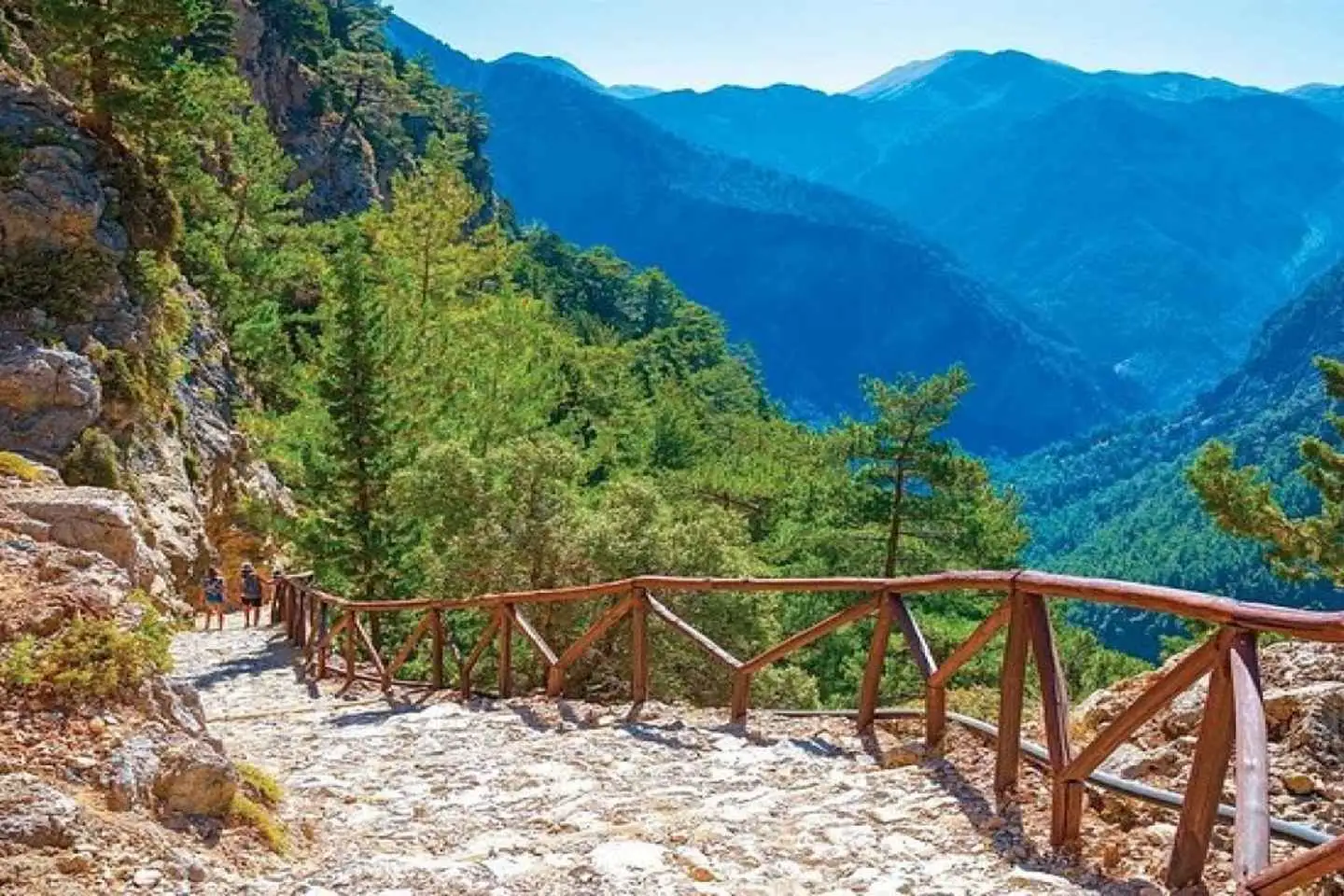
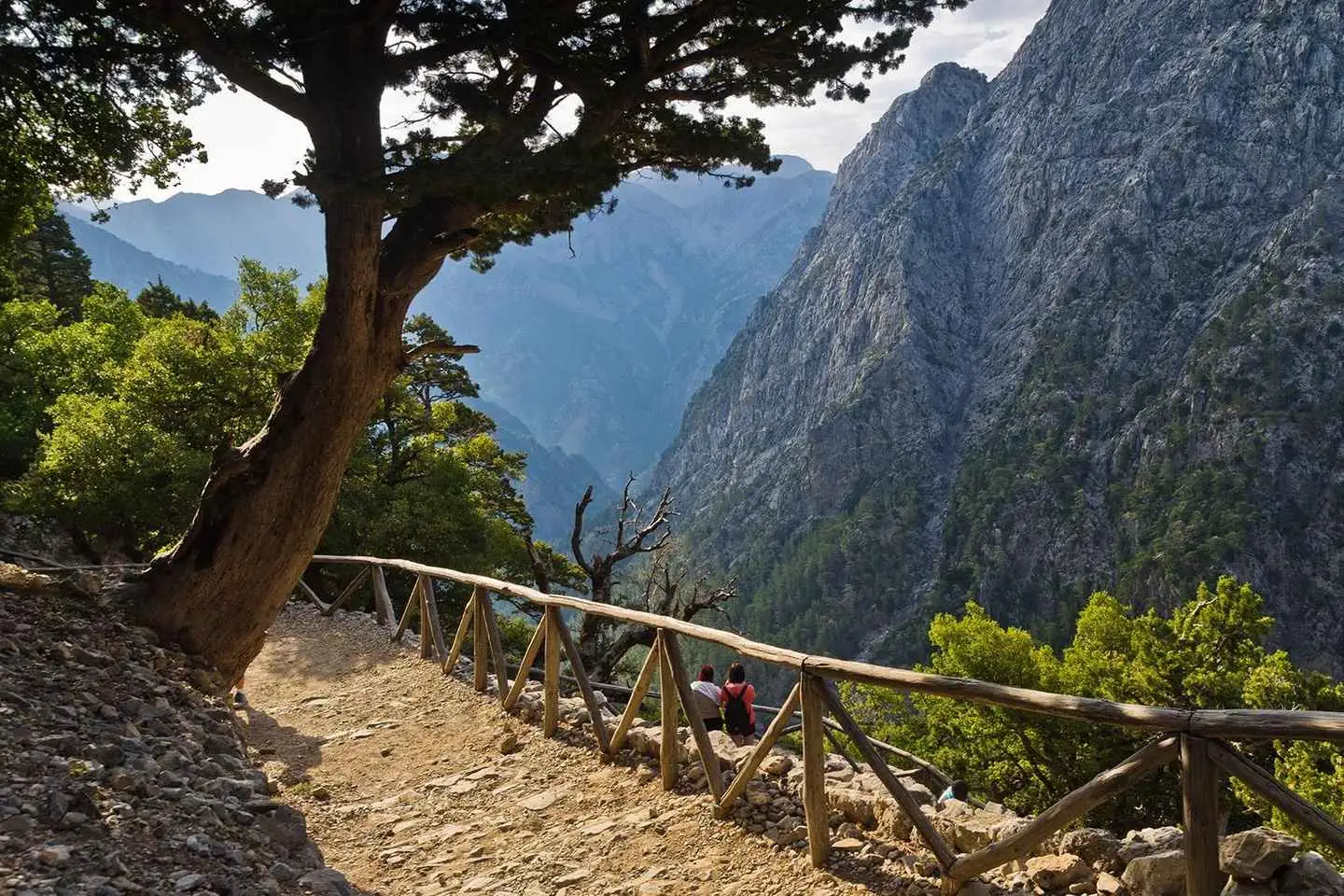
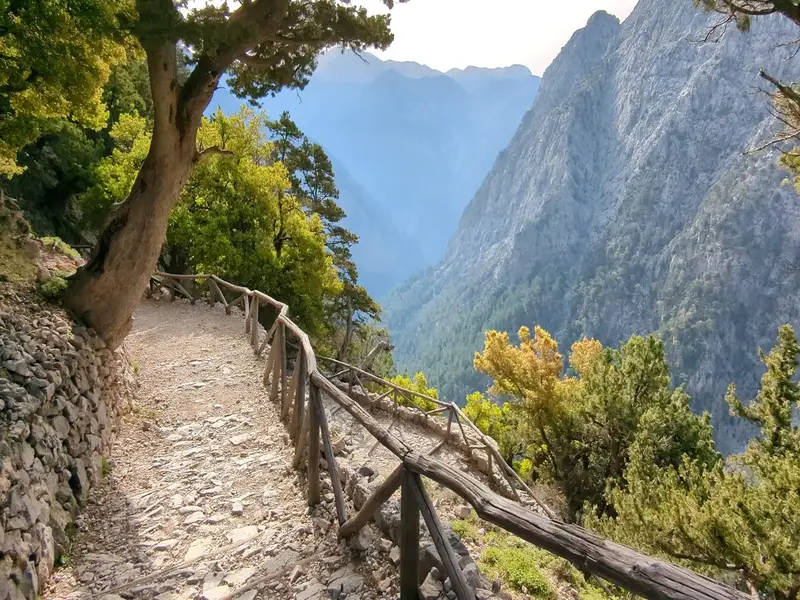
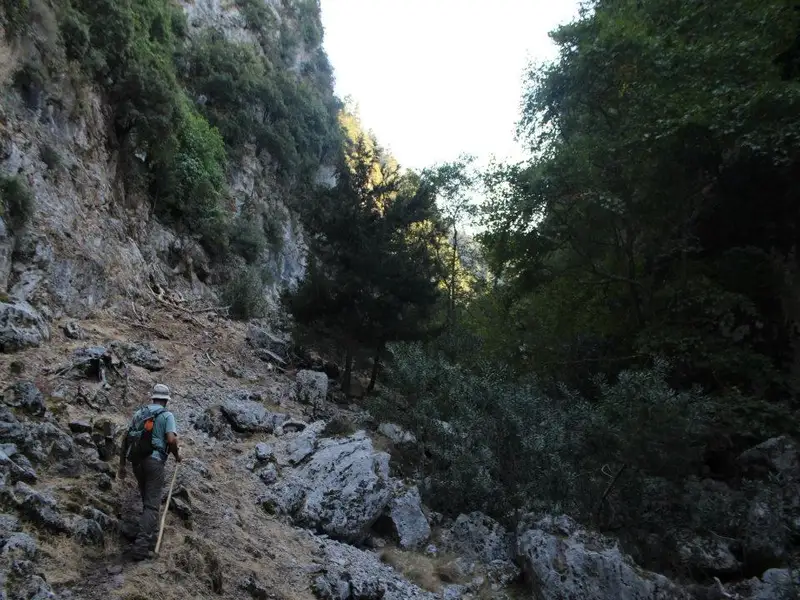
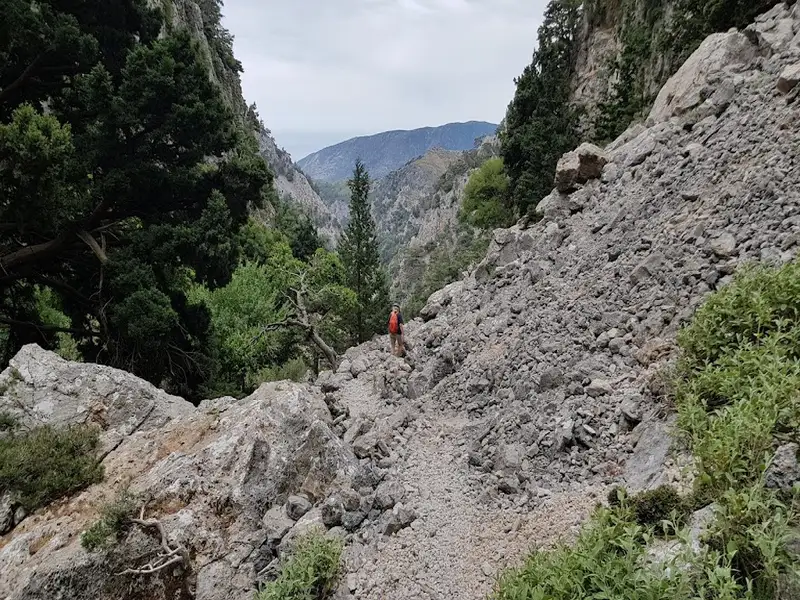
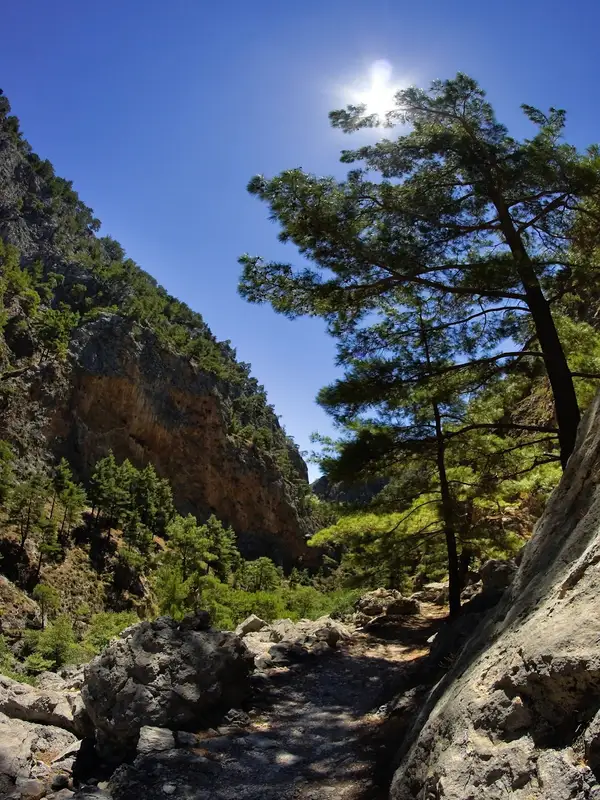
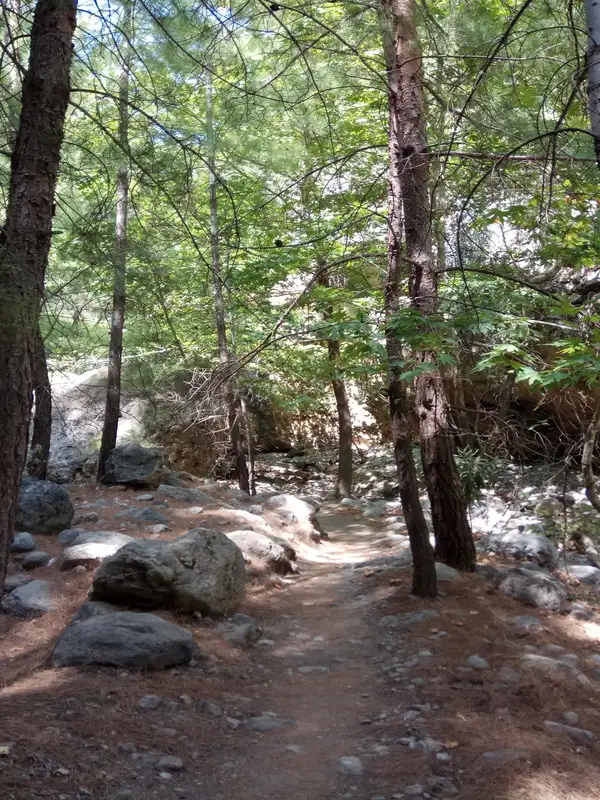
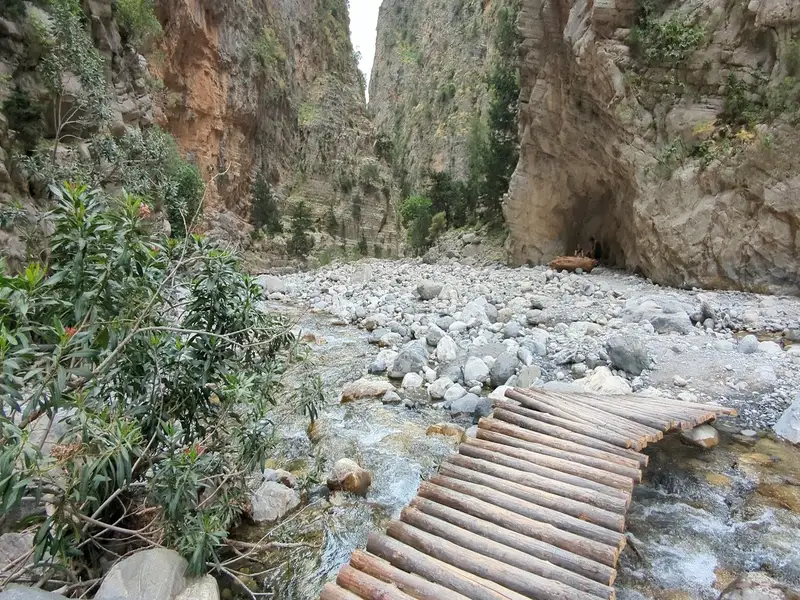
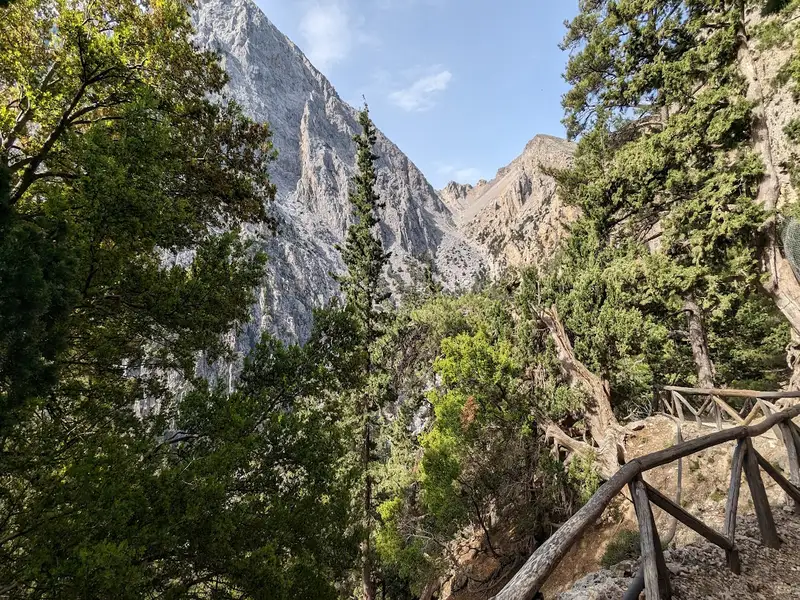
Descent in the canyon starts from the position of Xyloskalo at Omalos Plateau, at an altitude of 1200m, where you have to pay a small entrance fee for the protection of the reserve. The trail is wooded with cypress and pine trees, wide and very well discernible, while at the beginning descends abruptly. We meet drinking water and toilets very often. In about three hours we reach the old village of Samaria, at an altitude of about 300 meters, after crossing by the church of Saint George.
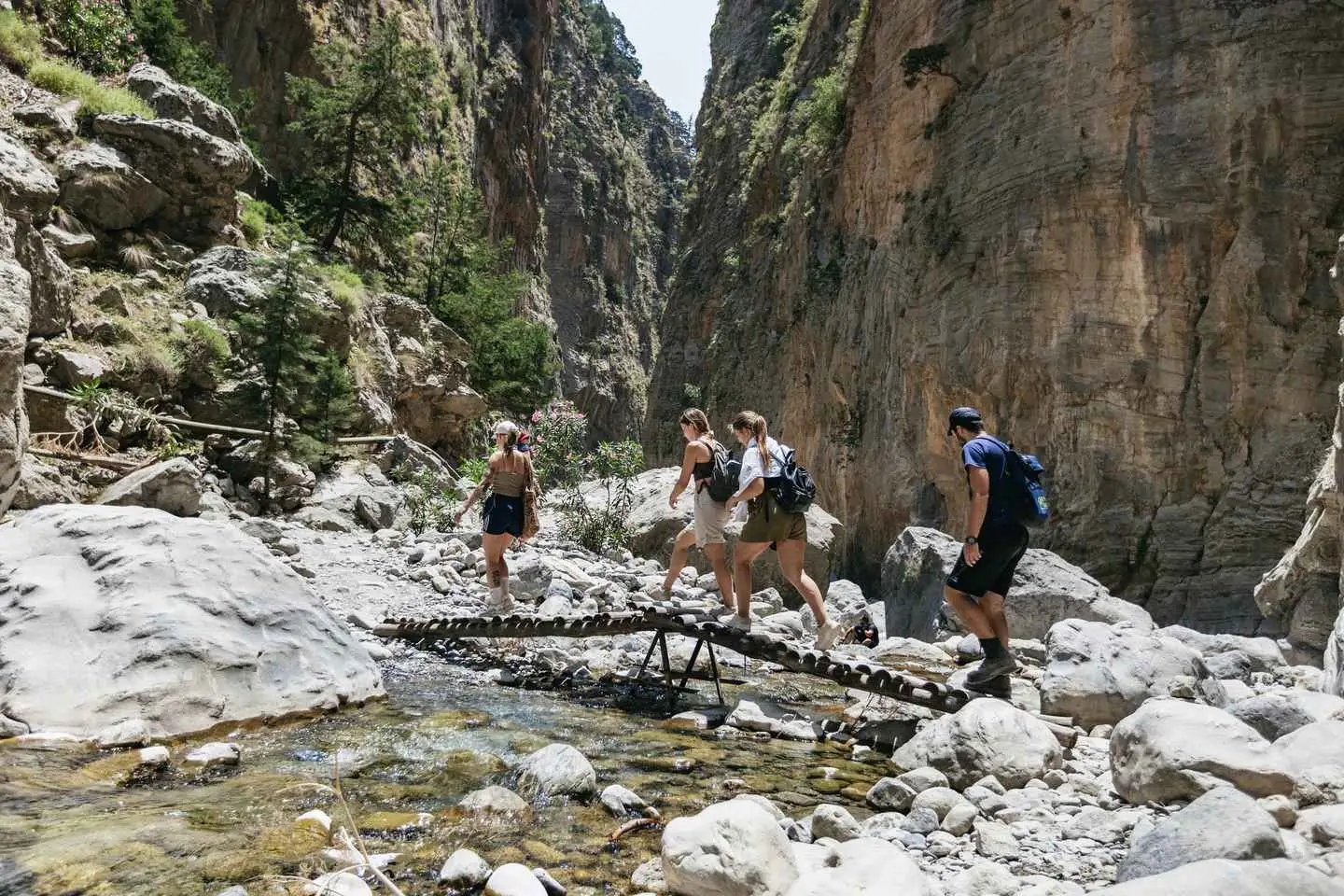
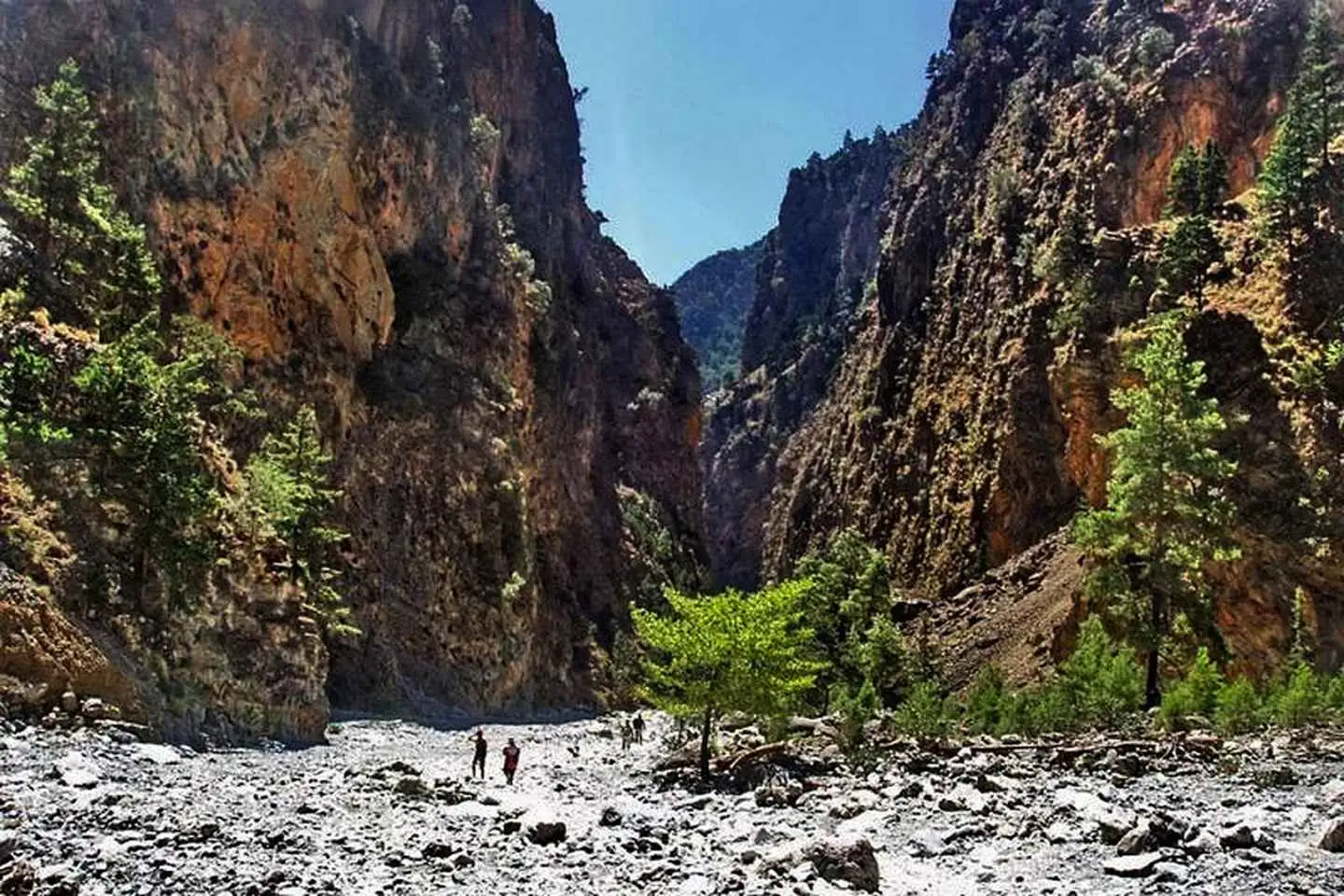
In Samaria there are old houses, trees offering shade, water springs and if you are lucky you will meet the endangered Cretan wild goat. From here onwards the landscape changes, becomes drier and the slope gets smooth. One hour later we walk along the riverbed for some time. There are several small wooden bridges in several places, above the river.
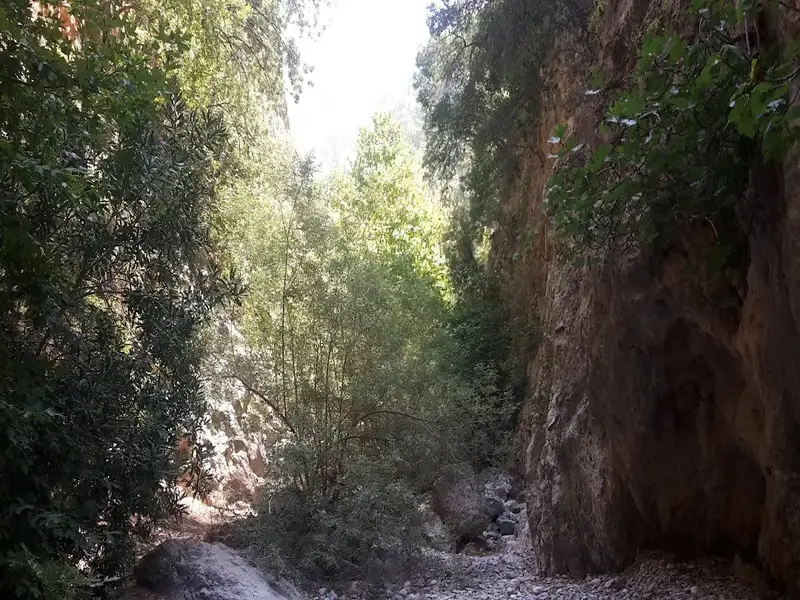
After one more hour, we meet the imposing Sideroportes (Iron Gates) which is a very narrow passage between two tall vertical 500m high cliffs. We soon reach the old village of Agia Roumeli which was abandoned in the mid-1900s due to a devastating flood and was moved to the seaside settlement of Agia Roumeli, about 30 minutes away.
To learn more about this beutiful gorge and what should you know before starting your hike, check out Samaria Gorge: One of the Best Walking Trails in Crete.
The Prasses or Askidia canyon is nestled within the forested area of the White Mountains. The exit of this canyon is situated close to the Askidia village (at an elevation of 480m), which is a section of the Prasses village, hence the dual names. To find the beginning of the canyon, you need to drive on the road from Chania to Sougia, then take a turn at Petras Seli intersection that leads to Omalos Plateau. After approximately 1.5km past the turnoff to Omalos, you will come across a dirt road and footpath that lead to the Platanos area. This region is captivating with its ferns, plane trees, and water springs. It is also the starting point of the lush Prasses canyon, a journey that takes roughly 2 hours.
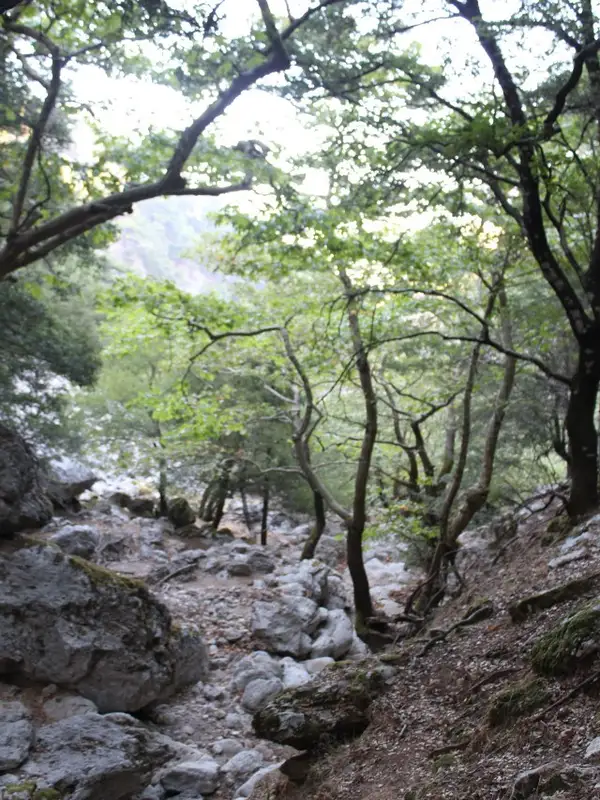
The gorge boasts striking vertical walls and is surrounded by a thick pine forest (the northernmost in the Chania prefecture). This, combined with the river bed’s deciduous trees (such as maples and sycamores), creates a stunning landscape, particularly in the fall. The canyon is perfect for leisurely hikes along its riverbed, taking photos, and bird watching. Additionally, there are 2-3 small caves along the walls. Upon exiting the gorge, you will encounter the tiny hamlet of Askidia, concealed within a thick chestnut forest. If you don’t have a car, an additional half-hour walk will take you to the picturesque Prasses village.
Fygou Gorge, a small yet stunning sub-gorge of the renowned Agia Irini Gorge, is situated near Sougia. This narrow canyon played a significant role in history, serving as an escape route for local rebels to the Sfakia mountains during various revolutions, hence its name ‘Fygou’, meaning escape.
In present times, many trekkers embarking on the Agia Irini Gorge trail, the second most popular gorge in Crete after Samaria, choose to commence their journey from Fygou Gorge. After approximately an hour of walking, they meet the Agia Irini Gorge.
A beautiful path winds through Fygou, weaving between a picturesque cypress and pine grove. An abandoned settlement and a Forest Service outpost can be found at the location known as Polla Spitakia. Near the point where Fygou Gorge meets the Agia Irini Gorge, the historic Hirotrypa cave is located. This site marks a tragic event from 1822 when two local hermits were murdered by the Ottomans.
Situated on the western flank of the White Mountains in the Selino province, the Agia Irini gorge owes its name to the nearby village of Agia Irini (Saint Irene), a mere 46 km from Chania.
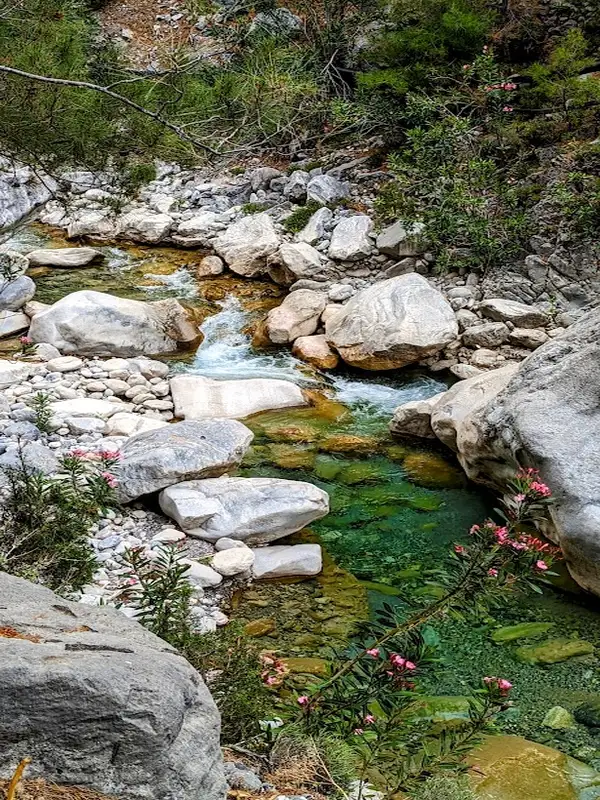
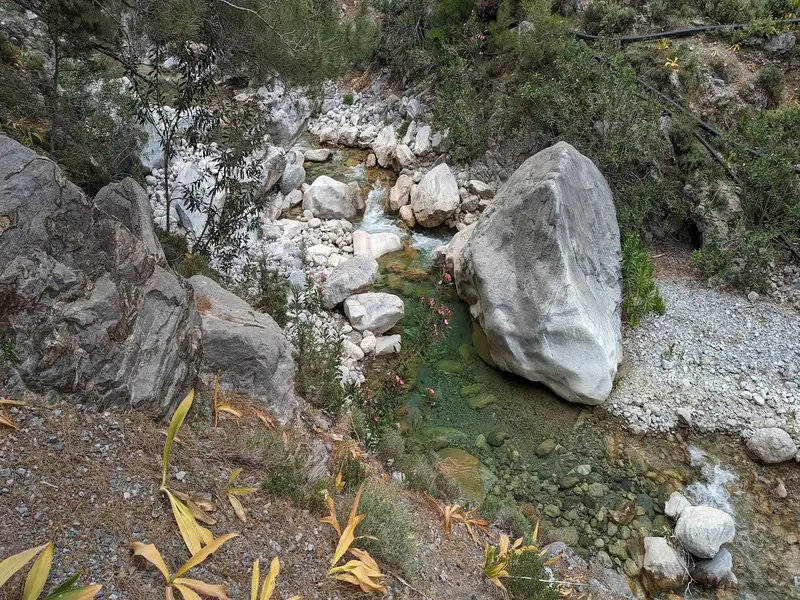
The trail of Agia Irini Gorge commences just below the Agia Irini village and concludes at the Oasis Taverna. The track, which descends approximately 500 meters, extends for 7.5 km and requires nearly three hours to navigate. It is a well-preserved and predominantly shaded path, embellished with pine trees, plane trees, and oleander bushes.
The journey from the exit of the gorge to the village of Sougia covers about 5 km along a lightly used road with scarce shade. On sweltering days, arranging transportation to Sougia is recommended. The gorge, which is open all year round, is graced with a small river, but certain sections may become inaccessible or dangerous after heavy rain. From April to October, during the tourist season, a nominal fee is collected at the entrance (or exit for those hiking uphill) of the gorge. This fee aids in maintaining the path, collecting trash, and general upkeep to ensure a pleasant experience for all visitors.
The gorge forms part of the European footpath E4. Its southern entrance is positioned 5 kilometers north of Sougia. It is included in the NATURA 2000 protected areas and has been declared a wildlife reserve by the Ministry of Agriculture. The gorge is home to the endangered Cretan ibex, agrimi, and boasts a variety of microenvironments and habitats for an array of wildlife species. The diverse flora, including trees (cypress, pine, maple, plane, oak, holm oak), shrubs, brushwoods, and fine herbs such as dittany, is of significant importance.
The gorge holds immense significance, not only for its rich biodiversity and aesthetic appeal but also for its historical and cultural significance. At the “Polla Spitakia” area within the gorge, rebels found refuge from the Ottomans. This is where the “Fygou” path begins, which served as an escape route from the gorge to the Omalos plateau. The area houses the Byzantine Church of Christ (1358 AD) and the dilapidated church of Saint George (1460 AD). The gorge, second in popularity to Samaria in the Chania prefecture, remains open for a longer duration.
No results available
No results available
© All rights reserved. Crete Locals