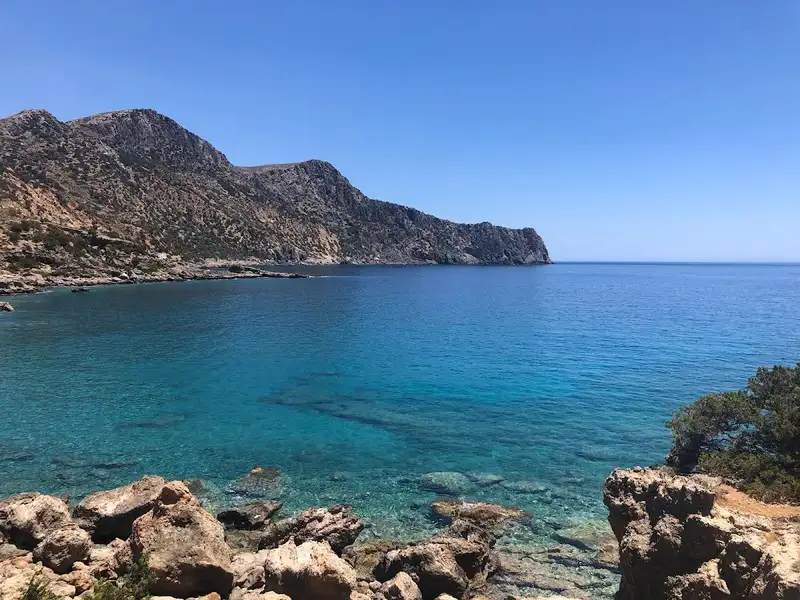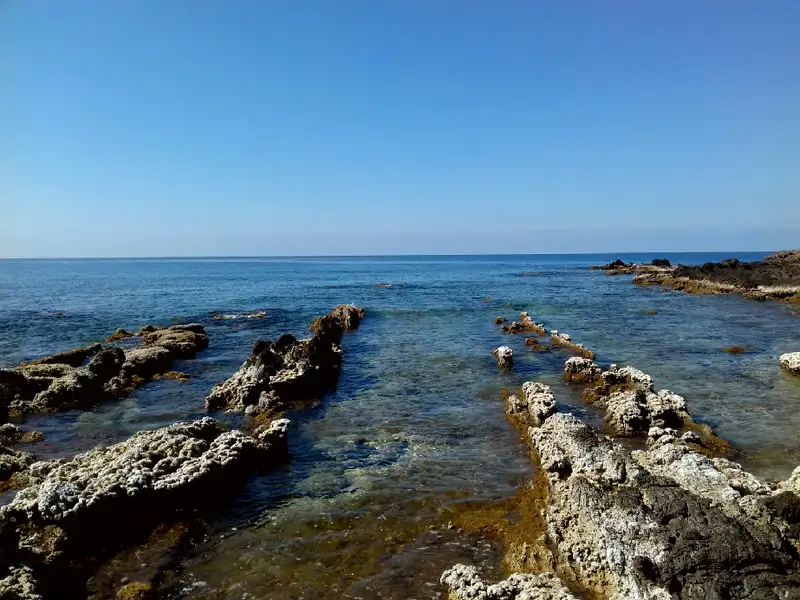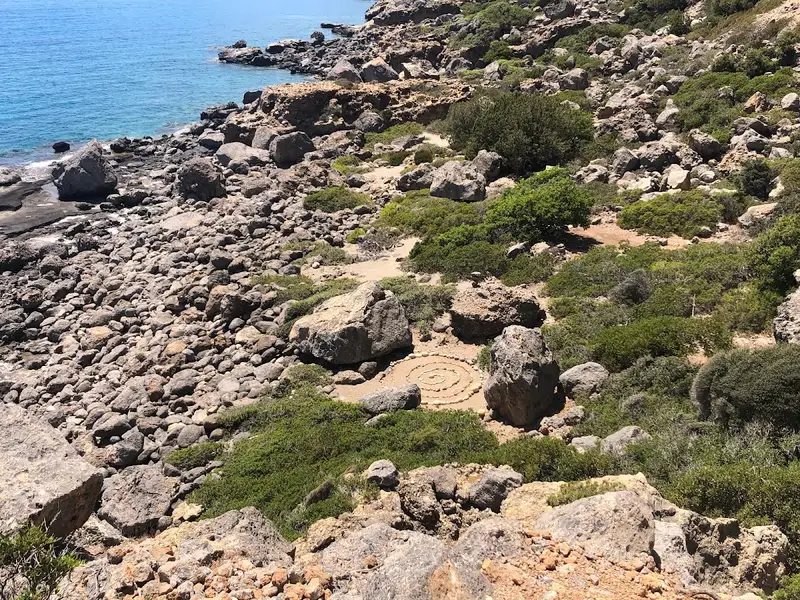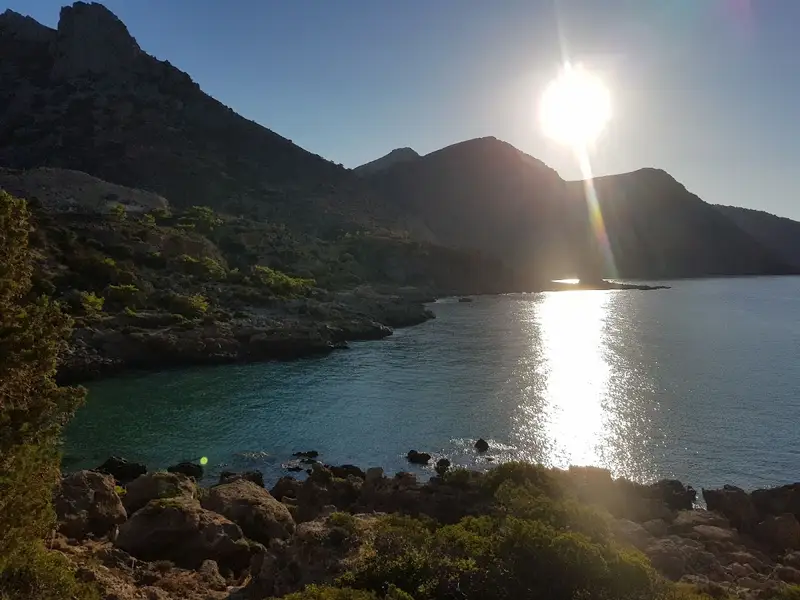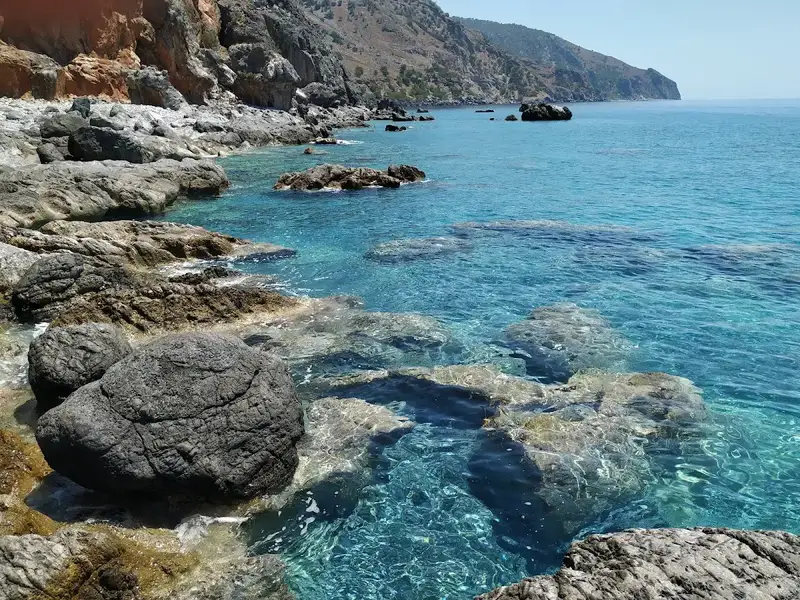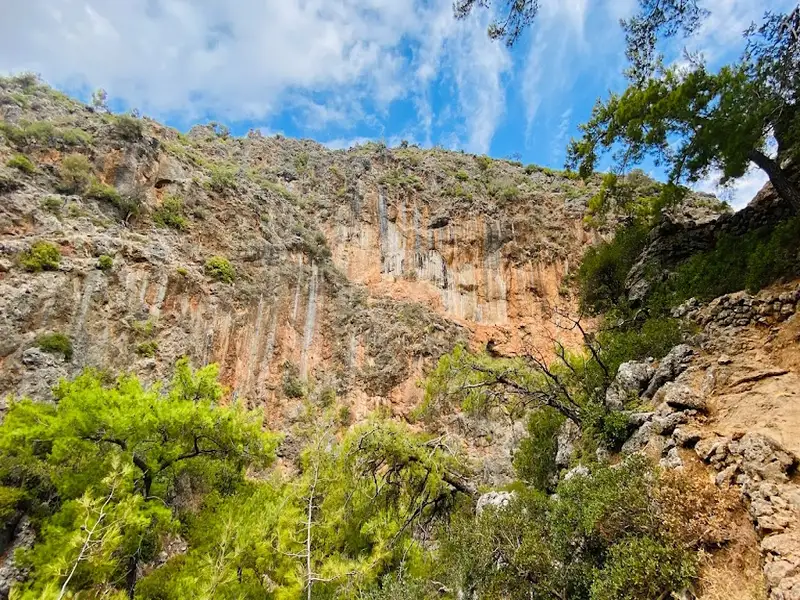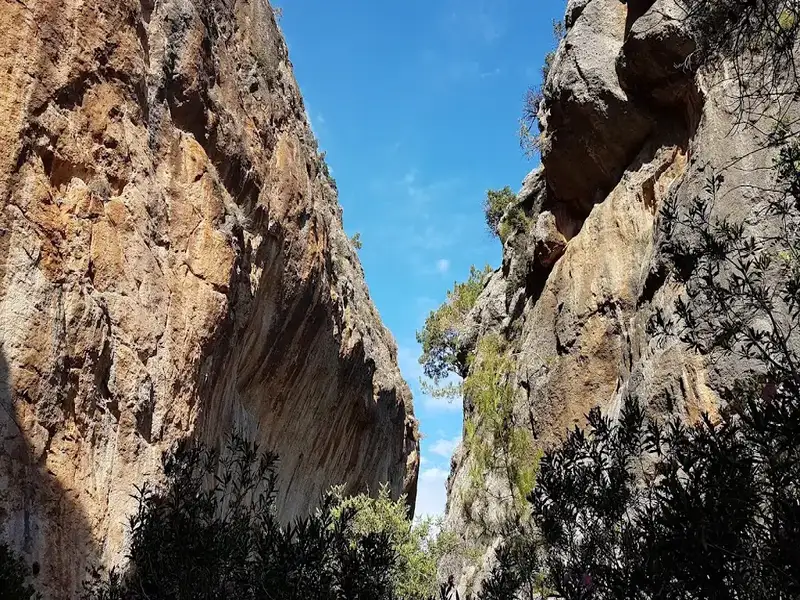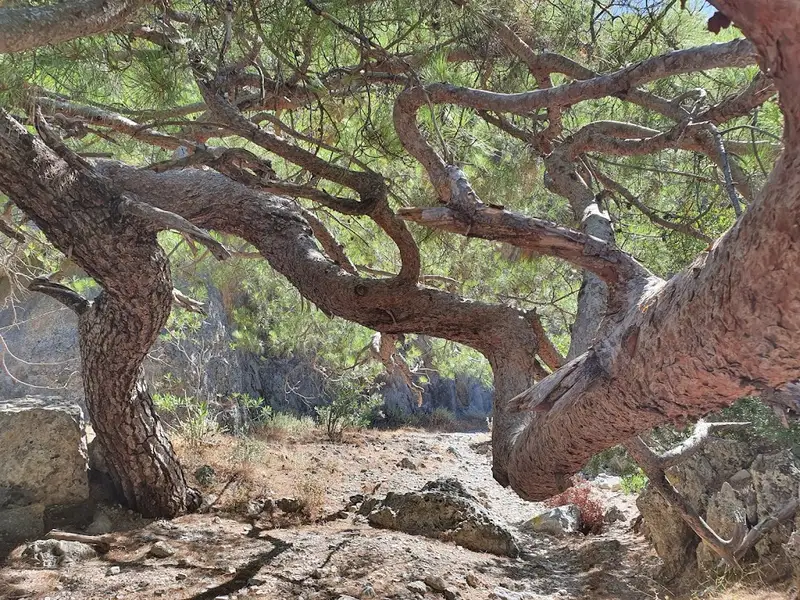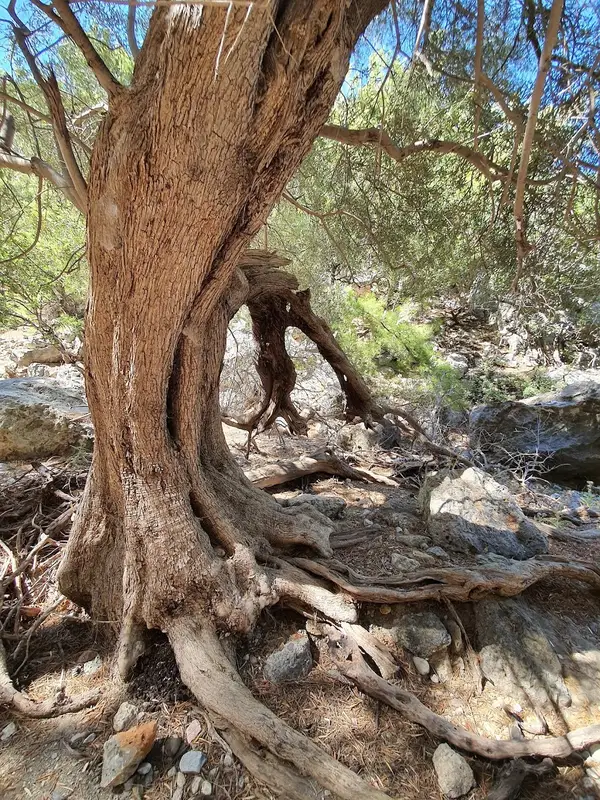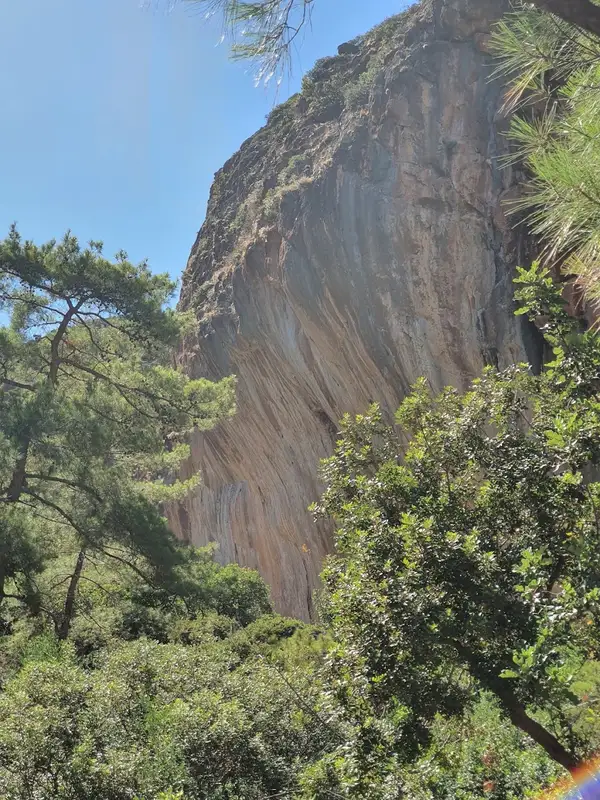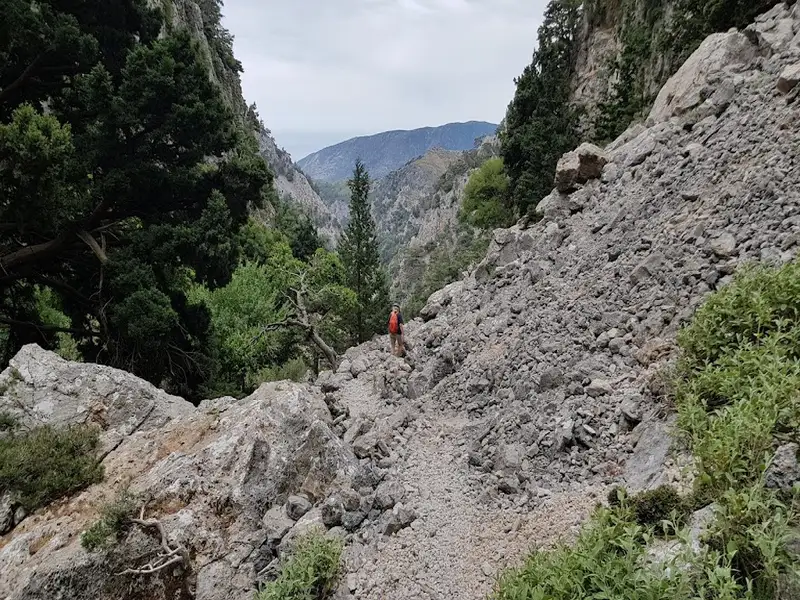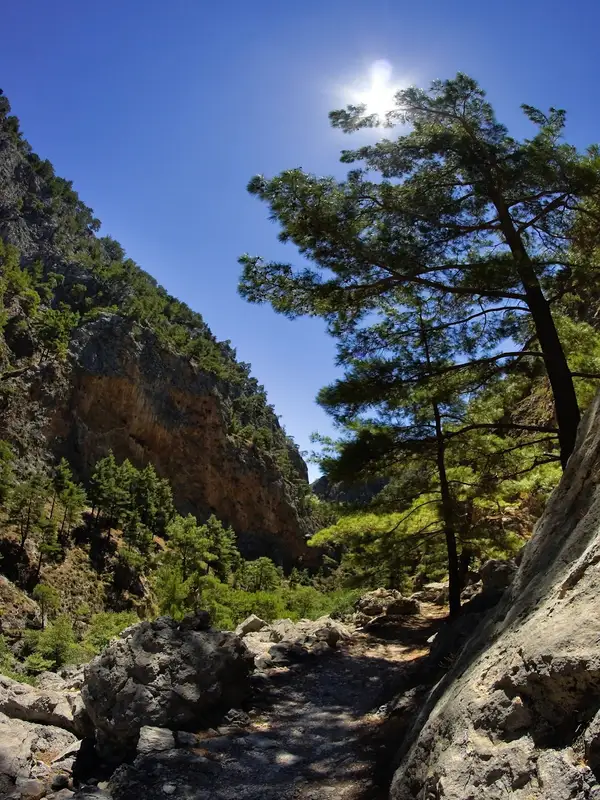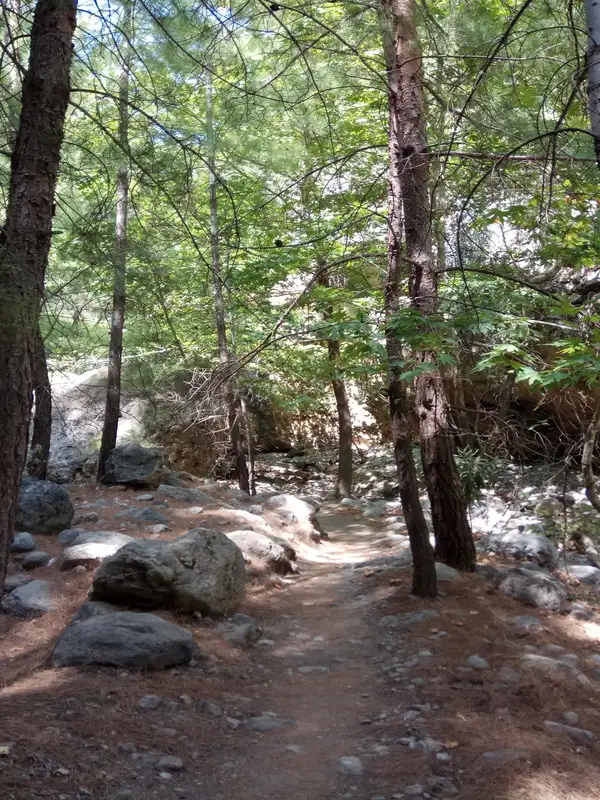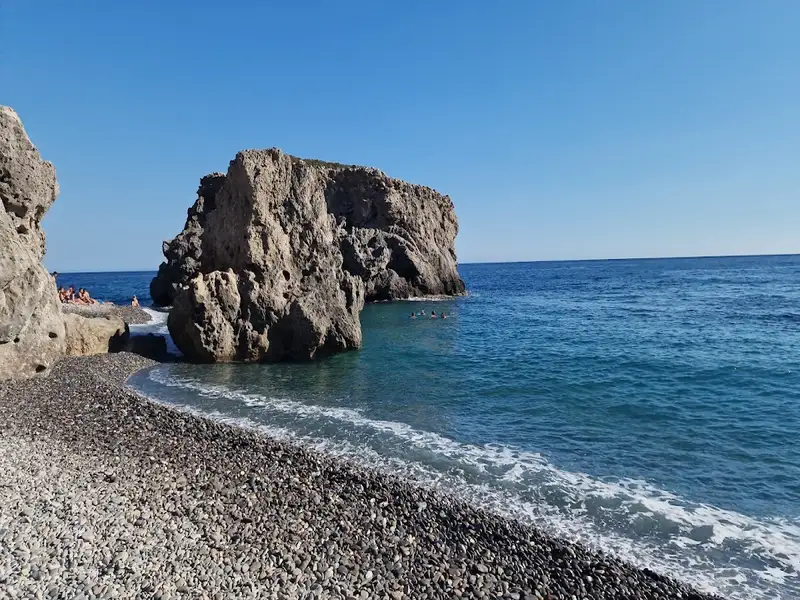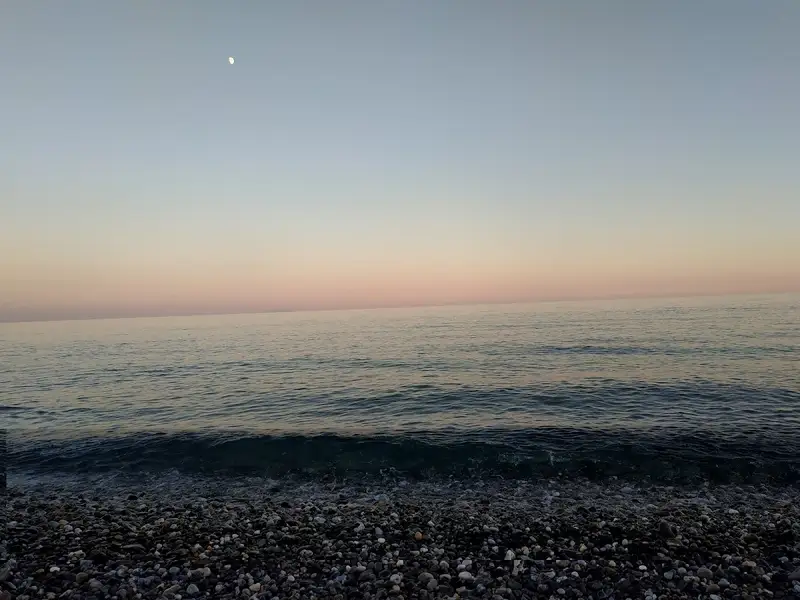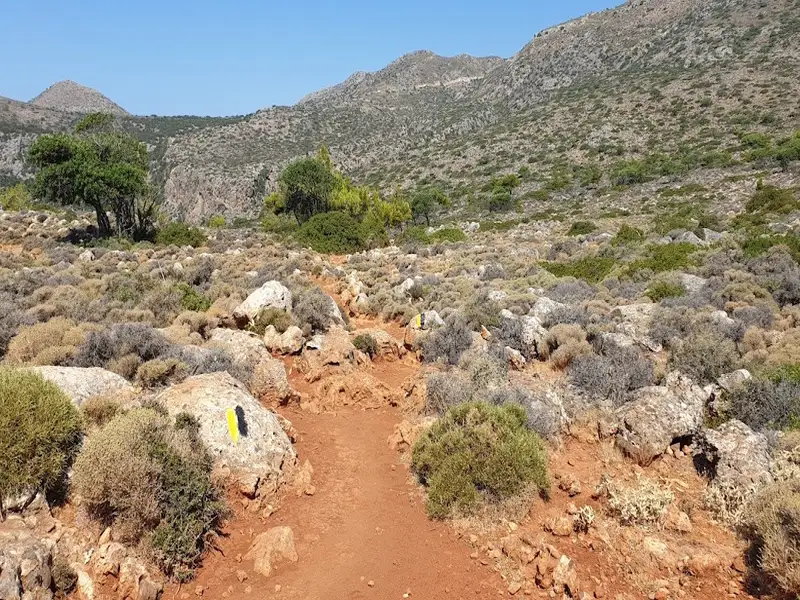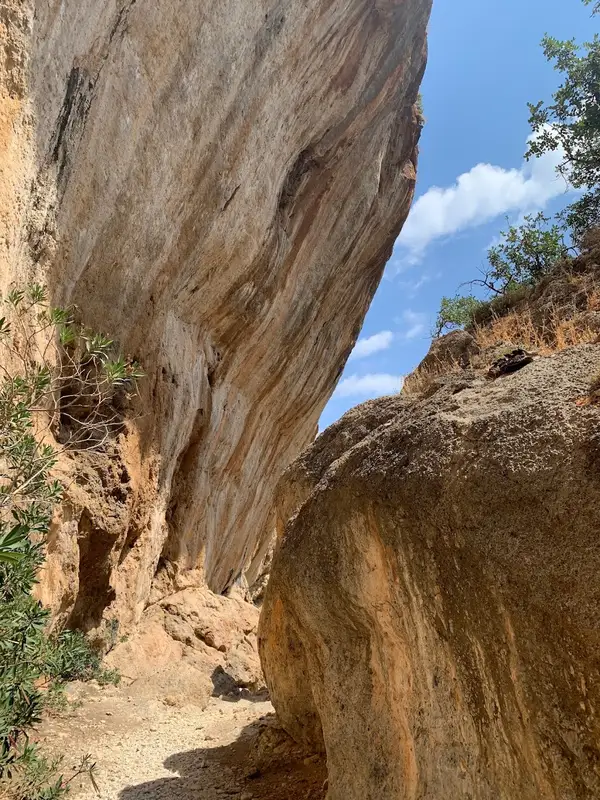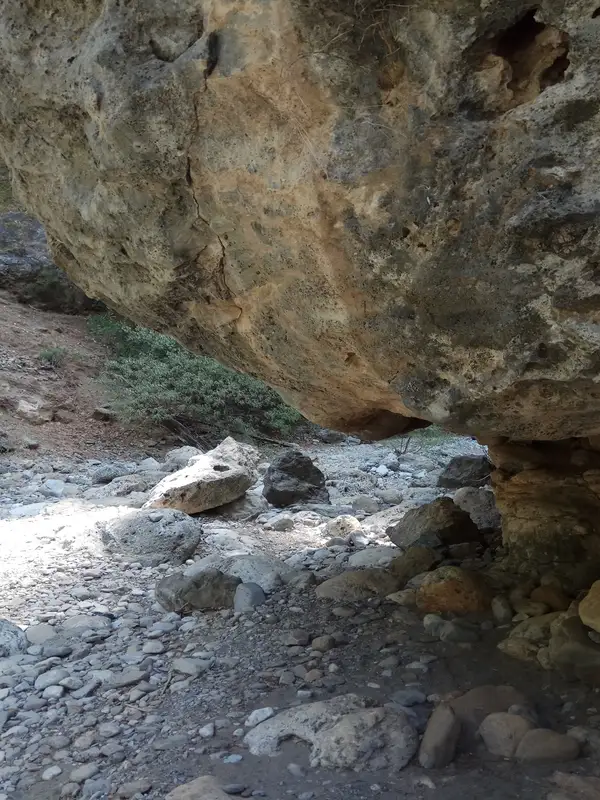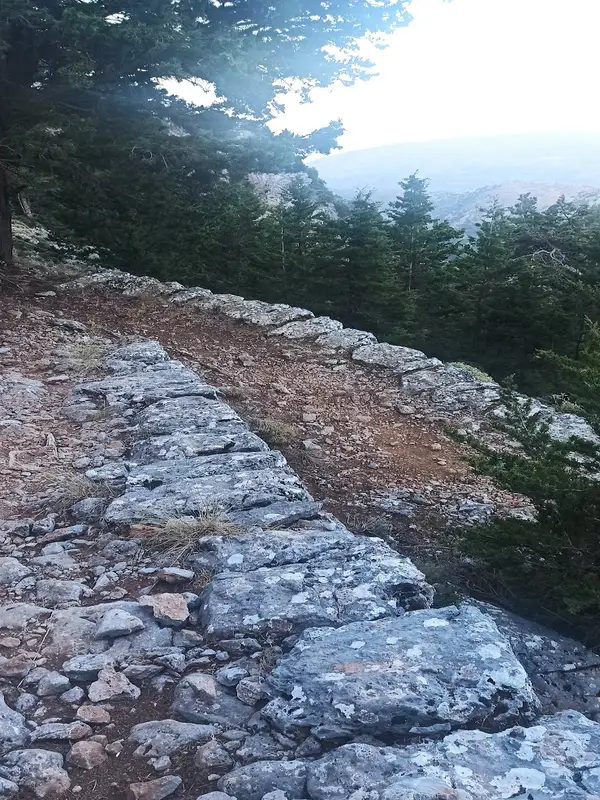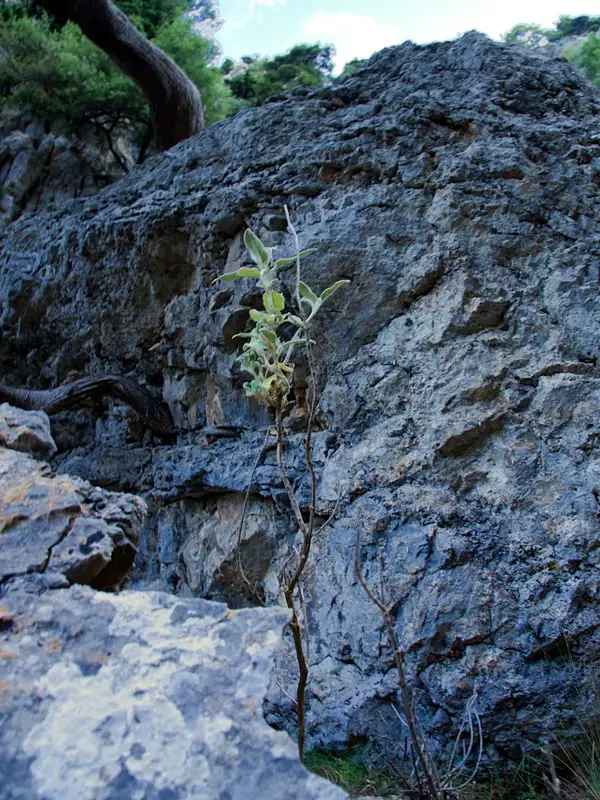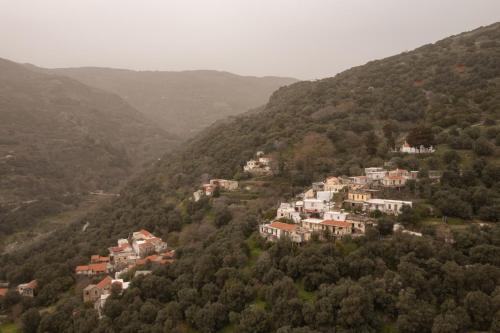
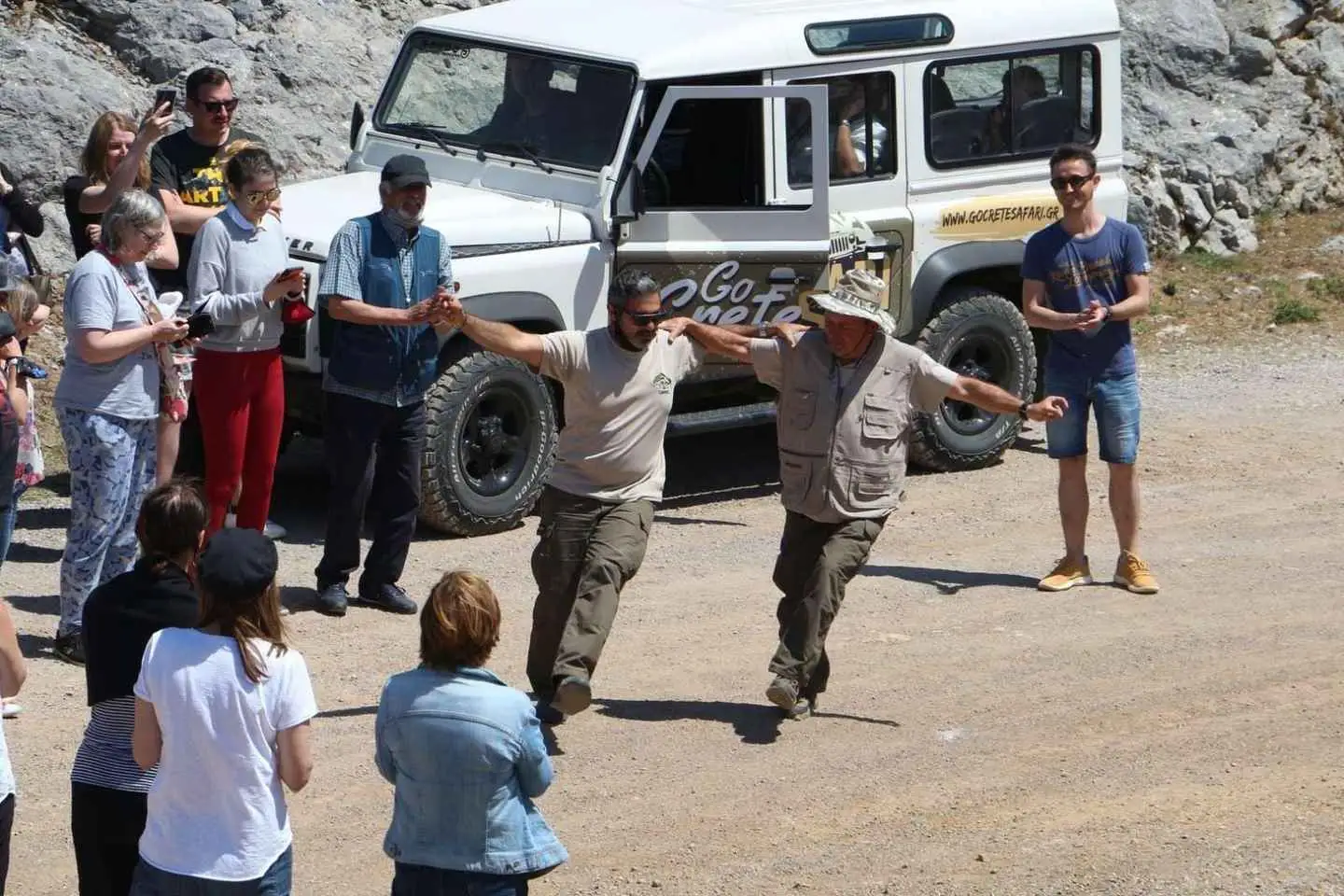


Through this route we will discover the wild side of southern Crete and end up at one of the best beaches of Crete with crystal clear waters
Our first stop is the Minoan Farm where we will have the opportunity to learn how Cretan honey and Cretan olive oil are produced as well as to get to know Cretan herbs up close. Our stop really fills us with Crete.
Then we arrive at traditional village of Archanes where we will have about 40 minutes of free time to be enchanted by the architecture of the houses, the narrow streets of the village and to relax under the plane trees
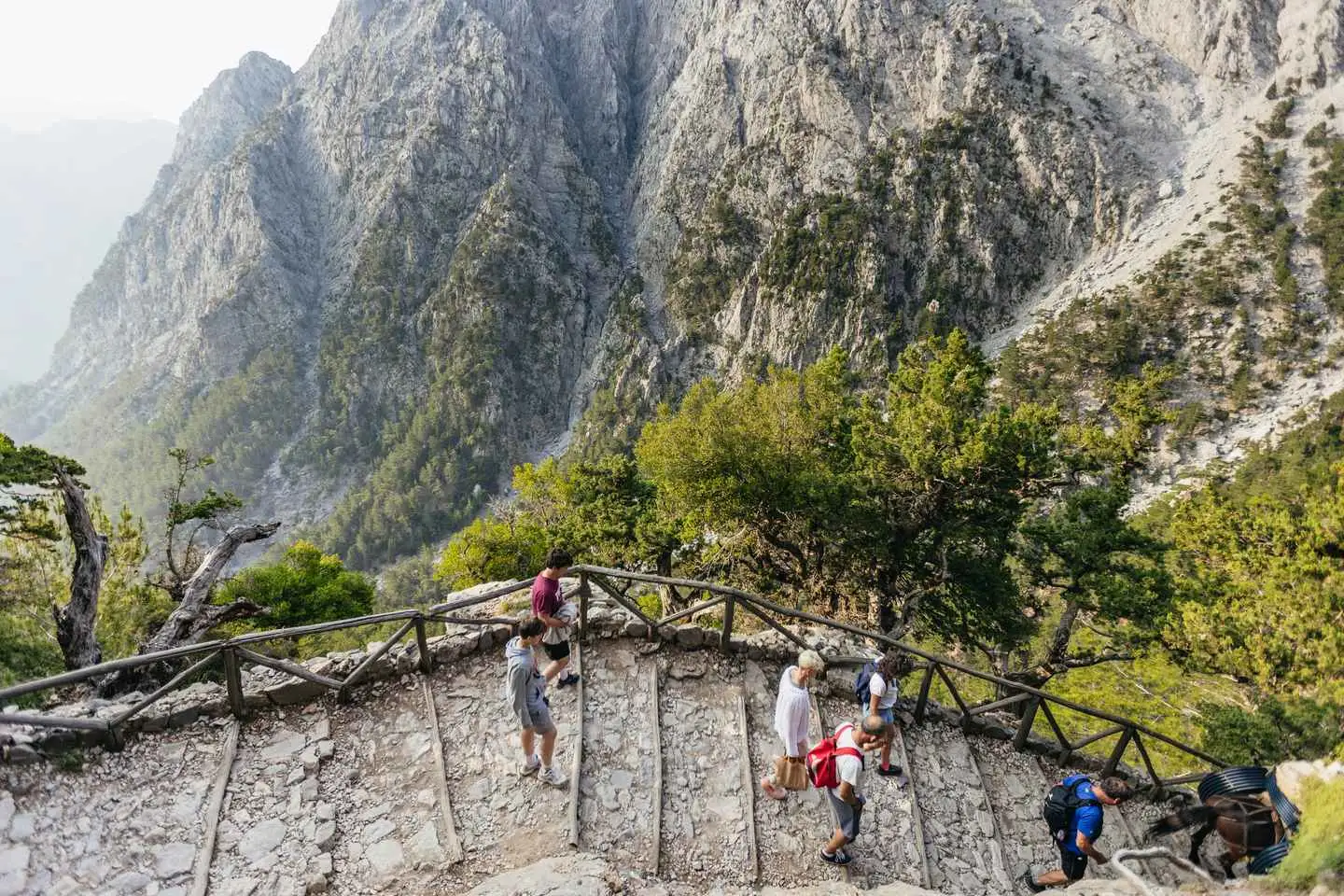
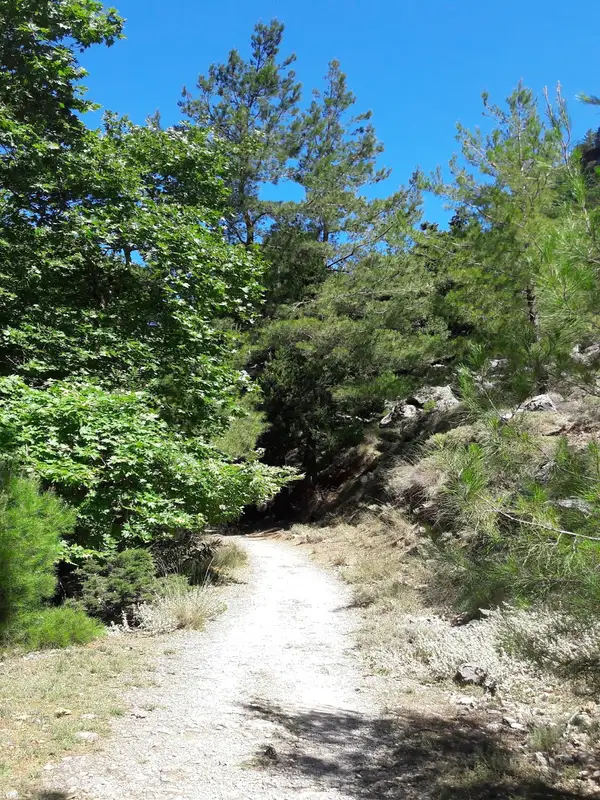
Then through a beautiful route we reach the foot of the constellations and climb to an altitude of 850 meters
This is where the wild side of Southern Crete begins to appear and the landscapes are truly beautiful and dreamlike
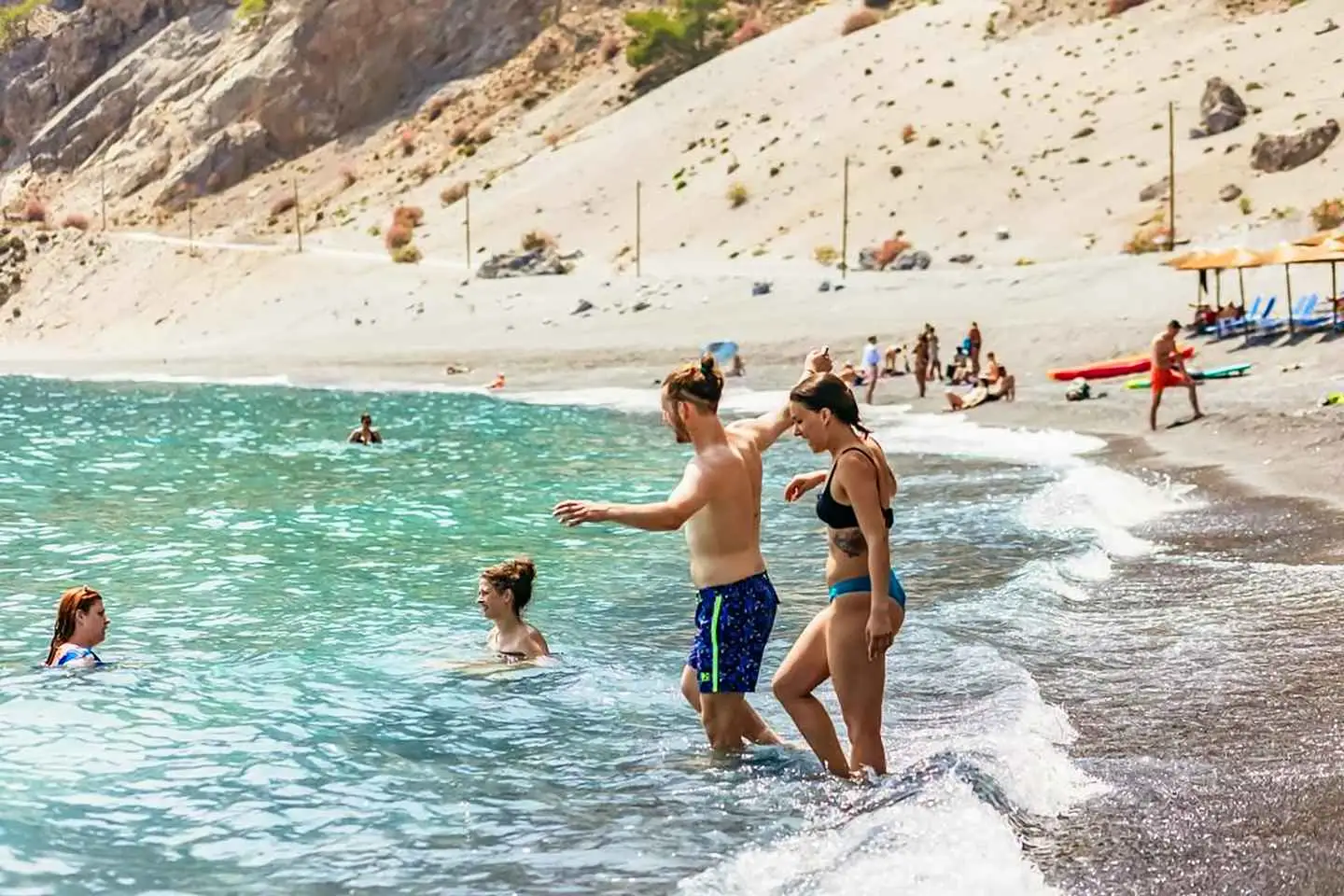
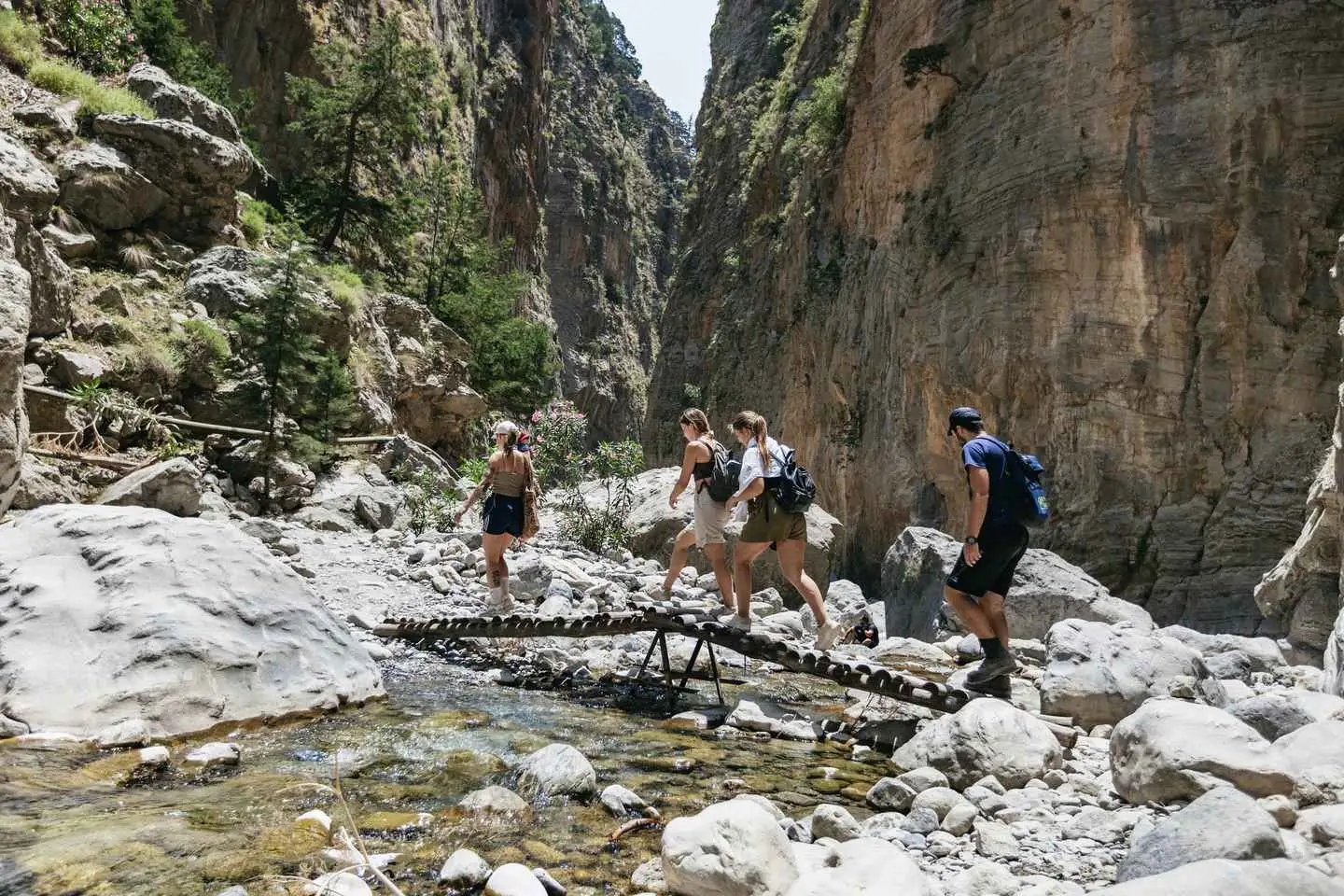
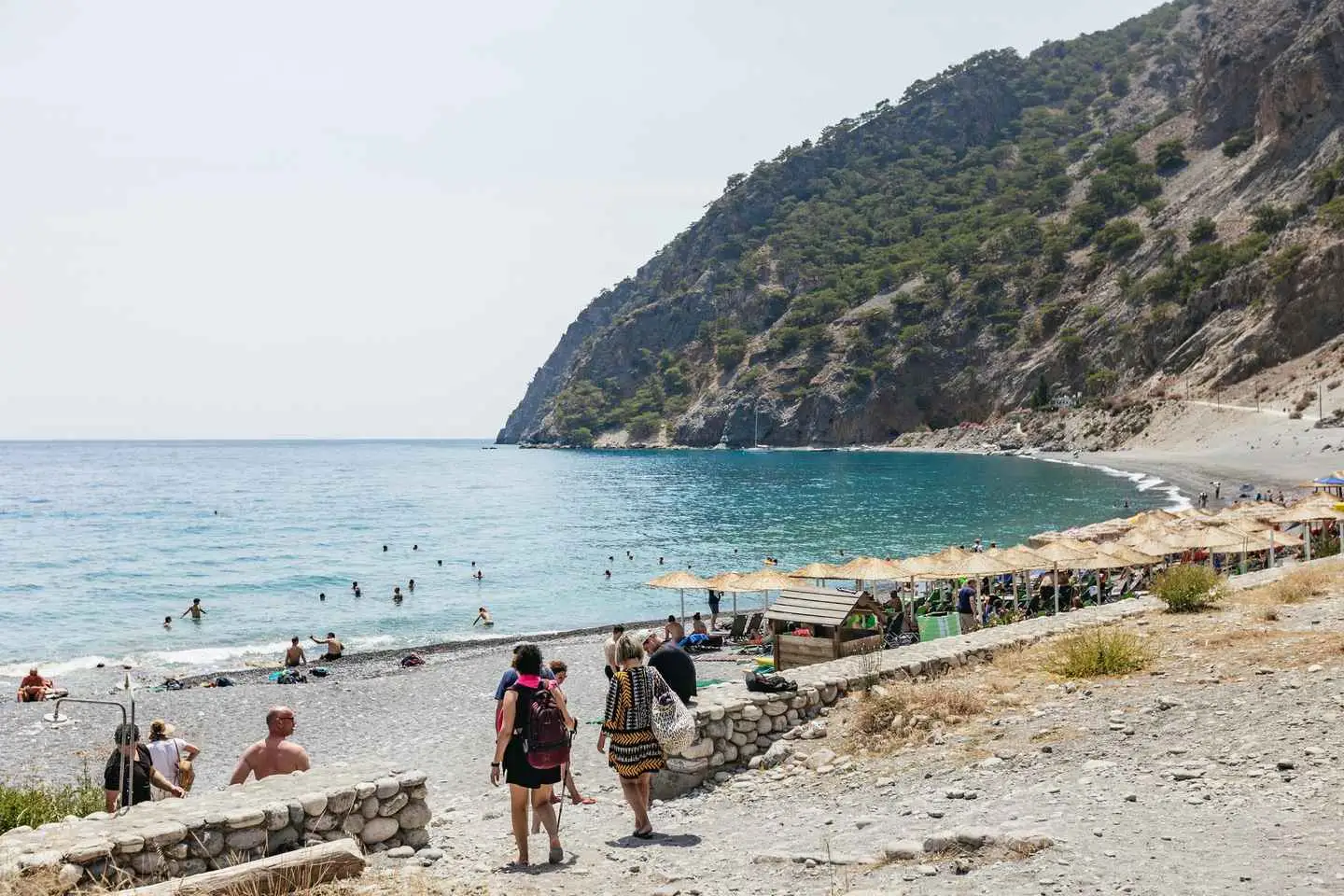
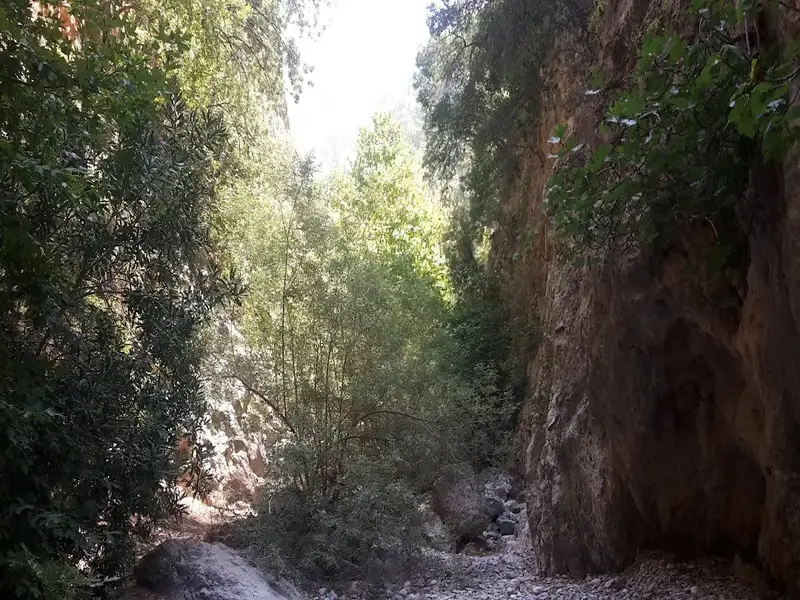
Crossing the beautiful gorge we find ourselves at one of the best beaches of Crete with crystal clear waters
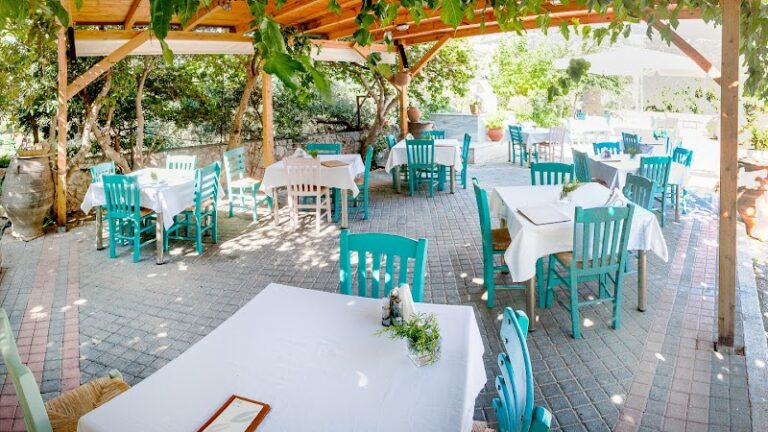
Here we enjoy a wonderful meal and take a bath
On our way back through a beautiful route we end up at the Monastery of Epanosifi with the Byzantine churches and we will get to know the life of the Cretan priests
With what better images we end up at the hotel
This route will imprint deep in your mind the best memories from Wild Unknown Crete !!!!
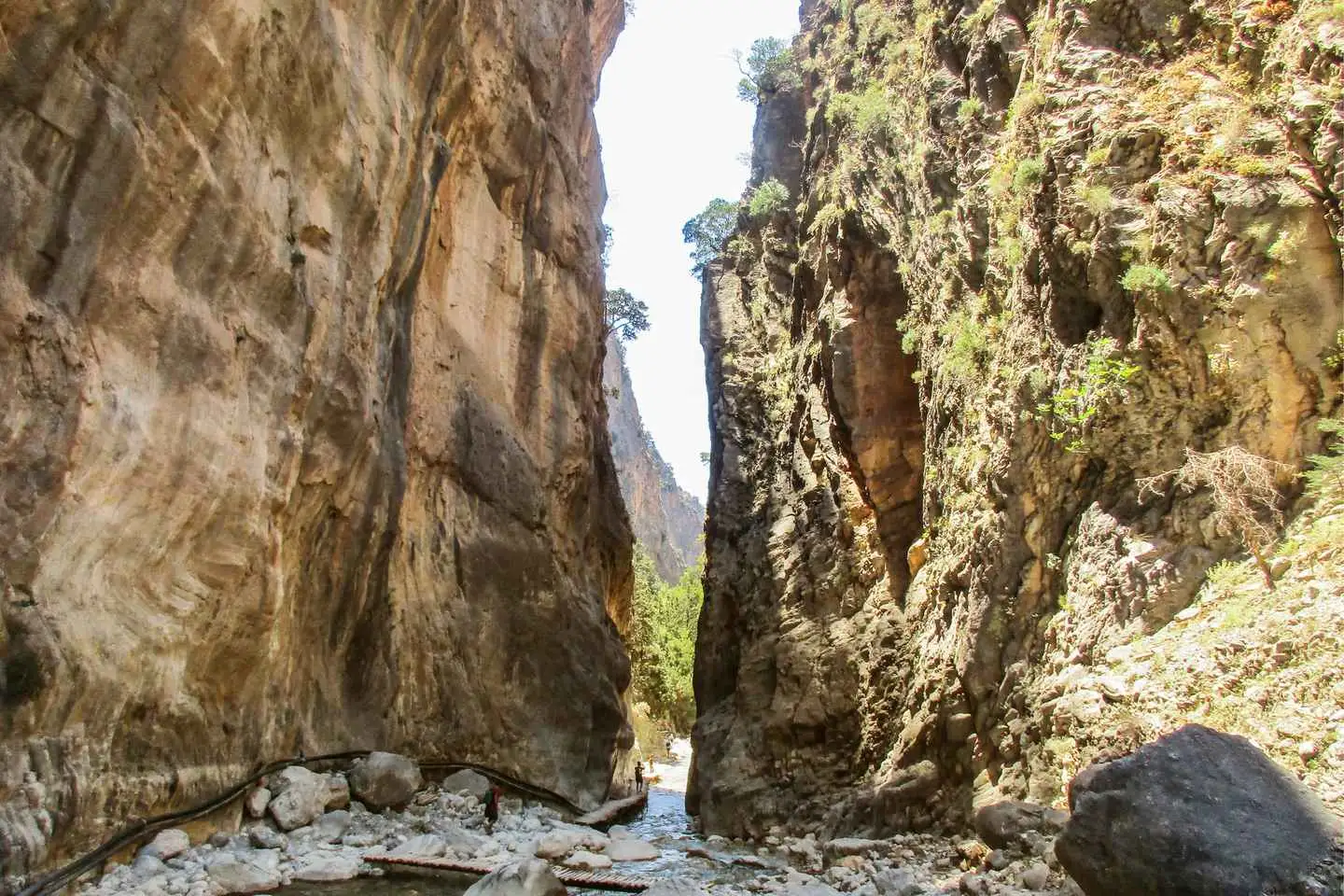
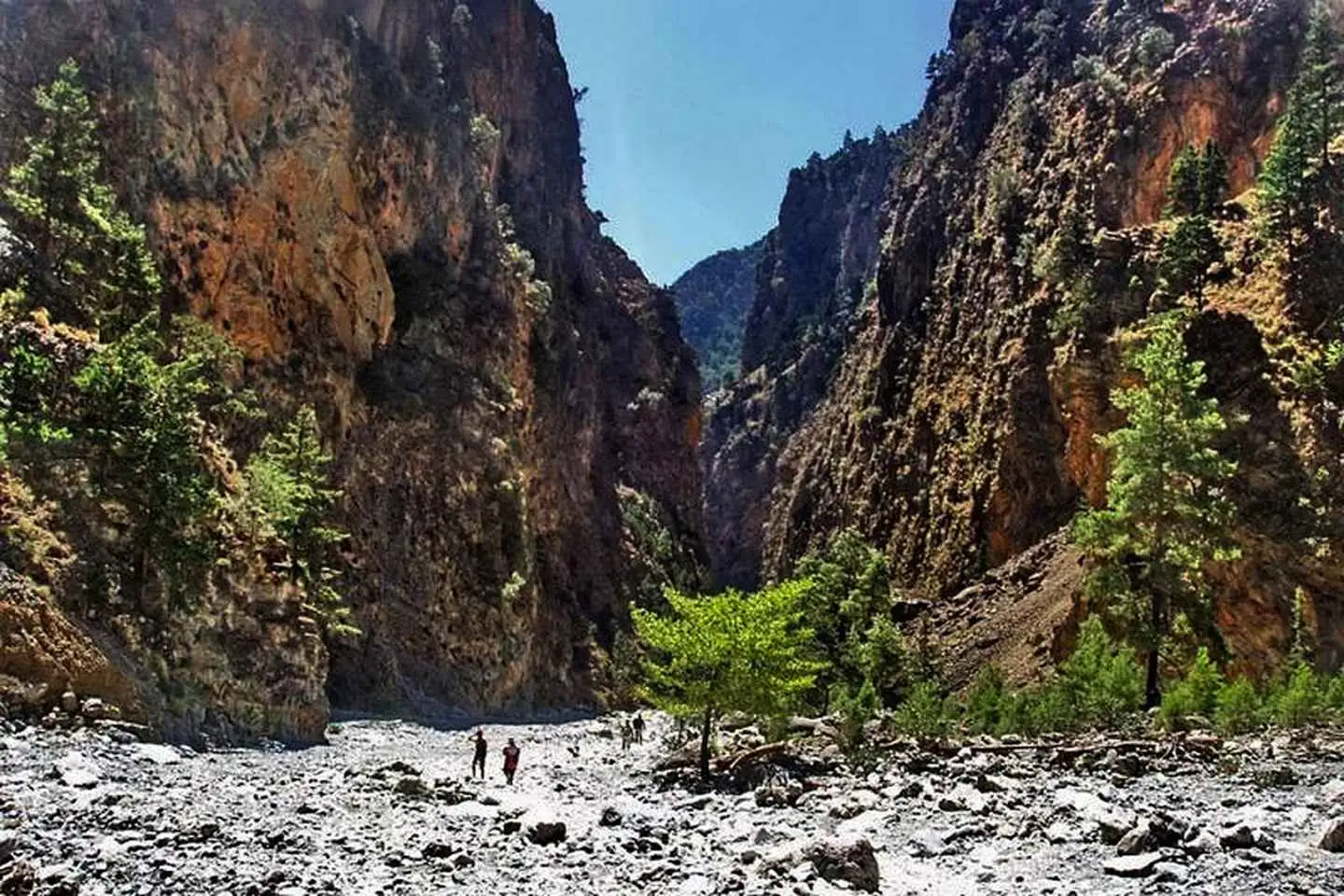
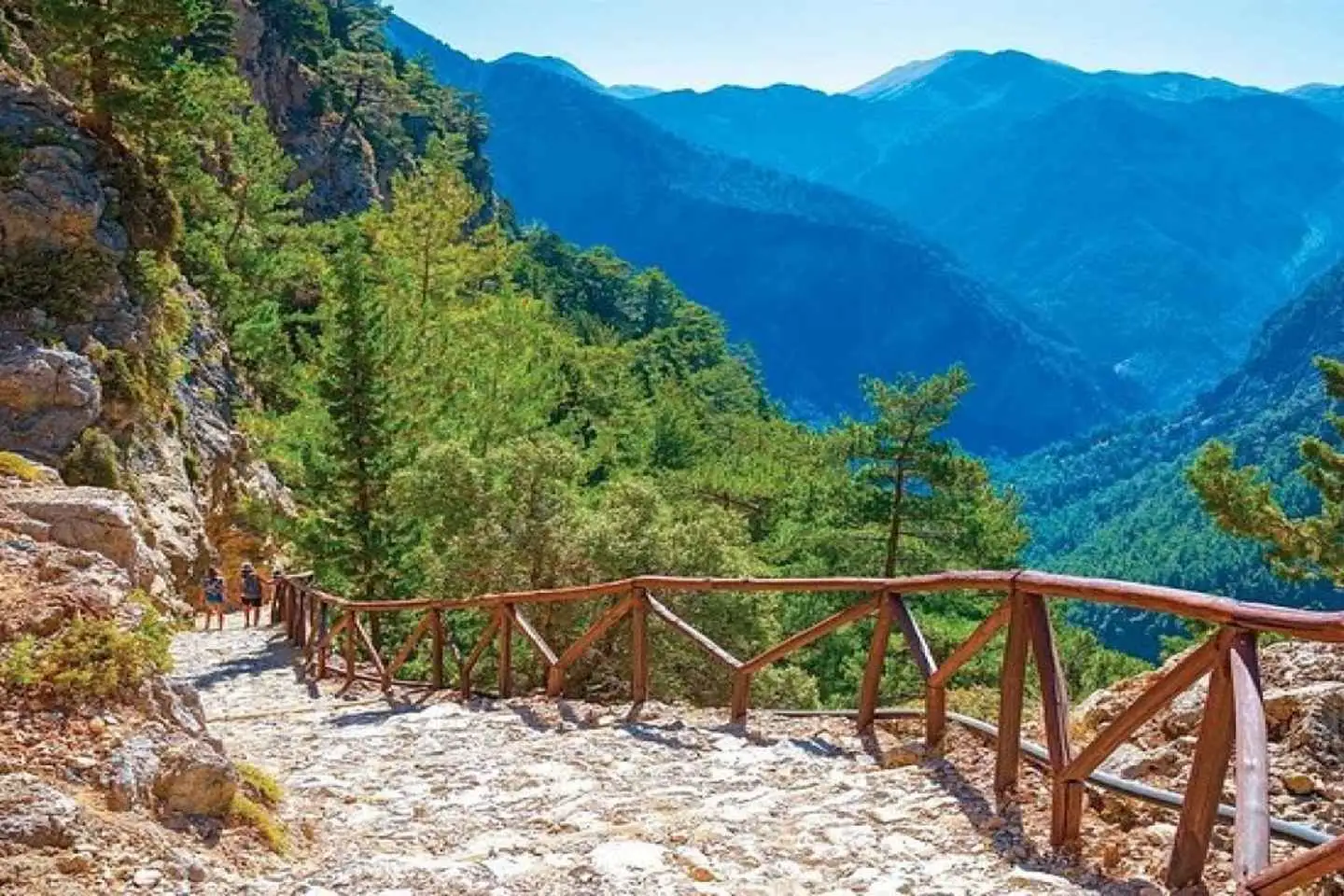
Embark on a full-day guided trip to the Samaria Gorge from Chania. Arrive in Omalos in the heart of the White Mountains, and enjoy breakfast before trekking along the longest gorge in Europe, 4,000 feet above sea level.
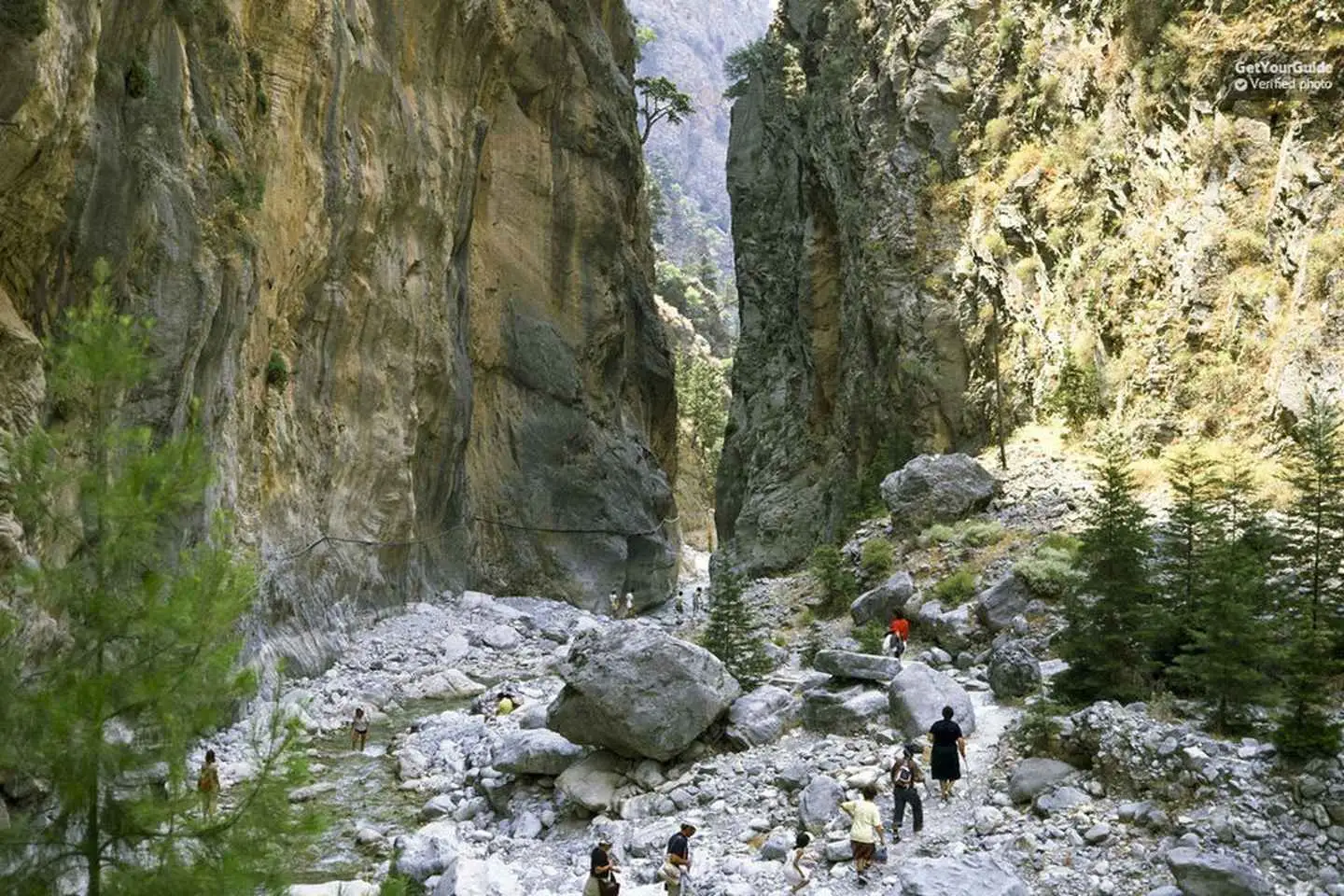
After breakfast, enter the Samaria Gorge. Walk at your own pace with your English-speaking guide at the end of the group to help out if you need them.
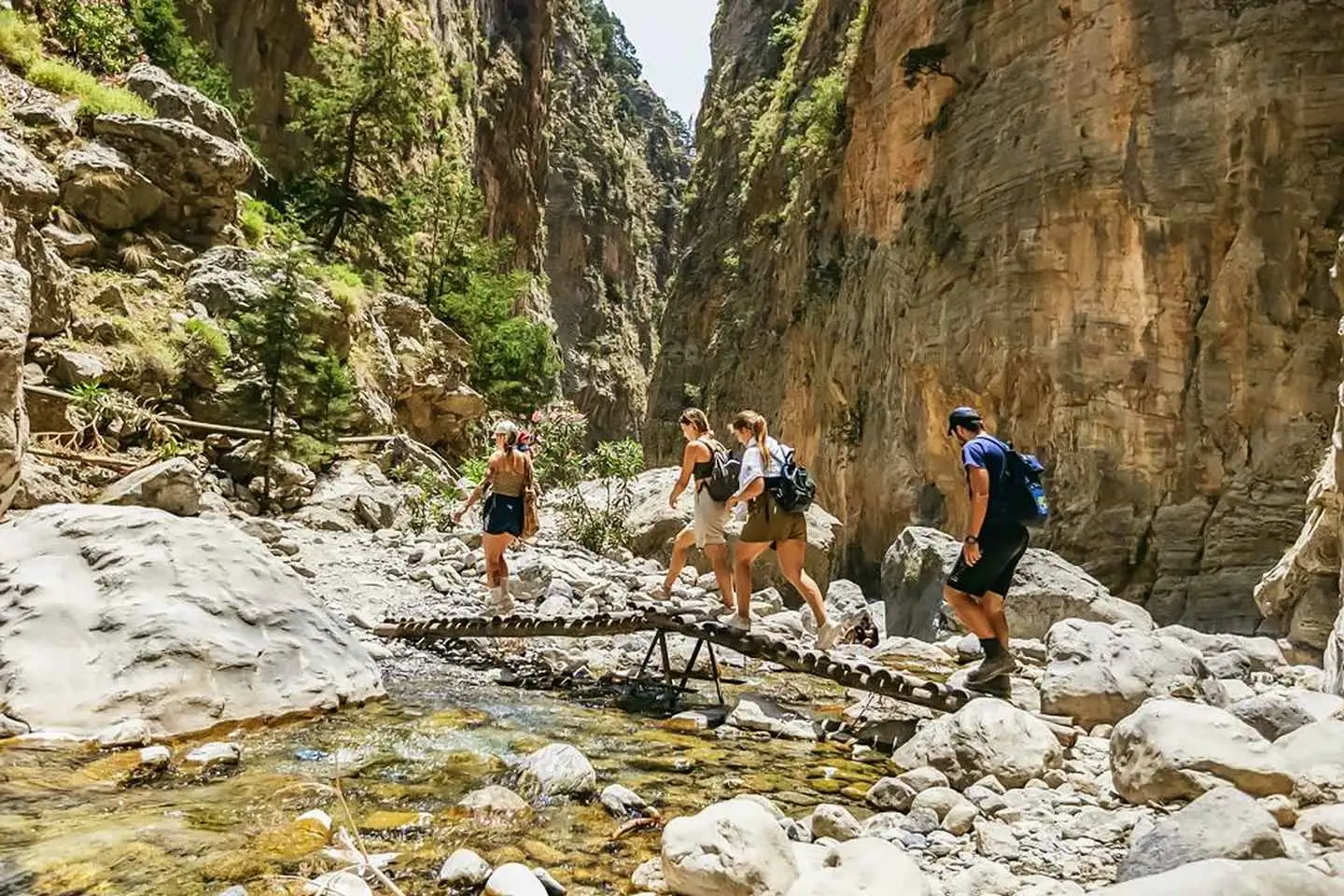
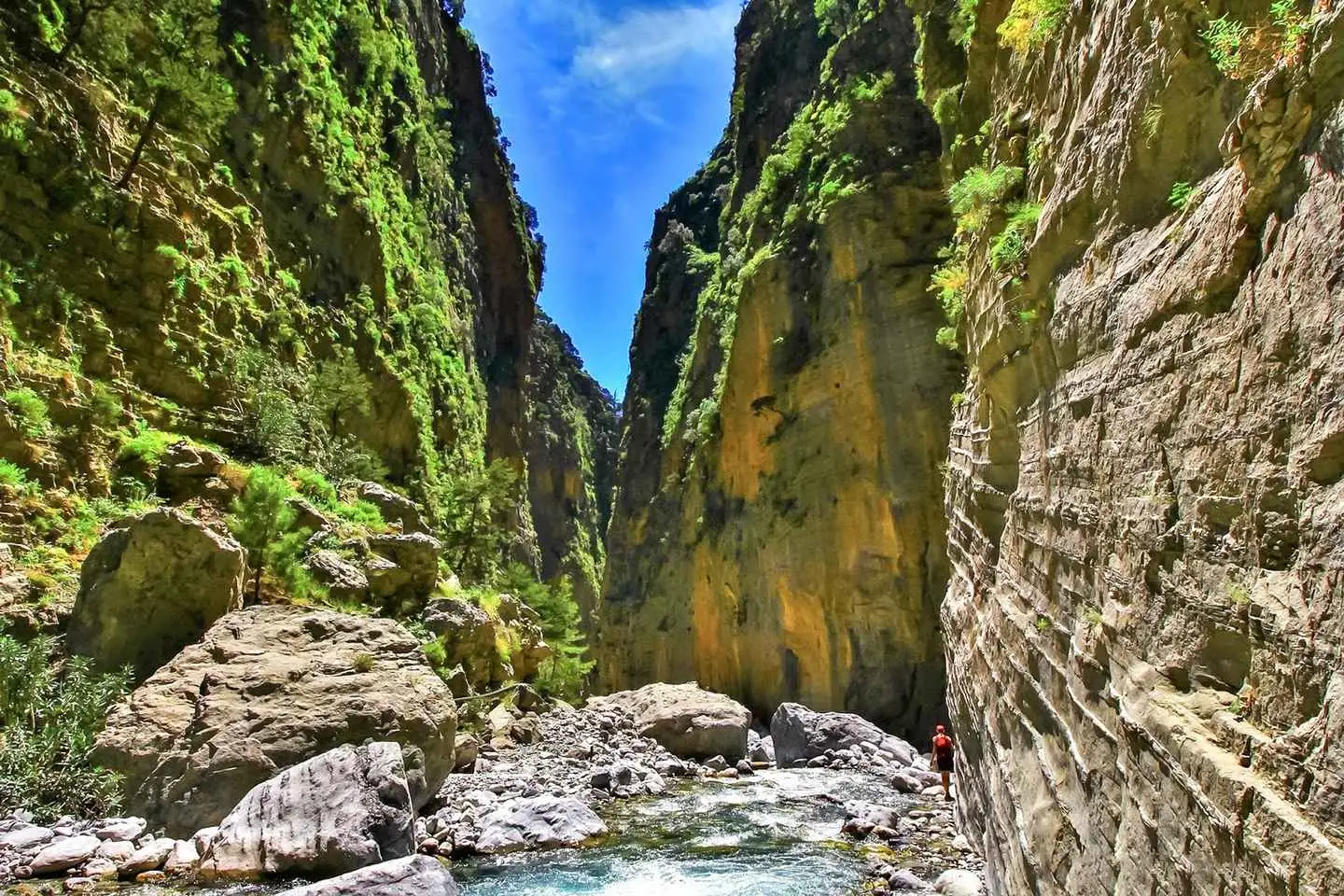
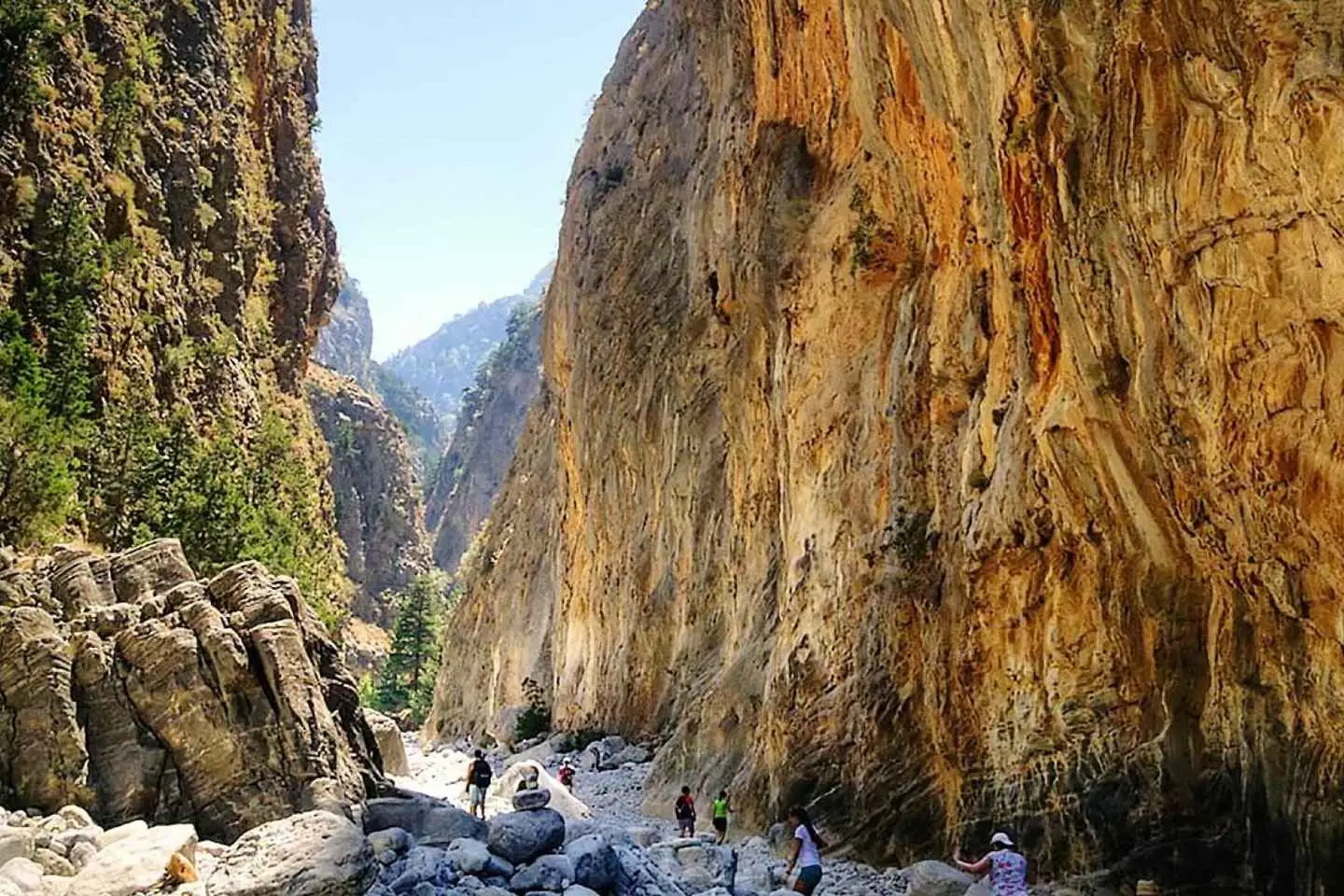
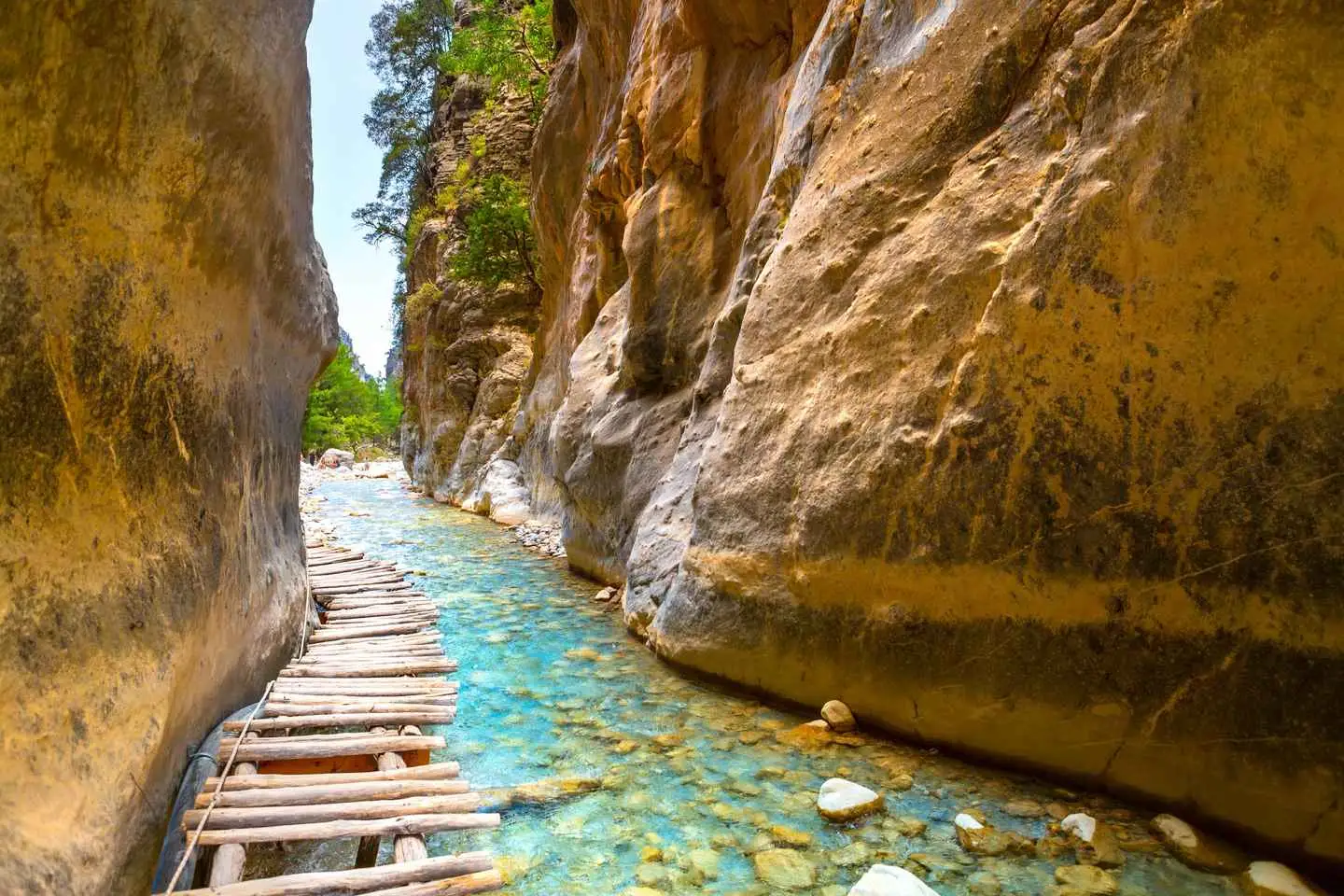
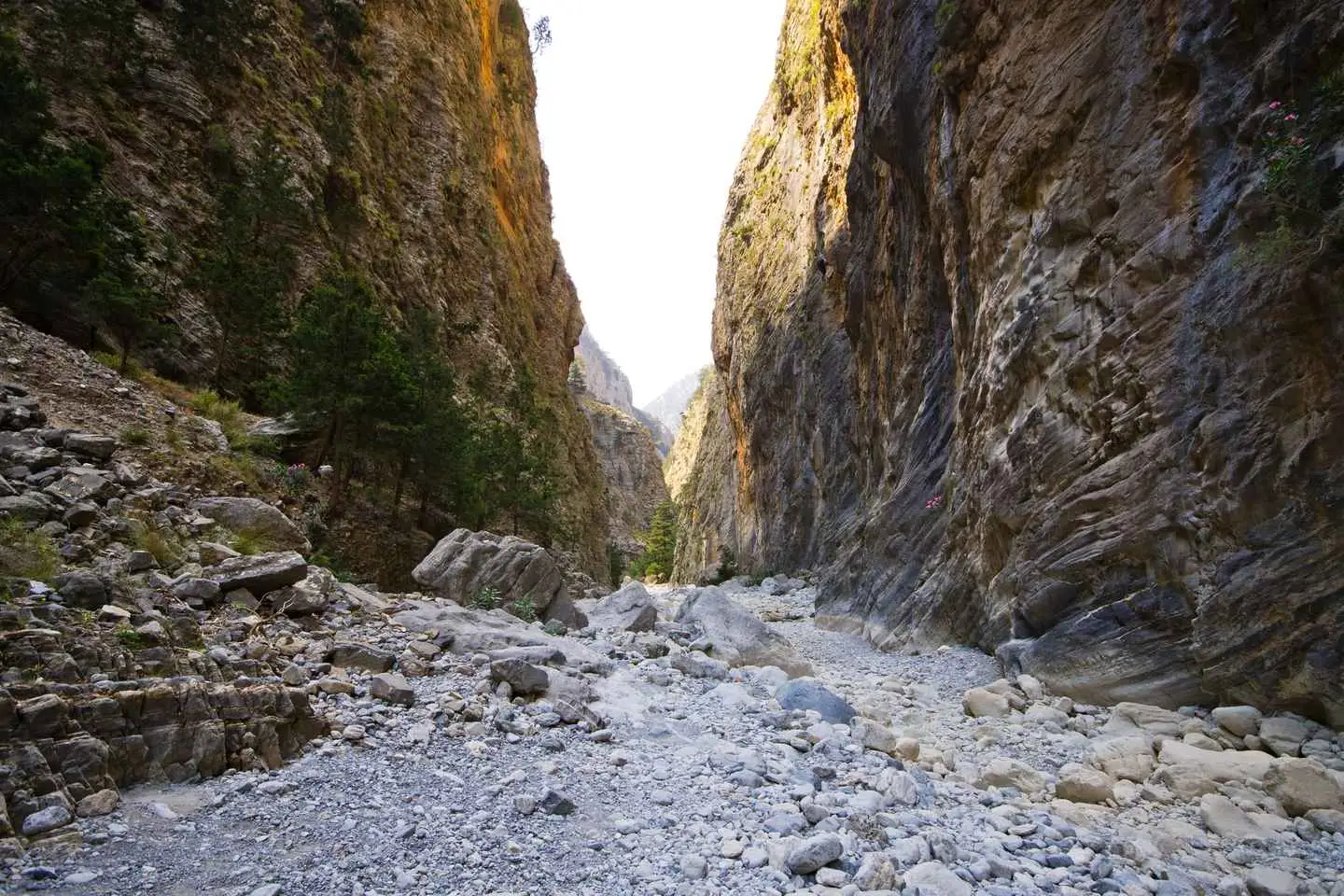
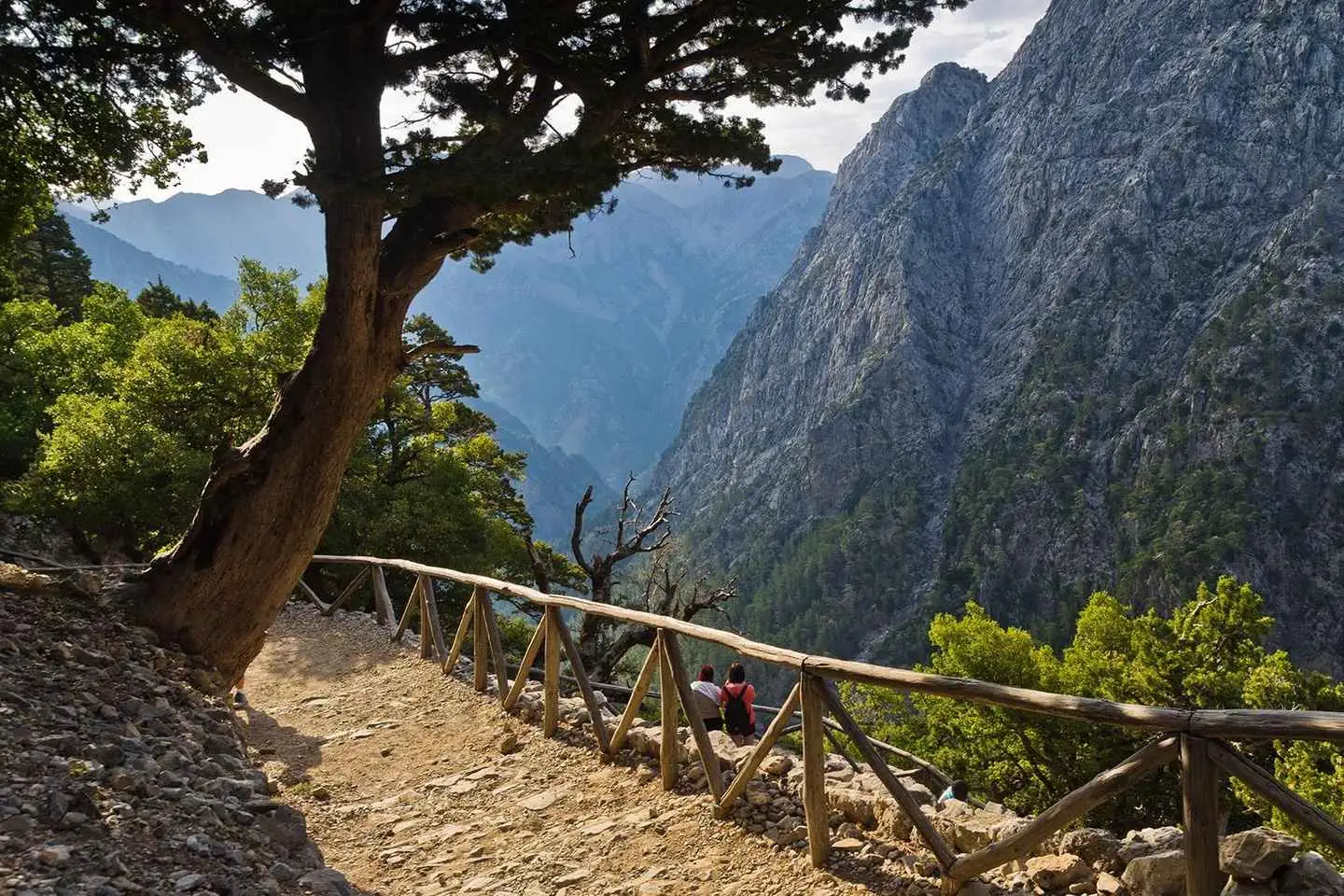
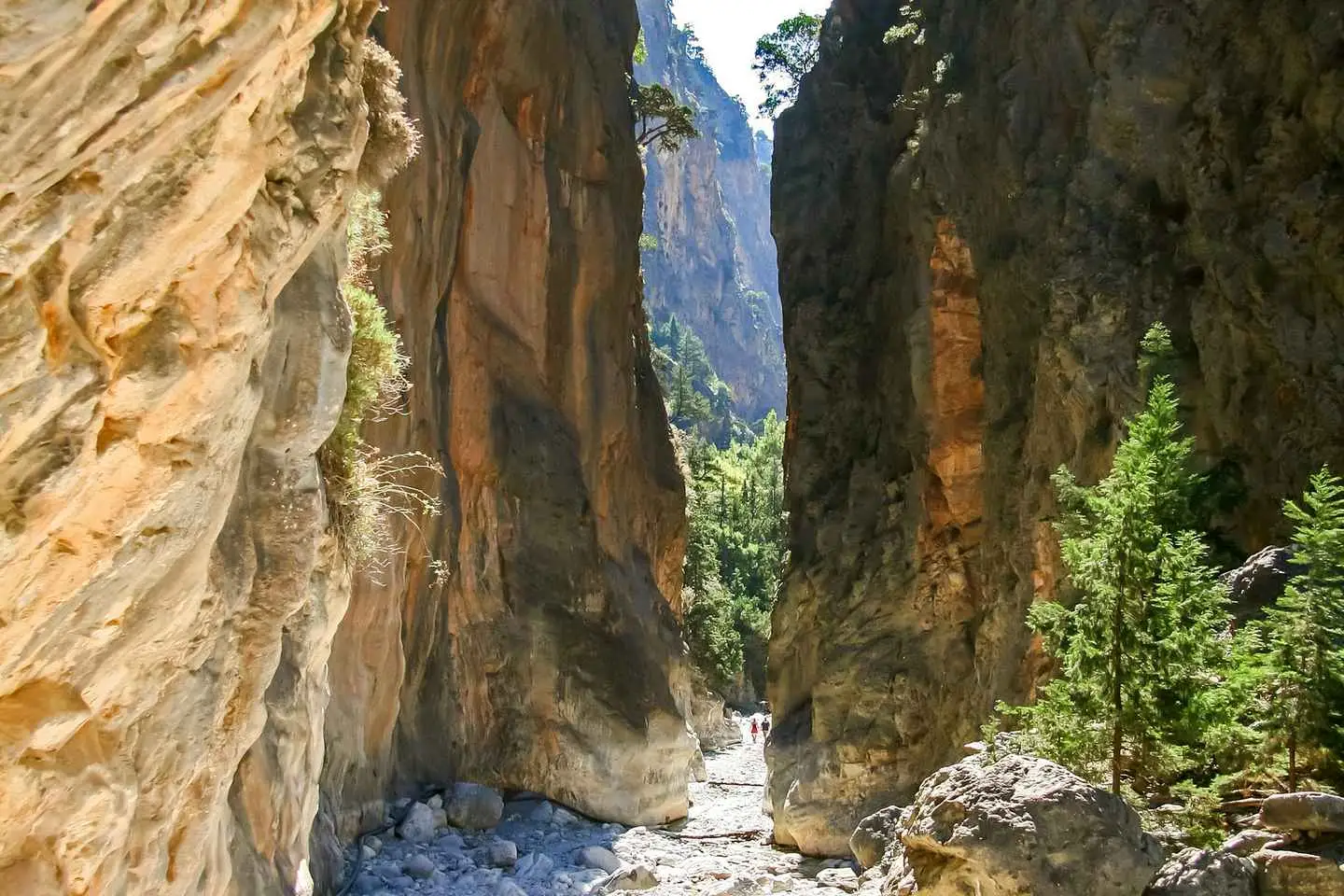
Hike over rocks and stones, through a forest of thousand-year-old trees and along a river, passing by fresh-water springs along the way. Enjoy views of Crete’s most beautiful mountain range and see mountain goats roaming in the wild. Feel the exhilaration of challenging yourself with a long hike.
At the end of the trek, visit the village of Agia Roumeli, where you’ll find a number of taverns, bars, and shops. Enjoy some free time to take a swim or have some lunch. A meeting point will be arranged so you can collect your ferry tickets from your guide.
Late in the afternoon, you’ll board a boat that will take you from Agia Roumeli to Sougia, where the bus will be waiting to transfer you back to the starting point about 7.30 PM.
Take a day trip from Rethymno to set out on an outdoor adventure into Samaria Gorge National Park. Hike at your own pace with a guide over rocks and stones, through a forest of thousand-year-old trees, along a river, and by fresh-water springs. Keep an eye out for mountain goats roaming in the wild.
Begin your full-day excursion to Samaria Gorge with pickup and a drive to Omalos, in the heart of the White Mountains, where you can enjoy breakfast before you start the hike. Challenge yourself with 18 kilometers of walking over rocky terrain.
Be accompanied by a mountain escort who speaks English, German, and French. Get briefed about your hike and get your tickets for the entrance and ferry boat from your escort. These fees have to be paid to the guide upon arrival.
After breakfast, enter the Samaria Gorge. Walk at your own pace as your guide will be at the end of the group to help out if you need them. At the end of the trek, visit the village of Agia Roumeli, where you’ll find a number of taverns, bars, and shops.
Enjoy some free time to take a swim or have some lunch. A meeting point will be arranged so you can collect your ferry tickets from your guide. Late in the afternoon, board a boat to go from Agia Roumeli to Sfakia, where the bus will be waiting to transfer you back to the pickup point.
Embark on a guided hike in the Samariá Gorge on a day trip from Rethymno or Chania. Get your daily dose of exercise, enjoy the panoramic views and take a swim.
Discover the longest gorge in Europe, an area of stunning natural beauty. See its many flowers and herbs and the crystal-clear spring waters that flow from the mountains.
Following an early morning pickup from the nearest point to your accommodation in Rethymno or Chania, travel through the mountains passing the plateau of Omalos.
Arrive at some wooden stairs at the start of Samariá Gorge. You can opt to start the walk straight away or get some breakfast at the taverna before you begin. Hike for approximately 6-7 hours and experience the magnificent landscape on a 16-kilometer walk.
Once you have finished the hike, there will be ample time for a swim and lunch at a taverna in Agia Roumeli.
No results available
Sougia is a charming village situated at the entrance of the beautiful Agia Irini Gorge, 75km west of Chania city. Once a 70’s hippie haven, it now serves as a peaceful getaway offering relaxing vacations amidst scenic landscapes, equipped with necessary amenities. The village features a variety of restaurants, taverns, accommodation choices, cafes, bars, and mini markets, though larger facilities like gas stations, hospitals, pharmacies or banks are not available in this secluded paradise.
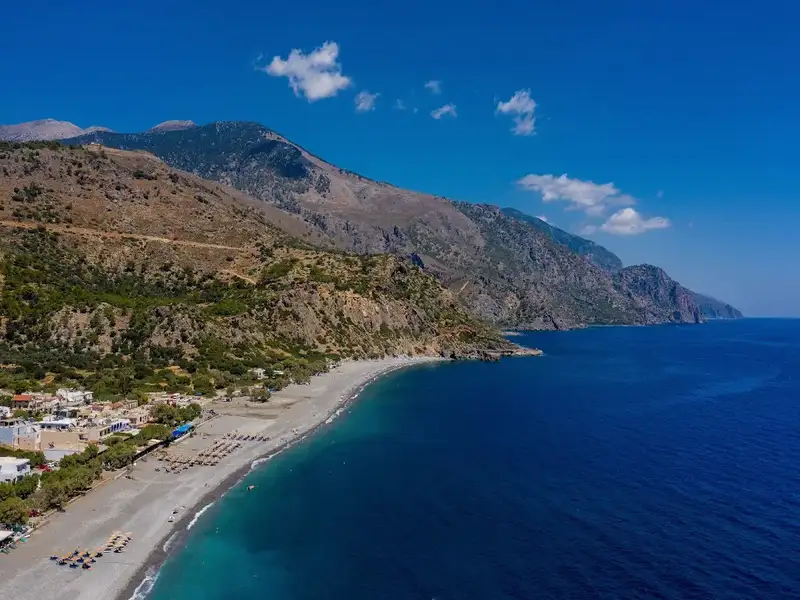
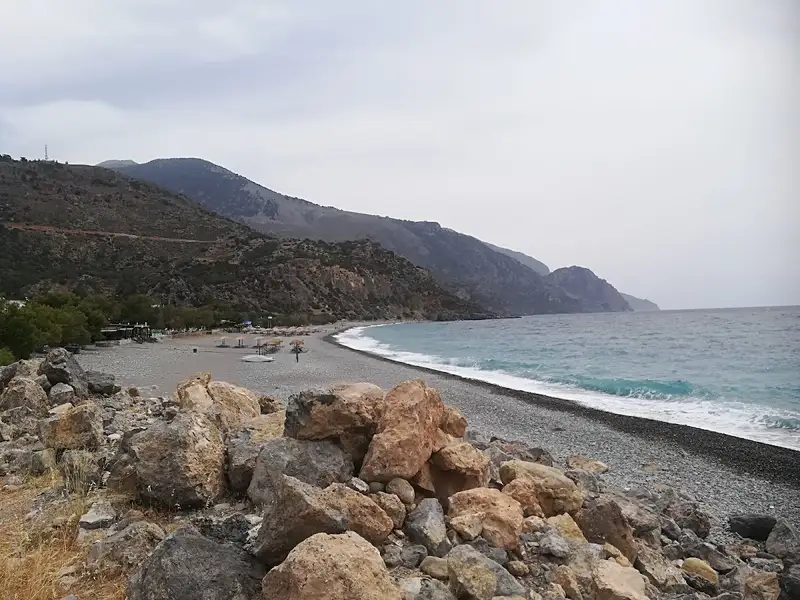
The village is home to a beautiful, long beach adorned with pebbly sand and crystal-clear deep water. The beach stretches an impressive 1.5km from the quaint harbour of Sougia at the Lissos Gorge exit to the east, concluding in a private cove surrounded by rocks. This part of the beach, largely undeveloped, is a favourite among naturists. The beach section facing the village, however, is well-equipped with facilities including umbrellas, showers, sports facilities, and a lifeguard tower. Tamarisk trees dotted along the beach provide ample shade.
In the summer, daily ferries carry tourists from Sougia to various destinations such as Chora Sfakion, Paleochora, Agia Roumeli, Gavdos Island, and Loutro.
Historical Importance and Nearby Attractions to Sougia
Known as Syia (“place of hogs” in Greek) in ancient times, Sougia was once a hub for pig herding due to the region’s abundant oak trees. Today, you can still see the oak trees while trekking through the majestic Agia Irini Gorge, a popular tourist spot in West Crete.
Consider exploring the remains of the Doric town of Elyros, with Syia acting as its port in the past. The ruins are located on Kefala hill, near Rodovani village. Elyros flourished from 500 to 350 BC, being one of the main cities of southwest Crete with approximately 16,000 inhabitants. Known for its weapons manufacturing, Elyros even had its own currency.
Other points of interest include the Church of Saint Panteleimon, built on the site of Syia’s early Christian Basilica, which houses ancient mosaics depicting natural scenes from the 6th century AD. Although the church is usually closed, keys can be obtained at the local kiosk.
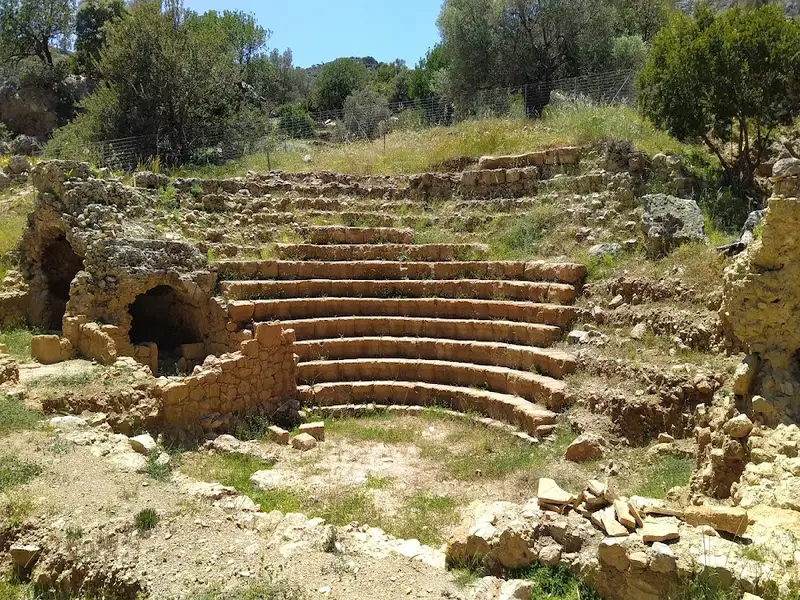
Near Sougia, the archaeological site of Lissos, Elyros’ secondary seaport, contains remnants of an ancient theatre, thermal baths, and the Asclepeion, fed by the Lissos spring. Accessible by a boat or a hike through the Lissos Gorge, the ruined city is a two-hour walk away.
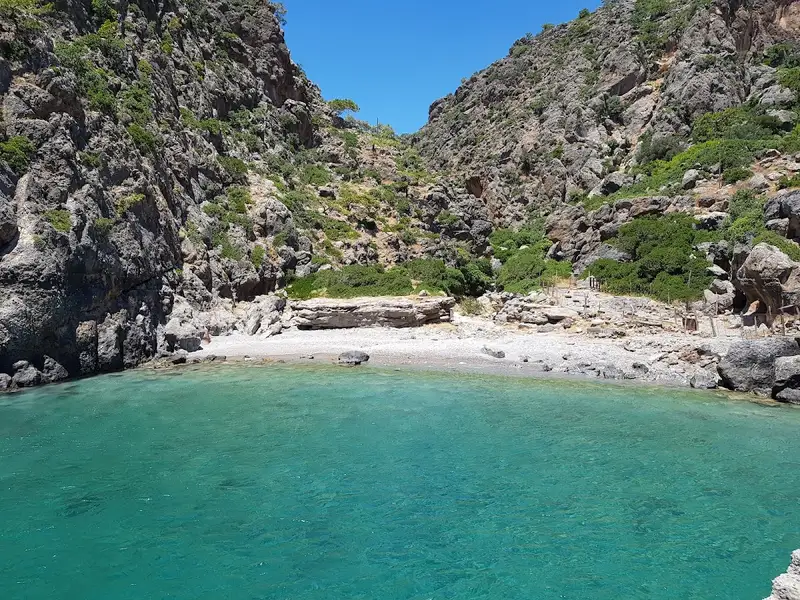
Lastly, a two-hour hike east on the E4 trail towards Agia Roumeli will take you to the picturesque St. Anthony Chapel, situated in a scenic cove, and further on, the legendary cave of Polyphemus.
Lissos Beach, situated in the Agios Kyrikos region, lies about 71km south of Chania city and 3km west of Sougia. It was historically the seaport for the nearby town of Elyros, the remnants of which can now be found near the modern village of Rodovani.
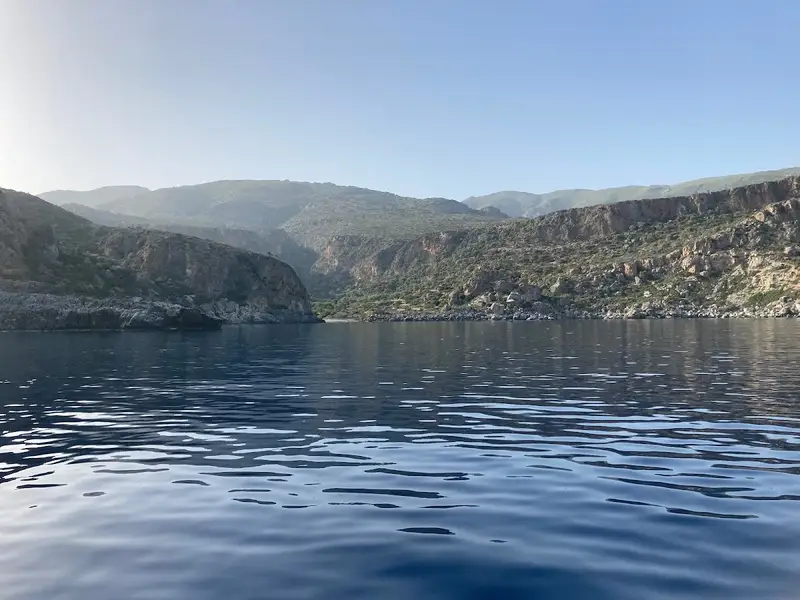
Lissos Beach is a secluded and unspoiled spot, characterized by large pebbles and exposure to the southern winds. Visitors and campers can find shade under the beach’s abundant trees. Access to the beach is either via a 20-minute boat ride or a 90 to 120-minute hike from Sougia, a journey that passes through the scattered ruins of ancient Lissos.
Near the beach stands the charming Church of St. Kirikos, which holds a celebration on July 15th. If you happen to be in the area the day before, you can join in the festivities. Pilgrims arrive by boat from Sougia to participate in the ceremony and subsequent celebration.
Lissos experienced its golden age during the Hellenistic period, flourishing until the 9th century when it was razed by the Saracens. The town was renowned for its asclepion, or healing thermal baths, which attracted patients from across the island. The mosaic floors of Asclepios, despite being damaged by an earthquake, are still visible today.
A walk through the Lissos Valley will reveal an array of ancient ruins, including capitals, a Roman cemetery with vaulted graves, and the remains of an ancient theatre. The discovery of numerous statues and coins in the region suggests that Lissos was more prosperous than its parent city, Elyros. The most notable statues, those of the Goddess Hygeia (Health), Asclepius, and Pluto, are now displayed in the Archaeological Museum in Chania.
On the European E4 trail linking Sougia and Paleochora, you’ll come across the stunning small beach of Astropelekita with its deep blue waters. This sandy beach, situated to the east of the rocky Plaka cape, is encountered before beginning the ascent to Flomes or Elide Cape, on the way to the ancient Lissos. This little cove offers a perfect opportunity for a refreshing swim while trekking the E4 trail.
Astropelekita, translating to ‘thunderbolt’ in Greek, is named after a local myth. The tale suggests that the area’s distinctive whitish rocks were created when the Olympian Gods hurled a thunderbolt at the region.
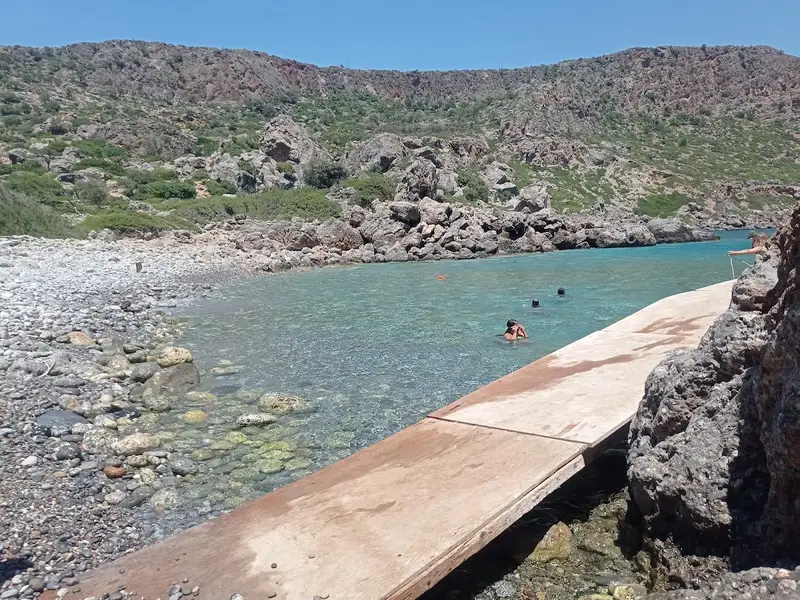
The rocky beach of Tripiti is located 5km east of Sougia and 68km south of Chania city, at the ending point of the wild gorge of Trypiti. It is absolutely secluded, like all the beaches of the wider Sfakia area. Access to Tripiti is possible either by boat or by walking on a difficult path from Sougia (three hours). The vertical cliffs near the beach provide natural shade. If you walk 500m east to the beach, you’ll meet the much nicer pebbly beach of Sendoni, used by beekeepers.
Tripiti is believed to be the site of the ancient town Pikilasos with the protected natural harbour. The port has been converted to a reef with incredible formations after some geological changes during the 4th AD century. Inscriptions have been discovered in the area, revealing the existence of a temple dedicated to Serapis (Greco-Egyptian god of antiquity). Moreover, archaeologists have discovered several tombs, carved in the rocks.
On the beach, there is a cistern with water, a goat pen and the picturesque church of Agios Nikolaos. If you are in the area on July 19, you can take part in the celebration of the Prophet Elijah, which celebrates on July 20. The pilgrims arrive by boat in the afternoon on the beach of Trypiti and then walk on the path leading to the chapel of Prophet Elijah, 400 meters above sea level. They spend the night there with food and traditional Cretan songs and leave the next day. On the peak of the same hill, there are the ruins of Fort Voukelasi.
No results available
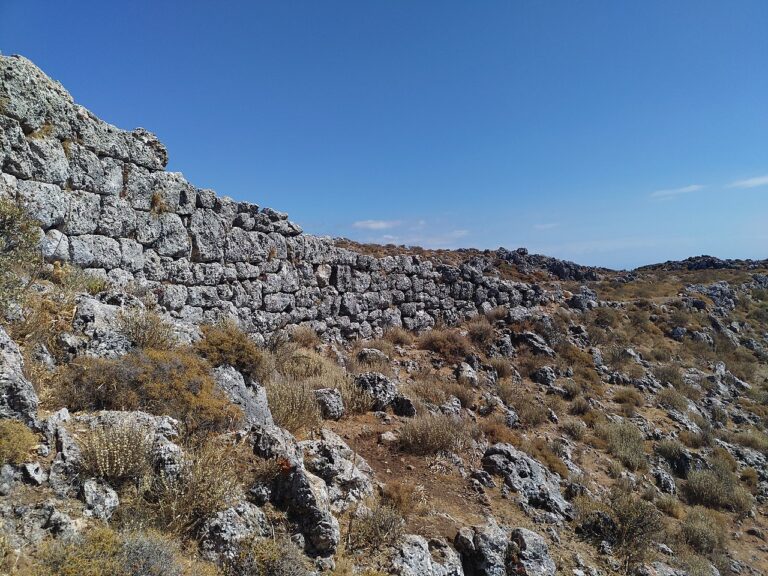
The town of Hyrtakina was constructed on the steep hill Kastri near the village Temenia, Selino province, and thrived during the Hellenistic Era (4th century BC – 1st century AD). Nowadays, vegetation has covered the majority of the ancient city.
Hyrtakina and Lissos established the Federation of Mounts in the 3rd century BC, a military and monetary union of the season, which also included Elyros, Pikilassos, and Tarra. These cities collectively confronted domestic and foreign policy for an extended period.
Archaeological work has uncovered remnants of the double wall, buildings, part of the road that led to Lissos, a sanctuary of Pan, and a necropolis with tombs carved into the walls, which have already been looted.
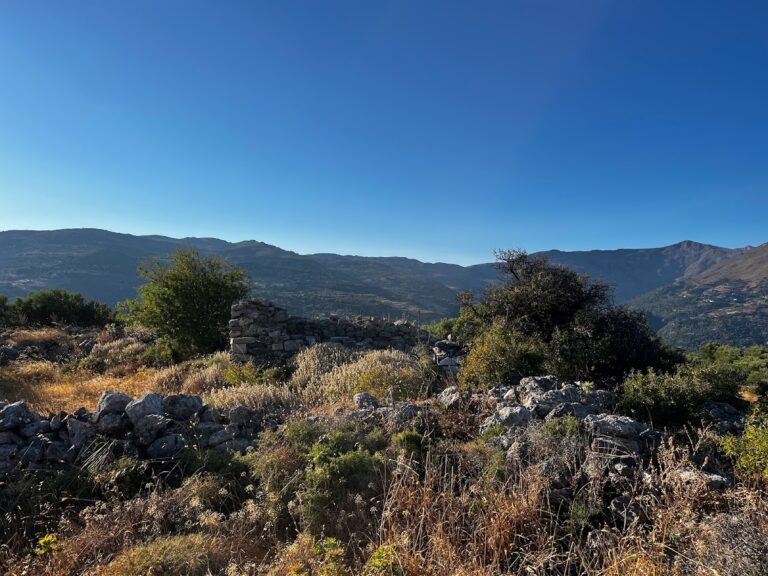
Elyros was the most significant town in southwestern Crete during the Doric and Roman Period (8th century BC – 4th century AD). The ruins are preserved 500 meters away from the village Rodovani, on top of the hill Kefala, offering panoramic views of the South Cretan sea. The town was served by two harbors: Syia (current Sougia) and Lissos. The exact location of the town was verified by an inscription with the phrase in Greek “Glory to the people of Elyros.”
The Elyrians worshiped the god Apollo, the nymph Acacallis (Akakalida), and their twin sons Filandros and Fylakidis. According to tradition, after killing Python, Apollo fled to Tarra (current Agia Roumeli), where he mated with the nymph Acacallis. Acacallis then gave birth to the twin sons Fylakidis and Filandros, who were nursed by a goat. As a result, the Elyrians once sent a bronze goat suckling two infants to the oracle of Delphi.
Elyros was an industrial and commercial center of Crete, and it was famous for producing weaponry. It minted its own currency, which certifies its power. The coins depict a goat nursing the sons of Acacallis and a bee. From Elyros came (according to one version) the lyric poet Thalitas (7th century BC).
After the occupation of Crete by the Romans, the town continued its vigorous history during the Byzantine period when it also housed a Diocese. It was later destroyed by the Saracens. The most famous Roman finding was the Roman “Statue of the Philosopher,” which is exhibited today at the Archaeological Museum of Chania. The statue was found on the site of an early Christian basilica, the floor of which is preserved.
Around the archaeological site of Elyros, you will see several large cisterns, traces of buildings, a Roman aqueduct, part of the walls, a theater, and a Turkish koules (defensive tower). Around the town, extends the town’s cemetery. In a neighboring position, near the village Moni, one can still visit the Greco-Roman tomb with a shape of a pyramid.
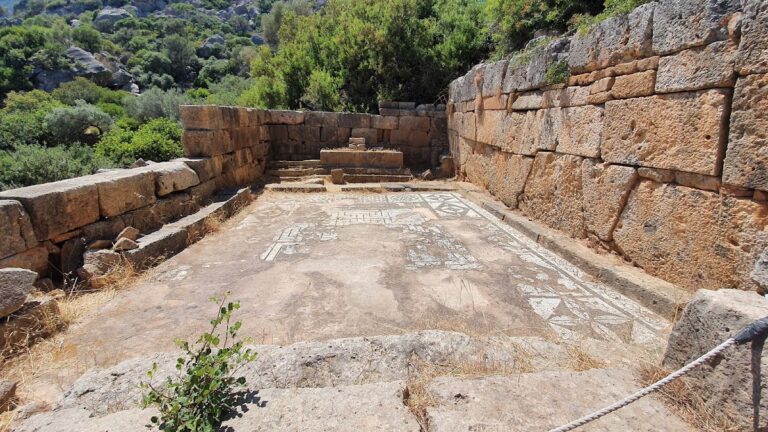
Ancient Lissos (Lisos) served as the seaport for Elyros and was situated in a small valley between ancient Syia (present-day Sougia) and Paleochora. The town thrived from the Hellenistic period until the 9th century when it was destroyed by the Saracens. Numerous statues and coins from Lissos have been discovered, indicating its status as one of the most powerful towns in Crete.
Lissos was renowned for its Asclepion, where patients from across the island came to be healed by the thermal baths. The mosaic floors of the temple of Asclepius, adorned with animal and geometric shapes, can still be seen despite being destroyed by an earthquake. Inscriptions of laws and resolutions are also visible on the walls. The most significant statues, including those of the Goddess of Health (Hygeia), Asclepius, and Pluto, can be found at the Archaeological Museum of Chania. Numerous marble statues of children were also discovered.
Exploring the valley of Lissos is an impressive experience, as the area is scattered with ancient ruins such as pillars, building bases, and marble fragments. The Roman necropolis with vaulted tombs, the ruins of the Roman theater (odeon), and the baths near the spring used in Asklepion therapies can be seen. Additionally, the ancient pier, raised after the 365 AD earthquake, and a building called Customs above the beach are also present.
Close to the ancient port and the pebble beach of Lissos, the church of Panagia is located, built on the site of an early Christian church (4th-5th century AD) with architectural parts embedded in its walls. Near the odeon is the church of Saint Kirikos, which celebrates on July 15. Dozens of pilgrims arrive at Lissos and stay overnight to participate in the feast. A few meters to the north is another church of Panagia. Lissos can be accessed via the E4 path from Paleochora, through the gorge of Lissos which starts from Sougia, by boat from Sougia or Paleochora that drops you off at the beautiful beach of Agios Kirkos, or through a dirt road from Prodromi.
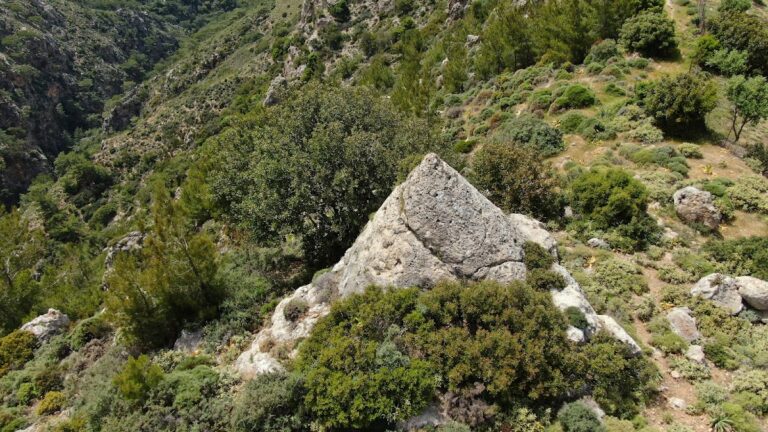
Near the settlement Moni, Selino Province, we encounter a very mysterious monument, unique in Crete. It is a small conical pyramid with a circumference of 16m and a height of 4.6m, which is carved in the soft limestone. The interior has a carved room with dimensions 2.20m x 2.10m and height 1.40m. This conical pyramid was possibly used as a tomb in the Roman period and was probably linked to the town of Eliros.
No results available
No results available
No results available
No results available
No results available
No results available
Situated on the western flank of the White Mountains in the Selino province, the Agia Irini gorge owes its name to the nearby village of Agia Irini (Saint Irene), a mere 46 km from Chania.
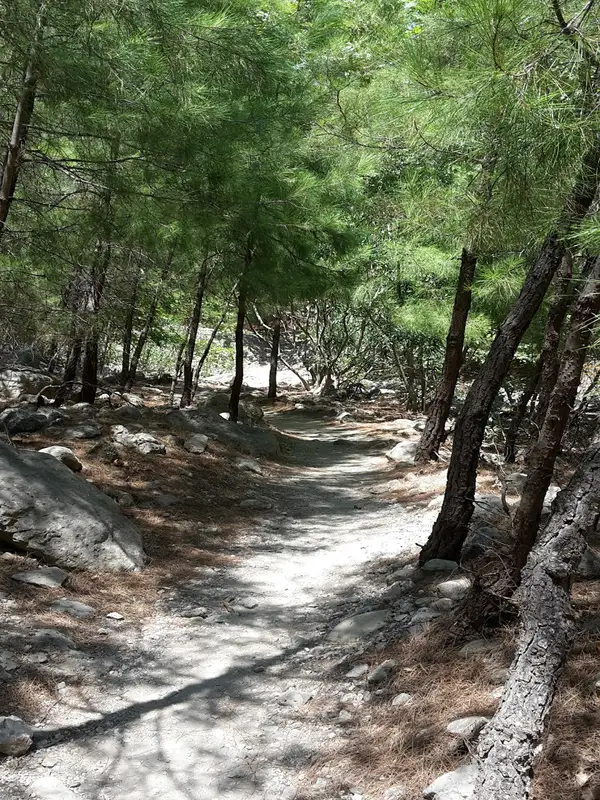
The trail of Agia Irini Gorge commences just below the Agia Irini village and concludes at the Oasis Taverna. The track, which descends approximately 500 meters, extends for 7.5 km and requires nearly three hours to navigate. It is a well-preserved and predominantly shaded path, embellished with pine trees, plane trees, and oleander bushes.
The journey from the exit of the gorge to the village of Sougia covers about 5 km along a lightly used road with scarce shade. On sweltering days, arranging transportation to Sougia is recommended. The gorge, which is open all year round, is graced with a small river, but certain sections may become inaccessible or dangerous after heavy rain. From April to October, during the tourist season, a nominal fee is collected at the entrance (or exit for those hiking uphill) of the gorge. This fee aids in maintaining the path, collecting trash, and general upkeep to ensure a pleasant experience for all visitors.
The gorge forms part of the European footpath E4. Its southern entrance is positioned 5 kilometers north of Sougia. It is included in the NATURA 2000 protected areas and has been declared a wildlife reserve by the Ministry of Agriculture. The gorge is home to the endangered Cretan ibex, agrimi, and boasts a variety of microenvironments and habitats for an array of wildlife species. The diverse flora, including trees (cypress, pine, maple, plane, oak, holm oak), shrubs, brushwoods, and fine herbs such as dittany, is of significant importance.
The gorge holds immense significance, not only for its rich biodiversity and aesthetic appeal but also for its historical and cultural significance. At the “Polla Spitakia” area within the gorge, rebels found refuge from the Ottomans. This is where the “Fygou” path begins, which served as an escape route from the gorge to the Omalos plateau. The area houses the Byzantine Church of Christ (1358 AD) and the dilapidated church of Saint George (1460 AD). The gorge, second in popularity to Samaria in the Chania prefecture, remains open for a longer duration.
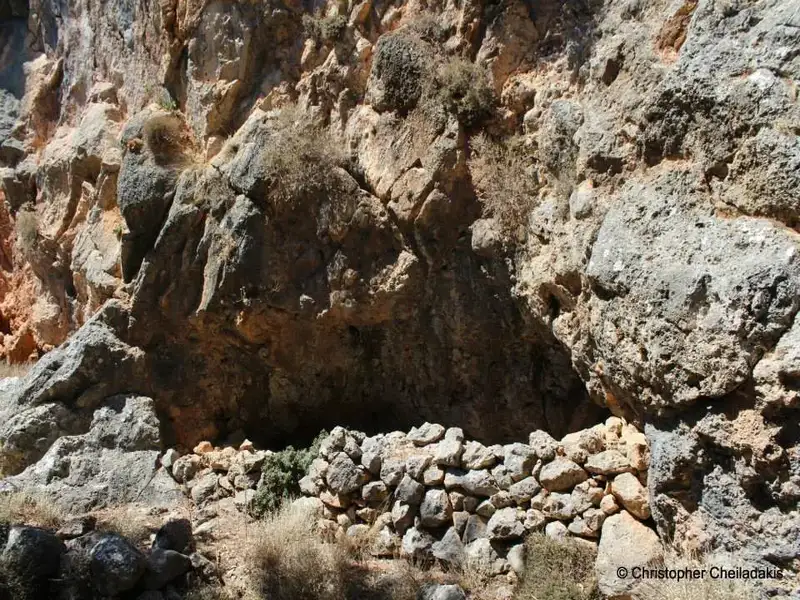

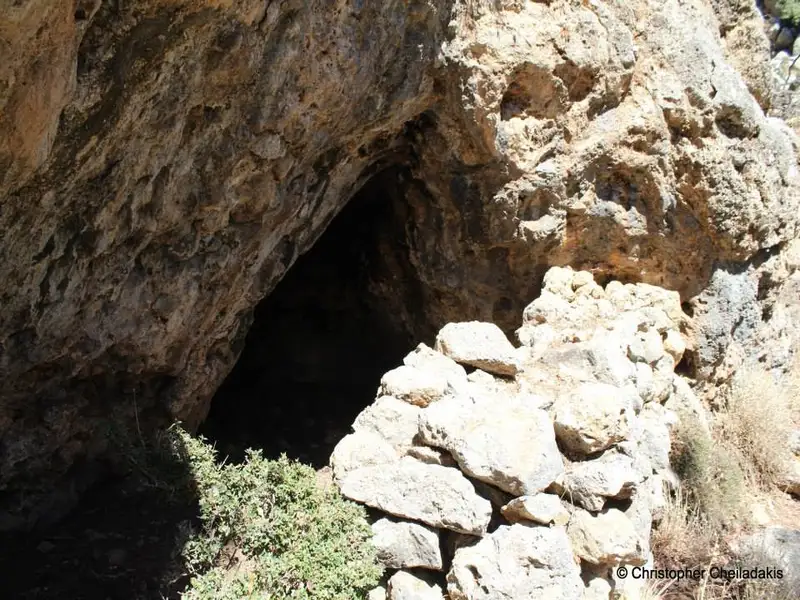
Located just half an hour above the Lissos archaeological site, in a concealed location known as Lichnou Laki, is a small yet stunning canyon. This gorge is situated in the Selino district, beneath the village of Prodromi, to the south of Chania. It can be accessed via a dirt road that leads south from the village. This petite canyon is lush with greenery and is divided into two distinct sections. The first section is predominantly populated with lentisks, junipers, and oaks, while the second section is blanketed with pine trees, despite a previous fire that ravaged the area.
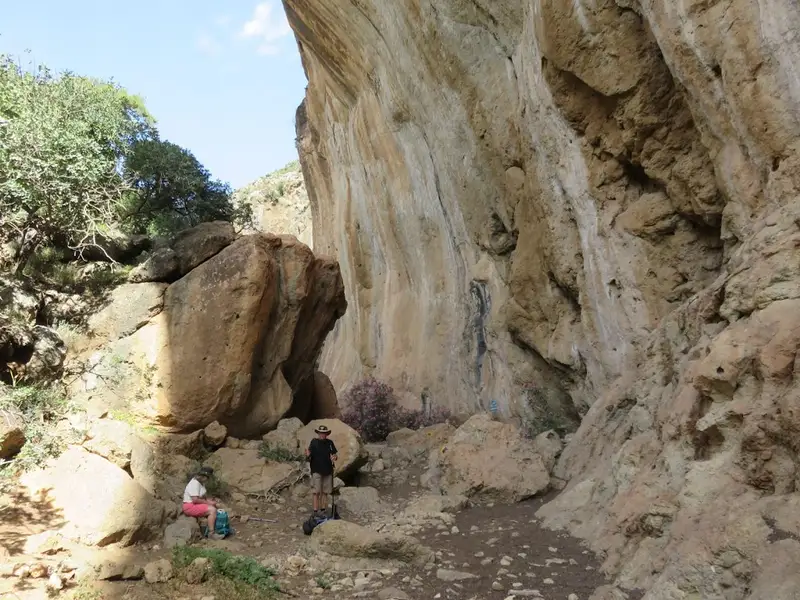
The gentle riverbed of Lichnou Laki canyon doesn’t feature any waterfalls or other impediments. At the canyon’s most striking point, there is a picturesque rock shelter forming a triangle. Towards the lower exit, a plateau is scattered with ceramic fragments, a clear indication of a former ancient settlement.
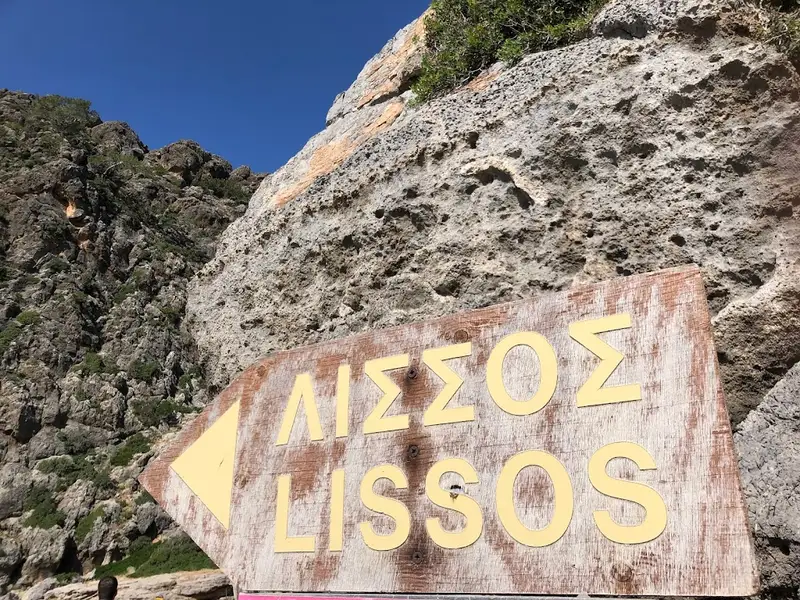
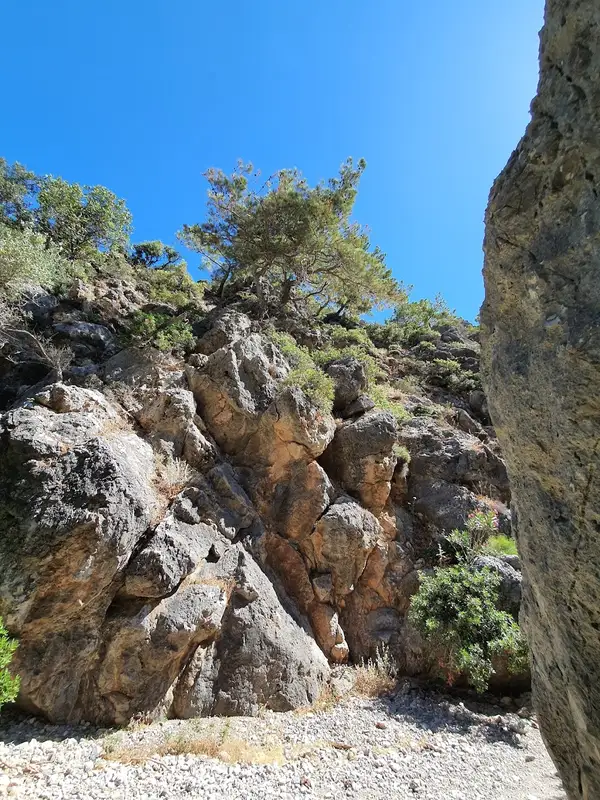
The trail linking Sougia to ancient Lissos runs through the grandeur of the Lissos or Skevroto gorge. This lengthy canyon is characterized by its majestic towering walls. However, the path to Lissos only covers a fraction of this route, taking approximately one hour to traverse.
Upon exiting the path on the Lissos side, one encounters the historical remnants of ancient Lissos. Notable landmarks include the Asclepius temple with its floor mosaic, the scattered ruins of the ancient city, tombs, the Roman theatre, and the Panagia and St. Kirikos churches. These churches were erected on the foundation of a previous early Christian church.
Returning to Sougia is possible either by embarking on a boat ride from the picturesque Lissos beach or by retracing the path on foot.
Fygou Gorge, a small yet stunning sub-gorge of the renowned Agia Irini Gorge, is situated near Sougia. This narrow canyon played a significant role in history, serving as an escape route for local rebels to the Sfakia mountains during various revolutions, hence its name ‘Fygou’, meaning escape.
In present times, many trekkers embarking on the Agia Irini Gorge trail, the second most popular gorge in Crete after Samaria, choose to commence their journey from Fygou Gorge. After approximately an hour of walking, they meet the Agia Irini Gorge.
A beautiful path winds through Fygou, weaving between a picturesque cypress and pine grove. An abandoned settlement and a Forest Service outpost can be found at the location known as Polla Spitakia. Near the point where Fygou Gorge meets the Agia Irini Gorge, the historic Hirotrypa cave is located. This site marks a tragic event from 1822 when two local hermits were murdered by the Ottomans.
No results available
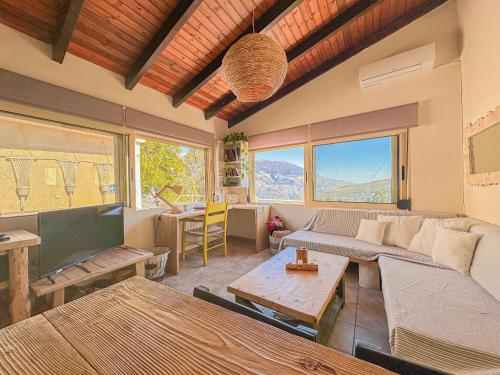
Located in Agrilés, 44 km from Botanical Park & Gardens of Crete and 50 km from Limnoupolis, Mountain Bliss Guesthouse 1 next to Sougia offers a terrace and air conditioning. It is situated 31 km from Samaria Gorge and features free WiFi and free private parking.
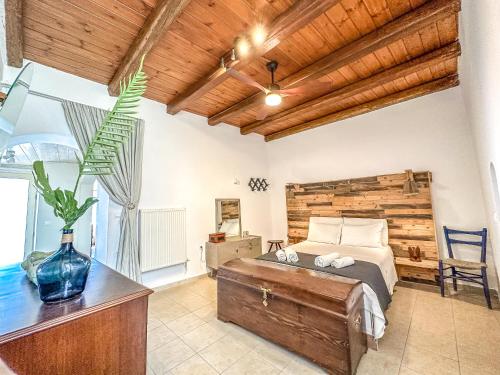
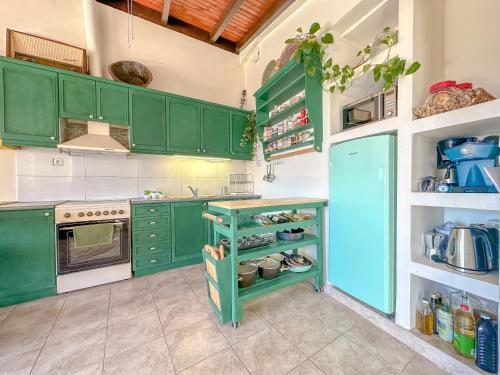
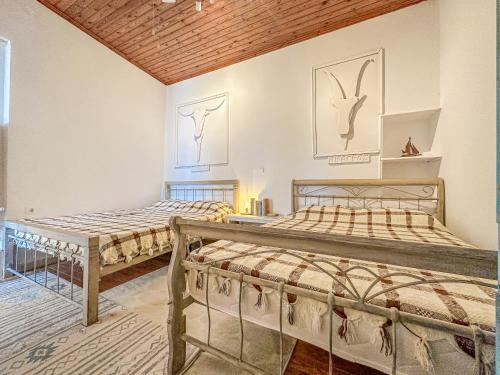
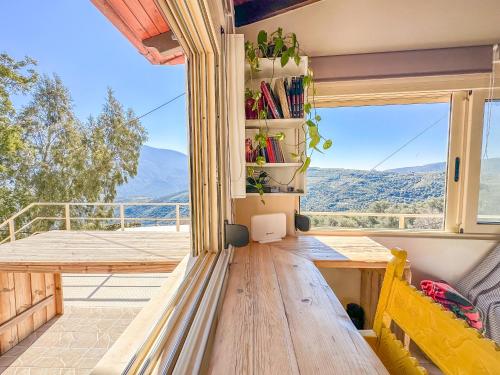
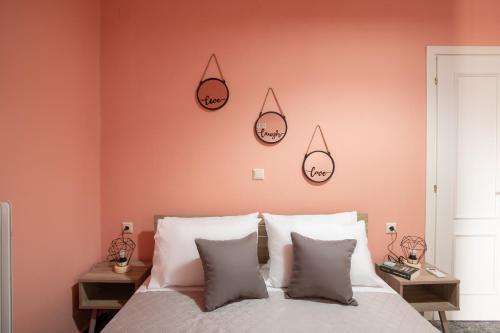
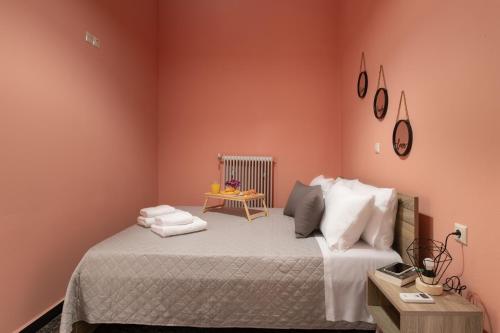
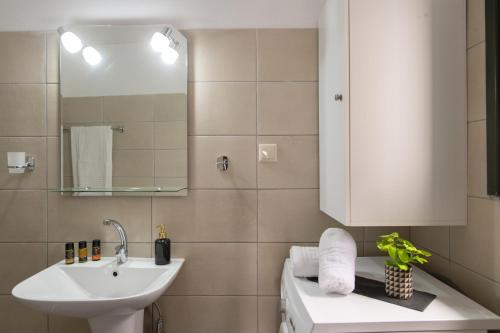
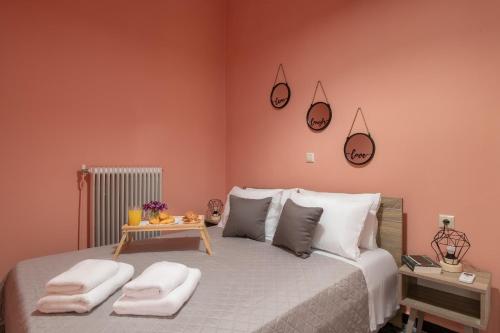
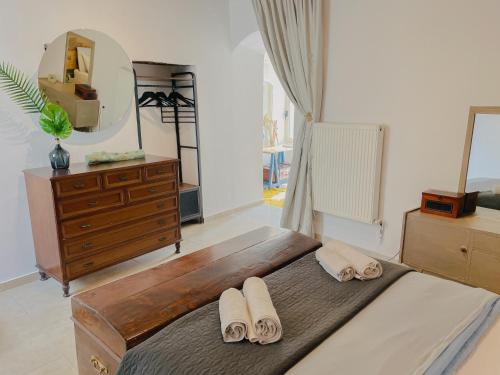
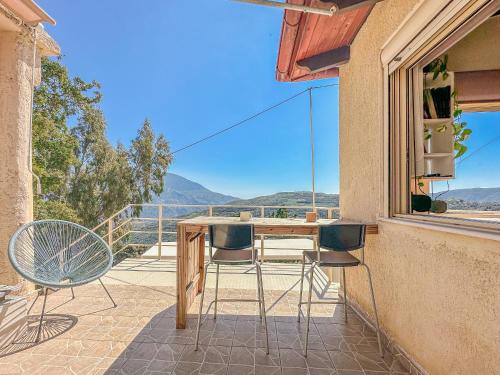
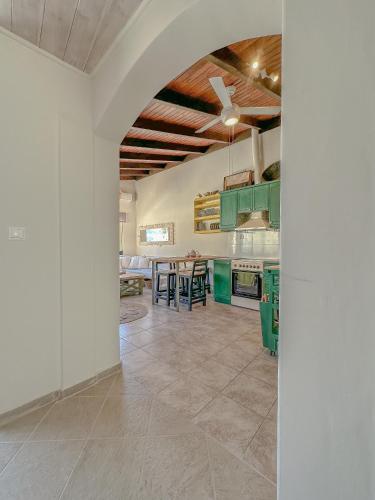
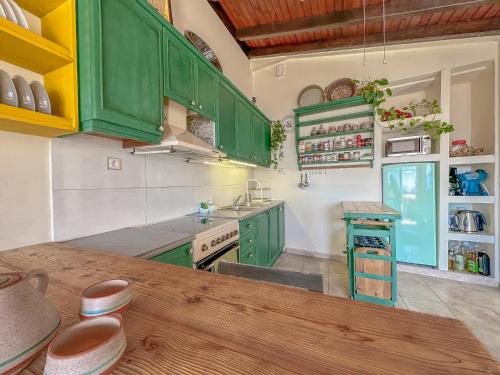
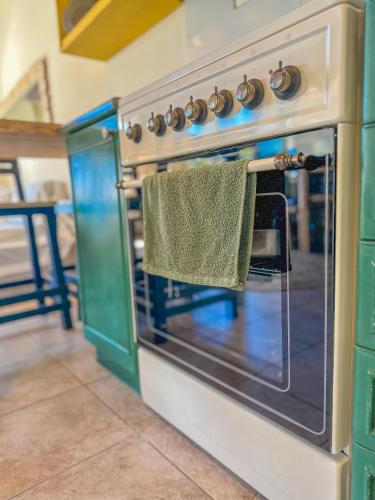
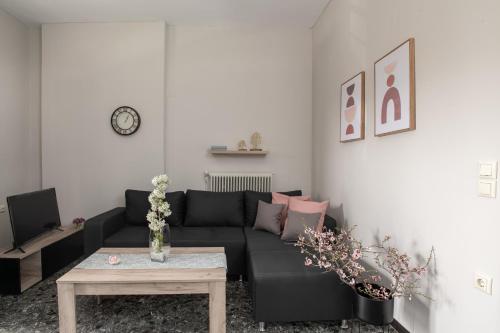
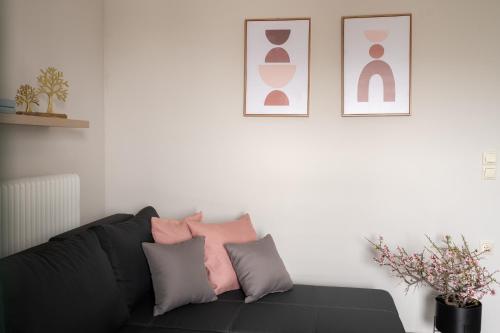
The apartment with a balcony and mountain views has 2 bedrooms, a living room, a flat-screen TV, an equipped kitchen with an oven and a microwave, and 1 bathroom with a shower. Towels and bed linen are available in the apartment.
The nearest airport is Chania International Airport, 66 km from the apartment.
Square Apartment, a property with a terrace, is set in Kambanós, 40 km from Botanical Park & Gardens of Crete, 45 km from Limnoupolis, as well as 48 km from Platanias Square. The air-conditioned accommodation is 27 km from Samaria Gorge, and guests benefit from complimentary WiFi and private parking available on site.
The apartment has 1 bedroom, 1 bathroom, bed linen, towels, a flat-screen TV, a fully equipped kitchenette, and a balcony with mountain views.
Agios Dimitrios Church is 48 km from the apartment, while Municipal Garden is 49 km from the property. The nearest airport is Chania International Airport, 62 km from Square Apartment.
from
€45
/night
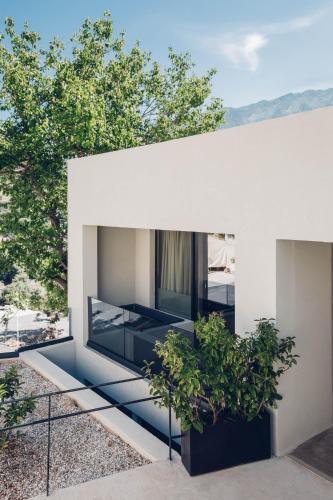
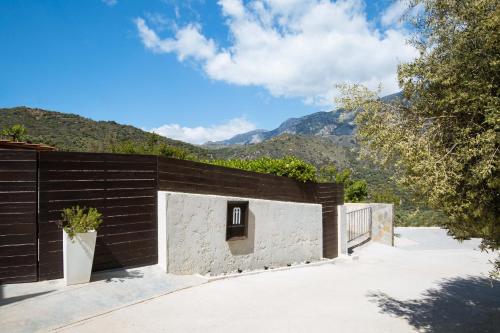
Built of stone and wood, Monastery Estate is located in the traditional Moni Village of Chania, within 4.5 km from Sougia Beach. It offers self-catering accommodation with fireplace, free Wi-Fi and a patio overlooking the mountain range of Lefka Ori.
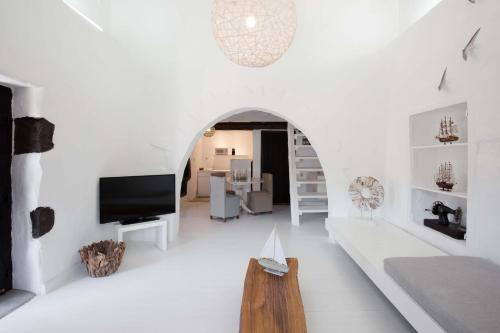
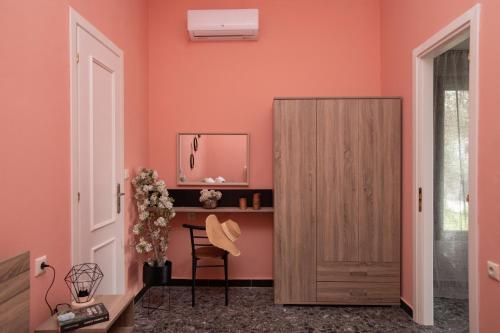
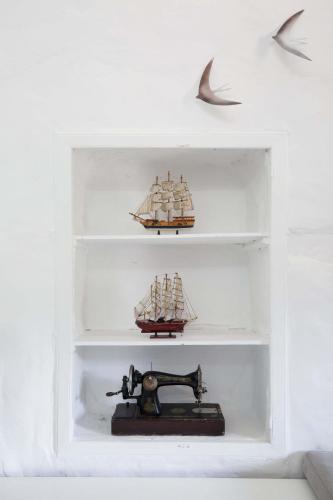
Fitted with wooden floors and beamed ceilings, the apartments of Monastery combine modern and traditional elements. Each air-conditioned unit features a seating and a dining area and a well-equipped kitchen. The stone-built bathroom comes with shower and a hairdryer.
Restaurants and mini markets can be found at Sougia Village, within 4.5 km from Monastery Estate. The famous Agia Eirini Gorge is at 13 km, while the seaside Paleochora is 28 km away. Free private parking is possible on site.
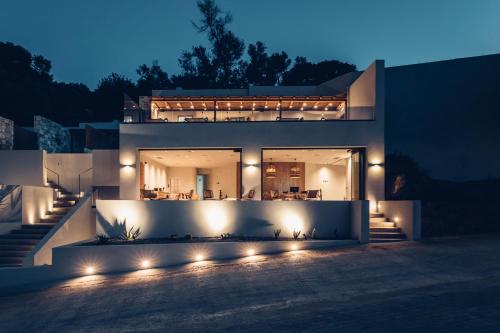
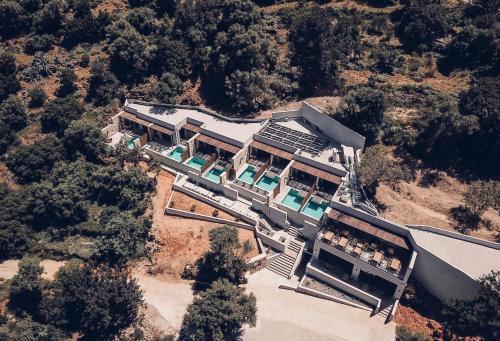
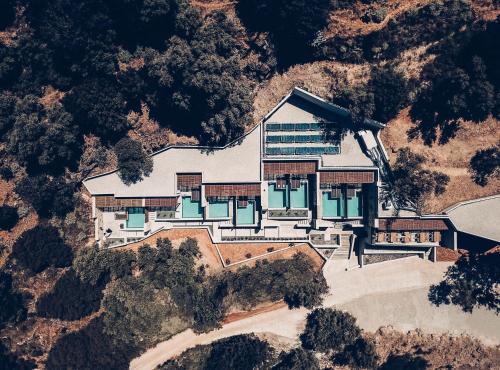
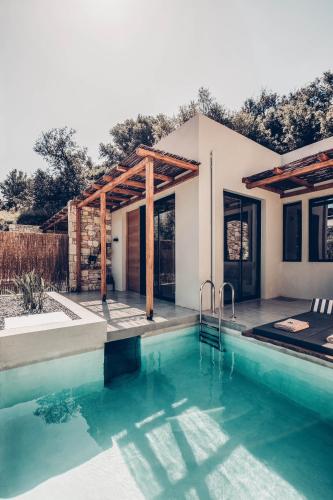
Located in Sougia, 33 km from Samaria Gorge, Monastery Estate Retreat provides accommodation with a seasonal outdoor swimming pool, free private parking, a garden and a terrace. Among the facilities of this property are a restaurant, room service and a concierge service, along with free WiFi. The property is allergy-free and is set 46 km from Botanical Park & Gardens of Crete.
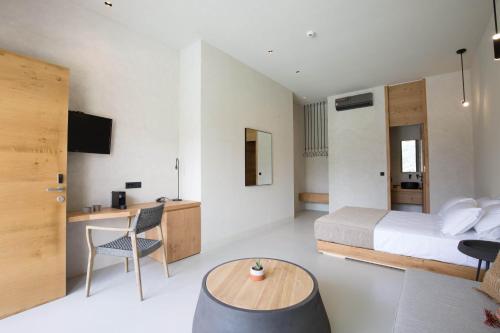
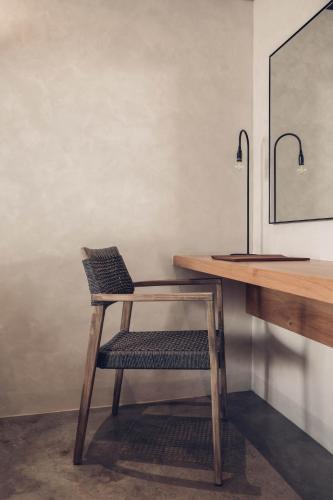
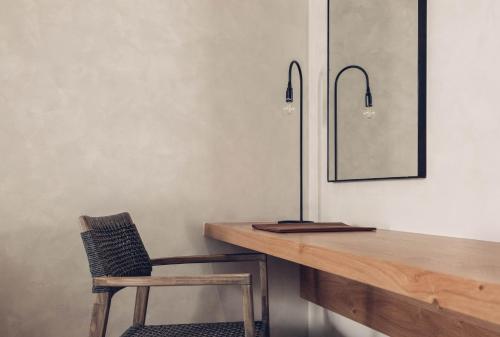
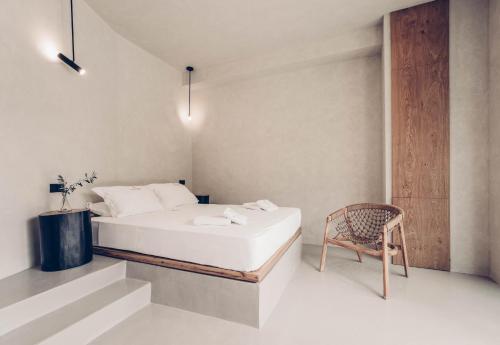
The hotel will provide guests with air-conditioned rooms offering a desk, a coffee machine, a fridge, a minibar, a safety deposit box, a flat-screen TV, a balcony and a private bathroom with a shower. All rooms come with a kettle, while some rooms are equipped with a patio and others also offer pool views. At Monastery Estate Retreat each room is equipped with bed linen and towels.
A continental breakfast is available daily at the accommodation.
Monastery Estate Retreat offers 3-star accommodation with a sauna and spa centre.
The nearest airport is Chania International, 68 km from the hotel, and the property offers a paid airport shuttle service.
No results available
Connect with thousands of Crete visitors and boost your bookings.
© All rights reserved. Crete Locals