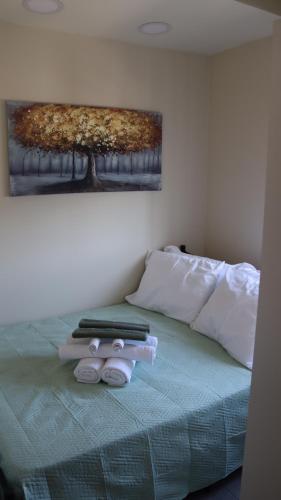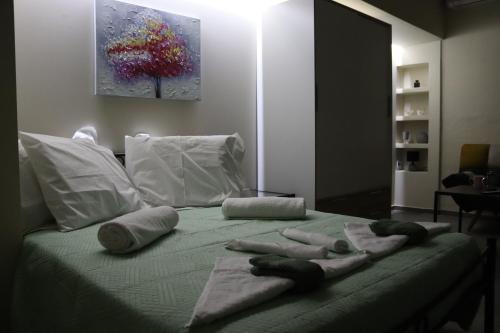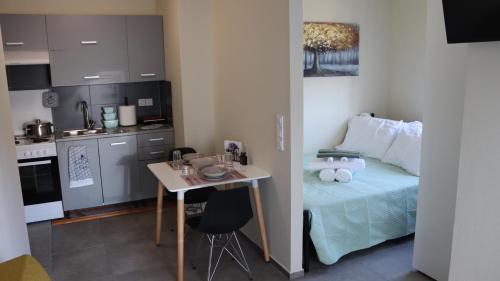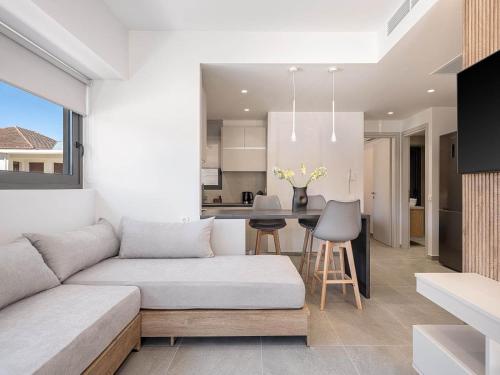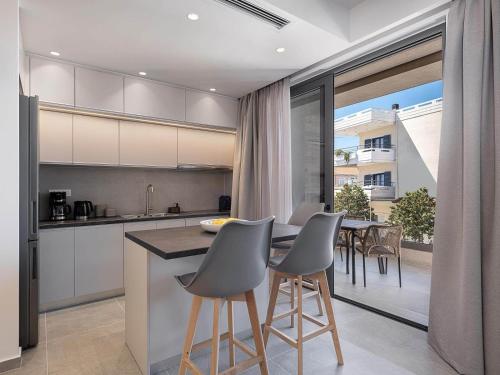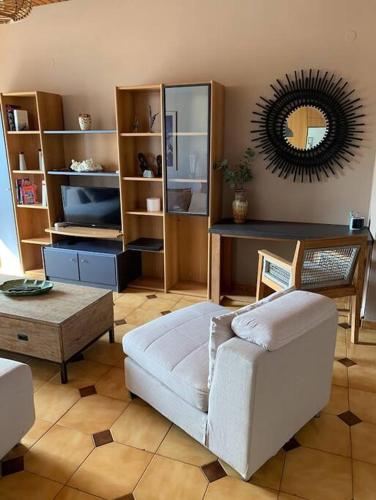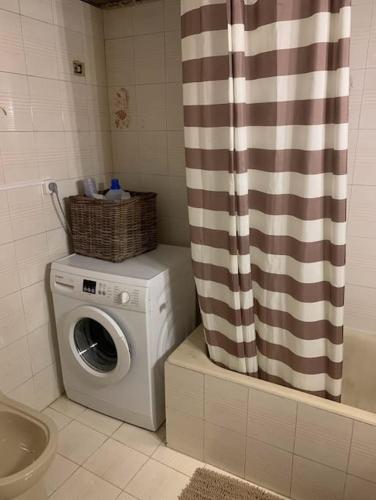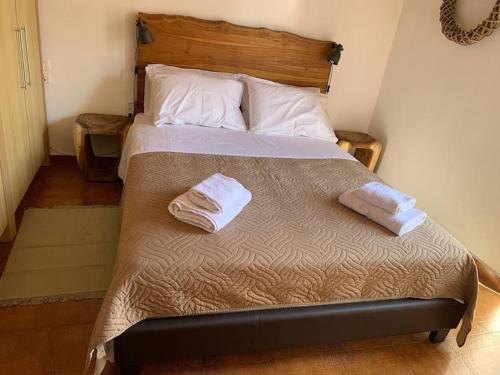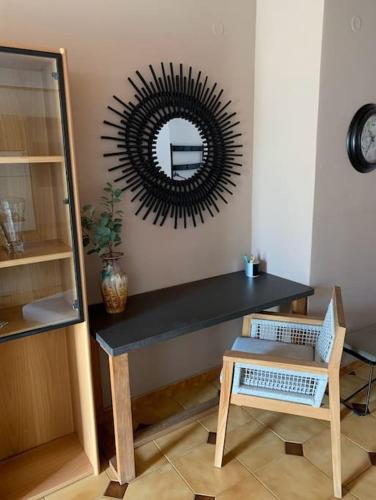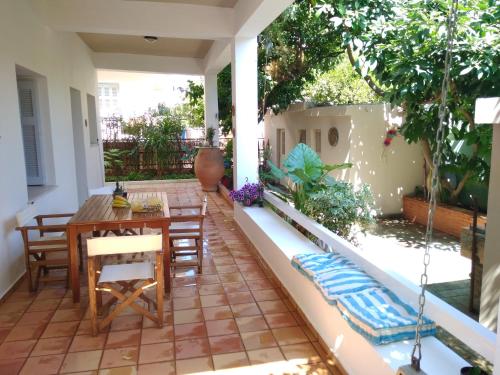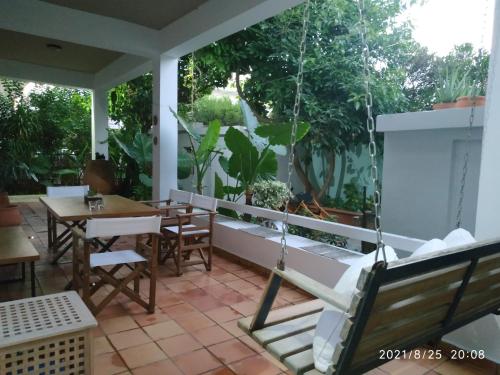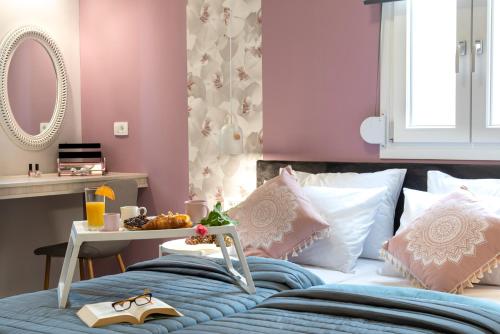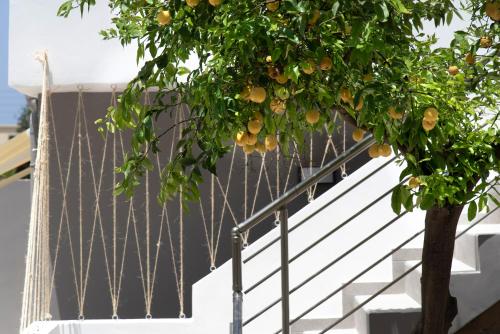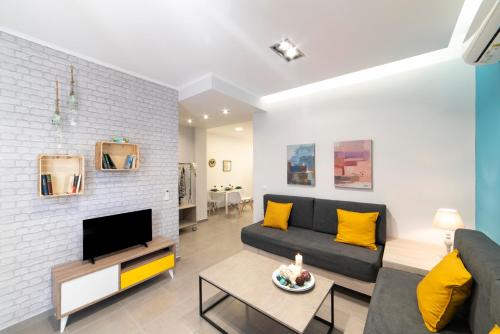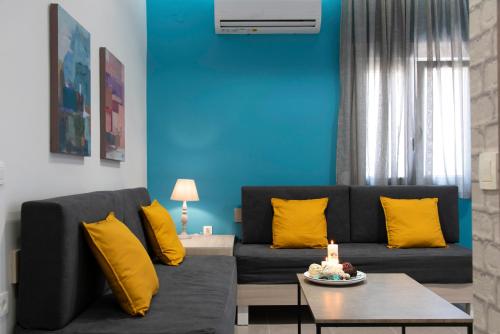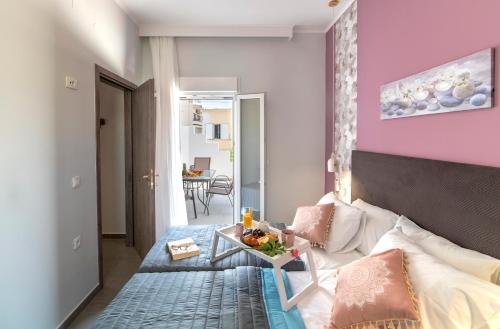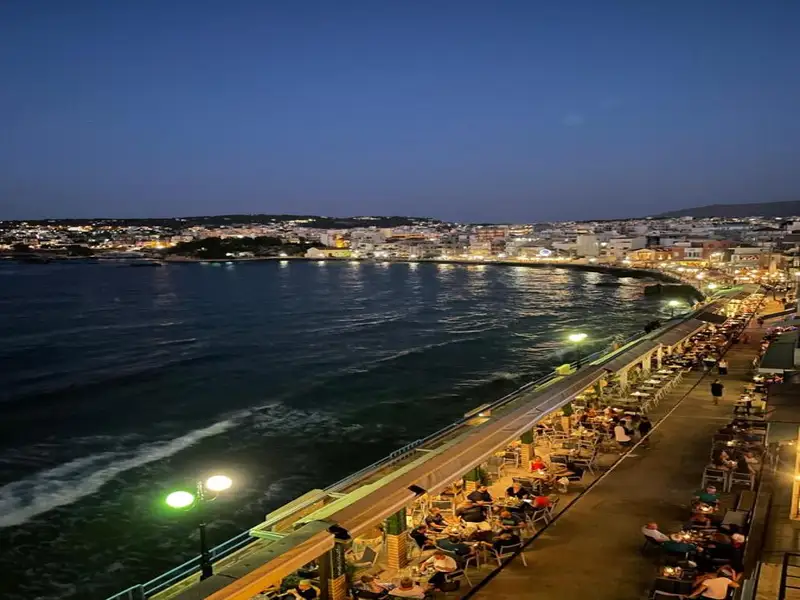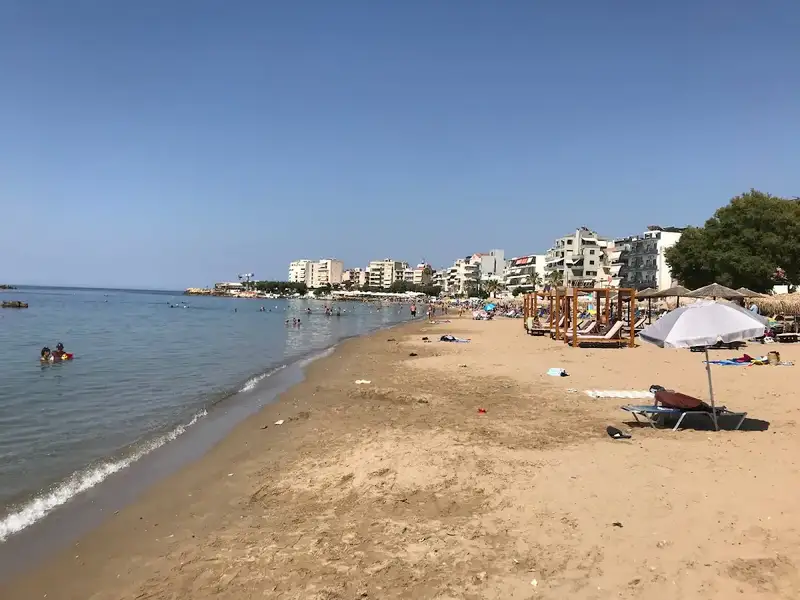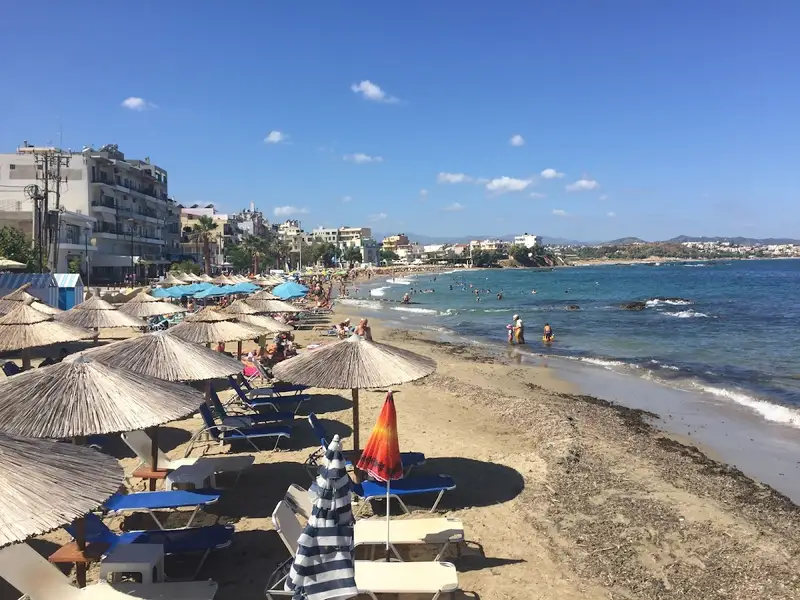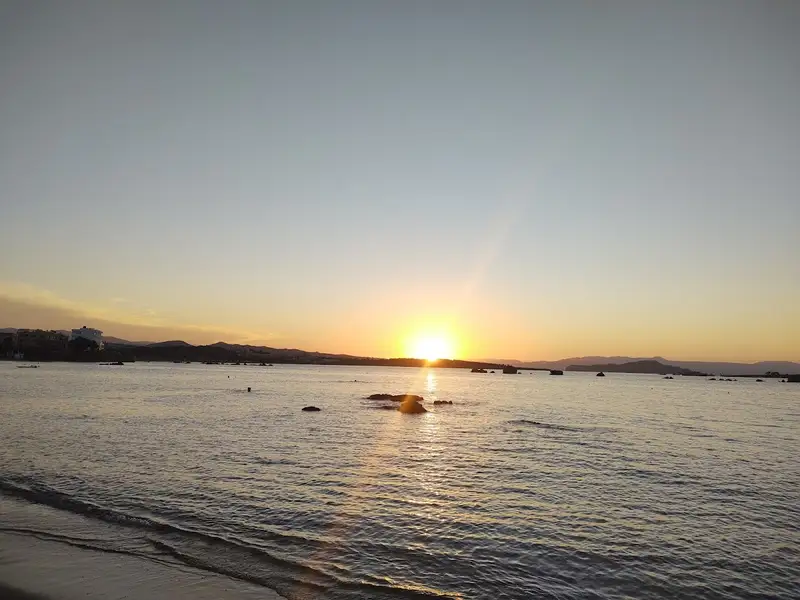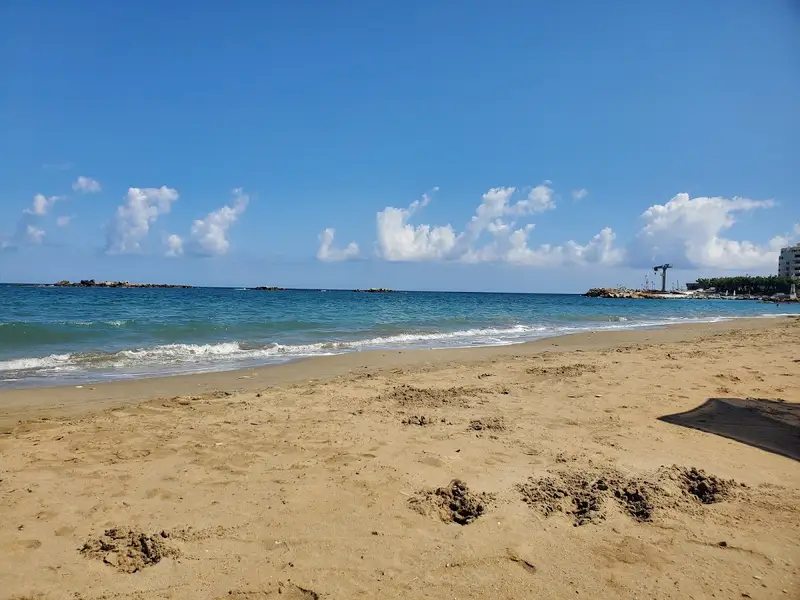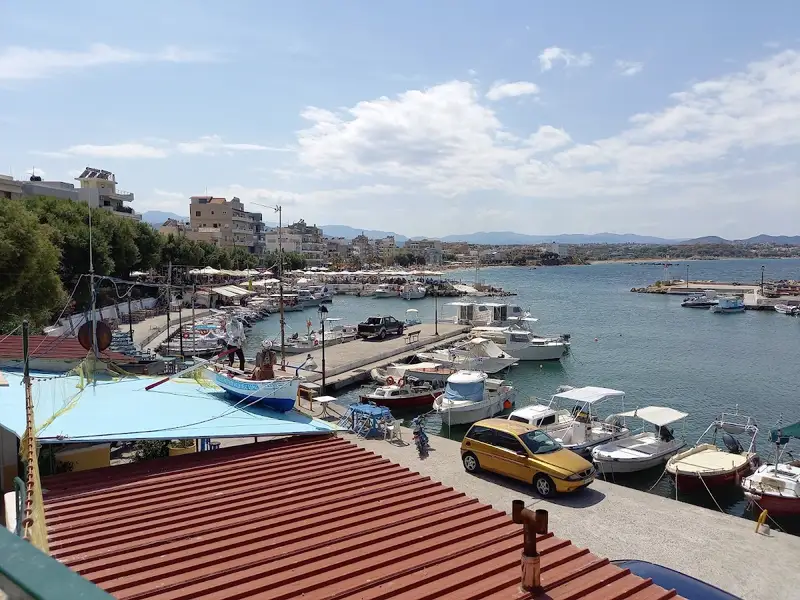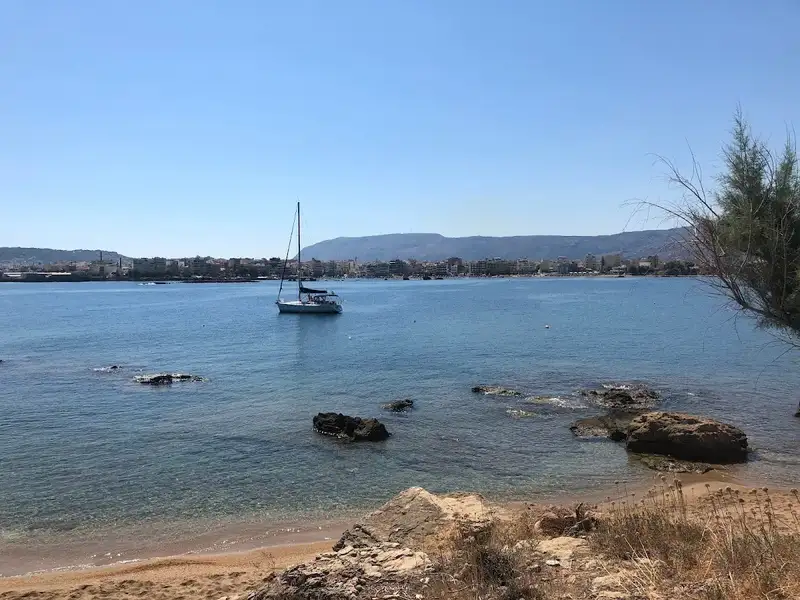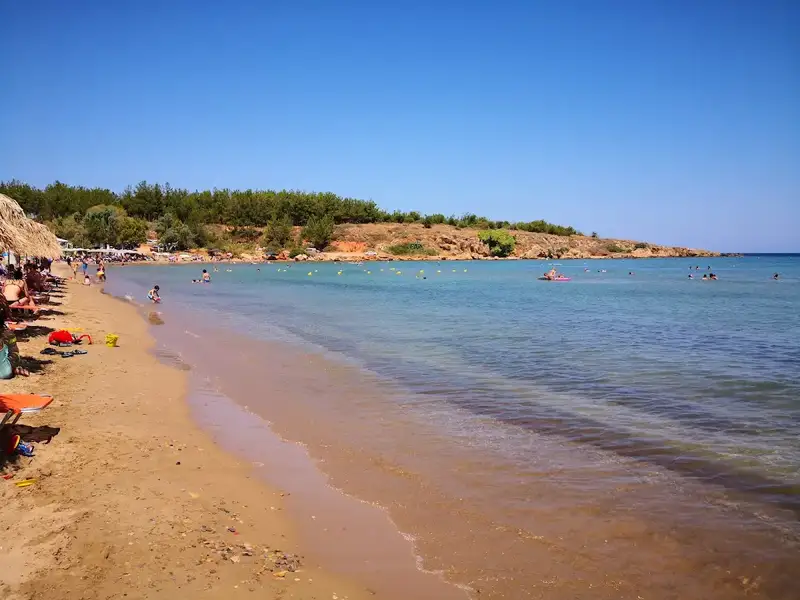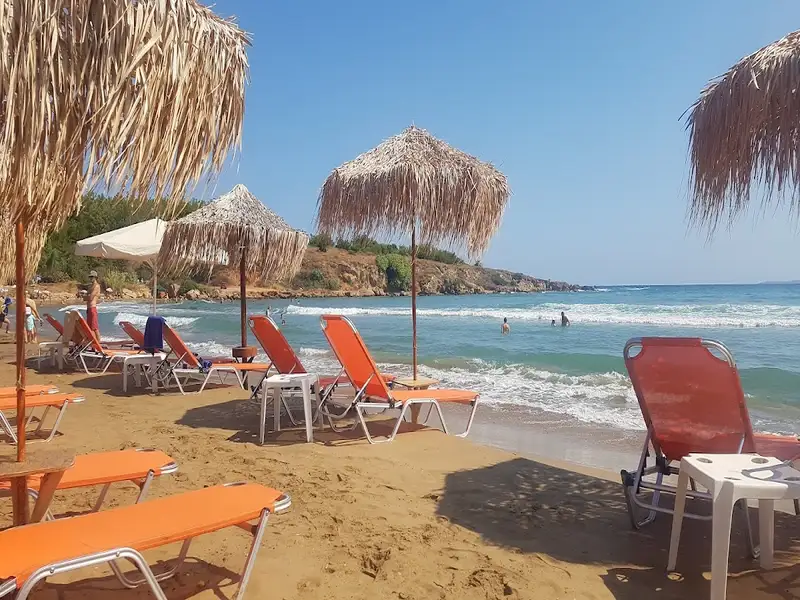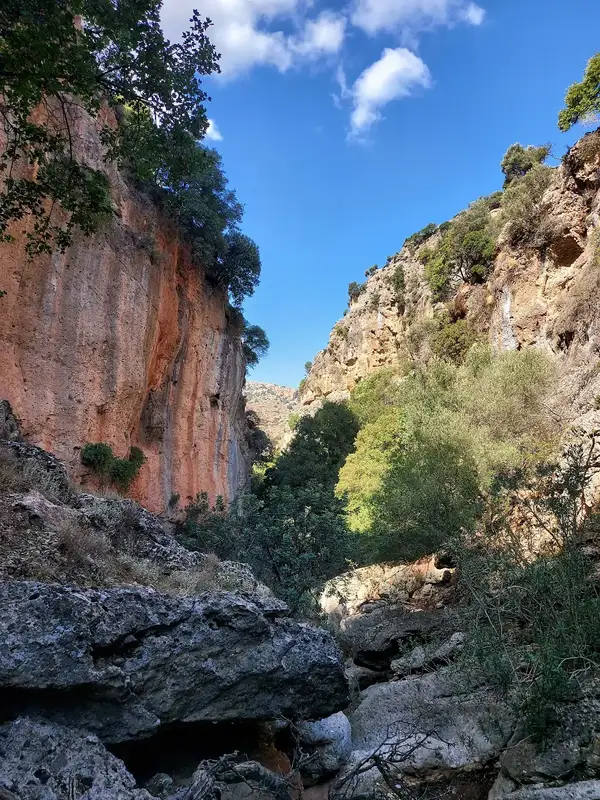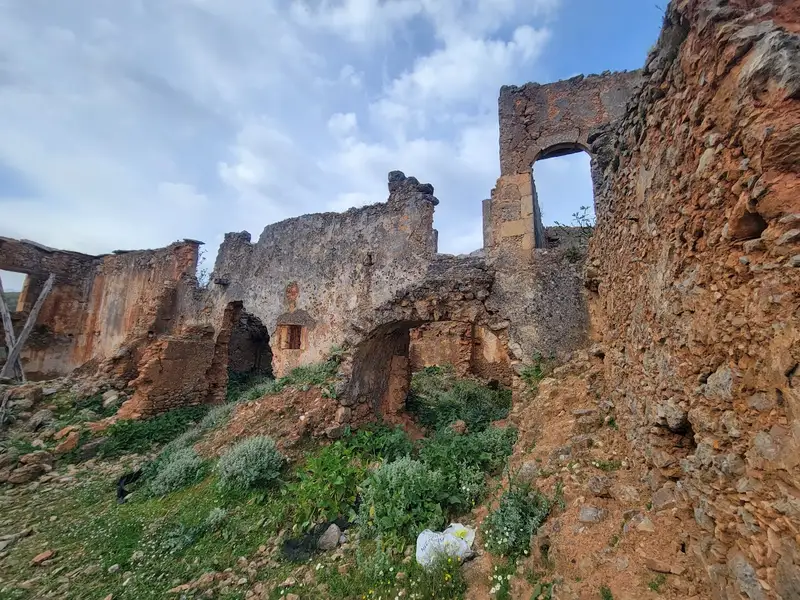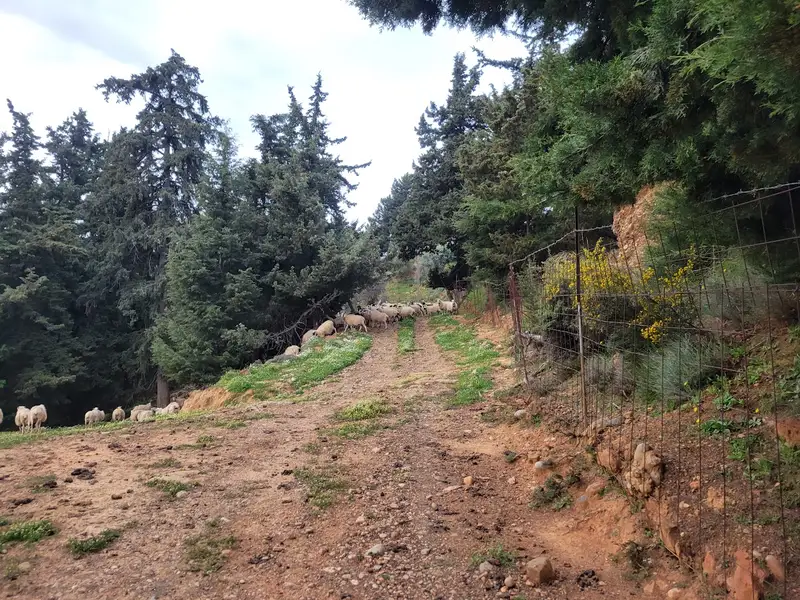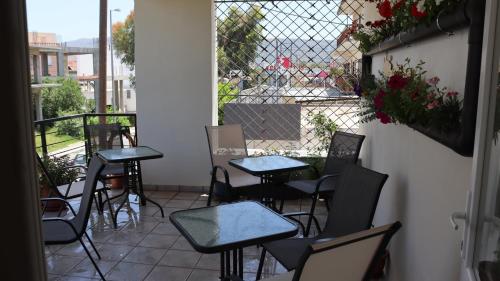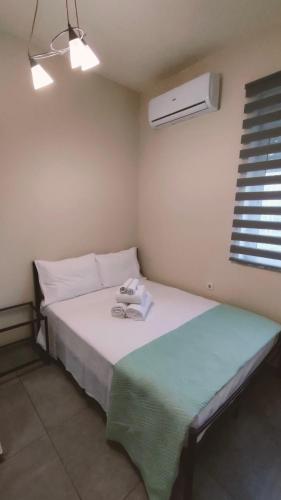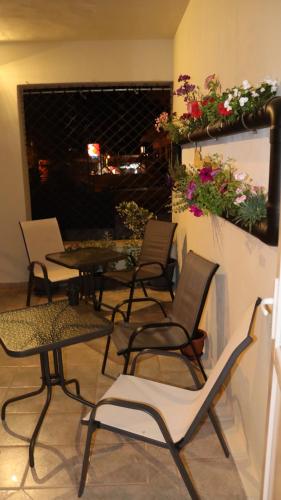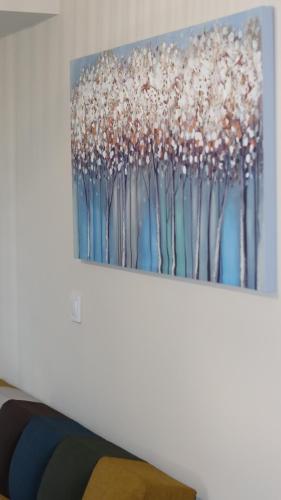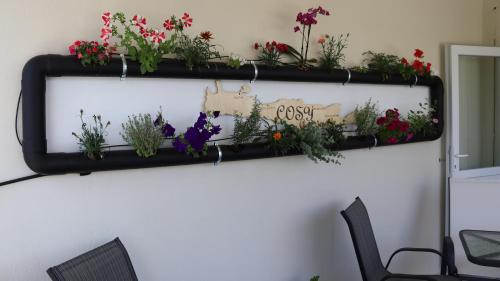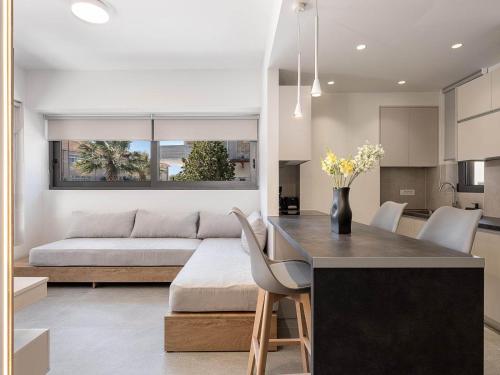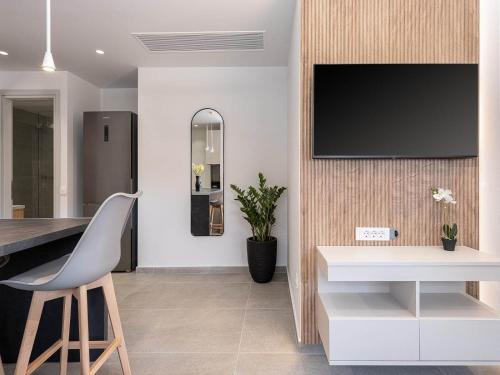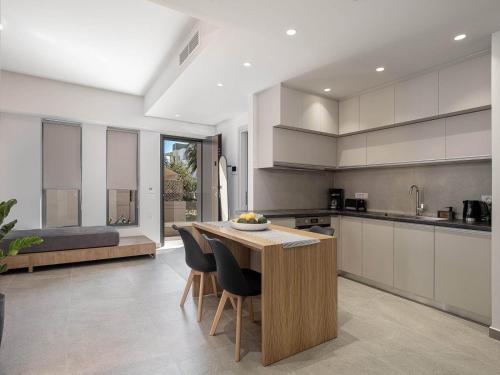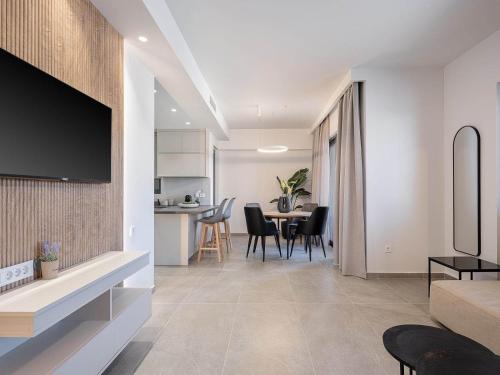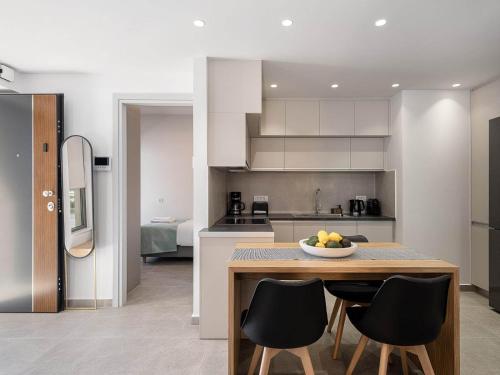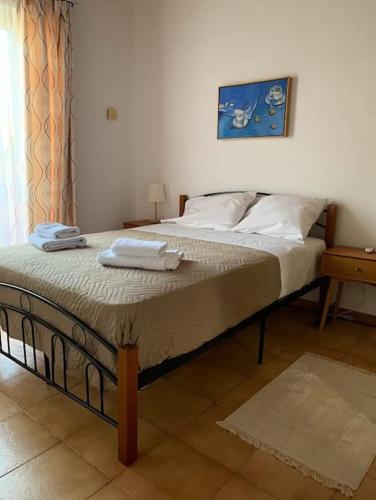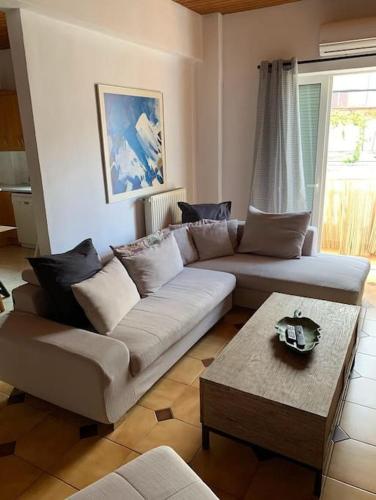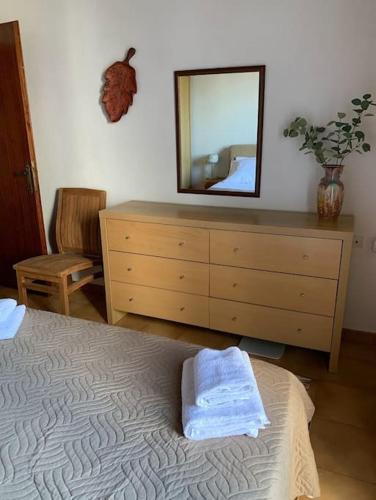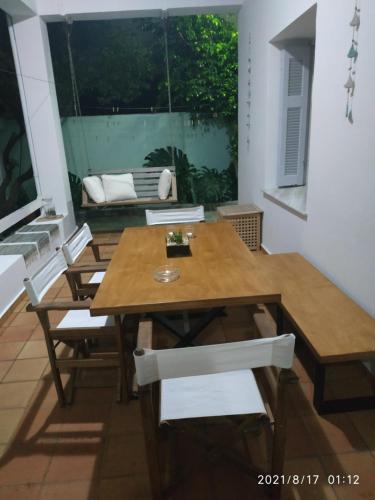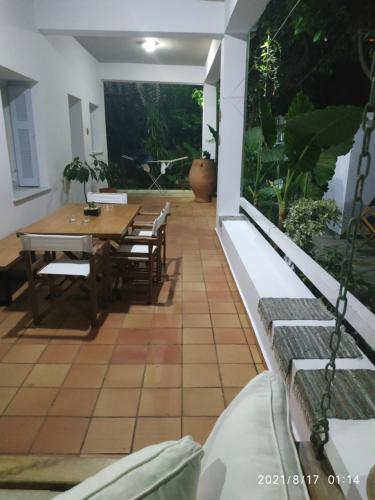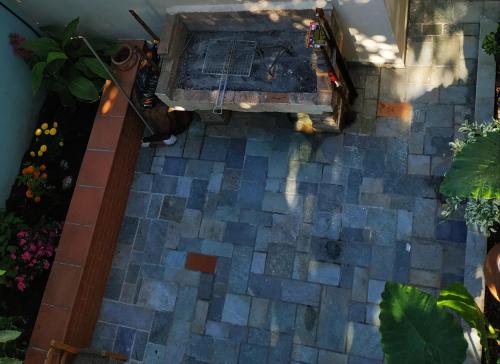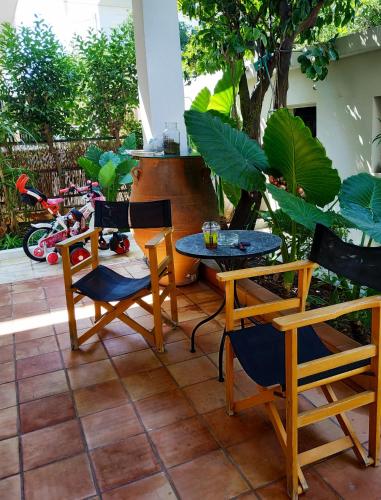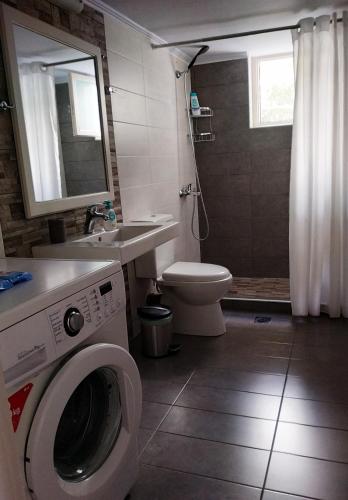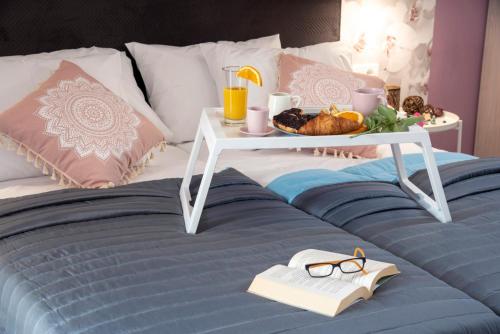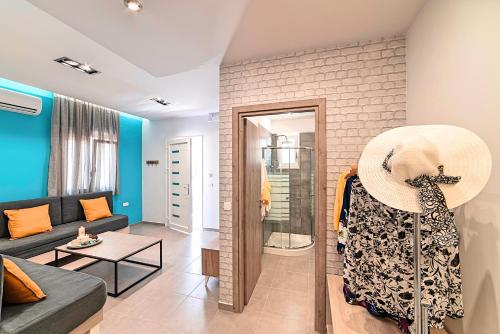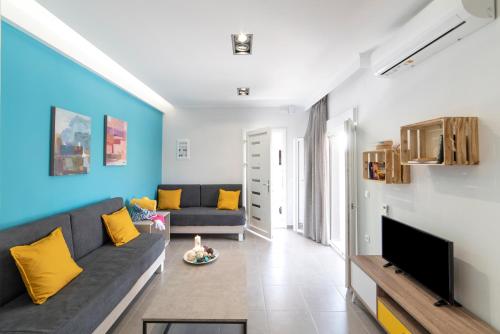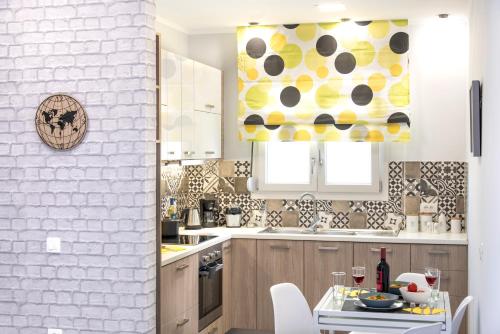


Located 1.8 km from Koum Kapi Beach, COSY APARTMENTS offers air-conditioned accommodation with a terrace and free WiFi.
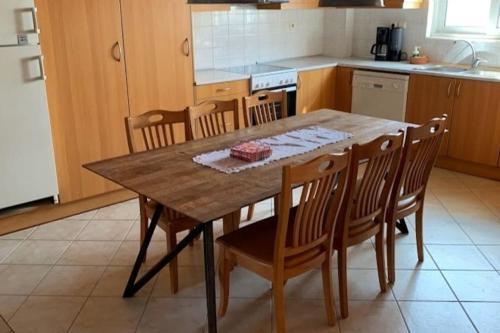
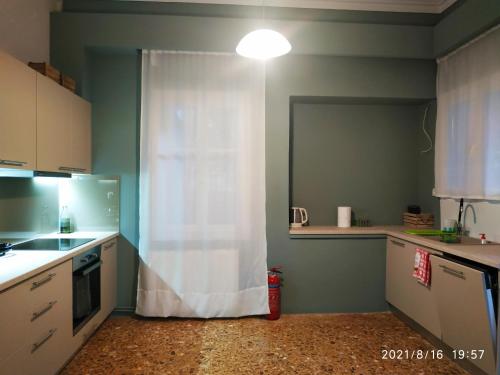
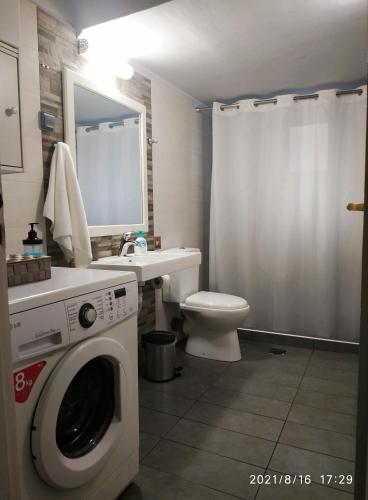
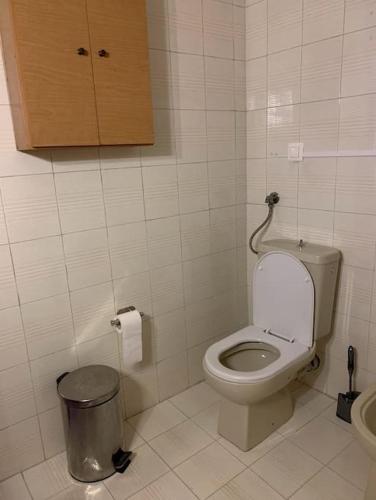
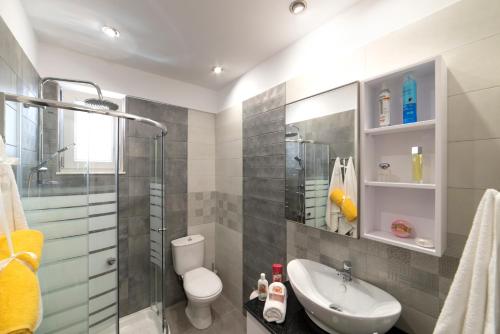
The accommodation comes with a flat-screen TV and a private bathroom with walk-in shower, a bath or shower and a hair dryer, while the kitchen features an oven, a fridge and a stovetop. Kitchenware and kettle are also provided.
Popular points of interest near the apartment include Municipal Art Gallery of Chania, Mitropoleos Square and Folklore Museum of Chania. The nearest airport is Chania International Airport, 14 km from COSY APARTMENTS.
from
€72
/night
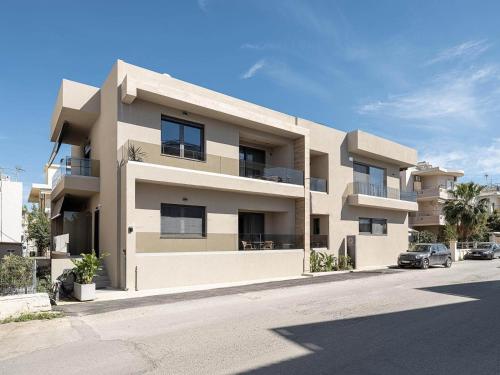
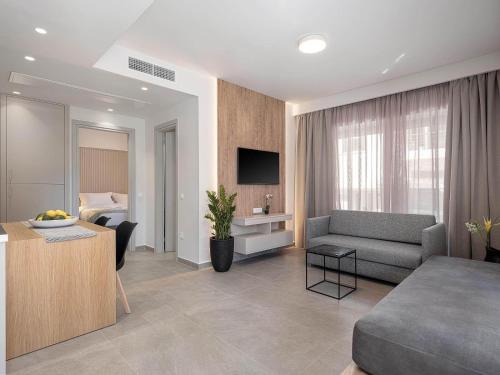
Casa D’Irene Apts has air-conditioned guest accommodation in Chania Town, 2.1 km from Koum Kapi Beach, 2.1 km from Municipal Art Gallery of Chania and 2.2 km from Mitropoleos Square. Complimentary WiFi is providedthroughout the property.
Each unit has a balcony, a fully equipped kitchen with a dishwasher, a seating area, a flat-screen TV, a washing machine, and a private bathroom with walk-in shower and bathrobes. An oven, a toaster and fridge are also offered, as well as a coffee machine and a kettle.
Folklore Museum of Chania is 2.2 km from the apartment, while Saint Anargyri Church is 2.3 km from the property. The nearest airport is Chania International Airport, 14 km from Casa D’Irene Apts.
from
€115
/night
Boasting air-conditioned accommodation with a balcony, Stelios house is situated in Chania Town. This apartment is 2.1 km from Kladissos Beach and 2.1 km from Koum Kapi Beach.
With free WiFi, this 3-bedroom apartment features a flat-screen TV, a washing machine and a kitchen with a dishwasher and oven. Towels and bed linen are available in the apartment.
Popular points of interest near the apartment include Nea Chora Beach, Municipal Art Gallery of Chania and Mitropoleos Square. The nearest airport is Chania International Airport, 14 km from Stelios house.
from
€86
/night
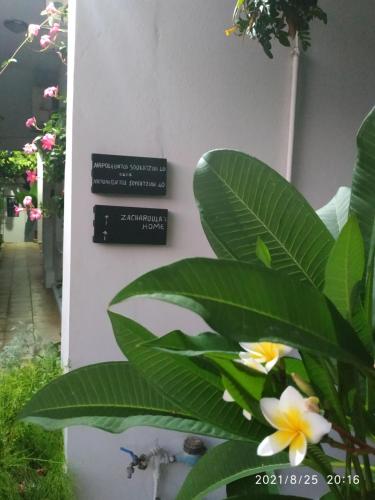
Set in Chania Town, 1.7 km from Nea Chora Beach and 2 km from Kladissos Beach, Zacharoula’s Home offers air-conditioned accommodation with a balcony and free WiFi. With inner courtyard views, this accommodation features a patio.
The apartment with a terrace and garden views has 3 bedrooms, a living room, a flat-screen TV, an equipped kitchen with a dishwasher and an oven, and 1 bathroom with a shower. Towels and bed linen are offered in the apartment.
The apartment features a barbecue and a garden, which can be enjoyed by guests if the weather permits.
Popular points of interest near Zacharoula’s Home include Municipal Art Gallery of Chania, Mitropoleos Square and Folklore Museum of Chania. The nearest airport is Chania International Airport, 14 km from the accommodation.
Situated in Chania Town, 1.6 km from Nea Chora Beach, Chania Design Suites features views of the garden. The property is close to several well-known attractions, less than 1 km from Folklore Museum of Chania, a 15-minute walk from Saint Anargyri Church and 1.4 km from Chania Old Venetian Harbour. The rooms have a balcony with city views and free WiFi.
The hotel will provide guests with air-conditioned rooms offering a desk, a coffee machine, a fridge, an oven, a safety deposit box, a flat-screen TV, a terrace and a private bathroom with a shower. At Chania Design Suites the rooms include bed linen and towels.
Popular points of interest near the accommodation include Koum Kapi Beach, Municipal Art Gallery of Chania and Mitropoleos Square. The nearest airport is Chania International Airport, 14 km from Chania Design Suites.
Set in Chania Town, 2.1 km from Nea Chora Beach and 1.8 km from Municipal Art Gallery of Chania, Anna’s Beautiful Apartment offers air conditioning. It features garden views and free WiFithroughout the property.
The apartment is fitted with 2 bedrooms, 1 bathroom, bed linen, towels, a flat-screen TV with cable channels, a dining area, a fully equipped kitchen, and a balcony with mountain views.
Mitropoleos Square is 2 km from the apartment, while Folklore Museum of Chania is 2 km away. The nearest airport is Chania International Airport, 15 km from Anna’s Beautiful Apartment.
No results available
Fasten your seatbelt & experience the minoan history like never before! Europe’s oldest civilization meets Europe’s first 3D Museum and 9D Cinema!
Partake in entertaining photoshoots throughout the 3D Museum (non archaeological) with life-like statues and mesmerizing 3D art that comes to life through your phone’s camera
Experience the 9D Cinema which will take you back in time with moving chairs and fully immersive special effects such as Wind, Rain, Snow, Bubbles, Fog, Lightning, Earthquakes and more. Enjoy 4 movies B2B in 14 languages!
Kindly note: Accessibility / Body Shape and Size limitation of our seats.



Andreas, an experienced soap maker, will provide you all the details and information to produce your own soap.
In 1.5 hours you will learn to make your own soap and gain experience in soap making. In a fully equipped laboratory you will have the opportunity to do the entire soap production process.
For the preparation of your own soap, we use ingredients that come from our land and at the end of the activity you take a soap with you.
By completing the workshop you will be in a position when you return home to produce soap for your own use.
Travel through stunning natural landscapes up into the mountains of the Kissamos region on this 7-hour tour from Chania.
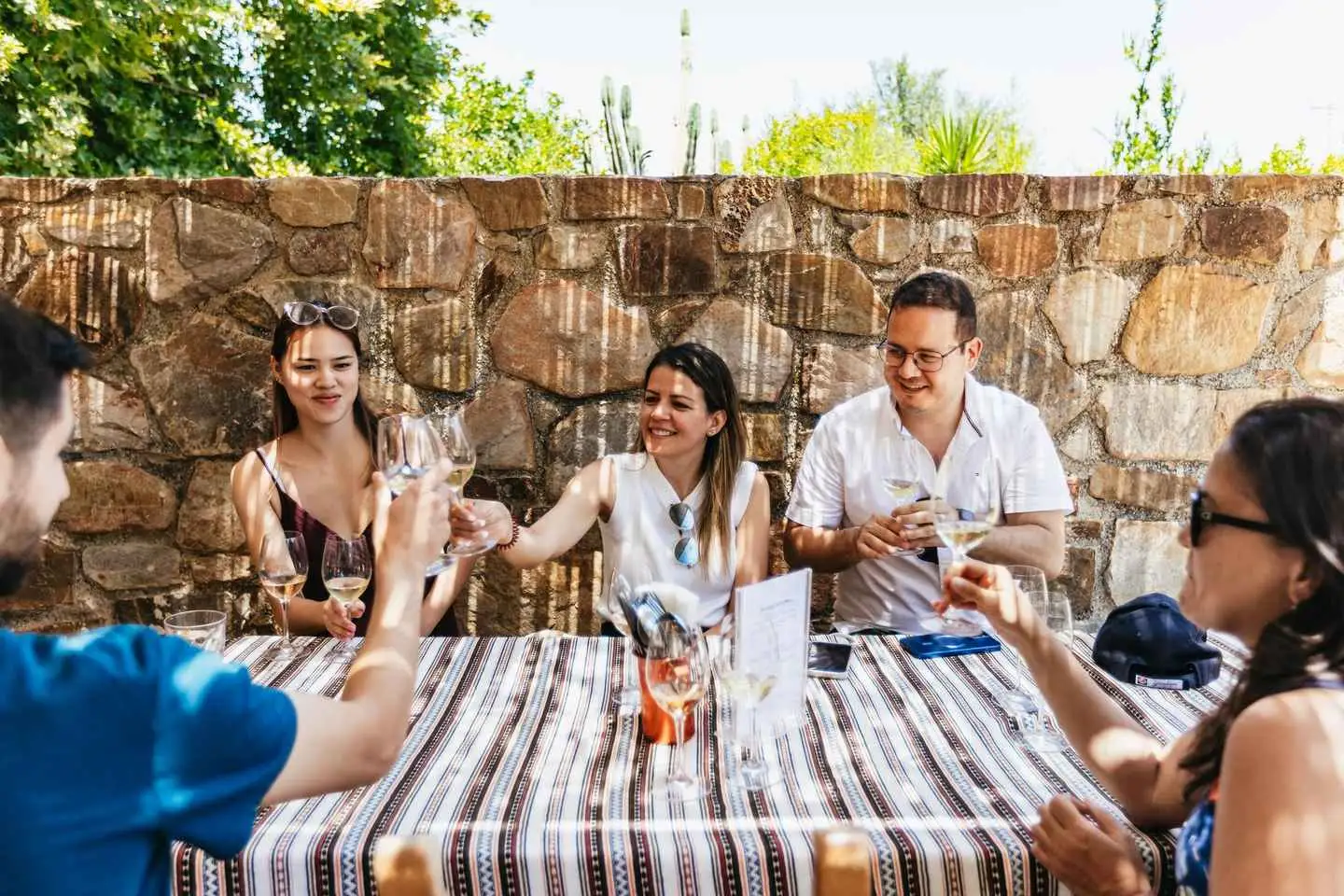
Stop at a traditional family winery, established in 1993, and learn about the varieties of wine they produce and their ideas for modern farming processes and wine production.
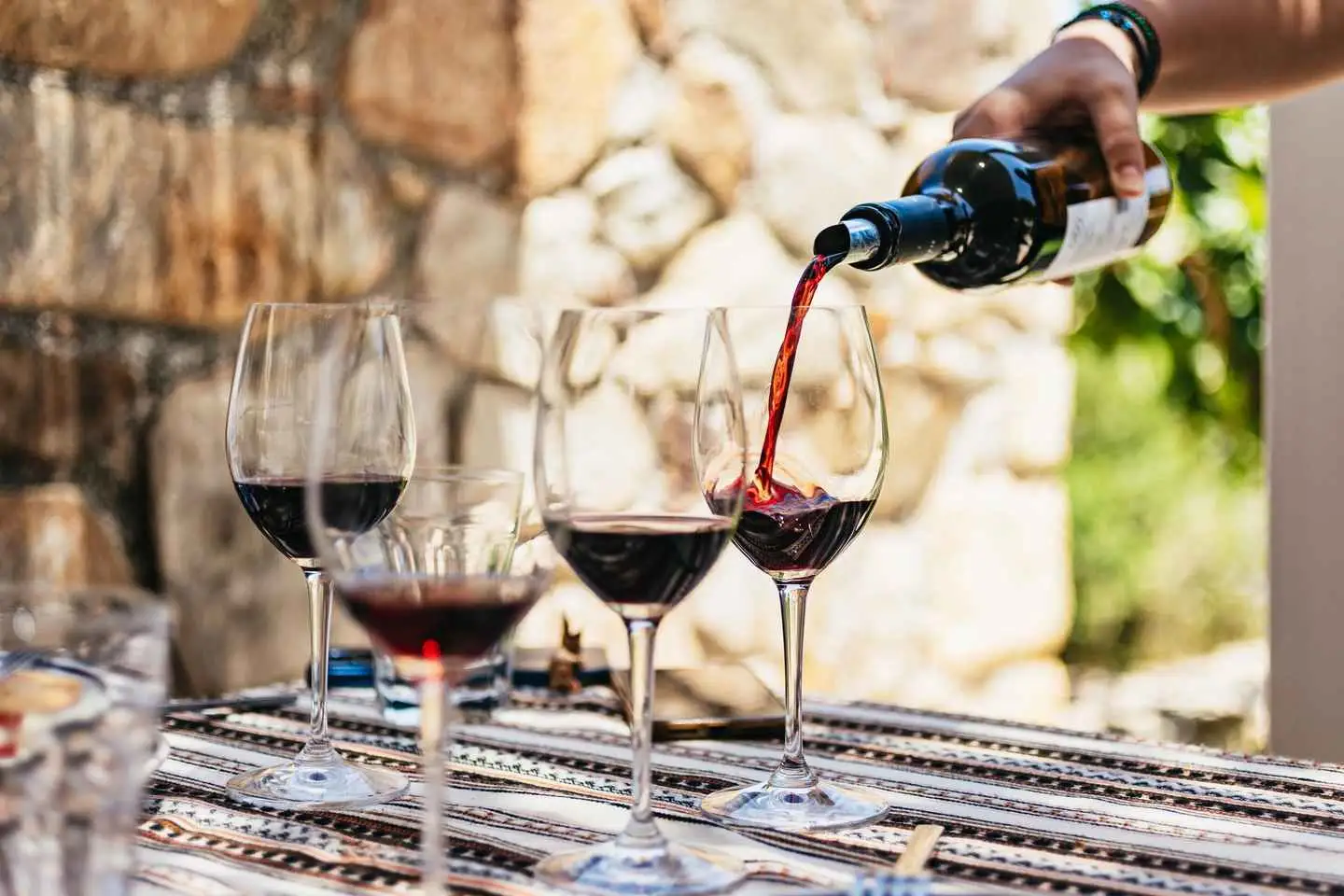
Taste award-winning local Vidiano, Muscat of Spina and some international varieties such as Grenache rouge, Syrah and Mourvèdre that each have a unique taste due the local terroir.
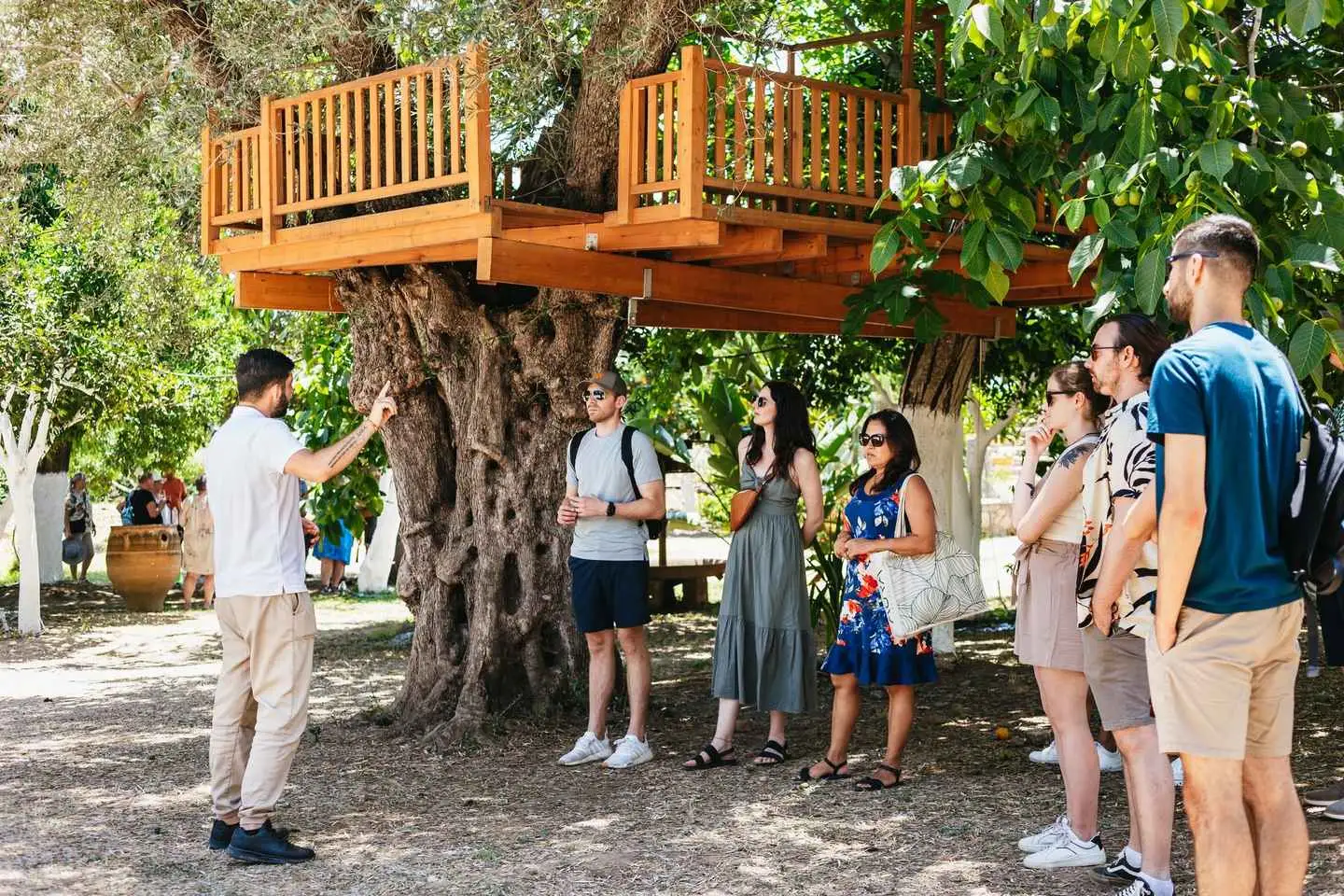
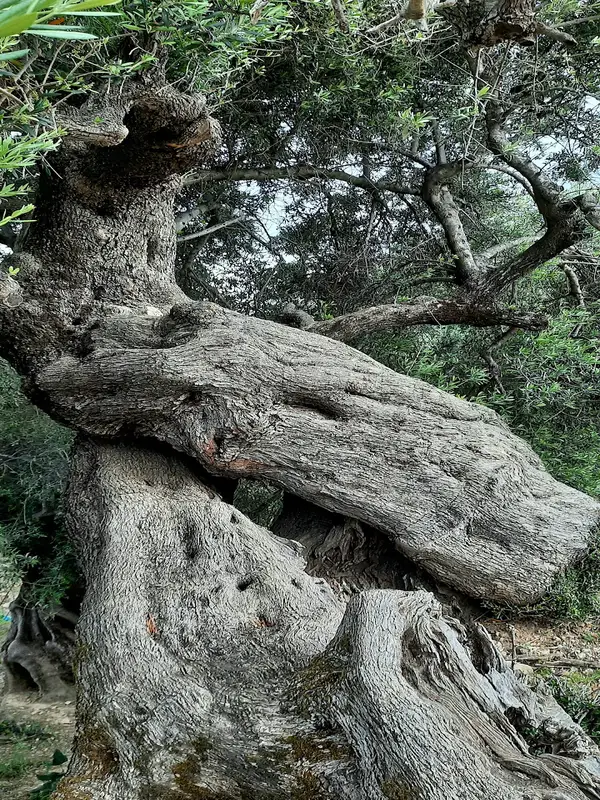
Next you’ll visit a traditional village and see the oldest olive tree in the world, with an estimated age of 3,000 years.
This is a day filled with tasting different wine expressions of noble grapes and a variety of delicious foods.
Head to another winery in the Kissamos region to taste a special local blend of white wines with Vilana, Vidiano and Assyrtiko varieties.
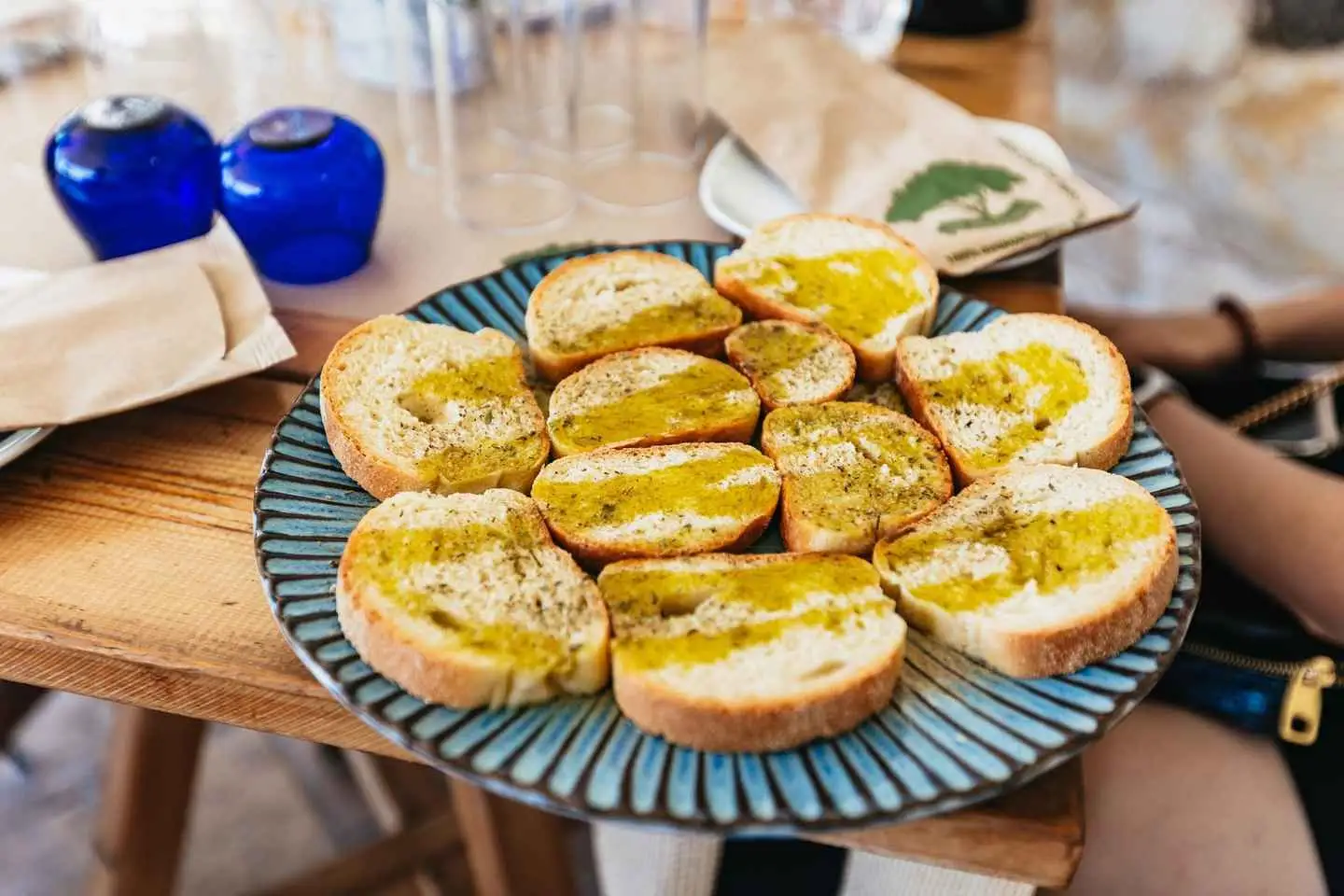
Walk through the idyllic landscape of the vineyards and visit the family’s olive oil factory. Learn about extra virgin olive oil production. The wine tasting here will be accompanied by a tasting of extra virgin olive oils and local pure products, creating combinations your palate will never forget.
You’ll also learn the Cretan way of saying goodbye drinking the award-winning Tsikoudia.
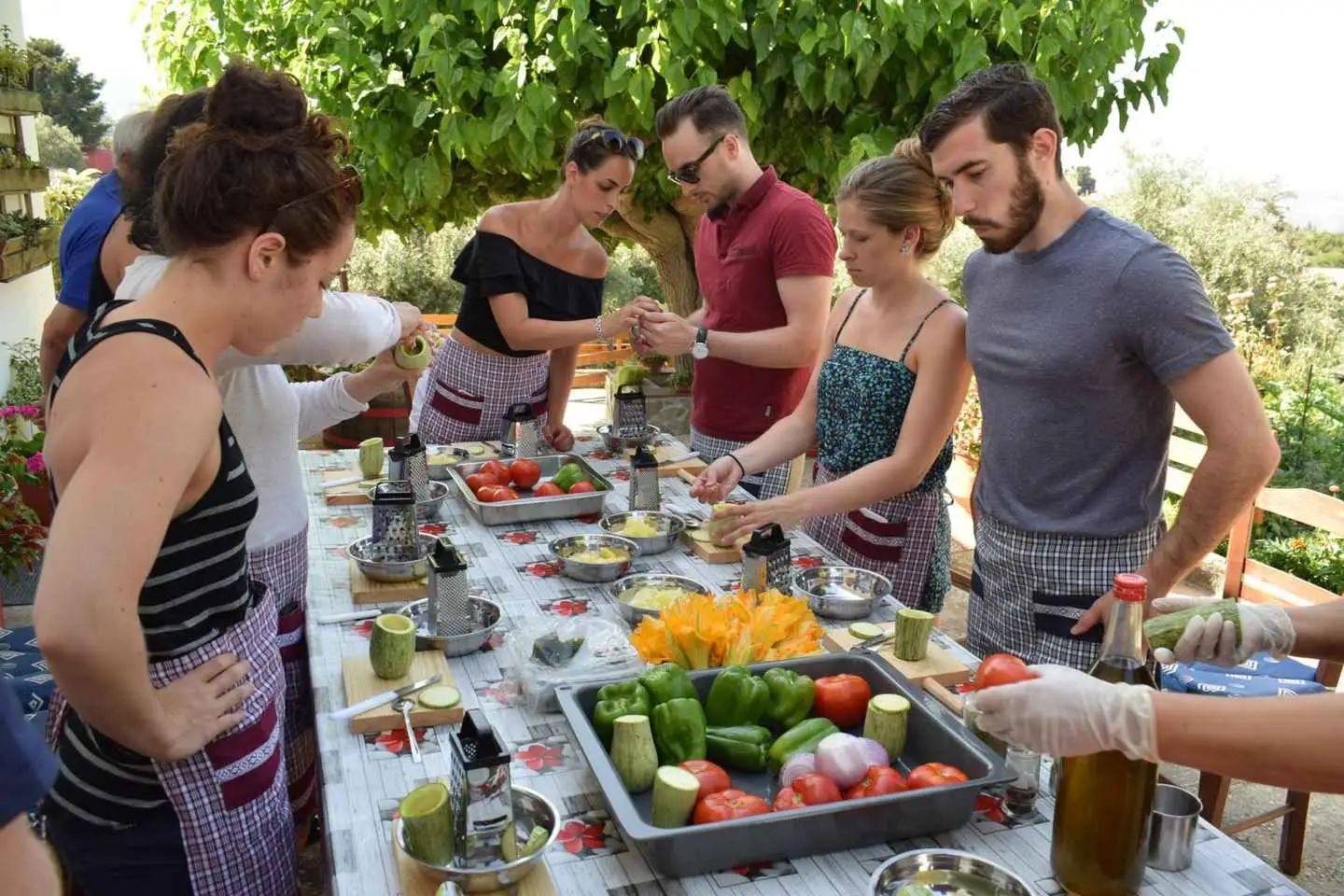
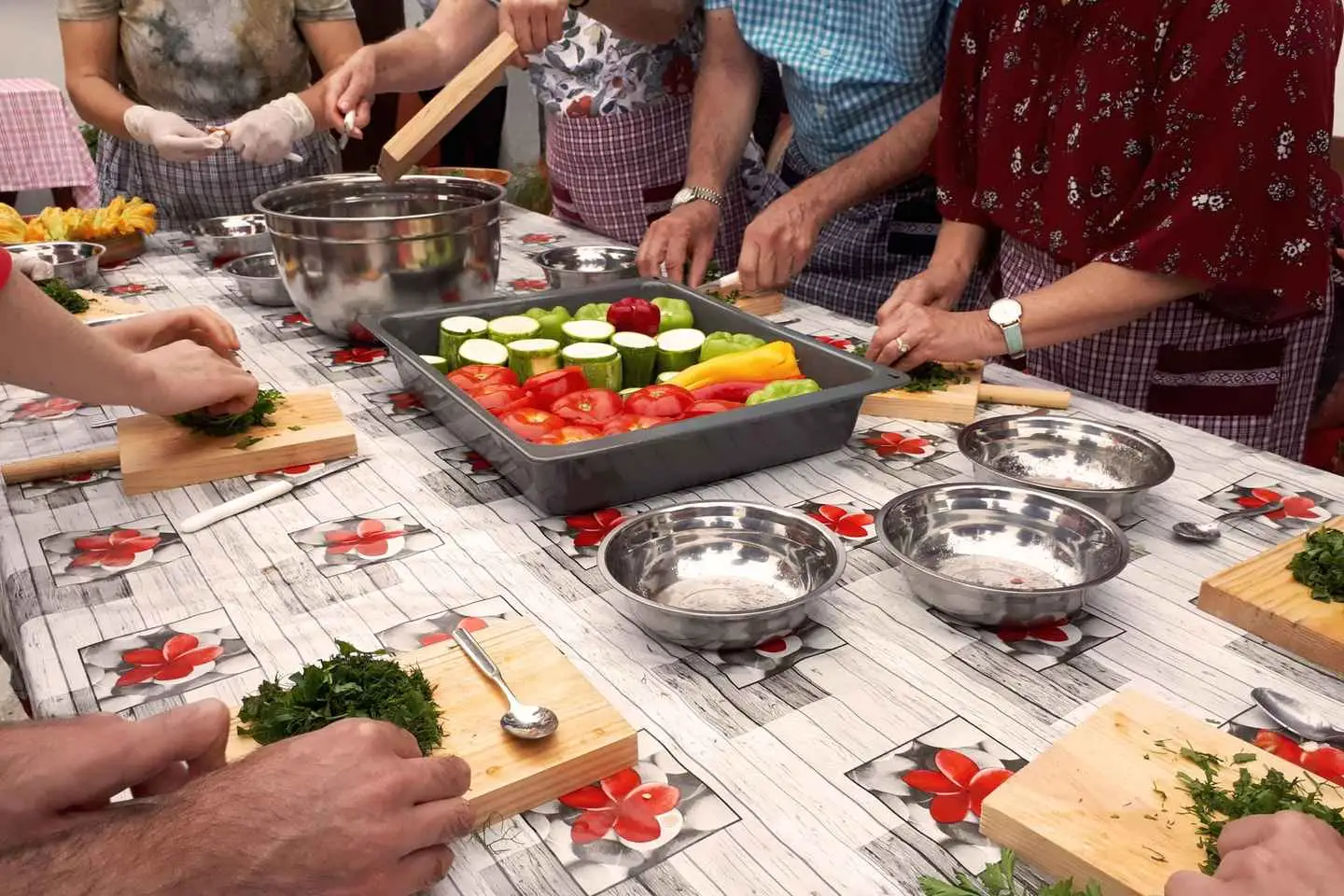
Indulge in the rich culinary heritage of Crete through our exceptional cooking class, where authenticity meets healthy organic ingredients. Immerse yourself in the flavors of the region, featuring extra virgin olive oil, locally sourced meats, aromatic herbs, and freshly harvested vegetables.
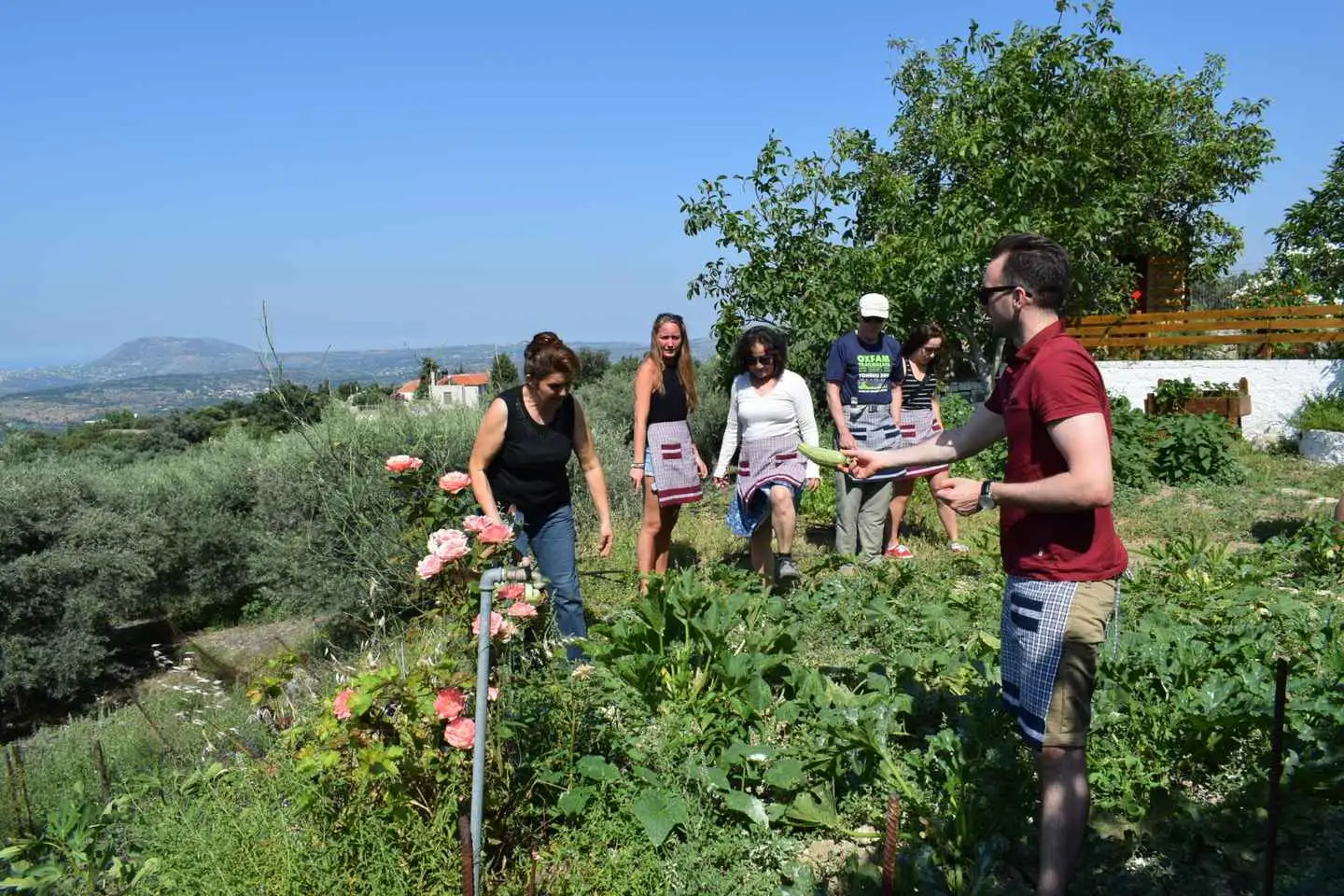
Begin your culinary adventure with a leisurely stroll through our vegetable garden, connecting with the raw produce and gaining insights into the diverse array of herbs. Discover the secrets of Cretan cuisine as you embark on the preparation of a traditional meal, guided by local expertise. Take a scenic mountain walk to a shepherd’s enclave, where the captivating story of olive harvesting unfolds.
Return to our culinary haven to savor the exquisite flavors of Cretan cheese and wine, setting the stage for the creation of appetizers like ntakos and tzatziki. Elevate your culinary prowess with a delightful dinner, skillfully paired with regional wines. Conclude this gastronomic journey with the sweet notes of traditional jar desserts, leaving your palate satiated and your heart filled with the warmth of Cretan hospitality. Immerse yourself in a truly authentic and memorable experience, where every dish tells a story of the vibrant culinary tapestry of Crete.
Embark on a captivating journey through the heart of Apokoronas with our tour, featuring convenient pickup points in the Chania area. Traverse the picturesque landscapes and immerse yourself in the charm of authentic villages. Your adventure begins as you depart from Chania, setting the stage for a day filled with exploration and discovery across the diverse highlights of Crete. Pause to savor the rich flavors of a Greek coffee, unraveling the secrets behind crafting the perfect cup. A visit to a local cheese factory awaits, where you’ll indulge in the delectable tastes of graviera, mizithra, and an array of cheese varieties. Make a delightful stop at a traditional bakery to sample local culinary treasures. The tour culminates in an idyllic village, where you’ll relish a leisurely lunch at a traditional “kafeneio” or Greek café. Engage in conversations with locals, gaining insights into the rhythm of countryside life. This immersive experience offers a genuine taste of Cretan culture and hospitality. As the day concludes, return to your designated pickup point, cherishing the memories of a day spent exploring the hidden gems of Apokoronas.
Your full-day excursion to Samaria Gorge begins with pickup in Heraklion and a drive to Omalos, in the heart of the White Mountains. Enjoy breakfast before setting out on your challenging 10-mile (17 kilometer) hike.
The trek will take you over rocks and stones, through a forest of thousand-year-old trees and along a river by fresh-water springs. Along the way, you’ll have spectacular views of Crete’s most beautiful mountain range, and you are also likely to see mountain goats roaming in the wild. You will be accompanied by a professional mountain escort who speaks English, German and Greek.
Your escort will be there to explain all the necessary information about your hike and provide you with the tickets for the entrance and ferry. After your breakfast you will enter the Samaria Gorge, where you can walk at your own pace as your guide waits at the end of the group to help you out if you need them.
At the end of the trek you’ll visit the village of Agia Roumeli, where you’ll find a number of taverns, bars, and shops. You can enjoy some free time to take a swim or have some lunch. Late in the afternoon you’ll board a boat that will take you from Agia Roumeli to Sfakia, where your bus will be waiting to transfer you back to the starting point.
No results available
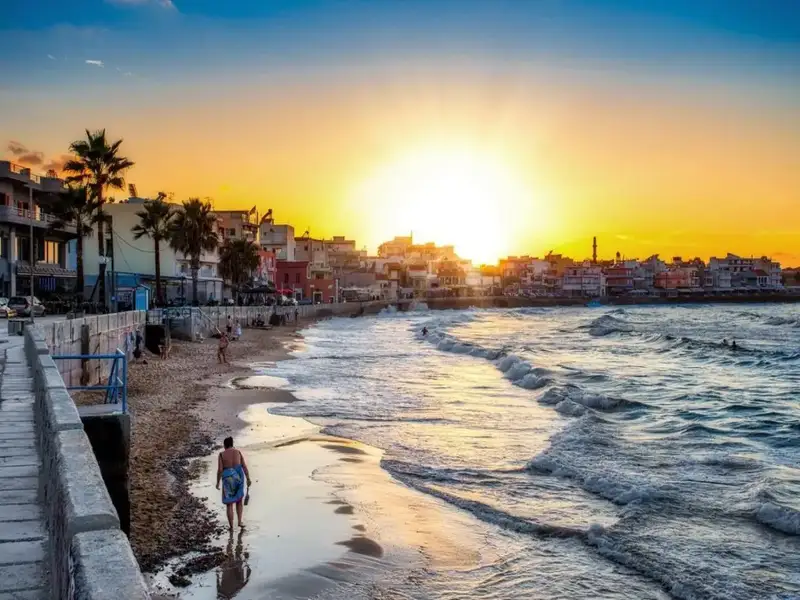
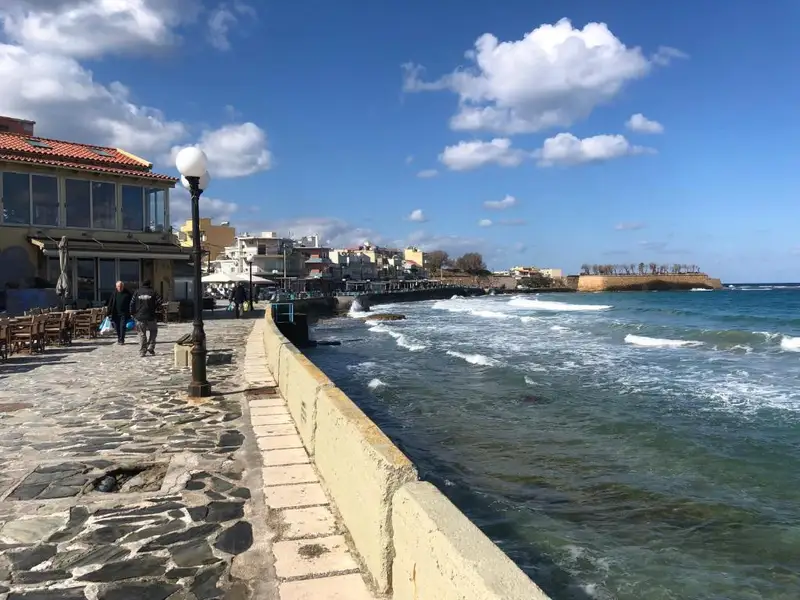
Koum Kapi is a roughly 1km strip of sand and a cafe and bar district on the eastern edge of Chania’s old town, just beyond the Venetian port. It is best known for its long coastal street lined with cafes and nightclubs rather than for classic beach days, and it stays unorganized, with no sunbed or umbrella setup. People do swim on the sandy east side, though many locals still hold back after years when swimming here was banned. Come for a seafront coffee, a sunset drink, and an easy walk from the old town; treat the swim as a bonus rather than the reason to visit.
Koum Kapi sits at the eastern edge of the scenic port of Chania, directly in front of the historical Bedouin district. The area was once home to African economic migrants who lived in rush-made huts during the Ottoman period, having first arrived on the island as slaves. None of those huts remain today. The only visible structures now are the buildings along a long coastal street lined with cafes and nightclubs.
The name comes from the Turkish phrase Kum Kapisi, meaning the Gate of Sand. This was a gate on the Venetian Walls that stood next to the sandy beach, and the district still carries that name. Backed by the old town and open to the sea, Koum Kapi reads more as a lively urban waterfront than a resort beach.
The heart of Koum Kapi is its seafront promenade. A long coastal street runs beside the water, lined with cafes and nightclubs, and this is where most visitors spend their time. It works through the whole day, from morning coffee to late-night drinks, with the sea and the old-town backdrop in view.
The strip sits within easy reach of the Venetian harbour and the old town, so it pairs naturally with a wider evening out. Browse guided walks, tours, and other bookable options to build a full day around the waterfront on the Crete Locals list of things to do in Chania and across the island.
Koum Kapi stretches for about 1km to the east, running beneath a pedestrian road. To the west, the sea meets the road’s wall with no beach in between, so there is little room there. On the east side, a strip of sandy beach forms, and this is where most people swim. Further east, a beautiful cove takes shape, though locals still tend to avoid swimming in it.
The sand is soft, the water reads blue, and the shallows stay shallow close to shore, with a sea surface that is usually calm. In earlier years Koum Kapi was a popular swimming spot in Chania, but declining seawater quality led to a swimming ban. Recent upgrades to the city’s biological cleaning infrastructure have improved the water, and the city’s Water Supply and Sewerage Authority considers it safe for swimming again. Even so, the beach stays unorganized and is still not fully trusted by many locals, so it is sensible to check conditions on the day before you get in.
Koum Kapi lies within the city of Chania, on a paved road at the eastern edge of the old town, which makes it one of the easier spots to reach on foot from the centre. Bus services run to the area, and the paved-road access means you can also drive in.
There is a parking area near the beach, but it fills up and gets crowded in peak season, so arriving early helps. Compare rental options through Crete Locals car rental in Crete when you want the freedom to move between beaches and villages across the wider region.
Koum Kapi fits travellers staying in or near Chania old town who want a seafront base for coffee, food, and drinks without leaving the city. It is family friendly, with shallow, usually calm water on the east-side sand, and it suits anyone who values atmosphere and walkability over a fully organized beach.
It is a weaker choice if you want sunbeds, umbrellas, and beach services, or a long stretch of open sand. For a more conventional swim close to town, the sandy bays just west of the harbour are a better match than Koum Kapi.
A short way east, in the Halepa suburb of Chania beside the Agia Kyriaki chapel and beach, you will find Kouloura, a small rocky pond. It serves as a favoured natural pool among Halepa residents, many of whom have their own story about the place.
Koum Kapi also sits close to some of the city’s landmarks, including the Venetian Harbour, the Archaeological Museum of Chania, and the Municipal Market of Chania. When you are ready to swim somewhere more open, nearby options include Lazaretta islet, Vlites beach, Chrissi Akti beach, and the sandy Nea Chora beach just west of the port. You can plan a wider coastal route from the full Crete Locals guide to beaches in Crete.
Koum Kapi beach is in the city of Chania, on the island of Crete, Greece, at the eastern edge of the old town in front of the historical Bedouin district.
Yes, Koum Kapi beach is suitable for swimming, and the city’s Water Supply and Sewerage Authority considers the water safe after infrastructure upgrades. It is still recommended to check the water conditions before entering the sea.
The beach has sand, the water colour is blue, the water near shore is shallow, and the surface of the sea is usually calm.
Visitors can swim on the east-side sandy strip and enjoy the several cafes and restaurants along the coastal street.
Koum Kapi beach is unorganized, so it has no sunbeds or umbrellas, but there are accommodation options and food and water available nearby.
The beach is reached by bus services and by a paved road, and there is a parking area nearby that can get crowded in peak season, so it helps to arrive early.
Yes, nearby attractions include the Venetian Harbour, the Archaeological Museum of Chania, and the Municipal Market of Chania.
Nea Chora, a picturesque sandy beach, lies just a kilometer west of Chania city center along Akti Papanikoli Street, opposite the Lazaretta islet. A short 15-minute stroll from Chania’s old harbor, this beach boasts a well-maintained main area with several facilities at hand. While mostly sandy, Nea Chora also features rocky patches. It’s the perfect spot for those who prefer to stay nearby the city center. East of the beach, you can still spot the old soap factory’s towering chimney and the former sanatorium of Chania. Nea Chora is a favorite among locals for its seafood taverns, but there are also plenty of restaurants, snack bars, and cafes to choose from. Every summer, the beach hosts the “Sardine Festival”, complete with traditional music, dancing, and free fish for attendees.
Kladissos beach
Further along the river Kladisos, a second beach unfolds all the way up to Aptera beach. Kladisos beach is a lengthy sandy bay, interspersed with pebbly areas. Despite its proximity to Chania and its appealing beauty, the beach remains relatively secluded and unspoiled. The simplest way to access this beach is by crossing the Kladisos river via the pedestrian bridge.
Lazaretta islet, situated across Nea Chora, functioned as a leprosarium for the Venetians in the 17th century, similar to most islets in Crete’s cities. Its moniker is derived from Lazarus, whom the Roman Catholic Church recognizes as the lepers’ patron saint.
Historically, it has been identified as a burial site, presumably for patients, and the site still exhibits the remnants of buildings that the Turks demolished in 1645 to install a sizeable cannon to assist their siege of Chania’s stronghold at the harbour entrance. In certain areas, fragments of bombs dropped during the German military operations in World War II can still be observed.
The islet is home to a Saint Nicholas shrine, constructed by a local man in 1954. This man suffered a sunstroke on the island but was able to swim to Nea Chora and survive. The island features a small sandy beach, favored for snorkeling and often visited by local diving schools and seafaring tour boats. In the 1950s, long-distance competitive swimmers frequently selected Lazaretta as their starting point for races, with the inner harbour of Chania serving as the finish line.
Chrissi Akti, or Golden Beach, is an organised sandy beach about 2.5 kilometres west of Chania, in the Agii Apostoli area of Crete. Chrissi Akti takes its name from its fine golden sand and ranks among the closest good beaches to Chania town, with shallow, clear water that stays calm on most days. The beach is well organised with sunbeds, umbrellas, showers and beach cafes, and it holds a Blue Flag.
Chrissi Akti beach lies on the north coast of western Crete, about 2.5 kilometres west of Chania city, next to the beaches of Agii Apostoli. The beach sits in the Daratso area of the Kydonia region, so it is an easy trip from the city centre by road or on foot. The whole Agii Apostoli area is dotted with small parks full of pine and eucalyptus trees, which give shade and green space right behind the coast. Golden Beach is one of two sandy coves here, separated by a low band of rocks from the quieter Aptera beach next to it.
Chrissi Akti has fine golden sand and shallow, crystal-clear water that gives the beach its name. The main beach runs about 500 metres along the shore, and the sand continues further east toward Chania. The sea here is usually calm with few waves, because the beach is well protected from the west and summer winds. When the north wind picks up, the water can turn choppier, so many visitors move to the more sheltered coves of Agii Apostoli nearby.
Chrissi Akti is made up of 2 sandy beaches split by a line of rocks, and each one has a different character. Golden Beach, the west cove, is the main and most popular stretch, and it is very well organised with sunbeds, umbrellas, showers, changing cabins, cafes and water sports. Aptera beach, the east cove closer to Chania, is quieter and less developed, so it suits visitors who want a calmer spot within a short walk of the city. Both coves share the same fine golden sand and shallow water.
Chrissi Akti beach suits families with young children, because the water is shallow and calm and the sand is soft and fine. The organised part of the beach has sunbeds and umbrellas to hire, showers, changing cabins and beach cafes, and a lifeguard watches the main beach in summer. A children’s playground sits close to the sand, and there are water sports such as windsurfing for anyone who wants an active day. Golden Beach can get busy at weekends and through the peak summer season, yet the beach is long and wide enough to find space.
Reach Chrissi Akti beach from Chania in a few easy ways, whether you have a car or not:
Parking is available near the beach, so arriving by car is straightforward outside the busiest hours. Golden Beach is free to visit, and you only pay if you hire a sunbed and umbrella on the organised stretch.
Visit Chrissi Akti beach between June and September, when the weather is warm and the sunbeds, cafes and water sports all run. The beach fills up at weekends and in high summer, so arrive earlier in the day for more space, easier parking and calmer water. Spring and early autumn stay quieter and are still pleasant for swimming, which makes May, June and September good months for anyone who prefers fewer people.
Chrissi Akti sits within a short walk of several other beaches on the west side of Chania. The beaches of Agii Apostoli lie about 0.8 kilometres away, in sheltered coves backed by a park and the chapel that gives the area its name. Nea Chora beach, about 1.5 kilometres east toward the old harbour, is the closest sandy beach to the city centre and is known for its seafood taverns. The pine and eucalyptus parks between these beaches make the whole coast easy and shaded to explore on foot or by bike.
A day at Chrissi Akti beach is easy to combine with the other beaches and villages west of Chania when you drive yourself, since bus timetables and coastal parking fill up fast in summer. Having your own car lets you reach Golden Beach early, move on to Agii Apostoli or Nea Chora when the north wind rises, and carry beach gear for the family without waiting for a service. For the most flexible timing along the Chania coast, book a car rental in Crete.
Chrissi Akti, or Golden Beach, is on the north coast of western Crete, about 2.5 kilometres west of Chania city, next to Agii Apostoli. The beach sits in the Daratso area of the Kydonia region and is one of the closest sandy beaches to Chania town.
Chrissi Akti beach is sandy, with fine golden sand that gives the beach its name. The soft sand and shallow water make it comfortable for walking into the sea and for children to play.
Yes, the water at Chrissi Akti beach is shallow and clear and stays calm on most days. The beach is protected from the west and summer winds, though the sea can turn choppier when the north wind blows.
Yes, Chrissi Akti beach suits families, because the water is shallow and calm and the sand is fine and soft. A children’s playground sits near the beach, and a lifeguard watches the main stretch in summer.
Yes, sunbeds and umbrellas are available to hire on the organised part of Golden Beach. The same stretch has showers, changing cabins and beach cafes, and the beach itself is free to enter.
Reach Chrissi Akti beach from Chania by city bus, on foot along the coast in about 20 to 30 minutes, or by taxi, car or bike. The beach lies only about 2.5 kilometres west of the city, and there is parking nearby.
Golden Beach is the main, well-organised west cove, while Aptera beach is the quieter, less developed east cove closer to Chania. The two share the same golden sand and shallow water and are separated by a low line of rocks.
The best time to visit Chrissi Akti beach is between June and September, when the weather is warm and all the beach services run. The beach is busiest at weekends and in high summer, so mornings and the shoulder months of May and September are quieter.
No, Chrissi Akti is an organised family beach and is not a designated naturist beach. It has sunbeds, umbrellas, a lifeguard and beach cafes, and it is used mainly by families and day visitors from Chania.
No results available
The Cyclamen Gorge, also known as Agios Georgios Gorge or Gorge Vandes, is nestled on the northern slopes of the White Mountains. Its starting point is the Aletrouvari settlement, situated at an altitude of 300m, and it extends east of Agios Georgios village, ultimately ending at the village of Vandes, which is at an elevation of 50m. The stream that runs through this gorge gathers water from the Drakona area, resulting in the formation of quaint, small ponds at certain spots.
However, this route is not recommended for novice hikers as it requires approximately 2 hours to traverse from Aletrouvari or about 1 hour from Agios Georgios. As visitors journey through this route, they will encounter a diverse landscape that changes along the river, all under the cool shade of towering plane trees and cypresses.
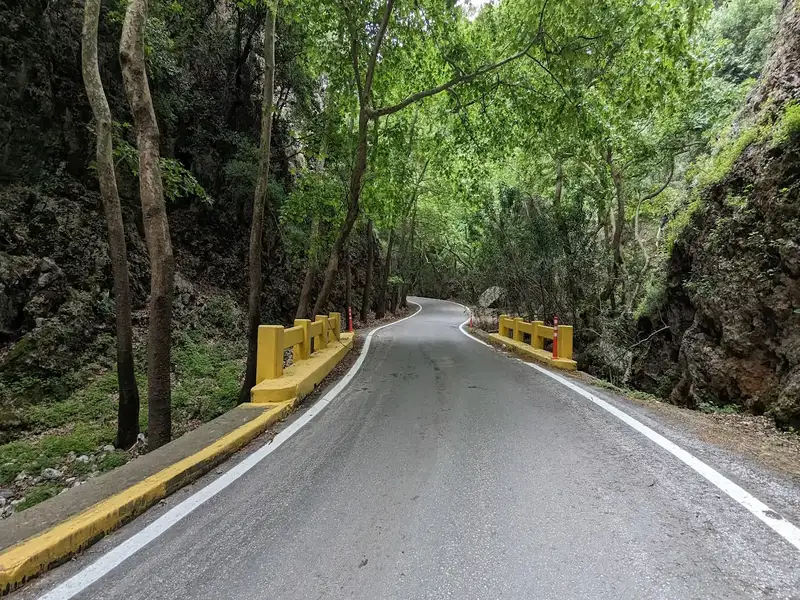
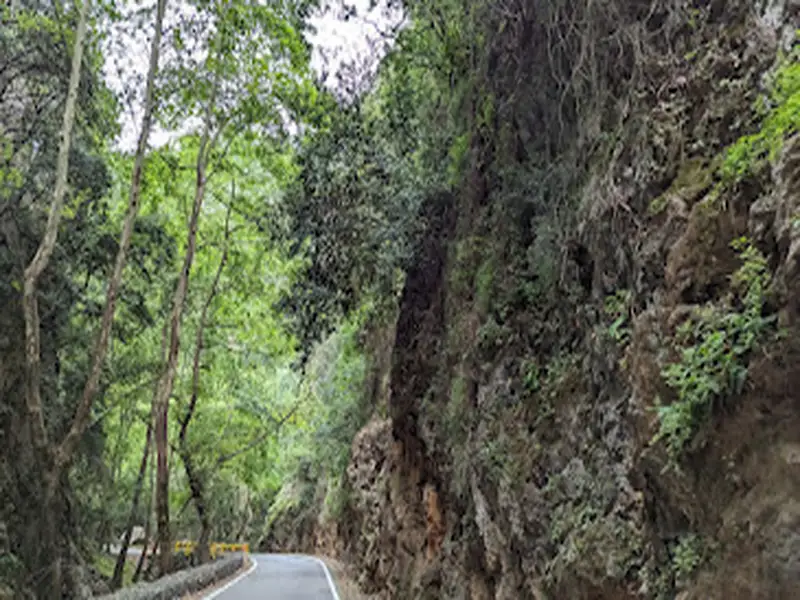
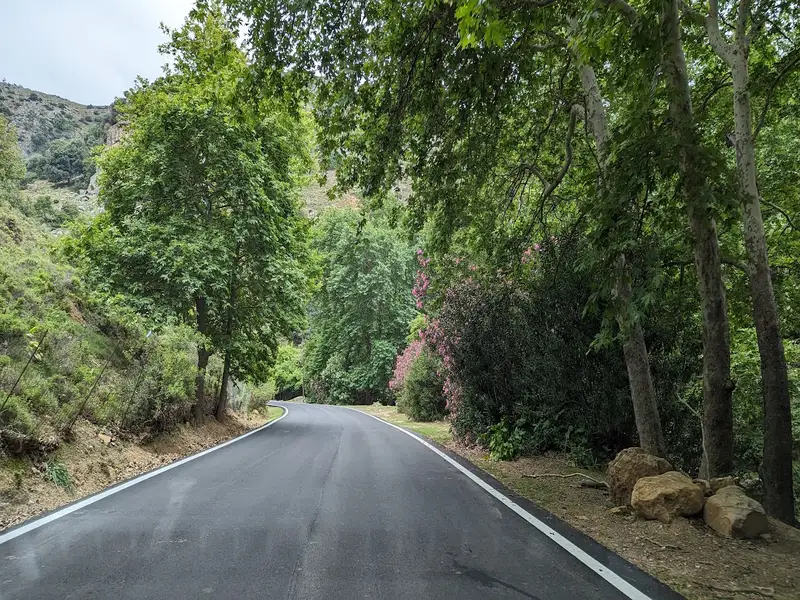
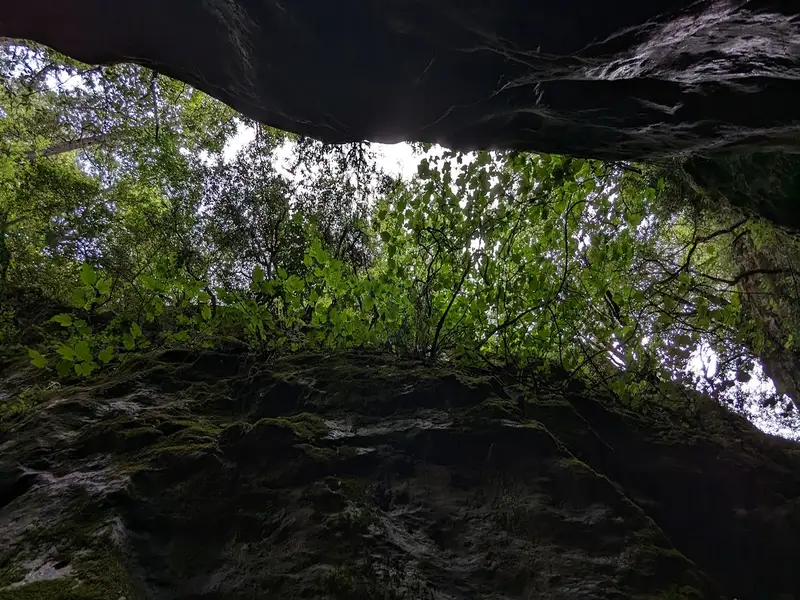
Positioned near the city of Chania, the Therisso Gorge (also known as Eleftherios Venizelos) is an awe-inspiring sight. This six-kilometre-long canyon is adorned with impressive vertical cliffs and lush greenery, rivalling any other gorge in the Chania region. Accessible by car, it’s worth combining a trip to the gorge with a visit to the historic village of Therisso, nestled at the foot of the White Mountains, just 15 kilometres from Chania. This village, steeped in history, offers an unforgettable experience to any visitor.
With a population of just over 100, the valiant village of Therisso has held a significant role in Crete’s modern history, mainly due to the resilience of its inhabitants against Turkish invasions. In 1866, the village was burnt by Mustapha Pasha Naili, forcing many, including the mother of future Greek Prime Minister, Eleftherios Venizelos, to relocate to Kythera and the Peloponnese. Therisso gained further historical prominence in 1905 when Eleftherios Venizelos and his allies initiated a revolution against the autocratic rule of Prince George, imposed by the Great Powers, charting a course for Crete’s union with Greece. Notably, the heroic Halides brothers, key figures in the 1821 revolution, also hailed from Therisso.
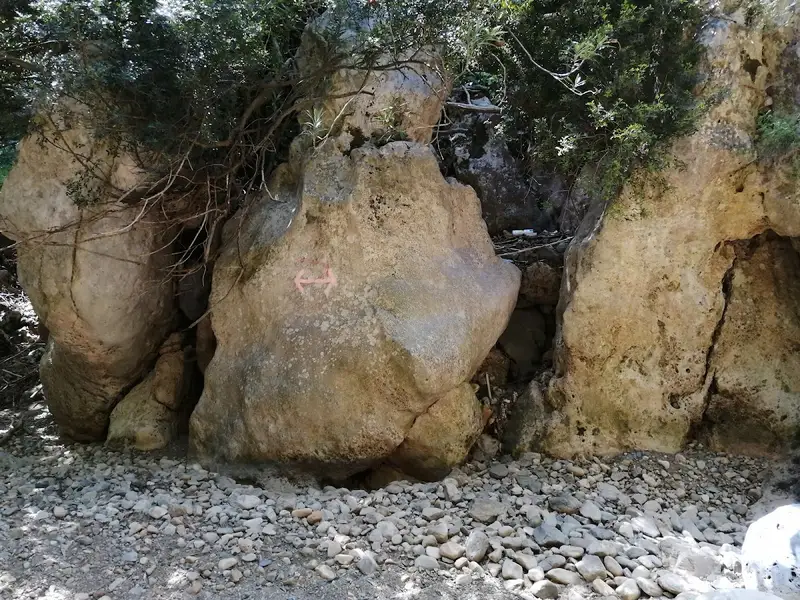
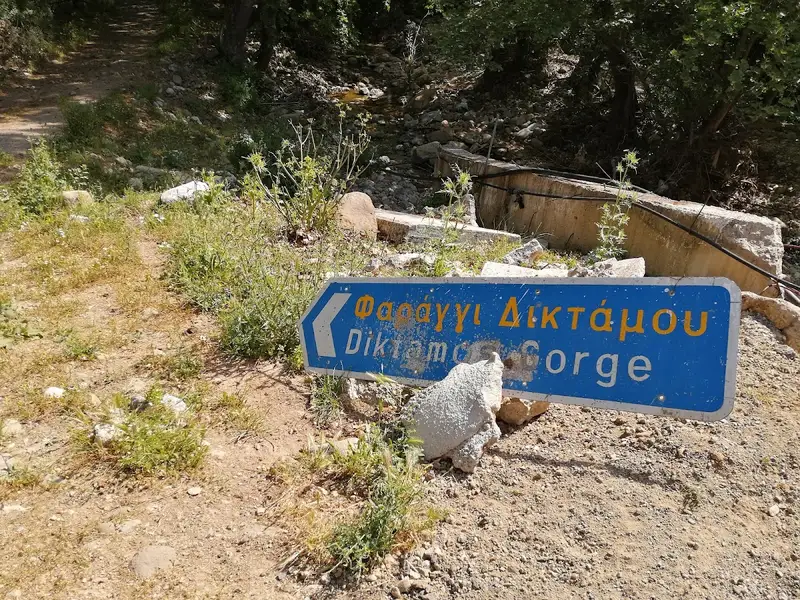
The Diktamos Canyon, nestled within the White Mountains, commences 21km to the east of Chania, near the Katochori village at an elevation of 300m. It concludes 8km further east, at the Faragi village, situated at a height of 40m and in close proximity to the Stylos village in the Apokoronas province. Consequently, it is also referred to as the Katechori Gorge or Stylos Gorge. The canyon’s stream serves as the primary tributary of the Kiliaris River, gathering water from the northern slopes of the Mavri peak and discharging it onto the Kalives beach.
Navigating through the canyon can be challenging, with certain areas requiring extra caution and approximately 3 hours to traverse. The canyon is a stunning, verdant landscape filled with towering trees and steep inclines, home to dittany or diktamos, a herb endemic to Crete. In Stylos, you have the opportunity to explore the ancient church of Apostle John (Agios Ioannis Theologos), refresh yourself at the local springs, and replenish your energy at the village’s taverns.
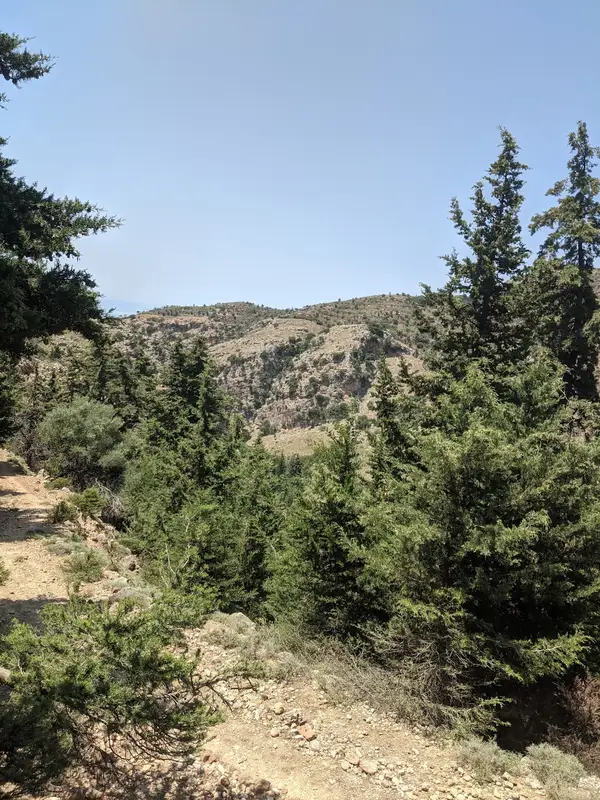
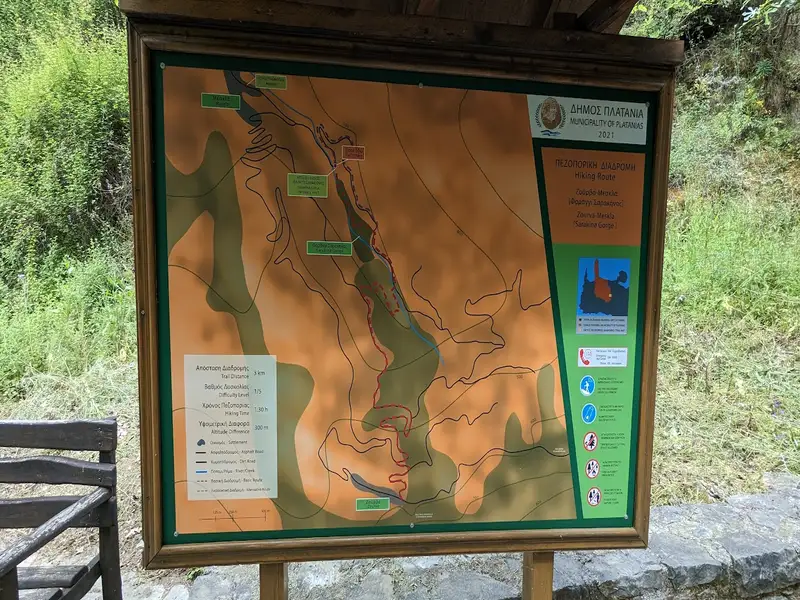
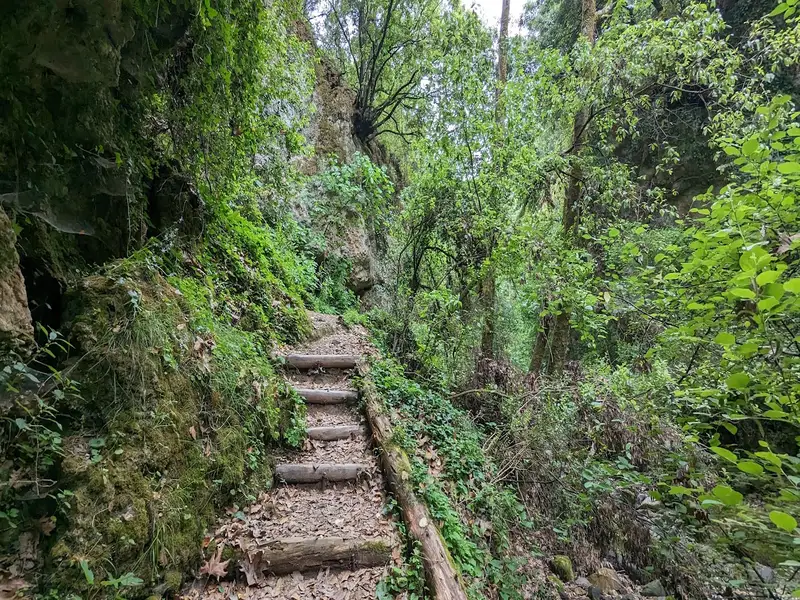
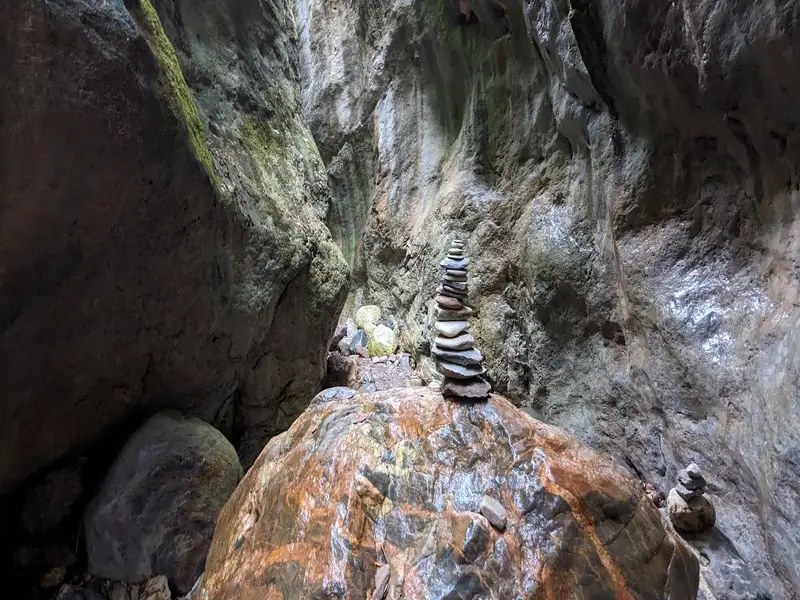
Sarakina Gorge is a short, easy hiking gorge near the village of Meskla, about 20 km from Chania town at the foot of the White Mountains. The gorge runs 3 km, rates 1 out of 10 for difficulty, and takes roughly 30 minutes to 1.5 hours to walk as a circular route that starts and ends beside the Church of the Panagia in Meskla. Water flows through the ravine until spring, and a developed path of dirt track, wooden and stone staircases, and metal walkways carries you between towering cypress and plane trees to a point where the limestone rock splits down the middle.
Sarakina Gorge is a compact hiking gorge hidden inside a deep ravine at the foot of the White Mountains. The gorge sits close to Meskla, a quiet village roughly 20 km from Chania, and its somewhat elusive location keeps it off the beaten track for many locals. That obscurity is part of the appeal, because it has kept the ravine an untouched natural spectacle rather than a crowded attraction.
The name comes from local lore that the Saracens once used the ravine as a hiding place. Do not confuse this ravine with the other well-known Sarakina Gorge in East Crete, near Mythi in the Province of Ierapetra.
Sarakina Gorge has a difficulty level of 1 out of 10, which makes it one of the gentler walks in the region. The gorge is 3 km long with an altitude difference of about 300 meters, so the effort stays light across the whole route. Walking it as a circular trail takes about an hour, and most visitors finish somewhere between 30 minutes and 1.5 hours depending on how long they linger at the rock formations.
No technical skill or climbing is needed here. Families with children and casual walkers manage the path comfortably, since local authorities have developed the trail with staircases and walkways throughout.
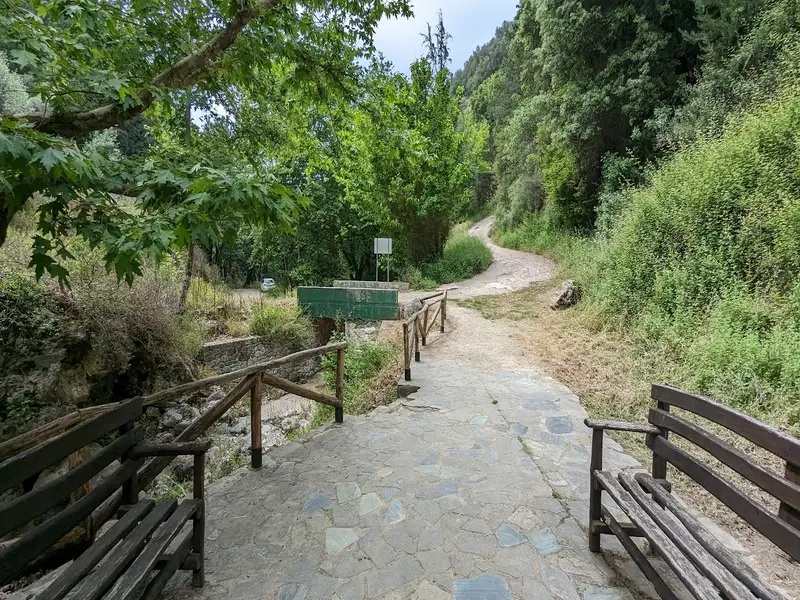
Reach the trailhead by driving to Meskla, where a paved road leads all the way to the gorge. The village lies about 20 km inland from Chania town, and the drive climbs gently toward the White Mountains. Park at the Church of the Panagia in Meskla, which marks both the start and the finish of the circular trail and offers the parking space for visitors.
Public transport into these mountain villages is limited, so the easiest way to arrive is with your own vehicle. Book a rental car for exploring inland Crete if you want the freedom to combine Meskla with the wider valleys around Chania town.
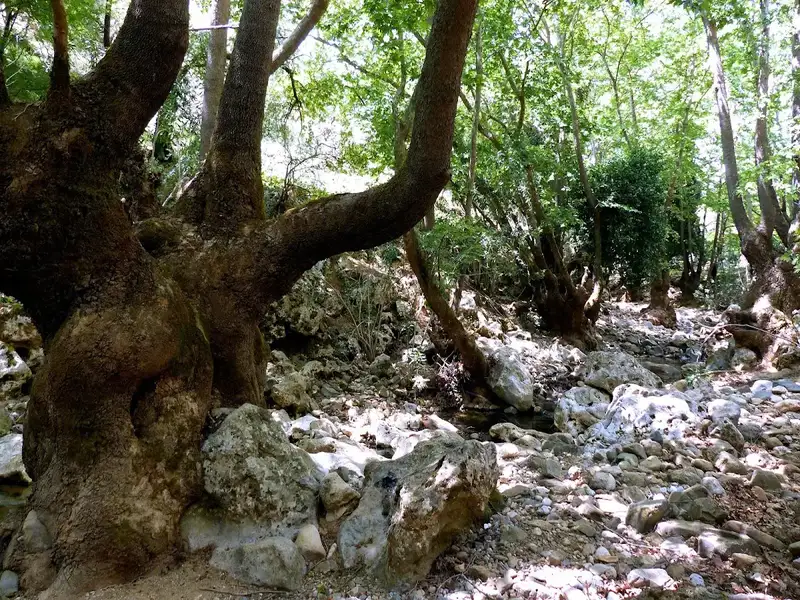
The walk opens with a ten-minute stretch on a dirt road that then joins a path running alongside the river. Wooden and stone staircases and metal walkways cross the water as you move deeper into the ravine, framed the whole way by cypress and plane trees. Water runs through this section until spring, adding sound and greenery to the shaded canyon.
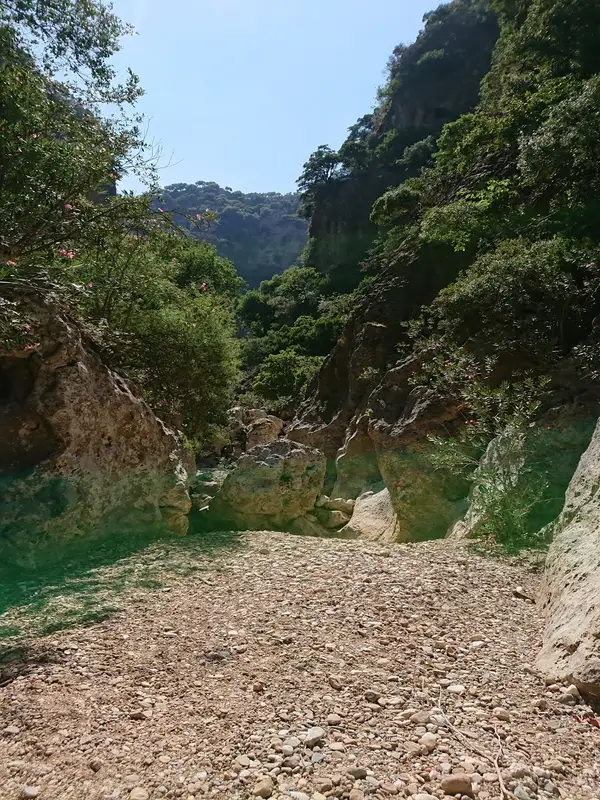
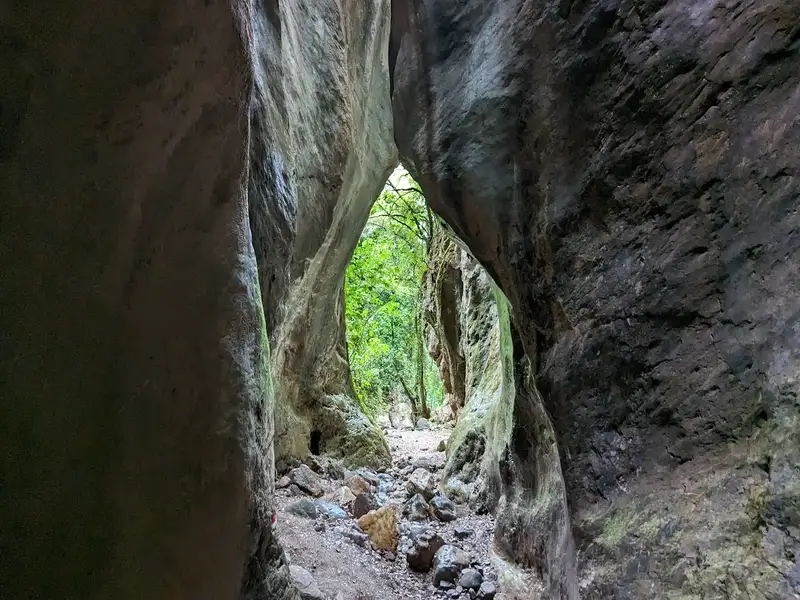
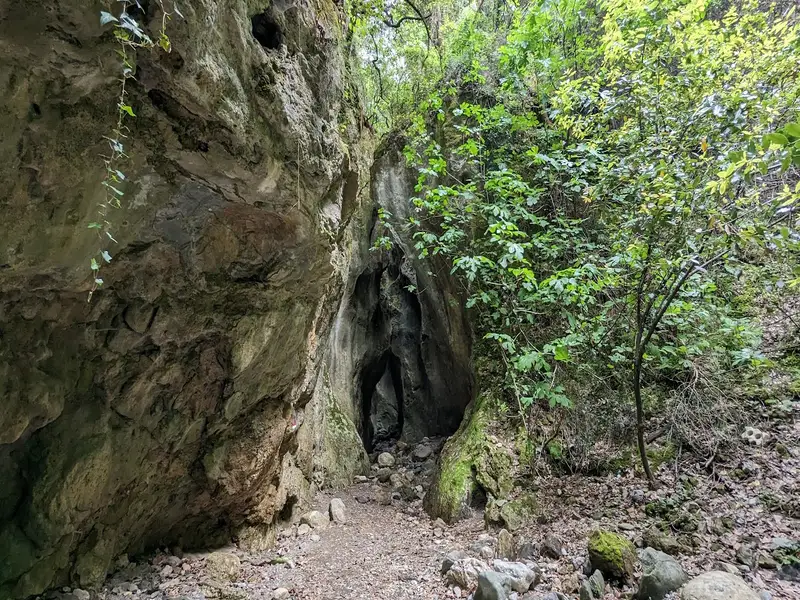
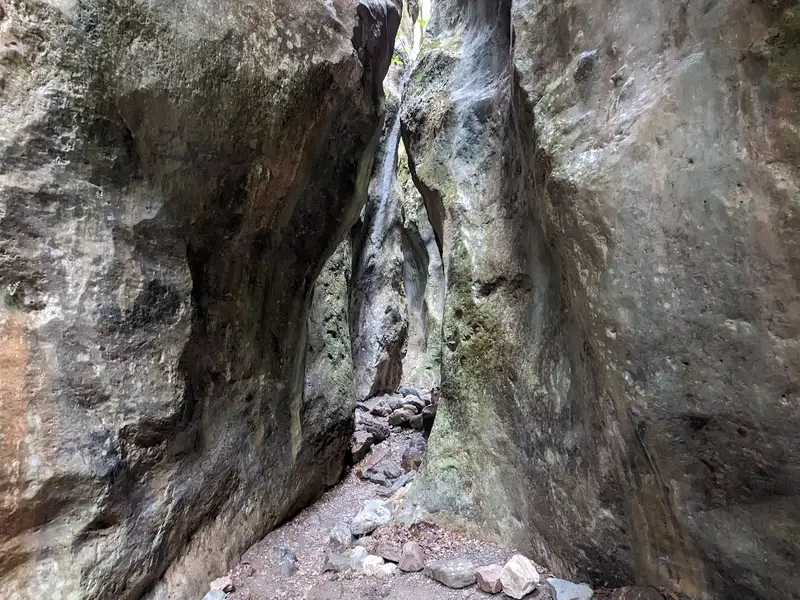
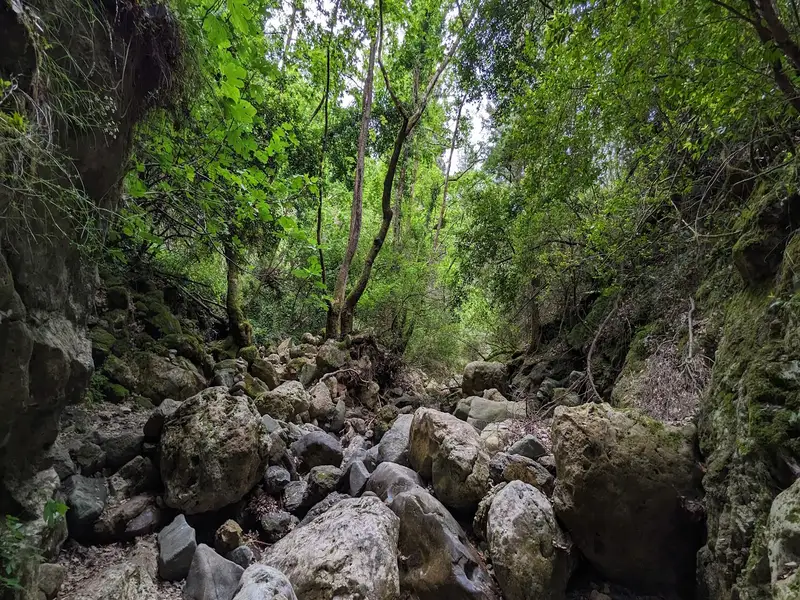
After the first segment the landscape changes sharply, shifting from a gravel bed to solid limestone boulders. The highlight arrives where the rock appears split down the middle, carving out a breathtaking natural sculpture that gives the gorge its character. This limestone gallery is the reason most hikers make the trip, and it rewards a slow pace and a camera.
Pack for a short mountain walk with water underfoot. Bring the essentials below so the easy grade stays comfortable across the 3 km loop:
Meskla sits within easy reach of several other Chania gorges worth pairing with Sarakina on a walking day. Each offers a different character, from lush greenery to historic villages, and all lie in the same mountainous corner south of Chania.
For guided hikes and day trips that include transport, browse the full range of Crete hiking experiences. You can also compare the region’s ravines side by side on the Crete gorges.
Sarakina Gorge is a hiking gorge. The trail suits walkers of all levels and needs no climbing or canyoning gear.
Yes, water flows through Sarakina Gorge until spring. The river runs alongside much of the path, crossed by wooden and stone staircases and metal walkways.
Sarakina Gorge is easily accessible, because a paved road leads all the way to it. Parking sits at the Church of the Panagia in Meskla, where the circular trail begins and ends.
Sarakina Gorge is 3 km long. The circular route walks back to Meskla, so you cover the distance and return to your car without arranging a pickup.
Sarakina Gorge has a difficulty level of 1 out of 10. The altitude difference of about 300 meters is spread gently across the walk, keeping it suitable for families.
Hiking Sarakina Gorge takes approximately 30 minutes to 1.5 hours. Most walkers complete the circular trail in about an hour, with extra time for photos at the split-rock formation.
No results available
No results available
No results available
© All rights reserved. Crete Locals