Before reaching Chania city and wander to the narrow streets of the old city, firstly stop at the peninsula of Akrotiri.
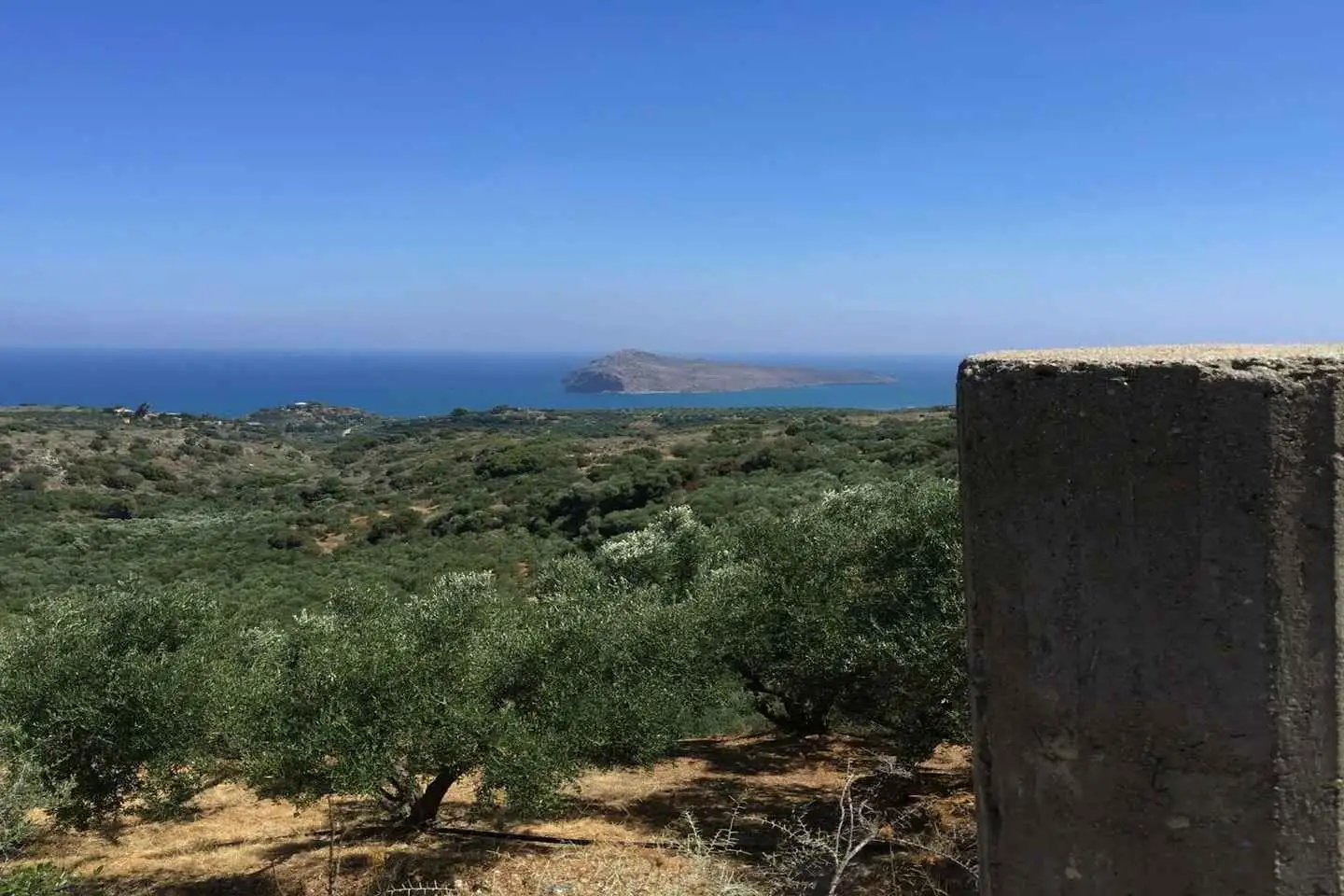
There it is the grave of the important politician Eleftherios Venizelos, where we can enjoy a fabulous view over Souda Bay.
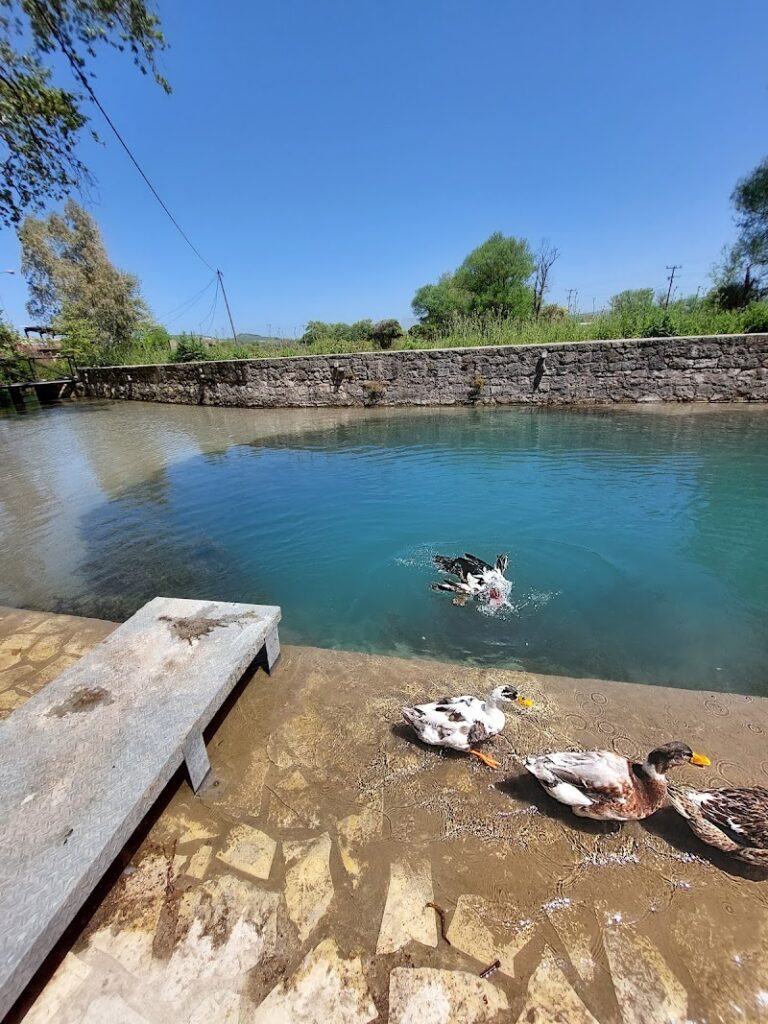
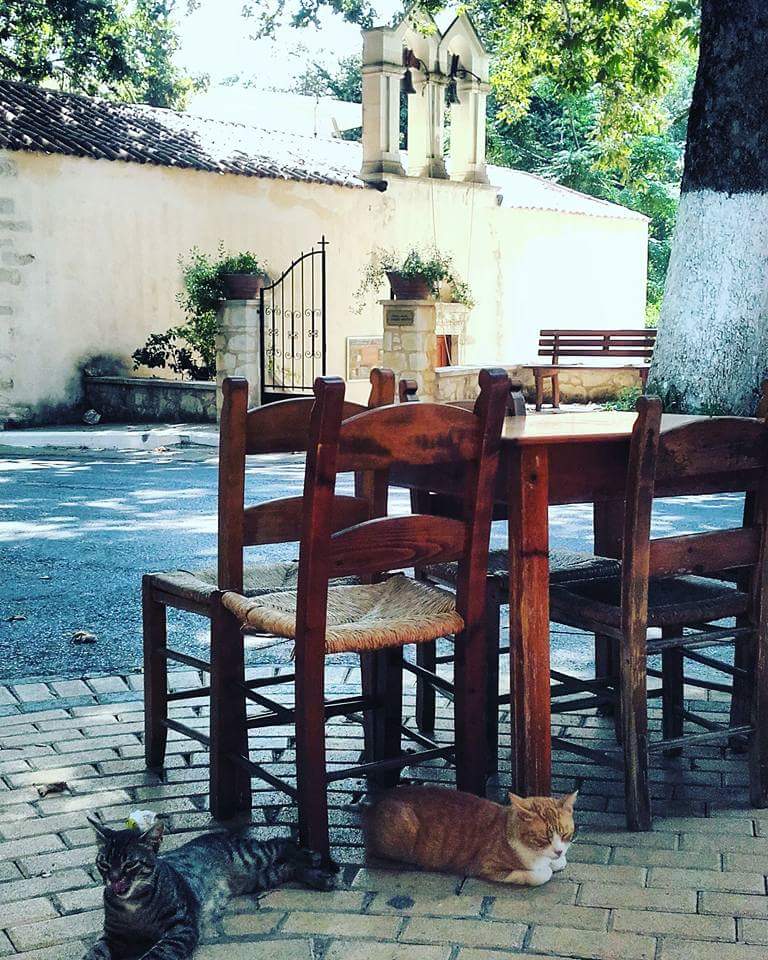
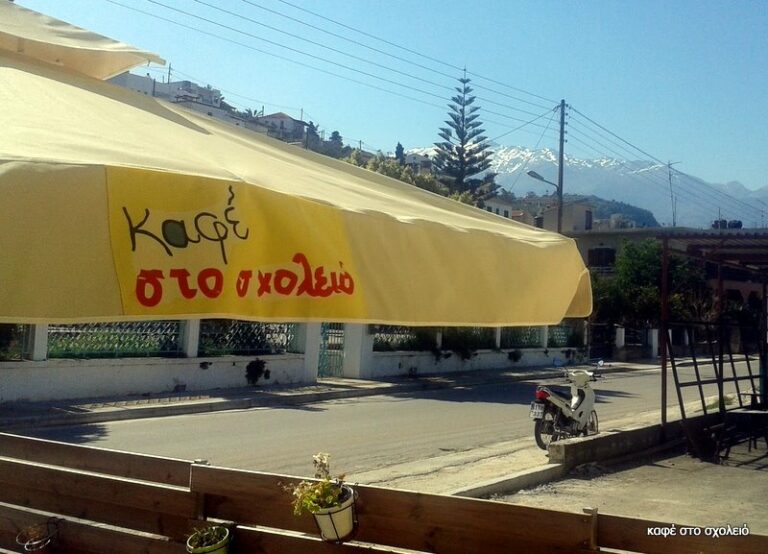
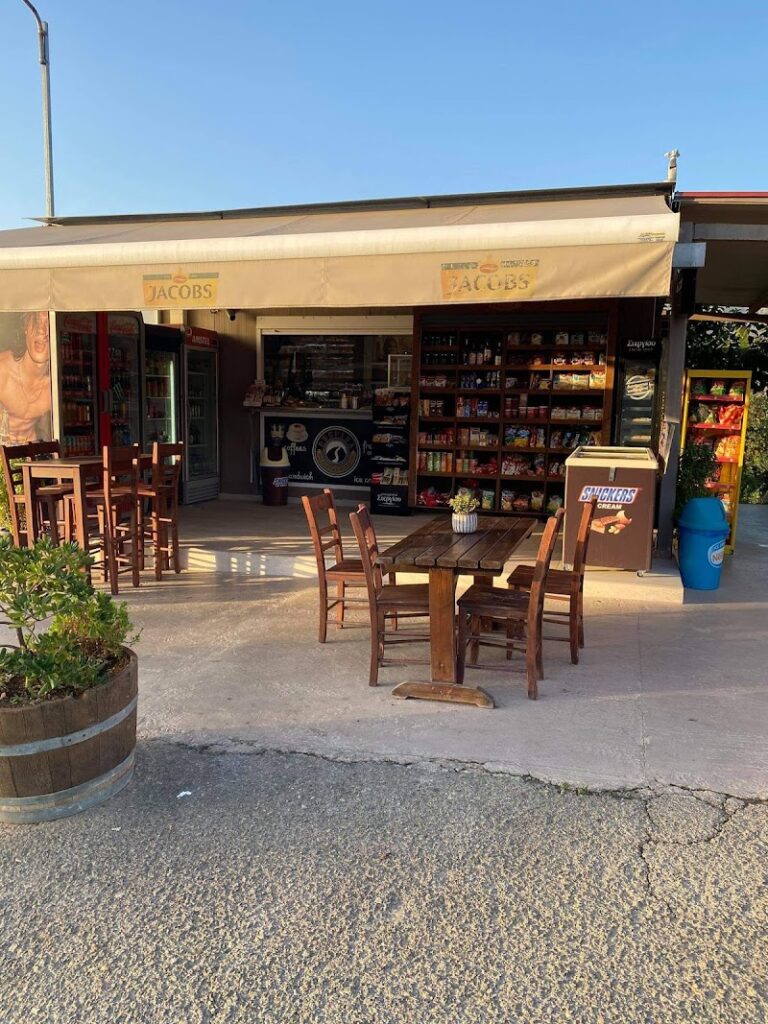
Chania, the second largest city of the island of Crete will be next stop. After a city tour, your steps will leads you to the city port where you will enjoy some small Cretan specialties. Free time to explore the city on your own will be next. You can also visit the famous market hall here. We continue with the stop at the ruins of “Aptera” and spend some time for the sensational view over the north coast. Final stop is the freshwater lake “Kournas”, here you can end the day with a Greek coffee on a terrace from one of the numerous coffee shops.
Escape the ordinary and dive into an authentic 3-hour Cretan adventure! Join a local fisherman and discover secret fishing spots along Chania’s stunning coastline.
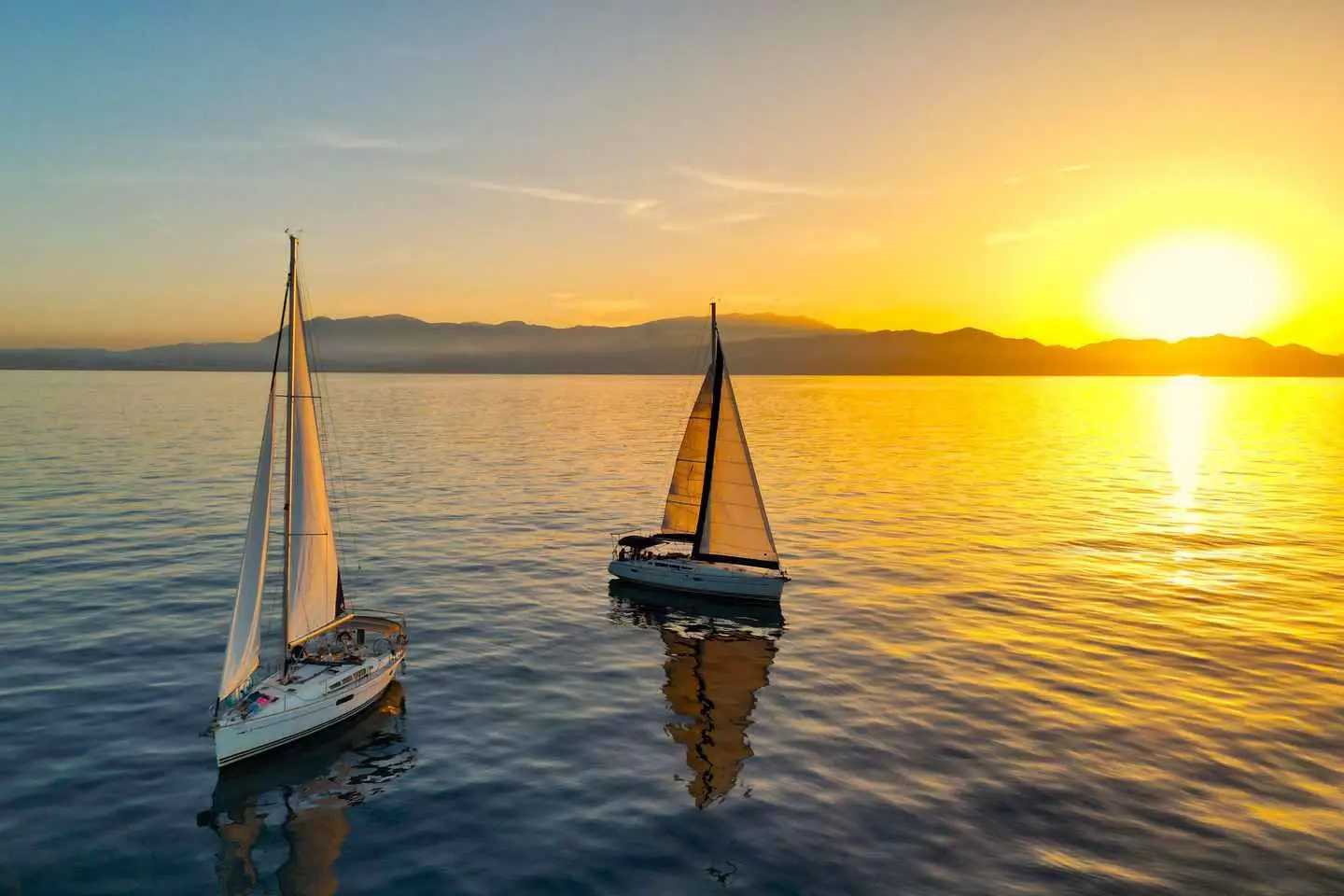
Choose your perfect timing – sunrise departure (8:00 AM) with traditional breakfast aboard, or magical sunset trip (5:30 PM) with wine and homemade delicacies.
What awaits you:
Don’t just visit Chania – LIVE it like a local! Book now for an exclusive maritime experience that combines adventure, relaxation, and authentic Greek hospitality. Limited spots available!
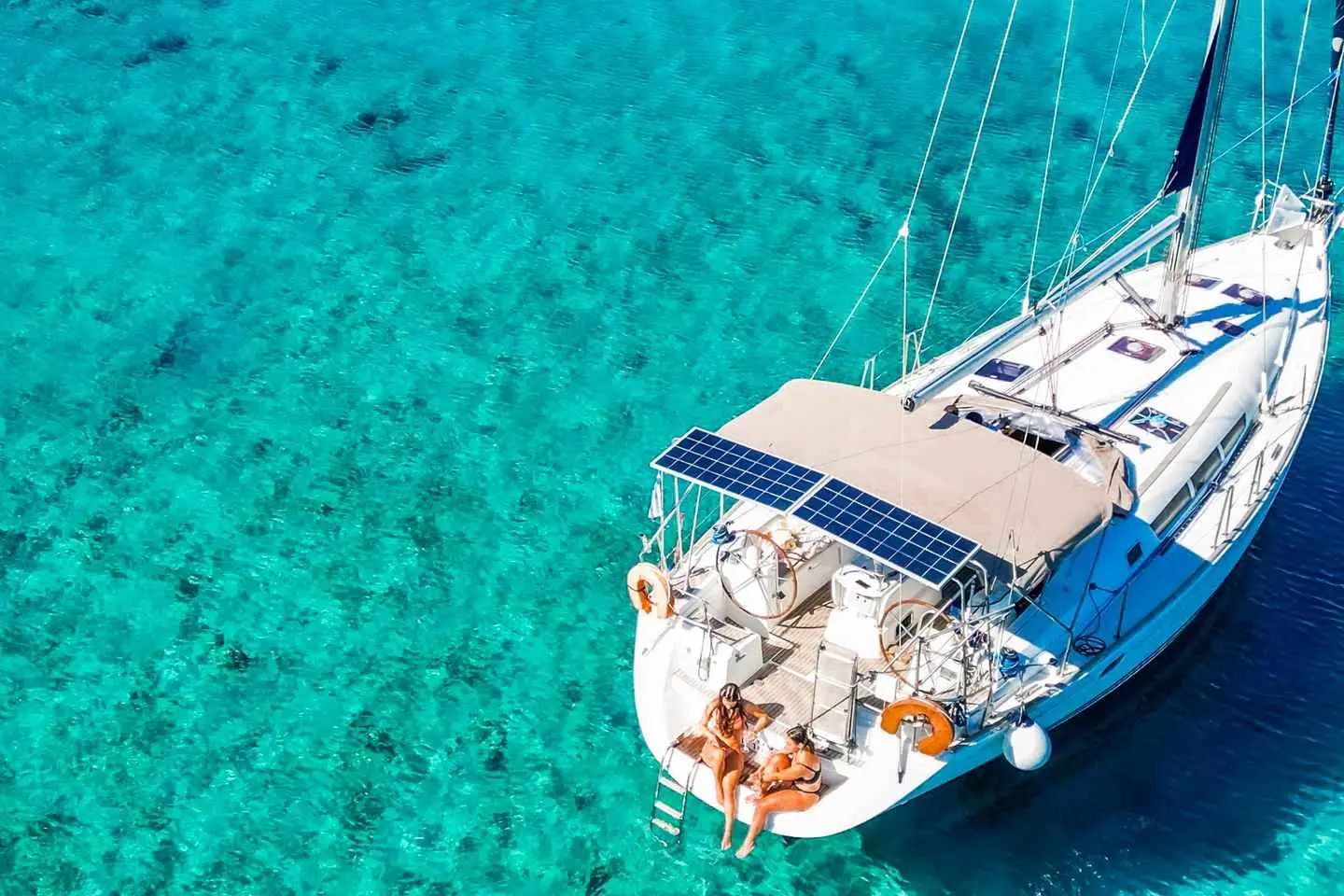
Sail with us from Kolimvari Port along the gorgeous north coast of Chania on our large and comfortable sailing yachts and discover the island of Agioi Theodoroi, home of the famous Kri-Kri goats.
Our journey begins from the port of Kolimvari.
As we start, after a short safety briefing, you can admire the beautiful coastline and enjoy the feel of sailing.
About 1 hour later we arrive to our swim stop in the beach of Agioi Theodoroi island where you can enjoy the crystal waters and our water activities such as snorkeling and stand-up paddle boarding. While at anchor in the bay our crew will be happy to offer you any piece of equipment for our water activities and serve you plentiful drinks so, please don’t hesitate to request it from them.
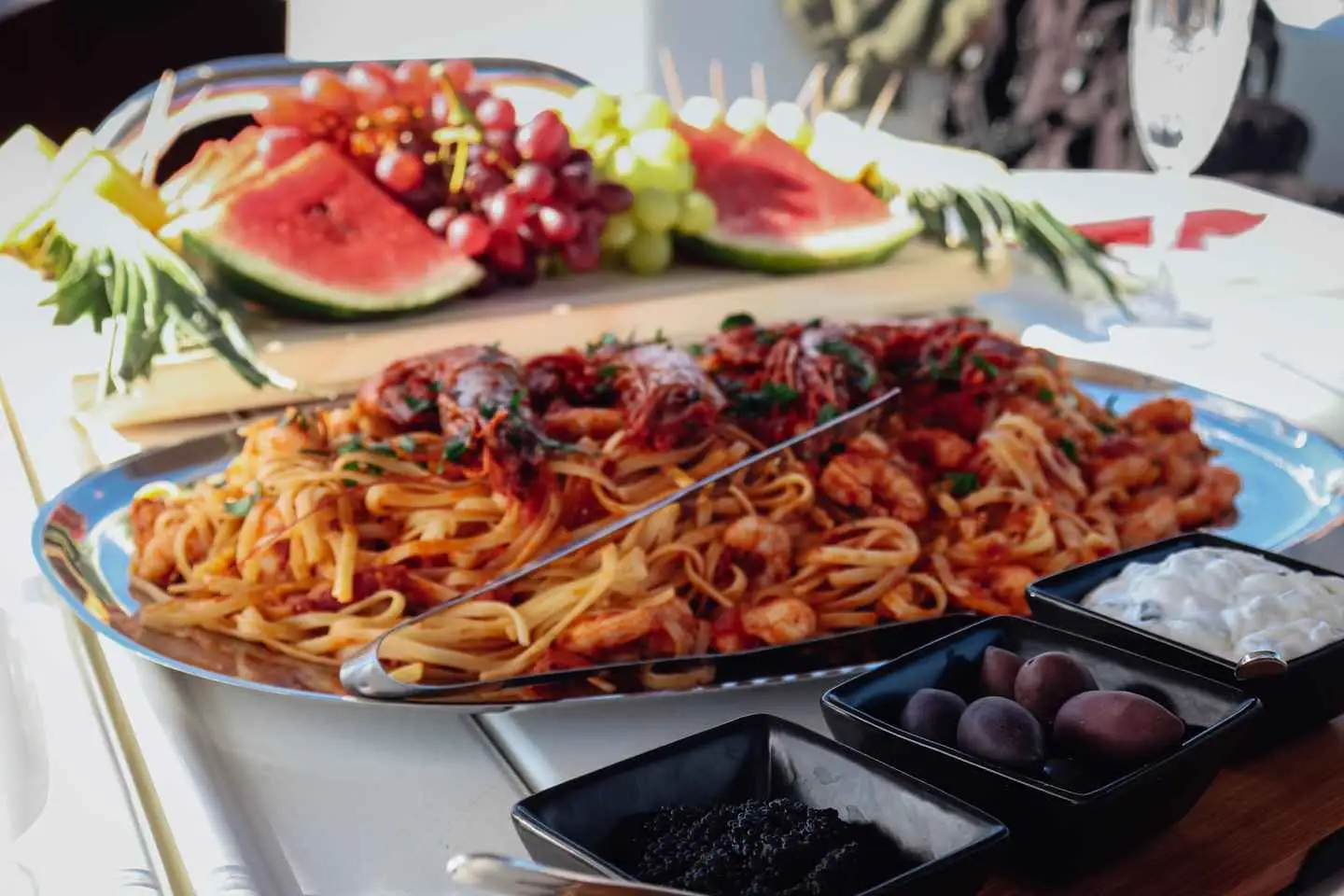
About 2 hours later our delicious Mediterranean menu is served and includes Greek salad and several appetizers, while the main course is shrimp pasta (we also offer vegetarian and gluten free versions of the menu upon request). You can also accompany your meal with the finest wine, beer, ice tea or soft drinks. For dessert you can taste our special fruit mixture of local and tropical fruits. About 1 hour later we will set sails to head back to the port after a day full of great memories.
You can choose between the morning or the afternoon cruise with the sunset view.
This private tour unfolds the history behind the battle of Crete in Chania: A certified Historian/ Archaeologist specializing in Contemporary History is ready to guide you through the line of events that led to the Battle of Crete and the mysteries of the Archaeological remains of the battlefields.
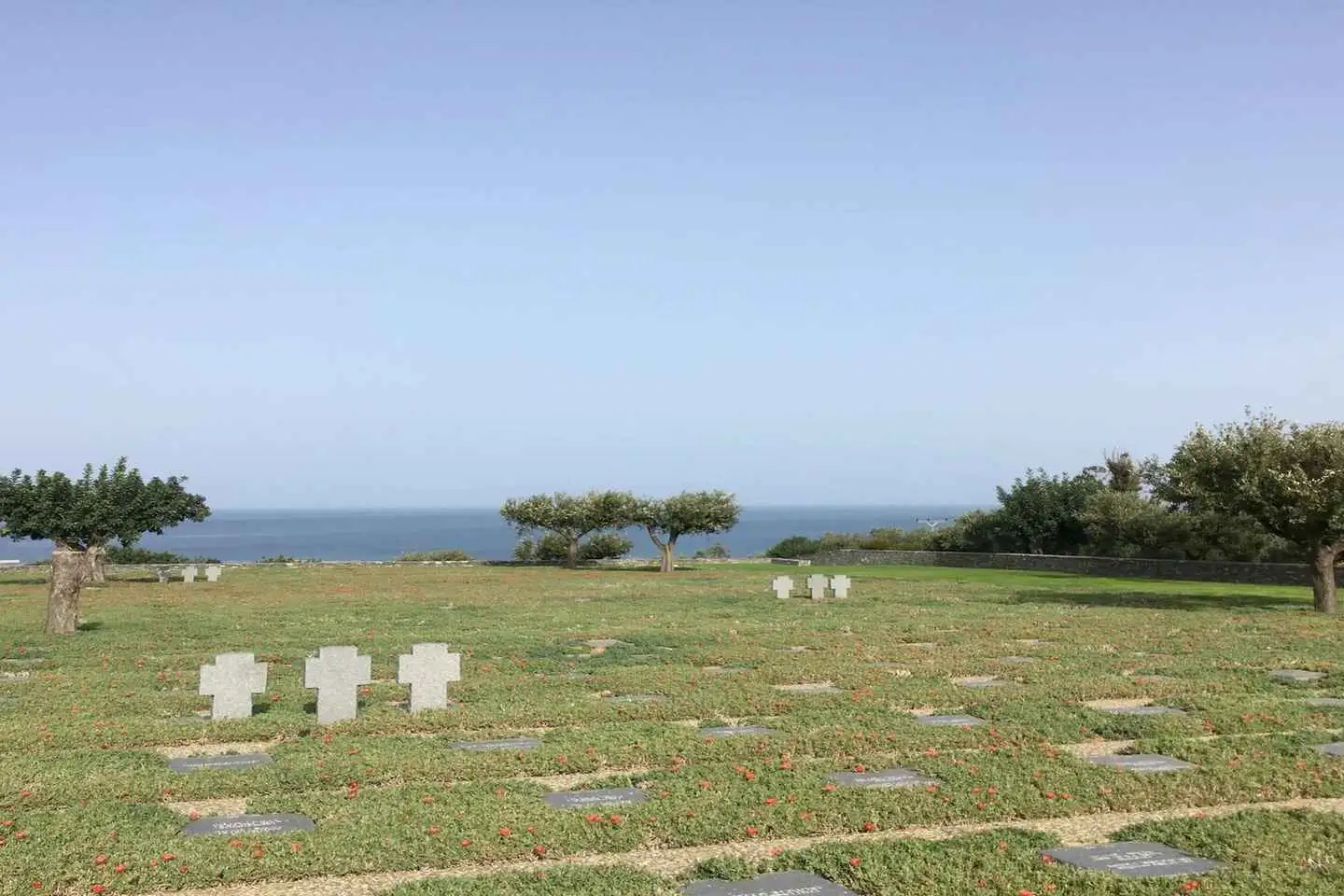
We start our tour at the Airport of Maleme, a site that was of vital importance for the Axis forces, and played a crucial role during World War Two. A tour of hill 107 is being carried out, as well as a visit to the German War Cemetery. We stand in grief, due to the sheer size of human losses and afterwards we visit two different abandoned German lockouts in an undisclosed location.
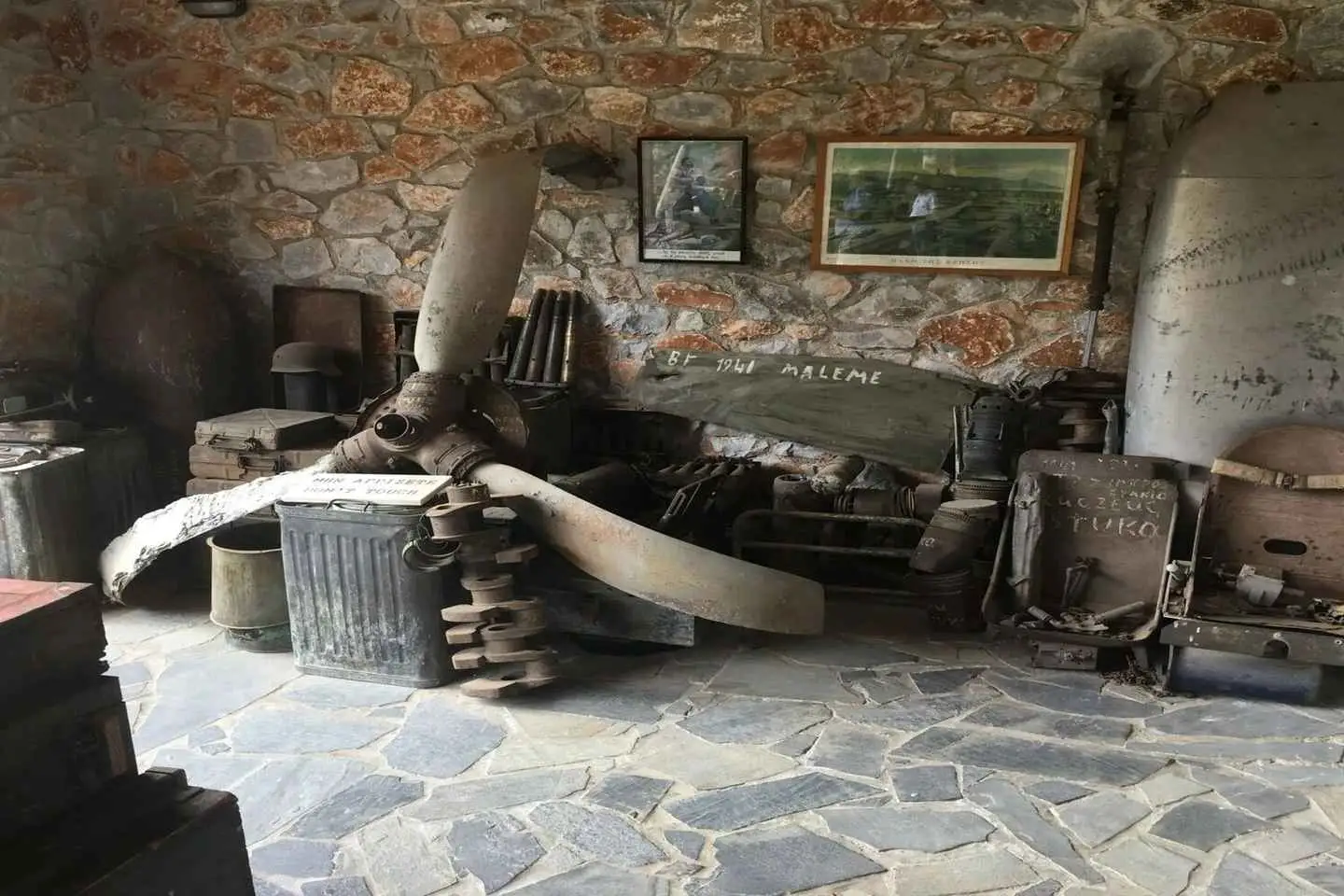
A visit to a private war museum lets us understand how the battle was being carried out, and we learn about unknown facts about the battle of Crete due to our Historian Guide’s expertise and rare archive photos that were found after tedious research.
The British Commonwealth Nations (Such as Australia, New Zealand and Great Britain) played a vital role in the Battle of Crete, and we pay great respect to our allies, by visiting the British Commonwealth Allied Cemetery. We learn about the history of the allied cemetery in Souda Bay as we overlook the spectacular views of the bay on which “Lest We Forget”* is a common phrase.
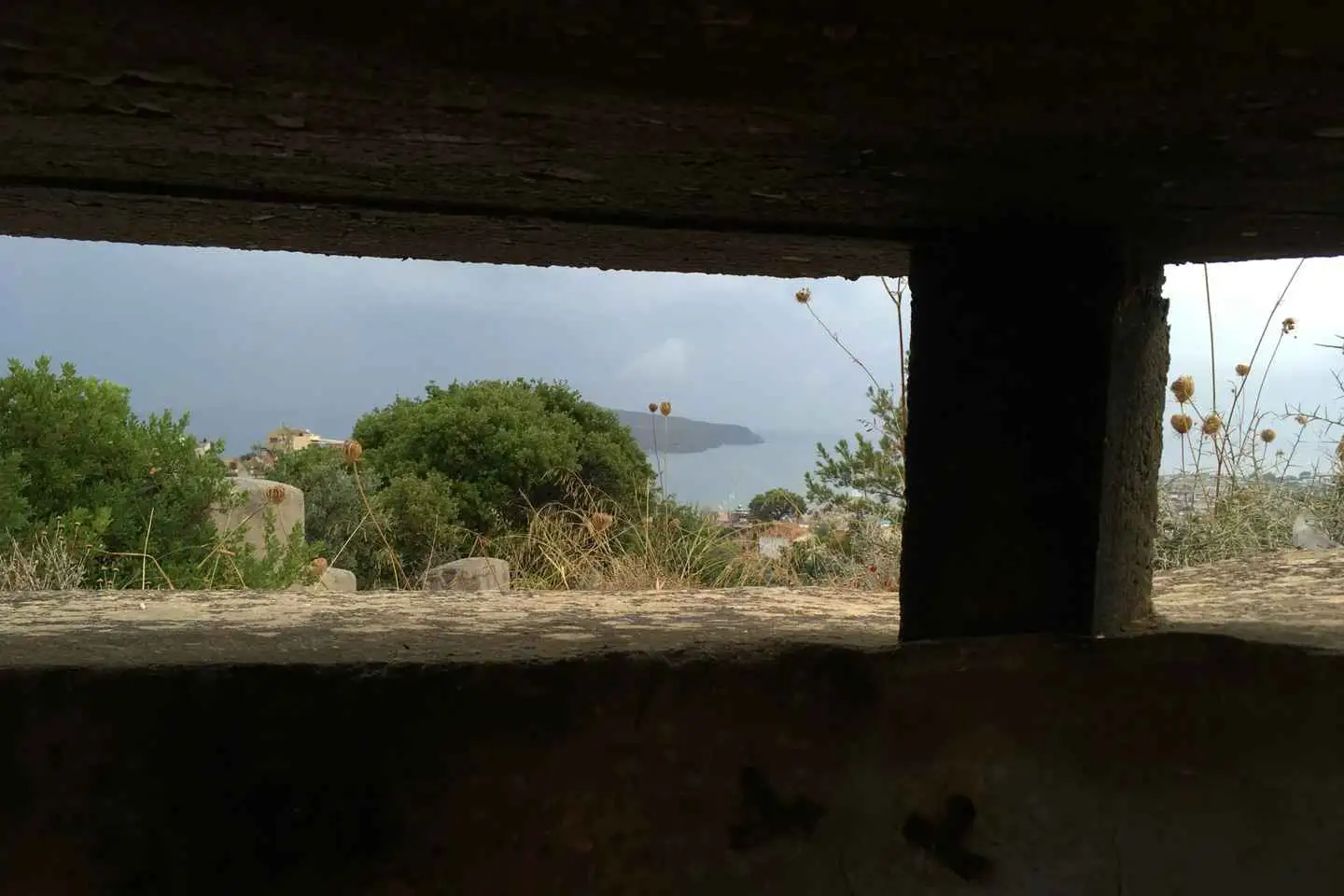
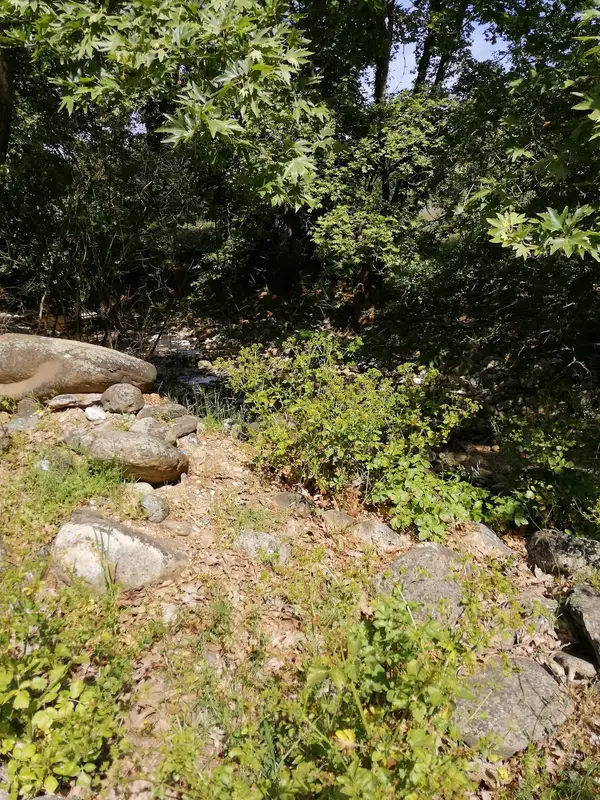
A small coffee/ lunch break at a beautiful riverside with overgrown vegetation will help us to talk about questions and inquiries. Afterwards, we continue our tour to an undisclosed location to inspect battlefield Archeology and the untouched history of the Battle of Crete to an abandoned German Bunker. We learn about the daily war routine, as well as the military equipment, regimes and ammunition used by both the Axis Forces and the Allies during the second world war.
No results available
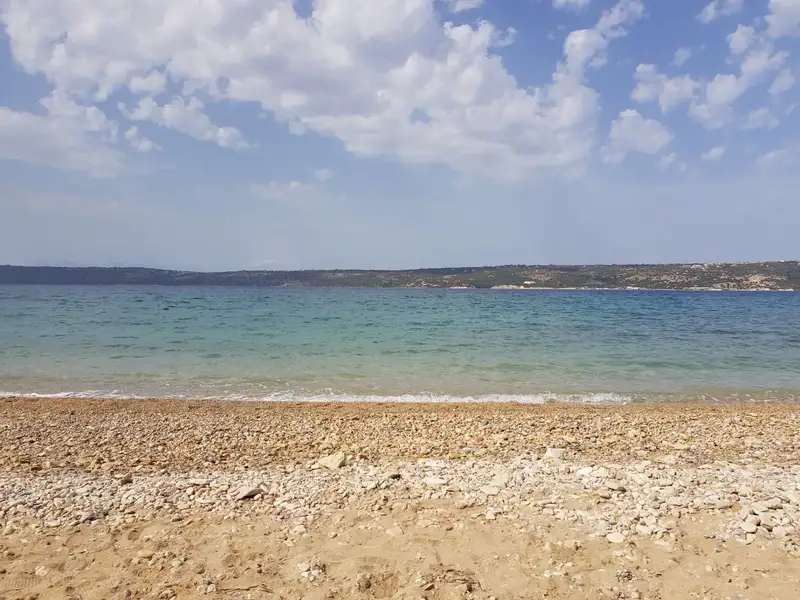
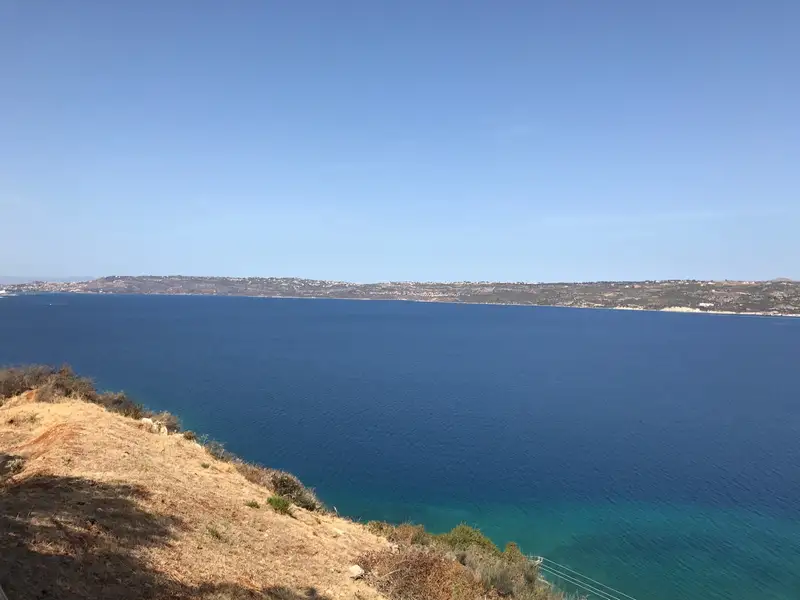
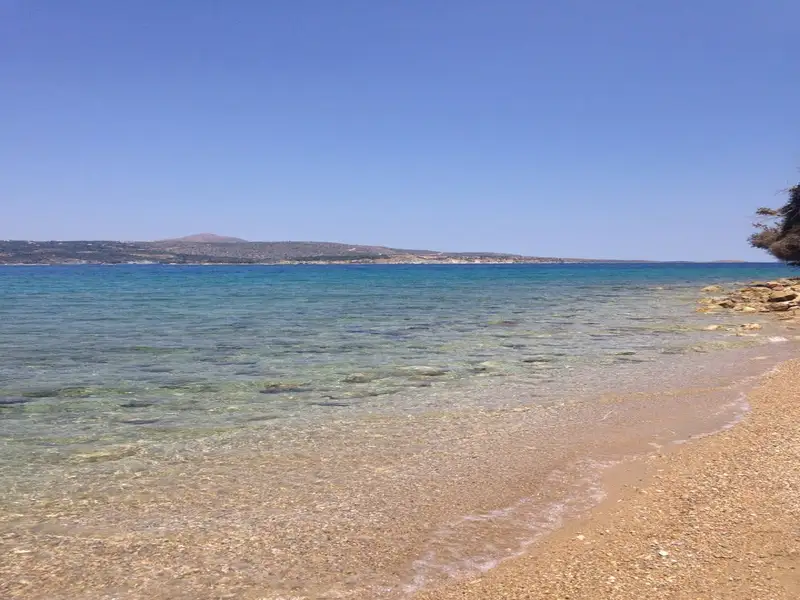
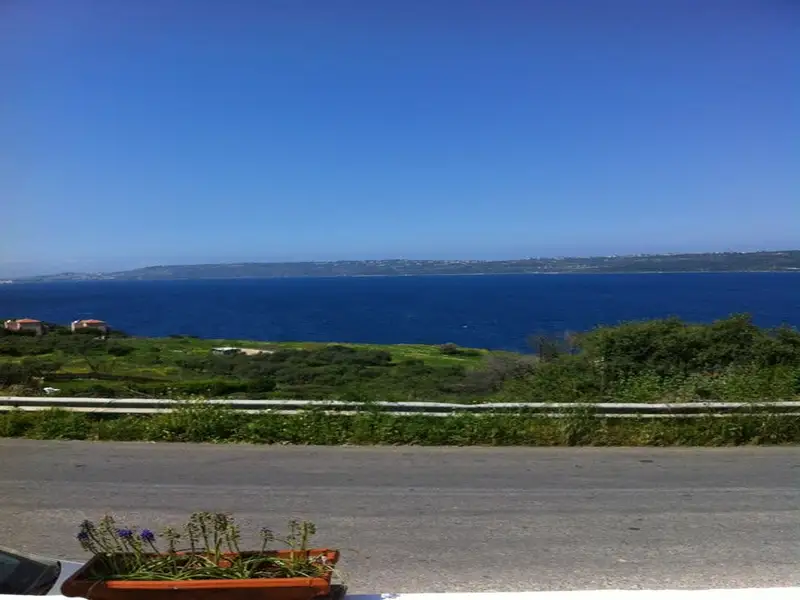
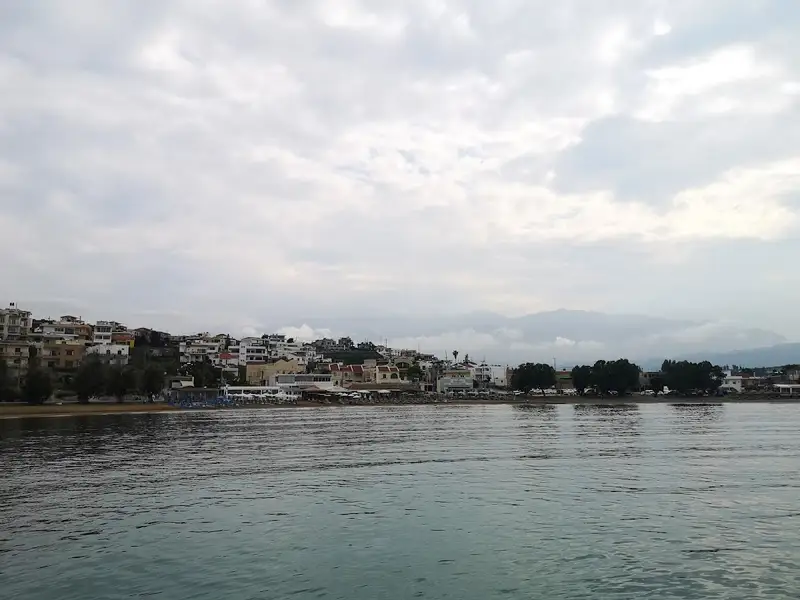
The village of Kalami is situated 15km to the east of Chania city, nestled on the southern shore of Souda Bay and in close proximity to Megala Chorafia village. It boasts a breathtaking panorama of the bay and Souda fort. Moreover, it’s near the ancient city of Aptera and the Turkish forts of Intzedin and Aptera.
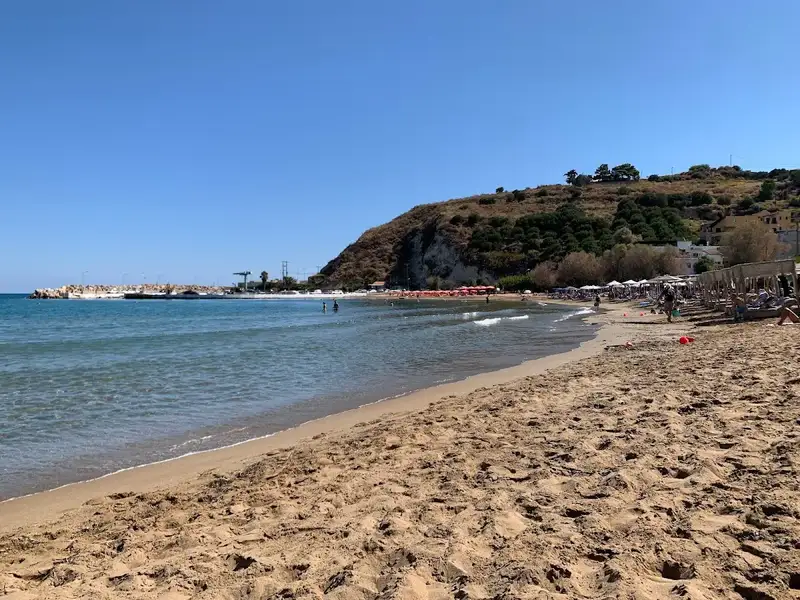
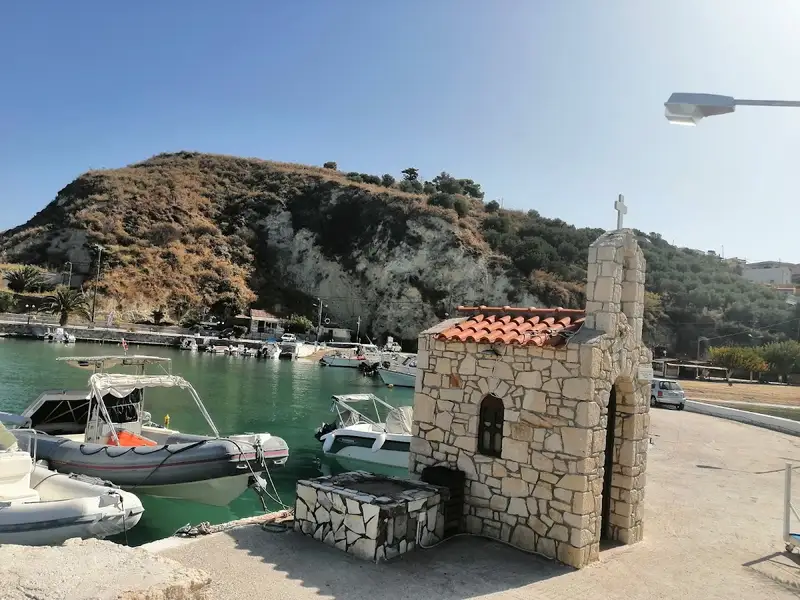
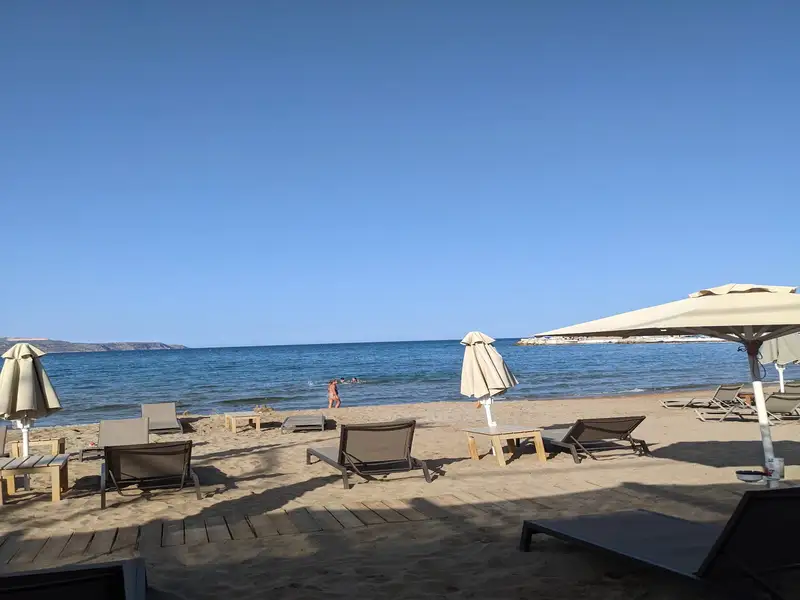
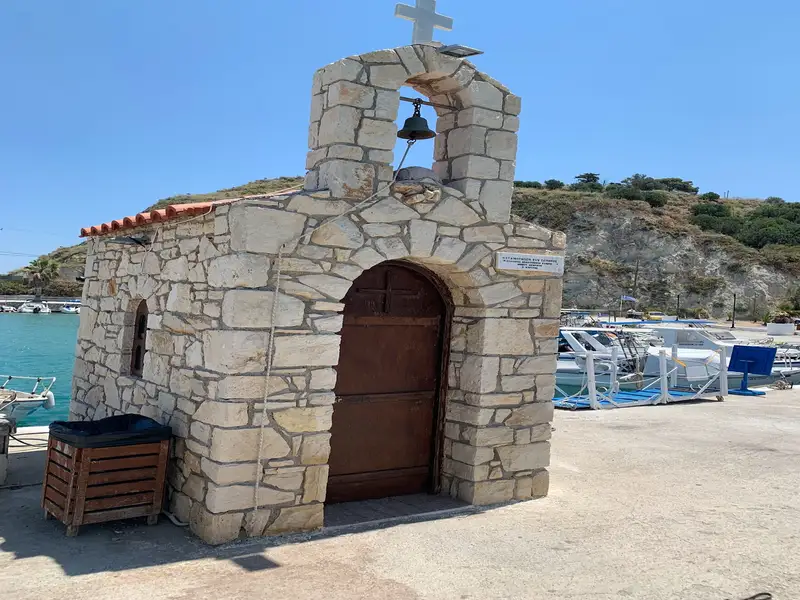
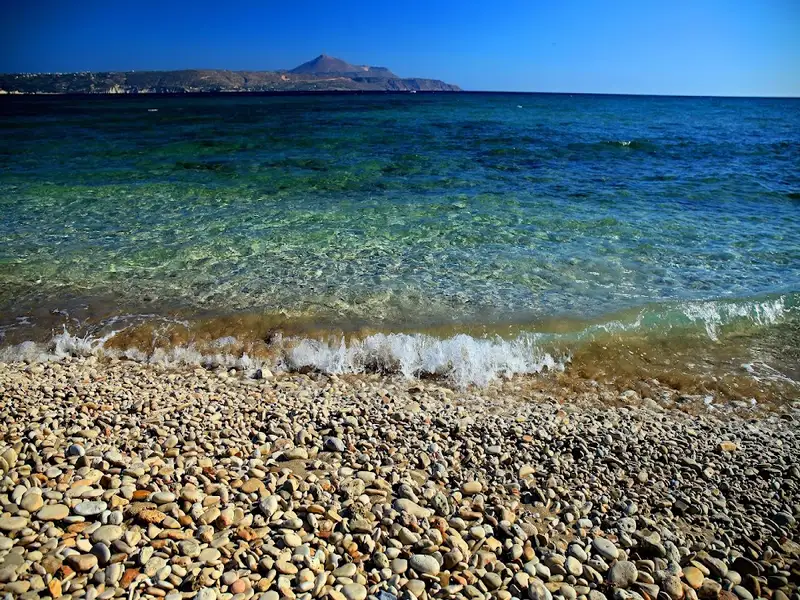
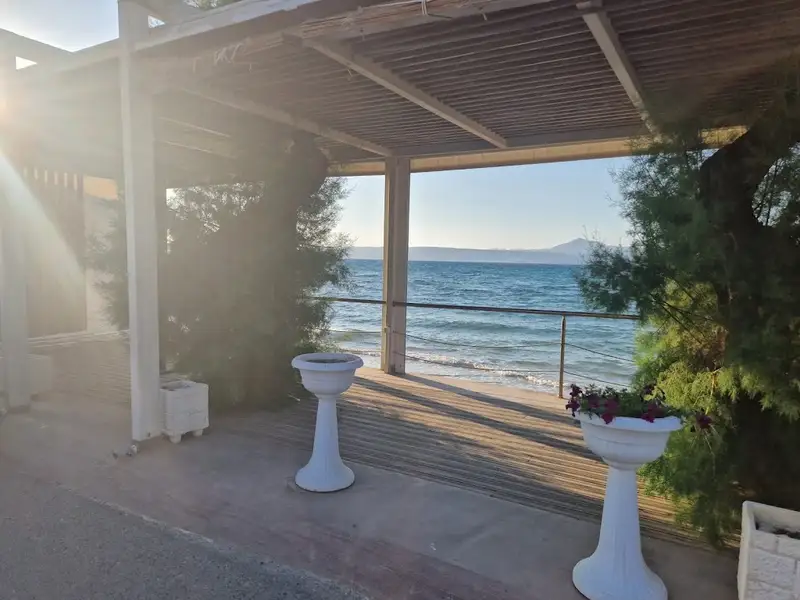
A mere 500m north of the village, a delightful beach adorned with rounded pebbles and deep water is found. At the beach’s east end, there’s a small harbour housing various boats. The beach is a favourite spot among the locals, although it’s yet to be fully organized. There are a handful of umbrellas and tamarisk trees scattered about. The village and the surrounding region offer a few accommodation and dining options.
The coastal resort of Kalives is situated 19km west of Chania, along the southern edge of Souda Bay. This charming village is nestled in a verdant valley where several rivers meander. Its name, which translates to “Huts” in Greek, is thought to have originated from the primitive structures erected by farmers for summer overnight stays. The rivers of Xidas and Mesopotamos flow near the village’s eastern boundary. The combination of these rivers with the sea’s many springs results in a cooler sea temperature.
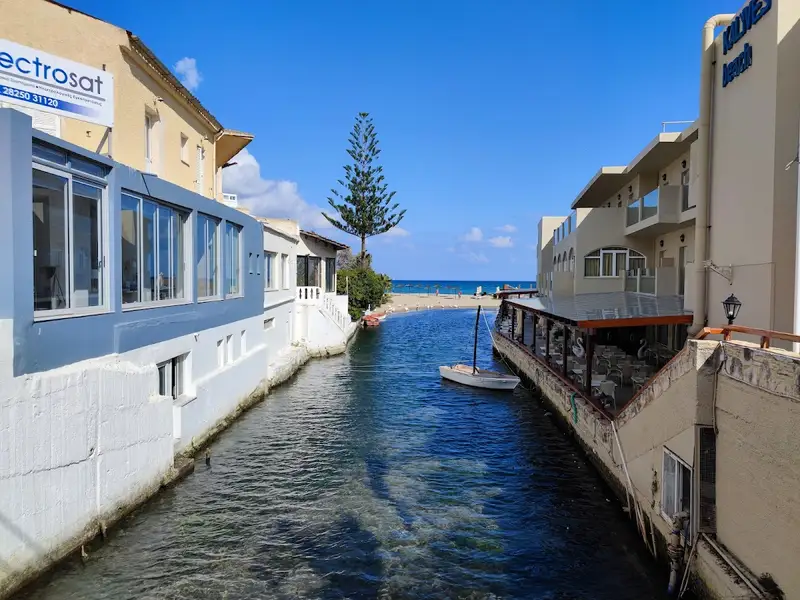
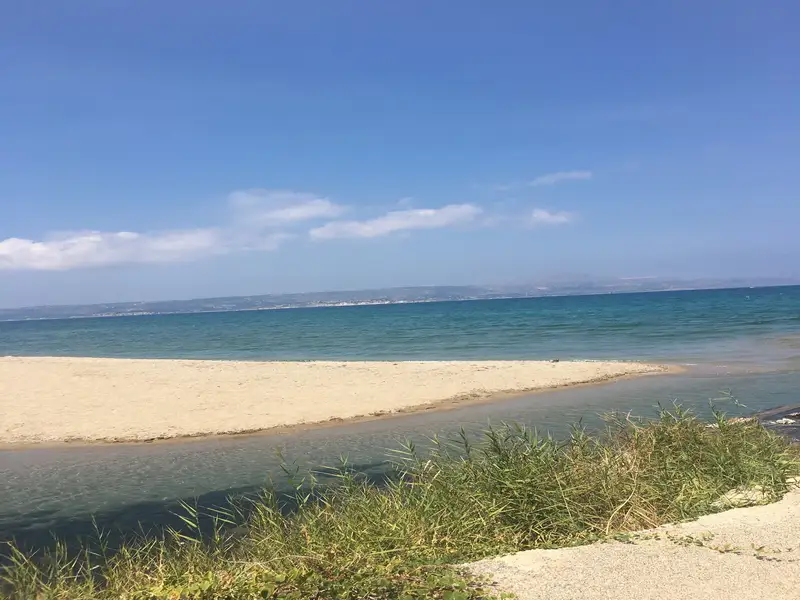
Adjacent to the Xidas river, both east and west, are two sandy beaches with shallow waters, exposed to northern winds. Named Xidas and Maistrali respectively, these beaches are well-equipped with standard tourist amenities. A petite, picturesque bridge at Xidas river’s mouth connects these two beaches. The scenic harbor of Kalives neighbors Maistrali and is connected to Chania through regular bus services. The area also houses banks, post offices, clinics, shops, and more.
North of Kalives, at the mouth of the Kiliaris river, lies the serene beach of Kiani Akti or Glaros. The Kiliaris river, which carries water from the White Mountains, maintains a year-round flow, a rarity in Crete. This results in cooler seawater near the river.
Kalives’ geographical position and fertile soil have made it a place of habitation since ancient times. It is believed to be the location of the ancient city Amfimatrion. Notable historical events include the construction of the Castel Apicorno fortress in 1206 and the village’s destruction by the pirate Barbarossa in 1538. The village is also close to the ancient city of Aptera and the Ottoman forts of Intzedin and Aptera.
The harbor houses a German cannon concealed in a cave on the other side of a mountain. A small window at the tunnel’s end offers breathtaking views of the cliffs and sea. This is merely one example of the German defensive structures scattered across the broader Apokoronas and Akrotiri Cape area.
Visitors are encouraged to stroll through the village’s picturesque narrow streets, eventually reaching the village’s central square, home to a large plane tree and the Agia Paraskevi church. The church, adorned with frescoes, was constructed during the German Occupation in World War II.
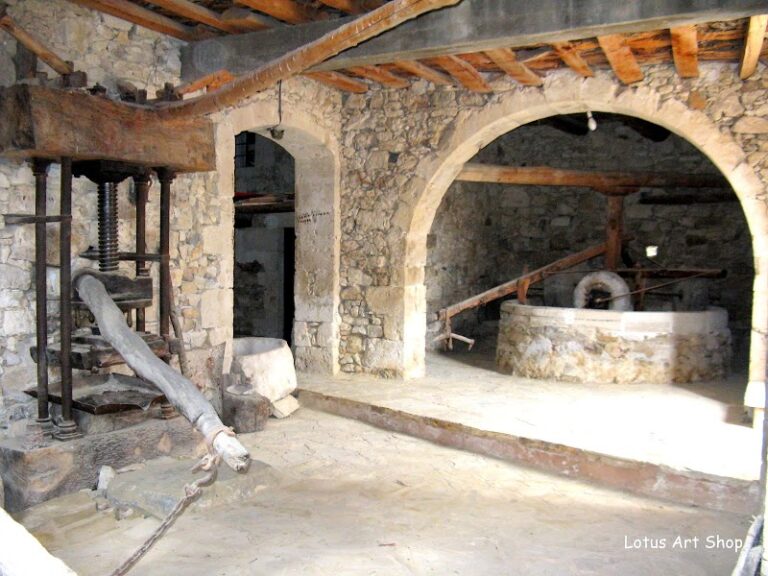
An old Venetian mill, one of Crete’s most complex, is located along the Mesopotamos river. Built from stone and kourasani (a mixture of mortar and ground tile), it is renowned for its durability.
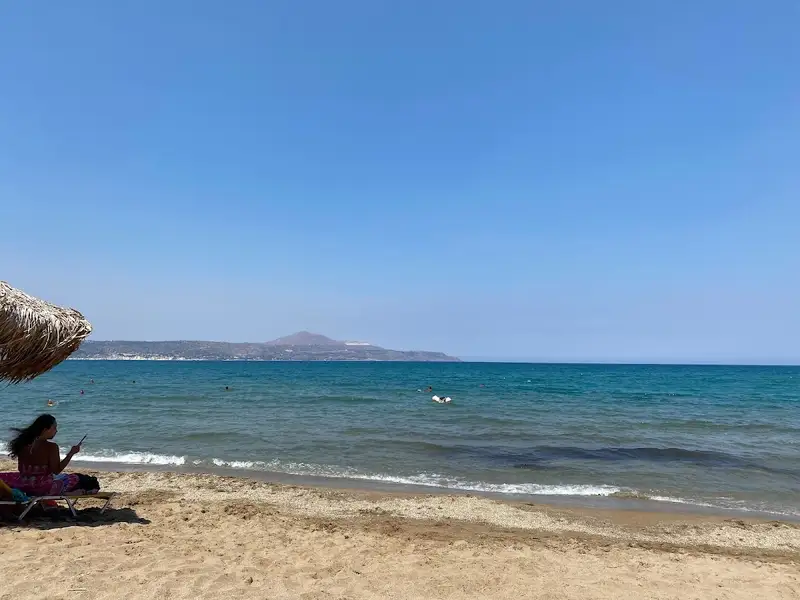
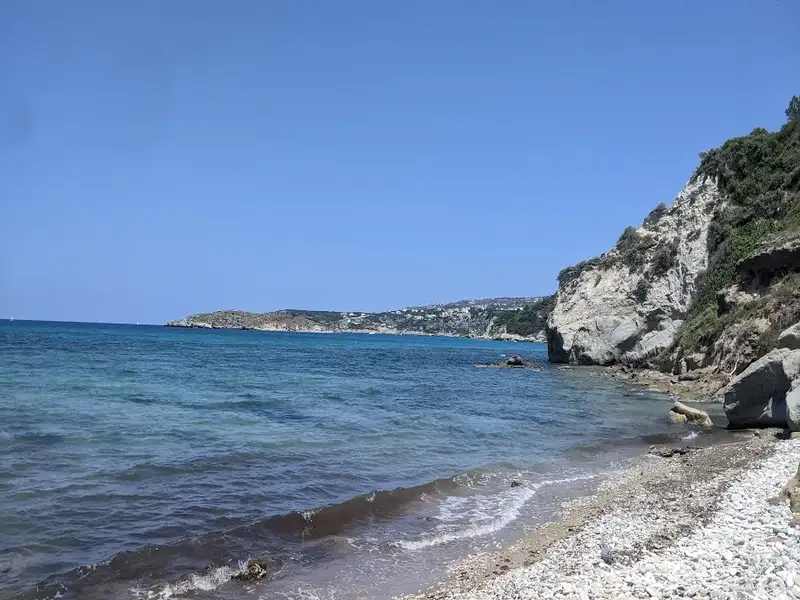
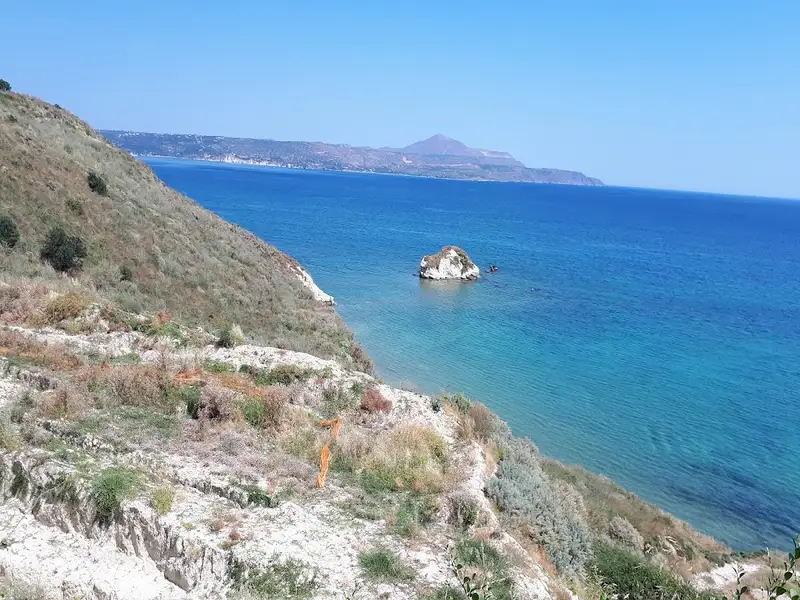
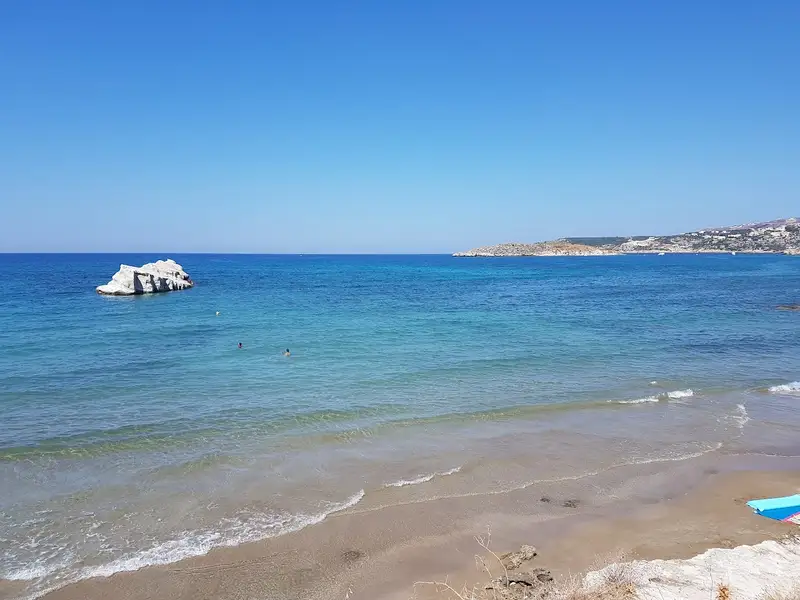
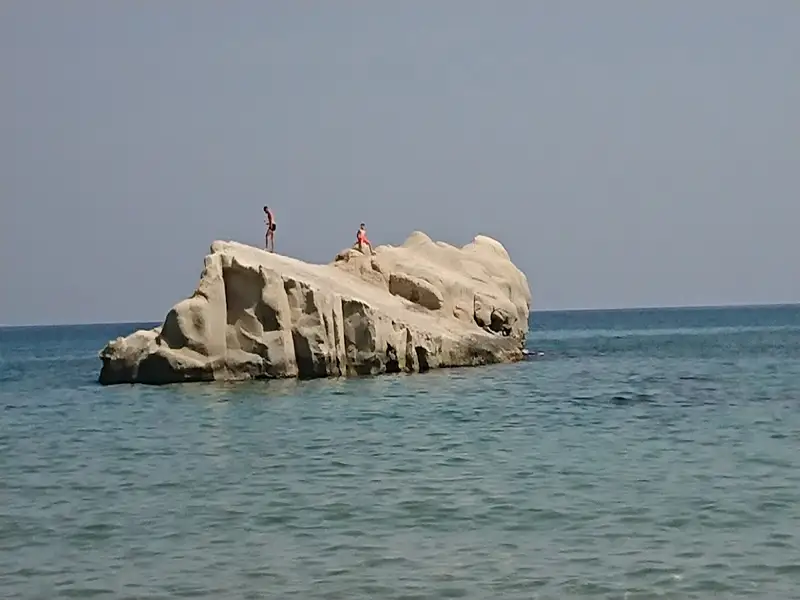
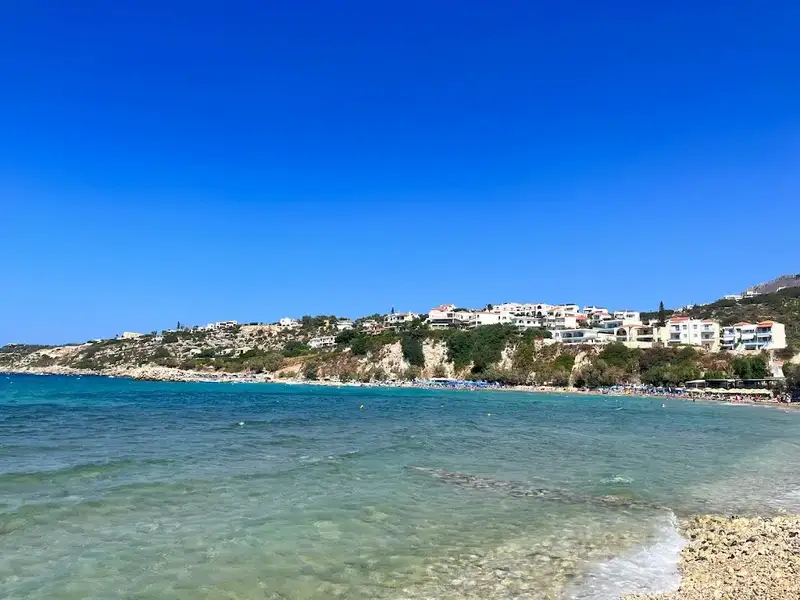
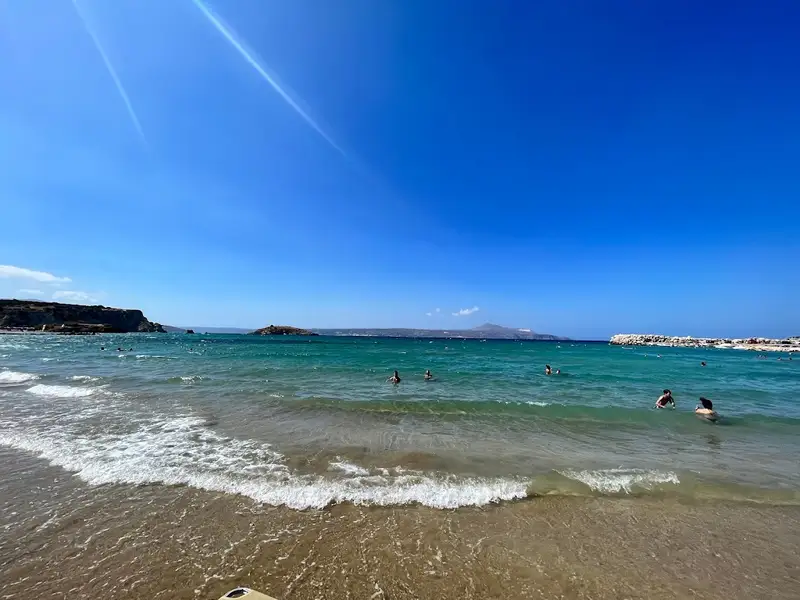
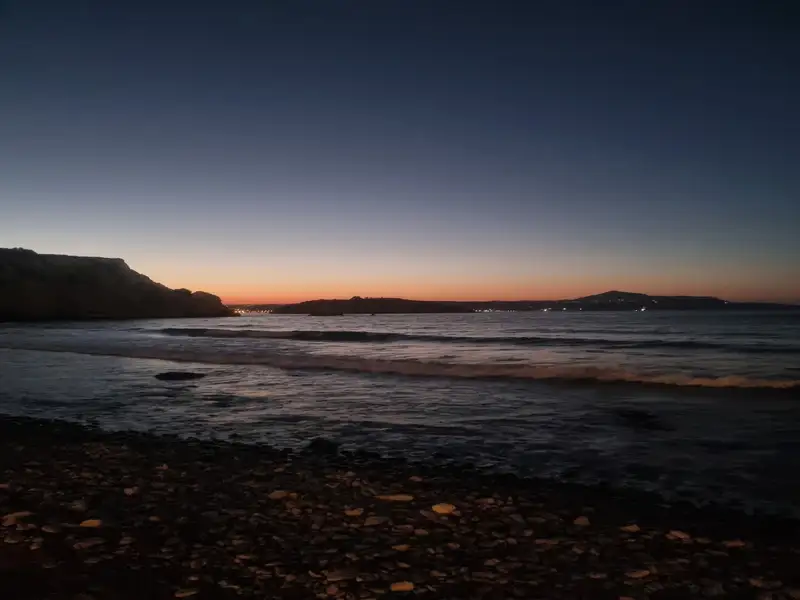
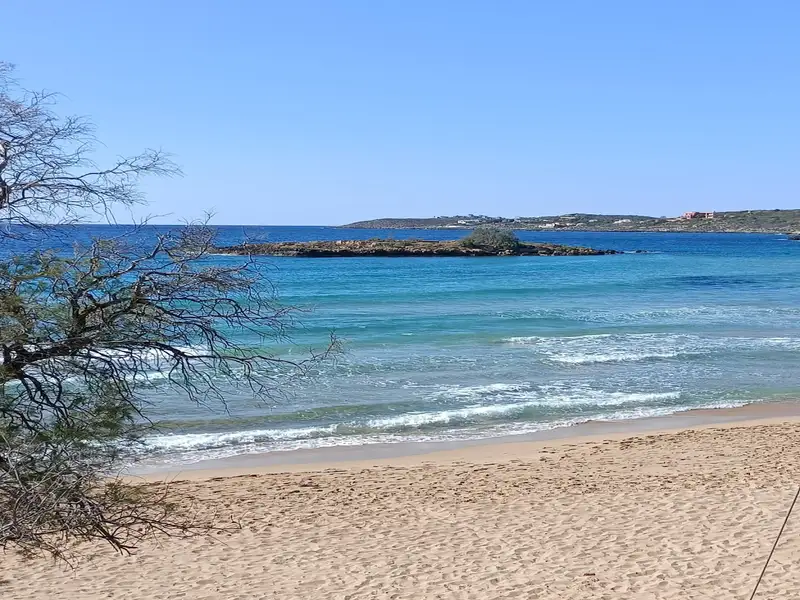
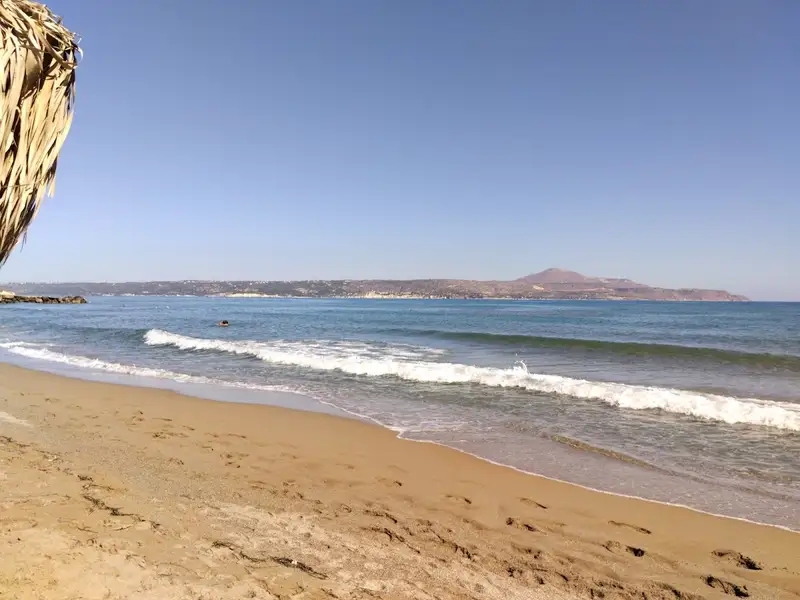
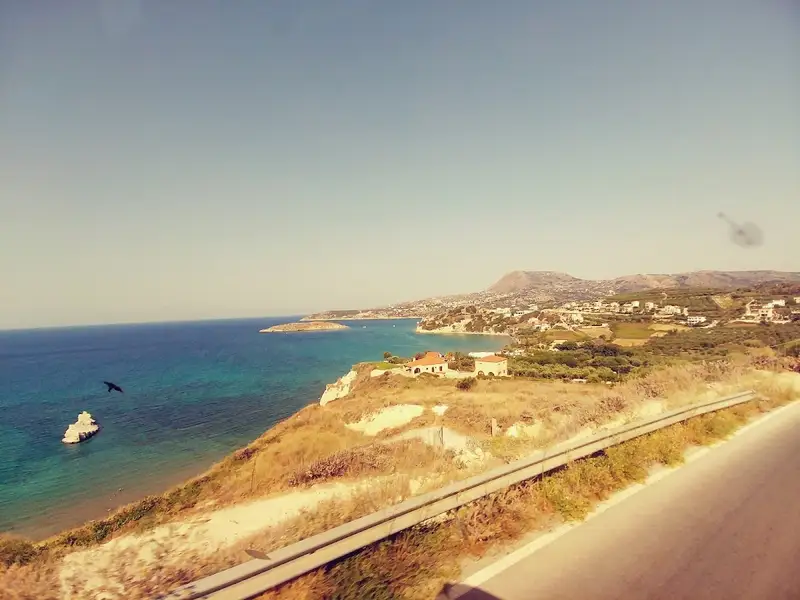
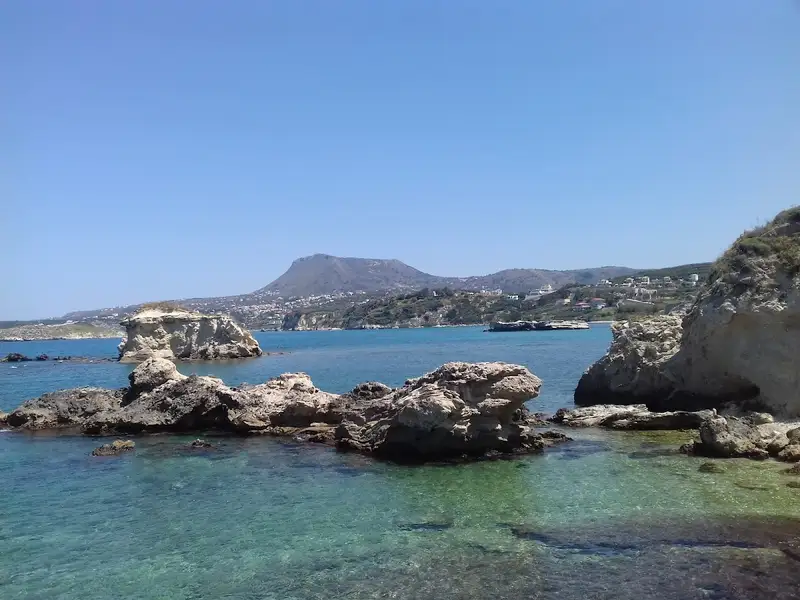
Situated approximately 20km east of the city of Chania, Kera beach can be found on the southern coastline of Souda Bay, near the scenic villages of Kalives and Plaka. This beach, adorned with soft sand and the occasional pebble, is nestled amidst a breathtaking landscape of towering cliffs. The sea at Kera is shallow and boasts crystal clear waters. Although it lacks organization, the surrounding area offers numerous choices for lodging and dining. Those preferring less crowded spots will find Kera an ideal choice. The beach offers a striking view of Karga island and features a unique elongated rock in the sea towards its west end. This rock, named Karavos (meaning ship) by the locals, resembles a boat.
Close to the beach is the 19th-century church of Panagia Kera (or Dame Virgin Mary), erected on the location of a former monastery. According to local legend, when pirates once tried to invade the area, the inhabitants sought divine intervention from the church of Panagia Kera. In response to their prayers, the Virgin Mary turned both the pirates and their boat to stone.
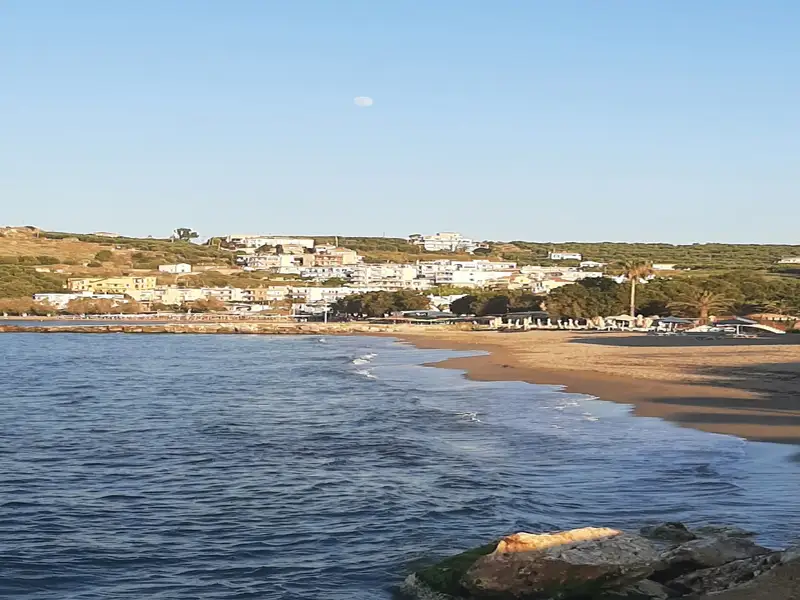
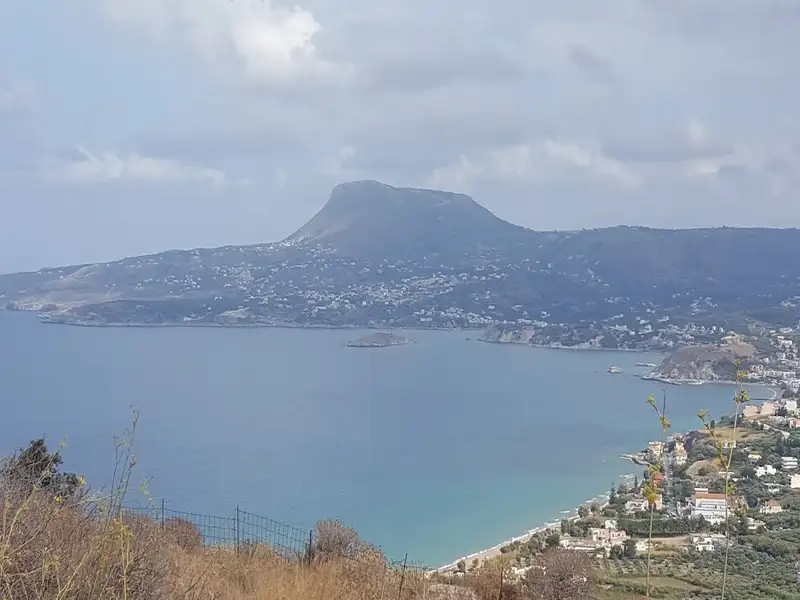
Almyrida beach is a tranquil resort offering basic facilities along with a magnificent seafront. Almyrida is situated 23km east of Chania city and nestled on the southern edge of Souda Bay near Cape Drapanos. The surrounding pristine countryside and verdant olive groves provide perfect opportunities for hiking and exploration.
A short distance of just 1km to the east lies the scenic village of Plaka, the largest in the area, renowned for its welcoming atmosphere and healthy climate. The coast stretching to Drapanos Cape is dotted with numerous sea caves, presenting a breathtaking natural spectacle. Plaka is also celebrated for its charming, narrow lanes and well-preserved, traditional houses.
Each July, the village hosts the Plakiana festival, a tribute to the renowned lyre musician Michael Papadakis, or Plakianos, showcasing the area’s rich cultural heritage. Among the unforgettable experiences here is the mesmerizing sunset, a truly memorable sight.
Declared a region of infinite beauty in 1977, Almyrida boasts two beautiful sandy beaches with shallow waters. On calm days, they’re safe for children to play in. These two beaches are separated by a small rocky peninsula featuring a quaint white chapel. Ideal for water sports and windsurfing, the area is also renowned for its seaside taverns serving fresh fish and delicious traditional Cretan cuisine. Regular bus and taxi services connect Almyrida and Plaka to Chania city.
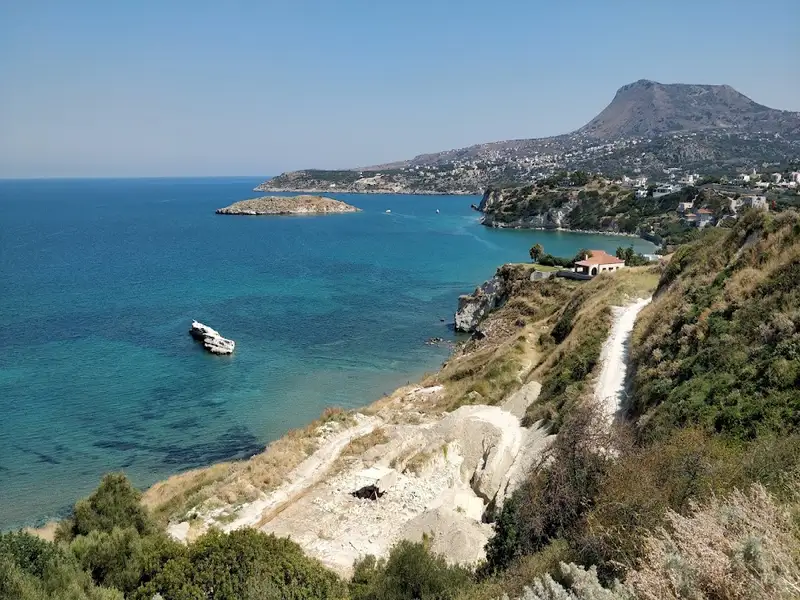
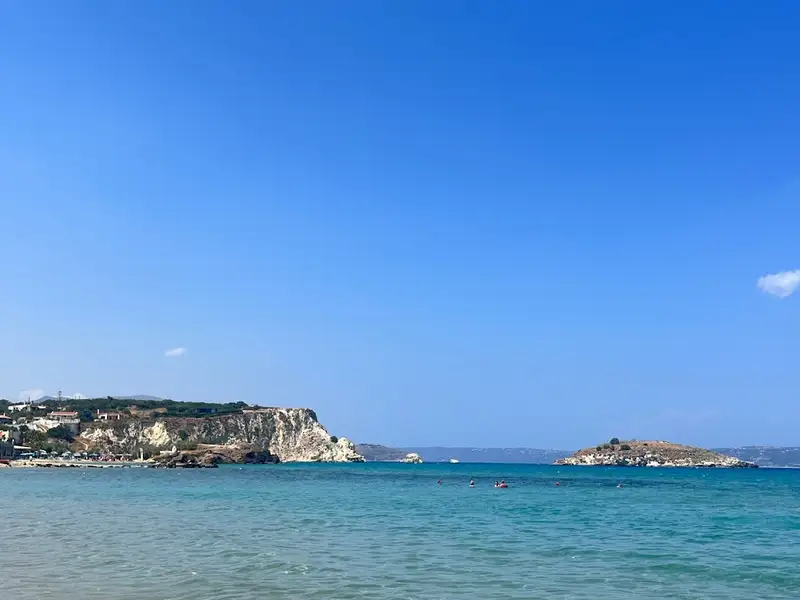
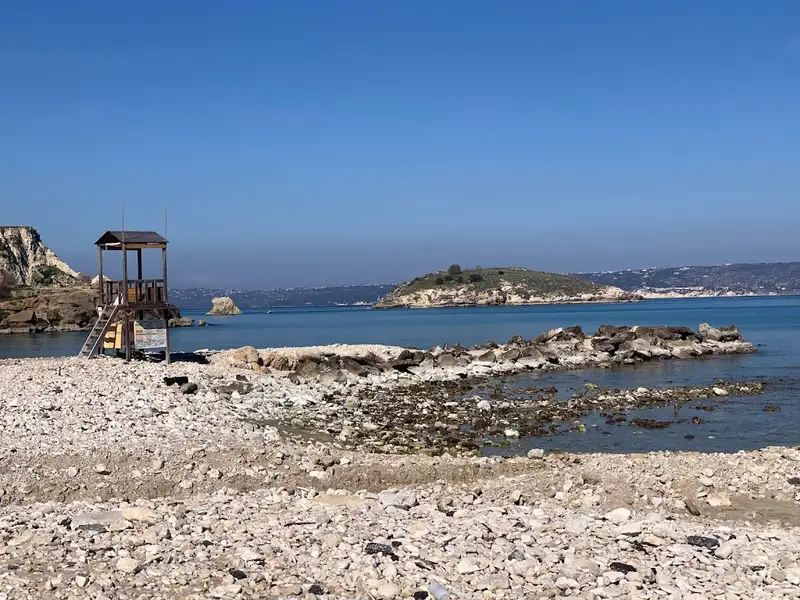
Directly across from the beach is the small island of Karga, a haven for birdlife and a popular spot for excursions and fishing. The island still bears traces of ancient Phoenician walls and shelters constructed by the Germans during World War II.
Almyrida is thought to have been a Phoenician colony, hence the nearby location Finikia. Here, you can find ancient ruins and tombs. At the entrance to the village lie the remnants of a 6th-century triple-aisle Christian basilica with well-preserved mosaics. Almirida also played a role in Crete’s history as the site of the last battle against the Turks in 1896.
For those interested in sightseeing, just four kilometres east of Almirida is Kokkino Chorio or Red Village. A small village with intriguing fortifications built by the Germans during their occupation (1941-1945) to safeguard the military port of Souda. This was also a filming location for the famous movie “Zorba the Greek”. Today, it hosts a small factory producing handmade glass using traditional blowing techniques.
No results available
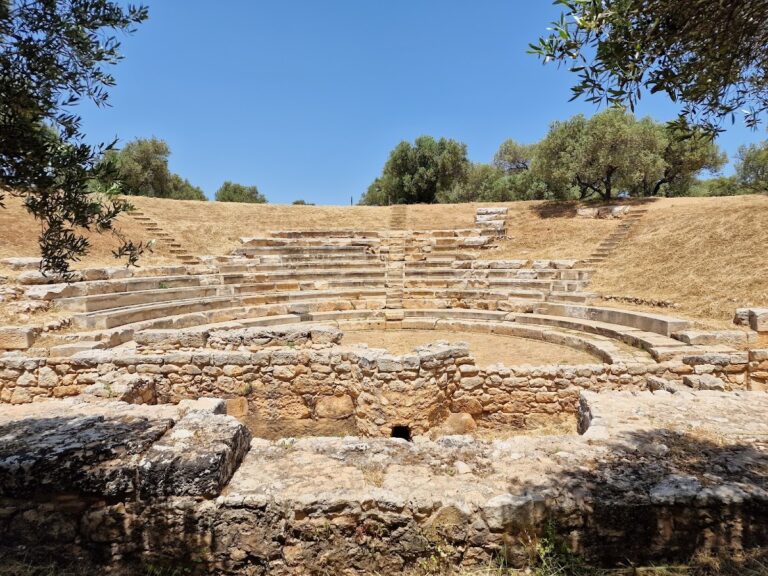
Aptera is a highly significant archaeological site in West Crete. Established in the 8th century BC, the ancient city of Aptera was strategically located to control Souda Bay and prospered during the Hellenistic period. However, it was abandoned during the Arab years due to pirate attacks. The city relied on the ports of Marathi and Kalives, which made Aptera one of Crete’s most important commercial centers, if not the most important one.
Tradition has it that the city was named after the Sirens who lost their wings in a musical contest against the muses, rendering them wingless (aptera in Greek). However, it seems that the name actually comes from Aptera Artemis (wingless Artemis), who was worshipped in the area, as evidenced by the city’s coins.
Aptera was fortified with a strong wall, of which a large part (4km) still stands today. Within the city, one can find a sanctuary from the 5th-4th century BC, enormous Roman vaulted cisterns, a carved-in-ground theater, a “parliament,” and a nearby necropolis. Various artifacts have been discovered, including vases, coins, figurines, inscriptions, and sculptures.
The city of Aptera was renowned for its skilled archers who served as mercenaries in various areas outside Crete, bringing wealth back to their homeland. The valuable silver they introduced enabled the city to mint its own coins. These intricate coins typically featured the goddess Artemis on one side and the city’s founder King Apteras on the other. Other designs depicted Apollo or Hera and a torch, bee, or bow.
Aptera is situated 13 km from Chania and is most conveniently reached by car, as there are no direct public buses to the site. Alternatively, you could take any bus heading towards Rethymno or Heraklion and get off at the crossroads leading to Aptera. However, keep in mind that this option requires a 45-minute uphill walk to reach the archaeological site.
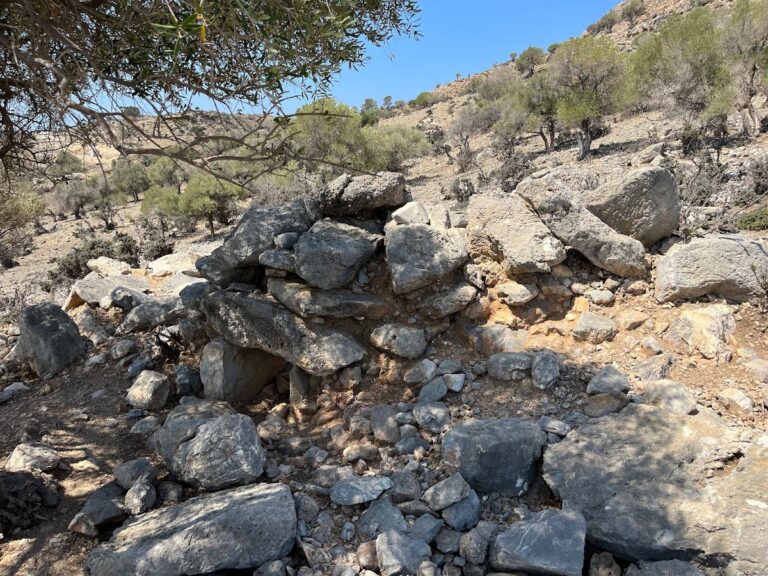
South of the archaeological site of Aptera and near the village Stylos, at position Azogires, we come across the domed tomb of Stylos that was discovered in 1961, having already been looted, by archaeologists Nikolaos Platon and Kostas Davaras. This impressive tomb belonged to a local lord and features a circular stone chamber and a long, road corridor (20.80 m long).
The relieving triangle above the entrance housed 12 cups from the Hellenistic period, a detail that verifies that ceremonies were conducted there. Similar Hellenistic pottery was also discovered in the corridor.
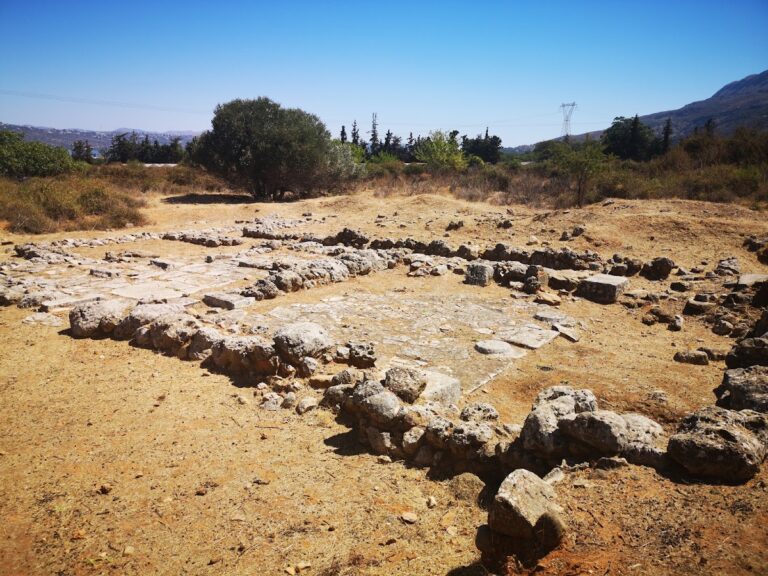
The Minoan settlement situated near the village of Nerokouros in the suburbs of Chania was unearthed in 1977. A Minoan villa, constructed according to palatial standards (such as tiled floors, polythyron, and two floors) was discovered at this location. The villa is believed to date back to around 1600 BC.
Another, less remarkable house was found 300 meters to the east, featuring two storage rooms and a tiled floor. Besides the Minoan sites, various other antiquities spanning from the Minoan era to the Early Christian years have been excavated in the broader area of Nerokouros.
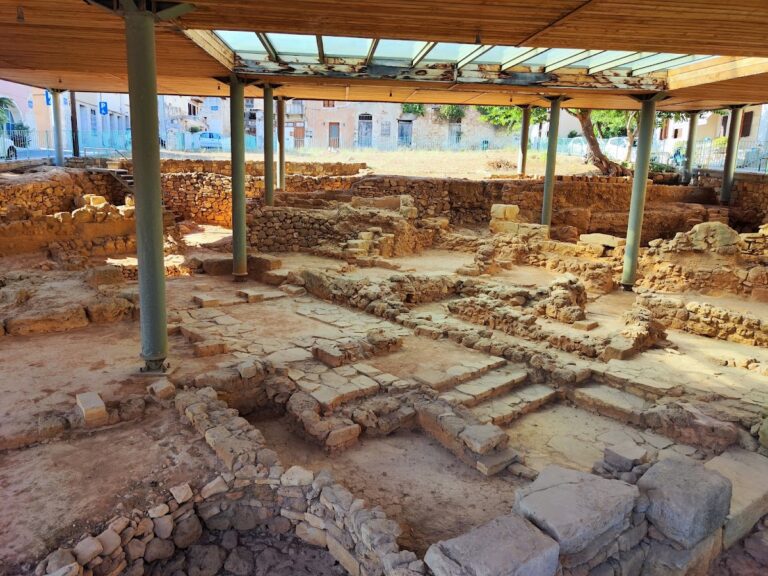
The Minoan Kydonia was established at the present site of the old town of Chania. Kydonia was likely the third largest town of Minoan Crete. A flourishing craft industry developed here, and the town became wealthy through maritime trade, which was facilitated by its location. In fact, ancient writers referred to Kydonia as the mother of the Cretan towns.
There are two versions of the origin of the name. One version attributes it to Kydon, the mythical son of Minos and the nymph Akakkalida. The other version suggests it comes from an old name for Crete (Chthonia).
Most remnants have been identified on the Kastelli hill above the old Venetian port. Plates of Linear A and Linear B have also been discovered. The remaining traces, such as the palace of Kydonia, are situated beneath the modern city of Chania and have not been excavated.
The city has continued to develop up until today, incorporating elements from all periods of the island’s history. So far, excavations have uncovered Minoan tombs, Mycenaean buildings, small palaces with frescoes, numerous vases, Roman statues, Hellenistic mosaics, and more.
No results available
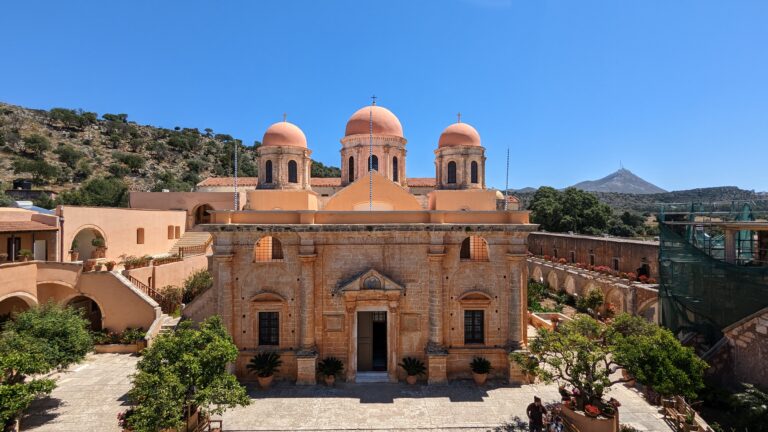
The Agia Triada of Tzagarolon Monastery is among the most opulent and stunning monasteries in Crete. Located near Chania Airport, it sits on the Tzobomylos area of Cape Melecha and at the base of Mount Stavros. Chania is a mere 15km away.
The monastery was established by Venetian noblemen Jeremiah and Lawrence Tzagarolo. Jeremiah, a renowned scholar and friend of the Patriarch of Alexandria, Meletios Pigas, had an extensive education. He was even considered for the role of Patriarch of Constantinople. Influenced by Italian architect Sebastiano Serlio from Verona, Jeremiah designed and constructed the monastery complex.
Nowadays, the monastery houses a small museum showcasing various paintings and icons. The most notable pieces include a 12th-century altar covering, icons of St. John the Theologian (16th century), St. Nicholas (17th century), and the works of painter Skordilis: the Enthroned Christ, Living Spring, and the Second Coming (1635-1645).
Despite its storied history, the monastery still plays a significant role in the religious and economic life of Crete. As a Stavropegic institution, it falls under the direct management of the Ecumenical Patriarchate of Constantinople. Visitors can experience a beautifully preserved and lively monastery that produces and exports organic products such as olive oil, wine, honey, vinegar, and high-quality olive oil soap.
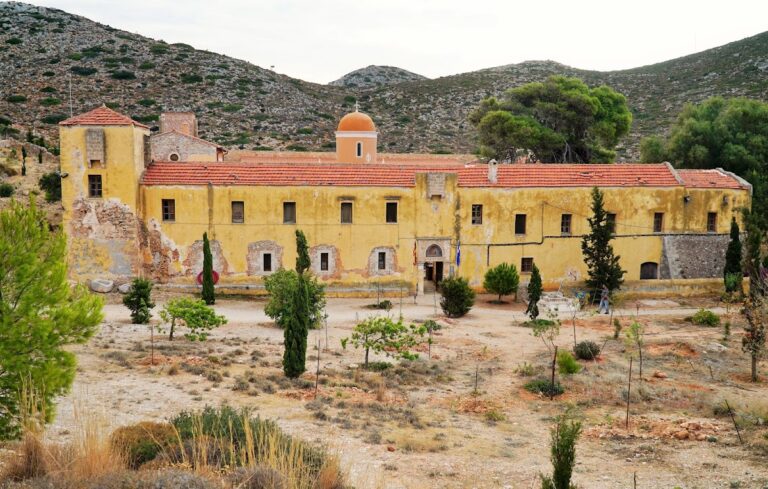
The Gouverneto or Gderneto Monastery can be found 19km east of Chania, on the northern side of Cape Akrotiri of Chania, near the Agia Triada Tzagarolon Monastery. To reach it, follow the signs from Agia Triada.
Perched on a rocky site at an altitude of 260m, close to the entrance of the Avlaki gorge, the monastery features fortress architecture and four towers with bastions guarding its corners. Built before 1537, as evidenced by an inscription at the fortress entrance, Gouverneto Monastery is one of the oldest in Crete. It is thought to have been founded by hermits and monks from the nearby seaside Katholiko Monastery, who may have constructed the new monastery atop an existing ancient temple to protect themselves from pirate attacks.
Dedicated to the Virgin Mary, the monastery is also known as Kyria ton Agelon (Lady of the Angels Monastery). Its church has a cruciform shape with a dome, and the entrance is adorned with relief representations of monsters. Construction began during the Venetian Era but was only completed 2.5 centuries later due to the Turkish invasion of Crete and subsequent ban on building Christian temples.
Surrounding the church, which is situated in the center of the courtyard, are the other buildings of the complex. These include 50 monk cells on two floors, a dining room, a small museum, and more. Additionally, two chapels dedicated to Agii Deka (Saints Ten) and Saint John the Hermit can be found next to the church.
St. John the Hermit, who lived in a cave in the adjacent Avlaki gorge, is considered the founder of the monastery. A stone-paved trail leads down to the sea through the gorge, and after a 20-minute descent, you’ll encounter the Arkoudospilio Cave, followed by the ruined Katholiko Monastery and the cavernous church of St. John, where the hermit resided. After another 10 minutes, the gorge concludes at a narrow, rocky fjord with green waters.
Visitors can explore the monastery on Mondays, Tuesdays, and Thursdays (9:00 to 12:00 and 17:00 to 19:00) and on weekends (9:00 to 11:00 and 17:00 to 20:00). Please ensure you are dressed appropriately, as shorts, swimwear, and similar attire are not permitted.
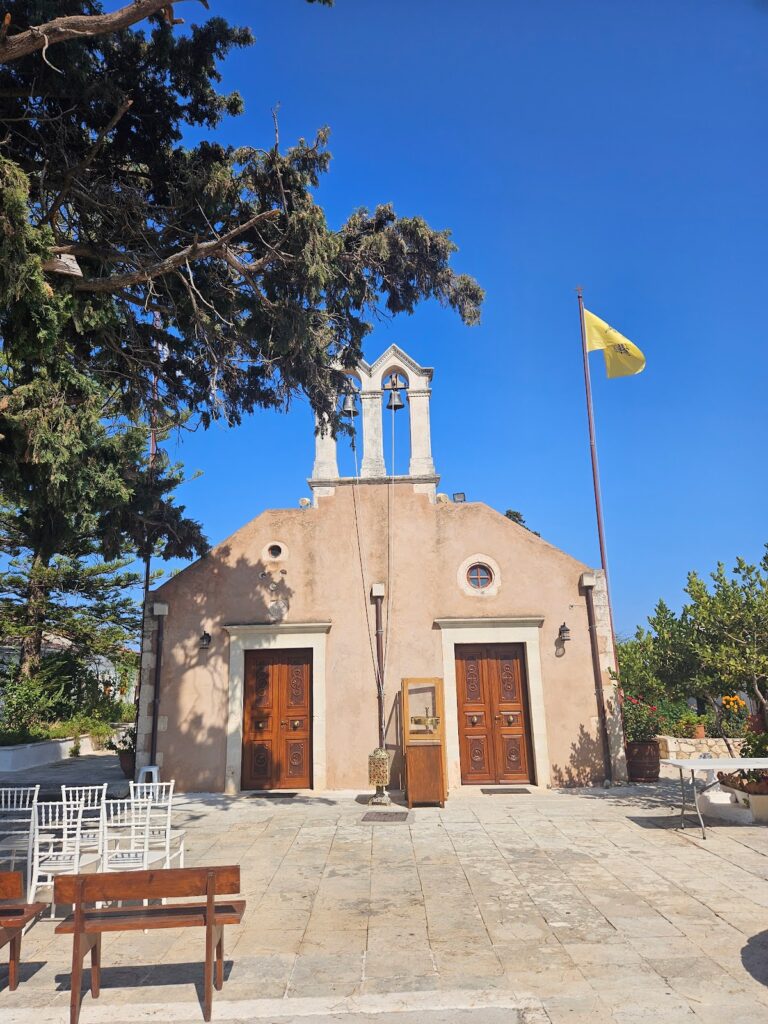
The Monastery of St. John the Baptist, located in the Korakies area of Akrotiri near Chania’s airport, is a historic yet relatively unknown convent in Chania.
Throughout its history, the monastery has been destroyed multiple times by various conquerors of Crete, resulting in the loss of valuable documents that could have helped determine the exact date of its foundation. However, it is believed to have been initially established before the Fall of Constantinople (1453) in the coastal region of Agia Kyriaki, within Chania’s Halepa suburb. Due to the continuous pirate raids by the Arabs, the nuns relocated to a safer location on St. Matthew’s hill, and eventually moved to their present location.
Enclosed by a tall wall, the monastery’s main entrance is relatively modest compared to other monasteries in Akrotiri. Within the lush grounds, visitors can find the two-aisled church of St. John the Baptist (celebrated on August 29) and St. George (April 23), accompanied by simple cells and other monastery buildings. The monastery’s icons have been painted by the nuns, and the small chapels of St. Andrew the Cretan and Panagia Portaitissa can also be found on the premises.
In the past, a notable Housekeeping School operated within the monastery, in the present-day museum location. The school quickly gained an outstanding reputation across the island, with the nuns even sewing the wedding dress of Greek Queen Olga in 1867.
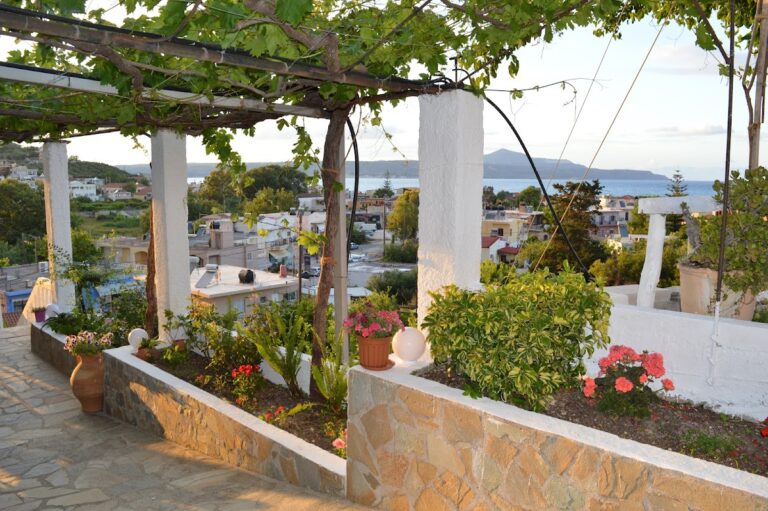
Located at Tria Kamarakia, near the Rethymnon-Chania highway, the Holy Cross “St. Raphael” Foundation is a quaint, informal monastery with a primary focus on charity work. Its main temple is a three-aisled basilica dedicated to the Neomartyrs (Raphael, Nicholas, and Irene), the Holy Cross, and Saint Ephrem.
No results available
No results available
No results available
No results available
No results available
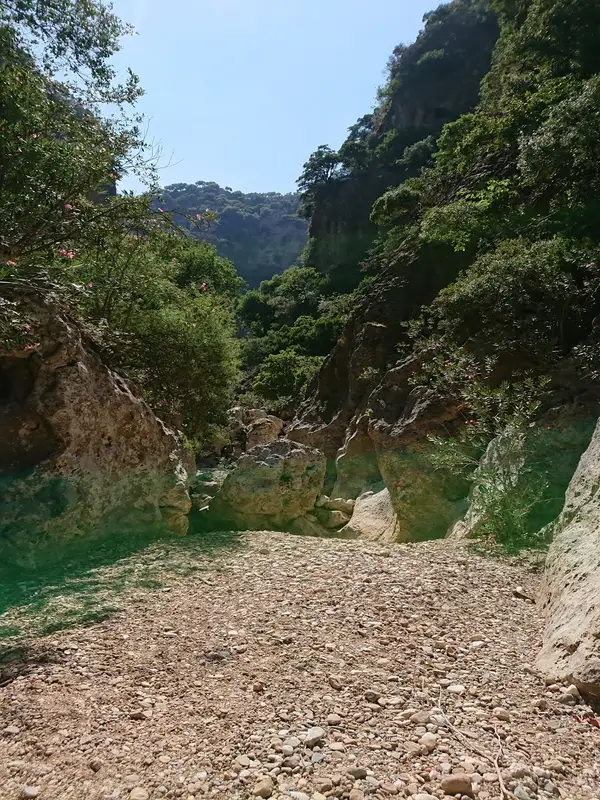
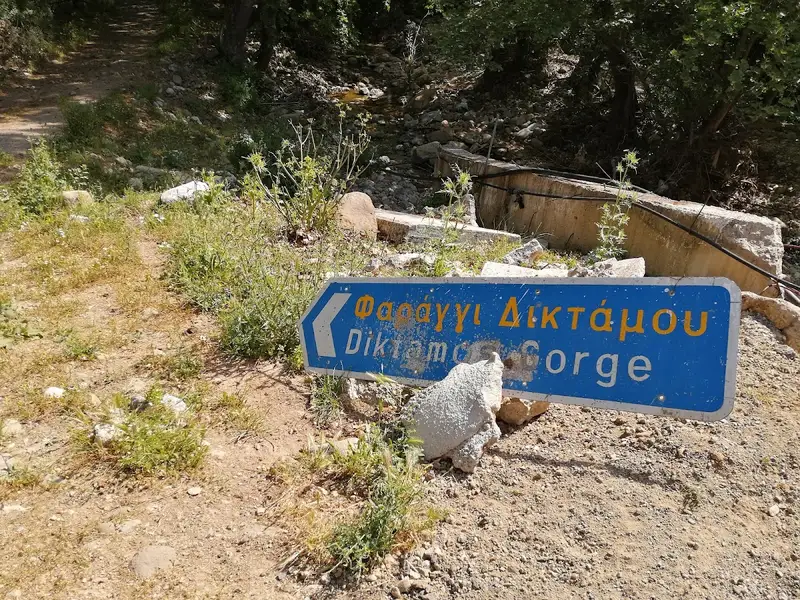
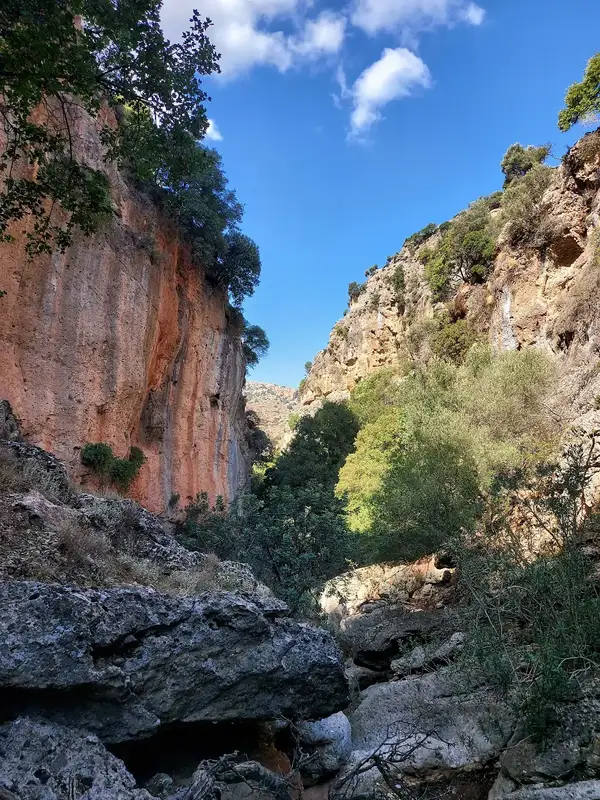
The Diktamos Canyon, nestled within the White Mountains, commences 21km to the east of Chania, near the Katochori village at an elevation of 300m. It concludes 8km further east, at the Faragi village, situated at a height of 40m and in close proximity to the Stylos village in the Apokoronas province. Consequently, it is also referred to as the Katechori Gorge or Stylos Gorge. The canyon’s stream serves as the primary tributary of the Kiliaris River, gathering water from the northern slopes of the Mavri peak and discharging it onto the Kalives beach.
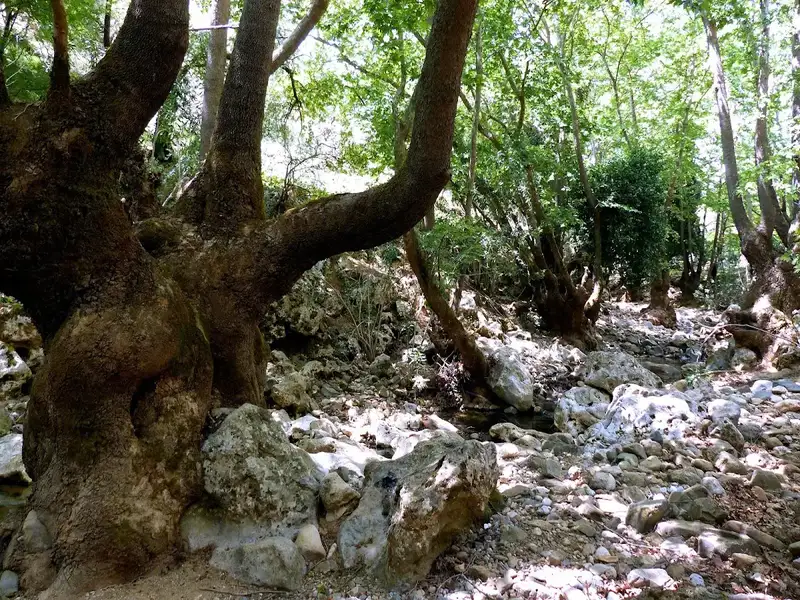
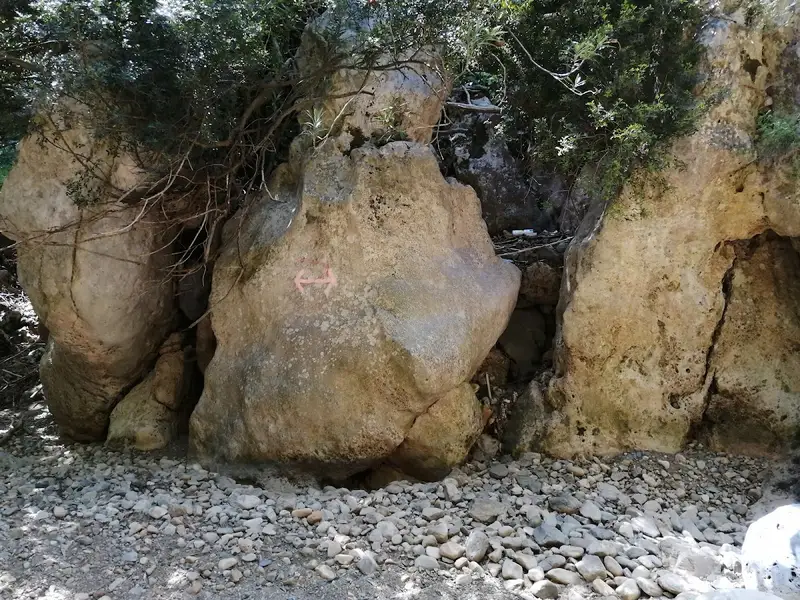
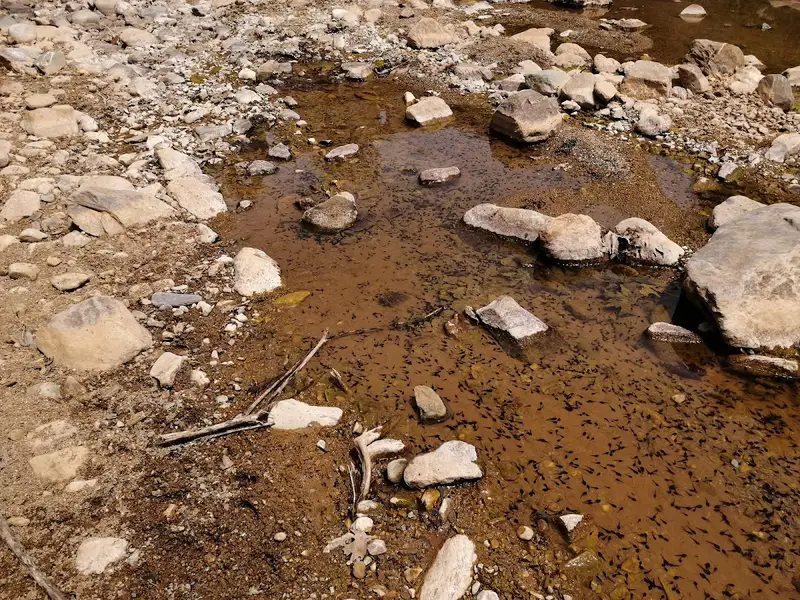
Navigating through the canyon can be challenging, with certain areas requiring extra caution and approximately 3 hours to traverse. The canyon is a stunning, verdant landscape filled with towering trees and steep inclines, home to dittany or diktamos, a herb endemic to Crete. In Stylos, you have the opportunity to explore the ancient church of Apostle John (Agios Ioannis Theologos), refresh yourself at the local springs, and replenish your energy at the village’s taverns.
The Cyclamen Gorge, also known as Agios Georgios Gorge or Gorge Vandes, is nestled on the northern slopes of the White Mountains. Its starting point is the Aletrouvari settlement, situated at an altitude of 300m, and it extends east of Agios Georgios village, ultimately ending at the village of Vandes, which is at an elevation of 50m. The stream that runs through this gorge gathers water from the Drakona area, resulting in the formation of quaint, small ponds at certain spots.
However, this route is not recommended for novice hikers as it requires approximately 2 hours to traverse from Aletrouvari or about 1 hour from Agios Georgios. As visitors journey through this route, they will encounter a diverse landscape that changes along the river, all under the cool shade of towering plane trees and cypresses.
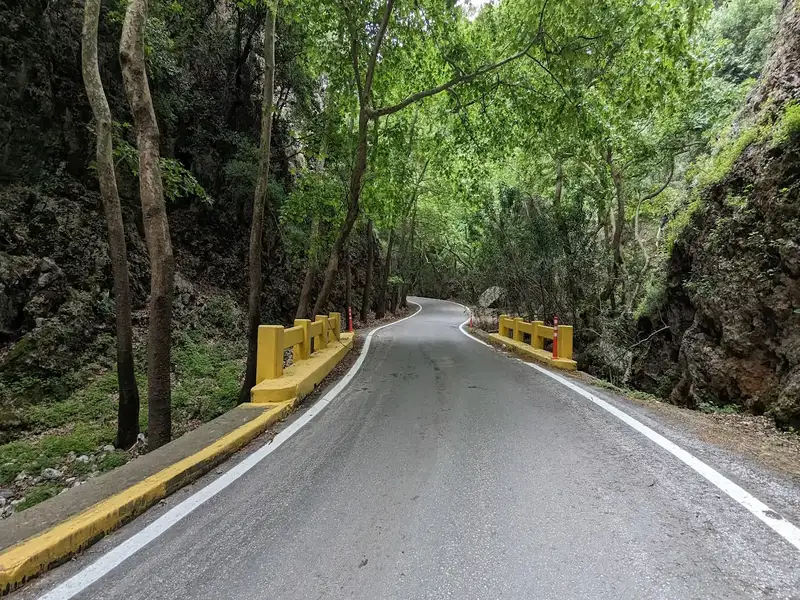
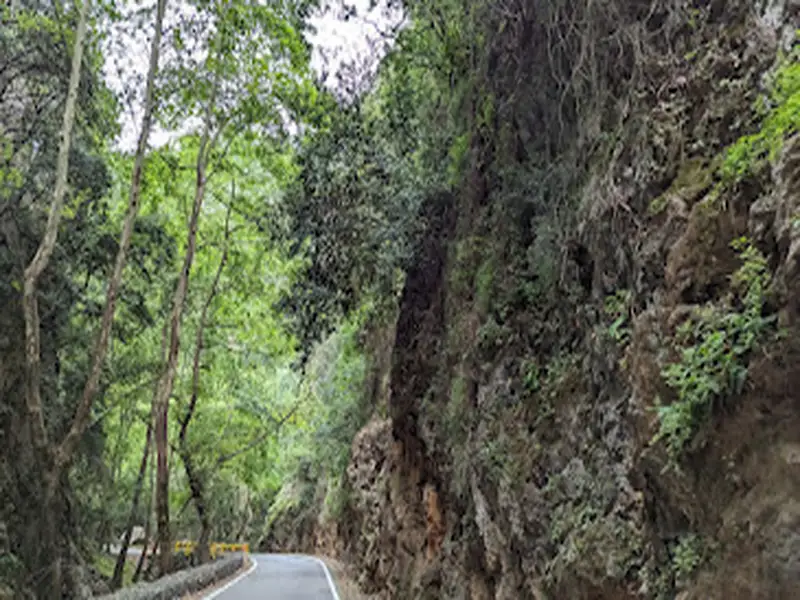
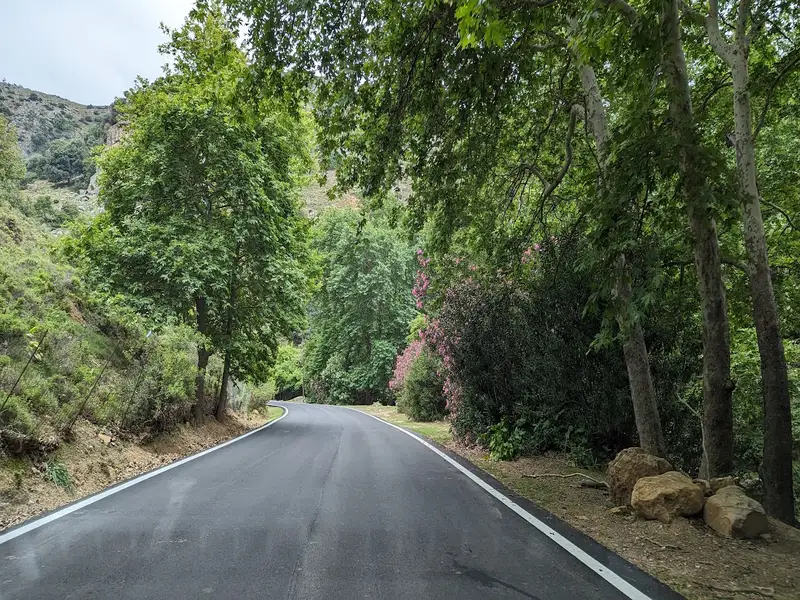
Positioned near the city of Chania, the Therisso Gorge (also known as Eleftherios Venizelos) is an awe-inspiring sight. This six-kilometre-long canyon is adorned with impressive vertical cliffs and lush greenery, rivalling any other gorge in the Chania region. Accessible by car, it’s worth combining a trip to the gorge with a visit to the historic village of Therisso, nestled at the foot of the White Mountains, just 15 kilometres from Chania. This village, steeped in history, offers an unforgettable experience to any visitor.
With a population of just over 100, the valiant village of Therisso has held a significant role in Crete’s modern history, mainly due to the resilience of its inhabitants against Turkish invasions. In 1866, the village was burnt by Mustapha Pasha Naili, forcing many, including the mother of future Greek Prime Minister, Eleftherios Venizelos, to relocate to Kythera and the Peloponnese. Therisso gained further historical prominence in 1905 when Eleftherios Venizelos and his allies initiated a revolution against the autocratic rule of Prince George, imposed by the Great Powers, charting a course for Crete’s union with Greece. Notably, the heroic Halides brothers, key figures in the 1821 revolution, also hailed from Therisso.
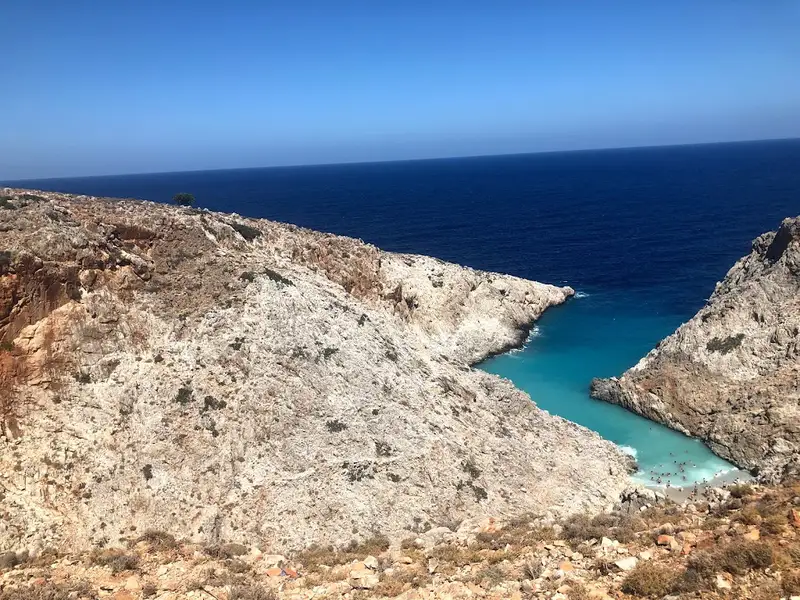
Located at the farthest point of Akrotiri Cape lies the Diplochachalo Gorge. This gorge is situated near the village of Chordaki, en route to the renowned Stefanou or Seitan Limania beach. The gorge is a compact, breathtaking, and purely technical canyon featuring six descents, two of which are quite tall. It begins just beneath the quarry that stands out in the area. The gorge’s brief route, apart from the descents, forms dramatic rock shelters and formations with steep slopes. At the centre of the tallest waterfall, which stands at 38m, resides a beautiful cave adorned with stalactites and stalagmites, stretching around 20 meters deep. The gorge’s exit leads directly to the sandy shores of Stefanou Beach.
No results available
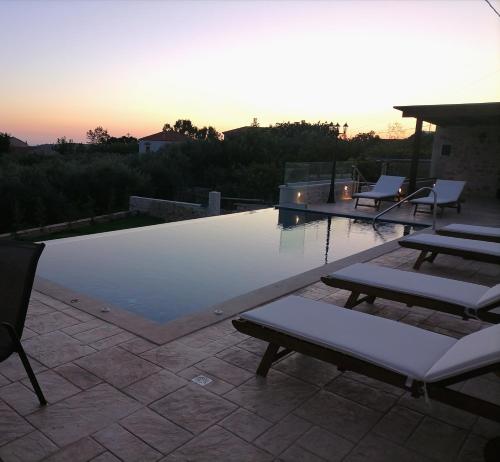
Boasting air-conditioned accommodation with a private pool, pool view and a patio, VILLA HALEPOURI is situated in Chania Town. This property offers access to a balcony, free private parking and free WiFi.
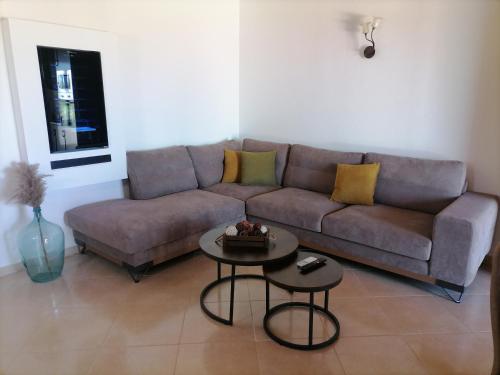
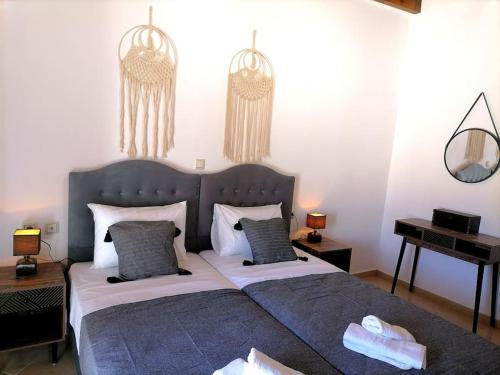
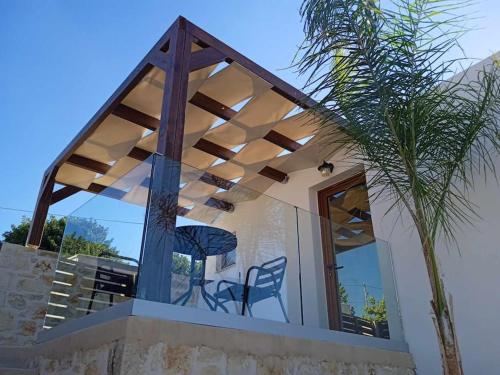
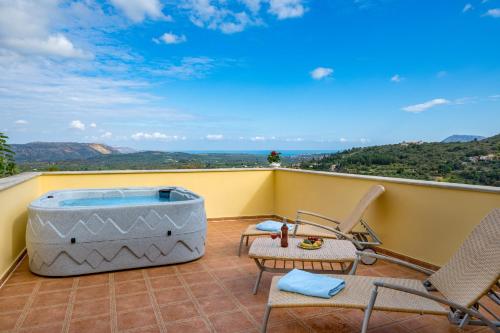
The villa has 2 bedrooms, 2 bathrooms, bed linen, towels, a flat-screen TV with streaming services, a dining area, a fully equipped kitchen, and a terrace with sea views.
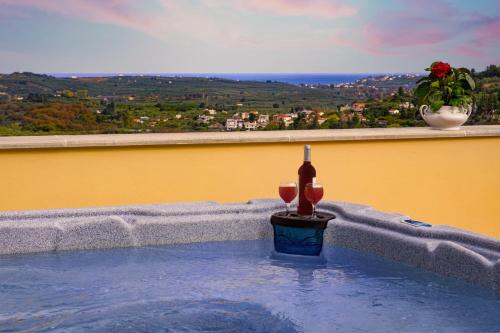
The villa offers a hot tub. Guests at VILLA HALEPOURI can enjoy walking tours nearby, or make the most of the garden.
Archaeological Museum of Rethymno is 40 km from the accommodation, while Ancient City of Aptera is 8.7 km from the property. The nearest airport is Chania International, 28 km from VILLA HALEPOURI, and the property offers a paid airport shuttle service.
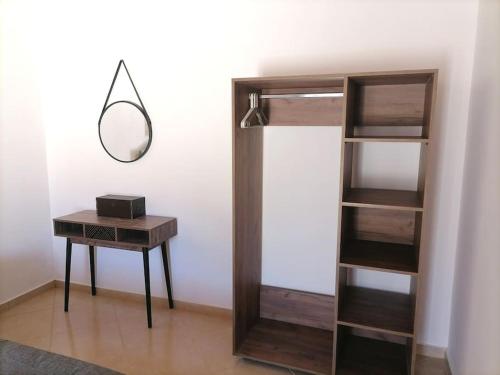
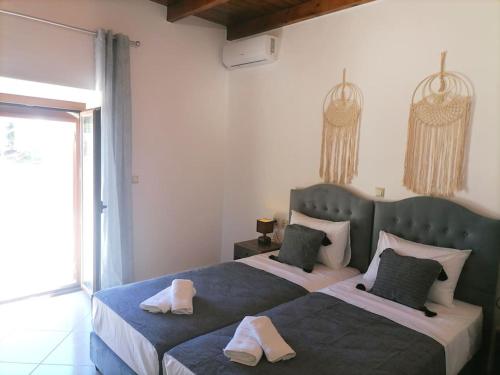
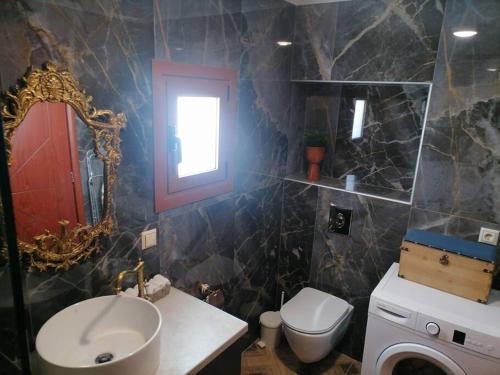
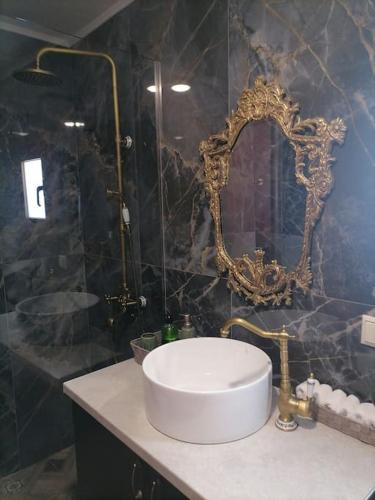
Located in Chania Town and only 40 km from Archaeological Museum of Rethymno, Halepouri Apartment provides accommodation with mountain views, free WiFi and free private parking. This apartment offers air-conditioned accommodation with a balcony.
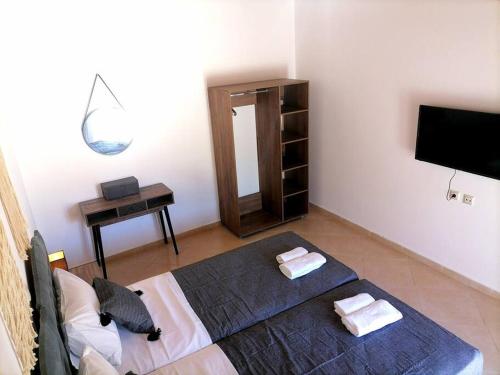
The apartment comes with 1 bedroom, 1 bathroom, bed linen, towels, a flat-screen TV with streaming services, a dining area, a fully equipped kitchenette, and a terrace with sea views.
Ancient City of Aptera is 8.7 km from the apartment, while Historical – Folklore Museum of Gavalochori is 13 km away. The nearest airport is Chania International Airport, 28 km from Halepouri Apartment.
from
€84
/night
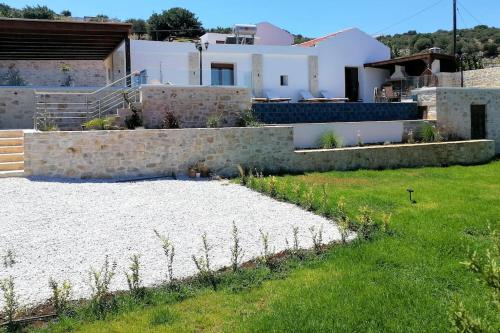
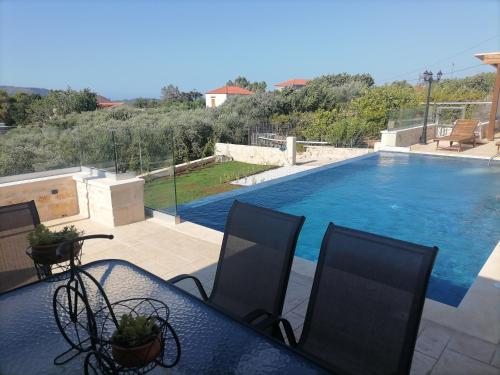
Offering sea views, Villa Vangelis Stylos Crete is an accommodation located in Samonás, 41 km from Archaeological Museum of Rethymno and 10 km from Ancient City of Aptera. This villa features a private pool, a garden and free private parking.
The 2-bedroom villa comes with a living room with a TV with satellite channels, a fully equipped kitchen with dishwasher and oven, and 2 bathrooms with a hair dryer. Towels and bed linen are featured in the villa.
Historical – Folklore Museum of Gavalochori is 13 km from the villa, while Conference Centre of MAICh is 18 km away. The nearest airport is Chania International Airport, 29 km from Villa Vangelis Stylos Crete.
from
€254
/night
Boasting mountain views, Villa Erontas – private heated jacuzzi offers accommodation with a balcony and a coffee machine, around 39 km from Archaeological Museum of Rethymno. This property offers a rooftop pool, free WiFi and free private parking.
The villa has 2 bedrooms, 2 bathrooms, bed linen, towels, a flat-screen TV with streaming services, a dining area, a fully equipped kitchen, and a terrace with sea views.
At the villa guests are welcome to take advantage of a hot tub. A outdoor play equipment is also available for guests at Villa Erontas – private heated jacuzzi.
Ancient City of Aptera is 10 km from the accommodation, while Historical – Folklore Museum of Gavalochori is 12 km from the property. The nearest airport is Chania International, 29 km from Villa Erontas – private heated jacuzzi, and the property offers a paid airport shuttle service.
No results available
Connect with thousands of Crete visitors and boost your bookings.
No results available
© All rights reserved. Crete Locals