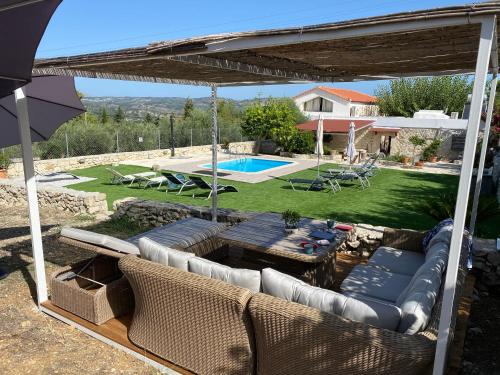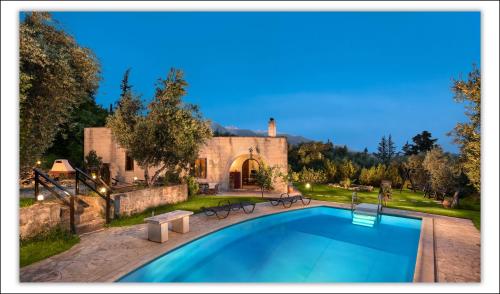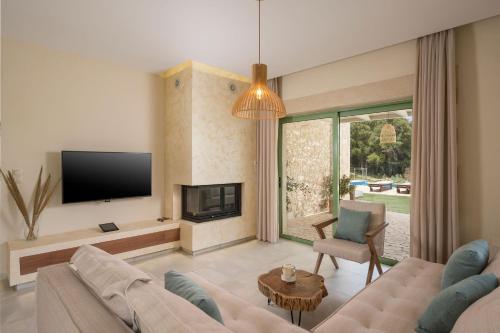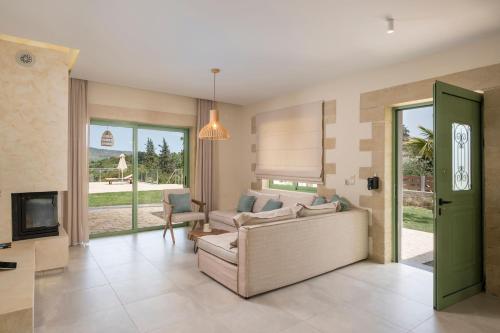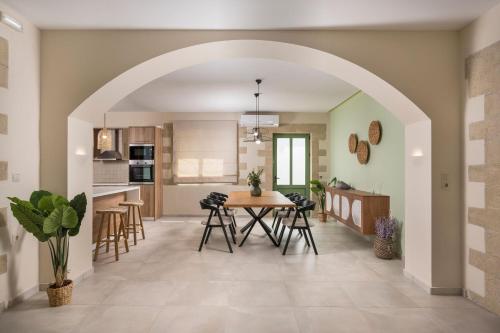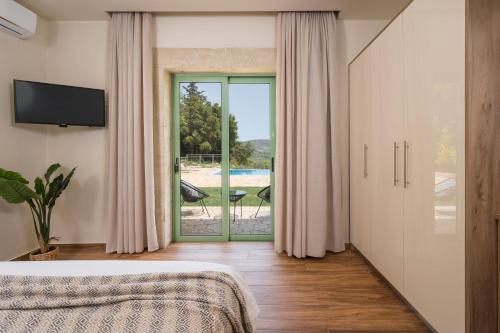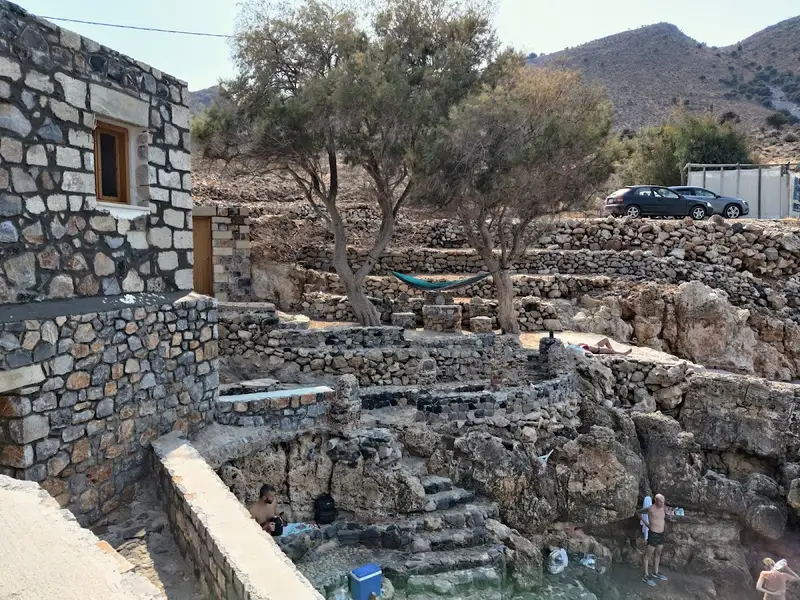
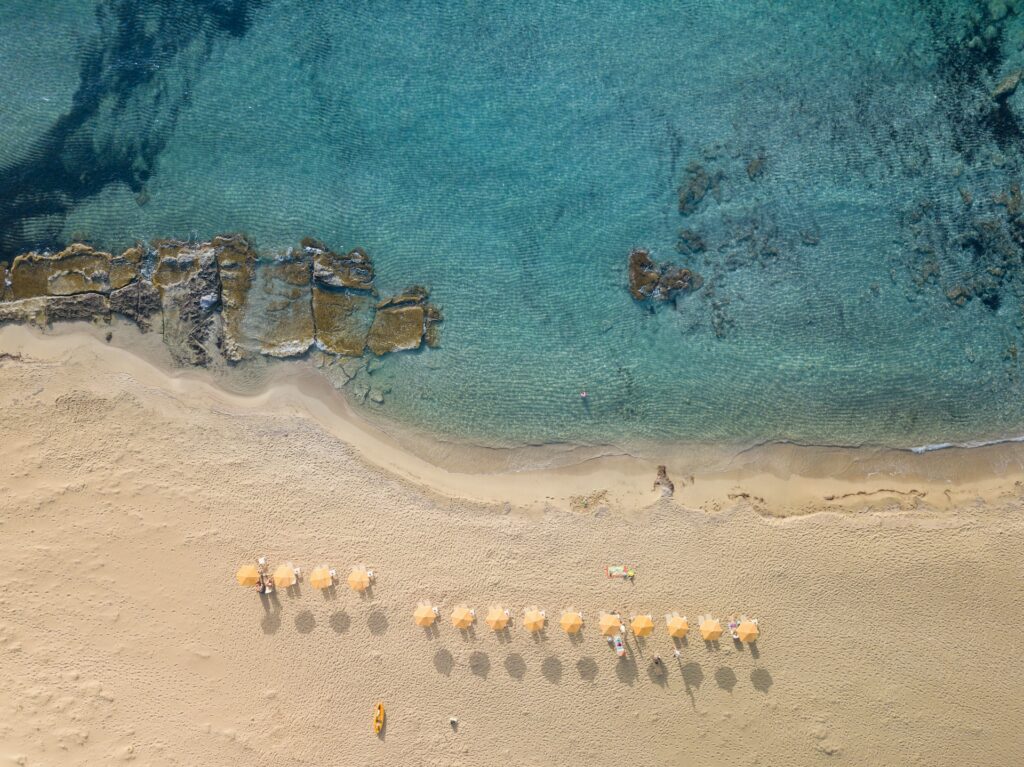
Boasting pool views, Old stone villa in Apokoronas Villa Nostalgia Kreta offers accommodation with a patio and a coffee machine, around 29 km from Archaeological Museum of Rethymno. This villa has a private pool, a garden, barbecue facilities, free WiFi and free private parking.
The villa is fitted with 4 bedrooms, 1 bathroom, bed linen, towels, a flat-screen TV with streaming services, a dining area, a fully equipped kitchen, and a terrace with mountain views.
A car rental service is available at the villa, while hiking can be enjoyed nearby.
Historical – Folklore Museum of Gavalochori is 11 km from Old stone villa in Apokoronas Villa Nostalgia Kreta, while Ancient City of Aptera is 21 km from the property. The nearest airport is Chania International Airport, 44 km from the accommodation.
from
€189
/night


Located in Alikampos, Villa Artemis Vryses Crete offers an outdoor pool. Accommodation will provide you with air conditioning, a balcony and a patio. There is a full kitchen with a dishwasher and a microwave. Featuring a shower, private bathrooms also come with a bath or shower and a hairdryer. You can enjoy mountain view and pool view.
At Villa Artemis Vryses Crete you will find a garden, barbecue facilities and a terrace.
Heraklion International Airport is located 88 km away.
from
€52
/night

Located in Alikampos, Villa Avra Vrisses Crete offers an outdoor pool. Accommodation will provide you with air conditioning, a balcony and a patio. There is a full kitchen with a dishwasher and a microwave. Featuring a shower, private bathrooms also come with a hairdryer. You can enjoy mountain view and pool view.
At Villa Avra Vrisses Crete you will find a garden, barbecue facilities and a terrace.
Heraklion International Airport is located 88 km away.
from
€385
/night
Traditionally built of stone and wood, this complex of self-catered villas is located in Filippo village in Crete. Free WiFi is available throughout.
Equipped with a terrace and balcony with valley views, all the units of Aspalathos Villas have a private entrance and include a TV, CD player and fireplace. They also have a seating and dining area and fully equipped kitchens with kitchenware. All villas also feature a private swimming pool.
The property is surrounded by greenery and paved courtyards. Guests can relax on the sun terraces by the pools which are furnished with sun loungers and umbrellas. Each villa offers free barbecue facilities.
Aspalathos Villas is 10 km from Georgioupolis. It is 35 km from Chania, 40 km from Chania Airport and 90 km from Heraklion city. Various shops and restaurants are only 3 km away.
Featuring an outdoor pool, the traditional stone-built Villa Aloni is located in Maza Village. It offers a fully equipped unit with fireplace. Free Wi-Fi is available throughout. Kournas Lake, with its traditional taverns, is 9 km away.
Fitted with beamed ceilings, arches and dark wooden furnishings, the air-conditioned villa at Aloni has a spa bath. It consists of a seating area with flat-screen, satellite TV and a kitchen with stove and dining table.
Guests may relax at the sun loungers available at the sun terrace or enjoy the BBQ facilities. A garden with grassy areas and olive trees surrounds the property.
The town of Chania is 35 km away. Souda Port is 30 km away and Ioannis Daskalogiannis International Airport is at a distance of 40 km. The scenic old harbour of Rethymno is 35 km away. Free public parking is possible on site.
from
€143
/night
Situated 28 km from Archaeological Museum of Rethymno, Kontis Village offers air-conditioned accommodation with a balcony.
The villa provides guests with a terrace, mountain views, a seating area, satellite flat-screen TV, a fully equipped kitchen with a dishwasher and an oven, and a private bathroom with shower and a hair dryer. A microwave, a toaster and fridge are also offered, as well as a coffee machine and a kettle.
At Kontis Village guests are welcome to take advantage of a hot tub.
A car rental service is available at the accommodation.
Historical – Folklore Museum of Gavalochori is 11 km from Kontis Village, while Ancient City of Aptera is 22 km from the property. The nearest airport is Chania International, 44 km from the villa, and the property offers a paid airport shuttle service.
No results available
Learn about traditional Cretan olive oil and wine on this tasting tour through the island of Crete.
Begin your tour at the Kanakis olive oil mill, and learn all about the process of making olive oil. Hear experts describe the steps of production and afterward, enjoy a taste of their exquisite virgin olive oil.
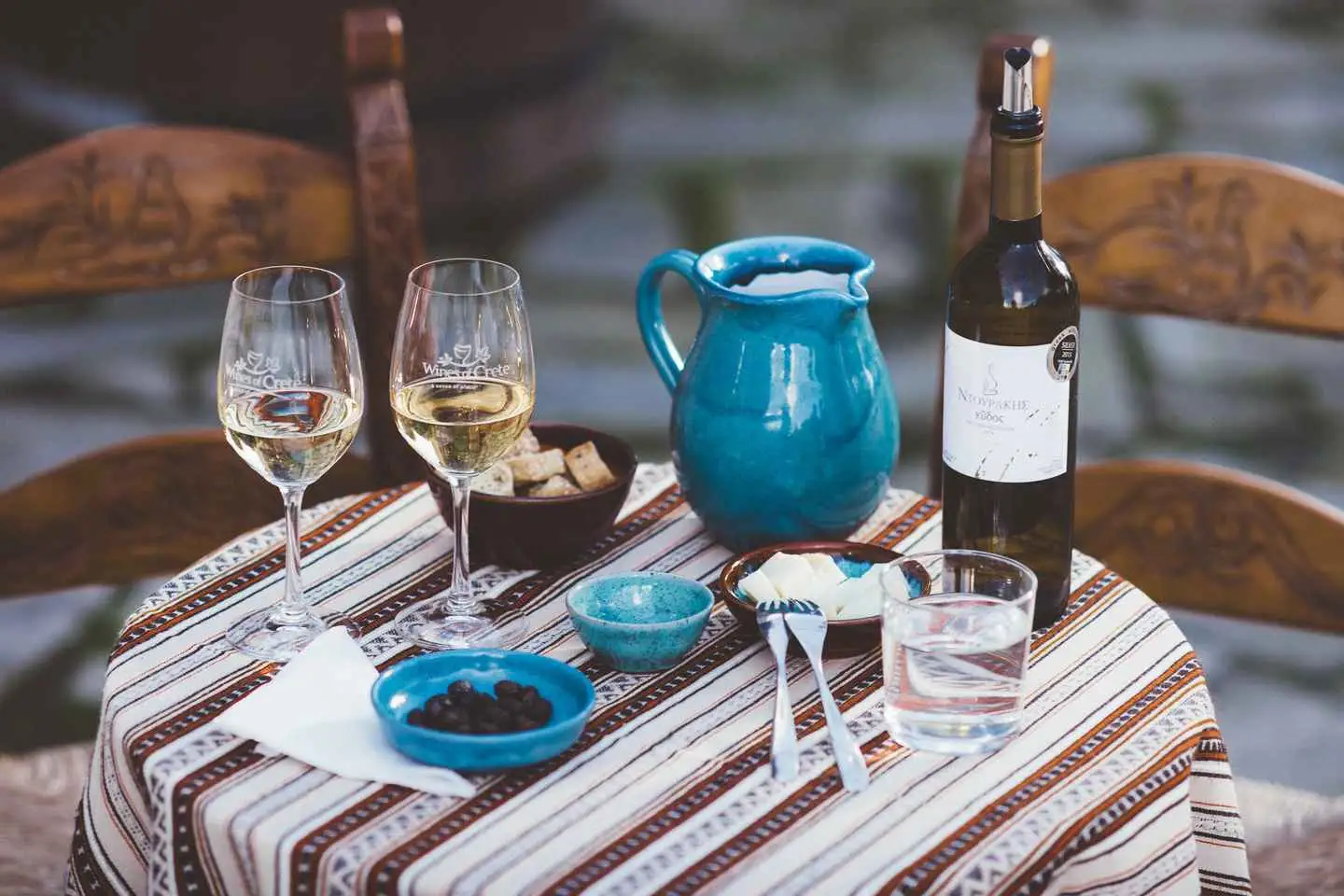
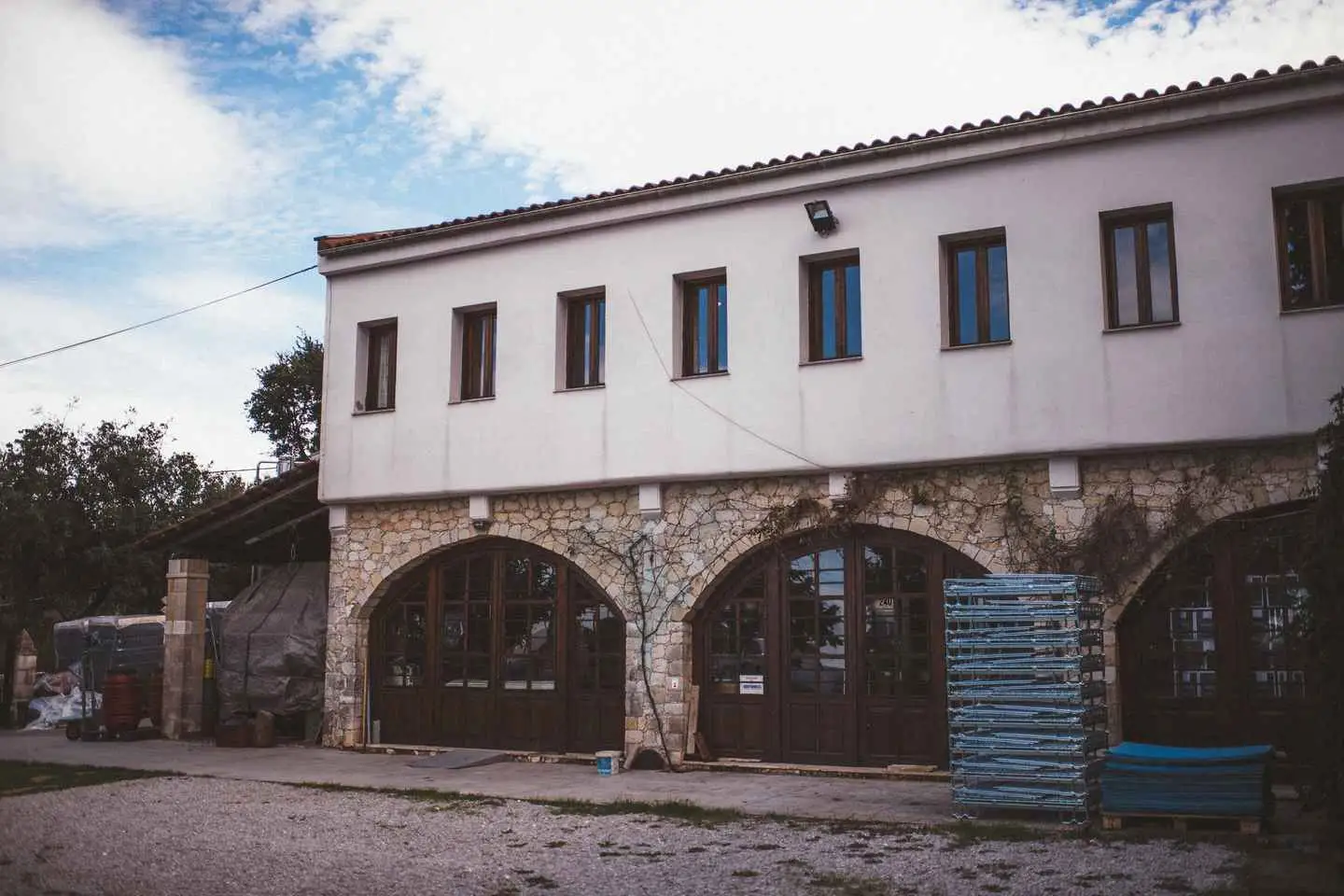
Continue on to one of the best wineries of the region, Dourakis Winery. There, enjoy a half-hour guided tour to learn about the history, tradition, and production of Cretan wine. After the tour, move to the wine tasting room, where you can taste up to five types of Cretan wine.
Finally, end the tour with a visit to either the village of Nipos or Vryses (depending on the weather and the day). Both villages offer up beautiful natural views alongside a traditional delicious lunch.
This will be an unforgettable tasting day for you and your friends exploring the mainland of Chania and discovering the non-touristic locations of Apokoronas province. In a few hours, you’ll have the chance to meet the local producers and taste the pure and authentic delicacies of Crete.
Commencing at a local olive mill, the tour affords you the opportunity to witness the intricacies of olive oil production and gain insights into the craftsmanship of the highest quality olive oil, namely extra virgin. The entire olive oil production process, from harvesting to the palate, promising exquisite tastes and flavors.
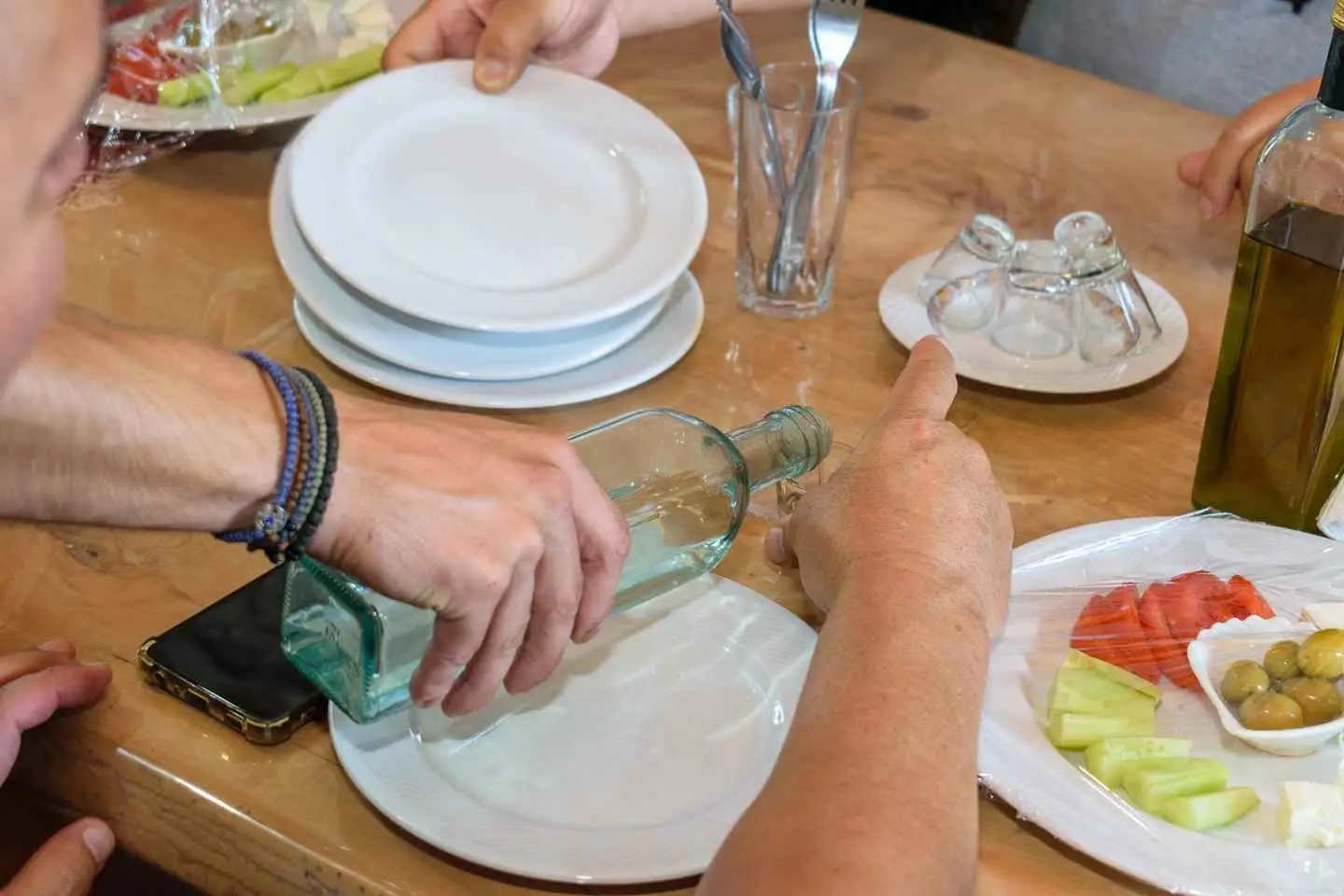
Subsequent to the olive mill exploration, the tour extends to the realm of “Tsikoudia” or “Raki” production, the renowned Cretan spirit, through a visit to a local distillery in a traditional village. Both the tour of the time-honored conventional distillery and the contemporary professional one will provide an understanding of the production of this esteemed beverage, culminating in a tasting session.
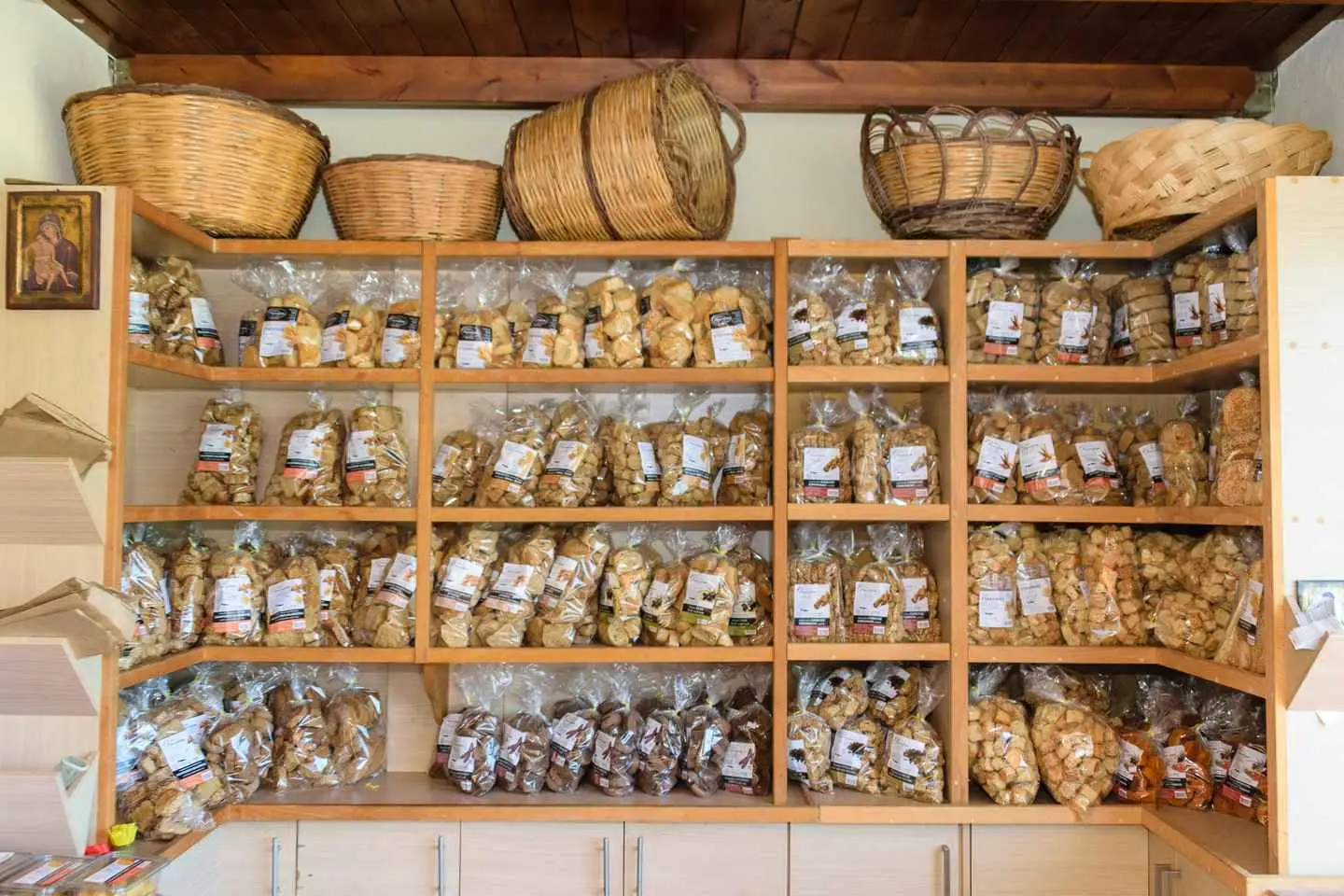
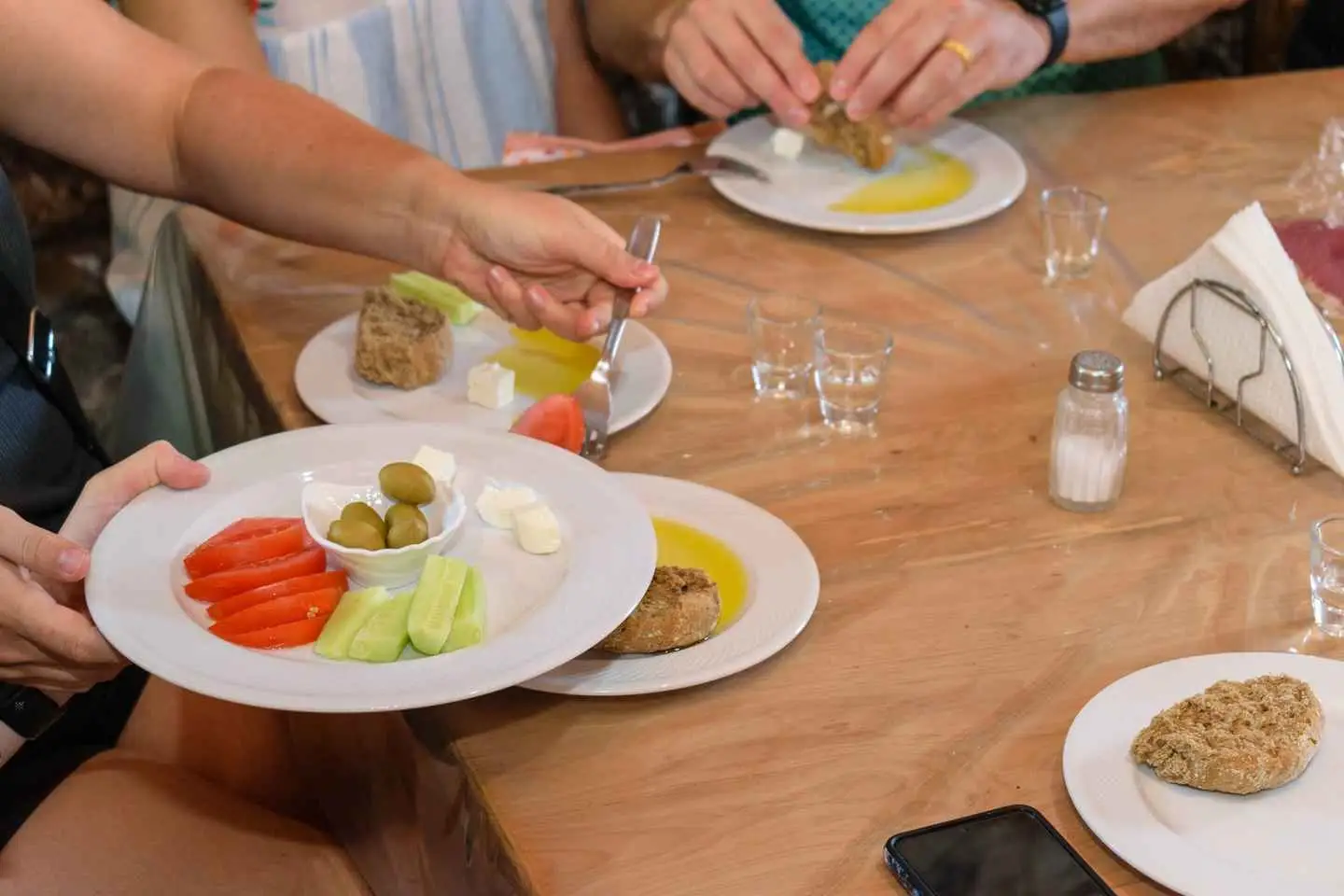
Through a fantastic route passing by villages of the province, you will arrive in the White mountains’ foothills. In the village of Embrosneros, you will first stop to a bakery to taste the local bread, cookies & biscuits and then to a traditional cheese factory. The secrets of “Graviera”, “Anthotiros” and “Mizithra” cheese will be revealed in front of your eyes. After explaining each cheese’s production, you will taste them combined with local honey and rusk (dry bread).
The last stop will be in a local coffee shop (“Kafeneio”), where the Cretans are also enjoying meals. Incredible flavours and traditional recipes are waiting for you in the charming square of the village of Fres. The customary lunch will immerse you in various facets of Cretan cuisine and gastronomy. It is often said that taste is our most refined sense. Following this tour, your palate will be enriched with new flavors, enhancing your tasting memory.
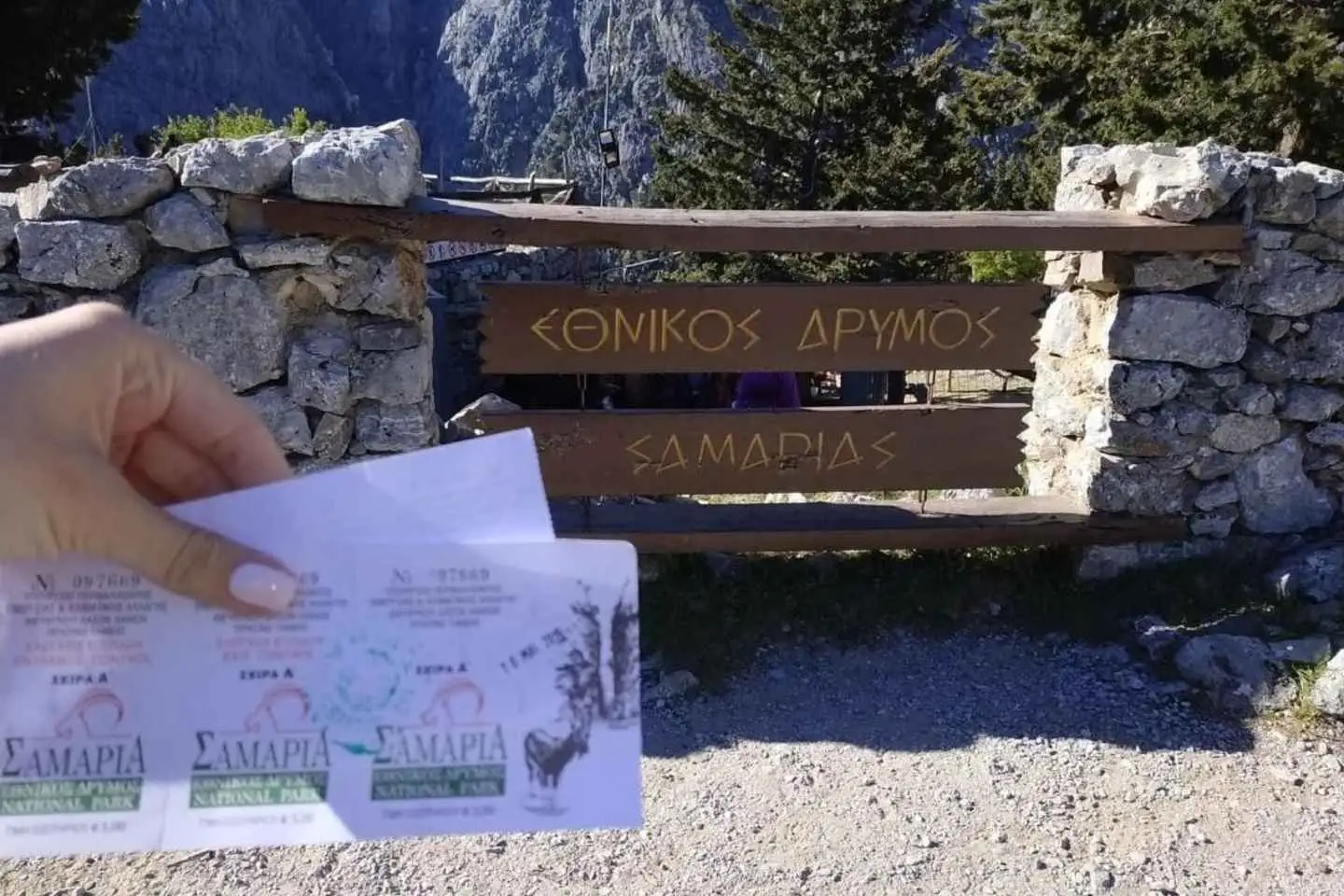
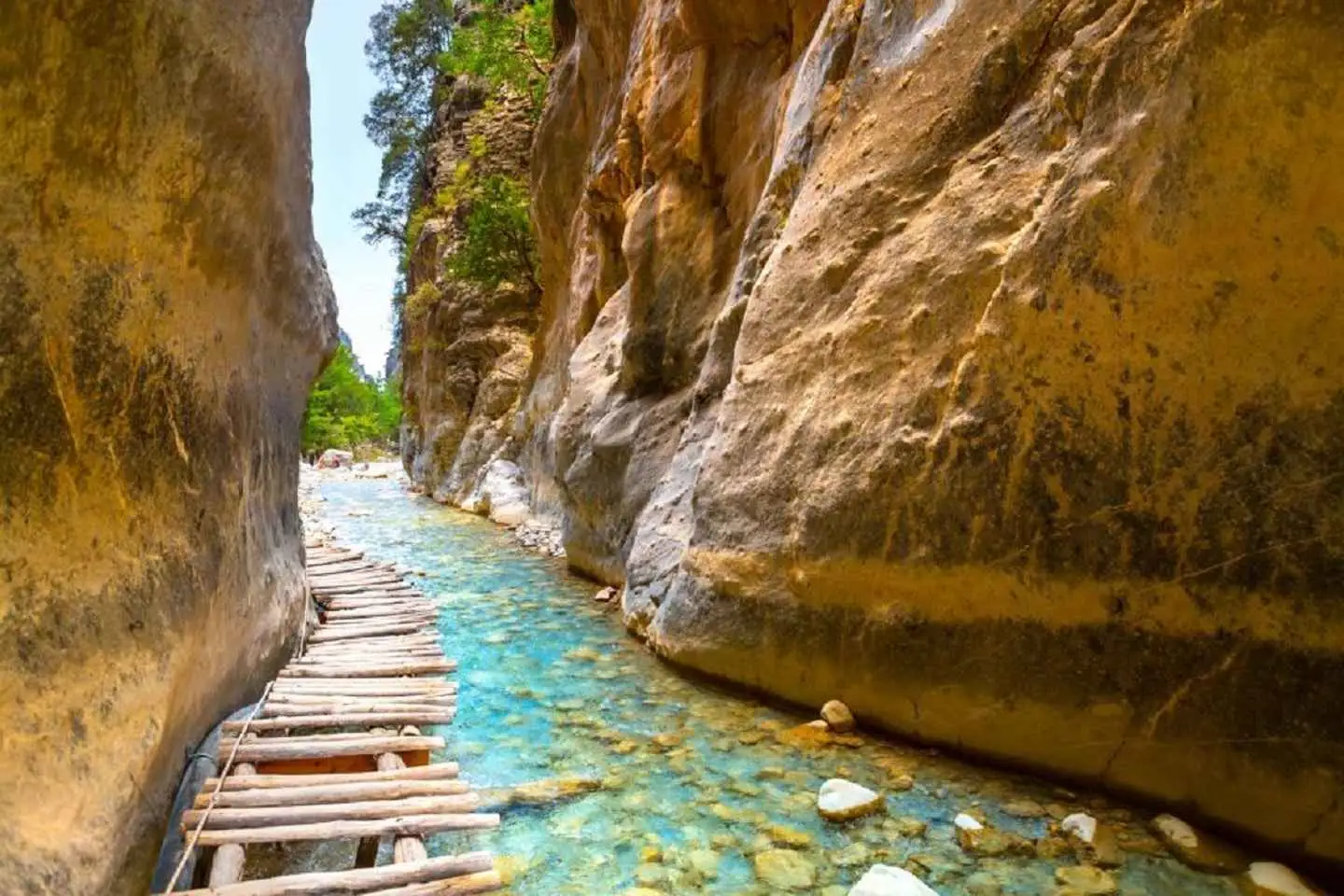
Explore the famous Samaria Gorge on a trip along the northern coastline of Crete and through the White Mountains up to the Omalos Plateau. Samaria Gorge became a National Park in 1962 and today, it is the last natural refuge for the Cretan goat species known as Kri-Kri.
Depart early in the morning and board a coach which will pick you up from your hotel. After a comfortable drive, arrive at the plateau of Omalos for a small break before heading to the entrance of the gorge. The start of the hiking trail through the gorge is at a height of 1200m. On the route, pass by rich vegetation and through the tall rock walls known as the “Iron Gates”. Fill up your water bottle at one of the springs in the gorge.
At the end of the 17km walk, reach the Libyan Sea. There, at the beach of Ayia Roumeli, enjoy a refreshing swim or sit at one of the taverns until a ferry takes the group to Chora Sfakion where the bus will be waiting for you to return you back to your hotel.
This tour is for those who would like to get to know Cretan culture and traditions while enjoying a four-hour off-road excursion. You will visit a modern olive mill, so that you can see how olive oil is produced, and you can also enjoy the opportunity to sample some of the oils.
After this, you will explore some myths and stories hidden
After that you will climb 600 metres above sea-level on an off-road route. You will travel through the Lefka Ori woods and you will be stunned by the panoramic views from the trail. Later, you will meet a shepherd who will show you how Cretan cheeses are made and you can try some of the cheeses he makes himself.
Finally, the evening will come to a close with a traditional evening meal. There will be lots of food and traditional dishes for everyone to enjoy, and the evening will leave you with fond memories of your day spent exploring Crete.
Embark on a guided hike through the Samaria Gorge from Chania or Rethymno and soak up the dramatic views across the canyon. Continue to a seaside village to explore and unwind in the sea, before being chauffeured back to your hotel.
After being picked up early in the morning from your hotel in Chania or Rethymno, meet your expert guide and journey to Xyloskalo on the Omalos Plateau. From there, together you will start the 18-kilometer hiking tour.
As you hike through the Samaria Gorge, admire the ever-changing, dramatic landscapes and scenery. Head downriver on the south side of the White Mountains for incredible photos.
At the end of the canyon, find yourself in the small village of Agia Roumeli, where the great canyon meets the Libyan Sea. Explore this seaside fishing village and enjoy a refreshing dip in the turquoise waters. Get recommendations from your guide on where to have lunch.
Take the boat to the Hora Sfakion, where your private driver will meet you and take you back. Travel in comfort after your hike as you relax in a premium, chauffeured vehicle.
Embark on a guided hike in the Samariá Gorge on a day trip from Rethymno. Get your daily dose of exercise, enjoy the panoramic views, and take a swim.
Following an early morning pickup from the nearest point to your accommodation in Rethymno, travel through the mountains, passing the plateau of Omalos.
Arrive at some wooden stairs at the start of Samariá Gorge. You can opt to start the walk straight away or get some breakfast at the taverna before you begin. Experience the magnificent landscapes on a 16-kilometer walk.
Discover the longest gorge in Europe, an area of stunning natural beauty. See its many flowers and herbs and the crystal-clear spring waters that flow from the mountains. Once you have finished the hike, there will be ample time for a swim and lunch at a tavern in Agia Roumeli.
No results available
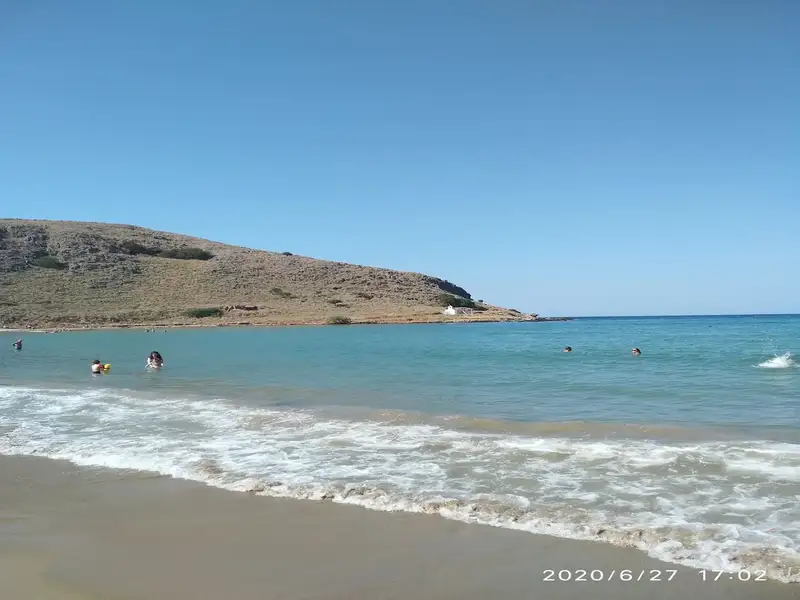
Kalivaki beach is the westernmost beach of Georgioupolis bay, on the north coast of Crete, 38 km east of Chania and 21 km west of Rethymno. Kalivaki sits at the mouth of the Almyros river, where the river meets the sea, so its sandy shore stays sheltered from the wind and its shallow water runs noticeably cool. This sheltered, family-friendly setting makes Kalivaki a good choice for children, especially on days when the wind stirs up the more open beaches nearby.
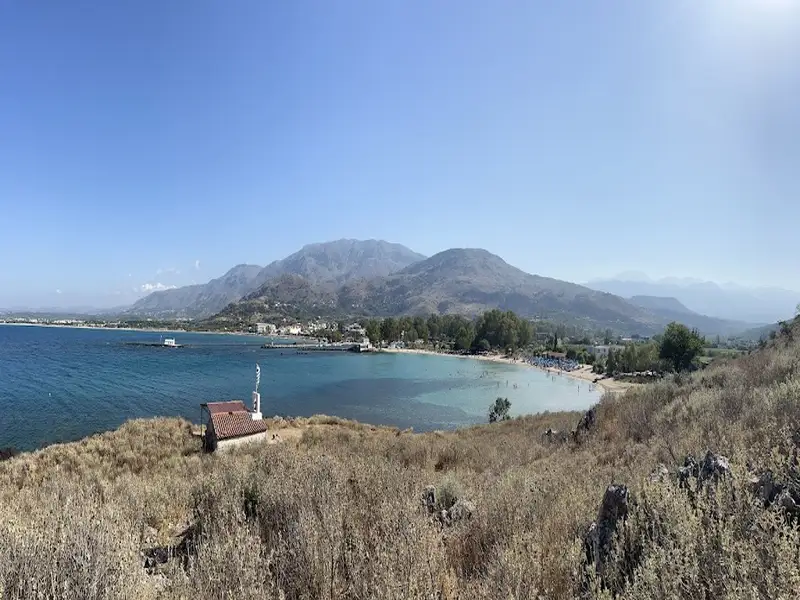
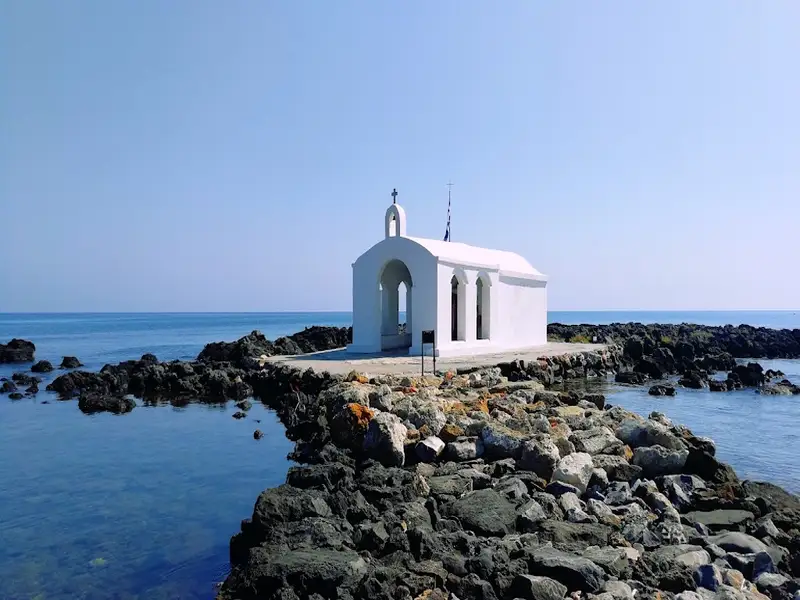
Kalivaki beach lies at the western edge of Georgioupolis bay, west of the Georgioupolis port and the church of Agios Nikolaos, 38 km east of Chania and 21 km west of Rethymno. Kalivaki sits at the exit of the Almyros river, joined by the smaller Boutakas stream, and both keep a steady flow of fresh water into the sea all year. The beach faces the open north coast, so its surface is calm in the sheltered corner near the river and turns wavy further out when the wind picks up. This position, tucked at the protected western end of the bay, is what sets Kalivaki apart from the longer, more exposed Georgioupolis beach to the east.
The water at Kalivaki is noticeably cooler than the open sea because the Almyros river and freshwater springs push cold water into the shallows. This cool current is strongest at the parts of the beach closest to the river mouth, where the cold river water meets the warmer sea. Many families come to Kalivaki for exactly this refreshing dip, which feels sharper and cooler than a swim on the neighbouring sandy beaches. Swim towards the eastern side of the beach, away from the river outflow, if you prefer warmer water.
Kalivaki is a sandy beach with soft sand and small dunes behind the shore, and its shallow, sheltered water suits families with young children. Kalivaki usually stays less crowded than the other Georgioupolis beaches, though visitor numbers rise on summer weekends. The sheltered cove keeps the water calm on windy days, when the longer beaches to the east grow choppy, so Kalivaki works well as a fallback when the wind is up. Where the Almyros river meets the sea the outflow can create a noticeable current and colder water, so keep children in the calmer, sheltered part of the cove and take extra care on windy days.
Kalivaki gives visitors umbrellas and sunbeds to rent, with beach bars and taverns nearby for food and water a few steps from the sand. Parking sits close to the shore and the beach is free to enter, so a family beach day here needs little planning. Services such as showers, changing rooms and a lifeguard are not a guaranteed feature at Kalivaki, so check what is open on arrival if you rely on them. Most of the beach services run mainly through the summer season, and they thin out in the quieter spring and autumn months.
Kalivaki beach is a recorded nesting point for the loggerhead sea turtle (Caretta caretta), which lays its eggs in the sand in the warm months. Keep clear of the soft dry sand and any marked nests, and avoid digging or pushing umbrella poles deep into the sand near the back of the beach. Take your litter home with you, because a single nest can sit just below the surface. These small steps let the turtles and their eggs stay undisturbed while you enjoy the beach.
Reach Kalivaki beach in a few simple ways from Georgioupolis and the main coast road:
Kalivaki sits between Chania and Rethymno, so a beach morning here fits easily with Lake Kournas, the Georgioupolis waterfront, and the quieter coves along the Apokoronas coast. Reaching them all on your own schedule is simplest with your own vehicle, which you can compare on our car rental in Crete page.
Kalivaki beach is the westernmost beach of Georgioupolis bay, on the north coast of Crete, 38 km east of Chania and 21 km west of Rethymno.
Yes, Kalivaki beach suits families, because the water is shallow, the cove is sheltered from the wind, and the beach stays calmer than the neighbouring Georgioupolis beaches. Keep children near the calmer part of the cove and away from the stronger current at the river mouth.
The water at Kalivaki is cold because the Almyros river and freshwater springs feed cool water into the shallows, and the effect is strongest close to the river mouth.
Kalivaki beach has umbrellas and sunbeds to rent, with beach bars and taverns nearby for food and water, and free parking close to the shore. Showers, changing rooms and a lifeguard are not guaranteed, so check what is open on arrival.
Drive or take a local bus to Georgioupolis, then follow the paved road or walk west from the port to the river mouth at the western end of the bay.
The main season runs from June to September, when the weather is warm and the beach services are open, while late spring and early autumn stay quieter for a calmer visit.
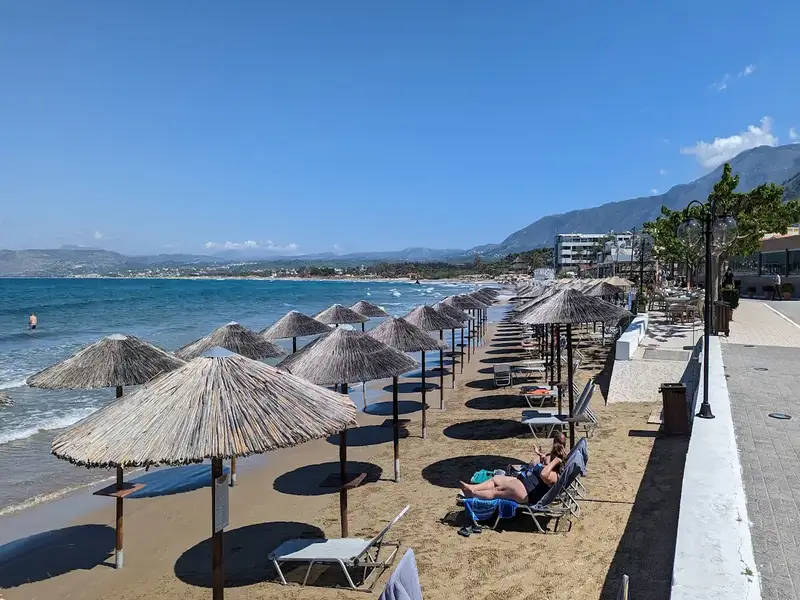
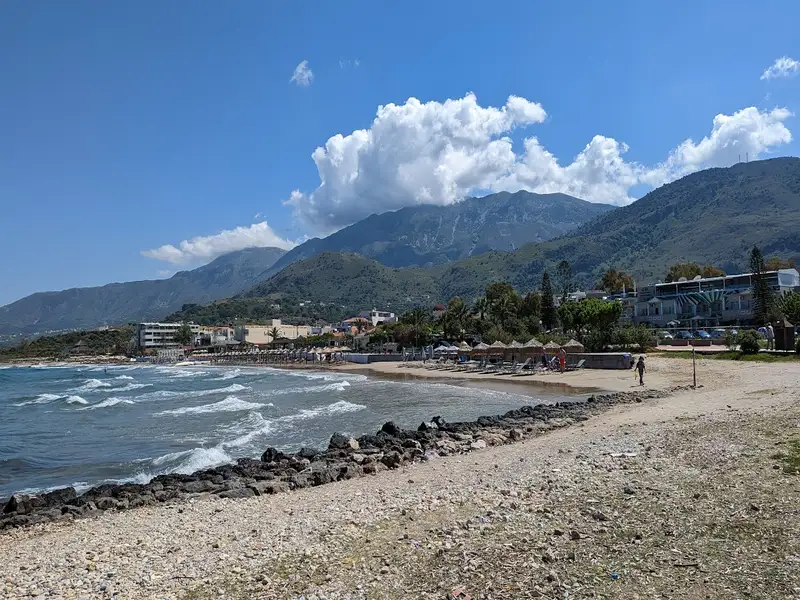
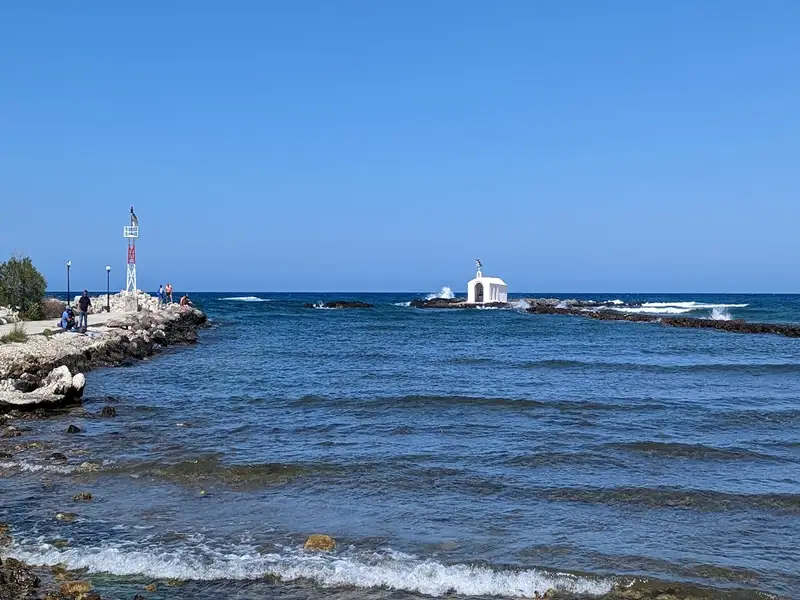
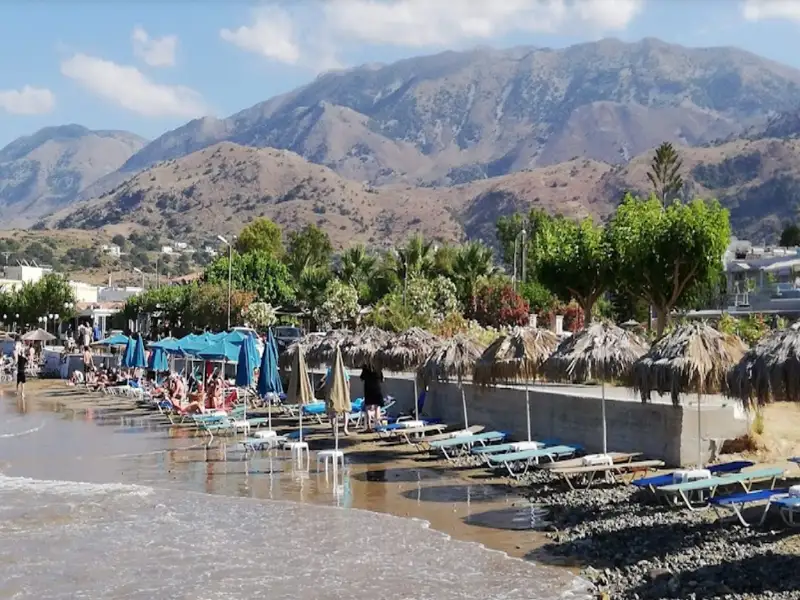
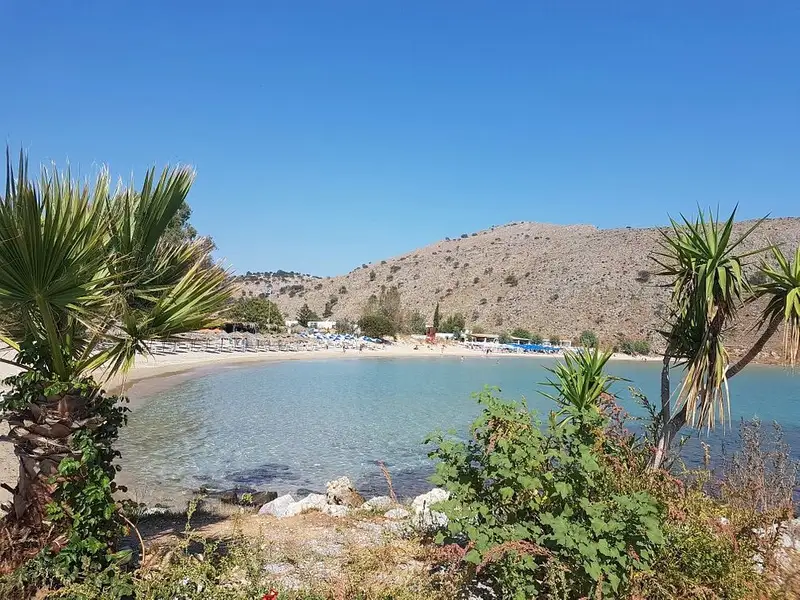
Georgioupolis, a small coastal town located 38km east of Chania and 21km west of Rethymnon, is a seaside resort nestled in a verdant valley crisscrossed by rivers and springs. Situated on the western edge of a sprawling 10km beach, the town’s beach spans 2km to the east, beginning at the Almiros river and terminating at Kavros beach, a natural continuation of the former. The beach in Georgioupolis is sandy, dotted with dunes, and has shallow waters.
The beach is well-maintained and child-friendly, with lifeguards on duty. Caution is advised during windy conditions due to sea currents. Amenities such as umbrellas, showers, and food and drink stalls are available for beachgoers. Approximately 700m east of the port, the Perastikos river bifurcates the beach, which then widens as it continues eastward. On the opposite end, west of Georgioupolis’s port and near the Almyros river’s exit, lies the picturesque Kalivaki beach.
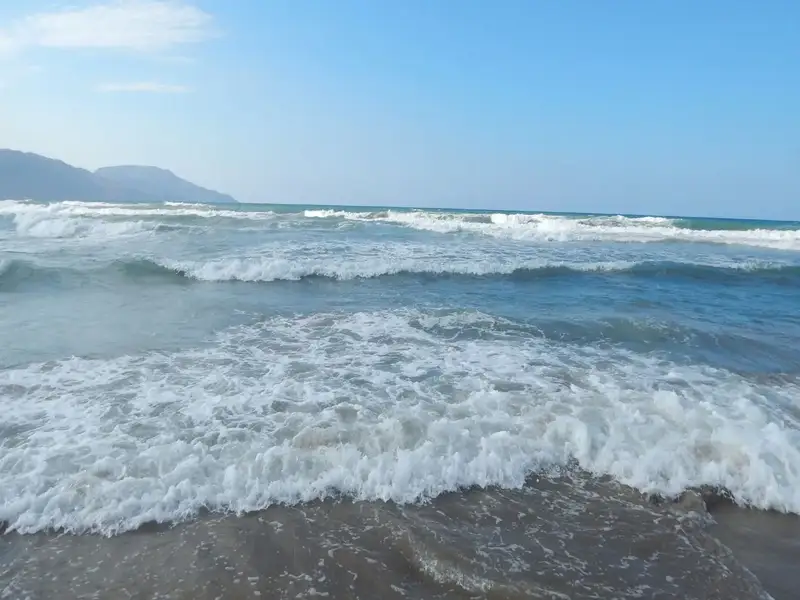
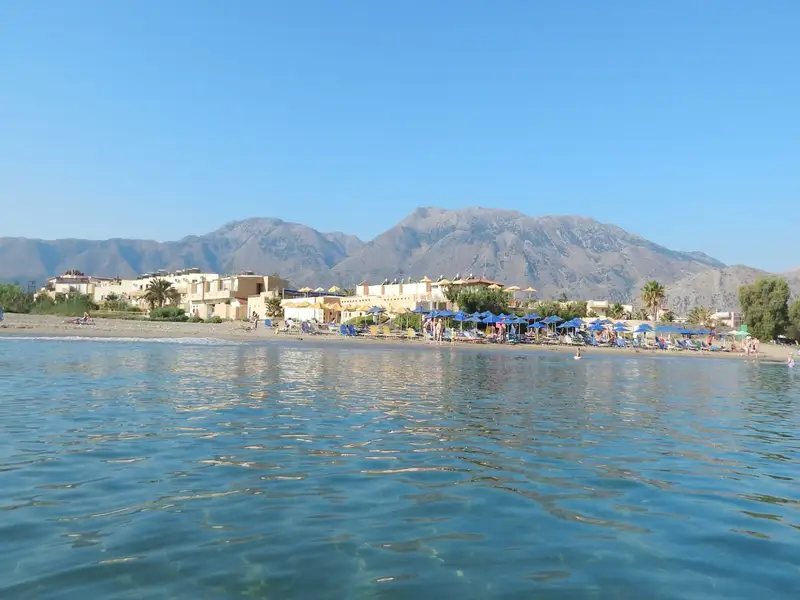
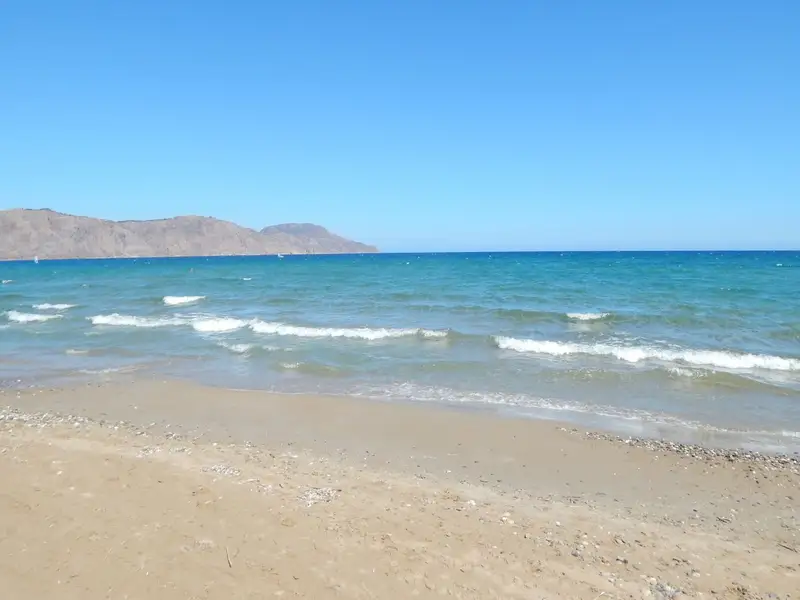
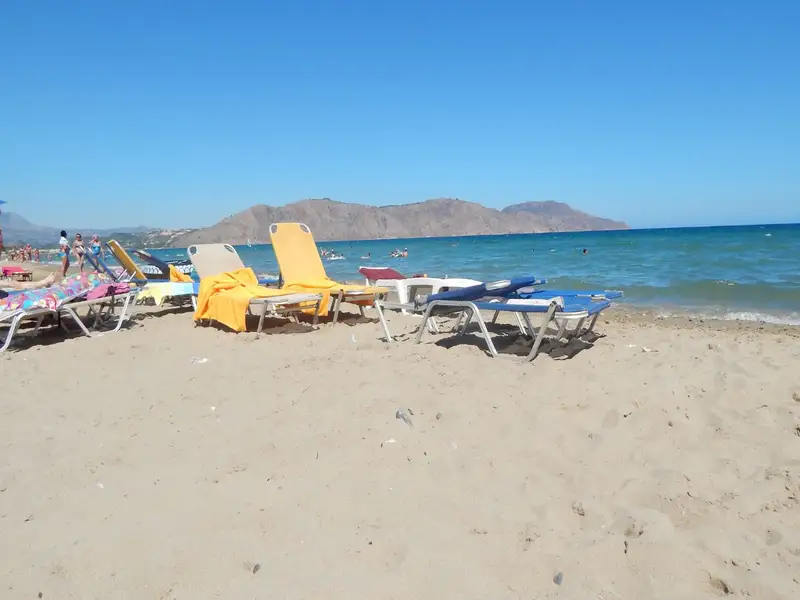
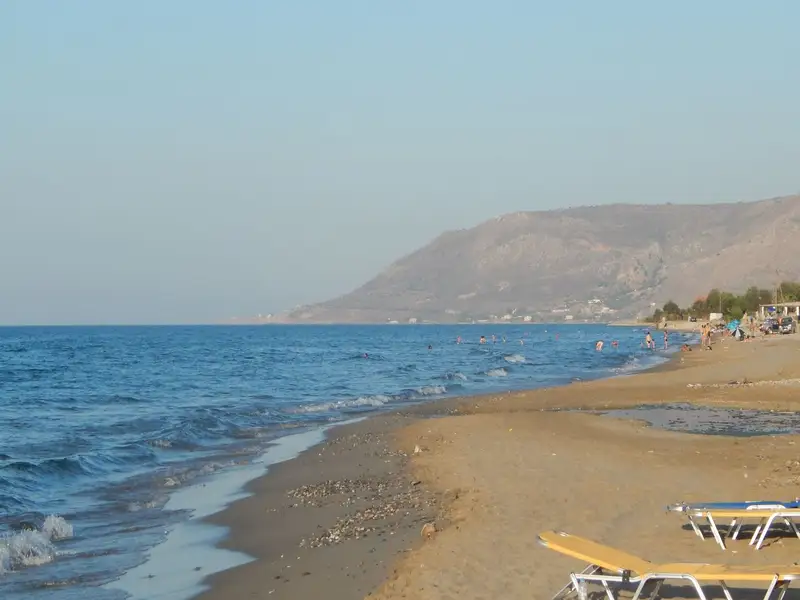
Located between Georgioupoli and Pyrgos, Kavros refers to the expansive beach situated just 4 km east of Georgioupoli, near the hotel bearing the same name. Though the area has experienced substantial tourist development, it’s somewhat less commercialized compared to the adjacent Georgioupolis. Kavros beach is a sandy stretch with transparent, shallow waters; however, its openness to the wind often results in notable wave activity. The beach provides several facilities for visitors, including an array of restaurants, cafes, and bars, making it a perfect spot for an all-day excursion. For those seeking tranquillity, parts of the beach remain unorganized, offering a more serene experience.
The place at its greatest part is developed and only a very small part of it has been left untouched. Between the remaining virgin parts of the beach, there is an extensive and very important ecosystem of dunes. The dunes of Kavros, like all dunes, host a significant and very fragile ecosystem that is home to its own plants. The most important role of the dunes in Crete is that they protect the inner lands from erosion. In the area, in winter we meet small ponds and the landscape is quite different from the summer.
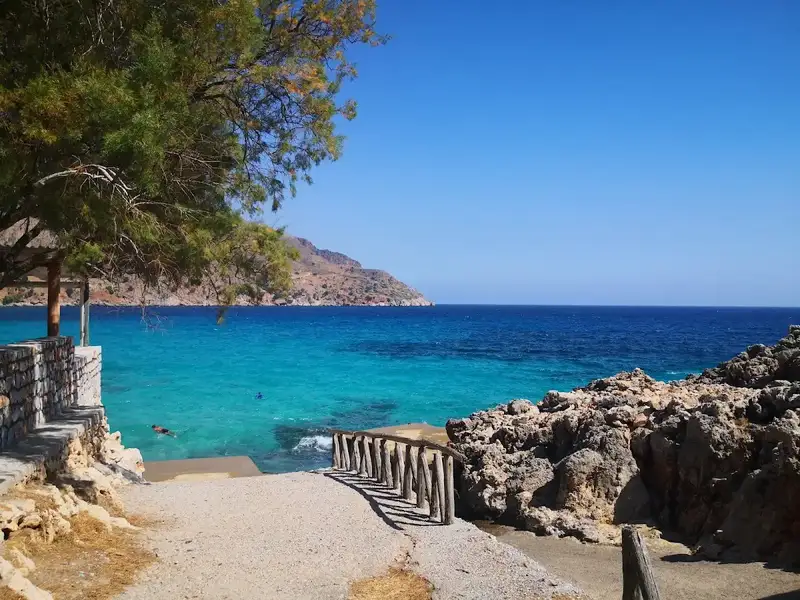
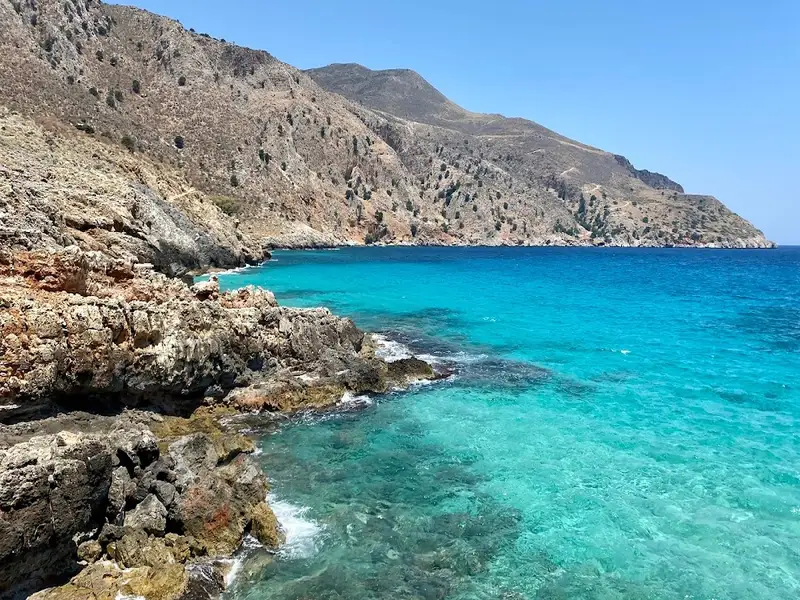
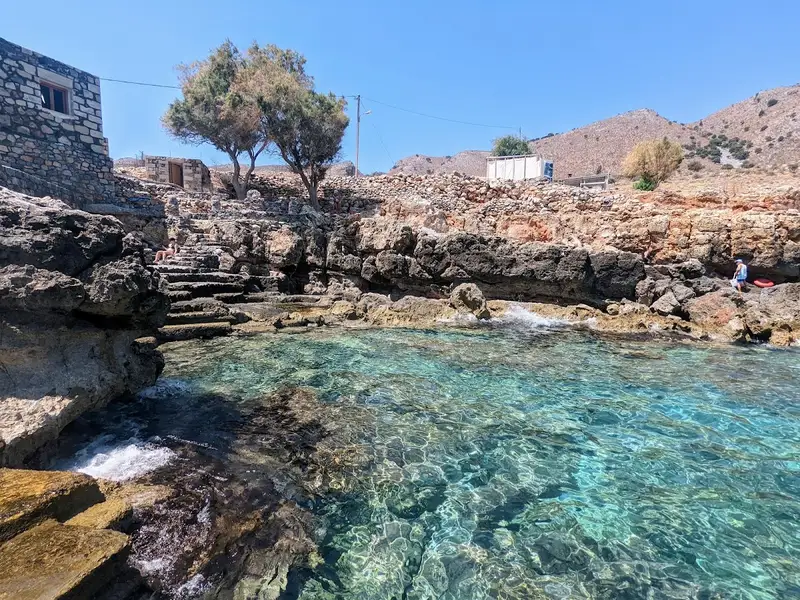
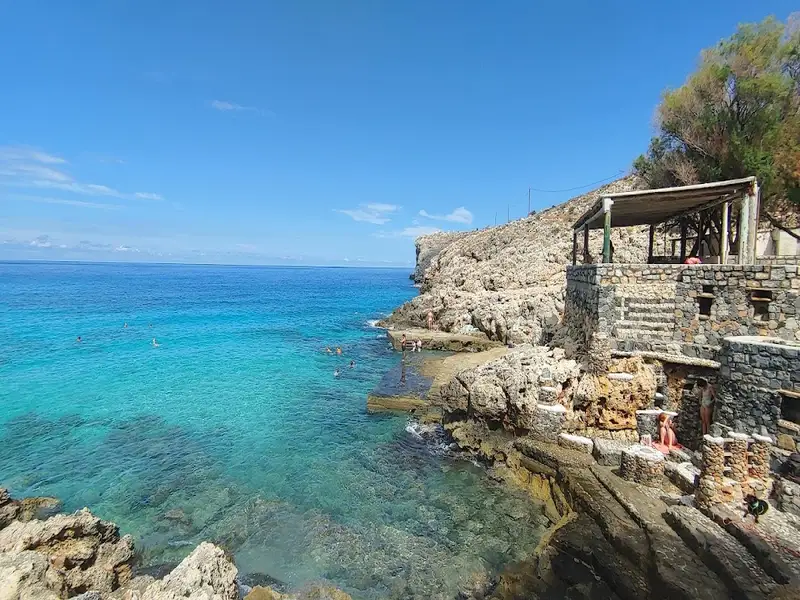
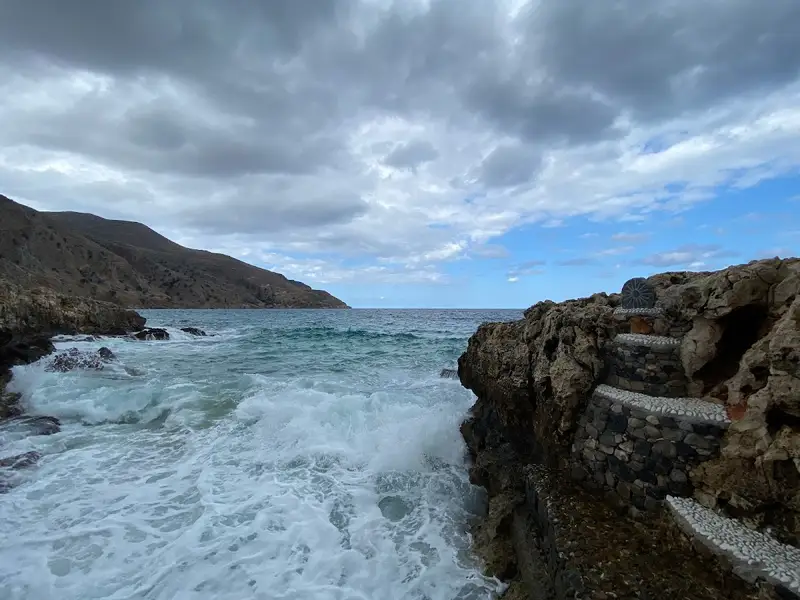
Ombros Gialos (also spelled Omprosgialos or Ombrosgialos) is a small, rocky bay on the east coast of the Drapanokefala peninsula, 26km east of Chania. Ombros Gialos sits near the villages of Kefalas and Paleloni, and it centers on a little harbour whose dock lets swimmers step straight into deep, clear water. This is an unorganized cove built for people who want blue-green sea, a single well-known fish tavern, and calm surroundings rather than sunbeds and busy beach bars.
Use this guide to decide if the bay fits your day, then plan how to reach it.
Ombros Gialos is a rocky beach with rocks in places rather than a wide sandy shore. The water runs deep blue and green right off the shore, and the small harbour includes a dock that swimmers use as a diving point into the crystal sea. The bay stays quiet and feels remote, because it lies well away from large resorts and organized beach services. You get scenery and swimming here, so treat it as a spot for a relaxed dip rather than a full day of loungers and amenities. The rocky character of the shoreline shapes everything about a visit, from where you enter the water to what shoes you pack, and the shore counts among the Crete beaches with rocks in places.
Ombros Gialos is reached by car on the asphalt road that starts from Paleloni. The paved route makes the drive straightforward once you are near the village, and the road leads down toward the harbour on the east coast of Drapanokefala. A boat trip is the other option, since you can arrive by private boat from a nearby port. Georgioupolis and Kalives both work as departure points for that short sea approach, and Georgioupolis in particular is an easy base if you are already exploring the wider stretch of coast covered in the guide to the Georgioupolis beaches.
Having your own vehicle gives you the most flexibility for a remote cove like this one, so many visitors combine the trip with other stops in Apokoronas by renting a car in Crete.
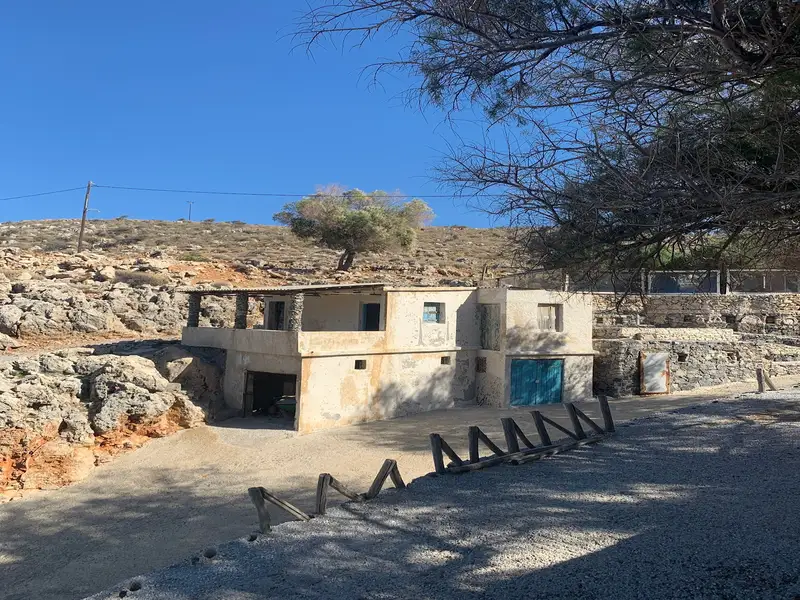
Ombros Gialos is not well organized, and it sits quite far from well-organized accommodation choices. One tavern stands next to the harbour, and it is very famous for its fish dishes. The taverna keeps food and water available on site, which covers the essentials for a visit. Beyond the taverna, plan to bring what you need, because the bay is a natural, low-key spot rather than a serviced beach.
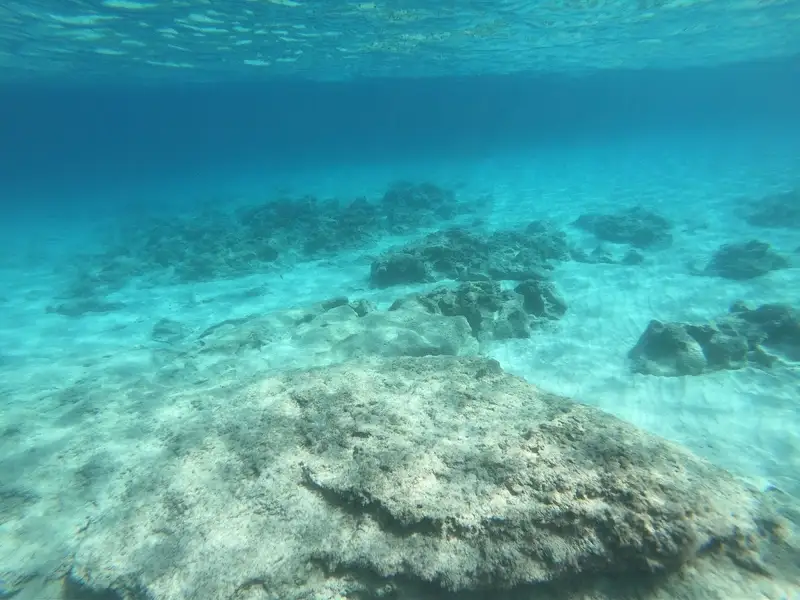
The sea around Ombros Gialos is ideal for snorkelers and scuba divers. Deep, clear water sits right at the harbour dock, and swimmers commonly dive in from that dock into the blue sea below. The rocky seabed and deep-blue water make the cove a strong choice for anyone who wants to explore underwater rather than lie on sand. Enter carefully over the rocks, since the shoreline is stony in places and the water gets deep quickly near the dock. Water shoes help you cross the rocks comfortably and protect your feet at the entry points.
Ombros Gialos suits swimmers, snorkelers, and divers who prefer a quiet, scenic cove over an organized resort beach. The bay rewards visitors who value deep clear water, a good fish taverna, and calm surroundings. It is a weaker match for families who need sunbeds, umbrellas, and shallow sandy shallows for young children, because the shore is rocky and the services are minimal. Choose this cove for a relaxed swim and a seafood lunch, and pick a sandier, organized beach elsewhere if you want full facilities. Travelers who enjoy dramatic, off-the-beaten-path Chania coves often pair a visit here with a stop at the striking cliffs of Seitan Limania beach.
Ombros Gialos is on the east coast of the Drapanokefala peninsula, 26km east of Chania, near the villages of Kefalas and Paleloni.
Ombros Gialos is a rocky beach with rocks in places, and the water turns deep blue and green close to shore.
The bay is unorganized and has one taverna next to the harbour that is famous for its fish dishes and provides food and water on site.
Drive the asphalt road that starts from Paleloni, or arrive by private boat from a nearby port such as Georgioupolis or Kalives.
The deep, clear sea around the harbour is ideal for snorkelers and scuba divers, and swimmers dive straight in from the dock.
June to September is the best window for swimming and warm, settled conditions. For more coves along this coast, browse the wider collection of Crete beaches.
No results available
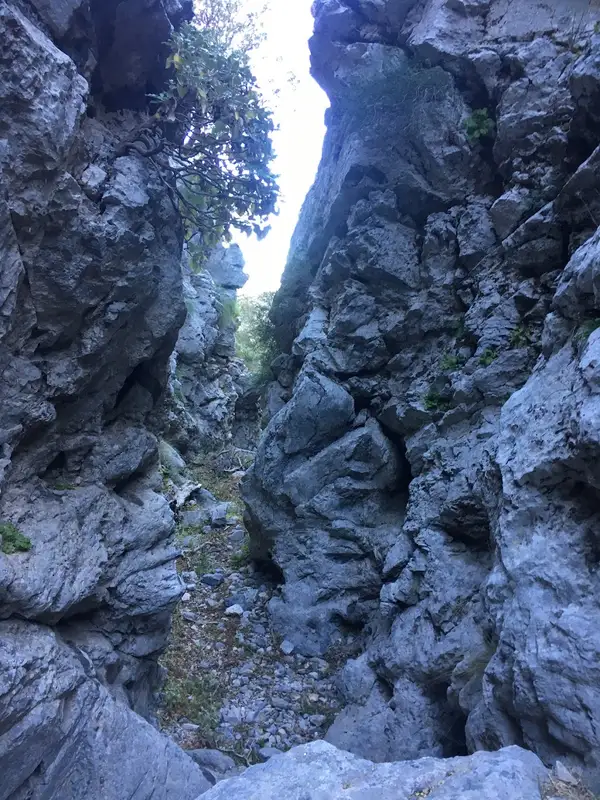
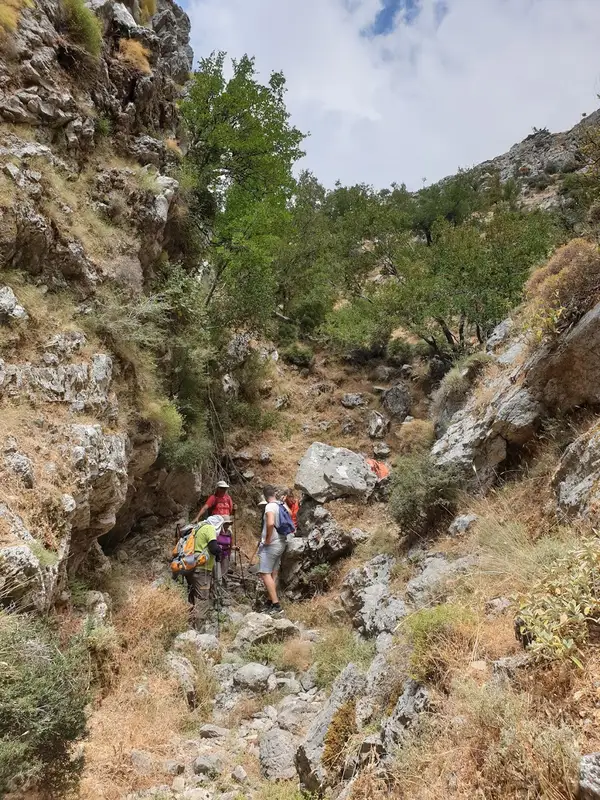
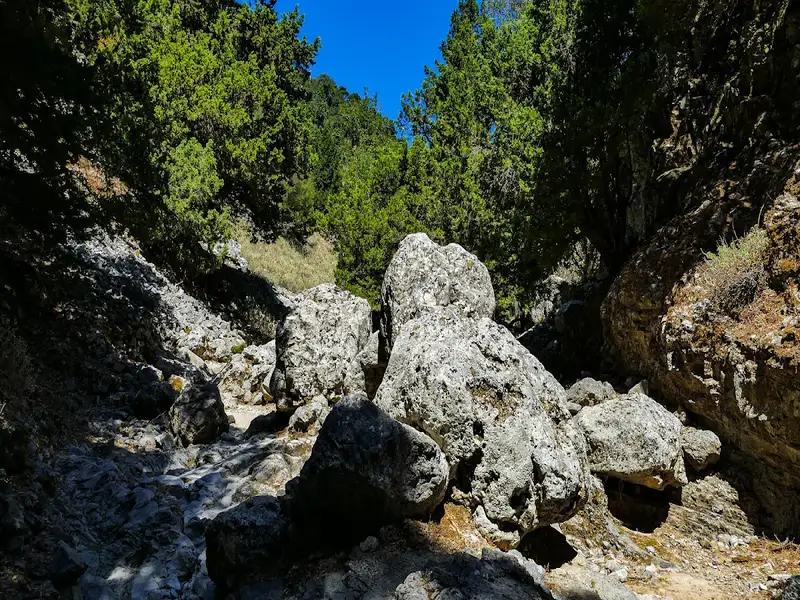
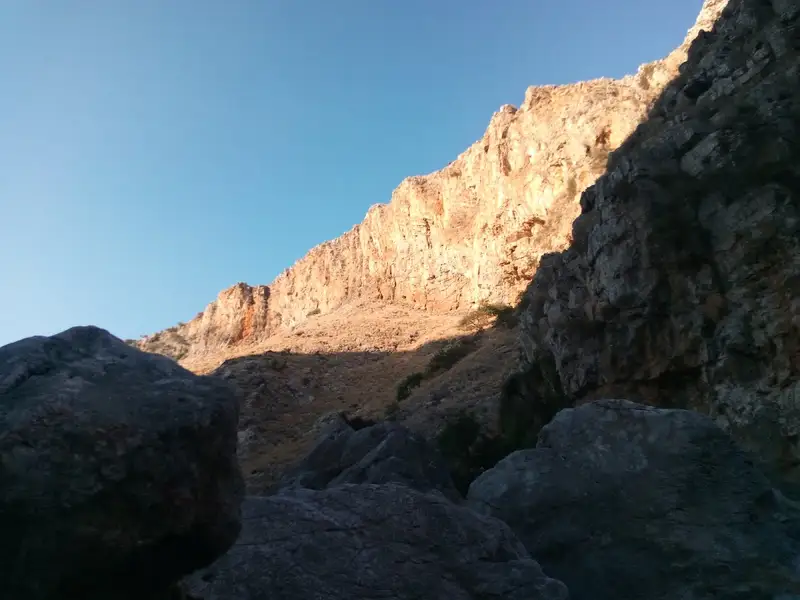
The Kapni Gorge, one of Eastern Sfakia’s most stunning canyons, remains largely undiscovered. The gorge begins as an open stream south of the Akones peak at Hionistra, located on the road between Askyfou and Asfendou villages. It concludes in the village of Nomikiana in the Sfakia province. In Hionistra, two streams in calcareous soils converge to form the Kapni Gorge after an hour’s walk. The canyon is extensive, requiring around four hours to traverse. It is among Crete’s challenging and perilous trekking gorges, with a rugged riverbed that forms dry waterfalls in certain areas, necessitating climbing.
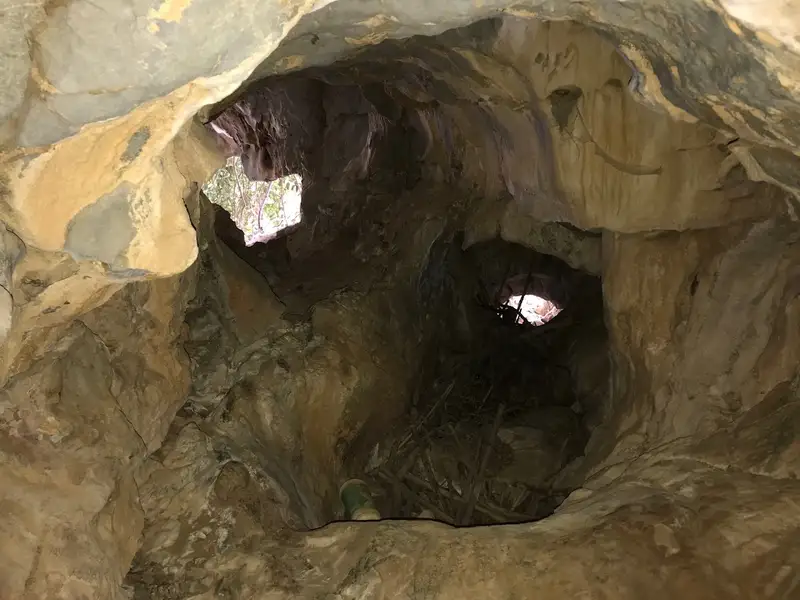
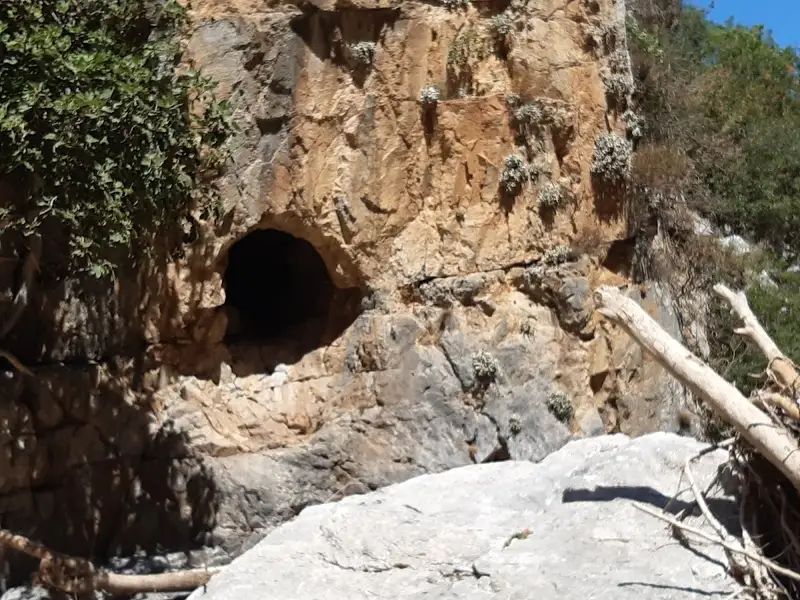
It is not advisable for those inexperienced in mountaineering. The riverbed features several small caves that were previously used as sheepfolds. In one of these caves, there is drinking water, the only source in the harsh Kapni region. This water source is hard to find unless one is very familiar with the area. Kapni is home to beautiful vegetation, including maples and oak trees, and stunning walls of platy limestone in several places.
The name Kapni, meaning smoke, traces back to a story from the Venetian era. East Sfakia was once densely forested, providing refuge for Cretans fighting the Venetians. To counter this, the Venetians burned these forests, including the one in Kapni, which was so dense that the fire burned for weeks. The narrowness of the gorge created an oven-like effect, trapping the fire and significantly raising the temperature. The intense heat baked the mountain rock, similar to a lime kiln, and smoke lingered for days after the fire ceased. That autumn, a massive flood swept through the bare, fire-scorched hillsides, moving rocks with immense force to the gorge’s exit. This event resulted in a large deposit of sediment, creating the most impressive scree (locally known as sara) in Crete, visible from miles away. This scree starts at the gorge’s exit and extends to the village of Nomikiana.
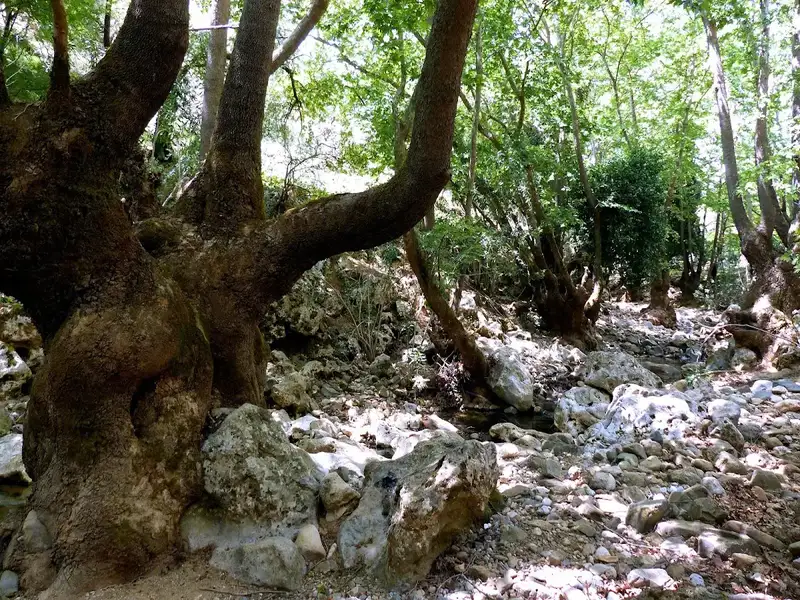
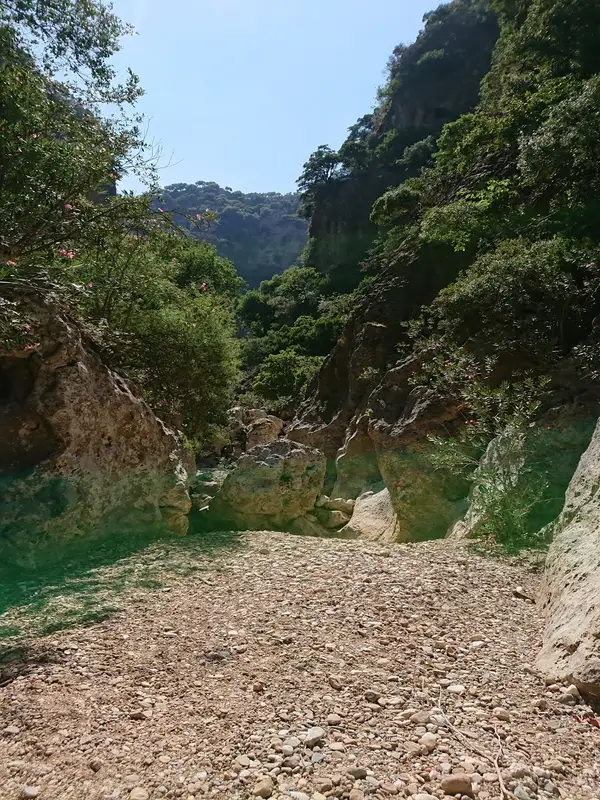
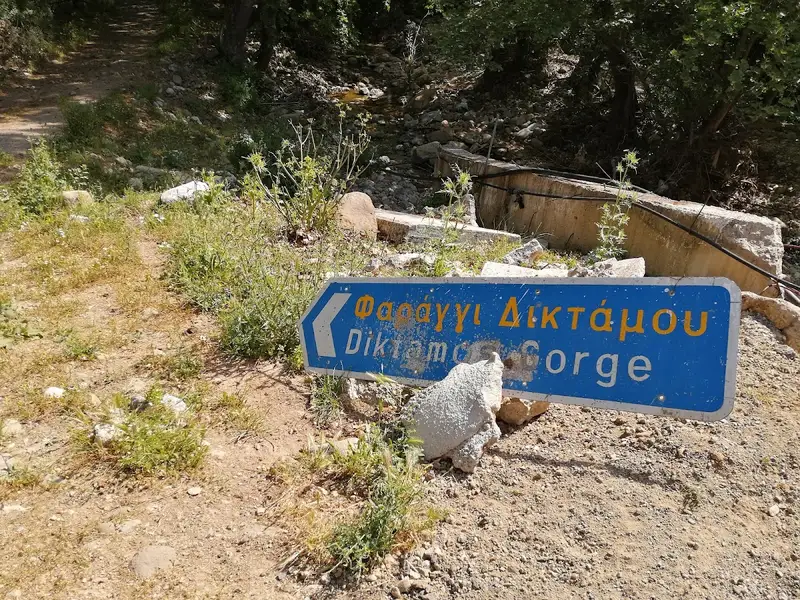
The Diktamos Canyon, nestled within the White Mountains, commences 21km to the east of Chania, near the Katochori village at an elevation of 300m. It concludes 8km further east, at the Faragi village, situated at a height of 40m and in close proximity to the Stylos village in the Apokoronas province. Consequently, it is also referred to as the Katechori Gorge or Stylos Gorge. The canyon’s stream serves as the primary tributary of the Kiliaris River, gathering water from the northern slopes of the Mavri peak and discharging it onto the Kalives beach.
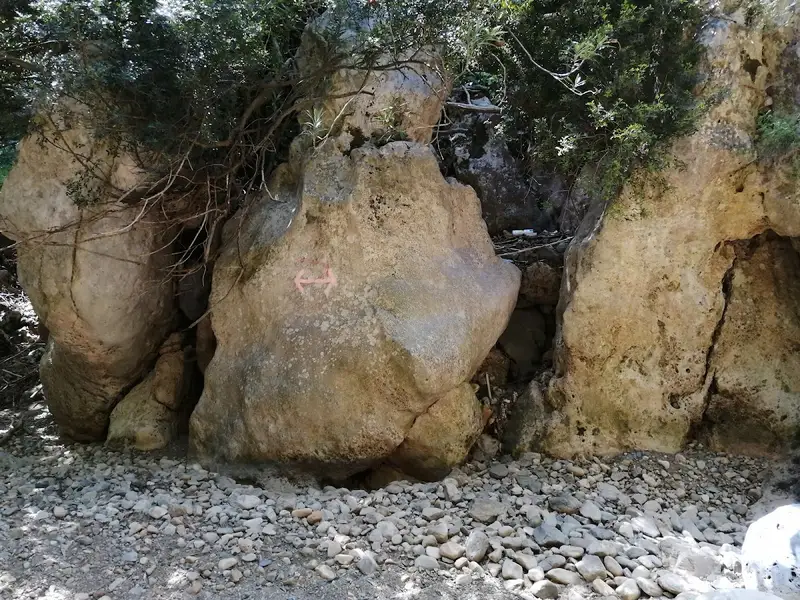
Navigating through the canyon can be challenging, with certain areas requiring extra caution and approximately 3 hours to traverse. The canyon is a stunning, verdant landscape filled with towering trees and steep inclines, home to dittany or diktamos, a herb endemic to Crete. In Stylos, you have the opportunity to explore the ancient church of Apostle John (Agios Ioannis Theologos), refresh yourself at the local springs, and replenish your energy at the village’s taverns.
Situated in the Sfakia province, Imbros Gorge is Crete’s third most frequented gorge, following Samaria Gorge and Agia Irini by Sougia. These are all part of the E4 European hiking path. The gorge’s breathtaking landscape and easy trail make it perfect for family trips. The gorge spans 11 km and the hike takes about 2-3 hours.
The journey begins in the quaint village of Imbros, nestled 700 meters above sea level.
The gorge’s initial section, known as Porofarago or Porolagos, is fairly broad. The trail starts off as a descent with relatively low sidewalls. As you go further, the canyon gradually narrows, the sidewalls rise, and the views become awe-inspiring. The canyon’s sides start to close in and rise, revealing various caves. The vegetation includes ancient cypresses, oaks, and maples emerging from the rocks.
Throughout the gorge, remnants of the old stone-paved path, once the main route from Sfakia to Chania, can be seen. The canyon has witnessed numerous battles between the Ottomans and the Christians during the Turkish Occupation of Crete, notably in 1821 and 1867.
Further along, you’ll pass the spot known as Airplane, where a German plane crashed during World War II (the wreckage is displayed in the war museum at Askyfou). Following this, you’ll come across the gorge’s first narrow passages and then reach the position Gournia (i.e. basins), where several small rock basins fill with water in the winter.
Next, you’ll arrive at the gorge’s most magnificent section, Stenada. Here, the gorge walls close in to 1.6m and reach a height of 300m! The rocks are adorned with stunning formations.
After this narrow stretch, the canyon broadens and you’ll near a rest area at position Mesofarango. Here, you’ll find a Venetian water cistern and the gorge guard’s hut.
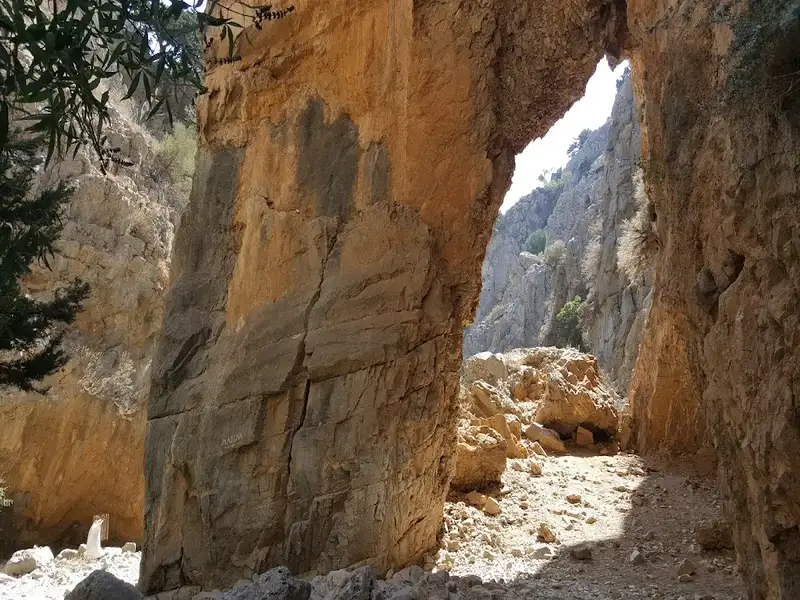
A few meters ahead, you’ll cross a landslide and shortly after, the striking narrowing at Gremnaria. Following this, you’ll see another gorge trademark, the stone arch Xepitira. As you continue, you’ll navigate some narrow passages and soon arrive at the gorge’s exit by the village Komitades. Several taverns are located near the exit, providing a perfect spot to rest and grab a bite.
There are multiple bus services from Chania to Imbros during the summer. To catch the bus to Chora Sfakia, Imbros (where many hikers park their cars at the gorge’s entrance), or Chania, you’ll need to either walk 4 kilometers towards Chora Sfakion (be sure to check the schedules) or take a taxi from the gorge’s exit (which can be quite pricey).
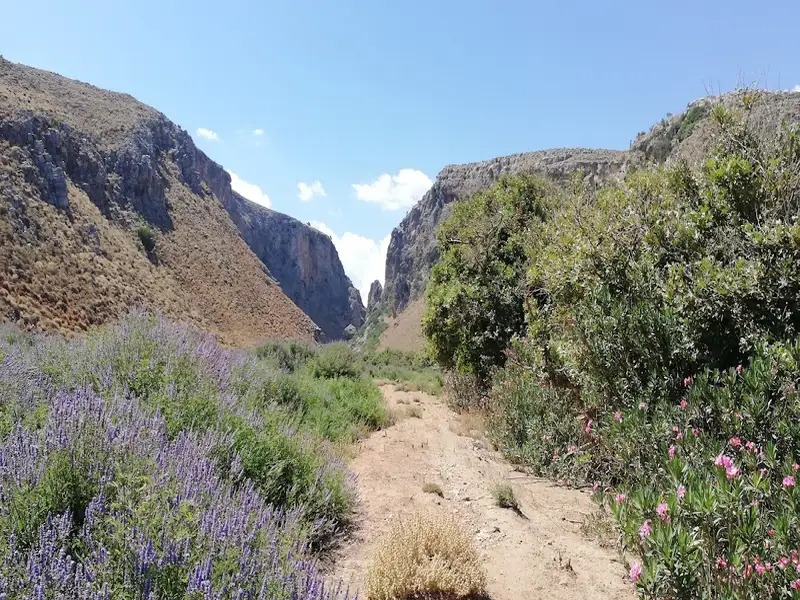
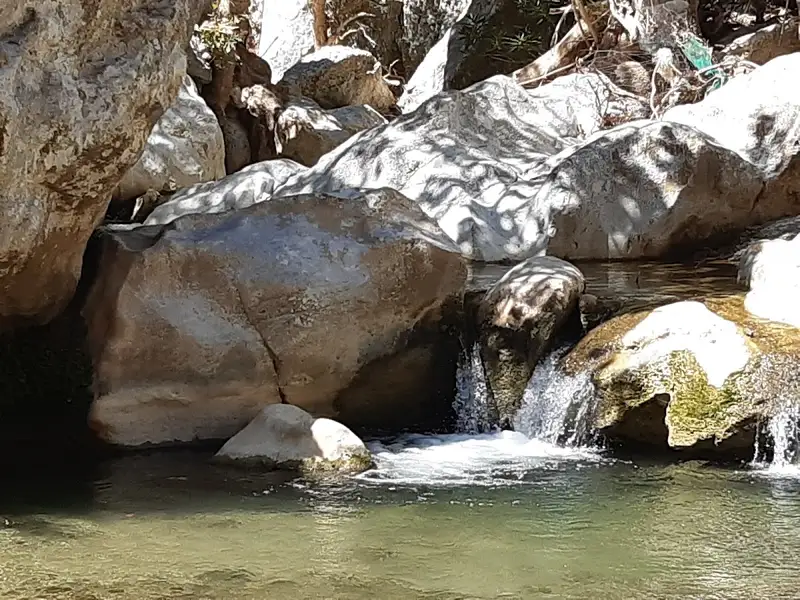
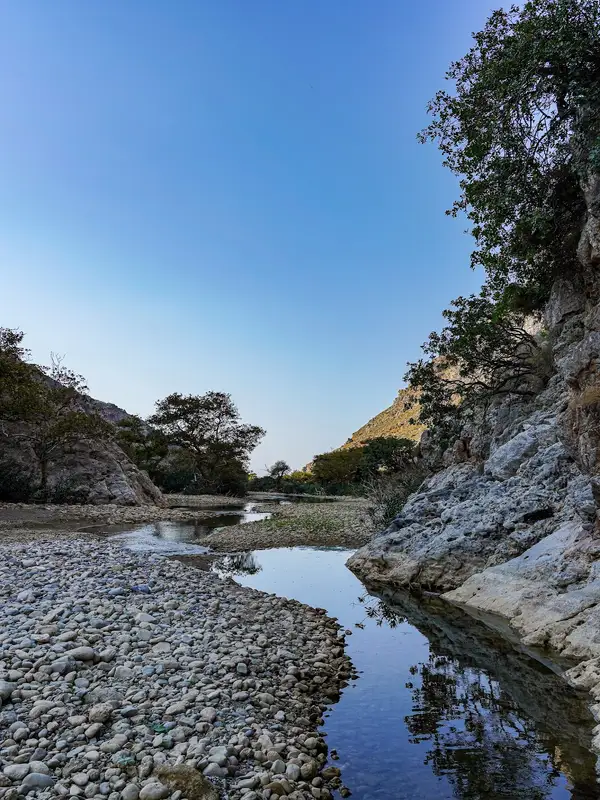
Situated 13km west of Rethymno, Petres Gorge opens up at the Petres beach. It houses the longest river in Rethymnon province, which is replenished by multiple tributaries that gather the waters of Kollita Gorges from the west to Mount Vrysinas in the east, spanning almost half of Rethymnon Prefecture. The river flows throughout the year and forms a significant wetland of Crete, particularly near its mouth at Episkopi.
The gorge narrows down to a small section about 1km long, beginning near the village of Karoti. Despite its short length, it is definitely worth exploring. It is easily accessible and perfect for swimming in the ponds that form along its course. However, fences are installed to confine goats, so carrying a cutter might be useful in case the fences are locked. Certain areas with large rocks may require a bit of climbing and extra caution.
No results available
No results available
No results available
© All rights reserved. Crete Locals