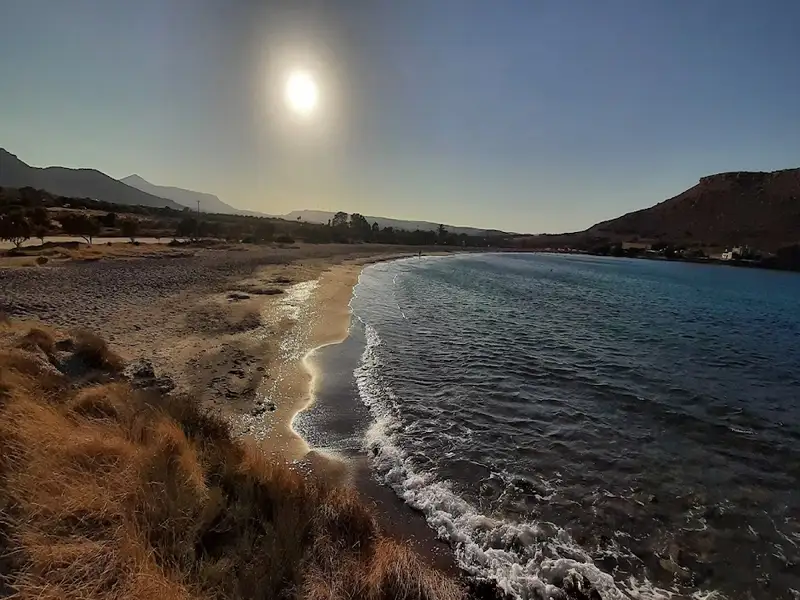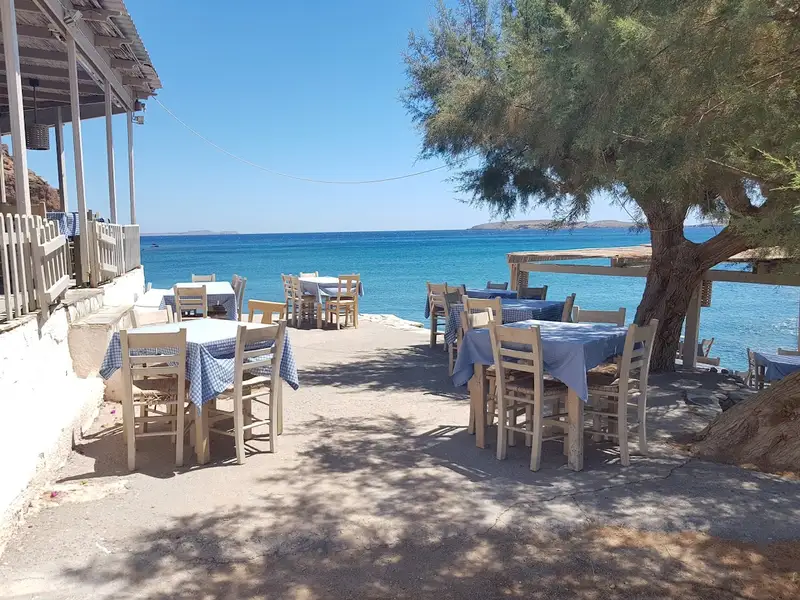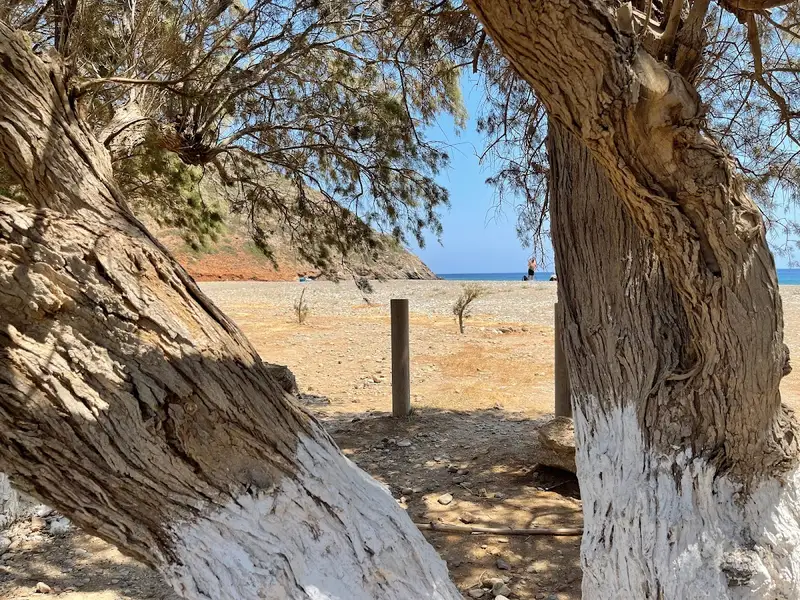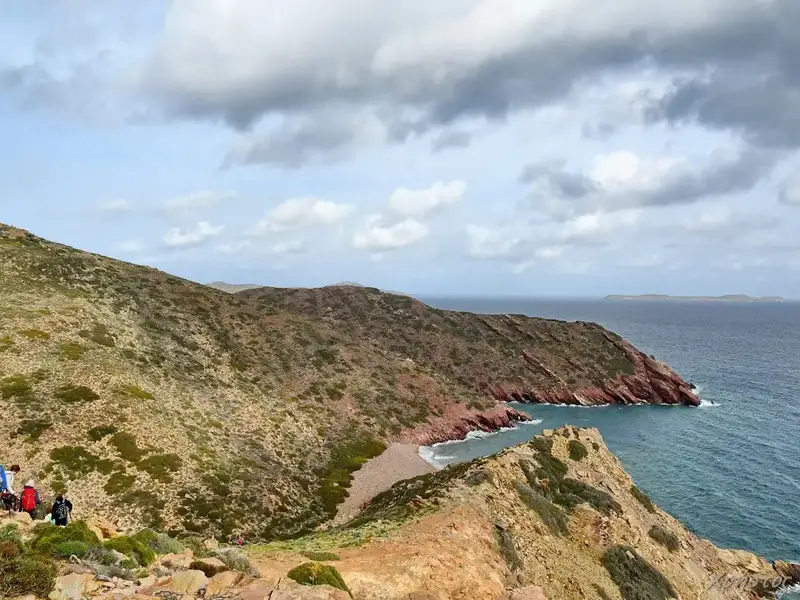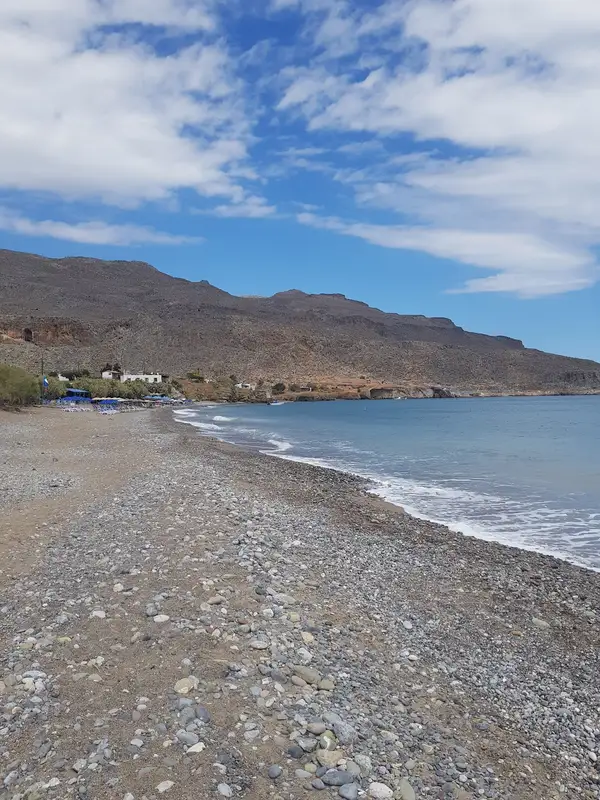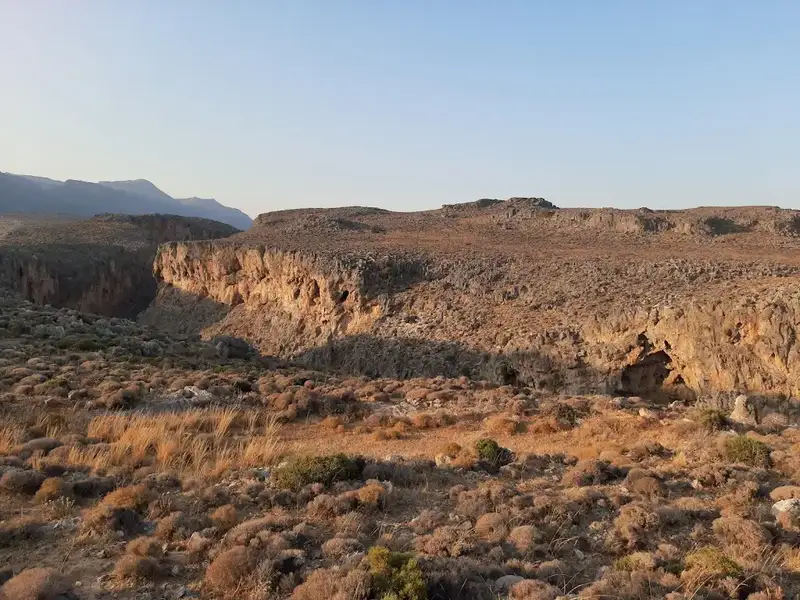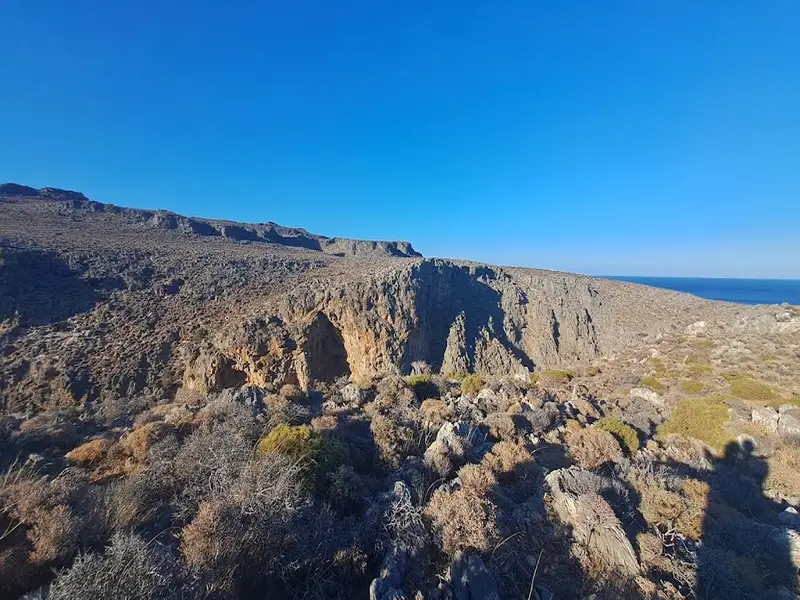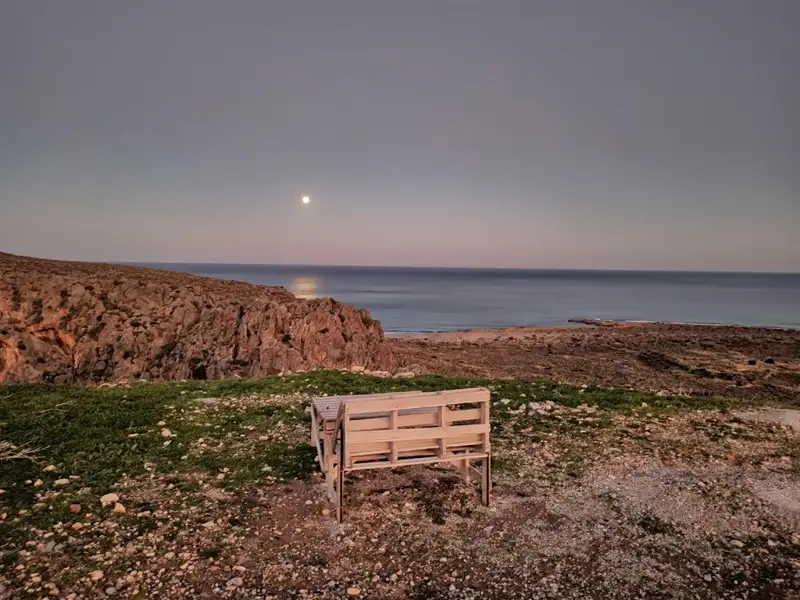
Discover the enchanting allure of East Crete with our meticulously crafted day tour.
Toplou Monastery
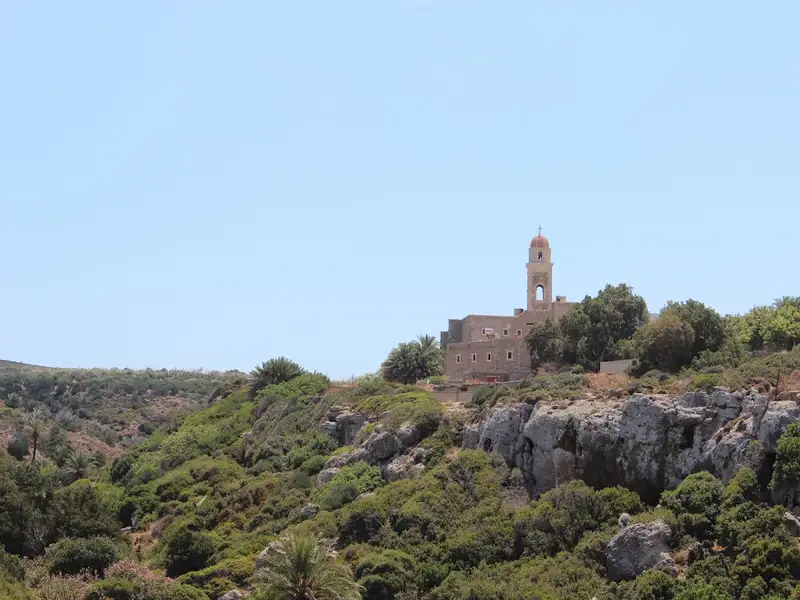
The journey starts as we make our way to the storied Toplou Monastery. You’ll be allotted 40 minutes to delve into its rich history, admire its distinctive architecture, and soak in the breathtaking views of the Cretan countryside that envelops this sacred site.
Vai Palm Beach
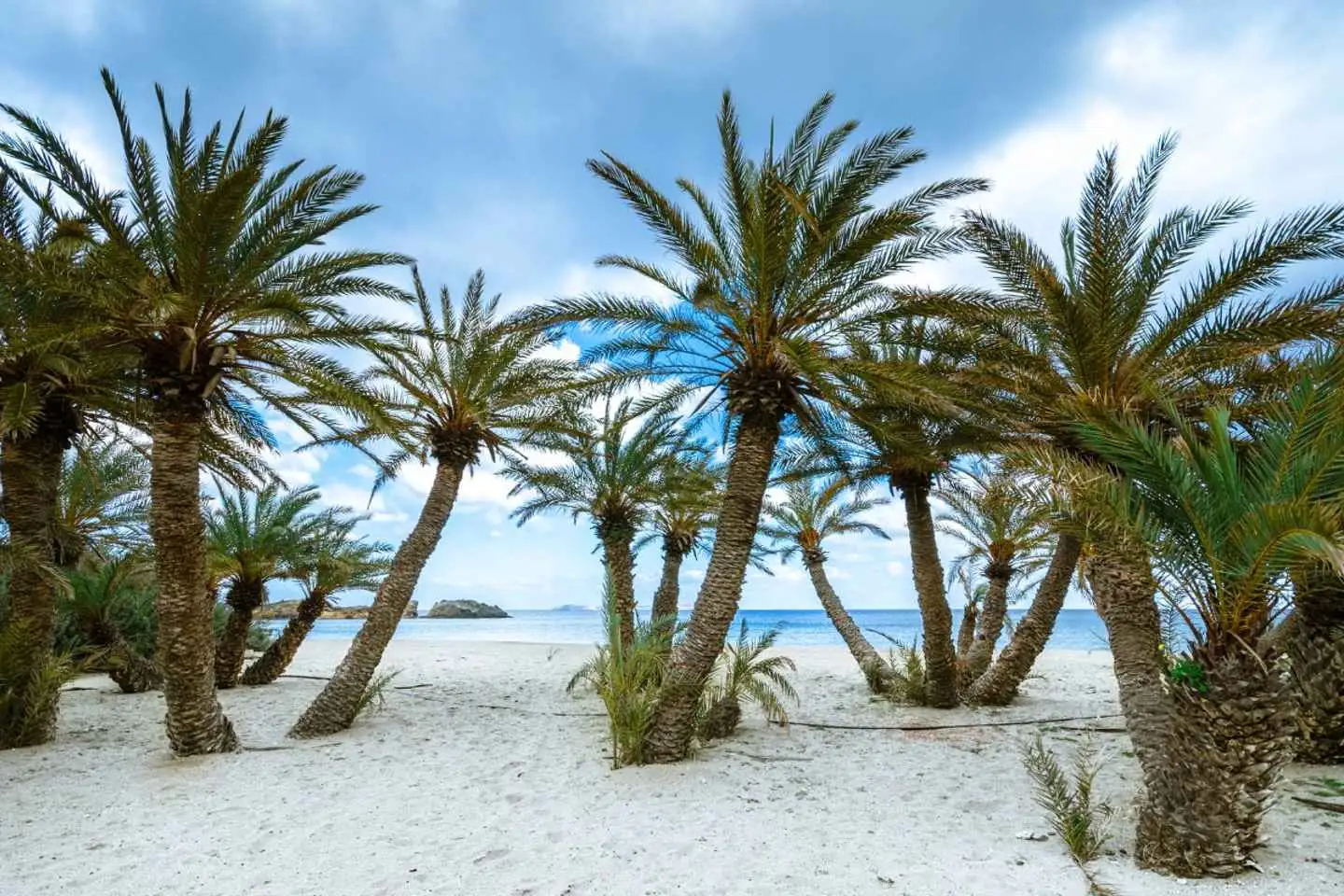
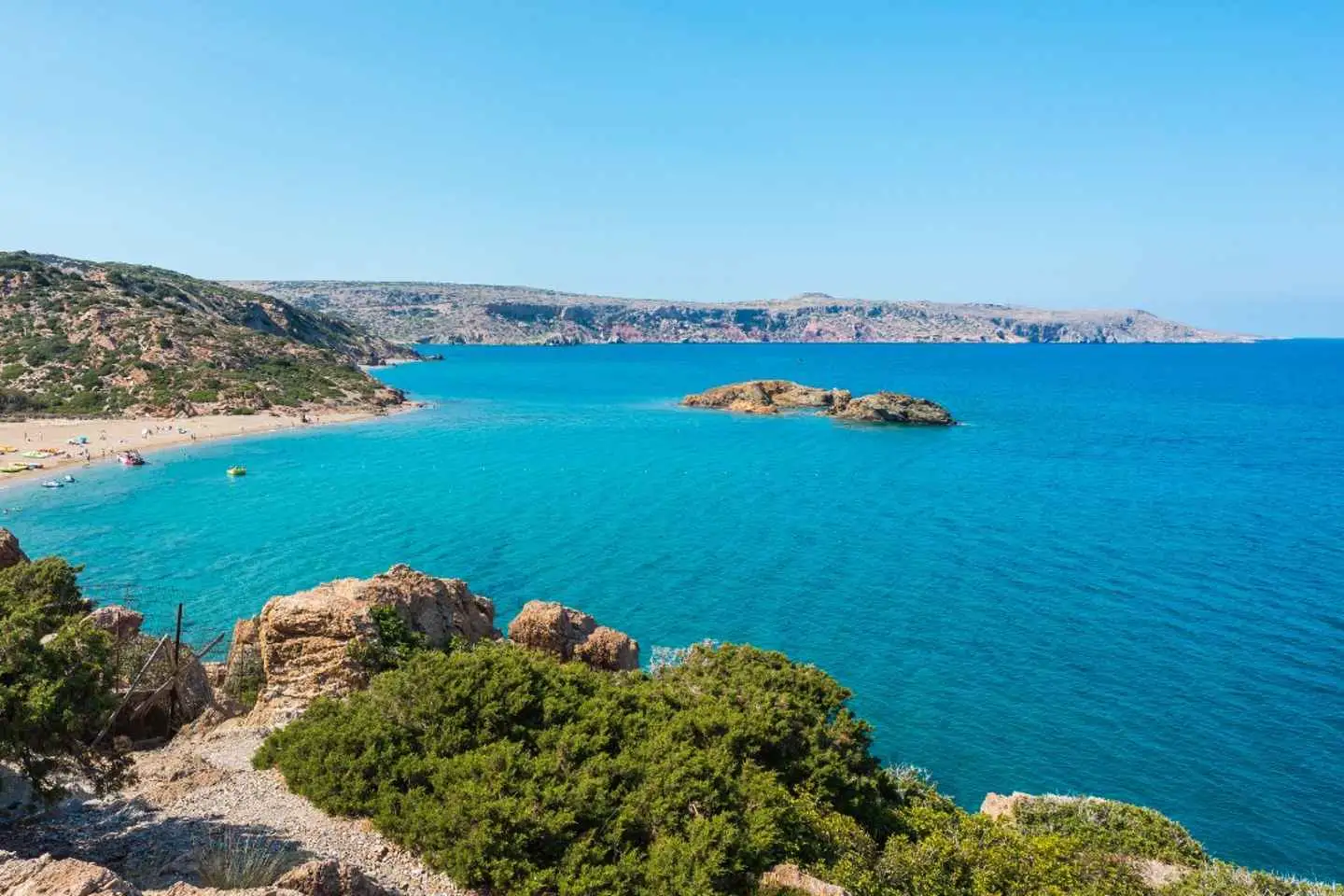
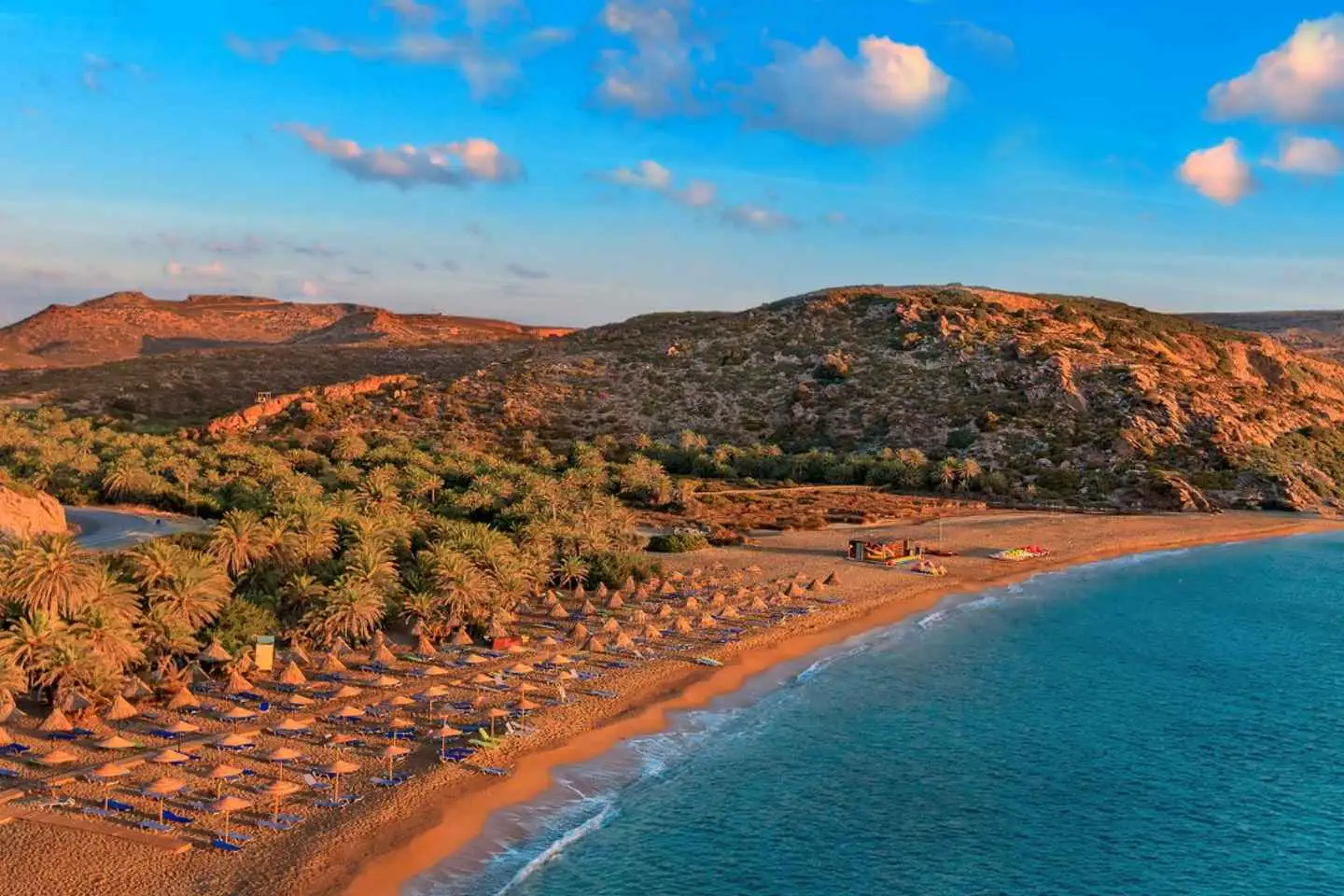
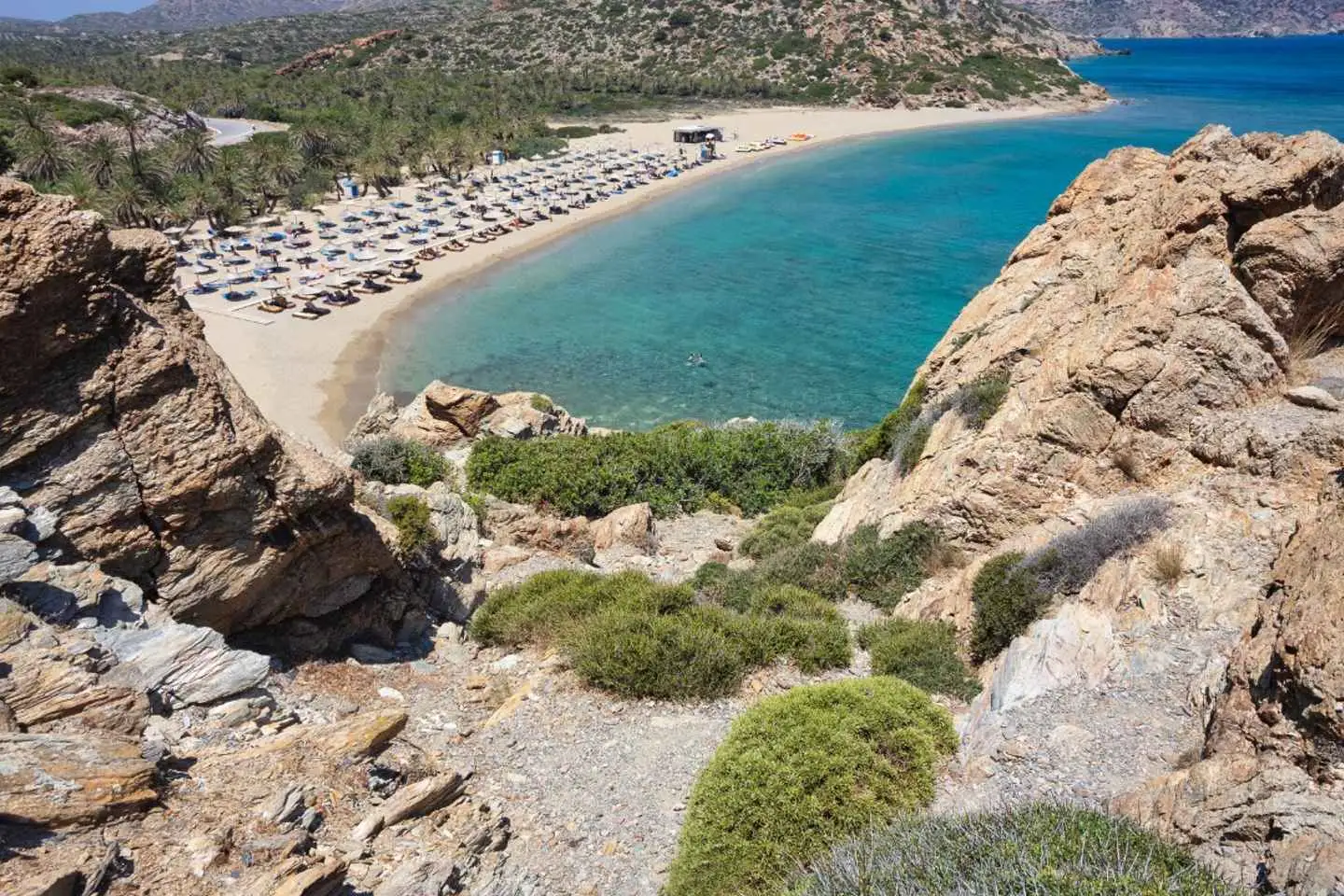
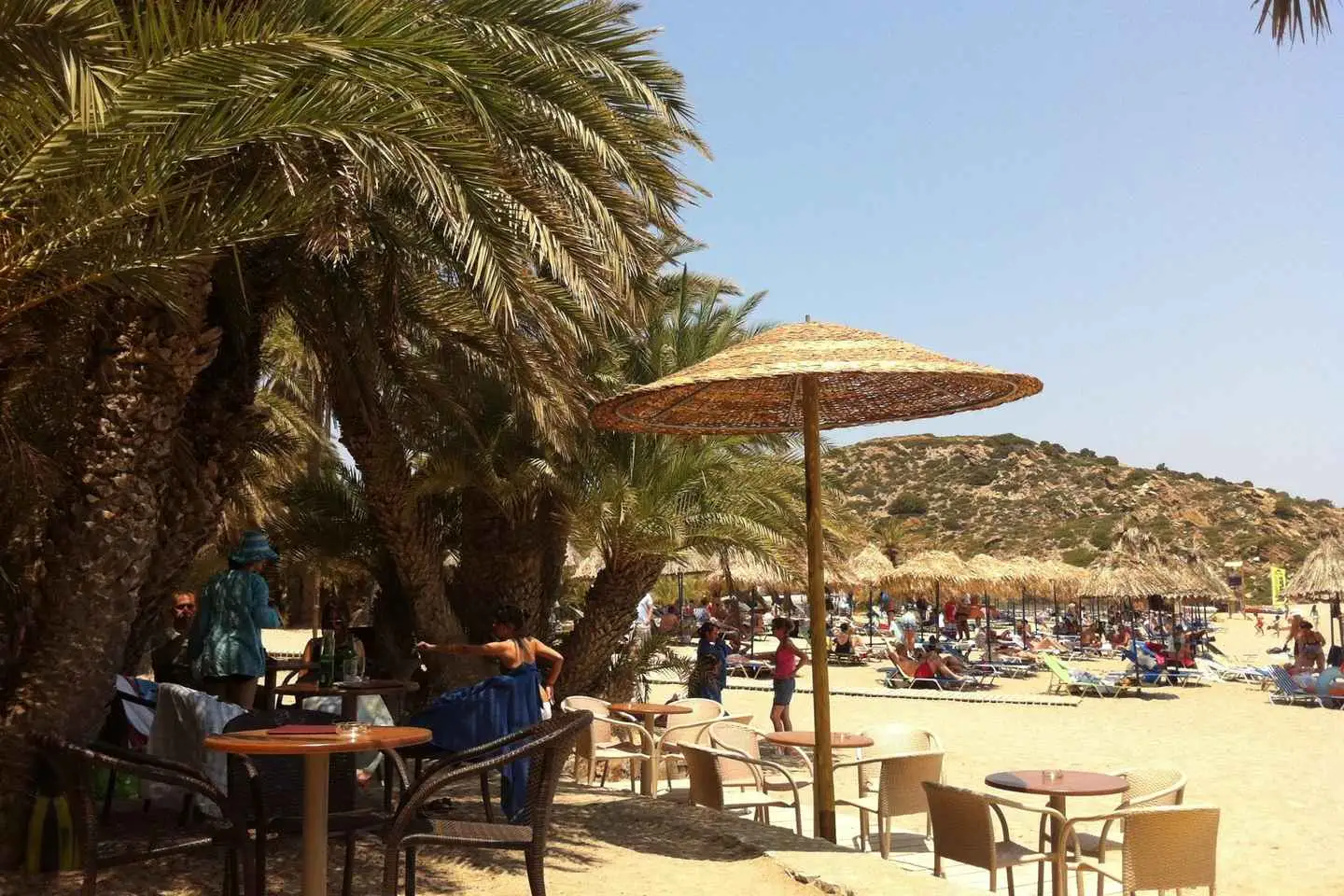
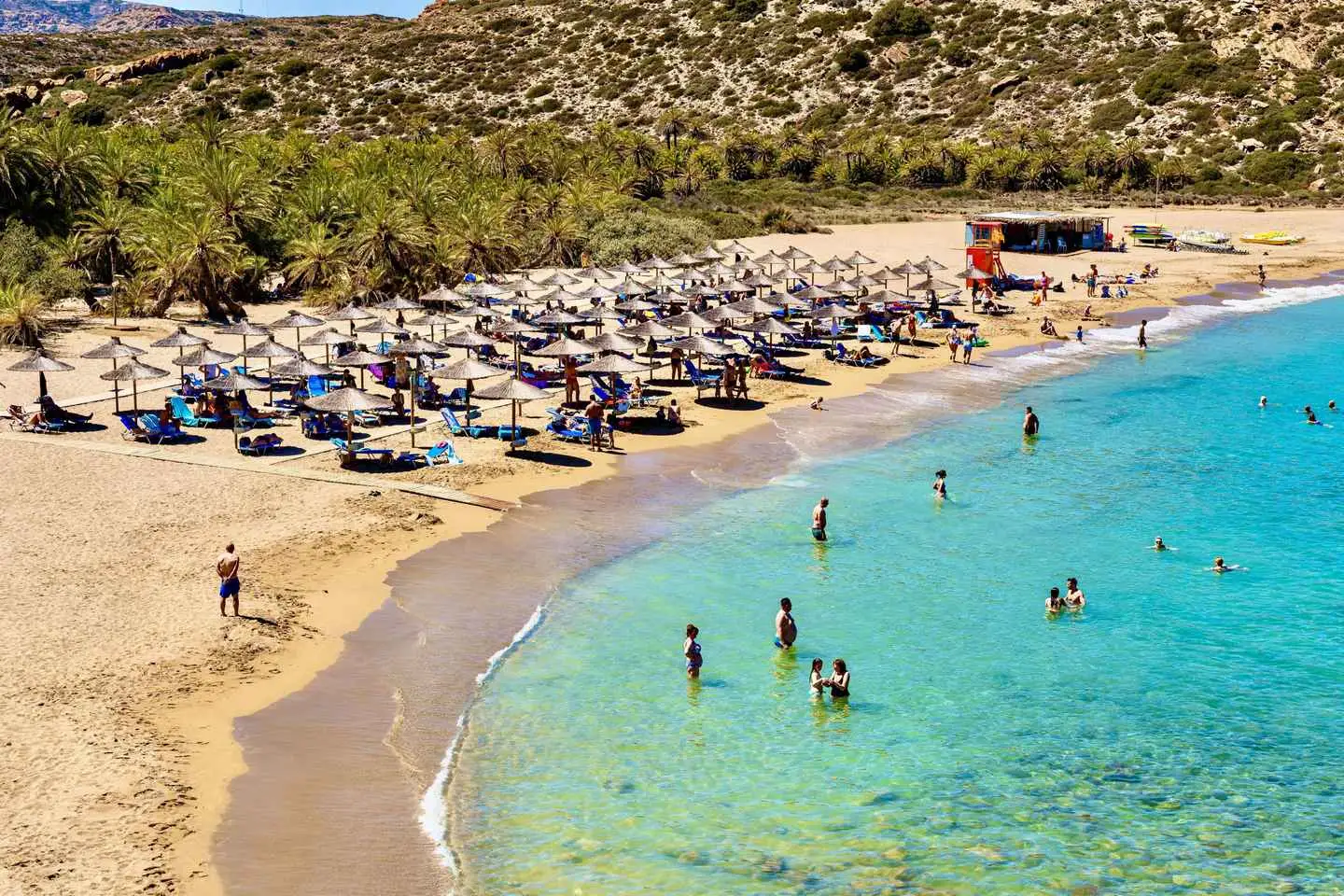
Next, we venture to the idyllic Vai Beach, celebrated for hosting Europe’s largest natural palm forest. Enjoy two hours of leisure time to swim in its azure waters, sunbathe on its golden sands, relish a tasty lunch, and take in the mesmerizing beauty of this unique landscape through your camera lens.
Sitia Town
Our exploration culminates in the picturesque town of Sitia, a gem that allows you to experience its lively beach road, enjoy a coffee at a traditional café, and indulge in exquisite local sweets over a 40-minute visit.
As the sun sets on this unforgettable day, we return to Heraklion by bus, carrying with us a treasure trove of memories from this enchanting journey through East Crete’s most cherished sights.
Start your day tour discovering the beautiful east part of Crete!
Visit Toplou, a 15th-century monastery located in a dry and barren area. Toplou monastery is one of the most significant monasteries in Crete, dedicated to Panagia (Virgin Mary) and St. John the Theologian.
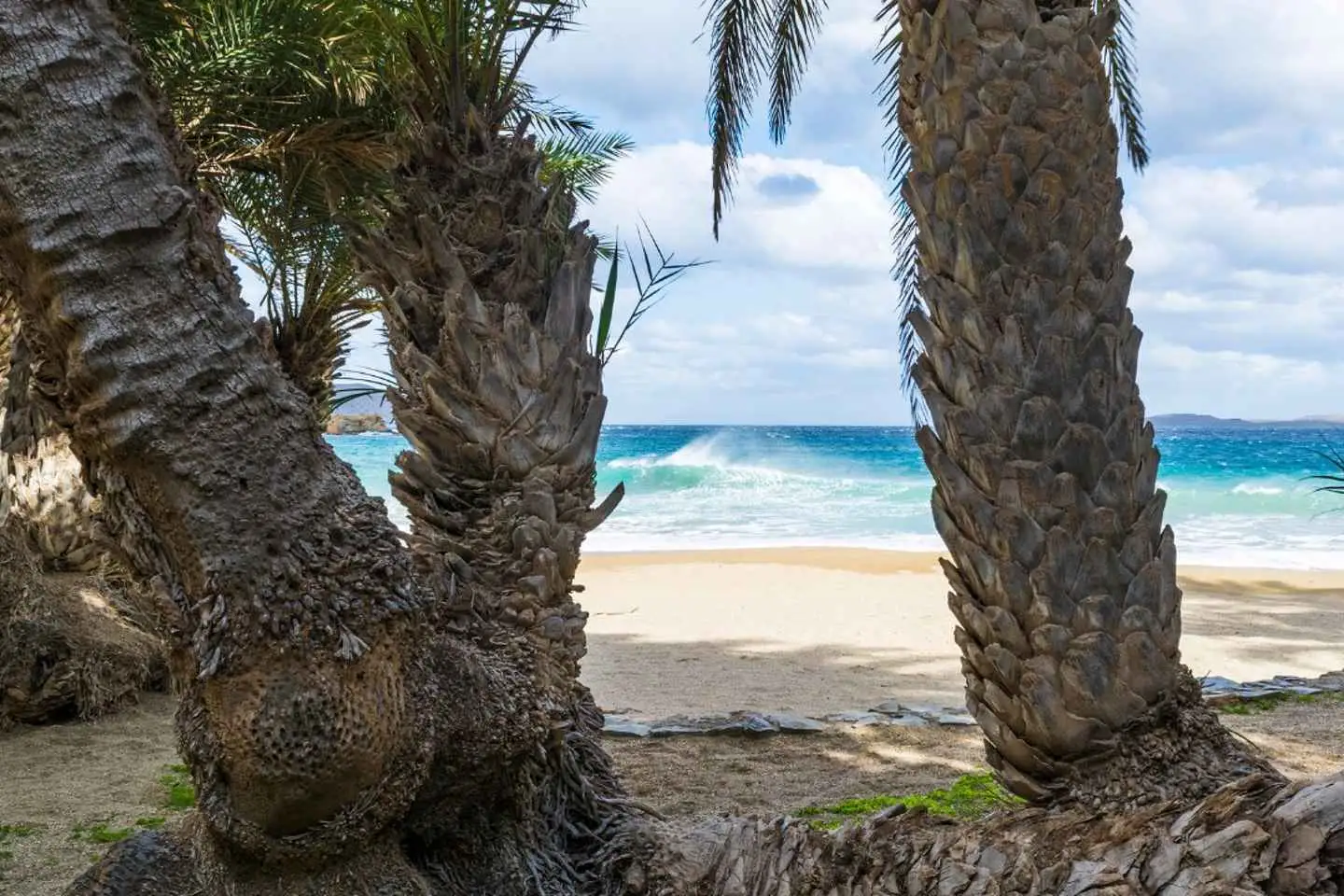
Continue the tour to visit the largest palm forest in Europe, Vai Palm Beach. The palm forest draws thousands of visitors each year. They come not only for its wonderful palm forest, but also for the large sandy beach spread out at its foot.
Last stop of the day the cozy town of Sitia, with a lovely beach road and Venetian castle.
Detailed Time Schedule:
Morning Pick Up
We will start collecting participants from pick-up points in the morning.
Depending on the place of your hotel/apartment the bus drive will differ.
Bus Drive to Toplou: 2 hours amd 30 minutes
1nd stop: Toplou Monastery – 40 minutes
Our participants willenjoy a visit to the historical and beautiful Monastery of Toplou.There they will spend about 40′ of guided time and free time to take photos of the unique architecture and the Cretan Natural landscape outdoors.
Bus Drive to Vai Beach: 20 minutes
2rd stop: Vai Beach – 2 hours and 30 minutes
Stop at Vai, the biggest natural palm forest in Europe. Enjoy your free time to swim, sunbathe, have lunch and take photos of this exotic landscape of Crete.
Bus Drive to Sitia: 30 minutes
3rd stop: Sitia – 1 hour and 20 minutes
Participants will enjoy some free time to explore the town on their own pace, walk by the cosmopolitan beach road, have a coffee at a traditional cafe or taste the delicious local homemade sweets.
End of the tour – Arrival at resorts:
Embarkation in the buses and drive back to the hotels where we gathered participants in the morning.
Depending on traffic and on the pick-up places of each one, the time of journey back to the hotel will differ.
Return Bus Drive to Heraklion: Around 2 – 3 hours hours
Following collection from select areas, the experience starts from Agios Nikolaos heading east. This is an excellent opportunity for you to admire the sublime Gulf of Mirabello, which is Eastern Crete’s riviera. You will then pass through many picturesque villages before reaching the 15th-century Toplou Monastery.
The compound features a small museum with notable exhibits of Christian-Orthodox art, such as sacred utensils and chalcography by the monks of Mount Athos. There is also an olive press which produces olive oil of outstanding quality, as well as wine-making facilities. Both the olive oil and the wine produced in the monastery are exported all over the world.
You may participate in a wine and spirit tasting session (optional) at the monastery’s cellar, after which you will pay a visit to one of the main attractions in eastern Crete, the protected Palm Forest of Vai. It is unique in Europe and is located next to one of the most beautiful beaches of the island. At this location there will be plenty of time for you to enjoy swimming, as you bask in the rare beauty of the landscape. On your way back, you will stop at Platanos where you can watch the sunset in an area which boasts an enchanting view.
Embark on a day tour to the beautiful Vai Palm Beach, located on the eastern coast of Crete.
This stunning beach is known for its unique palm forest, crystal clear waters, and golden sandy shores.
Vai Palm Forest is said to have been grown from the seeds of dates that were discarded by Arab sailors in the area during the 9th century.
Your day will begin with a comfortable transfer to the beach, where you will have the opportunity to explore the area at your own pace. Take a leisurely stroll through the palm forest, relax on the beach and take a dip in the refreshing waters. Enjoy a delicious lunch at a local restaurant if you wish and soak in the breathtaking views of the beach and surrounding landscape.
After a day of relaxation and exploration, you will be transferred back to your accommodation with memories of a truly unforgettable experience.
No results available
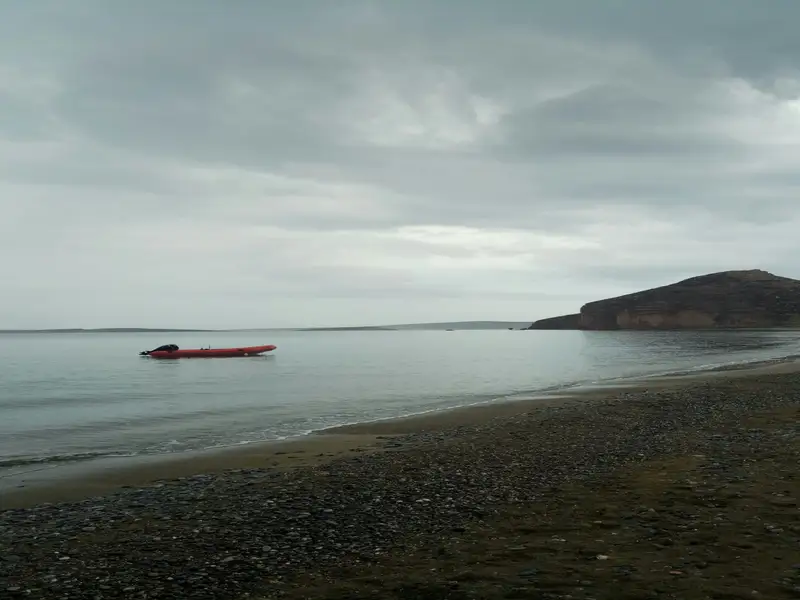
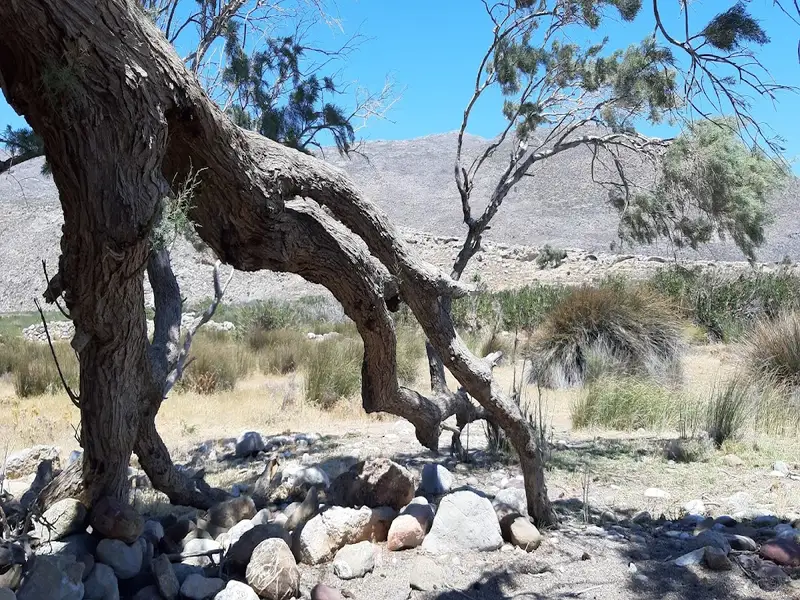
Kouremenos, situated 91km east of Agios Nikolaos and 21km east of Sitia, is just a kilometer east of the quaint town of Palekastro. Palekastro offers a wider variety of accommodation, dining, and entertainment options, but there are also several new hotels near the beach for your convenience. The beach itself is the longest in the region, stretching over 1.5km and framed by Cape Tenta to the north and Cape Plaka to the south. With its fine brown sand, shallow turquoise waters, and abundant tamarisk trees, it’s a stunning location. Amenities such as umbrellas, showers, and beach bars are available in certain areas.
The real allure of Kouremenos, though, is the strong wind that constantly sweeps the area, making it a hotspot for windsurfers and kite surfers from all over Europe. This is why it’s home to some of Greece’s largest wind turbine parks.
Windsurfing at Kouremenos is an experience not to be missed. A windsurfing school operates on the beach, offering equipment rentals at reasonable prices. The Meltemi, or northwest summer wind, is particularly strong here due to local thermal and funnelling effects, creating ideal conditions for windsurfing with an average wind force of around 6 Beaufort during the summer season.
The beach is suitable for windsurfers of all skill levels. The flat, shallow waters near the coast are perfect for beginners, while further out, the small waves provide a challenge for more experienced surfers. There’s also a rocky area at the northern end of the beach where experts can show off their skills. The local school has even installed buoys to indicate the entry point.
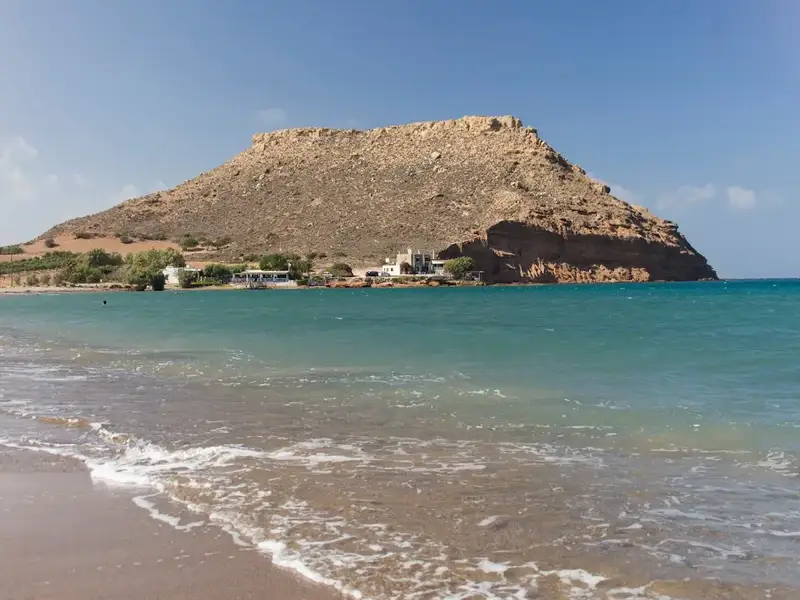
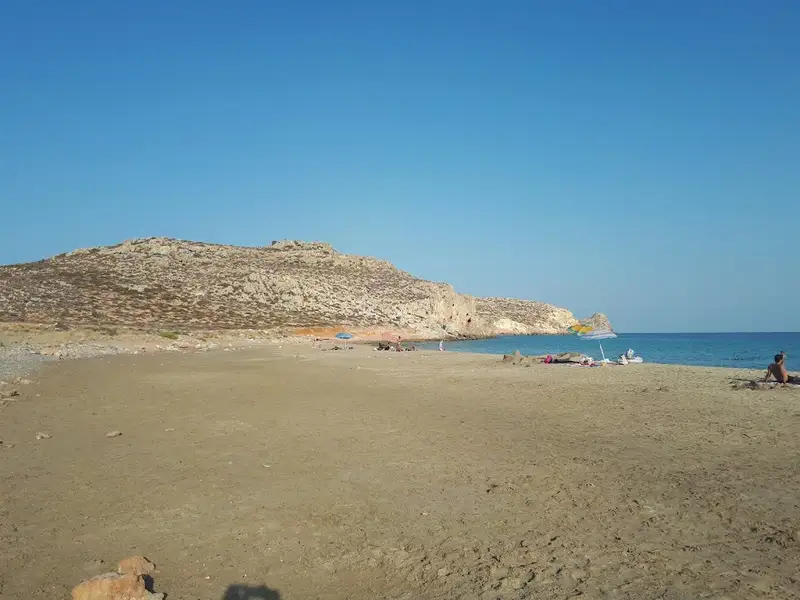
Situated 91 km east of Agios Nikolaos, 18 km east of Sitia, and 2km east of the quaint town of Palekastro, Chiona is a beautifully serene sandy beach. Its pristine white sand and crystal-clear shallow blue waters make it a popular spot despite its relatively small size.
The name ‘Chiona’ translates to ‘carob storehouse’ in the local Cretan dialect, a nod to the storage facilities that were typically built near Cretan beaches for transferring carobs via ship due to the lack of roads. Indeed, the area was traditionally known for its carob trade.
Visitors to Chiona can enjoy a perfect day out, especially when combined with a meal at the renowned local fish taverns. While the beach offers minimal facilities (primarily near the taverns), there are tamarisk trees along the coast that provide a respite from the sun. To the east of the main beach, several secluded coves offer a peaceful spot for swimming, including the first sandy beach, Bondalaki, which is possibly the best in the entire area.
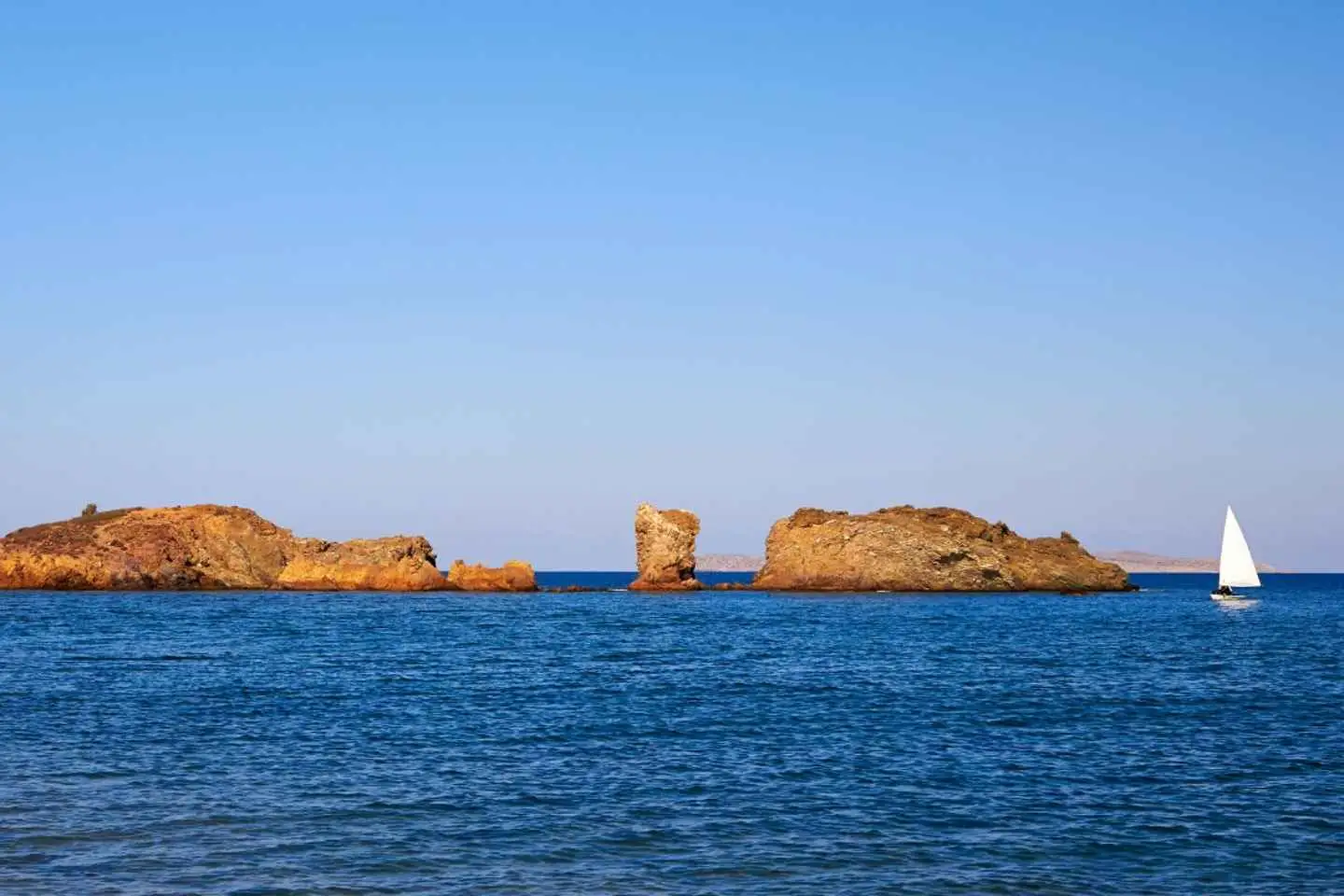
From Chiona, one can spot the small Grandes islands. Just beside the beach, in the location of Roussolakkos, the remains of an ancient Minoan port and settlement can be explored. Heading north from Chiona will bring you to the lengthy Kouremenos beach, Crete’s most famed spot for windsurfing. Lastly, a walk to the peak of the hill Kastri, located at the west end of the beach, will reward visitors with stunning views of the sea and the remnants of an old fort.
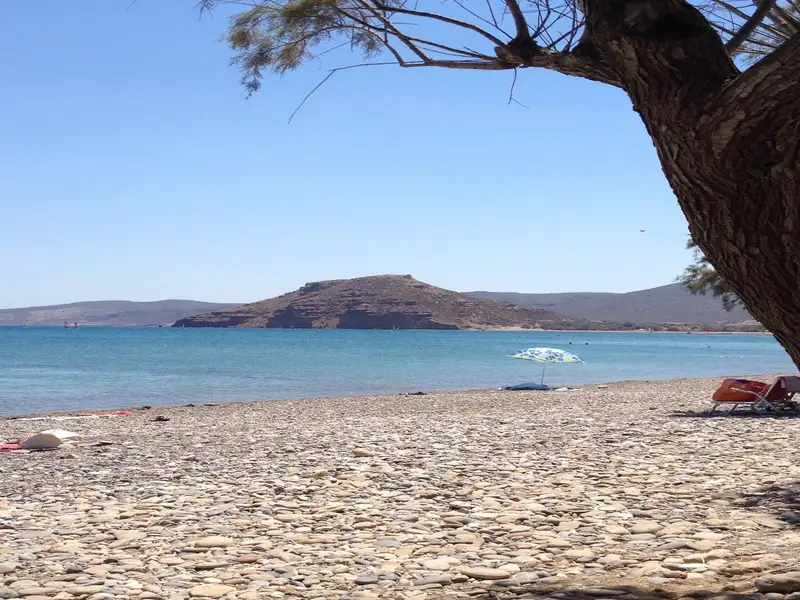
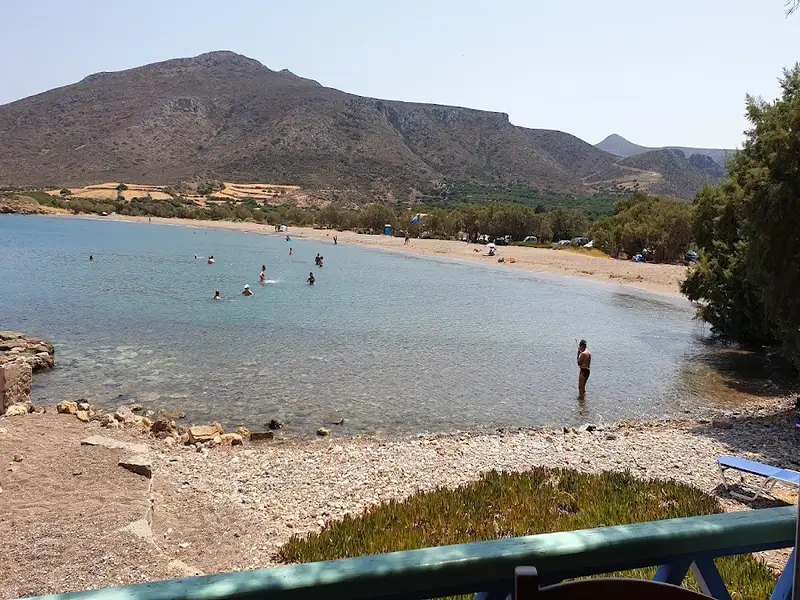
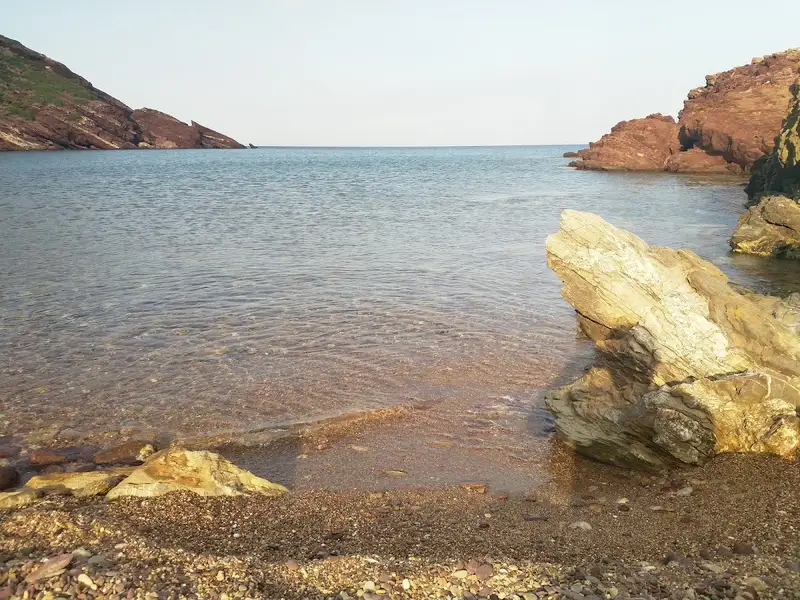
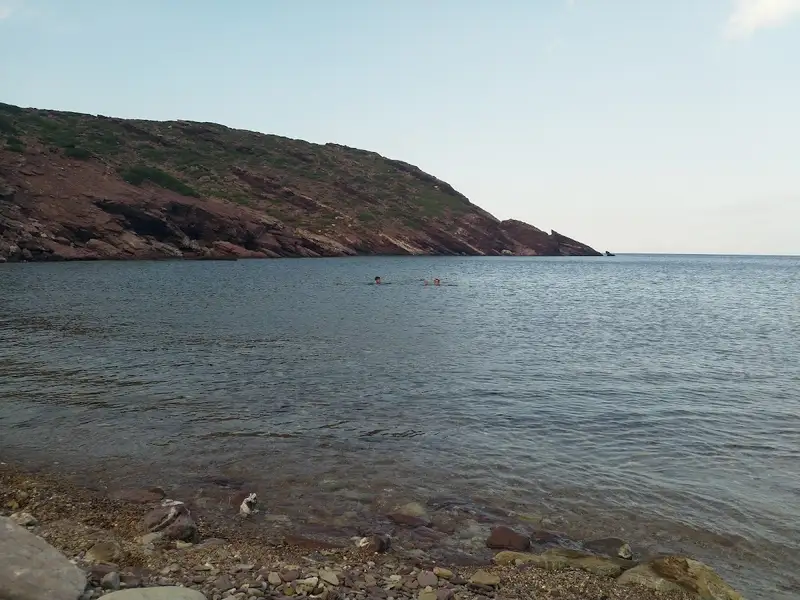
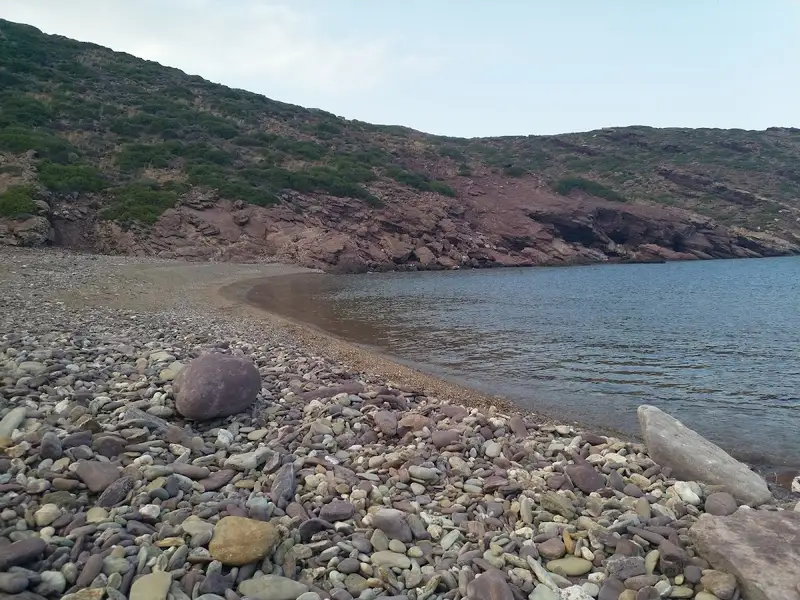
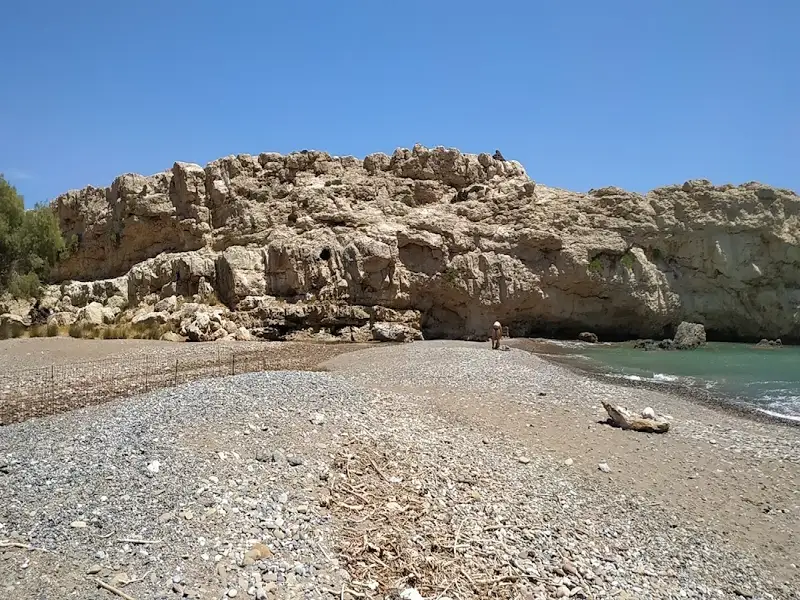
Maridati, nestled in the verdant valleys of Palekastro, is a stunning pebbly beach. It’s situated 90km to the east of Agios Nikolaos, 21km east of Sitia, and 5km to the north of the renowned Kouremenos windsurfing beach. The beach, rather short in length, is encompassed by two rocky capes. This secluded spot offers a peaceful escape from the bustling crowds, perfect for a tranquil swim.
Not far from the beach, about 50 meters away, you’ll find a small wetland filled with fresh water that serves as a haven for various bird species. You’ll also come across several tamarisk trees in the vicinity.
In historical times, the springs and torrent of Maridati used to draw the attention of Venetian ships.
Reaching Maridati by car from Palekastro is straightforward. Take the road to Vai and look out for a sign to Maridati on your right, approximately 5km from Palekastro. From there, you’ll need to navigate a 1.5km dirt track. Despite its rough terrain, the path is in good condition and the breathtaking beauty of Maridati is well worth the journey!
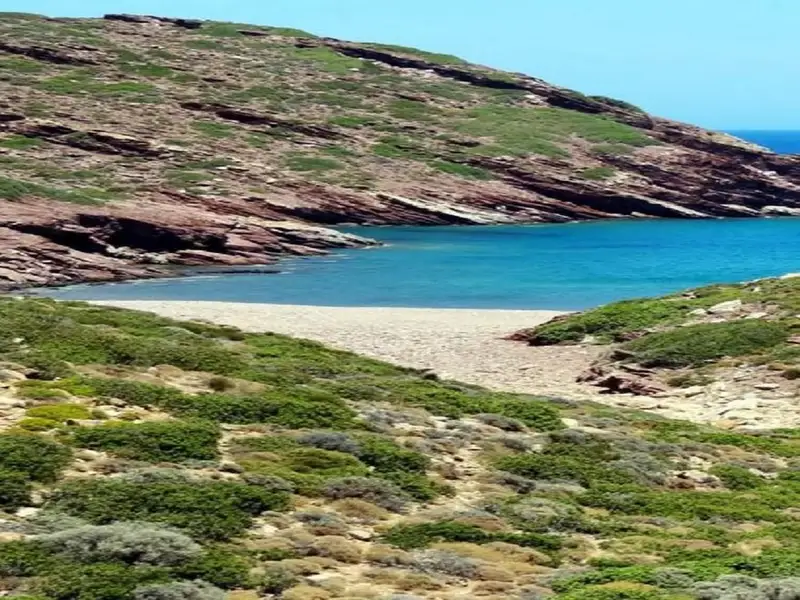
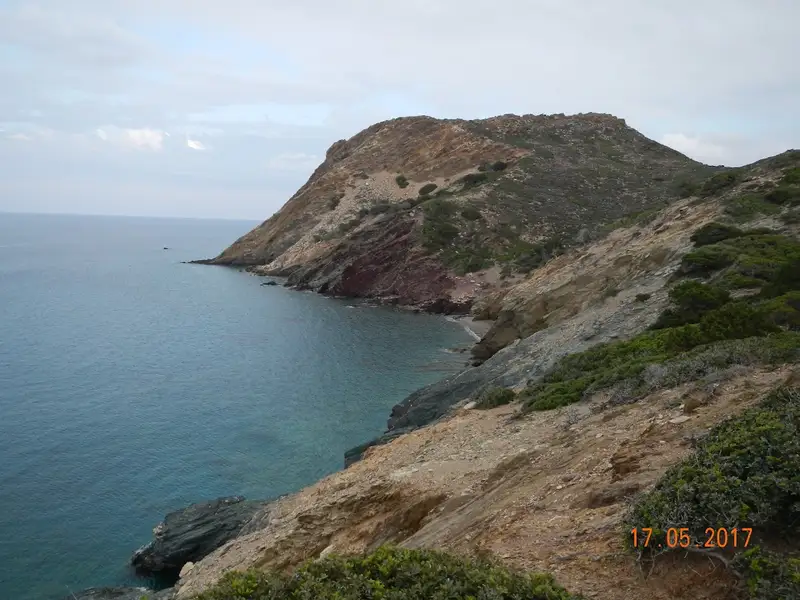
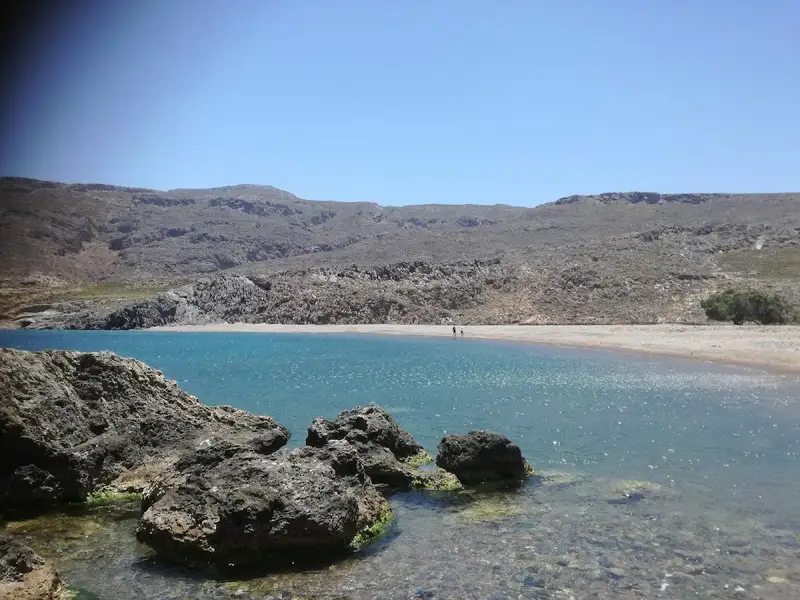
As a resident of Crete Island, if you venture north of Maridati along the rugged coastline until you reach the Vai palm grove, you’ll discover a number of isolated, small coves. These hidden gems can only be reached either by boat or a 2:30-hour hike on foot. The initial beach you encounter goes by the name of Kokkinos Kavos, or Red Cape, a moniker it acquired due to the area’s reddish rocks. The beach features a mix of sandy and pebbly patches along its seabed.
No results available

The archaeological site of Trypitos can be found on a small peninsula, 3km east of Sitia, close to the beach Karavopetra, which boasts a breathtaking view of Sitia city and its port. It is believed to be the ancient city of Sitia, Itia, which was initially one of the ports of Praesus. The city thrived during the Hellenistic period (350BC – 50BC).
In 1967, a shipshed (a building used for storing vessels) was discovered in a trench measuring 30m in length, 5.5m in width, and 5m in height. Due to this cavity, the site was given the name Trypitos (meaning hollow in Greek).
Archaeologist Nikolaos Papadakis began the first extensive excavations in 1987, and they are still ongoing. The city extends across the entire peninsula, with a strong wall protecting its southern side. Inside the walls, there were houses, public buildings, and streets. Numerous pottery works, jewelry, and coins from the city have been found in the area. In fact, while exploring the antiquities, you will come across many potsherds.

The ancient city of Itanos was a powerful city in Crete, particularly during the Hellenistic and Greco-Roman periods. The name Itanos comes from its founder, who originated from Phoenicia. At its peak, the city’s territory extended from Cape Samonio (now known as Cape Sidero) to Cape Erythrae (present-day Cape Goudouras). The city prospered due to the trade of glass, fishing, and Tyrian purple, a red dye derived from shell extracts. Koufonissi Island, owned by Itanos, was renowned for its purple production. Additionally, Palekastro was home to the temple of Diktaean Zeus, which brought significant profits to the region. The city was situated near the famous palm grove of Vai in East Crete.
Itanos’ power was evident in its impressive marble buildings, temples dedicated to Asclepius, Zeus, Tyche, Athena, and its own currency featuring the face of its protector, Athena. The city was a major rival of Praesus (near today’s Nea Presos) and Ierapytna (now Ierapetra). The primary point of contention was the majestic Temple of Diktaean Zeus and Koufonissi. Praesus managed to incorporate the Temple of Zeus into its territory, but Itanos regained it in 150 BC with the assistance of its Egyptian allies. A relevant inscription can still be seen on the wall of the Toplou Monastery, located a few miles to the west. After four years, the impoverished Praesus was destroyed by Ierapytna, leaving only Itanos and Ierapytna as the main players. As a result, disputes over the temple of Zeus and Koufonissi quickly escalated. Itanos began to decline in 795 AC due to an earthquake causing land subsidence, and it was further damaged by an Arab attack in the 9th century. However, even during this period, Itanos survived, as evidenced by its grand Christian churches. The city was not abandoned until the 15th century when repeated Arab raids forced its inhabitants to leave the coastal areas. It is believed that the residents founded the present-day village of Sitanos, near Nea Presos and Karydi, in the Zakros mountains.
Today, visitors can explore the archaeological site and admire various ruins such as the large tower on the western acropolis built with black stones, the grand Christian church in the eastern citadel of the Hellenistic settlement, the two Early Christian churches at the base of the hill leading to Vai, and the cemetery outside the town.

Near the beach of Agia Fotia, in the province of Sitia and at the location Vlychada, the largest cemetery of the Bronze Age (4500-3500 BC) in Greece has been discovered, containing 302 tombs. Unfortunately, 50 of these tombs had already been destroyed or looted. From the tombs, 1800 vessels of various types, as well as stone and bronze objects (axes, hand mills, hooks, spearheads, etc.) were uncovered. The tombs were primitive, either chamber-like or simple pits dug in soft rock.
A few meters to the west, on the hill of Kefala, traces of the settlement associated with the Vlychada cemetery have been found. A rectangular building from the Middle Minoan period has been discovered, where there are indications of a metallurgical installation, as molds were found for the construction of copper axes. The foundations of two large round buildings were later built on the ruins of the same building, which are probably vaulted tombs (which are very rare in Eastern Minoan Crete).
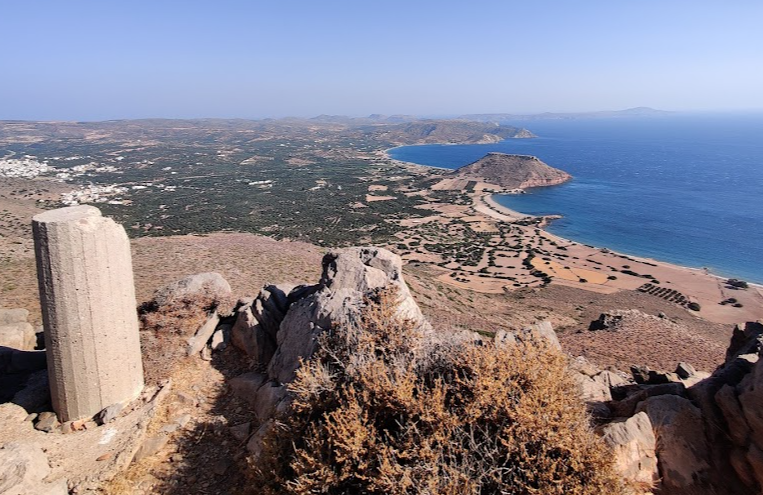
Petsofas peak can be found near Palekastro, situated above the archaeological site of Roussolakos. During the Minoan era, a peak sanctuary was established here, where rituals involved the placement of clay figurines representing cattle, men, and women.
A notable characteristic of Petsofas is that it was initially almost naturally formed with minimal architectural modifications. Eventually, the temple was replaced by a five-room structure, with one wall still standing at a height of 1.80 meters. The inclusion of a building is a typical feature of the few peak sanctuaries that were not deserted after the conclusion of the Middle Bronze Age.
No results available

Located at the northeastern edge of Crete, near the base of Sidero Cape, Toplou Monastery is situated 10km east of Sitia and 6km north of Palekastro. This historic monastery, one of Crete’s most significant, is known for its extensive real estate holdings. In religious contexts, it is referred to as the Monastery of Panagia Akrotiriani, while locals simply call it the Great Monastery.
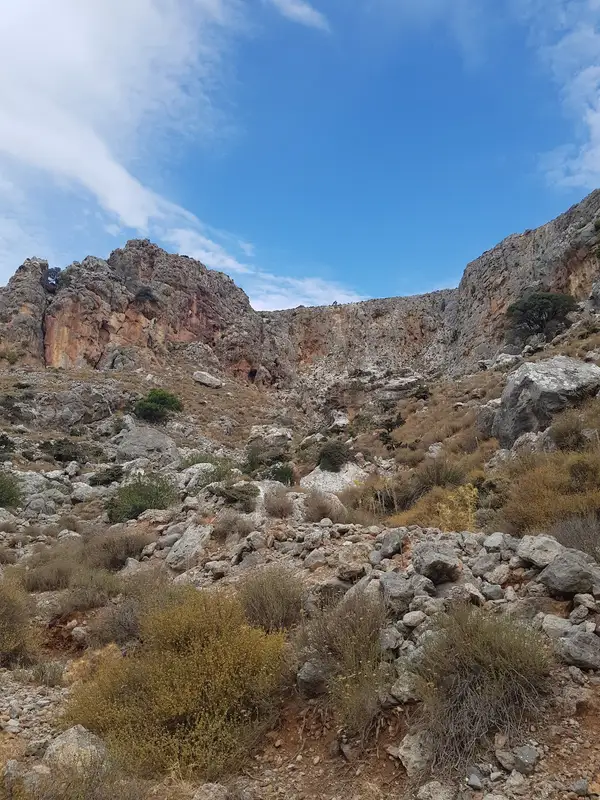
Although Toplou is a 2.5-hour drive from Heraklion, it is worth visiting, as you can combine the trip with visits to the area’s beautiful beaches, the ancient Itanos site, and the renowned Vai palm grove. This part of Crete is one of the most arid and inhospitable, and the persistent strong winds have led to the establishment of one of the island’s first wind farms.
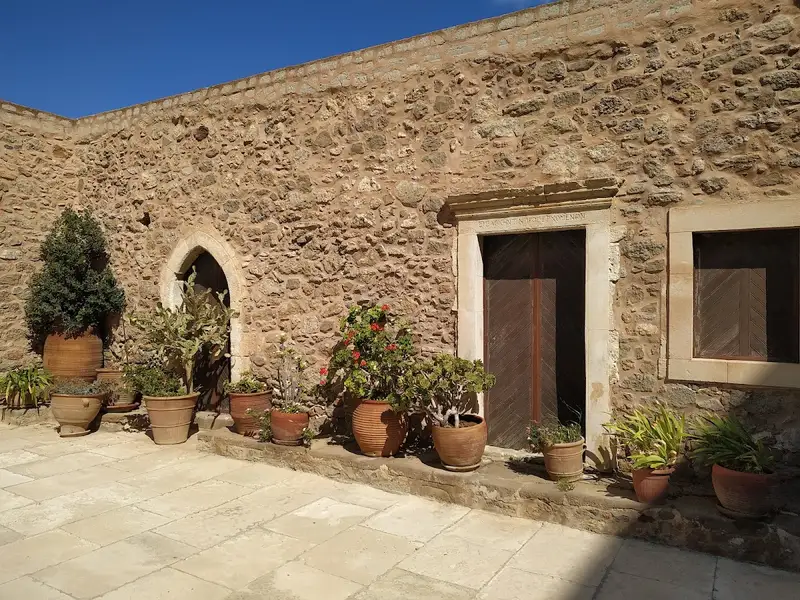
The monastery is secured by a 10m high wall that has protected it from enemy invasions. It covers an 800 square meter square area and features three floors, 40 rooms, and a 33m high bell tower. Legend has it that the monastery has 100 doors, but only 99 have been discovered. A well with water, which sustained the monks during various sieges by Turks and pirates, is located in the center of the monastery. Opposite the well is a two-aisled basilica dedicated to the Virgin Mary and John the Theologian.
The entrance to the monastery is on the west side of the fort, and its robust door is mounted on wheels. Above the main entrance, there is a hole known as the “killer” where monks would throw stones or pour boiling hot liquids onto anyone attempting to break through the door.
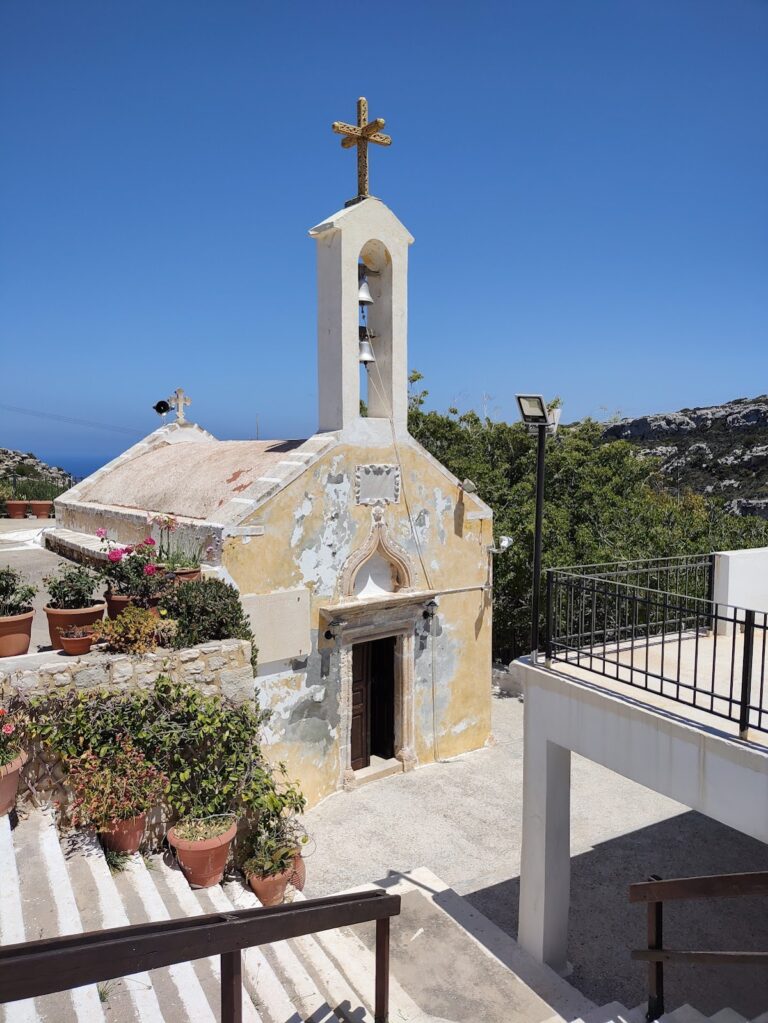
The Panagia Faneromeni Monastery (Revealed Virgin Mary) can be found in the Trachilas area of Sitia, situated on the brink of a steep region between Cape Trachilas and Babakia. It is approximately 1.5km from the sea and 8km west of Sitia town. The monastery is nestled in a verdant area beside the small Agii Pantes (All Saints) gorge, which is perfect for a leisurely stroll. Numerous caves within the gorge once served as the homes of the monastery’s hermits.
At the heart of the monastery lies a two-aisled church dedicated to the Assumption (celebrated on 15 August) and St. George (3 November). The church is adorned with ancient frescoes dating back to 1455, though they have been blackened by a fire, likely caused by the Turks. Surrounding the courtyard are several small structures that form a tiny settlement where pilgrims stay during the monastery’s celebrations in August. In addition to these modern buildings, there are six ancient monk cells that retain their medieval architectural style. Visitors can also see the “Big Cell” with its medieval arch, which functioned as an olive oil mill (fabrica), and the “Oven-house,” where monks prepared their bread.
The name Faneromeni (=Revealed) originates from the icon of the Virgin Mary that once appeared in the small “Hermit’s Cave” located next to the temple’s sanctuary. According to legend, a shepherd discovered the icon in the cave and placed it in his bag along with his lunch. When he arrived home, he asked his wife to open the bag and look inside, but she only found food. The following day, the shepherd returned to the cave and saw the icon had reappeared in the same spot (=> Faneromeni). Despite taking it with him again, the same sequence of events occurred twice more. He then realized that it was the Virgin Mary’s will to remain there and enlisted two monks to construct a monastery at the site. To this day, the small icon is preserved in the cave’s crevice.
Presently, the monastery is almost deserted, with crowds of pilgrims only arriving on the 15th of August from the surrounding area. A traditional ceremony takes place at this time, during which the icon of the Virgin Mary, known as the “Revealed Lady,” is carried on foot from the St. George church in Skopi, accompanied by the pilgrims.
No results available
No results available
No results available
No results available
No results available
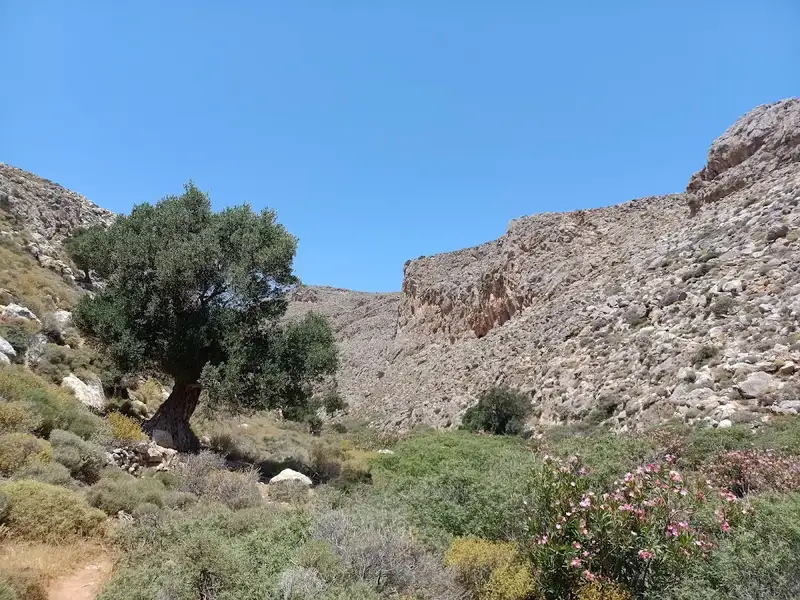
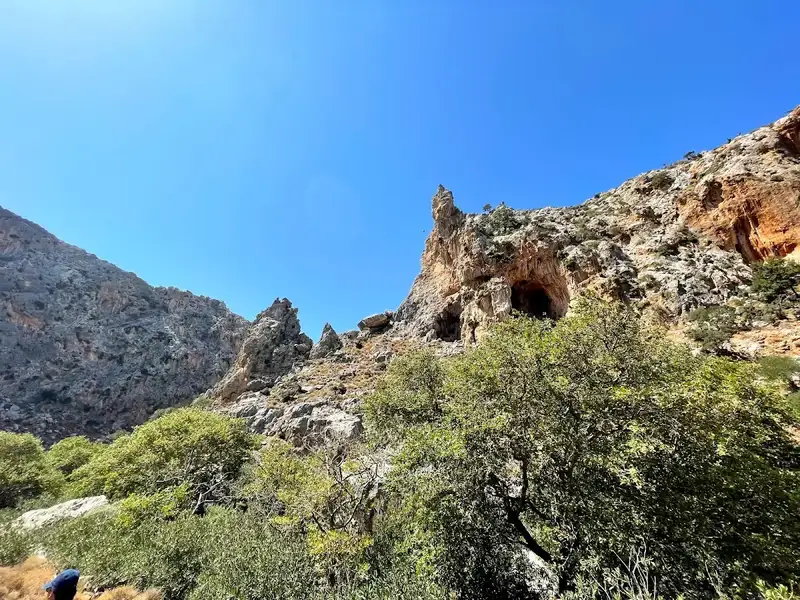
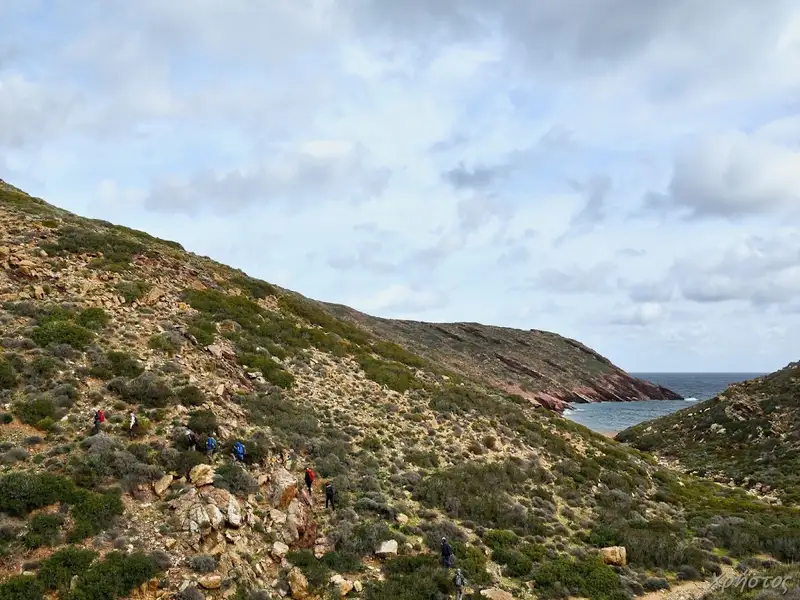
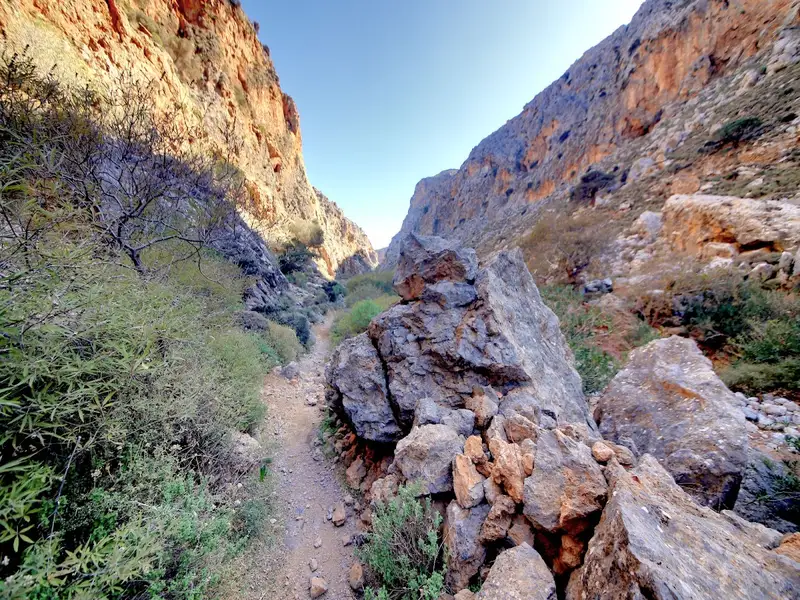
The Cretan countryside hides a remarkable secret – a petite gorge near the Toplou monastery, which is essentially a combination of two ravines that unite just before they meet the sea.
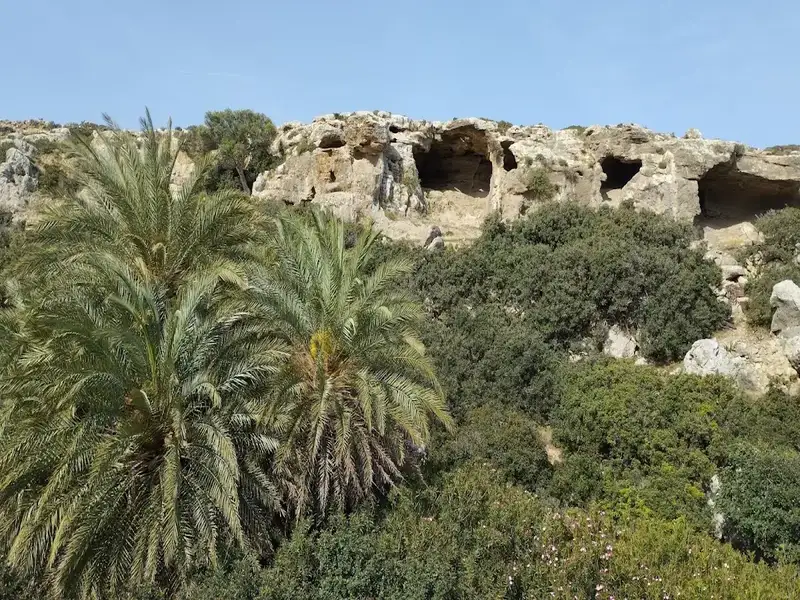
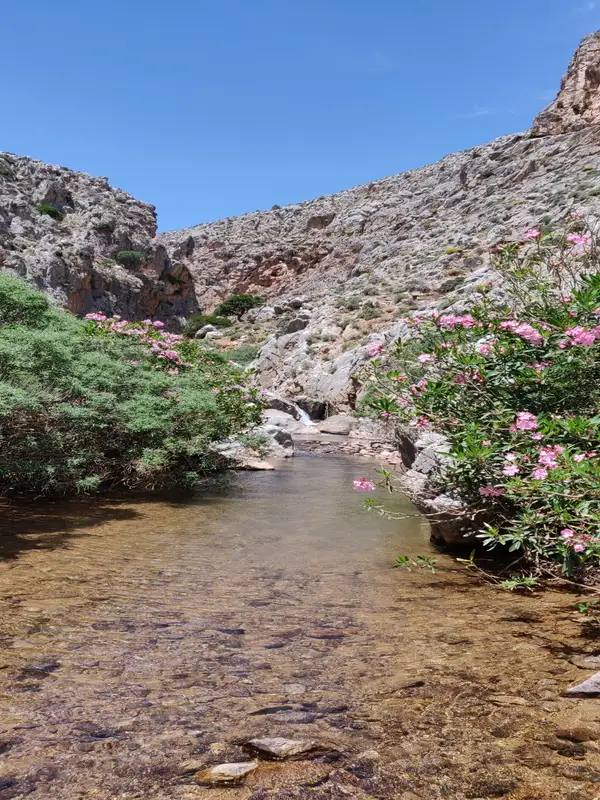
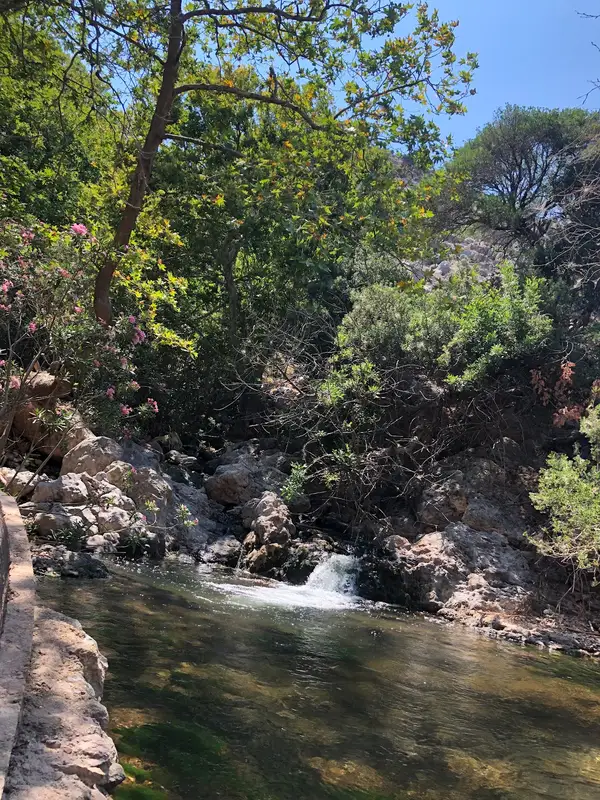
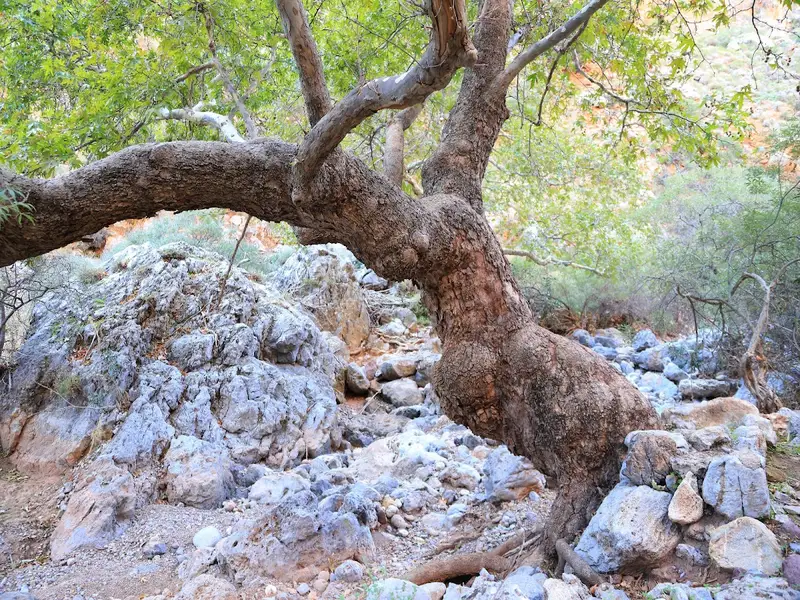
Despite its modest size, it harbors two significant marvels. The first is a quaint colony of Cretan date palm trees (Theophrastus palm trees). The second is a series of freshwater ponds that appear at the end of the gorge, near the sea. These springs are an extraordinary sight, especially considering the typically hot and arid climate of East Crete.
The Chochlakies or Karoumes Gorge is nestled in one of the most secluded regions of Crete, near Zakros. It collects water from the Flega stream flowing from the Chochlakies plain and discharges it into the ocean.
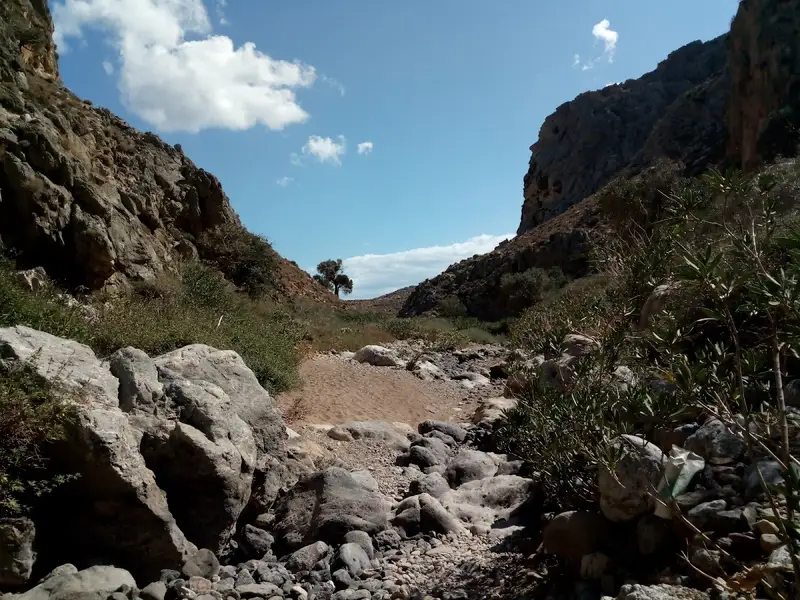
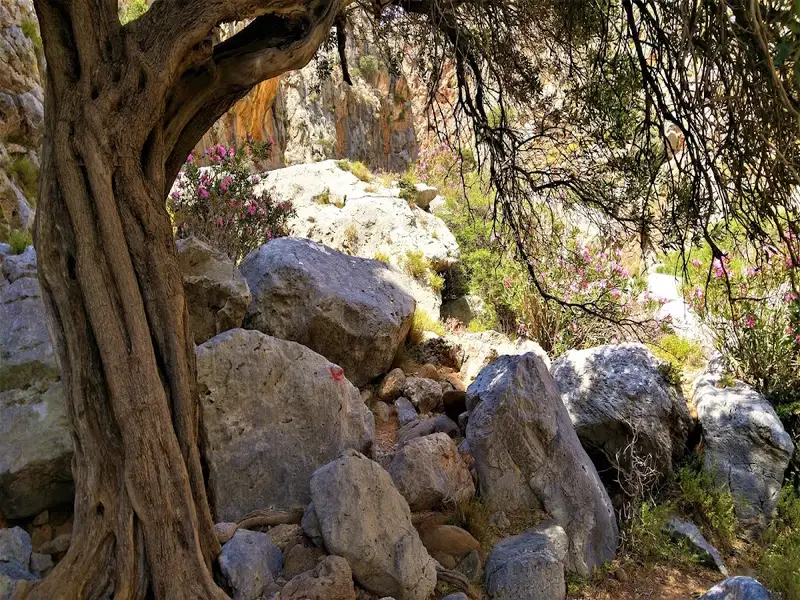
Beginning our journey, we first come across a magnificently restored watermill in the village of Chochlakies. We then enter the gorge, characterized by sparse vegetation and bare rocks, which extends to the stunning Karoumes beach. The gorge spans approximately 3.5 km and is water-filled for the majority of the winter. The trek, a segment of the European E4 footpath, typically lasts 1:30 hours. The journey along the stream is captivating, with the gorge’s towering rocks winding between the mountains.
Springtime unveils ponds and a wide array of flora. As we approach the exit, the towering walls open up to a small valley that transforms into a significant wetland, complete with a marsh during the winter. The surrounding area features wells and terraces from ancient crops, and remnants of Minoan structures are visible, the most notable being the ancient fortification situated on a hill above the gorge.
The stunning Kato Zakros Gorge, also known as the Gorge of the Dead, begins just a short distance from Ano Zakros, almost 100km southeast of the Agios Nikolaos church, and culminates at the picturesque Kato Zakros beach. The breathtaking landscape, historical significance, and easy access of the gorge draw numerous visitors each year. The path through the gorge is a segment of the renowned E4 European trail.
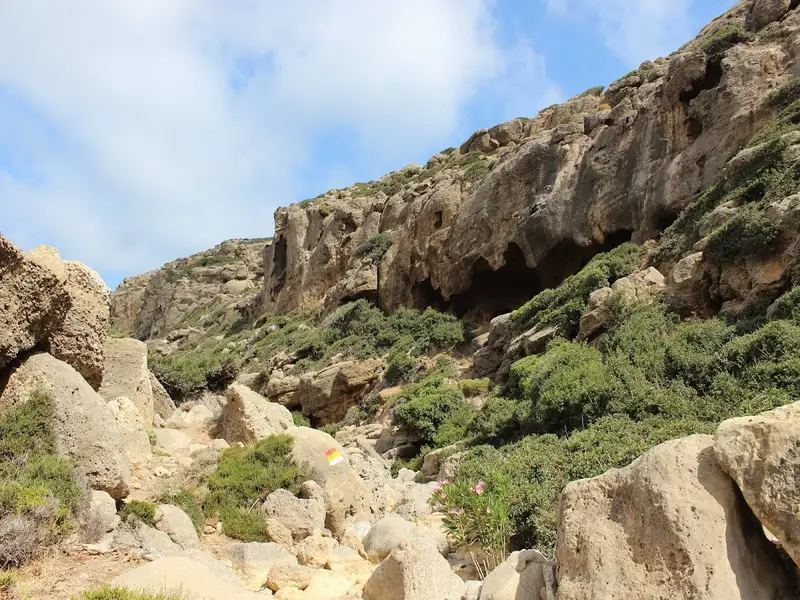
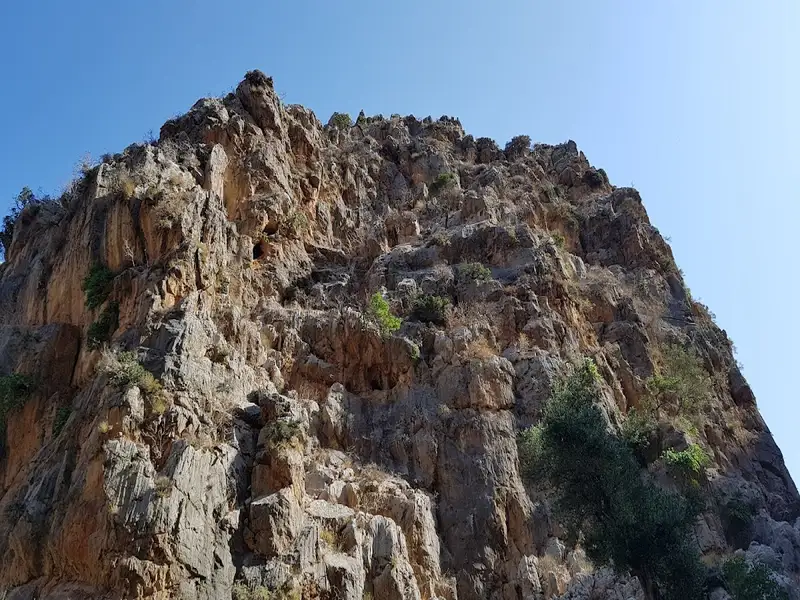
The gorge is incredibly beautiful, with towering walls that house large caves. Inside these caves, archaeologists have discovered tombs from the Minoan era that hold artifacts of significant archaeological value. This discovery led to the gorge and caves being dubbed “Gorge of the Dead” and “Caves of the Dead” respectively.
Visitors can park their cars in the Ano Zakros village and traverse the gorge, which takes approximately 2 hours to reach Kato Zakros. Here, you can relax on the beach and dine at the charming seaside village’s taverns. Don’t miss out on a visit to the nearby Minoan Palace of Zakros. A convenient bus service from Kato Zakros can take you back to Ano Zakros, saving you a return trek through the gorge.
The Katsounaki Gorge is situated in the arid region of Eastern Crete, to the east of the Xirokambos community. It is essentially a combination of three parallel gorges that converge before they reach the shoreline. These gorges serve as a water transportation system from the eastern portion of the Sitia mountains.
The river that flows through the gorge eventually leads to the Potamos beach, which is adjacent to the stunning sandy beach of Alona. Trekking through the canyon is a simple task and the scenery, with its towering walls, is truly untamed. An alternative option is to walk in the opposite direction starting from Alona.
No results available
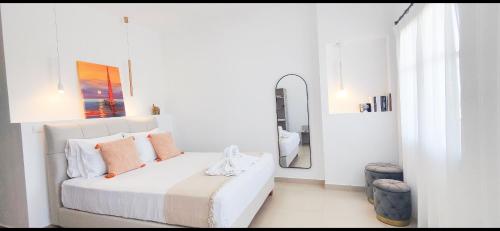
Set in Palekastron, 2 km from Kouremenos Beach and 2.3 km from Chiona Beach, Luxury studio in the centre of Palaikastro offers free WiFi and air conditioning. The property has inner courtyard and quiet street views, and is 8.6 km from Vai Palm Forest.
The apartment is fitted with 1 bedroom, 1 bathroom, bed linen, towels, a TV with cable channels, a fully equipped kitchen, and a terrace with garden views.
Both a bicycle rental service and a car rental service are available at the apartment.
The nearest airport is Sitia Public, 19 km from Luxury studio in the centre of Palaikastro, and the property offers a paid airport shuttle service.
Featuring air-conditioned accommodation with a balcony, Sunrise is set in Palekastron. It features a terrace, sea views and free WiFithroughout the property.
There is a seating area and a kitchenette complete with a fridge and kitchenware.
Kouremenos Beach is 1.9 km from the apartment, while Chiona Beach is 2.3 km away. The nearest airport is Sitia Public Airport, 19 km from Sunrise.
from
€59
/night
Featuring mountain views, Light Blue provides accommodation with a terrace and a kettle, around 2 km from Kouremenos Beach. This apartment offers accommodation with a balcony and free WiFi.
This apartment comes with 2 bedrooms, a kitchen with an oven and a fridge, a flat-screen TV, a seating area and 1 bathroom equipped with a bidet. Towels and bed linen are provided in the apartment.
Chiona Beach is 2.4 km from the apartment, while Vai Palm Forest is 8.7 km away. The nearest airport is Sitia Public Airport, 19 km from Light Blue.
from
€66
/night
Boasting air-conditioned accommodation with a terrace, BlueHouse III is situated in Palekastron. Located 2.1 km from Kouremenos Beach, the property provides a garden.
With free WiFi, this 1-bedroom holiday home features a flat-screen TV, a washing machine and a kitchen with an oven and fridge. Towels and bed linen are available in the holiday home.
Chiona Beach is 2.5 km from the holiday home, while Vai Palm Forest is 8.8 km from the property. The nearest airport is Sitia Public Airport, 19 km from BlueHouse III.
No results available
Connect with thousands of Crete visitors and boost your bookings.
© All rights reserved. Crete Locals