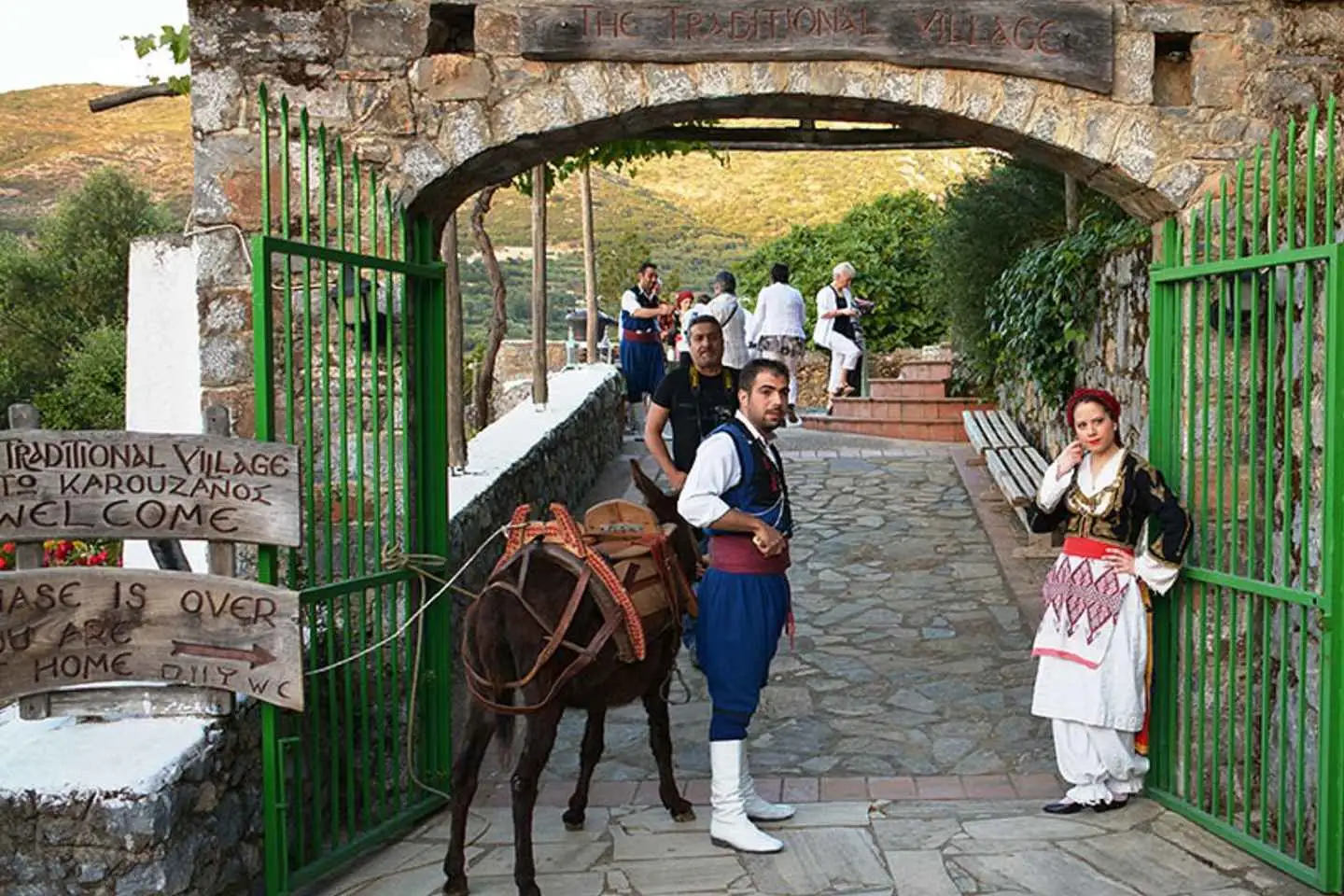

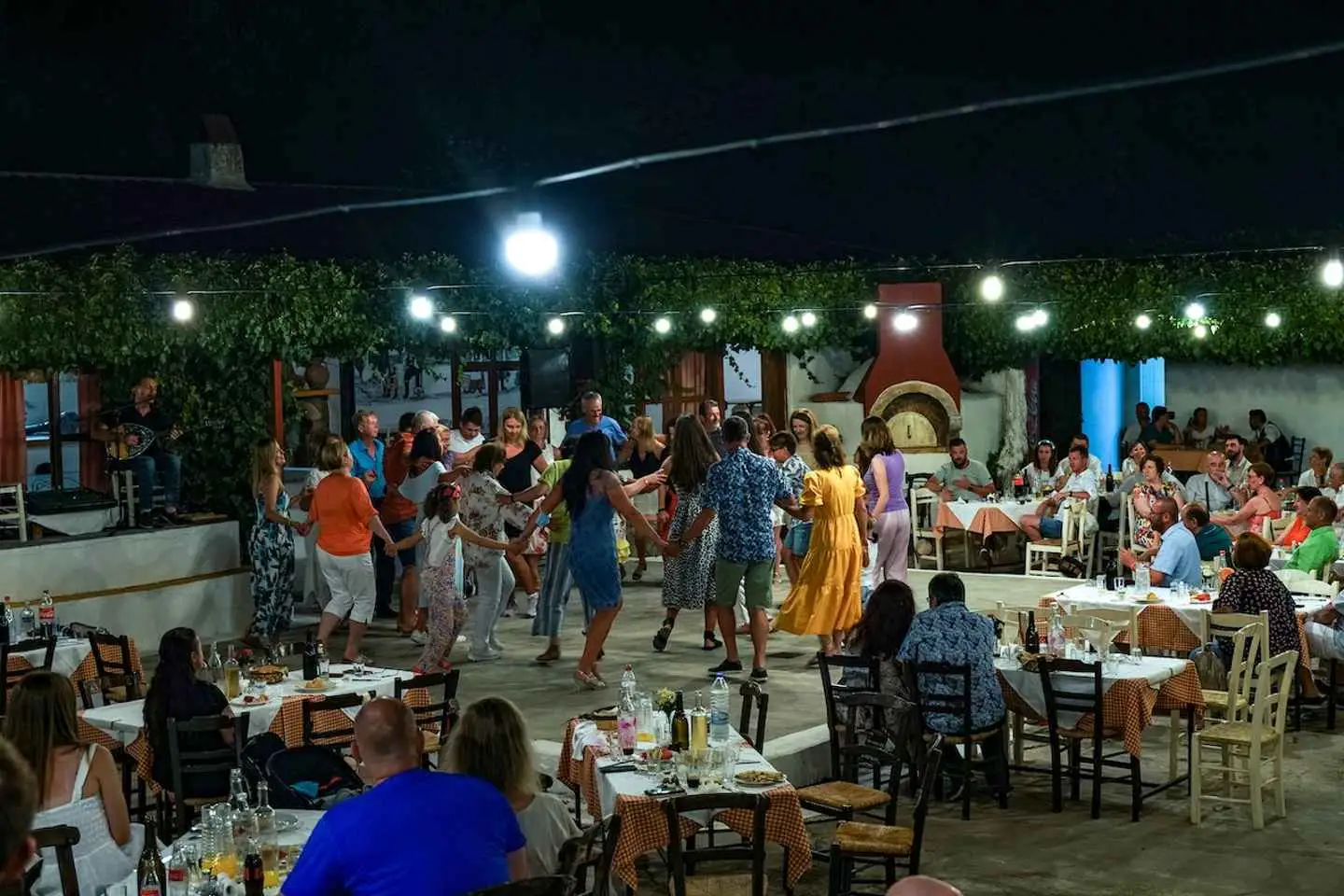
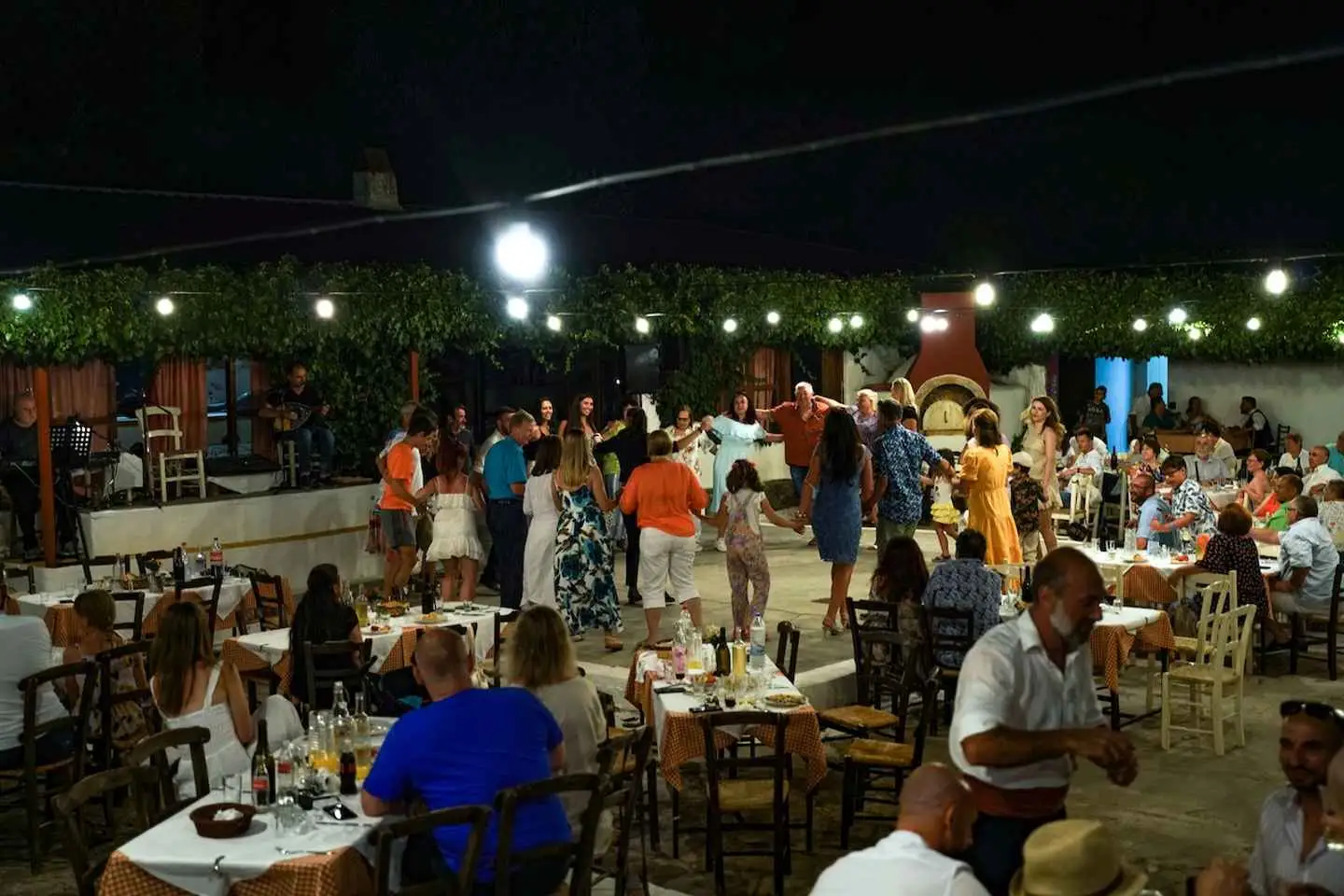
Explore a traditional Cretan village in the evening, try Greek cuisine, and watch a lively show of dancing and music on this entertaining trip.
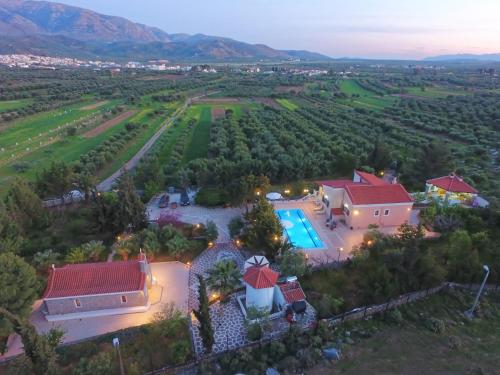
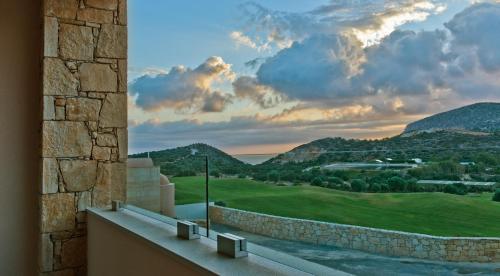
Begin with a beautiful drive through the mountains and arrive at the small village of Karouzanos. Enjoy free time to stroll around the narrow streets and old neighborhoods of the village. Take photos of the local architecture and gaze at the fantastic view of the Cretan mountains.
Next, experience an unforgettable show as local musicians and dancers perform. Join in and learn how to dance traditional dance moves. Savor typical Cretan food at the local restaurant and sip on a glass of wine.
Finally, after the show, head back to the bus for your journey back to your accommodation.


Intro:
A Cretan night out with local food, wine, traditional music and the chance to get carried away in an experience you will never forget. All you need to bring with you is your good mood and your dancing shoes.
Full Description:
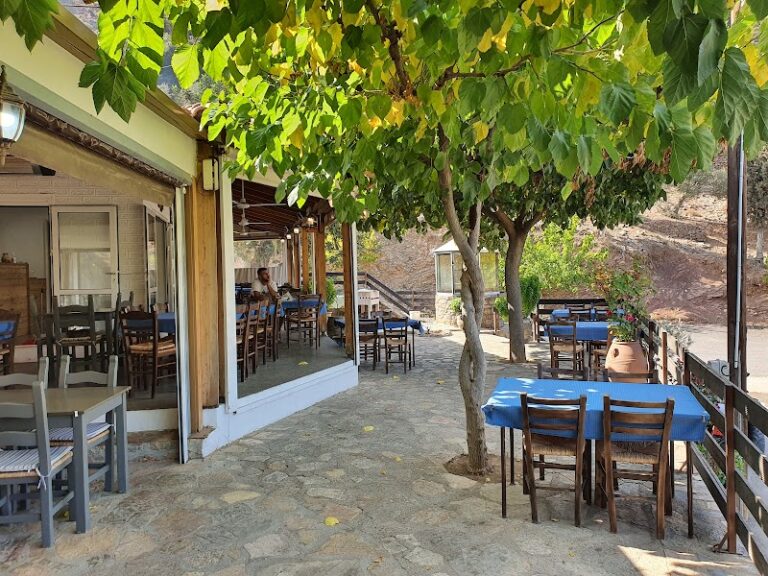
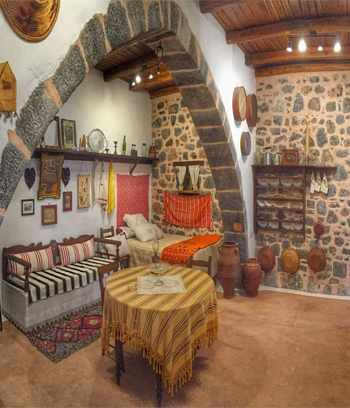
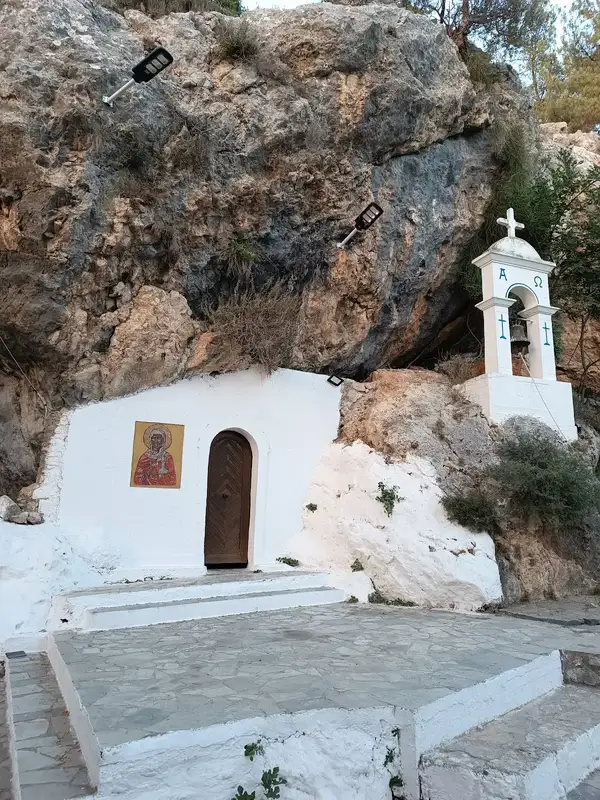
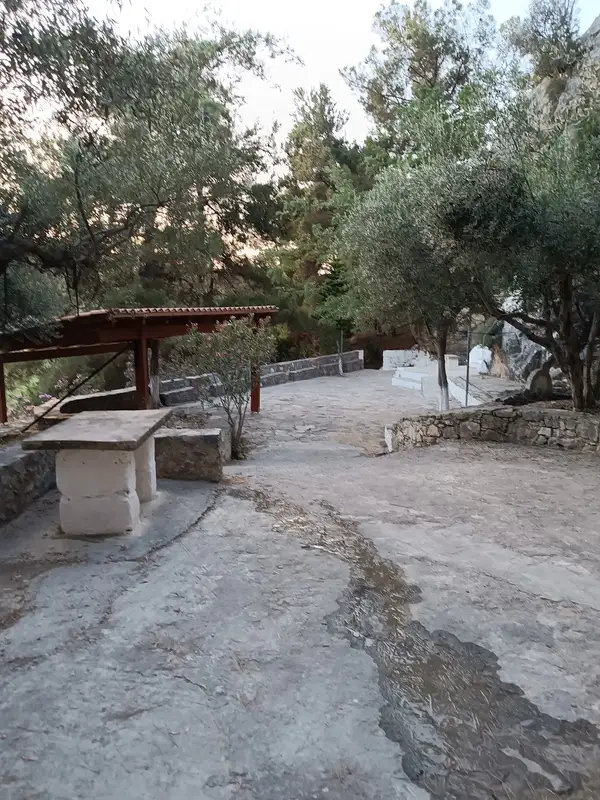
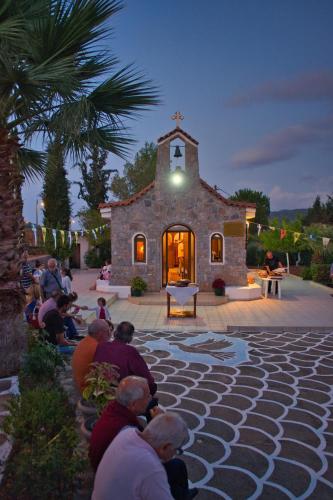
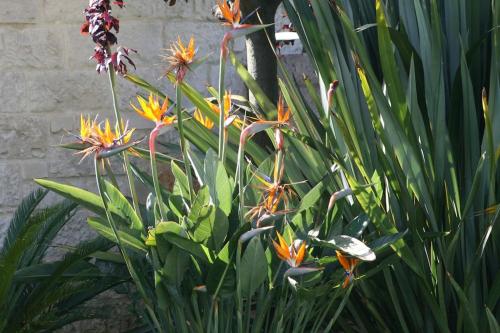
Our trip starts in the evening. After the pick up, we arrive at the small traditional village of Karouzanos, where you will be greeted by the locals. You will be surprised by their hospitality as they show you around and let you taste their local products like raki and honey. You will have time to walk around the village’s narrow streets and take pictures of the blossomed evening flowers and traditional houses.
Then we are ready to enjoy the spectacle!
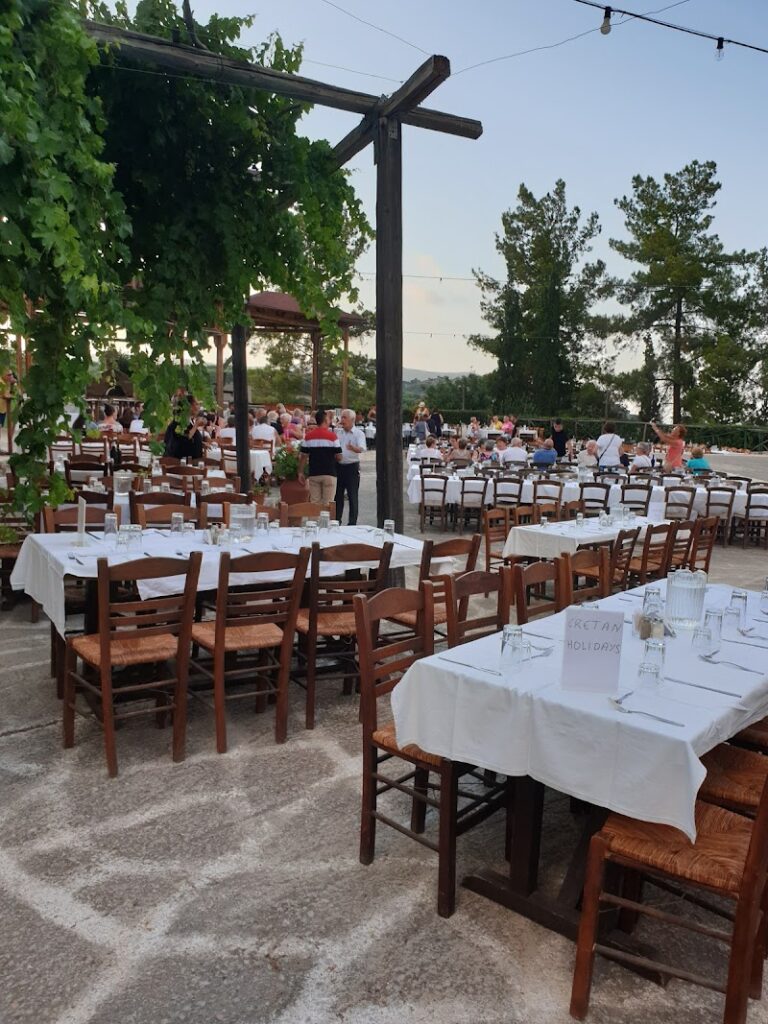
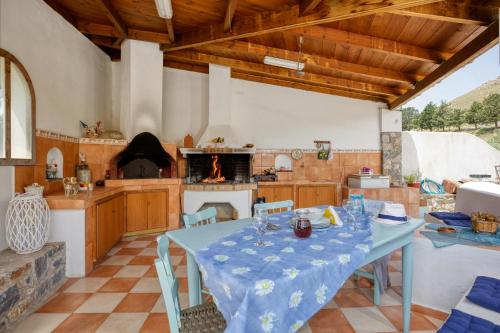
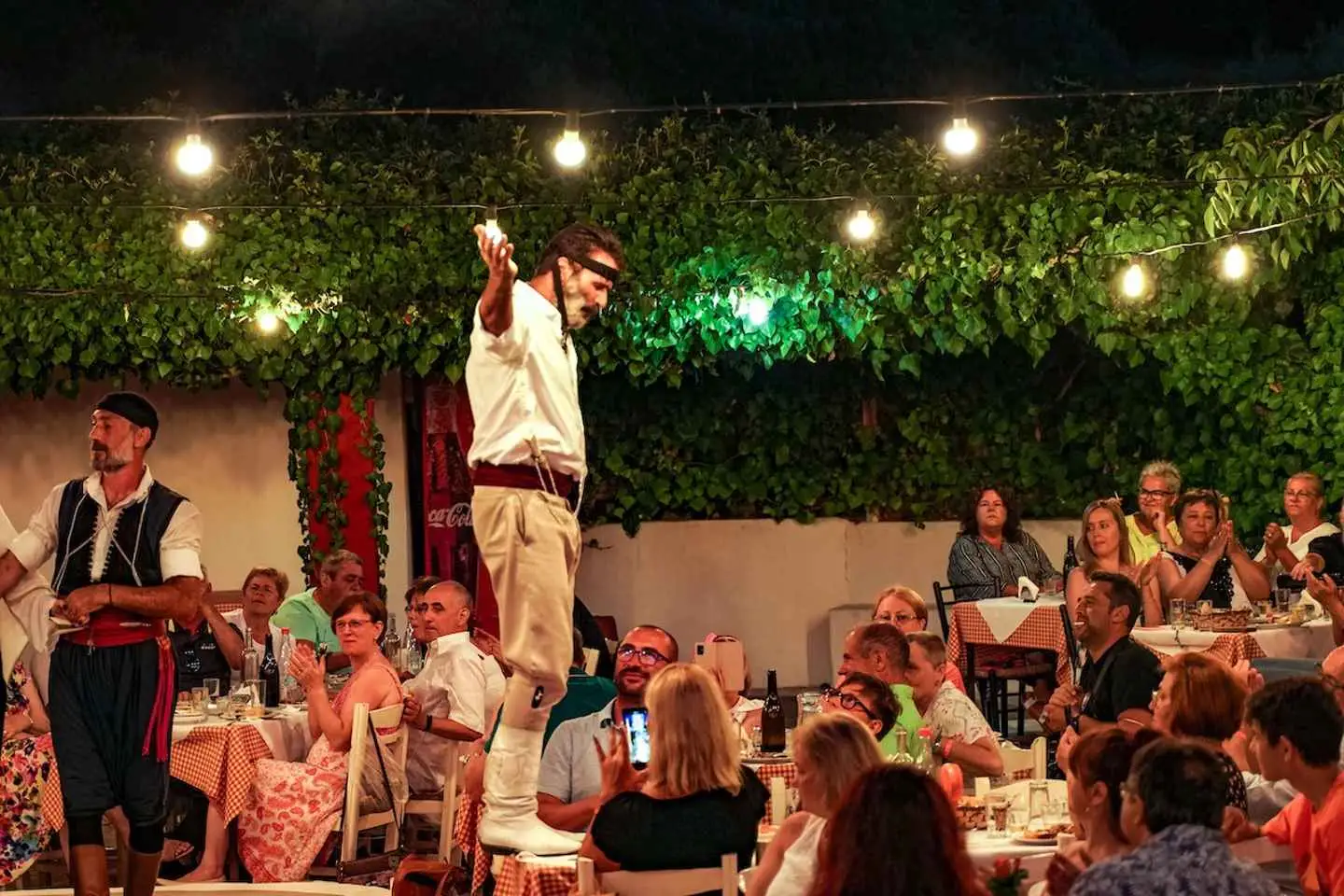
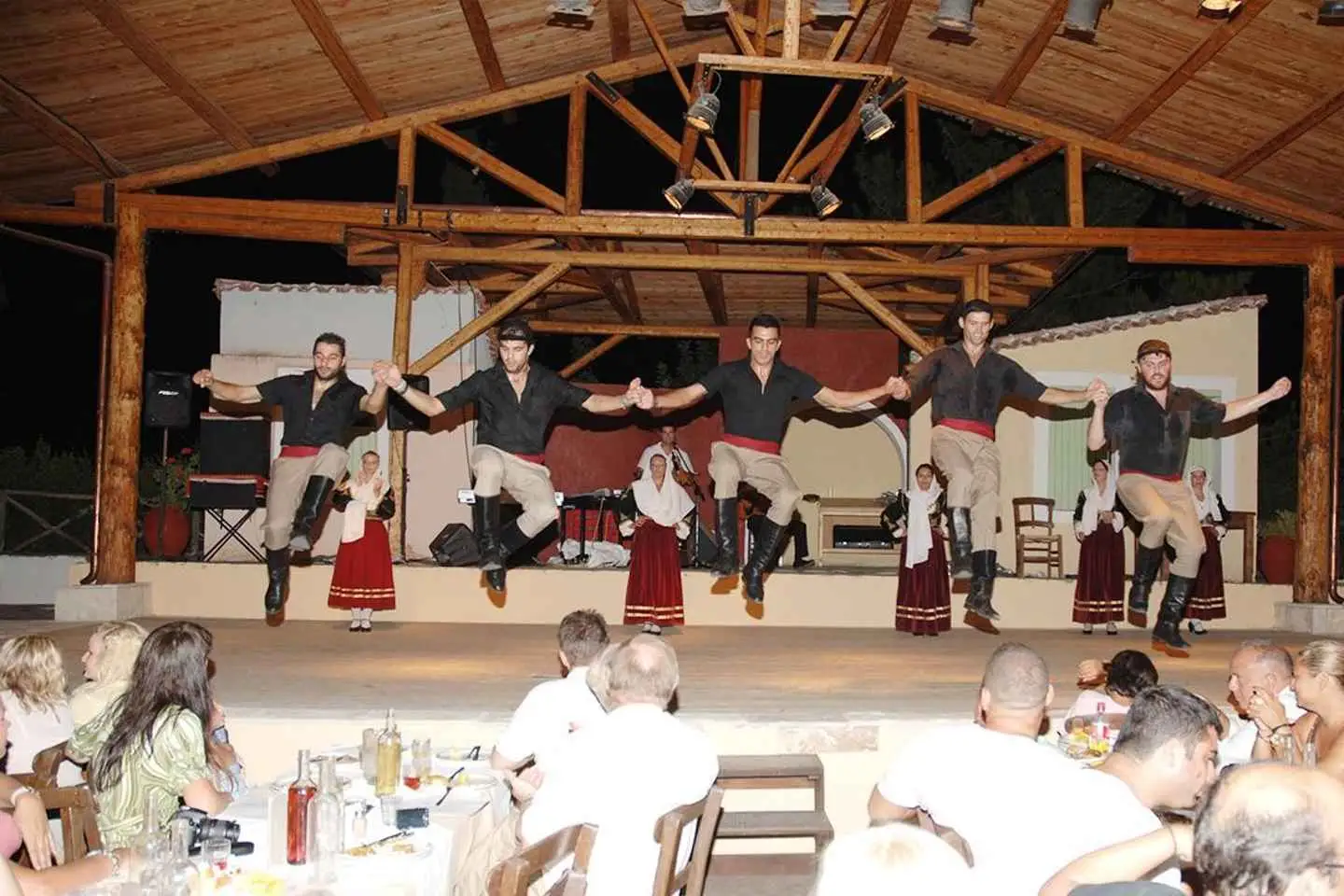
Watch the dancers perform folk and modern dances dressed in the traditional apparel, accompanied by the Cretan Lyra and the modern bouzouki. Taste the delicious food cooked with locally produced vegetables, cheese, meat and olive oil. The wine and raki are endless for the stronghearted.
The night does not end there though , you will have the chance to be a part of the show yourselves. The friendly dancers will teach you the steps so that you can feel like a modern Zorba and absorb the magic of the evening.
Come with us to feel like a true Cretan.


Begin your excursion with a scenic drive through the majestic mountains, arriving at the delightful village of Karouzanos for a four-hour exploration.
Here, you’re invited to delve into the village’s allure, meandering through its slender streets and heritage-rich quarters while soaking up the extraordinary mountain vistas and the vibrancy of local life through your lens.
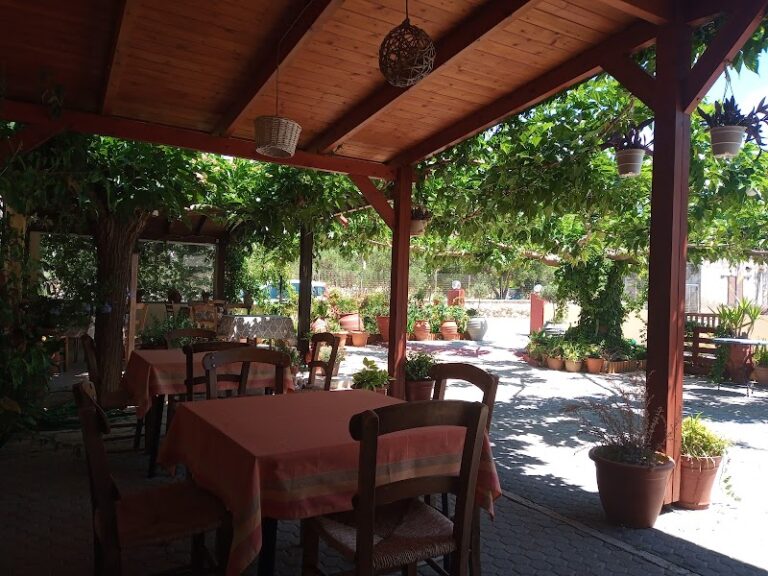
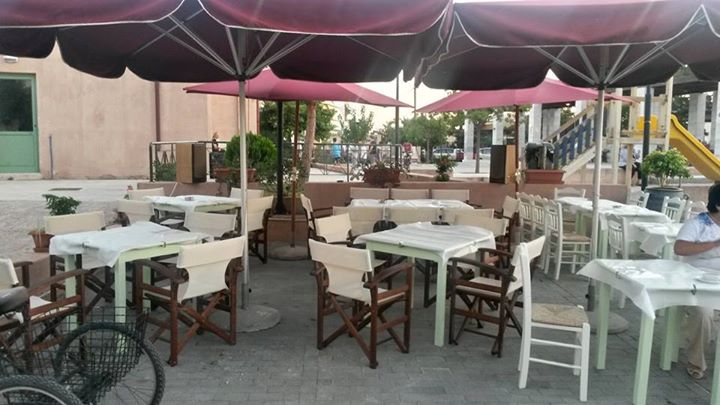
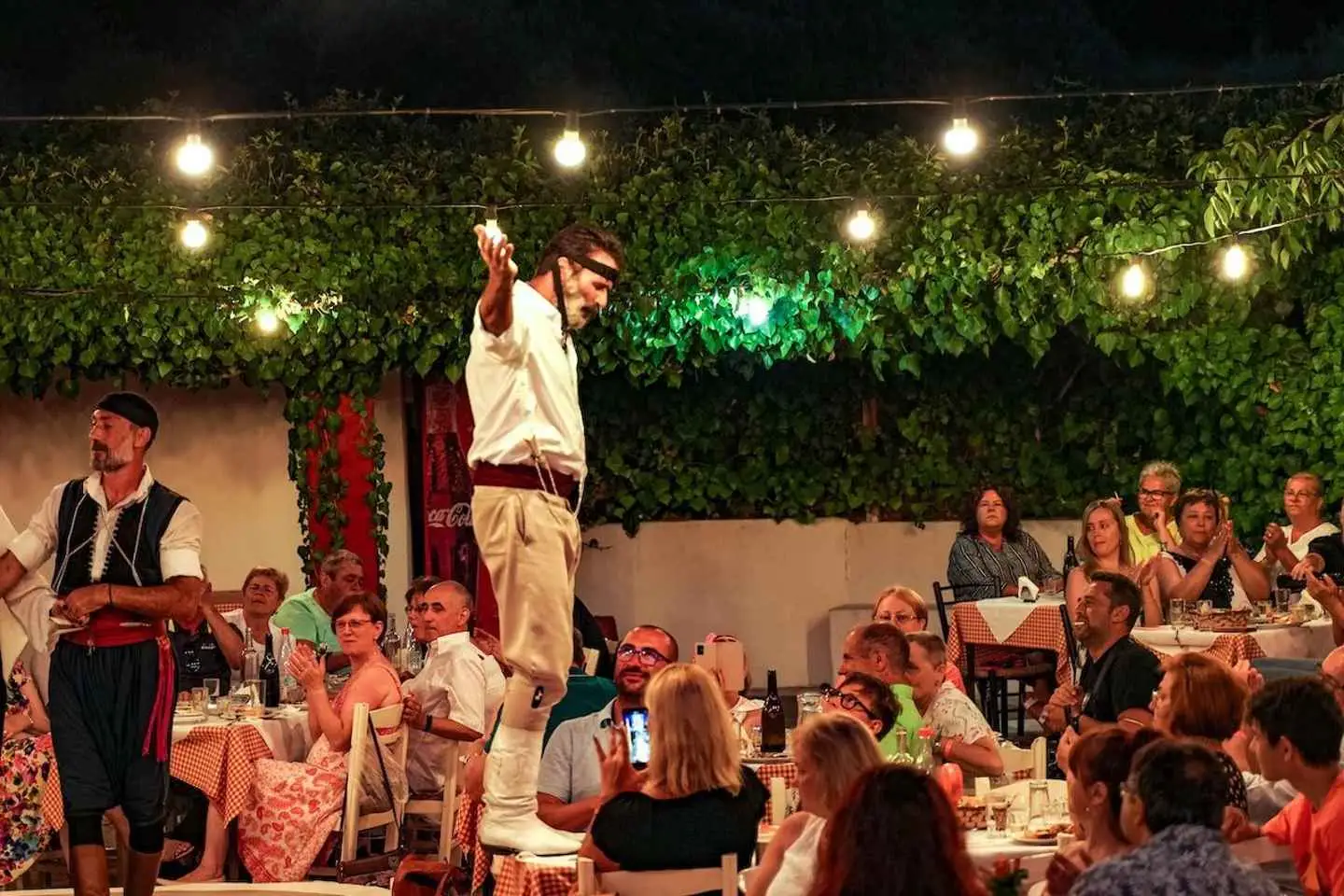
Upon reaching the taverna with our guide, anticipate a cultural feast as local musicians and dancers take the stage for a riveting show. Enjoy the tastes of Cretan cuisine and sip on local wines, all before joining the residents in a dance that promises to make the evening even more unforgettable.
The celebration culminates with a return bus journey, which may extend beyond an hour, retracing our steps back to your initial pick-up spot. The time may adjust according to traffic and varied pick-up points.
As the vibrant Karouzanos night draws to a close, cherish the kaleidoscope of memories made amongst friendly locals, amidst the flavors of Greek gastronomy and the toasts of shared libations. It’s a heartfelt goodbye to an evening that’s bound to echo in your narratives for years to come.
Early in the evening, under the starry sky, in a summer tavern with the atmosphere flooded with the aroma of jasmine and the sweet melody of lyre and bouzouki, in the ancient village of Karouzanos, you will have the opportunity to walk through the streets of the traditional village and take a look at the rural life of this charming place.
Then you will taste the traditional local dishes and the famous wine and shortly afterwards you will enjoy the unique grace of the Cretan dancers with their traditional costumes that will dance for you Cretan Greek and Folk dances.
Catch up at the dance with them, follow in their footsteps and feel for an evening like Zorba.
An ideal opportunity to have fun as Cretans, taste traditional dishes, learn a little more about the people of Crete and keep the memory of this wonderful night in your heart.
No results available
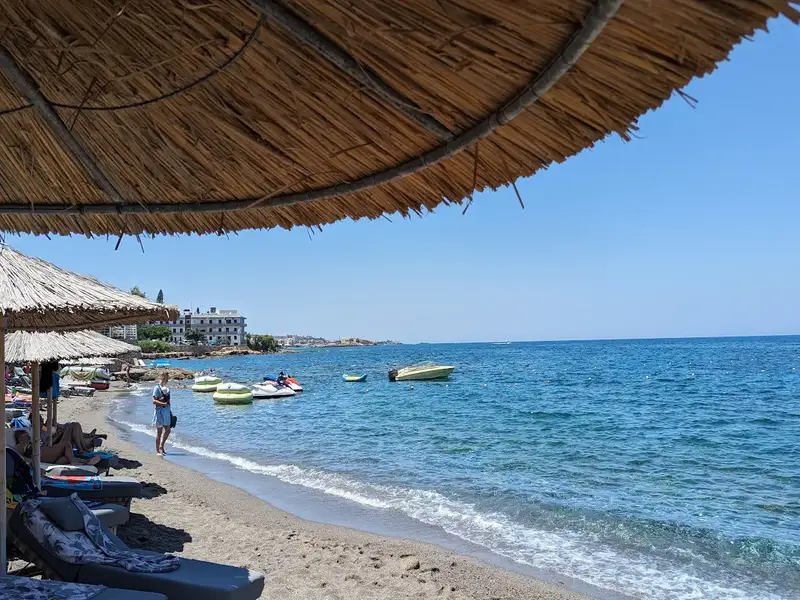
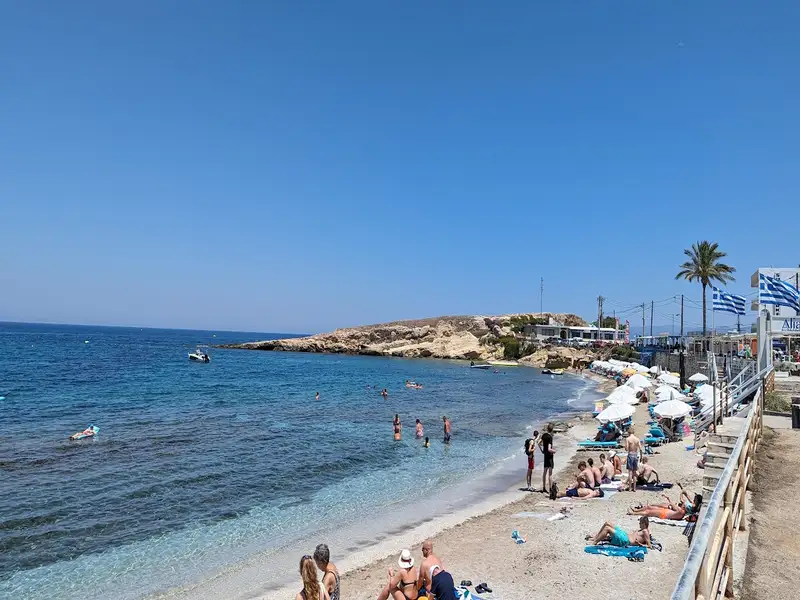
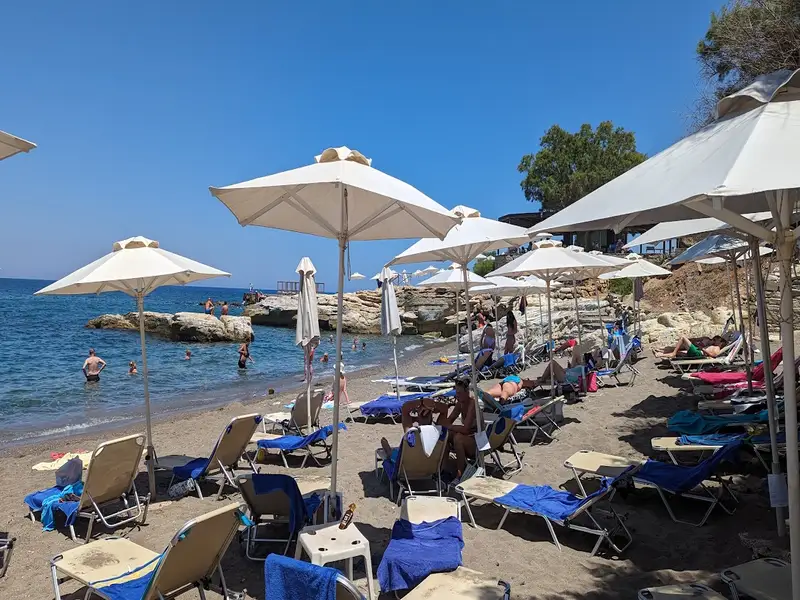
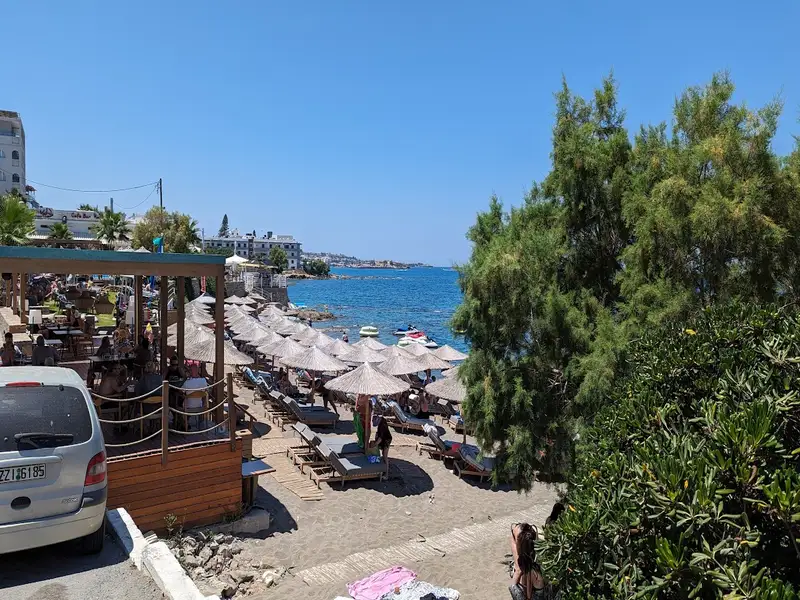
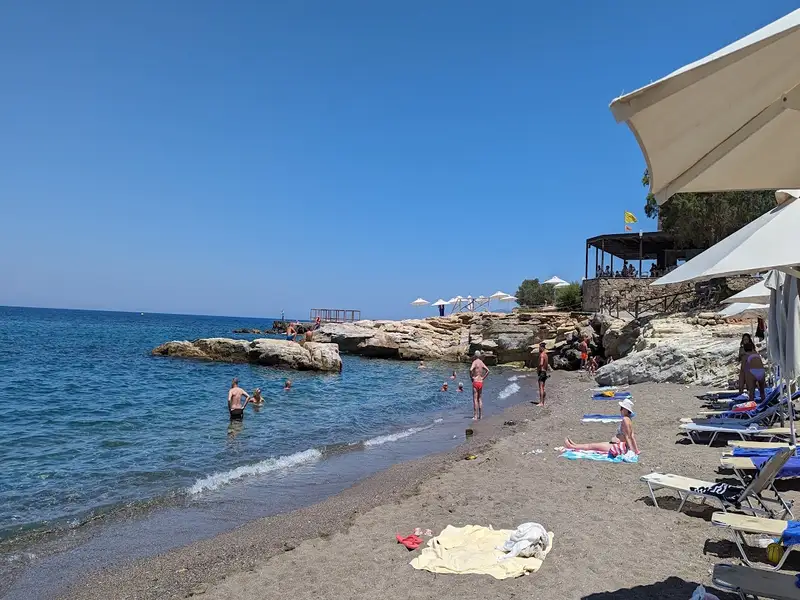
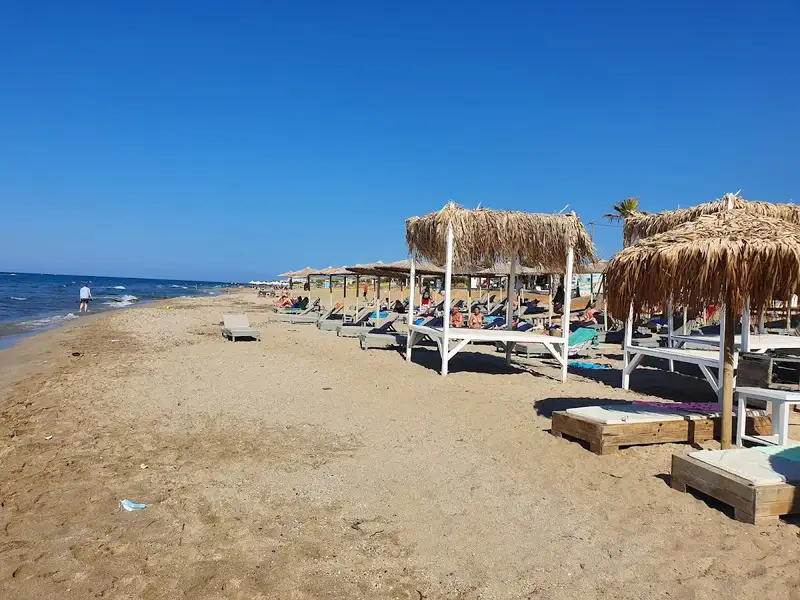
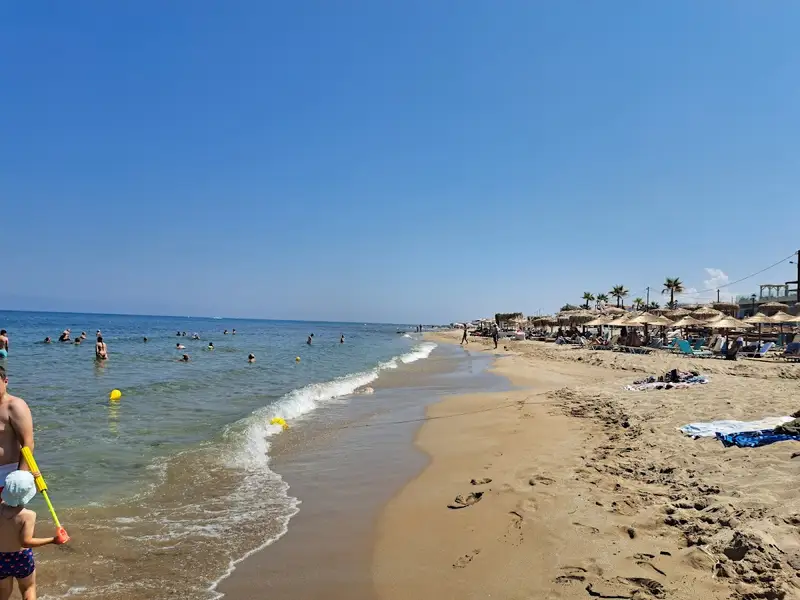
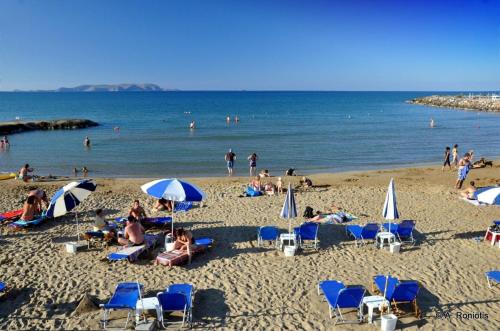
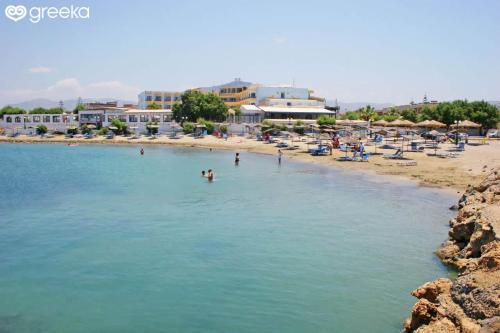
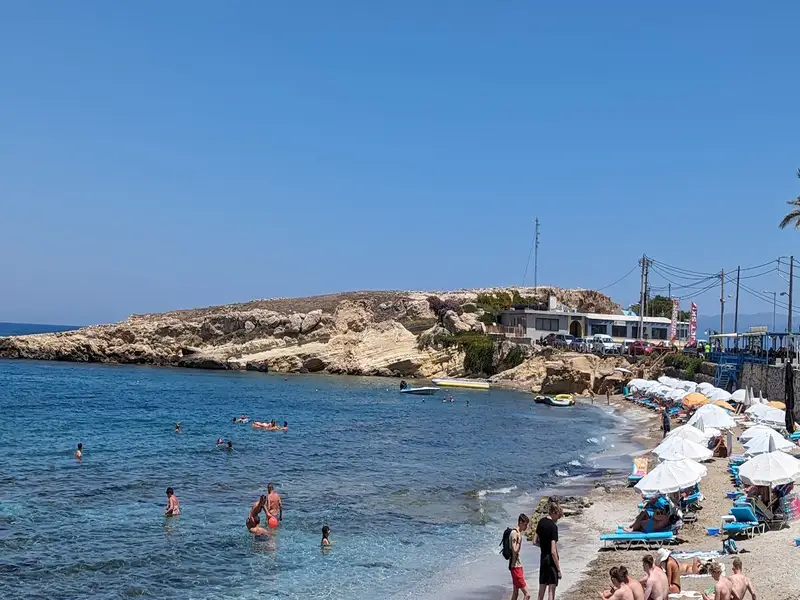
Hersonissos, a bustling tourist hotspot in Crete situated just 28km to the east of Heraklion, is renowned for its tranquil beaches and calm seas – a rarity along the northern coast of Crete due to the prevailing northern winds. The most serene beaches can be found to the west of the port, shielded by the Cape Sarandaris. Towards the east of the port, however, lie the resort’s most frequented beaches.
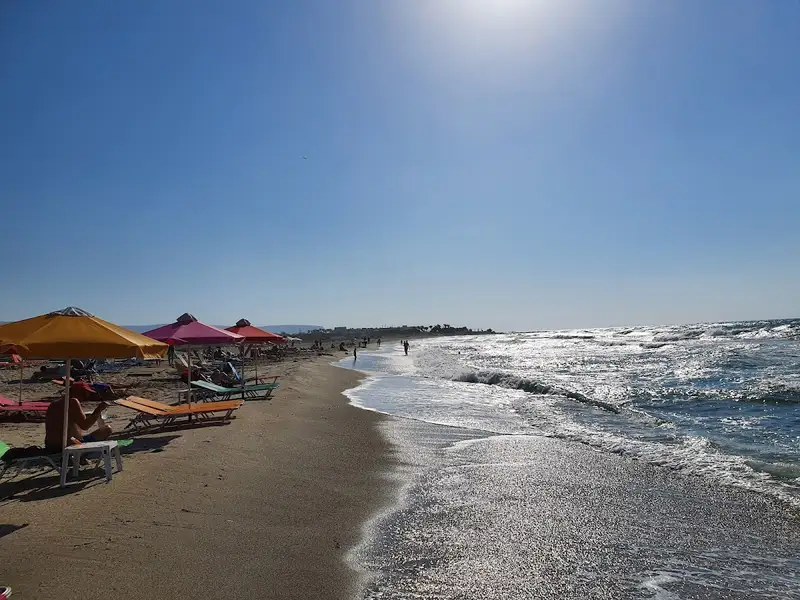
As you venture east from the port of Hersonissos, the first sight to greet you is a sprawling, narrow, sandy beach, buzzing with throngs of beachgoers. It’s impeccably organized and conveniently close to the city’s amenities, though it may not be the best choice for those seeking a more serene environment.
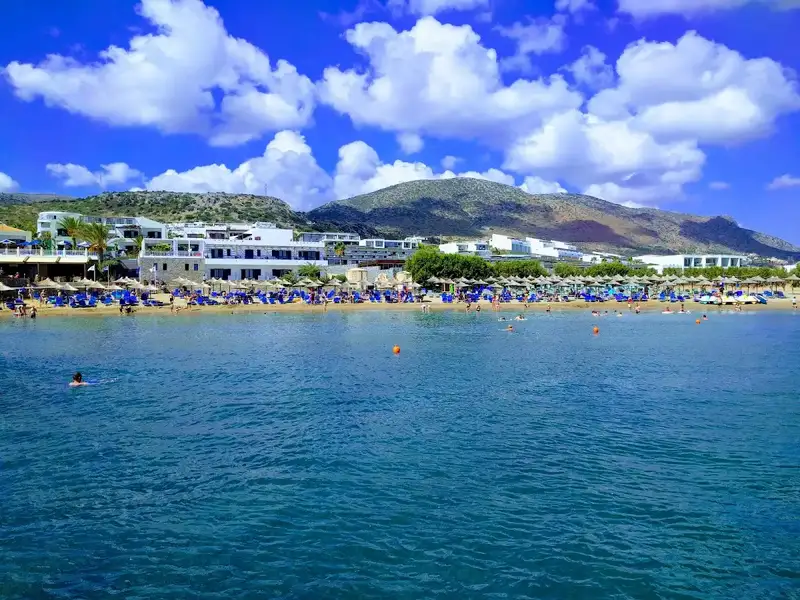
Journeying further east, a series of small, sandy coves become apparent, primarily situated in front of hotels. Of these, Silva Maris Beach stands out with its high level of organization, a lifeguard, and numerous facilities. Continuing eastwards, you’ll encounter Star Beach, one of Crete’s most populous beaches, largely patronized by British and Dutch tourists. Lastly, near Cape Drapanos lie the peaceful beaches of Eastern Hersonissos, offering a quieter seaside experience.
Living on the island of Crete, about 28km east of Heraklion, you’ll find the popular tourist town of Hersonissos. It’s known for its array of beaches, particularly on the eastern side. Located a short 2km distance from the Hersonissos port, these delightful coves extend up to the Drapanos Cape. The most vibrant among them is Star Beach, known for being one of the island’s busiest spots.
As you travel further east, there are several small, scenic sandy and pebbly coves that offer a feeling of tranquillity. Some of these secluded spots enjoy cool water due to the presence of freshwater springs in the sea. Next to these coves, you’ll find the Lychnostatis Folklore Museum, a place where visitors can delve into the historical Cretan way of life.
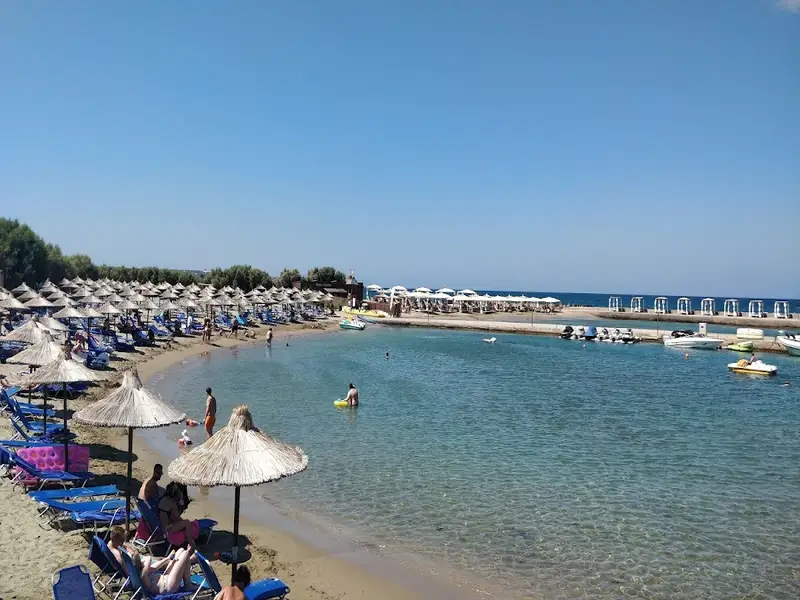
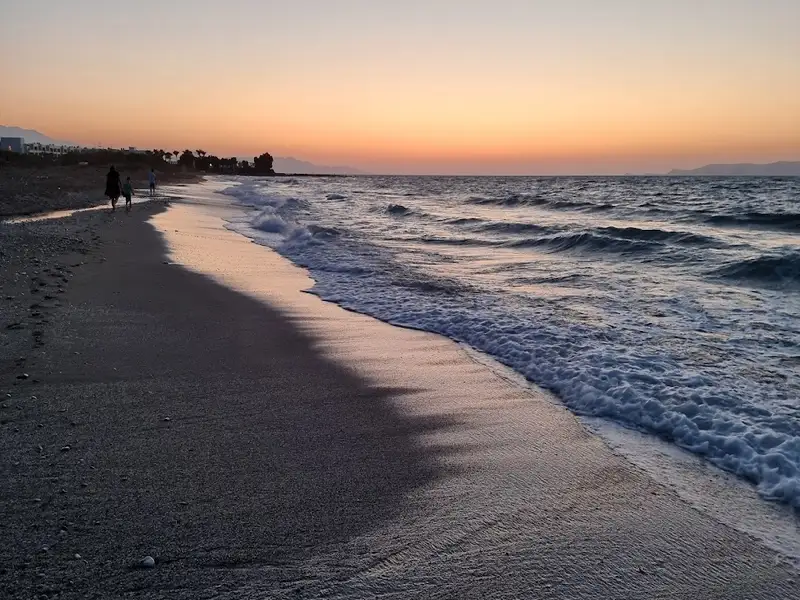
The final beach in the Hersonissos vicinity is located in front of the Nana Beach Hotel, at the edge of Drapano Cape, and is accessible by heading east. This well-maintained beach has sunbeds and a lifeguard on duty, with a variety of water sports and beach bars available. Thanks to the protection offered by two long piers, this beach enjoys calm waters all year round, as it’s shielded from the north winds.
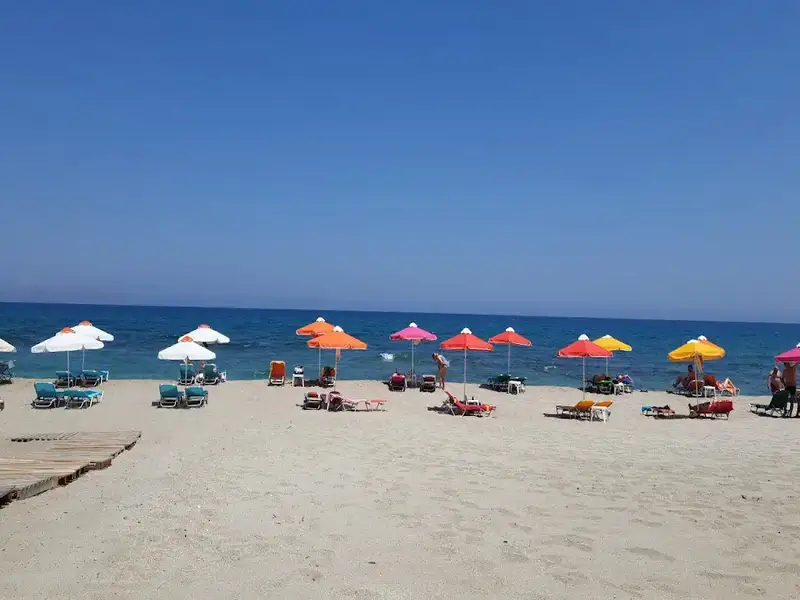
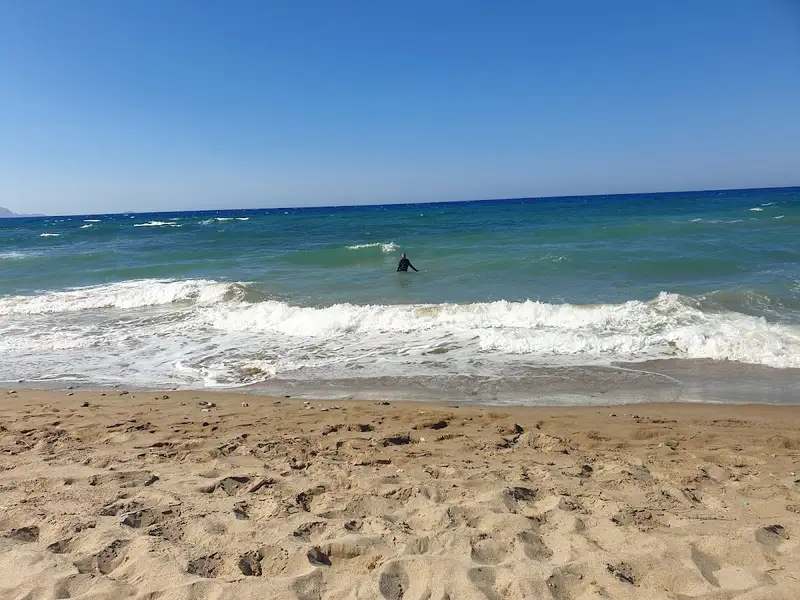
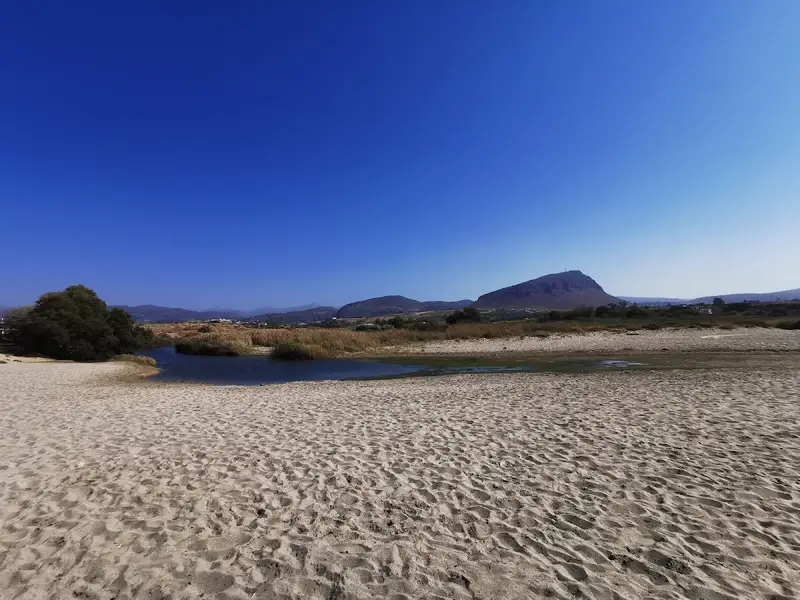
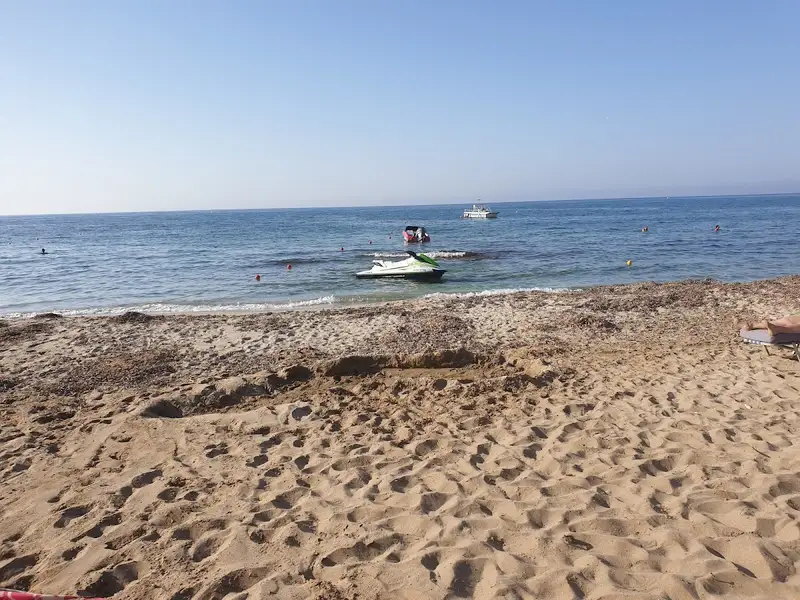
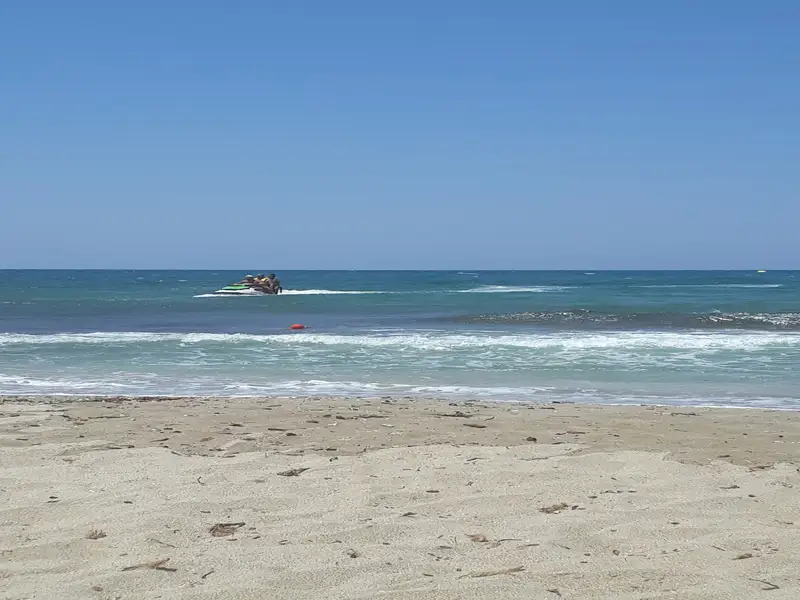
The Aposelemis River, situated 19km east of Heraklion, between Analipsi and Gouves, is a significant wetland in northern Crete. The pond that forms near the shoreline serves as a natural habitat for various migratory birds and rare species. The river’s outlet gives way to a beautiful sandy beach with shallow cool waters. Although it’s in close proximity to large hotels and tourist spots, the beach lacks organization compared to other top beaches in the vicinity, with only a handful of umbrellas and sunbeds available.
There are two alternative routes to reach the beach. One option is to drive towards the beach of Analipsi and then follow the coastal road heading west. After traversing a few meters past the region’s rocky shores, you’ll arrive at the extensive Aposelemis beach. Alternatively, you can take the coastal road of Kato Gouves to its eastern end, where the road veers right and runs along a hotel’s walls. Aposelemis beach is directly across from this hotel, adjacent to Gouves’ soccer field.
Analipsi, or Ascension, is a village situated 20km to the east of Heraklion and is named after the Ascension of Christ church. Positioned in a fertile valley, the area is primarily utilized for olive groves. In the early 20th century, it was known as Svourou Metohi, after the Turks who owned land there. Upon Crete’s liberation from the Ottomans, Analipsi was given to the shepherds of Agios Georgios village in Lasithi Plateau as a winter grazing ground. Now, these shepherds’ fortunate descendants own expansive properties featuring hotels, shops, restaurants, and various tourist amenities.
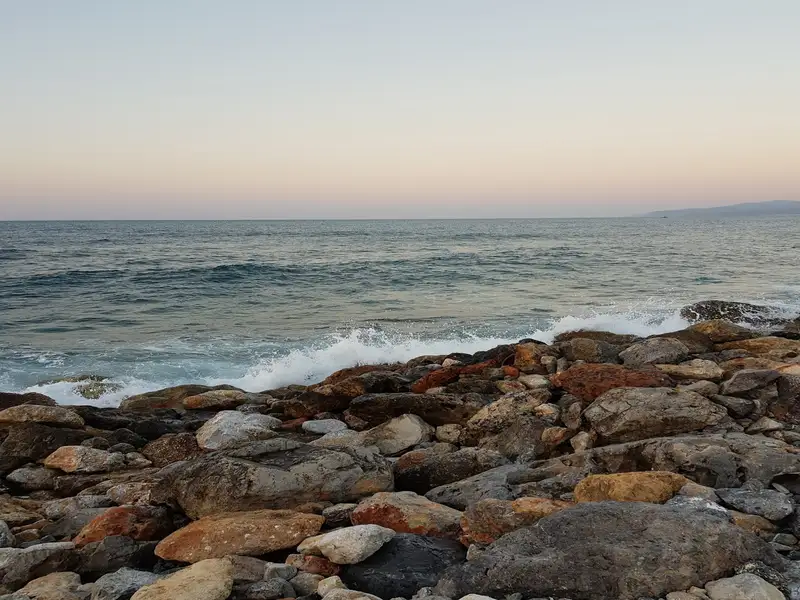
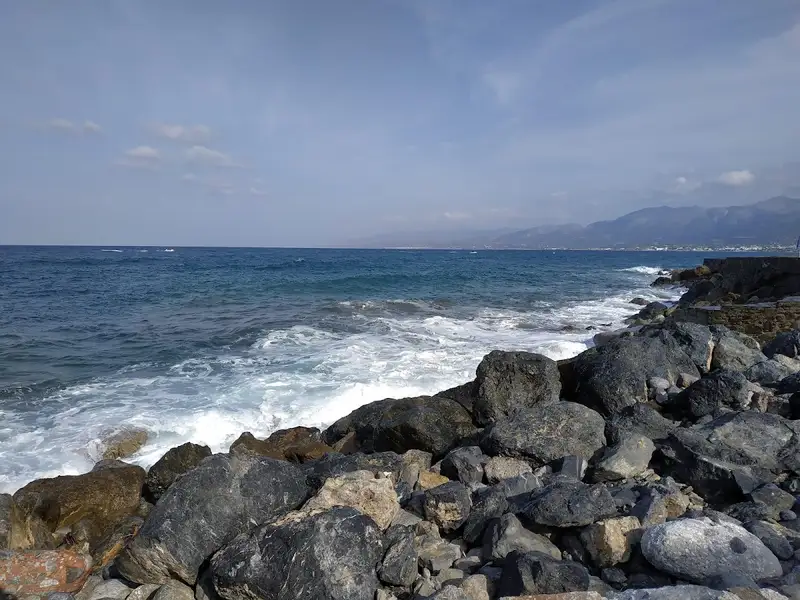
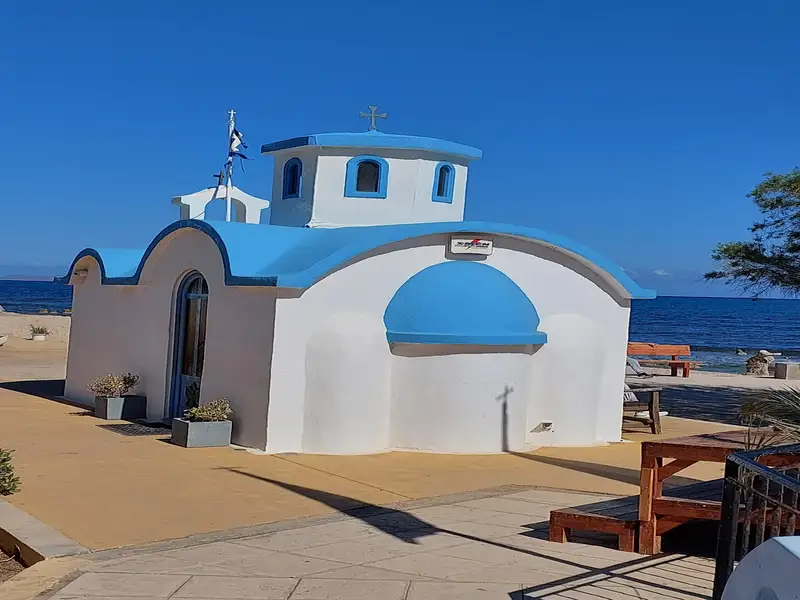
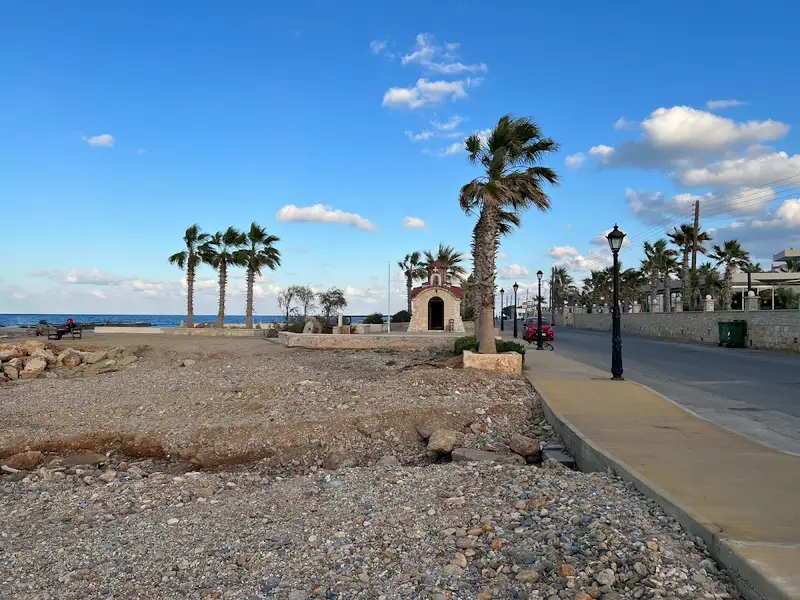
Compared to neighboring resorts, Analipsi is less touristy and more peaceful, making it a preferred destination for families. The village front features a quaint pier with a charming church dedicated to Agia Marina. To the west of the chapel, the coast is rocky, save for a small harbor with a lovely beach. East of the chapel, you’ll find the main sandy beach of Analipsis, which is well-maintained. Though the water isn’t deep, summer months often bring waves.
A leisurely afternoon can be spent wandering through the charming alleys of the old traditional village, admiring the beautiful gardens and stone-paved square. You might also want to visit the four-aisled Ascension church, dedicated to the Virgin Mary, the Ascension of Christ, the Holy Cross, and Saint Efrosinos. The village’s main street, lined with cafes and shops, runs perpendicular to the coast.
No results available
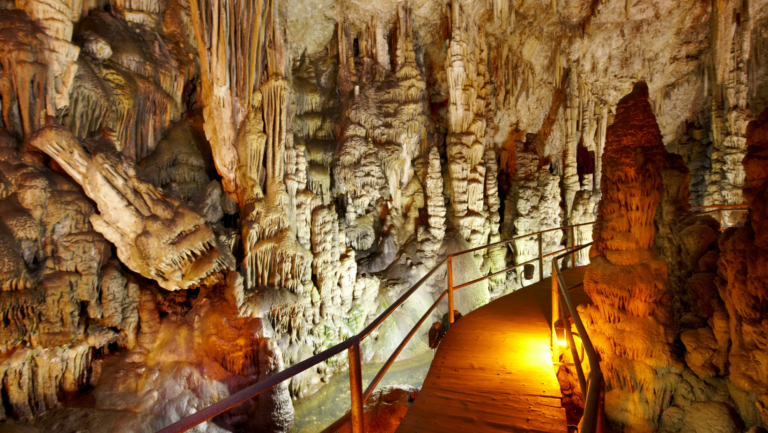
Cave of Zeus is a legendary sanctuary where, according to mythology, the Titaness Rhea hid her son Zeus to protect him from his father Cronus, who had a grim habit of devouring his children. It also serves as the backdrop for the mythological tale of Zeus and Princess Europa. Nestled on the rugged northern slopes of Mount Dikti, at an elevation of 1,025 meters near the village of Psychro, the cave – often referred to as the Dikteon Cave or Psychro Cave – is one of Crete’s most visited archaeological and mythological sites.
Begin your expedition from Stalida, Hersonissos, or Malia, traversing the winding road that ascends to the Lassithi plateau and onward to Psychro. The journey is scented with wild aromatic herbs and offers breathtaking panoramic views. A path bordered by oak trees leads to the cave’s entrance, inviting you to explore.
Upon entering, you’ll be greeted by the cave’s inhabitants: wild rock doves and bats, thriving in the cool darkness. A noticeable chill sets the scene for an exploration filled with wonder. Descend along a clearly defined trail to reach the central chamber after 250 meters, where millennia have sculpted a stunning display of stalactites and stalagmites. The highlight is a grand stalactite that hangs over the lake’s center, known as “Zeus’s cloak.” Evidence of the cave’s historical role as a worship site, including an altar, niches filled with votive offerings, and various archaeological discoveries, underscores its significance. Many of these sacred artifacts are now preserved in the Archaeological Museum of Heraklion.
Visitors can access the cave from 08:00 to 18:00 in the summer months and from 08:30 to 15:30 in the winter.
To explore the depths of the legendary Cave of Zeus, visitors are required to pay a nominal entrance fee of 6 Euros, with free admission for students and a 50% discount for all during the winter months.
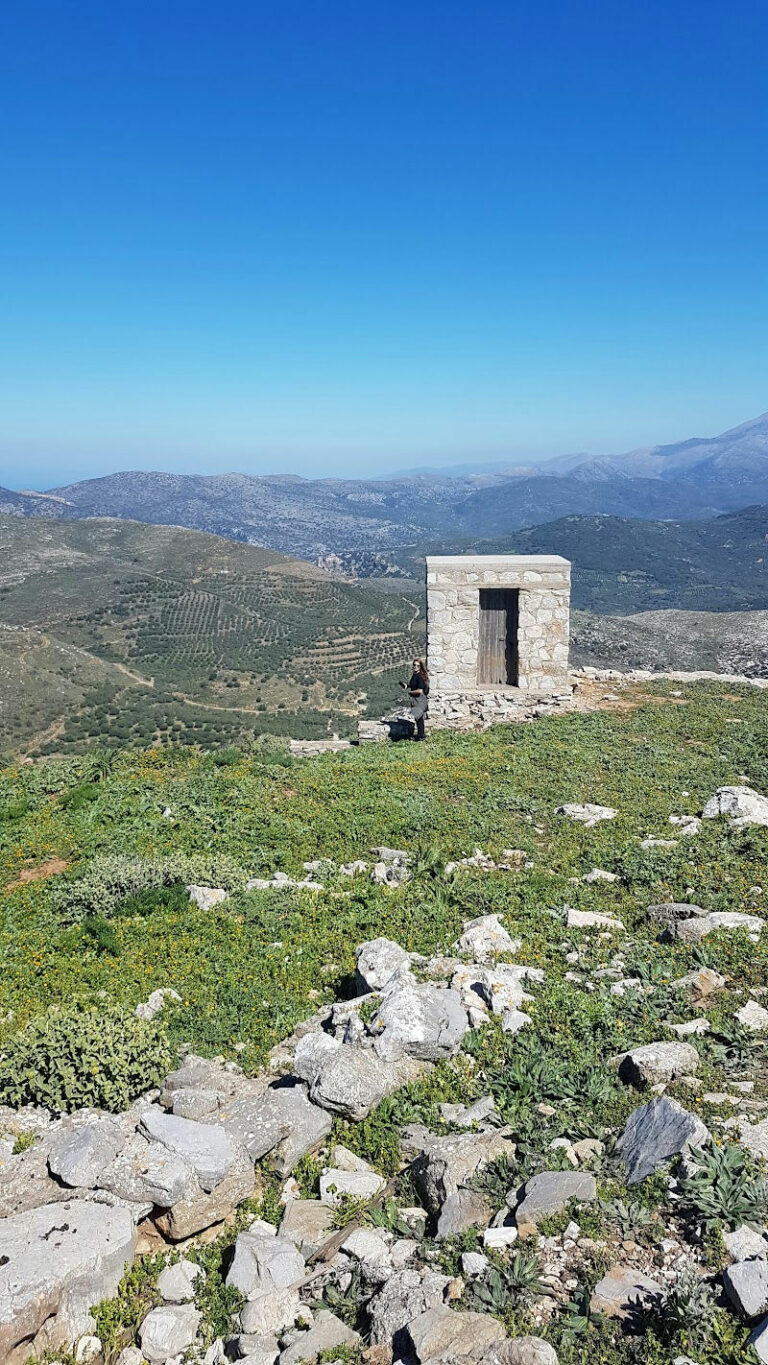
Perched atop the rocky hill of Prophet Elijah (Profitis Ilias) near Smari, at an elevation of 590 meters, lie the remnants of a fortress surrounded by a robust defensive wall. This location offers sweeping views over the fertile plains of Kasteli and Smari. Archaeologist Hadji-Vallianou believes this fortress to be the site of ancient Lyttos mentioned by Homer. The city was continuously inhabited from 1800 BC to 630 BC before being deserted by its residents.
Inside the city walls, three oblong structures can be found, and a sanctuary of Athena Ergani was identified on the northern side, confirmed by ceramic plates depicting the goddess Athena. These plates are considered the oldest representations of Athena in Crete. A settlement was constructed around the peak, enclosed within a secondary wall. A stone-paved street connects the village to the citadel. Large buildings, likely used as warehouses and workshops, were located outside the second wall.
The terraces outside the citadel are also fascinating, as they demonstrate how the city’s inhabitants managed to preserve the minimal soil in the area and cultivate wheat. Furthermore, the city’s development in such a rugged and rocky location would not have been possible without the presence of the water spring now found inside the Prophet Elijah church, situated just a few meters below the peak.
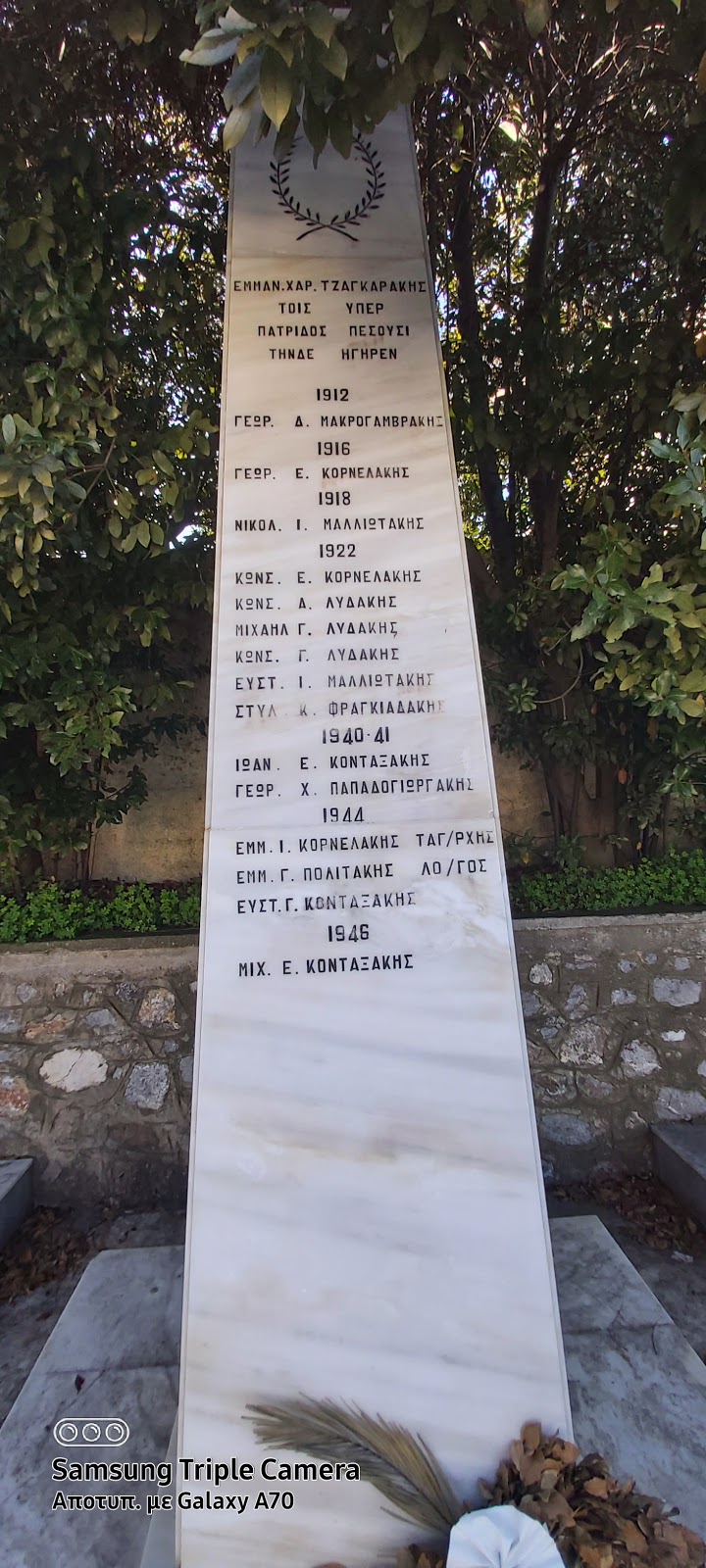
Ancient Lyktos, also known as Littos, can be found near the settlement of Xidas. This city was one of the most powerful in ancient Crete, a perpetual rival of Knossos, and it controlled the port of Hersonissos. Many ancient historians have written about Lyktos, mentioning that it was the oldest city in Crete, well-organized and constructed, and the place where Rhea’s parents advised her to give birth to Zeus.
Lyktos was a colony of the Lacedaemonians, and the deity Karnian Apollo was worshiped here. The city participated in the Trojan War, during which the leader of the Lyktaeans, Kiranos, sacrificed himself to save Idomeneus from Hector’s spear.
Lyktos held dominance over Eastern Crete and was in continuous conflict with its archenemy, Knossos. In 343 BC, Knossos occupied Lyktos, but the Spartans assisted the Lyktaeans in regaining their city. However, in 220 BC, while Lyktos was at war with Ierapytna, Knossos invaded the unguarded city, destroyed it completely, and captured the women. The returning Lyktaeans were too afraid to enter the city and instead sought refuge in Lappa (present-day Argiroupolis). This event led to the formation of an alliance against Knossos and the beginning of the First Cretan War.
With Sparta’s help, Lyktos was rebuilt and once again became one of Crete’s strongest cities. During the Roman period, the city fiercely resisted the Roman general Metellus, who eventually occupied it. Statues of Marcus Aurelius and Trajan from Lyktos can be found in the Archaeological Museum of Heraklion.
To supply water to Lyktos, water from the Kournia spring, located between Kera and Krassi, was transported to the city via a massive aqueduct. A portion of this aqueduct still stands north of Kostamonitsa village, resembling a wall (tihos).
The emblem of Lyktos coins featured an eagle with open wings and the head of a wild boar, accompanied by the word ΛΥΤΤΙΩΝ (Lyktaeans). Numerous artifacts have been discovered, including sculptures and two inscriptions of the city’s laws written in boustrophedon (alternating text direction per line).

On the eastern end of the extensive Vathianos Kambos beach, near the Agii Theodori church, lies a rocky peninsula. Here, one can still see the carved rock that once housed a large shipbuilding yard during the Minoan Era.
Researchers have found that this large carving, measuring 48 meters in length and 11 meters in width, could have been used by the Minoans to build ships up to 50 meters long. Additionally, there is a smaller carving to the south that was likely used for storing timber.
It is interesting to note that the surrounding area has sunk into the sea over the centuries, with remnants of Minoan buildings both inside and outside the water. The carving was likely filled with water when the ship was completed, allowing it to be easily lowered into the sea.
No results available
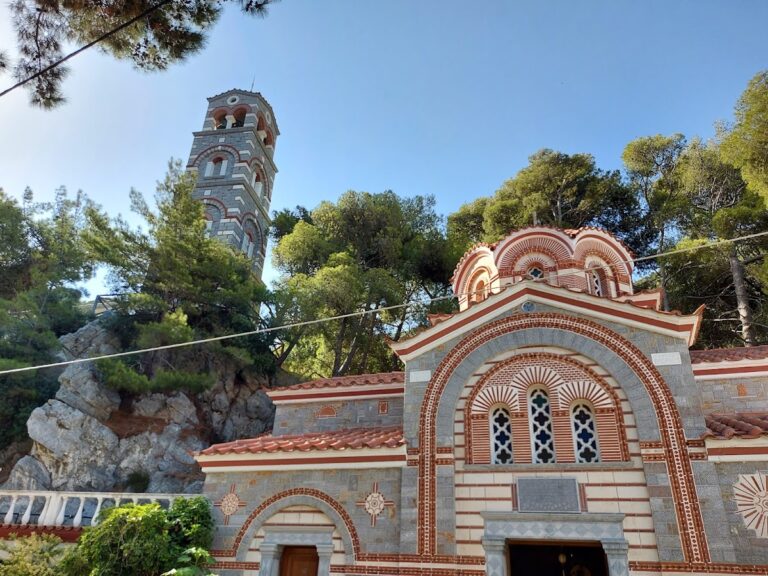
The male monastery of Saint George Selinaris is nestled in the heart of the Selinari gorge, close to Vrachasi village and Neapolis. The National Road, which connects Heraklion to Agios Nikolaos, runs alongside the monastery, making it a popular stop for many visitors daily. Cretans believe it is bad luck to pass through the canyon without stopping at St. George, a tradition that dates back to when travelers would stop to rest with their animals.
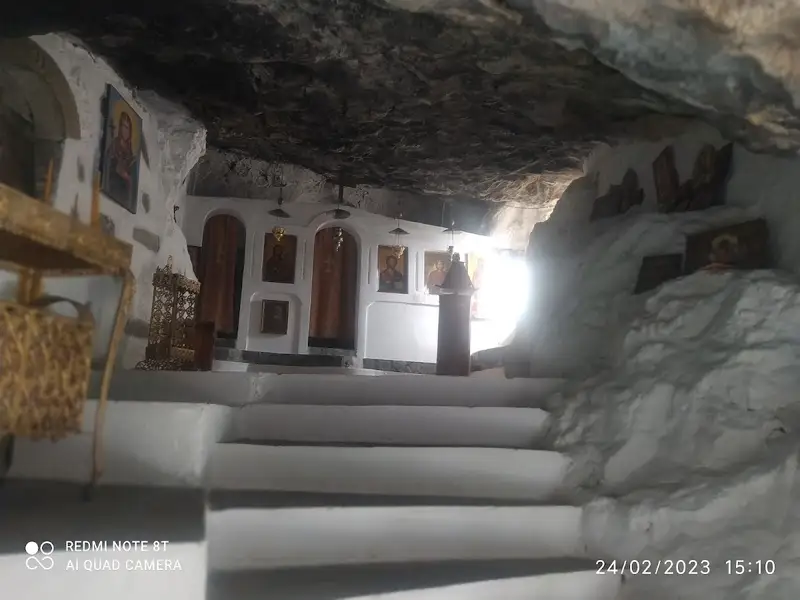
As per tradition, a monk from Rhodes named Nikolaos was guided by God to a location where he discovered the icon of St. George, leading him to build a church. Nikolaos resided at Selinari until his death, at which point he was buried in a small cave at the summit of Anavlohos mount, which he had carved himself. Several years after his passing, sailors from Rhodes were led to Nikolaos’ tomb by a shining star. Recognizing this as a divine sign, they transported his bones back to Rhodes. Anavlohos cave can be found on the eastern side of the gorge, directly opposite the monastery. The exact location can be identified by looking up at the gorge walls and spotting a large cross. While the cave is accessible by foot, climbing the steep path requires good physical fitness.
During the Ottoman Era, it is believed that the Turks attempted to destroy the monastery, as evidenced by the three bullets embedded in the old icon of Saint George, which is also considered miraculous.
A visit to the monastery is well worth it, as you can admire the stunning beauty of the lush canyon and cool off at the local spring. The monks are very welcoming and eager to share the history of the monastery. The central church’s main body is modern, as are the wall paintings in the chapel of St. George (the original temple built by Nikolaos). A modern nursing home also operates here, constructed on the ruins of the old monastery cells.
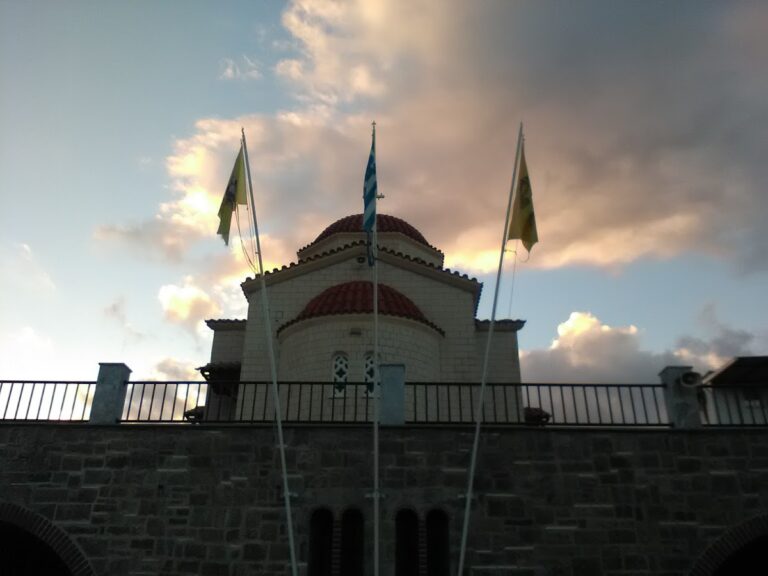
Located on the southern fringes of Heraklion, the Holy Monastery of Santa Irene Hrysovalantou is a male monastery established on April 14, 2002, by Father Methodios Samaritakis. Presently, a small group of monks are involved in producing wax and incense, as well as overseeing the House of Elders, which accommodates senior citizens.
The monastery commemorates its annual celebration on July 28.
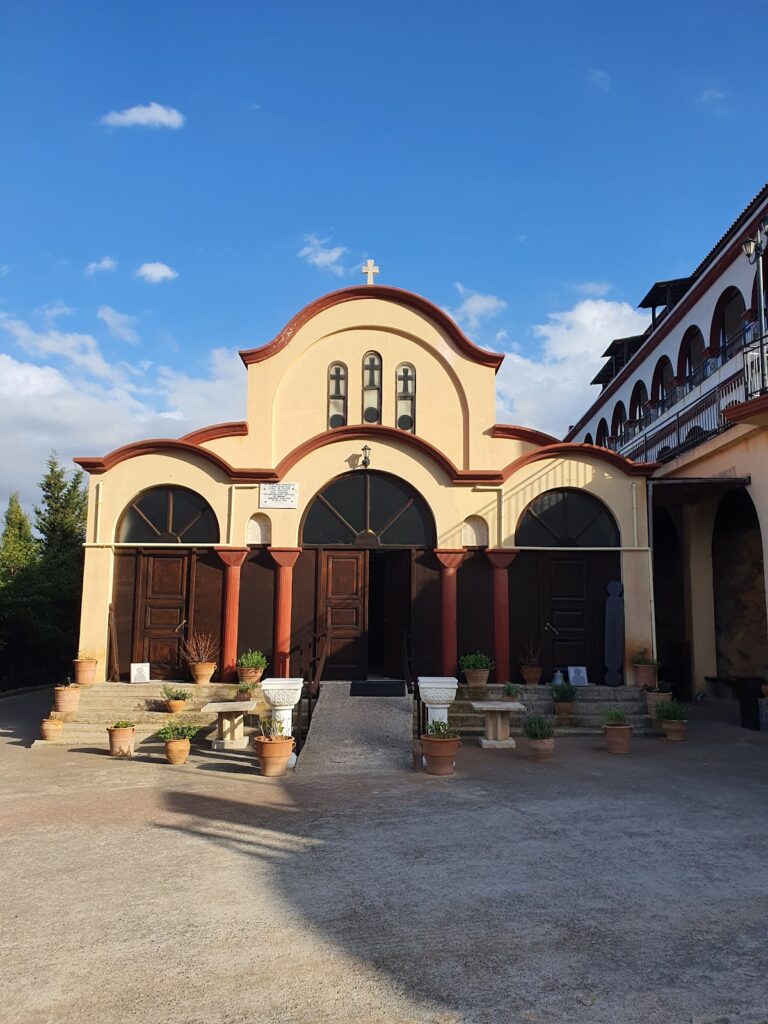
The Monastery of Virgin Mary Theogennitor, situated near Mohos, boasts a prime location overlooking the Stalis coastline. Despite being relatively new, this monastery has earned a significant reputation, primarily due to its founder, Father Apostolos. Previously a monk at the St. John Monastery in Anopolis, Apostolos was evicted in 2009 and subsequently established this monastery.
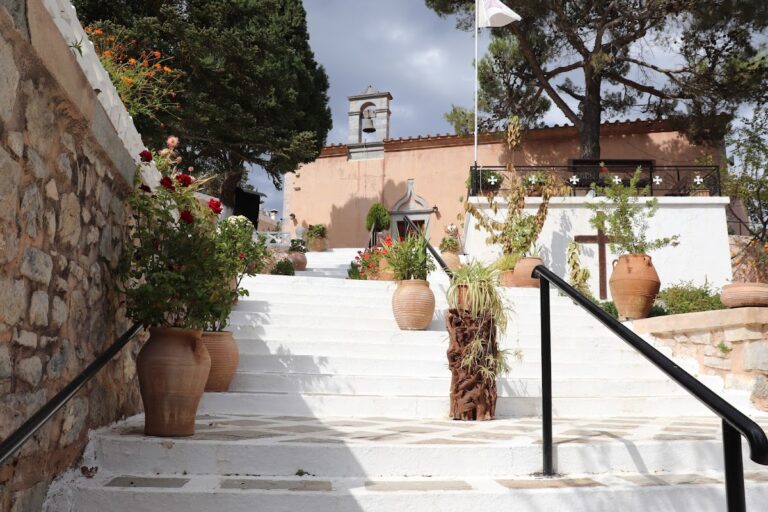
Located on a small hill adorned with oak trees near the villages of Agios Konstantinos and Marmaketo in the Lassithi Plateau, the Monastery of Panagia Kroustallenia is a historically significant site in Crete that is always worth exploring.
As per local tradition, the monastery’s name is believed to have originated either from its first founder, Kroustallenia, or from an icon of Panagia (Virgin Mary) discovered in a nearby cave, which was engraved on crystal (Kroustalenia also translates to “made of crystal” or “glass”).
The primary temple within the monastery is devoted to the Virgin Mary and observes its celebration on August 15. The monastery complex primarily features 20th-century buildings due to the multiple destructions it faced during the Turkish occupation.
No results available
No results available
No results available
No results available
No results available
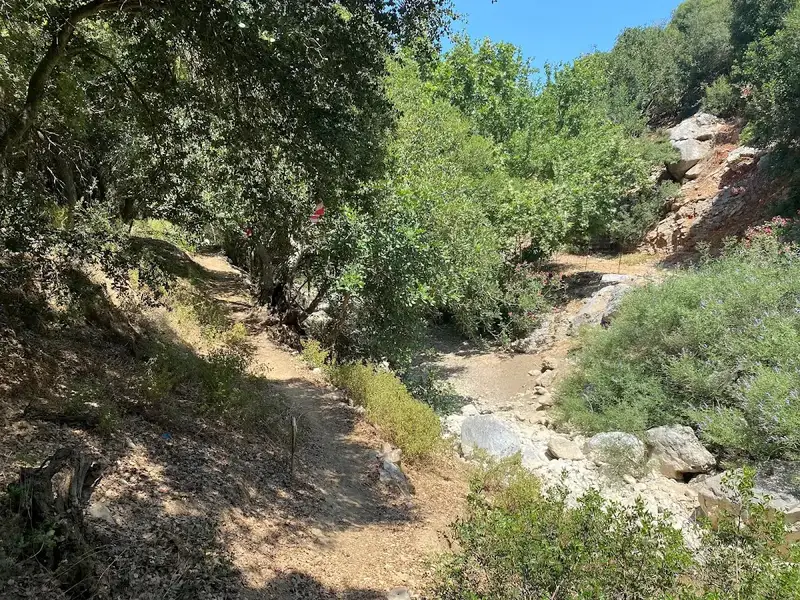
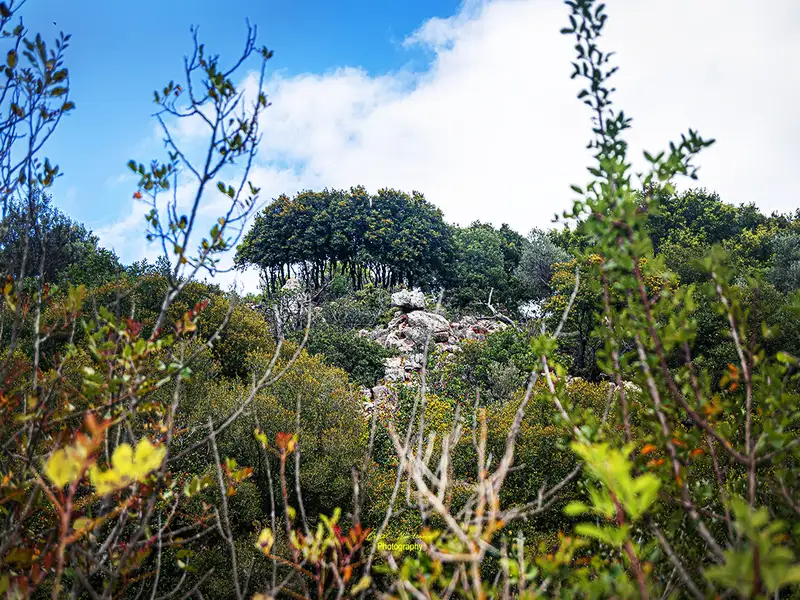
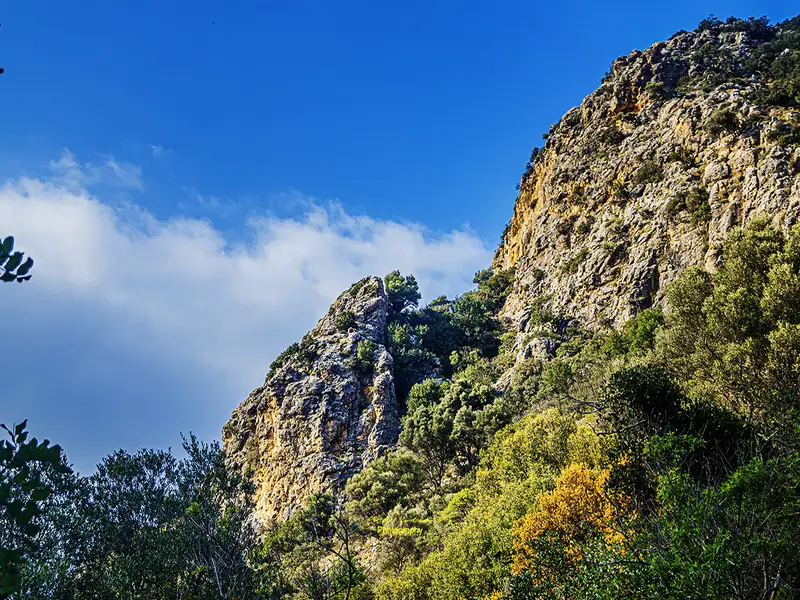
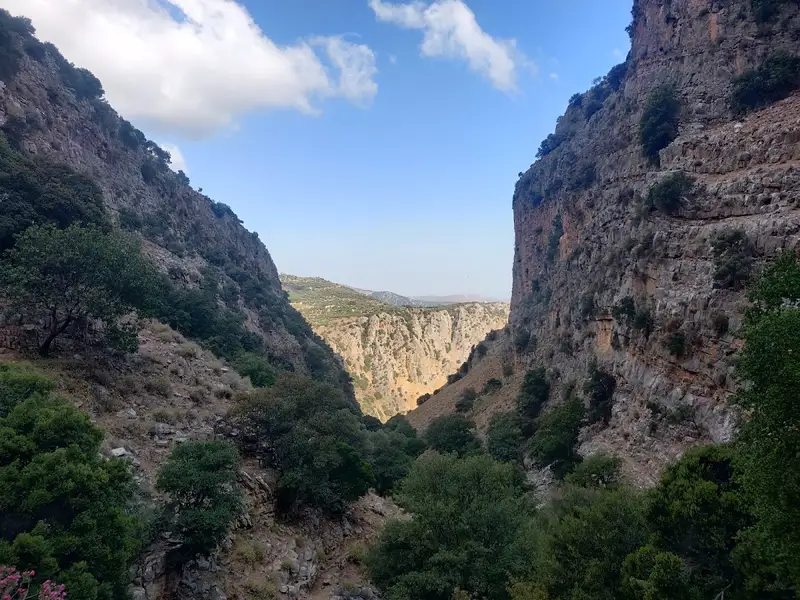
The Aposelemis Canyon, also known as the longest and most significant geological canyon in the northern part of the Heraklion prefecture, terminates at the settlement of Agrianá (locally known as Adrianna), near Hersonissos. The Aposelemis River traverses this canyon, though water is only present in parts of the canyon following heavy rainfall. However, the river at higher altitudes retains water throughout the wet months, thanks to the phyllite rocks. Despite its length, accessibility, and proximity to Heraklion, the canyon remains relatively undiscovered by the local population. The Aposelemis Canyon is characterized by strikingly beautiful and imposing vertical walls that reach up to 200 meters in height, along with several rock shelters. The canyon floor is smooth throughout, posing no technical challenges. In recent times, the Hersonissos Municipality has constructed a lovely trail along the canyon floor, making the walk both enjoyable and easy. The trail also features recreational areas with wooden benches at the start and end points.
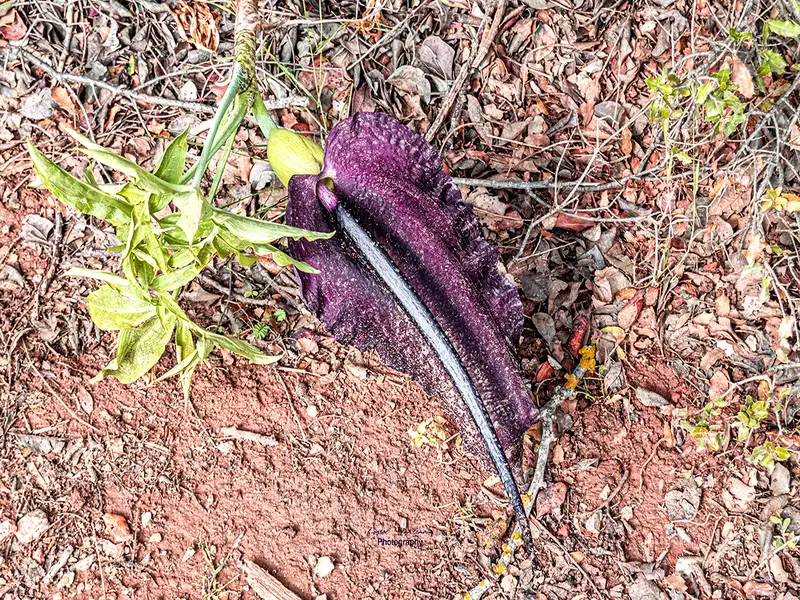
This crucial ecosystem is home to waterfowl and birds of prey. A hidden riparian forest, particularly in the upper region of the canyon, is the real gem. The mixed forest is made up of ancient trees with massive trunks, truly natural marvels. Trees such as the plane, holm oak, oak, holly, carob, osier, among others, can be found here. The dense forest often obscures the trail. An old stone bridge, Xerokamares, is located just before the southern entrance, within the river. The most convenient way to access the canyon is via its northern exit. A dirt road from the bridge of the old national road leads to the Aposelemis gorge. Following this dirt road, you’ll pass the picturesque yet ruined settlement of Plevris, and eventually reach the bridge of the new highway, where the trail begins. It takes at least two hours to traverse the gorge.
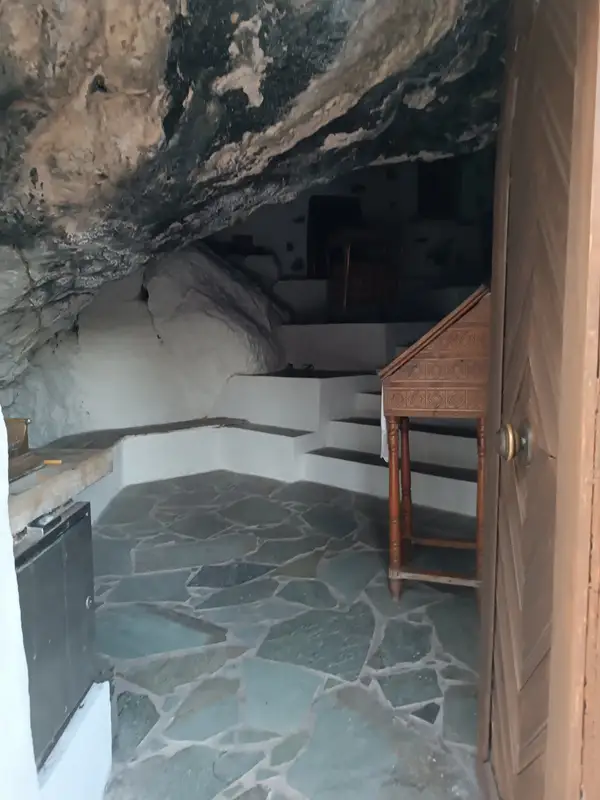
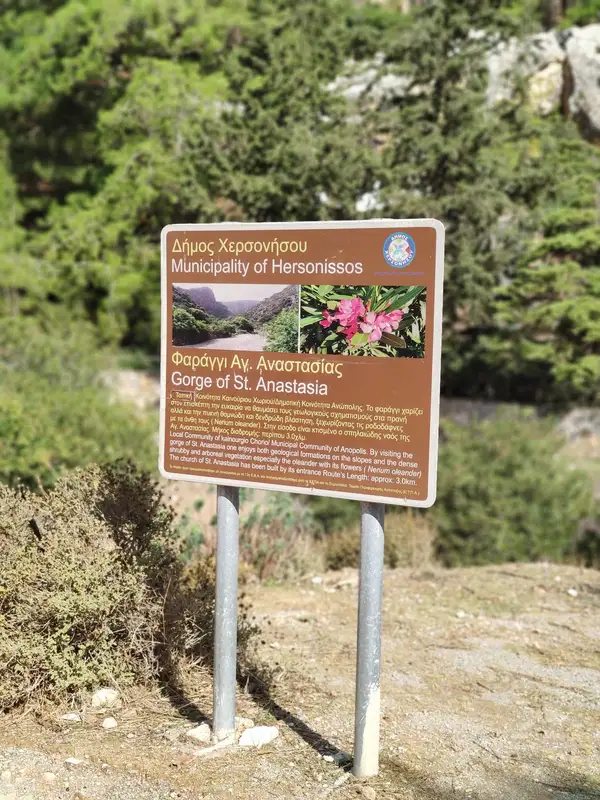
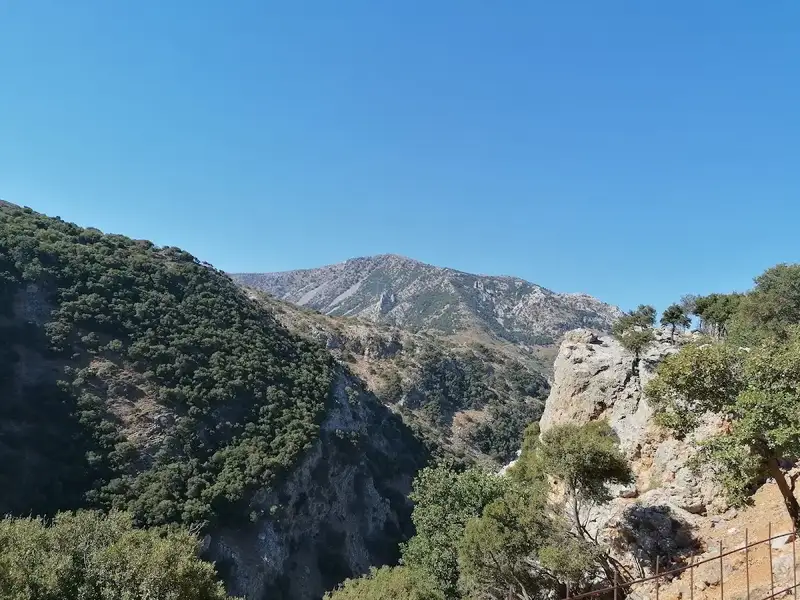
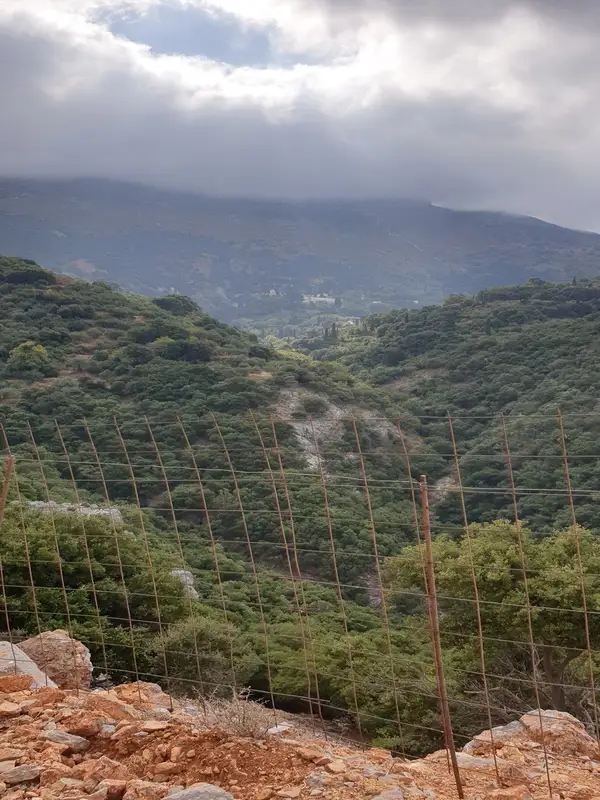
The Agia Anastasia Gorge commences from Kenourgio Horio in the Pediada Province (at an elevation of 160m) and concludes at the coastal village of Gournes. It’s named after the cavernous chapel of Saint Anastasia situated near its entry point. The stream that flows within it collects water from the region east of Sgourokefali and originates near Agia Triada.
Its plant life mainly consists of oleanders and the gorge narrows at various points along its path. A descent through the gorge typically takes around three hours. Regrettably, the gorge has been heavily polluted by trash and waste from nearby sheepfolds. Despite ongoing appeals from hiking clubs to the Hersonissos municipality, the situation remains dire.
The Embasa Gorge, also known as Apotyposi, begins its journey from the village of Kato Kera in the Pediada province and concludes near the village of Gonies, spanning a length of approximately 2km. The upper section of the gorge is notably steep, giving rise to several waterfalls during the winter season, with the tallest one measuring around 20m in height. The largest waterfall is particularly intriguing due to its division into several smaller cascades. It is possible to reach all the waterfalls without any special equipment as they can be circumvented from the sides.
Ascending the canyon from Gonies provides easier access to the waterfalls. However, the dense vegetation and steep inclines may pose a challenge for beginners. The gorge is predominantly populated by oak trees, planes, and brambles. The Life-Giving Spring church (Zoodohos Pigi) is located on the edges of the gorge, above the largest waterfall. According to local lore, a natural rock formation resembling the Virgin Mary can be found above this church. Hence, the gorge is also referred to as Apotiposi (Depiction). The church serves as the nearest parking spot to the large waterfall and can be conveniently reached from here, provided one can first overcome the initial hurdle of the fence erected by local shepherds.
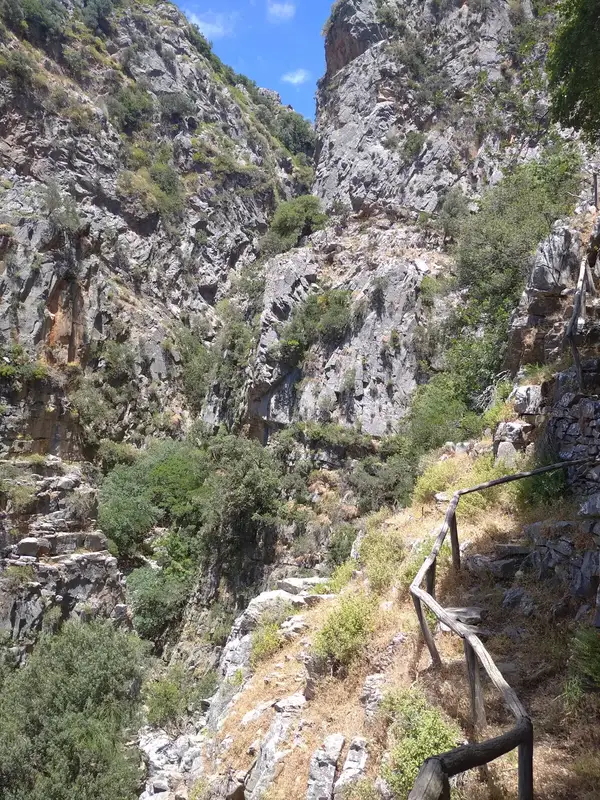
Roza Gorge, a branch of the larger Ambelos Gorge, originates near the Panagia Kera Kardiotissa Monastery in the Ano Kera region. It connects with the rural road that traverses the Ambelos Gorge close to the village of Gonies. Walking along the riverbed is not feasible due to the precipitous drops, but a well-marked hiking trail is available on the gorge’s sides. The gorge’s sides are visually striking, showcasing unique geological formations that captivate visitors. After heavy rainfall, surface water is visible in the gorge, evidenced by the growth of oleander plants in the riverbed.
The name ‘Roza’ is derived from the pinkish hue (‘roz’ translates to pink) of the gorge’s walls. Another theory suggests that the gorge was used as a disposal site for sterile animals like donkeys in the past. As a result, locals named it ‘Stira Za’ (meaning sterile animals), which eventually evolved into ‘Sti Roza’ (or in Roza).
Canyoning in the Roza Gorge
Roza Gorge is technical in nature, implying that hiking in its bed is not an option due to the numerous steep descents (rappels) that necessitate specific technical gear and training. For canyoning enthusiasts, it’s important to note that the largest rappel is approximately 18m high. The points are secured with relays from the speleological clubs of Crete, and the descent for a small group typically takes around 3 hours. The gorge’s proximity to Heraklion and easy accessibility make it a popular choice for canyoning schools.
No results available
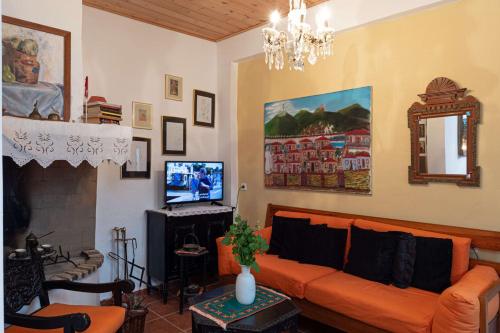
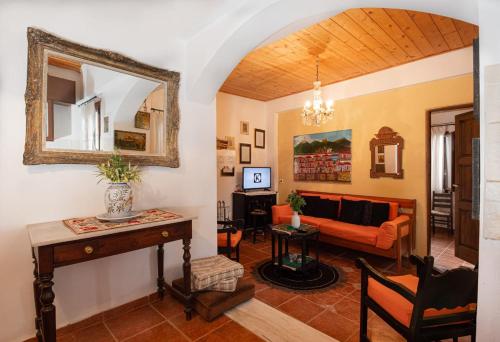
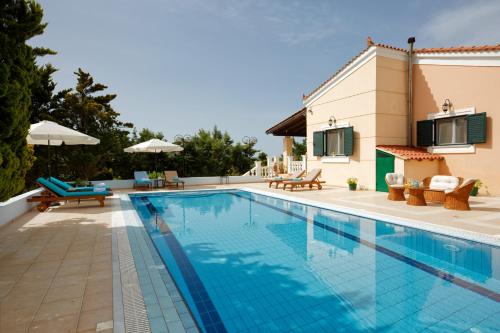
Featuring air-conditioned accommodation with a patio, Villa Magnolia – Smari Cozy Getaway is located in Smárion. This holiday home is 26 km from Heraklion Archaeological Museum and 27 km from Venetian Walls.
With free WiFi, this holiday home provides a TV, a washing machine and a kitchen with a dishwasher and oven. Towels and bed linen are provided in the holiday home.
Cretaquarium Thalassocosmos is 16 km from the holiday home, while The Palace of Knossos is 19 km away. The nearest airport is Heraklion International Airport, 20 km from Villa Magnolia – Smari Cozy Getaway.
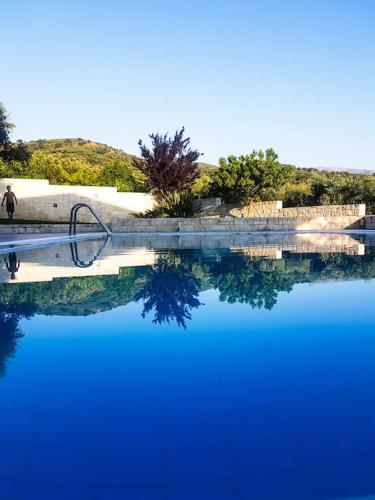
Boasting air-conditioned accommodation with a private pool, Villa Zenovia is situated in Heraklio Town. This property offers access to a balcony, free private parking and free WiFi.
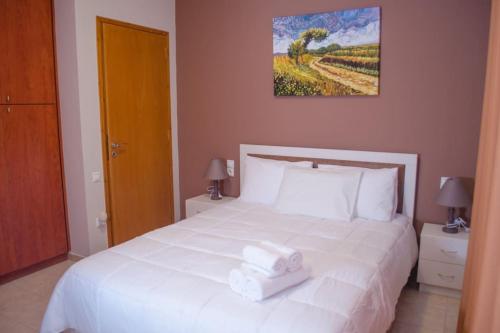
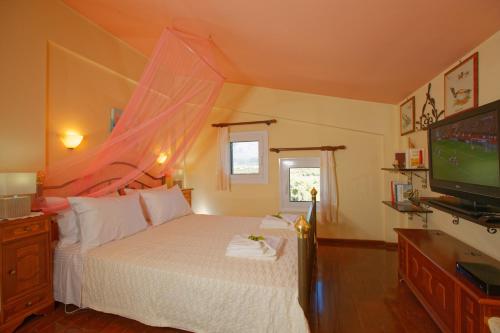
The villa features 3 bedrooms, 2 bathrooms, bed linen, towels, a flat-screen TV, a fully equipped kitchen, and a terrace with garden views.
Guests can relax in the garden at the property.
Cretaquarium Thalassocosmos is 21 km from the villa, while Heraklion Archaeological Museum is 36 km from the property. The nearest airport is Heraklion International Airport, 29 km from Villa Zenovia.
from
€238
/night
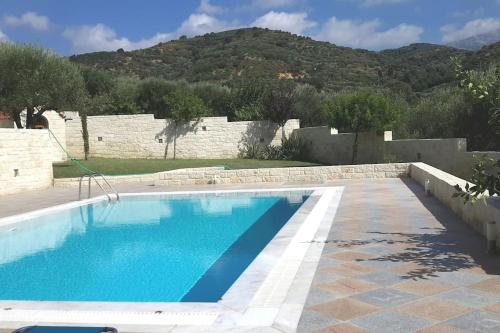
Featuring pool views, Villa AnnaMaria features accommodation with a patio and a coffee machine, around 25 km from Cretaquarium Thalassocosmos. This villa features a private pool, a garden, barbecue facilities, free WiFi and free private parking.
The villa is equipped with 3 bedrooms, 3 bathrooms, bed linen, towels, a flat-screen TV with streaming services, a dining area, a fully equipped kitchen, and a terrace with mountain views. The air-conditioned villa also provides a seating area, washing machine and 3 bathrooms with a bath and a shower.
The villa offers a picnic area. If you would like to discover the area, fishing and hiking are possible in the surroundings.
The Palace of Knossos is 27 km from Villa AnnaMaria, while Heraklion Archaeological Museum is 39 km away. The nearest airport is Heraklion International, 33 km from the accommodation, and the property offers a paid airport shuttle service.
from
€298
/night
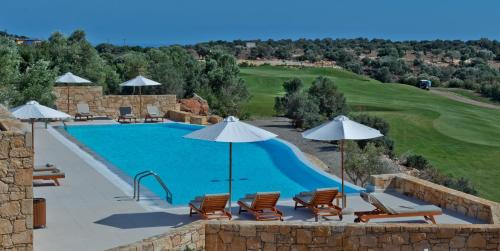
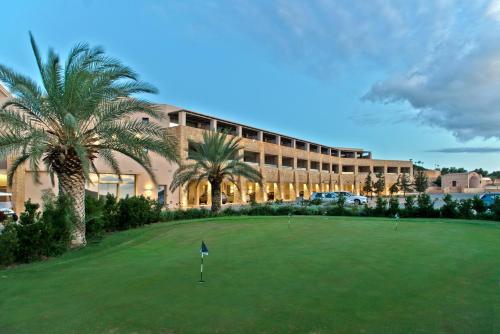
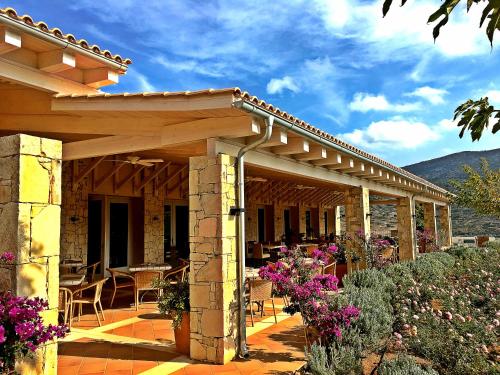
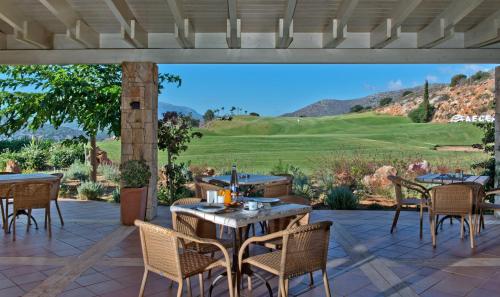
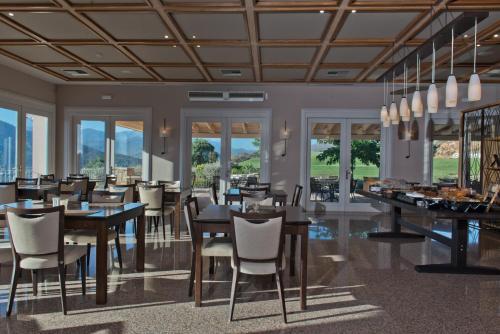
Crete Golf Club Hotel is situated at The Crete Golf Club, an 18-hole Championship course in Hersonissos, 1.8 km from Aquaworld Aquarium and features a seasonal outdoor swimming pool. 2 km from Labyrinth Park, the hotel features a fitness centre and a garden. The restaurant serves European cuisine.
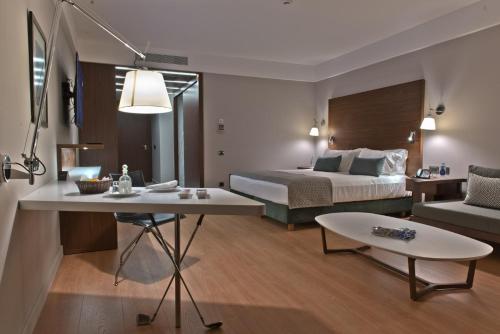
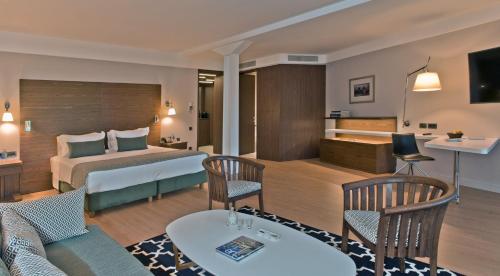
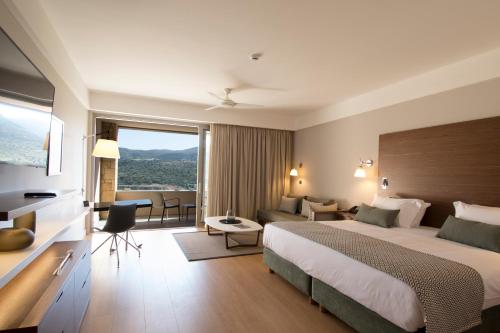
All units in the hotel are fitted with a flat-screen TV. Rooms have a private bathroom with a bath, private ultra high speed WiFi, free toiletries and a hairdryer. The rooms at Crete Golf Club Hotel come with a seating area.
A à la carte breakfast is available daily at the property.
Staff at the 24-hour front desk can provide guidance on what to do in the area.
Water City is 2.2 km from the accommodation. The nearest airport is Heraklion International Airport.
from
€281
/night
No results available
Connect with thousands of Crete visitors and boost your bookings.
No results available
© All rights reserved. Crete Locals