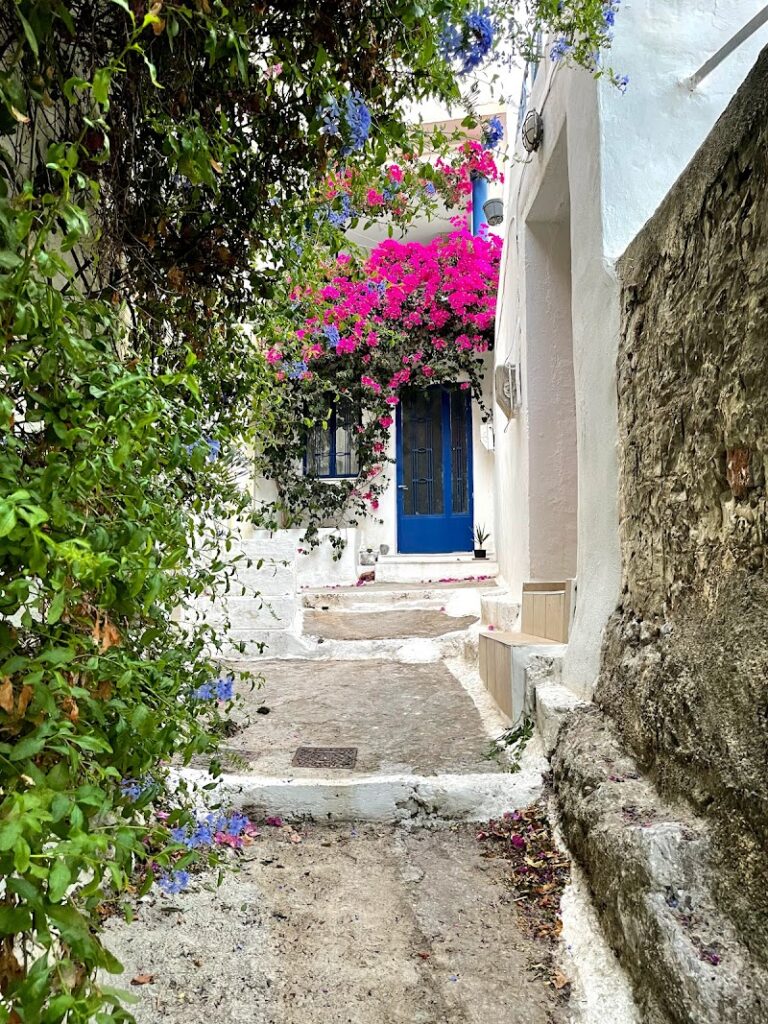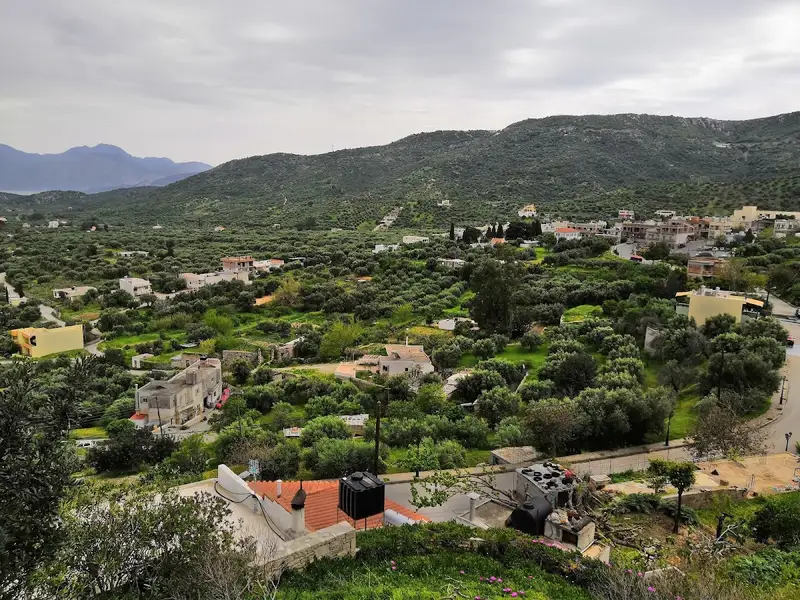
Through this route we explore the south-eastern Crete. We head to Agios Nikolaos and stop in the traditional village of Kritsa, one of the most famous villages of Crete with its narrow picturesque alleys and its traditional shops.
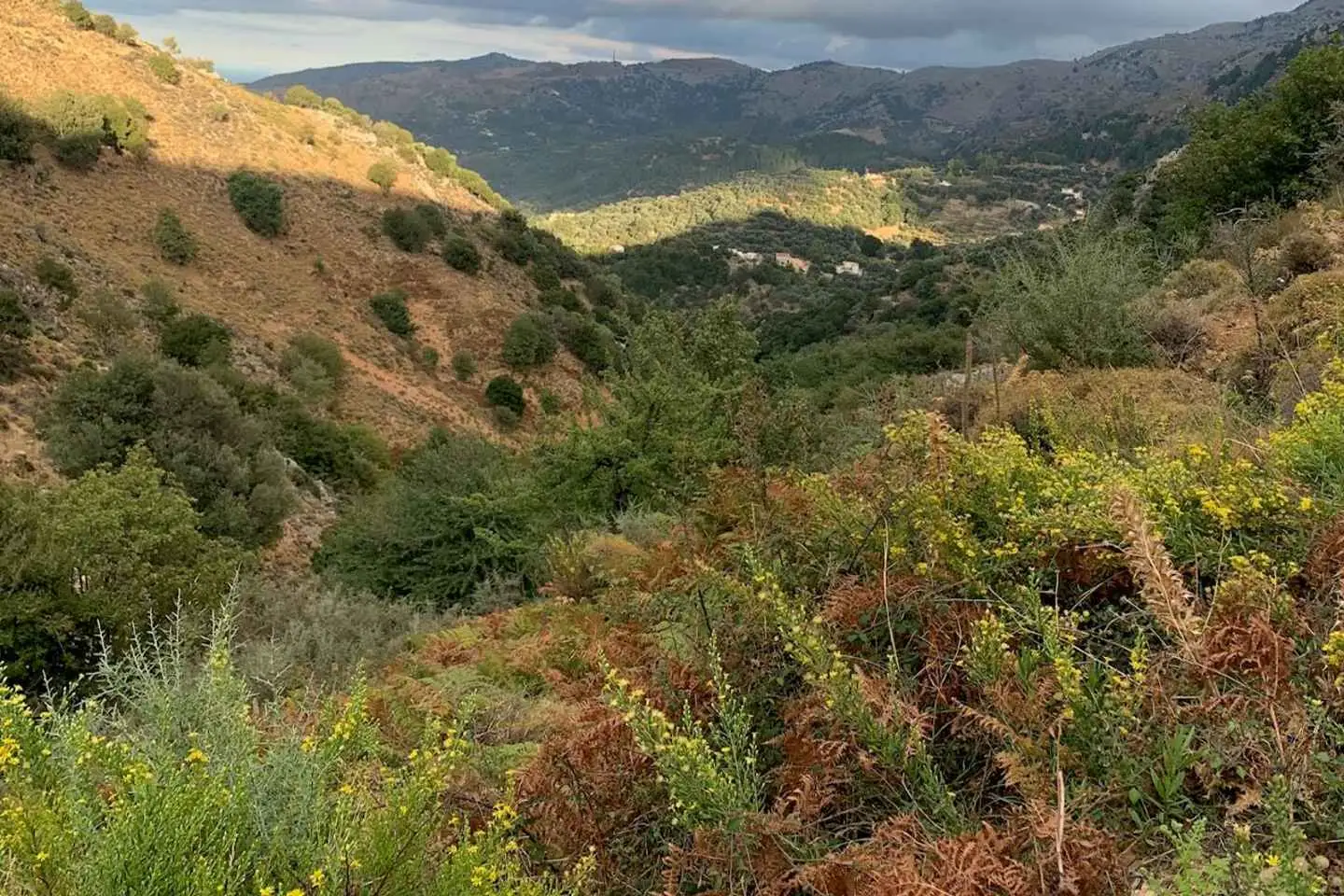
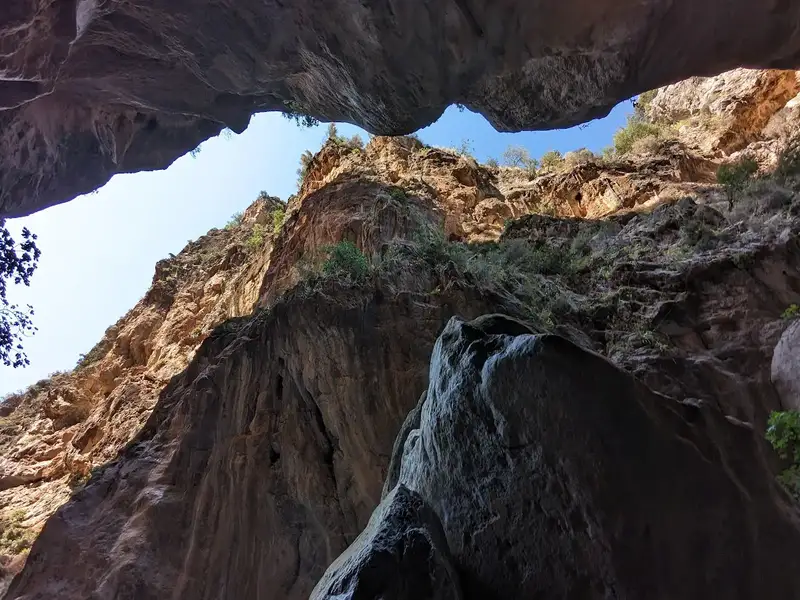
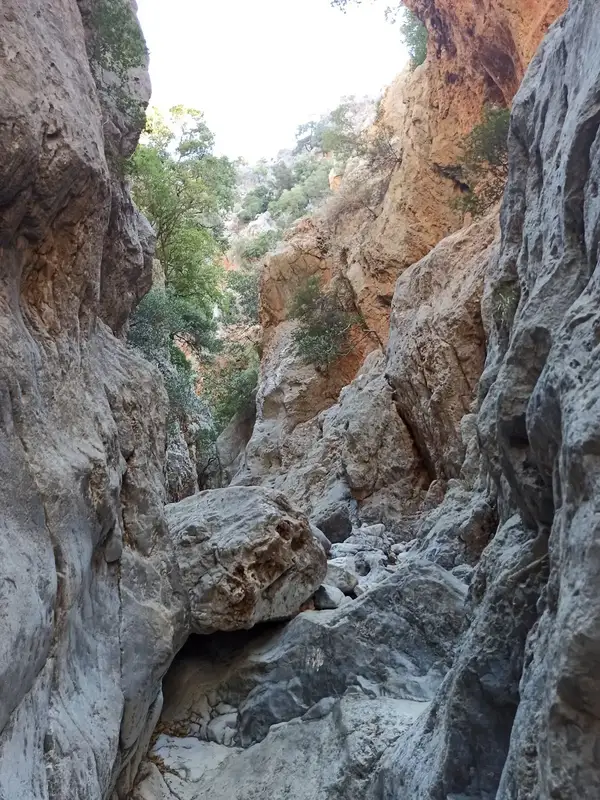
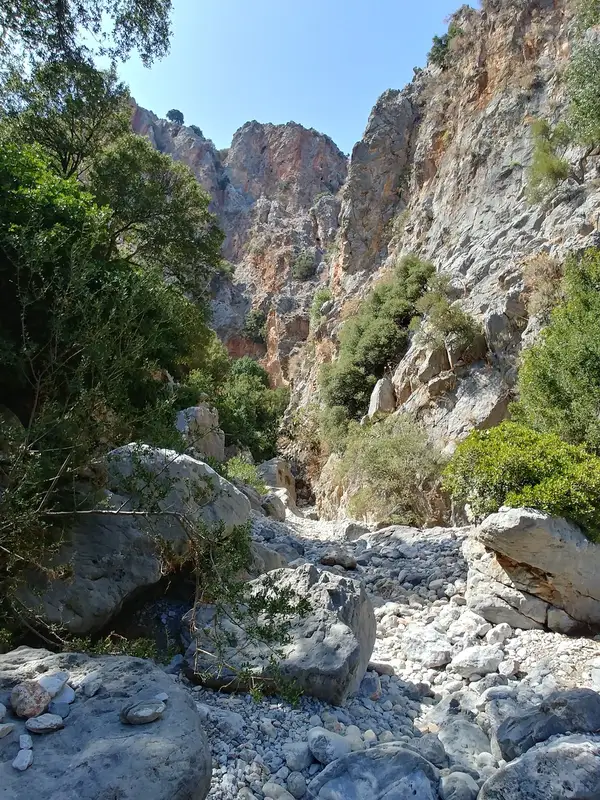
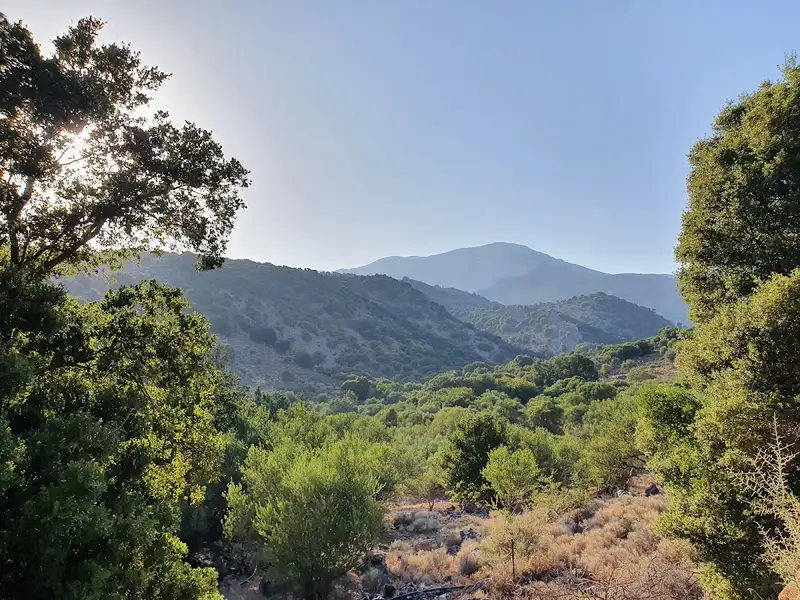
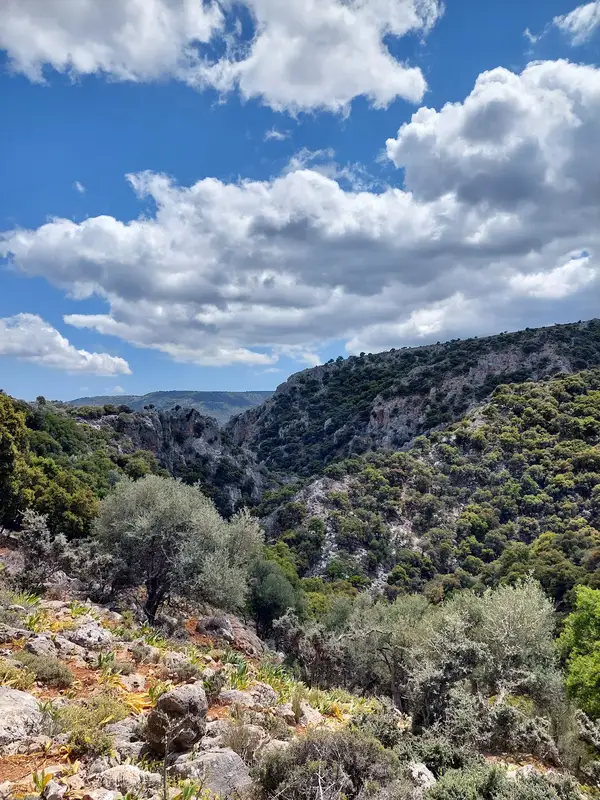
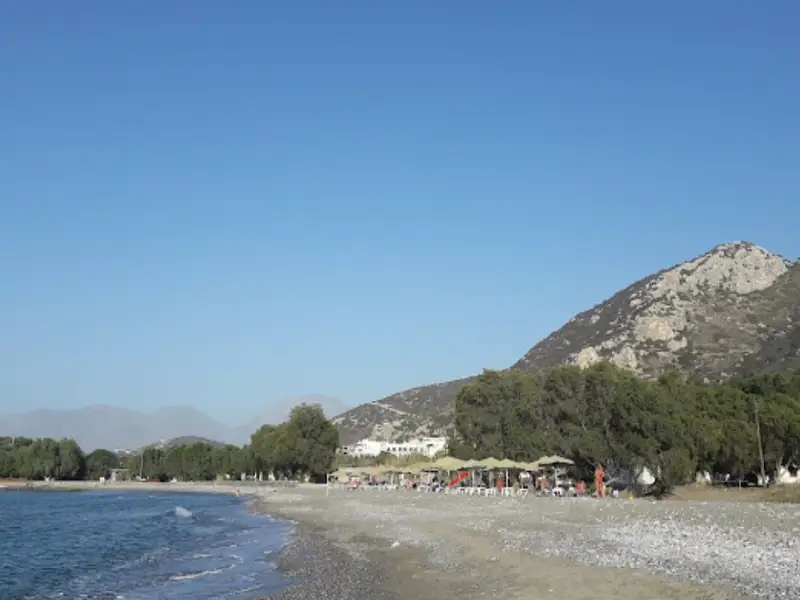
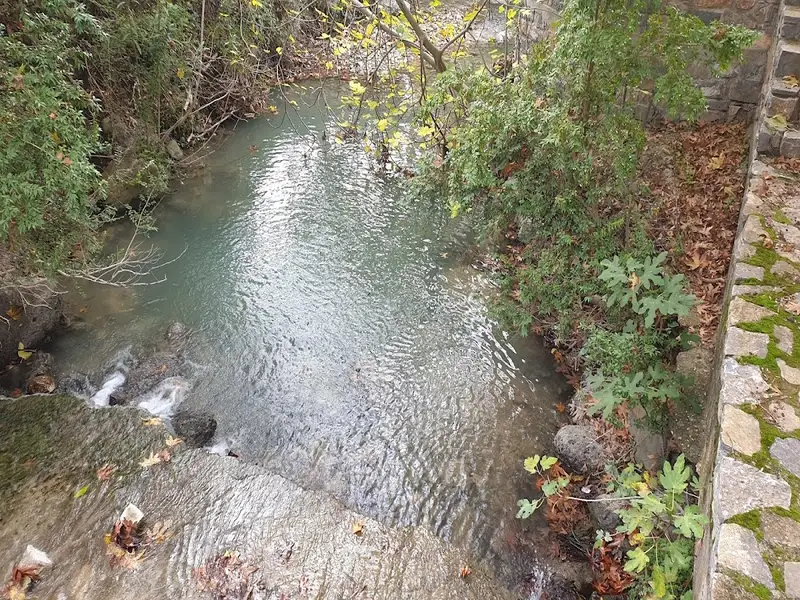
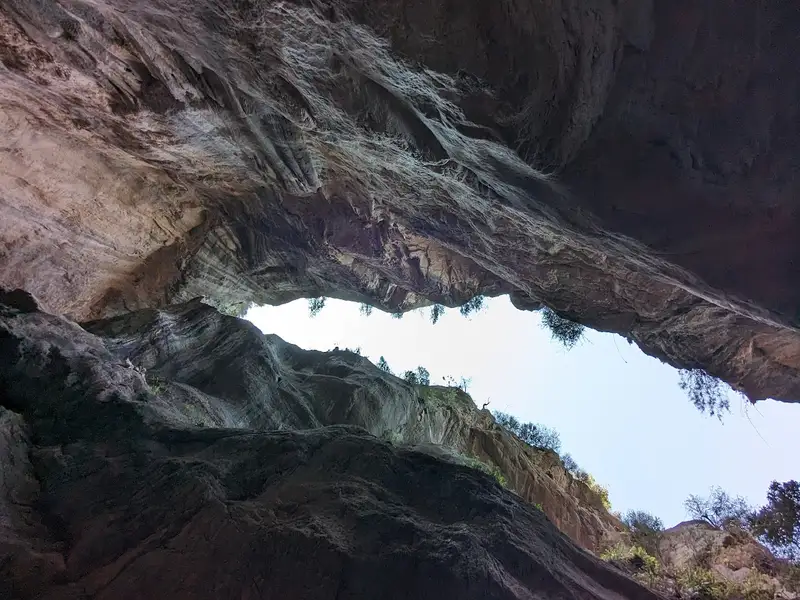
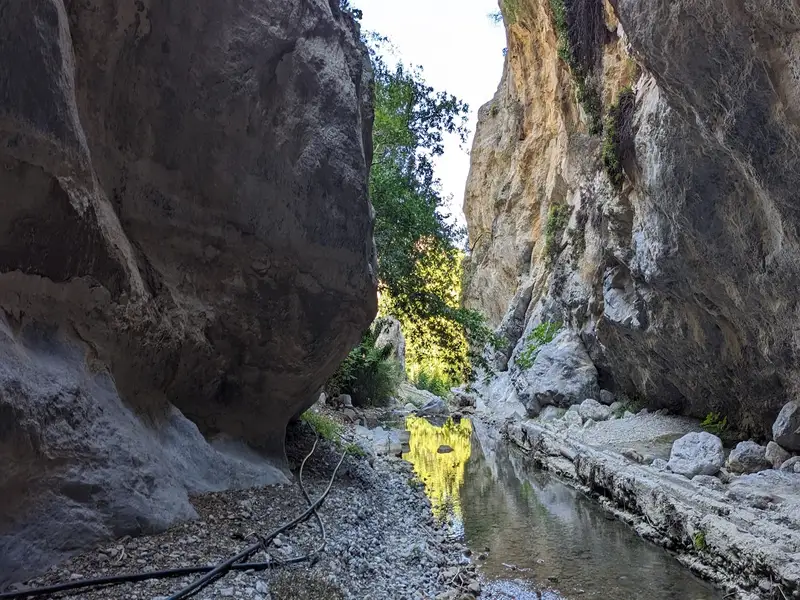
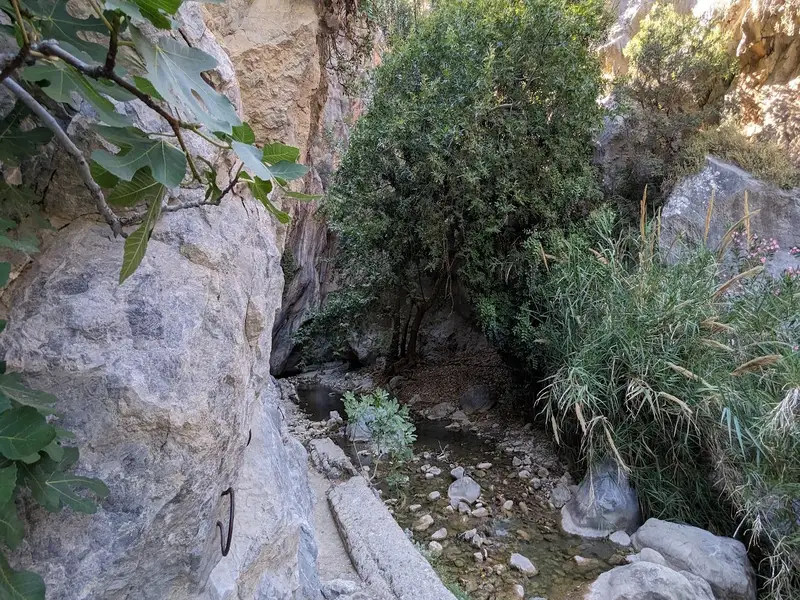
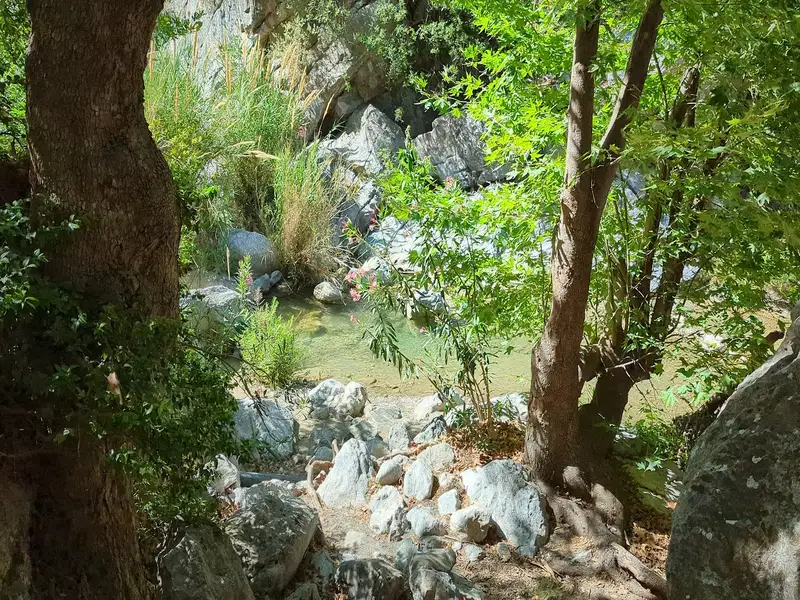
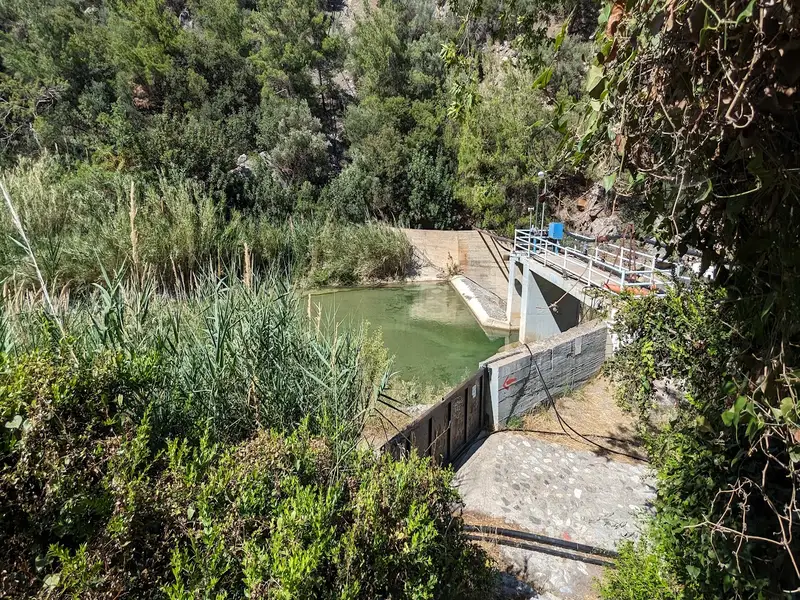
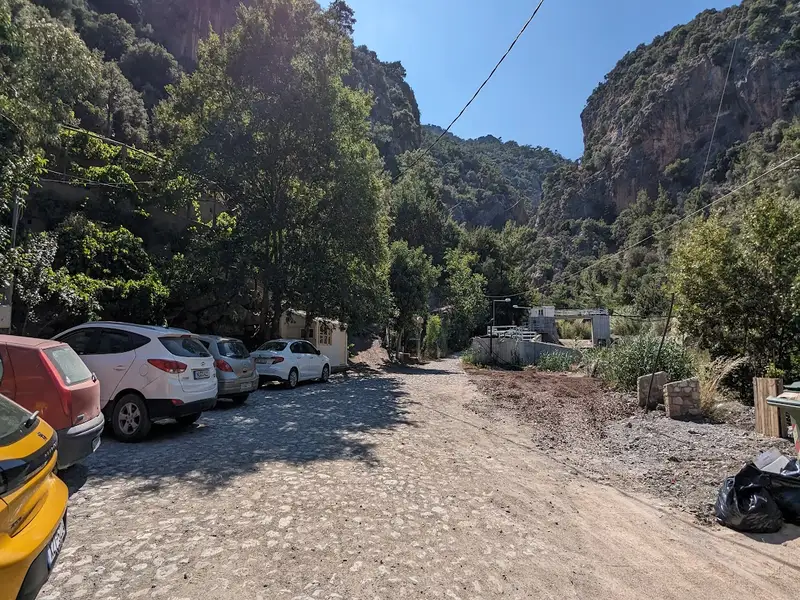
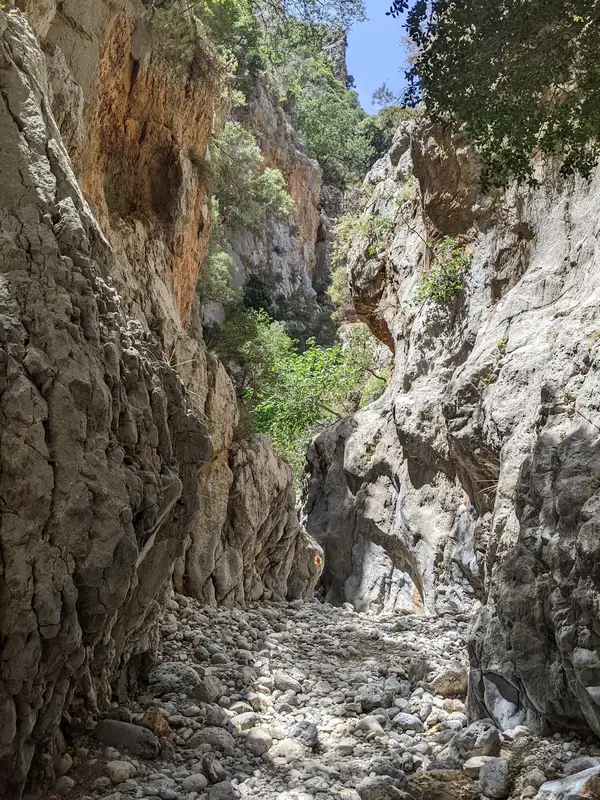
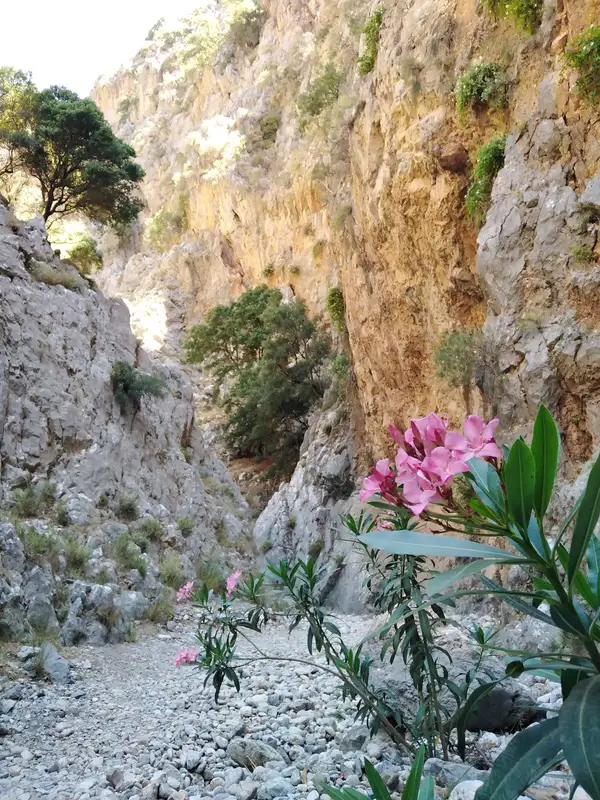
Afterwards we ascend through a beautiful route with magnificent views and end up at the Katharo Plateau at an altitude of 1250 meters where we stop for coffee in a traditional cafe. We cross the forest of SELAKANO and end up in the SARAKINA Gorge which will surprise you with its beauty. Continuing and after our amazing meal, we reach the southernmost end of eastern Crete, the village of Myrtos with its amazing beach where you can have a swim in the crystal clear waters of the LIBIAN SEA.
Returning through a very beautiful route we arrive at your hotel.
This route will leave you with the very best memories.
Discover the scenery of Crete’s White Mountains on a road trip from Platanias to Zourva. Explore local villages, stop to take photos of gorges, and savor a typical snack in Zourva.
Begin the tour with pickup in Platanias, then set off through the colorful scenery of the Orange Valley. Continue climbing slowly up the west side of the White Mountains, admiring the views as you go.
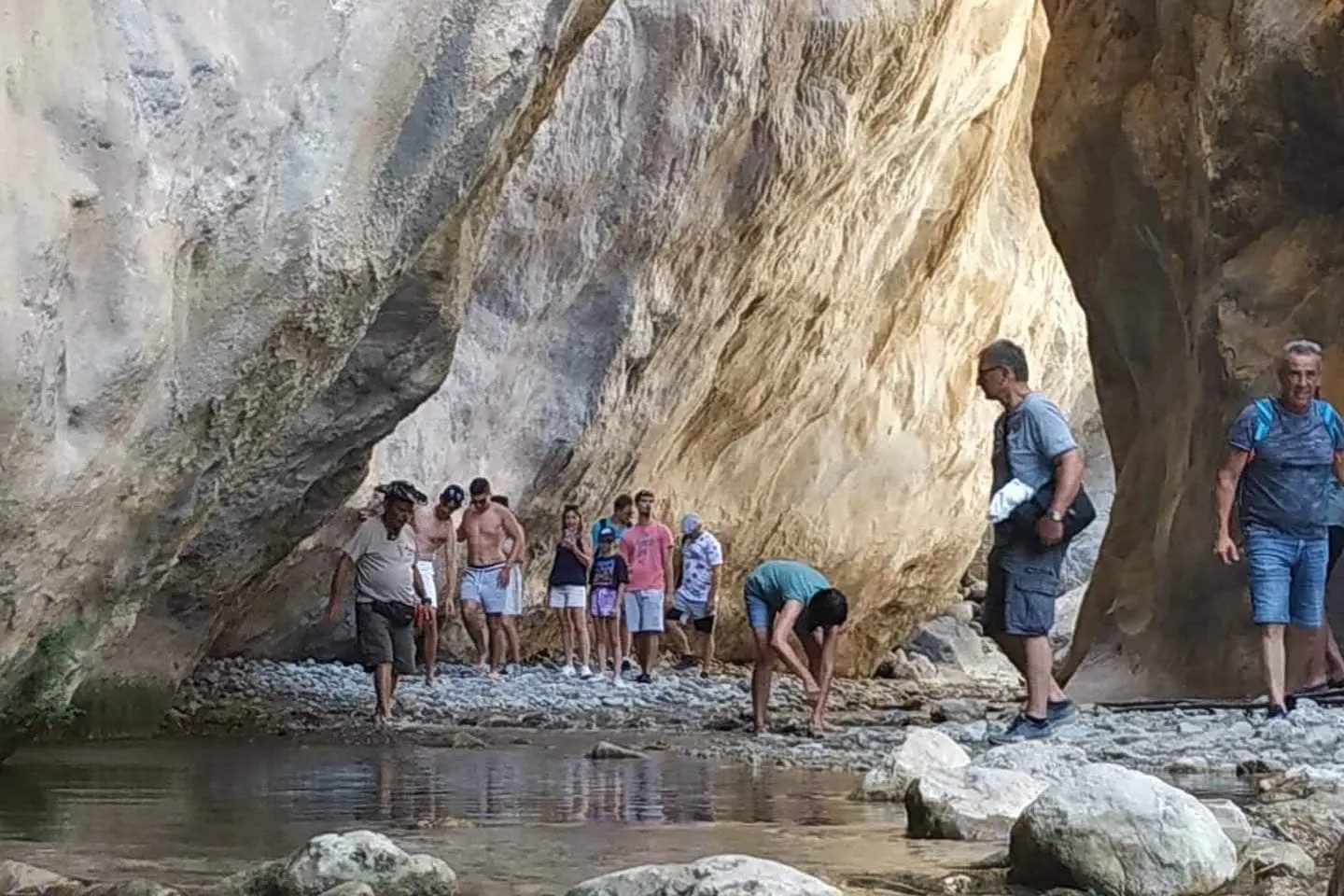
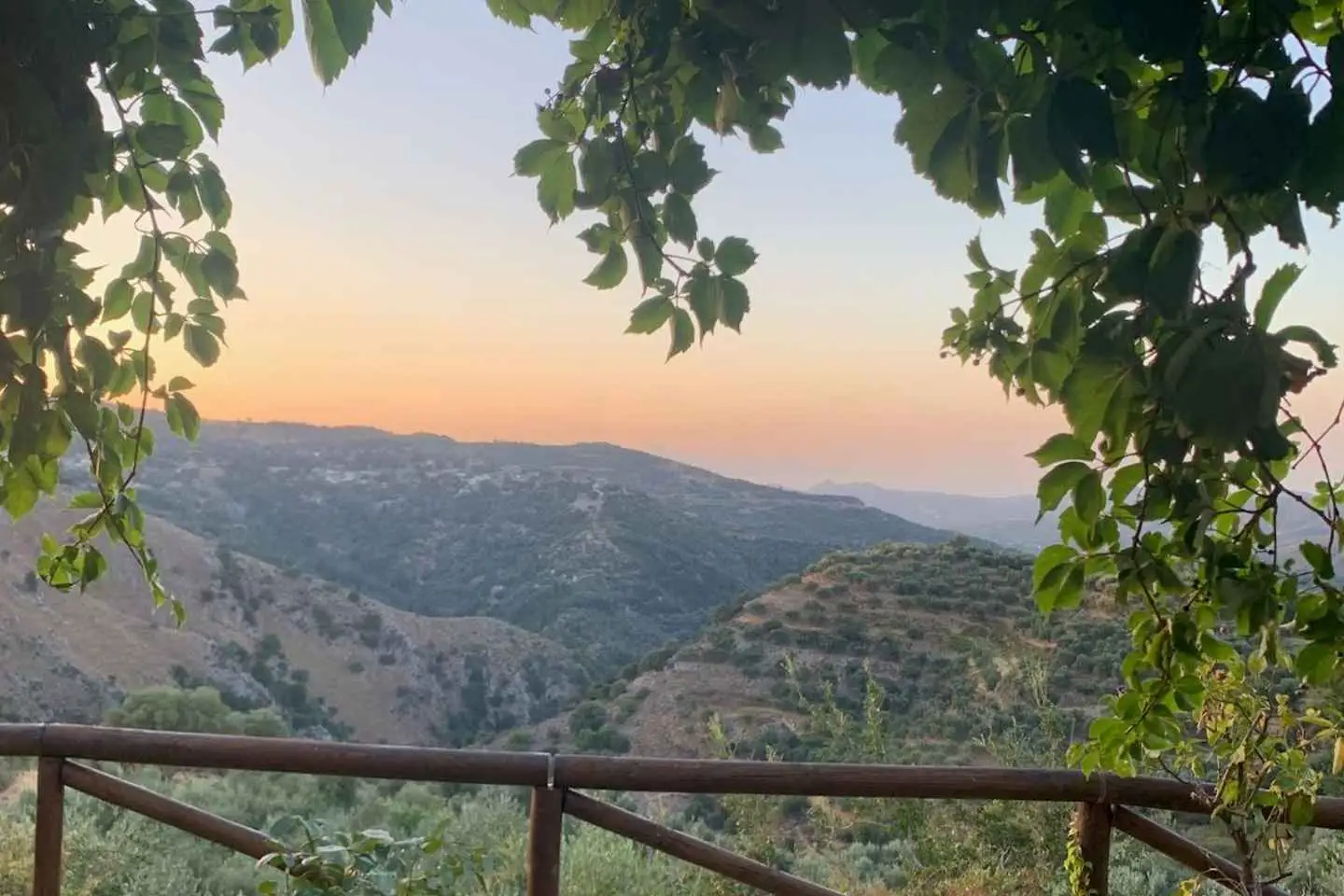
After passing Meskla village we will have a short stop to visit a small Sarakina gorge where we will see the impressive rock walls of the gorge just a short walk away from the road. Curvy road will take us all the way up at Zourva where we will have a break with a simple snack with incredible view.
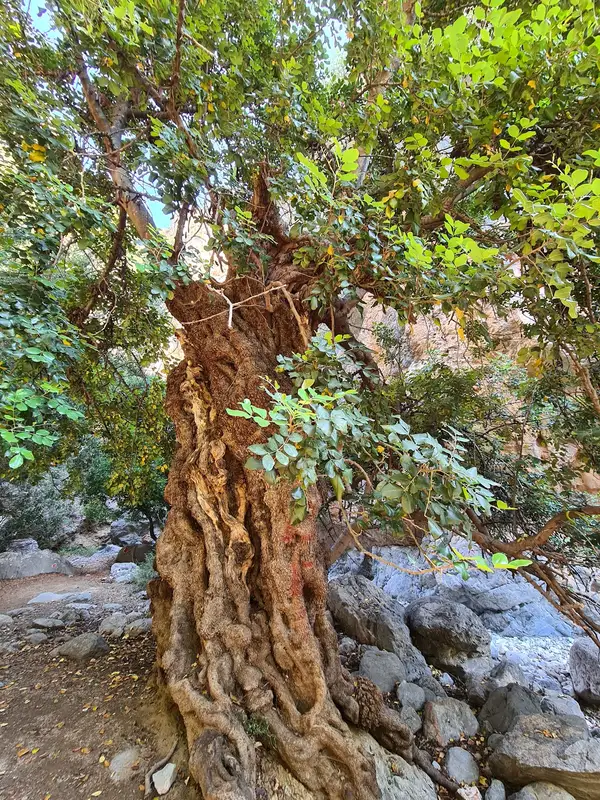
Breathtaking sceneries will continue to the next village Therisso which played an important role in Crete’s modern history. On the way back to Platanias we will drive along the Therisso gorge where you can admire the high vertical cliffs and the huge Plane trees.
Route: Platanias – Patelari – Meskla – Zourva – Therisso – Varipetro – Agia – Drakiana – Platanias
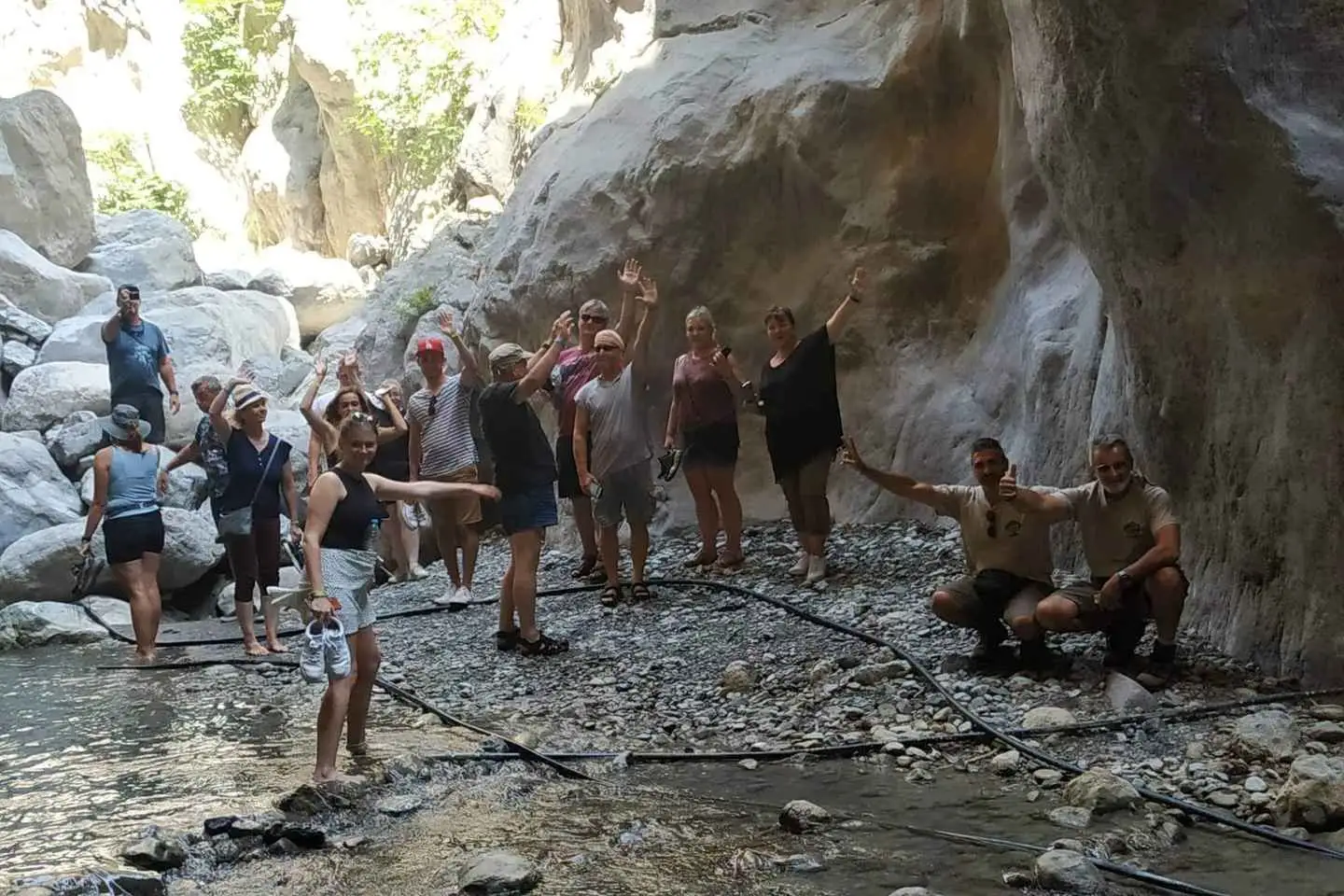
Explore the natural beauty of South Crete on our “Sarakina Gorge” safari tour! Discover the charm of Kritsa village, capture breathtaking Mirabello Gulf views, and navigate the off-road terrain of Kroustas Pine Forest. Savor a cup of coffee in Males village. Afterward… The highlight of your tour awaits at Sarakina Gorge, a sublime natural spectacle that is certain to fill you with wonder and amazement. Hike through this stunning canyon, surrounded by towering rock formations and lush vegetation. The brave may even take a dip in the natural pools that dot the landscape. After hiking … Taste Crete with a delicious lunch combined with local wine in the family’s restaurant. As the journey continues, venture to the coastal haven of Myrtos, where crystal-clear waters beckon you to refresh in the embrace of the South Cretan sea. Dive into a Cretan paradise!
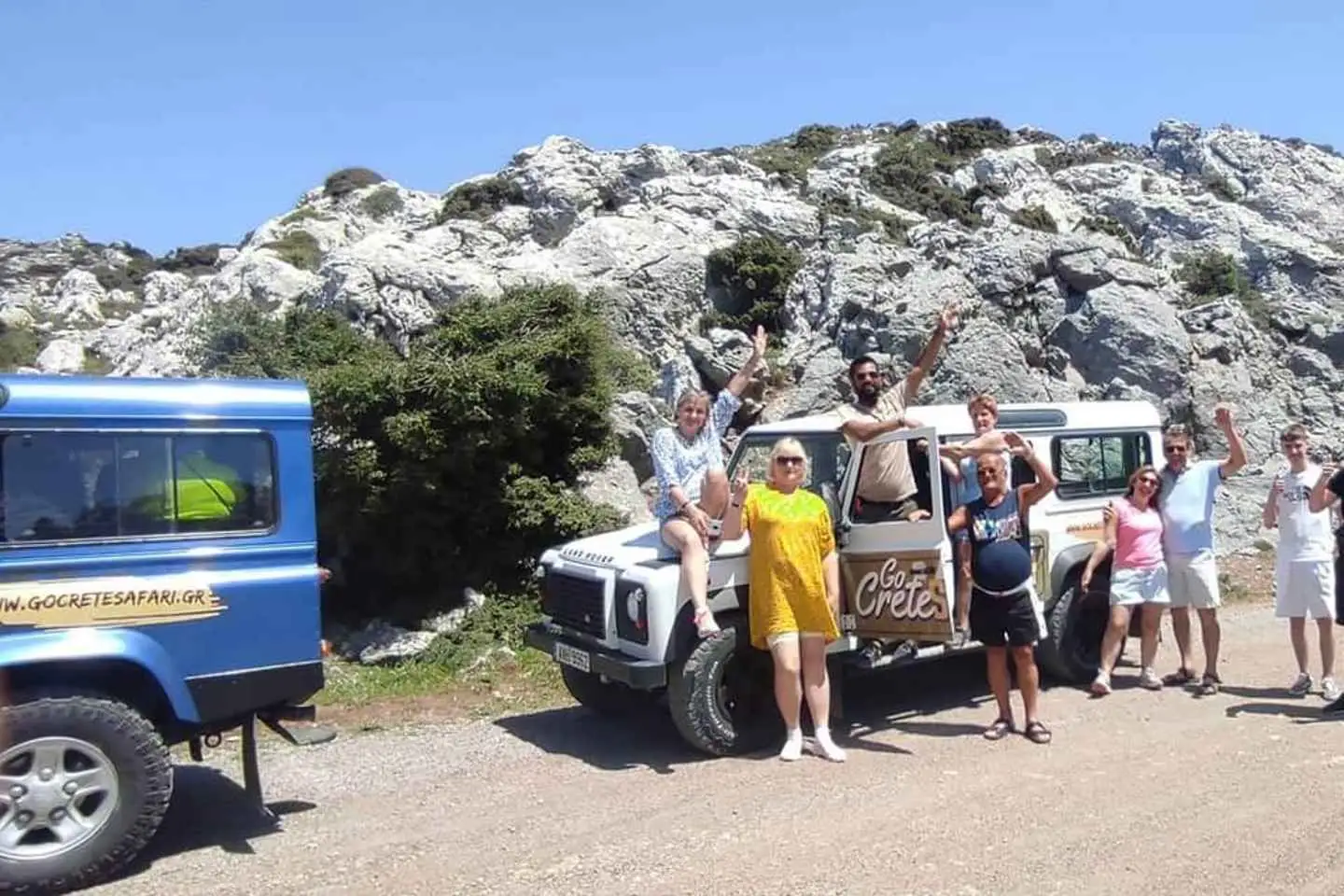
This Land Rover excursion is the perfect way to explore the central part of Crete, visiting 2 different plateaus and learning about mythology as well as local life.
We head out in the Land Rover to the plateau of Katharo, passing through the largest forest on Crete. The roads here are basically non-existent and the mountains reach heights of 1,500 meters. You’ll have a refreshment stop at a kafenion (coffee shop) somewhere in the wilderness.
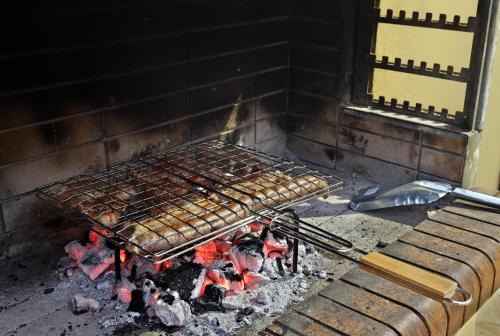
The tour continues on along dirt tracks, through valleys, and across rivers, and the journey starts to get exciting! At the next stop you’ll have the opportunity to take photos from a spectacular viewpoint above the Lassithi Plateau. You’ll then head to the plateau to enjoy your BBQ lunch, along with unlimited wine.
After lunch you’ll travel back in time as you visit the Eco Village, where you can see local crafts being made by traditional methods. The next stop will be Zeus’s cave where, according to mythology, the father of the gods was born. If you’d like to enter the cave there is a EUR 4 entrance fee that’s payable at the site.
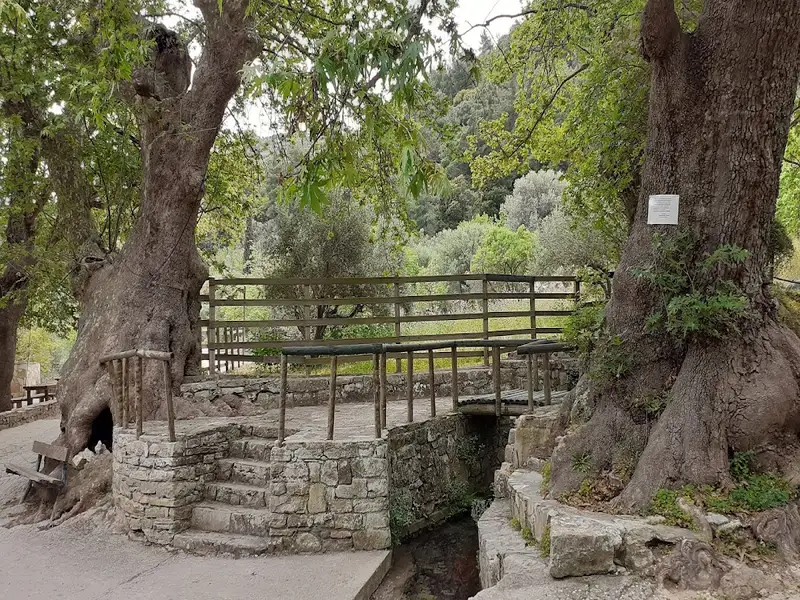
Your driver/guide will take you on to Seli, where you can take photos of the unique scenery. You’ll continue on to the village of Krassi, noted for its 2,000-year-old plane tree and natural spring water source. As you make your way back you’ll pass through Selinari, an area where you’ll be on the lookout for vultures, now an endangered species.
No results available
Gra Ligia is a coastal village located a short 5km journey to the west of Ierapetra and a 39km trip south from Agios Nikolaos. Nestled at the mouth of a rich valley, the village is surrounded by greenhouses filled with early-ripening vegetables. The locals of Gra Ligia were pioneers in the use of greenhouse agriculture, a practice that has since spread throughout the Ierapetra region. The profusion of greenhouses has even earned the village the nickname of “Silicon Valley of Greece”. The Bramiana dam, situated 2km north of the village, plays a crucial role in the area’s agriculture, supplying water to all Ierapetra crops and forming one of Crete’s key wetlands.
Aside from farming, tourism also forms an essential part of the local economy. Gra Ligia, with its recent mild growth, is among the newest holiday destinations on Crete. This growth has been facilitated by the appealing long beach, fringed with coarse sand that extends from Ierapetra to the Stomio region. The beach is known for its tranquil waters and is well-equipped with amenities like umbrellas and showers, albeit not on a large scale. Tamarisk trees pepper the landscape, providing shade and greenery. The beach is a popular spot for locals who enjoy swimming and fishing from their boats docked in the local harbour.
The beach is also a venue for local events such as beach soccer tournaments. If you’re fortunate, you might even have a chance to partake in the unique “xentomatiasmata” or tomato war, a tradition revived and celebrated in early summer. Gra Ligia is an ideal destination for those seeking a peaceful and relaxing holiday. In the evenings, visitors can unwind with a drink at local bars or take a short trip to Ierapetra. To reach Gra Ligia from Ierapetra, simply travel westward on the city road. Alternatively, there are bus services that pass through the village.
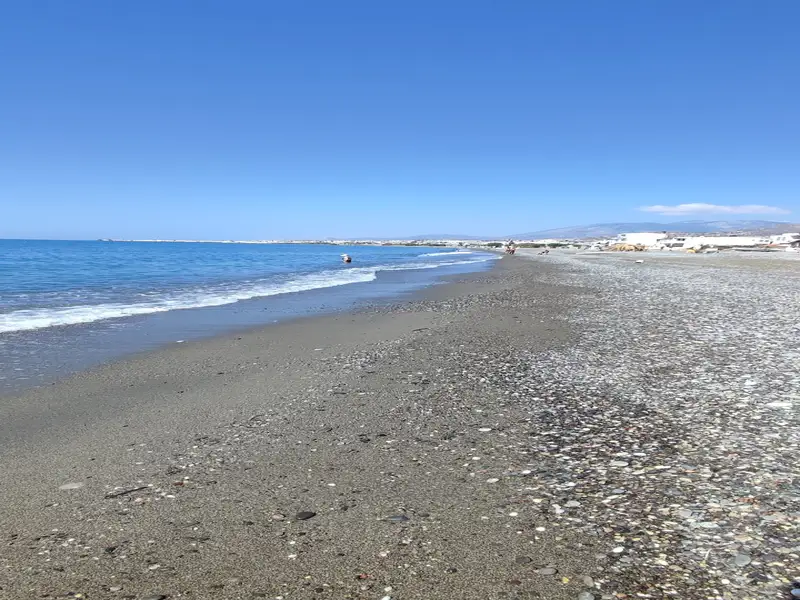
Ammoudares, a seaside location 8km west of Ierapetra and 45km south of Agios Nikolaos, shares its beachfront with nearby Nea Anatoli and Stomio. The Ammoudares coastline features a series of long beaches with coarse grey sand. They are mostly uncrowded and secluded, largely due to the surrounding greenhouses which may deter visitors due to potential pesticide use in the waters.
A kilometer east of the initial Ammoudares beach, you’ll encounter Kalamaki beach. Hidden from the main road and largely undiscovered by tourists, its sandy shores are a quiet haven. It’s also referred to as Kapelas, named after a renowned pizzeria once run by an American in the area. Kapelas translates to ‘tavern owner’ in Greek. The beach is nestled amidst towering cliffs adding to its tranquility.
Access to both Ammoudares and Kalamaki is possible via the main road from Ierapetra heading west. If you’re fortunate to visit the Ierapetra vicinity, there are numerous appealing beaches that warrant exploration. However, if solitude is what you’re seeking, both Ammoudares and Kalamaki offer a peaceful retreat.
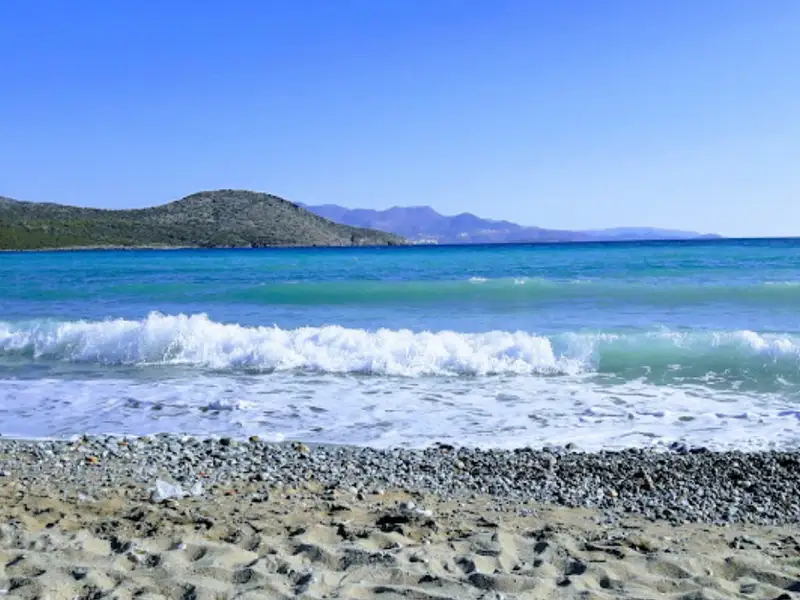
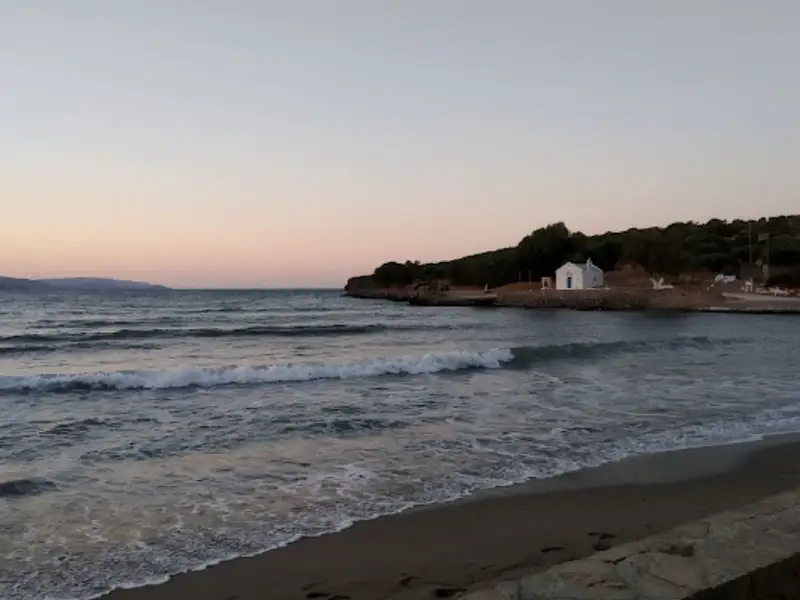
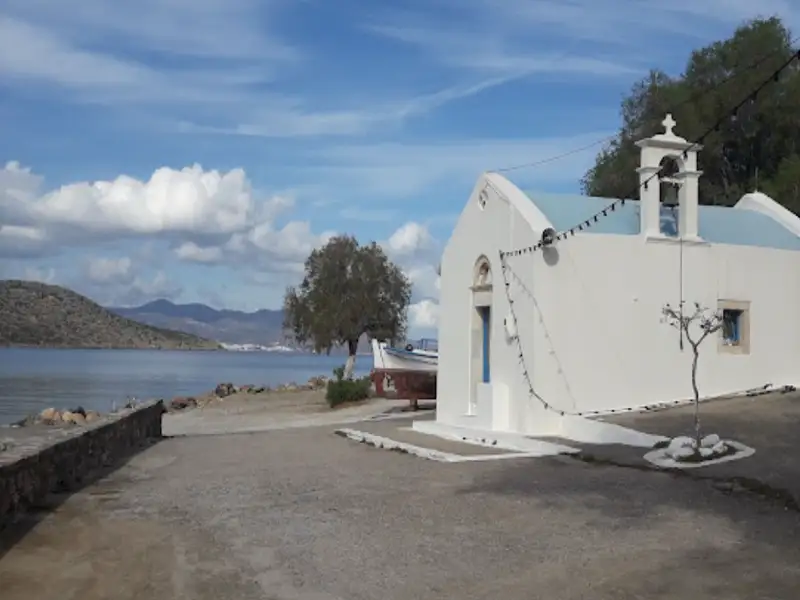
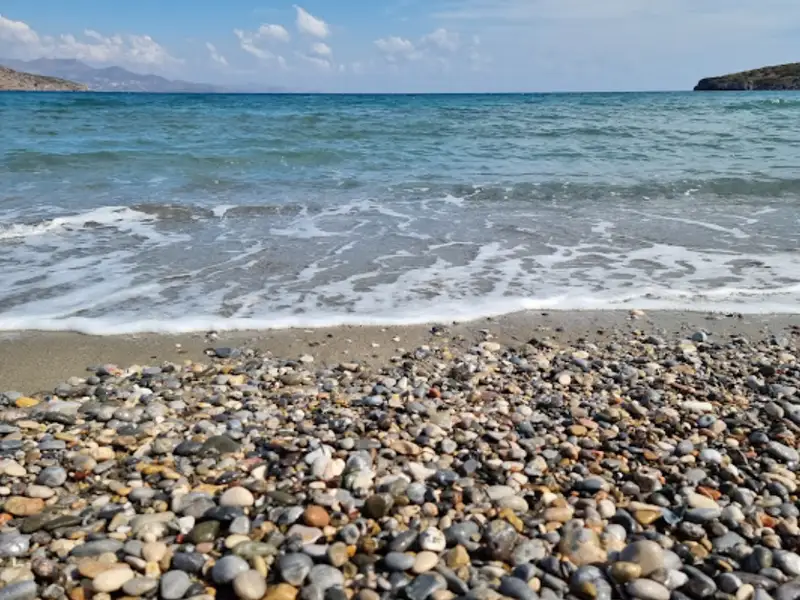
Agios Panteleimon beach, nestled in Istro, a village 12km east of Agios Nikolaos en route to Sitia, owes its name to a petite church located nearby. Featuring both sandy and pebbly stretches, the beach is set against the backdrop of vibrant turquoise waters. As it doesn’t draw the same crowds as the neighboring Voulisma beach, Agios Panteleimon is the perfect spot for those seeking relaxation and serenity.
In the vicinity, you’ll also find Karavostasi beach. This sandy, unspoiled beach is tucked away in the western part of Istro’s largest gulf and provides the perfect setting for peaceful moments. The surrounding area is rich in tamarisk, carob, and olive trees, adding to the beach’s charm. Just east of Karavostasi, there’s a large rock bearing the remnants of the Minoan settlement Priniatikos Pirgos.
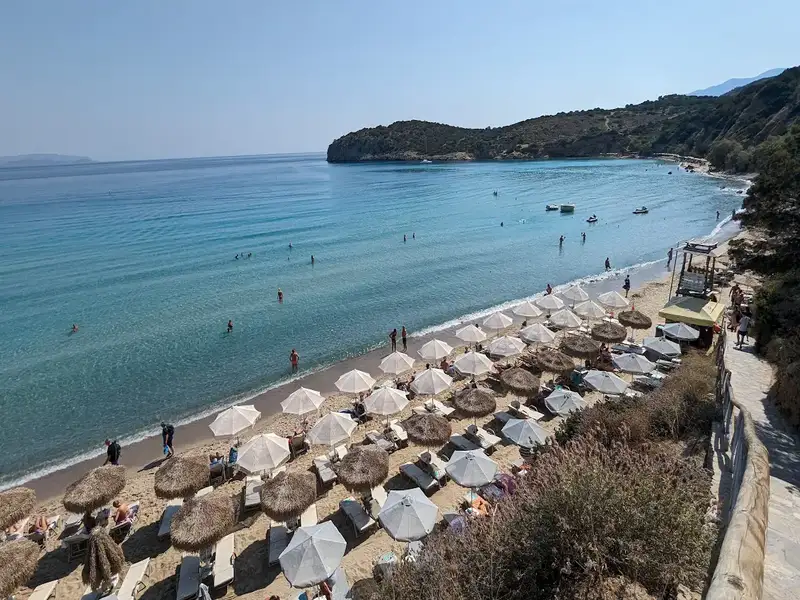
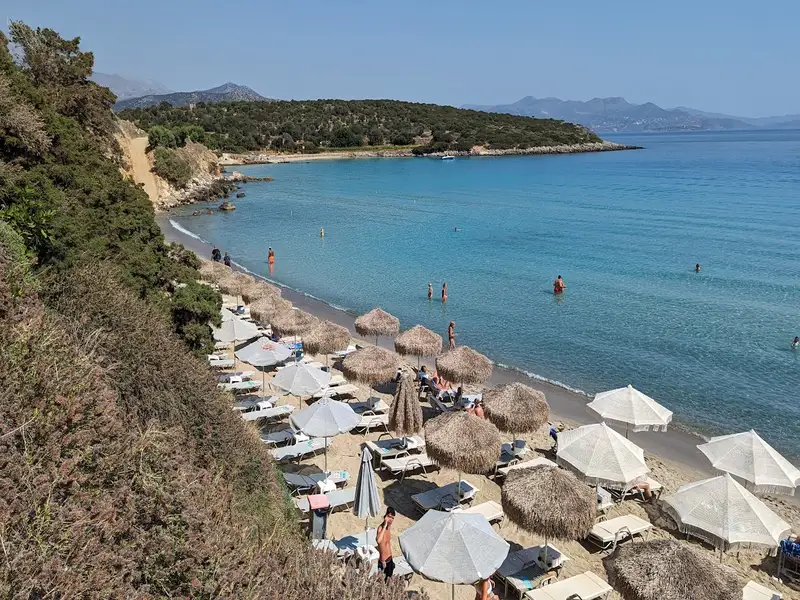
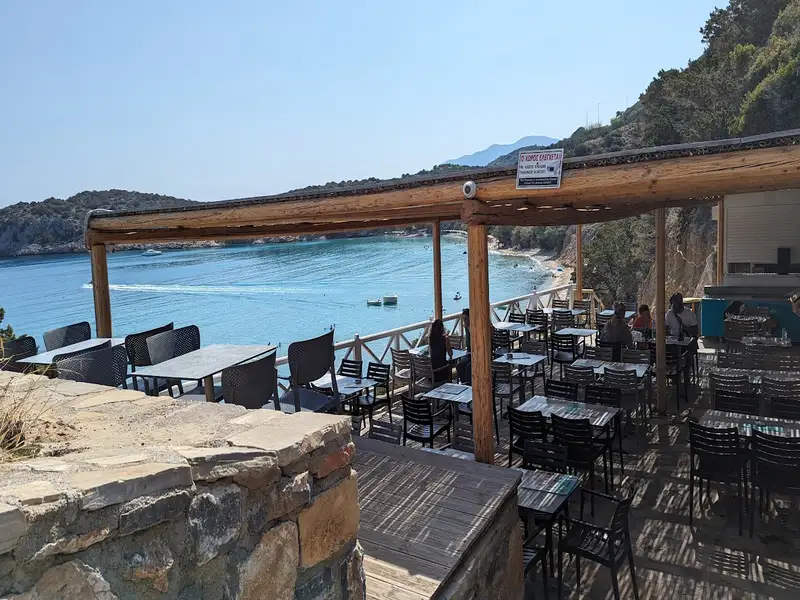
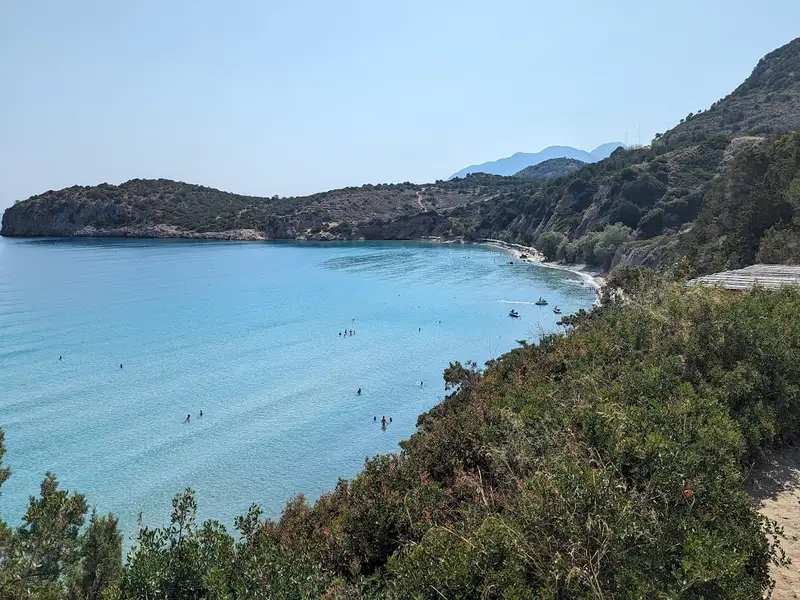
Voulisma Beach is a Blue Flag beach on the north coast of East Crete, known locally as Golden Beach for its fine golden-white sand. Voulisma Beach sits in a sheltered cove at the southern end of Mirabello Bay, 12 kilometres (8 miles) east of Agios Nikolaos and 22 kilometres north of Ierapetra, next to the village of Istron. It is the main bay of the three that indent the Istron coastline, and it appears on many postcards of Crete.
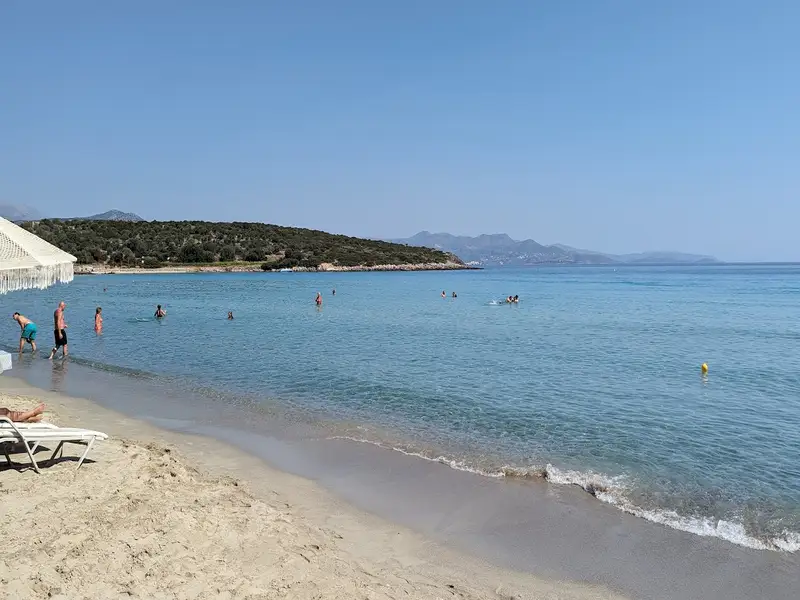
The beach is fine golden-white sand that shelves gently into shallow, calm, turquoise water, which makes swimming easy for children and weaker swimmers. Voulisma Beach is fully organised in summer with sunbeds, umbrellas, a beach bar, a lifeguard, showers, and water sports, and there is food, water, and accommodation within walking distance. The cove earns its water-quality standing every year, one of the island’s Blue Flag beaches in Crete.
To reach Voulisma Beach by car, drive the coastal road that links Agios Nikolaos with Sitia, because that road runs past the beach car parks on the edge of Istron village. Roadside parking sits directly above the sand. Rent a car in advance if you want to combine the beach with the quieter coves and Minoan sites nearby, which you can arrange through car rental in Crete.
To reach Voulisma Beach by bus, take a service from Agios Nikolaos bus station towards Istron and Sitia, then walk down to the shore from the main road. Buses run through the day from Agios Nikolaos in the summer season.
The best time to visit Voulisma Beach is from June to September, when the sea is warm and the beach is fully staffed with sunbeds and umbrellas. July and August are the busiest months, and the narrow strip of sand fills quickly around midday. Arrive before 11:00 or after 17:00 in high summer to find space and a free sunbed.
Check the wind forecast before you travel, because Voulisma faces the open bay and north-westerly winds change the beach. Strong winds push waves onto the narrow sand and can wash plastic litter ashore, so a calm, low-wind day gives the clearest water and the widest beach. In April, May, and October the beach is quiet and unstaffed, and the sea is cooler for swimming.
Two small coves sit just west of the main beach, and both are more sheltered from the wind and far less crowded than Voulisma. Istron Beach, the narrower and rockier stretch to the east, holds fewer sunbeds and suits visitors who want more room. For a pebbly alternative with olive groves and greater privacy, walk to the neighbouring Agios Panteleimon beach, about 700 metres away.
Voulisma Beach also works as a base for East Crete’s Minoan history. Gournia, one of the best-excavated Minoan towns, lies 10 kilometres (6 miles) east near Pachia Ammos, and you can walk its streets and staircases at the archaeological site of Gournia. Panagia Faneromeni Monastery stands 11 kilometres (7 miles) south-east on a steep slope, with a church built into a cave and wide sea views, and it draws pilgrims every year on 15 August. The fishing village of Mochlos and the port town of Sitia lie further east for a longer day out.
Three tavernas within reach of Voulisma Beach serve traditional Cretan food:
Yes, Voulisma Beach is worth visiting for its fine golden sand, shallow turquoise water, and Blue Flag facilities. It is one of the most photographed beaches in East Crete and holds full summer services, so it suits both families and day-trippers.
Access to Voulisma Beach is free, because beaches in Greece are public. You pay only for extras such as a sunbed and umbrella set or food and drinks at the beach bar.
Park in the car parks beside the beach along the Agios Nikolaos to Sitia road, at the edge of Istron village. Spaces fill early on summer weekends, so arrive in the morning for the easiest parking.
Voulisma Beach is widely rated among the prettiest beaches near Agios Nikolaos, alongside the quieter Istron and Agios Panteleimon coves in the same bay. Its golden sand and clear turquoise water are the reason it is nicknamed Golden Beach.
Yes, Voulisma Beach suits families with children, because the water is shallow and usually calm, and a lifeguard is on duty during the day in summer.
Yes, Voulisma Beach offers water sports in summer, including jet skiing, parasailing, and banana-boat rides.
Yes, you can rent sunbeds and umbrellas at Voulisma Beach for a fee, and the beach bar above the sand runs the sets.
Yes, Voulisma Beach has step-free access, with wheelchair ramps and accessible toilets available.
Voulisma Beach has sunbeds and umbrellas, a beach bar, a lifeguard, showers, water sports, and a Blue Flag, with food, water, and accommodation nearby. Bus services and a paved road reach the beach, and there is tree shade behind the sand.
No results available
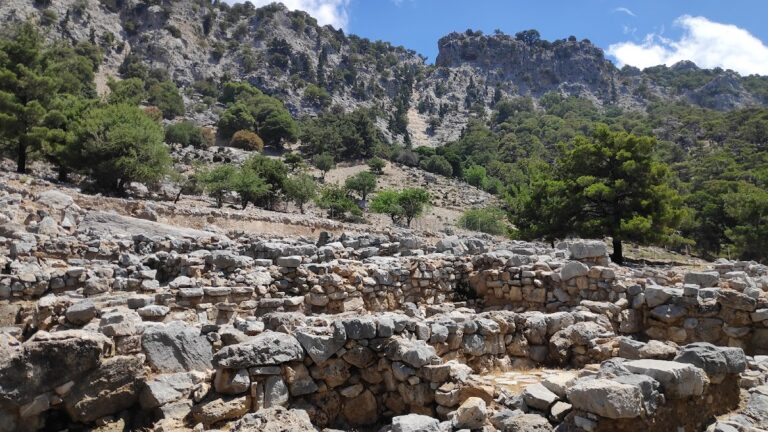
The Sanctuary of Hermes and Aphrodite can be found in a stunning location in the southern part of the Dikti mountain range, at an altitude of 1150m, near the Krya Vrysi spring, and about 5 km northeast of the village Kato Symi. The site spans 1.7 hectares, with only a portion having been excavated. To this day, it remains the most significant archaeological site in the Viannos province. Established around 2000 BC, like many other Minoan Peak Sanctuaries in Eastern Crete, worship at this sanctuary continued until Roman times, making it one of the most enduring sanctuaries of Greek Antiquity. Hermes was worshipped from the 7th century BC, while Aphrodite was worshipped during the Hellenistic Times (around 330BC). In the early Christian era, a small chapel was built at the site.
The sanctuary’s location is associated with the Ieron Oros (Holy Mountain), as according to Ptolemy, it was situated between the ancient Tsoutsouras (Inatos) and the ancient Ierapetra (Ierapytna). Due to its immense importance, it is believed to have been a point of contention among various powerful cities in the region. However, the respect that everyone had for the sanctuary is evident in the fact that it was never destroyed by vandalism, but only by natural causes.
Most archaeological findings from the 11th century BC include evidence of animal sacrifice and religious feasts, while animal replicas, tubular utensils, plates with male figures carrying or leading animals, clay cups, three swords, a golden ring-seal depicting a runner, and a hieroglyphic plate were discovered in the ashes. Ritual vessels and utensils do not display the typical female figures of the Minoans, so it has not been determined which deities the sanctuary was dedicated to during the Minoan times. After the 11th century BC, the vessels were replaced by figurines whose main theme was the coming of age of the visitors. According to inscriptions found at the sanctuary, the patron saint of adulthood was Hermes Kedritis, who was worshipped alongside the goddess Aphrodite. The most significant findings from the sanctuary are exhibited in the Archaeological Museum of Heraklion.
Excavations began in 1972 and continue sporadically. The site can be visited after contacting the guard. A forest dirt road leading to the sanctuary starts from Kato Symi and goes towards the Lapathos plateau.
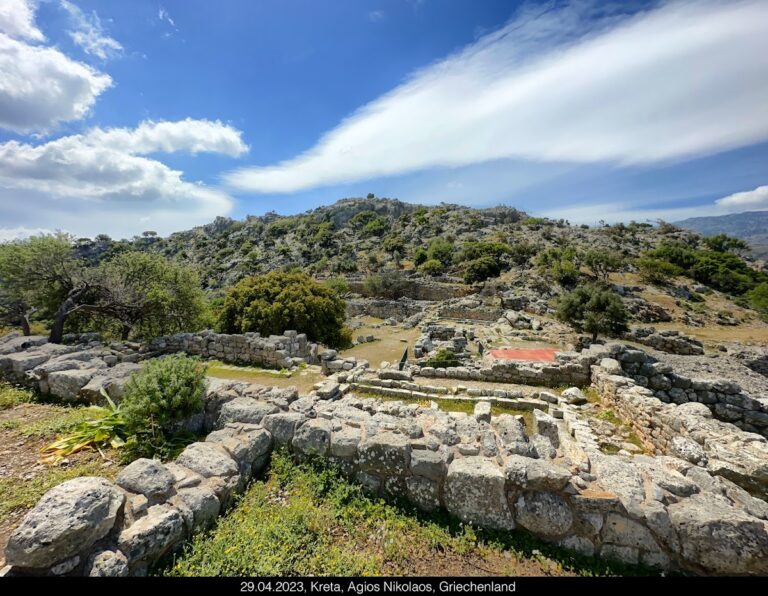
The ancient Lato ruins can be found roughly 3km north of Kritsa, spread across two hills at an elevation of 380m. The site offers breathtaking views of Mirabello Bay. Lato’s name comes from the Dorian pronunciation of the goddess Leto, who was likely worshiped in this area. However, the city’s patron deity was Eileithyia, the goddess of childbirth, who is featured on Lato’s coins. Notably, Lato was the birthplace of Nearchus (360 to 312 BC), the admiral of Alexander the Great. Nearchus’ father, Androtimos, ruled Lato before moving to Macedonia and becoming an advisor to King Philip II. As a child, Nearchus followed his father and grew up with his friend Alexander, even having Aristotle as a tutor.
Although the town existed during the Minoan period, it truly thrived after the Dorian invasion. It remained inhabited until the Roman era, when it began to decline. Lato was one of the strongest cities in Crete, as evidenced by the surviving inscriptions of agreements with other towns. Lato’s port was situated at the site of present-day Agios Nikolaos and was called Kamara. In the 3rd-2nd century BC, Kamara surpassed its mother-town Lato in prominence, similar to many other seaside locations in Crete due to the growth of maritime trade.
Today, Lato is a popular archaeological site known for being the best-preserved town from the classical – Hellenistic period in Crete and one of the most complete in Greece. Visitors can explore the fortifications, market, prytaneum, small theater, temples, public buildings, cisterns, and more.
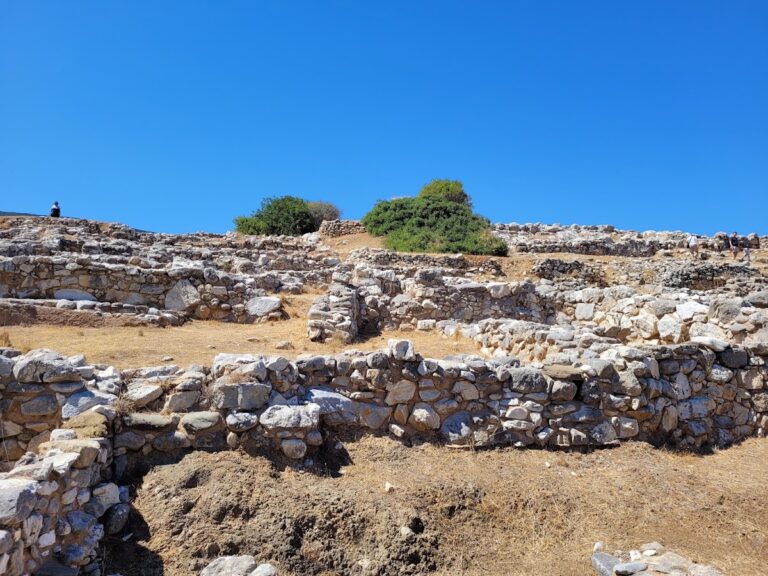
The archaeological site of Gournia can be found on a hill to the west of Pachia Ammos, near the road that connects Agios Nikolaos to Ierapetra, approximately 19km east of Agios Nikolaos. This city, which thrived during the Minoan period, is regarded as the most comprehensively excavated Minoan town on Crete. Due to its excellent preservation, it has been dubbed the “Pompeii of Crete“. The excavation of Gournia was carried out by an American Archaeology Group, led by Harriet Boyd, between 1901 and 1904.
The city seems to have prospered between 1550-1450BC, before being destroyed by an earthquake in 1450BC and ultimately abandoned around 1200BC. Its true name remains unknown, with the name Gournia being derived from the stone and wooden bowls – basins (urns) that were discovered at the archaeological site prior to the excavations.
Visitors can enjoy strolling along the paved streets of the archaeological site and getting a sense of what a small Minoan town was like. Excavations have uncovered houses, walls, stairs leading to second floors, storage rooms, and workshops. The discovery of various tools (such as chisels, hooks, hammers, and pots) helps us to envision the daily life of the Minoans. Notably, there was also a sewerage system in place.
At the summit of the hill, a small palace has been discovered, along with a large courtyard (believed to be the market), a primitive theater, and a temple dedicated to the goddess of snakes. The cemetery of Gournia was found in the Sfougaras area, quite close to the beaches of Kamini.
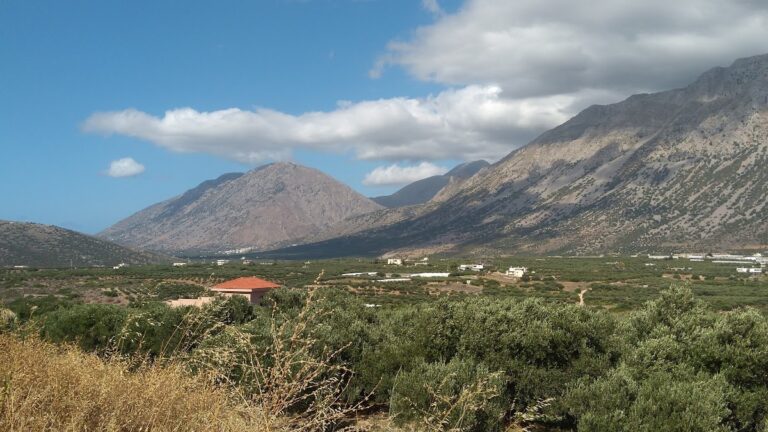
The Minoan settlement of Vasiliki can be found in the region of the village Vasiliki, within the province of Ierapetra, situated on hill Kasteli. It is located opposite the exit of the gorge of Ha and relatively close to the Minoan settlement of Gournia, occupying an elevated point that controlled the isthmus of Ierapetra. The settlement has been in existence since 2600 BC and flourished due to its strategic position and the fertile valley. The main buildings were destroyed by fire in 2300 BC and later rebuilt on the hilltop. The Minoans appear to have had an impressive knowledge of urban planning since that era.
The site was initially excavated in 1900 by Americans Haryet Boyd and Richard B. Seager, but the most systematic excavations were conducted by Antonios Zois after 1970. The excavations have uncovered a Minoan mansion (on the hill) with storage rooms and a courtyard.
Within the ancient settlement of Vasiliki, remarkable vessels were discovered, primarily pots and teapots, used for transporting liquids with elongated narrow spouts (mouths). These vessels are adorned with characteristic spots that are created with controlled temperature in the ceramic kiln. The style of these vessels found in Vassiliki is referred to as “Vassiliki ware“, and it is believed that Vassiliki was the center of production for this type of vessel, which mainly date from 2300 BC to 1900 BC.
No results available
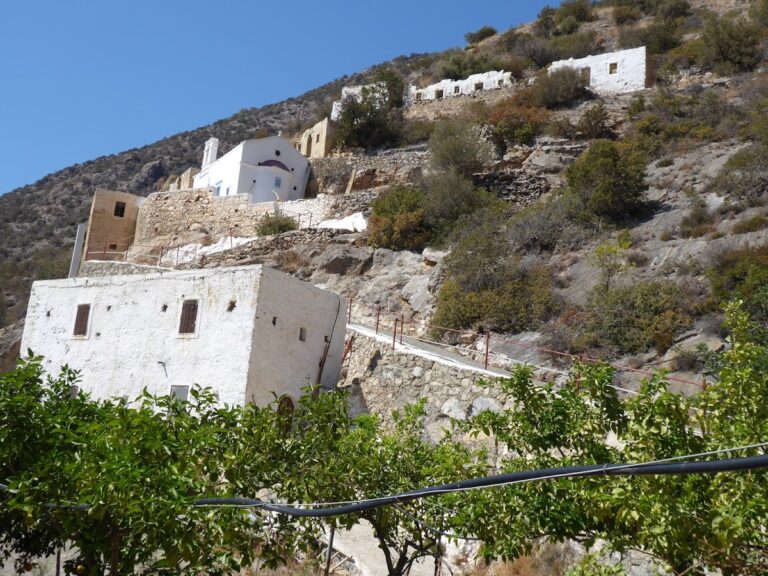
The Arvi Monastery is situated near the Arvi Gorge, atop a high vantage point with stunning views of the sea. Currently abandoned, the remaining monks’ cells provide a glimpse into its history.
It is thought that the monastery was initially constructed on the remnants of the ancient Temple of Arvian Zeus, located in the valley formed at the exit of the Arvi Gorge. However, due to the formation of marshes in the valley, it was eventually relocated to its present elevated location.
Within the monastery grounds, there are two churches – one quite old and the other relatively new – both dedicated to Saint Anthony.
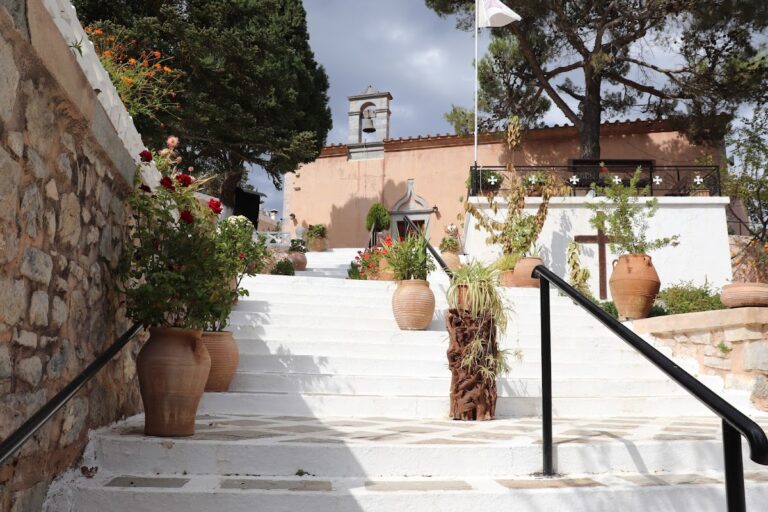
Located on a small hill adorned with oak trees near the villages of Agios Konstantinos and Marmaketo in the Lassithi Plateau, the Monastery of Panagia Kroustallenia is a historically significant site in Crete that is always worth exploring.
As per local tradition, the monastery’s name is believed to have originated either from its first founder, Kroustallenia, or from an icon of Panagia (Virgin Mary) discovered in a nearby cave, which was engraved on crystal (Kroustalenia also translates to “made of crystal” or “glass”).
The primary temple within the monastery is devoted to the Virgin Mary and observes its celebration on August 15. The monastery complex primarily features 20th-century buildings due to the multiple destructions it faced during the Turkish occupation.
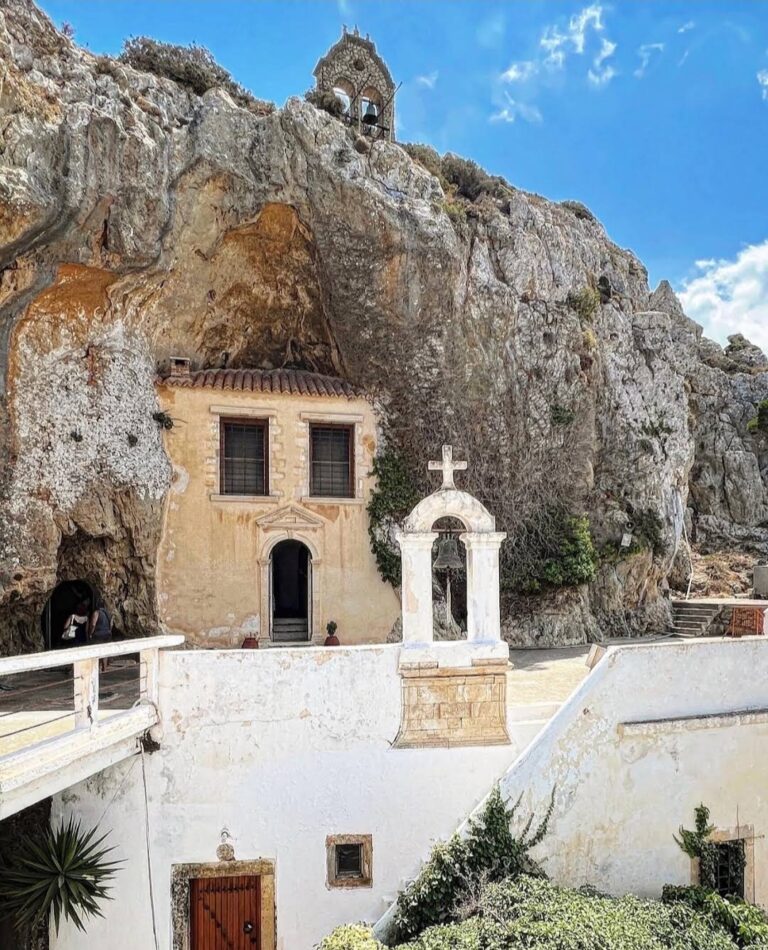
The Panagia Faneromeni Monastery, also known as Virgin Mary of Gournia, is situated northwest of Pachia Ammos and 24km south of Agios Nikolaos. This male monastery is perched on a steep slope at an altitude of 540 meters, offering breathtaking views of the sea. The two-aisled monastery church, dedicated to the Virgin Mary and Zoodohos Pigi (Source of Life), is built within a cave.
As one of the most renowned monasteries in eastern Crete, the Panagia Faneromeni Monastery attracts pilgrims from all over the island, especially on August 15th, its celebration day. Some even arrive on foot to fulfill a vow.
Constructed on a steep incline, the monastery resembles a fortress overlooking the sea. Its strategic position reflects the defensive nature of the Faneromeni Monastery against the frequent pirate attacks along the Cretan coast. The architecture is reminiscent of monasteries that were restored in the late 16th and 17th centuries.
Legend has it that a shepherd once lost his best ram every afternoon. One day, he decided to follow the ram and witnessed it drinking water flowing from the cave. As the shepherd approached, the icon of the Virgin Mary was “revealed” to him. When he took the icon home, it vanished, only to be found again in the cave where the monastery was eventually built. It is said that the same icon reappears and mysteriously disappears again, particularly on the Assumption and other Marian feasts.
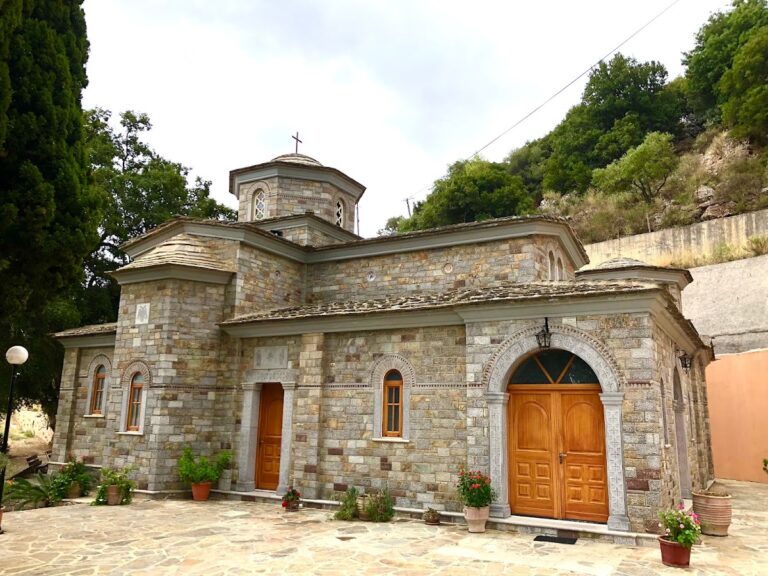
The Kremasti or Kremasta Monastery can be found south of Neapolis town, along the road that connects the town to Vrisses village, offering a stunning view of Neapolis. Its forting architecture is constructed on the steep, wooded slopes of Mount Kavalaras, giving the impression that it’s suspended in mid-air – a feature to which the monastery owes its name (Kremasti means hanging).
Officially called the Monastery of the Archangels Michael and Gabriel in Kremasti, it is dedicated to these saints. It is believed to have been built in 1593 and played a crucial role in educating locals during the Turkish Era. The main building is situated on the northern edge of the monastery. A newer church, dedicated to Myrrhbearers, was constructed outside the fortress complex. Additionally, a Laboratory for Religious Painting is operated by nuns from Romania.
No results available
No results available
No results available
No results available
No results available
The Havgas Gorge, situated near the village of Kalamafka and just 12km north of Ierapetra city, is one of several gorges with the same name scattered across Crete. Other examples include the Havgas Gorge in the Lassithi Plateau, Plaka, and Kavoussi. The Havgas Gorge is nestled between the Megali Korfi (1103m) and Kokies (993m) peaks, and its stream, the Kapsous, serves as the primary tributary of the Kalamavkianos River that empties into the Stomio beach of Gra Ligia.
This stunning canyon boasts unique rock formations, sculpted by rare geological events. Many of these rocks are adorned with nature’s own “artwork”, etched over time by the elements. Despite its relatively short length, the gorge offers an easy and enjoyable walk along the riverbed, even for novices. The area’s altitude of around 500m provides the perfect environment for a lush pine forest. Regrettably, repeated fires have caused the forest to diminish in size. Nevertheless, the area is worth a visit, and visitors are sure to be charmed by the sight of small pine trees sprouting from the rocks, akin to bonsai trees.
The gorge’s depth extends to 300m. At one spot, two narrow rocks form the entrance to a series of caves that served as a refuge for Cretan rebels and Allies during the German Occupation. The locals refer to this area as the “Chinese Landscape”, due to the smooth rocks dotted with bonsai-like trees. Adjacent to the gorge’s exit, visitors can explore the village of Kalamafka with its inviting taverns and babbling water. Additionally, nearby attractions include an ancient olive oil mill and the churches of Saint John and Saint Anthony.
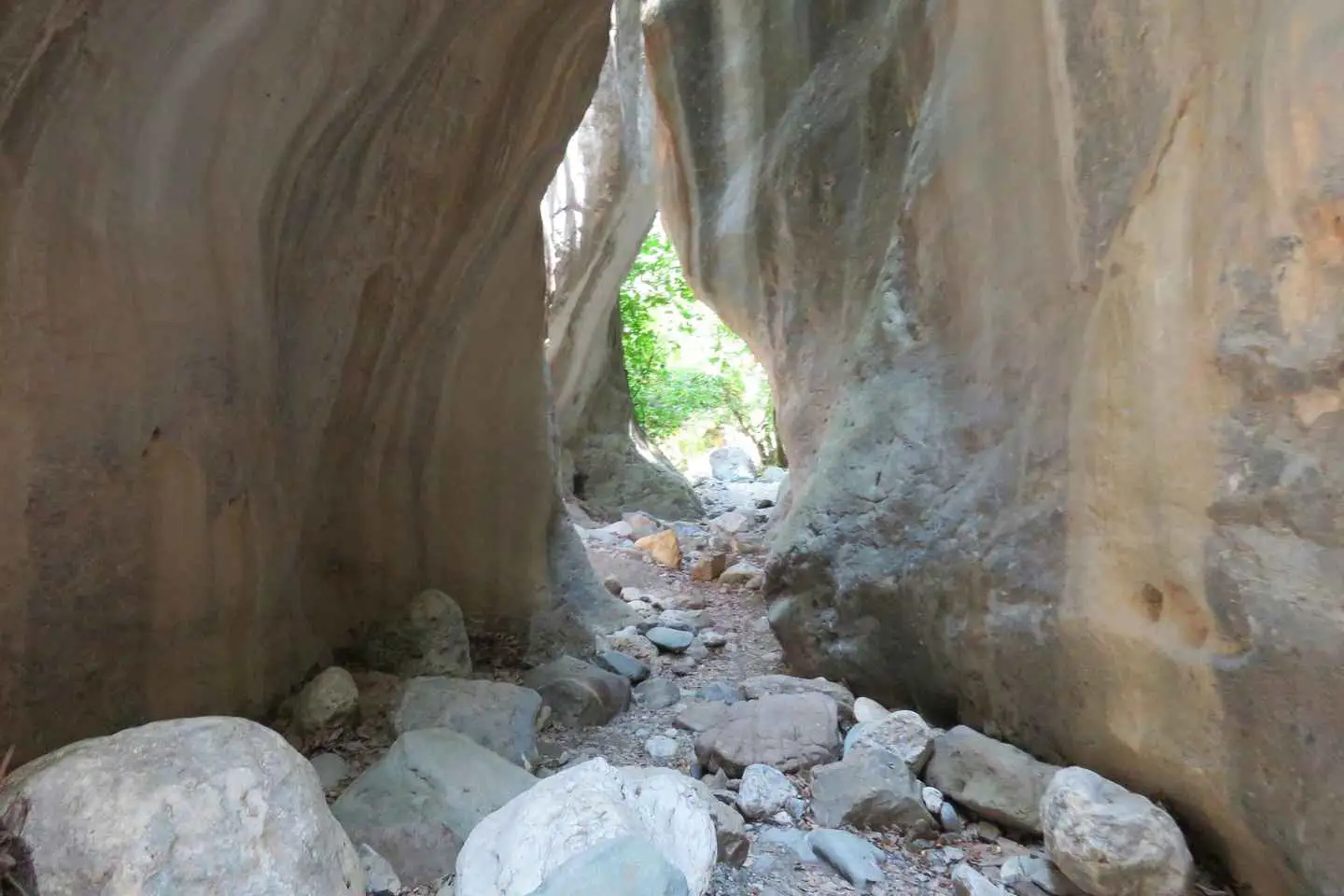
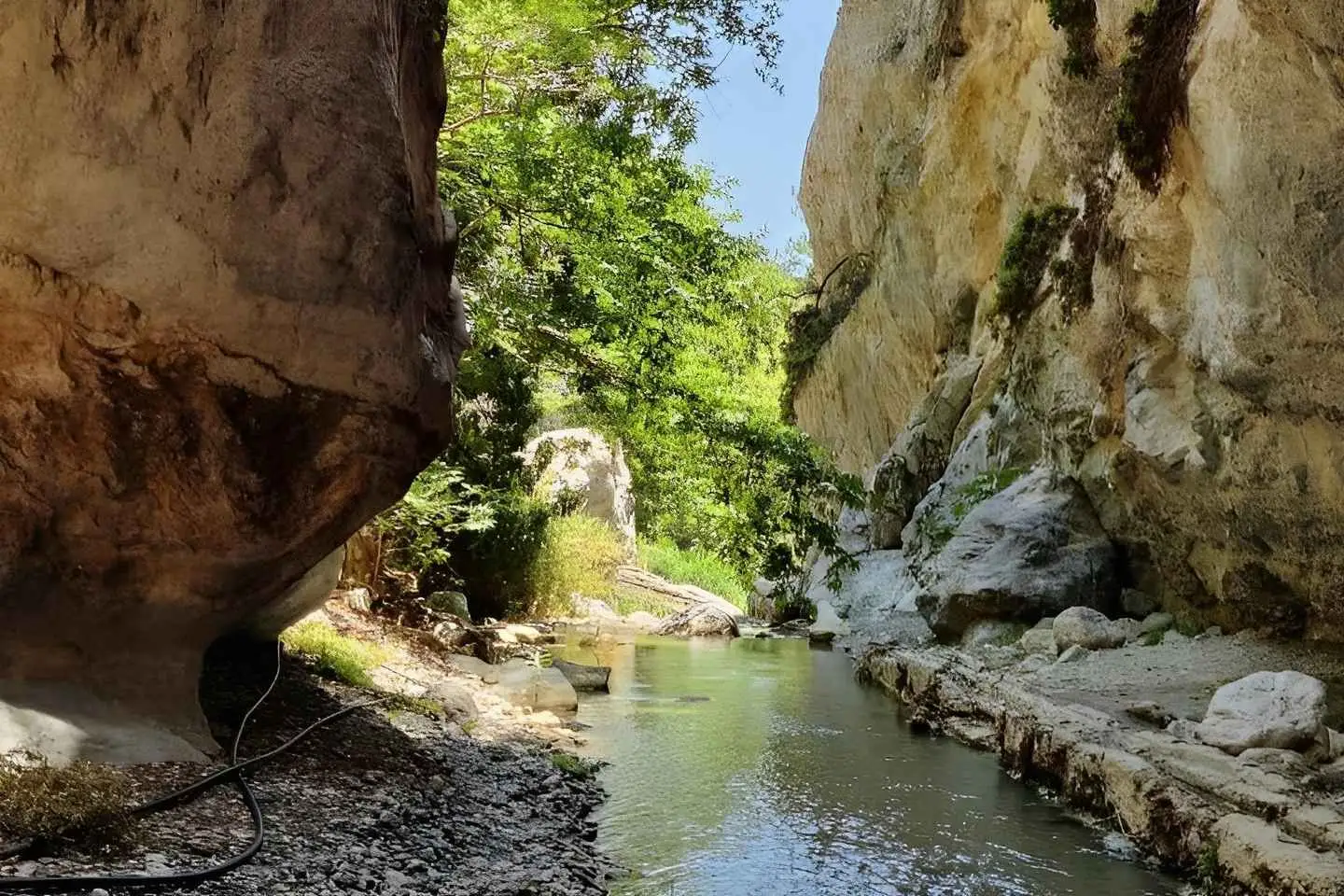
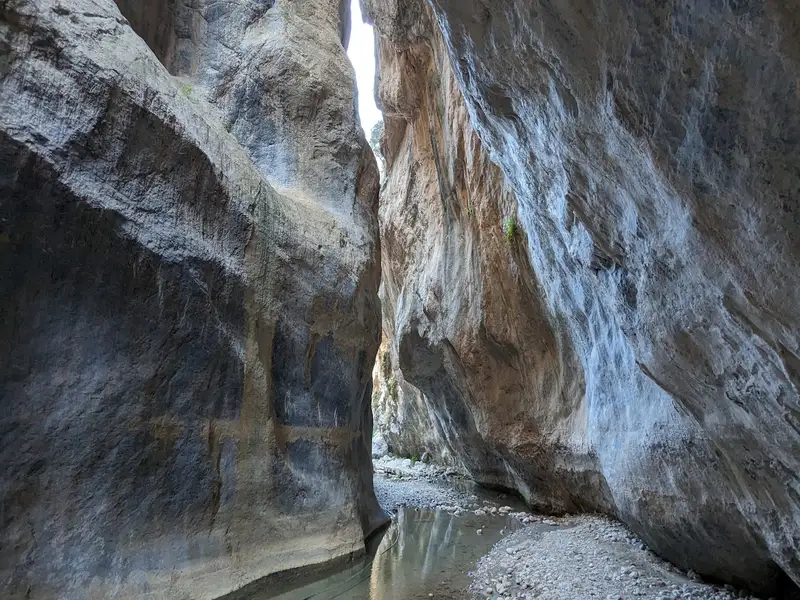
This magnificent natural phenomenon – Sarakina Gorge – can be found near the traditional village of Mythi and the coastal settlement of Myrtos, where the Kryos river merges with the sea.
As the tale goes in Greek mythology, Zeus’s son, the giant Sarantapihos, once paused to quench his thirst from the Myrtos or Kryos river, near Ierapetra. His sweeping beard slashed the mountain, dividing it into two parts, thereby forming the Sarakina canyon.
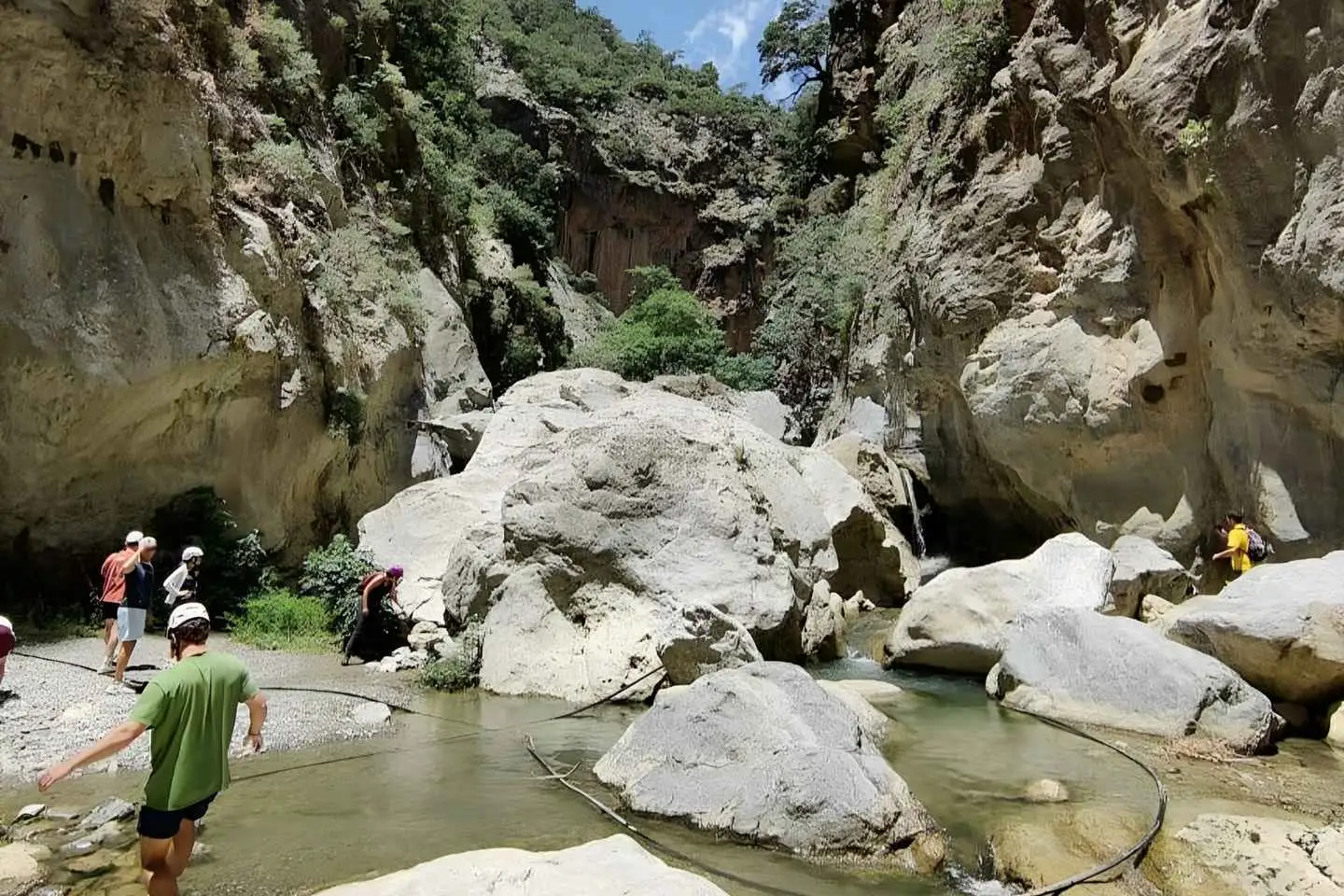
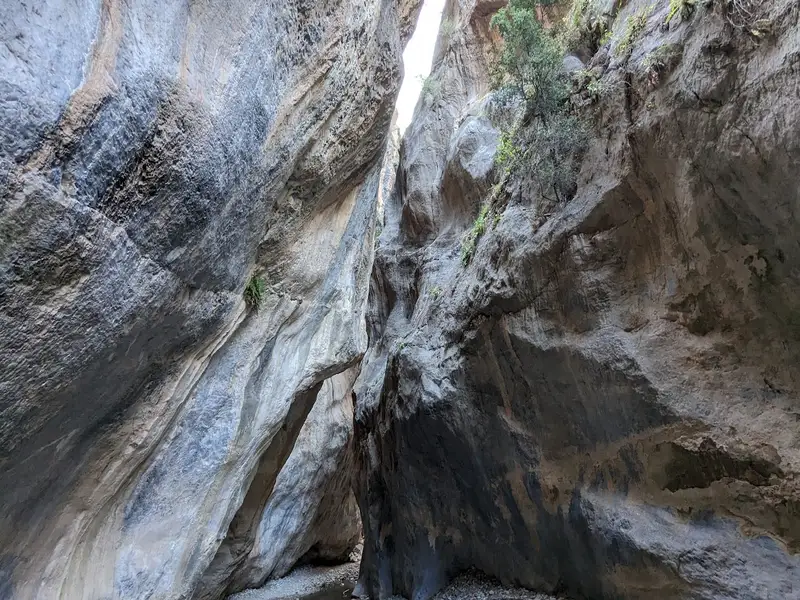
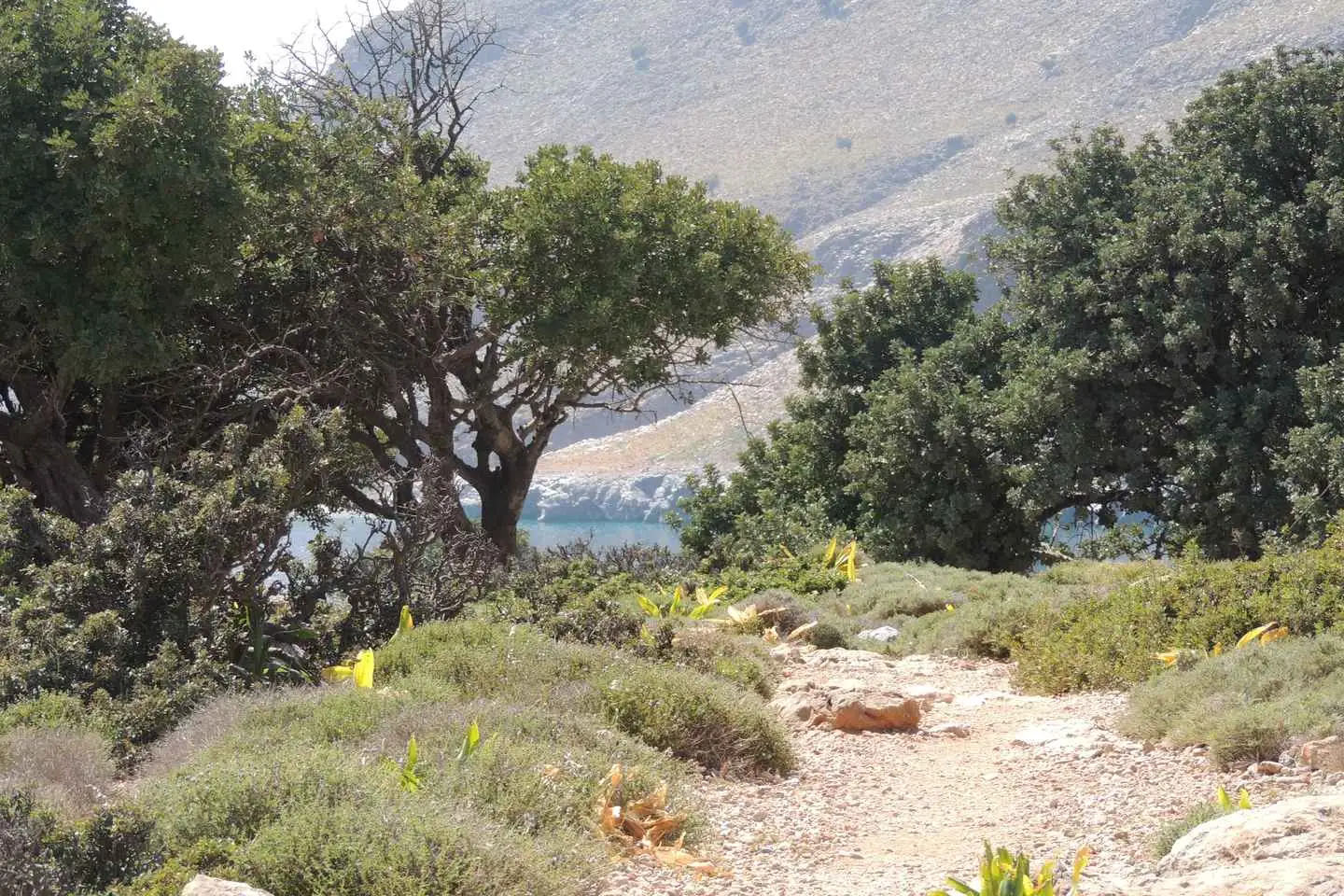
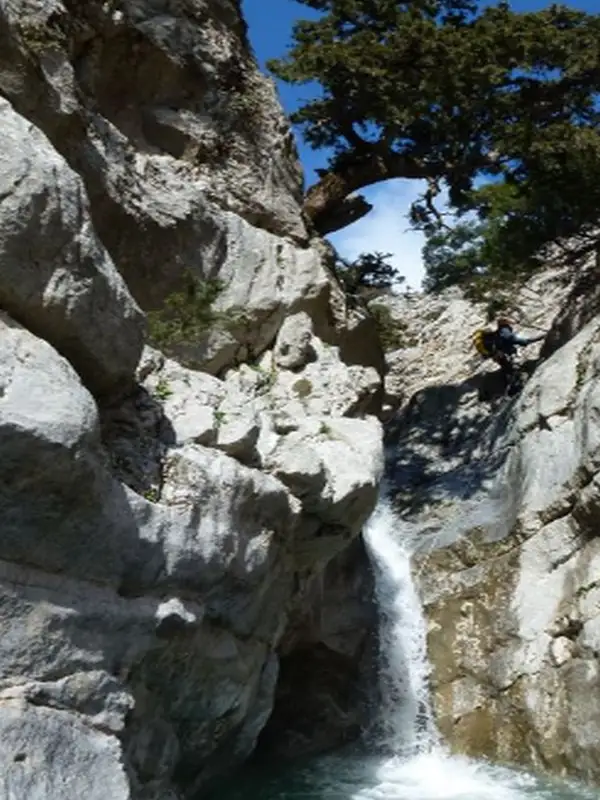
Regarded by many visitors as Crete’s most captivating hiking gorge, Sarakina may only stretch 1.5km, but within this concise journey, one encounters an awe-inspiring spectacle of nature, a natural sculpture painstakingly crafted by water over countless years. The canyon boasts towering walls that rise up to 150m high and extremely narrow passages often found in technical gorges that require canyoneering equipment. The width of Sarakina fluctuates between 3 to 10 meters, rarely extending beyond these points.
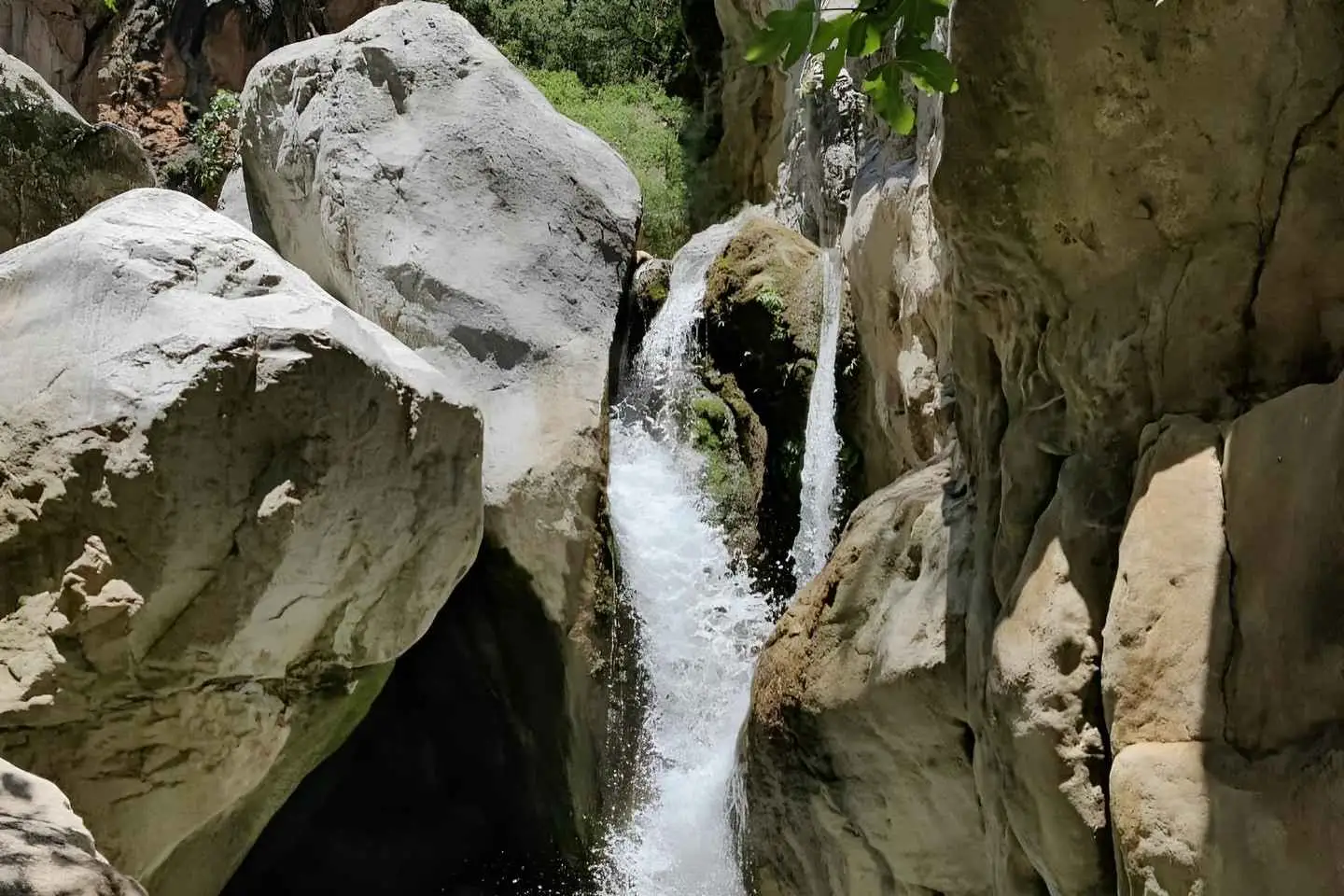
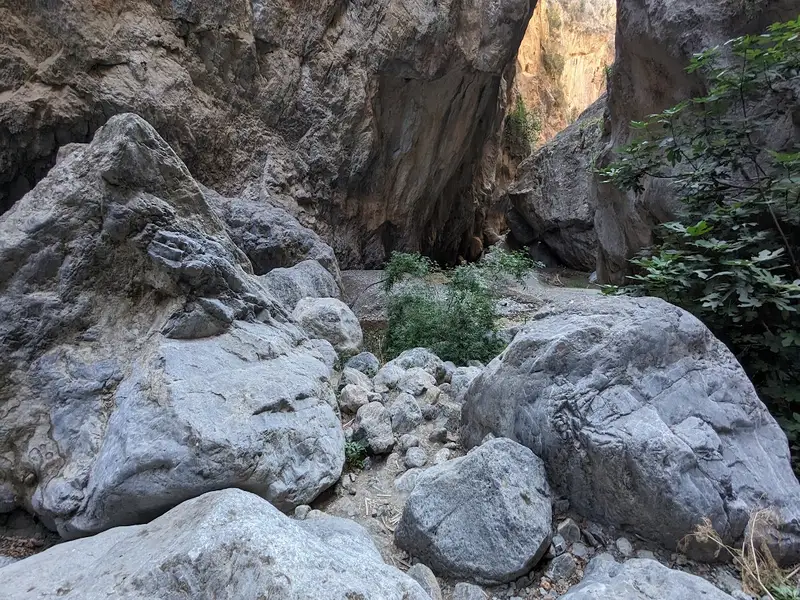
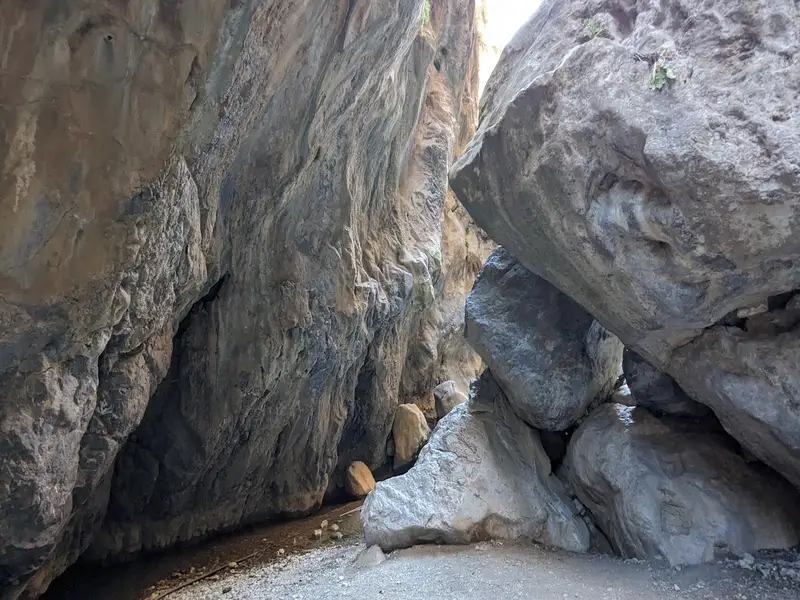
The majority of the canyon is accessible to explorers of all abilities, featuring water, pools, and a handful of climbing points that necessitate careful navigation. A standout feature is the abundant water almost all year round, creating picturesque waterfalls and ponds perfect for a refreshing dip, even in the summer. In winter, traversing the gorge without getting soaked is a challenge. As one embarks on the route, they’ll encounter the need to climb, navigate immense boulders, and cross rocky bridges. Carved stone stairs and tree trunks are present in tricky spots to facilitate easier climbing.
The Kritsa Gorge, located 9.5km southwest of Agios Nikolaos, begins near the charming village of Kritsa and concludes at Tapes village. This 4 km long gorge, at some points, is only 1.5m wide. It is fairly easy to navigate, with a few areas requiring caution, where large rocks need to be climbed over. However, it is not advisable to visit the gorge following rainfall, as the resulting ponds can obstruct the paths.
The canyon’s entrance near Kritsa is striking. The mountain is split in two, creating the narrow Havgas passage (Havgas is a common term for gorges in East Crete). In addition to the main trail that begins near Kritsa’s stone bridge, there is an alternate path that starts in the village itself.
Close to the trailhead, you’ll find a large rock that can be scaled with relative ease. Beyond this point, the canyon becomes even more breathtaking, with slender passages and towering walls that block out sunlight. This natural wonder is particularly beautiful in spring when flowers are in bloom and water levels are low. The walls eventually recede, revealing a picturesque valley filled with olive groves. If you continue along the riverbed for approximately 1.5 hours, you’ll arrive at the lovely village of Tapes, where you can relax at the local coffee shop.
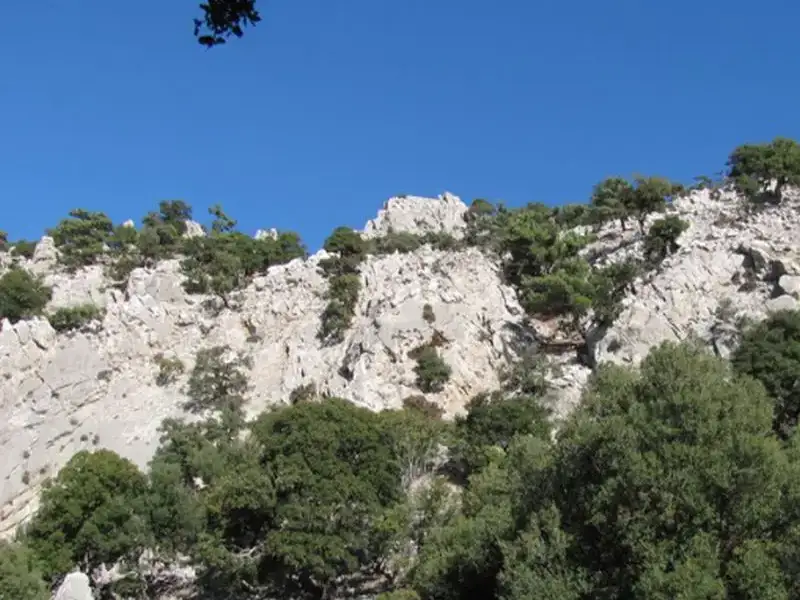
The Holy Apostles (Agii Apostoli) or Lapathos Gorge is situated on the southern part of Mount Dikti, 28km to the west of Ierapetra and 72km to the south of Heraklion, in the broader vicinity of the village of Kato Simi. This is a technical canyon, implying that crossing it necessitates technical gear and specific training. The Lapathos canyon is an ideal challenge for highly skilled canyoners. It spans approximately 4km and there is a height difference of about 900m between the start and finish points.
The canyon originates from the small plateau of Lapathos, where the Holy Apostles church stands, and concludes on the road that links the village of Pefkos with Ierapetra. Although it’s typically a dry canyon, in 2009, the team of seasoned canyoners Vassilis Vagias, Savvas Paragamian, and Giannis Skondinakis discovered it to contain surprisingly large amounts of water.
The gorge features 28 steep descents that demand excellent rappelling skills. The tallest rappel is 80m, making it one of the highest in all of Crete. The sheer walls of Lapathos serve as nesting grounds for a variety of birds including vultures, hawks, and crows. Towards the gorge’s exit, the vegetation is predominantly made up of pines and cypresses. Following the exit, the stream continues its journey to Tertsa beach.
No results available
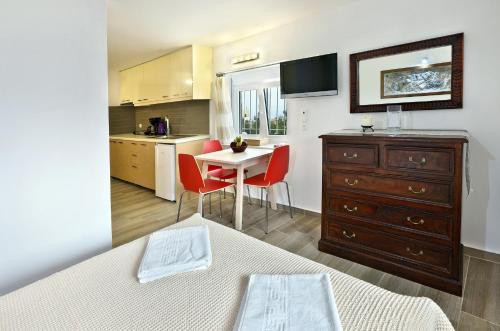
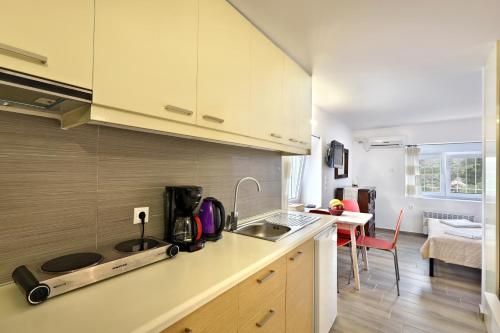
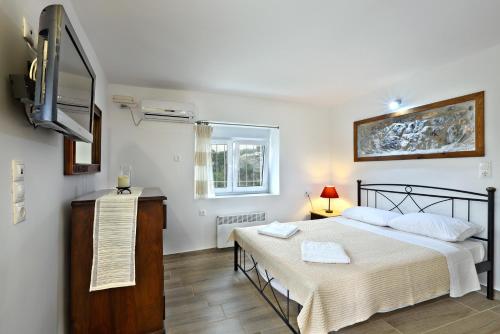
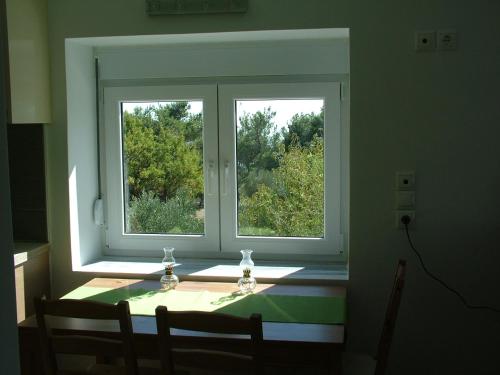
Situated in Ierápetra and only 27 km from Lake Voulismeni, Elis superb villa features accommodation with mountain views, free WiFi and free private parking. This villa provides air-conditioned accommodation with a balcony.
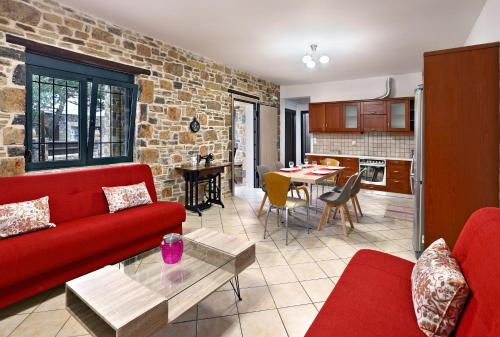
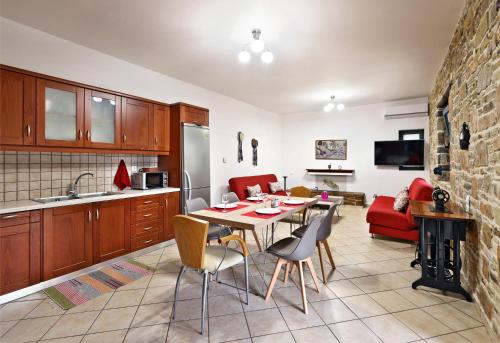
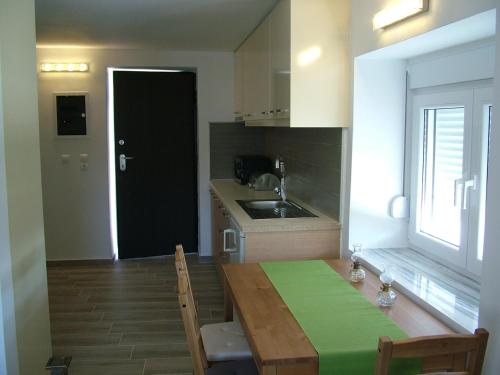
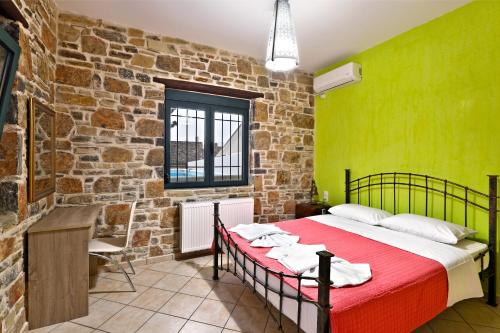
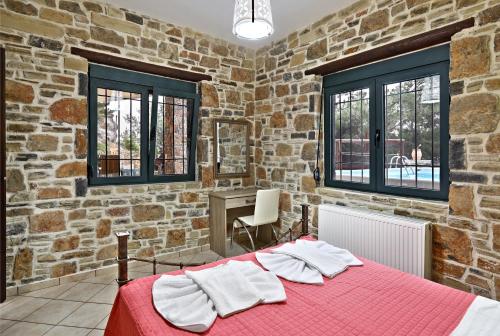
The villa has 2 bedrooms, 1 bathroom, bed linen, towels, a flat-screen TV with streaming services, a dining area, a fully equipped kitchen, and a terrace with sea views.
Staff at the villa are always available to provide advice at the reception.
Elis superb villa offers a picnic area. If you would like to discover the area, hiking and walking tours are possible in the surroundings and the accommodation can arrange a car rental service.
Panagia Kera Church (in Kritsa) is 27 km from Elis superb villa, while Agios Nikolaos Port is 28 km from the property. The nearest airport is Sitia Public Airport, 70 km from the villa.
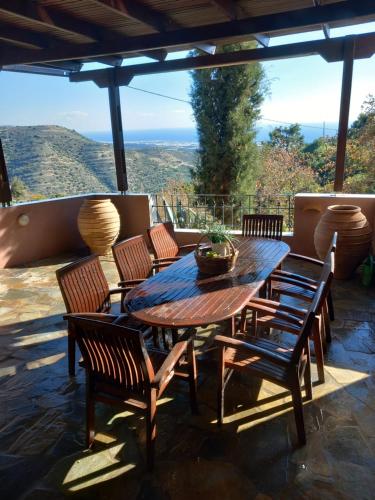
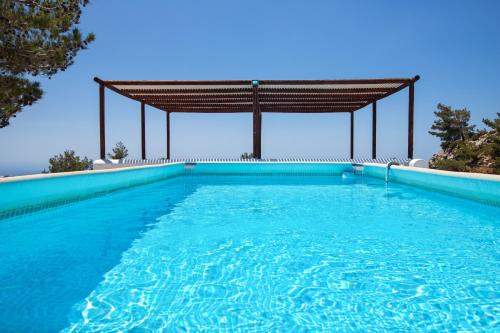
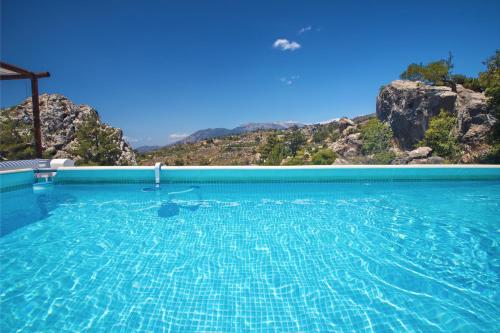
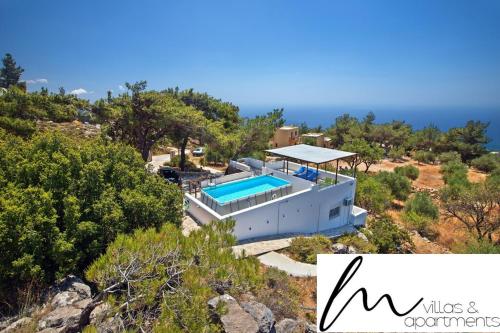
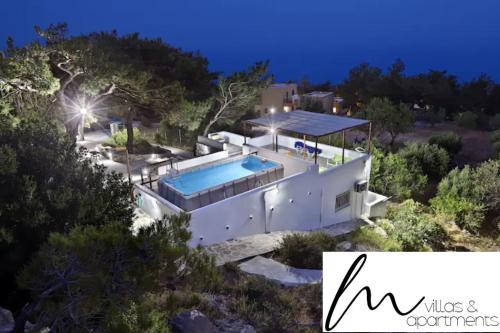
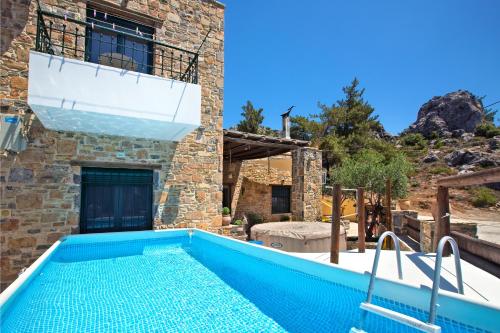
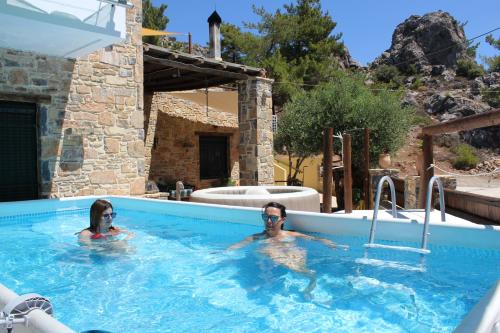
Featuring air-conditioned accommodation with a rooftop pool, mountain view and a balcony, Villa M – Villa with private pool and yard is located in Anatolí. It features a garden, pool views and free WiFithroughout the property.
The villa comes with 1 bedroom, 1 bathroom, bed linen, towels, a flat-screen TV with streaming services, a dining area, a fully equipped kitchen, and a terrace with sea views.
A outdoor play equipment is also available for guests at the villa.
Lake Voulismeni is 31 km from Villa M – Villa with private pool and yard, while Panagia Kera Church (in Kritsa) is 30 km away. The nearest airport is Sitia Public Airport, 74 km from the accommodation.
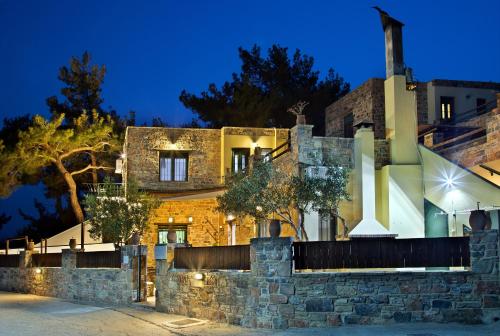
Diktynna offers traditional houses, converted into villas with fireplace and views over the Libyan Sea. It is situated 12 km from Ierapetra. Free Wi-Fi and free parking are provided.
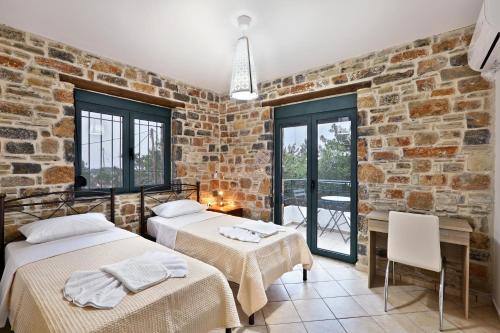
Diktynna Traditional Villas air-conditioned with 2 bedrooms and a living room. They all have a large, fully equipped kitchen with dishwasher and veranda or balconies. There is free Wi-Fi, and a flat-screen satellite TV is available in each of the rooms.
Guests can use the traditional wooden oven, located in the public space of the residential complex.
With Diktynna as their base, guests can explore the surrounding villages of the Lasithi region. You can follow the hiking trails in the area or enjoy a ride with mountain bikes provided on site for free.
from
€118
/night
Featuring an outdoor swimming pool, a garden, and barbecue facilities, Villa Lato – Villa with private pool and yard provides accommodation in Anatolí with free WiFi and pool views. The air-conditioned accommodation is 19 km from Ierápetra.
The villa features 2 bedrooms, a flat-screen TV, an equipped kitchen with a dishwasher and a microwave, a washing machine, and 2 bathrooms.
The villa offers a terrace.
Agios Nikolaos is 31 km from Villa Lato – Villa with private pool and yard, while Elounda is 40 km away. The nearest airport is Heraklion International Airport, 91 km from the accommodation.
No results available
Connect with thousands of Crete visitors and boost your bookings.
No results available
© All rights reserved. Crete Locals