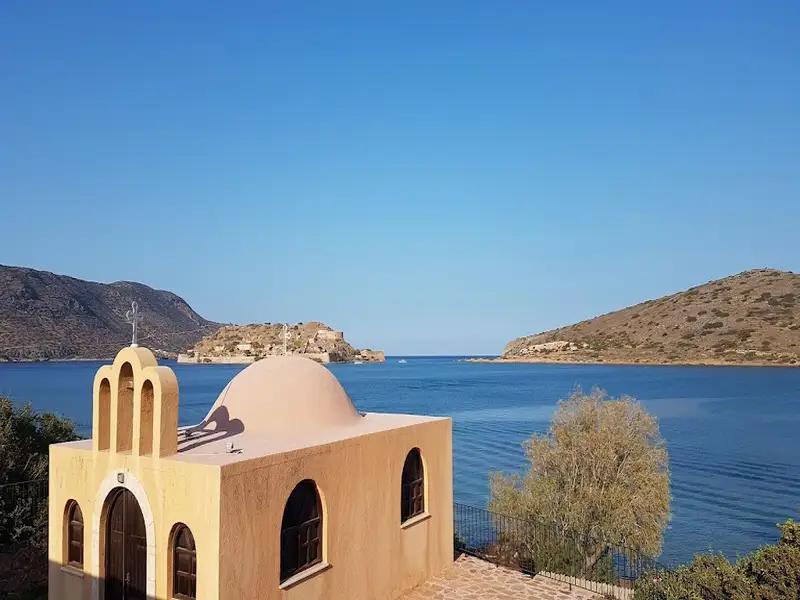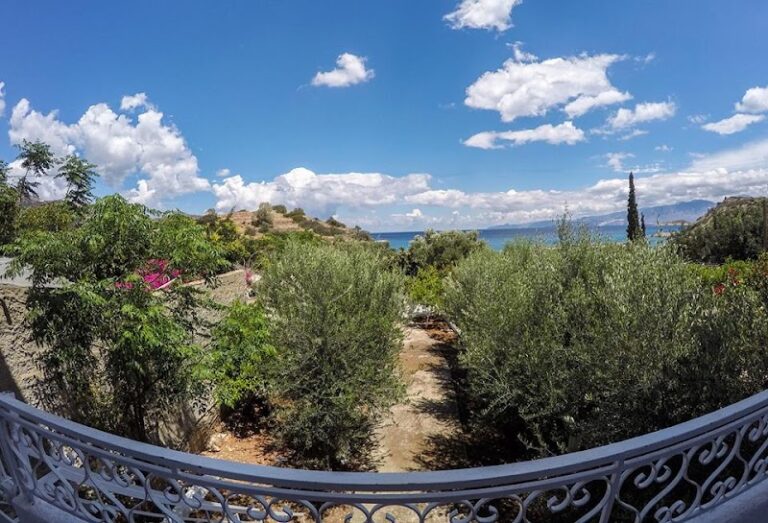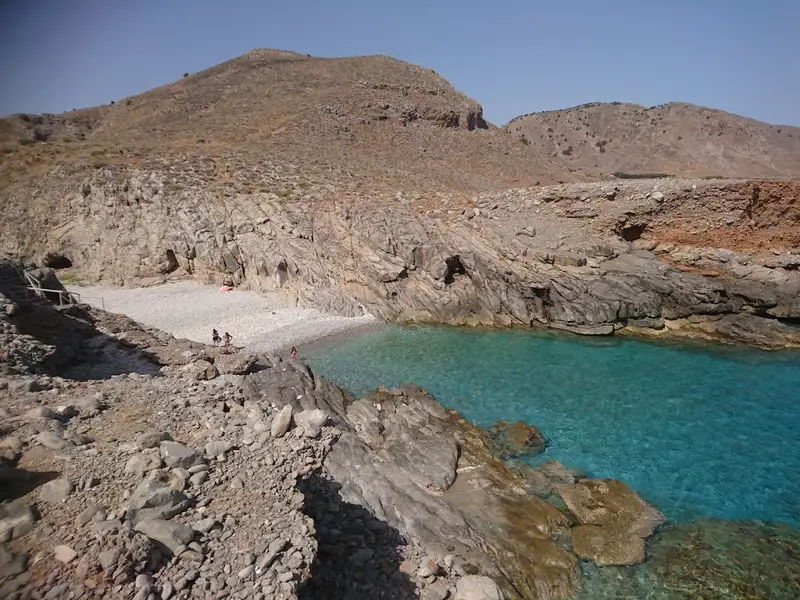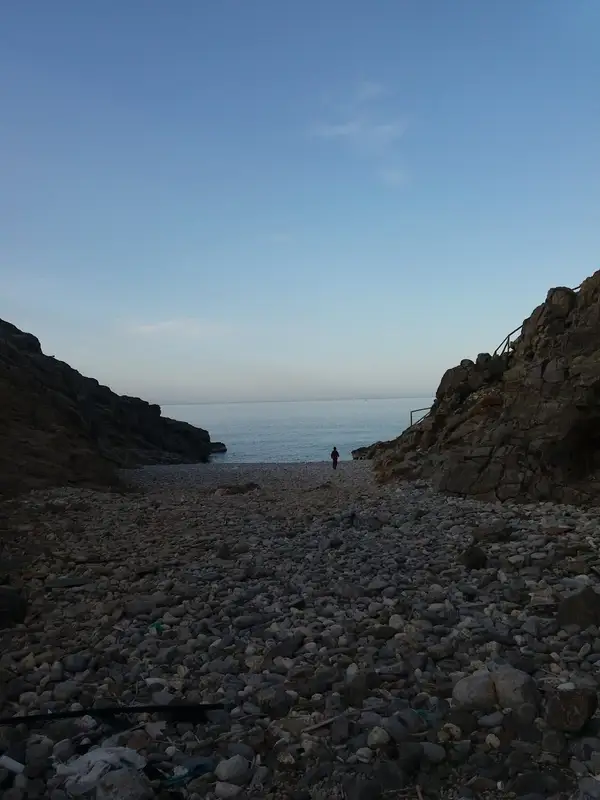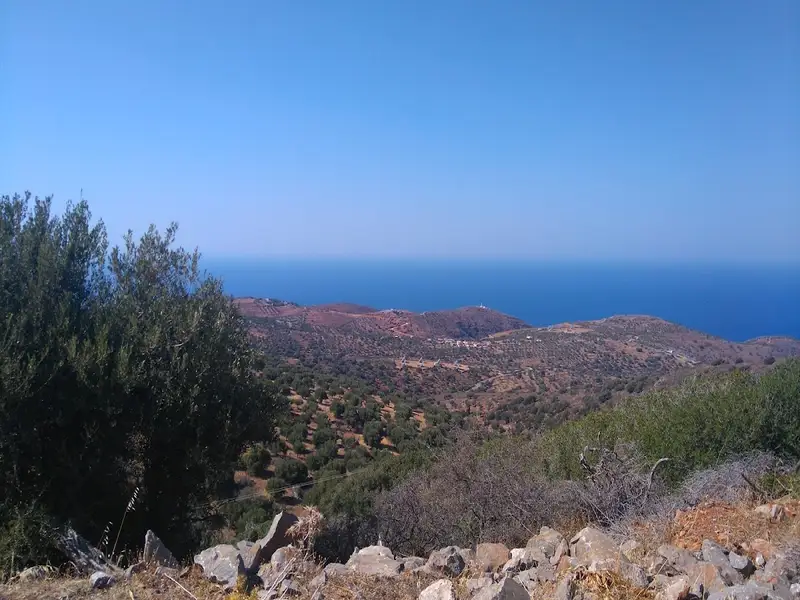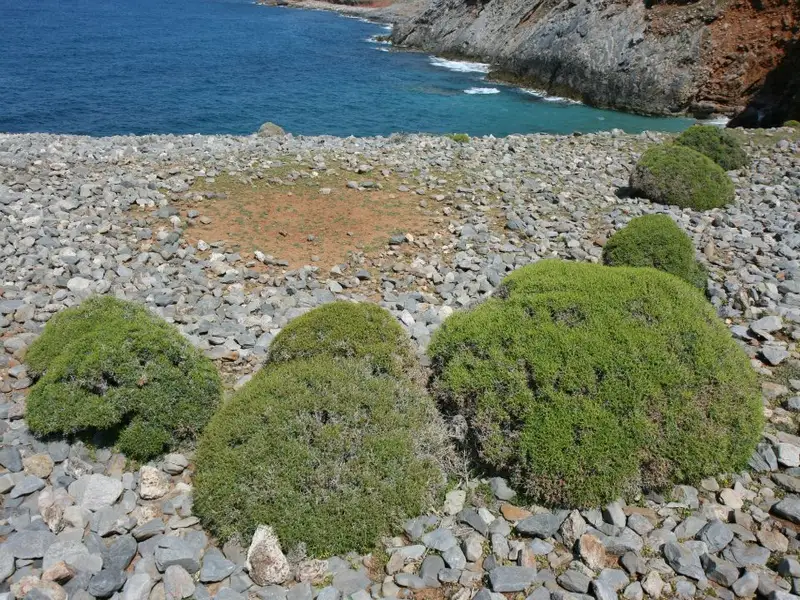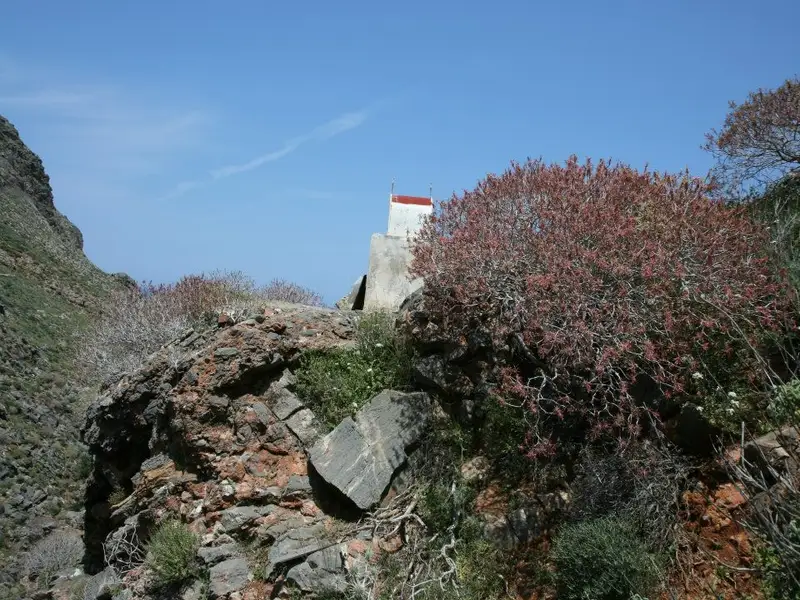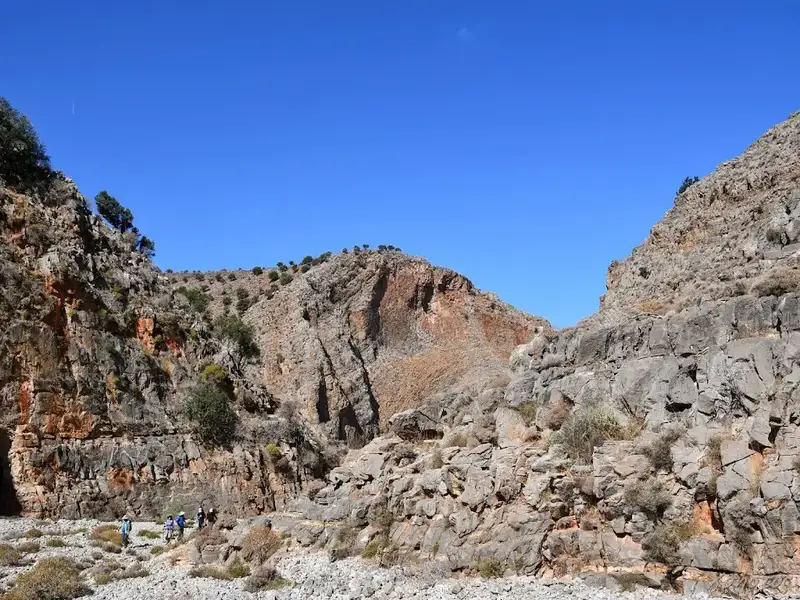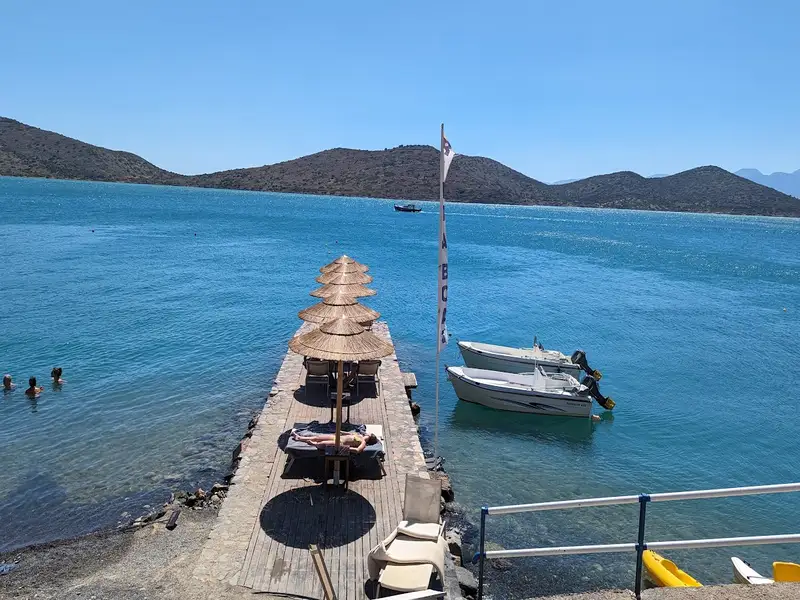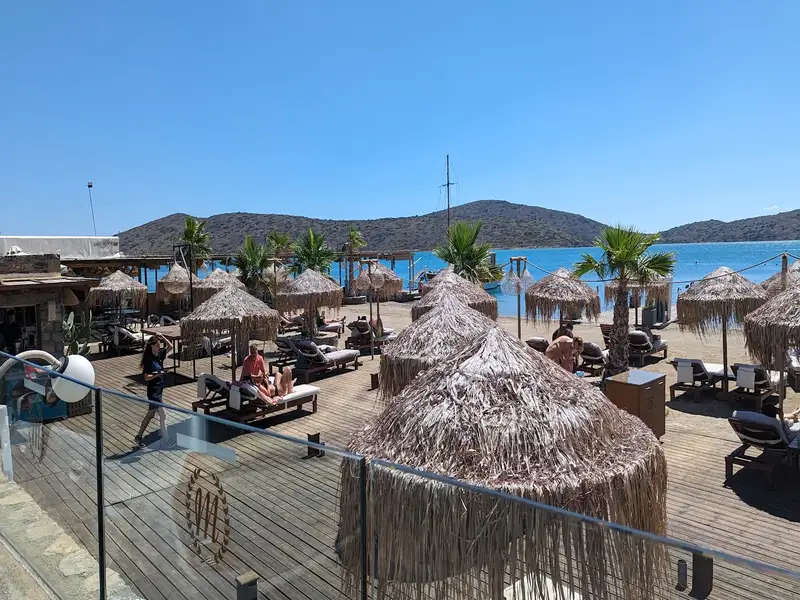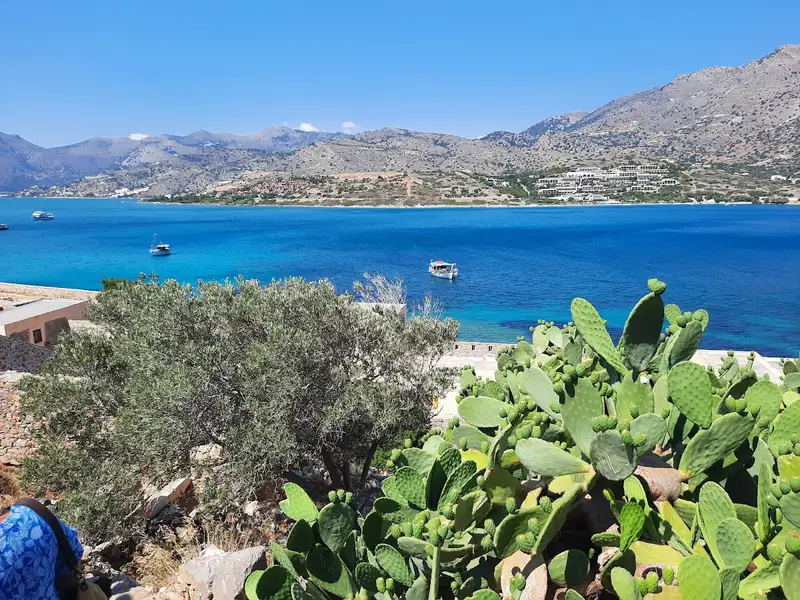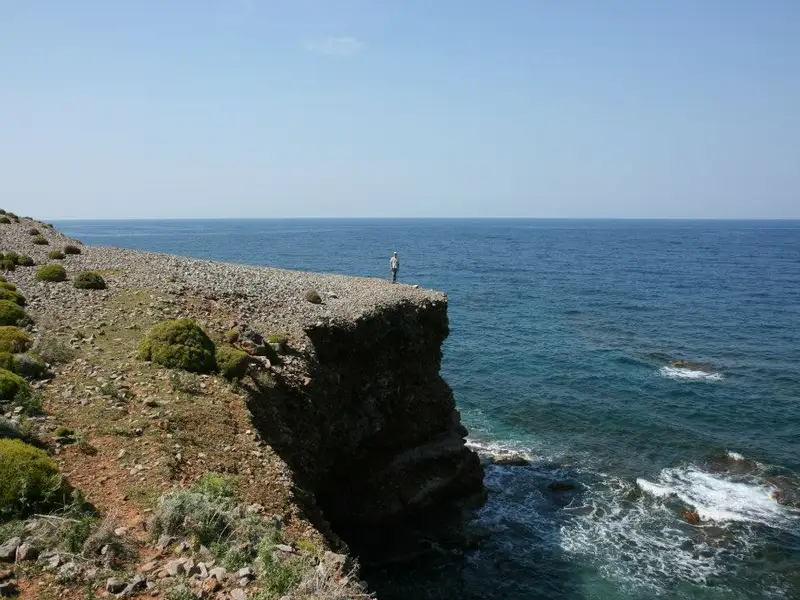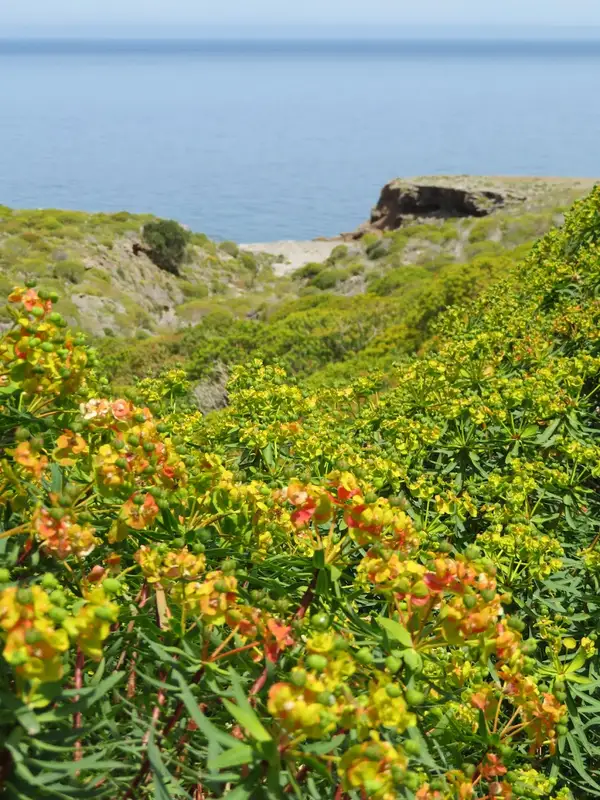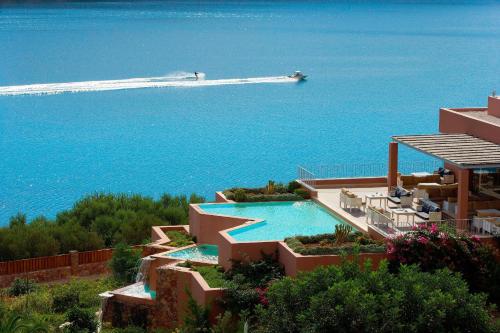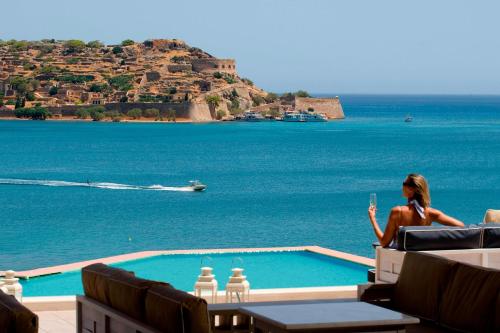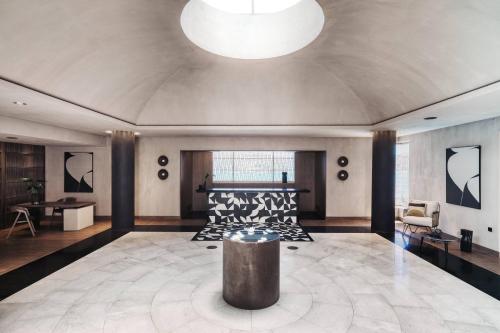
Rent your own motorboat or RIB boat and discover the picturesque islands and scenic views around Crete. Create your own itinerary and explore islands such as Agioi Pantes or Spinalonga, or the beaches of Agriomantra and Kolokytha.
After check-in, set off from the port of Agios Nikolaos on your adventure. Choose a route that interests you and explore lesser-known areas off the coast of Crete.
You can sail to the uninhabited island of Agioi Pantes. Spot the former church which is located at the top of the island. You may also see the endangered species of Cretan mountain goats, called “Kri-Kri”.
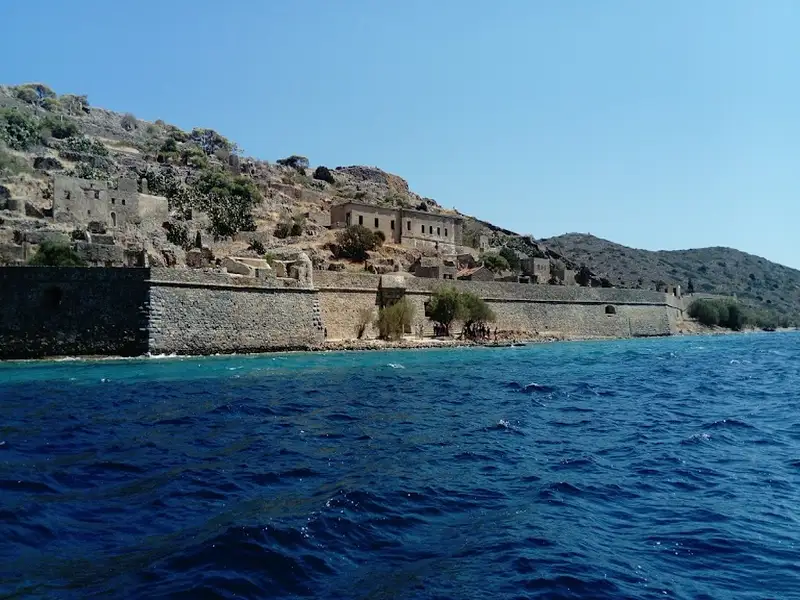
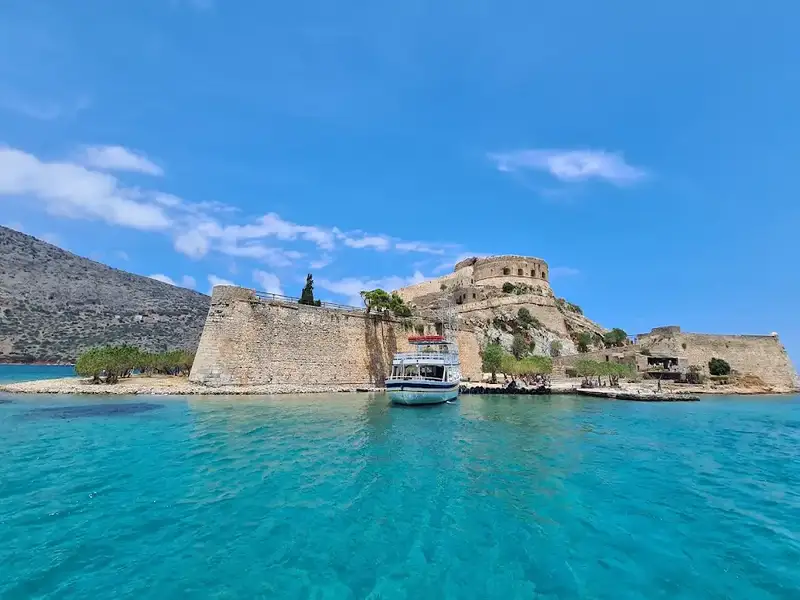
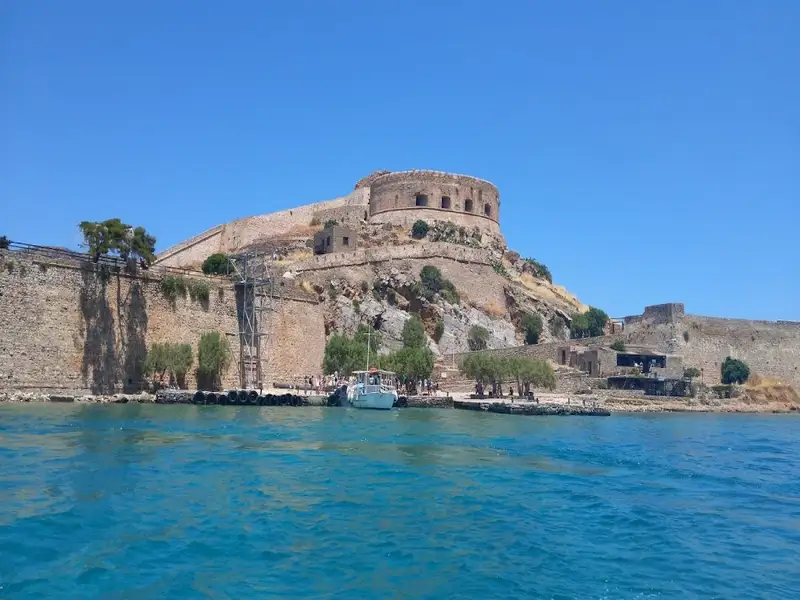
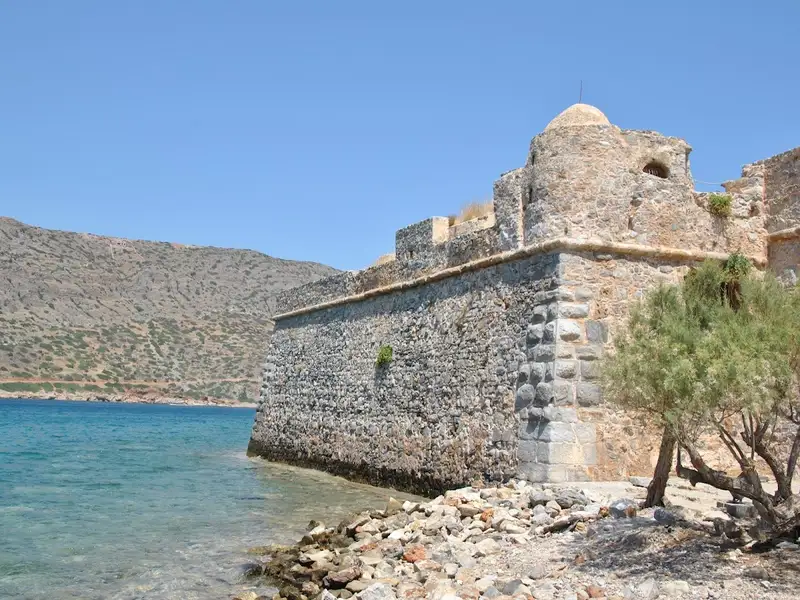
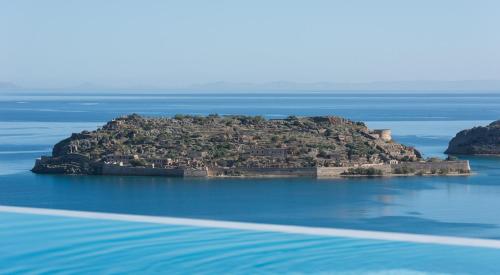
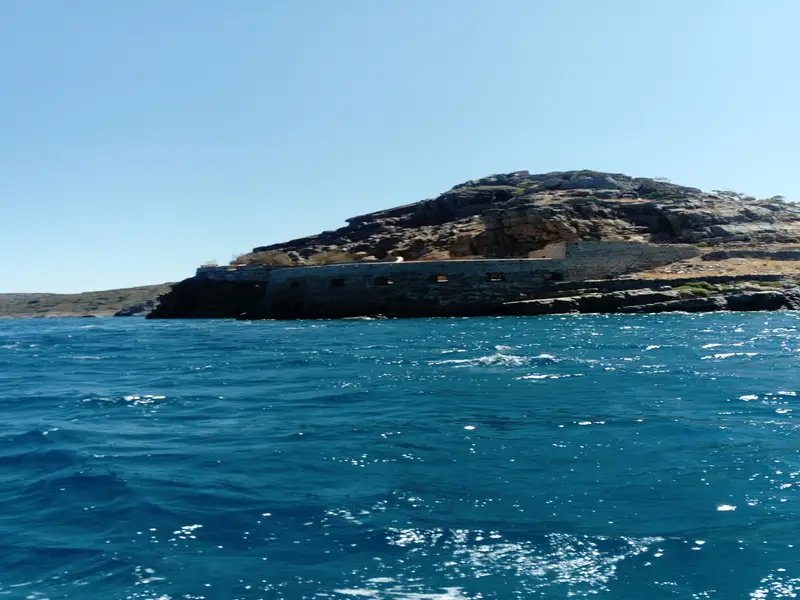
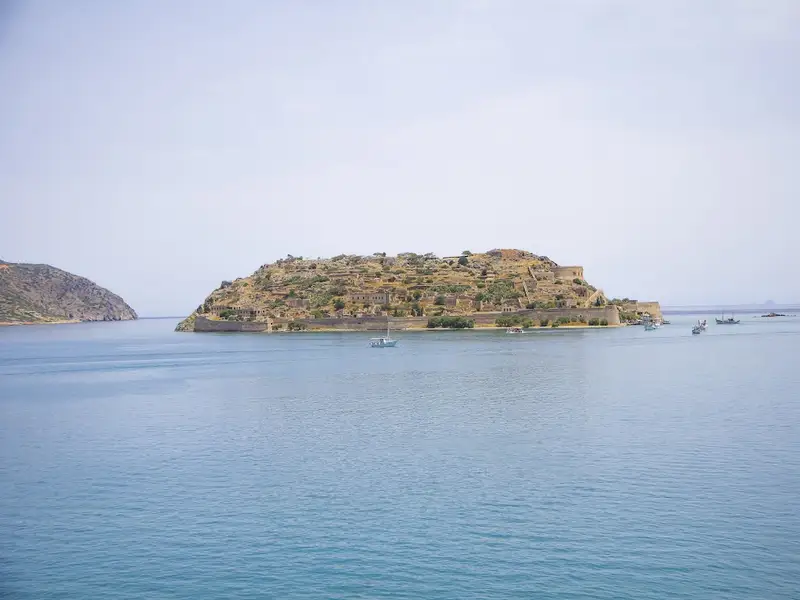
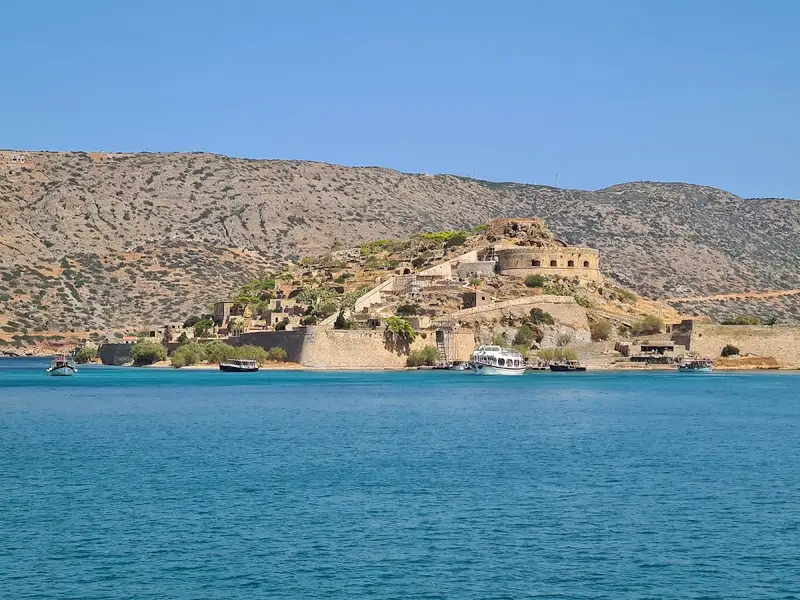
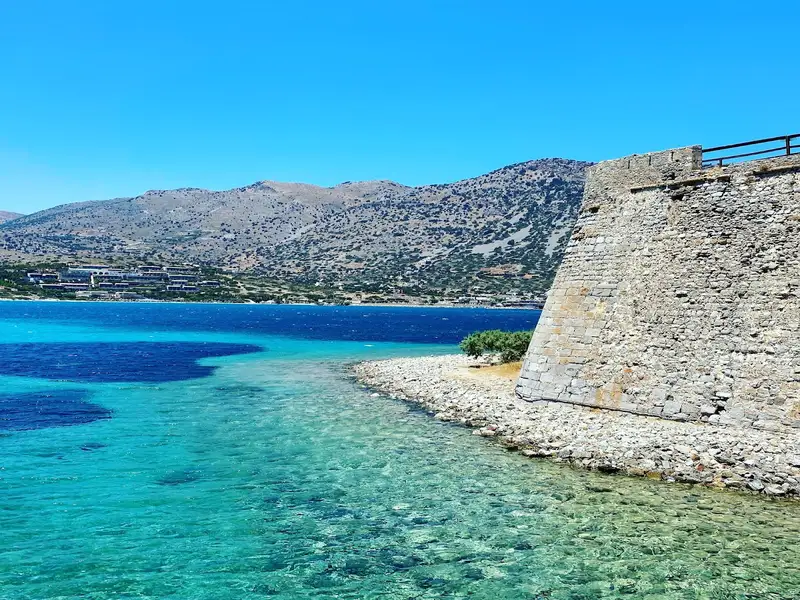
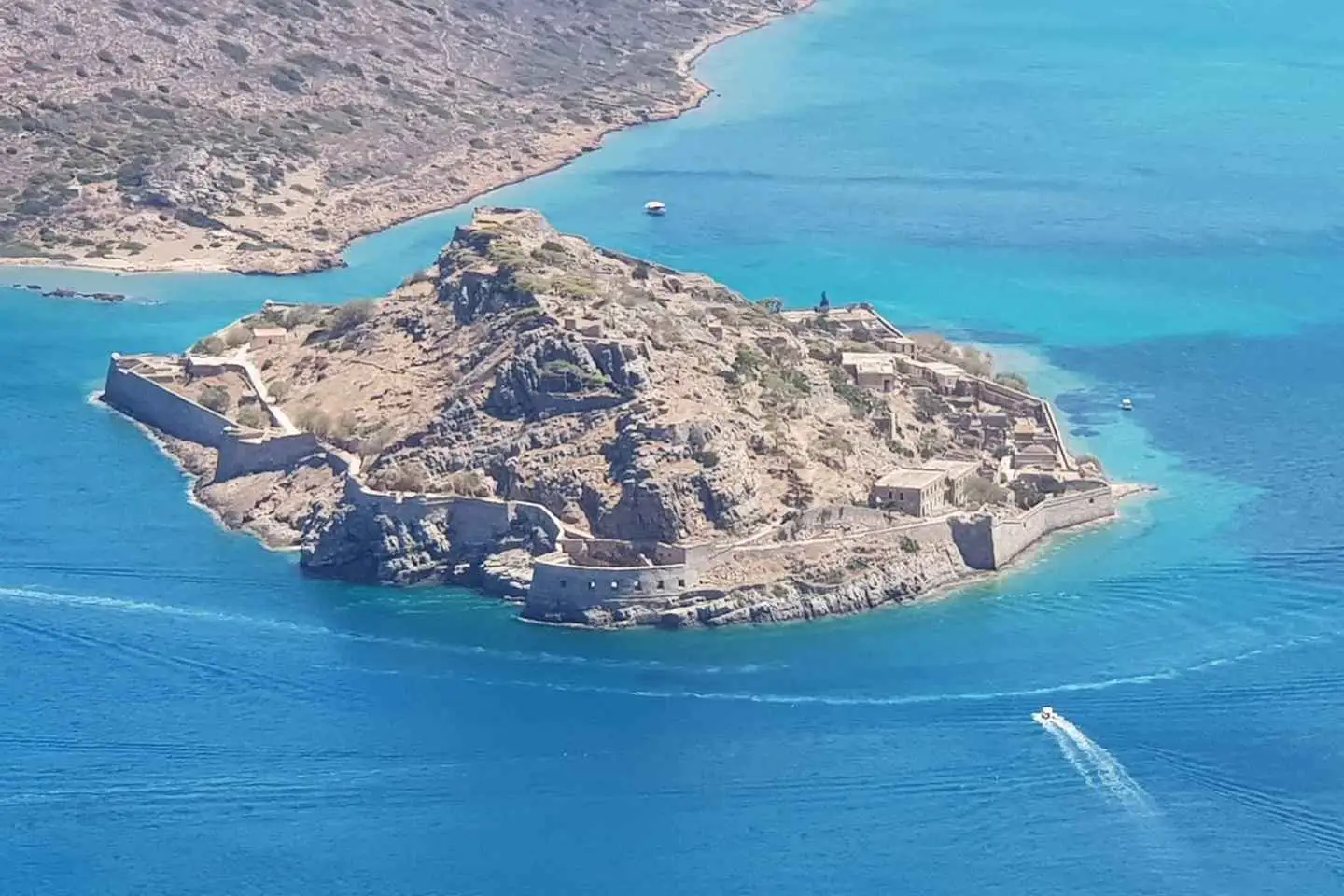
Sail to the beautiful island of Spinalonga located 800 meters off the coast. Admire the views of the 16th-century Venetian fortress, which also served as a leper colony from 1903 to 1957.
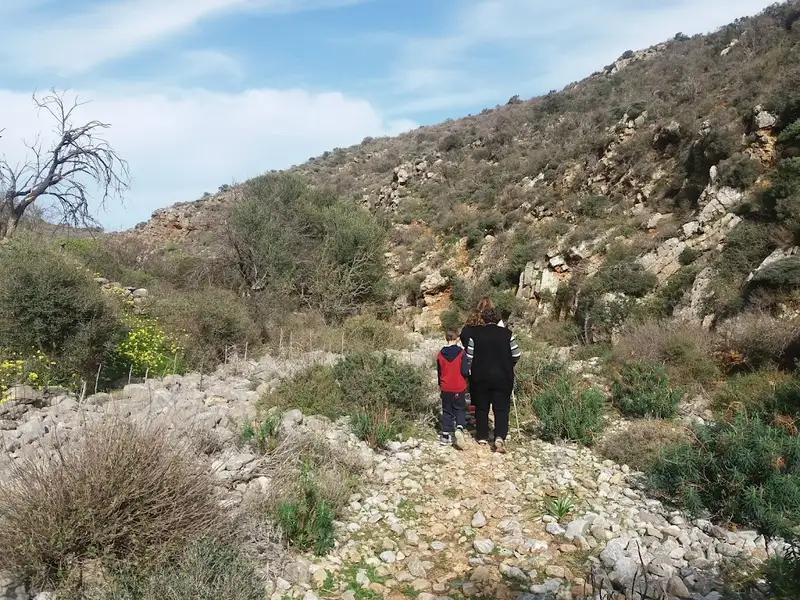
Make a stop for swimming at Kolokytha, one of the most beautiful beaches in Crete. Hike along the pathway that takes you from the beach to the church of Agios Loukas and the Byzantine chapel of Agios Fokas.
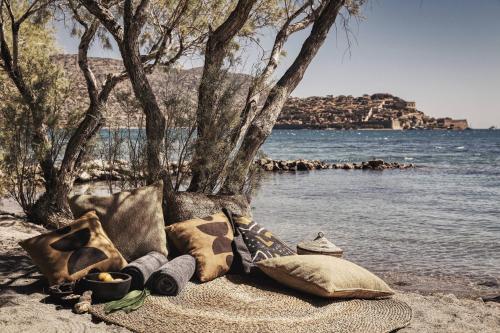
You may also choose to sail towards Agriomantra, a beach that is found at the end of Agriomantra’s gorge and is of outstanding natural beauty. Relax beneath the Tamarisk trees which offer natural shade, while there are barbecues and benches to have a picnic on the beach.


This adventure is a perfect blend of a safari and boat ride to the main area of the region. Venture through the breathtaking mountains and valleys, passing through the small villages, and explore smaller islands off the coast.
Visit the local olive oil factory and learn how traditional olive oil is made on a free guided tour. On the way back, take in picturesque views of the Gulf of Mirabello and the historical island of Spinalonga.
Once arriving at the village of Plaka, board a speedboat for the short ride to Spinalonga, which once served as a leper colony. Take a short tour of the island before heading back to Crete.
Embark on a captivating full-day excursion uncovering Crete’s rich history and stunning landscapes. Immerse yourself in Agios Nikolaos, a town nestled amidst three hills, boasting winding streets and the legendary Lake Voulismeni steeped in captivating folklore. Explore the picturesque bay of Merabelo, visit charming fishing villages, and set sail to Spinalonga, an island with a fascinating fortress and historical leper settlement.
Discover the mountainous terrain adorned with diverse flora and ancient olive trees. Pause at Krasi village to admire one of the world’s oldest plane trees and savor traditional “raki” by natural springs.
Explore the expansive Lasithi Plateau, once home to a grand wind farm of 13,000 windmills. Unveil the legendary Diktaean Cave, Zeus’s birthplace, offering breathtaking vistas of the plateau.
Opt for a delightful traditional homemade Cretan meal amidst picturesque surroundings.
Conclude your adventure in the traditional village of Mochos, engaging with locals at cozy cafes. Depart with cherished memories and a heartwarming smile, chauffeured back to your location.
Embark on an unforgettable journey blending history, natural beauty, and cultural immersion—a voyage that fosters treasured moments and a genuine connection to Crete’s soul.
At Spinalonga, the last leper colony in Europe, we will have a guided tour around this famous island, which is just a distance of 850m. Originally, Venetians fortified the islet in 1579, by building a fortress with 40 cannons and they are actually the best preserved walls in Europe.
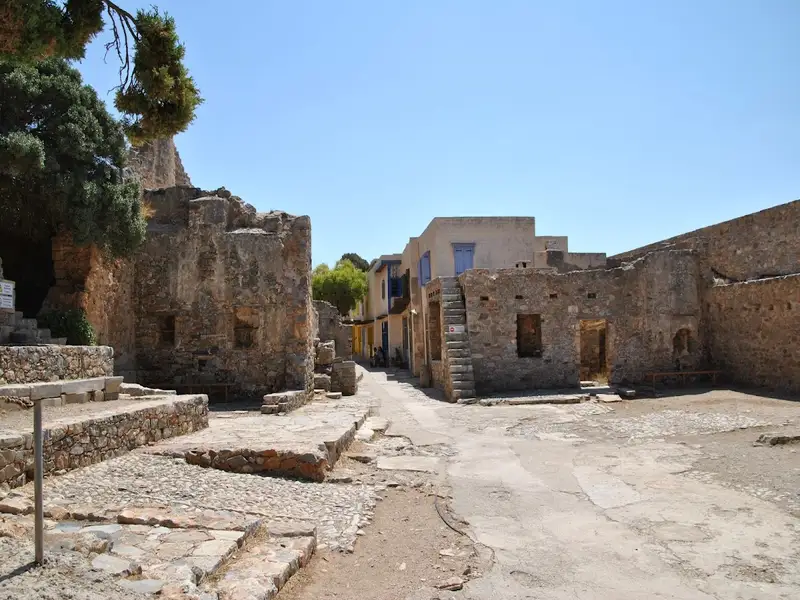
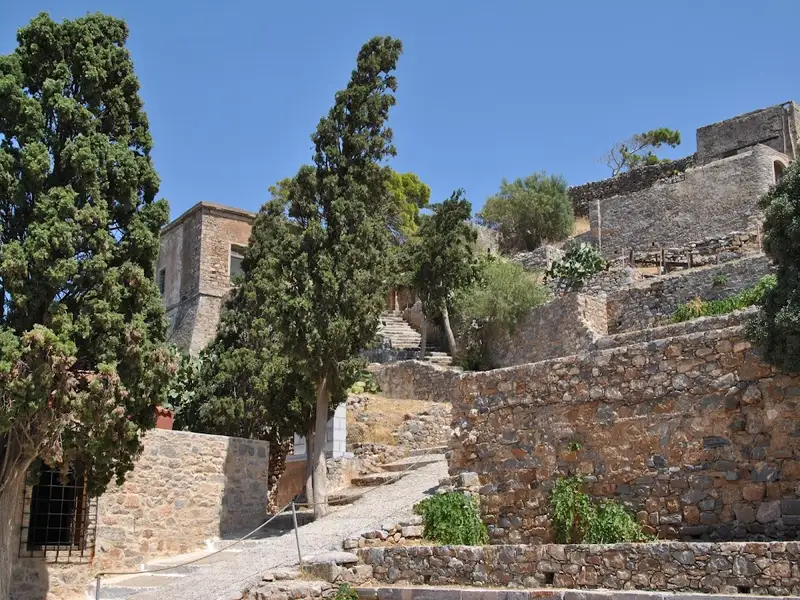
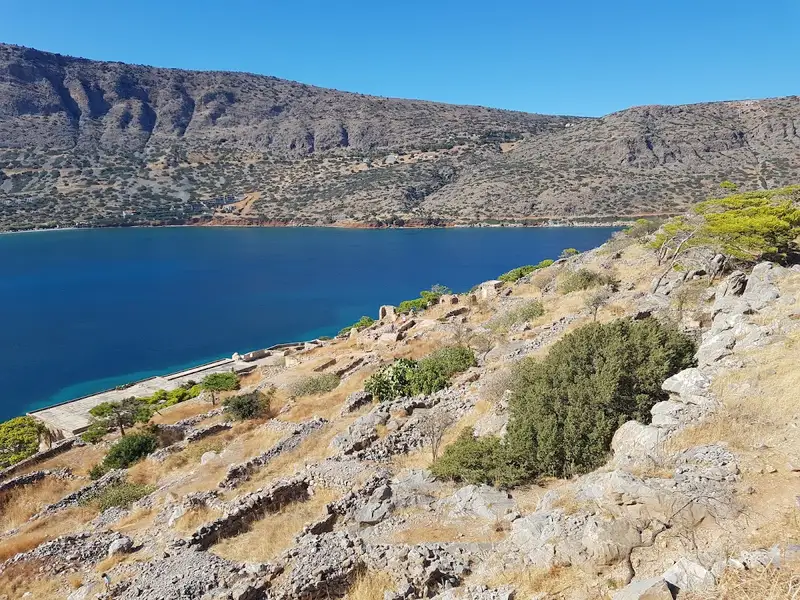
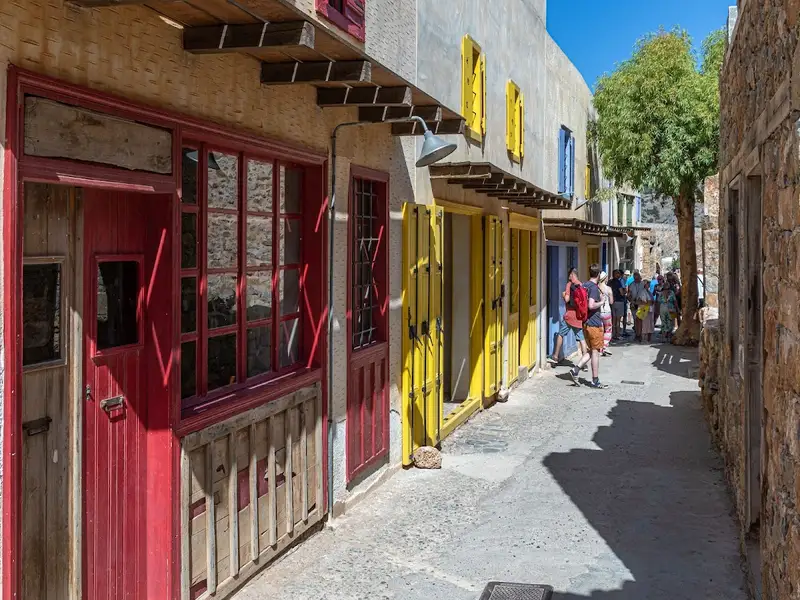
It used to be a leper colony from 1903 until 1957, where lepers could have a better life, medical help and economical support. The ruins of the market street with the shops, the hospital and many small houses in which lepers lived isolated, can still be seen.
On our way back on the boat, we are having a stop on the beach “Kolokytha/vathi”, where you can enjoy swimming and a BBQ lunch.
Before we take the road back to Heraklion, we will visit Ag.Nikolaos, a town with 14.000 inhabitants which is built on the side of the Gulf of Mirabello. In the centre of Agios Nikolaos is the lake Voulismeni, probably created by an earthquake. There, we can have a coffee break or a walk around the lake, which gives you a great view from above, over the center and the harbor of Agios Nikolaos. Next to the lovely harbor are shady tree-lined streets filled with shops gives you the opportunity to do some shopping.
No results available
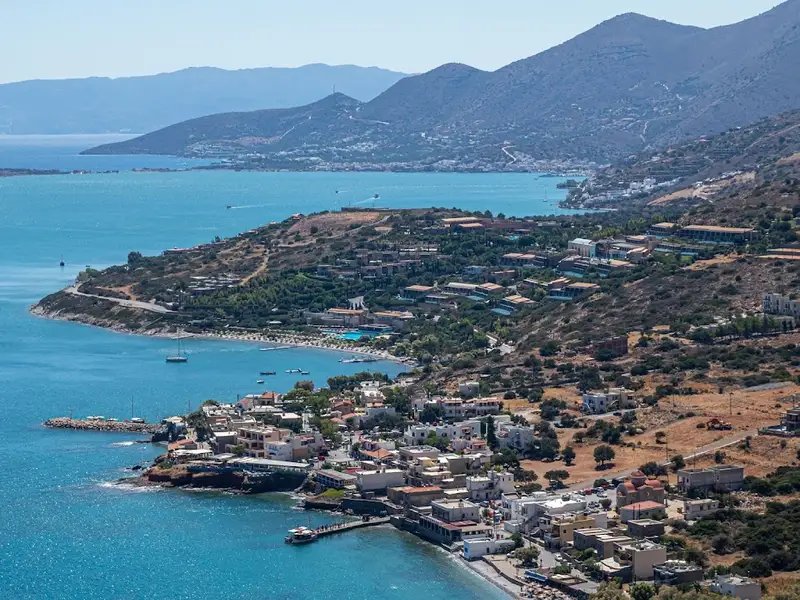
The Tsifliki community is situated 13km to the north of Agios Nikolaos, along the route that links Elounda to the charming village of Plaka. This area is blanketed by olive groves and boasts stunning vistas of Elounda’s lagoon and the former leper colony, Spinalonga Fortress.
The local beaches are sandy, interspersed with occasional rocky areas, and feature tranquil waters. The beach named Dreros, after a nearby hotel, is abundant with tamarisk trees that stand close to the shoreline. The hotel has excellently maintained this beach, making it a perfect destination for families. The serene sea, the tree shadows that reach the beach, and the basic facilities of an organized beach all contribute to its appeal. Plus, the shops of Plaka and Elounda are conveniently nearby.
As previously noted, the most frequented beach in Tsifliki is named after an old hotel, Dreros. This name is not coincidental; it references the ancient Doric city of Dreros, positioned above the modern town of Neapolis. Dreros was home to the Dorians who came to Crete in 1125 BC, as well as the Eteokrites, who are indigenous Cretans and Minoan descendants. The hotel’s original proprietor hailed from Neapoli and named it Dreros in honor of his hometown’s ancient nearby city.
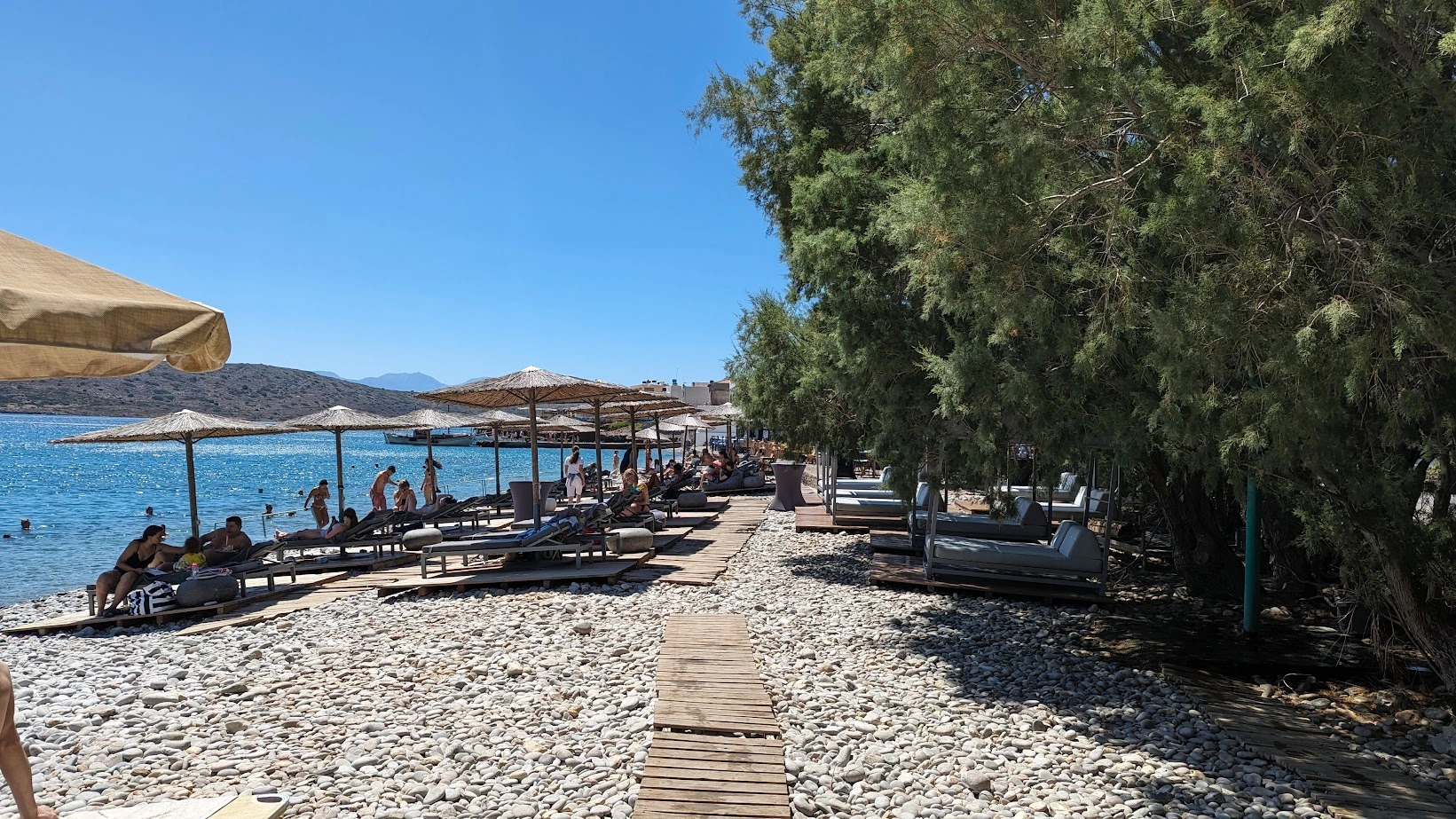

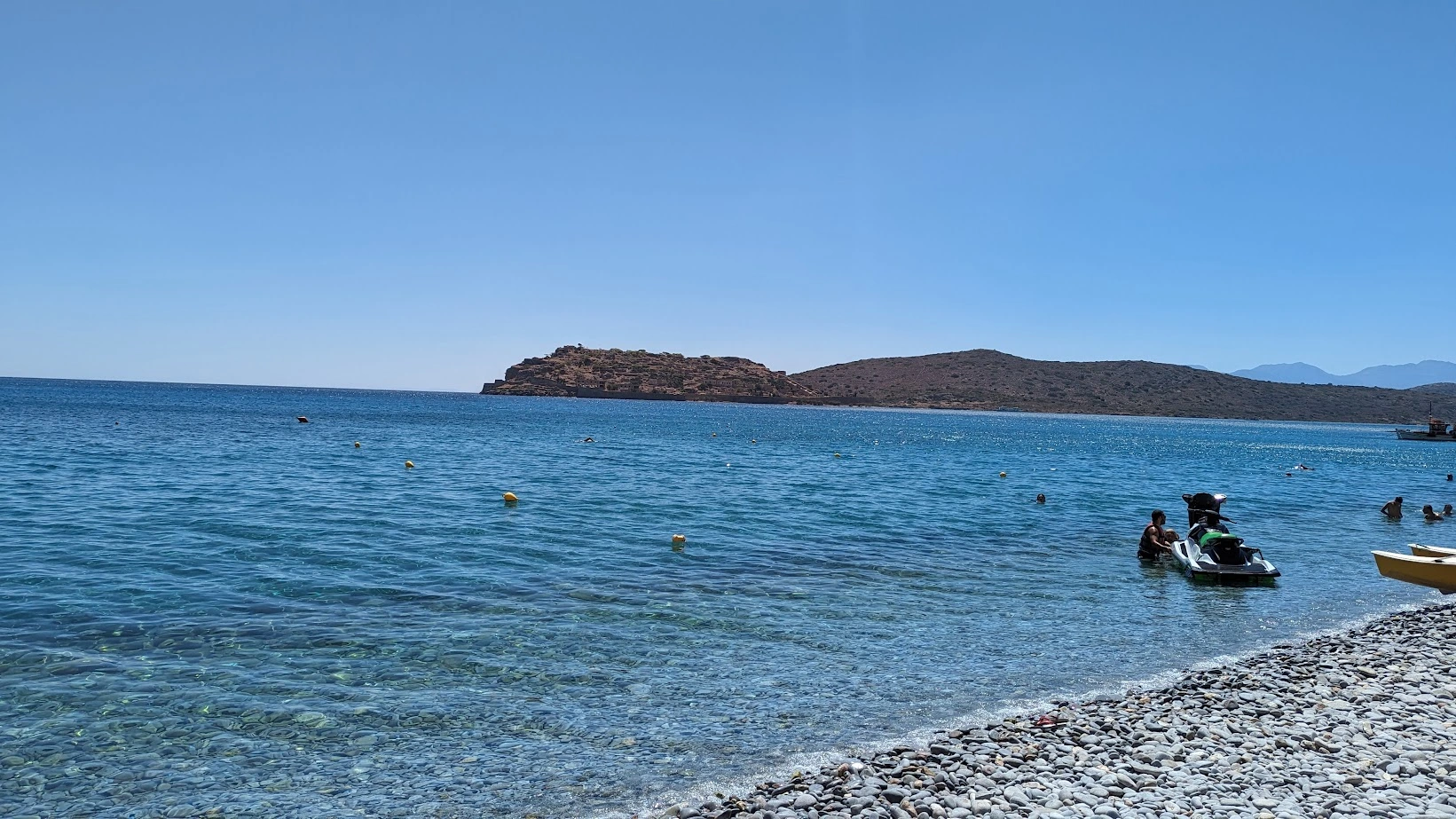


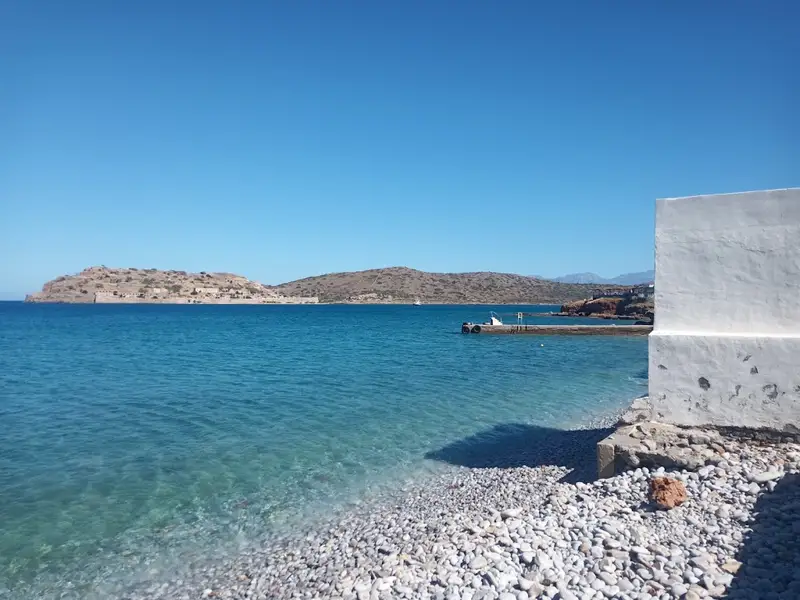
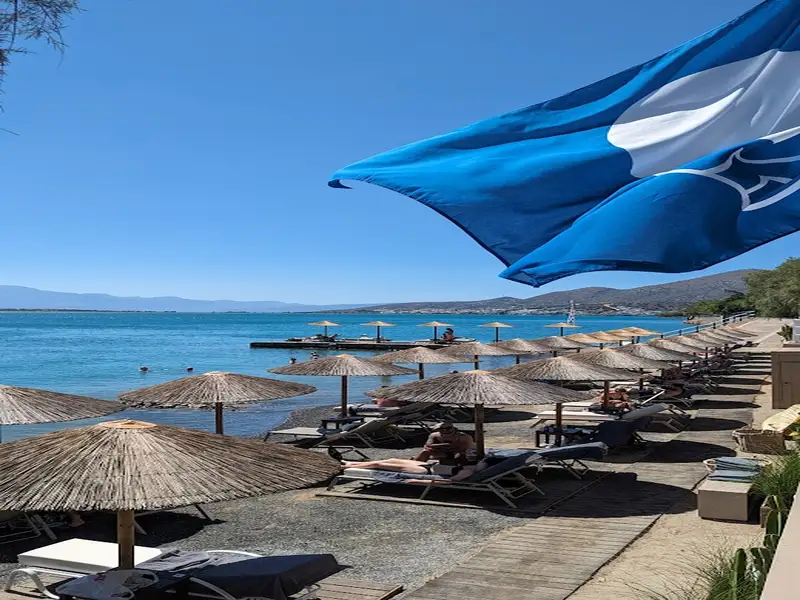
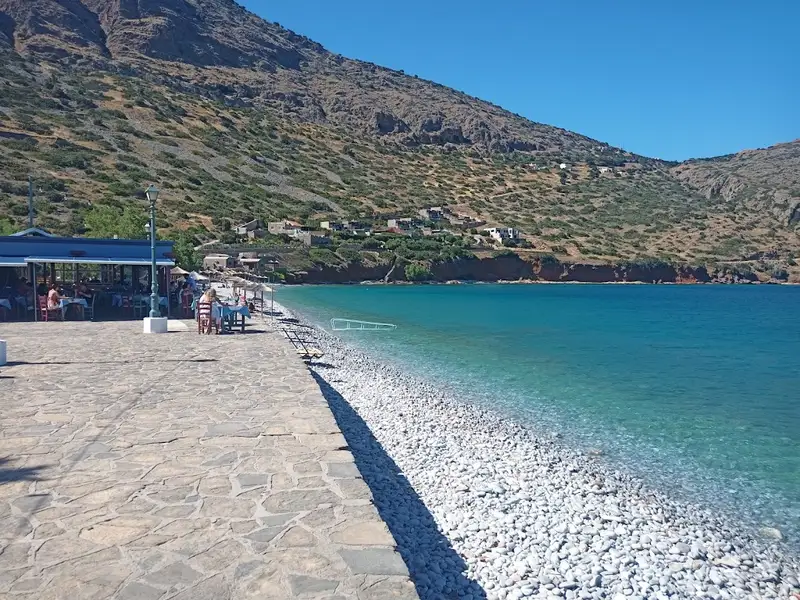
Plaka beach is a pebbly, well-organised beach in the village of Plaka, on the northeast coast of Crete, 16 kilometres north of Agios Nikolaos and a short drive north of Elounda. Plaka beach faces Spinalonga island and its Venetian fortress across a narrow channel, and it is one of the main points where boats leave for the island. The water is clear and usually calm, the shore is made of smooth pale pebbles, and tamarisk trees give natural shade behind the sunbeds.
Plaka beach sits in Plaka village, 16 kilometres north of Agios Nikolaos, opposite the entrance of the Korfos (Elounda) lagoon in the Gulf of Mirabello, Lasithi. The beach looks straight across the water to Spinalonga, the fortified islet also known as Kalydon, so the fortress and the channel are in view from the sand. Plaka village grew up to serve the Spinalonga leper colony, which is why the settlement and the island share one history. Present-day Plaka keeps old stone houses and waterfront taverns, and the Greek television series “The Island” was filmed here in 2010.
Plaka has two pebble beaches, and each one has a different character. The main beach, Plaka beach, lies west of the village, has calm clear water and an interesting seabed, and sits within walking distance of the taverns. Agia Marina beach lies east of the village in front of the large hotel, has bigger pebbles and deeper water, and is a known fishing ground with a rougher seabed in places. Both beaches are pebbly rather than sandy, so the water stays clear and the surface is usually calm. Sunbeds and umbrellas are available to hire on the organised part of Plaka beach, and the tamarisk trees behind them give shade for anyone who prefers to sit on the pebbles.
Drive to Plaka beach along the paved coast road that runs north from Agios Nikolaos through Elounda, a route of about 16 kilometres. Buses also serve the Elounda and Plaka area during the season, and there is parking by the beach. If you want to move between Elounda, Plaka and Agios Nikolaos on your own schedule, a rental car for the Elounda and Agios Nikolaos area gives you the most flexibility on timing.
Reach Spinalonga by boat from Plaka, because the island has no road link and sits directly across a narrow channel from the village. The crossing from Plaka is the shortest of the three departure points, since Elounda and Agios Nikolaos lie further along the coast. Boats combine the beach with a tour of the Venetian fortress and the ruins of the former leper colony, so a swim at Plaka pairs naturally with the island visit. Many guided Spinalonga boat trips and day tours leave from Plaka, Elounda and Agios Nikolaos, and several add a tavern lunch or a swim stop at nearby Kolokytha bay. The small Spinalonga Beach on the island’s quieter side is reached on the same crossing.
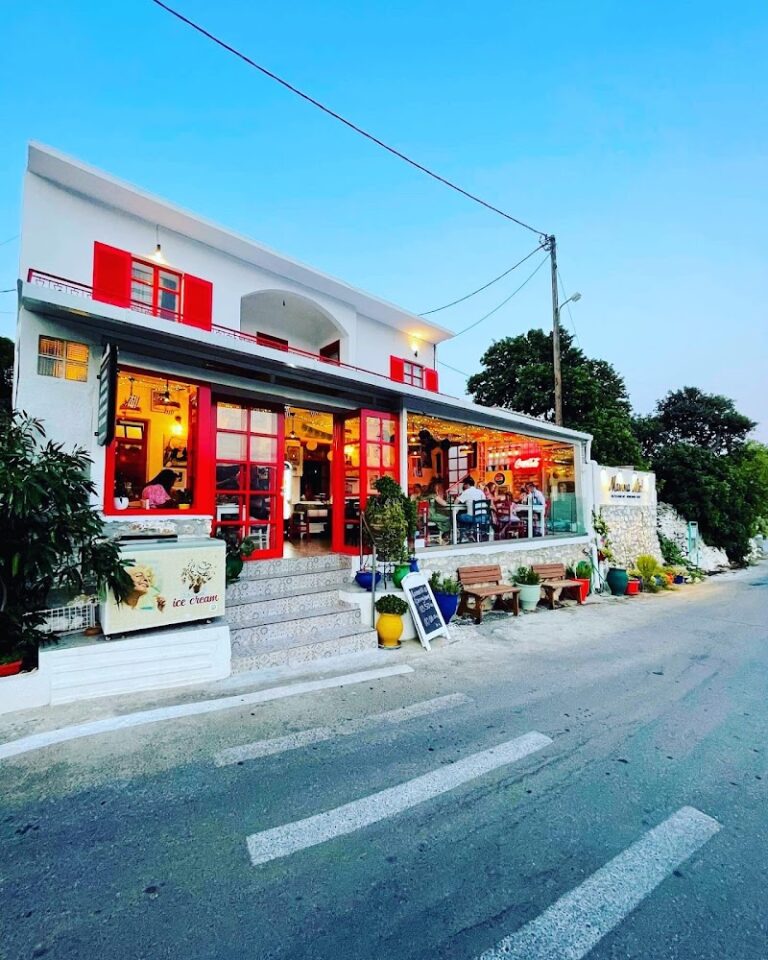
Plaka is a traditional fishing village with a relaxed, uncrowded feel and waterfront taverns that serve fresh fish and Cretan dishes. The area west of the village, Ano Mirabello, holds picturesque villages, ancient sites and wide olive groves in the hills. North of Plaka the village of Vrouchas keeps its old windmills, and further on the Aforesmenos Cape lighthouse marks the northwest tip of the Gulf of Mirabello beside a modern wind farm. Inland stops such as Elounda, Agios Nikolaos and the craft village of Kritsa round out a day trip, and a scenic drive through Mirabello leads on to Neapoli or Milatos and the main road to Heraklion.
Visit Plaka beach between June and September, when the weather is warm and the sunbeds, taverns and boat trips run at their fullest. Spring and autumn stay quieter and still pleasant for swimming, so April to early June and September to October suit anyone who prefers fewer people. The beach faces a sheltered channel, which keeps the water calm on most summer days.
Use these tips to get the most out of a day at Plaka beach:
Yes, Plaka beach is worth visiting for its clear calm water, its pebble shore and its direct views of Spinalonga island. The beach is organised with sunbeds and umbrellas, sits beside a traditional village with waterfront taverns, and works well as both a swimming stop and the start of a boat trip to Spinalonga.
Plaka beach is on the northeast coast of Crete, 16 kilometres north of Agios Nikolaos and just north of Elounda, in the Gulf of Mirabello, Lasithi. It lies opposite the entrance of the Korfos (Elounda) lagoon and faces the island of Spinalonga.
Plaka beach is pebbly, with smooth pale stones rather than sand. The pebbles keep the water clear, and water shoes make walking into the sea more comfortable.
Yes, the water at Plaka beach is clear and usually calm, which suits swimming and snorkeling. The beach faces a sheltered channel toward Spinalonga, so the surface stays calm on most summer days.
Yes, sunbeds and umbrellas are available to hire on the organised part of Plaka beach. You can also sit for free on the pebbles under the tamarisk trees that line the back of the beach.
Yes, Plaka beach suits families, because the main beach has calm clear water and taverns within walking distance. Families who prefer shade can use the tamarisk trees or hire an umbrella on the organised stretch.
Take a boat from Plaka to Spinalonga, which is the shortest of the three crossings to the island. Boats also leave from Elounda and Agios Nikolaos, and most trips combine the fortress tour with time at the beach.
Yes, Plaka has waterfront tavernas within walking distance of the beach. The taverns serve fresh fish and traditional Cretan dishes beside the sea.
No, Plaka beach is an organised family beach and is not a designated naturist beach. It has sunbeds, umbrellas and nearby taverns, and it is used mainly by families and day visitors.
The best time to visit Plaka beach is between June and September, when the weather is warm and all the services run. Spring and autumn are quieter and still good for swimming, so choose April to June or September to October for fewer crowds.
Beginning your journey from Elounda and heading towards Plaka along the coastal road, you will soon encounter a series of small pebble and stone beaches at the Mavrikiano and Agia Paraskevi settlements. In certain spots, you’ll see olive trees rooted on the beach itself, unharmed by the tranquil and saline waters of the lagoon. Occasionally, you’ll come across beach bars perched on platforms. The charming sight of fishing boats docked nearby undoubtedly tempts you to pause your journey for a photo op. As you move further north, the beaches of Tsifliki and Plaka unveil themselves, offering breathtaking views of Spinalonga, the famous leper island, and one of Greece’s most renowned attractions.
No results available
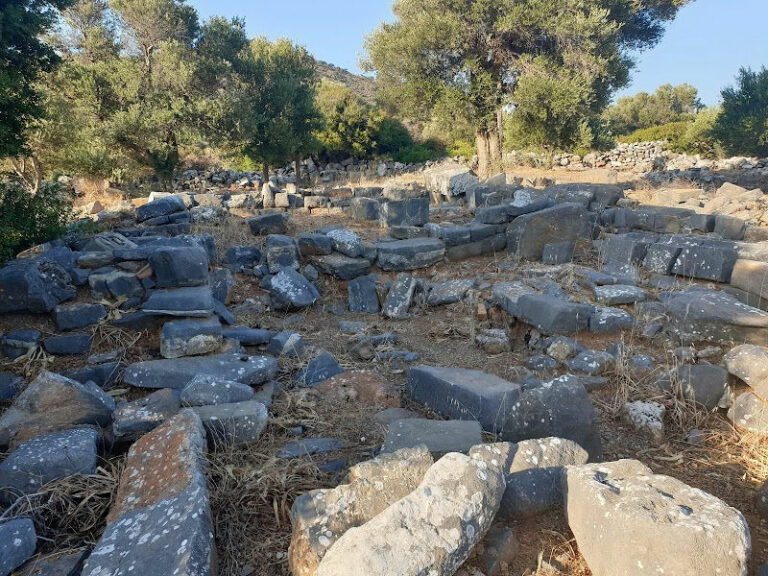
The quaint, age-old Sanctuary of Afrodision Iero, also known as the Aphrodite Temple, can be found close to the village of Lenika and has a history that stretches back to the 10th century BC. Interestingly, this very location was utilized in the 2nd century BC to construct a more expansive, two-aisled temple dedicated to Ares and Aphrodite, a fact supported by inscriptions discovered at the site.
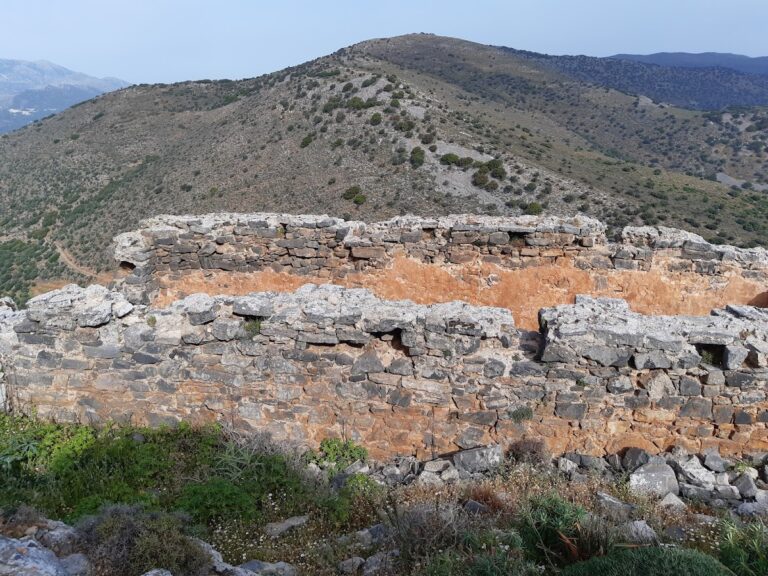
The ancient city of Itanos was a powerful city in Crete, particularly during the Hellenistic and Greco-Roman periods. The name Itanos comes from its founder, who originated from Phoenicia. At its peak, the city’s territory extended from Cape Samonio (now known as Cape Sidero) to Cape Erythrae (present-day Cape Goudouras). The city prospered due to the trade of glass, fishing, and Tyrian purple, a red dye derived from shell extracts. Koufonissi Island, owned by Itanos, was renowned for its purple production. Additionally, Palekastro was home to the temple of Diktaean Zeus, which brought significant profits to the region. The city was situated near the famous palm grove of Vai in East Crete.
Itanos’ power was evident in its impressive marble buildings, temples dedicated to Asclepius, Zeus, Tyche, Athena, and its own currency featuring the face of its protector, Athena. The city was a major rival of Praesus (near today’s Nea Presos) and Ierapytna (now Ierapetra). The primary point of contention was the majestic Temple of Diktaean Zeus and Koufonissi. Praesus managed to incorporate the Temple of Zeus into its territory, but Itanos regained it in 150 BC with the assistance of its Egyptian allies. A relevant inscription can still be seen on the wall of the Toplou Monastery, located a few miles to the west. After four years, the impoverished Praesus was destroyed by Ierapytna, leaving only Itanos and Ierapytna as the main players. As a result, disputes over the temple of Zeus and Koufonissi quickly escalated. Itanos began to decline in 795 AC due to an earthquake causing land subsidence, and it was further damaged by an Arab attack in the 9th century. However, even during this period, Itanos survived, as evidenced by its grand Christian churches. The city was not abandoned until the 15th century when repeated Arab raids forced its inhabitants to leave the coastal areas. It is believed that the residents founded the present-day village of Sitanos, near Nea Presos and Karydi, in the Zakros mountains.
Today, visitors can explore the archaeological site and admire various ruins such as the large tower on the western acropolis built with black stones, the grand Christian church in the eastern citadel of the Hellenistic settlement, the two Early Christian churches at the base of the hill leading to Vai, and the cemetery outside the town.
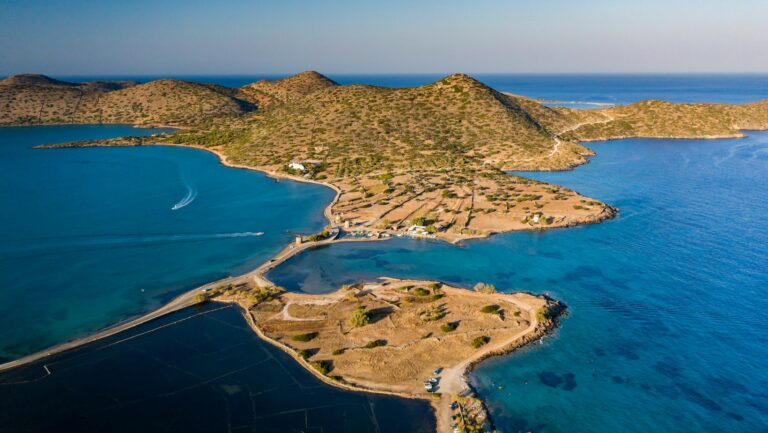
Not far from Elounda, close to the Venetian salt pans, we find a few remains of the ancient city Olous (most are submerged in the sea) or Oloundas, which was inhabited since the Minoan period. Olous was one of the hundred most important cities of ancient Crete, with a maximum population of over 30,000 people. The administrative system of Olous was Eunomia, a form of democracy. In Olous, Tallean Zeus, Apollo, and Vritomartis (Artemis) were worshipped.
Olous minted its own coin. The historian Svoronos identified 11 different types of coins. Most of them depicted Vritomartis Artemis on one side and Zeus with an eagle, a dolphin, or a star on the other. The development of Olous continued until the first Byzantine period, as evidenced by the basilicas of Poros with their marvelous mosaics and the Basilica of Kolokytha with its exceptional white marble parts.
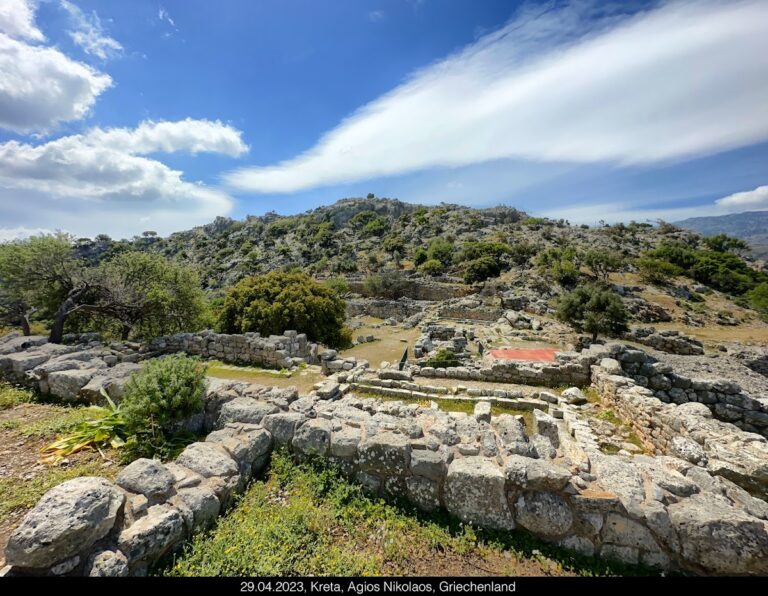
The ancient Lato ruins can be found roughly 3km north of Kritsa, spread across two hills at an elevation of 380m. The site offers breathtaking views of Mirabello Bay. Lato’s name comes from the Dorian pronunciation of the goddess Leto, who was likely worshiped in this area. However, the city’s patron deity was Eileithyia, the goddess of childbirth, who is featured on Lato’s coins. Notably, Lato was the birthplace of Nearchus (360 to 312 BC), the admiral of Alexander the Great. Nearchus’ father, Androtimos, ruled Lato before moving to Macedonia and becoming an advisor to King Philip II. As a child, Nearchus followed his father and grew up with his friend Alexander, even having Aristotle as a tutor.
Although the town existed during the Minoan period, it truly thrived after the Dorian invasion. It remained inhabited until the Roman era, when it began to decline. Lato was one of the strongest cities in Crete, as evidenced by the surviving inscriptions of agreements with other towns. Lato’s port was situated at the site of present-day Agios Nikolaos and was called Kamara. In the 3rd-2nd century BC, Kamara surpassed its mother-town Lato in prominence, similar to many other seaside locations in Crete due to the growth of maritime trade.
Today, Lato is a popular archaeological site known for being the best-preserved town from the classical – Hellenistic period in Crete and one of the most complete in Greece. Visitors can explore the fortifications, market, prytaneum, small theater, temples, public buildings, cisterns, and more.
No results available
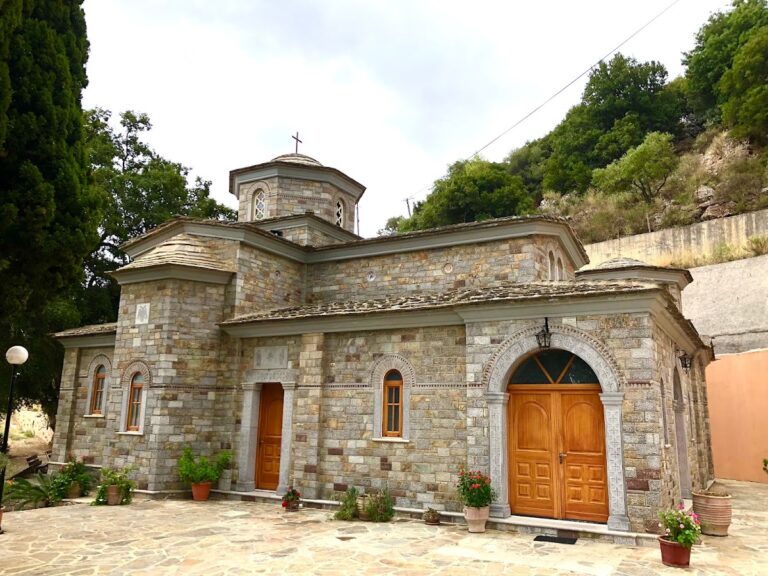
The male monastery of Saint George Selinaris is nestled in the heart of the Selinari gorge, close to Vrachasi village and Neapolis. The National Road, which connects Heraklion to Agios Nikolaos, runs alongside the monastery, making it a popular stop for many visitors daily. Cretans believe it is bad luck to pass through the canyon without stopping at St. George, a tradition that dates back to when travelers would stop to rest with their animals.
As per tradition, a monk from Rhodes named Nikolaos was guided by God to a location where he discovered the icon of St. George, leading him to build a church. Nikolaos resided at Selinari until his death, at which point he was buried in a small cave at the summit of Anavlohos mount, which he had carved himself. Several years after his passing, sailors from Rhodes were led to Nikolaos’ tomb by a shining star. Recognizing this as a divine sign, they transported his bones back to Rhodes. Anavlohos cave can be found on the eastern side of the gorge, directly opposite the monastery. The exact location can be identified by looking up at the gorge walls and spotting a large cross. While the cave is accessible by foot, climbing the steep path requires good physical fitness.
During the Ottoman Era, it is believed that the Turks attempted to destroy the monastery, as evidenced by the three bullets embedded in the old icon of Saint George, which is also considered miraculous.
A visit to the monastery is well worth it, as you can admire the stunning beauty of the lush canyon and cool off at the local spring. The monks are very welcoming and eager to share the history of the monastery. The central church’s main body is modern, as are the wall paintings in the chapel of St. George (the original temple built by Nikolaos). A modern nursing home also operates here, constructed on the ruins of the old monastery cells.
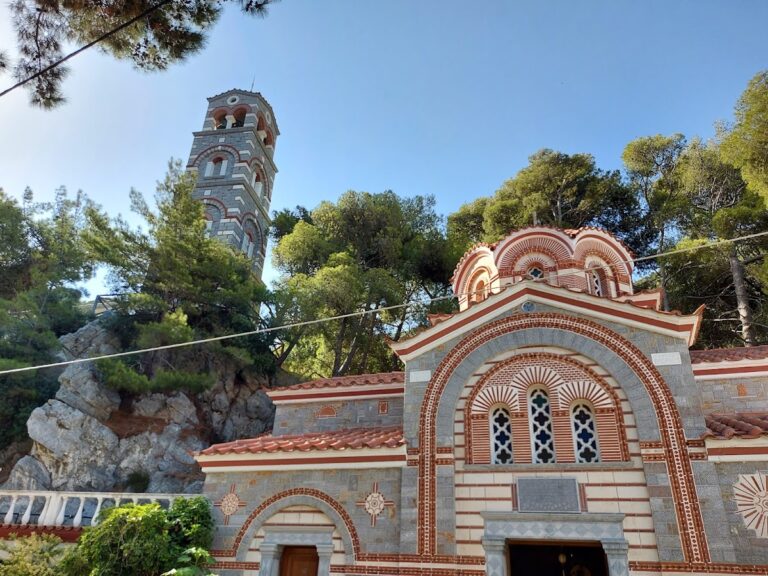
The Kremasti or Kremasta Monastery can be found south of Neapolis town, along the road that connects the town to Vrisses village, offering a stunning view of Neapolis. Its forting architecture is constructed on the steep, wooded slopes of Mount Kavalaras, giving the impression that it’s suspended in mid-air – a feature to which the monastery owes its name (Kremasti means hanging).
Officially called the Monastery of the Archangels Michael and Gabriel in Kremasti, it is dedicated to these saints. It is believed to have been built in 1593 and played a crucial role in educating locals during the Turkish Era. The main building is situated on the northern edge of the monastery. A newer church, dedicated to Myrrhbearers, was constructed outside the fortress complex. Additionally, a Laboratory for Religious Painting is operated by nuns from Romania.
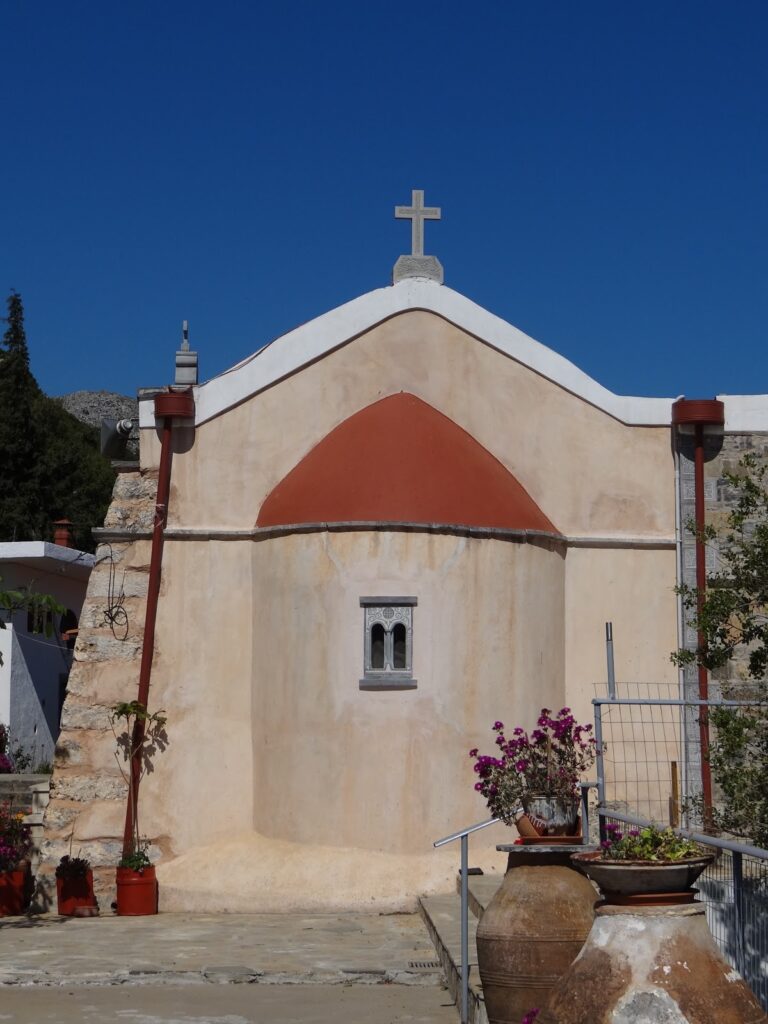
The Panagia Koufis Petras Monastery, also known as the Virgin Mary “of the hollow stone” Monastery, is dedicated to the Annunciation and can be found west of Kremasta Monastery, not far from Neapolis.
From the nunnery in Mirabello province, visitors can enjoy a sweeping panoramic view. Nearby the monastery, the remains of a small temple built within a cavernous rock can be found. It is likely that the monastery’s name (Hollow Stone) is derived from this unique temple.
Visitors will find comfortable accommodations and well-equipped facilities at the monastery. The original church has been expanded with a new aisle dedicated to St. John the Baptist. Within the monastery’s courtyard lies the tomb of Bishop Meletius Chlapoutakis, alongside the grave of his sister Irene.
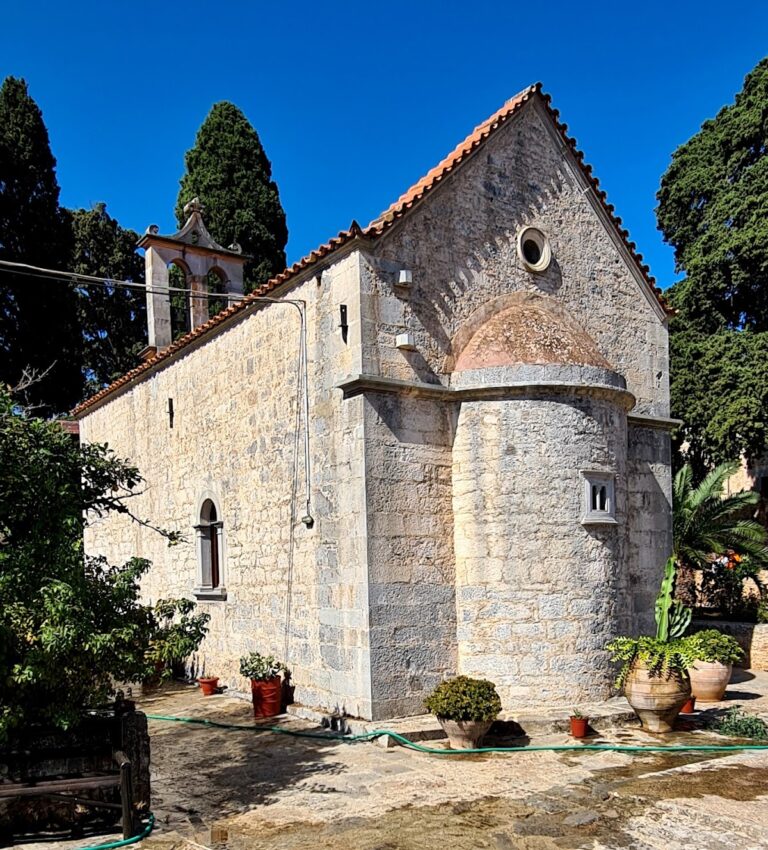
The Holy Trinity Monastery of Areti is situated near the village of Karydi (close to Neapolis) in the dry and secluded region of Mirabello province. Along with the neighboring Kardamoutsa monastery, these were the most significant monasteries in the area, which boasts the highest number of monasteries in Crete. In fact, it once managed to acquire seven other monasteries within the region. After being in ruins for many years, it has recently been restored and is now inhabited by monks.
From a distance, the monastery appears like a fortress, as part of it is fortified, making it one of the five most important fortified monasteries in Crete. At its entrance, there is a gallery that leads to large vaulted storage rooms, the barn, and the main gate of the courtyard. Within the main courtyard, there are tanks and several buildings, including cells, a kitchen, bakery, metalwork room, and other rooms. Outside the enclosed area, there are two large open tanks, an olive oil mill, a creamery, and 12 ancient cypress trees symbolizing the 12 Apostles.
The main church of the monastery is situated in the center of the enclosure and features a single-spaced barrel-vaulted design with a pointed arch doorway. The bell is inscribed with the date 1618. Additionally, there is a second Venetian temple dedicated to Saint Lazarus, which likely had a funerary purpose. Lastly, the small chapel of St. Makarios of Egypt was recently founded within a small room.
A legend surrounds the founding of Areti Monastery: During the Venetian Occupation of Crete, a local worked at one of the many Venetian ports on the island and became close with some Venetians. One of them invited him to Venice for his daughter’s wedding. While there, he overheard guests discussing his homeland, Crete. Unaware that the Cretan could understand Italian, they plotted to go to the current location of Areti Monastery and unearth a hidden treasure. They also mentioned that the first person to lift the cauldron lid concealing the treasure would die. The Cretan, having heard everything, went to the area and searched for the cauldron. He found it and tied the lid to a donkey, which died upon uncovering the pot. The Cretan became wealthy and, in gratitude to God for his fortune, built the Areti Monastery in this rocky and desolate place.
No results available
No results available
No results available
No results available
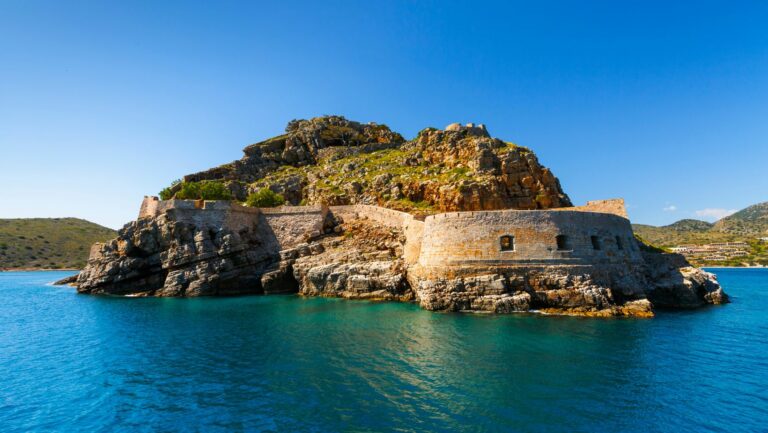
Spinalonga, a rugged islet off Crete’s Elounda Bay, boasts a rich history from its ancient origins protecting the city of Olous to its transformation into a formidable Venetian fortress in the late 16th century. Renowned for its bastion-type fortifications, it served as a refuge during the Cretan War and remained under Venetian control until its surrender to the Ottomans in 1715. The islet then evolved into a bustling Muslim village, with its architecture reflecting local and Balkan traditions.
In the 20th century, Spinalonga gained a different purpose as the site of a Leper Hospital from 1904 until 1957. Despite the hardships, the residents forged a strong community, finding love and building lives under challenging circumstances. After the closure of the hospital, the islet was left deserted until it was declared an archaeological site in 1976.
Today, Spinalonga is a testament to human resilience and historical evolution, drawing visitors worldwide to explore its well-preserved houses, shops, and fortifications. As an organized archaeological site, it offers a window into various eras, from Venetian and Ottoman rule to a poignant period as a leper colony, making it a unique destination for history enthusiasts.
No results available
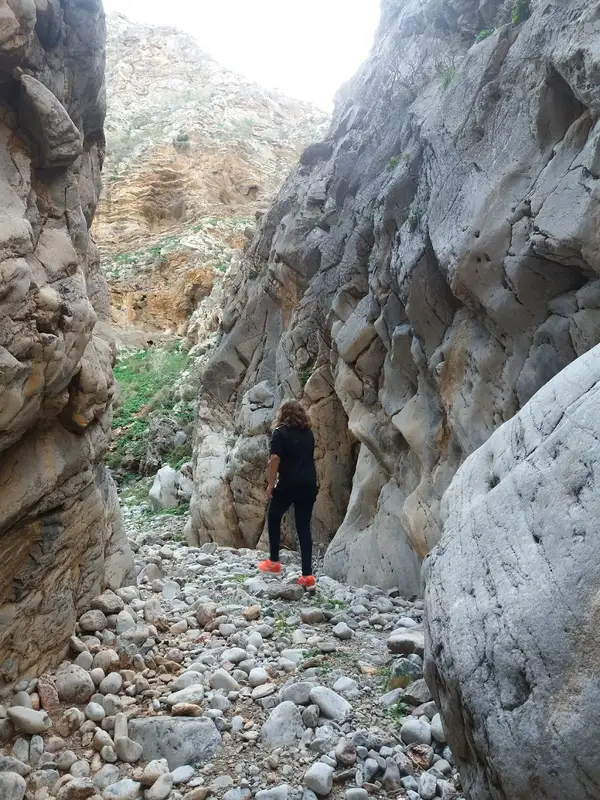
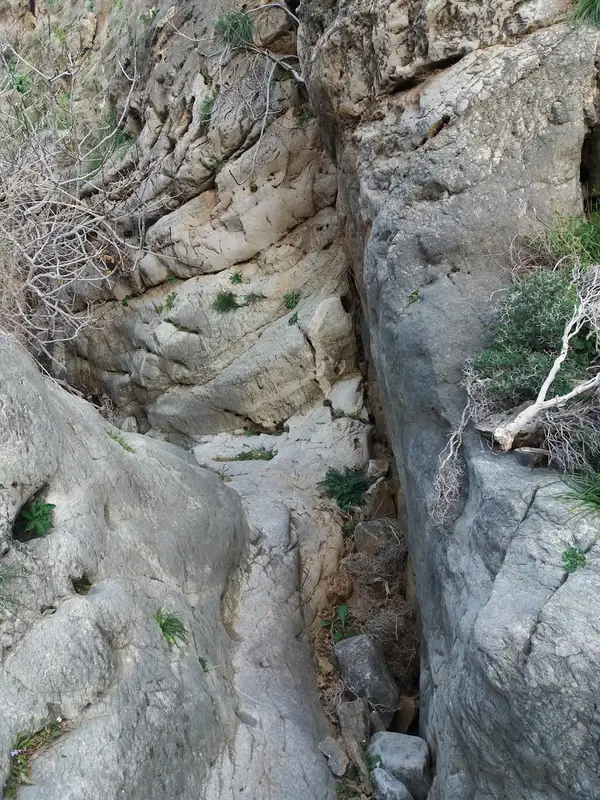
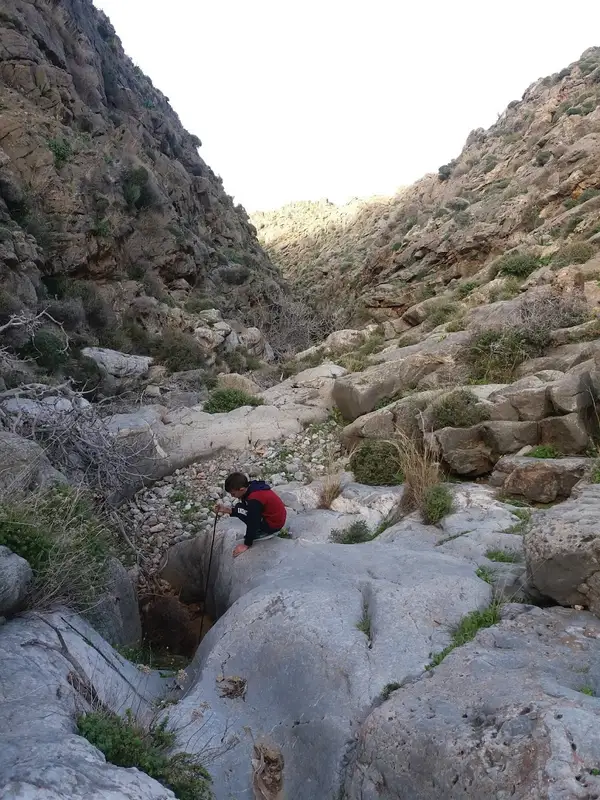
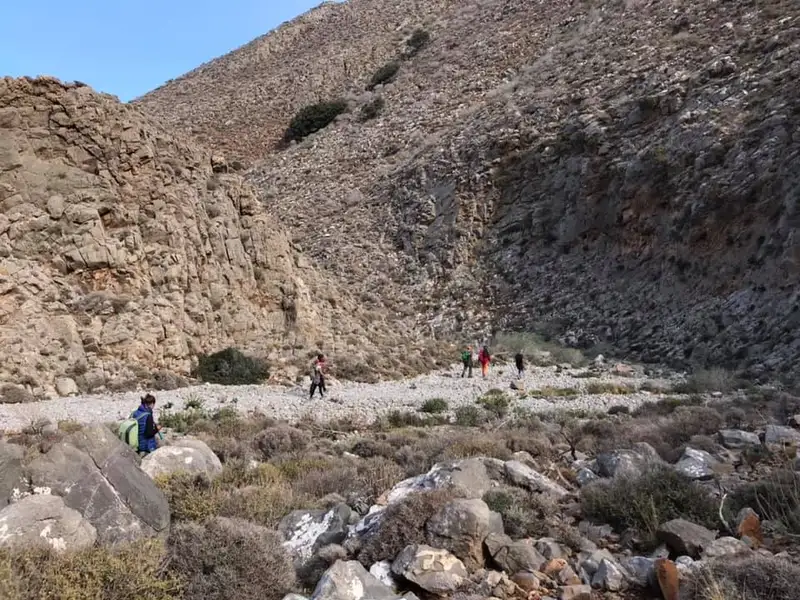
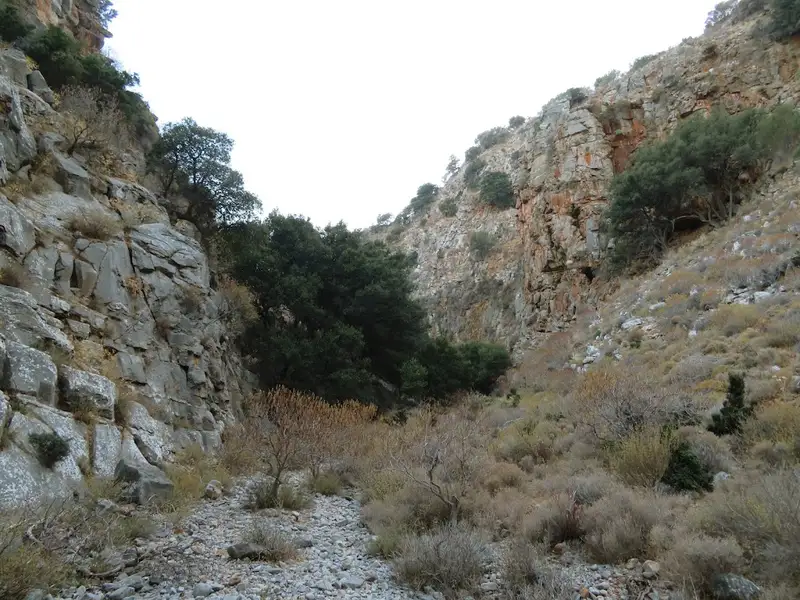
The Mavrogiannis Gorge, also known as Skinias Gorge, originates from the vicinity of the Skinias village in the Mirabello province. Following a winding path, it culminates at the stunning Avlaki beach in Vlychadia. This dry canyon is characterized by magnificent rock structures throughout its length. Although the gorge transports water from the Areti Monastery region, it is predominantly dry.
The undiscovered Kouroukoulos gorge originates from the abandoned village of Agalianos, located in the Merambelo district of Lasithi prefecture. The old trail from the village leads us to the Lagos stream, which is suitable for hiking along its entire length. Initially, the terrain is dominated by oak trees, but as we get closer to the sea, the vegetation changes to brushwood and oregano.
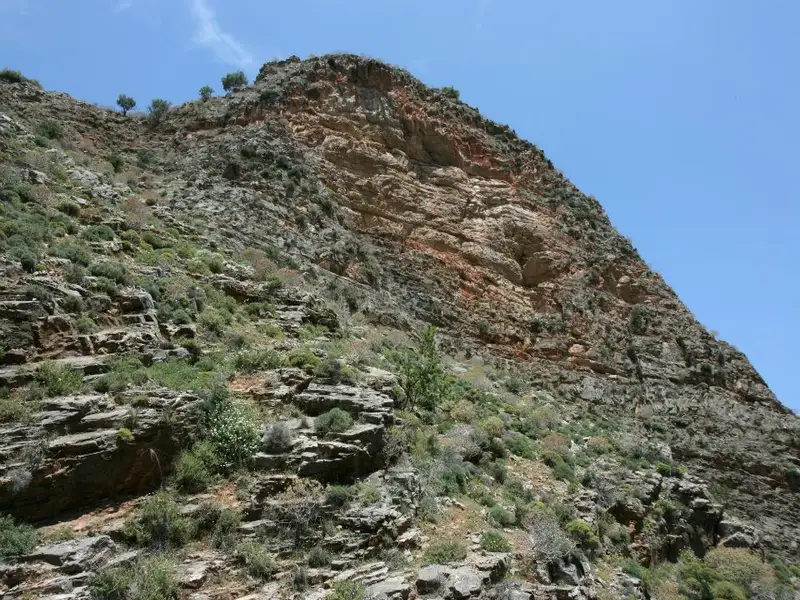
To the west of Kouroukoulos lies the Patsopoulos Gorge, separated by a thin strip of rugged, rocky land known as Spathi. From the peak of Spathi, one can enjoy views of both canyons. Just before reaching the sea, the two canyons merge into one. The Kokkinos Detis (Red Cliff), a spot of exceptional beauty in the gorge, is home to a variety of rare, mostly endemic, plants that thrive in rock crevices.
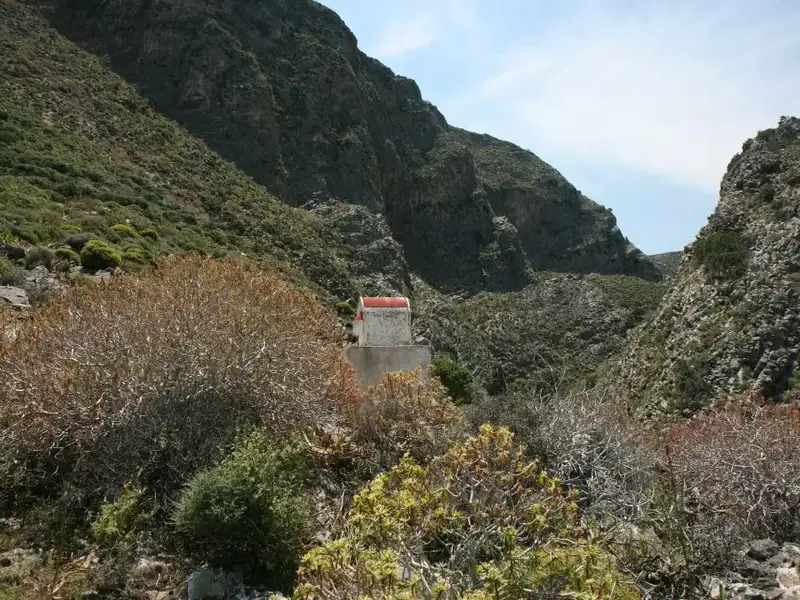
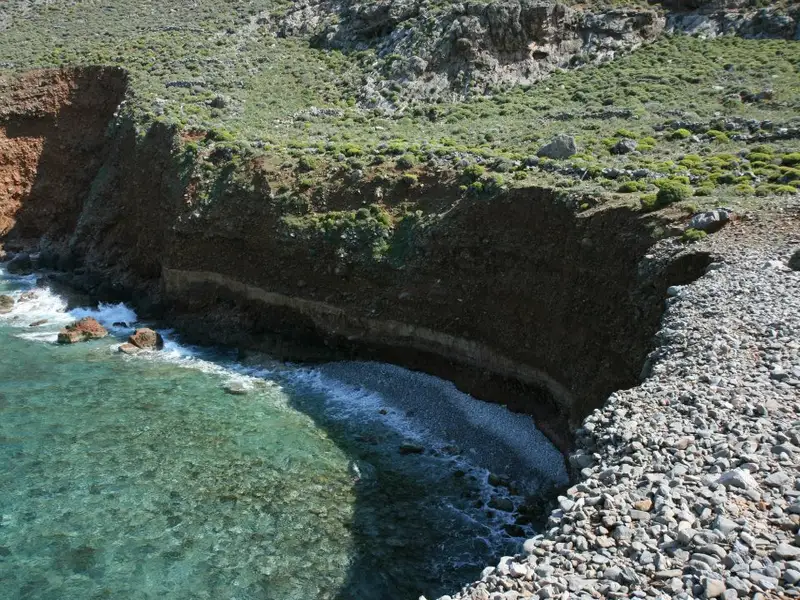
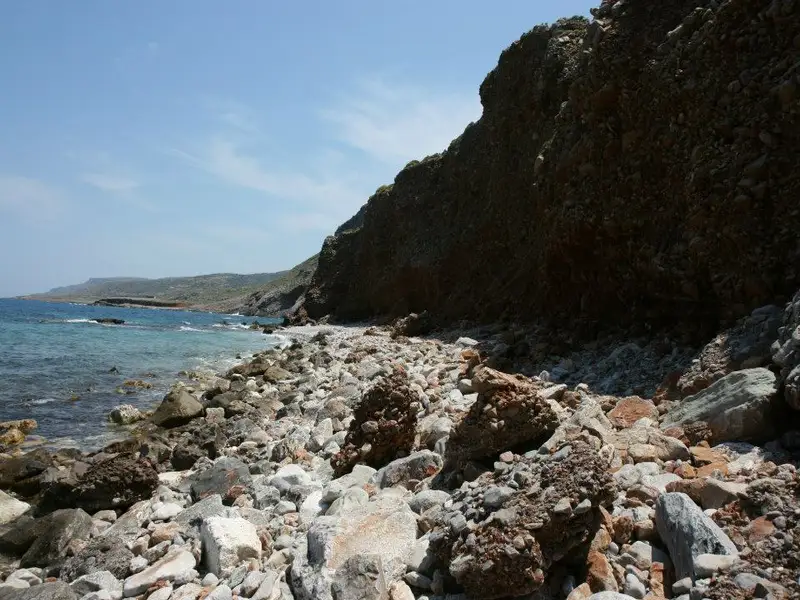
Close to the sea exit, there is a quaint chapel dedicated to St. Luke, a local hermit who was fatally struck by an arrow in the canyon. Beneath the chapel lies St. Luke’s cave, from which “holy” water drips. A little further on from the chapel, the gorge opens out onto the pebble-filled Kouroukoulos beach, boasting a captivating underwater landscape. On the beach’s eastern side, a sea cave beneath the cliff leads to the delightful pebble beach of Kakia Naspa (Evil Landslide), an excellent spot for swimming.
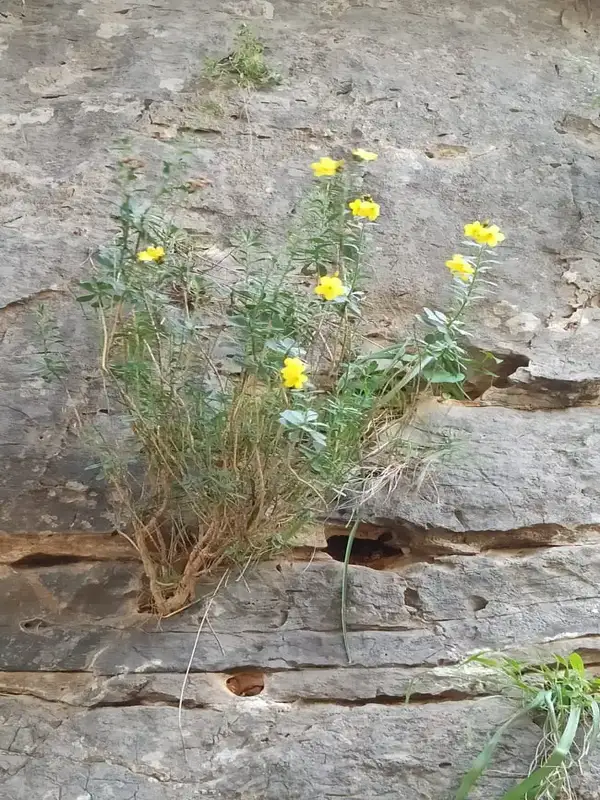
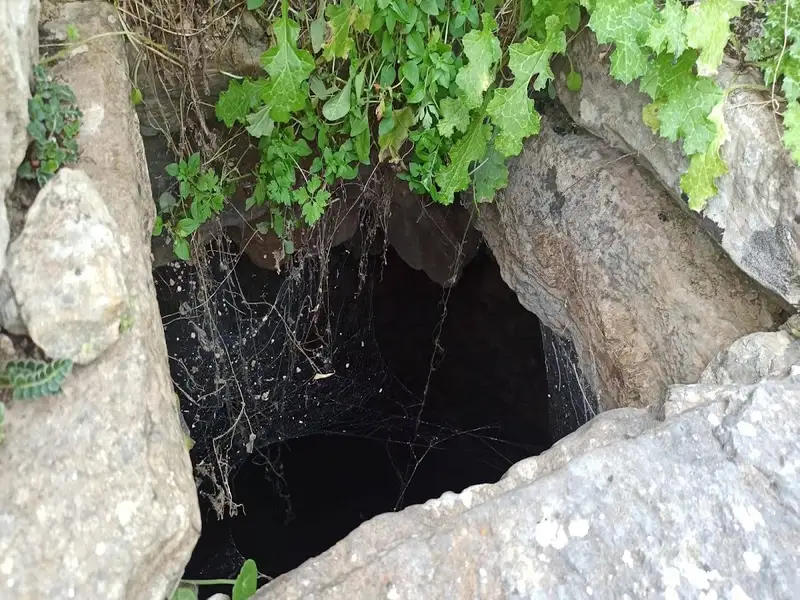
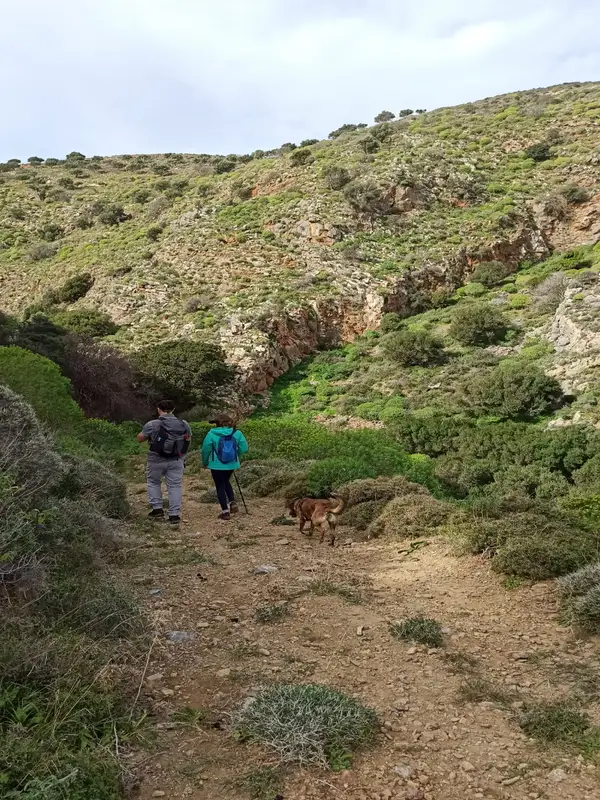
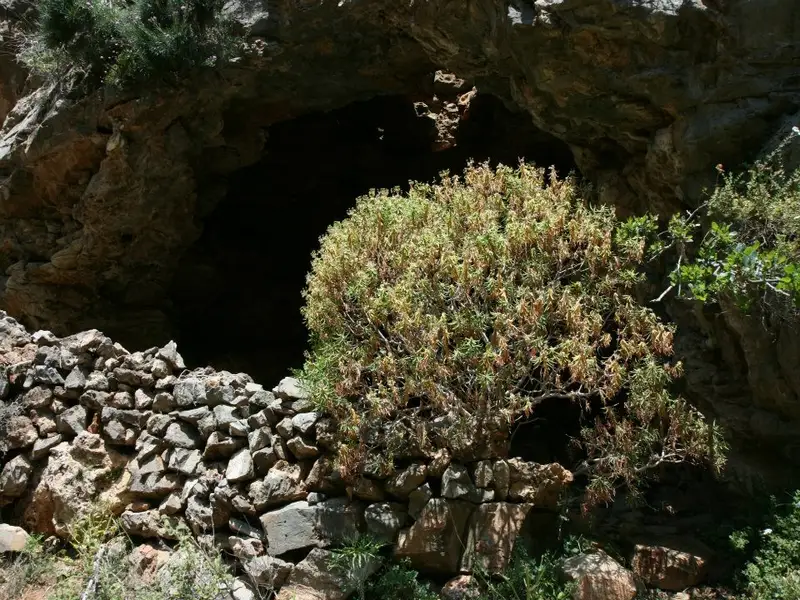
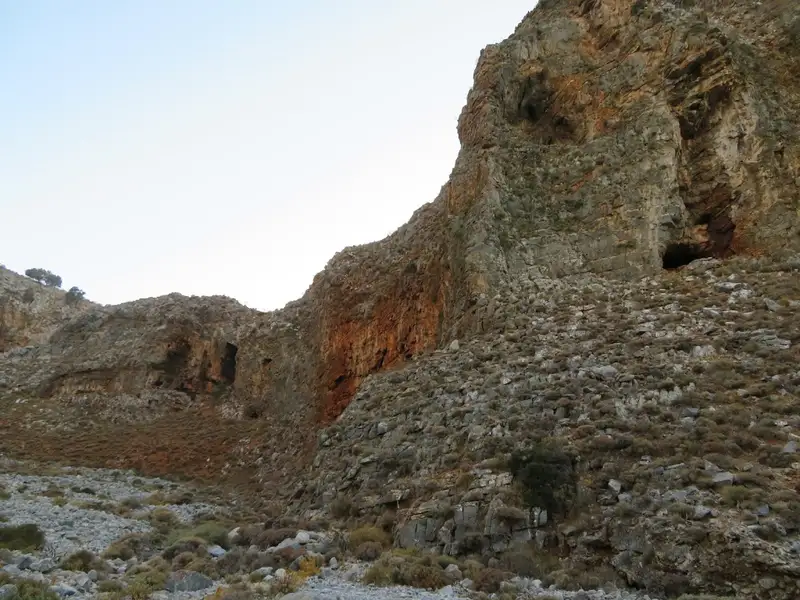
The Skotini Gorge cuts through some of the most secluded and untamed regions of Crete. A research station for the study of aerosols, established by the University of Crete, is situated in this isolated location, far from the pollution of urban areas and devoid of human activity. From the village of Finokalias, a brief journey northward will lead you to the gorge. As you traverse this path, you’ll encounter a stunningly wild terrain characterized by bare rocks, sparse vegetation, and a variety of spices and herbs. Within the gorge, you’ll find 2-3 wells filled with water and numerous caves nestled within its towering walls. One such cave is said to have been the dwelling of a mysterious woman known as Datserolenia, according to local lore. This cave is guarded by a stone wall at its entrance. A small beach, Skotini, is situated just a short distance away.
Alternatively, you can take the dirt road from Finokalias to the Saint Andrew Monastery, situated at Cape Drepani. A section of this church is constructed on the mountain rock, with an inscription indicating that its repair was funded by patients from Spinalonga. To reach the beach from here, you’ll need to head eastward along the shoreline.
The name Skotini, meaning ‘dark’ in Greek, likely originates from the high, closely spaced walls of the canyon which, along with the tree canopy, significantly diminish the light, giving the gorge a ‘dark’ appearance. Another theory suggests that the name is derived from the numerous dark caves found within the canyon.
The Maliaris Gorge, which originates near the Peronides village, travels west of the Souvlos village where a trail commences, and combines with the Anemaliaris gorge before concluding at the Tzavlidon Vlyhada beach. This gorge, characterized by scrublands, expansive areas, and cave-filled walls, is a classic representation of the Mirabello region. Notably, the gorge is home to a massive cave known as Volakospilios, situated in its center.
No results available
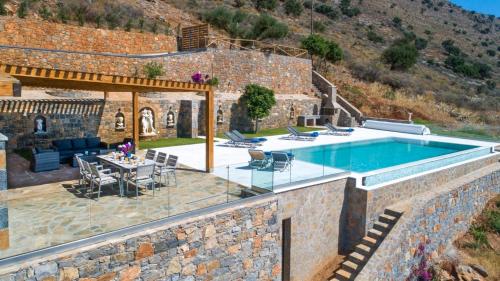
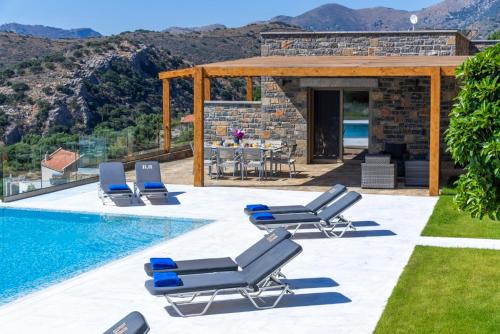
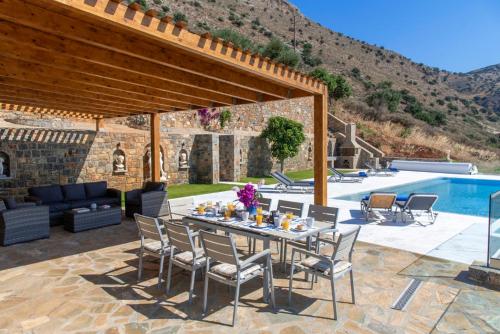
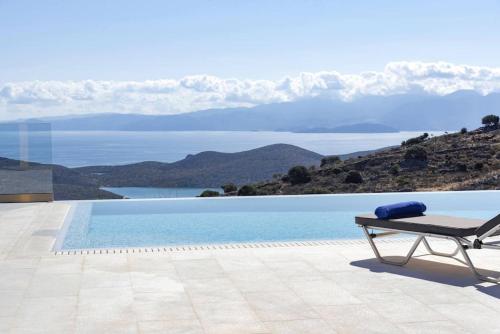
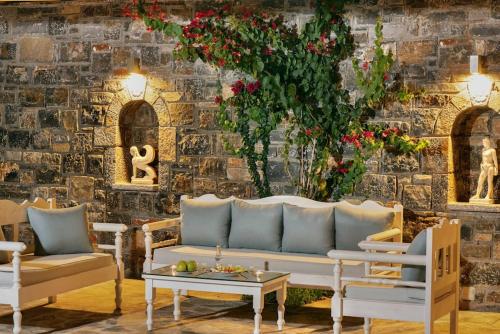
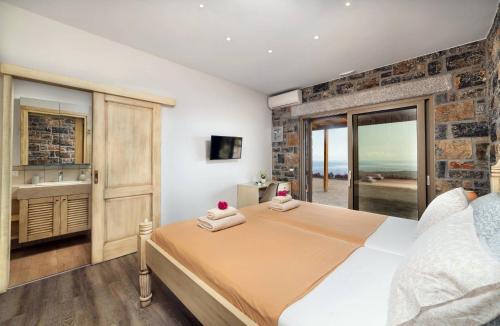
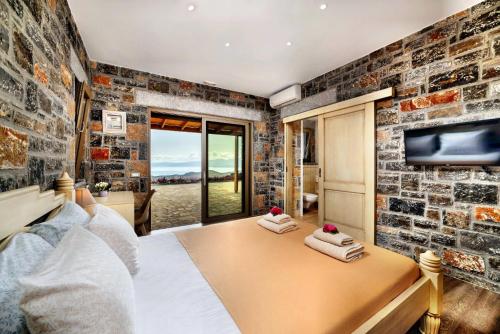
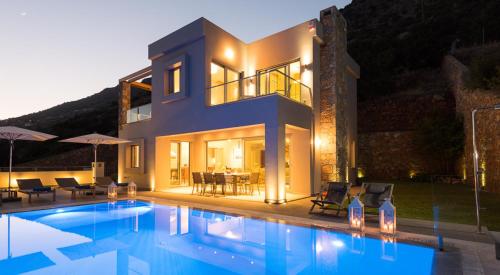
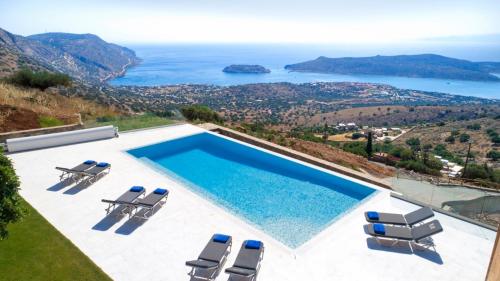
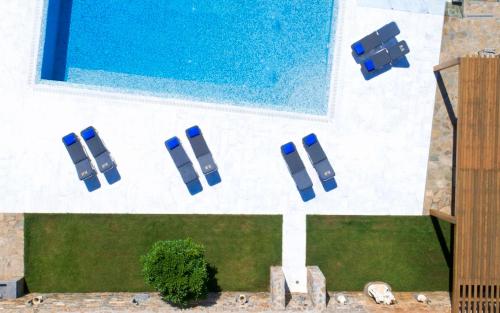
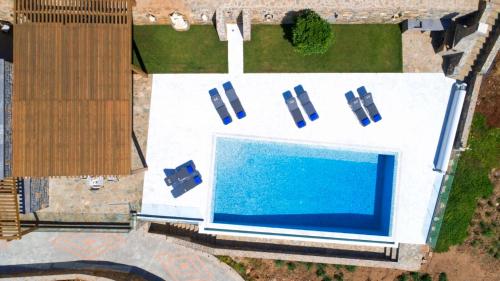
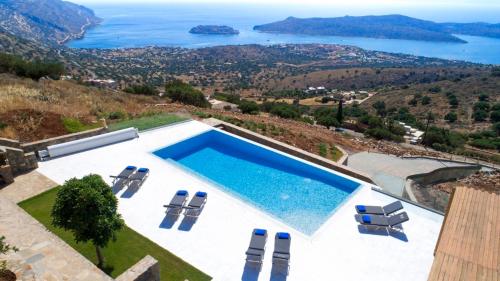
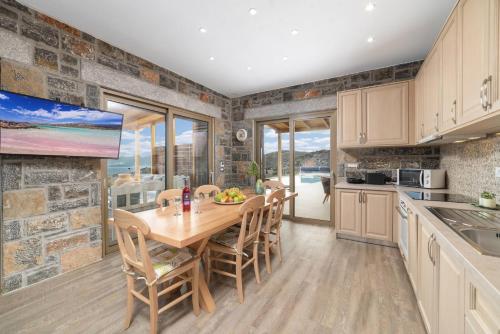
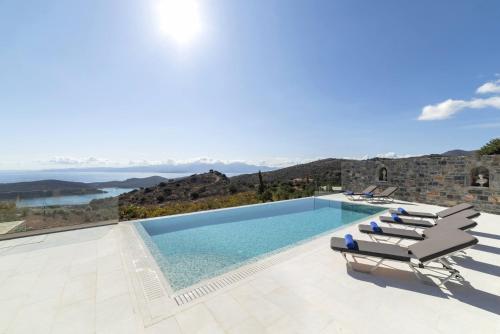
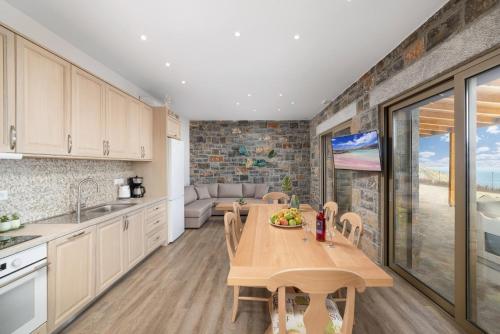
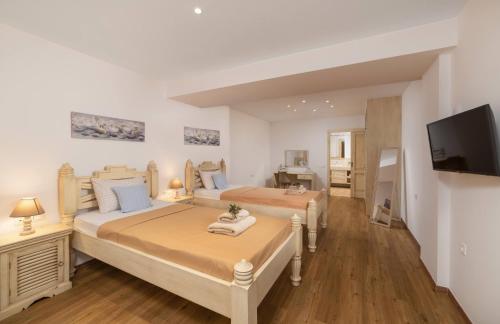
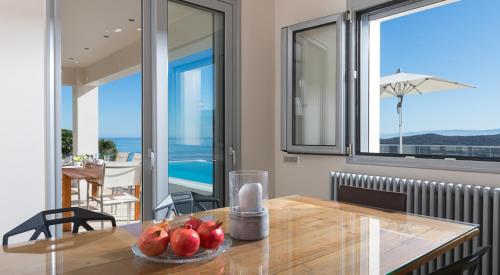
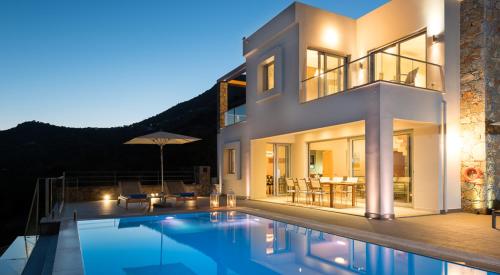
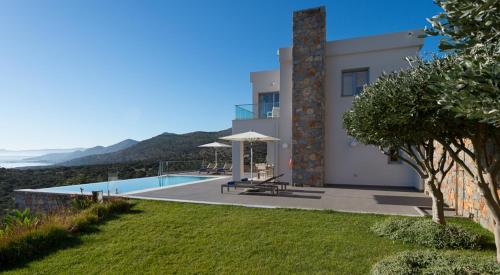
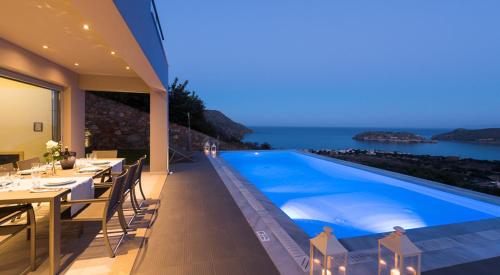
Located in Chavgas and only 2.5 km from Plaka Beach, Eagle Villa provides accommodation with mountain views, free WiFi and free private parking. This villa offers air-conditioned accommodation with a patio.
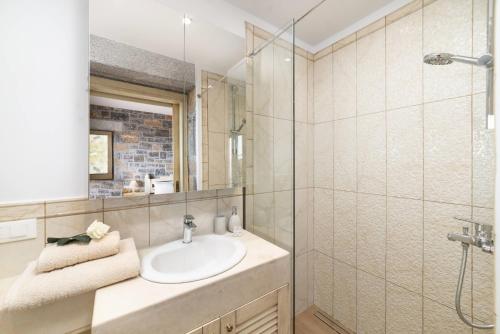
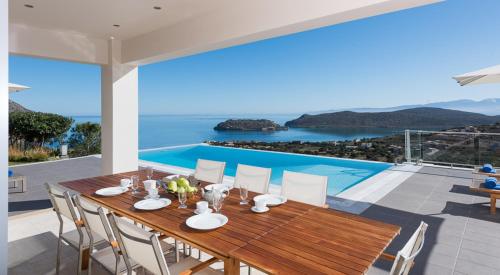
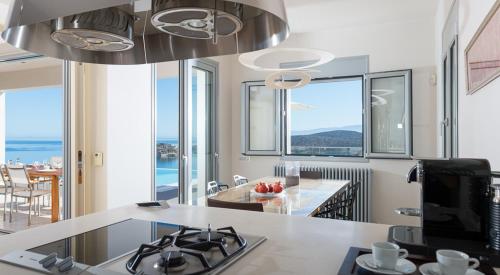
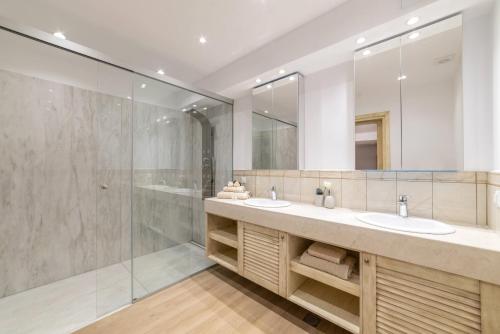
The villa with a terrace and sea views features 5 bedrooms, a living room, a flat-screen TV, an equipped kitchen with a dishwasher and an oven, and 5 bathrooms with a walk-in shower. Towels and bed linen are provided in the villa.
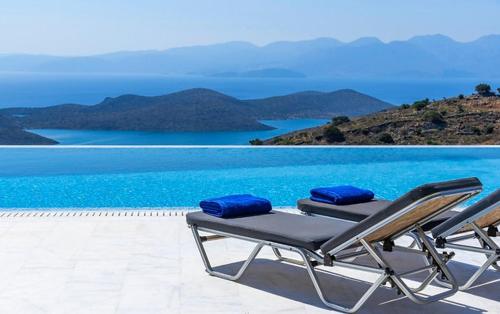
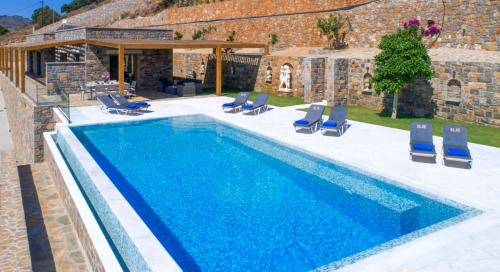
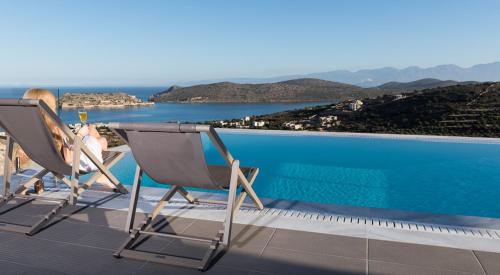
The villa offers an outdoor fireplace. Guests can enjoy the infinity pool and garden at Eagle Villa.
Lake Voulismeni is 20 km from the accommodation, while Cretaquarium Thalassocosmos is 48 km away. The nearest airport is Heraklion International Airport, 56 km from Eagle Villa.
from
€693
/night
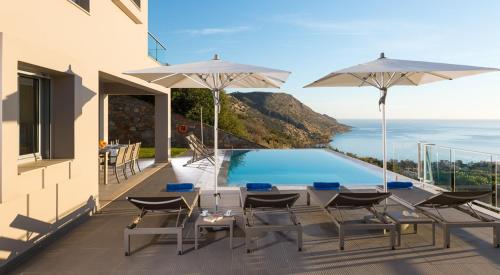
Located in Chavgas and only 2.7 km from Plaka Beach, Falcon Villa provides accommodation with mountain views, free WiFi and free private parking. This villa offers air-conditioned accommodation with a balcony.
The villa with a terrace and sea views features 4 bedrooms, a living room, a flat-screen TV, an equipped kitchen with a dishwasher and an oven, and 3 bathrooms with a shower. Towels and bed linen are provided in the villa.
Guests can enjoy the infinity pool and garden at the villa.
Lake Voulismeni is 20 km from Falcon Villa, while Cretaquarium Thalassocosmos is 48 km away. The nearest airport is Heraklion International Airport, 56 km from the accommodation.
from
€427
/night
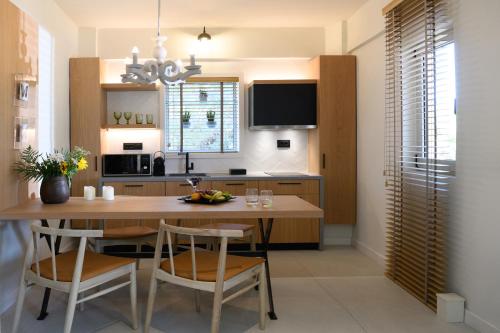
Situated near Plaka Village of Elounda, Elounda Luxury Villas features a garden with trees and aromatic herbs. It offers fully equipped and stylishly decorated accommodation, each with a private pool and unobstructed sea views. Free WiFi is available throughout.
Fitted with a fireplace, stone details, Coco-Mat items and hand-picked artwork, all split-level units are air conditioned and have a satellite, flat-screen TV and blu-ray player. All units include a kitchen with a dishwasher and oven with hobs, as well as a Nespresso coffee machine and a kettle. Each has an indoor and outdoor dining area and 2 bathrooms, one with shower and one with bath or spa bath, along with bathrobes and slippers. Towels and bed linen are provided.
Elounda Luxury Villas also includes a barbecue.
Heraklion International Airport is 63 km away. Free private parking is available on site.
from
€61
/night
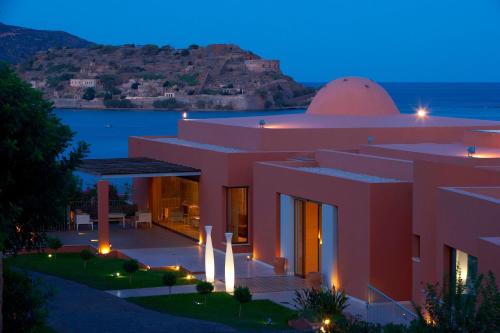
The 5-star Domes of Elounda, Autograph Collection offers luxurious accommodation with spa bath overlooking the Unesco-protected island of Spinalonga and its Venetian castle. It has a spa and 4 restaurants serving haute cuisine dishes.
Each of the air-conditioned suites is uniquely decorated and has easy access to the private sandy beach. They include a spacious living room with wooden floors and a satellite LCD TV. All suites also have a private pool or open-air hot tub.
The 4 restaurants offer casual beachside settings or elegant dining rooms with panoramic sea views. Guests can taste progressive Greek cuisine, seafood, Cretan dishes and Italian cuisine. An Asian restaurant is also possible.
For guests choosing private or luxury residences, an array of Haute-Living services is available, including a dedicated villa manager, a lounge with VIP services, concierge service, private check-in, sun loungers at Spina, the VIP beach area, and upgraded welcome and bathroom amenities. Other exclusive amenities include eclectic cocktail, branded spirits and all-day snacks, signature canapes by the resort’s executive Chef, afternoon tea and state-of-the art gym facilities.
The spa of Domes of Elounda, Autograph Collection includes an interior seawater pool, sauna, steam room and hot tub. It also offers rejuvenating therapies, such as facial and massage treatments. Additional VIP services are upon charge and include a butler service, in-villa signature dining, VIP business package and helicopter transfer among several more.
The village of Elounda is 2.5 km away. The lively seaside town of Agios Nikolaos is within 12 km of Domes of Elounda.
No results available
Connect with thousands of Crete visitors and boost your bookings.
© All rights reserved. Crete Locals