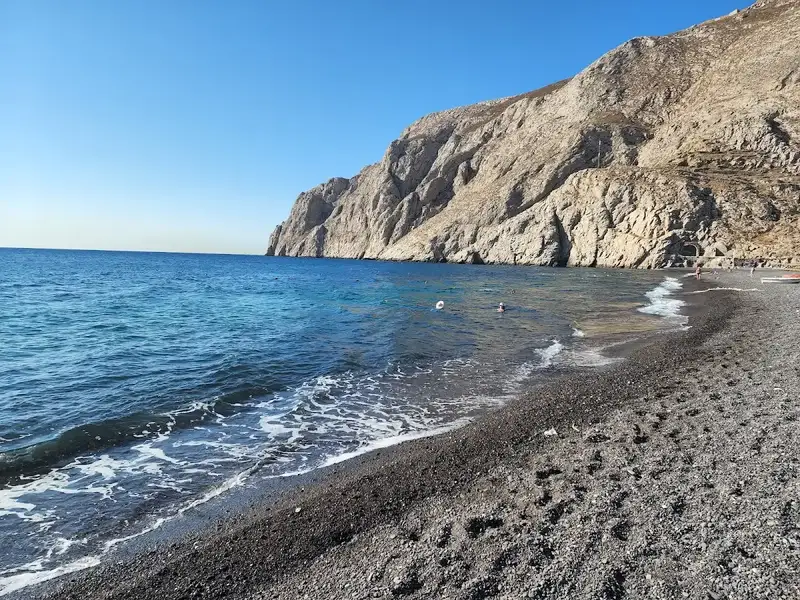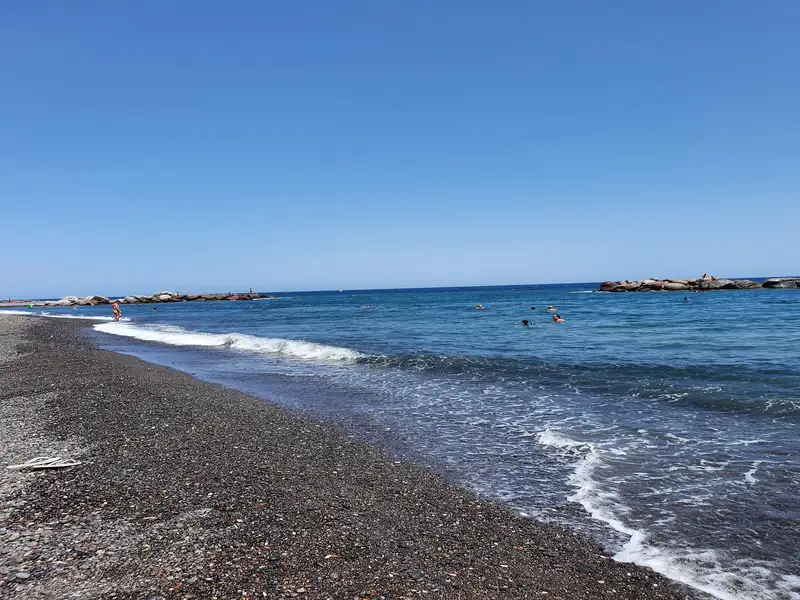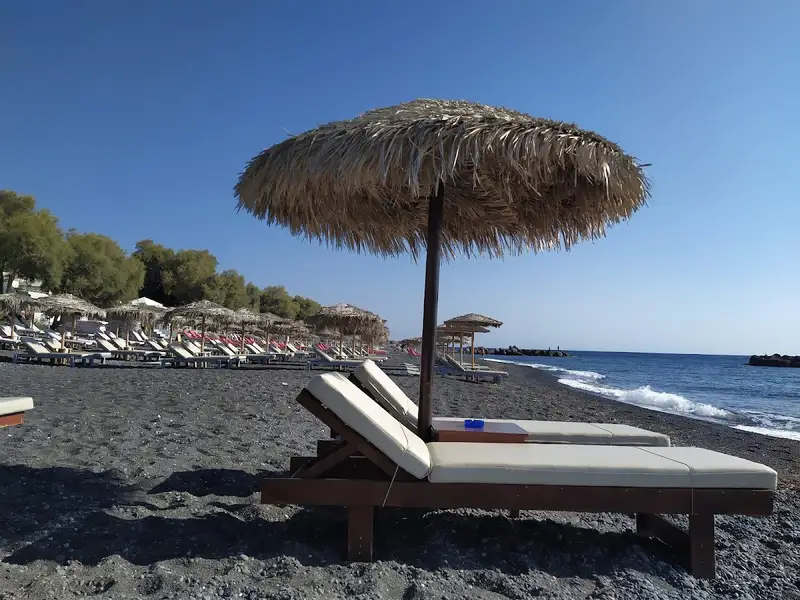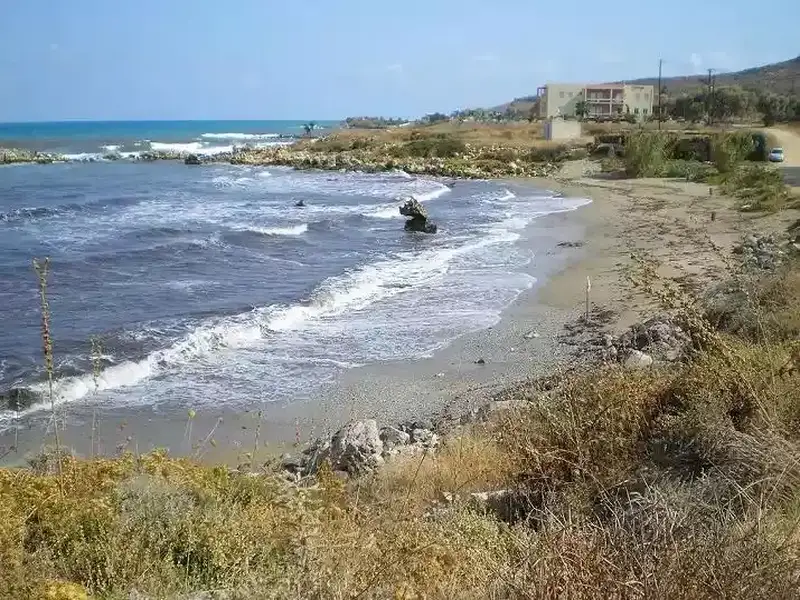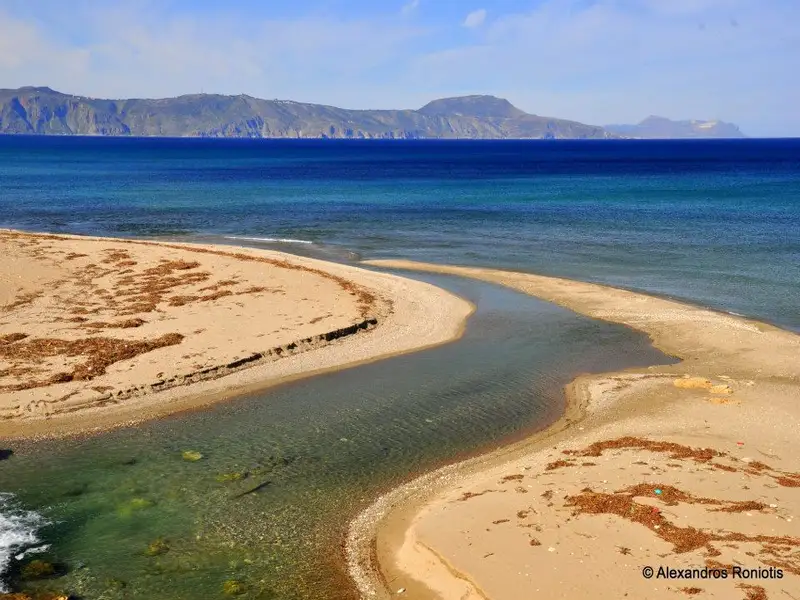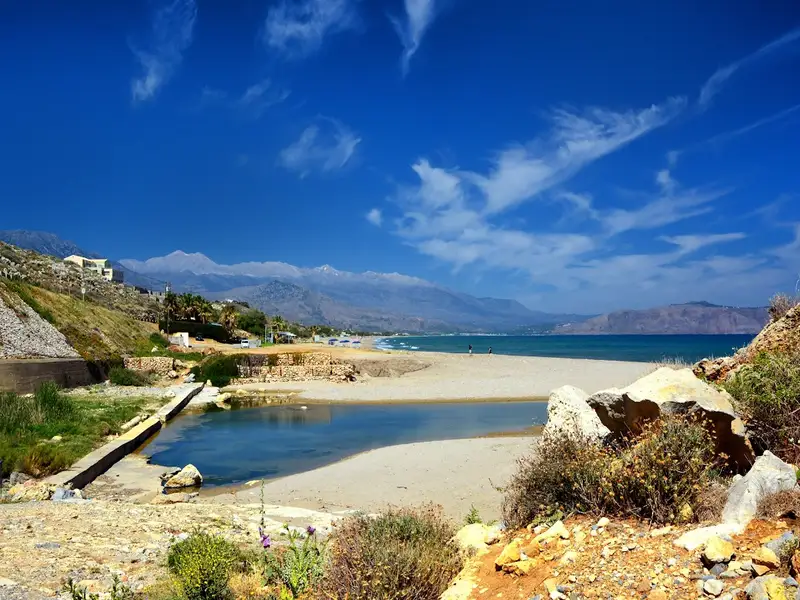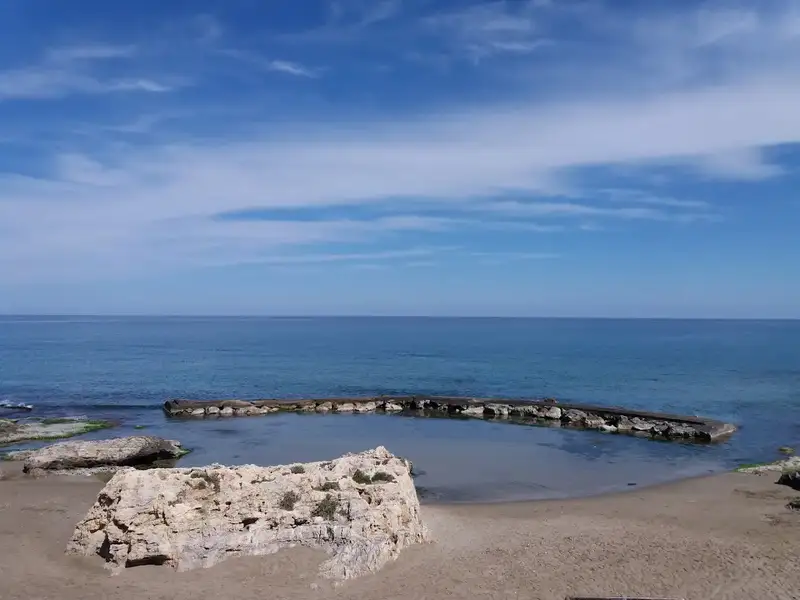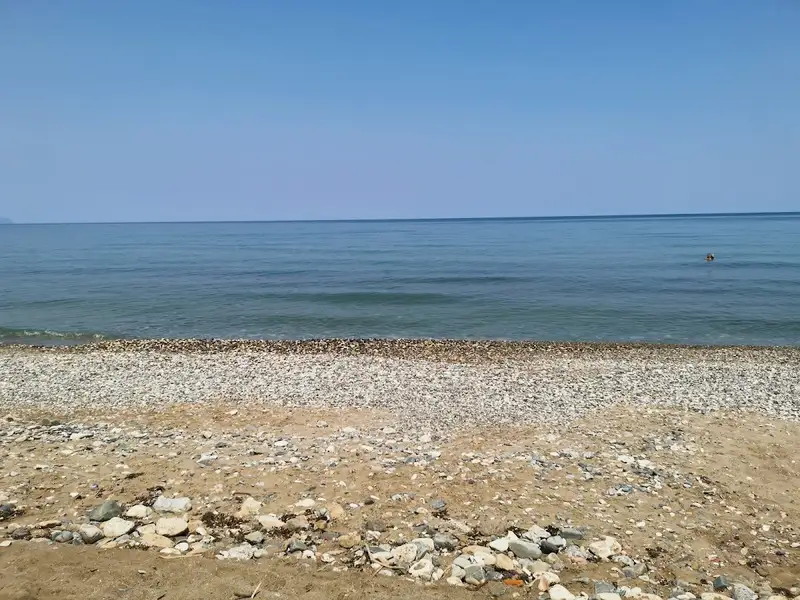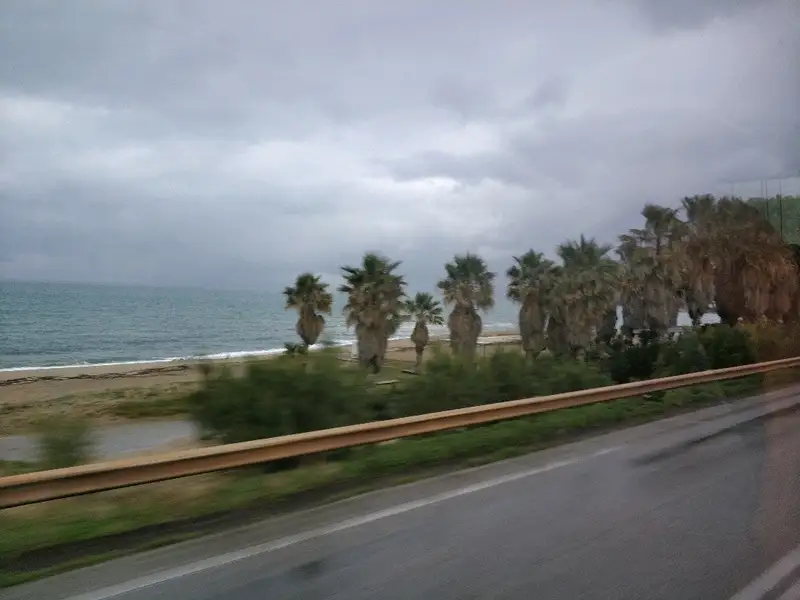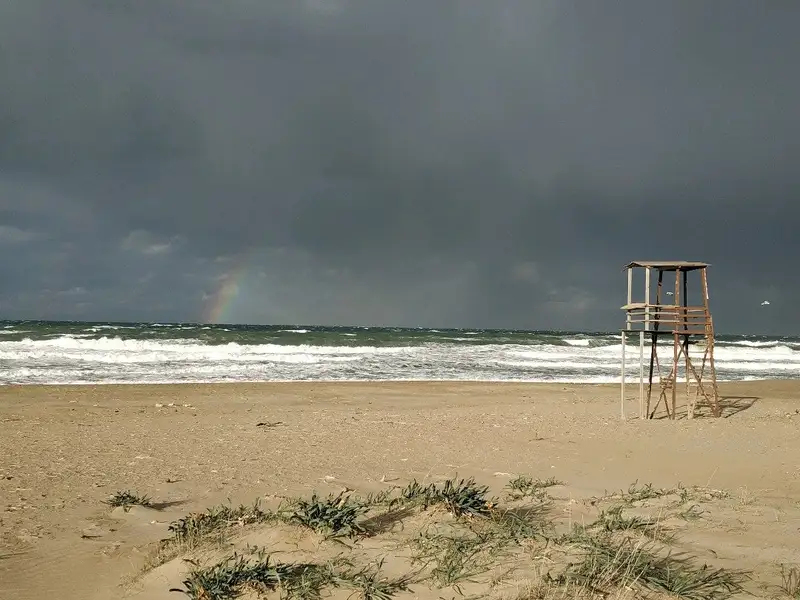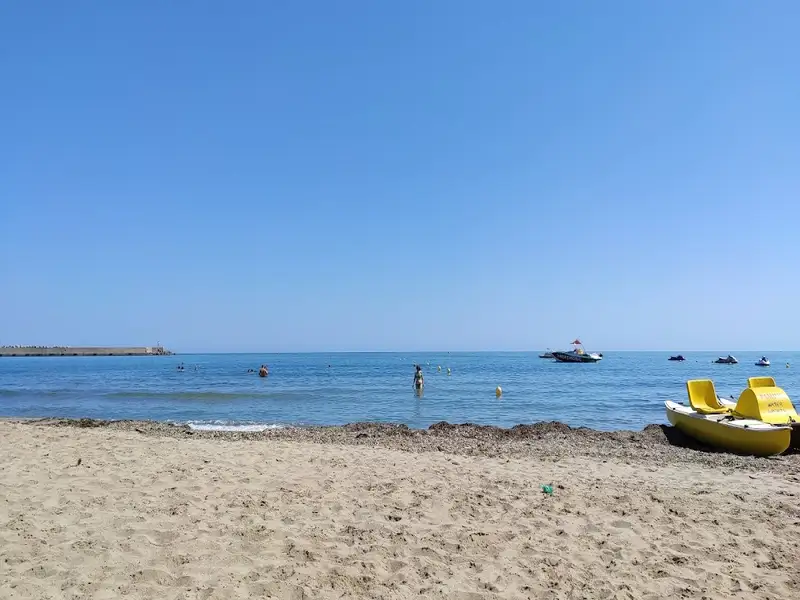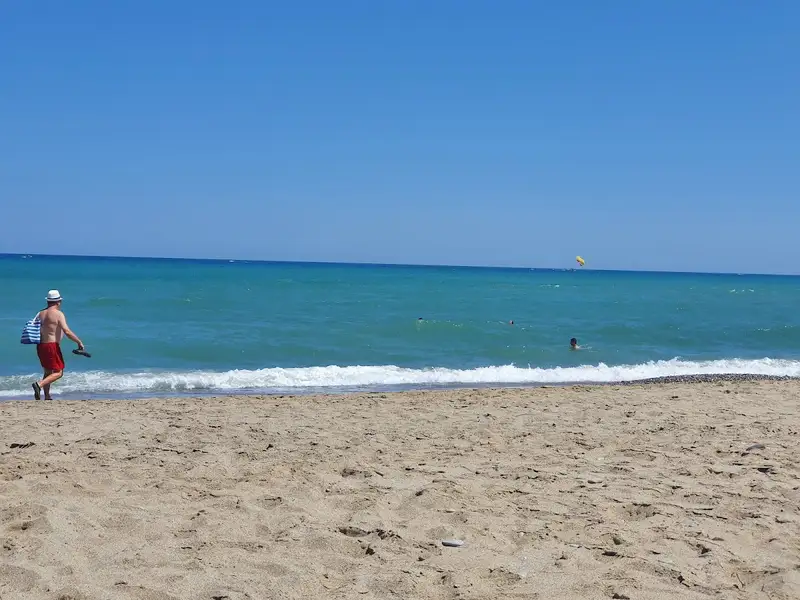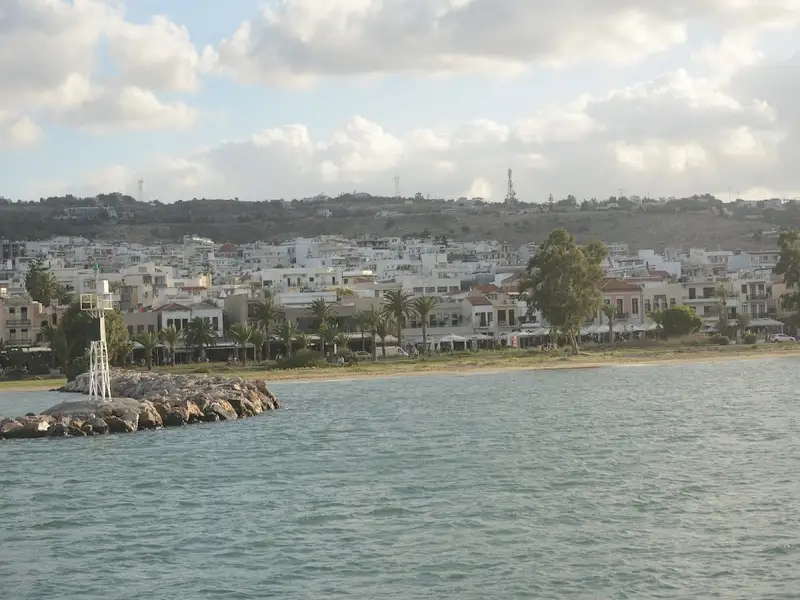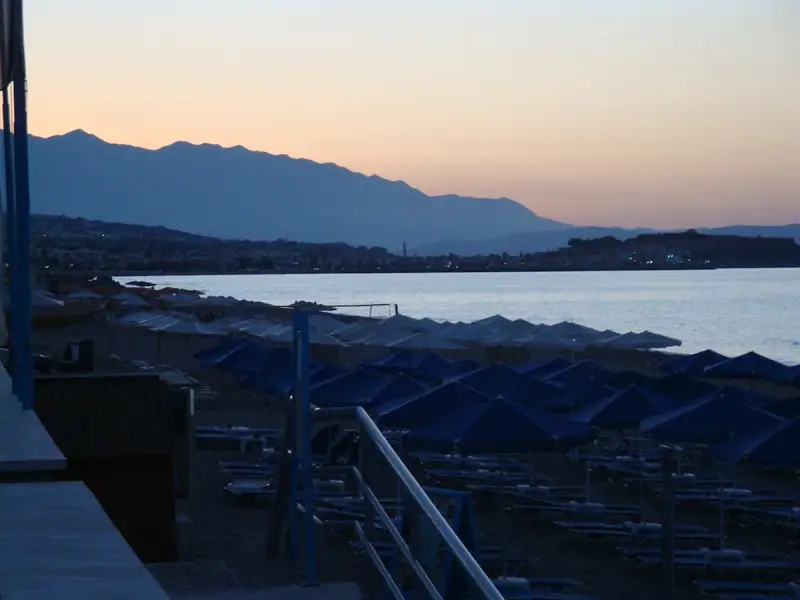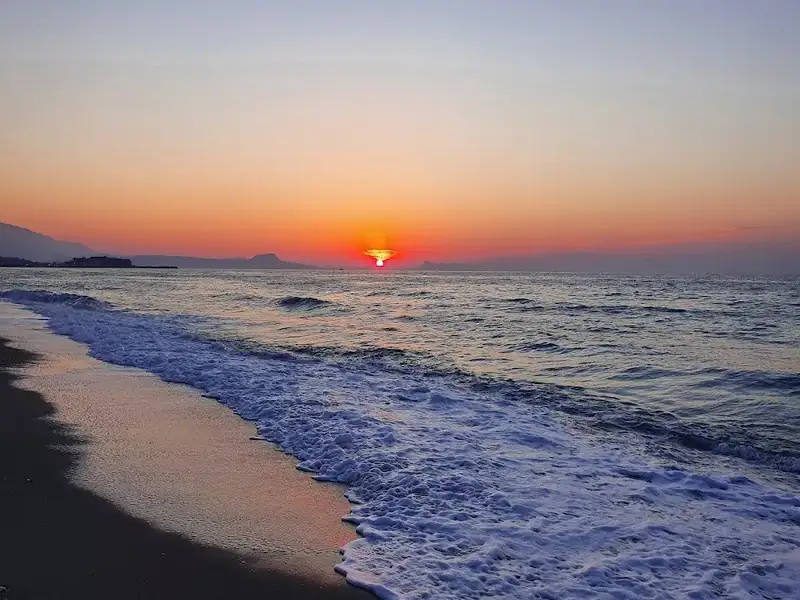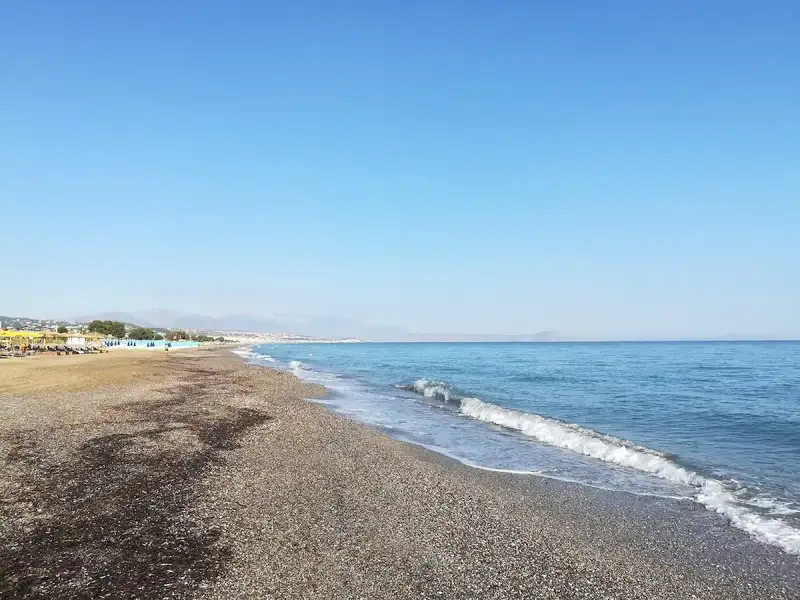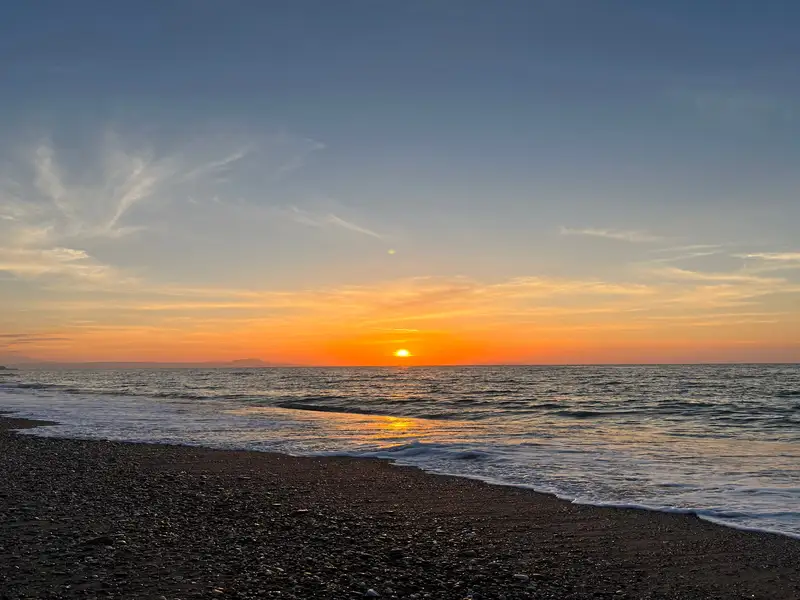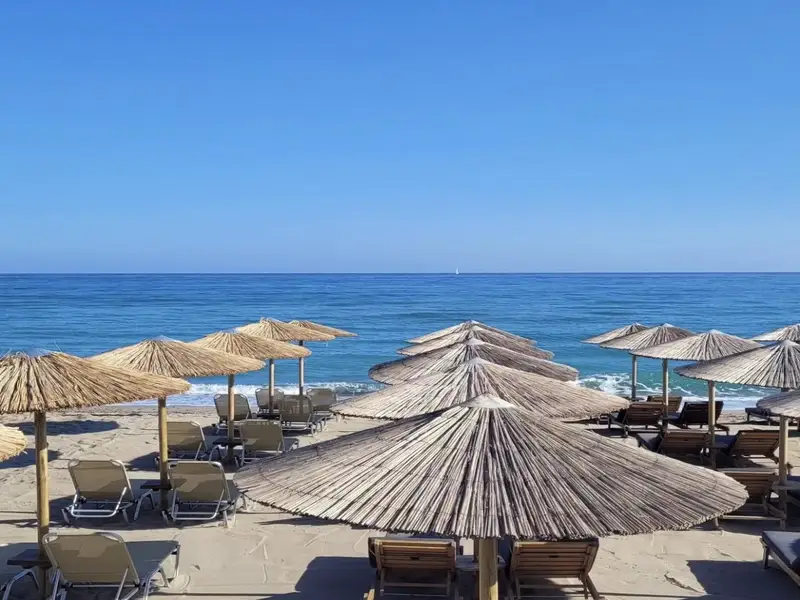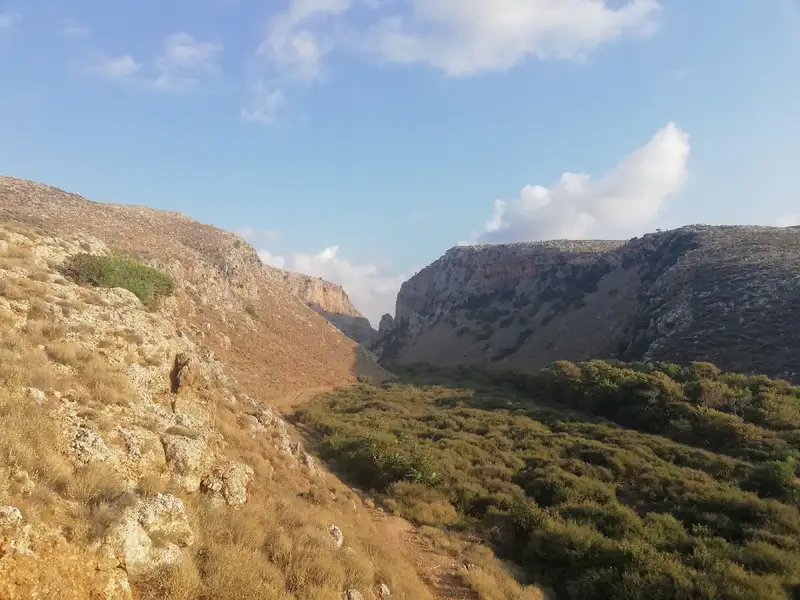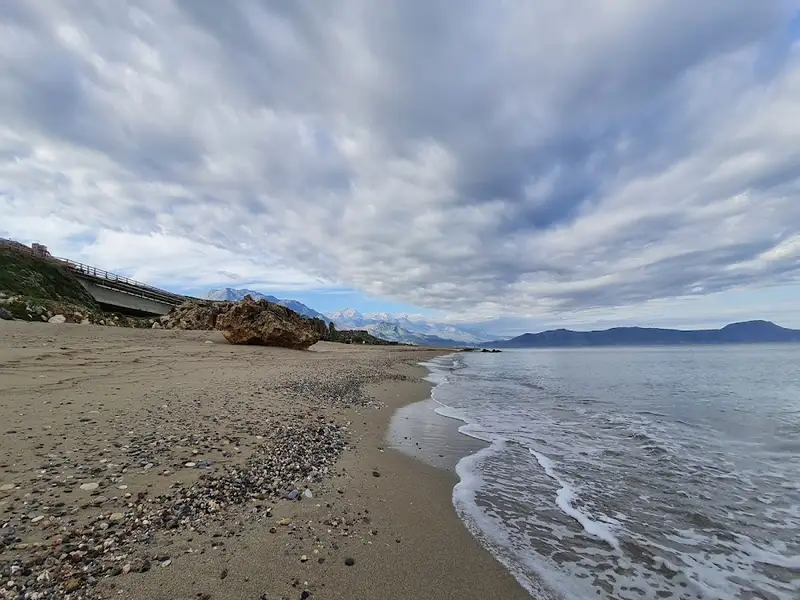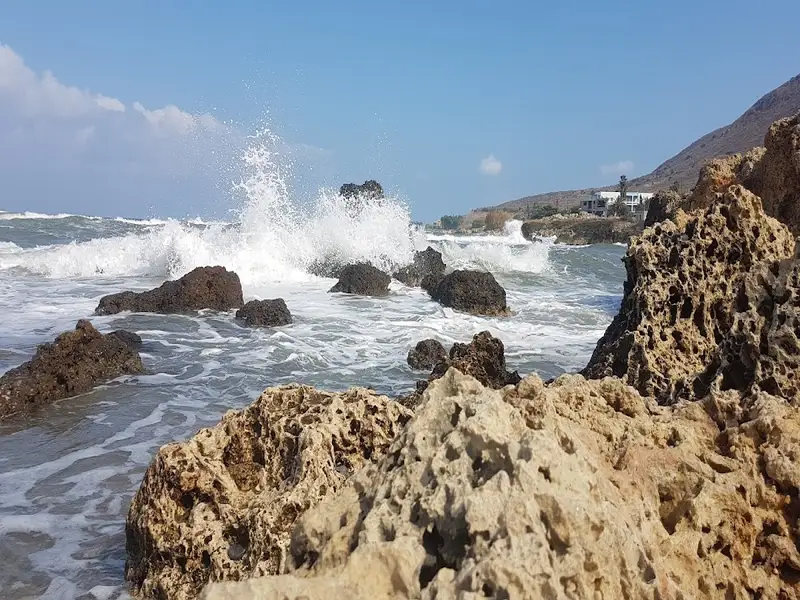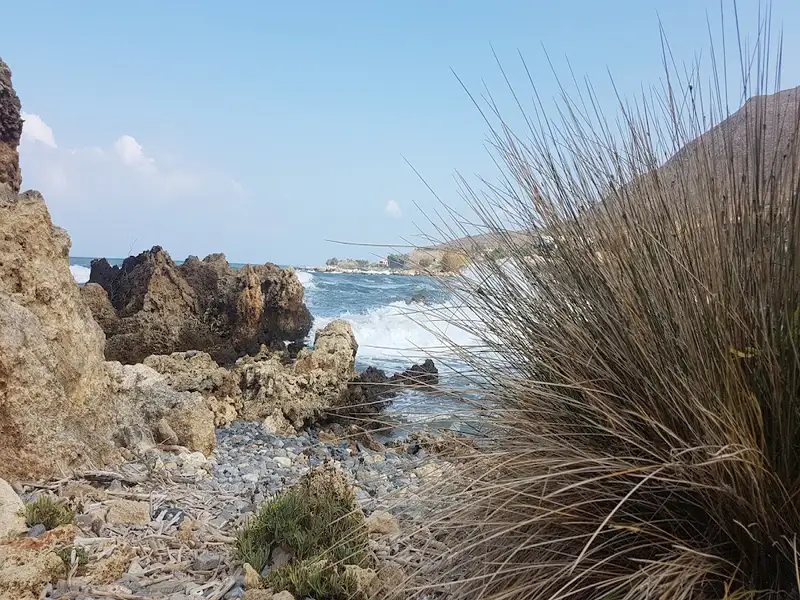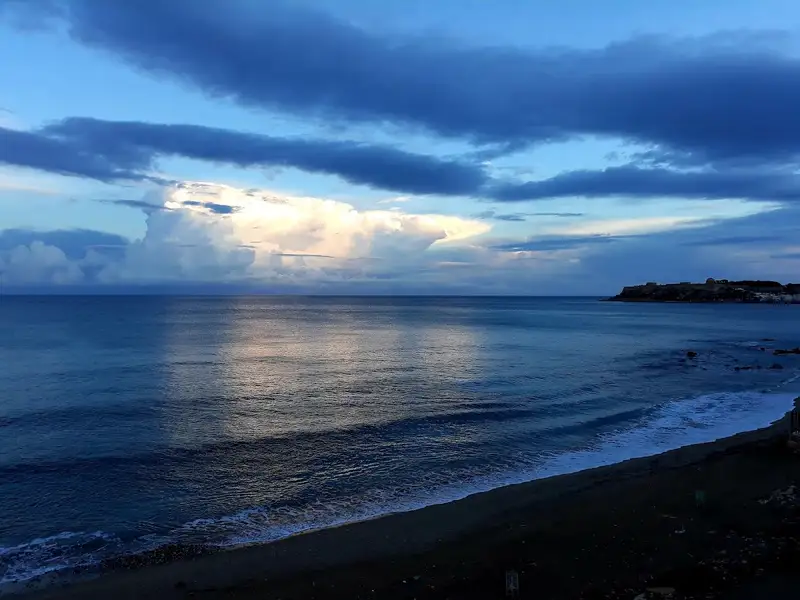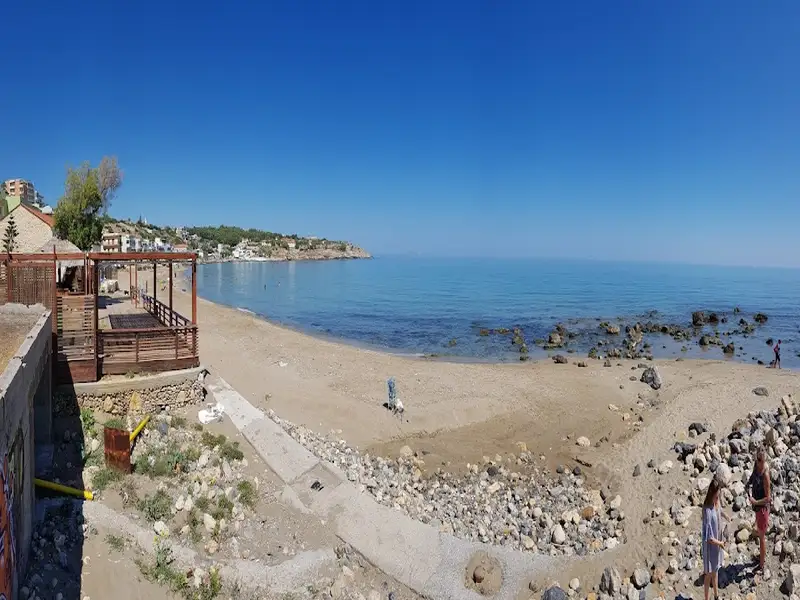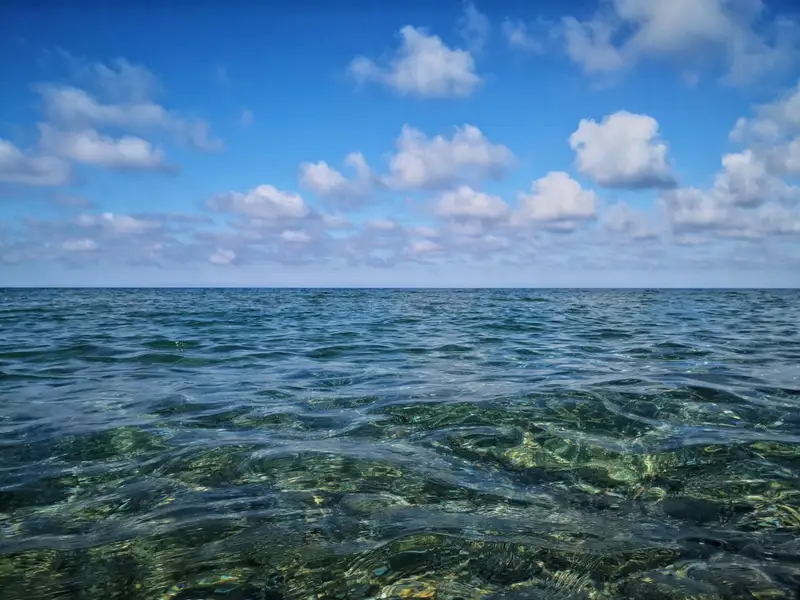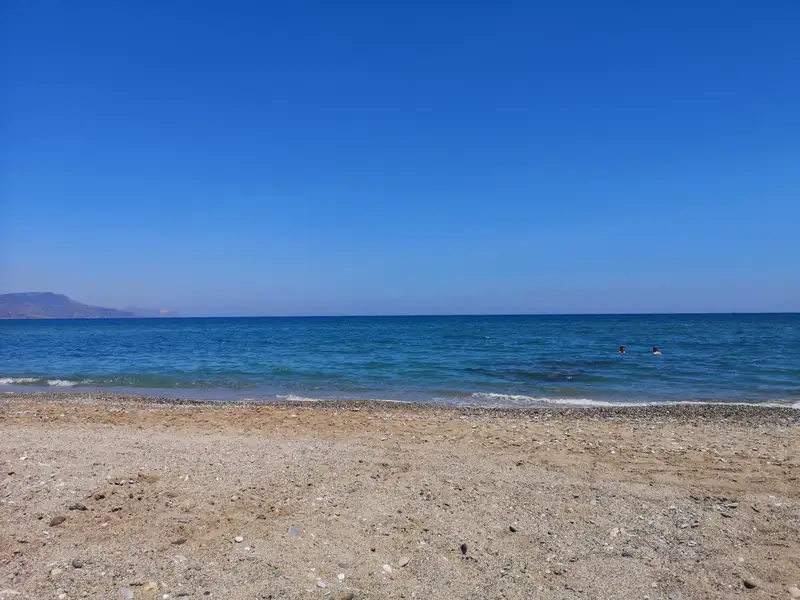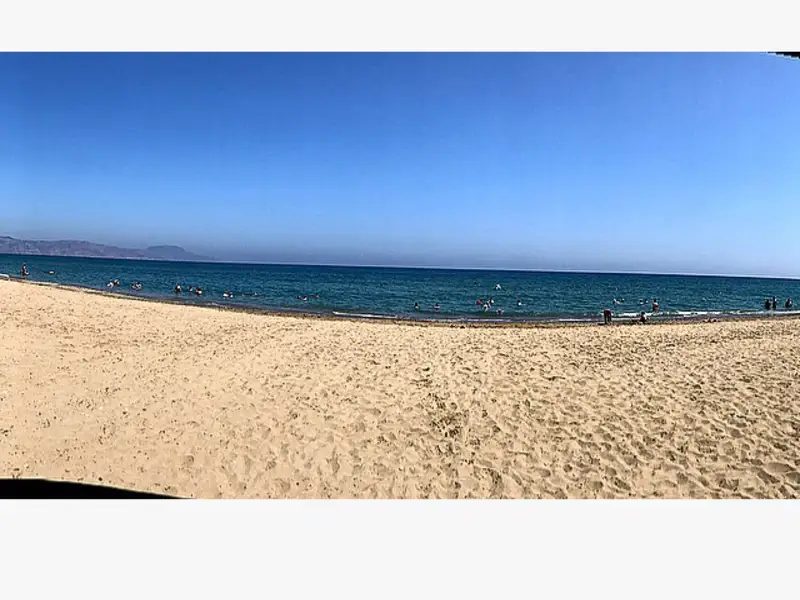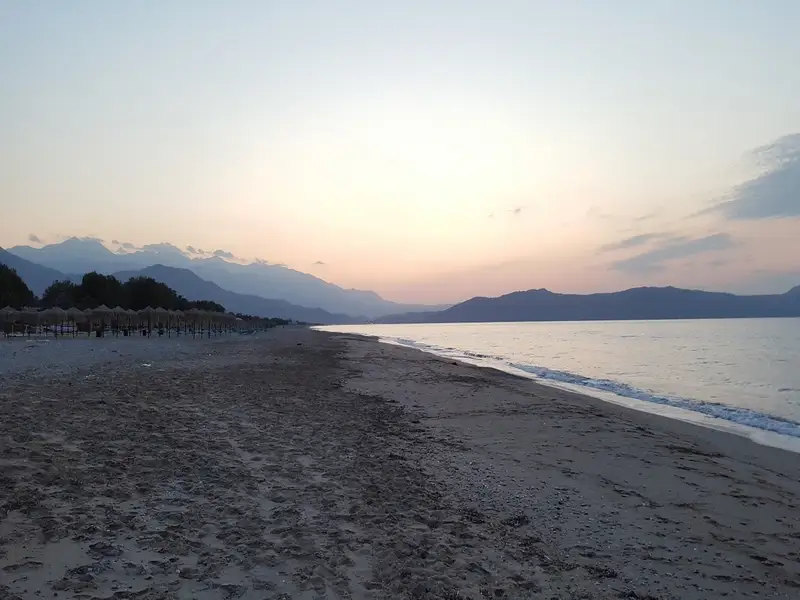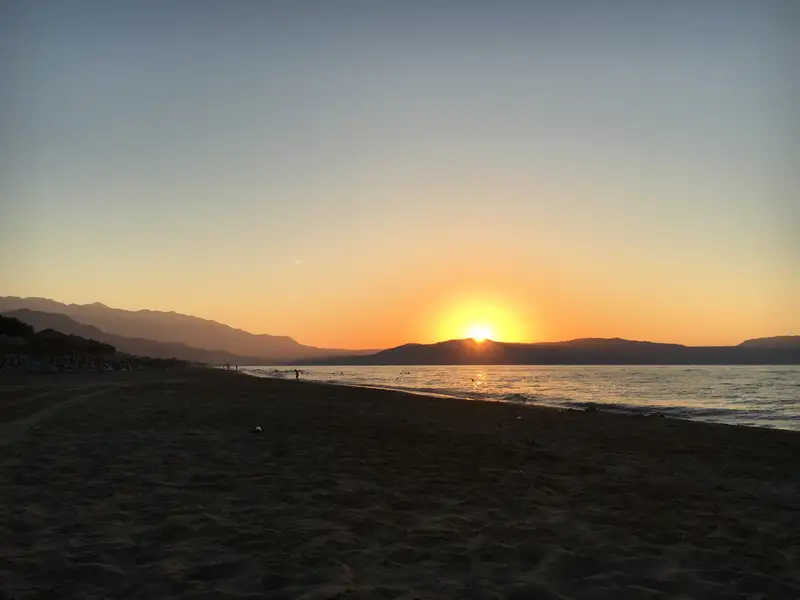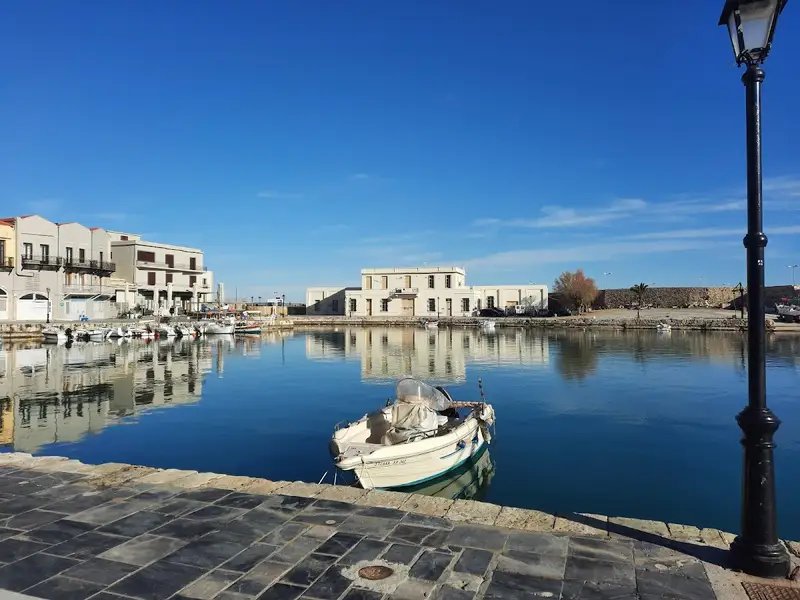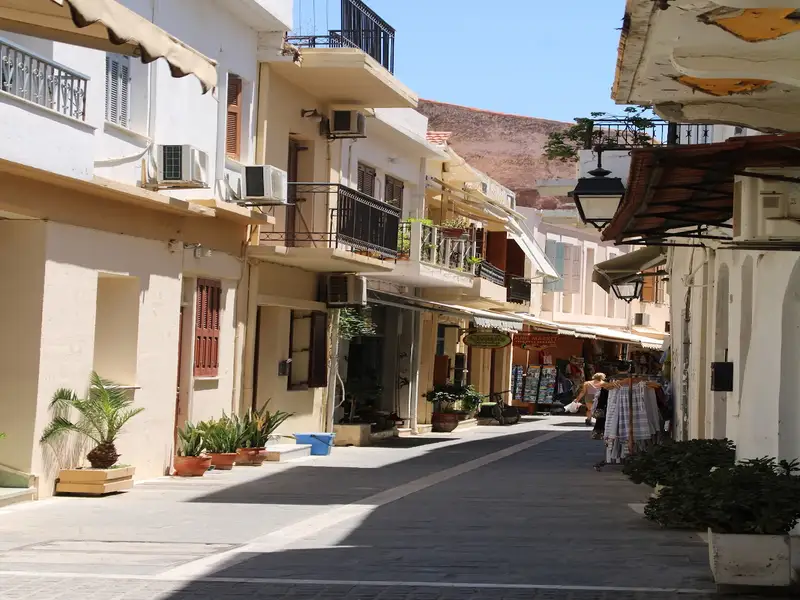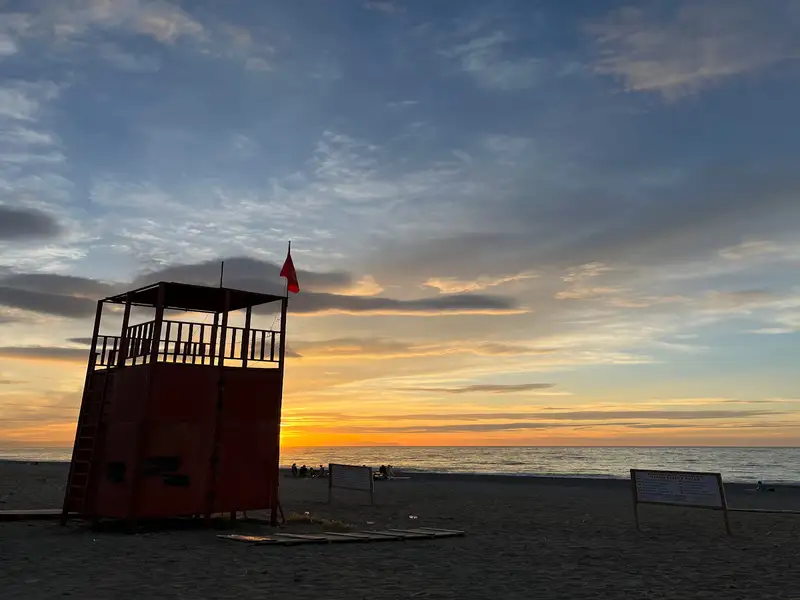
Kamari Beach is situated roughly 7km west of Rethymnon, close to Gerani village, at the entrance of Vederi Gorge. The coastal highway linking Chania and Rethymnon runs adjacent to the beach and over the Gerani bridge.
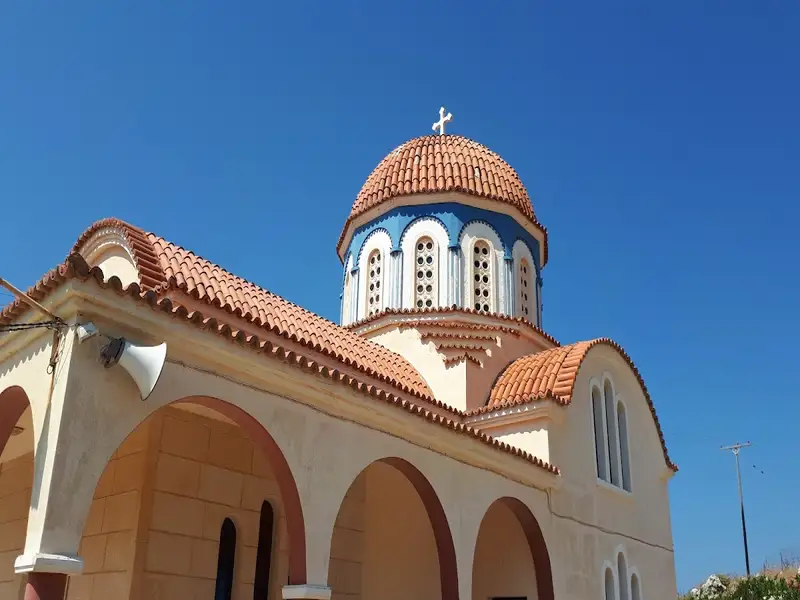
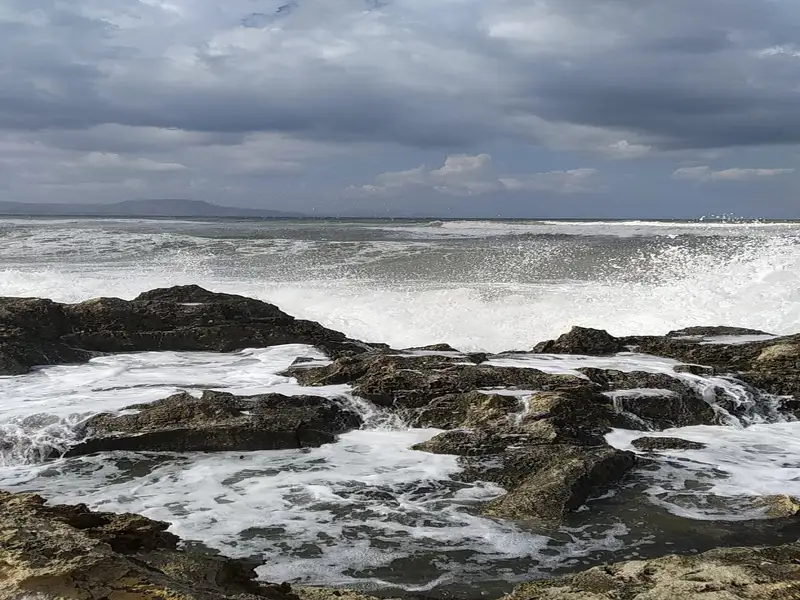
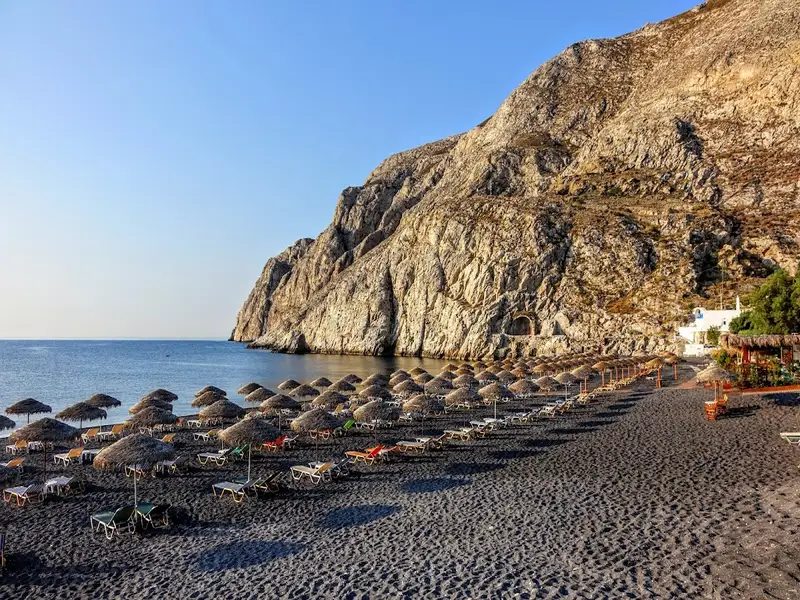
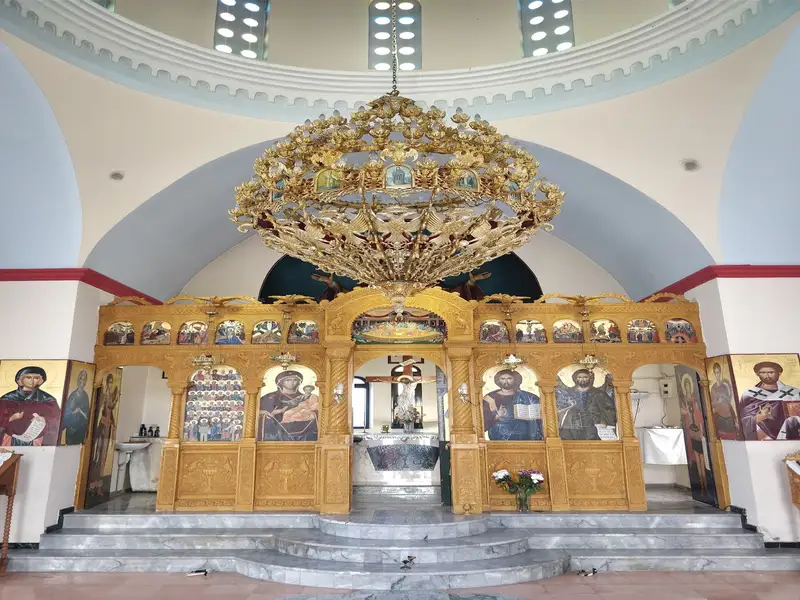
The beach is relatively compact, featuring pebbles and rocks in certain areas, making it a favourite among snorkelers. Despite being exposed to frequent northerly winds, it offers some amenities such as a few umbrellas, taverns, and rooms. Additionally, a quaint harbour and the charming Panagia Kamariani church can be found nearby.
A short distance south of the beach, one can find the sealed entrance to the Gerani cave, a significant archaeological site in central Crete, discovered unexpectedly during the construction of the main road. Moreover, visitors can explore the scenic narrow streets of Gerani village and visit the St George church along with several smaller churches.
Situated at the eastern edge of the expansive Episkopi beachfront, Petres beach, or Stones beach, is a 46km journey east from Chania and 13km west from Rethymnon. The beach owes its name to the majestic Petres Gorge that concludes at this point. The area is dotted with facilities such as accommodations, eateries, and even a diving school. The Vythos cove, positioned north of the other areas, offers umbrellas and a less sandy terrain. The rocky underwater landscape makes it a hotspot for fishing and snorkelling. However, the frequent northern winds can cause the sea to become wavy.
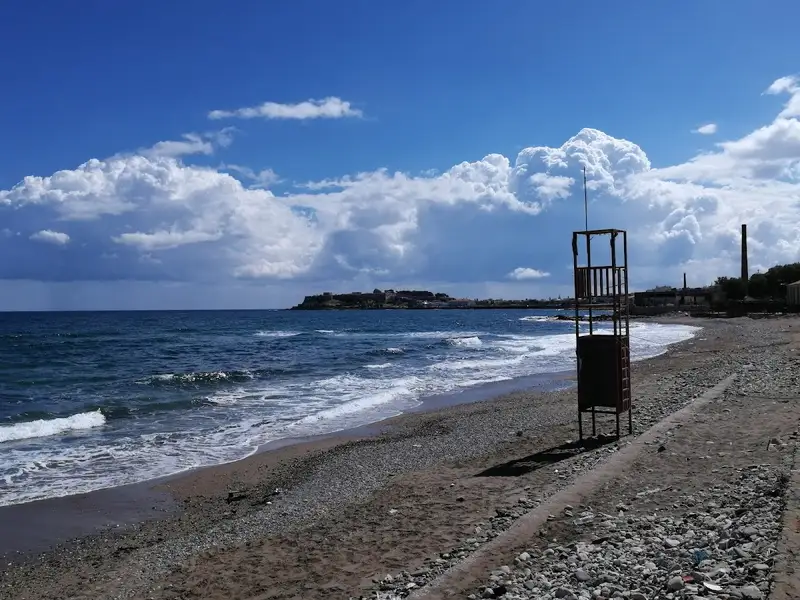
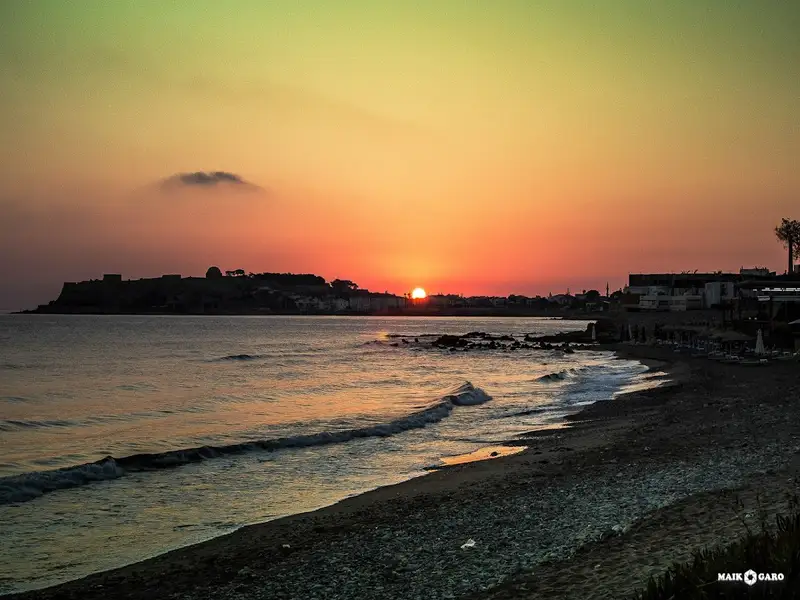
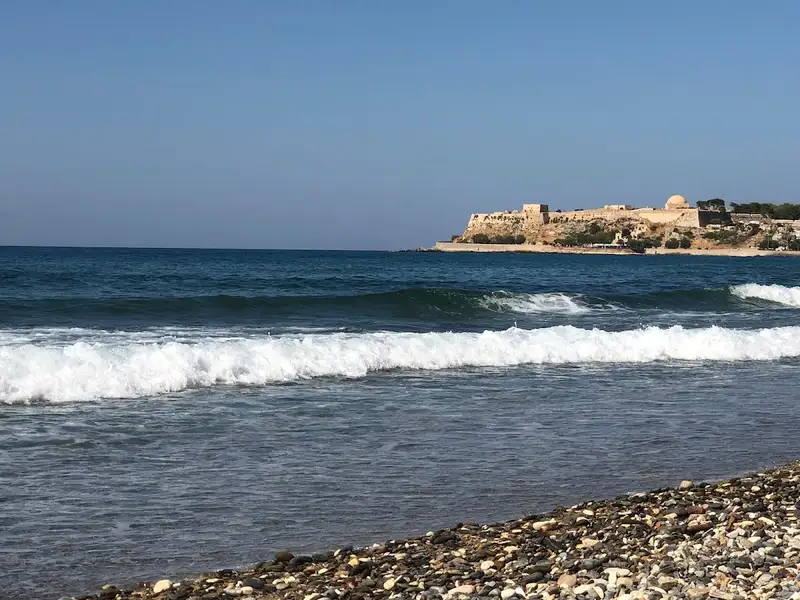
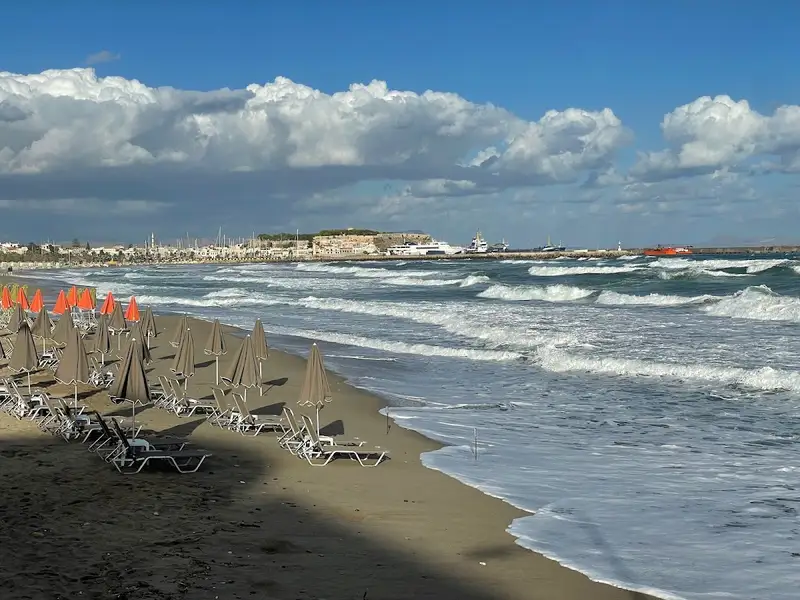
Koumbes, situated 2km west of Rethymnon’s center, is the only beach on the city’s western side. The beach offers stunning vistas of the impressive Fortezza fortress, located several hundred meters to the east. Koumbes derives its name from the Turkish word ‘Kubbe,’ which translates to ‘dome.’ This expansive beach, adorned with sand and fine pebbles, has seen significant growth in recent years, and its development has become a top priority for the Rethymno Municipality. This growth has led to numerous improvements, including the addition of walkways and similar enhancements along the coast.
At Koumbes, visitors can avail themselves of all necessary tourist amenities, such as lifeguard services, umbrellas, showers, changing rooms, and water sports. The area also boasts numerous hotels, accommodations, restaurants, taverns, snack bars, and cafes. Access to Koumbes from the city center is convenient, either by bus or on foot. Walking takes no more than 20 minutes.
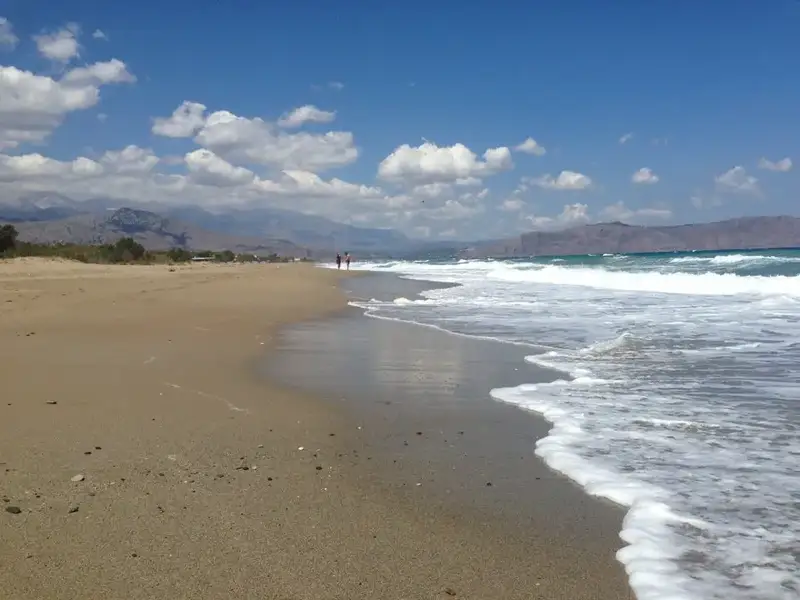
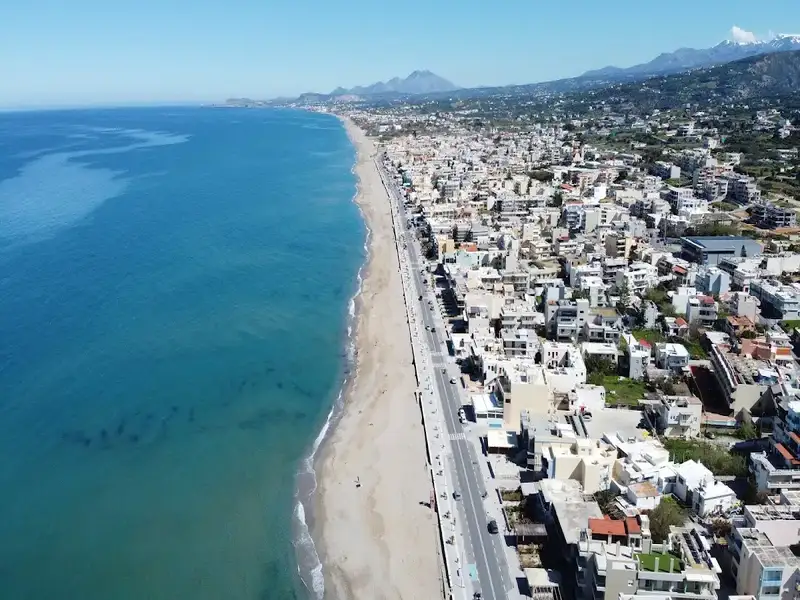
Episkopi beach is a 3.5 km sandy beach on the north coast of Crete, 14 km west of Rethymno and 45 km east of Chania. Episkopi beach sits in a fertile valley between the Mouselas river and the river that runs out of the Petres gorge. The water is shallow and usually a little wavy, like most beaches on Crete’s north coast, and it takes its name from the village of Episkopi, 2 km inland to the south.
At a glance:
The sand is soft, with a short pebbly strip at the waterline that turns sandy underfoot as you walk in. Mornings are usually calm and clear enough to see the bottom, while an afternoon breeze can raise small waves. The shallow, gently shelving water suits families with children and makes the beach a good spot for a slow swim or a snorkel.
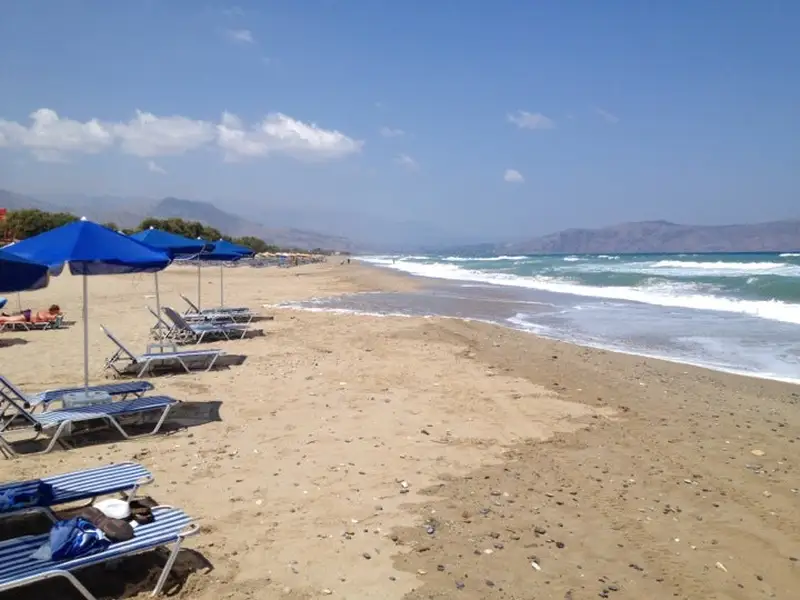
The western part of the beach is well organized. There you find lifeguards, showers, changing rooms, umbrellas and sunbeds, snack bars, and water sports. Tavernas and bars line the shore, several renting sunbeds under thatched umbrellas. Because the beach runs for about 3.5 km, you can still find a quieter, less developed stretch toward the eastern end near the Petres bridge.
The main coastal road between Rethymno and Chania runs parallel to the beach, so access by car is easy. Frequent KTEL public buses connect Chania and Rethymno and stop on the highway beside the beach, and parking is available at the shore. The simplest way to reach Episkopi and explore the rest of the north coast is to rent a car.
Loggerhead sea turtles (Caretta caretta) nest along this coast between May and September, and Episkopi is a recorded nesting point. If you visit in those months, keep clear of any marked nests and take your litter home with you.
Episkopi sits within a short drive of these stops:
The name Episkopi means “Diocese”: the village was the seat of the local diocese in the Byzantine period, and the old Episcopal church of St Nicholas nearby now stands in ruins. Almost unknown to travelers, the area is also the ancestral home of the Vardinoyannis family.
Episkopi beach is on the north coast of Crete in the Rethymno area, 14 km west of Rethymno and 45 km east of Chania. It lies below the village of Episkopi, between the Mouselas and Petres rivers.
Yes. The water is shallow and the sand is soft, and the organized western section has a lifeguard, so it suits children and less confident swimmers.
The western part is organized, with lifeguards, showers, changing rooms, umbrellas and sunbeds, snack bars, and water sports. The eastern end near the Petres bridge is quieter and less developed.
Yes, water sports are offered in the organized western section, alongside the lifeguard, showers, umbrellas, and snack bars.
The coastal Rethymno to Chania road runs next to the beach, so you can drive or take a KTEL public bus that stops on the highway. Parking is available at the beach.
The main season is June to September, when the weather is warm and dry. Late May, June, and September are usually quieter than midsummer.
Yes. The water is clear and shallow, and the rockier seabed near Petres beach to the east is a favorite for snorkeling and fishing.
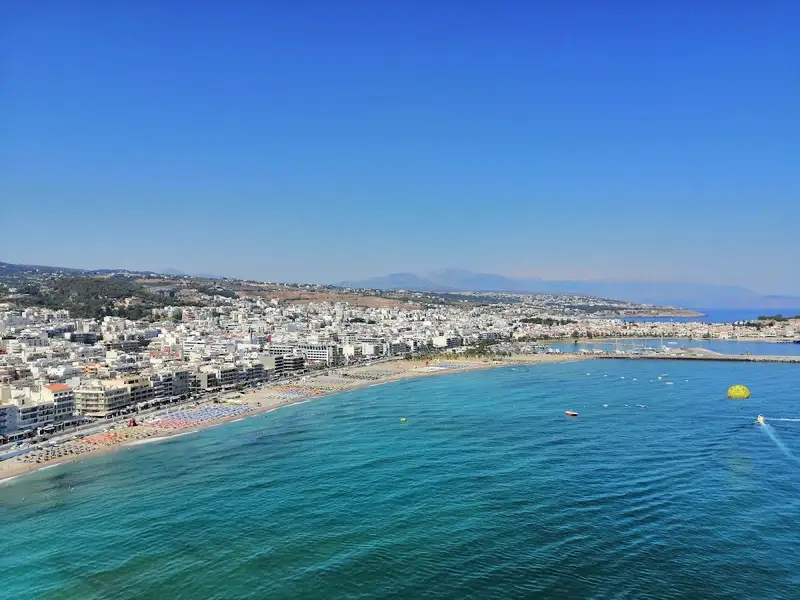
Rethymno beach is the organised town beach of Rethymno, a strip of golden sand and shallow, clear water on the city’s seafront about 500 metres east of the old town and next to the Venetian port. Rethymno beach forms the westernmost edge of Rethymno Bay’s long beachfront, which runs east from the harbour toward Skaleta. The beach stays busy through the day yet rarely feels packed, and the seafront road, Eleftheriou Venizelou, runs right alongside it for an evening walk.
Rethymno beach sits on the north coast of Crete, at the edge of Rethymno town. Rethymno beach is a short walk east along the seafront from the old town and the Venetian port. You can keep walking east past the town beach toward the suburbs of Perivolia and Platanes and on to Skaleta, since the town beach is the western end of the bay’s continuous sandy beachfront.
Rethymno beach is well organised, with amenities lined up along the sand and the promenade behind it:
The beach is wheelchair accessible, sits on a paved road, and is served by local buses, so you can reach it without a car.
The water is shallow and clear, which makes the beach suitable for swimming and a safe choice for families with children. The sea surface can turn choppy when the wind picks up, so calmer mornings are the easiest time to swim. In peak season the beach fills quickly, and arriving early is the surest way to get a spot with shade.
Rethymno beach is a nesting site for the loggerhead sea turtle, Caretta caretta. Rethymno Gulf is one of Greece’s three most important nesting areas for the species, with more than 400 nests recorded here each year. During nesting season you may see roped-off patches of sand where eggs have been found and protected, so keep clear of the marked areas and leave them undisturbed.
Reaching Rethymno beach is simple. Walk east from the old town and the Venetian port along the seafront, take a local bus, or drive in on the paved road that runs beside the sand. A car makes it easy to reach the quieter beaches further east along the bay and the villages inland; you can arrange one through car rental in Crete.
Rethymno beach is on the north-coast seafront of Rethymno town in Crete, about 500 metres east of the old town and next to the Venetian port. It is the westernmost part of Rethymno Bay’s long beachfront.
Yes. The water is shallow and clear, which suits both swimmers and children. The surface can get choppy on windy days, so mornings are usually the calmest time to swim.
Yes. The shallow, clear water, the lifeguard service and the cafes and facilities along the promenade make it a practical choice for families with young children.
The beach is organised with sunbeds and umbrellas for hire, a seasonal lifeguard, showers, changing rooms, water sports, and beach bars, cafes and restaurants along the seafront. It also holds Blue Flag status.
You can walk east from the old town and Venetian port along the seafront, take a local bus, or drive in on the paved road beside the beach. The beach is also wheelchair accessible.
Rethymno beach is a nesting site for the loggerhead sea turtle, Caretta caretta. Roped-off patches of sand mark protected nests where eggs have been found, so swimmers are asked to keep clear of them.
The beach is busiest in peak summer, when it fills quickly during the day. Arriving early in the morning is the surest way to find shade and a quieter spot, and mornings also tend to have the calmest water.
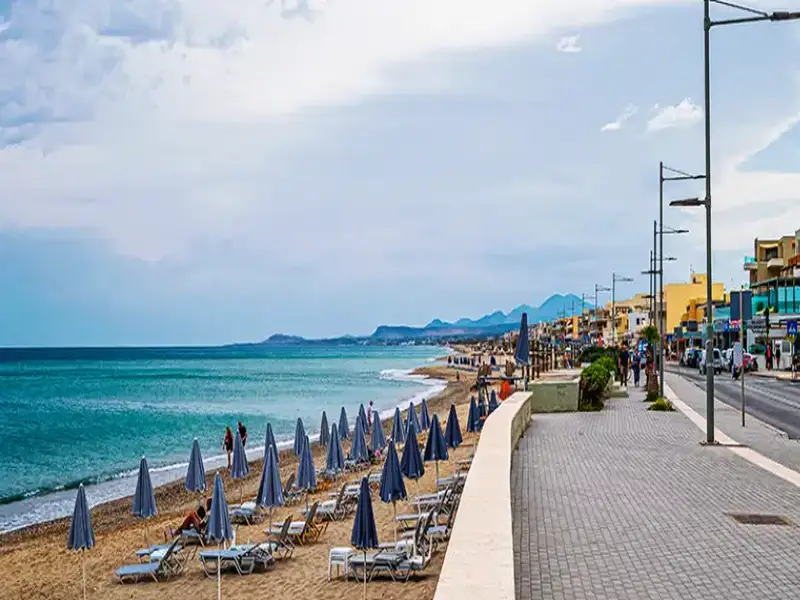
Three neighbouring suburbs of Rethymnon, Pervolia, Misiria, and Platanias (also known as Platanes) are situated 3-5km west of the city. Initially independent settlements, they have been subsumed into Rethymnon’s urban region due to expansion in residential development.
A lengthy sandy beach, part of Rethymnon bay’s expansive beachfront, extends in front of these suburbs. The beach begins near Rethymnon’s harbour and continues eastwards for 13km until reaching Skaleta. The beach is well-maintained and offers a wide selection of food, drink, and lodging options.
A notable feature of this beach, like the entirety of the vast beachfront, is the nesting activity of the Caretta caretta sea turtle. These turtles, protected by international law, lay their eggs in the sand. Rethymno Gulf is one of Greece’s three critical habitats for Caretta caretta, with over 400 nests documented annually.
Pervolia, Misiria, and Platanias, also known as Platanes, form a trio of suburbs that adjoin the city of Rethymnon, and are situated 3-5km west of the city. Previously individual settlements, they have now merged into Rethymnon’s urban district due to the growth of residential areas.
A sprawling sandy beach extends in front of these suburbs, forming part of a 13km long coastal strip that begins near Rethymno’s harbour and reaches as far as Skaleta beach. This well-maintained beach offers a wide variety of options for dining, drinking, and lodging. Along this extensive stretch of coastline, loggerhead sea turtles (Caretta caretta) come to nest. These turtles are at risk of becoming extinct, but the Rethymno Gulf stands as one of the three most crucial habitats for the species in Greece, hosting an average of over 400 nests each year.
The name Misiria originates from the Arabic term ‘Misr’, referring to a suburb of Cairo known for its fertile soil. In a similar vein, Misiria is so named due to its productive land, which continues to yield a bounty of vegetables.
The suburbs of Pervolia, Missiria, and Platanias, also known as Platanes, are situated 3-5km to the west of Rethymnon city. Initially, these were independent settlements that have now merged into the urban region of Rethymnon, as a result of the residential growth over the previous century.
A vast sandy beach extends in front of these suburbs, forming part of the extensive coastline of Rethymnon Bay. Originating near the Rethymno harbour, the beach stretches eastward for 13km until it reaches Skaleta. This well-maintained beach offers a wealth of options for food, drink, and accommodation.
Just like the rest of the lengthy coastline, this beach also serves as a nesting ground for the loggerhead sea turtle. These turtles are under the protection of the Greek State. Rethymno Bay is counted among the three most crucial nesting sites for this species in Greece, with more than 400 nests reported annually.
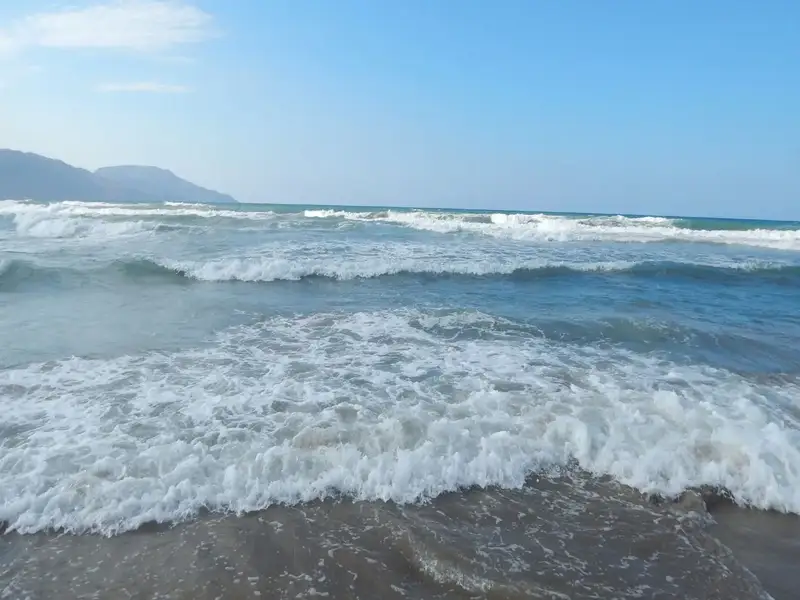
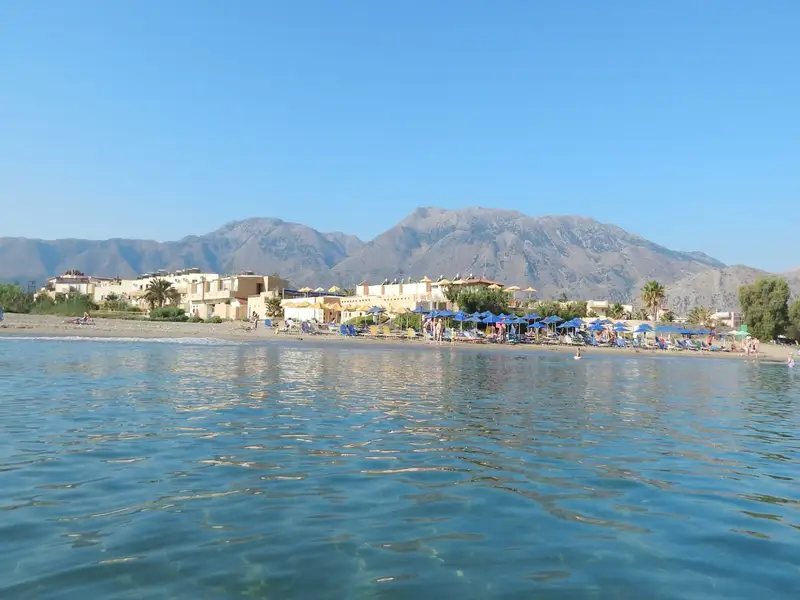
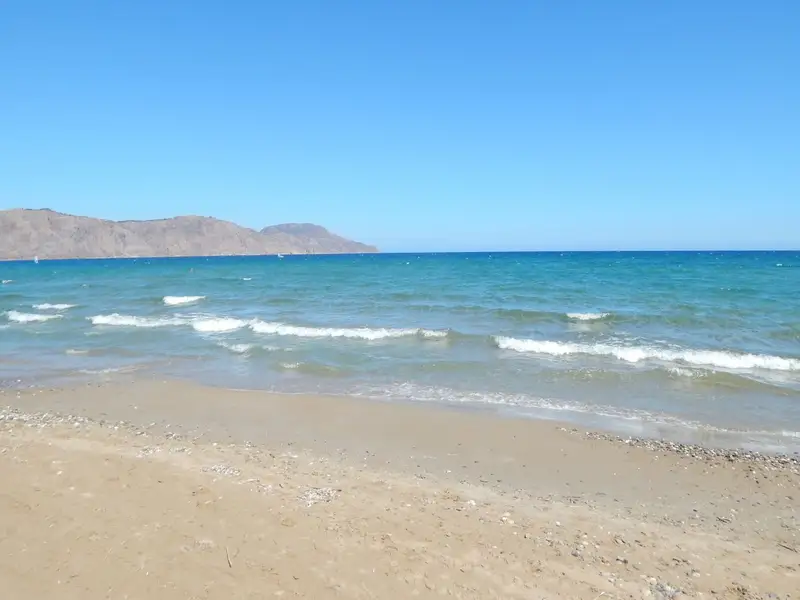
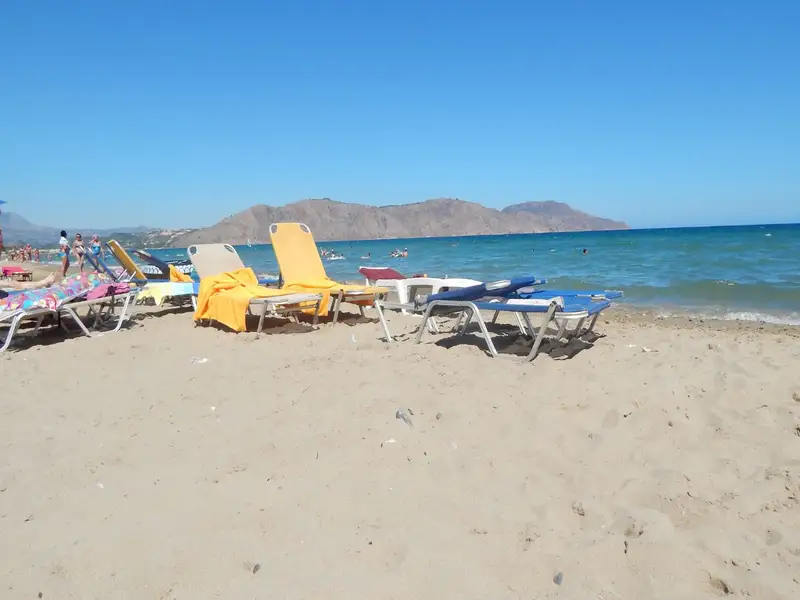
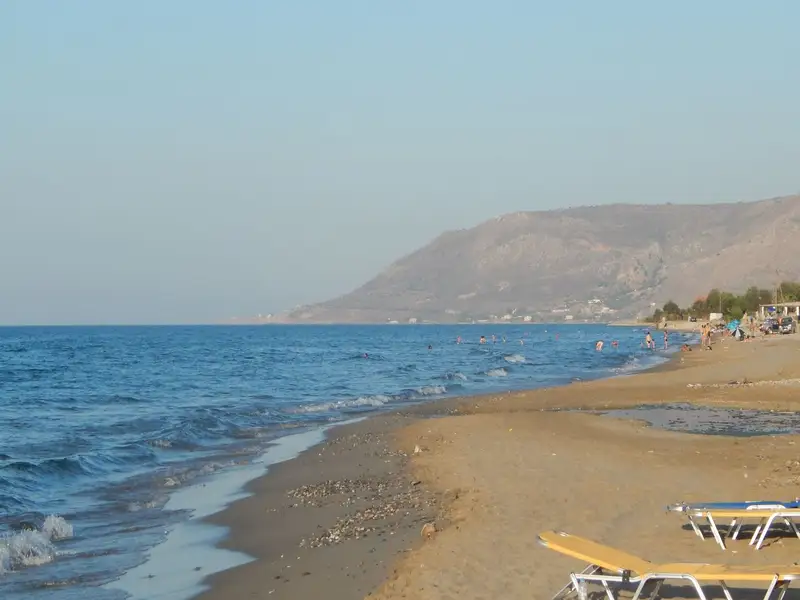
Located between Georgioupoli and Pyrgos, Kavros refers to the expansive beach situated just 4 km east of Georgioupoli, near the hotel bearing the same name. Though the area has experienced substantial tourist development, it’s somewhat less commercialized compared to the adjacent Georgioupolis. Kavros beach is a sandy stretch with transparent, shallow waters; however, its openness to the wind often results in notable wave activity. The beach provides several facilities for visitors, including an array of restaurants, cafes, and bars, making it a perfect spot for an all-day excursion. For those seeking tranquillity, parts of the beach remain unorganized, offering a more serene experience.
The place at its greatest part is developed and only a very small part of it has been left untouched. Between the remaining virgin parts of the beach, there is an extensive and very important ecosystem of dunes. The dunes of Kavros, like all dunes, host a significant and very fragile ecosystem that is home to its own plants. The most important role of the dunes in Crete is that they protect the inner lands from erosion. In the area, in winter we meet small ponds and the landscape is quite different from the summer.
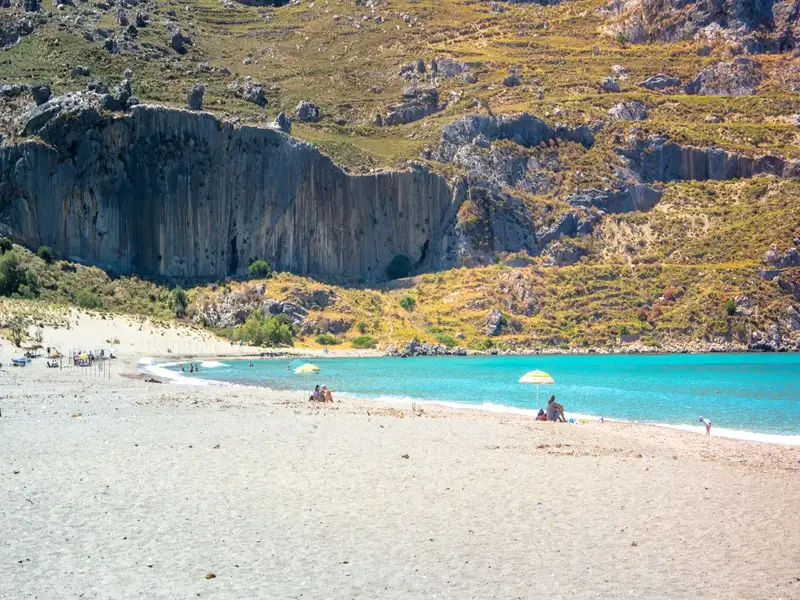
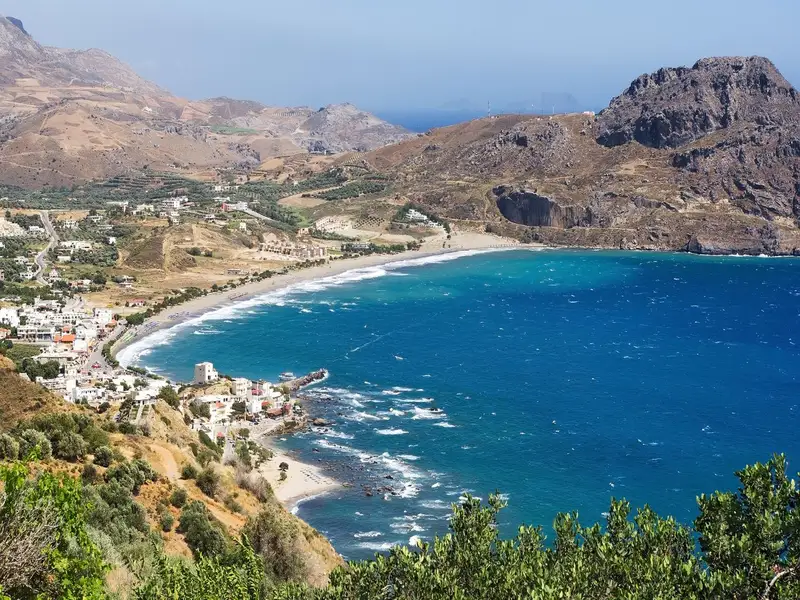
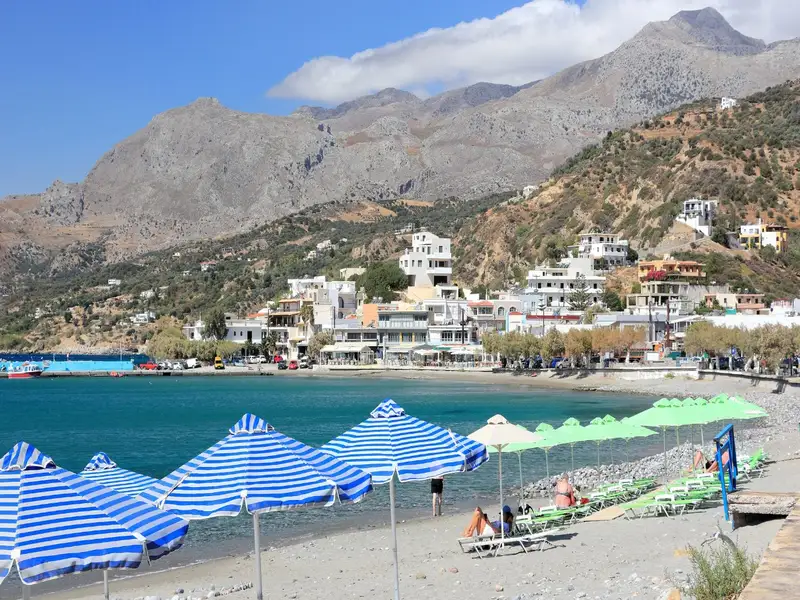
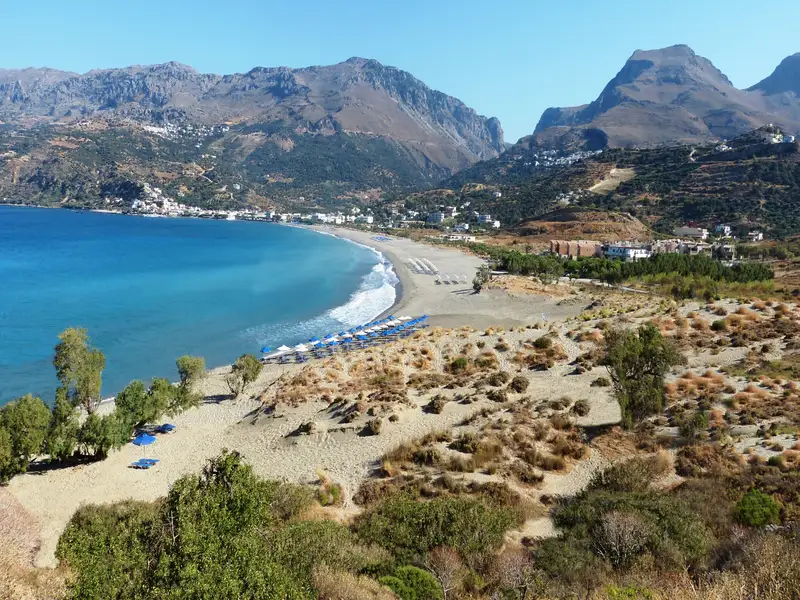
Situated 36km to the south of Rethymno city, Plakias is a charming tourist haven nestled at the mouth of a fertile valley just beyond the Kouroupa range, where the Kotsifos river meets the sea. It owes much of its popularity to the impressive Gialia beach, stretching for 1.3km from the edge of the town to the east, ending at Cape Mouri. This fully-equipped beach, characterized by its crystal-clear, cool waters, is an ideal location for leisurely walks or cycling along the adjacent road. It features numerous hotels and restaurants, as well as beach essentials such as umbrellas, water sports facilities, beach volley courts, snack bars, changing rooms, and showers.
Paligremnos, the eastern portion of the beach, boasts fine sandy shores and is well-appointed with various amenities close to local accommodation and eateries. Noteworthy are the tall, vertical cliffs nearby that prove to be a magnet for climbing enthusiasts. This spot, also known as “Gonates” (knees), is steeped in local lore; it’s said that the epic hero Digenis knelt here to drink from a local spring. An intriguing phenomenon takes place here every full moon from September to January, as the moon’s reflection on the sheer cliffs draws large squids to the beach, which locals catch with long sticks. A few meters south of Paligremnos, you can also discover tunnels once used for transporting coal to waiting cargo ships.
No results available
No results available
© All rights reserved. Crete Locals