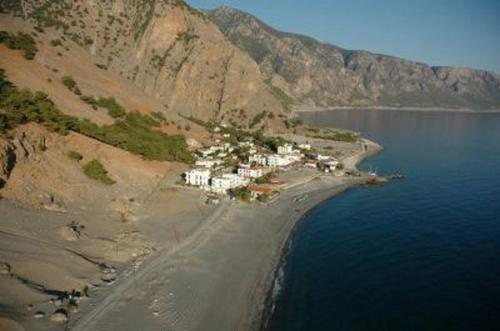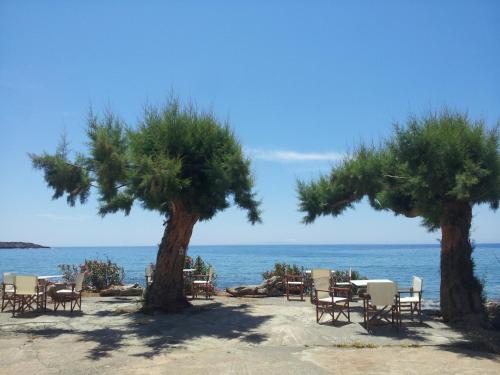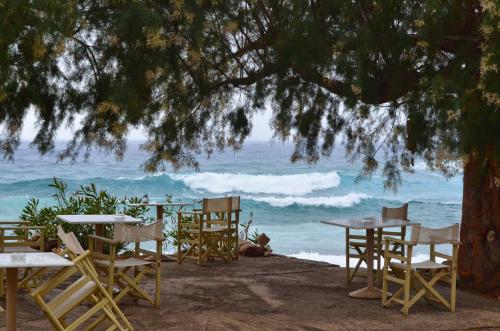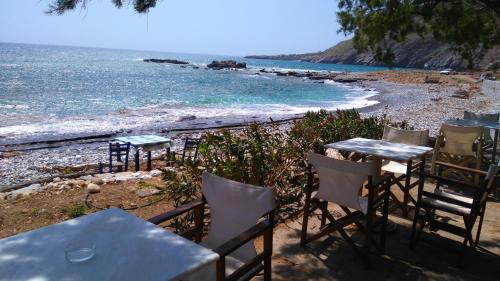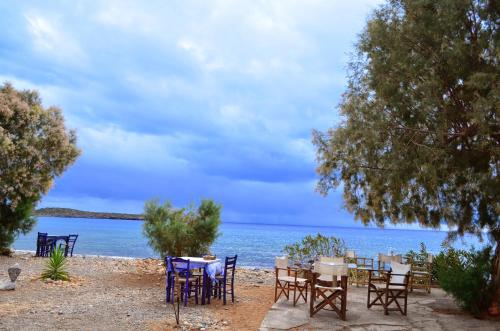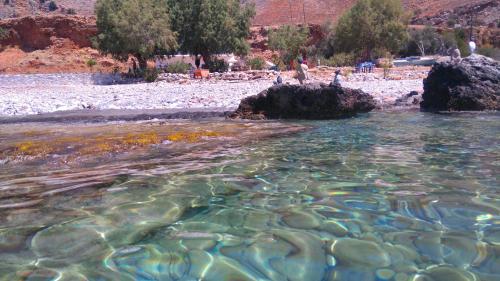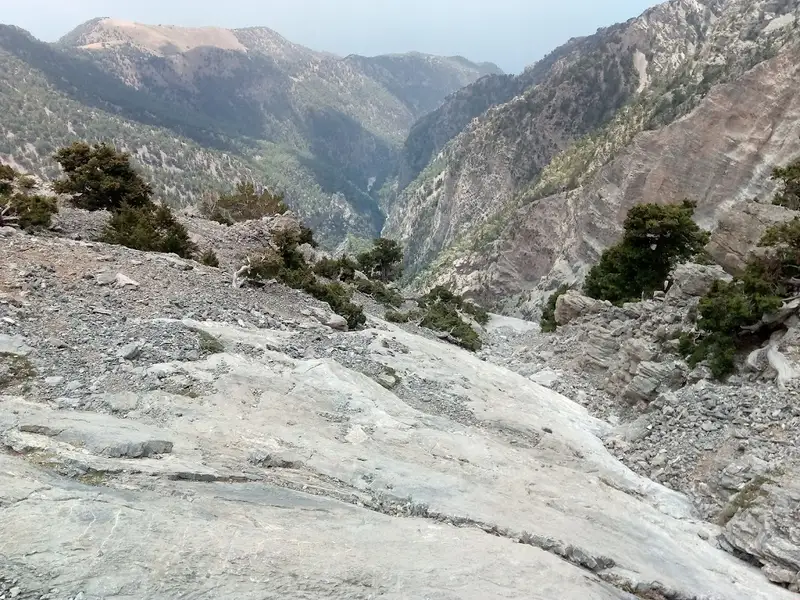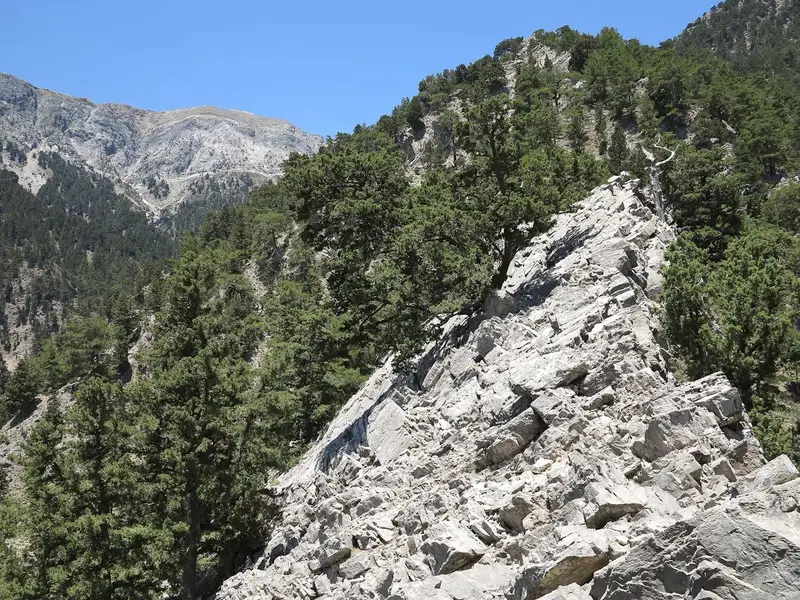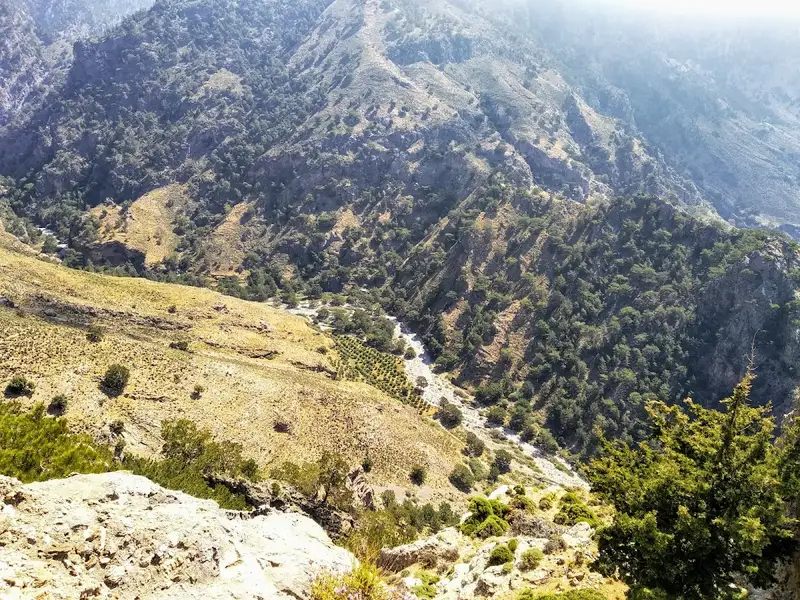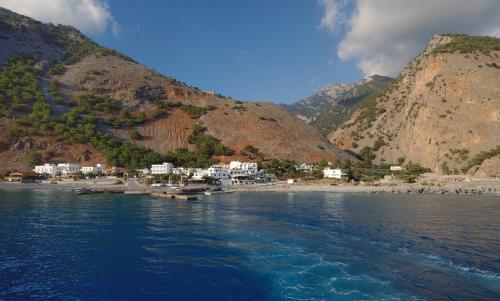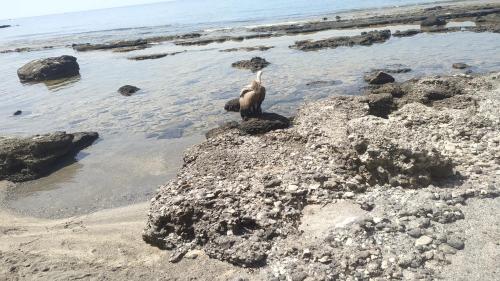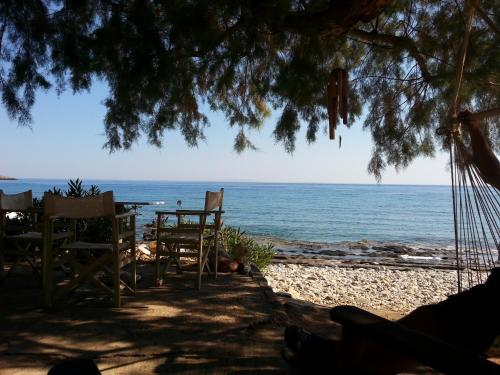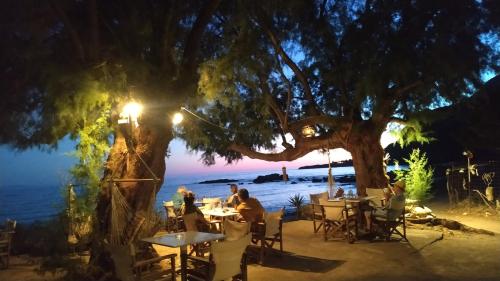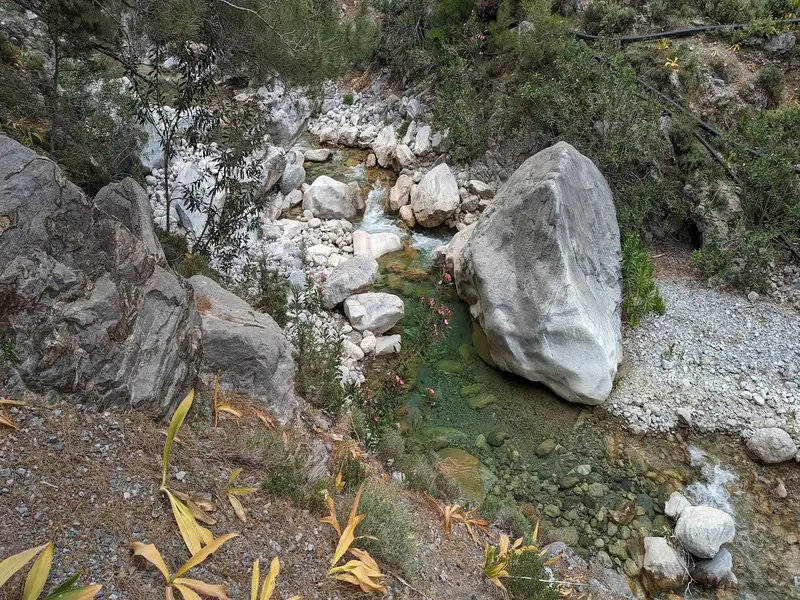

Agia Roumeli, a serene village in West Crete, lies about 56 kilometres south of Chania City, at the majestic exit of the Samaria Gorge in the Sfakia region. This secluded haven is accessible only by hiking the gorge’s challenging trails or by ferry from towns like Chora Sfakia, Loutro, Paleochora, or Sougia, offering a picturesque journey along Crete’s coastline.
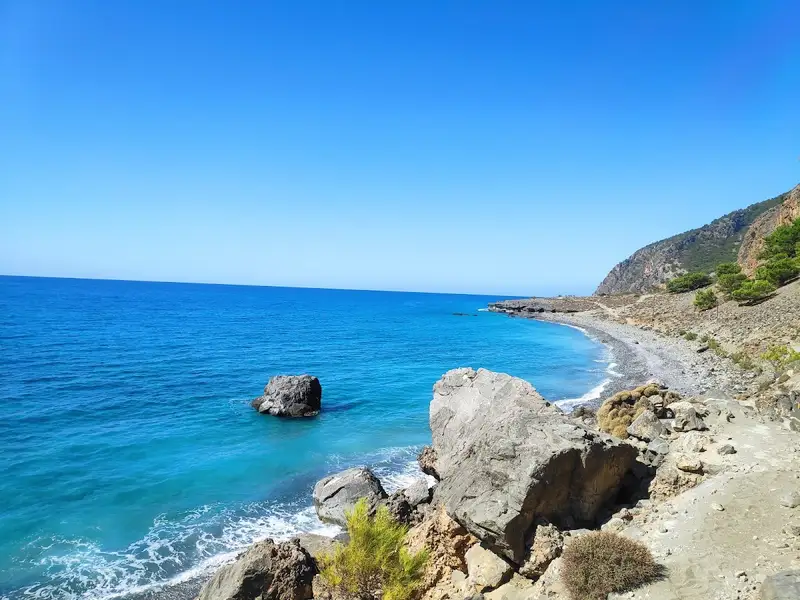
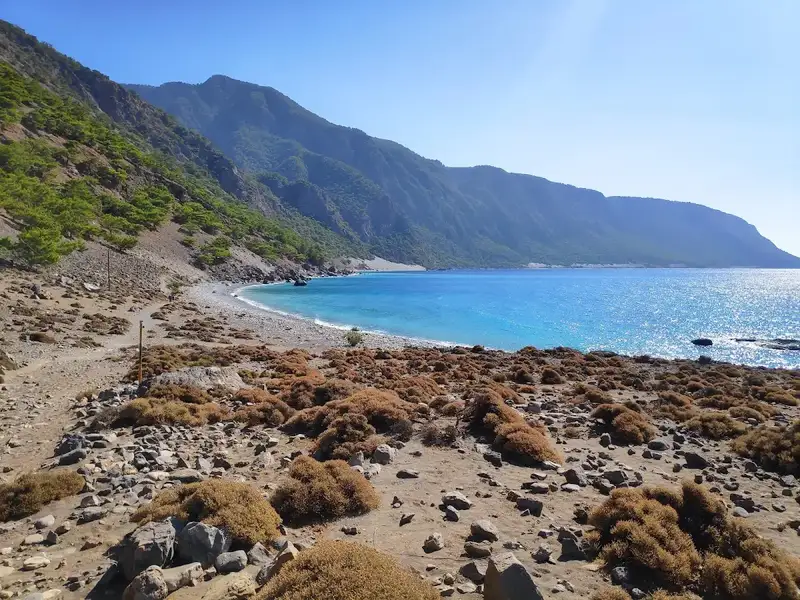
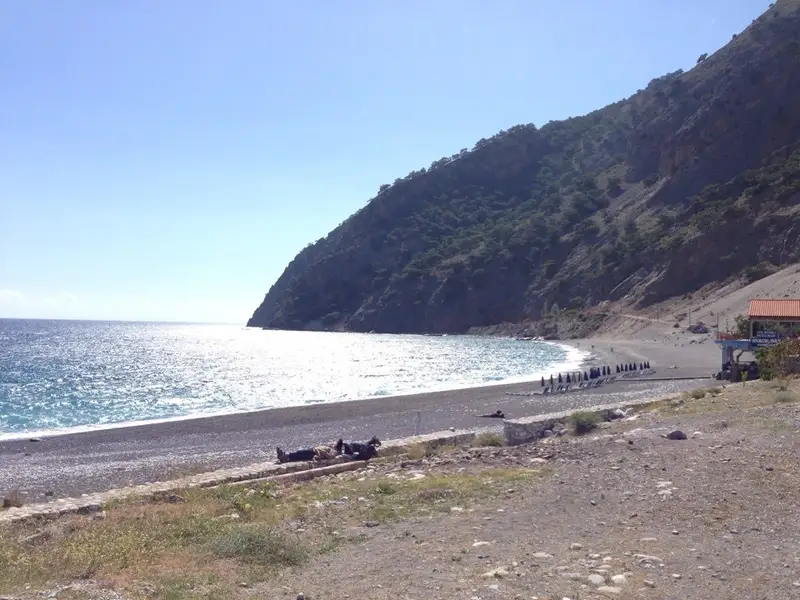
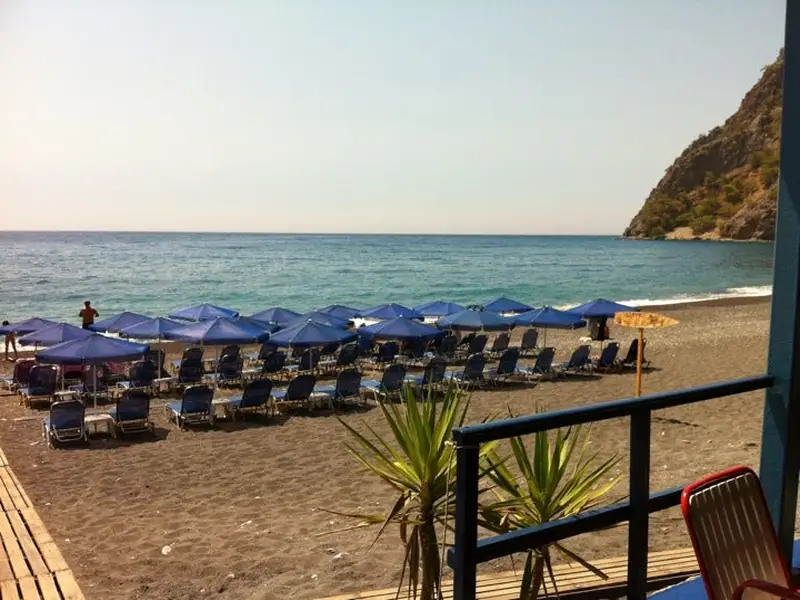
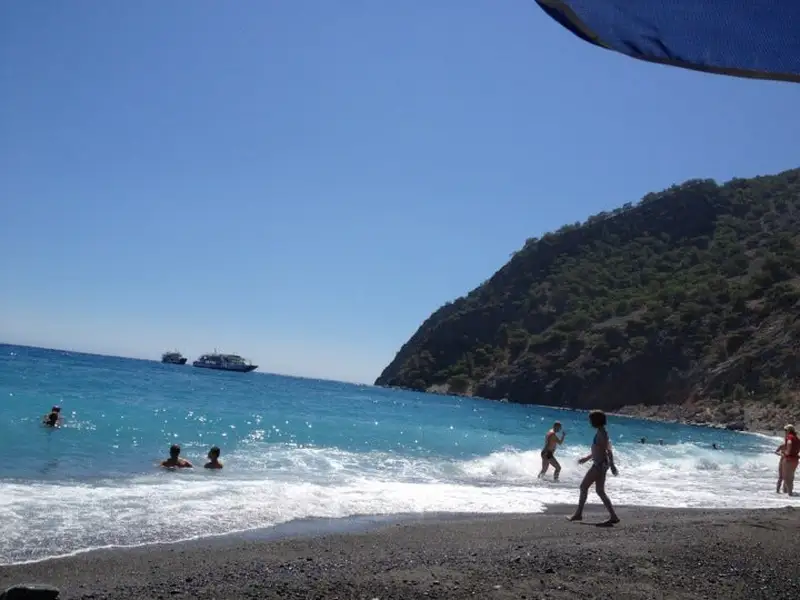
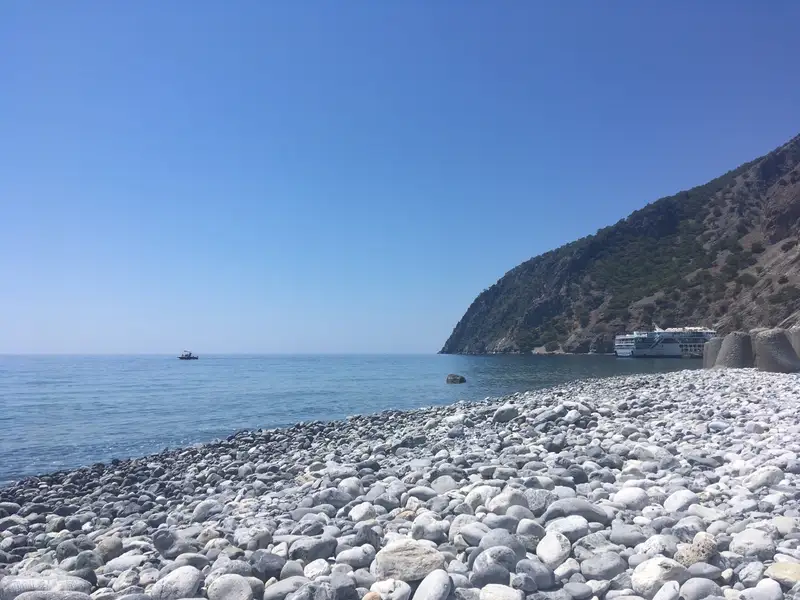
Renowned for its authentic Cretan heritage and distinctive character, Agia Roumeli is a tranquil community framed by towering mountains and a pebbly beach against the stunning backdrop of the Libyan Sea. It’s a favourite holiday spot for many, known for its ability to offer complete relaxation and a chance to disconnect from the outside world. Nature lovers will find a plethora of activities, from exploring the unique flora, fauna, and geology to indulging in the solitude offered by the sun, sea, and secluded beaches.
Agia Roumeli is not just the gateway to the Samaria Gorge National Park but also a paradise for hikers and nature enthusiasts, with its network of trails through untouched natural landscapes. The area’s beauty is an ideal remedy for the weary, offering weeks’ worth of exploration. From hidden beaches where nature is your sole companion to treks in the mountains, Agia Roumeli promises unparalleled natural experiences.
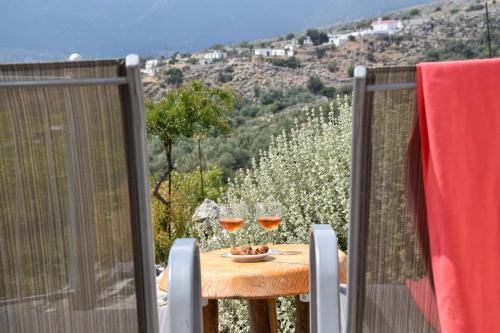
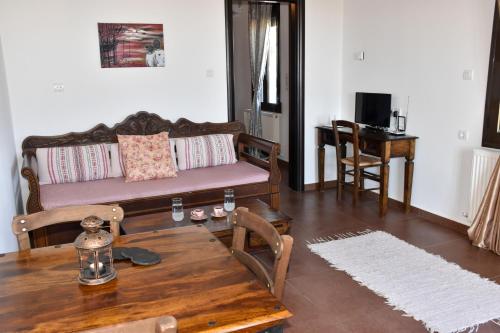
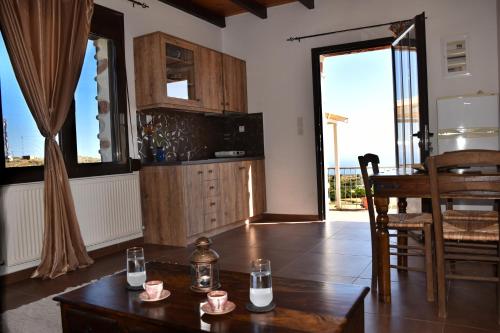
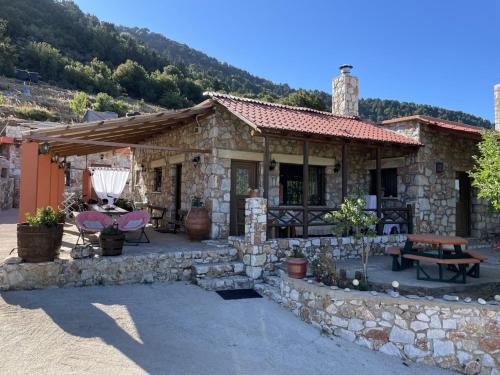
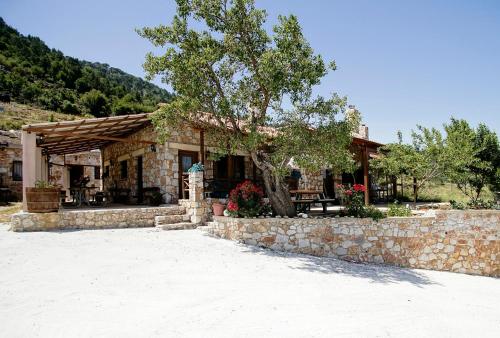
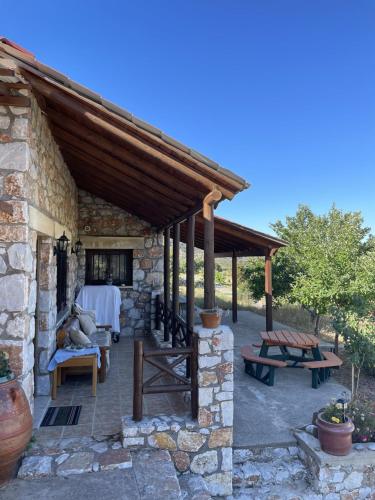
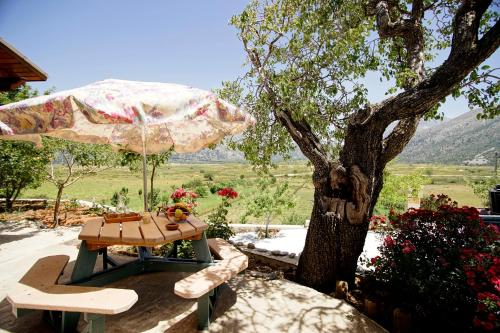
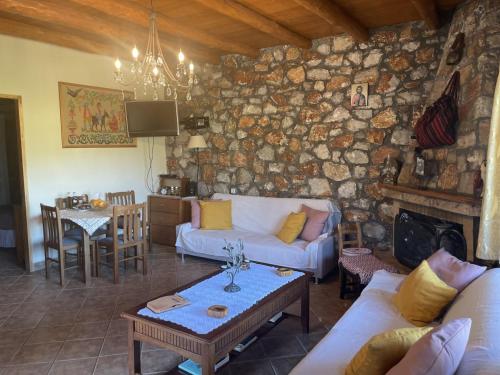
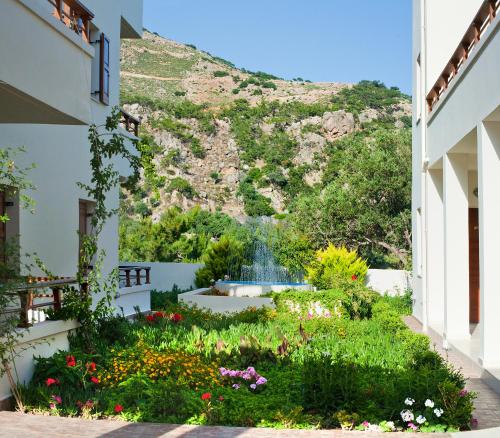
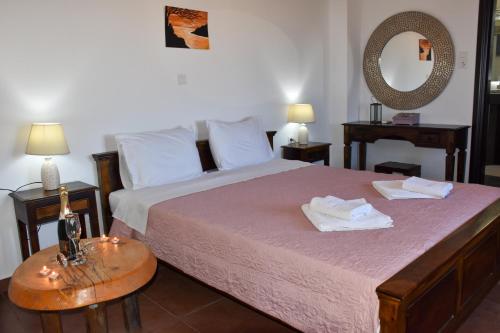
Nestled on Crete’s southern coast, Agia Roumeli may be small and remote, but it doesn’t skimp on comfortable accommodations. This quaint village provides a selection of hotels and villas, each offering quality services and a welcoming atmosphere. Below, find the list of accommodations in Agia Roumeli, where comfort blends seamlessly with the charm of this tranquil coastal retreat.
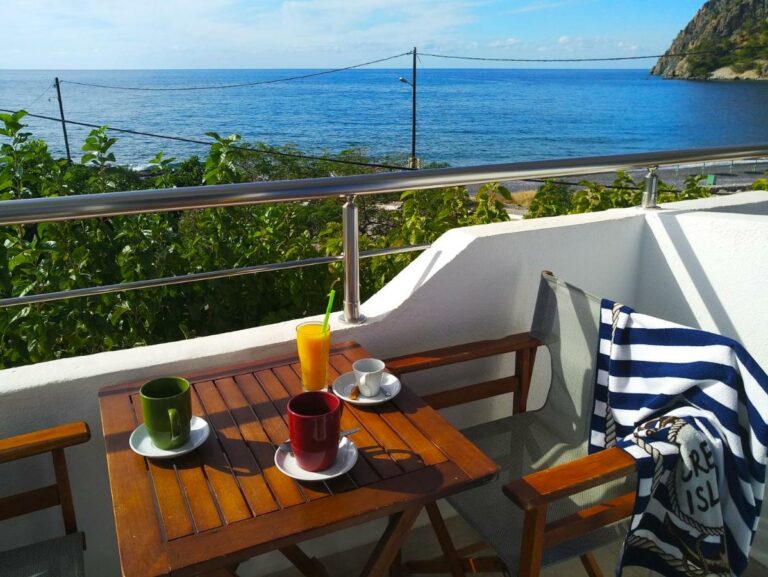
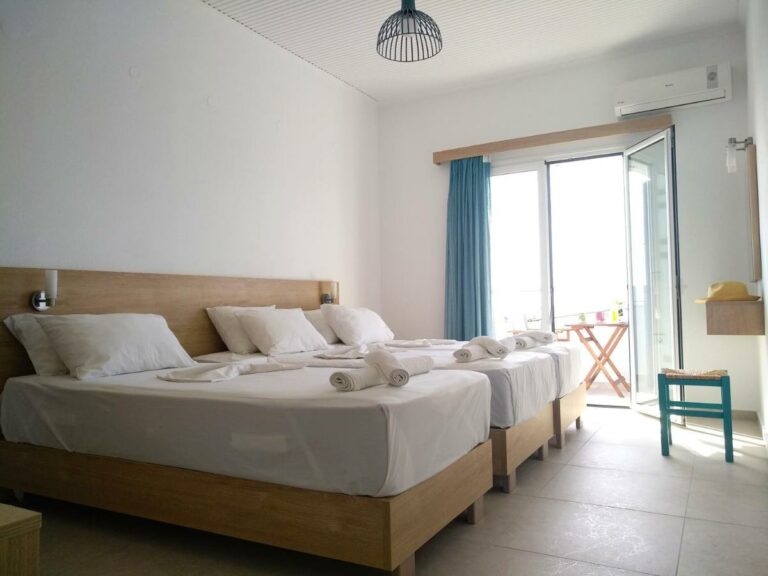
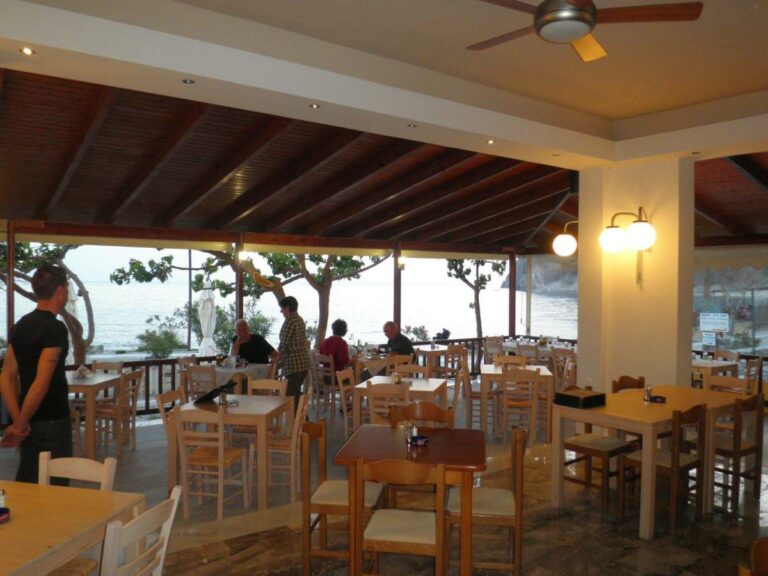
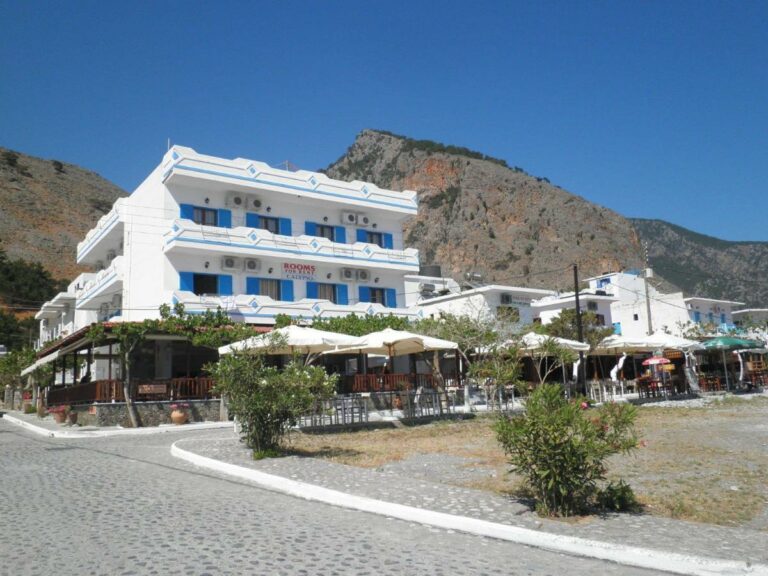
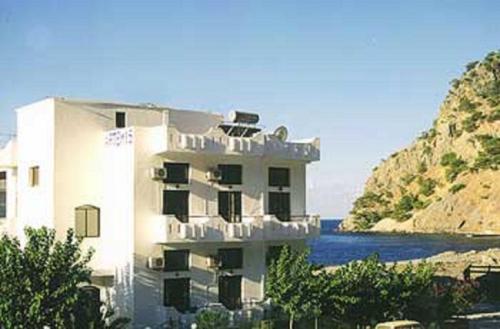
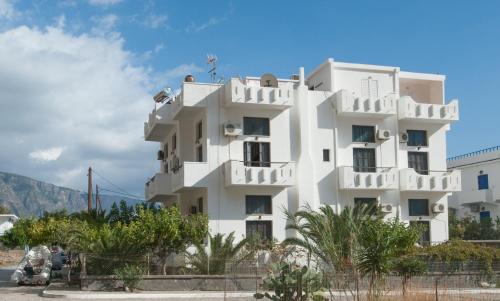
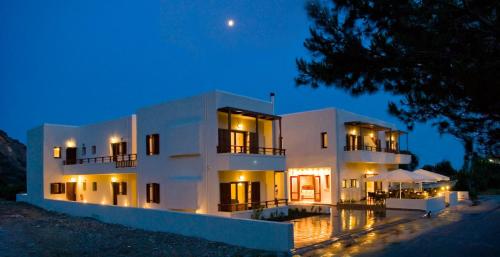
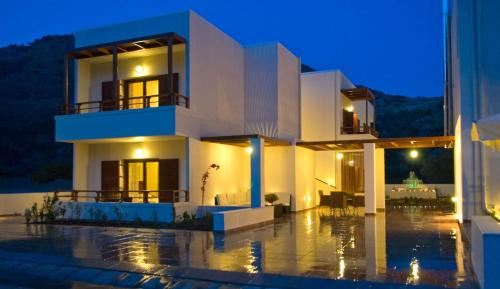
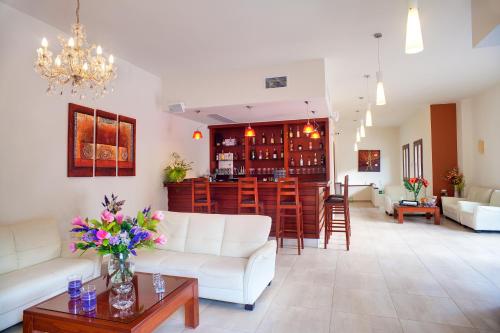
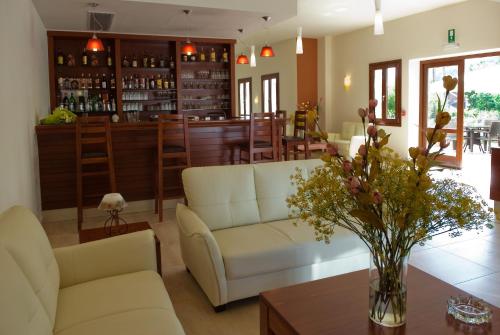
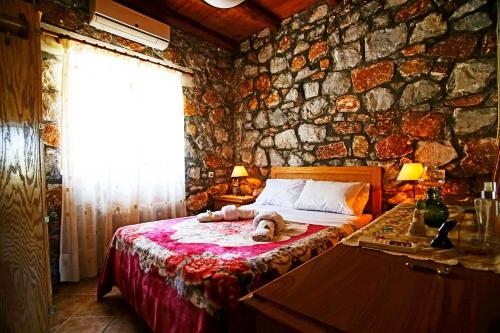
Calypso Hotel is located just 20 metres from the beach, in Agia Roumeli village. It features rooms with air conditioning and a furnished balcony with Libyan Sea views. The on-site café-restaurant serves breakfast.
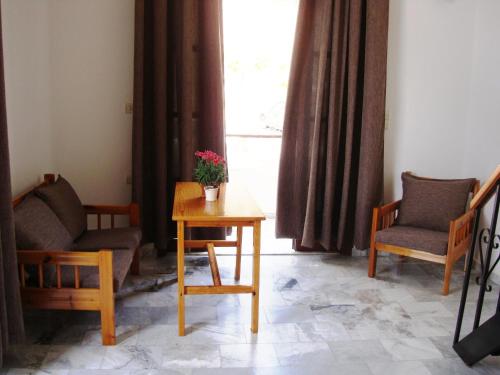
Calypso rooms are fitted with tiled floors and wooden ceilings and include a refrigerator. Free Wi-Fi access is offered in all public areas.
Sun beds and umbrellas are available on the beach at an extra charge. Staff can provide information on organized excursions, such as a hike of the Samaria Gorge.
Calypso Hotel is 75 km from Chania. Nearby Sfakia and Loutro are accessible by boat. Free public and private parking are available.
from
€65
/night
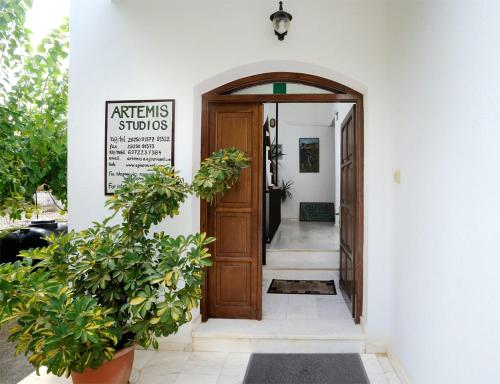
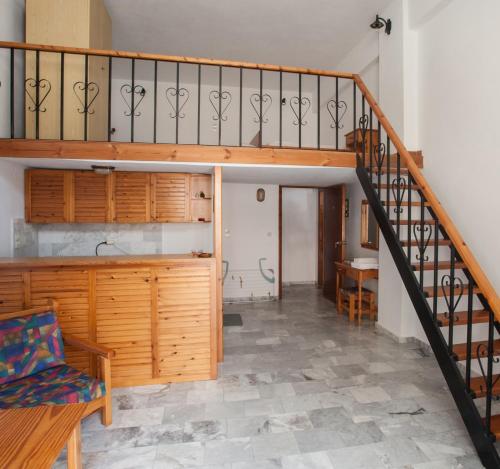
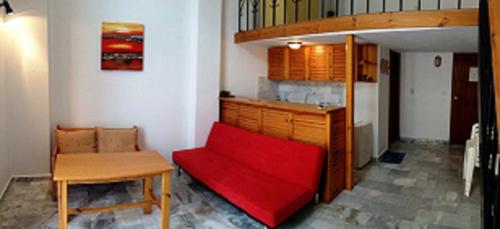
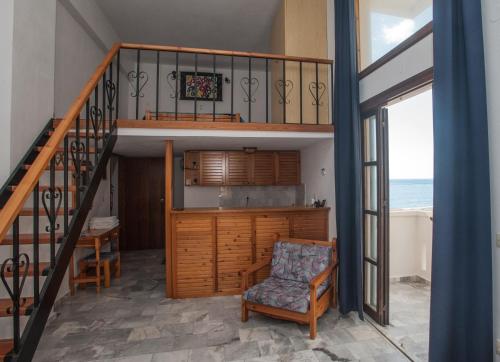
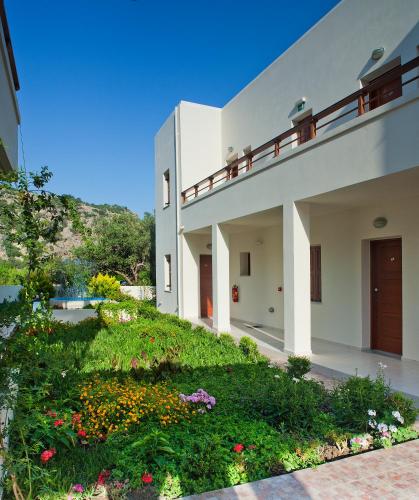
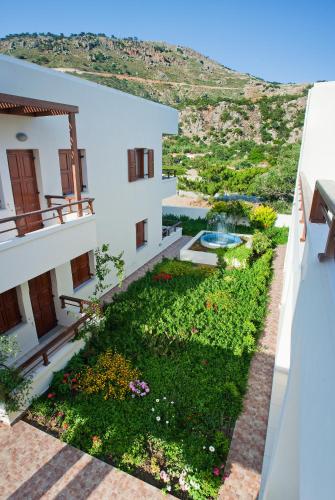
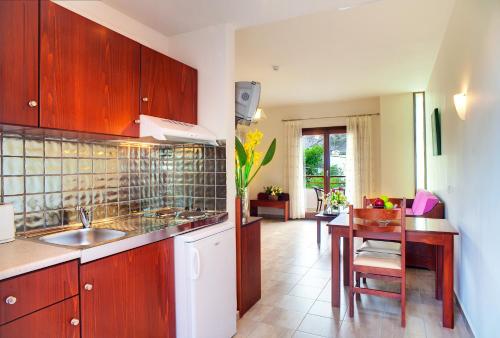
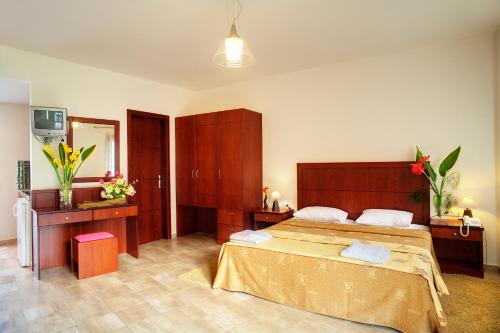
Located 60 metres from the beach of Agia Roumeli, the quietly located Artemis Studios offers split-level, self-catering accommodation with side sea view towards west, garden or mountain views from its balcony. It features a family-run restaurant.
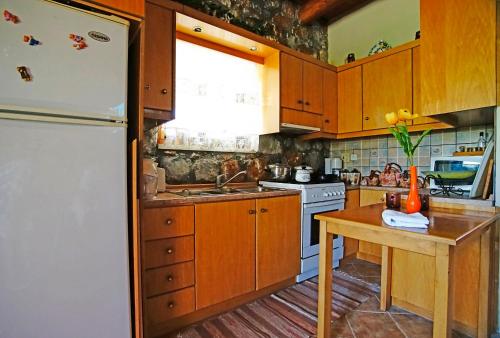
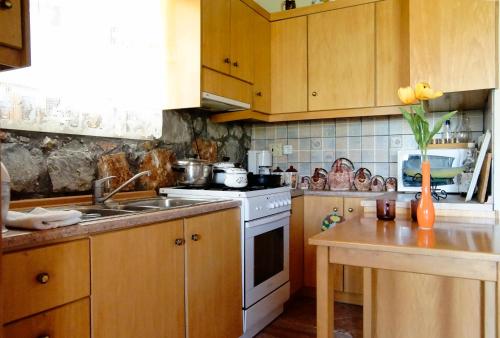
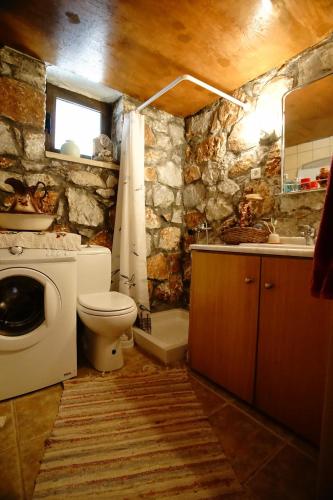
The air-conditioned studios of Artemis have an open-plan kitchenette with seating and dining area. Each is equipped with a fridge and cooking hobs. The private bathroom comes with shower and free toiletries. Free WiFi is offered.
Guests can start their day with a continental breakfast served daily at the Artemis Restaurant, where traditional Cretan dishes can also be enjoyed at discounted prices for lunch or dinner.
Mini markets can be found within a short walk from the property. The village of Agia Roumeli is accessible either by crossing the Samaria Gorge or by ferry from Sfakia, Sougia or Paleochora. Guests have the chance to participate in a 4-day activity programme at Samaria Gorge.
from
€56
/night
Located in Livanianá, 600 metres from Lycos Beach, Georgoshouse Lykos beach Sfakia provides accommodation with a garden, free private parking, a restaurant and a bar. Less than 1 km from Marmara Beach and a 13-minute walk from Finikas Beach, the hotel features a private beach area. The accommodation offers room service and free WiFi throughout the property.
At the hotel, every room includes a patio with a garden view. Each room is fitted with a shared bathroom with a shower, while selected rooms come with a terrace and others also offer sea views. At Georgoshouse Lykos beach Sfakia all rooms are equipped with bed linen and towels.
The daily breakfast offers continental, vegetarian or vegan options.
Guests at the accommodation will be able to enjoy activities in and around Livanianá, like hiking and snorkelling.
Fortress of Frangokastello is 38 km from Georgoshouse Lykos beach Sfakia. The nearest airport is Chania International Airport, 100 km from the hotel.
from
€45
/night
Located in Anopoli Sfakion and only 25 km from Fortress of Frangokastello, Madares Apartments Anopolis provides accommodation with mountain views, free WiFi and free private parking. This apartment offers air-conditioned accommodation with a patio.
The apartment comes with 1 bedroom, 1 bathroom, bed linen, towels, a flat-screen TV with cable channels, a dining area, a fully equipped kitchenette, and a terrace with sea views.
If you would like to discover the area, cycling is possible in the surroundings.
The nearest airport is Chania International Airport, 87 km from the apartment.
Mike Omalos Houses features lake views, free WiFi and free private parking, located in Omalós, 5.1 km from Samaria Gorge.
The holiday home provides guests with a terrace, mountain views, a seating area, cable flat-screen TV, a fully equipped kitchen with an oven and a microwave, and a private bathroom with shower and a hair dryer. A toaster, a fridge and stovetop are also featured, as well as a coffee machine and a kettle.
Mike Omalos Houses offers a picnic area.
Guests at the accommodation can enjoy hiking and bike tours nearby, or make the most of the garden.
Botanical Park & Gardens of Crete is 22 km from Mike Omalos Houses, while Limnoupolis is 36 km away. The nearest airport is Chania International Airport, 52 km from the holiday home.
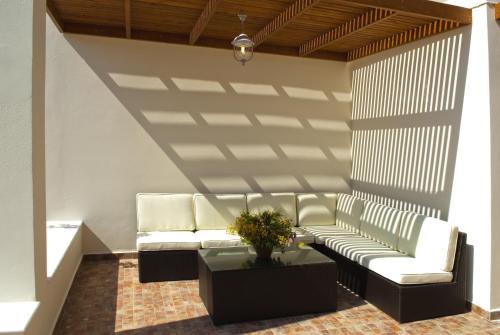
Situated just 200 metres from the beach of Sougia, 3-star Syia Hotel offers self-catering rooms with private balcony. Free Wi-Fi access is available throughout the hotel.
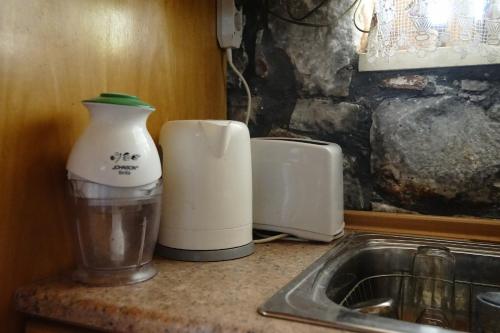
Syia open-plan studios and two-room apartments are bright and very spacious. They include a well-equipped kitchenette with coffee maker, toaster and fridge. Climate control, a satellite TV and a hairdryer are included.
Guests can start their day with the breakfast served at the property’s dining area. They can also enjoy a drink from the bar either at the lounge area or at the furnished terrace overlooking the Libyan Sea.
Syia serves as a convenient starting point for exploring the beaches of South Crete, such as Palaiochora located a 30-minute drive away. Free on-site parking is possible.
from
€97
/night
No results available
In the quaint village of Agia Roumeli, nestled on Crete’s southern coast, adventure and tranquillity go hand in hand. A hiker’s paradise, it’s famed for the breath-taking Samaria Gorge trail, but that’s just the beginning. Explore nearby secluded beaches on foot, or embrace the crystal-clear waters with activities like boat renting, kayaking, and scuba diving. Agia Roumeli offers a perfect blend of natural exploration and aquatic adventures. See below for a comprehensive list of things to do in and around this charming village.
From Sfakia you can easily explore the south coast all the way along to Agia Roumeli (village at the end of Samaria gorge, no roads!) and also the remote and beautiful beaches and villages (Agios Pavlos, Marmara marble beach, Loutro fishing village again no roads!), Sweet water ‘Glyka Nera’ beach and Illingas beach – the options are many, you will not get bored! You will get all the tips you need and of course a detailed briefing upon rental.
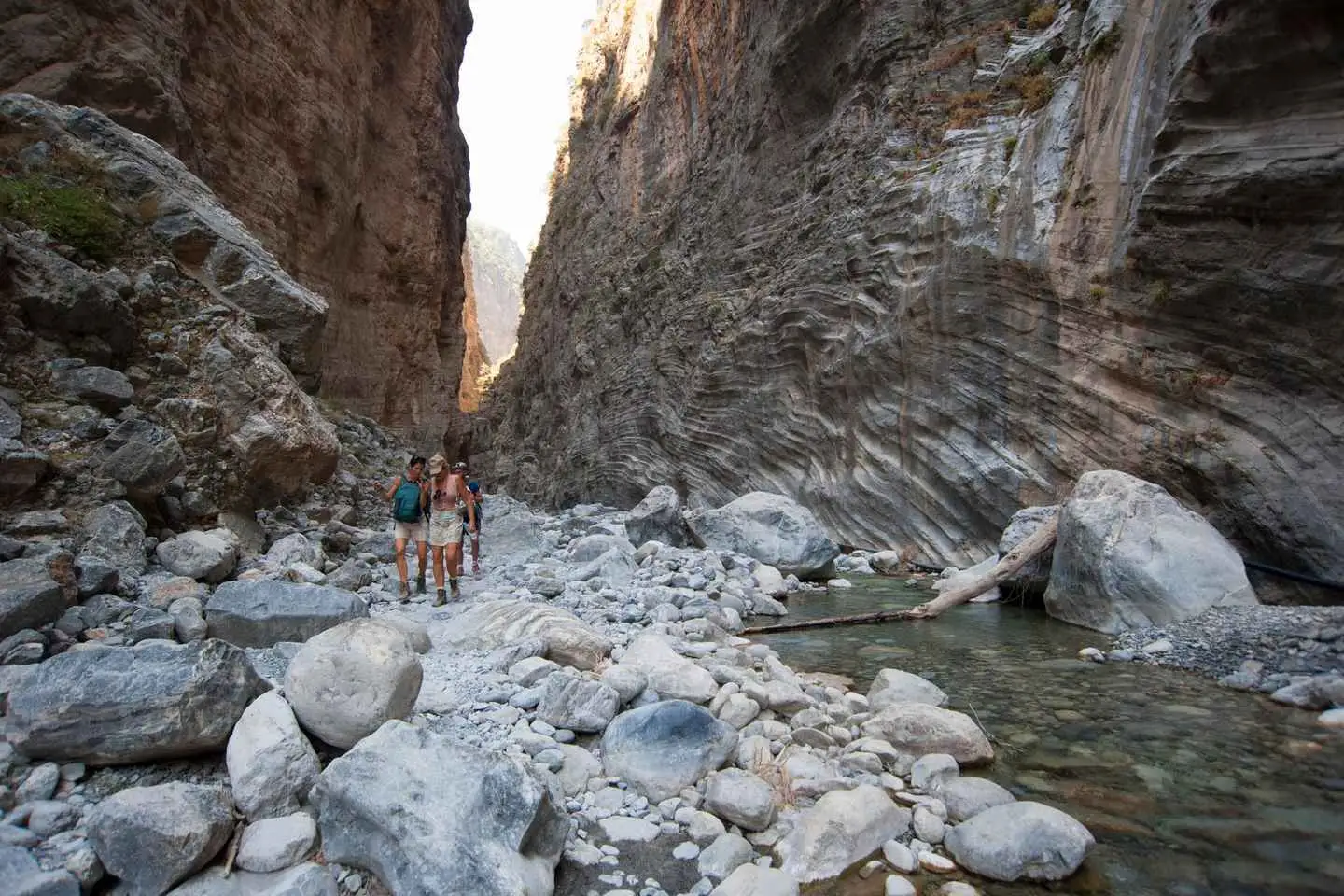
Embark on a journey through Europe’s longest gorge, the Samaria Gorge. This is the Mediterranean’s deepest and most awe-inspiring ravine, extending 16.5 kilometers from Xyloskalo down to Agia Roumeli on the Libyan Sea.
We plan to arrive at the gorge by 7 AM, and after a brief pause, our walk will begin. As you descend the 600 wooden steps, the majestic beauty and tranquility of the gorge, cradled by the White Mountains, will enchant you. Remember to stay hydrated—water can be refilled from natural springs within the gorge.
During your hike, you will discover the Church of St. Nicolas, built atop an old temple’s ruins. Further along, you’ll traverse the “Portes” or “Iron Gates,” the gorge’s slimmest point, before concluding your trek at Agia Roumeli. In the village of Samaria, take a leisurely stroll and you might spot the kri-kri (wild goats), especially the young ones, which are accustomed to visitors and less timid.
Throughout the trek, a hiking escort will accompany us, ensuring a safe and guided experience. Please note, the time it takes to complete the trek can vary widely depending on each person’s walking pace and physical condition.
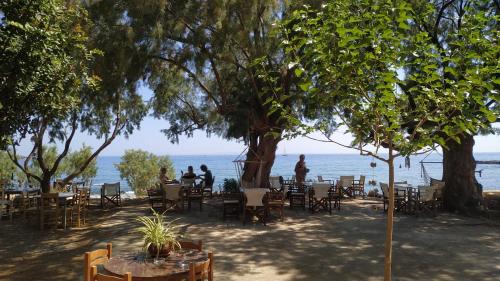
Relax in the peaceful village of Agia Roumeli afterwards, where you can swim at the picturesque beach, lounge by the sea, and savor traditional cuisine at a local taverna.
Then, take a picturesque boat ride from Agia Roumeli to Chora Sfakion, where we begin our return. Our boats offer comfortable seating, restroom facilities, and snack bars for your convenience.
On returning to Chora Sfakion, our buses will transport you back to your original drop-off locations.
Prepare to treasure the memories of this unparalleled day!
Stop to purchase a hearty breakfast in Rethymno on this full-day Samaria Gorge excursion. Begin your trek at Xiloskalo, where you’ll enter the vast, 18-kilometer canyon.
Hike along a path that follows the route of the ancient Taras River. Admire the caves that formed a natural shelter for the Cretans in war times and now are home to wild goats.
See the abandoned village of Samaria before reaching the Iron Gates, 3 kilometers before the end of the gorge.
Rest and enjoy lunch (at your own expense) at the small fishing village of Agia Roumeli. Cool off with a refreshing swim in the Libyan Sea before boarding the ship that takes you back to the village of Sfakia.


Intro:
A national park since 1962, a part of the World Network of Biosphere Reserves of UNESCO, the longest gorge of Crete and one of the longest in Europe, the gorge of Samaria is the adventure everyone has to take upon when visiting Crete.
Full Description:
The pick up starts very early in the morning and you will be greeted by our friendly driver. The drive may be long but your exceptional tour guide will make this time worthwhile, explaining all there is to know about the island and the places you will pass by.
The bus takes us to Omalos Plateau. There you can buy supplies from the local market like water and small snacks to carry with you before our big adventure.
The walk begins from Xiloskalo that is the entrance of this magnificent 18km long gorge.
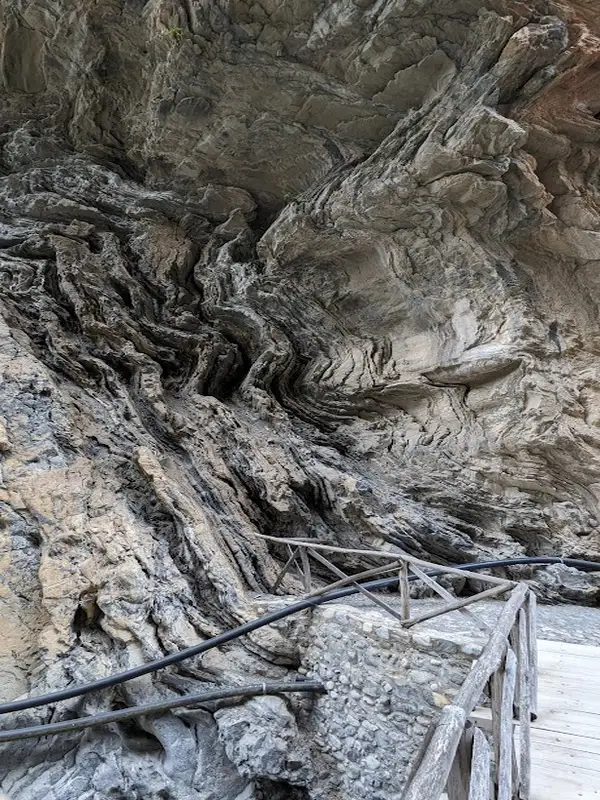
On the way we will admire the indigenous plants, flowers and bird species and the unique view of the landscape left untouched by human intervention. The rock formations will leave you speechless.
The gorge is nowadays a natural habitat for the protected wild goats of Crete commonly known as Kri-kri, giving you the chance to spot them as well.
Halfway through the gorge, we arrive at the abandoned village of Santa Maria that takes its name from the old church that is located there.
Last but not least, a few km before the exit, we come across the “Iron gates” or Sideroportes in Greek, where the gorge closes in to a width of no more than four meters, making it the narrowest point of the walk!
After we exit the canyon, we arrive at the small village of Agia Roumeli where you have time to have lunch in one of the traditional taverns or relax and have a swim at the beach.
The boat then takes us to the village of Sfakia where our bus driver will be waiting for us to drive us safely back to your hotels.
Take a hike through Samaria Gorge with pickup in Malia and Heraklion. Trek through this impressive gorge, known for being the longest in Europe. Make a stop at the Plateau of Omalos, admire the mountains of the gorge, and take an unforgettable journey through Cretan nature.
Get picked up in the morning from your designated pickup point and head towards Omalos. Once there, make sure you have all the equipment and take the chance to buy some supplies before entering into the gorge.
Begin the trek, and feel the impressiveness of the longest gorge in Europe. Take in the surrounding views of the White Mountains, admire the small river that runs through it, and catch sight of the Cretan wild goats, commonly known as Kri-Kri.
At the exit, find yourself by the Libyan Sea in the village of Agia Roumeli. Explore this beautiful and isolated village, nestled between huge rocks and the expansive sea. Enjoy a relaxing and refreshing swim at the beach, and have some lunch in a small local tavern.
Later, embark on a boat that takes you back to Chora Sfakion. There, catch the bus that returns back to the resort.
The Samaria Gorge is the jewel of the White Mountains; hidden in the southern part of the prefecture of Chania, it is the largest gorge in Europe, with a length of 18 kilometres, and the most visited trail in Greece.
The gorge trail starts at Ksyloskalo (Omalos plateau, 1,227 metres above sea level) and, after following the river bed, ends at the coastal village of Agia Roumeli.
It is a very pleasant walk, not strenuous, with many changes of scenery and a varied environment, and it is excellently equipped with signals and signposts that eliminate the risk of getting lost. It is important to remember, however, that although the whole route is not difficult, there are certain sections that require more attention.
Your day starts after we pick you up from a designated pick up point (which can be outside your hotel or as close as possible). We then drive to the Omalos plateau and stop for breakfast (optional).
After breakfast we drive to the entrance of the Samaria gorge called Xyloskalo and start the walk.
The walk usually takes 4 – 6 hours and you will be able to admire extraordinary rock formations, many endemic plants, flowers and animals, the most famous of which is the Cretan wild goat called “Kri – Kri” (or Aegagros as it is called in the local dialect). Everyone will walk at their own pace without the need to keep up with a group, if you need anything feel free to ask your guide – mountain escort who will also enter the gorge with you.
At the end of the walk you will find yourself in the remote village of Ag. Roumeli, where you can cool off and enjoy the beach. You will also be able to sample the local cuisine by having lunch in one of the local taverns.
The tour ends after taking the ferry from Ag. Roumeli to Sougia and board our busses back to your hotel (or the designated pick up point you had in the morning).
No results available
Nestled 56km south of Chania city, Agia Roumeli is a quaint village that sits on a broad bay at the mouth of the Samaria Gorge. This spot sees a daily influx of visitors who descend the gorge to primarily swim along the central beach, which is conveniently located right before the beachside taverns. However, several picturesque and peaceful beaches are also available for exploration in the vicinity.
One such tranquil beach can be found on the east side of the settlement, past the Samaria Gorge river and beneath the remnants of ancient Tarra. Here, at Zeromouri, stunning rock formations and cavities give way to pebbly beaches that are typically deserted. As one ventures further, the beach transitions into a rocky terrain suitable for nudism and snorkelling, extending eastwards all the way to the beach of Selouda or Agios Pavlos.
Situated 56km south of Chania city, Agia Roumeli is a quaint village nestled in the wide bay at the exit of Samaria Gorge. This serene village, set against the rugged and mountainous backdrop of Sfakia province, attracts thousands of visitors every day who descend through the gorge. The village can be reached either by trekking through the gorge or by taking a ferry from Chora Sfakia, Loutro, Paleochora, and Sougia. The village offers basic amenities like traditional taverns, accommodation facilities, cafes, a mini market, internet access, and a telephone.
From 13:00 to 16:00, the village and its beaches are bustling with visitors, but it regains its tranquillity after the departure of the ferries. An overnight stay in the village offers a unique opportunity to appreciate the beauty of this place, its warm-hearted inhabitants, delectable food, and breathtaking natural beauty.
The magnificent beaches of Agia Roumeli spread over a length of 3km or more. The area near the village is more crowded and organized, with Gialos beach in front of the taverns being the most developed and crowded. Other beaches include beautiful pebbly beaches at Zeromouri, Mashali, and beaches near the caves known as Spilies sto Marmaro or Caves in Marble.
The Samaria Gorge, the longest in Europe at 18km, is a prime attraction, drawing thousands of tourists in summer who trek the distance in about 6 hours. Some tourists visit Crete specifically to traverse the majestic gorge. If time is a constraint, you can start from Agia Roumeli and walk backwards.
Agia Roumeli is built on the ruins of the Roman settlement, Tara. The ruins of the Temple of Apollo (or Artemis) and the old church of Panagia (Virgin Mary) built in 1500 can be found west of the village. A ruined Turkish castle (Kule), offering spectacular views of the village, the Libyan Sea, and the islands of Gavdos and Gavdopoula, sits atop the hill above the village. Nearby, you can visit the beautiful church of St. Anthony nestled in a rocky cavity.
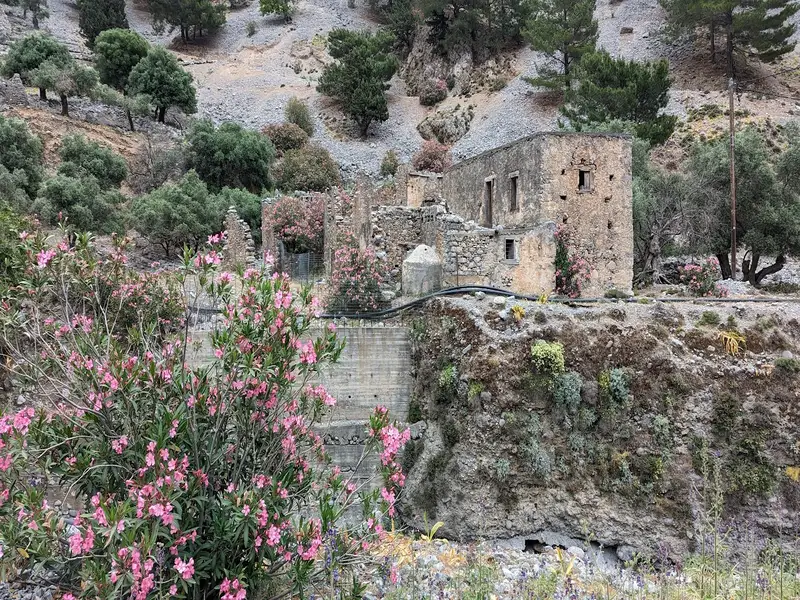
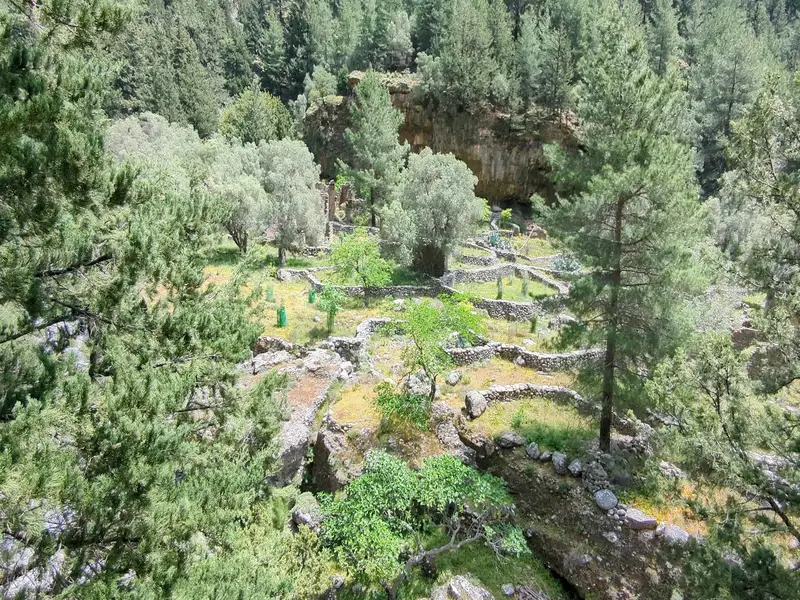
About 2km north of the village, within the gorge, lies the old village of Agia Roumeli, surrounded by greenery. Here, you can find ruins of old houses and some restored homes. The village, devastated by floods in 1954, was relocated to its current location in Agia Roumeli.
Agia Roumeli’s people and food are attractions in themselves. The locals are true Cretans, warm and welcoming, offering home-bred meat, cheese, vegetables, and honey in their restaurants. Despite the influx of tourism, Agia Roumeli has retained its authenticity and charm, offering visitors a chance to experience traditional Cretan hospitality, savor local delicacies, and enjoy the serenity of nature.
Agia Roumeli, a quaint isolated village, lies 56km to the south of Chania city, situated in a broad bay at the mouth of the Samaria Gorge. It’s a popular spot for tourists who descend the gorge daily, basking in the sun on the main beach, Gialos, which stretches before the taverns. More adventurous travellers can explore the serene and picturesque beaches in the vicinity, with Mashali, the western part of Agia Roumeli bay, being one of them.
A secondary boat dock, associated with a solitary tavern that offers rooms, is present. Two stunning beaches with fine pebbles are adjacent to this dock. The tavern provides complimentary sunbeds, umbrellas, and canoes. Large rocks on these beaches offer shade and privacy, making it a haven for nudists. Care must be taken while traversing the main road from the tavern to the dock, due to occasional stonefalls caused by mountain goats. While these stonefalls are not highly dangerous, it’s safer to walk on the left side, away from the mountain walls.
Venturing further from Mashali by swimming or kayaking beyond the beach’s western edge, leads to three caves. These caves are fronted by small pebbled beaches, referred to as Spilies to Marmaro, or ‘Caves in Marble’.
Kalogeros is a pristine beach adorned with deep blue waters and fine pebbles, situated 57km to the south of Chania city, 11km to the east of Sougia, and 1km to the west of Agia Roumeli. Its proximity to the western edge of Agia Roumeli is worth mentioning.
The beach is a haven of tranquility, making it a favorite spot for nudists due to its seclusion. It is surrounded by pine trees and features a small cave providing shade and a place to camp. However, there are no amenities nearby, and the only way to reach this place is either by boat or by swimming from Agia Roumeli, which takes around an hour.
The beach’s name, Kalogeros, is derived from the Greek term καλόγερος (transliterated as Kaloyeros), meaning monk. This name was inspired by a massive vertical rock in the sea that resembles a monk.
Kalogeros is an ideal choice for those seeking solitude, which is a common trait among all the surrounding beaches. Between Kalogeros and Agia Roumeli, the coastline is dotted with small beaches nestled among gigantic cliffs. These are known as Spilies to Marmaro, translating to “Caves in Marble.”
No results available
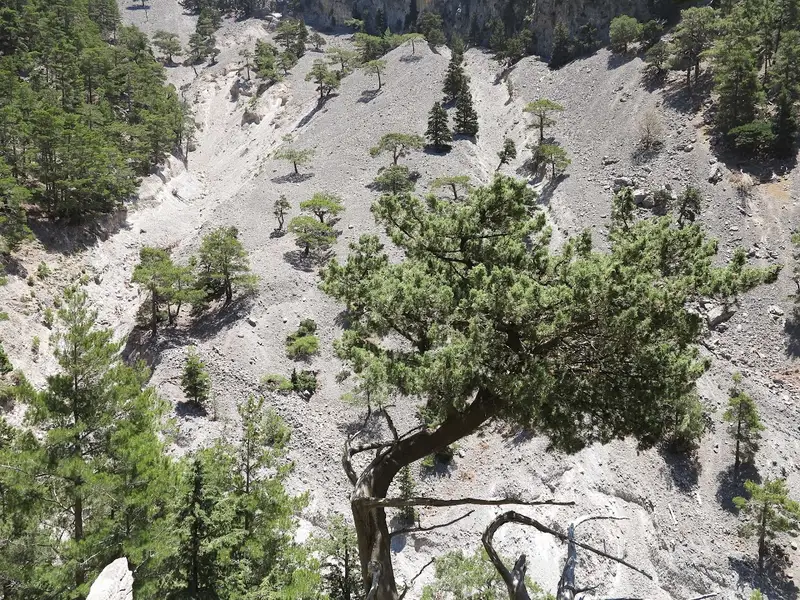
Klados Gorge, located in Crete, is renowned as one of the most perilous and inaccessible gorges. The beginning of the canyon is situated at Kokkinovari, on a precipitous slope that’s about 90-100 meters high. The extremely steep and unstable terrain makes it impossible to access, even with technical gear. Thus, the only means to witness a portion of this natural masterpiece is by trekking from the stunning Domata beach or by following the riverbed for about three hours until you reach the Klados exit.
Starting from Domata, you can venture into the canyon for approximately three hours, covering a significant distance. As you proceed, the canyon walls narrow dramatically, presenting a breathtaking spectacle. However, your journey is eventually hindered by a steep drop known as Letzara, forcing you to backtrack to the beach.
From this point onwards, only a handful of seasoned climbers have managed to navigate Klados successfully, overcoming the numerous waterfalls. In the spring, when the snow melts, landslides are a common occurrence throughout the entire length of the canyon.
Tripiti, the second largest gorge in proximity to Samaria gorge after Klados gorge, can be reached from Omalos plateau via the Gigilos peak trail that intersects Linosseli spring. However, caution is advised due to a precarious pathway where massive landslides could occur, potentially trapping you. It is strongly recommended to be accompanied by an experienced hiker for safety.
As one of Crete’s longest gorges, Tripiti necessitates a two-day journey since no roads lead directly to its entrance. The adventure begins on the first day from Plateau Omalos (elevation 1200 meters), climbing towards the formidable Gigilos peak (2080m). The path crosses the Linoseli spring (1,400m), then ascends to a mountain ridge at 1700m where the Koustogerako trail intersects with the Gigilos trail. From this ridge, the descent to Tripiti gorge’s riverbed commences, which can be reached from Omalos in about three hours. Overnight options include staying on the ridge or continuing slightly further to the dilapidated Tzatzimos sheepfold.
The following day, continue down the trail until it intersects with the river bed at an elevation of 700m. From there, follow the bed to reach the South Cretan Sea at Tripiti beach. The journey from Gigilos to the beach is approximately six hours. The gorge is a spectacle with towering, often cavernous walls (Tripiti’s name derives from the Greek word for caves, “tripes”). It’s not uncommon for hikers to encounter the endangered Cretan ibex amidst the lush flora and pine trees.
Close to Tripiti beach, located at Cape Tripiti, you’ll find a water cistern, a quaint goat pen, and the picturesque chapel of Saint Nicholas. The Tripiti peninsula was once home to the ancient town Pikilasos, a port for the influential town Elyros. If no boat is available for pick-up, a 3-4 hour walk along the E4 trail to the west will take you to the coastal village of Sougia. This trail also passes by the ruins of the Turkish tower of Voukelasi and the chapel of Profitis Ilias (Prophet Elijah). On the feast day of Prophet Elijah (19-20 July), many people from Sougia visit the chapel either by boat or on foot.
For the initial part of the gorge, the riverbed has steep descents requiring canyoneering equipment. Therefore, canyoners can bypass the side trail and traverse the gorge using technical gear in the bed.
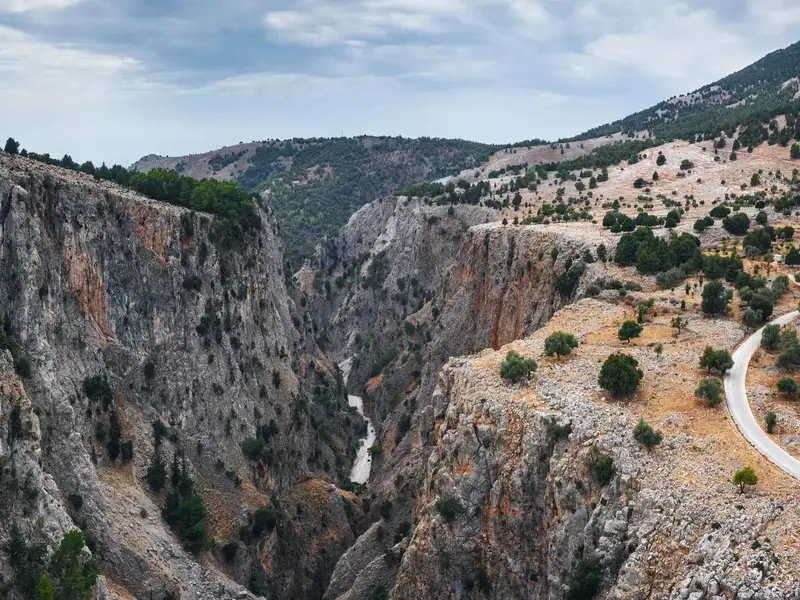
The Aradena Gorge, the deepest in Chania, extends 138 meters deep and is perfect not just for taking in the sights or hiking, but also for adrenaline-filled activities like bungee jumping. Trekking through the canyon until reaching the beautiful Marmara beach provides an unforgettable experience for those daring enough to descend the gorge.
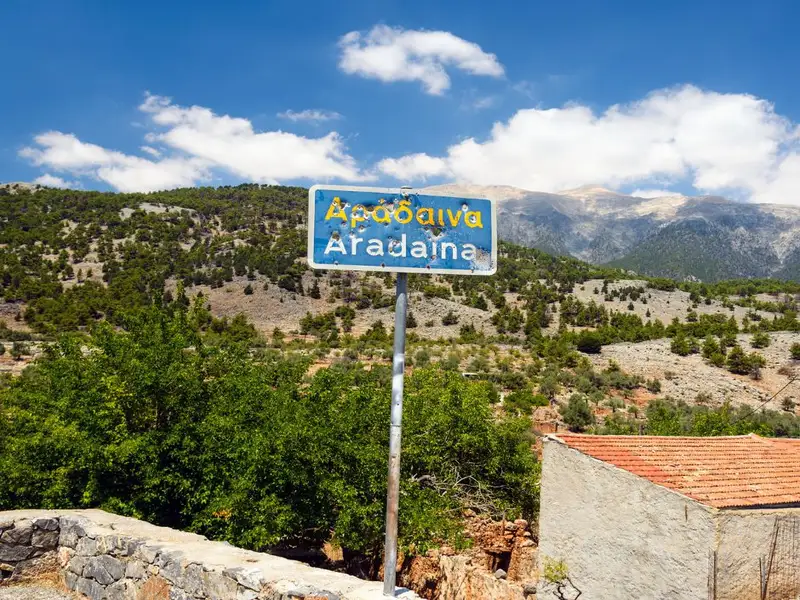
Aradena is among the longest and most intriguing gorges, stretching over 15km. The old inhabitants of Sfakia, referred to it as Faragas (meaning Huge Gorge) due to its massive size, differentiating it from the other gorges in Sfakia. The gorge begins at the base of the Thodoris peak of the White Mountains, specifically from the underground stream of the Drakolakki cave. Although its total length is 15 km, the hiking route is approximately 7km long and it takes approximately 2½ to 3 hours to walk it. The hiking trail of the Aradena gorge starts from the abandoned village of Aradena and ends up in the sea.
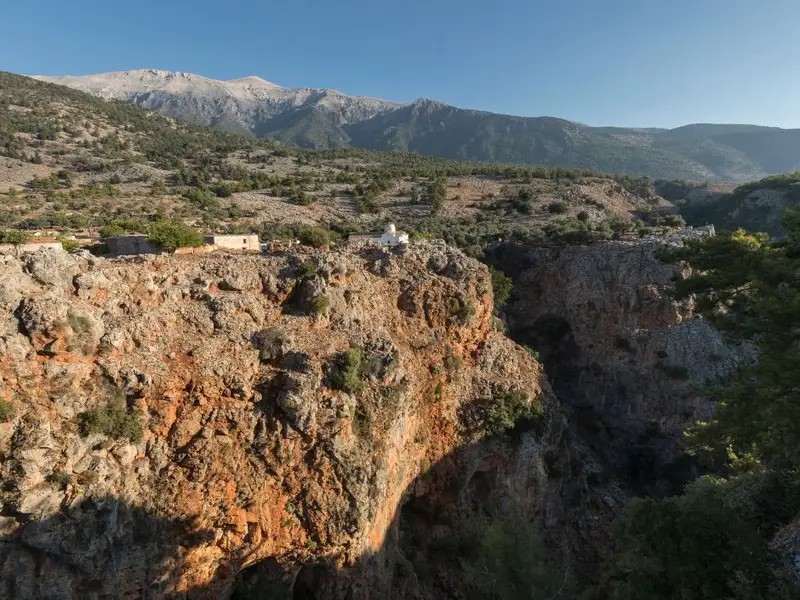
To reach the gorge from Chora Sfakion, you journey along the road to the mountainous village of Anopoli, perched 600m above sea level, and then another 3.5km to the village of Aradena, which sits 520m high on the edge of the gorge. The village was deserted after a vendetta and was once the site of the ancient city of Aradin.
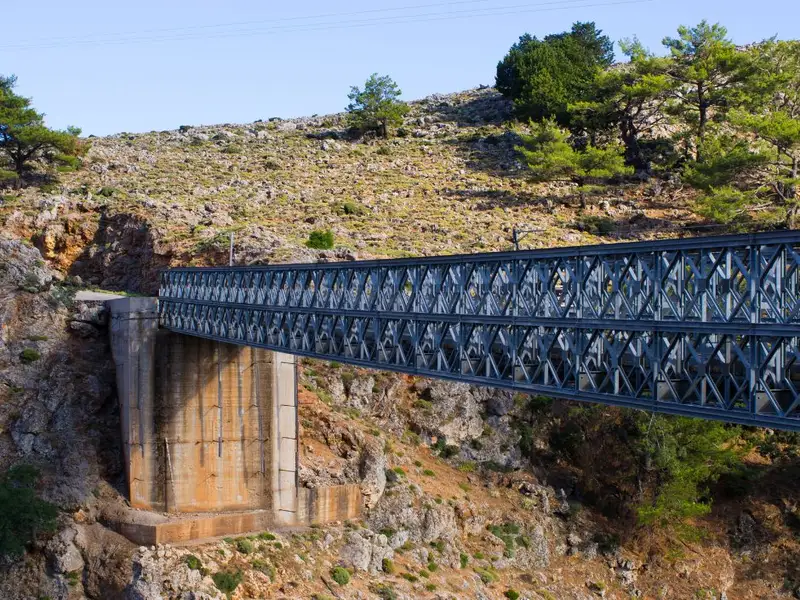
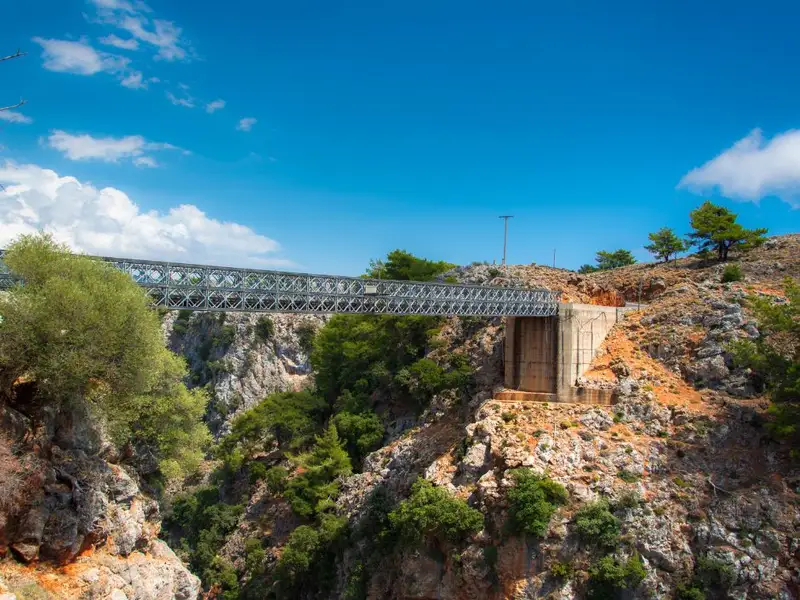
Constructed by the wealthy Vardinogiannis family, an iron bridge spans the dizzying abyss, connecting both sides of the Aradena gorge. This is where thrill-seekers can bungee jump 138m downwards, making it the highest bungee bridge in Greece and the second in Europe.
Before reaching the bridge, you’ll find an old stone path on your right that leads to the bed of the Aradena gorge, near the picturesque chapel of Astratigos (Michael Archangel). From there, a 2.5-hour hike takes you through the bottom of the gorge and on slightly challenging terrain to the Libyan Sea. The end of the trek leads you to the pristine gravel beach of Gialeskari, also known as Marmara, where you can enjoy a rewarding swim. In the gorge, you’ll encounter a 9m deep vertical pass equipped with an iron ladder for easier access, towering cliffs, and old trails leading to the walls of the gorge. Also, you’ll spot two more abandoned villages, Azogyres and Stern (St Vasilios), on the gorge’s sides.
A picturesque hour-long walk from the gorge’s exit will take you to the village of Loutro, where boats sail to Chora Sfakion. Alternatively, from the coast of Marmara, a small boat transports people to Loutro daily. If you opt not to take the boat, it’s a two-hour walk from Loutro to Chora Sfakion.
The gorge of Samaria is the most famous trekking gorge in Europe and a part of the European E4 hiking trail. Thousands of tourists flock here daily in the summer season to walk from the top to the bottom. For many visitors, it is the sole purpose of their visit to Crete. The length of the gorge reaches 13km and takes almost 5-7 hours to hike from Xyloskalo at Omalos plateau to Agia Roumeli beach, depending on the trekking pace.
The gorge is located in the south of Chania Prefecture in the larger uninhabited area of Europe, where no roads even exist. It was created by the river flowing between the main massif of the White Mountains (Lefka Ori) and the range of Volakias. There are many smaller gorges vertical to Samaria Gorge, some of which have never been crossed by humans and require canyoning equipment. One of these, Perdika, has the highest waterfall in Crete (220m).
While the gorge is officially 15km long, this distance actually refers to the hiking distance between the settlement of Omalos on the northern side of the plateau Omalos and the village of Agia Roumeli. In fact, the gorge is 13 km long, starting at an altitude of 1,250m at the northern entrance, and ending at the shores of the South Cretan Sea in Agia Roumeli. The walk through Samaria Natural Park is 13 km long, i.e. from the ticket kiosk at Xyloskalo to the kiosk at Agia Roumeli old village, but you have to walk 1.5 more kilometres to reach the beach of Agia Roumeli, making the hike totally 14.5km.
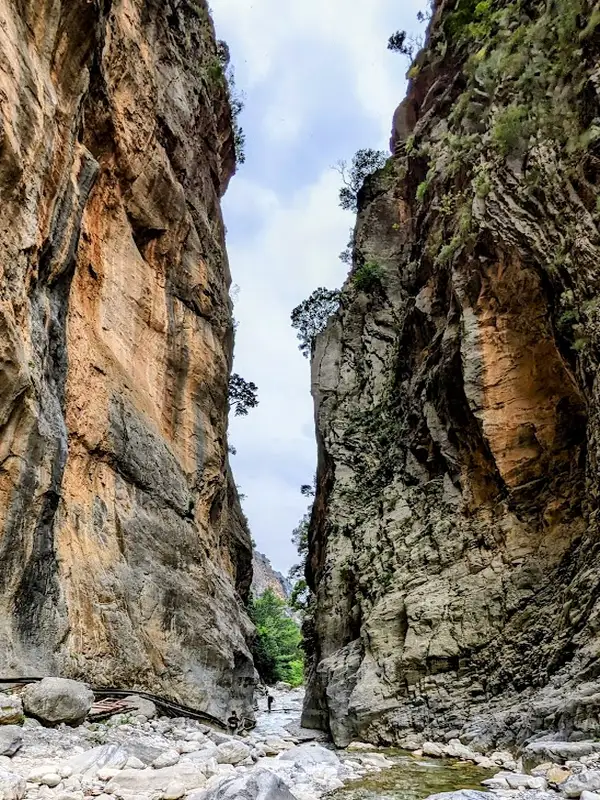
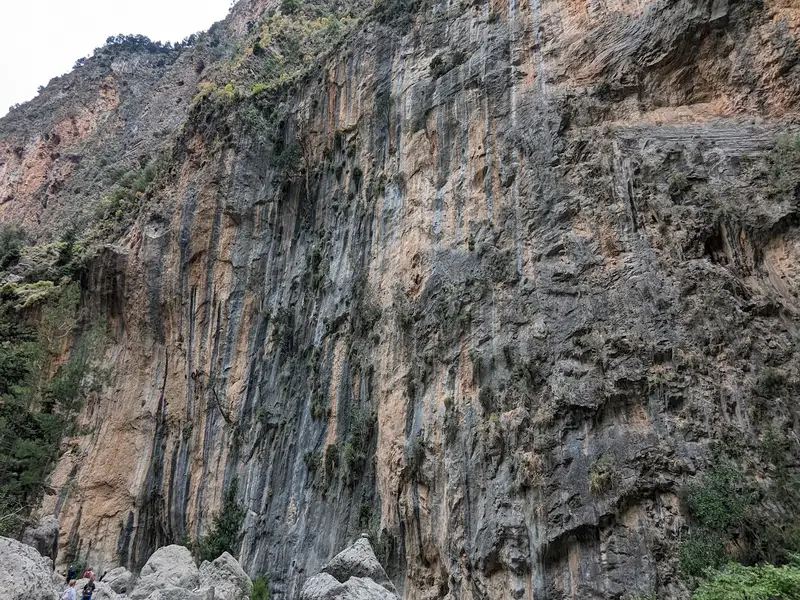
The most famous part of the gorge is the stretch known as the Iron Gates (Sideroportes), where the sides of the gorge close into a width of only four meters and soar up to a height of 500 m. The gorge became a national park in 1962, particularly as a refuge for the rare Cretan ibex, which is today restricted to the Lefka Ori National Park, the island Thodorou and several more islets. There are several endemic species of fauna and flora in the gorge and surrounding area.
The desert village of Samaria lies just inside the gorge. It was finally abandoned by the last remaining inhabitants in 1962 to make way for the park. The village and the gorge are believed to take their names from the village’s old church of Mary of Egypt (Osia Maria).
A “must” for visitors to Crete is to complete the walk down the gorge from the Omalos plateau to Agia Roumeli on the South Cretan Sea. From there most visitors get the ferry to the port of Chora Sfakion and catch a coach back to Chania. The walk takes 4-7 hours and can be strenuous, especially at the peak of summer.
The problem with the gorge of Samaria is crowds. It has become one of the most popular attractions in Crete and there are up to 3000 visitors a day on very busy days. If you have the bad luck to pick one of those days, the atmosphere will be really spoilt. Starting at dawn (before the tourist coaches arrive) will give you a bit of a head start. It is possible to find good and cheap accommodation in Omalos or get the first bus from Chania. You can also start walking after 12:00, there won’t be many people and you will have shade at all times, but you will most probably need to spend the night in Agia Roumeli because the last ferry will have left. However, we encourage you to do that, since staying in Agia Roumeli is quite cheap and the beach is majestic. The first tourist buses arrive at around 7:30 am and from then on it is an uninterrupted stream of buses until about 11:00 am.
As far as the times of the year are concerned, the best time is spring: the weather is still cool and the vegetation is at its best. The worst time is in the middle of the summer during a heat wave. Please give it a miss and come again at a better time.
All local tour operators in Crete provide organized tours to the gorge. These include bus transportation from your hotel to the entrance (near Omalos village), and the bus will be waiting for you to disembark the ferry in Chora Sfakion to take you back. If you are on your own, you can make a one-day round trip from Chania, Sougia or Paleochora. Note that the morning buses from Sougia and Paleochora do not operate on Sunday, but still make sure that you know the timetables. The ferries leave Agia Roumeli to Chora Sfakion (eastbound) and to Sougia/Paleochora (westbound) in the afternoon.
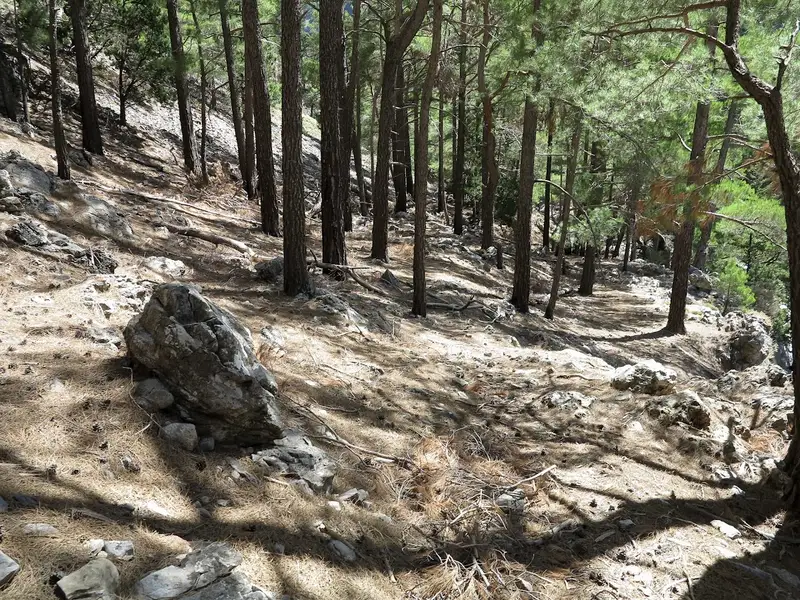
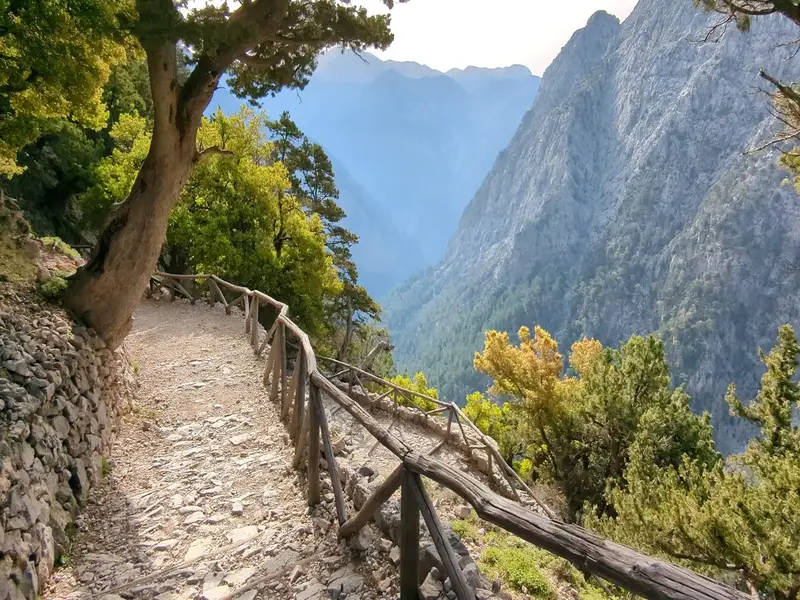
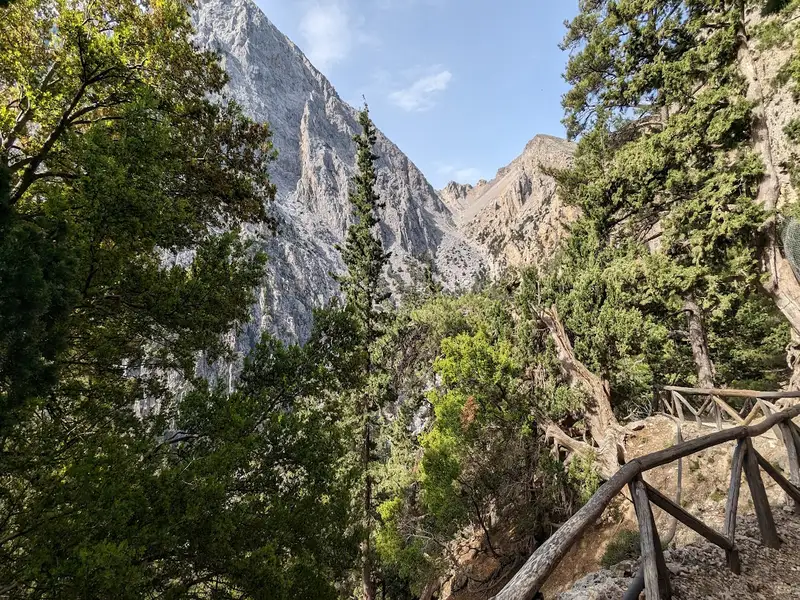
Descent in the canyon starts from the position of Xyloskalo at Omalos Plateau, at an altitude of 1200m, where you have to pay a small entrance fee for the protection of the reserve. The trail is wooded with cypress and pine trees, wide and very well discernible, while at the beginning descends abruptly. We meet drinking water and toilets very often. In about three hours we reach the old village of Samaria, at an altitude of about 300 meters, after crossing by the church of Saint George.
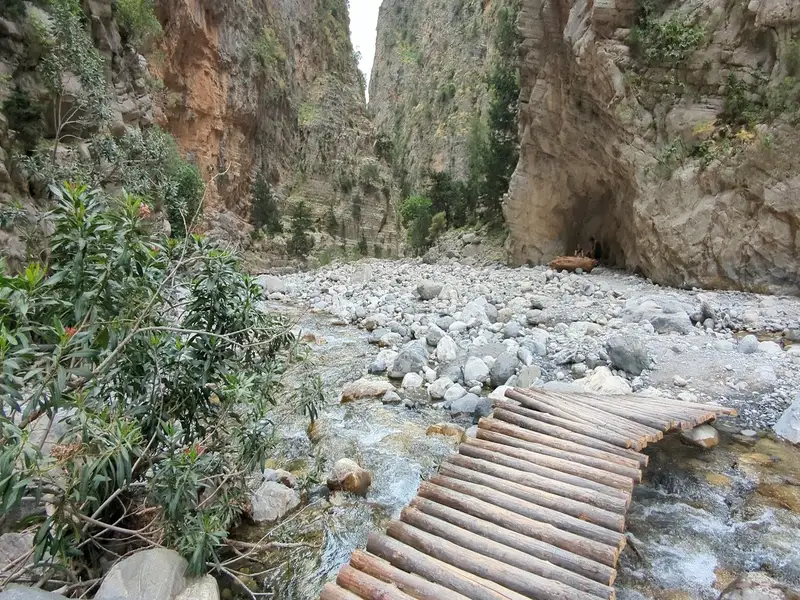
In Samaria there are old houses, trees offering shade, water springs and if you are lucky you will meet the endangered Cretan wild goat. From here onwards the landscape changes, becomes drier and the slope gets smooth. One hour later we walk along the riverbed for some time. There are several small wooden bridges in several places, above the river.
After one more hour, we meet the imposing Sideroportes (Iron Gates) which is a very narrow passage between two tall vertical 500m high cliffs. We soon reach the old village of Agia Roumeli which was abandoned in the mid-1900s due to a devastating flood and was moved to the seaside settlement of Agia Roumeli, about 30 minutes away.
To learn more about this beutiful gorge and what should you know before starting your hike, check out Samaria Gorge: One of the Best Walking Trails in Crete.
No results available
Agia Rouméli is a small fishing village located approximately 2 km from the ending of Samaria Gorge and 56 kilometres south of Chania City in Crete Greece.
Agia Rouméli is accessible only by boat from Paleohora and from Hora Sfakion or by hiking Samaria Gorge.
Agia Rouméli serves mainly as a stopover for visitors coming down the Samaria Gorge and waiting for the boat to take them to Sfakia or Paleohora.
Apart from the unique scenery, visitors can enjoy a great beach with crystal clear water, plenty of interesting walks, and a good choice of accommodations, taverns, cafés, and stores. There are also opportunities for hiking, mountain climbing, and exploring peaceful beaches.
Yes, Agia Rouméli is rich in history as it was inhabited since antiquity and is the site of the ancient city of Tárra, a famous cult place that flourished from the Classical to Roman times.
No results available
© All rights reserved. Crete Locals