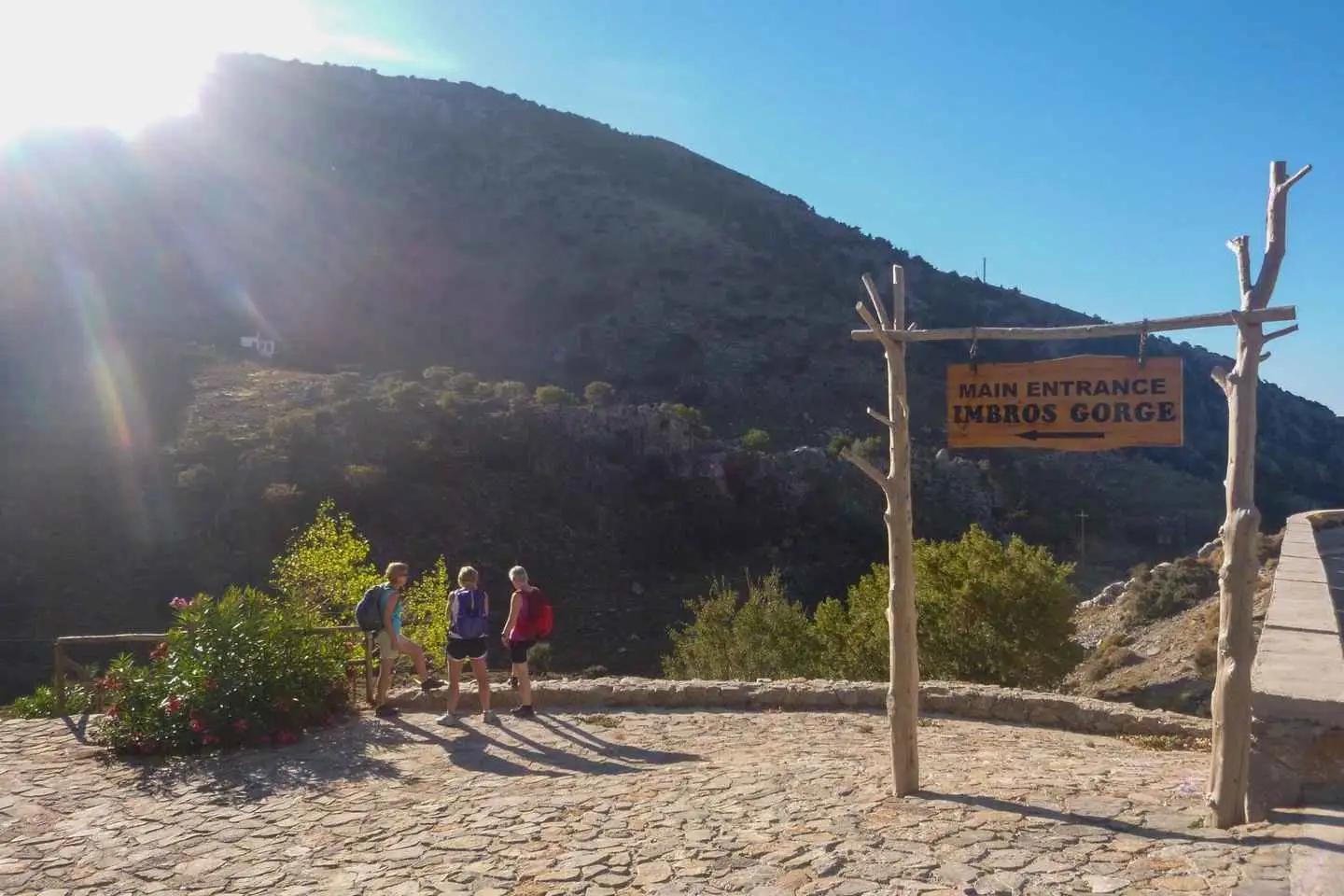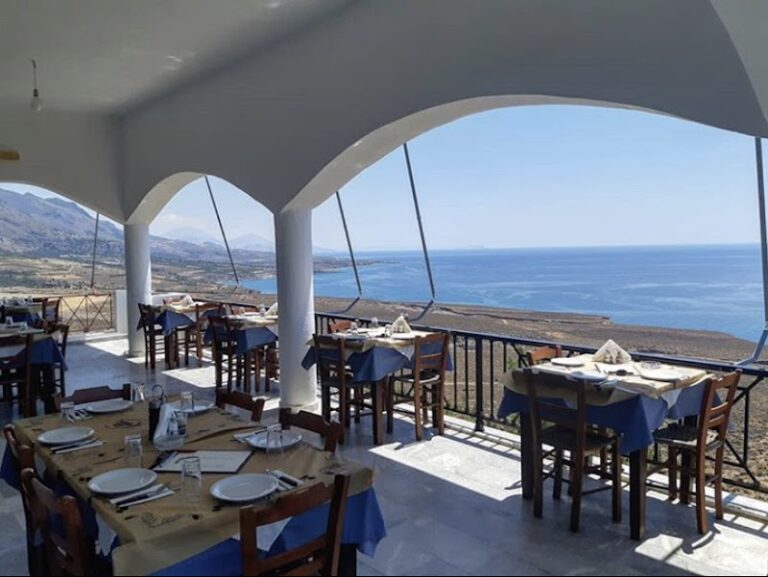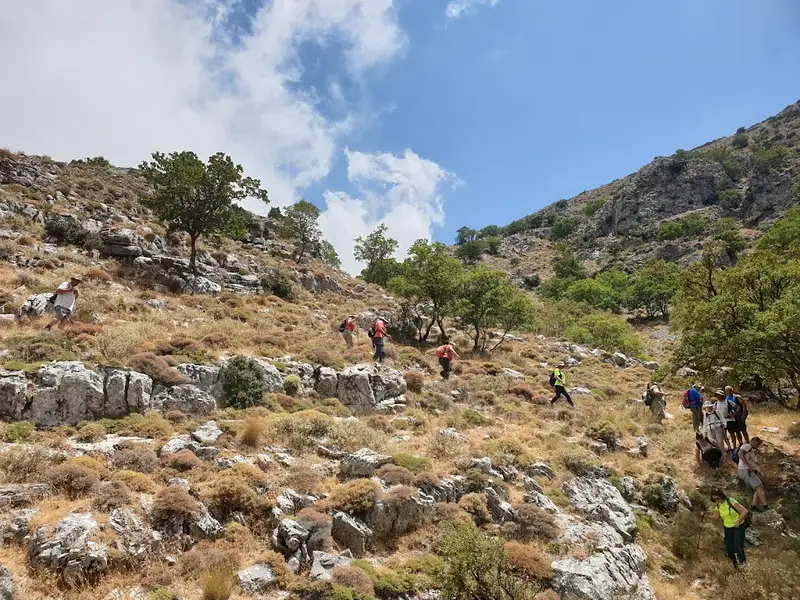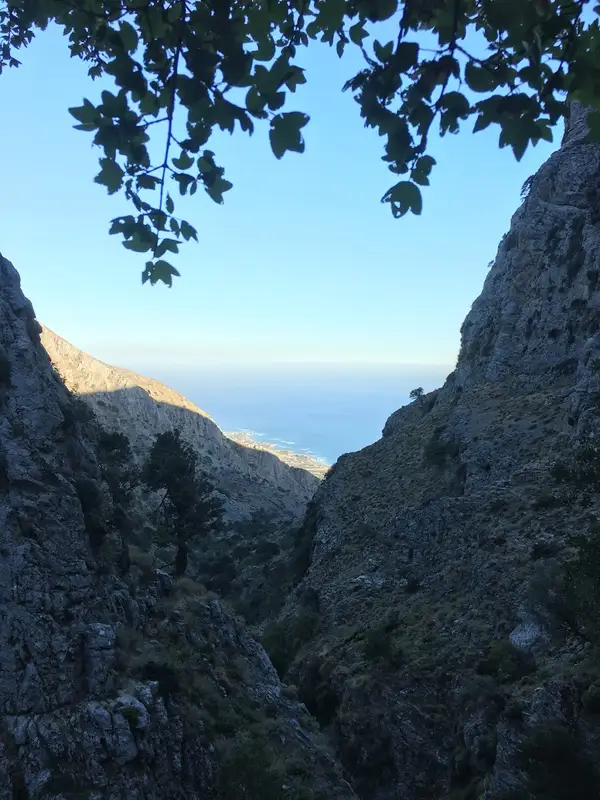
The gorge of Imbros is the second most popular gorge for walkers in Crete after the gorge of Samaria. It is much easier to walk than Samaria: walking distance is 8 km, total descent is around 600m and the average walking time is about 2.5 hours. The path is generally easier underfoot.This is the sort of walk that you could easily walk with children. It also would not need to take a whole day. After the hike we will be stopping for you to have lunch at a local restaurant with a majestic view. Our next stop would be Fragokastelo, a 14th century castle in front of the beach that will mesmerise you! Finishing the day we will stop by Iligas beach near Sfakia harbor where you have the option to have some drinks in a cave bar in front of light blue waters! Approximate duration is 8-9 hours. It’s a highly recommended tour if you are visiting Greece and want to have a special day spent around nature.
Discover Imbros Gorge, which runs parallel to the more famous Samaria Gorge. Although the Imbros Gorge is smaller, many people prefer to cross here because it offers a very different hiking experience than the Samaria Gorge. After your tour, enjoy a refreshing swim in the sea and lunch at a village taverna.
Enjoy hotel pickup and arrive at Imbros around 10 AM. Have breakfast and then hike about 2.5 hours to discover the beauty of this narrow natural passage. Learn about the rock formations and the legend of the 2 brothers that Imbros is named after.
For many years, the Imbros Gorge served as part of the trail that connected Chania to Hora Sfakion. Stroll through a piece of World War II history, as you walk where thousands of British soldiers passed through after the Battle of Crete to get to Egypt.
End your hike in Komitades Village and then depart for Sfakia. Take a swim in the refreshing Libyan Sea and eat lunch with the locals in the taverns before returning to your hotel.
After pickup from your hotel in the Rethymno area at approximately 7:30 AM, journey by bus to the Imbros Gorge in the eastern part of the White Mountains of Crete.
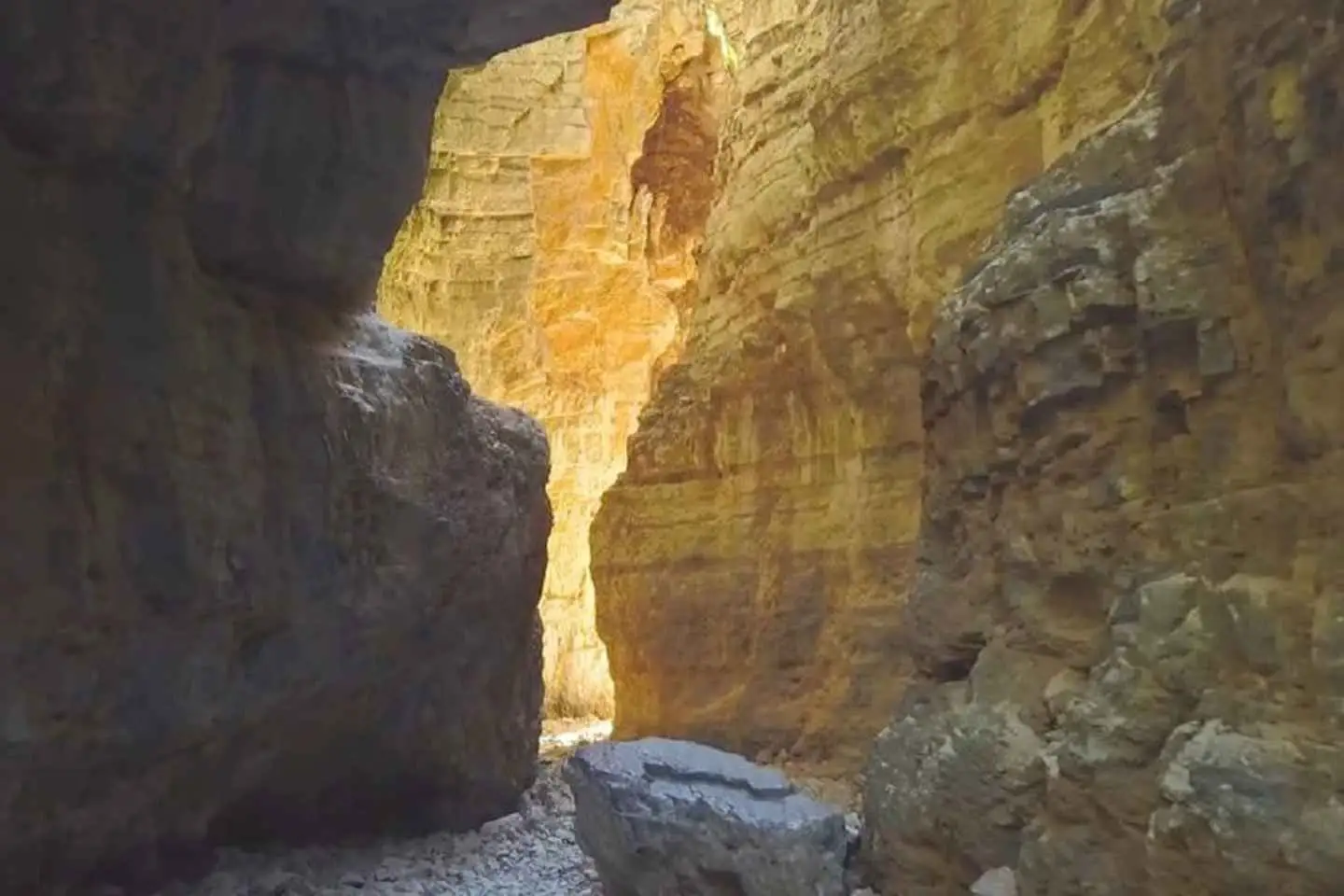
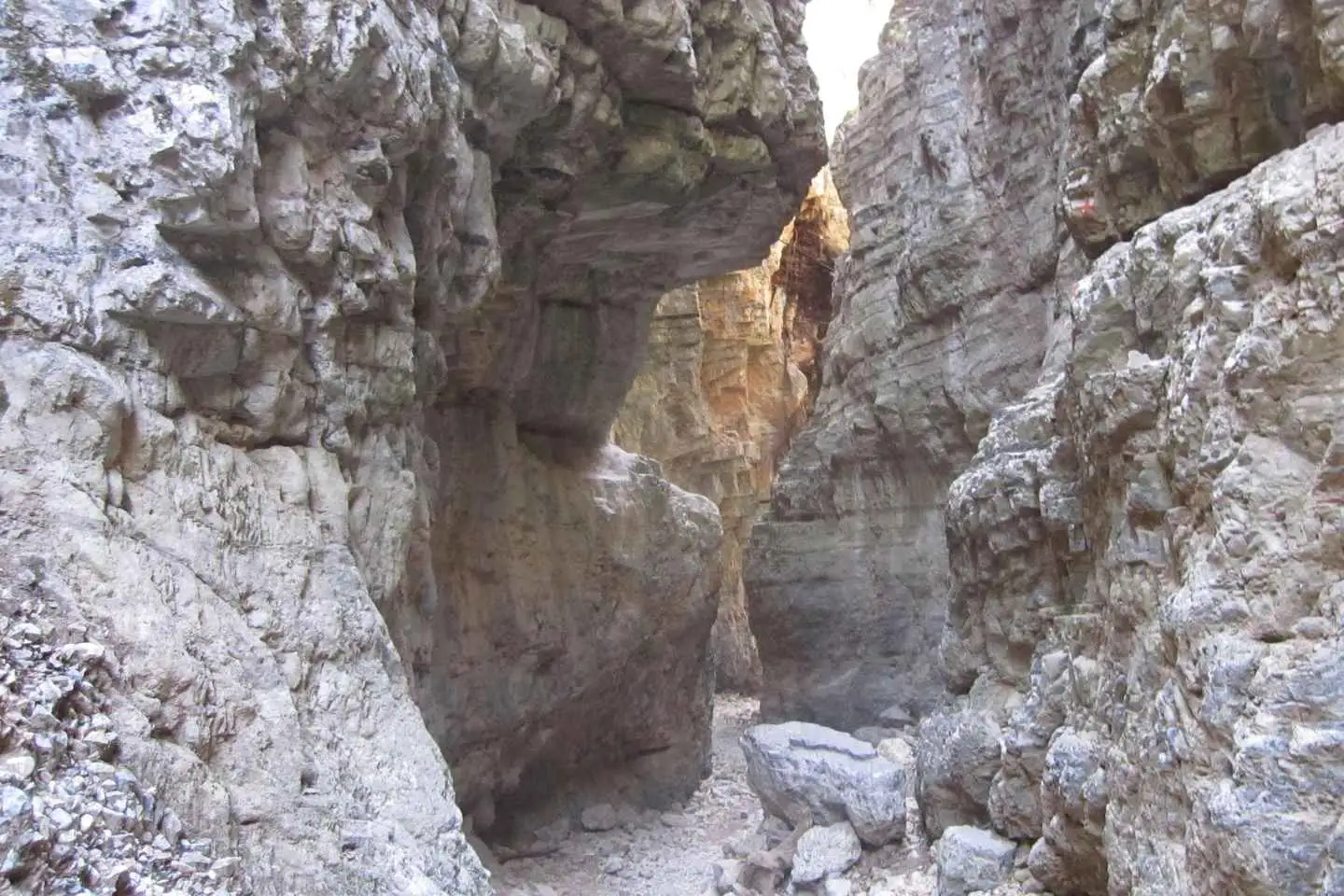
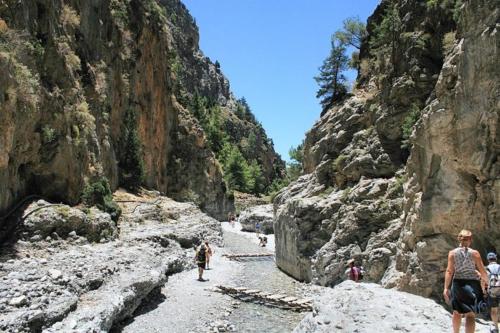
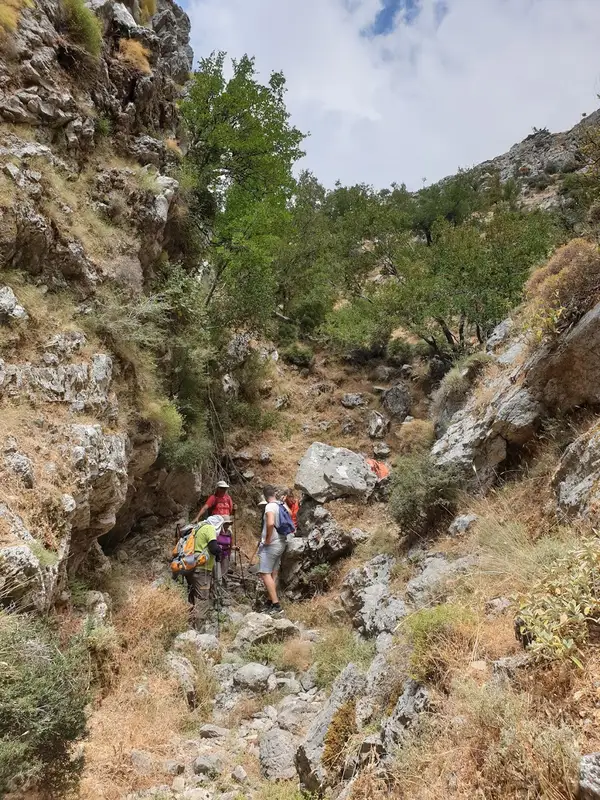
Upon arrival, enjoy an easy 3-hour hike through the narrow passages and marvel at the stunning rock formations. The Imbros Gorge is the second most popular gorge for walkers in Crete after the gorge of Samaria. This picturesque gorge is smaller (8km long) than the Samaria but is just as beautiful. During your descent you will visit various famous locations such as the Stenada (the gorge’s narrowest passage), Mesofarango (a wider passage) and Xepitira Arch (a natural stone arch).
You’ll then arrive at Komitades Village where buses will be waiting to bring you to Chora Sfakion for some relaxing free time at one of the taverns or cafés overlooking the sea. Continue by bus to the south coast and visit a beautiful beach for a refreshing swim in the Libyan Sea.
Relax and enjoy a traditional lunch before the bus trip back to Rethymno area at approximately 5:30 PM.


Our driver will lead you south through the Askifou Mountains to the village of Imbros. But first there will be a short stop for refreshment in a charming tavern. The walk will last about two hours since the gorge is 8 km long. The end of the gorge is close to Komitades Village. The bus will be waiting for you there and will take you to a beautiful beach. There will be time to swim and have lunch prior to returning.
This gentle hike is suitable for all those who are steady on their feet. It is also appropriate for families with children as well as fit elderly people.
No results available
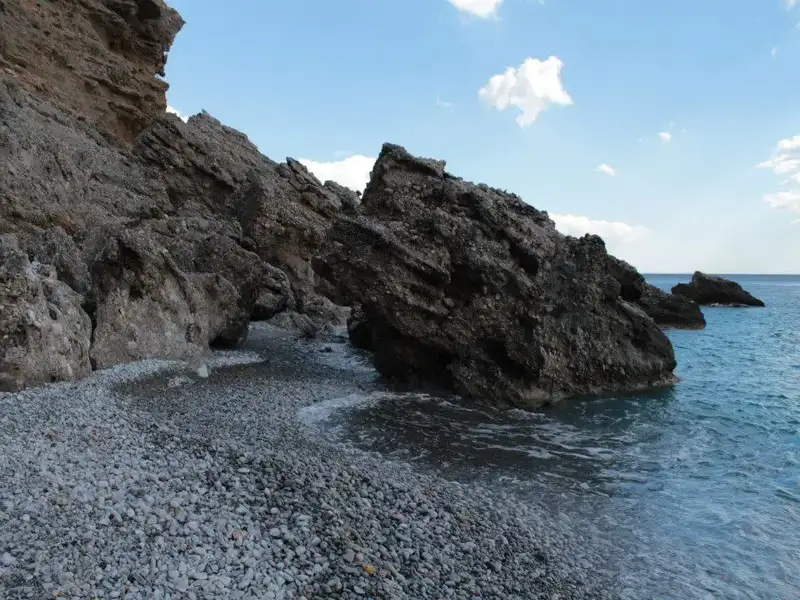
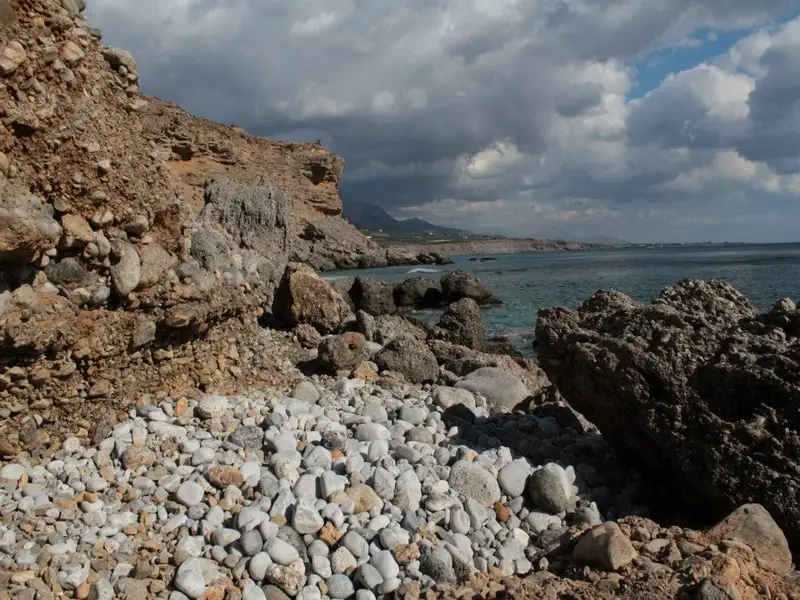
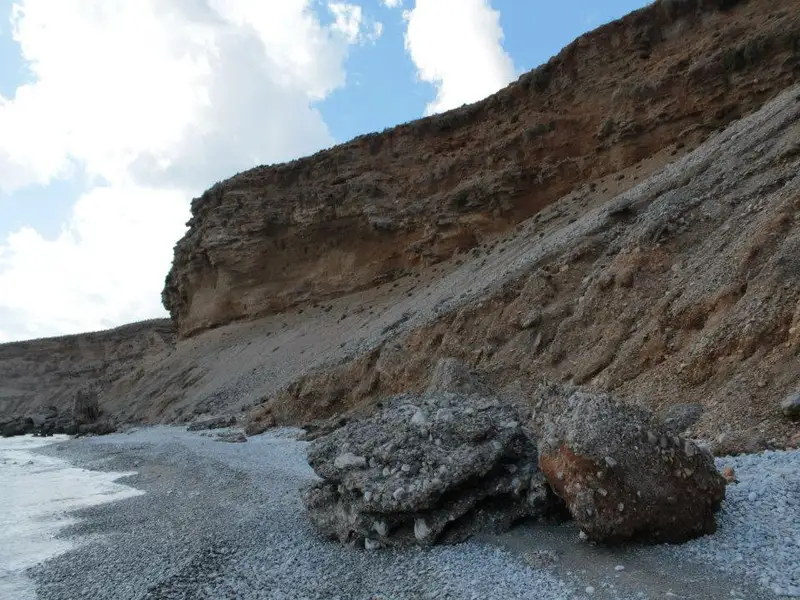
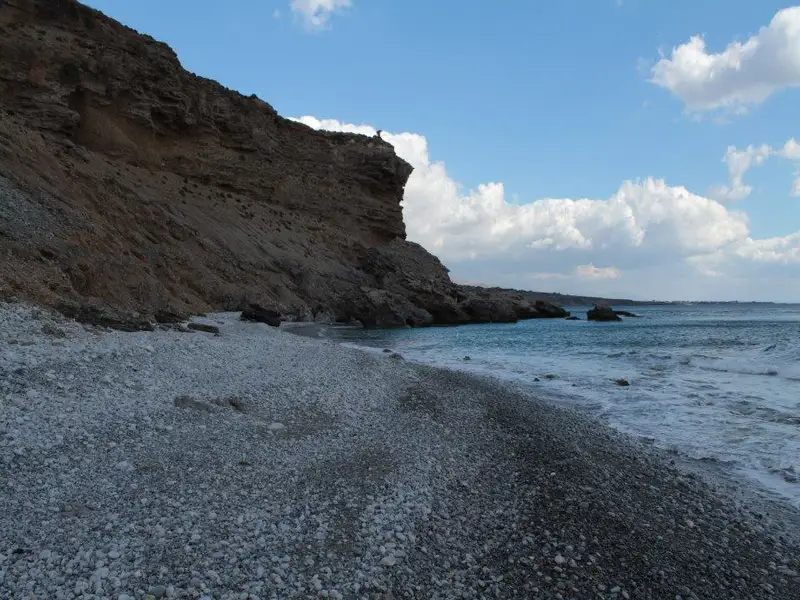
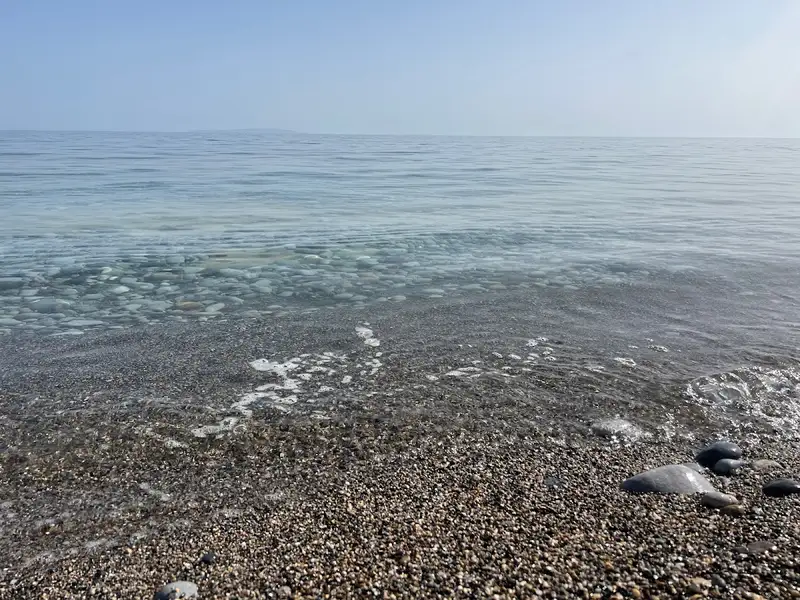
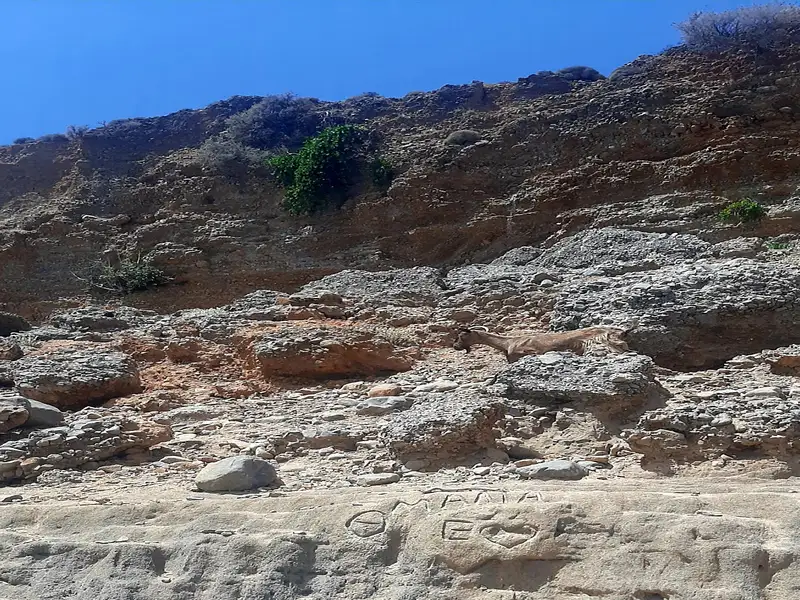
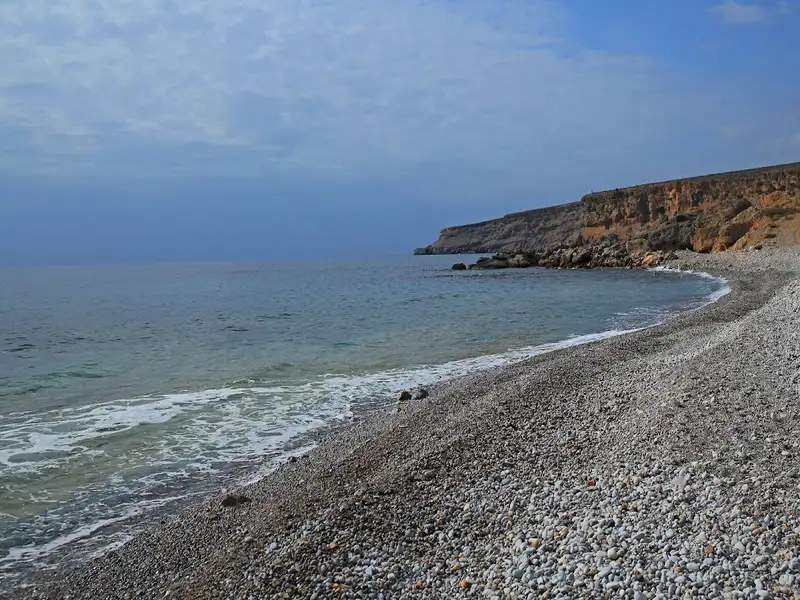
A few meters to the west of Koutelos beach, you will find the hidden gem known as Leska beach. Its name, which translates to “Steep Place” or “trap” in the local Cretan dialect, is derived from the sheer cliffs that surround the area. The beach is mostly pebbly, but you can find patches of sand here and there. On the western side, there’s a tiny cove with a rocky seabed. It’s primarily accessible by boat, as the journey on foot from Koutelos beach can be dangerous due to unstable terrain and towering cliffs.
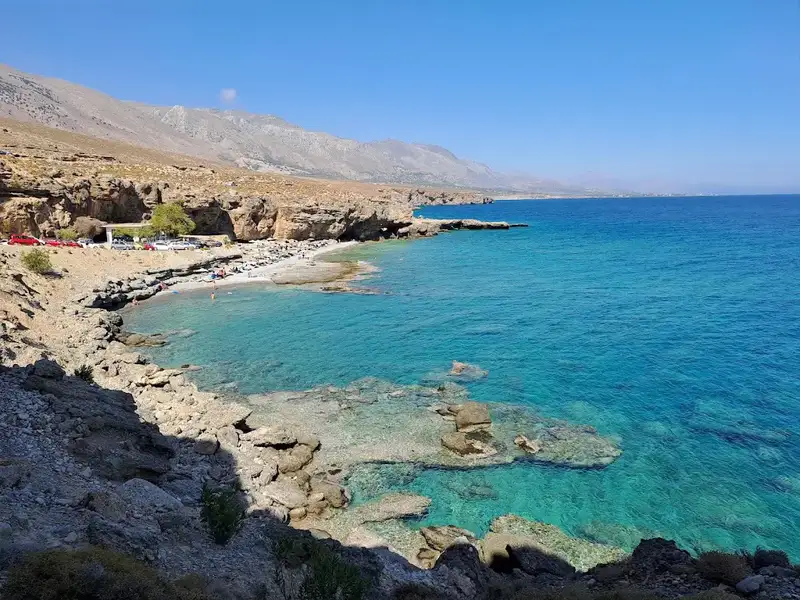
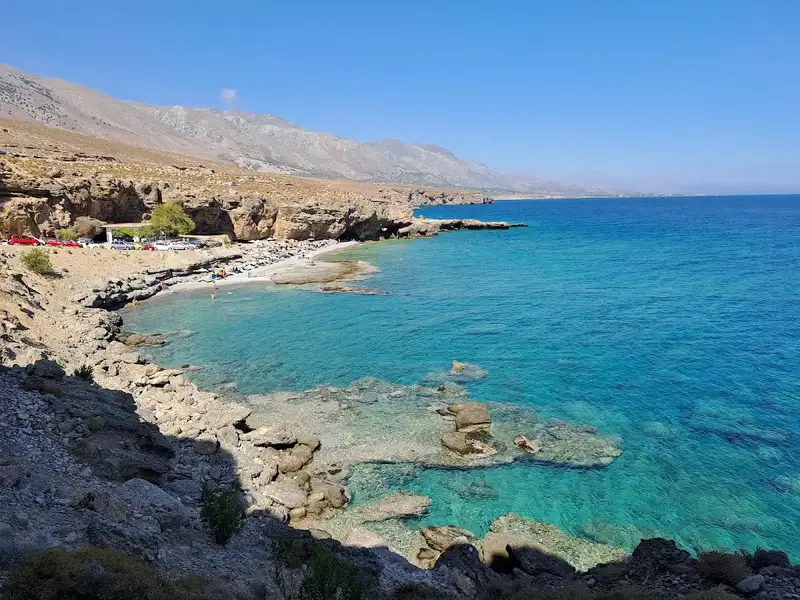
Venturing east from Fylaki beach, a mere 100 meters away, you’ll encounter the terminus of the Sfakiano Gorge, where a beautiful pebbly beach has taken shape. This region, known as Plakakia, is home to some of Crete’s most breathtaking beaches, nestled within slender fjords. In fact, several of these beaches have developed within small caves! A challenging dirt road provides access to the vicinity of the beach.
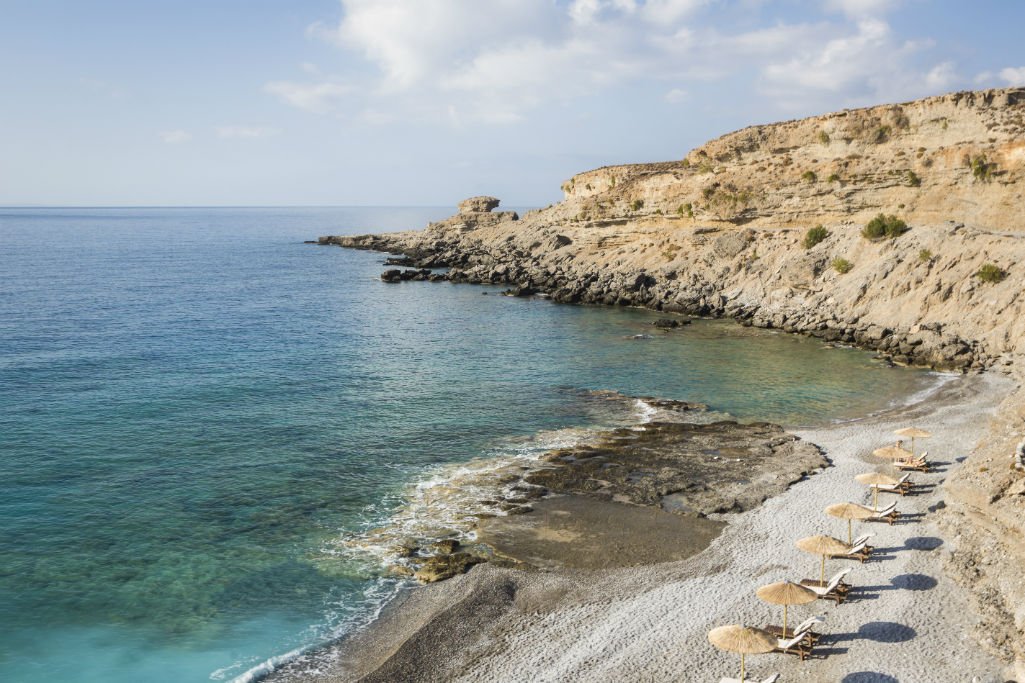
Filaki beach is located 3 km from the village of Sfakion on the south coast of Crete and 75km south of Chania. If you are staying in Chora Sfakion, it is an easy walk to the beach. Filaki means “Prison”, it was named like this due to its remote location.
It is a pebble beach with rock formations. It is the only official nudist beach on the island. Thanks to the only nudist hotel in Crete in the immediate vicinity, you will meet many like-minded people.
The beach is not wild– Filaki has a well-developed infrastructure: it has a parking lot, water closets, bars, sling chairs, and umbrellas. A more friendly nudist beach cannot be found in Crete.
Crete’s southern treasures offer a diverse range of experiences, catering to a variety of interests.
Historical and Religious Sites: For those fascinated by religious history, the stunning Chrisoskalitissa Monastery is a must-visit. Perched atop a colossal rock, this holy sanctuary offers striking views and a rich historical narrative.
Nature Exploration: If you’re an outdoor enthusiast seeking immersion in nature, the Sfakiano Gorge is an absolute treat. Offering tranquil trails for serene walks, Sfakiano is an oasis of peace and scenic beauty on this idyllic island.
Beach-side Activities: For beach lovers, Filaki Beach holds its own unique charm. It’s not just the azure waters that captivate; the beach also hosts licensed naturist taverns serving delectable local cuisine. Moreover, adrenaline-pumping activities like snorkelling and spearfishing are readily available for thrill-seekers.
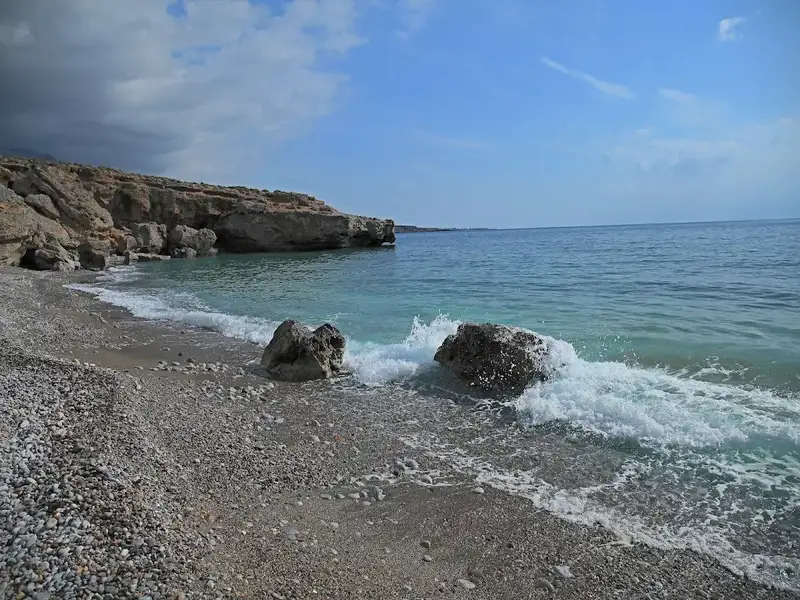
Koutelos, a tranquil and unstructured beach with large round pebbles, is situated close to the village of Nomikiana. It’s approximately 9km to the east of Chora Sfakion, 4km to the west of Fragokastelo, and 76km to the south of Chania.
If you’re traveling from Sfakia, take the road leading to Fragokastelo. Shortly after passing Vouvas and Nomikiana, turn onto the road leading to the beach. Koutelos is clearly signposted. It’s a place worth visiting if you’re in the area, but it’s not a standalone attraction. It’s best to combine a trip to Fragokastelo with a visit to Koutelos if you’re looking for some peaceful moments or a bite to eat at the local fish tavern.
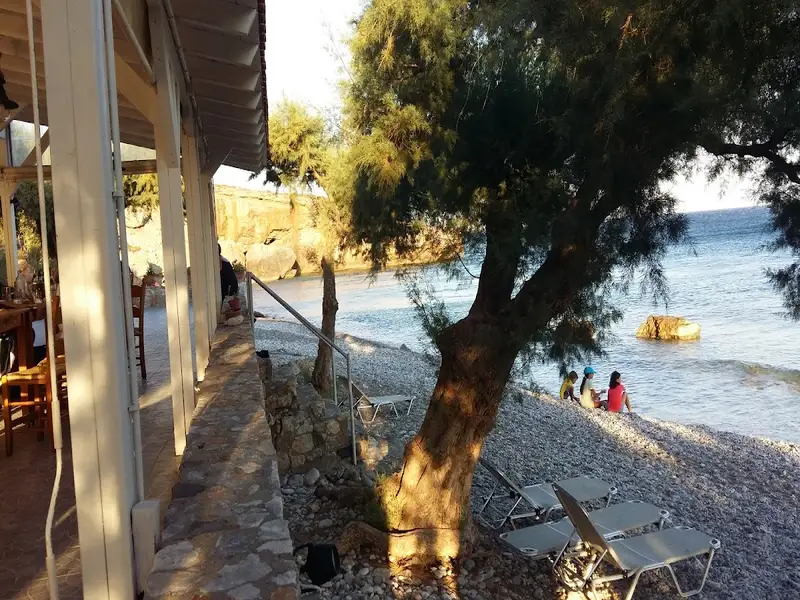
The beach features a traditional fish tavern where you can also find accommodations in a few adjacent rooms. Additionally, the beach is dotted with tamarisk trees providing shady spots. Next to the beach, you can explore the cave of Anapsis or set up camp at the small bay of Pera Koutelos, located to the west of the main beach. Between Koutelos and Vatalos beach, you’ll find the rocky beaches of Psilou Roumi Cape. Just a few meters to the west of Koutelos beach, there’s the secluded Leska beach.
No results available
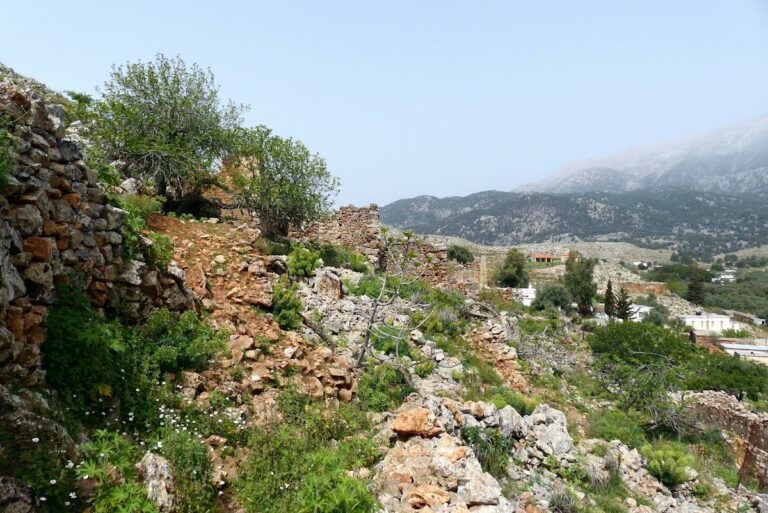
Near the fortress and the temple of Saint Cathreen (Agia Ekaterini), overlooking Loutro, traces of walls and buildings have been identified, belonging to the ancient town Anopolis, port of which was Katopolis or Phoenix, the ruins of which can be seen today west of Loutro. Anopolis was an independent town and had its own currency.
Its rival in the region was Araden (today Aradena), from which it was occupied in the 3rd century BC. This was probably the reason for the construction of the city wall that still stands today at the position Riza. A large cistern, the base of a large building (probably a sanctuary) and box-shaped tombs have also been identified.
During the Byzantine period, it was still well flourishing, which is indicated by the many churches of the area. Later, during the Ottoman Era, Anopolis and the entire province of Sfakia, due to the intense mountainous terrain, was never actually inhabited by the Ottomans.
No results available
No results available
No results available
No results available
No results available
No results available
The Sfakiano Gorge, also known as Gorge Vartholoma or Gorge Lago, concludes around 2km east of Chora Sfakion within the Sfakia province. It originates from the Trikoukia area of the White Mountains at a height of 1200 meters and culminates at the Fylaki Caves of the South Cretan Sea. The gorge spans 6.5km and it’s a breeze to traverse along its riverbank.
The suggested hiking trail within the gorge initiates from the Niato plateau (close to Askifou Plateau) and heads towards the abandoned village of Kali Lakki. The gorge, one of Crete’s greenest, begins just before reaching Kali Laki and boasts an incredibly diverse plant life. Oaks, cypresses, and pines are the dominant trees within the Sfakiano Gorge.
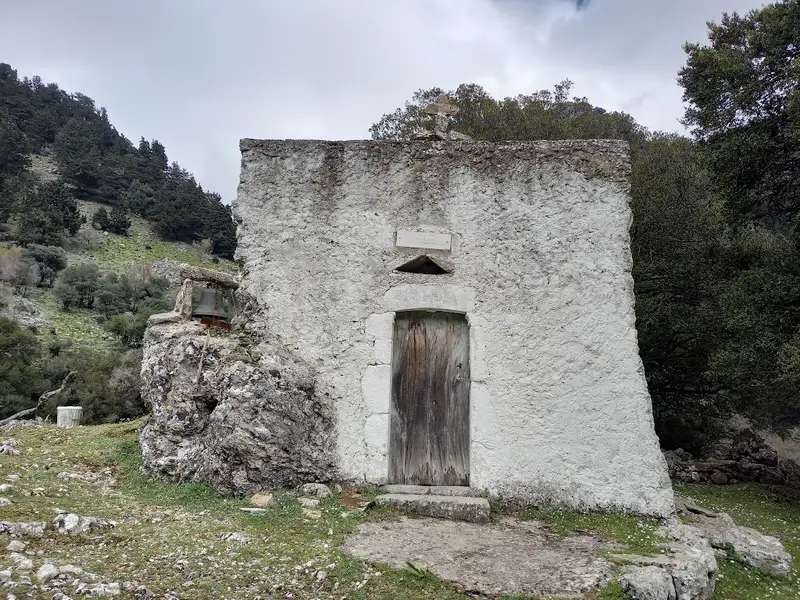
The gorge’s starting point is home to the Byzantine church of Saint Paul (Agios Pavlos), constructed by the locals in 1407. The gorge meets the main road to Chora Sfakion near the exit, at the Porolago location. It’s certainly worthwhile to continue your adventure towards the sea, as the gorge bed leads to the breathtakingly beautiful Fylaki fjords, some of the most captivating beaches in the Sfakia region.
Situated in the Sfakia province, Imbros Gorge is Crete’s third most frequented gorge, following Samaria Gorge and Agia Irini by Sougia. These are all part of the E4 European hiking path. The gorge’s breathtaking landscape and easy trail make it perfect for family trips. The gorge spans 11 km and the hike takes about 2-3 hours.
The journey begins in the quaint village of Imbros, nestled 700 meters above sea level.
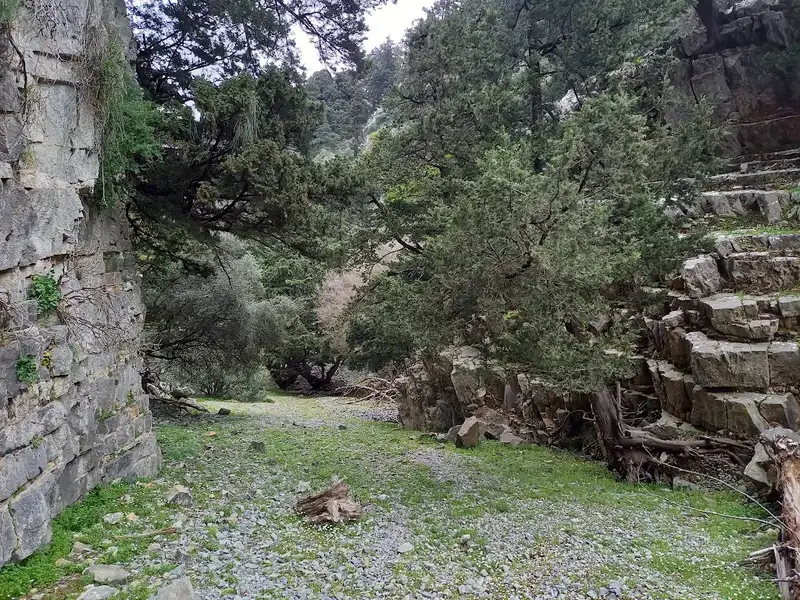
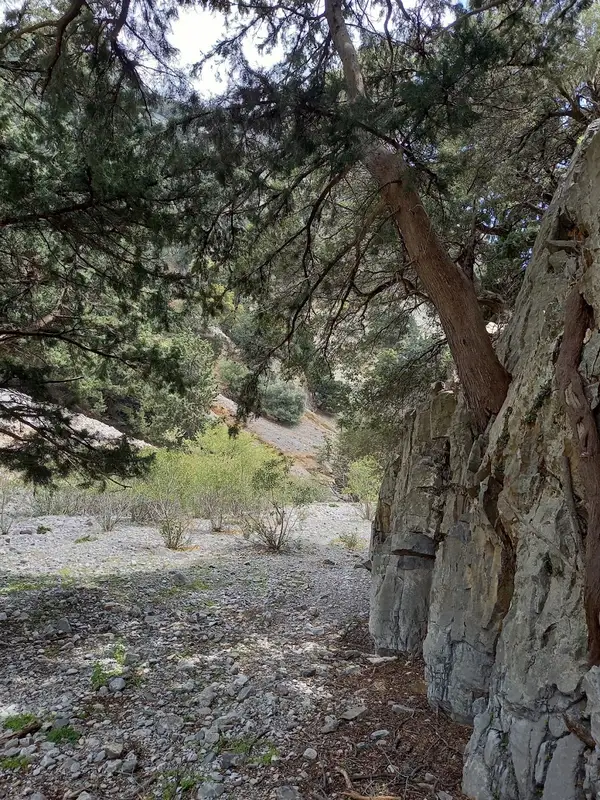
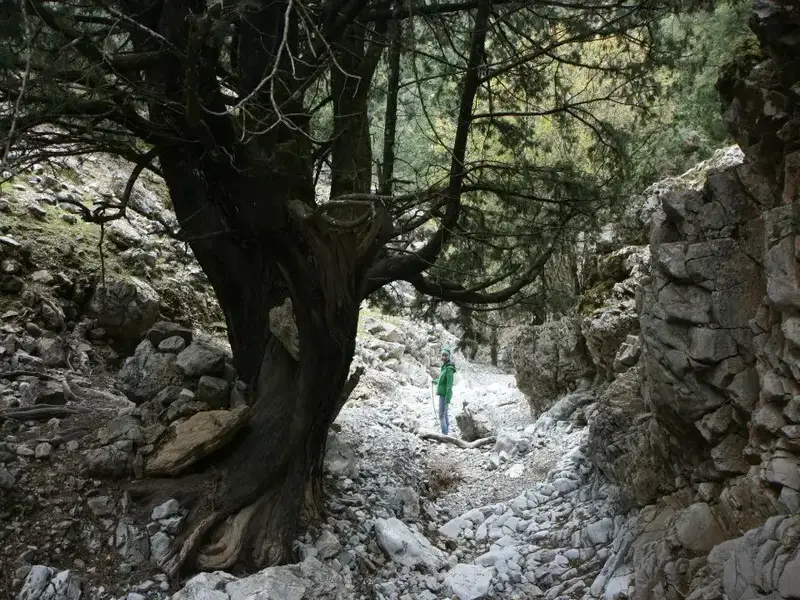
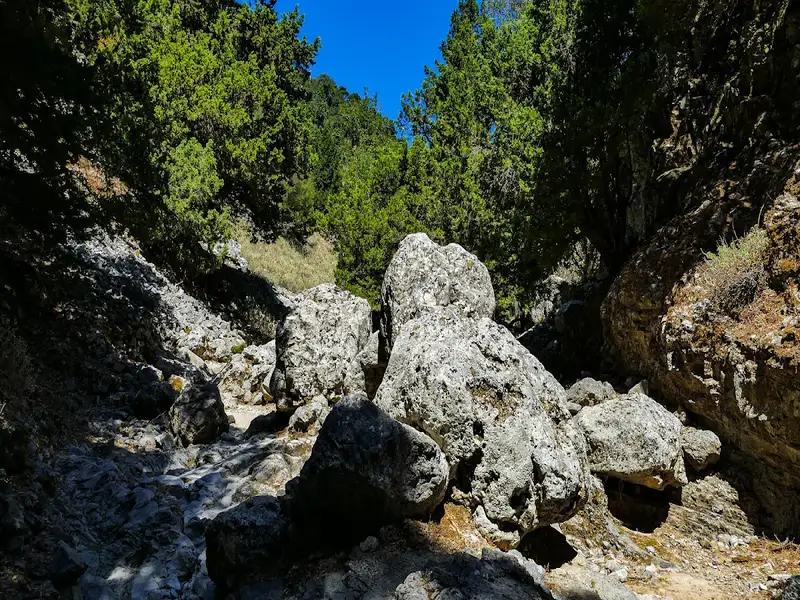
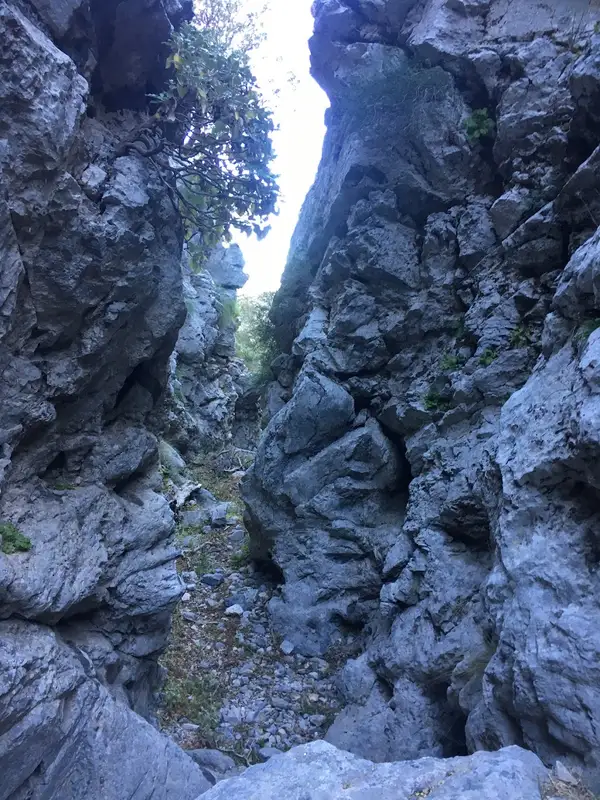
The gorge’s initial section, known as Porofarago or Porolagos, is fairly broad. The trail starts off as a descent with relatively low sidewalls. As you go further, the canyon gradually narrows, the sidewalls rise, and the views become awe-inspiring. The canyon’s sides start to close in and rise, revealing various caves. The vegetation includes ancient cypresses, oaks, and maples emerging from the rocks.
Throughout the gorge, remnants of the old stone-paved path, once the main route from Sfakia to Chania, can be seen. The canyon has witnessed numerous battles between the Ottomans and the Christians during the Turkish Occupation of Crete, notably in 1821 and 1867.
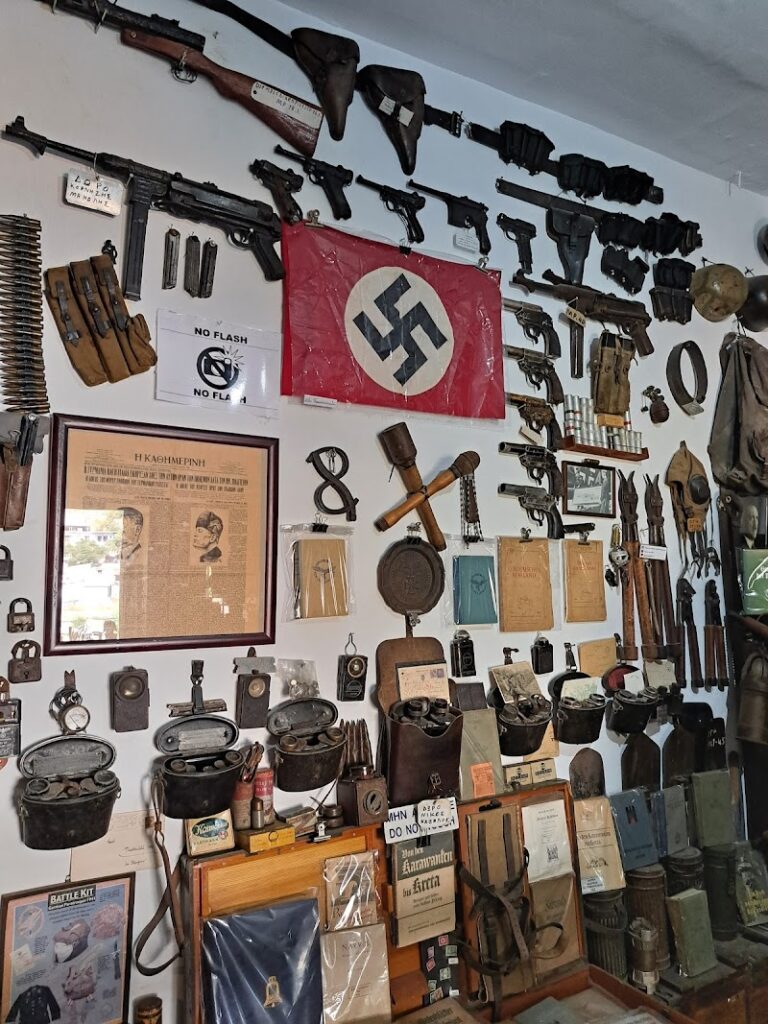
Further along, you’ll pass the spot known as Airplane, where a German plane crashed during World War II (the wreckage is displayed in the war museum at Askyfou). Following this, you’ll come across the gorge’s first narrow passages and then reach the position Gournia (i.e. basins), where several small rock basins fill with water in the winter.
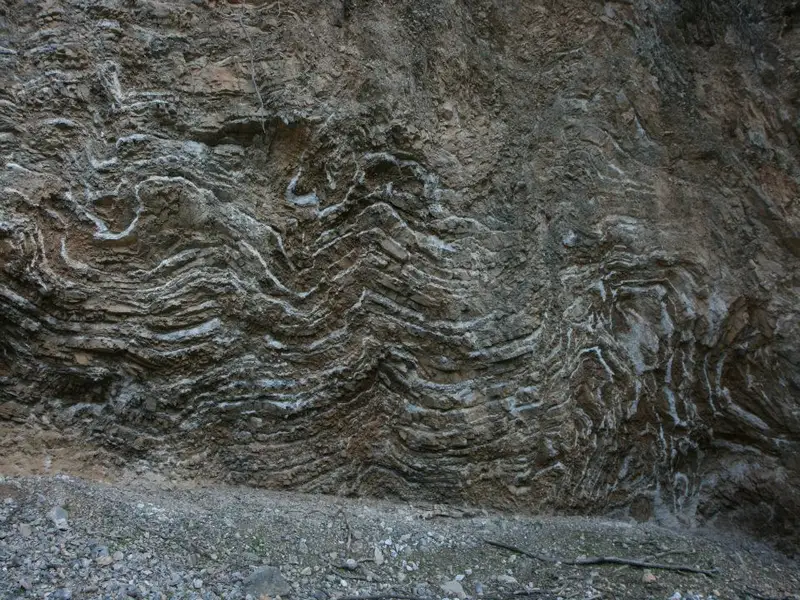
Next, you’ll arrive at the gorge’s most magnificent section, Stenada. Here, the gorge walls close in to 1.6m and reach a height of 300m! The rocks are adorned with stunning formations.
After this narrow stretch, the canyon broadens and you’ll near a rest area at position Mesofarango. Here, you’ll find a Venetian water cistern and the gorge guard’s hut.
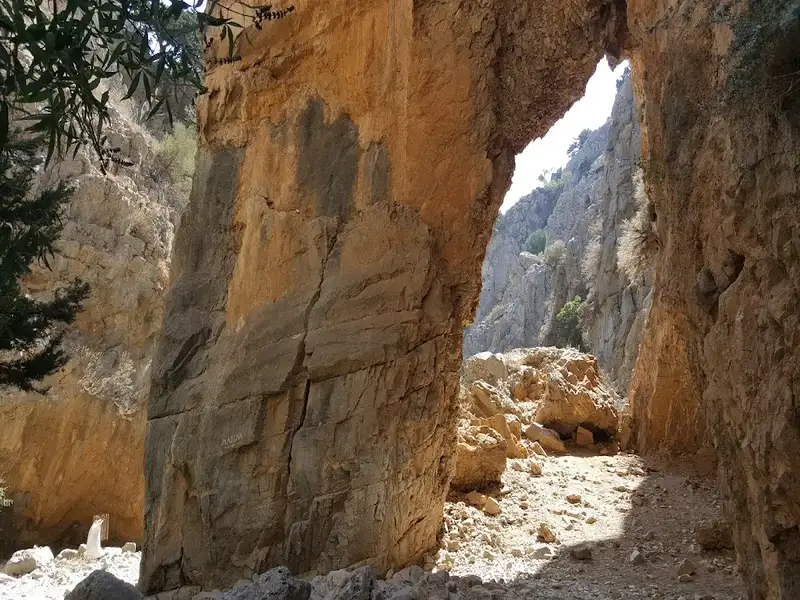
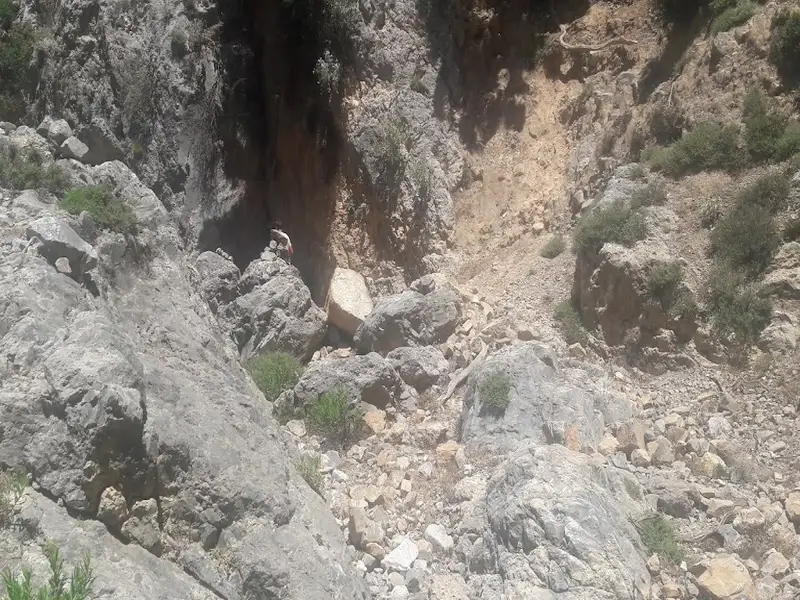
A few meters ahead, you’ll cross a landslide and shortly after, the striking narrowing at Gremnaria. Following this, you’ll see another gorge trademark, the stone arch Xepitira. As you continue, you’ll navigate some narrow passages and soon arrive at the gorge’s exit by the village Komitades. Several taverns are located near the exit, providing a perfect spot to rest and grab a bite.
There are multiple bus services from Chania to Imbros during the summer. To catch the bus to Chora Sfakia, Imbros (where many hikers park their cars at the gorge’s entrance), or Chania, you’ll need to either walk 4 kilometers towards Chora Sfakion (be sure to check the schedules) or take a taxi from the gorge’s exit (which can be quite pricey).
The Iligas Gorge, also known as Kavis, begins south of the Kastro peak in the White Mountains, near the abandoned village of Kali Laki, and concludes at the Iligas beach, approximately 2.5 kilometres west of Chora Sfakion. Despite its proximity to Chora Sfakion, the Kavis canyon, one of the longest and most untamed in the Sfakia region, remains a hidden gem. Most visitors are unaware of its existence and instead enjoy a swim at the beach where the gorge ends. The riverbed is typically dry unless it has been raining for several hours. The Kavis canyon also includes five additional sub-gorges, which are equally wild.
The Kavis gorge begins at an elevation of 1080 meters at the Rekti location. However, it is advised to avoid crossing its upper part due to the need for a rope. The most accessible route to the riverbed is through the dilapidated village of Mouri or above Anopolis, where a road leads to the Achlada location. From there, a trail leads to the riverbed, where the Byzantine chapel dedicated to the Holy Cross (Timios Stavros) is located. This chapel, filled with frescoes, has been neglected and forgotten by local authorities. The region’s only water spring is located opposite the Holy Cross in a cave on the path leading to Mouri. From this point, it takes about three hours to trek to the exit, with some descents being 2-3m high.
Another point of interest in the Kavis gorge is the cave where Basias, the chieftain of the Selino province, died during the Ottoman period. The primary section of the canyon is enveloped by a pristine forest of cypress and maple trees, one of Crete’s largest woods. As you near the sea, the forest transitions into towering cliffs with trees clinging to their sides. The riverbed is generally broad but can narrow to half a meter at certain points. Just before reaching the sea, you’ll find a stone-paved trail (similar to the Aradena Gorge trail) which descends on one side and ascends on the other, serving as the only walking route from Chora Sfakion to Anopolis.
The Kapni Gorge, one of Eastern Sfakia’s most stunning canyons, remains largely undiscovered. The gorge begins as an open stream south of the Akones peak at Hionistra, located on the road between Askyfou and Asfendou villages. It concludes in the village of Nomikiana in the Sfakia province. In Hionistra, two streams in calcareous soils converge to form the Kapni Gorge after an hour’s walk. The canyon is extensive, requiring around four hours to traverse. It is among Crete’s challenging and perilous trekking gorges, with a rugged riverbed that forms dry waterfalls in certain areas, necessitating climbing.
It is not advisable for those inexperienced in mountaineering. The riverbed features several small caves that were previously used as sheepfolds. In one of these caves, there is drinking water, the only source in the harsh Kapni region. This water source is hard to find unless one is very familiar with the area. Kapni is home to beautiful vegetation, including maples and oak trees, and stunning walls of platy limestone in several places.
The name Kapni, meaning smoke, traces back to a story from the Venetian era. East Sfakia was once densely forested, providing refuge for Cretans fighting the Venetians. To counter this, the Venetians burned these forests, including the one in Kapni, which was so dense that the fire burned for weeks. The narrowness of the gorge created an oven-like effect, trapping the fire and significantly raising the temperature. The intense heat baked the mountain rock, similar to a lime kiln, and smoke lingered for days after the fire ceased. That autumn, a massive flood swept through the bare, fire-scorched hillsides, moving rocks with immense force to the gorge’s exit. This event resulted in a large deposit of sediment, creating the most impressive scree (locally known as sara) in Crete, visible from miles away. This scree starts at the gorge’s exit and extends to the village of Nomikiana.
No results available
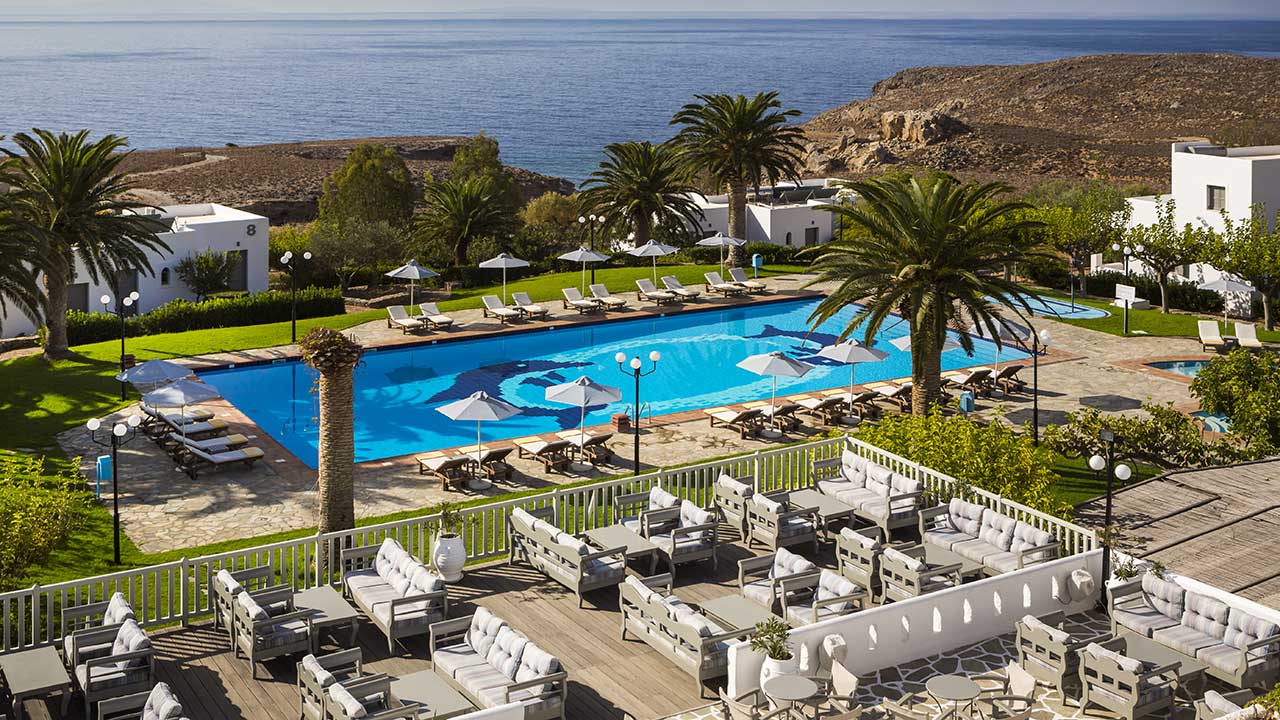
Vritomartis Naturist Resort operates as a licensed naturist hotel near Chora Sfakion on Crete island’s southern coast. The resort overlooks the Libyan Sea with the White Mountains behind and lies about 75 kilometers (47 miles) from Chania Airport. The Vritomartis nudist resort has 161 beds in 85 beautifully decorated rooms, of which 42 are located on two floors in the main building and 43 in 8 separate bungalows. All with balconies or terraces, air conditioning, free WiFi, and sea or mountain views. The resort follows International Naturist Federation standards: nudity is required at the pool and private naturist beach, while clothing is expected indoors.
Facilities feature a large swimming pool, children’s pool, tennis court, mini-golf, playground, pool bar, and taverna. Guests use the private pebble beach, 700 meters (0.4 miles) away, with shuttle service, bar, loungers, and showers. Dining options include a buffet restaurant serving Mediterranean and Cretan cuisine, with vegetarian and other dietary needs accommodated. A mini-market, parking, car rentals, massage services, and organised excursions are available.
Additional activities include naturist boat trips, coastal hikes, and visits to nearby villages.
from
€95
/night
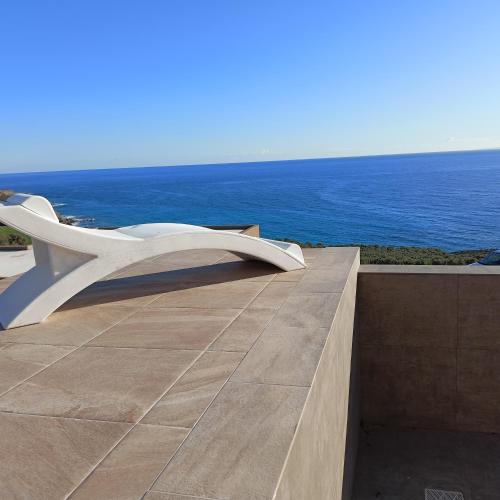
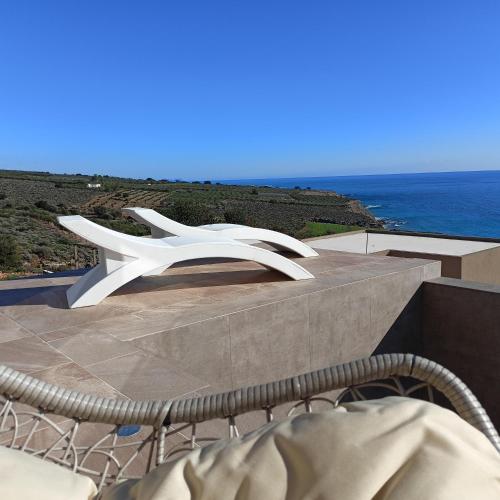
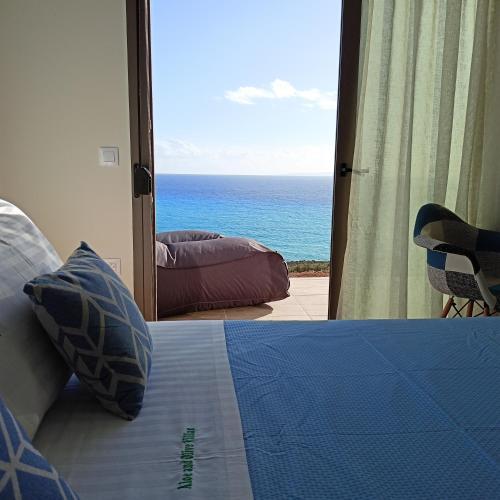
Olive and Aloe Villas features sea views, free WiFi and free private parking, located in Nomikianá, 700 metres from Koutelos Beach.
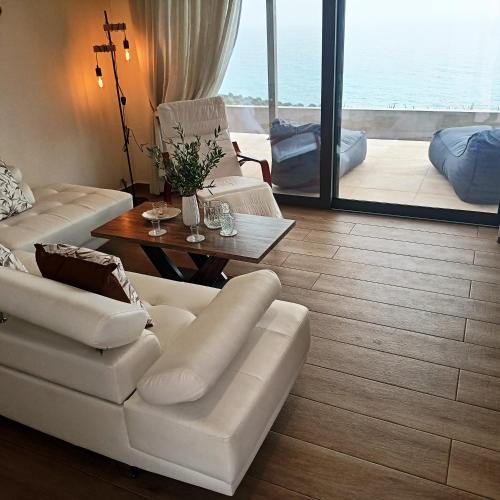
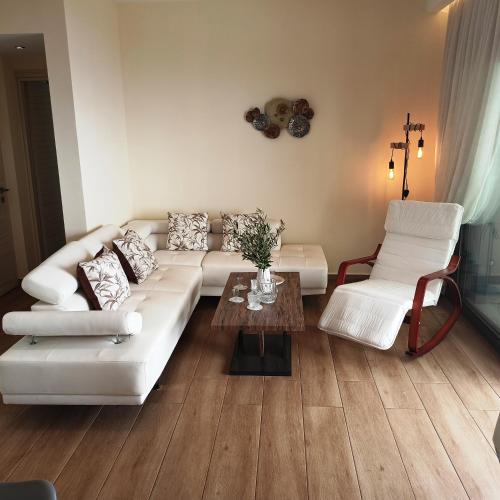
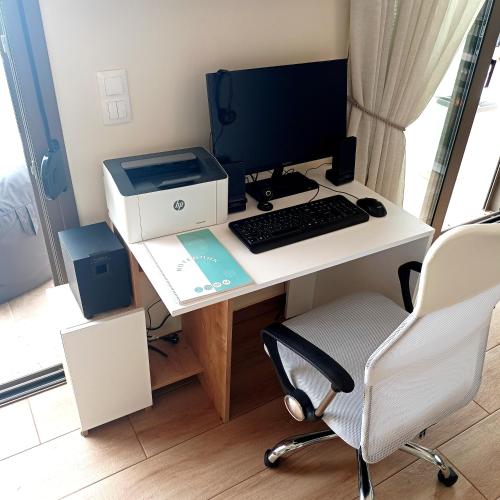
Featuring a kitchen with a dishwasher and an oven, each unit also comes with a safety deposit box, a satellite flat-screen TV, ironing facilities, desk and a seating area with a sofa. There is a private bathroom with walk-in shower in some units, along with bathrobes, slippers and a hair dryer.
The villa offers a picnic area. There is also a business centre and a an indoor play area on site.
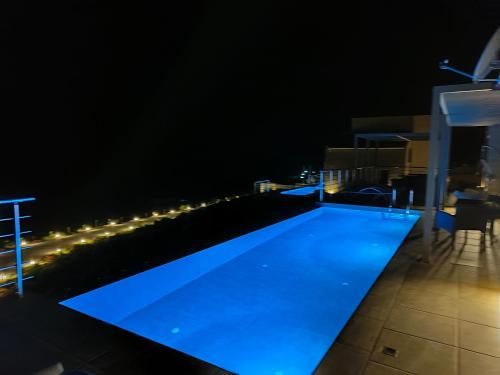
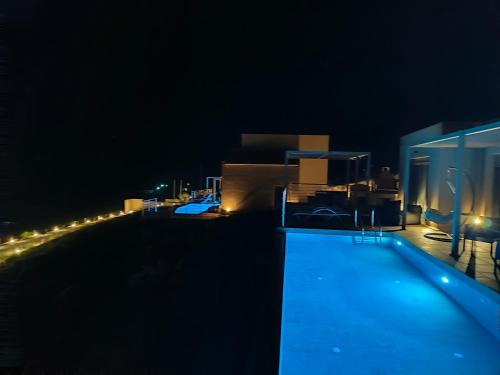
Barbecue facilities are available and guests can also relax in the garden, beside the infinity pool, or on the sun terrace.
Pera Koutelos Beach is less than 1 km from Olive and Aloe Villas, while Fortress of Frangokastello is 8.5 km away. The nearest airport is Chania International, 81 km from the accommodation, and the property offers a paid airport shuttle service.
from
€162
/night
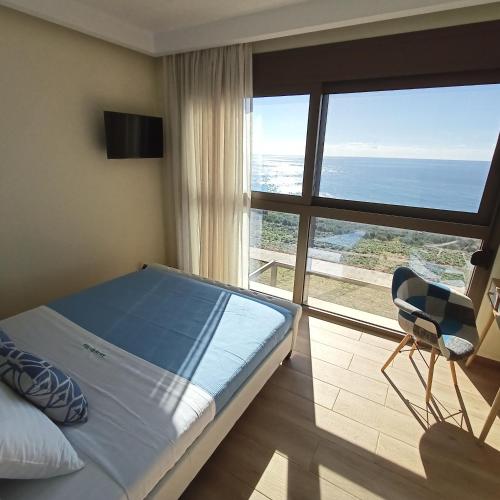
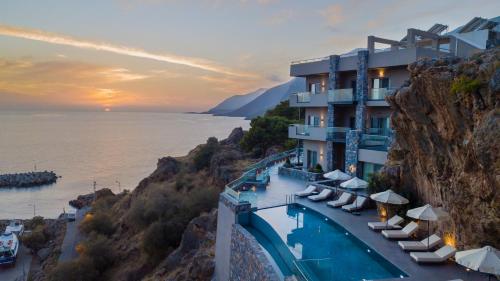
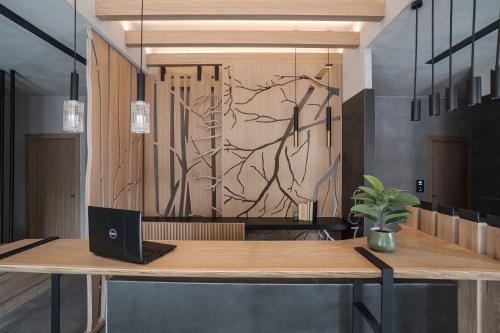
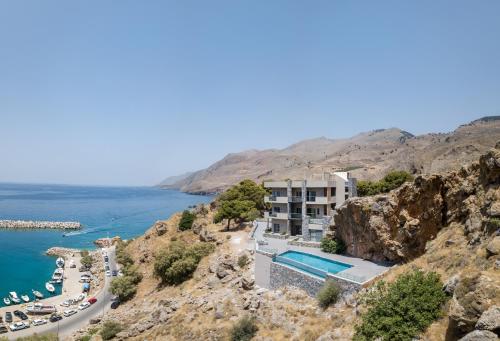
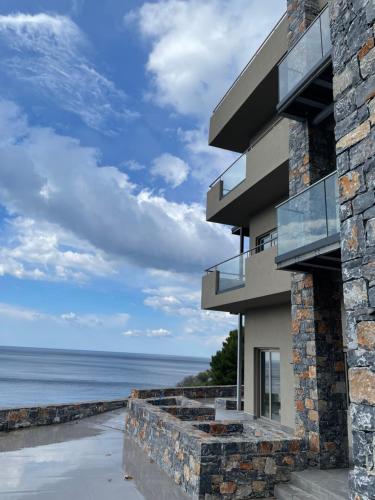
Located in Sfakiá, 400 metres from Vrissi Beach, panorama new generation provides accommodation with a terrace, free private parking and a bar. The property is situated 1.4 km from Ilingas Beach, 1.5 km from Ammoudi Beach and 2.4 km from Fylaki Beach. Agios Charalambos Beach is 2.4 km away and Fortress of Frangokastello is 15 km from the hotel.
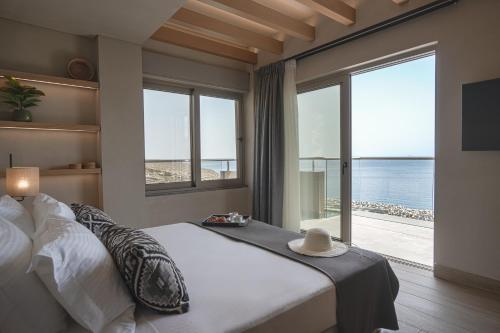
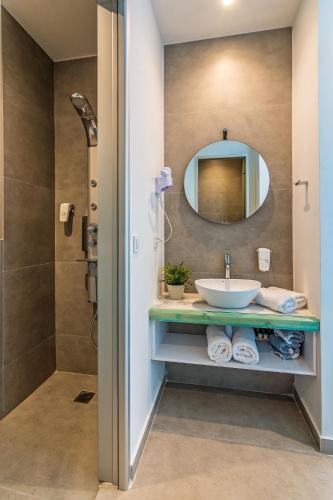
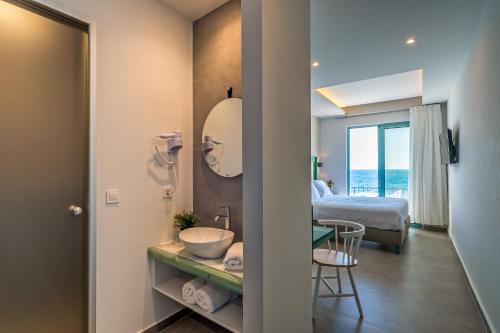
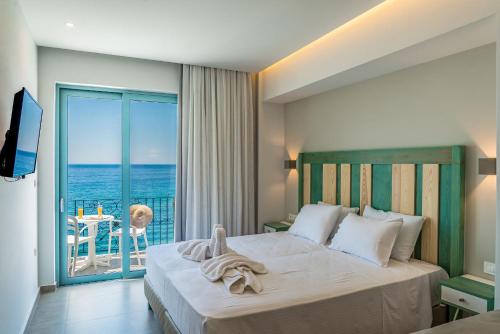
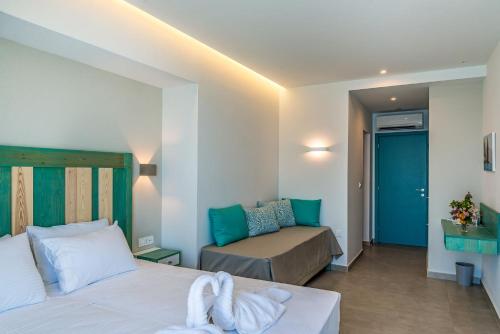
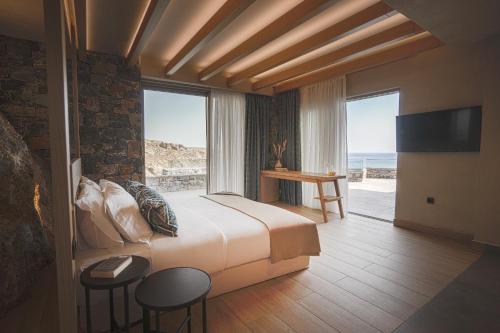
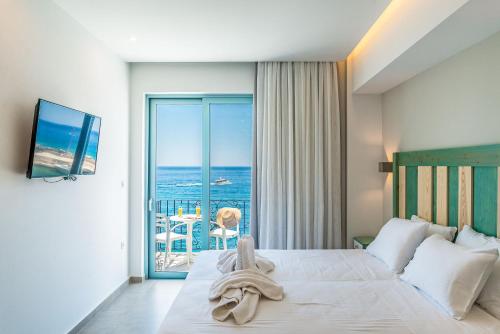
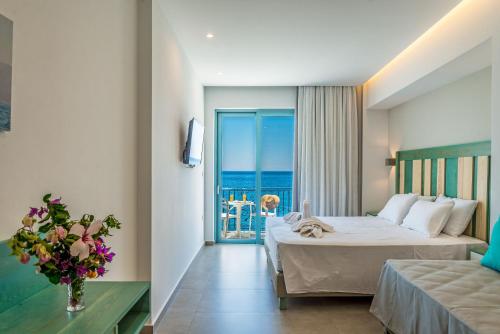
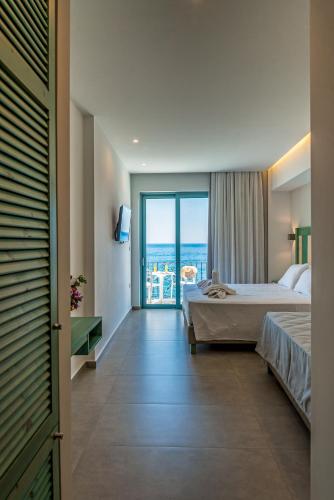
At the hotel, rooms are equipped with a balcony with a sea view. With a private bathroom equipped with a hairdryer, rooms at panorama new generation also provide guests with free WiFi, while some rooms here will provide you with pool view. At the accommodation, every room comes with air conditioning and a flat-screen TV.
Historical – Folklore Museum of Gavalochori is 45 km from panorama new generation. The nearest airport is Chania International Airport, 76 km from the hotel.
from
€135
/night
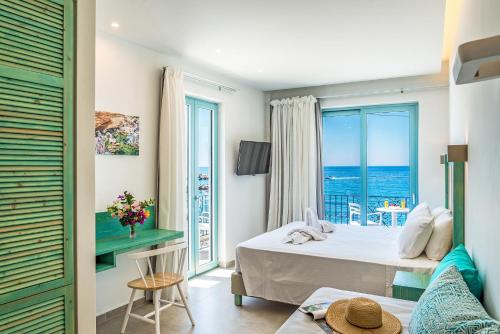
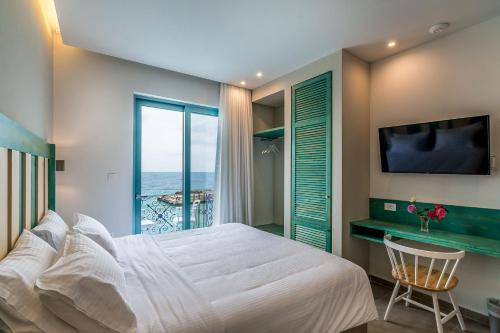
Located on the sea front of Chora Sfakion and just 10 metres from the Libyan Sea, the hotel Samaria by the Sea features 11 rooms with balcony and sea view. Free WiFi is offered throughout the entire property.
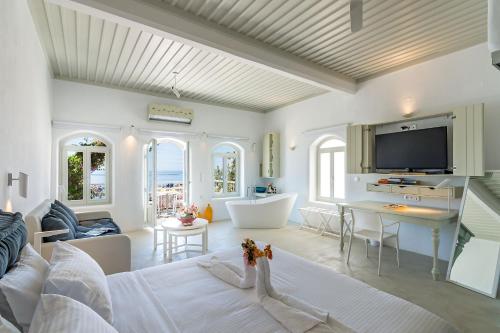
All air-conditioned units come with direct Libyan Sea view as well as the surrounding mountain view. They feature a TV with satellite channels, and a refrigerator. They also include a bathroom with bath or shower and free toiletries.
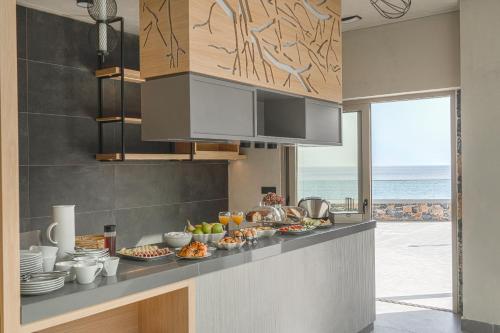
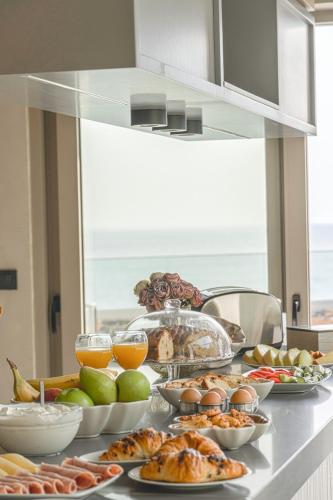
Guests can start their day with a Greek Continental breakfast served at the hotel’s outdoor terrace restaurant area. Hotel’s restaurant also includes a bar with snack options available.
Vrissi Beach is just around the corner while Iliggas and Ammoudi Beaches are within a 5-minute drive from Samaria by the Sea. Chania International Airport is at 80 km. Free private parking is possible on site upon availability.
from
€89
/night
No results available
Connect with thousands of Crete visitors and boost your bookings.
No results available
© All rights reserved. Crete Locals