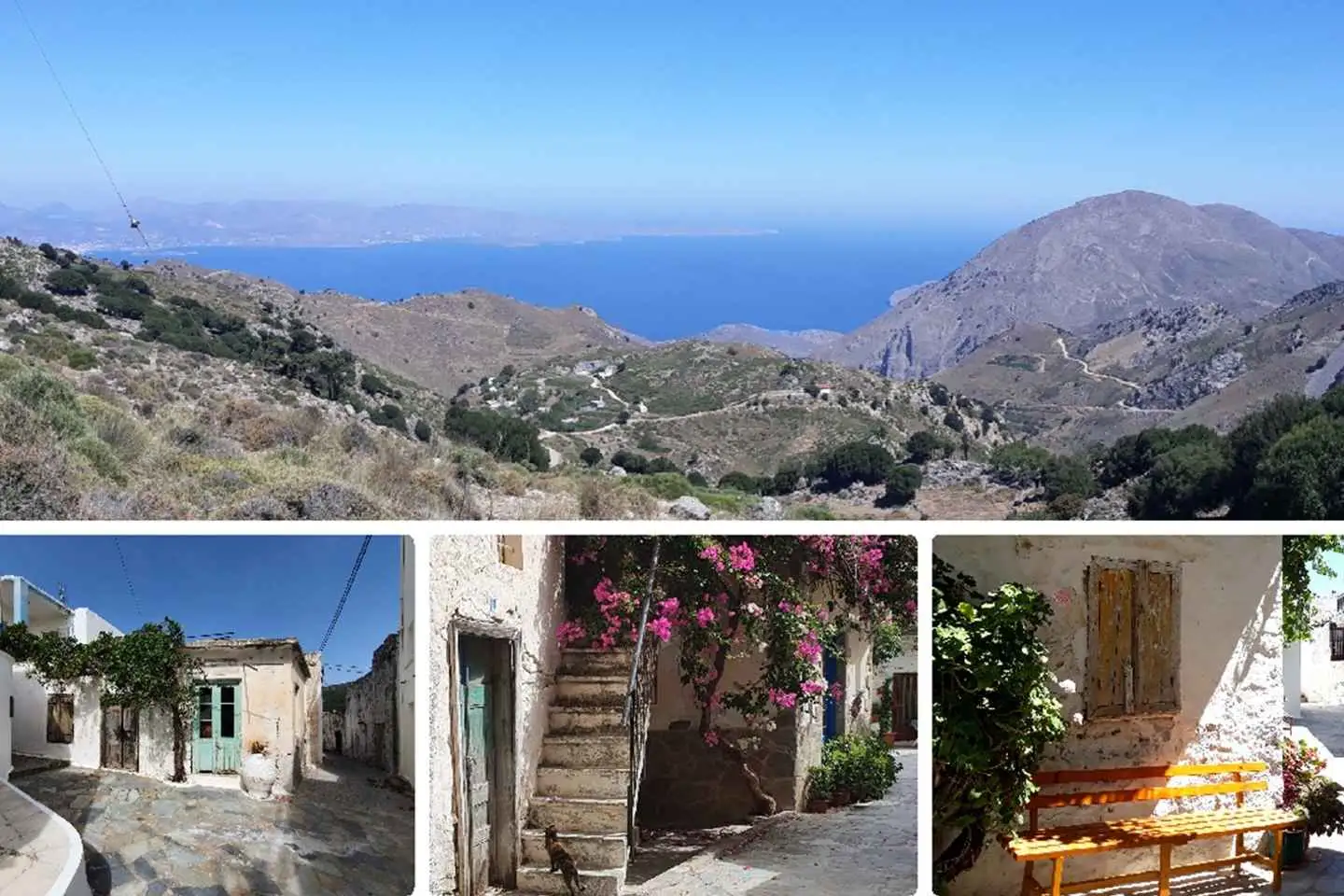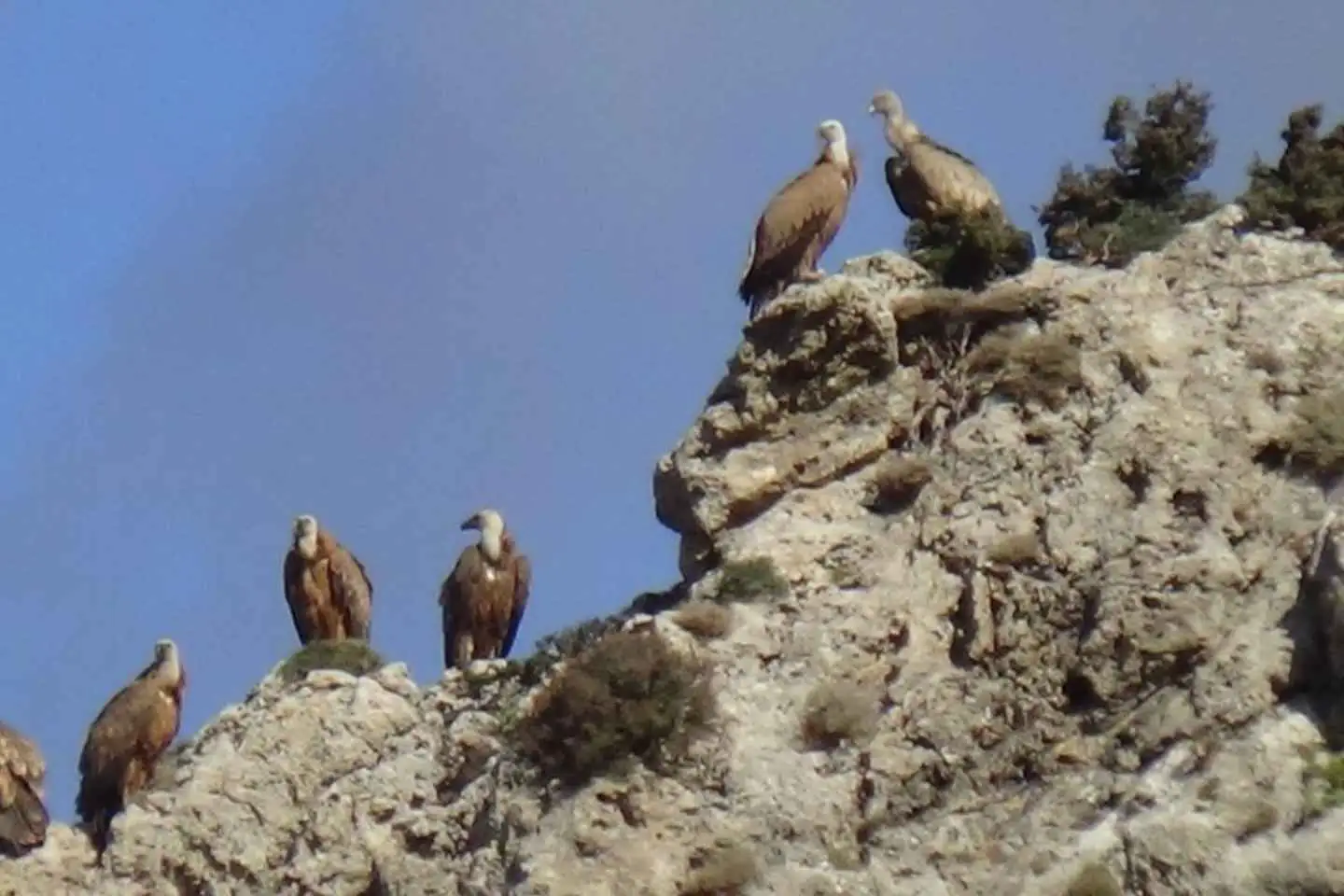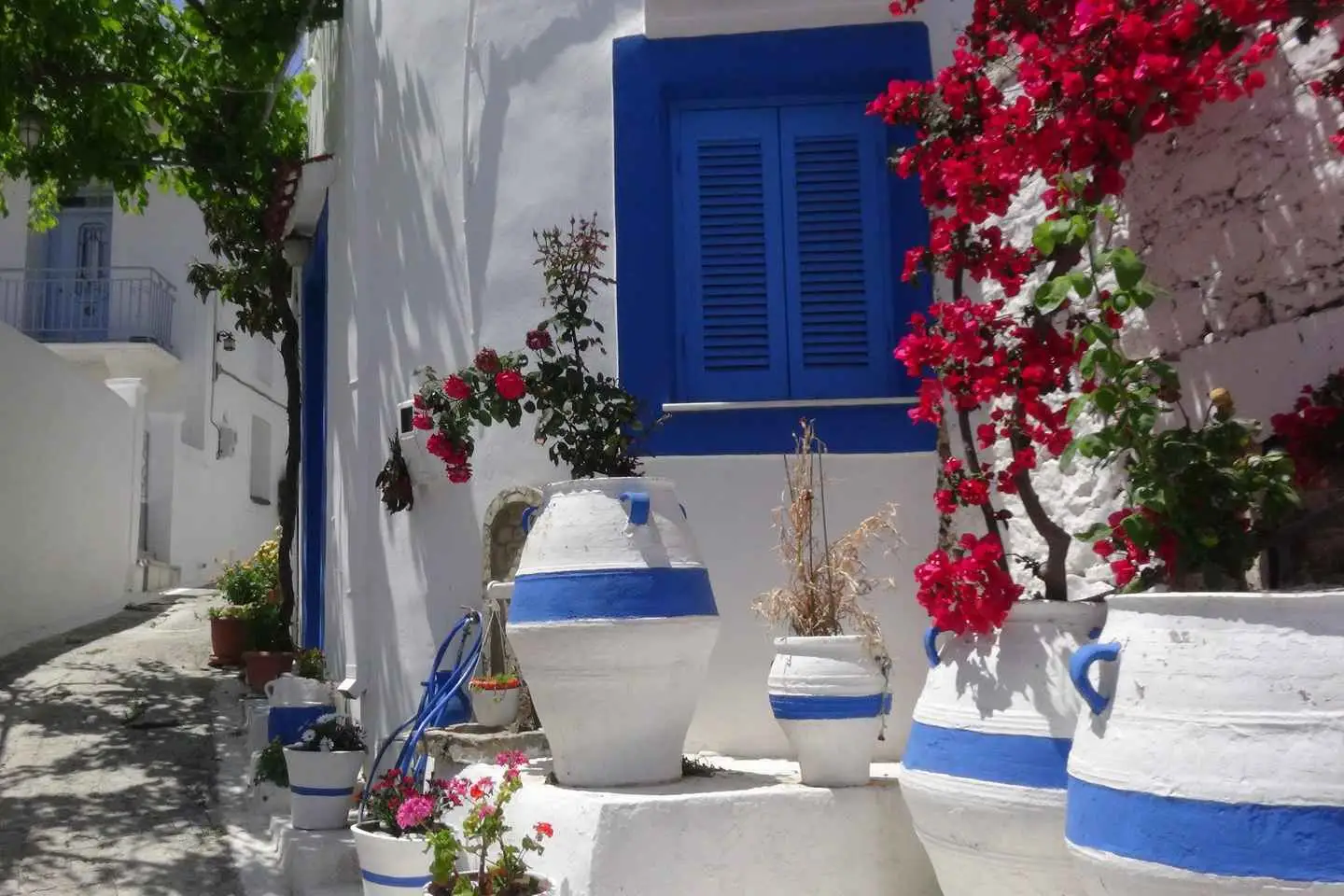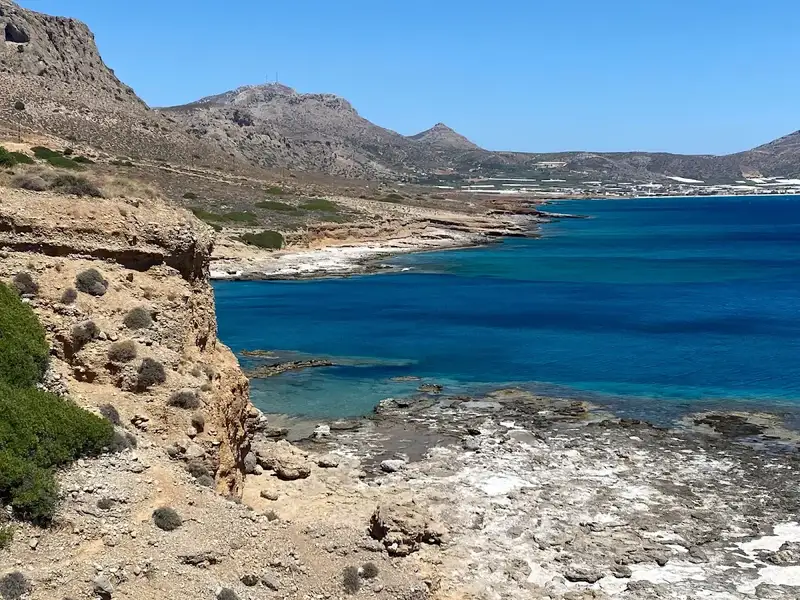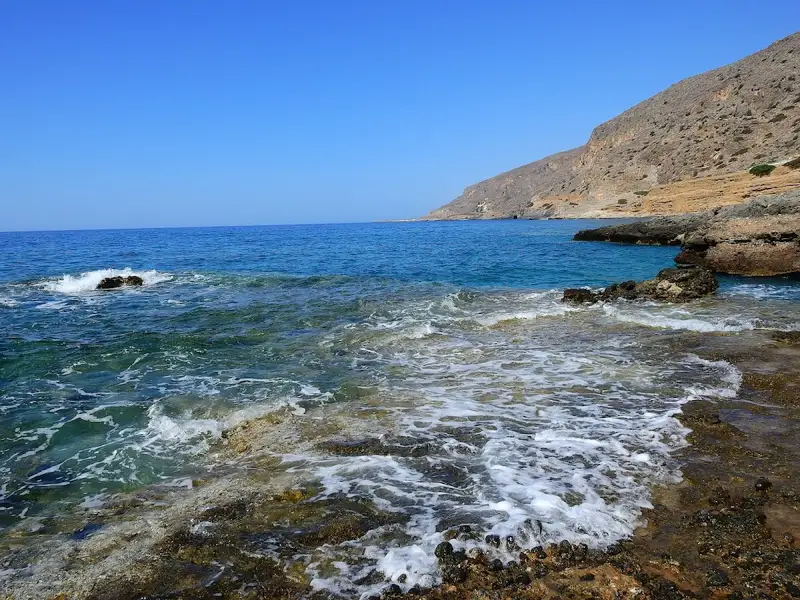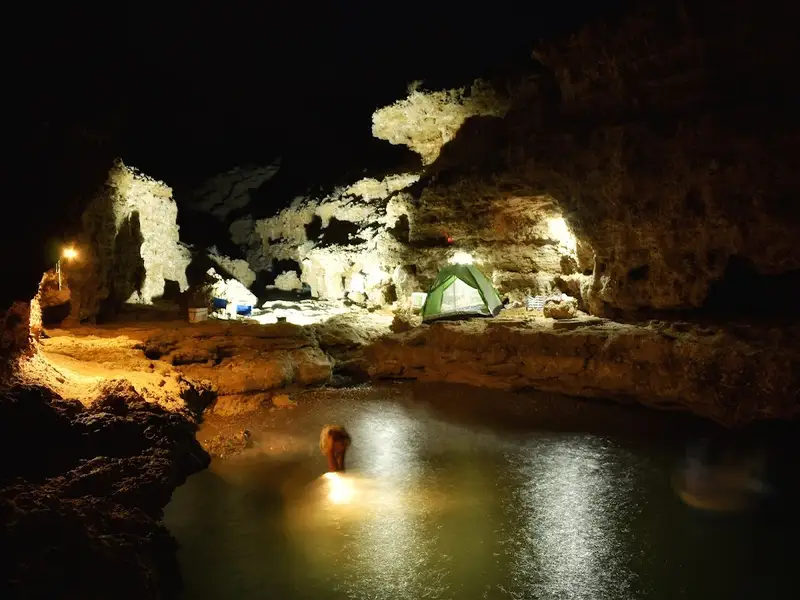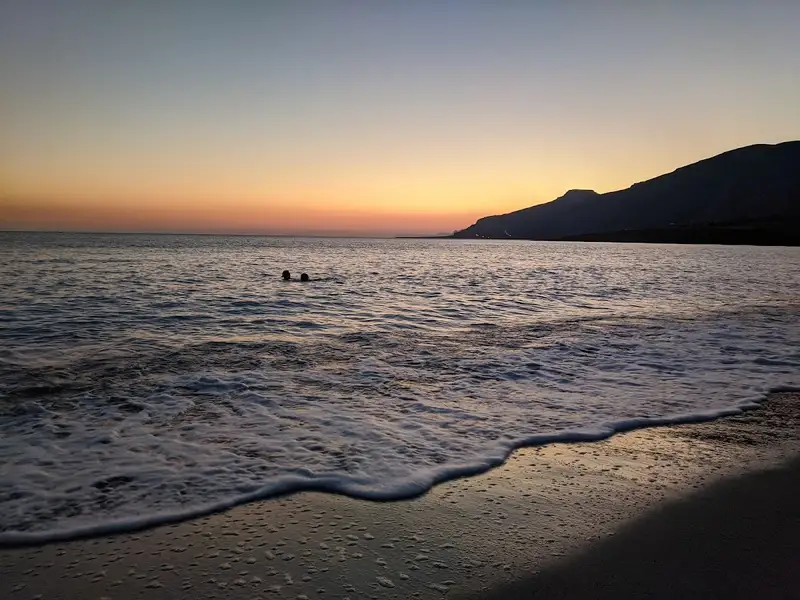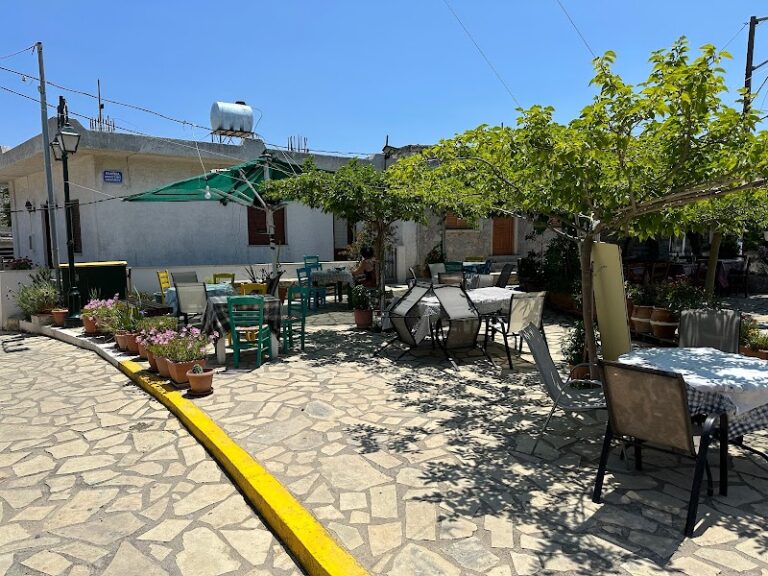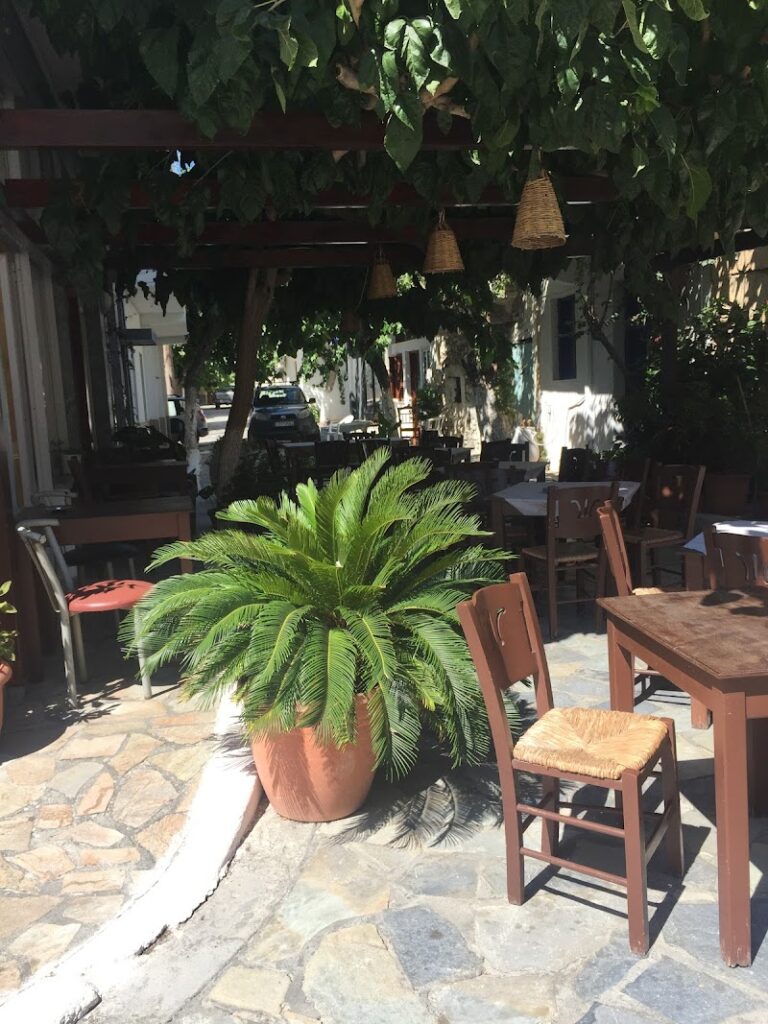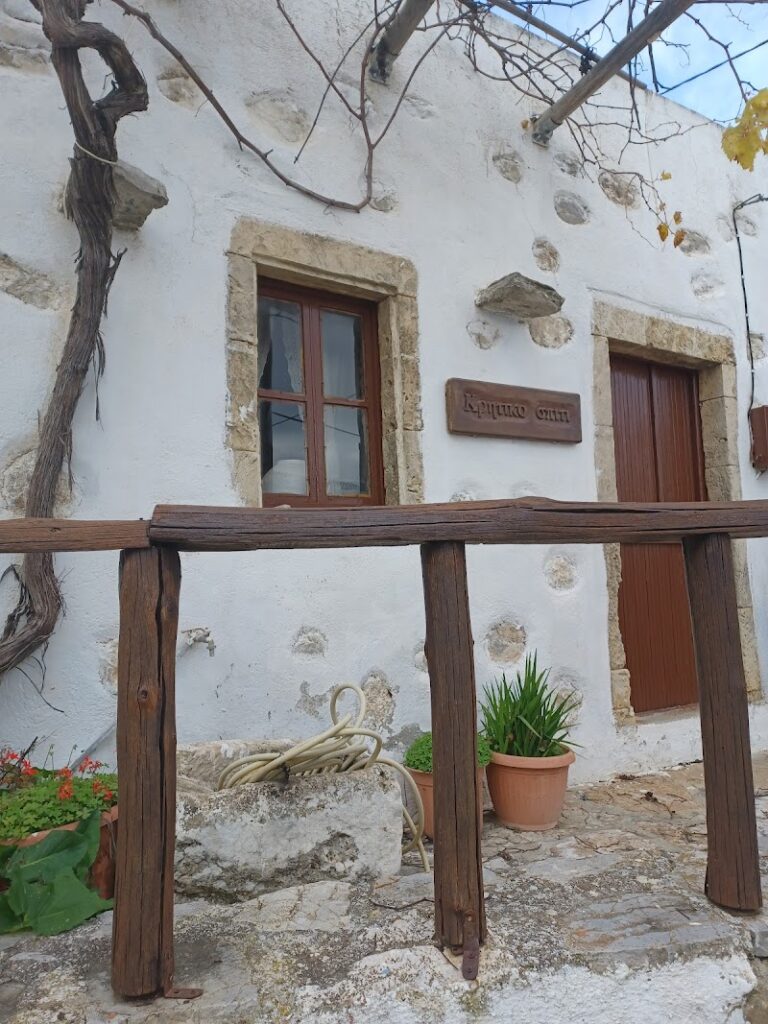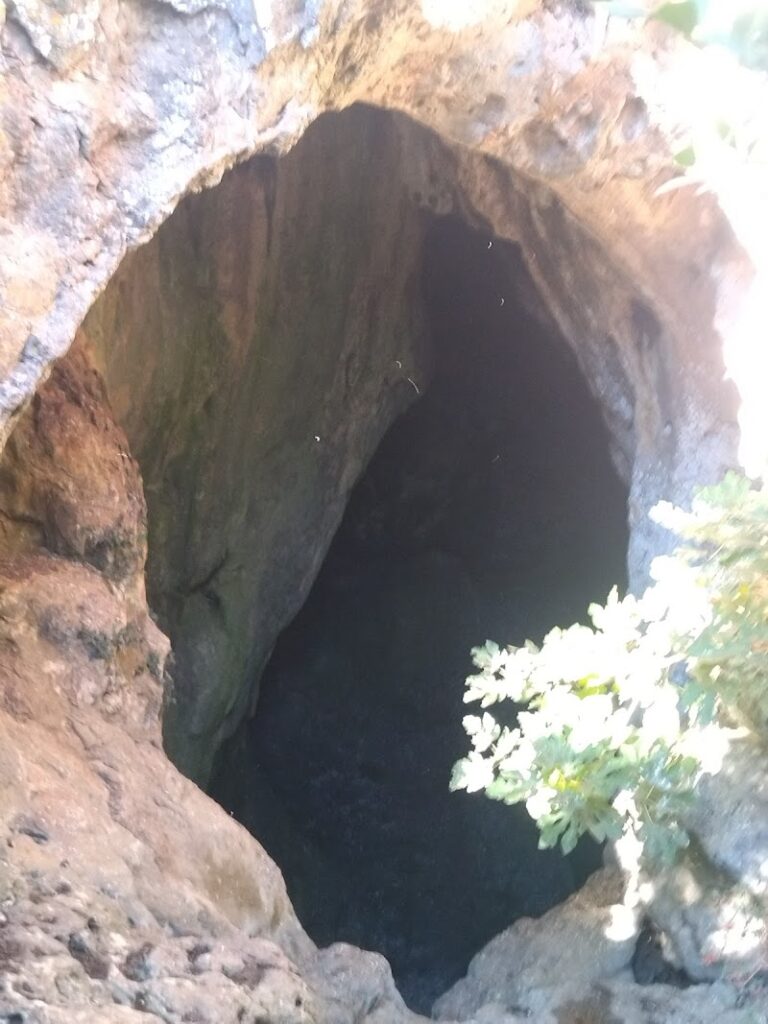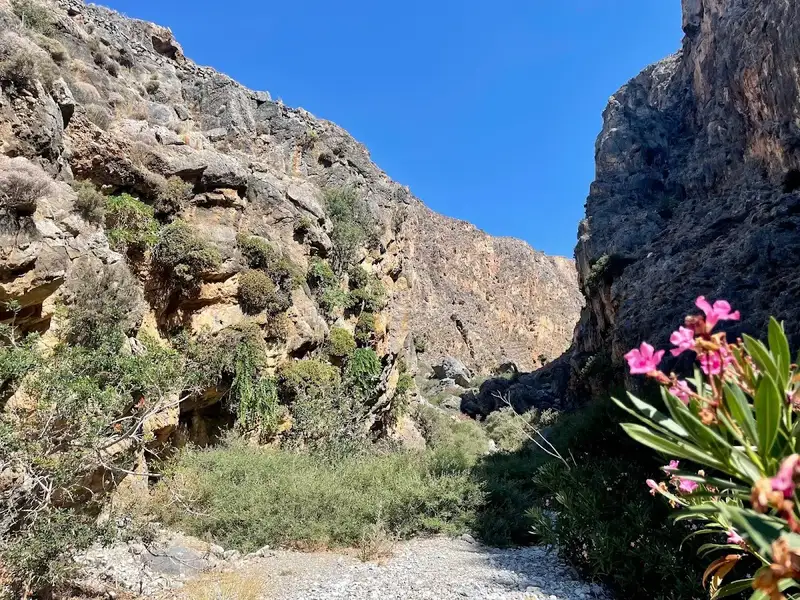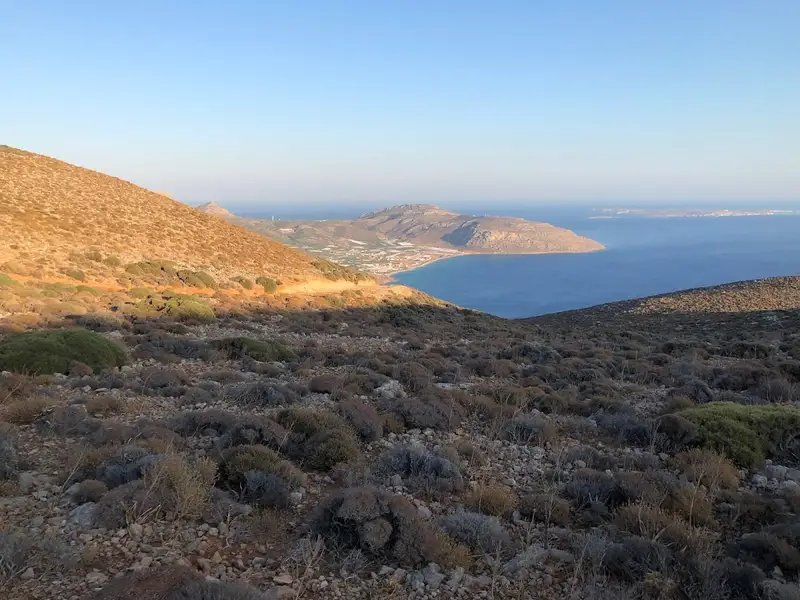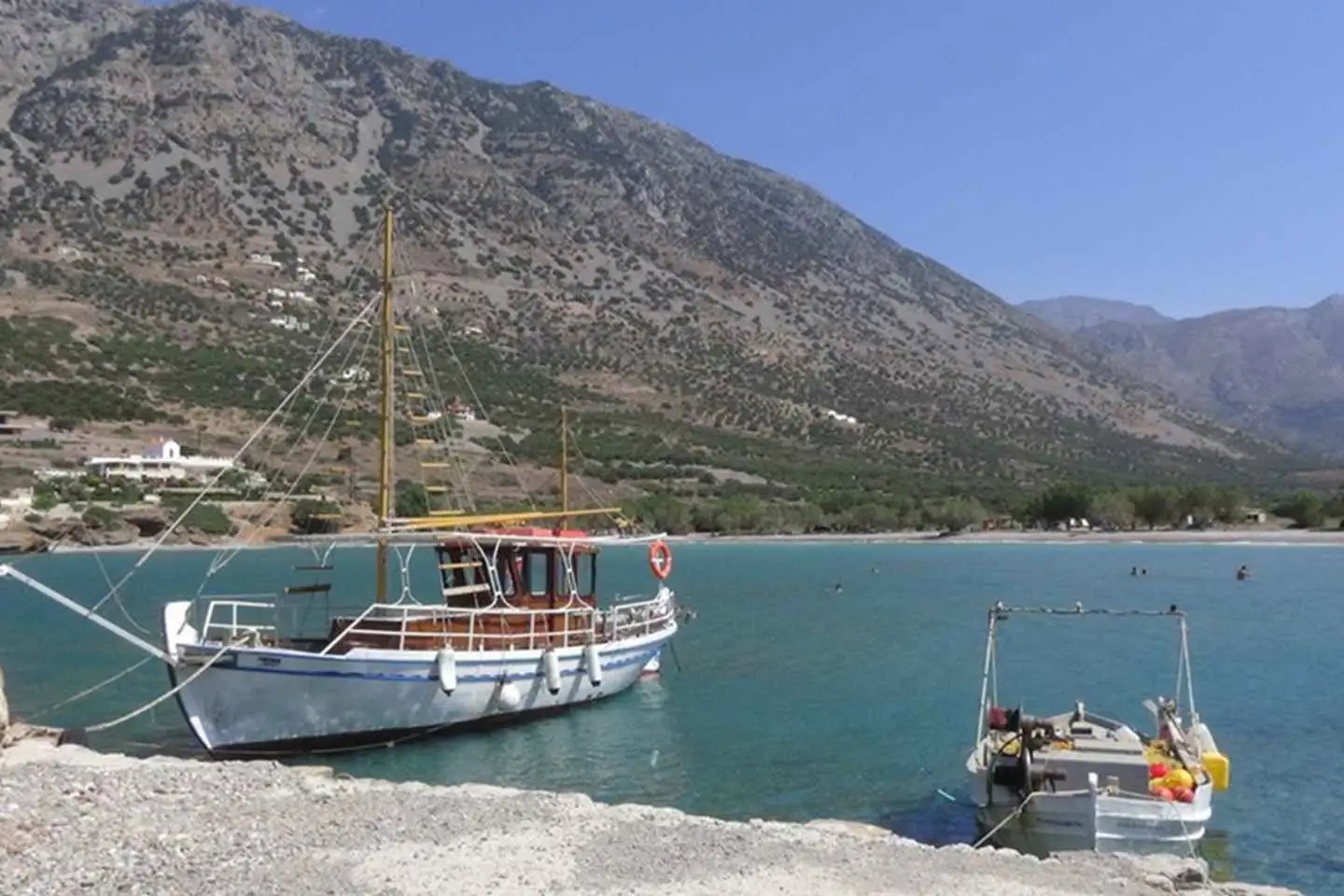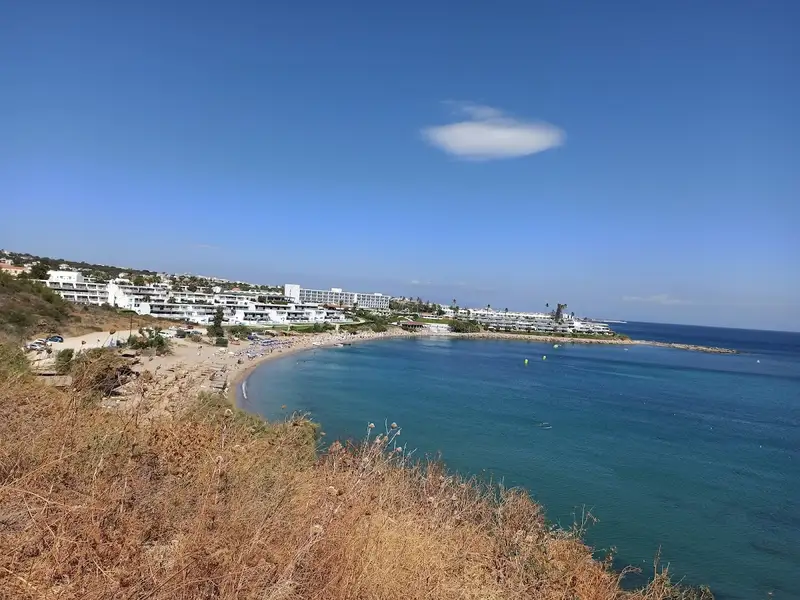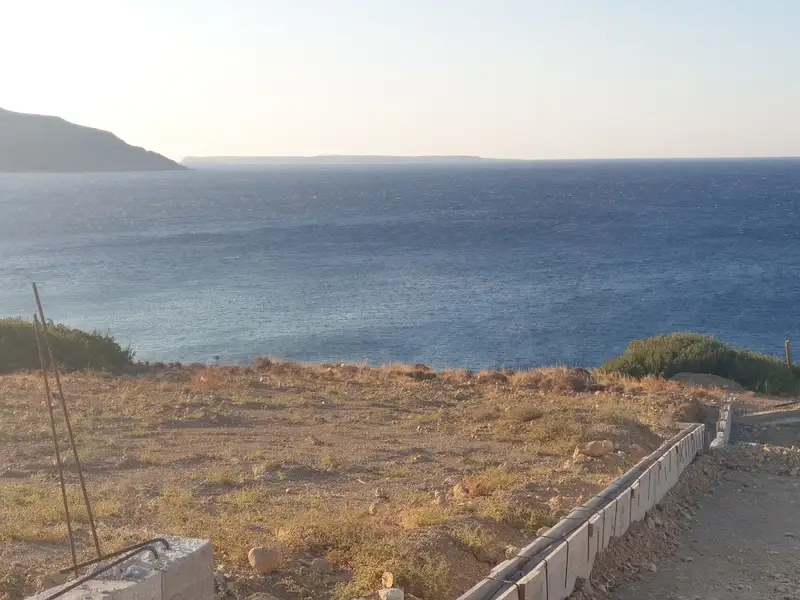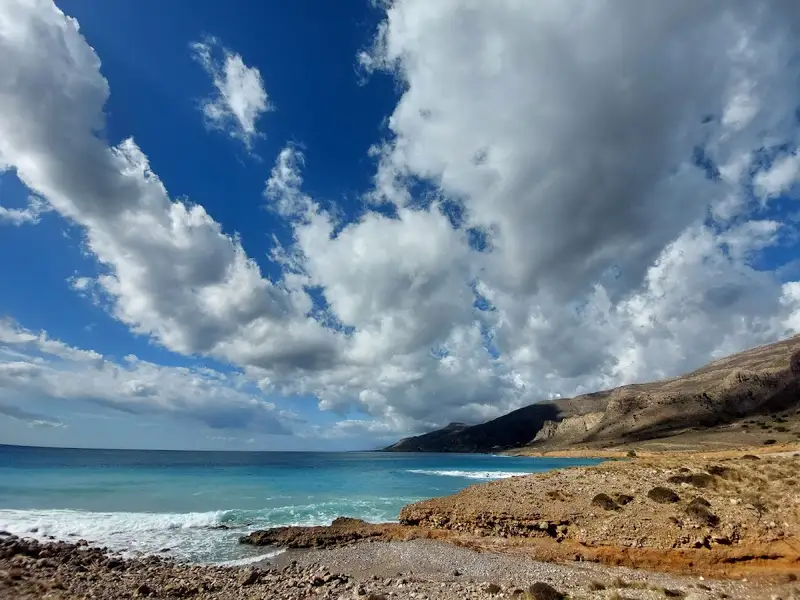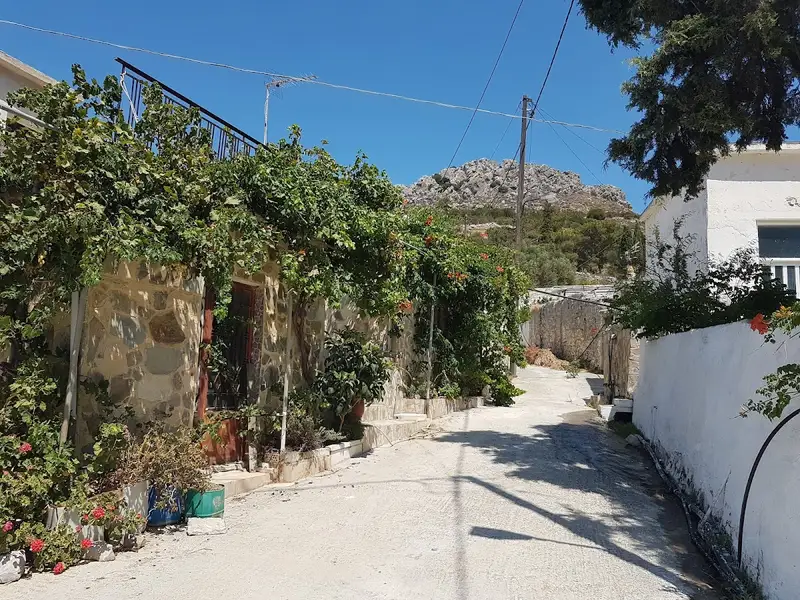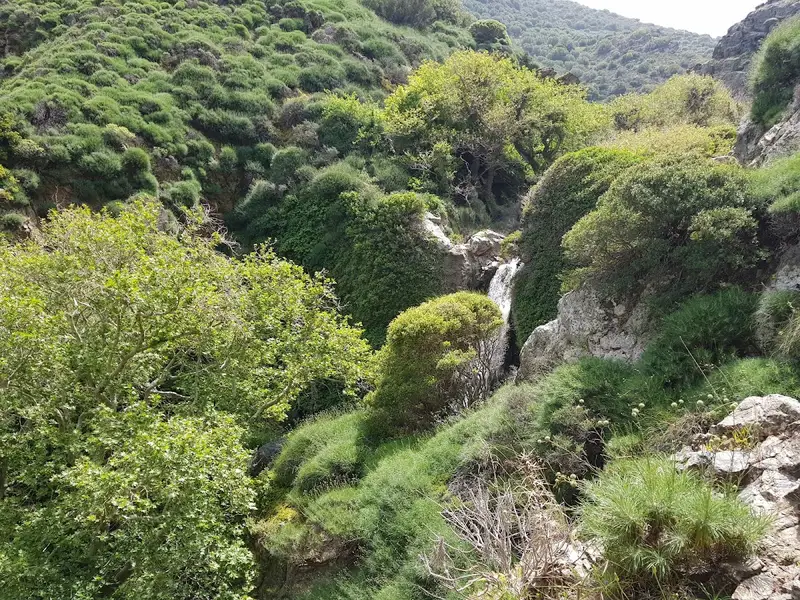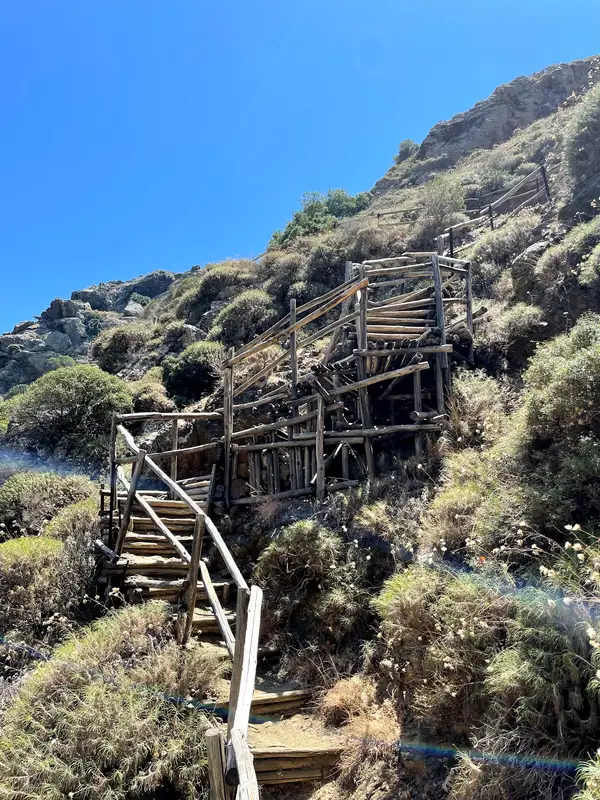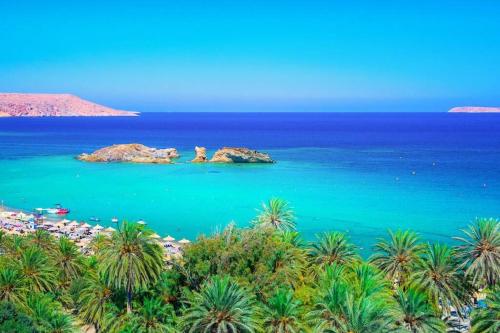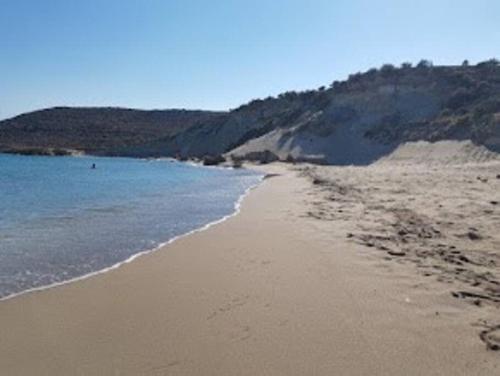
Enjoy the unforgettable panoramic view over the entire north-east coast of Crete. In the mountains, it smells of the most aromatic herbs that will be shown and explained to you. Our adventure will take you to the rustic mountain village “Stavrohori”. There will be time to stroll around, visit the old church and sit down to savour a refreshment. Your tour guide, who has lived in Crete for the past 33 years, will share with you some Greek secrets with pleasure as well as some little anecdotes.
Nature lovers will experience the ultimate adventure wrapped into a half day excursion!
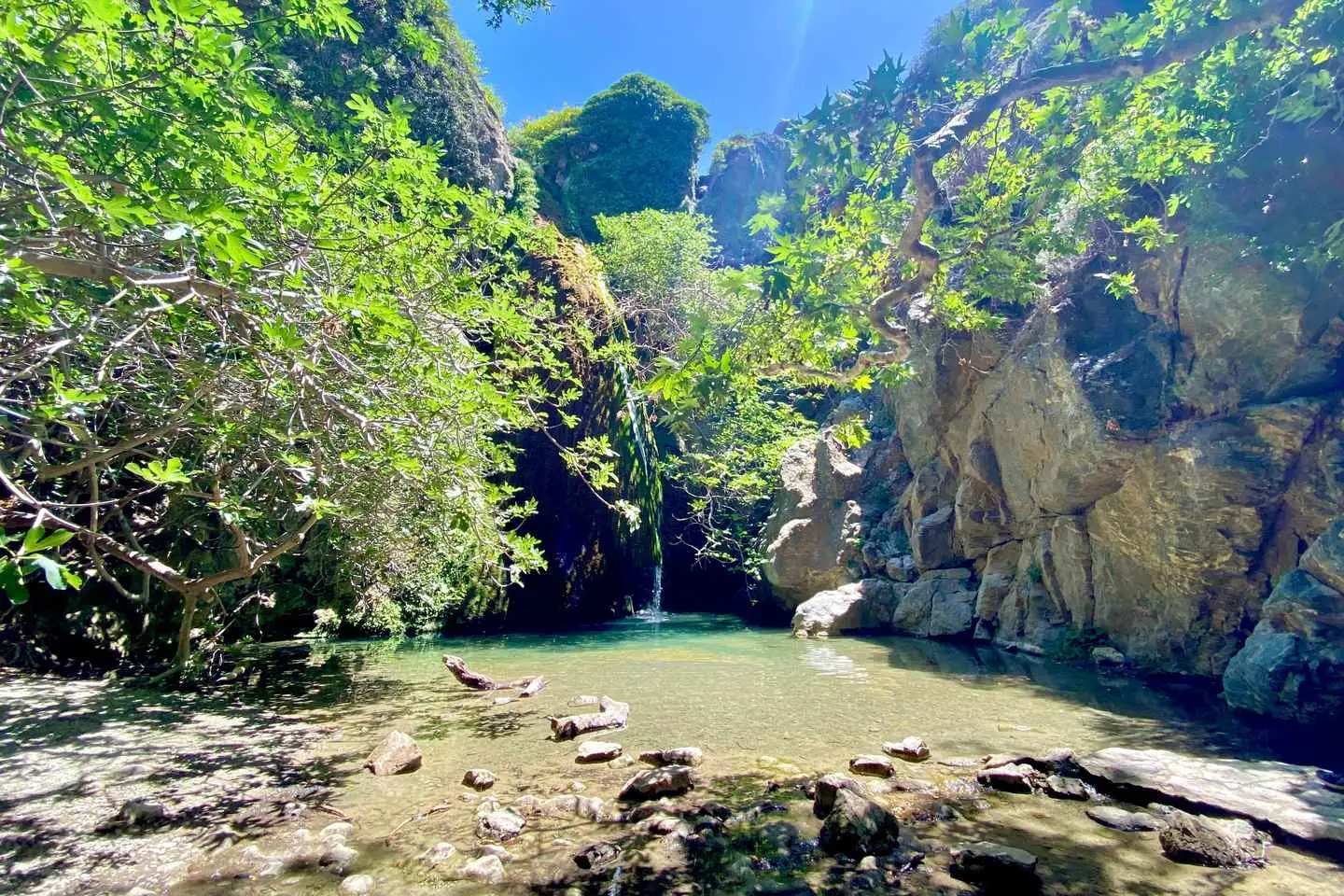
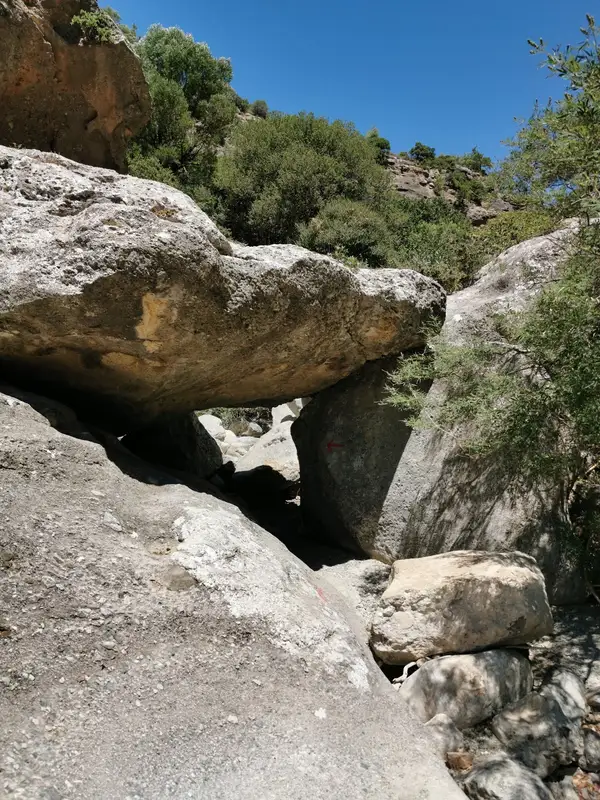
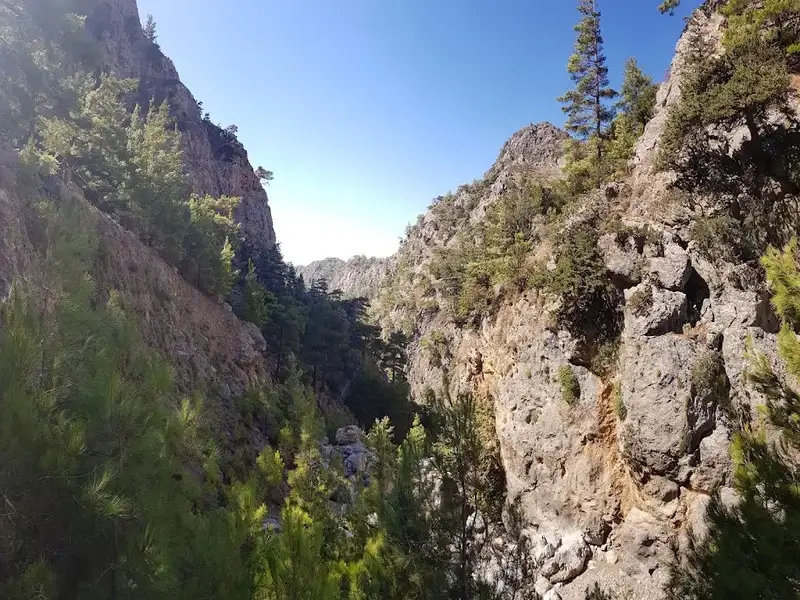
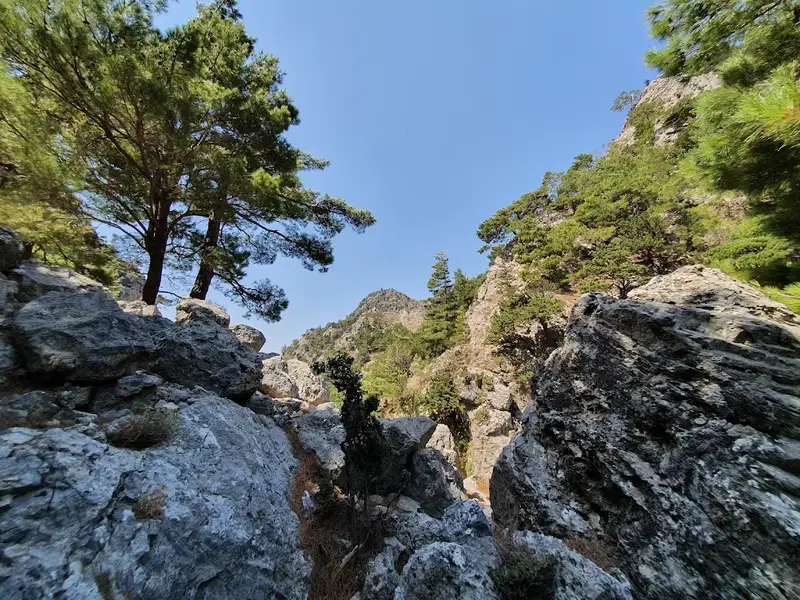
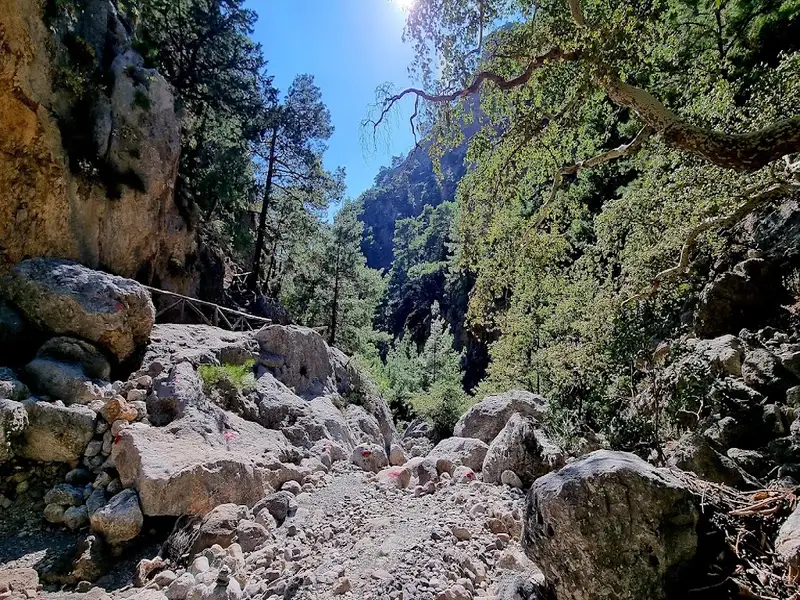
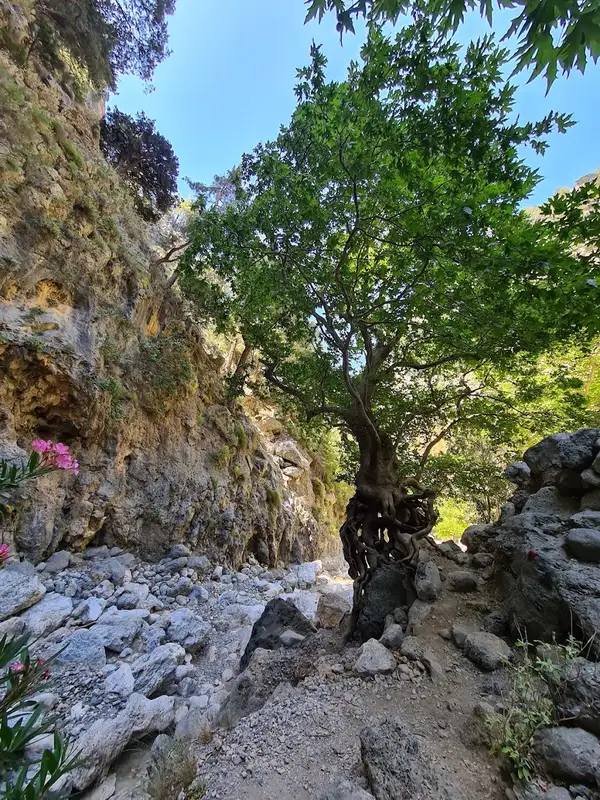
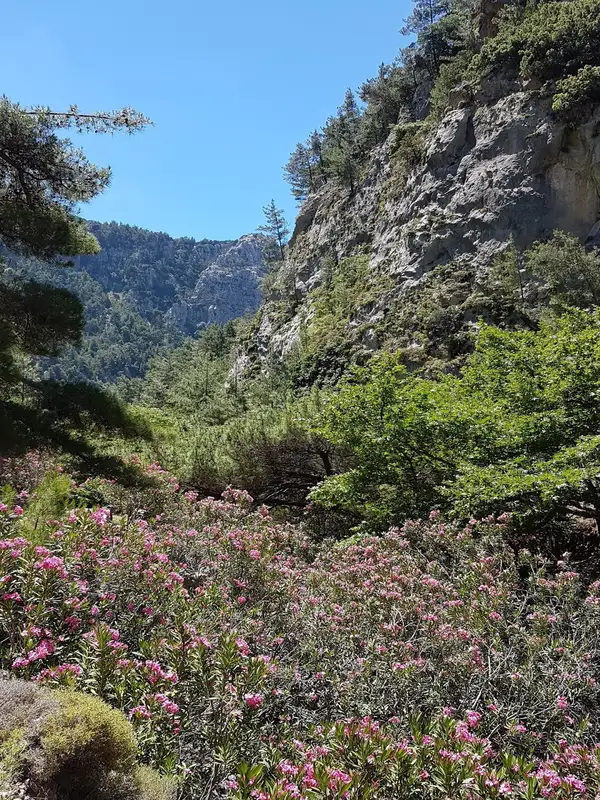
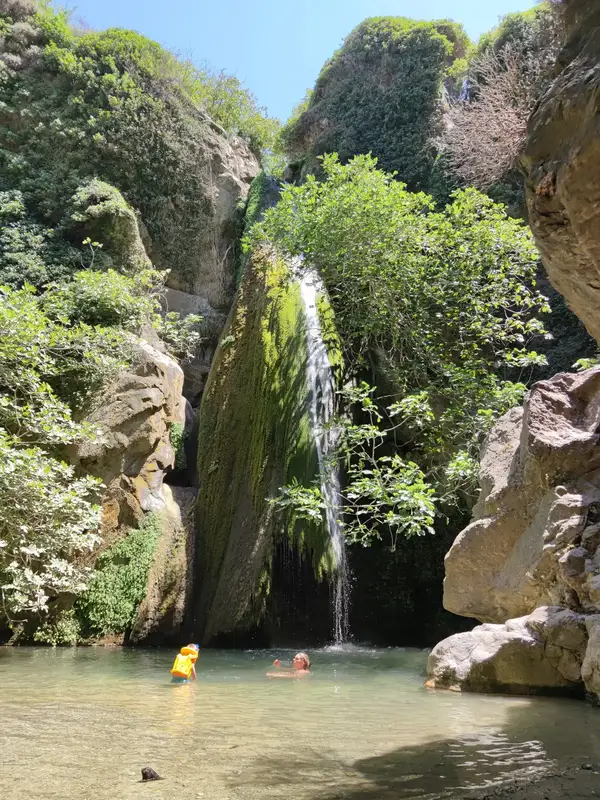
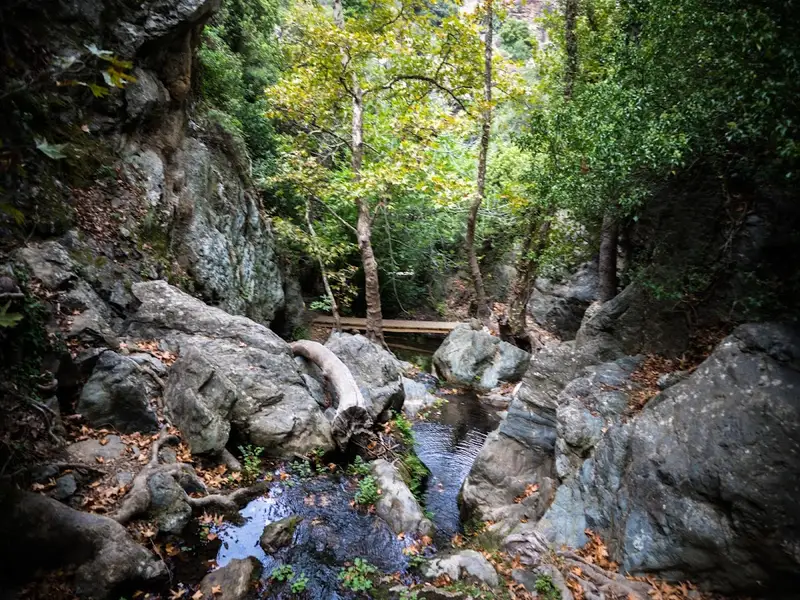
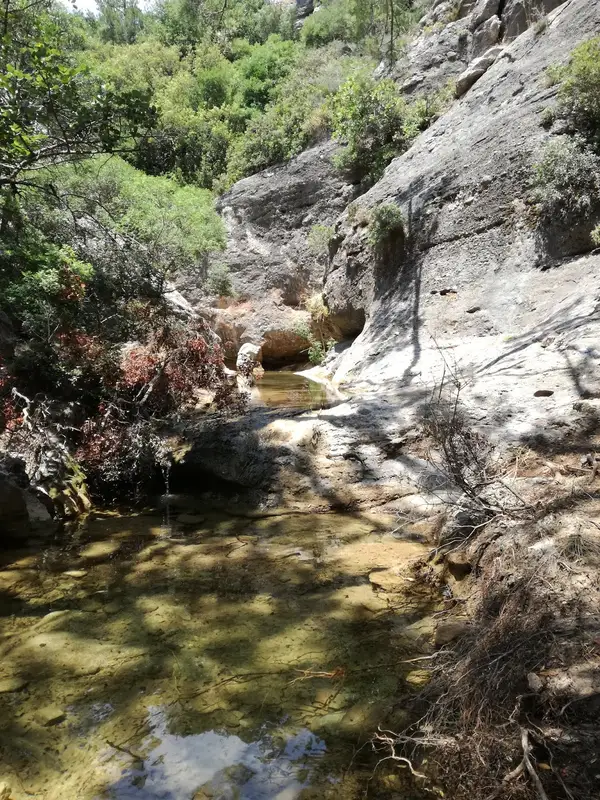
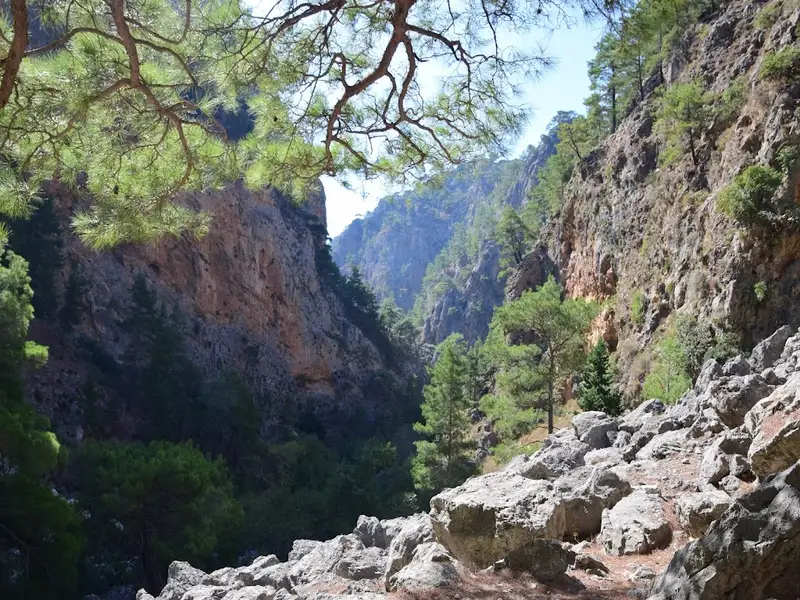
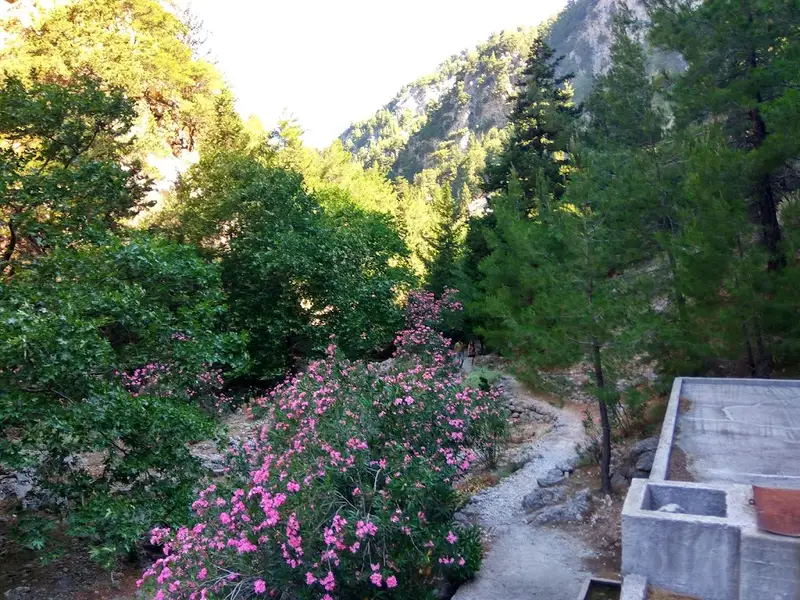
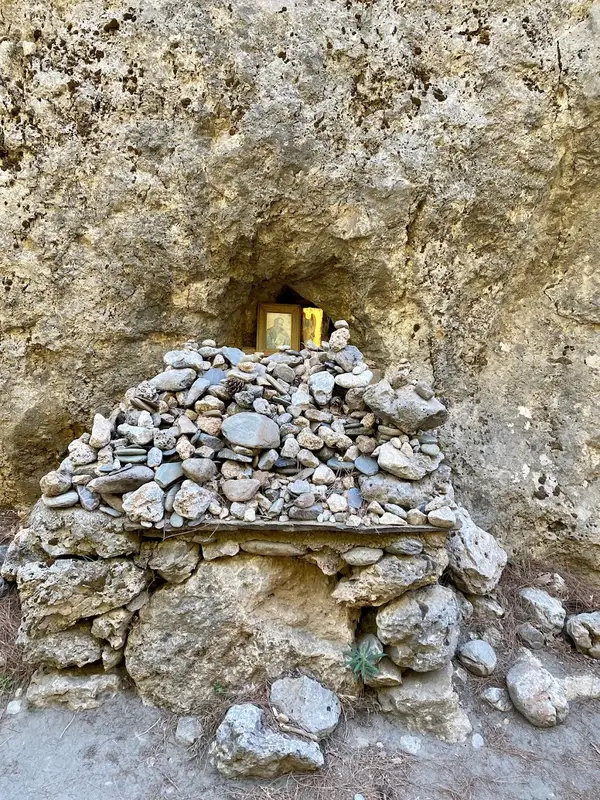
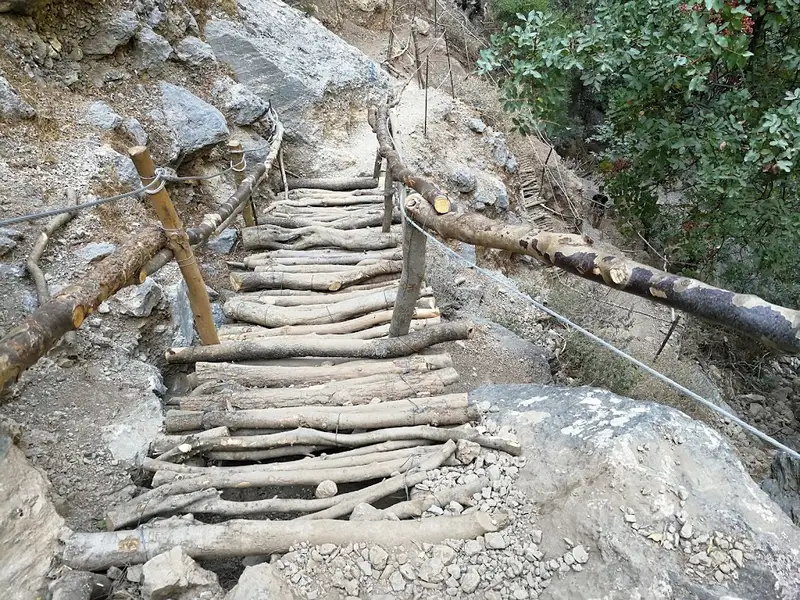
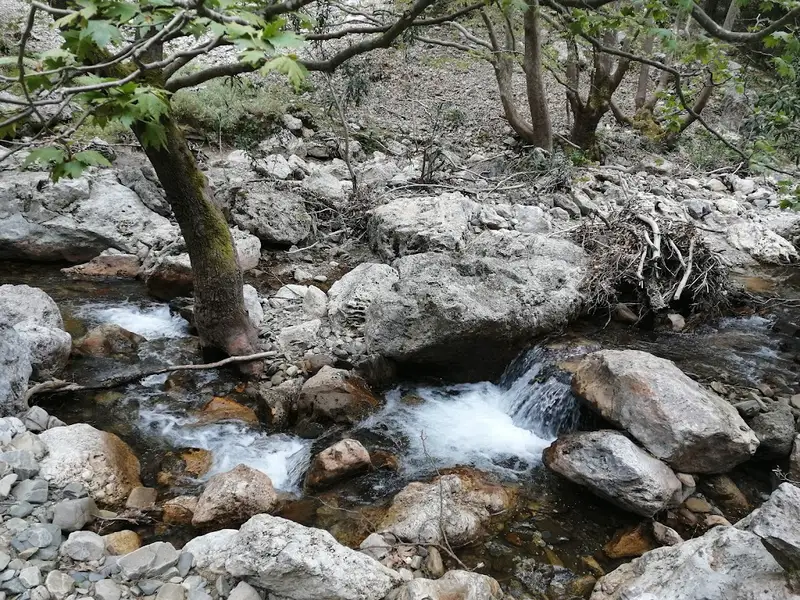
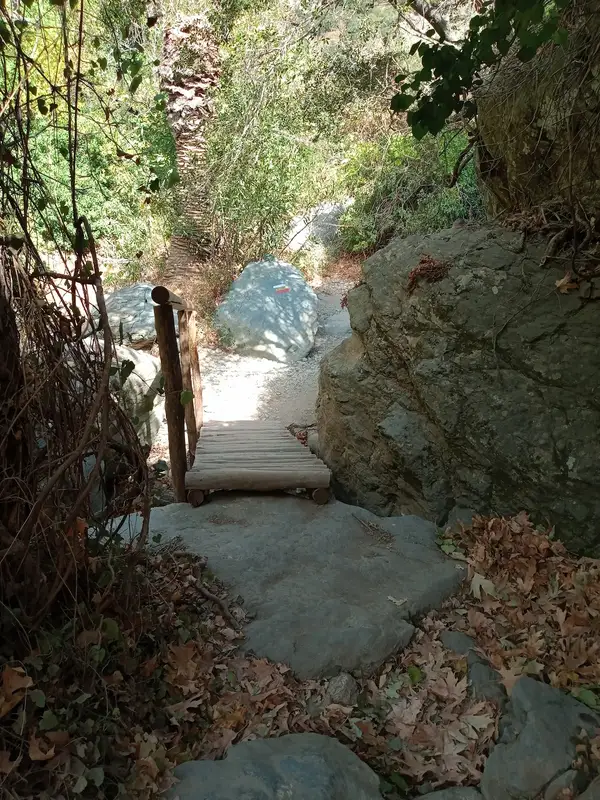
Explore one of Crete’s most beautiful landscapes while hiking by the small river that will lead you to the 20m waterfall of Richtis. During the hike you will see some small ponds and waterfalls, as well as many different endemic plants, flowers, trees and animals. Richtis Gorge is part of the Sitia Geopark. On the path you will pass over small wooden bridges, old water mills and amazing view points. The hike is about 7km long. Richtis gorge is a green oasis where you definately want to be during the Cretan summertime.
Explore the “wild heart” of East Crete, undiscovered by tourism, where “time” seems to
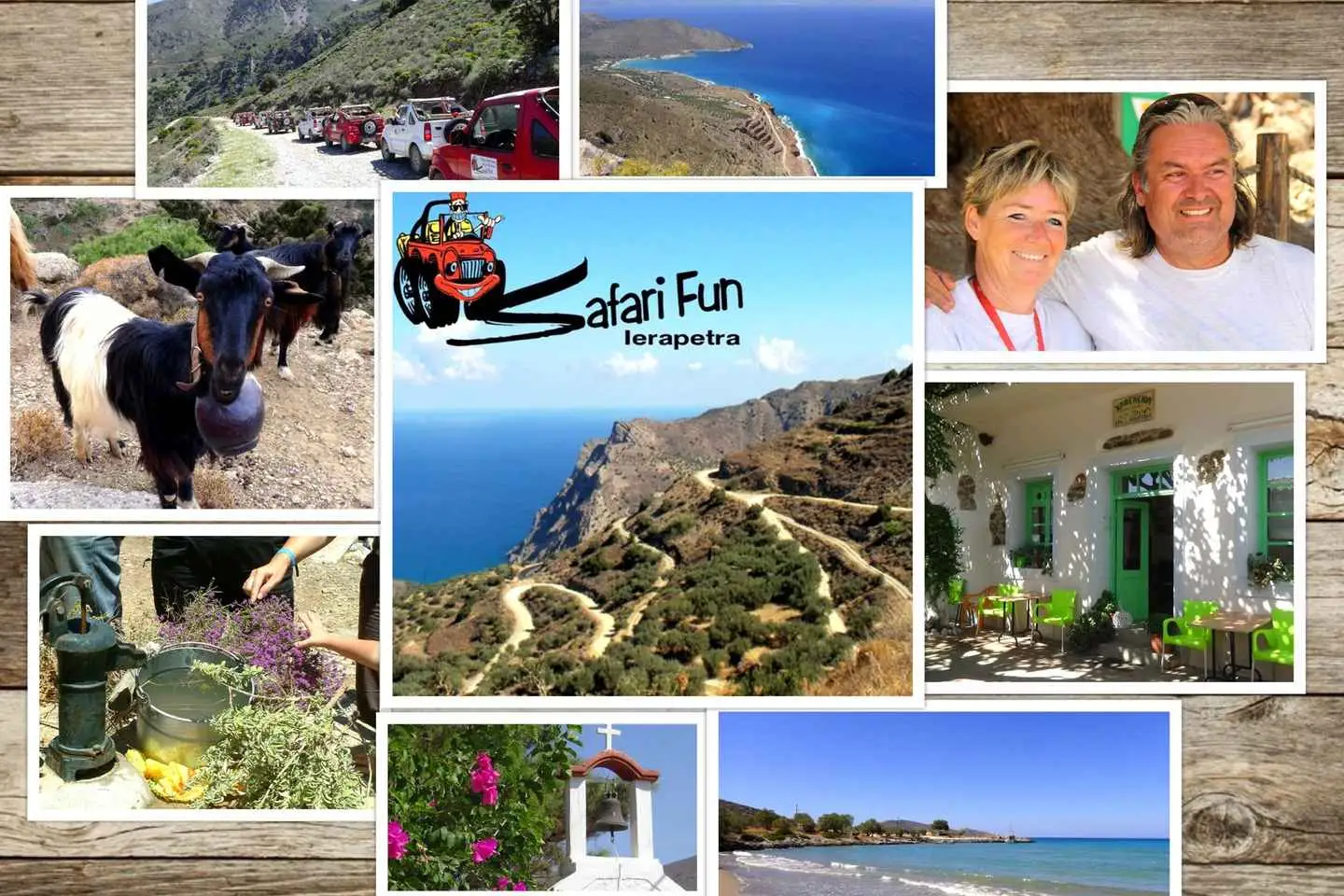
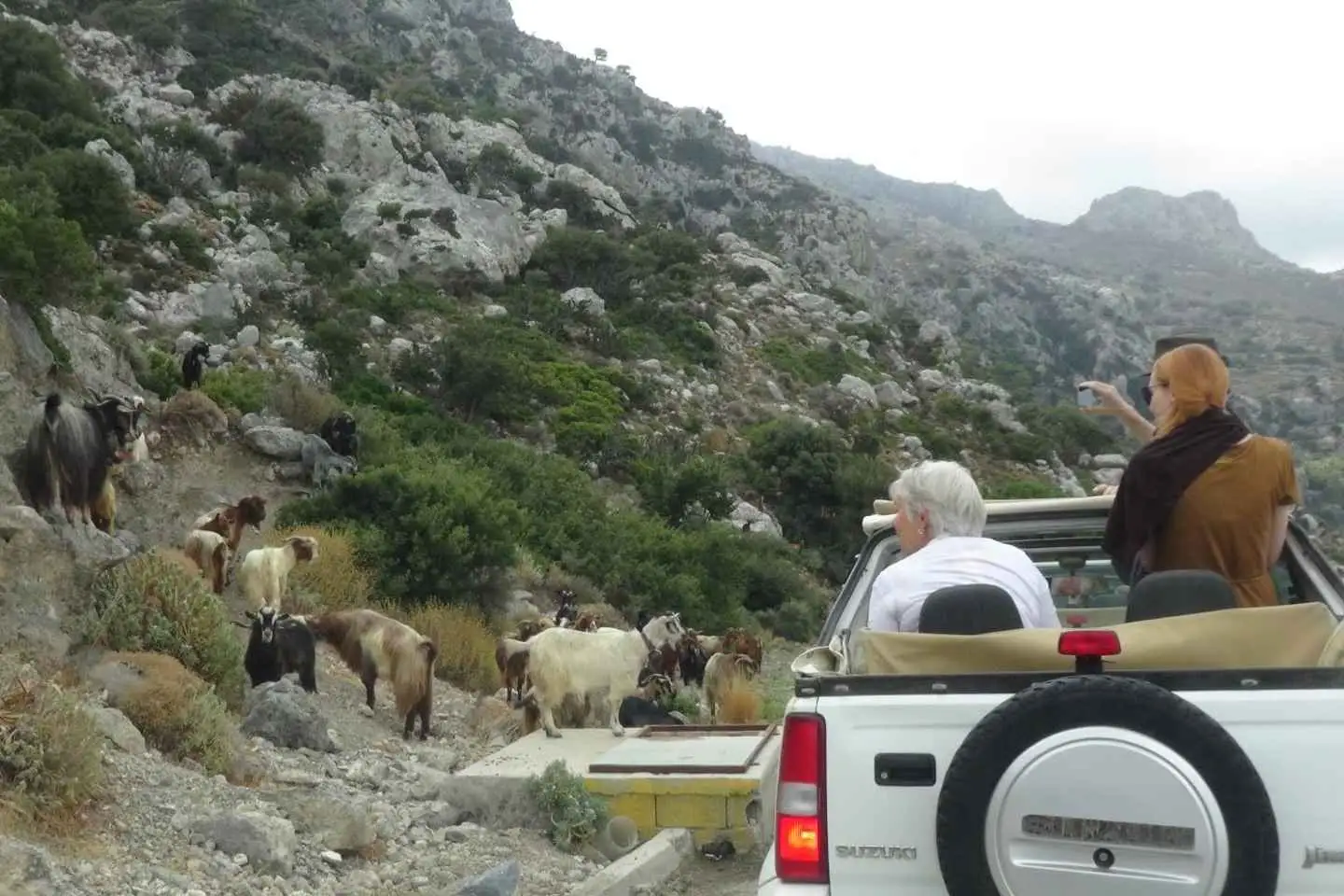
stand still. A combination of tar and off roads, will guide you from Ierapetra to the mountains of Thripti . A highlight of the tour is the stop at the summit Afentis (850 m) with an unforgettable panoramic view on both seas (Libyan/Aegean). We continue to Kavousi, where you can admire the oldest olive tree in the world (3250 years). In Mochlos, you can enjoy the “greek cuisine” in a typical tavern. Our trip continues through the vine yards and olive fields, among small chapels, towards authentic villages with their simple lifestyle (Sfaka, Lastros-known as the “cat village”). To end this adventures day, refresh yourselves in the crystal clear water at the bay of Tholos.
An unforgettable day for nature lovers and adventurers
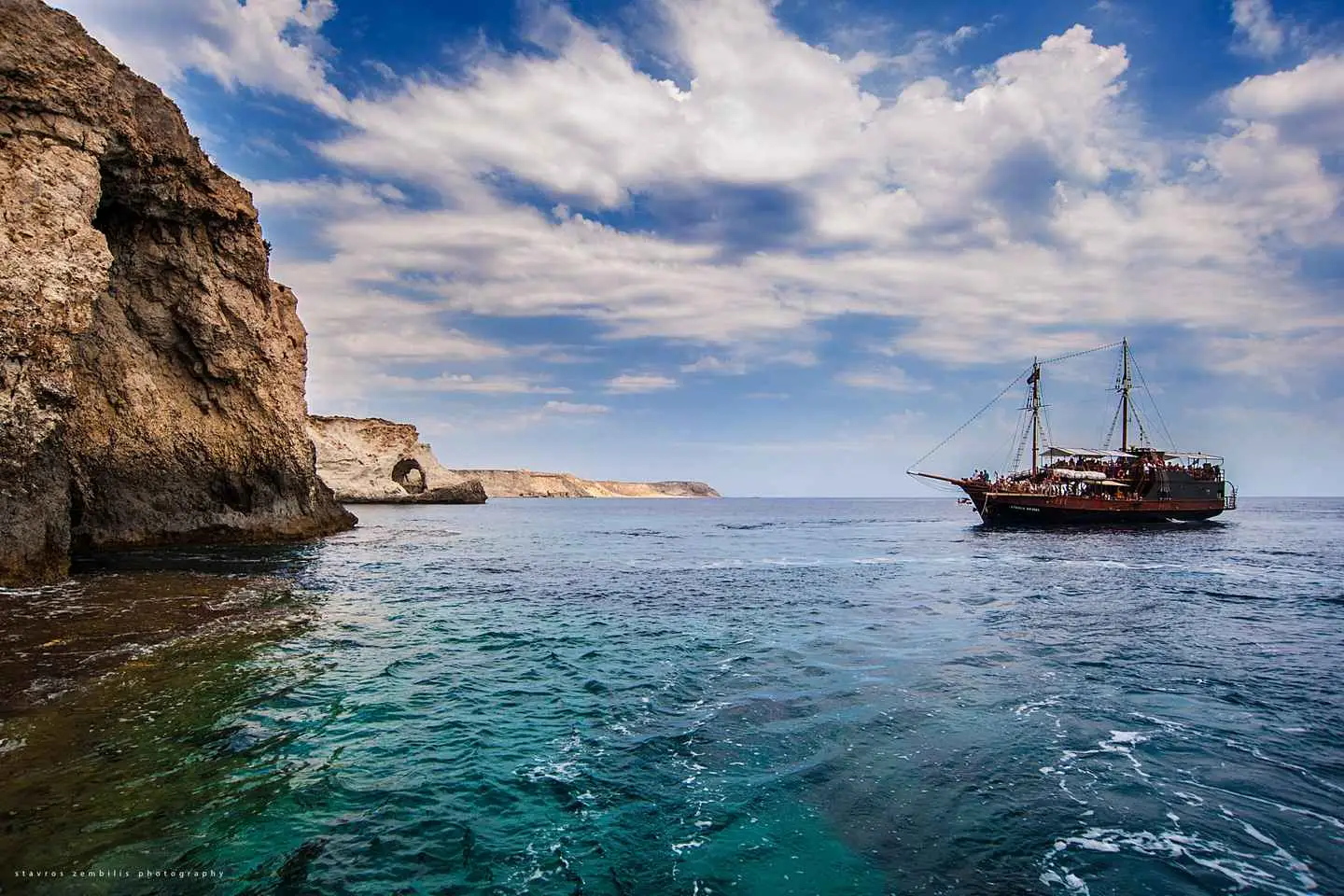
After arrival by bus in Makris Gialos to the southern coast of Crete, the boat trip begins with on the pirate ship “Eydokia” to Koufonisi. The trip through the crystal clear waters of the Libyan Sea takes about an hour. Approaching the island admire the views of caves and the steep cliffs.
The island is surrounded by 36 fantastic beaches and a walk around the island gives you the opportunity to enjoy the tranquility of the countryside, the emerald waters, and the fine golden sand.
The self-service bar is open throughout the cruise so you can enjoy lunch, snacks, salads, and drinks.
No results available
The quaint village of Kalami is situated 70 kilometers southeast from Agios Nikolaos and 34 kilometers east of Ierapetra, in close proximity to Goudouras. It’s an area abundant with serene, secluded coves which offer respite from crowded city centers, and are easily reached since the road runs adjacent to them.
The first beach you encounter is Kalami, aptly named after the Greek word for reeds, which can be found growing in the stream that trickles through the center of the beach. It’s a picturesque pebble beach, a sanctuary with its own fresh water spring. While the beach lacks tall trees, the rocks provide a natural canopy, offering shade throughout the day. To find the beach, look out for the chapel of Agii Saranda, as the beach lies directly beneath it. However, be aware that the path from the road to the beach can be challenging due to the surrounding high rocks, but it’s not impossible.
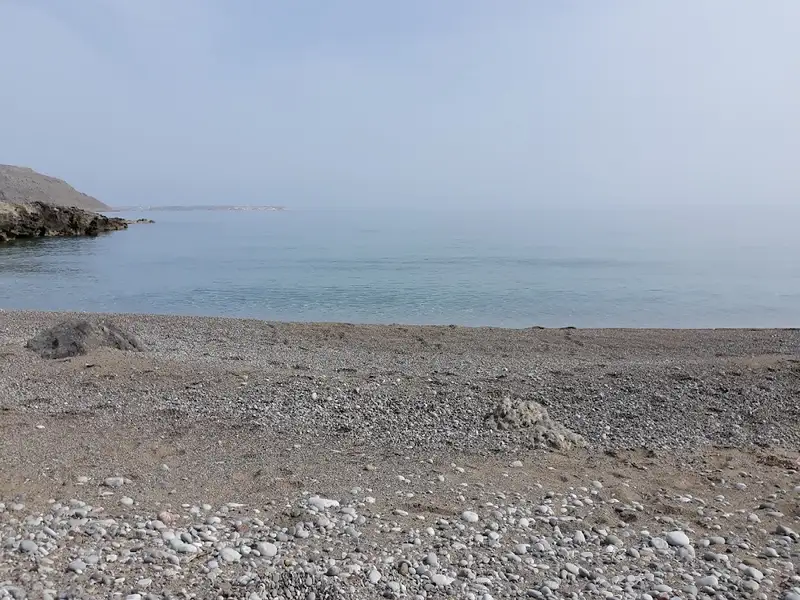
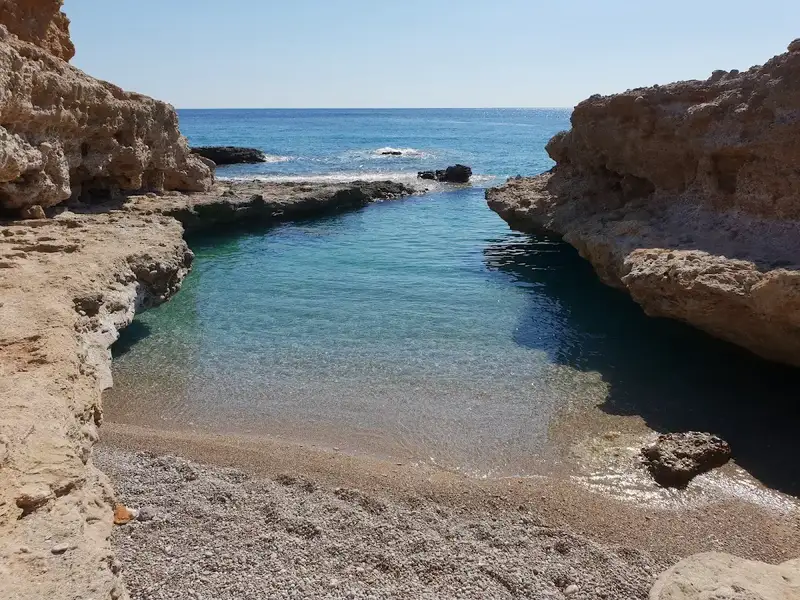
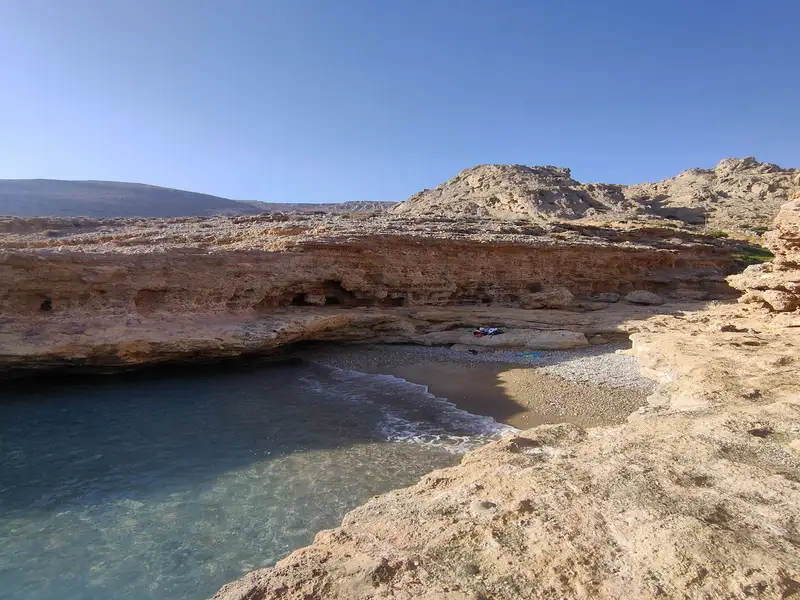
Adjacent to Kalami beach are several tiny, secluded coves. The first beach to the west is nestled at the mouth of a narrow ravine with cavernous walls. Named Atherina, this is one of the area’s most beautiful private beaches. A mere 100 meters to the east, another small bay faces westward.
Atherina beach, a hidden gem, is situated approximately 70 km southeast from Agios Nikolaos and 34 km east of Ierapetra, just before reaching the coastal village of Goudouras. To get there, you must follow the narrow, deep, and dry stream that drains from the Vigla region. This stream can be found about 300 meters past the Agii Saranda church in Kalami. Following it will lead you directly to the sea, providing easier access to the beach. Alternatively, there is a rough dirt road that ends just above the beach’s eastern edge.
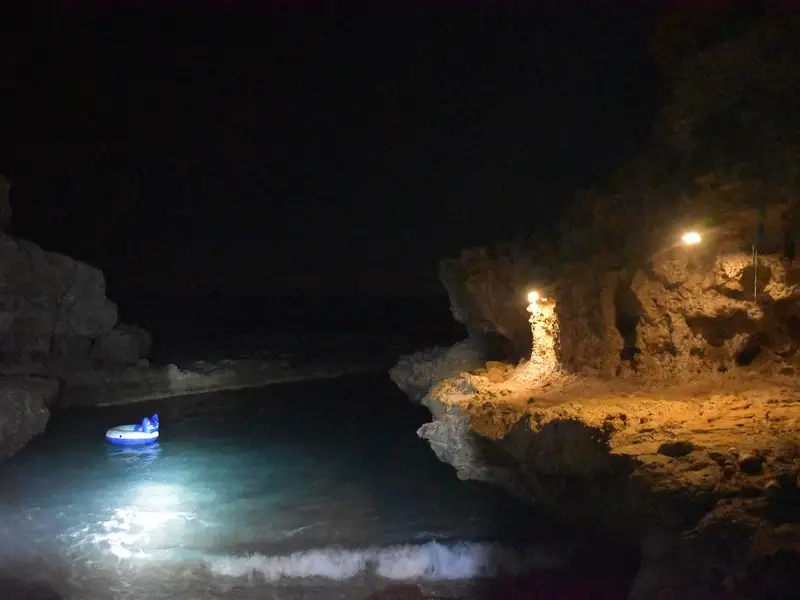
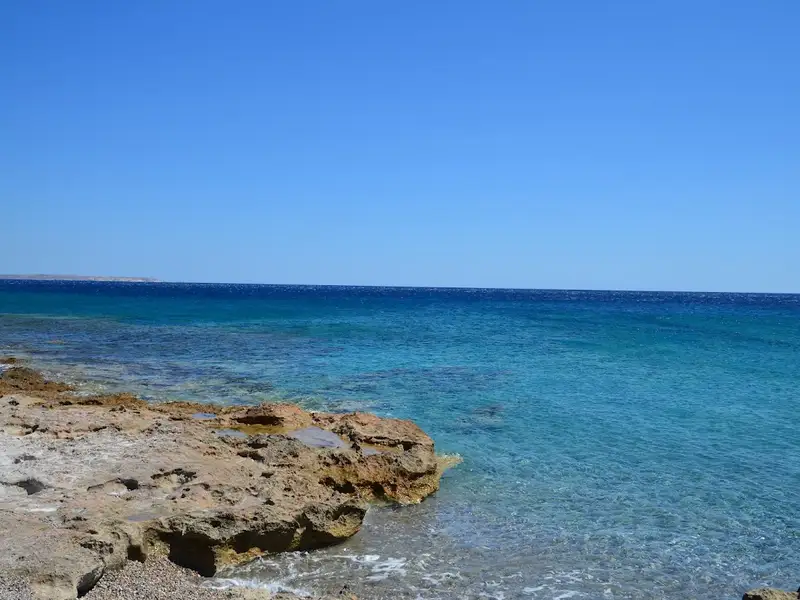
Atherina is an exquisite secret cove, perfect for swimming. The landscape features a small canyon formed by rocks, accompanied by a large stone platform on its side. This secluded beach has pebbles and crystal clear blue waters that make swimming a surreal experience. Shadows are easily found by the sides of the small gorge’s conglomerate walls, providing a respite from the sun.
The surrounding sea area is dotted with natural salt pans, yielding ample sea salt that can be harvested with a spoon from the rocks. In the vicinity, you can explore and discover several other remote and tiny beaches.
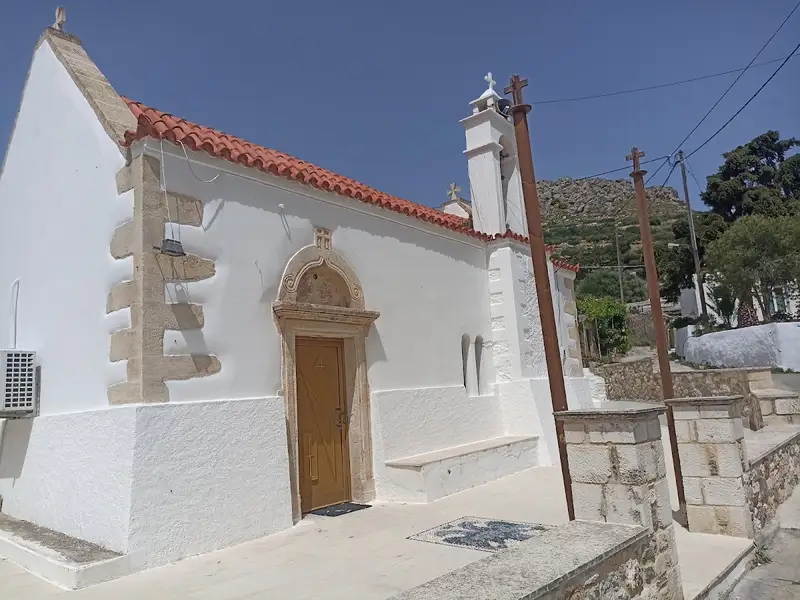
The Kapsas Monastery, an ancient religious site, is situated 37km southwest of Sitia and 32km east of Ierapetra, nestled between Makrigialos and Goudouras. It is perched on the cliffs close to the mouth of the majestic Pervolakia Gorge. The monastery can be accessed via the paved road connecting Makrigialos and Goudouras, with infrequent bus services also available from Ierapetra.
A secluded beach, characterized by its crystal-clear blue waters and large round pebbles, lies at the exit of the canyon. Despite its proximity to the road, the beach is isolated, offering the shade of several tamarisk trees. However, nudism is not allowed, and any attempt may invite trouble from the monks. The unique charm of this location lies in swimming amid the raw Cretan landscape, with its rugged rocks and caves.
Originating from the 13th century, the monastery was initially established by hermits, only to be ravaged by pirates in 1471. It was later reclaimed by the locals, including a certain Giovanni Capsas. Presently, it operates under the aegis of the Toplou Monastery and is devoted to the “Beheading of John the Baptist”, with celebrations held every year on August 29th. Legend has it that the holy man Iosif Georgoulakis, also known as Gerontogiannis, who was believed to perform miracles, once resided in a cave near the monastery.
Votsalaki, also known as Botzalaki, sits 71km southeast of Agios Nikolaos and 36km east of Ierapetra, at the west end of Goudouras in a region known as Aspra Chomata (translating to white grounds in Greek). It is nestled within the dry and rugged terrain of Eastern Crete, conveniently situated near the Gorge Asprolithos exit.
The beach of Votsalaki is one of the most stunning on Crete island. It boasts small pebbles and crystal clear waters. The sea’s color is enchanting, displaying shades of green, blue, and red due to the local soil. Despite its proximity to the main road, Votsalaki remains relatively secluded. The beach’s west end is a popular spot for naturists, as the surrounding cliffs provide a natural barrier from unwanted viewers.
To reach Votsalaki, drive east from Ierapetra along the main road towards Sitia, following the south coastline of Crete. After passing Makrigialos, take the road leading to Goudouras and stop 2.5km past Kapsa Monastery.
Another beach worth visiting is Thodori’s. If you travel towards Makrigialos from Votsalaki, you’ll come across a remote sandy beach scattered with pebbles, known as Thodoris Limani. The name likely comes from a former landowner named Thodoris. The beach is split into two adjacent coves. Unfortunately, there are no facilities or natural shade, so remember to bring an umbrella and water. Despite these minor inconveniences, the beach’s extraordinary sea colors, with green and pink hues, make it a must-visit spot.
No results available

The archaeological site of Trypitos can be found on a small peninsula, 3km east of Sitia, close to the beach Karavopetra, which boasts a breathtaking view of Sitia city and its port. It is believed to be the ancient city of Sitia, Itia, which was initially one of the ports of Praesus. The city thrived during the Hellenistic period (350BC – 50BC).
In 1967, a shipshed (a building used for storing vessels) was discovered in a trench measuring 30m in length, 5.5m in width, and 5m in height. Due to this cavity, the site was given the name Trypitos (meaning hollow in Greek).
Archaeologist Nikolaos Papadakis began the first extensive excavations in 1987, and they are still ongoing. The city extends across the entire peninsula, with a strong wall protecting its southern side. Inside the walls, there were houses, public buildings, and streets. Numerous pottery works, jewelry, and coins from the city have been found in the area. In fact, while exploring the antiquities, you will come across many potsherds.
Praesus (now known as Pressos) stood atop three hills, approximately 13km south of Sitia and a mere 2km from today’s Nea Pressos, formerly Vaveli. Established by the Eteocretans, who fled the Minoan cities after the Dorian invasion around 1100 BC, they settled in Crete’s secluded regions. Two ports served Praesus, one near Sitia (Etea) and another on the southern coast (Stales).
Initially, the Eteocretans maintained their Minoan traditions, language, and religious practices. Archaeological finds here include inscriptions in the Minoan language using Greek characters, offering significant insights into deciphering the Minoan language. Over time, the city adopted a democratic constitution, akin to the Dorian city-states.
All its hills functioned as strongholds, with the tallest encircled by a defensive wall and remnants of a grand mansion. One hill reveals traces of an altar and various artefacts from sacrificial rites. Remarkably, an athlete’s tomb was discovered here, along with possible Panathenaic Game awards.
As a dominant Cretan city, Praesus minted its own coins bearing various icons like Hercules and Zeus. The city vied with Itanos and Ierapytna for control over Palekastro’s Zeus temple and Koufonissi island. However, by 155 BC, Ierapytna overpowered and razed Praesus, leading its inhabitants to retreat to the Etea port and establish New Praesus.
Italian archaeologists Halbherr and Mariani initiated the site’s excavations in the 1880s. Presently, visitors can explore a sprawling archaeological area dotted with ancient churches, temples, fortifications, and more.
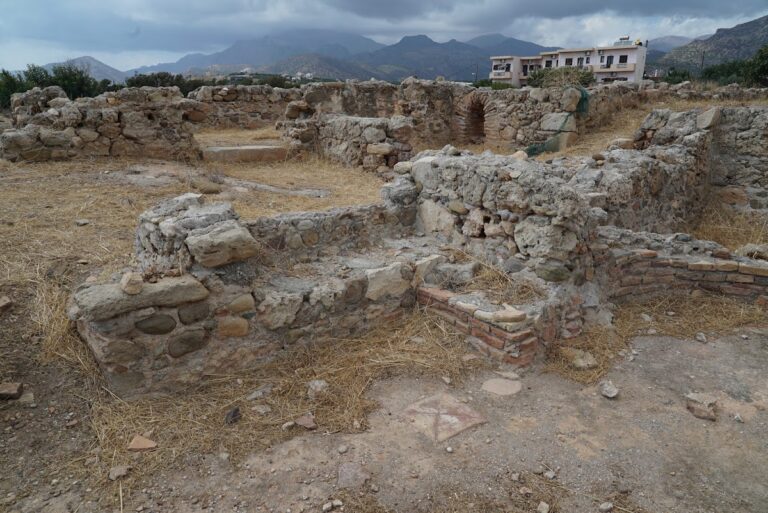
The sheltered harbor and verdant valley of Makrigialos made it a prime spot for settlements over the years. A testament to this is the Roman villa discovered at Katovigli in 1977 by archaeologist N. Papadakis, located above today’s Makrigialos port. Before this, the site had revealed plundered graves and a 4th-century AD headstone.
This grand mansion, active from the 1st century BC to the 3rd century AD, spanned at least 1500 sq.m. Its layout featured a central courtyard surrounded by rooms, storage spaces, and a bath system with reservoirs. The entrance showcased a mosaic floor adorned with floral and geometric designs, while rooms boasted marble flooring. The estate also housed a burial chamber, an oven with a vaulted entrance, and ash remnants, indicative of the site’s multifaceted history.
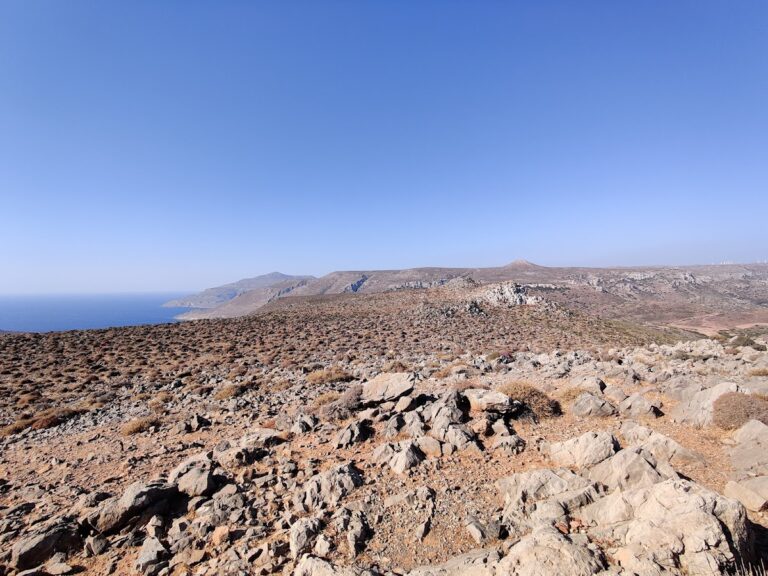
The hill Katrinia in the area of Piskokefalo, province Sitia, was home to one of the most significant peak sanctuaries of Minoan Crete. Pilgrims from nearby regions would visit to worship their gods and offer their tributes. In this area, three sacred caves have been discovered, similar to other peak sanctuaries in Crete (e.g. Giouchtas, Pirgos near Tylissos, etc.).
In 1952, archaeologist Nikolaos Platon uncovered some of the most important Minoan pottery findings up to that point. Regrettably, looters had previously discovered numerous figurines. Among Platon’s many discoveries were male and female figurines with intricate hairstyles, providing valuable insights into the appearance of the Minoans.
Additionally, numerous vases, beads, and an unusually large number of clay scarabs were found. Furthermore, archaeologists discovered replicas of temples featuring the Minoan double horn in their cornice.
No results available

Located at the northeastern edge of Crete, near the base of Sidero Cape, Toplou Monastery is situated 10km east of Sitia and 6km north of Palekastro. This historic monastery, one of Crete’s most significant, is known for its extensive real estate holdings. In religious contexts, it is referred to as the Monastery of Panagia Akrotiriani, while locals simply call it the Great Monastery.
Although Toplou is a 2.5-hour drive from Heraklion, it is worth visiting, as you can combine the trip with visits to the area’s beautiful beaches, the ancient Itanos site, and the renowned Vai palm grove. This part of Crete is one of the most arid and inhospitable, and the persistent strong winds have led to the establishment of one of the island’s first wind farms.
The monastery is secured by a 10m high wall that has protected it from enemy invasions. It covers an 800 square meter square area and features three floors, 40 rooms, and a 33m high bell tower. Legend has it that the monastery has 100 doors, but only 99 have been discovered. A well with water, which sustained the monks during various sieges by Turks and pirates, is located in the center of the monastery. Opposite the well is a two-aisled basilica dedicated to the Virgin Mary and John the Theologian.
The entrance to the monastery is on the west side of the fort, and its robust door is mounted on wheels. Above the main entrance, there is a hole known as the “killer” where monks would throw stones or pour boiling hot liquids onto anyone attempting to break through the door.
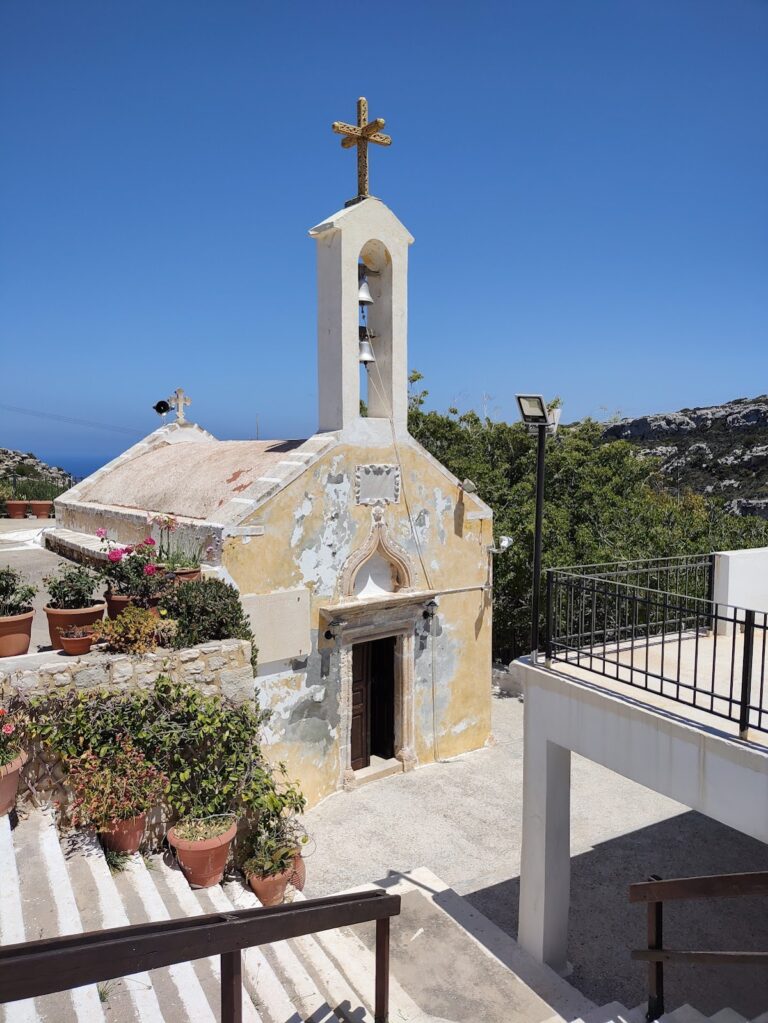
The Panagia Faneromeni Monastery (Revealed Virgin Mary) can be found in the Trachilas area of Sitia, situated on the brink of a steep region between Cape Trachilas and Babakia. It is approximately 1.5km from the sea and 8km west of Sitia town. The monastery is nestled in a verdant area beside the small Agii Pantes (All Saints) gorge, which is perfect for a leisurely stroll. Numerous caves within the gorge once served as the homes of the monastery’s hermits.
At the heart of the monastery lies a two-aisled church dedicated to the Assumption (celebrated on 15 August) and St. George (3 November). The church is adorned with ancient frescoes dating back to 1455, though they have been blackened by a fire, likely caused by the Turks. Surrounding the courtyard are several small structures that form a tiny settlement where pilgrims stay during the monastery’s celebrations in August. In addition to these modern buildings, there are six ancient monk cells that retain their medieval architectural style. Visitors can also see the “Big Cell” with its medieval arch, which functioned as an olive oil mill (fabrica), and the “Oven-house,” where monks prepared their bread.
The name Faneromeni (=Revealed) originates from the icon of the Virgin Mary that once appeared in the small “Hermit’s Cave” located next to the temple’s sanctuary. According to legend, a shepherd discovered the icon in the cave and placed it in his bag along with his lunch. When he arrived home, he asked his wife to open the bag and look inside, but she only found food. The following day, the shepherd returned to the cave and saw the icon had reappeared in the same spot (=> Faneromeni). Despite taking it with him again, the same sequence of events occurred twice more. He then realized that it was the Virgin Mary’s will to remain there and enlisted two monks to construct a monastery at the site. To this day, the small icon is preserved in the cave’s crevice.
Presently, the monastery is almost deserted, with crowds of pilgrims only arriving on the 15th of August from the surrounding area. A traditional ceremony takes place at this time, during which the icon of the Virgin Mary, known as the “Revealed Lady,” is carried on foot from the St. George church in Skopi, accompanied by the pilgrims.
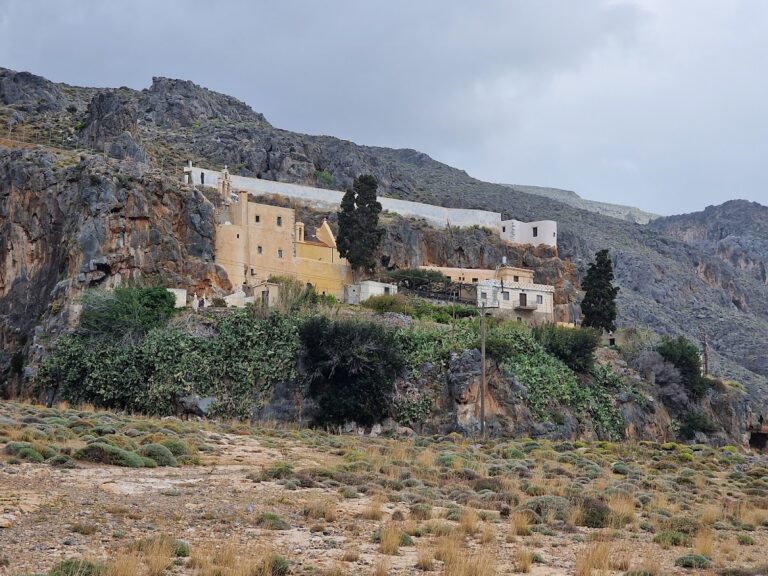
The Kapsas Monastery of St. John is situated 9km east of Makrigialos, adjacent to Goudouras, and is owned by the Toplou Monastery near Sitia. It is dedicated to the Beheading of St. John the Baptist, which is commemorated on August 29.
This monastery is constructed like a fortress on a steep, rocky slope above the sea, along the edges of the stunning Pervolakia gorge. A picturesque pebble beach can be found in front of the monastery.
It is said that the monk Joseph Gerontoyannis, who lived in a nearby cave, made the monastery famous due to his miraculous abilities. He was able to experience divine visions, walk on the sea to the neighboring island of Koufonissi, and cure any sickness. Today, he is honored on August 7.
No results available
No results available
No results available
No results available
No results available
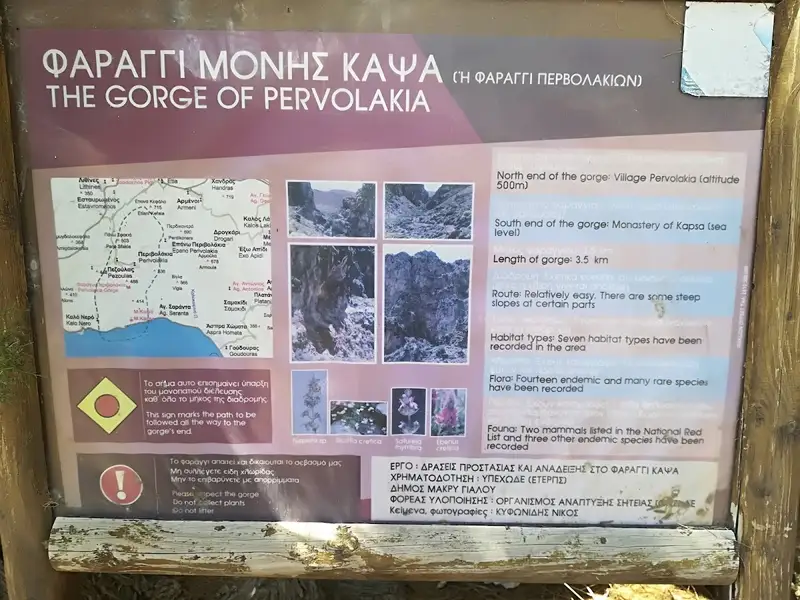
The Kapsas gorge, a wild and majestic natural wonder, is situated 8-9km to the east of Makrigialos and 33km to the east of Ierapetra. It is also known as Pervolakia, named after the charming and remote village located near its northern entrance. While in the area, it’s worth taking a stroll through the neighboring traditional village of Pezoulas, known for its stunning houses. The gorge concludes by the Kapsa Monastery, opening up to the Libyan Sea. Here, visitors can enjoy a peaceful swim on the serene pebbly beach, just opposite the gorge’s end.
The gorge spans approximately 4km, and hiking through it is a moderately challenging task. The trek takes around 2 hours if you decide to start from the southern end (the Monastery) and head towards Perivolakia. However, if you opt for the less strenuous route, descending from Perivolakia to Kapsa Monastery, it takes roughly 1.5 hours.
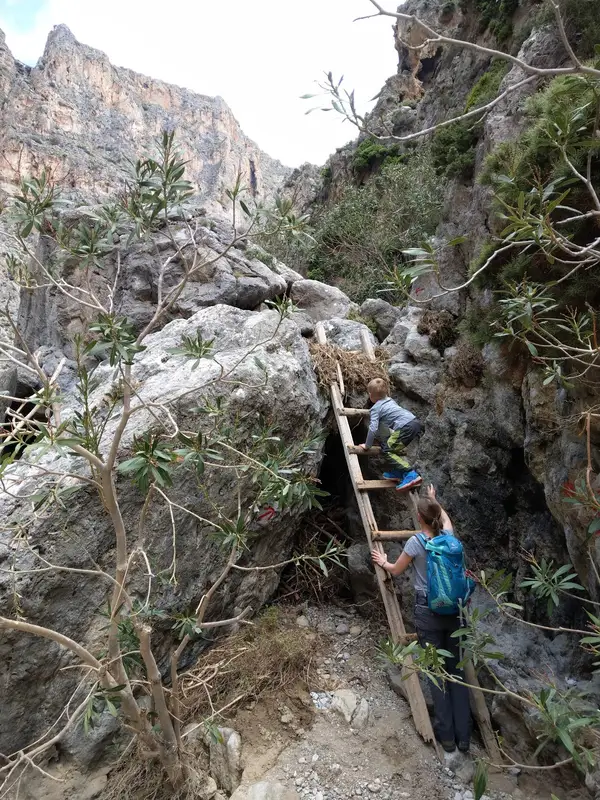
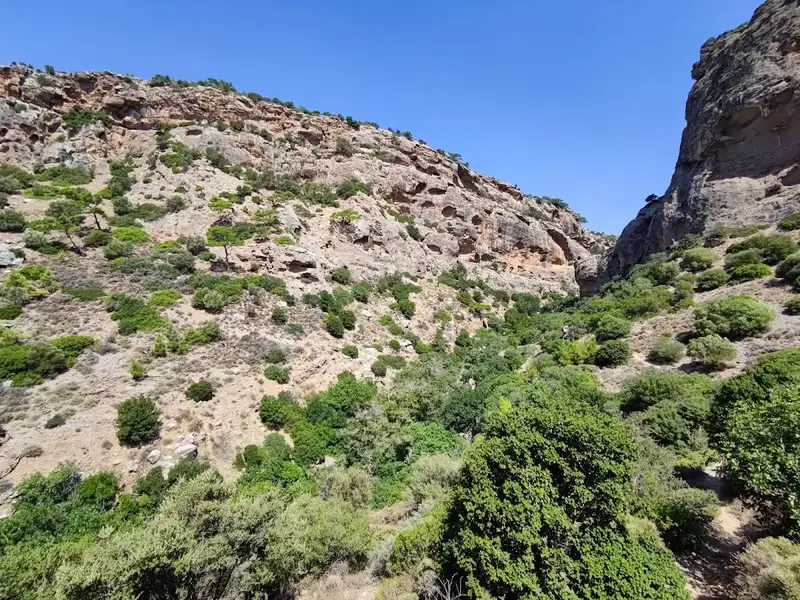
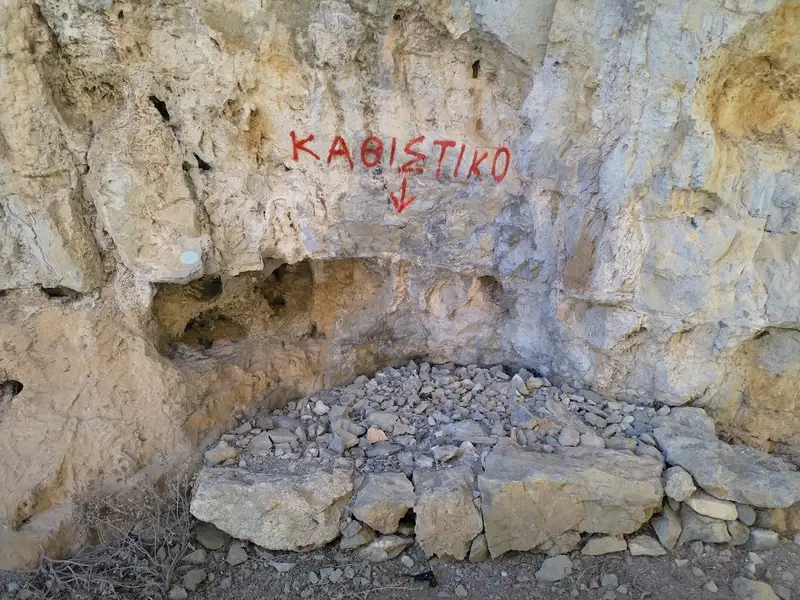
The gorge’s interior is a sight to behold, characterized by towering walls and sparse vegetation, giving it a desolate and arid appearance. The trail features several climbing points and signposts. The road that links Makrigialos and Goudouras runs adjacent to the gorge’s exit, near the Monastery. Public transportation is available, with buses running between Goudouras and Ierapetra. Alternatively, you can drive to Pervolakia or Kapsa Monastery and then hail a taxi in Makrigialos to return to your vehicle.
The gorge is also a habitat for one of the rarest plant species in Crete, the Limonium of Cornaros (limonium cornarianum). This plant is found only in certain limestone maritime rocks within the gorge and a tiny islet named Agia Fotia.
The Pefki Gorge, also known as Anegyrous Gorge, is a stunning small gorge located in East Crete. Its beauty is characterized by breathtaking rock formations molded by nature and lush greenery. The gorge extends for approximately 4.5 km, with an elevation difference of 300 meters between the entrance and exit. The gorge begins south of Pefki village and concludes at the Aspros Potamos settlement, 2km north of Makrigialos. The stream running through the gorge collects water from the area south of the Romanati peak (937m) and carries it to the Analipsi beach. The gorge features a well-defined path that traces the riverbed for most of its length. At certain points, benches are available for rest. A 2-hour journey through the gorge is part of the E4 European long-distance path.
The Journey
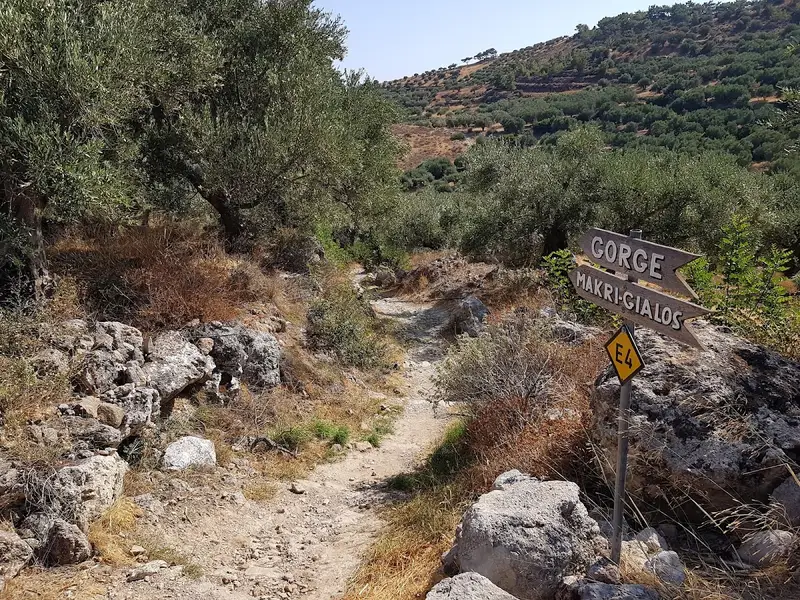
The journey through the gorge commences slightly south of Pefki, where the familiar black and yellow E4 signs direct you to the entrance, adjacent to the old Ilias water mill (1925). From here, an easy path skirts the edges of the canyon before descending to the river bed at the heart of the gorge. The canyon is vibrant with pine trees, while the riverbed is predominantly surrounded by platans and herbs. Spectacular white rock formations, unique to Crete and over 100 meters tall, flank the sides of the canyon.
Upon reaching the southern exit of the gorge, you’ll find a spring of clean, drinkable water for refreshment. The gorge’s exit is located in the Pisokaminos area, near the Aspros Potamos village, rather than by the sea. Further along, you’ll encounter the remarkable large rock known as Volakas Sarakinou (Saracen’s rock). Legend has it that a Saracen pirate once took refuge here after being left behind in Crete. The rock is covered in small pebbles, believed to be the remnants of an old children’s game. The kids would throw stones at Volakas, and if a stone stayed on the rock, they would find food at home. If not, they wouldn’t. Following Aspros Potamos village, you’ll reach the main road connecting Makrigialos and Pefki. If no one is waiting to pick you up by car, you’ll need to walk the remaining 2km to Makrigialos.
The Agia Irini gorge, located near the quaint town of Ziros, begins from the Agia Irini village and concludes at the stunning Agia Irini beach. An ancient path through the gorge leads to the Xerokambos area. Before reaching the sea, it converges with the Platyvolo gorge, which drains the small Hametoulo plateau where a dirt road leads to the beach.
Both gorges are rugged and untamed, characterized by steep inclines and towering walls. The westernmost branch, in particular, can be intimidating and hazardous for those unaccustomed to canyon hiking, though it doesn’t require any technical skills. A hike through the gorge typically takes between 2 to 3 hours, depending on your speed. The steep inclines, which start at an altitude of 500m and descend to sea level, can put significant strain on your knees. There are no marked trails, so hikers must navigate their own way.
The Richtis Gorge, situated in the Lasithi Prefecture on Crete’s northern side, lies between the cities of Agios Nikolaos and Sitia. The trail begins just outside Exo Mouliana village and concludes at Richtis beach, to the east of Kalavros village. The entire route spans roughly 3 kilometres, with an elevation difference of around 350 meters between the starting point and the beach. Even in the summer months, the gorge retains a plentiful water supply, utilized for local agriculture. The water in the gorge is collected from the Drymias peak (918m) of the Orno range via the Lachanas and Mesa Mouliana streams, which converge near the trail’s starting point.
Depending on the hiker’s speed, the journey to the beach takes approximately three to four hours. The trail commences from the 19th-century stone-arched Lachanas bridge, a historic site where Christians reportedly killed local Turks attempting to reach Sitia and board a ship to Turkey during the population exchange between Greece and Turkey.
The path continues through a verdant landscape along the river, set against the stunning backdrop of Eastern Crete. The air is filled with the aroma of platans, oleander, and sage, and the scent of fresh herbs constantly shifts. Another notable feature is the old water mills that hikers encounter along the path, a testament to the past.
The crowning glory of the gorge is the breathtaking Richtis waterfall, which stands over 20 meters tall and forms a small pond at its base (the term “richtis” translates to “waterfall” in the Cretan dialect). The waterfall maintains its water flow even in the summer, providing a wonderful spot for a revitalizing dip. The trail concludes at the gorgeous pebbly Richtis beach, which features a small park with tamarisk trees, stone seats and tables, and a water fountain offering drinkable water.
Warning: To protect the delicate stream flora and fauna, please refrain from using sunscreen protection when swimming in rivers.
Tip: Many visitors choose to park their car on the main road at Exo Mouliana and walk down the paved road to the Lahanas bridge. By driving and parking next to the Lahanas bridge, you can save around 30 minutes of walking time. From there, it takes about 1.5-2 hours to reach the waterfall. For those less mobile or with young children, the quickest way to reach the waterfall is to drive along the narrow paved road to Richtis beach and walk for around 30 minutes in the opposite direction of the river.
No results available
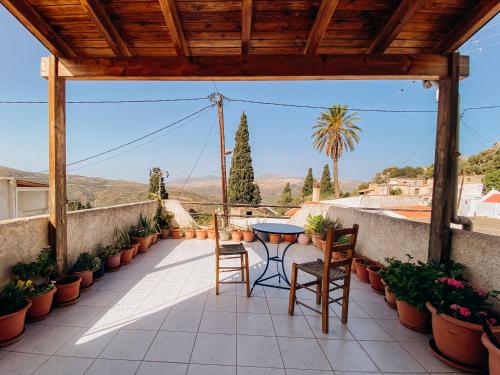
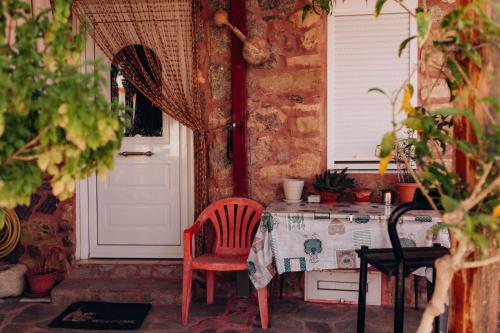
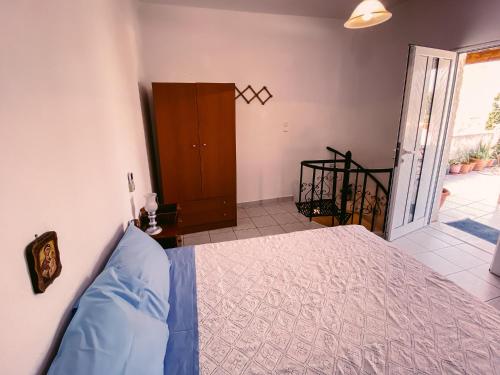
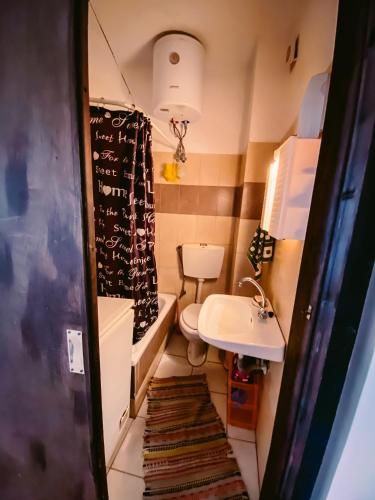
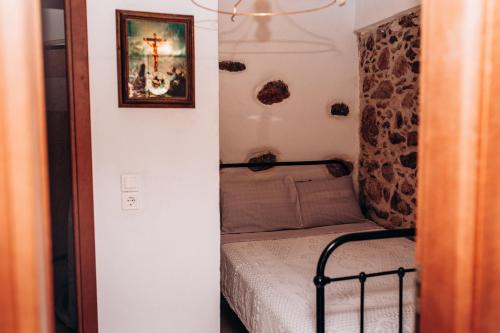
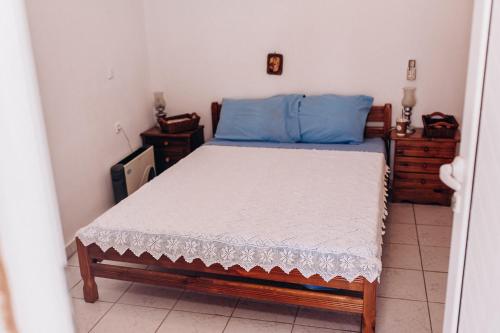
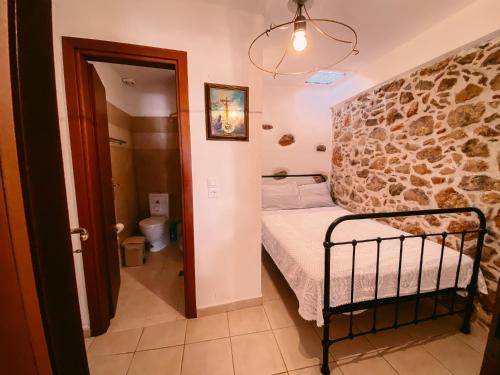
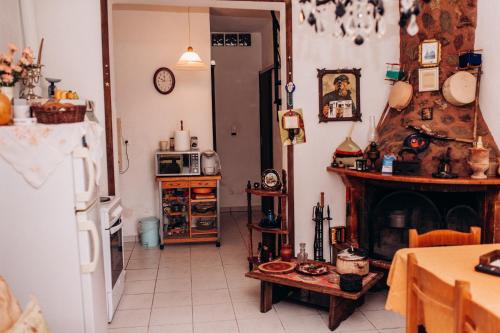
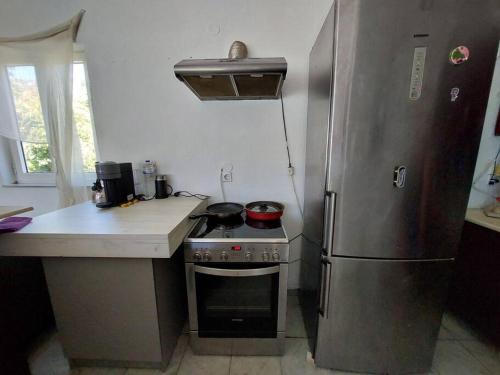
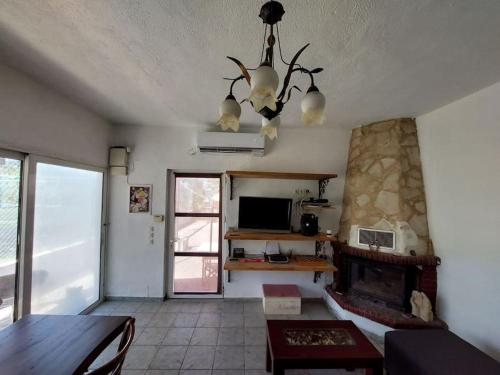
Located in Sitia within 37 km of Vai Palm Forest, HILL SANDALI HOUSE provides accommodation with free WiFi, a flat-screen TV and a kitchen.
Some units include a seating area and/or a balcony.
The apartment offers a sun terrace.
The nearest airport is Sitia Public Airport, 15 km from HILL SANDALI HOUSE.
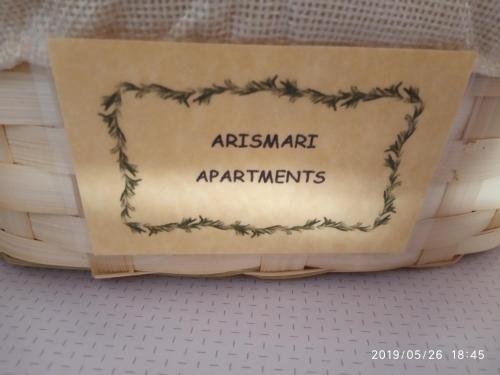
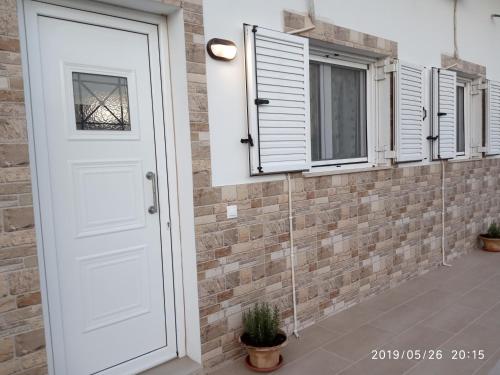
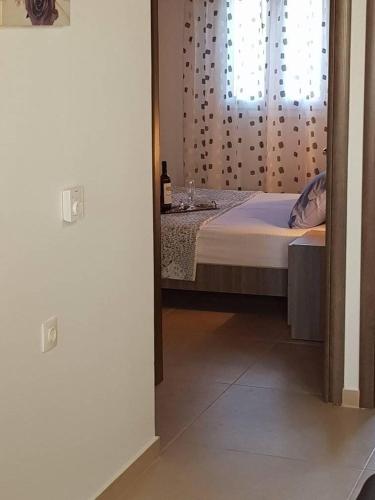
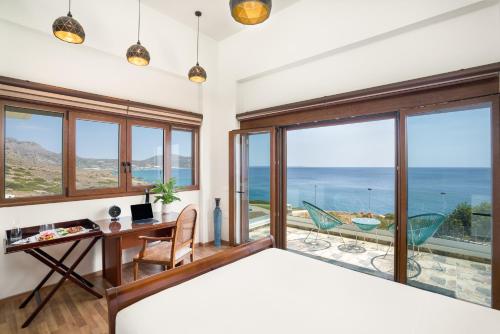
Set 47 km from Vai Palm Forest, Arismari Apartments offers accommodation with free WiFi and free private parking.
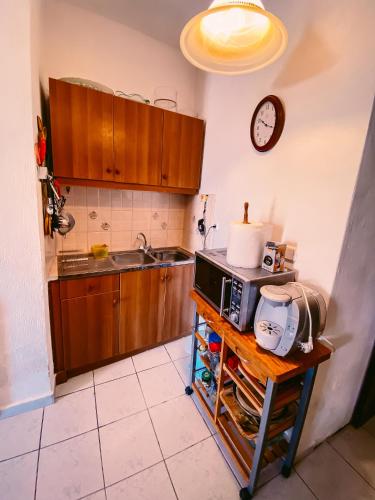
The apartment provides guests with a terrace, mountain views, a seating area, a flat-screen TV, a fully equipped kitchen with an oven and a toaster, and a private bathroom with bath and a hair dryer. A fridge, a stovetop and kitchenware are also featured, as well as a coffee machine and a kettle.
The nearest airport is Sitia Public Airport, 29 km from Arismari Apartments.
from
€65
/night
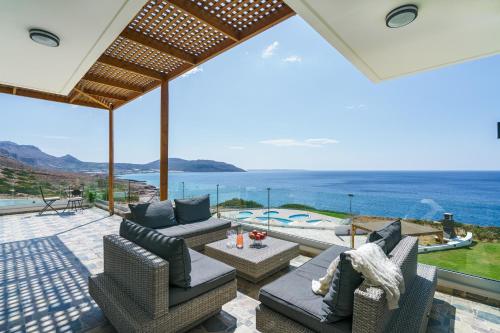
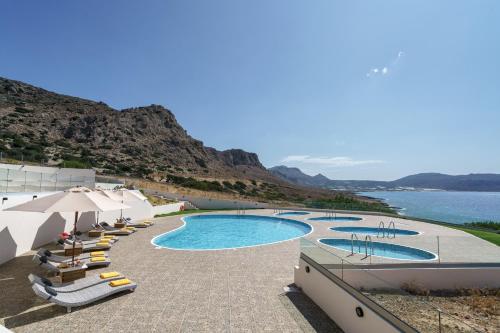
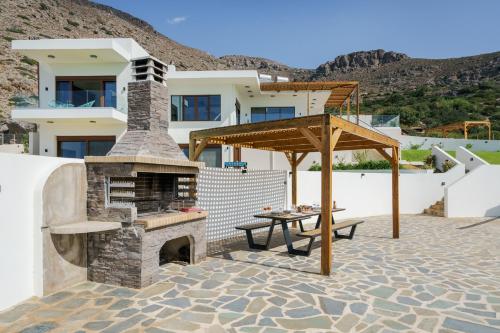
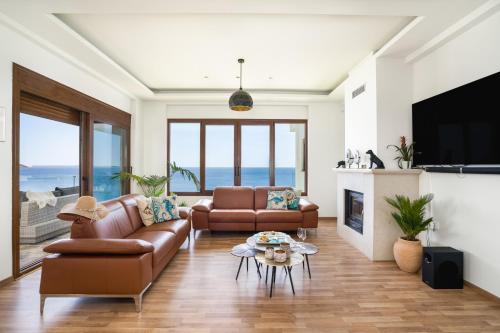
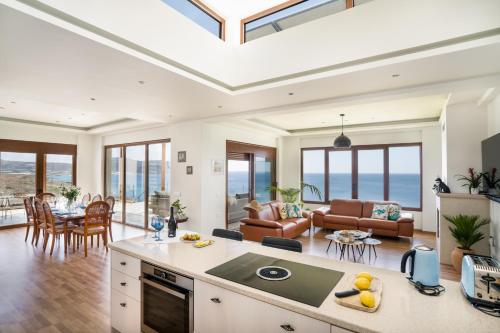
Featuring air-conditioned accommodation with a private pool, Beachfront Villa Atalandia with Heated Pool, Gym, BBQ & Office is set in Goúdhouros. This beachfront property offers access to a balcony, free private parking and free WiFi.
The villa comes with 6 bedrooms, 7 bathrooms, bed linen, towels, a flat-screen TV with streaming services, a dining area, a fully equipped kitchen, and a terrace with sea views.
At the villa guests are welcome to take advantage of a fitness room. Both a bicycle rental service and a car rental service are available at Beachfront Villa Atalandia with Heated Pool, Gym, BBQ & Office, while cycling and fishing can be enjoyed nearby.
The nearest airport is Sitia Public, 41 km from the accommodation, and the property offers a paid airport shuttle service.
from
€698
/night
Set in Sitia, within 29 km of Vai Palm Forest, Elisavet sports villa offers accommodation with air conditioning. This villa has a private pool, a garden and free private parking.
With free WiFi, this 1-bedroom villa offers a flat-screen TV, a washing machine and a kitchen with an oven and fridge. Towels and bed linen are offered in the villa.
The nearest airport is Sitia Public Airport, 7 km from the villa.
No results available
Connect with thousands of Crete visitors and boost your bookings.
No results available
© All rights reserved. Crete Locals