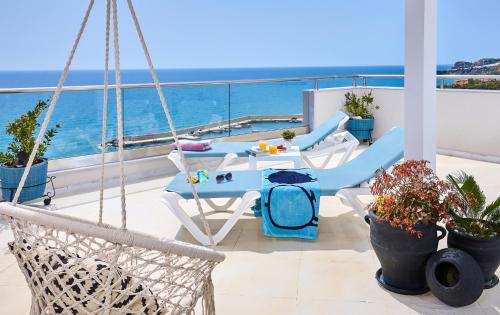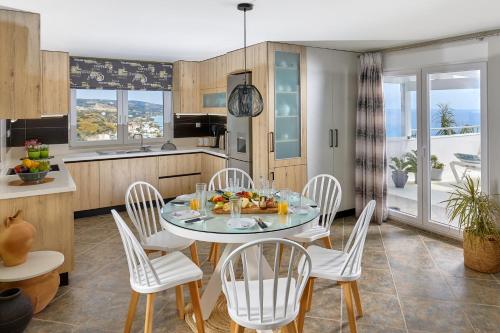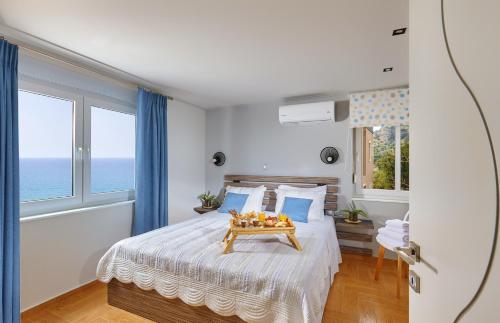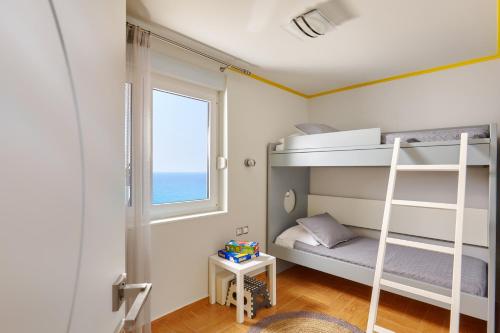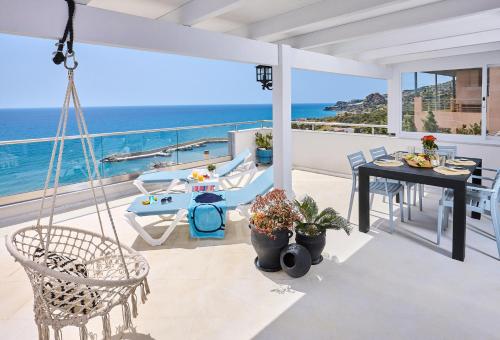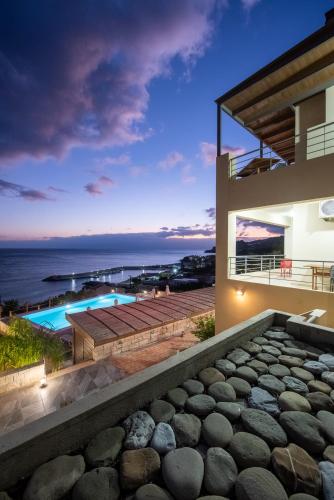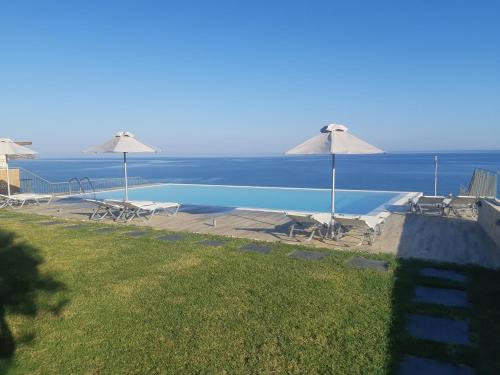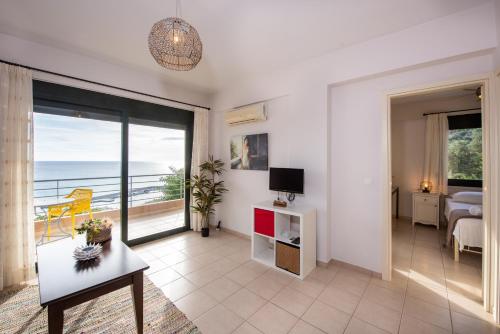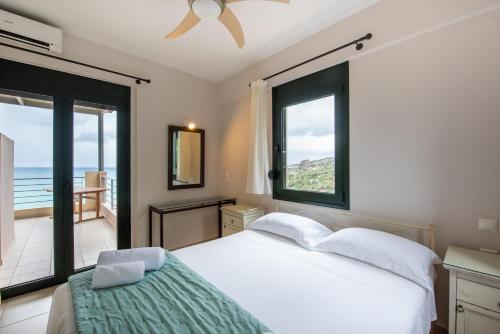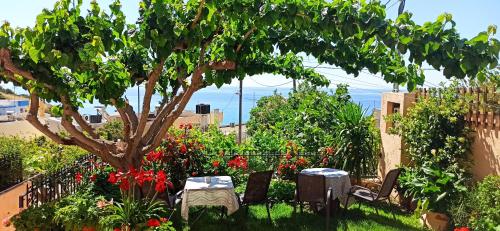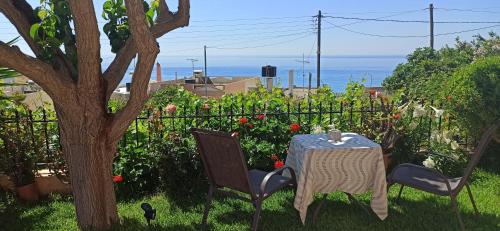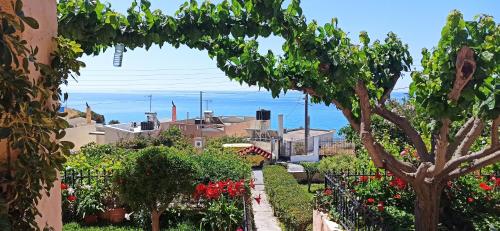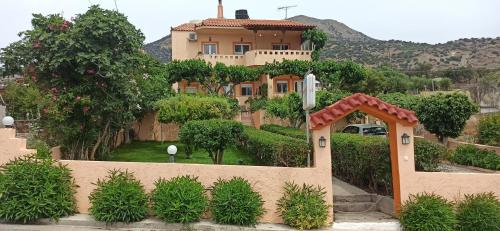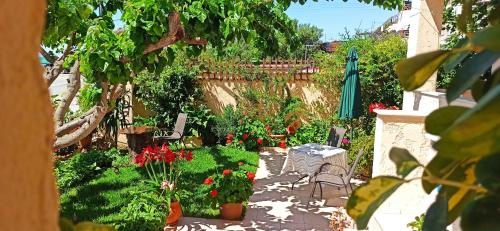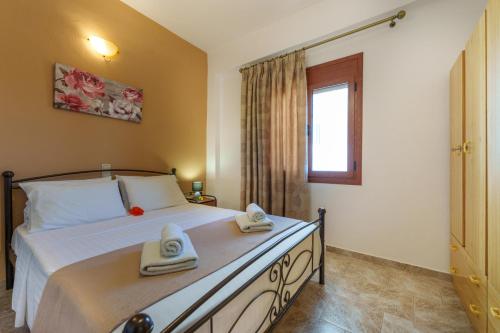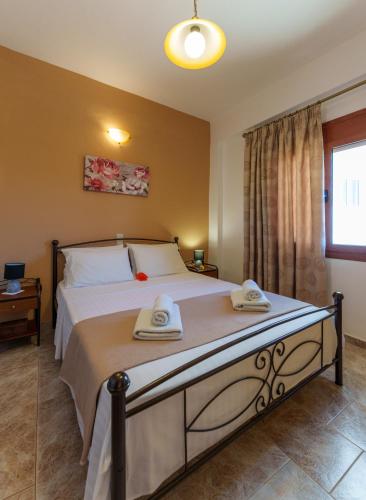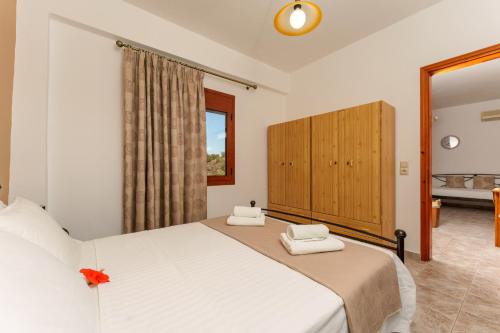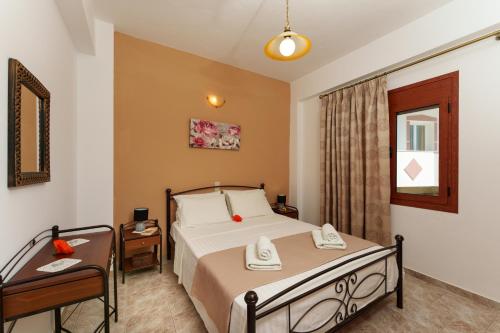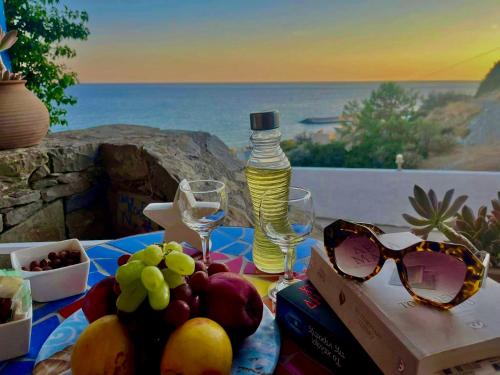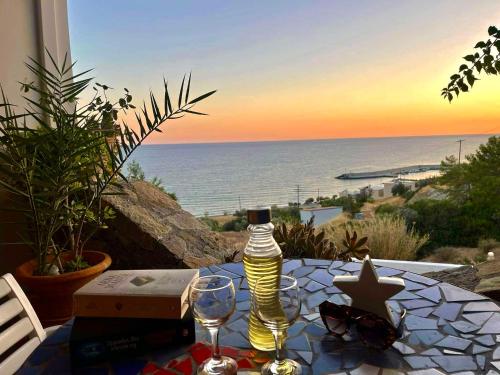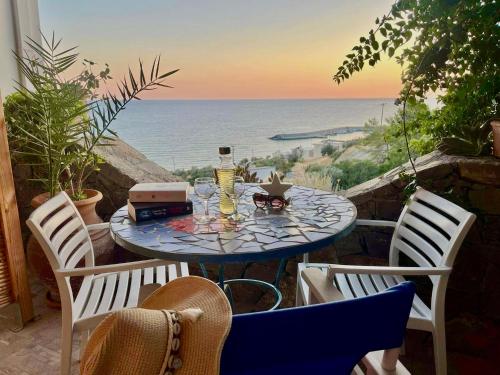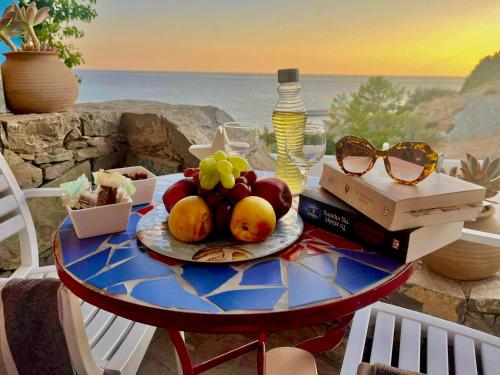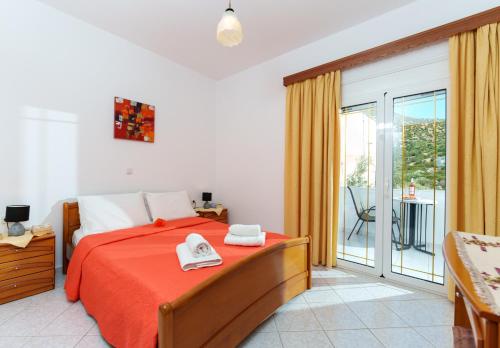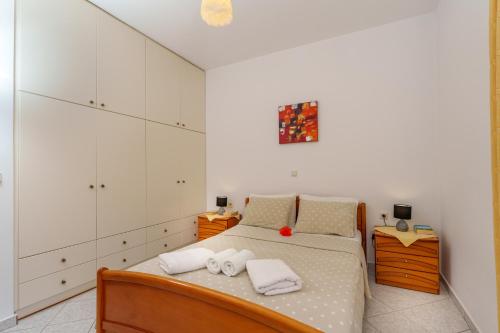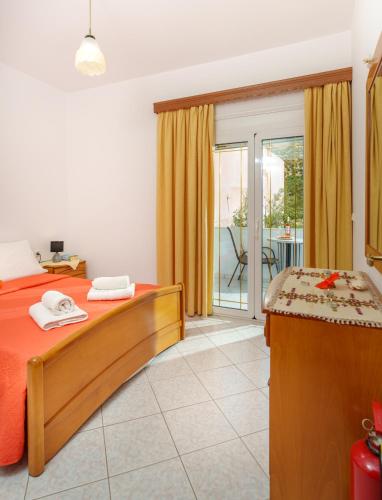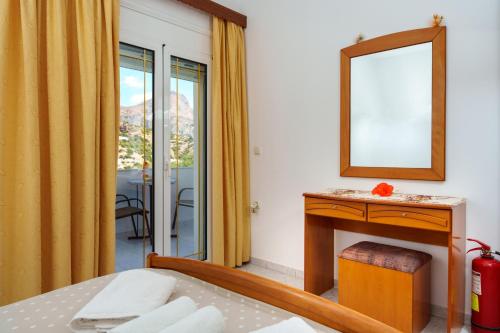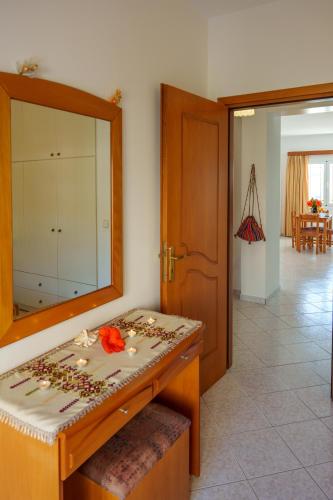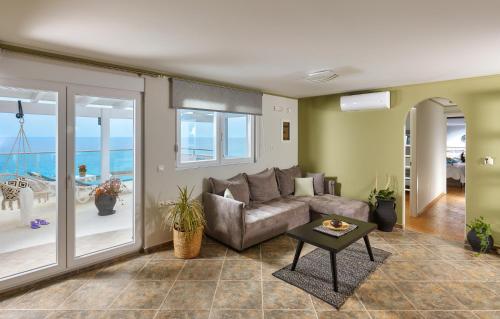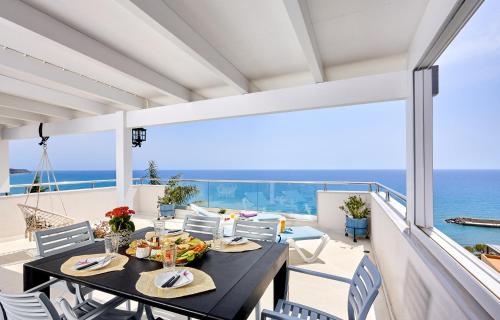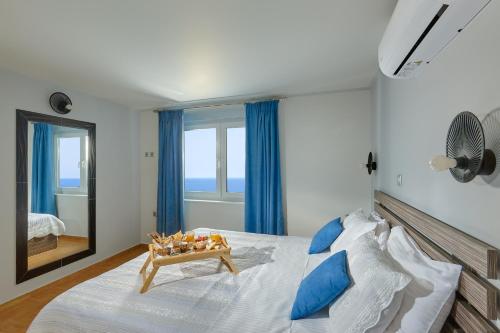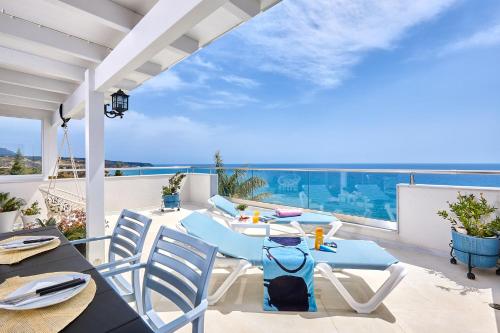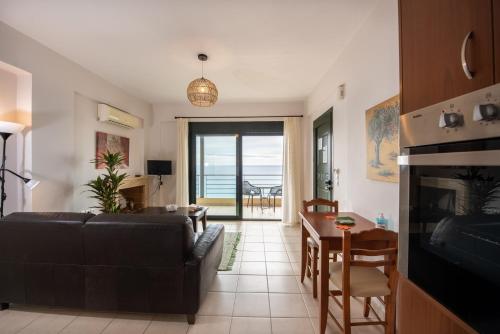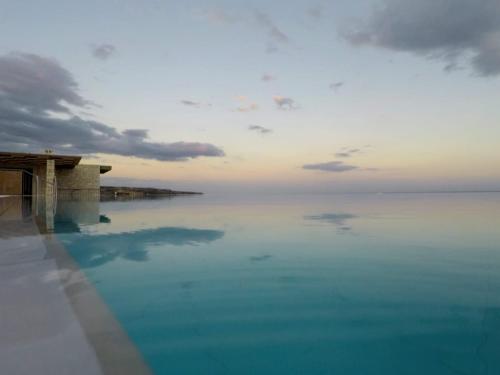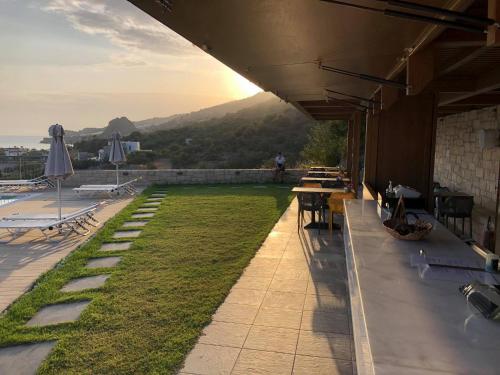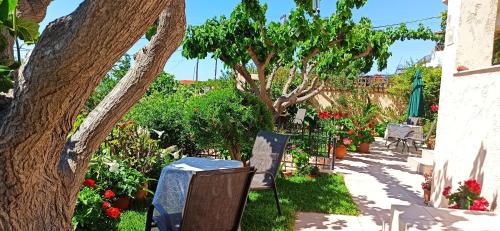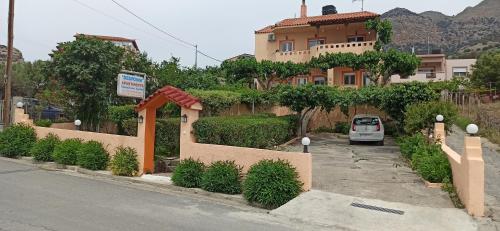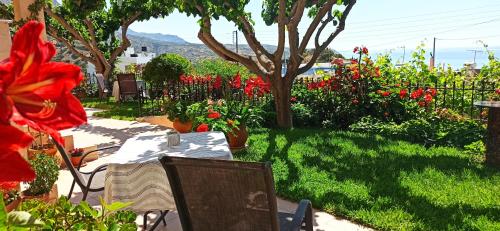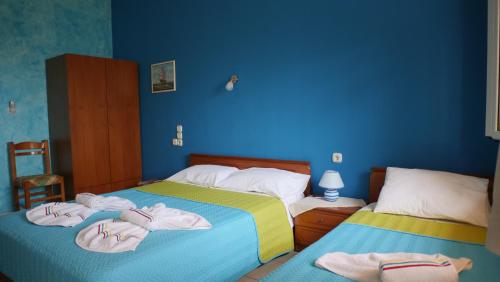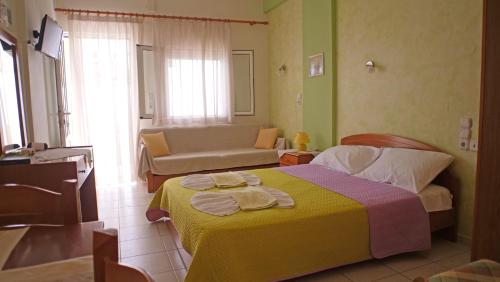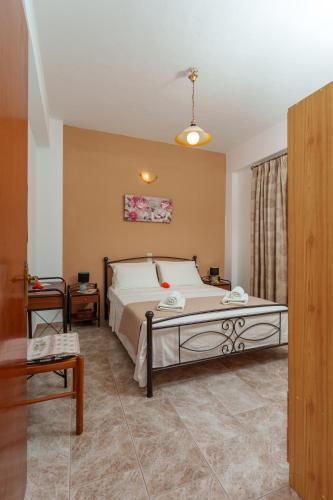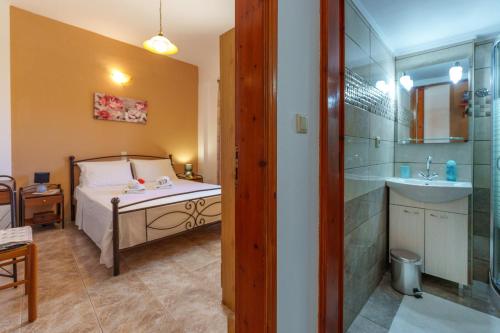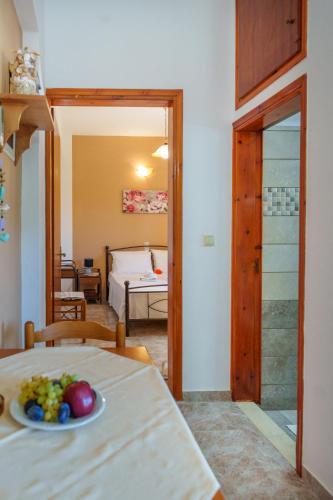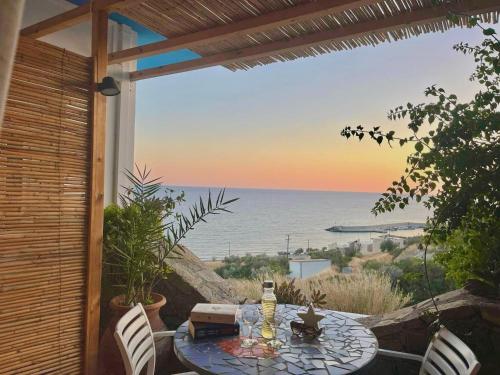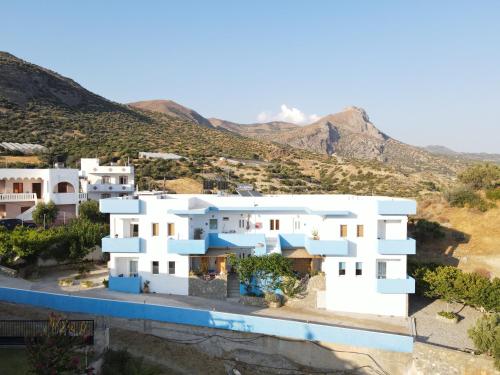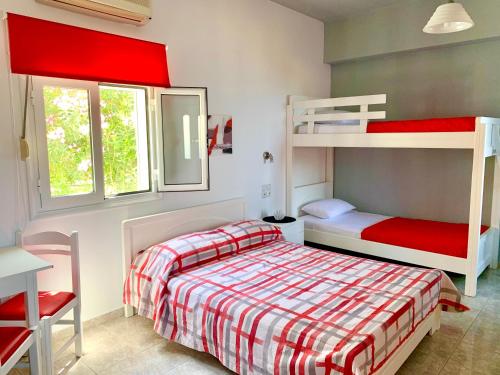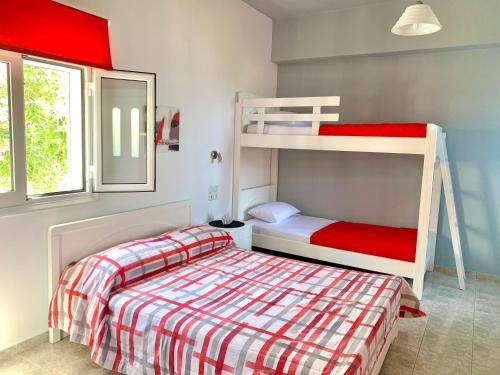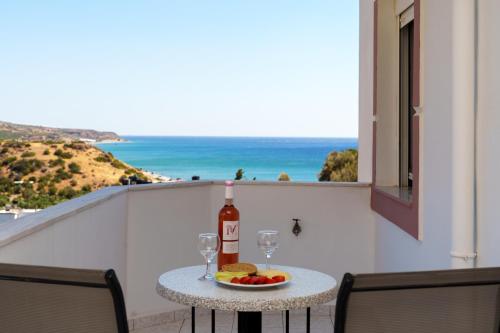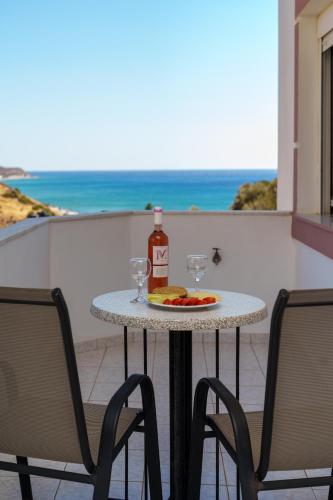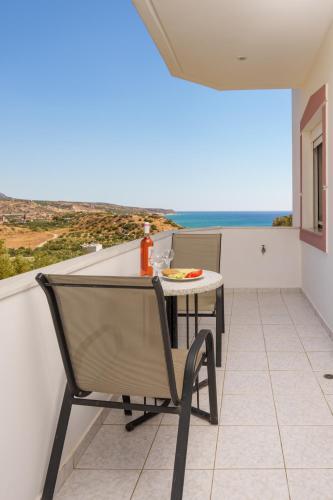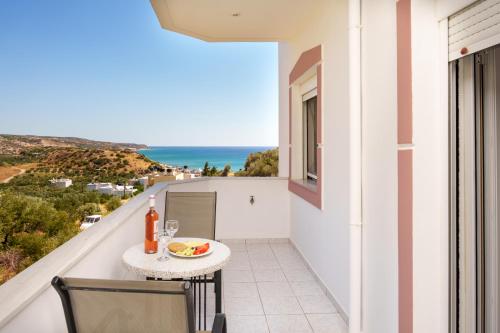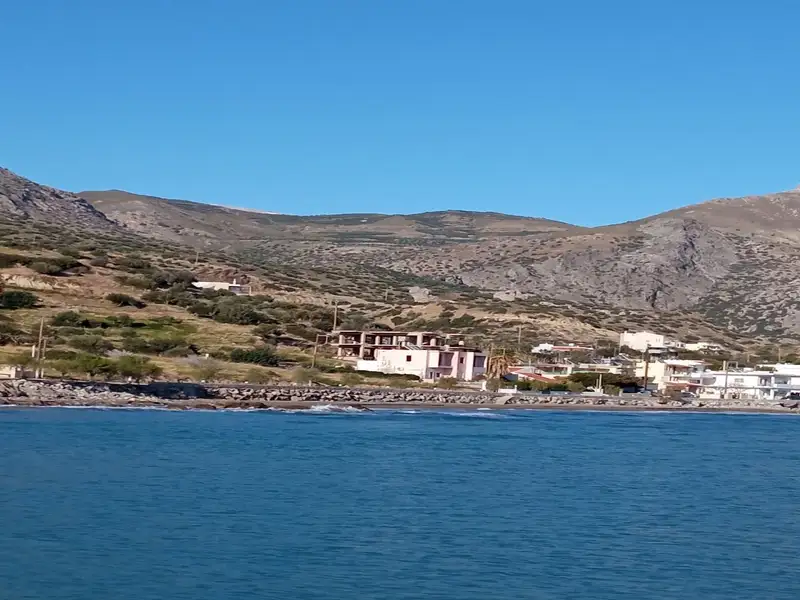

Located in Keratokampos, 1 km from Keratokampos Beach and 2.6 km from Armenopetra Beach, Breathtaking sea view flat for families in Crete offers a garden and air conditioning. This beachfront property offers access to a balcony, free private parking and free WiFi.
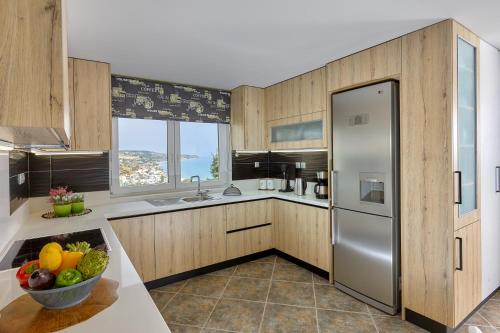
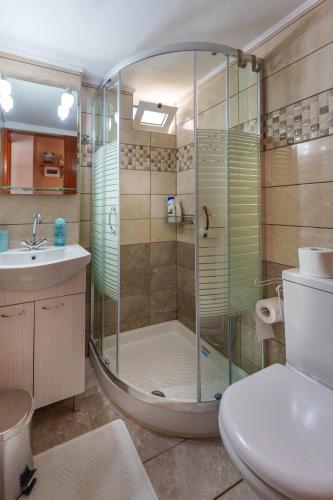
The apartment with a terrace and sea views features 2 bedrooms, a living room, a flat-screen TV, an equipped kitchen with a dishwasher and an oven, and 1 bathroom with a walk-in shower. Towels and bed linen are featured in the apartment.
The apartment offers an outdoor fireplace. A a baby safety gate is also available for guests at Breathtaking sea view flat for families in Crete.
Nikos Kazantzakis Museum is 46 km from the accommodation, while Acqua Plus Waterpark is 48 km away. The nearest airport is Heraklion International Airport, 58 km from Breathtaking sea view flat for families in Crete.
from
€193
/night
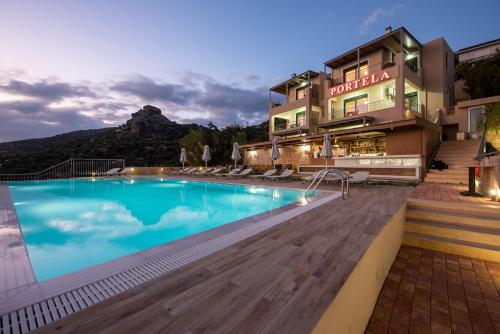
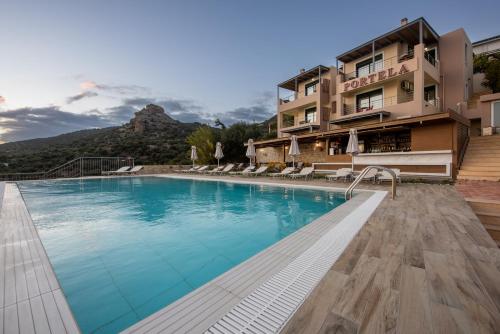
Within a 10-minute walk from the beach, Portela Apartments Kastri is located in the village of Keratokambos. Offering free WiFi access, the self-catered apartments and studios provide views of the mountain and Libyan Sea from their balcony.
Spacious and bright, the accommodation units consist of an open-plan seating, dining and kitchenette area. Each includes air conditioning, a flat-screen satellite TV and hairdryer.
A minimarket and various restaurants are conveniently located just 300 metres from Portela Apartments Kastri. It is 36 km from the seaside village of Myrtos and 52 km from Ierapetra Village. Heraklion City is 62 km away.
Located within 200 metres of the beach, Despoina Apartments offers self-catering accommodation in Kastri, Keratokampos. The property features a blossomed garden with mountain and Libyan Sea views. Free WiFi is available throughout.
All units are air-conditioned and feature a private bathroom with hairdryer, TV and kitchenette. Each opens to a private balcony with Libyan Sea views.
Despoina Apartments also includes a sun terrace. Free private parking is possible on site.
Several restaurants, cafes and mini markets can be found within 300 metres. Heraklion is 70 km from Despoina Apartments and Ierapetra is at a distance of 52 km.
Featuring garden views, Hara’s Apartments offers accommodation with a balcony and a kettle, around less than 1 km from Keratokampos Beach. It features a garden, sea views and free WiFithroughout the property.
The air-conditioned apartment consists of 1 bedroom, a living room, a fully equipped kitchen with a toaster and a coffee machine, and 1 bathroom with a shower and a hair dryer. Towels and bed linen are featured in the apartment.
The apartment offers a sun terrace.
Armenopetra Beach is 2.5 km from Hara’s Apartments, while Nikos Kazantzakis Museum is 46 km away. The nearest airport is Heraklion International, 58 km from the accommodation, and the property offers a paid airport shuttle service.
from
€52
/night
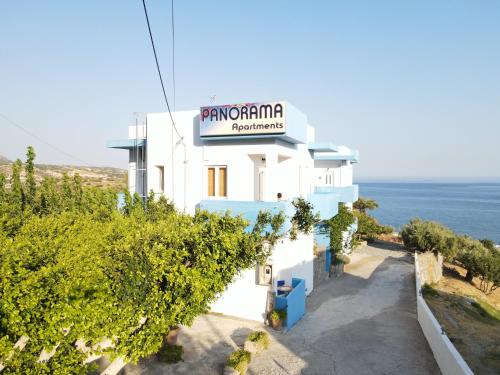
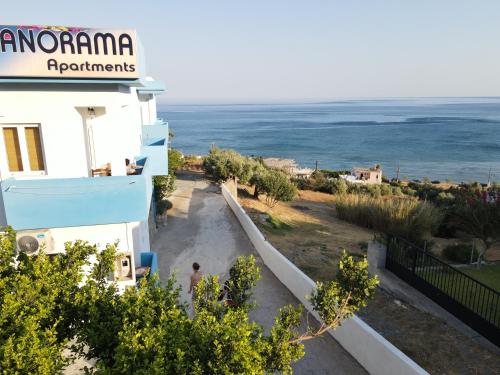
Panorama Apartments offers accommodation in Kastri Xondrou Vianou. The property features views of the sea is 43 km from Heraklio Town. Free WiFi is provided throughout the property.
The kitchenette is fitted with a toaster and a fridge, as well as a coffee machine. A flat-screen TV is available. Free private parking is also available at this apartment.
Hersonissos is 35 km from Panorama Apartments, while Agios Nikolaos is 38 km away. The nearest airport is Heraklion International Airport, 42 km from the property.
from
€58
/night
Set in Keratokampos, less than 1 km from Keratokampos Beach and 2.5 km from Armenopetra Beach, Hara’s Apartment 1 offers air-conditioned accommodation with a balcony and free WiFi. With garden views, this accommodation provides a patio.
The apartment with a terrace and sea views features 2 bedrooms, a living room, a flat-screen TV, an equipped kitchen with an oven and a fridge, and 1 bathroom with an a bath or shower. Towels and bed linen are featured in the apartment.
Nikos Kazantzakis Museum is 46 km from the apartment, while Acqua Plus Waterpark is 48 km away. The nearest airport is Heraklion International, 58 km from Hara’s Apartment 1, and the property offers a paid airport shuttle service.
from
€74
/night
No results available
Through this route you will have the opportunity to take a wine tour at a local winery with tasting and information on wine production from ancient times to the present day. Also enjoy the route which combines impressive mountains, a panoramic view of southern Crete, the impressive gorge with the incomparably beautiful waterfall Richtra and the charming beaches of southern Crete.
Starting from your hotel we head to the winery where the wine experts will introduce you to this special world of wine. You will have the opportunity to taste but also to learn all the secrets of production, of the varieties we have in Crete, as well as winemaking techniques of yesterday and today. Then we will cross a route through small traditional villages surrounded by verdant hills and olive groves. Just before our descent into the gorge we will make a photo stop at a spot with an incredibly beautiful panoramic view of the South Cretan sea that will amaze you!
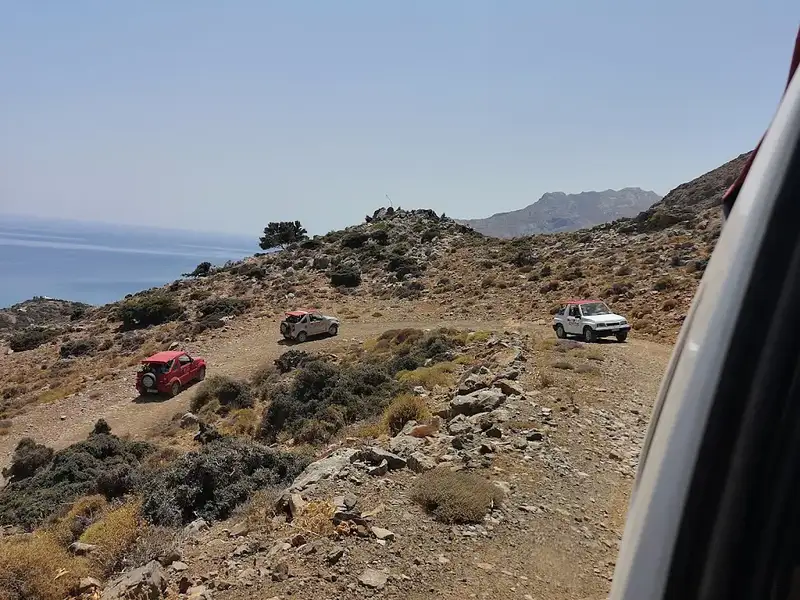
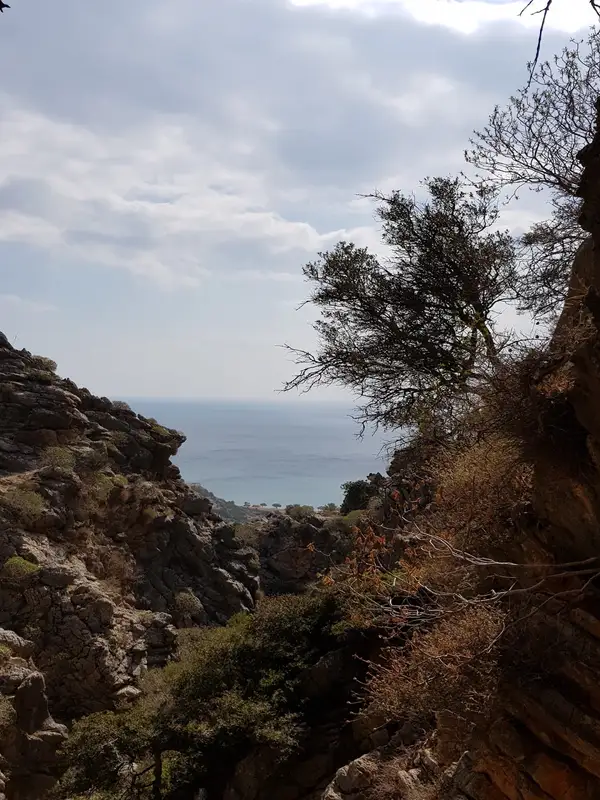
Then we will head to the local gorge by a highly impressive off-road descent with continuous spectacular views amidst nature. The Portela Gorge which has an extremely unspoiled landscape that will be deeply etched in your memory as its river passes through cliffs and sheer cliffs, rich in both flora and fauna ending in the spectacular Richtra waterfall with flowing water until the spring that ends in Keratokampos.
Having enjoyed our walking exploration among this magical landscape we will be transferred to the beach of Tsoutsouros, where you will have enough time to enjoy both the crystal clear waters of southern Crete and a wonderful bbq lunch by the sea. This quiet and welcoming place will enchant you and the photos you will take will be impressive.
Full of unique memories and images we take the way back having visited unique places and having experienced life experiences!
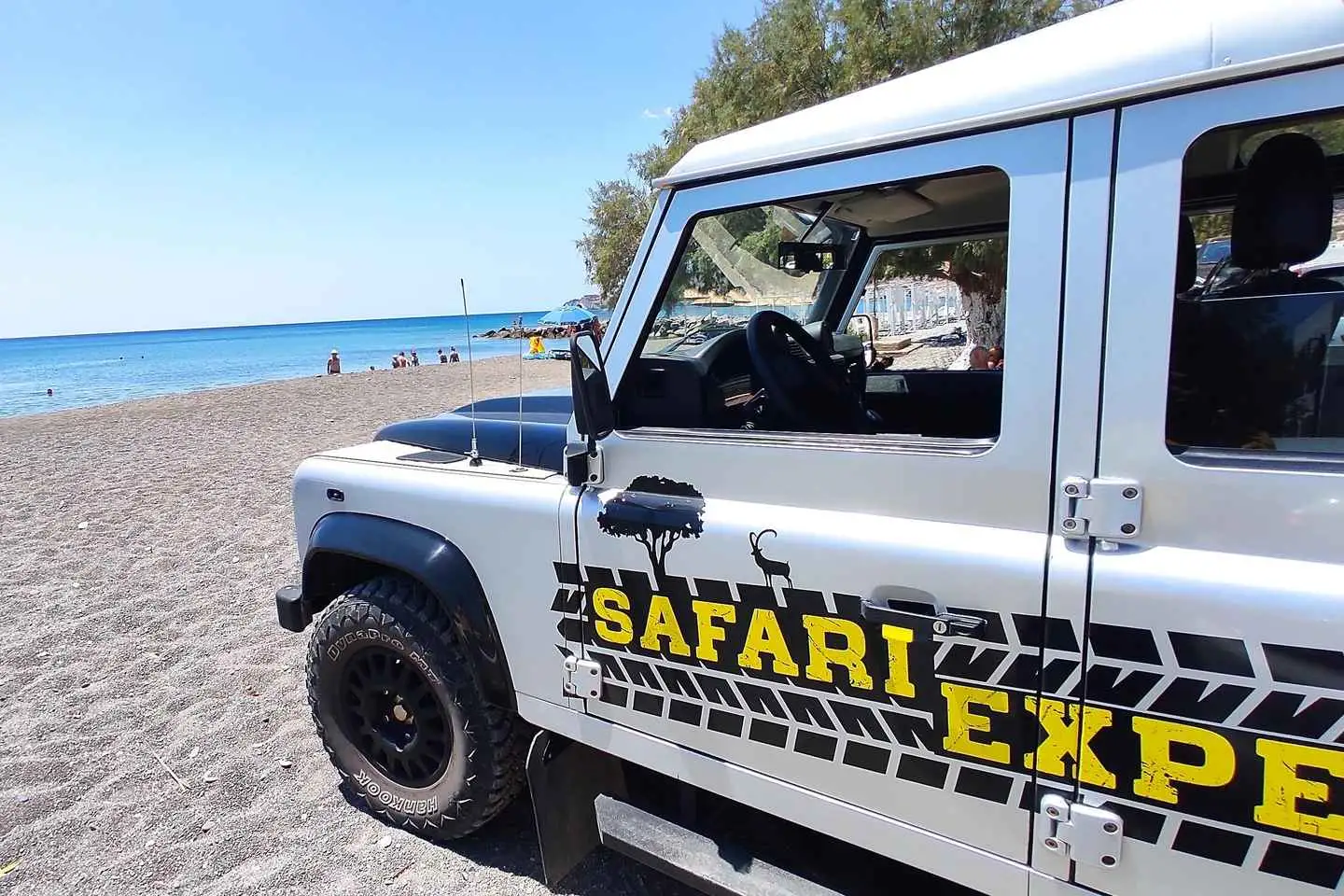
Discover the magic of South Crete on a Self-Drive Private Jeep Safari in Convoy with our Brand New & Fully air conditioned 4X4 Dacia Duster. Shared or Private!
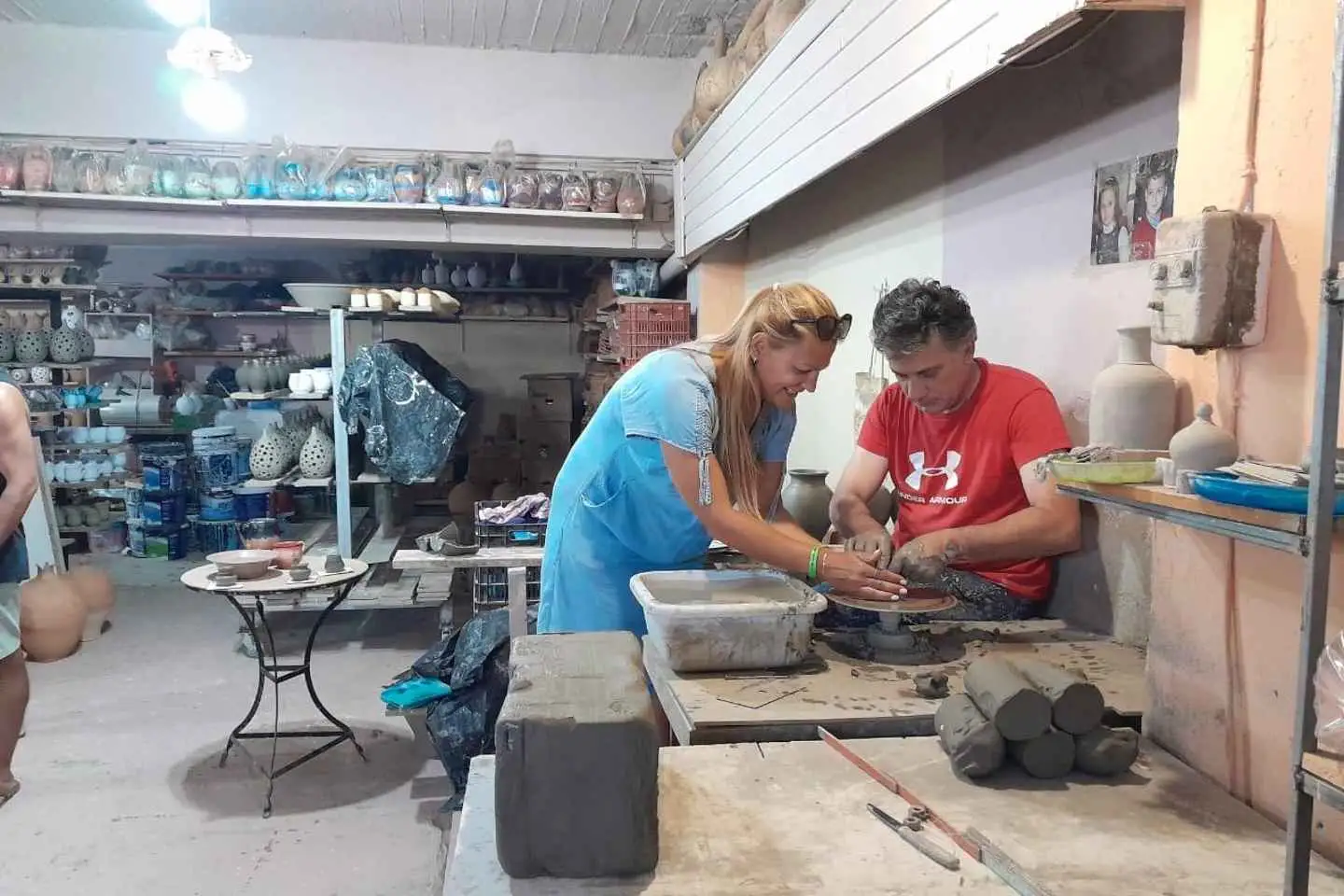
Feel the Off-road, Swim in the South, visit the local pottery workshop, create your ceramics and feel the authentic vibes of Crete! We start by exploring off the beaten paths through olive groves, traditional villages, scenic landscapes, and more! Then let’s uncover the art of pottery from ancient traditions to modern processes in the local workshop. We continue our adventure with an impressive off-road descent through the Gorge of Portela that is offering a breathtaking photo stop. Enjoy seaside driving along the Libyan Sea, Swim in the crystal-clear waters of Tsoutsouros beach and have your lunch by the sea. We end our day with panoramic views, letting the essence of Southern Crete captivate us! Take the wheel and let’s explore the South!
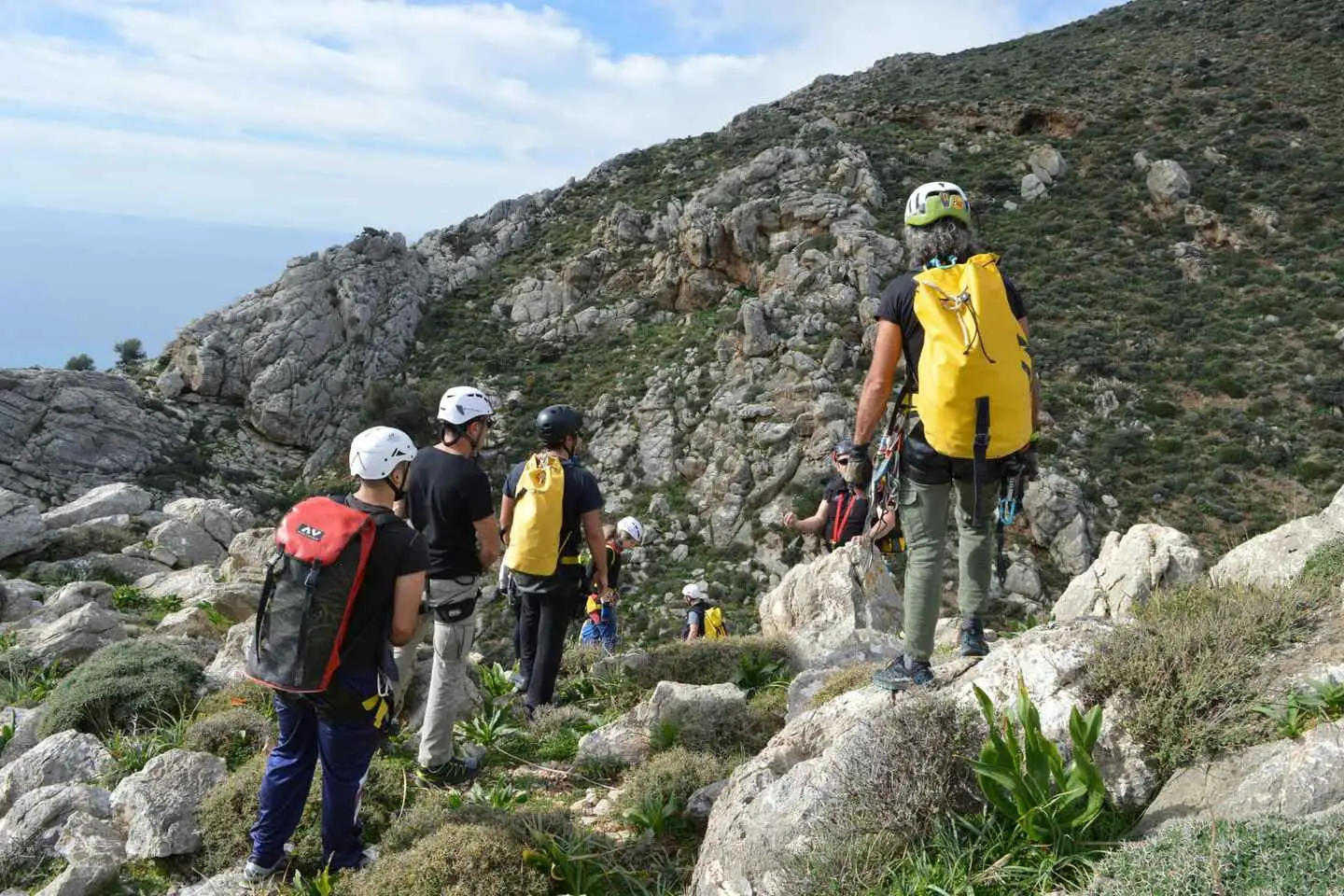
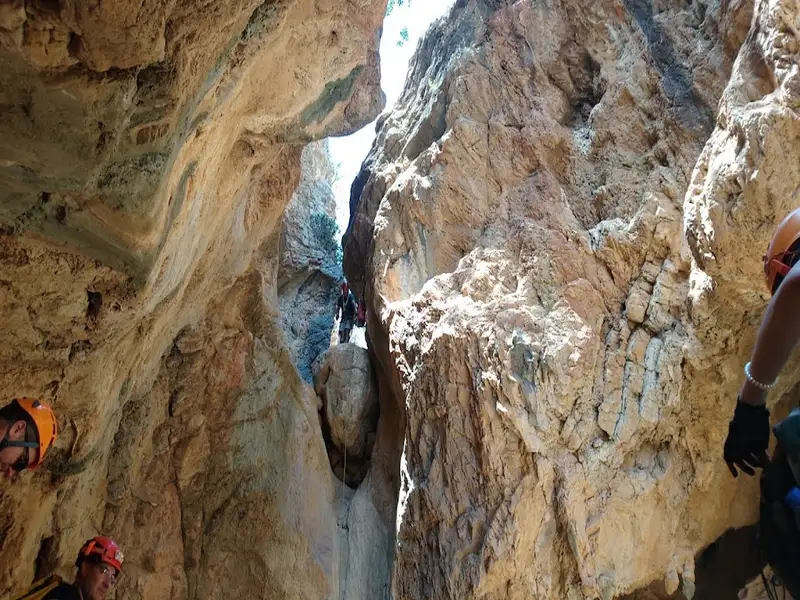
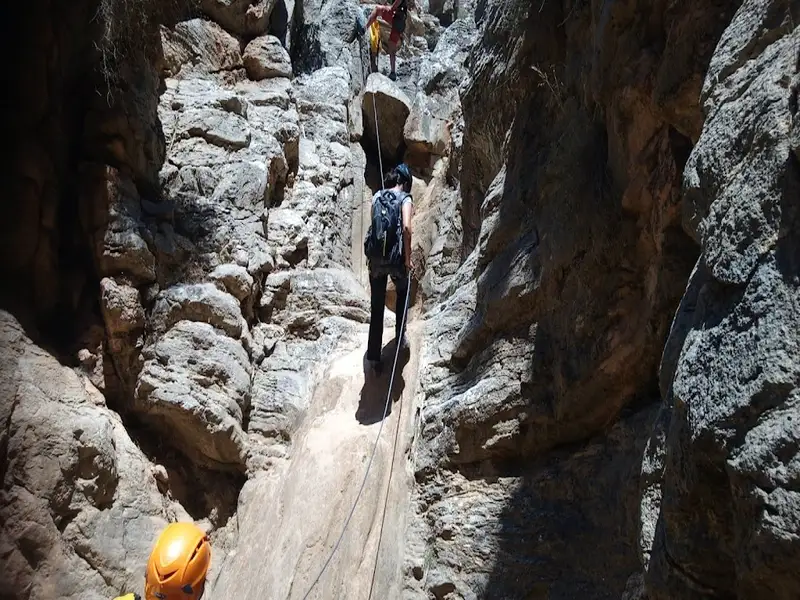
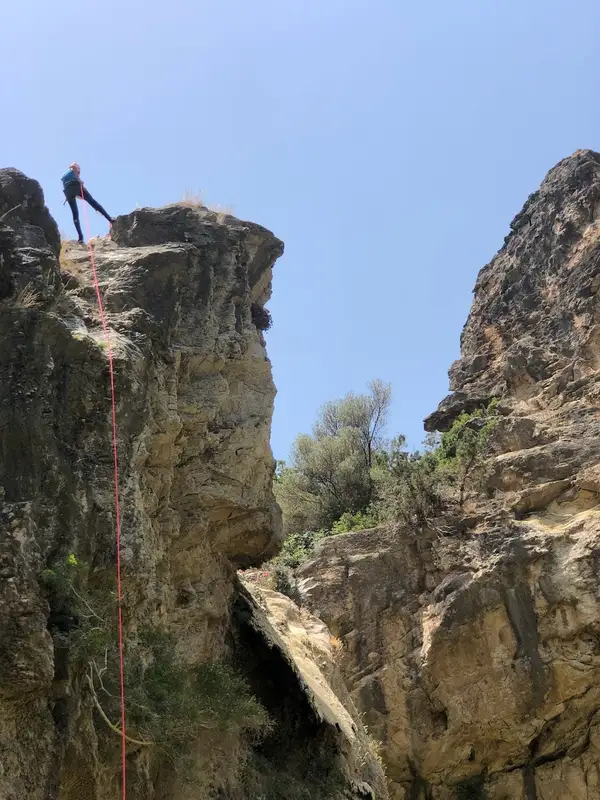
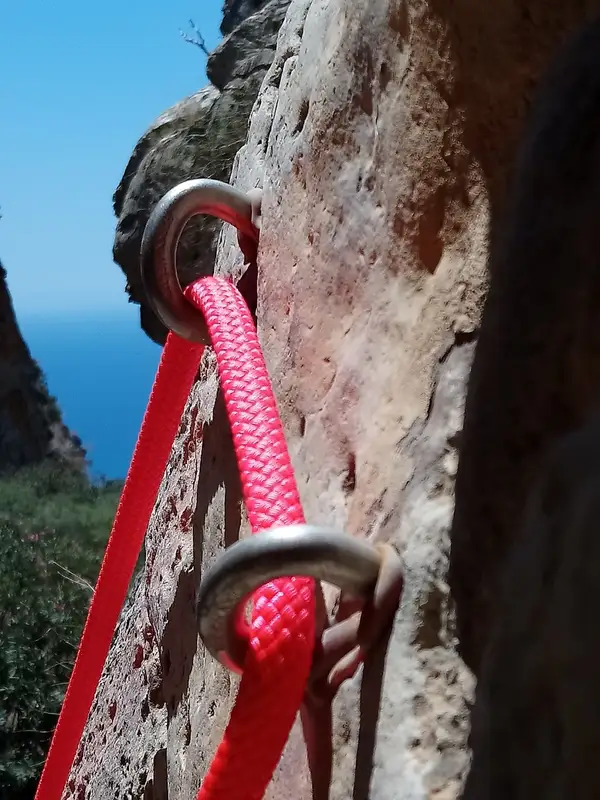
Discover Tsoutsouros gorge, one of the many gorges in the Viannos area of South Crete. Abseil down this beautiful and technical canyon, suitable for beginners and anyone up for a challenge.
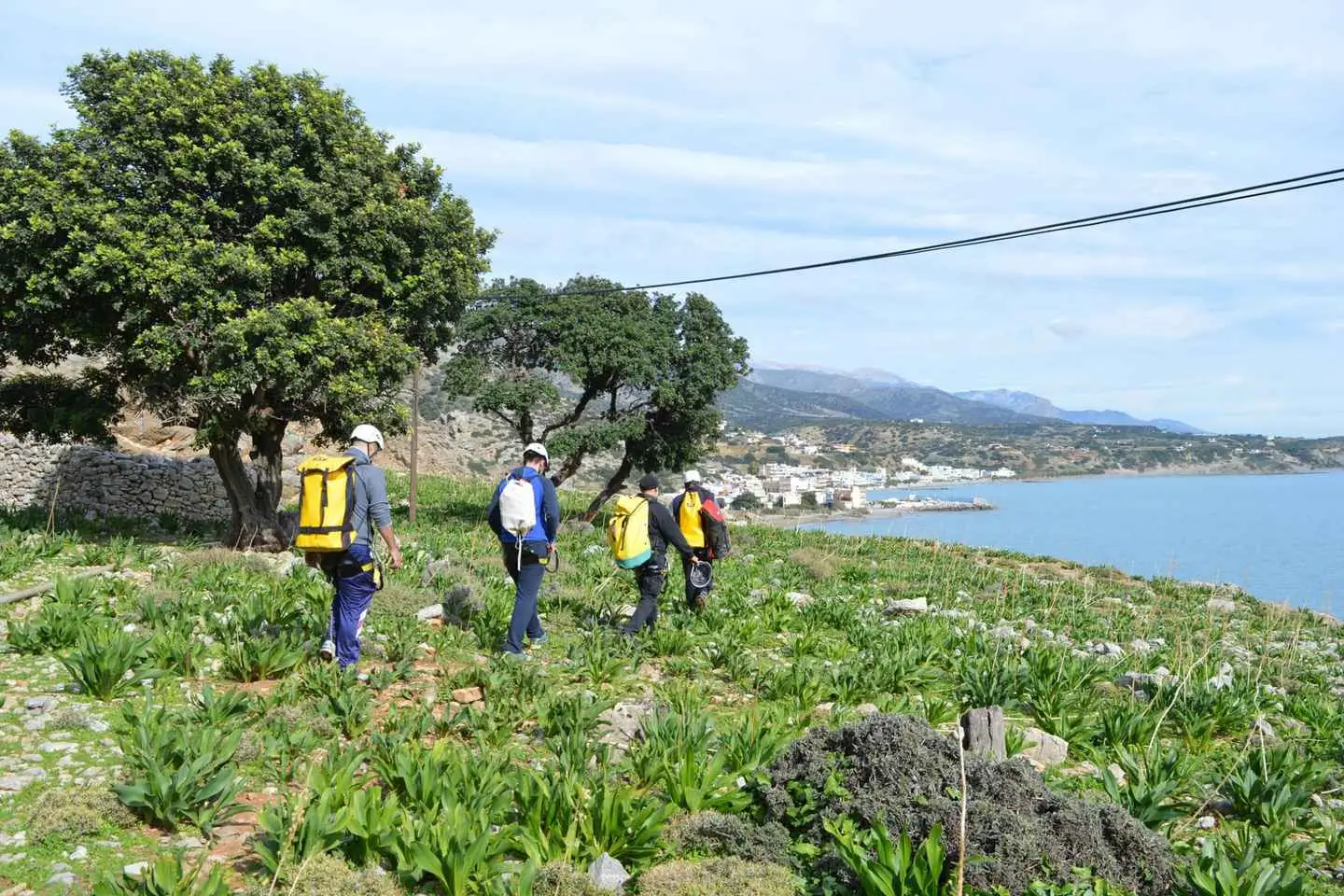
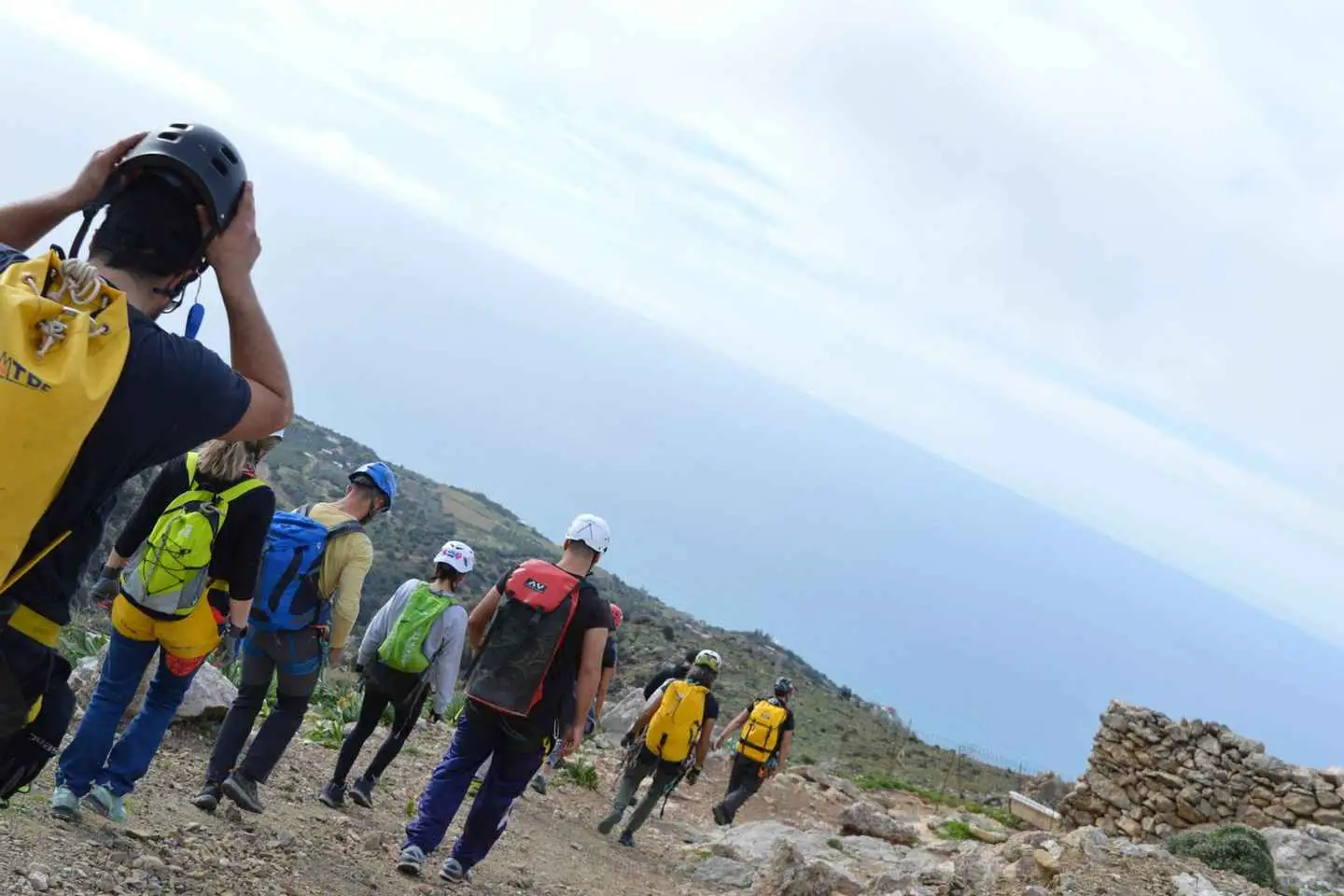
Begin your adventure with a short hike from the parking lot and reach the entrance to the canyon. From there, hear a short safety and equipment briefing before strapping up and entering the canyon. Start with short and easy abseils, ideal for getting used to the techniques and the use of the equipment. Gradually, take on longer and steeper abseils.
Admire the constantly changing terrain and seaview during your descent through the canyon. Depending on the weather conditions, you may come across water in the gorge until the beginning of summer. If so, have the incredible opportunity of abseiling through waterfalls.
The duration of the descent can vary from 3 to 4 hours depending on the experience of the group. After your abseil, head to the beautiful Tsoutsouros village.
This tour gives you the opportunity to explore the real Crete in a small group.
We visit an olive oil factory to learn how olive oil is made now with modern machines and how used to be made in the olden days and of course we taste different kind of olive oil and honey.
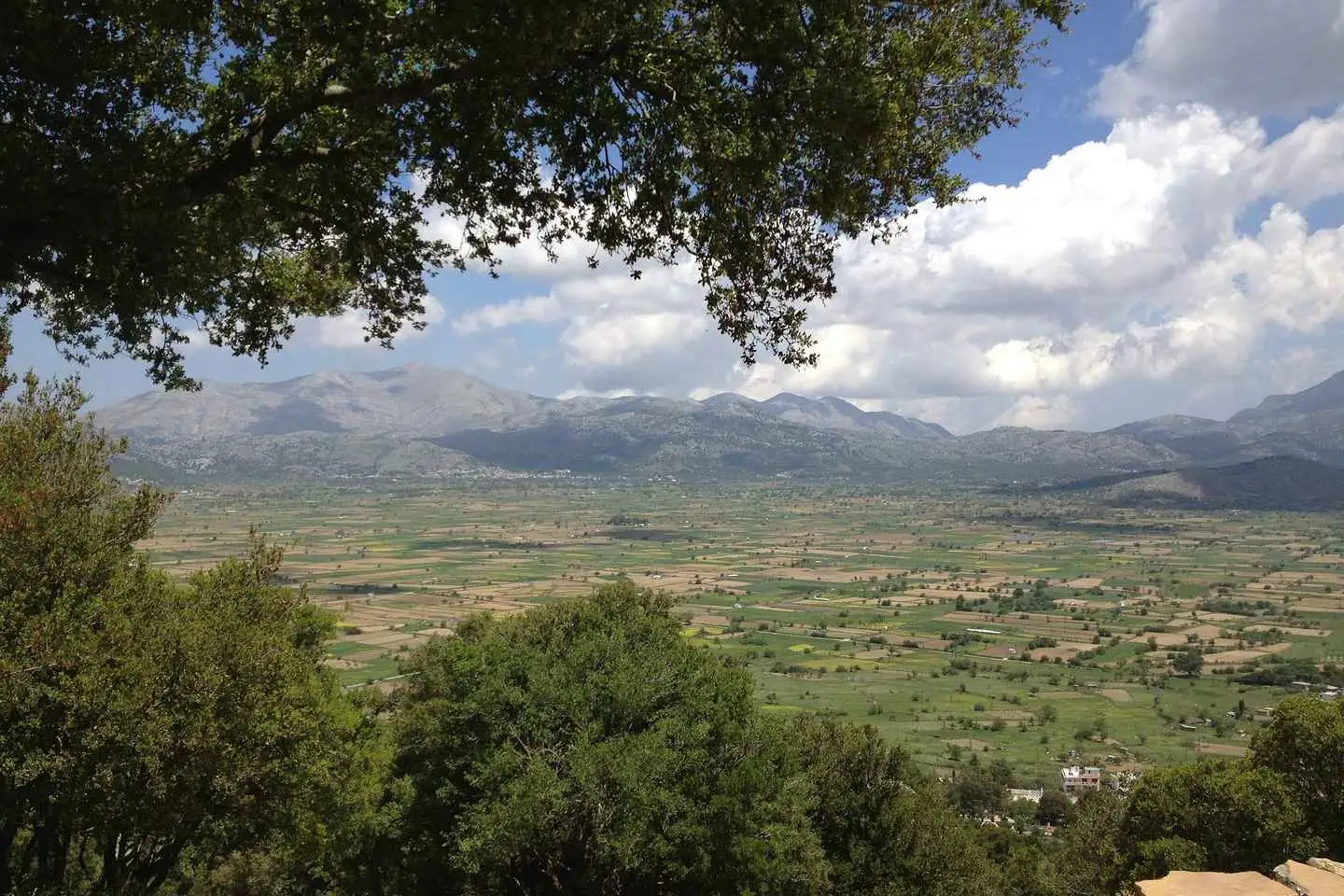
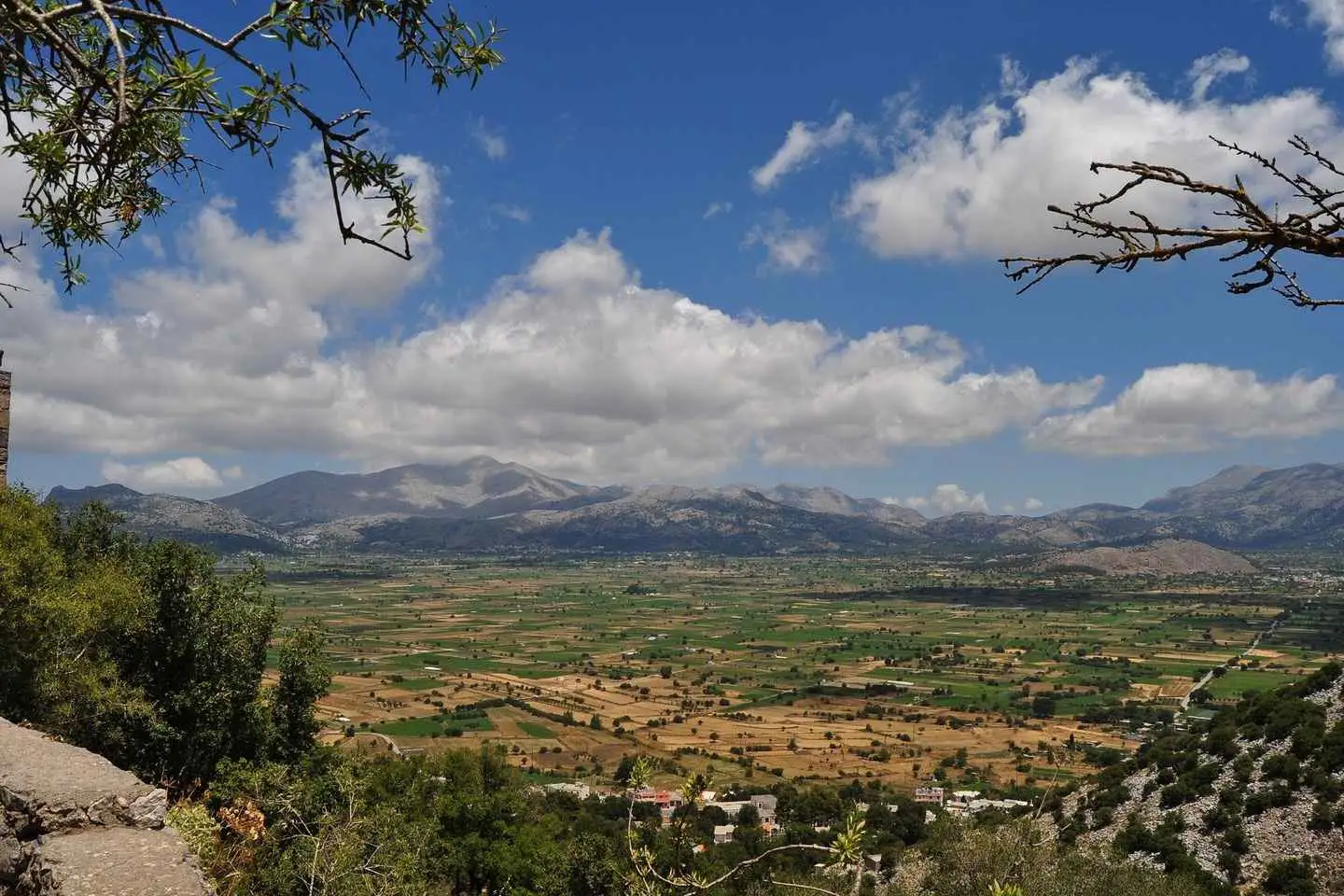
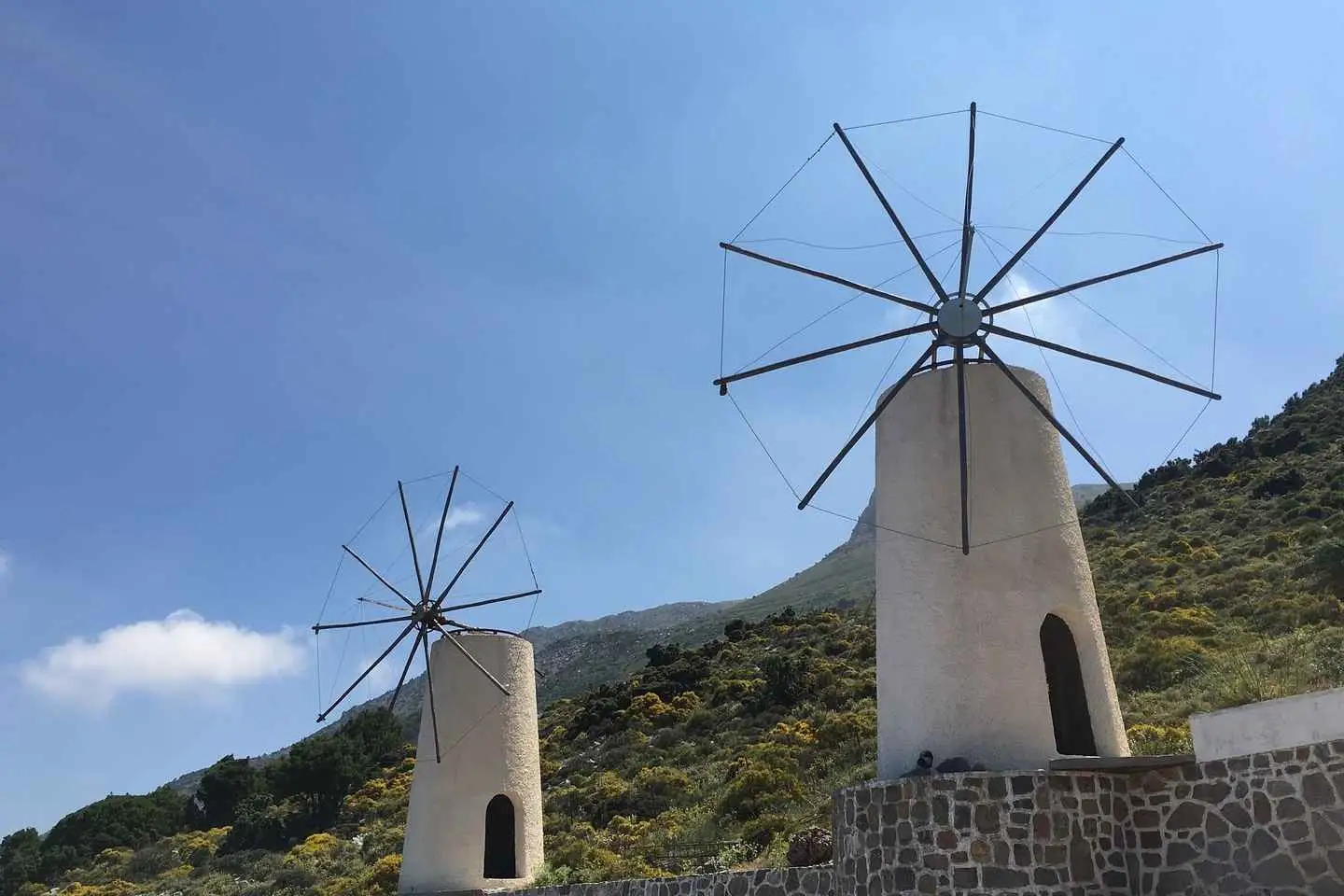
Next stop is at the old village of Krasi where we go for a walk around the village to see the oldest plane tree in Crete which is estimated around 2000 years old then we are off to Lasithii plateau where we learn about the old wind mills that were used in the past to pump the water up for irrigation and the old wind mills that were used for grinding to make flour.
Now it’s time to go and {meet Zeus } at his cave , well actually we can’t promise that because last time we visited his birthplace he wasn’t there ( had a day off ) …….. so no promises.
Then we drive around Lasithii Plateau through old villages where time seems to have stopped then we visit a family restaurant to enjoy some Cretan traditional food ….and some local house wine….( or local beer…) well let’s be local just for a day or two….. maybe you like it ( maybe you don’t but give it a go …..)
After enjoying our lunch and wine ( or local beer) it’s time to hit the road to go back to your hotel where we picked you .
Visit the monastery of Kera Kardiotissa and the Dictaean Cave. You’ll see panoramic views of the Lasithi Plateau and discover the epic Minoan Palace of Knossos.
Your first stop is the Monastery of Kera Kardiotissa, an Orthodox nunnery dedicated to the Virgin Mary, situated near the village of Kera. Famous for the icon of Mary, believed to be miraculous, it’s surrounded by fortified walls and the church features murals dating back to the 14th century.
The next stop is the village of Psychro, where you’ll take a walk to reach the Dictaean Cave, found above the village of Psychro at 1025 meters altitude. According to Greek mythology, it’s believed to be the place where Zeus, the father of Greek gods, was kept and fed from Amalthia, a goat, in secret to be protected from his father.
A most impressive sight is the lake at the lowest point, surrounded by massive stalactites and stalagmites.
The next stop is Seli Ambelou for lunch with a panoramic view of the Lassithi Plateau.
Stop in Krasi, a small traditional village set on the slope of Selena Mountain, and see its huge ancient plane tree, where the leaves and the branches of the tree provide shade all over the square in a unique and unspoiled environment.
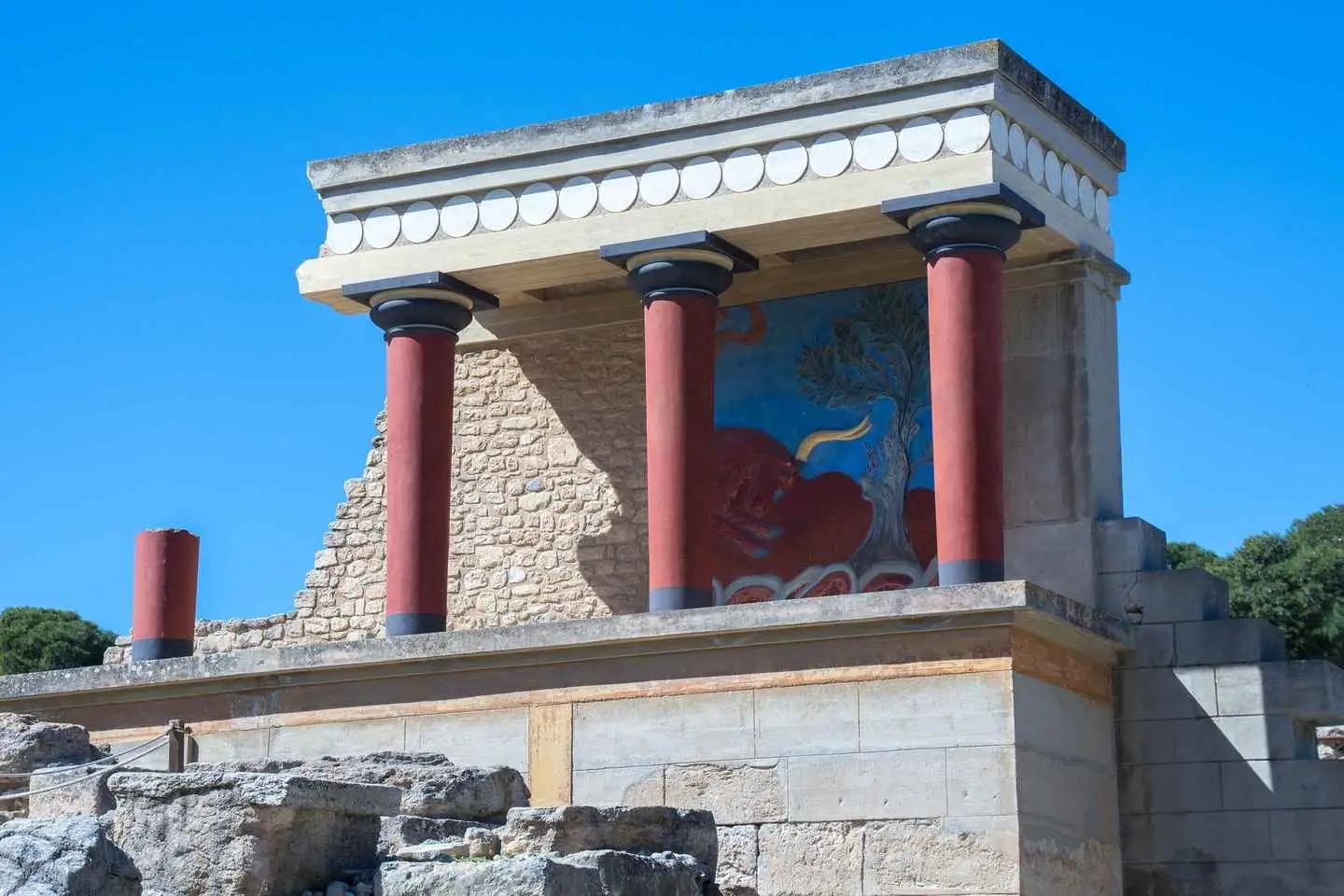
It’s then time for the final destination, a visit to Knossos Palace, the capital of Minoan civilization. You’ll walk through the ancient site and learn how the citizens, believed to be the first Europeans in an organized community, lived 4,000 years ago. You’ll explore the palace and learn about the throne room, the frescoes, and the Minoan columns.
The road trip from Agios Nikolaos to Lassithi Plateau is a journey through some of the most beautiful and unspoiled landscapes in Crete. It is a journey that will leave you with memories that will last a lifetime.
Starting from Agios Nikolaos, the road trip to Lassithi Plateau begins with a drive through the town and then onto the winding mountain roads that lead to the plateau. As you leave the town, you will be greeted with breathtaking views of the Aegean Sea.
As you drive through the mountains, you will pass through small villages and towns, each with its own unique charm and character. The road is surrounded by beautiful scenery, with lush greenery and rugged mountainsides.
The route to Lassithi Plateau takes you through a series of hairpin bends, which can be challenging at times. But the stunning views of the surrounding countryside and the quaint villages along the way make the journey worth it.
As you approach Lassithi Plateau, you will be amazed by the vastness of the plateau and the stunning views that it offers. The plateau is dotted with traditional Cretan villages, and the landscape is a patchwork of fields, orchards, and olive groves.
No results available
Situated 72km southeast of Heraklion, within the sheltered Keratokambos bay, you’ll find Kastri – the larger of the two conjoined settlements in the region, the other being Keratokambos. Over recent years, tourism in Kastri has seen significant growth, driven largely by the appeal of its surrounding beaches. The serene and welcoming atmosphere attracts many families, some of whom visit multiple times a year. Kastri is accessible by car, with the drive from Ano Viannos to Heraklion taking between 45 to 55 minutes.
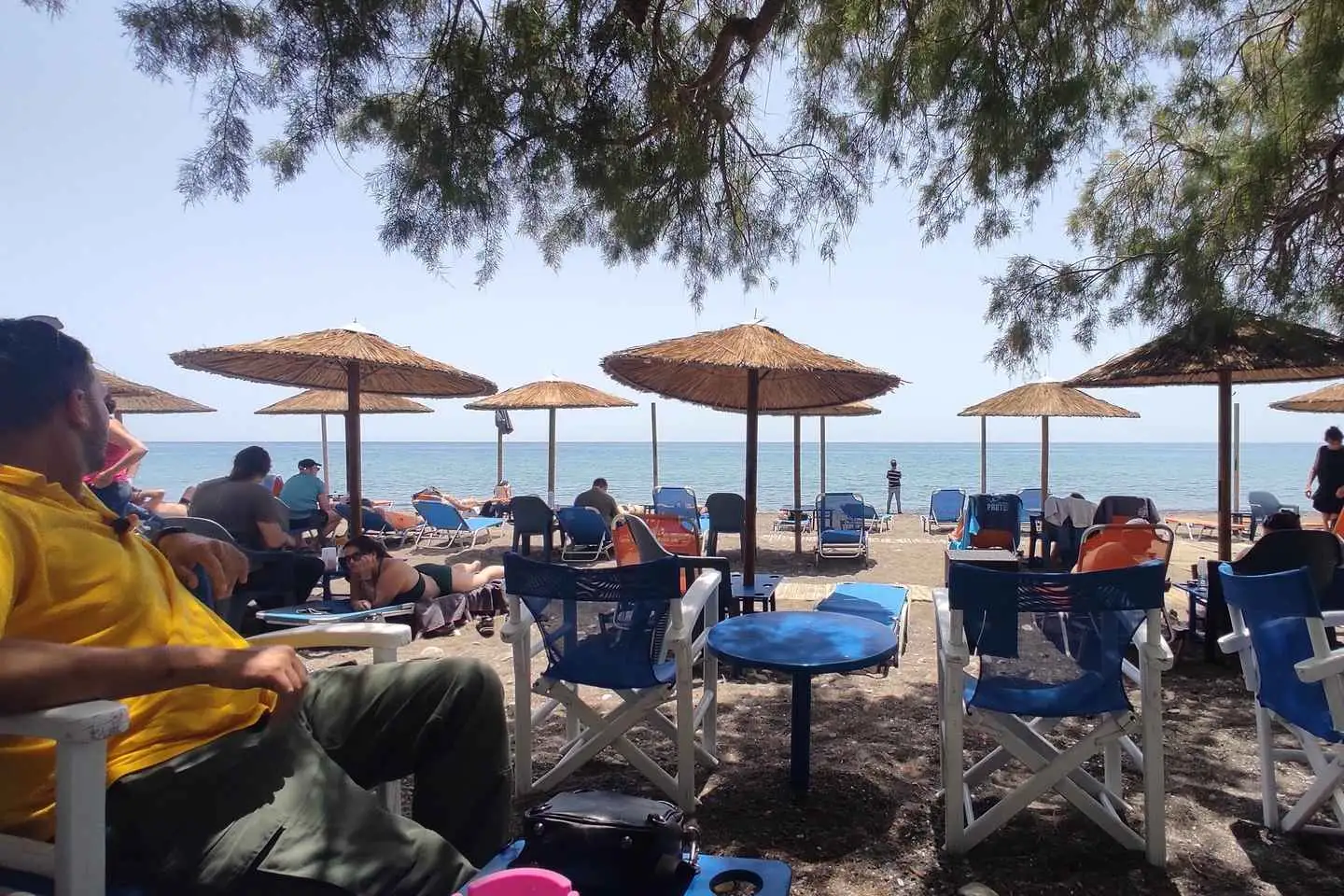
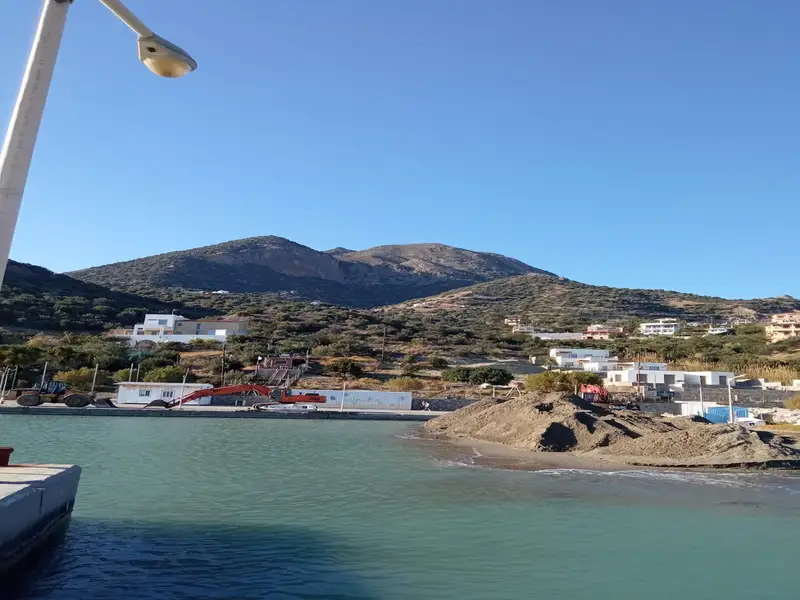
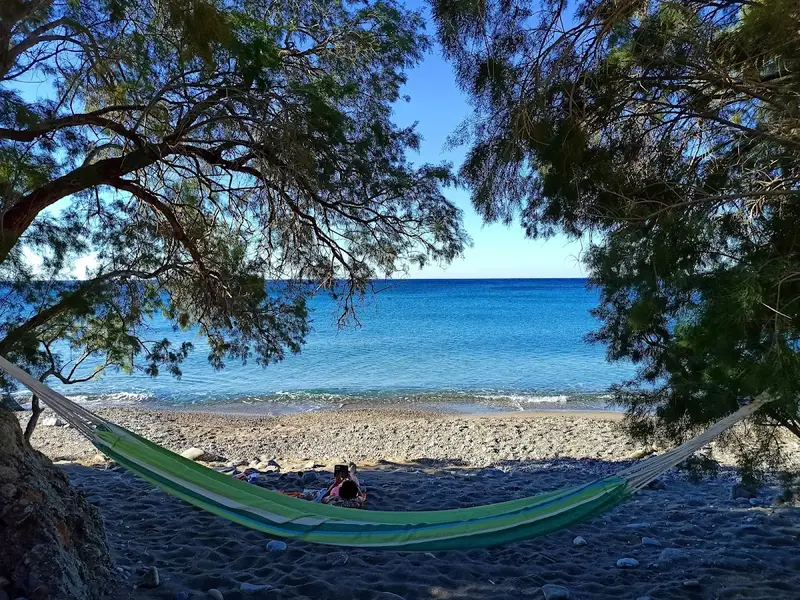
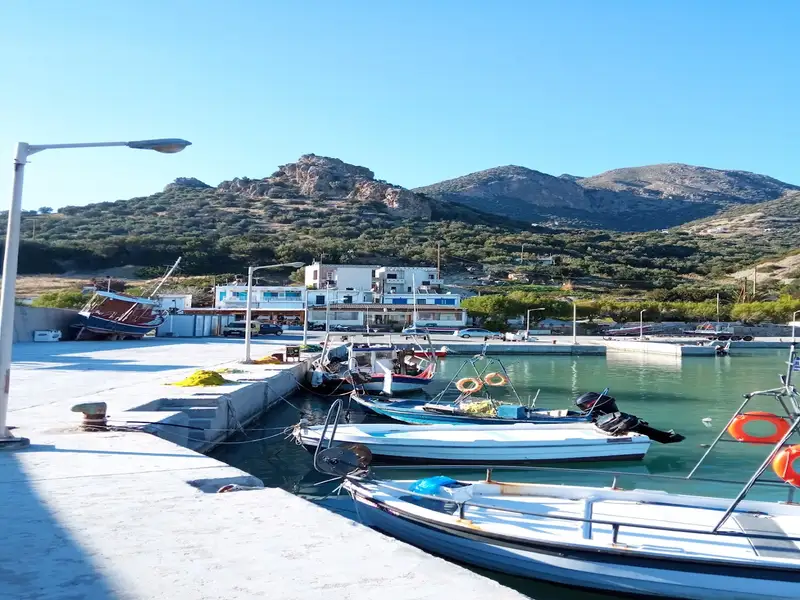
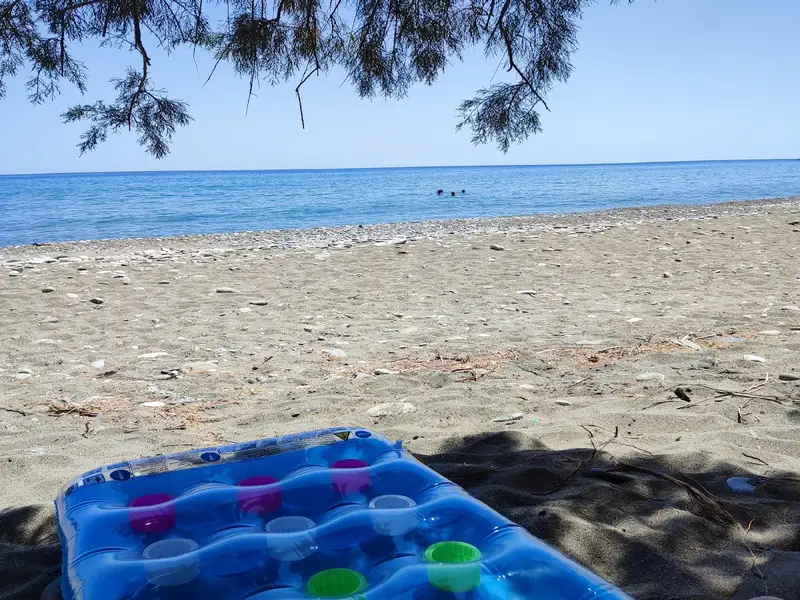
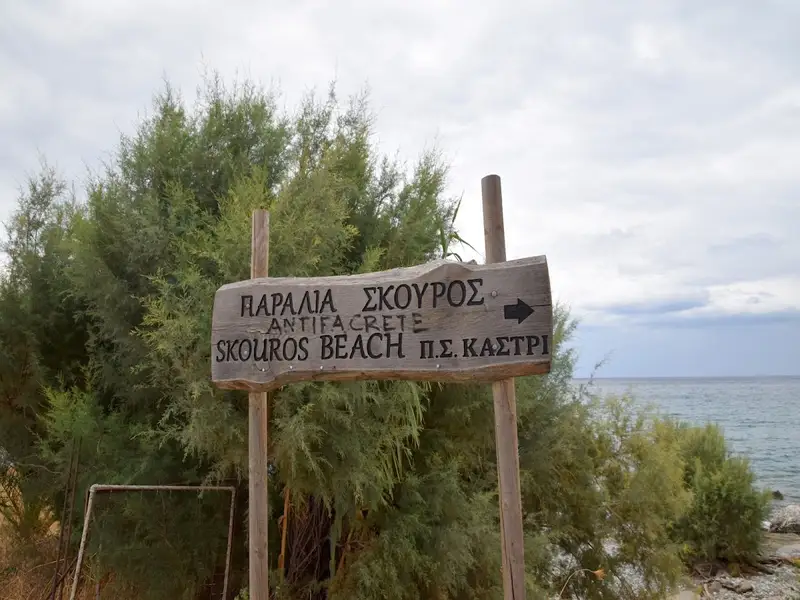
Kastri’s distinctive port serves the local fishing community and welcomes other boats. Adjacent to the port, towards the west, there’s a small but stunning sandy beach, adorned with tamarisk trees. Given its proximity to the village amenities, such as rooms, taverns, and shops, it’s one of the most popular beaches in the area. Further west of this beach, you’ll find the longest beach in Skouros.
While in Kastri, don’t miss the opportunity to visit the Church of St. Demetrius Galatoktistos, which used to be a monastery, and the chapel of St. George Vagionitis, set amidst a verdant garden.
Located 72km southeast of Heraklion, the small seaside resort of Keratokambos, along with the nearby coastal settlement of Kastri, has evolved into a sought-after family destination over recent years. The village of Keratokambos is fronted by a lengthy sandy beach, extending for several kilometers in both directions.
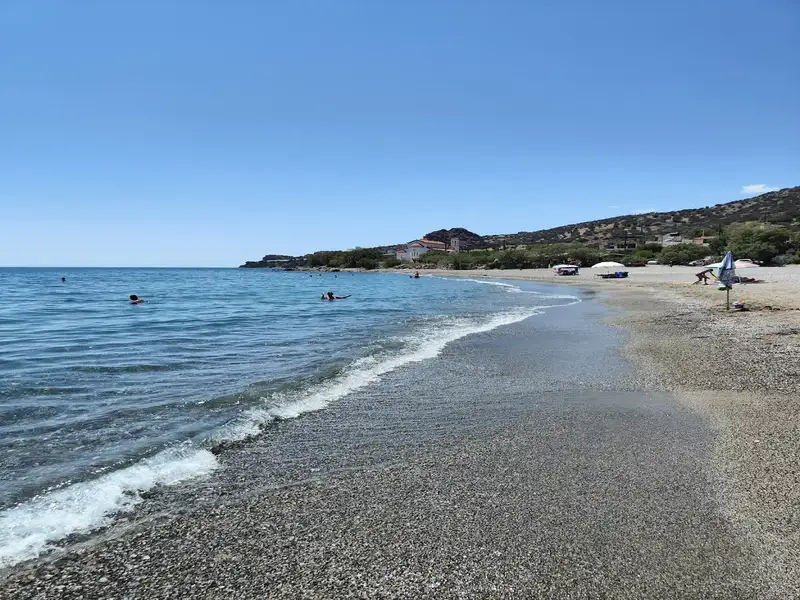
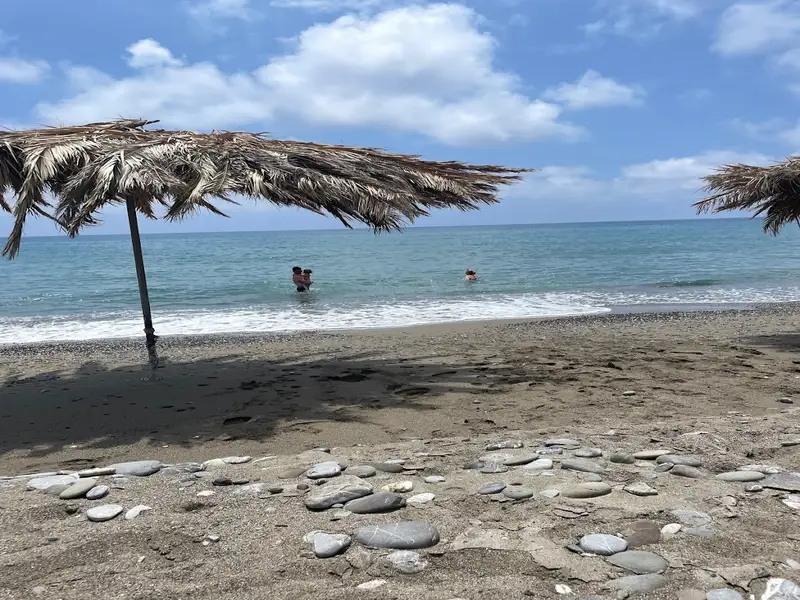
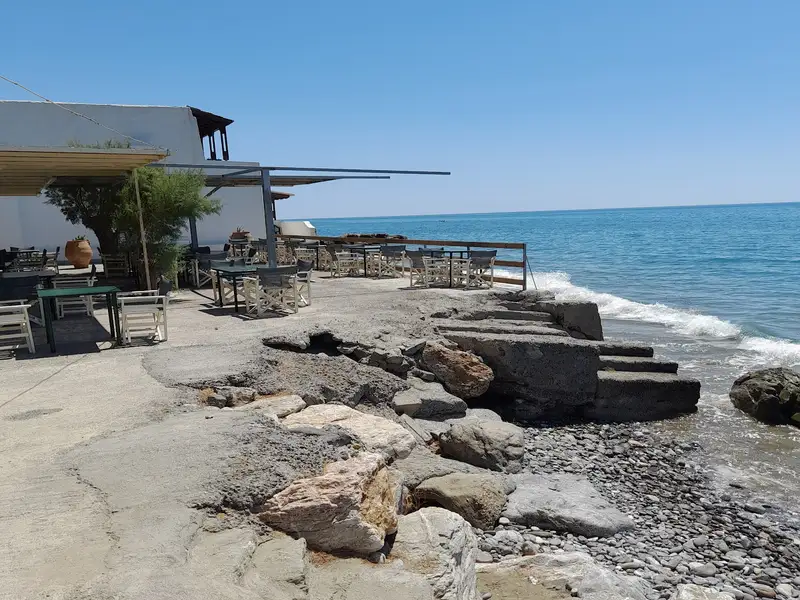
The village’s main beach is situated to the east of the local harbour, extending eastwards up to the Keratokambitis river. The beach is quite organized where it adjoins the village, and in some areas, it is strewn with large pebbles, making it a suitable spot for snorkelling. The beach becomes more peaceful and secluded as you move eastwards. Following this is Monobouka beach, located near the Kapsali settlement, and equipped with a few tourist facilities. Monobouka beach, with its sandy terrain and shallow waters, is perfect for children. The beach is dotted with many tamarisk trees, providing ample shade.
A brief overview of the Keratokambos area reveals that Keratokambos (and Kastri) function as the harbour for the inhabitants of the mountainous village of Ano Viannos, situated further north. In the 1950s, the area housed only warehouses for storage of products like carob, citrus, oil, etc. The local harbour was employed for transporting these products to urban centres via cargo ships, as there was no road network at that time. Today, Kastri and Keratokambos form a unified village, which has witnessed significant growth in tourism in recent years. The village boasts of a school, a clinic and a notable gallery.
The name Keratokambos translates to Carob Fields in Greek, a name derived from the locust trees grown in the region for producing carobs. Another interpretation suggests that the name comes from the Greek word ‘Kerato’, meaning horn, referring to the towering steep rock, called Kerato, located north of the village in the Vigla area. The top of Vigla houses the ruins of a Venetian fortress, while its base is home to a large cave with rich stalagmite decorations and numerous bats.
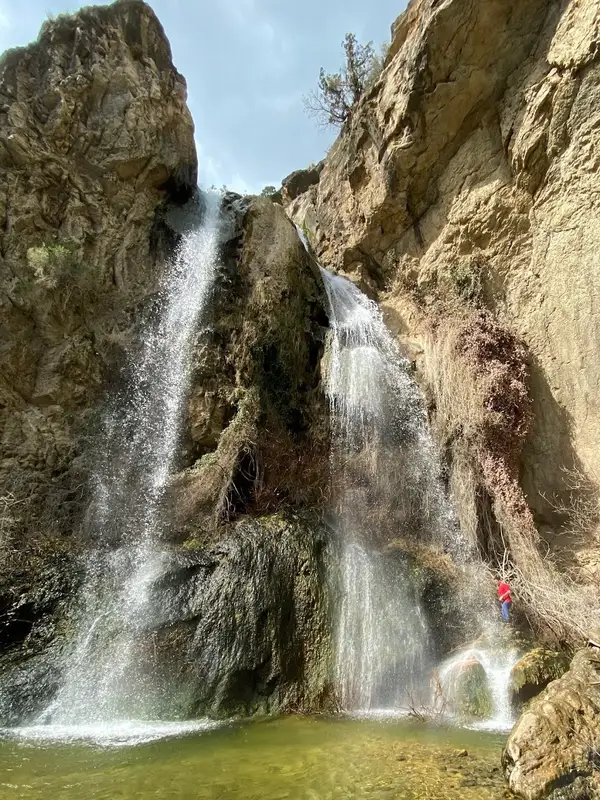
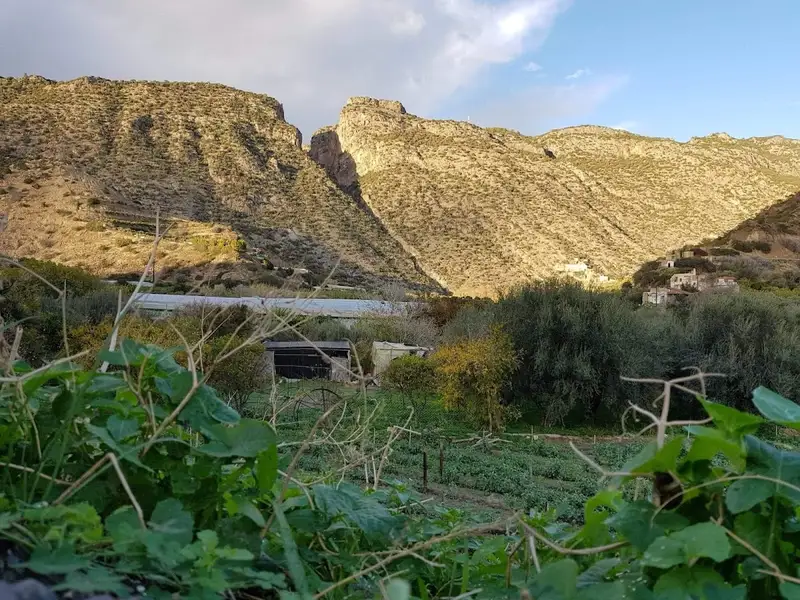
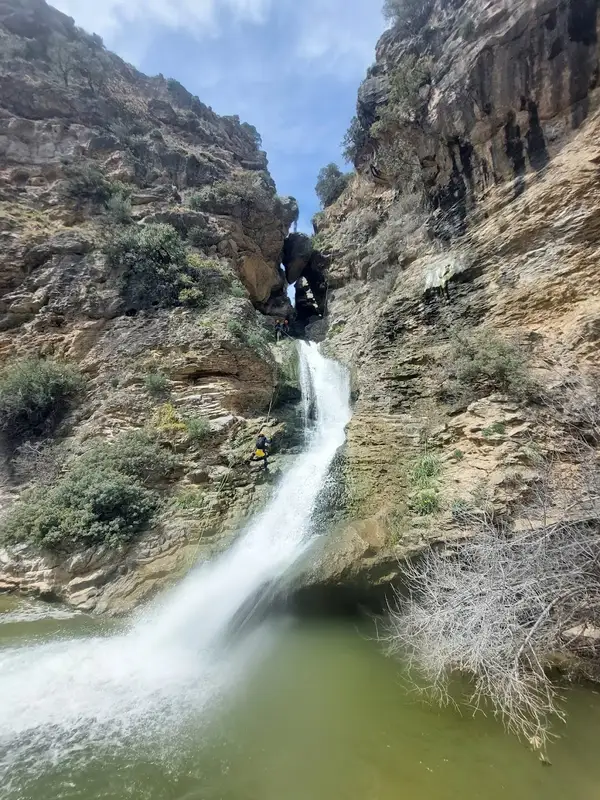
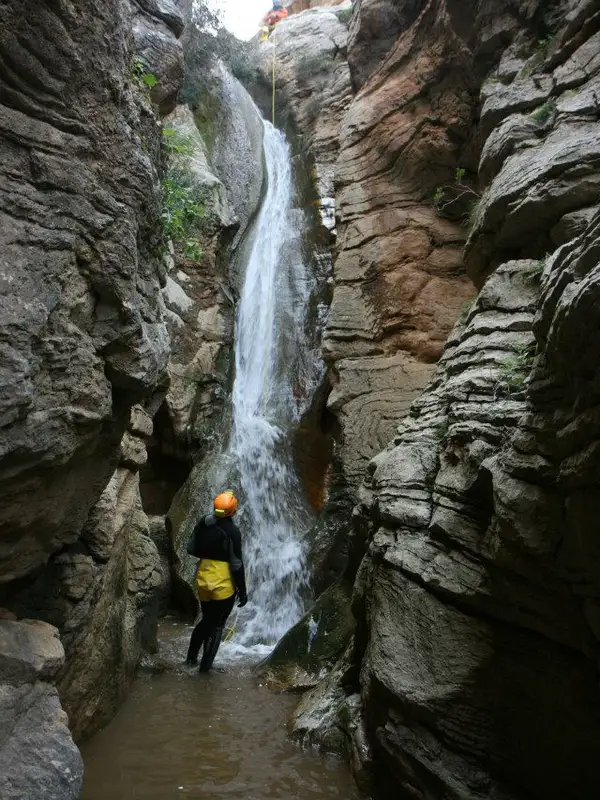
The villages of Keratokambos and Kastri are built in a valley formed by several wild gorges, with the Keratokambitis river cutting through the rugged Portela gorge. In the Richtra region, a beautiful 10m high waterfall can be found, which is worth a visit (especially in spring).
The Kavousi and Piskopi Pidima (Bishop’s Jump) gorges are other impressive natural formations of the area. The latter gets its name from a local legend of a bishop and his horse miraculously leaping across the gorge to escape from the Turks. As a tribute to this miracle, the bishop built the church of St. George near the gorge.
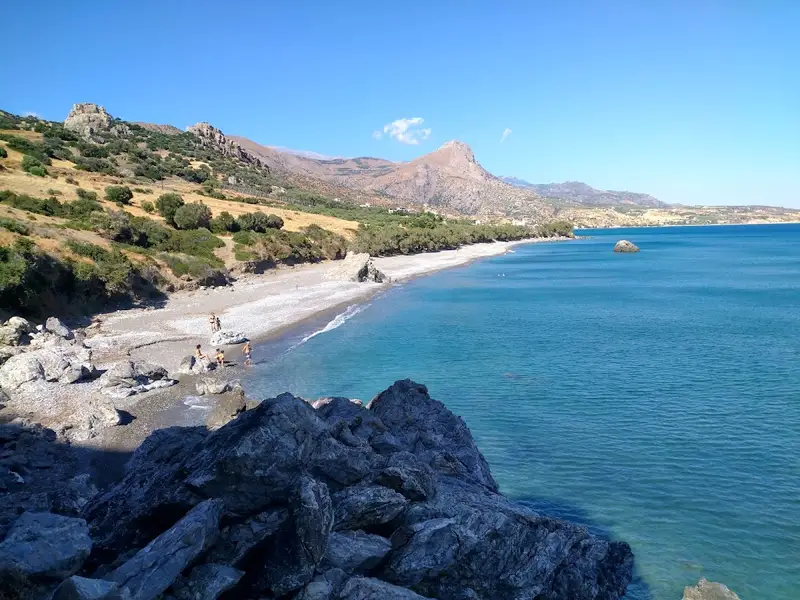
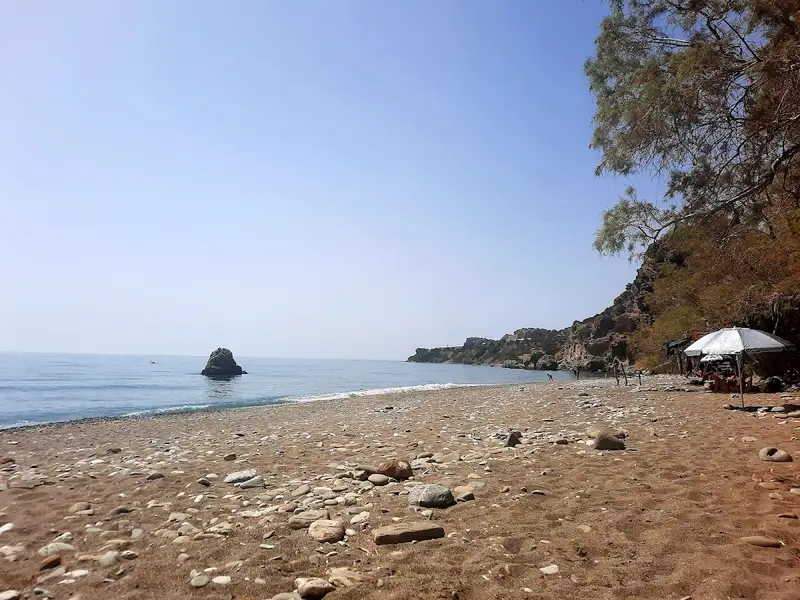
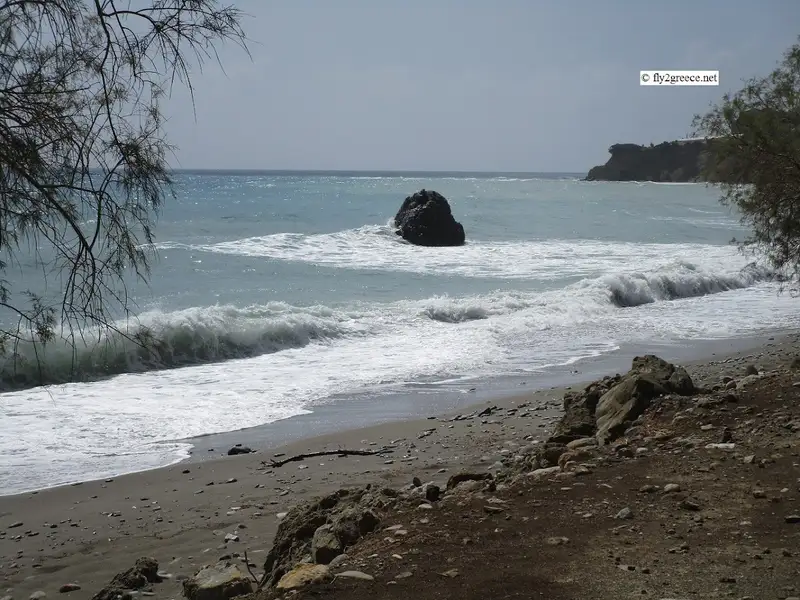
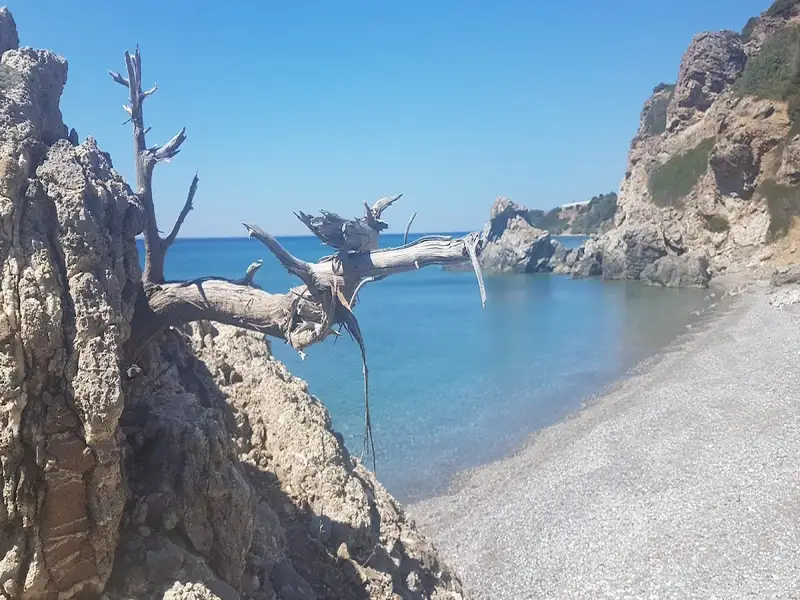
Kastri, a serene location nestled 72km southeast of Heraklion in the protected bay of Keratokambos, offers the longest beach of Skouros just to the west of its central beach, located next to the Saint Myronas church. The beach is a picturesque blend of sand and pebbles and remains largely unpopulated. A grove of tamarisk trees along the beach offers a haven of shade. The shoreline is dotted with unique rock formations, both on land and extending into the sea, adding to the beauty of the landscape. The beach derives its name from a large, dark rock known as Skouros, located in the western part. The beach is an ideal spot for free camping and offers a secluded retreat.
Further west of the Skouros rock, you can explore the most isolated beaches in the region, starting from Xerokambi and extending to the eastern edge of the Listis rock. Access to these beaches is via dirt roads leading to nearby greenhouses.
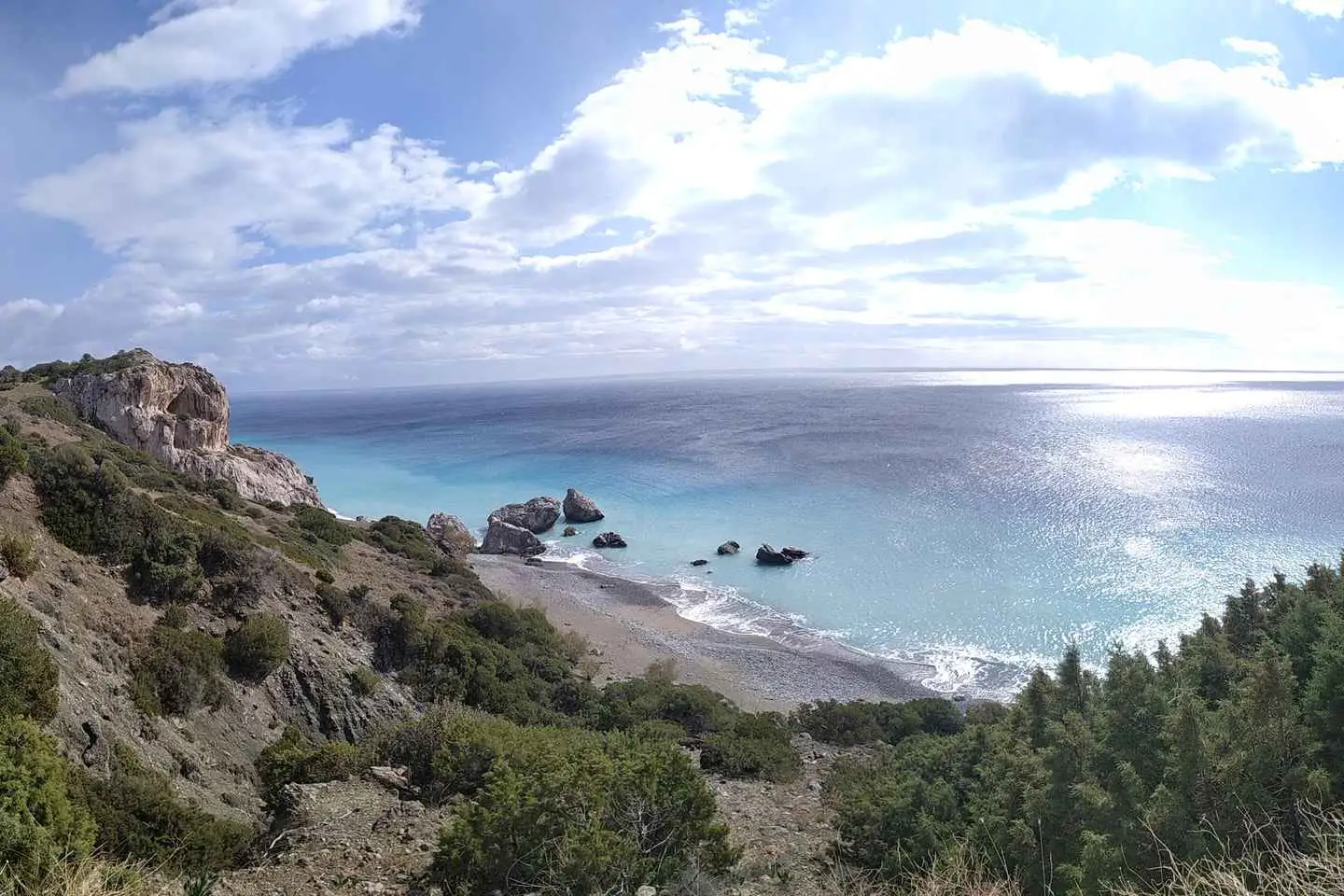
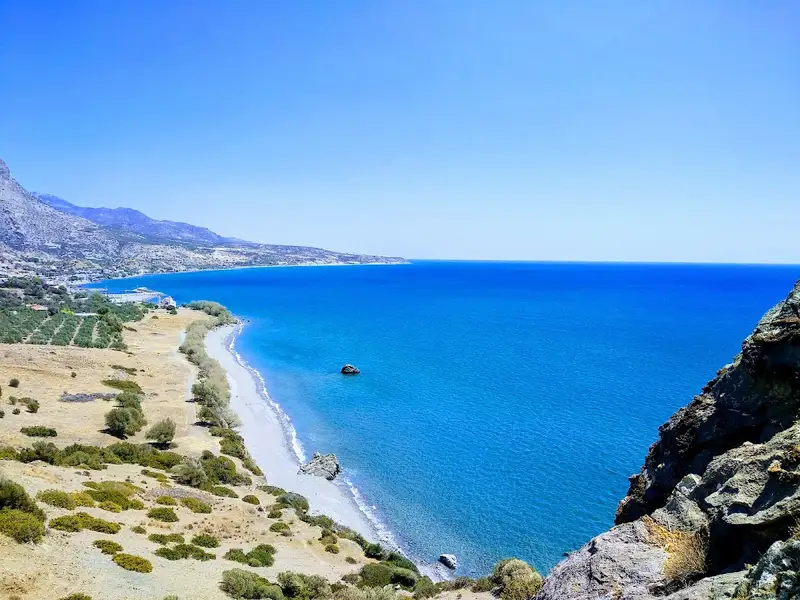
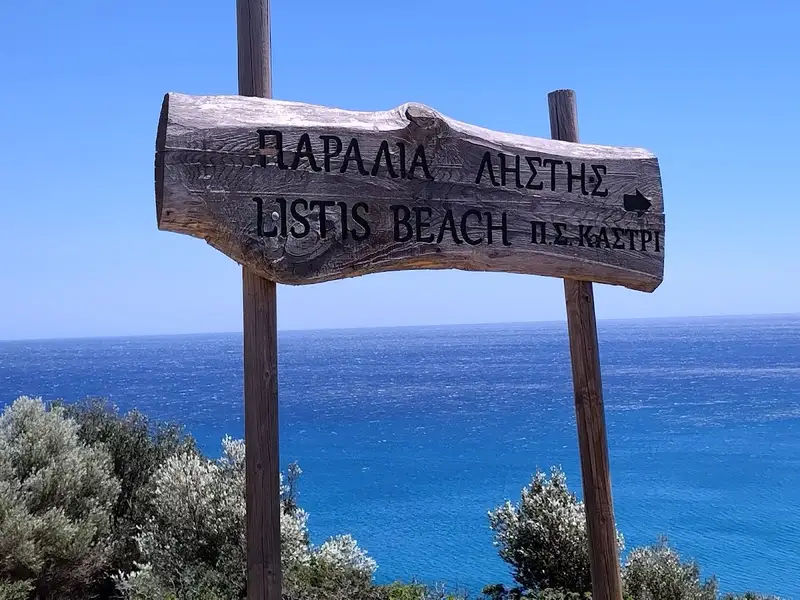
Listis, a charming beach tucked away 69km southeast of Iraklion, is nestled between the towns of Kastri, 2km to the west, and Tsoutsouras. The road that connects these two towns skirts the edge of the beach. To reach the beach itself, it’s necessary to navigate a steep slope. Alternatively, you can alight at the neighbouring Kamboula beach and stroll eastwards. Regardless of the route you choose, the destination is undeniably worth it.
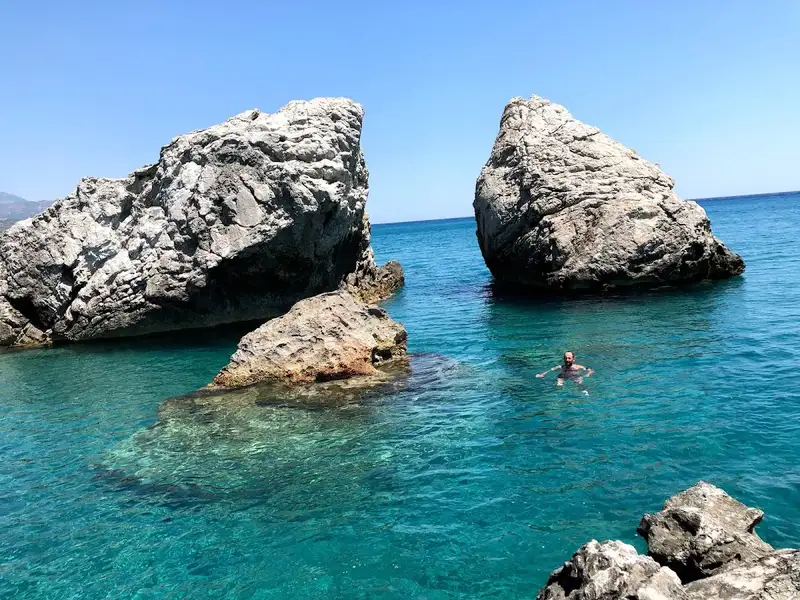
Despite its modest size, Listis beach stands out as one of Crete’s most appealing. It’s an unmanaged location that can get crowded during peak season. The beach boasts sandy stretches and shallow, crystal clear waters. Its uniqueness lies in the large rocks scattered in the sea and along the shore. Even though the water is rocky, the sandy seabed is perfect for swimming and frolicking in the water. If you swim east of the beach, beyond the massive Listis rock, you’ll find a quaint sandy beach with a spring in the Xirokambi area.
Listis rock, rising above the beach, is home to several intriguing caves. According to local lore, these caves once sheltered a bandit, hence the name Listis, meaning bandit. The caves are easily accessible from the main road rather than from the beach. On the crest of the hill, remnants of an ancient sanctuary can be found.
No results available
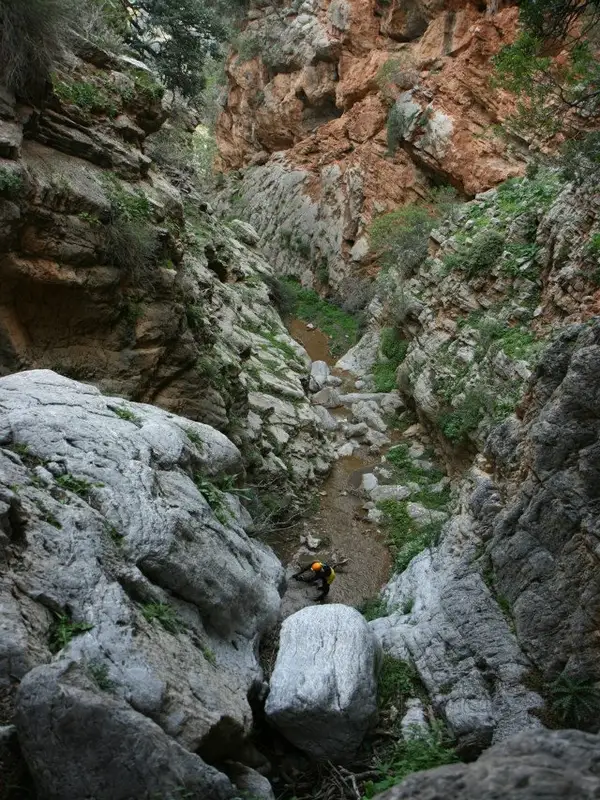
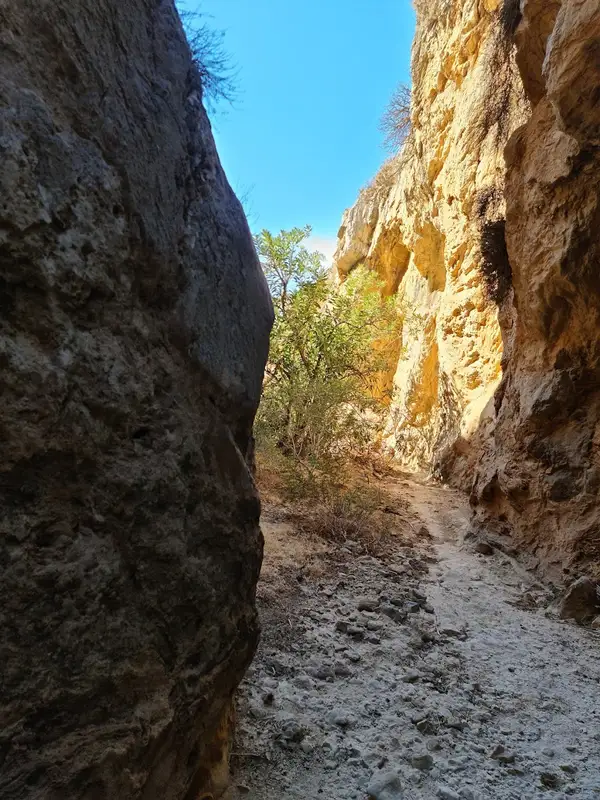
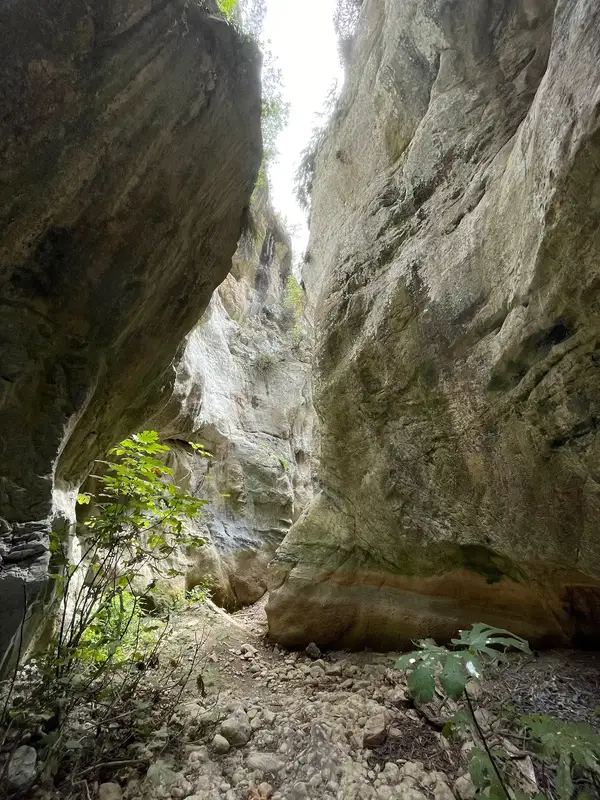
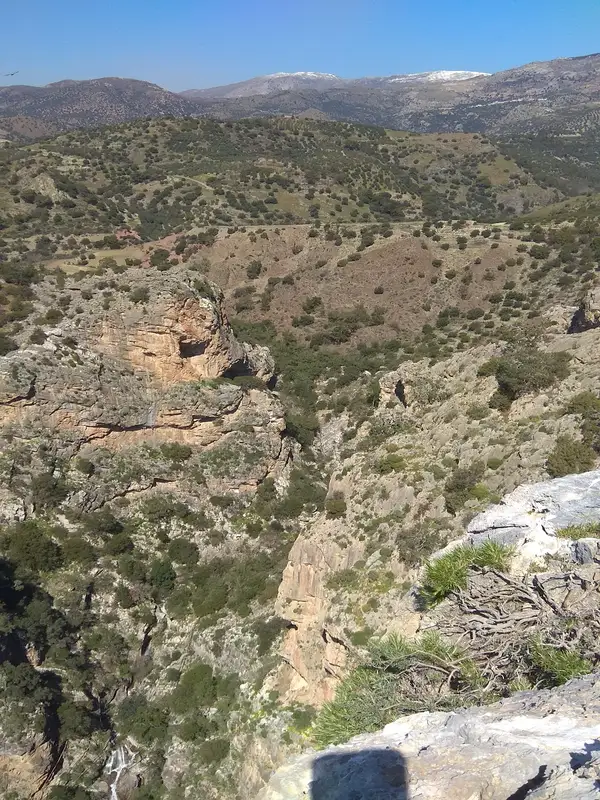
The Portela Gorge, positioned in the southern region of the Heraklion prefecture, serves as a drainage channel for the Ano Viannos basin, directing water towards the South Cretan Sea. The gateway to this gorge is situated at the Hondros village, and it leads out to Keratokambos. It ranks among Greece’s most perilous canyons, only to be traversed by seasoned canyoners. Particularly after heavy rainfall, the gorge can prove lethal. However, a passable trail and road run alongside the gorge, stretching from Hondros to Keratokambos, but they lack the allure of the canyon’s interior.
This gorge is a blend of beauty and wilderness, earning it legendary status in the region and ranking it among Crete’s most popular canyoning locations, alongside Ha and Arvi. It boasts the greatest water volume during winter and early spring compared to other local gorges. The canyon features 25 technical descents with the highest being 30m, and a 340m altitude difference between the entrance and exit. Owing to the area’s inaccessibility, locals are primarily familiar with the last waterfall, Richtra, at the gorge’s exit, which can be reached without any equipment.
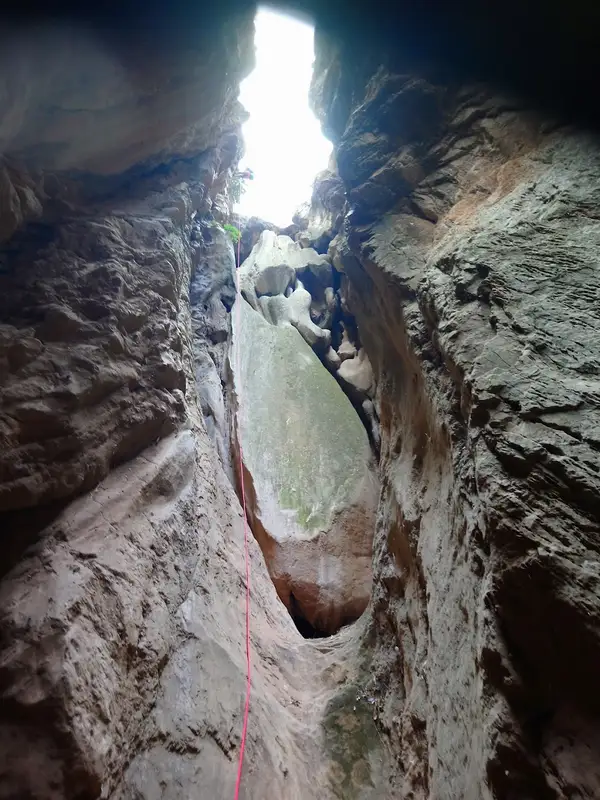
Five faults intersect the canyon, contributing to its formation along with gully erosion. These faults divide Portela into three sections, resulting in a rich variety of plants and landscapes. A unique feature of this canyon is the abundance of mud it holds, possibly due to the “Viannos” rock formation visible before the gorge. This formation contains large amounts of clay, which is carried into the canyon by the water flow. The gorge’s signature feature is the stunning Sifoni, a large waterfall in a sinkhole, the “bottom” of which has been opened, allowing the waters to continue their journey.
A few kilometres west of Tsoutsouras gorge in the eastern Asterousia range, you’ll find the smaller and narrower Troulla gorge. Though it’s shorter than the Tsoutsouros canyon, it has captivated the hearts of canyoners with its over 15 stunning waterfalls, the tallest reaching 15m. Its close proximity to the Tsoutsouras Canyon makes its geological features similar. It was endearingly named Tsoutsouraki, meaning small Tsoutsouras, by the first group to traverse it.
The entrance to the gorge is situated just west of a remarkable rock known as Troulla near Tsoutsouras, at a location called Meli Lakos (Honey’s Pit). The exit is located in the area of Staoussa, adjacent to the village. Descending the gorge requires technical canyoning equipment, particularly during the winter when the waterfalls are in full flow.
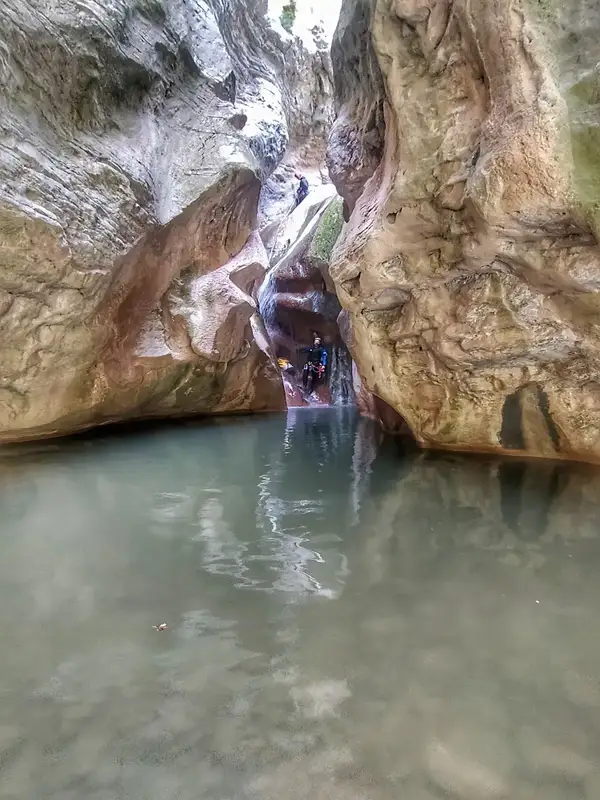
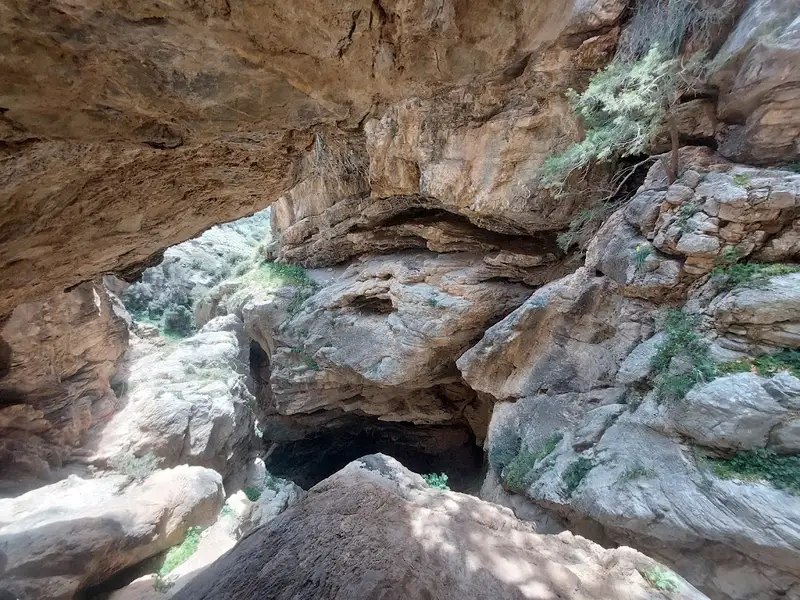
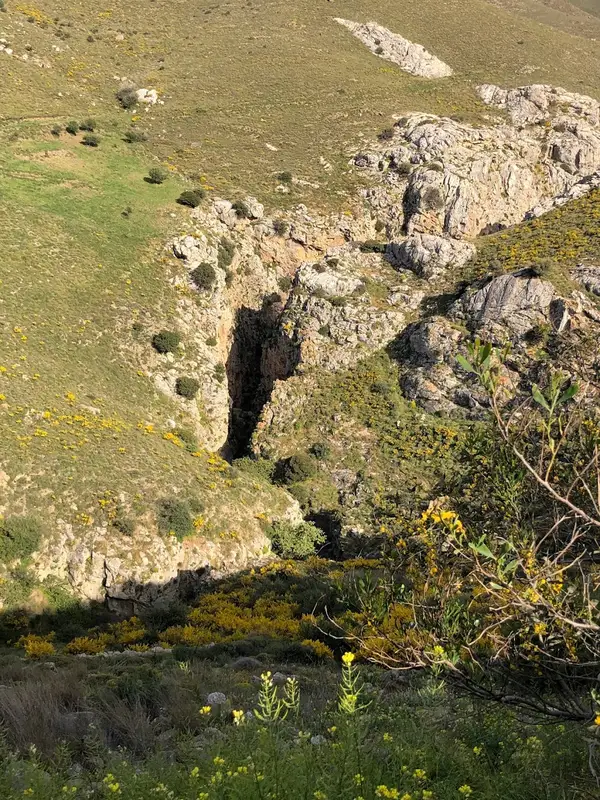
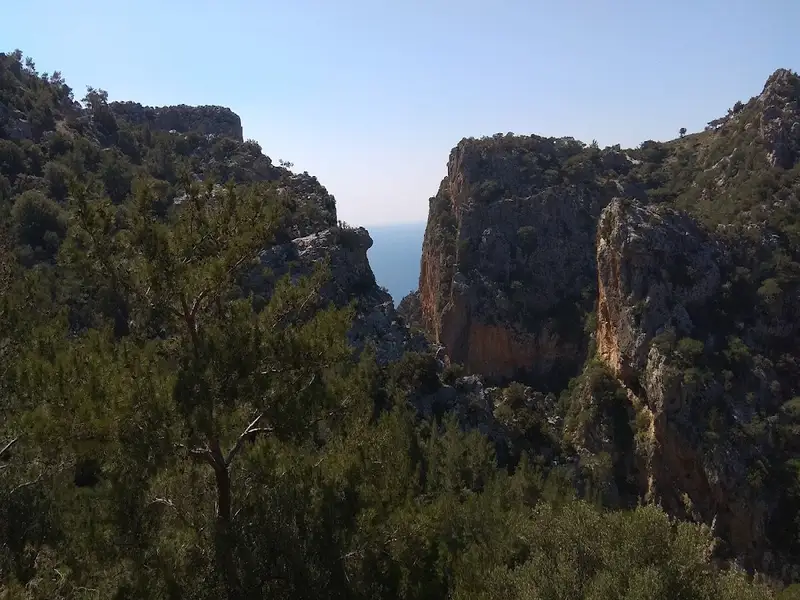
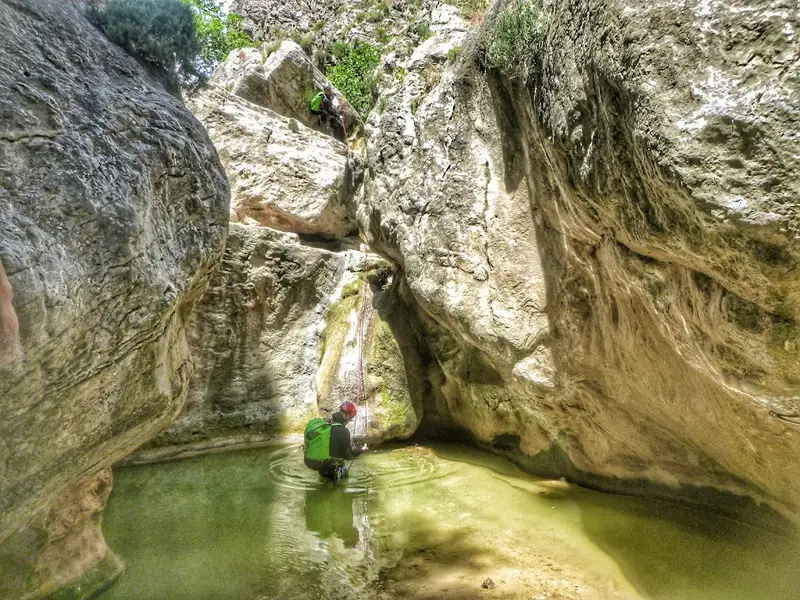
Situated in the eastern region of the Asterousia range, the Tsoutsouras Canyon is nestled within the Tsoutsouras area. This canyon is one of the many inaccessible ones in the region, initiating at the Sfakias position and culminating near the Larinaki area, close to the settlement. The sight of it can be quite breathtaking at first glance.
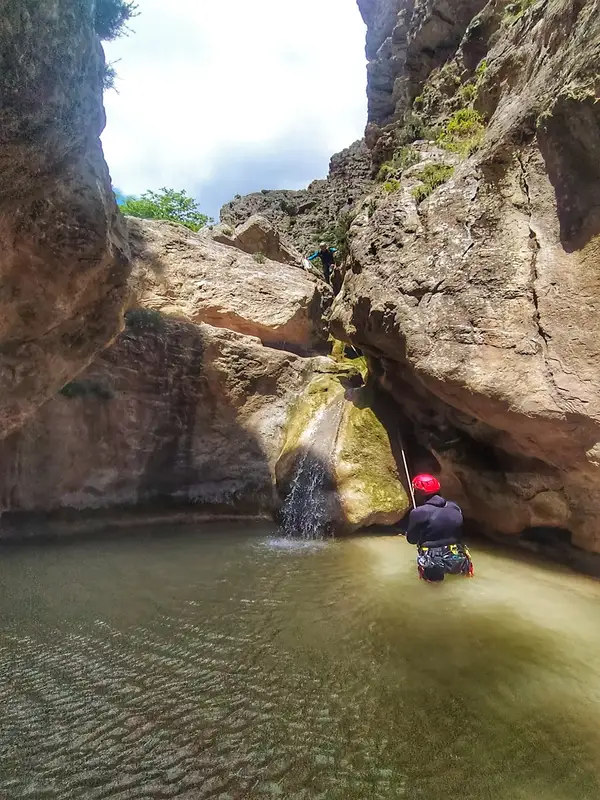
Despite its relatively short length of 1.5km, the Tsoutsouras Canyon serves as an excellent training ground for those new to canyoning. It’s a technical gorge, implying that the only way to navigate it is through the use of canyoning ropes. There are 12 descents or rappels within the canyon, with the highest one towering at 30m.
The majority of these rappels are found near the canyon’s exit, where the gorge deepens and the rocks display a stunning array of colors. During spring, the presence of water enhances the experience of rappelling down the waterfalls, making it truly unforgettable.
Crete is home to numerous stunning locations, but a select few can truly be classified as natural marvels. One such marvel is the Arvi gorge, which dramatically splits Arvion Mount in two. This is the location where the shrine of Zeus Arveios once stood. The Arvi and Cha gorges are considered the most awe-inspiring canyons in Crete. The Arvi gorge can be found to the north of the coastal village of Arvi, in the southern region of the Heraklion prefecture, and it has been carved out of the limestone of Mount Dikti.
This gorge is technical in nature, meaning it necessitates canyoning equipment and flashlights to navigate due to the presence of numerous waterfalls in succession. It is a truly perilous area, and any attempts to cross it by those unaccustomed to canyoning could result in tragedy. From winter until the onset of summer, the canyon is filled with water, which adds to its awe-inspiring beauty. The majority of this water originates from the perennial springs of Kefalovrysi. The Arvi gorge presents a high level of difficulty.
The entrance to the gorge is located in the Konisma (Icon) forest, named after a rock that resembles an icon of Christ. The gorge stretches across the Fournos area and features numerous descents, the most remarkable of which is an astounding 85-meter waterfall named Kapnistis (Smoker). This waterfall is named for its smoke-like water spray, which is a result of its incredible height. Kapnistis is one of Crete’s tallest and most impressive waterfalls. However, what truly sets this canyon apart from others in Greece is the section after the high rappel of Kapnistis, where the river flows into the earth for 150 meters, forming an underground river within a cave. In this underground section, the river continues to form waterfalls. Lighting equipment is necessary to navigate this completely dark area. After this dark section, the gorge remains incredibly narrow with extraordinary formations and large rocks, known as splines, beneath which we pass.
Following approximately 20 waterfalls, the gorge concludes and leads to the fertile plains of Arvi, renowned for their banana crops, and situated next to the monastery of Saint Anthony (Agios Antonios). The area at the gorge’s exit is humorously named Donkey’s Ass! In ancient times, a bountiful water spring existed here, but it has since dried up due to the construction of wells. This natural wonder has been a popular attraction for travelers since ancient times. The gorge’s river ends in the South Cretan Sea, but the water never reaches the sea due to its use for irrigation.
No results available
No results available
© All rights reserved. Crete Locals