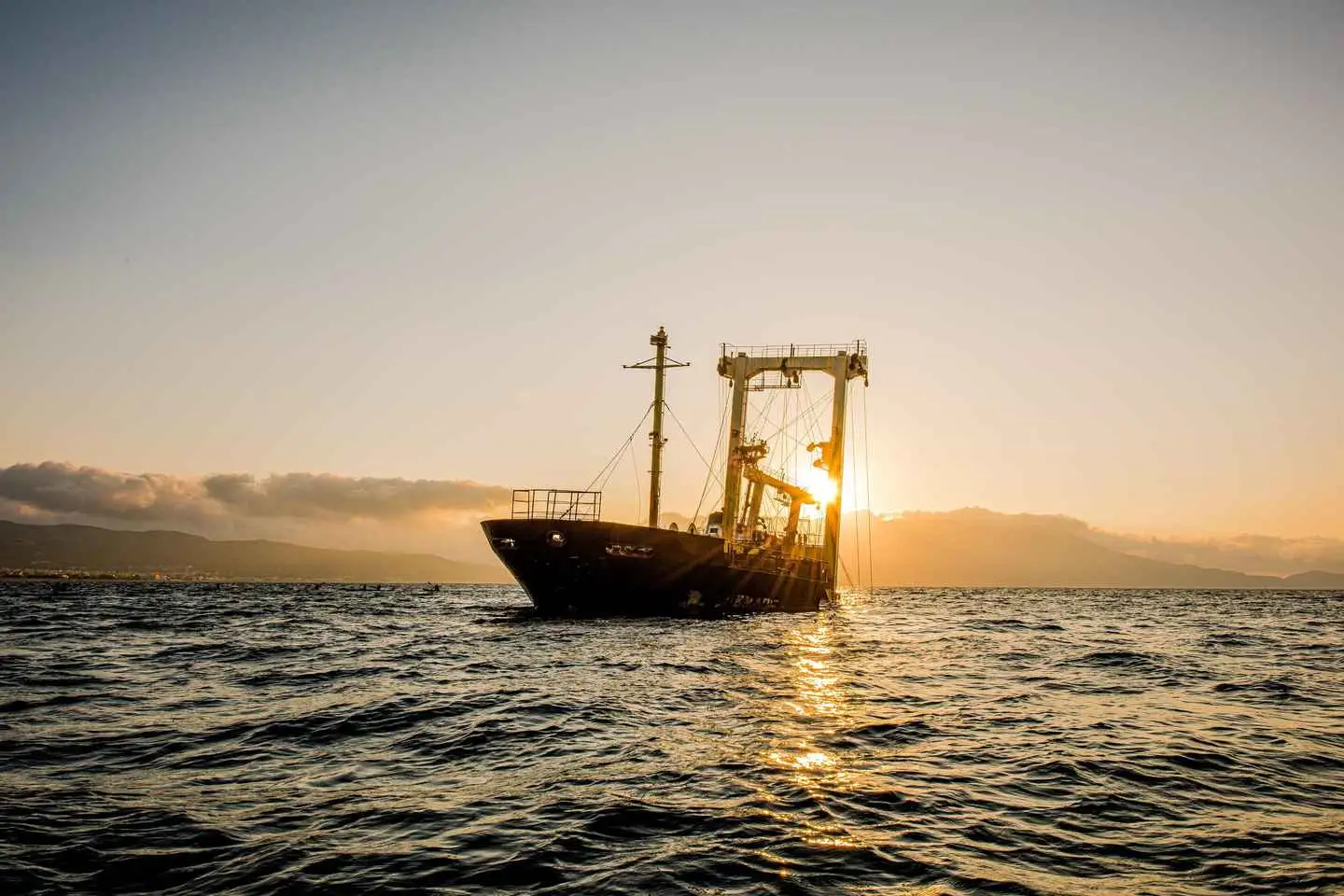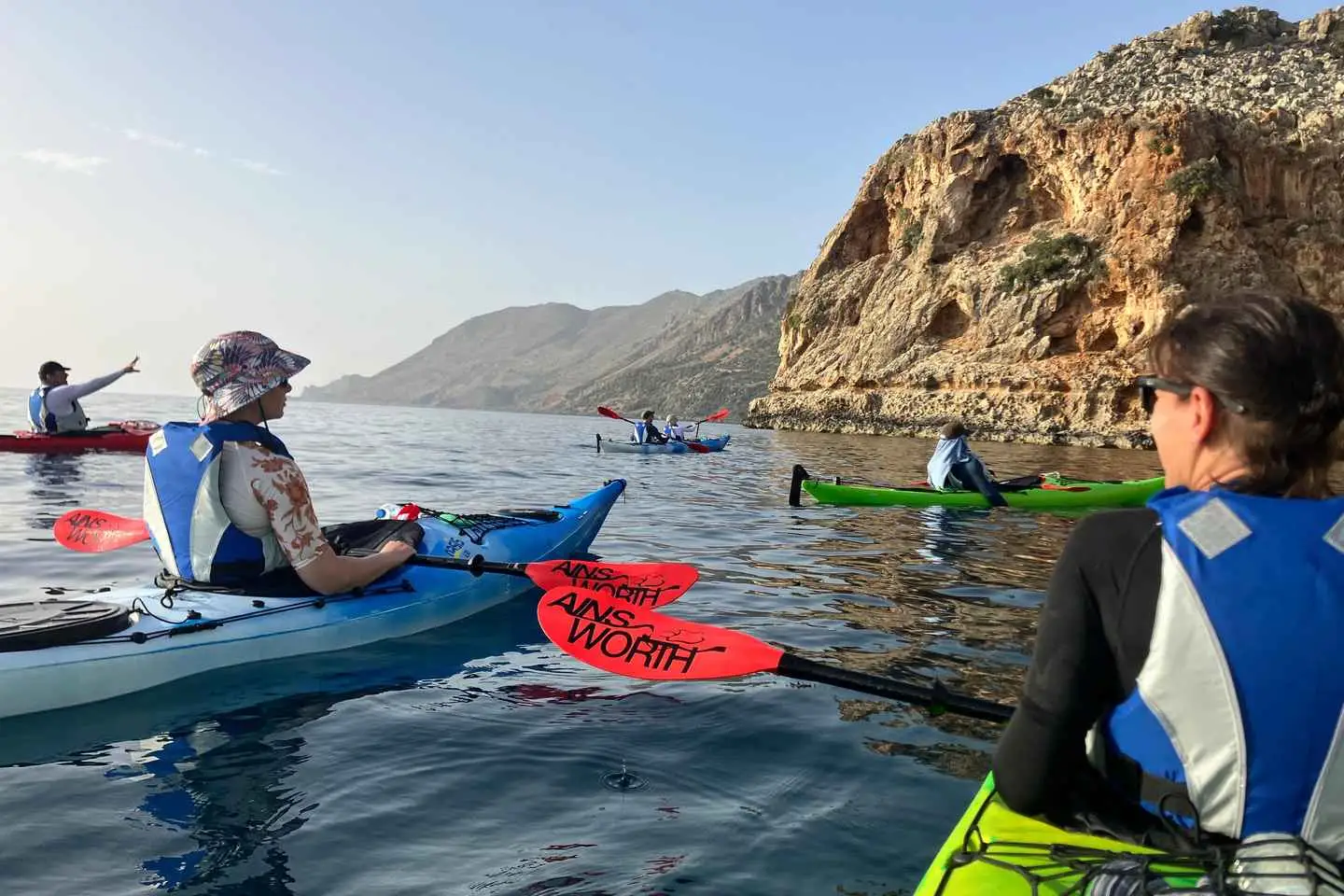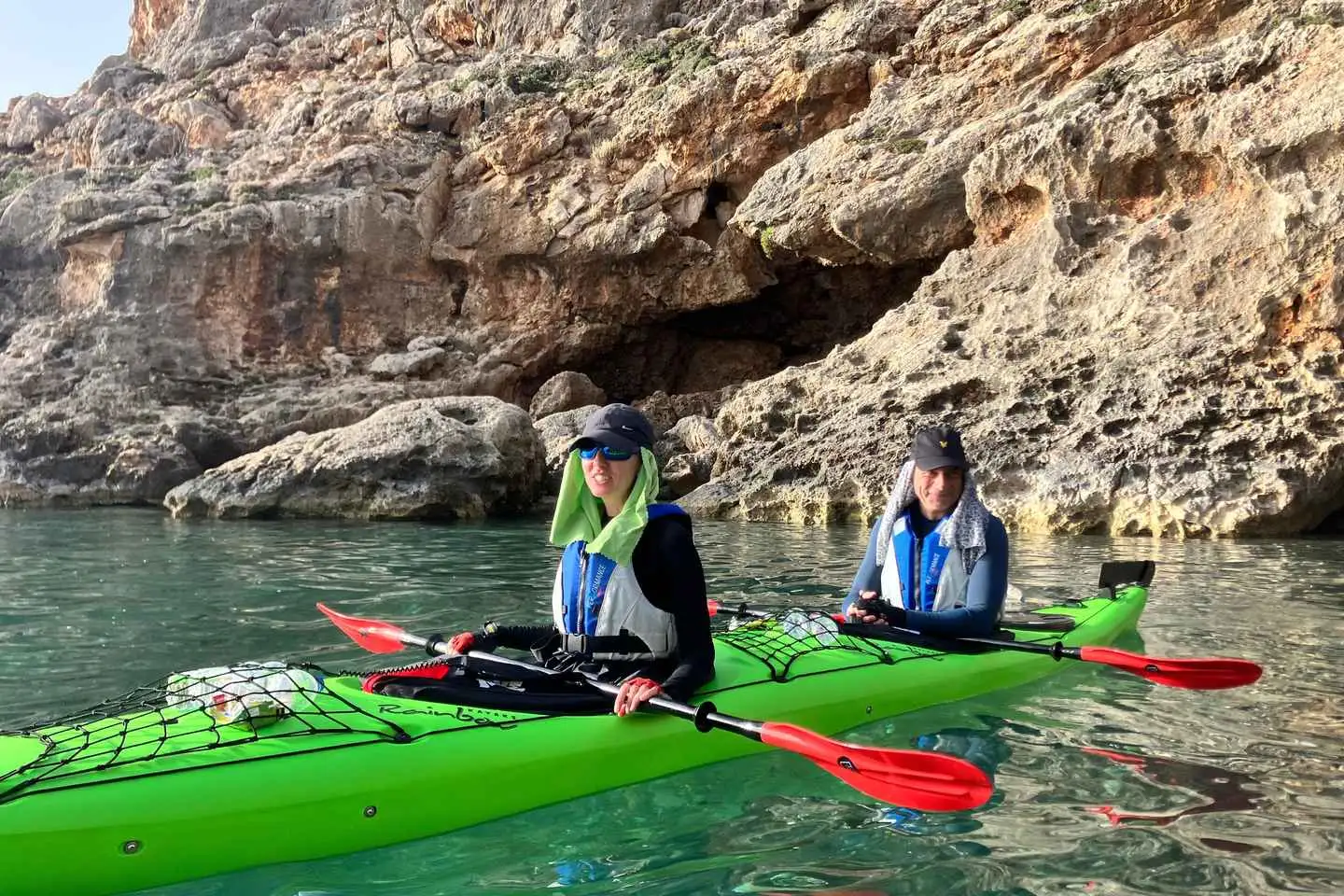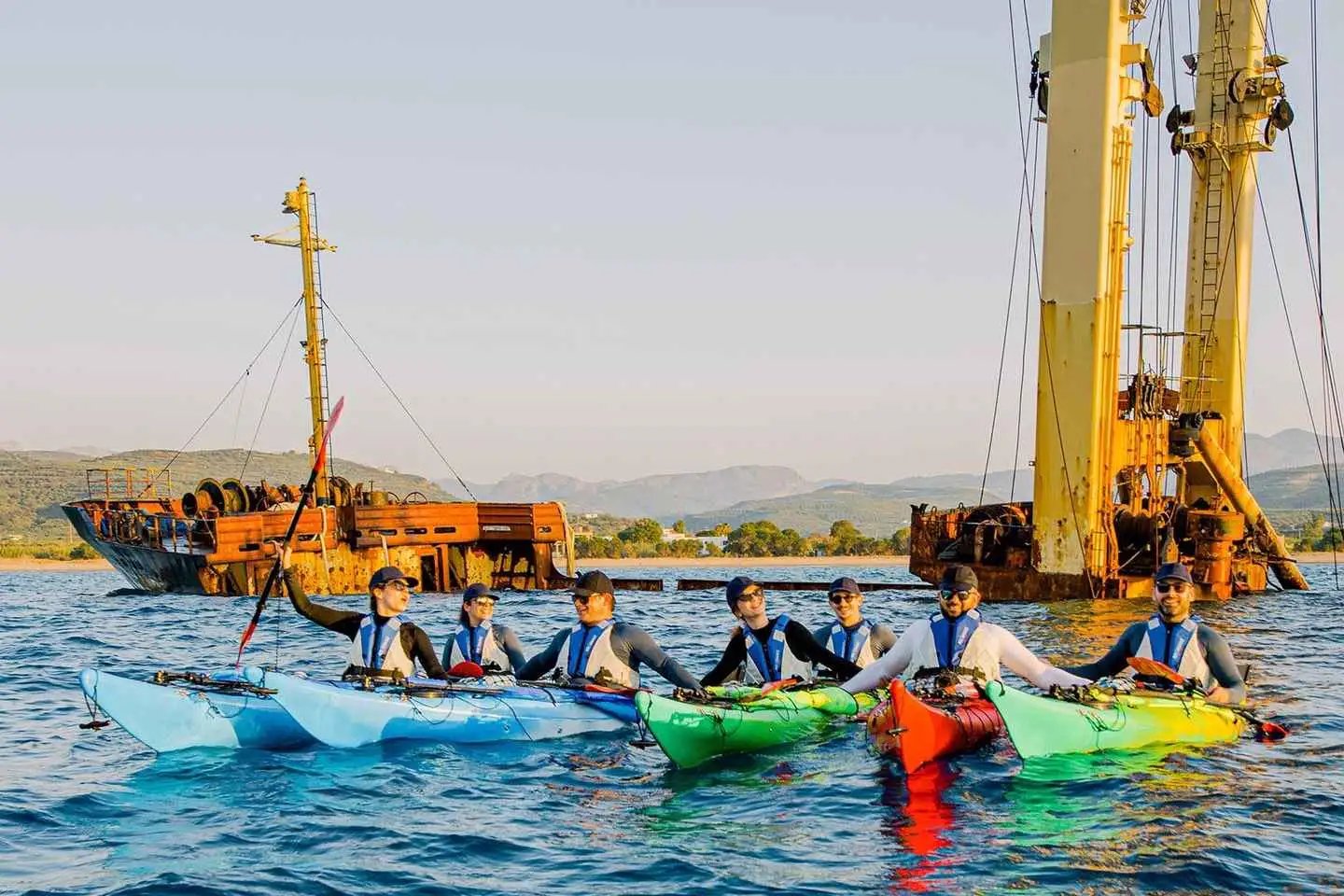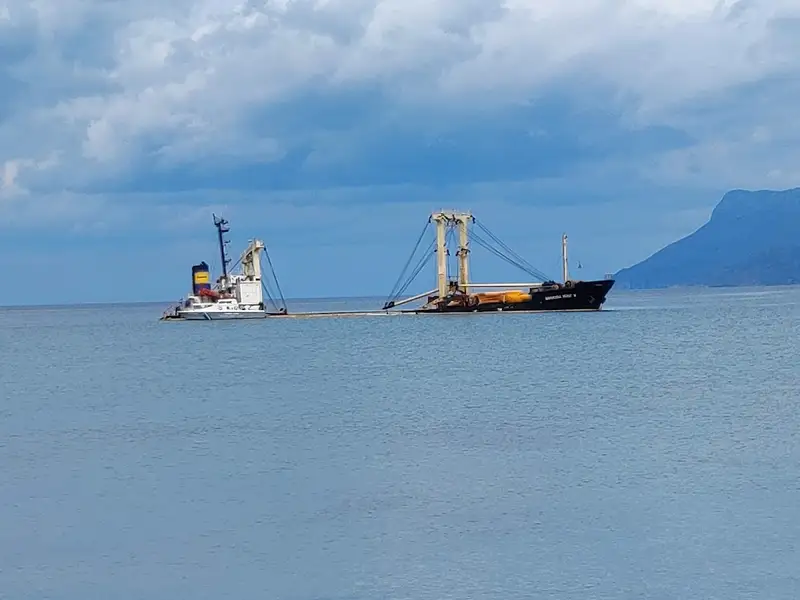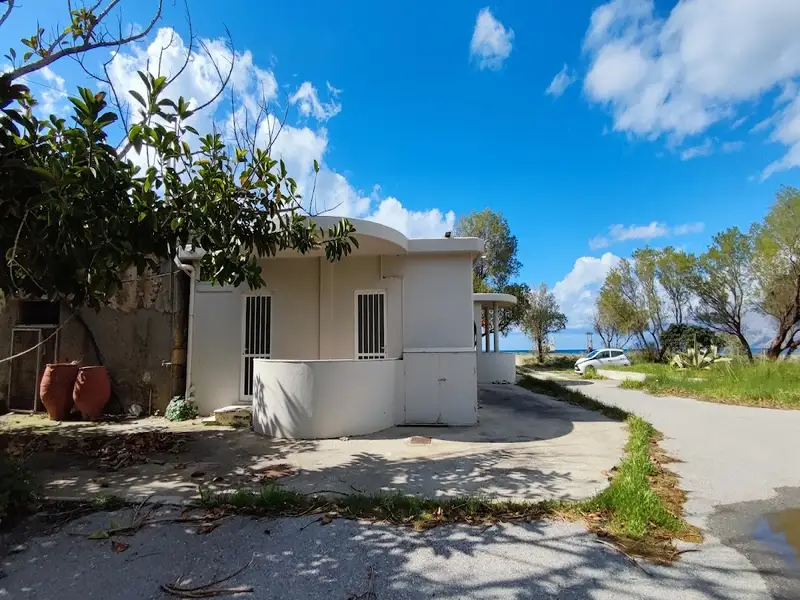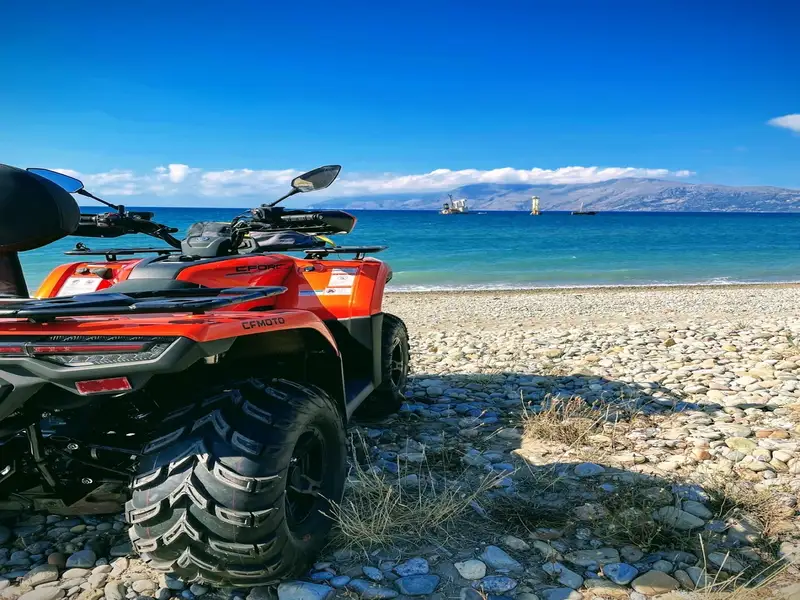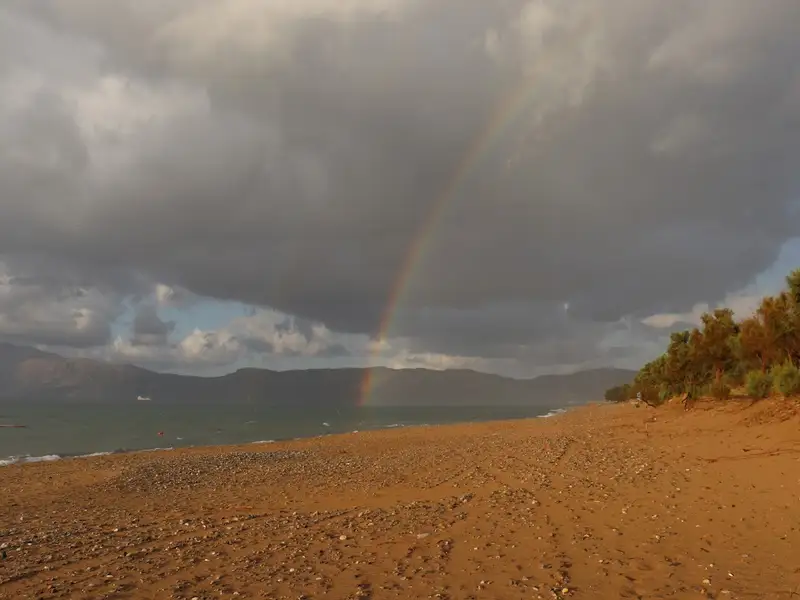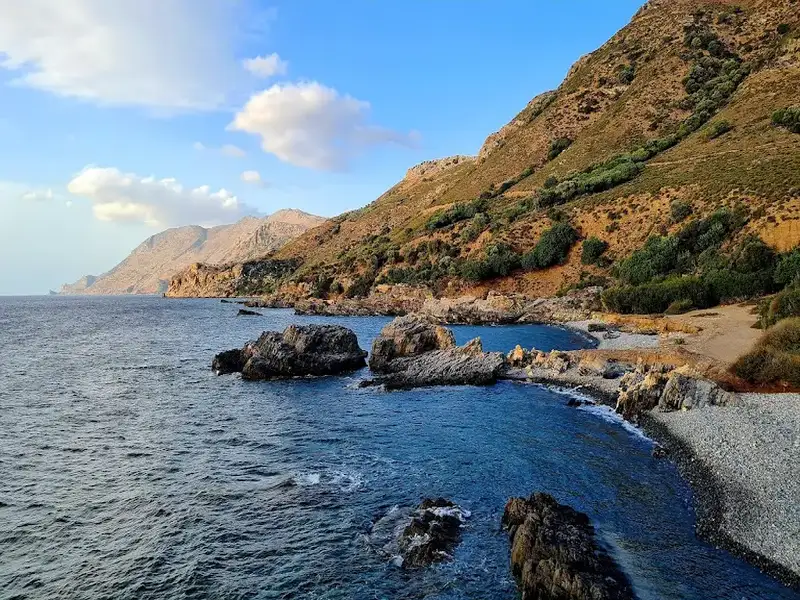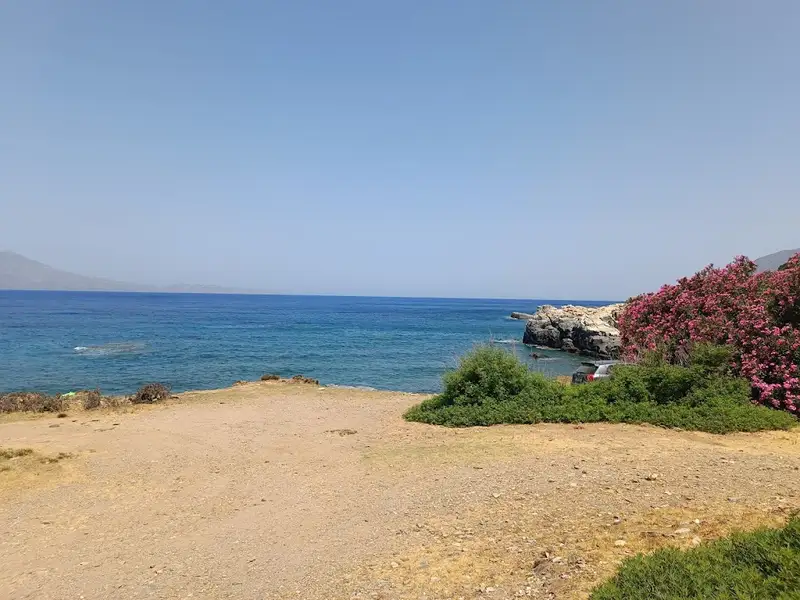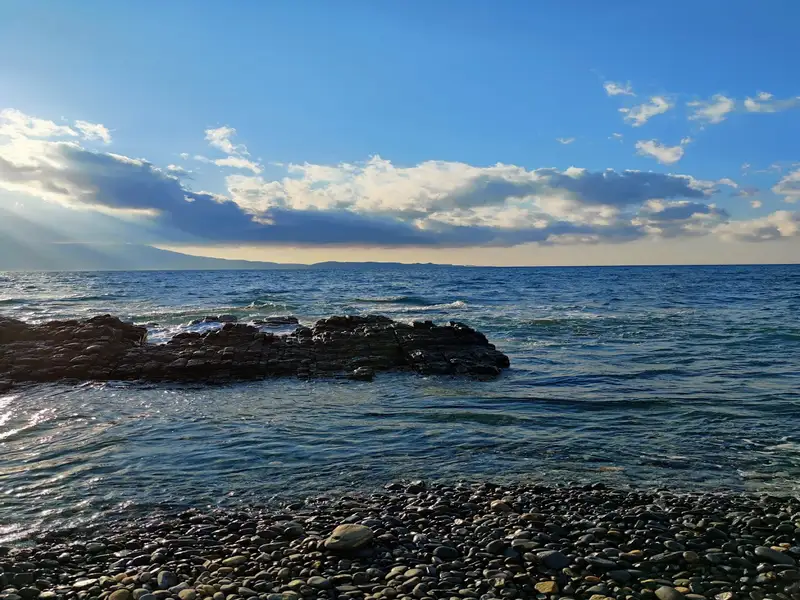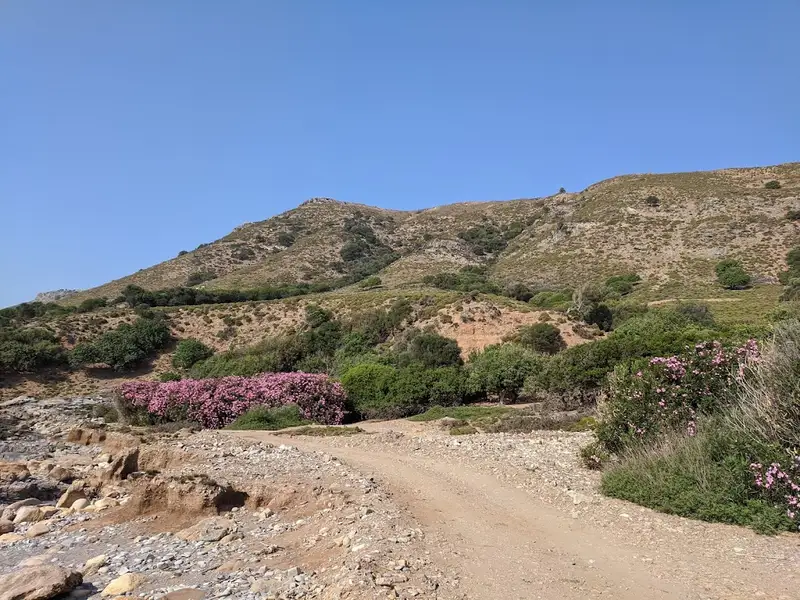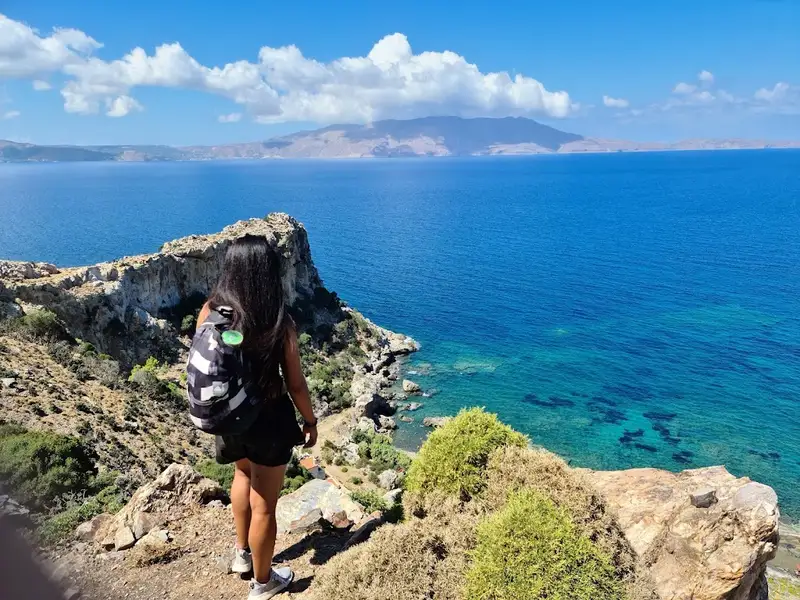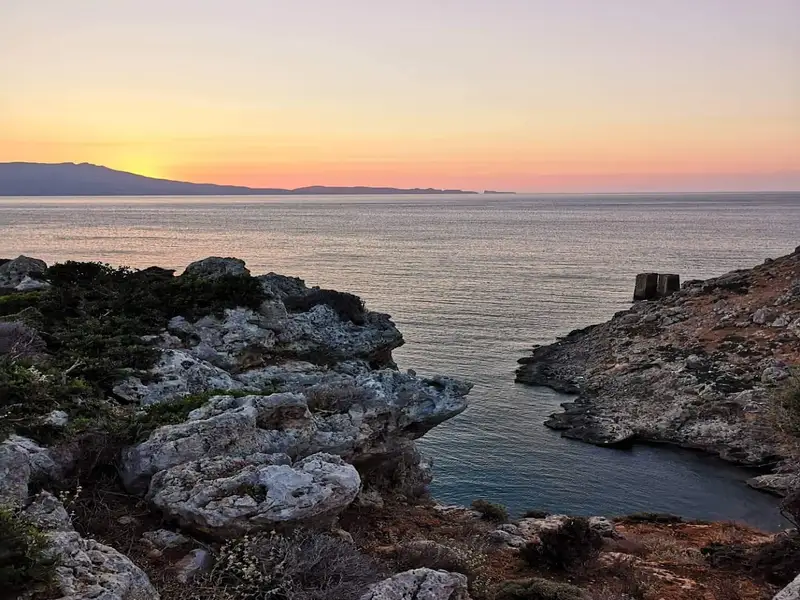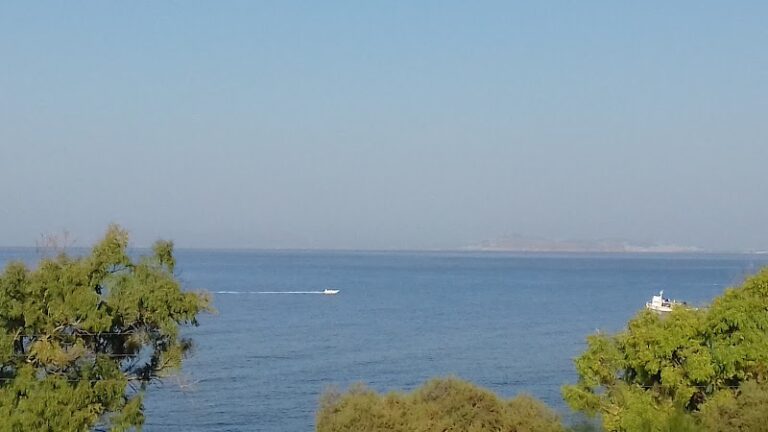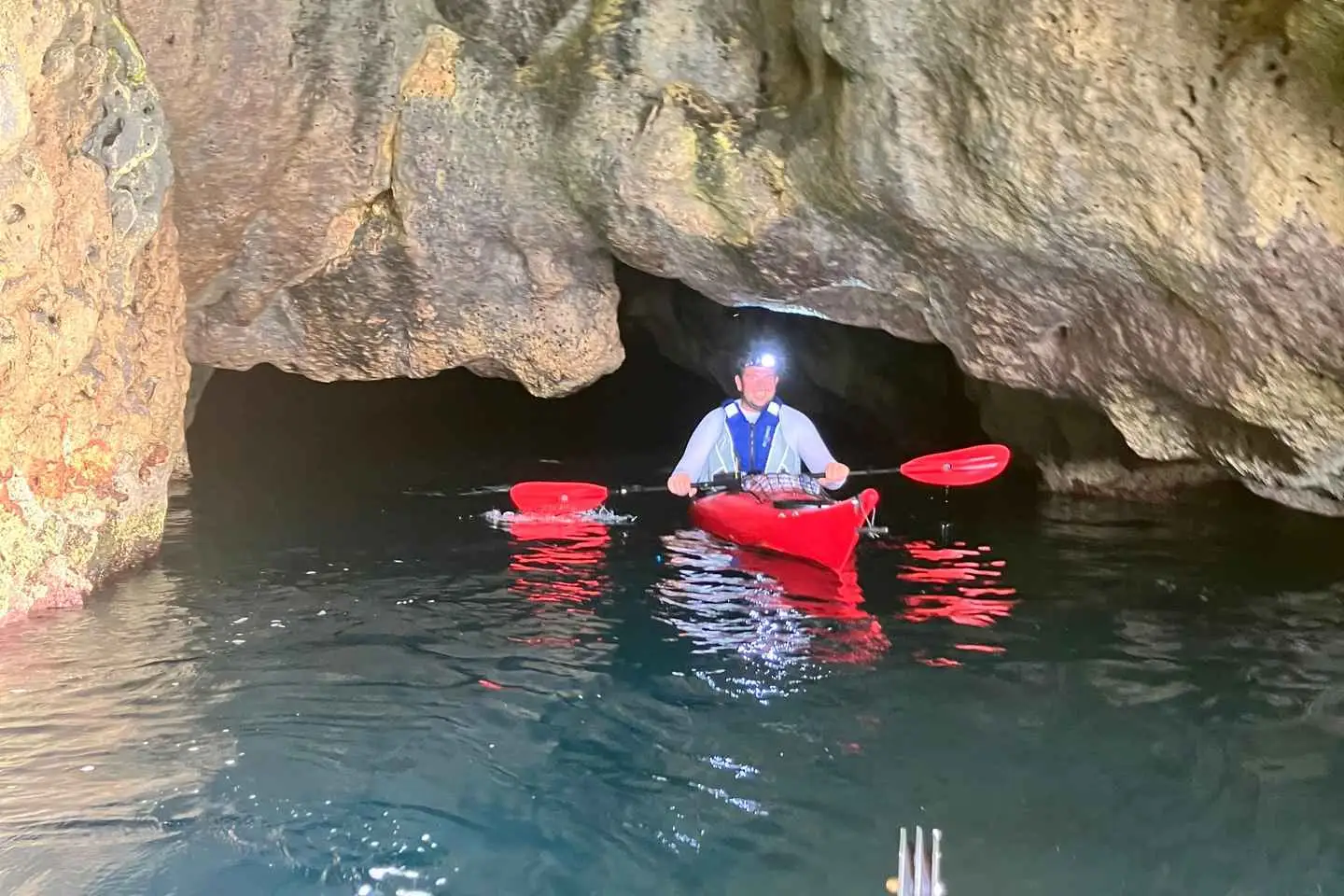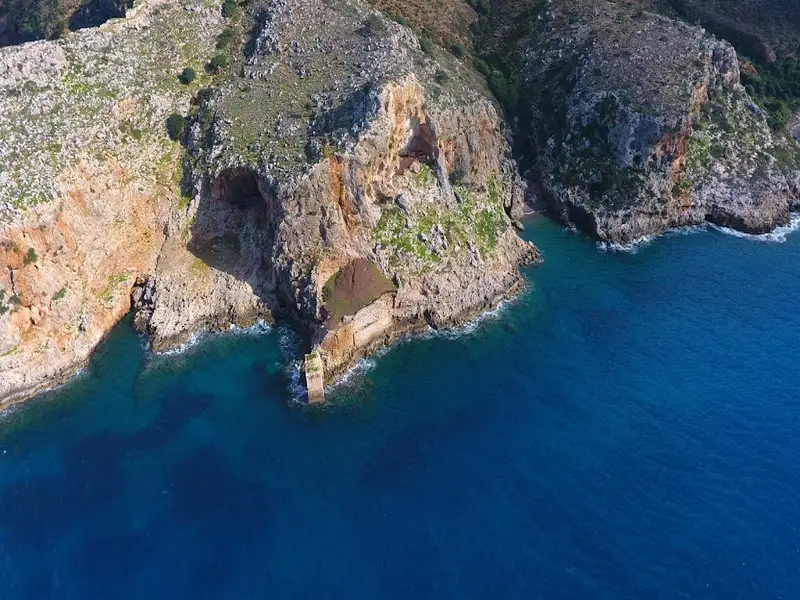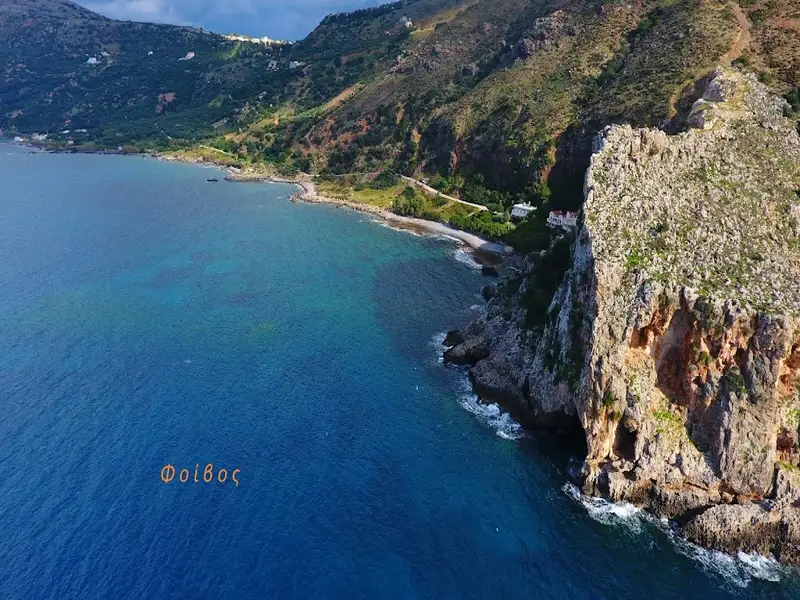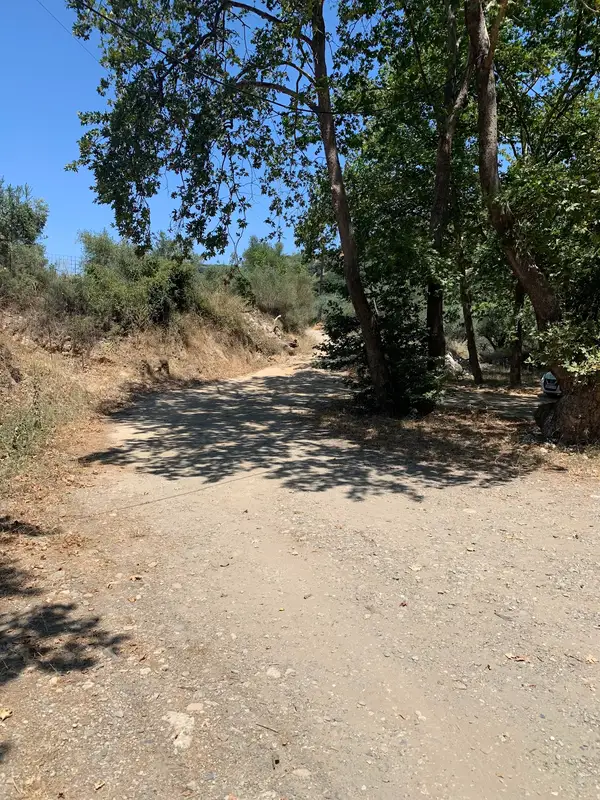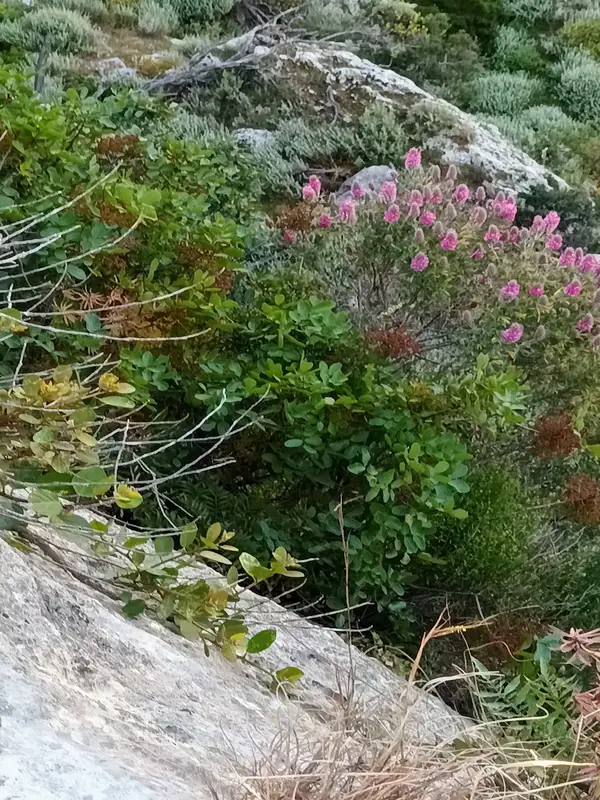
On our Kayak Sunset Tour, you will have the opportunity to paddle in a stunning sea gulf, visit the shipwreck that rests in middle of Kissamos bay, the old Ravdoucha metal mine ruins, a very interesting sea cave and reach out to a small private beach for rest and snorkel!
The Kayak Sunset Tour starts in the afternoon, on a beach very close to Kissamos city. After the reservation, a small form is sent to you with extra details that we will need in order for us to have the kayaks adjusted and ready for our small kayak adventure.
We start by meeting all together in our starting point, fitting the safety equipment and taking instructions on how to kayak and being safe in the sea!
When all the participants take place in their kayaks, we start our tour by heading for our first point of interest, which is a shipwreck (Manassa Rose) in the middle of Kissamos Bay!
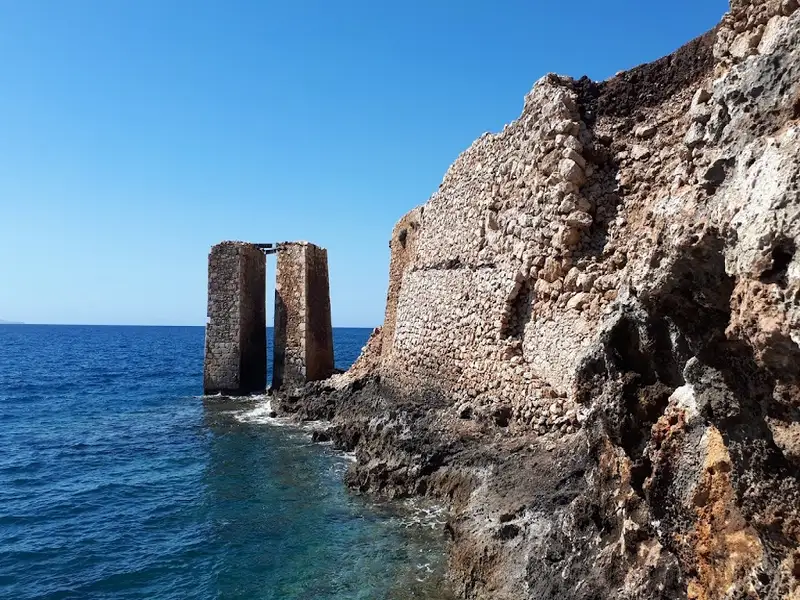
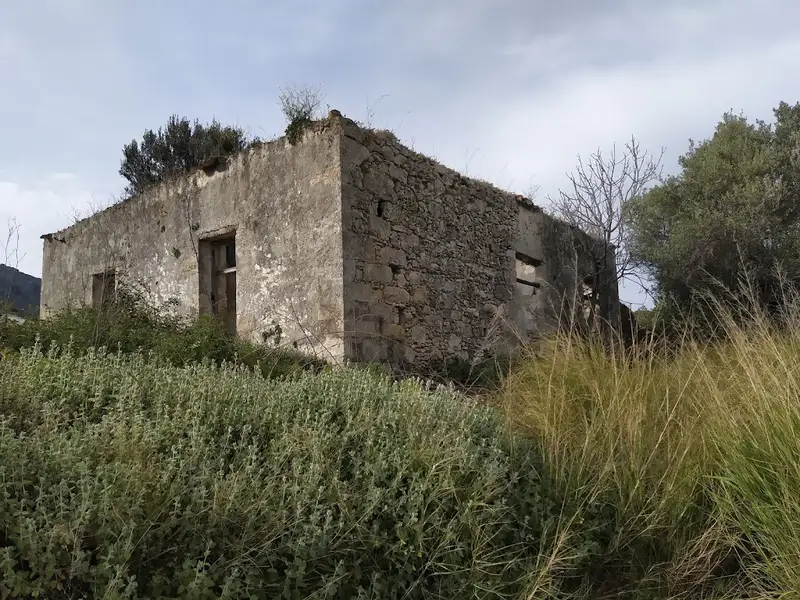
You will hear the story of this shipwreck and after that we will take the course heading to the next point of interest that is some metal mine ruins from 1905!
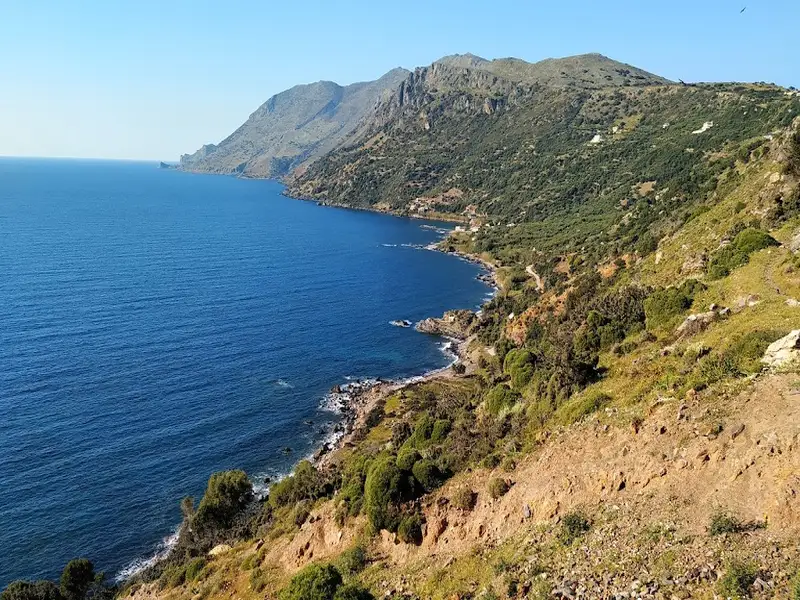
On the way, we will paddle through a beautiful coast line and hear some interesting facts about the area!
Distant small chapels are along our way and very nice rocky natural formations!
Reaching the mine ruins, we will hear the small story of them and straight after we will head for a small private beach accessible only by sea!
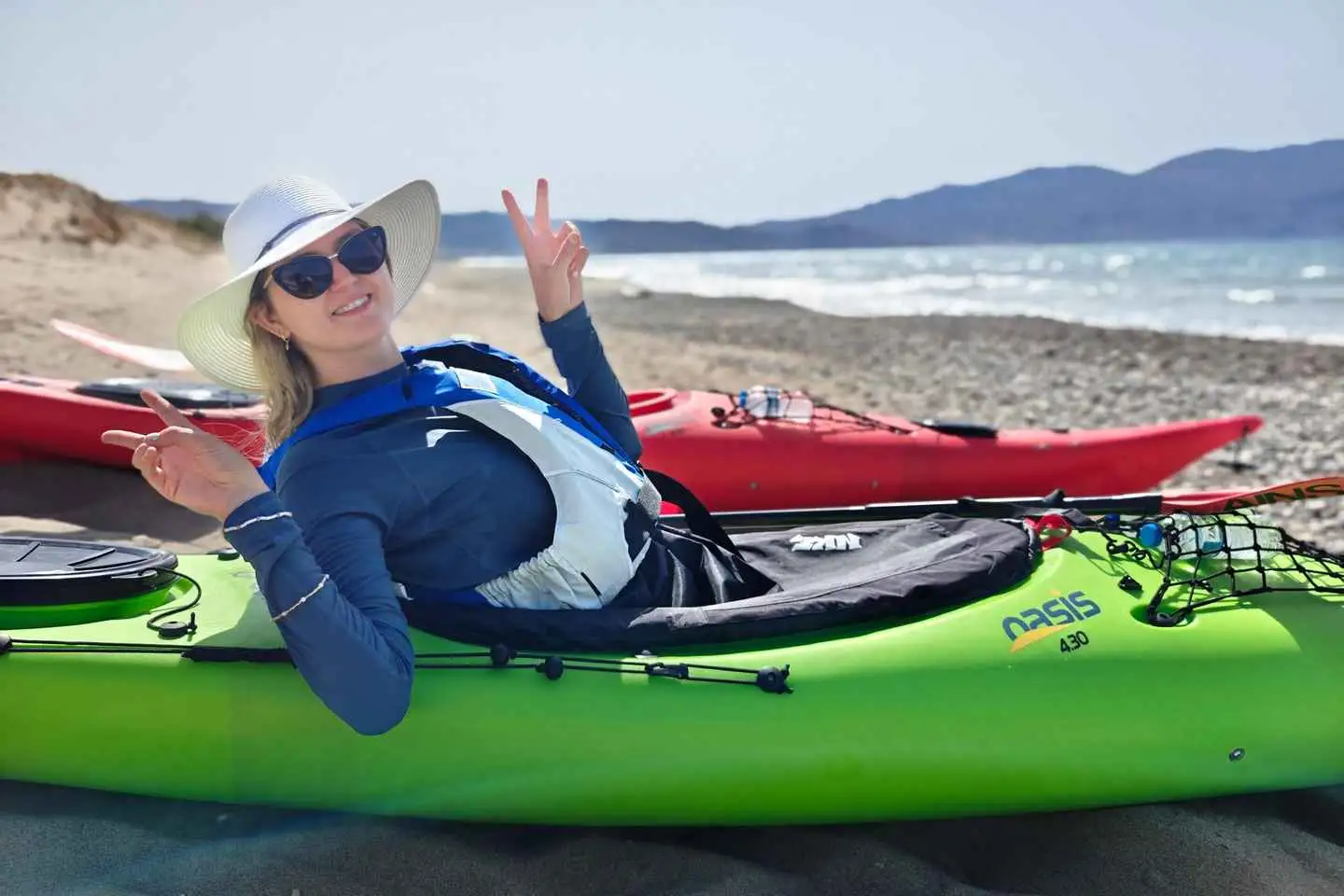
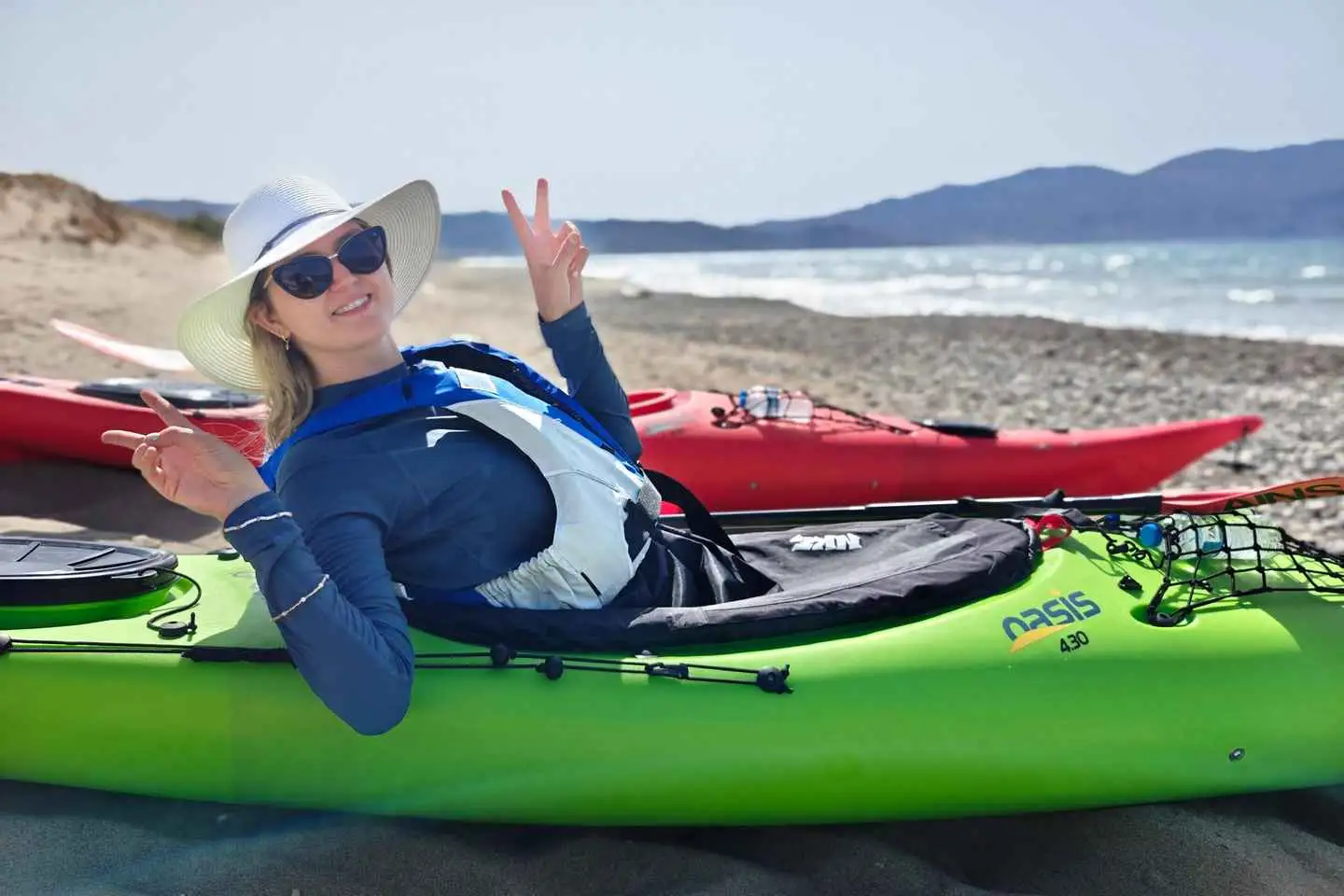
There we have a stop for rest, swim and snorkel its amazing underwater formations.
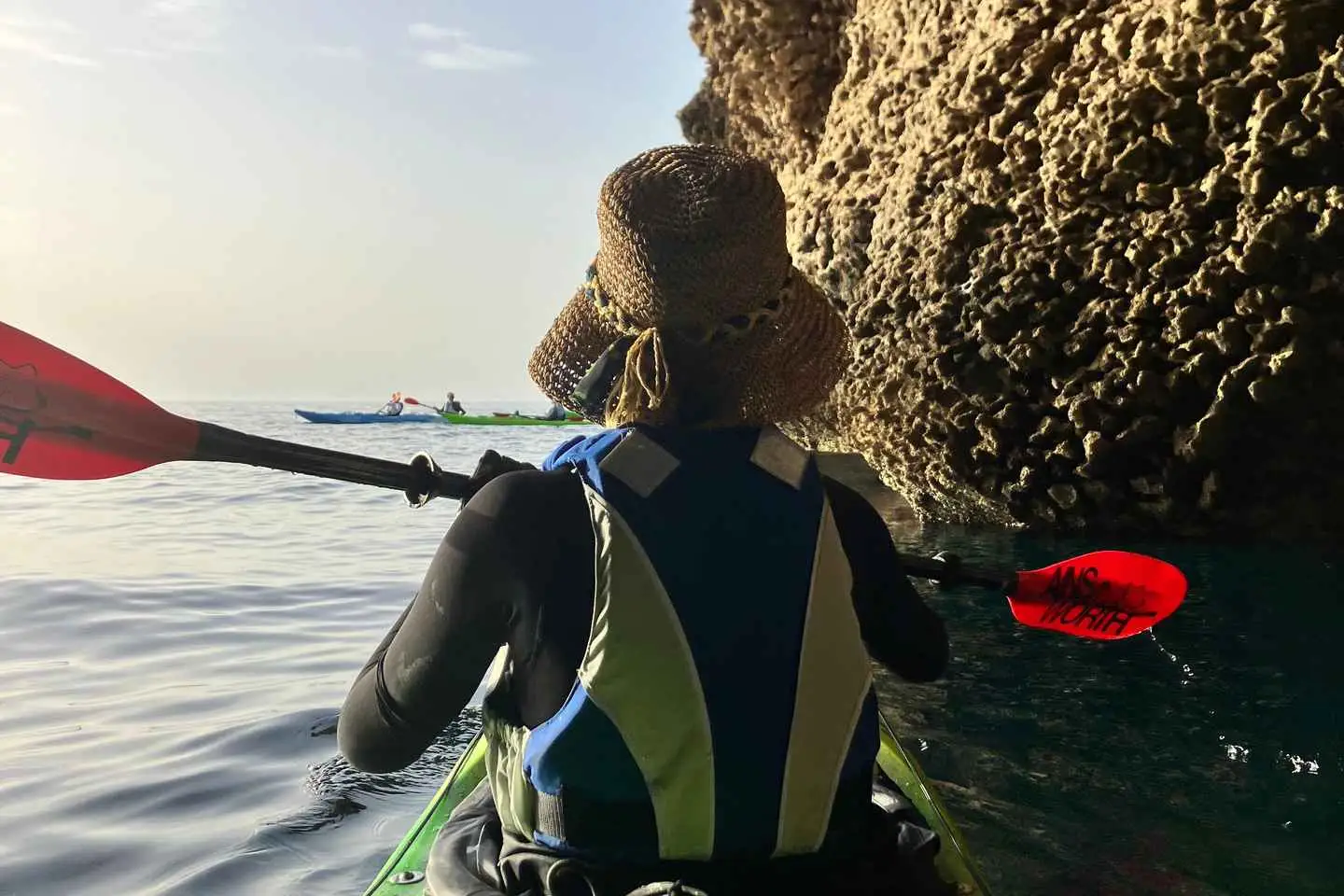
Right after we leave the small beach, we will have the opportunity to explore the sea cave of Ravdoucha.
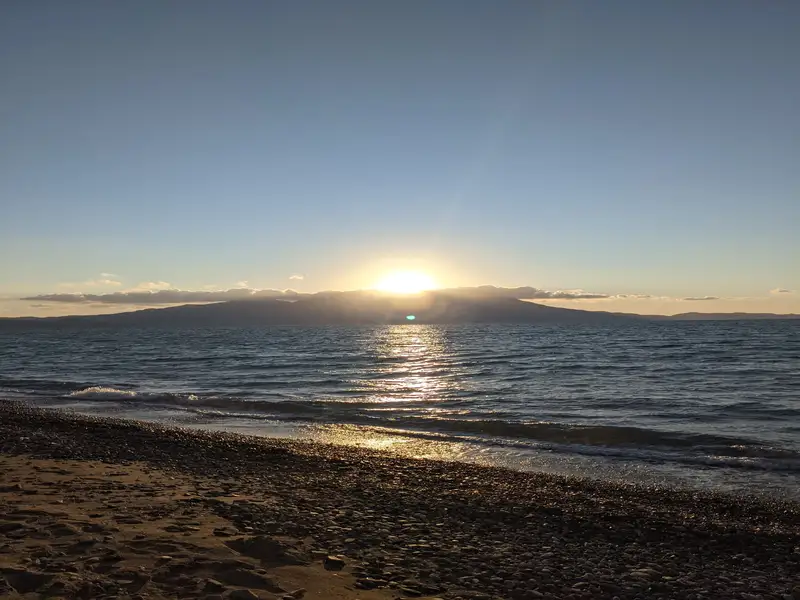
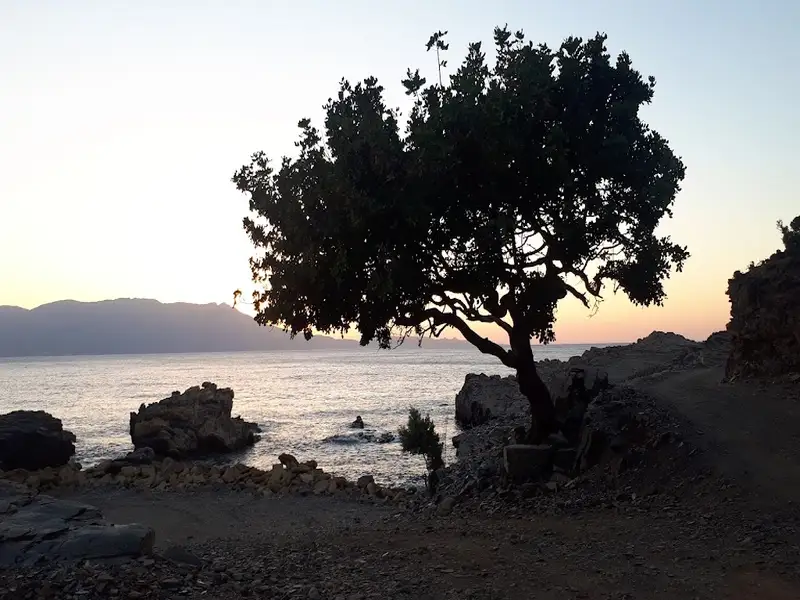
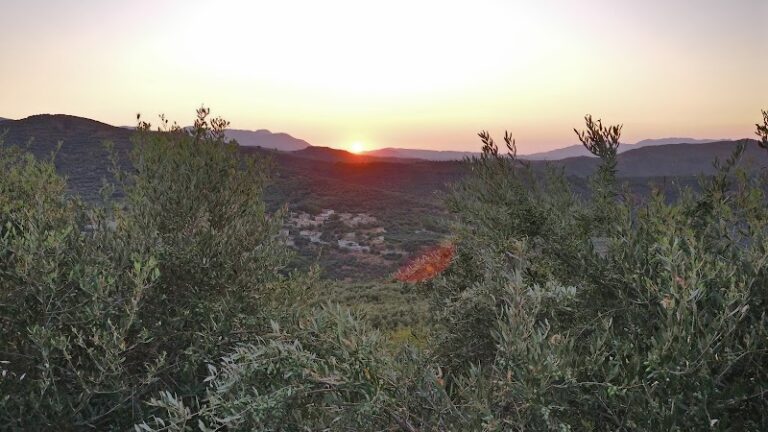
When we are ready and the sunset light is getting ready to lay down its colors, we start paddling back to the starting point in the lights of the Sunset.
A total paddling time is around 3 hours and the total tour is around 4,5 hours!
No kayaking experience is required since all our equipment is beginner friendly and instructions are provided before our tour!
On our Kayak Morning Tour, you will have the opportunity to paddle in a stunning sea gulf, visit a shipwreck and some other very interesting spots and reach out to a small private beach for rest and snorkel!
Our Kayak Morning Tour starts from a beach very close to Kissamos city.
After the reservation, a small form is sent to you with extra details that we will need in order to have the kayaks adjusted and ready for our small kayak adventure.
We start by meeting all together in our starting point, fitting the safety equipment and taking instructions on how to kayak and being safe in the sea!
When all the participants take place in their kayaks, we will start our tour by heading for our first point of interest, which is a shipwreck (Manassa Rose) in the middle of Kissamos Bay!
You will hear the story of this shipwreck and after that we will take our course heading to the next point of interest that is some metal mine ruins from 1905!
On the way, we will paddle through a beautiful coast line and hear some interesting facts about the area!
Distant small chapels are along our way and very nice rocky natural formations!
Reaching the mine ruins, we will hear the small story of them and straight after we will head for a small private beach accessible only by sea!
There we have a stop for rest, drink some beverages, swim and snorkel its amazing underwater formations.
Right after we leave the small beach, we will have the opportunity to explore the sea cave of Ravdoucha.
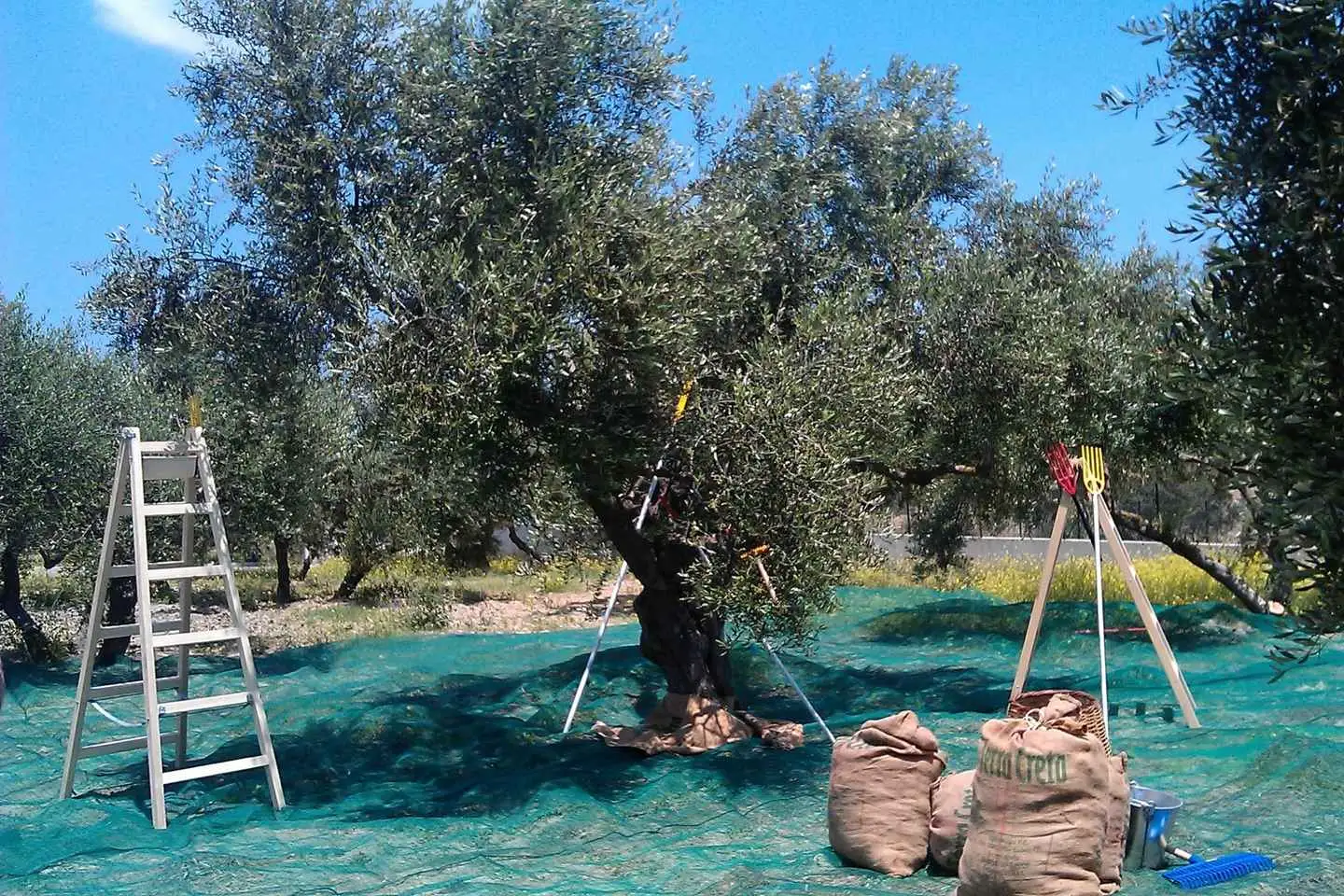
On this 1-hour tour you’ll enjoy a total olive oil experience at Terra Creta, located in the heart of the Kolymvari region. Visit the innovative, state-of-the-art facility and learn about the process from harvesting to production.
The mill operates only from October to February. Information and tips about best use and storage are provided by the highly skilled personnel.
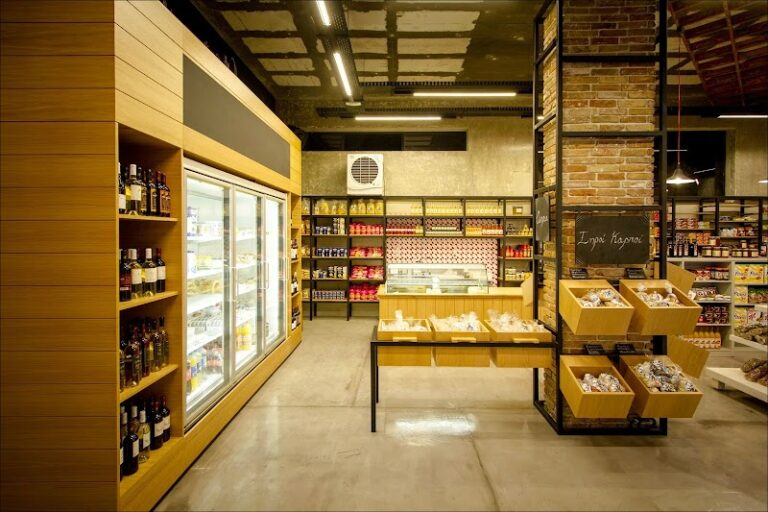
Enjoy a guided tasting of 3 different olive oils and sample a variety of appetizers. Afterwards, browse the store and purchase high-quality Terra Creta olive oils of different labels, as well as balsamic vinegar and Greek olives in travel-safe packaging.
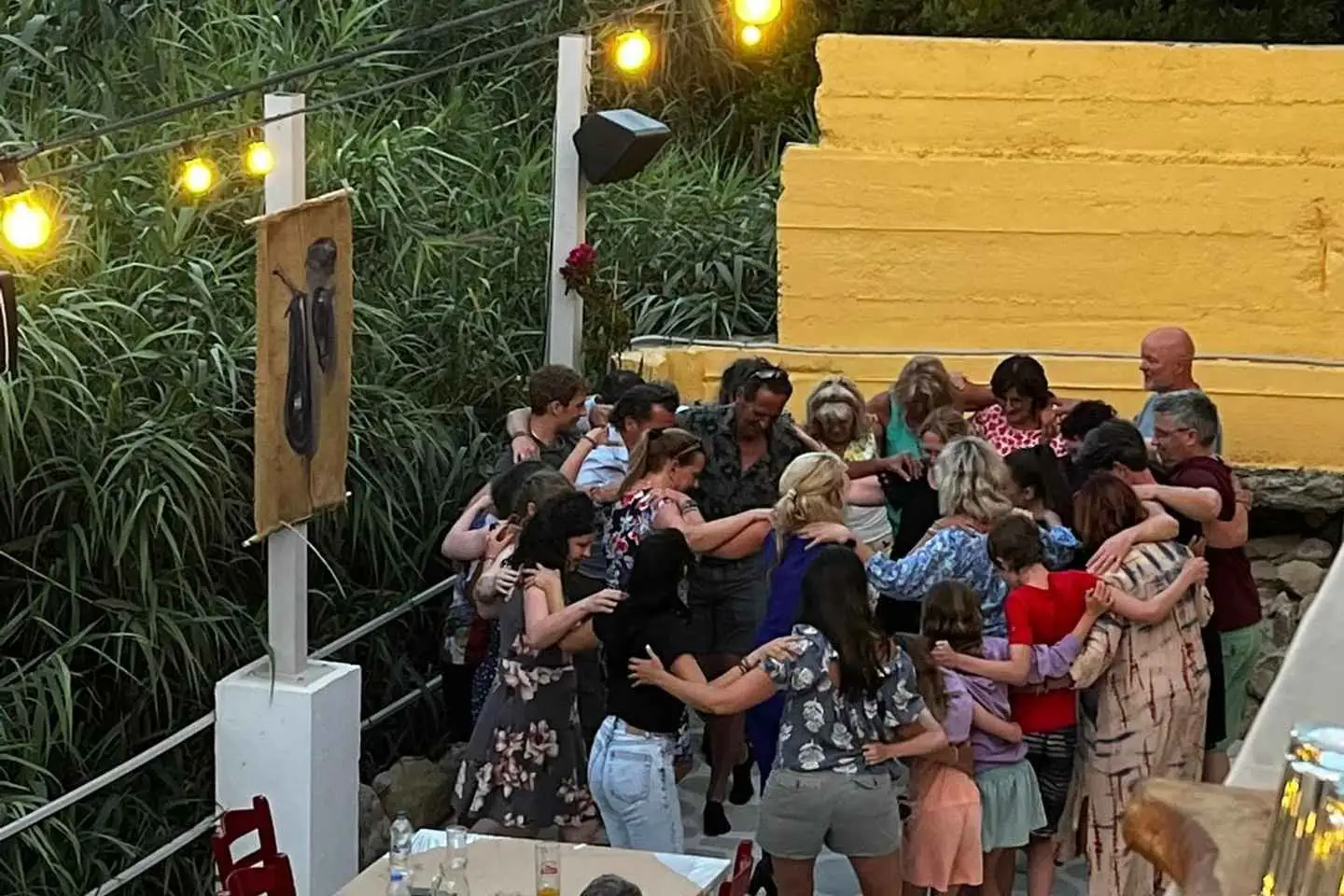
Come and experience a Greek Night with traditional cuisine, traditional Cretan dances and learn more about the history of Cretan food and culture. Our outdoor seating venue is located in the center of Kissamos in an old cobble stone road.
At night you will see an old church close by being lit up while we eat, laugh and dance!
Break a Plate with us while dancing like a local!
** Starting time: 18H00 / 6 PM
We will kick off the evening with local Cretan Beer & Wine tasting at 6pm
(Please be at the venue 10 minutes prior, to secure we start on time)
This Experience is held at The Greek Cook Out. The Venue was first an old Greek Prison and is now transformed into an experience to dance, enjoy Cretan cuisine, and make new friends.
Welcome to our table, the longest dinner table in Greece – 15,3m
We can’t wait to meet you!
No results available
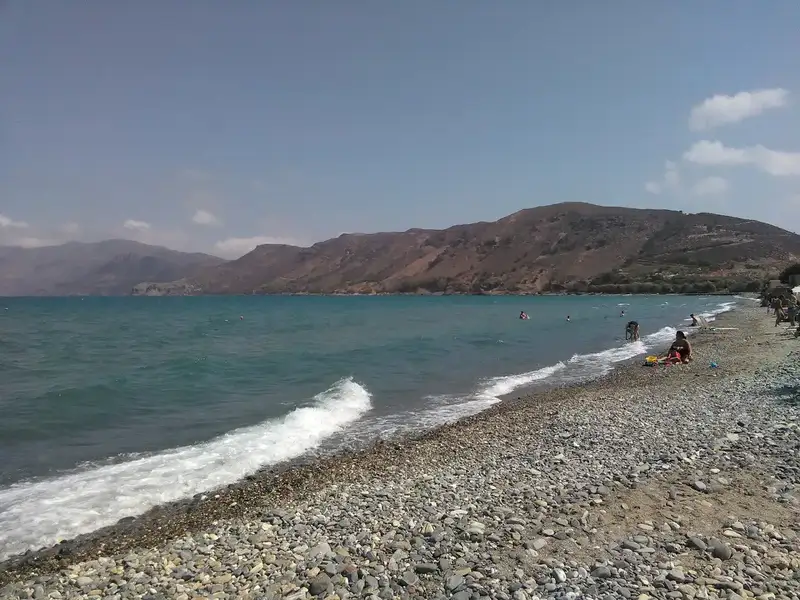
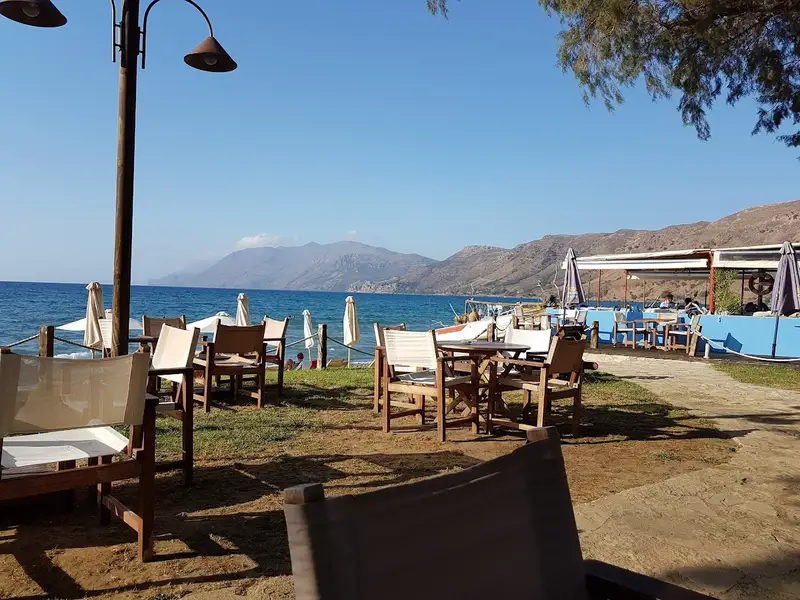
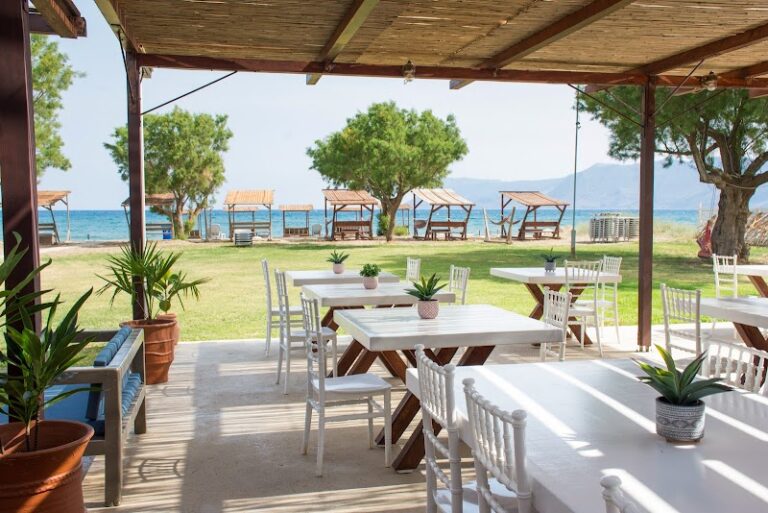
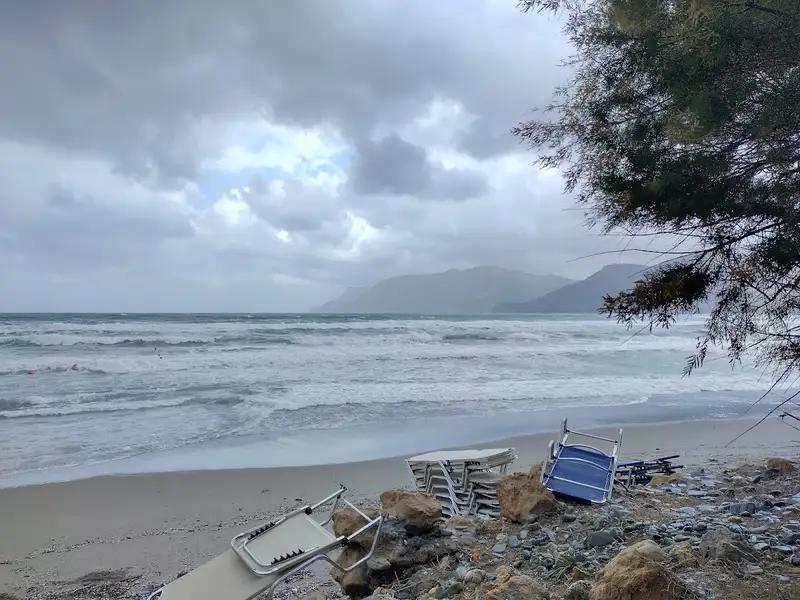
Nopigia Beach is a long, low-key stretch on the eastern side of Kissamos Bay, 6km east of Kissamos and 30km west of the city of Chania. Nopigia works best if you want calm, shallow water and open space rather than a busy organised resort. The western section is sandy, the eastern side turns pebbly and rocky, and umbrellas, showers, restaurants and accommodation sit close to the sand. This guide covers what the beach is like, how to get there, the amenities on site, swimming conditions, who it suits, and a short set of practical tips.
Nopigia Beach is a long shoreline that stretches westward toward Kissamos and grows more rugged as you move east. The beach belongs to the coastal village of Nopigia, which sits on the eastern side of Kissamos Bay, right where the land rises into the base of Rodopos Cape. This position gives the shore two distinct characters along its length.
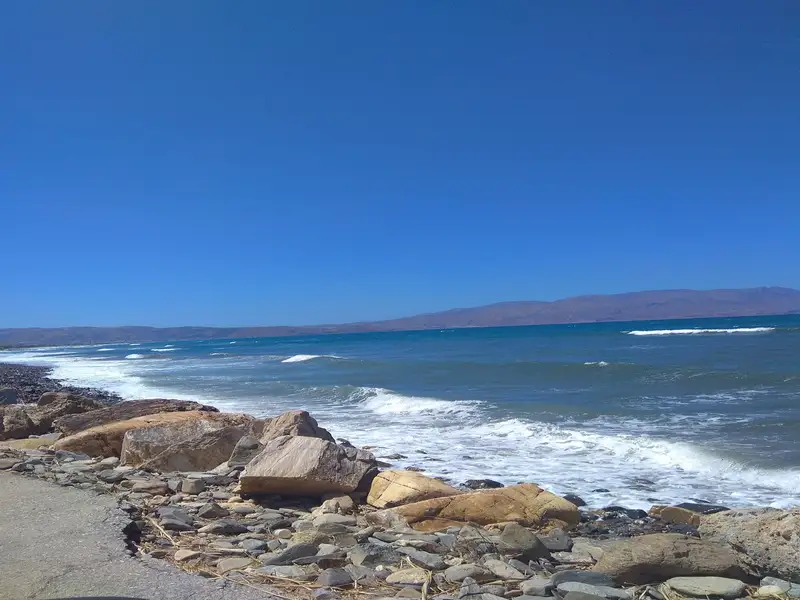
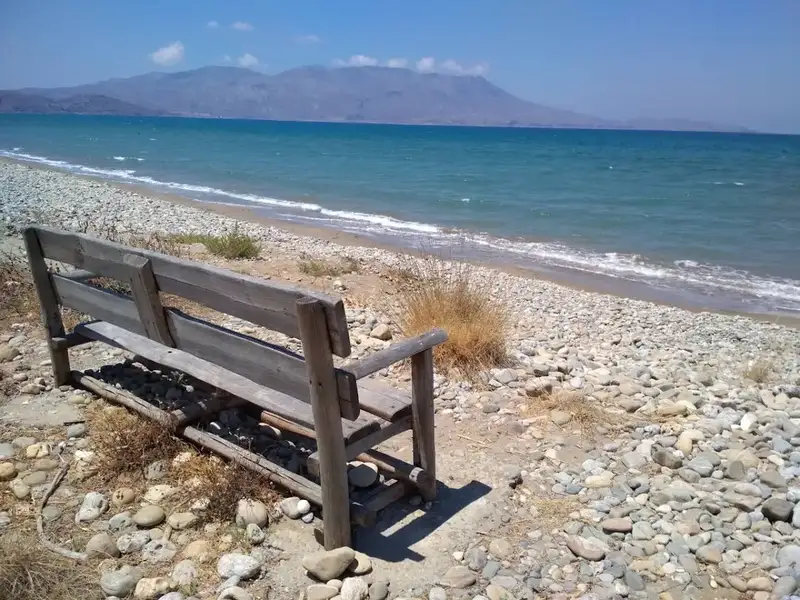
The western part is sandy and open, with clear, shallow water that suits long, easy swims. The eastern part is rockier and more secluded, and it hides several pebbly and rocky coves for anyone who prefers a quieter spot away from the main sand. Because the surroundings stay green and peaceful, the beach keeps a relaxed, uncommercial feel even in high season.
The village setting adds a layer of history to the visit. Local tradition holds that Agamemnon landed here on his return from Troy to make offerings to the gods, a story that ties this quiet corner of Kissamos to some of the oldest myths in the Aegean. That same stretch of coast opens toward the wider Gramvousa peninsula, home to the island’s most photographed shores at Balos beach.
Reach Nopigia Beach by car, since it lies 6km east of Kissamos and 30km west of Chania on the Kissamos Bay coast. Drive west from Chania along the national road toward Kissamos, then follow the local road that runs out to Nopigia village and the shore below it. The route is straightforward and signposted as you approach the bay.
Set your navigation to the coordinates 35.50612, 23.71474 to arrive directly at the beach. A car gives you the freedom to combine Nopigia with the harder-to-reach corners of the peninsula in a single day, which is difficult to manage on public transport. Compare rates and pick up a vehicle in the region through the car rental service for Crete.
Nopigia Beach offers a small, practical set of amenities set in a peaceful environment. The facilities cluster near the sandy western section, close to the village.
The beach is classified for its pebbles and rocks in places rather than as a fully sandy resort strip, so the eastern coves stay natural and undeveloped. Keep your expectations set to a low-key village beach, not a heavily serviced one, and bring water and any extras you want for the day.
Nopigia Beach has clear, shallow water that makes for gentle, comfortable swimming along the sandy western section. The shallow entry suits families and less confident swimmers who want a soft, gradual slope into the sea.
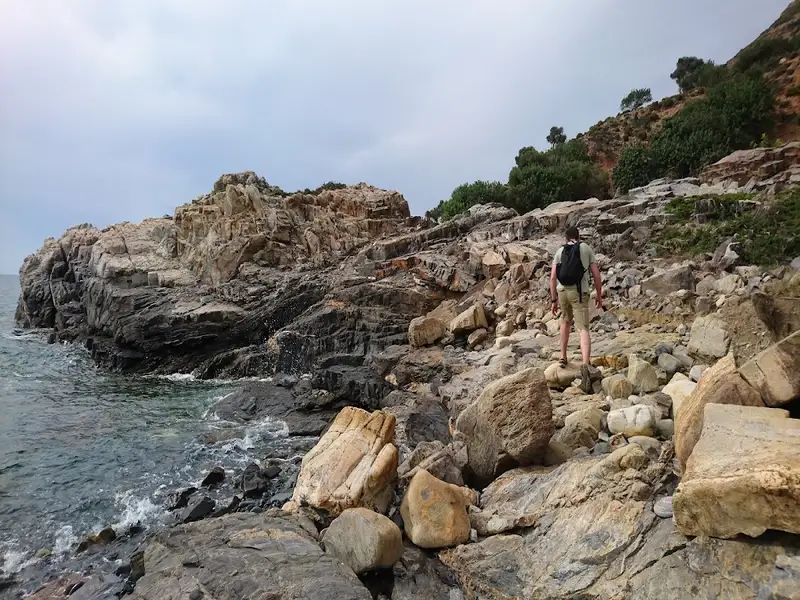
The eastern side is a different swim. Here the shore turns rocky and pebbly, so water shoes help and the footing needs more care, while the trade-off is quieter coves and clearer views over the rocks. Choose your spot along the beach to match the swim you want, sandy and easy to the west, rugged and secluded to the east. For a wilder shore on the other side of the same cape, the springs and pebbles of Menies Beach sit on the Rodopos peninsula nearby.
Nopigia rewards a short walk with churches, ruins and a cave close to the village. Several sites lie within an easy stroll or a short drive of the beach.
These small landmarks turn a beach day into a half-day of low-key exploring. If you would rather chase more coastline, the long golden sand and sunsets of Falassarna sit further west along the same coast.
Nopigia Beach suits travellers who value calm and space over facilities and crowds. The profile of the beach points clearly to a few types of visitor.
Anyone chasing a lively beach-bar scene or a fully organised strip is better served elsewhere on the island. For that busier feel with the town close by, the sandy town beach of Mavros Molos sits right beside Kissamos.
Plan your day around the beach’s two faces and its village-scale services. A little preparation makes the visit smoother.
Use Nopigia as one stop on a longer Kissamos itinerary that can take in Gramvousa and, further east along the north coast, the pebbly bays around Ravdoucha.
Nopigia Beach lies on the eastern side of Kissamos Bay, 6km east of Kissamos and 30km west of the city of Chania, at the base of Rodopos Cape.
Nopigia Beach is sandy in its western section and turns pebbly and rocky in its more secluded eastern coves.
The water is clear and shallow, which makes the sandy western section comfortable for families, while the rocky eastern side is quieter and rewards water shoes.
Nopigia Beach has umbrellas, showers, restaurants and accommodation set in a peaceful environment near the village.
Drive to Nopigia from Chania or Kissamos and follow the road down to the village, or set navigation to the coordinates 35.50612, 23.71474 to reach the shore directly.
Near the beach you can visit the Church of Panagia and the beaches of Choni, the ancient ruins of Mythimna, the churches of St. Panteleimon and Saint George, a seaside theatre from 1992, and the Rizospilios cave with its underground river.
Nopigia is one of many quiet corners worth mapping before a trip, and you can plan more of them from the full guide to the region’s beaches and the wider area around Chania.
Drapanias Beach, situated 5km east of Kissamos and 32km west of Chania, lies between the beaches of Korfalonas and Nopigia. It takes its name from the eponymous village located approximately 1km south of the beach. The eastern part of the beach is also known as Kokkino Metohi, named after a nearby small village whose inhabitants own the surrounding land.
Stretching over a long area of 2km, Drapanias Beach is part of a large beach that extends from Kissamos to Cape Rodopos in the east. Like its neighbouring beaches, it is sandy and shallow but is often wavy due to the northern winds.
The shoreline of Drapanias is dotted with restaurants, cafes and lodgings. It also offers amenities such as umbrellas and showers. Additionally, there are two camping sites located in Drapanias.
Heading 2km east from Nopigia, you’ll encounter the rugged coastline of Choni. To reach it, take the coastal road heading east from Nopigia. After passing the quaint square theatre of the Orthodox Academy, continue along the unpaved road towards Choni and the Panagia church, also known as Santa Maria. The stunning rock formations lend an extraordinary, untamed charm to the area. In certain spots, there are petite rocky coves suitable for swimming.
The water here is clear as crystal, displaying vivid hues of blue and green, making it an excellent spot for swimming on calm days. Sparse trees offer some natural shade to visitors in this untouched oasis where there’s no sign of modern civilization. Despite its remote feel, Nopigia is just a short walk away.
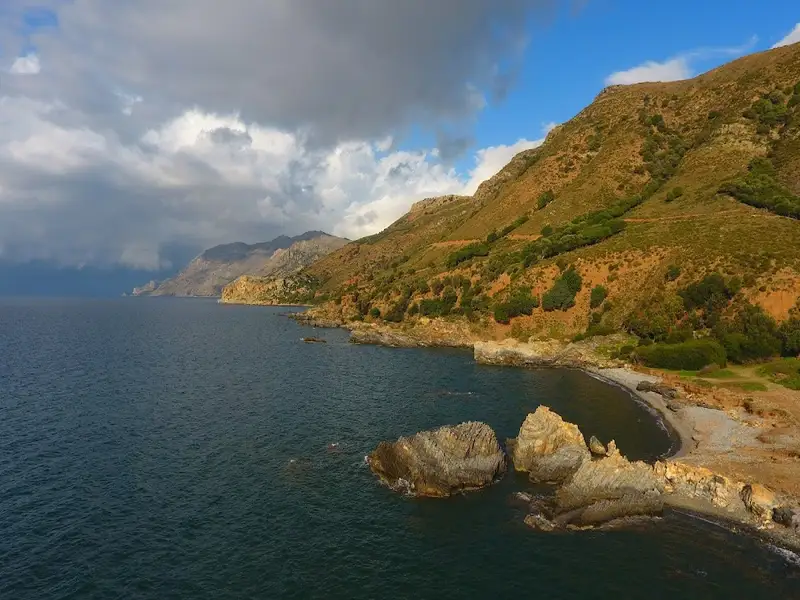
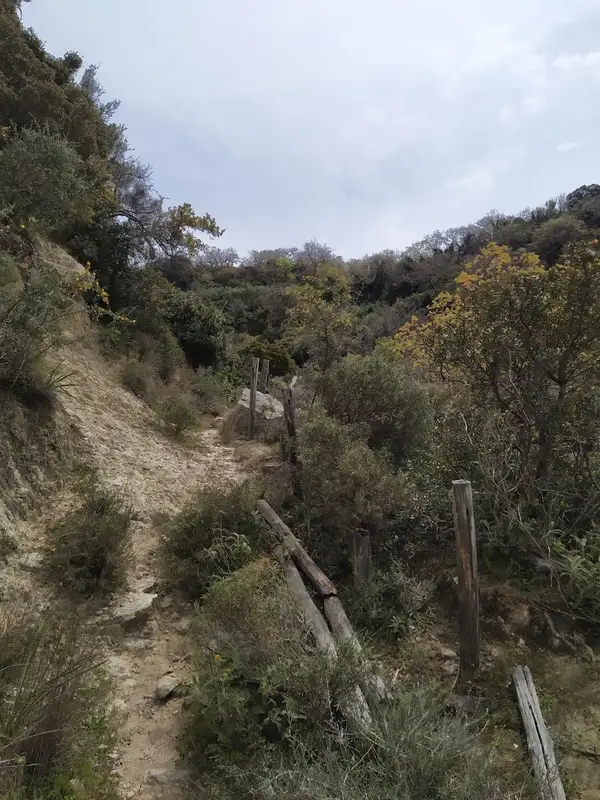
Within the region spanning from Ravdoucha to Nopigia, numerous hidden coves with petite beaches emerge, primarily featuring pebbles and a rocky seabed. The road from Nopigia runs parallel to the coastline, offering breathtaking sea views until it reaches the church of Panagia Myrtidiotissa at Choni location, and it continues only a short distance further. From this point, a walk will lead us to the renovated chapel of Saint Basil situated on the beach. To get there, we first hike up a rather rough dirt road and then descend towards the beach where the chapel is roughly in the center. This beach is adorned with large pebbles and an eye-catching rocky seabed.
To the north of Agios Vasilios, a minor stream forms that can be accessed on foot from the Ravdoucha region. Where this stream meets the sea, the small pebbled beach of Skotini takes shape, counted amongst the most stunning hidden beaches in Western Crete. A few meters further north, at the edge of a peninsula, remnants of an early 20th-century iron ore mine can be found. The base of the loading platform still stands in the sea. In the past, a small community of mine workers resided here, but it is now abandoned.
No results available
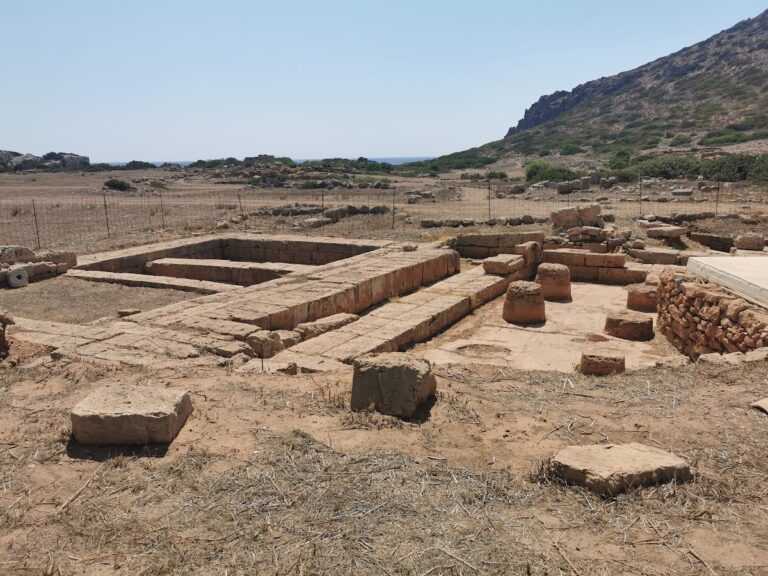
The ancient town of Falasarna (or Phalassarna) is situated at the western base of the Gramvousa peninsula and was one of the major towns of Crete during the Hellenistic and Roman Era. The city was renowned for its port, the only natural harbor in western Crete, constructed in a small lagoon. Nowadays, the area is well-known for its stunning beaches.
In antiquity, it was called Korikos, while the name Falasarna was possibly derived from the local nymph Falasarni. The rival town in the region was Polirinia, which managed to turn Falasarna into its port after 100 years of conflicts (186BC).
In Falasarna, archaeologists have identified parts of buildings and the acropolis overlooking the harbor with traces of strong walls and a temple dedicated to Demetra and a chthonic goddess. Additionally, east of the port, a cemetery with 43 archaic graves has been discovered. The territory of Falasarna extended up to the tip of the Gramvousa peninsula, where there was a temple. A carved throne has also been found within walking distance from the town, which was likely dedicated to the god of the sea, Poseidon, or was simply a throne for speakers.
The most fascinating part of the town is undoubtedly its port, which has now risen up to 9m from the sea surface due to the lifting of Western Crete by the earthquake of 365BC. It is truly impressive to see port facilities on land. The harbor was protected by four towers (2 of them have been identified), and the port was accessed through a narrow artificial canal.
It is believed that Falassarna was a haven for pirates. This forced the Romans to destroy the city in 69 BC and seal the port forever. The town could not recover and regain its former glory since then, leading to its abandonment during the 4th century AD.
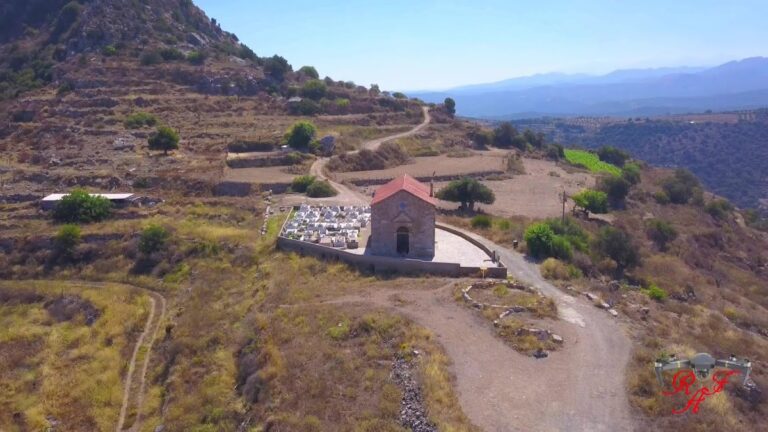
The ancient city ruins of Polirinia can be found on a steep hill overlooking the North Cretan Sea. It is believed that the city was founded by the Achaeans around 1100 BC and thrived during the Roman period, becoming the most important town in West Crete. Polirinia’s ports were Phalassarna and Kissamos, and the city had close trade relations with Sparta, Milos, Rhodes, Thiva, the coasts of Ionia (Asia Minor), and Egypt. Besides trade, the town was also known for its livestock, as its name is derived from the words “polla rinia,” meaning many lambs.
Polirinia reacted positively to the Roman invasion, and as a result, it was not destroyed like other cities in Crete. Instead, it formed an alliance and managed to defeat the most powerful city in western Crete, Kydonia, and gained control of the sanctuary of Diktynna at the Spatha peninsula.
The city’s coins depict a bull’s head (voukranio) and Jupiter. On top of the hill, there once stood another temple dedicated to the goddess Artemis or Diktinna, which was demolished in 1894 to build the temple of the Holy Fathers (using materials from the original sanctuary). Today, visitors can see parts of the strong city walls from the Byzantine period, a Hellenistic tower, an aqueduct, and a temple.
The phrase “Cretan Sacrifices” is still used by Greeks today when referring to unfulfilled desires or purposes. This phrase originated from the story of Agamemnon and Polirinia: When Agamemnon, the victor of the Trojan War, returned home, he anchored on Nopigia beach to offer a sacrifice to the gods of Polirinia. However, the prisoners on board started fires, and he had to leave in a hurry without completing the sacrifice.
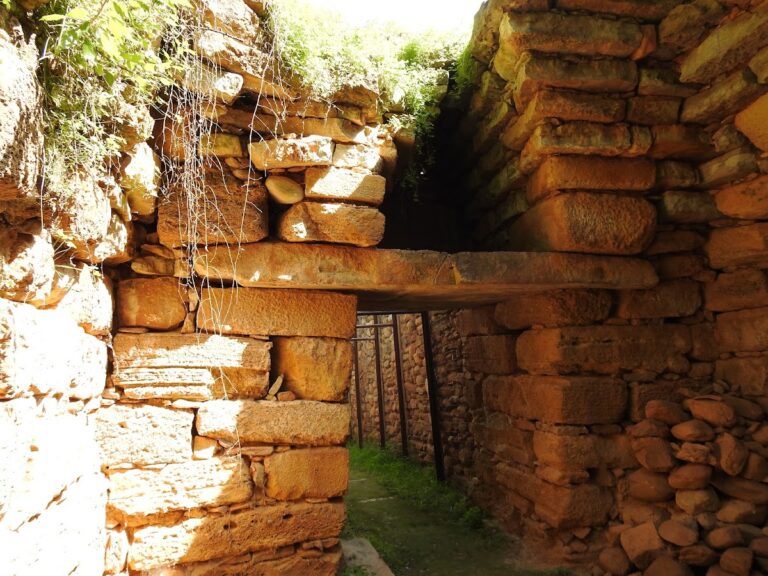
The impressive Late Minoan vaulted tomb of Maleme can be found in close proximity to the German military cemetery and the historic airport of Maleme, situated on Kafkala hill amidst olive groves and overlooking the North Cretan Sea. The tomb had been looted since the early 20th century and suffered significant damage from a bomb during the Battle of Crete, causing its roof to collapse. In 1966, archaeologist Kostas Tzavaras conducted excavations at the site.
Visitors today will be struck by the tomb’s large size and the extensive 13-meter-long entrance corridor leading to the entrance gate. The entrance gate itself is the most remarkable aspect of the construction, standing 3 meters tall and 1.60 meters wide. What truly inspires awe, however, is the enormous carved limestone rock used as a lintel, which is noticeably larger than any other building material found in the tomb. A road takes visitors to the area, where a sign at one point directs them to the tomb via a brief path weaving through the surrounding olive groves.
No results available
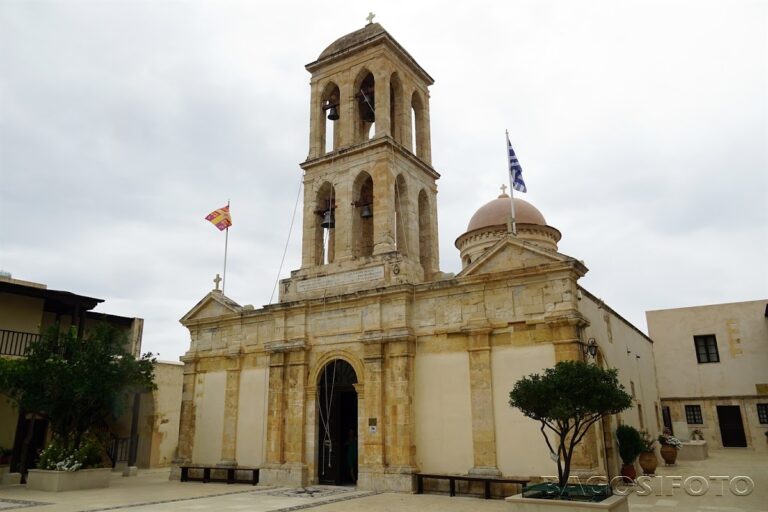
The coastal Monastery of Panagia Odigitria can be found at the base of the Spatha peninsula, approximately 26km west of Chania and 2.5km north of Kolimbari. It is also referred to as the Lady of the Angels Monastery of Gonia (Gonia = Corner) due to its position on the western edge-corner of Chania Bay.
Established in the 17th century, the monastery soon thrived as a rich monastic tradition developed in Spatha, and the monks congregated in Gonia. The Gonia Monastery has played a significant role in local history, often serving as a refuge for Cretan rebels and consequently being destroyed numerous times by various conquerors. Evidence of this can be seen in a cannonball embedded in the east wall.
The original 14th-century church is situated in the current cemetery, close to the existing monastery complex. The complex is encircled by a high wall, reminiscent of a Venetian castle. The temple is dedicated to the Virgin Hodhegetria (celebrated on August 15th). Surrounding the temple are numerous other monastery buildings, including monk cells, an abbey, dining room, stores, cellars, and more. The Orthodox Academy of Crete, gym, pool, schools, county court, and other facilities are also housed within the monastery. In the monastery’s museum, visitors can view ancient icons, such as those by Constantine Palaiokapas.
Several notable individuals have served as abbots of the monastery, including Misael Apostolidis, who taught the Greek language to the Greek King Otto and was the first rector of the University of Athens. Others include Joachim Tzagarolos, Parthenios Kelaidis, and Parthenios Pieridis.
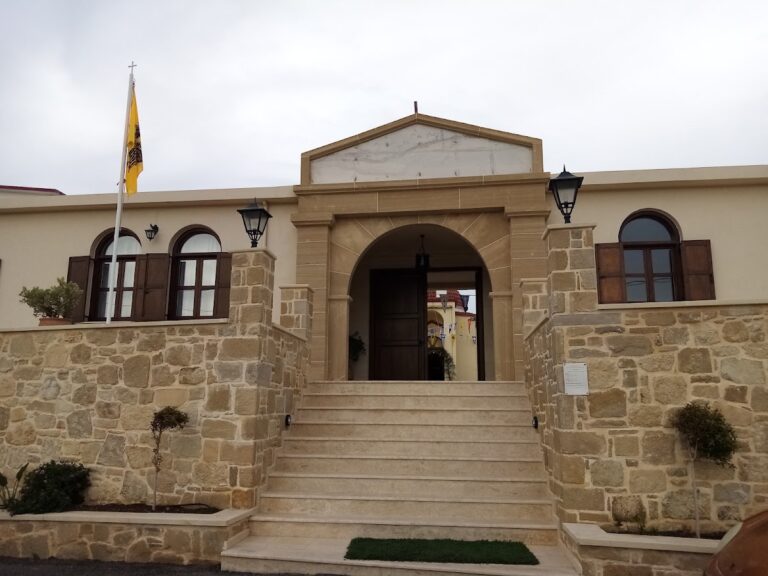
Parthenos Monastery, a contemporary convent devoted to the Life Giving Spring (Zoodochos Pigi), can be found atop a small hill in the town of Kissamos. Established in 1905, it underwent renovations in 1962. The monastery was once home to the Urban School of Girls and Crete’s first Deaf School.
No results available
No results available
No results available
No results available
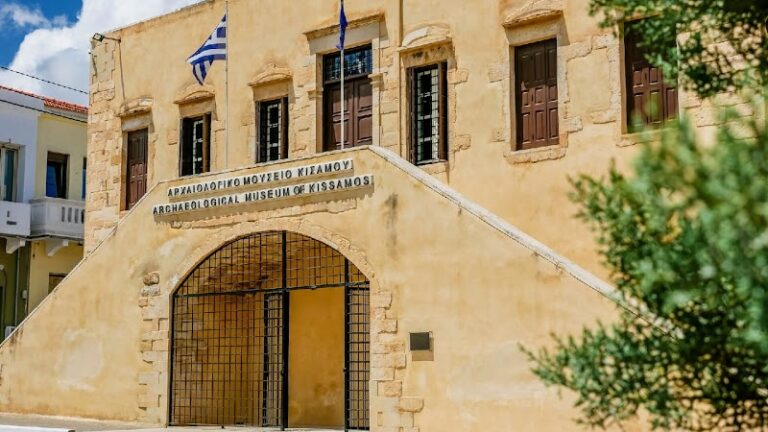
The Archaeological Museum of Kissamos, established in 2005, is located in the historic Diikitirio (“Headquarters”) of Kissamos, a Venetian-Turkish monument.
The museum’s exhibits offer a comprehensive overview of the region’s history, spanning from prehistory to early Christian times. The exhibition is divided into sections, covering the ground and first floor.
The ground floor showcases Minoan findings from Nopigia, highlighting the historical development of Polyrrhenia and Falassarna in the Hellenistic period. It also presents pottery, inscriptions, and sculptures from the Kissamos area, mainly from the Roman period.
The first floor focuses on Kissamos, featuring mosaic floors, amphorae, coins, workshop artifacts, and objects from local tombs, including those from Falassarna and Polirinia.
No results available
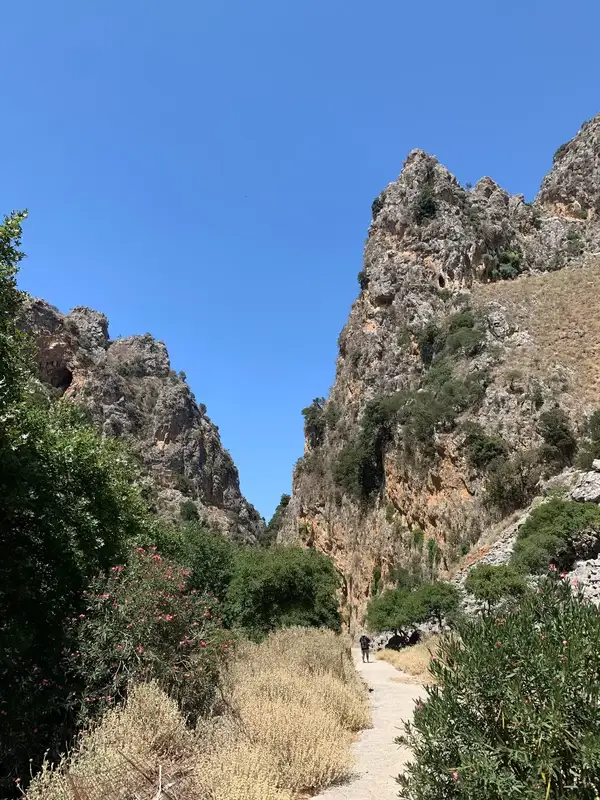
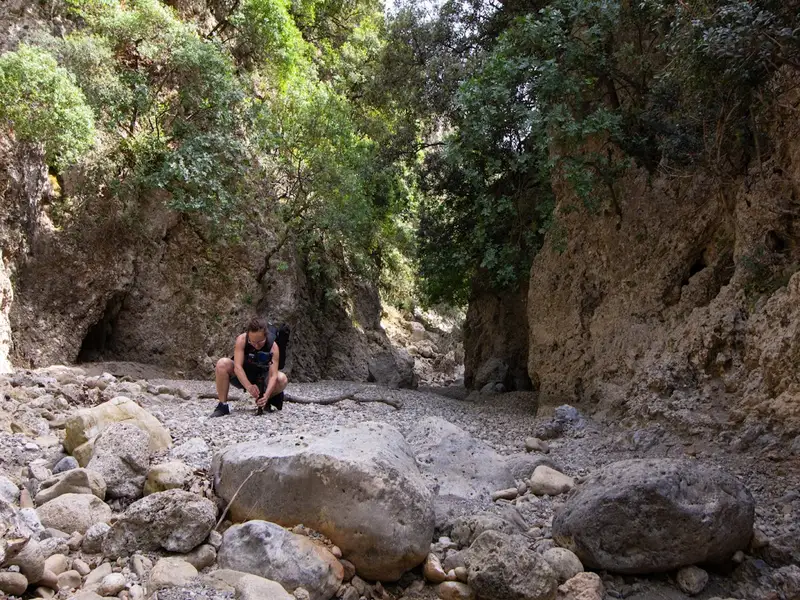
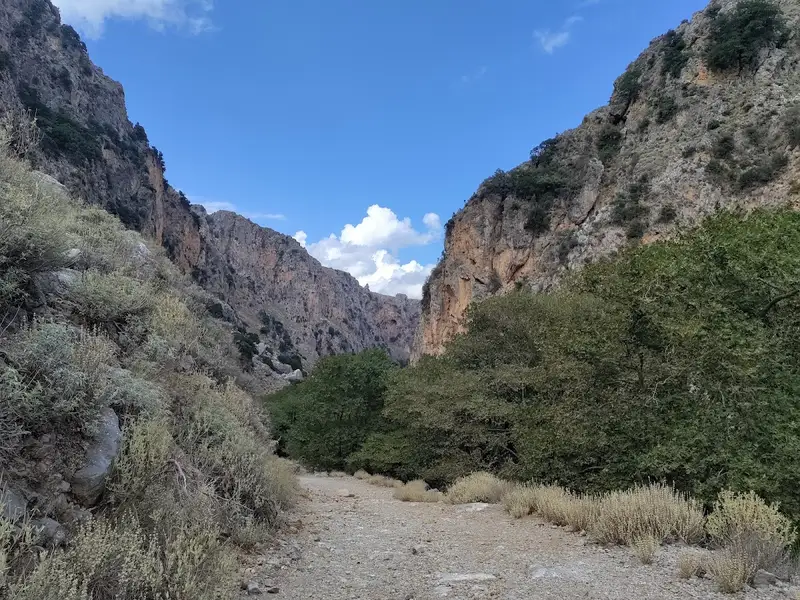
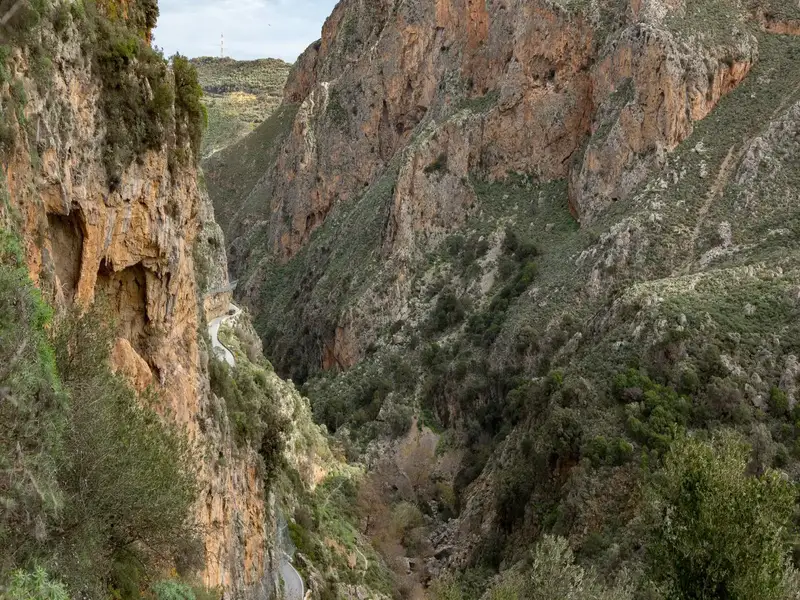
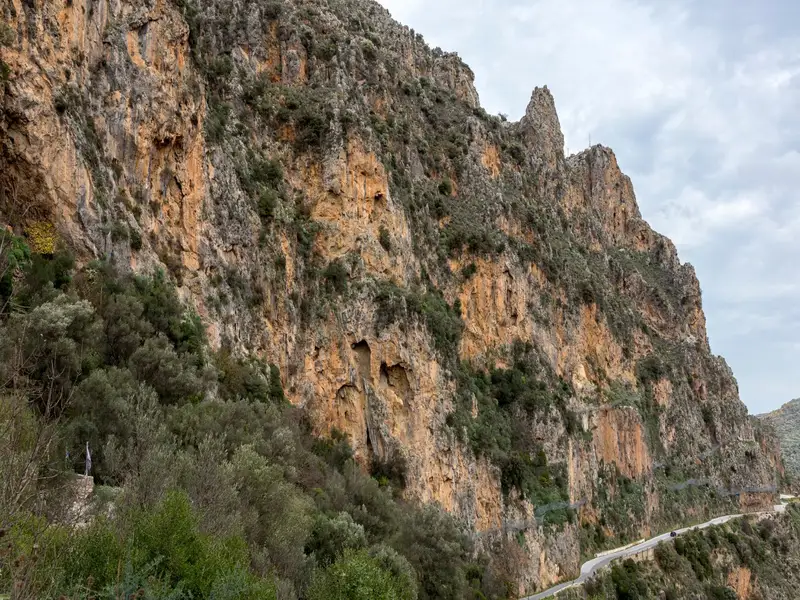
The Rocca, Roka, Rocka, or Rokka Gorge, situated 32km west of Chania in the Kolymbari region, stretches for 2km from the village of Deliana to the village of Roka. The settlement features Trouli hill, which is home to the remnants of a Byzantine fortress.
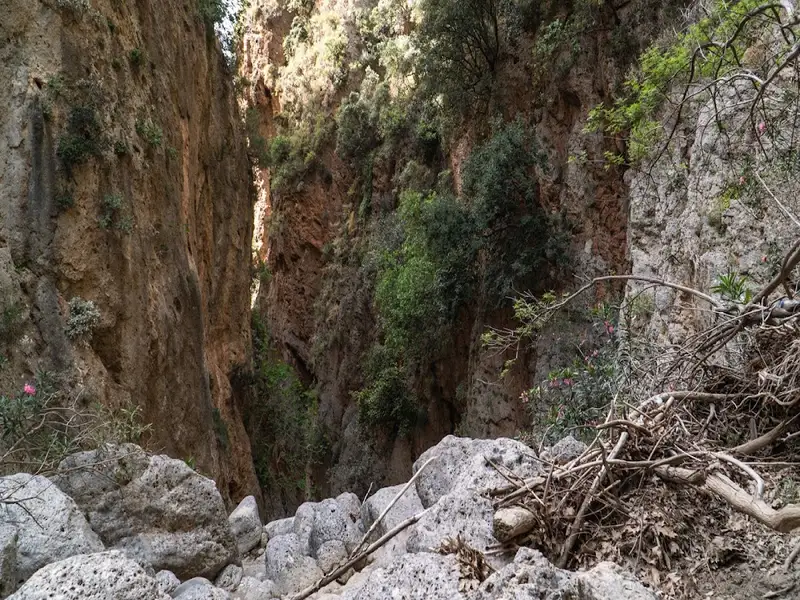
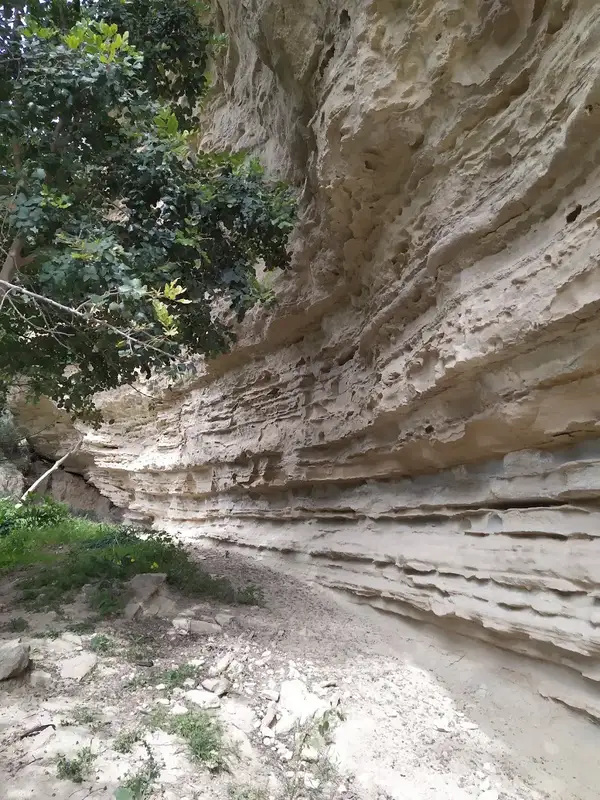
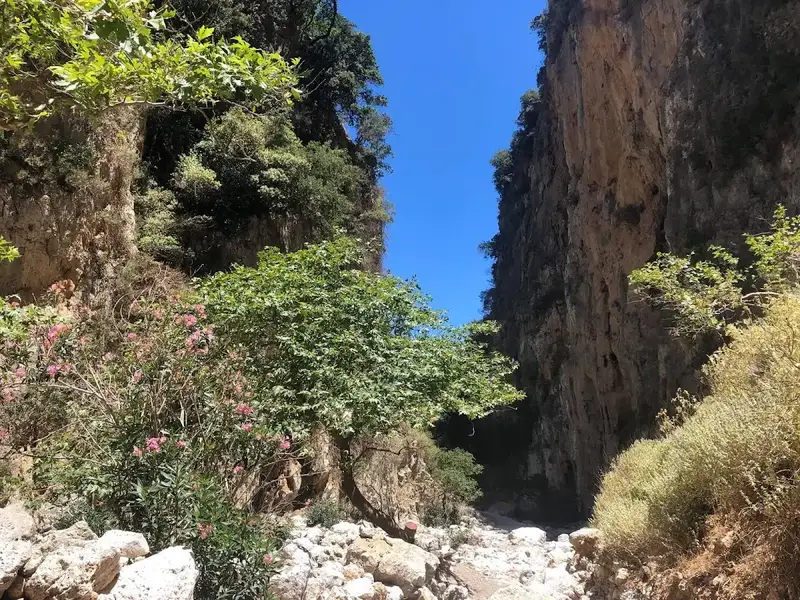
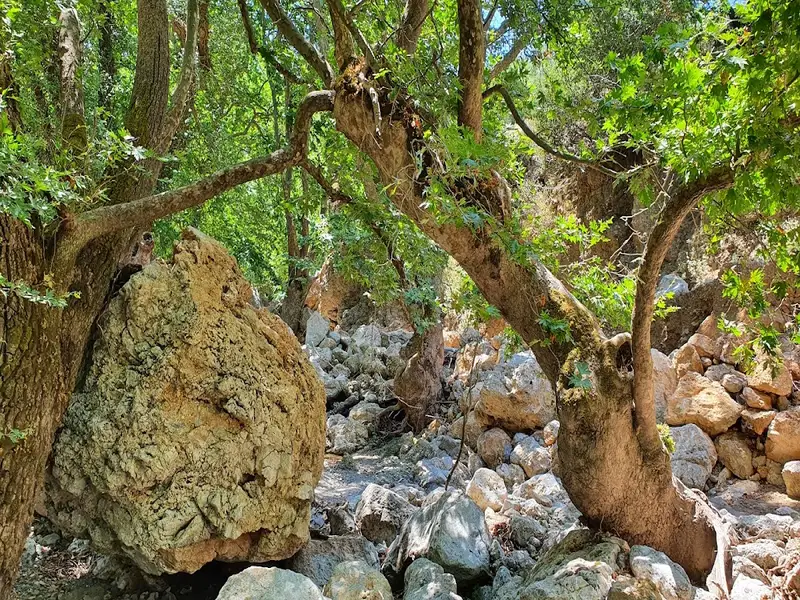
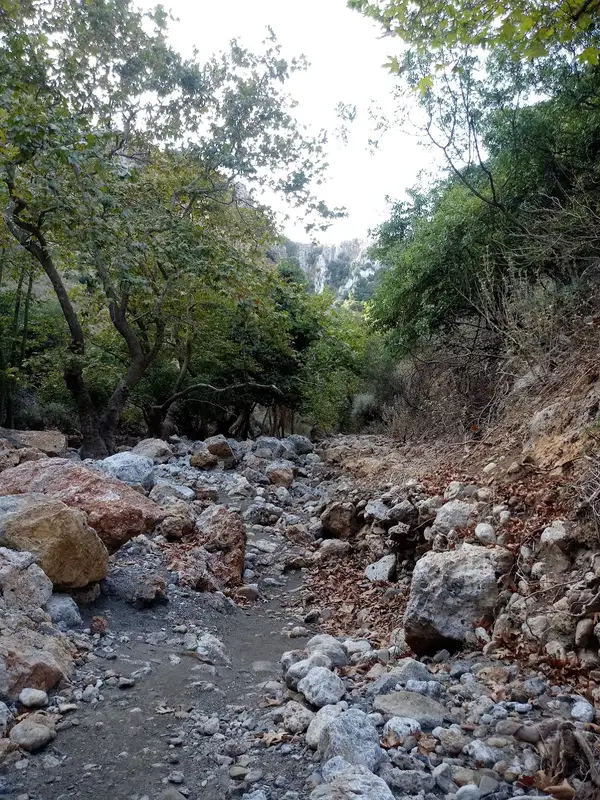
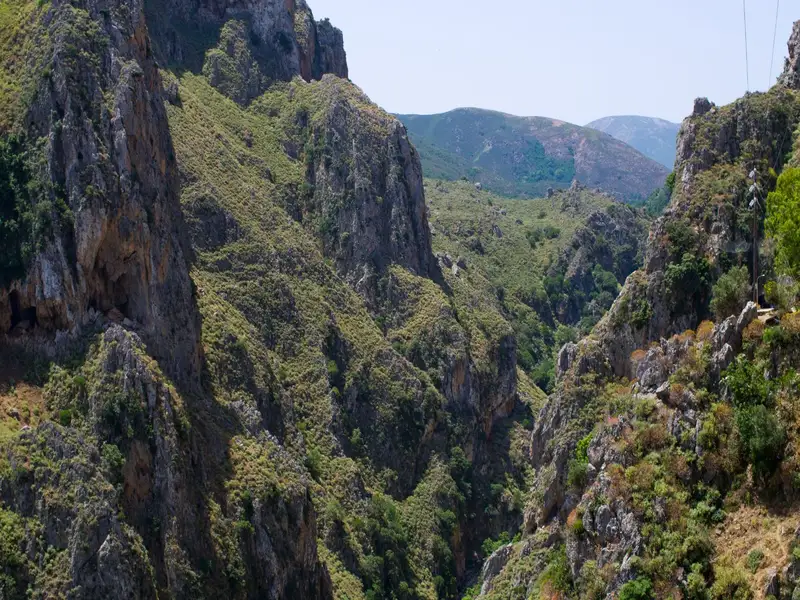
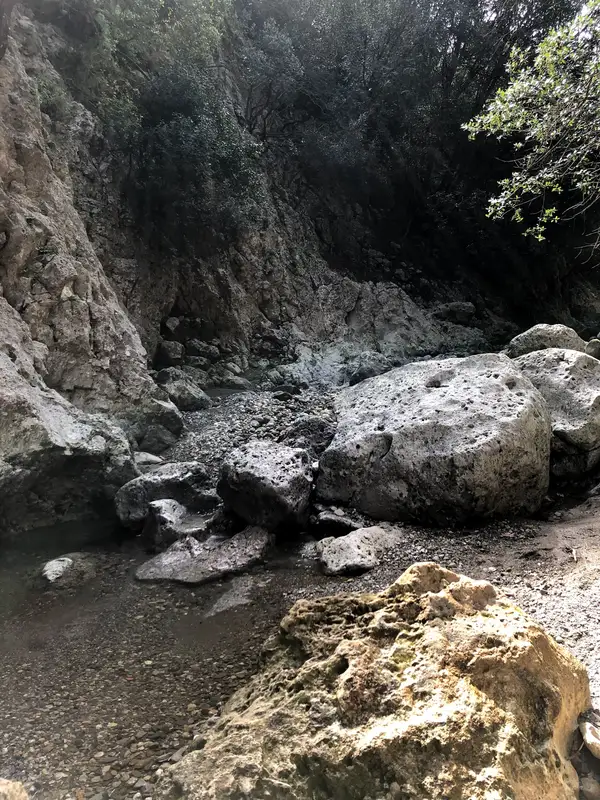
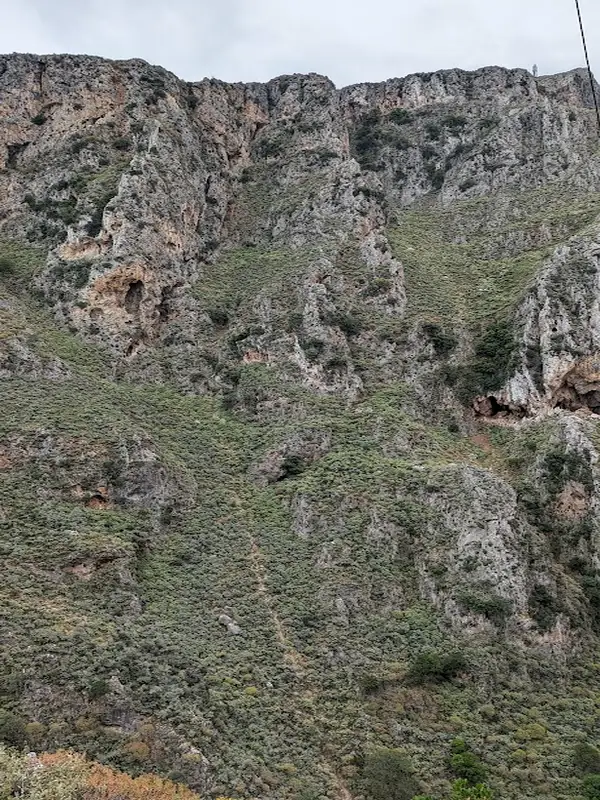
Despite the ease of hiking through the gorge (typically a 2-hour trek), it can be challenging to traverse without getting wet during periods of water flow in the narrower sections. The gorge is adorned with numerous plane trees that provide a cool respite from the sun. The gorge’s vertical sides are incredibly tall and impressive at certain points. The main path follows the dry riverbed during the summer.
Upon exiting Roka gorge, you’ll encounter the Mesonisi settlement. Following a dirt road will lead you to Roka village and Trouli hill. You can climb up to the castle ruins for a breathtaking view of the surrounding areas, or unwind in the local coffee shop.
The Gorge Chalase, also known as Porofarago, begins close to the Sassalos village and concludes just before reaching the Makronas village, after a four-hour journey through lush vegetation. The gorge is fed by two primary streams that converge south of Sassalos; the Mylonofarago ravine that originates from the Mylones village, and the Kalogirou stream.
Navigating through the gorge can be quite challenging due to a significant landslide (referred to as ‘chalase’ in the Cretan dialect) at a certain point, and the absence of a well-defined path. Near Malathyros, approximately halfway through the route, the trail transitions into a dirt road that follows the riverbed all the way to Makronas. Just before reaching Makronas, we come across a historical site where, on August 28, 1944, German forces executed 62 civilian men from Malathyros as retribution for the activities of local guerrilla groups. The German atrocities committed during this time have yet to be brought to justice.
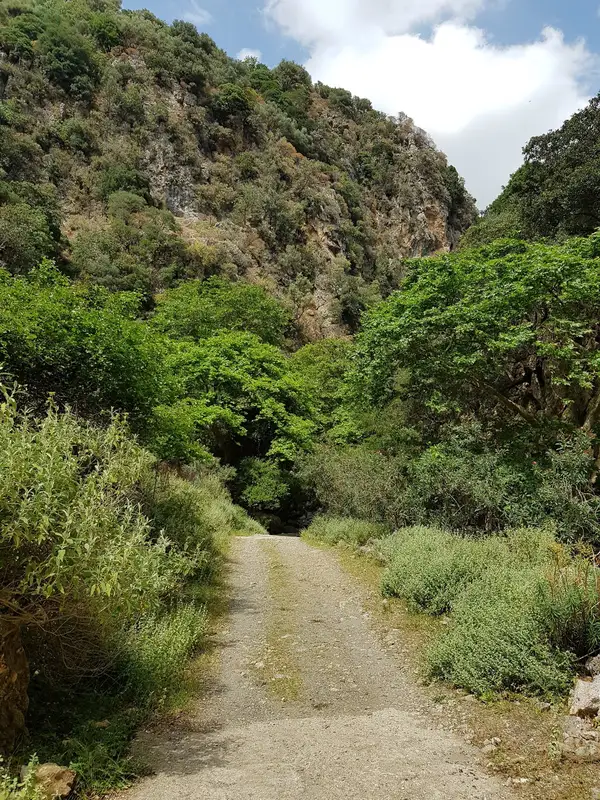
The Deliana – Mesavlia Gorge, a point of contention between the villages of Mesavlia and Deliana, is situated 37km to the west of Chania. This disagreement is even evident in the area’s signage. The gorge begins in Mesavlia and stretches 5km to Deliana. A dirt road that runs alongside the riverbed makes the walk quite straightforward, taking approximately an hour. Originating from Mount Anavos, the river flows through the Mesavlia – Deliana Gorge, then the Roka Gorge, before finally reaching Nopigia beach.
The gorge is renowned for its lush vegetation, which is most vibrant in spring when water is plentiful. Not far from Mesavlia, you’ll find the cavernous chapel of Saint Paraskevi (Agia Paraskevi), which hosts an annual feast. Closer to Deliana, you’ll come across the chapel of Saint Photios (Agios Fotios).
The quickest way to reach the gorge from Chania is via Deliana, while the fastest route from Paleochora is through Mesavlia. From Deliana, you can hike (uphill) to Mesavlia and back, unless you’ve arranged for a pick-up from Mesavlia (2 hours round trip). Deliana and the nearby village of Panethimos offer several quaint, traditional taverns. Also worth a visit is the ruined monastery of Theotokos in the neighbouring village of Gra Kera.
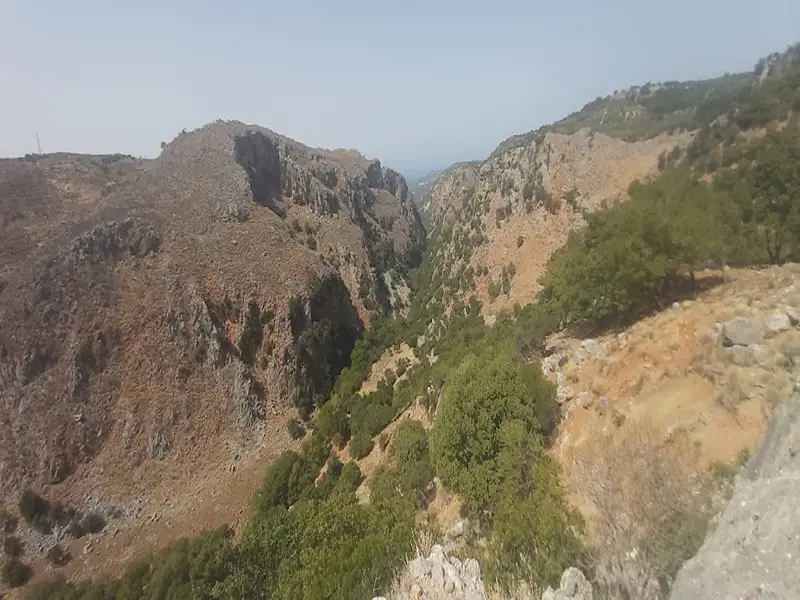
The gorge of Topolia (Topoliano) is located in west Crete and it runs along the road leading to Elafonissi via Elos. The canyon actually starts near the village Strovles at an altitude of 450m, and exits near the village Topolia, at an altitude of 150m. However, the narrowest and most impressive hiking part of the gorge is located between Katsomatados and Topolia, where the side rocks are very high and steep. The canyon is crossed by the River Tyflos, which originates from Mount Dikeos. At the beginning of the narrow part, it is worth visiting the Cave of Agia Sofia, located just above the main road.
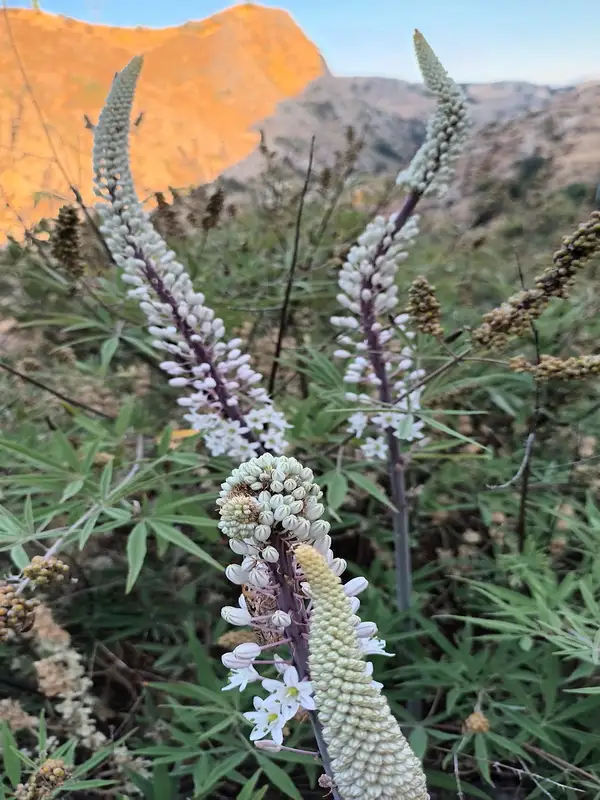
The canyon and the wider area host rare and endemic plants of Crete, while the Cave of St. Sophia houses a species of cave spider that lives only there (Pholcus creticus). According to local traditions, Topolia Gorge hosted fairies and the Minoan goddess Vritomartis. Here, the legendary Talos used to stop and enjoy the divine music of the fairies. When Talos arrived at the place, rested inside a big cave, drank water and fell asleep. Then, the fairies and elves of the river arrived, singing and dancing.
No results available
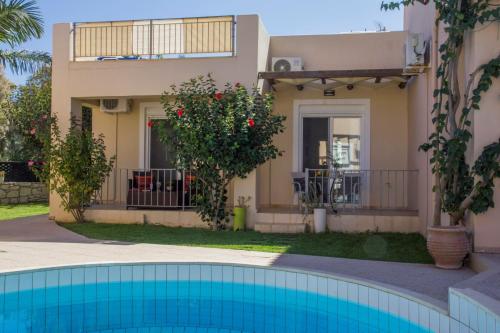
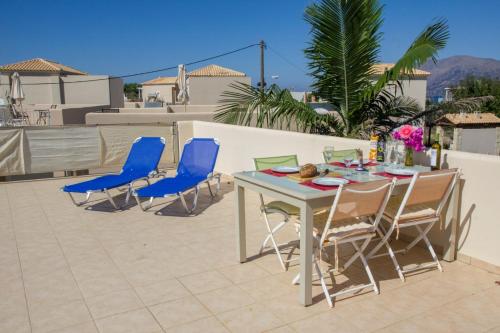
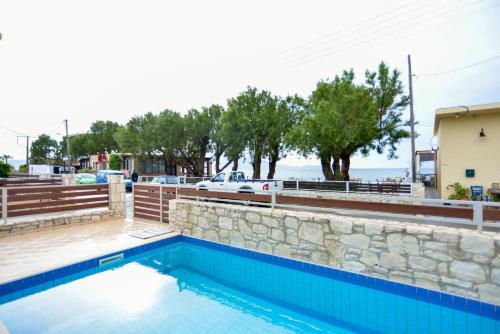
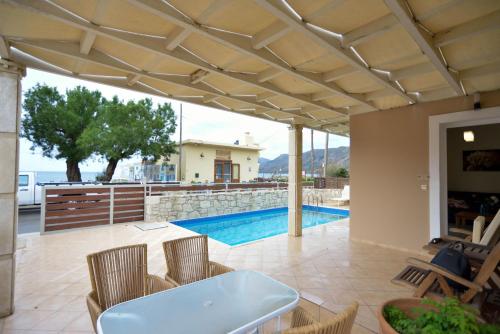
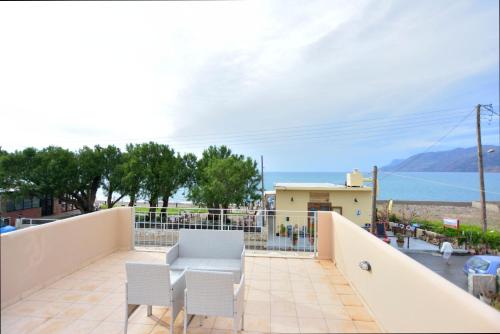
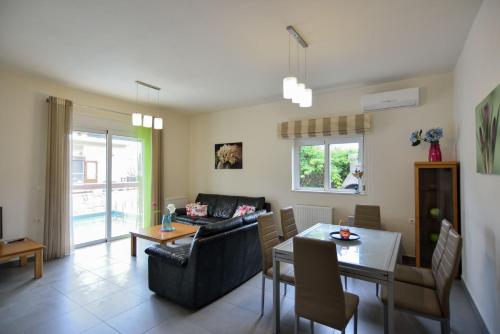
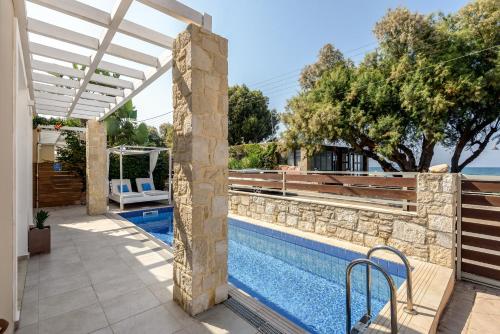
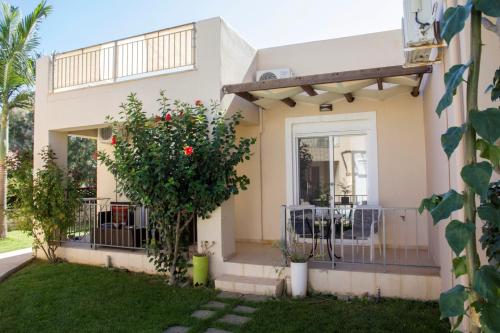
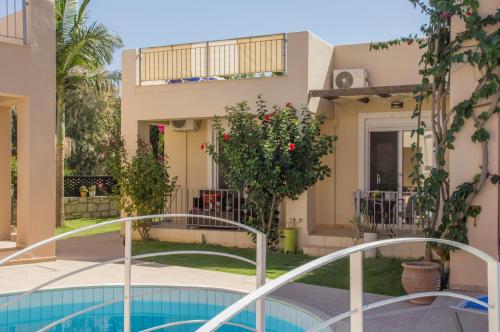
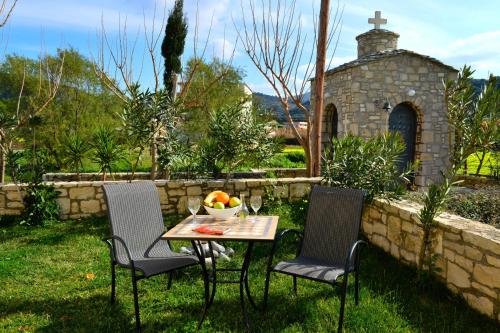
Featuring air-conditioned accommodation with a private pool, Villa Nopigia Homeleader is set in Nopíyia. This beachfront property offers access to a balcony, free private parking and free WiFi.
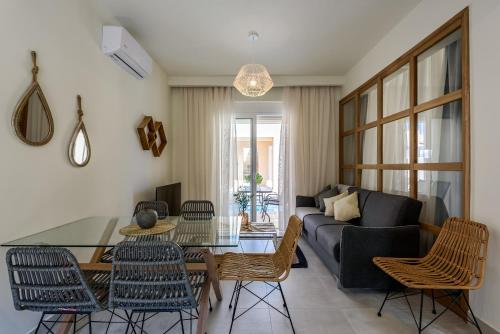
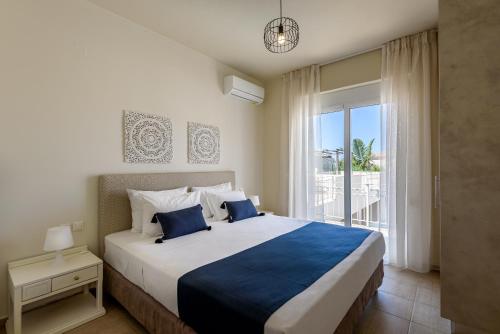
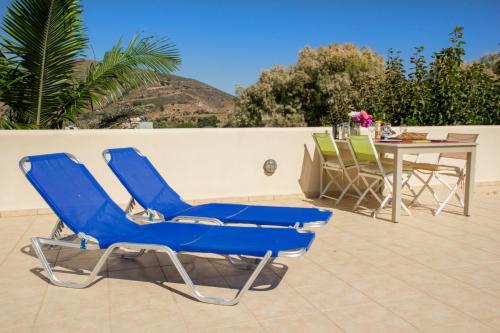
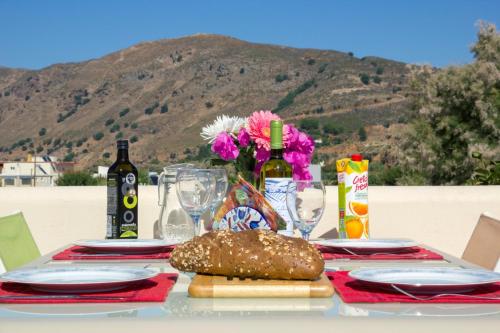
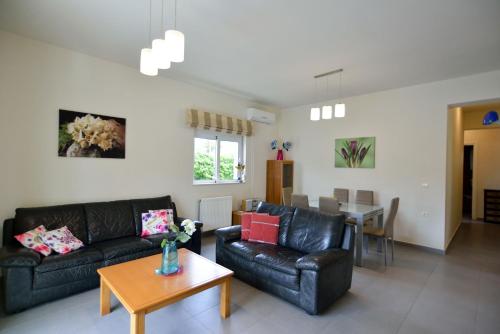
The holiday home comes with 1 bedroom, 1 bathroom, bed linen, towels, a flat-screen TV with satellite channels, a dining area, a fully equipped kitchen, and a terrace with sea views.
A car rental service is available at the holiday home.
Drapanias Beach is 800 metres from Villa Nopigia Homeleader, while Kissamos / Kasteli Port is 10 km away. The nearest airport is Chania International Airport, 45 km from the accommodation.
from
€74
/night
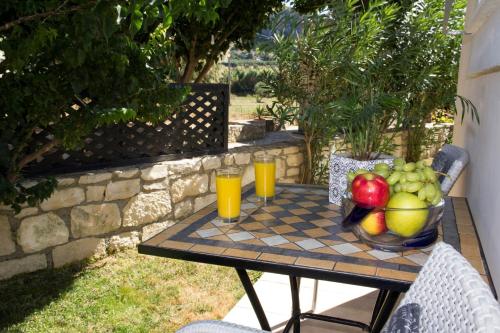
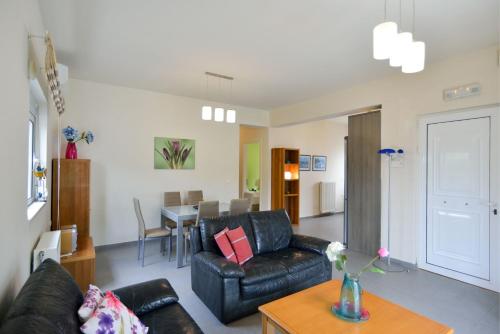
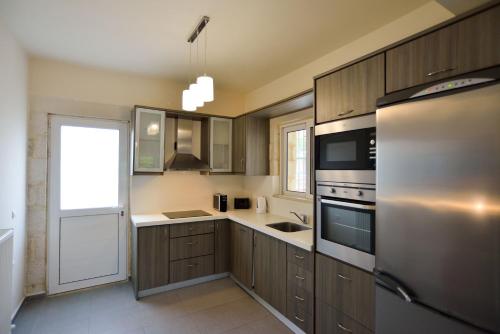
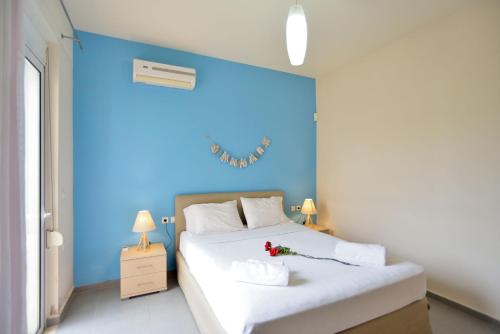
Set in Kissamos in the Crete region, with Drapanias Beach nearby, V & G Cozy Apartments offers accommodation with free WiFi and free private parking.
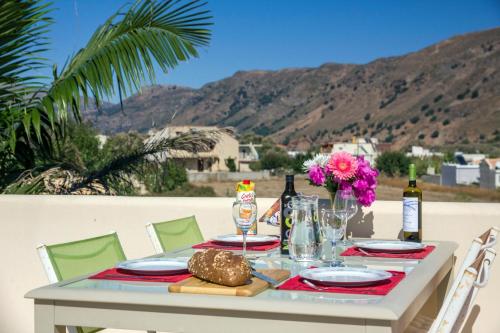
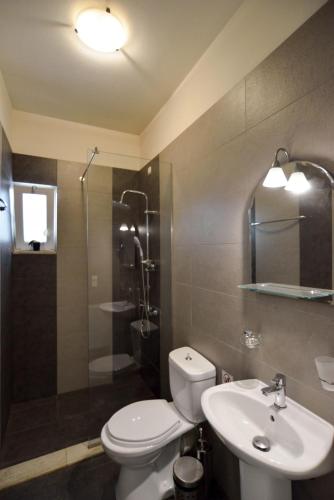
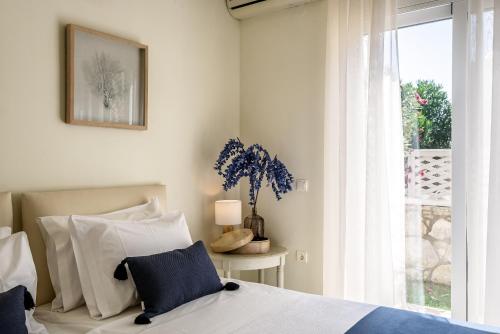
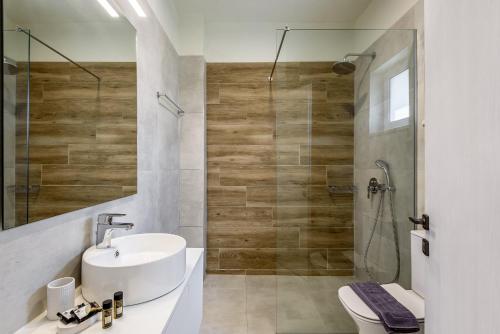
Each unit is fitted with a terrace offering sea views, a cable flat-screen TV, a dining area, a well-fitted kitchen and a private bathroom with shower, slippers and a hair dryer. An oven, a fridge and stovetop are also offered, as well as a coffee machine and a kettle.
Kissamos / Kasteli Port is 10 km from the aparthotel, while Agios Dimitrios Church is 22 km from the property. The nearest airport is Chania International Airport, 45 km from V & G Cozy Apartments.
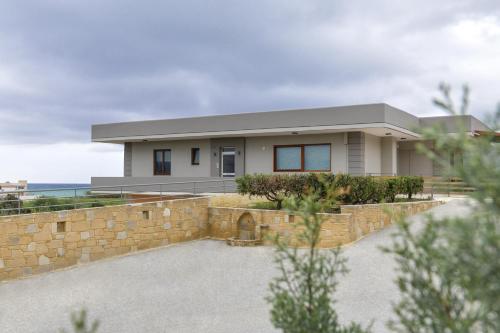
Featuring air-conditioned accommodation with a private pool, mountain view and a patio, Villa Nopigia Mare is set in Kissamos. This beachfront property offers access to a balcony, free private parking and free WiFi.
The villa with a terrace and sea views features 3 bedrooms, a living room, a flat-screen TV, an equipped kitchen with a dishwasher and an oven, and 2 bathrooms with a walk-in shower. Towels and bed linen are featured in the villa.
The villa offers a barbecue. A car rental service is available at Villa Nopigia Mare.
Drapanias Beach is less than 1 km from the accommodation, while Kissamos / Kasteli Port is 10 km away. The nearest airport is Chania International, 45 km from Villa Nopigia Mare, and the property offers a paid airport shuttle service.
from
€132
/night
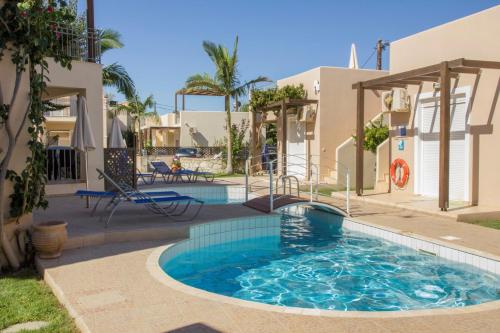
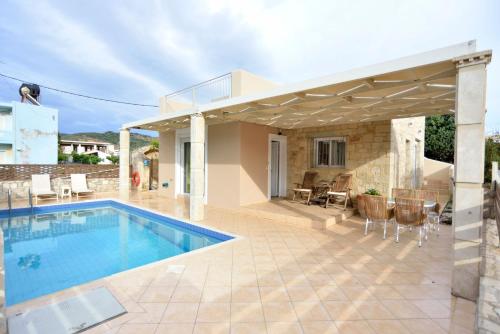
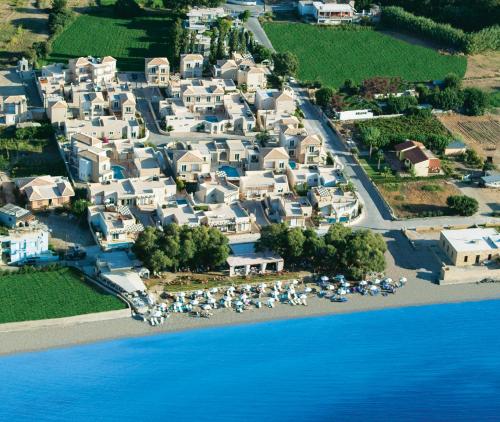
Just a few metres from Nopigia Beach, Azure Beach is a complex of small villas with 8 shared pools amidst landscaped gardens. The beach bar Ble Lounge serves a selection of drinks and local wines.
Tastefully decorated, all bright and air-conditioned villas open to a balcony or rooftop terrace with pool, mountain and Cretan Sea views. Each consists of 1 or 2 bedrooms and fully equipped kitchen with dining area. A flat-screen TV with satellite channels and DVD player is available in the seating area.
Azure Beach Villas is located 5 minutes’ drive from Kolimbari village. Both the famous beach of Falassarna and the scenic town of Chania can be reached within a 30-minute drive. Free parking and BBQ facilities are provided.
No results available
Connect with thousands of Crete visitors and boost your bookings.
No results available
© All rights reserved. Crete Locals