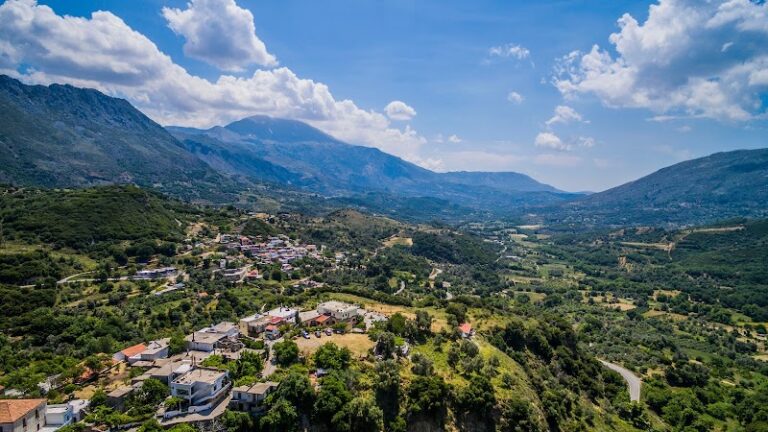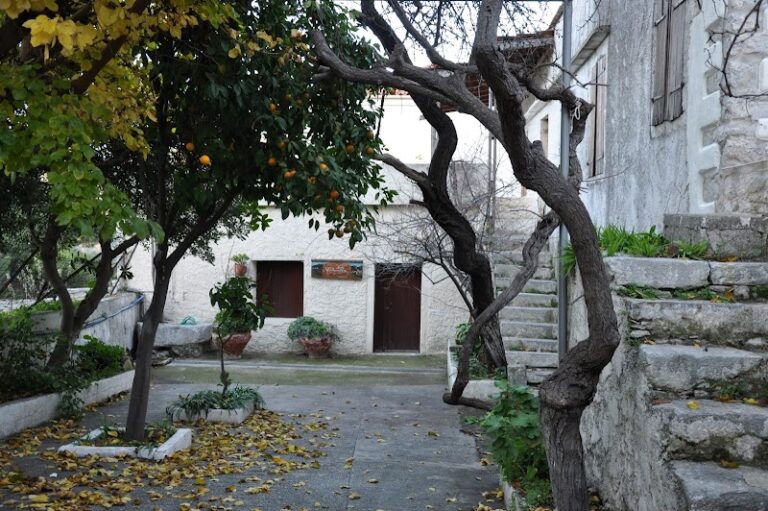
Premium Sunset Safari Tour with best panoramic view of Rethymnon city from above, Potamon dam, traditional Cretan villages and mountains. Allow yourself to indulge in a romantic premium off-road experience with the best panoramic views and premium service in a semi private small group tour up to 8 persons per vehicle.
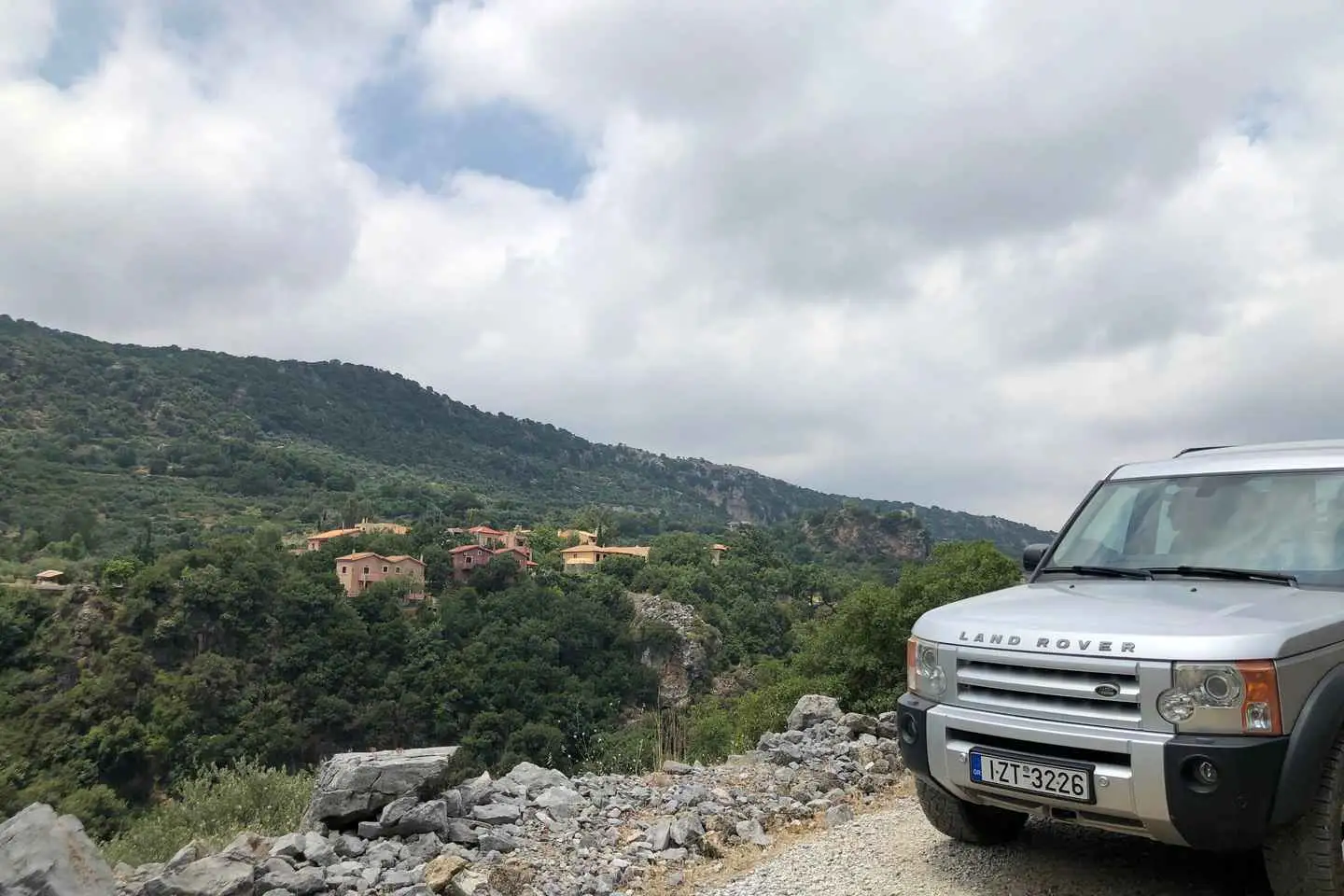
Our evening tour begins from Rethymnon city centre and tourist areas, heading towards the inland of Rethymnon through traditional villages and uncharted mountain routes. Our premium off-road vehicles driven by well trained escorts will help you enjoy the best service and panoramic sunset view of Rethymnon from above. Unpaved off-road routes, wild and dense vegetation, non tourist places, unique panoramic view of Potamon dam and mountains ideal for sunset capture stops, are only some of the experiences that you will receive in a 4 hours premium off-road sunset safari tour.
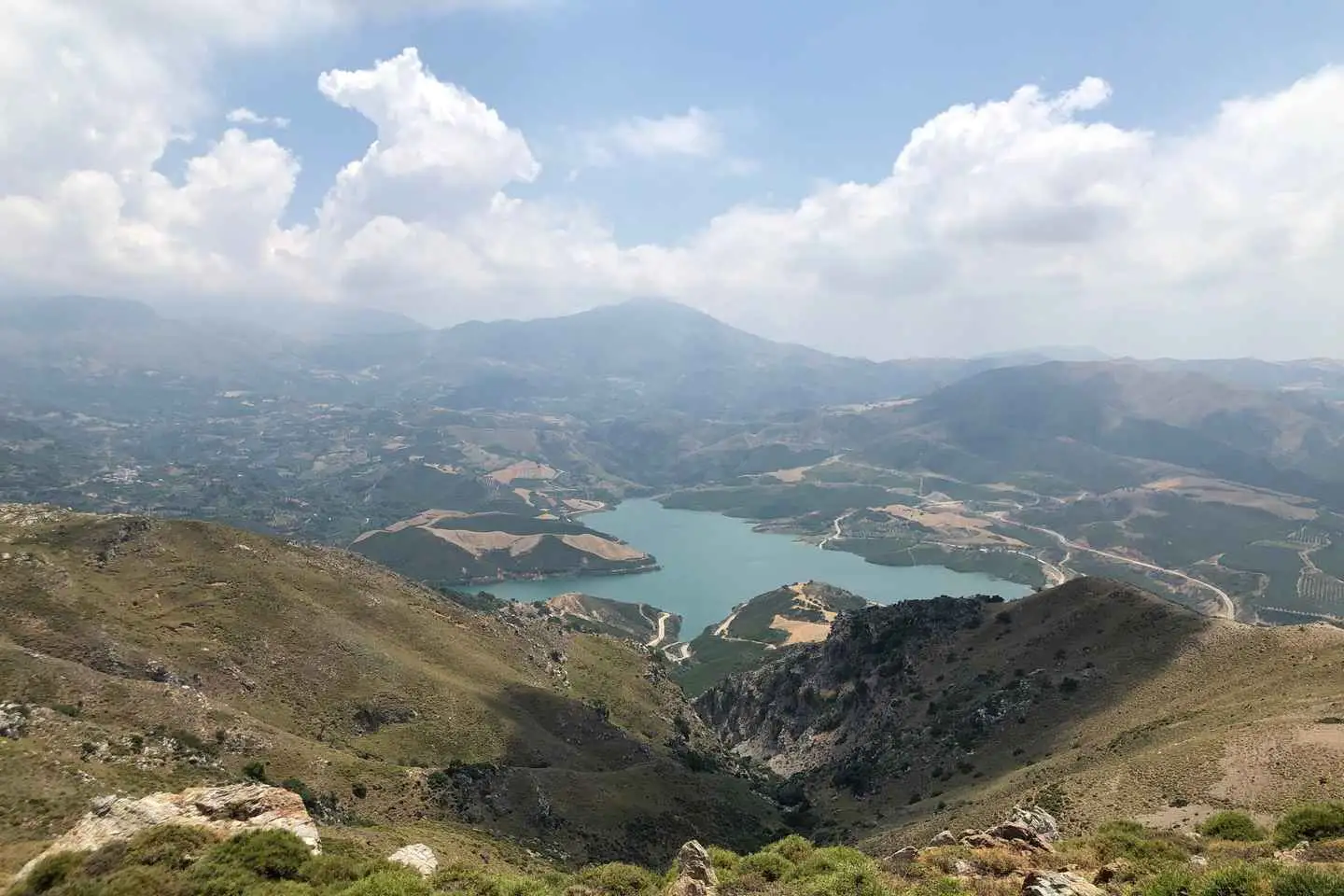
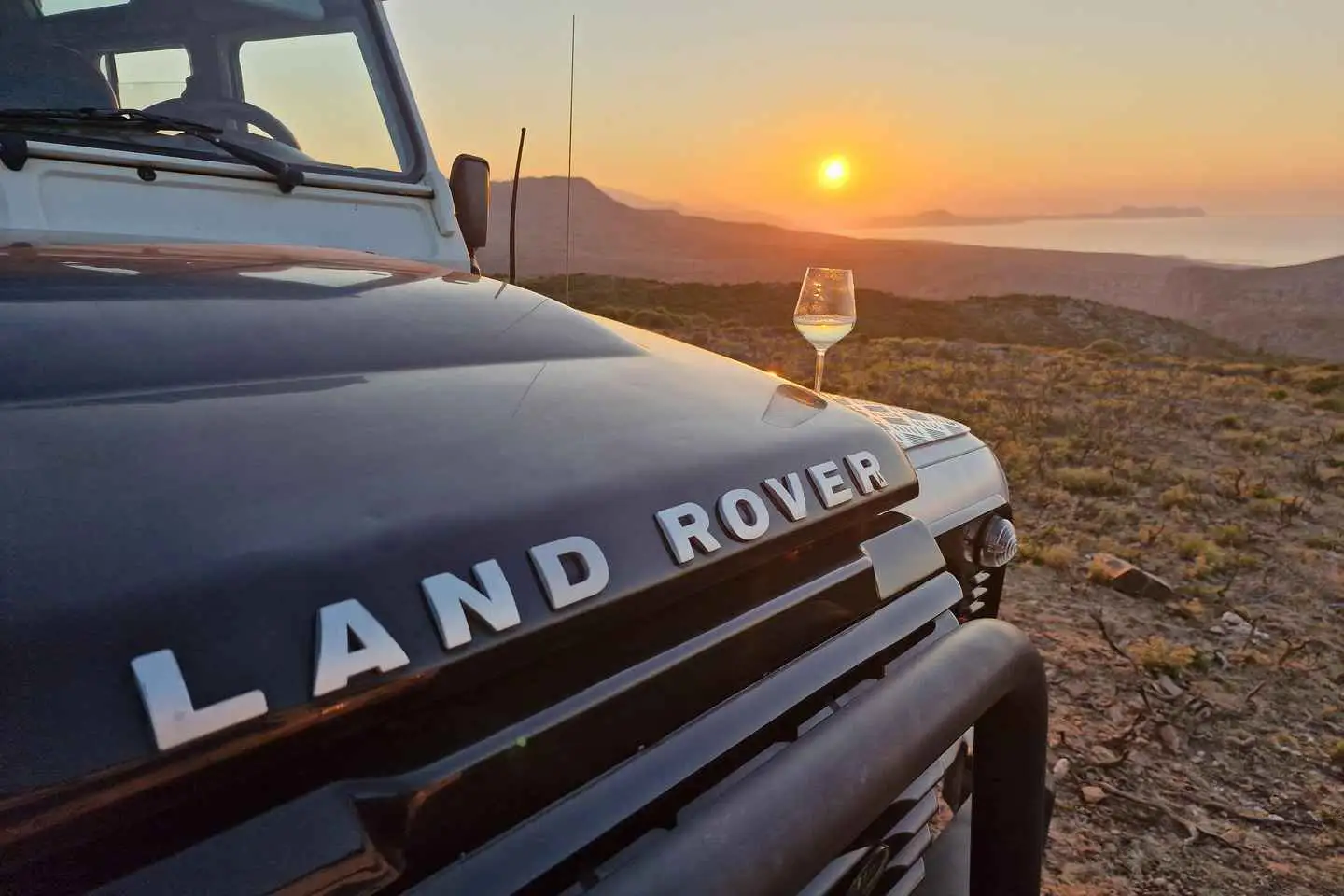
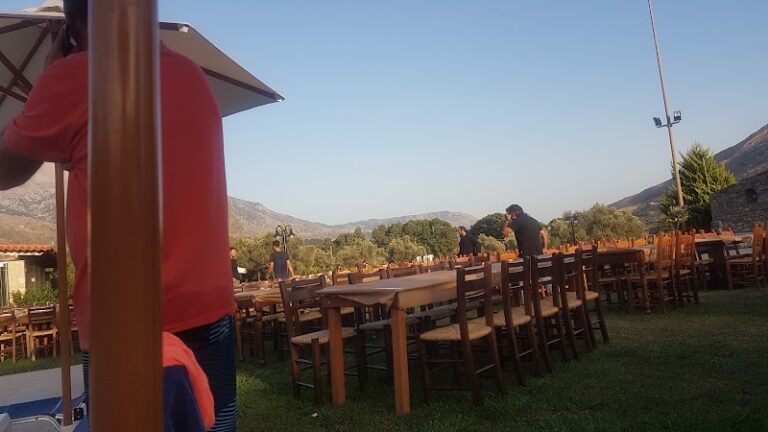
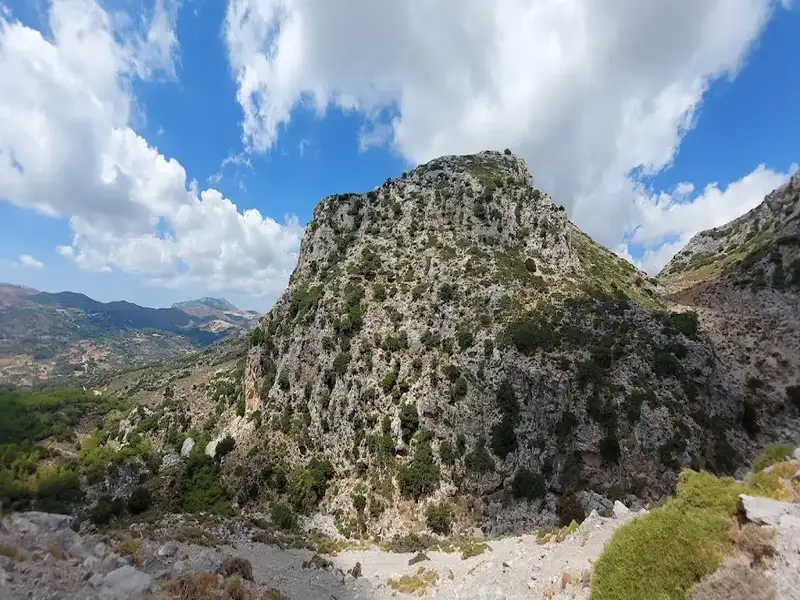
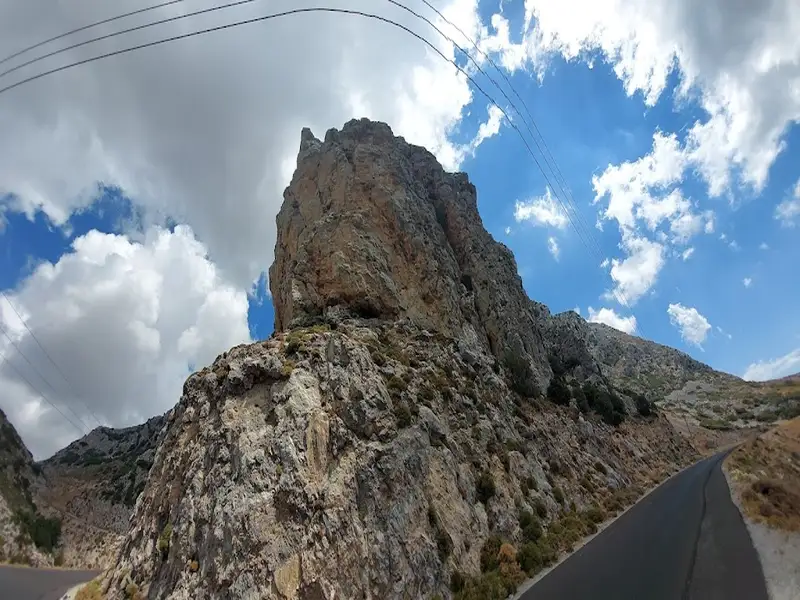
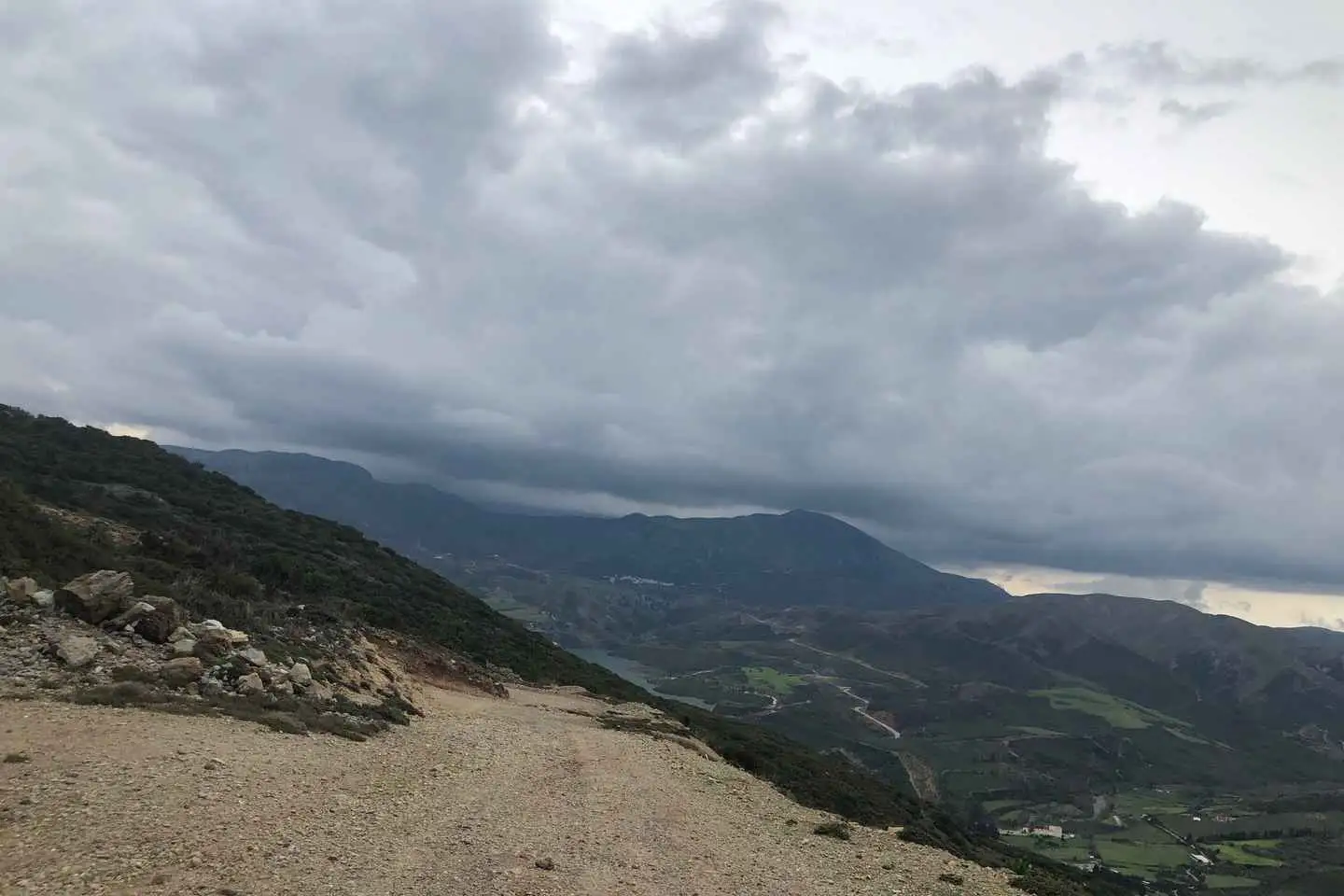
After our exploration through traditional Cretan villages of Pigi, Adelle, Sain Dimitrios, Holy Trinity and Harkia and following an uncharted off-road route we reach an amazing point in the hill above Potamon dam at 650m altitude. From that point we will have the best panoramic view of the dam, Cretan inland and mountains to capture some great photos. Following our unpaved route and admiring the unique Cretan terrain we reach a unique sunset spot to admire the romantic view and the entire city below. We continue our road-trip until reach a small family owned tavern where our Cretan delicacies platter will be served accompanied by a glass of wine. Our sunset tour comes to an end through an easy asphalt road to reach Rethymnon city full of memories, experiences, amazing sights, romantic views and premium service that only Uncharted Escapes experienced escorts can provide.
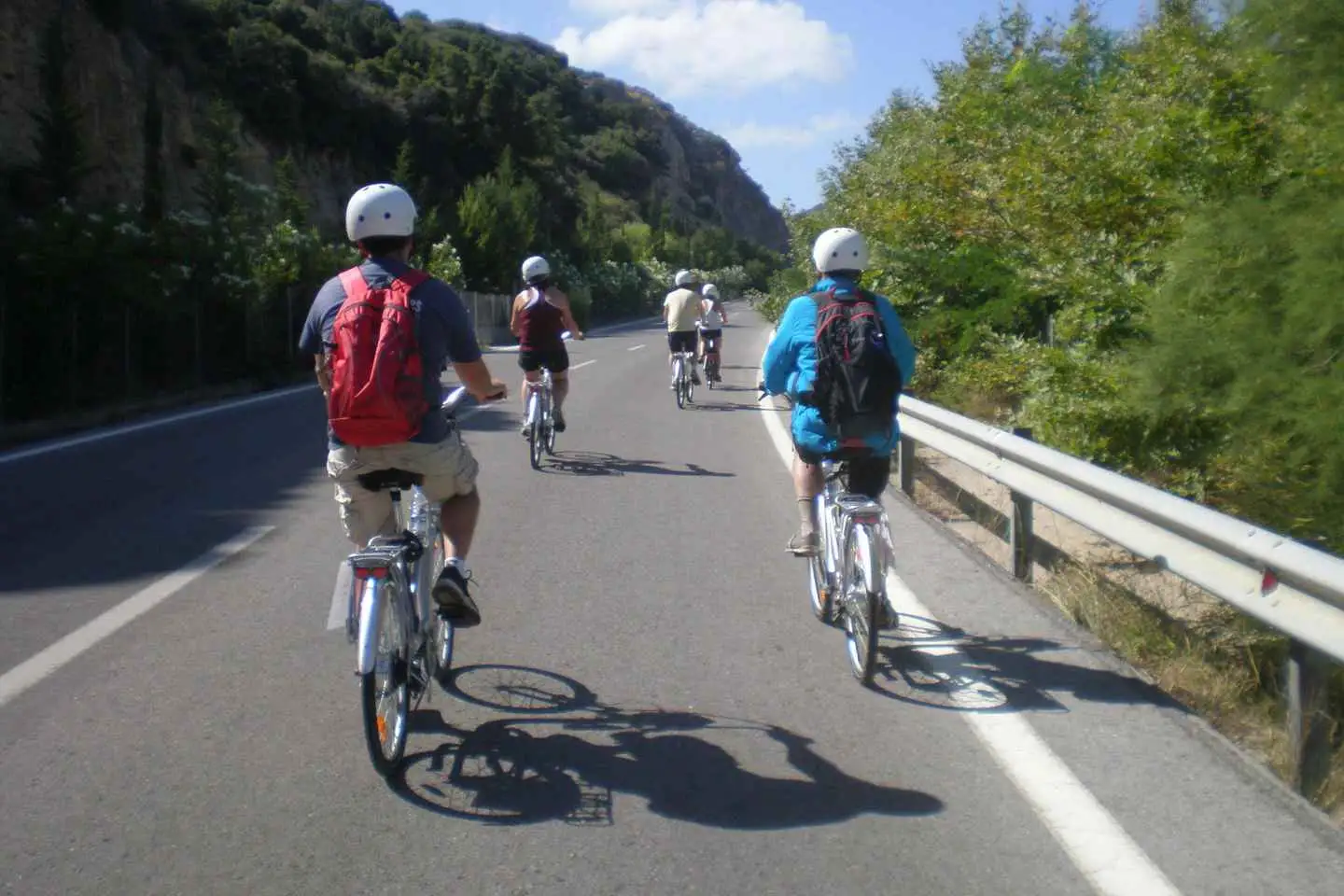
Discover the beauty surrounding Rethymno as you cycle along the coastline. Just before you start the journey uphill, you will make your first stop at the Arsani Monastery. From there you will continue uphill through the olive groves, passing small picturesque villages before making your next stop to the village of Amnatos.
There you can admire the mansion of Sanguinazzo, where you will discover above its main door the inscription which states “Initium sapientiae timor Domini”. Your next stop is the Arkadi Monastery, which boasts a rich and prestigious history. You can learn about the resistance of the local people and the heroic acts of the monks, which will help you understand the significant role they played during the Greek revolution against the Ottomans.
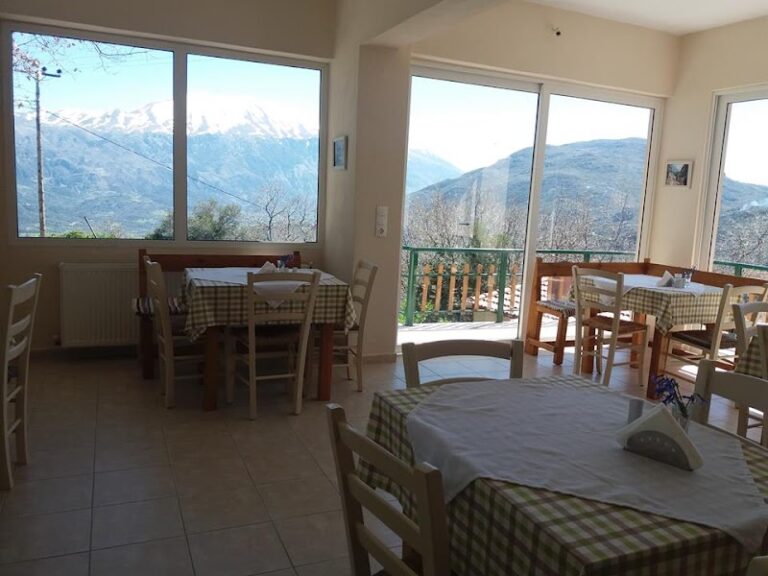
Following the monastery, you will be spoiled with a selection of traditional dishes in a traditional taverna. Due to the elevated location, you will also have breathtaking panoramic views over Rethymno and the Mediterranean Coast whilst you dine. Following lunch, you’ll ride towards Pigi Village and make a final stop at Adele, before slowly making your way back to your starting point.
Welcome to our Rethymno Sunset Tour, an opportunity for a magical and memorable trip! Discover the most beautiful panoramic views along paths running through hills and valleys. Cross picturesque villages and experience the natural wonders that Crete has to offer.
After we pick you up from your hotel, our first stop will be at the Venetian village of Pikris , where you will see the Cretan way of life and our hospitality.The village was built next to the river with its mythical nymphs. You will have the chance to see the amazing central gate of the villa Claudio. What makes it even more intriguing is the Latin inscription in letters: “Pateat bonis,” which translates to “the good man passes through.” This phrase hints at a place that values virtues and welcomes those of moral character.
Our next stop will be the Arkadi Monastery wich is one of the most important monasteries in Crete and holds great cultural and historical value.It is renowned for its stunning architecture, with a mix of Venetian, Byzantine, and Ottoman influences, making it a unique and captivating structure.(to enter the Monastery is optional and the entrance fee is 4 euro)
We continue through the changing scenery of wild flowers, herbs and local groves to reach the mountains at an altitude of around 1000m.Here you will have an amazing view point of the dam of Potamon. We stop to relax with a glass of wine whilst admiring the vivid colors of the sun sinking into the ocean!
Our last stop will be at Limnokastro where we will have a Cretan style evening meal at a local tavern by the river, where giant trees and a 1000 year old church will fascinate you! Here you will have the opportunity to try a selection of traditional local starters and main courses (vegetarian option available) and enjoy unlimited Cretan wine.
Don’t miss this unique experience and an unforgettable, epic Rethymno sunset tour!
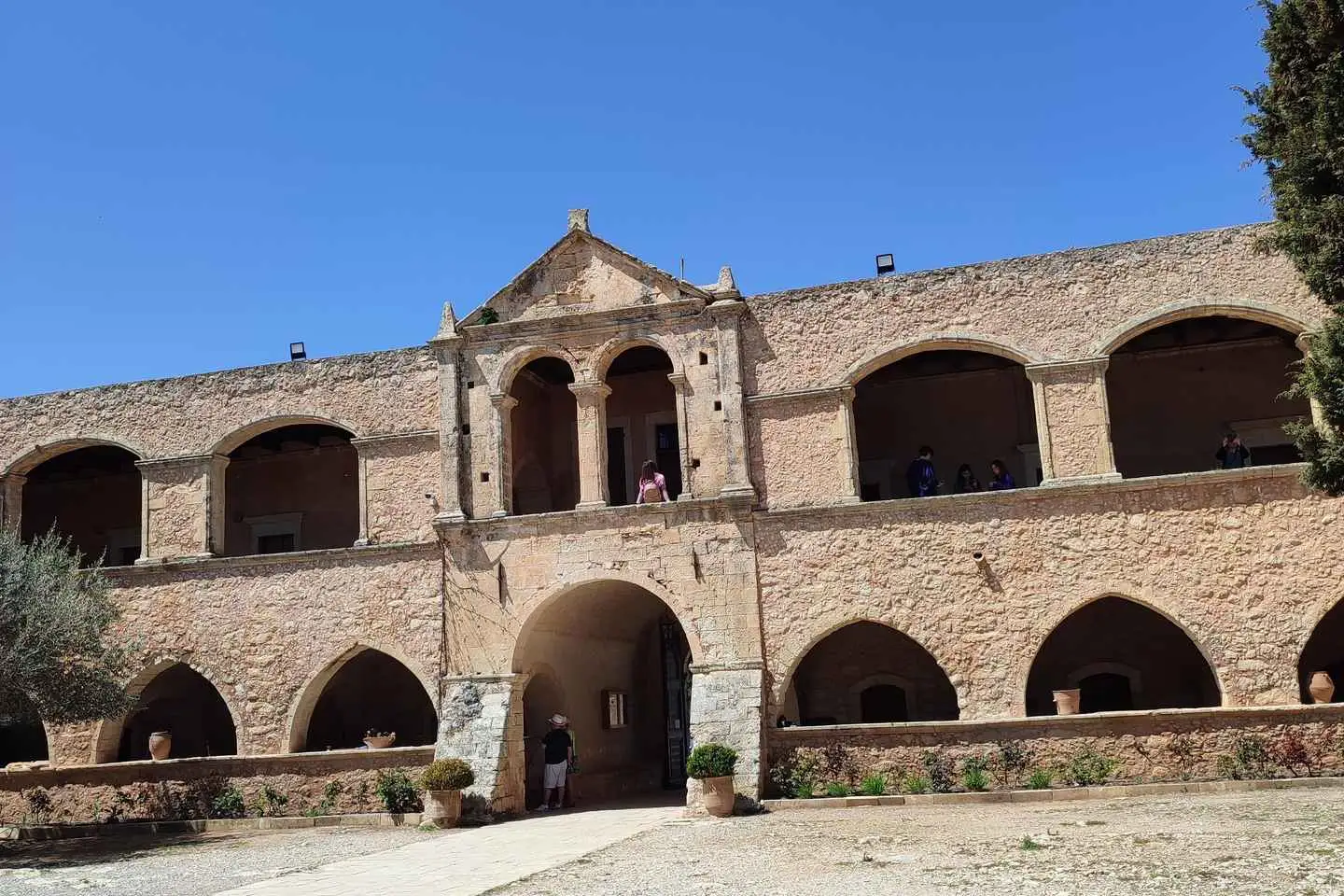
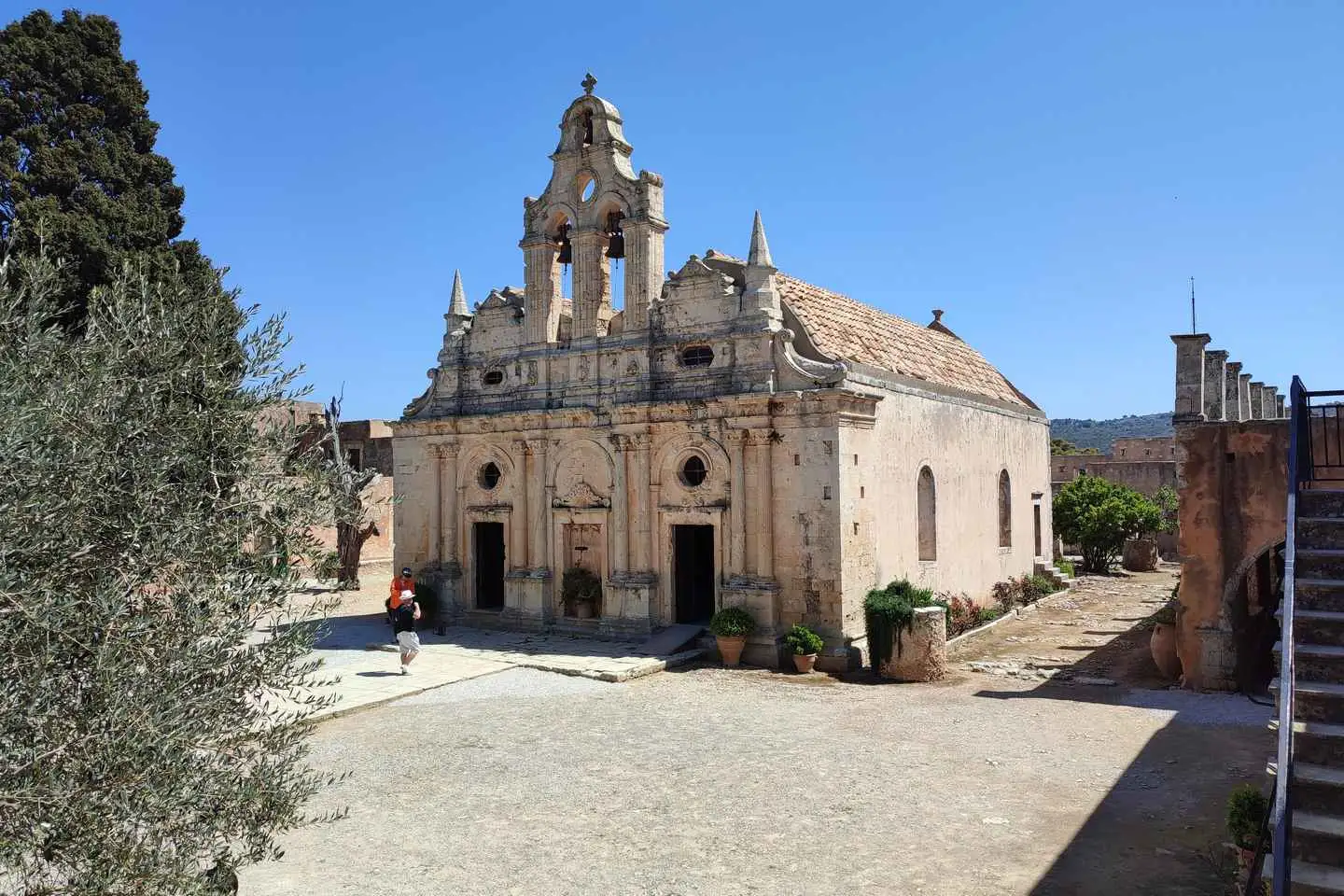
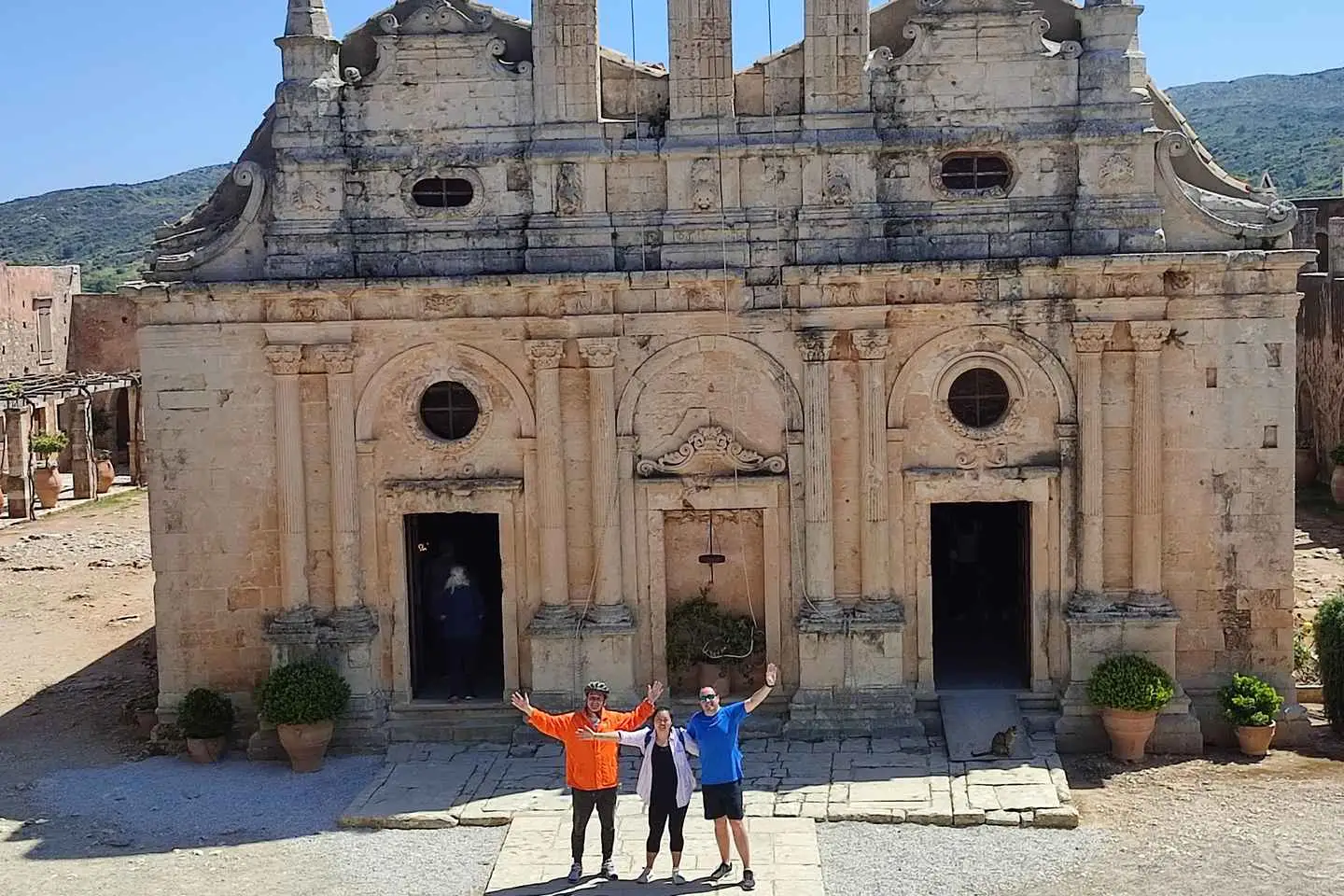
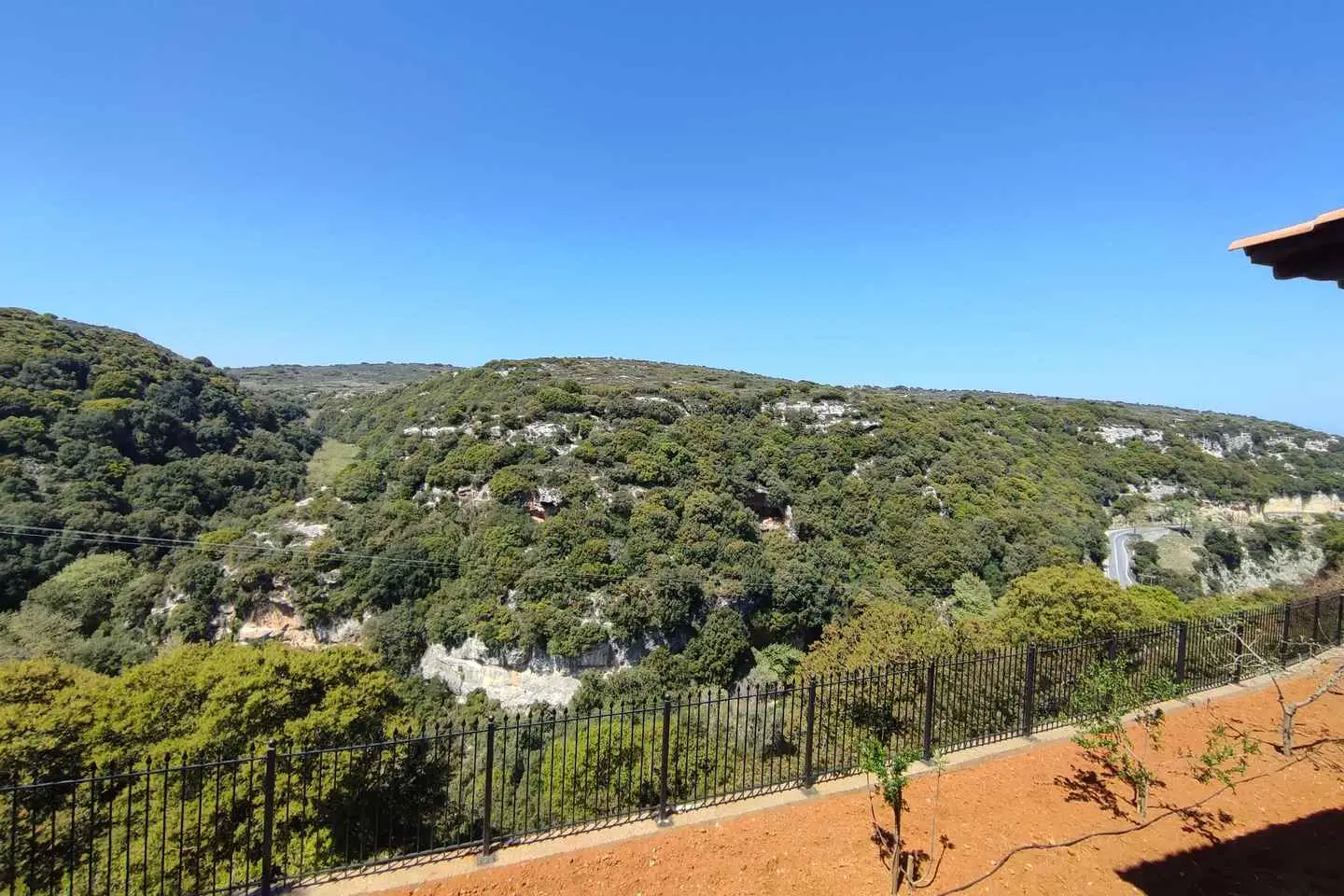
Arkadi Monastery (in Greek Moní Arkadíou) is an Eastern Orthodox monastery, situated near Rethymno. It is one of the most historic monasteries on Crete.
What’s Included:
Experienced guide, use of bicycle, helmet, reflective orange vest, bottle of water, break for discussion and soft drink in a village during the tour.
Departure & Return:
Sofokli Venizelou 4, Rethymno 741 00, Greece
You will enjoy the beautiful view and you will be enchanted of the wonderful green landscape.
Additional Info:
Most travelers can participate
This is a private tour/activity. Only your group will participate
Check the prices and make your reservation from our booking system in our website.
All protection measures are taken by COVID 19. Helmets and reflective vests are sterilized by a special machine at 120o C.
No results available
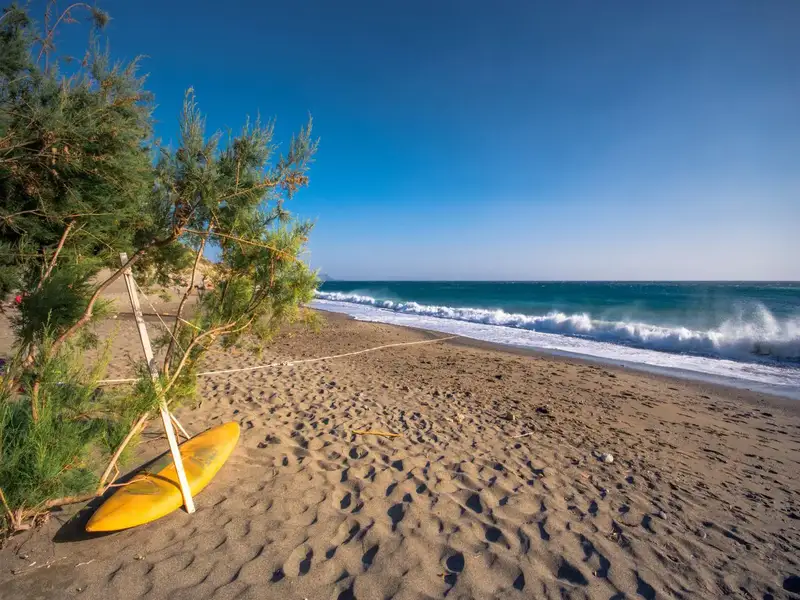
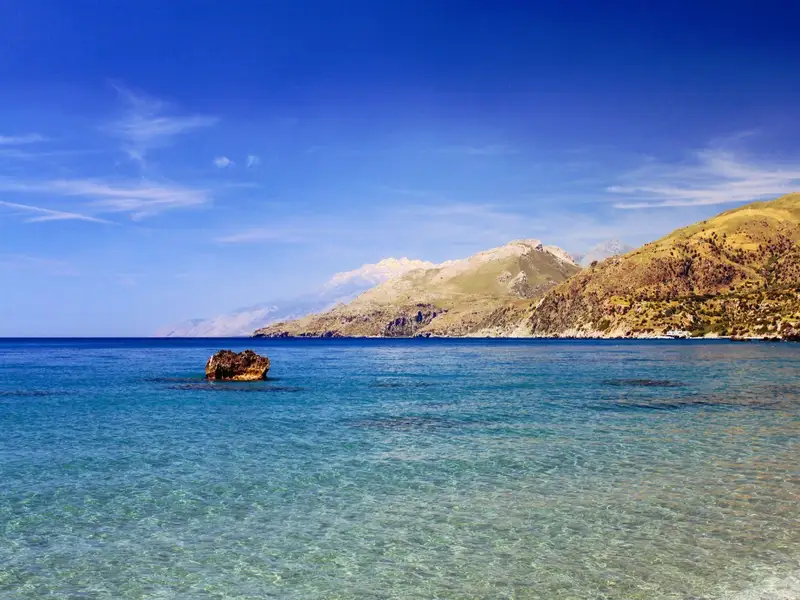
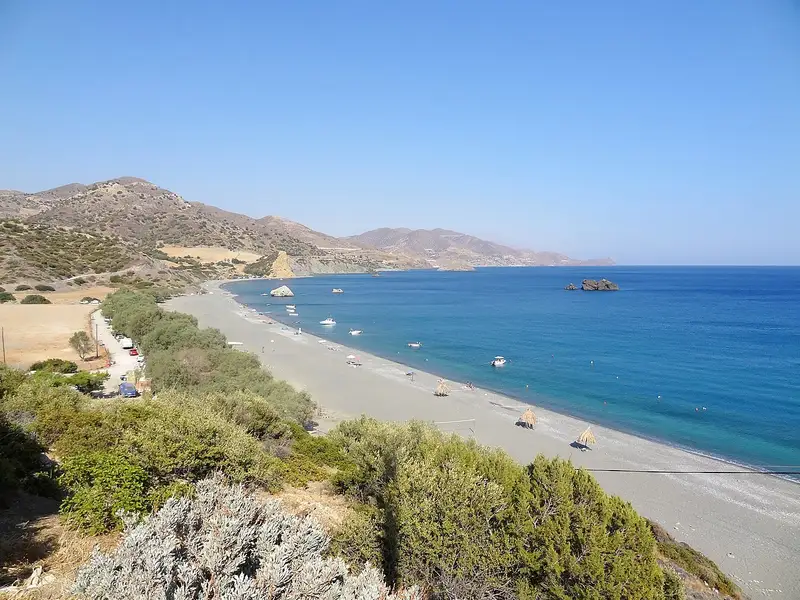

Situated 51km to the south of Rethymno and 7km below the village of Kerames, Ligres is nestled at the base of the grand Siderotas mountain. It forms the northern segment of the Akoumiani Gialia beachfront, which runs from the cape of Mellissa to the south.
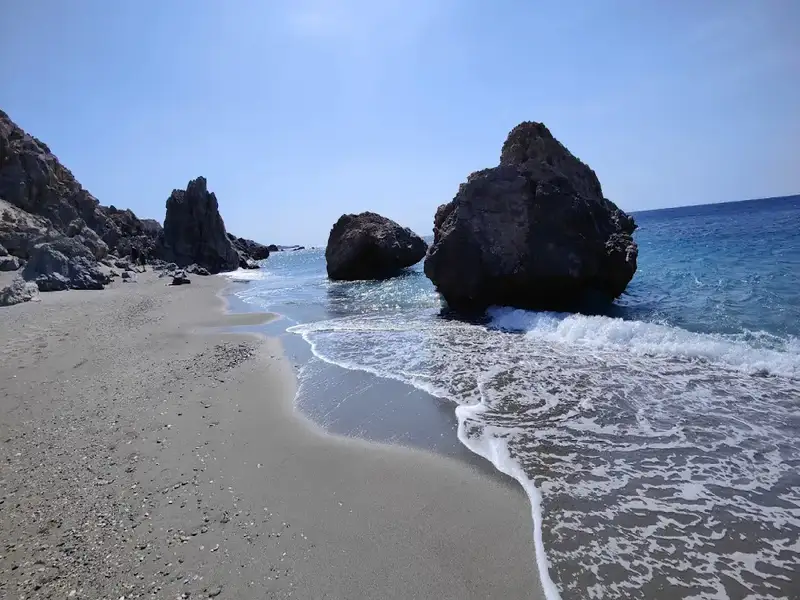
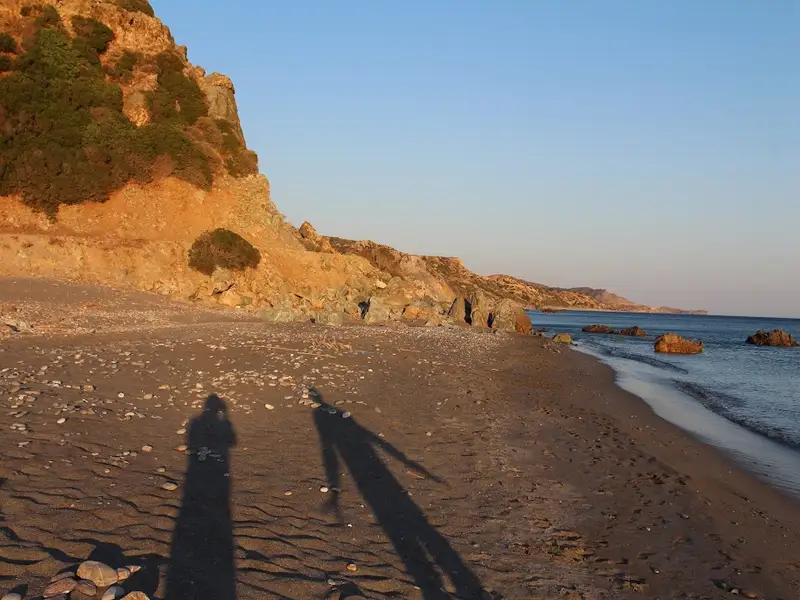
Ligres is an expansive beach graced with rough sand and a spectacular deep sea. Its somewhat challenging access has thankfully deterred the encroachment of tourism, preserving it as one of the most serene, secluded and pristine beaches on the island. Although the beach is not developed, there are a few taverns and rooms available on its western side accessible via a poorly maintained asphalt road. At the beach’s western tip, there is a stunning waterfall that boasts a year-round water supply, cascading right next to the sea.
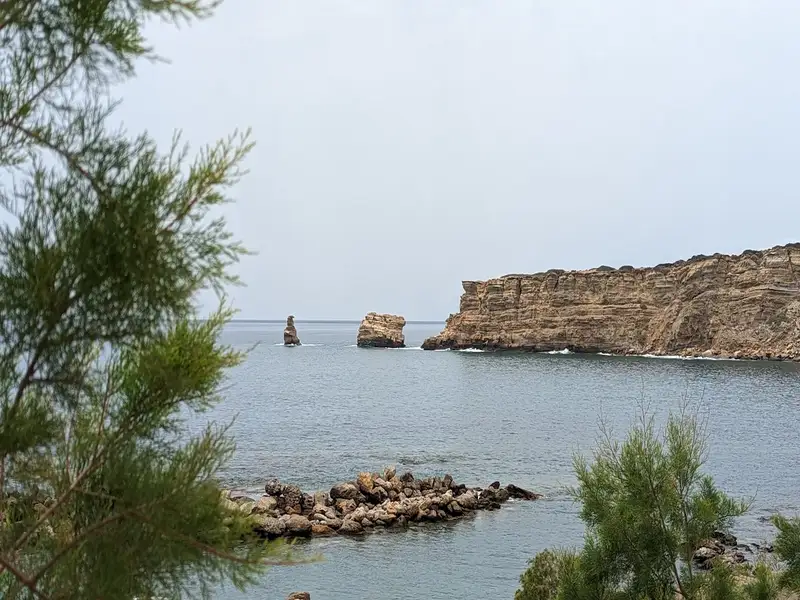
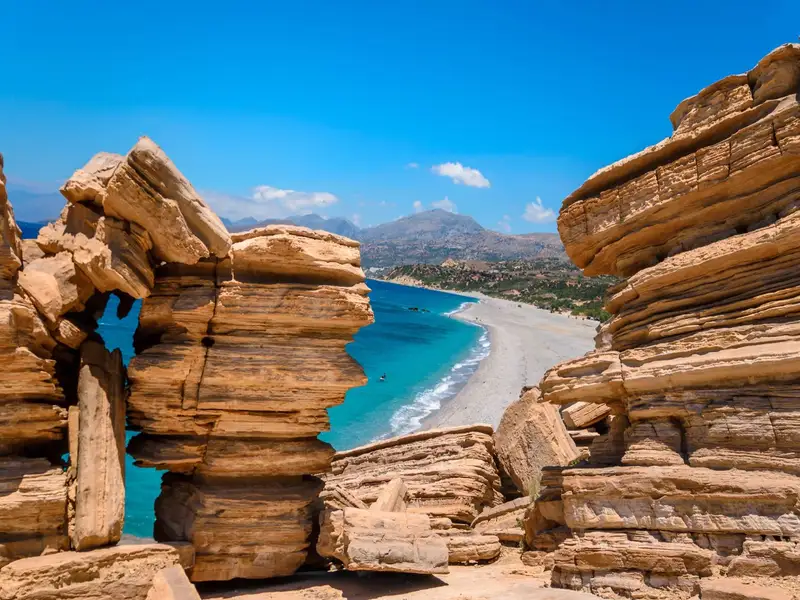
Beyond the northern end of the beach, also known as Katsouni, lies a secluded beach favored primarily by nudists. Despite its seclusion, there are numerous spots along this vast, uninhabited beach where nude swimming is possible. It’s worth venturing along the beachfront to Triopetra, up to the Xiromilia area, to marvel at the astonishing rock formations. In the heart of Ligres, a remarkable reddish boulder stands out near the sea.
Kerames, a village situated 49km south of Rethymno, neighbors the village of Agalianos. It is surrounded by stunning beaches to its south, including the well-known beaches of Akoumiani Gialia, such as Ligres, Triopetra, and Agios Pavlos sandhills. Keramiani Giulia, or Keramean Beach, lies to the north of Akoumiani Gialia, its name derived from the nearby village.
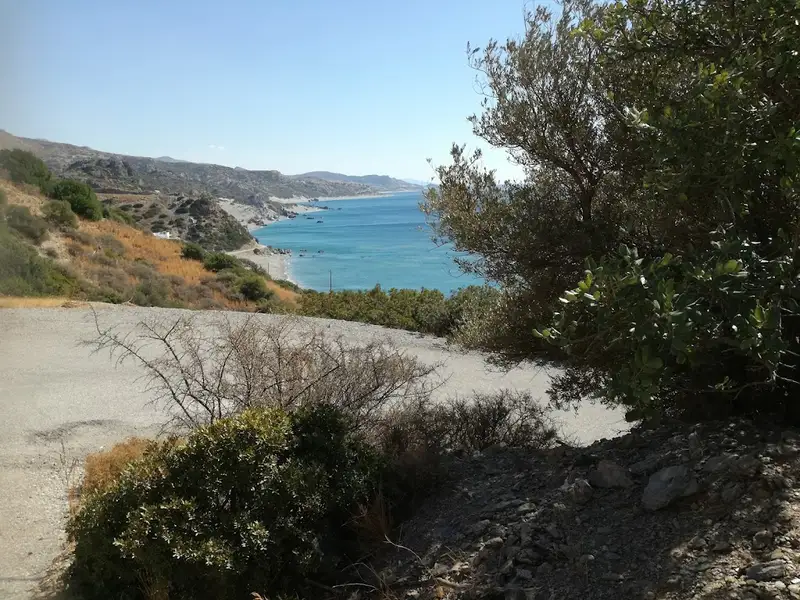
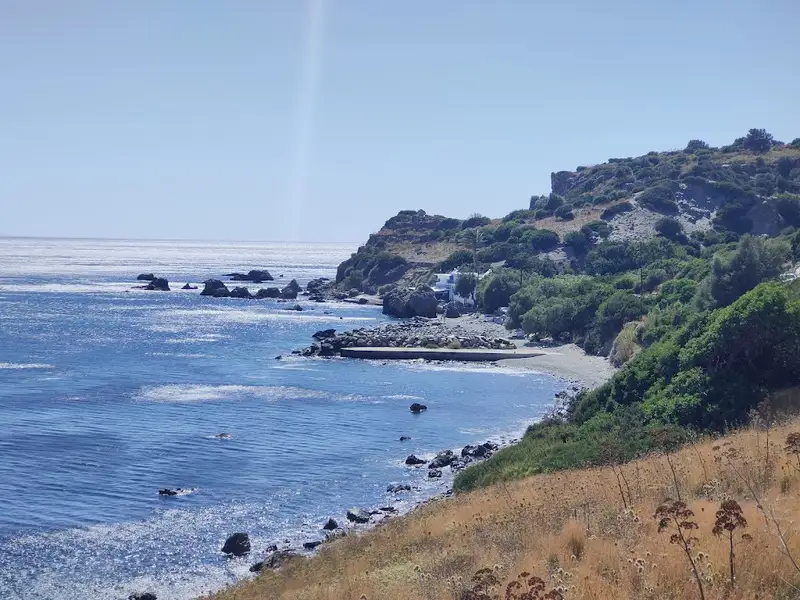
A somewhat dilapidated asphalt road leads to Keramiani Gialia, ending near the local harbour of Agia Fotini, also referred to as Agia Fotia. To the southeast of Agia Fotini, the primary beaches of Keramiani Gialia are located. A well-maintained dirt track from Agia Fotini leads to these beaches, the first being Podare. With its coarse sand and rocky areas, Podare is perfect for activities like fishing and snorkelling. Despite being an unorganized beach, it offers rental rooms for visitors.
After leaving Podare, a simple dirt road heads eastward, taking you past a large hill to a parking area situated near more rental rooms. Here, the road ends, and the beach on your right, Glima, begins. This sandy, secluded, and unorganized beach offers total privacy.
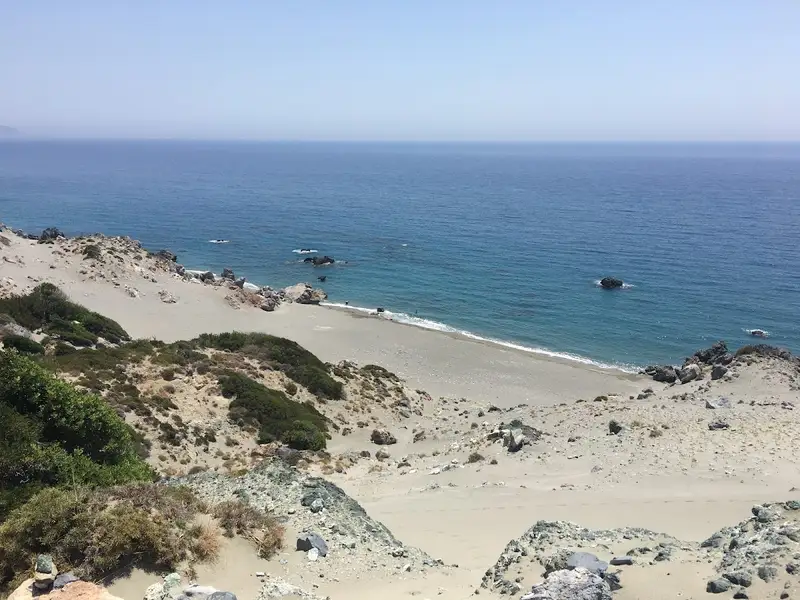
Continuing eastward on foot for about 100m, a towering sandhill becomes visible to your left. Pahia Ammos, or Coarse Sand, lies in front of the sandhill and provides an ideal spot for those seeking complete seclusion.
The quaint village of Kerames is situated 49km to the south of Rethymno, in close proximity to the village Agalianos. South of Kerames, there are numerous stunning beaches, with Ligres, Triopetra and Agios Pavlos sandhills of Akoumiani Gialia being the most well-known. To the north of Akoumiani Gialia, there is Keramiani Gialia or Kerames Beach, named after the nearby village.
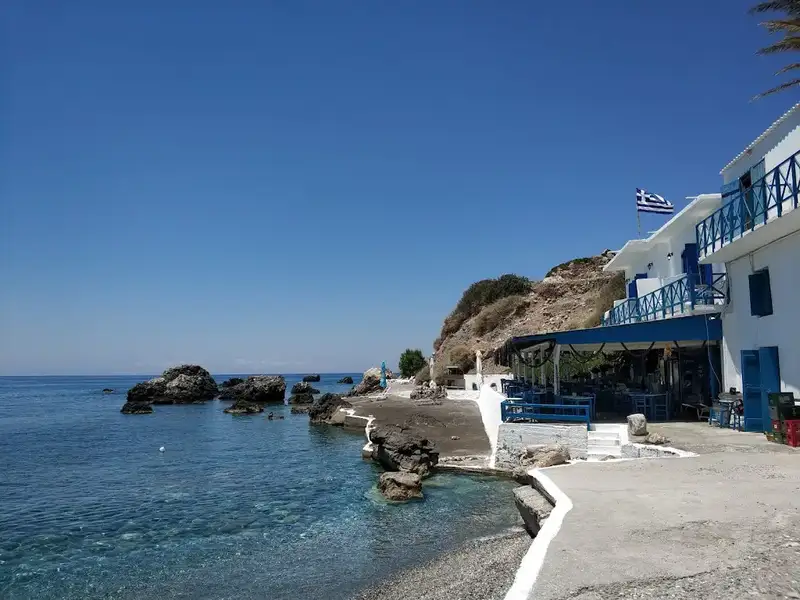
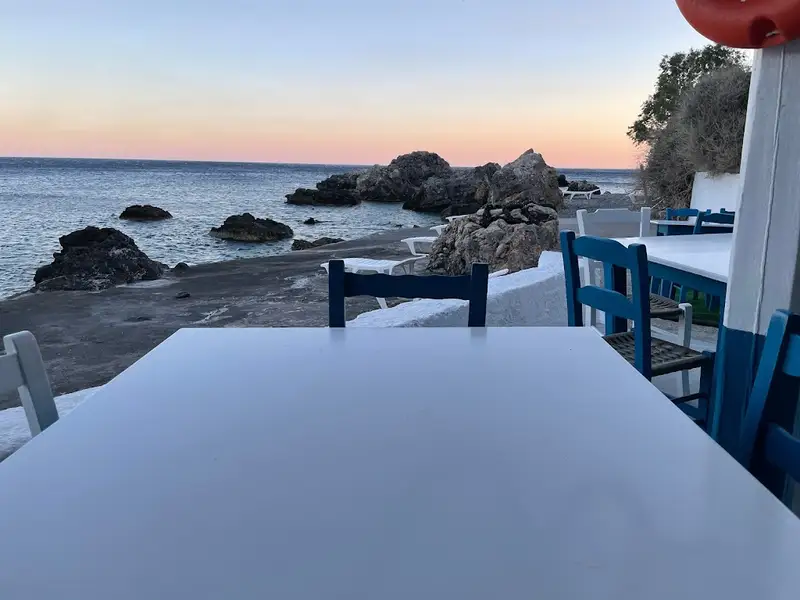
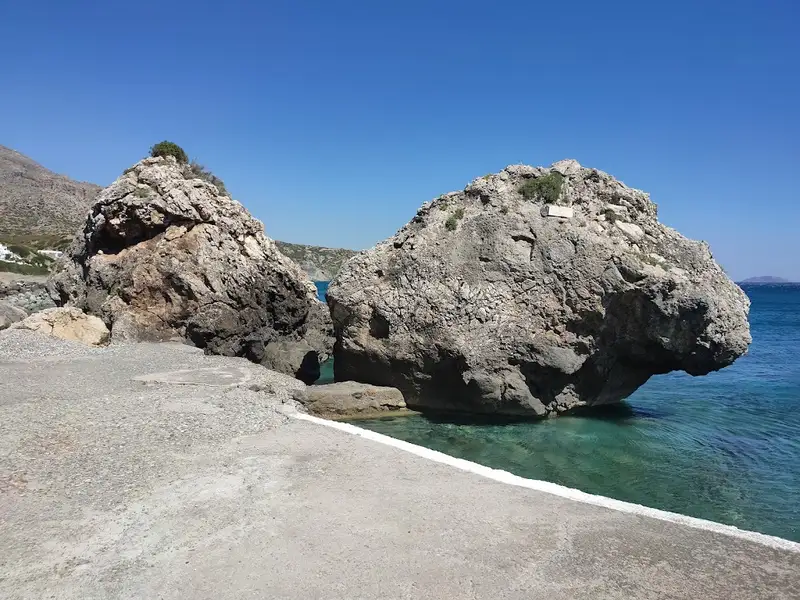
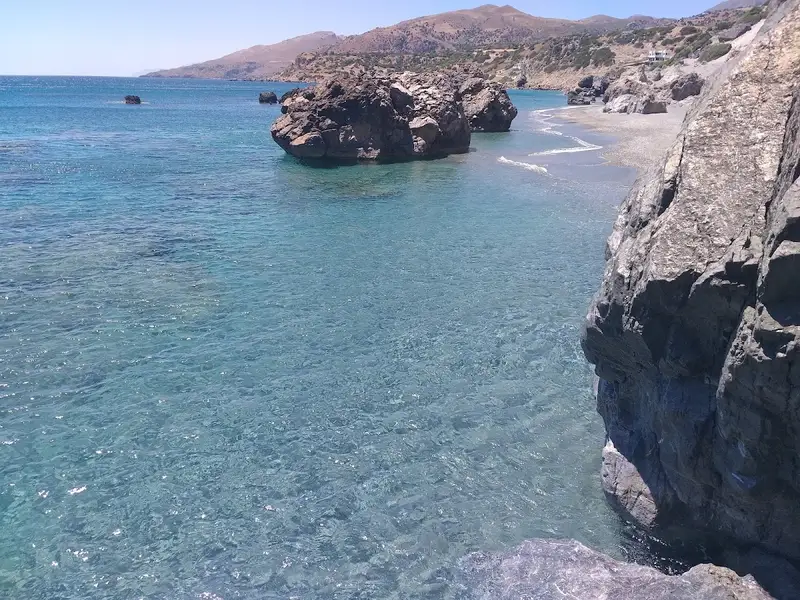
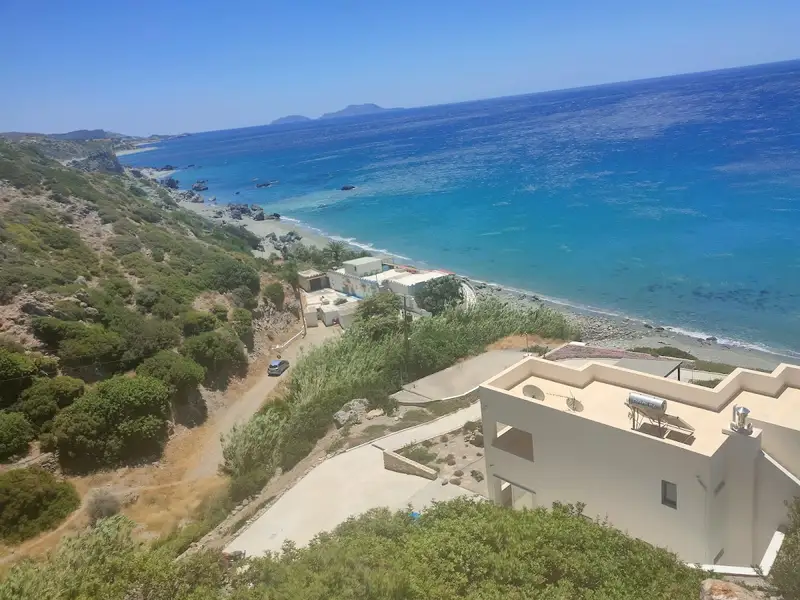
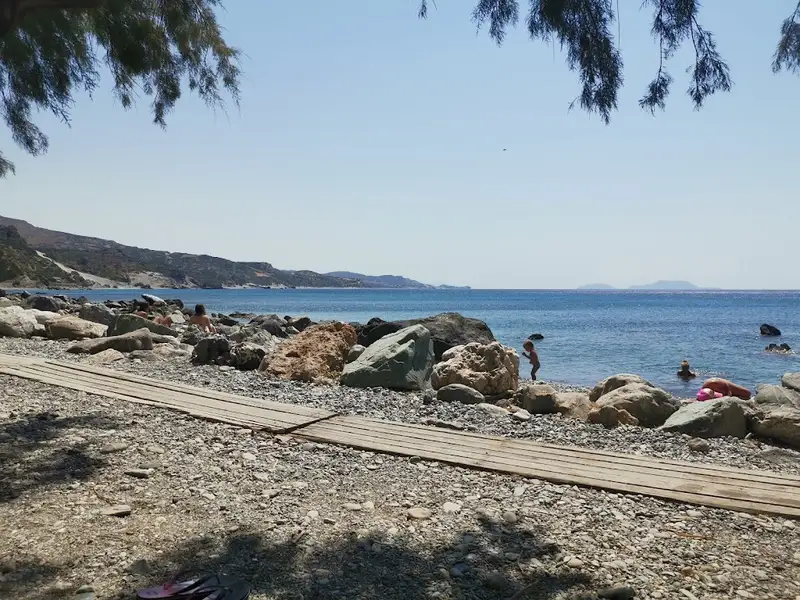
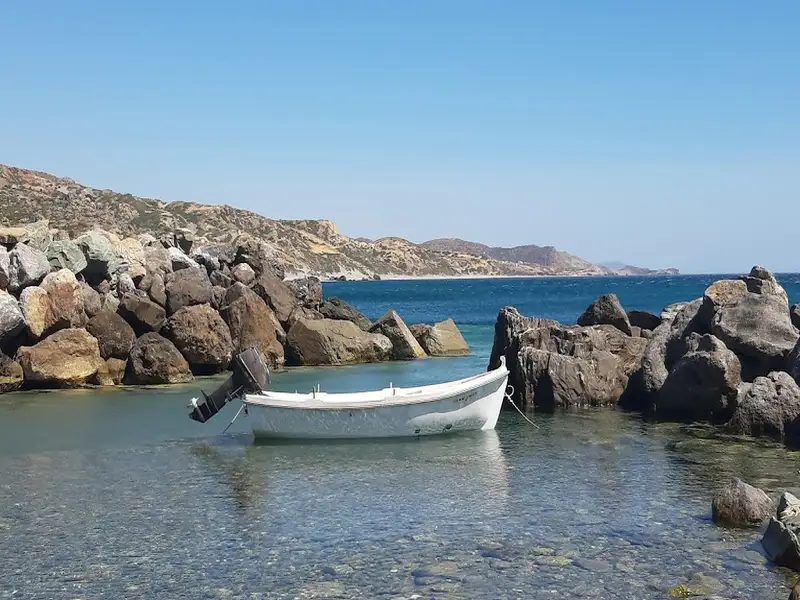
The narrow, poorly paved road leading to Keramiani Giulia ends near the local port of Agia Fotini, which is also known as Agia Fotia. This location is home to beautiful small pebble beaches, perfect for snorkelling and swimming, and is surrounded by large boulders. The traditional Stavros tavern is built on an old carob storehouse and serves fresh fish on the beach. It also offers accommodation, and has a reminiscent atmosphere of the Greek islands of the 1960s. The tavern provides free umbrellas and showers. Near Agia Fotia, there is a small river that forms a green forest. Following the path north along the river, you will encounter a tall palm tree and the old church of Agia Fotini, located near a small house with a lovely garden. A 5-minute walk west of the tavern along the rocky shore will lead you to another pebbly beach.
On the hill near Agia Fotini tavern, you can still see the remnants of the ancient town Kionia, which thrived in its heyday. Today, the ruins cover an area of over 150 meters east to west and 100 meters north to south, while the other half of the town is submerged underwater, in front of the tavern. Traces of buildings and terraces that suggest the existence of Kionia can be seen in the surrounding area. It is thought that the sinking of the town forced its inhabitants to leave and move to higher ground, where the villages Kerames and Agallianos now stand.
Triopetra beach, nestled at the base of Mount Siderotas and 52km south of Rethymno, can be reached via paved roads leading from either Akoumia or Sachtouria. Part of the extensive Akoumiani Gialia beachfront, Triopetra got its name as a historical winter refuge for the inhabitants of Akoumia, who built small huts near their olive groves. Presently, most land and hotels in the area are owned by descendants of these Akoumia residents.
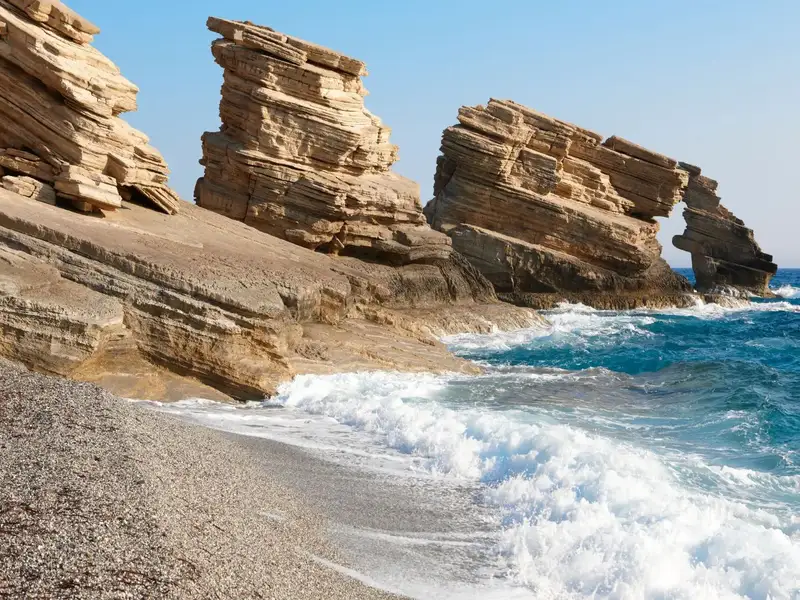
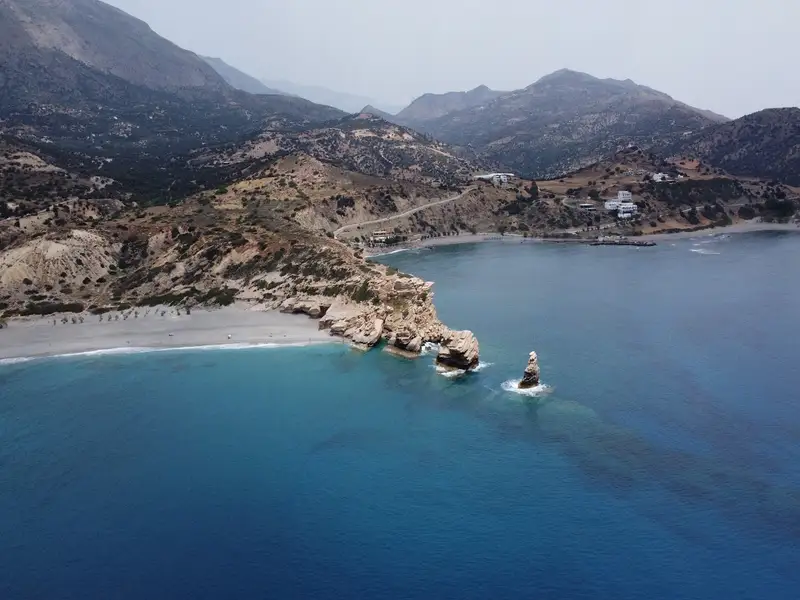
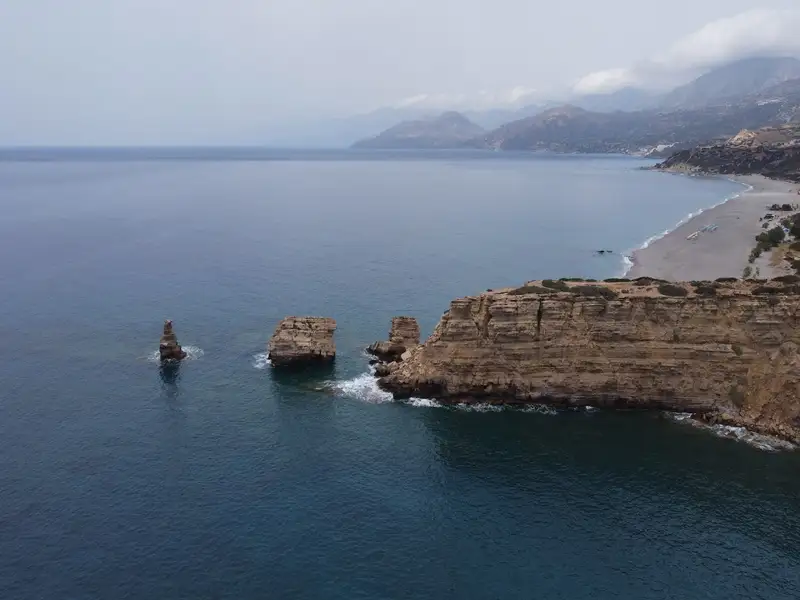
Triopetra boasts two distinct beaches, separated by a petite peninsula. The peninsula’s defining feature is the three spectacular rocks jutting out from the sea, giving Triopetra its name, which translates to “Three Rocks”.
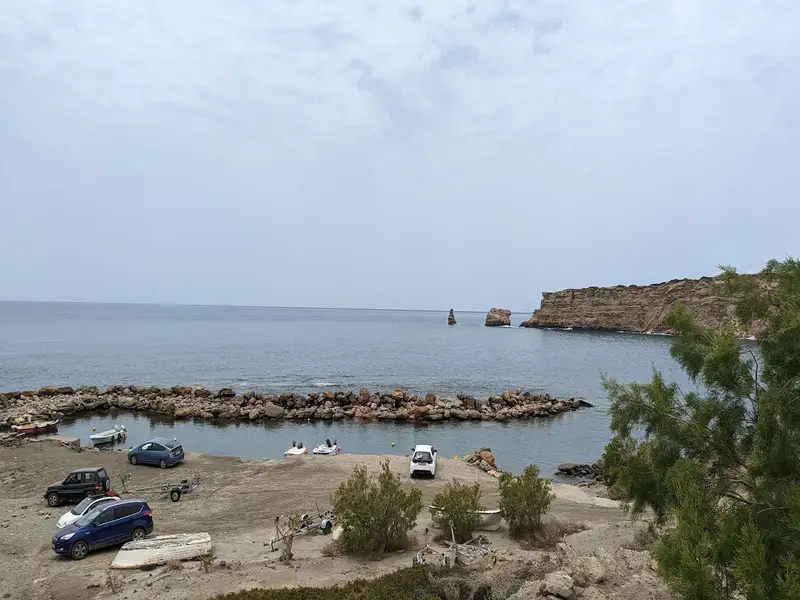
The first beach, Small Triopetra or Koumado, resides in an enclosed bay lined with sand and rock to the south of the three rocks. Here, the Akoumianos river meanders into the sea, forming a natural boundary between Triopetra and the enchanting Agios Pavlos Sandhills at Cape Melissa. Small Triopetra hosts a handful of taverns and rooms, with umbrellas available for sun-seekers. Additionally, the southeast edge of the beach is home to a small harbour, known as Stomio or “mouth”, named after the river’s mouth meeting the sea. Just 1km northeast of the beach, the awe-inspiring chapel of Prophet Elias stands on a high hill, commanding an impressive view over Akoumiani Gialia.
No results available
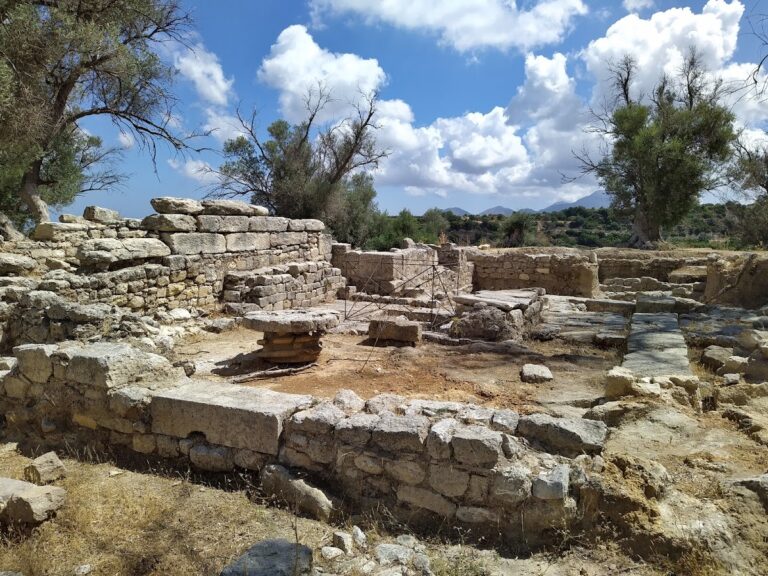
The ancient site of Eleftherna is situated 25km southeast of Rethymno and in close proximity to the Monastery of Arkadi. It is the most significant archaeological location in the Rethymno prefecture, with many areas still to be excavated. The University of Crete began the first organized excavations in 1985.
Eleftherna was established by the Dorians around the 9th century BC and was inhabited until the early Byzantine years. Its strategic location at an altitude of 380m, with roads connecting it to ancient Kydonia, Knossos, and Ida Mount, contributed to its long history. Findings have been discovered in three different positions on the same hill.
During the first Cretan War (205BC-200BC), Eleftherna sided with Macedonia against Knossos. The town resisted the Roman occupation, led by general Quintus Caecilius Metellus, until it eventually fell by treachery. In the Roman period, the city continued to prosper, with the construction of baths, cisterns, villas, public buildings, and towers. The Byzantine era marked the last period of the city before its destruction by the Arabs. It became a Diocese, and the great basilica, of which remains still stand today, was built. The significance of Eleftherna as an archaeological site led to the creation of the Archaeological Museum of Eleftherna above the site.
At the Orthi Petra position, a necropolis was discovered, becoming the most important part of Eleftherna with numerous findings (and still being excavated). Here, archaeologists found the “tomb of warriors” containing 480 vases, weapons, and the trench of warriors killed in battle.
In 2010, archaeologists discovered an unlooted tomb from 700BC. The tomb was a large lying jar, with its entrance blocked by an 800kg boulder. Inside the jar were the bones of a young couple, possibly siblings, covered with a gold cap made of 3000 gold sheets of different shapes. The girl wore gold jewelry depicting a bee, the first representation of a bee as a goddess in Crete. Interestingly, when the jewelry is turned upside down, the bee disappears, and a beautiful lily takes its place. In another jar, archaeologists found a golden, real-size eye among the bones. They named it “Tutankhamun’s eye” as it is identical to the one in the funerary mask of the Egyptian King.
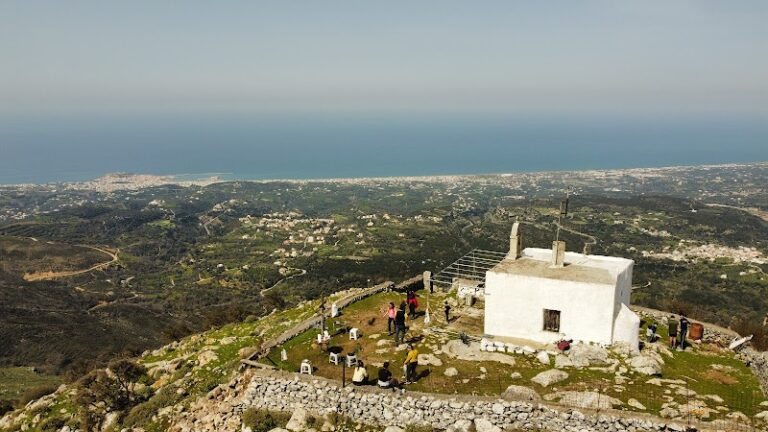
At the location of the chapel of Agio Pnevma (the Holy Spirit) on top of Mount Vrysinas, with an elevation of 858m, archaeologists have discovered what is likely the most significant Minoan Peak Sanctuary in West Crete, the peak sanctuary of Vrysinas. From this vantage point, one can see the northern coast of Rethymnon and the province of Agios Vasilios to the south.
Excavations at this open-air sanctuary have uncovered extremely important findings dating from 1900-1050 BC. The Minoans offered hundreds of zoomorphic and anthropomorphic clay offerings to their goddess. In 2011, a red steatite seal was discovered, engraved with the oldest known Minoan language, the hieroglyphic script. This is the only known example of this script in West Crete.
No results available
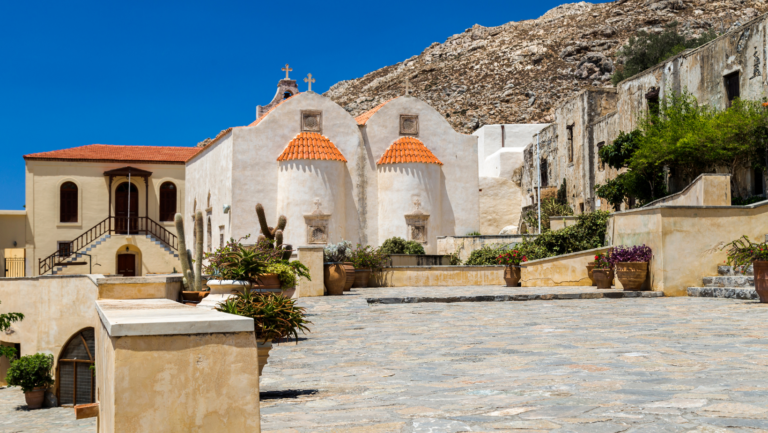
Preveli Monastery (also known as Prevelis Monastery) can be found 37km south of Rethymnon, nestled in a stunning natural landscape on the western slopes of Megalos Potamos (the end of Kourtaliotiko Gorge) and the nearby palm grove. The monastery complex consists of two separate monasteries situated 1.7km apart: the Kato (Lower) Monastery of Agios Ioannis Prodromos and the Piso (Back) Monastery of Agios Ioannis Theologos.
When approaching from Rethymnon, visitors first encounter the Kato Monastery of Agios Ioannis Prodomos (St. John the Baptist), which now lies in ruins. It is situated near the Megalos Potamos river and the region’s arched bridge. The monastery features an irregular arrangement of buildings centered around a courtyard, with the church of Saint John the Baptist at its heart. Surrounding the church are various structures that once housed the dining room, kitchen, abbot’s quarters, monks’ cells, an olive oil press, and storage rooms. The monastery was once in use year-round, as the surrounding land was ideal for cultivation and agriculture. However, it was eventually abandoned after being repeatedly destroyed and plundered by different conquerors of Crete.
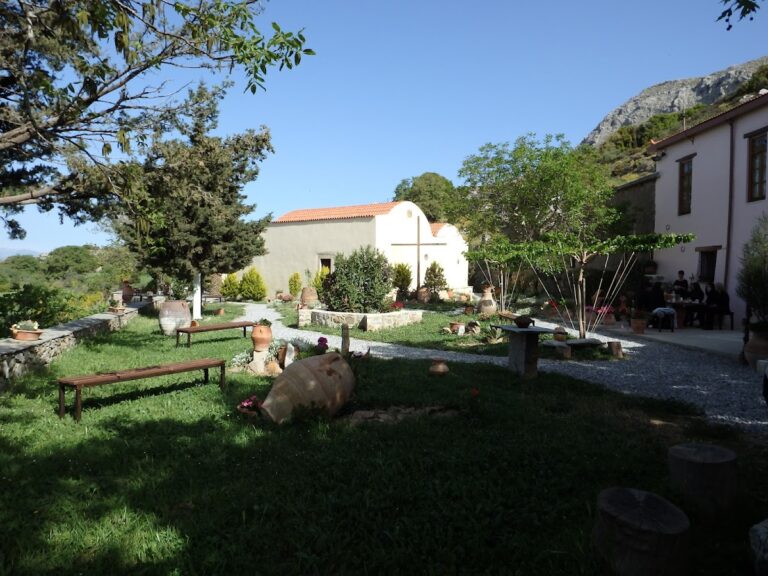
The Agio Pnevma (Holy Spirit) Monastery likely dates back to the 12th century and had already achieved autonomy and prosperity by the end of Venetian rule. Tragically, on June 15, 1821, local Turks slaughtered the monks and set fire to the monastery.
Subsequently, the damaged monastery became a subsidiary of the Preveli Monastery, and by 1836 it functioned as a widely known school throughout Crete and Gavdos, drawing thousands of students from all over the island.
In the present day, the monastery is home to a monument dedicated to the 200 volunteers led by Demetrios Petropoulakis, who lost their lives in a battle against the Turks on December 5, 1868. The monastery has since been restored and has resumed operations.
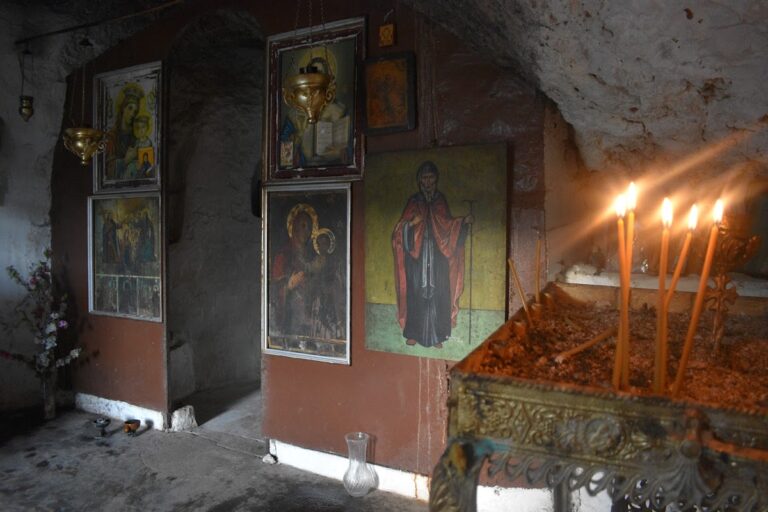
Located at Katevati, 6 km from Akoumia village and at an altitude of 525m, the Holy Monastery of St. Anthony (Agios Antonios) can be reached by a 15-minute car drive on a dirt road from Akoumia.
Constructed after liberation from the Germans in 1945, the monastery was rebuilt by Theodosius Damvakerakis, who spent around 50 years living as a hermit in the area. Until 1974, the location was home to a small chapel. The current monastic complex, complete with temples, monk cells, a courtyard, and ancillary areas, was established by Father Theodosius. Situated on his property at Katevati, the monastery houses the churches of Saint Anthony, Saint Nektarios, and Panagia (Virgin Mary). The most recent addition, the church of Saint Nektarios, features a massive icon representing all Saints. Meanwhile, the church of Panagia, built within a rock, contains the “Unwithering Rose” icon. The monastery’s celebration takes place on January 17.
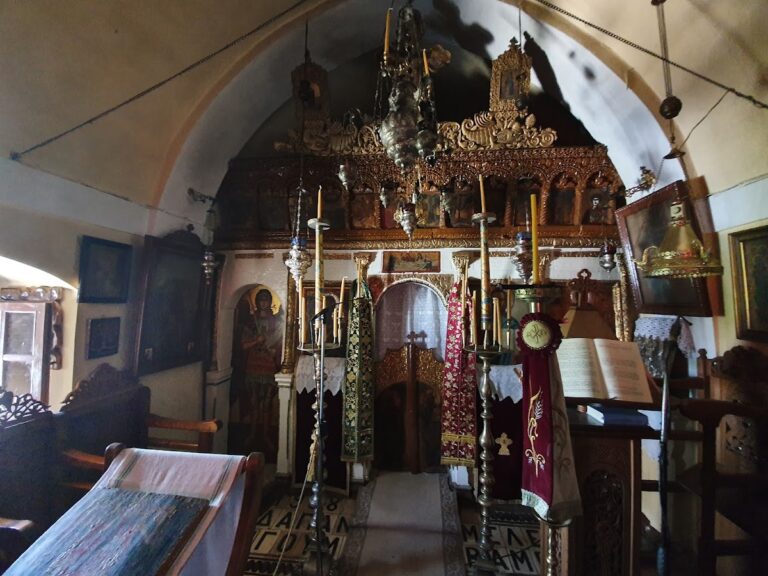
Located 43km east of Rethymnon, the Diskouri Monastery is regarded as one of Crete’s oldest monasteries, with the nearby ornately adorned Byzantine church of Saint John the Baptist attesting to its age.
Currently owned by the Halepa Monastery, the complex is thought to have been constructed on top of an ancient temple of Dioscuri, though this has yet to be confirmed. It took on its present form during the final years of Venetian rule when it resembled a fortress.
The church of Saint George sits at the center of the courtyard, and its old icon of Saint George is well-known among Cretan herders who swear on it when accused of stealing animals.
Having been severely damaged by the Turks and the unsightly interventions of the 20th century, the monastery has significantly changed from its original form. Bishops Parthenios and Meletios, as well as Arkadi Monastery’s chieftain Paul Dedidakis, were laid to rest in the courtyard.
No results available
No results available
No results available
No results available
No results available
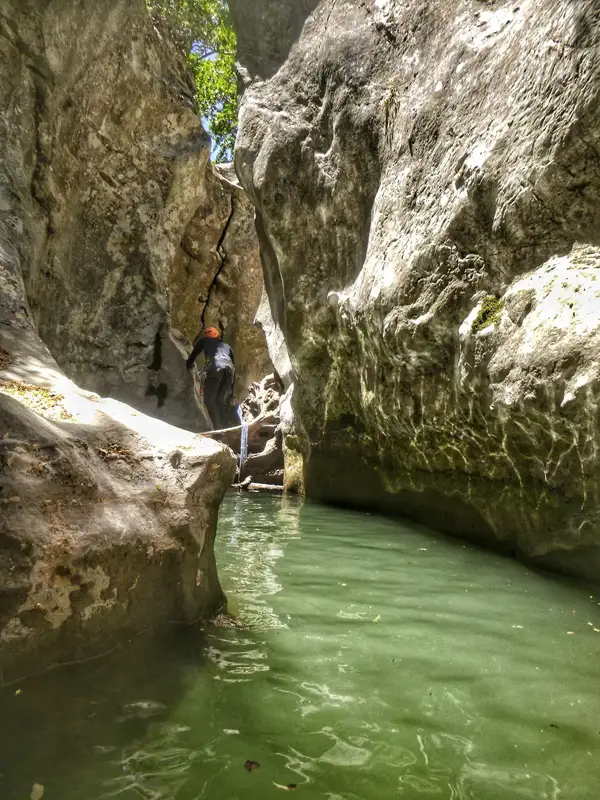
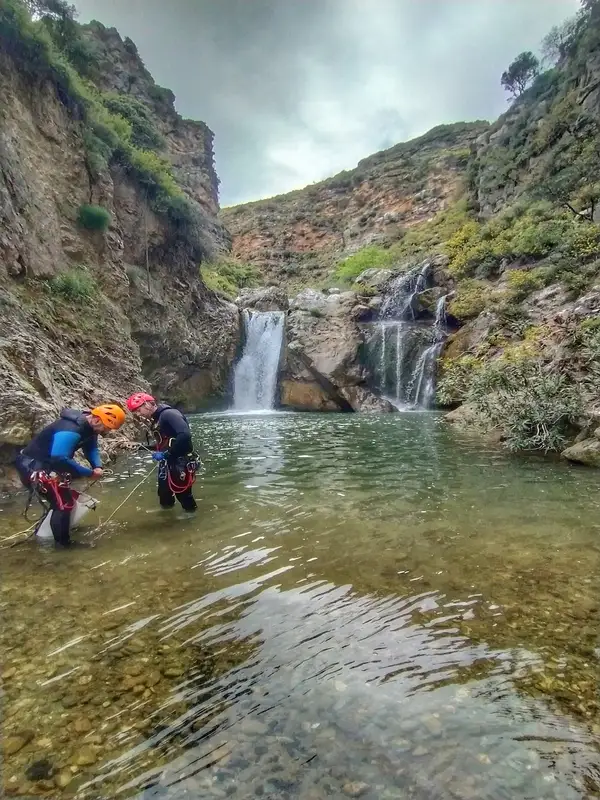
Located approximately 100km southwest of Heraklion city, north of Ano Meros village, you’ll find the Kalamafka or Gorge Smiliano. The Lygiotis river, originating from the Gerakari valleys and the Samitos Mount slopes, flows through this gorge. The 2.5km long canyon begins near Vrysses village, close to the deserted settlement of Smile, and concludes north of Ano Meros, accessible via an asphalt road.
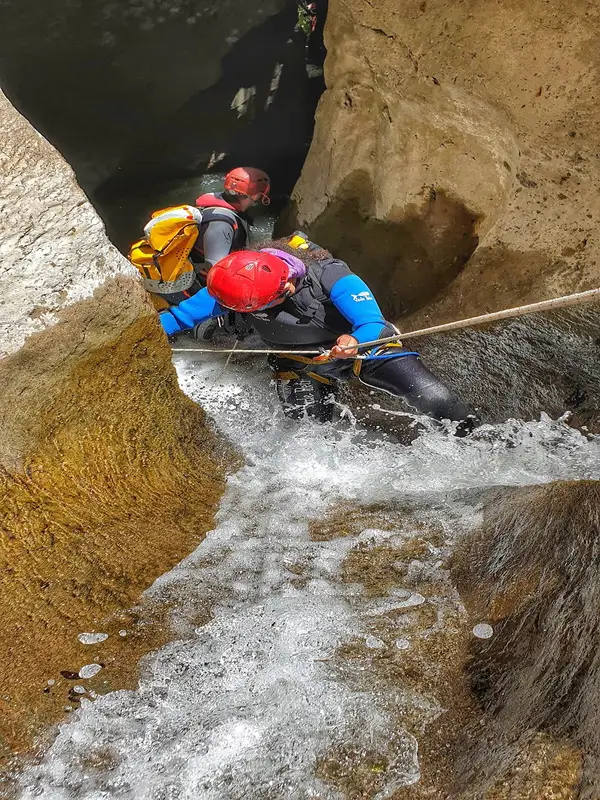
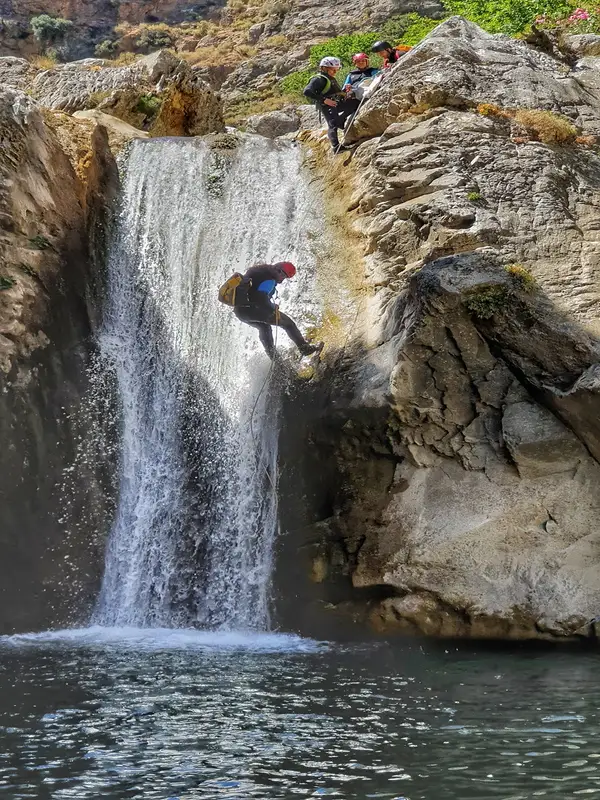
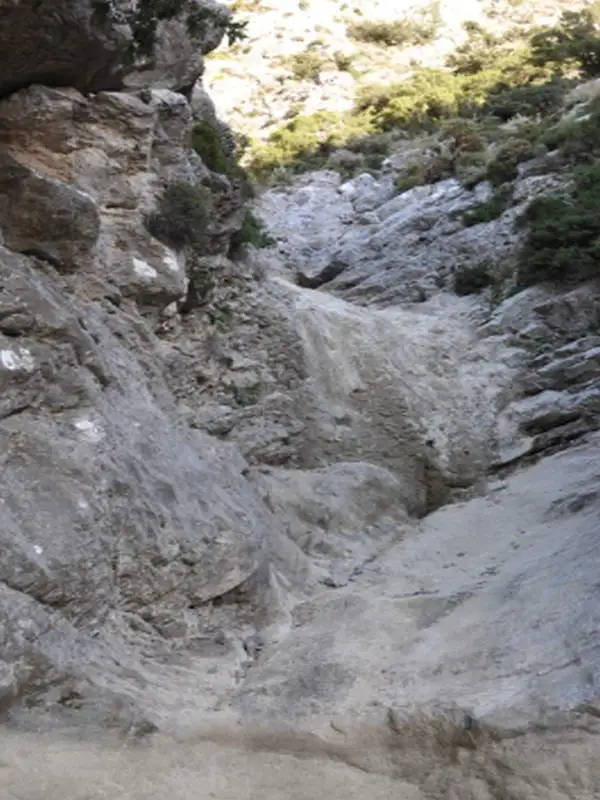
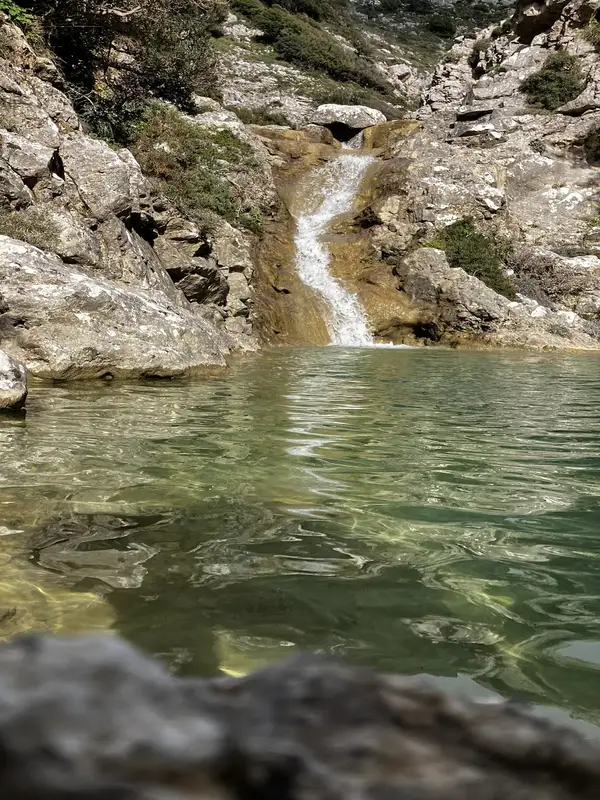
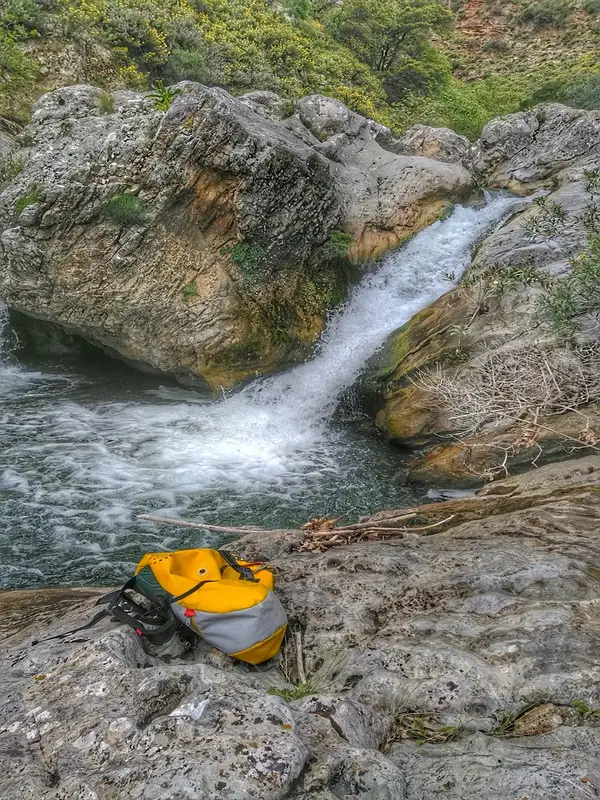
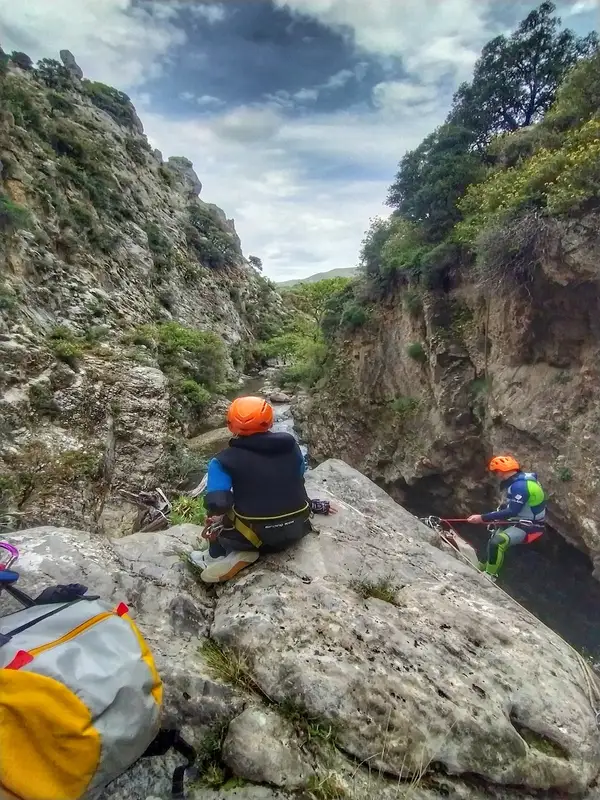
During winter, the gorge is filled with water, making entrance risky even for experienced canyoners. However, an alternative route via a dirt road descending from Drygies village leads just above the gorge. Here, the canyon’s steep walls form a slope with a trail, allowing relatively easy descent to the gorge’s heart, precisely at the point where the stunning waterfalls are formed continuously. The gorge comprises about 10 remarkable rappels, with the tallest waterfall being 13 meters. The ponds formed beneath each waterfall are equally breathtaking, and it’s worth noting that Gorge Smiliano boasts the largest and deepest ponds compared to any other gorge in Crete.
A journey through the canyon (as described in June of a particularly rainy year)
Starting near Smile, we first cross a small arched bridge. After just 50m, we enter the gorge’s main section, greeted by a large pond. The canyon then narrows to about 2m and forms a deep pond, 2-3m deep, requiring swimming. The first small rappel we encounter ends in a large, deep pond (perfect for jumping), where the depth exceeds 3m.
Following this, a rock lodged between the canyon walls forms a natural arch. After swimming for several meters (over 25) without touching the ground, we continue our journey unimpeded. We soon encounter the first high waterfall, and the gorge narrows further (1-1.5m). To continue through this narrow section of the canyon, ropes are required. Alternatively, we can walk alongside the canyon until we reach the 15m high rappel that ends in a very deep pond, perfect for a big jump.
The gorge extends eastward, and the deep ponds gradually become small, shallow ponds. Towards the end of the gorge, the water almost disappears, making it impossible to anticipate the aquatic paradise that lies just a few meters ahead.
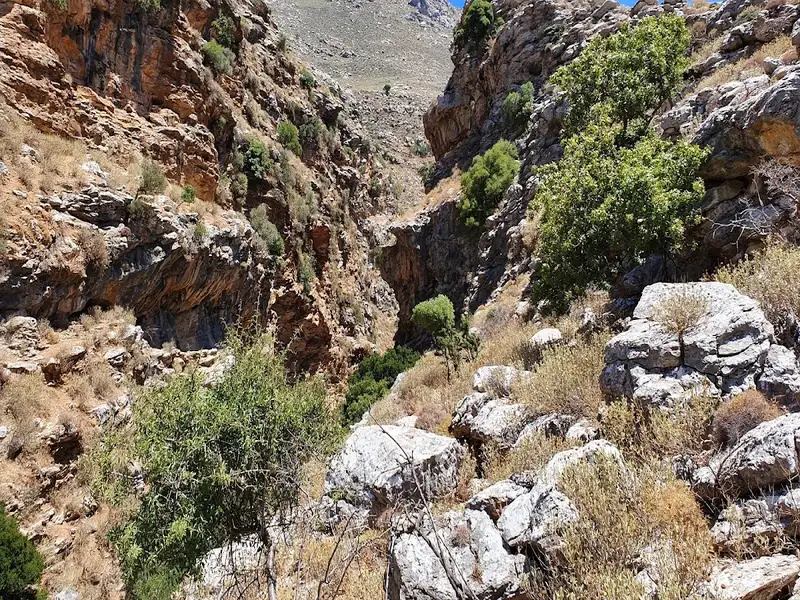
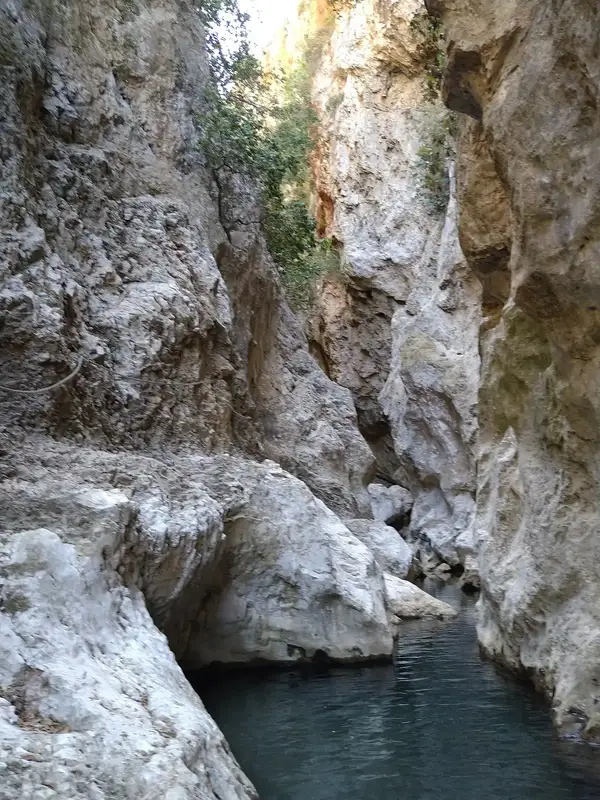
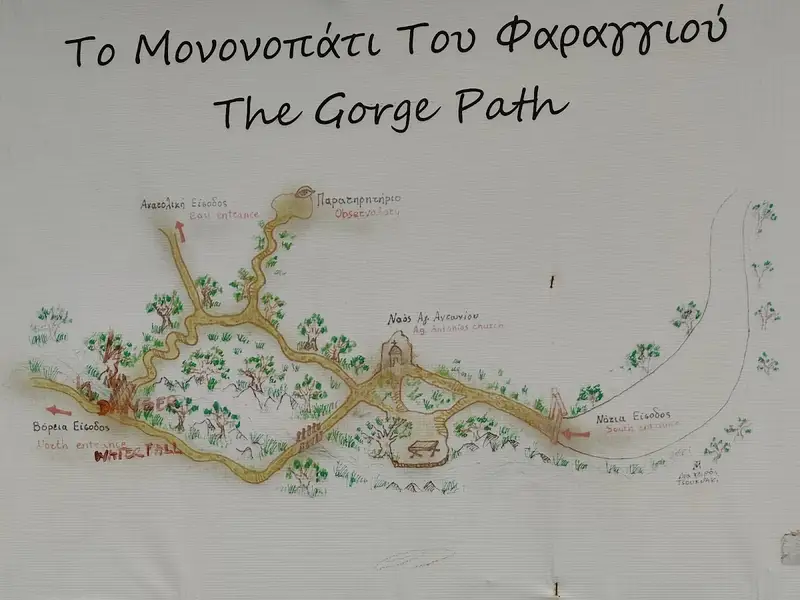
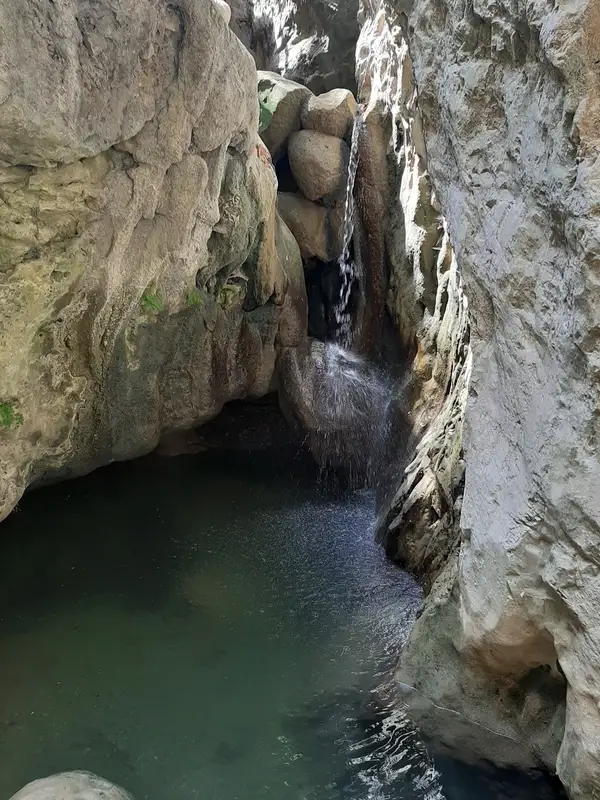
Located in the stunning province of Amari, the Patsos or Agios Antonios gorge is situated 8 km southwest of Arkadi Monastery. The gorge’s water is collected in the Potami dam. Trekking through the gorge is relatively easy up to a certain point, thanks to a well-marked trail created by the forest service. This trail concludes at the gorge’s narrowest point, where a unique waterfall cascades into a cave. Beyond this point, the gorge narrows and forms several small waterfalls. The descent to the Potami lake demands careful attention, particularly during winter and spring. Another path leads to the avifauna watchtower situated above the river.
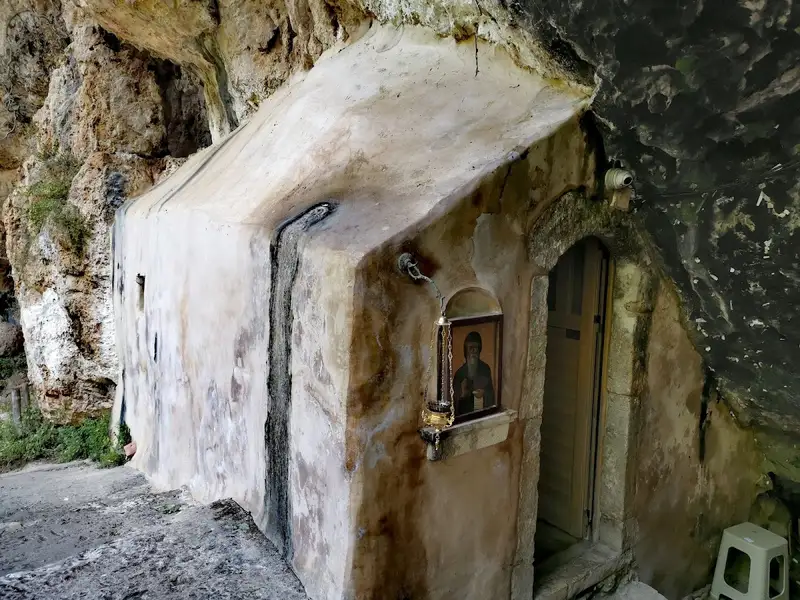
The Patsos Gorge is renowned for Agios Antonios’ cavernous temple (Saint Anthony), which was once a sacred cave dedicated to Kraneos Hermes in ancient times. Water seeps from the rocks and drips from the temple roof, accumulating as holy water. It’s fascinating to observe the thousands of prayer papers that devotees have tucked into the rock cavities surrounding the temple. Large plateaus with wooden benches and tables, perfect for picnicking, are located beneath the temple and by the river.
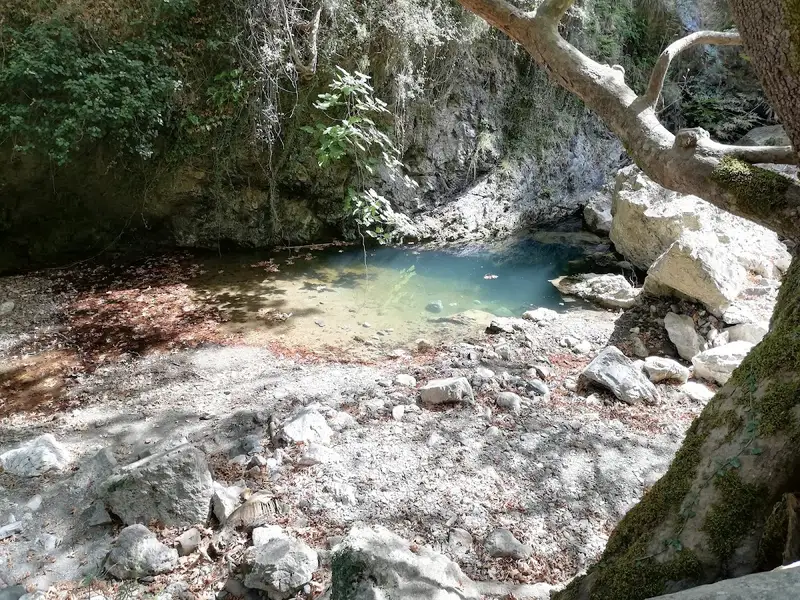
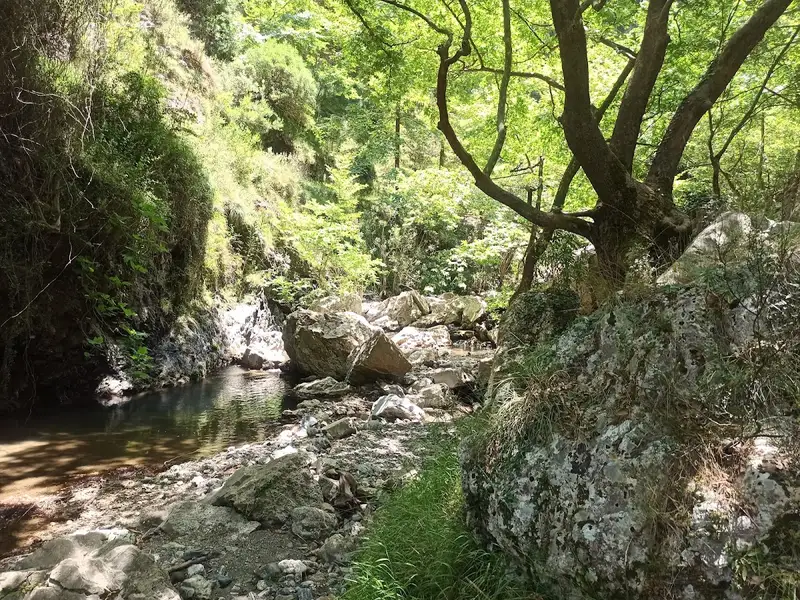
The gorge derives its name from Patsos, a village nestled at the base of Mount Soros at an altitude of 490 meters. It’s approximately 30 km south of Rethymnon. The area boasts a rich variety of flora due to the numerous springs throughout the region that provide a year-round water supply.
Located just 1km north of Kissos village in Agios Vasilios province and 34km southeast of Rethymnon, Kissano Gorge serves as a link between Kambos Kissou settlement and the small Gious Kambos plateau. The gorge’s river is a primary tributary of the Gorge Frati. The canyon, though not lush with vegetation, boasts small waterfalls, the tallest of which measure between 5-7m. These waterfalls make it an ideal location for canyoning, but it’s also possible to bypass them carefully from the sides without any specialized equipment.
The journey begins at the Gious Kambos plateau, a small haven of diverse flora. A 0 to 30-minute walk along or beside the riverbed leads you to a point where the river intersects the road connecting Kissos with Gerakari. Here, you’ll find a striking reddish rock peppered with numerous caverns known as Kokkinos Detis, leading locals to also refer to this area as the Kokkinos Detis Gorge.
While this marks the end of the main part of the canyon, the river continues its descent, creating more small waterfalls. It then passes through the 60-hectare artificial pine forest of Vatolakki, before continuing towards Spili and eventually to Frati.
Approximately 1 km to the east of Spili, in the Agios Vassilios province, you’ll find the church of Agia Fotini, also known as Saint Photini. Like many places in Crete, it’s often referred to as Agia Fotia. Situated on the main road leading to Agia Galini, the church is adjacent to a spring that flows with water throughout the year. Nearby, you’ll see a large, old watermill. This area marks the end of the picturesque Agia Fotia gorge, which is small but incredibly lush.
The gorge begins at the Gious Kambos plateau, which is 750m above sea level, and concludes at the spring, which sits at an altitude of 500m, after a 1.5km journey.
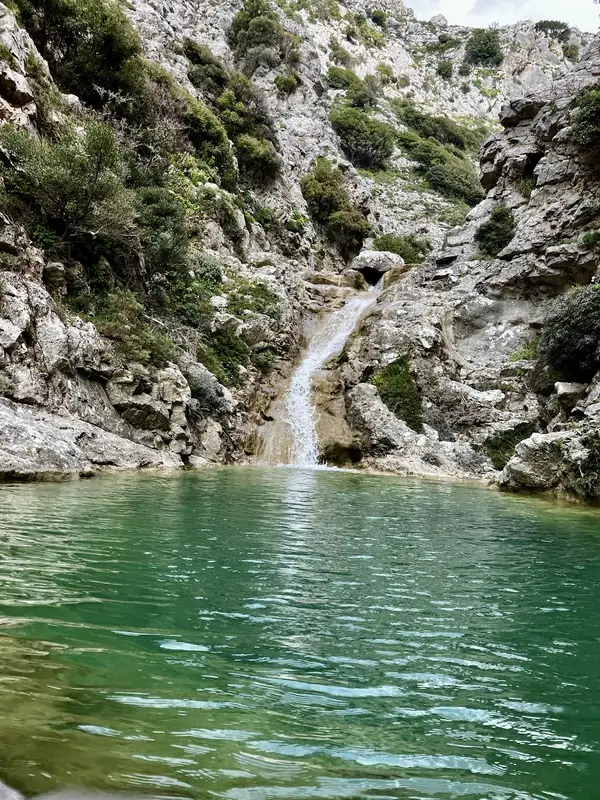
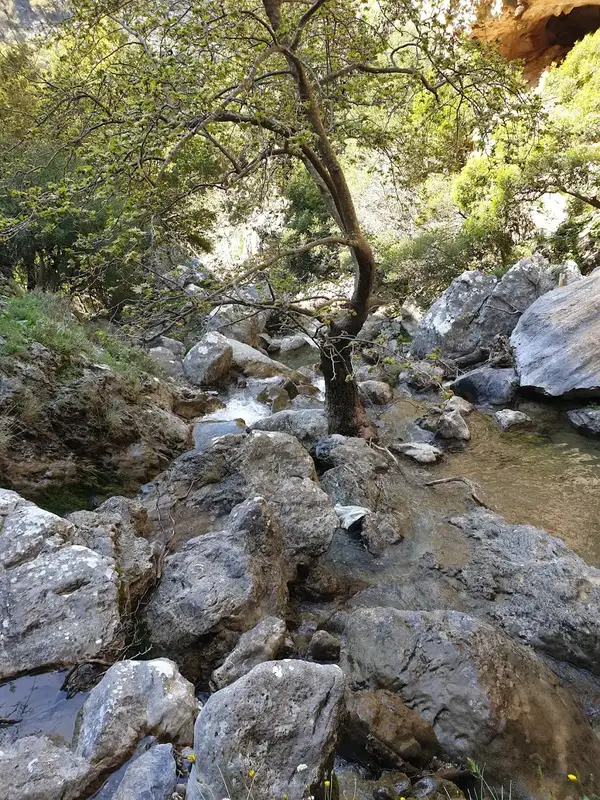
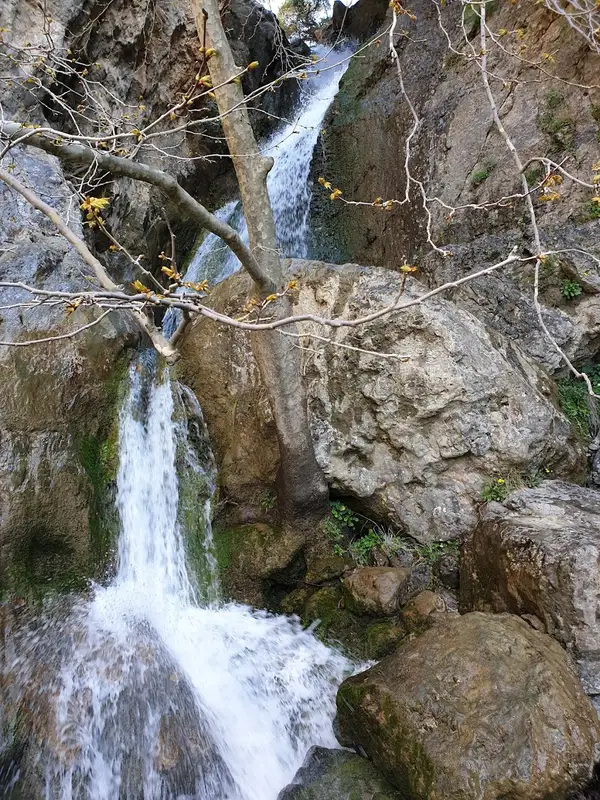
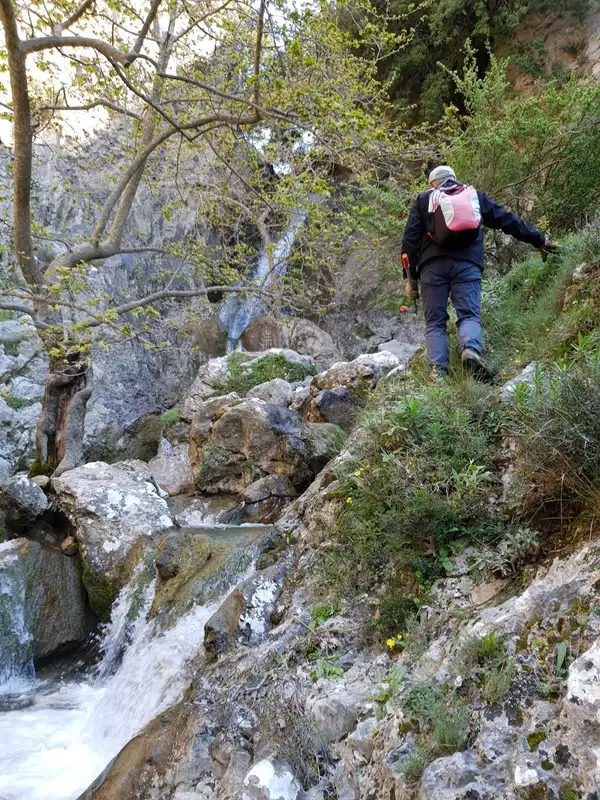
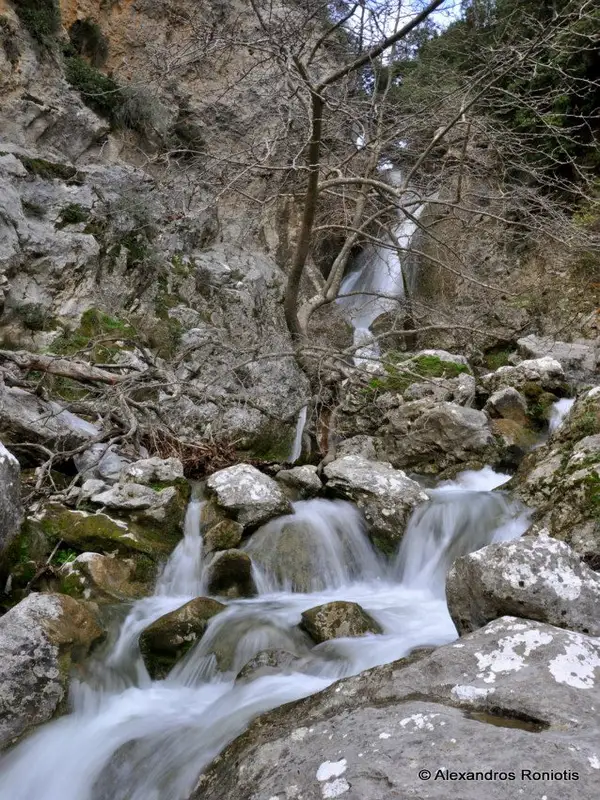
Close to the gorge’s starting point, you’ll discover waterfalls of unparalleled beauty. In the springtime, these falls are abundant with water, creating a unique and breathtaking landscape filled with plane trees. The easiest way to reach the waterfalls is by walking from the spring along the gorge. Alternatively, you can access them from Gious Kambos, though this route is more challenging. It requires bypassing the waterfalls from the sides and descending the steep slope to the riverbed.
No results available
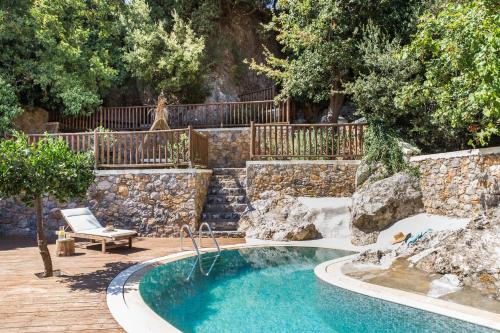
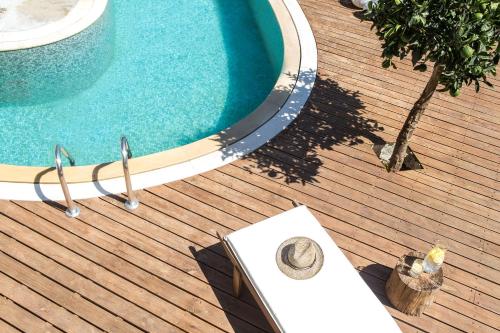
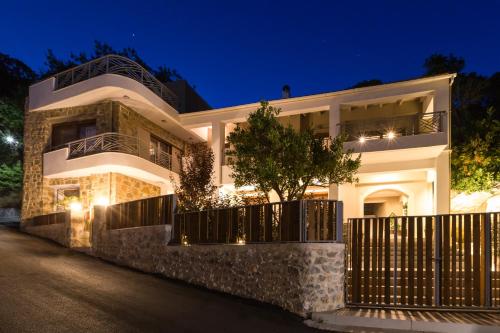
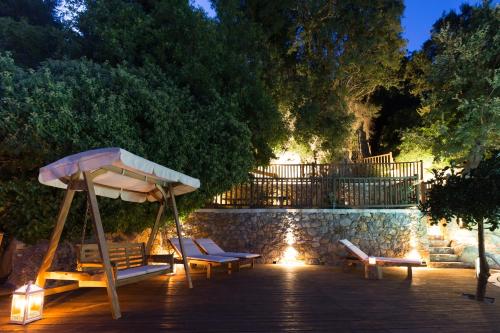
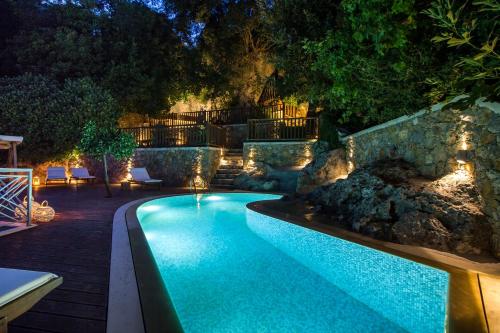
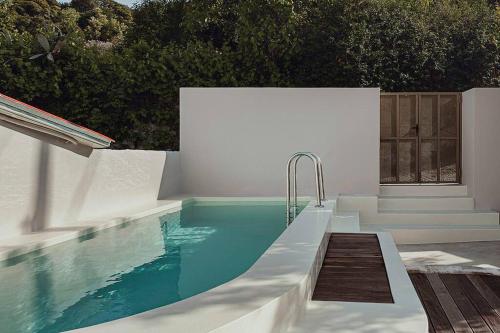
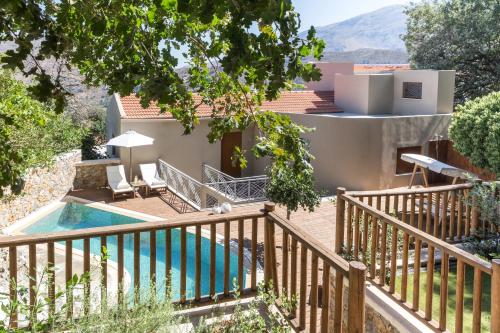
Featuring pool views, Villa Angelica Meronas offers accommodation with a balcony and a coffee machine, around 21 km from Museum of Ancient Eleftherna. This villa has a private pool, a garden, barbecue facilities, free WiFi and free private parking.
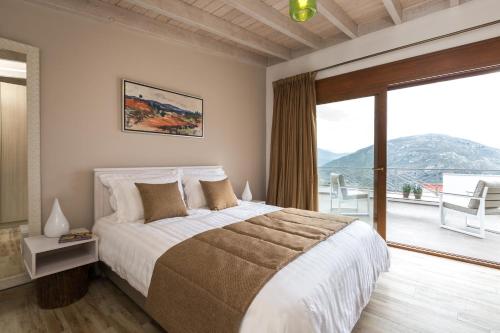
The villa with a terrace and mountain views features 6 bedrooms, a living room, a flat-screen TV, an equipped kitchen with a dishwasher and an oven, and 4 bathrooms with a walk-in shower. Towels and bed linen are featured in the villa.
The villa offers a picnic area. If you would like to discover the area, cycling is possible in the surroundings and Villa Angelica Meronas can arrange a car rental service.
Psiloritis National Park is 21 km from the accommodation, while Archaeological Museum of Rethymno is 32 km away. The nearest airport is Heraklion International, 86 km from Villa Angelica Meronas, and the property offers a paid airport shuttle service.
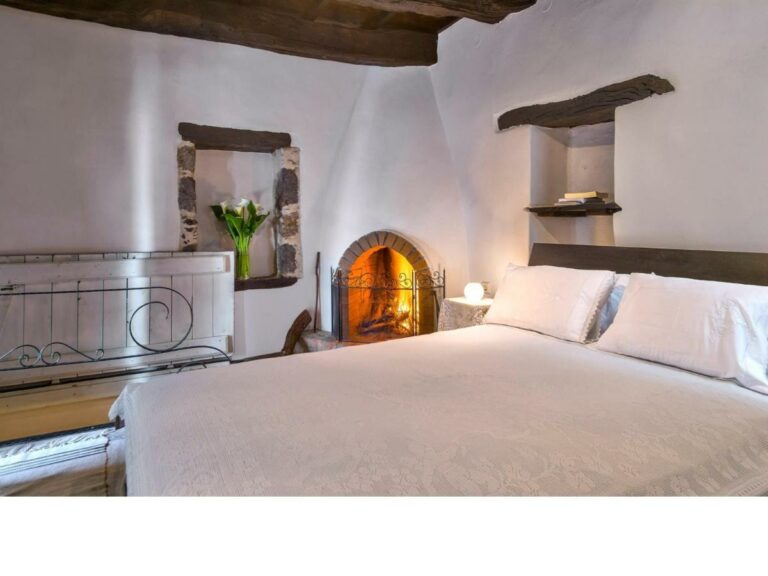


Set in a 19th century farmhouse, Meronas Eco House is located in Meronas village. Built in wood and stone, this traditional-style accommodation opens out to a terrace with garden and mountain views. The nearest beach is a 40-minute drive away.
Fitted with beamed ceilings, the villa is decorated with Cretan, rustic-style furnishings. It includes a flat-screen TV with CD/DVD player in the living room and a fully equipped kitchen with dining area. Two bedrooms and 3 bathrooms, one with a spa bath, are also provided.
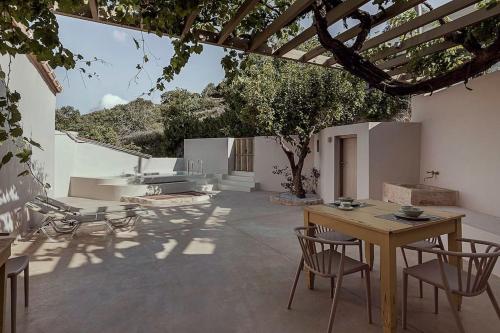
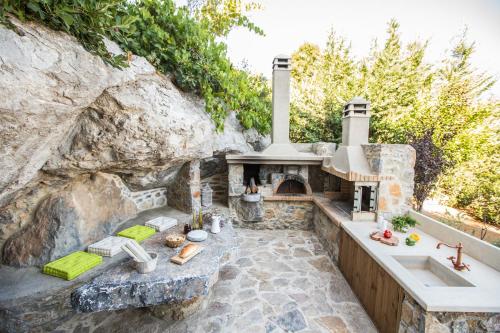
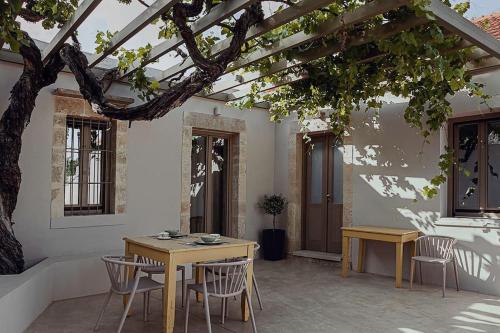
Guests can benefit from the barbeque facilities found in the premises and enjoy an alfresco meal in the stone-paved courtyard with dining area. Grocery deliveries and packed lunches can also be provided upon request. Agro-tourist activities such as wine making, olive oil production or animal feeding are also offered.
Asomatos village lies within 5 km and Arkadi is at a distance of 9 km. Monastiraki is 4 km from the property. Ancient Sivritou is 3.5 km away.
from
€132
/night
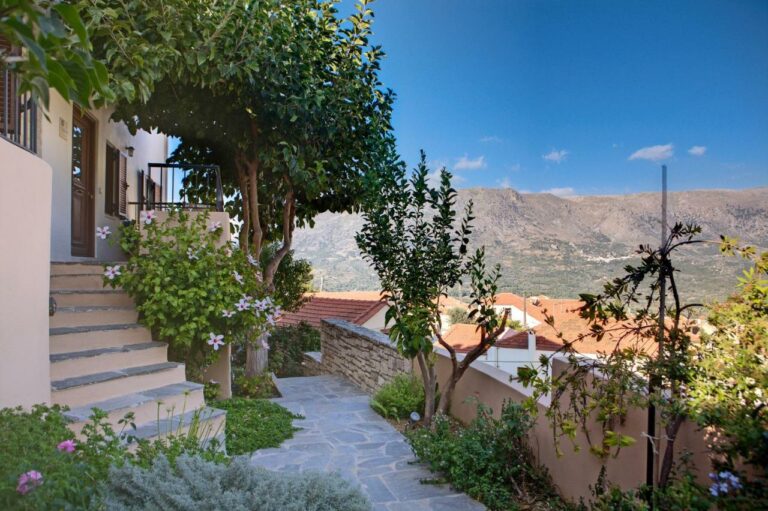
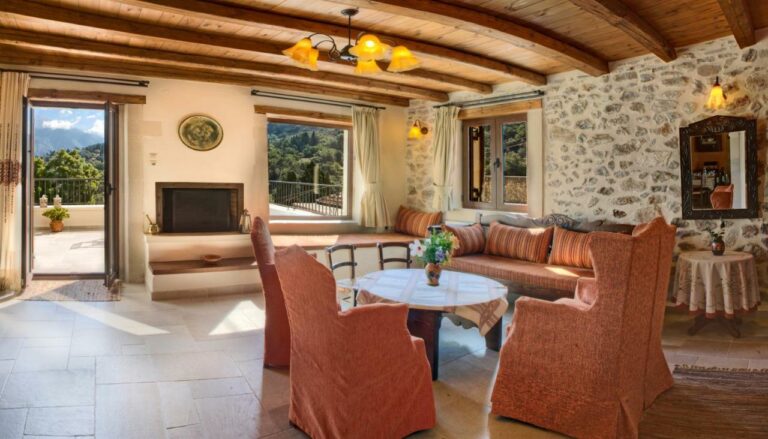
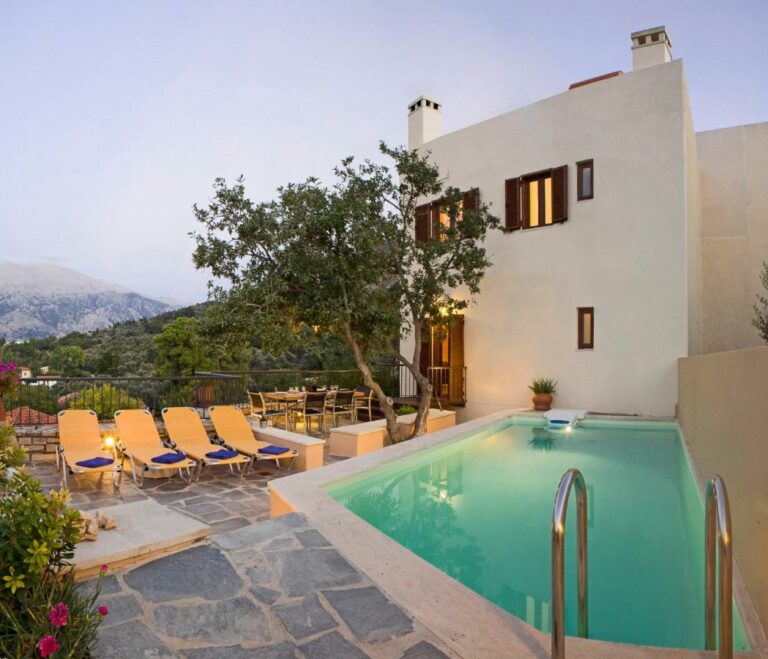
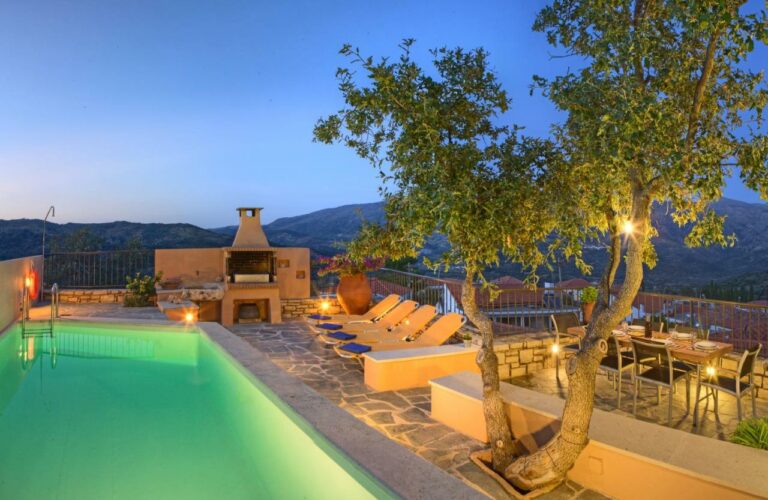
Located at the top of Amari Village, offering panoramic views over the surrounding mountains and the valley, Amari offers stone-built villas with free WiFi access and spacious terraces. The villas are traditionally decorated and feature a living room with fireplace. Arkadi Monastery is 12 km away.
Fitted with beamed ceilings, tiled floors and dark-wooden furnishings, each villa at Amari has 3 separate bedrooms, a fully equipped kitchen, a dining area and 2 bathrooms. Facilities include air conditioning, a fridge, an oven and flat-screen TV with CD/DVD player. Only one of the villas features a private pool and a sun terrace with sun loungers and BBQ facilities.
Guests can enjoy al fresco dining at the spacious, furnished terraces with views over the lush surroundings. Homemade Cretan cuisine can be enjoyed on request and at extra charge, while a variety of local products can be found in the village.
Amari Villas lies within a 50-minute drive of both Rethymno Town and the famous Phaestos Palace. The archaeological site of Ancient Syvritos is at a distance of 6 km. Nikos Kazantzakis International Airport is 100 km away.
from
€175
/night
Situated in Agia Fotini in the Crete region, Lotusland, a relaxing house at Amari Rethymno features a terrace. The villa has garden views and is 31 km from Matala.
The villa has 2 bedrooms with air conditioning and a fully equipped kitchen with a dishwasher. Towels and bed linen are available.
Heraklio Town is 79 km from Lotusland, a relaxing house at Amari Rethymno, while Rethymno Town is 24.8 km from the property. The nearest airport is Heraklion International Airport, 82.1 km from the accommodation.
from
€154
/night
No results available
Connect with thousands of Crete visitors and boost your bookings.
No results available
© All rights reserved. Crete Locals