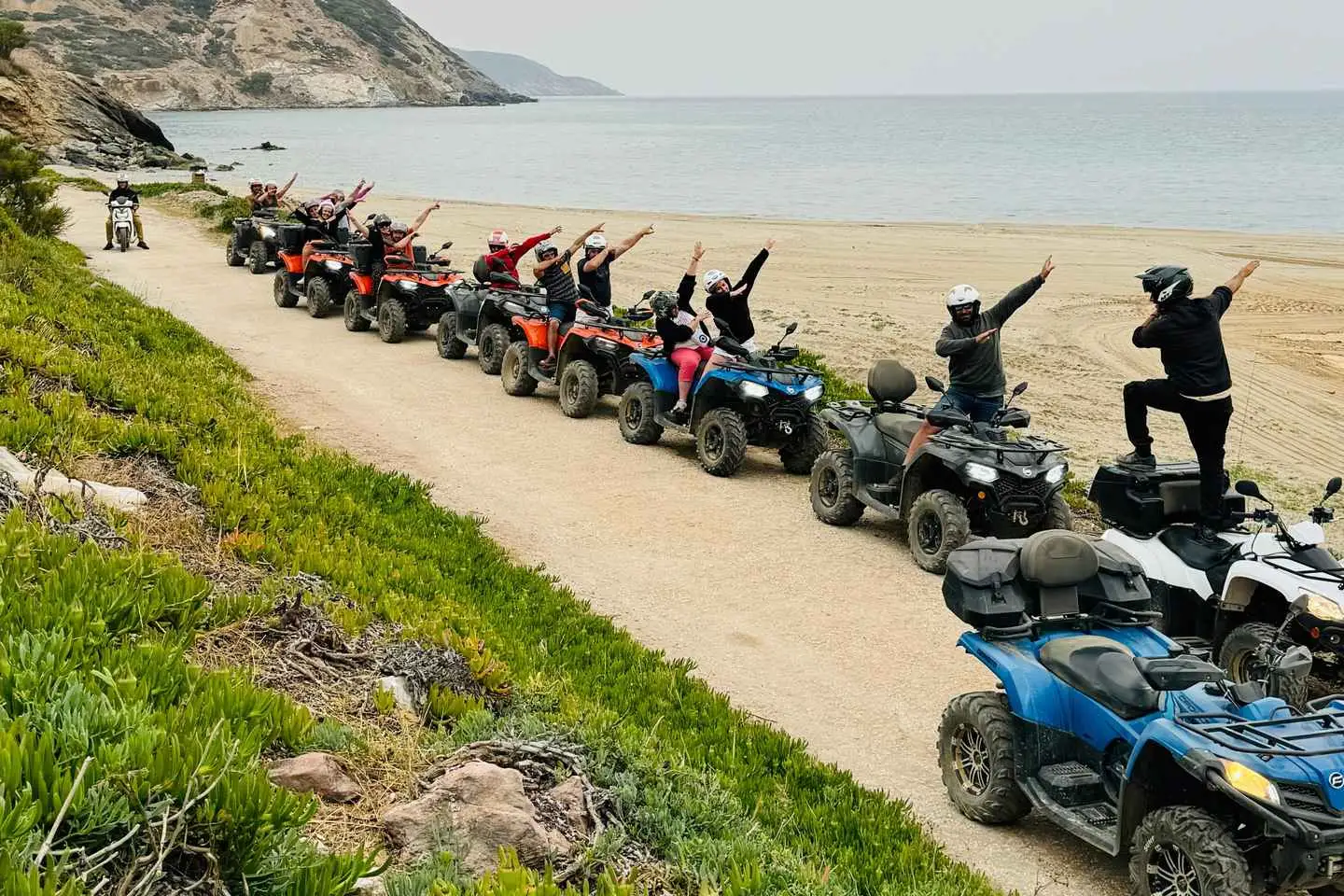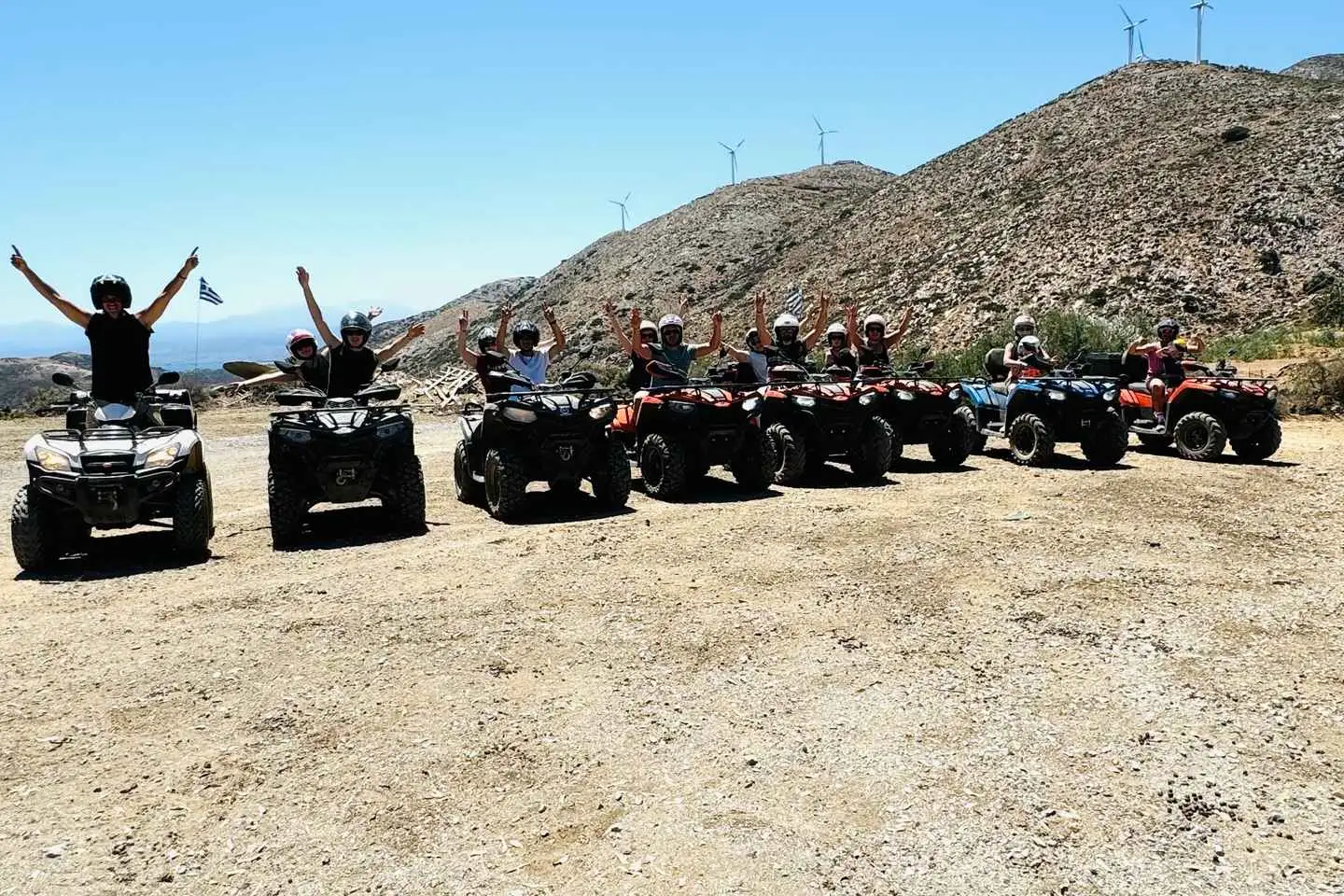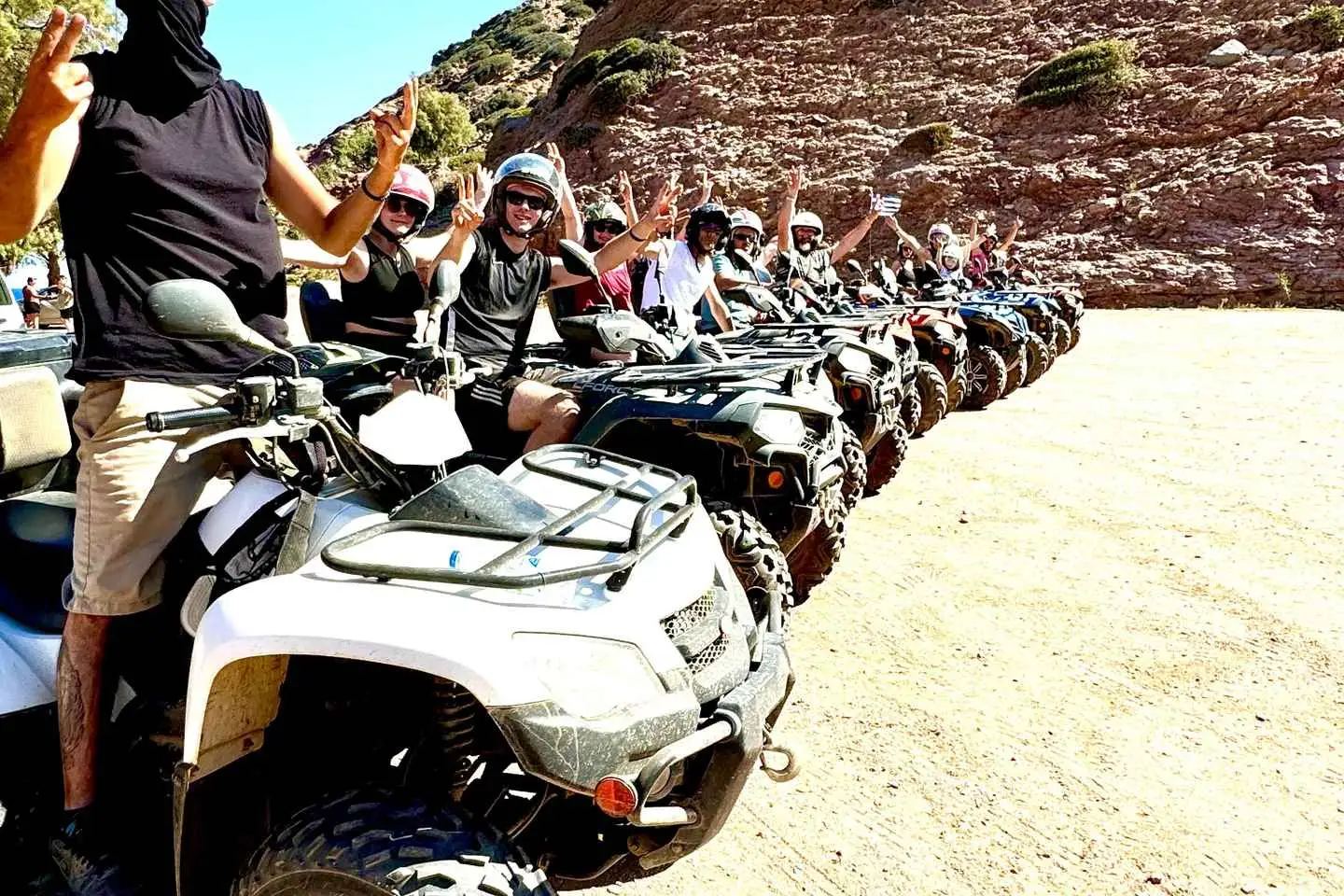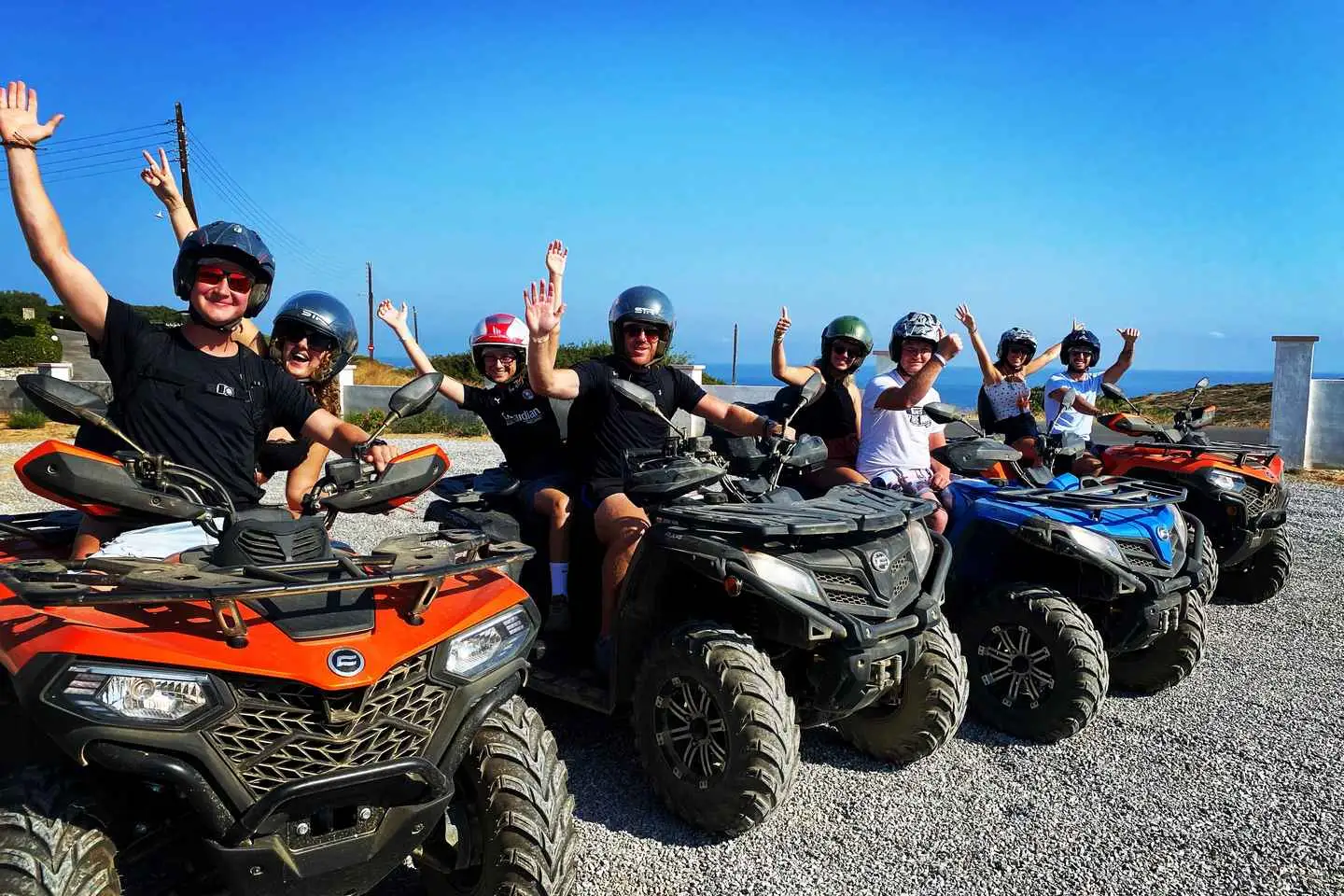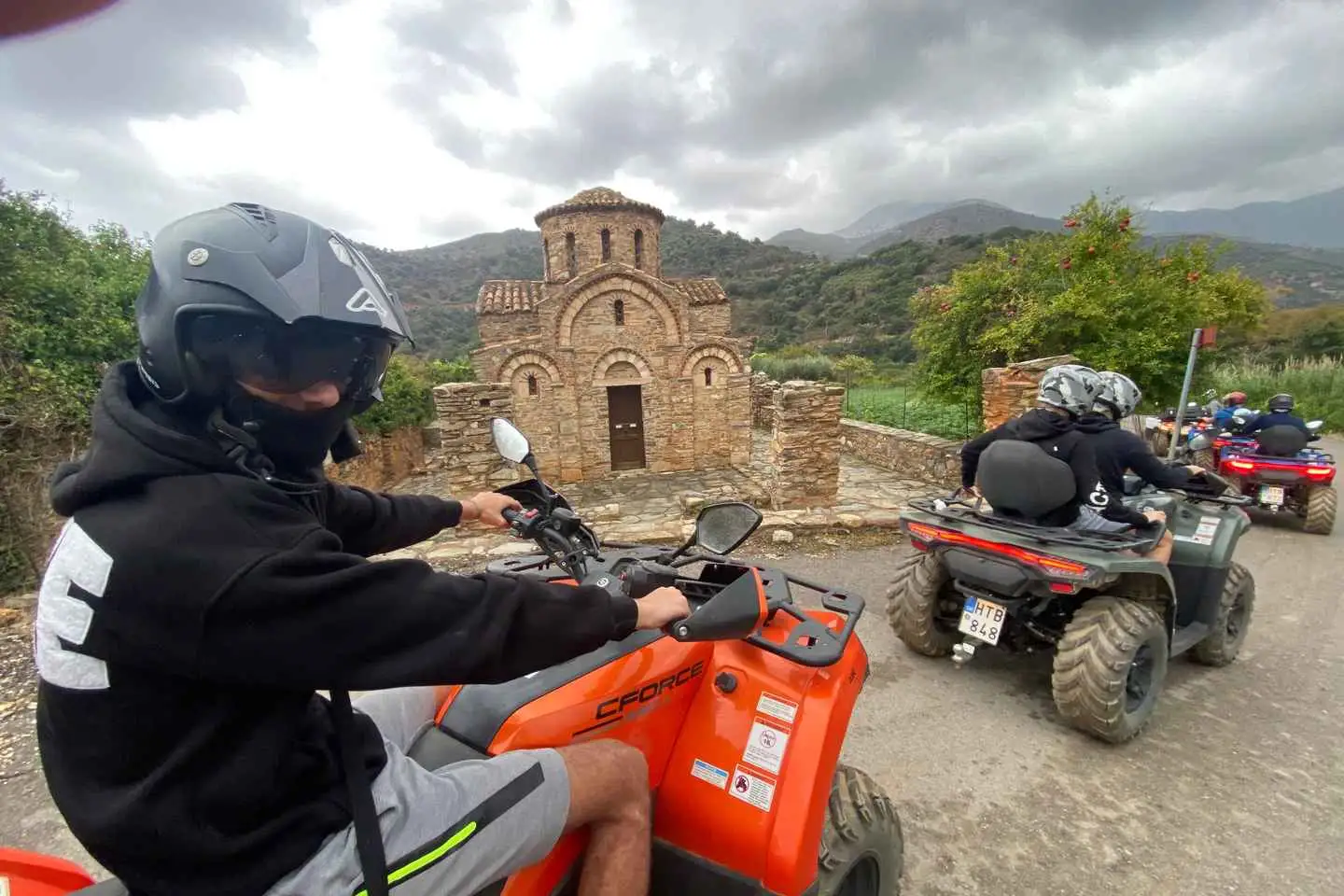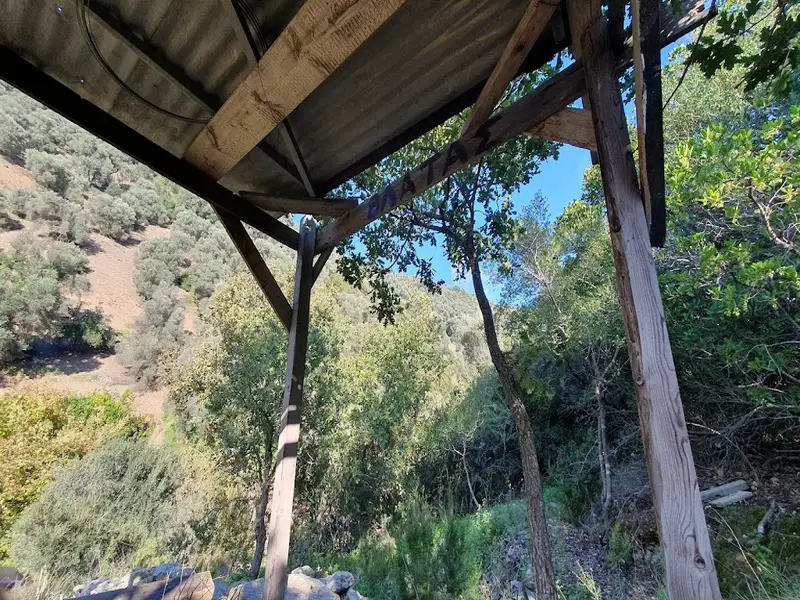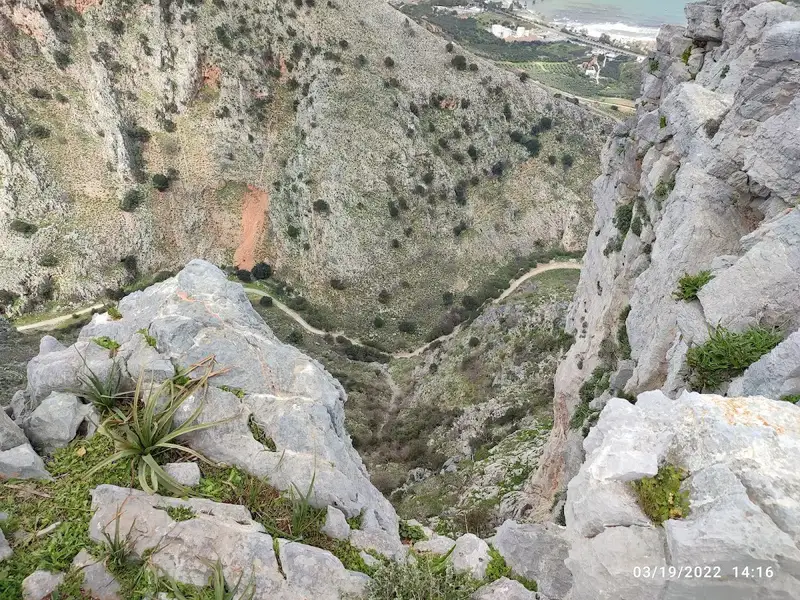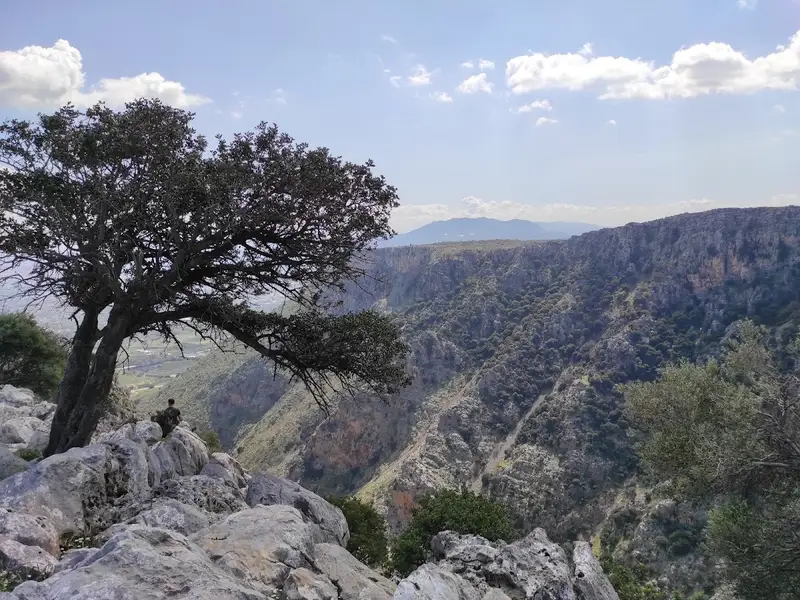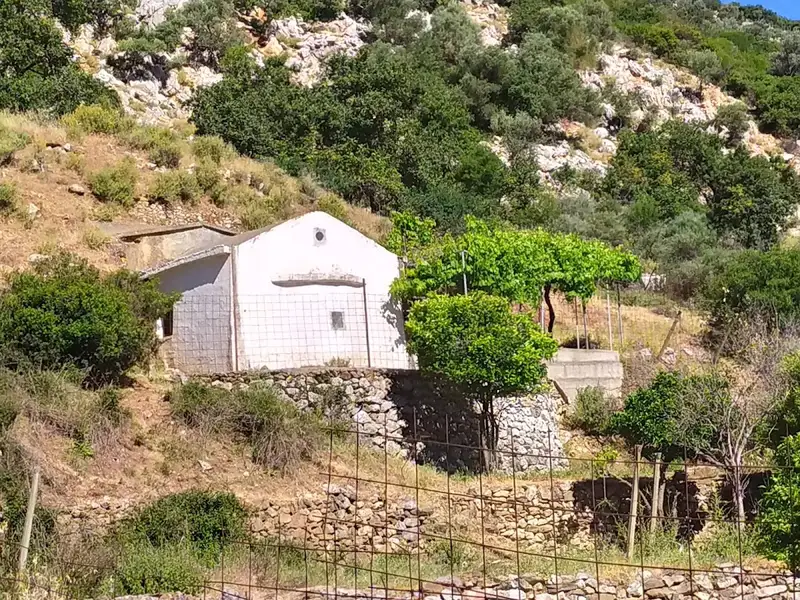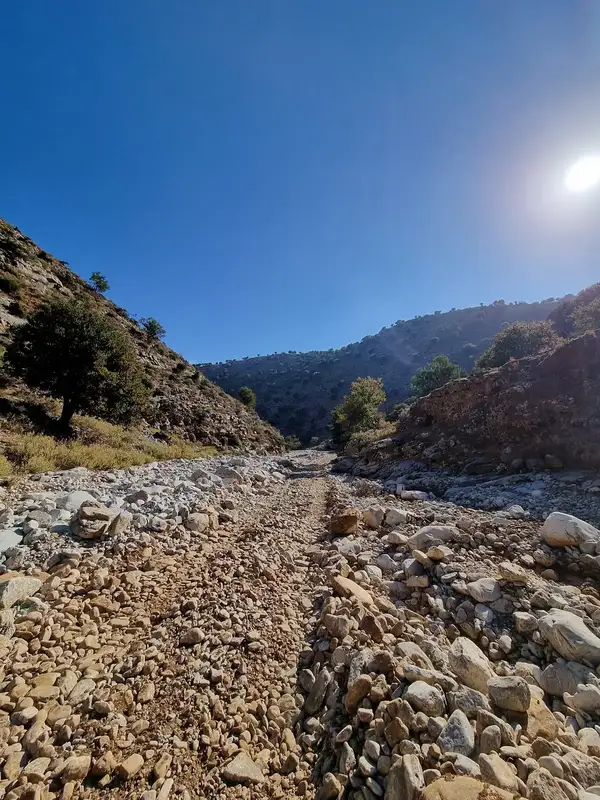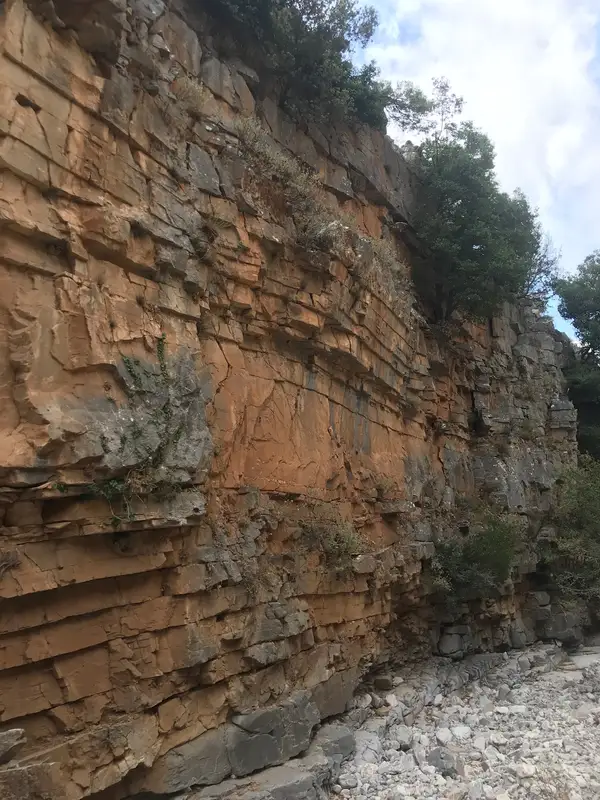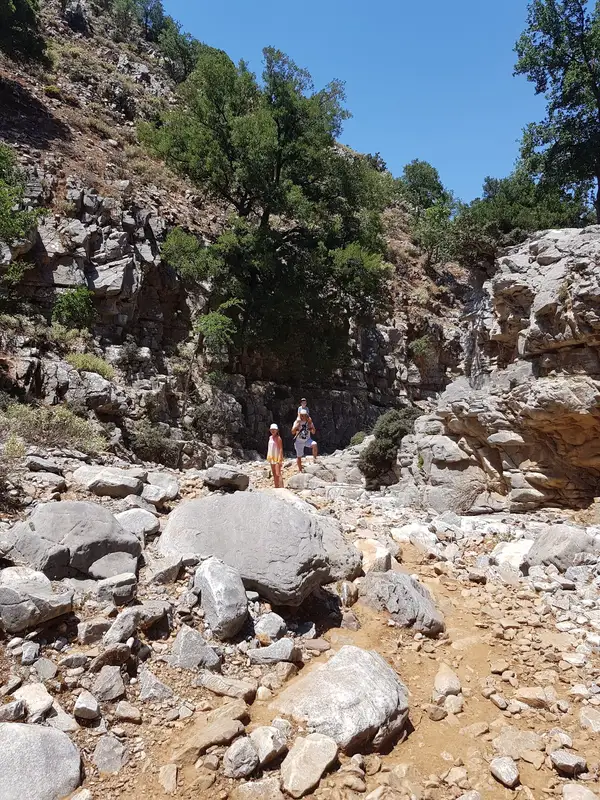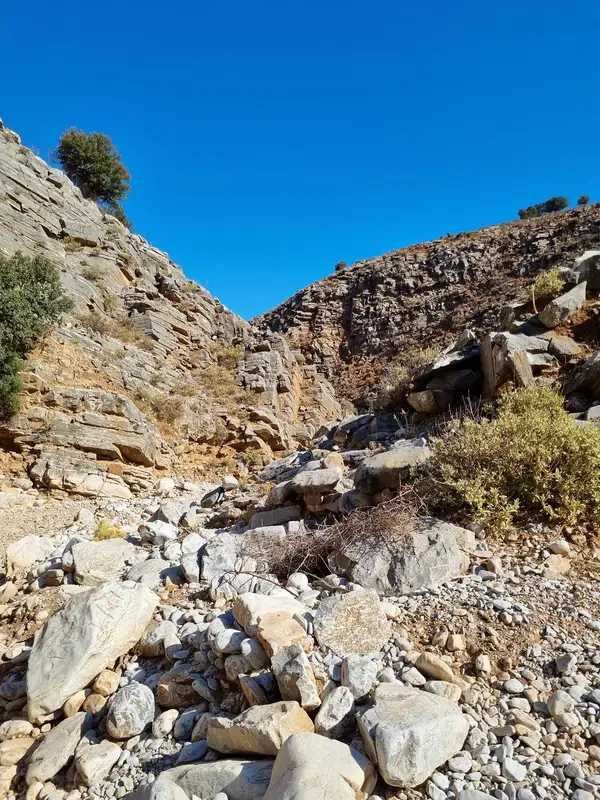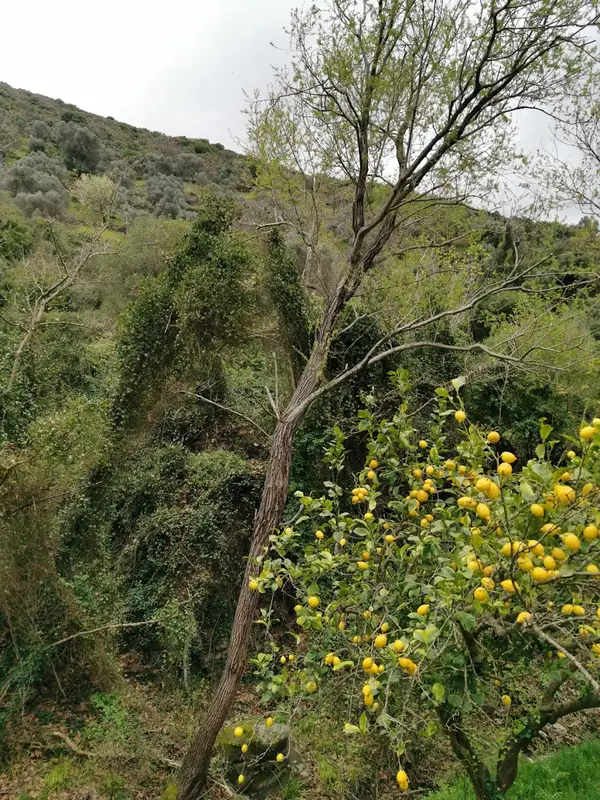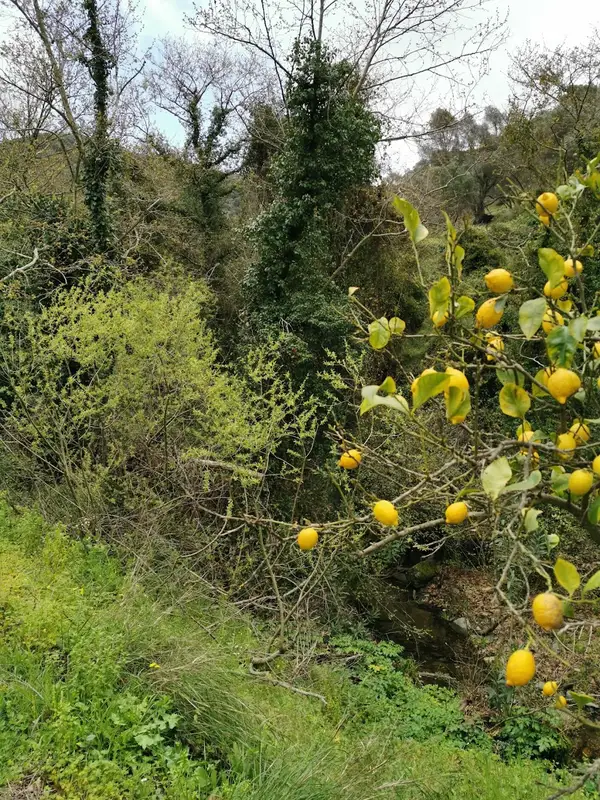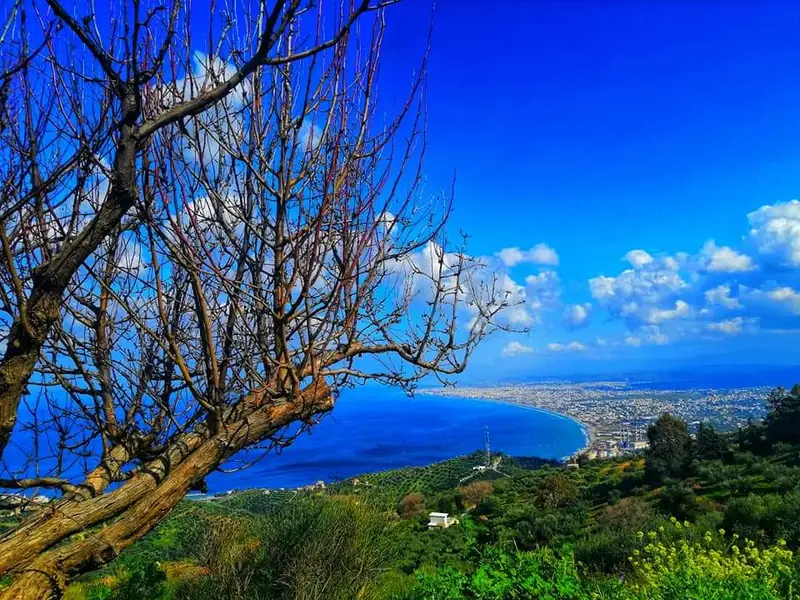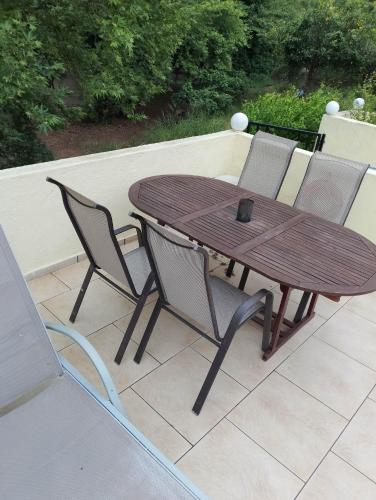
Take part in this exciting and unforgettable experience which is guaranteed to highlight your holiday in Crete. Elevate your adventurous side to a whole new level with this quad safari. Ride and ATV through Crete’s rugged mountainous terrains and lush green valleys. Have a thrilling and adrenaline pumping experience by overcoming obstacles along the way through well-hidden routes of the island. Be surrounded by stunning landscapes and scenic viewpoints not accessible with other means of transportation. Our experienced local guides will take you to unique vantage points that provide the most chances of encountering wildlife coupled with the awe- inspiring vistas of two traditional villages in Crete. The combination of this exhilarating quad biking safari and access to unreachable viewpoints will give you a unique perspective of the island assured to create lasting memories.
Visit of the ‘Ghost town’
Off-the-beaten-path exploration: Explore a deserted village which was once thriving and learn about its rich history. Step back in time and learn about the culture and lifestyle of people who used to inhabit there. Have a chance to exchange pleasantries with the few residents that still live there and ask them any questions about this fascinating village. Wander around the picturesque alleys and observe the architectural remnants of the past whilst capturing unique photographs of the history frozen in time. Connect with a different side of the island’s history and culture that it is not commonly visited and known. Our quad safari will introduce you to one of Crete’s mysterious ‘ghost town’ in a funny and safe way to create life lasting memories.
Visit Fodele – El-Greco
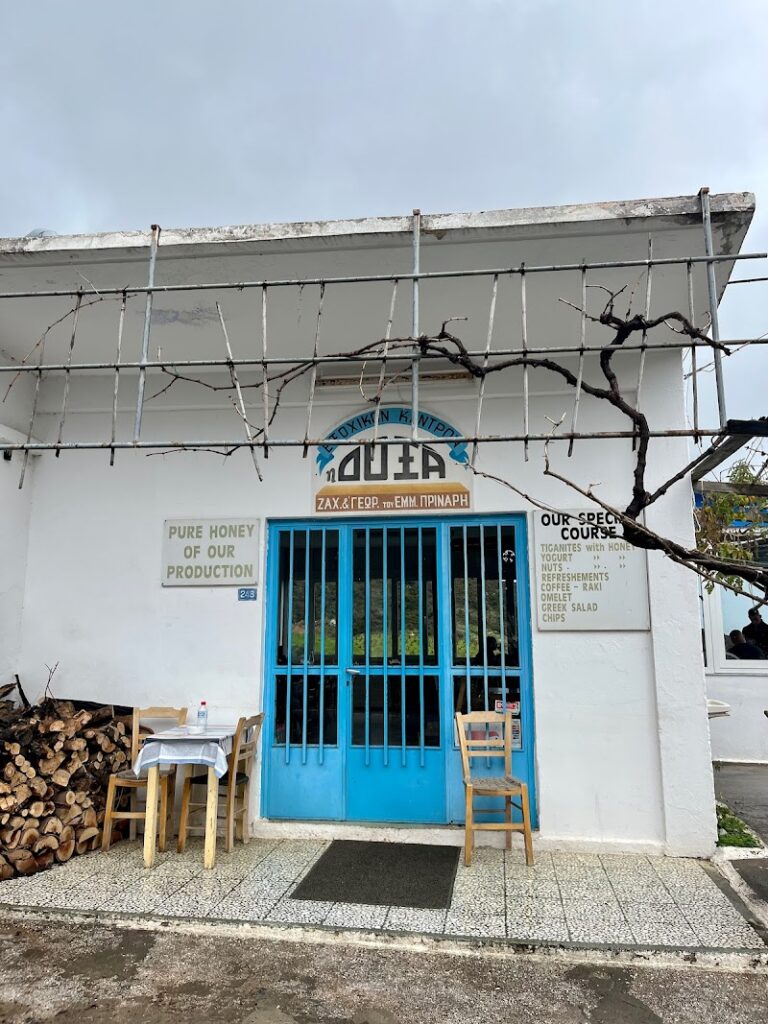
Visit and explore a traditional charming Cretan village known for its picturesque surroundings, characterised by green valleys and hills covered in olive and orange groves. The village is nestled in a fertile valley, providing a tranquil and idyllic atmosphere to visitors. It is renowned as the birthplace of El Greco, the famous Renaissance painter. Our quad safari will take you right outside the house of El Greco where you will have the chance to see his family home and learn about his life. Another point of interest in the beautiful village of Fodele is the 11th century church of Panagia which features traditional Byzantine architectural elements and gives a glimpse into the rich cultural and religious heritage of the Byzantine Empire. During the visit you will have the opportunity to see this church as well as to explore the central village and have a short break for refreshments in an iconic café next to a river.
Return
Having explored different aspects of the island through this diverse and enriching quad biking tour we take the return route back to the starting point. Our fun does not end until the last min
My name is Maria and I am a professional dancer in Cretan and Greek Dances. I am also the leader of the dancing group of Arolithos Village and the dancing teacher for kids and adults of the local cultural association of the area where I live.
I am a very good friend of Michalis who is the main host of this experience and one of the owners of Arolithos Village. I collaborate with him because he loves to dance and culture as I do. Very often Evi one of the best Cretan dancers in the area of Tilissos also helps me to realize the dancing lessons.
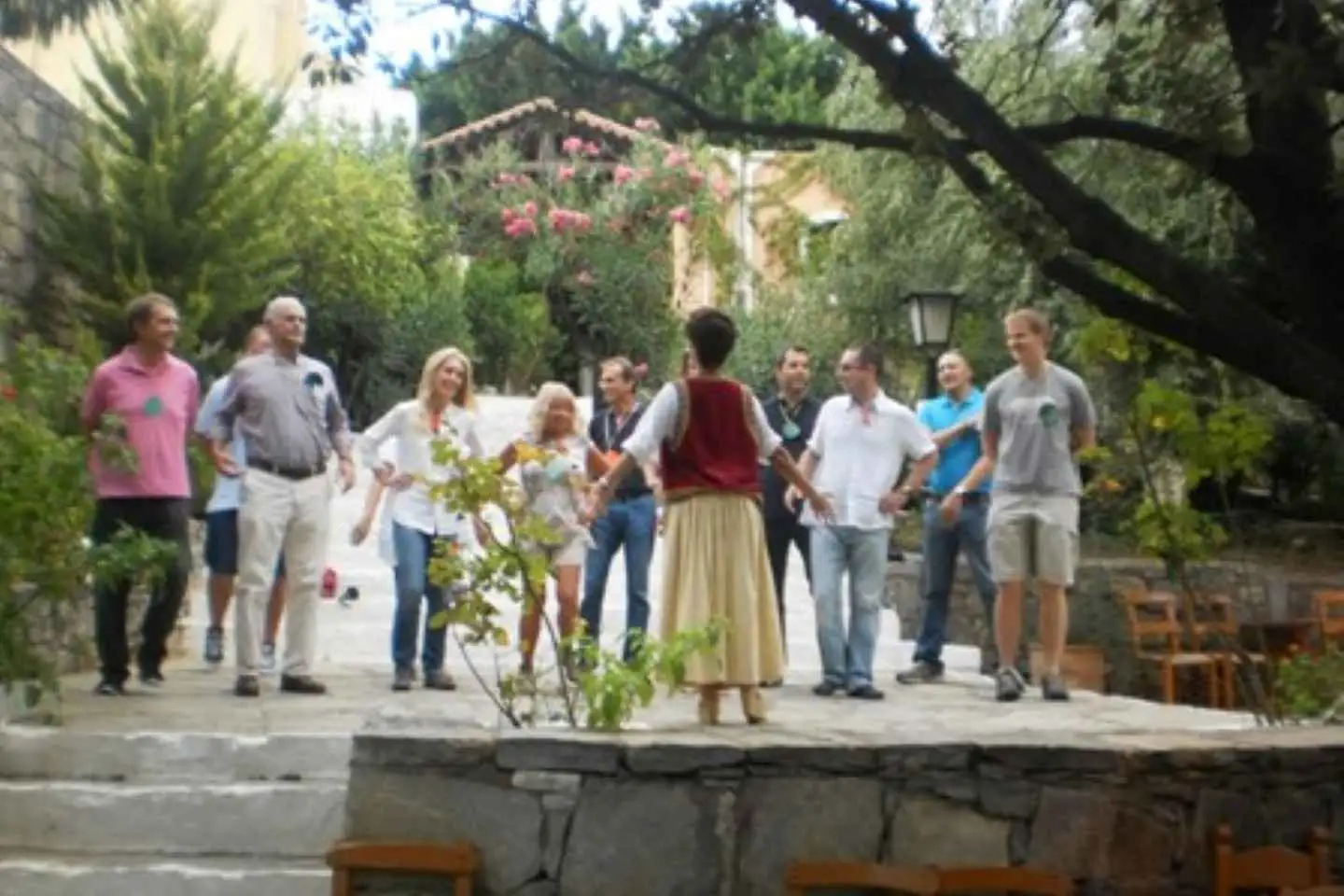
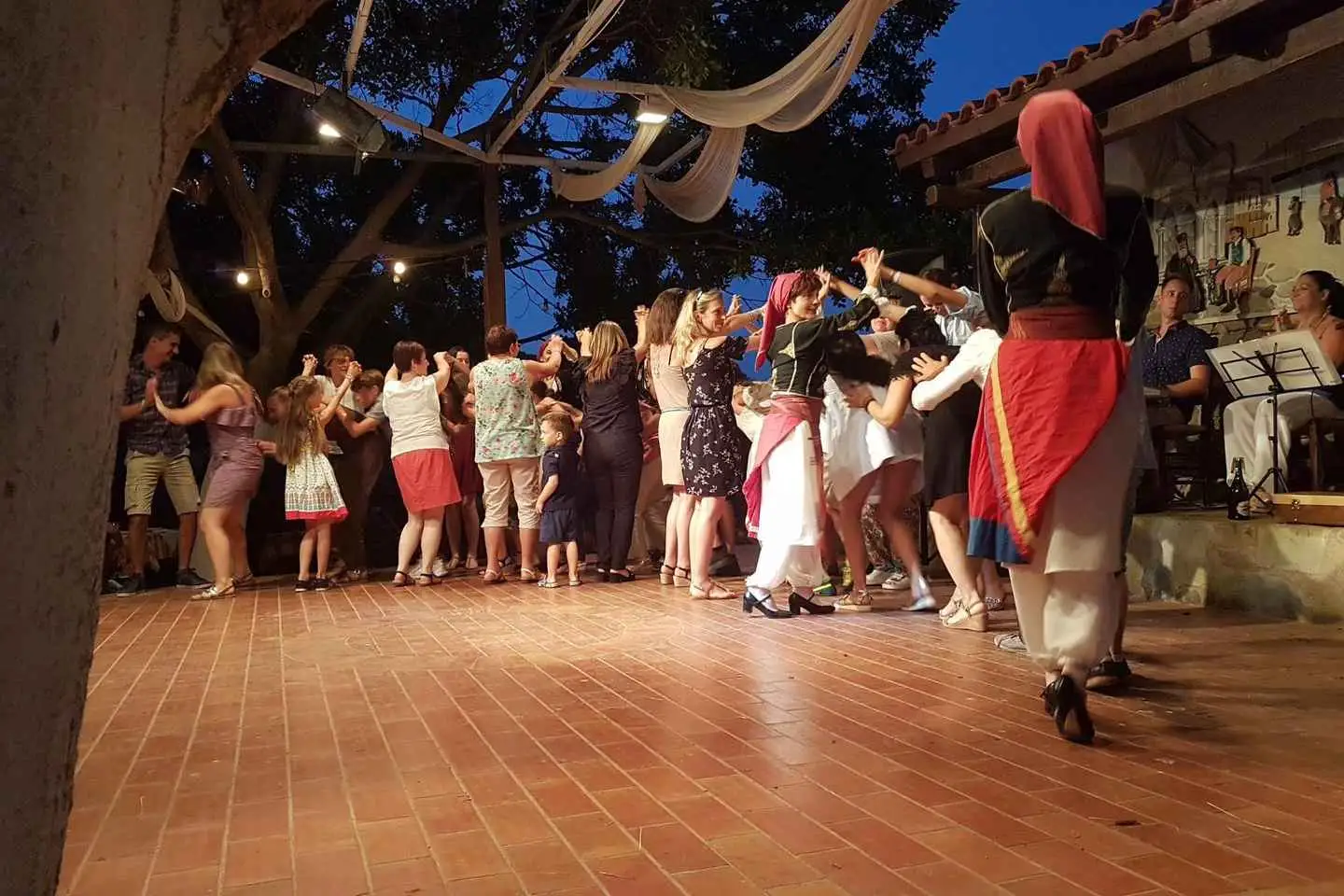
As a professional teacher of dances, dressed in traditional uniform, I will show you the first steps of popular dances of Crete and Greece. Sousta, Zorba the Greek, and much more.
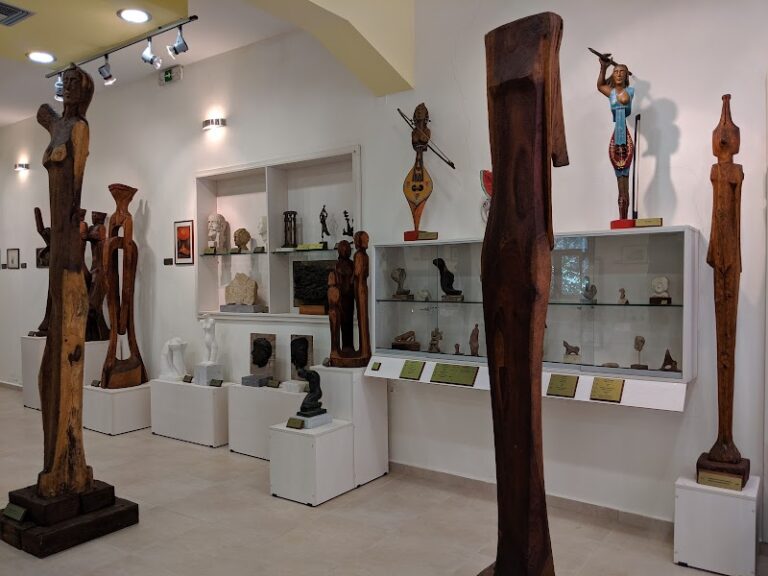
We will have also the chance to do a tour of Arolithos Village and show you shortly the Museum, the old houses and the rest of the village.
You will enjoy a welcome drink on the terrace with the panoramic view.
In the end, I will offer you a copy of a CD with Greek and Cretan music and your dancing certificate.
It is a big honor for me to be your host and I or Evi will do my best for you to have a memorable experience of Cretan amusement and culture.
In your own free time Arolithos village you may have lunch and relax after such a creative experience in the tavern and the swimming pool.
Niki Lyroni will welcome you to Arolithos Traditional Cretan Village. Niki started her artistic activity many years ago. Niki is a very pleasant person- a friend of my family who will give all her attention to you and she will help you learn about her art even if you are not familiar with it. After a short tour of the Museum of the Village and a quick treatment at our Taverna Delfys, you will finish by visiting her workshop.
The workshop of Niki is full of pieces of art from small to very big decorative objects.
She will treat you to Greek coffee & water as we use to do with any friend.
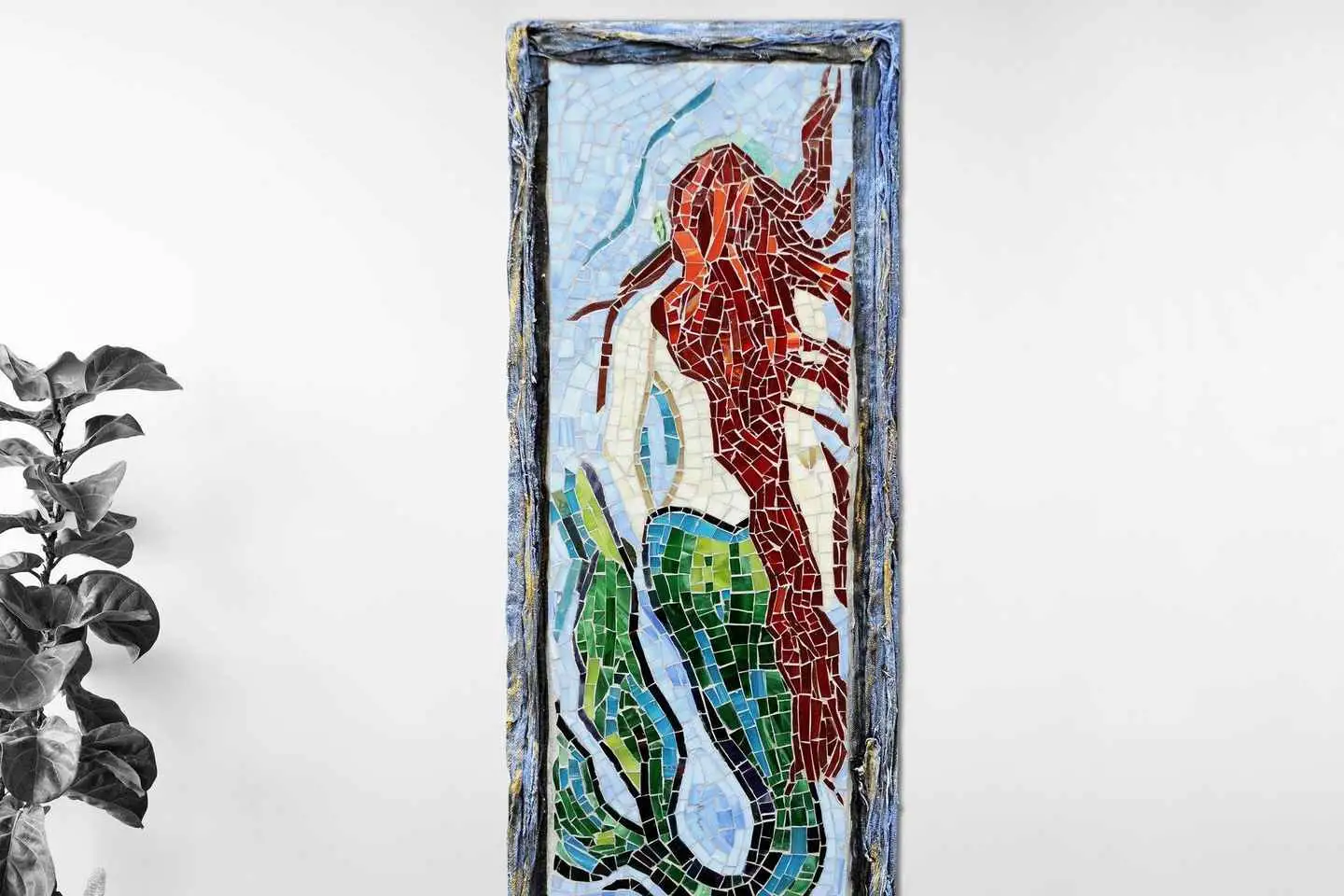
She will initiate you to several techniques and she will explain to you in detail the differences between each one. Mosaic is a very ancient art used for the purpose of artists to decorate public monuments or their own houses.
Then you will use her own tools to cut the little stones. At this point, you have to be very careful not to cut your fingers or your nails as the process demands a bit of force from you. The little pieces you create you will put them carefully with her own instructions. Step by step, you will see your own mosaic to be created. You do not have to be skillful. Then you have to wait for half an hour for the object to dry and finally, you will keep it as a souvenir. In your own free time at Arolithos village, you may have lunch and relax after such a creative experience in the tavern and the swimming pool.
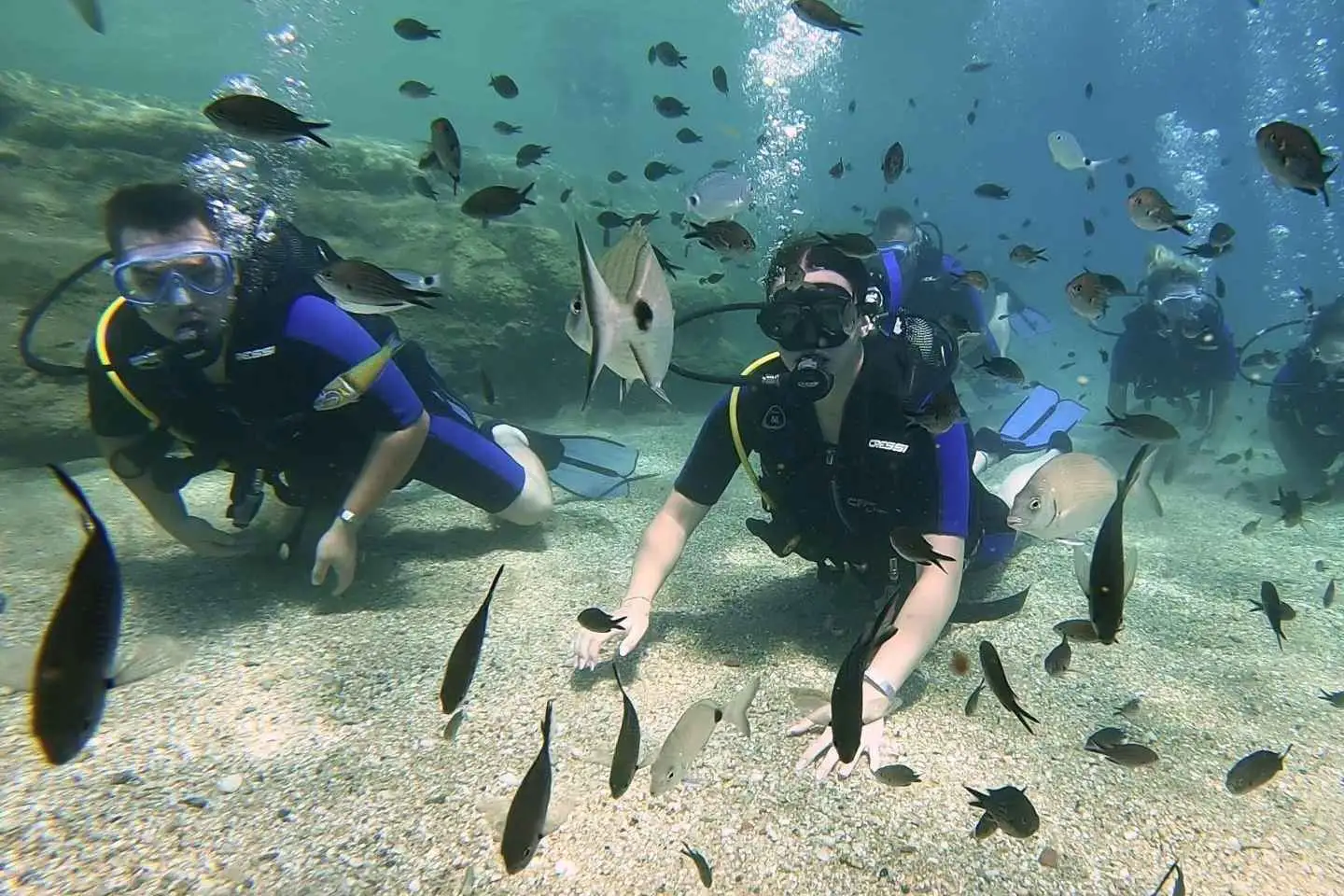
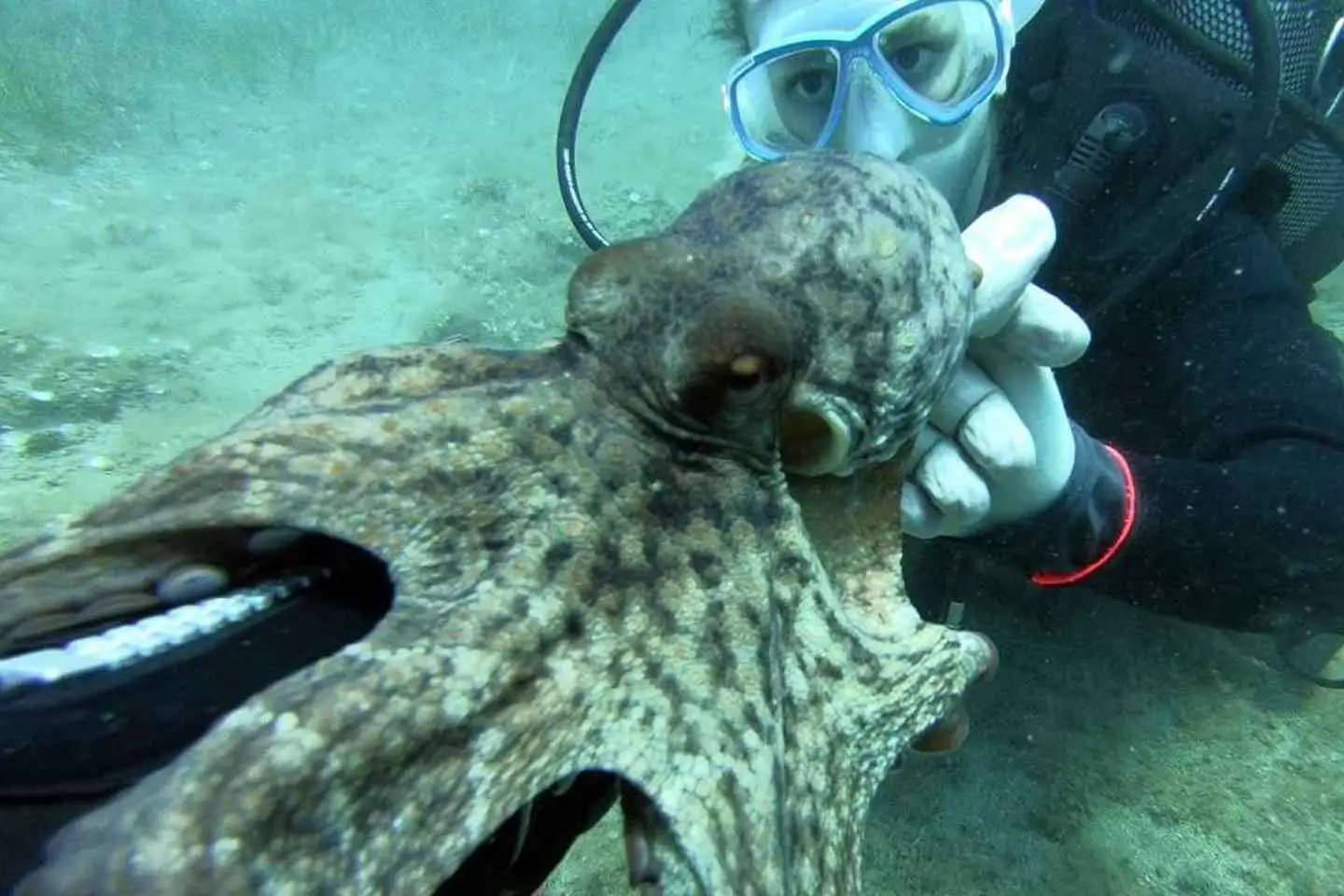
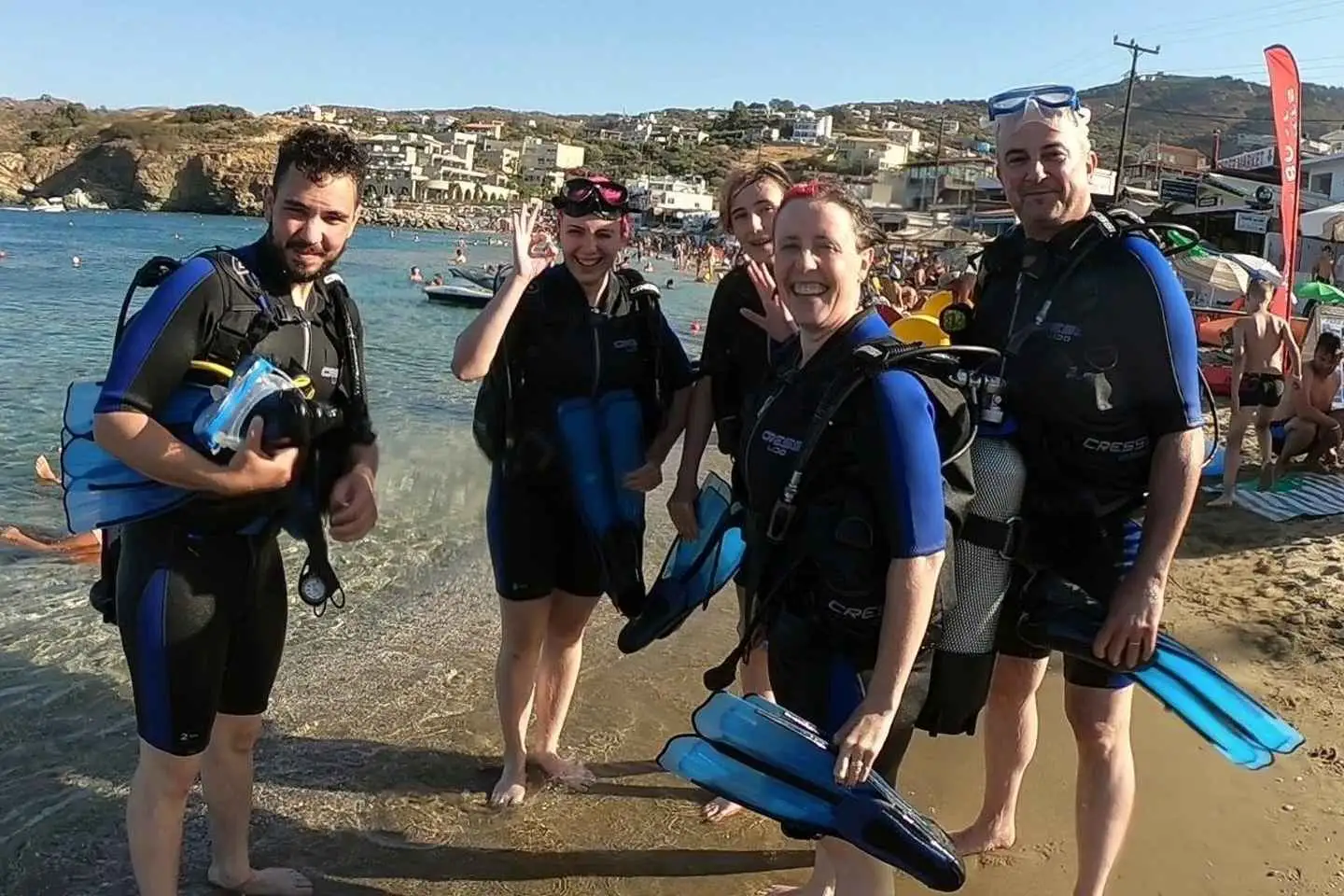
Discover the underwater world with the experts of Scuba Diving at the famous bay of Agia Pelagia, where the sea is always calm and clear.
Discover the underwater world and feel as a diver. This program is specifically designed for those who never dived before and know nothing about scuba diving.
You’ll be taught the basics of scuba so that you’ll have a real dive, always following the safety standards of Padi, the leading scuba diving organization in the world. Feel like diver, breathe and move freely underwater and listen to the sounds of silence, always accompanied and supervised by qualified PADI instructors.
You’ll spend one hour in the diving center for basic information and introduction to scuba diving, watch a 20 minutes informational video in your language. Your experienced instructors will teach you all the secrets and the techniques of scuba diving. that makes it easy and simple, and will be continuously with you during your whole activity.
You’ll spend one more hour in the sea where you’ll be practicing the simple techniques you previously learned, while your instructors will guide you to the top experience of your life. You’ll be breathing and moving freely and play underwater games while exploring the house reef and thousands of fish swim around you.
Your instructors will teach you how to be autonomous and enjoy the most, not just hold you and pull you around.
During your first dive, you’re allowed to reach the depth of six meters, but you’ll be taken only where you feel comfortable and safe.
Return to the dive center to watch the footage and HD videos captured during your whole activity.
No results available
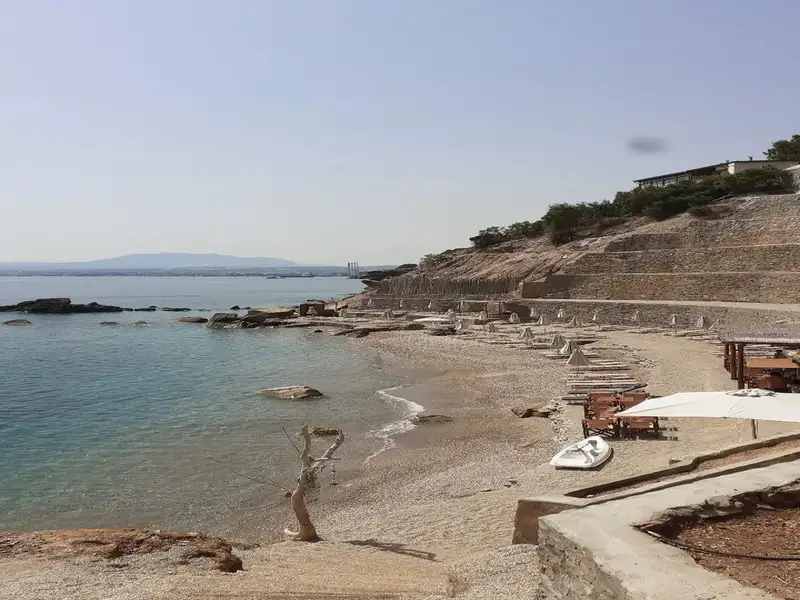
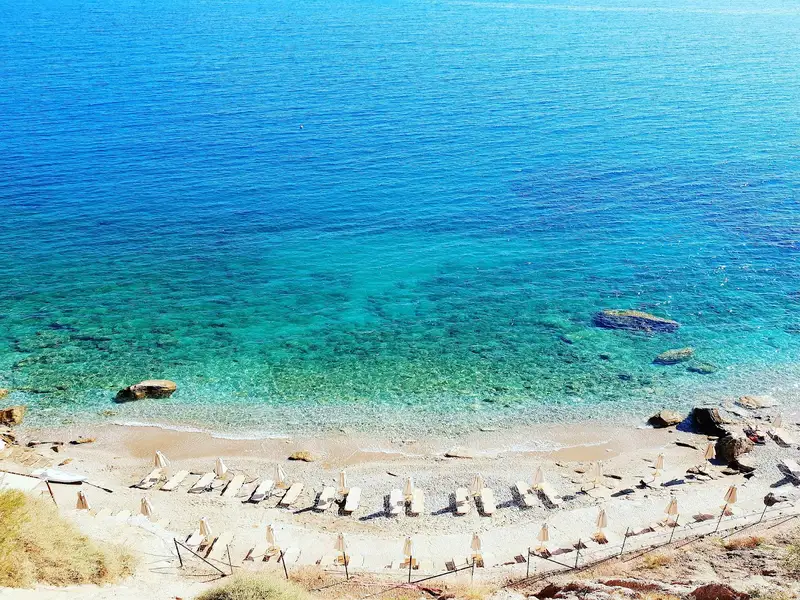
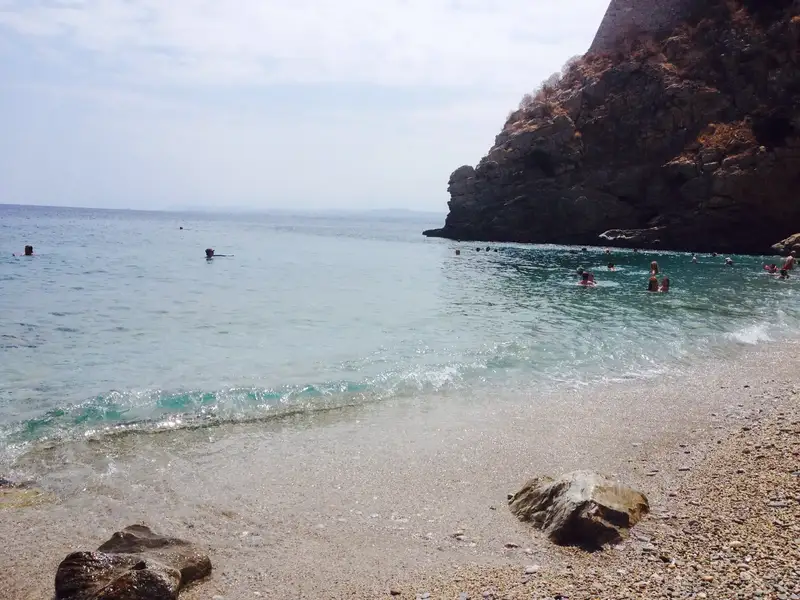
Contrary to the prevailing belief that Crete’s scenic beaches are situated in remote areas far from major cities, those familiar with the island know that hidden gems are scattered across every corner. One such paradise is the Helidoni (Swallow) beach, just a stone’s throw from the historical Paliokastro fort in Rogdia near Heraklion. This haven is just a five-minute drive from the outskirts of Heraklion.
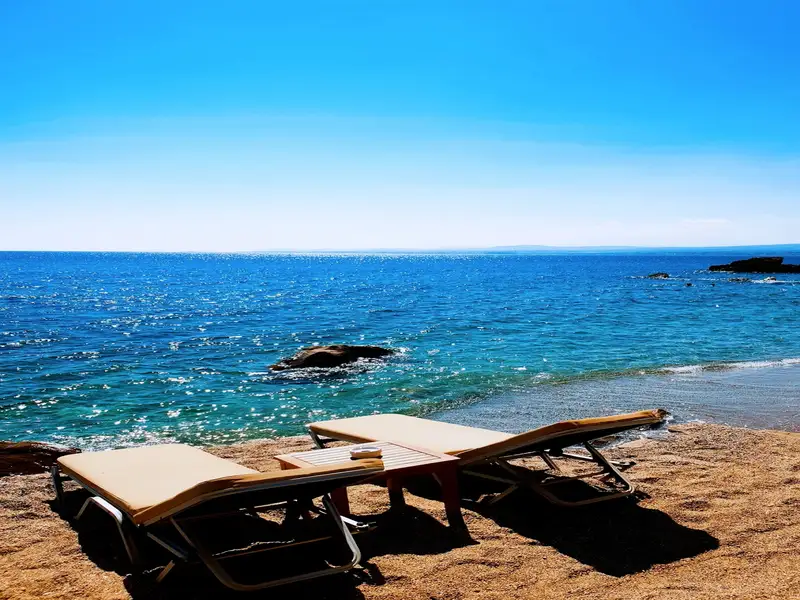
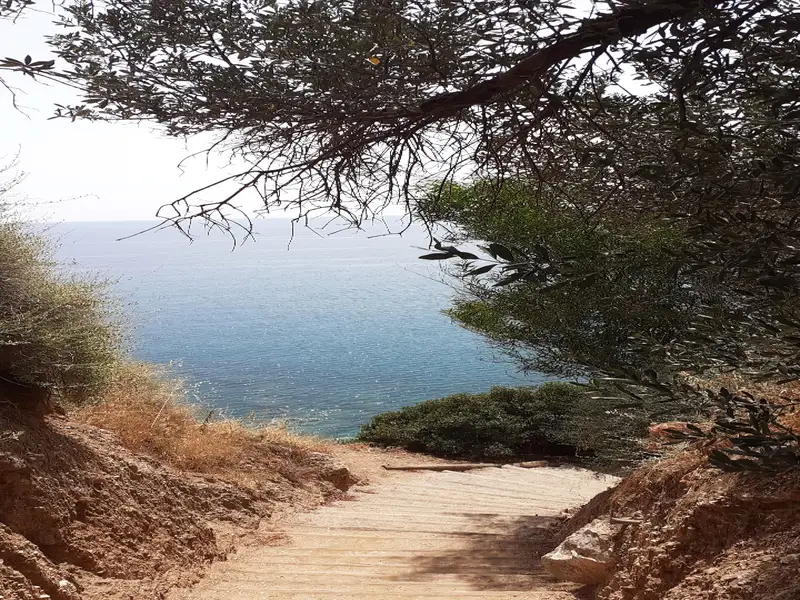
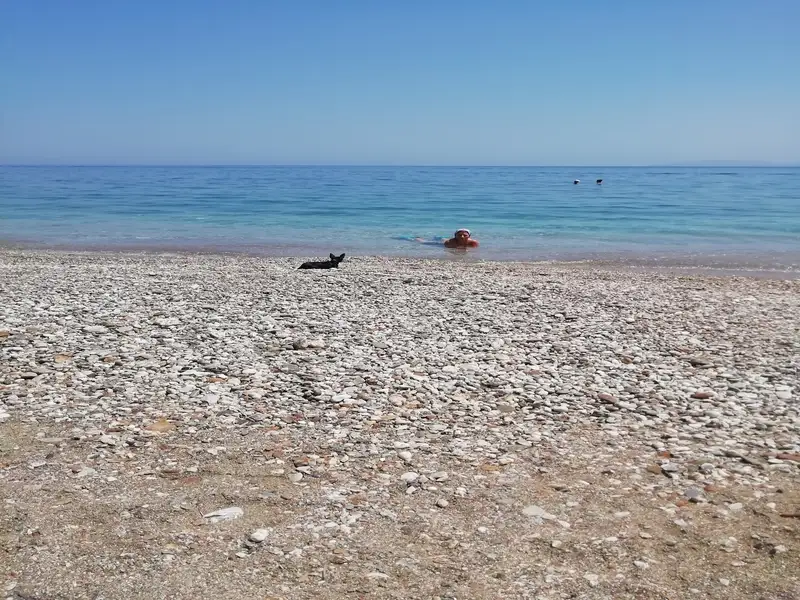
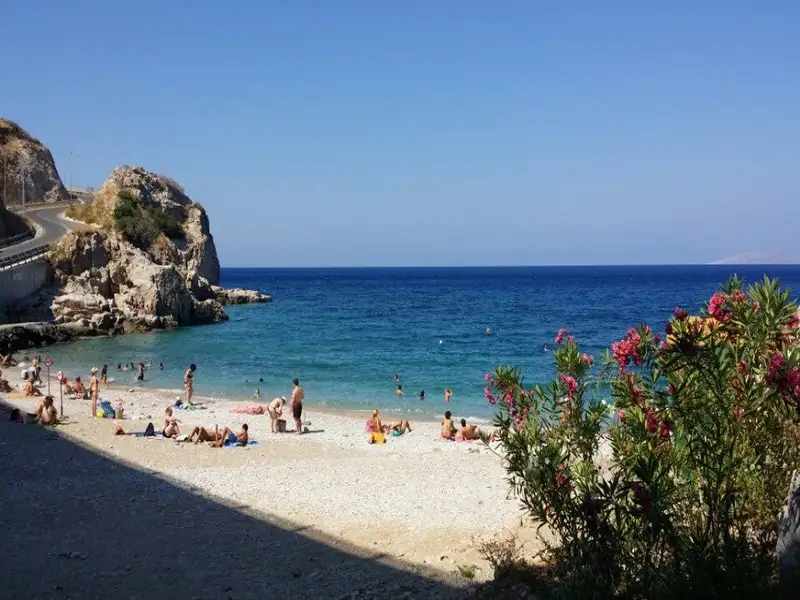
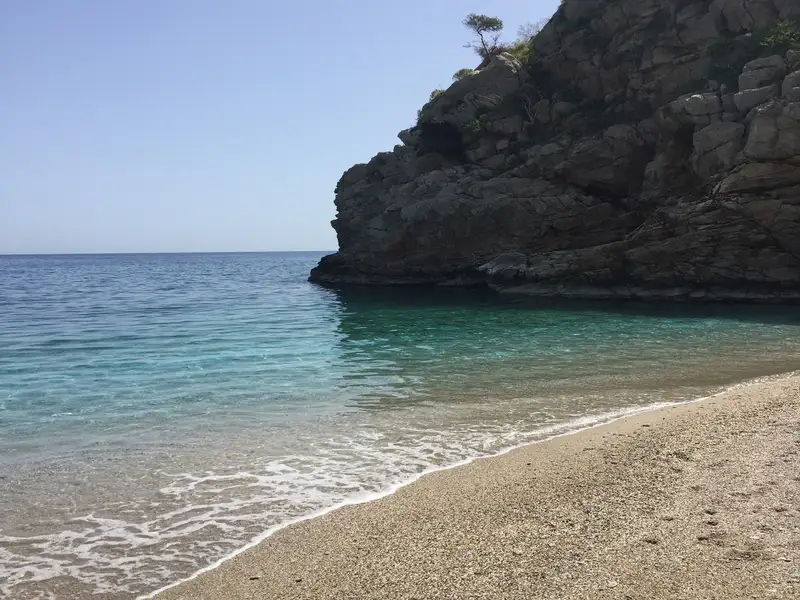
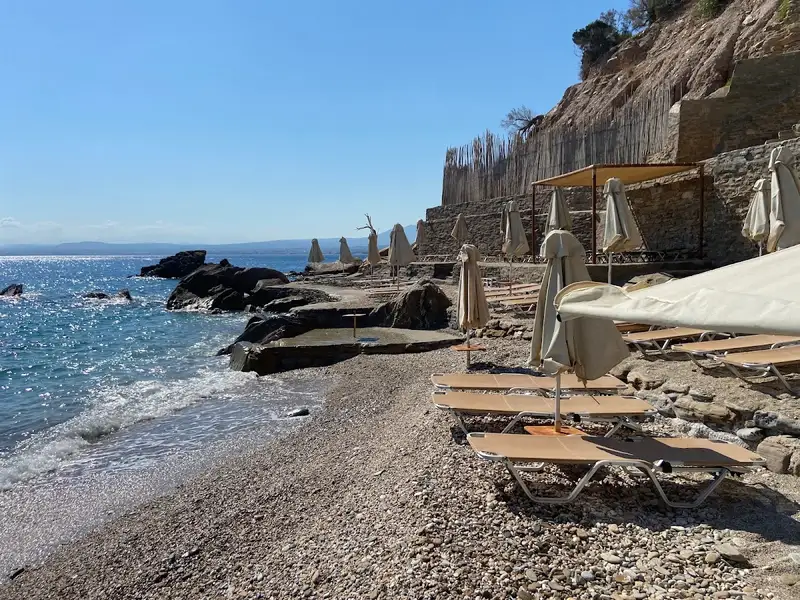
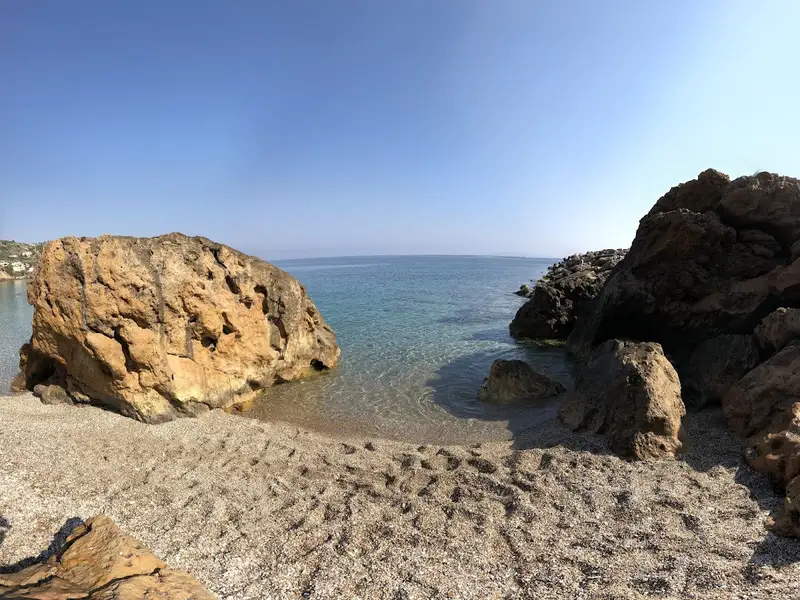
The beach known as Helidoni or Porto Helidoni is situated just south of Paliokastro and is nestled beneath the highway. A staircase with wooden steps descends to the sea level. The beach stands out for its cleanliness and the crystal-clear water that brings to mind the best beaches of southern Crete. The beach is oriented towards the east and, as a result, is typically calm, much like other beaches stretching from Ellinoperamata to Frankia. It is a quaint beach with a blend of fine pebbles and sand in certain spots. The seabed is quite rocky, making it perfect for snorkelling. There’s also a small canteen on the beach. Its name, Helidoni, is derived from the swarms of swallows that flock to this area annually.
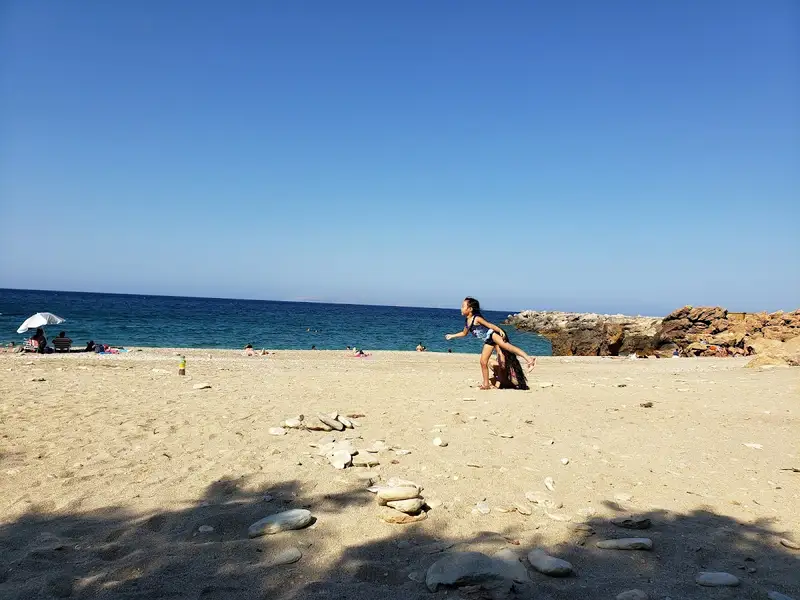
Just a few meters east of the main Helidoni beach, another small sandy beach can be found, surrounded by picturesque rocks. This beach can only be reached by traversing the rocky coastline from Helidoni, lending it a tranquil atmosphere. There are stairs leading to the beach, but they pass through private properties, making them inaccessible to visitors.
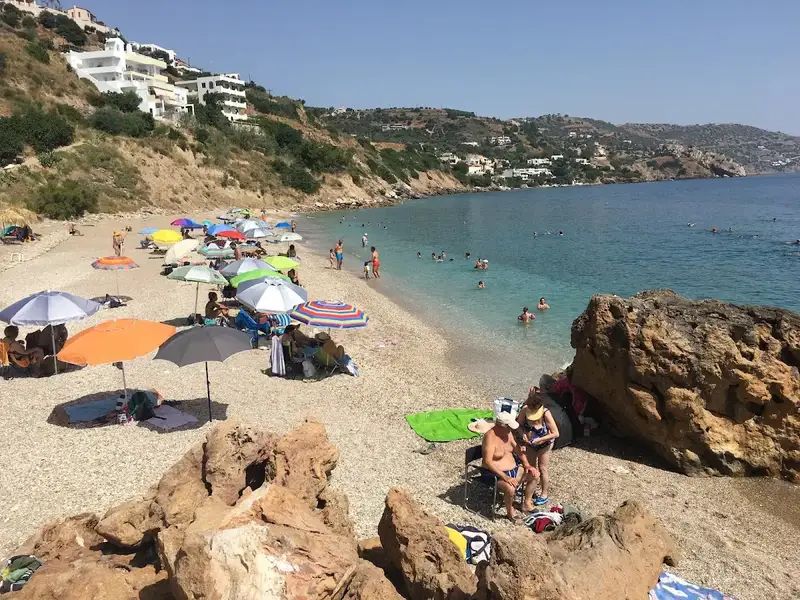
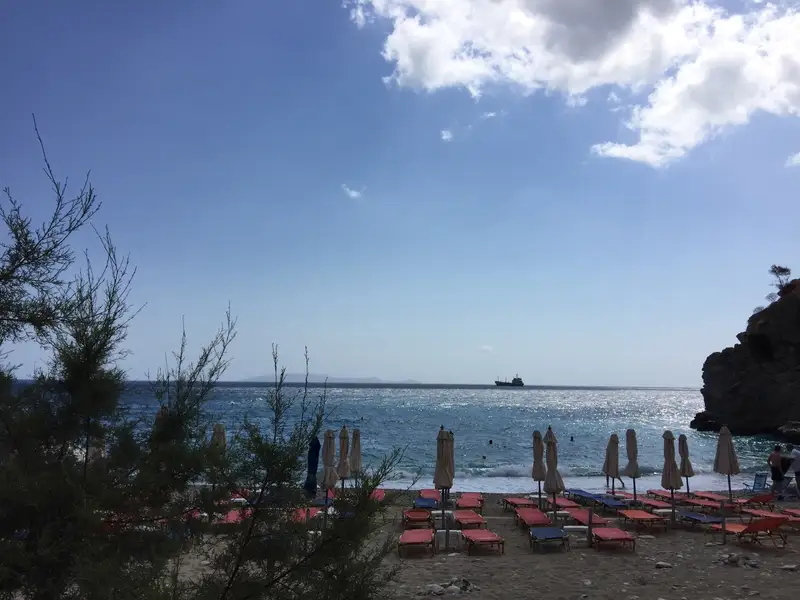
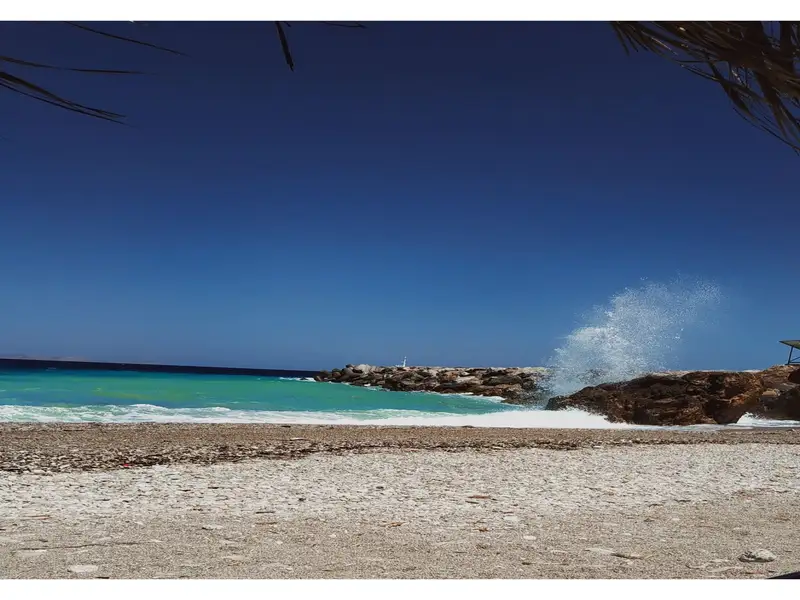
Pantanassa, situated 12km west of Heraklion, is named after the Monastery of Panagia Pantanassa, which is dedicated to the Virgin Mary. The beach lies adjacent to the quaint port of Pantanassa. Prior to the establishment of the port, Pantanassa boasted an enchanting beach, concealed by a small pine forest and possessing crystal-clear waters. Now, the beach has been divided by the port, causing Pantanasa beach to lose some of its former allure. Nonetheless, it still retains its beauty, featuring pebbles and clear waters.
The beach offers amenities such as umbrellas and sunbeds, and some pine trees still grace the nearby cliffs. A pathway from the port allows for easy access. If hunger strikes, there are eateries in the port of Pantanassa and nearby areas. Visitors can combine their beach visit with a trip to the Pantanassa Monastery, perched atop the pine-covered hill above the beach. Built in the mid-20th century, it was envisioned to serve as a charity monastery, but the founder, Nikolaos Xenos, passed away before realizing his dream. Today, the monastery functions as a nunnery.
The Lefkadia area lies to the west of Pantanassa beach. Here, two secluded bays, largely unknown to most Heraklion residents, provide an ideal spot for relaxation. Recently, a beach bar was established and a trail leading to the beach was opened. Helidoni beach, featuring sandy and pebbly areas with a predominantly rocky seabed, is perfect for snorkeling. The western view is captivating, with the ruins of the old Paliokastro castle visible. Visitors can park in the nearby small pine grove and hike up to the castle.
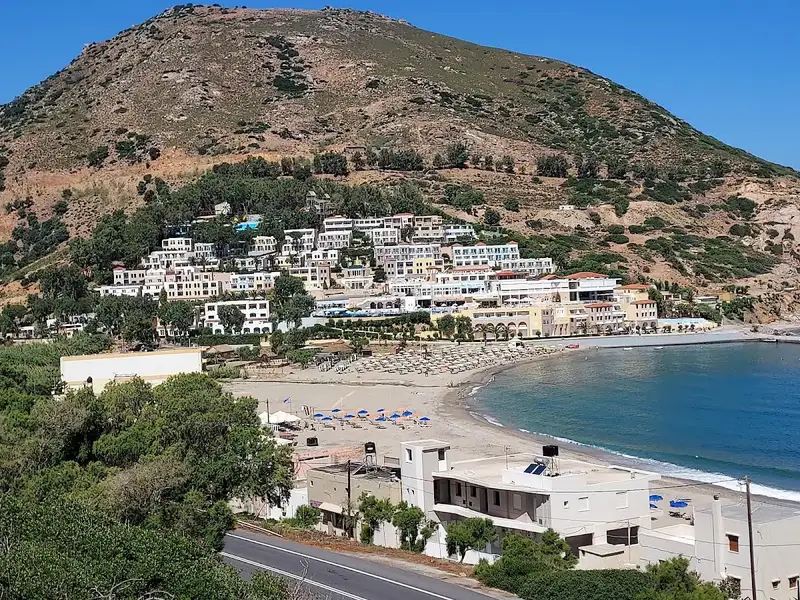
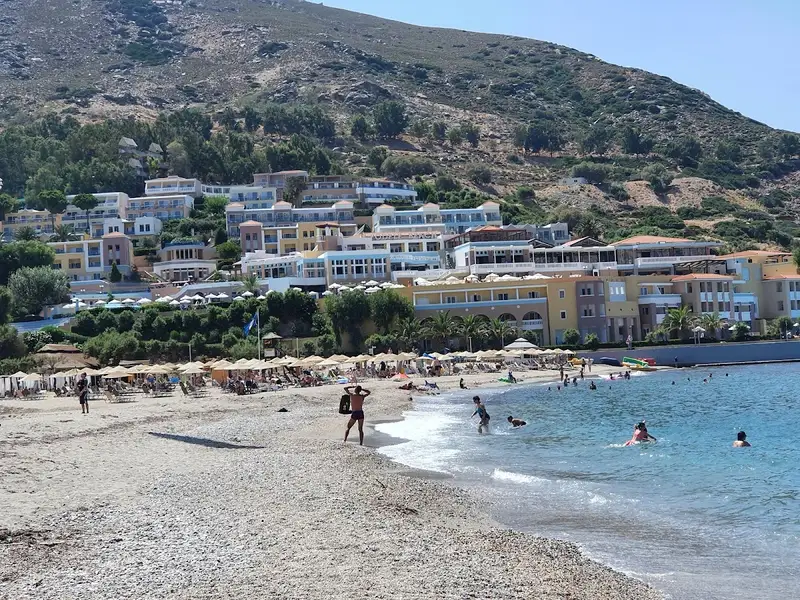
Situated 26km northwest of Heraklion, Fodele beach is just a short 3km journey north from the village of Fodele, the suspected birthplace of famed painter Domenikos Theotokopoulos, or El Greco. The National Road, linking Heraklion and Chania, runs parallel to the beach, offering easy access. This sandy beach is open to the north winds and is flanked by Cape Stavros on the east and Kastellos hill on the west. Atop Kastellos hill, one can find the remnants of the old fort, Kastelos. The beach itself is formed at the mouth of the river Pantomantris or Fodelianos.
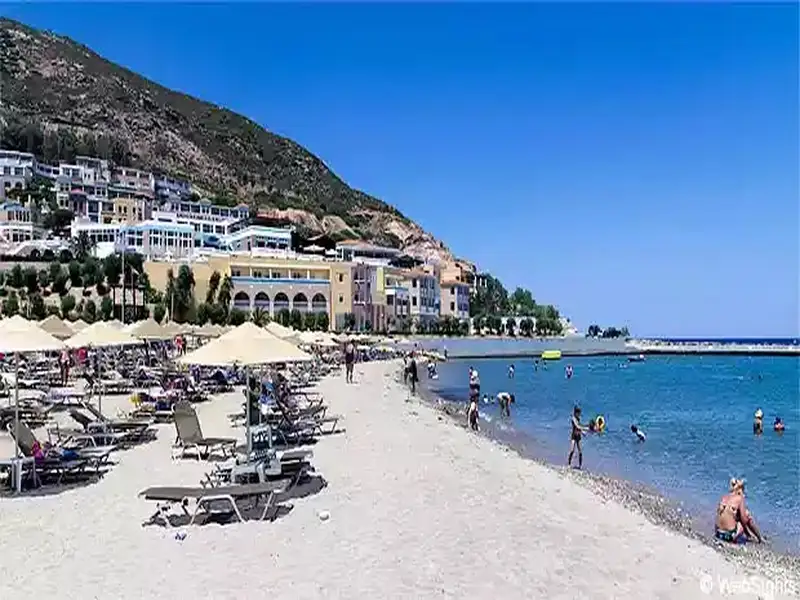
The western section of the beach is meticulously maintained and comes equipped with sun umbrellas, sun beds, showers, water sports, cafes and taverns. You can spot a large hotel on the west slope of Kastellos hill, with a small pier in front of it that provides protection to swimmers. The eastern part of the beach, near the local gas station, is less developed and exposed to the north winds.
Visitors can pair their beach day with a trip to the picturesque village of Fodele, nestled in a verdant valley along the banks of the river Pantomantris. The village, located on the site of the ancient city Pantomatri, was named after its first inhabitant. The valley is renowned for its citrus trees, especially oranges and lemons. Numerous taverns are scattered within the village and along the river, offering traditional cuisine under the cover of towering plane trees. It’s worth exploring the village streets and visiting the local churches of St. George and the Assumption. Just outside the village, you’ll find the churches of Annunciation, All Saints, St. George, St. John and Virgin Mary.
Fodele is known as the birthplace of El Greco, the most celebrated figure of the Cretan School of Iconography. El Greco spent his early years in Crete before relocating to Italy, where he worked alongside Titian. His later years were spent in Toledo, Spain, where he passed away. His artwork exhibits a fusion of Byzantine and ancient Greek influences with Renaissance art. The house he grew up in, positioned 1km southwest of the village at Skotini, is well preserved and functions as an El Greco museum housing replicas of his work. Nearby, the ancient church of Panagia (Virgin Mary) is a worthwhile visit. It’s believed that this church greatly inspired the artist. Lastly, an exhibition showcasing El Greco’s original and reconstructed works, along with items from the movie “El Greco”, has been on display at the Bethlehem Gate of the Venetian Walls of Heraklion city since 2009.
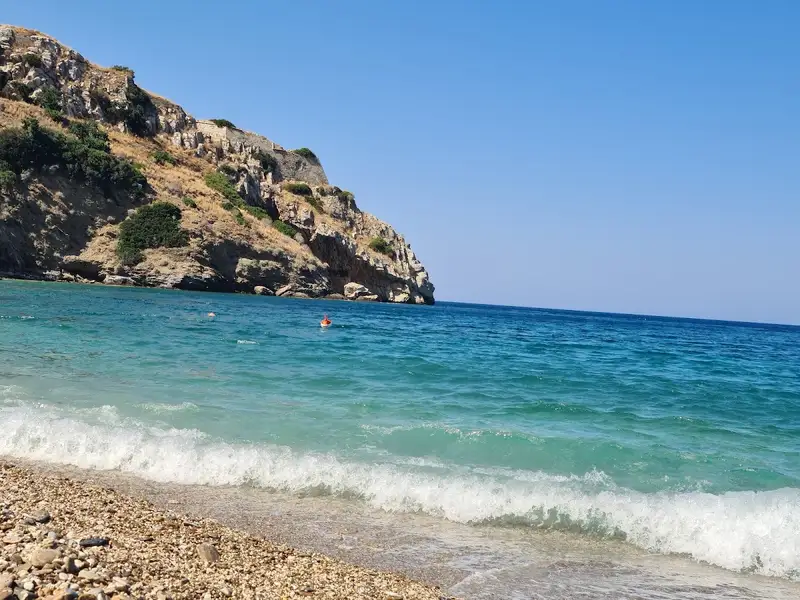
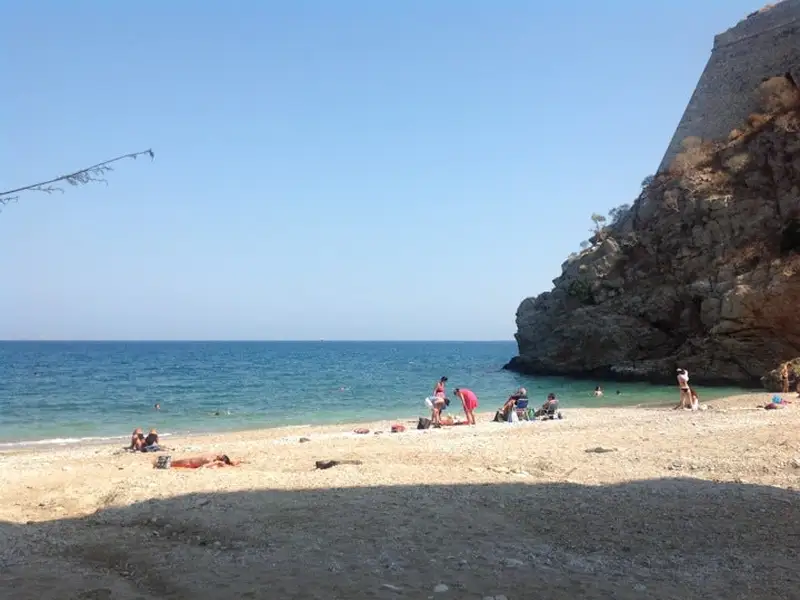
Situated 14km to the west of Heraklion, Paliokastro, also known as Paleokastro, can be found on the western coastline of the Bay of Heraklion. This charming pebble beach is nestled into a green valley’s exit, which is intersected by streams flowing down from the Rogdia village. The cove of Paliokastro is securely flanked by tall cliffs and faces the east. A massive limestone rock towers over the eastern part of the beach, the summit of which was once the site of the Venetian fortress of Paliokastro. This fortress served as a defensive structure against enemy invasions to the Bay of Heraklion. The castle remnants suggest that it was constructed on the acropolis of the ancient town of Kytaeon.
Paliokastro is a beloved destination for the locals of Heraklion, who visit daily with their families. It has even led many to purchase homes in the area. Although not highly developed, the beach offers an idyllic setting for relaxation. Traditional food can be savored at various taverns, and several small hotels and rooms are available for stay. A mini market is also present on the beach, opposite an old limekiln, which is one of Crete’s best-preserved structures of its kind.
The beach’s western part boasts large pebbles and deep waters, making it a perfect spot for fishing and snorkeling. Natural stair formations on the rocks beneath the old fort provide a thrilling diving experience, with heights ranging from 1 to 20 meters. This spot is often frequented by children competing in diving contests. A tall, narrow, and dark cave is nestled between the beach and the rocks. Local folklore suggests this cave might have been a tunnel leading from the fortress to the sea, serving as an emergency escape route, although this remains unconfirmed. Paliokastro is easily reachable through the Heraklion-Chania highway, with a dedicated exit leading to the beach.
No results available
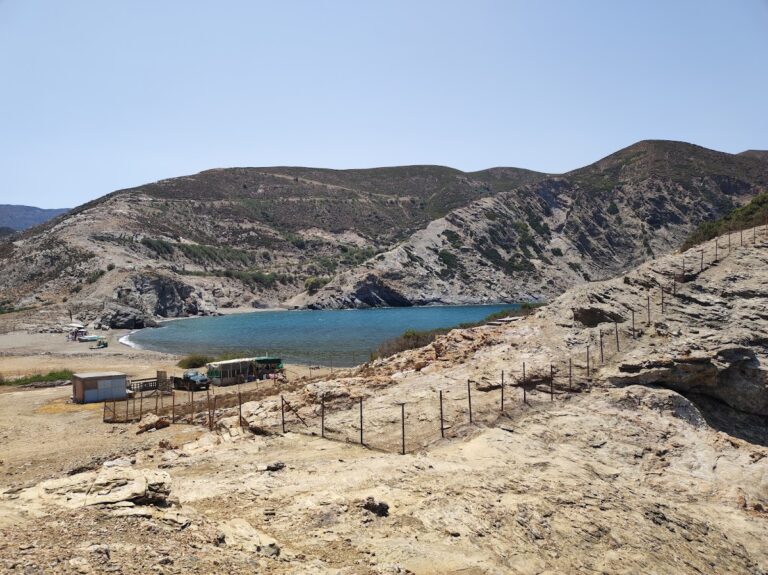
On the eastern edge of Pera Galini beach, there is a small cape known as Kefali Soudas. This area is home to the ruins of a Minoan settlement, believed to have been one of the most significant ports in the Talea Range region.
At Kefali, you will notice ongoing excavations covered with plastic sheets that resemble greenhouses. These excavations have uncovered a sanctuary, and it is believed that the settlement was destroyed by an earthquake. Please note that entry to the fenced archaeological site is not allowed.
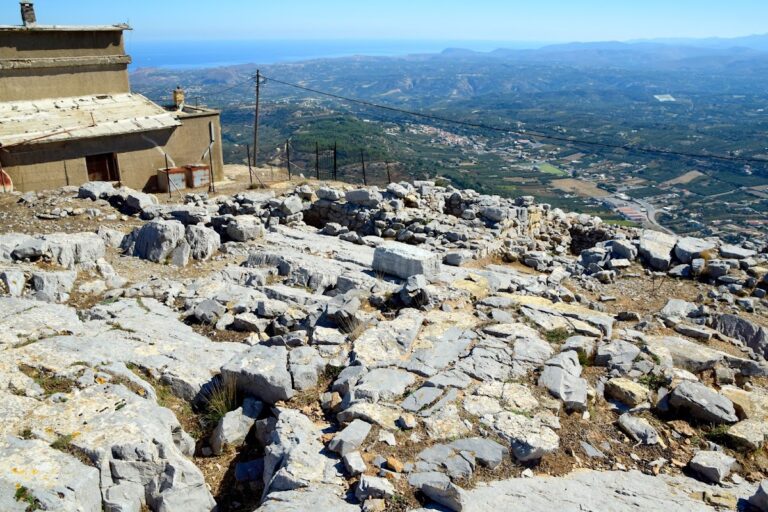
To the west of the village Tylisos in Malevizi province, the mountain Pirgos stands tall with its peak reaching an altitude of 684m. In 1963, archaeologist Stylianos Alexiou identified one of the most significant Minoan Peak Sanctuaries in Central Crete at this steep peak. Religious figurines, stone horns, and a rectangular building measuring 13m x 4.50m were discovered. To reach this site, it takes about a 20-minute walk from the nearest parking area, accessible via a rural road.
During antiquity, Pyrgos appears to have held a crucial religious role for the Minoans. Besides the sanctuary, the nearby Pera Korfi site served as a depot for votive figurines and inscriptions, found mixed with ash and vase fragments. Additionally, on the slopes of the same mountain lies the sacred cave of the Trapeza.
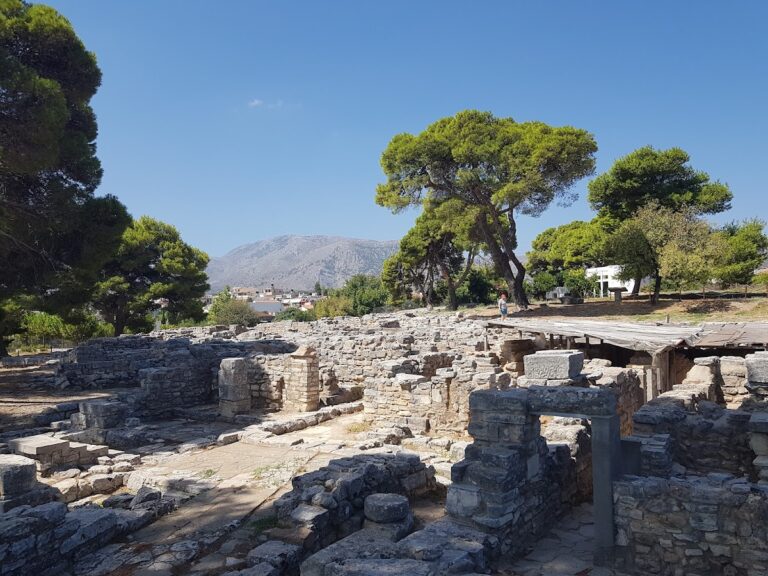
The Minoan mansion of Sklavokambos was unearthed in 1930 during the construction of the main road to Anogia, resulting in the destruction of a portion of the structure. This multi-story building features a main room where a clay ox head, a Late Minoan IB period style jug, and a stone rhyton were discovered. The building had at least 17 rooms.
Artifacts found in an upper story include 39 sealings (stamps), a cylindrical vessel, a stone hammer, and a clay foot. Representations from one of the Sklavokambos stamps have been discovered in Zakros, Gournia, and Hagia Triada. Notably, no frescoes or gypsum finishings were found at the Sklavokambos building, which are typically found in Minoan palaces.
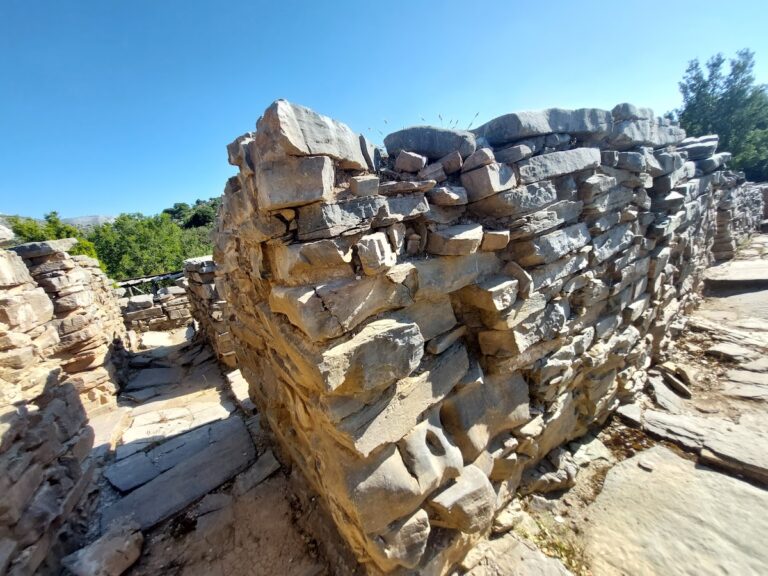
The ancient site of Zominthos can be found in the Psiloritis range, 7km west of Anogia, on the road leading to the Nida plateau. Discovered in 1982, Zominthos is considered one of the most significant archaeological finds in Crete, often compared to Knossos.
During archaeological work in the cave of Ideon Andron (1982), archaeologist Yiannis Sakellarakis spoke with a local shepherd who mentioned the name Zominthos. Sakellarakis immediately realized that this name referred to an ancient location and visited the site the next day, where he quickly identified traces of a Minoan mansion.
Excavations are still ongoing, conducted by the Greek Archaeological Service and the University of Heidelberg. So far, archaeologists have uncovered a large, luxurious building covering an area of 1360 square meters, constructed from local stone and consisting of around 80 rooms. The two- or three-story building had walls plastered with clay for insulation and adorned with murals. A smaller Mycenaean building has also been discovered nearby. It is remarkable that such a large complex existed at an altitude of 1200m, although it is believed to have been closed during the winter months due to snow.
The building was constructed around 1900 BC, reached its peak in 1600 BC, and was destroyed in 1400 BC, likely by an earthquake. Zominthos was undoubtedly one of the most prominent Minoan settlements and is thought to have been a station for Minoans visiting the sacred cave of Ideon Andron. Indeed, Zominthos is situated on the ancient trail that began at Knossos, passed through the gorge of Kroussonas, Livadi Plateau, and then through Zominthos, where a sacred spring was located (at the site of the current church of Saint Marina). According to Homer, King Minos visited Ideon Andron every nine years to receive laws for his people. Thus, Zominthos may have also been built to accommodate Minos during his visits to the cave.
However, Zominthos also appears to have served as a financial and organizational center for trading the famous Cretan cypress, as well as the popular agricultural products and livestock of the Ida Range. It is no coincidence that scripts from Knossos mention thousands of sheep, which likely originated from Ida.
Archaeologists are working to reconstruct the physical environment in which Zominthos was situated. This task is relatively easy, as there has been no human presence for centuries, and the natural environment has remained intact. Additionally, within the archaeological site, a large hawthorn tree has been officially declared a monument of nature.
No results available
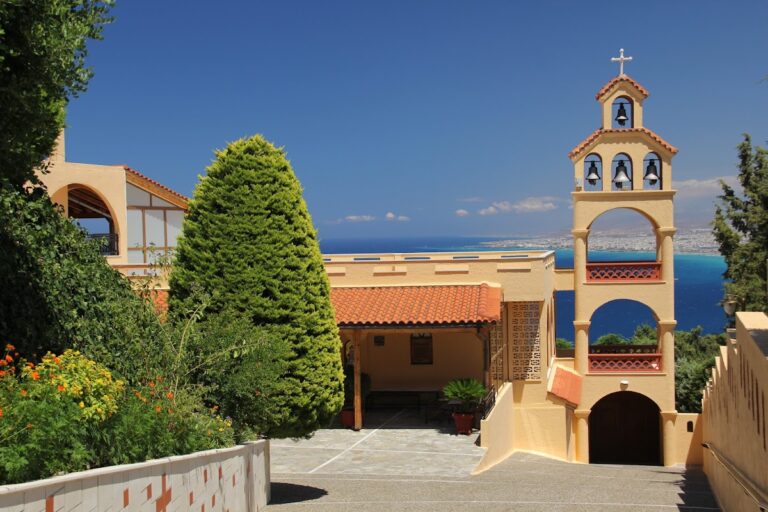
The Rodia nunnery, also known as the Holy Monastery of the Virgin Mary, was established in 1990 by Bishop Nektarios Papadakis. The land for the monastery was generously donated by Agapi Sbokou to the Archdiocese of Crete for the purpose of founding the monastery.
In the center of the monastery’s courtyard, visitors can find the temple of the Virgin Mary, along with the cells, guest houses, and other facilities. The small, aisle church is constructed in the Aegean style and holds a celebration on November 21.
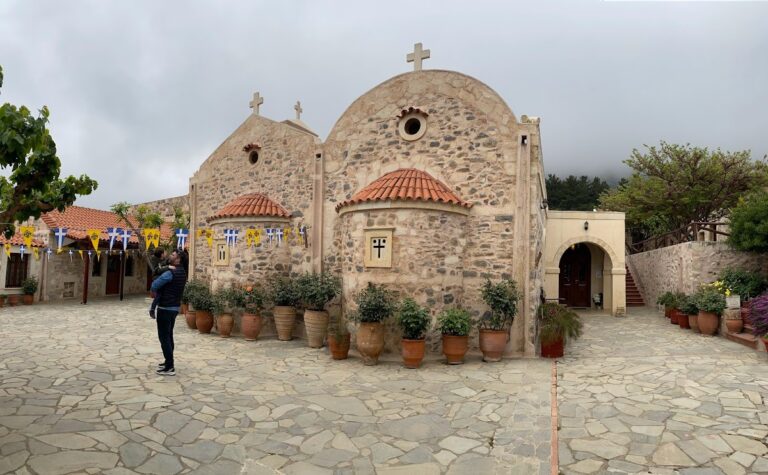
The Agia Irini monastery can be found 25km south of Heraklion and 3km west of Kroussonas village, situated on the slopes of Psiloritis at an elevation of 630m. To reach it, take the road that connects Kroussonas with the Livadi plateau.
Functioning as a nunnery, this monastery is among the oldest in Crete. It is thought to have been constructed towards the end of the Venetian Era, but was destroyed by the Turks in 1822 and later rebuilt in 1944.
Dedicated to St. Irene (celebrated on May 5) and the Assumption (celebrated on August 15), the two-aisled church is part of the monastery. As one of the thriving monasteries in modern Crete, it is exceptionally well-maintained by the resident nuns.
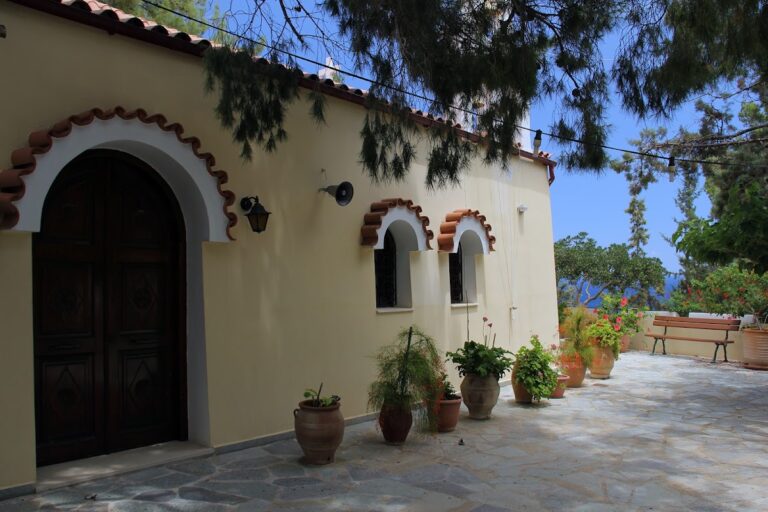
Located on a pine-covered hill by the sea at an elevation of 30m, the Pantanassa Monastery (Panagia Pantanassa) is situated approximately 14km west of Heraklion. This relatively new female monastery is dedicated to the Nativity of Mary, with celebrations held on September 8.
Initially, Pantanassa was established to perform charitable work, similar to the Kalyviani Monastery near Mires. Unfortunately, its founder, Bishop Nikolaos Xenos, passed away before he could realize his ambitious dreams of creating an orphanage, nursing home, kindergarten, nursery, and more.
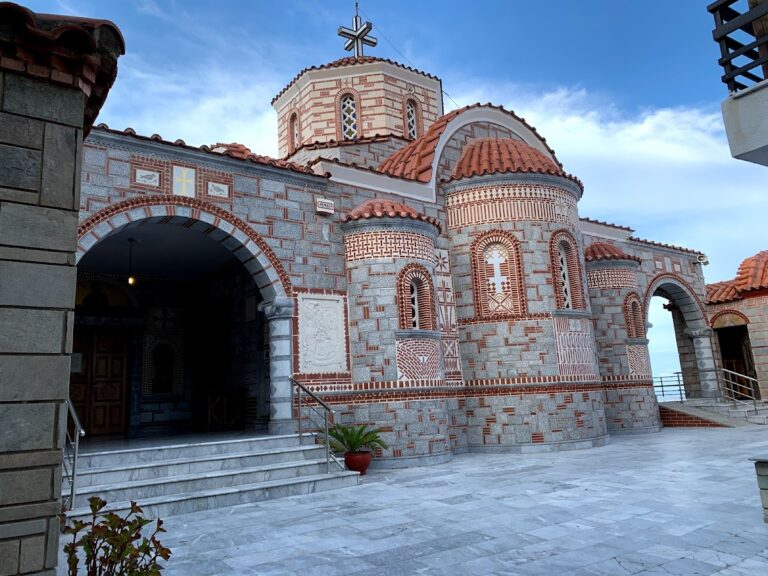
Located in Ellinoperamata, Malevizi district, on the road to Rodia village, the Monastery of Agia Fotini the Samaritan was established in June 1991 by Archbishop Timotheos of Crete. Within the monastery, you can find the church of Agia Fotini, the chapel of St. Fanourios, the nuns’ cells, and the tomb of Timotheos, the monastery’s founder.
Martyr Fotini, who originated from the city of Sihar in Samaria, is mentioned in the life of evangelist John (D’1 – 38). Agia Fotini dedicated her life to spreading the Gospel throughout Africa and Rome during Emperor Nero’s reign (54-68 AD). She was ultimately martyred alongside her sons and five sisters.
The church observes celebrations on February 26th and the Sunday of the Samaritan woman.
No results available
No results available
No results available
No results available
No results available
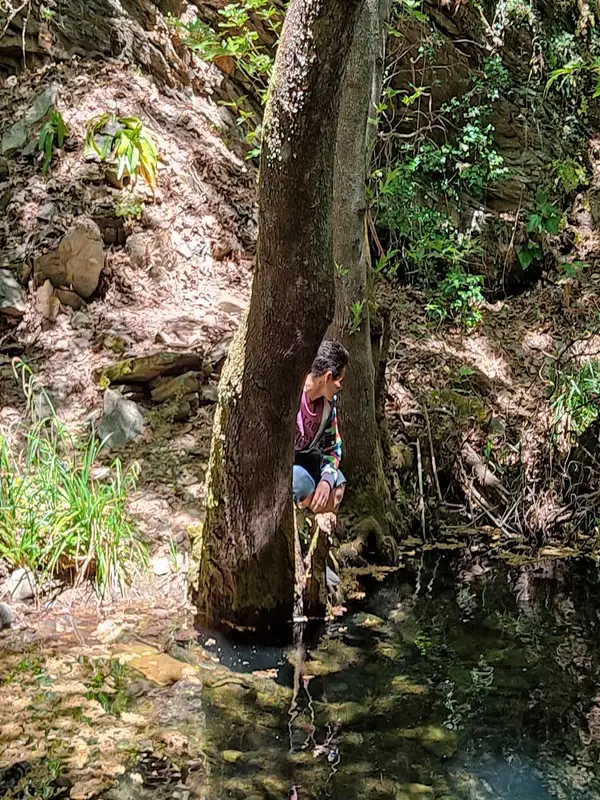
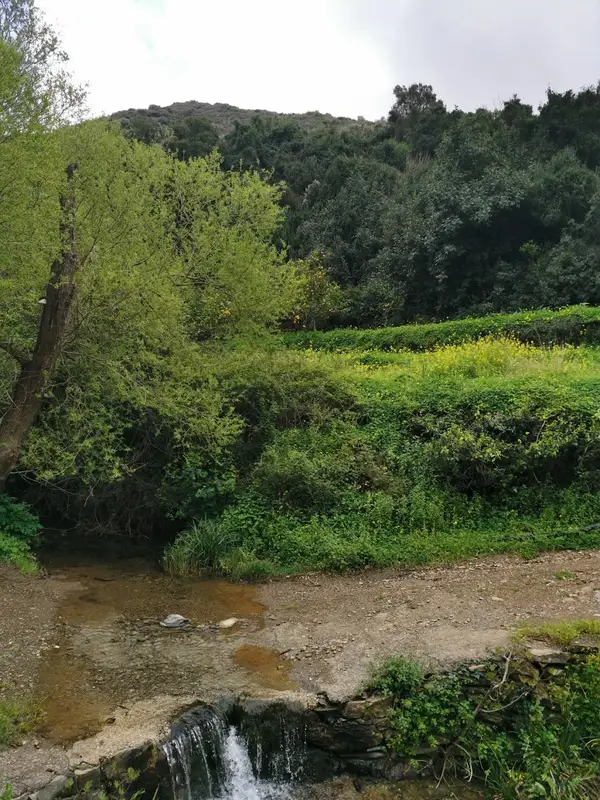
Just a stone’s throw away from Heraklion city, near the Agios Panteleimonas Monastery in Fodele, you’ll find the Santorinios canyon. This canyon carries water from the Marathos village and the western slopes of Platani to the Fodelianos river. Although the canyon is relatively short, it remains unexplored due to the challenging access caused by thick vegetation and numerous ponds. Trekking through the riverbed, despite getting wet, simplifies the journey but calls for a change of footwear. The canyon’s name originates from the soil’s resemblance to that of Santorini Island, which was previously used in Crete’s construction.
Upon entering the gorge, you’ll encounter the ruins of a two-room watermill, its walls still standing tall, supported by an ivy branch woven into them. After some time, you’ll reach the first pond, Azilakokolymbos, which appears to be the path’s endpoint. However, if you manage to bypass the lake by either swimming or rock climbing, there’s more to discover. After overcoming this hurdle, the journey continues smoothly until you reach a majestic waterfall that forms a stunning pond at its base.
The adventure intensifies from this point. To proceed, you’ll need to scale the right side of the waterfall, approximately 15 meters, to reach the hilltop. To access the waterfall’s edge from here, a rope is necessary due to the steep and slippery terrain. As you continue up the canyon, you’ll be greeted by two awe-inspiring twin waterfalls.


A petite gorge forms to the west of the Rogdia village and opens up at the Paliokastro area. The journey begins from the ancient Koukos watermill, situated on the primary road linking Rogdia to Achlada, and takes you down to its most striking feature, the 10-meter tall Rechtra waterfall, which can be accessed through a relatively steep descent with ropes. As you traverse down the gorge, you’ll encounter several small waterfalls, the cave-like chapel of Panagia Spiliotissa, and finally arrive at the Paliokastro beach.
One of the most astounding sights is a cave situated right in the heart of the gorge, which has been converted into a studio for creating Christian icons by a hagiographer, seemingly in the middle of nowhere. It is highly recommended to stop by this unique site, engage in conversation with the artist, admire the icons, and perhaps purchase a few.
You can also conveniently reach the fall by trekking up the gorge from Paliokastro.
Almiros Gorge is a 3 km walking gorge in Ellinoperamata, the closest canyon to the west of Heraklion city. The route takes about 1.5 hours, gains 150 meters in elevation, and rates 1 out of 10 for difficulty, so it suits families and first-time hikers who want a short walk close to the city. A paved road reaches the trail, water runs here only until spring, and the path links a 14th-century monastery, three small chapels, a spring-fed lake, and three seasonal waterfalls.
Almiros Gorge is a small canyon and hiking trail in Ellinoperamata, formed between the Keri hills and the post-Minoan town of Kastrokefala. Almiros Gorge sits west of Heraklion and counts as the closest gorge to the city on that side. The eastern side holds the largest holly wood (Phillirea media) in Crete, and platan trees, carob, and wild olive trees also grow here despite overgrazing.
The gorge carries several local names, each tied to its geography or folklore: Keri Gorge after the neighboring hill, Almiros after the nearby Almiros river, Ellinoperamata after the area where it ends, Porofarago (a common Cretan gorge name), the Three Churches after its three chapels (Santa Marina, St. Antonios, and St. Paraskevi), Strouboulas after the Strouboulas peak near its start, and the Ghosts’ Gorge, a spooky local nickname. Few visitors make the trip despite the short distance from central Heraklion.
Almiros Gorge rates 1 out of 10 for difficulty, which makes it one of the easiest gorges to hike near Heraklion. The full walk covers 3 km and takes about 1.5 hours, with 150 meters of elevation change along the way. The chapel of Lord Christ at the gorge’s starting point is reached after nearly 1 hour 30 minutes of walking.
The gentle grade and short length make the gorge a good option for a half-day outing rather than a demanding trek. Because the terrain stays easy throughout, most walkers of average fitness finish the route without difficulty.
A paved road leads to Almiros Gorge, and cars can reach the location near the canyon exit. The 14th-century monastery of Agios Ioannis Farangitis stands near that exit, which gives you a clear landmark to aim for on arrival.
The gorge lies a short drive west of Heraklion, so most visitors arrive on their own wheels. Having a car also makes it easy to combine the walk with the nearby villages and coast, and you can compare options on the car rental page.
Almiros Gorge packs a monastery, three chapels, a seasonal stream, three small waterfalls, and a spring-fed lake into a single short walk. The trail is lined with trees, and the vegetation thickens as you climb.
The 14th-century monastery of Agios Ioannis Farangitis (Saint John inside the Gorge) was built near the canyon exit and is dedicated to Saint John the Baptist. The monastery gives the gorge much of its religious character and its “Saint John inside the Gorge” name.
The surviving chapel of Saint Marina was used as a cemetery, while the main temple was the two-aisled chapel of Saint Anthony and Saint Paraskevi, which holds significant frescoes. Further along, a shrine dedicated to Saint George appears, and the chapel of Lord Christ marks the gorge’s starting point.
The gorge is usually dry and turns into a small stream during spring. Water stays in the gorge only until spring, so plan a visit for the wetter months to see the streambed flowing. After prolonged, heavy rainfall, three small waterfalls form at a site with a pinkish limestone hue.
Lake Almiros sits beside the gorge and is a wonder in itself. The lake’s crystal-clear water flows directly from the spring-fed mountain cliffs and stays clear enough to see all the way to its bed. For more swimming spots along the coast nearby, the beaches near Heraklion are a short drive away.
Almiros Gorge needs only light hiking gear, because the trail is short and easy. Pack for a half-day walk in a mostly open canyon:
Several gorges sit within a short drive of Almiros, which makes it easy to pair this walk with another. Each of the following canyons lies in the wider Heraklion area:
You can browse the full set of routes on the Crete gorges guide.
No. Almiros Gorge rates 1 out of 10 for difficulty, one of the easiest gorge walks near Heraklion, and the route gains only 150 meters over its length.
The trail is 3 km long and takes about 1.5 hours, with 150 meters of elevation change from end to end.
Yes, until spring. The gorge is usually dry and turns into a small stream in spring, and three small waterfalls form after prolonged, heavy rainfall.
Yes. A paved road reaches the gorge, and cars can get to the location near the canyon exit, where the monastery of Agios Ioannis Farangitis stands.
“Ghosts’ Gorge” is one of several local names for Almiros, alongside Keri Gorge, Porofarago, and the Three Churches, each tied to the gorge’s geography, chapels, or folklore.
The Zoniana canyon is situated to the south of Zoniana village within the Psiloritis Range. It begins at a height of 950m, gathering water from several streams that flow from the Zoniana mountains, and concludes at the village at a height of 650m. The “serpentine” river Oaxis, which carries water until spring and ultimately drains into the Geropotamos river, flows through this gorge.
This gorge is not only easily accessible but also safe for hiking due to its gentle slope. The rock formations in many areas are truly remarkable, made up of numerous layers, and there are stunning geological structures and trees clinging to the steep slopes and narrow points. As it nears the village, the canyon broadens and morphs into a slender valley.
No results available
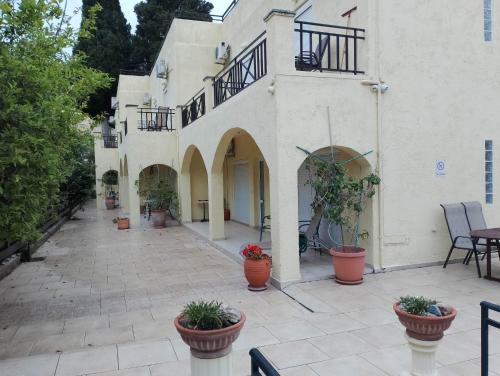
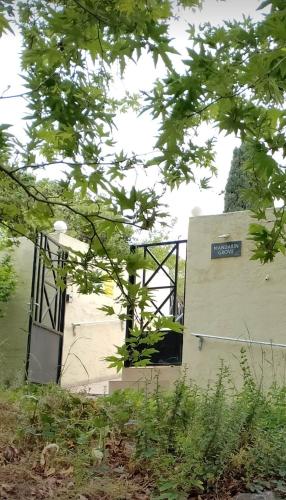
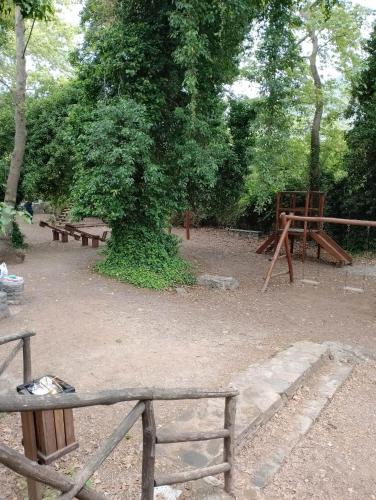
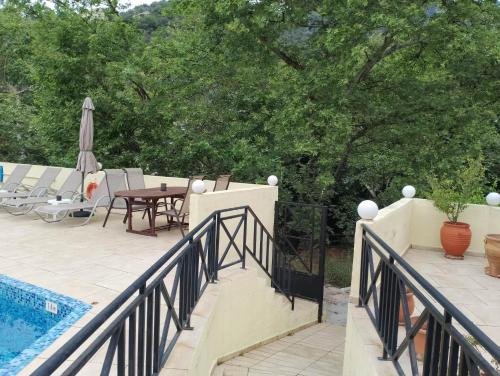
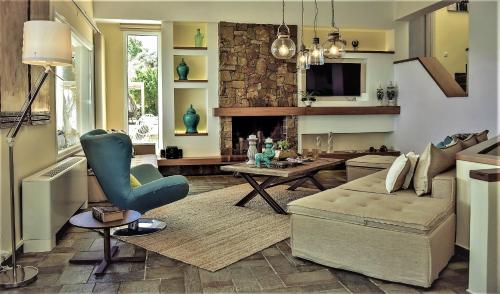
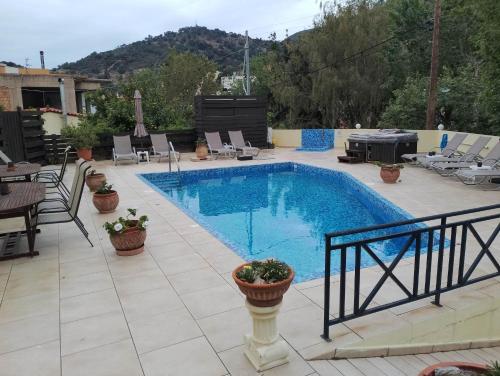
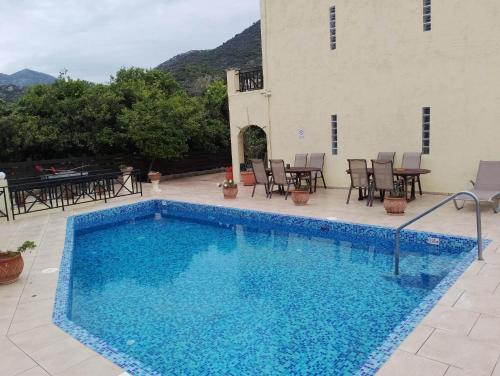
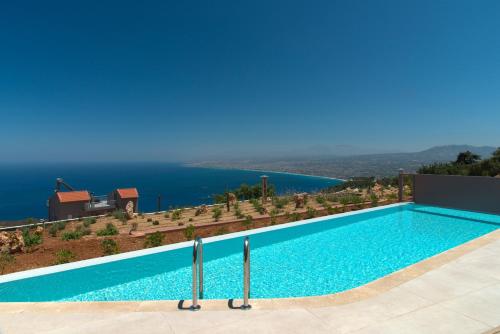
Offering mountain views, Villa Mandarin Grove Alyanoe in Fodele offers accommodation, an outdoor swimming pool and a garden.
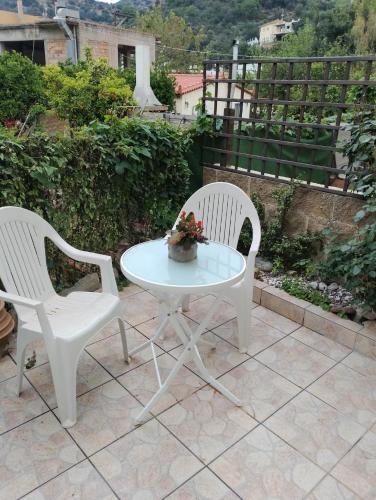
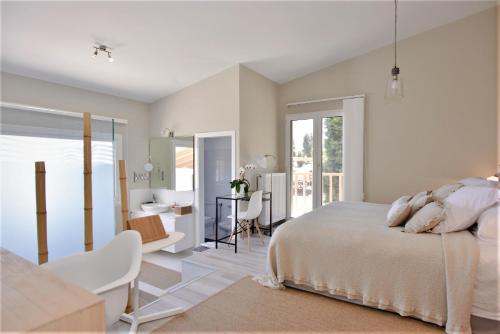
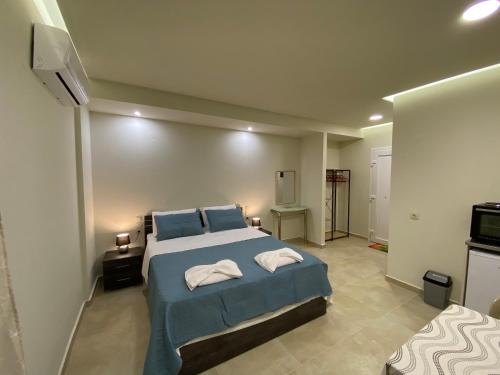
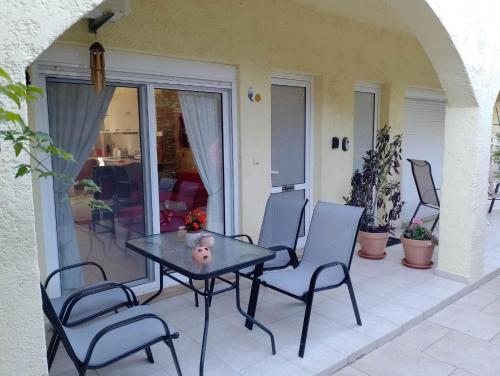
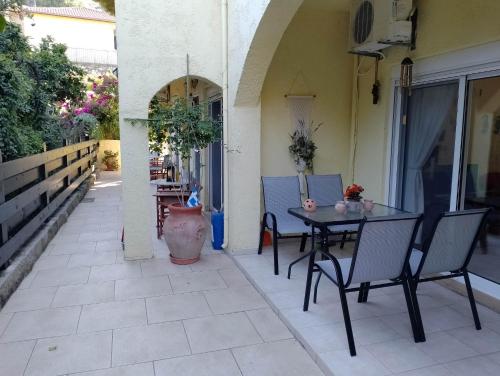
Fitted with a terrace, the units offer air conditioning and feature a flat-screen TV and a private bathroom with bath and a hair dryer. There is a seating and a dining area in all units.
Venetian Walls is 28 km from the holiday park, while Heraklion Archaeological Museum is 29 km away. The nearest airport is Heraklion International Airport, 32 km from Villa Mandarin Grove Alyanoe.
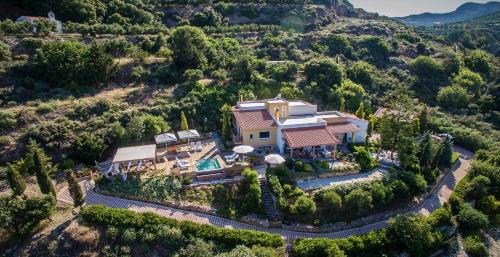
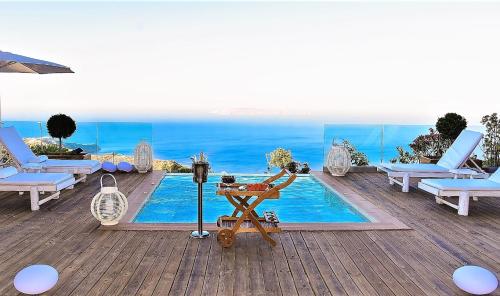
Situated in Rodia and only 19 km from Venetian Walls, Villa Rodea features accommodation with mountain views, free WiFi and free private parking. The property was built in 1985 and features air-conditioned accommodation with a balcony.
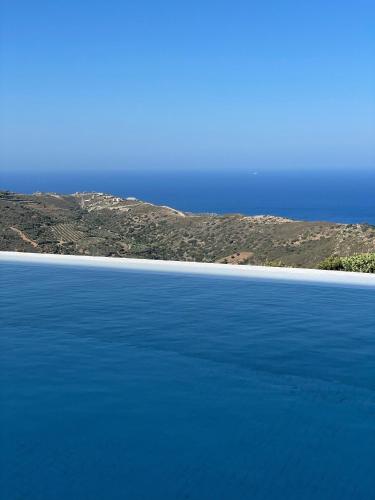
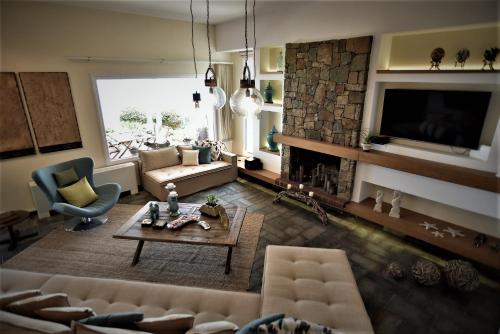
The villa with a terrace and sea views has 4 bedrooms, a living room, a flat-screen TV, an equipped kitchen with a dishwasher and an oven, and 1 bathroom with a hot tub.
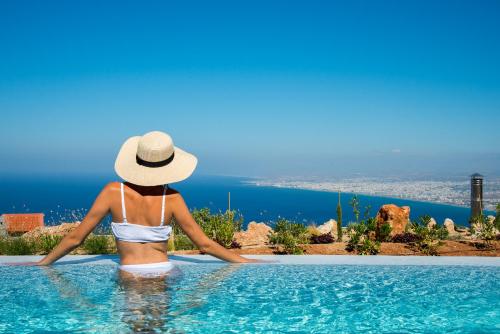
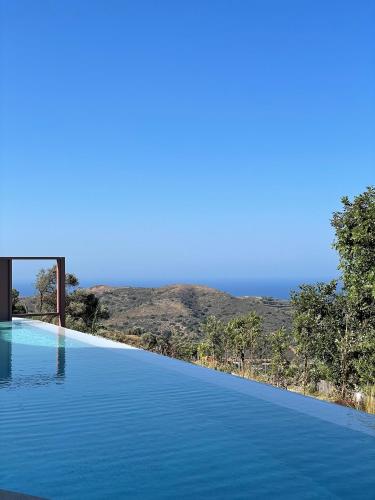
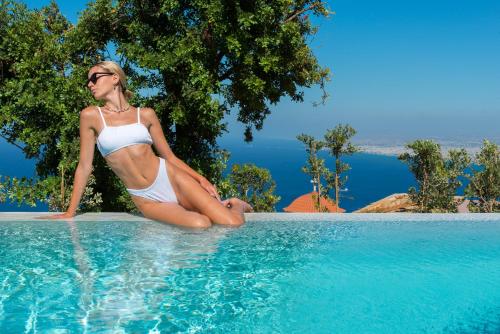
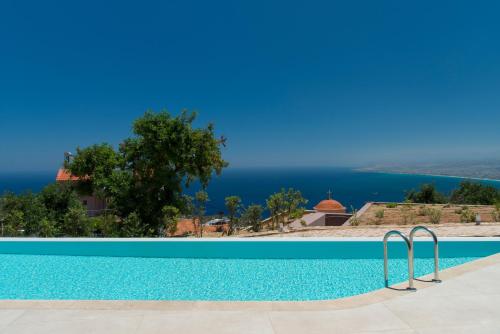
Guests can enjoy the infinity pool and garden at the villa.
Heraklion Archaeological Museum is 20 km from Villa Rodea, while The Palace of Knossos is 22 km from the property. The nearest airport is Heraklion International Airport, 22 km from the accommodation.
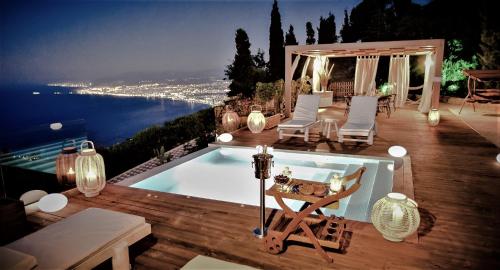
Plethora Luxury Suites offers wellness packages and free private parking, and is within 17 km of Venetian Walls and 18 km of Heraklion Archaeological Museum.
Featuring free WiFi, the units have a safety deposit box, a washing machine and a flat-screen TV with streaming services. A dishwasher, an oven and microwave are also featured, as well as a coffee machine and a kettle.
A continental, vegetarian or vegan breakfast can be enjoyed at the property.
At the apartment guests are welcome to take advantage of beauty services, a fitness room and a steam room.
Both a bicycle rental service and a car rental service are available at Plethora Luxury Suites.
The Palace of Knossos is 21 km from the accommodation, while Cretaquarium Thalassocosmos is 33 km away. The nearest airport is Heraklion International, 21 km from Plethora Luxury Suites, and the property offers a paid airport shuttle service.
from
€345
/night
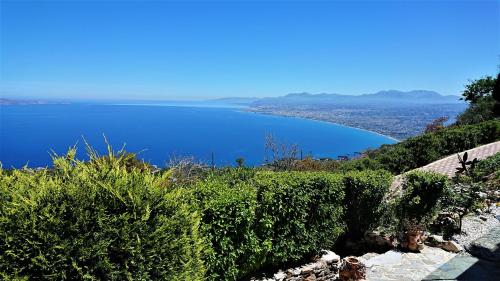
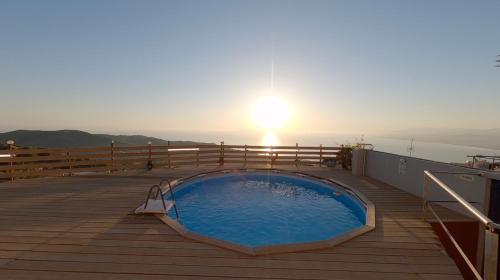
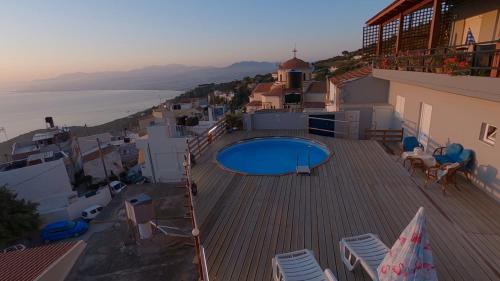
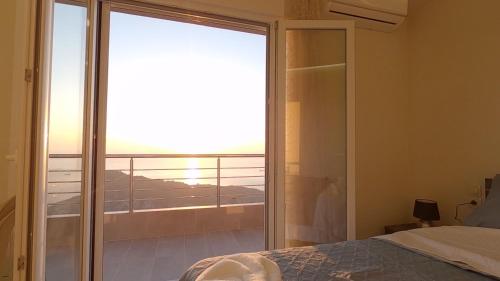
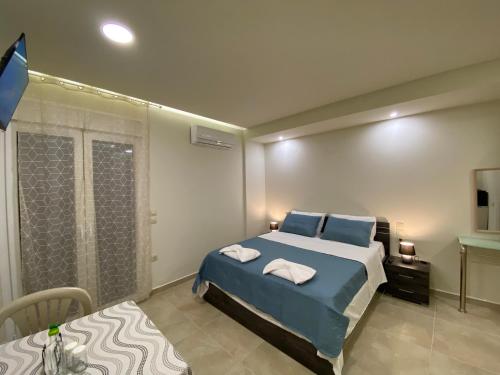
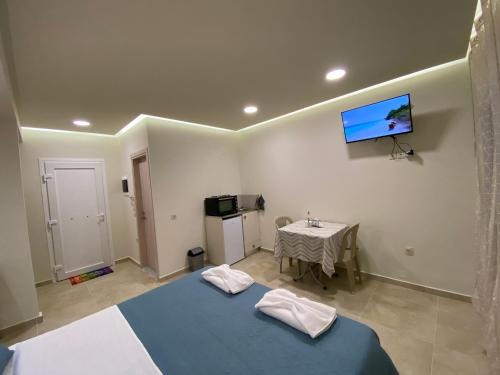
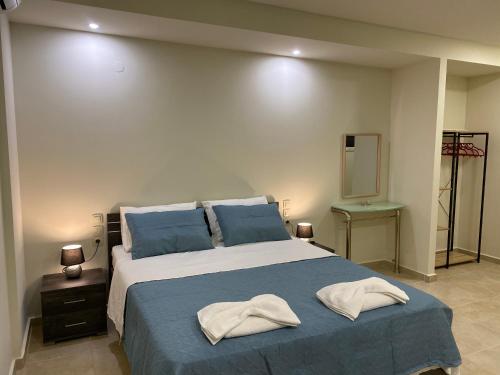
Boasting air-conditioned accommodation with a private pool, sea view and a terrace, Cozy apartment in Rodia village is set in Rodia. This property offers access to a balcony and free private parking.
With free WiFi, this 1-bedroom apartment offers a satellite flat-screen TV and a kitchen with a fridge and stovetop. Towels and bed linen are offered in the apartment.
Guests can relax in the garden at the property.
Venetian Walls is 17 km from the apartment, while Heraklion Archaeological Museum is 18 km from the property. The nearest airport is Heraklion International, 21 km from Cozy apartment in Rodia village, and the property offers a paid airport shuttle service.
No results available
Connect with thousands of Crete visitors and boost your bookings.
No results available
© All rights reserved. Crete Locals