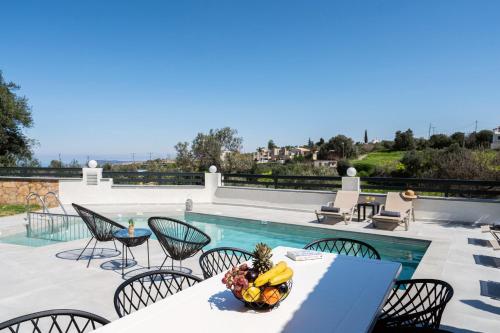
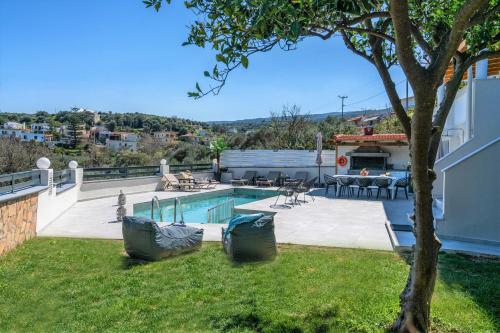
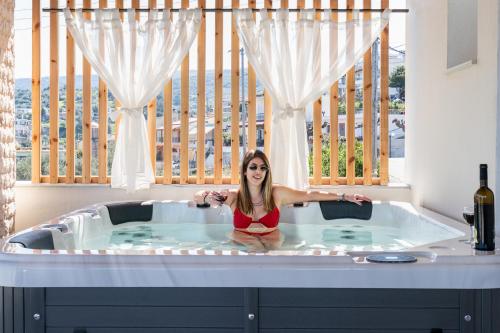
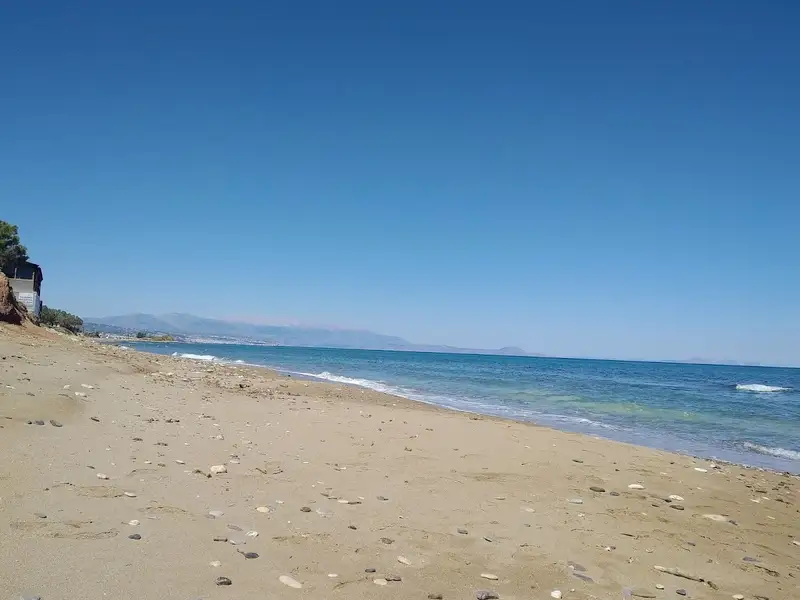
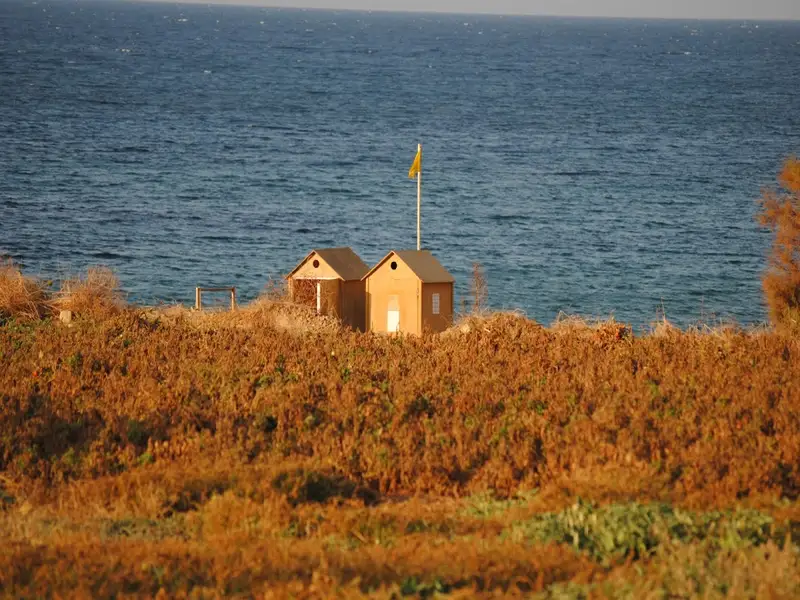
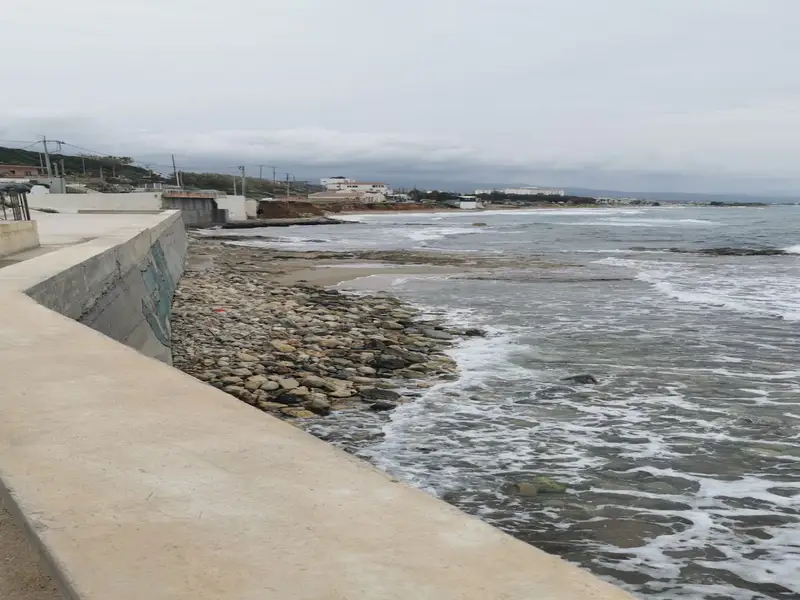
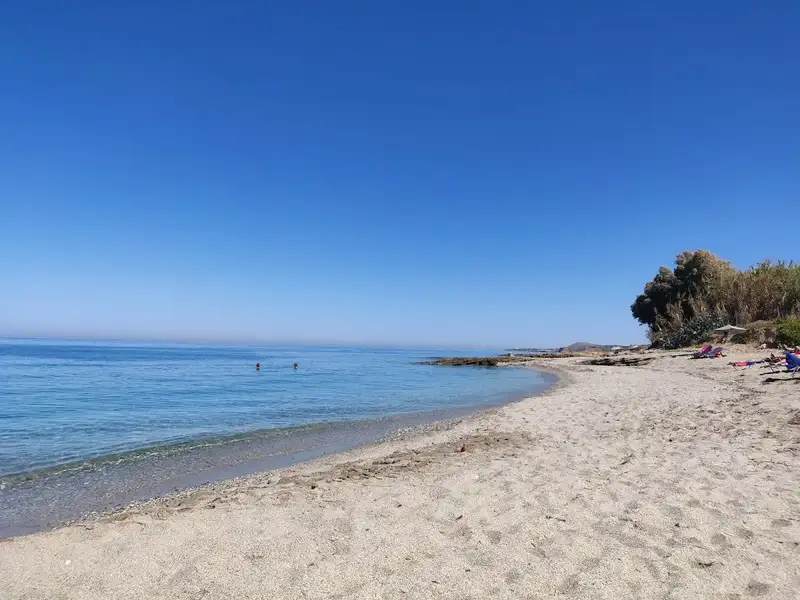
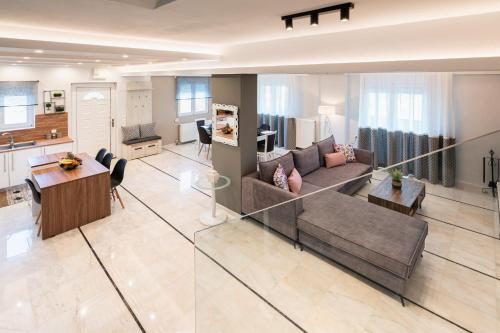
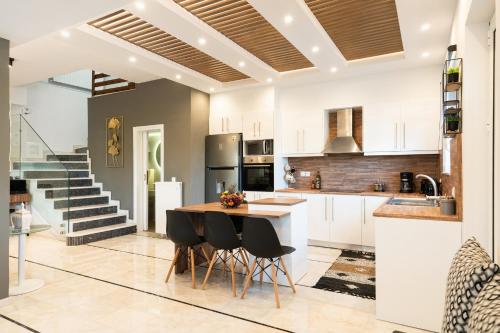
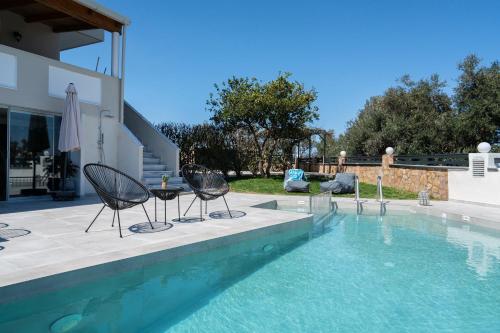
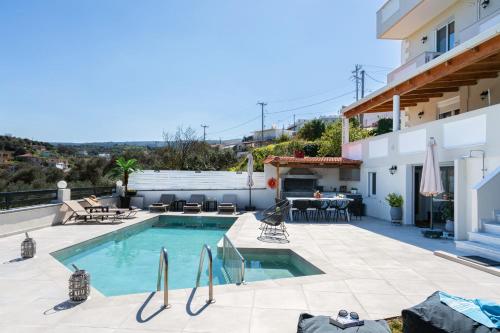
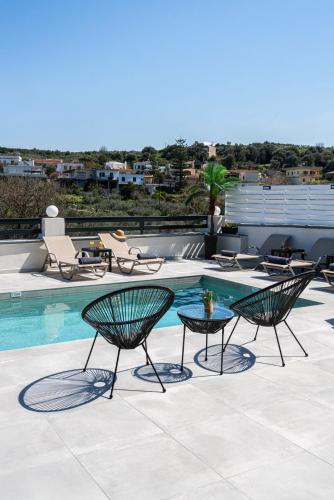
Situated in Kiriánna, Fully rennovated 4bedr villa, a luxury retreat with superior facilities! offers a balcony with sea and mountain views, as well as a seasonal outdoor pool, sauna and hot tub. This property offers access to a terrace, ping-pong, free private parking and free WiFi.
This villa features 4 bedrooms, a kitchen with a dishwasher and an oven, a flat-screen TV, a seating area and 4 bathrooms fitted with a hot tub. Towels and bed linen are available in the villa.
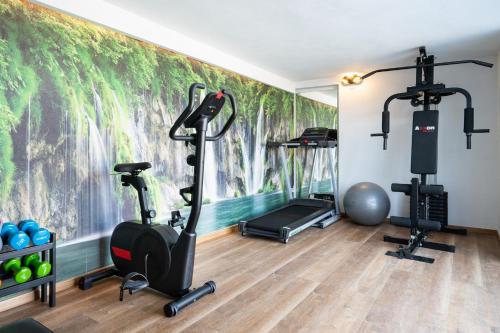
The wellness area at the villa is comprised of a wellness packages and a fitness room. A kids pool is also available at Fully rennovated 4bedr villa, a luxury retreat with superior facilities!, while guests can also relax in the garden.
Archaeological Museum of Rethymno is 14 km from the accommodation, while Museum of Ancient Eleftherna is 15 km from the property. The nearest airport is Heraklion International, 77 km from Fully rennovated 4bedr villa, a luxury retreat with superior facilities!, and the property offers a paid airport shuttle service.
Kirianna
No results available
Find below list of things to do near Fully rennovated 4bedr villa,a luxury retreat with superior facilities!:
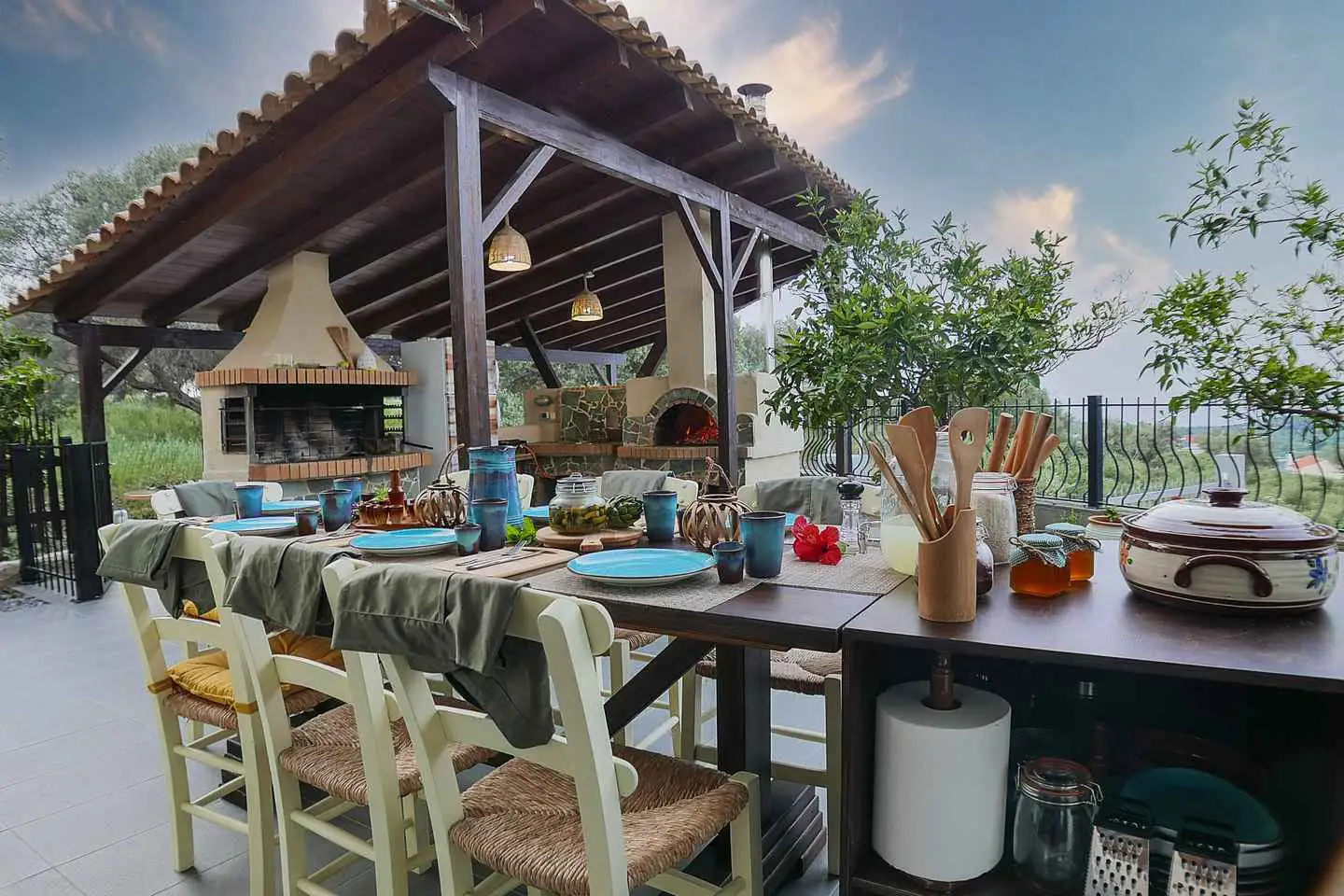
The wood oven is hot and waiting!
We will meet at the village of Pigi. A beautiful spacious garden will be the scenery for our cooking class. As we get to know each other you will have the chance to visit our vegetable and herbs garden or enjoy the swimming pool (bring your swimming suit!).
Now it’s time for you to cook!
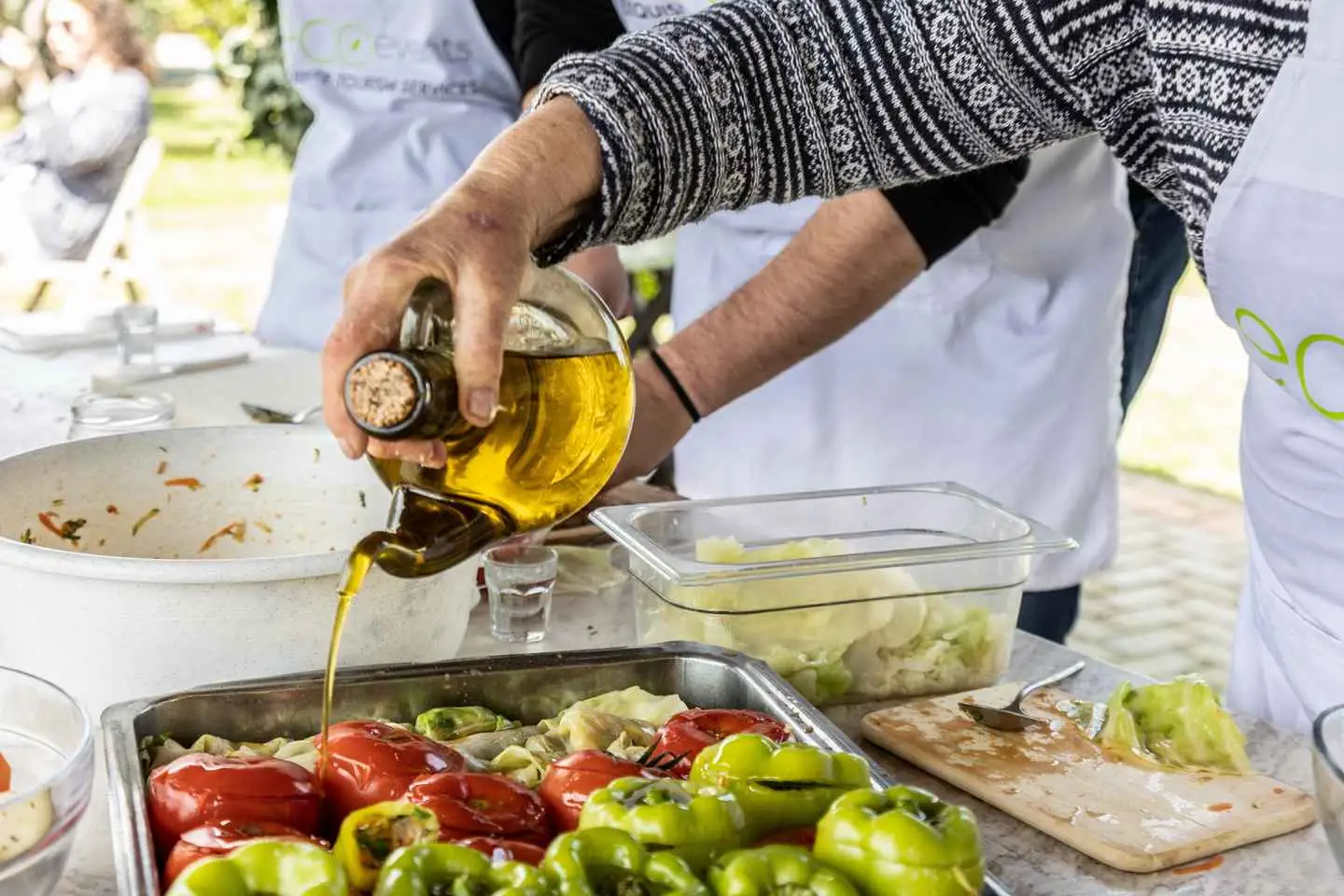
As soon as you feel ready for work our host will dress you with your apron and will guide you through each of the recipes that you are going to learn. Home-made cheese, ntakos, tzatziki, staffed vegetables, greek salad and much more all cooked to local level perfection by you.
Enjoy your creations
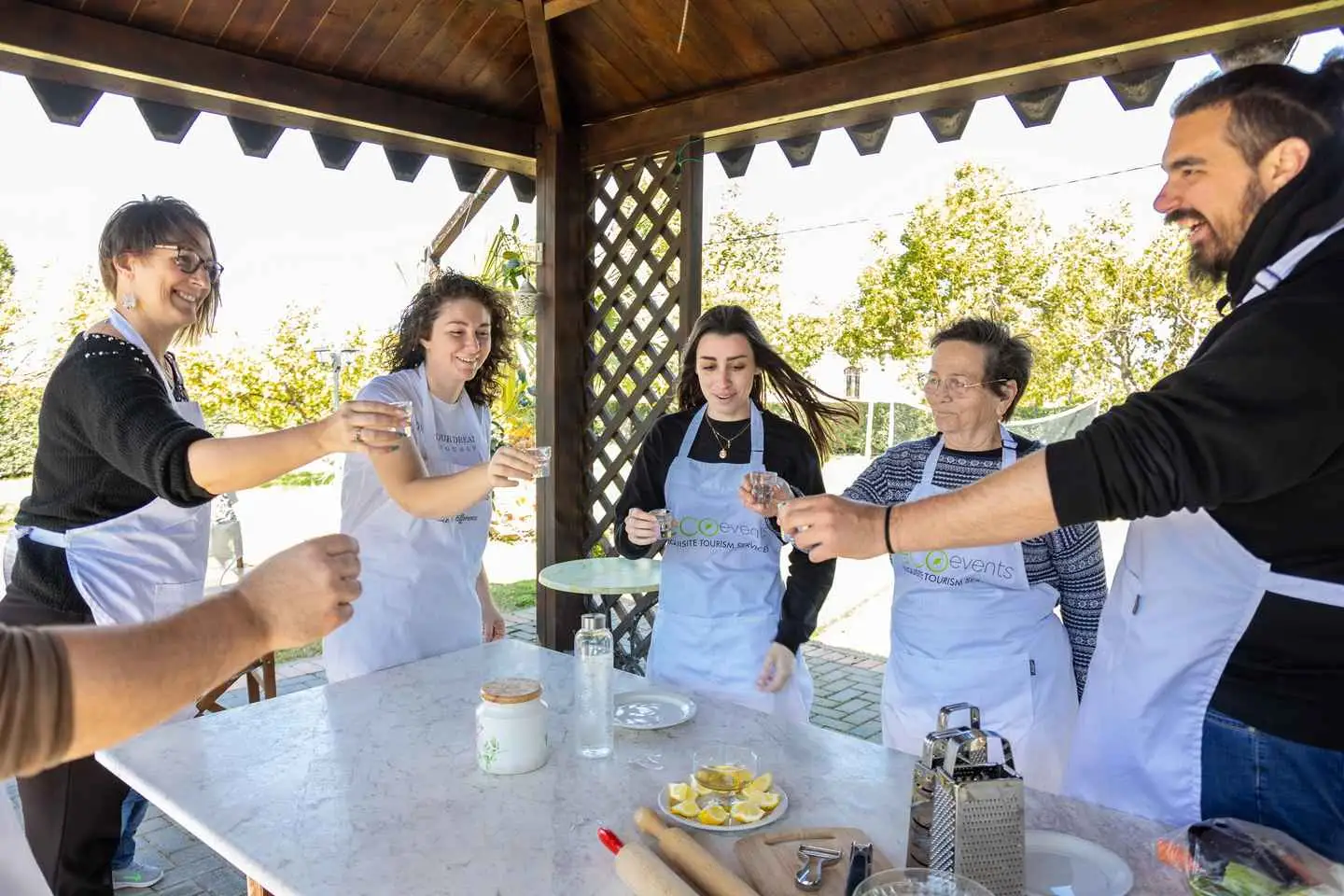
After preparing all the dishes, lunch follows; we will use a traditional wood-fired oven for cooking our dishes and we will taste everything we have prepared outdoors, in an idyllic setting with a glass of raki and local wine. Let’s savor the wonderful Cretan flavors of traditional cuisine!
Immerse yourself in the rich culinary heritage of Crete as you embark on a gastronomic journey like no other. Learn from a passionate cook and proud native of a charming Cretan village.
Enter the cook’s home and discover the secrets of traditional Cretan cuisine using fresh products sourced from her family’s farm or local farmers. Learn in a charming atmosphere and cook in a traditional wood oven.
Enjoy a menu that can be adapted for our vegetarian friends or those with allergies. Experience the hospitality of a local home with a warm welcome with Greek coffee or herbal tea, homemade lemonade, ladokouloura, rolls made with olive oil, and loukoumakia.
Chat with the hose to get to know each other and learn the recipes with old traditional practices and cooked in a wood oven.
Try making starters like dakos (Cretan salad with tomato, cheese, olive oil, herbs), tzatziki (the famous Greek dip), and Greek salad. Learn to cook main dishes like gemista (stuffed vine leaves, zucchini flowers, tomatoes, zucchini, and pepper), and mousaka.
Indulge in a traditional dessert like Tyropitakia, traditional pies with homemade cheese, local honey, and cinnamon sprinkled, homemade ice cream, and seasonal fruit. Enjoy local wine and raki alongside your meal.
Experience genuine connections forged during the class and feel like part of the extended Cretan family, creating lasting memories and forging a deep appreciation for the traditions and flavors of this remarkable island.
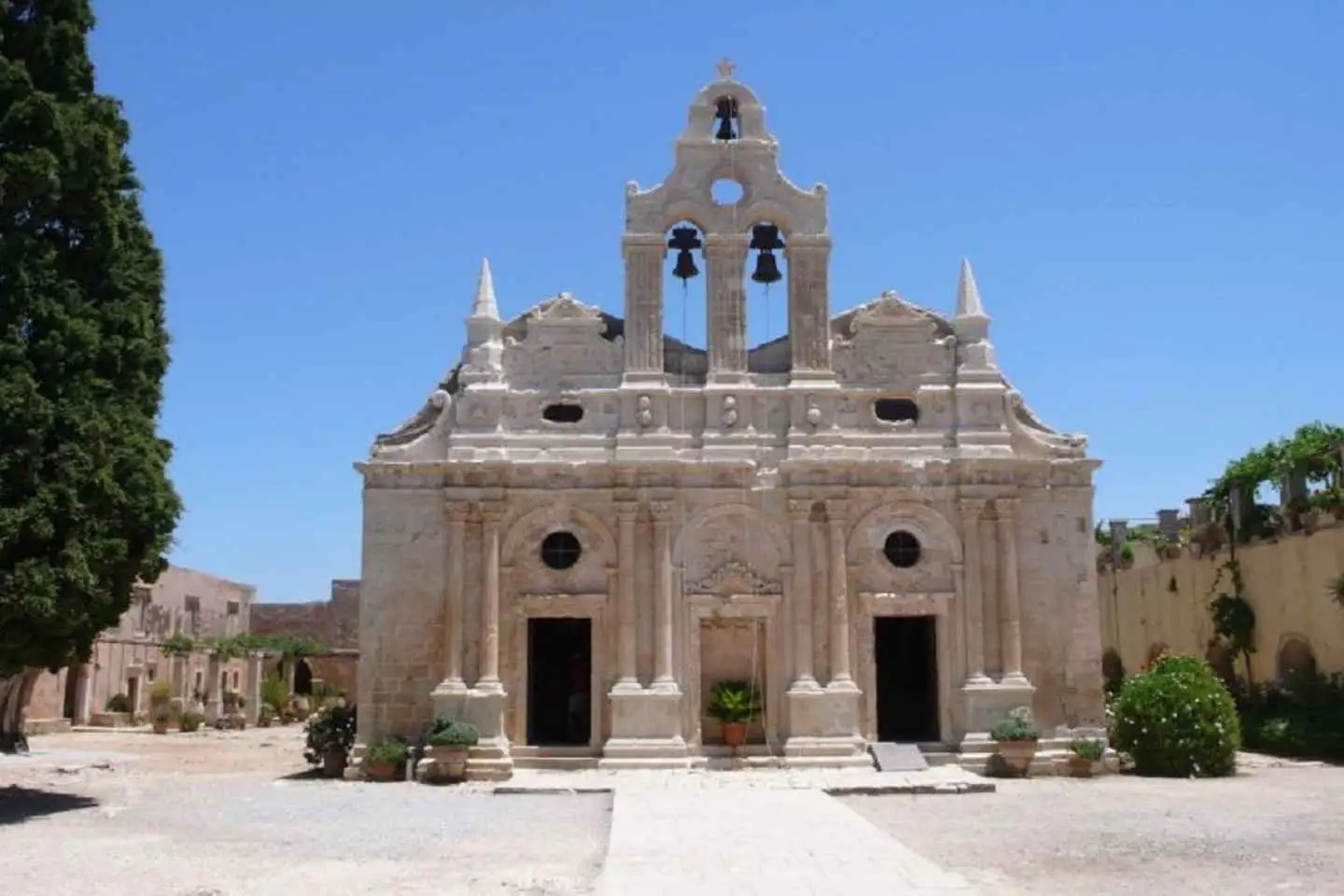
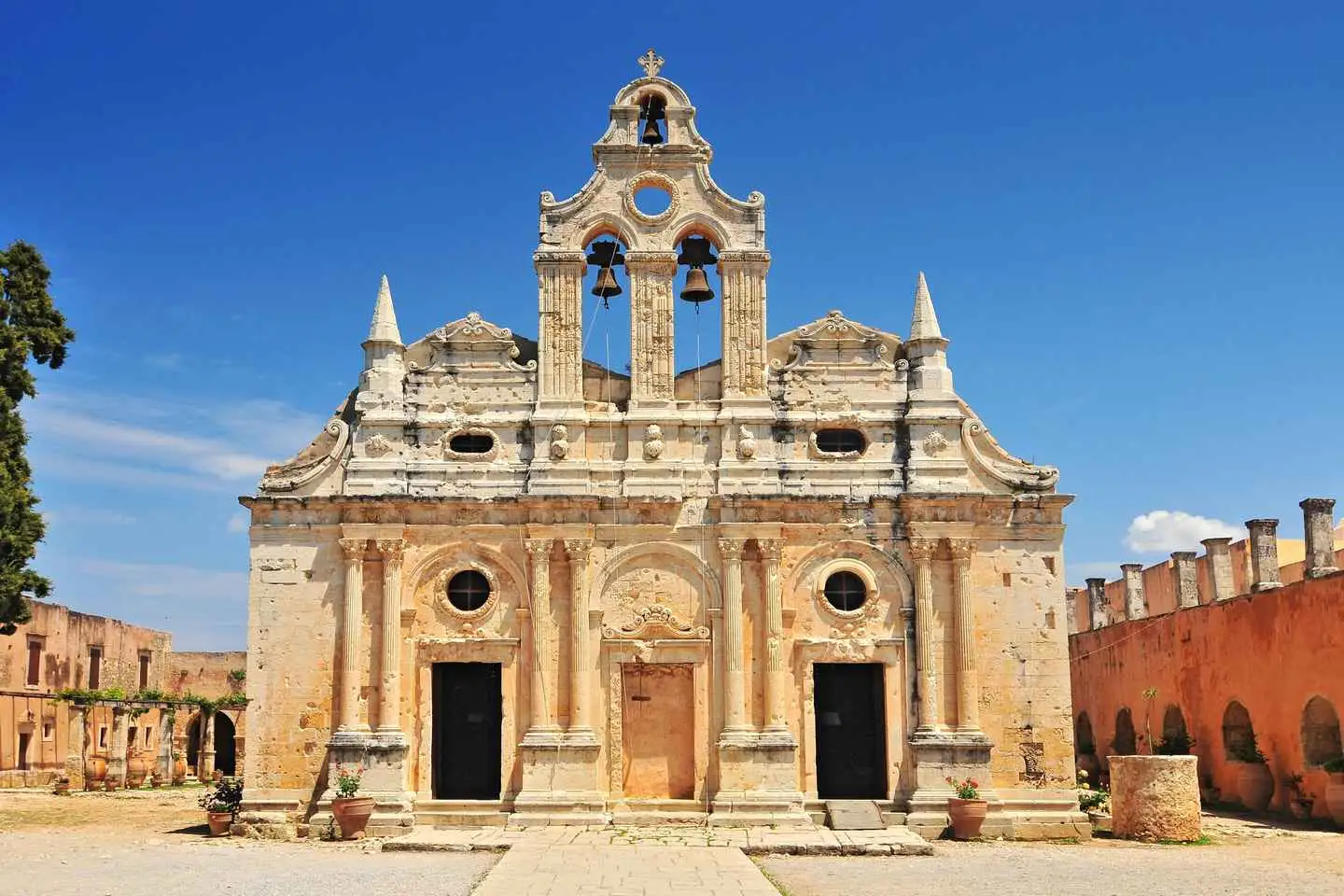
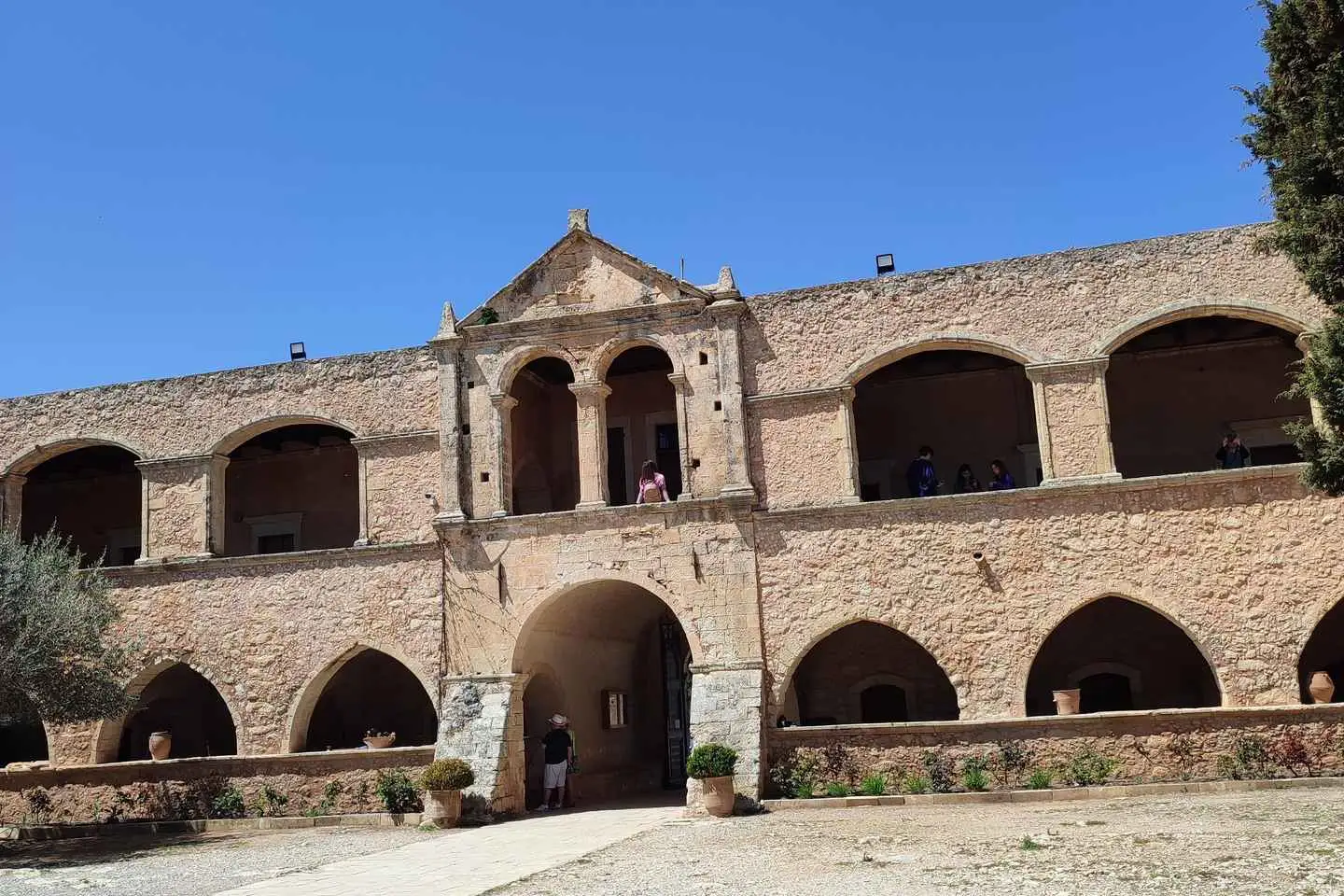
After you will be picked off in the morning from your hotel in Rethymnon, this unique village tour begins from Arkadi. There you will visit the historic Arkadi Monastery, renowned for its pivotal role in the resistance against the Turks. You will learn a lot about local history from the icons and the weapons there.
After this enriching visit, you will enjoy a majestic route towards Eleutherna where you will stop to glaze the landscape and enjoy the view.
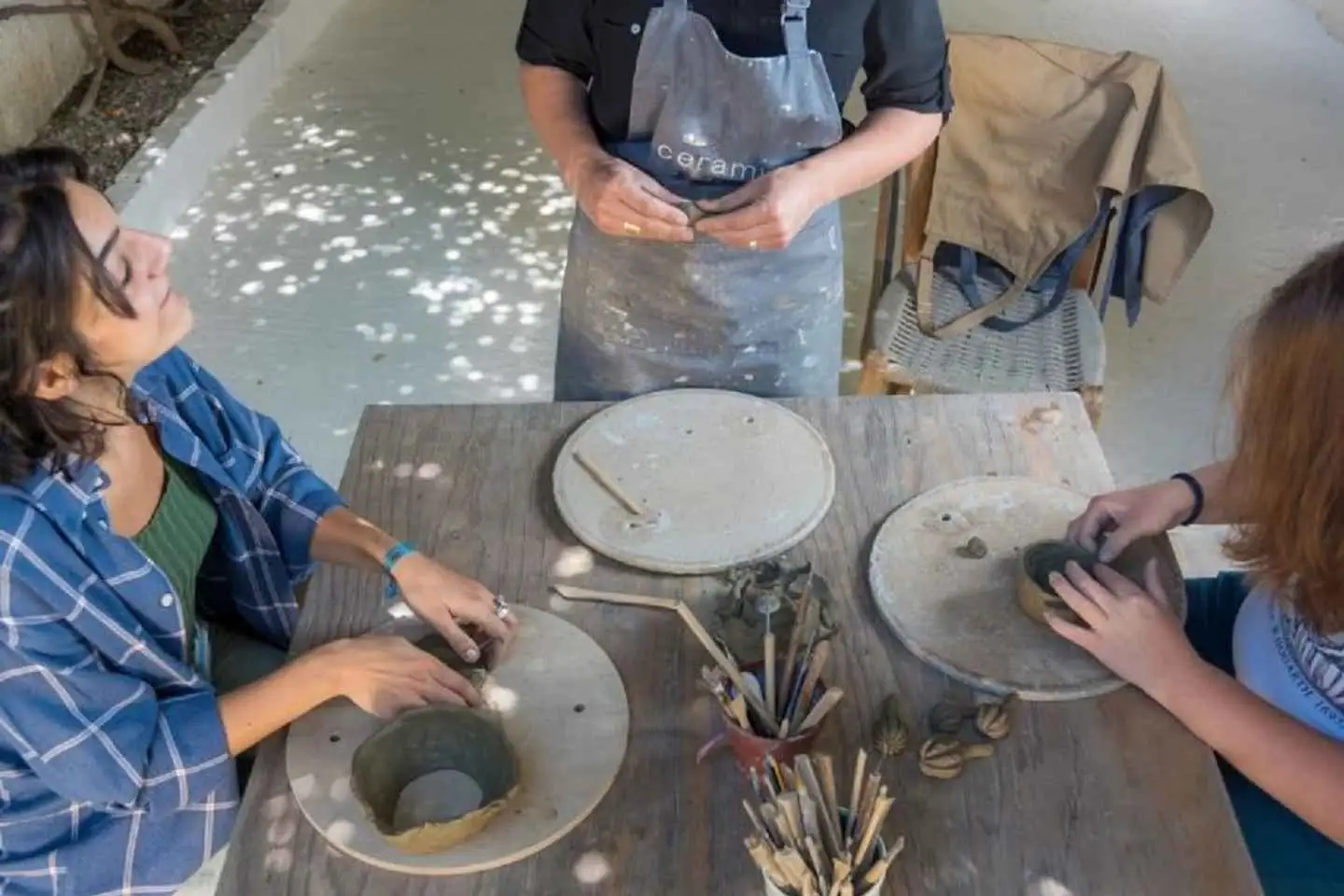
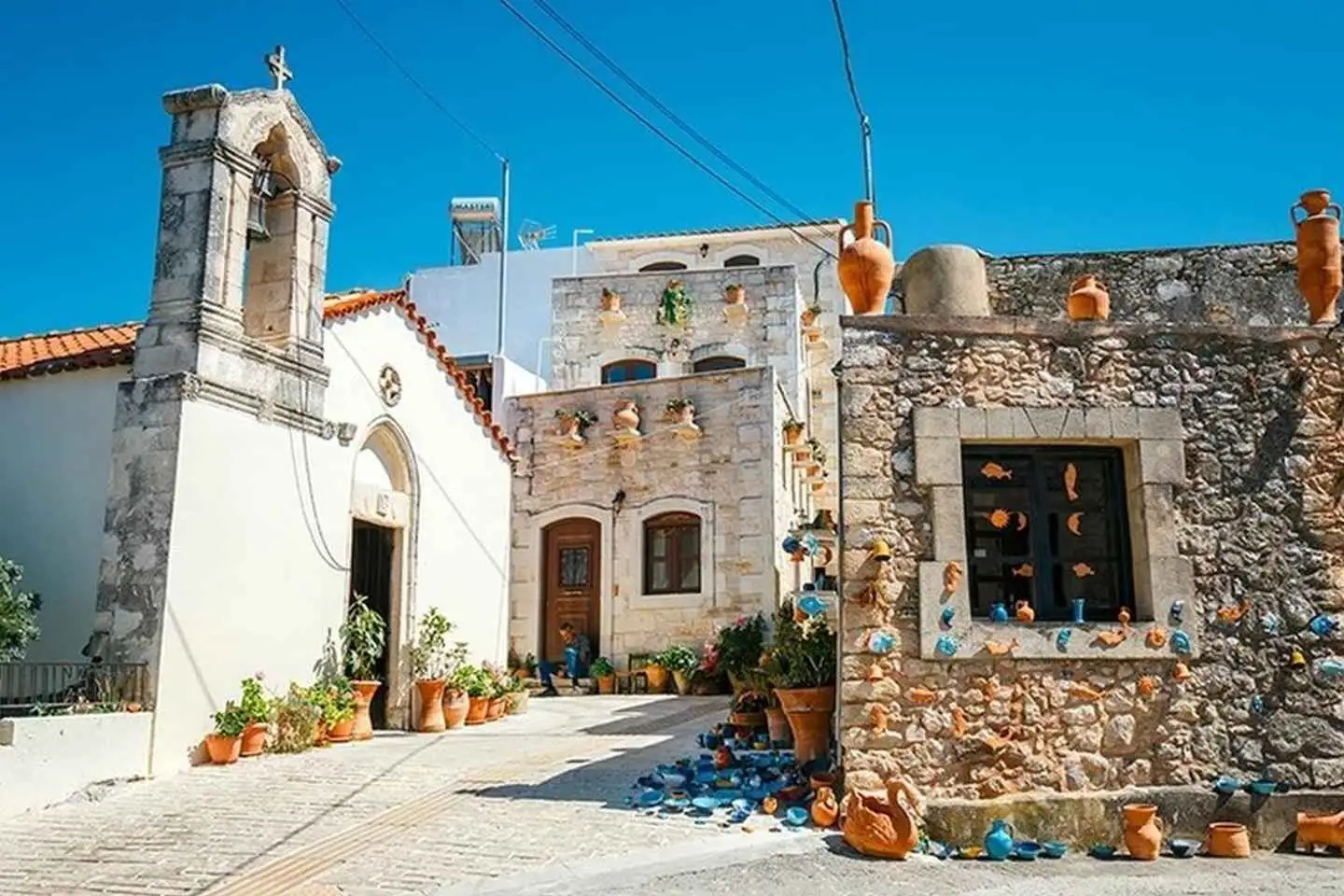
The next station will be the village of Margarites, in which you can learn about the art of pottery and create your own ceramic in their local pottery workshop. The tradition of pottery goes back many generations in this village and the ladies there will be more than happy to initiate you to the Cretan pottery art.
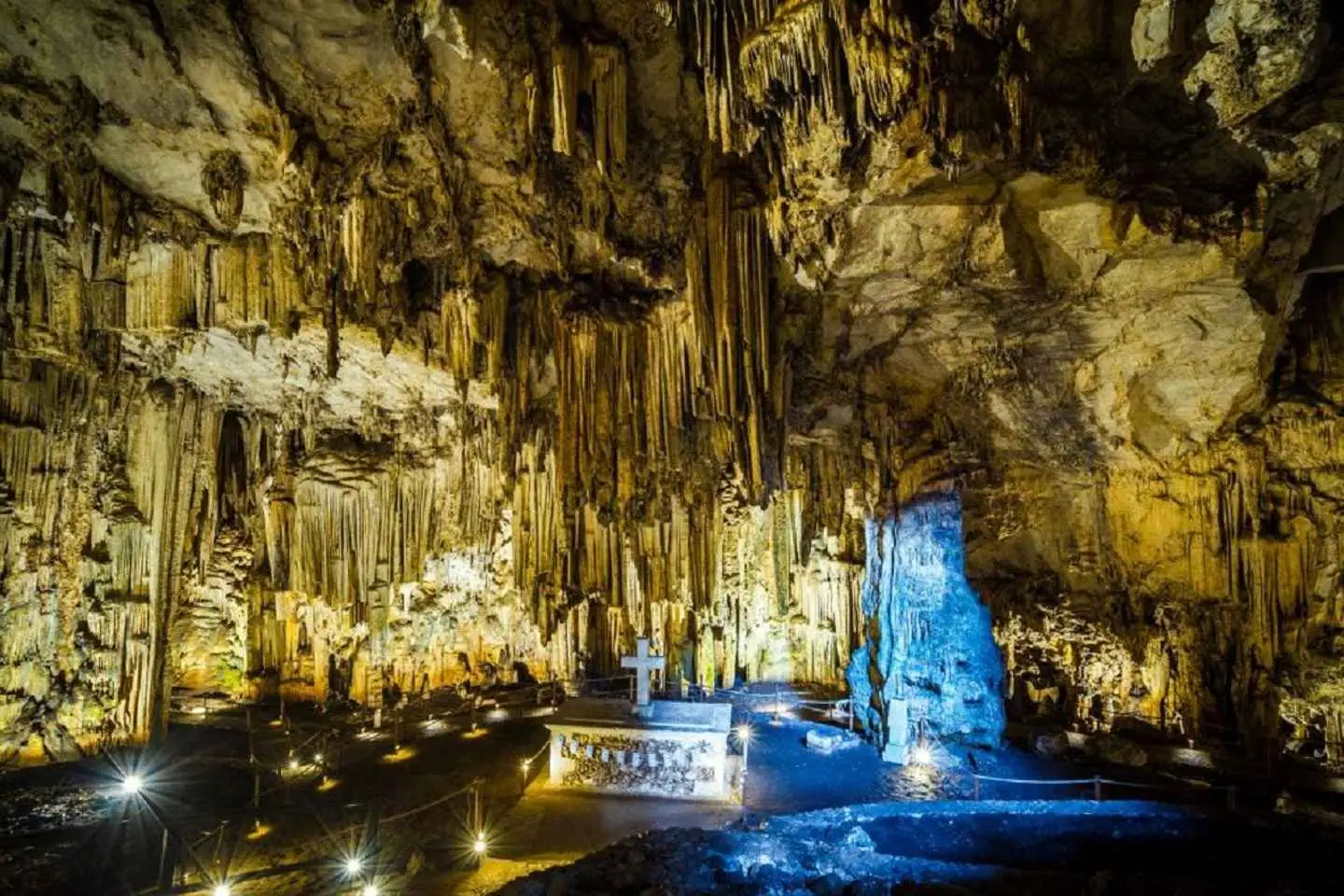
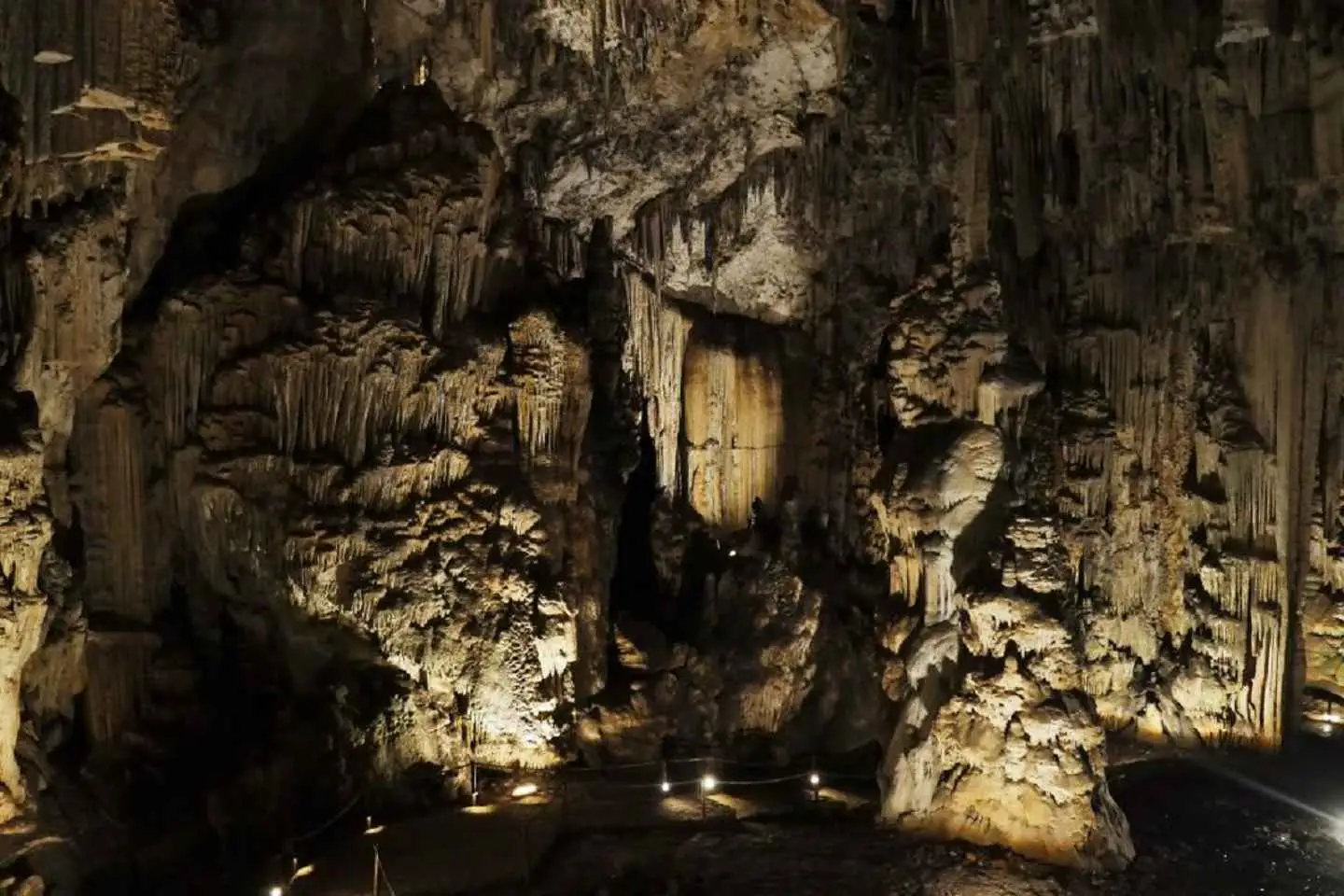
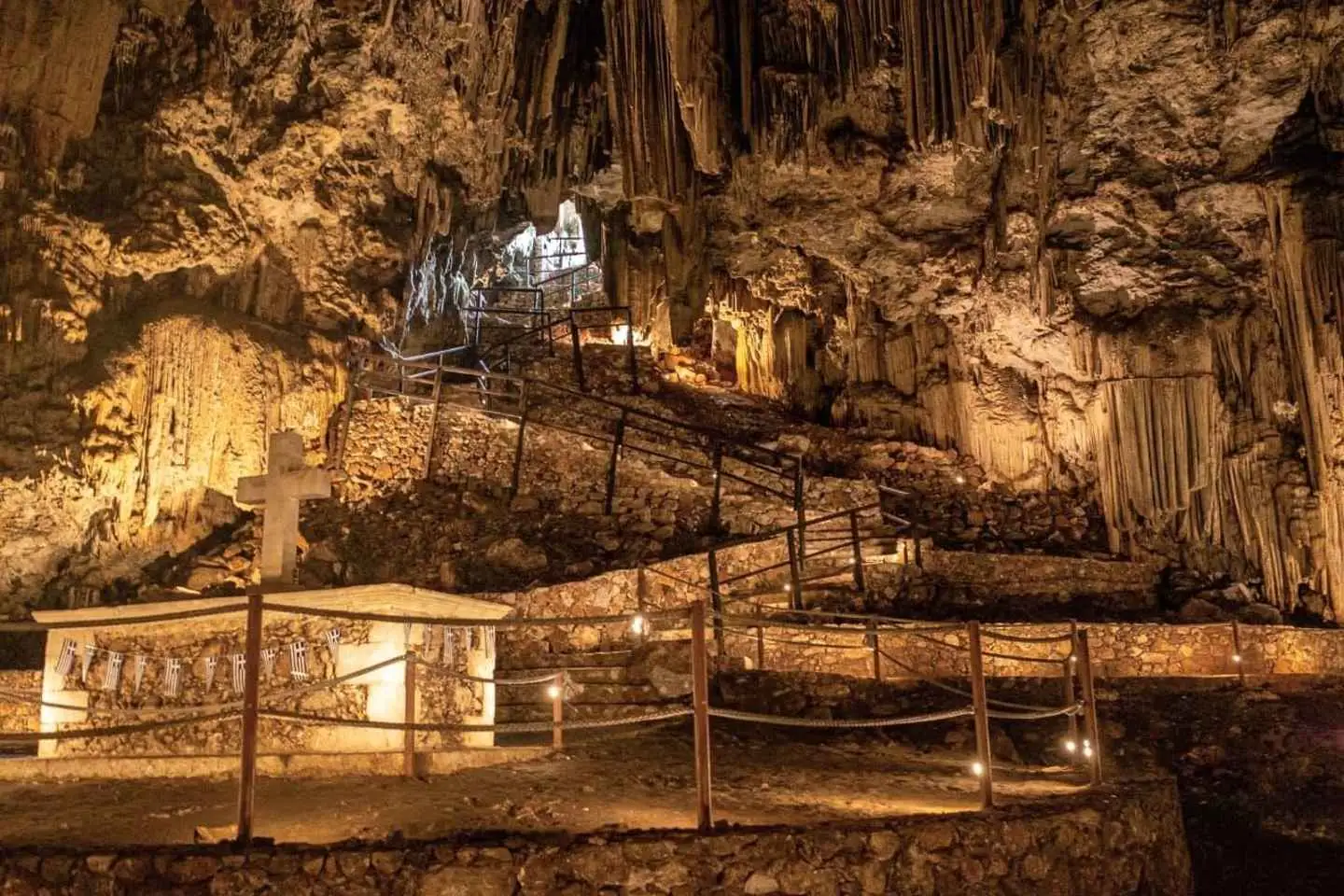
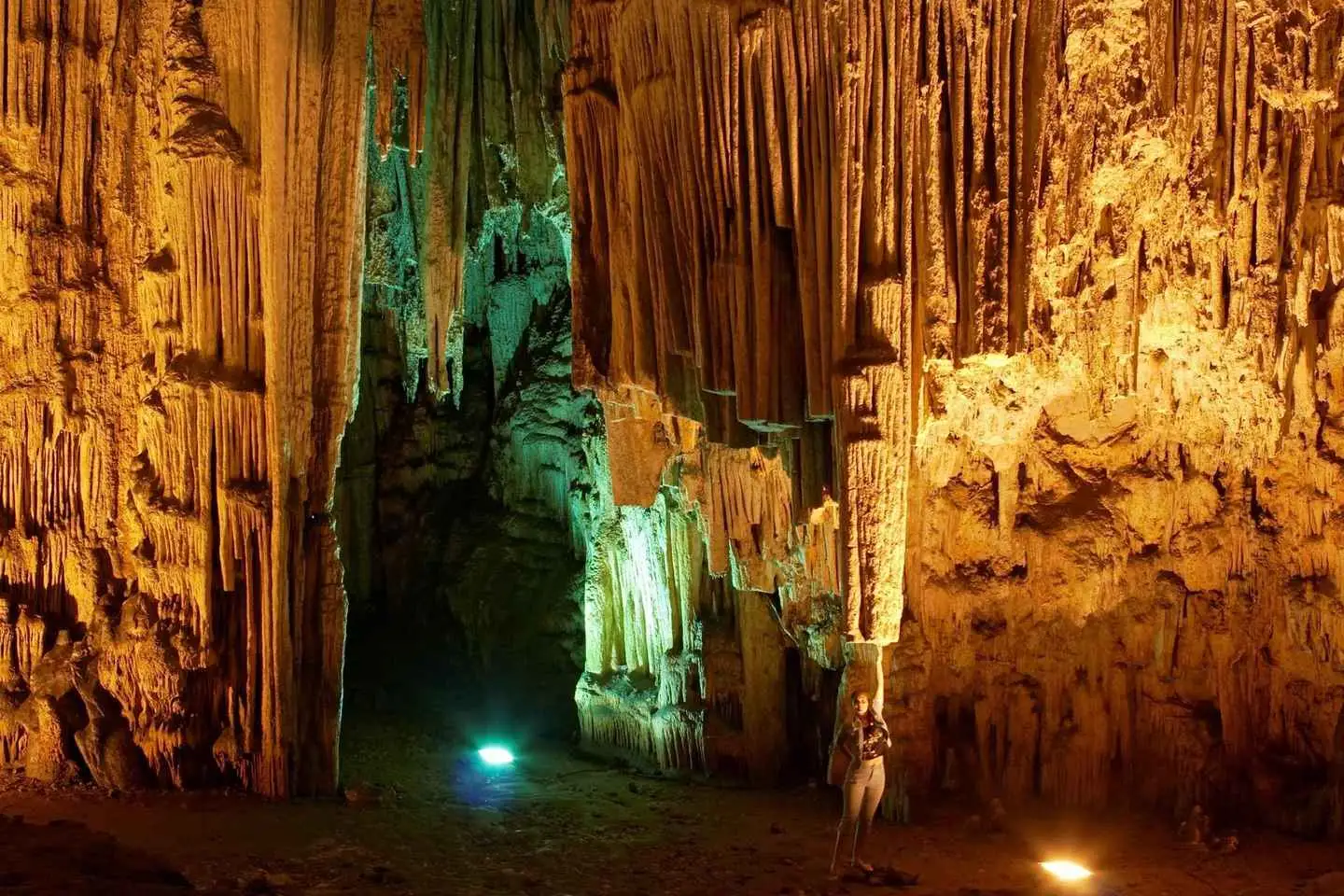
Afterwards, you will be heading to Melidoni cave, also called “Gerodospilios,” which is a historic cave filled with stalactites and stalagmites. This 220-meter altitude cave was a place of worship for Talos the bronze giant guardian of Crete who protected the island of Crete from enemies. You will have an hour to explore the cave.
Before heading back to Rethymnon, you will stop at Axos Village, where you will have the chance to experience firsthand the production process of fresh cheese. Along with the local people you can take part in the milking process, witness the production of local cheese pies and cheese and of course taste the fresh traditional handmade snacks.
After the relaxed time for snacks and resting you are ready to depart and get dropped off at your hotel in Rethymnon, with a full experience of Crete’s history, art and flavors.
Explore the northeastern part of Crete on a guided half-day trip from Rethymno. Encounter sights like the Fragma Potamon Dam as you soak up the local atmosphere.
Climb onboard the bus and start your trip by heading east to your first stop at iconic Melidoni Cave. Visit the fascinating site and perhaps enjoy a coffee (own expense) while admiring a magnificent view of the valley of Melidoni village.
Then, move south to Margarites village and make a stop at a pottery workshop. Have the opportunity to observe how traditional handmade pottery is made.
Next, move on to the famous Arkadi Monastery, where you have time for coffee or lunch (own expense). Finally, pause at a vantage point with a magnificent view at the well-known Fragma Potamon Dam for a photo stop. Return to your hotel in the early afternoon.
Welcome to our Rethymno Sunset Tour, an opportunity for a magical and memorable trip! Discover the most beautiful panoramic views along paths running through hills and valleys. Cross picturesque villages and experience the natural wonders that Crete has to offer.
After we pick you up from your hotel, our first stop will be at the Venetian village of Pikris , where you will see the Cretan way of life and our hospitality.The village was built next to the river with its mythical nymphs. You will have the chance to see the amazing central gate of the villa Claudio. What makes it even more intriguing is the Latin inscription in letters: “Pateat bonis,” which translates to “the good man passes through.” This phrase hints at a place that values virtues and welcomes those of moral character.
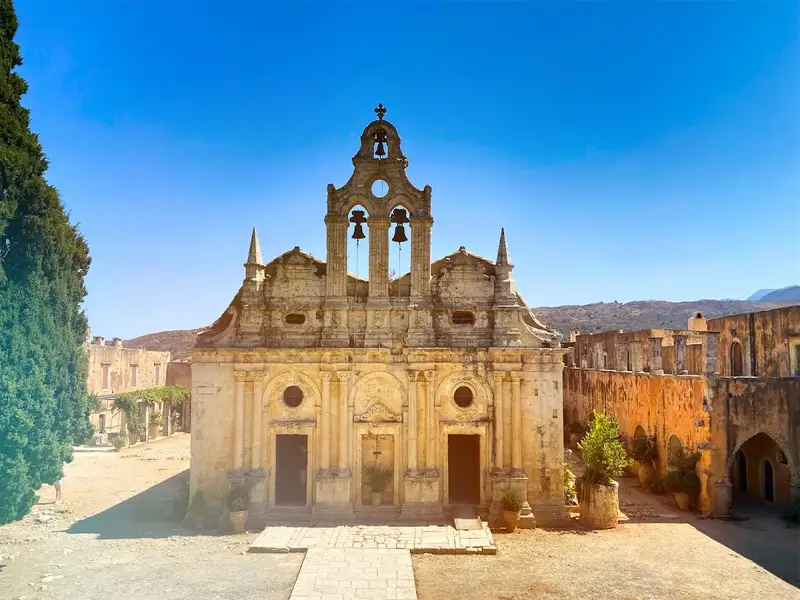
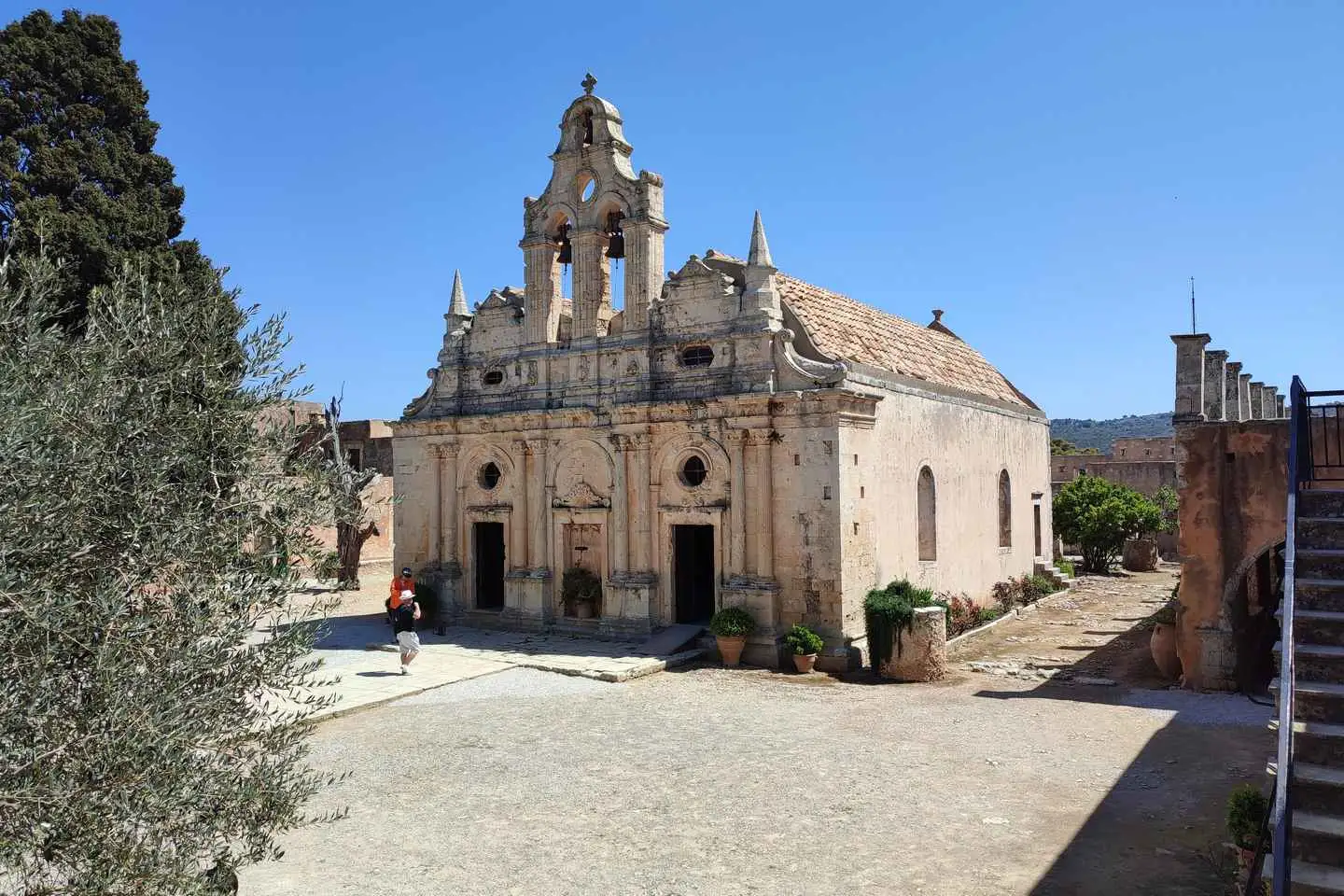
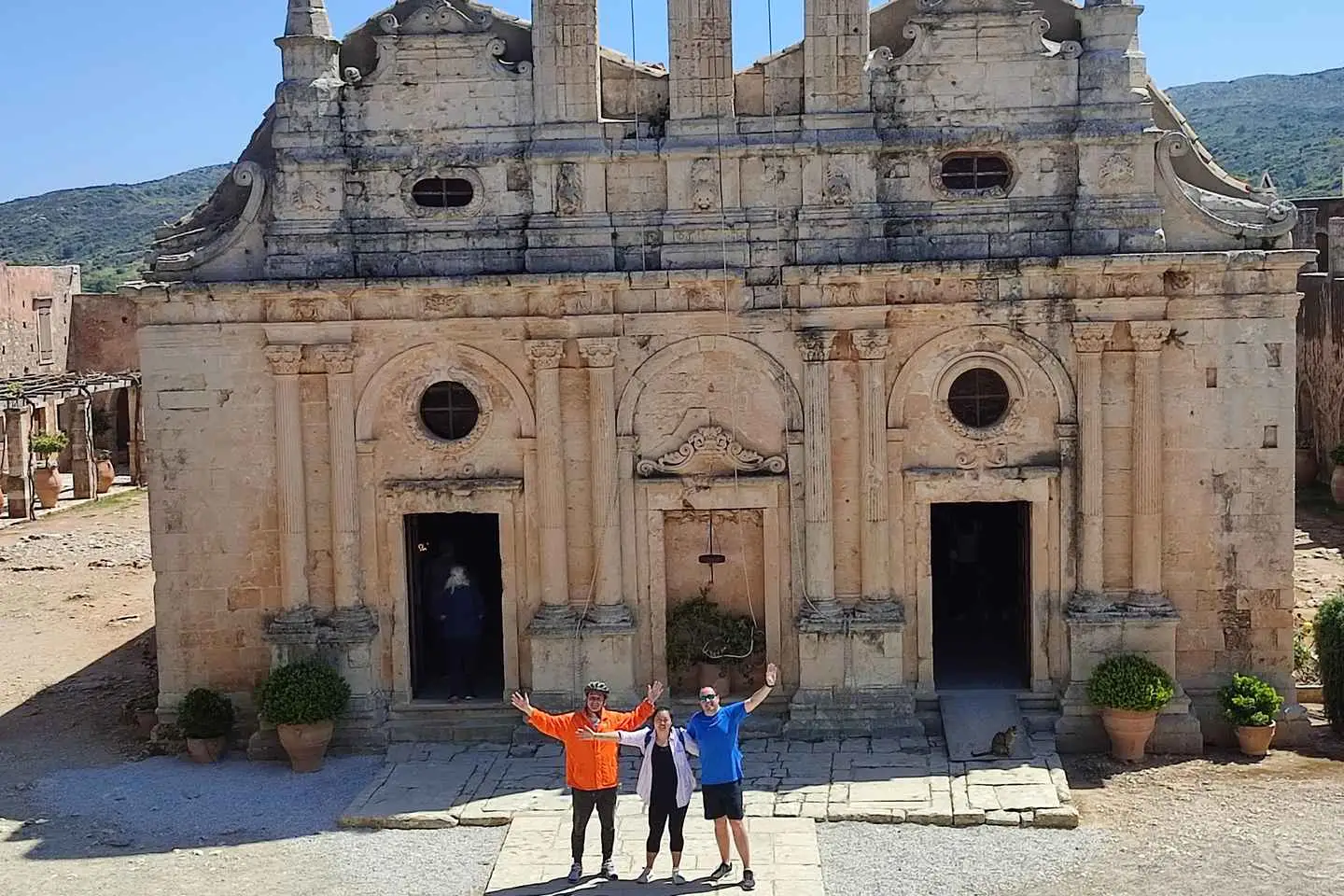
Our next stop will be the Arkadi Monastery wich is one of the most important monasteries in Crete and holds great cultural and historical value.It is renowned for its stunning architecture, with a mix of Venetian, Byzantine, and Ottoman influences, making it a unique and captivating structure.(to enter the Monastery is optional and the entrance fee is 4 euro)
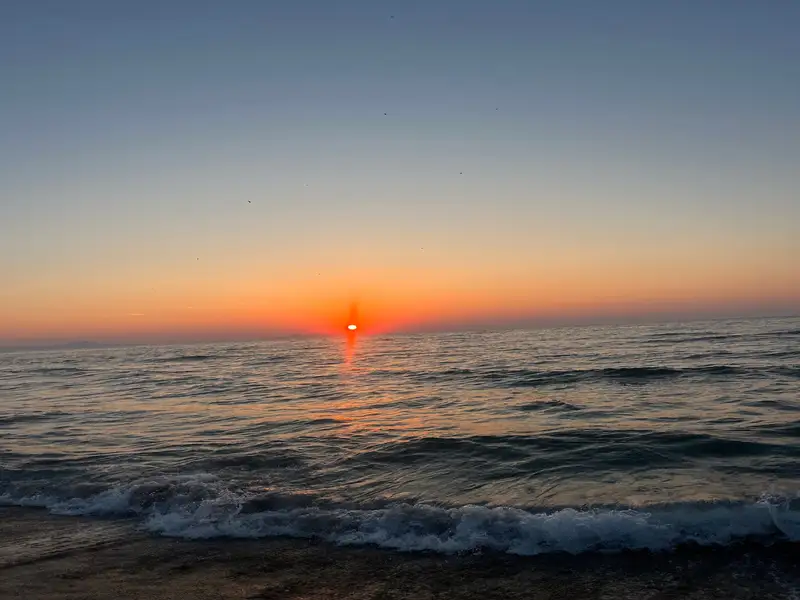
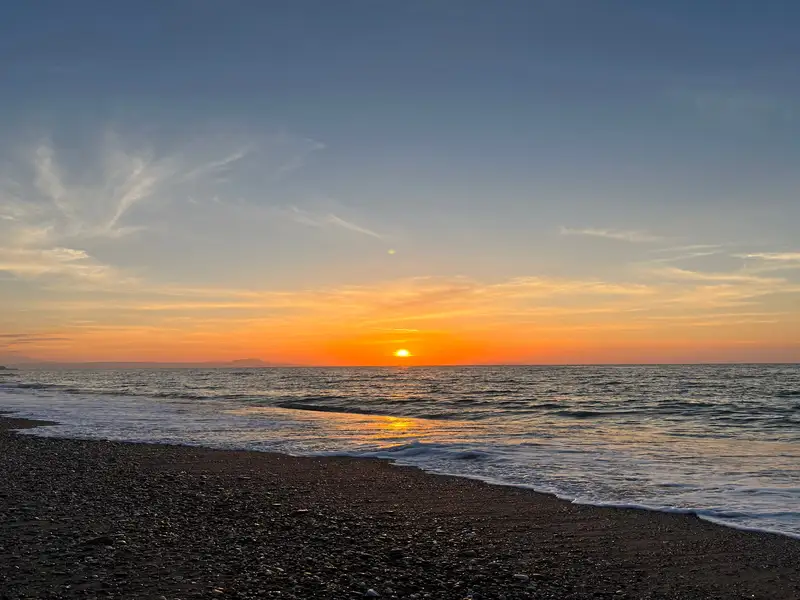
We continue through the changing scenery of wild flowers, herbs and local groves to reach the mountains at an altitude of around 1000m.Here you will have an amazing view point of the dam of Potamon. We stop to relax with a glass of wine whilst admiring the vivid colors of the sun sinking into the ocean!
Our last stop will be at Limnokastro where we will have a Cretan style evening meal at a local tavern by the river, where giant trees and a 1000 year old church will fascinate you! Here you will have the opportunity to try a selection of traditional local starters and main courses (vegetarian option available) and enjoy unlimited Cretan wine.
Don’t miss this unique experience and an unforgettable, epic Rethymno sunset tour!
Arkadi Monastery (in Greek Moní Arkadíou) is an Eastern Orthodox monastery, situated near Rethymno. It is one of the most historic monasteries on Crete.
What’s Included:
Experienced guide, use of bicycle, helmet, reflective orange vest, bottle of water, break for discussion and soft drink in a village during the tour.
Departure & Return:
Sofokli Venizelou 4, Rethymno 741 00, Greece
You will enjoy the beautiful view and you will be enchanted of the wonderful green landscape.
Additional Info:
Most travelers can participate
This is a private tour/activity. Only your group will participate
Check the prices and make your reservation from our booking system in our website.
All protection measures are taken by COVID 19. Helmets and reflective vests are sterilized by a special machine at 120o C.
No results available
Find below list of beaches near Fully rennovated 4bedr villa,a luxury retreat with superior facilities!:
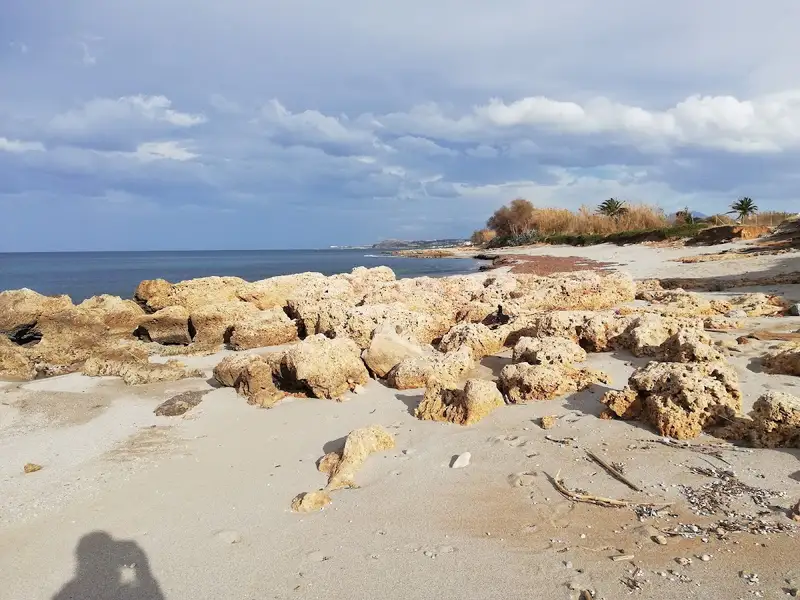
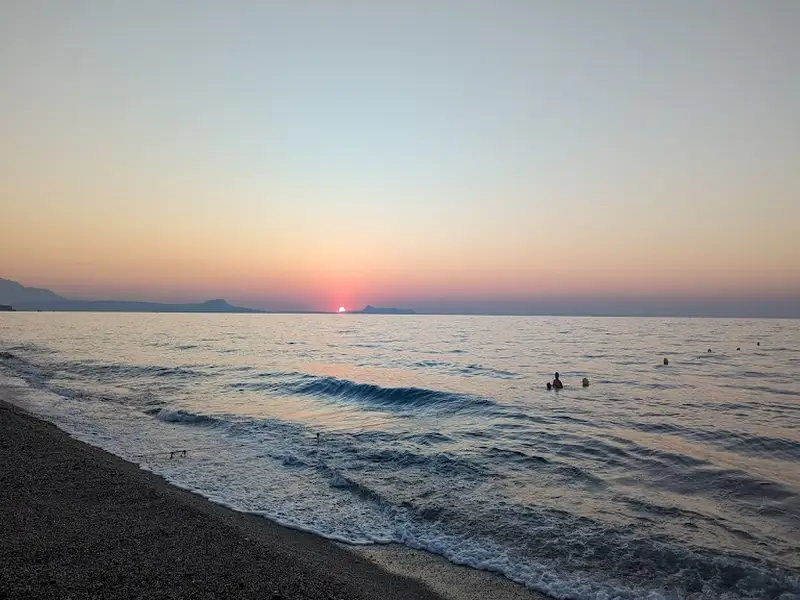
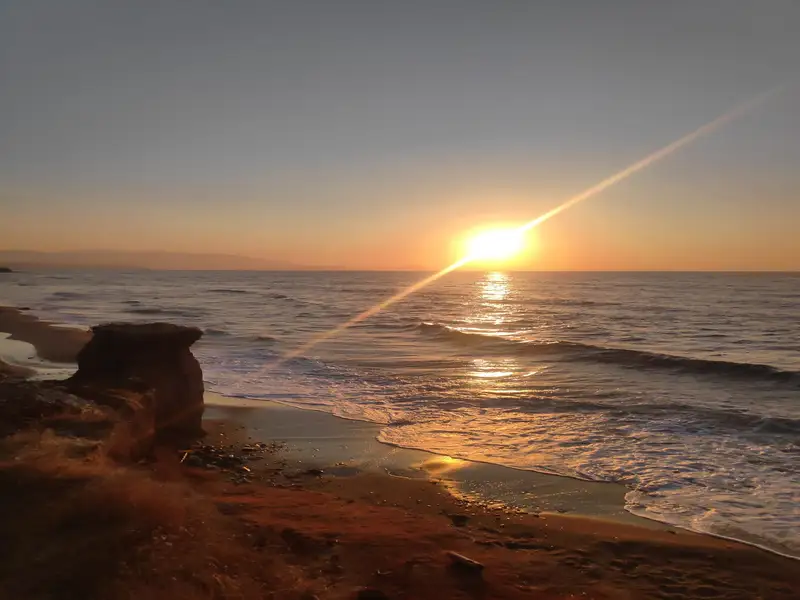
Commencing 11km east of Rethymno and extending 3km eastward is the Skaleta beachfront, marking the end of the expansive beach of the Bay of Rethymno. The first resort you encounter after Pighianos Kampos is Sfakaki, which is exceptionally well arranged.
Stavromenos beach is the next stop, just 1km away, named after the area’s synonymous settlement. The beaches here are predominantly sandy and meticulously organized, with spots featuring pebbles and tiny rocks. As you journey eastward, the sandy stretch narrows down and gradually fades until it vanishes at the end of the Rethymno Gulf.
Continuing another 1km, you will reach the final segment of the immense East Rethymnon beachfront, Skaleta. Like all beaches on the north coast, Skaleta beachfront is exposed to the winds and typically experiences waves. The surrounding area has seen considerable development in recent years, now abounding with large hotels and tourist facilities. Regular bus services are available from Rethymno to Sfakaki, Stavromenos, and Skaleta.
From May to September, summer nights bring an extraordinary sight as loggerhead sea turtles lay their eggs in the Gulf’s sand. It’s not uncommon to see small areas of the beach cordoned off and inaccessible to visitors where nests have been spotted.
Pigianos Kambos, also known as Pigi beach, is situated 8km to the east of Rethymno, centrally positioned along Rethymno Bay’s extensive beach. The name, Pigianos Kambos, translates to “Plane of Pigi” from Greek, reflecting the fertile fields that belong to the inhabitants of the nearby Pigi village. Today, Pigianos Kambos serves as a coastal tourist destination, albeit less developed than its neighbor, Adelianos Kambos. The area boasts a variety of accommodations, from apartments and rooms to larger hotels, complemented by multiple dining, entertainment, and shopping options.
The beach in Pigianos Kambos offers a peaceful and quieter atmosphere compared to the other beaches in Rethymnon. Between Pigianos Kambos and Stavromenos, visitors can enjoy swimming and snorkelling in the numerous small, rocky coves. A unique feature of Pigianos Kambos is the opportunity to spot protected sea turtle nests, as these creatures choose this sandy beach to lay their eggs.
Regular bus services from the center of Rethymnon make Pigianos Kambos easily accessible.
Adelianos Kambos, also known as Adele Beach, is a seaside suburb of Rethymnon situated 6km to the east on a flat plain. This area, previously used for vegetable cultivation by residents of the adjoining village Adele, has seen considerable development over the past century, becoming an integral part of Rethymnon city. Access to Adelianos Kambos is straightforward, with local buses running regularly from the city centre.
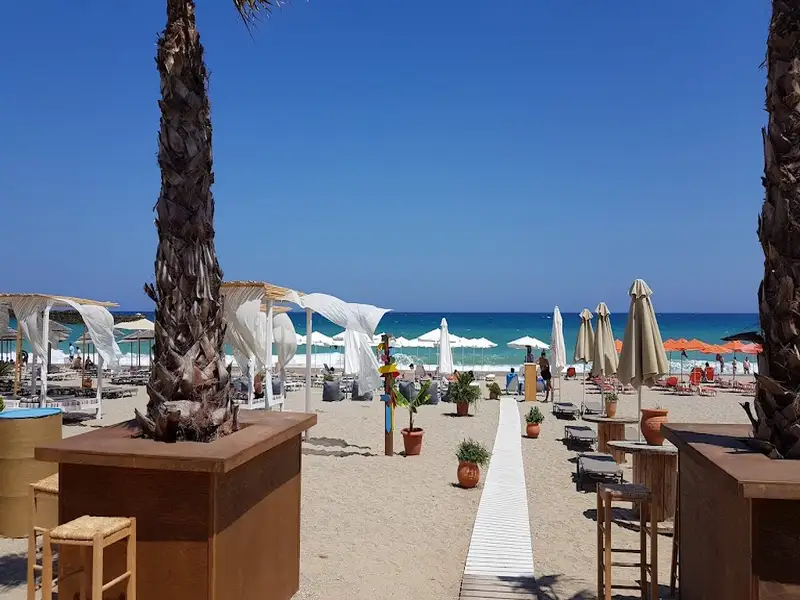
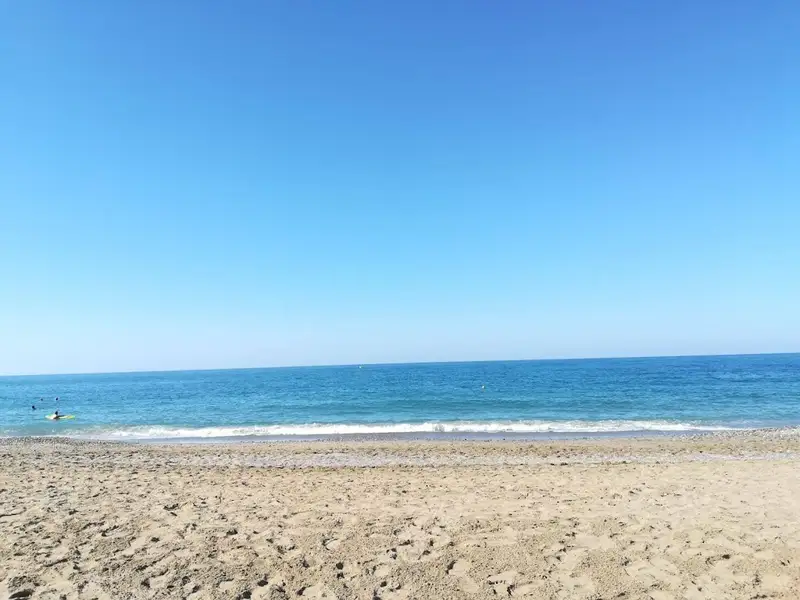
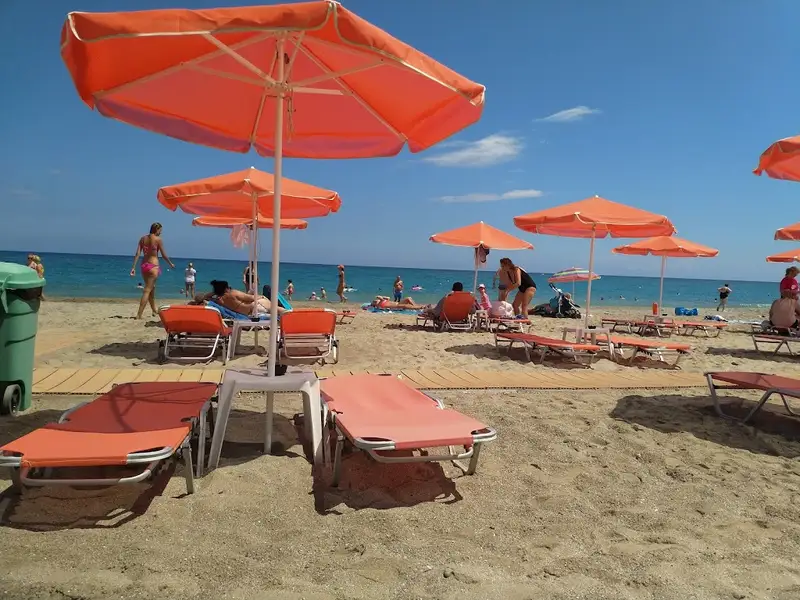
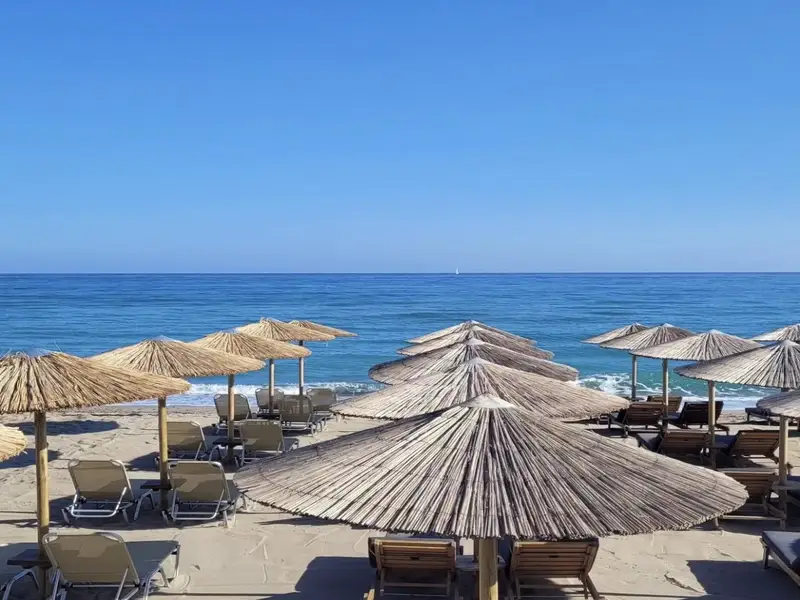
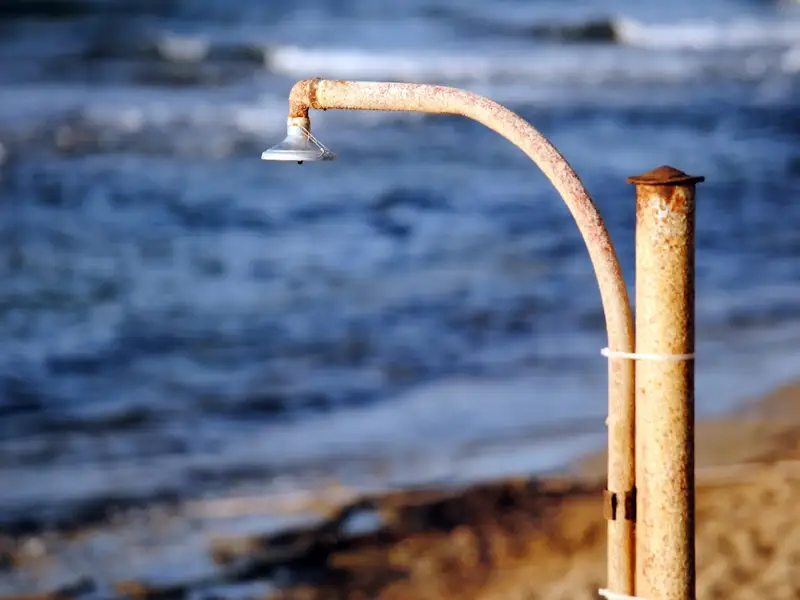
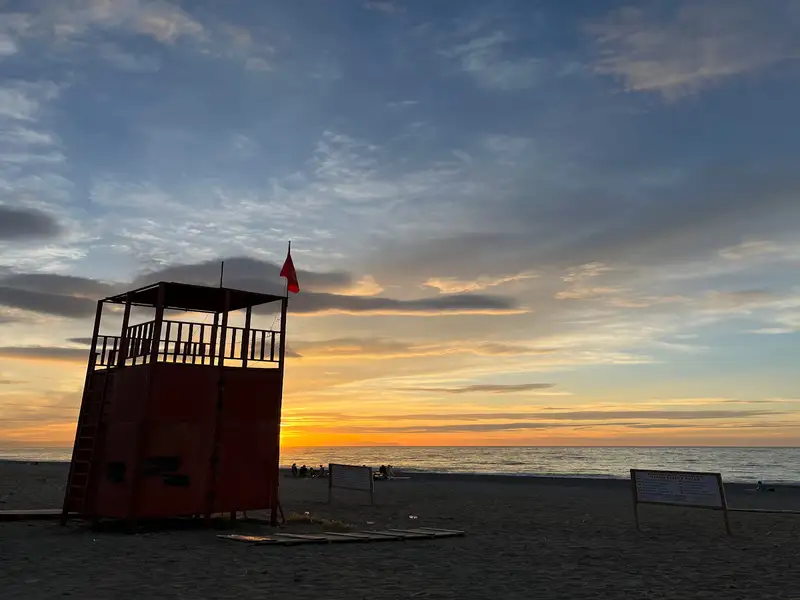
The extensive sandy stretch of Rethymnon Gulf beach begins at Adelianos Kambos and continues to Skaleta. The suburb offers a variety of accommodation options, from large hotels to smaller establishments, and plenty of choices for dining, shopping, and entertainment. The beach is well-equipped with amenities like umbrellas, lifeguards, changing rooms, showers and bars, making it a popular spot for beach sports and water activities. The sea here is typically shallow but can be wavy, a characteristic of all open beaches on the northern side of Crete. An interesting feature of this beach is the sea turtles that lay their eggs here, leading to the occasional sight of marked nests protected by ropes and signboards.
The suburbs of Pervolia, Missiria, and Platanias, also known as Platanes, are situated 3-5km to the west of Rethymnon city. Initially, these were independent settlements that have now merged into the urban region of Rethymnon, as a result of the residential growth over the previous century.
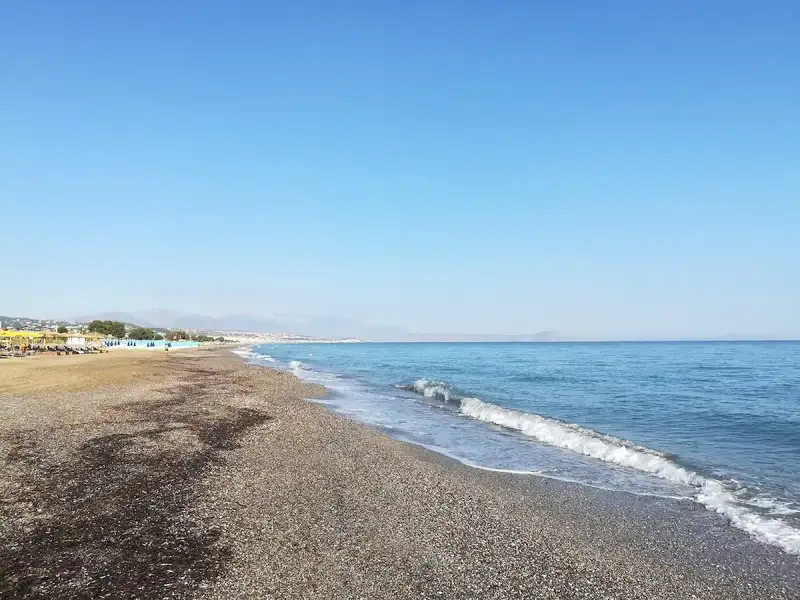
A vast sandy beach extends in front of these suburbs, forming part of the extensive coastline of Rethymnon Bay. Originating near the Rethymno harbour, the beach stretches eastward for 13km until it reaches Skaleta. This well-maintained beach offers a wealth of options for food, drink, and accommodation.
Just like the rest of the lengthy coastline, this beach also serves as a nesting ground for the loggerhead sea turtle. These turtles are under the protection of the Greek State. Rethymno Bay is counted among the three most crucial nesting sites for this species in Greece, with more than 400 nests reported annually.
No results available
Find below list of gorges near Fully rennovated 4bedr villa,a luxury retreat with superior facilities!:
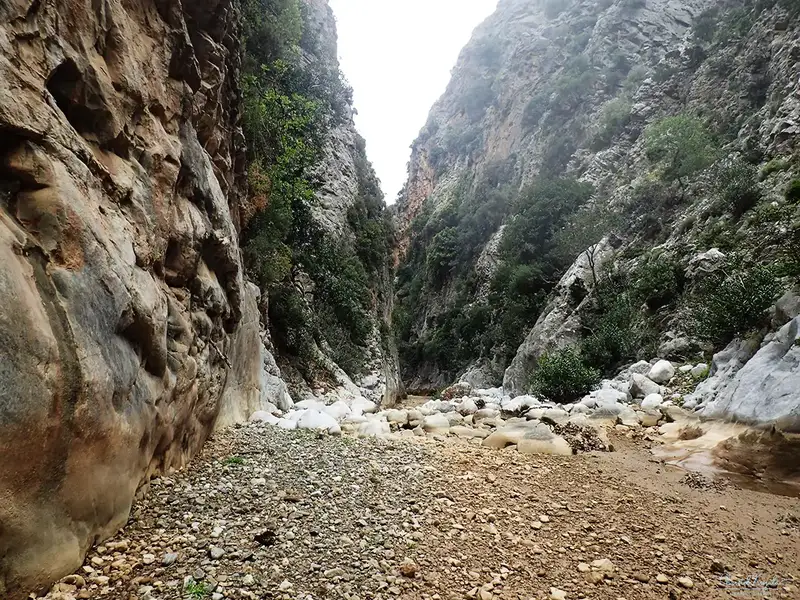
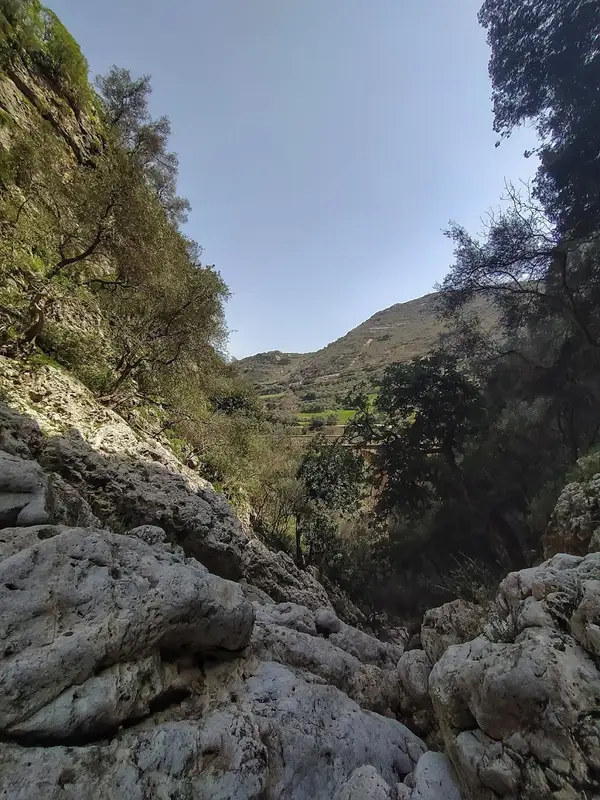
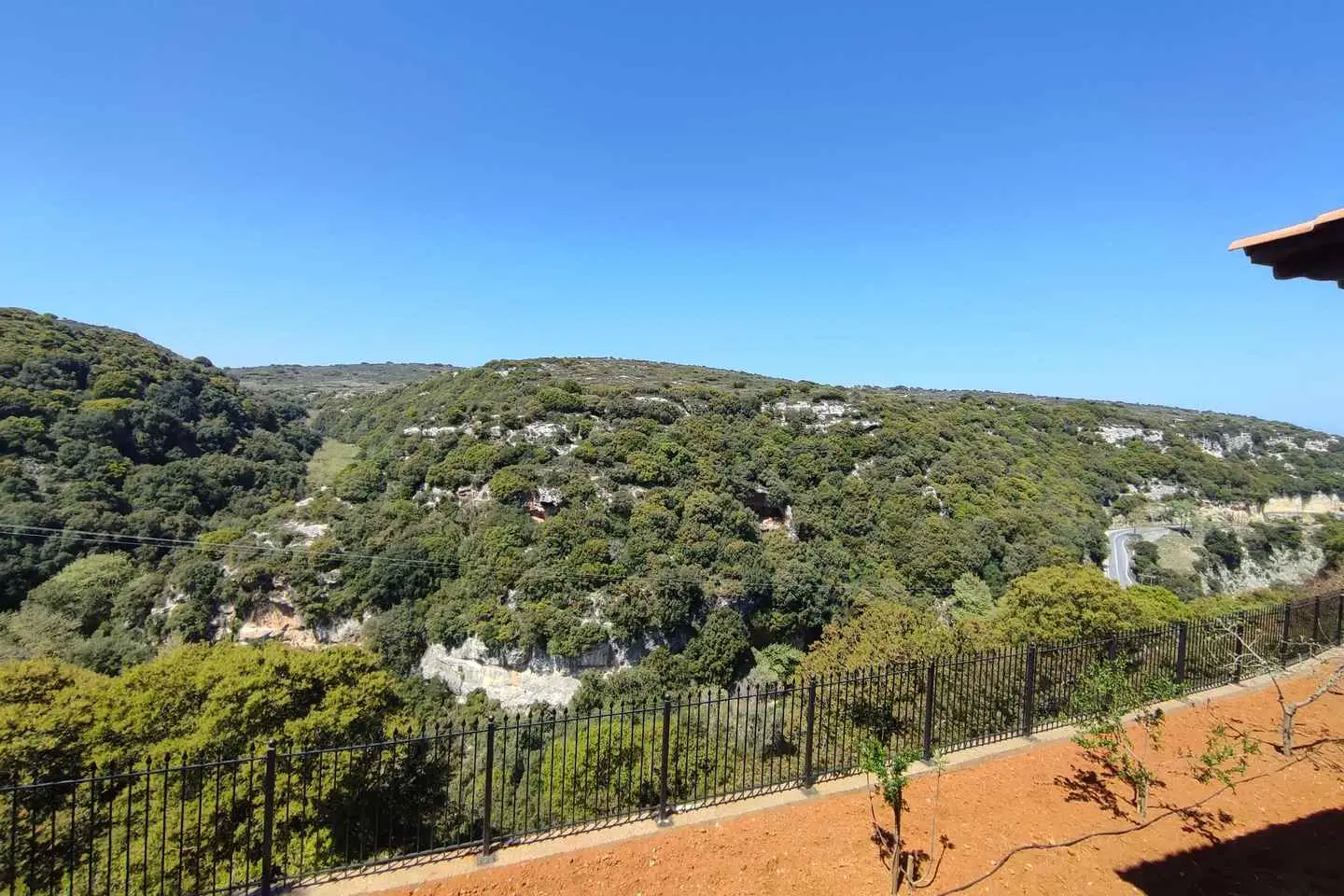
Arkadi Gorge is a moderate 4.5 km hike in the Rethymno region of Crete that starts just north of Arkadi Monastery and takes about 2 hours to walk. The route follows the eastern bank of a green, rocky ravine, ends near the village of Pikris where it meets the Gypofarago gorge, and pairs naturally with a visit to the historic monastery above it. There is no entrance fee and no facilities on the trail, so you carry your own water and food. This guide covers what the gorge is, how hard it is, how to reach the trailhead, what you see along the way, how to combine it with the monastery, and what to pack.
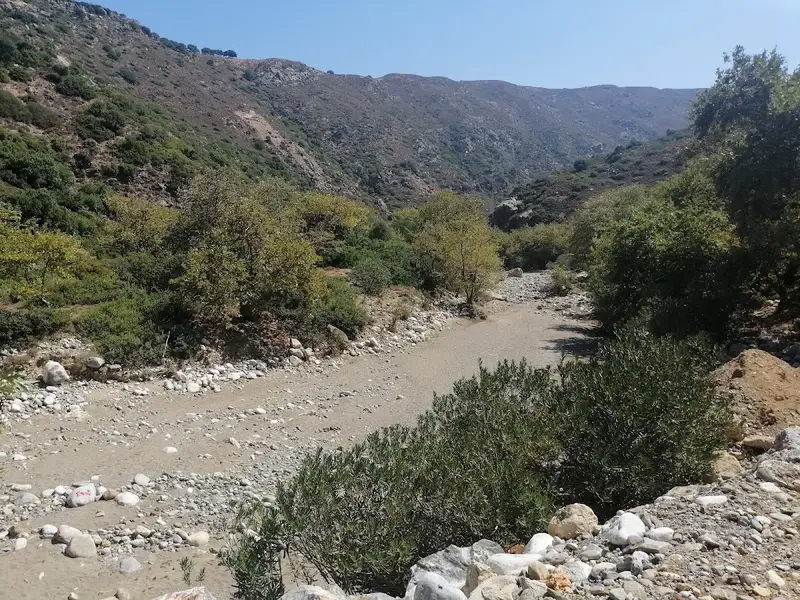
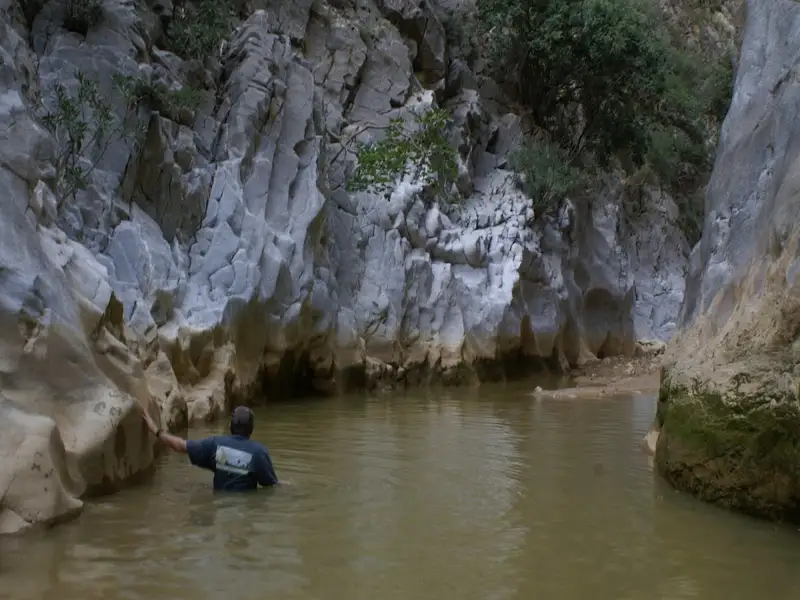
The untamed Prassano gorge, also known as the Gorge of Prasses, is situated 10 km southeast of Rethymnon. It commences south of the Prasses village and provides a captivating three-hour hike through enormous rocks and some fairly challenging passages, adding to the intrigue of the trek. The Prasano Gorge, currently serving as the “overflow” channel for the Potami dam, winds its way through the rocky hills of Gargana, with its stream terminating in the suburb of Platania, east of the city of Rethymnon. The river is engulfed by lush vegetation and towering plane trees, making it an ideal spot for a refreshing excursion.
The Prassano gorge can only be accessed from mid-June to mid-October due to the water flow. It is a crucial biotope of Crete, providing a habitat for buzzards and a small group of Bonelli’s eagles.
The Prasses Village
Set amidst the verdant Cretan landscape on the slopes of Vrysinas, Prasses serves as an entrance to the southern coast. This medieval village showcases the intermingling of diverse cultures that have traversed Crete, evident in the Venetian mansions, Turkish farmsteads, and Orthodox churches. The rich natural and cultural diversity make the village an ideal location for tours and walks. Heading south from Prasses, the road leads to the Potami valley, home to the dam of the same name.
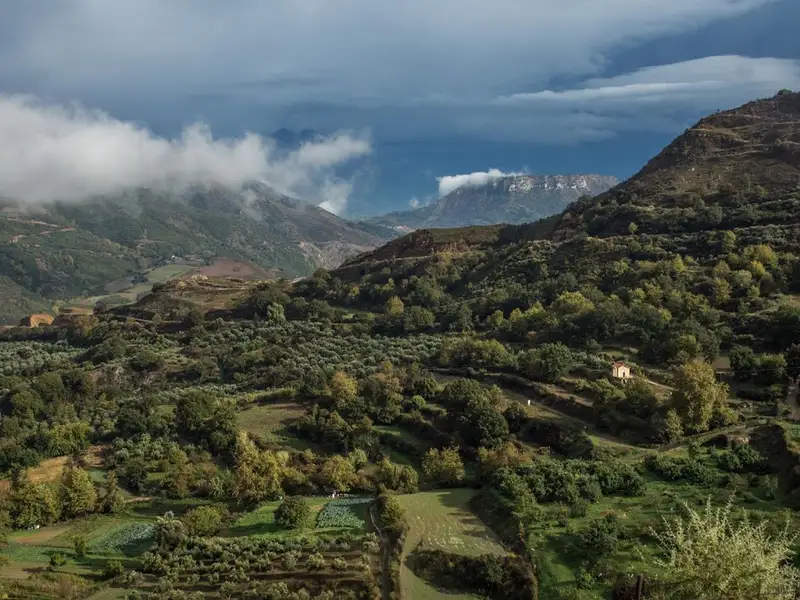
Margarites is a renowned village in the Milopotamos province, celebrated for its stunning architecture and traditional pottery. The broader region, encompassing the villages of Margarites, Orthe and Eleftherna, is characterized by a sequence of small, parallel gorges. Tiny watercourses like Margaritianos meander northwards, contributing to the Geropotamos River. These gorges are carved into the white-yellow marly limestone from the Upper Miocene era (8-10 million years ago), a result of the area’s uplift and water erosion.
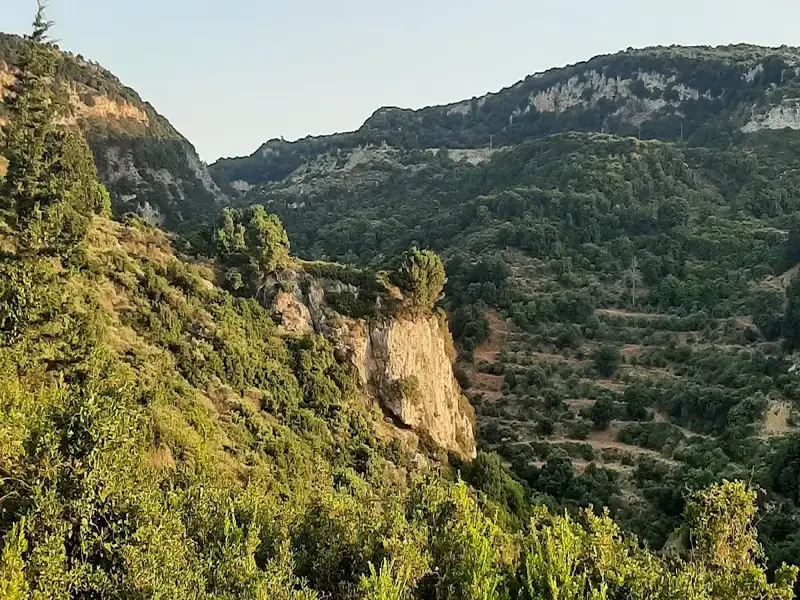
The gorges’ most striking features are their abundant flora and extraordinary environment. Small groups of horizontally branched cypresses (Cupressus sempervirens var horizontal) blend with low shrubs, wildflowers, and aromatic plants. The local authorities have fashioned small trails that reveal the area’s beauty to visitors.
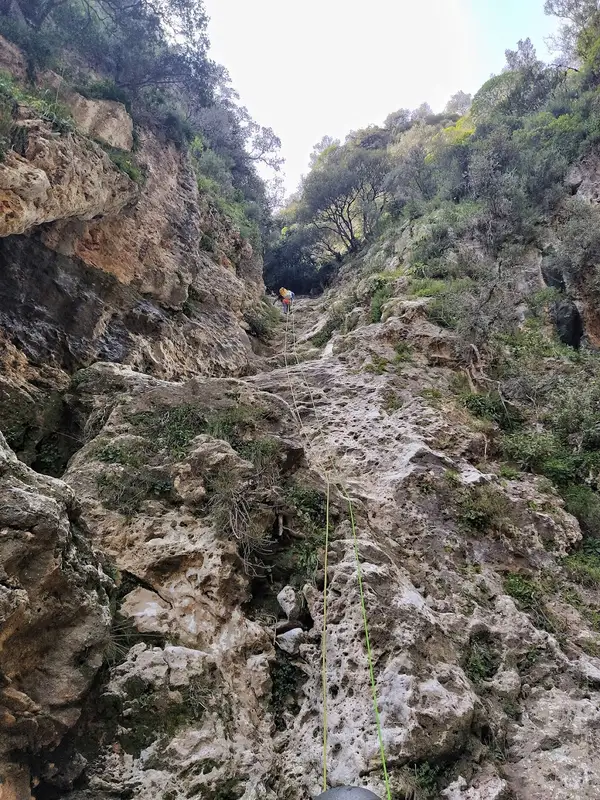
In northern Rethymnon, beneath the village of Myrthios (not to be confused with the Myrthios near Plakias), a petite ravine teeming with plane trees gives way to a wild and untamed gorge at Kaminolakos. The gorge is typically dry, only filling with water after significant rainfall. It is accessible only with canyoneering gear. This gorge remained unexplored until March 22, 2013, when Christopher Cheiladakis, Argyro Koghylaki, and Rudolf Riegler ventured into it for the first time, installing safety rings in the process.
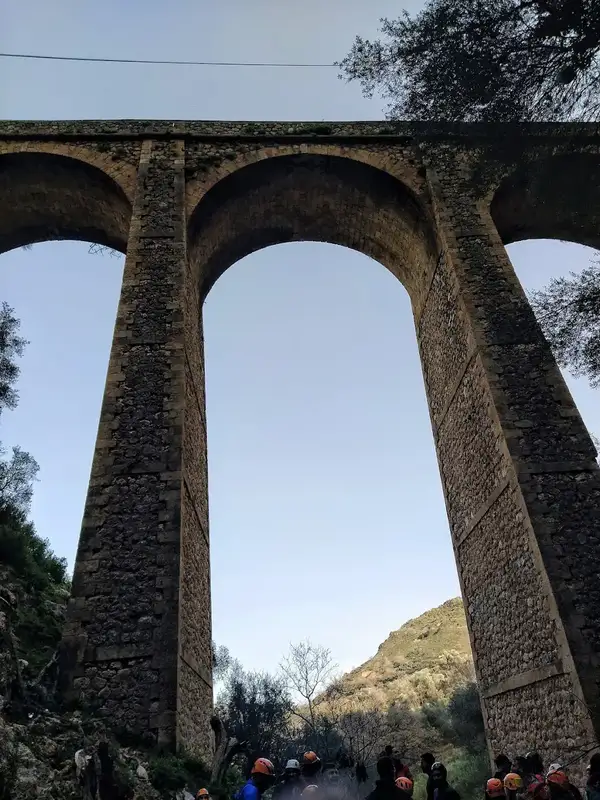
The initial stretch of the gorge is particularly wild, leading to a series of small rappels before reaching the final waterfall, a towering 55 meters high. This waterfall is nestled under an umbrella of large trees, hidden away in a shadowy enclave. The gorge culminates at the renowned stone bridge of Simas, which is situated on the road to Amari. This bridge, the highest in Crete, is considered an architectural marvel of its time.
No results available
© All rights reserved. Crete Locals