Villa Mondo Blu

  • 10

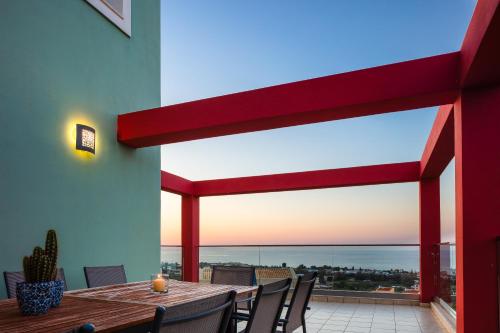
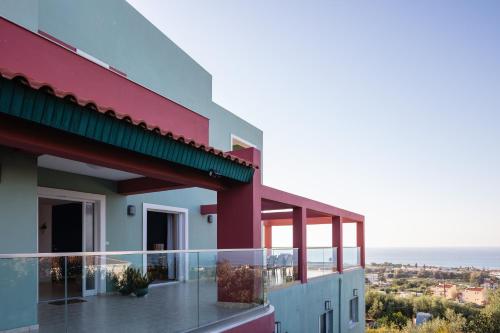
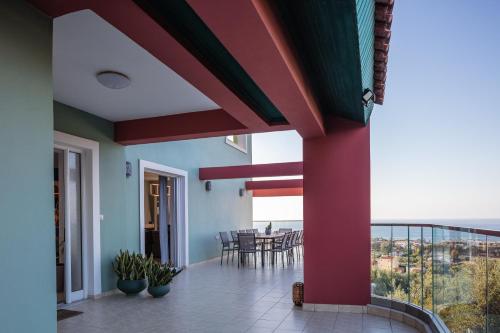
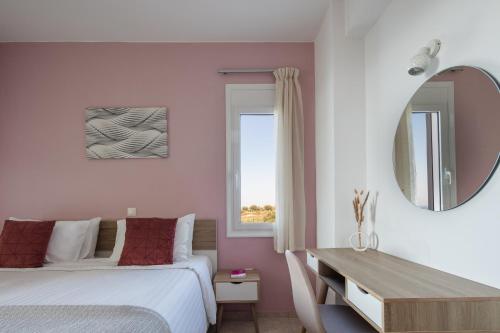
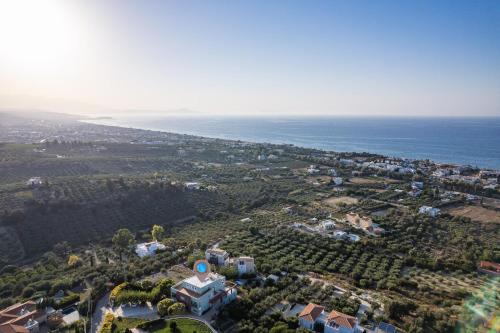
Featuring garden views, Villa Mondo Blu offers accommodation with a patio and a coffee machine, around 1.2 km from Beach Adelianos Kampos. This property offers access to a balcony, free private parking and free WiFi.

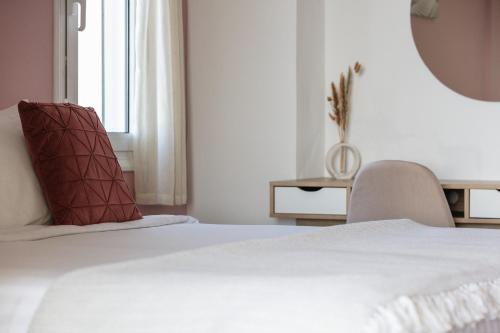
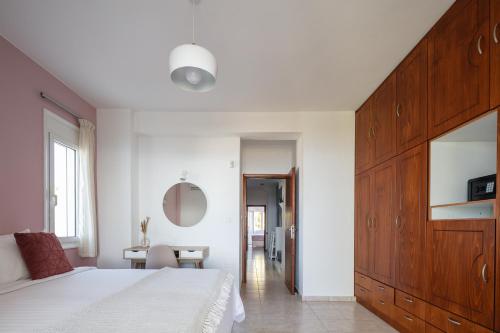
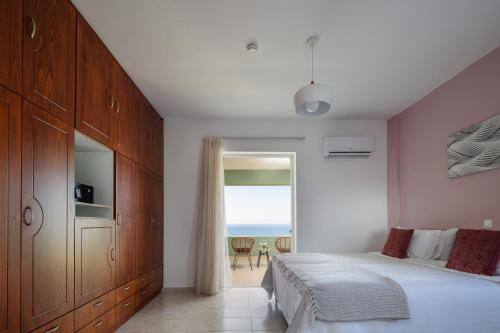
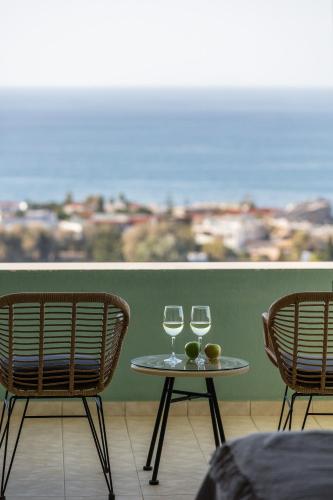
The villa is fitted with 5 bedrooms, 2 bathrooms, bed linen, towels, a flat-screen TV with streaming services, a dining area, a fully equipped kitchen, and a terrace with sea views.

The reception at the villa can provide tips on the area.

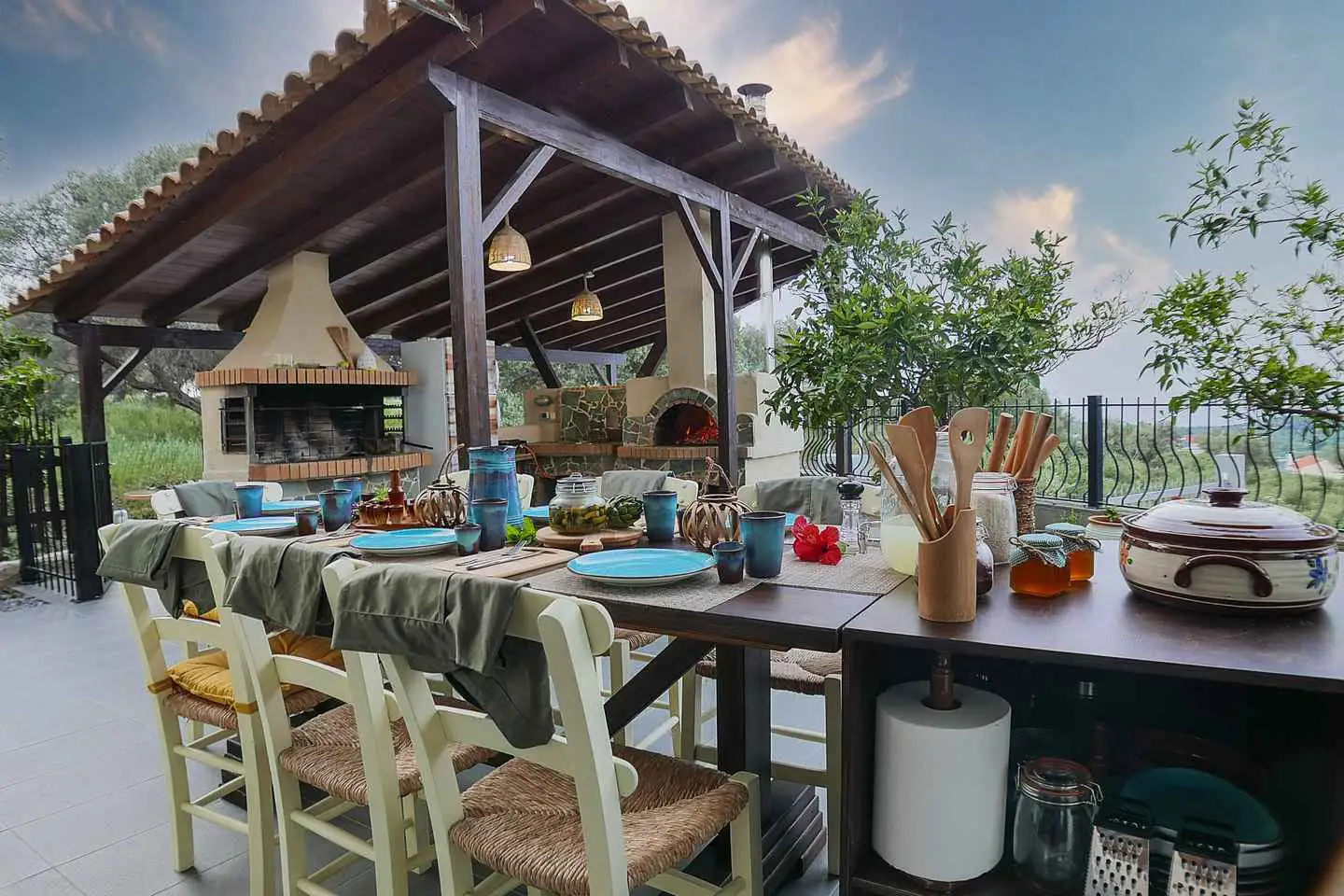
Villa Mondo Blu offers a picnic area. The accommodation features a barbecue and a garden, which can be enjoyed by guests if the weather permits.

Platanes Beach is 2 km from Villa Mondo Blu, while Archaeological Museum of Rethymno is 8.3 km away. The nearest airport is Heraklion International Airport, 75 km from the villa.

Property Details

  • 1 room

Place Amenities

  • Air conditioning
  • BBQ facilities
  • Diving
  • Family rooms
  • Horse riding
  • Non-smoking rooms
  • Parking
  • Pets allowed
  • Sun umbrellas
  • WiFi

Property Type

  • Villas

Location

Adelianos Kampos

User reviews

Other stays near Villa Mondo Blu

  • 210 m
  • Adelianos Kampos
  • 8.9
  • From
  • €177
  • per night
  • 520 m
  • αδελιανος καμπος κτηριο
  • 9.9
  • 540 m
  • ΑΔΕΛΕ ΡΕΘΥΜΝΟ ΚΡΗΤΗ
  • 10
  • From
  • €432
  • per night

Things to do near Villa Mondo Blu

Find below list of things to do near Villa Mondo Blu:

  • Adele, Crete

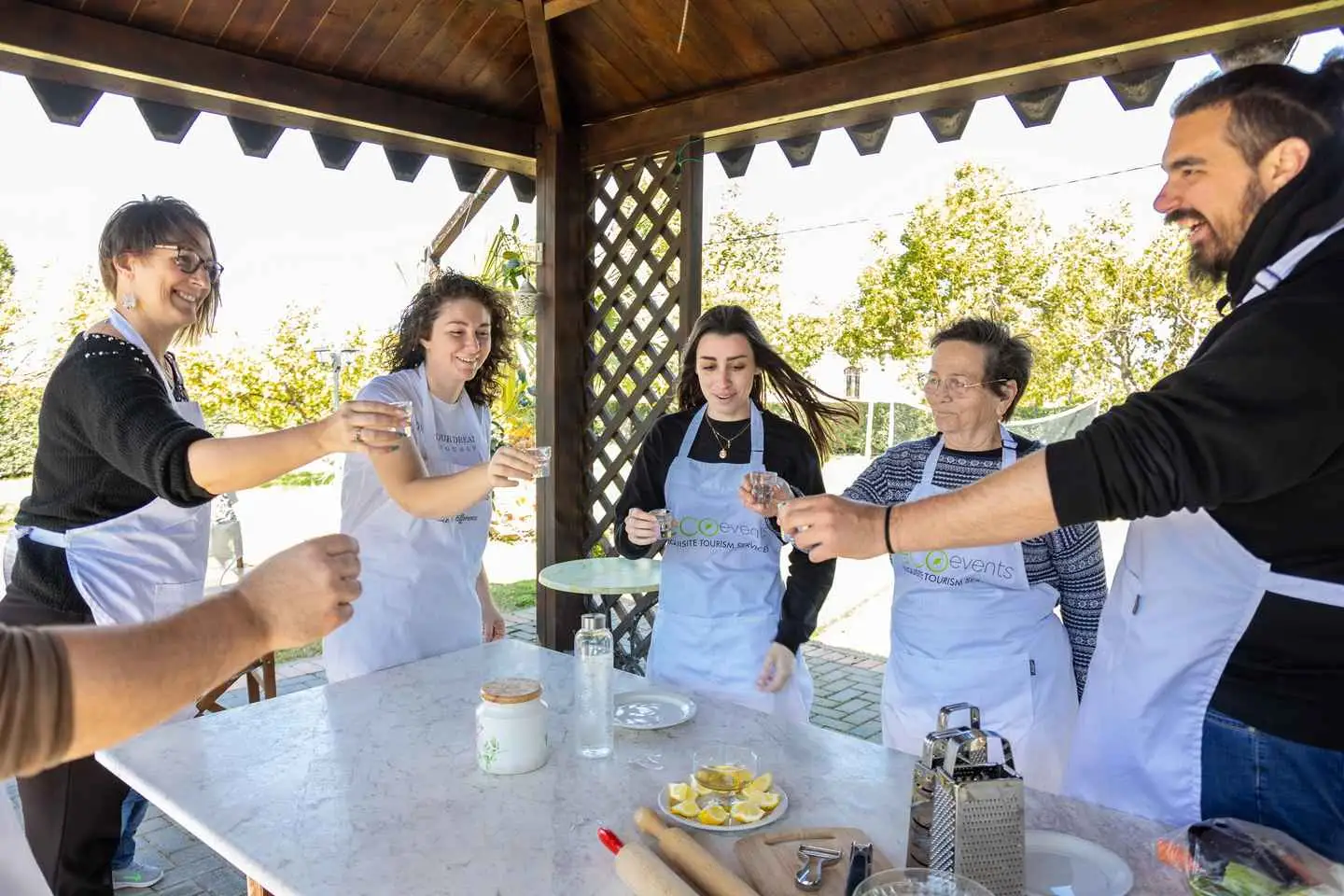
Immerse yourself in the rich culinary heritage of Crete as you embark on a gastronomic journey like no other. Learn from a passionate cook and proud native of a charming Cretan village.

Enter the cook’s home and discover the secrets of traditional Cretan cuisine using fresh products sourced from her family’s farm or local farmers. Learn in a charming atmosphere and cook in a traditional wood oven.

Enjoy a menu that can be adapted for our vegetarian friends or those with allergies. Experience the hospitality of a local home with a warm welcome with Greek coffee or herbal tea, homemade lemonade, ladokouloura, rolls made with olive oil, and loukoumakia.

Chat with the hose to get to know each other and learn the recipes with old traditional practices and cooked in a wood oven.

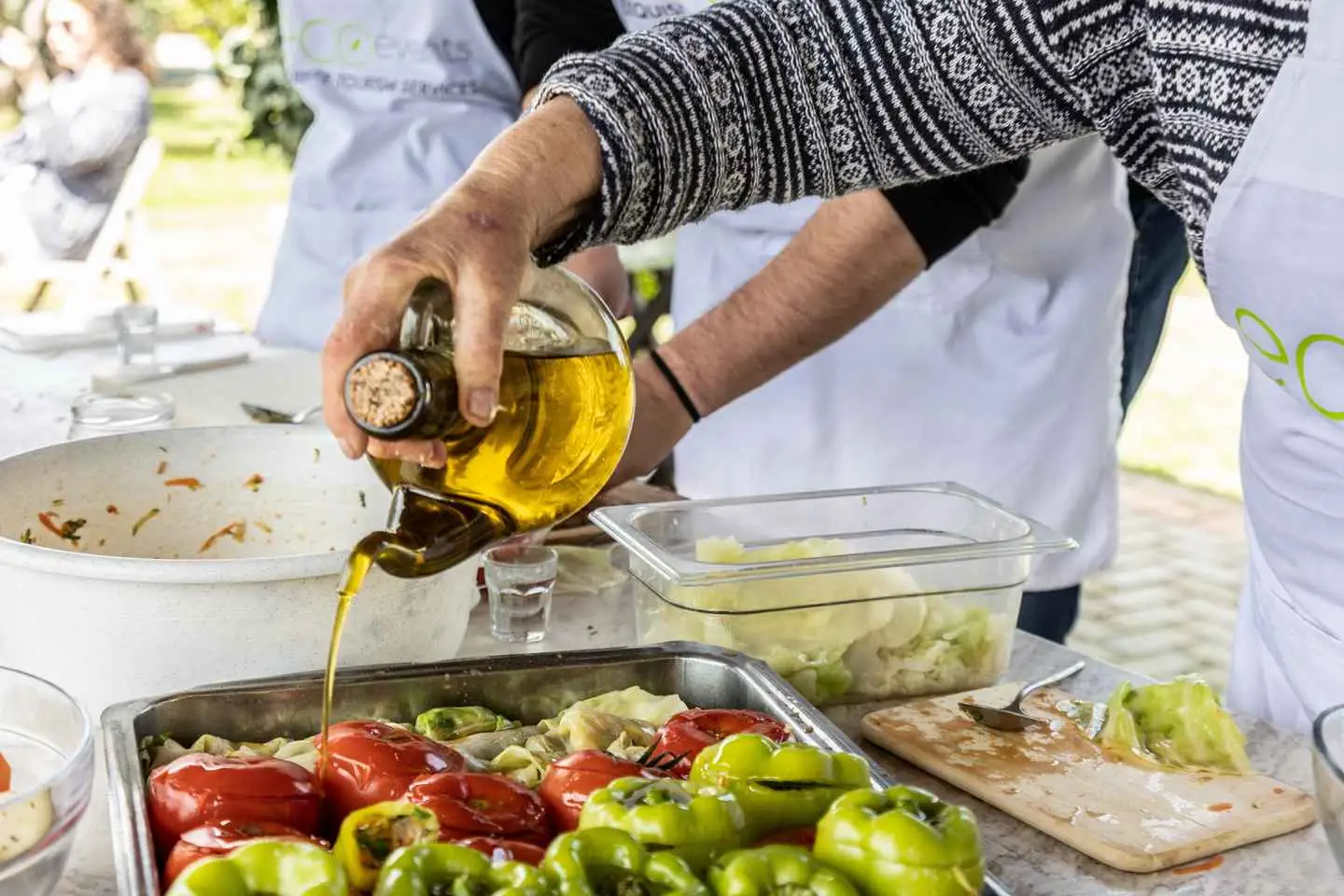
Try making starters like dakos (Cretan salad with tomato, cheese, olive oil, herbs), tzatziki (the famous Greek dip), and Greek salad. Learn to cook main dishes like gemista (stuffed vine leaves, zucchini flowers, tomatoes, zucchini, and pepper), and mousaka.

Indulge in a traditional dessert like Tyropitakia, traditional pies with homemade cheese, local honey, and cinnamon sprinkled, homemade ice cream, and seasonal fruit. Enjoy local wine and raki alongside your meal.

Experience genuine connections forged during the class and feel like part of the extended Cretan family, creating lasting memories and forging a deep appreciation for the traditions and flavors of this remarkable island.

  • Pigi, Rethymno

The wood oven is hot and waiting!
We will meet at the village of Pigi. A beautiful spacious garden will be the scenery for our cooking class. As we get to know each other you will have the chance to visit our vegetable and herbs garden or enjoy the swimming pool (bring your swimming suit!).

Now it’s time for you to cook!
As soon as you feel ready for work our host will dress you with your apron and will guide you through each of the recipes that you are going to learn. Home-made cheese, ntakos, tzatziki, staffed vegetables, greek salad and much more all cooked to local level perfection by you.

Enjoy your creations
After preparing all the dishes, lunch follows; we will use a traditional wood-fired oven for cooking our dishes and we will taste everything we have prepared outdoors, in an idyllic setting with a glass of raki and local wine. Let’s savor the wonderful Cretan flavors of traditional cuisine!

Ride on a high-speed catamaran “Elite Jet’ from Crete to Santorini on this day trip. Board an airconditioned coach and take a guided sightseeing tour of the island. Visit the white-washed villages of Oia and Fira. 
Hop aboard a catamaran at the Port of Rethymno and glide across the water to Thiras port. Transfer to a comfortable and spacious bus and listen as your guide provides you with information about the island and its history.
Stop in the unique village of Oia which is built on the northern part of the Caldera rim, Oia offers magnificent views of houses studded along the volcanic rock hillside overlooking both the Mediterranean and Aegean sea.
Head to the island’s capital Fira, where you will have plenty of free time to explore the picturesque alleys, admire the incomparable Aegean architecture, shop, or simply enjoy a drink. 
Finally, eturn to the port for the trip back to the Port of Rethymno in Crete.

Explore the beautiful island of Santorini on a guided day trip by boat and bus from Rethymno. Visit the charming towns of Oira and Fira and take some free time to wander through the winding streets, and admire the scenic views and stunning architecture.

Start with pickup from your hotel or meet directly at the port in Rethymno. Board the open-deck boat and relax during the journey across the Aegean Sea to Santorini.

Arrive at Santorini port and board a bus for a transfer north to Oia. During the transfer, hear interesting facts about the Santorini, its history, features, and secrets from your guide.

Upon arrival in Oia, enjoy 2 hours of free time to explore the charming narrow streets. Visit some of the stunning viewpoints and admire the fantastic panoramic vistas. Admire fine examples of Cycladic architecture in the form of white houses and churches with their iconic blue domes.

Next, continue south to the town of Fira, the capital of Santorini. Take 90 minutes to explore its bustling streets and admire the fantastic views of the Santorini caldera. Visit the Orthodox Cathedral located in the main square, or make your way to one of the scenic viewpoints.

Finally, hop back onboard the bus and travel back to Santorini port. Board the boat and relax on the return journey to Rethymno port.

Journey back in time and visit the Minoan palace at Knossos on a day trip from Rethymnon. Learn more about the ancient civilization at the Heraklion Archaeological Museum.
Depart from Rethymnon, head eastwards along the north coast. Pass the city of Heraklion and continue towards the inland of Crete until you reach the tour’s highlight – your visit to the Palace of Knossos.
Later, continue towards the inland of Crete until you reach the tour’s highlight – your visit to the Palace of Knossos. This is one of the most significant archaeological sites in the world, a cradle of European culture and the center of the Minoan civilization.
Journey through the incredible history of King Minos and the Minoan civilization, and hear about some of the legends of Crete at what was once the island’s largest palace.
Hop off the bus and start your guided tour if you choose the guided tour option, or enjoy about two hours of free time through the detailed story of the Minoan period and hear about both the Minotaur and Ariadne. 
Afterward, the bus brings you to the heart of the capital city of Crete, Heraklion. There you have the chance to visit the archaeological museum, where you can see and learn about the Minoan period while accompanied by your guide (if choosing the Heraklion tour option). Have two hours of free time in Heraklion.
Board the bus again at 6:00 PM the bus will depart on its return journey to Rethymnon.

  • Mili Gorge

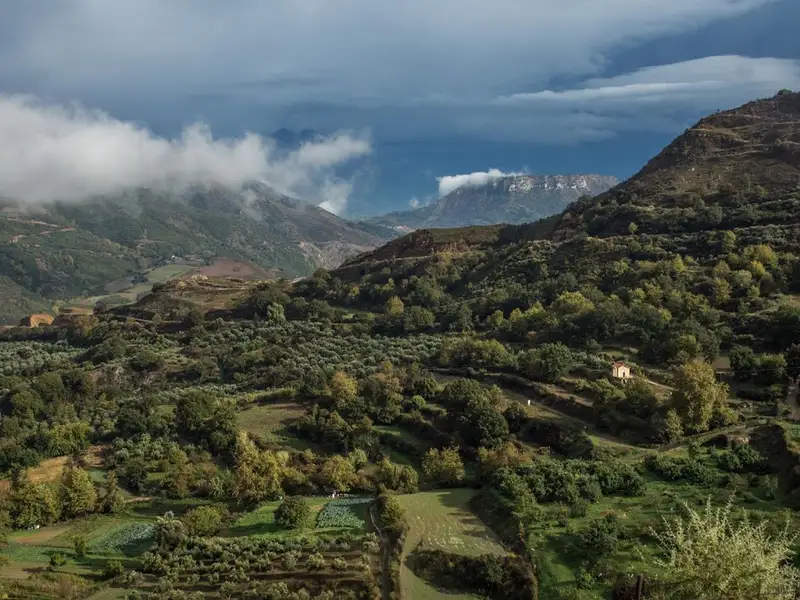
Discover the beauty surrounding Rethymno as you head uphill through picturesque olive groves and make the first stop at Halevi Monastery. See the church of Panagia with its flame-shaped windows and the ruin of the monastery building, which was recently renovated.

Continue to the village of Chromonastiri and visit Villa Clodio where the Military Museum is housed. As you reach the Myli Gorge, a small oasis close to the city, set out on a short hike through a gorge with diverse flora and fauna and visit the abandoned village of Myli. 

Stop and relax in the Cretan village of Roussospiti and be spoiled with a selection of traditional dishes from a family run taverna. Due to the elevated location you will have a breathtaking panoramic view over Rethymno and the Mediterranean coast. After lunch, ride to the monastery of Aghia Irini to talk to the nuns there and learn more about the history of this place before slowly starting your way back.

Beaches near Villa Mondo Blu

Find below list of beaches near Villa Mondo Blu:

  • 970 m
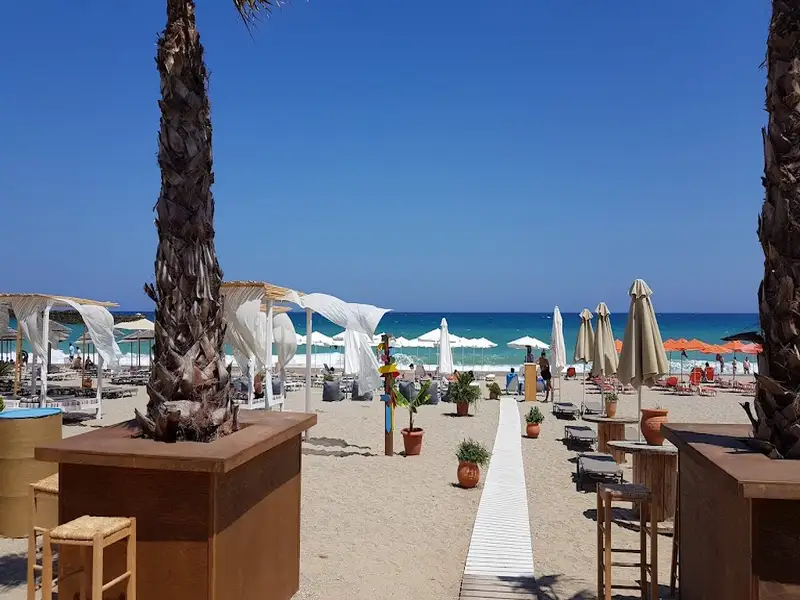
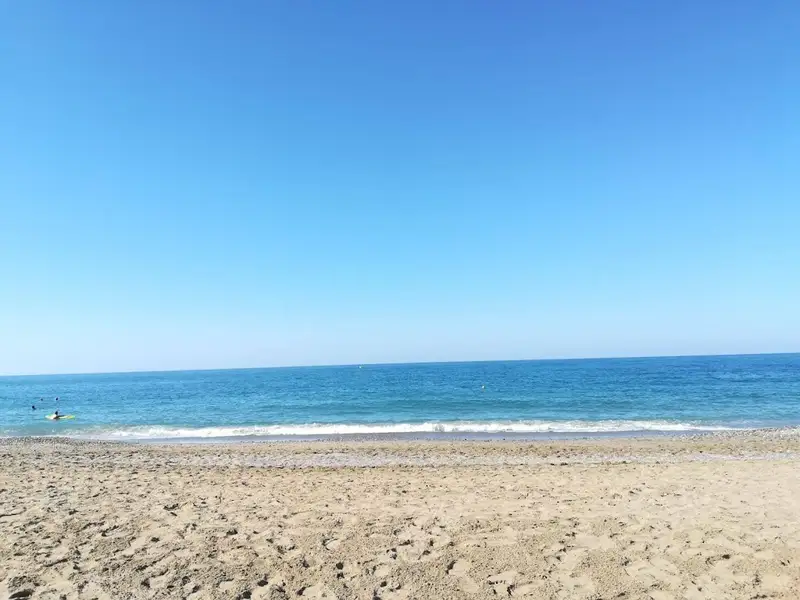
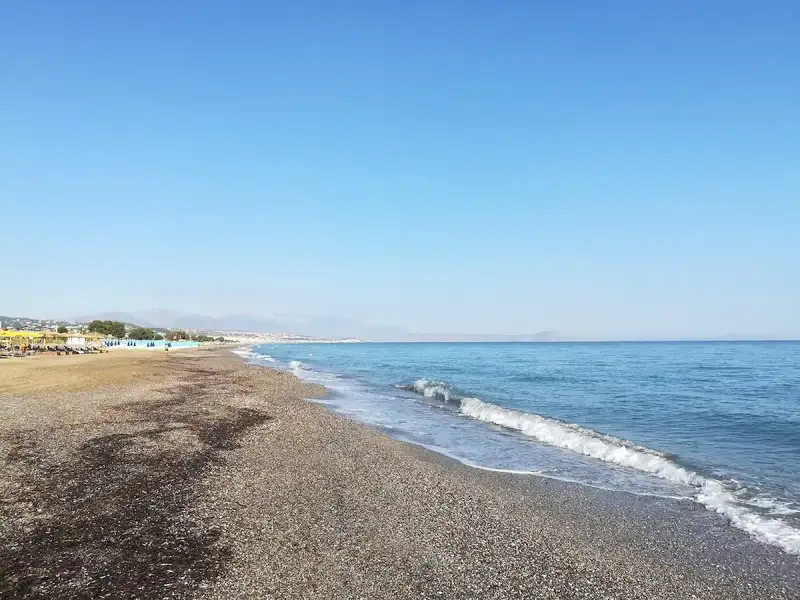
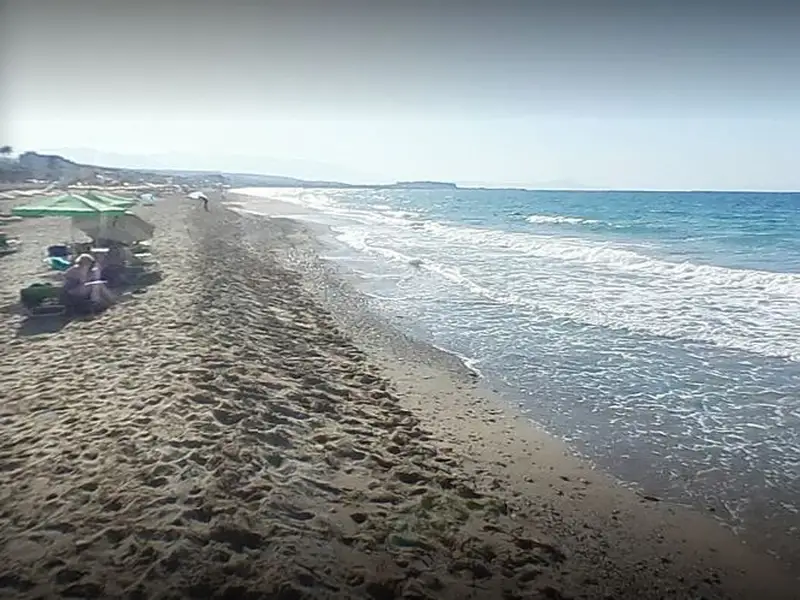
Adelianos Kambos beach is located 1.0 km away.

Adelianos Kambos, also known as Adele Beach, is a seaside suburb of Rethymnon situated 6km to the east on a flat plain. This area, previously used for vegetable cultivation by residents of the adjoining village Adele, has seen considerable development over the past century, becoming an integral part of Rethymnon city. Access to Adelianos Kambos is straightforward, with local buses running regularly from the city centre.

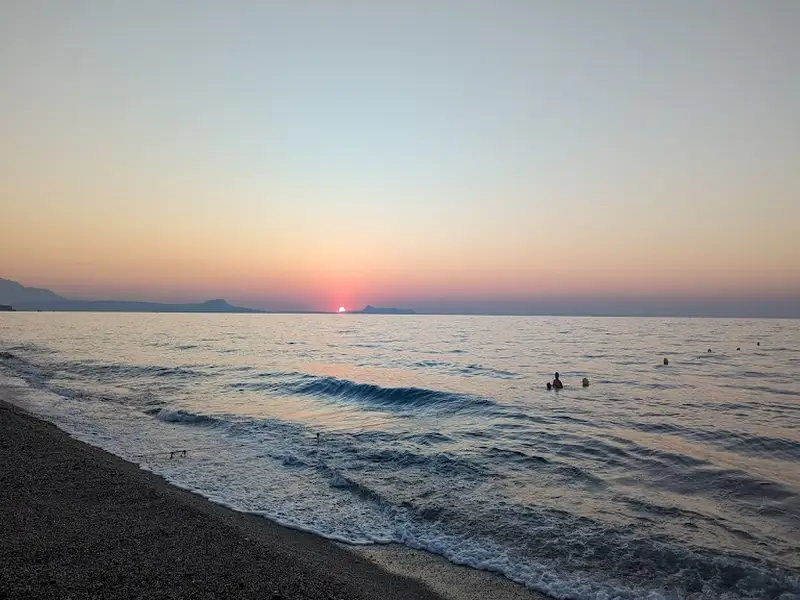
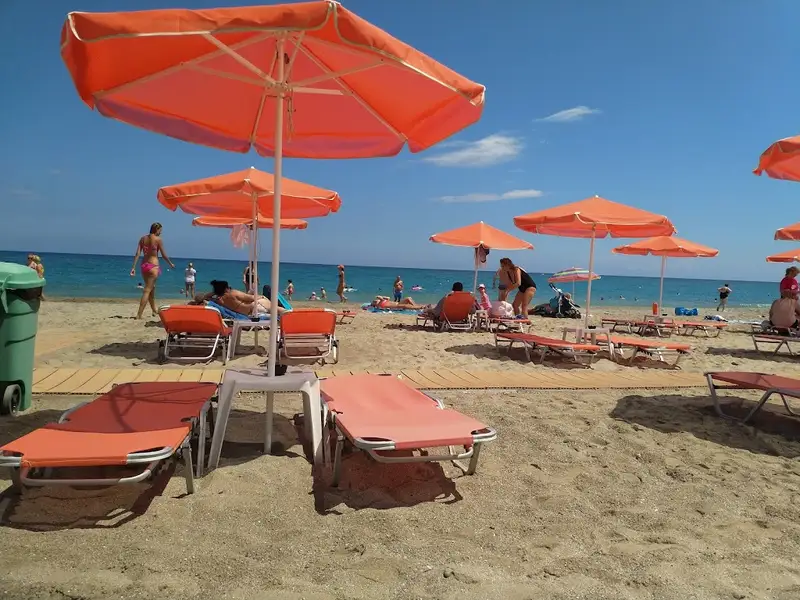
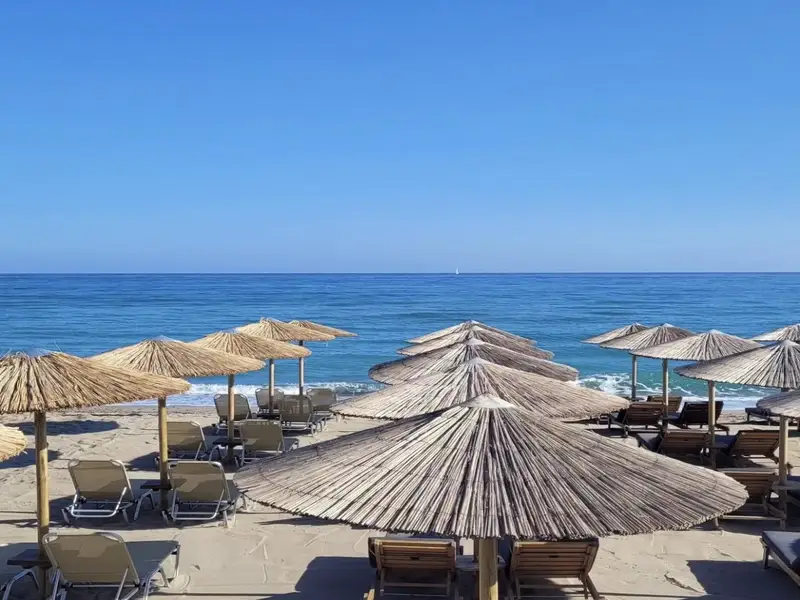
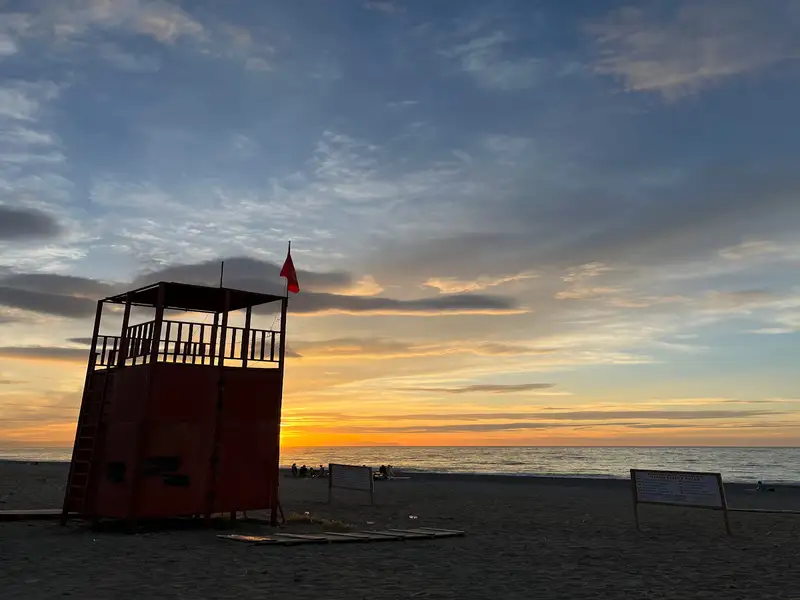
The extensive sandy stretch of Rethymnon Gulf beach begins at Adelianos Kambos and continues to Skaleta. The suburb offers a variety of accommodation options, from large hotels to smaller establishments, and plenty of choices for dining, shopping, and entertainment. The beach is well-equipped with amenities like umbrellas, lifeguards, changing rooms, showers and bars, making it a popular spot for beach sports and water activities. The sea here is typically shallow but can be wavy, a characteristic of all open beaches on the northern side of Crete. An interesting feature of this beach is the sea turtles that lay their eggs here, leading to the occasional sight of marked nests protected by ropes and signboards.

  • Adelianos Kambos beach
  • Sand
  • Shallow
  • Blue
  • 1.5 km
Pigianos Kambos beaches is located 1.5 km away.

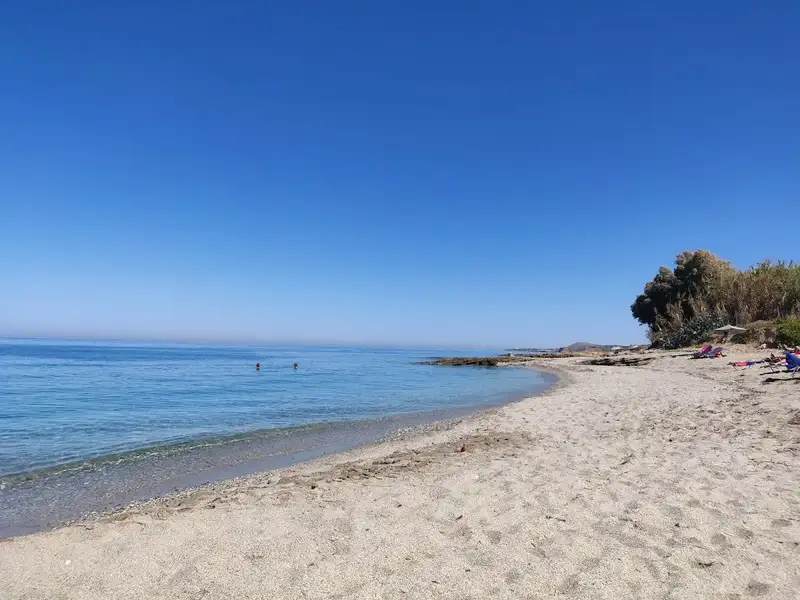
Pigianos Kambos, also known as Pigi beach, is situated 8km to the east of Rethymno, centrally positioned along Rethymno Bay’s extensive beach. The name, Pigianos Kambos, translates to “Plane of Pigi” from Greek, reflecting the fertile fields that belong to the inhabitants of the nearby Pigi village. Today, Pigianos Kambos serves as a coastal tourist destination, albeit less developed than its neighbor, Adelianos Kambos. The area boasts a variety of accommodations, from apartments and rooms to larger hotels, complemented by multiple dining, entertainment, and shopping options.

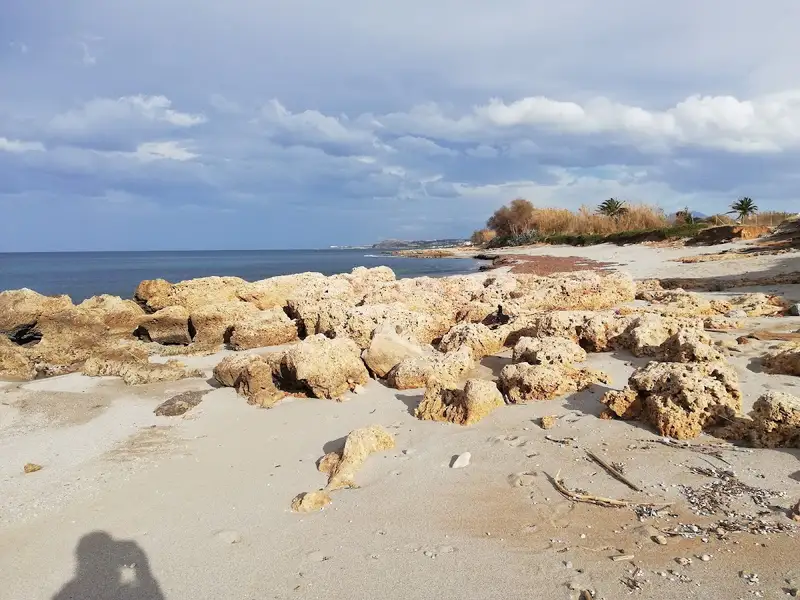
The beach in Pigianos Kambos offers a peaceful and quieter atmosphere compared to the other beaches in Rethymnon. Between Pigianos Kambos and Stavromenos, visitors can enjoy swimming and snorkelling in the numerous small, rocky coves. A unique feature of Pigianos Kambos is the opportunity to spot protected sea turtle nests, as these creatures choose this sandy beach to lay their eggs.

Regular bus services from the center of Rethymnon make Pigianos Kambos easily accessible.

  • Pigianos Kambos beaches
  • Rocks in places, Sand
  • Shallow
  • Blue
  • 2.3 km
Platanes beach is located 2.3 km away.

The suburbs of Pervolia, Missiria, and Platanias, also known as Platanes, are situated 3-5km to the west of Rethymnon city. Initially, these were independent settlements that have now merged into the urban region of Rethymnon, as a result of the residential growth over the previous century.

A vast sandy beach extends in front of these suburbs, forming part of the extensive coastline of Rethymnon Bay. Originating near the Rethymno harbour, the beach stretches eastward for 13km until it reaches Skaleta. This well-maintained beach offers a wealth of options for food, drink, and accommodation.

Just like the rest of the lengthy coastline, this beach also serves as a nesting ground for the loggerhead sea turtle. These turtles are under the protection of the Greek State. Rethymno Bay is counted among the three most crucial nesting sites for this species in Greece, with more than 400 nests reported annually.

  • Platanes beach
  • Sand
  • Shallow
  • Blue
  • 3.4 km
Misiria beach is located 3.4 km away.

Pervolia, Misiria, and Platanias, also known as Platanes, form a trio of suburbs that adjoin the city of Rethymnon, and are situated 3-5km west of the city. Previously individual settlements, they have now merged into Rethymnon’s urban district due to the growth of residential areas.

A sprawling sandy beach extends in front of these suburbs, forming part of a 13km long coastal strip that begins near Rethymno’s harbour and reaches as far as Skaleta beach. This well-maintained beach offers a wide variety of options for dining, drinking, and lodging. Along this extensive stretch of coastline, loggerhead sea turtles (Caretta caretta) come to nest. These turtles are at risk of becoming extinct, but the Rethymno Gulf stands as one of the three most crucial habitats for the species in Greece, hosting an average of over 400 nests each year.

The name Misiria originates from the Arabic term ‘Misr’, referring to a suburb of Cairo known for its fertile soil. In a similar vein, Misiria is so named due to its productive land, which continues to yield a bounty of vegetables.

  • Misiria beach
  • Sand
  • Shallow
  • Blue

Gorges to hike near Villa Mondo Blu

Find below list of gorges near Villa Mondo Blu:

  • 4.8 km

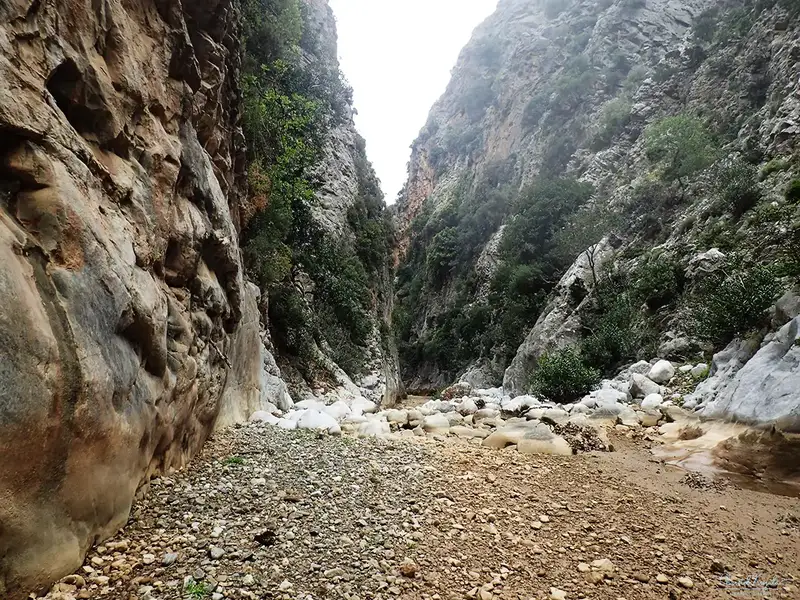
The untamed Prassano gorge, also known as the Gorge of Prasses, is situated 10 km southeast of Rethymnon. It commences south of the Prasses village and provides a captivating three-hour hike through enormous rocks and some fairly challenging passages, adding to the intrigue of the trek. The Prasano Gorge, currently serving as the “overflow” channel for the Potami dam, winds its way through the rocky hills of Gargana, with its stream terminating in the suburb of Platania, east of the city of Rethymnon. The river is engulfed by lush vegetation and towering plane trees, making it an ideal spot for a refreshing excursion.

The Prassano gorge can only be accessed from mid-June to mid-October due to the water flow. It is a crucial biotope of Crete, providing a habitat for buzzards and a small group of Bonelli’s eagles.

The Prasses Village
Set amidst the verdant Cretan landscape on the slopes of Vrysinas, Prasses serves as an entrance to the southern coast. This medieval village showcases the intermingling of diverse cultures that have traversed Crete, evident in the Venetian mansions, Turkish farmsteads, and Orthodox churches. The rich natural and cultural diversity make the village an ideal location for tours and walks. Heading south from Prasses, the road leads to the Potami valley, home to the dam of the same name.

  • Prasses Gorge
  • 5.5 km

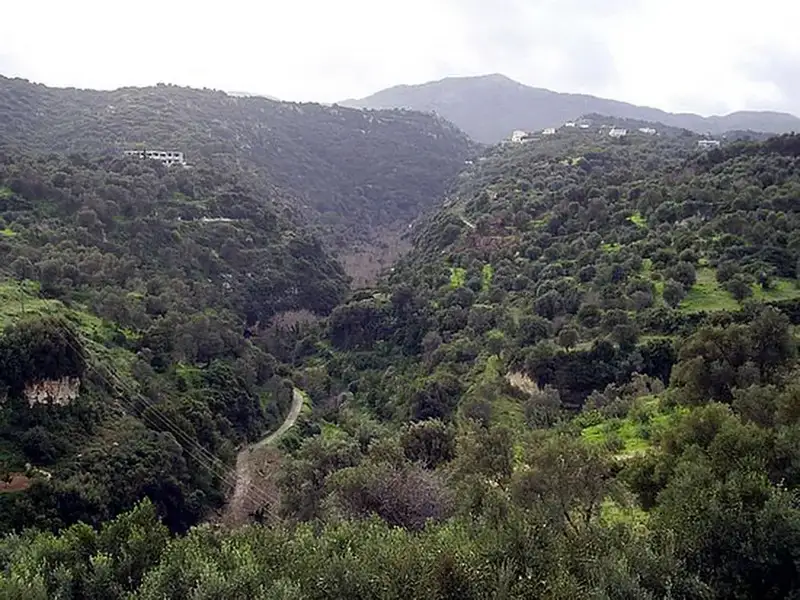
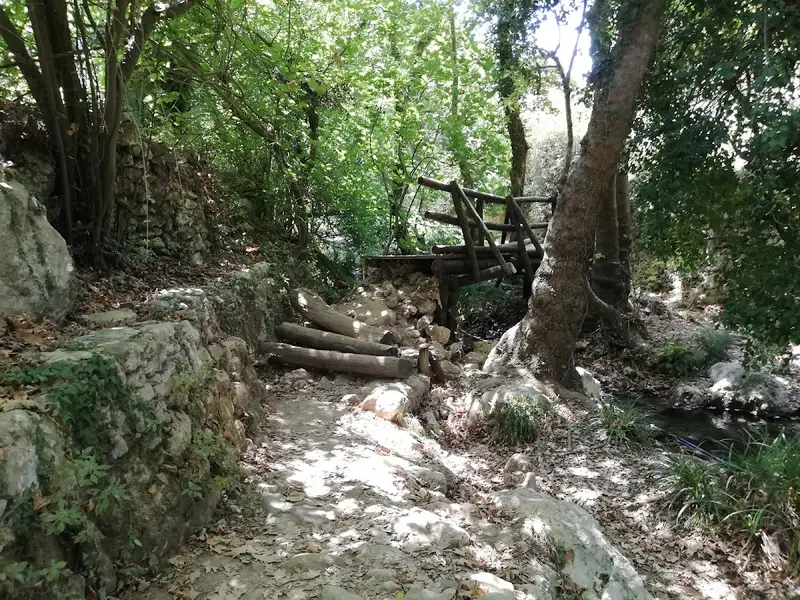
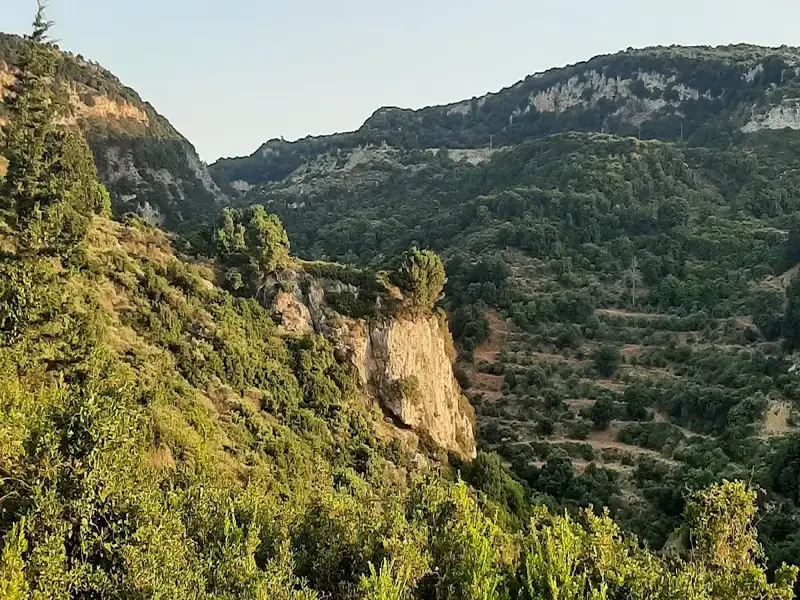
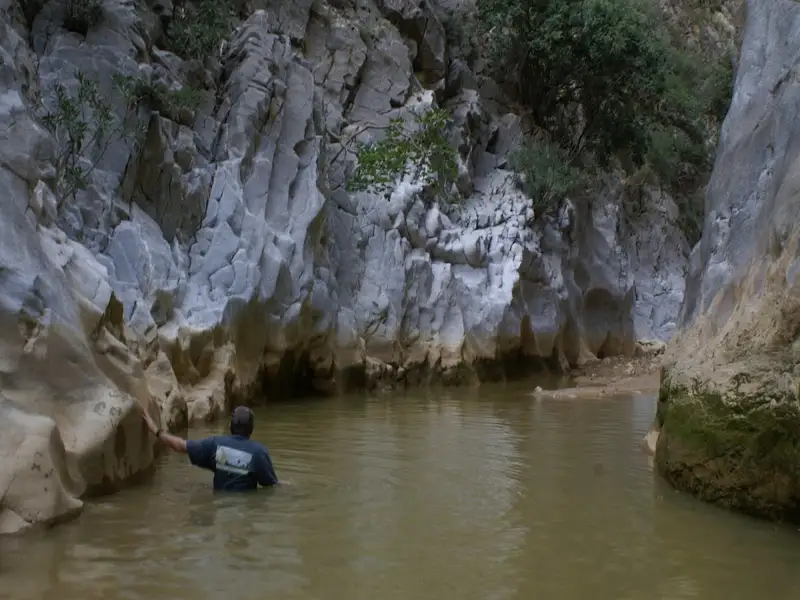
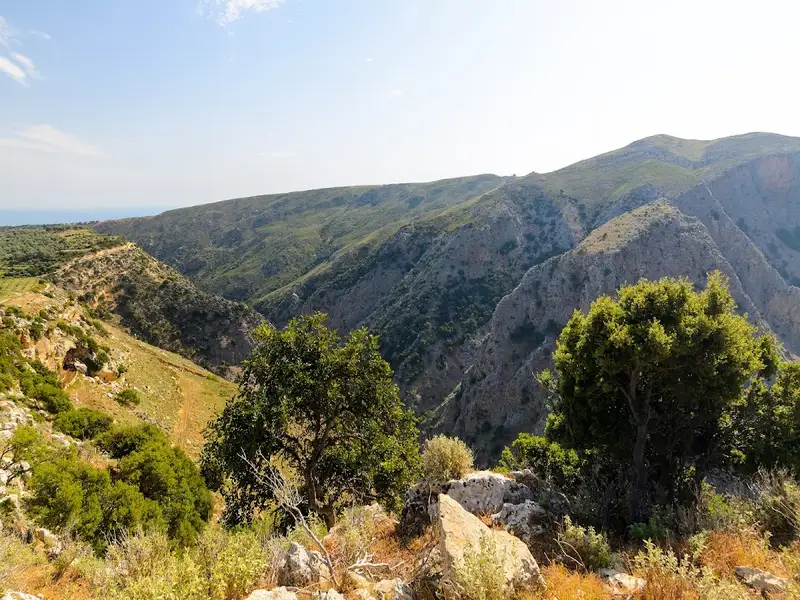
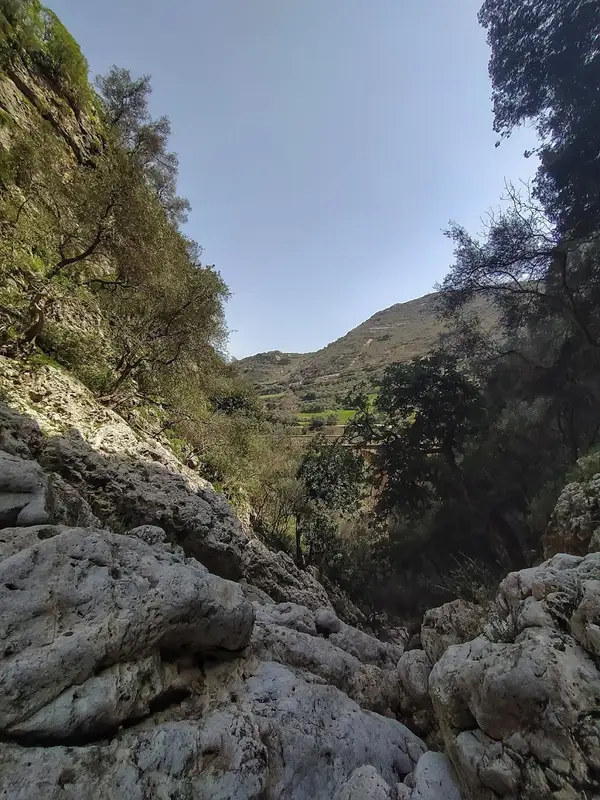
Located near the town of Rethymno, Mili Gorge is an enchanting green oasis. It’s essentially a ravine that houses a vast array of plants and trees, forming a genuine botanical garden. The gorge gathers water from the northern slopes of Mount Vrysinas, beginning north of the Chromonastiri village and south of the Xero Chorio settlement. In recent times, it has become a popular spot for hikers who enjoy the pleasant trail that spans the entire valley.

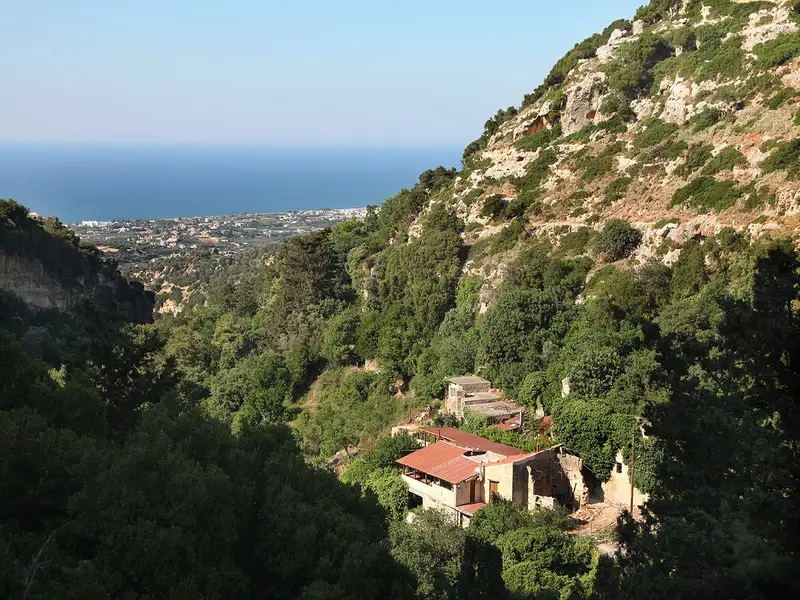
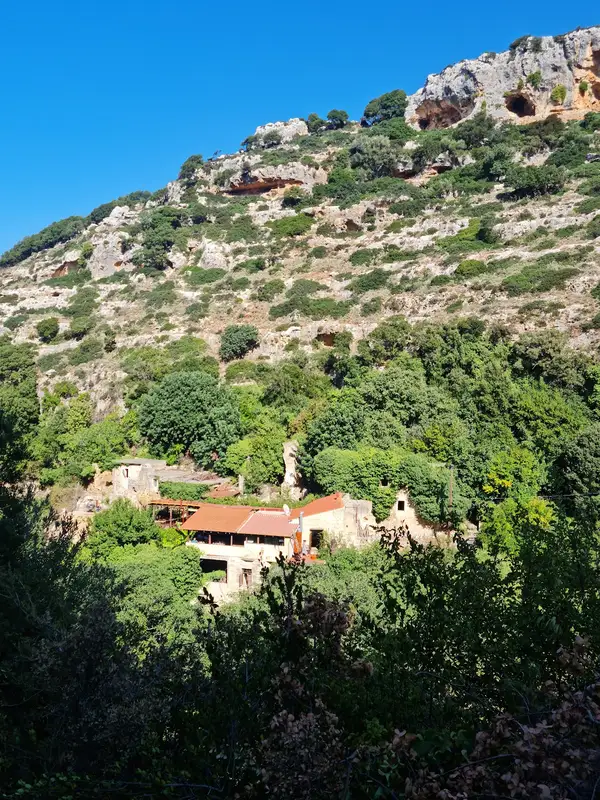
Within the heart of the canyon lies the abandoned village of Mili, named after the water mills that were once situated in the gorge. The village is split into two areas, Ano Mili (Upper mills) and Kato Mili (Lower mills). The majority of villagers were millers, with nearly all the cereals from the region and surrounding villages being milled at Mili.

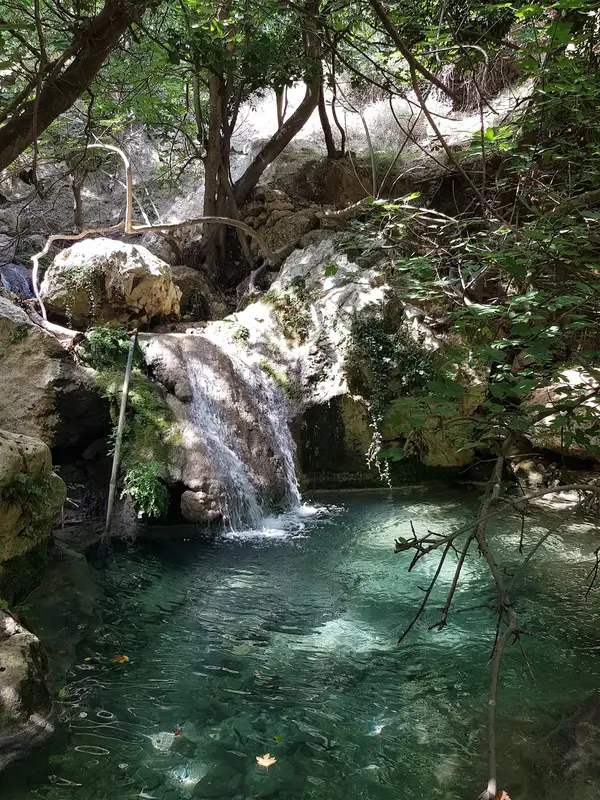
Nowadays, only one renovated watermill remains in good condition for visitors to understand its operation. Besides the numerous mills, the area is home to gardens filled with fruit trees and vegetables. Water continuously flows from the springs scattered throughout the canyon, with the largest springs being Saint Anthony and Five Virgins. The water along its course forms small waterfalls and lakes, perfect for a refreshing dip under the shade of towering plane trees.

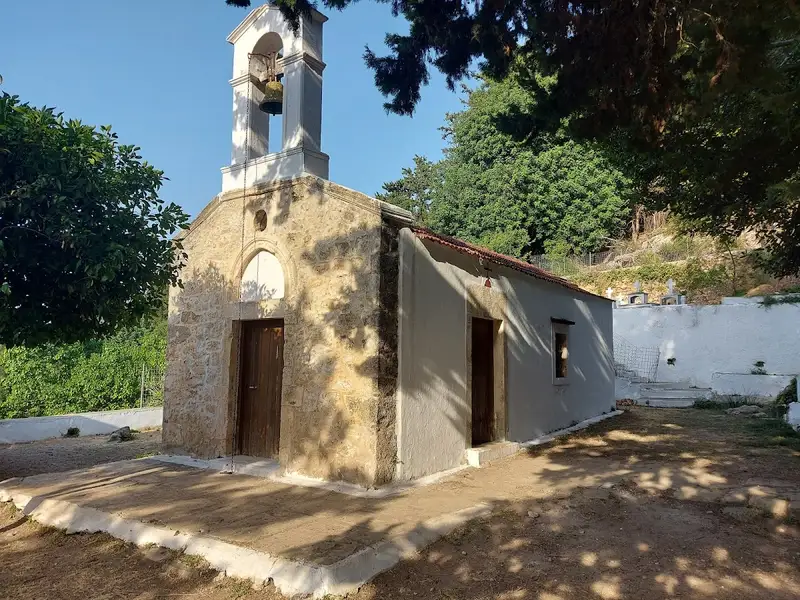
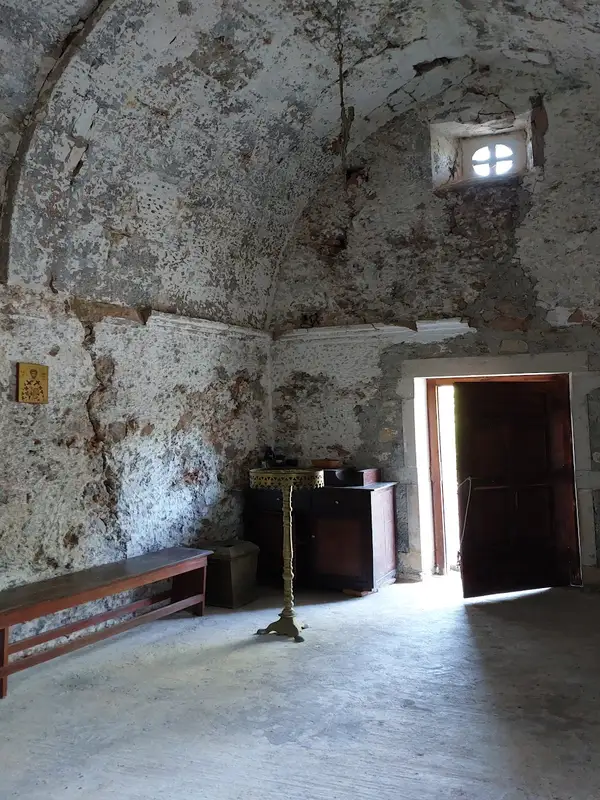
The village of Mili was deserted in 1972 due to fear of landslides, with some mills being renovated into residences and a cafe-restaurant for guests. The villagers moved and built the village Nei Mili (new mills) high above the gorge on the west. The gorge also boasts a significant number of striking churches, including the cavernous church of Saint Anthony (Agios Antonios) and the cavernous church of Saint John (Agios Ioannis), as well as the cemetery church of the Holy Five Virgins (Pente Parthenes).

Further along Kato Mili, you’ll encounter the cavernous chapels of Saint Paraskevi (Agia Paraskevi) and Saint Nicholas (Agios Nikolaos).

  • Myli Gorge
  • 7.4 km

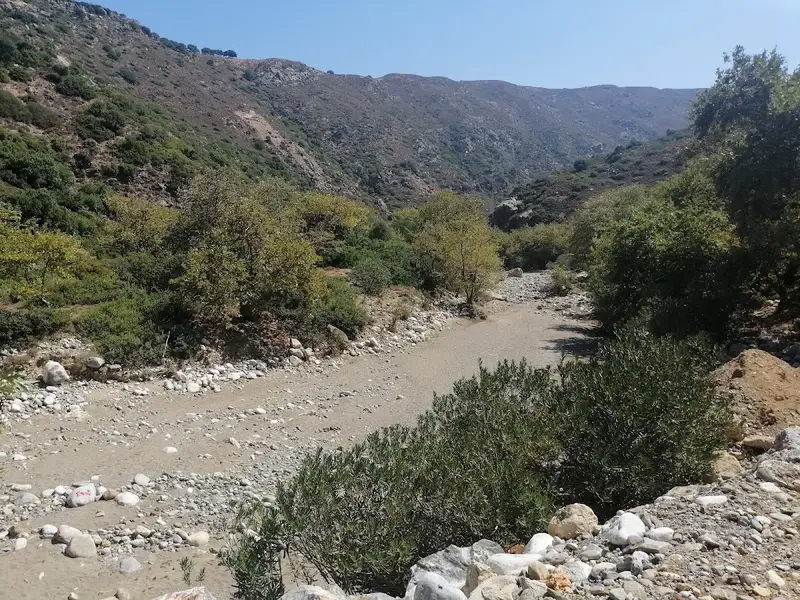
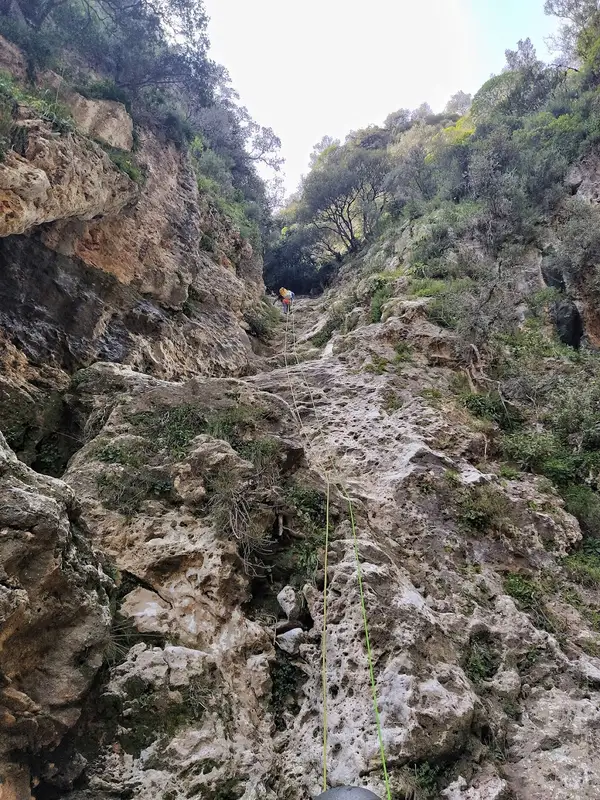
In northern Rethymnon, beneath the village of Myrthios (not to be confused with the Myrthios near Plakias), a petite ravine teeming with plane trees gives way to a wild and untamed gorge at Kaminolakos. The gorge is typically dry, only filling with water after significant rainfall. It is accessible only with canyoneering gear. This gorge remained unexplored until March 22, 2013, when Christopher Cheiladakis, Argyro Koghylaki, and Rudolf Riegler ventured into it for the first time, installing safety rings in the process.

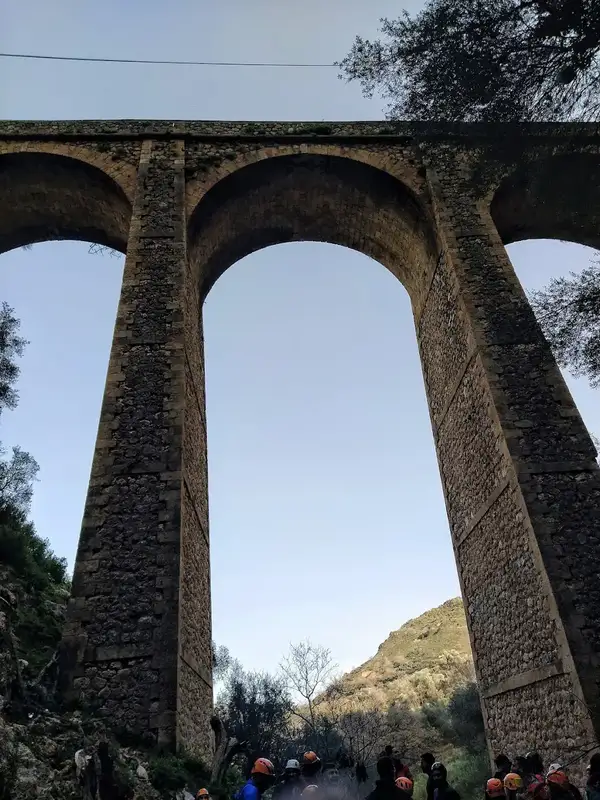
The initial stretch of the gorge is particularly wild, leading to a series of small rappels before reaching the final waterfall, a towering 55 meters high. This waterfall is nestled under an umbrella of large trees, hidden away in a shadowy enclave. The gorge culminates at the renowned stone bridge of Simas, which is situated on the road to Amari. This bridge, the highest in Crete, is considered an architectural marvel of its time.

  • Kaminolakkos Gorge
  • 8.8 km

Arkadi Gorge is a moderate 4.5 km hike in the Rethymno region of Crete that starts just north of Arkadi Monastery and takes about 2 hours to walk. The route follows the eastern bank of a green, rocky ravine, ends near the village of Pikris where it meets the Gypofarago gorge, and pairs naturally with a visit to the historic monastery above it. There is no entrance fee and no facilities on the trail, so you carry your own water and food. This guide covers what the gorge is, how hard it is, how to reach the trailhead, what you see along the way, how to combine it with the monastery, and what to pack.

What Arkadi Gorge is

Arkadi Gorge is a river gorge in the Rethymno region of Crete, Greece, set just below and north of Arkadi Monastery. The gorge runs for approximately 4.5 kilometers and drains toward the north, where its trail finishes near Pikris village and joins the Gypofarago gorge. Walkers stay on the eastern banks for most of the route. Sections of the gorge bed are inaccessible because waterfalls and dense vegetation block the floor, so the path keeps to the higher eastern side rather than the streambed. This gives the hike its mix of shaded, wooded stretches and open, rocky ground. The setting carries both natural and cultural interest. You pass representative species of Cretan flora and can spot fossils in the exposed rock, and the wider area preserves significant Venetian architectural landmarks from Crete’s Venetian period.

How difficult the hike is and how long it takes

The Arkadi Gorge hike is rated moderate, with some steep and rocky sections that call for steady footing. Most walkers complete the roughly 4.5 km route in about 2 hours, moving at an unhurried pace and stopping to look around. Difficulty comes from terrain rather than distance. Steep, uneven, and rocky ground makes up the harder parts, while the wooded eastern-bank sections are gentler underfoot. Follow the marked path and stay out of the gorge bed, because waterfalls and thick vegetation make progress unsafe there. The best time to hike is spring and autumn, when the weather is mild and the scenery is at its best. Spring brings green vegetation and flowering plants, and autumn offers cooler, settled conditions. Summer is walkable but hot, and the lack of shade in the open sections and the absence of any water source on the trail make heat the main concern.

Getting to the trailhead

Reach the Arkadi Gorge trailhead by driving to Arkadi Monastery first, as the gorge begins just to its north. The monastery sits in the Rethymno region and is the main orientation point for the whole area. A paved road serves the monastery, and that same road runs through a slim section of the gorge on the approach. You can see this narrow stretch from the car without hiking if you are short on time, since the roadway passes directly through it. To walk the full route, park near the monastery and pick up the marked trail heading north toward Pikris.

What you see along the trail

The main draw of Arkadi Gorge is its natural scenery, with impressive rock formations, varied plant life, and wildlife along the eastern bank. Steep rock walls, wooded slopes, and the seasonal watercourse give the ravine its character. Look for these features as you walk:
  • Rock formations and exposed cliffs shaped by the watercourse
  • Cretan flora, including native shrubs and flowering plants in spring
  • Fossils visible in the layered limestone
  • Waterfalls and dense vegetation deep in the inaccessible gorge bed
  • Wildlife and birds moving through the ravine
The variety is what makes the walk rewarding rather than any single landmark. Green, sheltered pockets alternate with open rocky ground, and the changing surface keeps the two hours interesting.

Combining the gorge with Arkadi Monastery

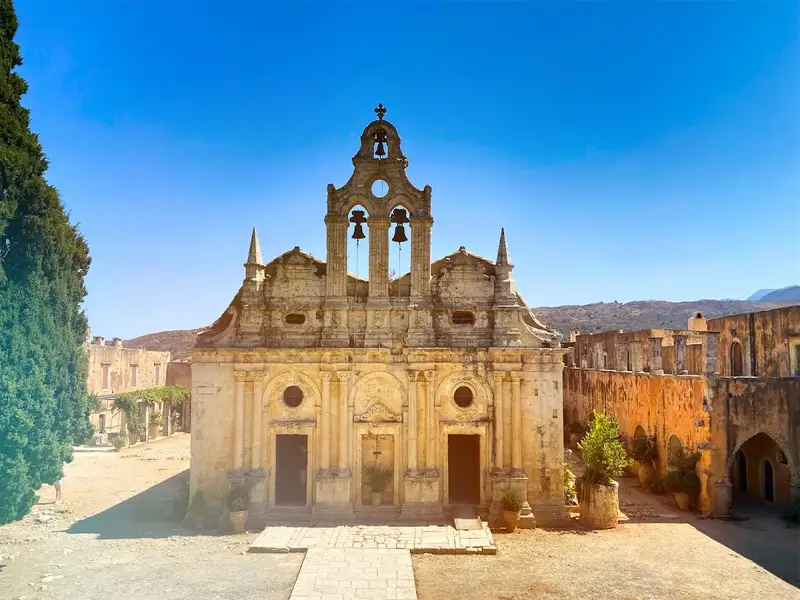
Arkadi Gorge and Arkadi Monastery sit together, so most visitors treat them as one half-day outing. The gorge begins at the monastery’s doorstep, which lets you tour the buildings and then walk the ravine on the same trip. The monastery rewards the stop on its own merits. Arkadi Monastery is one of the most historically significant monasteries in Crete and is best known for its role in the 1866 Cretan uprising against Ottoman rule. For opening details, photos, and the full history before you set out, the Arkadi Monastery guide covers the site in depth. Seeing the monastery first also gives useful context for the Venetian-era landmarks you notice along the gorge.

What to bring

Pack as if there is nothing on the trail, because Arkadi Gorge has no facilities of any kind. Bring your own food, water, and supplies, and plan to carry out everything you carry in. Bring the following essentials:
  • Water in sufficient quantity, since no springs or taps are available on the route
  • Food and snacks for the roughly 2-hour walk
  • Footwear with grip for the steep and rocky sections
  • Sun protection such as a hat and sunscreen for the open stretches
  • First-aid supplies for a trail without services
Good footwear matters most. The rocky, uneven ground is where careless steps cause trouble, so shoes with proper grip do more for your comfort and safety than any other item.

Other gorges near Arkadi Gorge

Arkadi Gorge sits within easy reach of several other Rethymno-area gorges, which makes it easy to plan more than one walk from the same base. Each lies a short drive away and offers a different landscape. Nearby gorges include:
  • Margarites Gorge, about 6.1 km away
  • Patsos Gorge, about 8.1 km away
  • Prasses Gorge, about 8.4 km away
  • Kaminolakkos Gorge, about 8.6 km away

Frequently asked questions

Where is Arkadi Gorge?

Arkadi Gorge is in the Rethymno region of Crete, Greece, near Arkadi Monastery. The gorge begins just north of the monastery and runs toward Pikris village.

How long is Arkadi Gorge?

Arkadi Gorge is approximately 4.5 kilometers long. The marked trail follows the eastern bank of the ravine from the monastery to where it meets the Gypofarago gorge.

How long does it take to hike Arkadi Gorge?

Hiking Arkadi Gorge takes about 2 hours. This covers the roughly 4.5 km route at a relaxed walking pace with stops.

How difficult is the Arkadi Gorge hike?

The Arkadi Gorge hike is moderate, with some steep and rocky sections. Sure footing helps on the uneven ground, and the wooded eastern-bank stretches are easier.

Is there an entrance fee for Arkadi Gorge?

No, there is no entrance fee to visit Arkadi Gorge. The trail is open and free to walk.

Are there facilities in Arkadi Gorge?

No, there are no facilities in Arkadi Gorge. Bring your own food, water, and supplies, because nothing is available on the trail.

When is the best time to visit Arkadi Gorge?

The best time to visit Arkadi Gorge is spring and autumn, when the weather is mild and the scenery is at its best. Summer hiking is possible but hot, with no shade or water in the open sections.

Is it safe to hike Arkadi Gorge?

Yes, hiking Arkadi Gorge is generally safe. Follow the marked trails, take normal precautions, and stay out of the gorge bed, where waterfalls and dense vegetation make it impassable.


  • Arkadi Gorge

© All rights reserved. Crete Locals