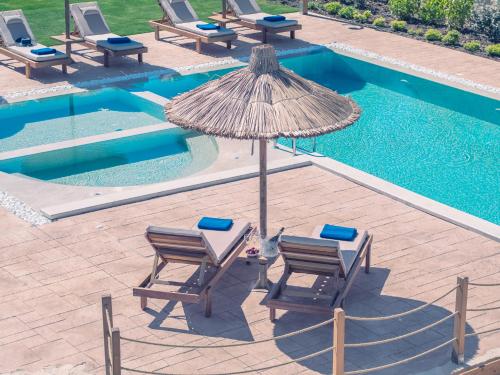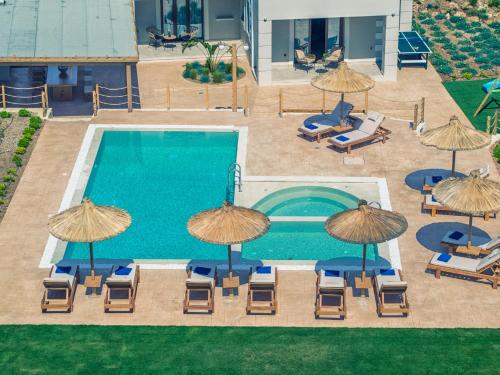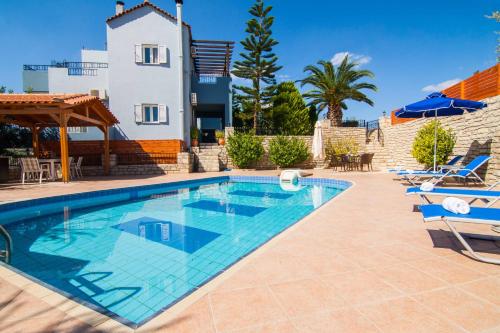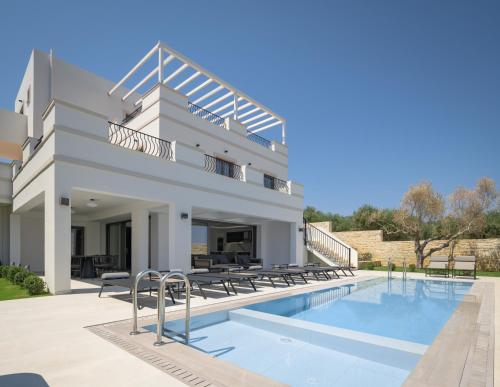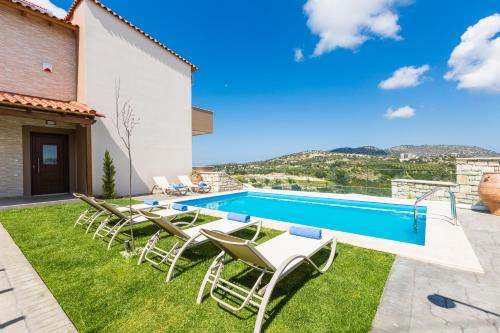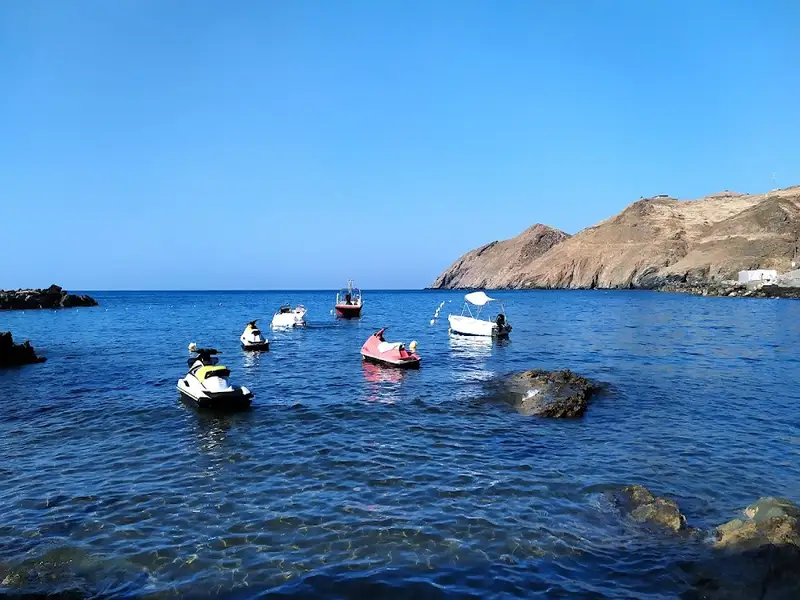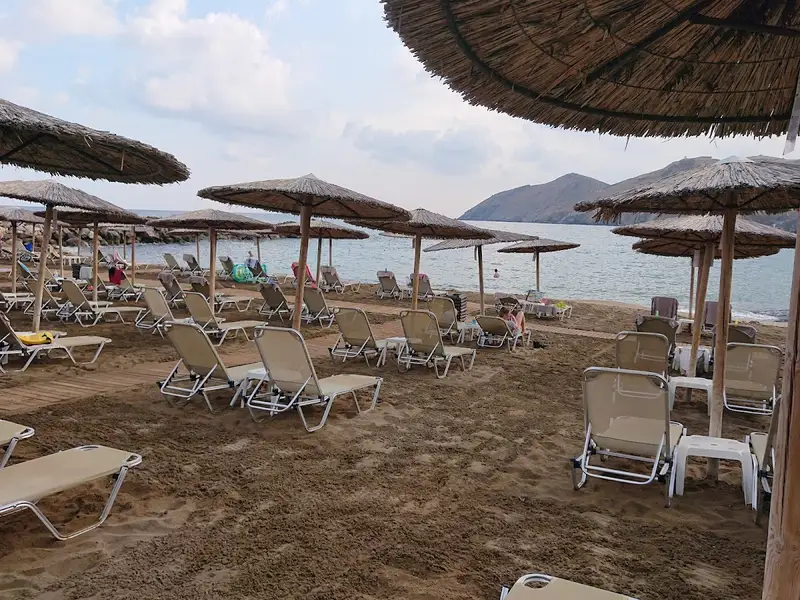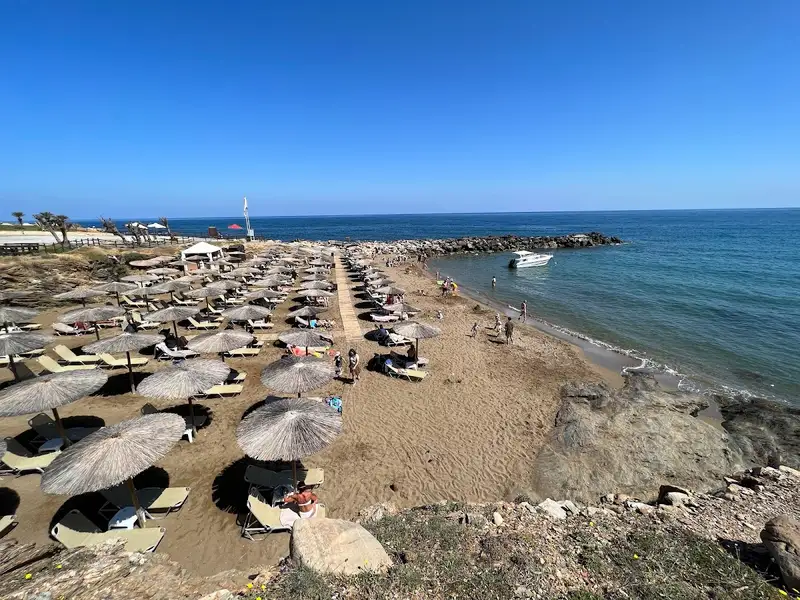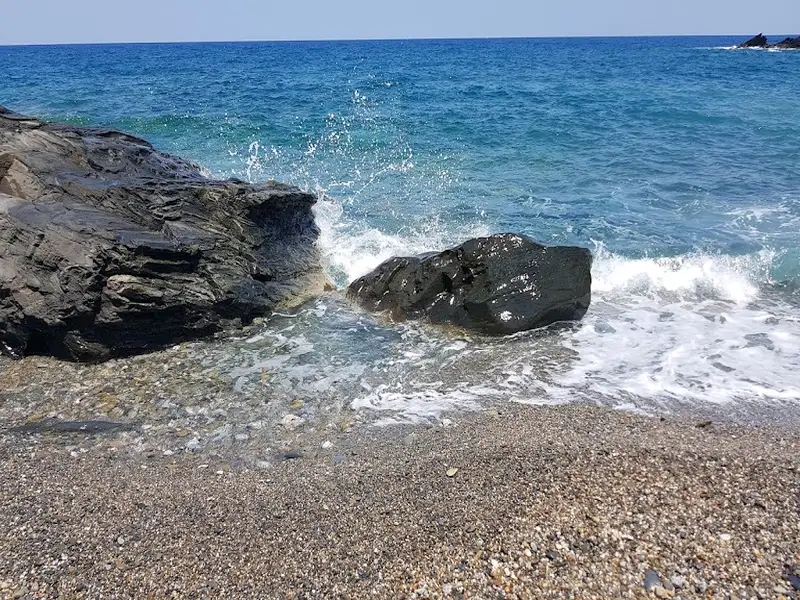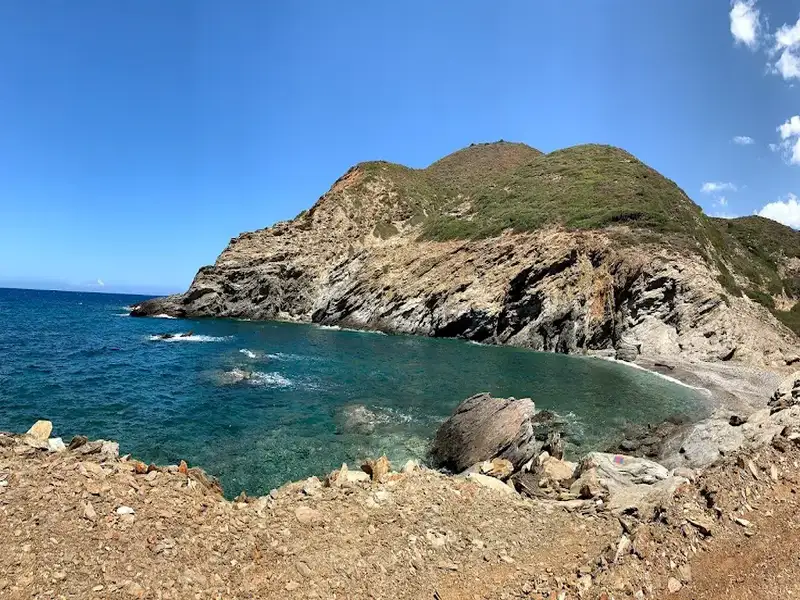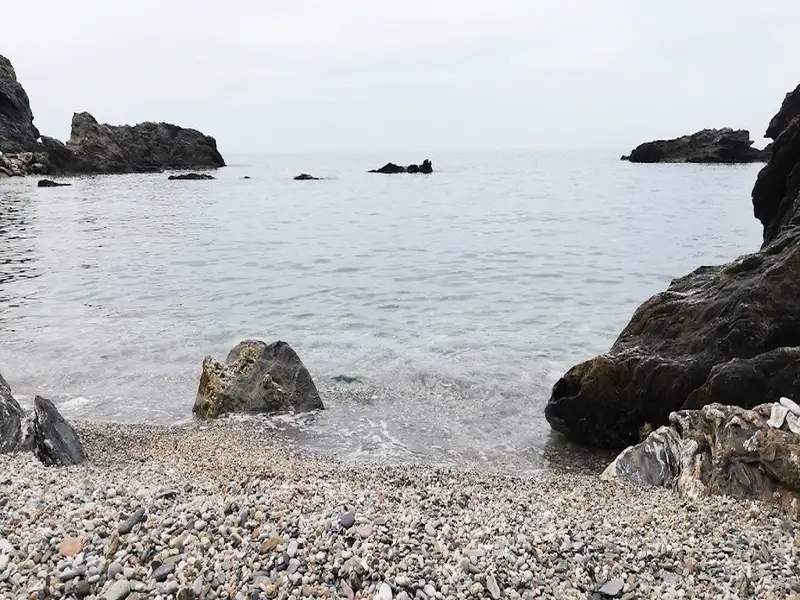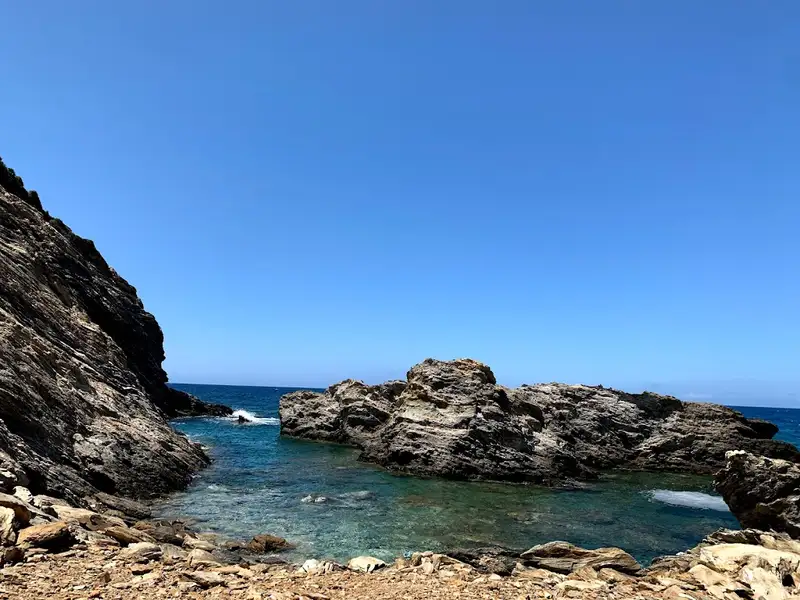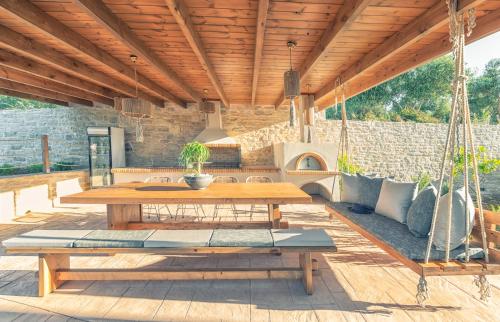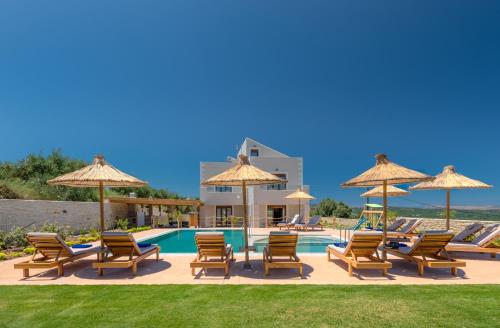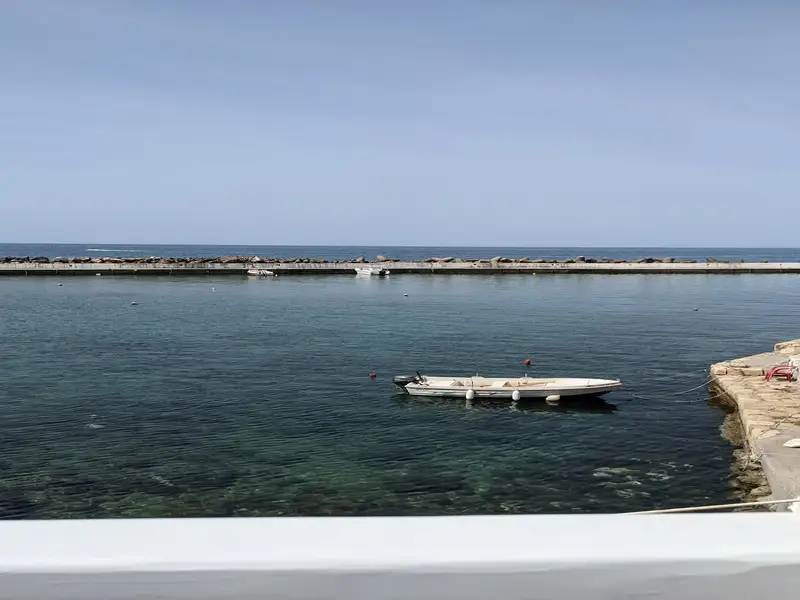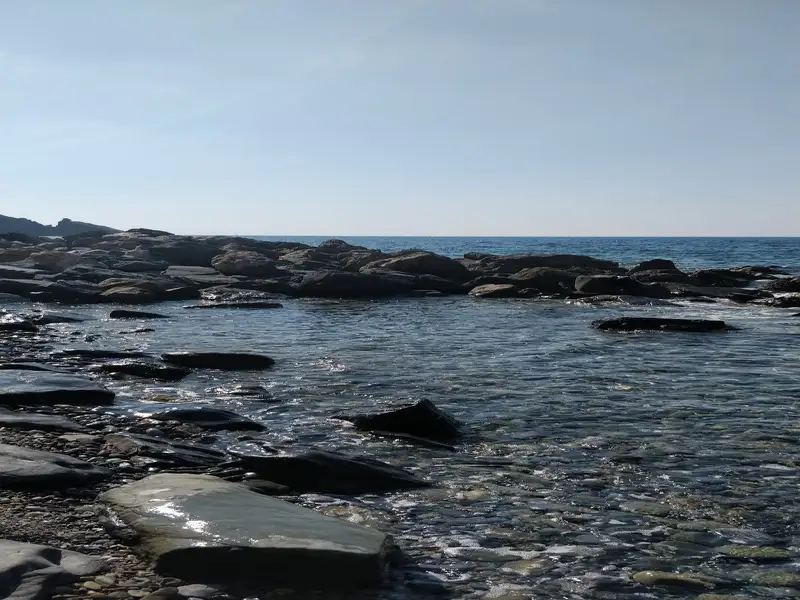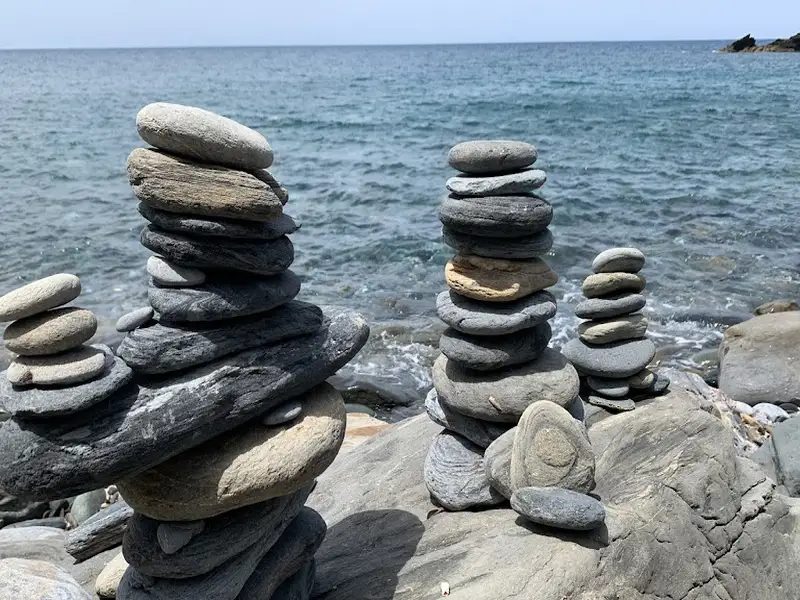
Boasting air-conditioned accommodation with a private pool, pool view and a patio, Ivoni Villa, an Iconic Summer Retreat, By ThinkVilla is situated in Perama. This property offers access to a balcony, ping-pong, free private parking and free WiFi.
The villa with a terrace and mountain views has 5 bedrooms, a living room, a flat-screen TV, an equipped kitchen with a dishwasher and an oven, and 5 bathrooms with a walk-in shower. Towels and bed linen are available in the villa.
The villa can conveniently provide information at the reception to help guests to get around the area.
Ivoni Villa, an Iconic Summer Retreat, By ThinkVilla offers a children’s playground. If you would like to discover the area, snorkelling, hiking and walking tours are possible in the surroundings and the accommodation can arrange a car rental service.
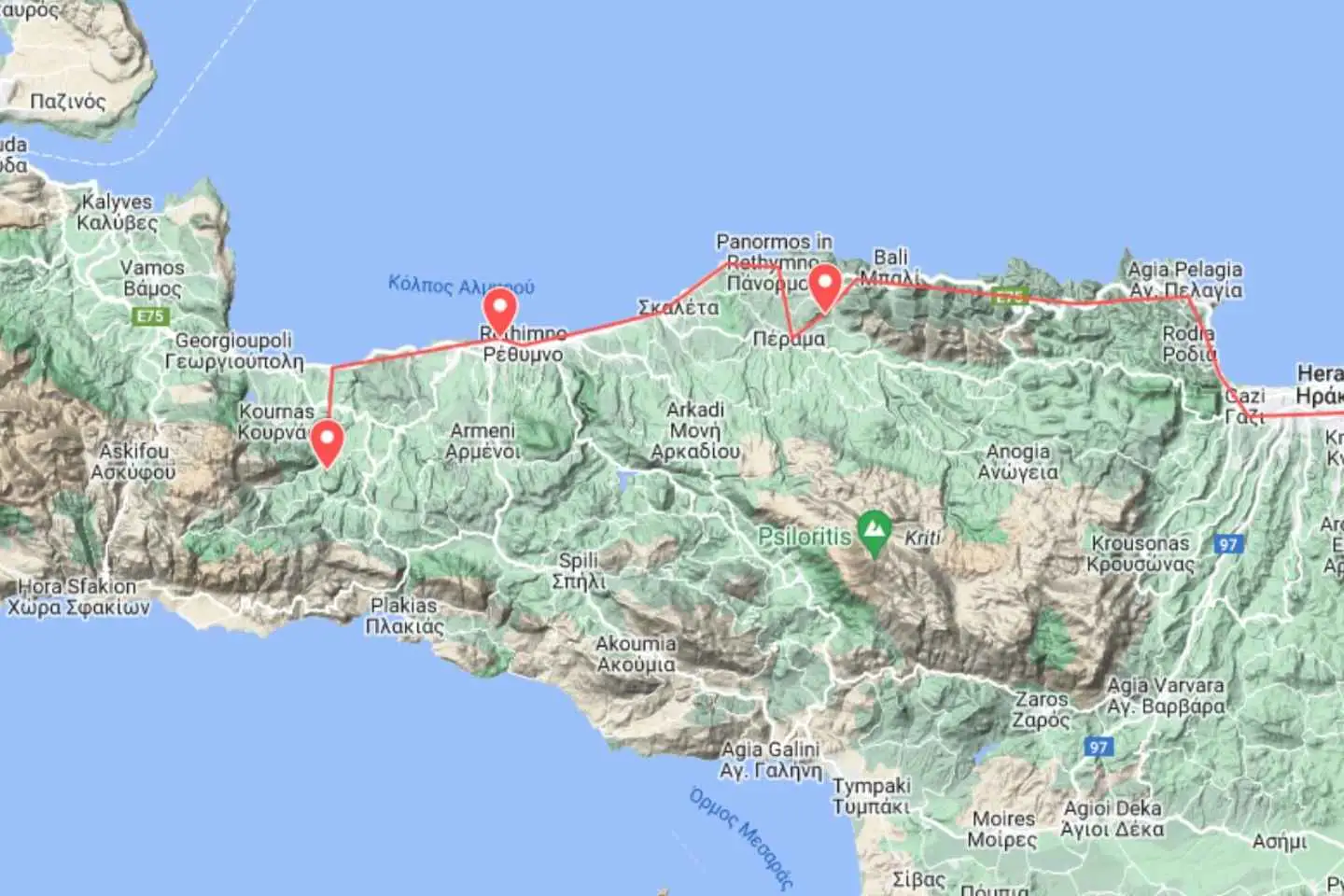
Museum of Ancient Eleftherna is 11 km from Ivoni Villa, an Iconic Summer Retreat, By ThinkVilla, while Archaeological Museum of Rethymno is 25 km from the property. The nearest airport is Heraklion International, 57 km from the villa, and the property offers a paid airport shuttle service.
Πέραμα
No results available
Find below list of things to do near Ivoni Villa, an Iconic Summer Retreat, By ThinkVilla:
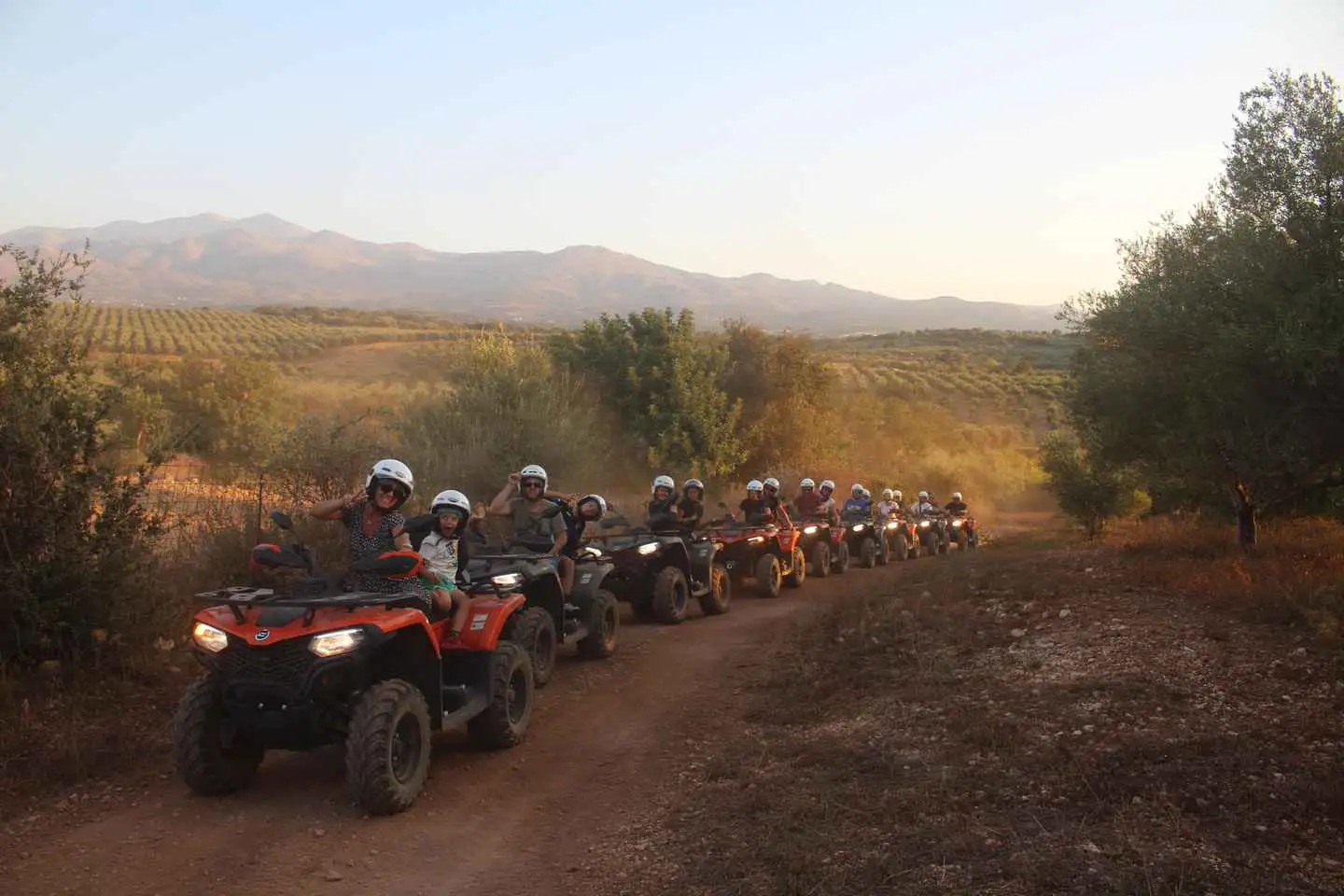
Our adventure begins from our base in Bali, after a security update and a little practice. We drive away from the main traffic through provincial and country roads, which only locals know and we cross one of the biggest olive groves of the island.
We explore 10 small traditional villages with narrow streets, meet local people and admire Venetian and Ottoman stone buildings of the 17th and 18th century, which will take us back in time to another era.
In one of our stops we explore one of the most important caves of Crete, Melidoni cave, which is located on top of a mountain.
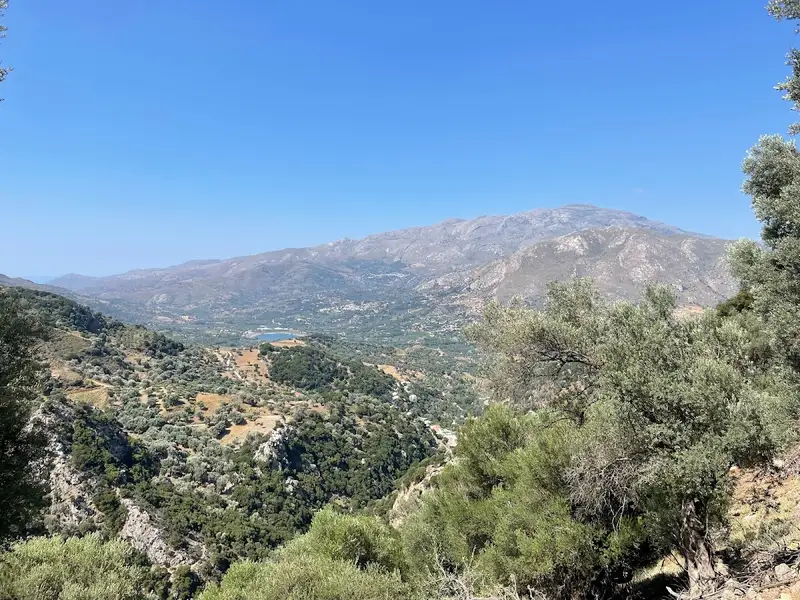
We enjoy the amazing panoramic view of the beautiful valley, with dozens of villages and the highest mountain of Crete called Psiloritis – Idi.
We have much fun on the dirt roads, passing through the fields as we discover unique picturesque landscapes of the beautiful wildlife of Crete.
We’ll make enough stops during our safari, offering excellent opportunities for amazing pictures and breathtaking landscapes.


See Crete on a guided tour that combines history and craft for a hands-on experience. Visit the most historical spots on the island, learn their history, and enjoy a pottery lesson and olive oil tasting. Visit the Museum of Ancient Eleftherna, Melidoni Cave, and more.
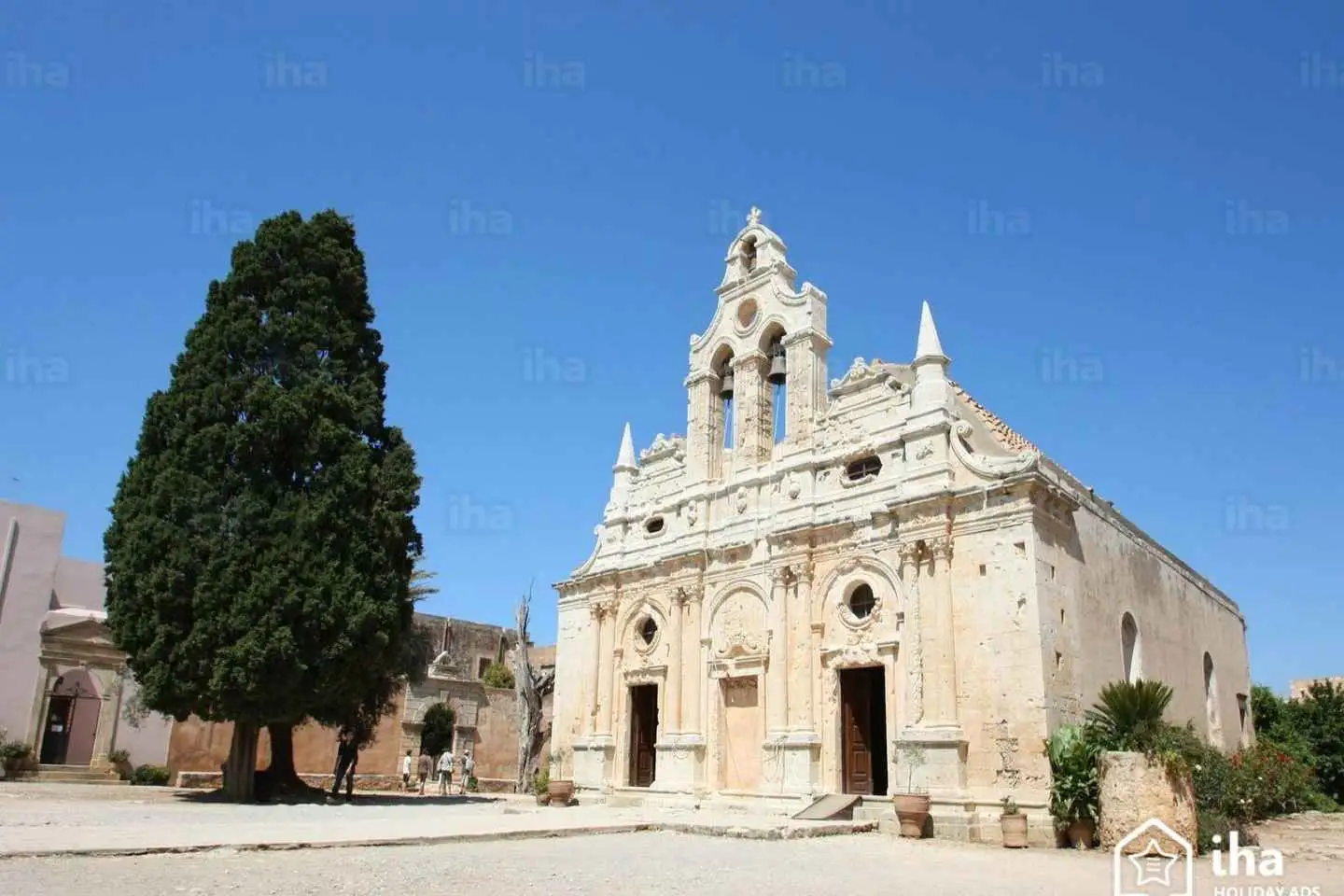
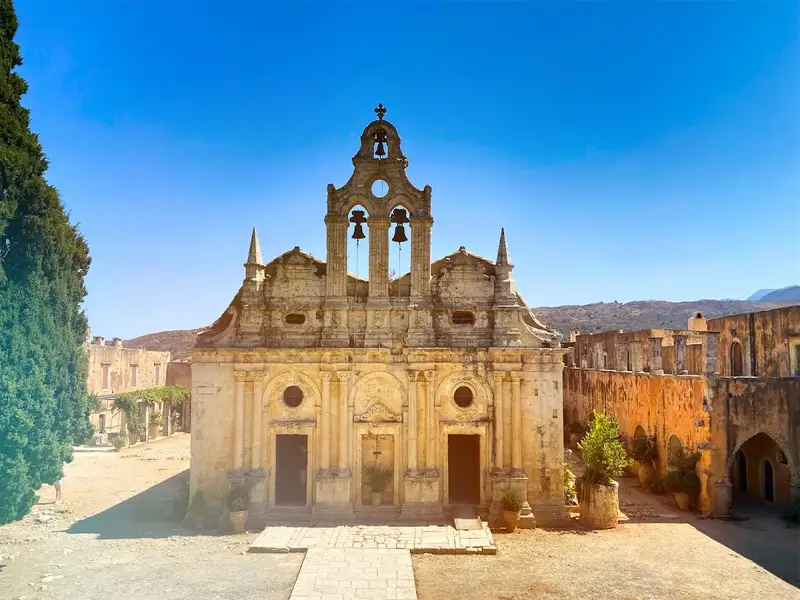
Start by getting picked up from your accommodation in Rethymno, then arrive at the most important monastery of Crete: the Monastery of Arkadi. Explore the museum where many icons, monastic relics, and weapons reveal the monastery’s history. Enjoy an hour of free time.
Next, visit the Museum of Ancient Eleftherna with its historical findings from Homer’s era. This is the first archaeological site museum in Crete. The museum hosts the whole history of Eleftherna from 3000 B.C. to 1300 A.D.
Afterward, enjoy a tour of the pottery workshop “TSIKALARIO” in the village of Margarites to learn about the art of pottery and create your own ceramic. The tradition of pottery goes back many generations in this villa.
Later, visit Margarites village where you will have free time for lunch or a walk.
Next, head to an olive oil manufactory. Learn how Cretan people made olive oil in the past and see the evolution up to today. Take part in an olive oil tasting before heading to the next stop, Melidoni Cave.
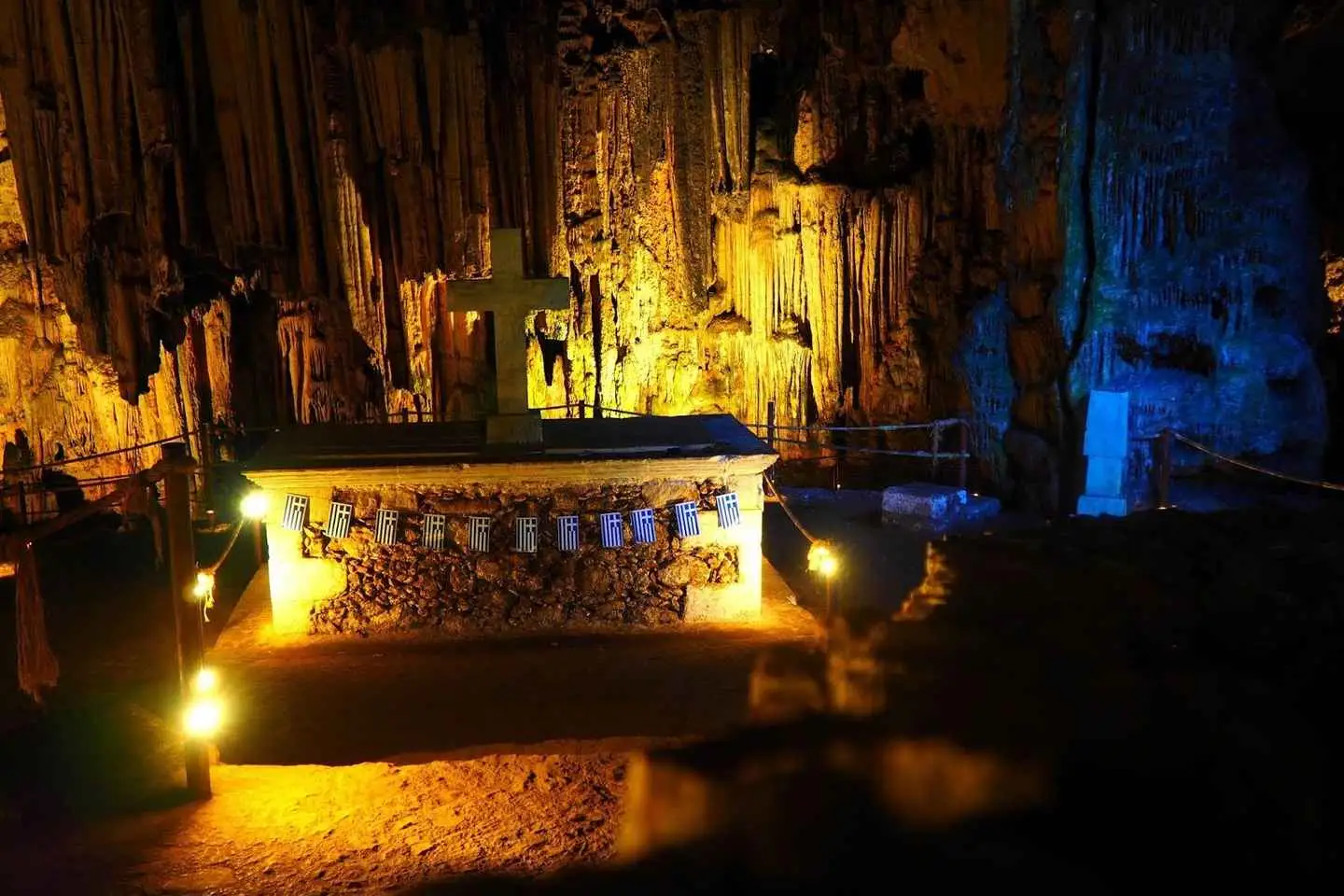
Lastly, arrive at Melidoni, also called “Gerodospilios,” a historic cave filled with stalactites and stalagmites. This 220-meter altitude cave was used for religious ceremonies and as a place of worship. Learn the cave’s archaeological and historical significance before heading back to Rethymno.
Experience the ultimate cross-country adventure with Nostos Safari. This unique cross-country real-off-road experience takes you from the coast to the mountains. Drive through off-road routes and pass through breathtaking landscapes, from traditional village alleys to stunning mountain passes. With Nostos Safari, you’ll have the freedom and adventure of a quad bike to explore the stunning natural landscapes of Crete. Discover the unforgettable experience of cross-country living and book your quad safari today with Nostos Safari.
Benefit from pick-up at your hotel in the Rethymno area, and then explore the traditional lifestyle and historical legacy of Crete.
Learn the Neolithic history of the Melidoni Cave and discover the pottery traditions of the village of Margarites.
Discover the oldest monastery in Crete at the 16th-century Arkadi Monastery, and then go to the village of Apostoli to visit an old olive oil factory. Enjoy lunch in a traditional tavern and listen to the beautiful sound of live folk music before making your way to St. Antonios Gorge. Stop at the Fragma Potamon dam before making your way back to Rethymno.
Get in touch with the history and the art of the Cretan pottery on this tour from Rethymno. Learn about local honey and bees at the Honey Museum. See natural stalactites at Melidoni cave. Explore the villages and feel the cretan hospitality.
Enjoy the convenience of being picked up from your accommodation in Rethymno. Sit back and relax on a scenic drive through the countryside. Arrive in Margarites and take a tour of a ceramic shop. Immerse yourself in local crafts during pottery.
Take a guided tour of the Honey Museum to discover the secrets of one of Crete’s most popular foods. Travel to Melidoni to visit the subterranean chambers and stalactites in Melidoni cave. Hear about the fascinating history of this cave.
Finally return to your accommodation in Rethymno at the end of your tour.
We have designed this unforgettable trip to submerge you into an authentic way of life in one of the island’s most beautiful regions while gaining a deeper understanding of the relationship between history, stunning escapes, gastronomy, and the authentic Cretan local lifestyle.
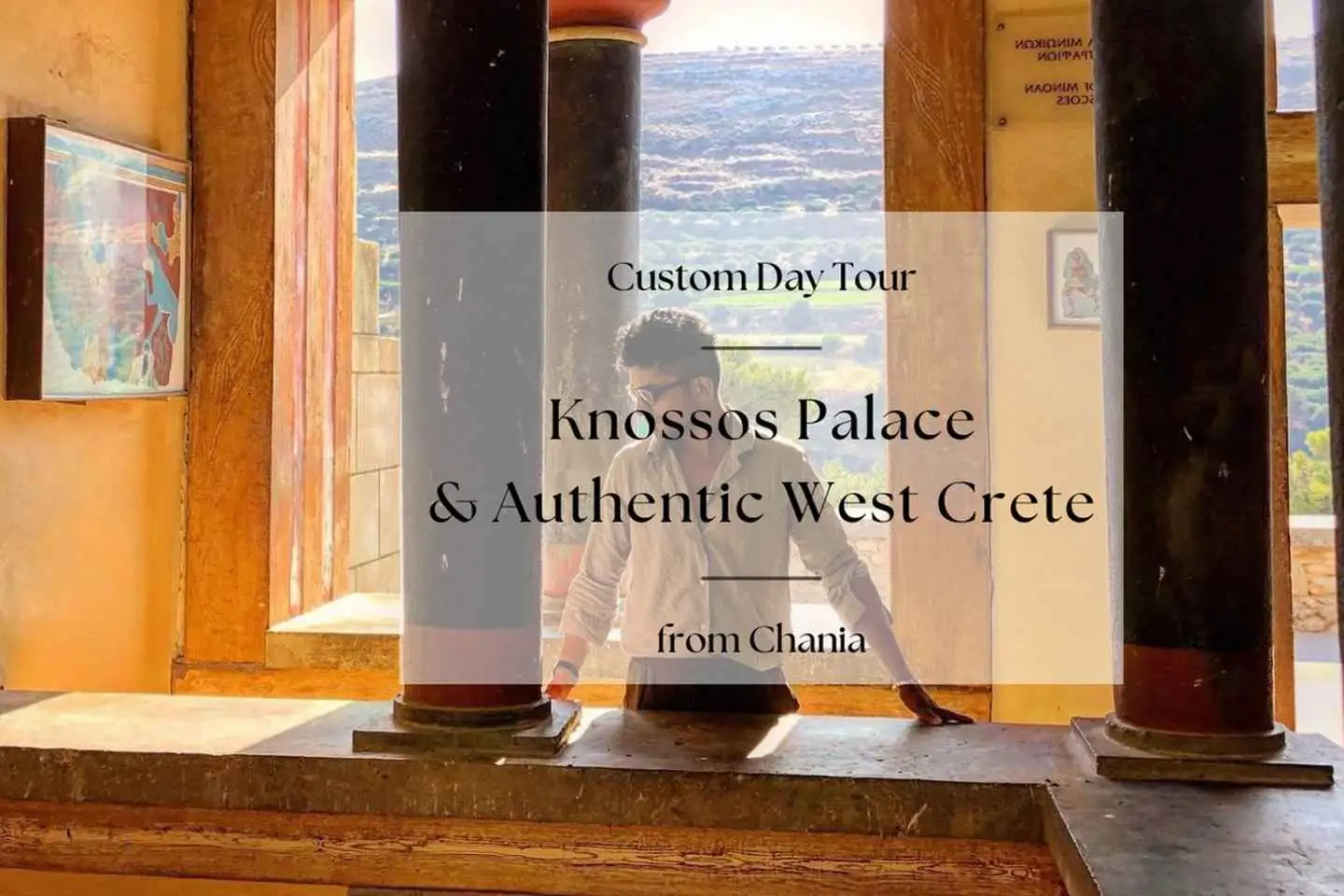
You will also visit the world-famous Palace of Knossos, where your expert guide will ensure skip-the-line access to all archaeological areas, key pieces of information, and extra-personalized attention.
Then, from the history and cultural experience, you will be immersed in another time wandering the unspoiled Cretan landscape along with authentic layers of flavors, wines, and village life of the island of Crete.
Enjoy personal pick-up and drop-off with a premium vehicle at your full-day disposal, like a true VIP.
No results available
Find below list of beaches near Ivoni Villa, an Iconic Summer Retreat, By ThinkVilla:
Panormo, located approximately 20km east of the city of Rethymnon in the Milopotamos province, is a peaceful coastal village. It has experienced rapid growth in recent years while preserving its traditional charm. Its attractiveness lies in the untouched beauty of the Cretan countryside, the charming village, stunning beaches, and convenient accessibility.
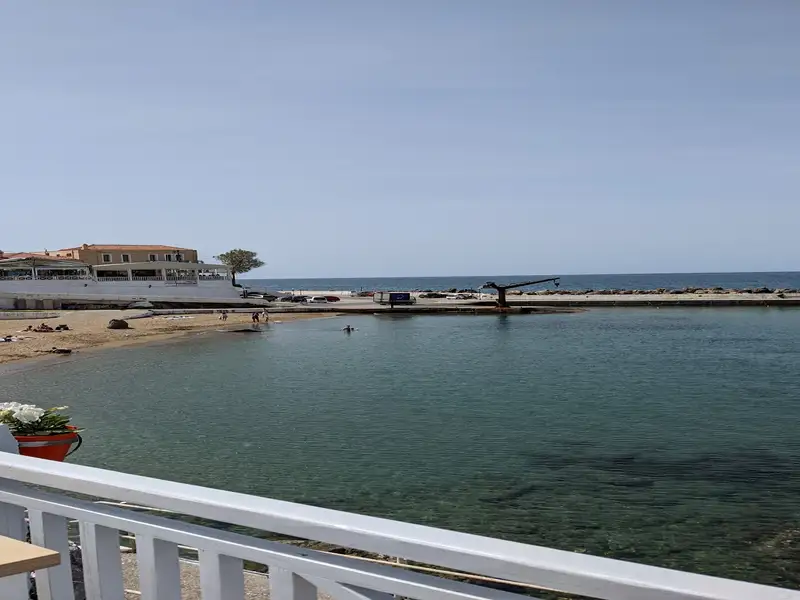
Panormo boasts two primary beaches and several smaller ones. The village’s Greek name, which translates to ‘a location with a natural port’, aptly describes Panormos as it is a natural harbour with tranquil waters. The beach at the harbour, known as Limanaki, serves as the region’s port. It’s sandy, with clear waters, making it perfect for families with young children due to its shallow waters and the protection from waves provided by a cement pier. The beach is well-equipped with umbrellas, showers, water sports facilities, and plenty of accommodation and dining options nearby. Adjacent to Limanaki is a smaller, less populated sandy beach.
The second main beach, Limni, is situated just 200m west of the village. Similar to Limanaki, it is sandy and shielded by a rocky pier, essentially dividing it into two separate beaches. Further east, a small, secluded cove with a pebbly beach is perfect for undisturbed relaxation and snorkelling during calm seas. Panormo can be reached via direct bus services from Rethymnon or suburban bus services between Heraklion and Rethymnon. Excursion boats also operate from the local harbour.
A short history of the area
Panormo is historically significant and is thought to be located on the site of the ancient city of Panormus. The discovery of the impressive basilica of St. Sophia, dating back to the 6th century AD, confirms the presence of an ancient city. The basilica, situated 500m southwest of the village, is considered one of the largest Christian churches in Greece and the biggest in West Crete. The village is also known as Kastelli of Milopotamos, named after the fort built by the Genoese conquerors in 1206, which was later captured by the Venetians. Remnants of this fort can still be seen near the harbour.
In more recent history, Panormo served as a hub for transporting goods produced in the surrounding region, particularly olives and carobs. A renovated old carob mill, now used as a cultural centre, can still be visited. The village was bombed during the German Occupation. The construction of a new national road in the 1970s, adjacent to the village, and the building of a marina in 1980 has contributed to Panormo’s tourism growth. The village celebrates three festivals every year: Ascension, St. John on June 24, and St. Nicholas on December 6.
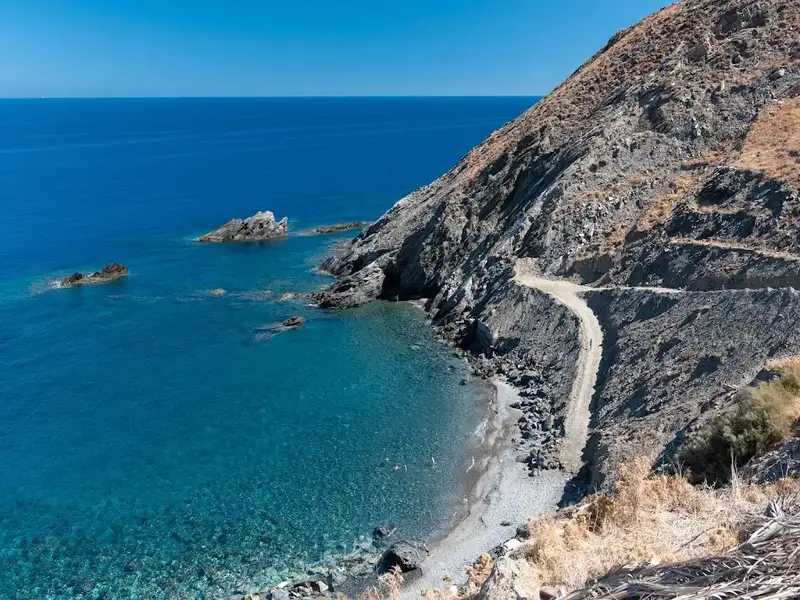
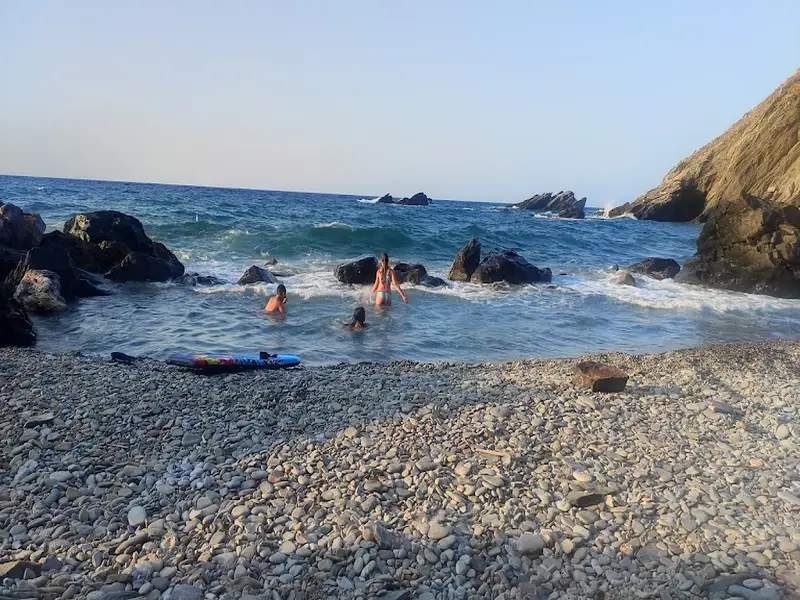
The Skepasti beaches, situated roughly 27km to the east of Rethymnon and a mere 2km eastward from the namesake village Skepasti in the Milopotamos province, are predominantly reachable via poor dirt roads that originate from the village. Among these beaches, the local population’s favourite is Koukistres. The Skepasti beaches, which are exposed to the northern winds, are characterized by their pebbly texture and deep waters. They are entirely unorganized and quite a distance from the closest hotels and eateries, which are located in Panormos. Thus, it’s essential to bring all necessities if you plan to visit. The surrounding terrain, marked by rugged Cretan landscapes and barren, rocky grounds, adds to the remote charm.
While here, it’s recommended to combine beach activities with a trip to the quaint, traditional village of Skepasti. The village derives its name from the Byzantine church of Panagia Skepasti, which has a fascinating legend associated with it that’s worth exploring.
The beach of Agios Nikolaos, situated slightly west of Bali in the province of Mylopotamos, is nestled in a secluded area. The beach’s name is derived from the Byzantine two-nave church of Saint Nicholas, which is positioned within a lush green creek leading to a stunning cove. Despite the ravine drying out towards the end of spring, the presence of numerous plane trees indicates the existence of water.
The cove is encased by striking limestone rocks that create small caves, adding to the charm of Agios Nikolaos. The beach, however, has a rocky seabed and is almost semicircular in shape. Unfortunately, it is often littered with trash brought in by the north winds.
Access to Agios Nikolaos beach is via two poorly maintained dirt roads that start near the motorway, beyond Bali. One of these routes, which first ascends to the antennas at Bombadopirgos peak before descending to the beach, is closed off. The other route approaches the beach from the east, but due to its poor condition, a walk of roughly 10 minutes is required.
Geropotamos, situated approximately 18km east of Rethymnon and 3km west of Panormo, is named after the eponymous river that empties into the eastern end of the beach. The beach, though small, is marked by its sandy terrain and crystal-clear, cool water, a result of the river that runs throughout the year, forming a small lake near the shore. The beach is minimally organized with umbrellas and a canteen that provides refreshments, coffee, water, and some basic food supplies. A luxurious hotel is also located adjacent to the river. Although easily accessible, the beach remains quiet and uncrowded. However, the orientation of the shore makes it susceptible to northern winds.
Geropotamos’ location on the main road connecting Heraklion and Rethymno makes it easily accessible. You can even reach it by bus by asking the driver to stop at Geropotamos. The area’s importance is underscored by its status as a natural shelter for rare birds and animals, courtesy of the Waterland. West of Geropotamos, the shore is riddled with cavities, home to the rare monk seals (Monachus monachus) and falcons.
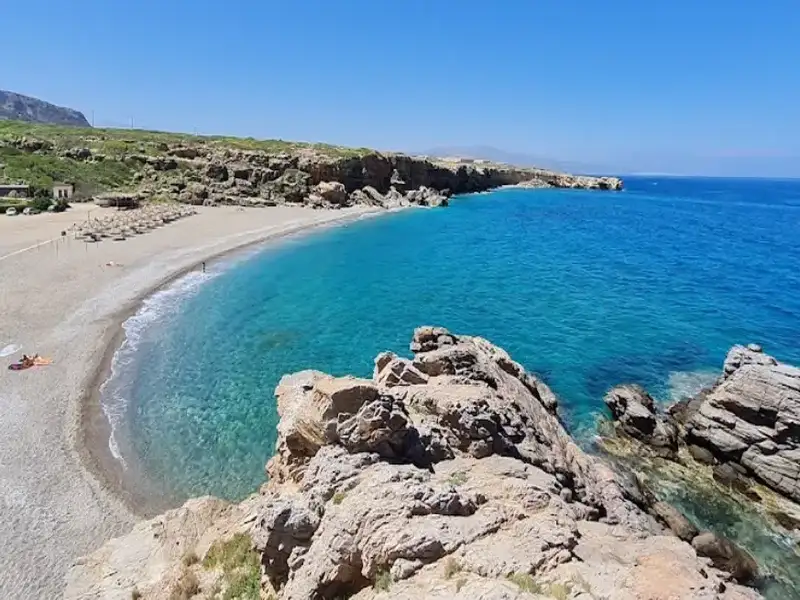
A few meters west of Geropotamos beach, you’ll find an extraordinary rocky arch known as Kamara. Beneath Kamara, there lies a small beach with sand, small pebbles, and crystal blue waters. The beach’s size makes it vulnerable to north winds, with waves almost covering it. However, on calm sea days, it is truly beautiful. The beach, surrounded by vertical cliffs that provide natural shade, is only accessible by boat. A fun activity on windless days is to swim from Geropotamos and snorkel en route.
Cape Lianos, the eastern end of Geropotamos beach, also known as the Lavris area, is a rocky cape with a luxury hotel built on it. In front of the hotel, there are some small artificial coves with piers protecting them from waves. Although they appear private, you can reach the coves via a footpath that begins near the Geropotamos beach and heads eastwards, even if you’re not a hotel guest.
The Lianos Cape area, along with the Geropotamos wetland, is protected under the European program “Natura 2000”. It is home to a variety of reptiles, birds, turtles, amphibians, mammals, and plants, some of which are indigenous or endangered.
No results available
Find below list of gorges near Ivoni Villa, an Iconic Summer Retreat, By ThinkVilla:
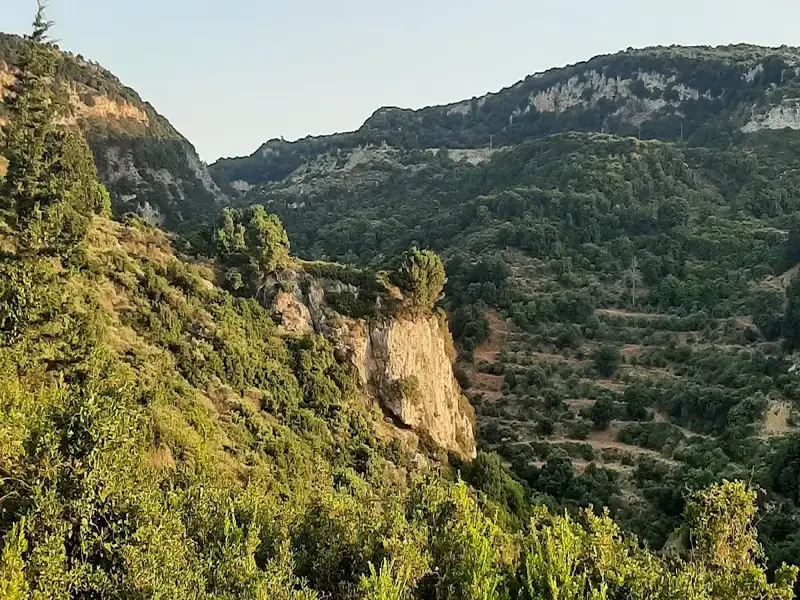
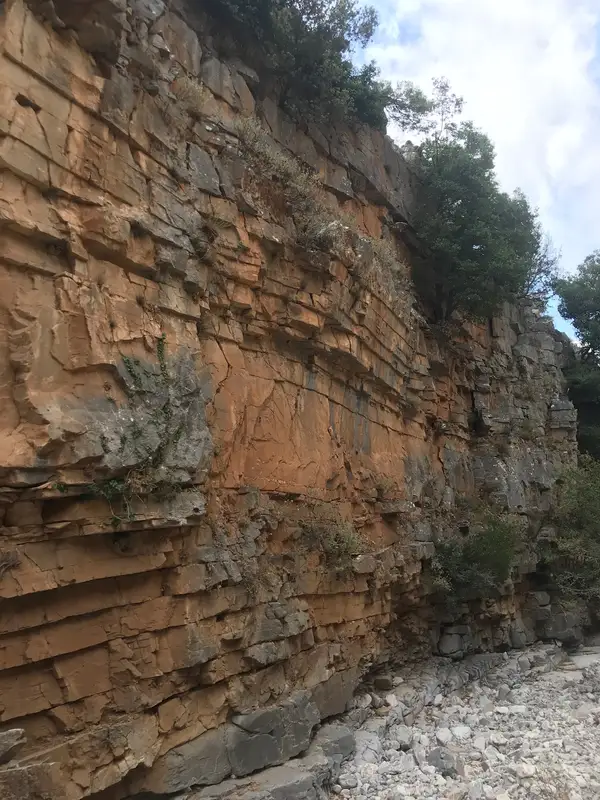
Margarites is a renowned village in the Milopotamos province, celebrated for its stunning architecture and traditional pottery. The broader region, encompassing the villages of Margarites, Orthe and Eleftherna, is characterized by a sequence of small, parallel gorges. Tiny watercourses like Margaritianos meander northwards, contributing to the Geropotamos River. These gorges are carved into the white-yellow marly limestone from the Upper Miocene era (8-10 million years ago), a result of the area’s uplift and water erosion.
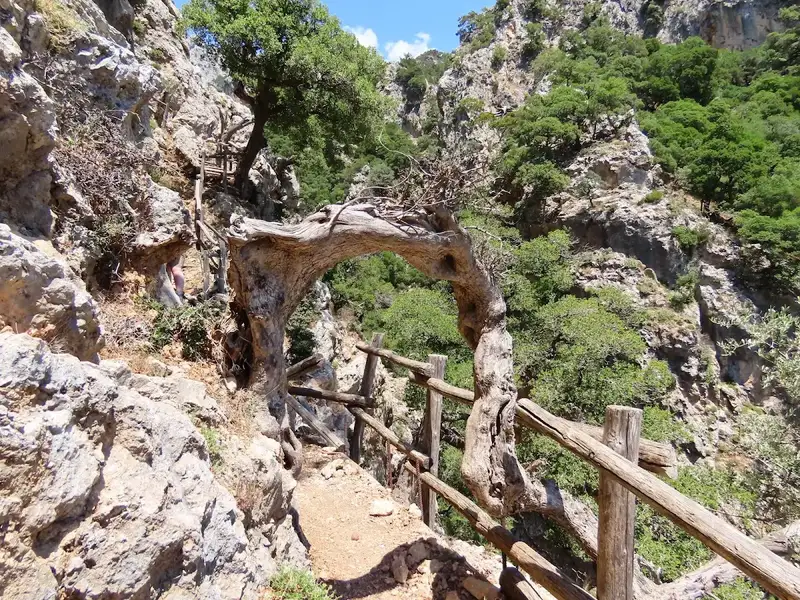
The gorges’ most striking features are their abundant flora and extraordinary environment. Small groups of horizontally branched cypresses (Cupressus sempervirens var horizontal) blend with low shrubs, wildflowers, and aromatic plants. The local authorities have fashioned small trails that reveal the area’s beauty to visitors.
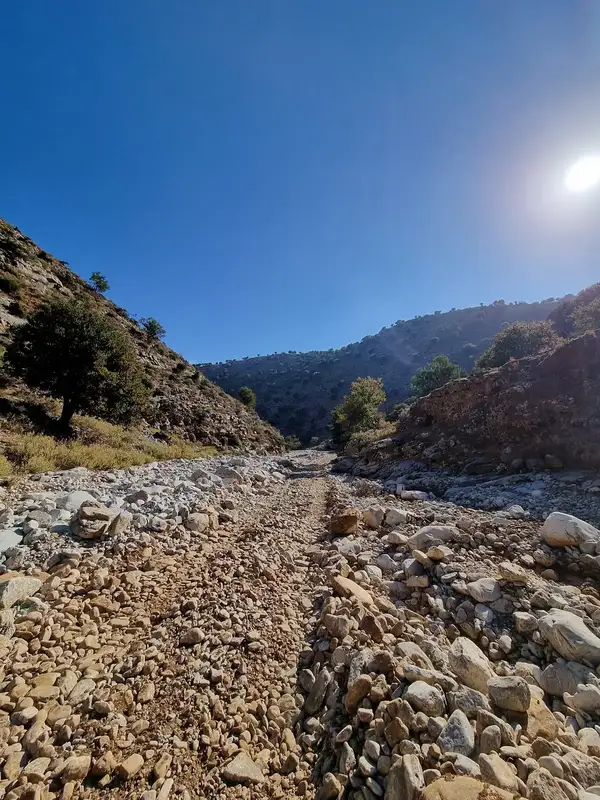
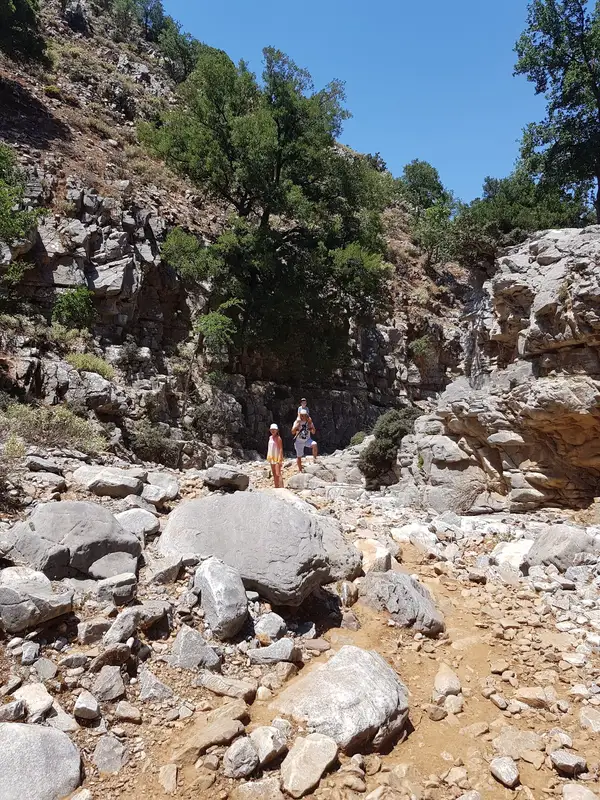
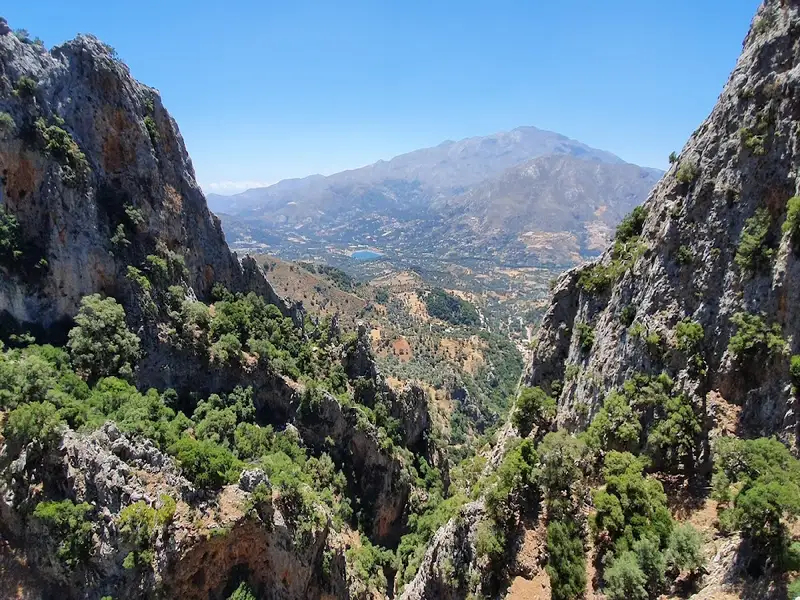
Arkadi Gorge is a moderate 4.5 km hike in the Rethymno region of Crete that starts just north of Arkadi Monastery and takes about 2 hours to walk. The route follows the eastern bank of a green, rocky ravine, ends near the village of Pikris where it meets the Gypofarago gorge, and pairs naturally with a visit to the historic monastery above it. There is no entrance fee and no facilities on the trail, so you carry your own water and food.This guide covers what the gorge is, how hard it is, how to reach the trailhead, what you see along the way, how to combine it with the monastery, and what to pack.
The Zoniana canyon is situated to the south of Zoniana village within the Psiloritis Range. It begins at a height of 950m, gathering water from several streams that flow from the Zoniana mountains, and concludes at the village at a height of 650m. The “serpentine” river Oaxis, which carries water until spring and ultimately drains into the Geropotamos river, flows through this gorge.
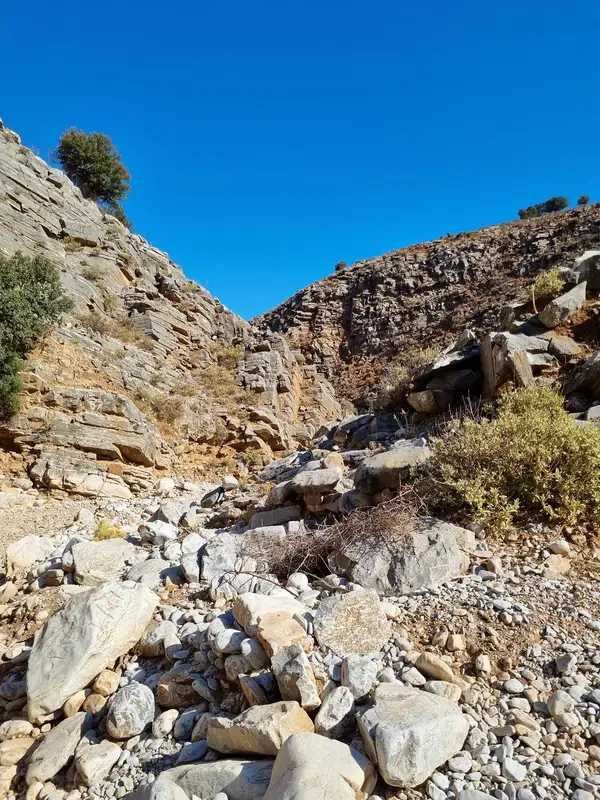
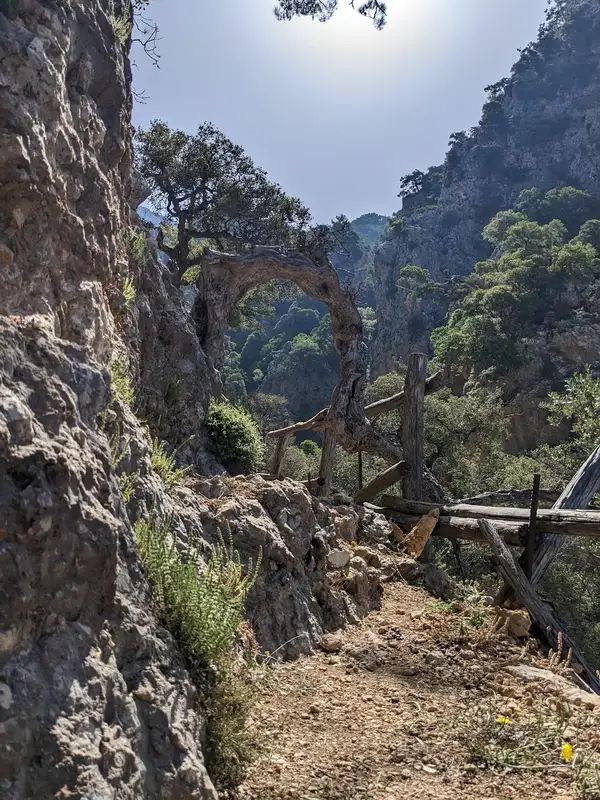
This gorge is not only easily accessible but also safe for hiking due to its gentle slope. The rock formations in many areas are truly remarkable, made up of numerous layers, and there are stunning geological structures and trees clinging to the steep slopes and narrow points. As it nears the village, the canyon broadens and morphs into a slender valley.
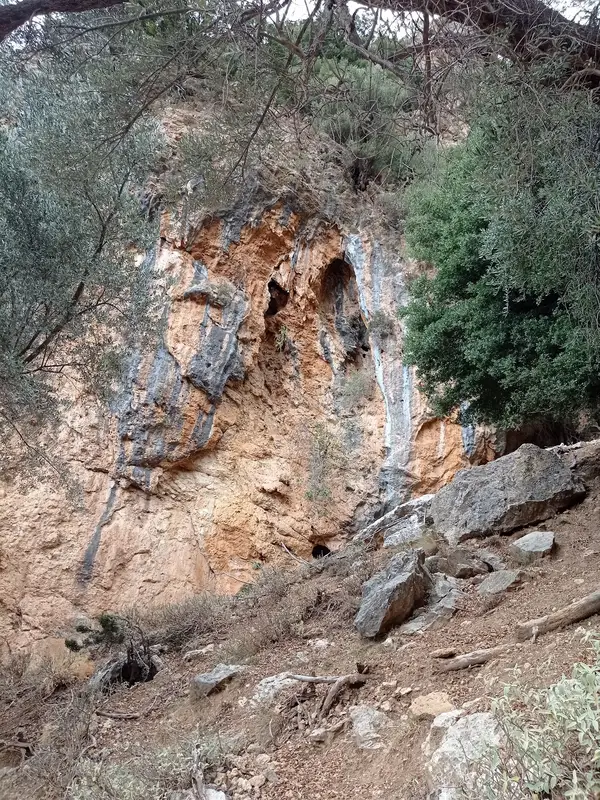
The Platania Gorge, positioned above the Platania village, links the southeast slopes of the Psiloritis range to the Amari valley, approximately 38km southeast of Rethymno. The river flowing through it collects water from the west of the Migia (1584m) and Spathi (1779m) peaks and channels it to the River Platys, which terminates in Agia Galini. A challenging yet secure trail winds its way up to the starting point at Kokkinoharako, skirting its steep slopes. The trail provides hikers with breathtaking views of the towering cliffs, vertical limestone rocks displaying yellow-red hues of erosion, rock shelters, and numerous caves.
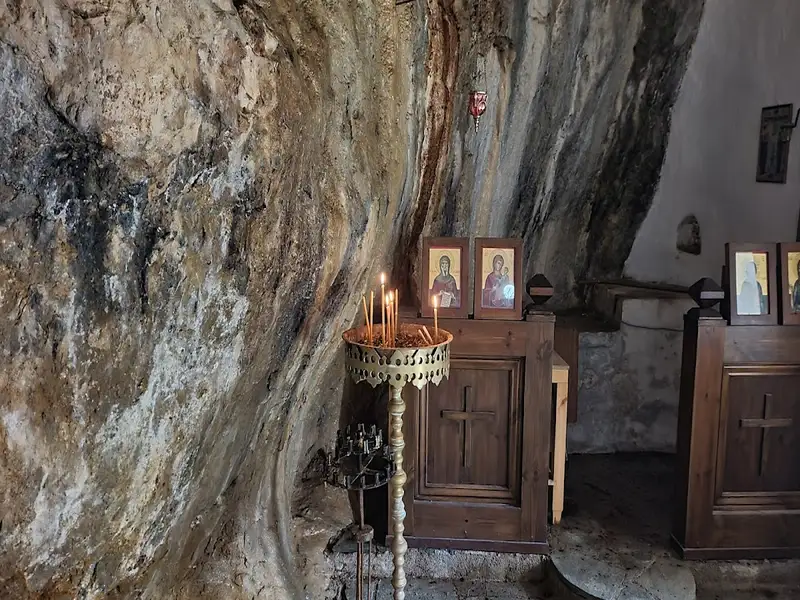
At roughly 800m altitude, a small plateau hosts the cave-like church of Saint Anthony (Agios Antonios), constructed near a spring. The trail from Agios Antonios continues its ascent northwest, meeting a dirt road originating from the Vistagi village. On the opposite side of the gorge, in the east, lies the Panas cave, named after the ancient god Pan, god of the wild, shepherds, and flocks, who, as per local folklore, was born here. The cave houses petroglyphs from the Minoan era, indicating continuous worship at the site. The same dirt road from Vistagi provides access to the nearby church of Saint Mammes (Agios Mamas), the patron saint of shepherds in Christianity.
The Platania Gorge’s interior is stunning, though few get to witness it due to its steep waterfalls, which require technical canyoning equipment to navigate. The tallest waterfall stands at approximately 40m. The first known crossing of the gorge was in 2008 by the canyoning group of Giannis Bromirakis and Christoforos Cheiladakis. The cliffs provide a nesting habitat for various bird species, including vultures, hawks, wild pigeons, and crows.
No results available
© All rights reserved. Crete Locals