Find a beach with Sand near you
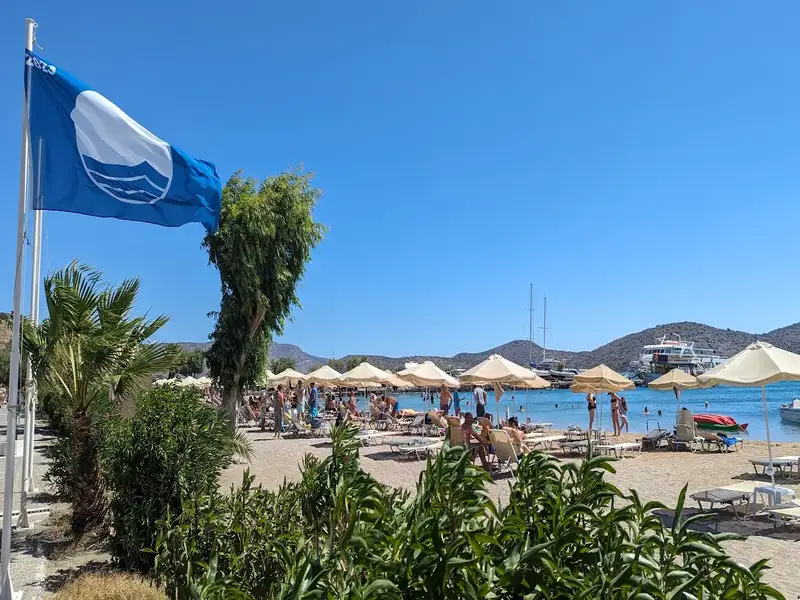
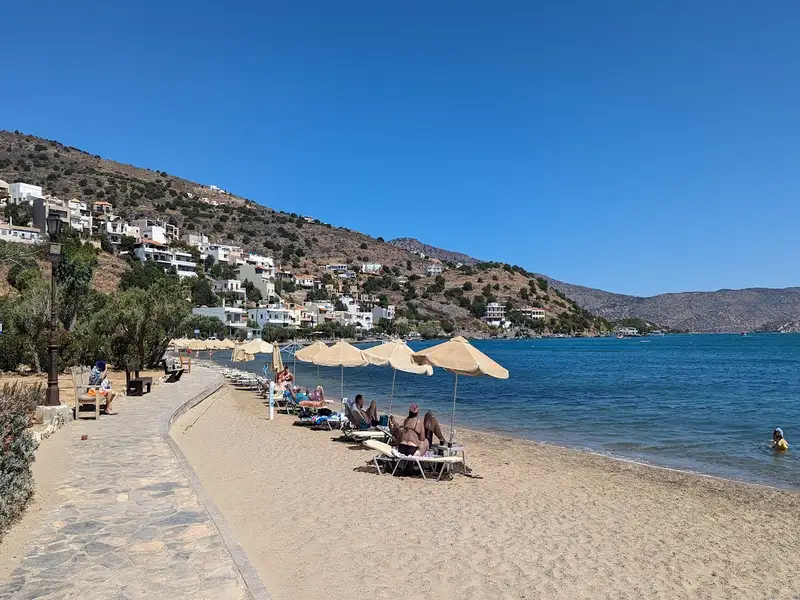
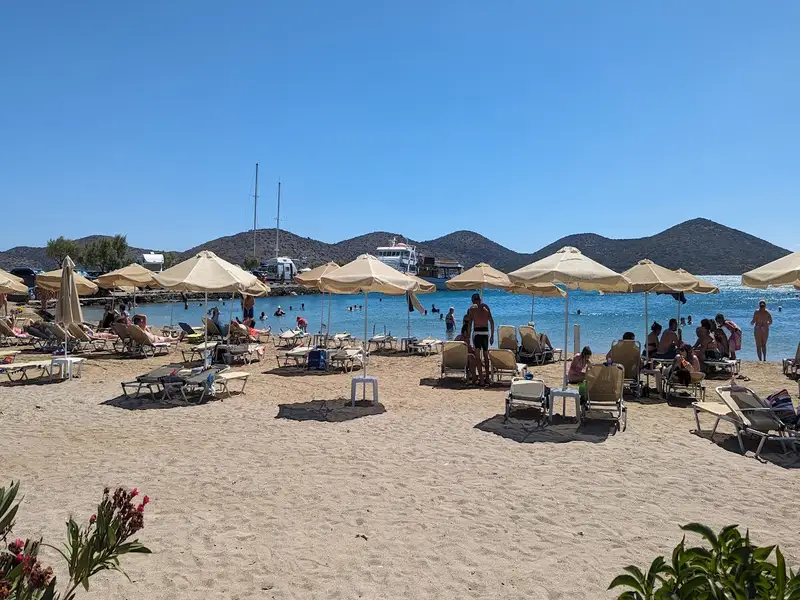
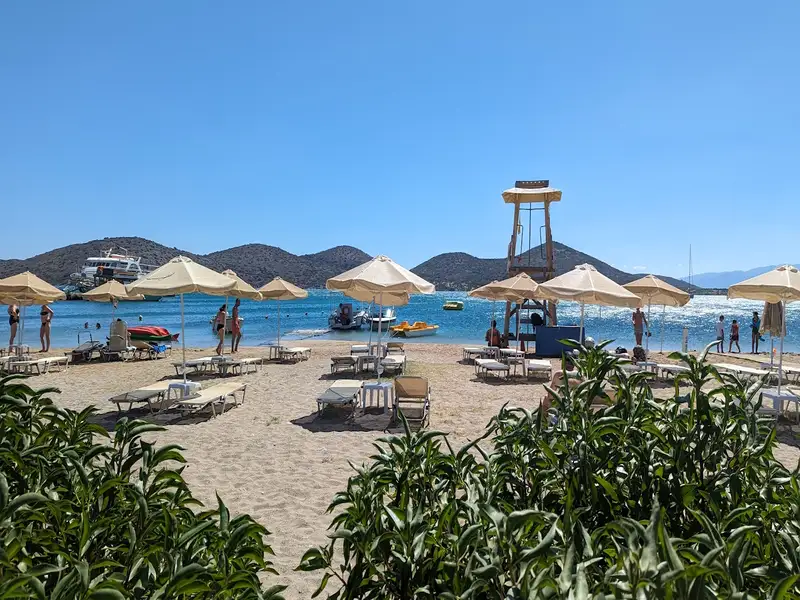
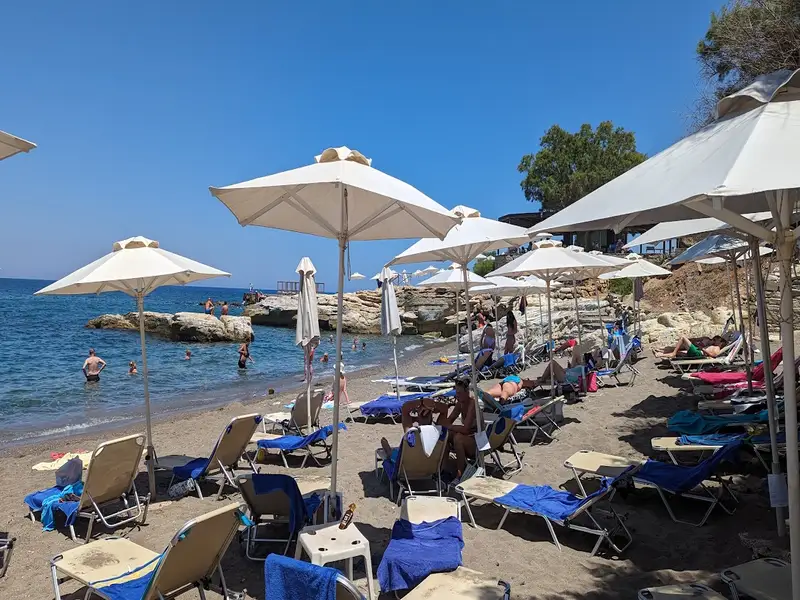
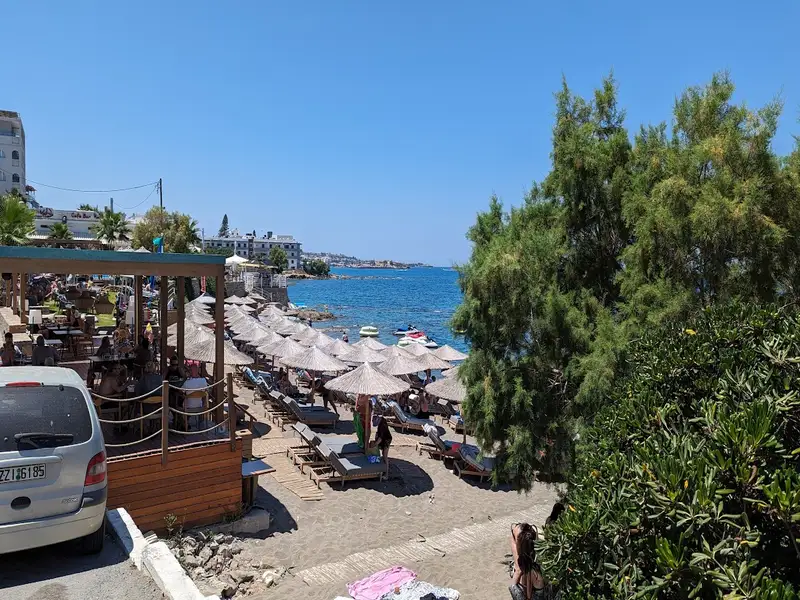
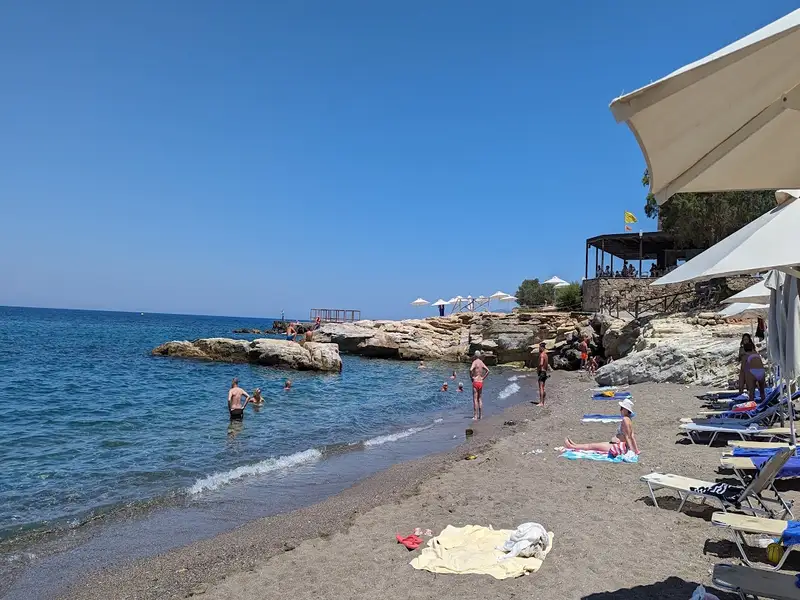
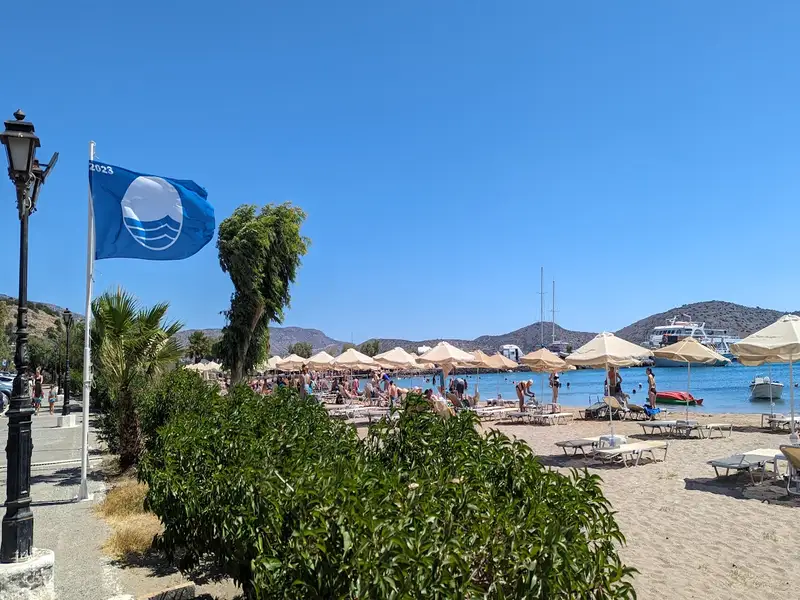
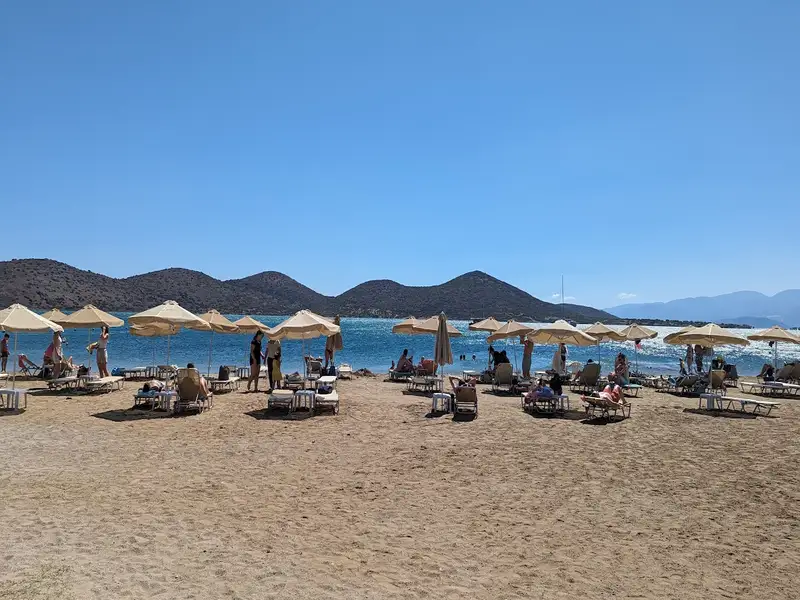
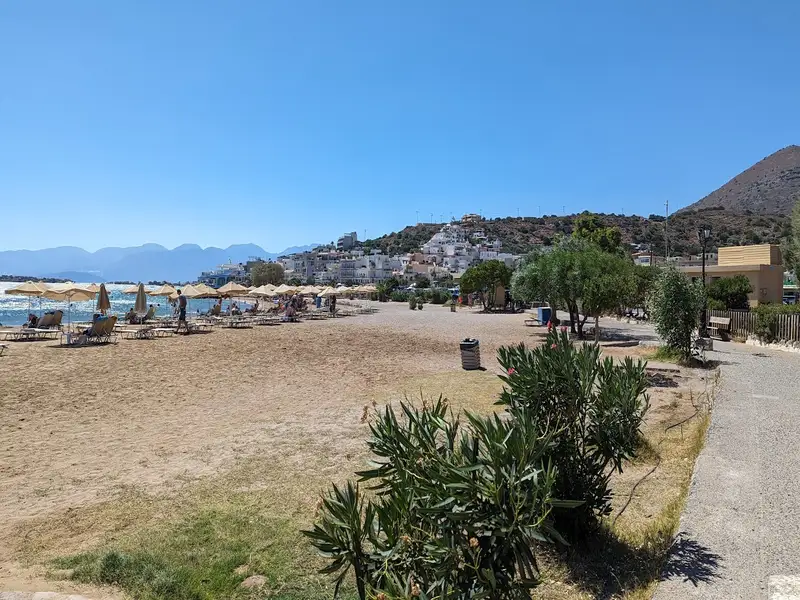
Elounda’s Skisma Beach is a picturesque sandy enclave, perfect for families. Its cleanliness and organization make it especially welcoming.
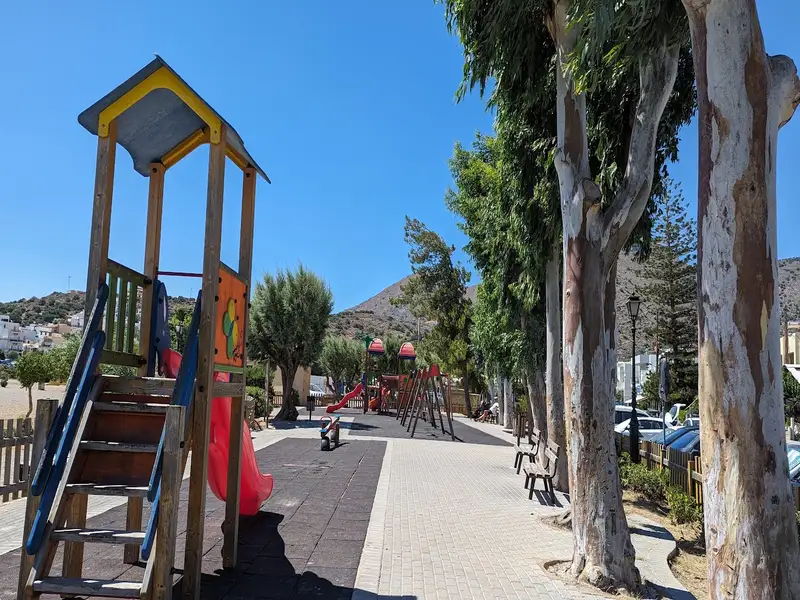
Little ones delight in its flat sandy terrain and the playground, while older kids gravitate towards the available water sports. Occasional winds result in bigger waves, offering simple surfing opportunities.
With convenient facilities like restrooms and showers, coupled with an array of nearby taverns, it’s an ideal spot for families with children.
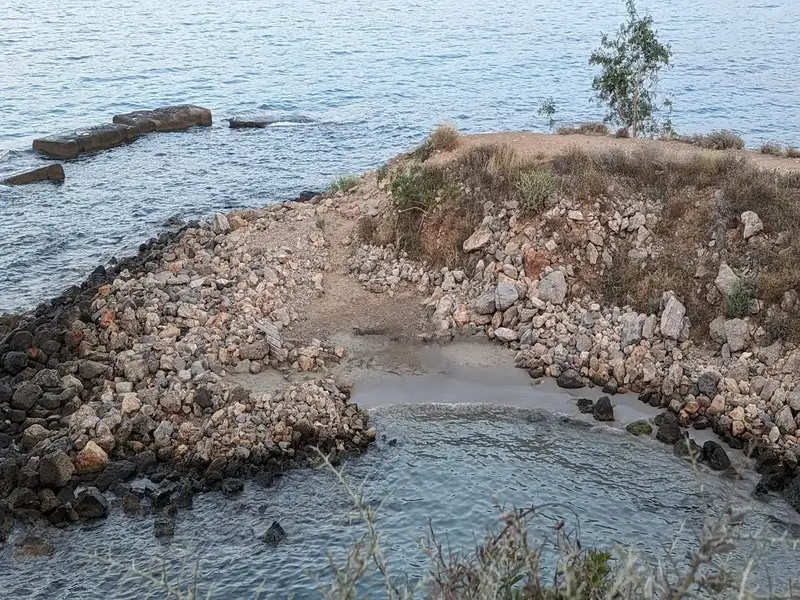
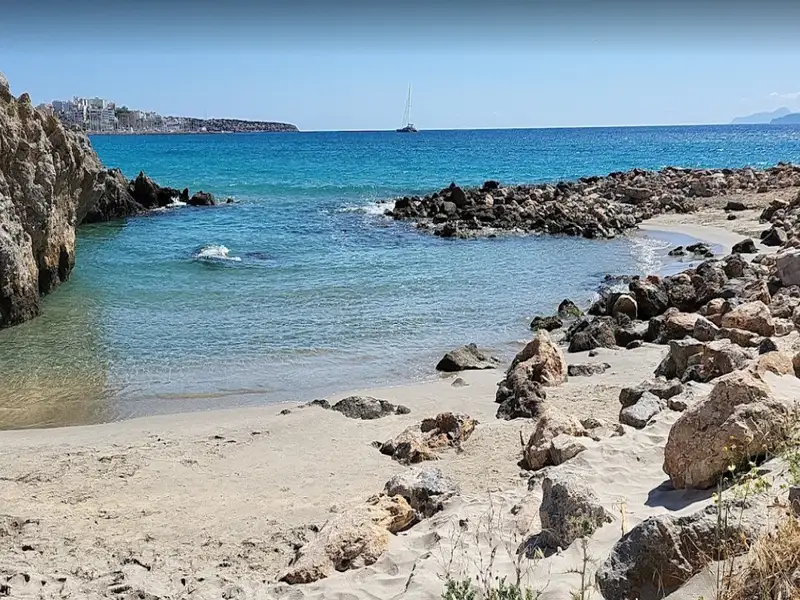
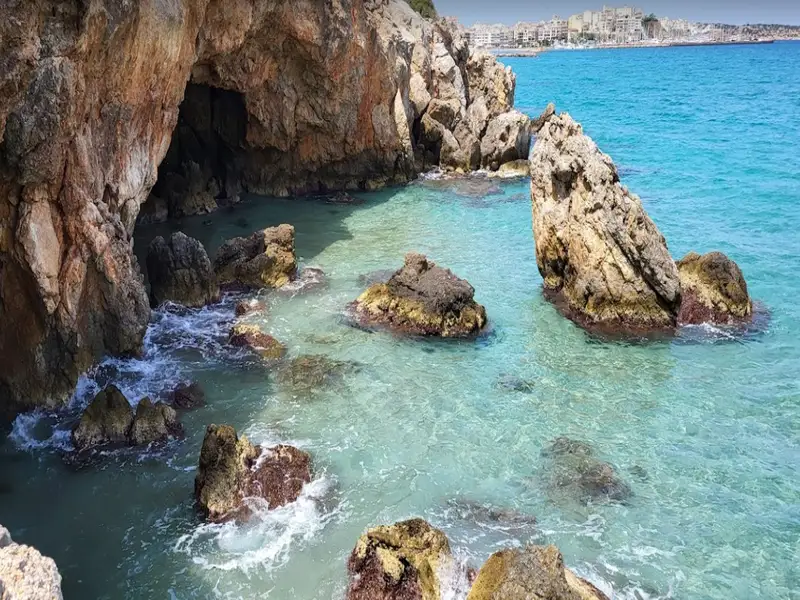
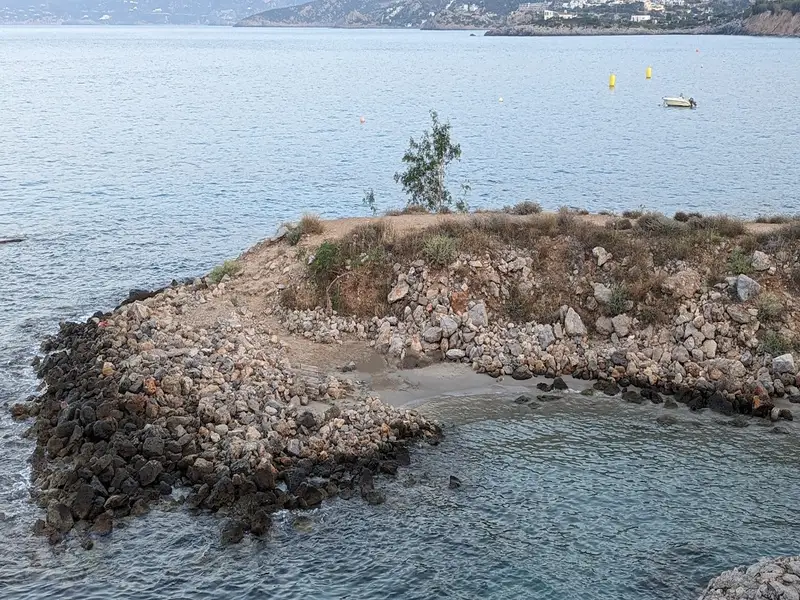
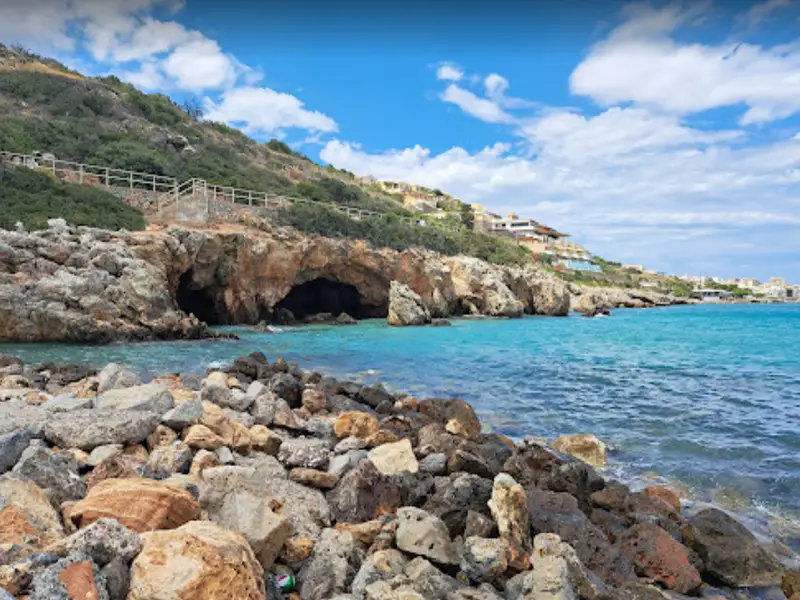
Beti beach is nestled just a kilometre away from the bustling city of Agios Nikolaos, and a mere five-minute stroll from Almyros beach. This small slice of paradise often remains undiscovered by the typical crowd, providing an idyllic retreat for those in search of tranquillity.
This diminutive yet delightful beach, embraced by the natural landscape, boasts soft, sun-kissed sand that warmly greets your feet. Thanks to its sheltered location, Beti beach is often protected from the region’s wind and waves, making it a calm oasis amidst the vibrant surroundings. A visit to Beti beach gives you an opportunity to savour the serene ambience, far removed from the usual throngs of beachgoers, adding an element of seclusion to your Cretan beach adventure.
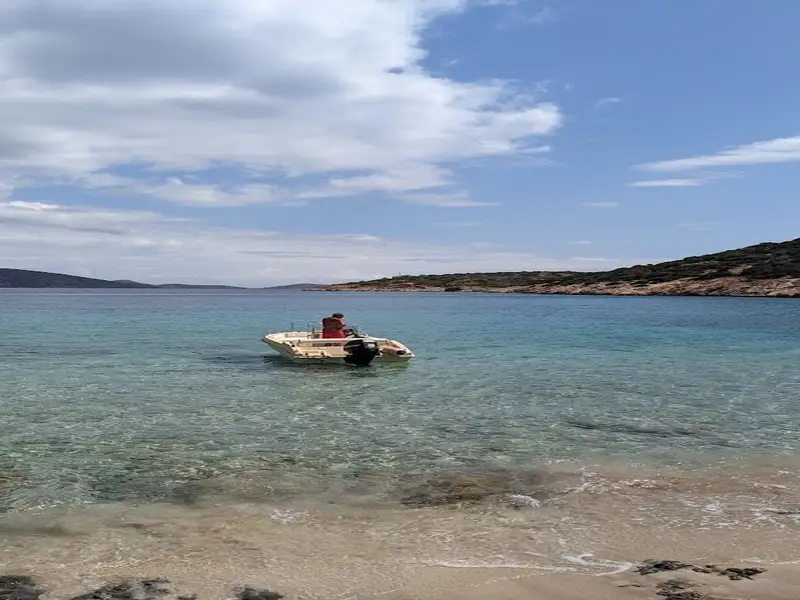
Agii Pantes island is home to a quaint sandy beach situated just across the port of Agios Nikolaos. The beach, as well as the whole island, is accessible only by boat or via kayak or SUP departing from Ammoudi beach. It stands adjacent to the little islet Mikronisi, both acting as natural barriers safeguarding Agios Nikolaos. Moreover, the island serves as a habitat for several hybrid species of the endangered Cretan ibex.
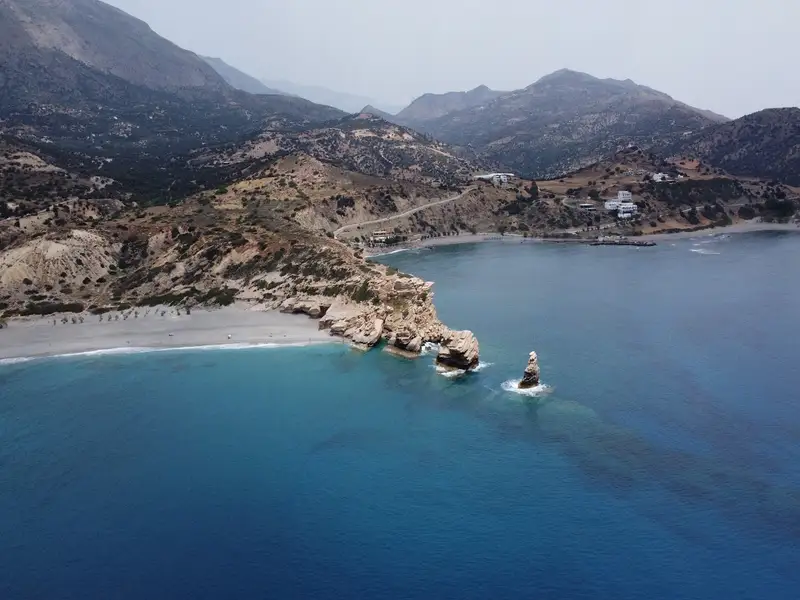
Triopetra beach, nestled at the base of Mount Siderotas and 52km south of Rethymno, can be reached via paved roads leading from either Akoumia or Sachtouria. Part of the extensive Akoumiani Gialia beachfront, Triopetra got its name as a historical winter refuge for the inhabitants of Akoumia, who built small huts near their olive groves. Presently, most land and hotels in the area are owned by descendants of these Akoumia residents.
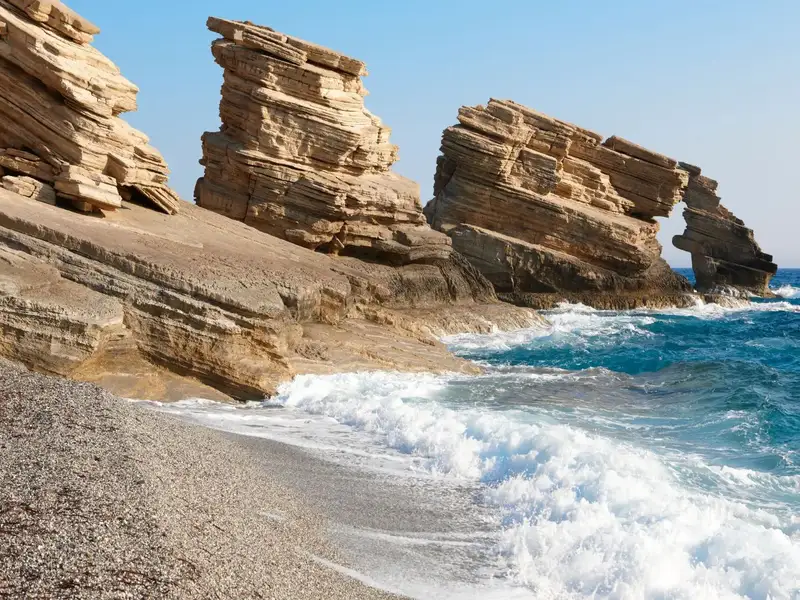
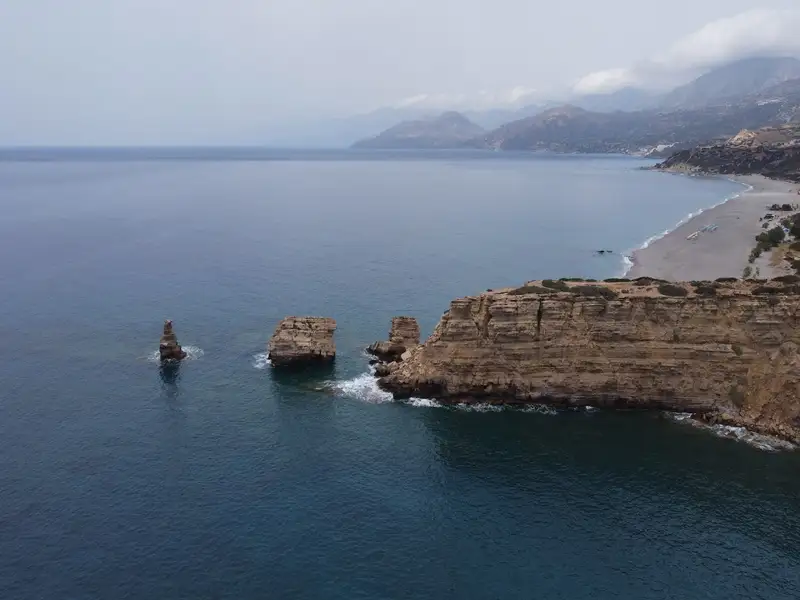
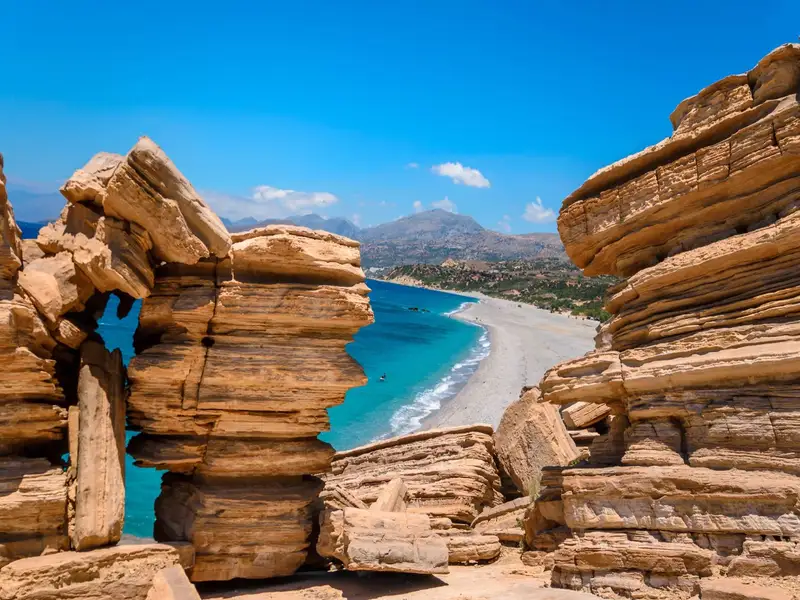
Triopetra boasts two distinct beaches, separated by a petite peninsula. The peninsula’s defining feature is the three spectacular rocks jutting out from the sea, giving Triopetra its name, which translates to “Three Rocks”.
The first beach, Small Triopetra or Koumado, resides in an enclosed bay lined with sand and rock to the south of the three rocks. Here, the Akoumianos river meanders into the sea, forming a natural boundary between Triopetra and the enchanting Agios Pavlos Sandhills at Cape Melissa. Small Triopetra hosts a handful of taverns and rooms, with umbrellas available for sun-seekers. Additionally, the southeast edge of the beach is home to a small harbour, known as Stomio or “mouth”, named after the river’s mouth meeting the sea. Just 1km northeast of the beach, the awe-inspiring chapel of Prophet Elias stands on a high hill, commanding an impressive view over Akoumiani Gialia.
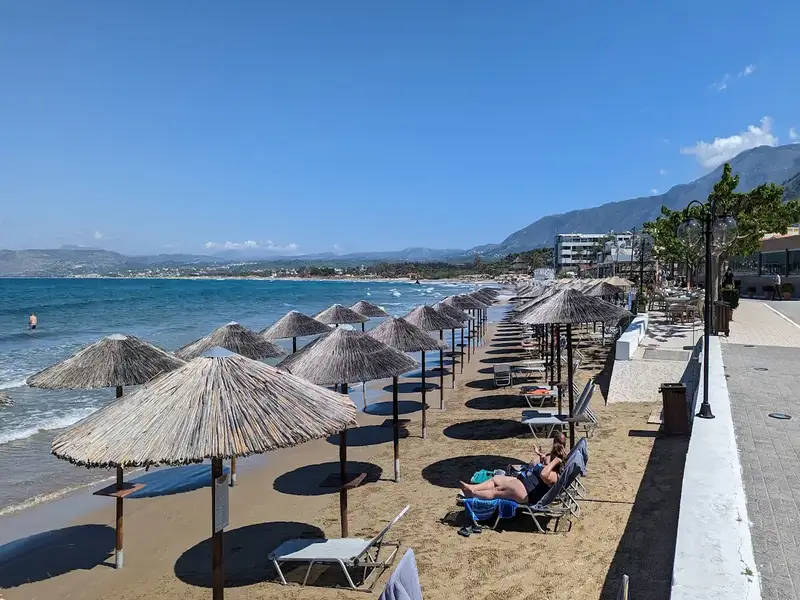
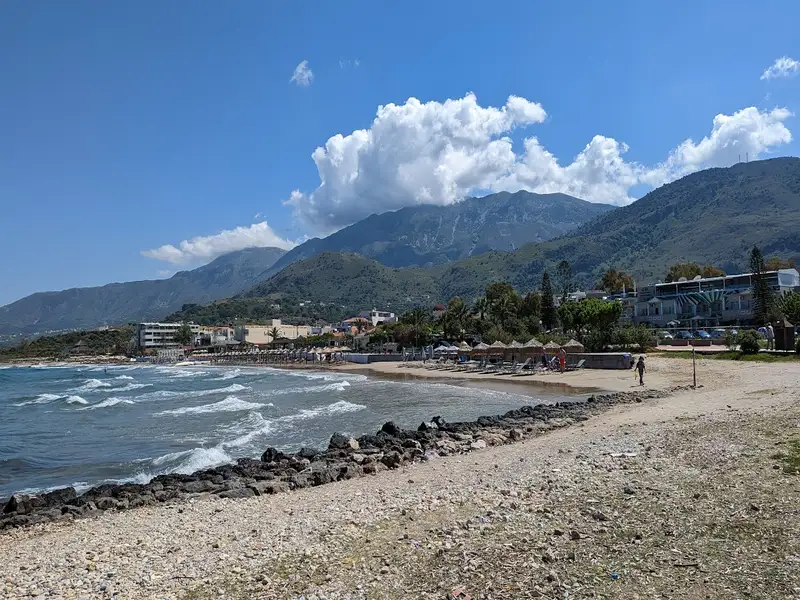
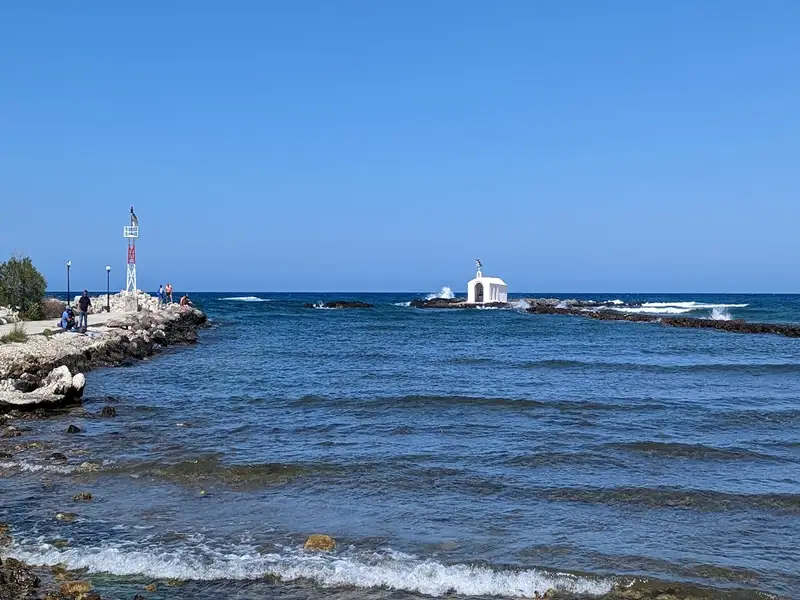
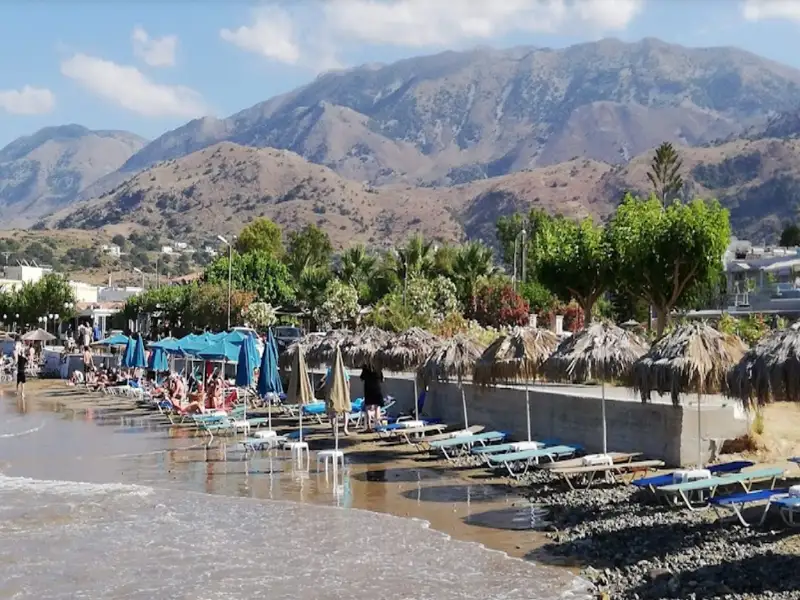
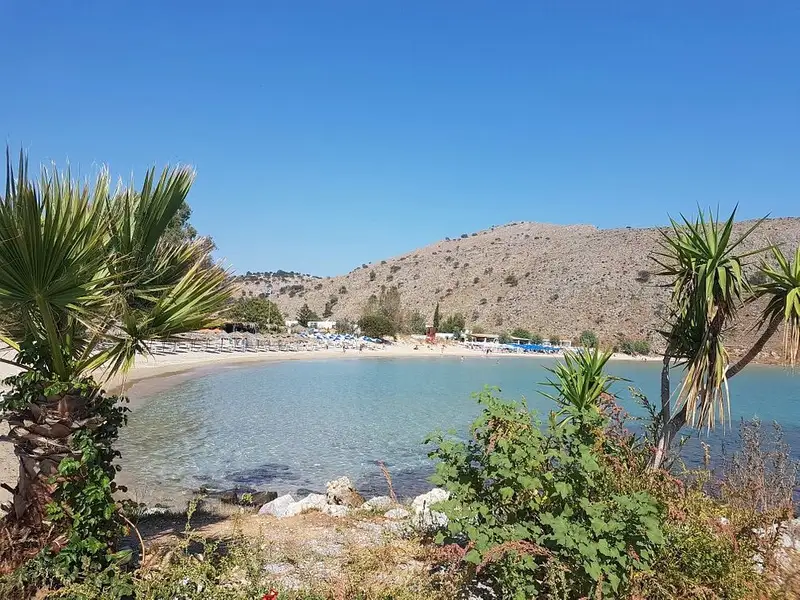
Georgioupolis, a small coastal town located 38km east of Chania and 21km west of Rethymnon, is a seaside resort nestled in a verdant valley crisscrossed by rivers and springs. Situated on the western edge of a sprawling 10km beach, the town’s beach spans 2km to the east, beginning at the Almiros river and terminating at Kavros beach, a natural continuation of the former. The beach in Georgioupolis is sandy, dotted with dunes, and has shallow waters.
The beach is well-maintained and child-friendly, with lifeguards on duty. Caution is advised during windy conditions due to sea currents. Amenities such as umbrellas, showers, and food and drink stalls are available for beachgoers. Approximately 700m east of the port, the Perastikos river bifurcates the beach, which then widens as it continues eastward. On the opposite end, west of Georgioupolis’s port and near the Almyros river’s exit, lies the picturesque Kalivaki beach.
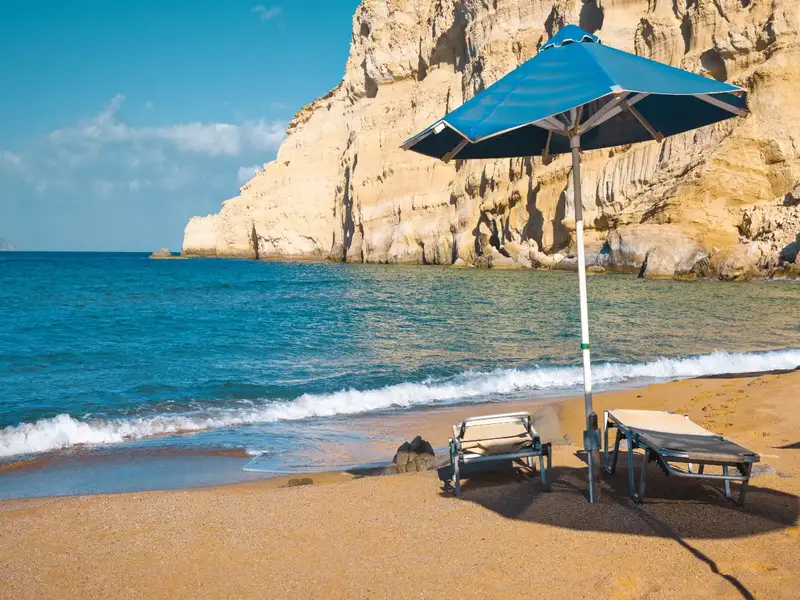
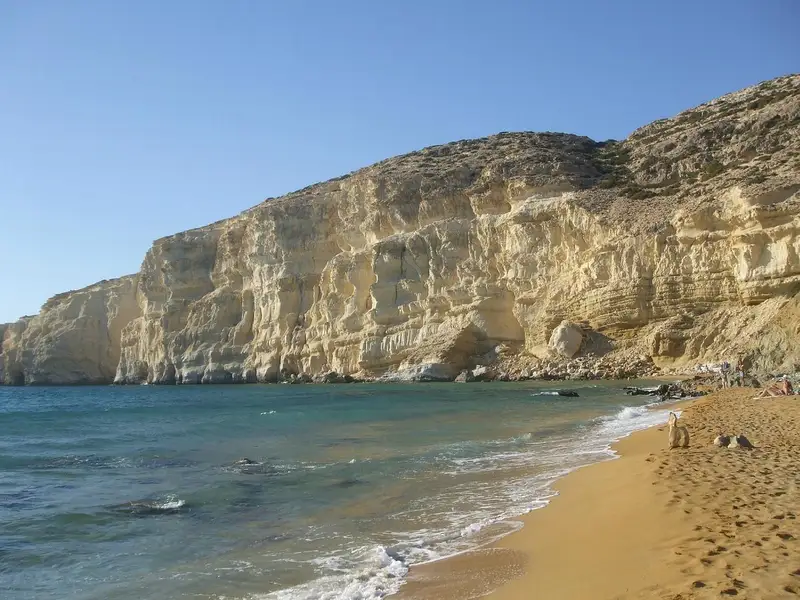
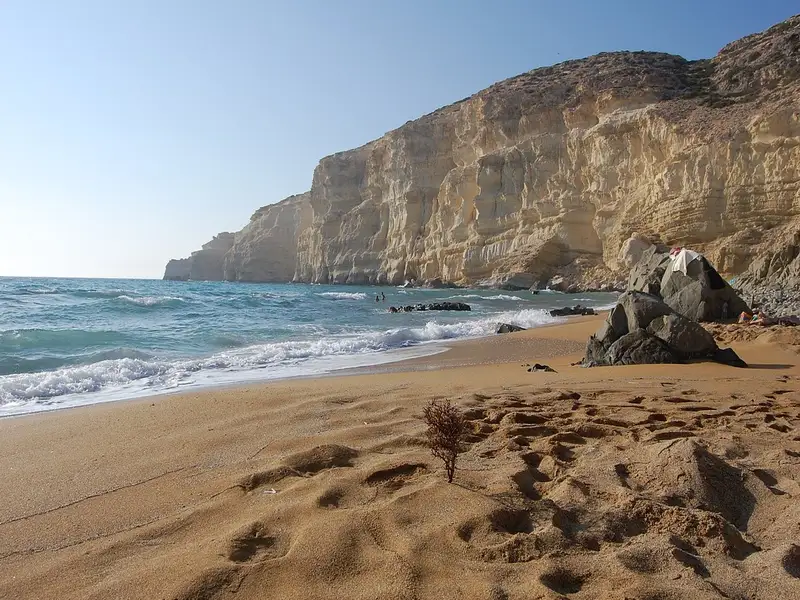
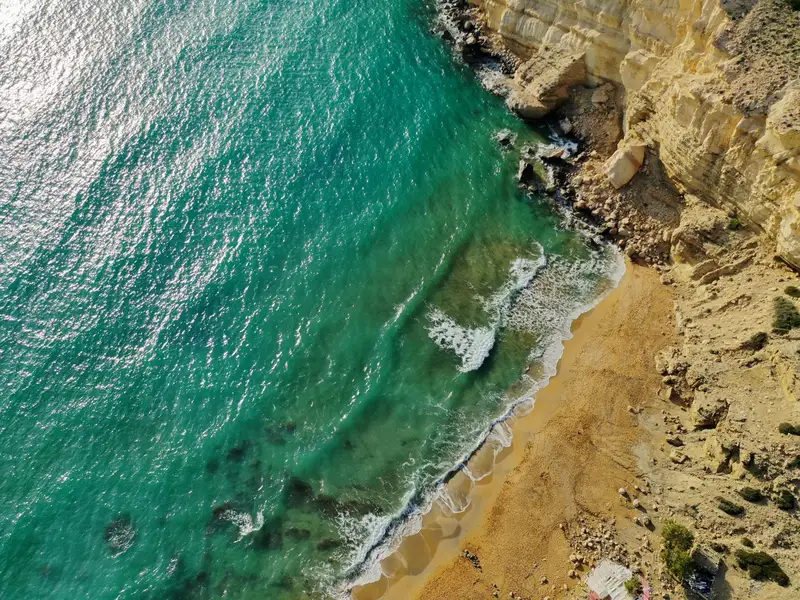
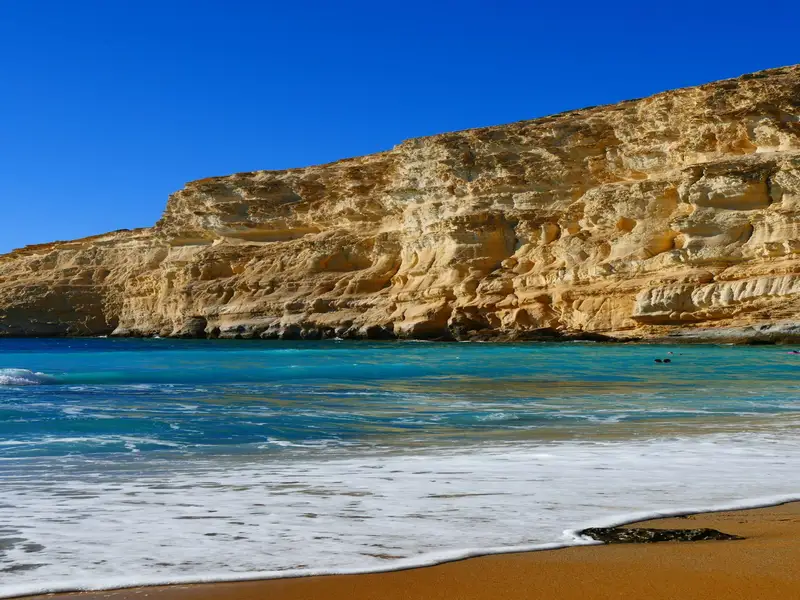
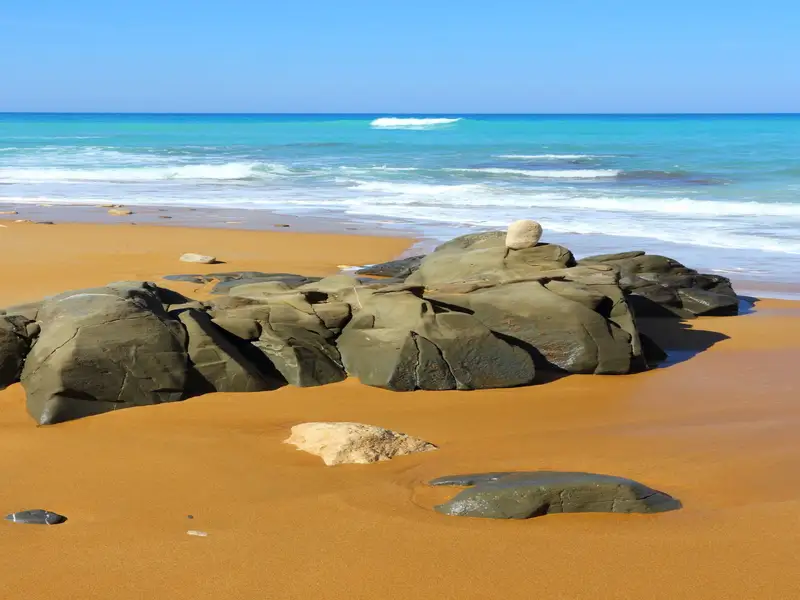
Red Beach, known in Greek as Kokkini Ammos, is a red-sand beach on the south coast of Crete, about 800 metres south of Matala and 68 kilometres southwest of Heraklion. You reach it on foot over Kastri hill or by boat from Matala harbour. The rust-red sand comes from the local geology and sets off a blue-green sea, which is what makes the beach so striking.
The beach is remote and unorganised. It has no road access, so it stays quiet even in high season, and it is open to the western winds that blow across this part of the coast.
Most visitors walk from Matala on a marked trail that crosses Kastri hill north of the village. The walk takes about 15 to 25 minutes one way and involves some rock scrambling at the start and a steep descent near the end, so wear proper walking shoes rather than sandals. The route is clear but rough underfoot.
Follow these steps from Matala:
You can take a boat from Matala harbour for a small fee of around 5 euros each way if you would rather not hike. A car makes the wider Matala area much easier to reach, since the beach sits on the exposed south coast with no road nearby, so you can compare options for a hire car in Crete.
Red Beach has very few facilities. There is a simple stone-wall coffee shop that opens occasionally for food and drinks, plus a small number of umbrellas that fill up quickly. The only natural shade comes from a few tamarisk trees near the canteen, so it is worth bringing your own mat, umbrella, water, and snacks.
You can swim here, but the beach faces the prevailing western winds and the sea is often wavy, so take care on windier days. The reward for the effort is a quiet bay with panoramic views, clear water, and wide sunset views over the sea.
Red Beach was a favourite of hippies in the 1960s and 1970s, and enthusiasts have kept visiting ever since. The northern part of the beach is known as a nudist-friendly area and has an international reputation for it. The beach and its surroundings are protected under the Natura 2000 programme because of their ecological value.
At the northern end, a long limestone formation resembles the rock of Matala. It is decorated with carvings of Minoan and Egyptian sea figures made by Gerard, a Belgian admirer of Matala, and these sculptures have become part of the beach’s character.
Between Matala and Red Beach stands a large rock called Theosini, which gives wide views over Messara Bay. The sea has eroded it into a marine cave known as Kouroupi, reachable only by boat. The cave shelters endangered Mediterranean monk seals and several species of wild pigeon.
Walk the marked trail from the northern edge of Matala over Kastri hill, which takes about 15 to 25 minutes and includes some rock scrambling and a steep final descent. Alternatively, take a boat from Matala harbour for around 5 euros each way.
Yes, you can swim at Red Beach, but it faces the western winds and the sea is often wavy, so swim with care on windy days. Calmer conditions give clear blue-green water.
Red Beach rewards the short hike with rust-red sand, clear water, panoramic views, and quiet sunsets. Its limestone carvings and protected setting make it more than an ordinary swim stop.
Yes. The northern part of Red Beach is well known as a nudist-friendly area and has an international reputation for it.
Facilities are minimal: an occasional stone-wall coffee shop and a few umbrellas. Bring your own mat, umbrella, water, and food, since the only natural shade comes from a few tamarisk trees.
No. Red Beach has rust-red sand from the local rock, not pink sand. The pink-tinted sand Crete is famous for is at Elafonisi, in the southwest of the island.
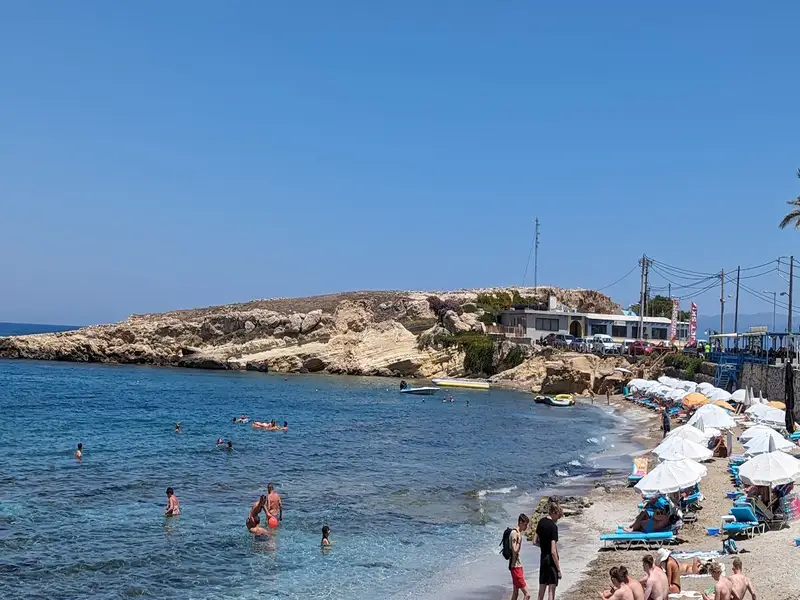
Hersonissos, a bustling tourist hotspot in Crete situated just 28km to the east of Heraklion, is renowned for its tranquil beaches and calm seas – a rarity along the northern coast of Crete due to the prevailing northern winds. The most serene beaches can be found to the west of the port, shielded by the Cape Sarandaris. Towards the east of the port, however, lie the resort’s most frequented beaches.
As you venture east from the port of Hersonissos, the first sight to greet you is a sprawling, narrow, sandy beach, buzzing with throngs of beachgoers. It’s impeccably organized and conveniently close to the city’s amenities, though it may not be the best choice for those seeking a more serene environment.
Journeying further east, a series of small, sandy coves become apparent, primarily situated in front of hotels. Of these, Silva Maris Beach stands out with its high level of organization, a lifeguard, and numerous facilities. Continuing eastwards, you’ll encounter Star Beach, one of Crete’s most populous beaches, largely patronized by British and Dutch tourists. Lastly, near Cape Drapanos lie the peaceful beaches of Eastern Hersonissos, offering a quieter seaside experience.
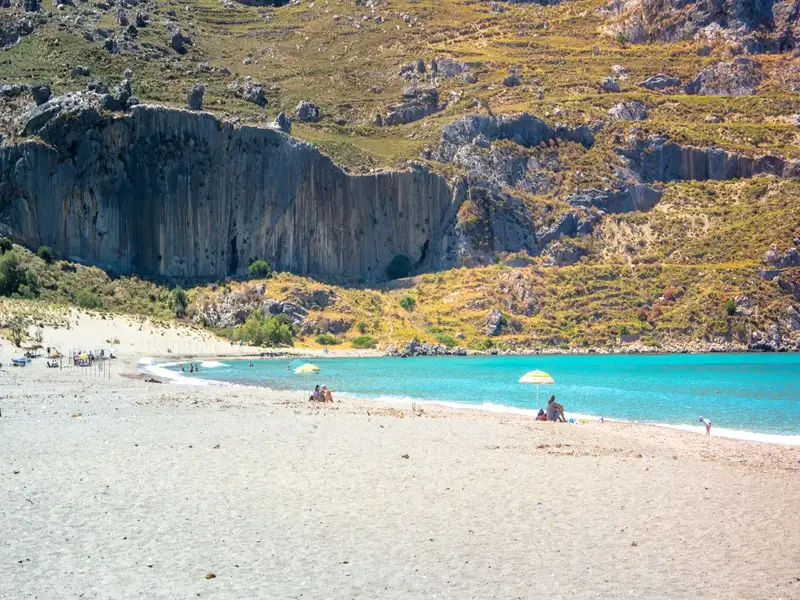
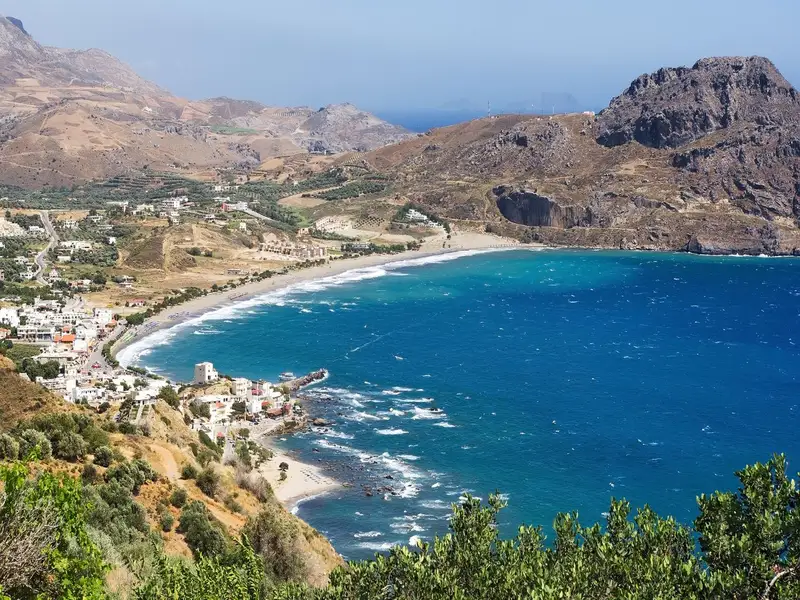
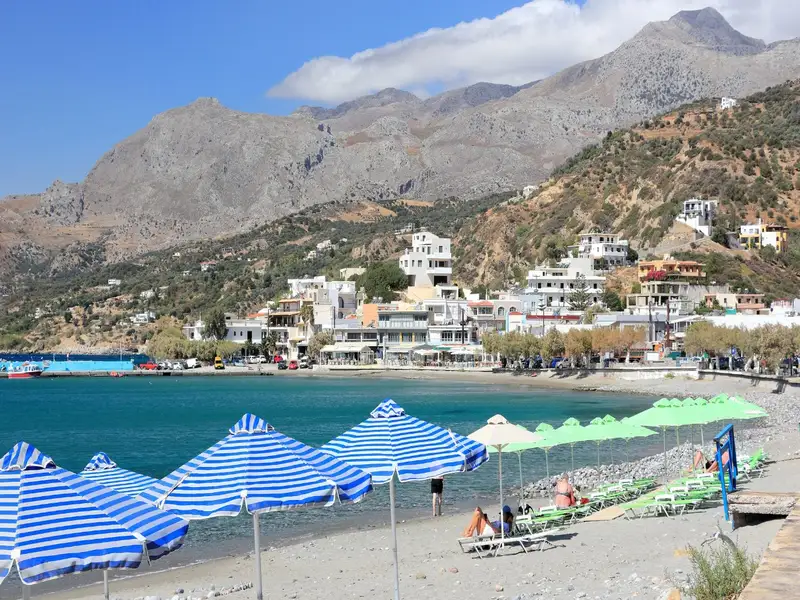
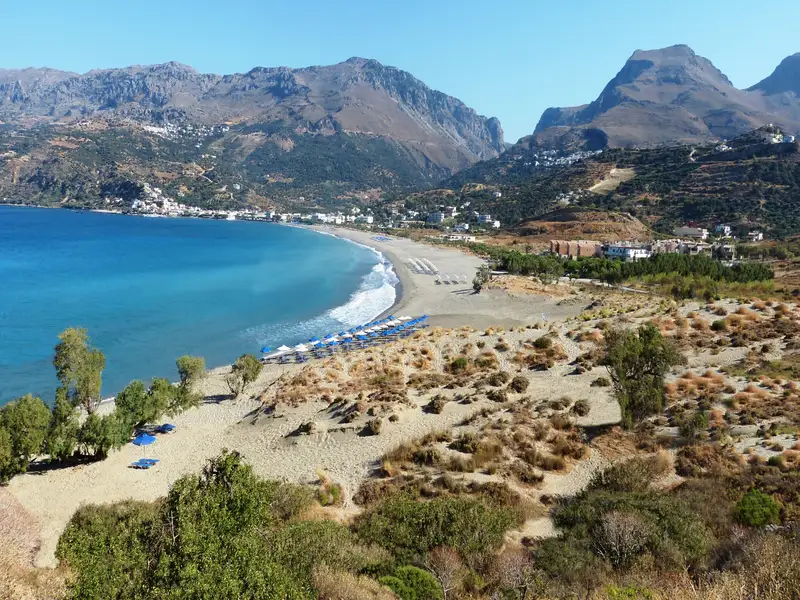
Situated 36km to the south of Rethymno city, Plakias is a charming tourist haven nestled at the mouth of a fertile valley just beyond the Kouroupa range, where the Kotsifos river meets the sea. It owes much of its popularity to the impressive Gialia beach, stretching for 1.3km from the edge of the town to the east, ending at Cape Mouri. This fully-equipped beach, characterized by its crystal-clear, cool waters, is an ideal location for leisurely walks or cycling along the adjacent road. It features numerous hotels and restaurants, as well as beach essentials such as umbrellas, water sports facilities, beach volley courts, snack bars, changing rooms, and showers.
Paligremnos, the eastern portion of the beach, boasts fine sandy shores and is well-appointed with various amenities close to local accommodation and eateries. Noteworthy are the tall, vertical cliffs nearby that prove to be a magnet for climbing enthusiasts. This spot, also known as “Gonates” (knees), is steeped in local lore; it’s said that the epic hero Digenis knelt here to drink from a local spring. An intriguing phenomenon takes place here every full moon from September to January, as the moon’s reflection on the sheer cliffs draws large squids to the beach, which locals catch with long sticks. A few meters south of Paligremnos, you can also discover tunnels once used for transporting coal to waiting cargo ships.
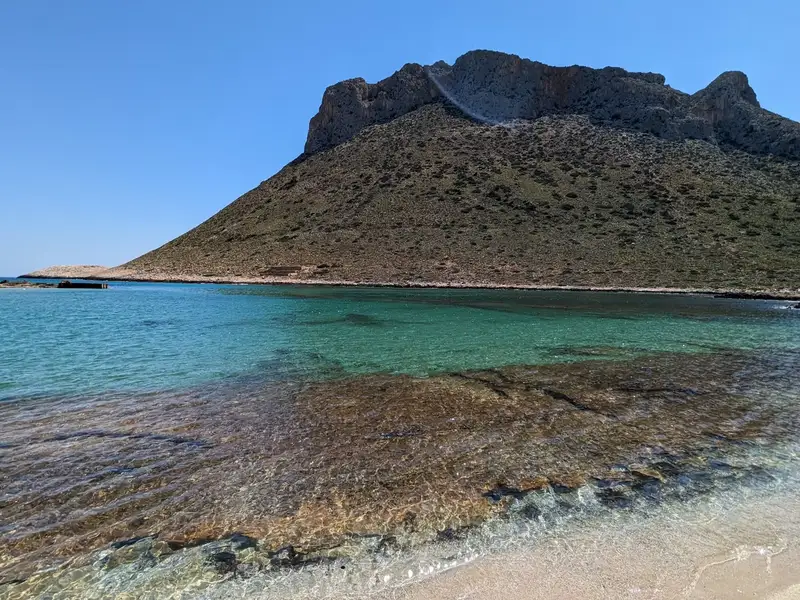
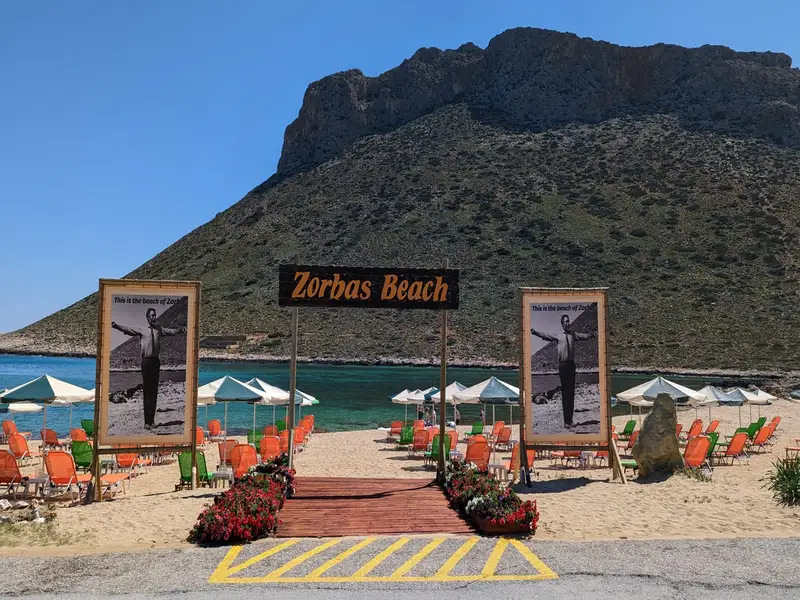
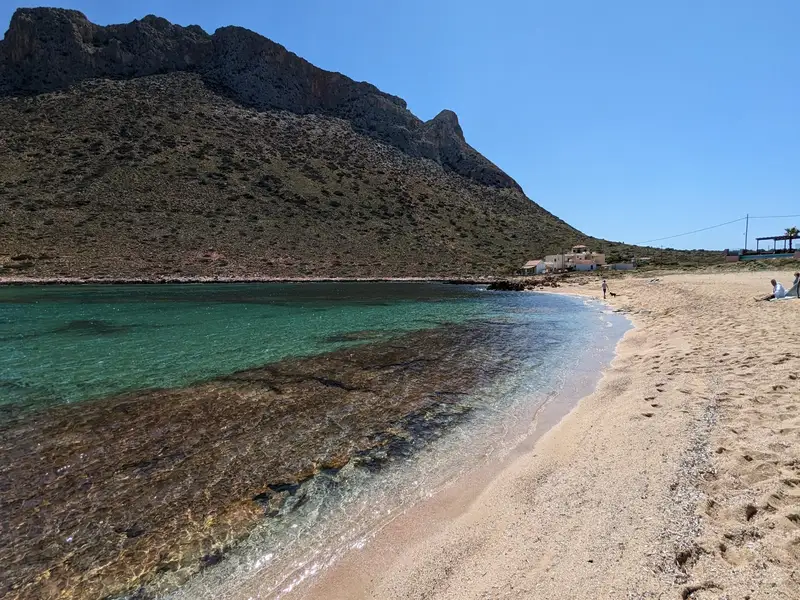
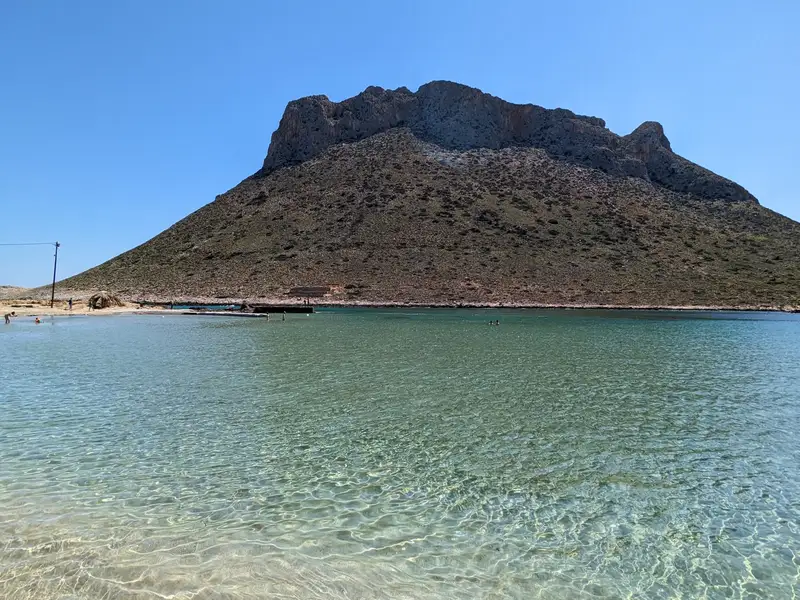
Stavros beach is situated 17km northeast of Chania on the farthest point of Cape Akrotiri, is known for its distinct, camel-shaped mountain, Vardies. This towering landmark gained recognition in the film “Zorba the Greek” as the backdrop for Anthony Quinn’s iconic Sirtaki Dance in 1964. Once a quaint fishing hamlet, Stavros has since transformed into a bustling tourist hub, complete with numerous hotels and top-tier tourist facilities. The area’s popularity is further boosted by its two stunning beaches.
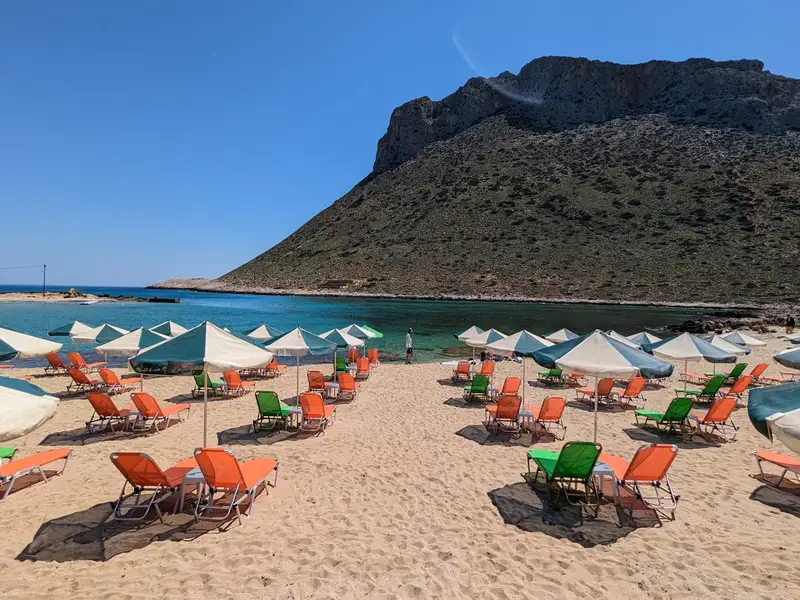
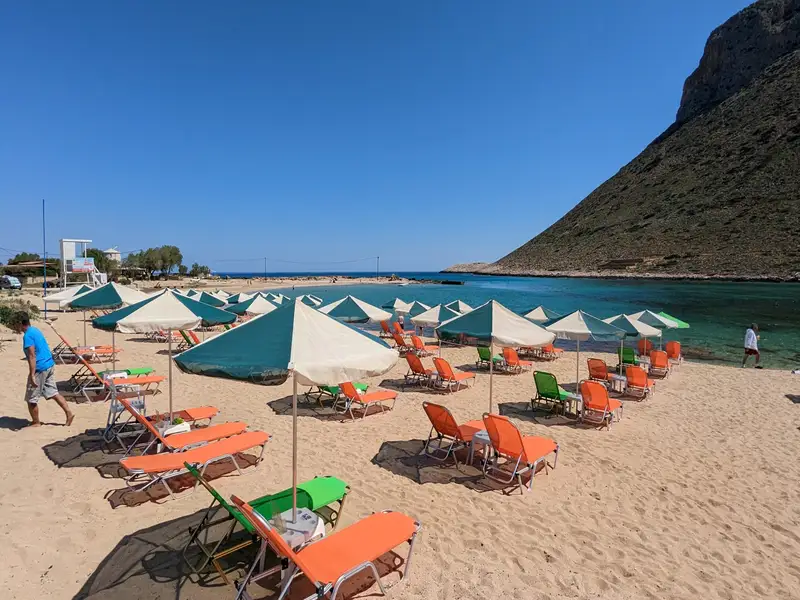
The primary beach lies to the village’s east, nestled at the base of the Vardies mountain and adjacent to the scenic harbour. It forms a protected, semi-circular lagoon with pristine white sands and shallow, turquoise waters. The contrast between the rugged mountain and the tranquil beach provides a unique and enchanting swimming experience. As anticipated, the beach is well-equipped with all the necessary amenities.
200 meters northwest of the main beach, you’ll find Stavros’ secondary beach, a mix of sandy stretches and rocky areas. It’s less developed and cleaner than its counterpart, but its exposure to the elements can lead to wavy seas. The peninsula separating the two beaches holds historical significance, housing remnants of an ancient quarry that provided limestone for Chania’s Venetian-era Walls (13th- 17th century).
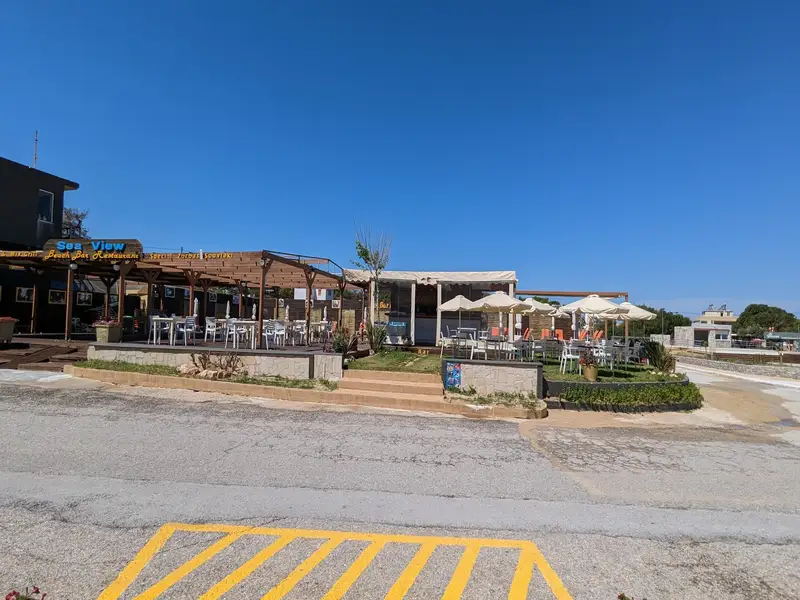
Beyond beaches, Stavros offers an array of other services including accommodation, eateries, mini markets, shops, cafes, and regular bus connections to Chania city.
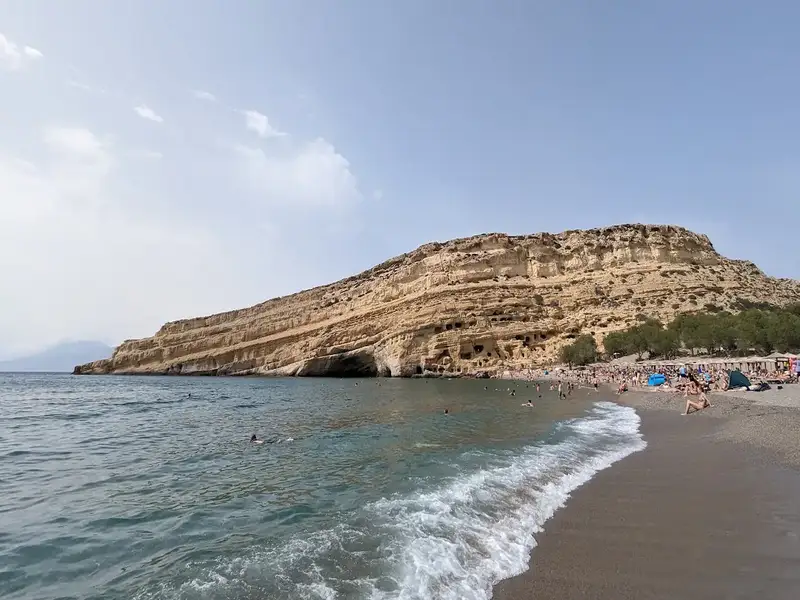
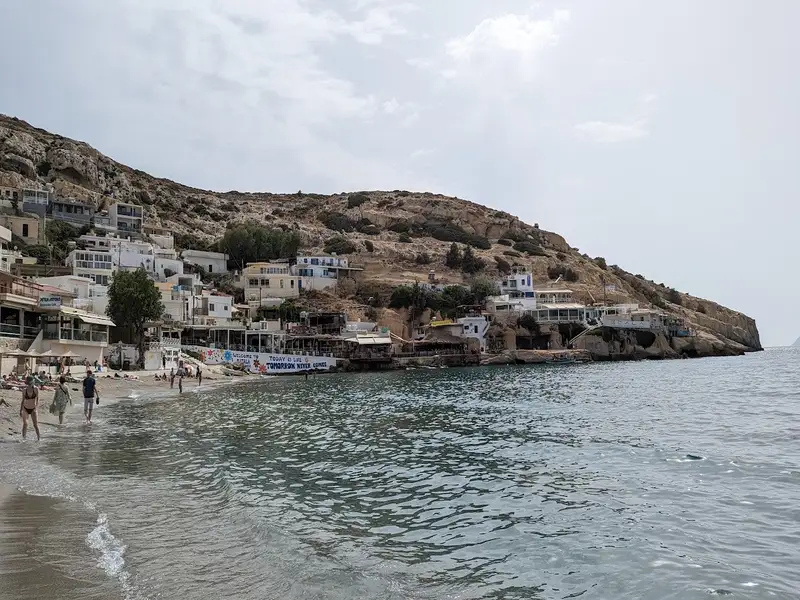
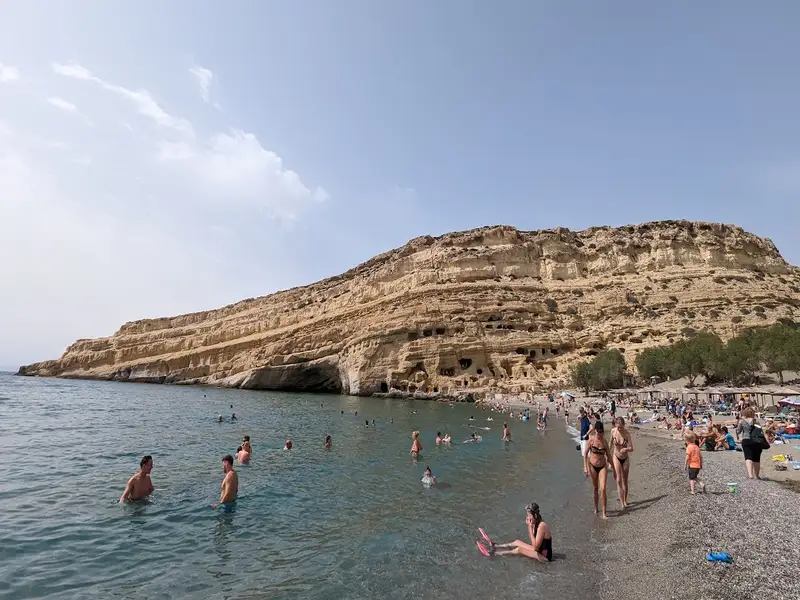
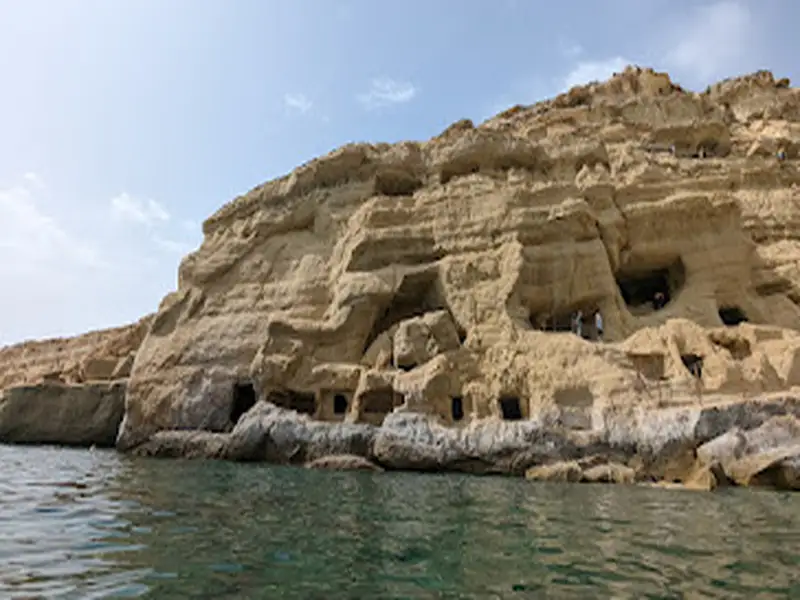
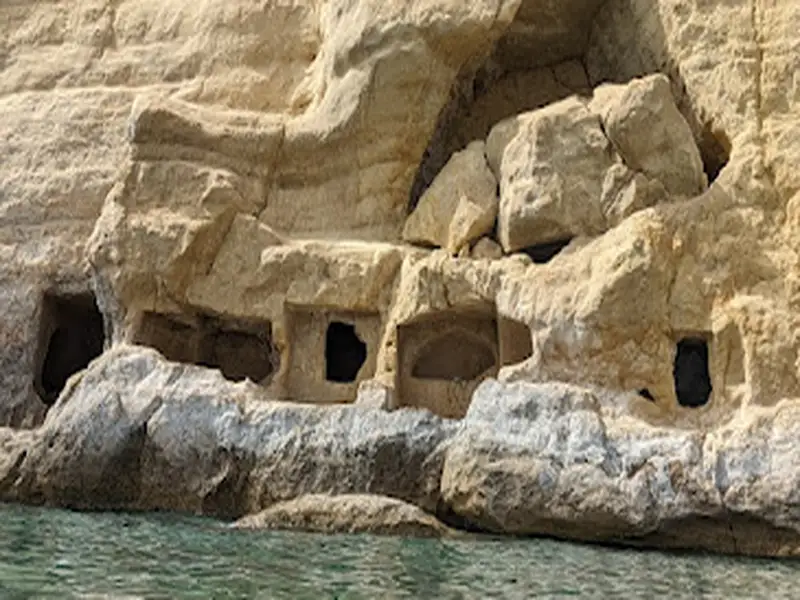
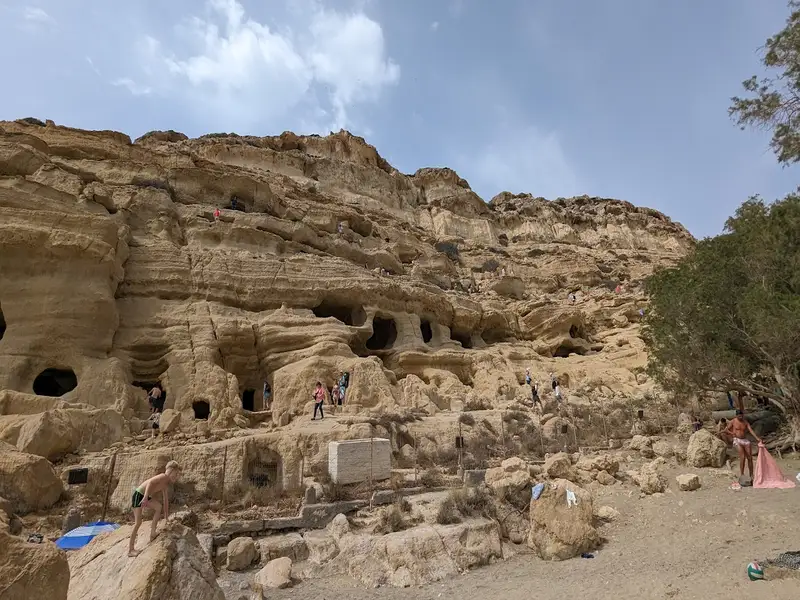
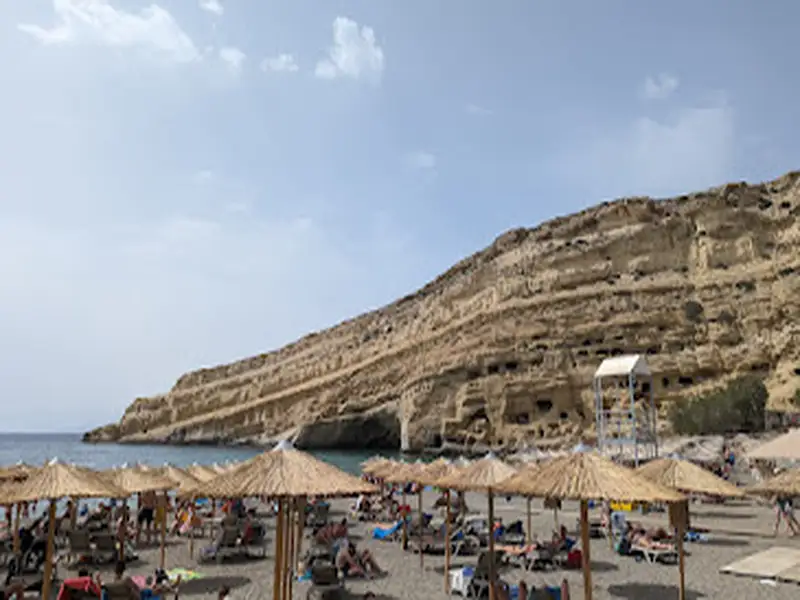
The beach of Matala is situated 68km southwest of Heraklion, where the Messara plain and Asteroussia Mountains intersect. It is one of the most frequented tourist spots in Crete and the most well-known beach in the southern region of the Heraklion prefecture. Matala is notable for its rock-carved caves and its association with the hippie culture of the 1970s. It lies in close proximity to Phaestus, the second largest palace of the Minoan civilization, having once served as its port. During the era of the Romans, Matala transformed into a port for Gortyn.
Nestled at the end of a small valley, Matala overlooks an enclosed bay with a picturesque view of the Paximadia islands. The beach spans 300m and features beautiful sandy shores, fine gravel, and crystal-clear deep waters. However, parts of the seabed, particularly the central area, are quite rocky and waves are common due to frequent westerly winds. A large cave can be found on the northern part of the beach, from which some thrill-seekers dive.
Matala beach is well-equipped with amenities such as umbrellas, restrooms, showers, lifeguards, first aid facilities, beach volleyball courts, snack bars, water sports, excursion boats, and a camping site. The surrounding area of Matala offers a range of accommodation, dining, and entertainment options. The beach is largely shaded by tamarisk trees, providing a respite from the sun. Come evening, the beach bars are brimming with people, both locals and tourists. The internationally acclaimed Matala Festival draws large crowds every June.
No results available
© All rights reserved. Crete Locals