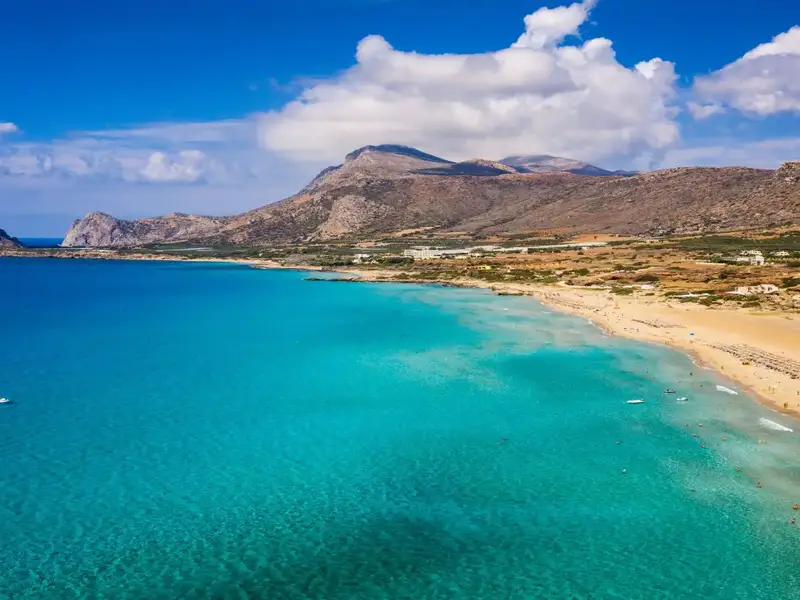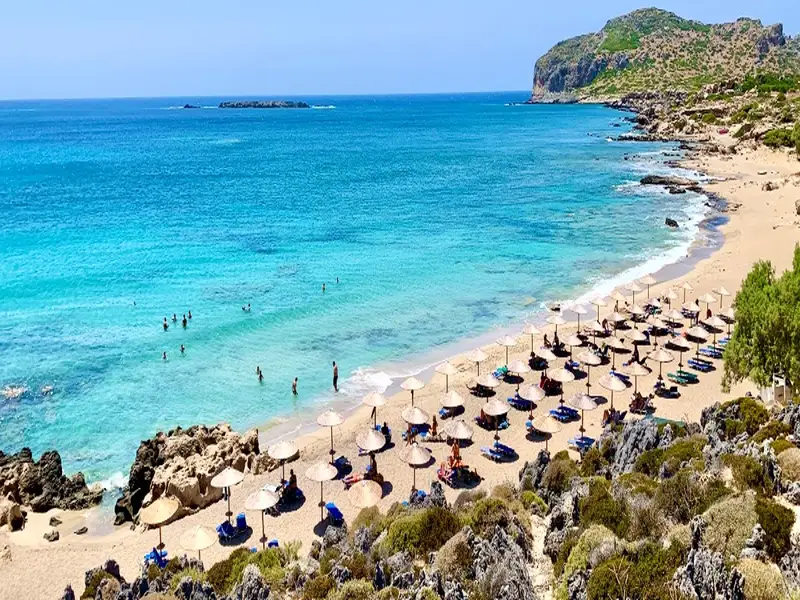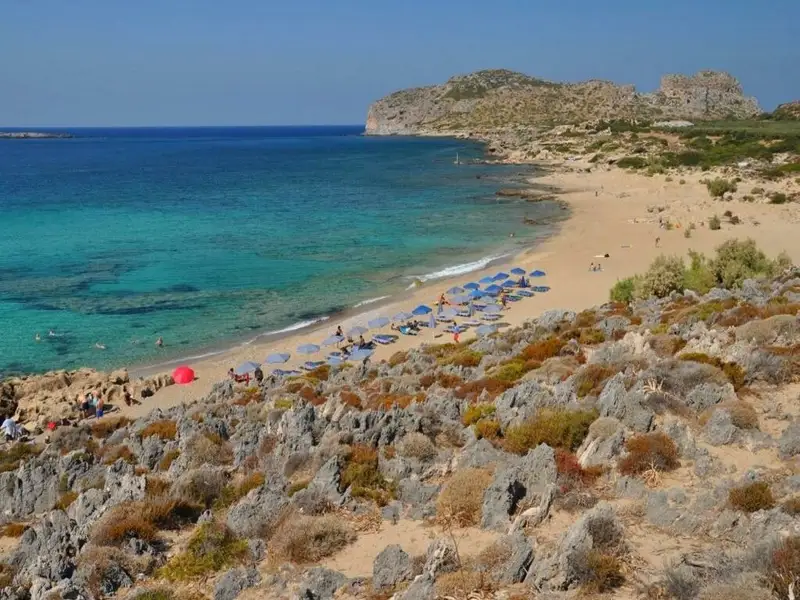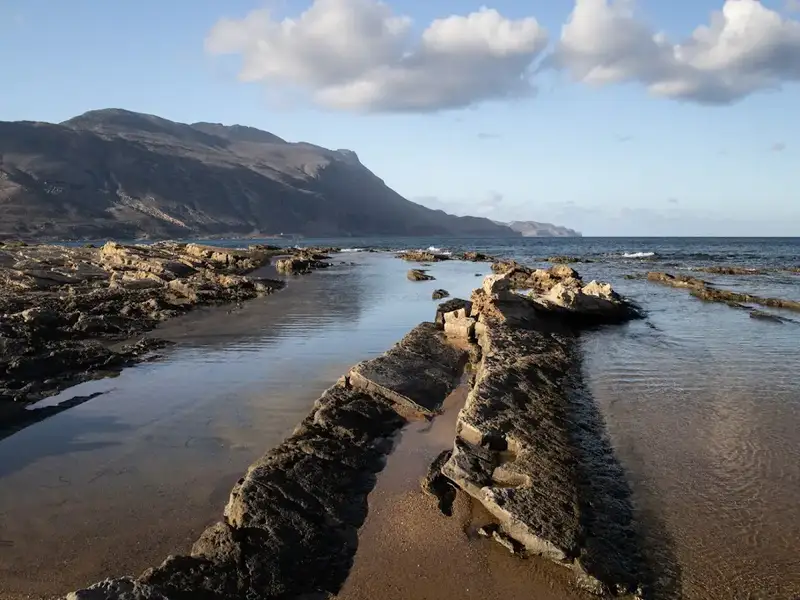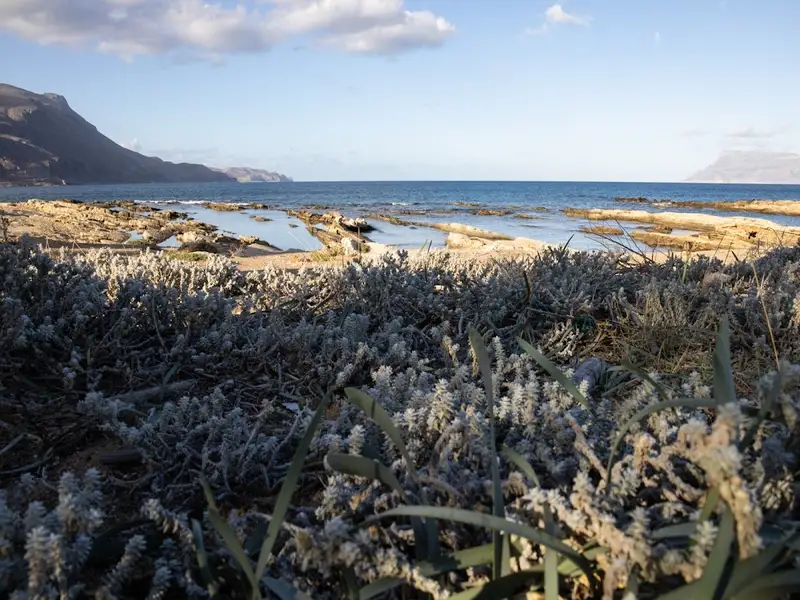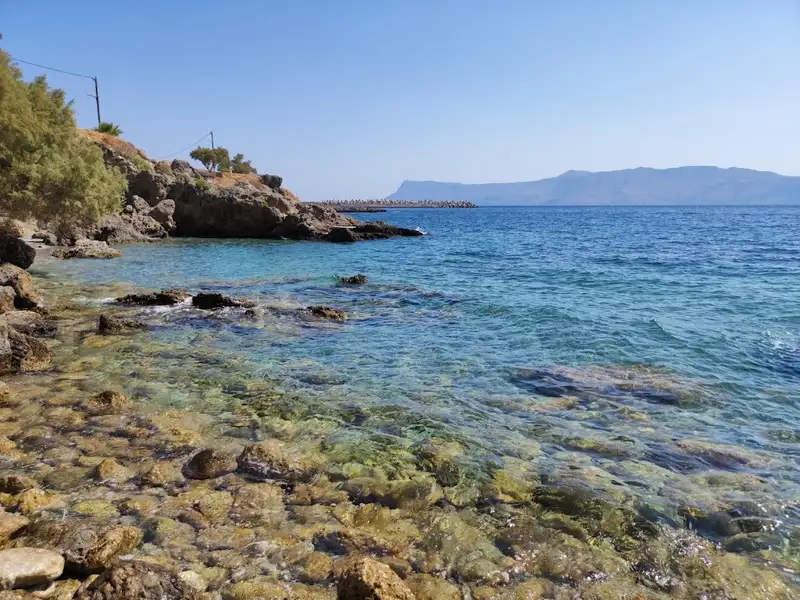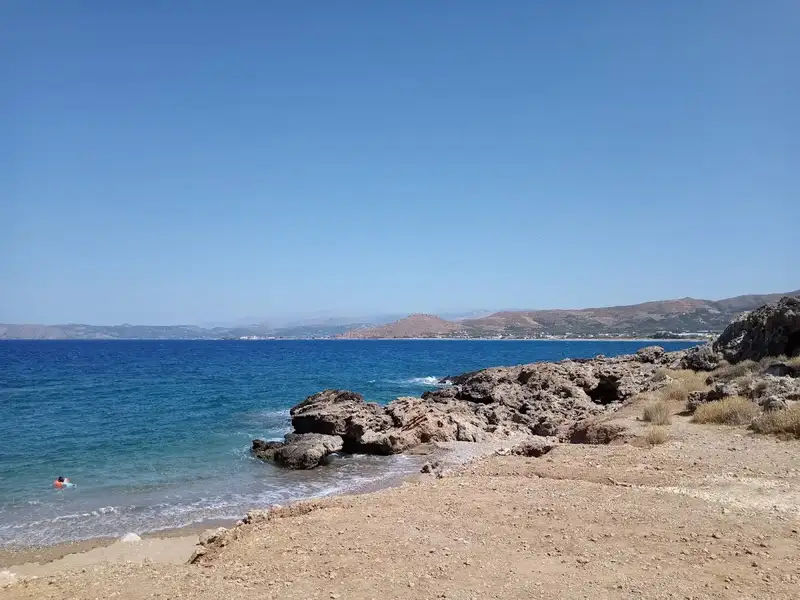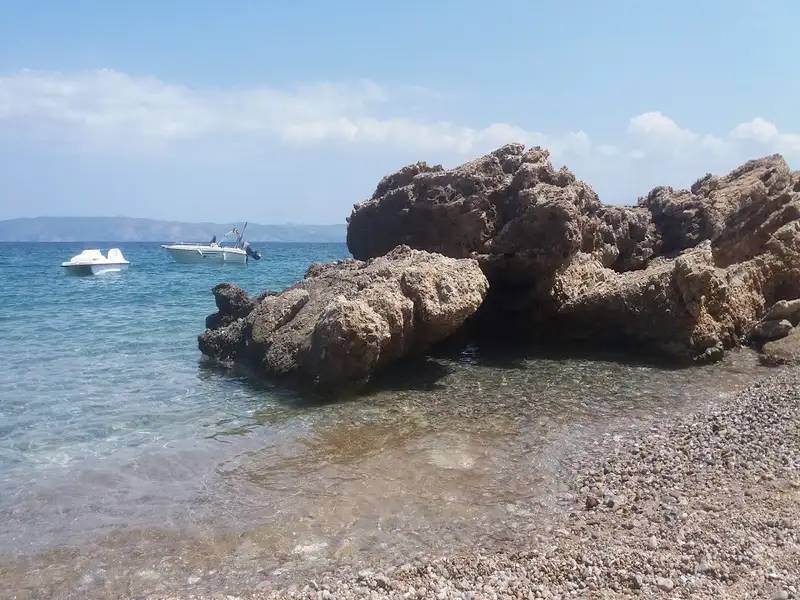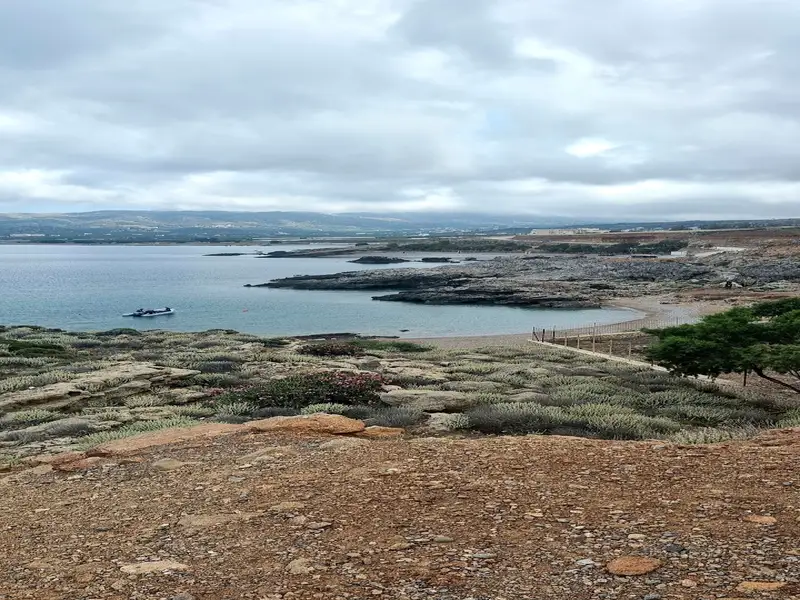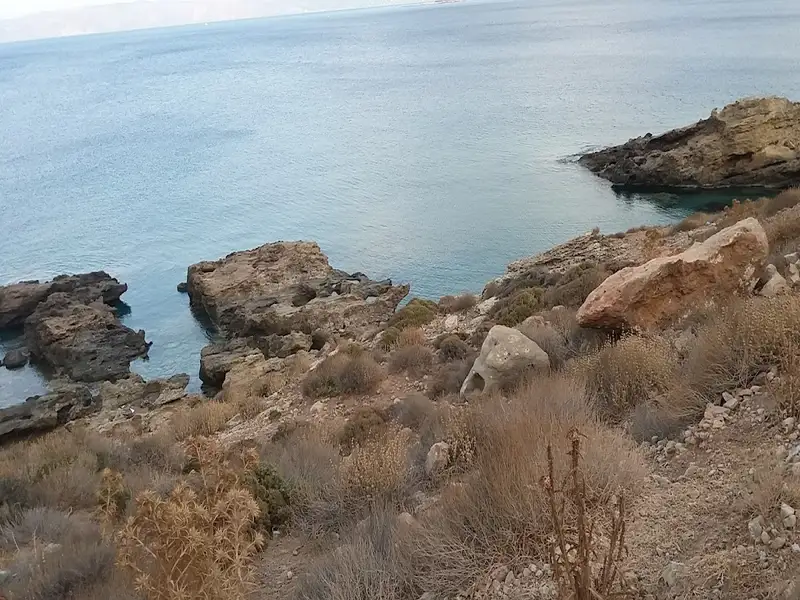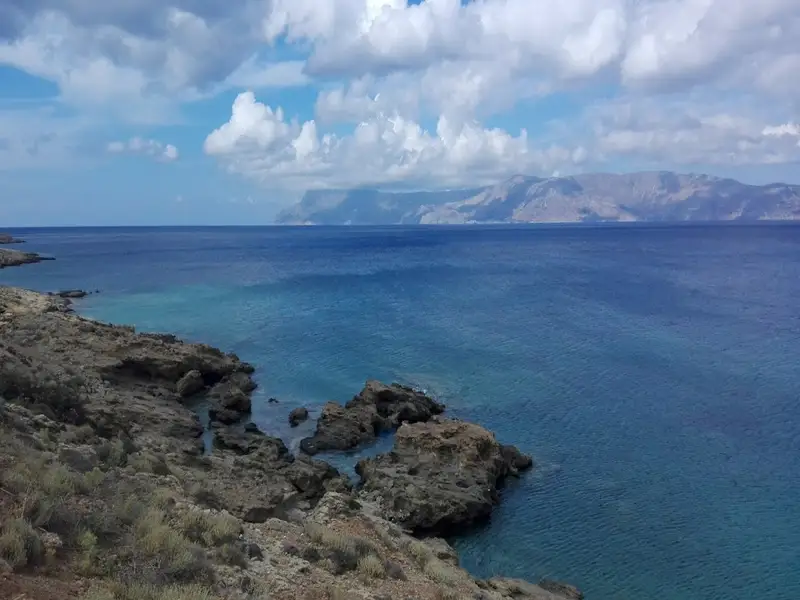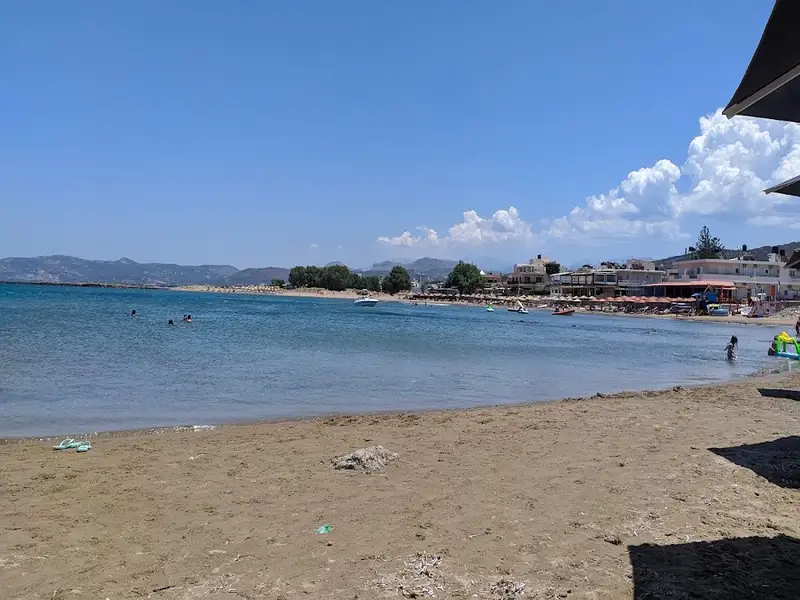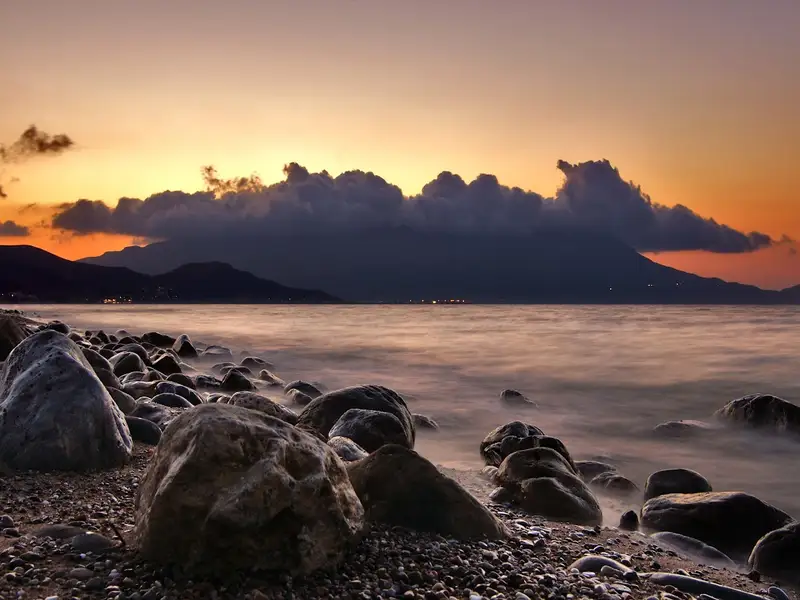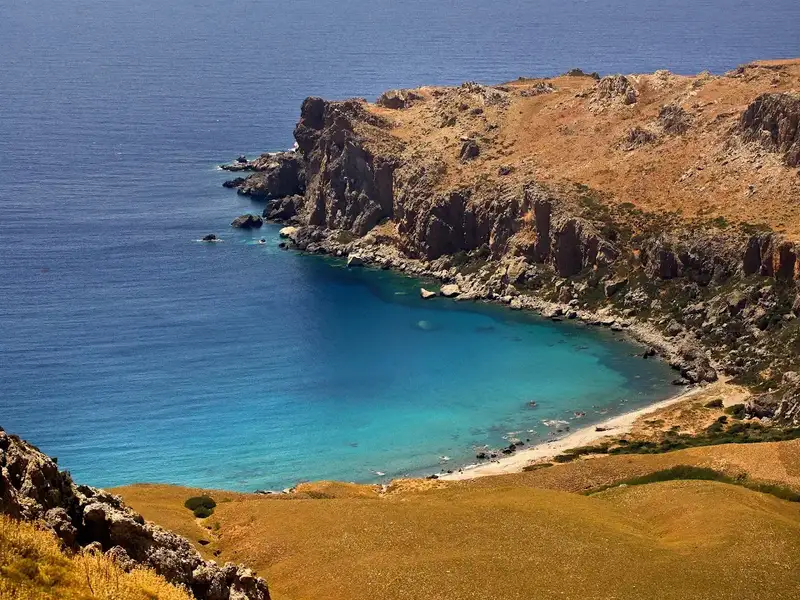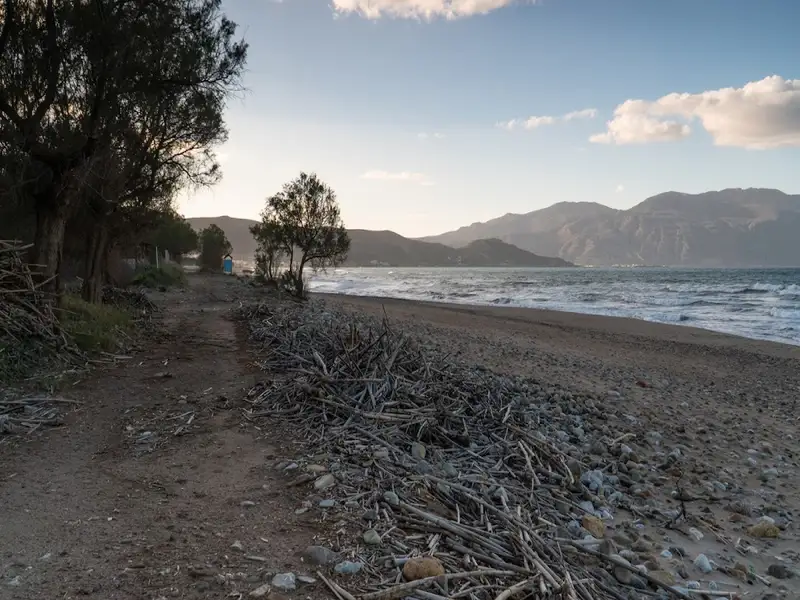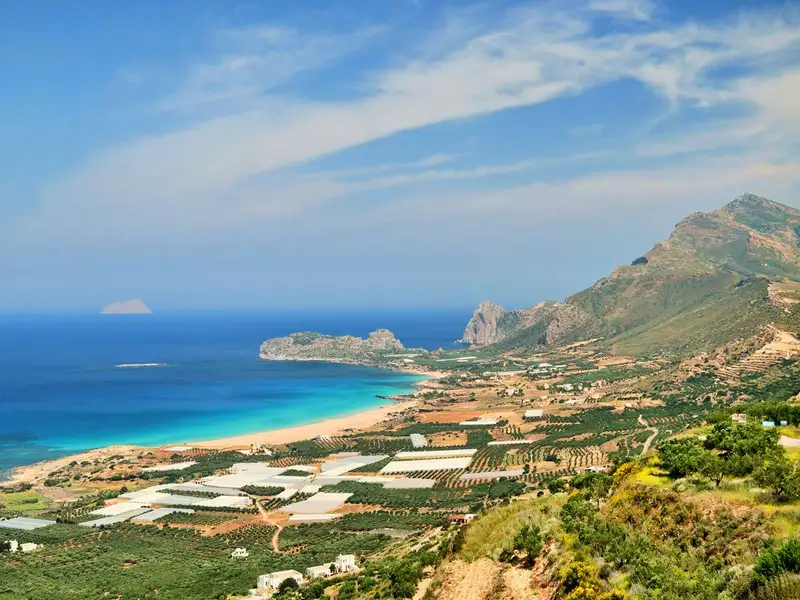
Falassarna is a run of five consecutive beaches on the north-west tip of Crete, about 59 km west of Chania and 17 km west of Kissamos at the western end of the Gramvousa peninsula. Falassarna has been voted the best beach in Crete and named among the ten best in Europe, and the ruins of the ancient Greco-Roman city of Phalassarna sit at its northern end. The area spreads across a wide bay, and the two central beaches draw the most visitors.
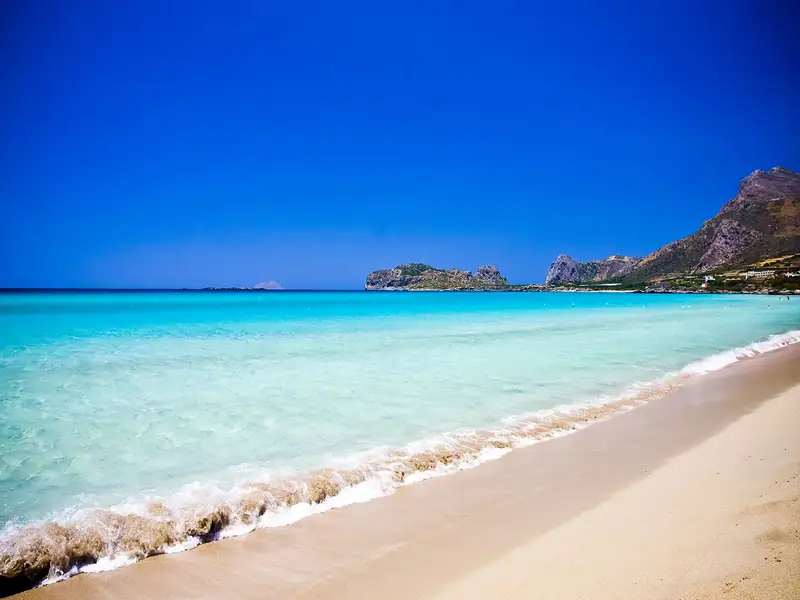
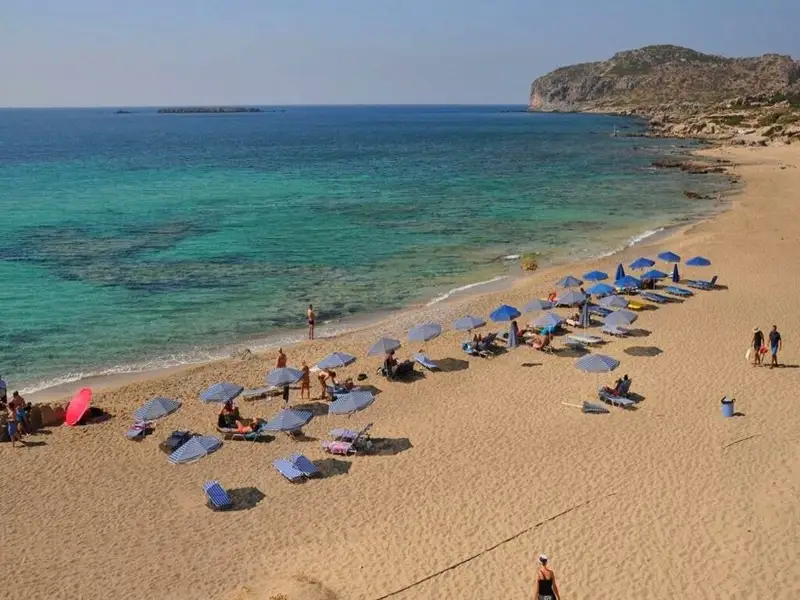
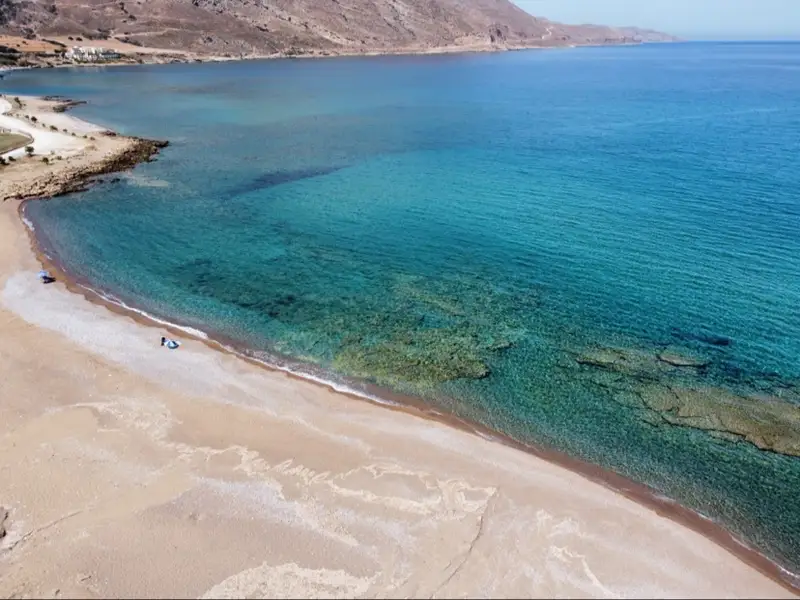
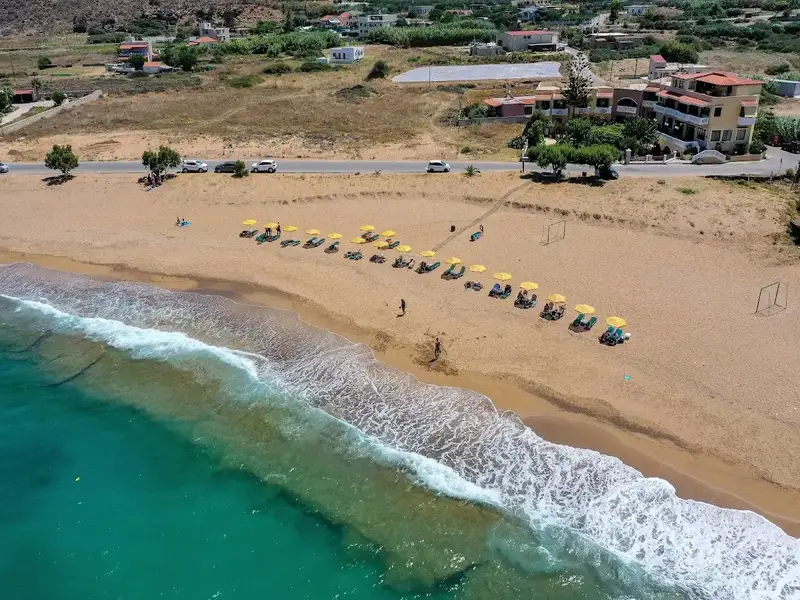
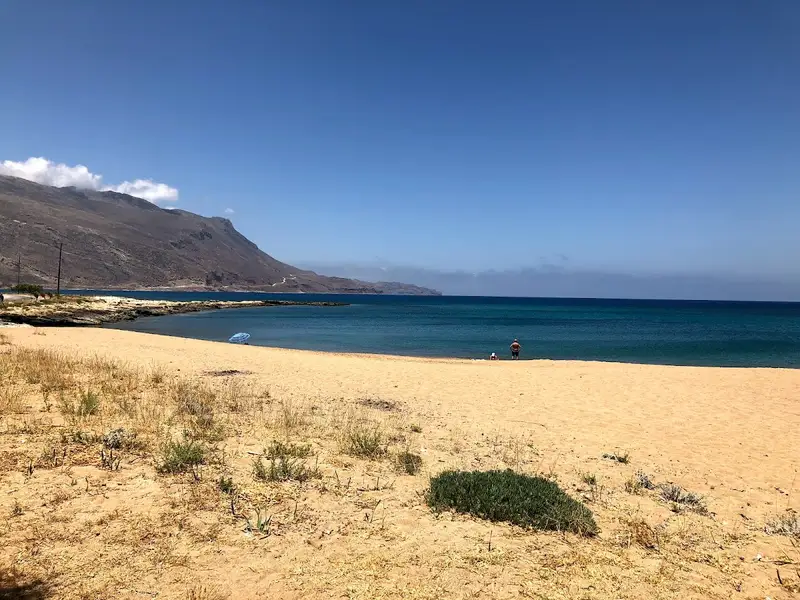
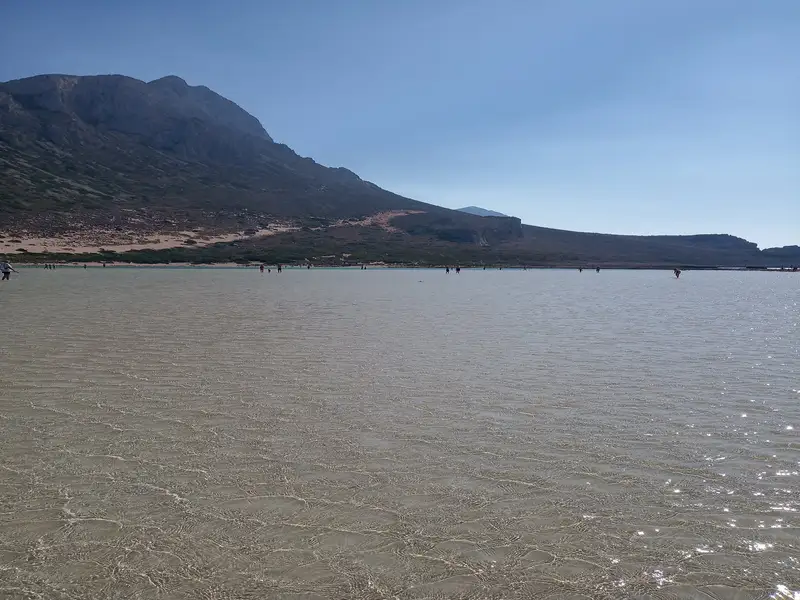
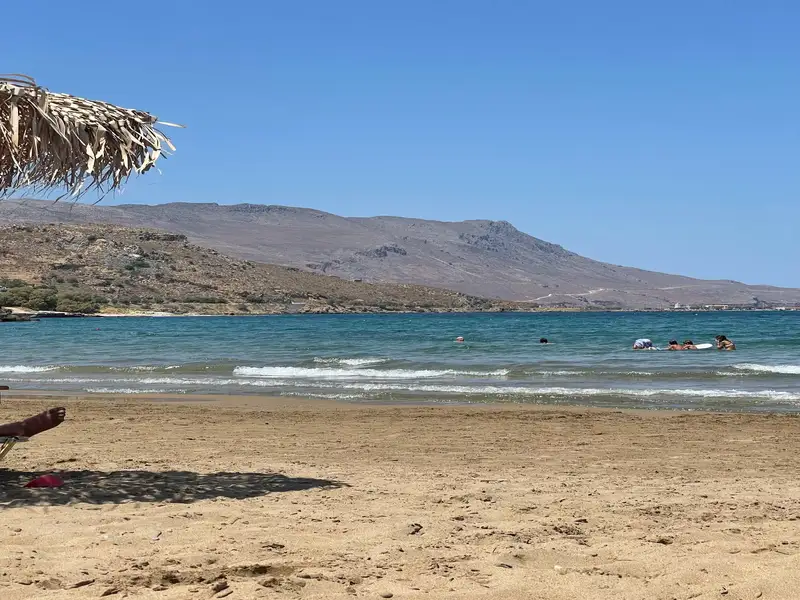
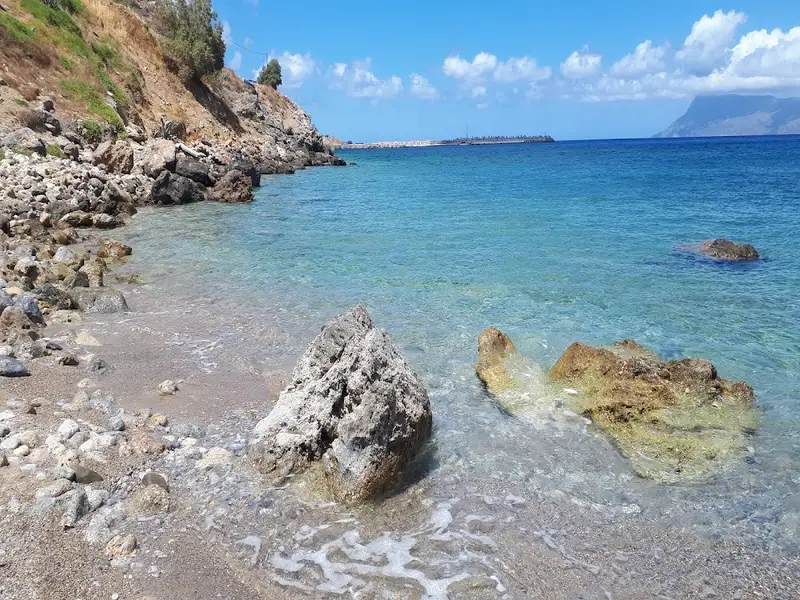
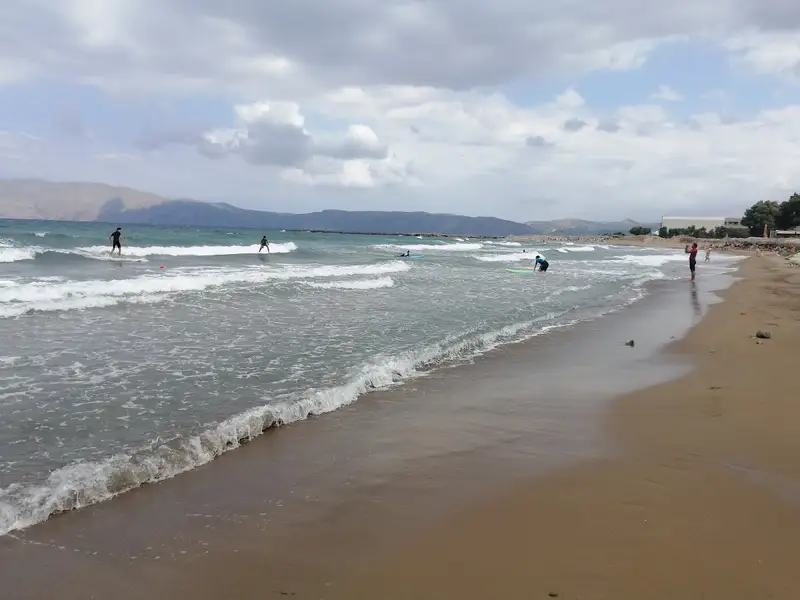
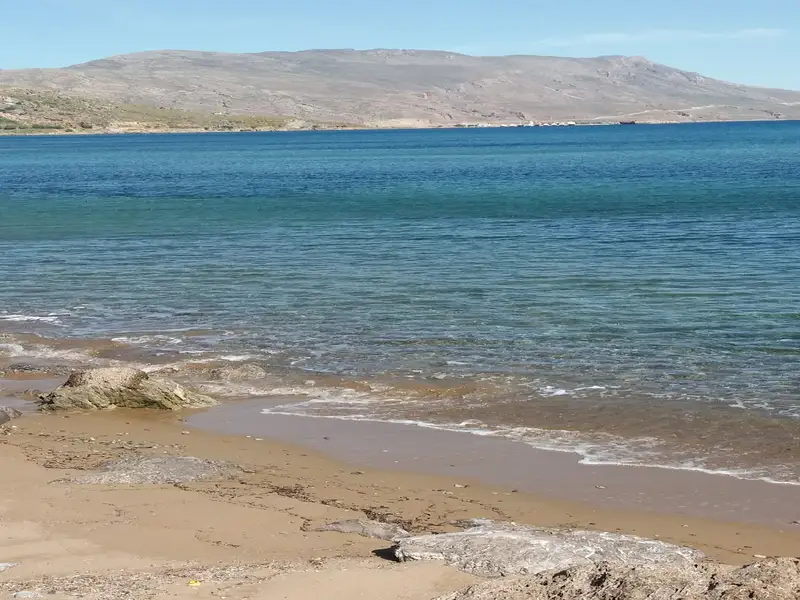
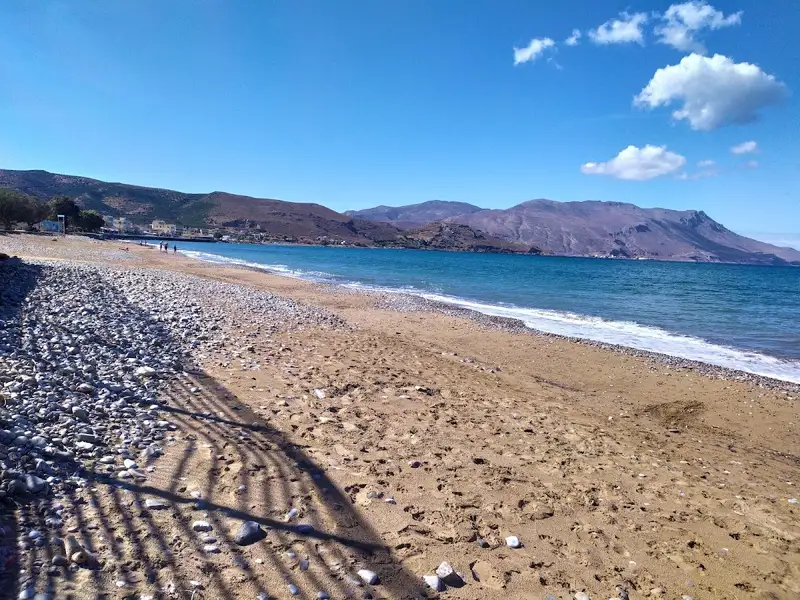
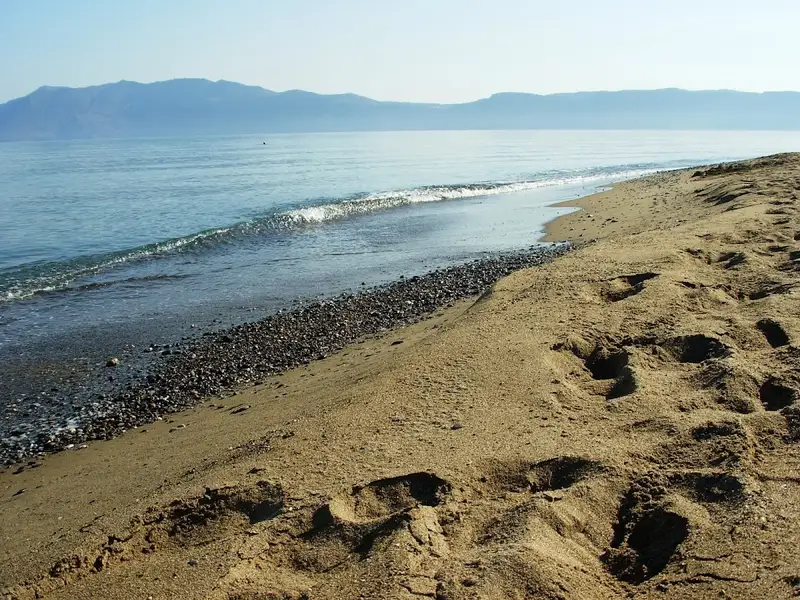
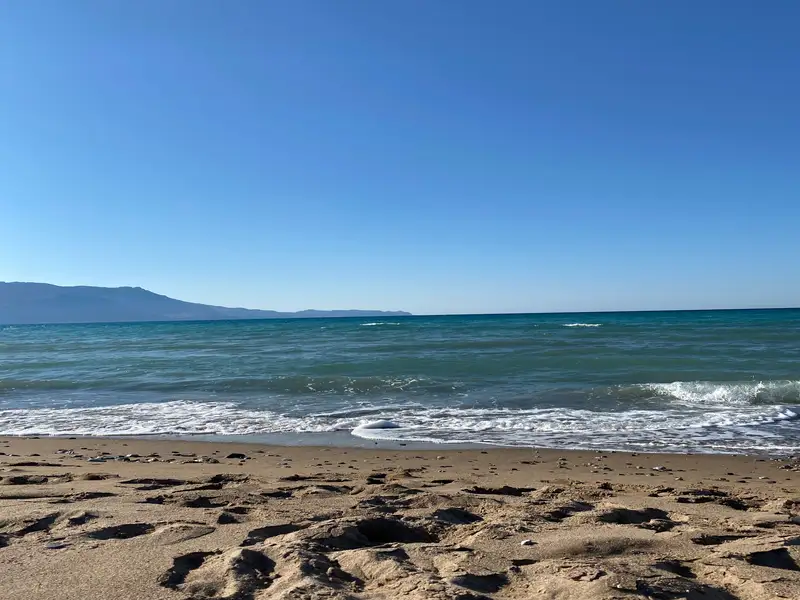
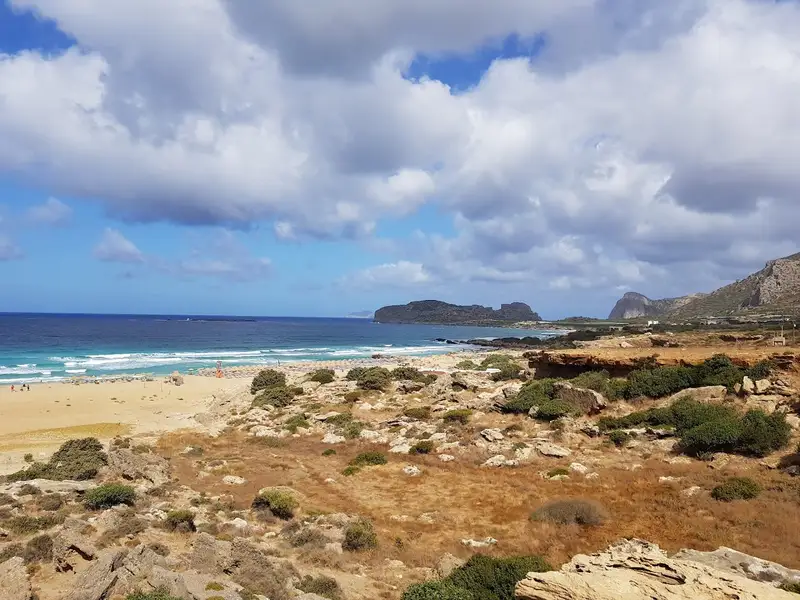
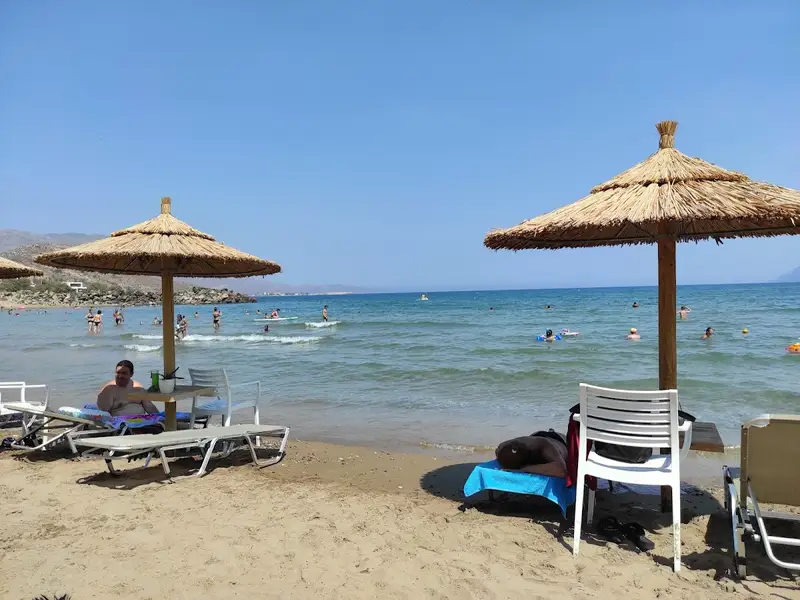
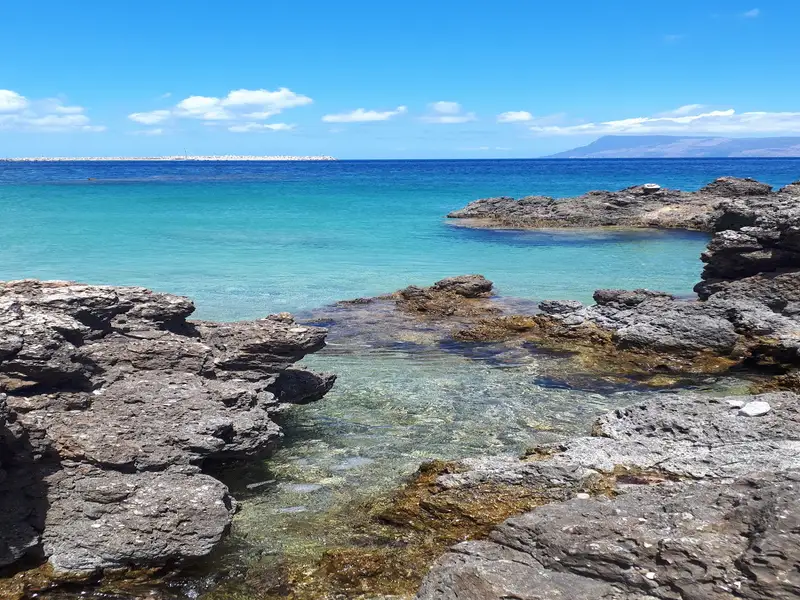
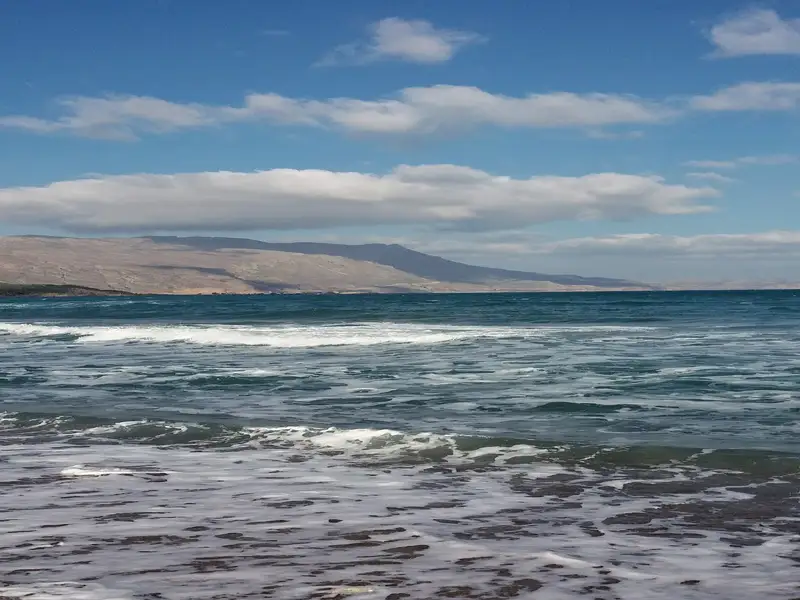
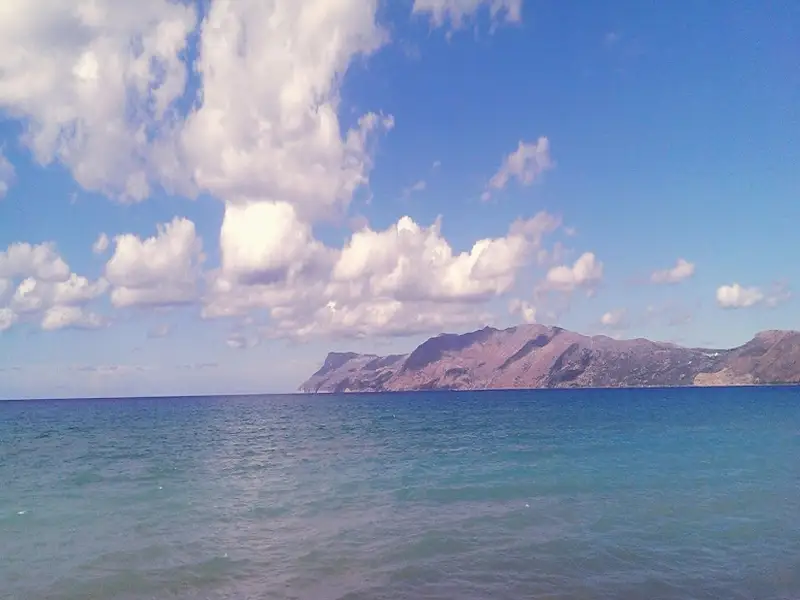
The sand at Falassarna is whitish to golden, which gives the shallows a bright, tropical, turquoise colour. Close to the shoreline the sand often carries a faint pink tint, from tiny crushed shells mixed through it, and the tint shows most when the sand is wet. The main beach faces due west, so the sea is usually lively and can turn wavy on windy afternoons, a trait that windsurfers and kitesurfers prize. On calm days the water is clear and easy for swimming.
Falassarna is not one beach but five, set side by side along the bay:
To reach Falassarna beach the easy way, drive the scenic road through olive groves from Chania, which takes about 1 to 1.5 hours and ends at large parking areas next to the main beach. Renting a car lets you pair Falassarna with the quieter coves and the ancient site nearby, which you can arrange through car rental in Crete. Without your own transport, take the KTEL bus from Chania or Kissamos, which runs several times a day through the summer and takes roughly 1 hour 30 minutes from Chania.
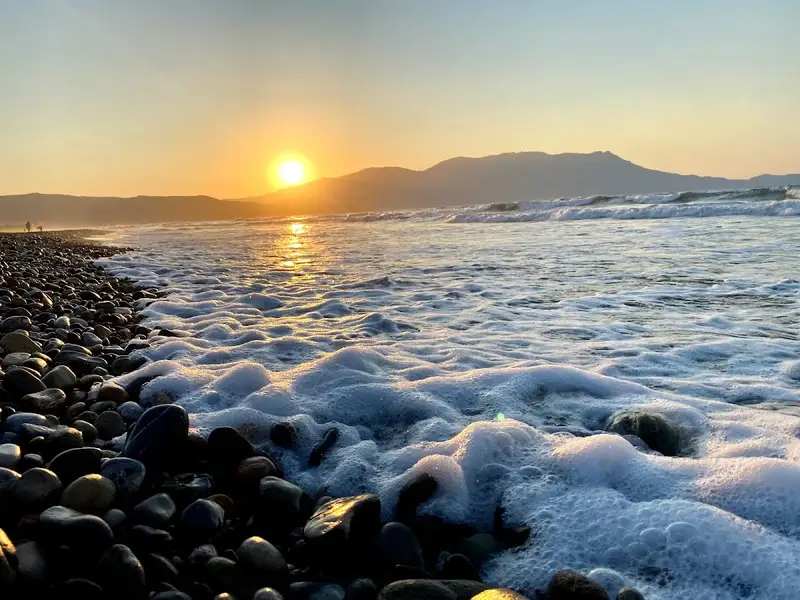
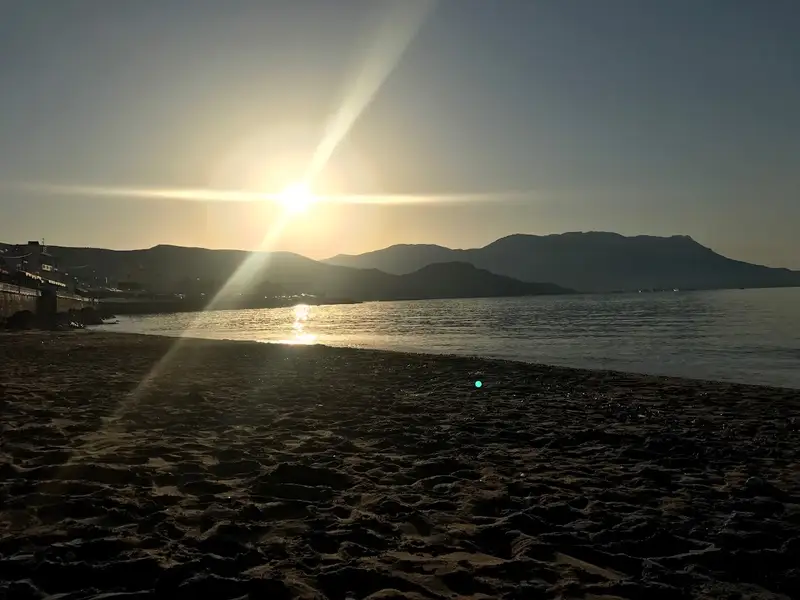
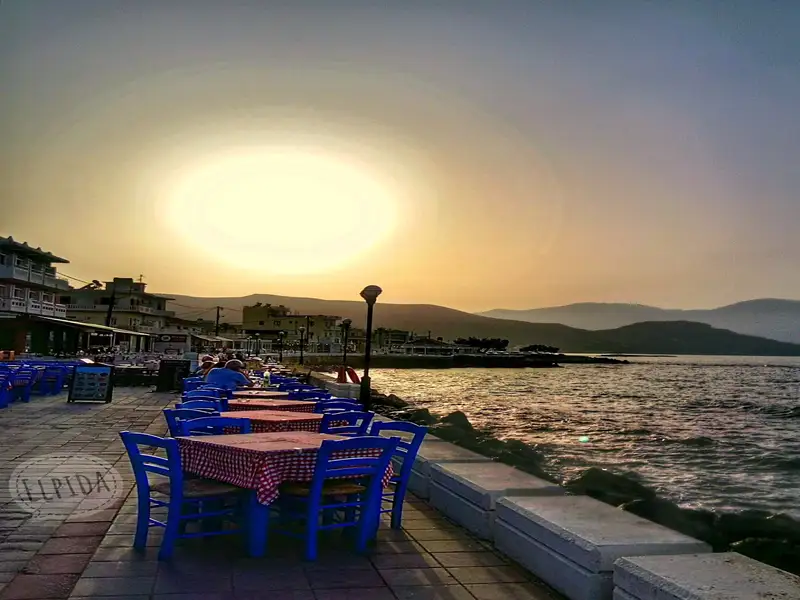
The best time to visit Falassarna is from May to October, when the weather is warm and the beach bars and tavernas are open; from November to April most businesses close, though you can still reach the beach by car. Come in the late afternoon and stay for the sunset, which is considered the best in Crete because the open western horizon lets you watch the sun sink straight into the sea.
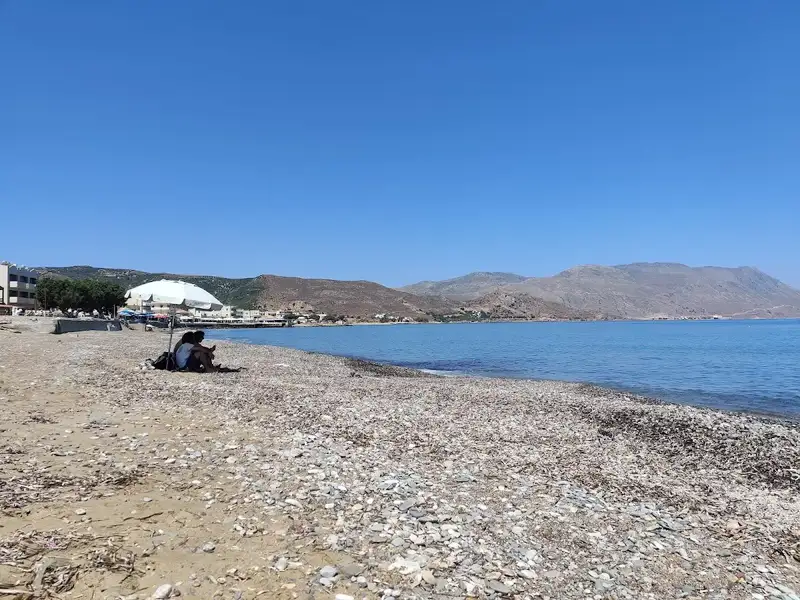
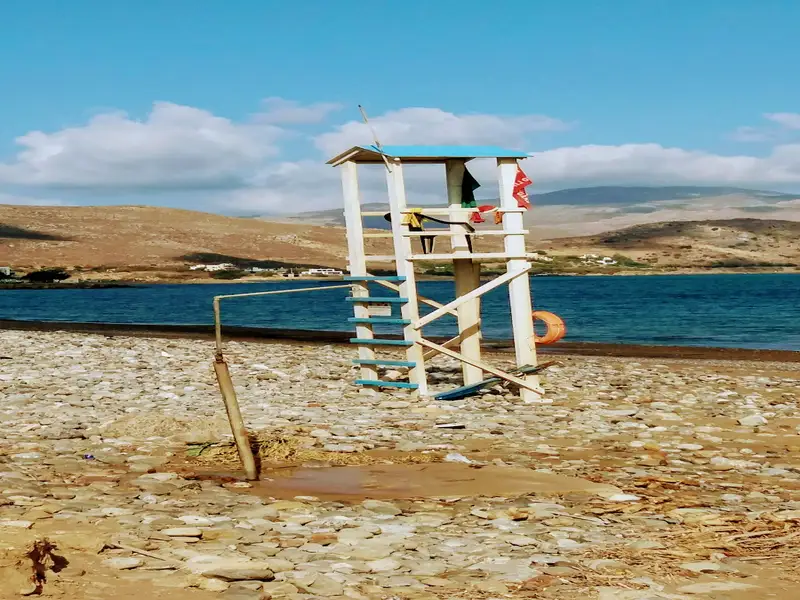
The main beach, Pachia Ammos, is a Blue Flag beach and the organised part of Falassarna, with sunbeds and umbrellas, snack bars and tavernas, water sports and a beach volleyball court; lifeguards cover the busier sections in summer. It is one of the island’s Blue Flag beaches in Crete. The northern coves and the southern pebble beaches have few or no services, so bring water and shade if you head to the quieter ends. The whole bay sits inside a Natura-protected nature reserve.
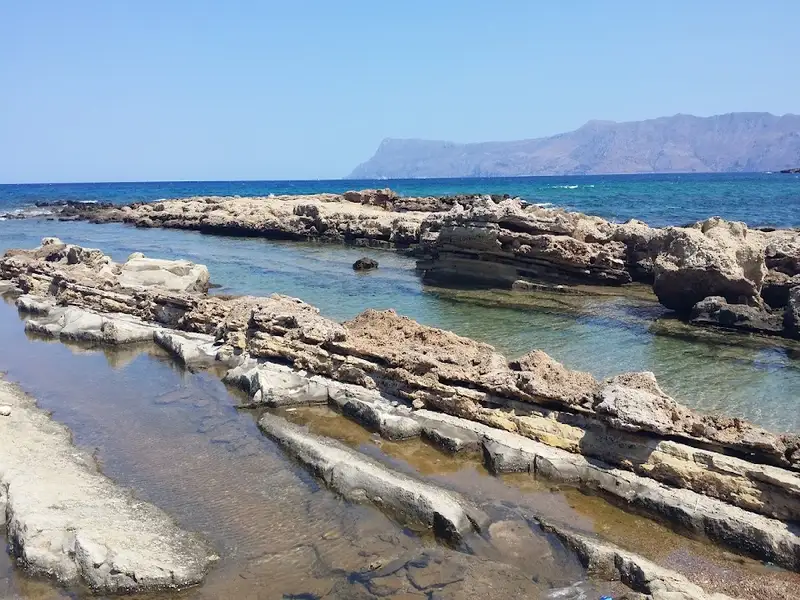
Ancient Phalassarna was a Dorian port city at the northern end of the beach that grew into a strong regional naval power by the 4th century BC before the Romans destroyed it. A later earthquake lifted the coastline several metres, so the ancient harbour now sits on dry land, and excavations that began in the 1960s have uncovered walls, tombs and a stone throne.
Falassarna beach is on the north-west tip of Crete, about 59 km west of Chania and 17 km west of Kissamos, at the western end of the Gramvousa peninsula.
The easiest way to reach Falassarna is by car, about 1 to 1.5 hours from Chania through olive groves, with large parking areas by the main beach. A KTEL bus also runs from Chania and Kissamos several times a day in summer, taking roughly 1 hour 30 minutes.
Falassarna is known for its long white-sand main beach, clear turquoise water and its sunset, which is rated the best in Crete. It has been voted the best beach in Crete and among the ten best in Europe.
The sand is mainly whitish to golden with a faint pink tint near the shoreline, from tiny crushed shells. The pink is softer than at Elafonisi and shows most when the sand is wet.
Yes, the main beach shelves gently into shallow water that suits children, and the organised section has sunbeds, food and water sports. The beach faces west, so it can get wavy on windy days; keep an eye on young swimmers then.
No, Falassarna is a free public beach. You pay only for extras such as a sunbed and umbrella set or food and drinks.
The best time to visit is May to October, when the beach is warm and the bars and tavernas are open. Late afternoon is ideal, so you can stay for the sunset.
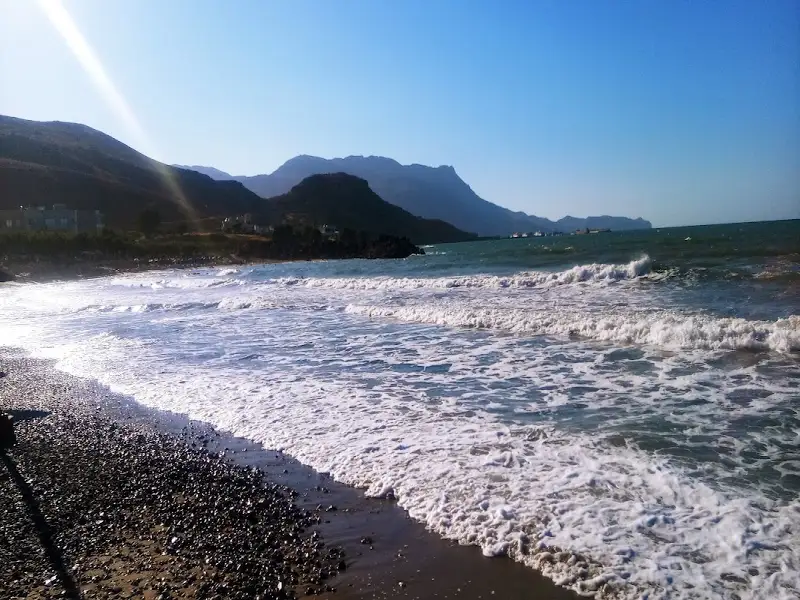
Falassarna faces due west and is exposed to the west wind, so the sea is often lively and can turn wavy on windy afternoons. Those conditions make it a favourite with windsurfers and kitesurfers.
The main beach has sunbeds and umbrellas, snack bars and tavernas, water sports and a beach volleyball court, and it flies a Blue Flag. The northern and southern coves have few or no services, so bring your own water and shade there.
Yes, Falassarna is made up of five beaches side by side: the main Pachia Ammos, the quieter 800 m north beach, a small south-facing cove by the ancient site, sandy Livadi to the south, and a pebbly beach near the small harbour.
Kalyviani Beach, situated a mere 1km north of the eponymous traditional village at the foot of the Gramvousa Peninsula and 7km northwest of the town of Kissamos, is a lengthy stretch of coast that serves as a viable option for swimming for those visiting the scenic village of Kaliviani. However, its overall rocky terrain with sparse sandy patches doesn’t make it a favourite among swimmers. It is advised to avoid the beach during gusty days, as the large waves coupled with the rocky seabed can make swimming hazardous.
Despite its proximity to Kissamos and Kaliviani village, where accommodation and dining options are available, the beach lacks tourist facilities. It also tends to be less than pristine, as it often becomes a depository for trash brought in by the currents and waves.
Located 3km northwest of Kissamos town and 38km west of Chania, you’ll find the beach of Vigglia on Crete island. This beach begins near the “Madonna of the Harbor” church (Panagia) by the port of Kissamos, stretching along a 2km coastline featuring many coves, all the way to Kaliviani to the west. Notably, Vigglia’s primary beach boasts a nearly semicircular shape, with its coarse sand and transparent water. There are areas where the sandy beach is replaced with pebbles and rocks.
Although Vigglia doesn’t provide extensive tourist services, there are a few hotels in its vicinity and some basic facilities. Despite not being highly organized, Vigglia attracts many admirers who appreciate the area’s tranquillity and pristine sea. If you’re seeking a family-friendly destination in western Crete, Vigglia would be an excellent recommendation.
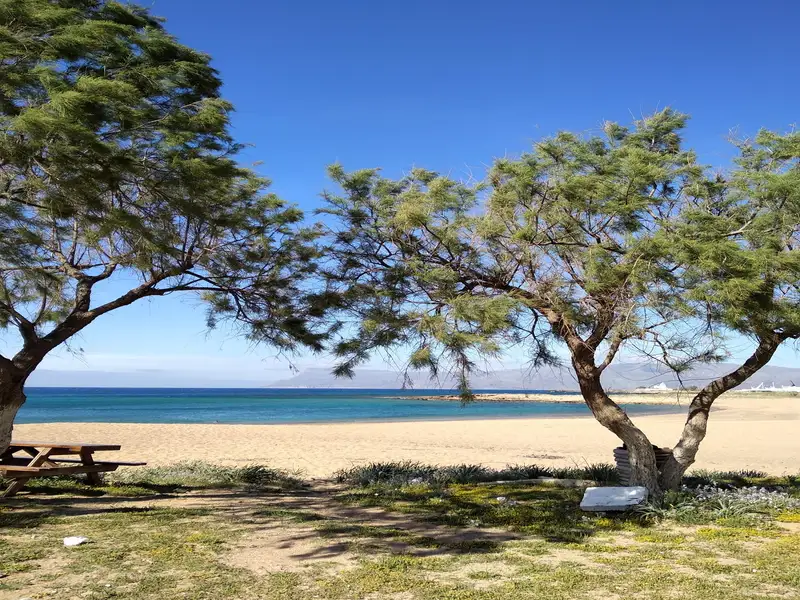
Damialis beach, situated 37km west of Chania and a short 1.5km north of Kissamos, can be easily accessed via the main road that connects Kissamos to Falassarna. This petite cove boasts pristine deep waters, eye-catching rocks, and tiny pebbles, all while being well-shielded from strong winds. Though the beach is not equipped with facilities, visitors can seek shade under the tamarisk trees. A springboard on the rocks also adds to the charm of the beach.
The beach derives its name from the picturesque St. John Damialis church, nestled inside a cave above the beach. A brief path from the church crosses the road via a small tunnel, leading straight to the beautiful beach.
A mere 200m south of Damialis, one can discover the three to four small coves of Delfini, or Dolphin, named after a local hotel. These secluded beaches are tranquil, though occasionally, streams may deposit rubbish on the shores.
Tou Meri to Pigadi is located 8km northwest of Kissamos and 44km west of Chania, on the eastern side of Peninsula Gramvousa. The name means “Meri’s well”, probably named after the name of someone, who owned a well in the area. Meri Pigadi has three consecutive small protected bays, with fine pebbles and crystal clear deep waters. There are no facilities on the beaches; it is an ideal place to relax, away from the noise of cities.
There are a few small trees, under which you can find shade. The first bay, just behind the ticket kiosk of Balos lagoon, is called Mouri Lakkos. To get to Meri’s Well, you have to walk or drive 1.5km into the dirt road that starts from Kaliviani and leads to the lagoon of Balos. If you visit the beaches, do not forget to have water with you.
1.5km north of Meri Pigadi, at position Kakia Skala, there is a small beach with fine pebbles and gorgeous deep blue water, adjacent to the eastern cliffs of the cape. Access to the beach is not easy, as the rocky cliffs make the descent impossible.
Situated directly in front of the town of Kissamos, and 36km west of Chania, you’ll find Mavros Molos beach, also known as the ‘black jetty’. This long bay is historically significant, with remnants of the ancient port of Kissamos discovered here. As the primary beach of Kissamos town, it attracts the highest number of swimmers in the region. Its fine sand and shallow waters make it an ideal spot for families and children. Adjacent to the beach, a variety of cafes, restaurants and hotels can be found. Facilities such as umbrellas, sunbeds, lifeguard services and showers are available for beachgoers. Additionally, tamarisk trees offer natural shade.
To the west of the main beach, Mavros Molo’s features a smaller, pebbly and rocky cove. This secluded spot rarely gets crowded, making it perfect for snorkelling.
Telonio Beach, beginning east of Kissamos’ main pedestrian road and extending to the Kissamikos stadium approximately 1km east, is the most westerly section of a long stretch of beach that reaches from Kissamos to Nopigia. Telonio is situated adjacent to Kissamos’ most vibrant area, where the former Customs’ Office and the current bustling seaside pedestrian road with its numerous taverns and cafes can be found. The beach itself is a mix of pebbles and sand, often characterized by waves and shallow water. Despite being close to the town, it is typically unorganized. Telonio used to be the most frequented beach in the area decades ago, but now Mavlos Molos holds that title. Telonio remains an excellent choice for those who desire tranquility yet also want the convenience of nearby amenities.
The Livadia beach, commencing 1km east of the Kissamos stadium and concluding at Korfalonas beach, is a small 2km stretch of the extensive beach that originates from Kissamos and finishes at Nopigia in the Rodopos Peninsula. The beach, like its neighbours, is characterized by its sandy terrain with occasional pebbles. It is exposed to the wind, making the water typically shallow and wavy.
Despite being not highly organized, it features several spots with umbrellas, small hotels, and restaurants. Its expansive length gives an impression of emptiness. On calm days, it is an ideal choice for those seeking a tranquil spot to swim yet remaining in proximity to urban conveniences.
Kokkina Grema, a secluded beach known for its Red Cliffs, is located 55km west of Chania, 28km southwest of Kissamos, and 3km west of Platanos village. The beach’s name is derived from the reddish soil of the northern peninsula.
Situated at the exit of a tiny gorge from Platanos village, Kokkina Grema shapes the bay of Lygia. The beach, characterized by its ruggedness and pebbles, is an ideal spot for camping and solitude, although it may not be suitable for families with children due to the lack of facilities and shade. Visitors are advised to bring their own umbrellas.
Reaching Kokkina Grema can be challenging due to the poor condition of the dirt track leading from Platanos. However, the journey ends beautifully with the scenic chapel of Panagia situated on the beach.
Korfalonas beach, nestled between Livadia and Drapanias beaches, is situated 4.5km to the east of Kissamos and 32km to the west of Chania city. The beach takes its name from a nearby settlement of the same name, found a few kilometres to the south of the beach.
The beach of Korfalonas is characterized by its long stretch of sandy shore and shallow waters, forming a central part of the extensive beach that extends from Kissamos to Cape Rodopos. Despite its seclusion, it offers basic amenities such as umbrellas, showers, and nearby taverns and hotels.
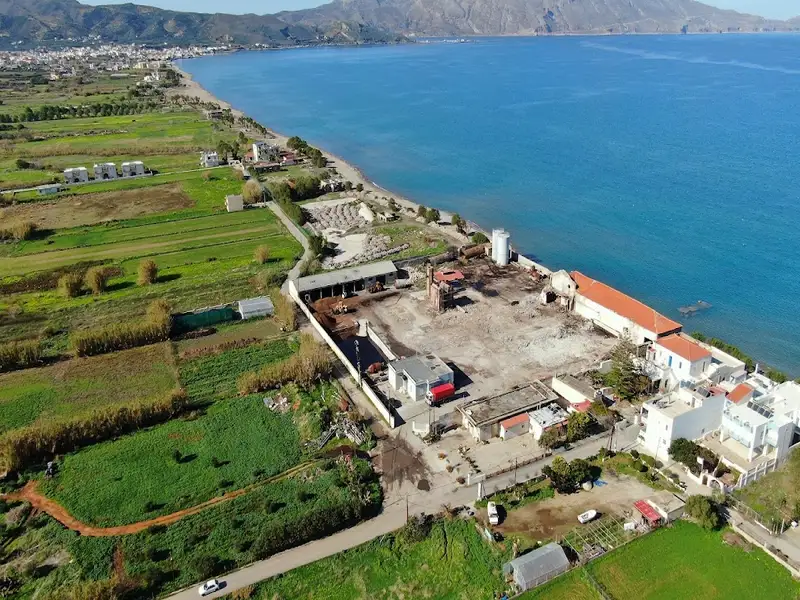
Korfalonas is a perfect destination for those seeking a tranquil vacation, with its essential facilities close at hand. Adjacent to the beach, visitors may observe some deserted factories and antiquated buildings.
No results available
No results available
© All rights reserved. Crete Locals