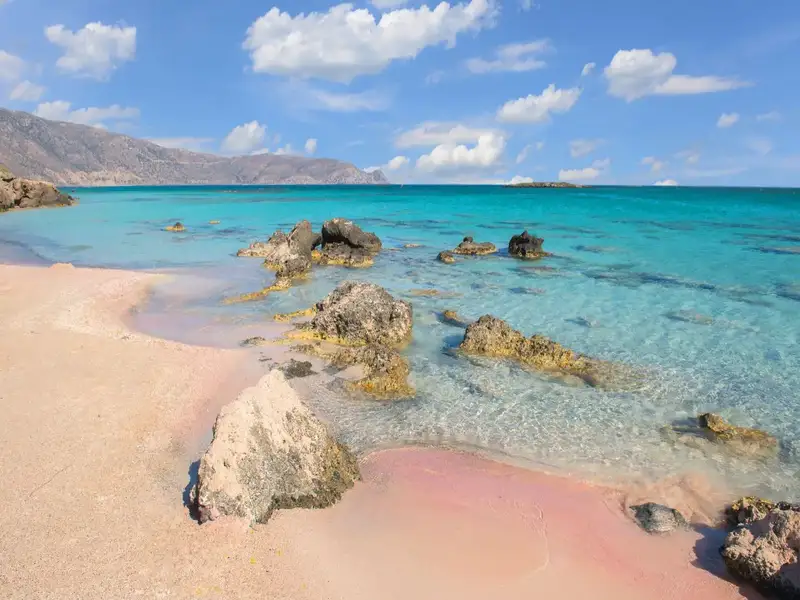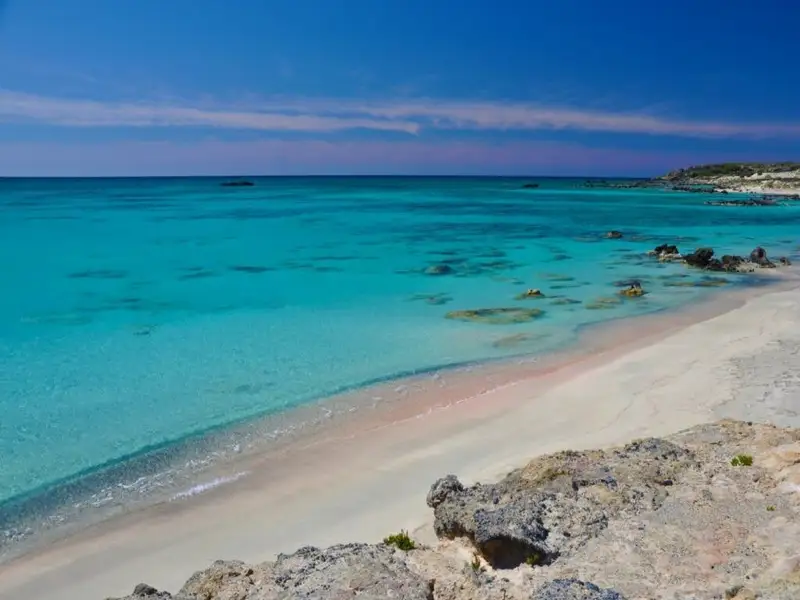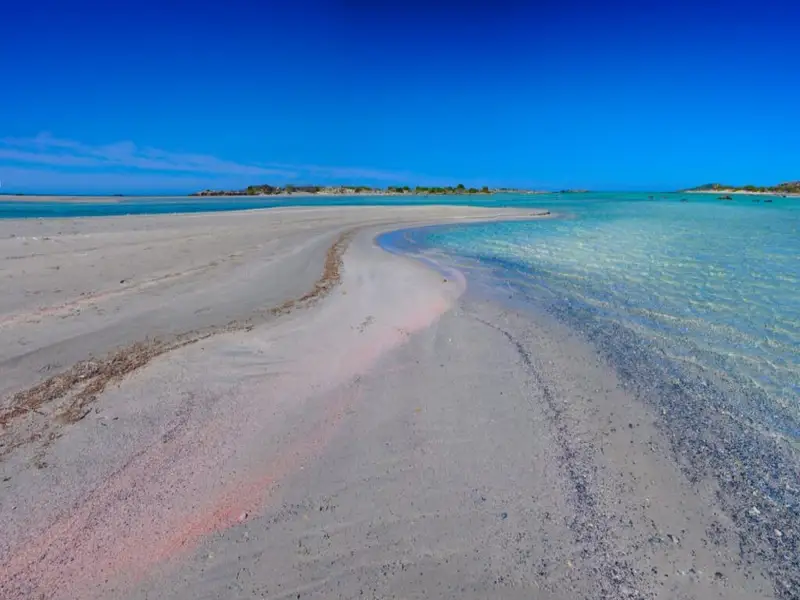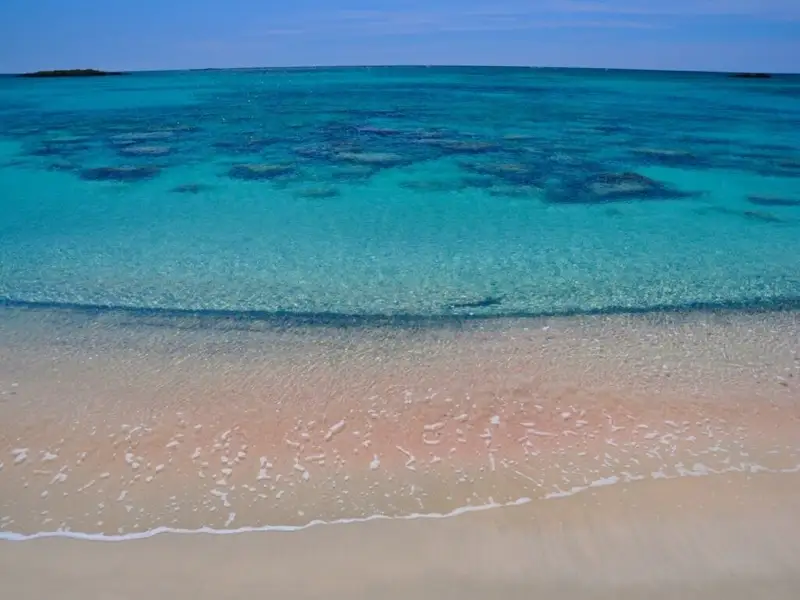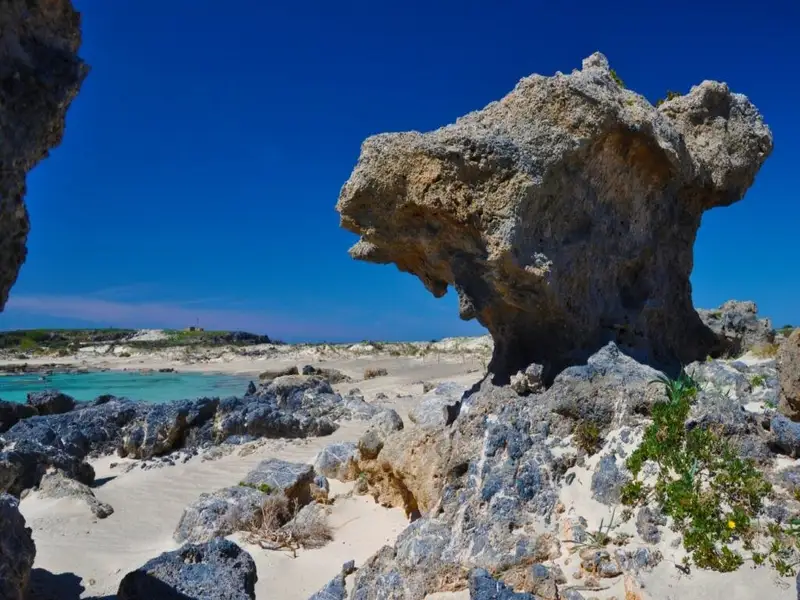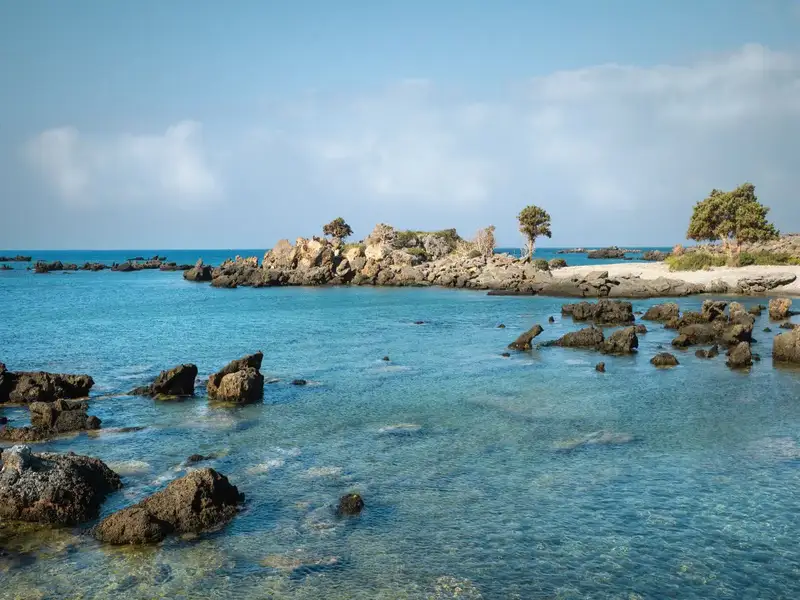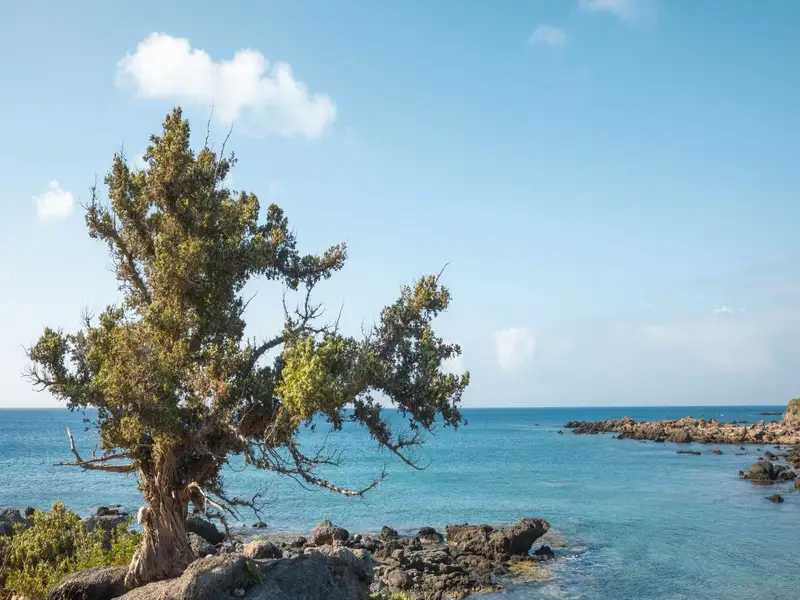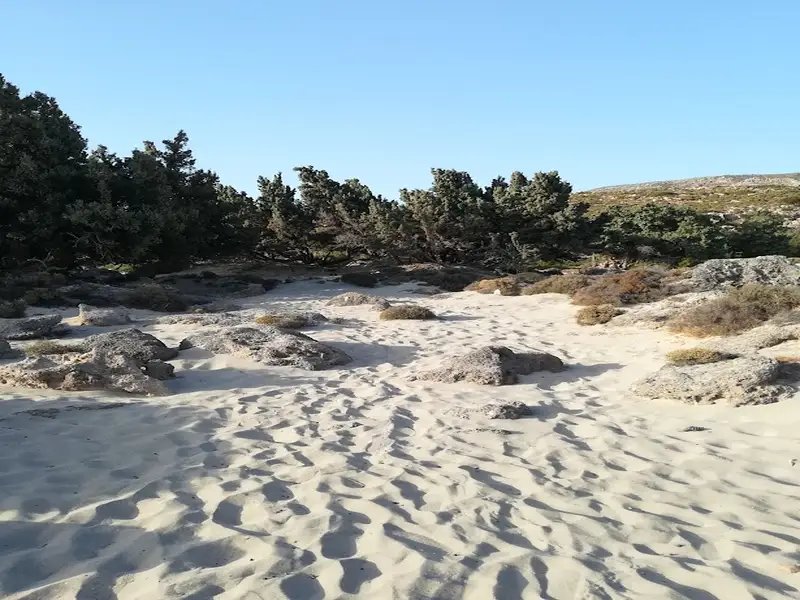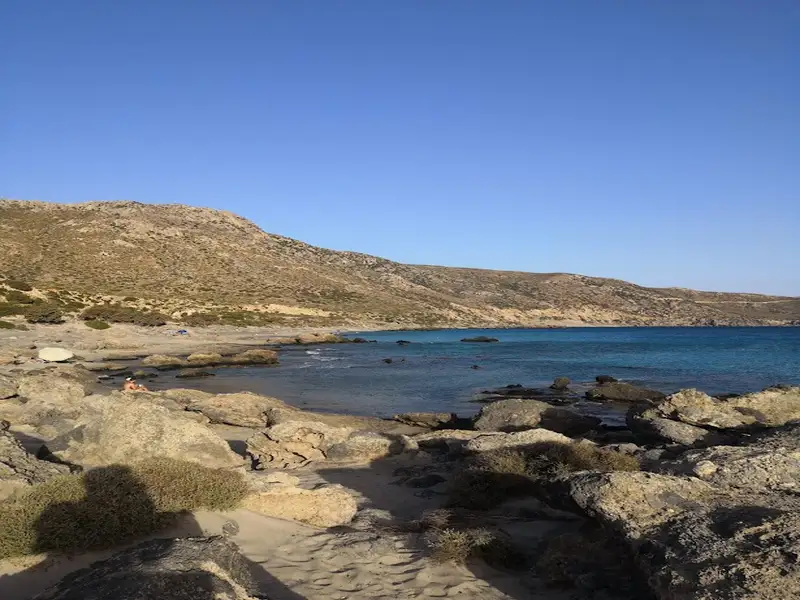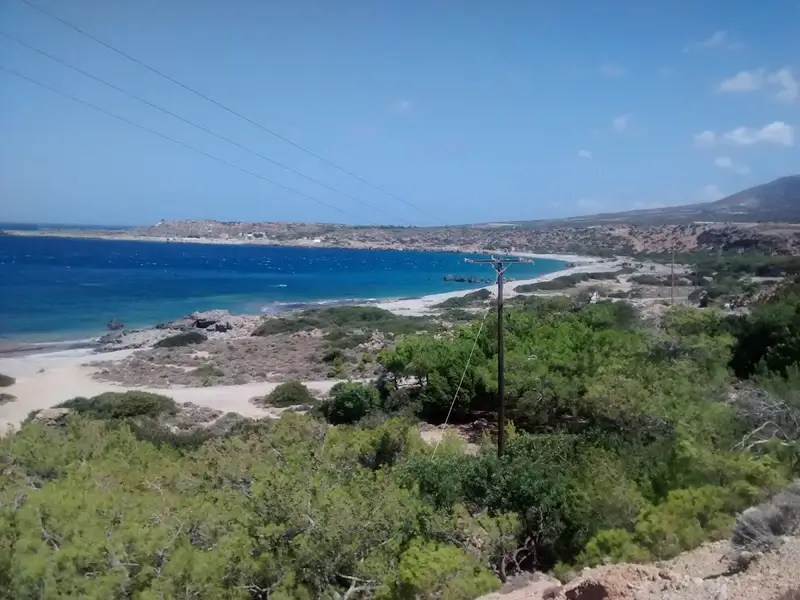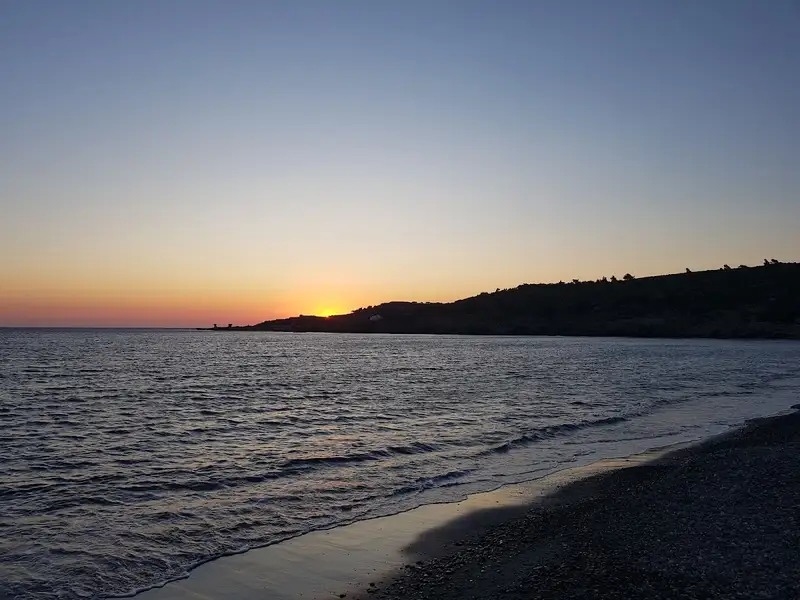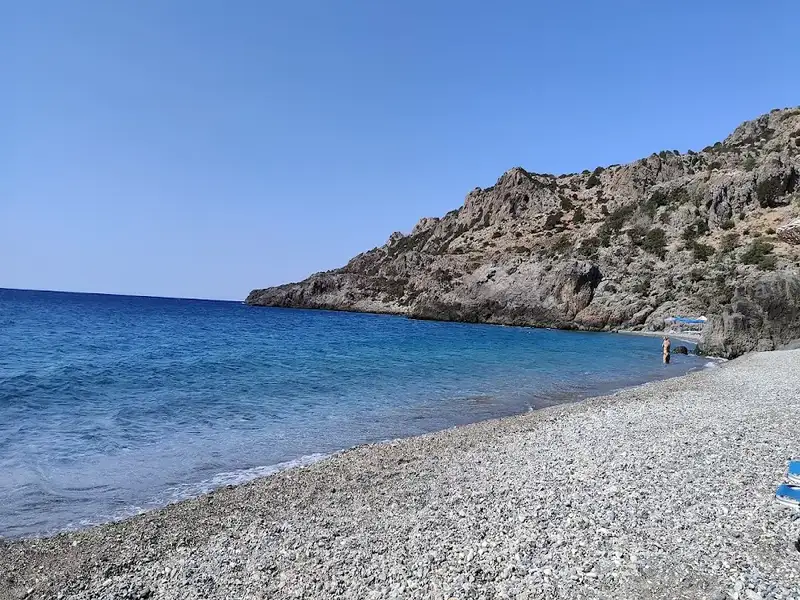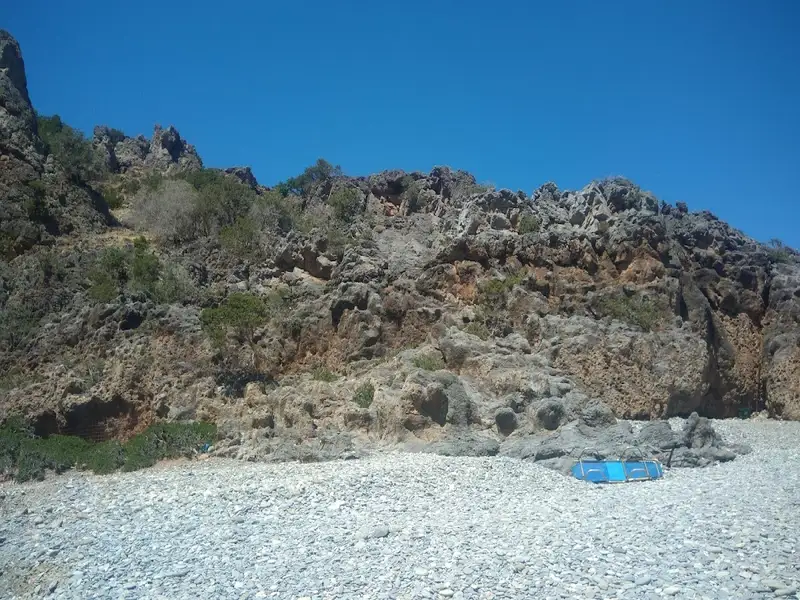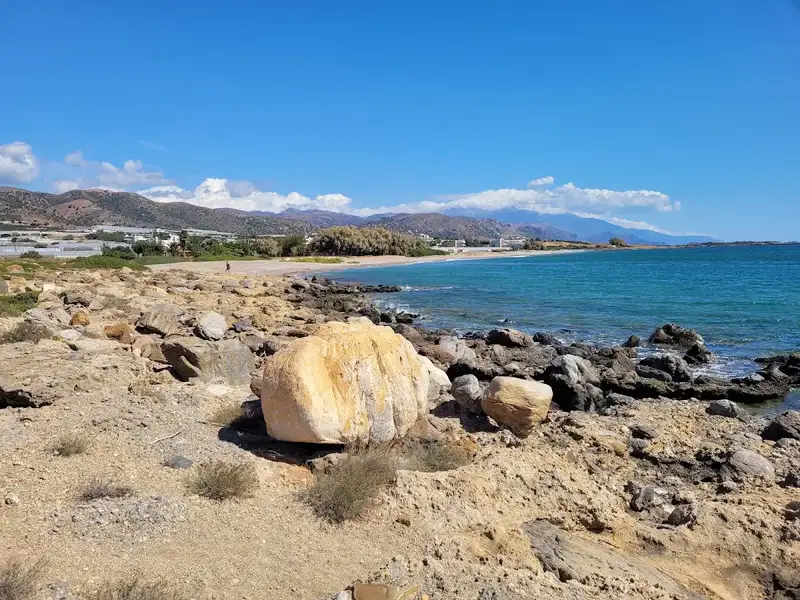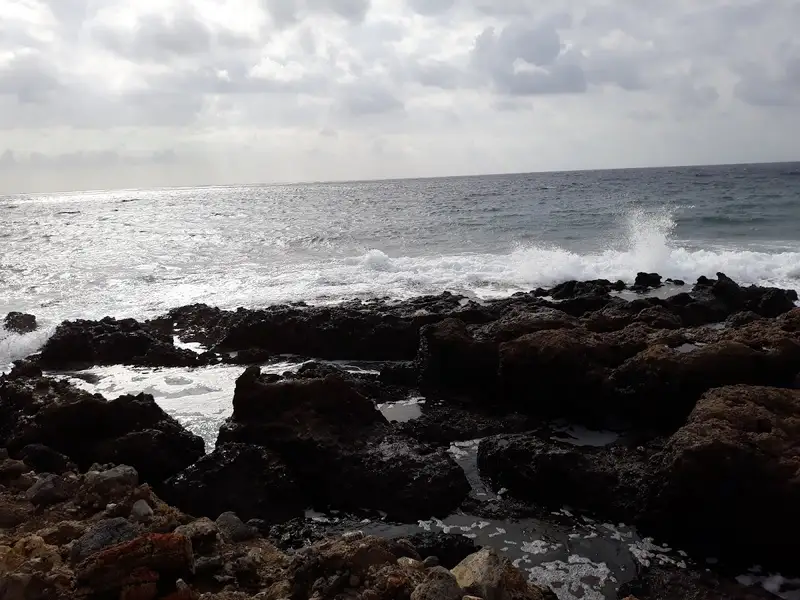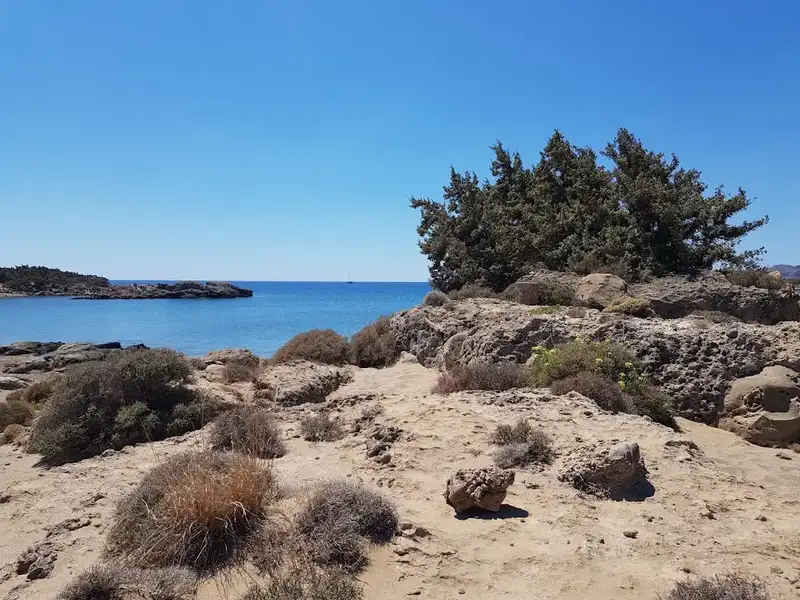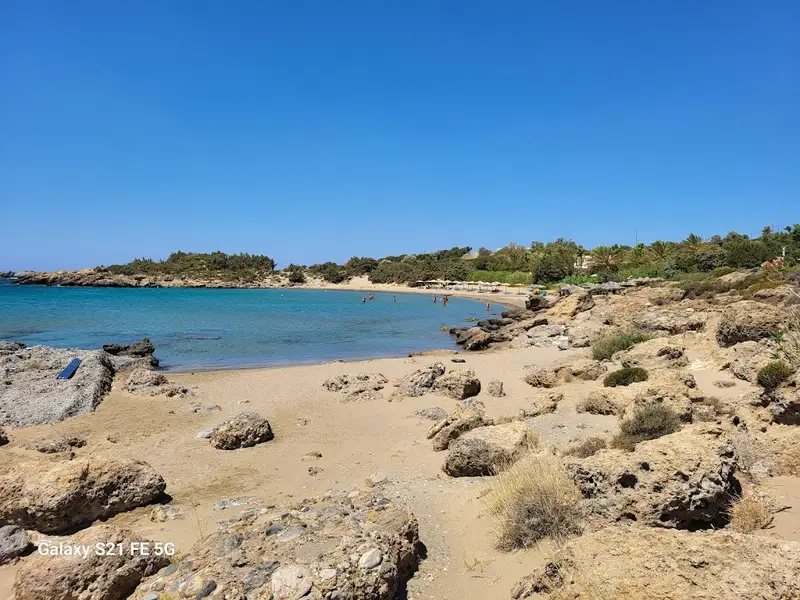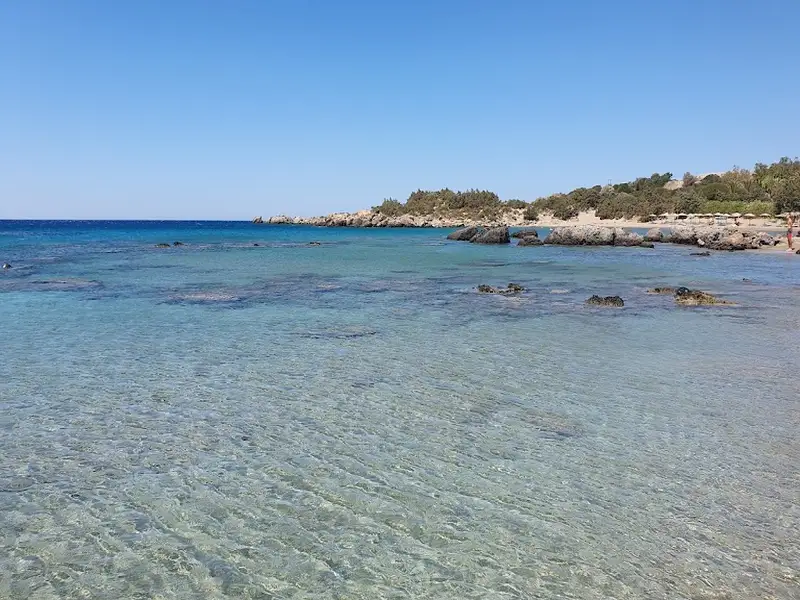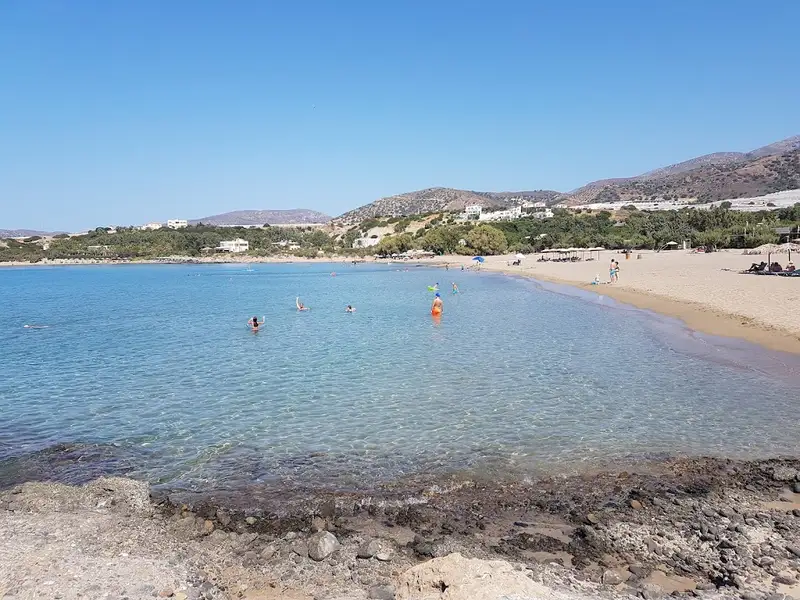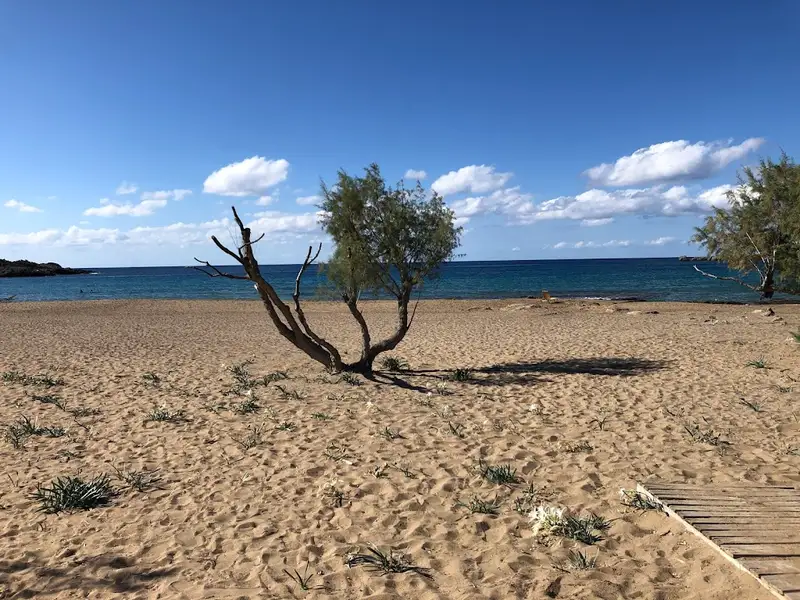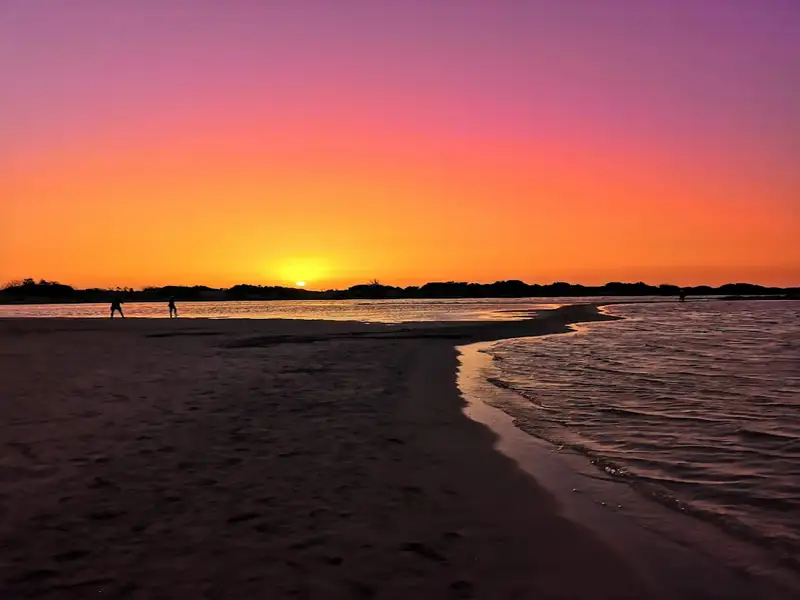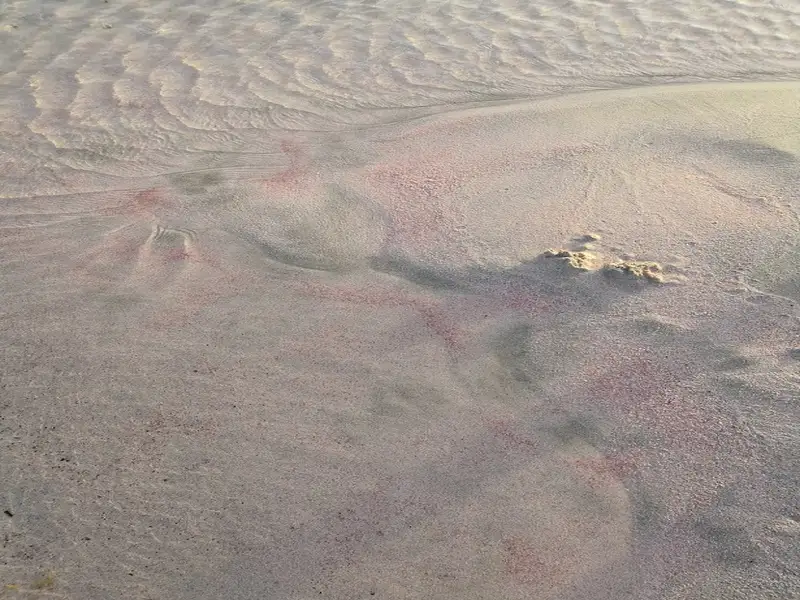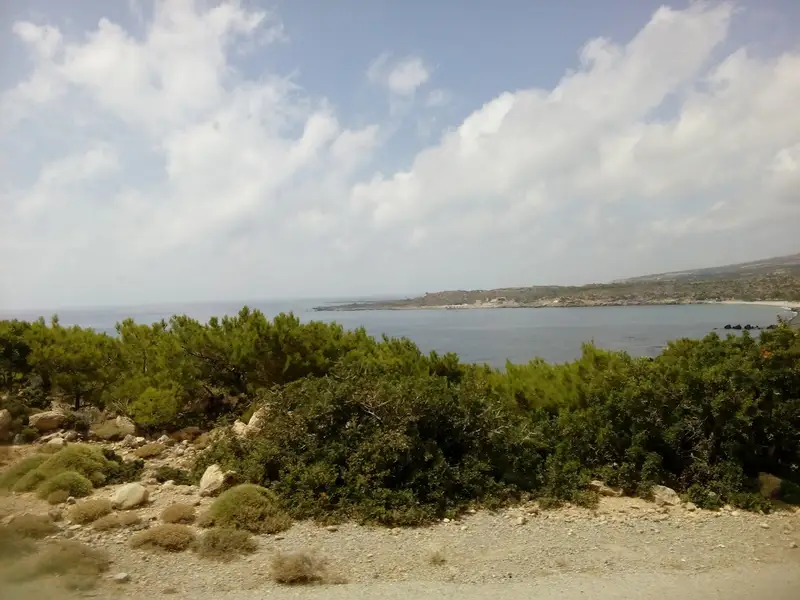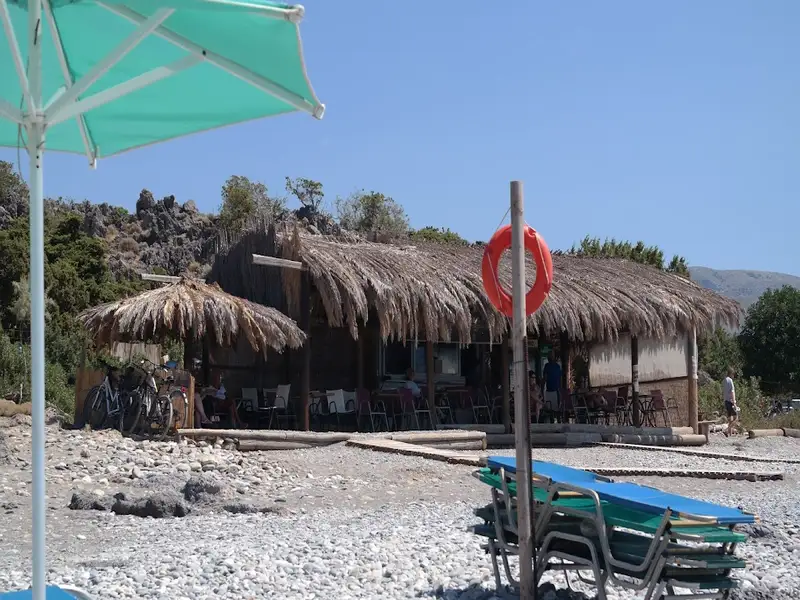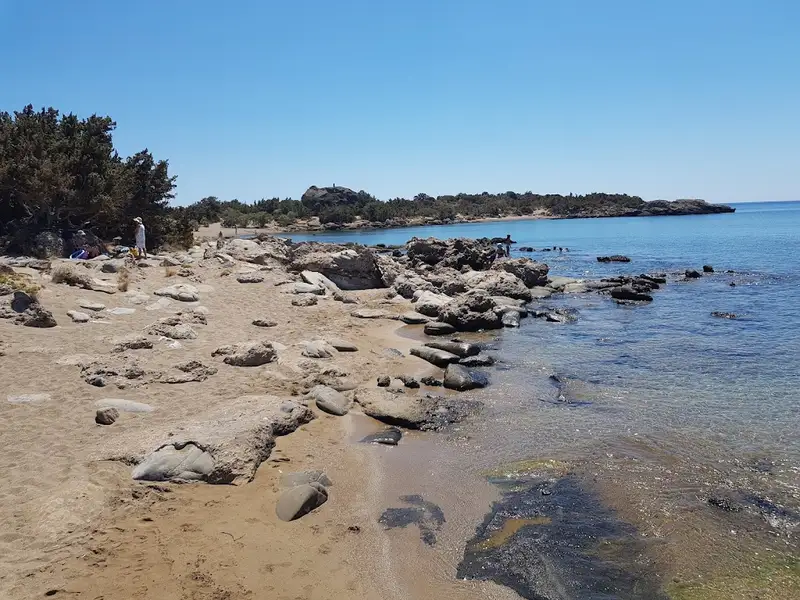
Kedrodasos beach, named for its distinct juniper forest, is a stunning beach located 76km southwest of Chania and just 1km east of the famous Elafonissi lagoon. This beach is dotted with enchanting juniper trees, often confused for cedars, that are beautifully tucked in between sandy dunes. Included species are the twisted Juniperus oxycedrus subsp. macrocarpa and Juniperus phoenicea. Visitors are encouraged to treat these delicate trees with kindness and care.
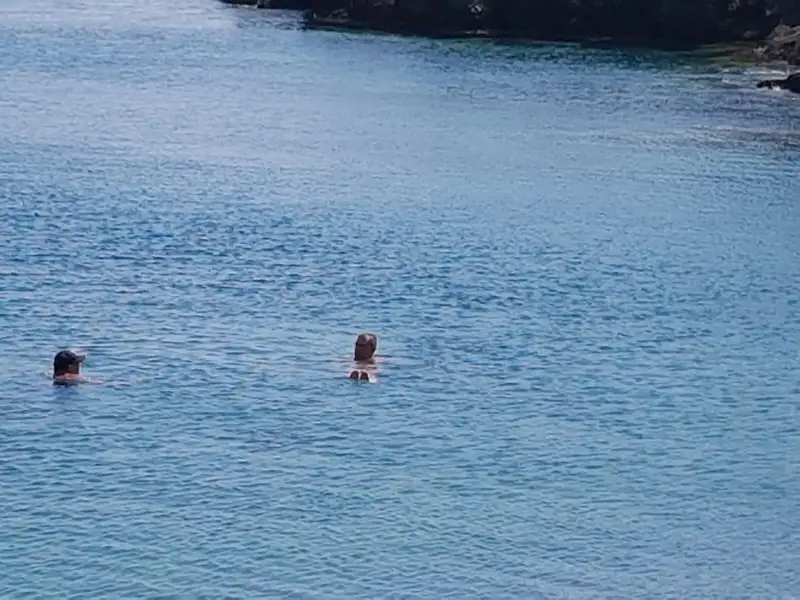
Covering an impressive area of around 11 hectares, the juniper forest offers a magnificent view. The beach is an ideal spot for swimming and is a favorite among naturists. It features a diverse landscape of white sand and occasional flat, smooth rocks. A lack of nearby amenities emphasizes the secluded allure of Kedrodasos, maintaining it as one of the last untouched havens in Europe. Visitors are encouraged to leave nothing behind, ensuring the beach stays clean and untouched.
Kedrodasos Beach is recognized as a nudist-friendly location, attracting naturists who appreciate the freedom of clothing-optional sunbathing. Its remote and pristine surroundings create an ideal environment for those seeking a more unrestrained and natural beach experience. Visitors will find sections of the beach where they can comfortably embrace nudism in a welcoming and non-judgmental atmosphere.
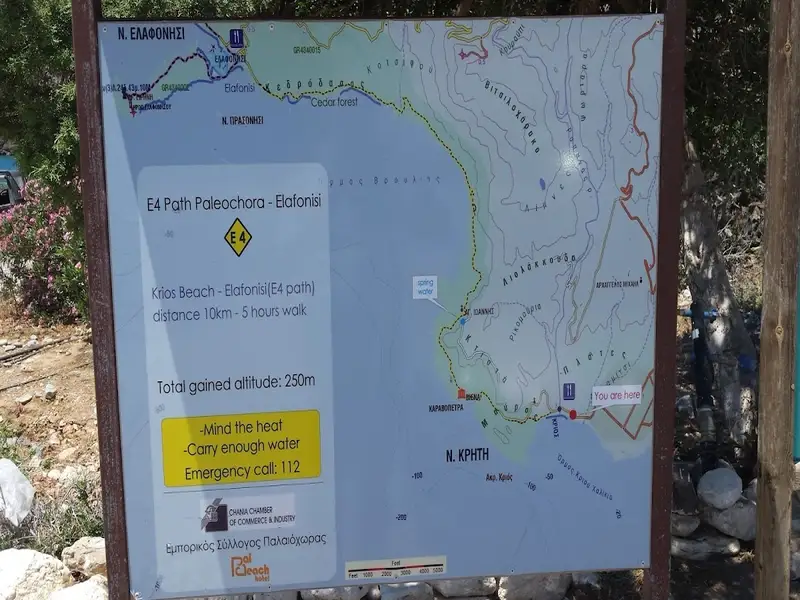
Acting as a shield from the regular winds of neighboring Elafonissos, Kedrodasos offers a relatively serene sanctuary. The beach also serves as a stopover for the European E4 trail, with yellow and black markers indicating the way.
Aspri Limni, translating to ‘White Lake,’ is one of Crete’s most remarkable and yet little-known beaches. Located a mere 500 meters west of Chrysoskalitissa Monastery and 70 kilometres southwest of Chania city, it’s a hidden gem just waiting to be discovered. While many flock to the nearby popular lagoon of Elafonissi, Aspri Limni remains largely unexplored, its beauty preserved in its pristine condition.
The beach, adorned with fine white sand and occasional rocks, is enveloped by jagged cliffs, creating the illusion of a tiny pale lake within the sea. Undisturbed by commercial tourism, Aspri Limni retains its pure and untouched charm, although it lacks natural shade.
To reach Aspri Limni, take a right turn in Chrysoskalitissa village and follow the signs leading to the small Phoenix Theophrasti (Cretan Date Palm) habitat located around the lake. If unsure, any local will be able to guide you to this hidden beach.
Protected under Natura 2000 due to its significance as the westernmost habitat of the endangered Phoenix Theophrasti, Aspri Limni holds environmental importance. This palm species is also found in other groves in Crete such as Vai, Preveli, Agios Nikitas, Souda, and in smaller colonies in South Turkey. Among these, Vai hosts the most extensive palm grove.
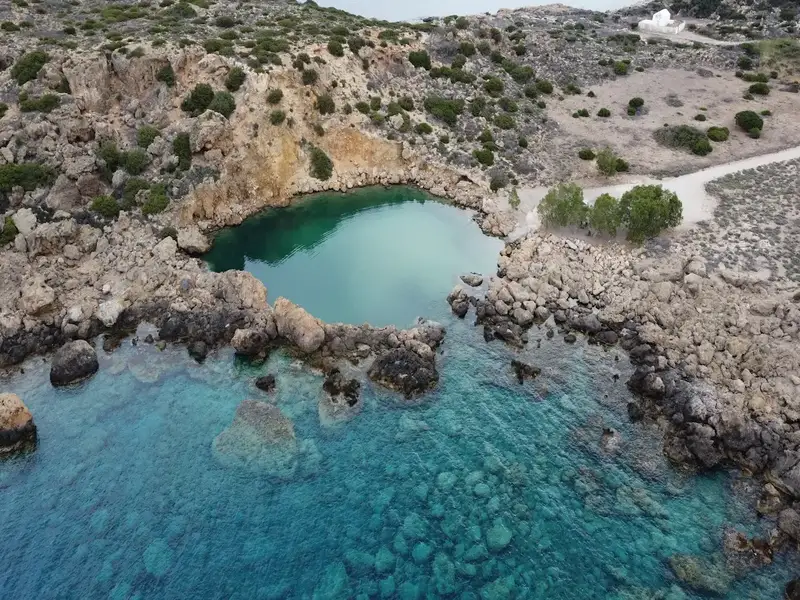


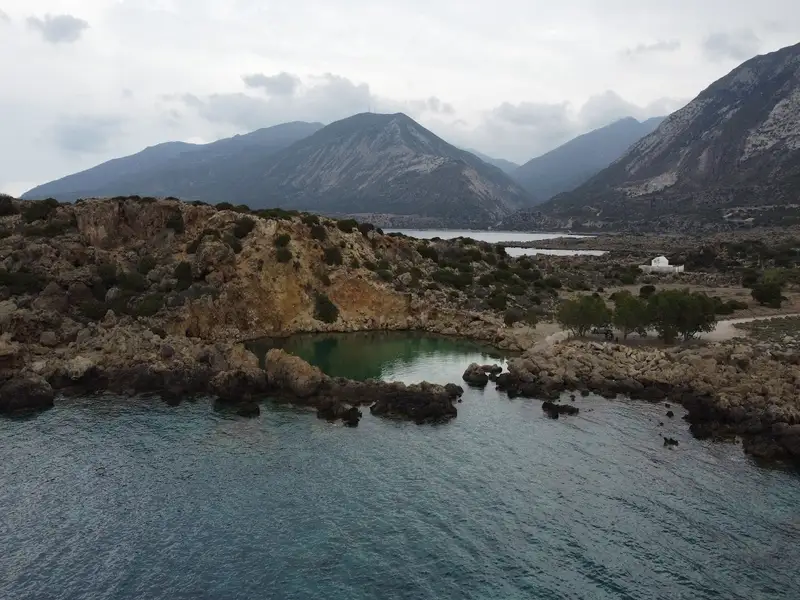

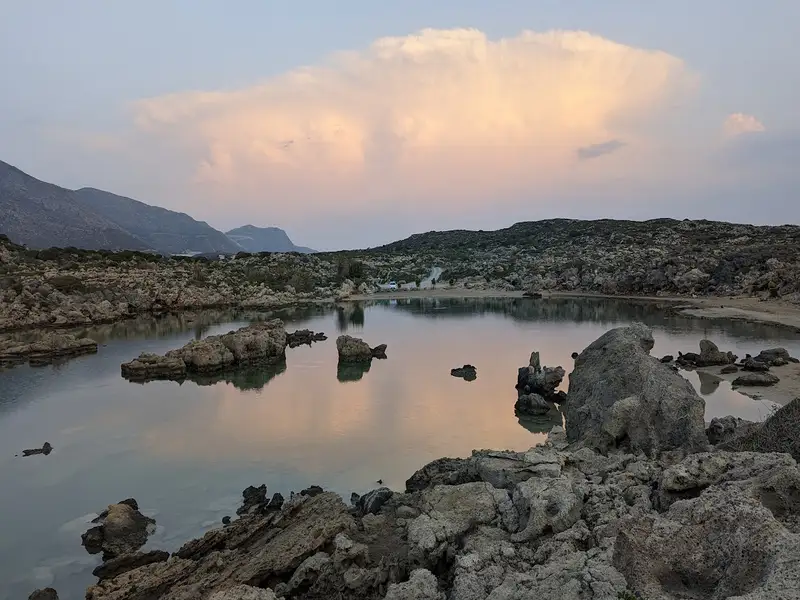
Situated 70km southeast of Chania and just 500m northwest of the Chrysoskalitissa Monastery, you’ll find Voulolimni – a unique ‘sunken lake’. This is not your typical beach, but rather a natural rocky ‘pool’ that has become a hidden gem for the locals of the Chrysoskalitissa village.
Voulolimni is nestled within a small crater, encircled by rocks, creating a beautiful sea lake. This quaint salt lake is shielded from the strong local winds thanks to its geological formation, with only a small opening connecting it to the open sea. As such, it doubles as a natural harbor for small boats.
Its waters remain calm, boasting an enchanting greenish hue that many swimmers find irresistible. While there are no facilities directly adjacent to the lake, you can find accommodation options and taverns in the nearby Chrysoskalitissa village. This makes Voulolimni a perfect spot for those seeking tranquillity amidst Crete’s natural beauty.
The Krios or Viena Lake, situated 10km west of Paleochora and 90km south of Chania, is nestled on the European E4 footpath connecting Paleochora and Elafonissi, approximately 20-30 minutes from Krios beach. The beach is predominantly rocky, interspersed with sandy spots, and shielded by a multitude of rocks, forming a small, enclosed bay that locals refer to as a lake (Limni). The area lacks facilities, and there’s only a solitary tamarisk tree on the beach. The Krios Lake beach is one of the most secluded, undiscovered, yet spectacular beaches in Crete.
You might question why such a rugged beach ranks amongst Crete’s most unique beaches. The true allure of this beach isn’t the beach itself, but its proximity to the ancient city of Viena. Marble columns can be seen scattered on the beach and submerged underwater. The beach and its surroundings are strewn with fragments and sherds of urns and amphorae. It’s believed that Viena was once a Hellenistic/Roman sanctuary, with a temple standing here. The rectangular base is still visible. Rituals involving the pouring of wine to honor a deity might have occurred here before or after extensive sea voyages. Centuries ago, the water was deeper, providing a safe anchorage along the otherwise rocky and unwelcoming coastline.
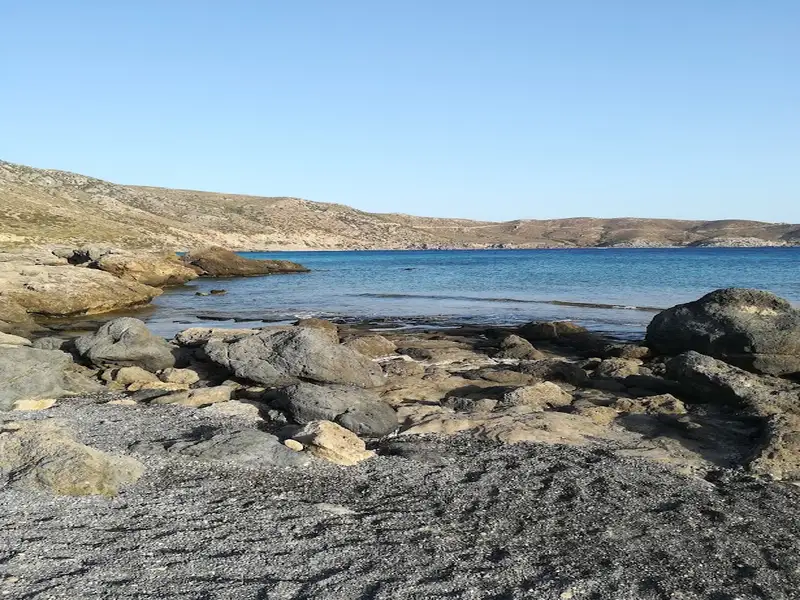
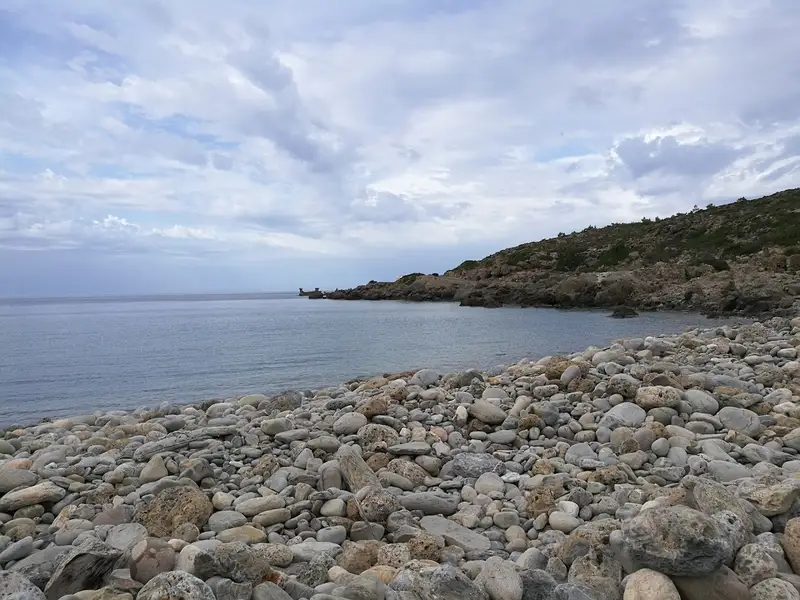
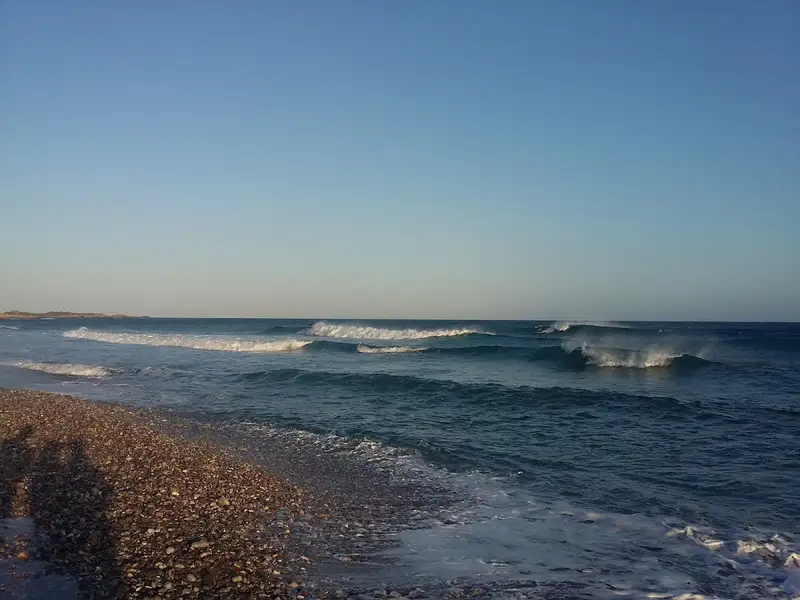
Stomio, situated 74km to the south of Chania and 1km to the north of the Chrisoskalitissa monastery, forms part of the broader Elafonissi area. It’s not a favorite spot for tourists due to its rocky and often wavy appearance. The beach features large pebbles and patches of sand, making it a suitable choice for those seeking seclusion, though not ideal for families. The water here is rather cold and the sea deep.
The name ‘Stomio’ translates to ‘mouth’ and can be attributed to the river mouth from the village of Vathi that exits at this point. The river’s water is stored in the local reservoir. The beach is not equipped with any amenities, but there is a small tavern close by. The beach is conveniently accessible as it’s adjacent to the main road that links Chania with Chrisoskalitissa and Elafonissi.
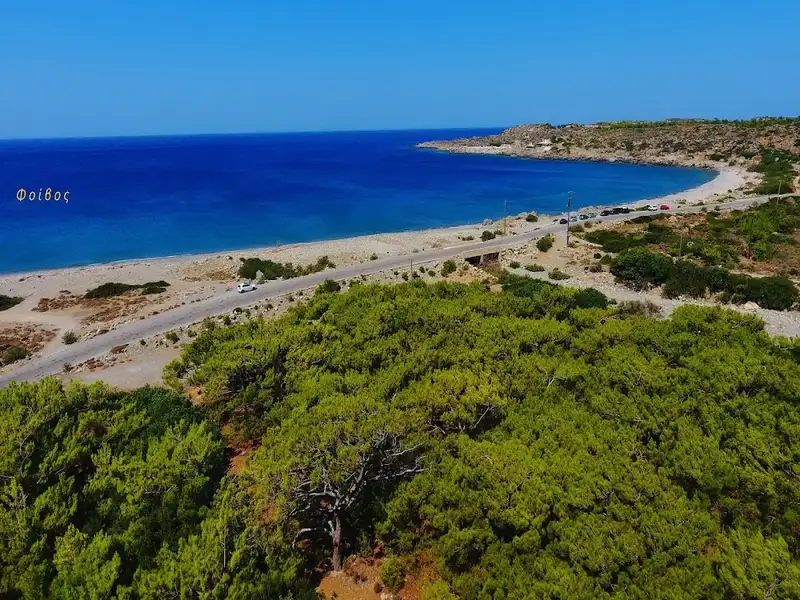
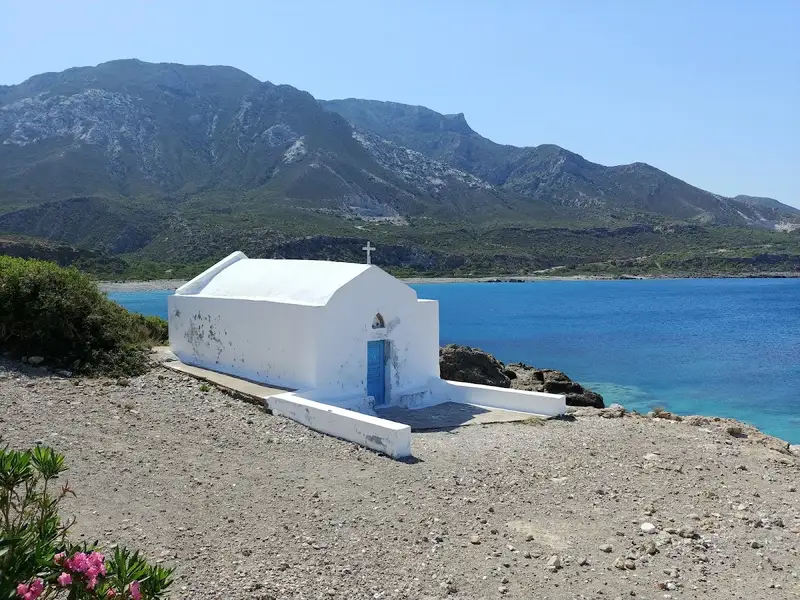
Close to Stomio, one can find the old plaster factory, now deserted. There were attempts to revive the factory in 2010, but local residents objected to the financial lobbies and hindered its reestablishment. Also present is the picturesque chapel of Agii Theodori. Across the bay, a lovely pine grove stretches towards the mountain.
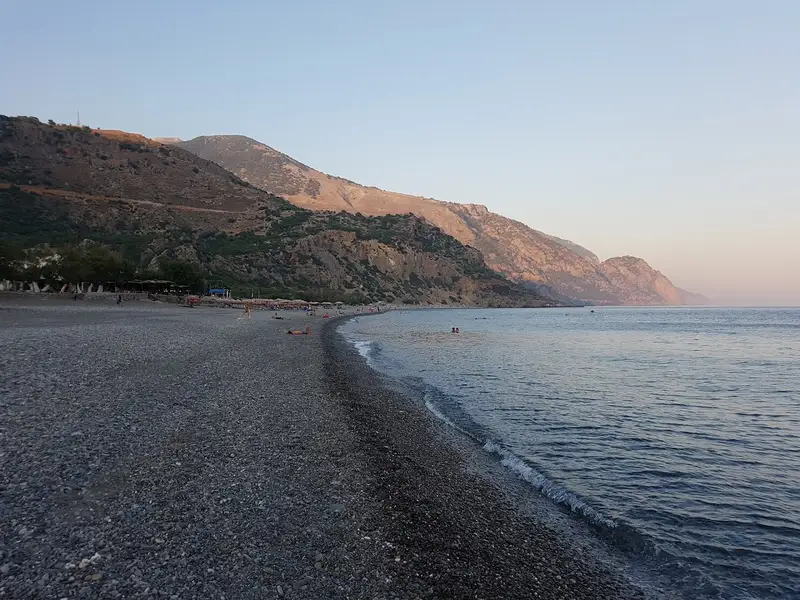
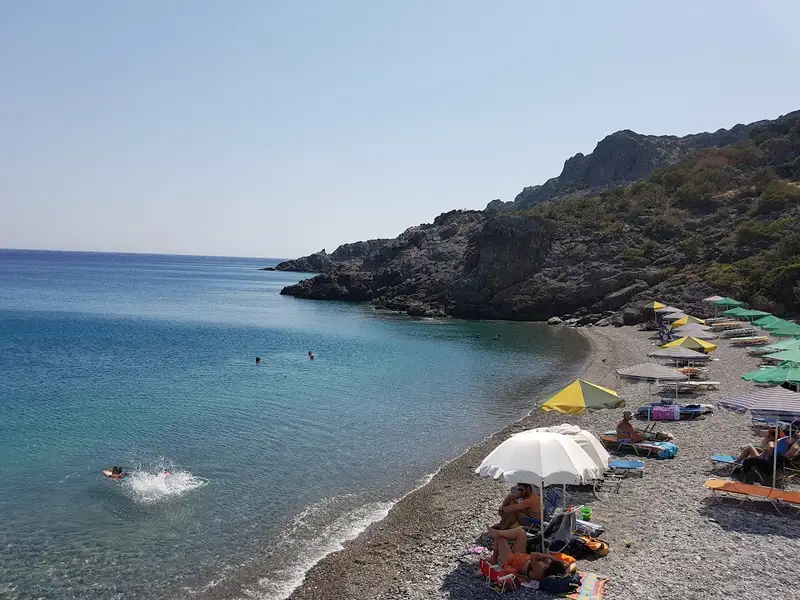
Krios beach, situated approximately 10km west of Paleochora and 90km south of Chania city, lies on the eastern section of Krios Cape. This charming secluded beach spans around 1km and is split into three consecutive bays filled with fine pebbles and coarse sand.
The easternmost bay, the first of the three, is less ideal for swimming owing to its rocky nature, exposure to southern winds, and lack of amenities. The middle bay, despite being the most frequented part of the beach, maintains a tranquil ambiance. It offers a parking spot, a quaint canteen, and umbrellas. The third beach, a mere two-minute walk to the west of Krios, houses a beautiful small cove concealed by a large rock. This cove is a favourite among nudists, as it provides ample privacy. Umbrellas are available here too, and for those reluctant to pay for one, the nearby rocks form small hollows that provide shade.
You can reach Krios by car via Paleochora. Moreover, Krios is adjacent to a section of the E4 European footpath that connects Paleochora with Elafonisi.
Agia Kyriaki beach, also known as Koundoura, is situated 88km south of Chania, 7km west of Paleochora, and a mere 0.5km west of Grammeno peninsula. The beach gets its alternate name from its location in the Koundoura region. The area’s warm climate is ideal for the growth of greenhouse crops.
The relatively secluded Koundoura beach stretches for 700 meters. Despite its proximity to the greenhouses, it’s not a common spot for swimming due to its obscurity. However, it’s an excellent choice for those seeking solitude. While there are no amenities on the beach itself, Grammeno offers several restaurants, a camping site, and a few accommodations.
Access to the beach is possible by car. From Paleochora, drive west towards Krios until you reach Grammenos peninsula. After about half a kilometer, turn left on the road leading to the sea.
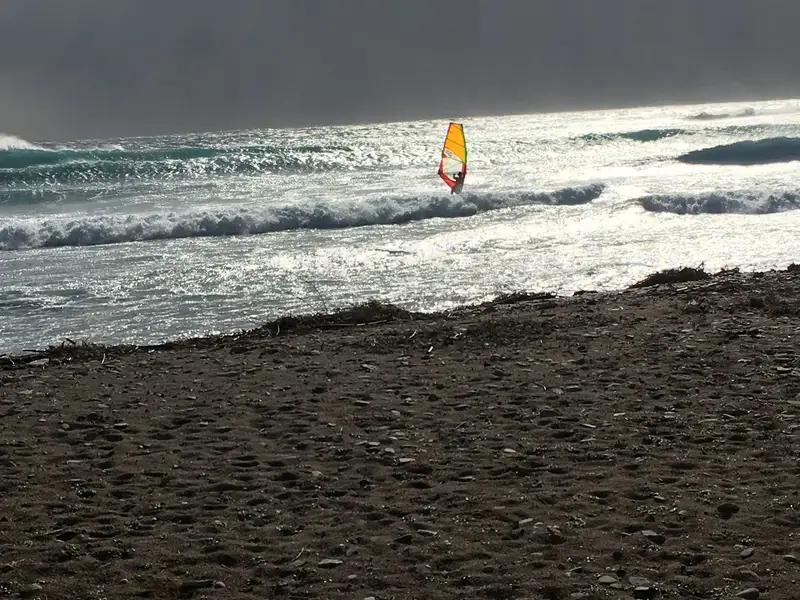
The Grammeno peninsula is situated at the mouth of the Pelekaniotis river, 85km southward from Chania and 5km to the east of Paleochora. It lies on the route that links Paleochora with Koundoura. The beautiful Alonaki, Votsalo or Gialos beach with its fine and coarse pebbles as well as its crystalline sea stretches from the eastern part of the peninsula, extending eastwards. The unprotected 500m-long beach is prone to waves, with umbrellas provided on its western part for shade, while the eastern part is more serene.
On the western side of the peninsula, you’ll find the stunning Chouma bay. This sandy cove is well-sheltered and faces west. The Grammeno peninsula is home to a significant colony of protected junipers. While these trees provide shade, they are incredibly fragile and hence should be treated with care. It’s strictly forbidden to break branches, given their slow growth rate of only 1cm per year. Visitors are encouraged to use the umbrellas provided on the beach and avoid any contact with the trees.
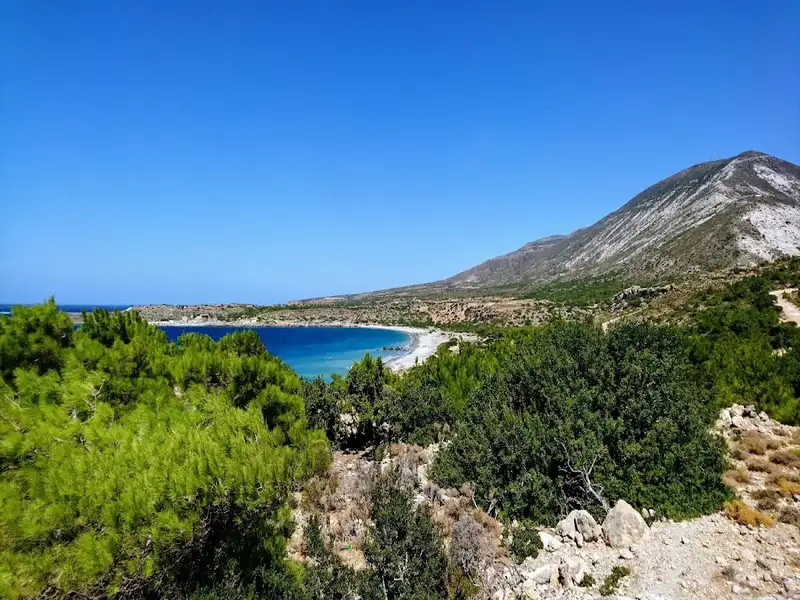

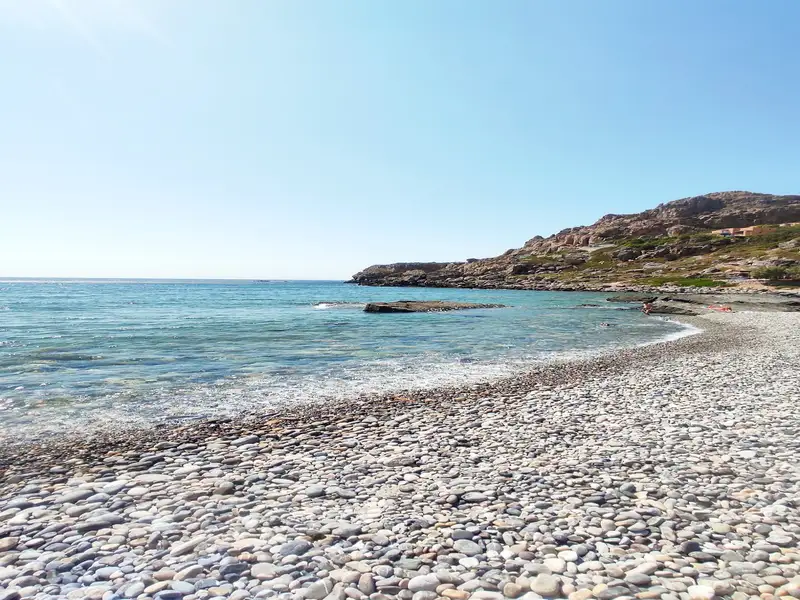
The Livadia coves, nestled near the Livadia village, are situated 72km southwest of Chania and 31km south of Kissamos. These coves don’t usually feature on a visitor’s itinerary due to their rocky and wavy terrain, a characteristic of most beaches on the western side of Crete. However, these coves are a favorite among the locals and visitors of Livadia village and those who prefer solitude. The village offers limited tourist amenities. On calm days, the Livadia coastline is a dream destination for snorkelling enthusiasts.
The Livadia village is situated along the E4 European hiking path – a coastal trail renowned for its extraordinary natural beauty. The trail commences at the Sfinari village and passes through Livadia and Chrissoskalitisa villages before culminating at the Elafonisi beach. The trail embodies the rugged charm of Crete, with the landscape alternating between olive and locust trees and weather-beaten rocks of black and red volcanic lava.
To reach the beaches, one can stroll along the Livadia village shoreline, pass the port, and arrive at the large black rock formations, recognized as a natural monument. Behind these rocks lie clusters of small ponds filled with greenish water. The sandy and pebbly coves make for a perfect spot for a rejuvenating swim. Alternatively, one can also swim at the pebbly beach within the small harbour of Livadia.
No results available
© All rights reserved. Crete Locals