According to Greek mythology, Zeus was born in a cave on the island of Crete. Crete holds two rival claims to his birthplace, and each rests on a real cave you can visit today. The Dikteon Cave, high in the Dicte mountains, and the Ideon Cave, on Mount Ida, both carry the tradition of the birth of the king of the Greek gods. This guide covers both caves, their archaeology and myth, and what to see around them.
The Dikteon Cave, the Best-Known Birthplace of Zeus
The Dikteon Cave is the Cretan cave most often named as the birthplace of Zeus. Often called the Psychro Cave, the Dikteon Cave sits high in the Dicte mountain range at 1,025 meters. Local villagers rediscovered the cave in 1883, and it soon drew archaeologists, including Arthur Evans, the excavator of Knossos.
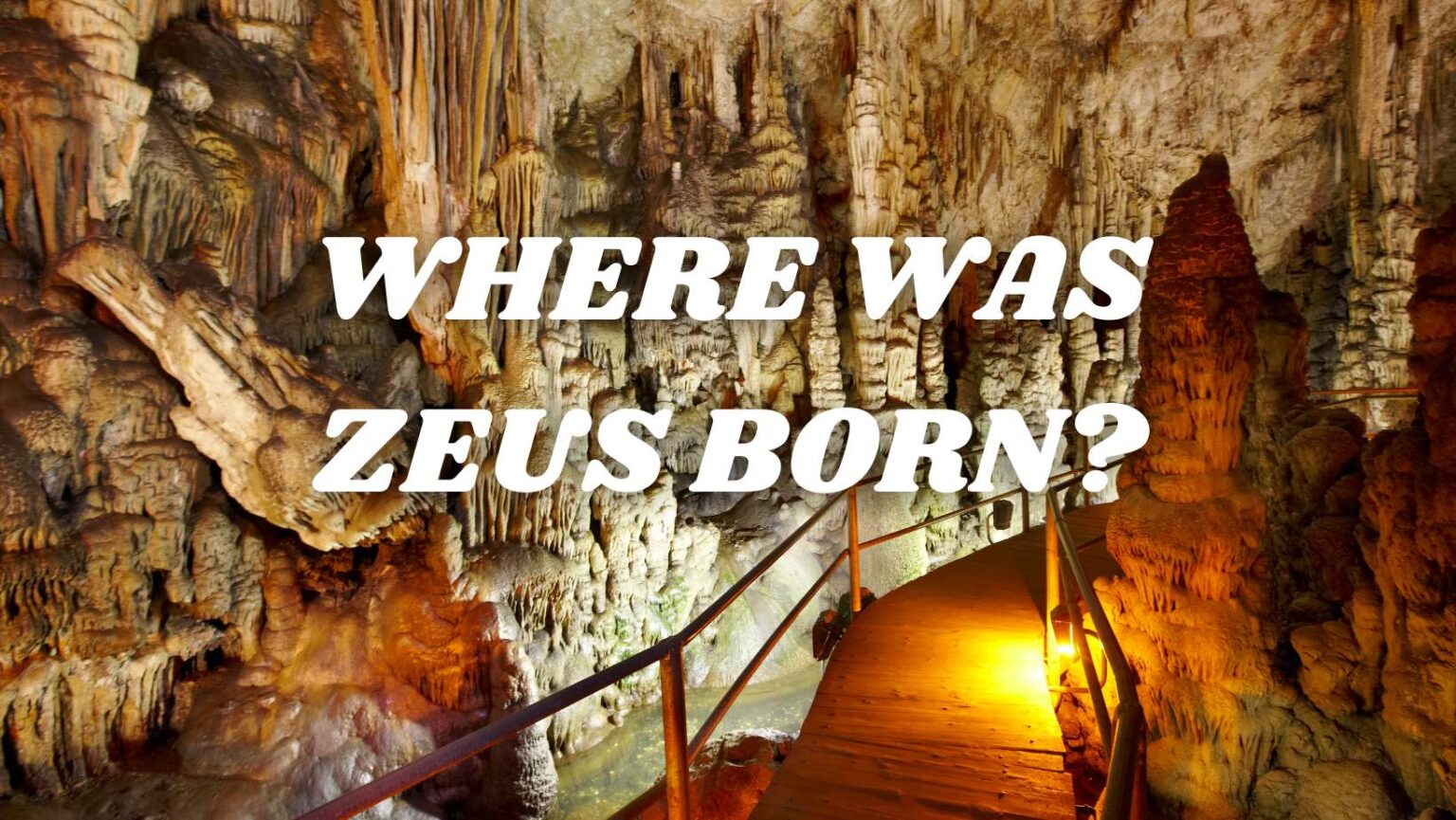
The cave entrance is a rock shelter roughly 35 meters wide and 16 meters deep, once part of an ancient sacred precinct. Inside, the cave drops to a lower area with several chambers and a small lake, where stalactites drip water into the cool interior. Modern stairs and scaffolding now give visitors easy access, and a 15-minute walk on a stone-paved path leads to the entrance.
The Dikteon Cave served as a place of worship from the Minoan to the Roman Era, and excavations show human presence dating back to the Neolithic Period. The site reached its peak during the Minoan Era, when worshippers brought offerings to Zeus and other deities. Excavations uncovered ceramics, figurines, weapons, jewels, grains, needles, and Linear A tablets. Looting cost the site many objects, and the surviving finds now sit in the Archaeological Museum of Heraklion and other museums.
A famous stalactite known as the cloak of Zeus is a main draw, though repeated touching has worn it down over the years. The cave opens 08:00 to 18:00 in summer and 08:30 to 15:30 in winter. Entrance tickets cost 6 euros, students enter free, and all visitors get a 50 percent discount in winter. Plan your trip with the full guide to the Dikteon Cave.
The Ideon Cave on Mount Ida
The Ideon Cave is the second Cretan cave that claims to be the birthplace of Zeus. The Ideon Cave sits on the slopes of Mount Psiloritis, also called Mount Ida, the highest mountain on Crete. The cave lies 20 kilometers from the village of Anogia, set at 1,498 meters above sea level.
The Ideon Cave forms part of the National Park of Mount Psiloritis, a geological landscape of diverse rock formations, fossilized corals, and remnants of the ancient Tethys Ocean. Hikers can take on the challenging route through the Platania Gorge or the gentler Mygias trail, passing steep cliffs and old oaks.
The Myth of Zeus’s Birth
The myth of Zeus’s birth explains why Cretans hid the infant god in a mountain cave. According to mythology, Rhea hid her son Zeus in a Cretan cave to protect him from his father Kronos. Kronos had received a prophecy that one of his children would overthrow him. Mythical caregivers nurtured Zeus in the cave, and he grew to fulfil the prophecy and take his place as head of the gods.
Beaches, Wildlife, and Food Near the Caves
The caves sit within a rich Cretan landscape of endemic plants and wildlife. The mountains are home to the kri-kri, a wild goat native to Crete, which you may spot in its natural habitat during a hike.
Four beaches near the caves reward a post-hike swim:
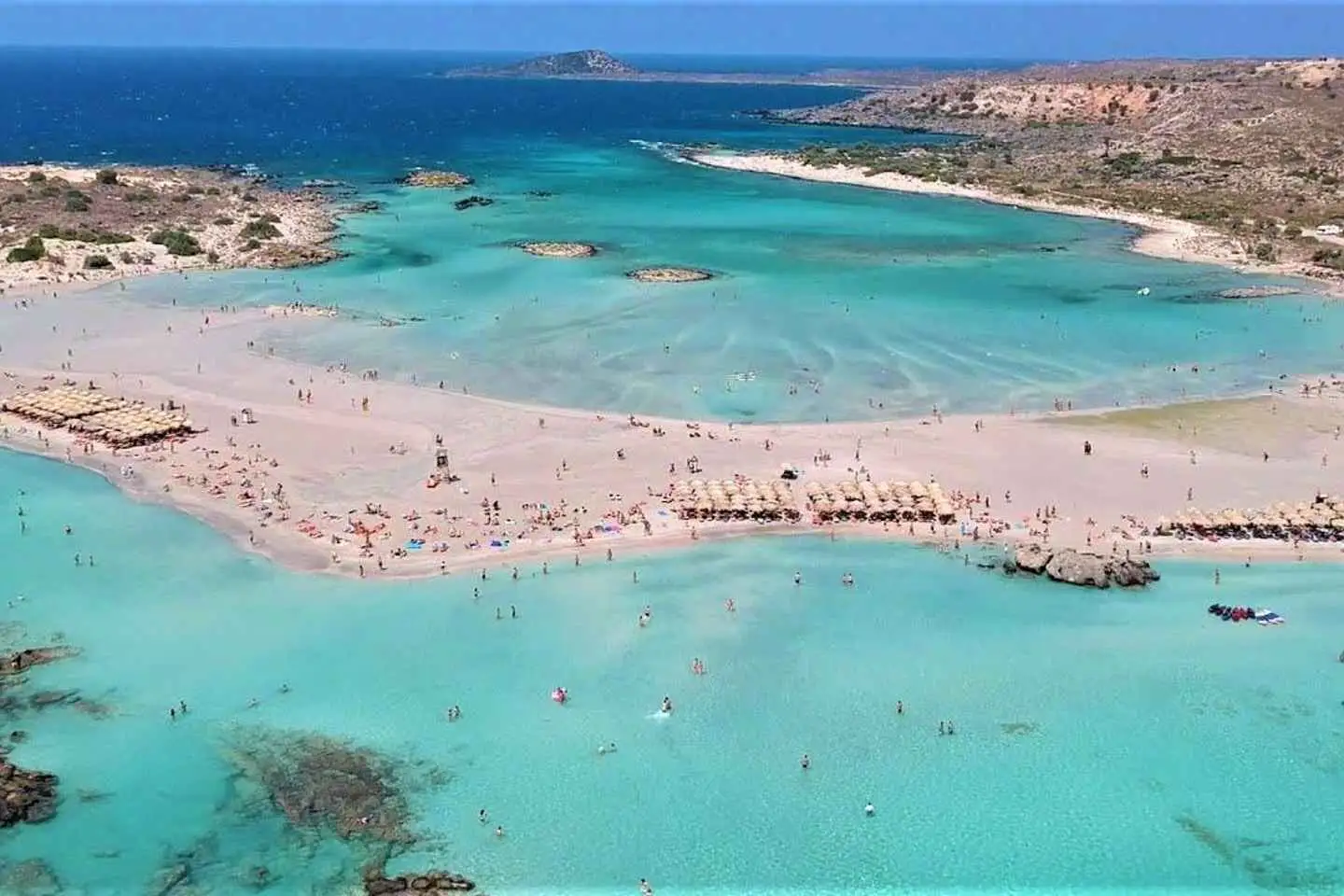
Swim at Matala on the south coast, known for pure waters and striking cliffs.
Relax at Agia Galini, a south-coast beach town with lovely tavernas.
Unwind on Amoudara beach and its soft north-coast sand.
Dine near Fodele beach and its excellent north-coast tavernas.
Cretan cuisine rewards a day of exploring with fresh, locally sourced dishes rooted in the Mediterranean diet. Local tavernas serve dakos, a rusk topped with ripe tomatoes, mizithra cheese, and olive oil, and lamb cooked with stamnagathi, a wild green unique to the island. Pair the meal with a glass of raki, the traditional Cretan spirit.
Why Zeus’s Birthplace Matters
Zeus’s birthplace matters because both caves preserve a core part of Greek cultural heritage. The Dikteon and Ideon caves reach beyond their claim as the birthplace of Zeus. Both caves hold the beliefs, values, and creativity of an ancient civilization, and both reward history buffs, mythology fans, and hikers alike. Whichever cave you believe holds the honor, a visit connects you directly to one of the most enduring myths in Greek lore.
Frequently Asked Questions
Where was Zeus born?
According to Greek mythology, Zeus was born in a cave on Crete. Two caves claim the honor: the Dikteon Cave in the Dicte mountains and the Ideon Cave on Mount Ida. Both served as sites of ancient worship linked to the god.
Which cave is the real birthplace of Zeus?
Both the Dikteon Cave and the Ideon Cave claim the title, and no single cave is confirmed. The Dikteon Cave is the more commonly named birthplace and holds the richer archaeological record. The Ideon Cave, higher on Mount Ida, carries the myth of Rhea hiding the infant Zeus.
How high is the Dikteon Cave?
The Dikteon Cave sits at 1,025 meters in the Dicte mountain range. A 15-minute walk on a stone-paved path leads to the entrance. Local villagers rediscovered the cave in 1883.
How much does it cost to visit the Dikteon Cave?
Entrance tickets to the Dikteon Cave cost 6 euros. Students enter free, and all visitors receive a 50 percent discount in winter. The cave opens 08:00 to 18:00 in summer and 08:30 to 15:30 in winter.
Why did Rhea hide Zeus in a cave?
Rhea hid Zeus in a Cretan cave to protect him from his father Kronos. Kronos had received a prophecy that one of his children would overthrow him. Mythical caregivers raised Zeus in the cave until he fulfilled that prophecy and became head of the gods.