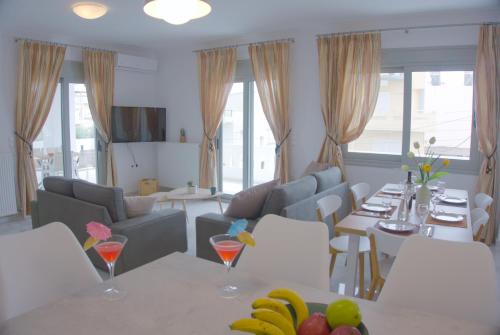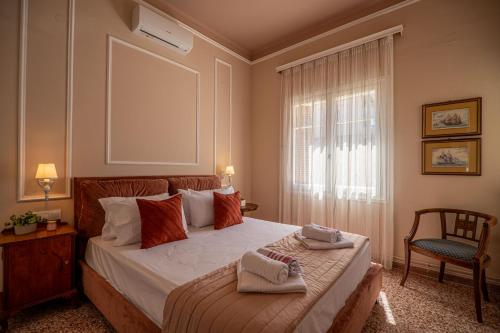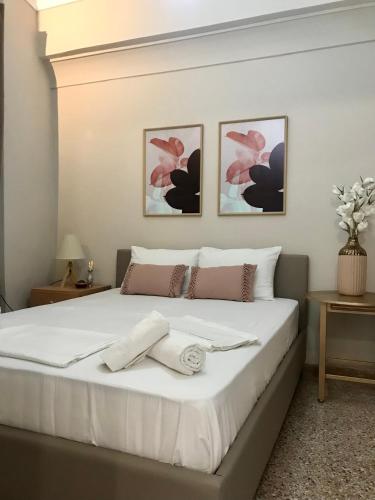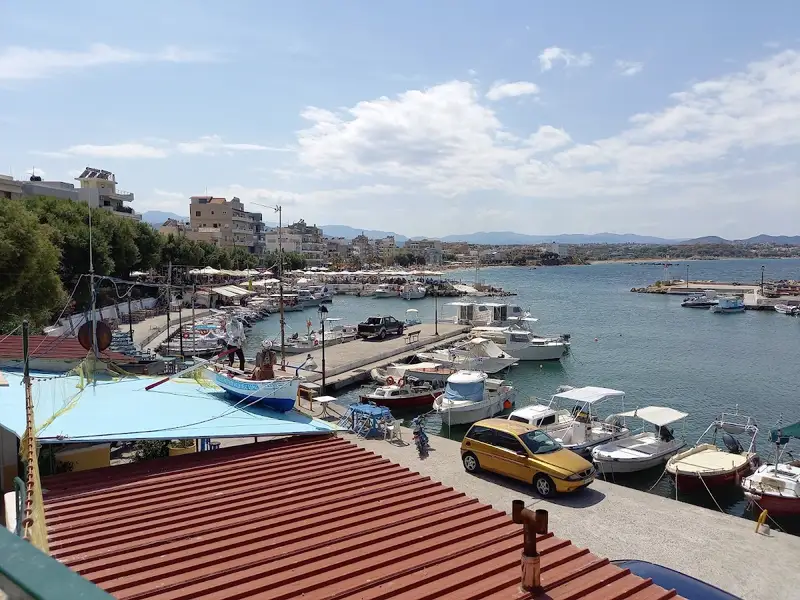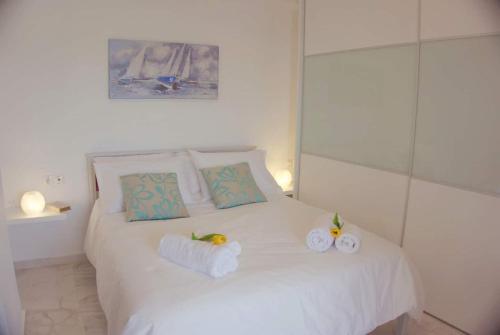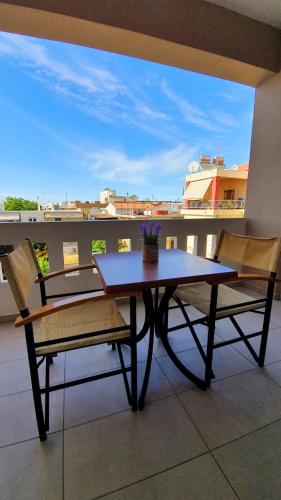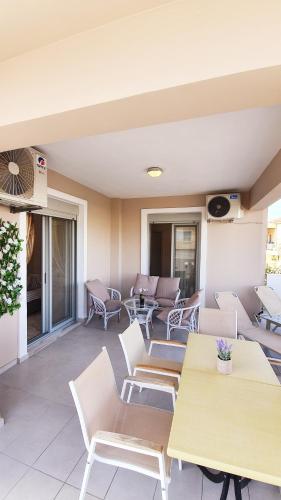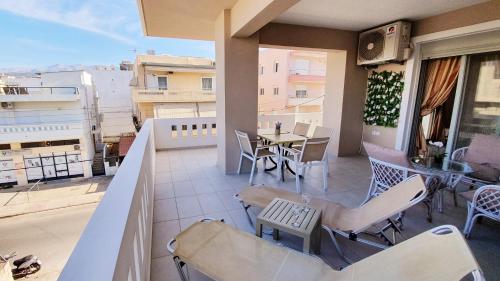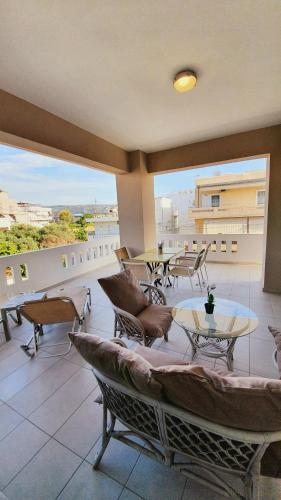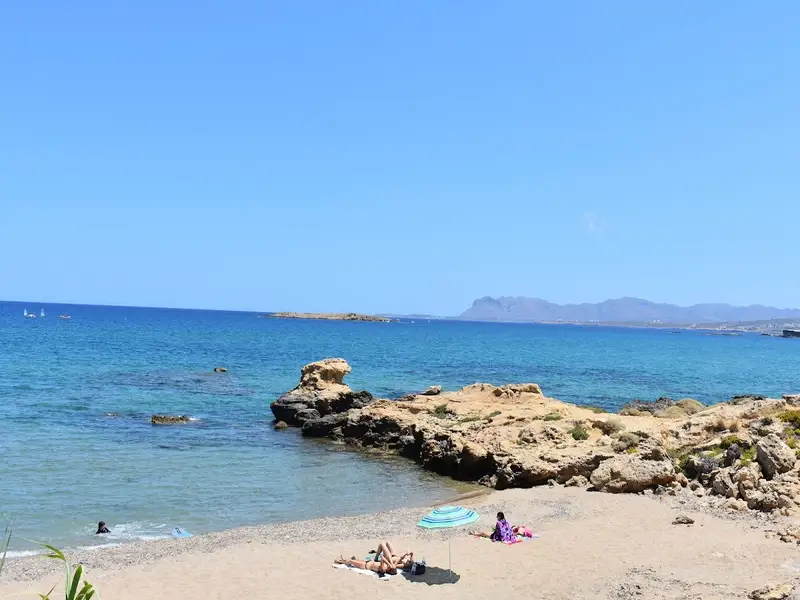
Situated in Chania Town, 1.5 km from Koum Kapi Beach and 2 km from Nea Chora Beach, New Big Modern City Center Apartment offers air conditioning. This property offers access to a balcony, free private parking and free WiFi.
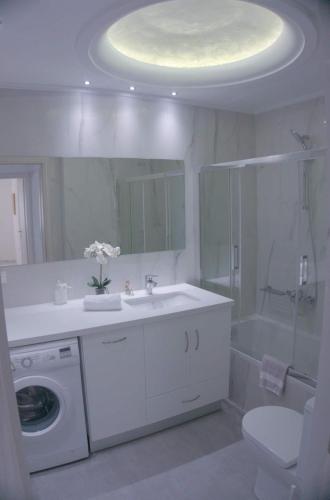
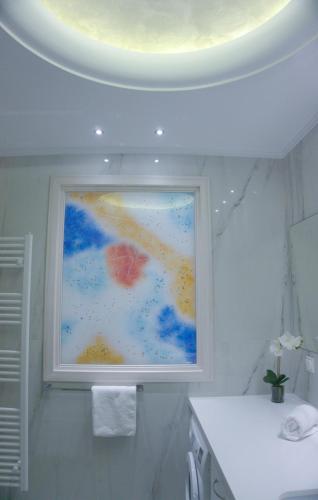
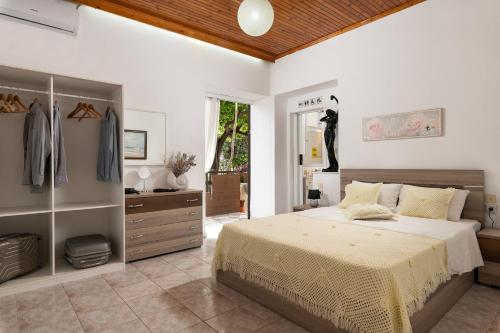
The apartment features 3 bedrooms, 2 bathrooms, bed linen, towels, a flat-screen TV, a dining area, a fully equipped kitchen, and a terrace with mountain views.
Popular points of interest near the apartment include Municipal Art Gallery of Chania, Mitropoleos Square and Folklore Museum of Chania. The nearest airport is Chania International Airport, 13 km from New Big Modern City Center Apartment.
24 Εφέδρων Πολεμιστών 1 high floor
No results available
Find below list of things to do near New Big Modern City Center Apartment:
Fasten your seatbelt & experience the minoan history like never before! Europe’s oldest civilization meets Europe’s first 3D Museum and 9D Cinema!
Partake in entertaining photoshoots throughout the 3D Museum (non archaeological) with life-like statues and mesmerizing 3D art that comes to life through your phone’s camera
Experience the 9D Cinema which will take you back in time with moving chairs and fully immersive special effects such as Wind, Rain, Snow, Bubbles, Fog, Lightning, Earthquakes and more. Enjoy 4 movies B2B in 14 languages!
Kindly note: Accessibility / Body Shape and Size limitation of our seats.
Since its first settlement in the Neolithic period, Chania has been a prized location for many empires, including the Romans, Byzantines, Arabs, Venetians, Ottomans, and Germans. Its strategic position has led to a rich and tumultuous history, making Chania a city with an enthralling story.
Join us on a laid-back walking tour of Chania to explore what makes this cultural capital so extraordinary. We’ll visit some of the Old Town’s best sights, famous spots, historic haunts, and hidden gems, including the lesser-known Ottoman and Jewish quarters. Get ready to experience Chania with all your senses!
We begin our tour at the Dimotiki Agora (Municipal Market), the boundary between the old and new town. Established in 1913, the year of Crete’s unification with Greece, the Agora hosts over 70 family-owned businesses selling local groceries and products. Sample local delicacies, discovering why Crete is home to one of the healthiest diets in the world.
After satisfying your taste buds, we’ll stroll through the old town district, navigating hidden back streets and narrow laneways, visiting Venetian and Ottoman monuments, and discovering secret gardens. Hear stories, myths, and legends about kings, sailors, merchants, heroes, lovers, and artists, and learn how Chania has been a crossroads between the West and East for centuries.
Next, witness local craftsmen producing their handmade products. Hear their stories and maybe even test your skills!
We’ll then meander through the old Jewish and Ottoman neighborhoods, learning how multiculturalism has shaped the lives of the locals over the centuries.
After walking along the historic harbor’s promenade, you’ll relax at a local favorite spot, enjoying a delightful table of Cretan mezedes (local tapas).
Our tour concludes here, the perfect place to continue your exploration of the city, or we can escort you back to the starting point. Before we part ways, don’t forget to ask us for more tips on making the most of your trip to amazing Chania.
Local Impact — How You Help the Community
Meet local shopowners and family-owned businesses selling Cretan-only products.
Visit one of the last remaining workshops for traditional handmade Cretan knives and hear stories from the knife maker.
Sample locally sourced food from Crete’s villages, farmers, and stock-breeders.
It’s the right time, to fall in love with beer!
Enjoy a memorable Sunset experience of local food & beer discovery, in the charming Old Town of Chania, without the tourist traps.
It’s the right time, to fall in love with beer!
We, as two big beer lovers from Montreal & Crete, decided in April 2021 to start the 1st Craft Beer Tours in Greece & the rest is history!
With these years under its belt, this tour has been crafted like a fine strong ale: craft beer, Cretan food, Chania’s backstreets, local culture & an epic Sunset view.
It is also a crash course in beer history, styles, ingredients & tasting techniques that will transform your appreciation for beer.
You didn’t come to Crete for touristy traps, you came for good food, real people & maybe the best beer of your life.
What’s included
✚ 6 Greek Craft Beers (samples & full) from microbreweries
✚ Full tasting Greek Food Menu
✚ Crash Course in Craft Beer for all levels
✚ Personal Beer Card with Useful Vocabulary & Tasting Charts
✚ Guided Walking Tour & Photo Stops
✚ Different Tasting Locations
✚ Hidden neighbourhoods & stories
✚ Unique Souvenirs & our Top Local & Secret Recommendations!
✚ All fees & 24% taxes
During this unique private experience, you will have the chance to explore the beautiful Chania city, and discover its secret gems!!
This private tour is a privileged walking adventure, throughout the small alleys of the old town!
You will visit the most famous sights of Chania, and you will learn everything about its rich History!
In addition you will taste many local products in a well designed food tour!
Finally you will enjoy a unique private wine tasting session in one of Crete’s best wine cellars!
During all the day you will be escorted by one of our professional tour-guides, who will ensure that you will enjoy an unforgettable travel experience!!
Experience the vibrant streets of Chania on a guided street-food tour that highlights the richness of the Mediterranean diet and its influence on Cretan culture. Wander through historic neighborhoods and bustling alleys as your knowledgeable guide shares stories of the city’s past—from Venetian and Ottoman times to modern Crete. Learn how traditional ingredients, fresh produce, and local culinary practices shaped daily life and nourished generations, gaining a deeper understanding of the island’s heritage while exploring its lively street-food scene.


Discover Chania like a local on our immersive tour! Begin your adventure in the scenic medieval town and old port as twilight approaches. Wander through the hidden cobblestone streets of the Venetian Old Port, uncovering tales of iconic locals, rebellions, and historical structures that make Chania’s history captivatingly real.
We’ll introduce you to vibrant local bars and unique shops that champion Cretan crafts, ensuring you experience the city’s lively spirit. As the sun sets, soak in the mesmerizing view at an ideal vantage point, perfect for unforgettable photos.
Wrap up the night in a charming garden, indulging in a wine and food feast. Savour award-winning Cretan wines alongside a three-course organic dinner, all while learning about Cretan wine varieties and cuisine, renowned for its health benefits.
For dessert lovers, enjoy artisanal ice cream made from fresh local ingredients. Conclude your night with “raki” shots at a local venue, mingling with Chania’s friendly locals. Before you leave, let us share insider tips to maximize your Crete experience!
No results available
Find below list of beaches near New Big Modern City Center Apartment:
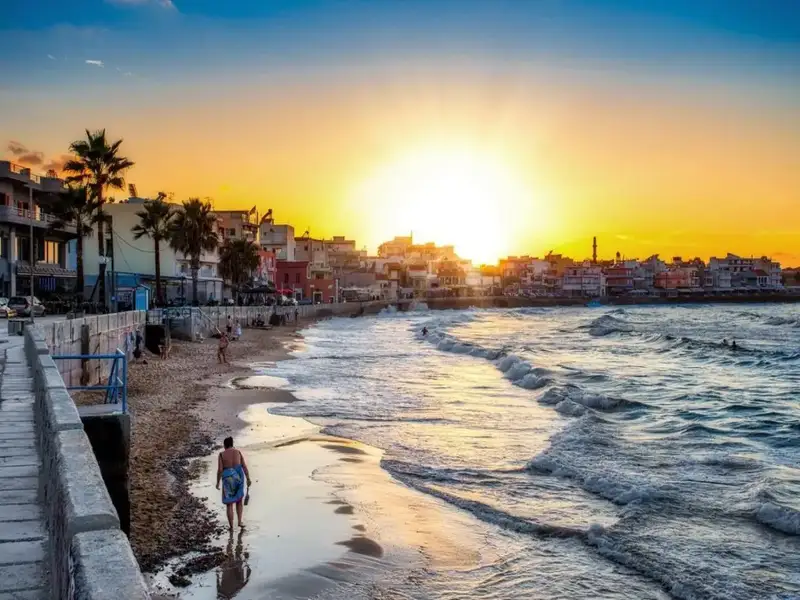
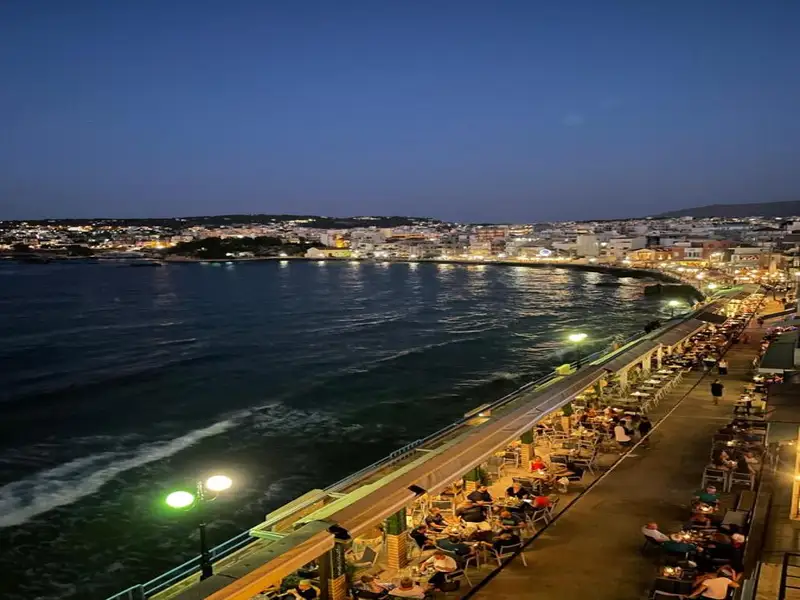
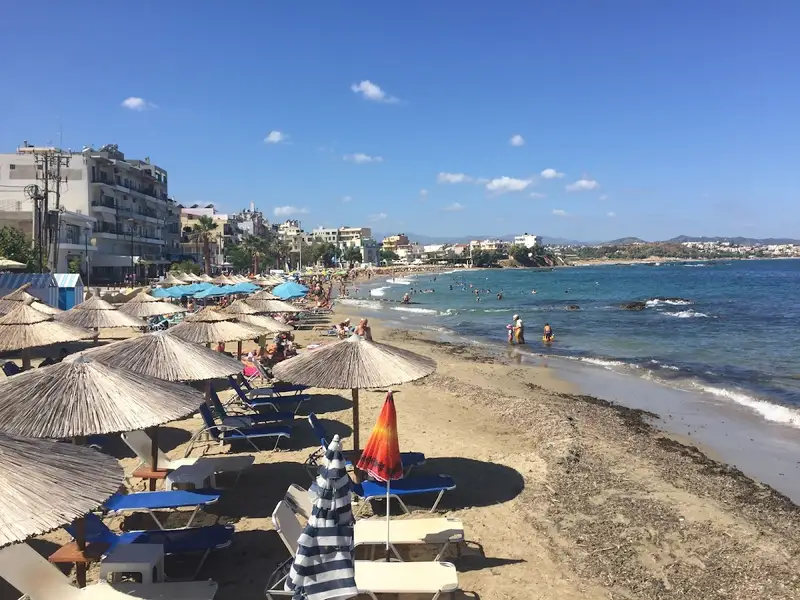
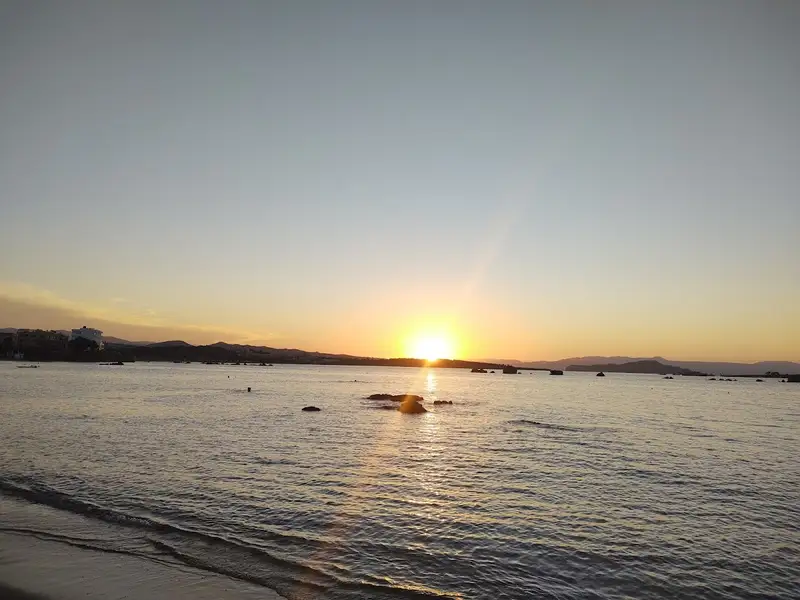
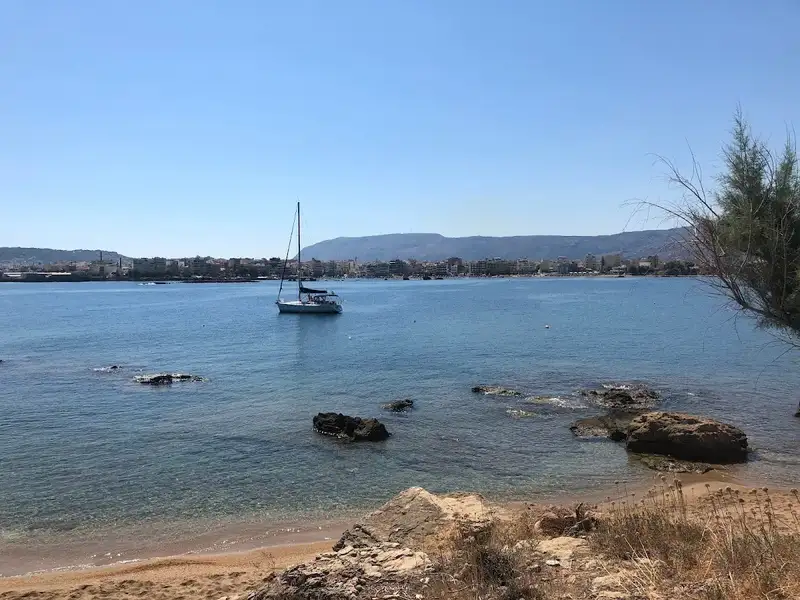
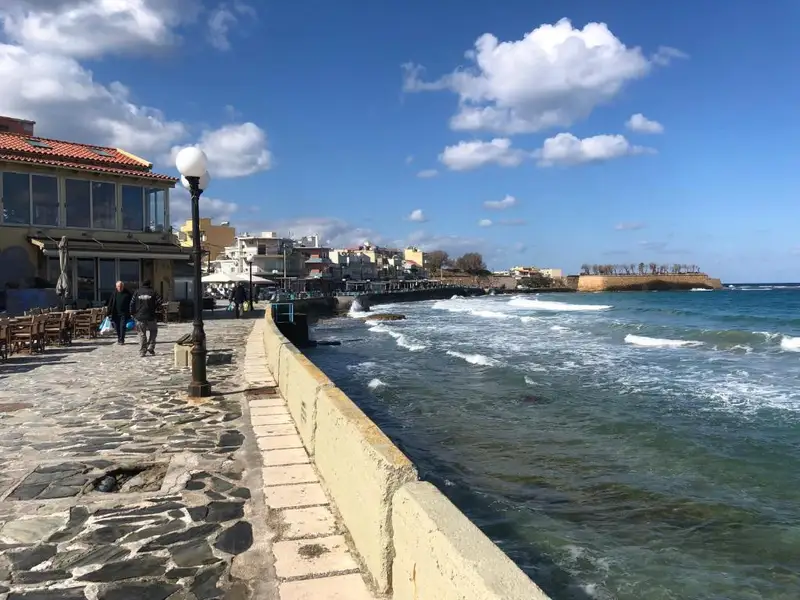
Koum Kapi is a roughly 1km strip of sand and a cafe and bar district on the eastern edge of Chania’s old town, just beyond the Venetian port. It is best known for its long coastal street lined with cafes and nightclubs rather than for classic beach days, and it stays unorganized, with no sunbed or umbrella setup. People do swim on the sandy east side, though many locals still hold back after years when swimming here was banned. Come for a seafront coffee, a sunset drink, and an easy walk from the old town; treat the swim as a bonus rather than the reason to visit.
Koum Kapi sits at the eastern edge of the scenic port of Chania, directly in front of the historical Bedouin district. The area was once home to African economic migrants who lived in rush-made huts during the Ottoman period, having first arrived on the island as slaves. None of those huts remain today. The only visible structures now are the buildings along a long coastal street lined with cafes and nightclubs.
The name comes from the Turkish phrase Kum Kapisi, meaning the Gate of Sand. This was a gate on the Venetian Walls that stood next to the sandy beach, and the district still carries that name. Backed by the old town and open to the sea, Koum Kapi reads more as a lively urban waterfront than a resort beach.
The heart of Koum Kapi is its seafront promenade. A long coastal street runs beside the water, lined with cafes and nightclubs, and this is where most visitors spend their time. It works through the whole day, from morning coffee to late-night drinks, with the sea and the old-town backdrop in view.
The strip sits within easy reach of the Venetian harbour and the old town, so it pairs naturally with a wider evening out. Browse guided walks, tours, and other bookable options to build a full day around the waterfront on the Crete Locals list of things to do in Chania and across the island.
Koum Kapi stretches for about 1km to the east, running beneath a pedestrian road. To the west, the sea meets the road’s wall with no beach in between, so there is little room there. On the east side, a strip of sandy beach forms, and this is where most people swim. Further east, a beautiful cove takes shape, though locals still tend to avoid swimming in it.
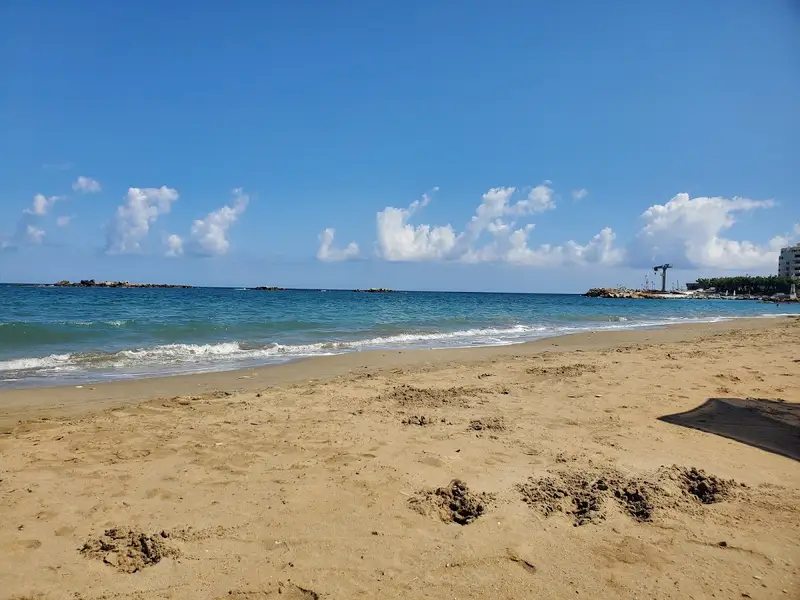
The sand is soft, the water reads blue, and the shallows stay shallow close to shore, with a sea surface that is usually calm. In earlier years Koum Kapi was a popular swimming spot in Chania, but declining seawater quality led to a swimming ban. Recent upgrades to the city’s biological cleaning infrastructure have improved the water, and the city’s Water Supply and Sewerage Authority considers it safe for swimming again. Even so, the beach stays unorganized and is still not fully trusted by many locals, so it is sensible to check conditions on the day before you get in.
Koum Kapi lies within the city of Chania, on a paved road at the eastern edge of the old town, which makes it one of the easier spots to reach on foot from the centre. Bus services run to the area, and the paved-road access means you can also drive in.
There is a parking area near the beach, but it fills up and gets crowded in peak season, so arriving early helps. Compare rental options through Crete Locals car rental in Crete when you want the freedom to move between beaches and villages across the wider region.
Koum Kapi fits travellers staying in or near Chania old town who want a seafront base for coffee, food, and drinks without leaving the city. It is family friendly, with shallow, usually calm water on the east-side sand, and it suits anyone who values atmosphere and walkability over a fully organized beach.
It is a weaker choice if you want sunbeds, umbrellas, and beach services, or a long stretch of open sand. For a more conventional swim close to town, the sandy bays just west of the harbour are a better match than Koum Kapi.
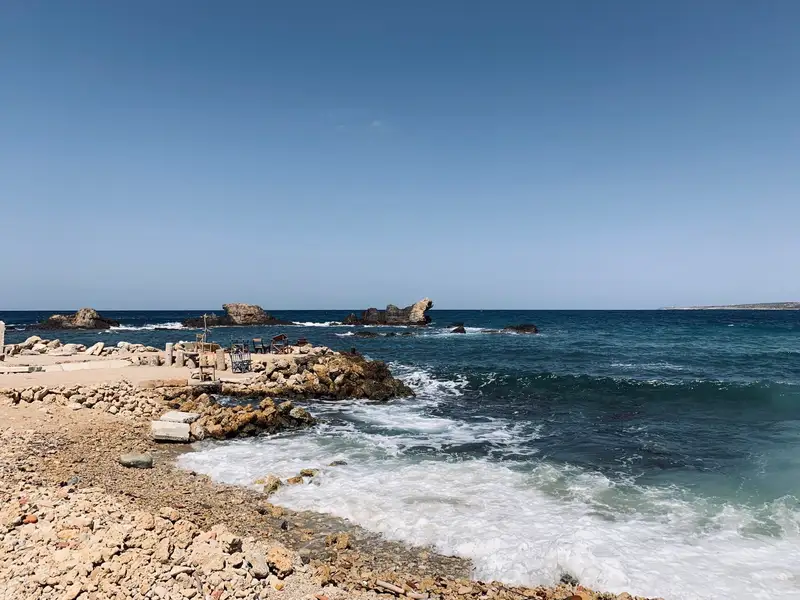
A short way east, in the Halepa suburb of Chania beside the Agia Kyriaki chapel and beach, you will find Kouloura, a small rocky pond. It serves as a favoured natural pool among Halepa residents, many of whom have their own story about the place.
Koum Kapi also sits close to some of the city’s landmarks, including the Venetian Harbour, the Archaeological Museum of Chania, and the Municipal Market of Chania. When you are ready to swim somewhere more open, nearby options include Lazaretta islet, Vlites beach, Chrissi Akti beach, and the sandy Nea Chora beach just west of the port. You can plan a wider coastal route from the full Crete Locals guide to beaches in Crete.
Koum Kapi beach is in the city of Chania, on the island of Crete, Greece, at the eastern edge of the old town in front of the historical Bedouin district.
Yes, Koum Kapi beach is suitable for swimming, and the city’s Water Supply and Sewerage Authority considers the water safe after infrastructure upgrades. It is still recommended to check the water conditions before entering the sea.
The beach has sand, the water colour is blue, the water near shore is shallow, and the surface of the sea is usually calm.
Visitors can swim on the east-side sandy strip and enjoy the several cafes and restaurants along the coastal street.
Koum Kapi beach is unorganized, so it has no sunbeds or umbrellas, but there are accommodation options and food and water available nearby.
The beach is reached by bus services and by a paved road, and there is a parking area nearby that can get crowded in peak season, so it helps to arrive early.
Yes, nearby attractions include the Venetian Harbour, the Archaeological Museum of Chania, and the Municipal Market of Chania.
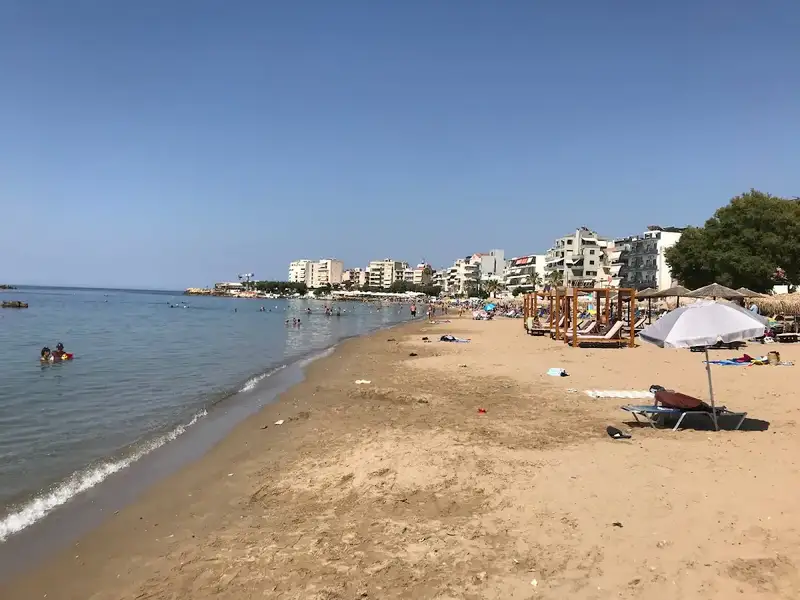
Nea Chora, a picturesque sandy beach, lies just a kilometer west of Chania city center along Akti Papanikoli Street, opposite the Lazaretta islet. A short 15-minute stroll from Chania’s old harbor, this beach boasts a well-maintained main area with several facilities at hand. While mostly sandy, Nea Chora also features rocky patches. It’s the perfect spot for those who prefer to stay nearby the city center. East of the beach, you can still spot the old soap factory’s towering chimney and the former sanatorium of Chania. Nea Chora is a favorite among locals for its seafood taverns, but there are also plenty of restaurants, snack bars, and cafes to choose from. Every summer, the beach hosts the “Sardine Festival”, complete with traditional music, dancing, and free fish for attendees.
Kladissos beach
Further along the river Kladisos, a second beach unfolds all the way up to Aptera beach. Kladisos beach is a lengthy sandy bay, interspersed with pebbly areas. Despite its proximity to Chania and its appealing beauty, the beach remains relatively secluded and unspoiled. The simplest way to access this beach is by crossing the Kladisos river via the pedestrian bridge.
Lazaretta islet, situated across Nea Chora, functioned as a leprosarium for the Venetians in the 17th century, similar to most islets in Crete’s cities. Its moniker is derived from Lazarus, whom the Roman Catholic Church recognizes as the lepers’ patron saint.
Historically, it has been identified as a burial site, presumably for patients, and the site still exhibits the remnants of buildings that the Turks demolished in 1645 to install a sizeable cannon to assist their siege of Chania’s stronghold at the harbour entrance. In certain areas, fragments of bombs dropped during the German military operations in World War II can still be observed.
The islet is home to a Saint Nicholas shrine, constructed by a local man in 1954. This man suffered a sunstroke on the island but was able to swim to Nea Chora and survive. The island features a small sandy beach, favored for snorkeling and often visited by local diving schools and seafaring tour boats. In the 1950s, long-distance competitive swimmers frequently selected Lazaretta as their starting point for races, with the inner harbour of Chania serving as the finish line.
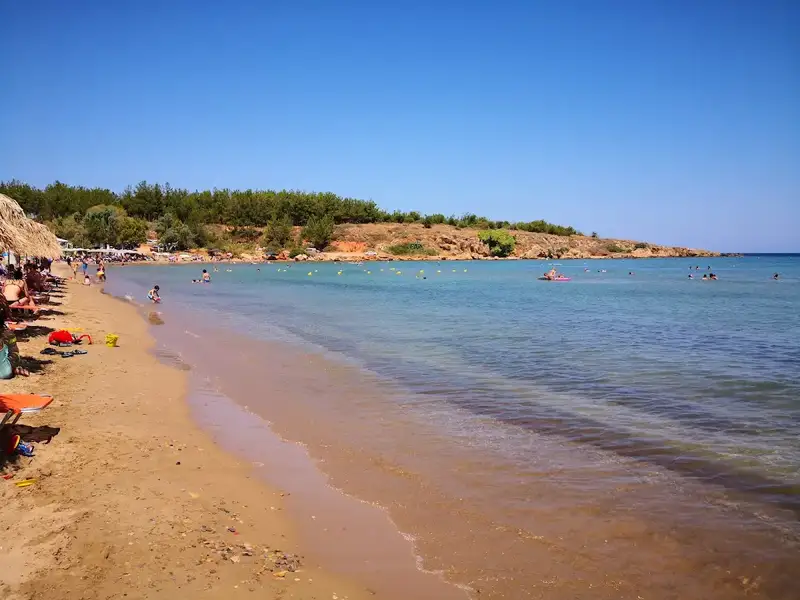
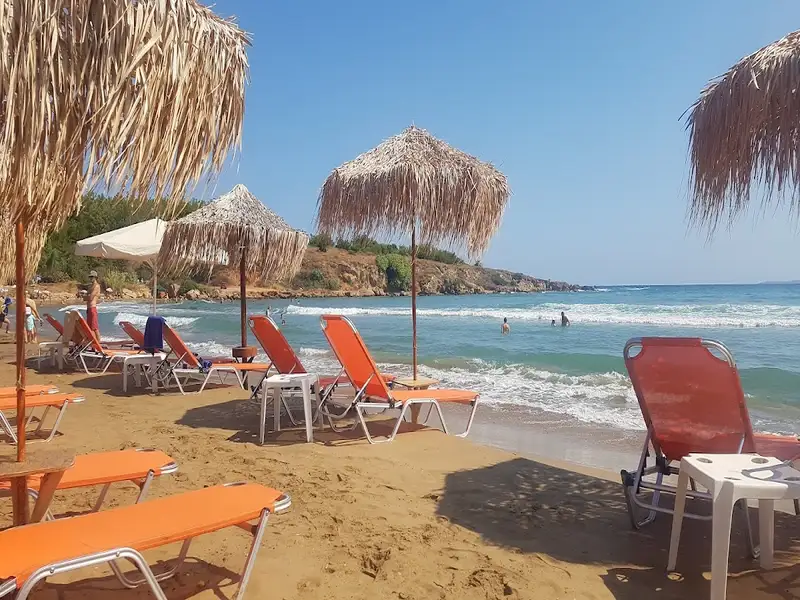
Situated 2.5km west of Chania city and just east of Agii Apostoli, you’ll find the glistening Golden Beach, or Hrissi Akti as it’s known in Greek. It’s essentially two sandy beaches separated by a rocky outcrop. The western cove is the primary Golden Beach, while the eastern one is the quieter Aptera beach. The west bay is the more popular of the two, boasting excellent facilities such as umbrellas, lifeguards, showers, cafes, water sports and more. Its fine golden sand and shallow waters are particularly appealing to families with young children, and there’s even a playground nearby.
Aptera beach, on the other side of the rocky divide, offers a more tranquil experience. It’s less developed and has the remnants of the Aptera Beach hotel which was abandoned in the late 90s due to financial difficulties. This beach is perfect for those looking for solitude and is conveniently close to Chania.
The entire Agii Apostoli area is dotted with small parks filled with pine and eucalyptus trees. Access to Golden Beach is easy, either by bus from Chania or by foot.
No results available
Find below list of gorges near New Big Modern City Center Apartment:
The Cyclamen Gorge, also known as Agios Georgios Gorge or Gorge Vandes, is nestled on the northern slopes of the White Mountains. Its starting point is the Aletrouvari settlement, situated at an altitude of 300m, and it extends east of Agios Georgios village, ultimately ending at the village of Vandes, which is at an elevation of 50m. The stream that runs through this gorge gathers water from the Drakona area, resulting in the formation of quaint, small ponds at certain spots.
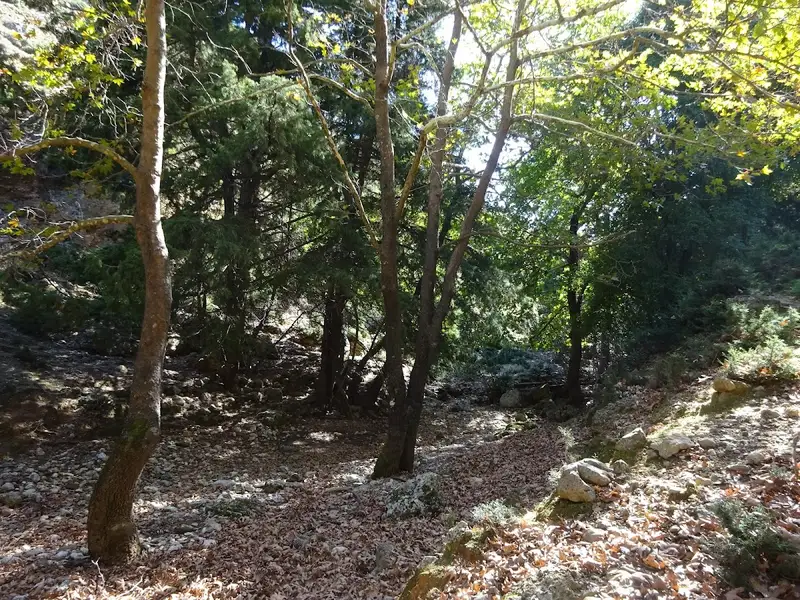
However, this route is not recommended for novice hikers as it requires approximately 2 hours to traverse from Aletrouvari or about 1 hour from Agios Georgios. As visitors journey through this route, they will encounter a diverse landscape that changes along the river, all under the cool shade of towering plane trees and cypresses.
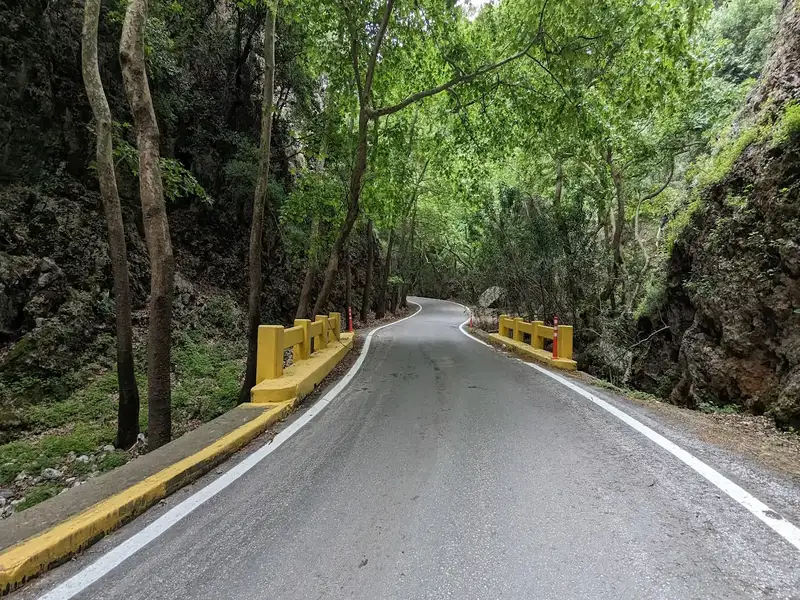
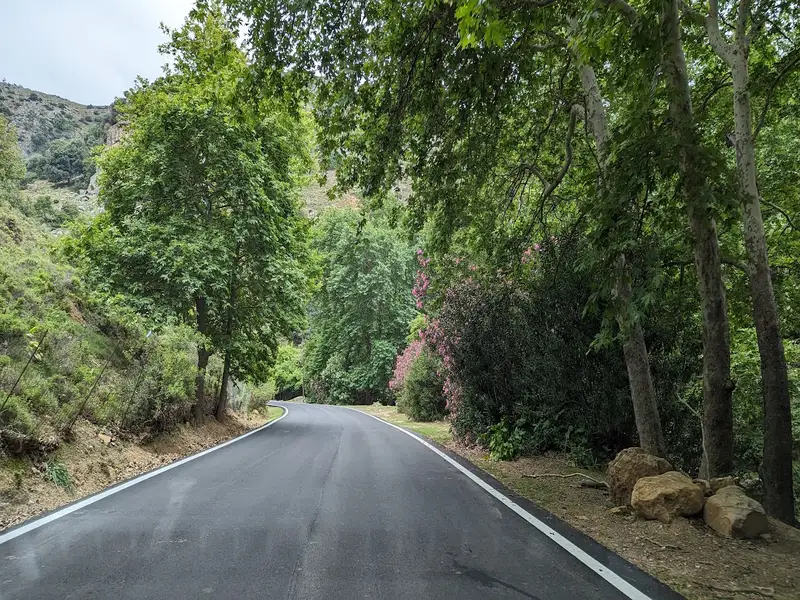
Positioned near the city of Chania, the Therisso Gorge (also known as Eleftherios Venizelos) is an awe-inspiring sight. This six-kilometre-long canyon is adorned with impressive vertical cliffs and lush greenery, rivalling any other gorge in the Chania region. Accessible by car, it’s worth combining a trip to the gorge with a visit to the historic village of Therisso, nestled at the foot of the White Mountains, just 15 kilometres from Chania. This village, steeped in history, offers an unforgettable experience to any visitor.
With a population of just over 100, the valiant village of Therisso has held a significant role in Crete’s modern history, mainly due to the resilience of its inhabitants against Turkish invasions. In 1866, the village was burnt by Mustapha Pasha Naili, forcing many, including the mother of future Greek Prime Minister, Eleftherios Venizelos, to relocate to Kythera and the Peloponnese. Therisso gained further historical prominence in 1905 when Eleftherios Venizelos and his allies initiated a revolution against the autocratic rule of Prince George, imposed by the Great Powers, charting a course for Crete’s union with Greece. Notably, the heroic Halides brothers, key figures in the 1821 revolution, also hailed from Therisso.
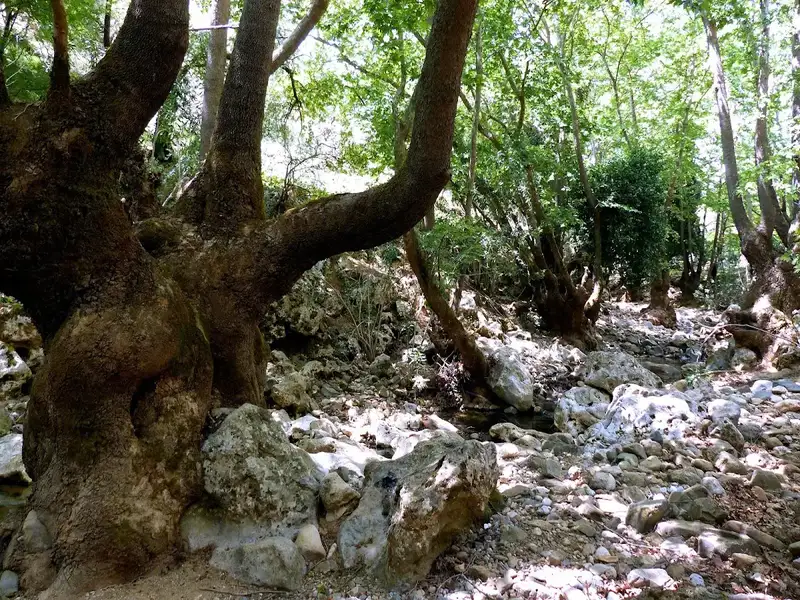
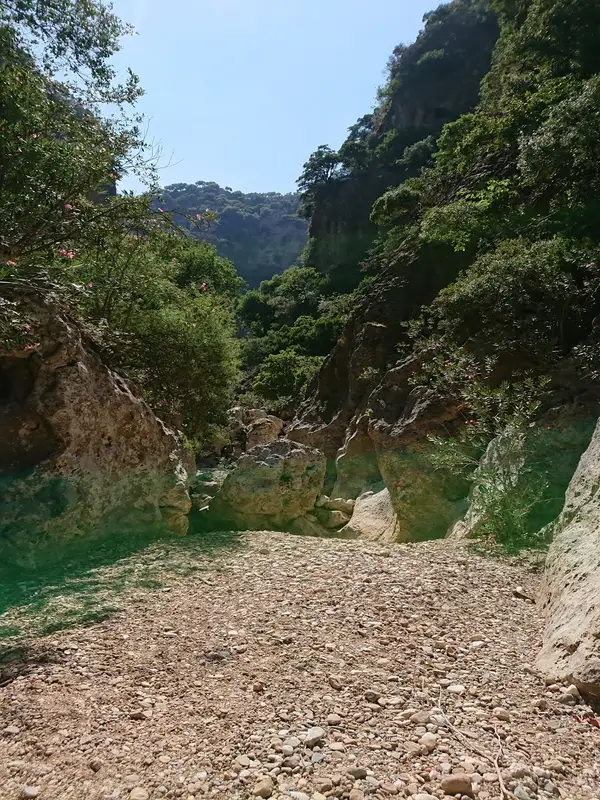
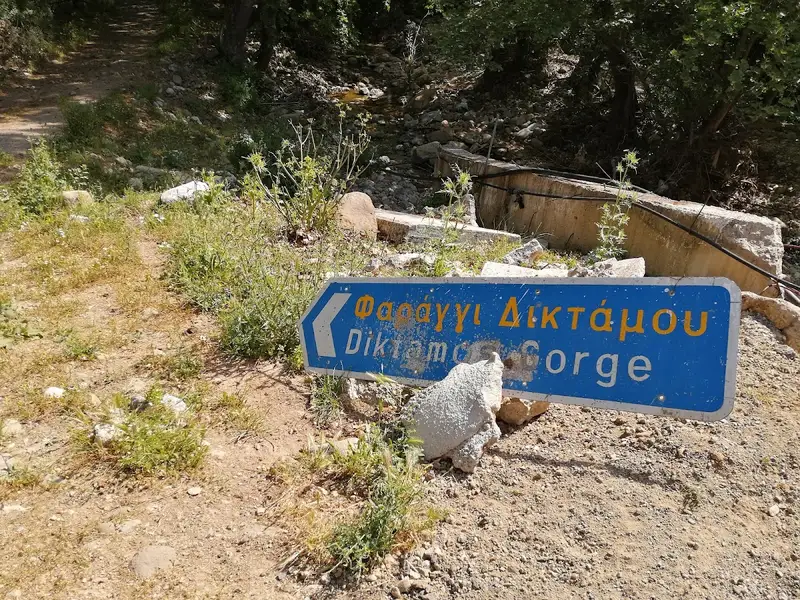
The Diktamos Canyon, nestled within the White Mountains, commences 21km to the east of Chania, near the Katochori village at an elevation of 300m. It concludes 8km further east, at the Faragi village, situated at a height of 40m and in close proximity to the Stylos village in the Apokoronas province. Consequently, it is also referred to as the Katechori Gorge or Stylos Gorge. The canyon’s stream serves as the primary tributary of the Kiliaris River, gathering water from the northern slopes of the Mavri peak and discharging it onto the Kalives beach.
Navigating through the canyon can be challenging, with certain areas requiring extra caution and approximately 3 hours to traverse. The canyon is a stunning, verdant landscape filled with towering trees and steep inclines, home to dittany or diktamos, a herb endemic to Crete. In Stylos, you have the opportunity to explore the ancient church of Apostle John (Agios Ioannis Theologos), refresh yourself at the local springs, and replenish your energy at the village’s taverns.
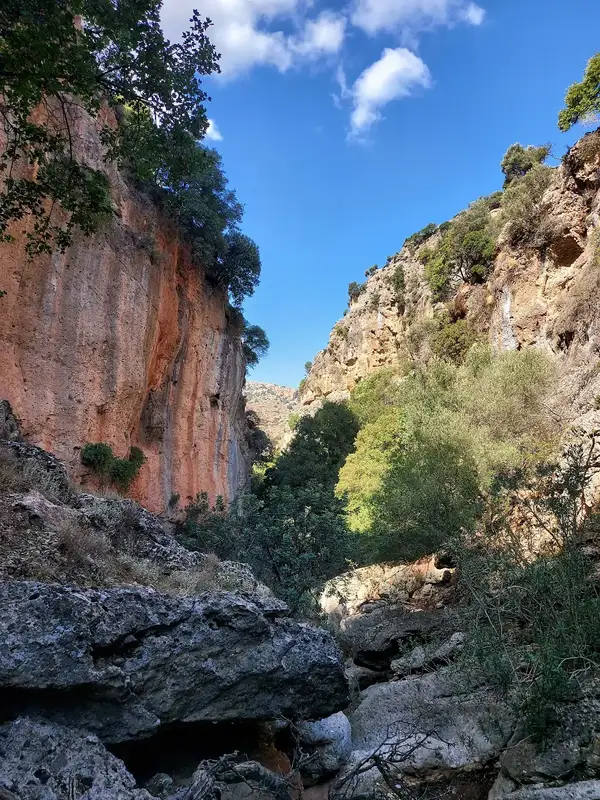
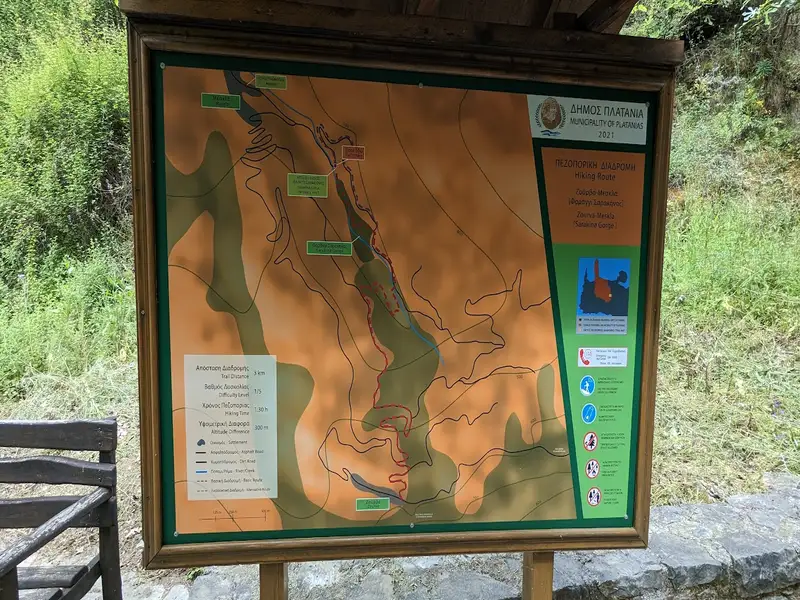
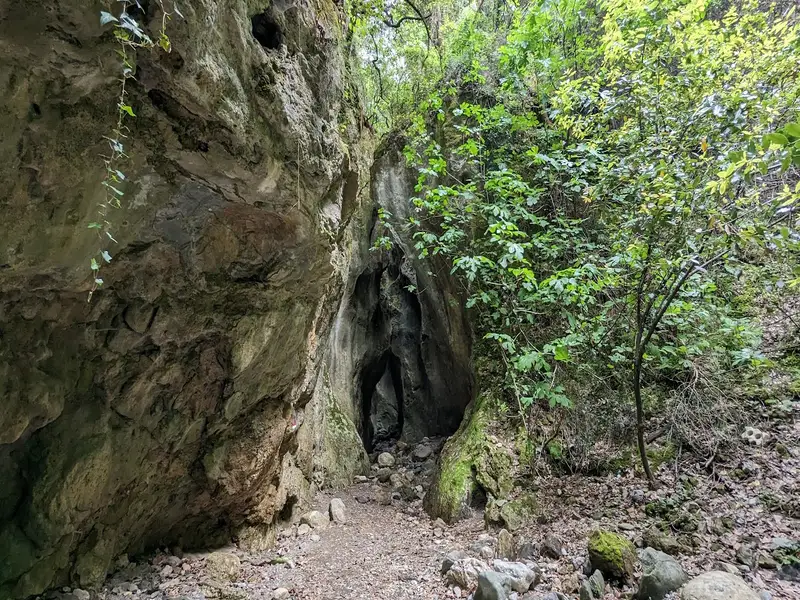
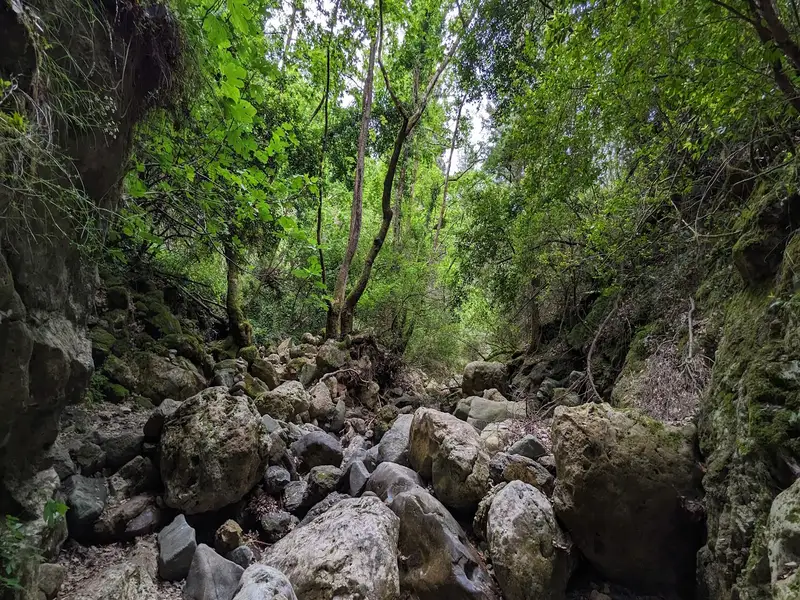
Situated close to the village of Meskla, 20 km away from Chania town and nestled at the foot of the White Mountains, you’ll find the impressive yet compact Sarakina Gorge (be careful not to mix it up with the other well-known Sarakina Gorge in East Crete, near Mythi in the Province of Ierapetra). The gorge takes its name from local lore that suggests Saracenes once used it as a hiding place. The gorge’s somewhat elusive location keeps it off the beaten track for many locals, maintaining its status as an untouched, natural spectacle.
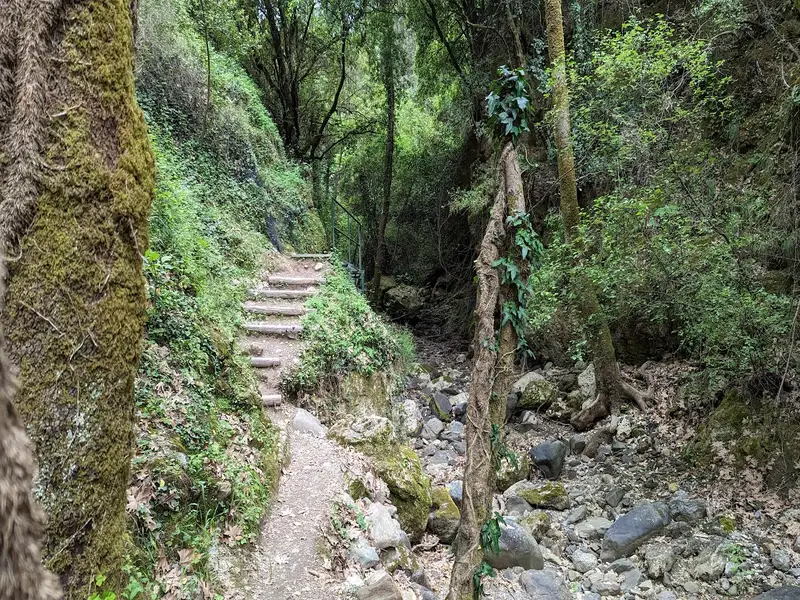
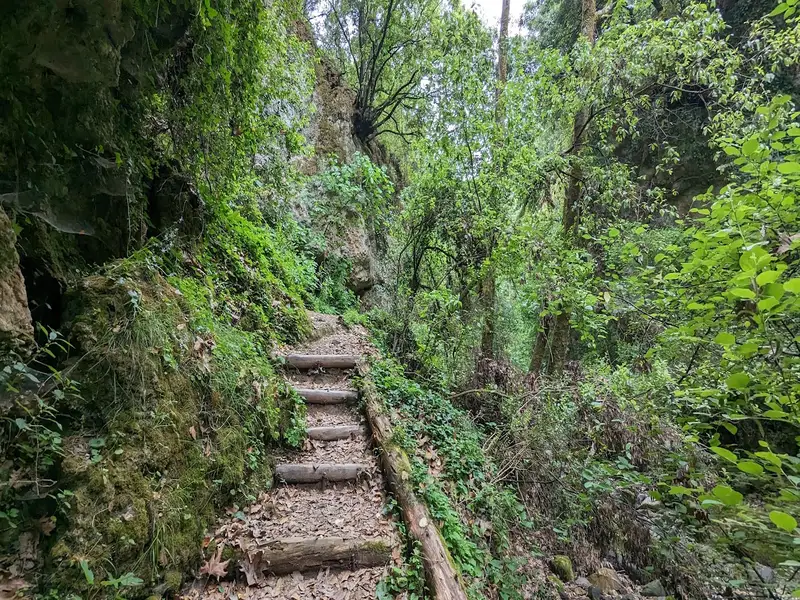
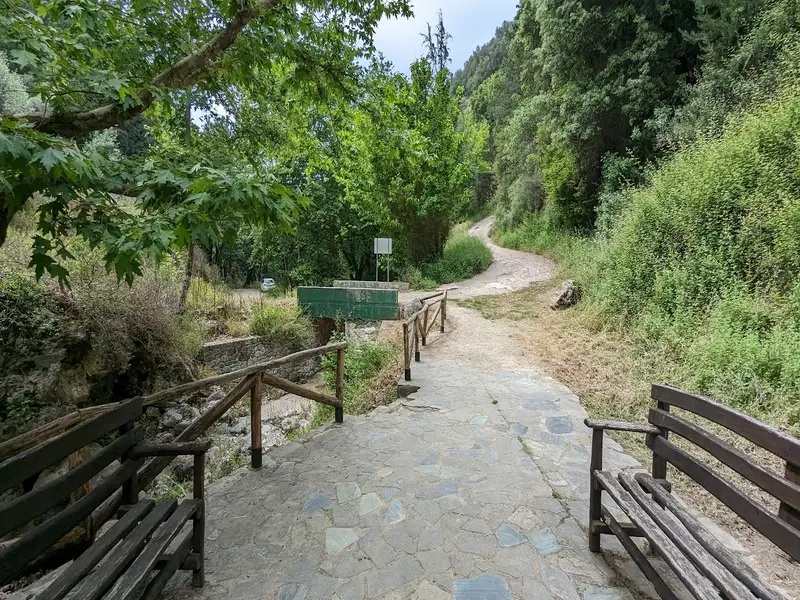
Hidden within a deep ravine, Sarakina is bordered by towering cypress and plane trees. In an effort to make this natural gem more accessible, local authorities have developed walking trails throughout the gorge. Starting and ending in Meskla, next to the Church of the Panagia, where you find the parking space. The circular trail offers an hour’s worth of easy hiking. The journey commences with a ten-minute walk on a dirt road which then leads to a path alongside the river.
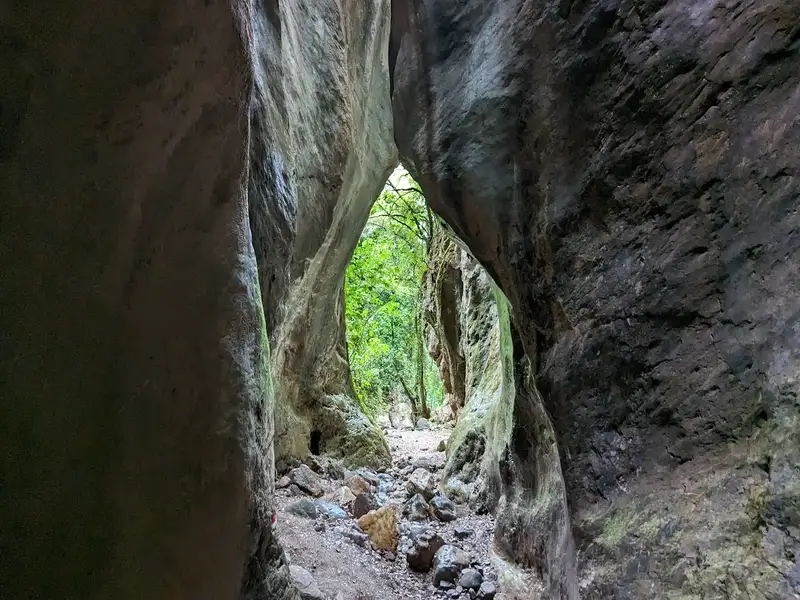
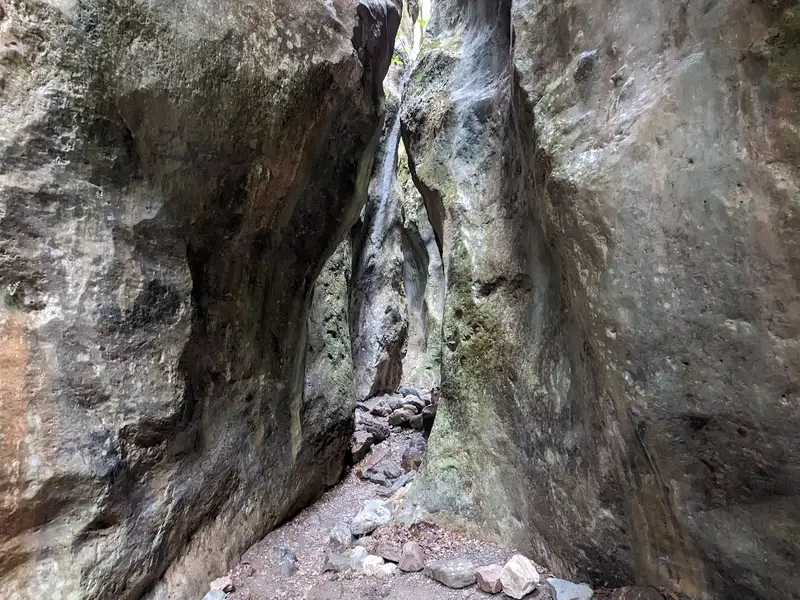
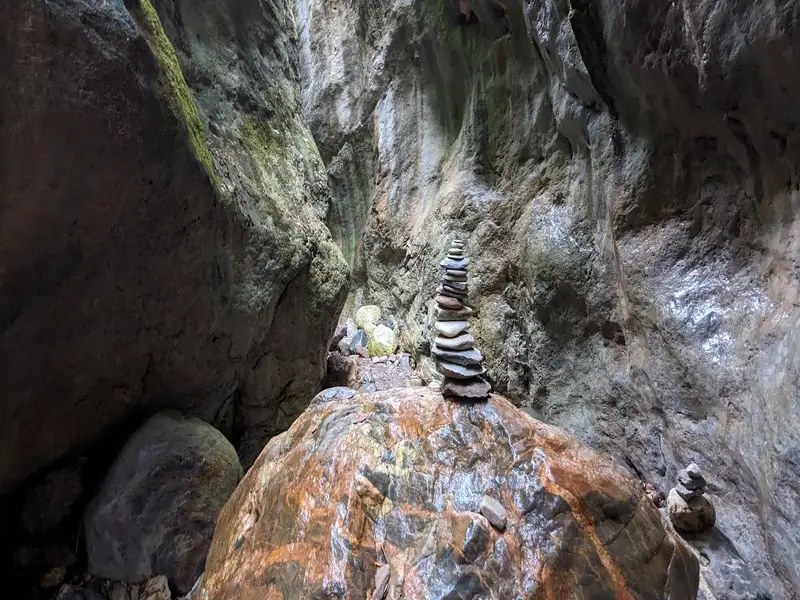
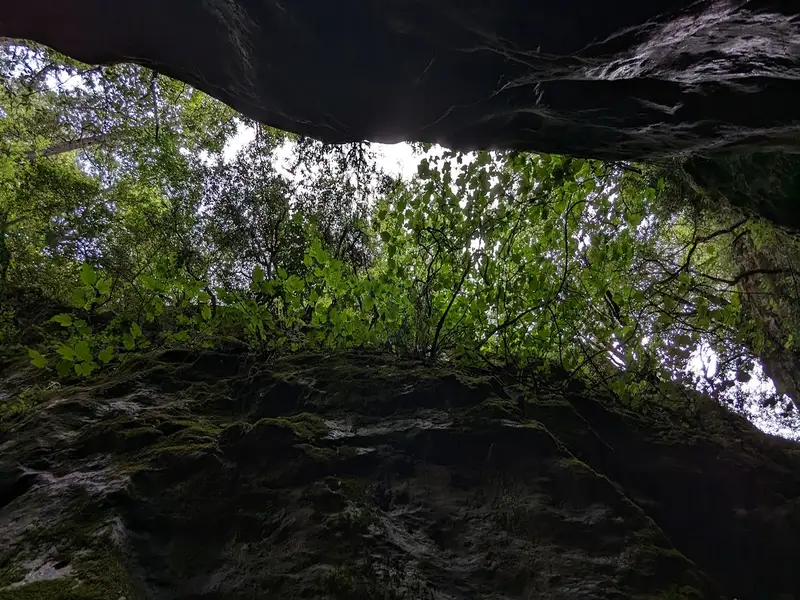
The trail is interspersed with wooden and stone staircases and metal walkways crossing the river. After the first segment, the landscape transforms drastically, transitioning from a gravel bed to solid limestone boulders. The resulting view is an awe-inspiring natural artwork as the rock appears split down the middle, carving out a breathtaking sculpture.
No results available
© All rights reserved. Crete Locals