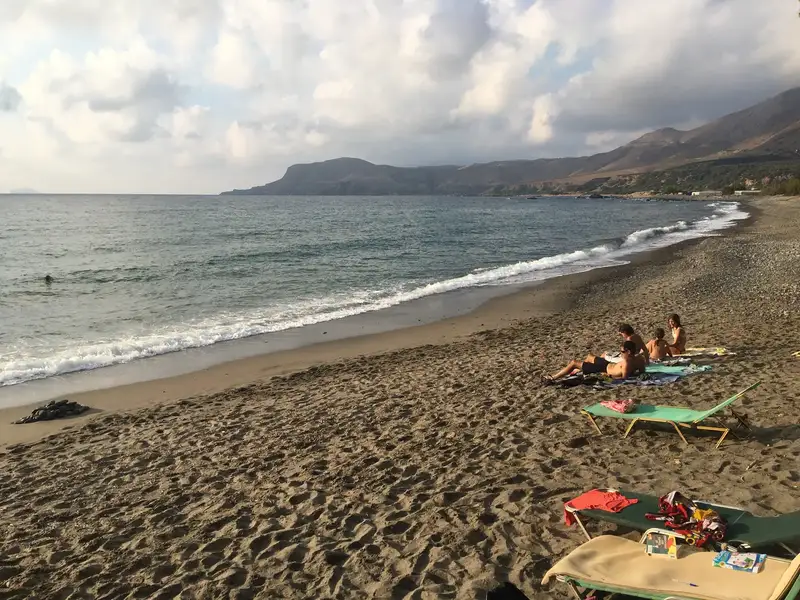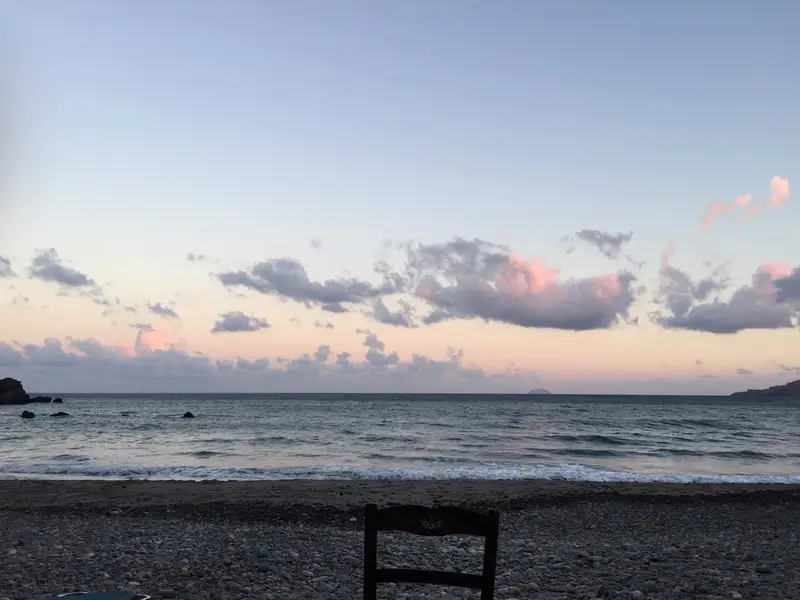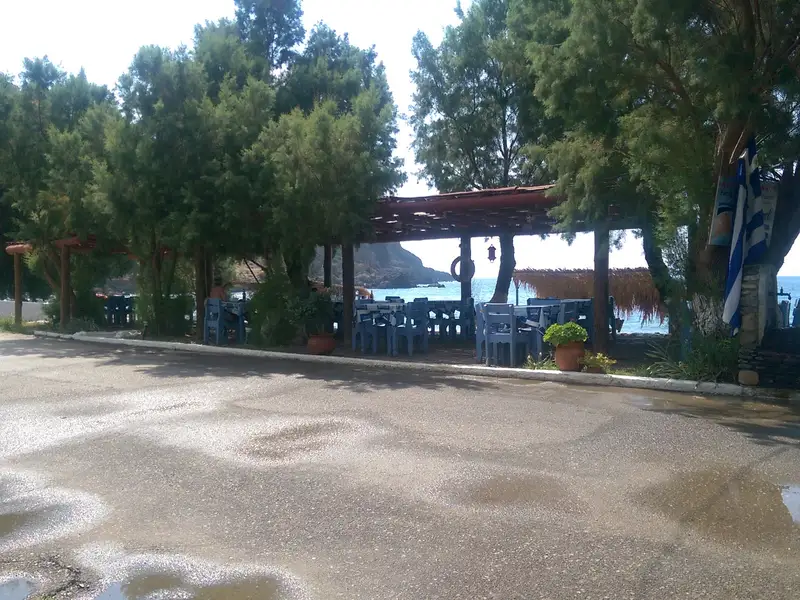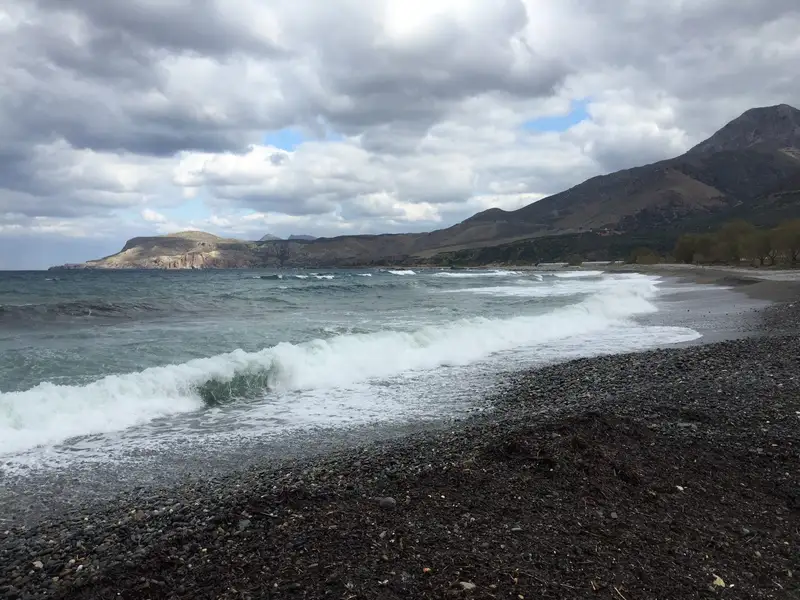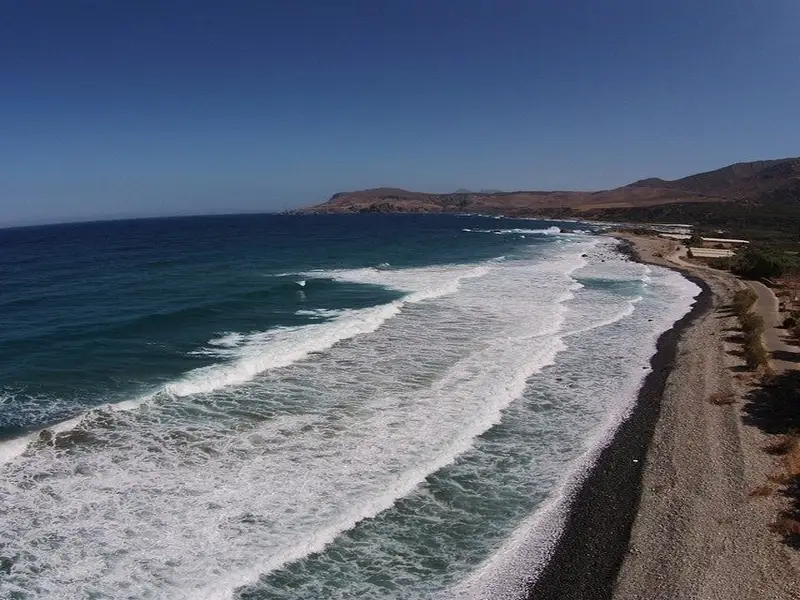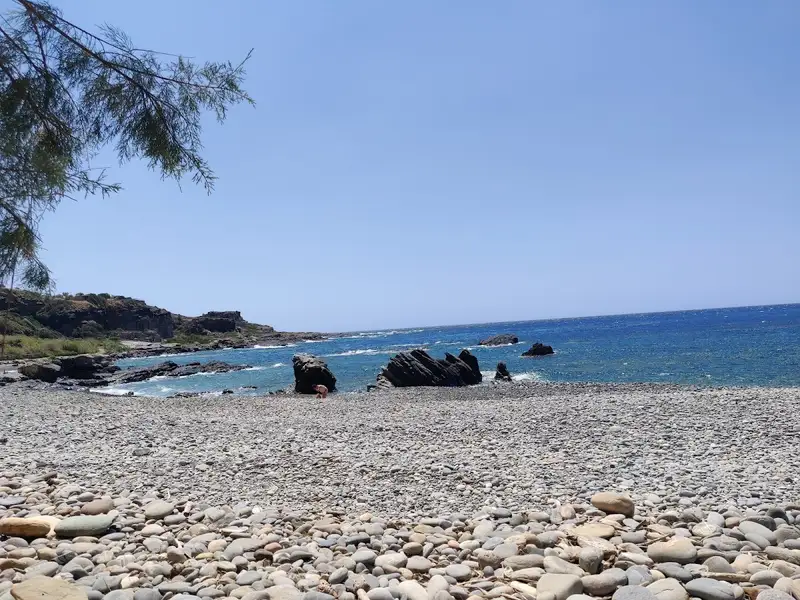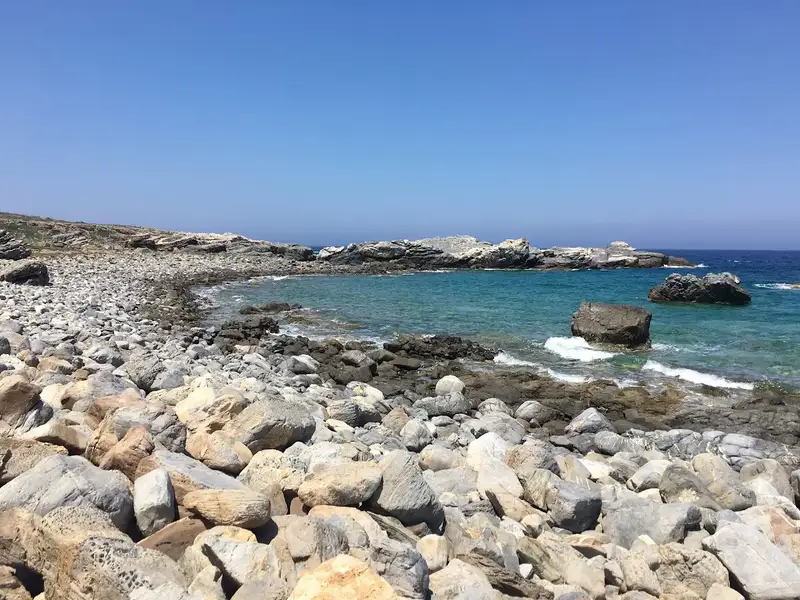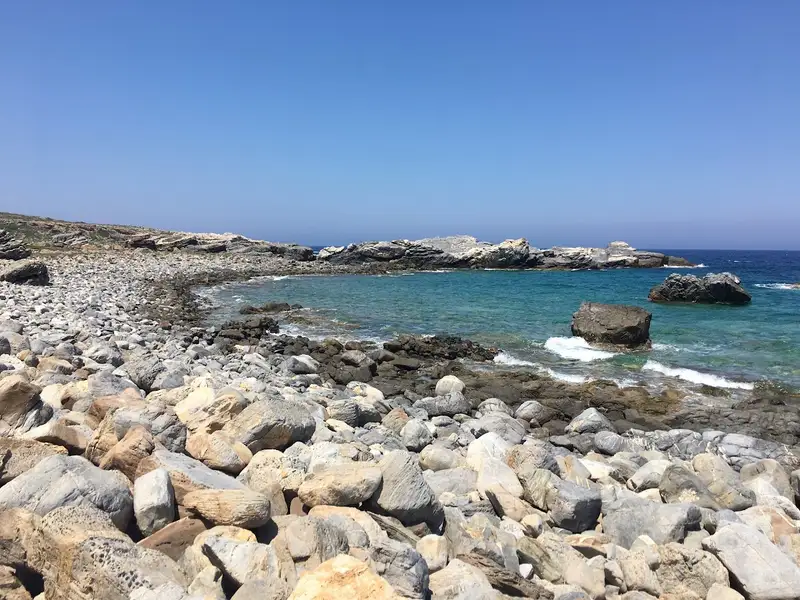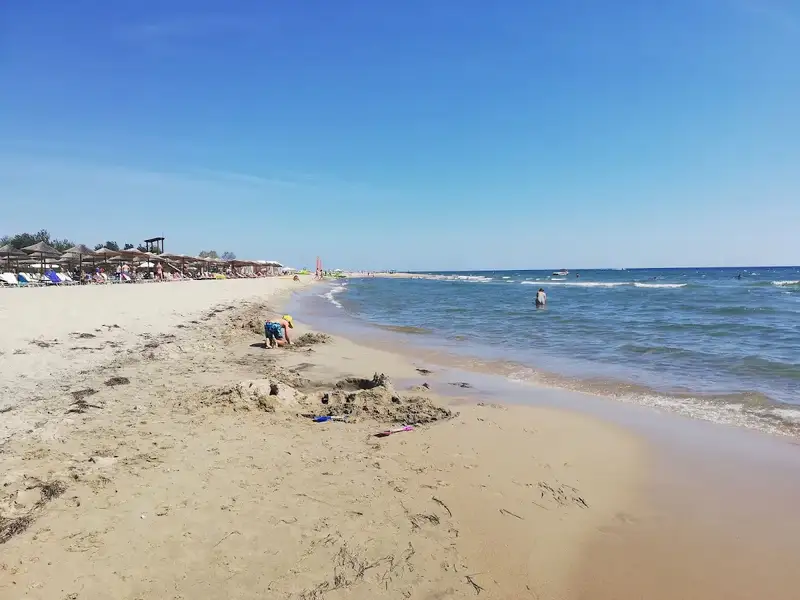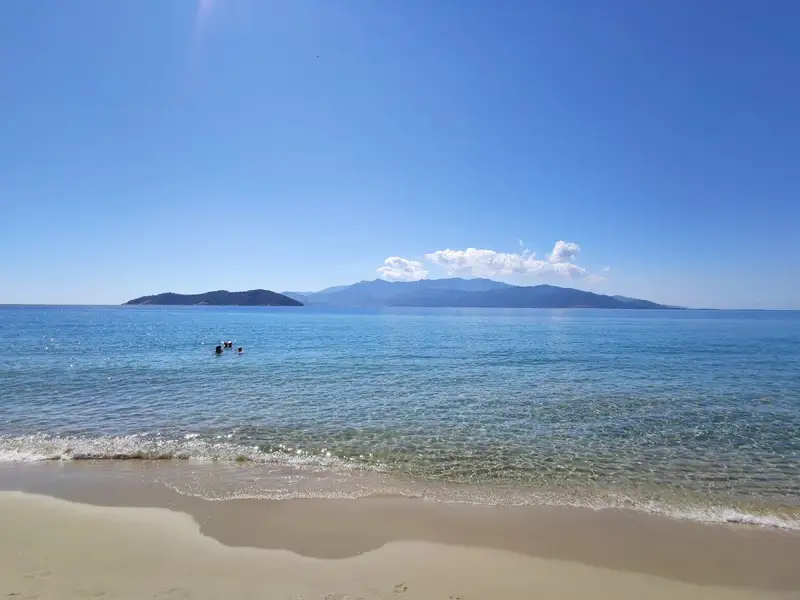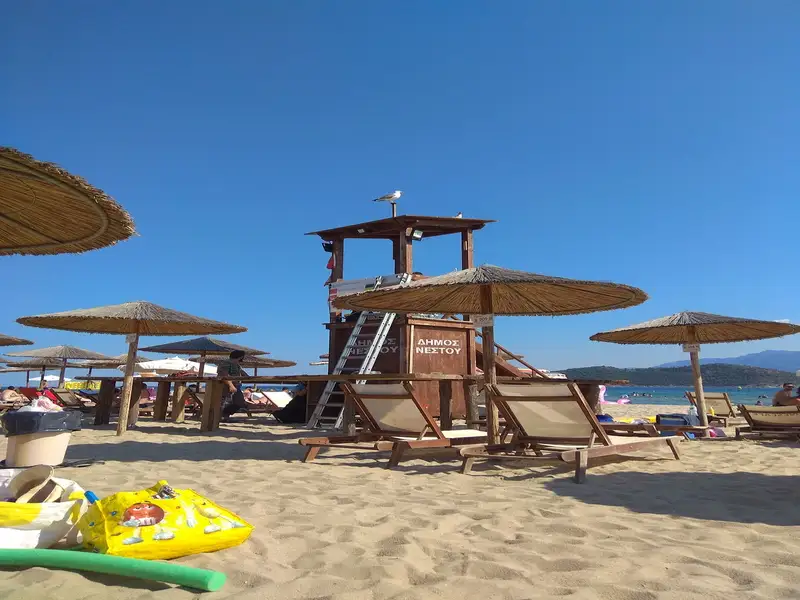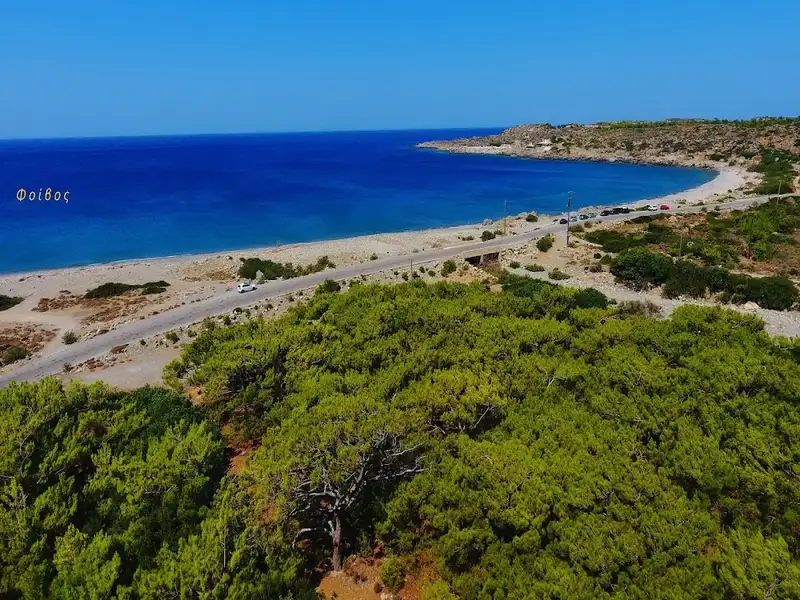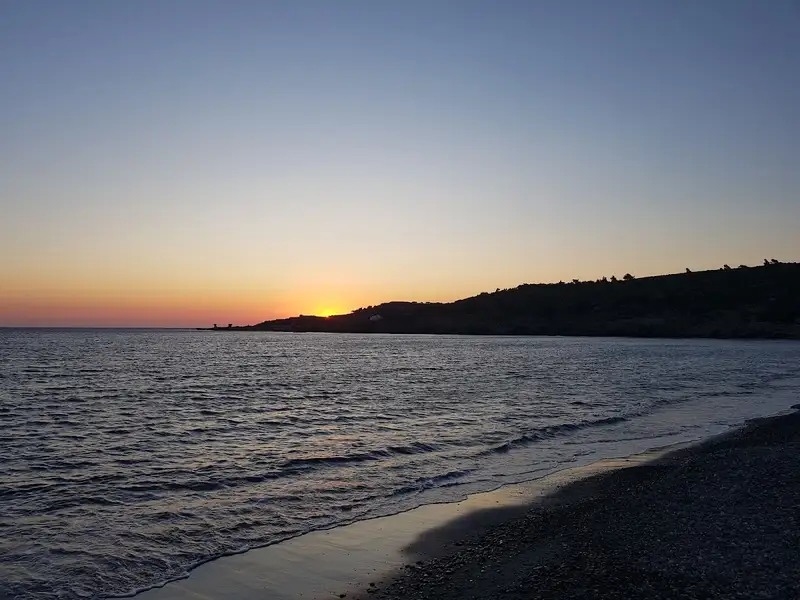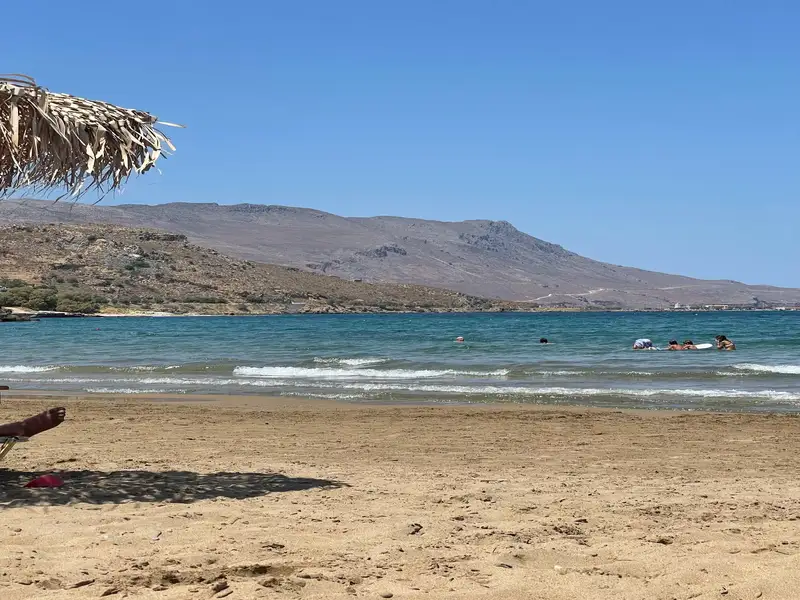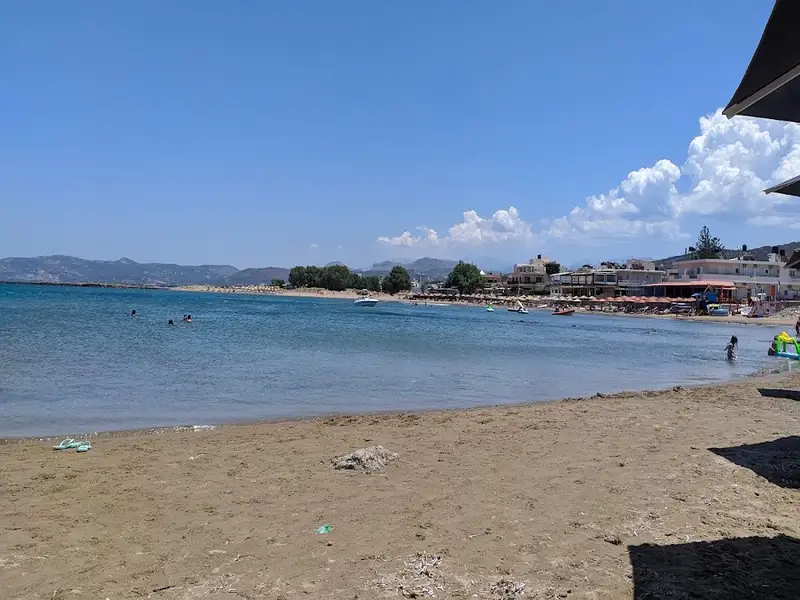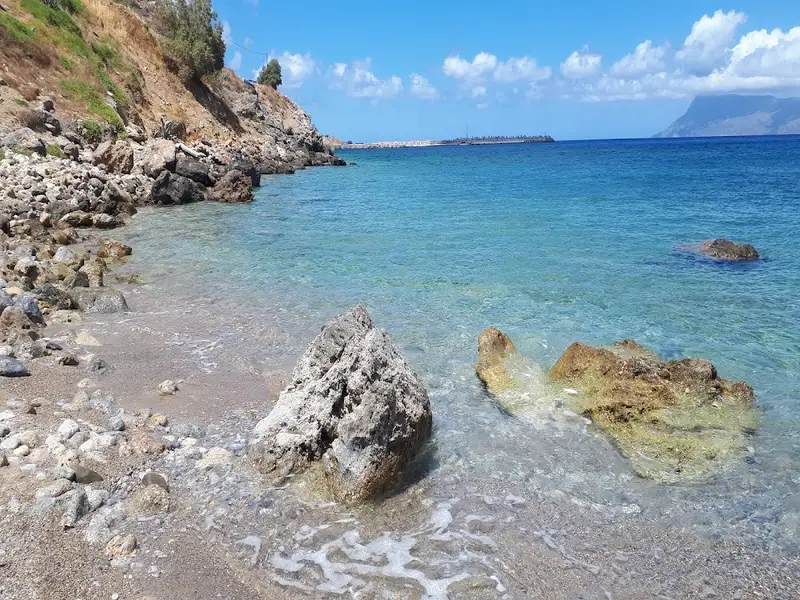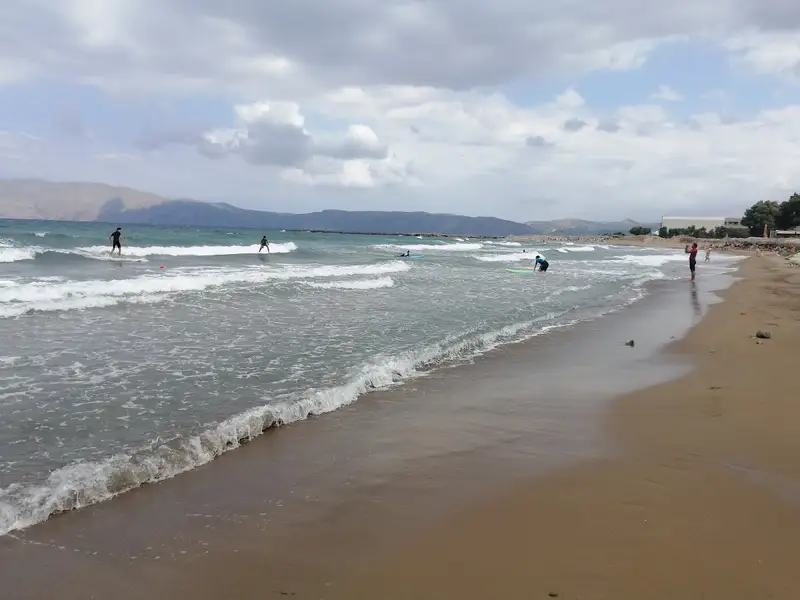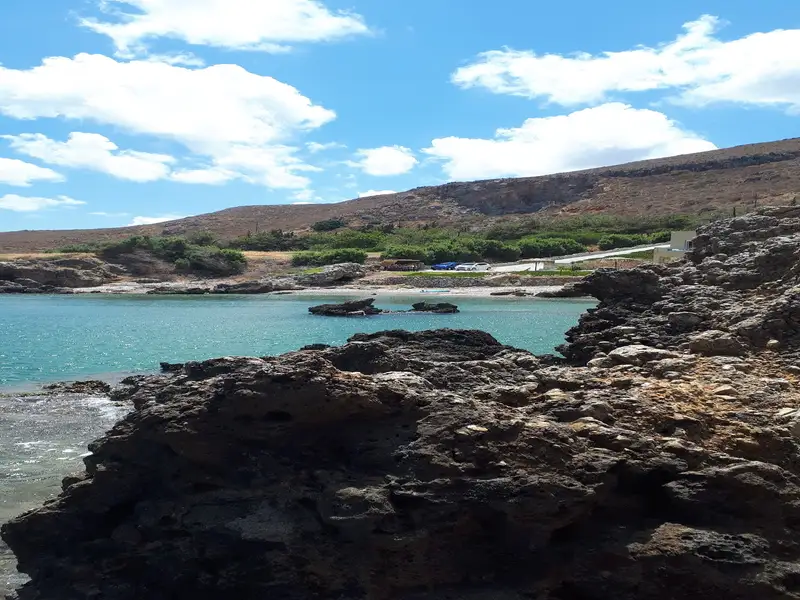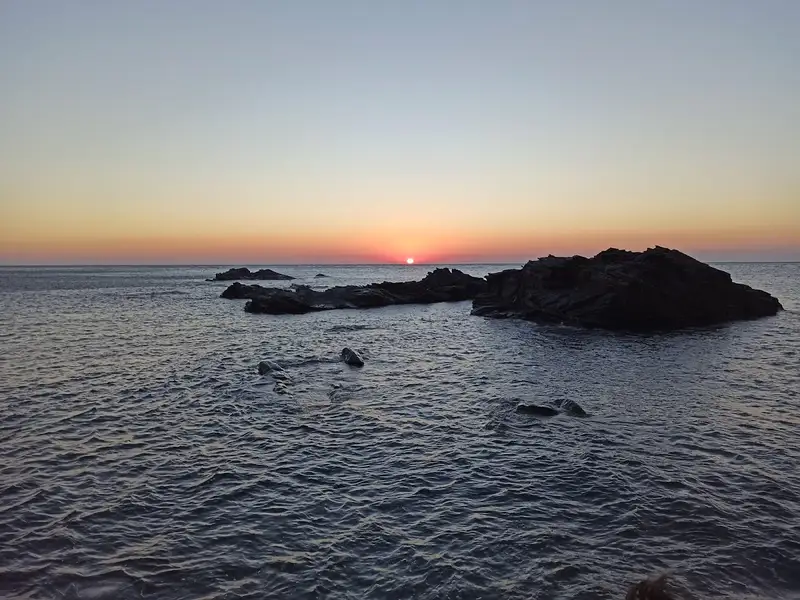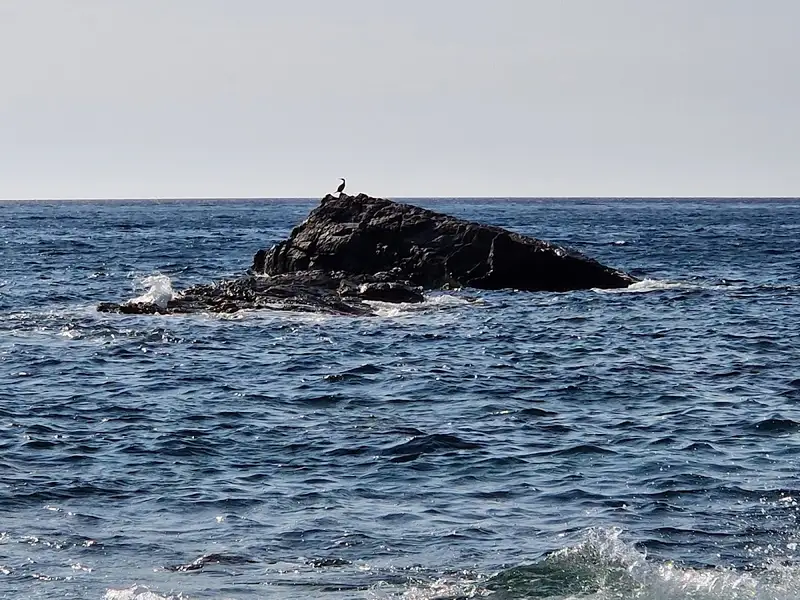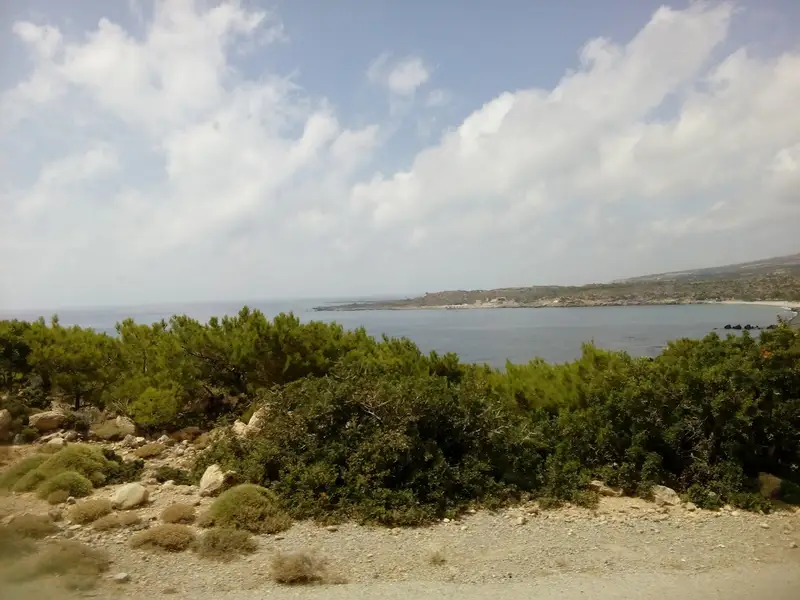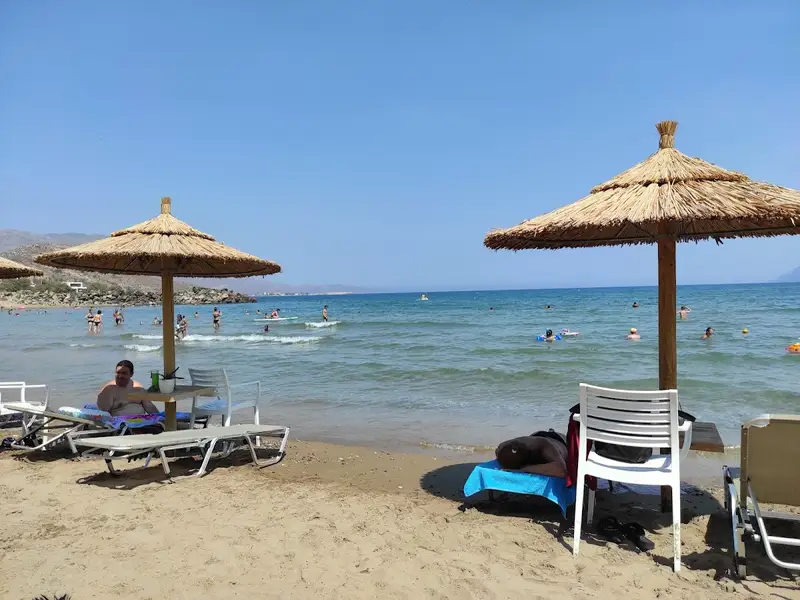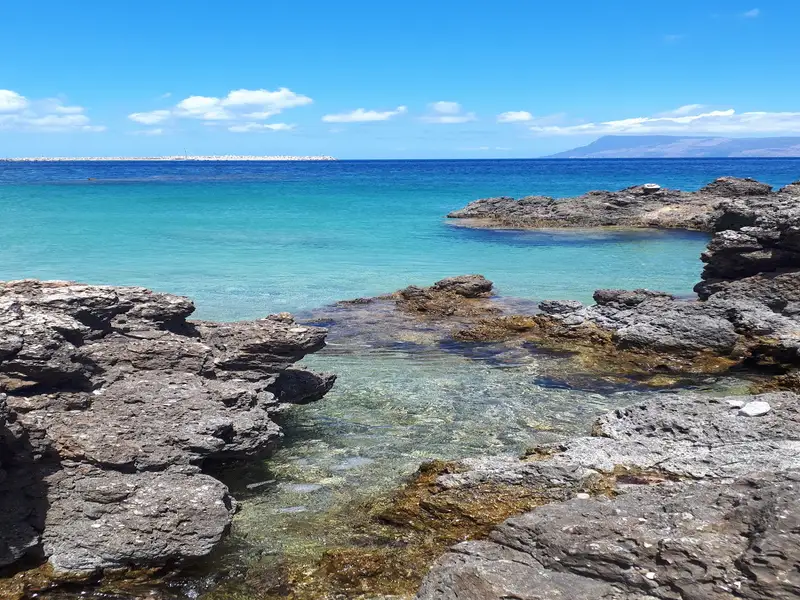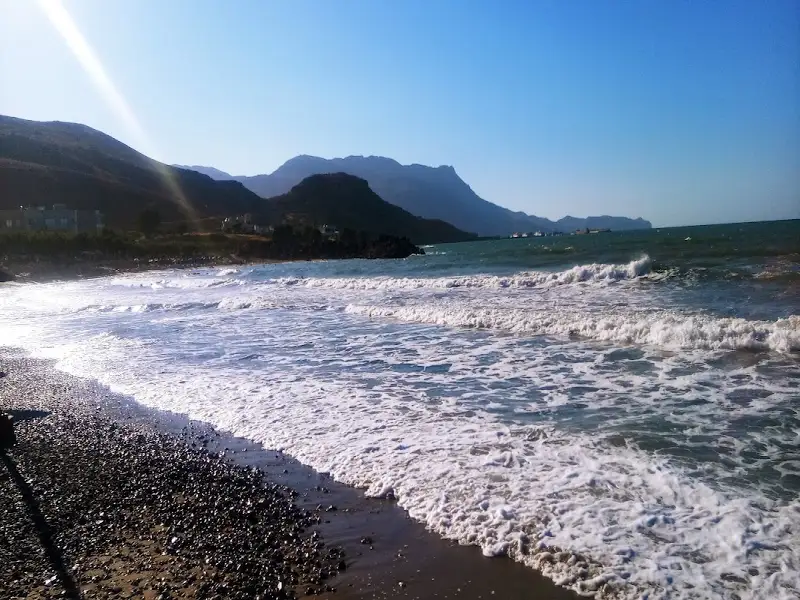
Sfinari beach, nestled 60km west of Chania city and 30km south of Kissamos, is a hidden gem in front of its namesake village. This peaceful village is at the mouth of a lush, deep valley and is wrapped in the embrace of verdant mountains. Known for its tranquillity, Sfinari offers a beautiful sandy beach speckled with pebbles. With a handful of lodging and dining options, it’s an excellent choice for serene family getaways. On days when the waves are gentle, the beach becomes a haven for snorkelling. Numerous tamarisk trees provide ample natural shade, making it a perfect spot to unwind.
Sfinari is favoured primarily by those on the hunt for solitude, so don’t anticipate a bustling nightlife or booming beach bars. Despite its remote location, it’s easily accessible via bus from Chania station, so not owning a car isn’t an issue. However, having a car could enhance your Crete exploration experience.
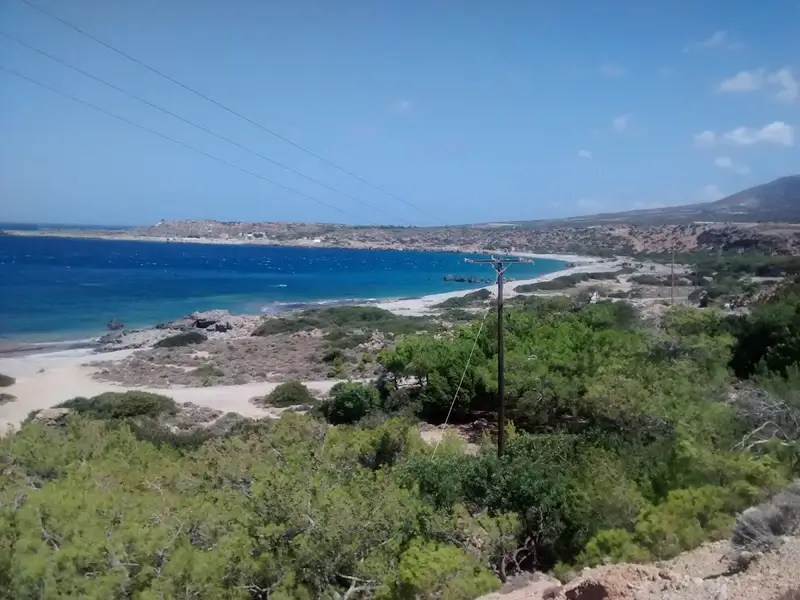
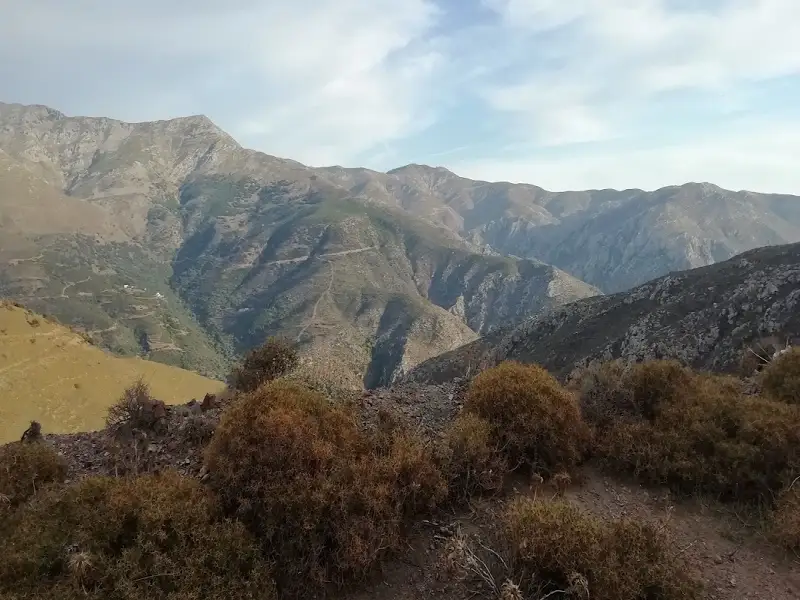
Venturing up the mountain at the beach’s southern end, crossing the carob tree-filled rocky cape of Korakas, you’ll glimpse the secluded beach of Platanakia on the other side. With careful navigation, you can descend to this remote beach for a truly peaceful dip.
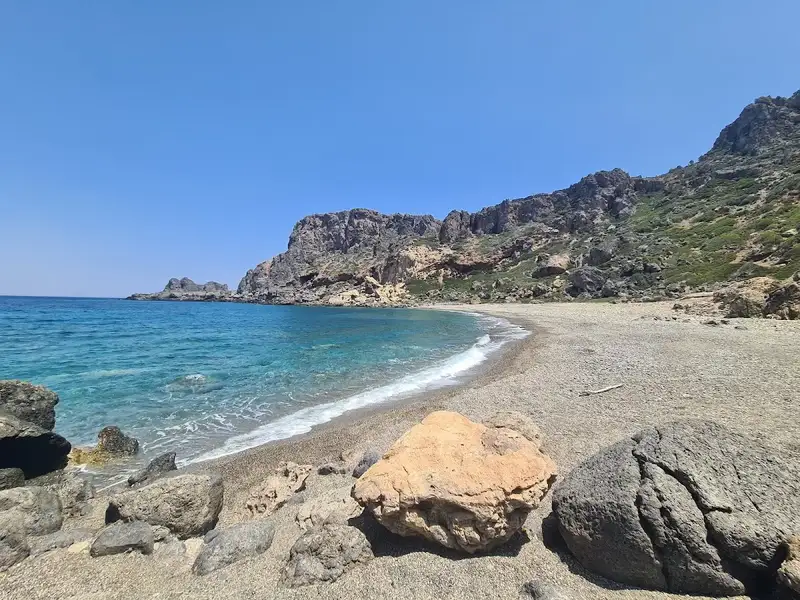
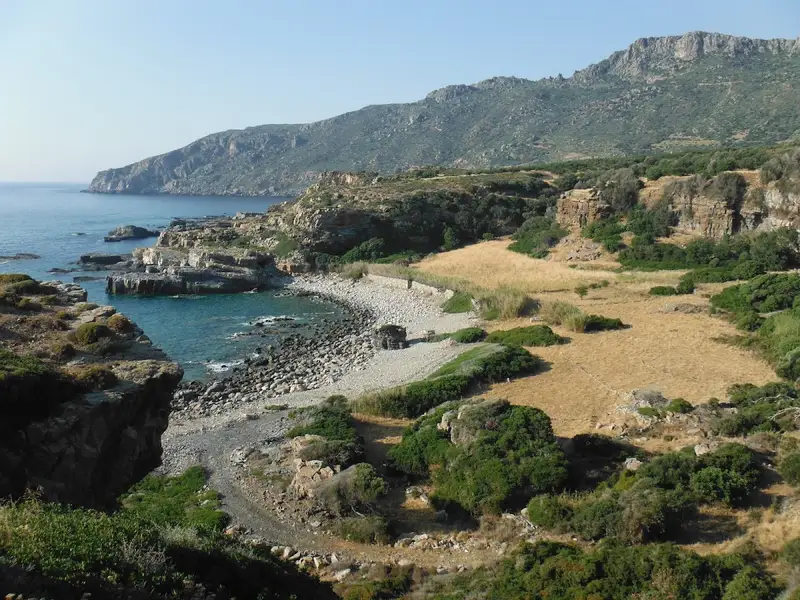
Platanakia beach, situated 61km southwest of Chania city, 31km south of Kissamos, 5km northwest of Kambos village, and in close proximity to Sfinari bay, is nestled at the mouth of the scenic Kambos gorge that originates from the namesake village.
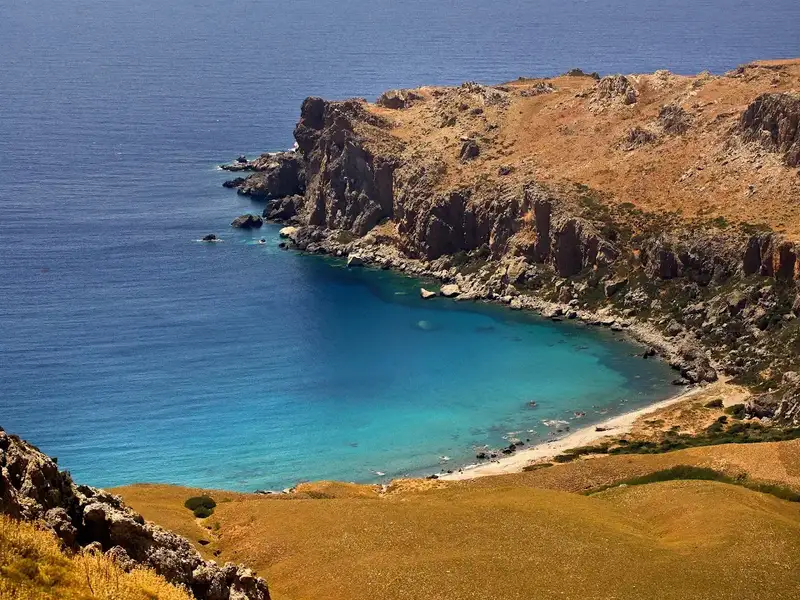
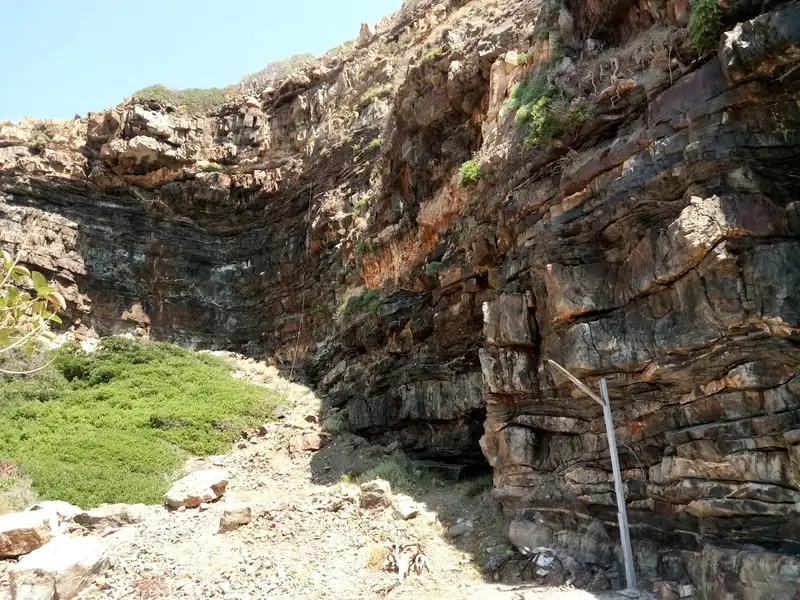
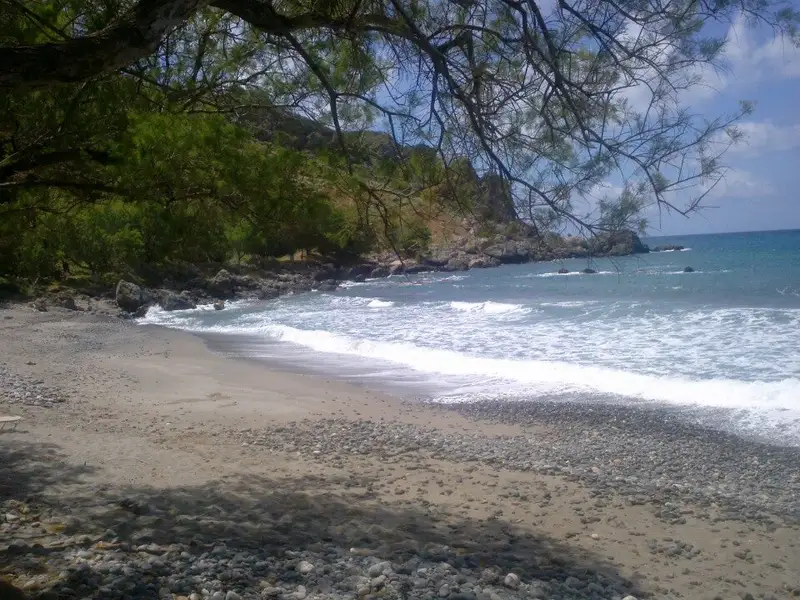
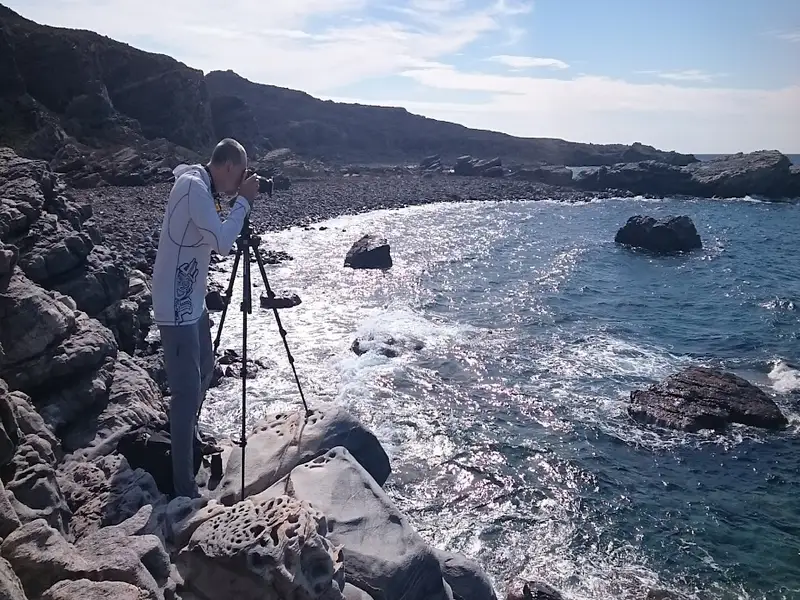
Platanakia is a secluded cove, often deserted, and guarded by towering cliffs. The beach is a mix of sandy and stony patches, making it a perfect retreat for those seeking solitude, even in the height of summer. Nearby trees provide natural shade to beachgoers.
To reach the beach from Kambos village on foot, one must traverse the lush, two-hour path through the gorge, which is adorned with plane trees and has a river flowing throughout the year.
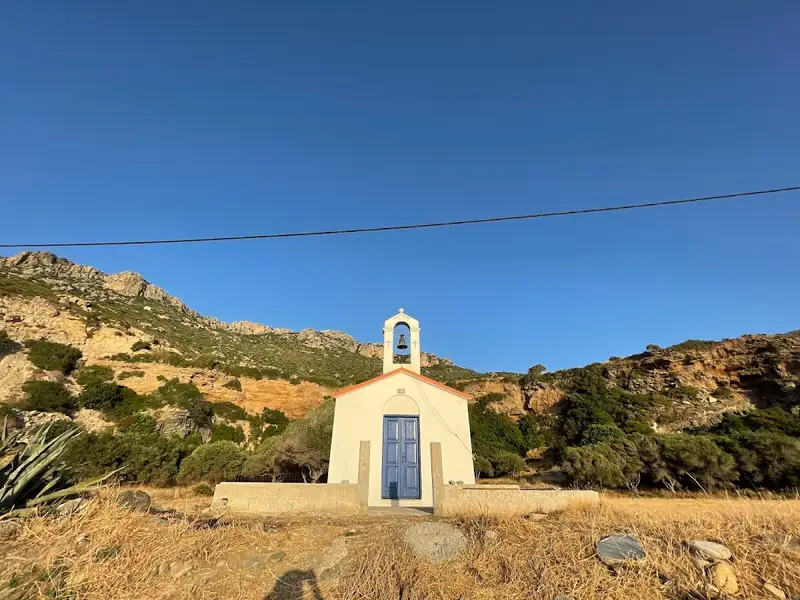
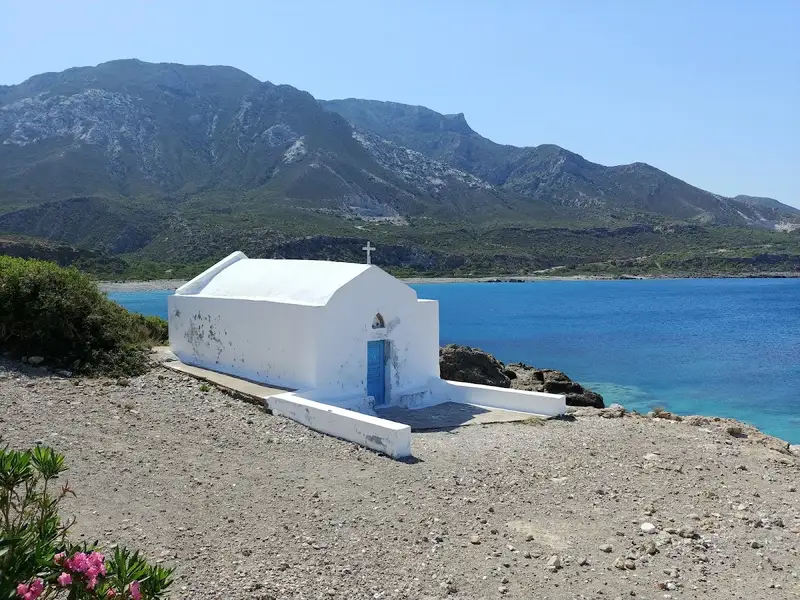
Adventurous travelers equipped with a 4×4 vehicle can opt for an offroad journey to the beach via a dirt track starting from Kambos. This route involves crossing fences installed by goat and sheep herders; please ensure they remain closed to prevent livestock from straying. The journey concludes at the picturesque, unexplored surroundings of Platanakia. Park your vehicle at the final plateau, near the visually striking cave chapel of Agia Ekaterini and Agia Marina, and descend the path directly to the beach below. Chances are, you’ll have the place to yourself!
The attractive Sfinari beach is tucked behind the northern rocky side of Platanakia beach (Cape Korakas) and is a 20-minute walk to the north of the beach.
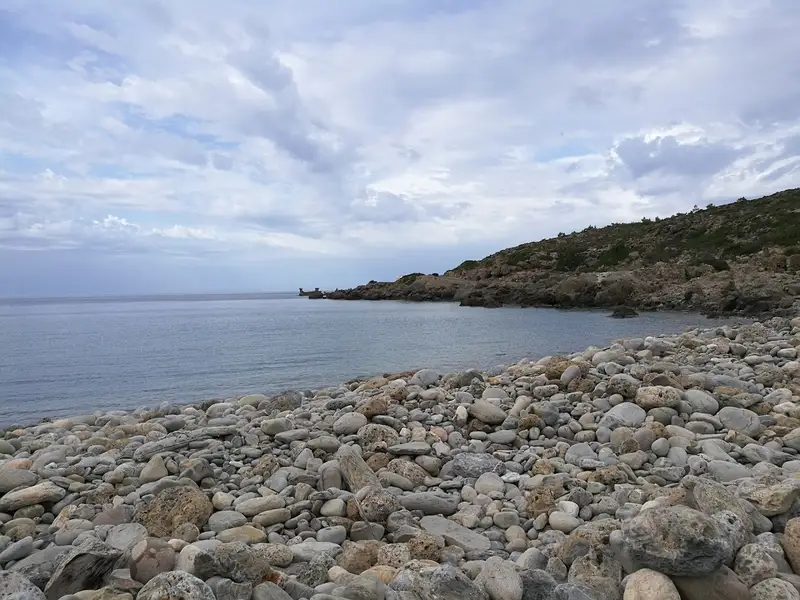
Gylisma, also known as Kambos or Afratolaki, is a stony beach nestled 69km southwest of Chania city and 29km south of Kissamos, in proximity to the village of Kambos. The beach, characterized by its coarse pebbles, is not particularly suited for swimming, especially for families on windy days due to the high waves. The locals of Kambos mainly frequent it on calm days.
Afratolakki is an excellent option for those seeking solitude. Although the beach has basic amenities for accommodation and food, it lacks facilities like umbrellas and sunbeds. The rocky seabed of Afratolakki makes it an ideal spot for snorkelling.
To access the beach, one must traverse a 4.5km poorly-maintained dirt track leading from Kambos village to the beach.
Kokkina Grema, a secluded beach known for its Red Cliffs, is located 55km west of Chania, 28km southwest of Kissamos, and 3km west of Platanos village. The beach’s name is derived from the reddish soil of the northern peninsula.
Situated at the exit of a tiny gorge from Platanos village, Kokkina Grema shapes the bay of Lygia. The beach, characterized by its ruggedness and pebbles, is an ideal spot for camping and solitude, although it may not be suitable for families with children due to the lack of facilities and shade. Visitors are advised to bring their own umbrellas.
Reaching Kokkina Grema can be challenging due to the poor condition of the dirt track leading from Platanos. However, the journey ends beautifully with the scenic chapel of Panagia situated on the beach.
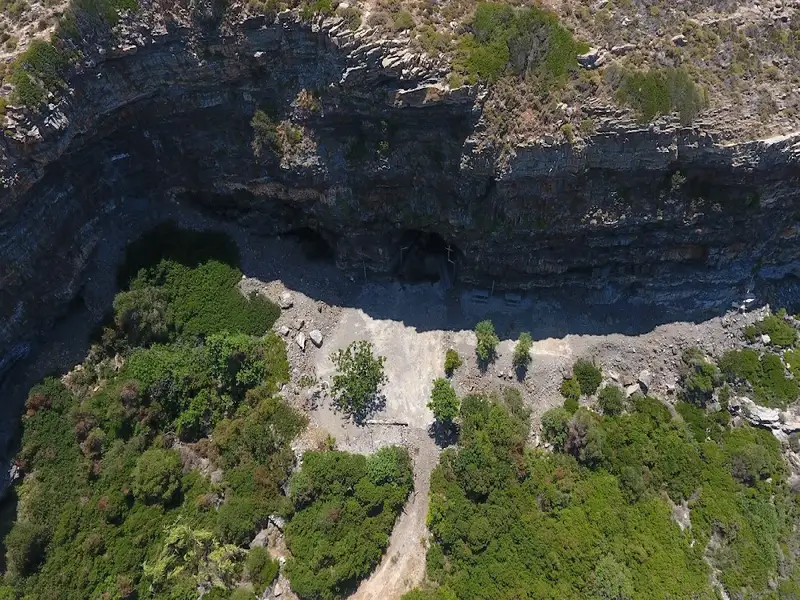
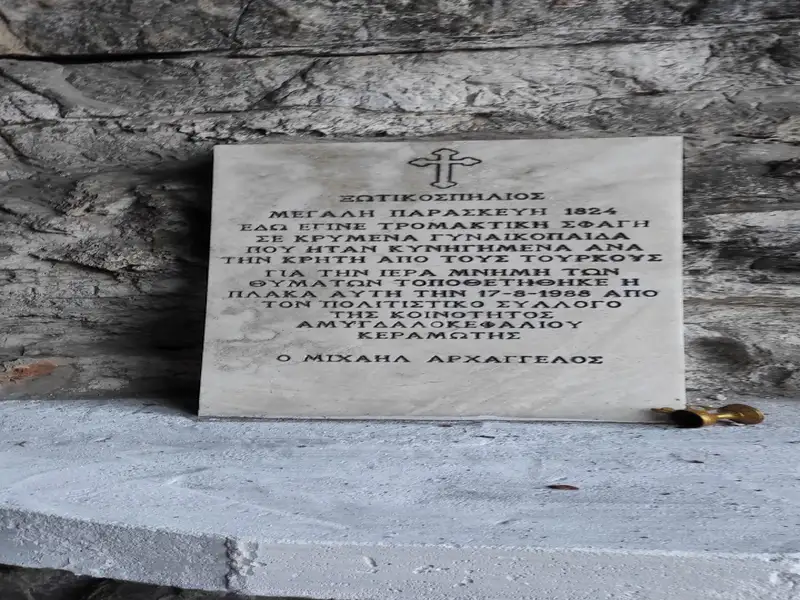
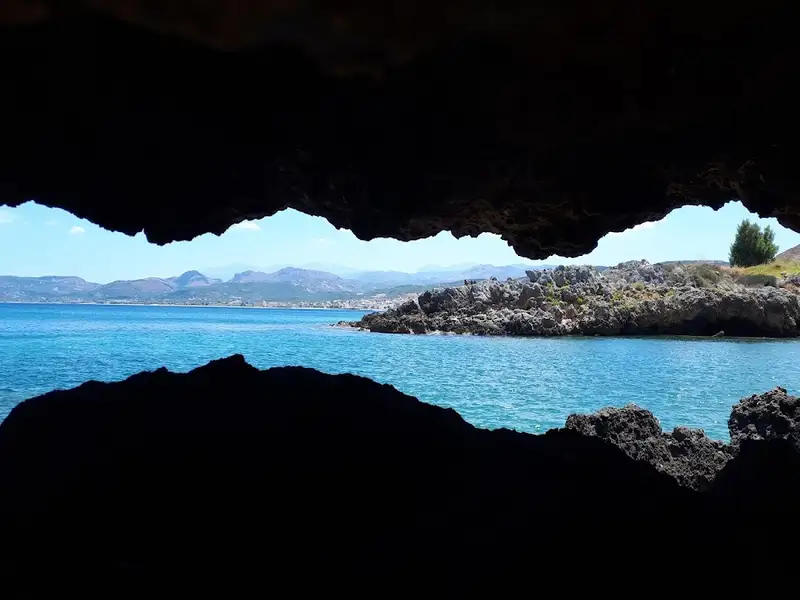
The Xotikospilio, translating to “the cave of elves”, is situated 70km southwest of Chania, 30km south of Kissamos, and approximately 1.5 km northwest of the village Keramoti. The name is derived from a local legend that suggests that elves inhabit the small cave adjacent to it. Visitors can explore the cave and observe the petite chapel built within it. The cave of Xotikospilios was the site of a tragic massacre on Good Friday of 1824, where Turkish forces murdered women and children taking refuge there post the Elafonissi slaughter.
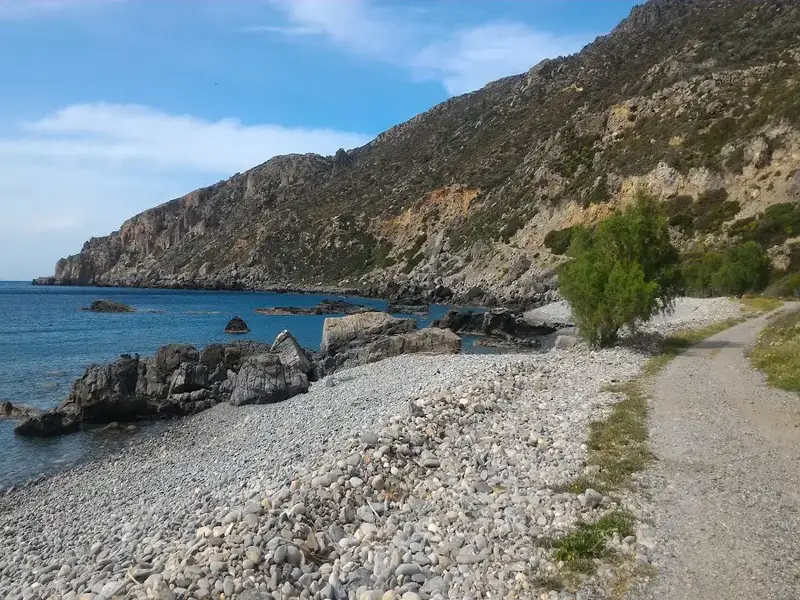
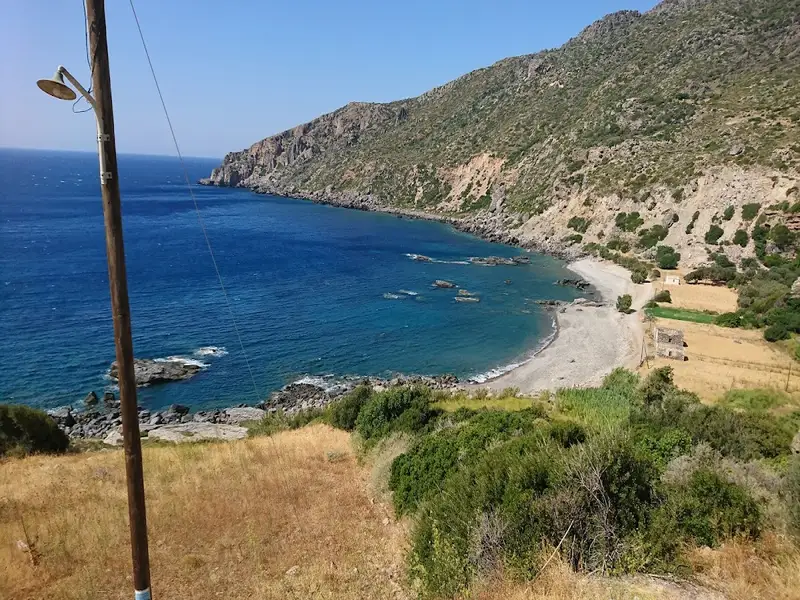
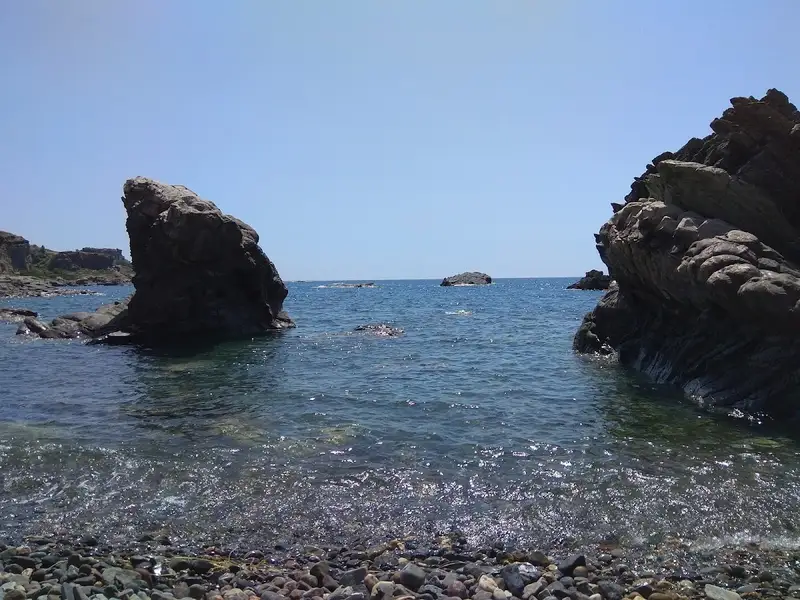
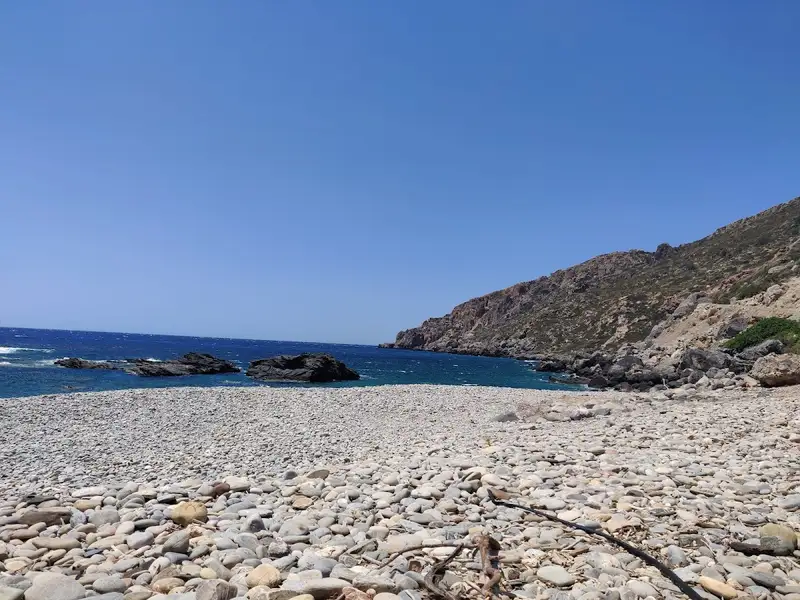
Nestled within a small rugged cove, this secluded beach is encapsulated by the untamed Cretan landscape. The beachfront is composed of large, round pebbles and lacks any nearby facilities. Its secluded nature makes it ideal for snorkelling and quiet moments, though the western Crete coastline’s waves can pose a challenge for swimmers. Access to Xotikospilio is possible via a dirt track, but it’s advisable to park your vehicle on the plateau before the beach instead of driving it all the way down.
The Keramoti beach, positioned adjacent to a village of the same name, is situated 75km southwest of Chania and 36km south of Kissamos. This medium-sized, pebbly beach is notable for its rocky areas and is well-known among the local populace. However, its rugged terrain may not be suitable for families. Despite the lack of beach amenities, its seclusion makes it an attractive getaway. Accommodation is available in the nearby villages of Keramoti and Livadia.
A stream, fed by mountain springs, runs alongside the beach, providing fresh water. The stream and underwater springs contribute to the cooling of the seawater.
Access to the beach is via a somewhat rough dirt track from Keramoti. The surrounding area is largely rocky, but the rock formations are truly spectacular.
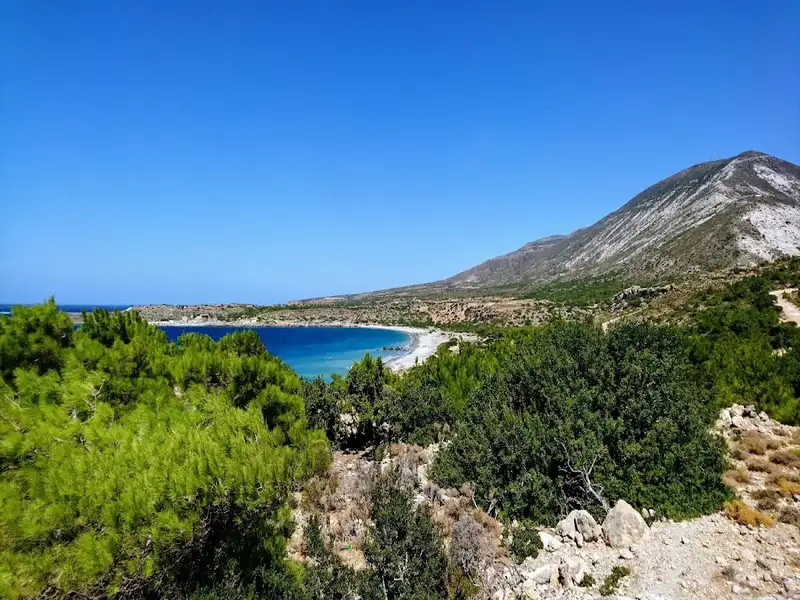

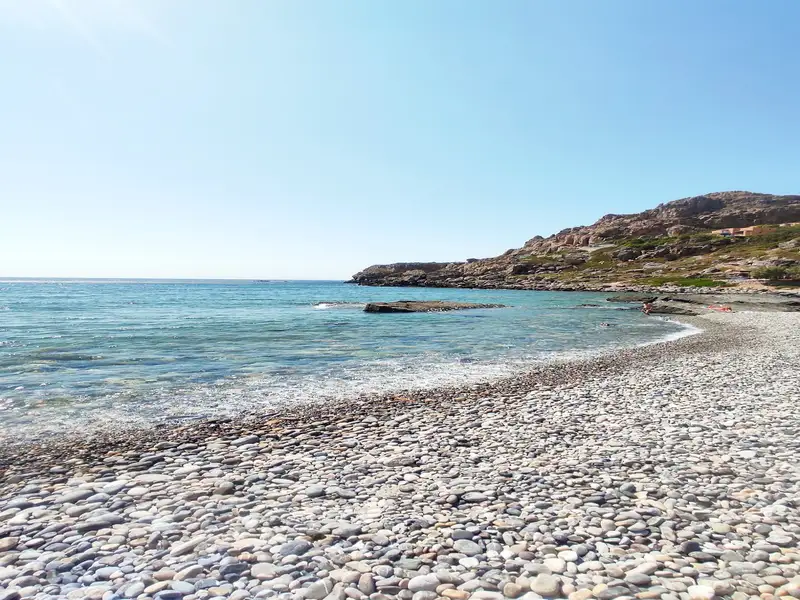
The Livadia coves, nestled near the Livadia village, are situated 72km southwest of Chania and 31km south of Kissamos. These coves don’t usually feature on a visitor’s itinerary due to their rocky and wavy terrain, a characteristic of most beaches on the western side of Crete. However, these coves are a favorite among the locals and visitors of Livadia village and those who prefer solitude. The village offers limited tourist amenities. On calm days, the Livadia coastline is a dream destination for snorkelling enthusiasts.
The Livadia village is situated along the E4 European hiking path – a coastal trail renowned for its extraordinary natural beauty. The trail commences at the Sfinari village and passes through Livadia and Chrissoskalitisa villages before culminating at the Elafonisi beach. The trail embodies the rugged charm of Crete, with the landscape alternating between olive and locust trees and weather-beaten rocks of black and red volcanic lava.
To reach the beaches, one can stroll along the Livadia village shoreline, pass the port, and arrive at the large black rock formations, recognized as a natural monument. Behind these rocks lie clusters of small ponds filled with greenish water. The sandy and pebbly coves make for a perfect spot for a rejuvenating swim. Alternatively, one can also swim at the pebbly beach within the small harbour of Livadia.
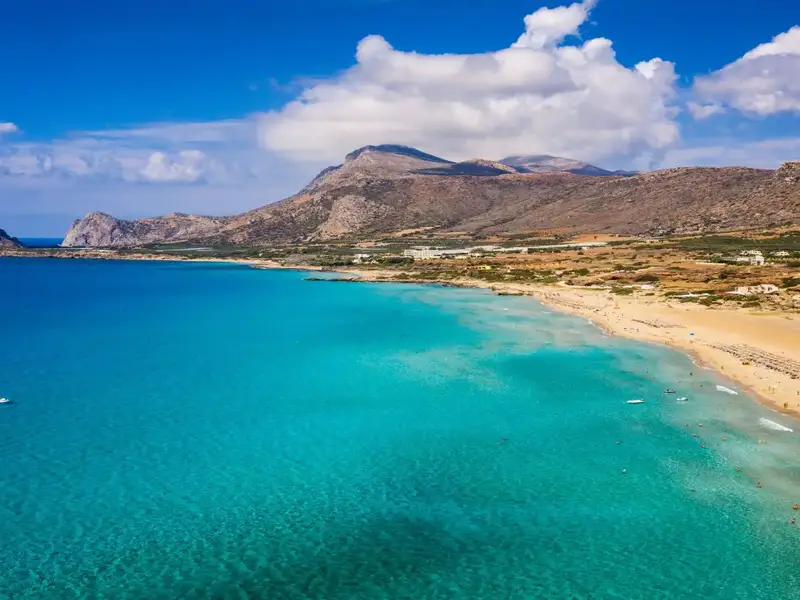
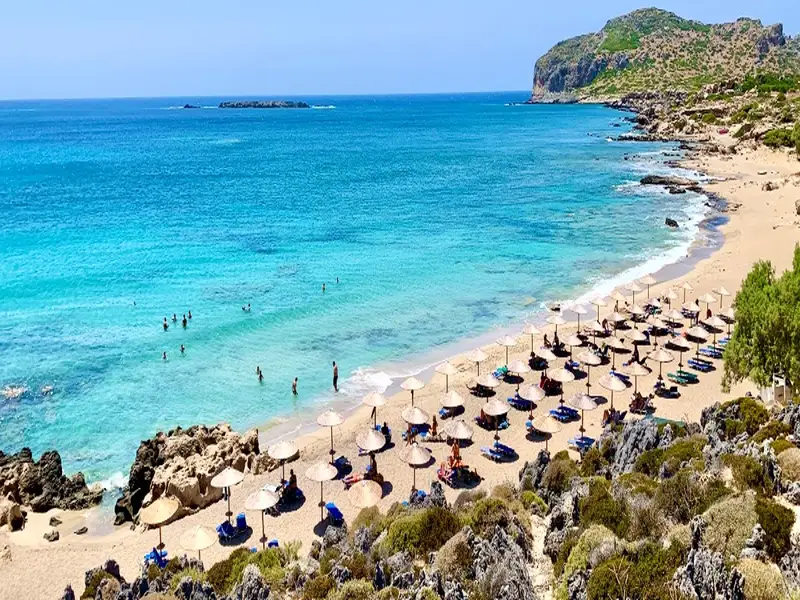
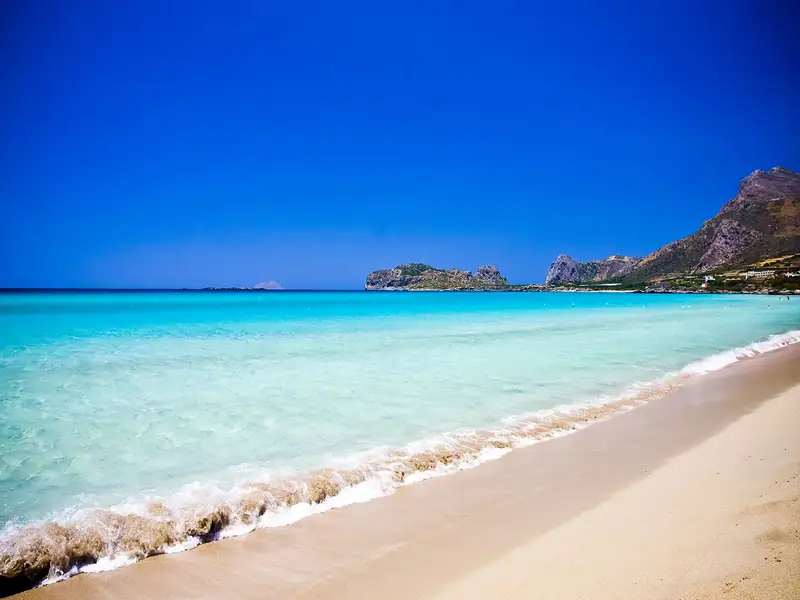
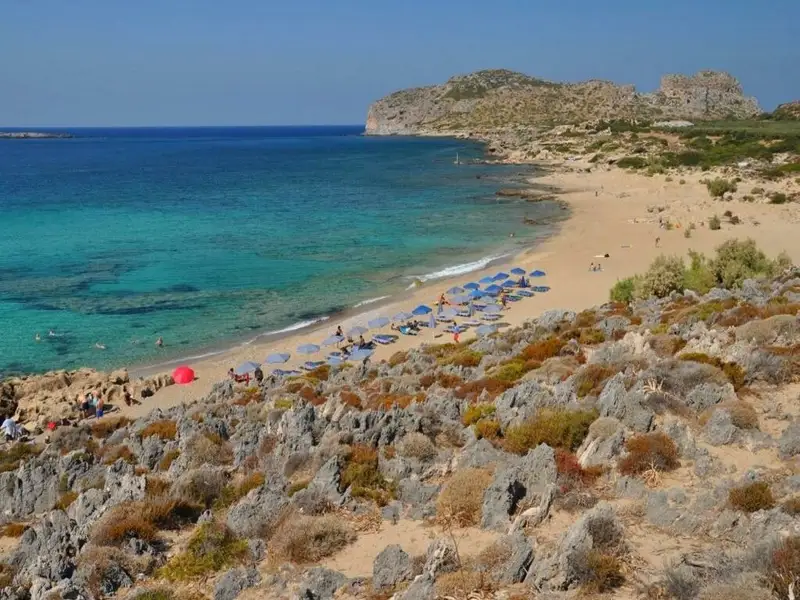
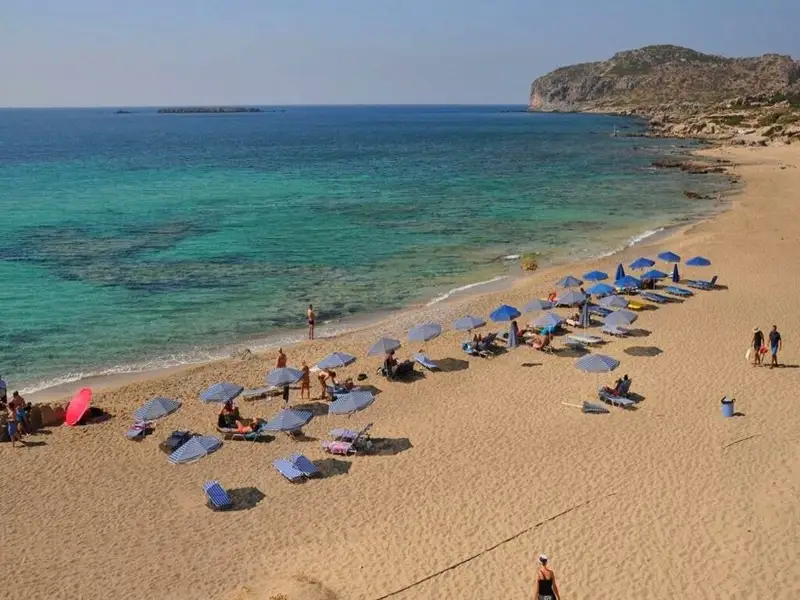
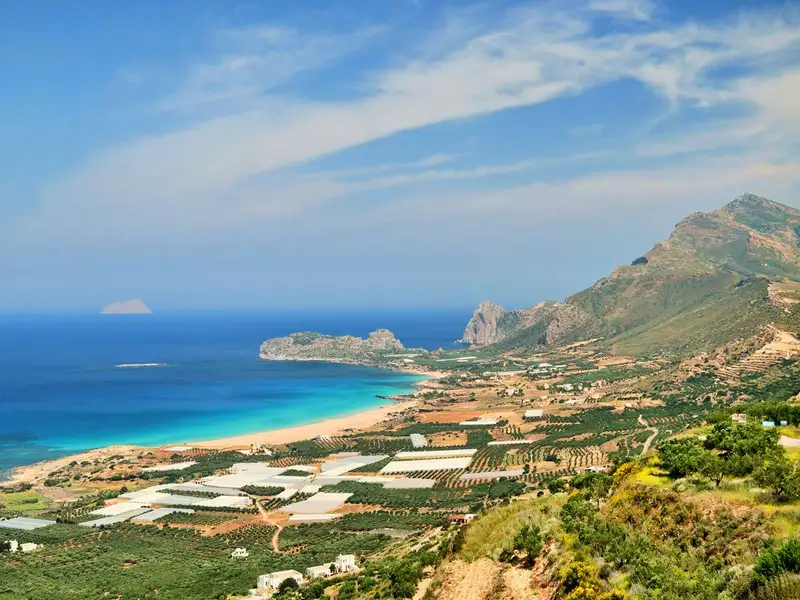
Falassarna is a run of five consecutive beaches on the north-west tip of Crete, about 59 km west of Chania and 17 km west of Kissamos at the western end of the Gramvousa peninsula. Falassarna has been voted the best beach in Crete and named among the ten best in Europe, and the ruins of the ancient Greco-Roman city of Phalassarna sit at its northern end. The area spreads across a wide bay, and the two central beaches draw the most visitors.
The sand at Falassarna is whitish to golden, which gives the shallows a bright, tropical, turquoise colour. Close to the shoreline the sand often carries a faint pink tint, from tiny crushed shells mixed through it, and the tint shows most when the sand is wet. The main beach faces due west, so the sea is usually lively and can turn wavy on windy afternoons, a trait that windsurfers and kitesurfers prize. On calm days the water is clear and easy for swimming.
Falassarna is not one beach but five, set side by side along the bay:
To reach Falassarna beach the easy way, drive the scenic road through olive groves from Chania, which takes about 1 to 1.5 hours and ends at large parking areas next to the main beach. Renting a car lets you pair Falassarna with the quieter coves and the ancient site nearby, which you can arrange through car rental in Crete. Without your own transport, take the KTEL bus from Chania or Kissamos, which runs several times a day through the summer and takes roughly 1 hour 30 minutes from Chania.
The best time to visit Falassarna is from May to October, when the weather is warm and the beach bars and tavernas are open; from November to April most businesses close, though you can still reach the beach by car. Come in the late afternoon and stay for the sunset, which is considered the best in Crete because the open western horizon lets you watch the sun sink straight into the sea.
The main beach, Pachia Ammos, is a Blue Flag beach and the organised part of Falassarna, with sunbeds and umbrellas, snack bars and tavernas, water sports and a beach volleyball court; lifeguards cover the busier sections in summer. It is one of the island’s Blue Flag beaches in Crete. The northern coves and the southern pebble beaches have few or no services, so bring water and shade if you head to the quieter ends. The whole bay sits inside a Natura-protected nature reserve.
Ancient Phalassarna was a Dorian port city at the northern end of the beach that grew into a strong regional naval power by the 4th century BC before the Romans destroyed it. A later earthquake lifted the coastline several metres, so the ancient harbour now sits on dry land, and excavations that began in the 1960s have uncovered walls, tombs and a stone throne.
Falassarna beach is on the north-west tip of Crete, about 59 km west of Chania and 17 km west of Kissamos, at the western end of the Gramvousa peninsula.
The easiest way to reach Falassarna is by car, about 1 to 1.5 hours from Chania through olive groves, with large parking areas by the main beach. A KTEL bus also runs from Chania and Kissamos several times a day in summer, taking roughly 1 hour 30 minutes.
Falassarna is known for its long white-sand main beach, clear turquoise water and its sunset, which is rated the best in Crete. It has been voted the best beach in Crete and among the ten best in Europe.
The sand is mainly whitish to golden with a faint pink tint near the shoreline, from tiny crushed shells. The pink is softer than at Elafonisi and shows most when the sand is wet.
Yes, the main beach shelves gently into shallow water that suits children, and the organised section has sunbeds, food and water sports. The beach faces west, so it can get wavy on windy days; keep an eye on young swimmers then.
No, Falassarna is a free public beach. You pay only for extras such as a sunbed and umbrella set or food and drinks.
The best time to visit is May to October, when the beach is warm and the bars and tavernas are open. Late afternoon is ideal, so you can stay for the sunset.
Falassarna faces due west and is exposed to the west wind, so the sea is often lively and can turn wavy on windy afternoons. Those conditions make it a favourite with windsurfers and kitesurfers.
The main beach has sunbeds and umbrellas, snack bars and tavernas, water sports and a beach volleyball court, and it flies a Blue Flag. The northern and southern coves have few or no services, so bring your own water and shade there.
Yes, Falassarna is made up of five beaches side by side: the main Pachia Ammos, the quieter 800 m north beach, a small south-facing cove by the ancient site, sandy Livadi to the south, and a pebbly beach near the small harbour.
Stomio, situated 74km to the south of Chania and 1km to the north of the Chrisoskalitissa monastery, forms part of the broader Elafonissi area. It’s not a favorite spot for tourists due to its rocky and often wavy appearance. The beach features large pebbles and patches of sand, making it a suitable choice for those seeking seclusion, though not ideal for families. The water here is rather cold and the sea deep.
The name ‘Stomio’ translates to ‘mouth’ and can be attributed to the river mouth from the village of Vathi that exits at this point. The river’s water is stored in the local reservoir. The beach is not equipped with any amenities, but there is a small tavern close by. The beach is conveniently accessible as it’s adjacent to the main road that links Chania with Chrisoskalitissa and Elafonissi.
Close to Stomio, one can find the old plaster factory, now deserted. There were attempts to revive the factory in 2010, but local residents objected to the financial lobbies and hindered its reestablishment. Also present is the picturesque chapel of Agii Theodori. Across the bay, a lovely pine grove stretches towards the mountain.
Situated directly in front of the town of Kissamos, and 36km west of Chania, you’ll find Mavros Molos beach, also known as the ‘black jetty’. This long bay is historically significant, with remnants of the ancient port of Kissamos discovered here. As the primary beach of Kissamos town, it attracts the highest number of swimmers in the region. Its fine sand and shallow waters make it an ideal spot for families and children. Adjacent to the beach, a variety of cafes, restaurants and hotels can be found. Facilities such as umbrellas, sunbeds, lifeguard services and showers are available for beachgoers. Additionally, tamarisk trees offer natural shade.
To the west of the main beach, Mavros Molo’s features a smaller, pebbly and rocky cove. This secluded spot rarely gets crowded, making it perfect for snorkelling.
No results available
© All rights reserved. Crete Locals