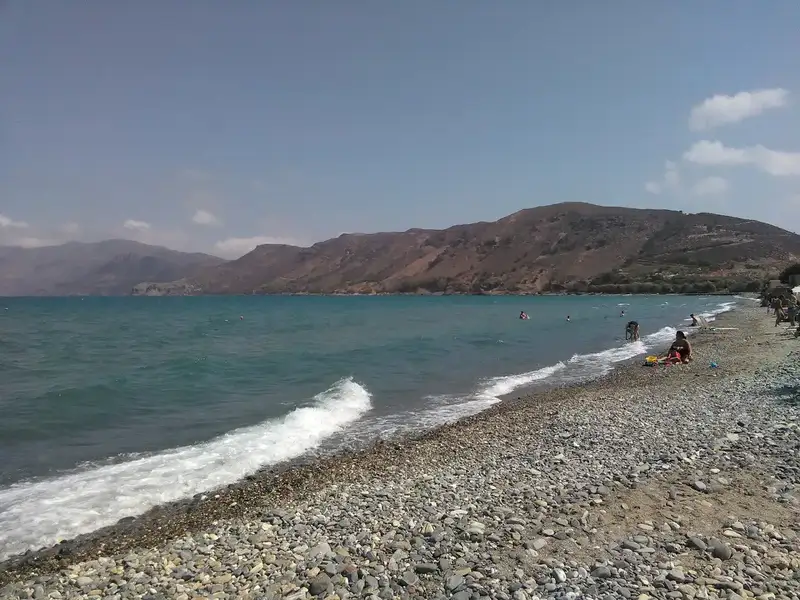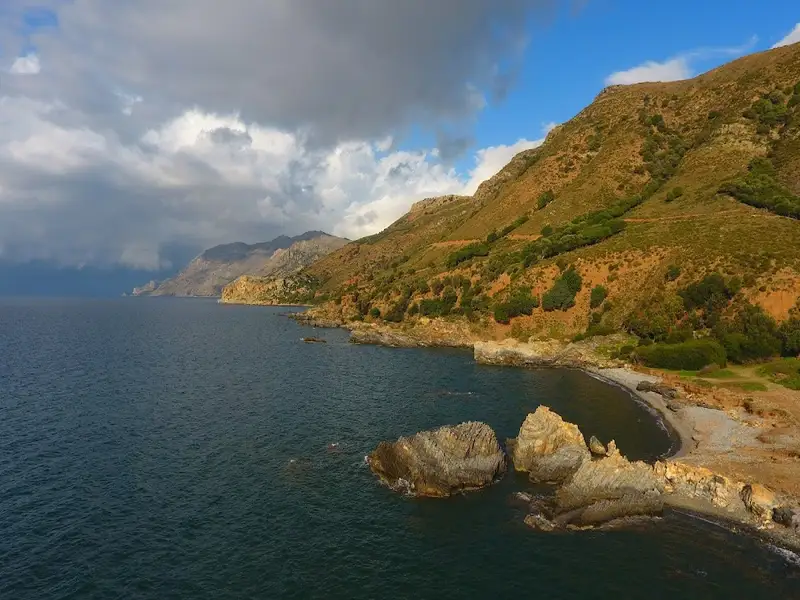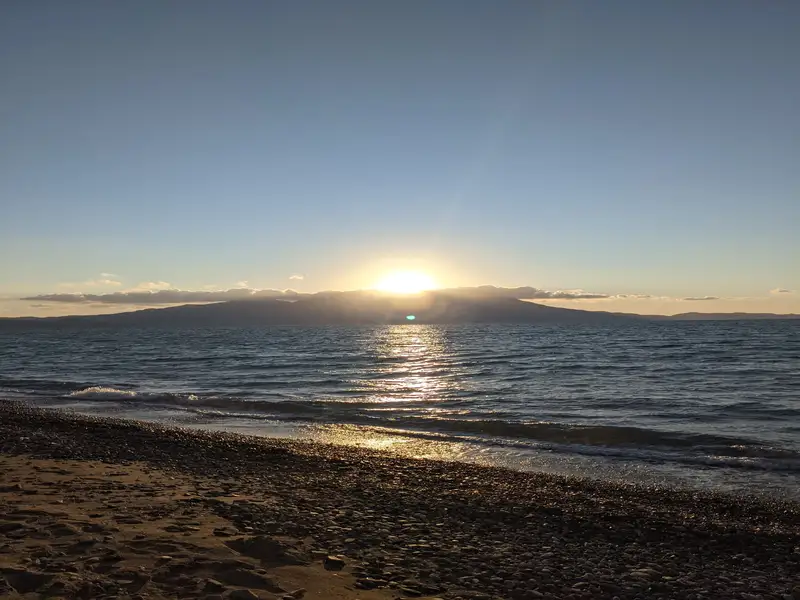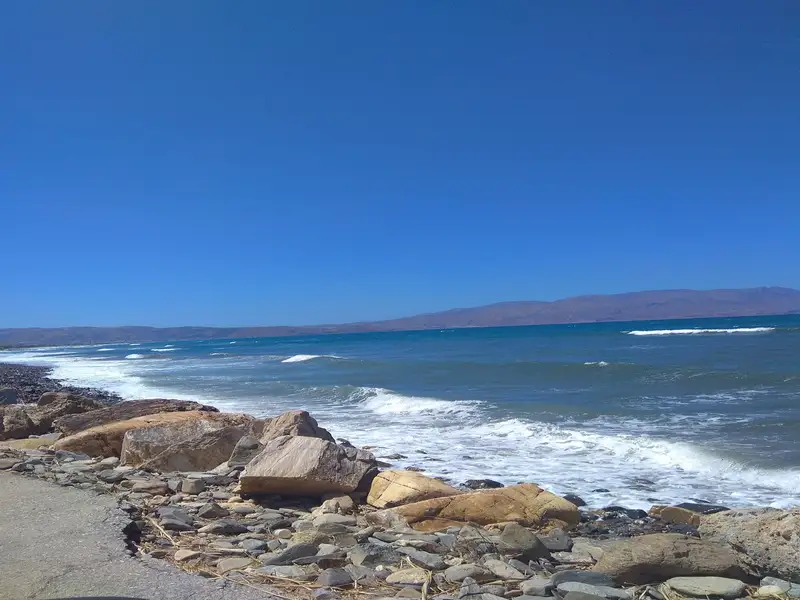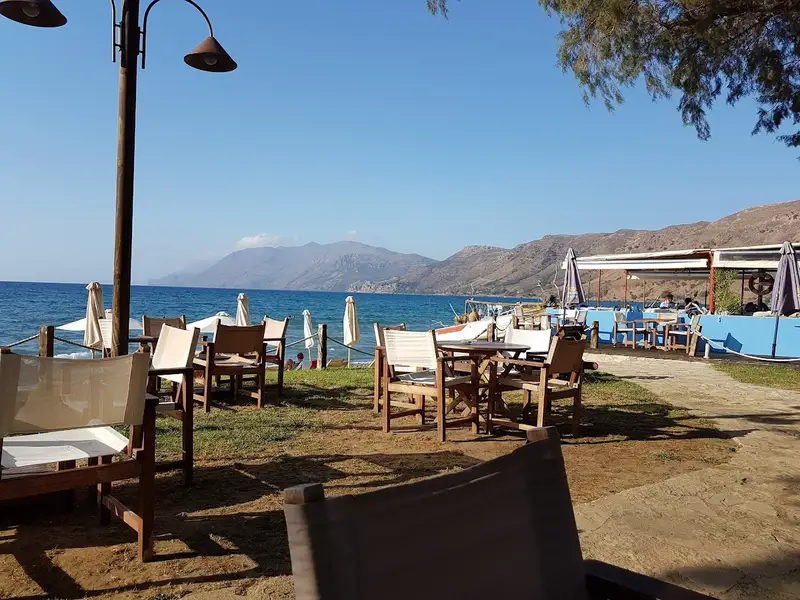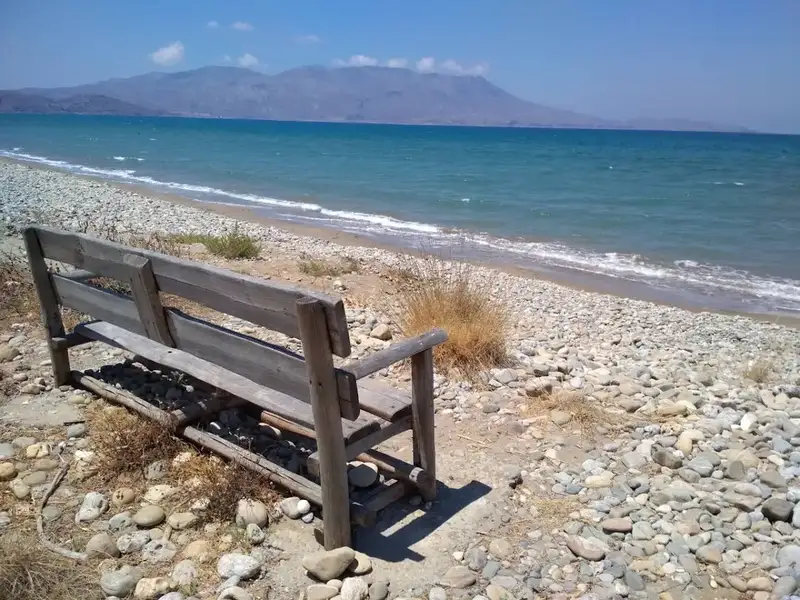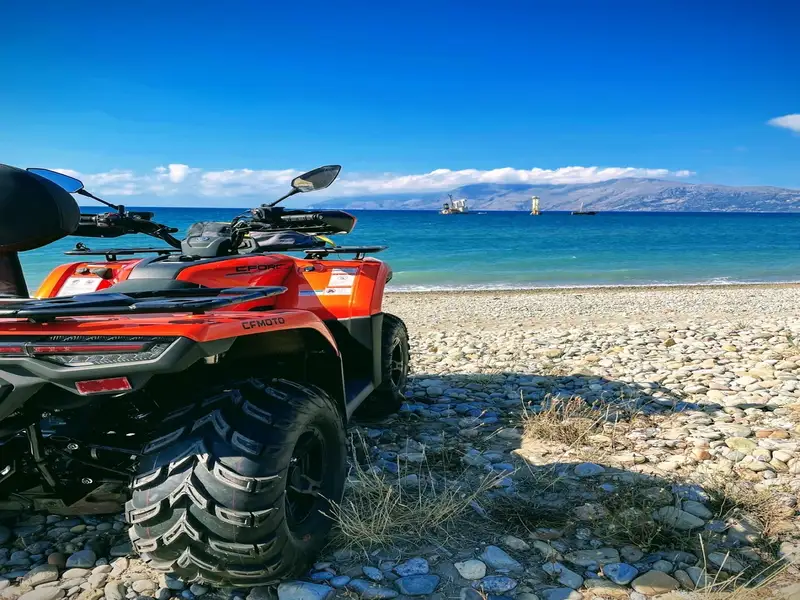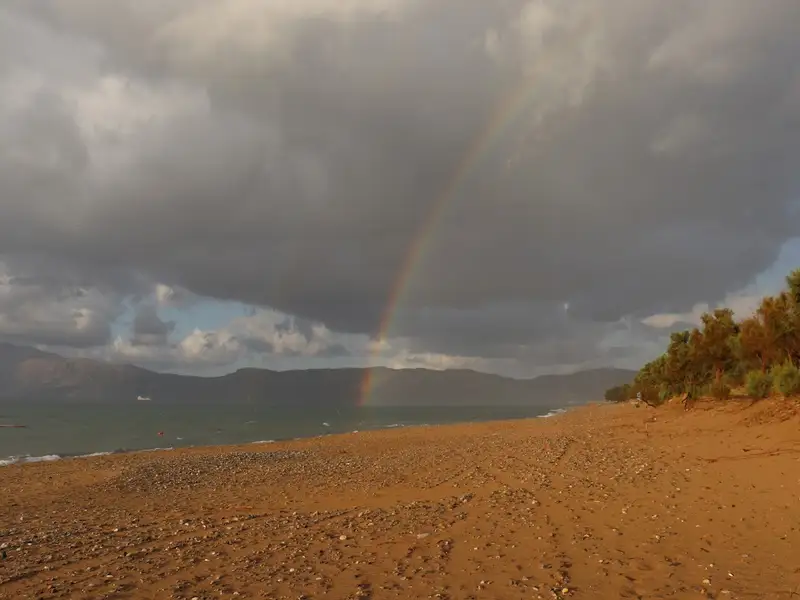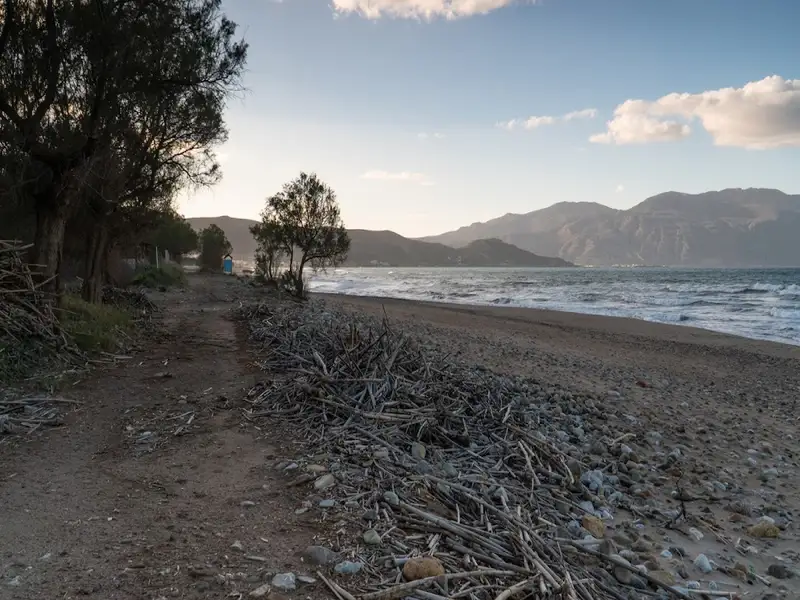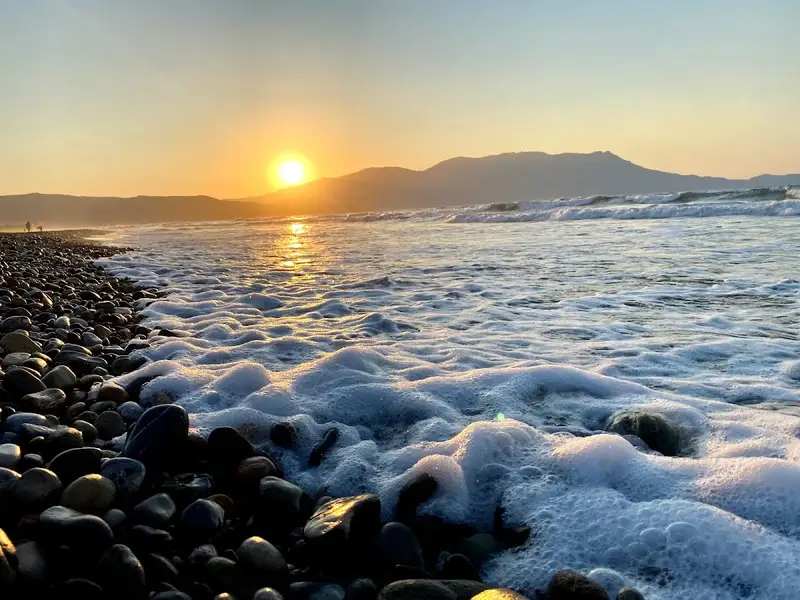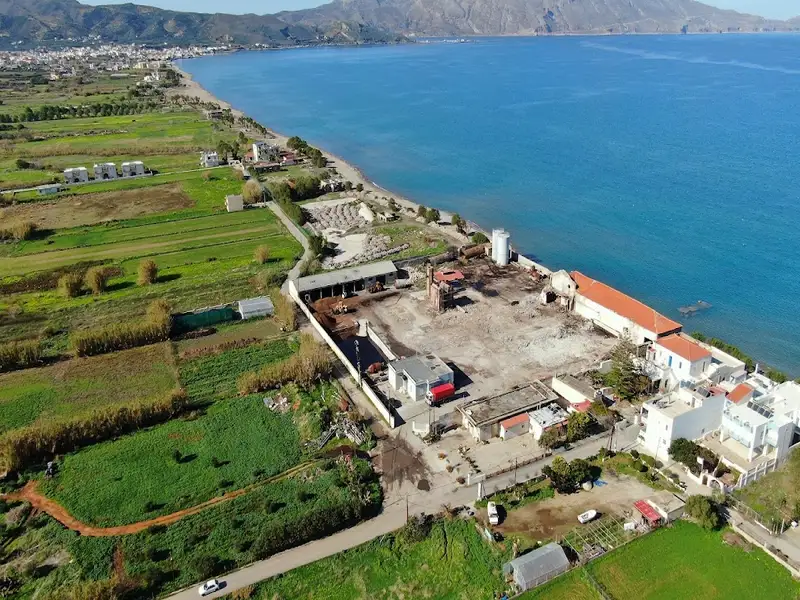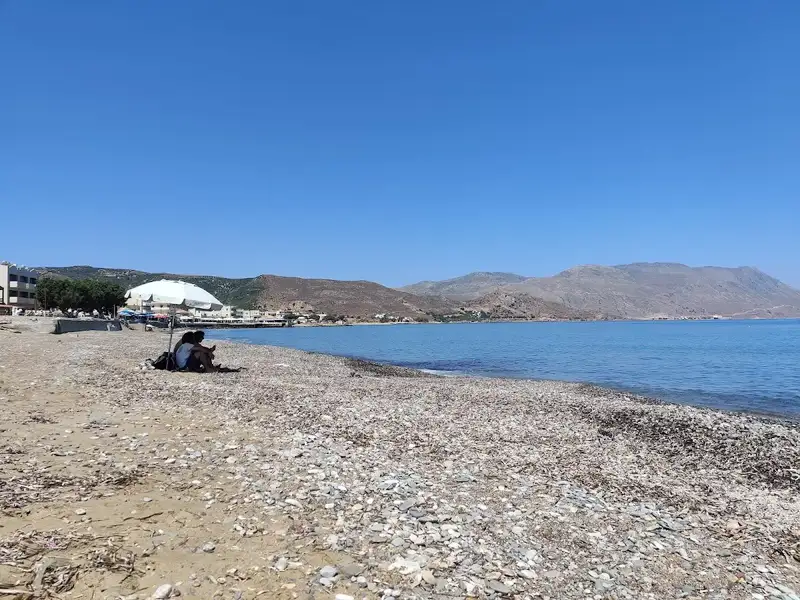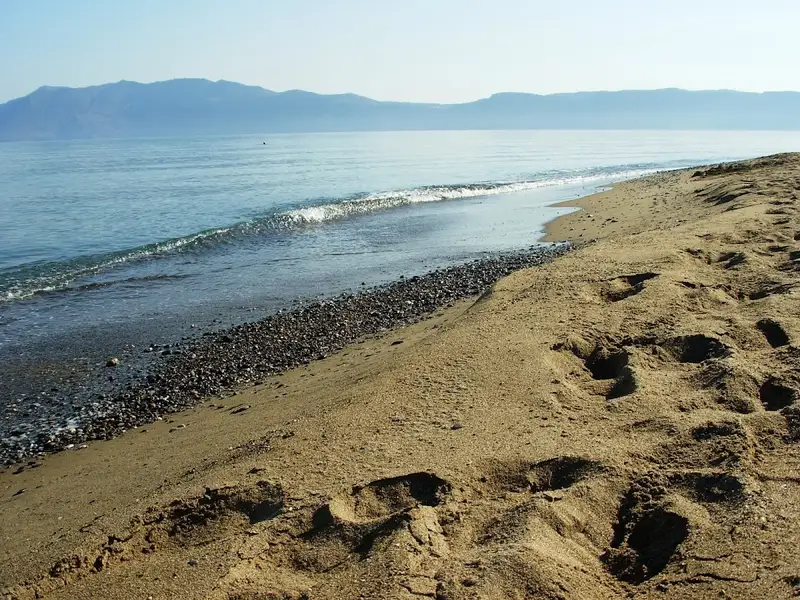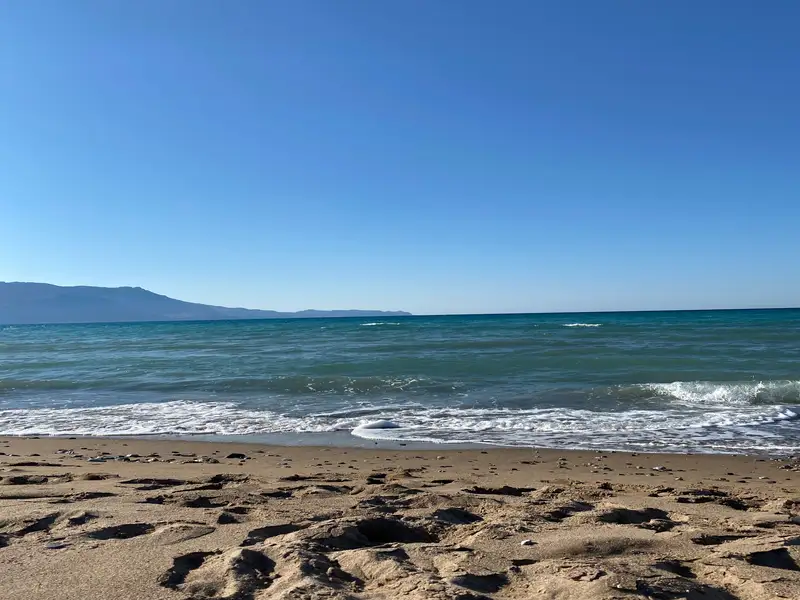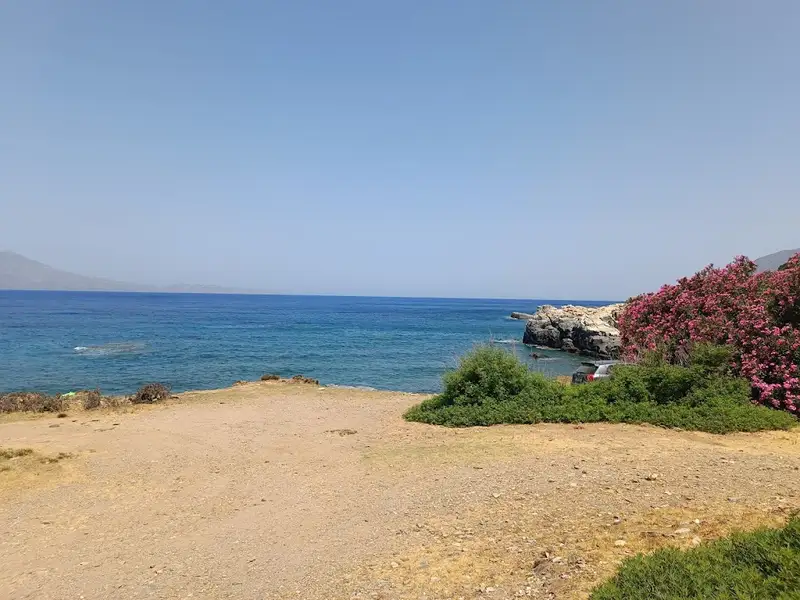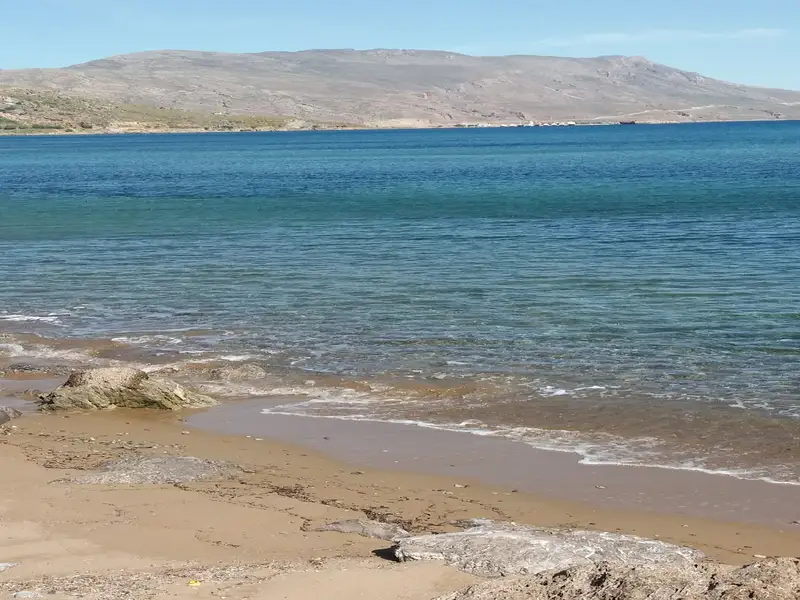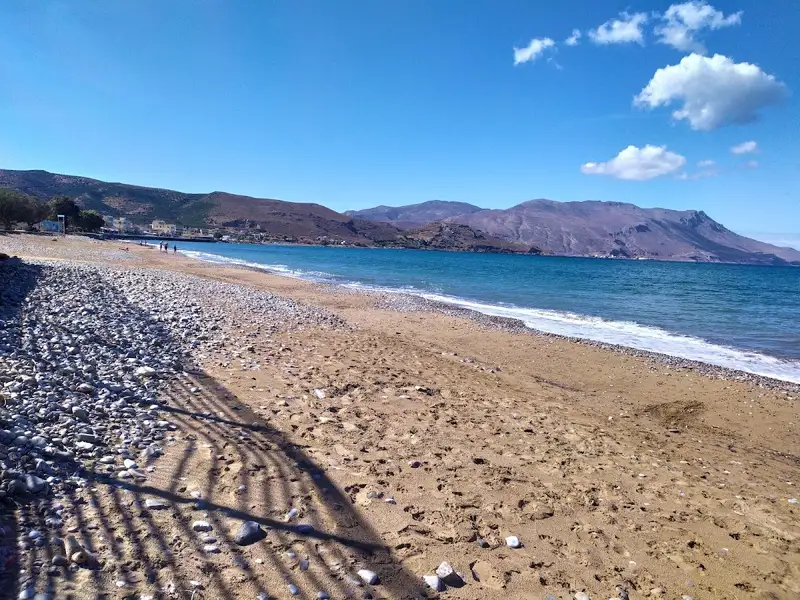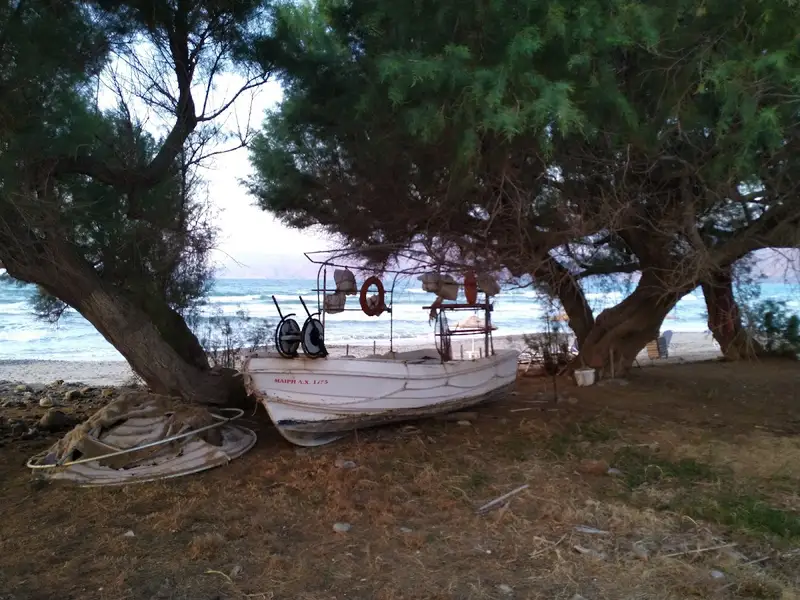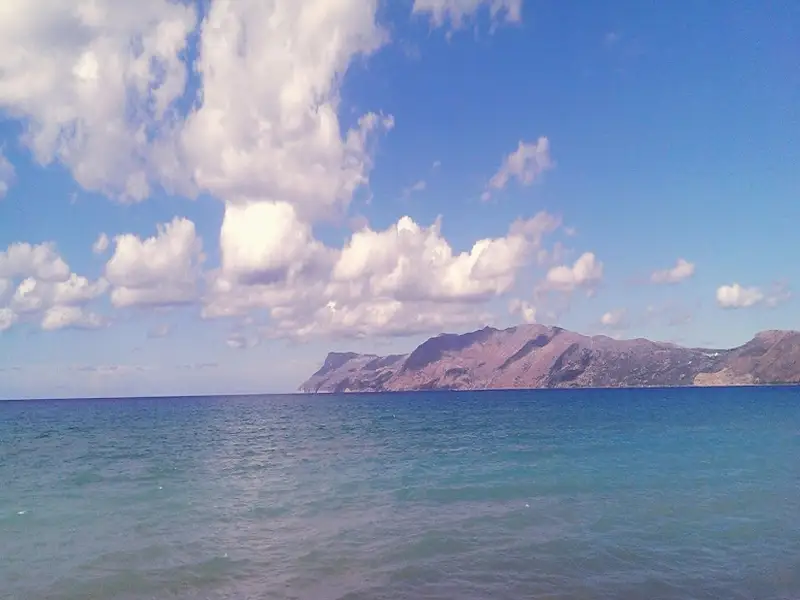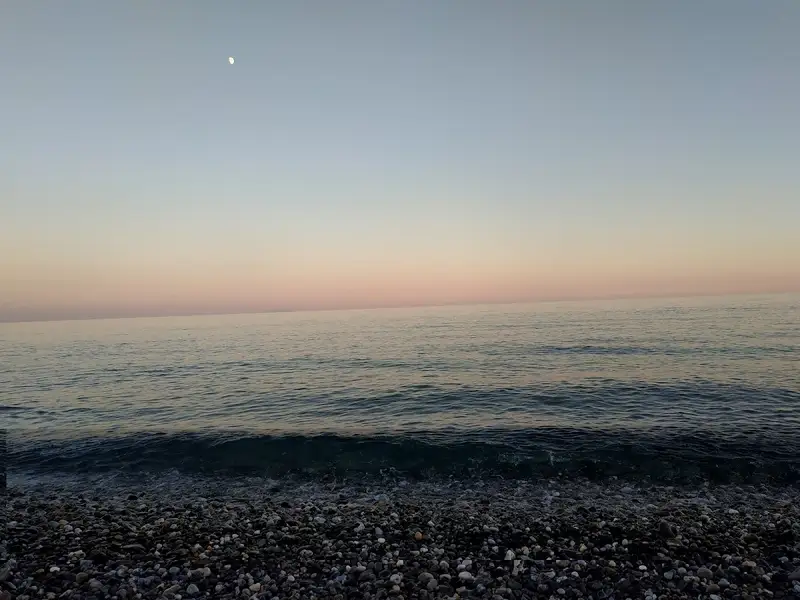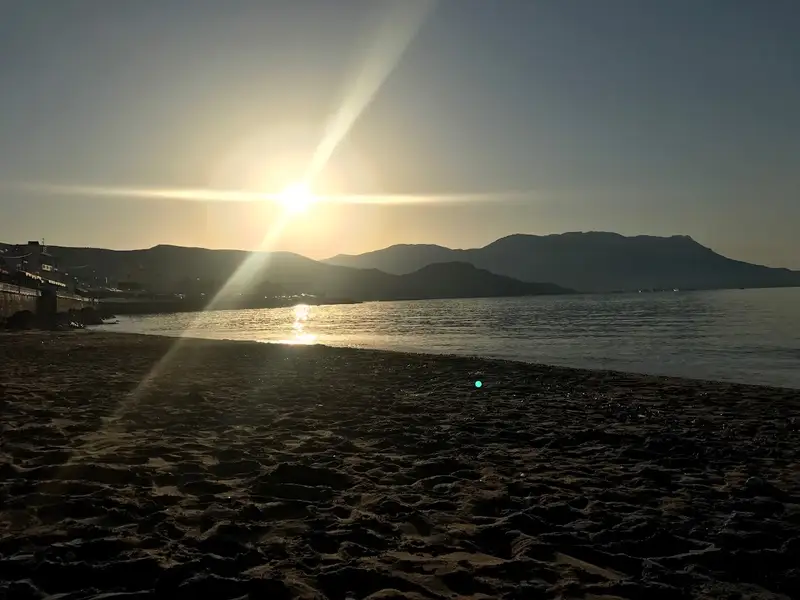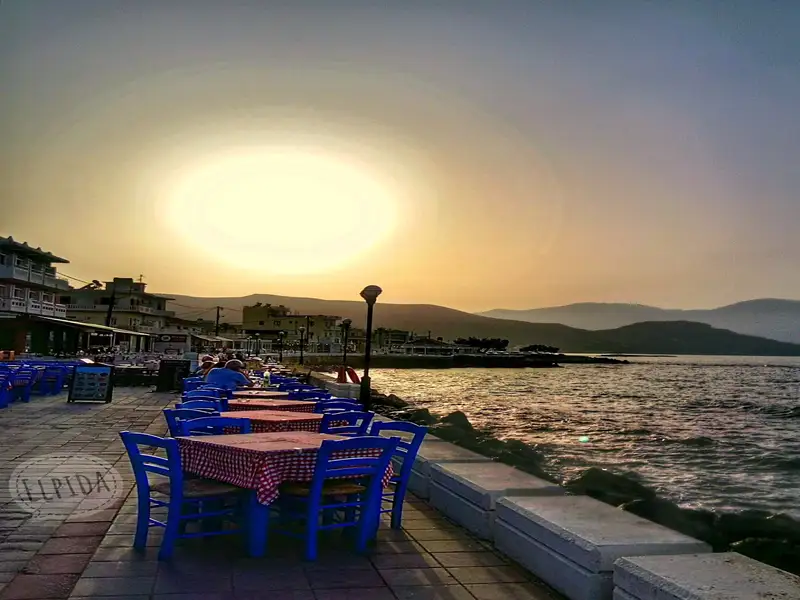
Nopigia, a coastal village, is situated 6km east of Kissamos and 30km west of the city of Chania. Nestled on the eastern side of Kissamos Bay, it sits adjacent to the base of Rodopos Cape and follows the eastern end of Drapanias beach.
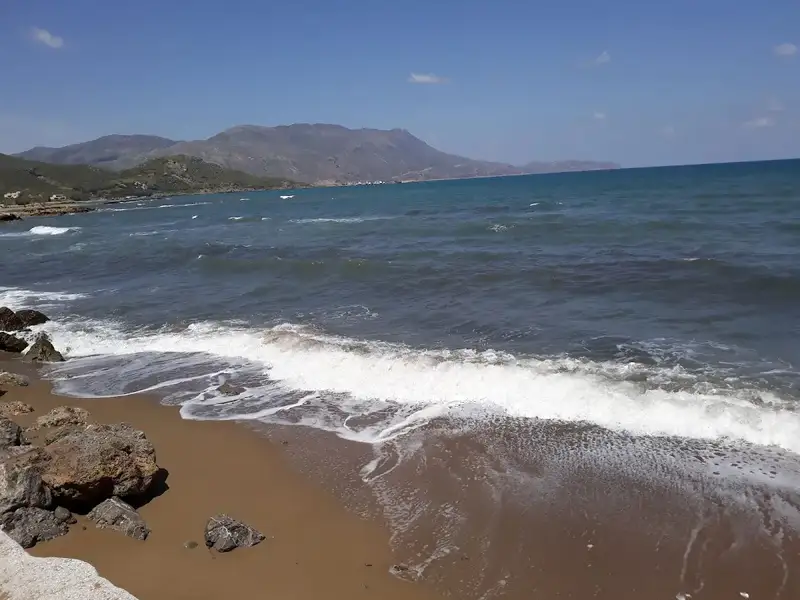
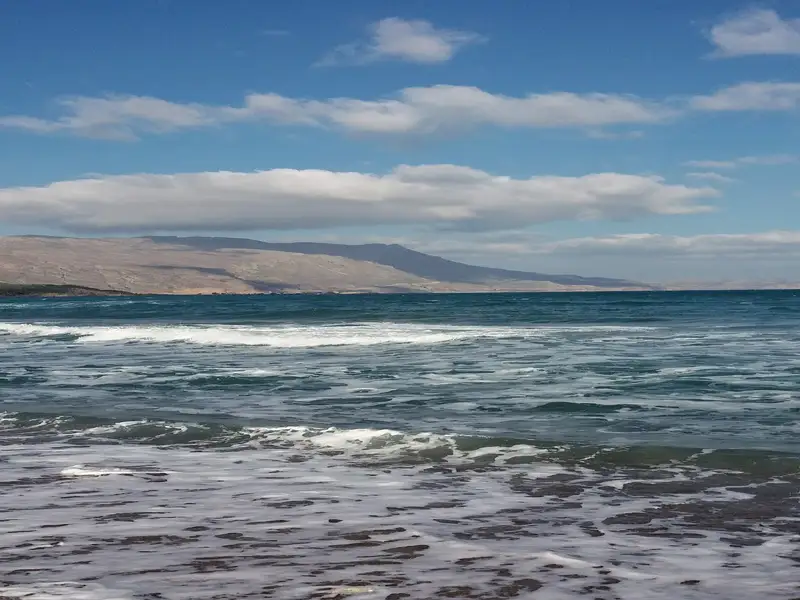
A long beach lies ahead of the village, stretching westwards up to Kissamos. The beach boasts sandy shores with clear, shallow waters. As Nopigia village is close by, visitors can easily access facilities like umbrellas, showers, restaurants and accommodation, all set in a peaceful environment.
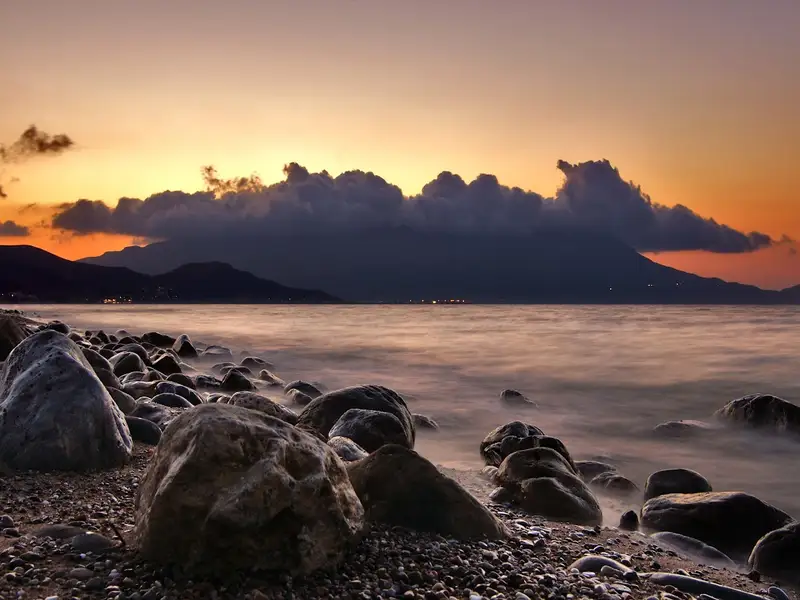
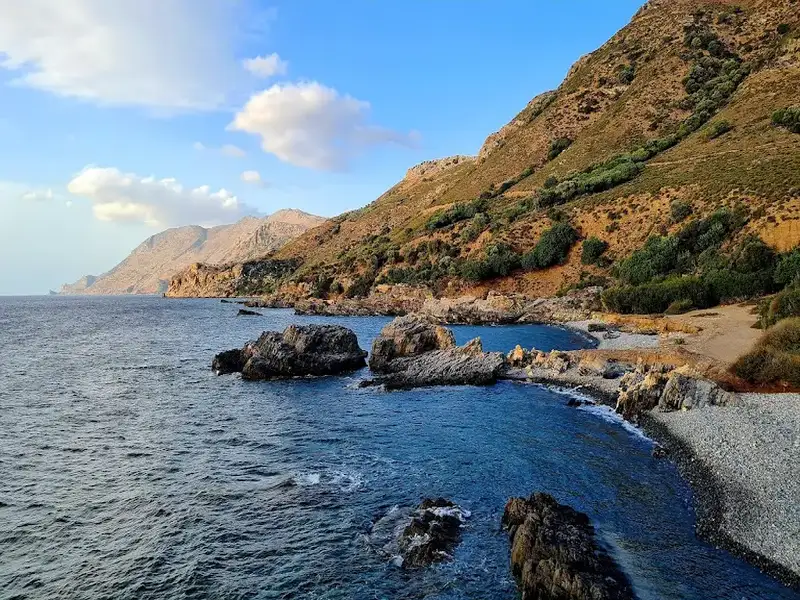
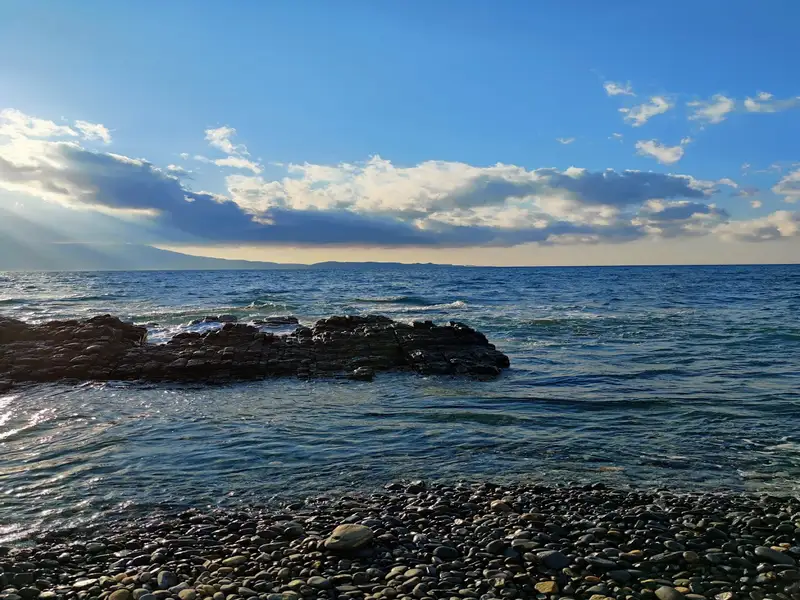
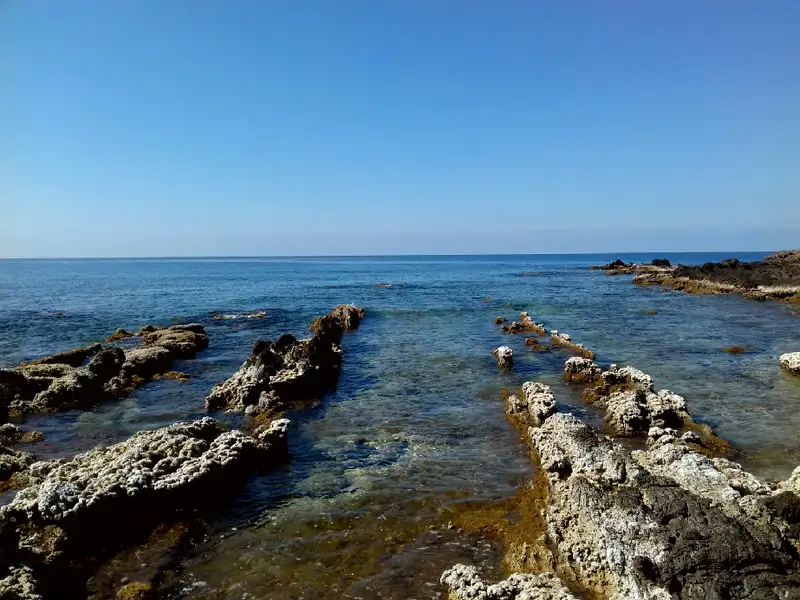
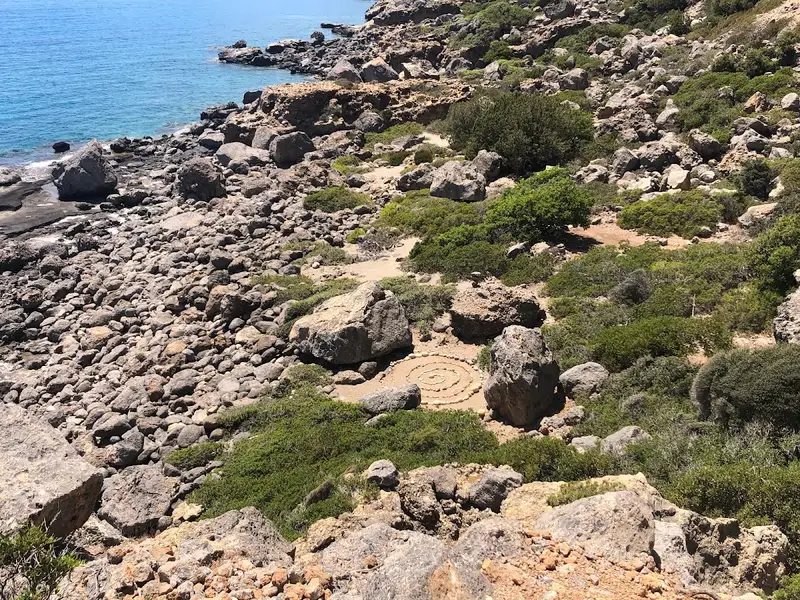
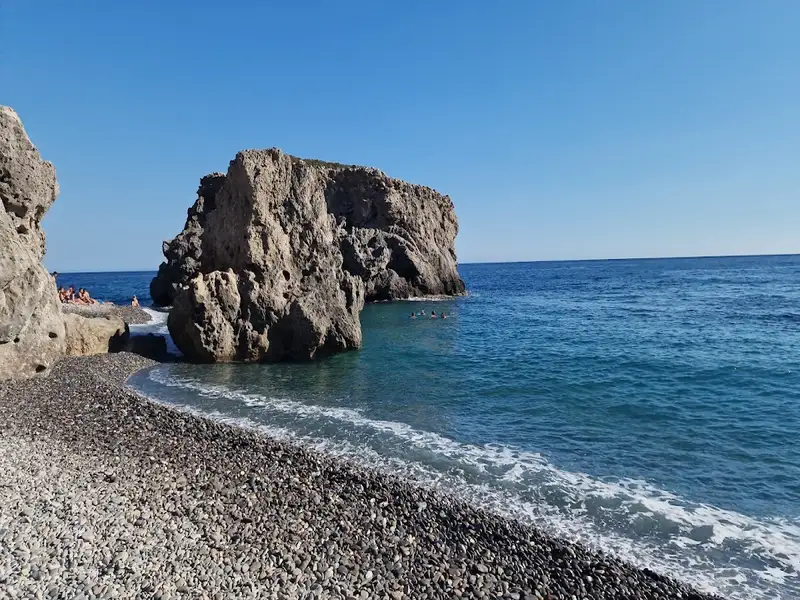
To the east, the beach becomes rockier and more secluded, presenting several pebbly and rocky coves. After walking 2km, you will come across the church of Panagia and the beautiful remote beaches of Choni.
Nopigia is believed to have a history dating back to ancient times. Local folklore suggests that upon Agamemnon’s return from Troy, he landed in the area to give offerings to the gods. However, he had to leave swiftly due to the Trojan prisoners’ attempt to burn his fleet.
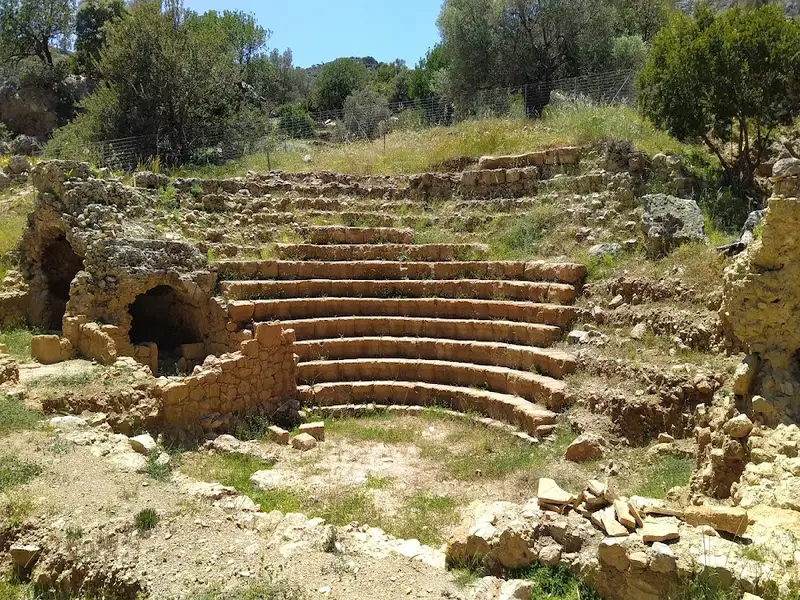
Not far from Nopigia, following the road to Koleni, you’ll find the ruins of the ancient town Mythimna, nestled amidst olive groves. You can also visit the cruciform Church of St. Panteleimon, which features a cylindrical dome and rectangular floor layout. To the west of Nopigia, ruins of a Roman settlement and a church adorned with Byzantine frescoes, dedicated to Saint George, can be found. Interestingly, the church’s orientation is from North to South, unlike the typical Greek Orthodox churches that face from East to West. This is believed to be due to its construction on the site of an earlier Roman temple, the direction of which was preserved. To the east of Nopigia, there is a small seaside theatre, built in 1992, modeled after ancient Greek theatres and renowned for its excellent acoustics. Lastly, just 200m off the main village street, you can explore the cave of Rizospilios, an underground river.
Drapanias Beach, situated 5km east of Kissamos and 32km west of Chania, lies between the beaches of Korfalonas and Nopigia. It takes its name from the eponymous village located approximately 1km south of the beach. The eastern part of the beach is also known as Kokkino Metohi, named after a nearby small village whose inhabitants own the surrounding land.
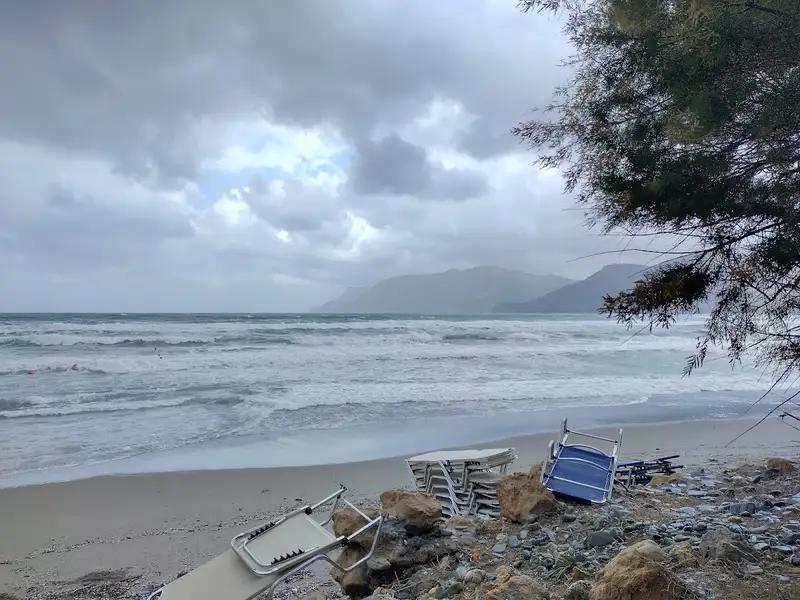
Stretching over a long area of 2km, Drapanias Beach is part of a large beach that extends from Kissamos to Cape Rodopos in the east. Like its neighbouring beaches, it is sandy and shallow but is often wavy due to the northern winds.
The shoreline of Drapanias is dotted with restaurants, cafes and lodgings. It also offers amenities such as umbrellas and showers. Additionally, there are two camping sites located in Drapanias.
Korfalonas beach, nestled between Livadia and Drapanias beaches, is situated 4.5km to the east of Kissamos and 32km to the west of Chania city. The beach takes its name from a nearby settlement of the same name, found a few kilometres to the south of the beach.
The beach of Korfalonas is characterized by its long stretch of sandy shore and shallow waters, forming a central part of the extensive beach that extends from Kissamos to Cape Rodopos. Despite its seclusion, it offers basic amenities such as umbrellas, showers, and nearby taverns and hotels.
Korfalonas is a perfect destination for those seeking a tranquil vacation, with its essential facilities close at hand. Adjacent to the beach, visitors may observe some deserted factories and antiquated buildings.
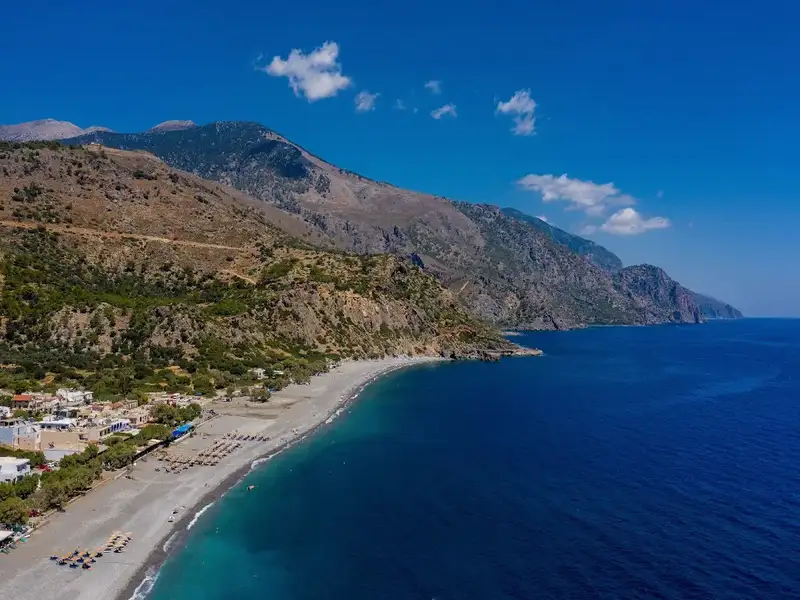
Sougia is a charming village situated at the entrance of the beautiful Agia Irini Gorge, 75km west of Chania city. Once a 70’s hippie haven, it now serves as a peaceful getaway offering relaxing vacations amidst scenic landscapes, equipped with necessary amenities. The village features a variety of restaurants, taverns, accommodation choices, cafes, bars, and mini markets, though larger facilities like gas stations, hospitals, pharmacies or banks are not available in this secluded paradise.
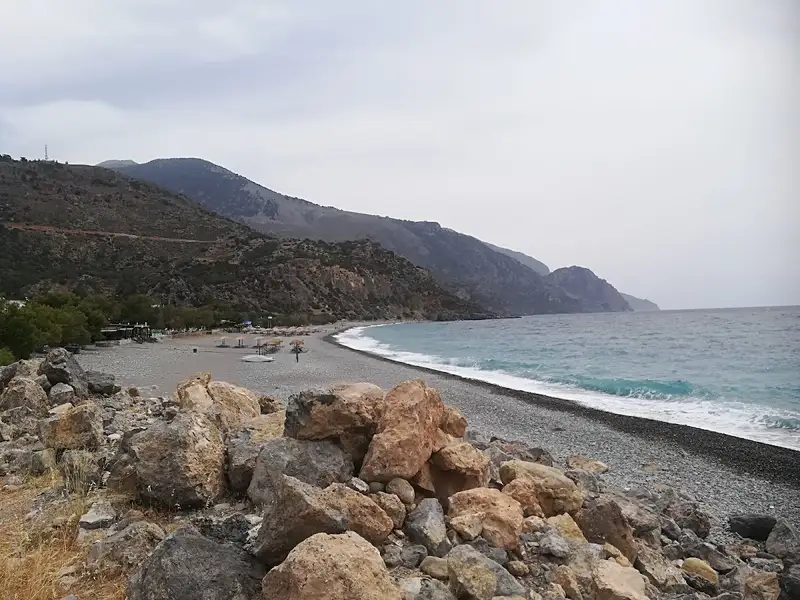
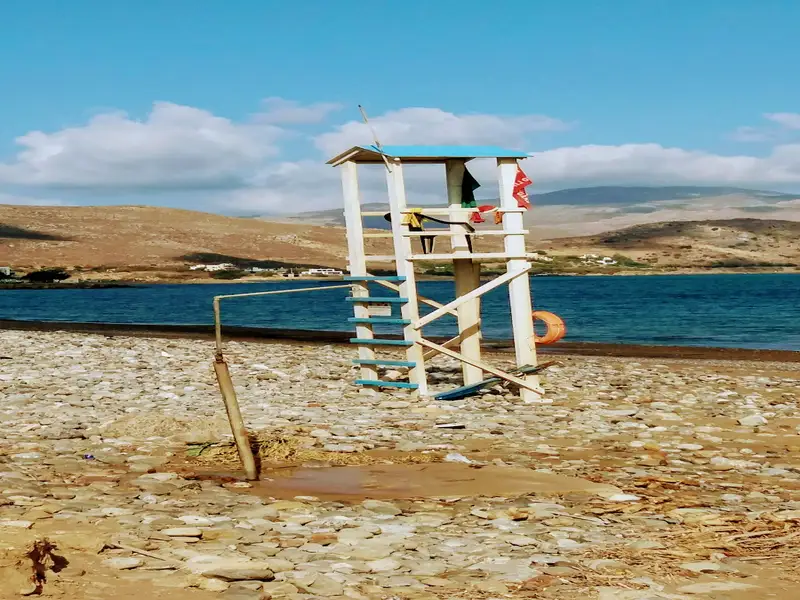
The village is home to a beautiful, long beach adorned with pebbly sand and crystal-clear deep water. The beach stretches an impressive 1.5km from the quaint harbour of Sougia at the Lissos Gorge exit to the east, concluding in a private cove surrounded by rocks. This part of the beach, largely undeveloped, is a favourite among naturists. The beach section facing the village, however, is well-equipped with facilities including umbrellas, showers, sports facilities, and a lifeguard tower. Tamarisk trees dotted along the beach provide ample shade.
In the summer, daily ferries carry tourists from Sougia to various destinations such as Chora Sfakion, Paleochora, Agia Roumeli, Gavdos Island, and Loutro.
Historical Importance and Nearby Attractions to Sougia
Known as Syia (“place of hogs” in Greek) in ancient times, Sougia was once a hub for pig herding due to the region’s abundant oak trees. Today, you can still see the oak trees while trekking through the majestic Agia Irini Gorge, a popular tourist spot in West Crete.
Consider exploring the remains of the Doric town of Elyros, with Syia acting as its port in the past. The ruins are located on Kefala hill, near Rodovani village. Elyros flourished from 500 to 350 BC, being one of the main cities of southwest Crete with approximately 16,000 inhabitants. Known for its weapons manufacturing, Elyros even had its own currency.
Other points of interest include the Church of Saint Panteleimon, built on the site of Syia’s early Christian Basilica, which houses ancient mosaics depicting natural scenes from the 6th century AD. Although the church is usually closed, keys can be obtained at the local kiosk.
Near Sougia, the archaeological site of Lissos, Elyros’ secondary seaport, contains remnants of an ancient theatre, thermal baths, and the Asclepeion, fed by the Lissos spring. Accessible by a boat or a hike through the Lissos Gorge, the ruined city is a two-hour walk away.
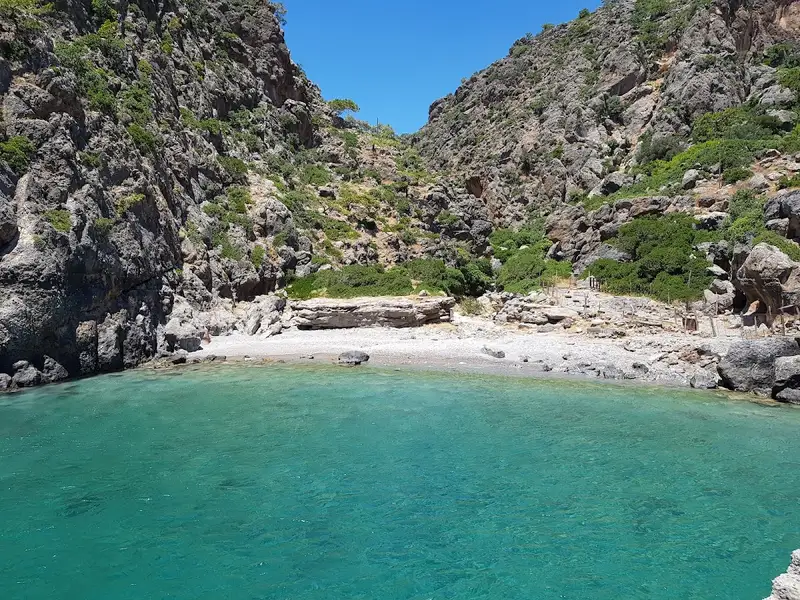
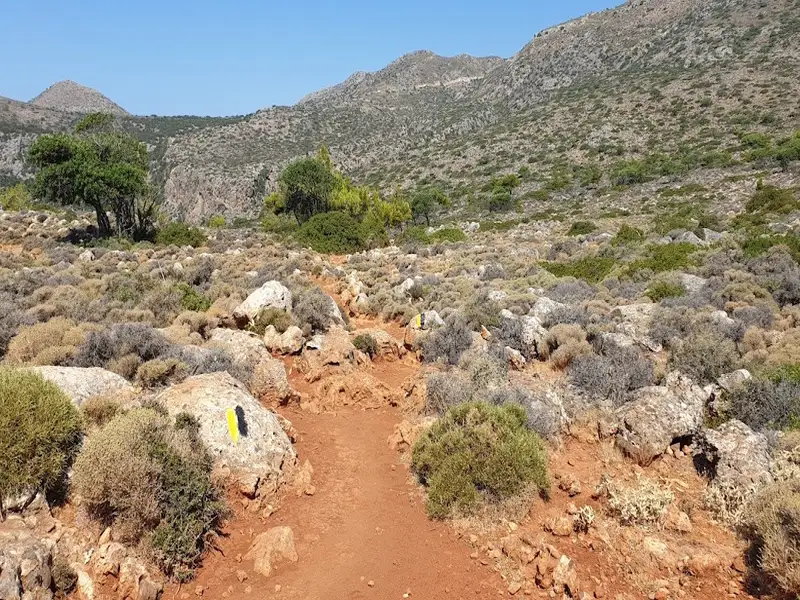
Lastly, a two-hour hike east on the E4 trail towards Agia Roumeli will take you to the picturesque St. Anthony Chapel, situated in a scenic cove, and further on, the legendary cave of Polyphemus.
The Livadia beach, commencing 1km east of the Kissamos stadium and concluding at Korfalonas beach, is a small 2km stretch of the extensive beach that originates from Kissamos and finishes at Nopigia in the Rodopos Peninsula. The beach, like its neighbours, is characterized by its sandy terrain with occasional pebbles. It is exposed to the wind, making the water typically shallow and wavy.
Despite being not highly organized, it features several spots with umbrellas, small hotels, and restaurants. Its expansive length gives an impression of emptiness. On calm days, it is an ideal choice for those seeking a tranquil spot to swim yet remaining in proximity to urban conveniences.
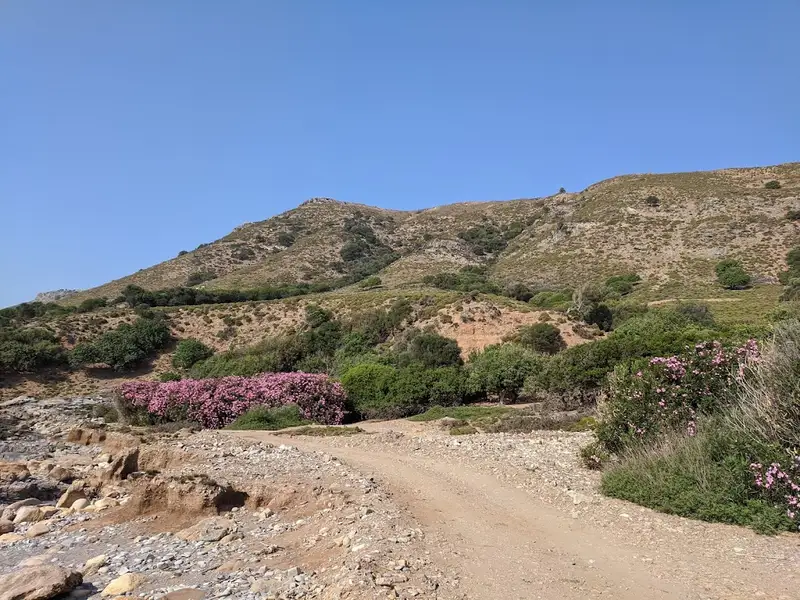
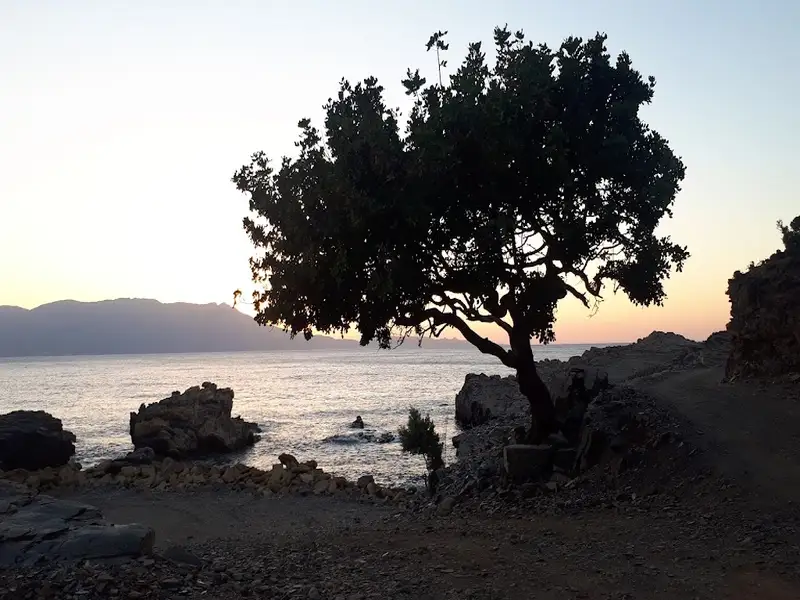
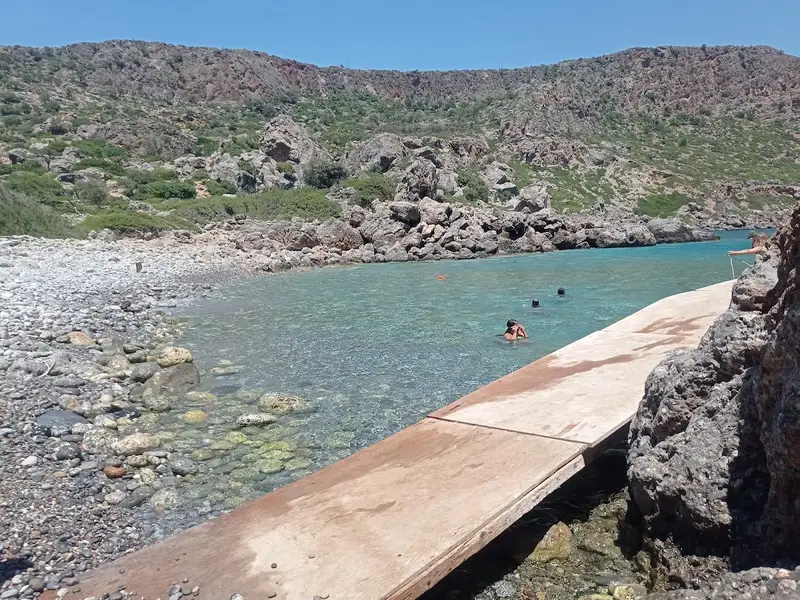
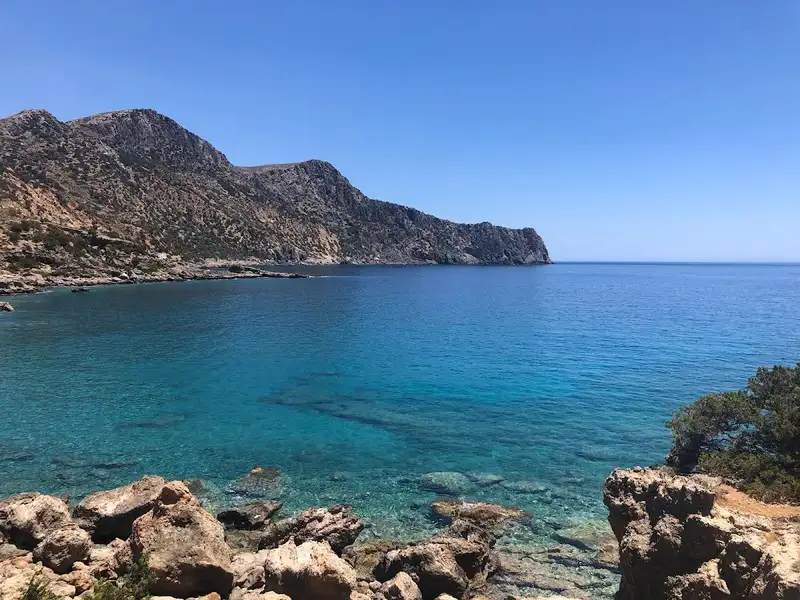
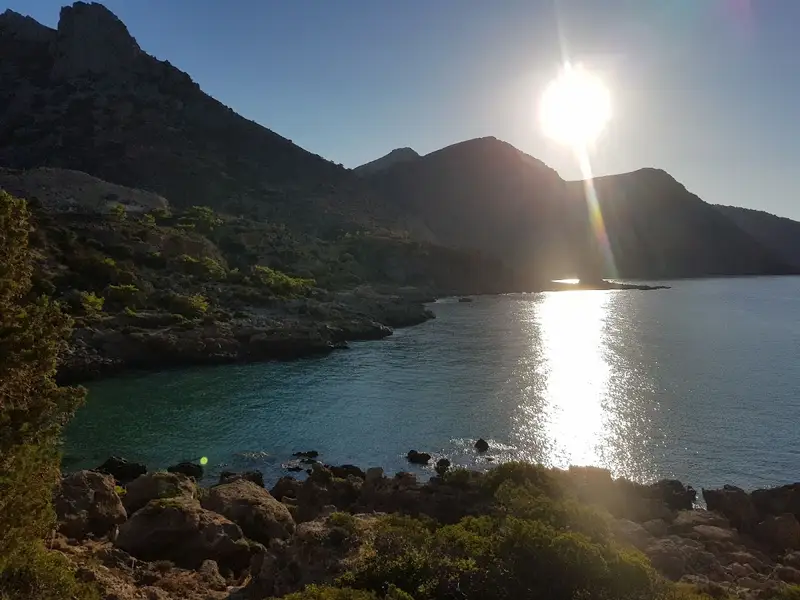
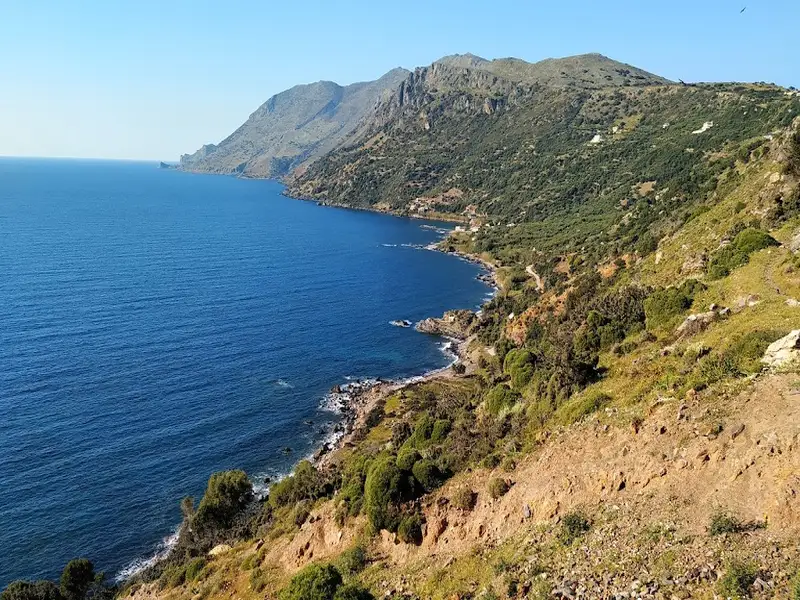
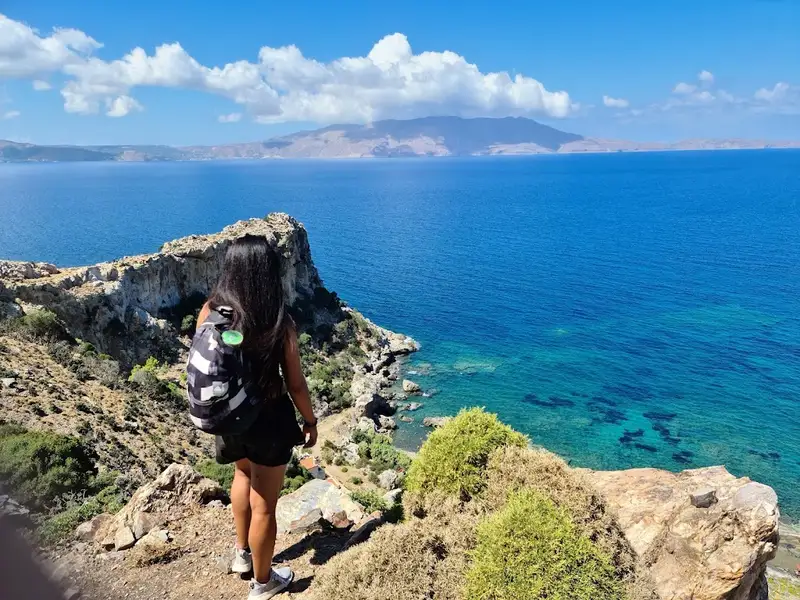
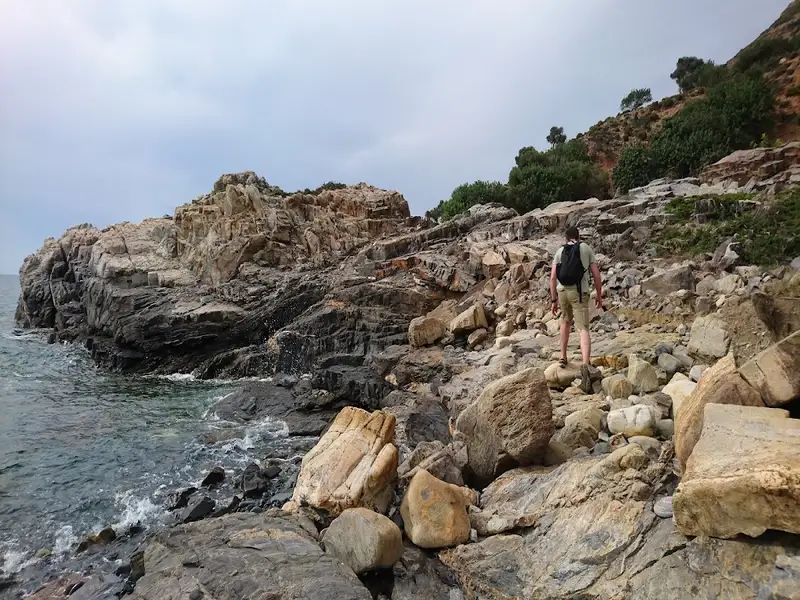
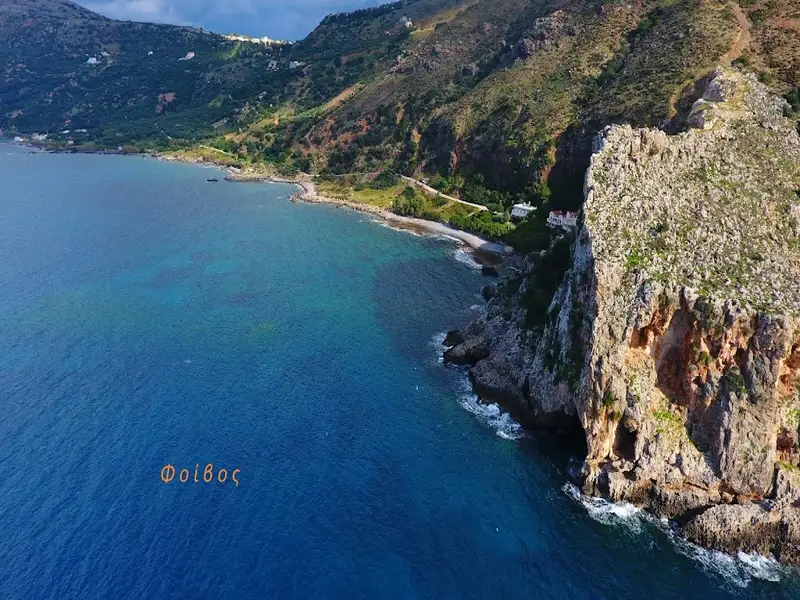
Heading 2km east from Nopigia, you’ll encounter the rugged coastline of Choni. To reach it, take the coastal road heading east from Nopigia. After passing the quaint square theatre of the Orthodox Academy, continue along the unpaved road towards Choni and the Panagia church, also known as Santa Maria. The stunning rock formations lend an extraordinary, untamed charm to the area. In certain spots, there are petite rocky coves suitable for swimming.
The water here is clear as crystal, displaying vivid hues of blue and green, making it an excellent spot for swimming on calm days. Sparse trees offer some natural shade to visitors in this untouched oasis where there’s no sign of modern civilization. Despite its remote feel, Nopigia is just a short walk away.
Lissos Beach, situated in the Agios Kyrikos region, lies about 71km south of Chania city and 3km west of Sougia. It was historically the seaport for the nearby town of Elyros, the remnants of which can now be found near the modern village of Rodovani.
Lissos Beach is a secluded and unspoiled spot, characterized by large pebbles and exposure to the southern winds. Visitors and campers can find shade under the beach’s abundant trees. Access to the beach is either via a 20-minute boat ride or a 90 to 120-minute hike from Sougia, a journey that passes through the scattered ruins of ancient Lissos.
Near the beach stands the charming Church of St. Kirikos, which holds a celebration on July 15th. If you happen to be in the area the day before, you can join in the festivities. Pilgrims arrive by boat from Sougia to participate in the ceremony and subsequent celebration.
Lissos experienced its golden age during the Hellenistic period, flourishing until the 9th century when it was razed by the Saracens. The town was renowned for its asclepion, or healing thermal baths, which attracted patients from across the island. The mosaic floors of Asclepios, despite being damaged by an earthquake, are still visible today.
A walk through the Lissos Valley will reveal an array of ancient ruins, including capitals, a Roman cemetery with vaulted graves, and the remains of an ancient theatre. The discovery of numerous statues and coins in the region suggests that Lissos was more prosperous than its parent city, Elyros. The most notable statues, those of the Goddess Hygeia (Health), Asclepius, and Pluto, are now displayed in the Archaeological Museum in Chania.
On the European E4 trail linking Sougia and Paleochora, you’ll come across the stunning small beach of Astropelekita with its deep blue waters. This sandy beach, situated to the east of the rocky Plaka cape, is encountered before beginning the ascent to Flomes or Elide Cape, on the way to the ancient Lissos. This little cove offers a perfect opportunity for a refreshing swim while trekking the E4 trail.
Astropelekita, translating to ‘thunderbolt’ in Greek, is named after a local myth. The tale suggests that the area’s distinctive whitish rocks were created when the Olympian Gods hurled a thunderbolt at the region.
Telonio Beach, beginning east of Kissamos’ main pedestrian road and extending to the Kissamikos stadium approximately 1km east, is the most westerly section of a long stretch of beach that reaches from Kissamos to Nopigia. Telonio is situated adjacent to Kissamos’ most vibrant area, where the former Customs’ Office and the current bustling seaside pedestrian road with its numerous taverns and cafes can be found. The beach itself is a mix of pebbles and sand, often characterized by waves and shallow water. Despite being close to the town, it is typically unorganized. Telonio used to be the most frequented beach in the area decades ago, but now Mavlos Molos holds that title. Telonio remains an excellent choice for those who desire tranquility yet also want the convenience of nearby amenities.
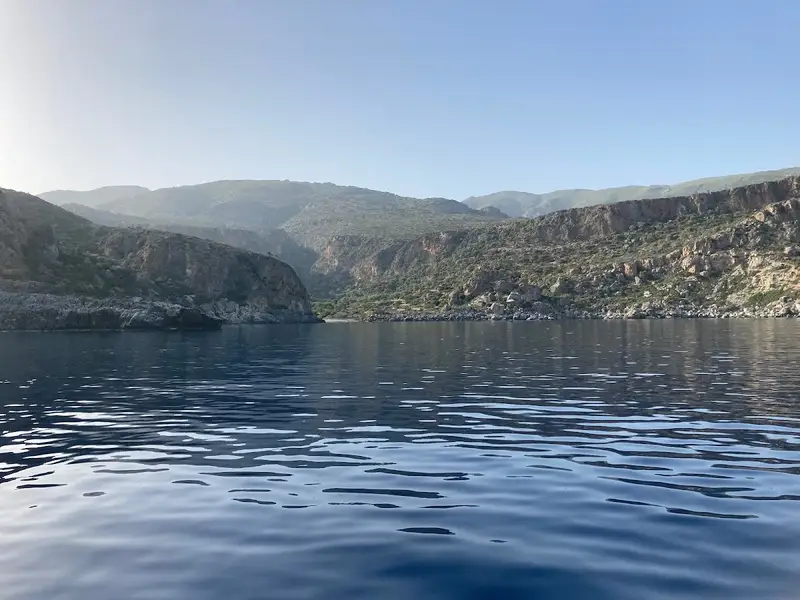
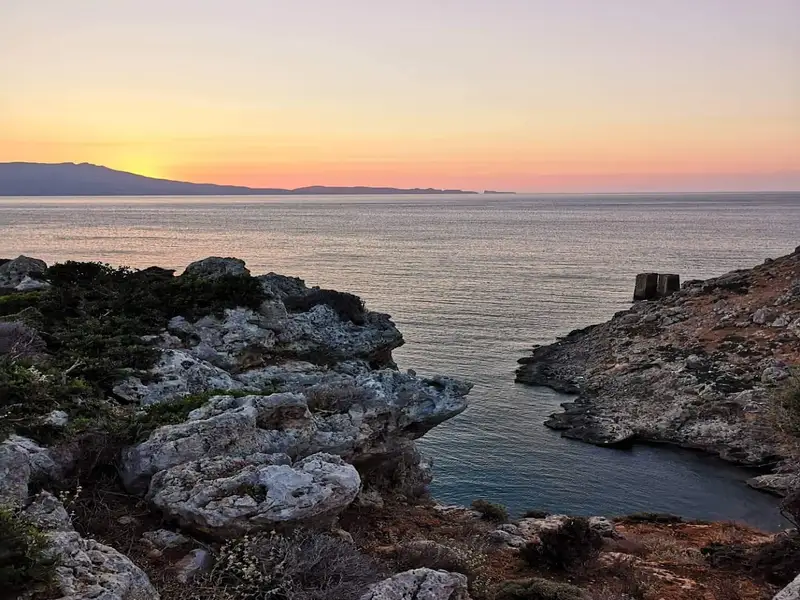
Within the region spanning from Ravdoucha to Nopigia, numerous hidden coves with petite beaches emerge, primarily featuring pebbles and a rocky seabed. The road from Nopigia runs parallel to the coastline, offering breathtaking sea views until it reaches the church of Panagia Myrtidiotissa at Choni location, and it continues only a short distance further. From this point, a walk will lead us to the renovated chapel of Saint Basil situated on the beach. To get there, we first hike up a rather rough dirt road and then descend towards the beach where the chapel is roughly in the center. This beach is adorned with large pebbles and an eye-catching rocky seabed.
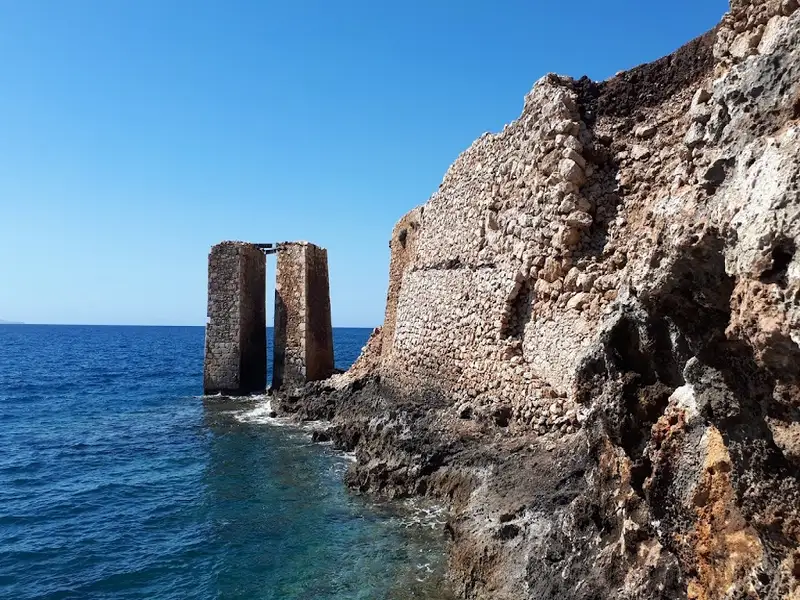
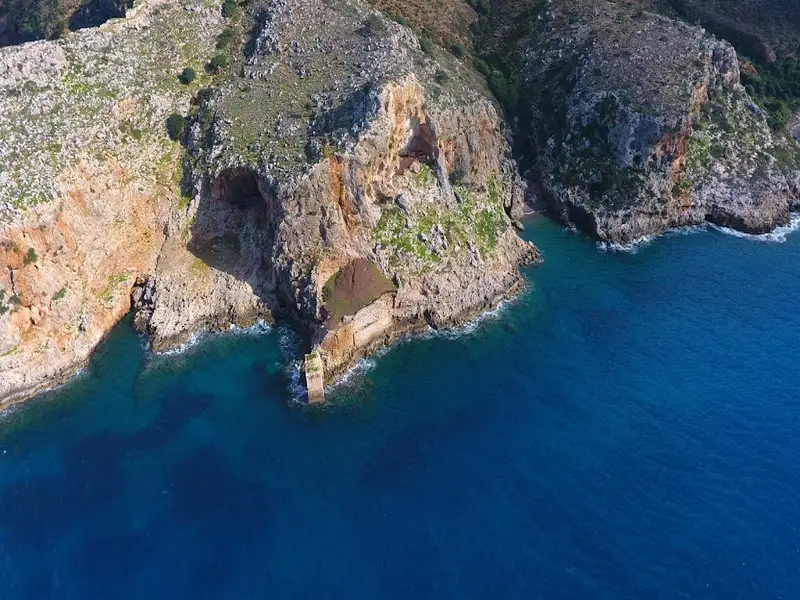
To the north of Agios Vasilios, a minor stream forms that can be accessed on foot from the Ravdoucha region. Where this stream meets the sea, the small pebbled beach of Skotini takes shape, counted amongst the most stunning hidden beaches in Western Crete. A few meters further north, at the edge of a peninsula, remnants of an early 20th-century iron ore mine can be found. The base of the loading platform still stands in the sea. In the past, a small community of mine workers resided here, but it is now abandoned.
No results available
No results available
© All rights reserved. Crete Locals