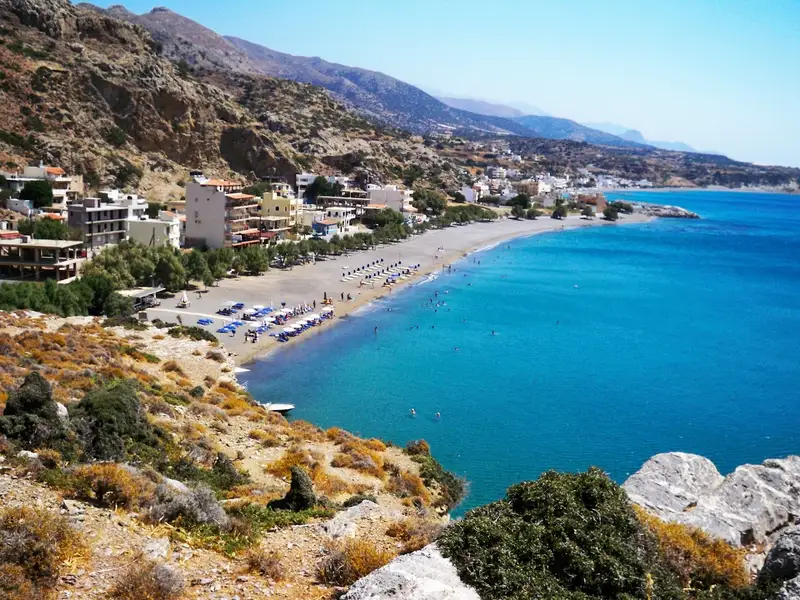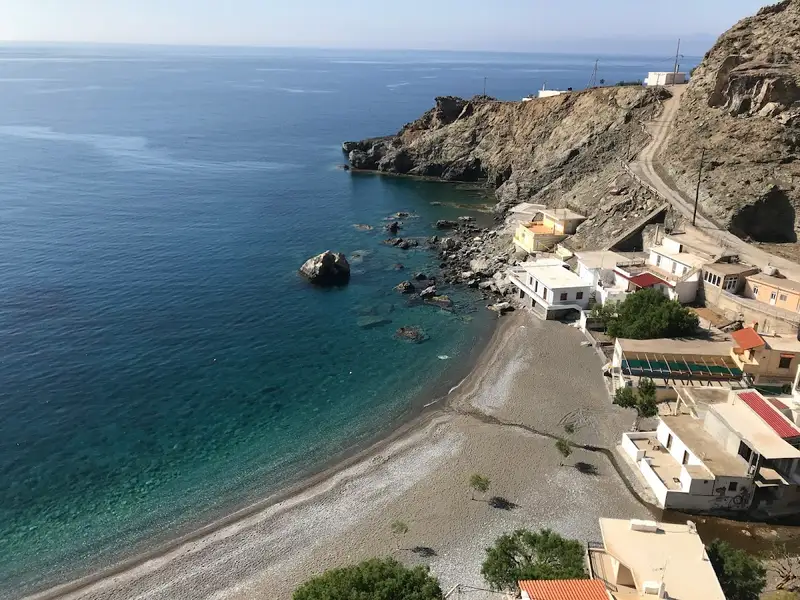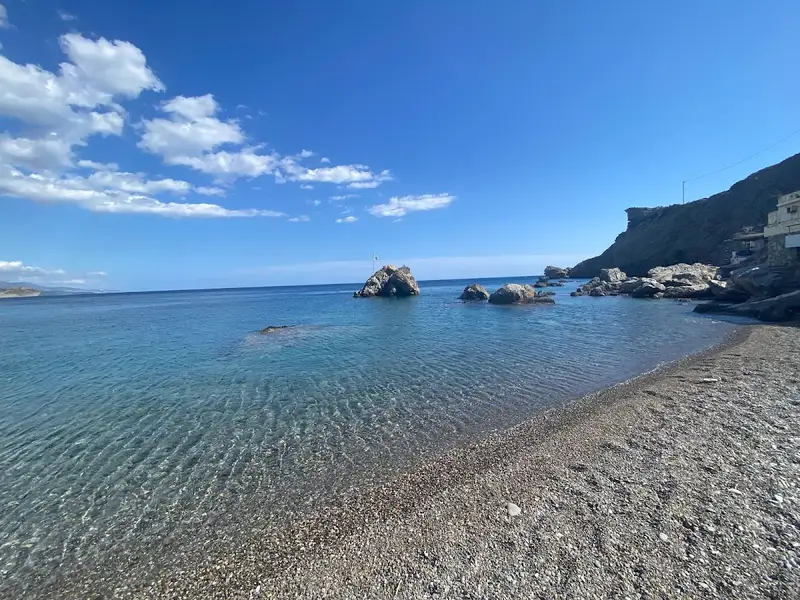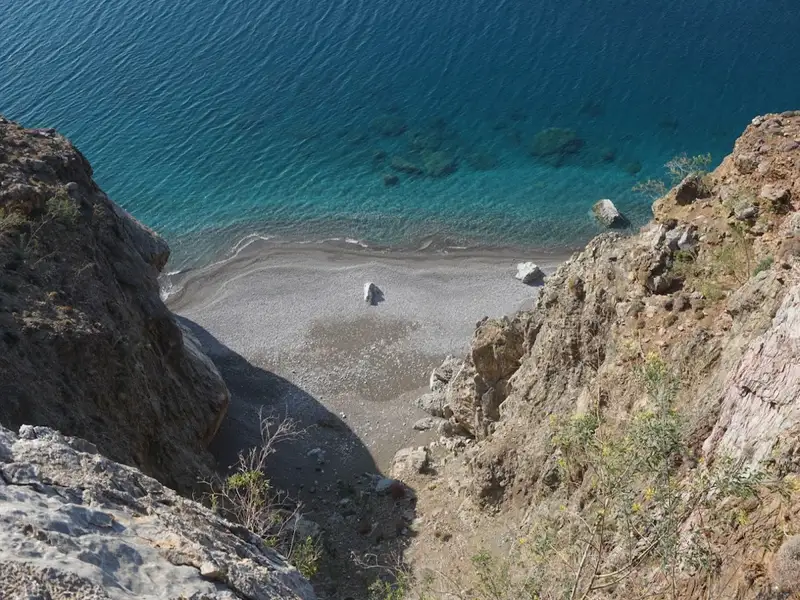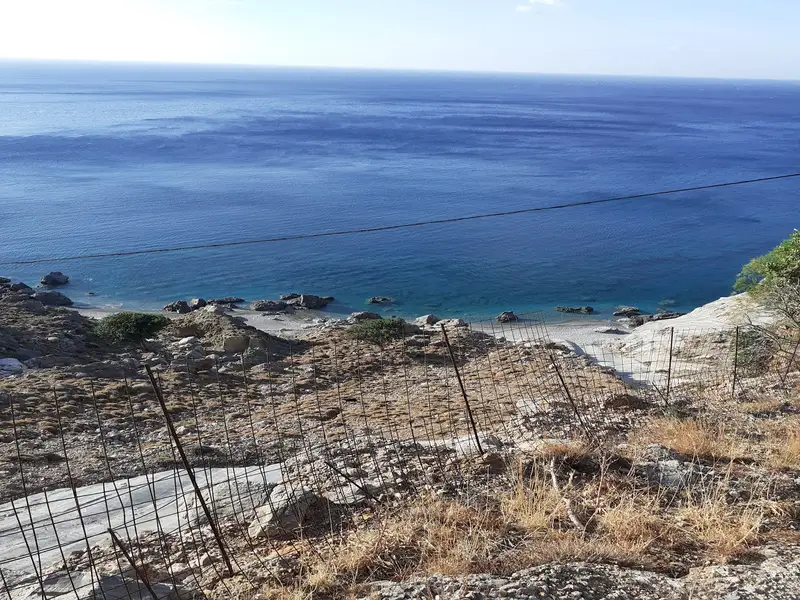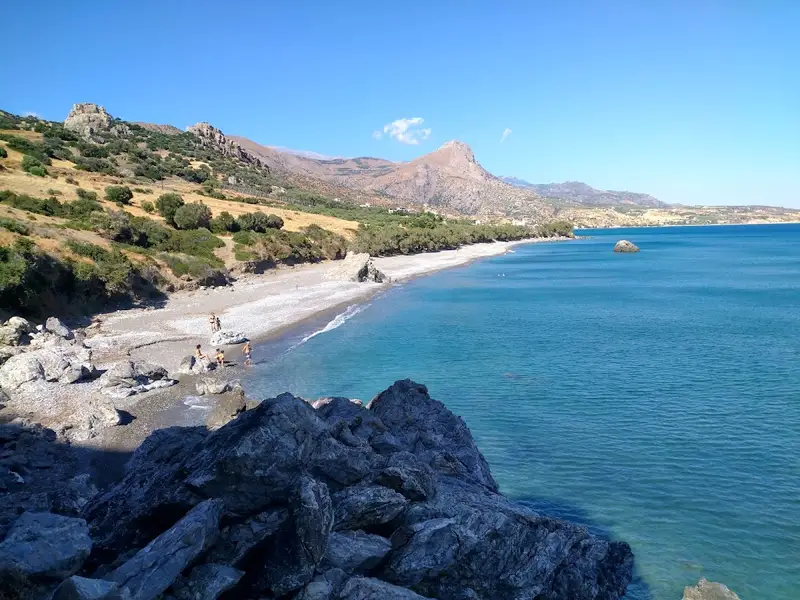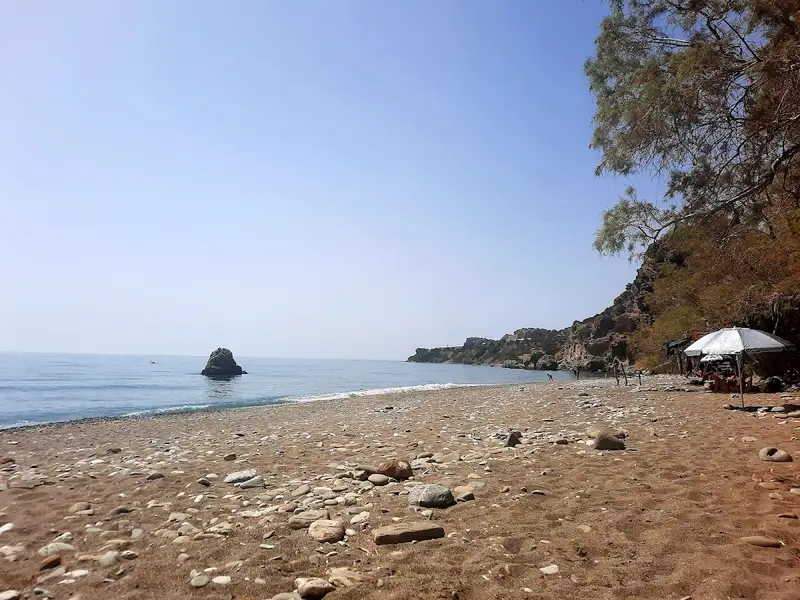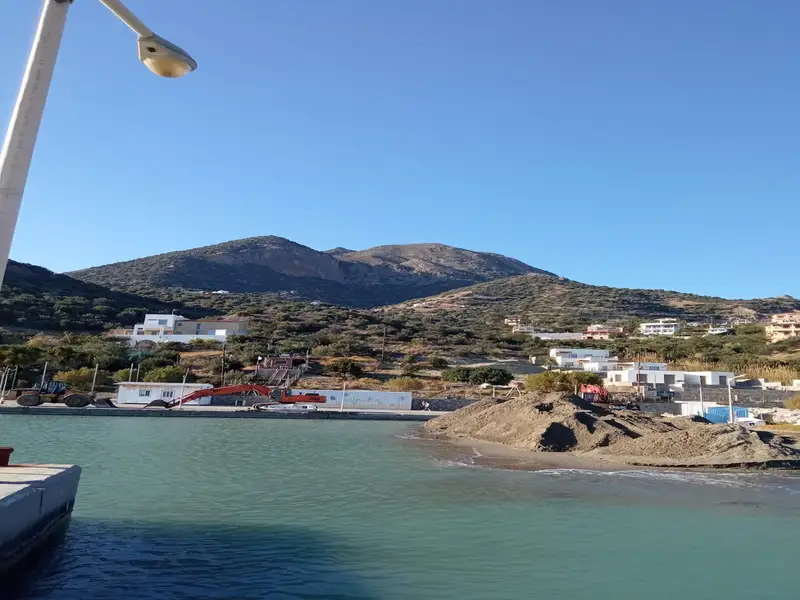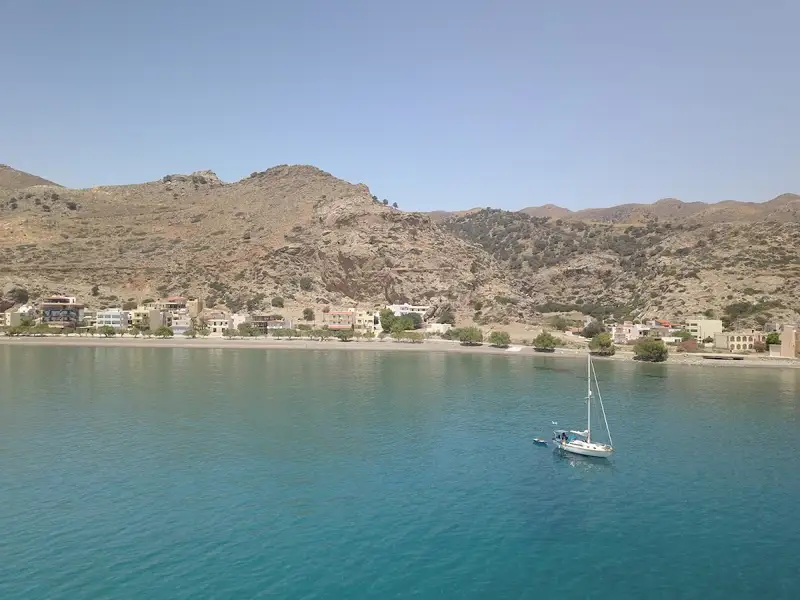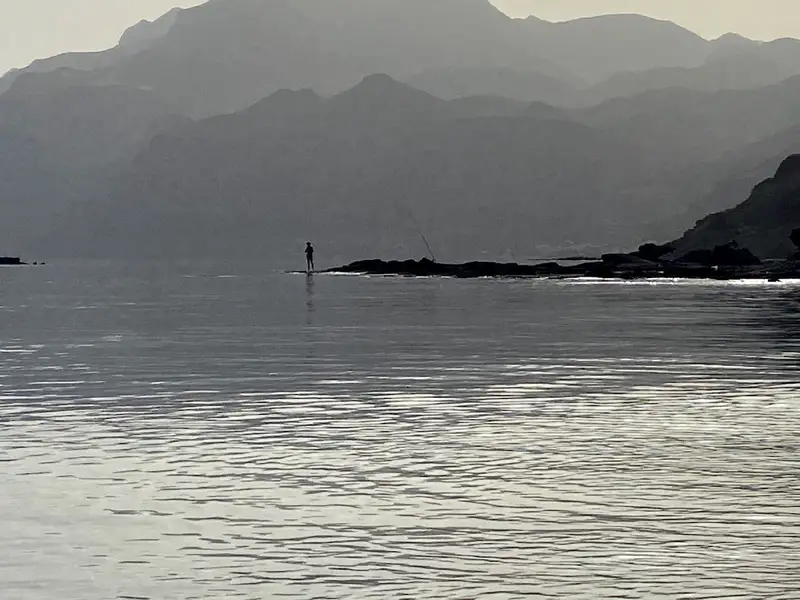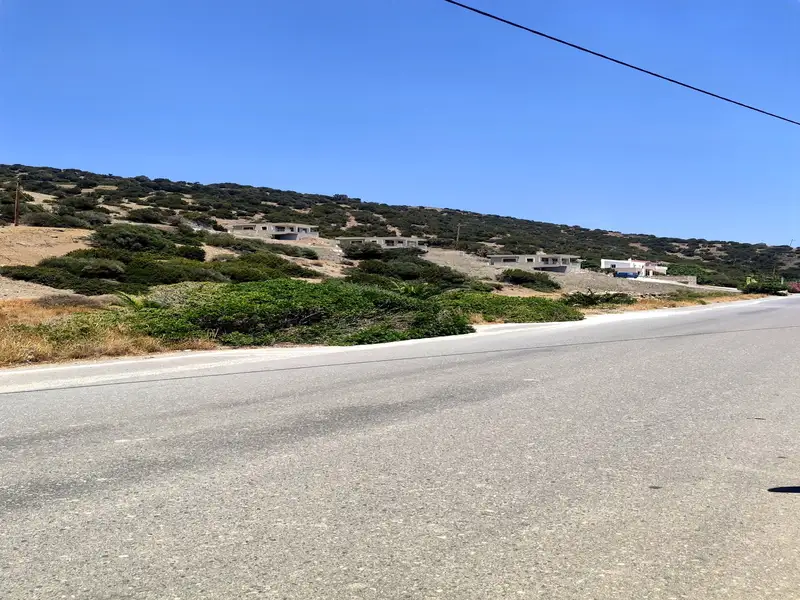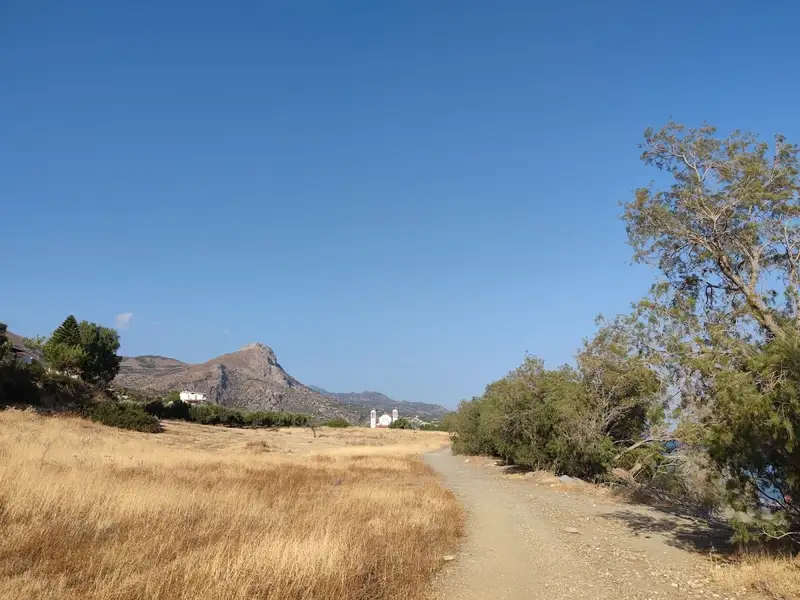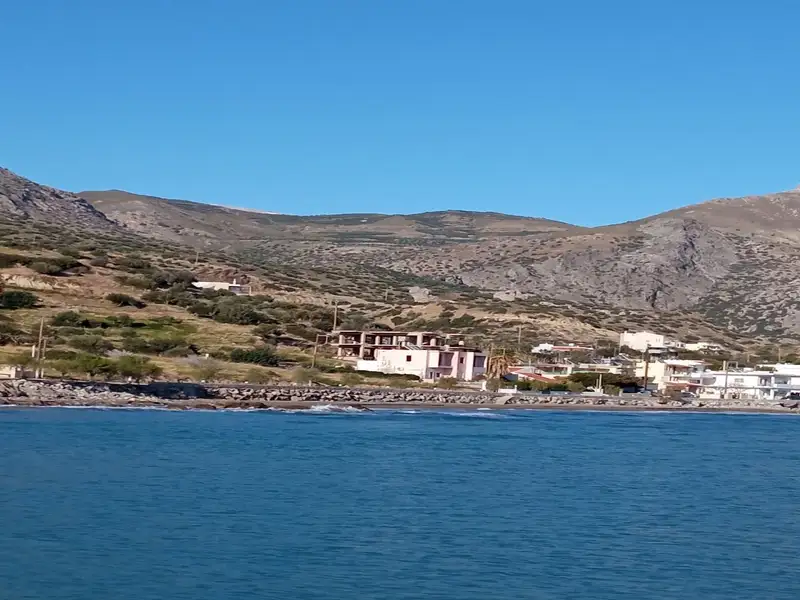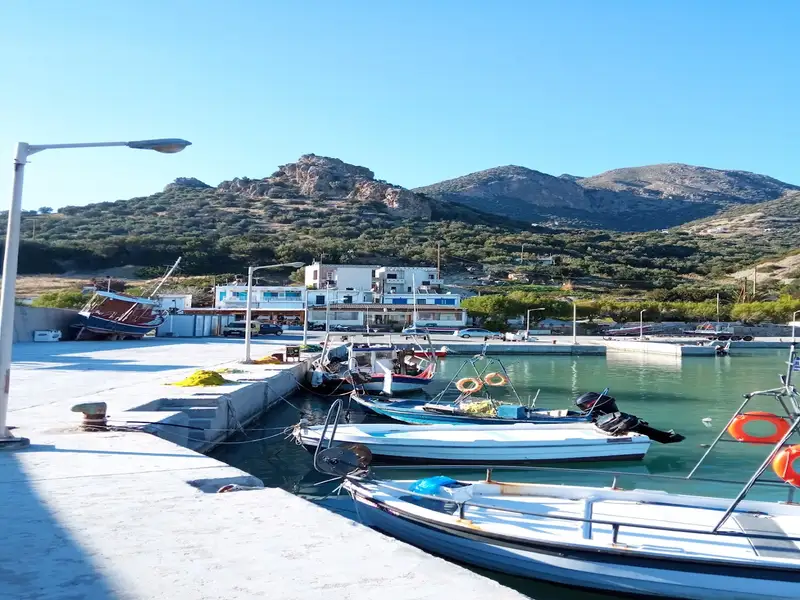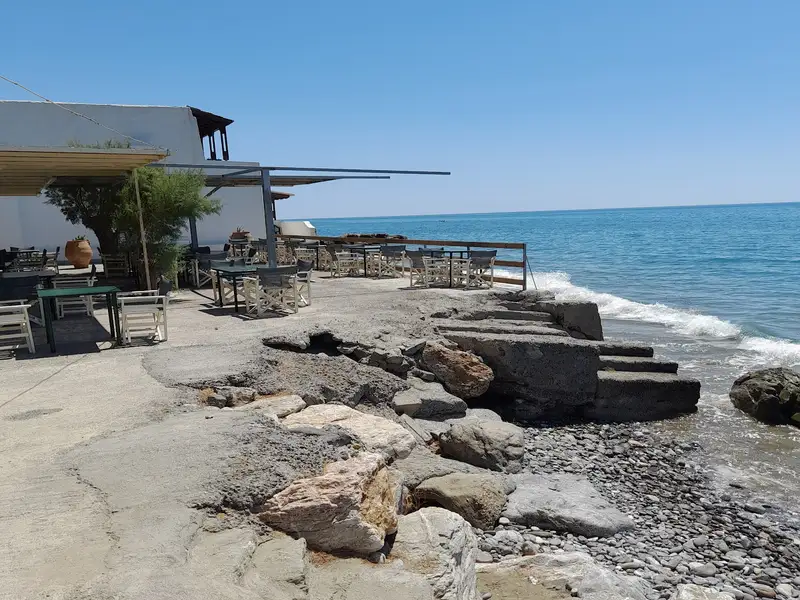
Tsoutsouras, derived from the Venetian word Zuzzuro, is situated 63km south of Heraklion, at the entrance of the formidable Mindris Gorge. It’s built on the location of the ancient city Inatos, which once served as the port for Priansos (located near Kasteliana village). More specifically, Tsoutsouras is the union of the two settlements, Pera Tsoutsouros and Tsoutsouros, that presently serve as the harbour for Arkalochori. Despite being well-organized and developed for tourism, it remains a peaceful holiday destination.
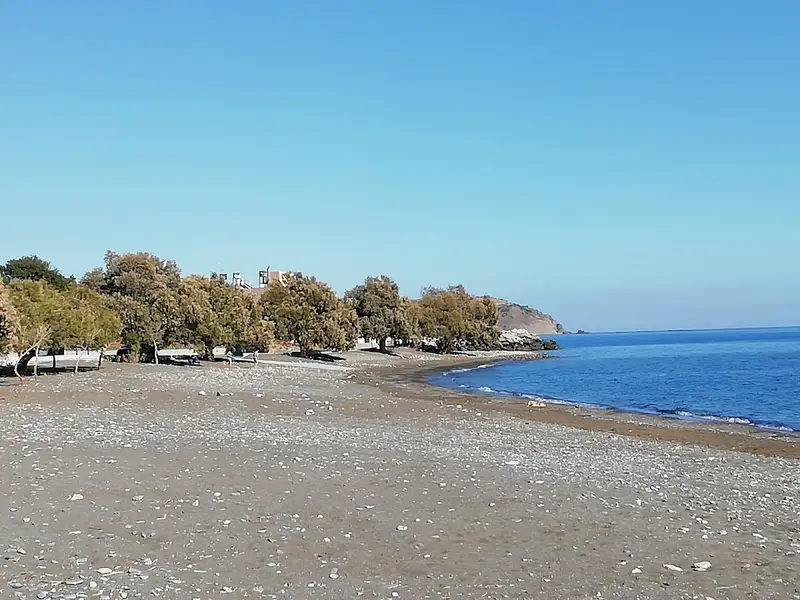
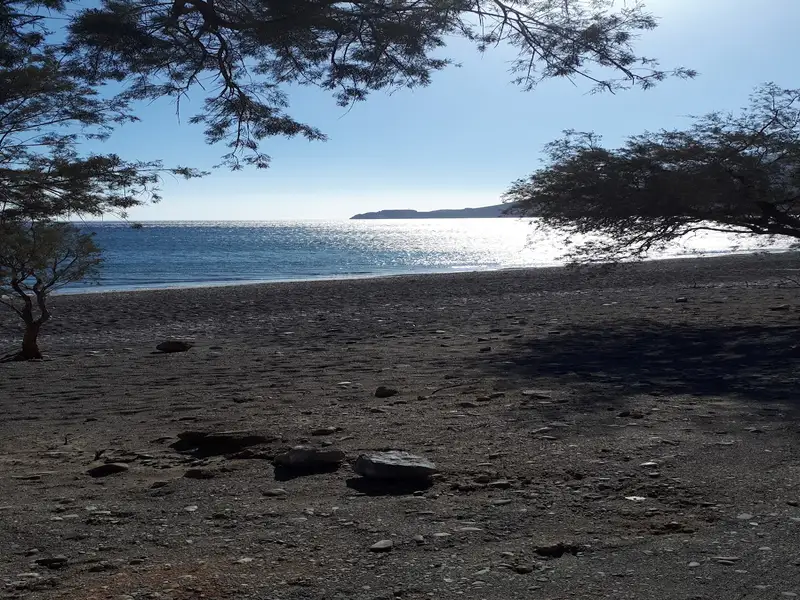
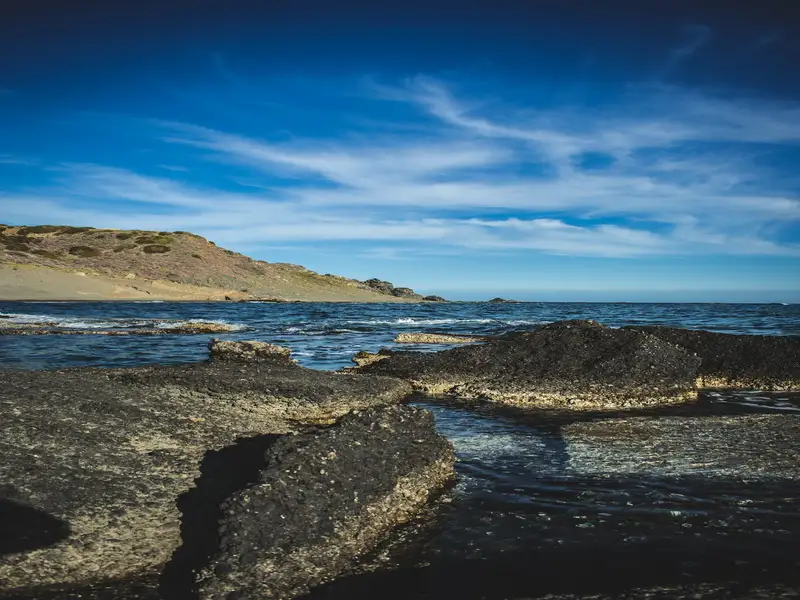
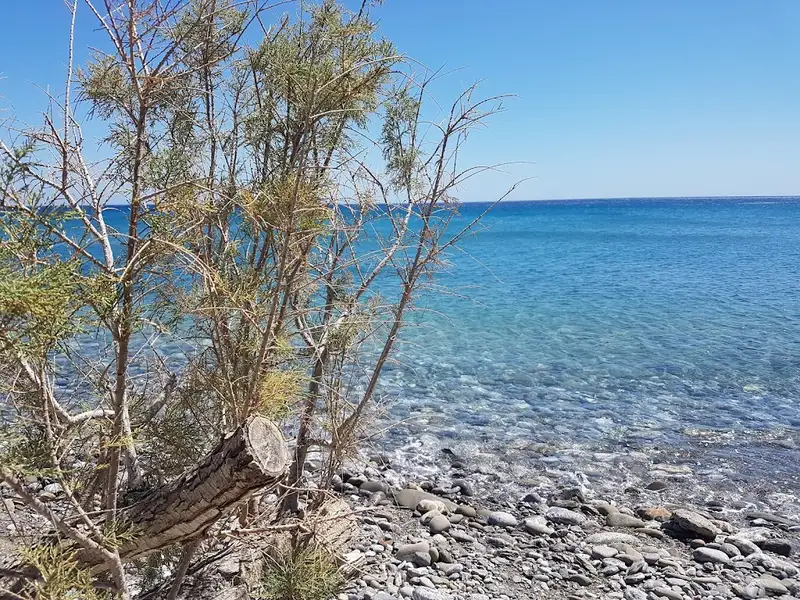
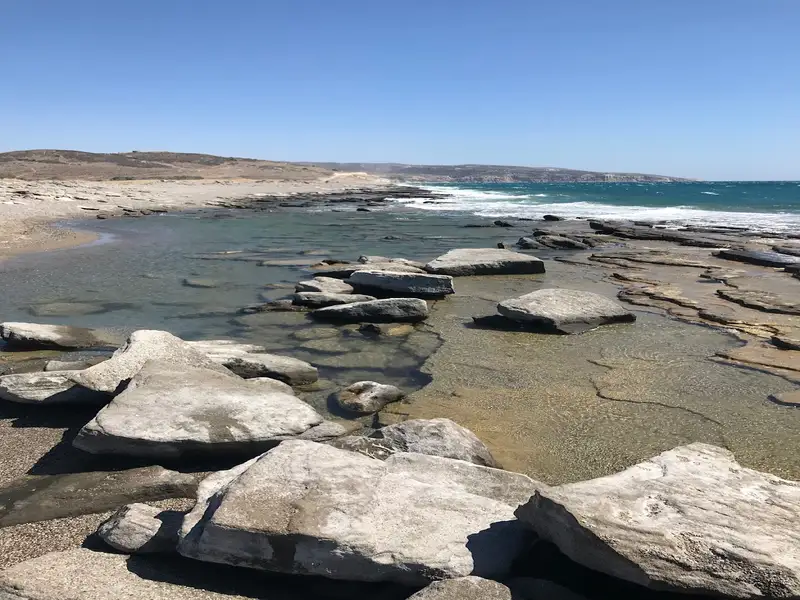
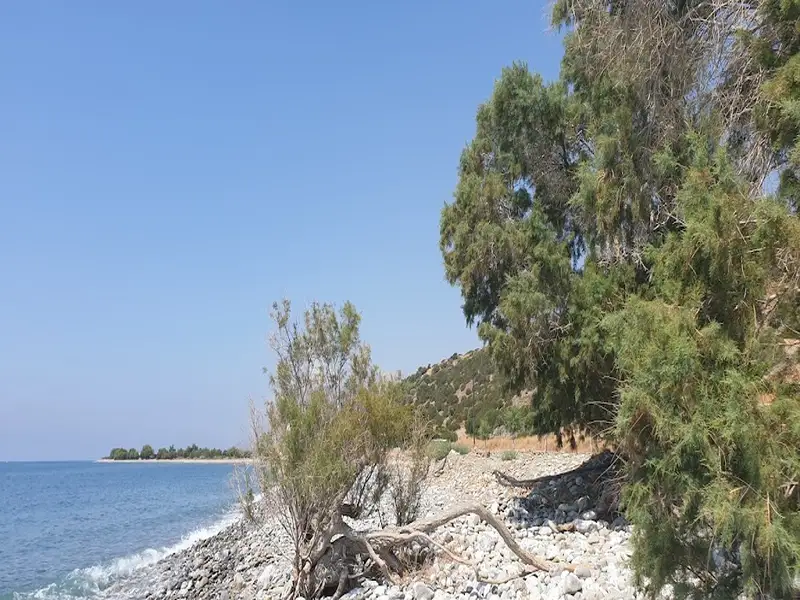
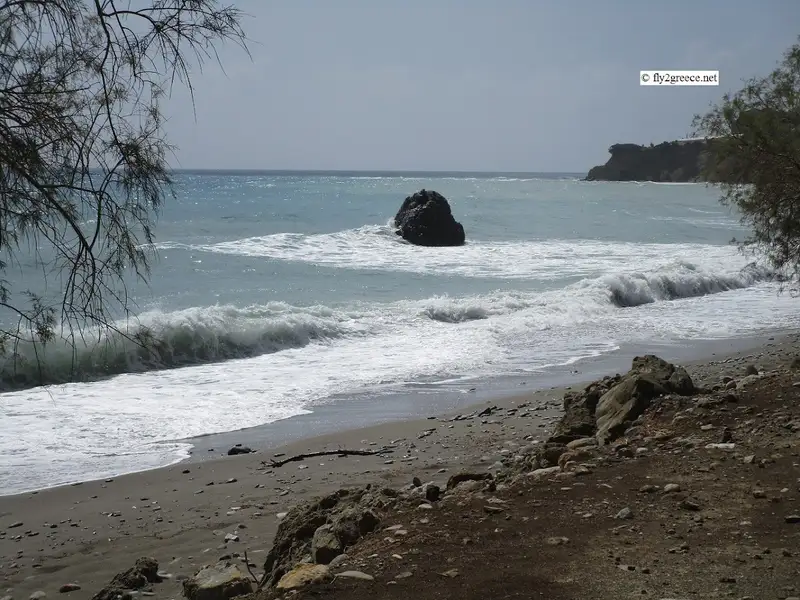
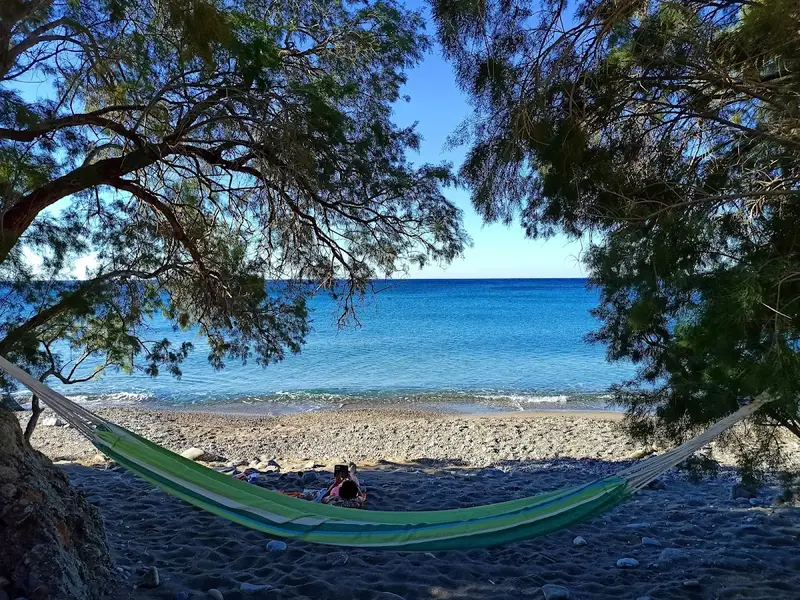
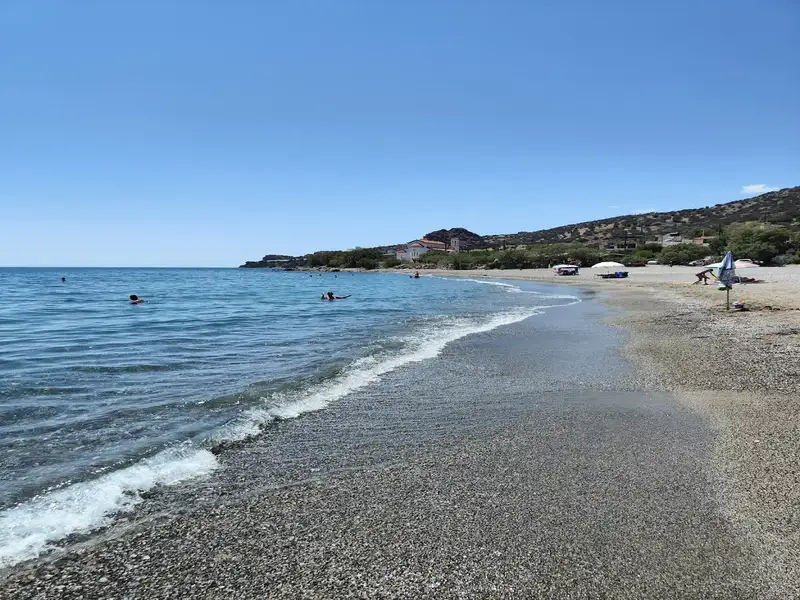
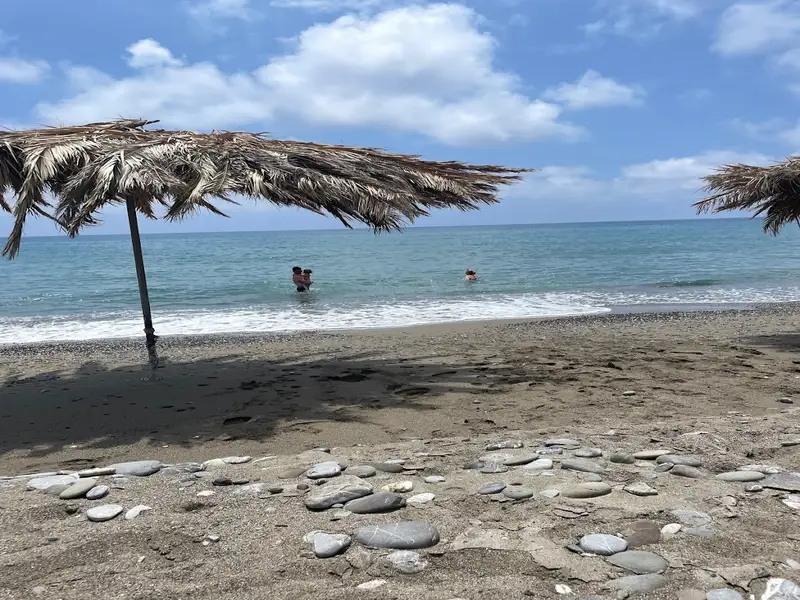
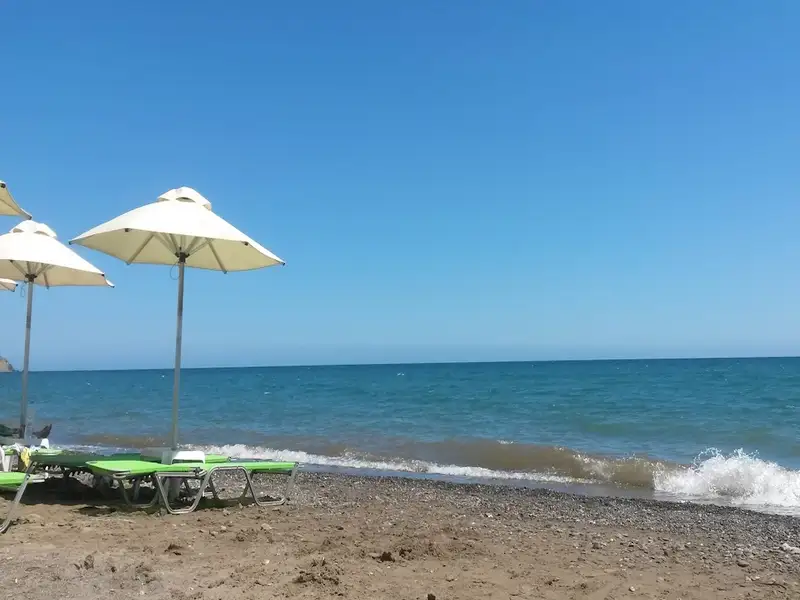
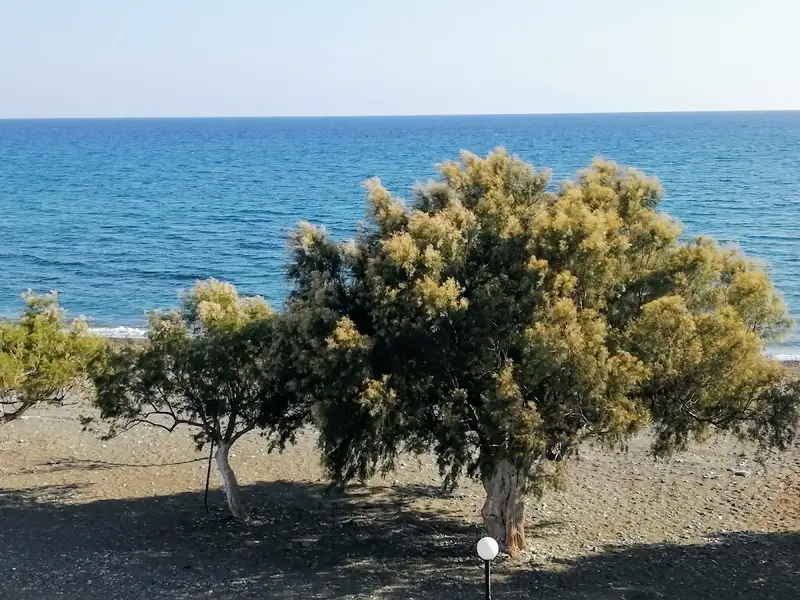
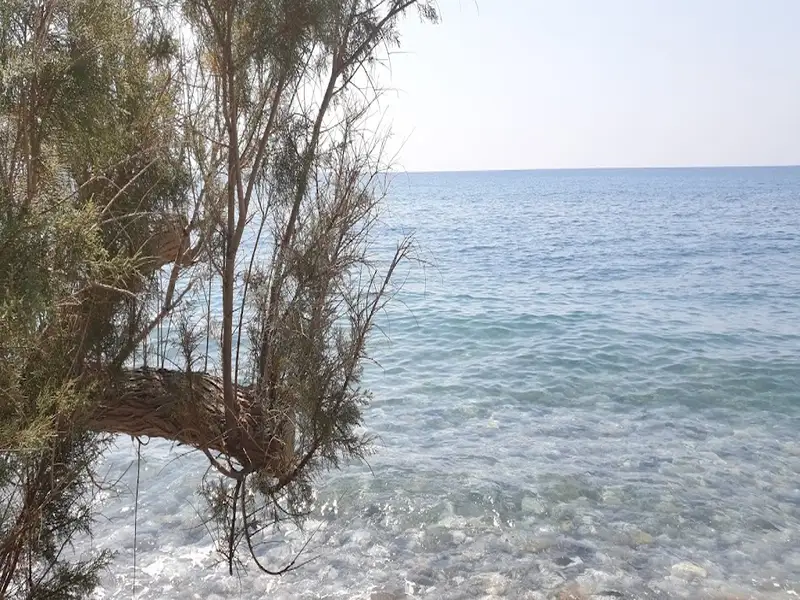
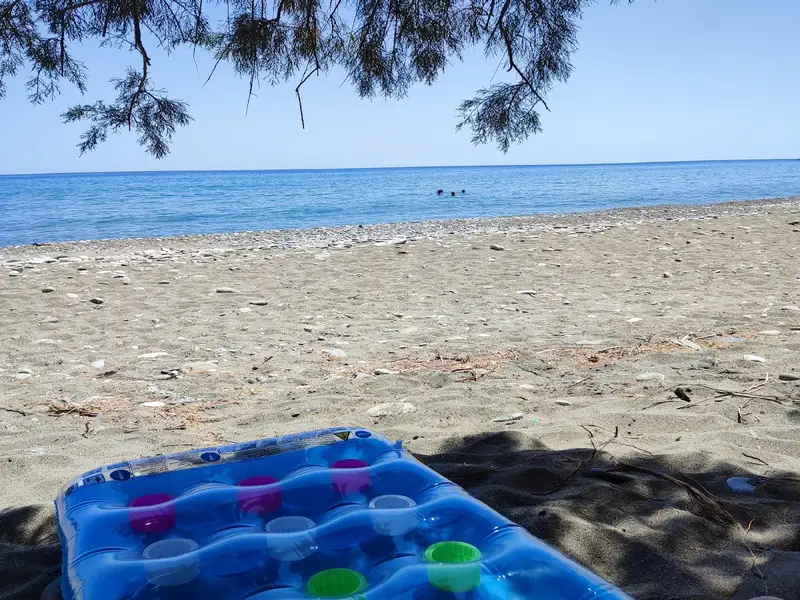
The village is home to the small harbour of Tsoutsouras, with two lengthy sheltered bays to its east and west, boasting a total length of 2km. These bays are characterized by beautiful coarse sand and crystal-clear waters. The beach is modestly organized with umbrellas and surrounded by several tamarisk trees, making it an ideal spot for family holidays as all necessary facilities for accommodation, entertainment, and food are nearby. For a more secluded experience, one can walk to the eastern end of the beach, where the sandhills and the easternmost part called Limniara, housing the sea cave Pourgonero, are located. Tsoutsouras can also serve as a base for exploring other nearby beaches.
Swimming in Tsoutsouras is traditionally viewed as therapeutic by many Cretans due to its high salt and iodine concentration, which aids in healing musculoskeletal and orthopedic issues.
Tsoutsouras is an area teeming with energy, myths, and folk narratives including tales about dragons, wild beasts, illegal excavations, and modern fantasy stories. In ancient Inatos, Eileithyia, the goddess of childbirth, was worshipped. Visitors can explore the cave where this goddess was worshipped for centuries, and where numerous offerings have been found, showcasing the sanctuary’s global influence. In recent years, this cave has garnered attention, making Tsoutsouras well-known throughout Greece. There have been reports of the American army confiscating objects of Minoan technological advancements from the cave and surrounding area for their own knowledge.
To the west of Tsoutsouras, two parallel mountains known as Zeus and Hera can be seen, which according to local tales, is where the king Asterion raised the sons of Zeus, Minos, Rhadamanthus, and Sarpedon, who later ruled Knossos, Phaistos, and Malia respectively. West of the harbour, in the Kerkelos area, remnants of ancient Inatos have been discovered. South of Kerkelos, the coast boasts unique karstic cave formations, including Drakospilia, where locals claim to have found a dragon skeleton. Despite the incredulity of this tale, numerous eyewitness accounts have left researchers puzzled. A Minoan settlement was also excavated in the Aliori area, located at the eastern end of the beach.
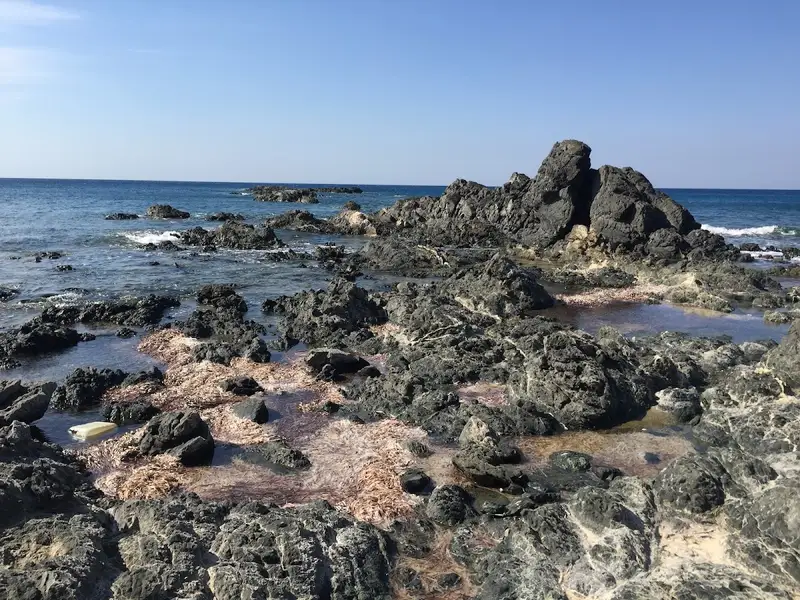
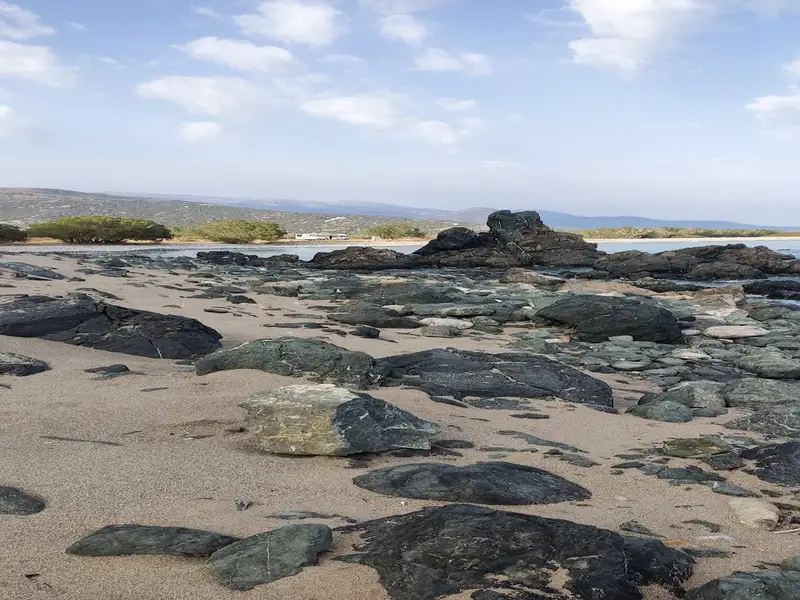
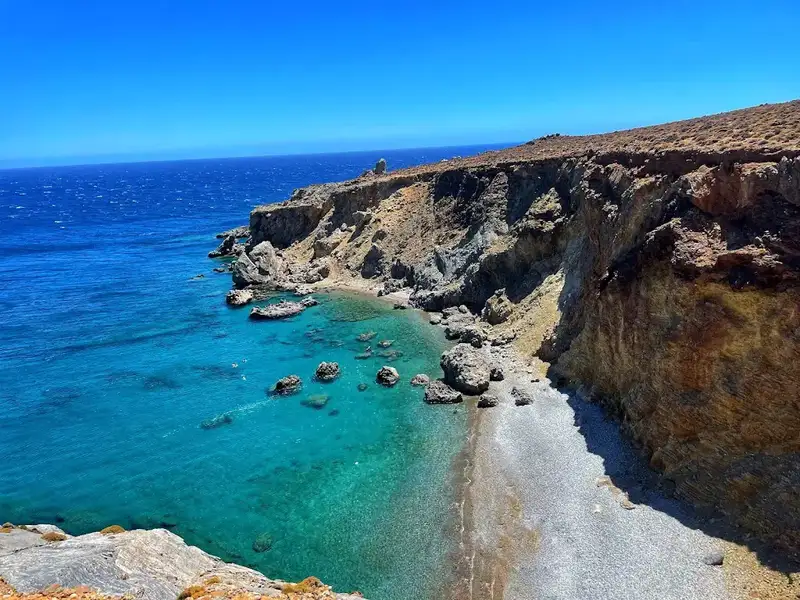
The Pourgonero beach, situated in the Krassas region, is a mere 500m eastward from the Tsoutsouras port, extending beyond the eastern boundary of the settlement. It represents the eastern section of Tsoutsouras bay, and lies at the foot of the Sarakinos hill. Legend has it that this location holds the eternal burial place of King Minos, the fabled king of Knossos. The beachfront of Pourgonero comprises two coves with large sand dunes, and the beaches facing these dunes are a mix of rocks and sand. These secluded, peaceful spots are ideal for those seeking solitude.
The Pourgonero region holds significant importance as a nesting ground for the endangered loggerhead sea turtles, with the nesting season running from May till fall. A visit to the beach in the late summer offers a view of the stunning white sand lilies, also referred to as the lilies of Knossos in Crete. Accessing the beach is fairly straightforward, given its proximity to Tsoutsouras. One simply needs to take the road towards Dermatos, and the dunes will be visible on the right. There are pedestrian paths leading down to the beach.
The Krassas region has the distinction of being the site of the first Aloe vera plantation in Greece.
Dermatos, situated 64km southeast of Heraklion and 4km to the east of Tsoutsouras, is nestled in a valley on the western banks of Crete’s longest river, the Anapodaris. Evidence of a past Minoan settlement has been discovered in the area.
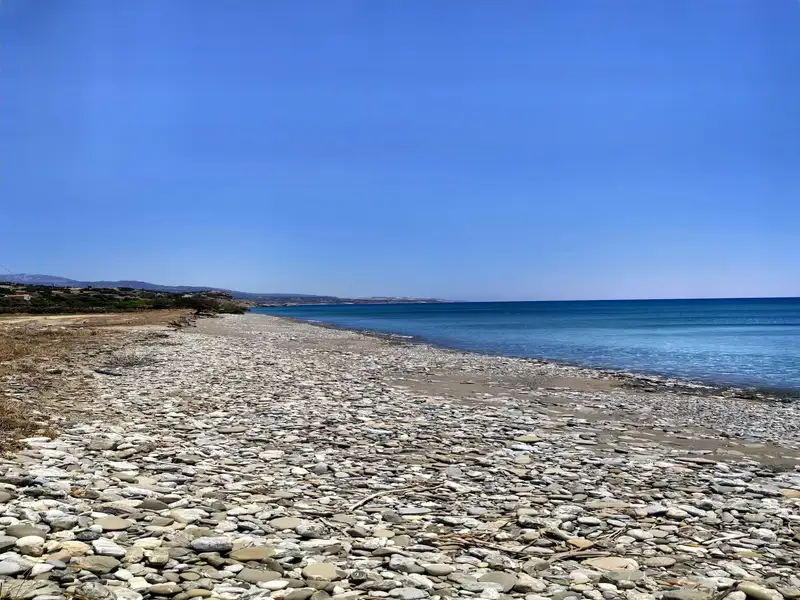
The beach at Dermatos, with its mix of pebbles and sand, offers an idyllic and tranquil spot for relaxation and solitude. Surrounding the beach are olive groves and tamarisk trees, adding to its remote charm. The shallow sea water, with its enchanting blue hue, enhances the serene atmosphere. To reach this secluded beach, take the paved road from Tsoutsouras heading west to Keratokambos. The road conveniently runs alongside the beach.
Listis, situated 69km southeast of Iraklion, is nestled between Kastri, 2km to its west, and Tsoutsouras. The beach stretch west of Listis, up to the Anapodaris river, is known as Kambala. This river is a significant wetland in Crete. Kamboula beach, with its charming pebbles and clear, blue waters, is quite a sight to behold. Though the area is not fully developed, a few accommodations have sprouted up in recent times. It’s an excellent choice for those seeking seclusion or wishing to sunbathe in the nude.
Contrary to the dry and warm surroundings, the Anapodaris river maintains water nearly all year round. Parts of the beach are dotted with tamarisk trees, providing much-needed shade. The beach is easily accessible, with the road connecting Kastri and Tsoutsouras running alongside it.
Maridaki, a coastal hamlet on the east side of Mount Asterousia, is located 65km south of Heraklion and on the west of Tsoutsouras Bay. A 2.5 km footpath is the only direct link between Maridaki and Tsoutsouras. However, a rough 15km dirt road starting near the village of Ahedrias (close to Mesohorio) gives access to the settlement. This road takes you through the towering cliffs and rugged rocks of Asterousia and leads to the monastery of Saint Nikitas. It’s advisable not to park your car under Maridaki’s trees, as the local goats may cause damage.
Maridaki, also known as Saint Panteleimon after its local church, is nestled in the arid, untamed landscape of southern Crete, at the mouth of the impressive Achendrias Gorge. A spring and a small stream provide drinking water to the beach all year around, creating an oasis with evergreen plane trees lining its banks. Near the springs, a large square with a 200-year-old plane tree and a small tavern can be found. Locals believe that fairies reside just beyond this spot. A 15-minute journey from the settlement reveals the striking Lichnistis waterfalls, visible until early spring.
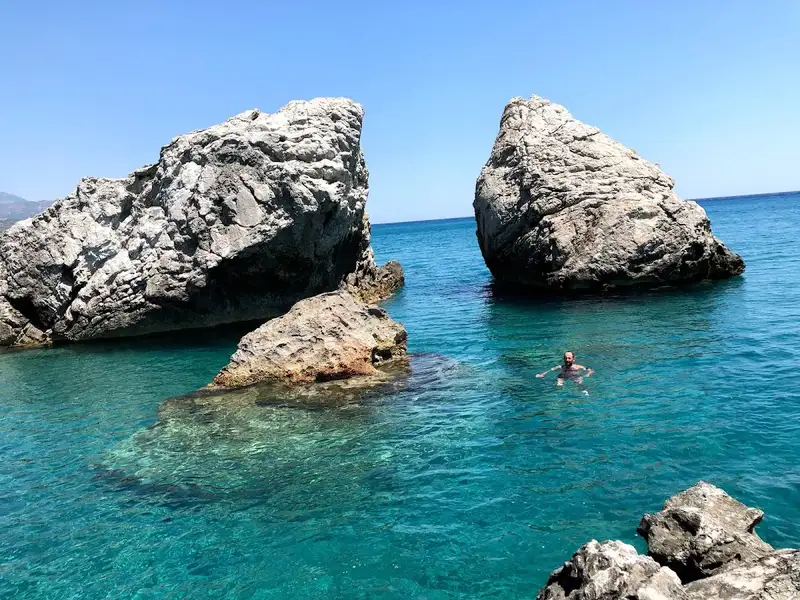
In this modest village, you’ll mostly encounter locals enjoying the sun and sea, residing in their summer homes which are casually built. The village’s coastline boasts a lovely pebble beach surrounded by towering rocks. Along the shore, sandy coves provide shade, but beware of goats traversing cliff edges as they often trigger landslides. The sea is deep and cool due to the stream. Maridaki has showers, a small coffee shop, a tavern, and a few rooms for rent. Two additional beaches are situated to the north of the settlement, at the base of Cape Kerkelos in an area known as Nisakia (or islets), named after two small sea rocks.
While in Maridaki, it’s worth visiting the village springs to enjoy the cool water. Nearby, the church of Saint Panteleimon, formerly dedicated to the Virgin Mary and St. Mamas, patron of shepherds, stands. If you have a car, consider visiting Saint Nikitas (2km from Maridaki), the beautiful palm grove of Saint Anthony (3km), and the chapel of the Holy Cross (1km outside the village).
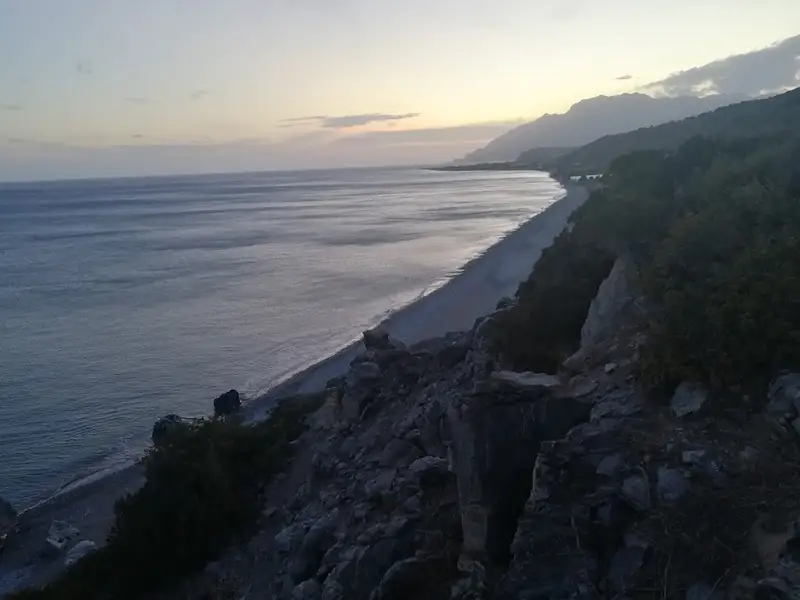
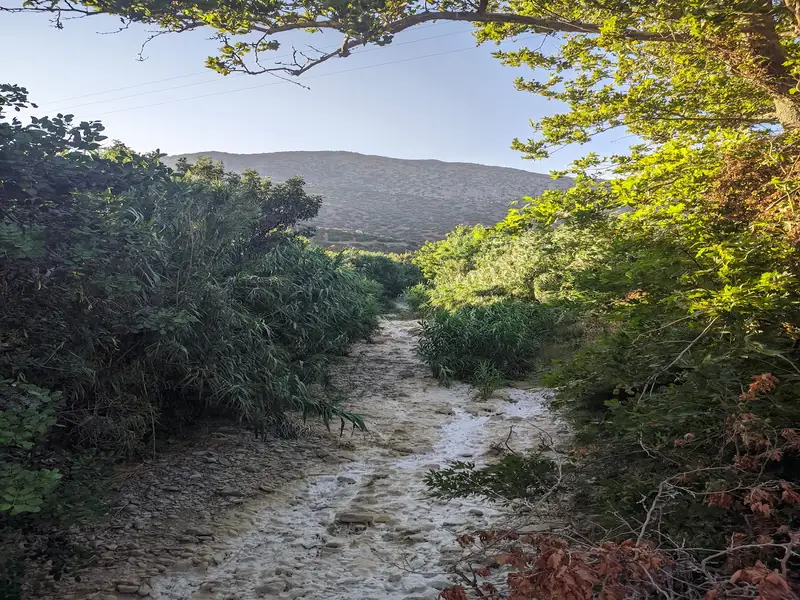
Maridaki – Tsoutsouras Trail: Maridaki is one of the few places on Crete where foot travel is quicker than by car. From Tsoutsouras, a 20-minute walk along a well-maintained footpath takes you through a breathtaking landscape of wild carob trees, caves, and dry grasslands, offering stunning sea views. One of the caves, Drakospilia (Dragon’s Cave), is shrouded in mystery and tales of metaphysical phenomena. It’s entrance is small and may go unnoticed. The cave expands after the entrance and is home to bats. A narrow passage leads to a point from where, locals claim, no one has returned, possibly due to volcanic fumes. Legends of treasure, the tomb of a great king, monsters, and dragons fill the air, adding to the cave’s mystery. Some locals believe it houses the tomb of Alexander the Great, while others believe it’s the final resting place of King Sarpedon of Lycia, whose body is said to be preserved in honey. The mystery deepens with tales of U.S. missions and helicopter patrols when someone enters the cave. As per local lore, a submerged church dome from the lost city of Queen Achendra becomes visible at sunset from the last point where Tsoutsouras can be seen from the sea.
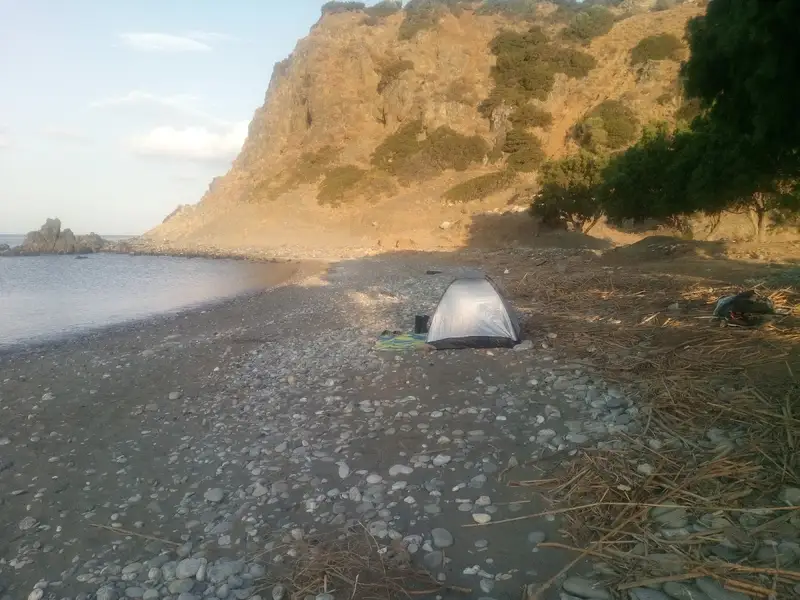
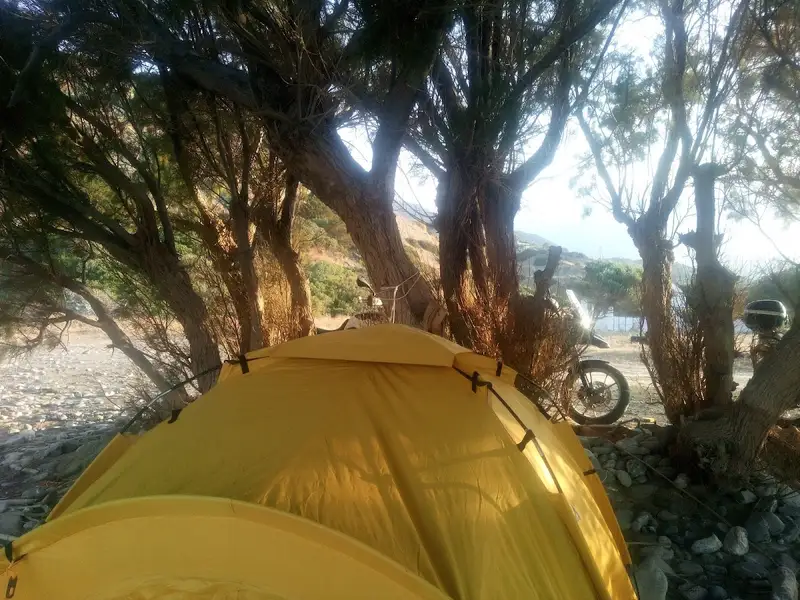
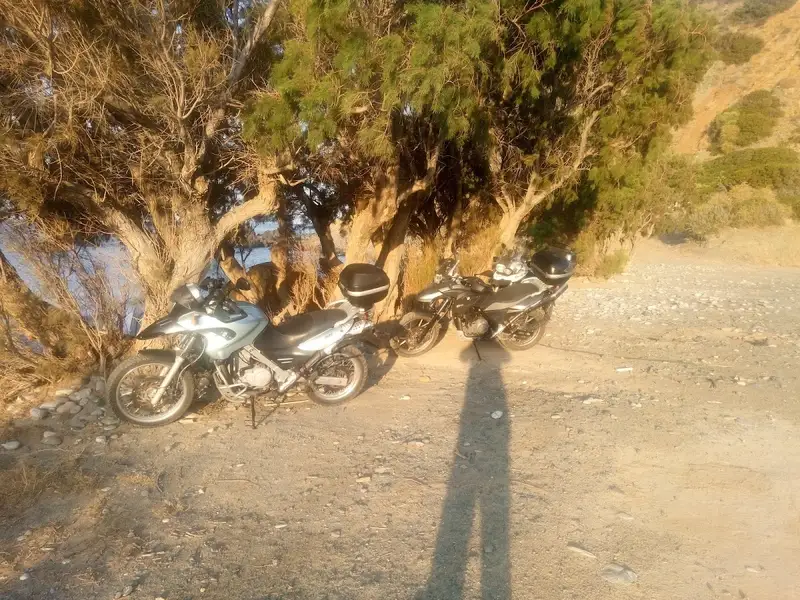
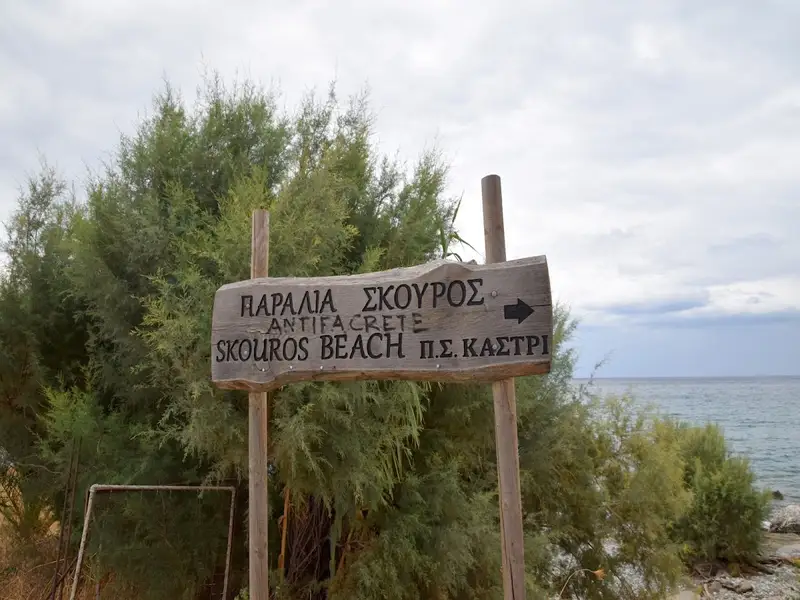
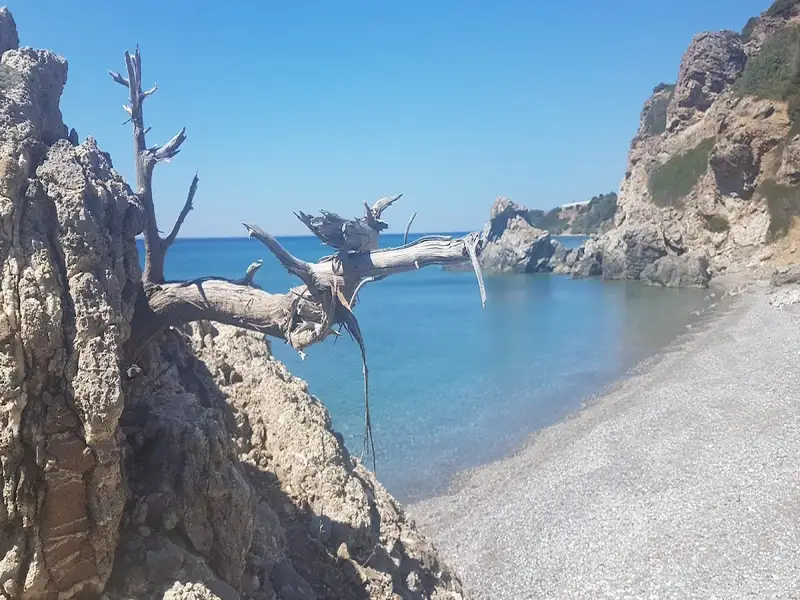
Kastri, a serene location nestled 72km southeast of Heraklion in the protected bay of Keratokambos, offers the longest beach of Skouros just to the west of its central beach, located next to the Saint Myronas church. The beach is a picturesque blend of sand and pebbles and remains largely unpopulated. A grove of tamarisk trees along the beach offers a haven of shade. The shoreline is dotted with unique rock formations, both on land and extending into the sea, adding to the beauty of the landscape. The beach derives its name from a large, dark rock known as Skouros, located in the western part. The beach is an ideal spot for free camping and offers a secluded retreat.
Further west of the Skouros rock, you can explore the most isolated beaches in the region, starting from Xerokambi and extending to the eastern edge of the Listis rock. Access to these beaches is via dirt roads leading to nearby greenhouses.
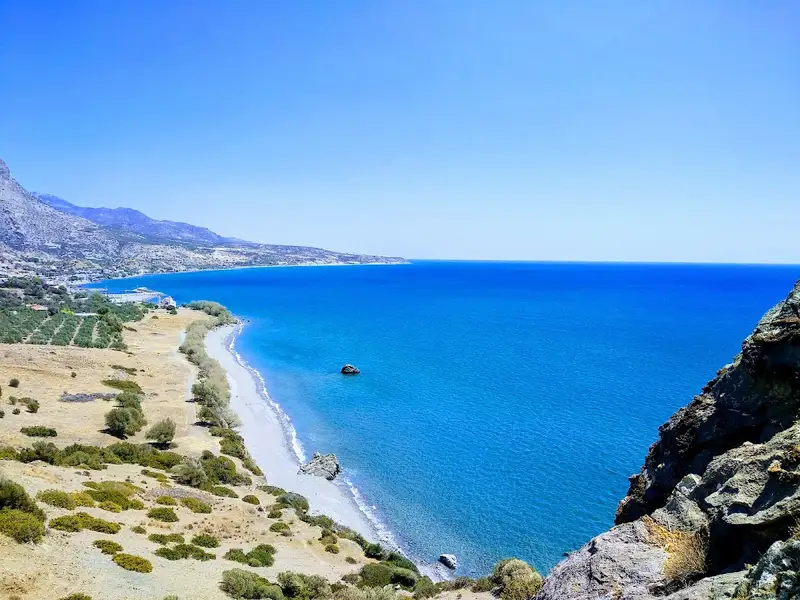
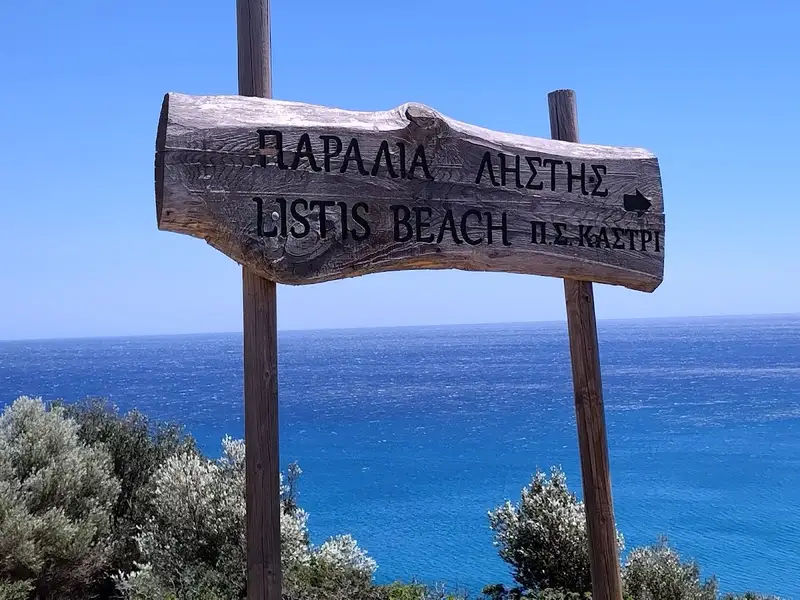
Listis, a charming beach tucked away 69km southeast of Iraklion, is nestled between the towns of Kastri, 2km to the west, and Tsoutsouras. The road that connects these two towns skirts the edge of the beach. To reach the beach itself, it’s necessary to navigate a steep slope. Alternatively, you can alight at the neighbouring Kamboula beach and stroll eastwards. Regardless of the route you choose, the destination is undeniably worth it.
Despite its modest size, Listis beach stands out as one of Crete’s most appealing. It’s an unmanaged location that can get crowded during peak season. The beach boasts sandy stretches and shallow, crystal clear waters. Its uniqueness lies in the large rocks scattered in the sea and along the shore. Even though the water is rocky, the sandy seabed is perfect for swimming and frolicking in the water. If you swim east of the beach, beyond the massive Listis rock, you’ll find a quaint sandy beach with a spring in the Xirokambi area.
Listis rock, rising above the beach, is home to several intriguing caves. According to local lore, these caves once sheltered a bandit, hence the name Listis, meaning bandit. The caves are easily accessible from the main road rather than from the beach. On the crest of the hill, remnants of an ancient sanctuary can be found.
Situated 72km southeast of Heraklion, within the sheltered Keratokambos bay, you’ll find Kastri – the larger of the two conjoined settlements in the region, the other being Keratokambos. Over recent years, tourism in Kastri has seen significant growth, driven largely by the appeal of its surrounding beaches. The serene and welcoming atmosphere attracts many families, some of whom visit multiple times a year. Kastri is accessible by car, with the drive from Ano Viannos to Heraklion taking between 45 to 55 minutes.
Kastri’s distinctive port serves the local fishing community and welcomes other boats. Adjacent to the port, towards the west, there’s a small but stunning sandy beach, adorned with tamarisk trees. Given its proximity to the village amenities, such as rooms, taverns, and shops, it’s one of the most popular beaches in the area. Further west of this beach, you’ll find the longest beach in Skouros.
While in Kastri, don’t miss the opportunity to visit the Church of St. Demetrius Galatoktistos, which used to be a monastery, and the chapel of St. George Vagionitis, set amidst a verdant garden.
Located 72km southeast of Heraklion, the small seaside resort of Keratokambos, along with the nearby coastal settlement of Kastri, has evolved into a sought-after family destination over recent years. The village of Keratokambos is fronted by a lengthy sandy beach, extending for several kilometers in both directions.
The village’s main beach is situated to the east of the local harbour, extending eastwards up to the Keratokambitis river. The beach is quite organized where it adjoins the village, and in some areas, it is strewn with large pebbles, making it a suitable spot for snorkelling. The beach becomes more peaceful and secluded as you move eastwards. Following this is Monobouka beach, located near the Kapsali settlement, and equipped with a few tourist facilities. Monobouka beach, with its sandy terrain and shallow waters, is perfect for children. The beach is dotted with many tamarisk trees, providing ample shade.
A brief overview of the Keratokambos area reveals that Keratokambos (and Kastri) function as the harbour for the inhabitants of the mountainous village of Ano Viannos, situated further north. In the 1950s, the area housed only warehouses for storage of products like carob, citrus, oil, etc. The local harbour was employed for transporting these products to urban centres via cargo ships, as there was no road network at that time. Today, Kastri and Keratokambos form a unified village, which has witnessed significant growth in tourism in recent years. The village boasts of a school, a clinic and a notable gallery.
The name Keratokambos translates to Carob Fields in Greek, a name derived from the locust trees grown in the region for producing carobs. Another interpretation suggests that the name comes from the Greek word ‘Kerato’, meaning horn, referring to the towering steep rock, called Kerato, located north of the village in the Vigla area. The top of Vigla houses the ruins of a Venetian fortress, while its base is home to a large cave with rich stalagmite decorations and numerous bats.
The villages of Keratokambos and Kastri are built in a valley formed by several wild gorges, with the Keratokambitis river cutting through the rugged Portela gorge. In the Richtra region, a beautiful 10m high waterfall can be found, which is worth a visit (especially in spring).
The Kavousi and Piskopi Pidima (Bishop’s Jump) gorges are other impressive natural formations of the area. The latter gets its name from a local legend of a bishop and his horse miraculously leaping across the gorge to escape from the Turks. As a tribute to this miracle, the bishop built the church of St. George near the gorge.
Situated 65km south of Heraklion on the eastern flank of the barren Asterousia Mountains is Agios Nikitas. The most common means of reaching this location is by navigating a rugged dirt road beginning from the village of Ahendrias, leading to the Monastery of St. Nikitas, 15km away. The captivating journey takes you past precipitous cliffs and jagged rocks, characteristic of the Asterousia landscape.
Overlooking the South Cretan Sea from a hill, the Agios Nikitas monastery was initially a retreat for monks from the Koudoumas monastery. The monastery’s church, dedicated to St. Nikitas, was constructed in a cave around 1640. Inside, you’ll find ancient frescoes and a smoke-stained roof, allegedly blackened during pirate attacks. A small indentation within the church produces water used as holy water. Despite the area’s dry climate, mango and avocado trees flourish in the monastery’s gardens.
A brief trail from the monastery leads to Agios Nikitas beach, accessible via 230 steps. This secluded pebble beach features crystal clear waters with a deep green hue, offering no typical tourist amenities. Nudism is considered disrespectful near monasteries, so it is not recommended here.
To the east of the main beach is a twin beach, Kalogerou Arolithos, primarily accessible by boat or swimming. A large smooth, steep rock separates the beaches, believed to bear the footprints of Saint Nikitas’ horse, according to legend.
Further east, a small cottage houses a secluded pebble beach, accessible via a small stairway originating from the cottage. Named Hiromili, this beach is typically empty.
Walking westward from the main beach, one would soon encounter the cape Gerani, home to a solitary palm tree overlooking the expansive Libyan Sea.
A brief 300m journey westward from St. Nikitas leads to the picturesque white-washed chapel of St. Anthony and a small carob wood. Adjacent to the chapel is a stream flanked by Theophrastus palm trees, constituting the third largest colony of the Cretan date palm in Crete, known as the small palm grove of Saint Anthony. Several small isolated coves in the area, known as Kalami, are ideal for swimming and fishing. The nearest place for water and food supplies, aside from the monastery, is the village of Maridaki, 2km to the east.
No results available
© All rights reserved. Crete Locals