
Traditional Cretan food is built on a handful of local ingredients cooked as simply as possible, usually grilled or baked. Cretan cuisine has drawn on olive oil, herbs, fish and seafood, goat or lamb meat, and the vegetables and fruits grown on the island since ancient times. Later, Venetian and Ottoman influences shaped it into a distinct regional cuisine. Crete shares many dishes with mainland Greece, yet the island keeps its own specialities that you will not find anywhere else. If you want the short answer to what to eat here, start with dakos, Cretan pies, antikristo lamb, fried snails, local cheeses like graviera, and a glass of raki.
The traditional Cretan diet is regarded as one of the healthiest in the world, so no visit is complete without a long meal in a village tavern. This guide walks through the island’s signature dishes, its meze culture, its cheeses and sweets, and the local drinks that round off every table.
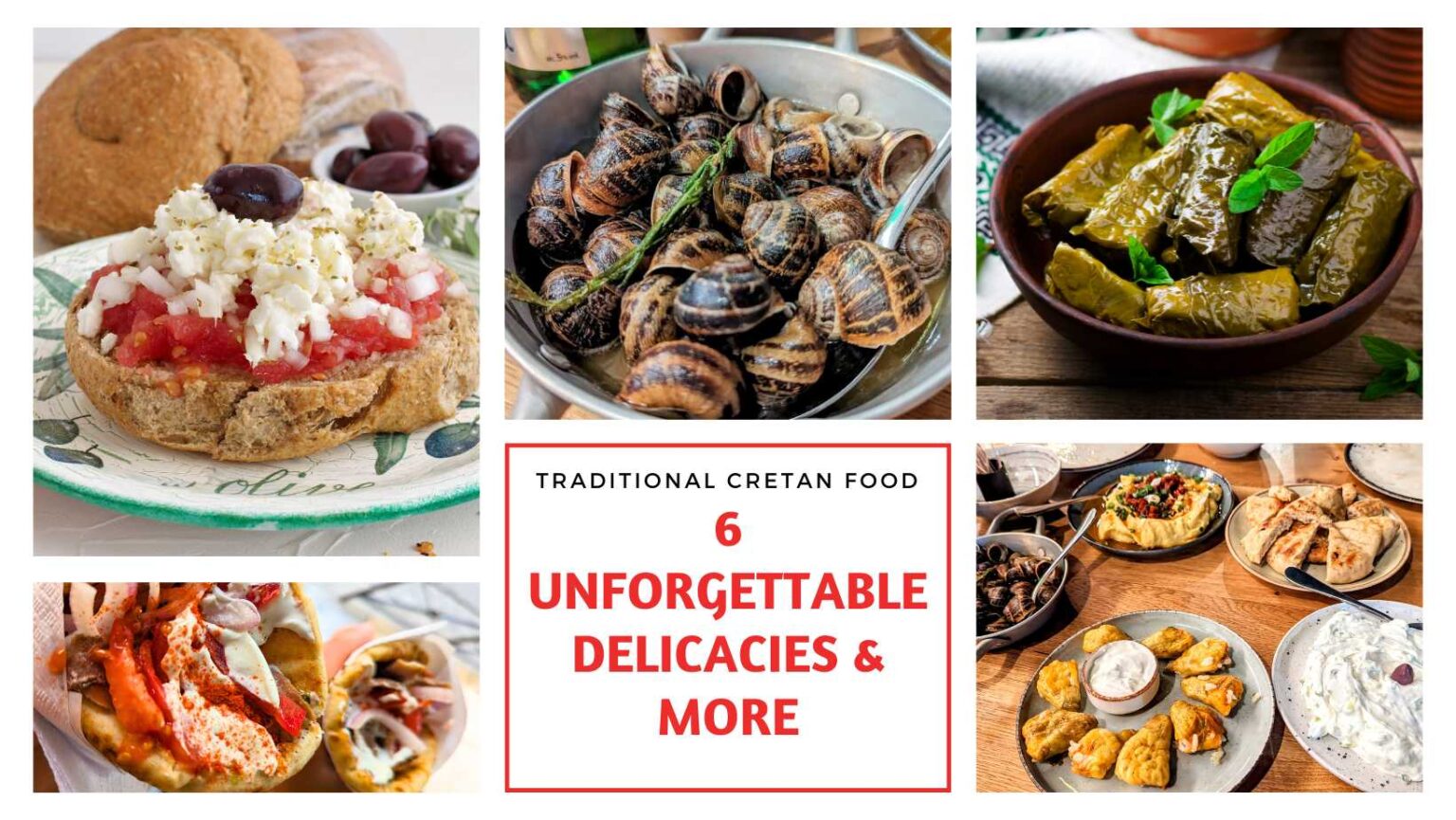
The six dishes below are the ones to order first, ranked by how strongly they define Cretan cooking. Each pairs a distinctive local ingredient with a simple cooking method, and each is easy to find on tavern menus across the island.
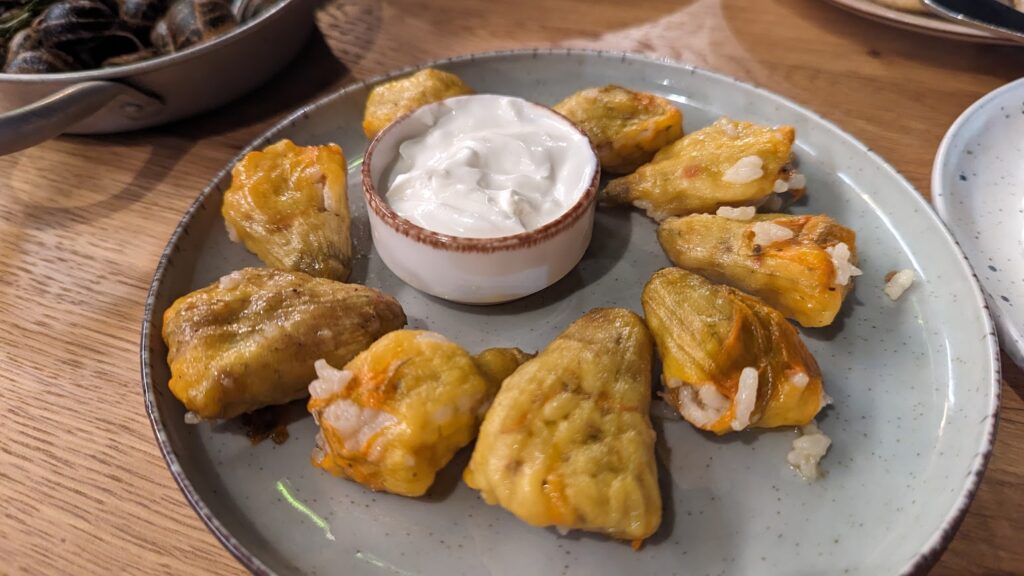
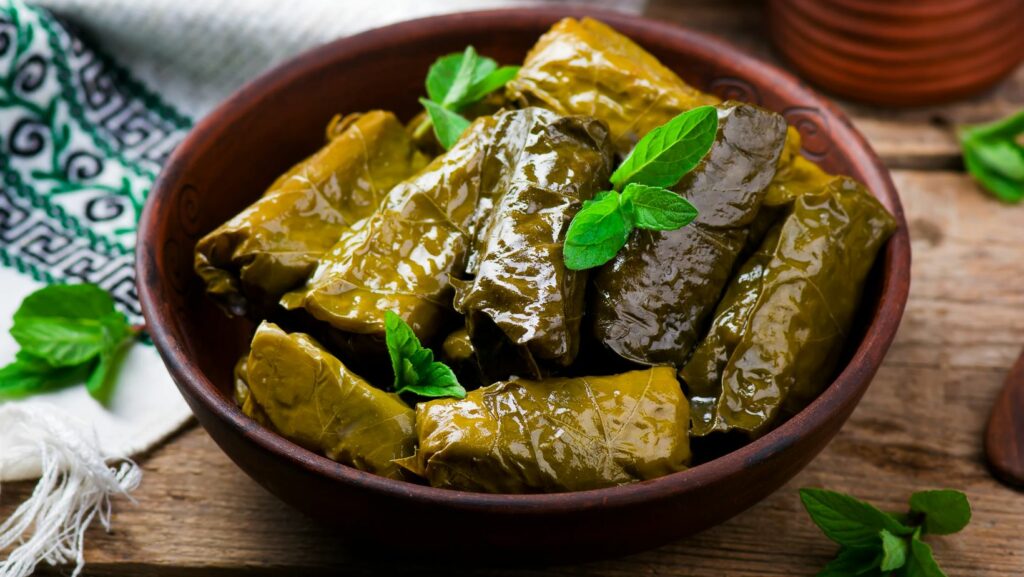
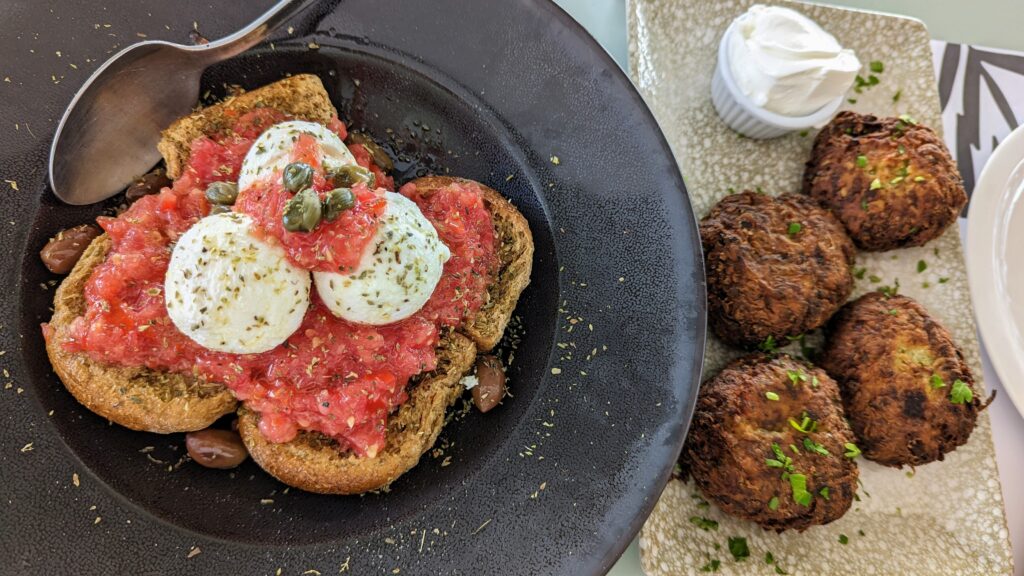
Dolmades are small stuffed parcels made from grape leaves, while anthi use courgette (zucchini) flowers instead. Both are typically filled with rice and herbs, and sometimes with meat. The wrapping steams the filling and holds in the aromatics, so each bite delivers a concentrated burst of Mediterranean flavour.
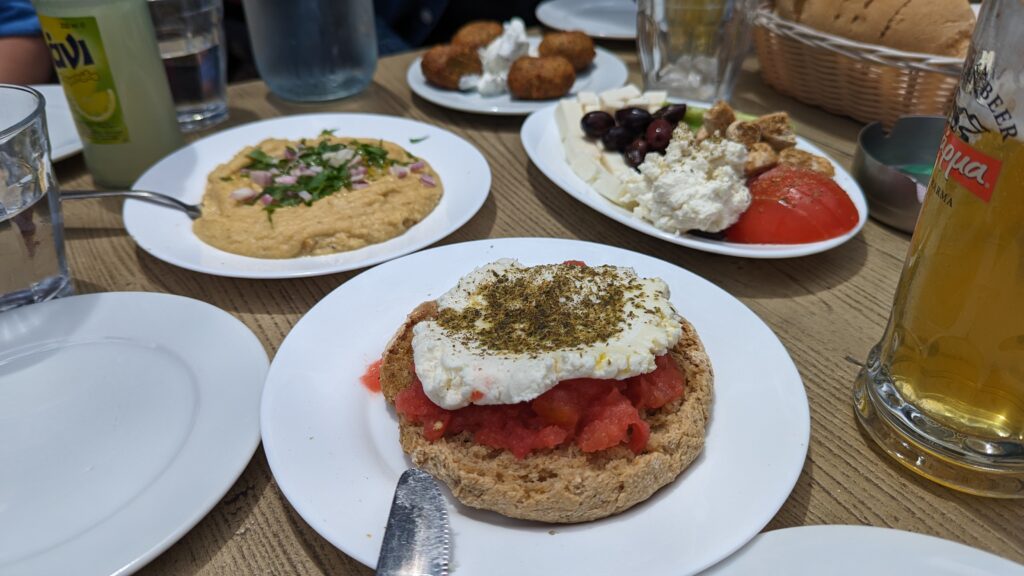
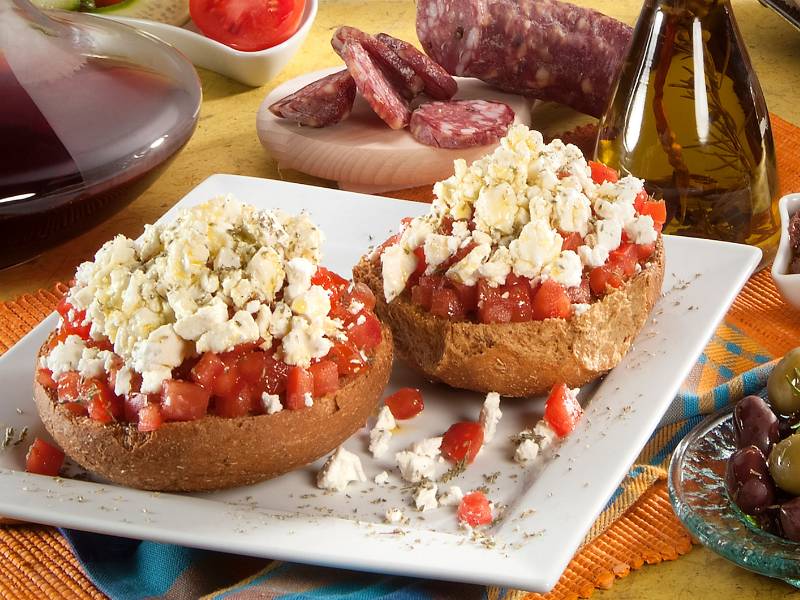
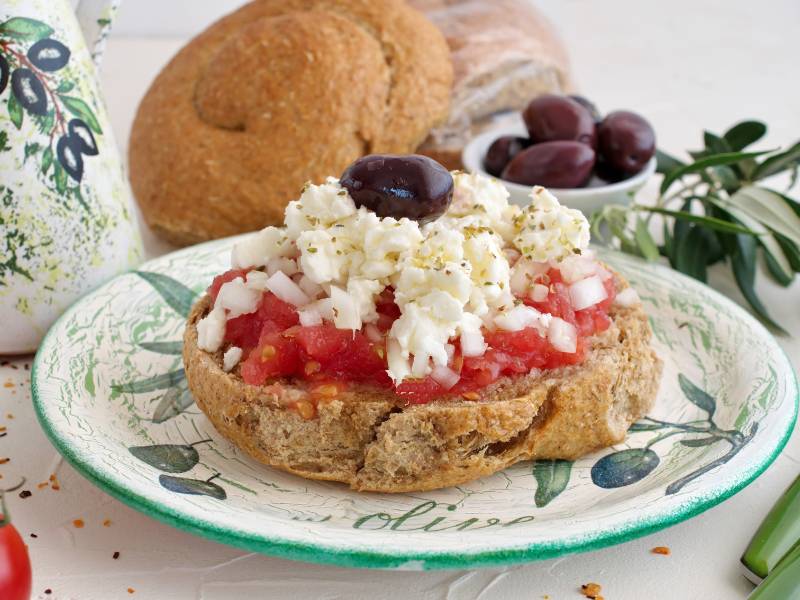
Dakos is a Cretan salad built on a hard barley rusk. The rusk is topped with chopped tomatoes, crumbled feta or mizithra cheese, olives, capers, and a generous drizzle of Cretan olive oil. Dakos is simple to assemble, yet the contrast of crunchy rusk, juicy tomato, and salty cheese makes it one of the most satisfying plates on the island.
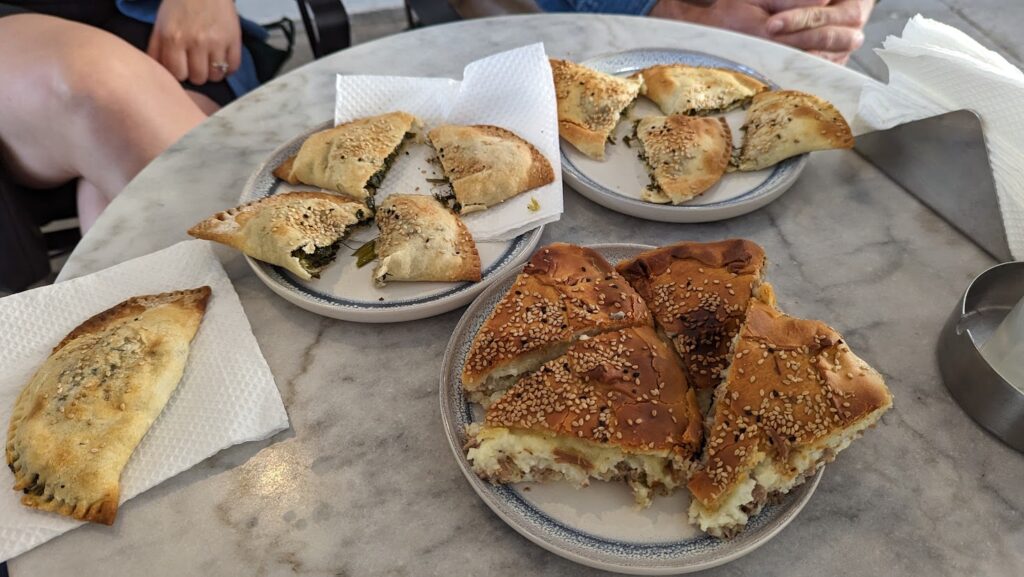
Cretan pies are baked pastries filled with a mix of wild greens, local cheeses, and meat. The fillings change with the season and the region, so no two pies taste quite the same. These pies are as much a piece of Cretan culture as they are food, and bakeries turn them out fresh through the day.
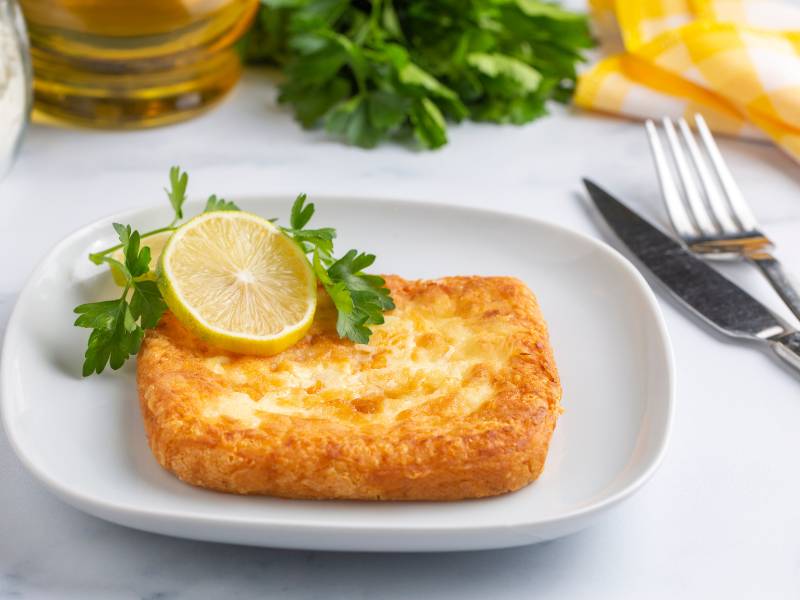
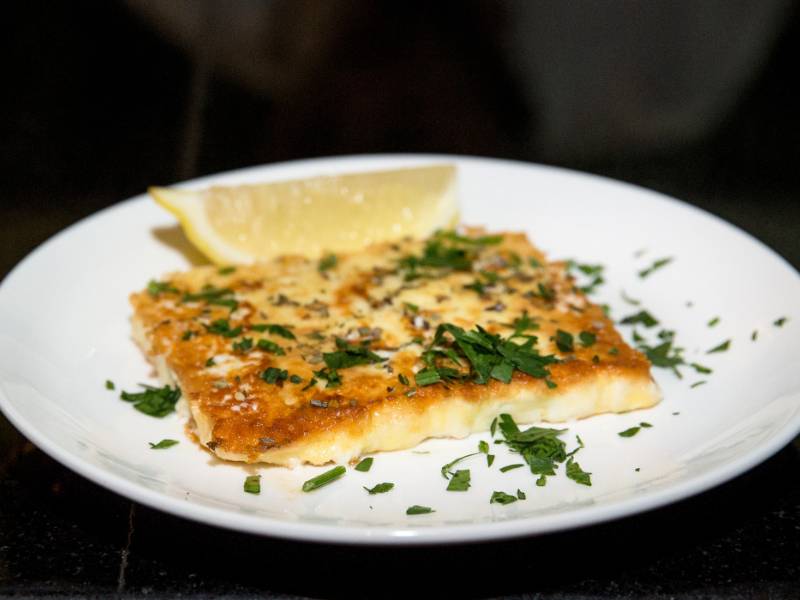
Saganaki is a thick slice of cheese fried to golden perfection. Cooks usually use graviera or kefalotyri, both firm cheeses that hold their shape in the pan. The result is crisp on the outside and soft, almost molten, on the inside, and it arrives at the table sizzling.
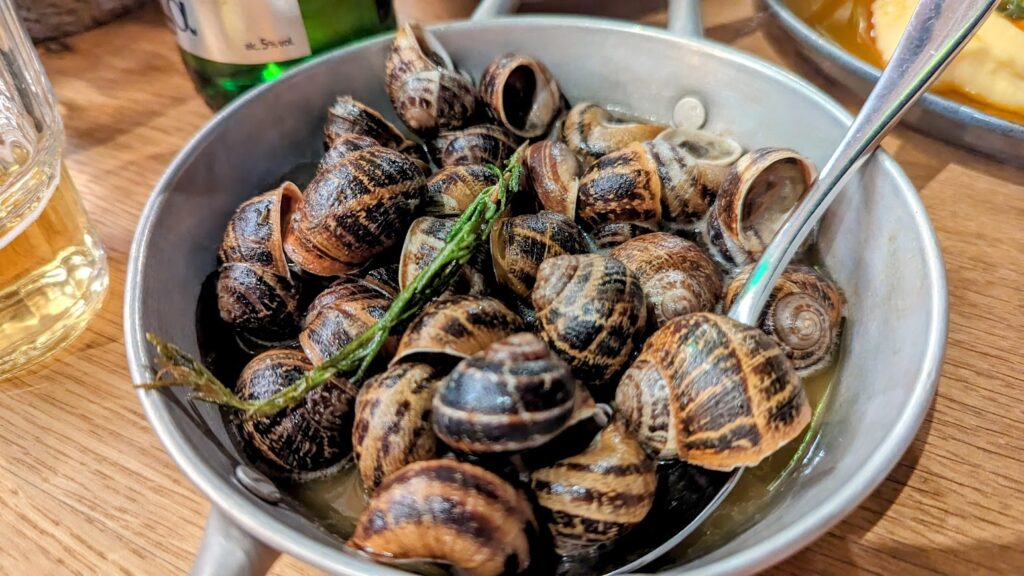
Fried snails are a Cretan delicacy cooked in olive oil and coated with rosemary. The frying crisps the shells while the rosemary perfumes the dish, giving a crunchy, aromatic mouthful. Snails are prized across Greece, and Crete treats them as a staple rather than a novelty.
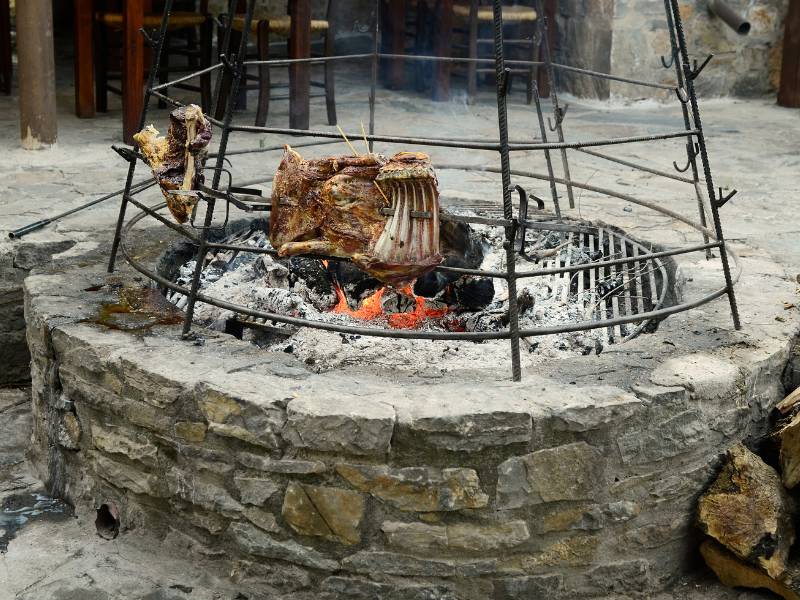
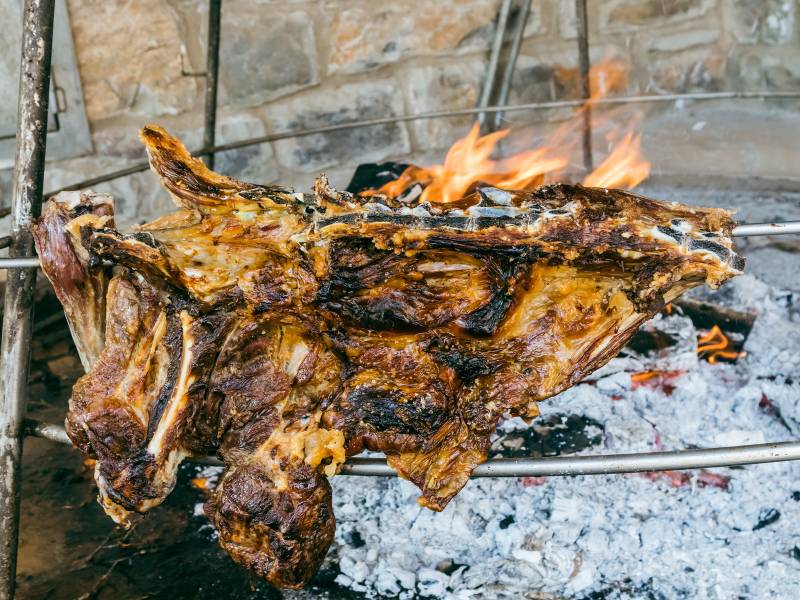
Antikristo is a renowned Cretan lamb dish roasted upright around an open fire. To prepare it, locals divide the lamb into four parts, season the meat with salt, and thread it onto a sharp skewer. They then dig a pit and fill it with plenty of wood to build a strong fire, arrange the meat around the fire’s edge, and control the result through careful attention to the strength of the fire, the placement of the meat, and even the direction of the wind. The slow, radiant heat renders the lamb tender and smoky without ever touching a flame.
Crete has plenty of restaurants that specialise in particular kinds of food and drink. The differences between them are not huge, but knowing the names helps you pick the right place for what you want to eat.
Greeks eat on a later schedule than most visitors expect, so plan your meals around the local clock. Breakfast is light, often just a coffee with friganiés (a kind of toast) or a pastry such as bougatsa or another pie. Lunch runs between 14:30 and 16:00 and is followed by the sacred afternoon siesta, with work resuming around 17:30. Dinner starts late, from about 21:00, and some restaurants stay open until midnight.
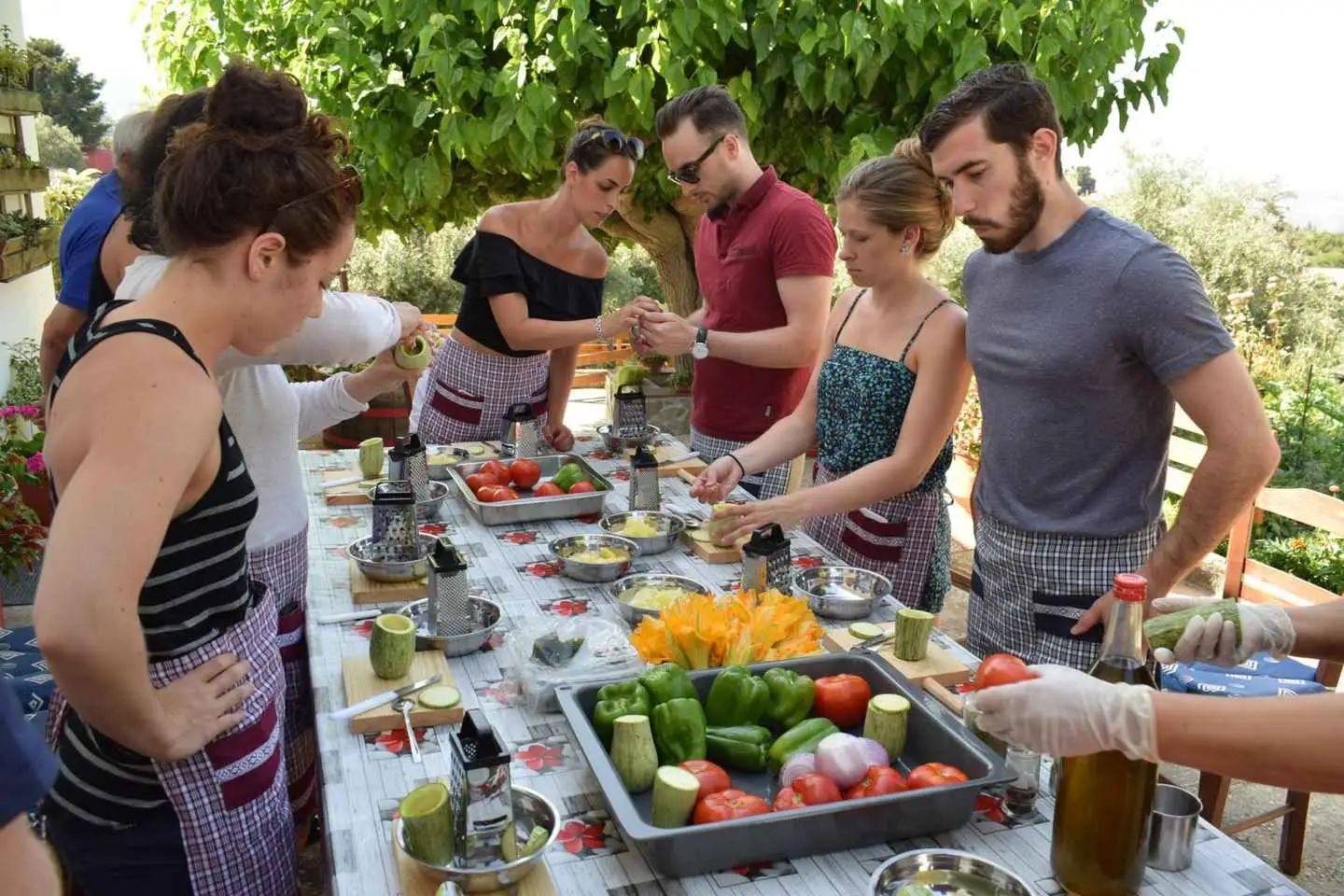
One of the best ways to taste traditional Cretan food is to eat alongside a local who knows the good spots. In Chania, guided food tours lead visitors through the old town’s tavernas and street-food stalls while sharing the stories behind each dish.
Mezédes are small appetizer plates that Cretans share around the table, and a good spread can stand in for a full meal. Because they are meant to be passed and shared, mezédes bring a sense of closeness to the table rather than being eaten alone.
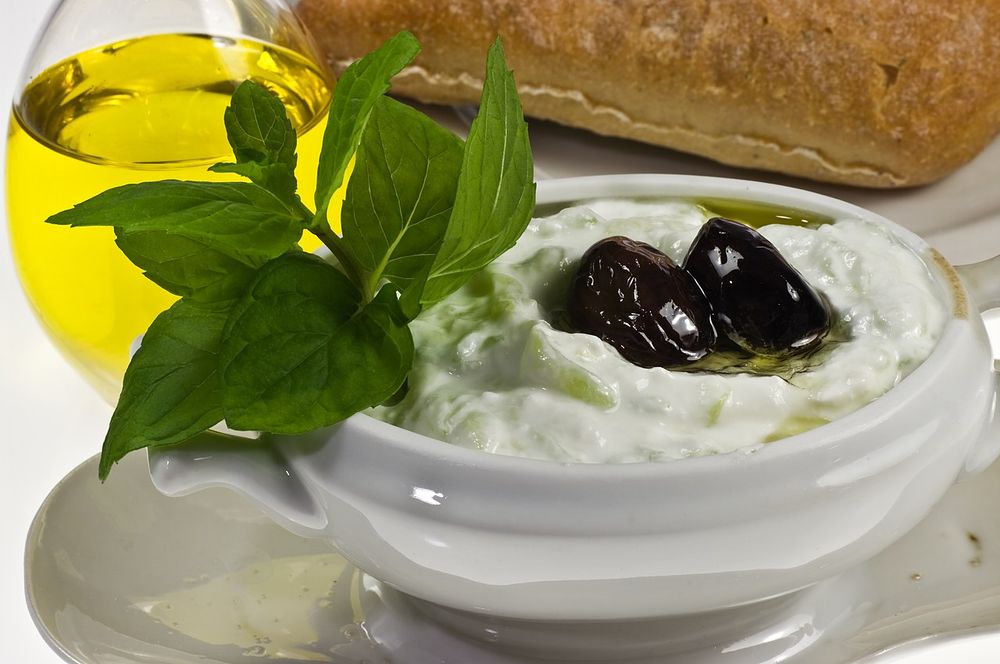
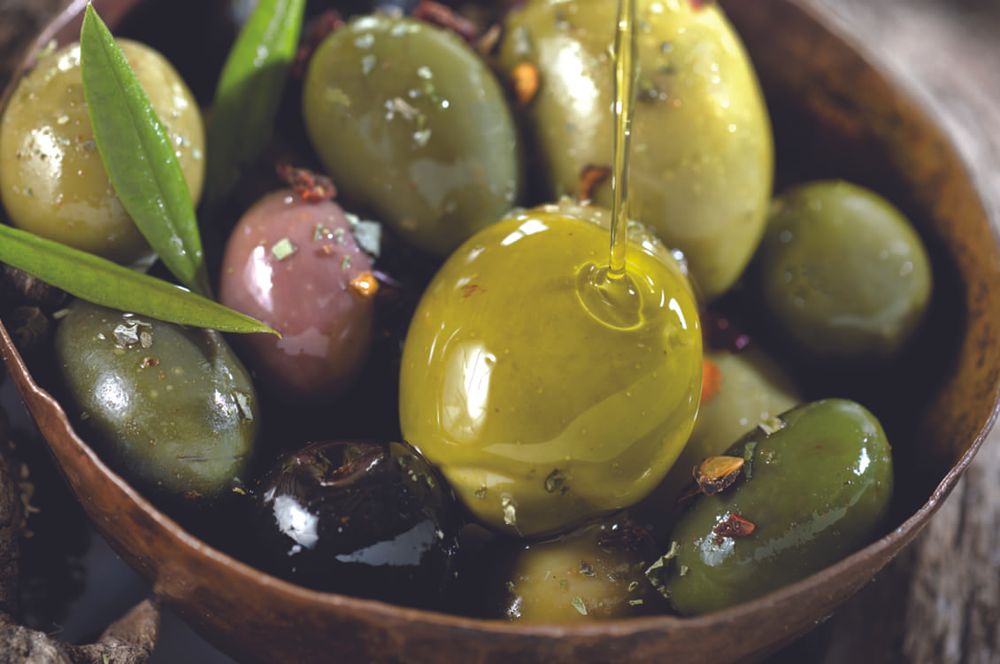
The most famous Cretan appetizers include:
Other traditional Cretan specialities are worth seeking out too:
Soups belong to winter and are far less common in summer. When the weather cools, look for these:
Fried snails, known in Crete as chochlioí boumpouristoí, are among the island’s most prized dishes and are celebrated throughout Greece. Cretans eat them fresh only in the summer months, when the snails are inactive, or right after rain when they emerge from their shells; the rest are kept frozen and cooked before Lent.
Chochlioí are prepared in countless ways, and locals say there are at least 40 of them. Cooks bathe the snails in salt water, boil them with potatoes and pumpkin, fry them with oil, rosemary, and garlic, or cook them with tomatoes, potatoes, and thyme in a dish called egíni.
Fish restaurants display the catch of the day on ice by the entrance, so you can pick the fish you want before it is weighed, cleaned, and cooked. Keep an eye on prices, because fish is often sold by weight. Frozen fish or seafood is marked on the menu with an asterisk or noted in Greek, and it is most likely to appear between June and September.
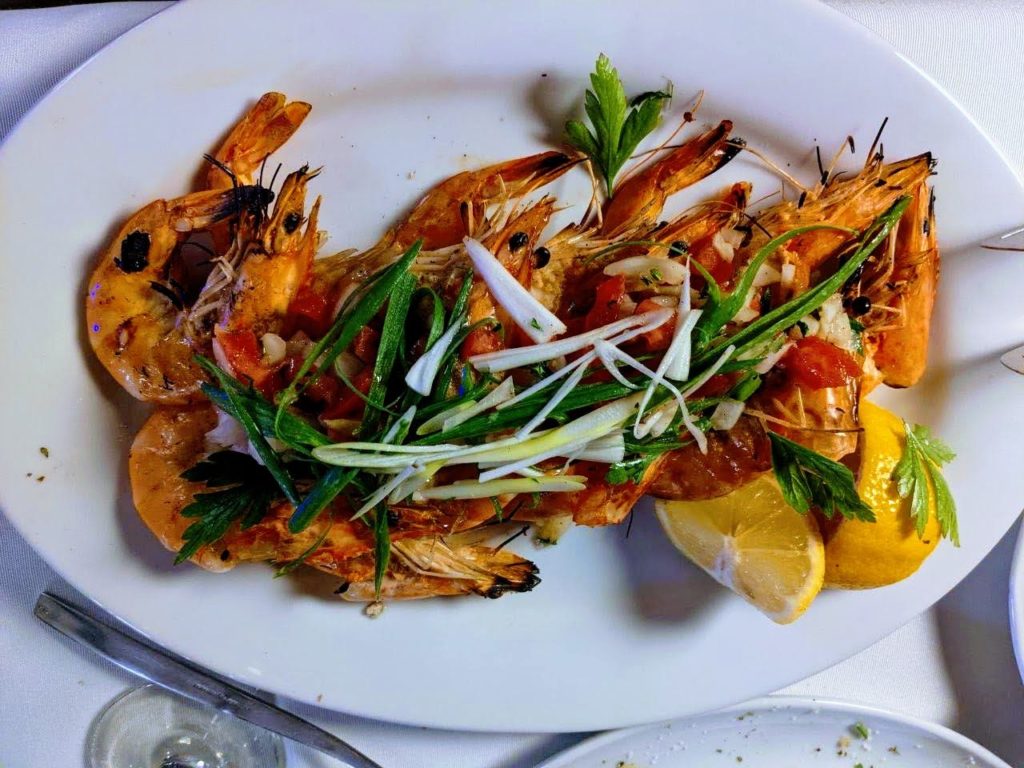
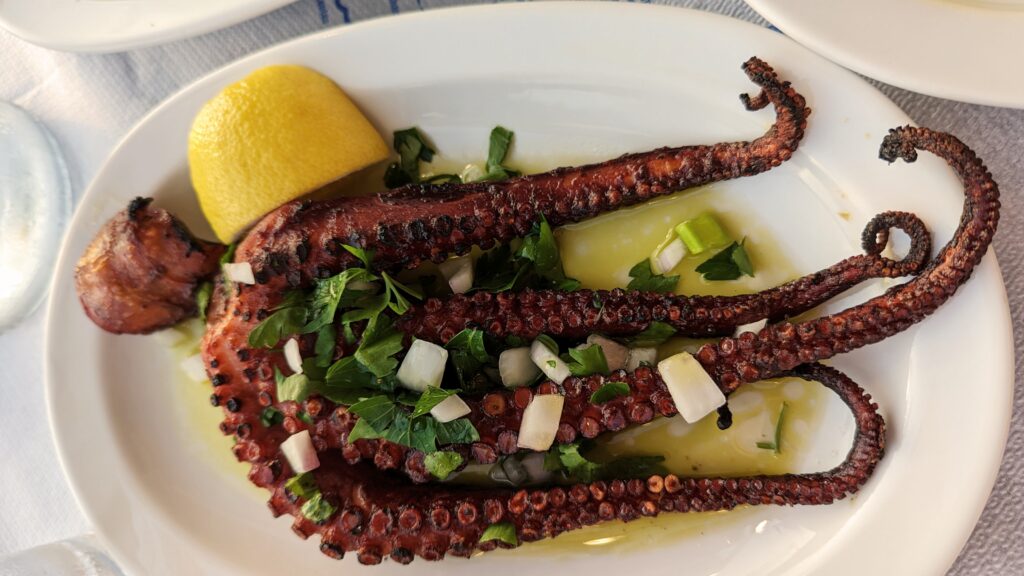
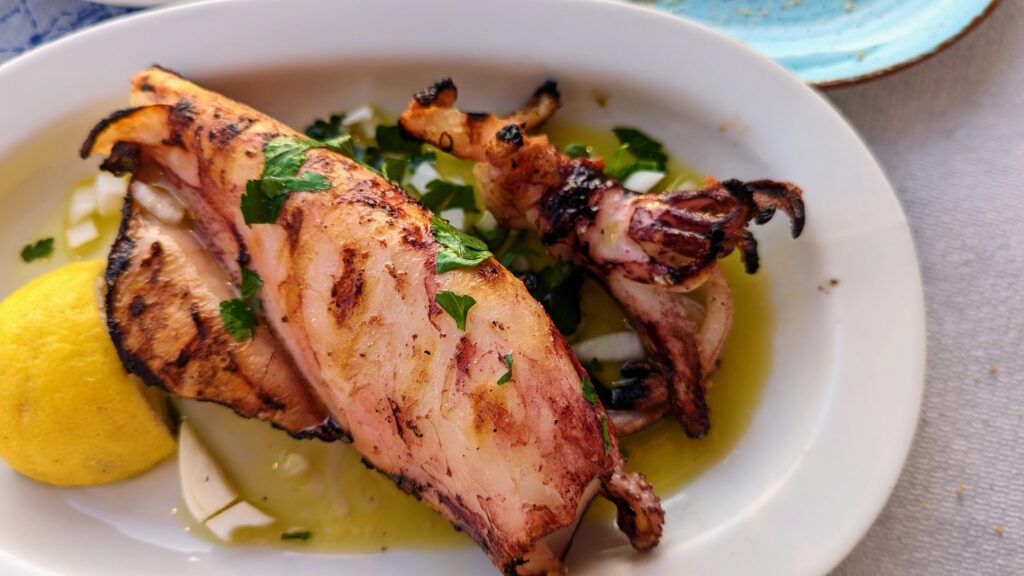
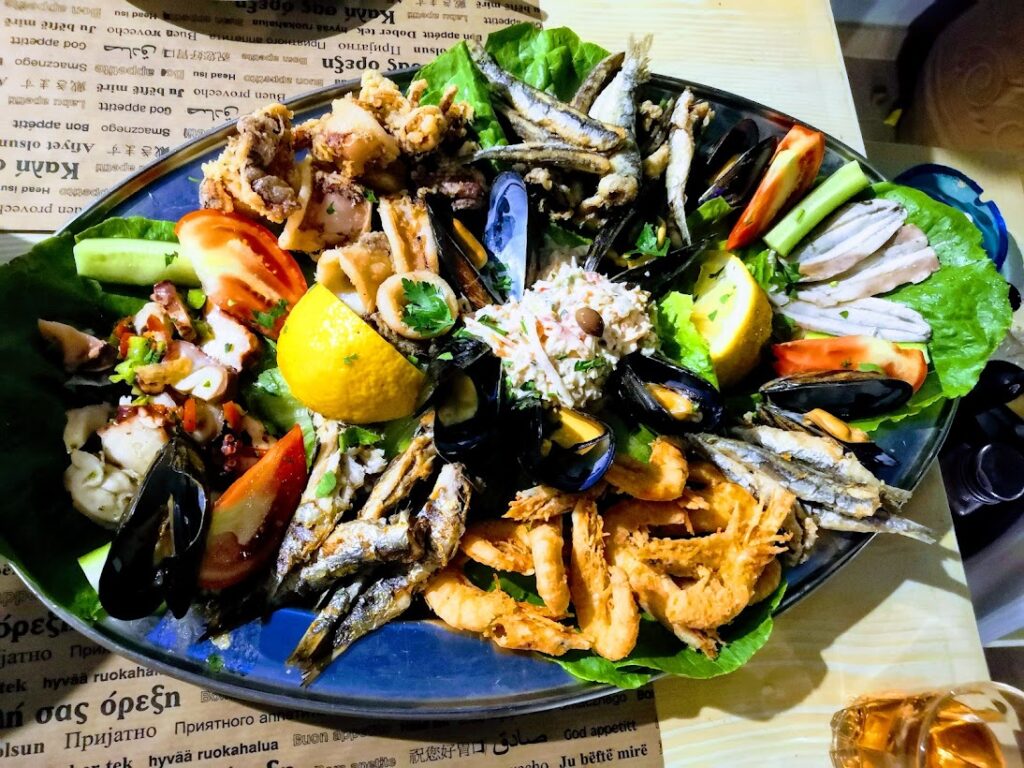
Larger fish are grilled or baked, while smaller ones are fried, and all are served with lemon or ladolémono (olive oil mixed with lemon juice). The most common species are barboúni (mullet), xifías (swordfish), koliós (mackerel), and various types of bream. Seafood is frequently grilled as well, though the kitchen also turns out more elaborate plates:
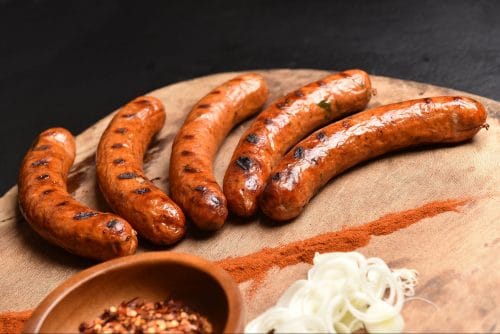
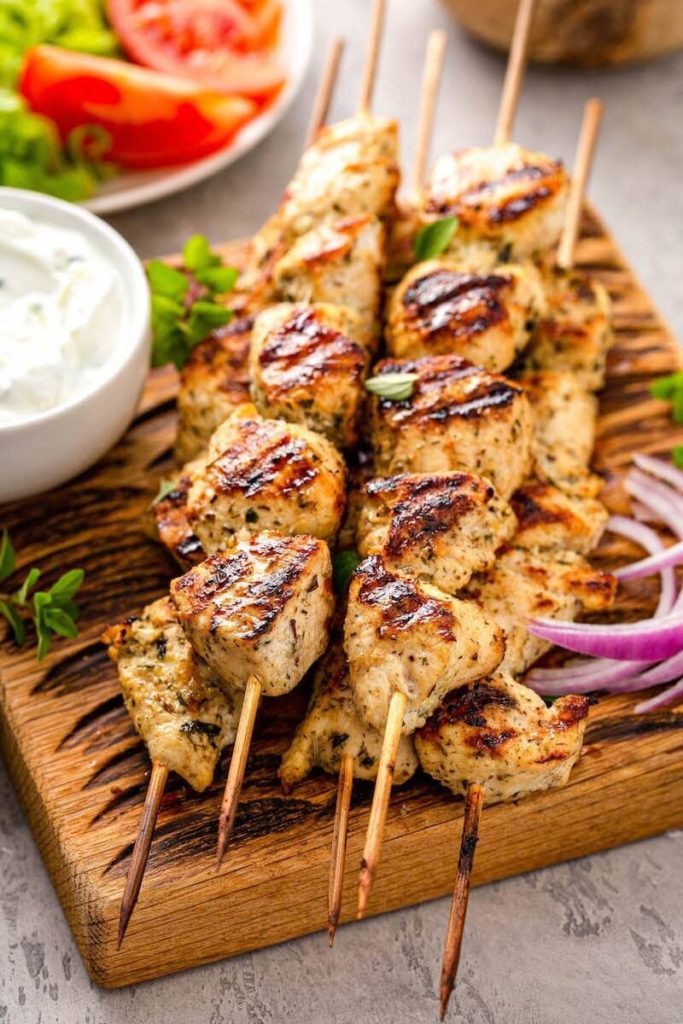
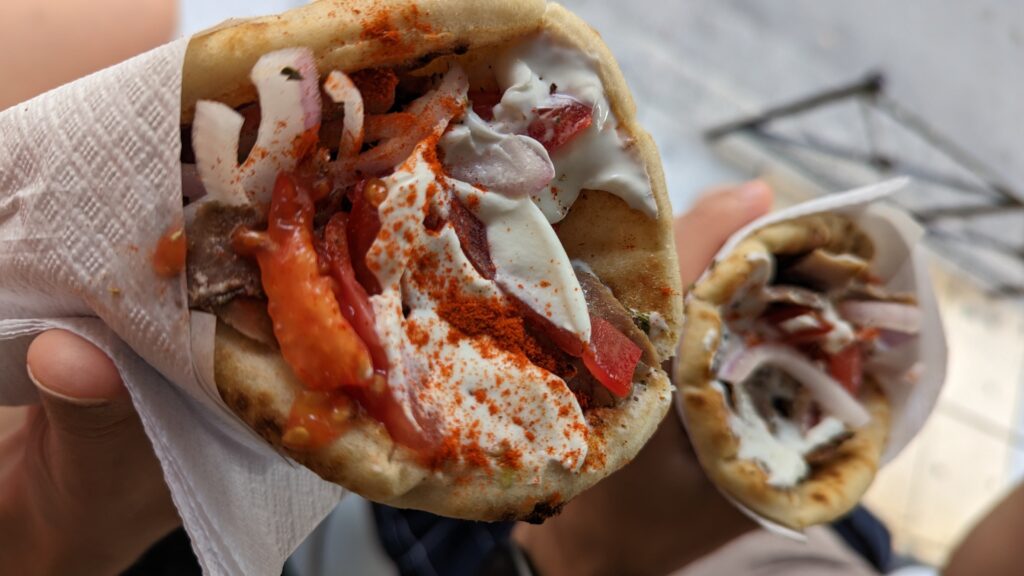
Cretan cooks treat meat with the same simplicity they bring to everything else, whether it is grilled fast or stewed slowly in clay. For a quick meal on the move, order gýros (a fluffy pita filled with pork, garnish, and tzatziki) or souvláki (skewers of grilled pork or chicken). Larger meals stretch to whole roast chicken, loukánika (sausages, best in the Sfakiá region), lamb, or soúvla (roast pork), all cooked to perfection.
Brizóla, made from pork or veal, is the classic cutlet, and lamb or goat chops are called païdákia. Baked or grilled lamb is eaten mainly at Easter. Gída vrastí (boiled goat meat) is more common in the villages, where it is usually served with a side of gamopílafo (a rich rice pilaf).
The island’s stews reward a slow lunch, and each comes to the table in its own clay pot:
Pastítsio is perhaps the best-known baked dish in the wider Greek kitchen. It is baked on a large plate in the oven and cut into individual portions once set. The dish is layered: a pasta somewhere between macaroni and penne separates layers of minced beef, onions, and cheese, and a top layer of béchamel (eggs, milk, and flour) firms up in the oven to hold the whole thing together.
Cretan cuisine may feature plenty of meat, yet the heart of Greek food is its greens, which makes the island easy for vegetarians and vegans. Many of the best plant-based plates live on the mezédes menu, so a table of shared appetizers can easily be built without meat.
Vegetarian dishes to try include:
The variety is wide, and every plate offers a distinct flavour, so vegetarian visitors rarely run short of choice.
Most Cretan cheeses are made from cow’s, sheep’s, or goat’s milk, and often from a blend of two of them. Feta is the most famous, appearing in every Greek salad or served plain with olive oil and oregano. Graviéra and kefalotýri are harder cheeses with a more intense flavour, and they are the cheeses most often used for frying as saganaki. Crete also produces soft cheeses such as manoúri and anthótyro. Stáka is a very thick cream made from goat’s milk, and mizithra, the Cretan version of ricotta, is made from the whey left over from other cheeses.
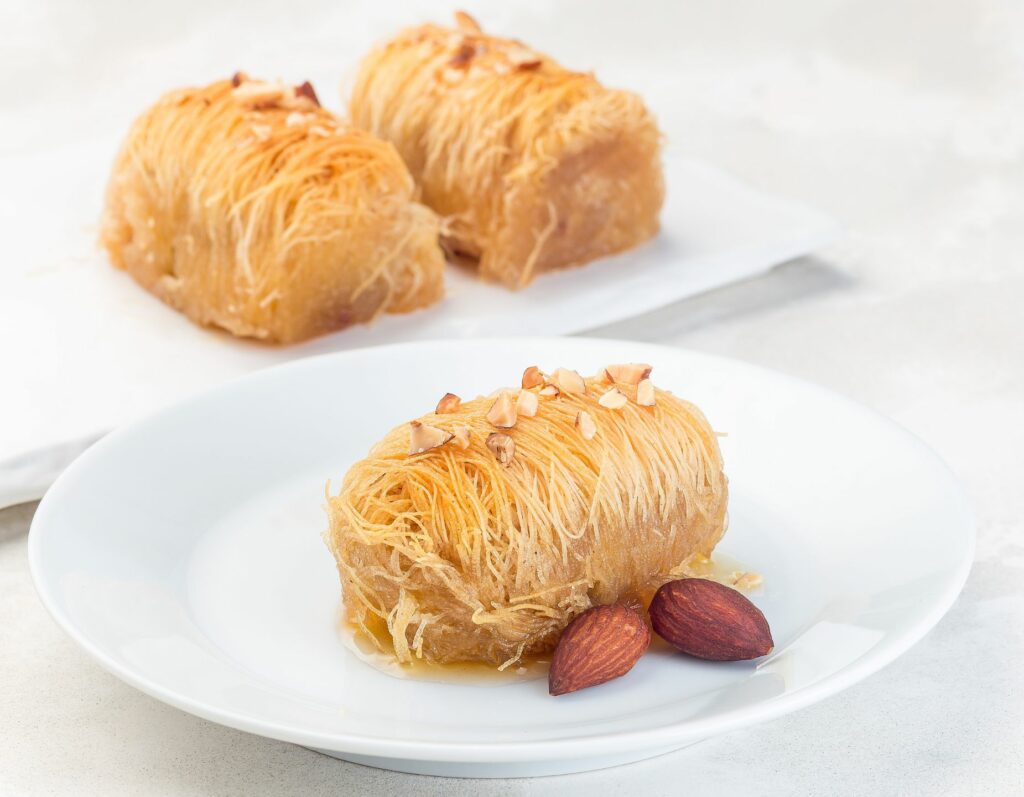
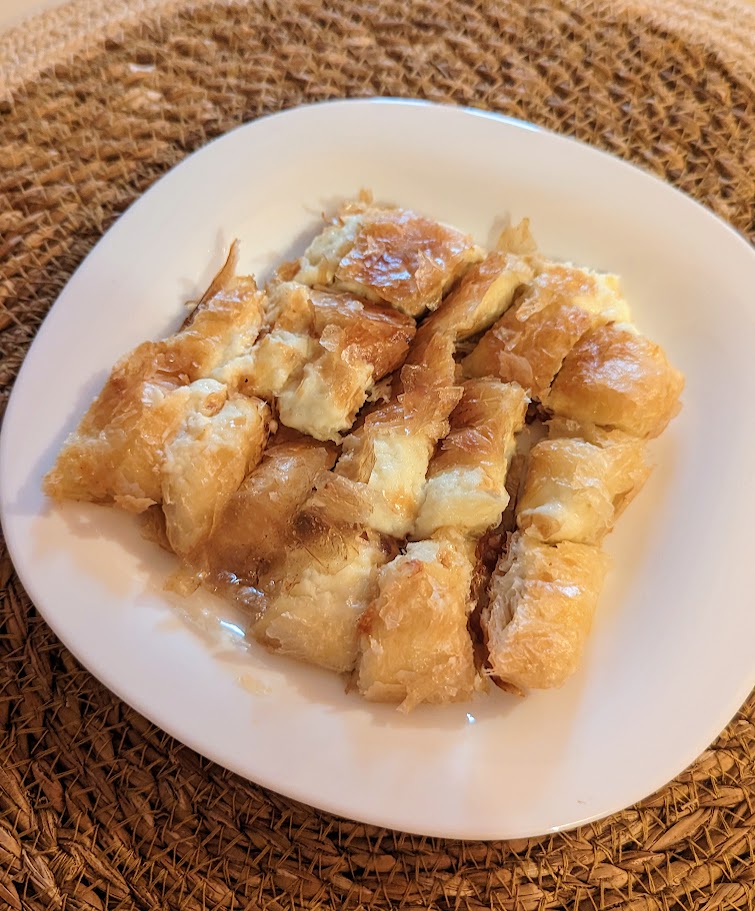
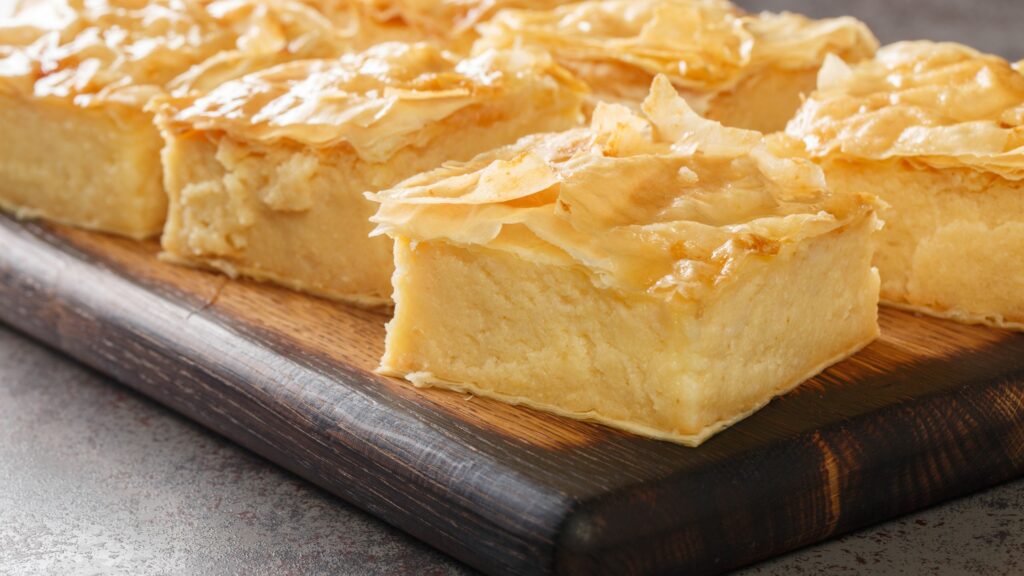
Cretan desserts lean sweet and syrupy, and most of them are found in a zaharoplastío (a confectionery shop). Many were inherited from the Ottomans and are still made the same way today:
Restaurants often send out a fruit platter on the house instead of a plated dessert, and it follows the seasons: watermelon or muskmelon in summer, grapes and pears in autumn, apple slices with cinnamon all year round, and citrus or strawberries in spring. Greece imports only a few fruit varieties from Italy or Spain and grows almost no tropical fruit.
The Cretan table comes with its own drinks, from carafe wine to the raki that ends nearly every meal. The sections below cover the wines, spirits, beers, coffee, and teas you will meet across the island.
Greeks have made wine for millennia, and the quality has risen sharply over the last few decades. Production stays low, however, and many vineyards make no more than 20,000 bottles a year, so even the best of them are unlikely to be names you already know. Cretan wine was highly prized in antiquity and only lost its standing in more modern times.
You can order red, white, or rosé at the restaurant by hýma or varelísio, which means by the quarter, half, or full carafe. Quality varies a good deal across the island, so if you are unsure, ask for a small quarter-litre carafe along with some mineral water.
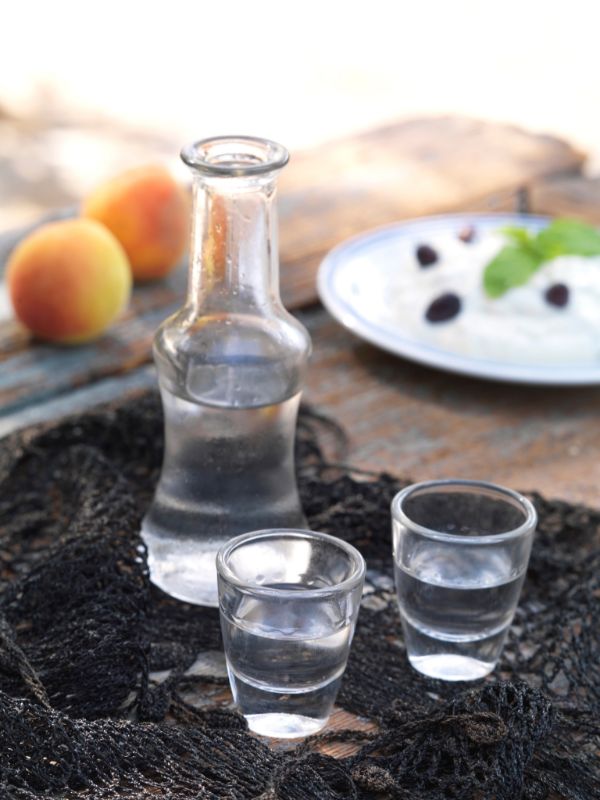
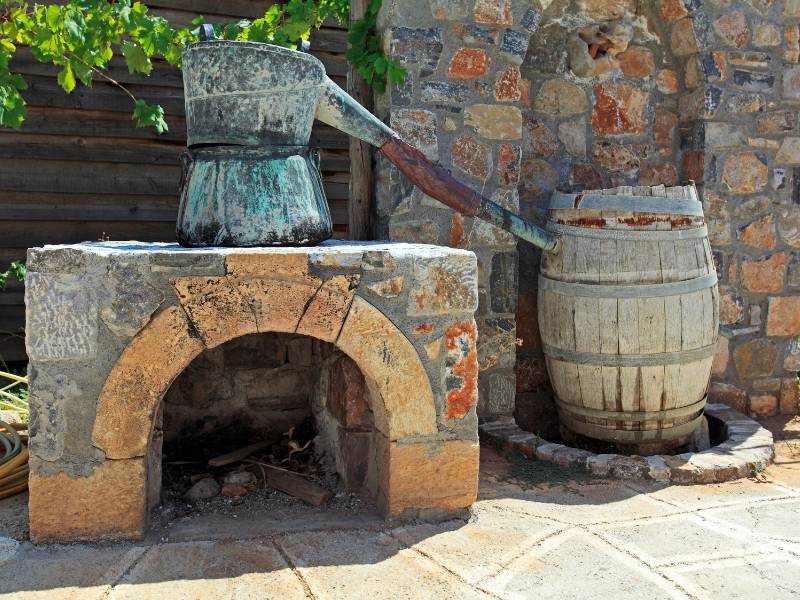
Oúzo opens the meal, served over ice with water, and the anise in it turns the drink whitish as soon as water hits the glass. Cretans, though, prefer their own spirit, rakí, which is distilled from grapes like oúzo but without the anise. Its strength runs between 40% and 50% alcohol. Raki is the cheapest drink on the island, often cheaper than water, and many restaurants pour it on the house at the end of a meal.
Greece brews many beers, and the best-known national brands are Fix, Vergina (widely rated the best), Alfa, and Mythos. Out for a drink in Crete, you may also come across island labels such as Cretan Brewery, Solo Beer, Charma Beer, and the newer Notos Lager from Notos Brewery.
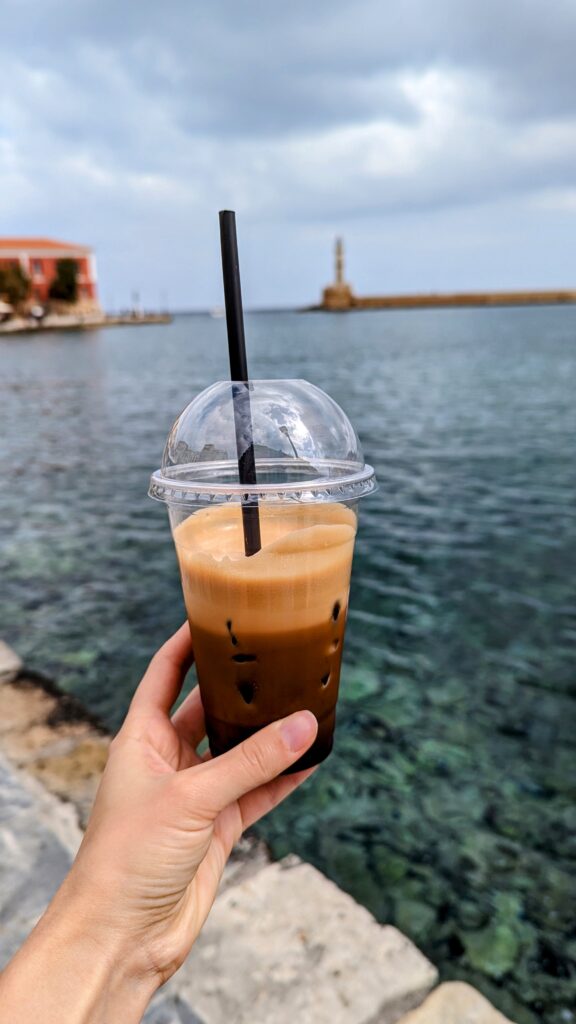
Greek coffee, or ellínikós, is strong and served in small cups. It arrives quite sweet (glykós) by default, so ask for métrios (medium) or skétos (no sugar) if you prefer. Stop before the last sip, because coffee grounds settle at the bottom of the cup. Instant coffee, called nes, is very popular in Greece and is loved most as a Freddo, a cold nes whipped with milk.
Cretan mountain tea is also called shepherd’s tea, a name earned by the shepherds who brewed the plant while tending their flocks in the mountains. Real Cretan mountain tea is made from ironwort, a plant with many beneficial properties. Greeks drink it for colds, lung complaints, an unsettled stomach, and even stress, and they often blend it with other herbs to make their own tea. You can find these infusions in restaurants and cafés in every city on Crete.

Soft drinks in Crete are much the same as anywhere else, though it is worth knowing that fruit juices are often pasteurised rather than freshly squeezed. For something simple and refreshing, order the mineral water, which springs from the mountains of Crete.
Start with the island’s signature dishes: dakos, Cretan pies filled with wild greens and cheese, antikristo lamb roasted around an open fire, fried snails, and saganaki cheese. Round the meal out with local cheeses such as graviera and feta, a shared plate of mezédes, and a glass of raki to finish.
Traditional Cretan food is based on a few local ingredients used since ancient times: olive oil, herbs, fish and seafood, goat or lamb meat, and the island’s own vegetables and fruits. Venetian and Ottoman influences later shaped these staples into a distinct regional cuisine.
Cretan food suits vegetarians well, because the heart of Greek cooking is its greens. Look for horta (boiled wild greens), gigantes (giant beans), fava, dakos, gemista (stuffed vegetables), briam (roasted vegetables), and the many meat-free plates on the mezédes menu.
Cretans drink carafe wine ordered by the quarter, half, or full measure, and they finish the meal with raki, a grape spirit of 40% to 50% alcohol that restaurants often serve on the house. Oúzo opens the meal, while Greek coffee and Cretan mountain tea round off the day.
Greeks eat a light breakfast, then take lunch between 14:30 and 16:00, followed by an afternoon siesta. Dinner starts late, from around 21:00, and some restaurants stay open until midnight.
Καλή όρεξη — enjoy your meal!