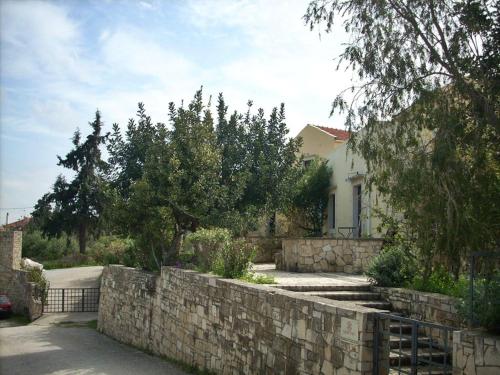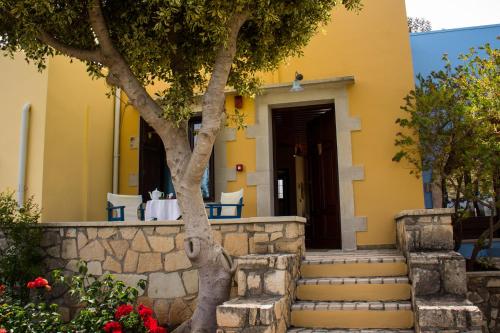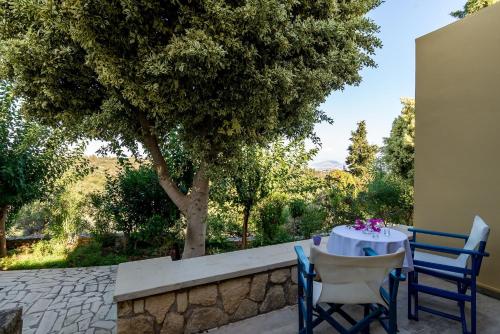
Discover what it feels like to breathe underwater in a safe environment with an introduction to scuba diving off a beach close to Chania. Following pick-up from your hotel in the city, head to the dive center in Almyrida to meet your PADI instructors for a pre-dive theory lesson.
Benefit from 1 instructor per 2 adult students and 1 instructor for every child for maximum attention. Your friendly instructor will be with you throughout for your comfort and safety. Once you feel confident, dive to a depth of 8 meters with your instructor to marvel at the marine life beneath the surface of the sea.
Choose from a morning or afternoon session to suit your schedule, and relax in the knowledge that all diving equipment will be provided, along with full insurance for your peace of mind. Photos and videos of your experience will be taken throughout, and sent to you free of charge as a fantastic souvenir of your time in Crete.
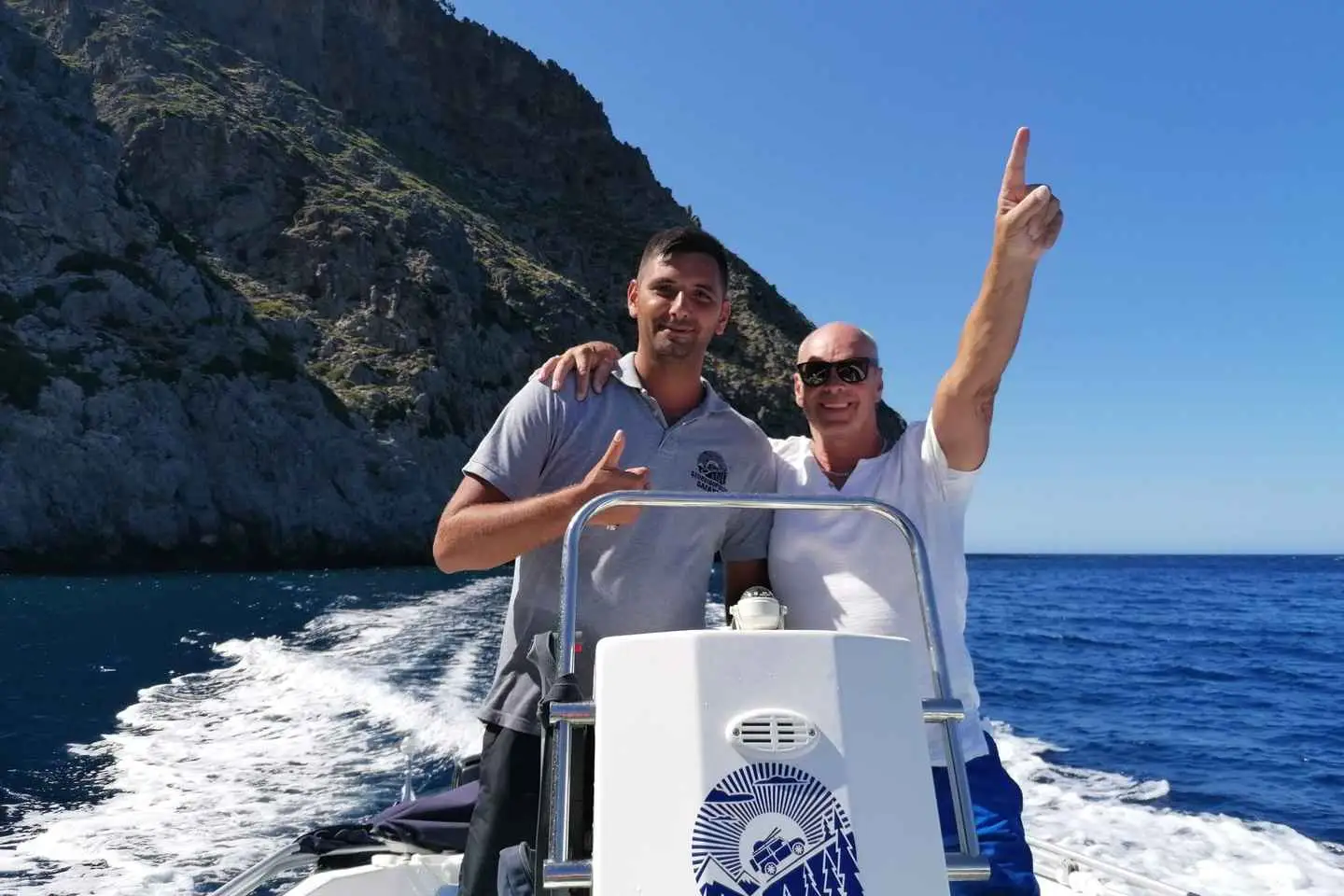
Escape the ordinary and dive into an authentic 3-hour Cretan adventure! Join a local fisherman and discover secret fishing spots along Chania’s stunning coastline.
Choose your perfect timing – sunrise departure (8:00 AM) with traditional breakfast aboard, or magical sunset trip (5:30 PM) with wine and homemade delicacies.
What awaits you:
Don’t just visit Chania – LIVE it like a local! Book now for an exclusive maritime experience that combines adventure, relaxation, and authentic Greek hospitality. Limited spots available!
From ± 9:00 Until 12:30
14:00 Until 17:30
Without captain(Only Guide)
No licenses needed
Boats available for safari exploration that can accommodate from 1 to 5 people
The Rent a Boat Safari category includes a sea tour, which is an adventure worth choosing. The duration is 3:30 hours and takes place in the wider area of Georgioupolis, Obrogialos near a cave. You will be drawn by the crystal blue waters, where you will have enough time to jump in for a refreshing swim. Each boat is 5 meters long, has 5 seats and its engine is 30hp YAMAHA.
Tour guide safety will be on the first boat to give directions on navigation and show you the route while the rest of the rental boats will follow. There is also pick up and drop off service and we can supply you with sandwiches and water.
Do not forget your swimsuit!
This will be an unforgettable tasting day for you and your friends exploring the mainland of Chania and discovering the non-touristic locations of Apokoronas province. In a few hours, you’ll have the chance to meet the local producers and taste the pure and authentic delicacies of Crete.
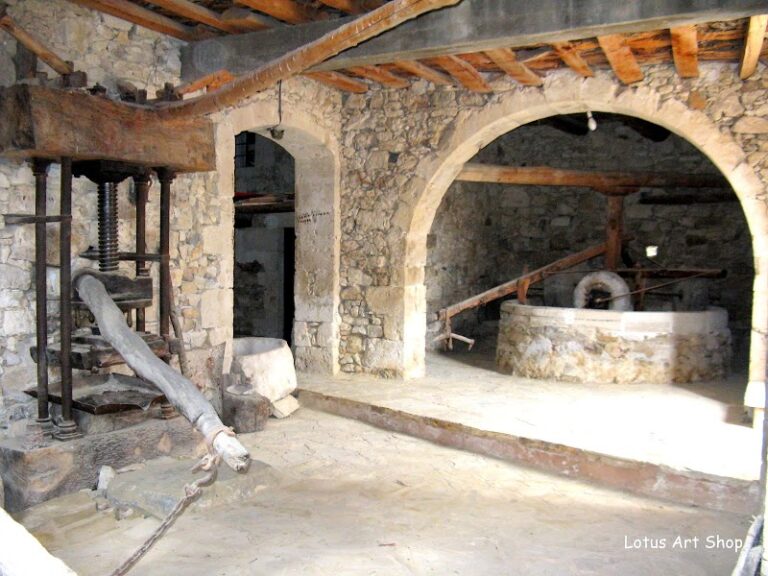
Commencing at a local olive mill, the tour affords you the opportunity to witness the intricacies of olive oil production and gain insights into the craftsmanship of the highest quality olive oil, namely extra virgin. The entire olive oil production process, from harvesting to the palate, promising exquisite tastes and flavors.
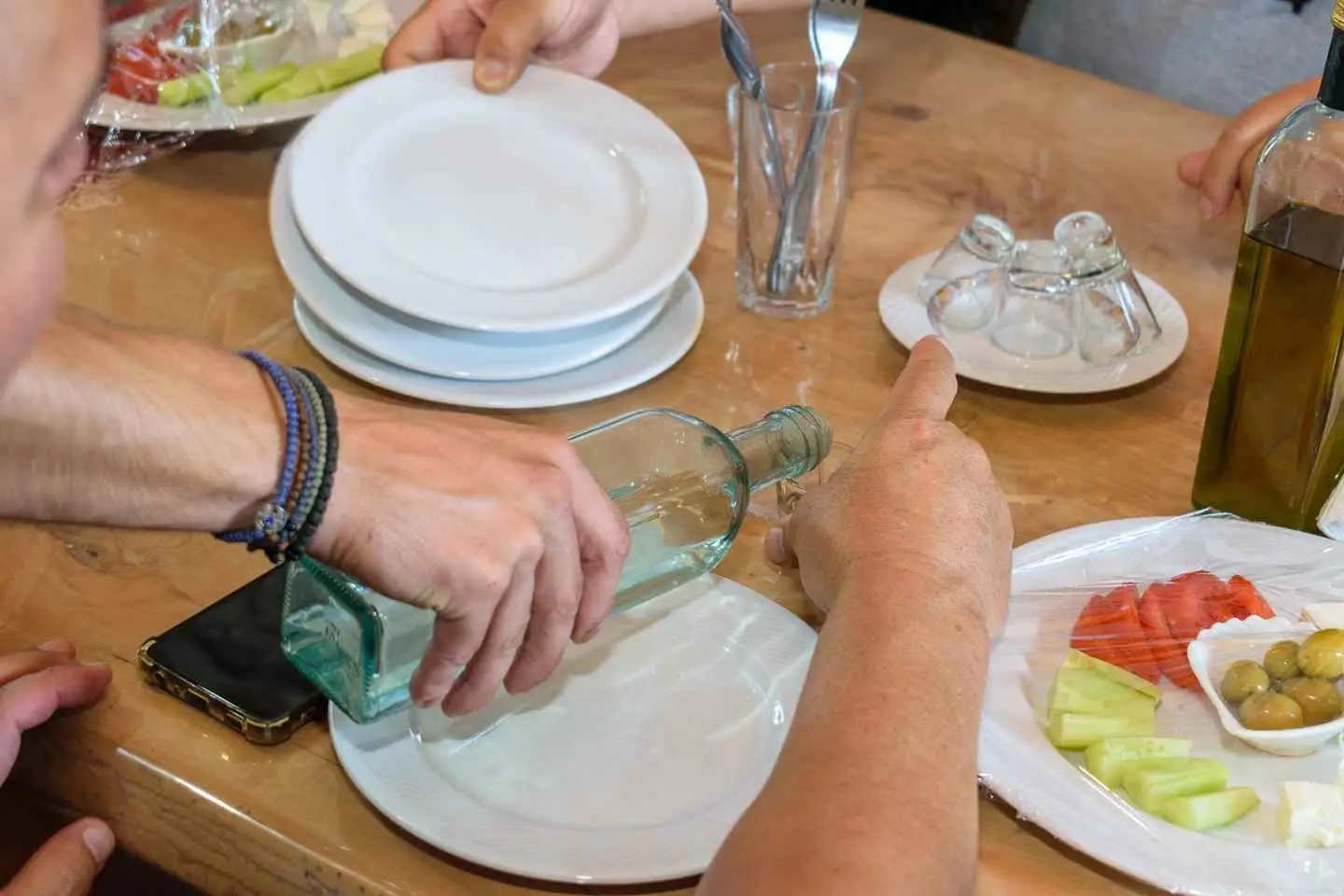
Subsequent to the olive mill exploration, the tour extends to the realm of “Tsikoudia” or “Raki” production, the renowned Cretan spirit, through a visit to a local distillery in a traditional village. Both the tour of the time-honored conventional distillery and the contemporary professional one will provide an understanding of the production of this esteemed beverage, culminating in a tasting session.
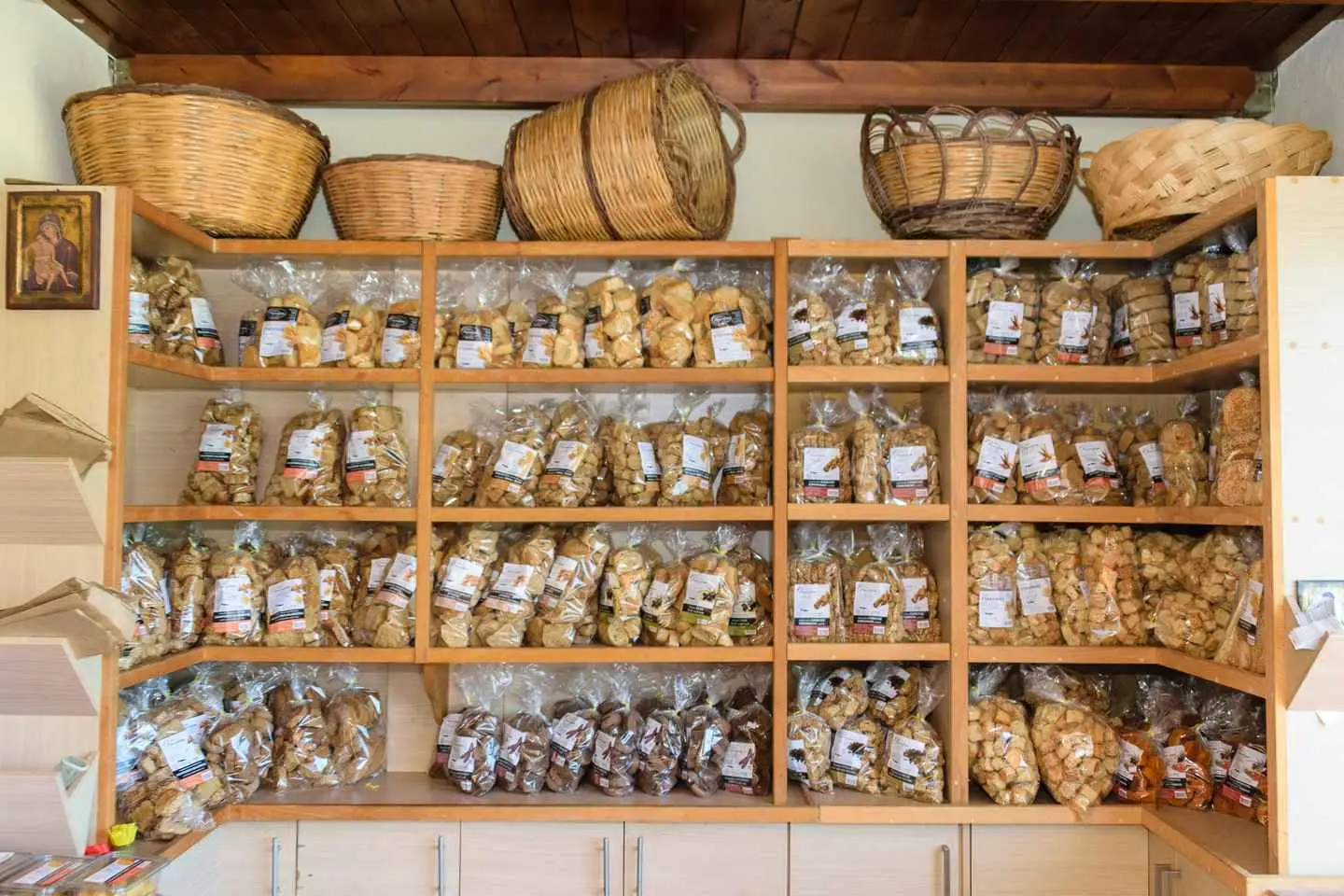
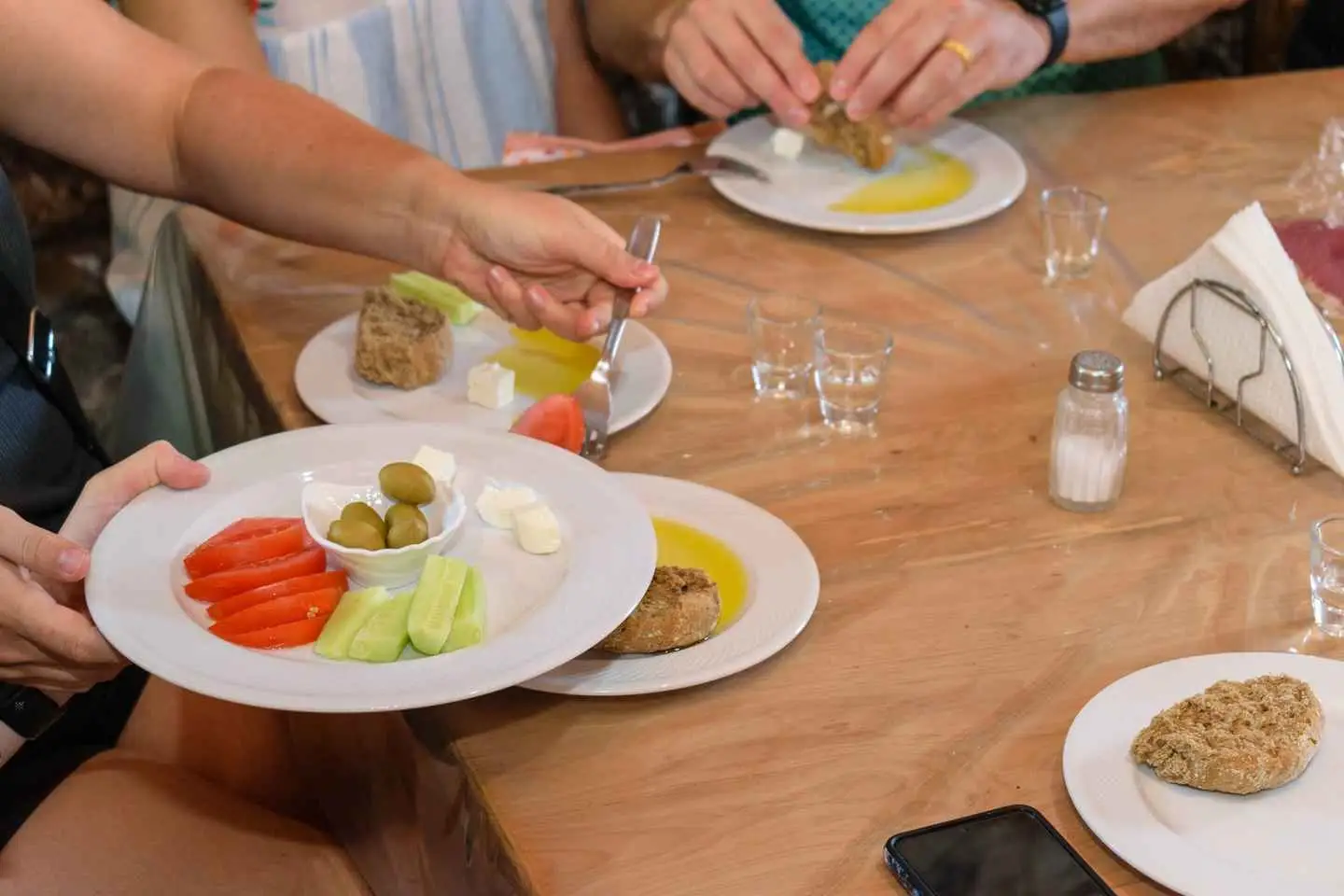
Through a fantastic route passing by villages of the province, you will arrive in the White mountains’ foothills. In the village of Embrosneros, you will first stop to a bakery to taste the local bread, cookies & biscuits and then to a traditional cheese factory. The secrets of “Graviera”, “Anthotiros” and “Mizithra” cheese will be revealed in front of your eyes. After explaining each cheese’s production, you will taste them combined with local honey and rusk (dry bread).
The last stop will be in a local coffee shop (“Kafeneio”), where the Cretans are also enjoying meals. Incredible flavours and traditional recipes are waiting for you in the charming square of the village of Fres. The customary lunch will immerse you in various facets of Cretan cuisine and gastronomy. It is often said that taste is our most refined sense. Following this tour, your palate will be enriched with new flavors, enhancing your tasting memory.
No results available
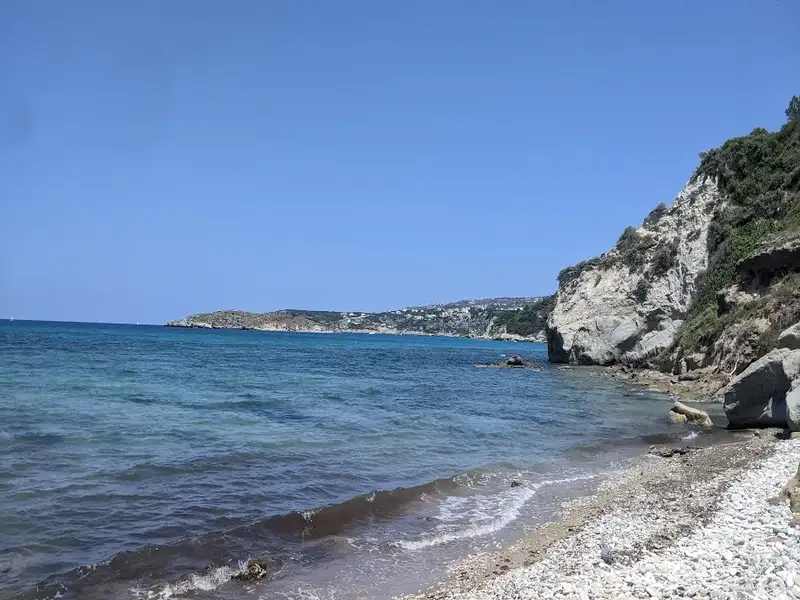
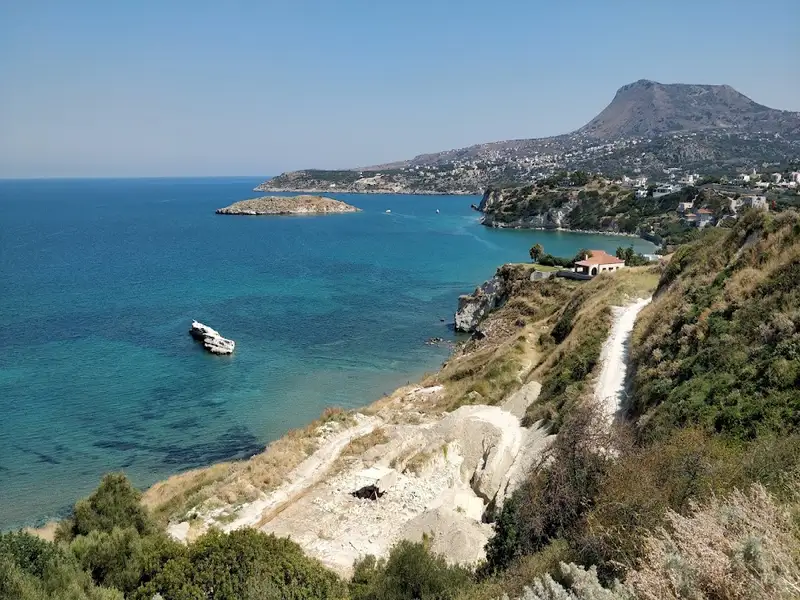
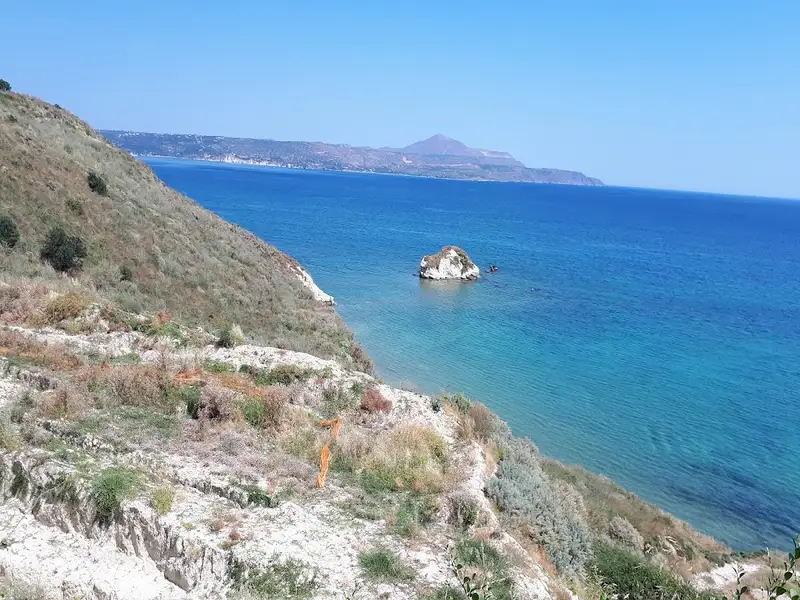
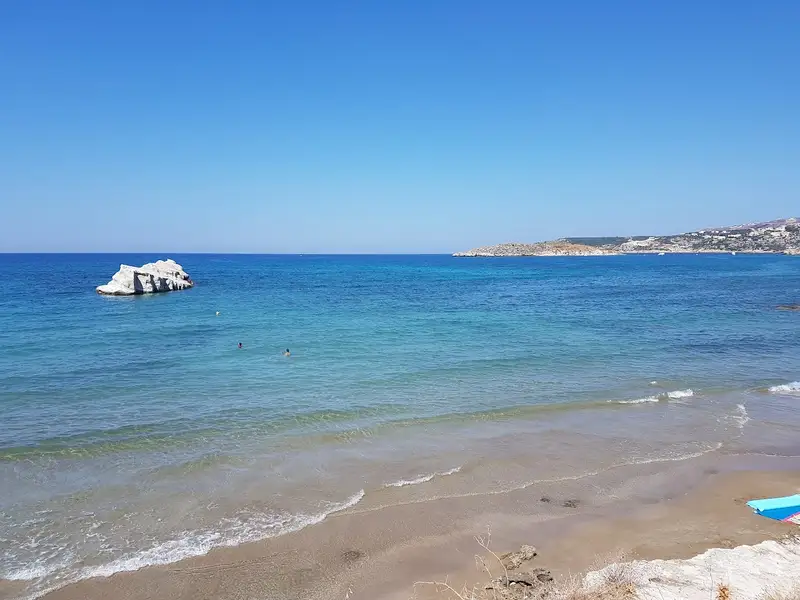
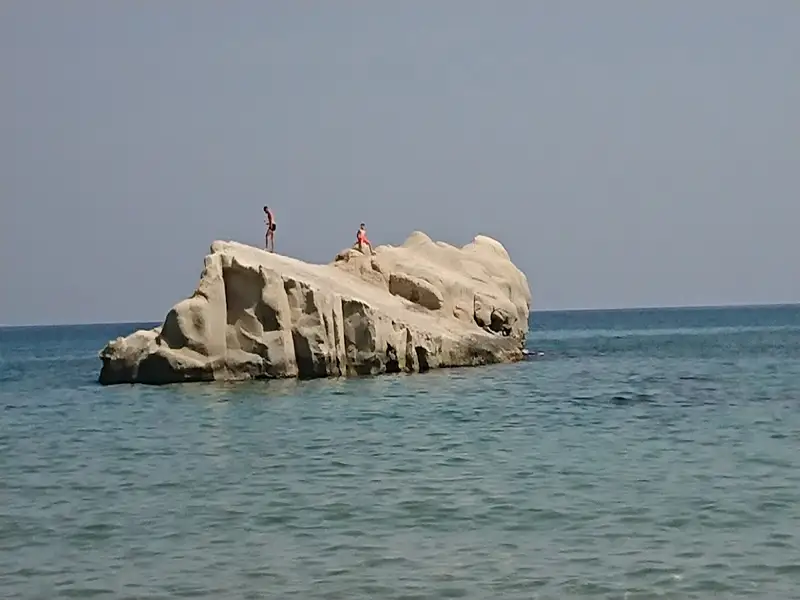
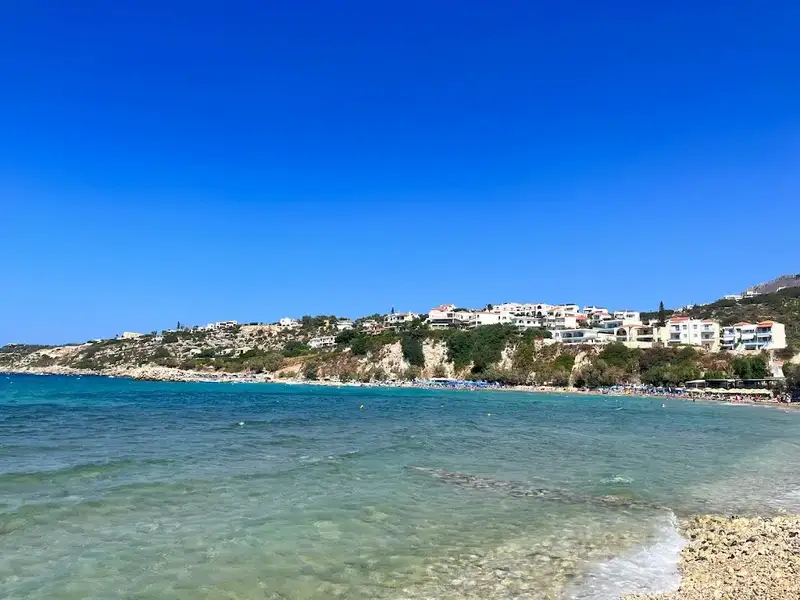
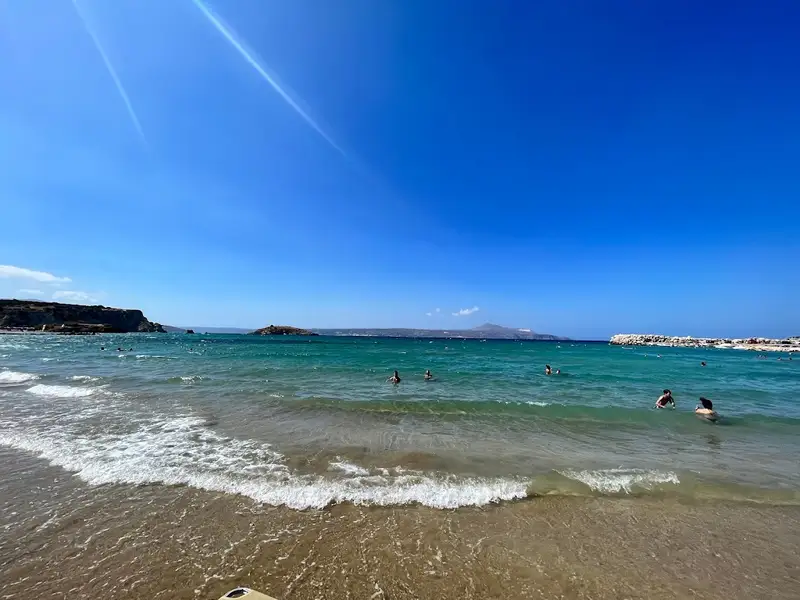
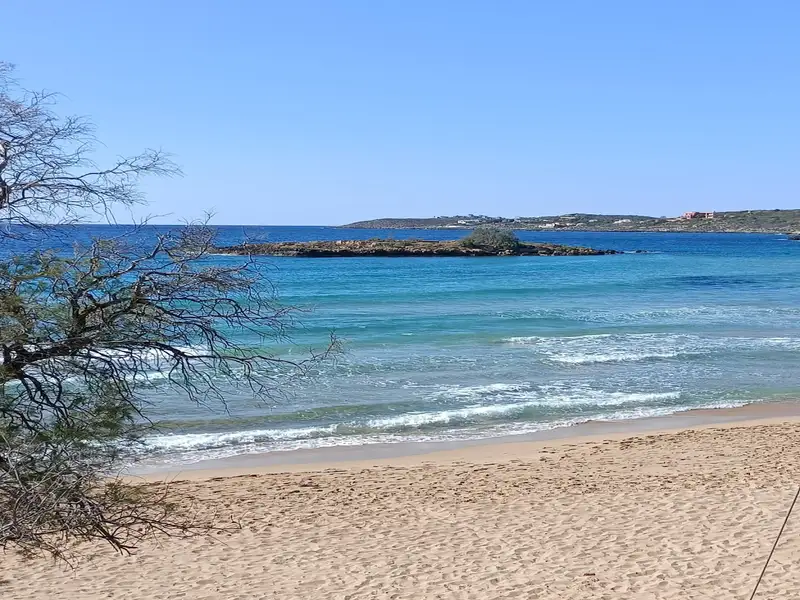
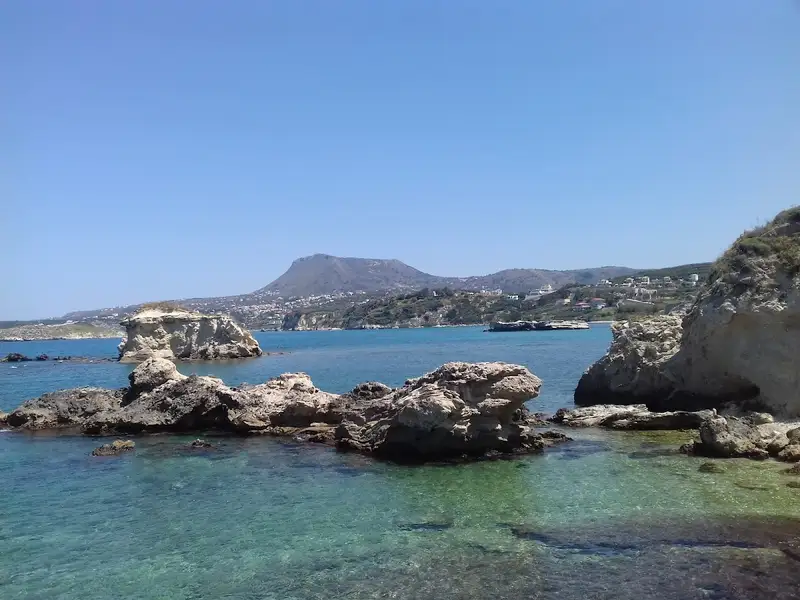
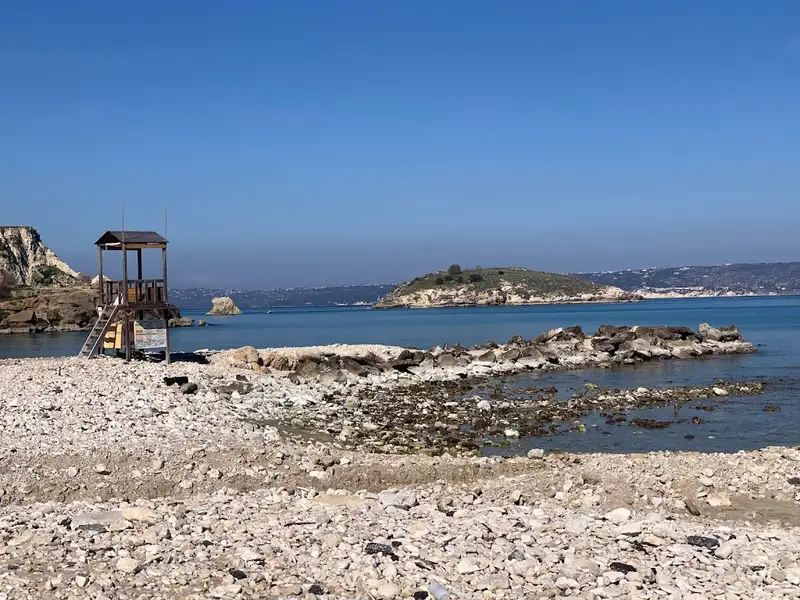
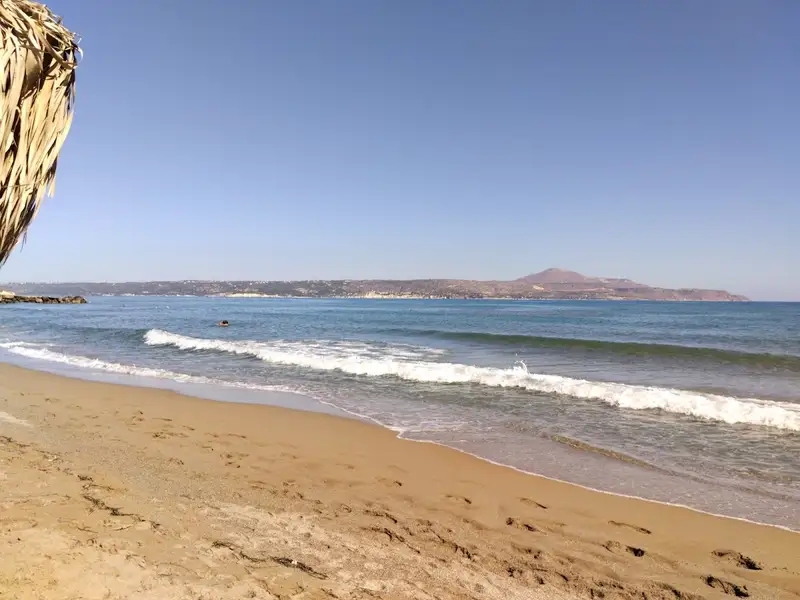
Situated approximately 20km east of the city of Chania, Kera beach can be found on the southern coastline of Souda Bay, near the scenic villages of Kalives and Plaka. This beach, adorned with soft sand and the occasional pebble, is nestled amidst a breathtaking landscape of towering cliffs. The sea at Kera is shallow and boasts crystal clear waters. Although it lacks organization, the surrounding area offers numerous choices for lodging and dining. Those preferring less crowded spots will find Kera an ideal choice. The beach offers a striking view of Karga island and features a unique elongated rock in the sea towards its west end. This rock, named Karavos (meaning ship) by the locals, resembles a boat.
Close to the beach is the 19th-century church of Panagia Kera (or Dame Virgin Mary), erected on the location of a former monastery. According to local legend, when pirates once tried to invade the area, the inhabitants sought divine intervention from the church of Panagia Kera. In response to their prayers, the Virgin Mary turned both the pirates and their boat to stone.
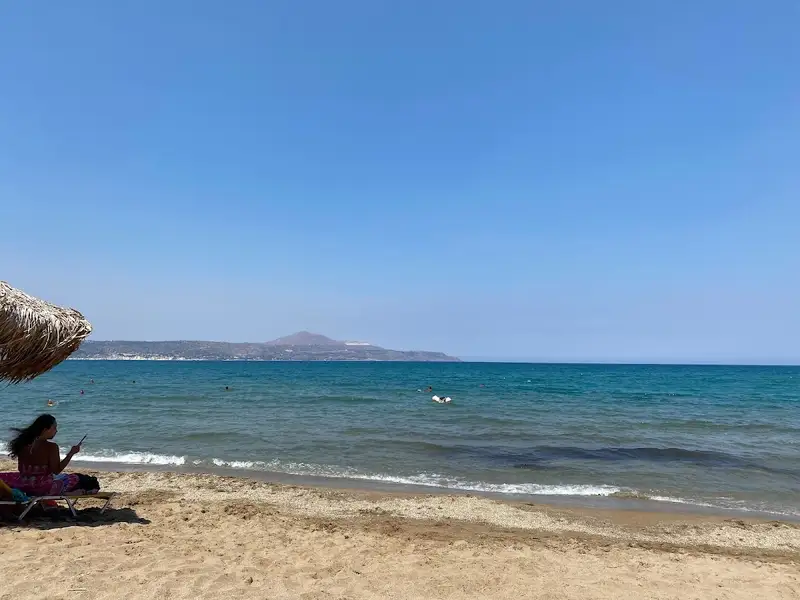
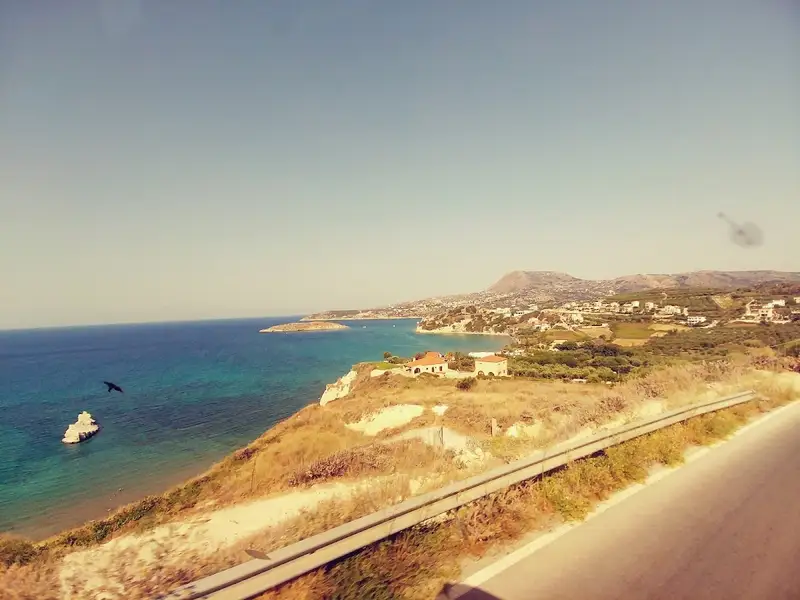
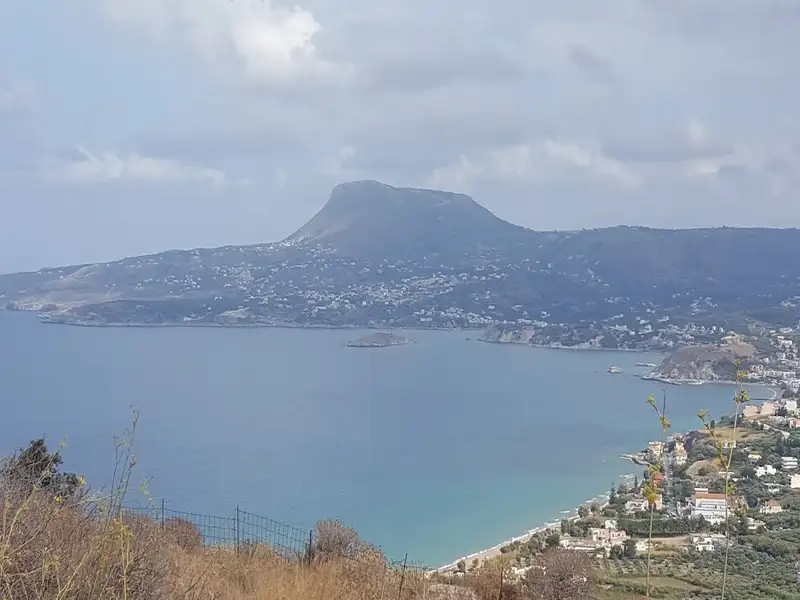
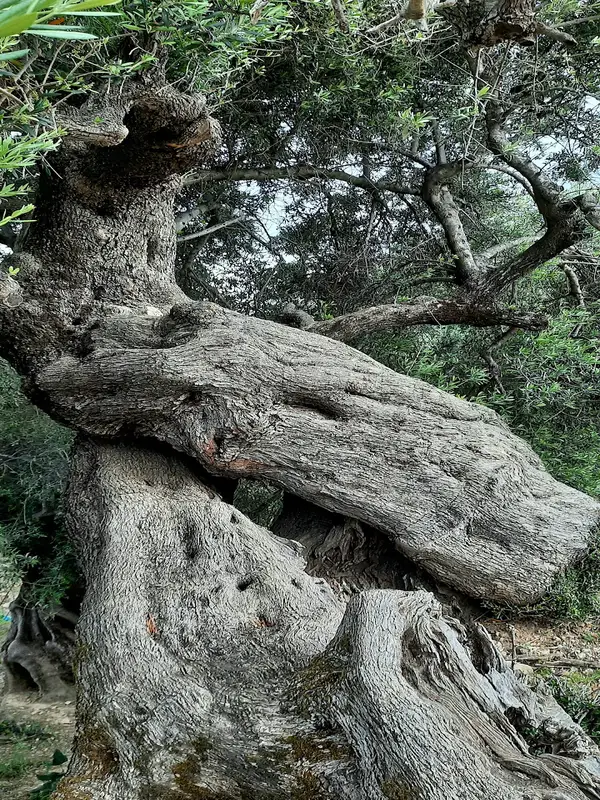
Almyrida beach is a tranquil resort offering basic facilities along with a magnificent seafront. Almyrida is situated 23km east of Chania city and nestled on the southern edge of Souda Bay near Cape Drapanos. The surrounding pristine countryside and verdant olive groves provide perfect opportunities for hiking and exploration.
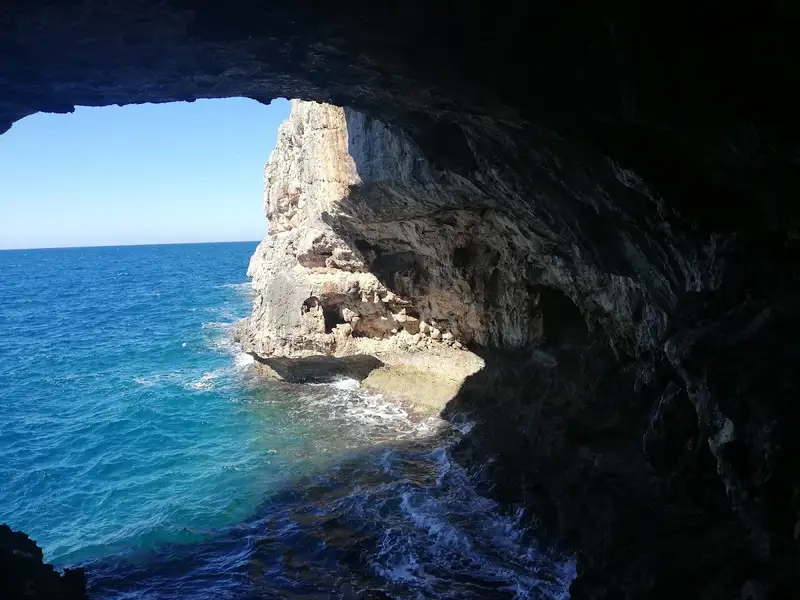
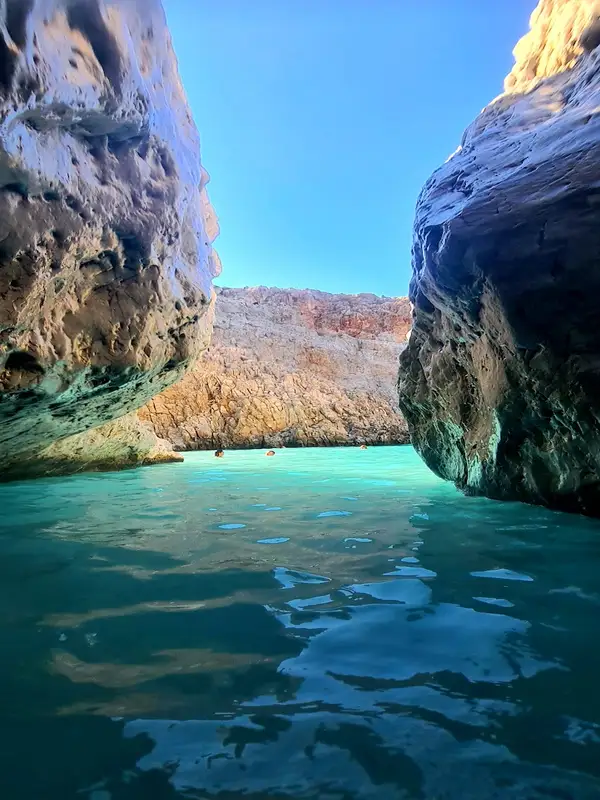
A short distance of just 1km to the east lies the scenic village of Plaka, the largest in the area, renowned for its welcoming atmosphere and healthy climate. The coast stretching to Drapanos Cape is dotted with numerous sea caves, presenting a breathtaking natural spectacle. Plaka is also celebrated for its charming, narrow lanes and well-preserved, traditional houses.
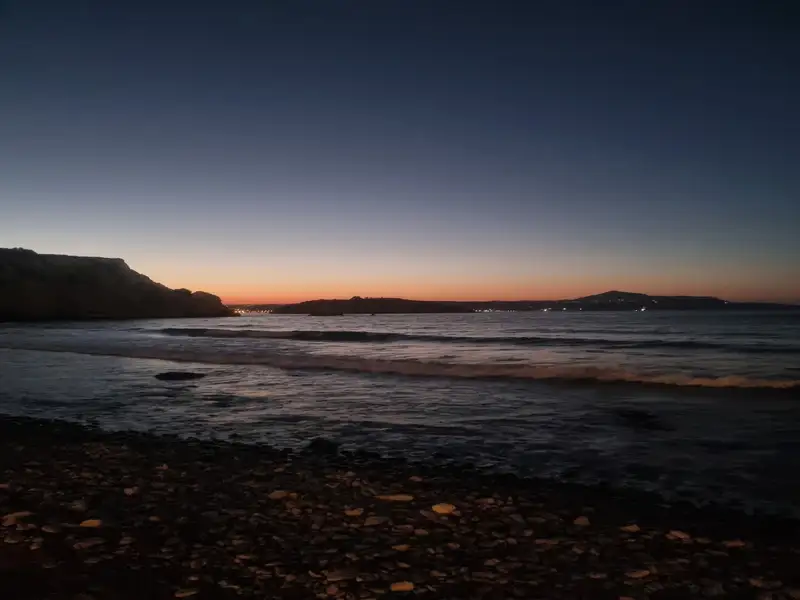
Each July, the village hosts the Plakiana festival, a tribute to the renowned lyre musician Michael Papadakis, or Plakianos, showcasing the area’s rich cultural heritage. Among the unforgettable experiences here is the mesmerizing sunset, a truly memorable sight.
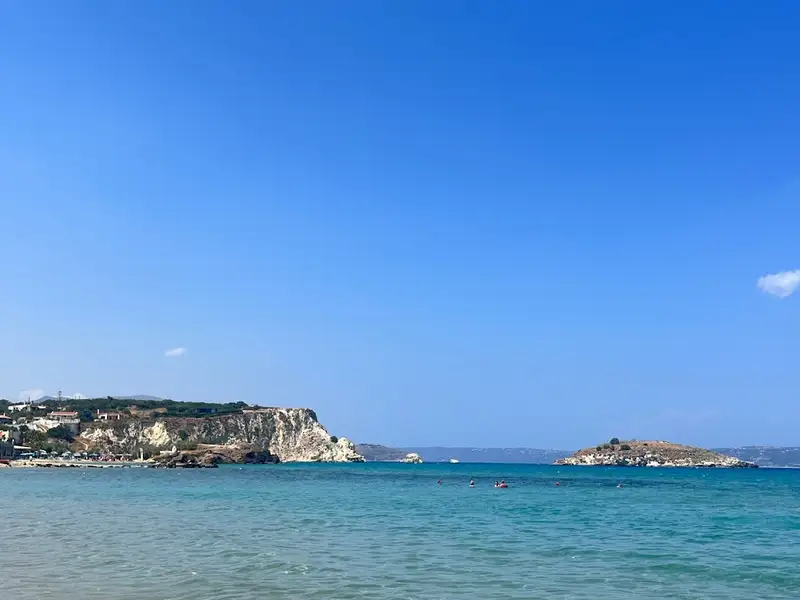
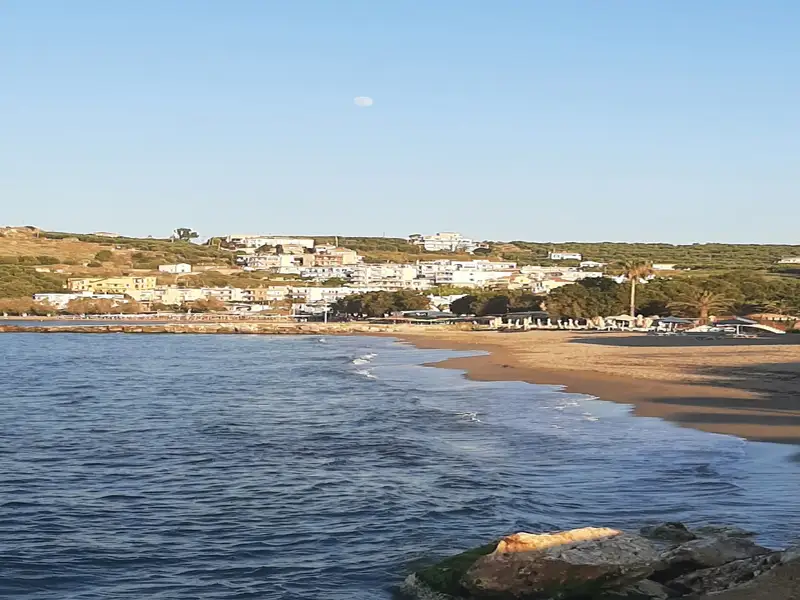
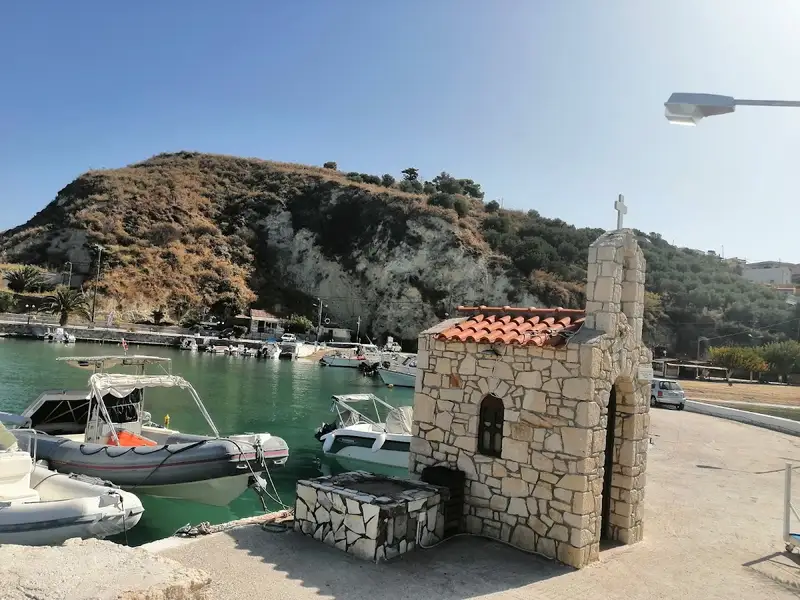
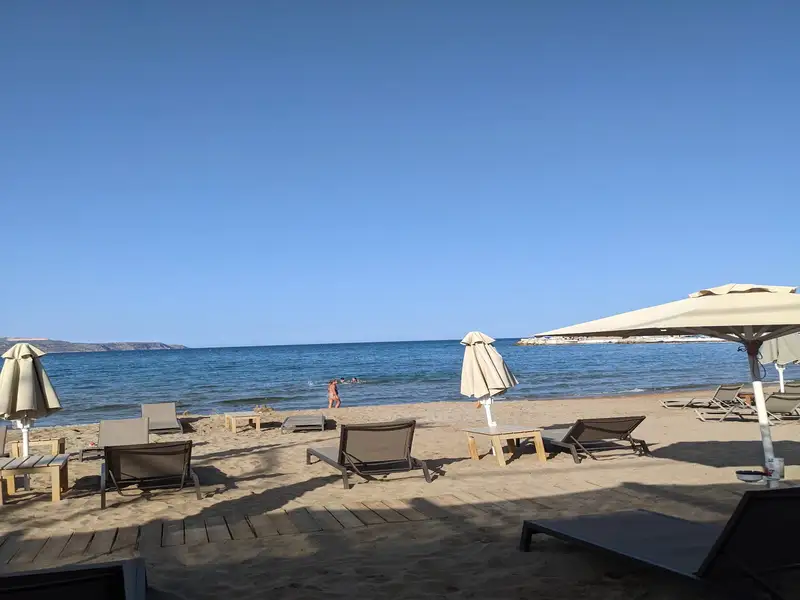
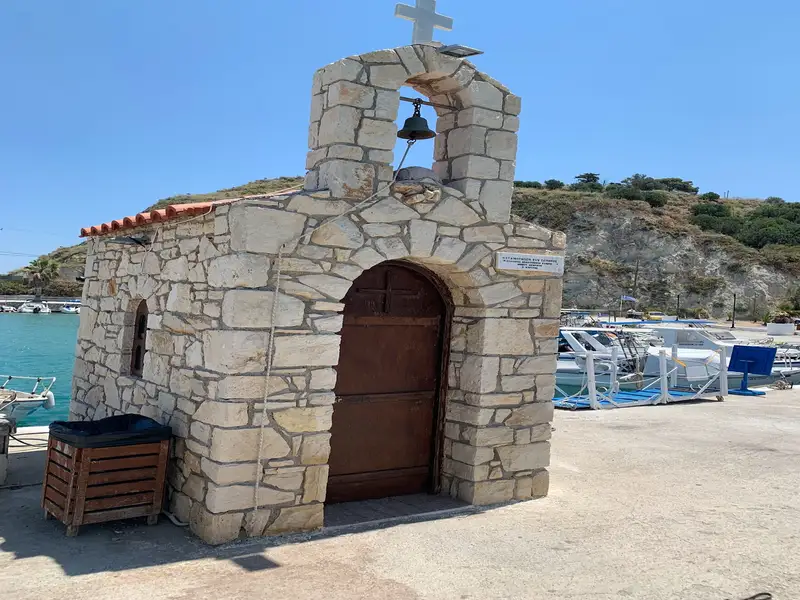
Declared a region of infinite beauty in 1977, Almyrida boasts two beautiful sandy beaches with shallow waters. On calm days, they’re safe for children to play in. These two beaches are separated by a small rocky peninsula featuring a quaint white chapel. Ideal for water sports and windsurfing, the area is also renowned for its seaside taverns serving fresh fish and delicious traditional Cretan cuisine. Regular bus and taxi services connect Almyrida and Plaka to Chania city.
Directly across from the beach is the small island of Karga, a haven for birdlife and a popular spot for excursions and fishing. The island still bears traces of ancient Phoenician walls and shelters constructed by the Germans during World War II.
Almyrida is thought to have been a Phoenician colony, hence the nearby location Finikia. Here, you can find ancient ruins and tombs. At the entrance to the village lie the remnants of a 6th-century triple-aisle Christian basilica with well-preserved mosaics. Almirida also played a role in Crete’s history as the site of the last battle against the Turks in 1896.
For those interested in sightseeing, just four kilometres east of Almirida is Kokkino Chorio or Red Village. A small village with intriguing fortifications built by the Germans during their occupation (1941-1945) to safeguard the military port of Souda. This was also a filming location for the famous movie “Zorba the Greek”. Today, it hosts a small factory producing handmade glass using traditional blowing techniques.
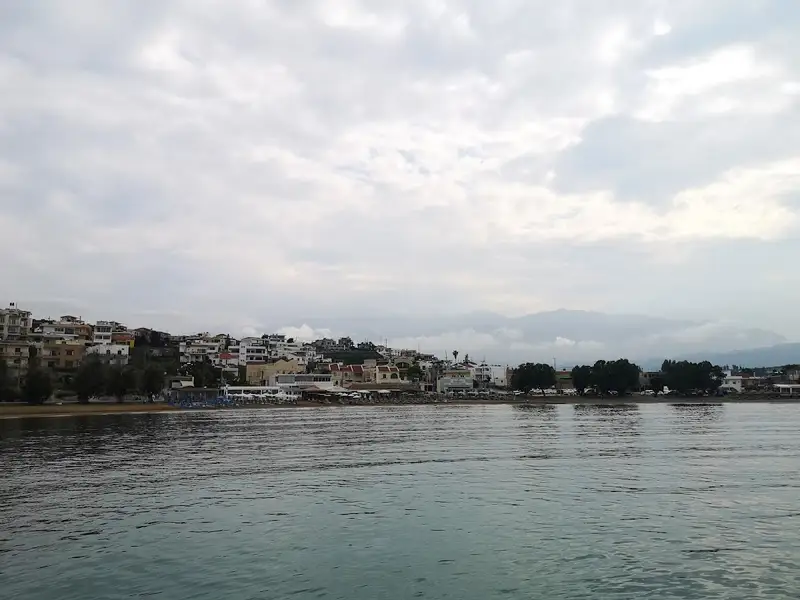
The coastal resort of Kalives is situated 19km west of Chania, along the southern edge of Souda Bay. This charming village is nestled in a verdant valley where several rivers meander. Its name, which translates to “Huts” in Greek, is thought to have originated from the primitive structures erected by farmers for summer overnight stays. The rivers of Xidas and Mesopotamos flow near the village’s eastern boundary. The combination of these rivers with the sea’s many springs results in a cooler sea temperature.
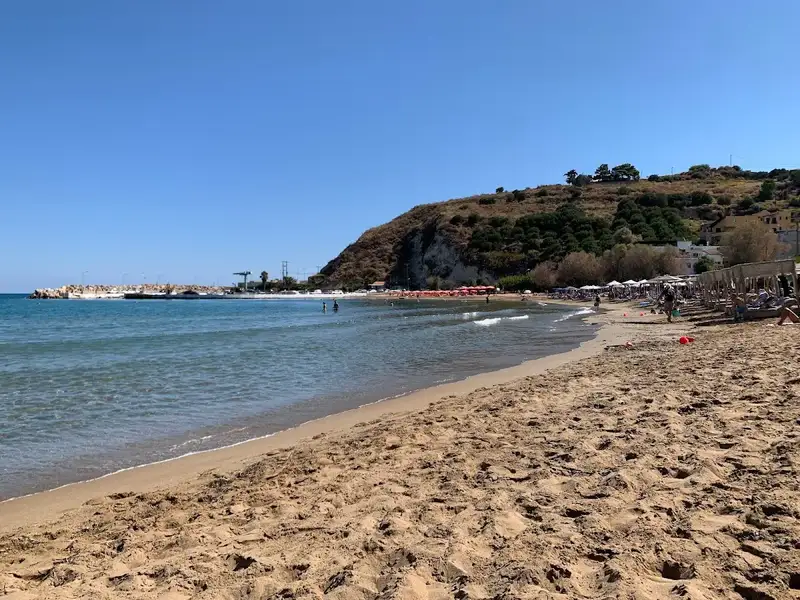
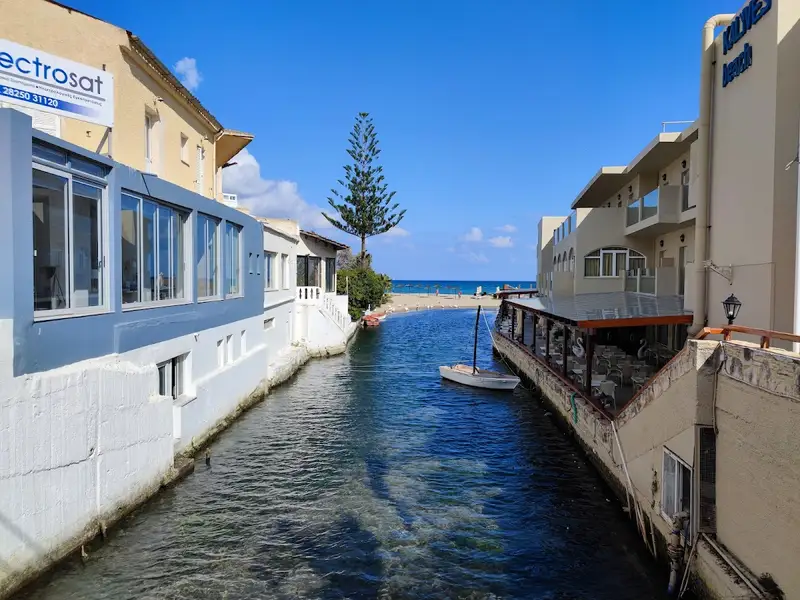
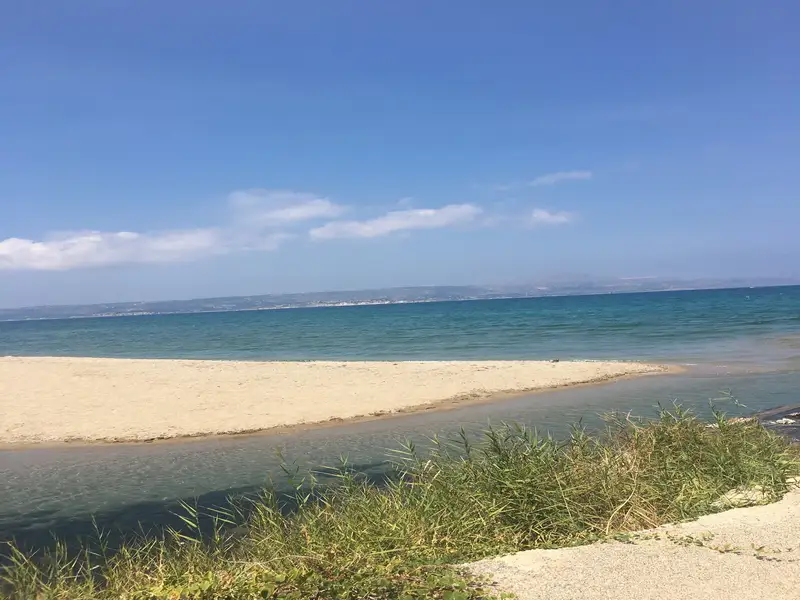
Adjacent to the Xidas river, both east and west, are two sandy beaches with shallow waters, exposed to northern winds. Named Xidas and Maistrali respectively, these beaches are well-equipped with standard tourist amenities. A petite, picturesque bridge at Xidas river’s mouth connects these two beaches. The scenic harbor of Kalives neighbors Maistrali and is connected to Chania through regular bus services. The area also houses banks, post offices, clinics, shops, and more.
North of Kalives, at the mouth of the Kiliaris river, lies the serene beach of Kiani Akti or Glaros. The Kiliaris river, which carries water from the White Mountains, maintains a year-round flow, a rarity in Crete. This results in cooler seawater near the river.
Kalives’ geographical position and fertile soil have made it a place of habitation since ancient times. It is believed to be the location of the ancient city Amfimatrion. Notable historical events include the construction of the Castel Apicorno fortress in 1206 and the village’s destruction by the pirate Barbarossa in 1538. The village is also close to the ancient city of Aptera and the Ottoman forts of Intzedin and Aptera.
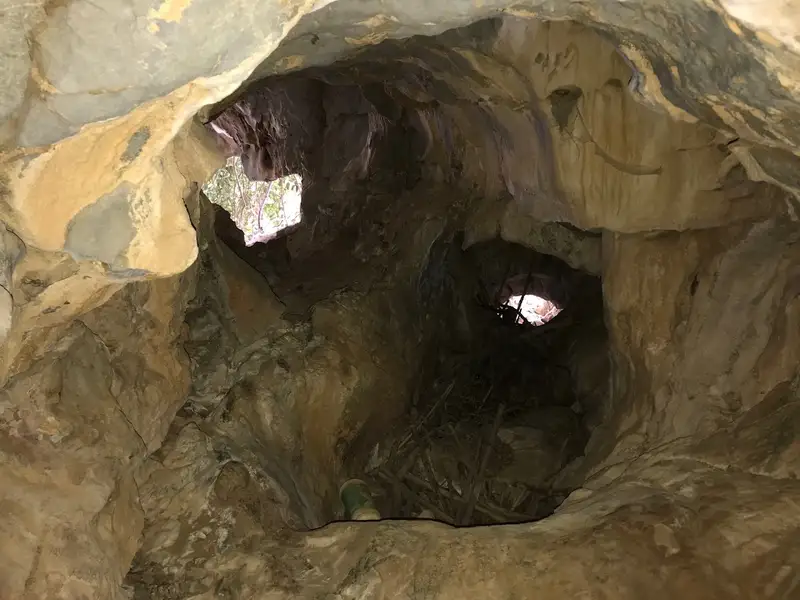
The harbor houses a German cannon concealed in a cave on the other side of a mountain. A small window at the tunnel’s end offers breathtaking views of the cliffs and sea. This is merely one example of the German defensive structures scattered across the broader Apokoronas and Akrotiri Cape area.
Visitors are encouraged to stroll through the village’s picturesque narrow streets, eventually reaching the village’s central square, home to a large plane tree and the Agia Paraskevi church. The church, adorned with frescoes, was constructed during the German Occupation in World War II.
An old Venetian mill, one of Crete’s most complex, is located along the Mesopotamos river. Built from stone and kourasani (a mixture of mortar and ground tile), it is renowned for its durability.
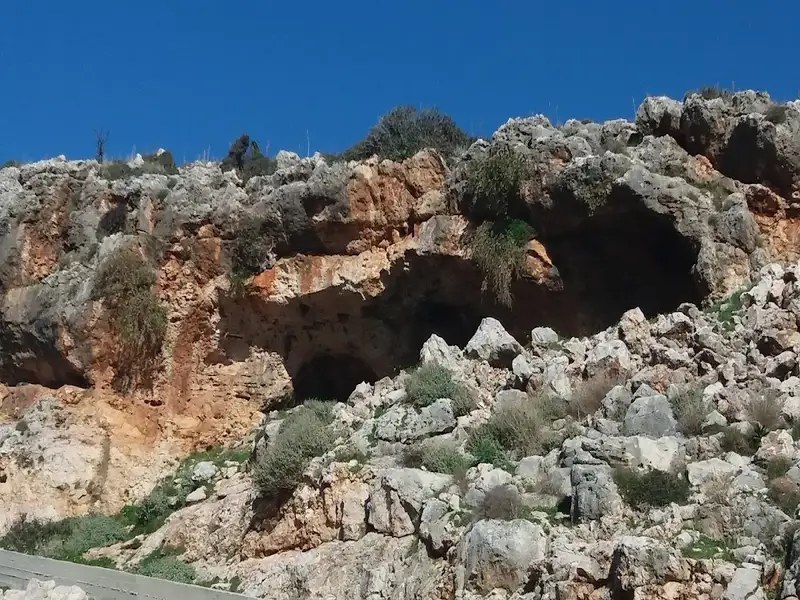
Koutalis, also known as Koutalas beach, is positioned 25km to the east of the metropolis of Chania, situated near Cape Drepano and approximately 1km north of Kokkino Chorio. The region is notable for its extraordinary caves, such as the Elephants’ Cave and Petsis Cave. Adjacent to Koutalis, Kokkino Chorio is recognized for the WWII cavernous shelters erected by the Germans on Drapanokefala hill to safeguard Souda Bay, its charming traditional residences, and a collection of wells for water collection. This location also served as a filming location for “Zorba the Greek.”
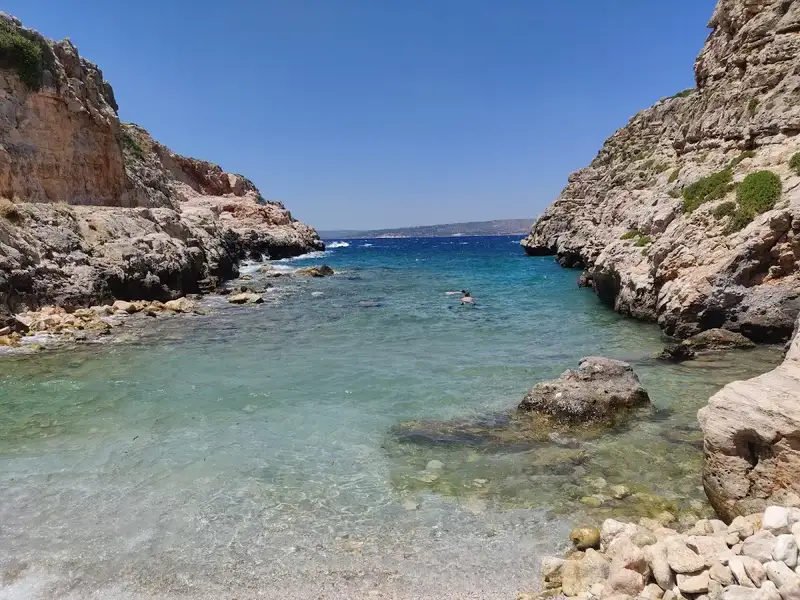
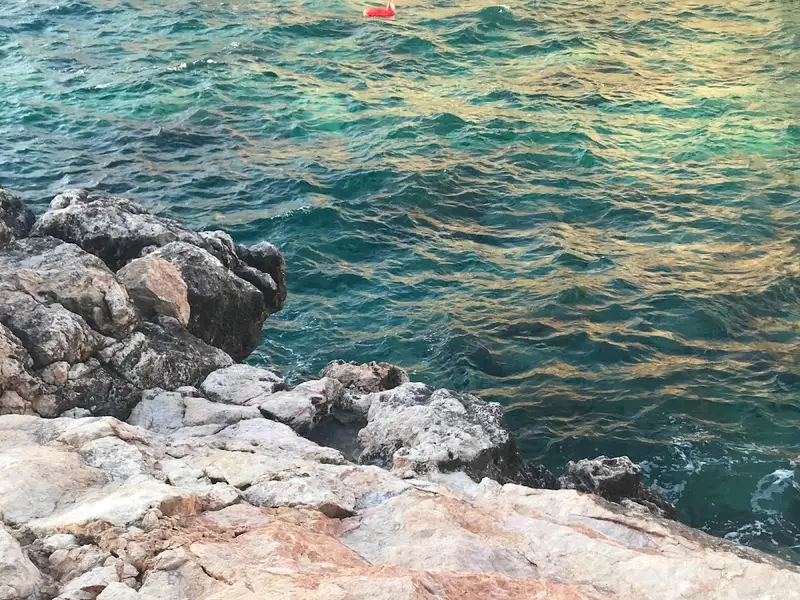
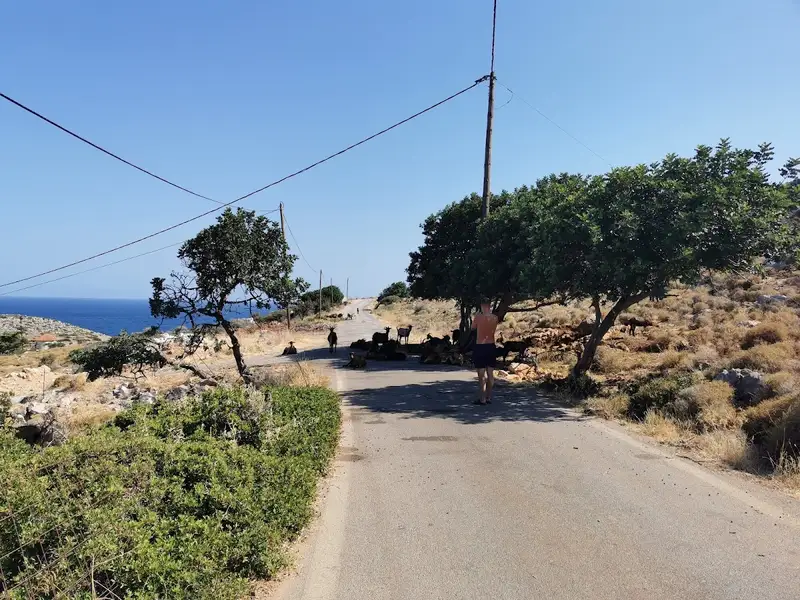
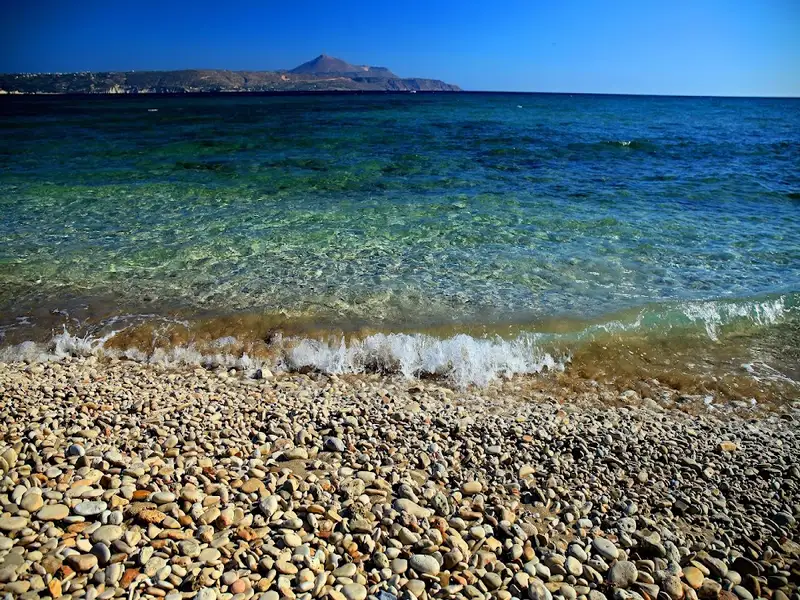
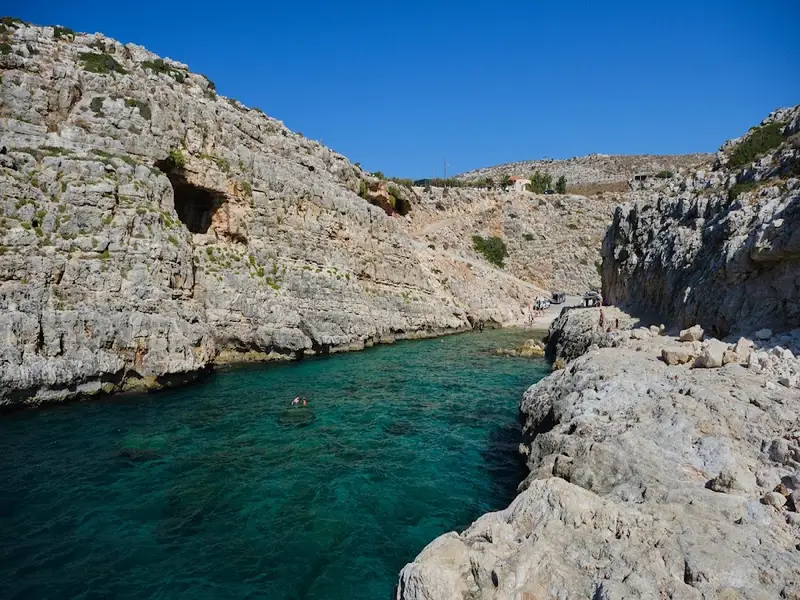
Being relatively secluded, Koutalis beach is a familiar starting point for local scuba divers exploring the nearby sea caves. The beach is nestled at the end of a rocky gorge and cradled within a narrow bay, characterized by its large, round pebbles and stones. It’s the perfect spot for fishing and solitude, but ensure to pack essentials like umbrellas, food and water. To reach this location, head north from Kokkino Chorio village towards Drepano Cape, then onto the road leading to Faros (Lighthouse). Roughly 700m further north, look for the sign to Koutalas. A manageable dirt path will lead you directly to the beach, which might well be totally deserted. A large cave can be found next to the beach.
Vraskos Beach
A hidden gem between Koutalis and Almirida is Vraskos beach. Similar to Koutalis, Vraskos is located at the end of a short narrow gorge, but no road leads directly to it. The sea bed is quite rocky with patches of sand.
No results available
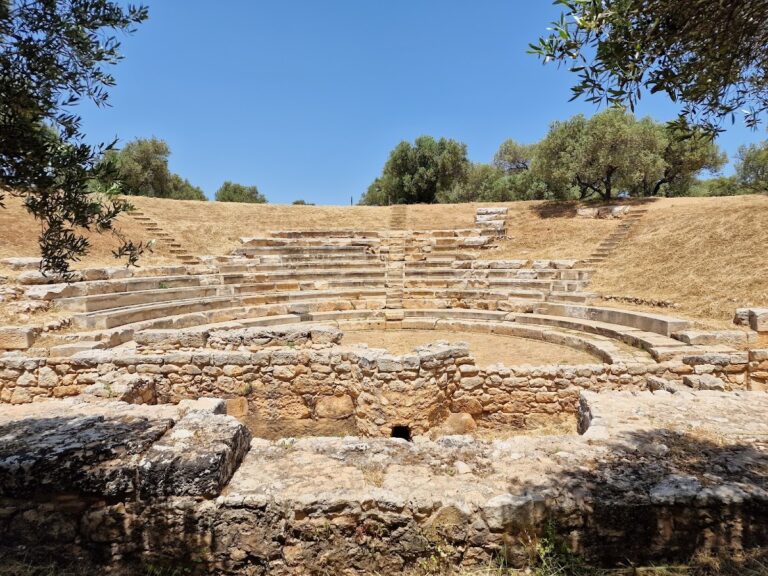
Aptera is a highly significant archaeological site in West Crete. Established in the 8th century BC, the ancient city of Aptera was strategically located to control Souda Bay and prospered during the Hellenistic period. However, it was abandoned during the Arab years due to pirate attacks. The city relied on the ports of Marathi and Kalives, which made Aptera one of Crete’s most important commercial centers, if not the most important one.
Tradition has it that the city was named after the Sirens who lost their wings in a musical contest against the muses, rendering them wingless (aptera in Greek). However, it seems that the name actually comes from Aptera Artemis (wingless Artemis), who was worshipped in the area, as evidenced by the city’s coins.
Aptera was fortified with a strong wall, of which a large part (4km) still stands today. Within the city, one can find a sanctuary from the 5th-4th century BC, enormous Roman vaulted cisterns, a carved-in-ground theater, a “parliament,” and a nearby necropolis. Various artifacts have been discovered, including vases, coins, figurines, inscriptions, and sculptures.
The city of Aptera was renowned for its skilled archers who served as mercenaries in various areas outside Crete, bringing wealth back to their homeland. The valuable silver they introduced enabled the city to mint its own coins. These intricate coins typically featured the goddess Artemis on one side and the city’s founder King Apteras on the other. Other designs depicted Apollo or Hera and a torch, bee, or bow.
Aptera is situated 13 km from Chania and is most conveniently reached by car, as there are no direct public buses to the site. Alternatively, you could take any bus heading towards Rethymno or Heraklion and get off at the crossroads leading to Aptera. However, keep in mind that this option requires a 45-minute uphill walk to reach the archaeological site.
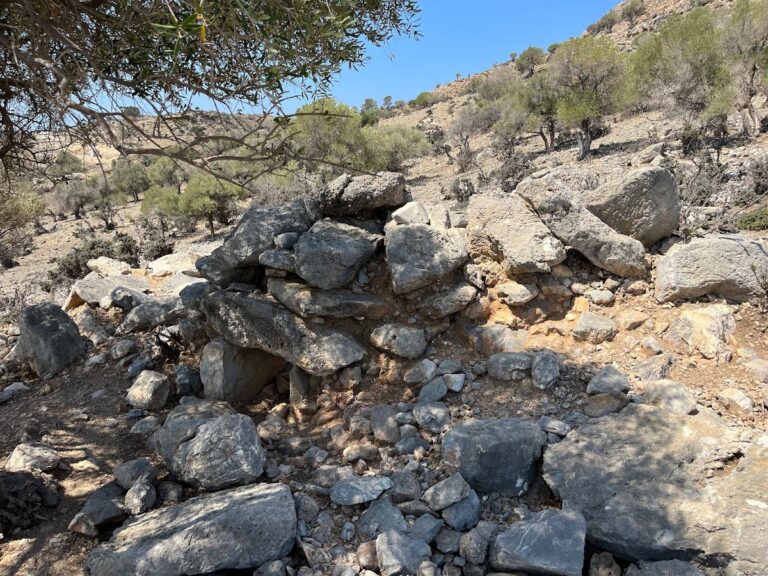
South of the archaeological site of Aptera and near the village Stylos, at position Azogires, we come across the domed tomb of Stylos that was discovered in 1961, having already been looted, by archaeologists Nikolaos Platon and Kostas Davaras. This impressive tomb belonged to a local lord and features a circular stone chamber and a long, road corridor (20.80 m long).
The relieving triangle above the entrance housed 12 cups from the Hellenistic period, a detail that verifies that ceremonies were conducted there. Similar Hellenistic pottery was also discovered in the corridor.
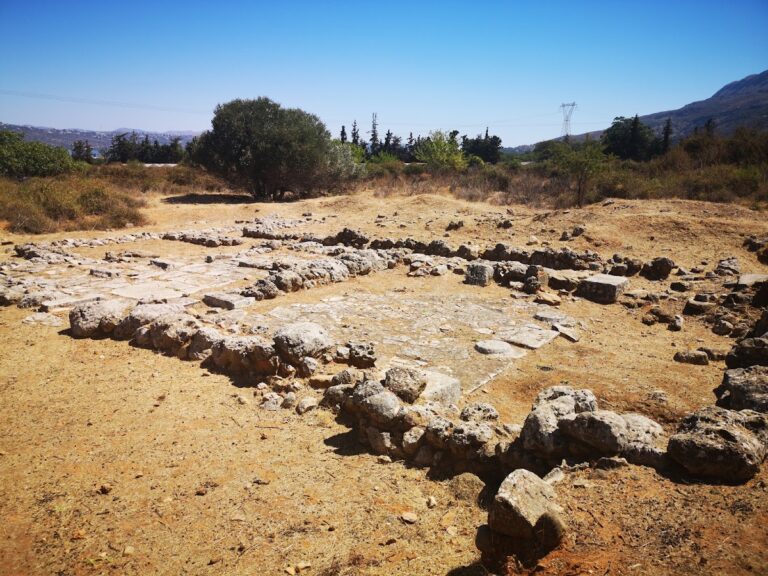
The Minoan settlement situated near the village of Nerokouros in the suburbs of Chania was unearthed in 1977. A Minoan villa, constructed according to palatial standards (such as tiled floors, polythyron, and two floors) was discovered at this location. The villa is believed to date back to around 1600 BC.
Another, less remarkable house was found 300 meters to the east, featuring two storage rooms and a tiled floor. Besides the Minoan sites, various other antiquities spanning from the Minoan era to the Early Christian years have been excavated in the broader area of Nerokouros.
No results available
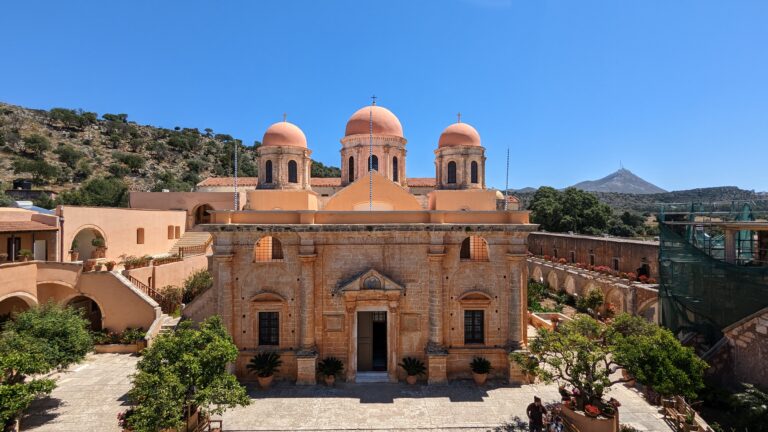
The Agia Triada of Tzagarolon Monastery is among the most opulent and stunning monasteries in Crete. Located near Chania Airport, it sits on the Tzobomylos area of Cape Melecha and at the base of Mount Stavros. Chania is a mere 15km away.
The monastery was established by Venetian noblemen Jeremiah and Lawrence Tzagarolo. Jeremiah, a renowned scholar and friend of the Patriarch of Alexandria, Meletios Pigas, had an extensive education. He was even considered for the role of Patriarch of Constantinople. Influenced by Italian architect Sebastiano Serlio from Verona, Jeremiah designed and constructed the monastery complex.
Nowadays, the monastery houses a small museum showcasing various paintings and icons. The most notable pieces include a 12th-century altar covering, icons of St. John the Theologian (16th century), St. Nicholas (17th century), and the works of painter Skordilis: the Enthroned Christ, Living Spring, and the Second Coming (1635-1645).
Despite its storied history, the monastery still plays a significant role in the religious and economic life of Crete. As a Stavropegic institution, it falls under the direct management of the Ecumenical Patriarchate of Constantinople. Visitors can experience a beautifully preserved and lively monastery that produces and exports organic products such as olive oil, wine, honey, vinegar, and high-quality olive oil soap.
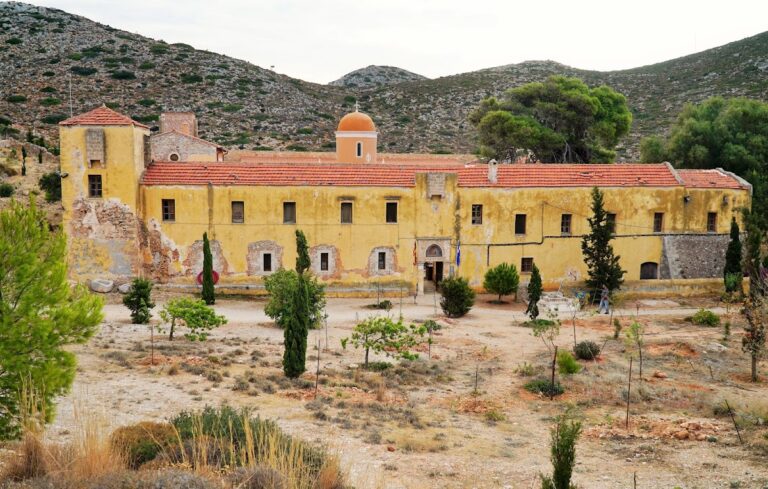
The Gouverneto or Gderneto Monastery can be found 19km east of Chania, on the northern side of Cape Akrotiri of Chania, near the Agia Triada Tzagarolon Monastery. To reach it, follow the signs from Agia Triada.
Perched on a rocky site at an altitude of 260m, close to the entrance of the Avlaki gorge, the monastery features fortress architecture and four towers with bastions guarding its corners. Built before 1537, as evidenced by an inscription at the fortress entrance, Gouverneto Monastery is one of the oldest in Crete. It is thought to have been founded by hermits and monks from the nearby seaside Katholiko Monastery, who may have constructed the new monastery atop an existing ancient temple to protect themselves from pirate attacks.
Dedicated to the Virgin Mary, the monastery is also known as Kyria ton Agelon (Lady of the Angels Monastery). Its church has a cruciform shape with a dome, and the entrance is adorned with relief representations of monsters. Construction began during the Venetian Era but was only completed 2.5 centuries later due to the Turkish invasion of Crete and subsequent ban on building Christian temples.
Surrounding the church, which is situated in the center of the courtyard, are the other buildings of the complex. These include 50 monk cells on two floors, a dining room, a small museum, and more. Additionally, two chapels dedicated to Agii Deka (Saints Ten) and Saint John the Hermit can be found next to the church.
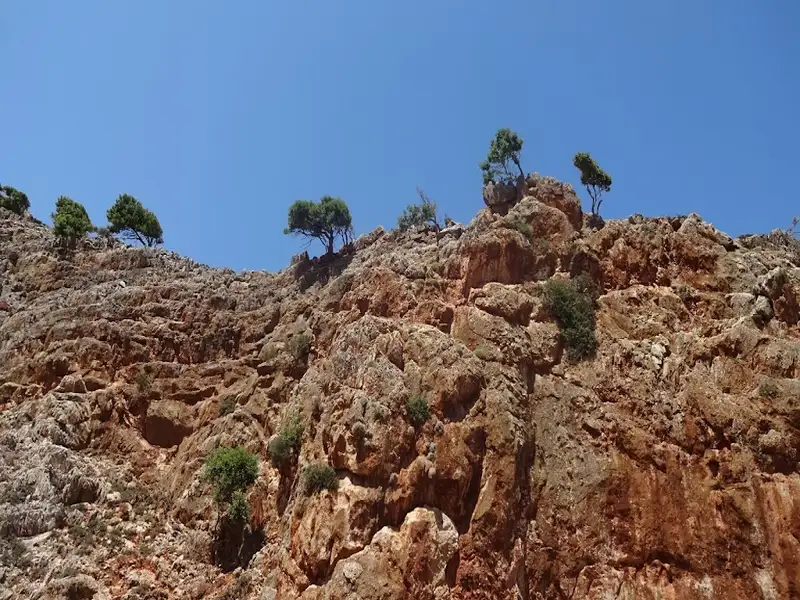
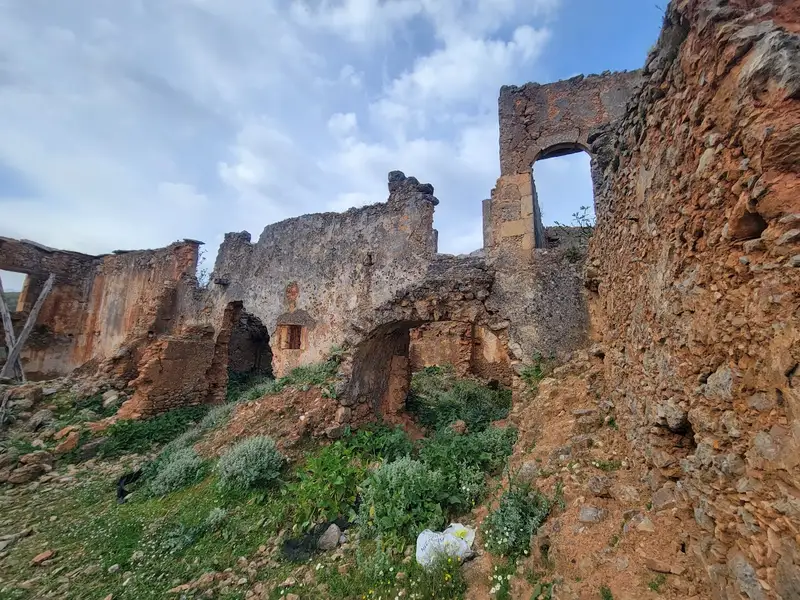
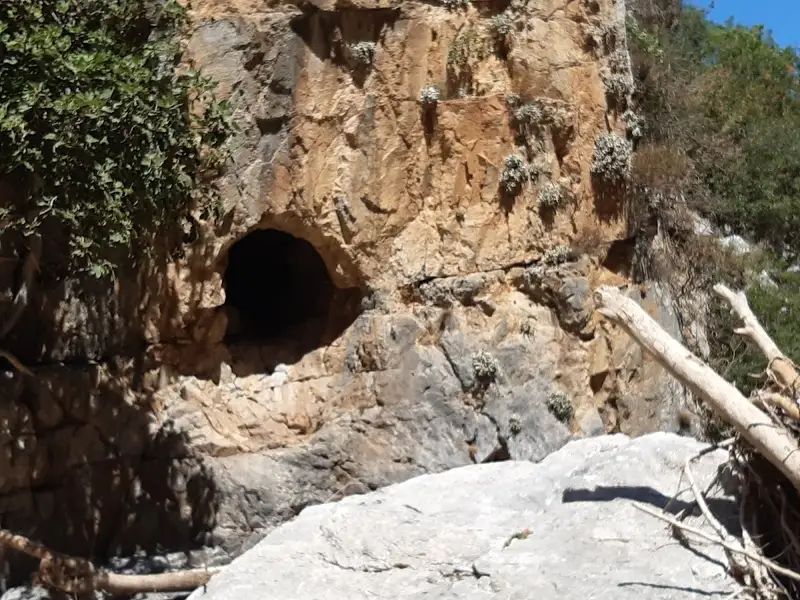
St. John the Hermit, who lived in a cave in the adjacent Avlaki gorge, is considered the founder of the monastery. A stone-paved trail leads down to the sea through the gorge, and after a 20-minute descent, you’ll encounter the Arkoudospilio Cave, followed by the ruined Katholiko Monastery and the cavernous church of St. John, where the hermit resided. After another 10 minutes, the gorge concludes at a narrow, rocky fjord with green waters.
Visitors can explore the monastery on Mondays, Tuesdays, and Thursdays (9:00 to 12:00 and 17:00 to 19:00) and on weekends (9:00 to 11:00 and 17:00 to 20:00). Please ensure you are dressed appropriately, as shorts, swimwear, and similar attire are not permitted.
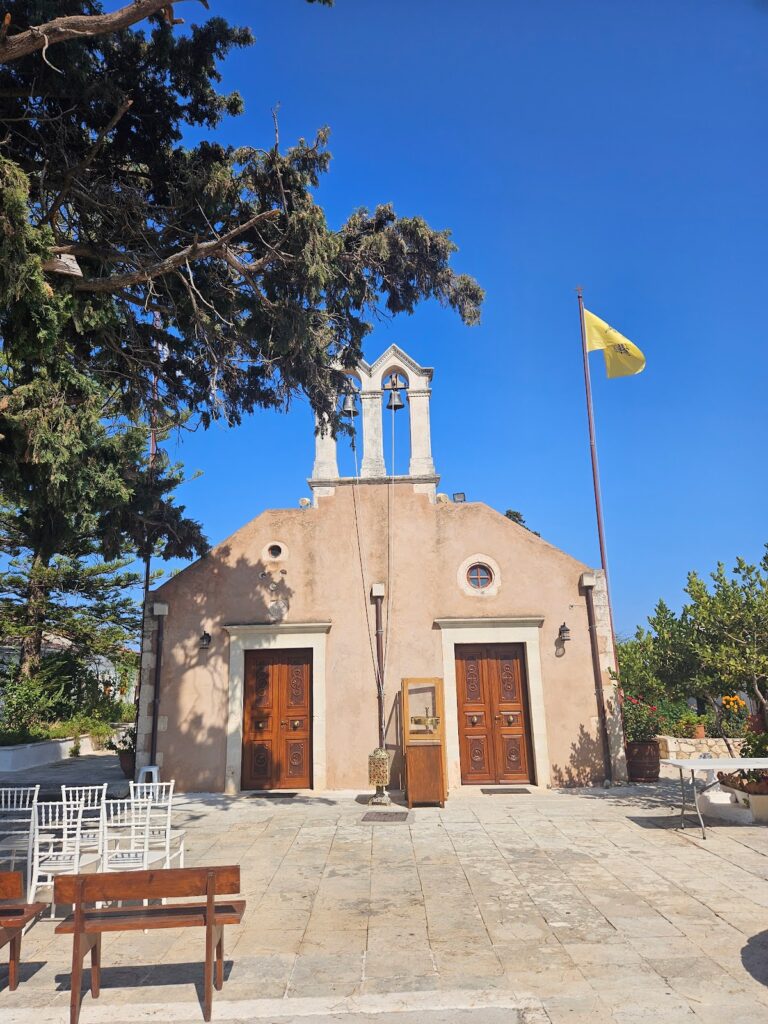
The Monastery of St. John the Baptist, located in the Korakies area of Akrotiri near Chania’s airport, is a historic yet relatively unknown convent in Chania.
Throughout its history, the monastery has been destroyed multiple times by various conquerors of Crete, resulting in the loss of valuable documents that could have helped determine the exact date of its foundation. However, it is believed to have been initially established before the Fall of Constantinople (1453) in the coastal region of Agia Kyriaki, within Chania’s Halepa suburb. Due to the continuous pirate raids by the Arabs, the nuns relocated to a safer location on St. Matthew’s hill, and eventually moved to their present location.
Enclosed by a tall wall, the monastery’s main entrance is relatively modest compared to other monasteries in Akrotiri. Within the lush grounds, visitors can find the two-aisled church of St. John the Baptist (celebrated on August 29) and St. George (April 23), accompanied by simple cells and other monastery buildings. The monastery’s icons have been painted by the nuns, and the small chapels of St. Andrew the Cretan and Panagia Portaitissa can also be found on the premises.
In the past, a notable Housekeeping School operated within the monastery, in the present-day museum location. The school quickly gained an outstanding reputation across the island, with the nuns even sewing the wedding dress of Greek Queen Olga in 1867.
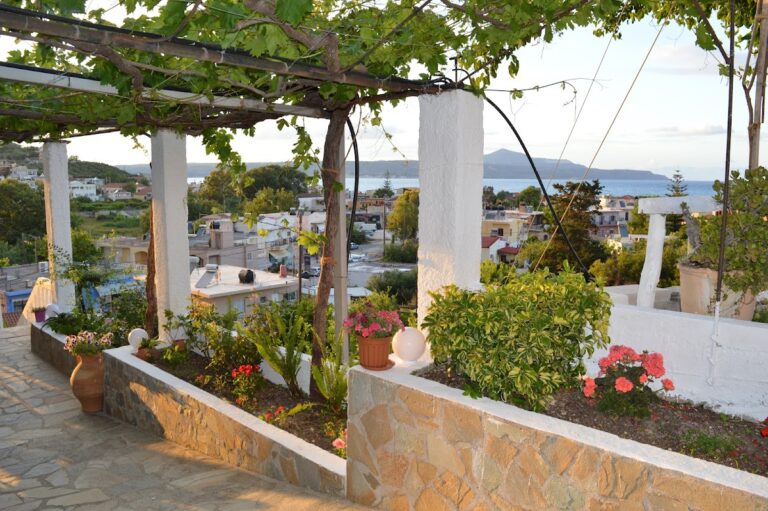
Located at Tria Kamarakia, near the Rethymnon-Chania highway, the Holy Cross “St. Raphael” Foundation is a quaint, informal monastery with a primary focus on charity work. Its main temple is a three-aisled basilica dedicated to the Neomartyrs (Raphael, Nicholas, and Irene), the Holy Cross, and Saint Ephrem.
No results available
No results available
No results available
No results available
No results available
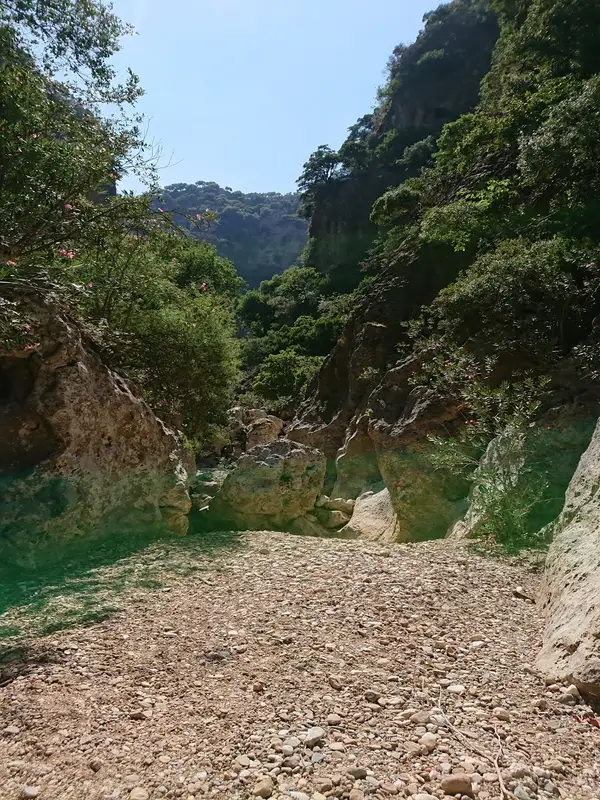
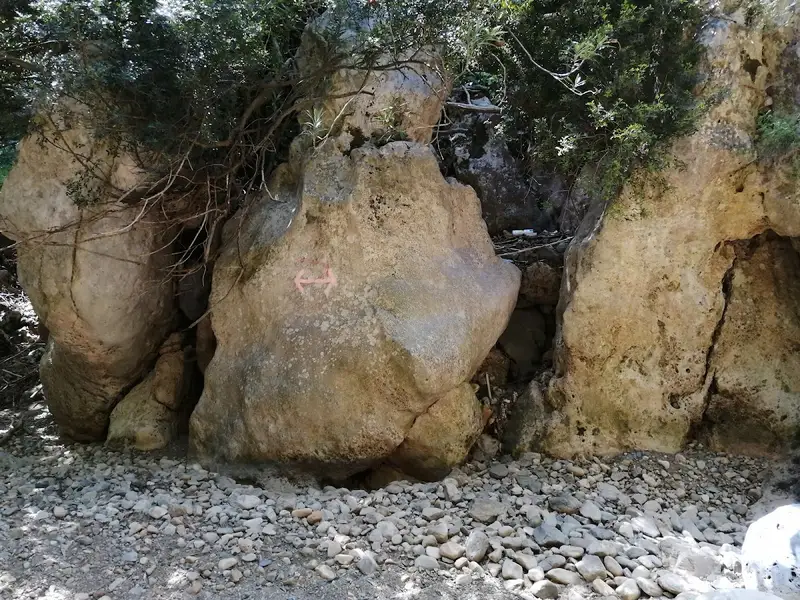
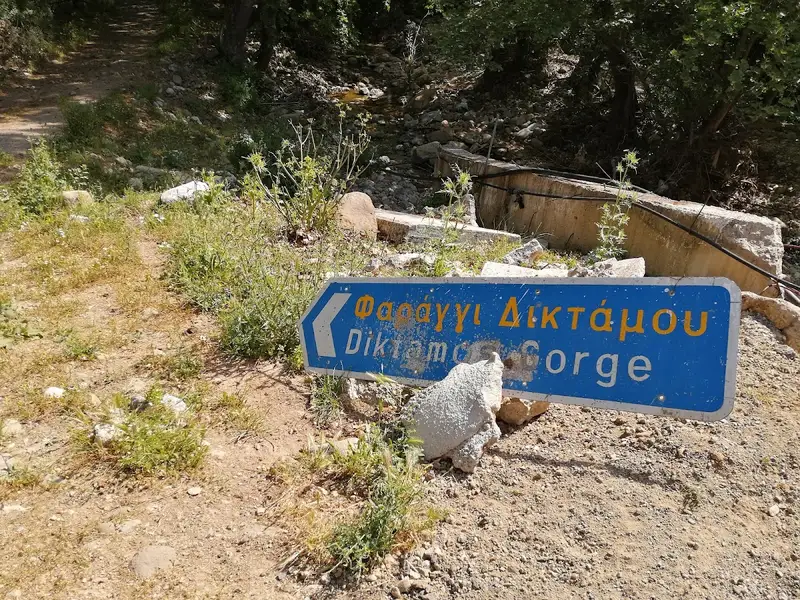
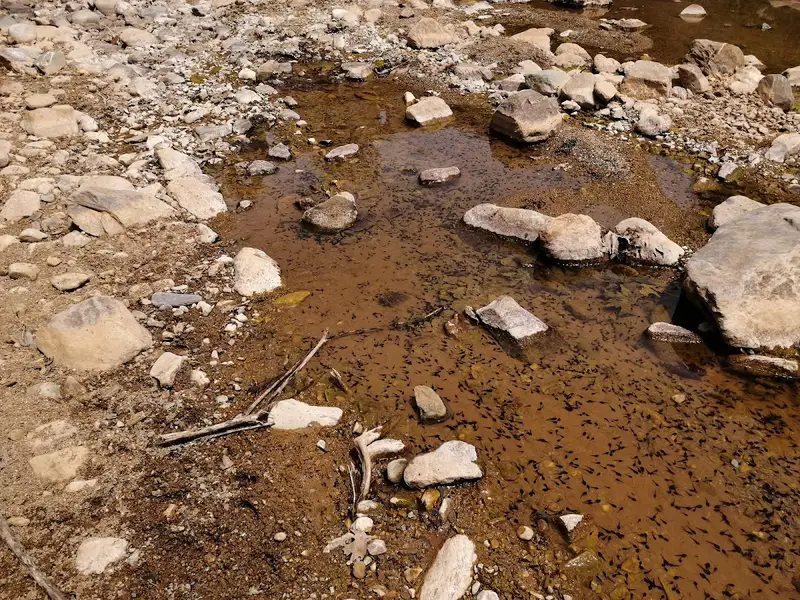
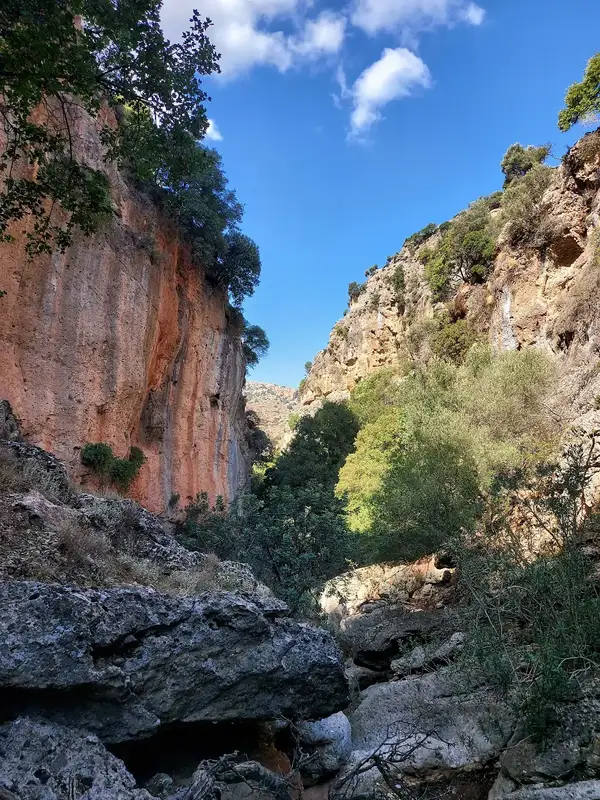
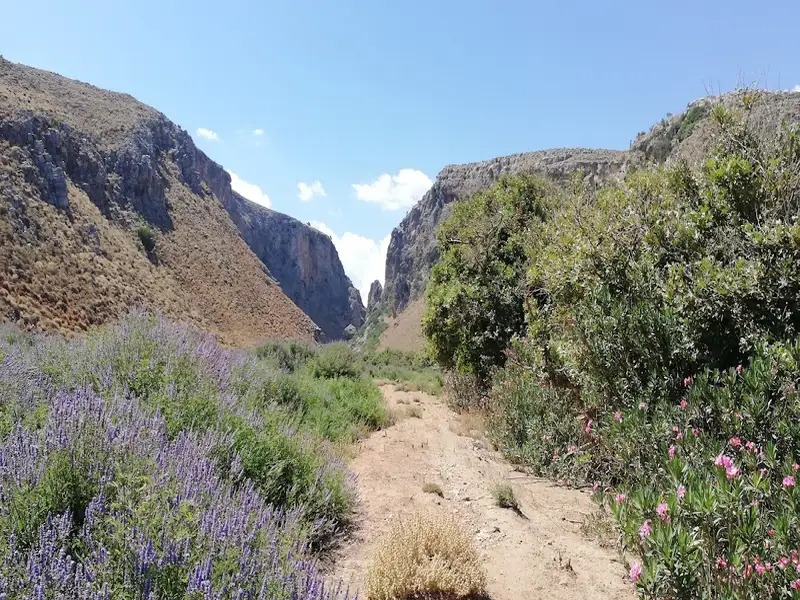
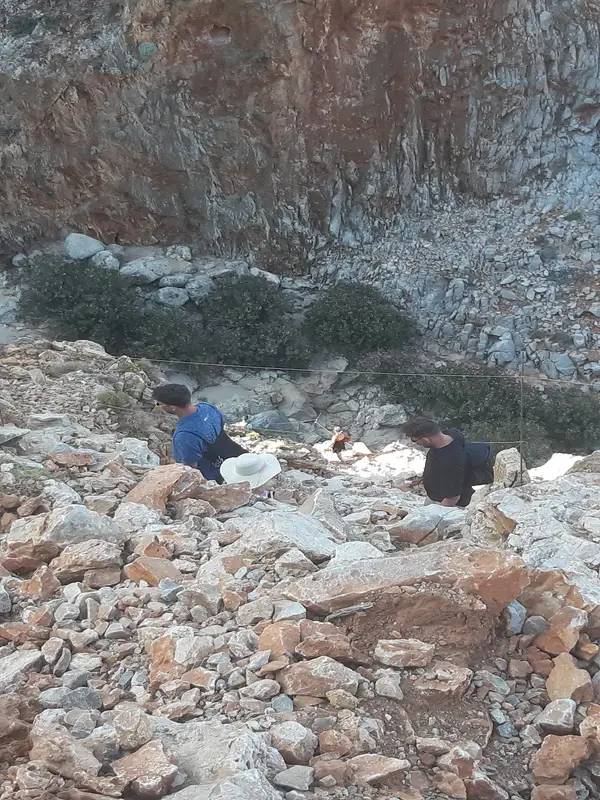
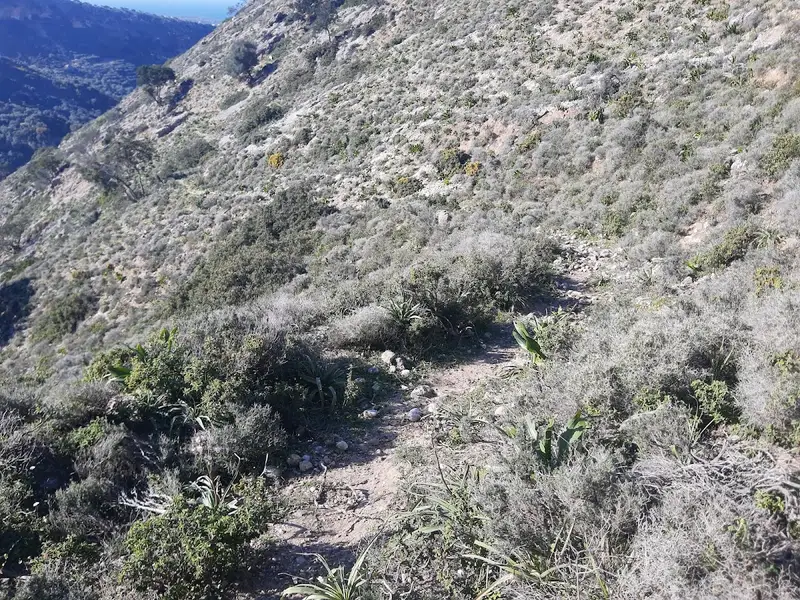
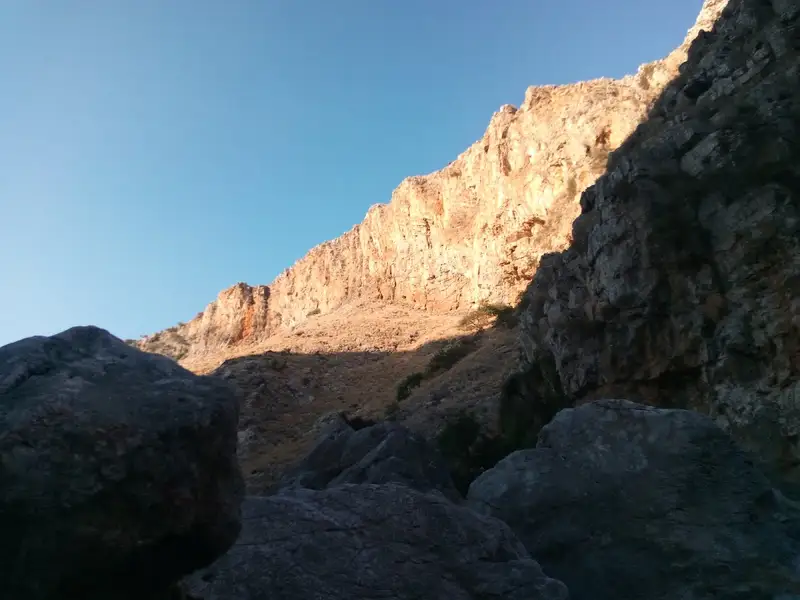
The Diktamos Canyon, nestled within the White Mountains, commences 21km to the east of Chania, near the Katochori village at an elevation of 300m. It concludes 8km further east, at the Faragi village, situated at a height of 40m and in close proximity to the Stylos village in the Apokoronas province. Consequently, it is also referred to as the Katechori Gorge or Stylos Gorge. The canyon’s stream serves as the primary tributary of the Kiliaris River, gathering water from the northern slopes of the Mavri peak and discharging it onto the Kalives beach.
Navigating through the canyon can be challenging, with certain areas requiring extra caution and approximately 3 hours to traverse. The canyon is a stunning, verdant landscape filled with towering trees and steep inclines, home to dittany or diktamos, a herb endemic to Crete. In Stylos, you have the opportunity to explore the ancient church of Apostle John (Agios Ioannis Theologos), refresh yourself at the local springs, and replenish your energy at the village’s taverns.
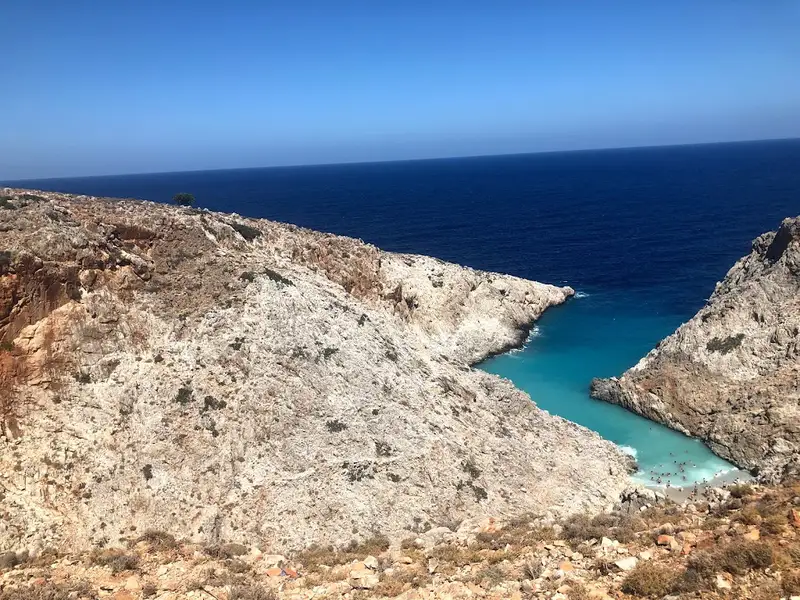
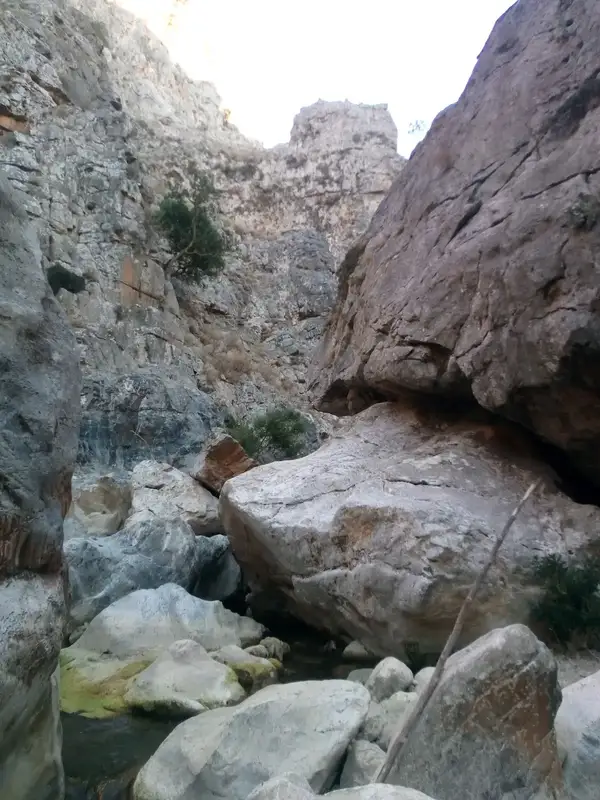
Located at the farthest point of Akrotiri Cape lies the Diplochachalo Gorge. This gorge is situated near the village of Chordaki, en route to the renowned Stefanou or Seitan Limania beach. The gorge is a compact, breathtaking, and purely technical canyon featuring six descents, two of which are quite tall. It begins just beneath the quarry that stands out in the area. The gorge’s brief route, apart from the descents, forms dramatic rock shelters and formations with steep slopes. At the centre of the tallest waterfall, which stands at 38m, resides a beautiful cave adorned with stalactites and stalagmites, stretching around 20 meters deep. The gorge’s exit leads directly to the sandy shores of Stefanou Beach.
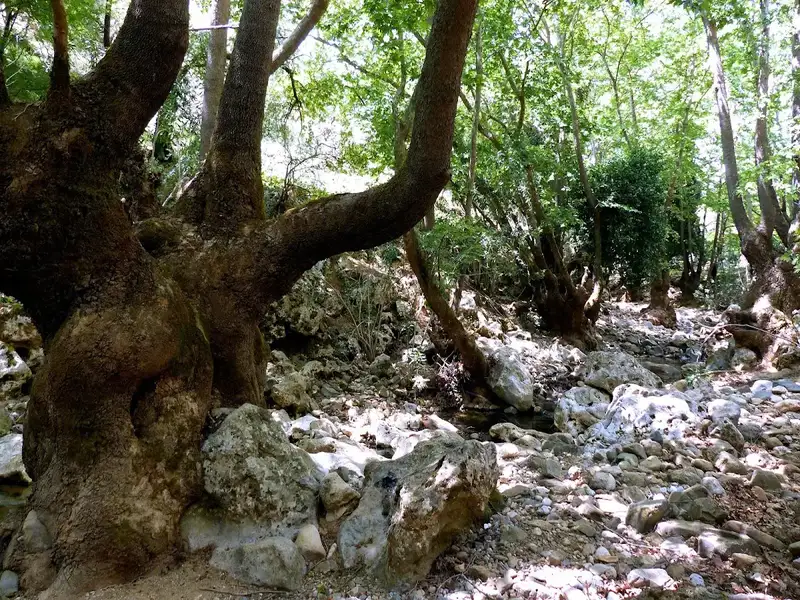
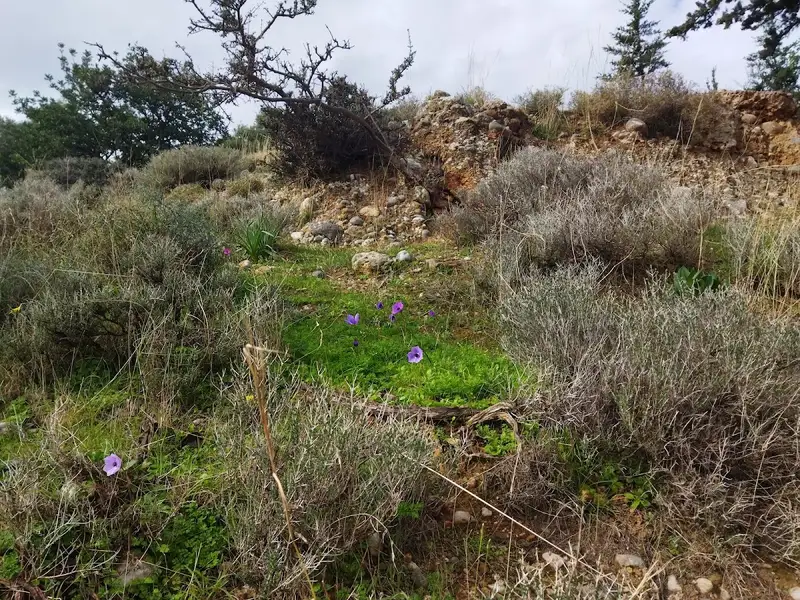
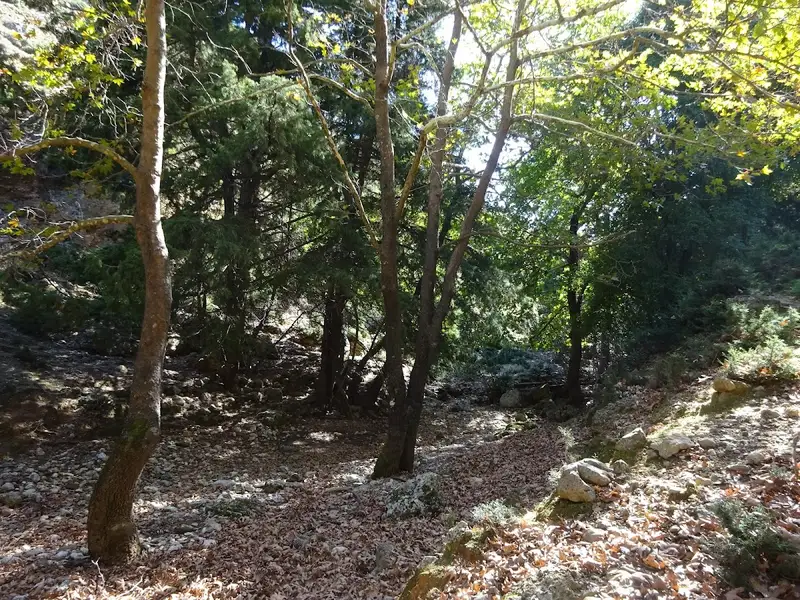
The Cyclamen Gorge, also known as Agios Georgios Gorge or Gorge Vandes, is nestled on the northern slopes of the White Mountains. Its starting point is the Aletrouvari settlement, situated at an altitude of 300m, and it extends east of Agios Georgios village, ultimately ending at the village of Vandes, which is at an elevation of 50m. The stream that runs through this gorge gathers water from the Drakona area, resulting in the formation of quaint, small ponds at certain spots.
However, this route is not recommended for novice hikers as it requires approximately 2 hours to traverse from Aletrouvari or about 1 hour from Agios Georgios. As visitors journey through this route, they will encounter a diverse landscape that changes along the river, all under the cool shade of towering plane trees and cypresses.
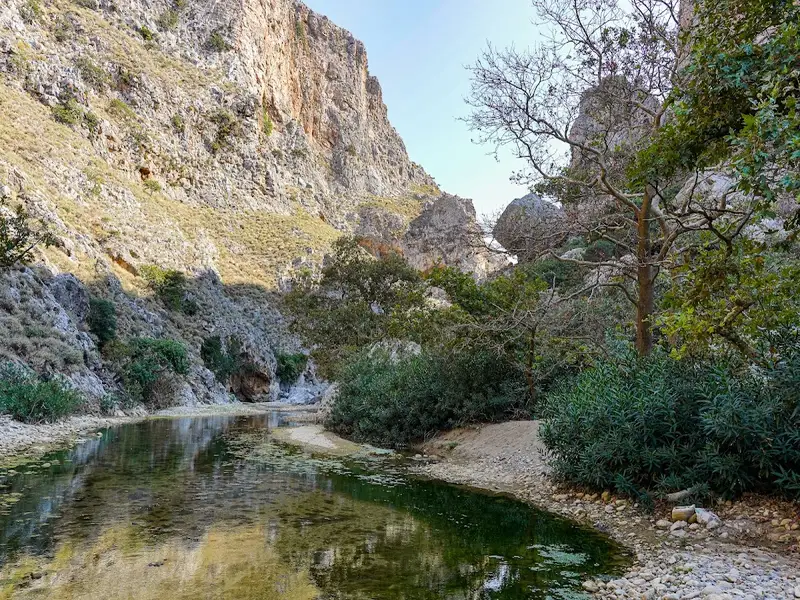
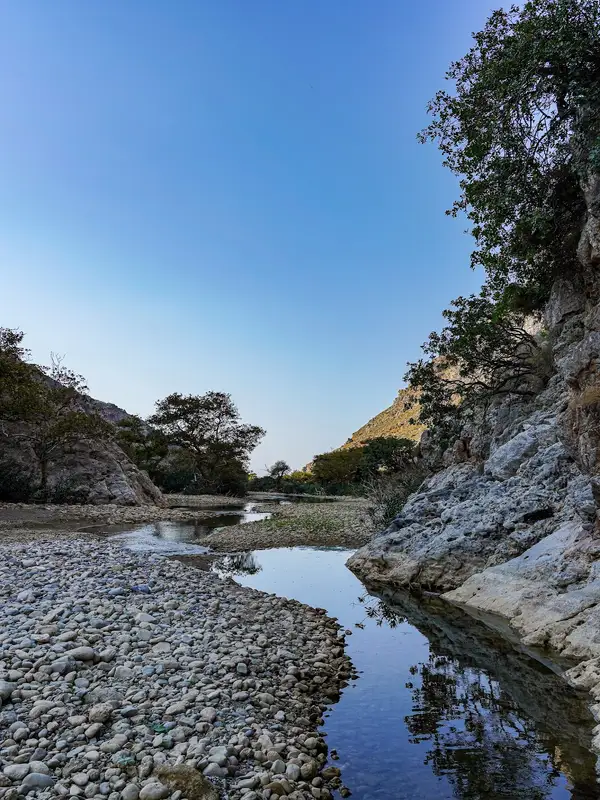
Situated 13km west of Rethymno, Petres Gorge opens up at the Petres beach. It houses the longest river in Rethymnon province, which is replenished by multiple tributaries that gather the waters of Kollita Gorges from the west to Mount Vrysinas in the east, spanning almost half of Rethymnon Prefecture. The river flows throughout the year and forms a significant wetland of Crete, particularly near its mouth at Episkopi.
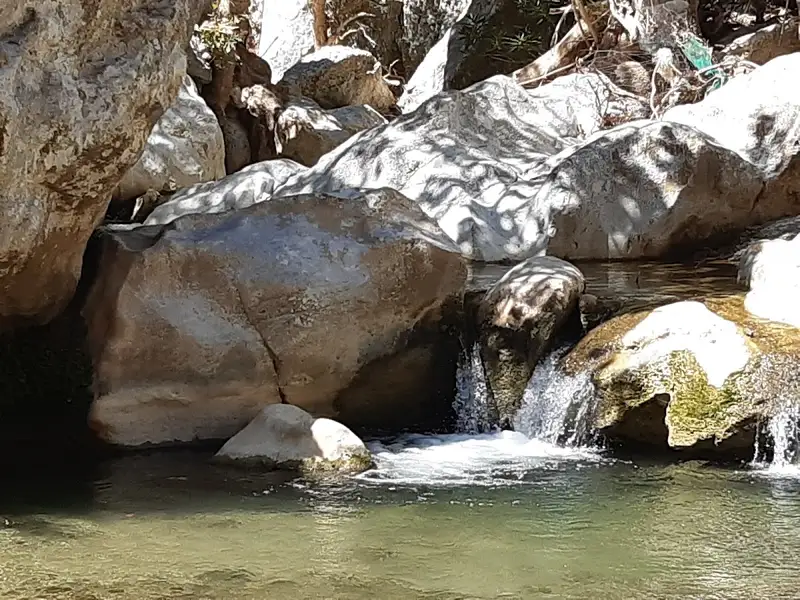
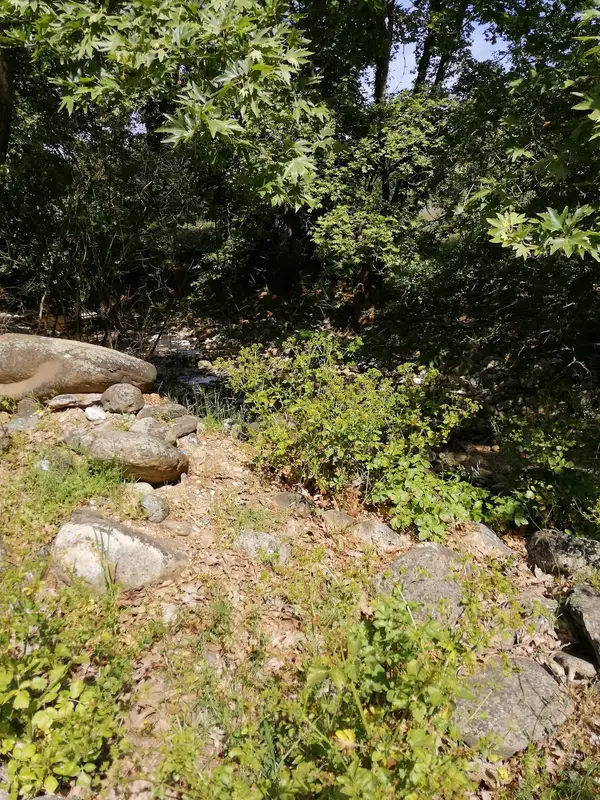
The gorge narrows down to a small section about 1km long, beginning near the village of Karoti. Despite its short length, it is definitely worth exploring. It is easily accessible and perfect for swimming in the ponds that form along its course. However, fences are installed to confine goats, so carrying a cutter might be useful in case the fences are locked. Certain areas with large rocks may require a bit of climbing and extra caution.
No results available
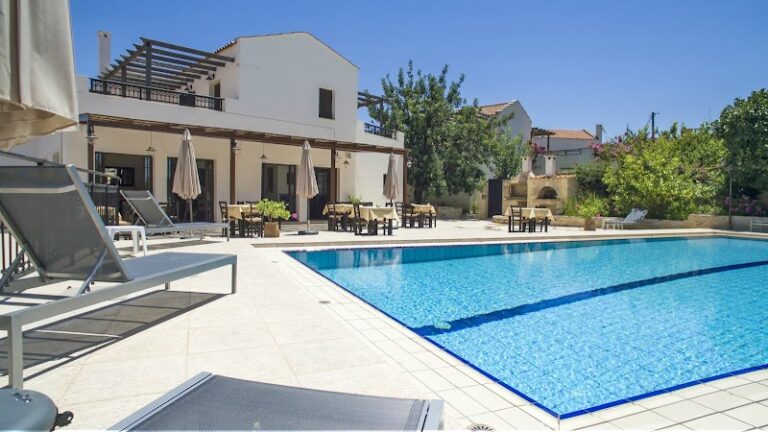
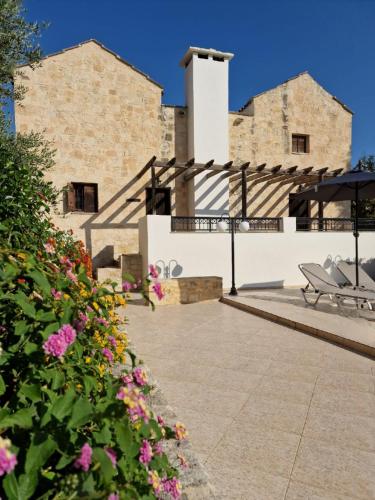
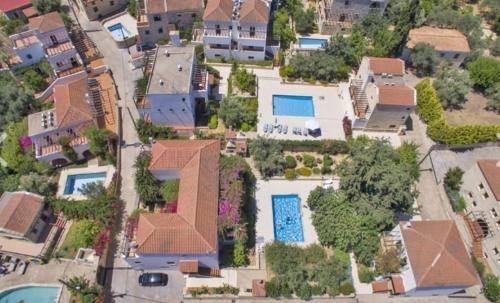
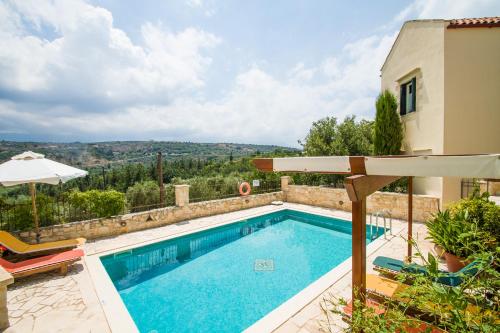
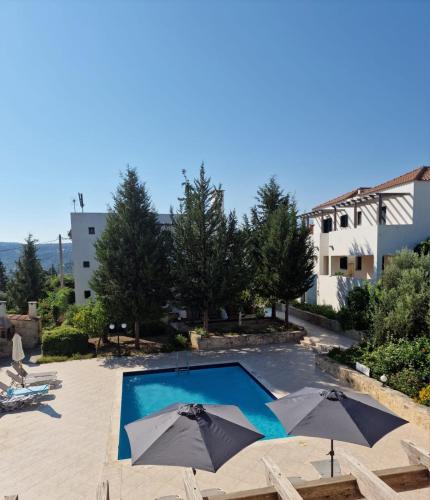
Retreat Homes Apokoronas features mountain views, free WiFi and free private parking, set in Douliana, 37 km from Archaeological Museum of Rethymno.
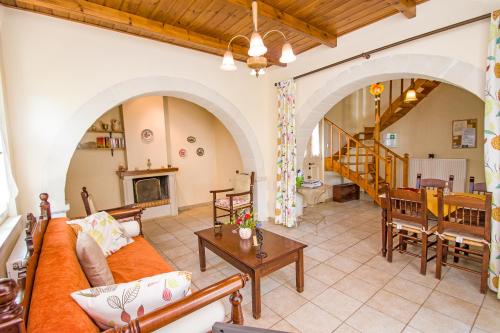
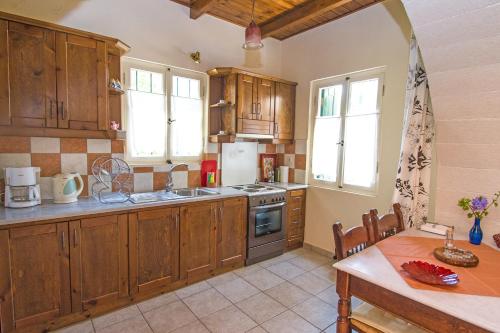
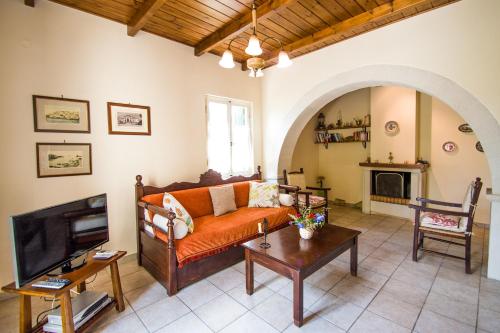
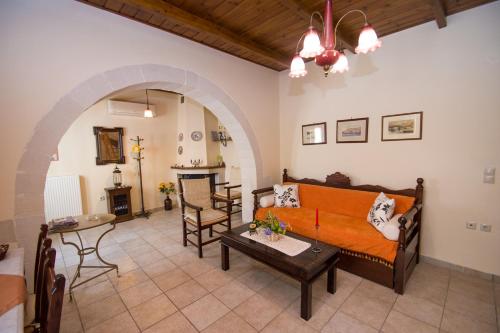
Each unit comes with a terrace, a fully equipped kitchen with an oven, a fireplace, a seating area, a flat-screen TV, a washing machine, and a private bathroom with bath and bathrobes. A toaster, a fridge and stovetop are also featured, as well as a coffee machine and a kettle.
At the villa you will find a restaurant serving Greek and Mediterranean cuisine.
Retreat Homes Apokoronas offers an outdoor fireplace.
Both a bicycle rental service and a car rental service are available at the accommodation, while cycling can be enjoyed nearby.
Historical – Folklore Museum of Gavalochori is 3.7 km from Retreat Homes Apokoronas, while Ancient City of Aptera is 13 km away. The nearest airport is Chania International, 33 km from the villa, and the property offers a paid airport shuttle service.
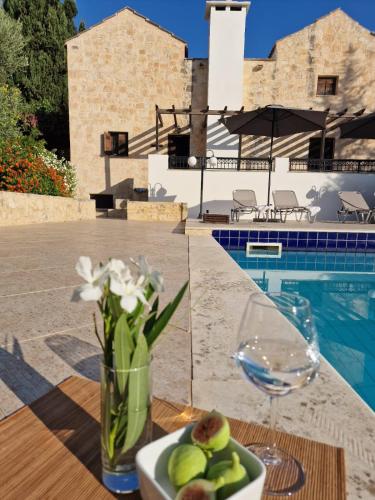
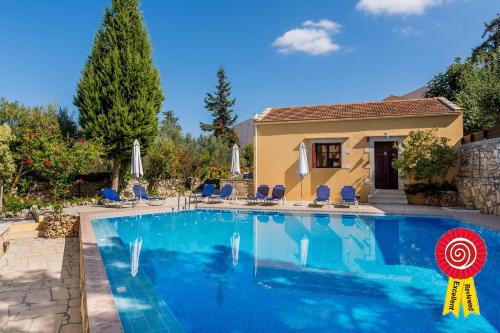
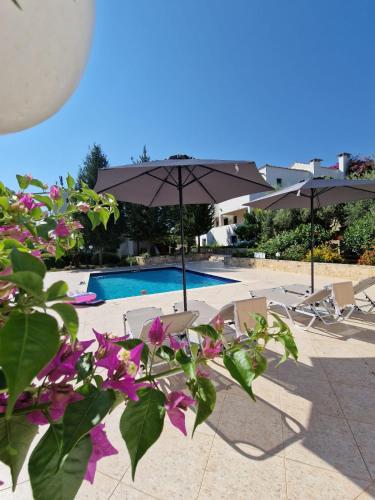
Featuring air-conditioned accommodation with a private pool, pool view and a balcony, Villa Penelope is set in Douliana. This property offers access to a terrace, free private parking and free WiFi.
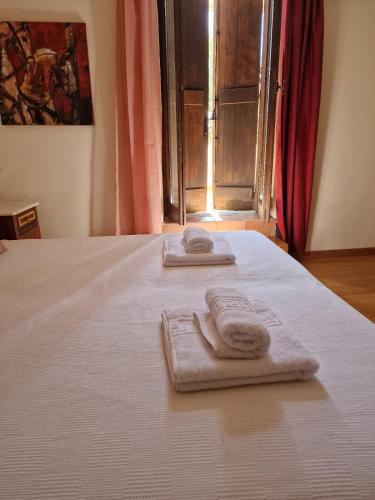
This villa is fitted with 2 bedrooms, a kitchen with an oven and a microwave, a flat-screen TV, a seating area and 2 bathrooms equipped with a bath. Towels and bed linen are featured in the villa.
The villa offers an outdoor fireplace. Guests can also relax in the shared lounge area.
Archaeological Museum of Rethymno is 37 km from Villa Penelope, while Historical – Folklore Museum of Gavalochori is 3.7 km away. The nearest airport is Chania International Airport, 33 km from the accommodation.
from
€144
/night
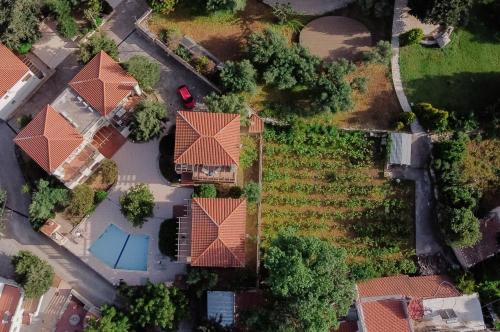
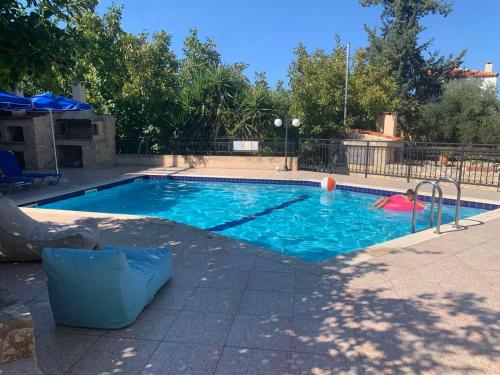
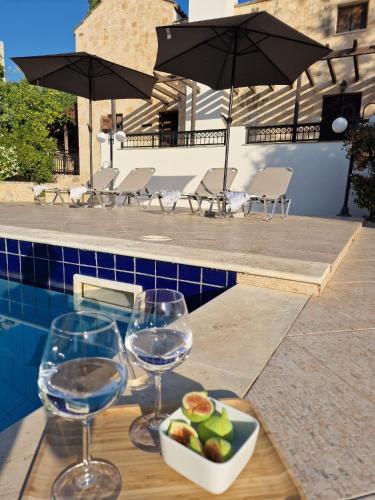
Located 37 km from Archaeological Museum of Rethymno and 3.4 km from Historical – Folklore Museum of Gavalochori, Helianthos Villas in Douliana provides air-conditioned accommodation with views of the pool and free WiFi.
Each unit is equipped with a balcony offering mountain views, a TV, a well-fitted kitchen and a private bathroom with shower and a hair dryer. An oven, a fridge and kitchenware are also provided, as well as a coffee machine.
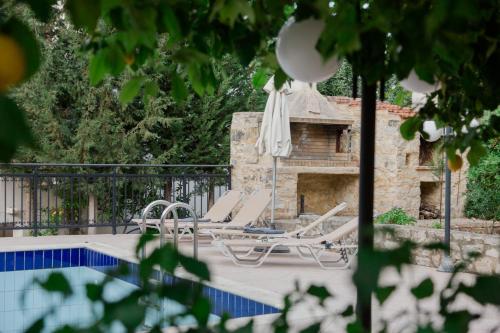
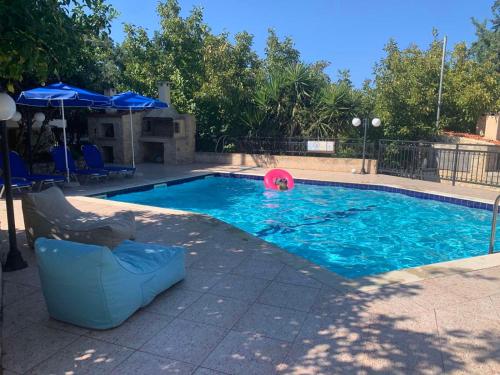
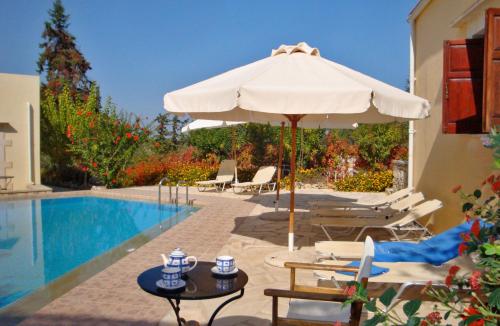
Barbecue facilities are available and guests can also relax in the garden, beside the outdoor swimming pool, or on the sun terrace.
Ancient City of Aptera is 13 km from the villa, while Conference Centre of MAICh is 19 km away. The nearest airport is Chania International Airport, 32 km from Helianthos Villas.
from
€118
/night
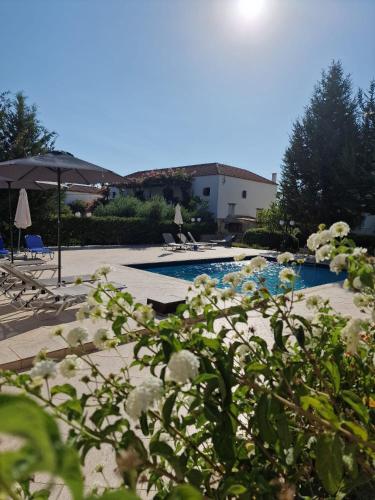
Boasting pool views, Heliopetra independant studios -village close to beaches -sharing a large pool offers accommodation with a balcony and a coffee machine, around 2.8 km from Almirida Beach. There is an in-house restaurant, plus free private parking and free WiFi are available.
The holiday home is fitted with 1 bedroom, 1 bathroom, bed linen, towels, a TV, a fully equipped kitchenette, and a terrace with sea views.
The holiday home offers a picnic area. Guests can also relax in the garden or in the shared lounge area.
Archaeological Museum of Rethymno is 37 km from Heliopetra independant studios -village close to beaches -sharing a large pool, while Historical – Folklore Museum of Gavalochori is 3.9 km from the property. The nearest airport is Chania International Airport, 33 km from the accommodation.
from
€75
/night
No results available
Connect with thousands of Crete visitors and boost your bookings.
No results available
© All rights reserved. Crete Locals