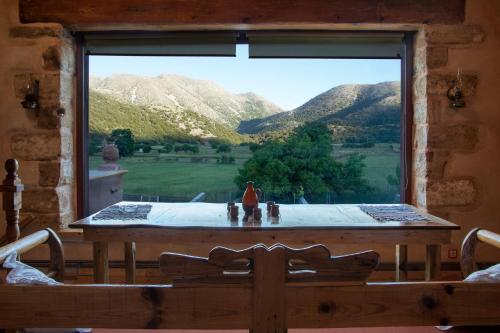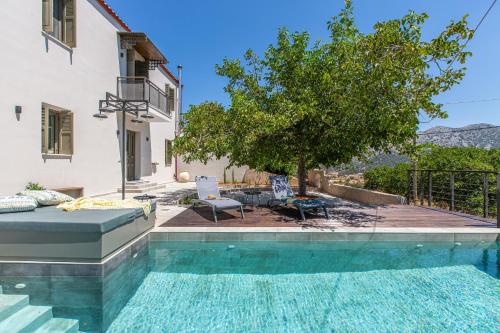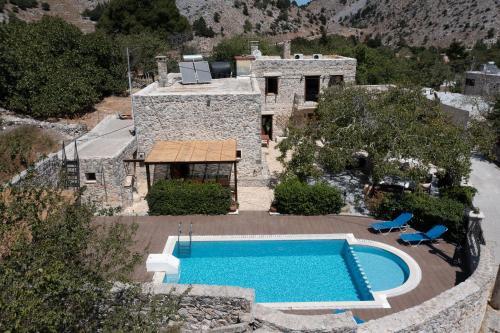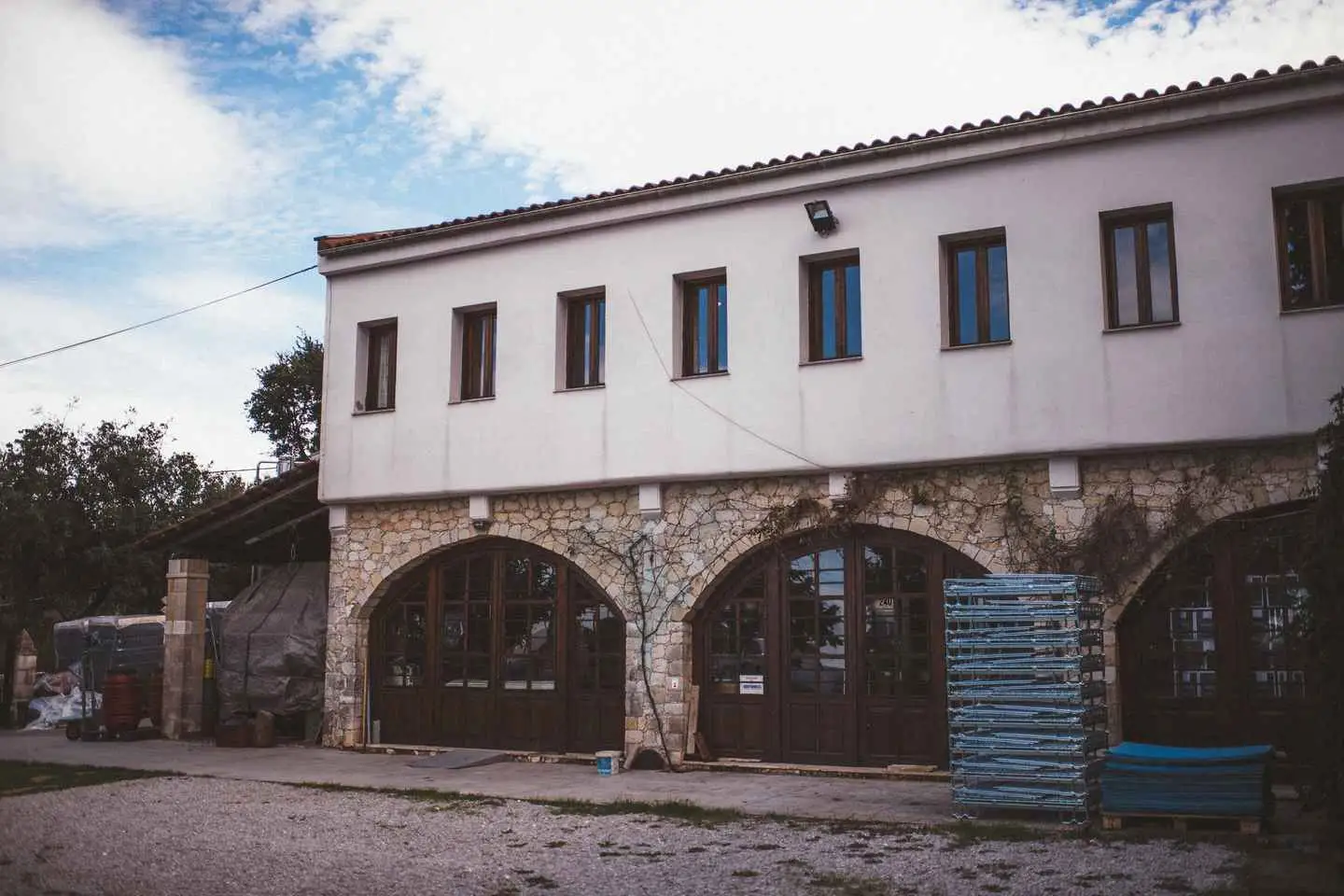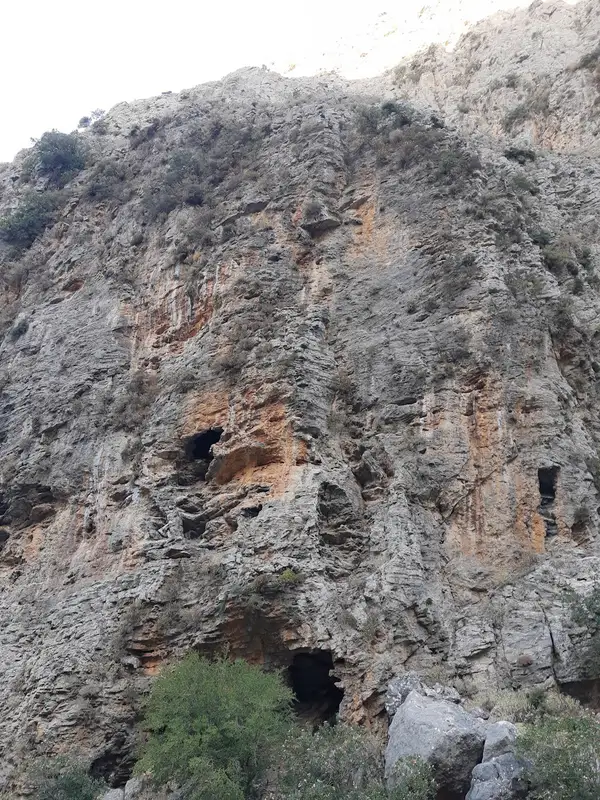
Boasting a spa bath, villa archontiko ASKYFOU SFAKIA is situated in Karés. The air-conditioned accommodation is 7 km from Imvrou gorge, and guests benefit from complimentary WiFi and private parking available on site.
The villa features 4 bedrooms, 3 bathrooms, bed linen, towels, a flat-screen TV, a dining area, a fully equipped kitchen, and a patio with garden views.
The villa offers a hydromassage cabin. A terrace is available on site and hiking can be enjoyed within close proximity of villa archontiko ASKYFOU SFAKIA.
Chania Town is 28 km from the accommodation, while Rethymno Town is 29 km from the property. The nearest airport is Chania International Airport, 27 km from villa archontiko ASKYFOU SFAKIA.
ΑΣΚΥΦΟΥ ΚΑΡΡΕΣ
No results available
Find below list of things to do near villa archontiko ASKYFOU SFAKIA:
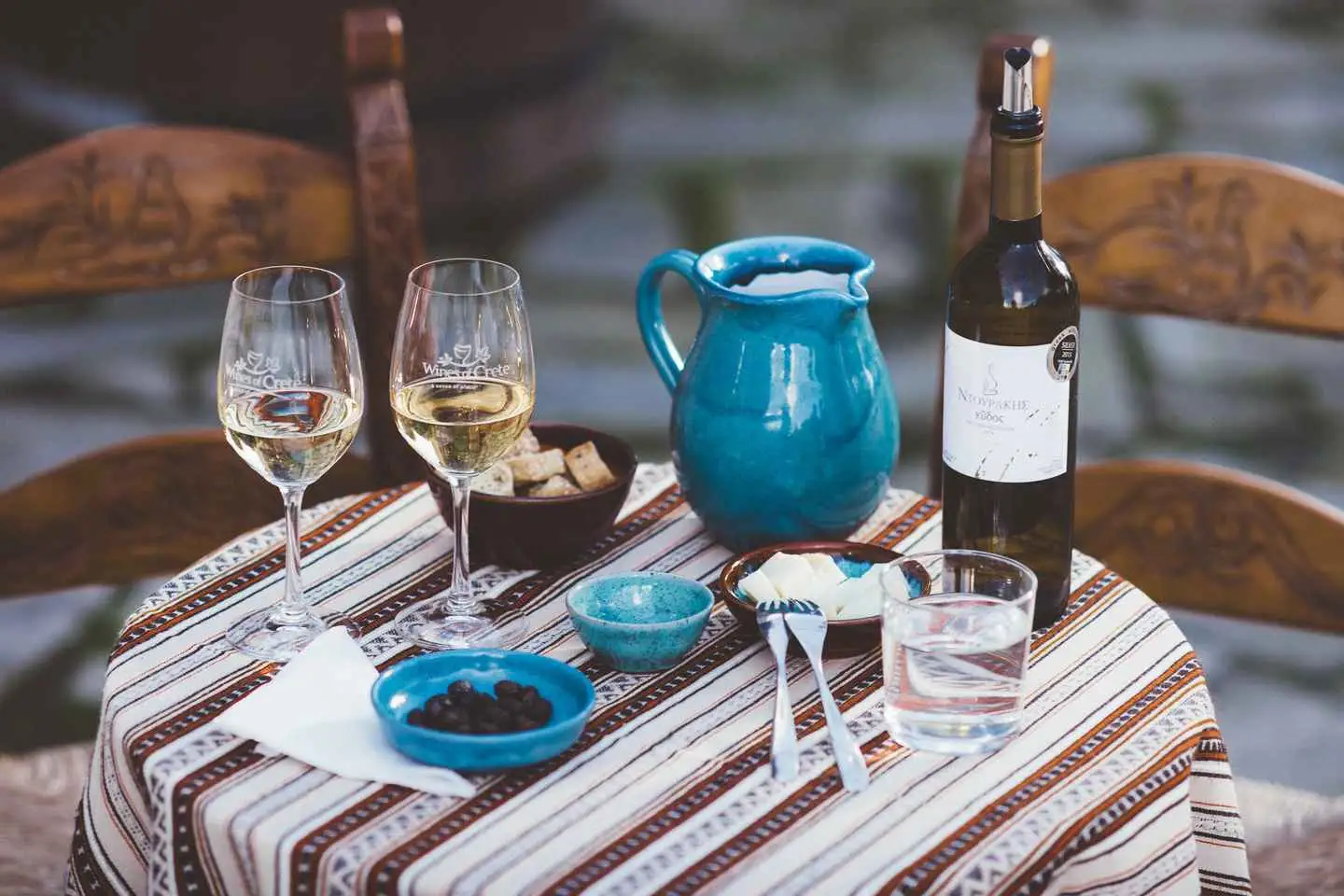
Learn about traditional Cretan olive oil and wine on this tasting tour through the island of Crete.
Begin your tour at the Kanakis olive oil mill, and learn all about the process of making olive oil. Hear experts describe the steps of production and afterward, enjoy a taste of their exquisite virgin olive oil.
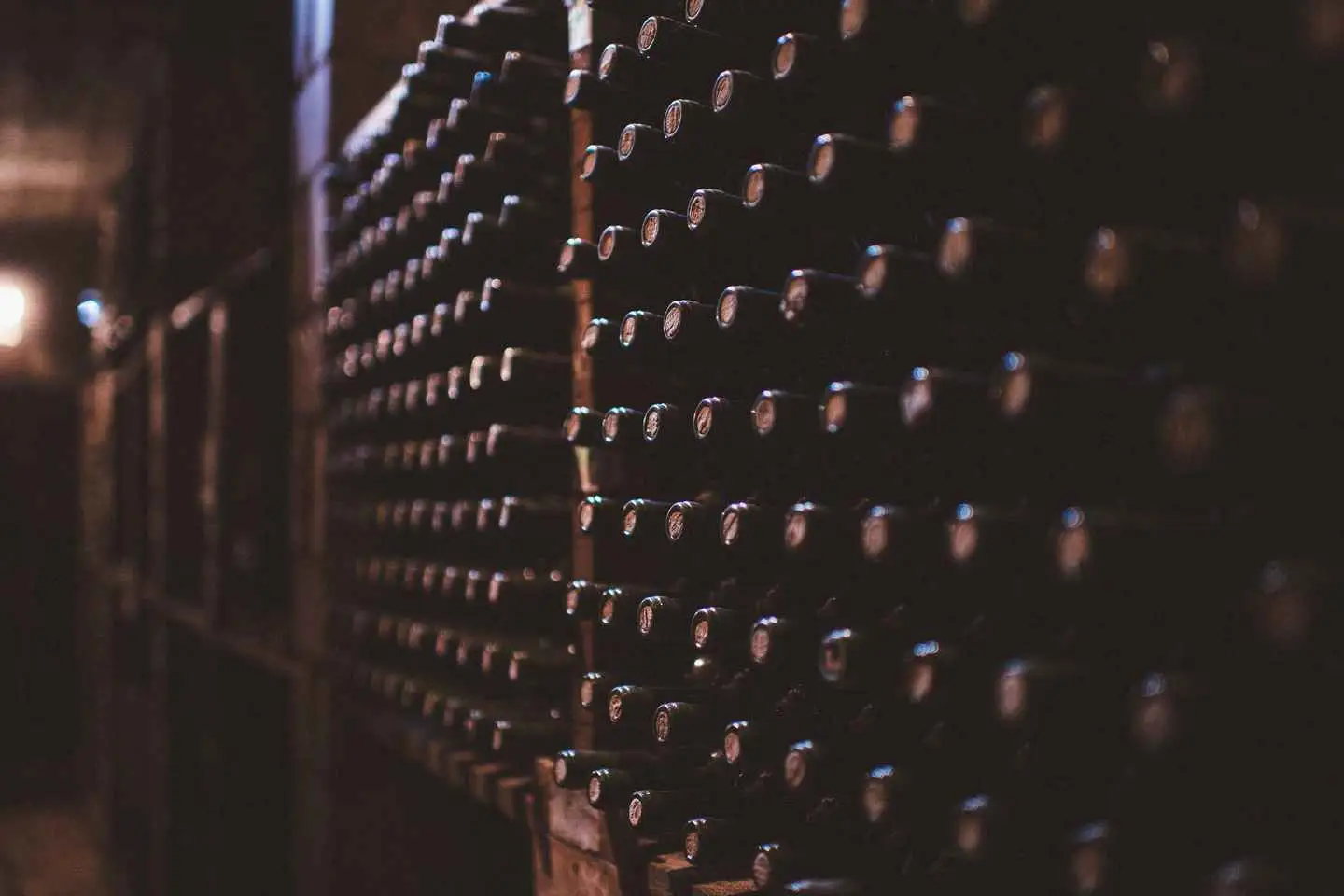
Continue on to one of the best wineries of the region, Dourakis Winery. There, enjoy a half-hour guided tour to learn about the history, tradition, and production of Cretan wine. After the tour, move to the wine tasting room, where you can taste up to five types of Cretan wine.
Finally, end the tour with a visit to either the village of Nipos or Vryses (depending on the weather and the day). Both villages offer up beautiful natural views alongside a traditional delicious lunch.
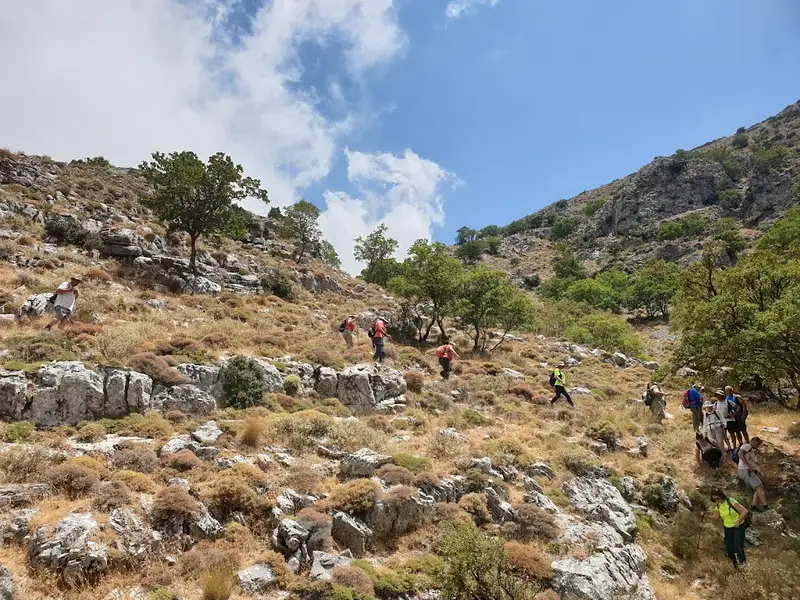
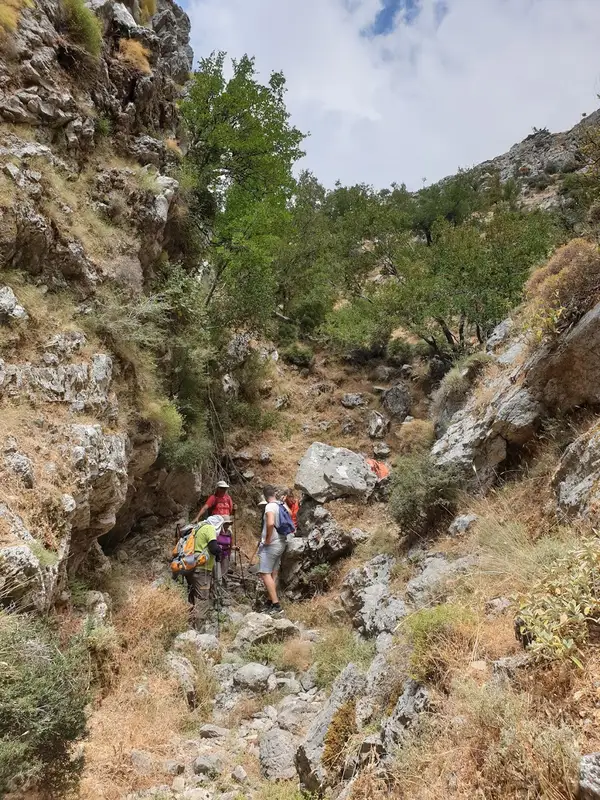
You will be picked up at your hotel in the Chania area and then journey by bus to the Imbros Gorge in the eastern part of the White Mountains of Crete. Upon arrival you will enjoy an easy 3-hour hike through the narrow passages and marvel at the stunning rock formations, with an expert guide to teach you about the area.
During your descent you will see famous locations such as the Stenada, Mesofarango, and Xepitira Arch. You exit the gorge at Komitades village, where a bus will be waiting to bring you to Chora Sfakion for some relaxing free time at one of the taverns or cafes overlooking the sea.
Continue by bus to the south coast, and visit a beautiful beach for a refreshing swim in the Libyan Sea. You can relax and enjoy a traditional lunch before the bus trip back to the Chania area.
After pickup at your area or hotel, we will begin our journey with a ride to the South of the island, providing insider information and history about the beautifula reas we pass by. We take a break for a coffee stop at Imbros Gorge, where we can view its entrance. Guests have the option to hike the gorge. Then, we will head (with our non-hikers) to the port of Sfakia to take a private boat trip to Loutro, offering breathtaking views of the sea and the island. Upon arrival at Loutro, you will have free time to explore the town or go swimming. After the hikes finish their hike, they join the rest of the guests in Loutro. Free time is 4 hours for non-hikers. Free time for hikers depends on how long it takes to hike the gorge. Finally, we will take a private boat ride back.
Discover Imbros Gorge, which runs parallel to the more famous Samaria Gorge. Although the Imbros Gorge is smaller, many people prefer to cross here because it offers a very different hiking experience than the Samaria Gorge. After your tour, enjoy a refreshing swim in the sea and lunch at a village taverna.
Enjoy hotel pickup and arrive at Imbros around 10 AM. Have breakfast and then hike about 2.5 hours to discover the beauty of this narrow natural passage. Learn about the rock formations and the legend of the 2 brothers that Imbros is named after.
For many years, the Imbros Gorge served as part of the trail that connected Chania to Hora Sfakion. Stroll through a piece of World War II history, as you walk where thousands of British soldiers passed through after the Battle of Crete to get to Egypt.
End your hike in Komitades Village and then depart for Sfakia. Take a swim in the refreshing Libyan Sea and eat lunch with the locals in the taverns before returning to your hotel.
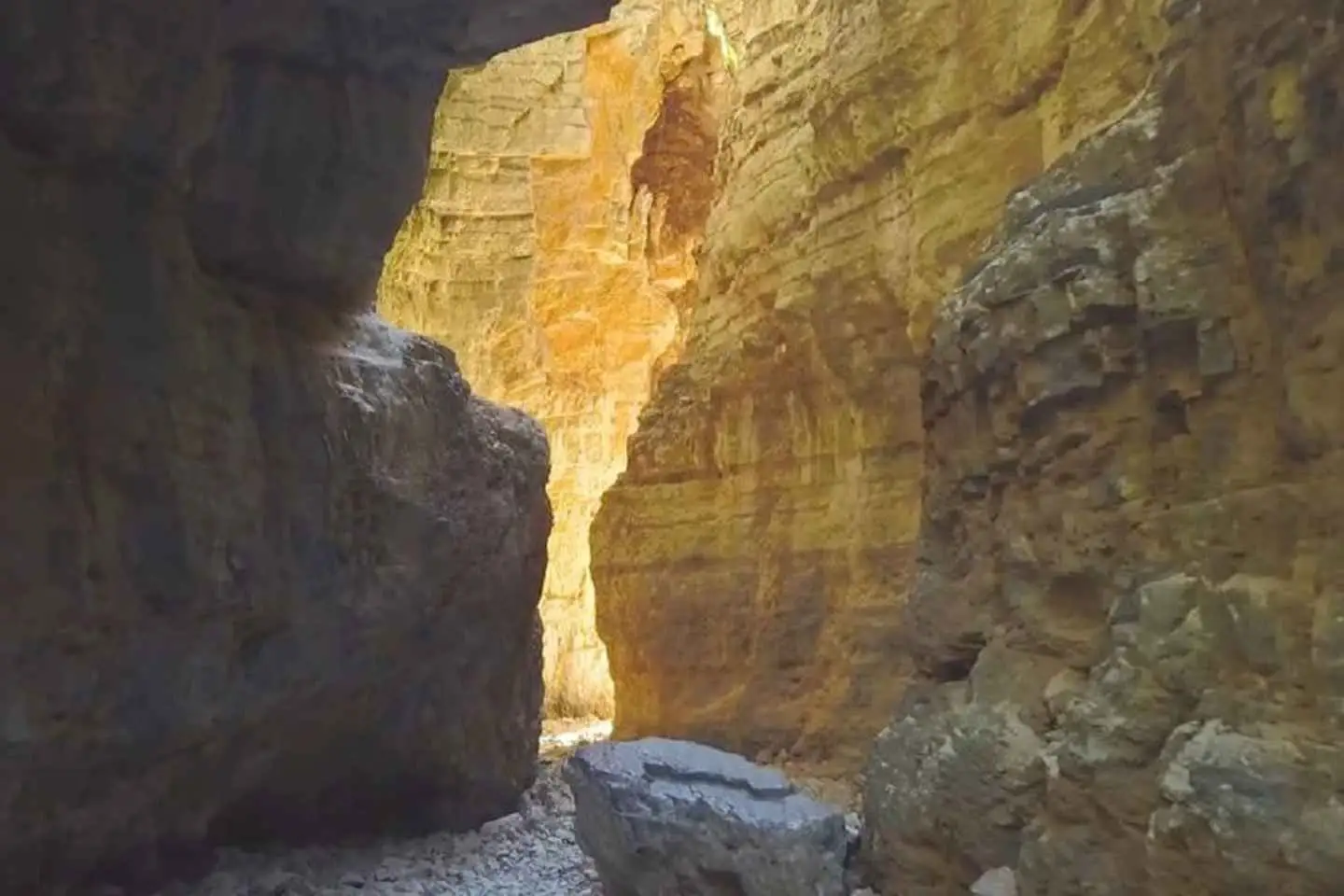
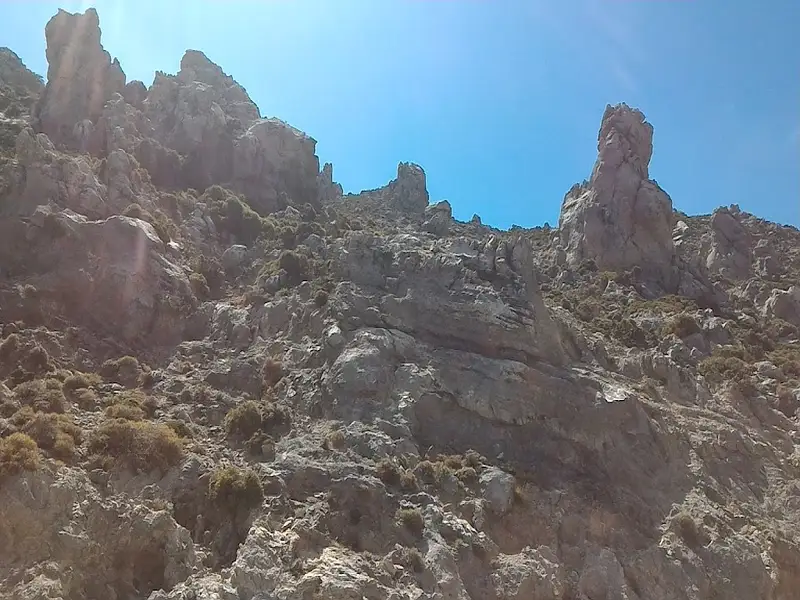
Imbros Gorge is located in the south-eastern part of the White Mountains, it’s length is 7 km and has slopes up to 300m high. It begins in the village of Imbros (800m) and ends in the village of Komitades (300m).
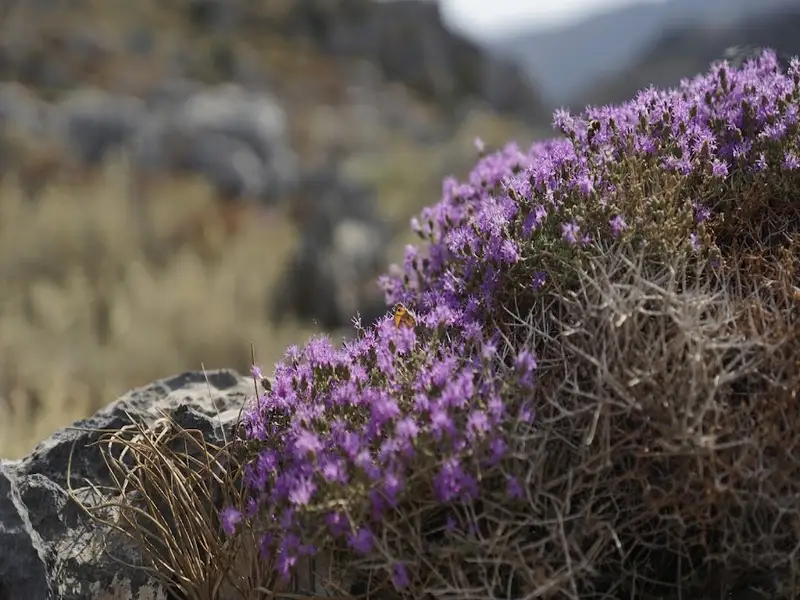
It is part of the E4 European Long Distance Trail, it’s relatively easy and pleasant path. At the beginning of the gorge you may see the old cobbled road that used to be the only way to connect the village of Sfakia with the northern side of the island. It’s famous for its rare flora and beautiful scenery.
Our bus will pick you up from a designated pick up point (outside or near your hotel) and after about 90 minutes drive we will arrive in the village of Imbros. Then follows the walk through the gorge, guided by our licensed trekking guide who will help you if you need it and give you information about the whole area.
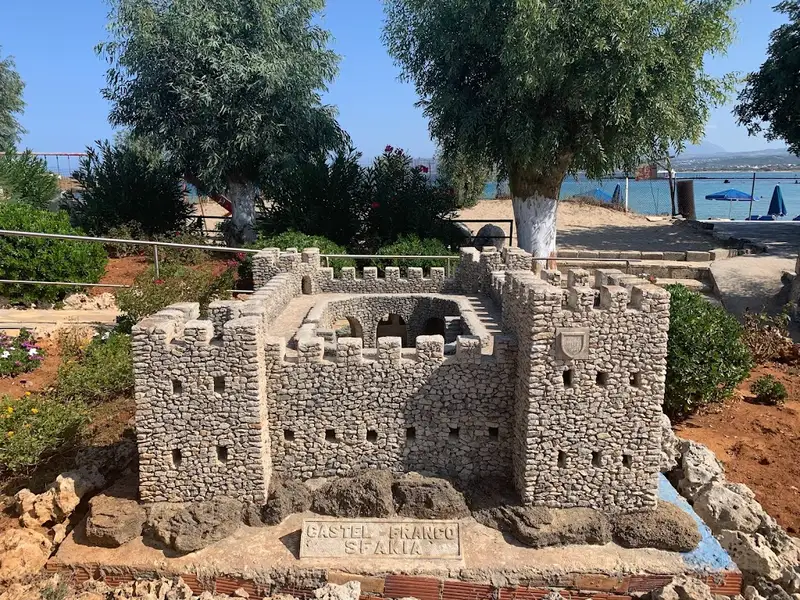
You will then visit Frangokastello, where we will have two hours free time to enjoy the sea!
In the late afternoon we will return by bus to the same point you got picked up in the morning


Our driver will lead you south through the Askifou Mountains to the village of Imbros. But first there will be a short stop for refreshment in a charming tavern. The walk will last about two hours since the gorge is 8 km long. The end of the gorge is close to Komitades Village. The bus will be waiting for you there and will take you to a beautiful beach. There will be time to swim and have lunch prior to returning.
This gentle hike is suitable for all those who are steady on their feet. It is also appropriate for families with children as well as fit elderly people.
No results available
Find below list of beaches near villa archontiko ASKYFOU SFAKIA:
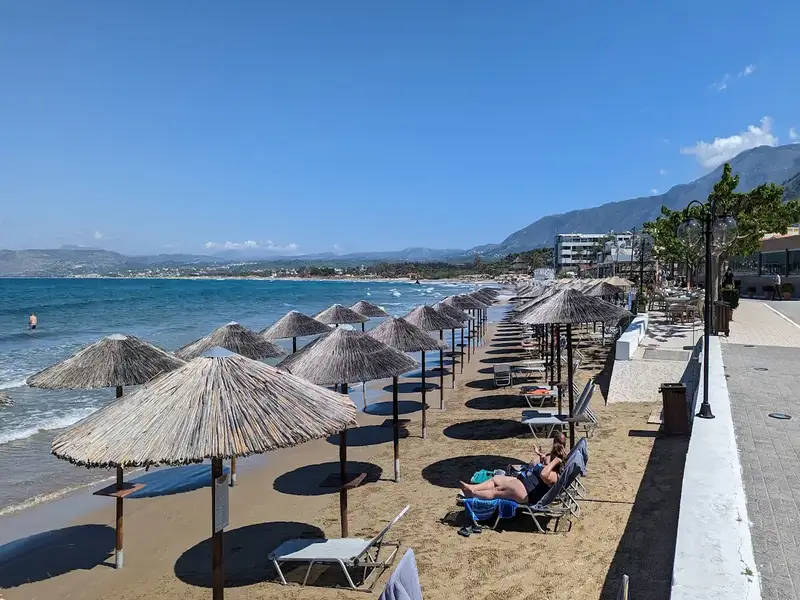
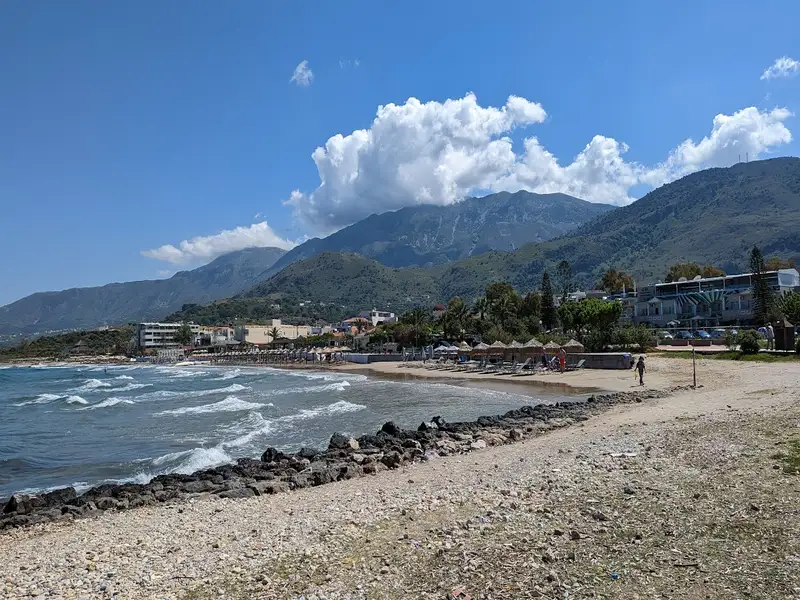
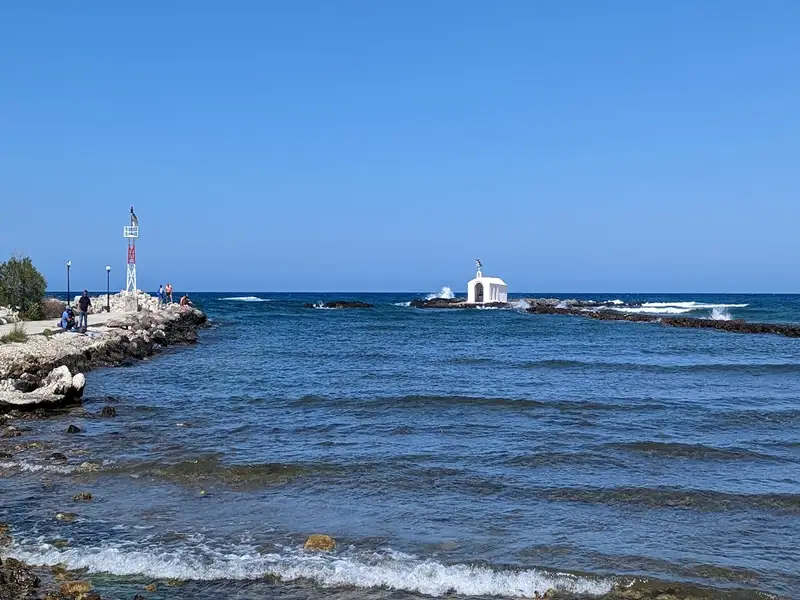
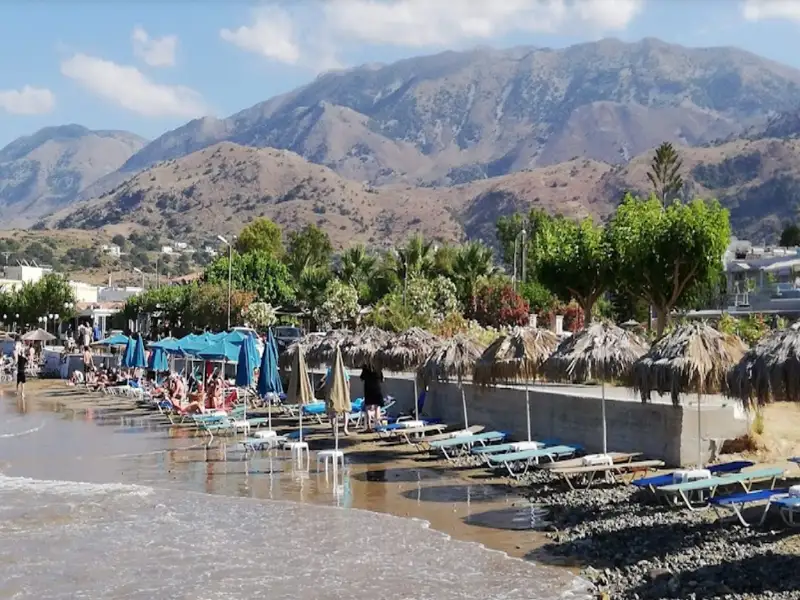
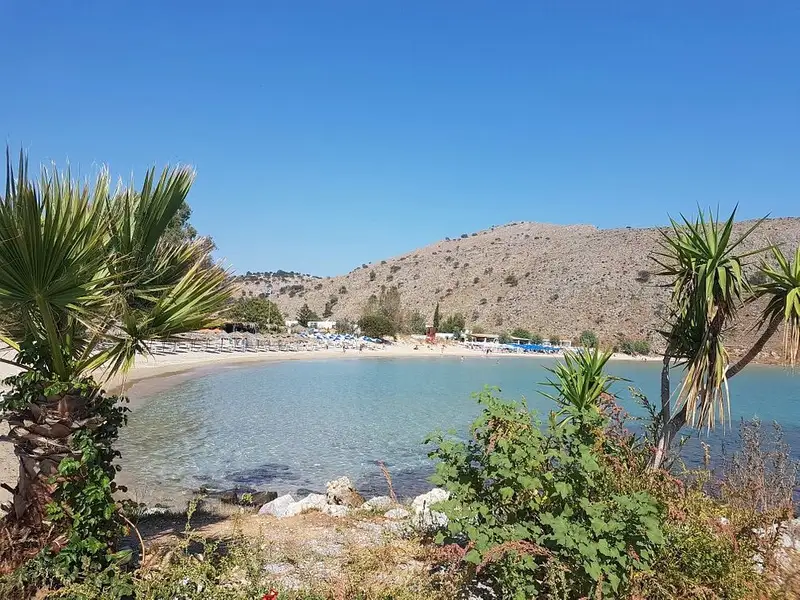
Georgioupolis, a small coastal town located 38km east of Chania and 21km west of Rethymnon, is a seaside resort nestled in a verdant valley crisscrossed by rivers and springs. Situated on the western edge of a sprawling 10km beach, the town’s beach spans 2km to the east, beginning at the Almiros river and terminating at Kavros beach, a natural continuation of the former. The beach in Georgioupolis is sandy, dotted with dunes, and has shallow waters.
The beach is well-maintained and child-friendly, with lifeguards on duty. Caution is advised during windy conditions due to sea currents. Amenities such as umbrellas, showers, and food and drink stalls are available for beachgoers. Approximately 700m east of the port, the Perastikos river bifurcates the beach, which then widens as it continues eastward. On the opposite end, west of Georgioupolis’s port and near the Almyros river’s exit, lies the picturesque Kalivaki beach.
Located 38km east of Chania and 21km west of Rethymnon, Kalivaki is the furthest beach to the west in the bay of Georgioupolis. Nestled near the exit of the Almyros and Boutakas rivers, which maintain a steady flow of water year-round, Kalivaki is a gorgeous sandy beach. The water here is particularly cool, owing to the influence of the rivers and freshwater springs. Kalivaki is a well-appointed beach, complete with umbrellas, water sports facilities, and nearby restaurants. Its protective positioning relative to the other Georgioupolis beaches makes it an excellent choice for children, especially on windy days.
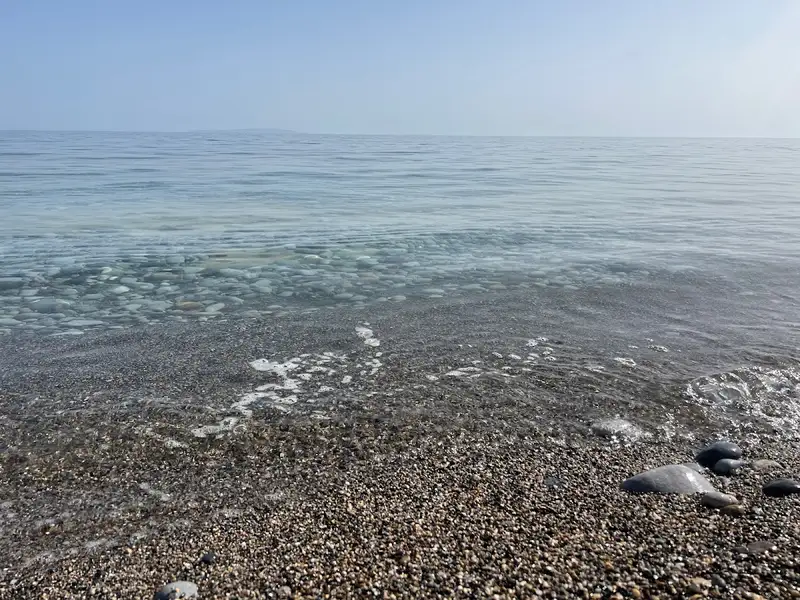
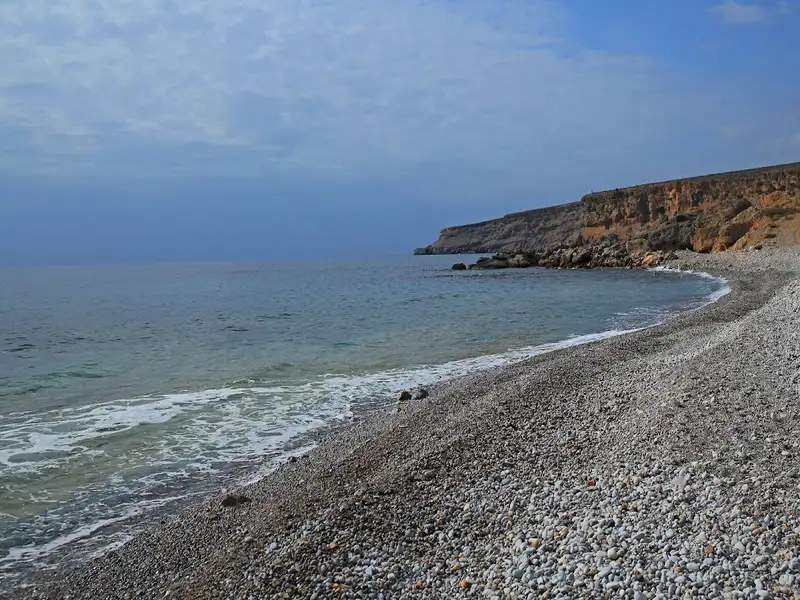
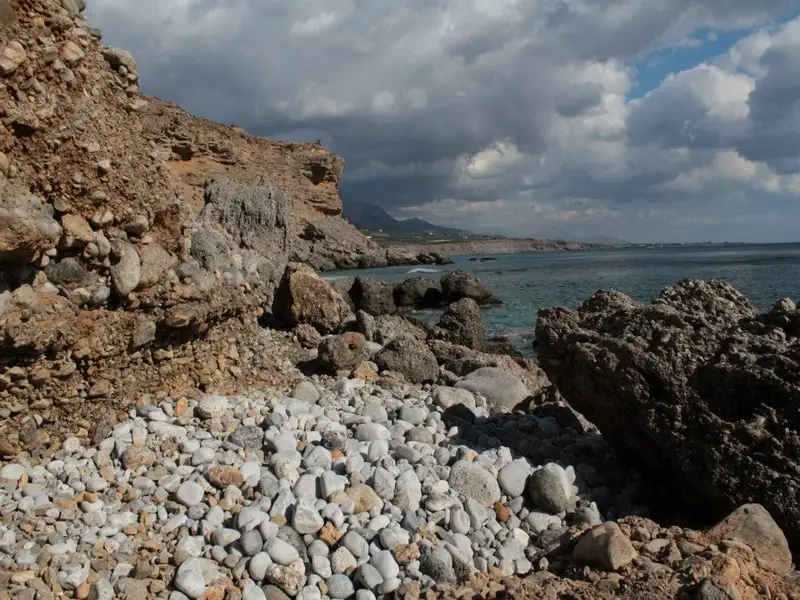
Koutelos, a tranquil and unstructured beach with large round pebbles, is situated close to the village of Nomikiana. It’s approximately 9km to the east of Chora Sfakion, 4km to the west of Fragokastelo, and 76km to the south of Chania.
If you’re traveling from Sfakia, take the road leading to Fragokastelo. Shortly after passing Vouvas and Nomikiana, turn onto the road leading to the beach. Koutelos is clearly signposted. It’s a place worth visiting if you’re in the area, but it’s not a standalone attraction. It’s best to combine a trip to Fragokastelo with a visit to Koutelos if you’re looking for some peaceful moments or a bite to eat at the local fish tavern.
The beach features a traditional fish tavern where you can also find accommodations in a few adjacent rooms. Additionally, the beach is dotted with tamarisk trees providing shady spots. Next to the beach, you can explore the cave of Anapsis or set up camp at the small bay of Pera Koutelos, located to the west of the main beach. Between Koutelos and Vatalos beach, you’ll find the rocky beaches of Psilou Roumi Cape. Just a few meters to the west of Koutelos beach, there’s the secluded Leska beach.
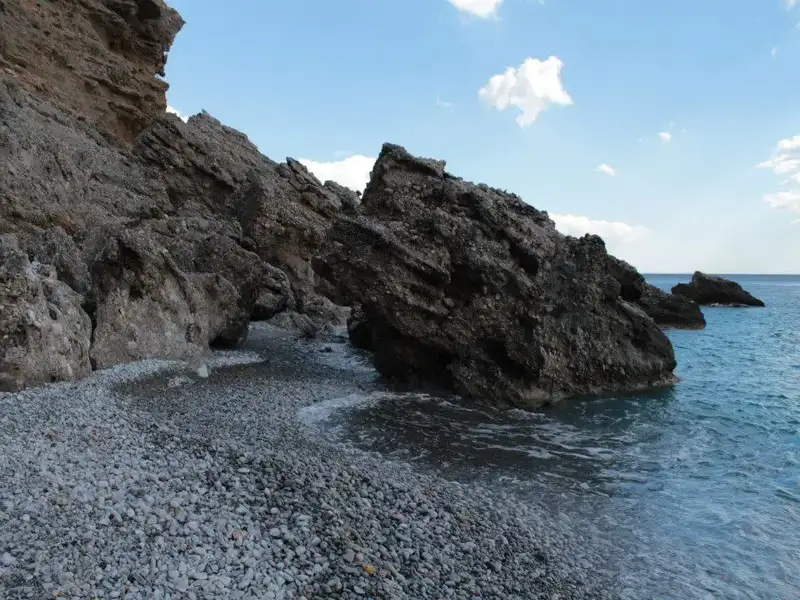
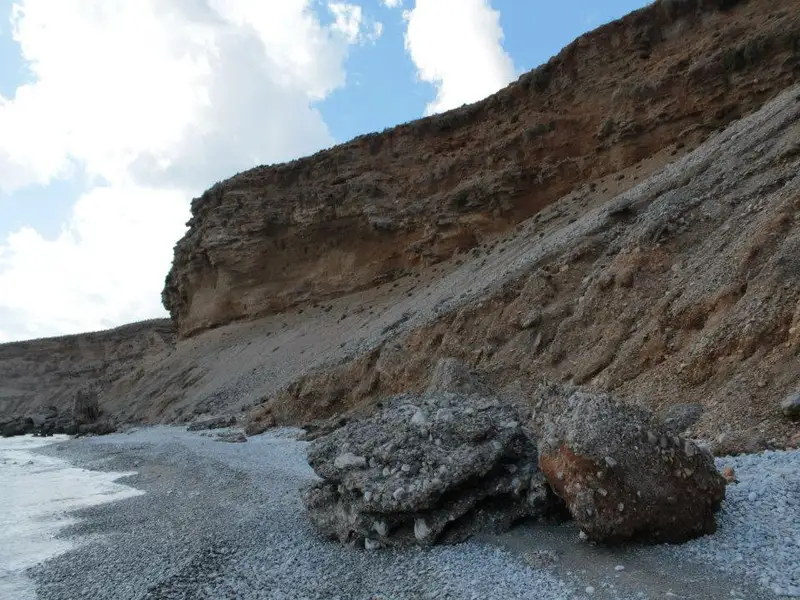
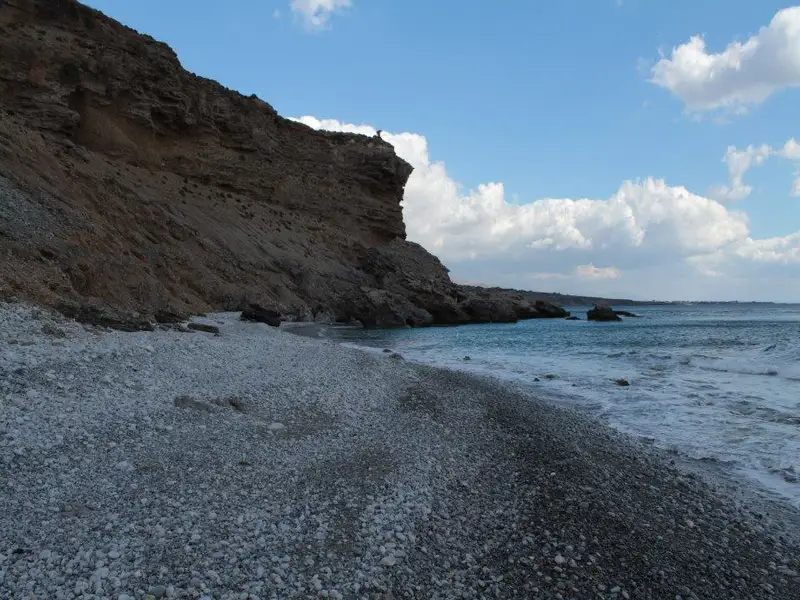
A few meters to the west of Koutelos beach, you will find the hidden gem known as Leska beach. Its name, which translates to “Steep Place” or “trap” in the local Cretan dialect, is derived from the sheer cliffs that surround the area. The beach is mostly pebbly, but you can find patches of sand here and there. On the western side, there’s a tiny cove with a rocky seabed. It’s primarily accessible by boat, as the journey on foot from Koutelos beach can be dangerous due to unstable terrain and towering cliffs.
No results available
Find below list of gorges near villa archontiko ASKYFOU SFAKIA:
The Kapni Gorge, one of Eastern Sfakia’s most stunning canyons, remains largely undiscovered. The gorge begins as an open stream south of the Akones peak at Hionistra, located on the road between Askyfou and Asfendou villages. It concludes in the village of Nomikiana in the Sfakia province. In Hionistra, two streams in calcareous soils converge to form the Kapni Gorge after an hour’s walk. The canyon is extensive, requiring around four hours to traverse. It is among Crete’s challenging and perilous trekking gorges, with a rugged riverbed that forms dry waterfalls in certain areas, necessitating climbing.
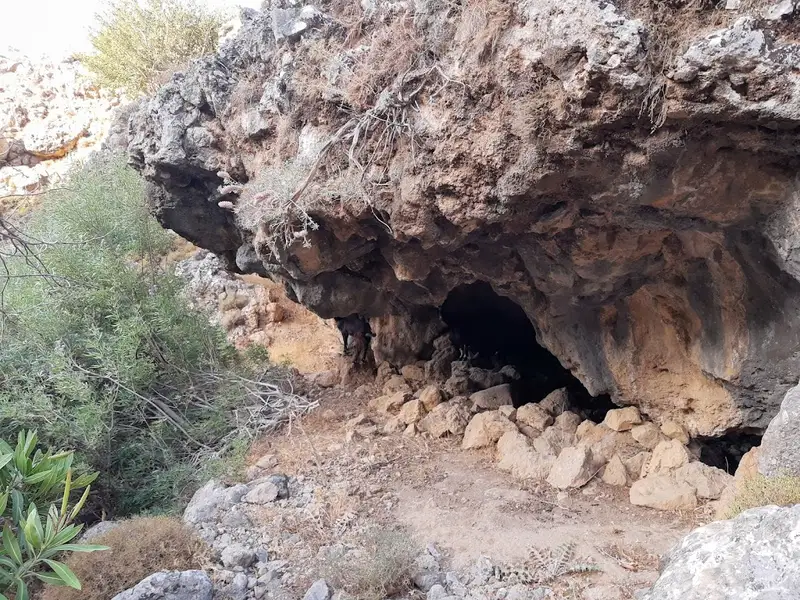
It is not advisable for those inexperienced in mountaineering. The riverbed features several small caves that were previously used as sheepfolds. In one of these caves, there is drinking water, the only source in the harsh Kapni region. This water source is hard to find unless one is very familiar with the area. Kapni is home to beautiful vegetation, including maples and oak trees, and stunning walls of platy limestone in several places.
The name Kapni, meaning smoke, traces back to a story from the Venetian era. East Sfakia was once densely forested, providing refuge for Cretans fighting the Venetians. To counter this, the Venetians burned these forests, including the one in Kapni, which was so dense that the fire burned for weeks. The narrowness of the gorge created an oven-like effect, trapping the fire and significantly raising the temperature. The intense heat baked the mountain rock, similar to a lime kiln, and smoke lingered for days after the fire ceased. That autumn, a massive flood swept through the bare, fire-scorched hillsides, moving rocks with immense force to the gorge’s exit. This event resulted in a large deposit of sediment, creating the most impressive scree (locally known as sara) in Crete, visible from miles away. This scree starts at the gorge’s exit and extends to the village of Nomikiana.
Situated in the Sfakia province, Imbros Gorge is Crete’s third most frequented gorge, following Samaria Gorge and Agia Irini by Sougia. These are all part of the E4 European hiking path. The gorge’s breathtaking landscape and easy trail make it perfect for family trips. The gorge spans 11 km and the hike takes about 2-3 hours.
The journey begins in the quaint village of Imbros, nestled 700 meters above sea level.
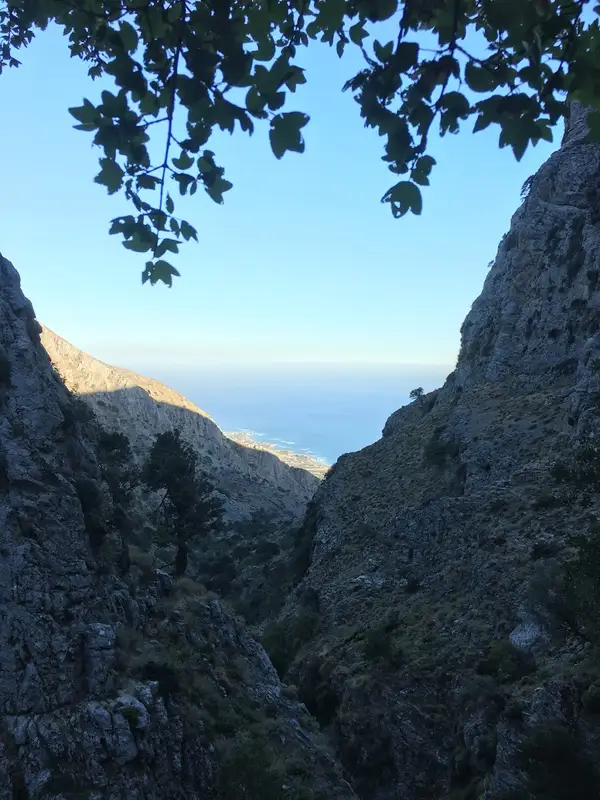
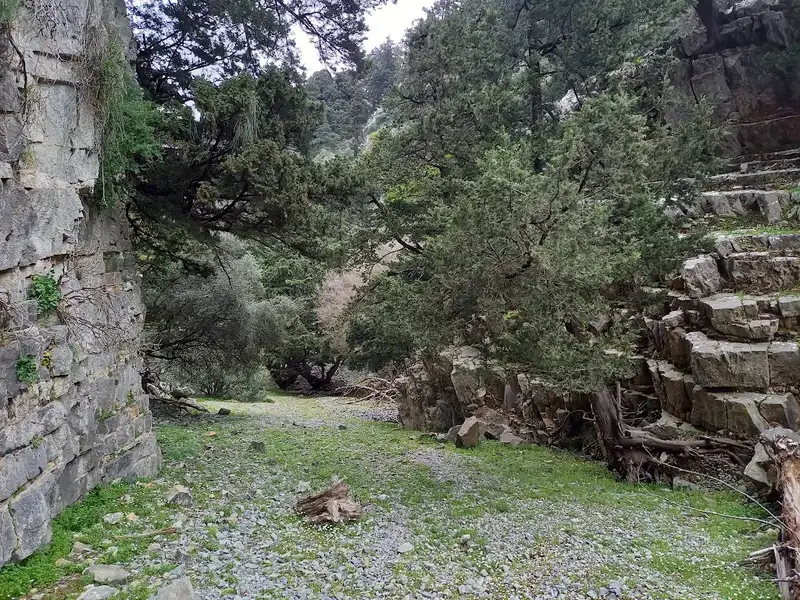
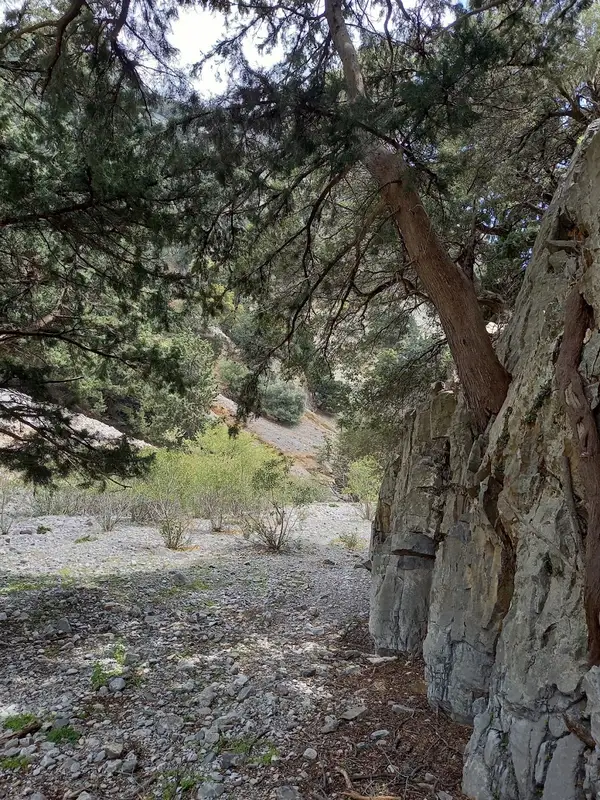
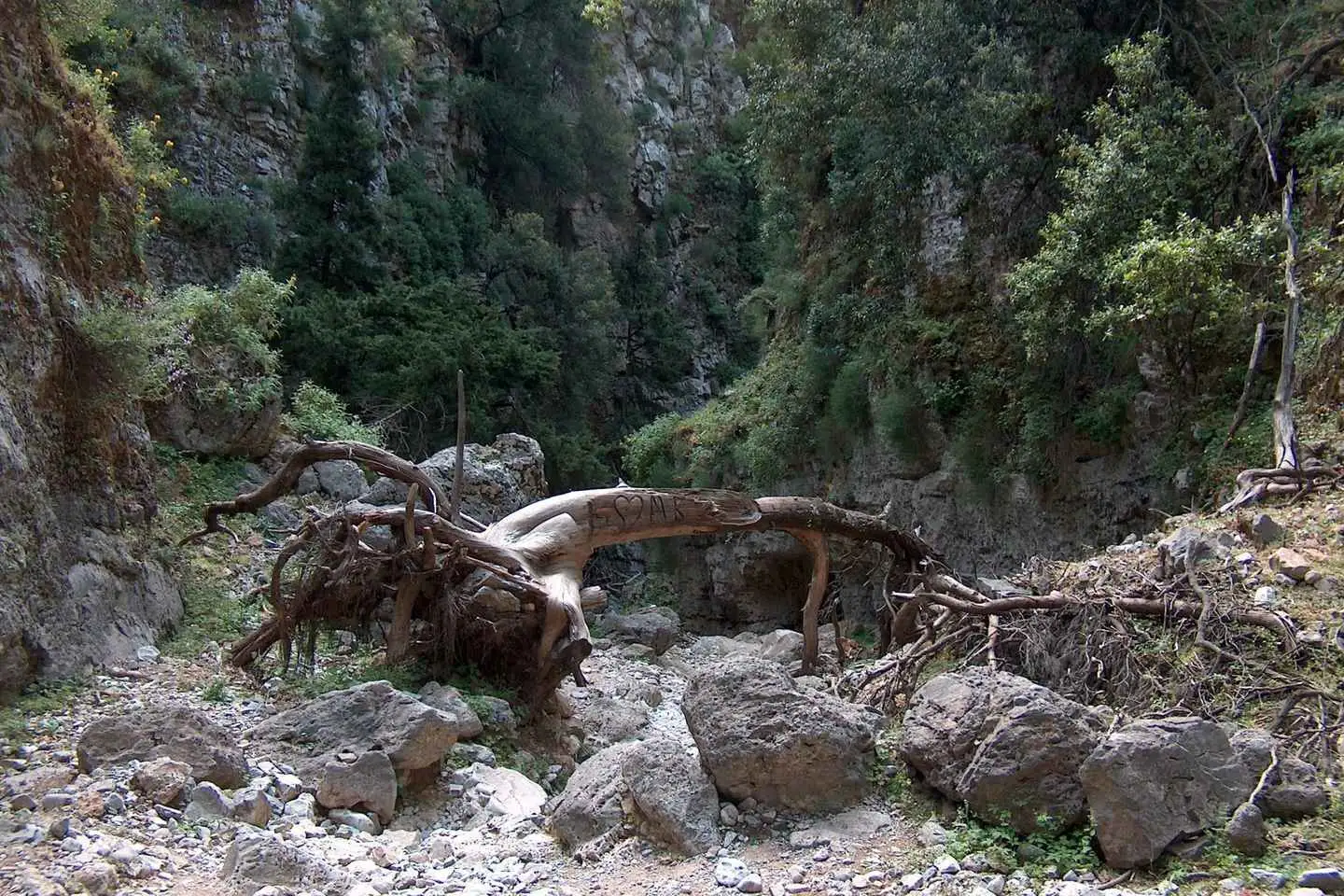
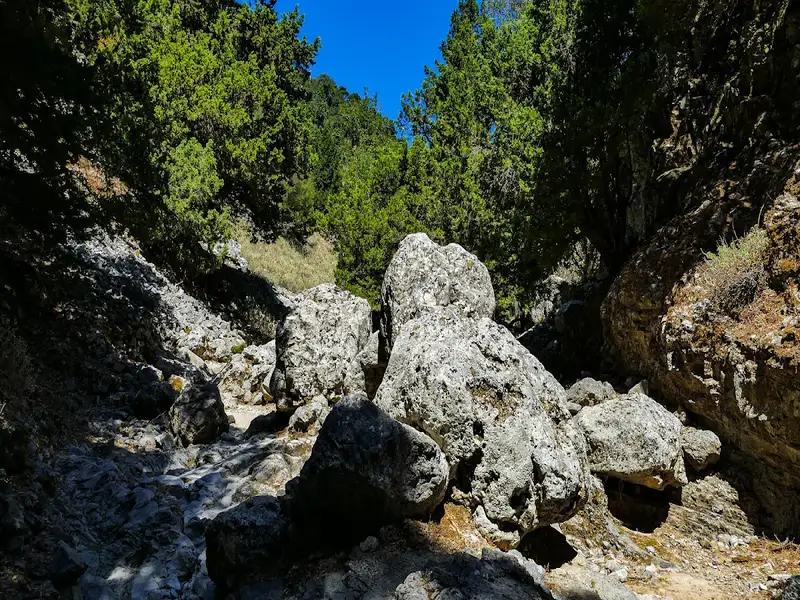
The gorge’s initial section, known as Porofarago or Porolagos, is fairly broad. The trail starts off as a descent with relatively low sidewalls. As you go further, the canyon gradually narrows, the sidewalls rise, and the views become awe-inspiring. The canyon’s sides start to close in and rise, revealing various caves. The vegetation includes ancient cypresses, oaks, and maples emerging from the rocks.
Throughout the gorge, remnants of the old stone-paved path, once the main route from Sfakia to Chania, can be seen. The canyon has witnessed numerous battles between the Ottomans and the Christians during the Turkish Occupation of Crete, notably in 1821 and 1867.
Further along, you’ll pass the spot known as Airplane, where a German plane crashed during World War II (the wreckage is displayed in the war museum at Askyfou). Following this, you’ll come across the gorge’s first narrow passages and then reach the position Gournia (i.e. basins), where several small rock basins fill with water in the winter.
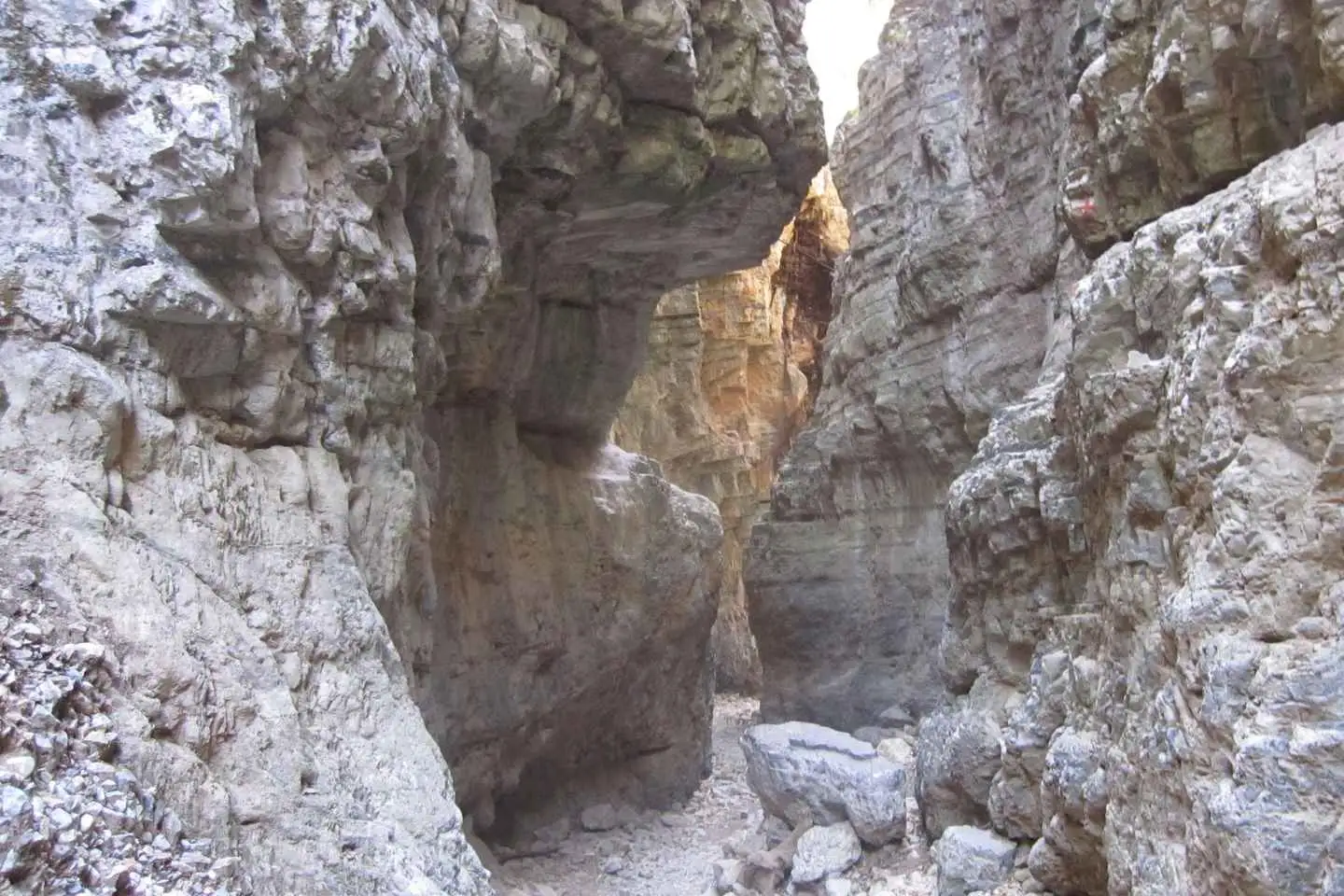
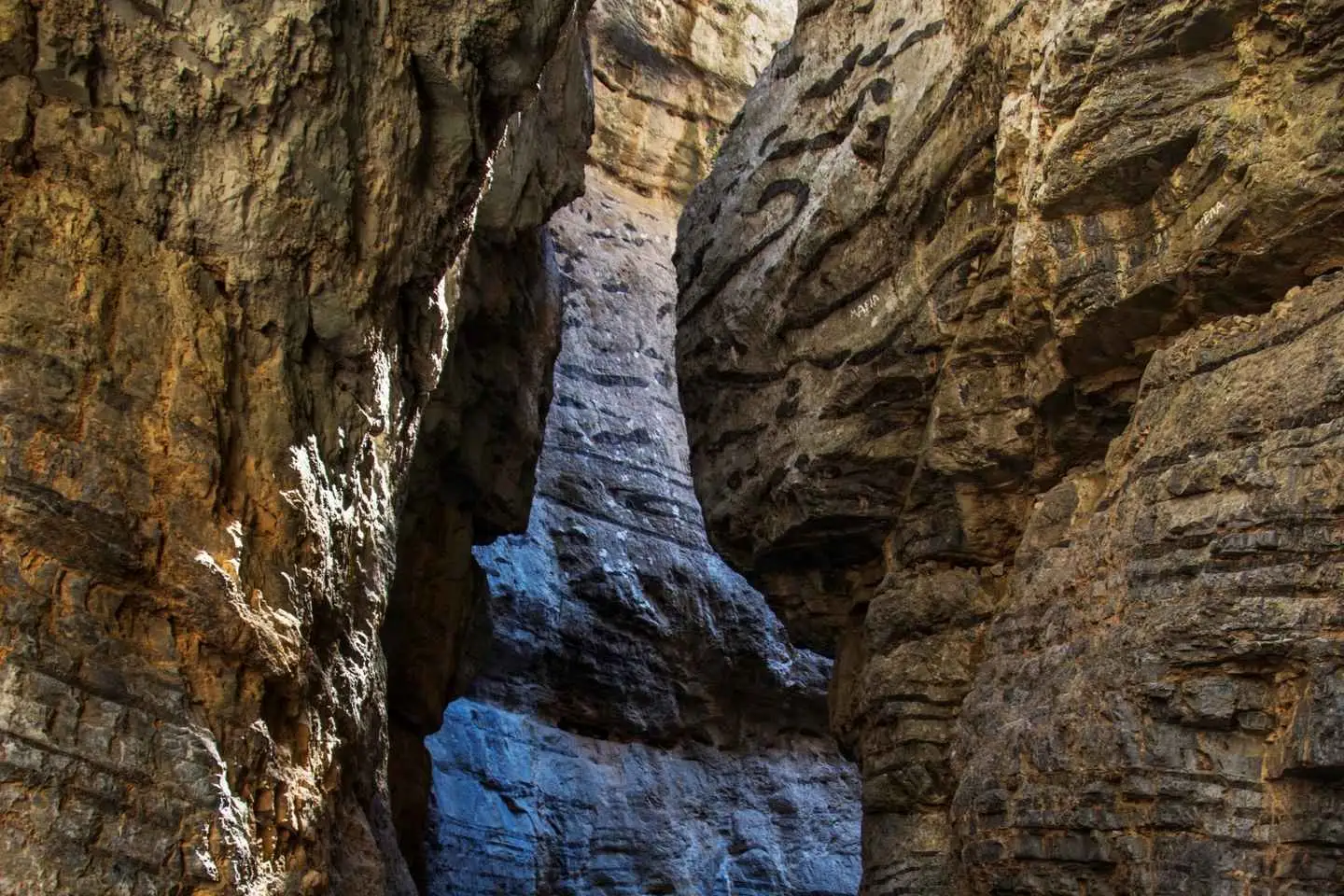
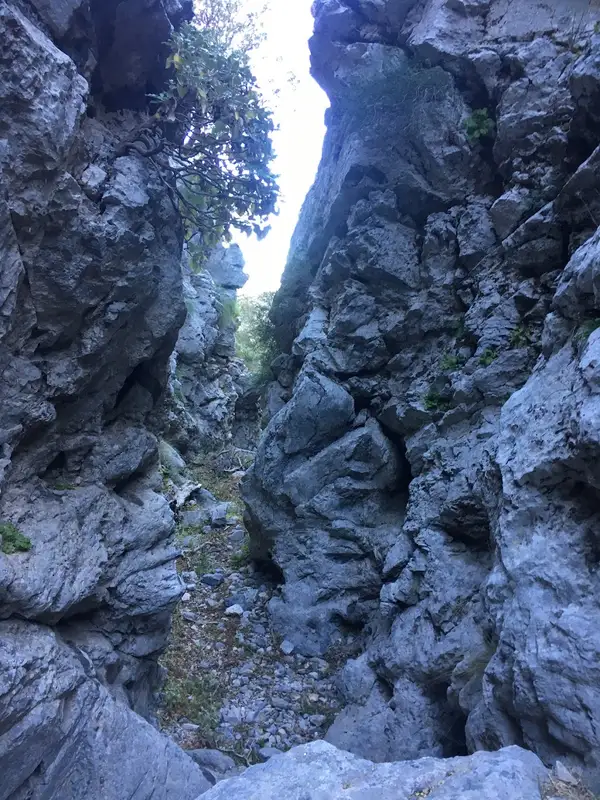
Next, you’ll arrive at the gorge’s most magnificent section, Stenada. Here, the gorge walls close in to 1.6m and reach a height of 300m! The rocks are adorned with stunning formations.
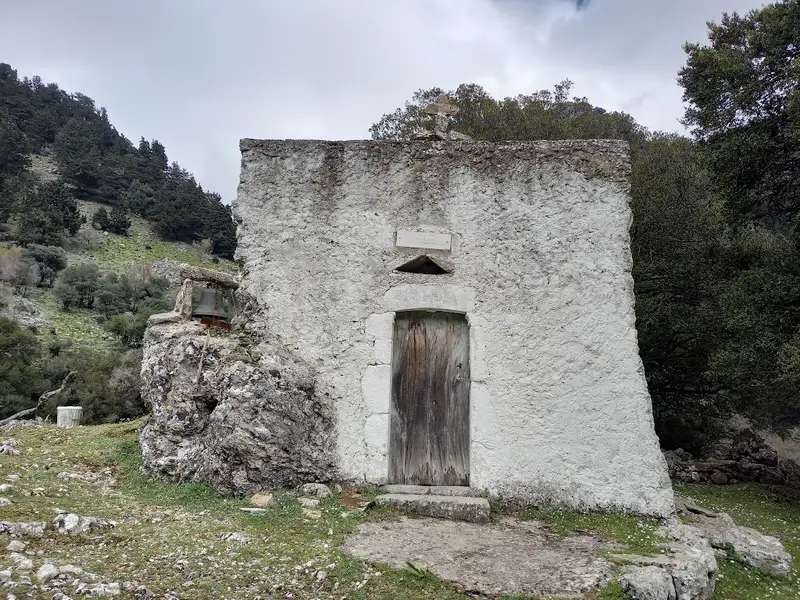
After this narrow stretch, the canyon broadens and you’ll near a rest area at position Mesofarango. Here, you’ll find a Venetian water cistern and the gorge guard’s hut.
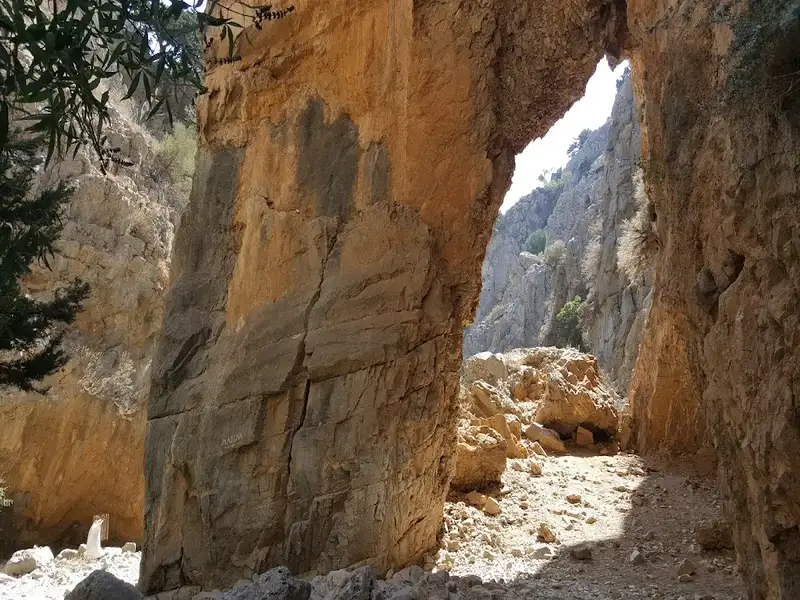
A few meters ahead, you’ll cross a landslide and shortly after, the striking narrowing at Gremnaria. Following this, you’ll see another gorge trademark, the stone arch Xepitira. As you continue, you’ll navigate some narrow passages and soon arrive at the gorge’s exit by the village Komitades. Several taverns are located near the exit, providing a perfect spot to rest and grab a bite.
There are multiple bus services from Chania to Imbros during the summer. To catch the bus to Chora Sfakia, Imbros (where many hikers park their cars at the gorge’s entrance), or Chania, you’ll need to either walk 4 kilometers towards Chora Sfakion (be sure to check the schedules) or take a taxi from the gorge’s exit (which can be quite pricey).
The Sfakiano Gorge, also known as Gorge Vartholoma or Gorge Lago, concludes around 2km east of Chora Sfakion within the Sfakia province. It originates from the Trikoukia area of the White Mountains at a height of 1200 meters and culminates at the Fylaki Caves of the South Cretan Sea. The gorge spans 6.5km and it’s a breeze to traverse along its riverbank.
The suggested hiking trail within the gorge initiates from the Niato plateau (close to Askifou Plateau) and heads towards the abandoned village of Kali Lakki. The gorge, one of Crete’s greenest, begins just before reaching Kali Laki and boasts an incredibly diverse plant life. Oaks, cypresses, and pines are the dominant trees within the Sfakiano Gorge.
The gorge’s starting point is home to the Byzantine church of Saint Paul (Agios Pavlos), constructed by the locals in 1407. The gorge meets the main road to Chora Sfakion near the exit, at the Porolago location. It’s certainly worthwhile to continue your adventure towards the sea, as the gorge bed leads to the breathtakingly beautiful Fylaki fjords, some of the most captivating beaches in the Sfakia region.
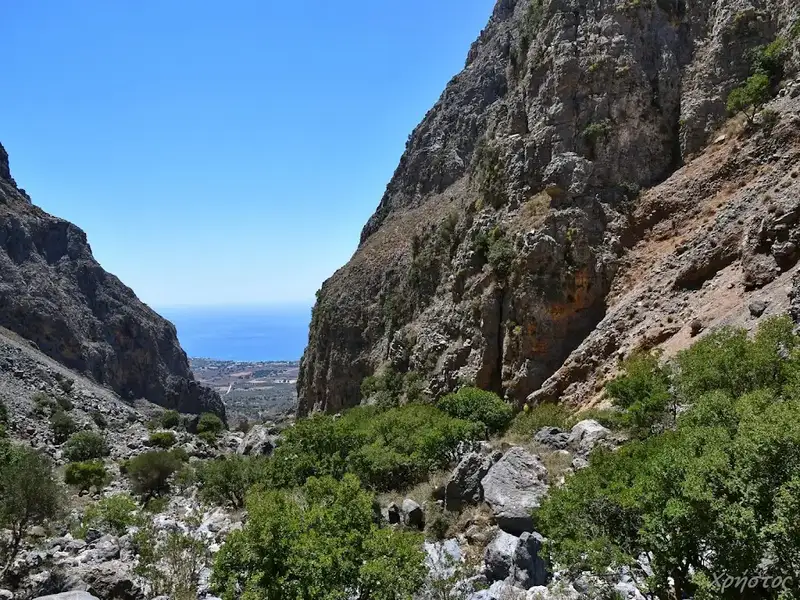
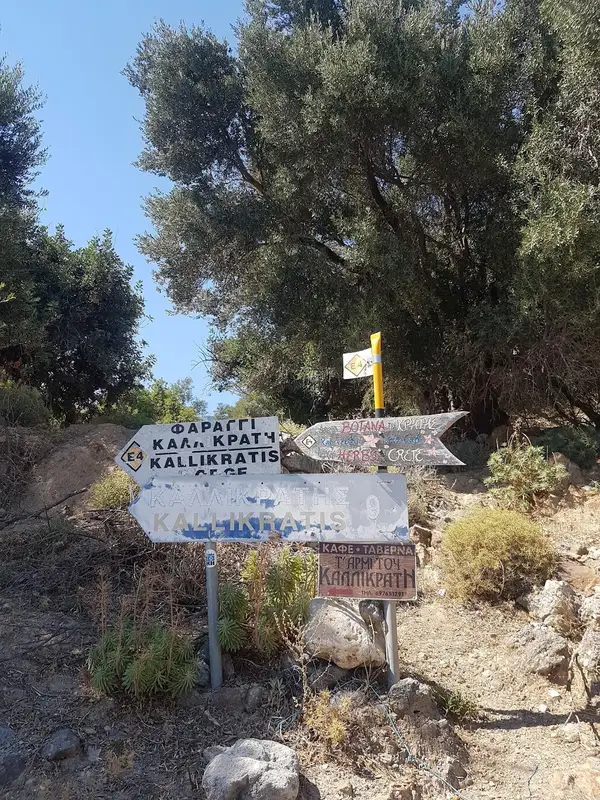
The Kallikratis Canyon, a relatively small gorge located in the southeast of Lefka Ori (White Mountains) in the Sfakia province, forms part of the E4 European walking route. It serves as a passageway connecting the mountain pasture lands with the lowland villages of the Frangokastelo plain. A hike through this gorge offers a delightful walk and stunning views of the South Cretan Sea. The entrance to the canyon is situated at the Kallikratis plateau, accessible via a paved road from Askyfou, Asi Gonia, or Frangokastelo.
Kallikratis is home to the charming Panagia church, and from here, you can begin your descent through the gorge, which concludes in the village of Patsianos. From Kallikratis village, follow the asphalt road leading to Patsianos that runs parallel to the gorge bed. At certain points, you will need to follow the riverbed, which gradually deepens, with the road rising high above you. After about half an hour, the road will have risen considerably to the left, and the stream will be fairly deep. The trail has been slightly modified in some places due to debris from road construction.
No results available
© All rights reserved. Crete Locals