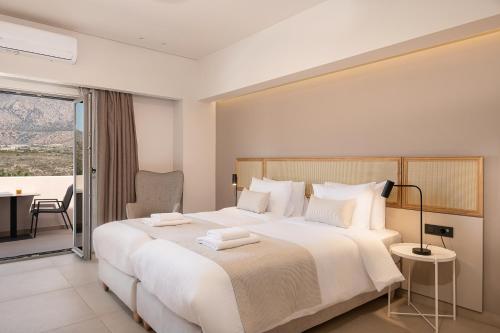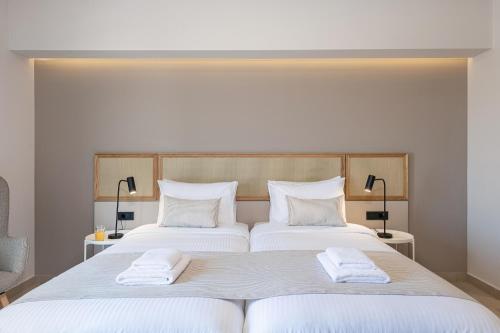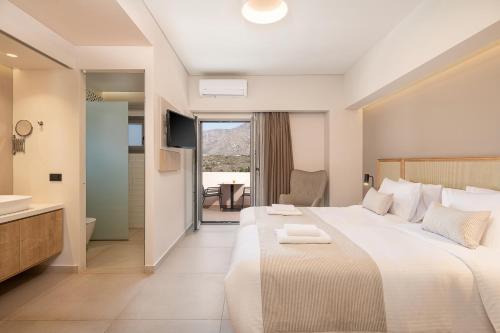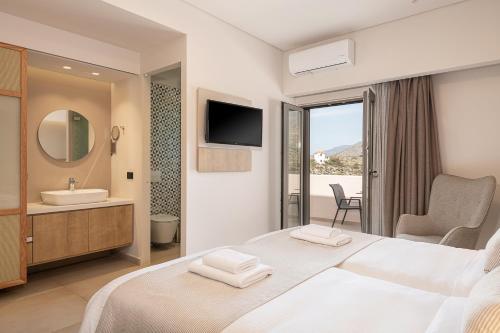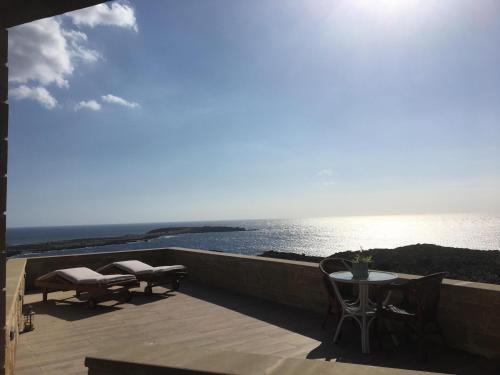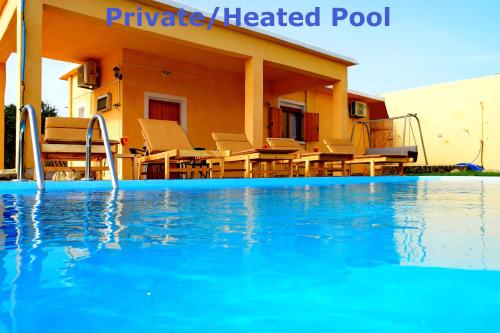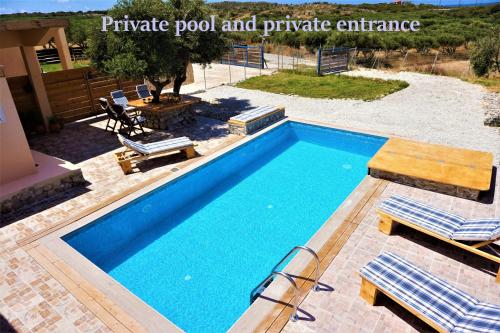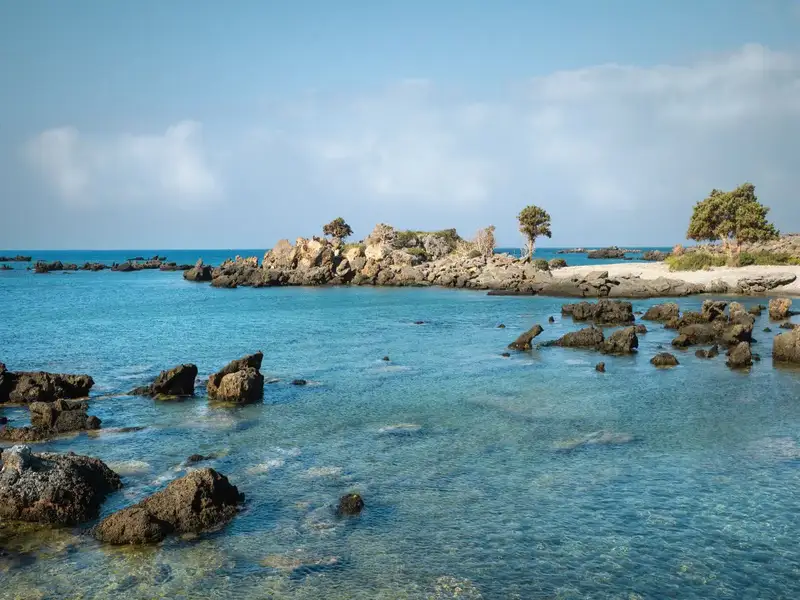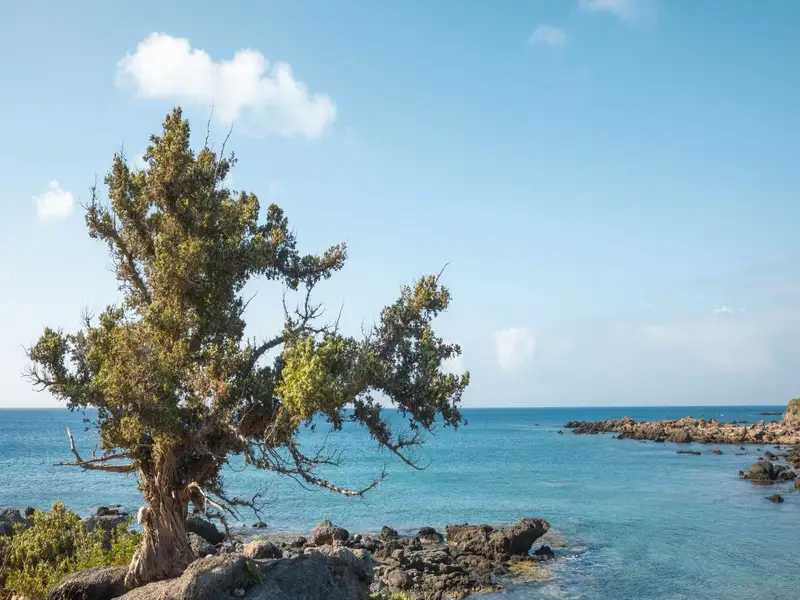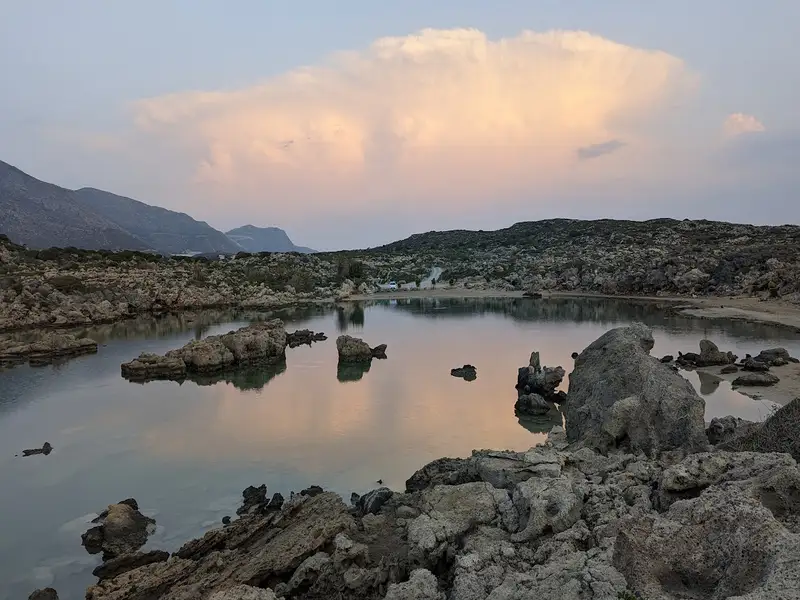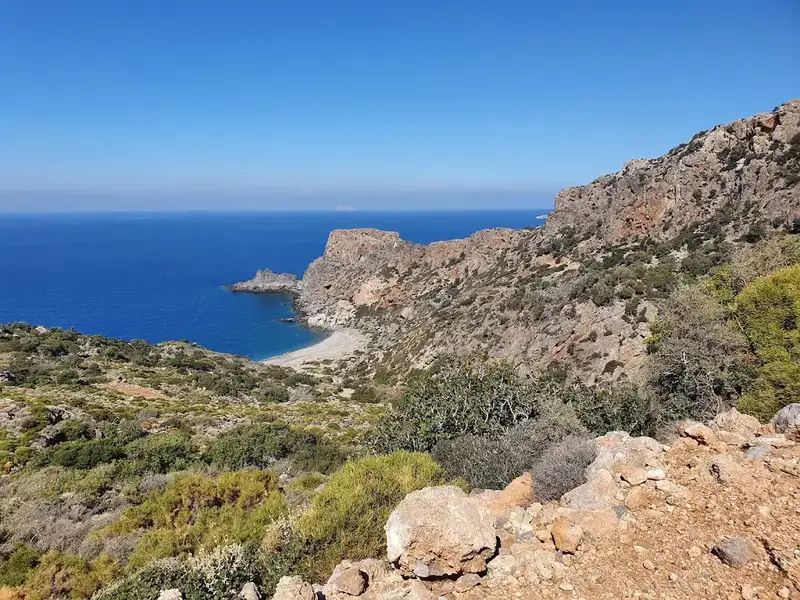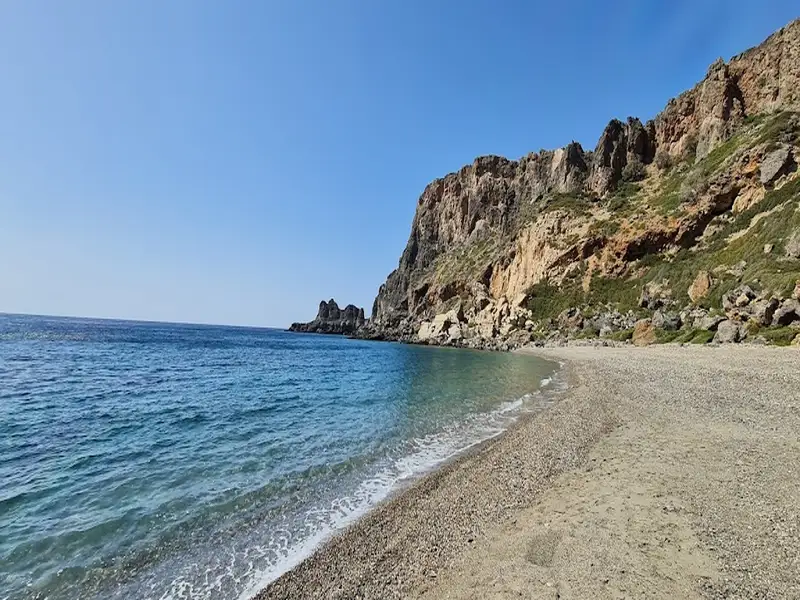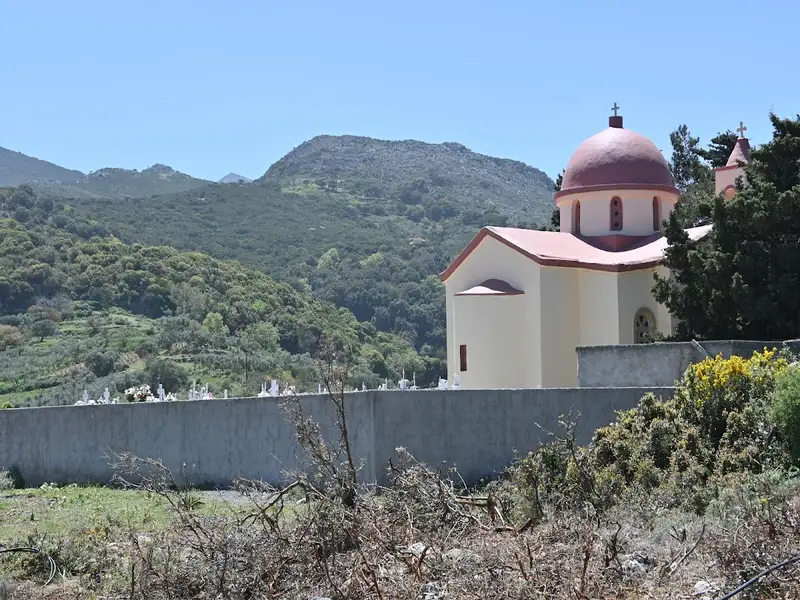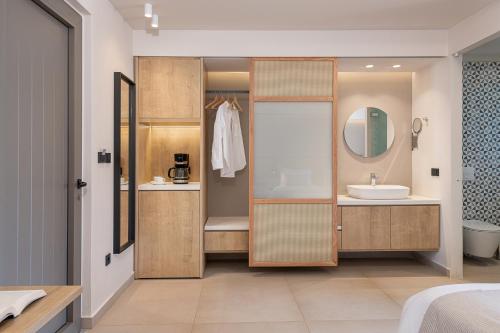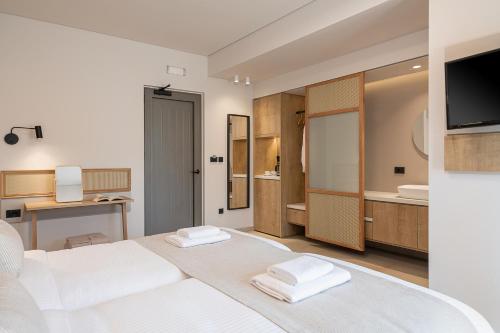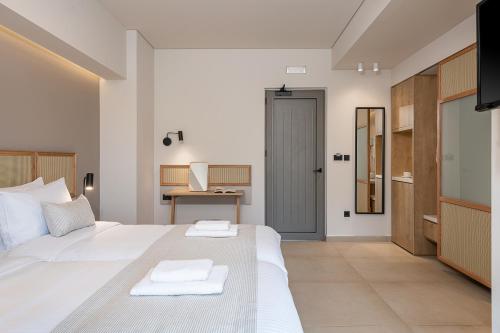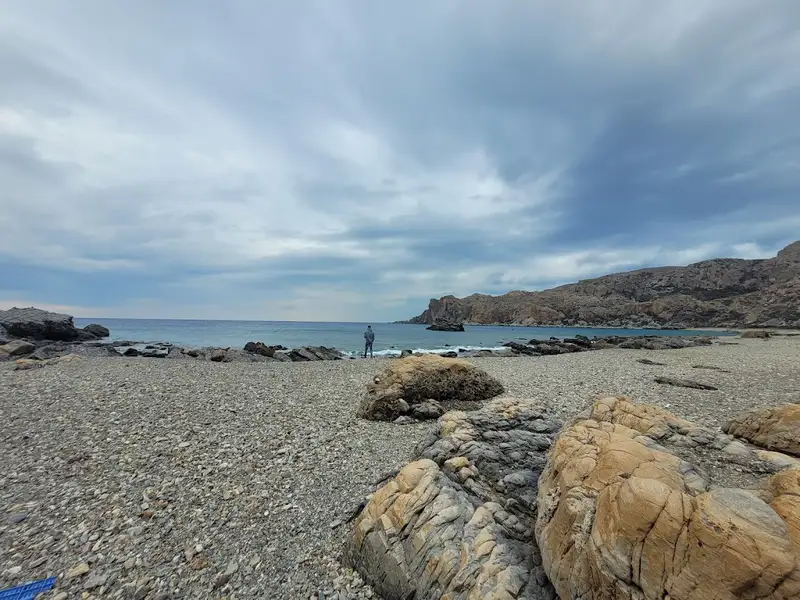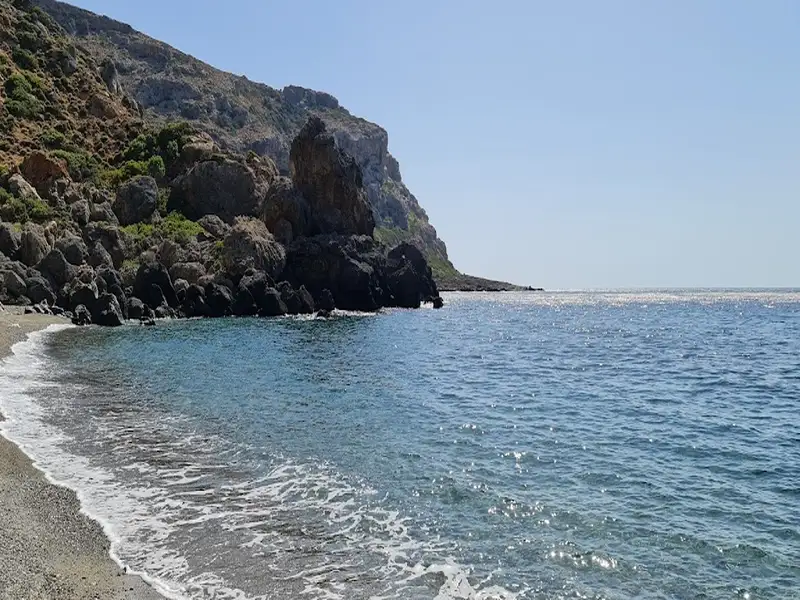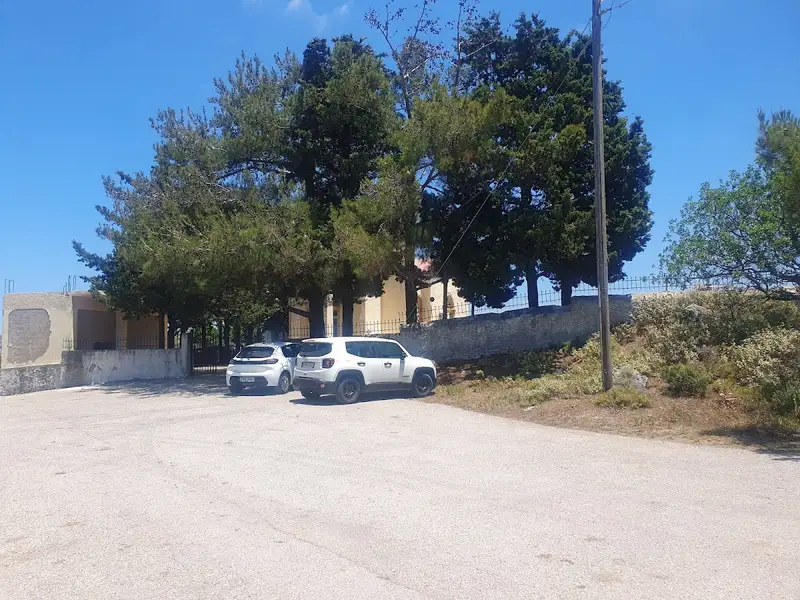
Featuring an a la carte restaurant, Elafonisi Resort by Kalomirakis Family is set amidst a garden with olive trees. It offers air-conditioned accommodation, some self-catering, and free Wi-Fi in public areas. The popular Elafonisi Beach is 650 metres away.
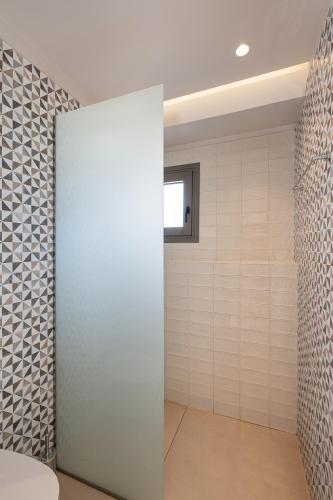
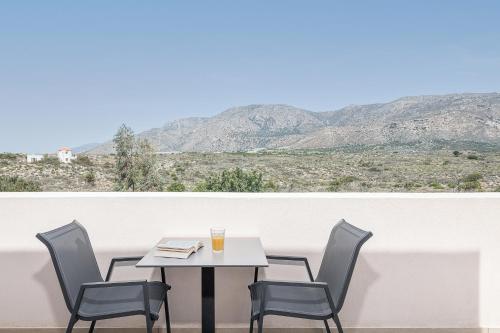
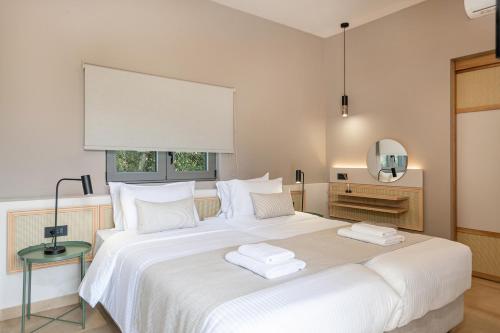
Simply decorated, all units at Elafonisi Resort open to a furnished balcony. Each comes with a fridge and a desk, while some units have a kitchenette. Offering free toiletries, the private bathroom also includes a hairdryer and shower. Some units enjoy views over the Libyan Sea.
Guests can enjoy Cretan specialties for breakfast, lunch and dinner at the on-site restaurant, or have a refreshing drink from the bar. A mini market is also available in the premises.
Kedrodasos Beach lies within 2 km and the scenic town of Chania is 74 km away. Chania International Airport can be reached within 90 km. Free private parking is available in the premises.
Elafonisi
No results available
Find below list of things to do near Elafonisi Resort by Kalomirakis Family:
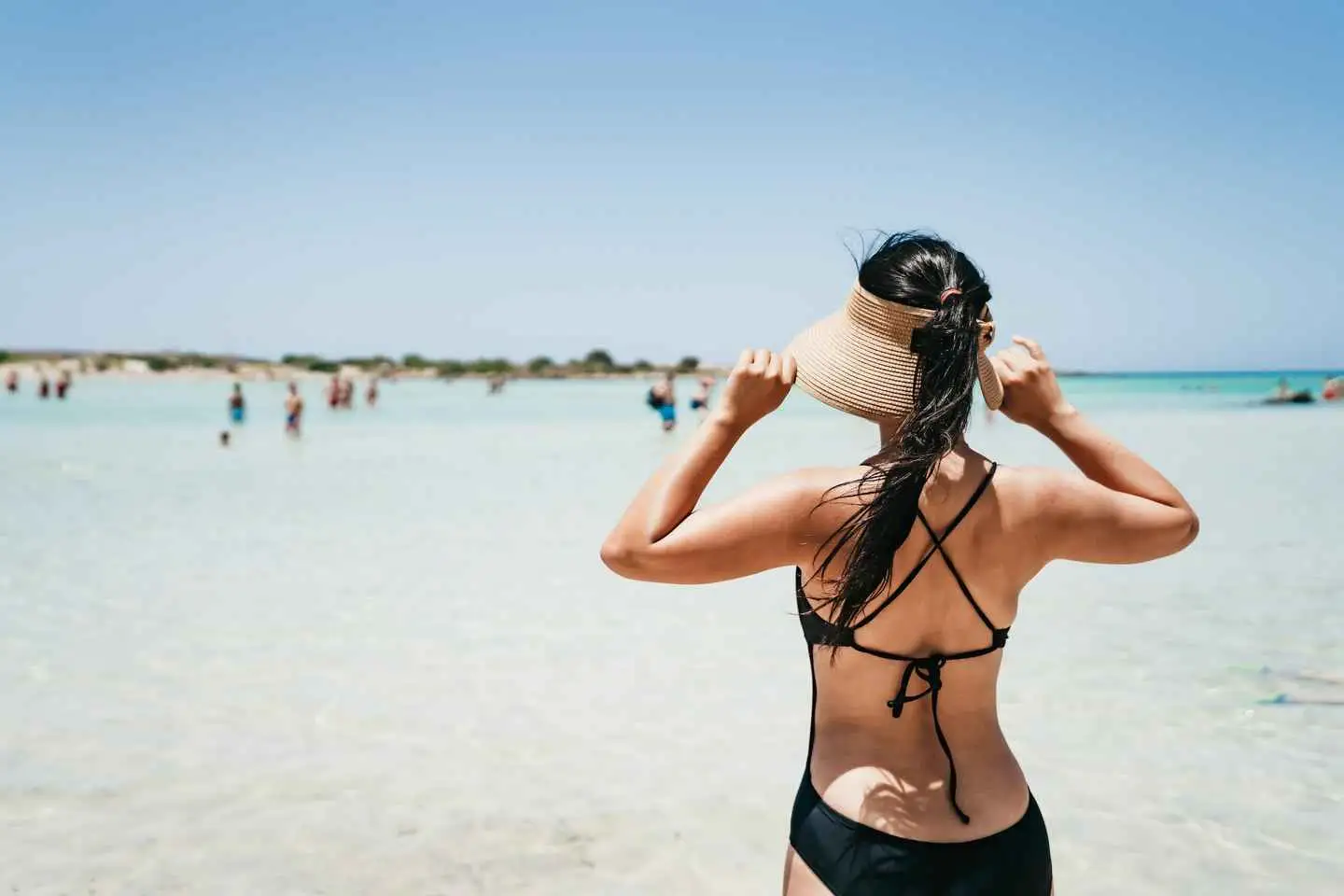
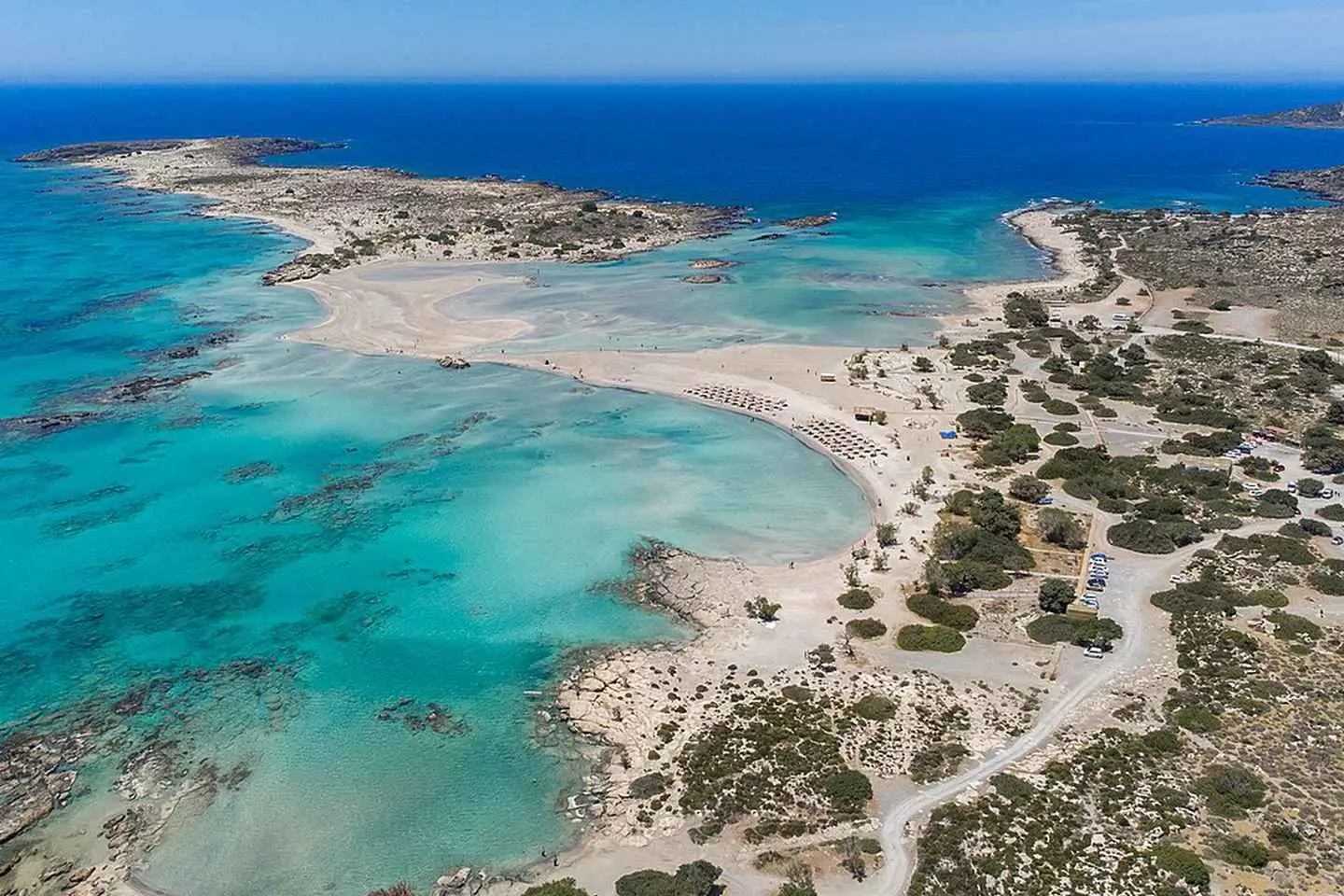
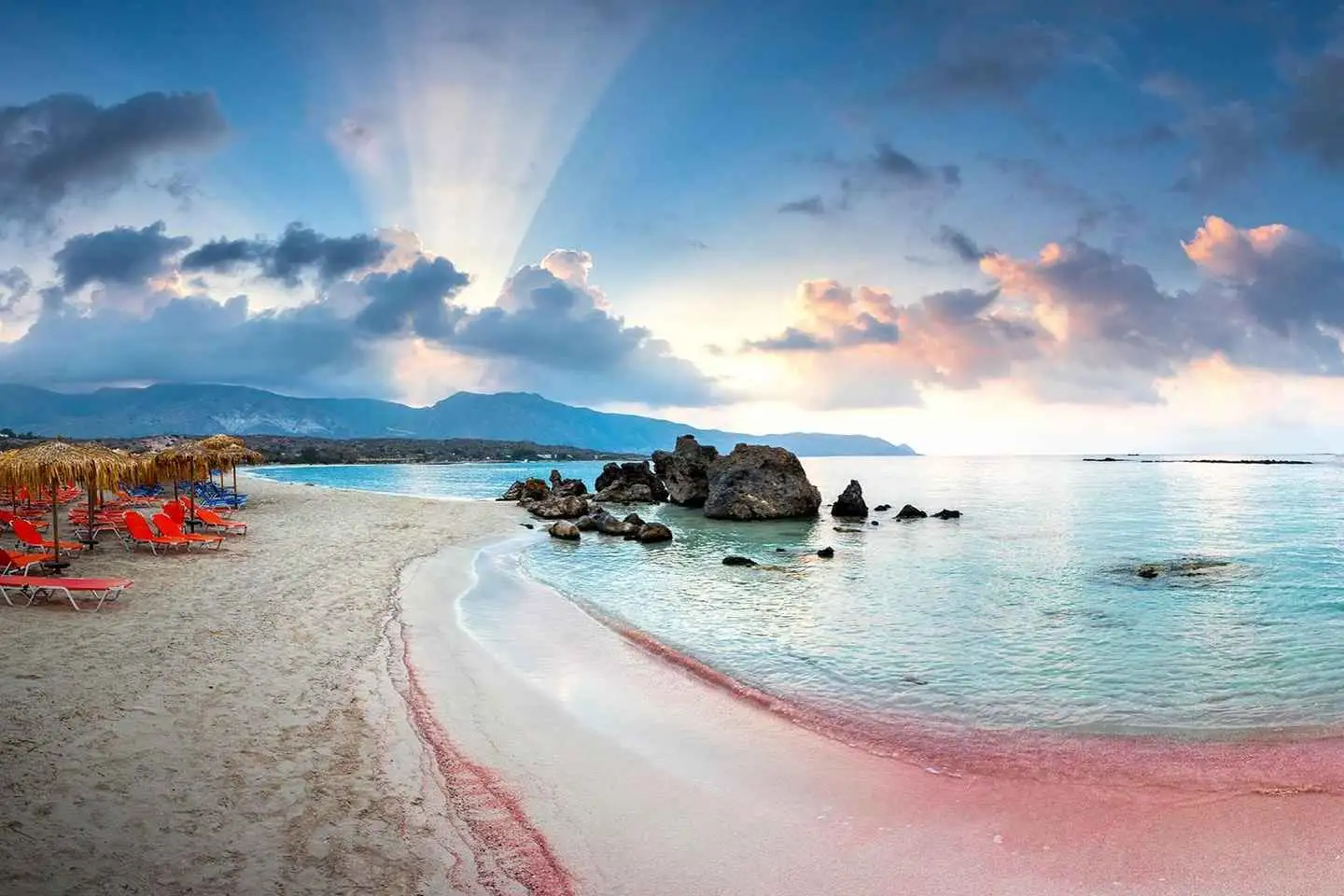
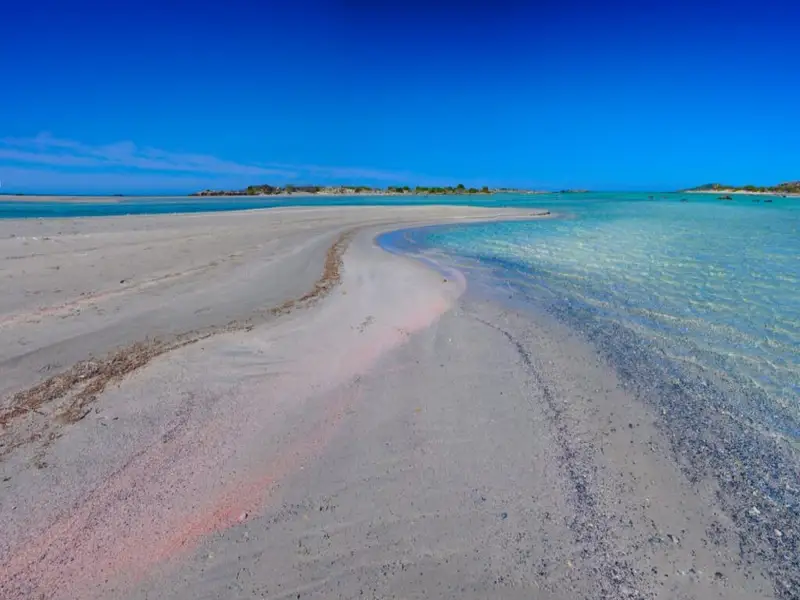
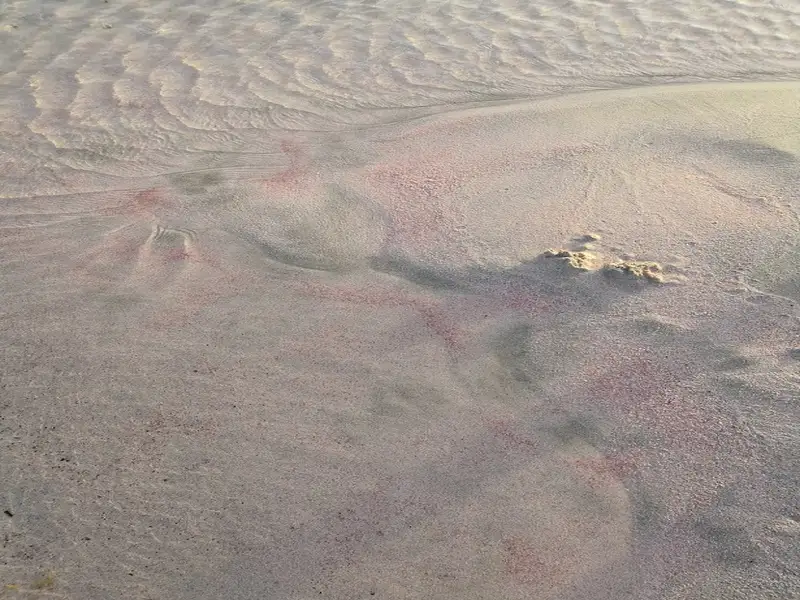
Known for its sandy pink beaches and clear waters, Elafonisi is a stop you won’t want to miss. Located 76km west of Chania, in the South-West tip of Crete, this peninsula forms part of a protected area and is home to the endangered loggerhead sea turtle as well as other rare plants and animals.
The day begins with pick up from specific points in Chania. Travel for about 40-minutes on a comfortable, air-conditioned bus. Make a stop in a place with authentic and traditional products for about 15-minutes. At the beach, you’ll have the chance to explore the area on your own. Wander through sand dunes or just enjoy a relaxing swim.
Those traveling with children will enjoy the shallow lagoons, which are perfect for wading and exploring. On your return journey stop iat a traditional tavern in a picturesque village for about an hour. Choose to eat from a number of places to eat at this location (at your own expense). Be sure to bring your camera, as you’ll want to get a picture of the pinkish sand – a color it gets from the millions of crushed shells.
In the mid-afternoon, the bus departs for the return trip to Elafonisi.


On this full-day trip, you’ll travel from Georgioupolis to the southwest corner of Crete and spend a relaxing day on the pink beaches of the small island of Elafonisi.
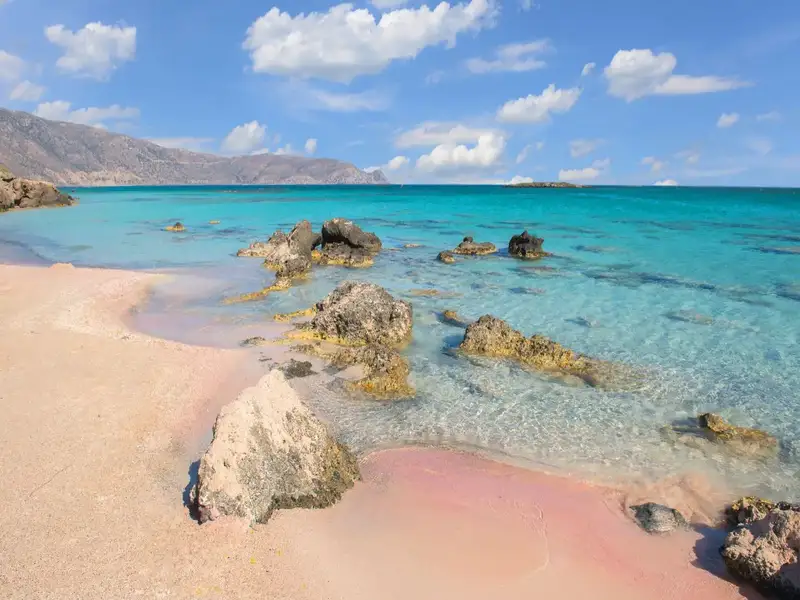
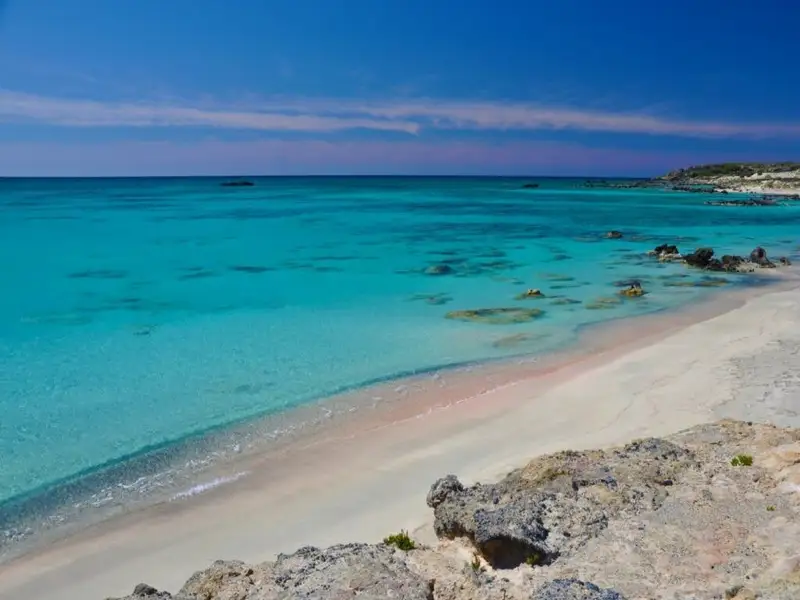
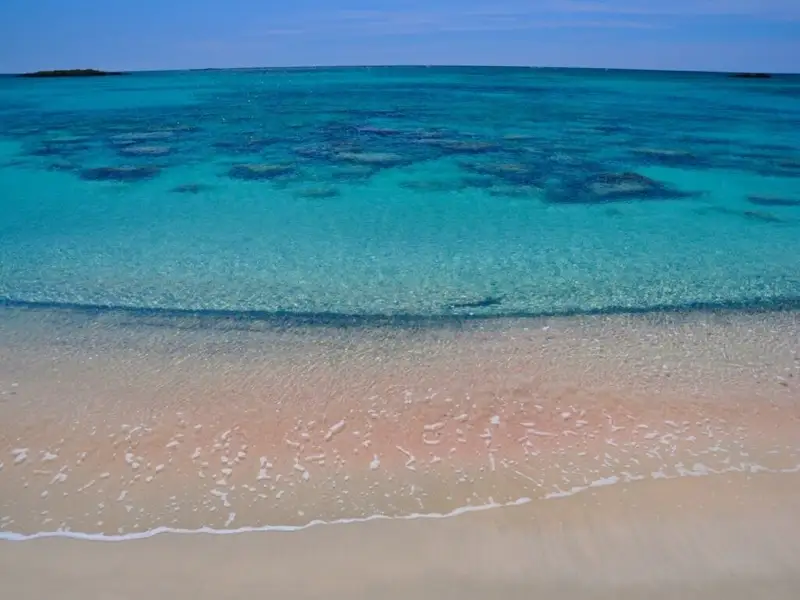
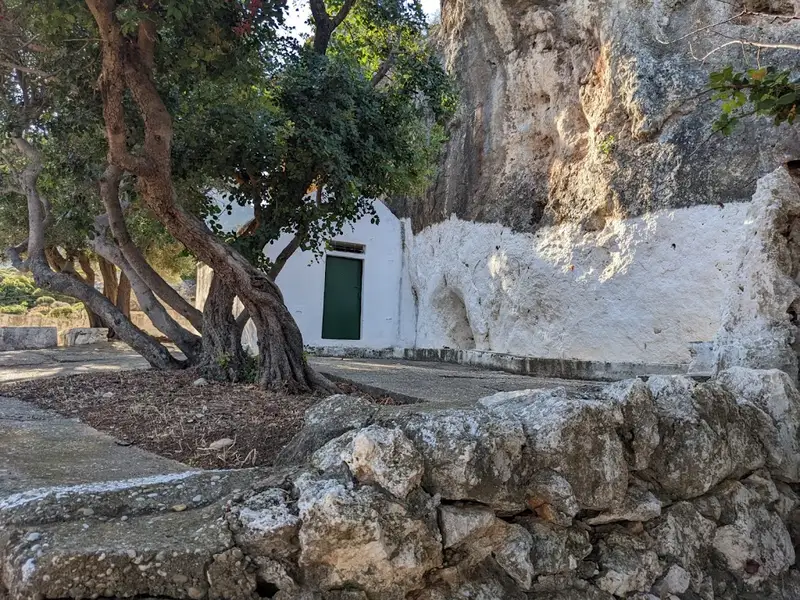
During the 3-hour drive to the island, you can sit back and relax, admiring the beauty of the lush green landscapes, traditional villages, and a small church built inside a cave along the way. After taking a short break to stop for a drink, you’ll reach your destination, Elafonisi, a picturesque bathing paradise with an island that can be easily reached by foot. The water on the island is shallow, clear and gleams with beautiful shades of blue and green. You’ll have plenty of time to unwind on the beach and to purchase snacks and drinks on the island before returning to Georgioupolis in the evening.
Discover one of the most beautiful beaches in the world on this day trip from Rethymno to Elafonissi. Experience a heaven on earth, with soft white and pink sand, exotic crystal-clear water, and cedar trees that extend down to the coastline. Visit traditional villages like Elos and Kaloudiana.
Get picked up from your hotel area in the morning, then stop for a short break in the traditional village of Elos. Time permitting, enjoy time to have breakfast or a coffee (cost not included). Afterward, depart for Elafonissi.
On the way, see small traditional villages combined with typical Mediterranean scenery. Admire the rugged landscape around the Topolia Gorge. At Elafonissi, get 4 hours of free time to soak in the sun and enjoy the spectrum of shades of blue that this beach has to offer.
At the end of your tour, stop at the village Kaloudiana, where you can explore the village and have refreshments or food (not included). Later, get driven back to your accommodation in Rethymno.
Experience a very special Tour that leads you to Crete’s most southwestern part on the small island of Elafonisi.
Drive from the north coast to the southwest and enjoy a scenic ride through beautiful nature and picturesque mountain villages to one of Crete’s most beautiful beaches.
Enjoy pure relaxation on exotic beaches with white sand and turquoise water. Jump into the refreshingly cool water and admire the pink shimmering sand in some locations, which has arisen from broken shells.
The small lagoon provides an ideal place for paddling and bathing for children as well. Cross the shallow lagoon and reach the small idyllic island, where you can admire beautiful dunes and the local nature.
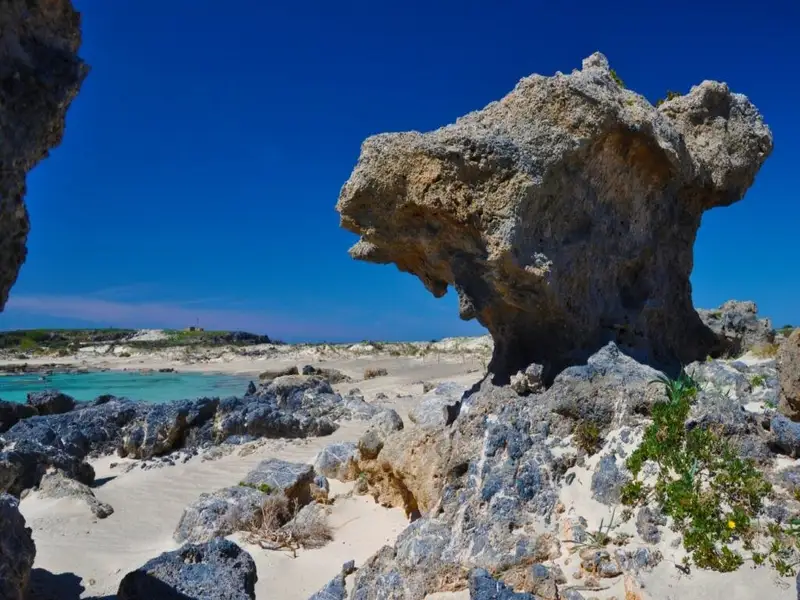
Towards the sea, Elafonisi shows a steep rocky ridge, which is the real core of the island. Between the ridge and the coast, the island arose from alluvial deposition over thousands of years. That’s why the island looks like a big sandy desert.
Elafonisi is the nesting site of the sea turtle Caretta Caretta and the last resting place for migratory birds on their flight from Europe to Africa.
Start your day of discovery with a pick-up service. Right after you board your comfortable, air-conditioned bus, you will journey to the southwest corner of Crete to spend a relaxing day on the pink sand beaches on the small island of Elafonisi.
Take in the lush green landscape on the way to the island as you travel through the impressive Topolia Gorge and pass This is an excursion you do not want to miss!
Up to the south-westernmost point of the island, in one of the most spectacular and unexpected locations on the
island, is where we will spend the day.
Elafonisi is a place of exceptional natural beauty, something between an island and a peninsula, as you have to
walk through the sea to reach it.
Once occupied by pirates, today it is a very popular destination for day-trippers who flood there to faraway lagoon,
whilst having a Mediterranean holiday.
Elafonisi is a paradise on earth – a heaven of unparalleled beauty. It is covered with sand dunes, low trees, bushes,
sand lilies and junipers. You can get there on foot from the beach by passing through shallow aquamarine and turquoise
waters. The white and pink sand made of thousands of broken seashells, the limpid blue-green waters, the little coves
and the secluded tiny beaches remind the travelers of a paradise lost.
Take a swim in the warm tropical waters and relax under the hot summer sun!
11:00 Arrival Elafonisi
15:30 Departure from Elafonisi
19:30 Arrival Heraklion
Route: 540 km
Duration: app. 15 hours
Stay Elafonisi: app. 4 ½ hours
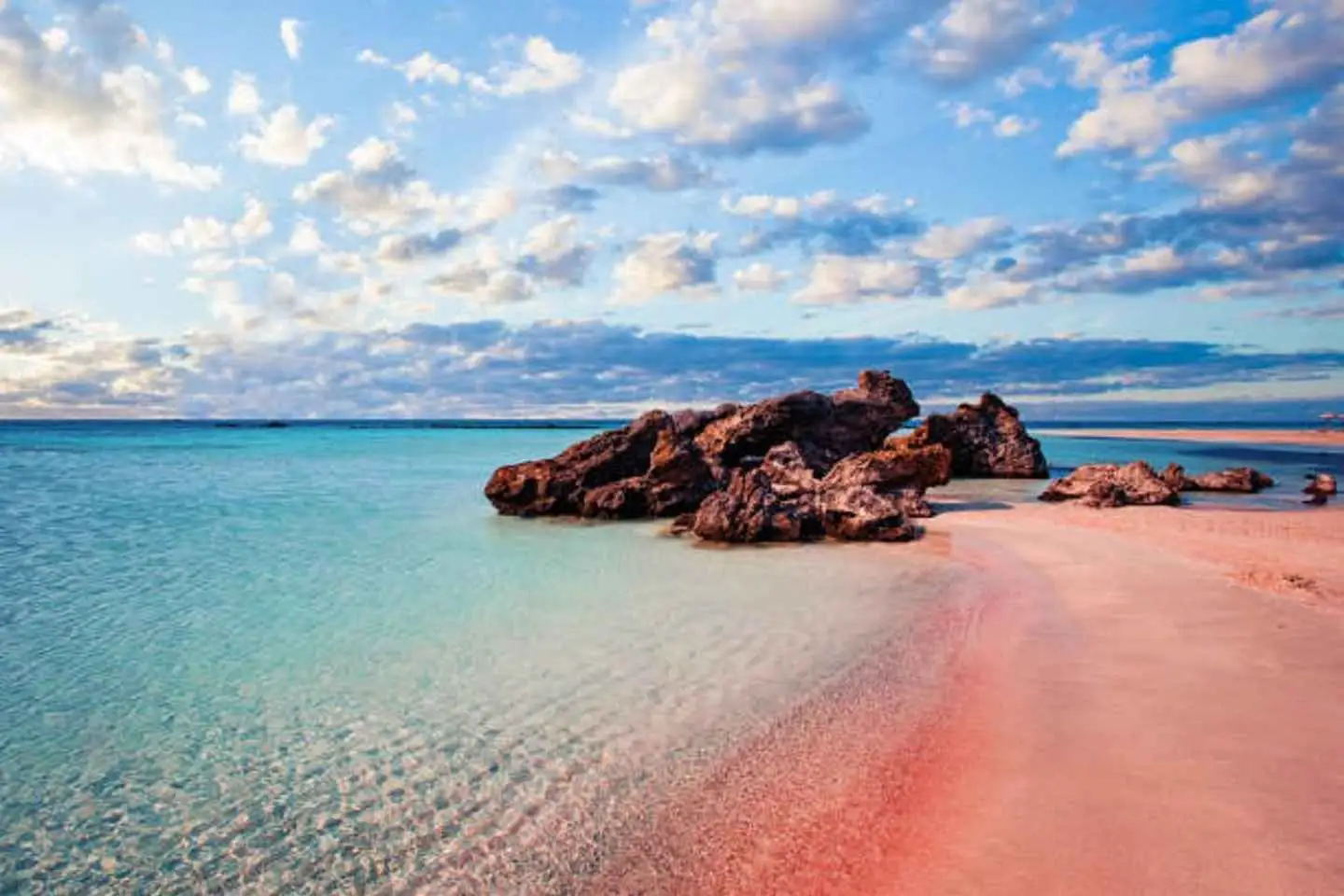


Ride in a comfortable coach through small traditional villages and typical Mediterranean scenery. See the rugged landscape around the Topolia Gorge and have a stop for coffee and refreshments.
Arrive at Elafonissi beach. Here, you have four hours of free time to marvel at the different colors from the soft pink and white sand to the turquoise waters.
As well as exploring the wonders of the beach, discover the small island. This lies just off the shore and you can reach it by strolling through the water. Both the beach and the island are protected wildlife areas of rare beauty and included in the Natura 2000 Protection Programme.
No results available
Find below list of beaches near Elafonisi Resort by Kalomirakis Family:
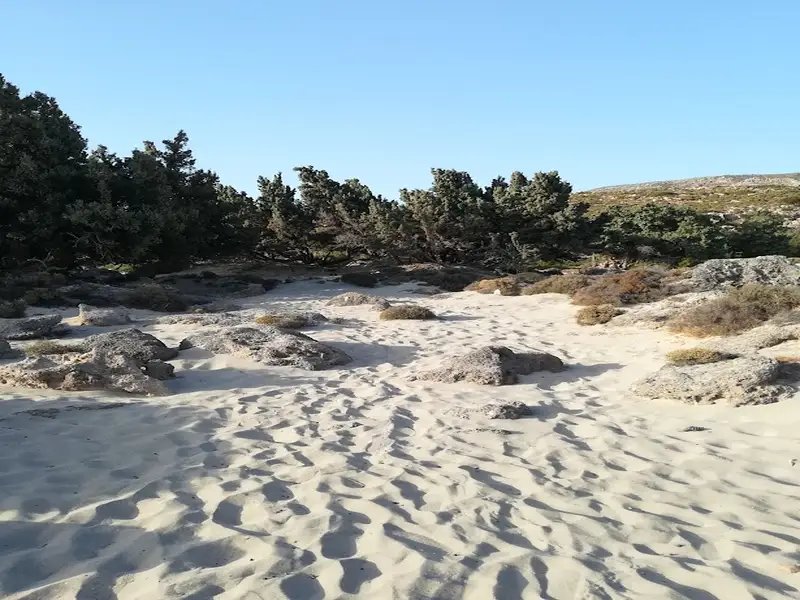
Kedrodasos beach, named for its distinct juniper forest, is a stunning beach located 76km southwest of Chania and just 1km east of the famous Elafonissi lagoon. This beach is dotted with enchanting juniper trees, often confused for cedars, that are beautifully tucked in between sandy dunes. Included species are the twisted Juniperus oxycedrus subsp. macrocarpa and Juniperus phoenicea. Visitors are encouraged to treat these delicate trees with kindness and care.
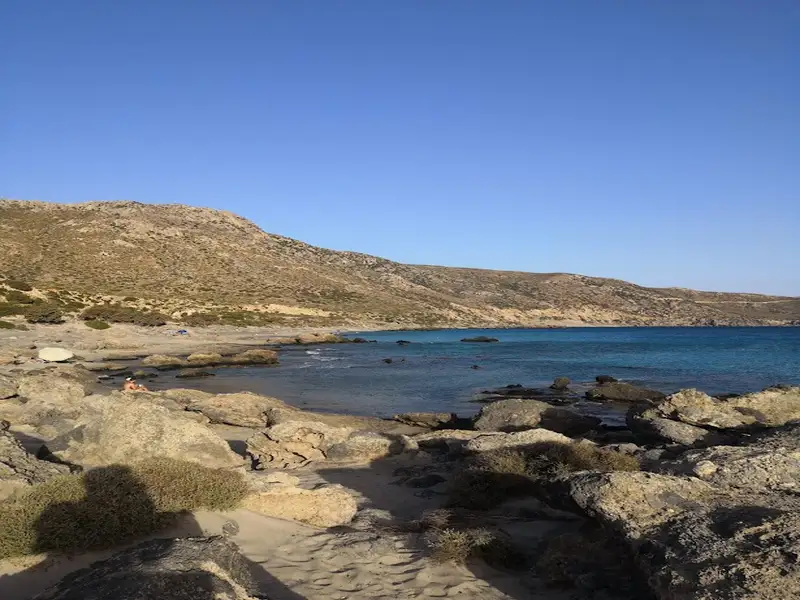
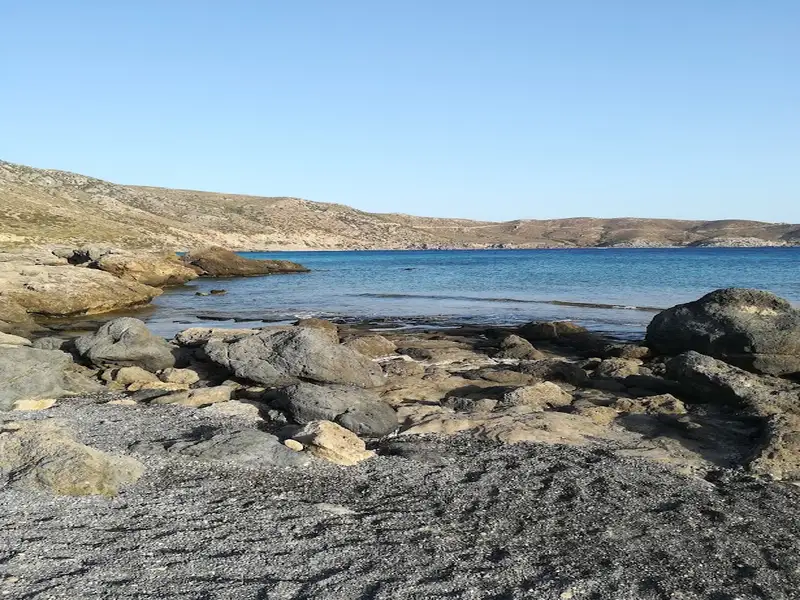
Covering an impressive area of around 11 hectares, the juniper forest offers a magnificent view. The beach is an ideal spot for swimming and is a favorite among naturists. It features a diverse landscape of white sand and occasional flat, smooth rocks. A lack of nearby amenities emphasizes the secluded allure of Kedrodasos, maintaining it as one of the last untouched havens in Europe. Visitors are encouraged to leave nothing behind, ensuring the beach stays clean and untouched.
Kedrodasos Beach is recognized as a nudist-friendly location, attracting naturists who appreciate the freedom of clothing-optional sunbathing. Its remote and pristine surroundings create an ideal environment for those seeking a more unrestrained and natural beach experience. Visitors will find sections of the beach where they can comfortably embrace nudism in a welcoming and non-judgmental atmosphere.
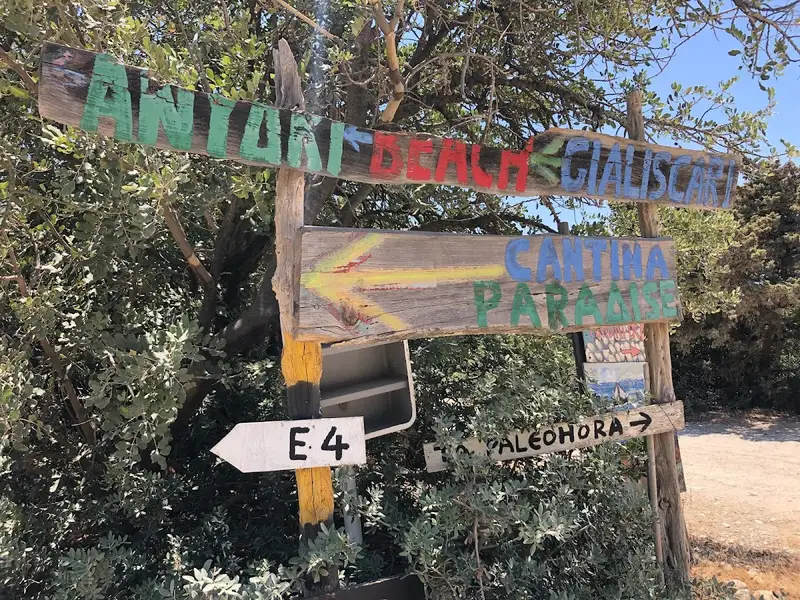
Acting as a shield from the regular winds of neighboring Elafonissos, Kedrodasos offers a relatively serene sanctuary. The beach also serves as a stopover for the European E4 trail, with yellow and black markers indicating the way.
Aspri Limni, translating to ‘White Lake,’ is one of Crete’s most remarkable and yet little-known beaches. Located a mere 500 meters west of Chrysoskalitissa Monastery and 70 kilometres southwest of Chania city, it’s a hidden gem just waiting to be discovered. While many flock to the nearby popular lagoon of Elafonissi, Aspri Limni remains largely unexplored, its beauty preserved in its pristine condition.
The beach, adorned with fine white sand and occasional rocks, is enveloped by jagged cliffs, creating the illusion of a tiny pale lake within the sea. Undisturbed by commercial tourism, Aspri Limni retains its pure and untouched charm, although it lacks natural shade.
To reach Aspri Limni, take a right turn in Chrysoskalitissa village and follow the signs leading to the small Phoenix Theophrasti (Cretan Date Palm) habitat located around the lake. If unsure, any local will be able to guide you to this hidden beach.
Protected under Natura 2000 due to its significance as the westernmost habitat of the endangered Phoenix Theophrasti, Aspri Limni holds environmental importance. This palm species is also found in other groves in Crete such as Vai, Preveli, Agios Nikitas, Souda, and in smaller colonies in South Turkey. Among these, Vai hosts the most extensive palm grove.
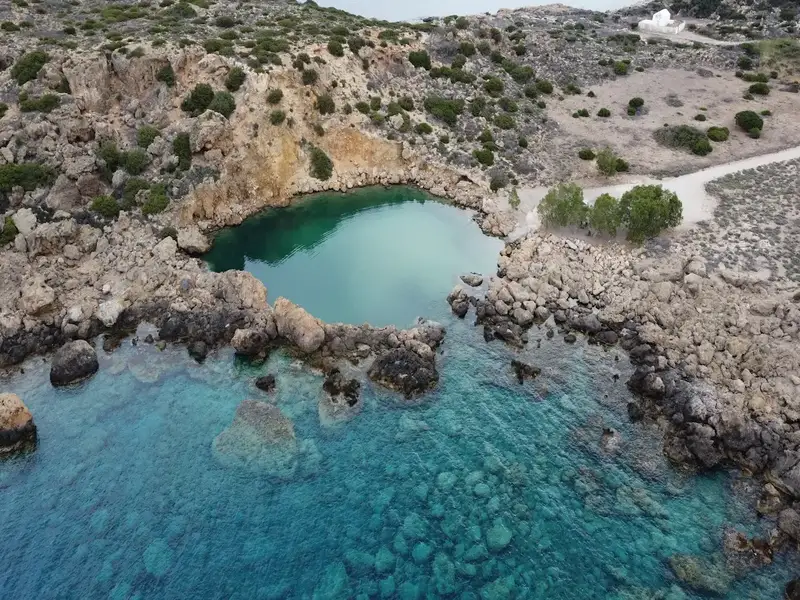


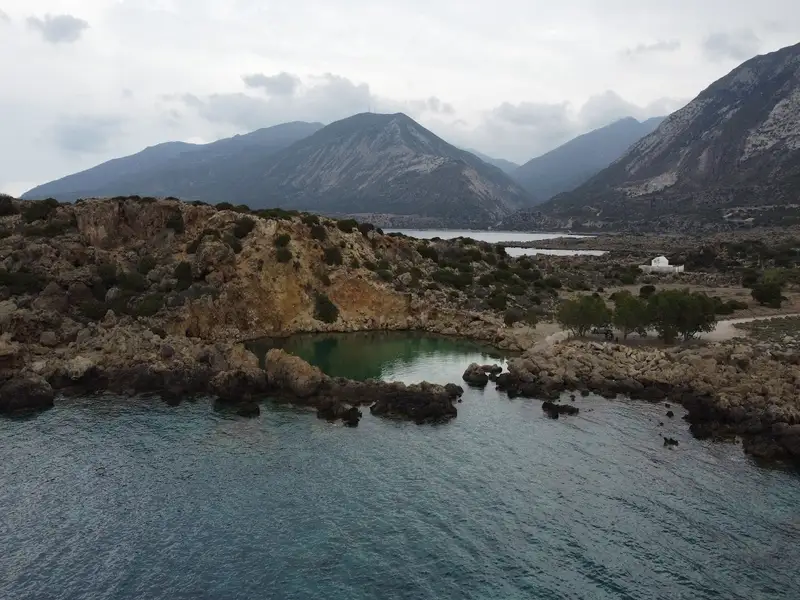

Situated 70km southeast of Chania and just 500m northwest of the Chrysoskalitissa Monastery, you’ll find Voulolimni – a unique ‘sunken lake’. This is not your typical beach, but rather a natural rocky ‘pool’ that has become a hidden gem for the locals of the Chrysoskalitissa village.
Voulolimni is nestled within a small crater, encircled by rocks, creating a beautiful sea lake. This quaint salt lake is shielded from the strong local winds thanks to its geological formation, with only a small opening connecting it to the open sea. As such, it doubles as a natural harbor for small boats.
Its waters remain calm, boasting an enchanting greenish hue that many swimmers find irresistible. While there are no facilities directly adjacent to the lake, you can find accommodation options and taverns in the nearby Chrysoskalitissa village. This makes Voulolimni a perfect spot for those seeking tranquillity amidst Crete’s natural beauty.
No results available
Find below list of gorges near Elafonisi Resort by Kalomirakis Family:
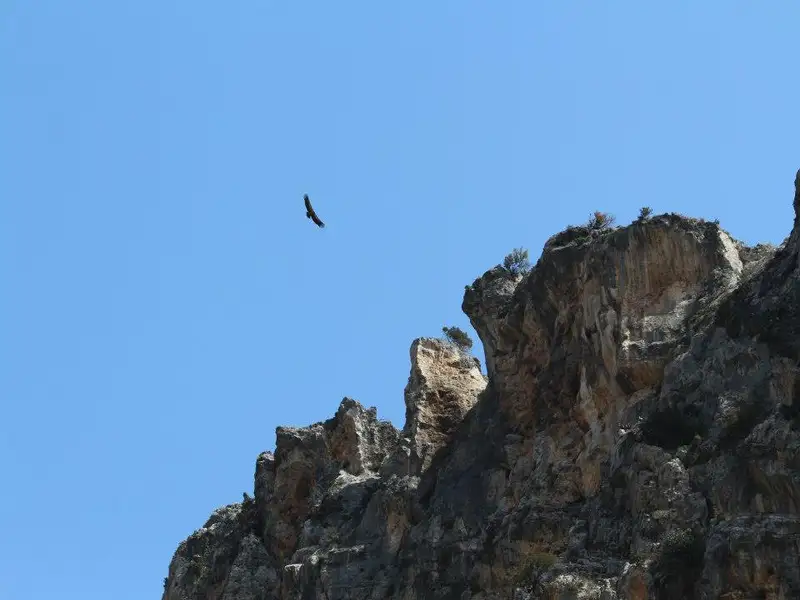
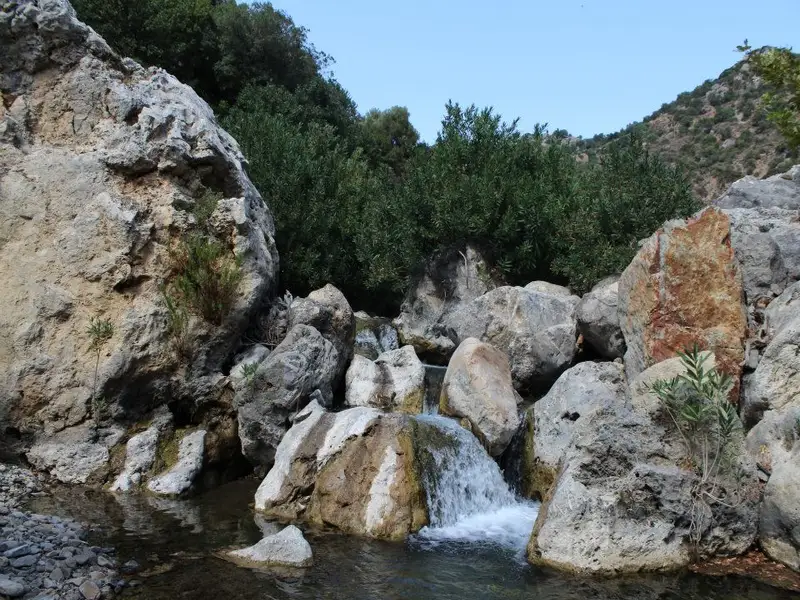
In the overlooked area of Selino, South Chania, you’ll discover the hidden gem that is the Pelekaniotis River. This river, boasting the highest water flow in Selino, holds such significance that it inspired the name of the Paleochora municipality – Pelekanos. It remains a steady water source throughout the year, culminating in a verdant green valley at the Macherota location. The towering cliffs of the canyon serve as a habitat for numerous birds of prey, providing company for hikers along their journey.
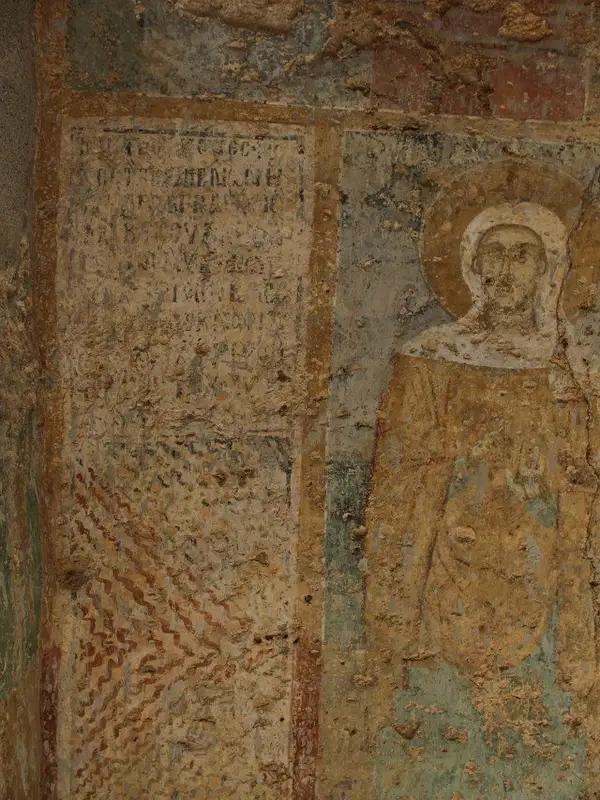
The gorge’s exit can be located by following a dirt road that begins at Grameno beach near Paleochora and traces the river’s west bank. Regrettably, this path crosses a small area littered with rubbish and debris. However, beyond this, the scenery transforms into a lush Cretan landscape. Two kilometres in, the Agios Mamas chapel, adorned with well-preserved frescoes, can be found on the western shore. Despite its significance, the existence of Saint Mammes (Agios Mamas) remains largely unknown, even to locals. Across from Agios Mamas, the old whitewashed chapel of Saint George stands, though it lacks frescoes.
A kilometre further, the dirt road ends at a tank filled with drinkable water. From this point, the gorge can be explored on foot, particularly during summer when the water levels are lower. Adventurous hikers might prefer to visit the Pelekanos Gorge in winter, to witness a 25m high waterfall cascading into the river.
Approximately halfway through the gorge, some of Crete’s most impressive plane trees can be found, with some over 1000 years old and featuring remarkable trunk formations. Much of the canyon is narrow, with sunlight rarely reaching the riverbed. This natural masterpiece is adorned with vertical walls dotted with numerous holm oak trees.
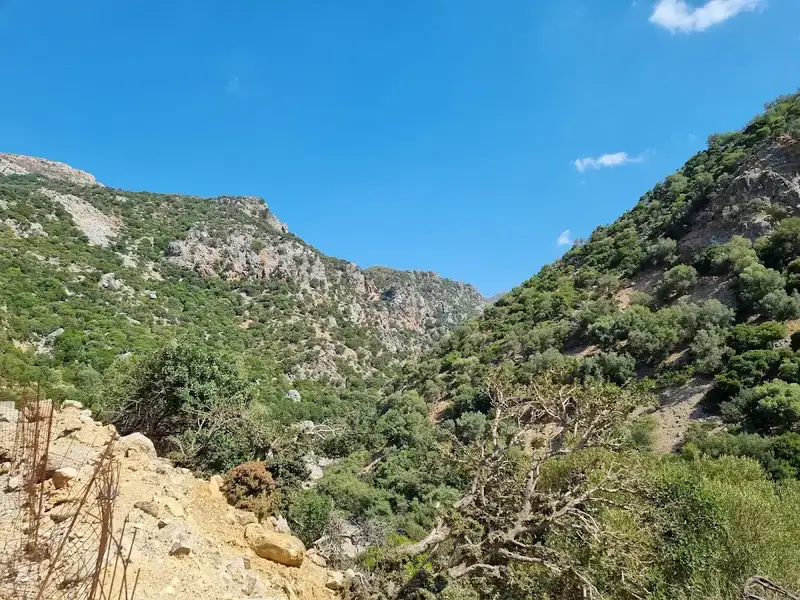
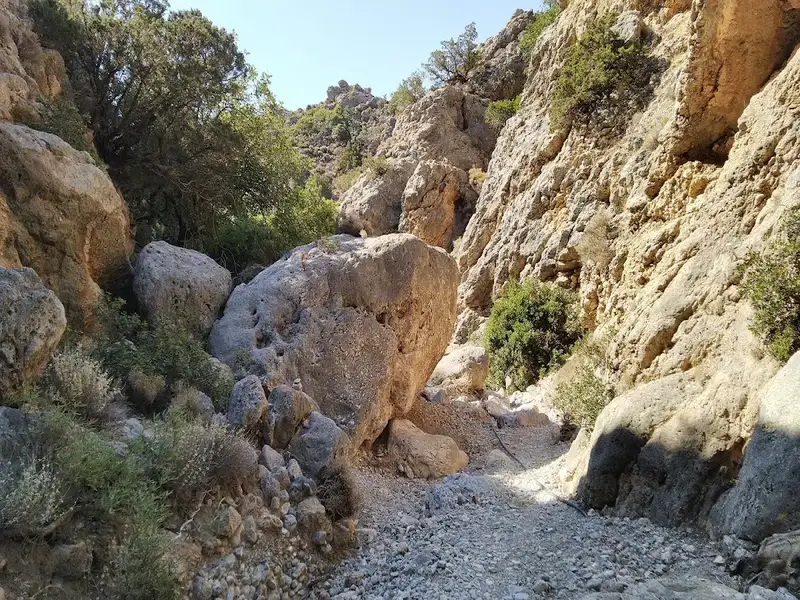
Traveling along the western coast of Crete towards Elafonissi beach, you’ll encounter the picturesque village of Kambos, nestled within the Kissamos province. A brief detour off the main road to the west will bring you to the verdant Kambos canyon, the most westerly gorge on the island, which is fed by the small Koutroulis massif.
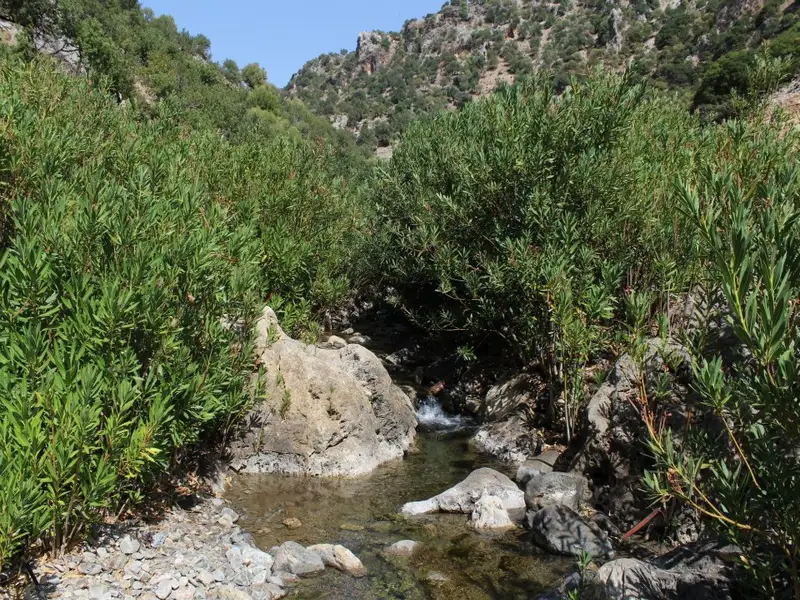
A scenic hiking trail winds its way through the canyon, beneath the shade of towering plane trees and alongside a river that flows year-round. The journey is punctuated by striking rock formations and culminates at a natural spring. From there, the path reconnects with the road descending from the village, leading to the subterranean churches of Agia Ekaterini and Agia Marina.
Continuing your trek along the riverbed can occasionally prove challenging due to thick vegetation and water, but the journey is worth it. From Agia Kyriaki, the path follows the riverbed to the secluded yet stunning Platanakia beach, where plane trees stretch their branches out to the sea.
The relatively small yet stunning Anydri gorge is situated to the east of Paleochora, accumulating water from the Asfendiles and Ancient Hyrtakina regions via the Dichalomata stream. The gorge originates from the Anidri village and meanders for approximately 3km between towering cliffs, eventually ending at the picturesque Gialiskari beach.
Trekking through the canyon is straightforward and follows the stream, which typically dries up during the summer. The gorge is sparsely dotted with trees and the rocky walls are not too high, so it’s recommended to bring a hat and sunscreen for protection.
The Sirikari gorge, situated 55km west of Chania and 17km south of Kissamos, is nestled in a verdant area filled with canyons and streams. The paved road leading to Sirikari weaves through lush vegetation, offering a glimpse of the area’s beauty from the get-go. The gorge splits into two parallel paths here – Tsichliano to the west and Kioliano or Sirikariano to the east, both culminating at the Polirinia settlement, the site of the ancient town of Polirinia. The town’s ancient walls, still in a decent state of preservation, stand tall in its citadel, atop a hill with a panoramic view of the Kissamos bay.
Close to Sirikari, an enchanting forest unfolds, home to towering chestnut trees, quaint waterfalls, and babbling brooks. Although it isn’t the only chestnut forest in the Chania prefecture, with several others dotting the slopes of the White Mountains, its beauty and vastness set it apart.
Adjacent to Sirikari, in Sineniana, stand two well-preserved old watermills. A visit to the Church of the Assumption is also recommended, particularly on August 15th, when a traditional feast is held. The church, nestled in the chestnut grove, is surrounded by other trees like holm oaks, cypresses, and plane trees. A little further along, you can explore an abandoned village set amidst a stunning oak wood. Additionally, the Sirikari village houses the 15th-century Byzantine church of the Holy Apostles (Agii Apostoli), which is definitely worth a visit.
No results available
© All rights reserved. Crete Locals