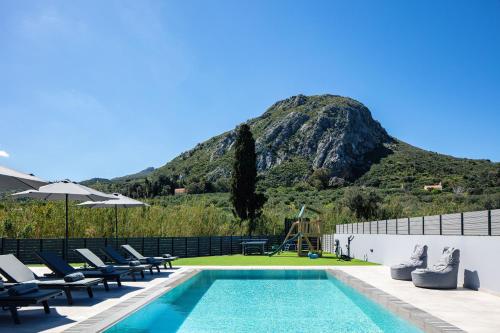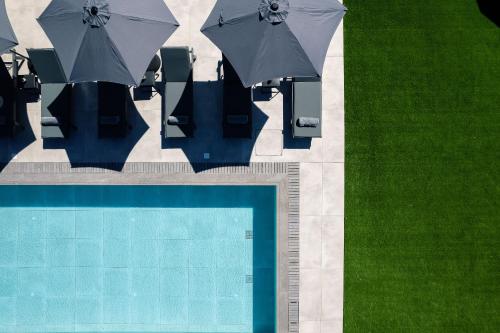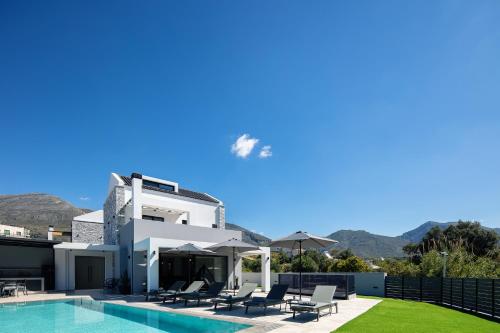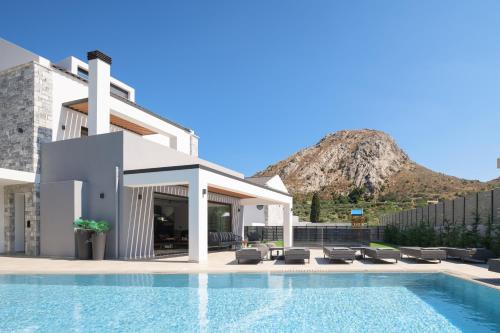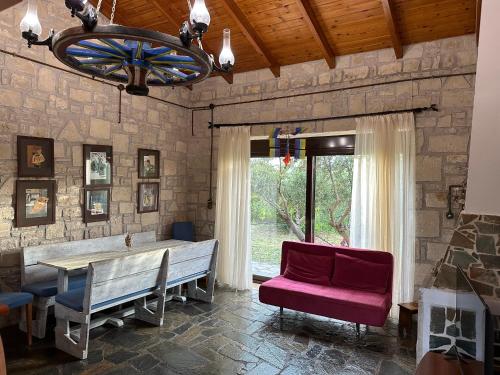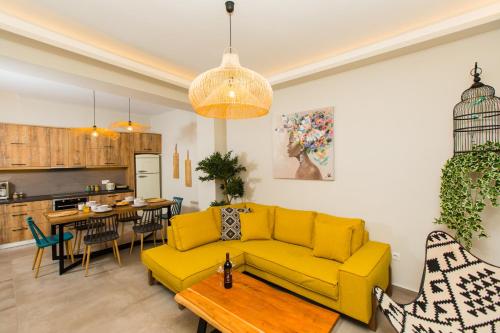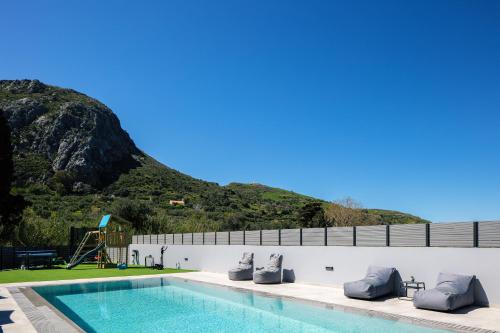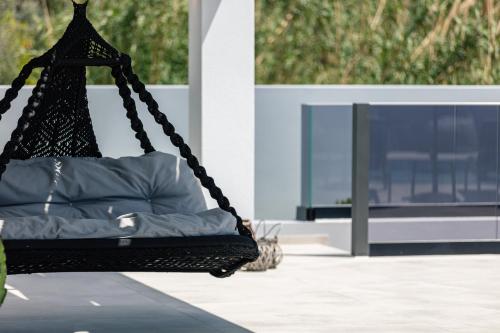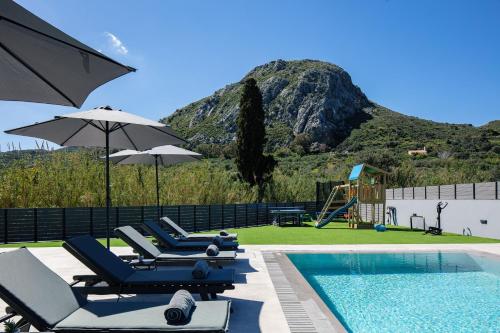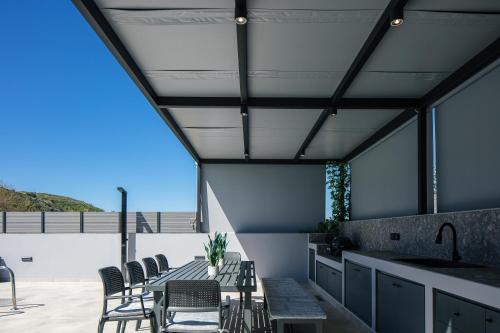
Boasting air-conditioned accommodation with a private pool, pool view and a patio, Del Sur Luxury Villa, Absolute Privacy & Comfort, By ThinkVilla is set in Lefkogeia. This property offers access to a balcony, ping-pong, free private parking and free WiFi.
The villa is fitted with 4 bedrooms, 4 bathrooms, bed linen, towels, a flat-screen TV with streaming services, a dining area, a fully equipped kitchen, and a terrace with mountain views.
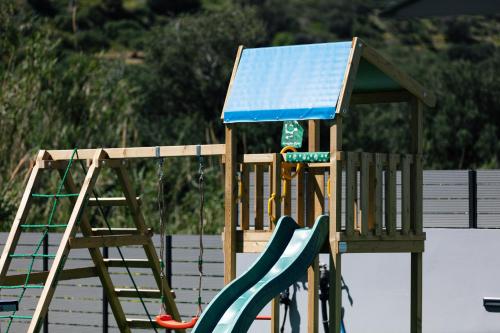
The villa offers a children’s playground. Cycling and fishing can be enjoyed nearby, while a bicycle rental service and a private beach area are also available on site.
Ammoudi Beach is 2.3 km from Del Sur Luxury Villa, Absolute Privacy & Comfort, By ThinkVilla, while Kleisidi Beach is 2.3 km from the property. The nearest airport is Chania International, 87 km from the accommodation, and the property offers a paid airport shuttle service.
Lefkogeia 740 60, Greece
No results available
Find below list of things to do near Del Sur Luxury Villa, Absolute Privacy & Comfort, By ThinkVilla:
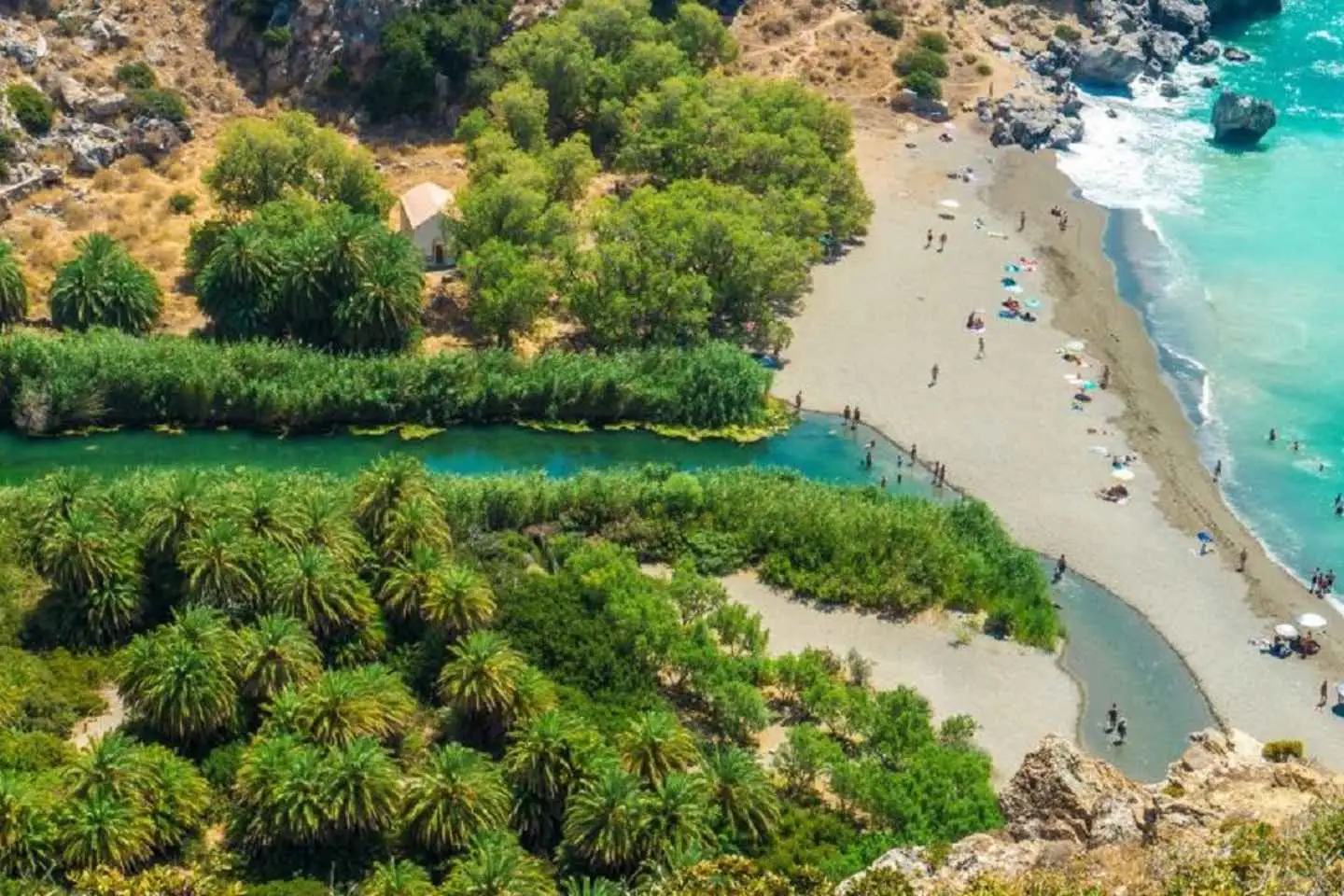
Discover the raw beauty of Crete on this guided day tour from Rethymno to Preveli. Take the opportunity to visit Preveli Beach, the Kourtaliotiko gorge, cruise aboard a boat on the Libyan Sea, swim in crystal-clear waters, and relax on a sandy beach. Relax ─ your tour includes hotel pickup and drop-off in Rethymno or Chania.
Start your tour from your accommodation where your guide will meet you. Take a short scenic drive through to Damnoni beach where your personal boat driver awaits. Find yourself in Preveli after a short, picturesque boat ride. Enjoy a swim in the Libyan Sea at Preveli Beach and feel free to explore the Kourtaliotiko gorge and marvel at the mountainous terrain.
Connected to Preveli Beach is a series of springs and waterfalls that lead into the gorge which can also be visited. Discover a mixture of sandy beaches, lush forests, and mountains. Return to your accommodation on a route through the Kourtaliotiko gorge
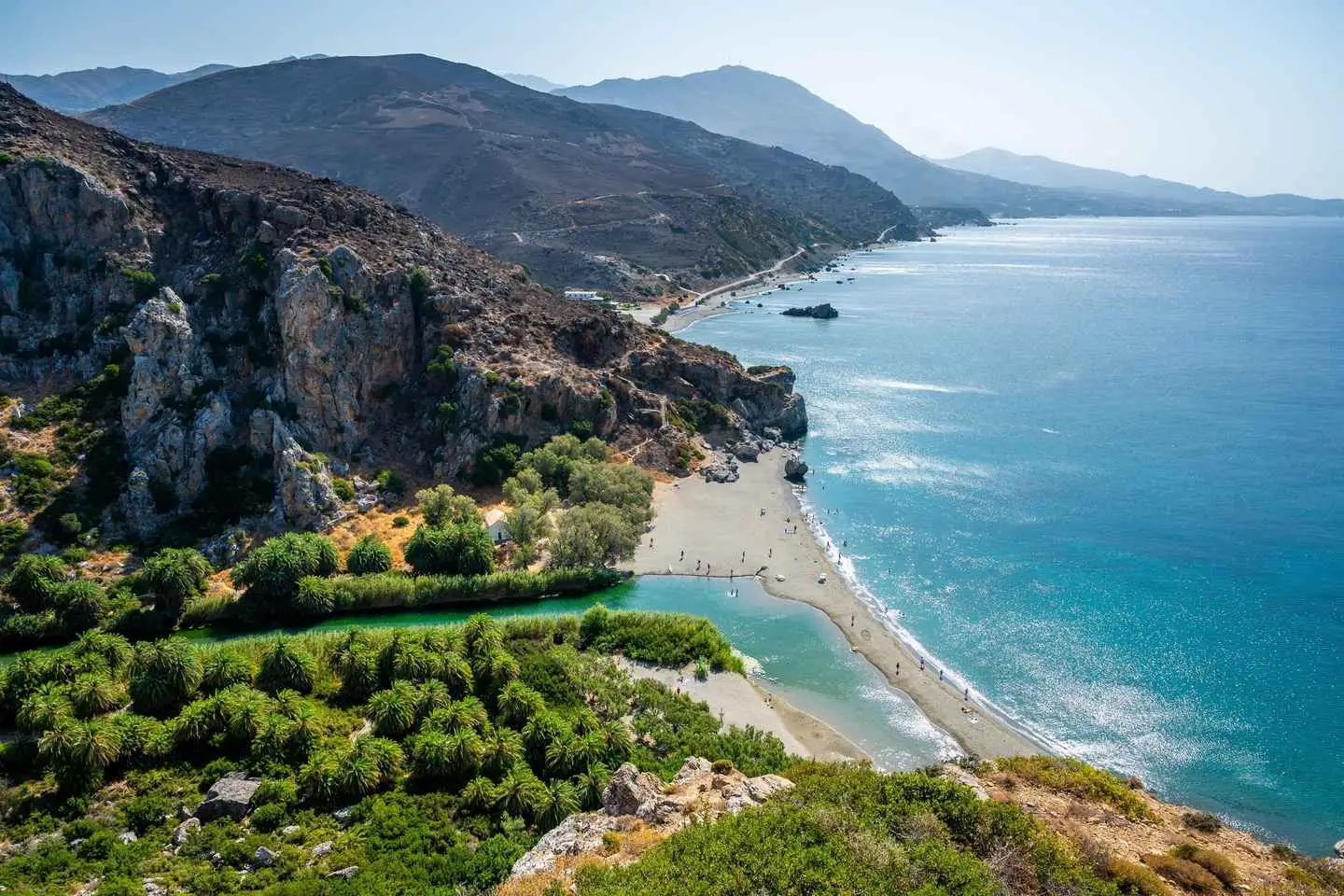


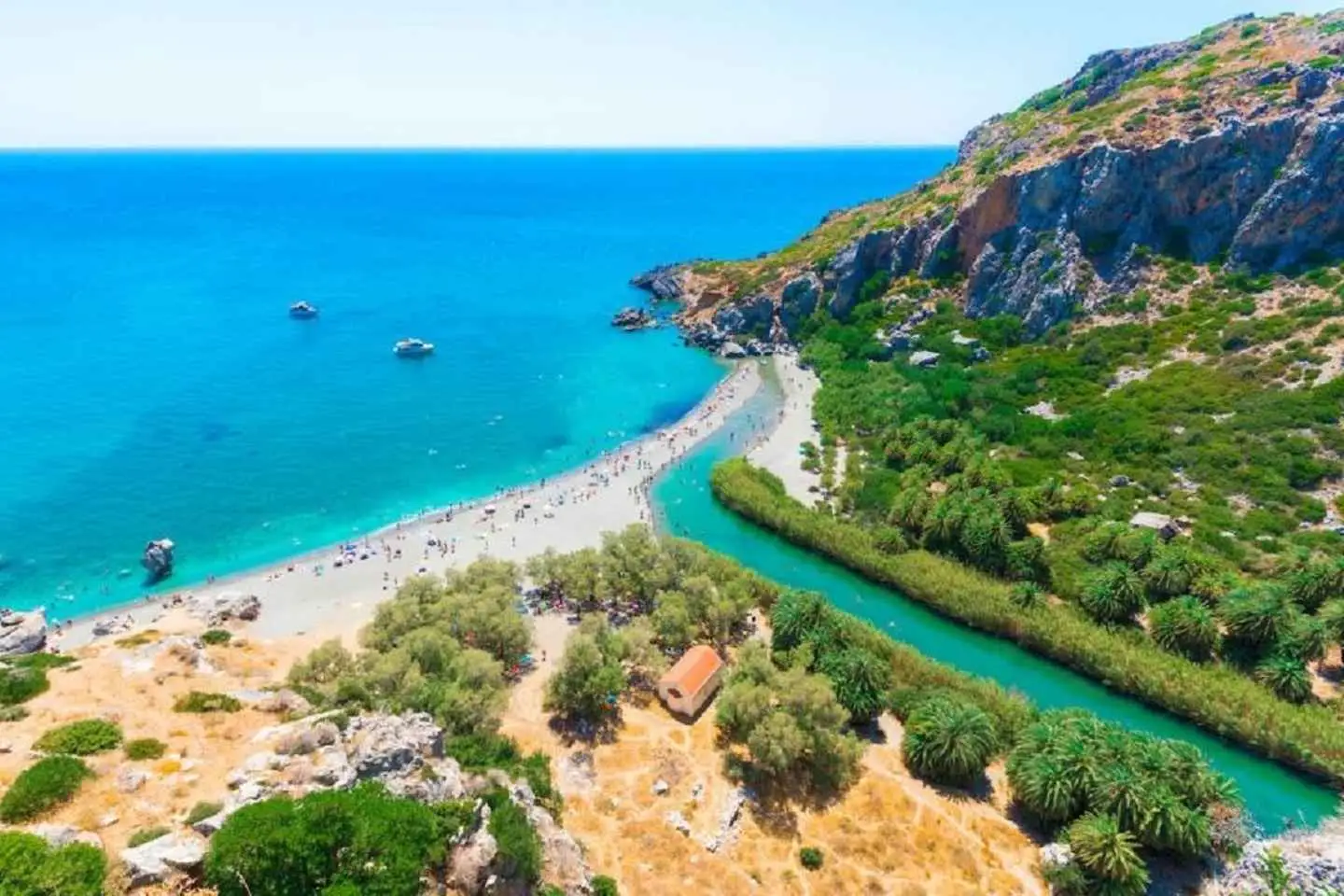
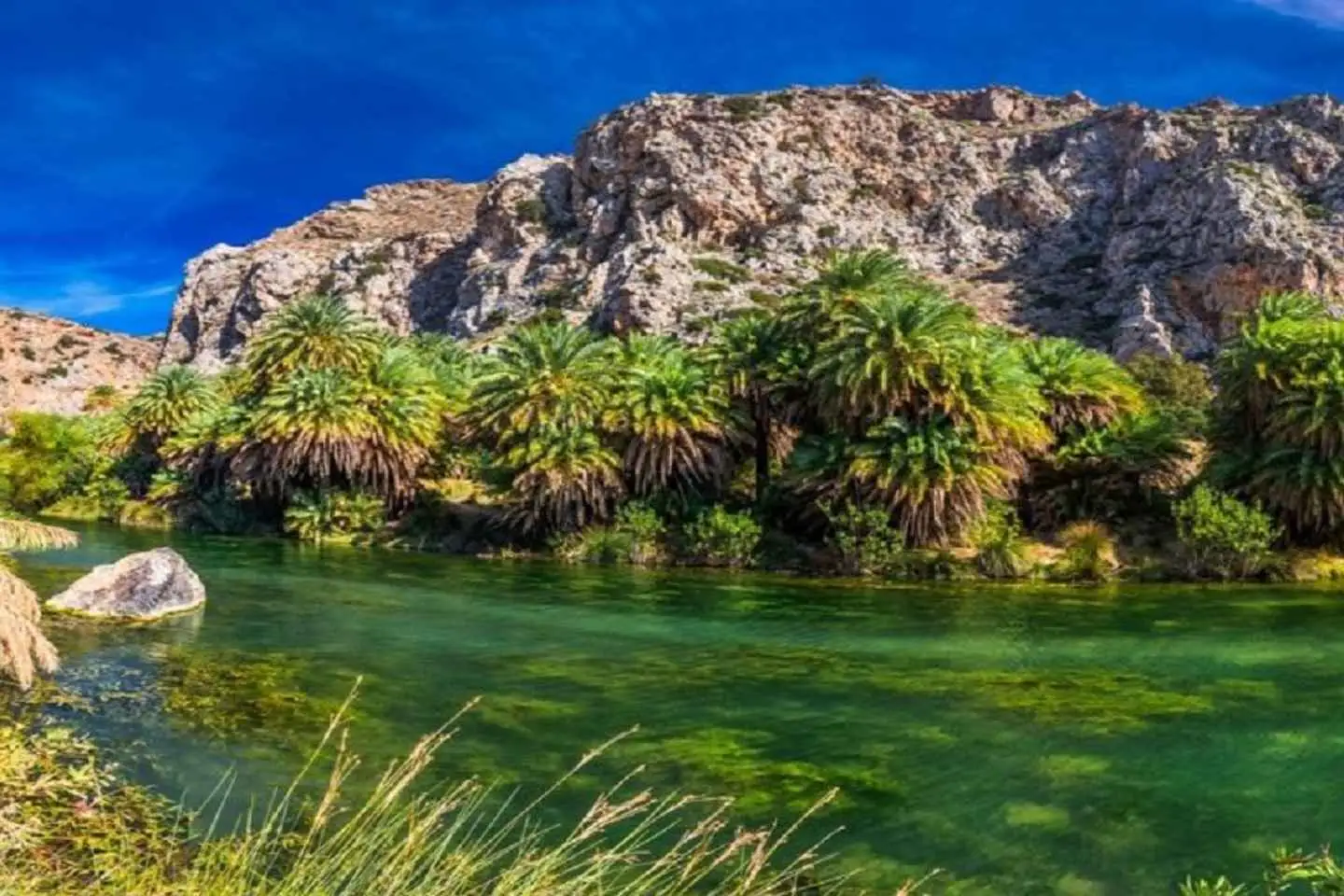
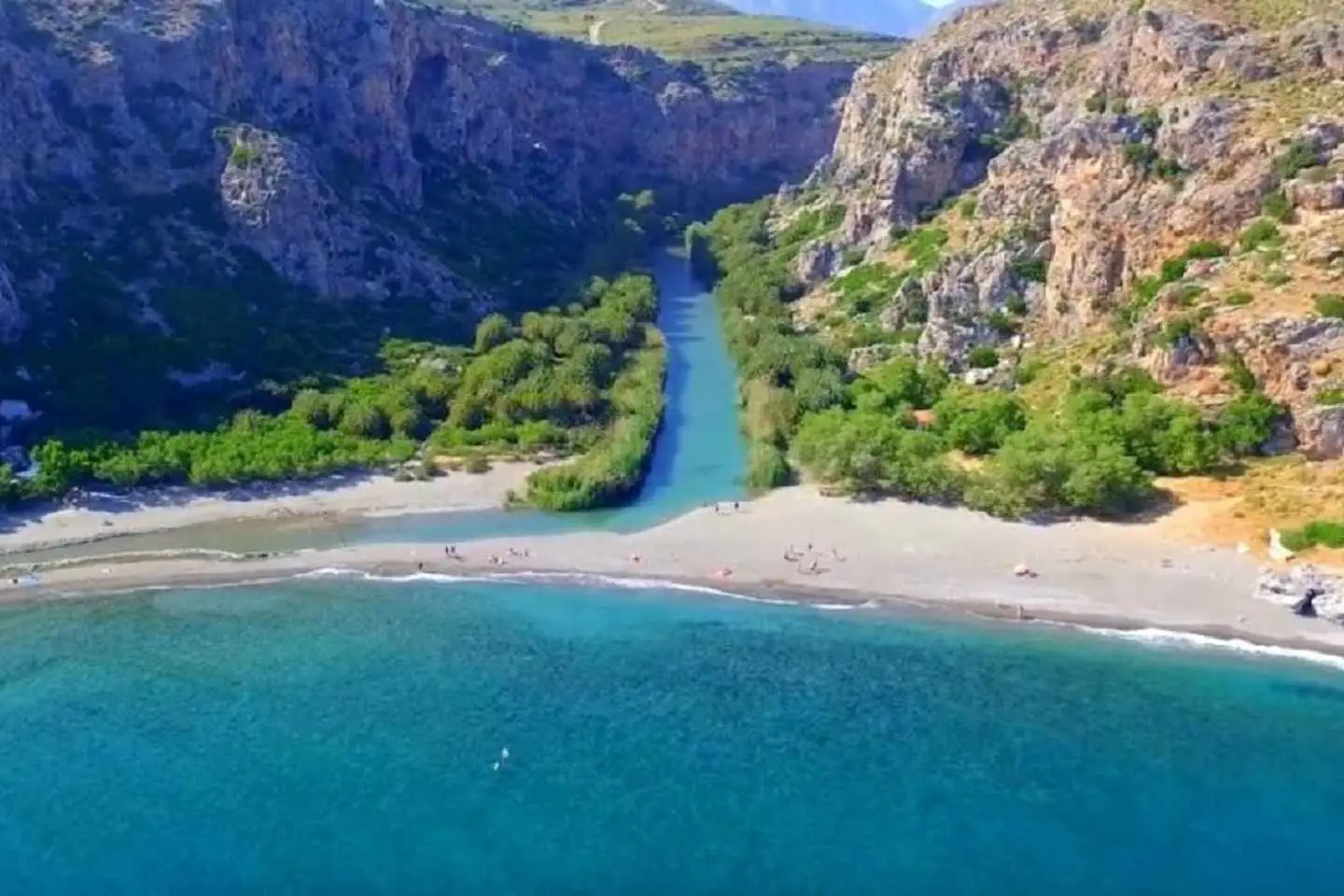
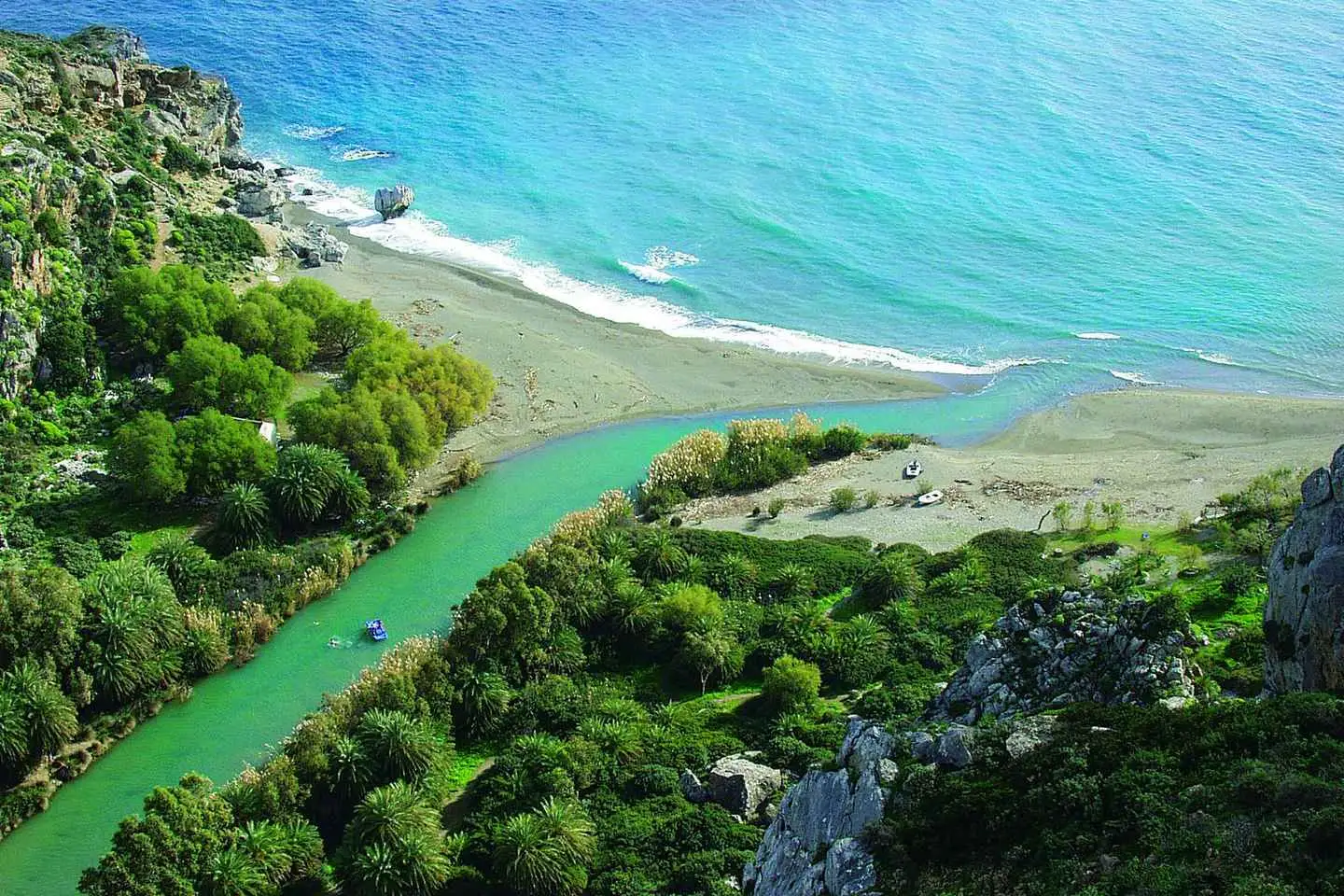
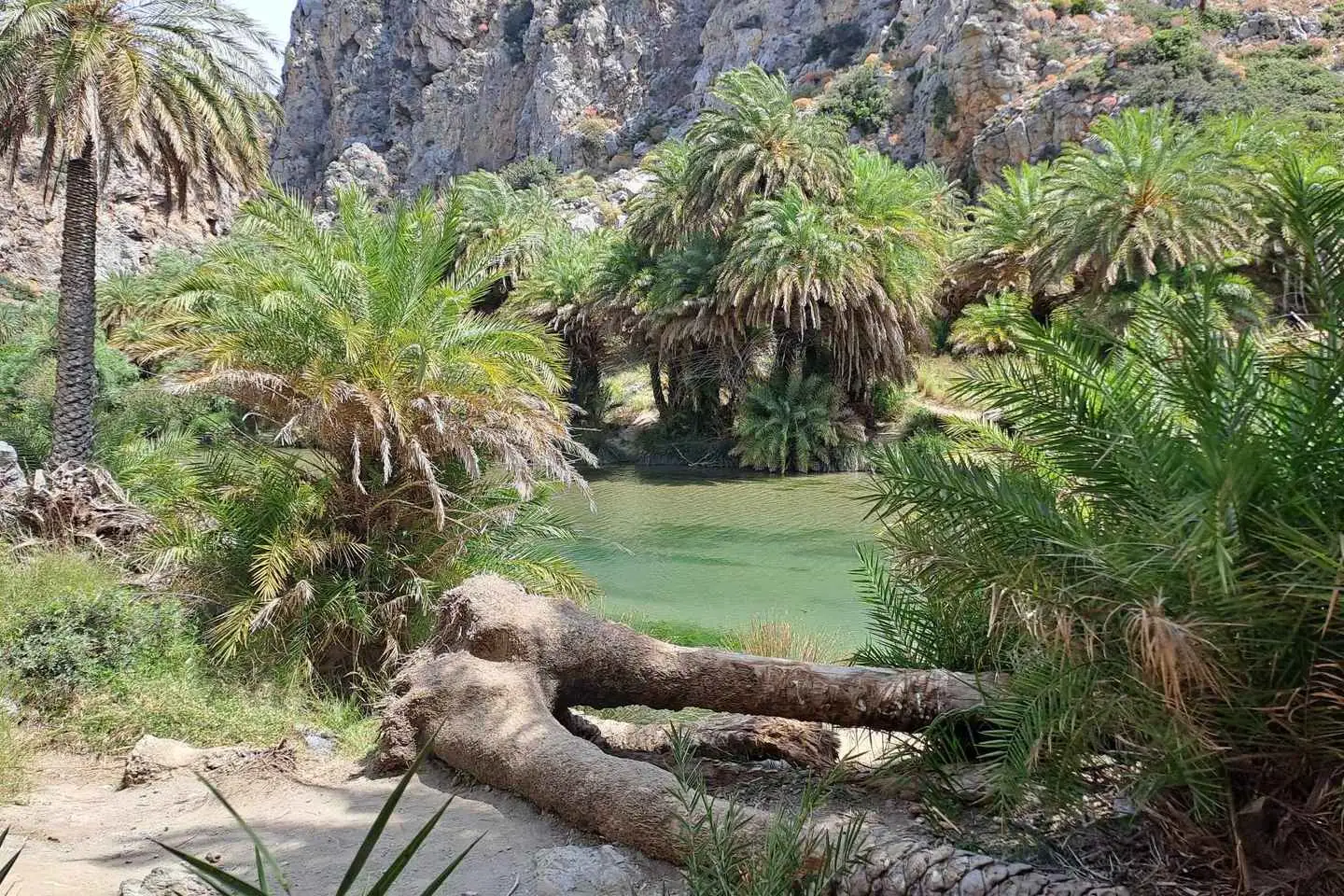
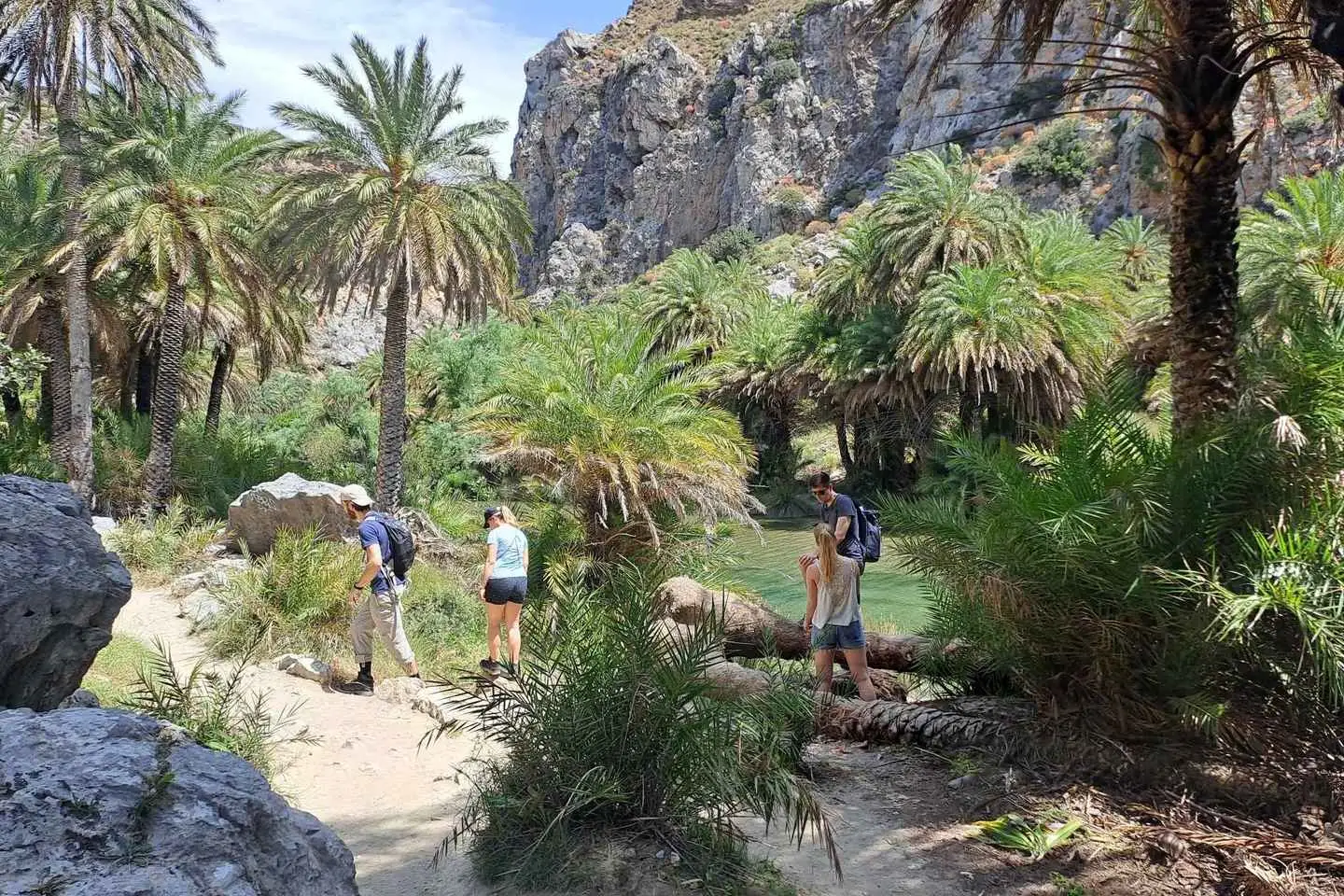
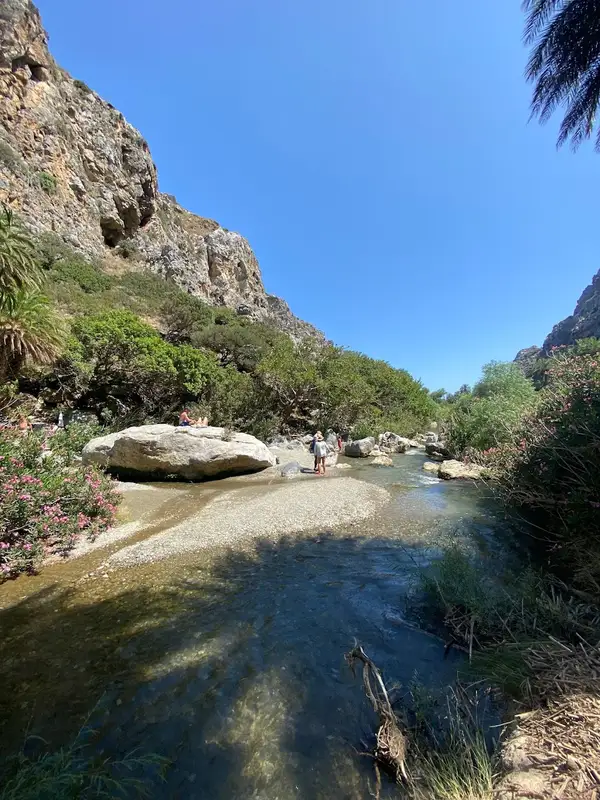
Our day begins in the morning with your pick up from your hotel. After our coach ride we arrive at the beautiful Damnoni beach, where our boat is waiting for us to take us on a 30-minute boat ride to our first stop of the day, the magnificent beach of Preveli. As we approach our destination, you will be amazed by the unique landscape surrounding us that consists of vertical cliffs of the gorge, the beautiful palm-tree forest and the crystal clear water of the beach. The Grand River ( Megalos Potamos ) that runs through the Kourtaliotiko Gorge and then empties into the sea, makes the water cool and refreshing, ideal for an amazing swim break. On the banks of the river there is a large colony of Theophrastus palm trees which give the region a sense of a tropical landscape. Walk along the sandy beach, under the shade of the palm trees and experience the exotic side of Crete.
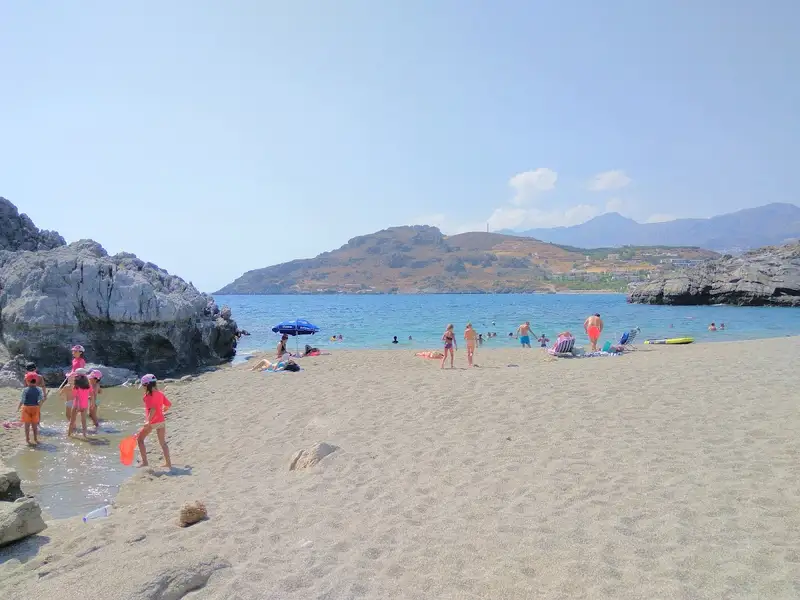
We then head back to Damnoni beach, a long bay with beautiful turquoise waters where you can continue your swim and have a delicious meal in one of the traditional restaurants located there.
Our last stop of the day is the lovely city of Rethymno. Mostly known for its Venetian fortress, called Fortezza, Rethymno is considered to be a jewel of the island. Whether you choose to scroll around the narrow streets or have a coffee next to its beautiful Venetian port, you will have an unforgettable experience!
Set off on an enthralling expedition across the splendid landscapes and ancient marvels of Crete, beginning in the lively city of Rethymno. This full-day escapade merges the island’s profound historical roots with its breathtaking scenic vistas.
Arkadi Monastery: A Testament to Independence
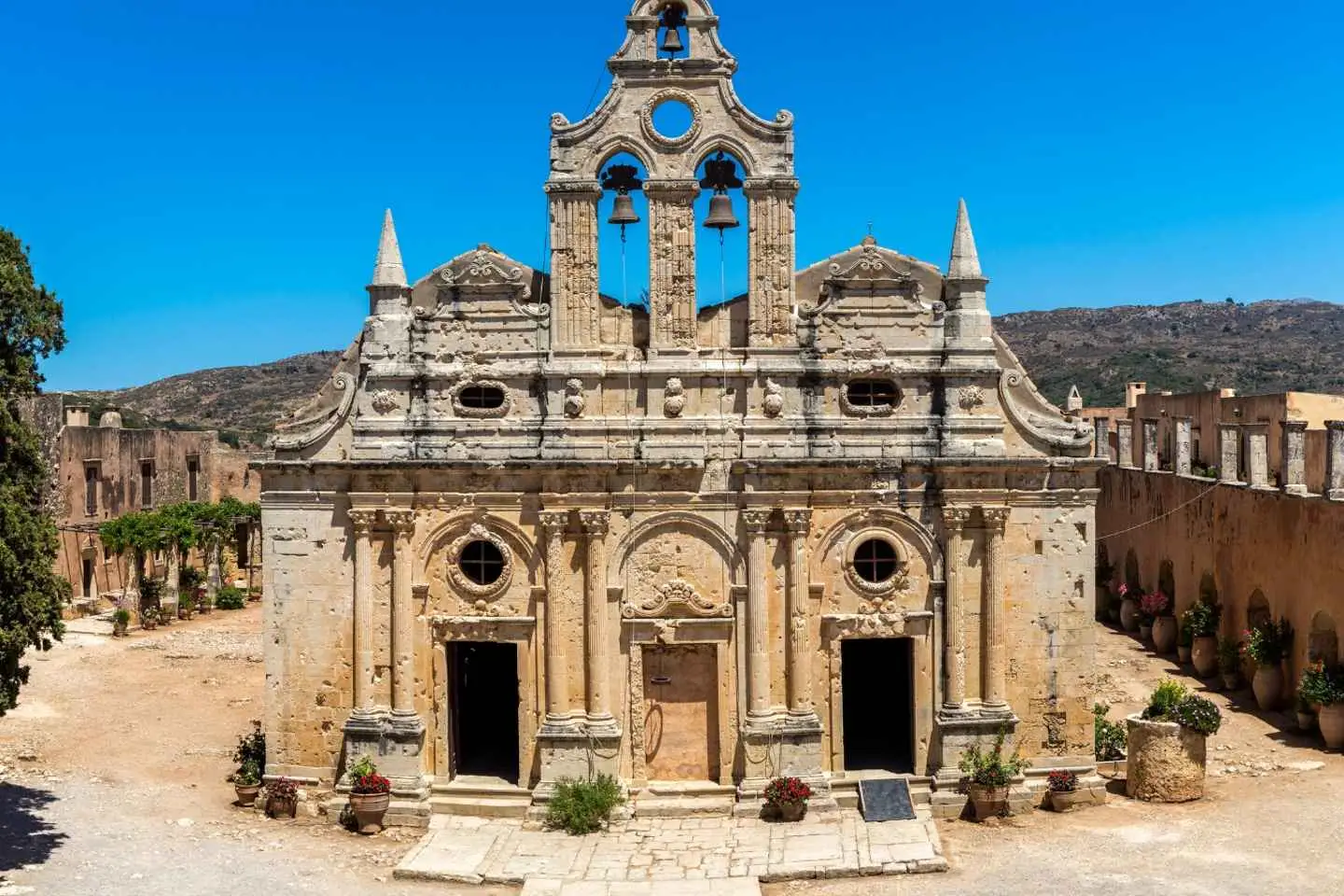
The journey commences at Arkadi Monastery, a pivotal symbol of the island’s fight for freedom. We explore the moving history of 1866, with its vivid imagery and symbols that recount the sacrifices made for independence. The monastery’s design and relics epitomize the spirit of perseverance and the struggle for liberty.
Enchanting Path to Fragma Potamon
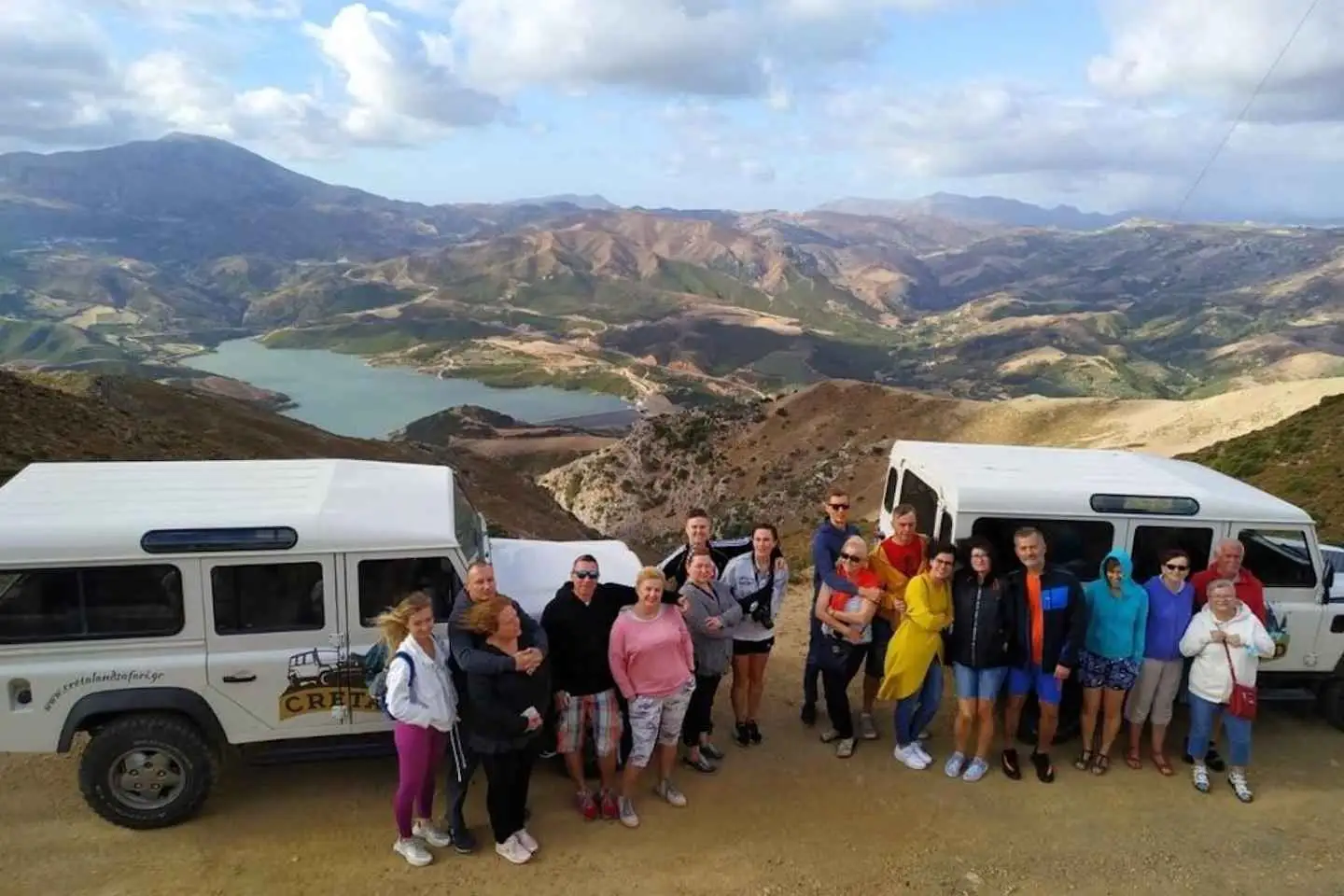
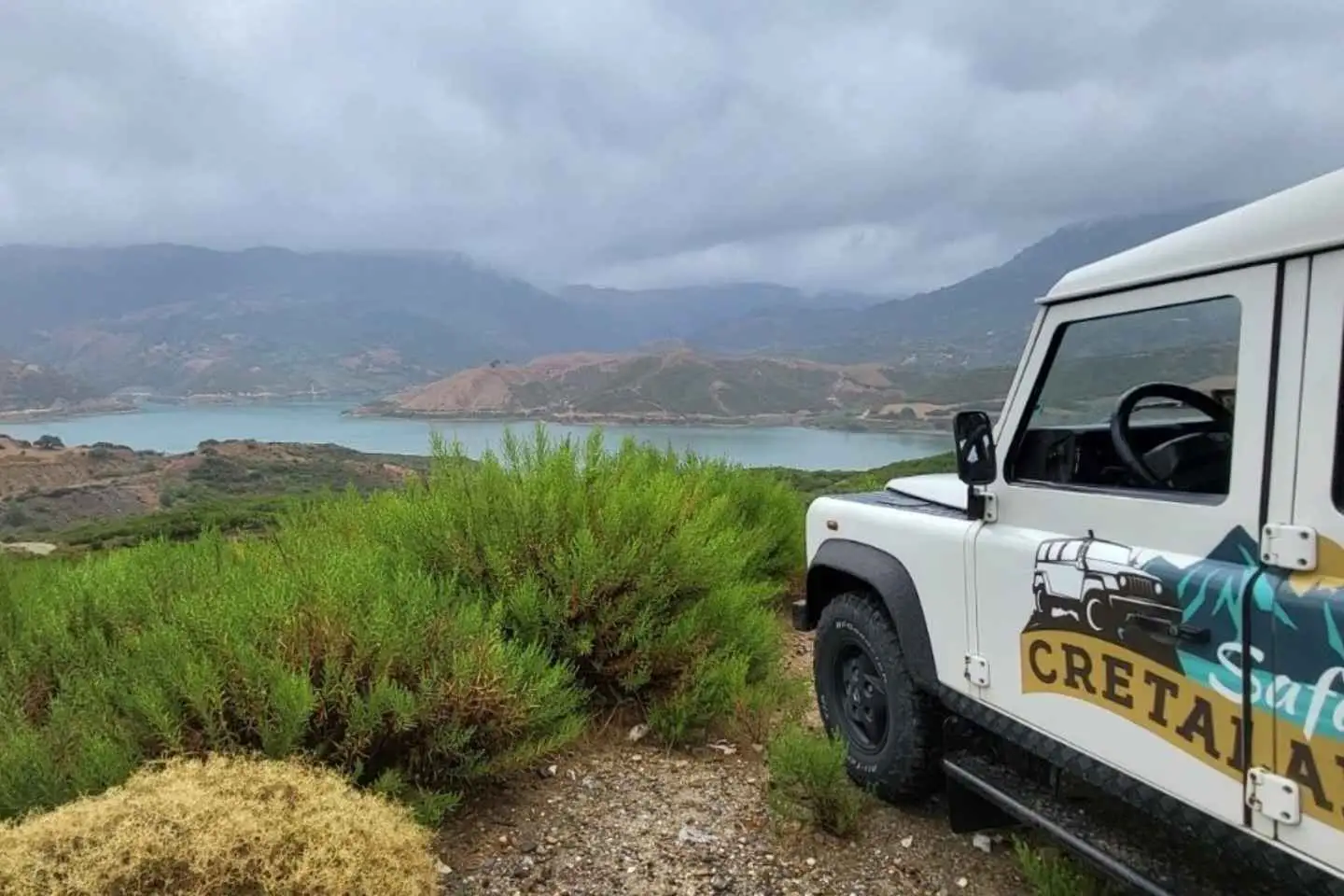
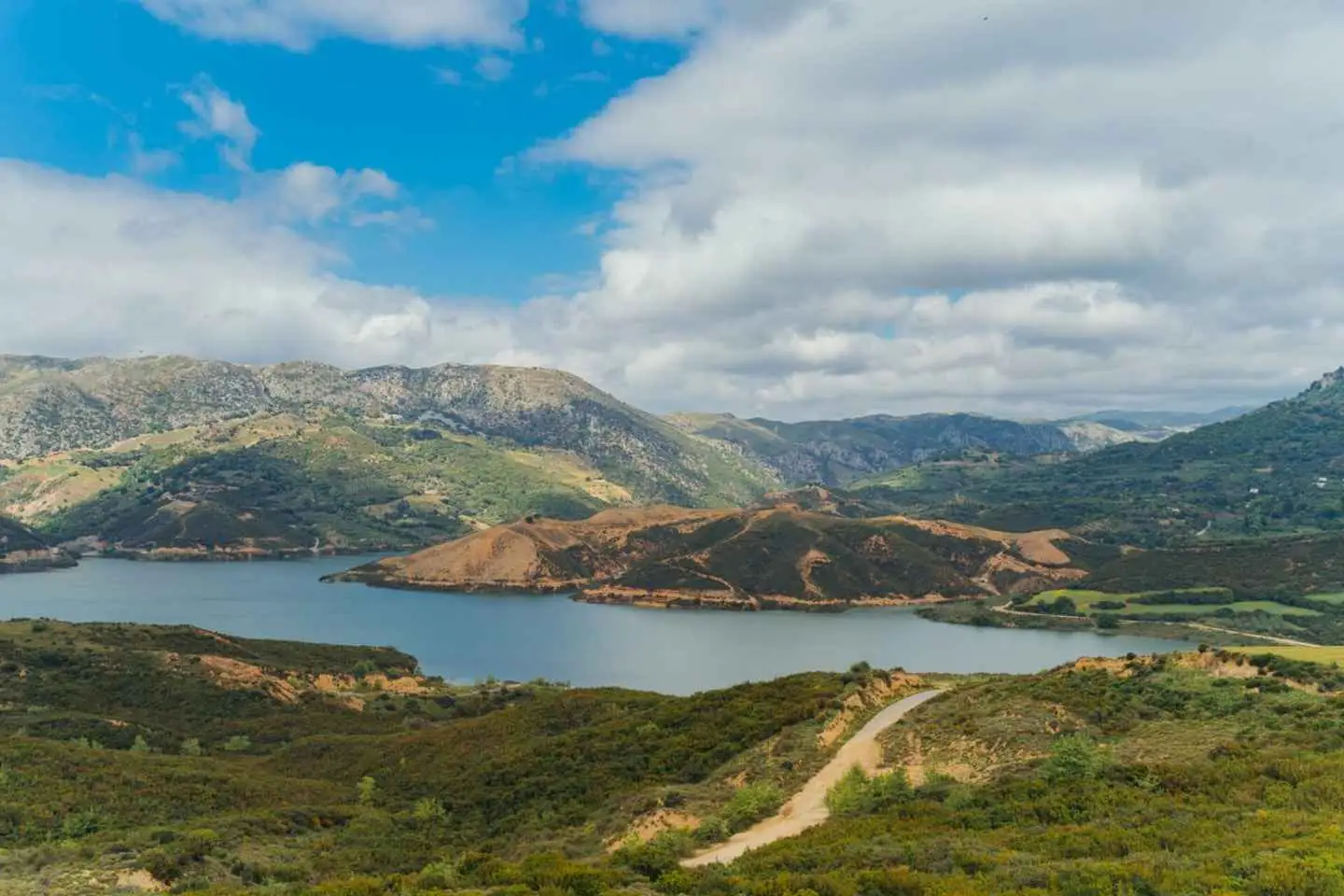
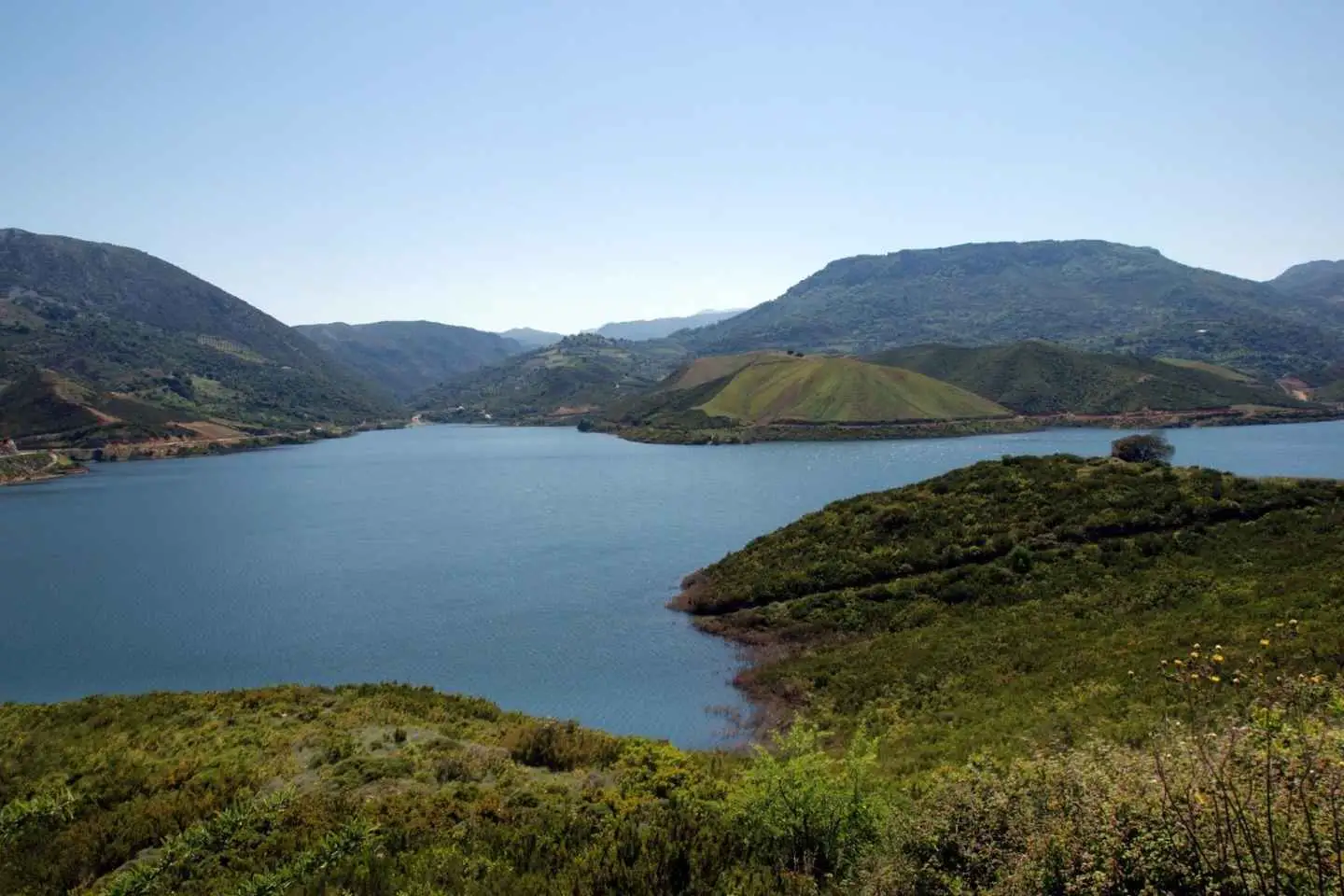
We proceed along an off-the-beaten-path to the captivating Fragma Potamon dam. Here, the sweeping vistas promise awe-inspiring tranquility, presenting an ideal chance for creating lasting memories with fellow travelers.
Saint Antonios Gorge: A Secluded Haven
A brief but magical off-road journey leads us to the tranquil Saint Antonios Gorge, a haven for rare natural ecosystems. Explore the trail to a hallowed temple set against a backdrop of remarkable geological formations. We pause to take in the lush visuals and hues, indulging in authentic local treats and coffee in this magical locale.
Spili: A Village Carved in Harmony
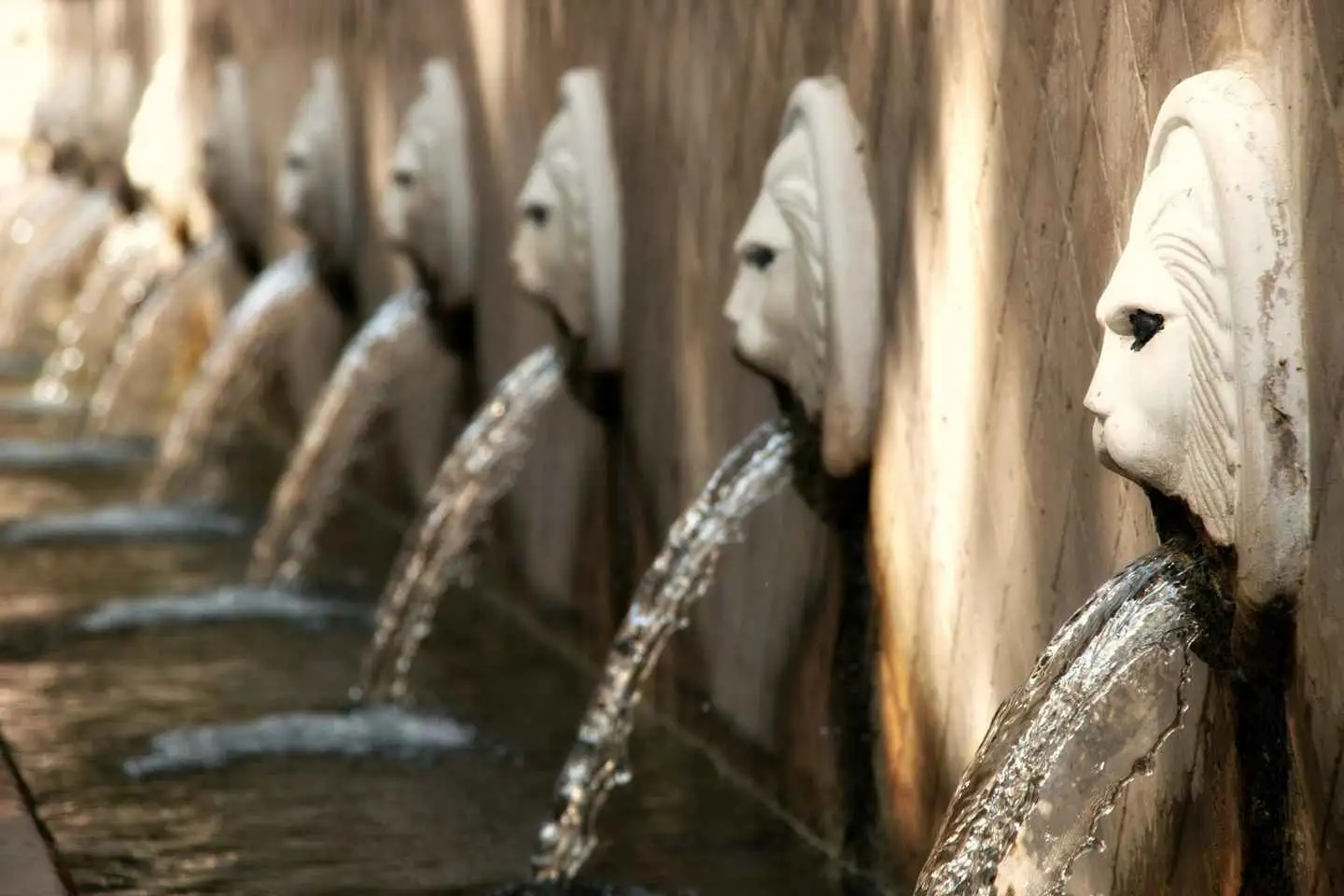
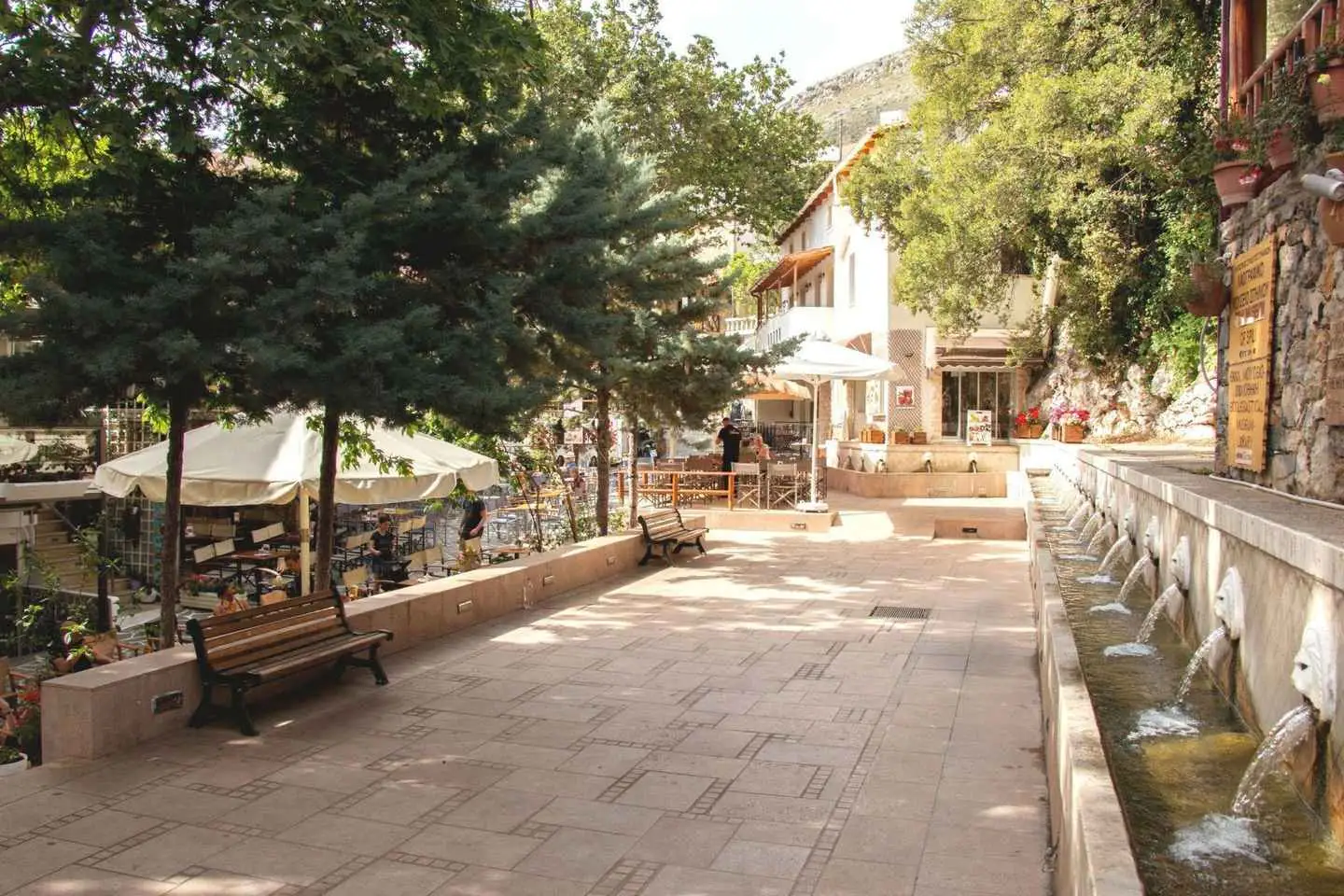
Our adventure navigates through charming hamlets to reach Spili, famed for its natural springs. Wander through its idyllic alleyways, under the shadow of ancient plane trees, and past the celebrated lion head fountains, where the cool spring waters flow incessantly.
Gastronomy in a Traditional Setting
The journey pauses for a gastronomic delight in a classic tavern, where an assortment of Cretan appetizers, entrees (with vegetarian alternatives), and local wines are served to tantalize your taste buds.
Preveli: Echoes of an African Vista
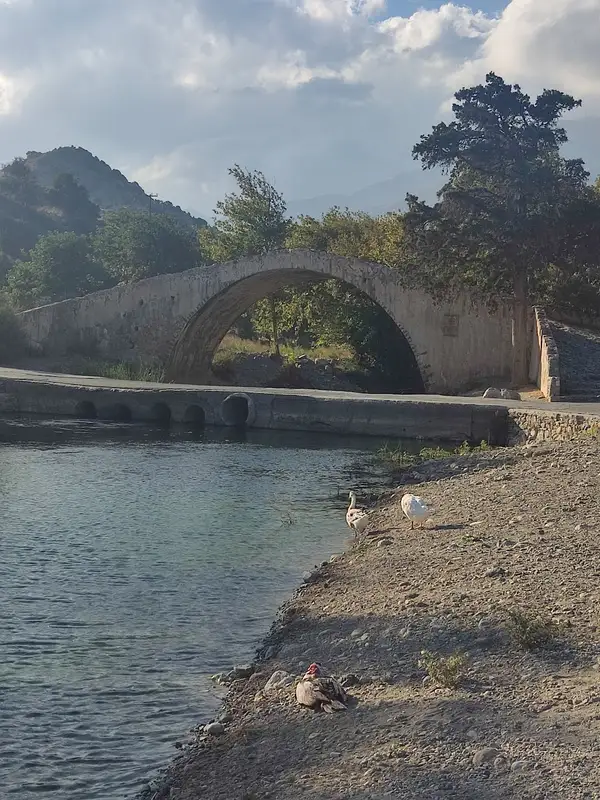
Our route takes us to the Preveli palm forest, offering landscapes akin to those of Africa. Marvel at the ancient stone bridge and follow a short trek to experience the dominance of palm trees among incredible rock structures, a river blending into the Libyan Sea, and expansive views of the coastline. The trail concludes at a pristine beach, perfect for swimming and unwinding.
Kourtaliotis Gorge: A Spectacular Natural Wonder
We then explore the majestic Kourtaliotis Gorge, renowned for its dramatic cliffs and a river nourished by five springs, allegedly formed by the touch of St. Nikolaos. Descending to the river’s edge, we immerse in the gorge’s invigorating atmosphere, observing its flora and fauna, and possibly sighting the elusive vultures.
On our return, we traverse the imposing Kotsifos Gorge and pass through a series of traditional villages, each contributing to Crete’s rich historical narrative.
This exploration into the heart of Crete transcends a mere journey; it’s an immersive voyage that intimately connects you with the essence of the island, leaving behind a collection of cherished memories and a refreshed sense of awe.
Following pick-up at your hotel. Sit back and enjoy the dramatic scenery of the Kourtaliótiko Gorge as you make your way to the beautiful beach of Preveli.
Get breathtaking views of the blue waters of the Aegean Sea contrasting with the lush green of the palm forest and lagoon.
The first stop is Damnoni beach. From here you will take the boat over to Palm beach. Take some free time to soak in all the beauty of the clear blue waters combined with the lagoon and palm forest.
Enjoy time to purchase lunch and refreshments in Damnoni and admire its beautiful clean beach. After Damnoni we will visit the small fisher village Plakias. Journey back to Rethymno and get dropped off at your hotel on arrival.
Start your day at Spili, a small and beautiful village very popular for the lion head fountains, by relaxing under the trees while enjoying a Greek cup of coffee. Try honey and olive oil from local producers. Visit the folks museum and learn about the Cretan history.
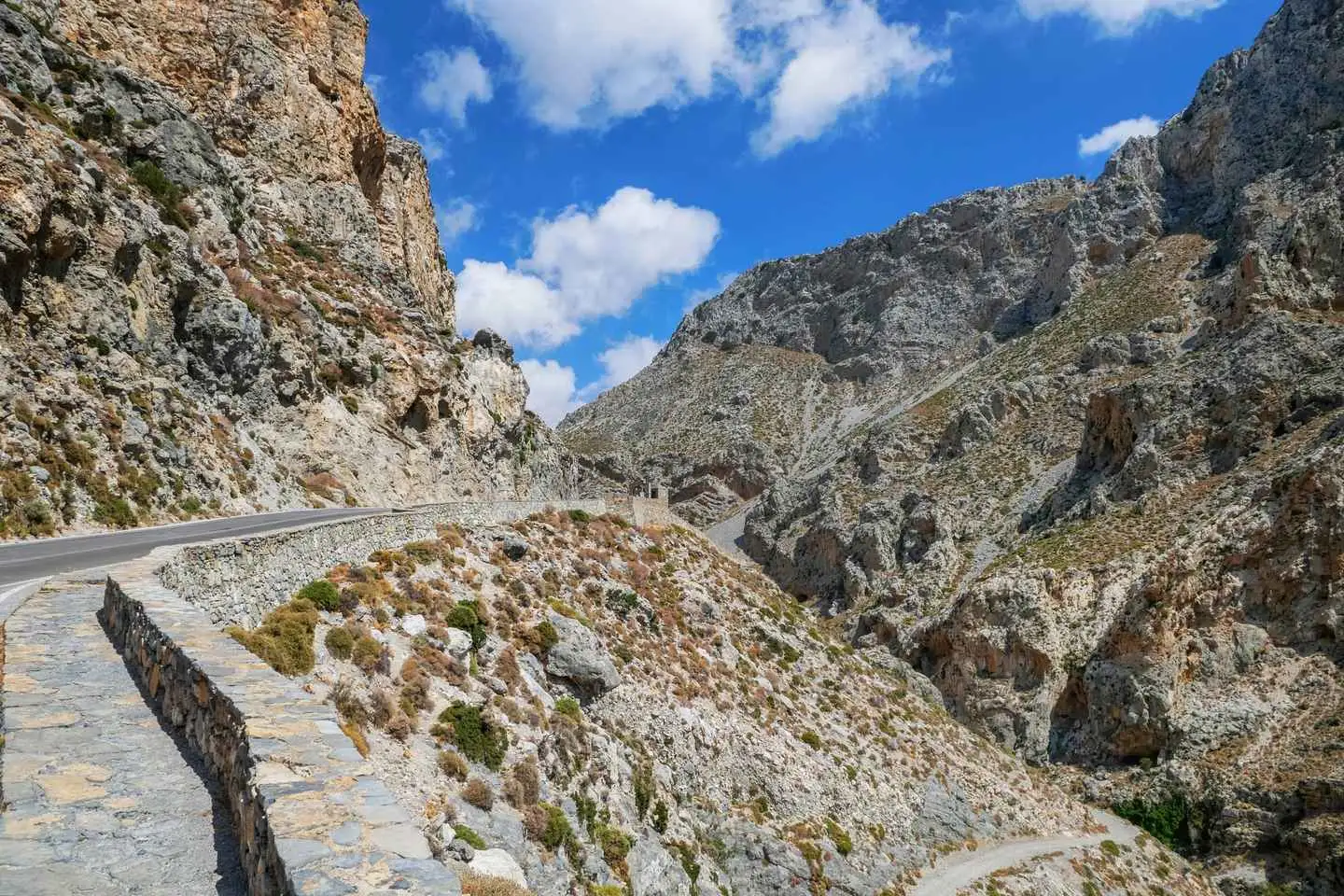
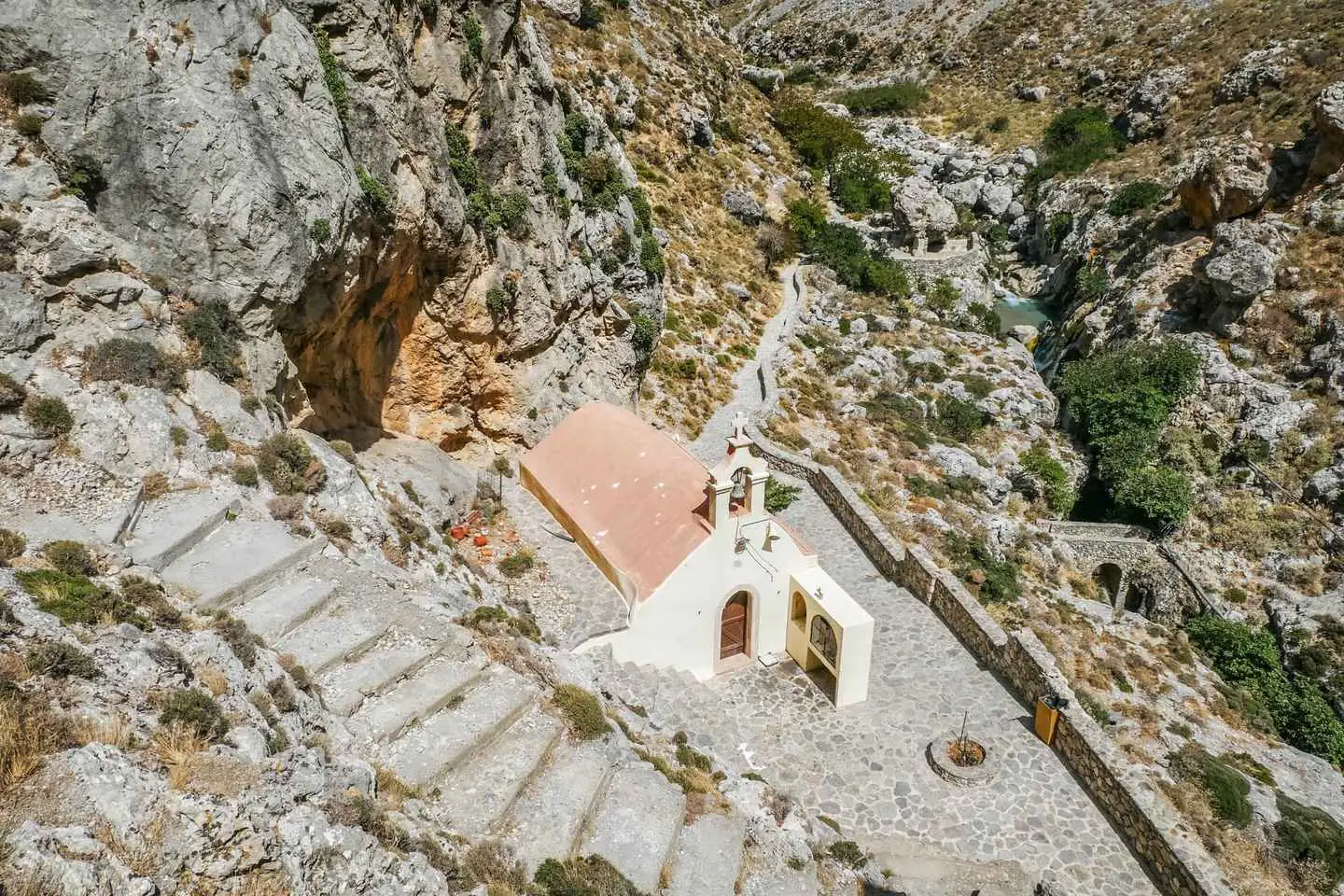
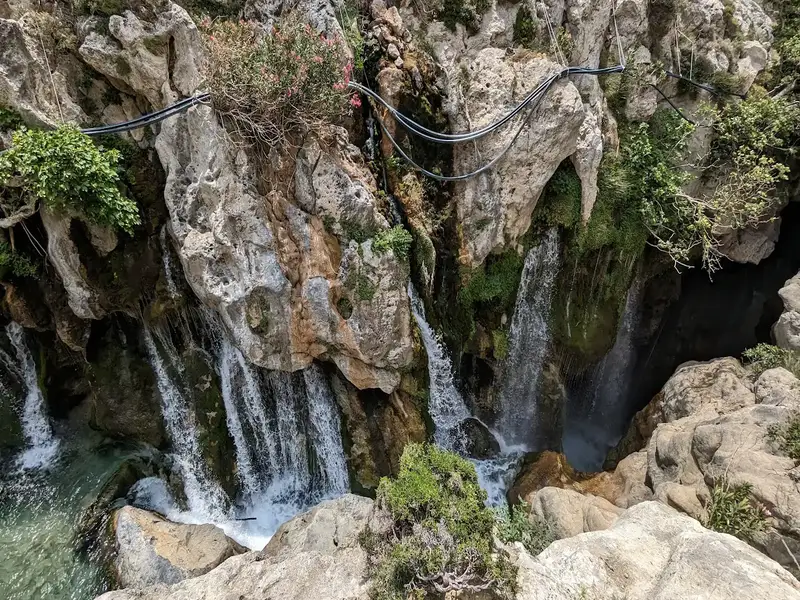
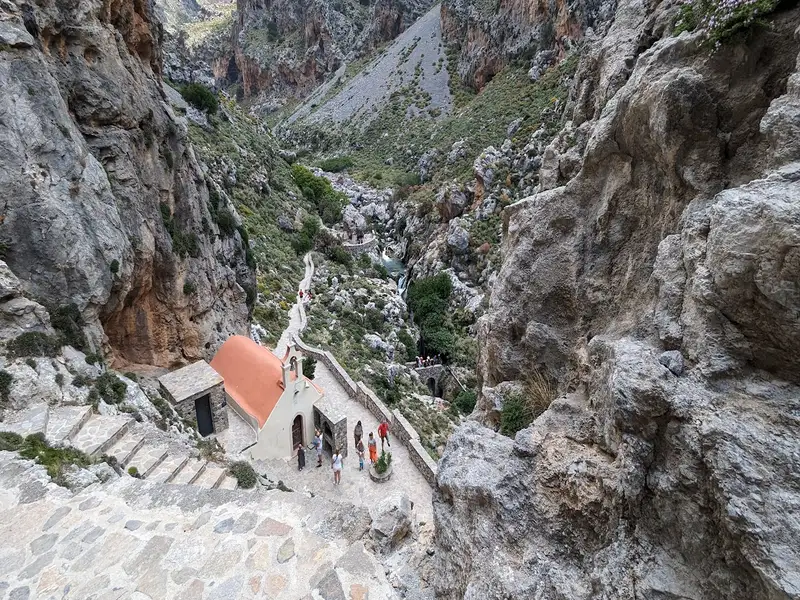
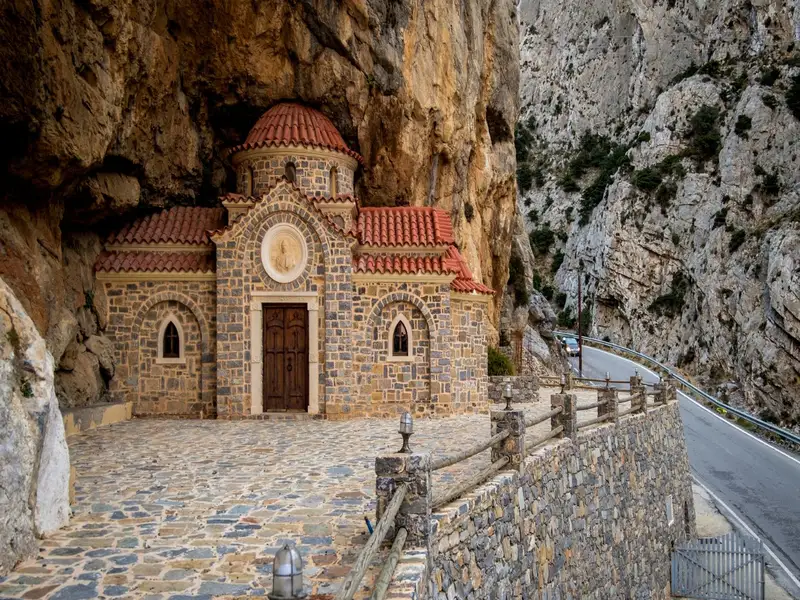
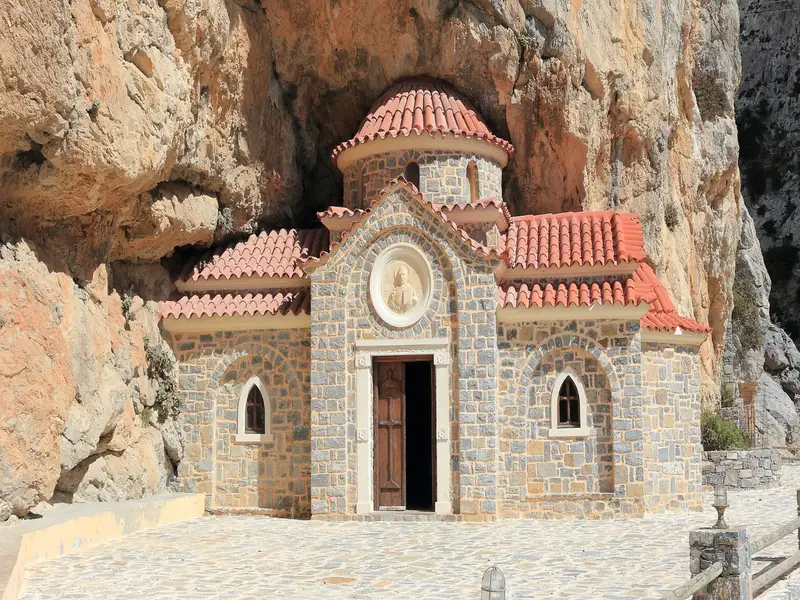
Then explore the breathtaking Kourtaliotiko Gorge. Walk through the rising rock walls and admire the incredible natural scenery, before you reach the lonely chapel of Agios Nikolaos. Listen to the ethereal sound of the wind, created by its movement through the gorge. Reach the springs of Kourtaliotis, where you swim under the waterfalls.
Arrive at the exotic coastal resort of Kalypso, an old pirate shelter. Relax on Karavos beach, which has recently become a national park. Walk across the towering rocks and dive into the turquoise water of the Libyan Sea.
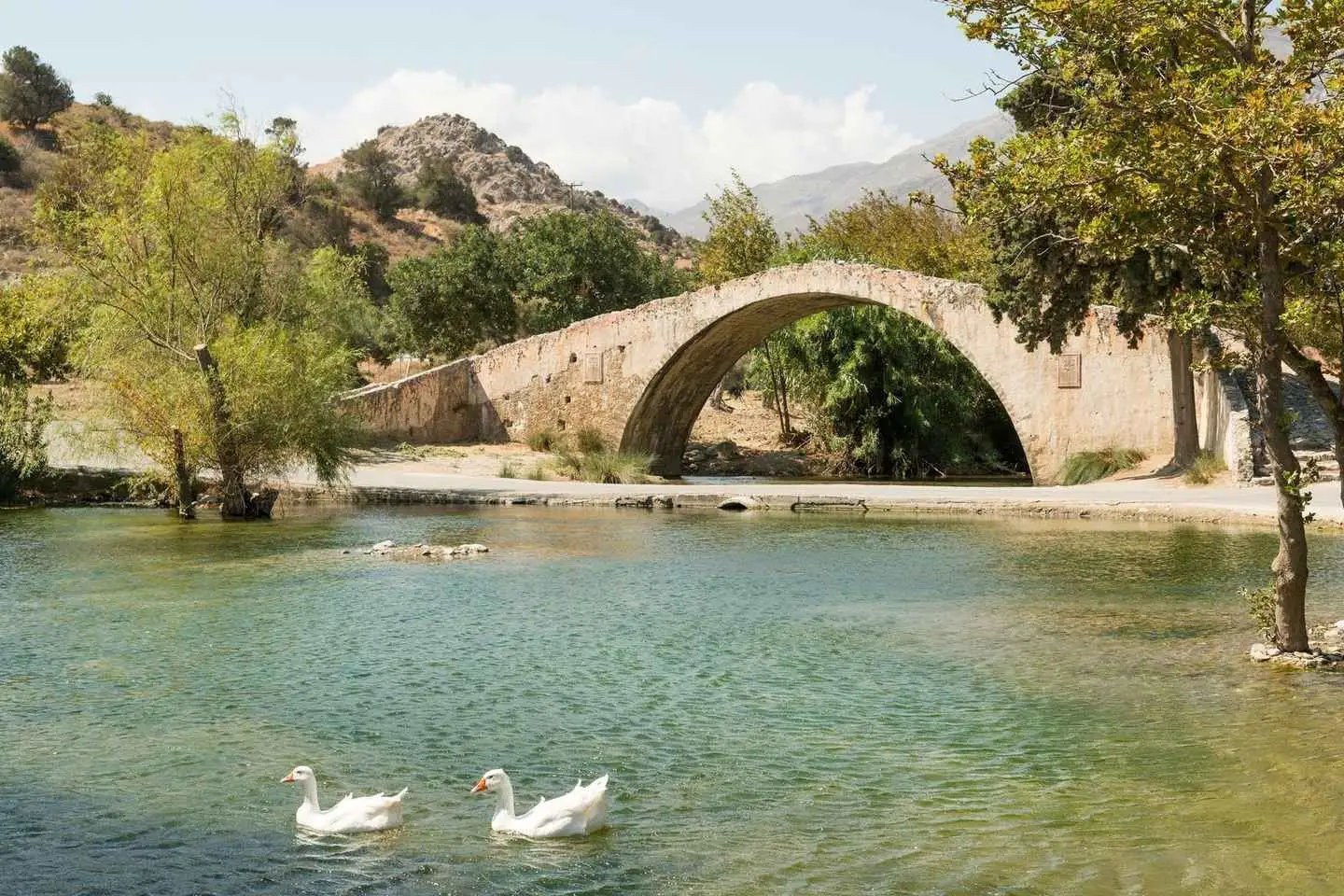


Experience Cretan nature with a local guide on this day tour. Pass through olive groves and traditional villages, smell wild flowers and herbs, and admire the natural beaches of the South Cretan Sea.
Commence your tour by departing from Rethymno after meeting your guide. You’ll soon arrive at the dam that gathers water from the gorge of Patsos. There, take amazing photos of one of the most important lakes in the southeast Mediterranean, which also boasts many species of birds and animals.
Next, stop at the magnificent gorge of Patsos itself. See a small church in a rocky cave and pass through traditional villages before heading over to a higher point for a panoramic view of Rethymno and the two highest mountains of Crete. Afterwards, visit a botanical garden and discover Crete’s medicinal plants and flowers.
Take a break from walking and enjoy some tea as you bask in Cretan nature. Then, proceed to Spili, a village famous for its natural springs. Lastly, visit the Folklore Museum and end your tour by going to Plakias Beach for a swim with a view of the South Cretan Sea.
No results available
Find below list of beaches near Del Sur Luxury Villa, Absolute Privacy & Comfort, By ThinkVilla:
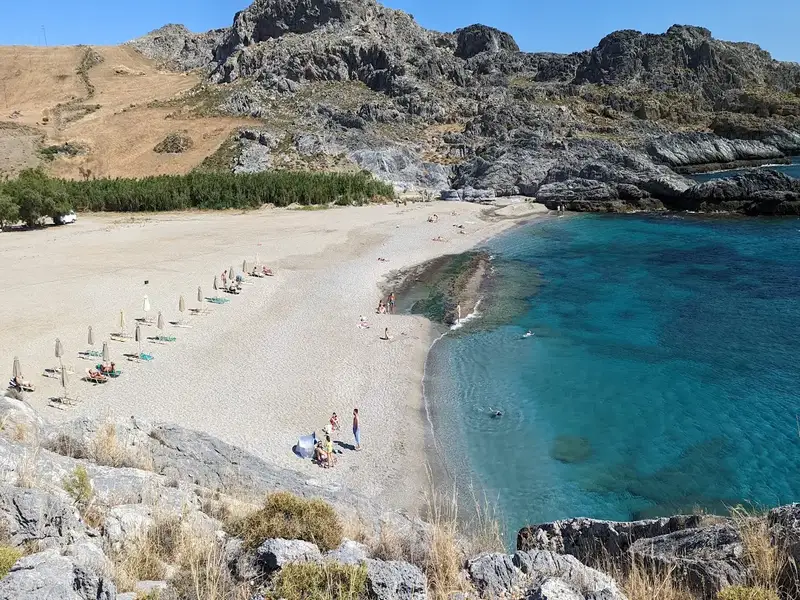
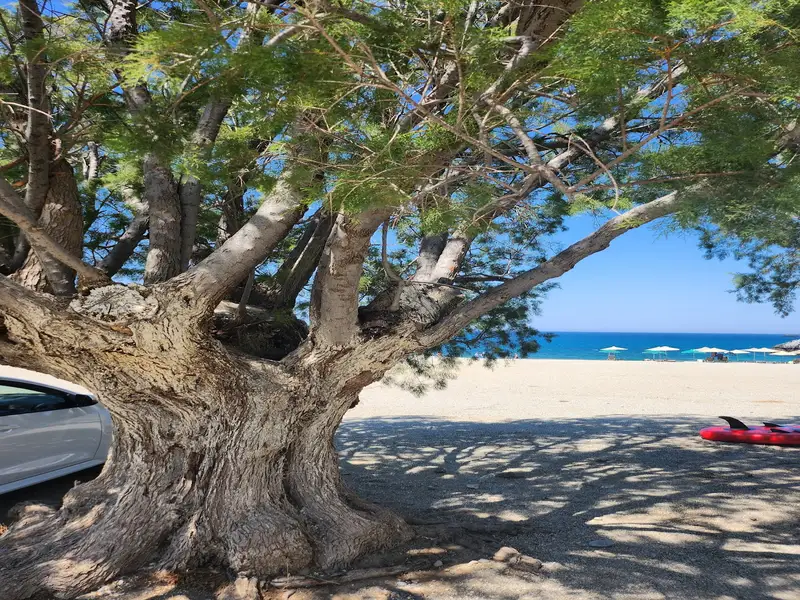
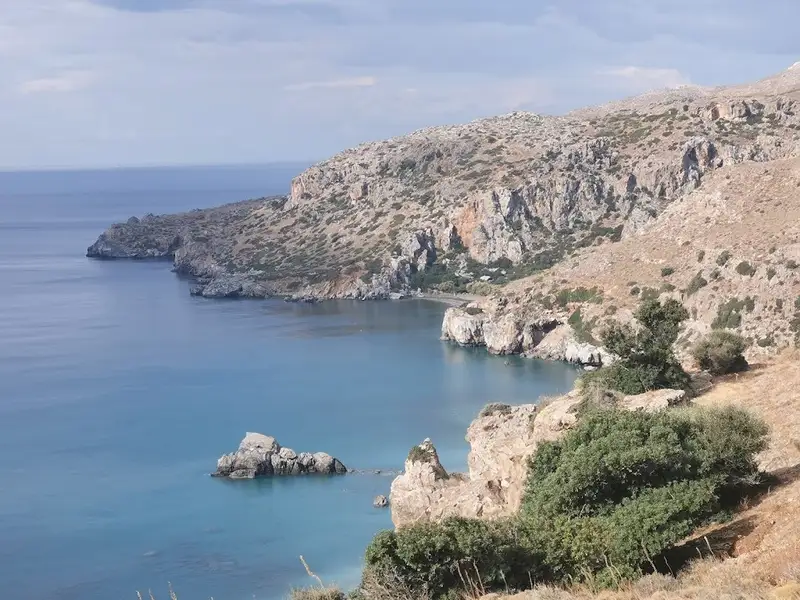
Ammoudi beaches are located 32 kilometers south of Rethymno and 5 kilometers east of Plakias village. Ammoudi beaches are accessible via a paved road from the village of Lefkogia. This road leads you directly to the first beach, Ammoudi, recognizable by its distinctive green slippery rock. Ammoudi beach has a slight organization, with available amenities such as umbrellas, nearby taverns and rooms, and even a scuba diving centre. Ammoudi Beach offers white sand, rocky seabed, and bright green waters, making it ideal for diving and snorkelling. There’s also the option to find shade and camp under the many tamarisk trees located next to the beach.
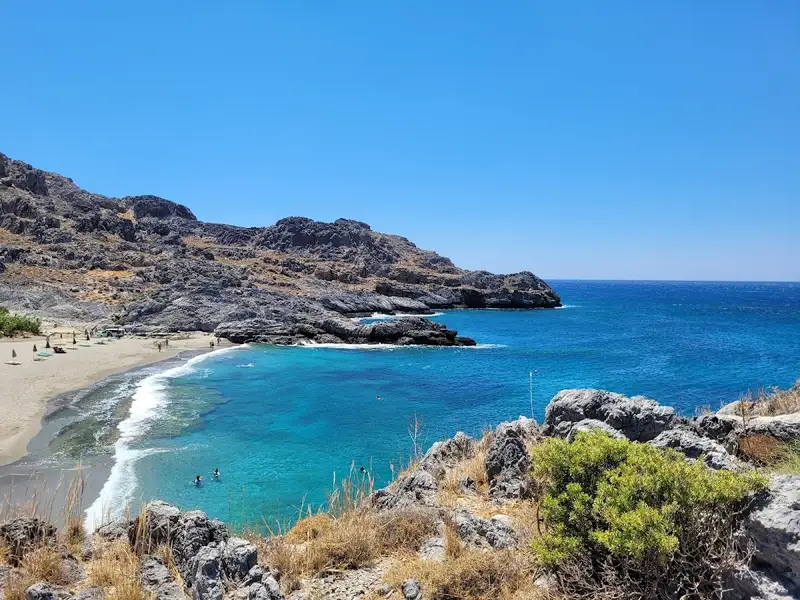
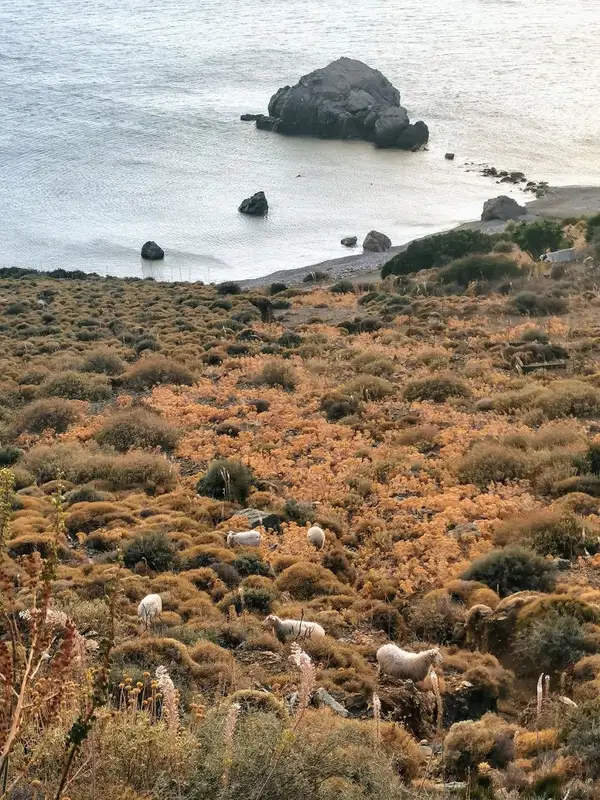
Heading west from Ammoudi, a dirt road begins that will take you towards Damnoni, passing by towering cliffs and impressive rocks. Just 200m west of Ammoudi, along this dirt road, you’ll discover a parking plateau that offers an unrestricted view of Damnoni. Here, you’ll see an enchanting miniature sandy beach, featuring turquoise waters and a unique rock in the sea. Known as Klisidi, this beach is an attractive choice when not crowded, though this is rare during peak season.
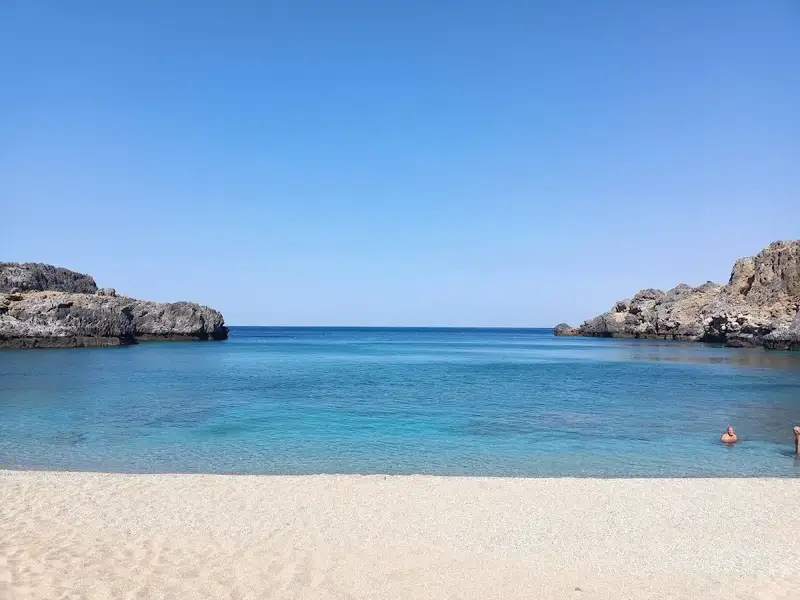
Adjacent to Klisidi, you’ll encounter the stunning nudist beach of Small Ammoudi or Ammoudaki. This small beach is popular among nudists for its turquoise waters and exceptional white coarse sand. It also has a small canteen offering umbrellas and sunbeds. On the beach’s west side, you can swim in a marine cave, where the sunlight turns the water a vibrant blue. You can easily walk on the sandy seabed. There’s also an underwater hole connecting Ammoudaki with Klisidi, allowing you to travel between the two beaches with just a dive. If you wish to reach the Ammoudi beaches on foot, simply walk east of Damnoni until you reach Ammoudaki.
Skinaria Beach (also spelled Schinaria or Shinaria) is a small, secluded beach on the south coast of Crete, 33 km south of Rethymno and 3 km south of the village of Lefkogia, in the eastern part of the Plakias area. It is best known for exceptionally clear water over a rocky, marine-rich seabed, which makes it one of the finest snorkelling and scuba-diving spots in the region.
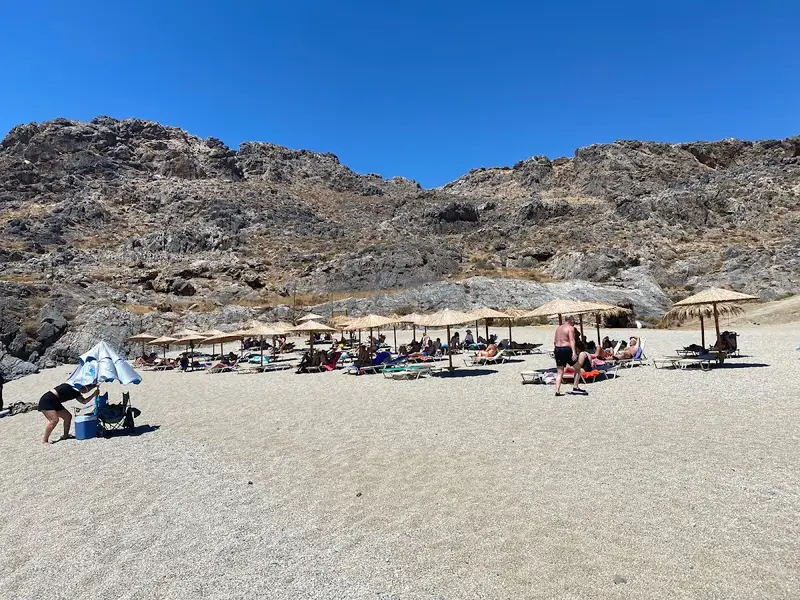
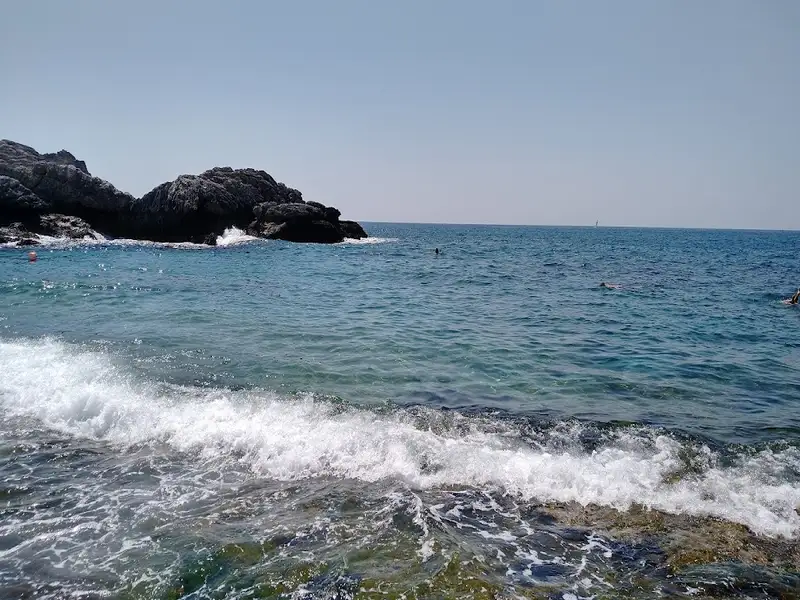
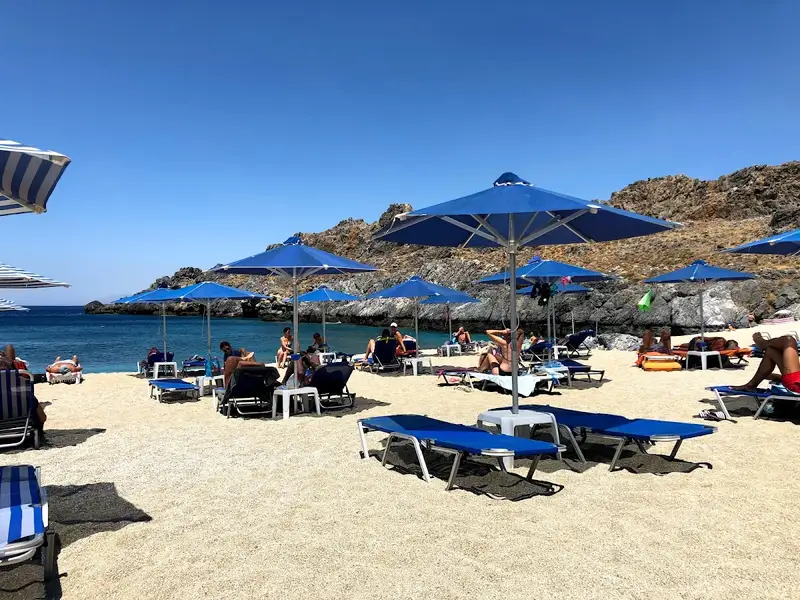
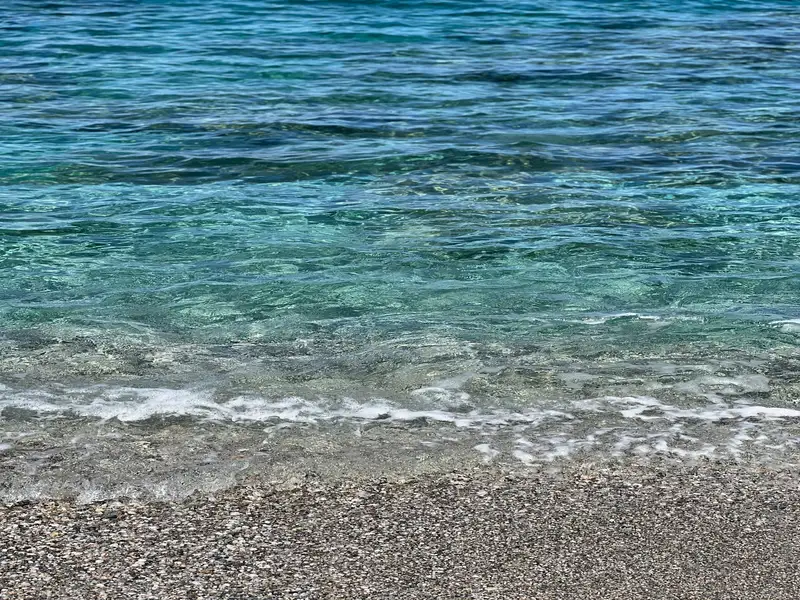
The beach has soft grey-beige sand mixed with fine pebbles and deep, turquoise water. The seabed is mostly rocky, while the northern part of the beach is sandy. Small freshwater ponds sit on the shore, fed by springs that carry water down from the surrounding mountains, and the lush vegetation around them gives the area a tropical feel. The bay is framed by rock on either side, so the sea surface usually stays calm and the entry is gentle.
Skinaria is quieter than Crete’s headline beaches. It sees far fewer visitors than nearby resorts, though the single tavern and the small car park can fill on peak-season afternoons.
Skinaria has one of the richest seabeds on the island, and its water is clear enough to see more than 40 metres horizontally. Snorkellers and divers share the water with morays, blackfish and octopuses, and divers often describe the rocky seabed as being like an aquarium. A scuba-diving centre operates in the area and draws visitors from across Crete, which makes the beach a reliable choice for a day in the water rather than only on the sand.
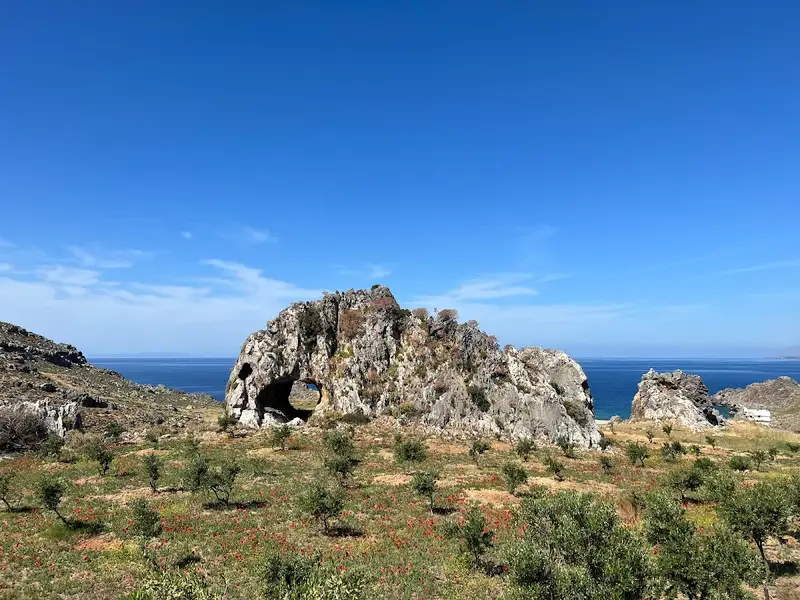
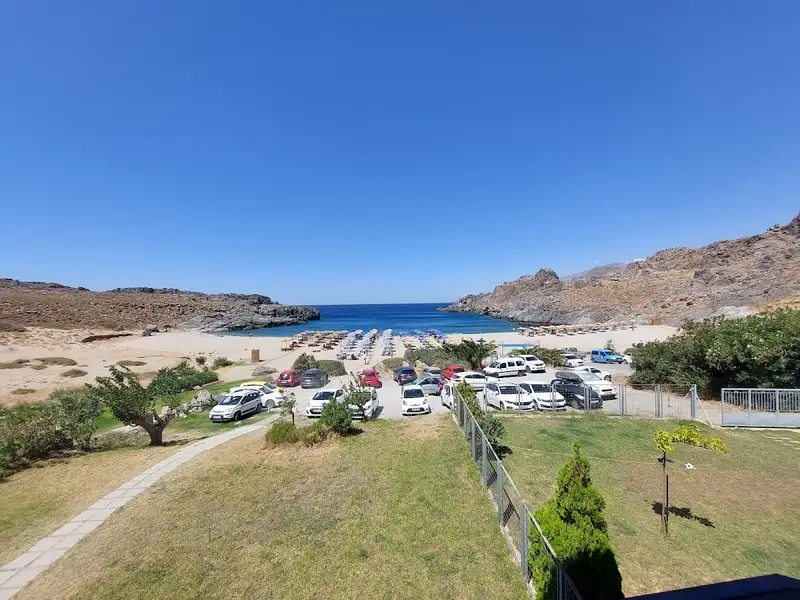
A narrow road runs down to Skinaria from Lefkogia, roughly 2 km, and the beach is signposted from the village. Along the way, look for a cylindrical cave set inside a rock on your left. There is no direct public bus to the beach, so most visitors arrive by rented car or taxi. A small parking area sits beside the beach; it is enough for beachgoers but gets cramped at peak times, so arriving earlier in the day helps. A rented car is also the most flexible way to reach Skinaria if you want to combine it with other stops in the Plakias area, and you can rent a car in Crete for the trip.
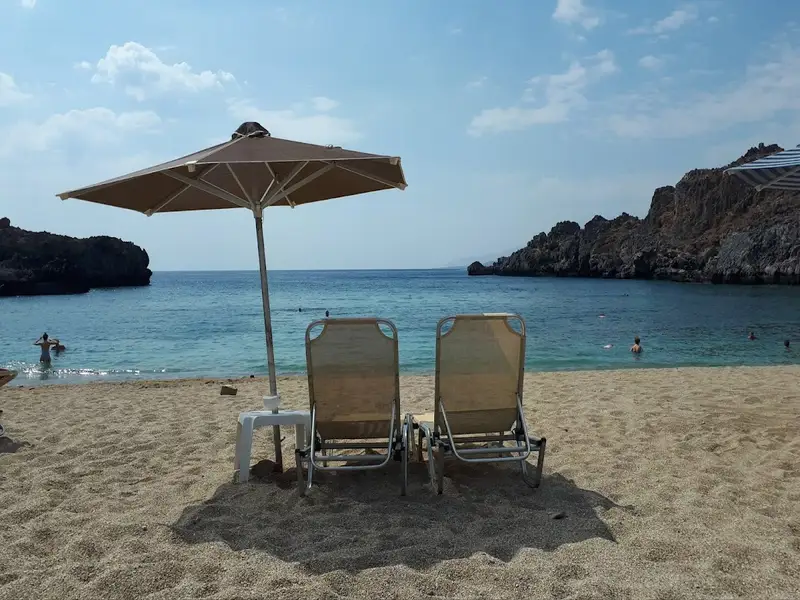
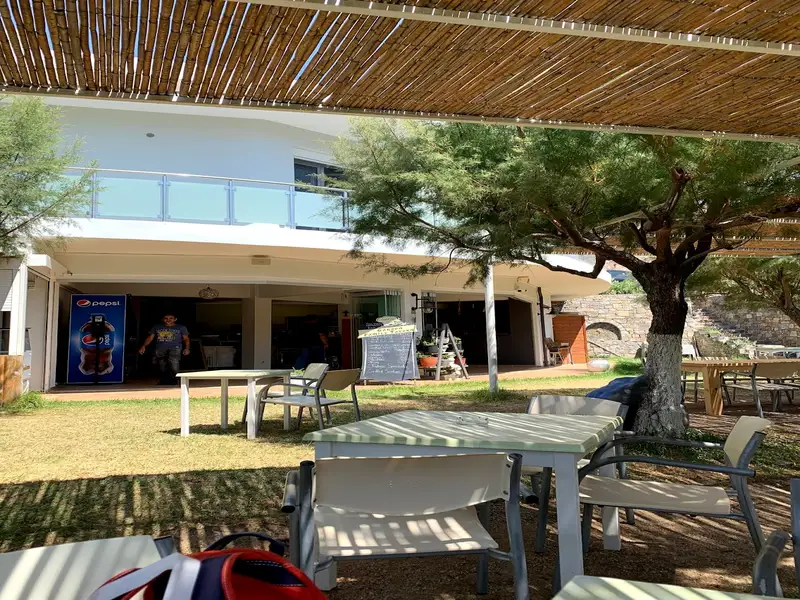
Skinaria is only slightly organised. A local tavern serves refreshments and traditional Greek dishes and offers a few umbrellas and sunbeds, which on our last visit were free with a purchase. There is little natural shade, so bringing water and sun protection is sensible. The calm, shallow-entry bay is safe for children, and naturists tend to use the left-hand side, which leaves the rest of the beach for families and other visitors.
Two nearby beaches are within a short drive: the Ammoudi beaches to the west, and the larger, better-organised Damnoni beach a little further along the coast.
Skinaria Beach is on the south coast of Crete, 33 km south of Rethymno and 3 km south of the village of Lefkogia, in the eastern part of the Plakias area. It faces the Libyan Sea.
To reach Skinaria Beach, drive the narrow road, roughly 2 km long, down from Lefkogia; the turn is signposted from the village. There is no direct public bus, so most visitors arrive by rented car or taxi. A small parking area sits beside the beach.
Yes. The water is exceptionally clear, often more than 40 metres horizontally, and the rocky seabed holds abundant marine life, including morays, blackfish and octopuses. A scuba-diving centre operates in the area, and snorkellers can see plenty from the surface.
Skinaria is only slightly organised. A single tavern serves refreshments and traditional Greek dishes and offers a few umbrellas and sunbeds. There is little natural shade and no large resort infrastructure, so bring water and sun protection.
Yes. The bay is sheltered by rock on both sides, so the water stays calm and the entry is gentle, which suits children. Note that naturists tend to use the left-hand side of the beach.
Skinaria is popular with naturists, who usually gather on the left-hand side. Other visitors and families settle on the rest of the beach.
The swimming season runs roughly from May to October, when the water is warm and the weather is settled. Spring and early autumn are quieter than the July-to-August peak.
Yes, there is a small parking area beside the beach. It is enough for beachgoers but fills up during peak season, so arriving earlier in the day is wise.
Ammoudi beaches lie a short distance to the west, and the larger, better-organised Damnoni beach is a little further along the coast. Preveli Beach, with its palm-lined river, is another well-known stop in the wider Plakias area.
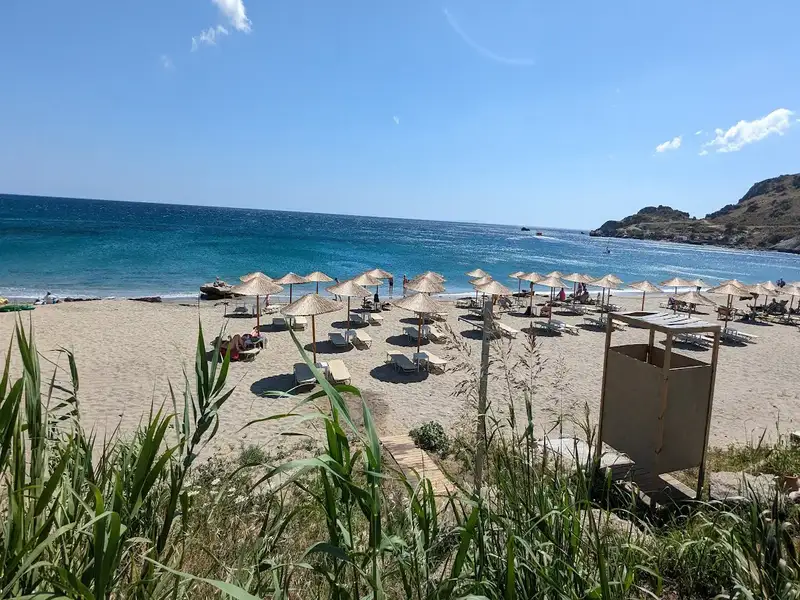
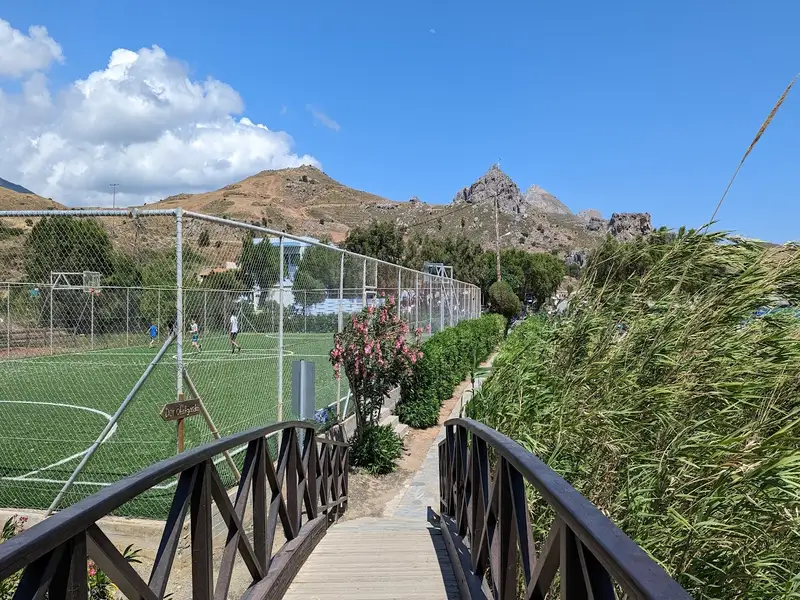
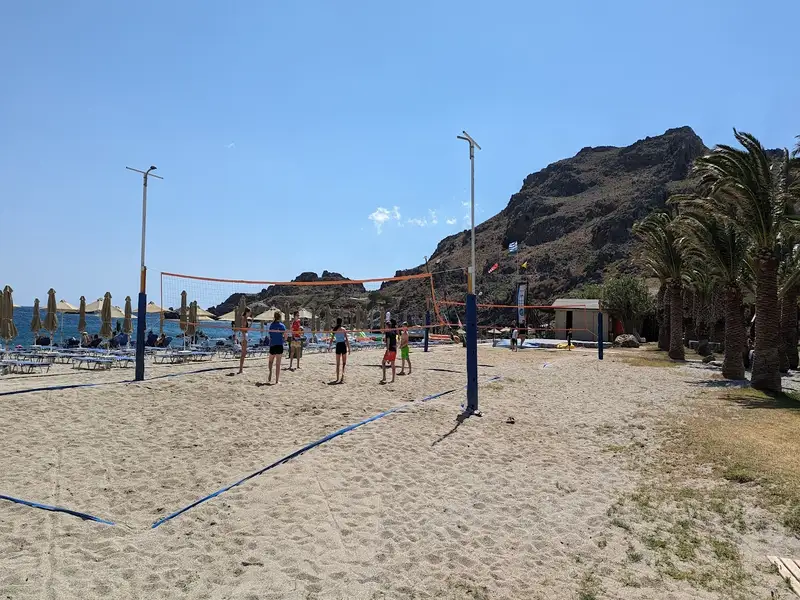
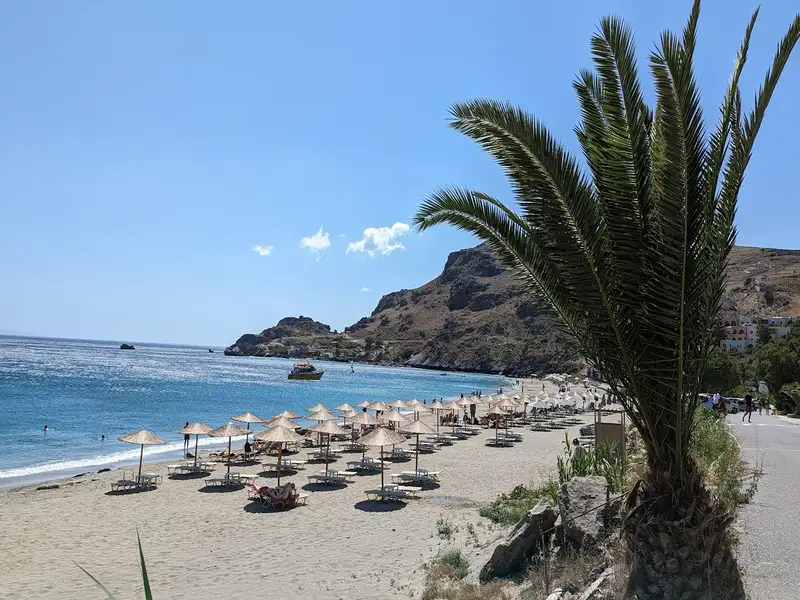
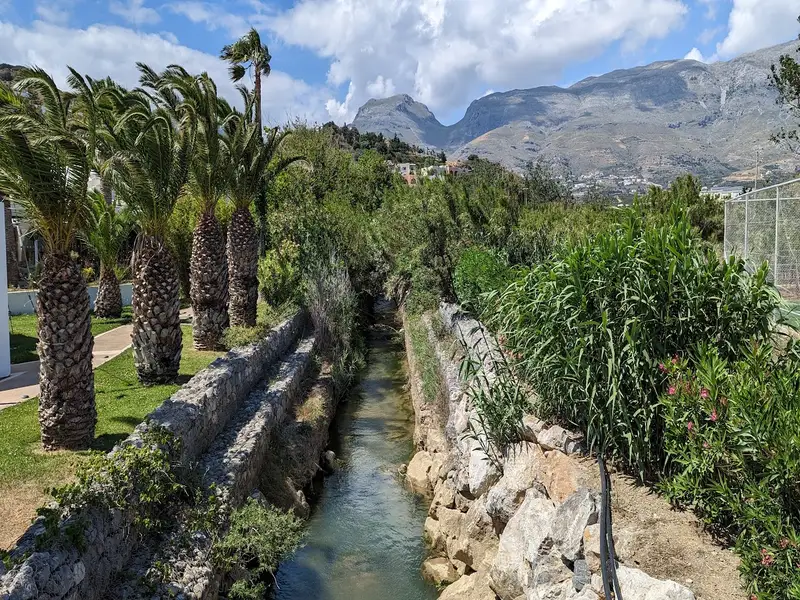
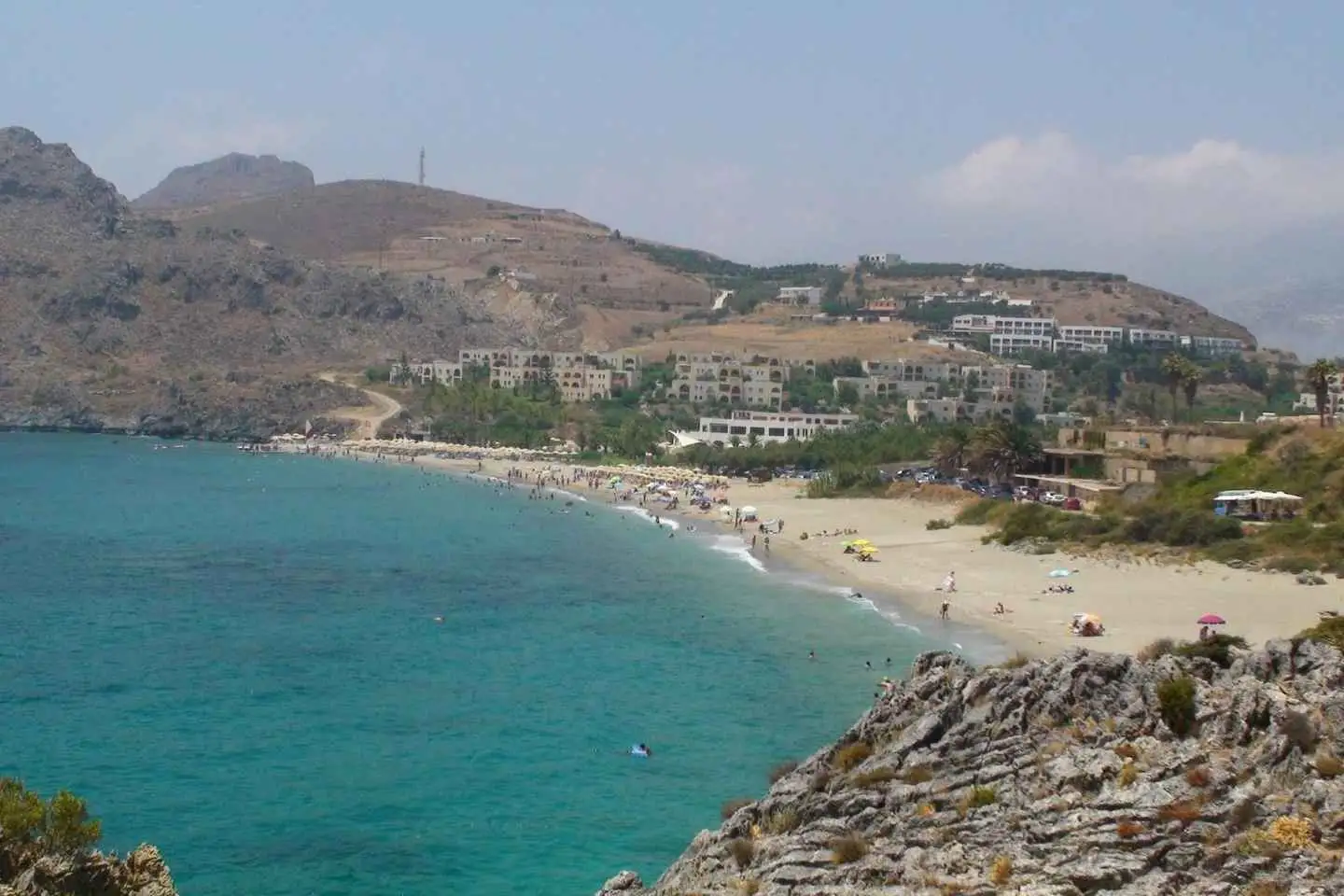
Situated 35km south of Rethymnon and 5km east of Plakias on Crete island, Damnoni beach is a well-known tourist destination. The resort is fully developed and well-structured, featuring a wide bay with turquoise waters and coarse, whitish sand. Visitors can enjoy numerous facilities including umbrellas, snack bars, showers, changing rooms, and water sports. Additionally, there’s a scuba diving centre, top-notch hotels, restaurants, and a horse-riding centre.
The westernmost part of the beach, which is highly organized, is home to a small river that maintains water nearly all year round. The eastern end of the beach is more serene and connects to the neighbouring Ammoudakii beaches via a short unpaved road. Beyond the western end of the beach, you’ll find several secluded small coves with sand and rocks, located right next to the area’s small harbour.
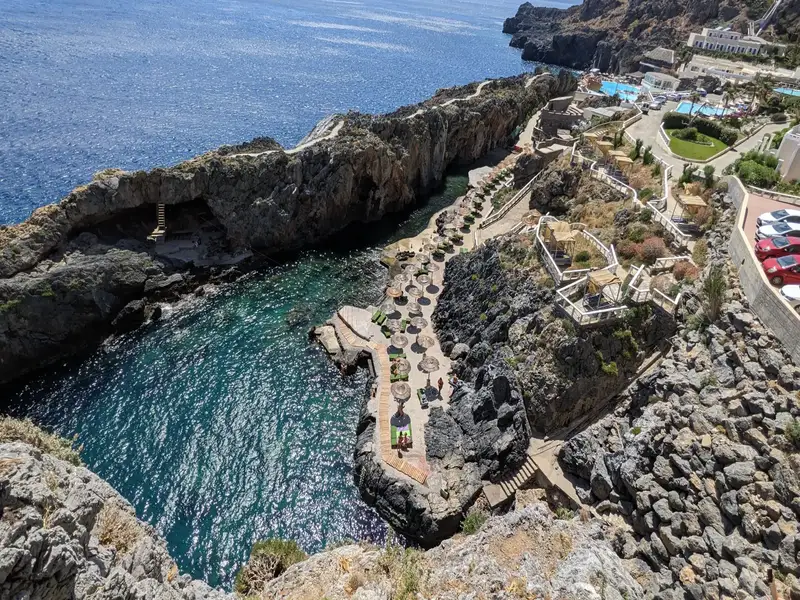
Kalypso Beach is a small, steep-cliffed cove on the southern coast of Crete, 34 kilometres (21 miles) south of Rethymno, between Plakias and Preveli Beach. The beach sits at the foot of narrow rock passages that drop into deep, calm, deep-blue water, which makes it better suited to confident swimmers, snorkellers and divers than to paddling toddlers. Access is free on foot through the Kalypso Cretan Village Resort & Spa, a paved road reaches the site, and the Kalypso Dive Center runs guided tours and equipment rentals on the shore. Locals also call it Pirates’ Fjord Beach, because the sheltered inlet worked as a pirate hideout during the Byzantine era.
If you want the short version: come for the scenery, the diving and the cliff jumping, rent a sunbed for the day, and drive rather than rely on buses.
Kalypso Beach is a narrow fjord-like cove framed by towering cliffs on Crete’s Libyan Sea coast. Kalypso Beach reads more as a rocky swimming spot than a wide sandy resort beach, with rocks in places along the shoreline and sudden drop-offs a step or two from the water’s edge. The sea here is deep blue, the surface is usually calm, and crowds stay at normal levels rather than the crush you find at Crete’s headline beaches.
The setting is the draw. Steep cliffs, narrow passages and deep water give the cove a dramatic, enclosed feel and a genuinely distinctive geological shape, which is why it also carries the “Pirates’ Fjord” name. The same cliffs that make it photogenic are the reason it demands a little care in the water.
Reach Kalypso Beach most easily by car or taxi, because the cove sits off the main tourist routes near Plakias with no direct public transport to the shore. Drivers reach Kalypso Beach from Rethymno in about 45 minutes. The beach lies 97 kilometres (60 miles) from Chania International Airport and 115 kilometres (71 miles) from Heraklion Airport, and a paved road runs to the site.
Access to the beach itself is free of charge and on foot through the neighbouring hotel. The Kalypso Cretan Village Resort & Spa provides direct beach access, a pool and spa facilities, and hotel guests receive free use of the beach sunbeds.
You have three practical ways to arrive:
Yes, renting a car is the most practical way to visit Kalypso Beach, since the cove lies near Plakias with no direct public transport. Renting a car also removes the reliance on rigid bus timetables and lets you fold gorges, villages and other beaches into the same day trip. Narrow roads and limited signage lead to the site, so a compact model that handles tight bends on mountainous terrain suits the drive better than a large vehicle. Standard requirements across major and local agencies include a valid driver’s licence and a minimum age of 21. Travellers arriving through Heraklion or Chania airports often pick up a vehicle on arrival to keep their schedule flexible, and renting a car in Crete simplifies exactly this kind of multi-stop coastal trip.
Kalypso Beach offers a modest but useful set of facilities for a small cove. The beach has sunbeds and umbrellas for hire, with a set of two beds plus an umbrella costing €10 ($11, £9), while hotel guests use the sunbeds for free. Food and water are available nearby, and the adjacent resort covers accommodation, an on-site restaurant, and spa and pool facilities.
The core facilities are:
Dogs are allowed at Kalypso Beach. Fishing is not, the beach falls within a natural park, so fishing is prohibited.
Snorkelling and scuba diving are the standout activities at Kalypso Beach, thanks to clear, deep water and a rich underwater world. The marine life here includes fish, sea turtles and other sea creatures, and there are underwater caves to explore along the rocky shore. The Kalypso Dive Center provides guided tours and equipment rentals for both snorkelling and diving.
The calm, clear water also makes plain swimming rewarding, provided you are comfortable out of your depth. The water is deep close in, so this is a swimmers’ beach rather than a toddler-friendly shallows.
Cliff jumping is the beach’s signature adventure, with jumps of up to 10 metres from the cliffs into the deep water below. Cliff jumping rewards confident, careful visitors, and it calls for the same caution near the rocks that the deep water demands. The surrounding cliffs and coastline also open up several hiking trails with views over the cove and the sea, and a 25-minute hike leads from Kalypso Beach to neighbouring Damnoni Beach. Biking is possible in the wider area too, which rounds out a spot that mixes adventure, relaxation and exploration.
Visit Kalypso Beach between June and September for the warmest, most reliable swimming conditions. During these months the sea temperature runs a pleasant 23°C (73.4°F) to 25.5°C (77.9°F), ideal for swimming, snorkelling and diving. May and October stay comfortable for slightly cooler swims, with sea temperatures between 19°C (66.2°F) and 22.5°C (72.5°F). Across the wider May-to-October window the climate is warm with minimal rainfall.
Kalypso Beach suits confident swimmers, snorkellers, divers and adventure-minded travellers more than families with young children. The beach welcomes families, but it fits older children who swim strongly, because the shoreline is rocky and the drop-offs are sudden. Parents of younger children usually have an easier day at shallower beaches such as Damnoni and Plakias, which offer gentler, safer water. Anyone who supervises children closely and keeps clear of the cliffs can enjoy the cove safely.
Kalypso Beach sits within easy reach of several notable beaches, gorges and villages. Kalypso Beach works well as one stop on a longer south-coast day, and the following places are the closest highlights:
The nearest dining sits in Plakias village and near Damnoni Beach, a short drive from the cove. These tavernas lean on Greek and Cretan cooking and same-day seafood:
The closest places to stay cluster around Kalypso Beach, Damnoni and Plakias, from the beachfront resort next door to family hotels a few kilometres away. Rates below reflect the nightly ranges published by each property:
Plan Kalypso Beach around its deep water, rocky shore and off-route location. Keep these points in mind:
Yes, Kalypso Beach is worth visiting for its scenery and water activities. The narrow cove sits below towering cliffs above crystal-clear water, and it offers snorkelling, scuba diving, cliff jumping and sunbathing, along with rocky shores and underwater caves to explore.
Yes, Kalypso Beach is a safe, well-maintained beach. Lifeguards are present during peak season to watch swimmers, and visitors stay safe by taking care near the rocky cliffs and during cliff jumping.
Yes, both children and pets are allowed at Kalypso Beach. The beach has a rocky shoreline and sudden drop-offs, so parents supervise children closely, and the cove best fits families with older children who swim strongly. Families with younger children often prefer the shallower water at Plakias and Damnoni beaches.
Yes, Kalypso Beach is suitable for swimming in its calm, clear, deep water. Swimmers stay aware of the rocks and drop-offs and keep an eye on conditions before heading out.
No, fishing is prohibited at Kalypso Beach because the beach lies within a natural park.
The water at Kalypso Beach is deep blue, calm and deep close to shore. The seabed is rocky in places, and the clear conditions make the cove a strong choice for snorkelling and diving.
Access Kalypso Beach on foot via a paved road through the Kalypso Cretan Village Resort & Spa, free of charge. Drivers and taxis reach the resort directly, while bus travellers connect through Rethymno and Plakias.
No results available
Find below list of gorges near Del Sur Luxury Villa, Absolute Privacy & Comfort, By ThinkVilla:
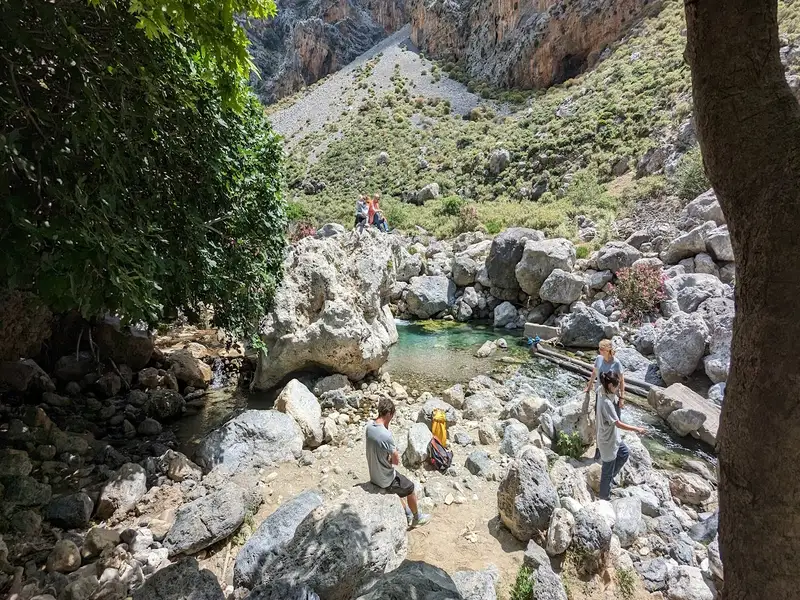
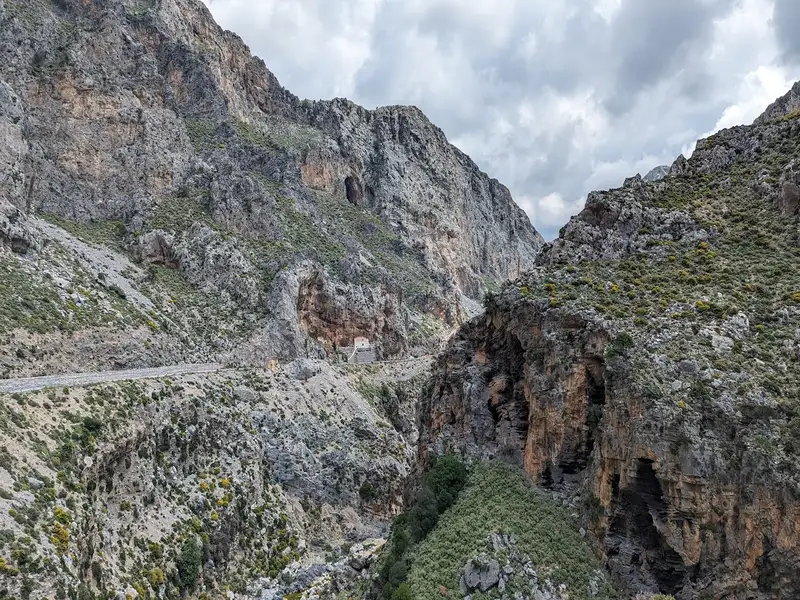
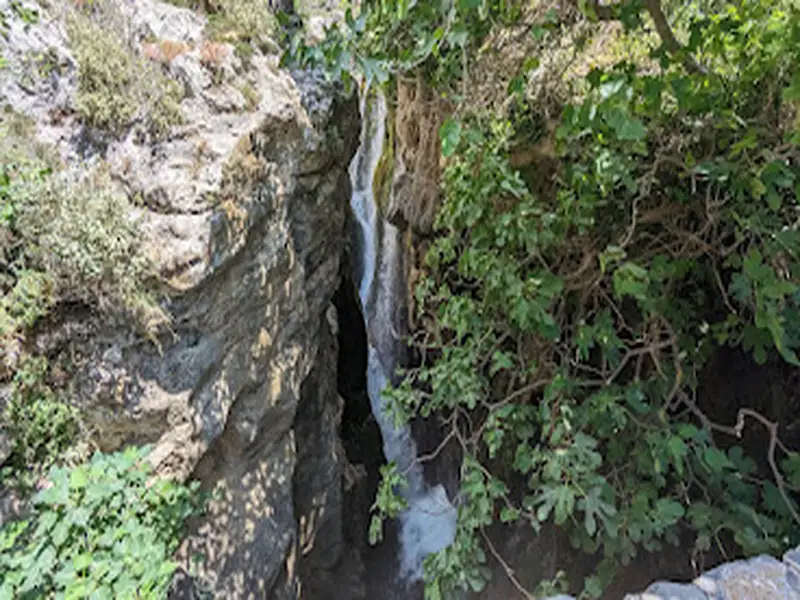
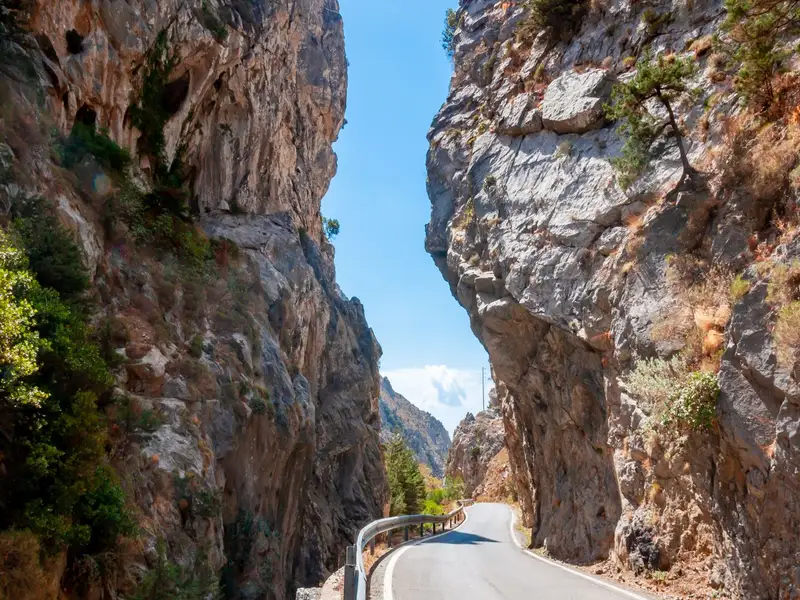
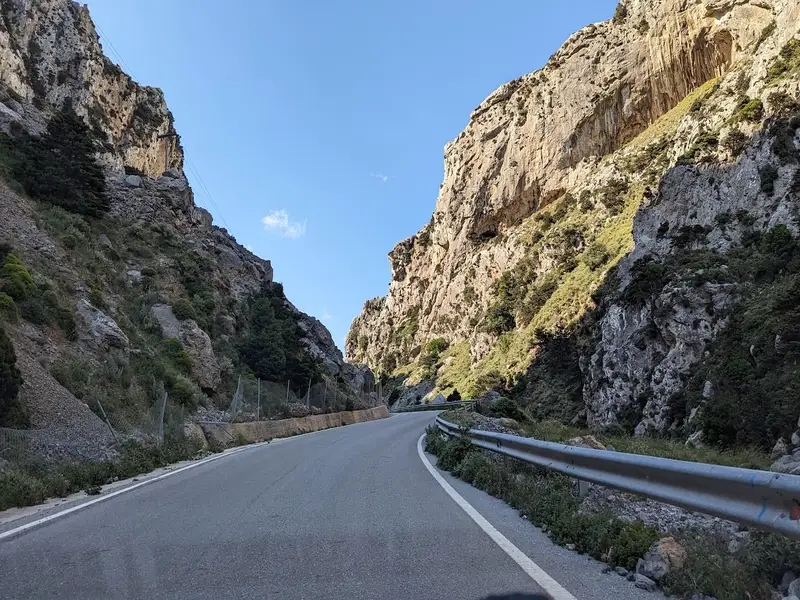
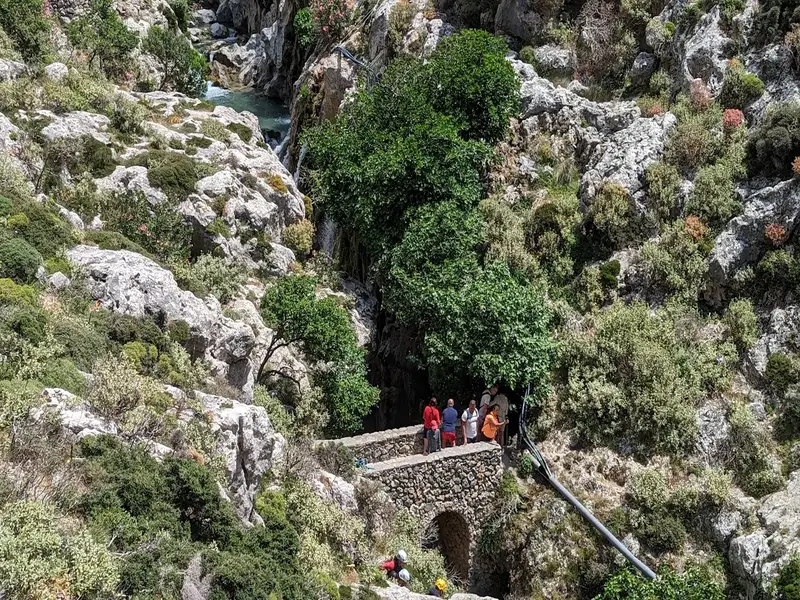
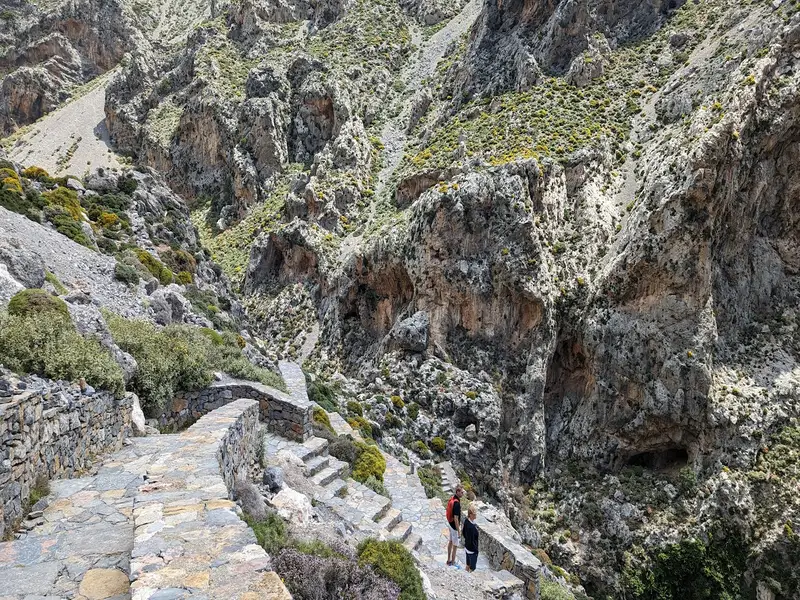
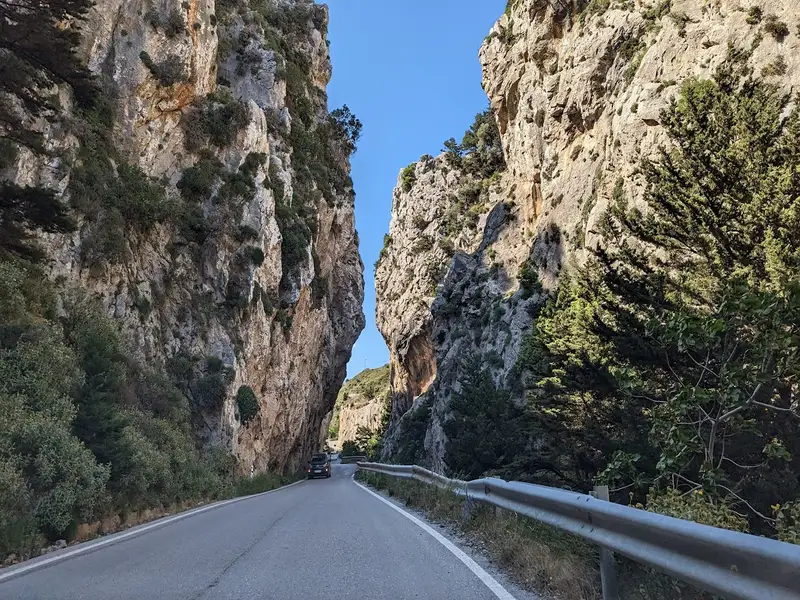
Kourtaliotiko Gorge is a hiking gorge 22km south of Rethymno, Crete, Greece, known for its waterfall, its year-round springs, and the chapel of Agios Nikolaos at the base of the cliffs. Kourtaliotiko Gorge runs for 3km between the Kouroupa and Koules mountains, and a paved road cuts through the canyon so you can reach the main viewpoints and the trailhead without a long approach. This guide covers what the gorge is, the waterfall and chapel, how to get there and park, the difficulty, what to see, and the tips worth knowing before you go.
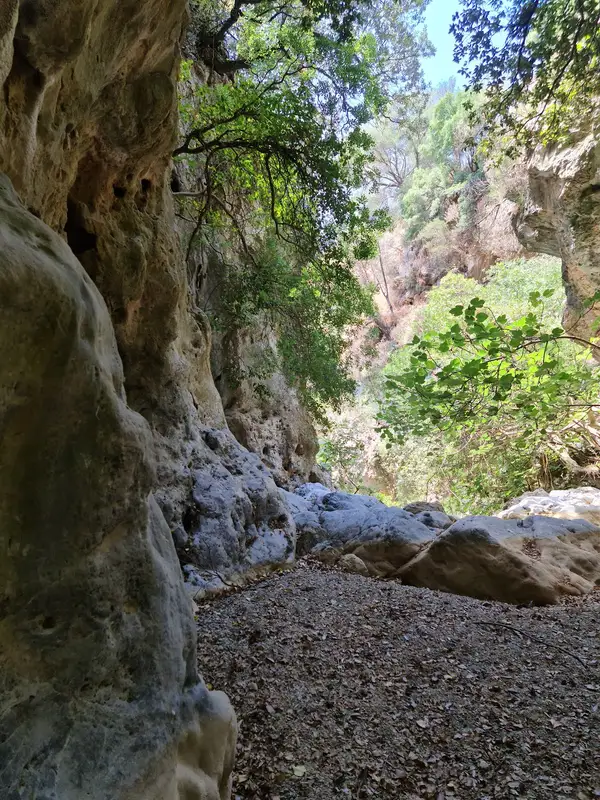
The Swallow Gorge, situated 33km south of Rethymnon city, is in close proximity to the renowned Preveli beach, known for its magnificent palm grove and breathtaking river. The gorge begins from Kenda peak (881m altitude), passes through Drymiskos village, runs nearly parallel to the Kourtaliotiko canyon, and concludes at Drymiskiano Ammoudi beach. It gets its name from the swallows that flock here every summer.
Unlike Kourtaliotiko, this lesser-known canyon is dry during the summer but is still worth a visit. The vertical, awe-striking rocks and the verdant riverbed (which flows in winter) are a sight to behold. The winding Swallow Canyon is relatively easy to hike and doesn’t require any specific skills, despite not being marked.
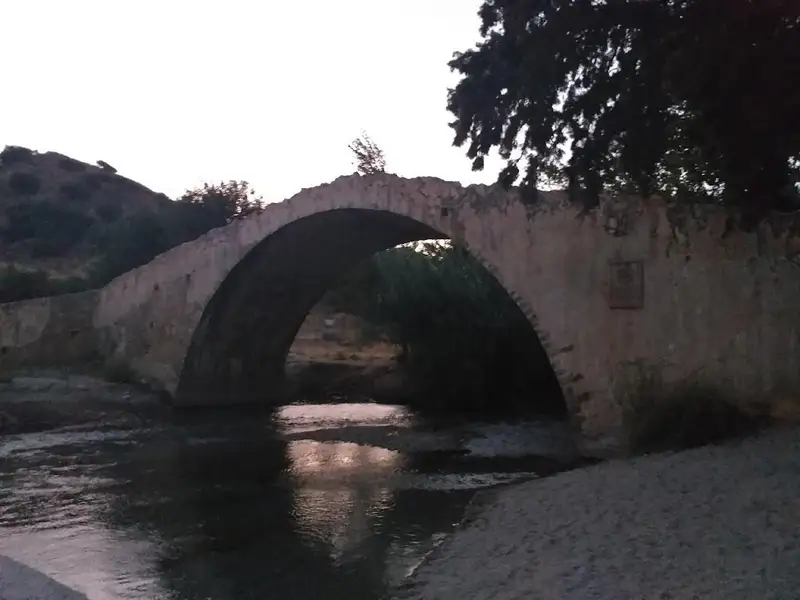
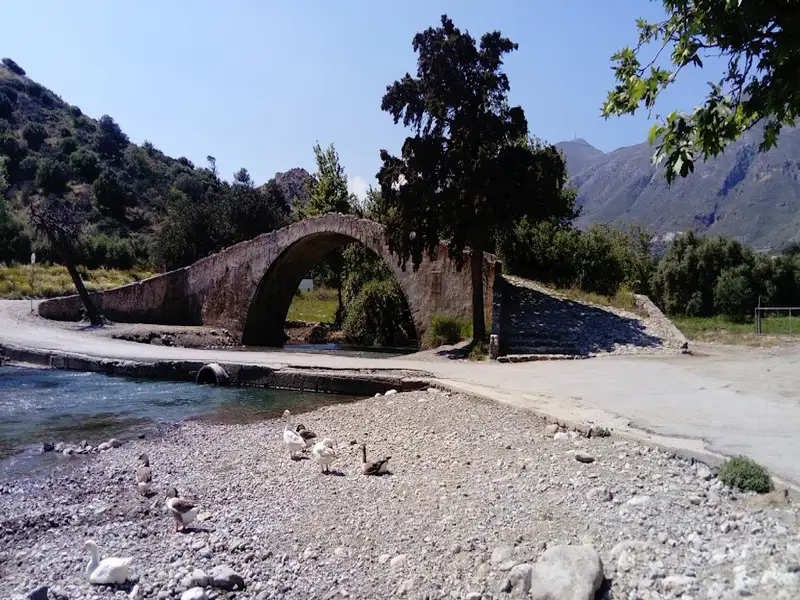
A significant portion of the canyon runs parallel to the road leading to Amoudi beach, which is where the easy trail to Preveli begins. To find this road, take a left at the picturesque arched bridge of Megalos Potamos that you’ll come across en route to the Preveli monastery. Therefore, even if you’re not much of a walker, you can still enjoy the beauty of the gorge during your visit to Preveli.
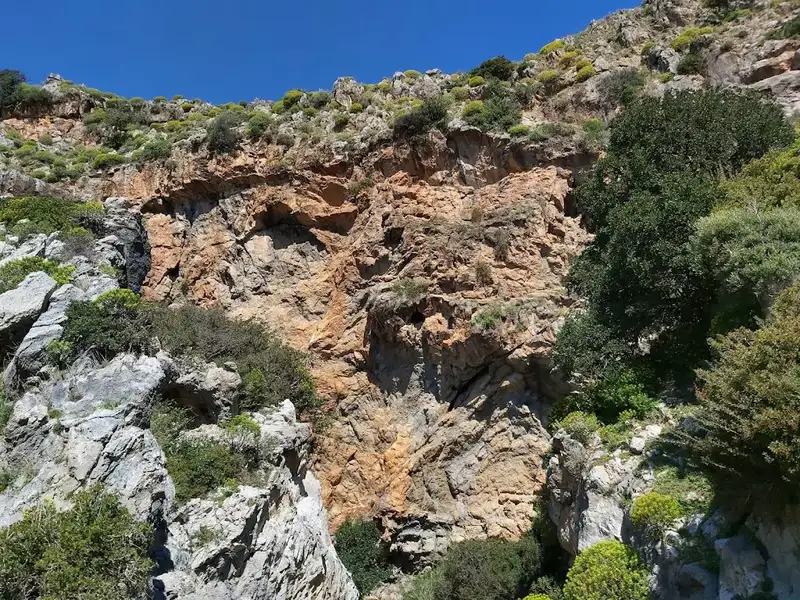
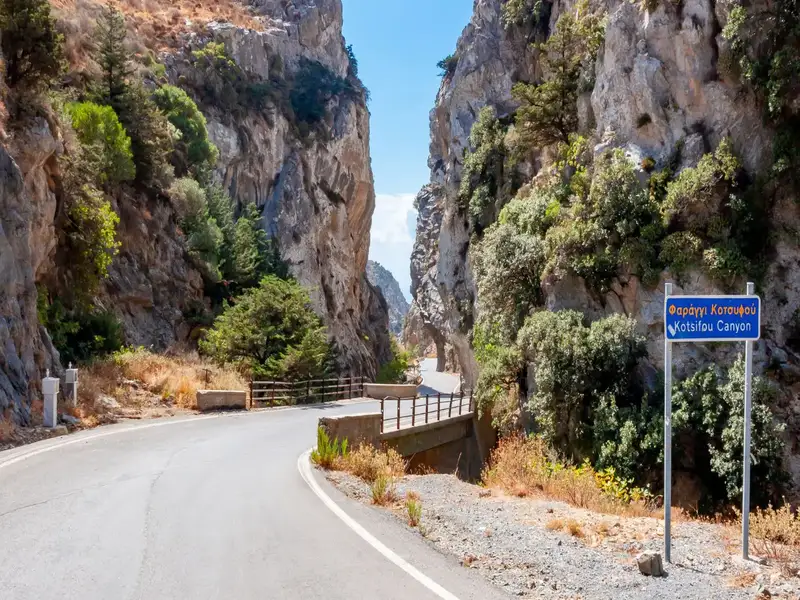
The gorge of Kotsifos starts at Kannevos village and ends at Plakias. The starting point is very narrow with a width of about 10m, which gradually increases and reaches 600m. The total length is 1800m, and the almost vertical sides that reach a height of 600m. Inside the gorge, there is a small temple built inside a rocky cavity dedicated to Saint Nicholas.
Hiking in the upper part of the gorge (Kanevos – Bridge of Sellia).
Starting from the village Kanevos you can start hiking on the riverbed and reach the bridge that connects villages Selia and Myrthios (after about one hour of course). Along the way, there are large boulders that block the passage, but with a little attention, you can overcome them. At one point the side-gorge of Boutsinas meets Kotsyfos with an impressive waterfall of 20 meters. In summer the riverbed is dry.
Course in the upper part of the gorge (Bridge of Sellia – Plakias)
At the location of the bridge that heads to Selia, the canyon gradually turns into a wide valley. You can continue our course at the bottom of the gorge, along the riverbed. After meeting a modern temple, after 3-4 minutes you meet a dirt road that heads backwards (opposite the flow of the river). If you follow this road in a few minutes you will meet the springs of Kotsifos where a pond is formed (surrounding villages get water from here). From here onwards, the river has a water flow throughout the year emptying on the beach of Plakias.
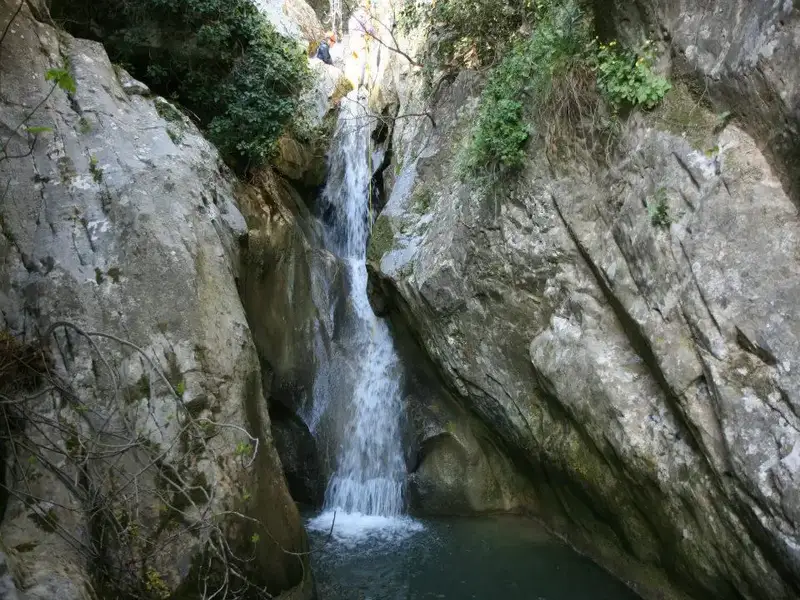
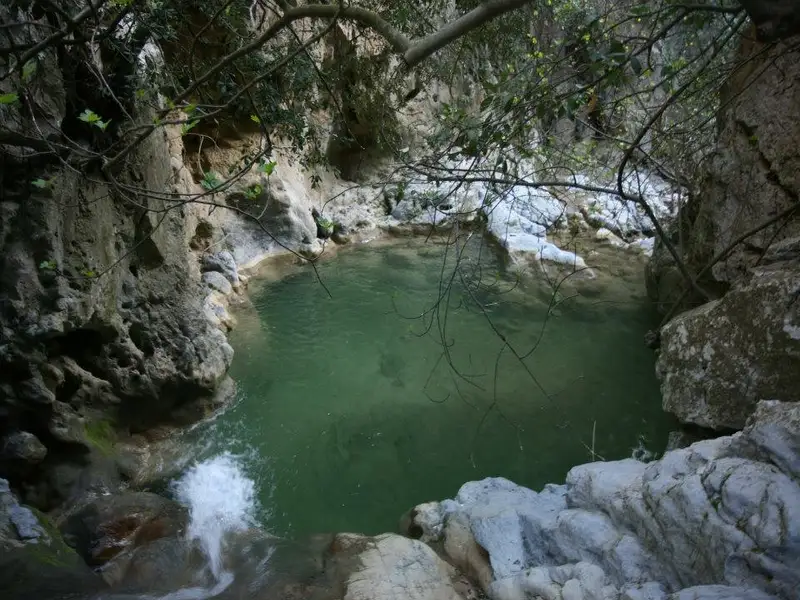
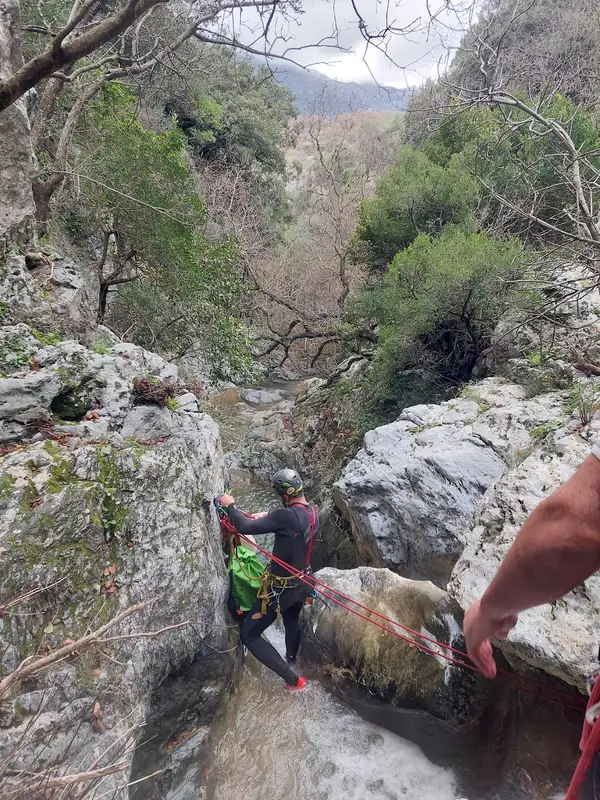
Kakoperatos Canyon, situated near the village of Agios Vasilios in the province of the same name, is a tributary of the Megalos River (Kourtaliotis). Its name, which translates to “bad passage” in Greek, indicates the necessity of technical equipment for human access. This stunningly scenic and rugged canyon is perfect for canyoning. It is endowed with water for most of the year and features 7-8 remarkable waterfalls. These create deep ponds filled with clear turquoise waters, making them ideal for jumping.
It’s likely that no other canyon in Crete boasts such vibrant turquoise waters. The canyon’s exit is located adjacent to the last residences of Agios Vasilios, with its stream flowing through the village courtyards!
No results available
© All rights reserved. Crete Locals